EP1209226A2 - Maturation of dendritic cells by recombinant heat shock protein 70 (hsp70) - Google Patents
Maturation of dendritic cells by recombinant heat shock protein 70 (hsp70) Download PDFInfo
- Publication number
- EP1209226A2 EP1209226A2 EP01125374A EP01125374A EP1209226A2 EP 1209226 A2 EP1209226 A2 EP 1209226A2 EP 01125374 A EP01125374 A EP 01125374A EP 01125374 A EP01125374 A EP 01125374A EP 1209226 A2 EP1209226 A2 EP 1209226A2
- Authority
- EP
- European Patent Office
- Prior art keywords
- dendritic cells
- rhsp70
- monocytes
- cells
- maturation
- Prior art date
- Legal status (The legal status is an assumption and is not a legal conclusion. Google has not performed a legal analysis and makes no representation as to the accuracy of the status listed.)
- Withdrawn
Links
Images





Classifications
-
- C—CHEMISTRY; METALLURGY
- C12—BIOCHEMISTRY; BEER; SPIRITS; WINE; VINEGAR; MICROBIOLOGY; ENZYMOLOGY; MUTATION OR GENETIC ENGINEERING
- C12N—MICROORGANISMS OR ENZYMES; COMPOSITIONS THEREOF; PROPAGATING, PRESERVING, OR MAINTAINING MICROORGANISMS; MUTATION OR GENETIC ENGINEERING; CULTURE MEDIA
- C12N5/00—Undifferentiated human, animal or plant cells, e.g. cell lines; Tissues; Cultivation or maintenance thereof; Culture media therefor
- C12N5/06—Animal cells or tissues; Human cells or tissues
- C12N5/0602—Vertebrate cells
- C12N5/0634—Cells from the blood or the immune system
- C12N5/0639—Dendritic cells, e.g. Langherhans cells in the epidermis
-
- A—HUMAN NECESSITIES
- A61—MEDICAL OR VETERINARY SCIENCE; HYGIENE
- A61K—PREPARATIONS FOR MEDICAL, DENTAL OR TOILETRY PURPOSES
- A61K40/00—Cellular immunotherapy
- A61K40/10—Cellular immunotherapy characterised by the cell type used
- A61K40/17—Monocytes; Macrophages
-
- A—HUMAN NECESSITIES
- A61—MEDICAL OR VETERINARY SCIENCE; HYGIENE
- A61K—PREPARATIONS FOR MEDICAL, DENTAL OR TOILETRY PURPOSES
- A61K40/00—Cellular immunotherapy
- A61K40/40—Cellular immunotherapy characterised by antigens that are targeted or presented by cells of the immune system
- A61K40/41—Vertebrate antigens
- A61K40/42—Cancer antigens
- A61K40/4231—Cytokines
- A61K40/4235—Interferons [IFN]
-
- A—HUMAN NECESSITIES
- A61—MEDICAL OR VETERINARY SCIENCE; HYGIENE
- A61P—SPECIFIC THERAPEUTIC ACTIVITY OF CHEMICAL COMPOUNDS OR MEDICINAL PREPARATIONS
- A61P35/00—Antineoplastic agents
-
- C—CHEMISTRY; METALLURGY
- C12—BIOCHEMISTRY; BEER; SPIRITS; WINE; VINEGAR; MICROBIOLOGY; ENZYMOLOGY; MUTATION OR GENETIC ENGINEERING
- C12N—MICROORGANISMS OR ENZYMES; COMPOSITIONS THEREOF; PROPAGATING, PRESERVING, OR MAINTAINING MICROORGANISMS; MUTATION OR GENETIC ENGINEERING; CULTURE MEDIA
- C12N2501/00—Active agents used in cell culture processes, e.g. differentation
- C12N2501/07—Heat shock proteins
-
- C—CHEMISTRY; METALLURGY
- C12—BIOCHEMISTRY; BEER; SPIRITS; WINE; VINEGAR; MICROBIOLOGY; ENZYMOLOGY; MUTATION OR GENETIC ENGINEERING
- C12N—MICROORGANISMS OR ENZYMES; COMPOSITIONS THEREOF; PROPAGATING, PRESERVING, OR MAINTAINING MICROORGANISMS; MUTATION OR GENETIC ENGINEERING; CULTURE MEDIA
- C12N2501/00—Active agents used in cell culture processes, e.g. differentation
- C12N2501/20—Cytokines; Chemokines
- C12N2501/22—Colony stimulating factors (G-CSF, GM-CSF)
-
- C—CHEMISTRY; METALLURGY
- C12—BIOCHEMISTRY; BEER; SPIRITS; WINE; VINEGAR; MICROBIOLOGY; ENZYMOLOGY; MUTATION OR GENETIC ENGINEERING
- C12N—MICROORGANISMS OR ENZYMES; COMPOSITIONS THEREOF; PROPAGATING, PRESERVING, OR MAINTAINING MICROORGANISMS; MUTATION OR GENETIC ENGINEERING; CULTURE MEDIA
- C12N2501/00—Active agents used in cell culture processes, e.g. differentation
- C12N2501/20—Cytokines; Chemokines
- C12N2501/23—Interleukins [IL]
Definitions
- This invention relates to ex vivo methods for inducing the TNF- ⁇ free differentiation of immature dendritic cells into mature dendritic cells as well as ex vivo methods for generating said mature dendritic cells.
- the invention further relates to mature dendritic cells obtainable by said ex vivo method.
- the invention is directed to therapeutic compositions comprising an effective amount of heat shock proteins of the hsp70 family or of said mature dendritic cells as well as their use in the immunotherapy of neoplastic diseases.
- Hsp heat shock proteins
- hsp70 proteins that respond to stress factors such as heat, hypoxia or viral transformation by the synthesis of a group of proteins called heat shock proteins (hsp) [1].
- hsc70 constitutively expressed
- hsp70 can be induced
- Hsp70 function as molecular chaperones for antigenic peptides in the endoplasmic reticulum and cytoplasm and are involved in antigen processing and presentation [3].
- Hsp70 is also expressed on the surface of human tumor cells such as sarcomas, lung carcinoma and colon carcinoma [4-7] and can act as a recognition structure for NK cells [8].
- hsps can also activate the innate immune response by acting as danger signals [9-10] since hsp70 [11] and hsp60 [9] can directly induce the production of cytokines from monocytes and macrophages. Danger signals [12] are thought to be recognized by pattern recognition receptors on antigen presenting cells (APCs) [13-14]. Professional APCs such as dendritic cells initiate an immune response after activation and form the link between the innate and an acquired immune response [15]. Immature DC specialize in antigen capture and processing whereas mature DC are potent antigen presenting cells [17]. Dendritic cells are now widely recognized to play an important role in the immune response to tumors [16]. Therefore, the maturation of dendritic cells, i.e. the differentiation from immature into mature dendritic cells, has been a subject of intense investigation in the last years.
- US Patent No. 5 849 589 (published on December 12, 1998) describes a method for inducing the differentiation of a population of monocytes into a population of cells comprising greater than 50% mature CD83@+ dendritic cells, said method comprising culturing monocytes in an induction medium comprising granulocyte/ macrophage-colony stimulating factor ("GM-CSF"), interleukin-4 ("IL-4"), and tumor necrosis factor-alpha (“TNF-alpha”), said GM-CSF, IL-4, and TNF-alpha being present simultaneously in said induction medium in sufficient amounts to induce said differentiation.
- GM-CSF granulocyte/ macrophage-colony stimulating factor
- IL-4 interleukin-4
- TNF-alpha tumor necrosis factor-alpha
- French Patent No. 2 777 906 (published on October 29, 1999) describes a process for obtaining human dendritic cells from monocytes in the presence of interleukin-4 (IL-4), granulocyte macrophage colony stimulating factor (GM-CSF) and tumor necrosis factor alpha (TNF-alpha).
- the process comprises several crucial parameters comprising: (a) the addition of 1-3 mg/ml bicarbonate to the culture medium; (b) maintaining the pH at 7.2-7.4; (c) culturing in Teflon pots; and (d) using 1-25% autologous/homologous human serum.
- TNF- ⁇ has a preeminent role in initiating the immune response. While it is normally beneficial to the host, in situations of over-production, TNF- ⁇ itself can kill the host. For example, excess acute levels of TNF- ⁇ have been associated with toxic shock syndrome, while chronic over-production is associated with inflammatory bowel disease, rheumatoid arthritis, and cirrhosis of the liver.
- TNF- ⁇ In the therapy, the dose-limiting toxicity of TNF- ⁇ consists of thrombocytopenia, headache, confusion and hypotension. Thus, the toxicity of systemically administered TNF- ⁇ seriously limits its use for therapeutic purposes. TNF- ⁇ has been most effective when used for regional therapy, in which measures, such as limb isolation for perfusion, are taken to limit the systemic dose and hence the toxicity of TNF- ⁇ (Mittleman, A., et al., 1992, Inv. New Drugs 10:183-190).
- TNF- ⁇ containing compositions are not suitable for preparations which are intended for use, for example, in the clinical immunotherapy.
- hsp70 By using an effective amount of heat shock proteins of the hsp70 family or a biologically active part thereof, an induction of the maturation of immature dendritic cells (DC) derived from monocyte precursors to mature dendritic cells (DC) is performed. Furthermore, immature DC stimulated to mature DC with hsp70, for example with recombinant hsp70 (rhsp70, definition see below), show an enhanced ability to present peptides to specific CTL (cytotoxic T-lymphocytes) . Already small amounts of hsp70 showed a higher effectiveness in inducing immature dendritic cells than previously used TNF- ⁇ . Therefore, hsp70 is useful for its adjuvant like properties in DC based immunotherapy of certain tumors and may be used as an alternative for the toxic cytokine TNF- ⁇ in the maturation of DC's.
- DC dendritic cells
- CTL cytotoxic T-lymphocytes
- the invention describes an ex vivo method for inducing the TNF- ⁇ free differentiation of immature dendritic cells into mature dendritic cells, said method comprising contacting the immature dendritic cells with an effective amount of heat shock proteins of the hsp70 family or a biologically active part thereof.
- the invention comprises an in vivo method for generating mature dendritic cells, by performing the steps of inducing the differentiation of immature dendritic cells into mature dendritic cells, by contacting the immature dendritic cells with an effective amount of heat shock proteins of the hsp70 family or a biologically active part thereof free of TNF- ⁇ ; and recovering said mature dendritic cells.
- the recovery of the population of dendritic cells includes flow cytometry or cell isolation methods.
- the biologically active part of the hsp70 protein is defined as the C-terminal domain of hsp 70.
- the hsp70s contain two principal domains.
- the N-terminal ATPase domain is the most conserved (about 64 % residue identity among eucaryotic Hsp70s) while the C-terminal part is occupied by a more variable peptide-binding domain. This C-terminal domain turned out to show biological activity in the maturation of dendritic cells.
- the immature dendritic cells are generated by culturing monocytes in an induction medium containing granulocyte/macrophage-colony stimulating factor ("GM-CSF") and interleukin-4 ("IL-4").
- GM-CSF granulocyte/macrophage-colony stimulating factor
- IL-4 interleukin-4
- Said cytokine mixture gives optimal results, although other mixtures have to be considered. Therefore, the invention is not limited to the use of said cytokines. It is within the general knowledge of the skilled artisan to use other cytokine mixtures, where appropriate. Examples of other cytokines are IFN- ⁇ , IFN- ⁇ , IL1- ⁇ , IL-2, PGE2 or IL-6.
- the concentrations of GM-CSF and IL-4 range from 125 to 2000 U/ml. Preferably, the concentrations of GM-CSF and IL-4 are between 500-1000 U/ml.
- the monocytes are plastic-adherent human blood monocytes and the dendritic cells therefore are human dendritic cells which are capable of inducing T cell proliferation.
- a method in which the dendritic cells are pulsed with an antigenic agent subsequent to maturation.
- an antigenic agent is the tyrosinase 369-377 nonapeptide.
- Other preferred examples of antigenic agents are tumor derived peptides and viral antigenic peptides.
- the hsp70 used is recombinant hsp70 (rhsp70).
- rhsp70 recombinant hsp70
- This rhsp70 may, for example, be generated by inserting the human gene for hsp70 into bacteria, which would then express the protein. Bacterial products may be removed by binding to ATP agarose.
- the hsp70 proteins can be used in a broad range of concentrations. However, in a preferred embodiment, the method involves maintaining the rhsp70 concentration in the medium in the range of about 0.1 - 1.0 ⁇ g/ml and more preferably 0.5 ⁇ g/ml.
- the invention is further directed to a TNF- ⁇ free therapeutic composition for inducing the maturation of immature dendritic cells comprising, as the only active maturation agent, an effective amount of heat shock proteins of the hsp70 family, preferably rhsp70, or a biologically active part thereof, in combination with a pharmaceutically acceptable carrier.
- the invention is directed to a therapeutic composition
- a therapeutic composition comprising the mature dendritic cells made according to the methods of the present invention, in combination with a pharmaceutically acceptable carrier.
- compositions preferably are vaccines, in which the hsp70/dendritic cells are present in physiological saline, suitable for administration by injection.
- a vaccine may be used by administering the dendritic cell containing composition to a mammal, preferably to a human patient, for ex vivo cell transplantation therapy.
- the above mentioned therapeutic compositions are used in the immunotherapy of neoplastic diseases.
- neoplastic diseases consist of, but are not limited to, solid tumors and leukemias, although the use in the therapy of solid tumors is preferred.
- Solid tumors comprise, for example, tumors associated with malignant melanoma, breast carcinoma, colon carcinoma, pancreas carcinoma, prostate carcinoma, ovarian carcinoma, mesothelioma, neuroblastoma, renal cell carcinoma, non-small cell lung carcinoma, and AIDS-associated Kaposi's sarcoma.
- Monocytes were cultured for 8 days in medium containing GM-CSF and IL-4 alone (grey histogram) or in GM-CSF/IL-4 plus rhsp70 (0.5 ⁇ g/ml) added to the cultures on day 5 (black line, upper panel) or in GM-CSF/IL-4 plus rhsp70 (0.5 ⁇ g/ml) heat denatured (100°C, 20 min) (black line, lower panel) added to the cultures on day 5.
- the dotted line represents isotype control antibodies which showed the same fluoresence intensities with the addition of rhsp70 or heat denatured rhsp70. The results are representative of 3 separate experiments.
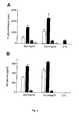
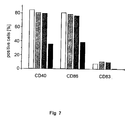
- DC were cultured for 8 days in GM-CSF and IL-4 containing medium alone (white bar) or with the rhsp70 (black bar) added on day 5 or with rhsp70 plus polymyxin B (0.5 ⁇ g/ml) added on day 5 (grey bar).
- a FACS analysis of CD40, CD86, HLA-DR and CD83 expression was done on day 8. The results are representative of 2 separate experiments.
- DC Antigen specific T cell stimulation.
- DC were cultured for 8 days in medium containing GM-CSF and IL-4 alone (DC-hsp) or with rhsp70 (0.5 ⁇ g/ml) added on day 5 of culture (DC+hsp).
- DC were then plated at 10 4 / well in 100 ⁇ l medium in 96 well round bottomed plates and pulsed with tyrosinase peptide 1 ⁇ g/ml (white bar) or 10 ⁇ g/ml (black bar) for 2 h and then irradiated.
- 2x 10 4 tyrosinase specific CTL were then added in a final volume of 100 ⁇ l to each well in medium containing 20% FCS and 100U/ml IL2. Control cultures containing non- tyrosinase pulsed DC plus CTL (dark grey bars) or DC alone (light grey bars) or CTL alone (CTL) were also included.
- the cells were cultured for 72h and 3 H thymidine was added for the last 24h of culture.
- the results are the mean values of triplicate cultures plus or minus the standard deviation.
- the results are representative of 3 separate experiments.
- the dotted line represents an isotype control antibody.
- the isotype controls showed similar levels of fluorescence for all the markers studied. The results are representative of 3 separate experiments.
- the dotted line represents the isotype control fluorescence. The results are representative of 3 separate experiments.
- rhsc70 0.5
- rhsp70 0.5 ⁇ g/ml
- black bar rhsp70
- Hsp70 induces the maturation of monocyte derived dendritic cells when added to immature dendritic cells:
- the phenotype of the starting population of plastic adherent mononuclear cells used to generate DC was characterized by flow cytometry.
- the cells consisted of an average 70% monocytes.
- Human rhsp70 (0.5 ⁇ g/ml) was added to monocyte derived DC after 5 days of culture in GM-CSF and IL-4 containing medium and a FACS analysis was done on day 8.
- An increase in rhsp70 induced maturation was observed in comparison to control cultures as evidenced by an increase in the expression of CD40, CD86 and CD83 molecules (Fig 1.).
- No increase in DC maturation was seen in parallel cultures after the addition of heat denatured (100°C, 20 min) human rhsp70 (0.5 mg/ml) (Fig 1).
- Dendritic cells induced to mature with rhsp70 show an enhanced ability to stimulate specific T cell clones:
- Hsp70 reduces the level of DC maturation when added to monocytes at the initiation of culture:
- rhsp70 Human rhsp70 (0.1 - 1 ⁇ g/ml) was added at the same time as GM-CSF and IL-4 to adherent monocytes at the initiation of culture.
- the DC generated after 8 days showed reduced levels of maturation in comparison to control cultures when rhsp70 was present in the cultures.
- FACS analysis showed a decrease in the expression of CD1a, CD40, CD83, CD86 and HLA-DR molecules and an increase in the expression of CD14 in comparison to control cultures (Fig 5A).
- the inhibitory effect was concentration dependent with the maximum effect being found between 0.5 and 0.7 ⁇ g/ml of rhsp70 (Fig 5B).
- Monocytes, immature DC and mature DC differ in their ability to bind rhsp70:
- Monocytes obtained after a 2h adherence to plastic were analyzed for their ability to bind rhsp70.
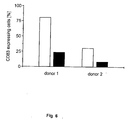
- a moderate number of CD14+ cells bound rhsp70 (Fig 8A).
- monocyte derived DC grown for 8 days in medium containing GM-CSF and IL-4 were incubated with the FITC labeled rhsp70 the immature DC expressing either low levels of CD83 or no CD83 bound rhsp70 to a greater extent (Fig 8B) than the monocytes alone (Fig 8A).
- exogenous hsp70 can bind to the surface CD 14 receptor of human monocytes with subsequent upregulation in the expression of pro-inflammatory cytokines such as TNF- ⁇ , IL-6 and IL1- ⁇ [11].
- cytokines such as TNF- ⁇ , IL-6 and IL1- ⁇ [11].
- PGE2 pro-inflammatory cytokines plus PGE2 has been used to induce the maturation of immature DC for immunotherapeutic purposes [19]. If monocytes in the presence of GM-CSF and IL-4 could be triggered directly by hsp70 induced cytokines to differentiate into mature DC this as has been suggested [20] would not be the most efficient mechanism for inducing immunity since immature DC need to capture and process antigens.
- hsp70 in tumor cell lysates could target immature DC precursors and maintain the DC population in a more poorly differentiated state.
- monocyte precursors as we have shown the presence of hsp70 reduces the maturation of dendritic cells however it may be that in addition to stimulating the production of IL1- ⁇ , IL-6 and TNF- ⁇ from monocytes [11], hsp 70 stimulates the production of other inflammatory cytokines such as M-CSF which would shift the balance more in the direction of monocytes [21].
- M-CSF inflammatory cytokines
- mature DC no longer bind rhsp70 which may be due to a down regulation of the receptor for hsp70.
- Another stress protein, gp96 can induce DC maturation [18] and the binding of gp96 by its receptor, recently characterized as CD91 [22 ] is also down regulated in mature DC [18].
- immature DC that can bind specific heat shock proteins such as hsp70 and gp96 are more likely to be able to capture and process antigens whereas mature DC that have lost the ability to bind heat shock proteins would be better at antigen presentation.
- Dendritic cells can also deliver Ag directly after incubation with preprocessed synthetic peptide to class I restricted cytotoxic T cells [23].
- DC pulsed with tumor derived peptides have been used in immunotherapy trials of certain tumors such as melanoma [24]. It has recently been reported that peptide pulsed mature DC are better than peptide pulsed immature DC in activating CD8+ T cell responses [25].
- a tyrosinase peptide derived from melanoma Ags can be presented by DC in association with HLA-A*0201 molecules and stimulates a specific CD8+ T cell response [26].
- immature DC's stimulated to mature with rhsp70 and then pulsed with tumor peptides according to the invention are very useful in enhancing a tumor specific immune response.
- Hsp70 acts as a danger signal that is recognized by both DC and NK cells thus inducing the activation of both the adaptive and innate immune responses and promoting cross talk [28] between the two systems. Induction of hsp70 on tumors in vivo by hyperthermia may also provide a danger signal to the immune system that promotes an anti tumor response in vivo [29].
- PBMC Peripheral blood mononuclear cells
- GM-CSF 500U/ml
- IL-4 800U/ml
- Biomol Hamburg, Germany
- Human recombinant hsp70 (0.1-1 ⁇ g/ml) (StressGen Biotechnologies, Victoria Canada) was added to monocytes on the same day as the addition of GM-CSF and IL-4, day 0, (i.e. to differentiating precursors) or after the monocytes had been cultured in GM-CSF and IL-4 for 5 days (i.e. to differentiated DC).
- a FACS analysis of cell surface markers was done on day 8.
- Control cultures were set up in medium plus GM-CSF and IL-4 alone or with the addition of human recombinant hsc70 (0.5 -1 ⁇ g/ml) (StressGen Biotechnologies, Victoria, Canada) or human recombinant hsp70 heated (0.5-1 ⁇ g/ml) (100°C for 20 min) either at the initiation of culture (day 0) or on day 5 of culture.
- Parallel control cultures containing polymyxin B (0.5 ⁇ g/ml) (Sigma, Deisenhofen, Germany) were also included.
- the antibodies used to assess DC maturation by FACS analysis included CD1a, CD40, CD86 (Pharmingen Hamburg, Germany), CD14 and CD83 (Immunotech, Hamburg Germany) and HLA-DR.
- the isotype controls used included IgG1, IgG2a and IgG2b (all from Immunotech).
- Cells were washed in PBS containing 5% FCS. Staining was performed at 4°C for 30 min using mouse mAbs to the markers mentioned above. The cells were then washed and incubated with PE-conjugated goat anti-mouse IgG (Dako, Hamburg, Germany) for 30 min at 4°C.
- the cells were then washed and resuspended in 500 ⁇ l of PBS (Life Technologies) plus 5% FCS (Biochrom). All FACS analyses were performed on a FACScan (Becton Dickinson, Mountain View CA) using Cell Quest Software.
- Monocytes were isolated from an HLA-A*0201 donor as described above. Human DC were generated in GM-CSF and IL-4 containing medium. Hsp70 (0.5 ⁇ g/ml) was added to immature DC from days 5 to 8 of culture. The cells were then harvested and resuspended at 10,000 DC/ well in 100 ⁇ l of medium. in 96 well round bottomed plates (Nunc). The cells were then pulsed with tyrosinase 369-377 peptide (1-10 ⁇ g/ml) for 2h then irradiated.
- Hsp70 0.5 ⁇ g/ml
- Tyrosinase peptide specific T cells 2 X 10 4 in 100 ⁇ l RPMI medium (Biochrom) containing 10% FCS and 100U/ml IL2 (Biomol) were then added to each well.
- Control wells contained non tyrosinase pulsed DC and CTL or DC alone or CTL alone.
- Cells were incubated for 72 h at 37°C and 1 ⁇ Ci of 3 H thymidine (Amersham Pharmacia Biotech, Freiburg, Germany) was added to the wells for the last 24h of culture. The amount of 3 H thymidine incorporated was detected using a microBeta counter (Beckman, Germany).
- Hsp70 Stressgene
- BSA fraction V BSA fraction V
- FITC Recombinant Hsp70
- BSA fraction V BSA fraction V
- Free FITC and low molecular reaction by-products were removed by separating the mixture by gel filtration utilizing Sephadex G-25. Fractions containing protein were collected. The number of FITC molecules was estimated to be between 3 to 4 per molecule of protein by comparison of the optical densities at 280, 495, and 490 nm.
- the conjugated proteins were tested for identity by SDS-PAGE and immuno blotting with the respective specific antibodies against Hsp70 (SPA810, Stressgene), and with anti-FITC mAb (Dako, Hamburg, Germany).
- Monocytes were obtained after a 2h adherence of PBMC to plastic. The non adherent cells were washed off and the adherent cells collected. Immature DC were generated by culturing monocyte precursor cells in GM-CSF and IL-4 containing medium for 8 days as described in section 4.1. Mature DC were also obtained by adding a maturation cocktail containing IL-1 ⁇ , IL-6, TNF- ⁇ and PGE2 [19] to DC on day 6 to day 8. Cells were stained for CD14 and CD83 and PE labeled as described in section 4.3. The cells were then incubated with the FITC-conjugated proteins for 30 min on ice in medium containing 1% autologous serum at a concentration of 10 ⁇ g/ml. After washing the cells were fixed with paraformaldehyde and analyzed by flow cytometry. Cells were also labeled with propidium iodide and positive cells were gated out.
- Immature DC were generated by culturing monocyte precursor cells
Landscapes
- Health & Medical Sciences (AREA)
- Life Sciences & Earth Sciences (AREA)
- Engineering & Computer Science (AREA)
- General Health & Medical Sciences (AREA)
- Biomedical Technology (AREA)
- Chemical & Material Sciences (AREA)
- Veterinary Medicine (AREA)
- Organic Chemistry (AREA)
- Public Health (AREA)
- Animal Behavior & Ethology (AREA)
- Genetics & Genomics (AREA)
- Epidemiology (AREA)
- Immunology (AREA)
- Zoology (AREA)
- Biotechnology (AREA)
- Bioinformatics & Cheminformatics (AREA)
- Wood Science & Technology (AREA)
- Microbiology (AREA)
- General Engineering & Computer Science (AREA)
- Hematology (AREA)
- Biochemistry (AREA)
- Cell Biology (AREA)
- Medicinal Chemistry (AREA)
- Chemical Kinetics & Catalysis (AREA)
- General Chemical & Material Sciences (AREA)
- Pharmacology & Pharmacy (AREA)
- Nuclear Medicine, Radiotherapy & Molecular Imaging (AREA)
- Micro-Organisms Or Cultivation Processes Thereof (AREA)
- Medicines That Contain Protein Lipid Enzymes And Other Medicines (AREA)
- Medicines Containing Antibodies Or Antigens For Use As Internal Diagnostic Agents (AREA)
- Medicines Containing Material From Animals Or Micro-Organisms (AREA)
Abstract
Description
Claims (19)
- An ex vivo method for inducing the TNF-α free differentiation of immature dendritic cells into mature dendritic cells, said method comprising contacting the immature dendritic cells with an effective amount of heat shock proteins of the hsp70 family or a biologically active part thereof.
- The method of claim 1, wherein the biologically active part is the C-terminal domain of hsp 70.
- The method of claim 1 - 2, wherein said immature dendritic cells are generated by culturing monocytes in an induction medium containing granulocyte/macrophage-colony stimulating factor ("GM-CSF") and interleukin-4 ("IL-4").
- An ex vivo method for generating mature dendritic cells, said method comprising:(a) inducing the differentiation of immature dendritic cells into mature dendritic cells, by contacting the immature dendritic cells with an effective amount of heat shock proteins of the hsp70 family or a biologically active part thereof free of TNF-α; and(b) recovering said mature dendritic cells.
- The method of claim 4, wherein the biologically active part is the C-terminal domain of hsp 70.
- The method of claim 4 or 5, wherein said immature dendritic cells are generated by culturing monocytes in an induction medium containing granulocyte/macrophage-colony stimulating factor ("GM-CSF") and interleukin-4 ("IL-4").
- The method of claims 3 and 6, wherein the monocytes are human blood cell monocytes.
- The method of claim 7, wherein the monocytes are plastic-adherent monocytes.
- The method of any one of claims 1 - 8, wherein the mature dendritic cells are further pulsed with an antigenic agent.
- The method of any one of claims 1 - 9, wherein hsp 70 is recombinant (rhsp 70).
- The method of claim 10, comprising maintaining the rhsp70 concentration in the culture medium in the range of about 0.1 - 1.0 µg/ml.
- The method of claim 11, wherein the concentration of rhsp70 is about 0.5 µg/ml.
- Mature dendritic cells obtainable by the methods of any one of claims 4 - 6.
- A TNF-α free therapeutic composition for inducing the maturation of immature dendritic cells comprising, as the only active maturation agent, an effective amount of heat shock proteins of the hsp70 family or a biologically active part thereof, in combination with a pharmaceutically acceptable carrier.
- The therapeutic composition of claim 14, comprising rhsp70.
- Therapeutic composition comprising the mature dendritic cells of claim 13 in combination with a pharmaceutically acceptable carrier.
- The therapeutic composition of any one of claims 14 - 16 that is a vaccine.
- Use of the composition of any one of claims 14 - 17 in the immunotherapy of neoplastic diseases.
- Use of the composition of any one of claims 14 - 17 for inducing the TNF-α free maturation of immature dendritic cells
Applications Claiming Priority (4)
| Application Number | Priority Date | Filing Date | Title |
|---|---|---|---|
| DE10055213 | 2000-11-07 | ||
| DE10055213 | 2000-11-07 | ||
| DE10115439A DE10115439A1 (en) | 2000-11-07 | 2001-03-29 | Inducing differentiation of immature dendritic cells, for use in vaccines for immunotherapy of cancer, comprises ex vivo treatment with heat-shock protein 70 |
| DE10115439 | 2001-03-29 |
Publications (2)
| Publication Number | Publication Date |
|---|---|
| EP1209226A2 true EP1209226A2 (en) | 2002-05-29 |
| EP1209226A3 EP1209226A3 (en) | 2002-06-05 |
Family
ID=26007594
Family Applications (1)
| Application Number | Title | Priority Date | Filing Date |
|---|---|---|---|
| EP01125374A Withdrawn EP1209226A3 (en) | 2000-11-07 | 2001-10-30 | Maturation of dendritic cells by recombinant heat shock protein 70 (hsp70) |
Country Status (3)
| Country | Link |
|---|---|
| US (1) | US20020127718A1 (en) |
| EP (1) | EP1209226A3 (en) |
| JP (1) | JP2002281963A (en) |
Cited By (4)
| Publication number | Priority date | Publication date | Assignee | Title |
|---|---|---|---|---|
| EP1434794A2 (en) * | 2001-10-03 | 2004-07-07 | Kings College London | Fragments of heat shock proteins and their use |
| FR2856928A1 (en) * | 2003-07-04 | 2005-01-07 | Inst Nat Sante Rech Med | A NOVEL ADJUVANT COMPOUND FOR IMMUNITY, COMPOSITIONS CONTAINING SAME, AND METHODS USING THE SAME |
| EP1801202A4 (en) * | 2004-09-03 | 2008-02-06 | Medical & Biol Lab Co Ltd | PROCESS FOR PRODUCING A DENDRITIC CELL HAVING ACQUIRED CTL INDUCTION CAPACITY |
| EP3176258A4 (en) * | 2014-08-01 | 2018-03-28 | JW Creagene Inc. | Method for preparing dendritic cell, dendritic cell prepared thereby, and use thereof |
Families Citing this family (12)
| Publication number | Priority date | Publication date | Assignee | Title |
|---|---|---|---|---|
| CN101052709B (en) * | 2004-10-25 | 2012-06-27 | 贝勒研究院 | Dendritic cells loaded with heat-shocked melanoma cell bodies |
| EP2565201B1 (en) | 2005-10-17 | 2014-11-26 | Sloan-Kettering Institute For Cancer Research | WT1 HLA class II-binding peptides and compositions and methods comprising same |
| EP2010209B1 (en) | 2006-04-10 | 2016-06-15 | Sloan Kettering Institute For Cancer Research | Immunogenic wt-1 peptides and methods of use thereof |
| JP5616336B2 (en) | 2008-06-26 | 2014-10-29 | オルファザイム エーピーエスOrphazyme Aps | Use of Hsp70 as a regulator of enzyme activity |
| US9662375B2 (en) | 2010-11-30 | 2017-05-30 | Orphazyme Aps | Methods for increasing intracellular activity of Hsp70 |
| EP3520810A3 (en) | 2012-01-13 | 2019-11-06 | Memorial Sloan-Kettering Cancer Center | Immunogenic wt1 peptides and use thereof |
| LT2945647T (en) | 2013-01-15 | 2021-02-25 | Memorial Sloan Kettering Cancer Center | Immunogenic wt-1 peptides and methods of use thereof |
| US10815273B2 (en) | 2013-01-15 | 2020-10-27 | Memorial Sloan Kettering Cancer Center | Immunogenic WT-1 peptides and methods of use thereof |
| US10709700B2 (en) | 2014-09-15 | 2020-07-14 | Orphazyme A/S | Arimoclomol formulation |
| WO2017178029A1 (en) | 2016-04-13 | 2017-10-19 | Orphazyme Aps | Heat shock proteins and cholesterol homeostasis |
| ES2831764T3 (en) | 2016-04-29 | 2021-06-09 | Orphazyme As | Arimoclomol for the treatment of glucocerebrosidase-associated disorders |
| EP4247792A1 (en) | 2020-11-19 | 2023-09-27 | Zevra Denmark A/S | Processes for preparing arimoclomol citrate and intermediates thereof |
Family Cites Families (3)
| Publication number | Priority date | Publication date | Assignee | Title |
|---|---|---|---|---|
| US5985270A (en) * | 1995-09-13 | 1999-11-16 | Fordham University | Adoptive immunotherapy using macrophages sensitized with heat shock protein-epitope complexes |
| FR2777890B1 (en) * | 1998-04-22 | 2000-12-29 | Roussy Inst Gustave | HSP70 PEPTIDE COMPOUNDS USEFUL IN CANCER IMMUNOTHERAPY |
| WO2001039600A1 (en) * | 1999-12-03 | 2001-06-07 | University Of Massachusetts | Use of hsp27 as an anti-inflammatory agent |
-
2001
- 2001-10-30 EP EP01125374A patent/EP1209226A3/en not_active Withdrawn
- 2001-11-07 JP JP2001342526A patent/JP2002281963A/en active Pending
- 2001-11-07 US US10/005,528 patent/US20020127718A1/en not_active Abandoned
Cited By (6)
| Publication number | Priority date | Publication date | Assignee | Title |
|---|---|---|---|---|
| EP1434794A2 (en) * | 2001-10-03 | 2004-07-07 | Kings College London | Fragments of heat shock proteins and their use |
| FR2856928A1 (en) * | 2003-07-04 | 2005-01-07 | Inst Nat Sante Rech Med | A NOVEL ADJUVANT COMPOUND FOR IMMUNITY, COMPOSITIONS CONTAINING SAME, AND METHODS USING THE SAME |
| WO2005005467A3 (en) * | 2003-07-04 | 2005-05-06 | Inst Nat Sante Rech Med | Novel immune booster compound comprising an ef adenoviral sequence |
| EP1801202A4 (en) * | 2004-09-03 | 2008-02-06 | Medical & Biol Lab Co Ltd | PROCESS FOR PRODUCING A DENDRITIC CELL HAVING ACQUIRED CTL INDUCTION CAPACITY |
| EP3176258A4 (en) * | 2014-08-01 | 2018-03-28 | JW Creagene Inc. | Method for preparing dendritic cell, dendritic cell prepared thereby, and use thereof |
| US10478479B2 (en) | 2014-08-01 | 2019-11-19 | Jw Creagene Inc. | Method for preparing dendritic cell, dendritic cell prepared thereby, and use thereof |
Also Published As
| Publication number | Publication date |
|---|---|
| JP2002281963A (en) | 2002-10-02 |
| US20020127718A1 (en) | 2002-09-12 |
| EP1209226A3 (en) | 2002-06-05 |
Similar Documents
| Publication | Publication Date | Title |
|---|---|---|
| Kuppner et al. | The role of heat shock protein (hsp70) in dendritic cell maturation: hsp70 induces the maturation of immature dendritic cells but reduces DC differentiation from monocyte precursors | |
| Schnurr et al. | Apoptotic pancreatic tumor cells are superior to cell lysates in promoting cross-priming of cytotoxic T cells and activate NK and γδ T cells | |
| Tosi et al. | Role of cross-talk between IFN-α-induced monocyte-derived dendritic cells and NK cells in priming CD8+ T cell responses against human tumor antigens | |
| Fujii et al. | The linkage of innate to adaptive immunity via maturing dendritic cells in vivo requires CD40 ligation in addition to antigen presentation and CD80/86 costimulation | |
| CN110997903B (en) | Method of activating T cells for cancer treatment | |
| Stober et al. | NKT cells provide help for dendritic cell-dependent priming of MHC class I-restricted CD8+ T cells in vivo | |
| US20020127718A1 (en) | Maturation of dendritic cells by recombinant heat shock protein 70 | |
| Bethke et al. | Different efficiency of heat shock proteins (HSP) to activate human monocytes and dendritic cells: superiority of HSP60 | |
| Sancho et al. | Tumor therapy in mice via antigen targeting to a novel, DC-restricted C-type lectin | |
| US20140141046A1 (en) | Method and composition for producing a cellular allogeneic vaccine | |
| ES2234928T3 (en) | GENERATION AND USE OF DENDRITIC CELLS. | |
| WO2003039232A2 (en) | Endothelial cell derived hemotopoietic growth factor | |
| Watchmaker et al. | Memory CD8+ T cells protect dendritic cells from CTL killing | |
| Eppler et al. | Carcinoembryonic antigen (CEA) presentation and specific T cell-priming by human dendritic cells transfected with CEA-mRNA | |
| CA2700942A1 (en) | An ex vivo, fast and efficient process to obtain activated antigen-presenting cells that are useful for therapies against cancer and immune system-related diseases | |
| JP2013505296A (en) | Identification of antigenic peptides from multiple myeloma cells | |
| Blair et al. | Immunotherapeutic strategies in acute lymphoblastic leukaemia relapsing after stem cell transplantation | |
| KR102552440B1 (en) | A Method for activating T cells to treat cancer | |
| Hüttner et al. | Generation of potent anti-tumor immunity in mice by interleukin-12-secreting dendritic cells | |
| Moyer et al. | Early vaccination with tumor lysate-pulsed dendritic cells after allogeneic bone marrow transplantation has antitumor effects | |
| CN101812126B (en) | Novel HLA-A2 restrictive epitope polypeptide coming from hPEBP4 protein and application thereof | |
| Bae et al. | Identification of novel CD33 antigen-specific peptides for the generation of cytotoxic T lymphocytes against acute myeloid leukemia | |
| Lee et al. | Effects of bee venom on the maturation of murine dendritic cells stimulated by LPS | |
| US20130337001A1 (en) | Immunogenic composition for treatment of hepatitis C, a method for preparing the composition and use thereof for treating hepatitis C | |
| Hu et al. | HPV16 CTL epitope peptide-activated dendritic cell and natural killer co-culture for therapy of cervical cancer in an animal model |
Legal Events
| Date | Code | Title | Description |
|---|---|---|---|
| PUAI | Public reference made under article 153(3) epc to a published international application that has entered the european phase |
Free format text: ORIGINAL CODE: 0009012 |
|
| PUAL | Search report despatched |
Free format text: ORIGINAL CODE: 0009013 |
|
| AK | Designated contracting states |
Kind code of ref document: A2 Designated state(s): AT BE CH CY DE DK ES FI FR GB GR IE IT LI LU MC NL PT SE TR |
|
| AX | Request for extension of the european patent |
Free format text: AL;LT;LV;MK;RO;SI |
|
| AK | Designated contracting states |
Kind code of ref document: A3 Designated state(s): AT BE CH CY DE DK ES FI FR GB GR IE IT LI LU MC NL PT SE TR |
|
| AX | Request for extension of the european patent |
Free format text: AL;LT;LV;MK;RO;SI |
|
| RIN1 | Information on inventor provided before grant (corrected) |
Inventor name: GASTPAR, ROBERT, DR. Inventor name: ISSELS, ROLF D., DR. Inventor name: KUPPNER, MARIA, DR. |
|
| AKX | Designation fees paid | ||
| REG | Reference to a national code |
Ref country code: DE Ref legal event code: 8566 |
|
| STAA | Information on the status of an ep patent application or granted ep patent |
Free format text: STATUS: THE APPLICATION IS DEEMED TO BE WITHDRAWN |
|
| 18D | Application deemed to be withdrawn |
Effective date: 20021206 |