EP1189936B1 - Use of eif4e binding agents in therapy - Google Patents
Use of eif4e binding agents in therapy Download PDFInfo
- Publication number
- EP1189936B1 EP1189936B1 EP00940589A EP00940589A EP1189936B1 EP 1189936 B1 EP1189936 B1 EP 1189936B1 EP 00940589 A EP00940589 A EP 00940589A EP 00940589 A EP00940589 A EP 00940589A EP 1189936 B1 EP1189936 B1 EP 1189936B1
- Authority
- EP
- European Patent Office
- Prior art keywords
- peptide
- eif4e
- cells
- peptides
- cell death
- Prior art date
- Legal status (The legal status is an assumption and is not a legal conclusion. Google has not performed a legal analysis and makes no representation as to the accuracy of the status listed.)
- Expired - Lifetime
Links
- 238000002560 therapeutic procedure Methods 0.000 title abstract description 5
- 239000011230 binding agent Substances 0.000 title 1
- 101150114135 eIF4E gene Proteins 0.000 title 1
- 108090000765 processed proteins & peptides Proteins 0.000 claims abstract description 165
- 150000001413 amino acids Chemical class 0.000 claims abstract description 32
- 238000003782 apoptosis assay Methods 0.000 claims abstract description 8
- 230000005522 programmed cell death Effects 0.000 claims abstract description 8
- 230000030833 cell death Effects 0.000 claims description 39
- 239000012634 fragment Substances 0.000 claims description 9
- 206010028980 Neoplasm Diseases 0.000 claims description 7
- 239000003814 drug Substances 0.000 claims description 7
- 210000004881 tumor cell Anatomy 0.000 claims description 6
- 230000010661 induction of programmed cell death Effects 0.000 claims description 5
- 238000004519 manufacturing process Methods 0.000 claims description 5
- 108091033319 polynucleotide Proteins 0.000 claims description 5
- 102000040430 polynucleotide Human genes 0.000 claims description 5
- 239000002157 polynucleotide Substances 0.000 claims description 5
- 230000004663 cell proliferation Effects 0.000 claims description 3
- 201000010099 disease Diseases 0.000 claims description 3
- 208000037265 diseases, disorders, signs and symptoms Diseases 0.000 claims description 3
- 230000009826 neoplastic cell growth Effects 0.000 claims description 3
- 239000008194 pharmaceutical composition Substances 0.000 claims 2
- 230000001939 inductive effect Effects 0.000 abstract description 5
- 210000004027 cell Anatomy 0.000 description 85
- 108060002636 Eukaryotic Initiation Factor-4E Proteins 0.000 description 74
- 102000005233 Eukaryotic Initiation Factor-4E Human genes 0.000 description 74
- 102000004196 processed proteins & peptides Human genes 0.000 description 71
- 101710091919 Eukaryotic translation initiation factor 4G Proteins 0.000 description 37
- 230000014616 translation Effects 0.000 description 31
- 238000013519 translation Methods 0.000 description 29
- 210000002966 serum Anatomy 0.000 description 28
- 241000282414 Homo sapiens Species 0.000 description 26
- 235000001014 amino acid Nutrition 0.000 description 23
- 229940024606 amino acid Drugs 0.000 description 23
- 238000006467 substitution reaction Methods 0.000 description 19
- 230000000694 effects Effects 0.000 description 18
- DTQVDTLACAAQTR-UHFFFAOYSA-N Trifluoroacetic acid Chemical compound OC(=O)C(F)(F)F DTQVDTLACAAQTR-UHFFFAOYSA-N 0.000 description 16
- 230000006907 apoptotic process Effects 0.000 description 15
- 238000000338 in vitro Methods 0.000 description 15
- 108020004999 messenger RNA Proteins 0.000 description 14
- 241000209140 Triticum Species 0.000 description 13
- 235000021307 Triticum Nutrition 0.000 description 13
- 235000004279 alanine Nutrition 0.000 description 13
- 230000001419 dependent effect Effects 0.000 description 13
- 125000003295 alanine group Chemical group N[C@@H](C)C(=O)* 0.000 description 11
- YPHMISFOHDHNIV-FSZOTQKASA-N cycloheximide Chemical compound C1[C@@H](C)C[C@H](C)C(=O)[C@@H]1[C@H](O)CC1CC(=O)NC(=O)C1 YPHMISFOHDHNIV-FSZOTQKASA-N 0.000 description 11
- 235000018102 proteins Nutrition 0.000 description 10
- 102000004169 proteins and genes Human genes 0.000 description 10
- 108090000623 proteins and genes Proteins 0.000 description 10
- 230000004083 survival effect Effects 0.000 description 9
- 101000678286 Danio rerio Eukaryotic translation initiation factor 4E-binding protein 3-like Proteins 0.000 description 7
- 101000800913 Dictyostelium discoideum Eukaryotic translation initiation factor 4E-1A-binding protein homolog Proteins 0.000 description 7
- 101000800906 Drosophila melanogaster Eukaryotic translation initiation factor 4E-binding protein Proteins 0.000 description 7
- -1 ornithine (O) Chemical class 0.000 description 7
- 102000011727 Caspases Human genes 0.000 description 6
- 108010076667 Caspases Proteins 0.000 description 6
- IAZDPXIOMUYVGZ-UHFFFAOYSA-N Dimethylsulphoxide Chemical compound CS(C)=O IAZDPXIOMUYVGZ-UHFFFAOYSA-N 0.000 description 6
- OKKJLVBELUTLKV-UHFFFAOYSA-N Methanol Chemical compound OC OKKJLVBELUTLKV-UHFFFAOYSA-N 0.000 description 6
- 230000004913 activation Effects 0.000 description 6
- 125000000539 amino acid group Chemical group 0.000 description 6
- 230000015572 biosynthetic process Effects 0.000 description 6
- 230000001965 increasing effect Effects 0.000 description 6
- 239000003112 inhibitor Substances 0.000 description 6
- 230000005764 inhibitory process Effects 0.000 description 6
- 230000007246 mechanism Effects 0.000 description 6
- 230000014621 translational initiation Effects 0.000 description 6
- 108020004414 DNA Proteins 0.000 description 5
- 101001082055 Homo sapiens Eukaryotic translation initiation factor 4E Proteins 0.000 description 5
- 230000004071 biological effect Effects 0.000 description 5
- 238000002474 experimental method Methods 0.000 description 5
- 230000006870 function Effects 0.000 description 5
- 230000014509 gene expression Effects 0.000 description 5
- 210000004940 nucleus Anatomy 0.000 description 5
- 230000002018 overexpression Effects 0.000 description 5
- 230000002829 reductive effect Effects 0.000 description 5
- YBJHBAHKTGYVGT-ZKWXMUAHSA-N (+)-Biotin Chemical group N1C(=O)N[C@@H]2[C@H](CCCCC(=O)O)SC[C@@H]21 YBJHBAHKTGYVGT-ZKWXMUAHSA-N 0.000 description 4
- 101000678280 Homo sapiens Eukaryotic translation initiation factor 4E-binding protein 1 Proteins 0.000 description 4
- FFEARJCKVFRZRR-BYPYZUCNSA-N L-methionine Chemical compound CSCC[C@H](N)C(O)=O FFEARJCKVFRZRR-BYPYZUCNSA-N 0.000 description 4
- 230000010307 cell transformation Effects 0.000 description 4
- 238000005859 coupling reaction Methods 0.000 description 4
- 238000010511 deprotection reaction Methods 0.000 description 4
- 230000002900 effect on cell Effects 0.000 description 4
- 102000043464 human EIF4EBP1 Human genes 0.000 description 4
- 210000004962 mammalian cell Anatomy 0.000 description 4
- 238000000034 method Methods 0.000 description 4
- MCYTYTUNNNZWOK-LCLOTLQISA-N penetratin Chemical compound C([C@H](NC(=O)[C@H](CC=1C2=CC=CC=C2NC=1)NC(=O)[C@H]([C@@H](C)CC)NC(=O)[C@H](CCCCN)NC(=O)[C@@H](NC(=O)[C@H](CCC(N)=O)NC(=O)[C@@H](N)CCCNC(N)=N)[C@@H](C)CC)C(=O)N[C@@H](CCC(N)=O)C(=O)N[C@@H](CC(N)=O)C(=O)N[C@@H](CCCNC(N)=N)C(=O)N[C@@H](CCCNC(N)=N)C(=O)N[C@@H](CCSC)C(=O)N[C@@H](CCCCN)C(=O)N[C@@H](CC=1C2=CC=CC=C2NC=1)C(=O)N[C@@H](CCCCN)C(=O)N[C@@H](CCCCN)C(N)=O)C1=CC=CC=C1 MCYTYTUNNNZWOK-LCLOTLQISA-N 0.000 description 4
- 108010043655 penetratin Proteins 0.000 description 4
- 238000003786 synthesis reaction Methods 0.000 description 4
- 238000005406 washing Methods 0.000 description 4
- 102000053602 DNA Human genes 0.000 description 3
- 101100232687 Drosophila melanogaster eIF4A gene Proteins 0.000 description 3
- QNAYBMKLOCPYGJ-REOHCLBHSA-N L-alanine Chemical compound C[C@H](N)C(O)=O QNAYBMKLOCPYGJ-REOHCLBHSA-N 0.000 description 3
- KDXKERNSBIXSRK-UHFFFAOYSA-N Lysine Natural products NCCCCC(N)C(O)=O KDXKERNSBIXSRK-UHFFFAOYSA-N 0.000 description 3
- 231100000002 MTT assay Toxicity 0.000 description 3
- 238000000134 MTT assay Methods 0.000 description 3
- 230000002378 acidificating effect Effects 0.000 description 3
- 125000003275 alpha amino acid group Chemical group 0.000 description 3
- 238000003556 assay Methods 0.000 description 3
- 239000003795 chemical substances by application Substances 0.000 description 3
- 238000003776 cleavage reaction Methods 0.000 description 3
- 238000009833 condensation Methods 0.000 description 3
- 230000005494 condensation Effects 0.000 description 3
- 230000008878 coupling Effects 0.000 description 3
- 238000010168 coupling process Methods 0.000 description 3
- 210000004265 eukaryotic small ribosome subunit Anatomy 0.000 description 3
- 238000011534 incubation Methods 0.000 description 3
- 230000002401 inhibitory effect Effects 0.000 description 3
- 230000003993 interaction Effects 0.000 description 3
- 230000001404 mediated effect Effects 0.000 description 3
- 230000002438 mitochondrial effect Effects 0.000 description 3
- 239000000203 mixture Substances 0.000 description 3
- PHEDXBVPIONUQT-RGYGYFBISA-N phorbol 13-acetate 12-myristate Chemical compound C([C@]1(O)C(=O)C(C)=C[C@H]1[C@@]1(O)[C@H](C)[C@H]2OC(=O)CCCCCCCCCCCCC)C(CO)=C[C@H]1[C@H]1[C@]2(OC(C)=O)C1(C)C PHEDXBVPIONUQT-RGYGYFBISA-N 0.000 description 3
- 239000002953 phosphate buffered saline Substances 0.000 description 3
- 230000026731 phosphorylation Effects 0.000 description 3
- 238000006366 phosphorylation reaction Methods 0.000 description 3
- 229920001184 polypeptide Polymers 0.000 description 3
- 230000035755 proliferation Effects 0.000 description 3
- 238000004007 reversed phase HPLC Methods 0.000 description 3
- 230000007017 scission Effects 0.000 description 3
- 108091032973 (ribonucleotides)n+m Proteins 0.000 description 2
- 108020003589 5' Untranslated Regions Proteins 0.000 description 2
- WEVYAHXRMPXWCK-UHFFFAOYSA-N Acetonitrile Chemical compound CC#N WEVYAHXRMPXWCK-UHFFFAOYSA-N 0.000 description 2
- 102000002260 Alkaline Phosphatase Human genes 0.000 description 2
- 108020004774 Alkaline Phosphatase Proteins 0.000 description 2
- 239000004475 Arginine Substances 0.000 description 2
- XKRFYHLGVUSROY-UHFFFAOYSA-N Argon Chemical compound [Ar] XKRFYHLGVUSROY-UHFFFAOYSA-N 0.000 description 2
- 101100184273 Caenorhabditis elegans mnk-1 gene Proteins 0.000 description 2
- 241001227713 Chiron Species 0.000 description 2
- RTZKZFJDLAIYFH-UHFFFAOYSA-N Diethyl ether Chemical compound CCOCC RTZKZFJDLAIYFH-UHFFFAOYSA-N 0.000 description 2
- 238000012413 Fluorescence activated cell sorting analysis Methods 0.000 description 2
- DHMQDGOQFOQNFH-UHFFFAOYSA-N Glycine Chemical compound NCC(O)=O DHMQDGOQFOQNFH-UHFFFAOYSA-N 0.000 description 2
- 108020004684 Internal Ribosome Entry Sites Proteins 0.000 description 2
- DCXYFEDJOCDNAF-REOHCLBHSA-N L-asparagine Chemical compound OC(=O)[C@@H](N)CC(N)=O DCXYFEDJOCDNAF-REOHCLBHSA-N 0.000 description 2
- CKLJMWTZIZZHCS-REOHCLBHSA-N L-aspartic acid Chemical compound OC(=O)[C@@H](N)CC(O)=O CKLJMWTZIZZHCS-REOHCLBHSA-N 0.000 description 2
- ROHFNLRQFUQHCH-YFKPBYRVSA-N L-leucine Chemical compound CC(C)C[C@H](N)C(O)=O ROHFNLRQFUQHCH-YFKPBYRVSA-N 0.000 description 2
- COLNVLDHVKWLRT-QMMMGPOBSA-N L-phenylalanine Chemical compound OC(=O)[C@@H](N)CC1=CC=CC=C1 COLNVLDHVKWLRT-QMMMGPOBSA-N 0.000 description 2
- ROHFNLRQFUQHCH-UHFFFAOYSA-N Leucine Natural products CC(C)CC(N)C(O)=O ROHFNLRQFUQHCH-UHFFFAOYSA-N 0.000 description 2
- 239000004472 Lysine Substances 0.000 description 2
- 229940126560 MAPK inhibitor Drugs 0.000 description 2
- 102000004232 Mitogen-Activated Protein Kinase Kinases Human genes 0.000 description 2
- WVIUOSJLUCTGFK-UHFFFAOYSA-N Pactamycin Natural products CC=1C=CC=C(O)C=1C(=O)OCC1(O)C(O)(C)C(C(O)C)(NC(=O)N(C)C)C(N)C1NC1=CC=CC(C(C)=O)=C1 WVIUOSJLUCTGFK-UHFFFAOYSA-N 0.000 description 2
- NQRYJNQNLNOLGT-UHFFFAOYSA-N Piperidine Chemical compound C1CCNCC1 NQRYJNQNLNOLGT-UHFFFAOYSA-N 0.000 description 2
- FAPWRFPIFSIZLT-UHFFFAOYSA-M Sodium chloride Chemical compound [Na+].[Cl-] FAPWRFPIFSIZLT-UHFFFAOYSA-M 0.000 description 2
- 102000013530 TOR Serine-Threonine Kinases Human genes 0.000 description 2
- 108010065917 TOR Serine-Threonine Kinases Proteins 0.000 description 2
- 108091023045 Untranslated Region Proteins 0.000 description 2
- 238000002835 absorbance Methods 0.000 description 2
- 238000004458 analytical method Methods 0.000 description 2
- ODKSFYDXXFIFQN-UHFFFAOYSA-N arginine Natural products OC(=O)C(N)CCCNC(N)=N ODKSFYDXXFIFQN-UHFFFAOYSA-N 0.000 description 2
- 235000009697 arginine Nutrition 0.000 description 2
- 235000003704 aspartic acid Nutrition 0.000 description 2
- 239000011324 bead Substances 0.000 description 2
- OQFSQFPPLPISGP-UHFFFAOYSA-N beta-carboxyaspartic acid Natural products OC(=O)C(N)C(C(O)=O)C(O)=O OQFSQFPPLPISGP-UHFFFAOYSA-N 0.000 description 2
- 230000022534 cell killing Effects 0.000 description 2
- 239000013592 cell lysate Substances 0.000 description 2
- 238000005119 centrifugation Methods 0.000 description 2
- 235000018417 cysteine Nutrition 0.000 description 2
- XUJNEKJLAYXESH-UHFFFAOYSA-N cysteine Natural products SCC(N)C(O)=O XUJNEKJLAYXESH-UHFFFAOYSA-N 0.000 description 2
- 231100000433 cytotoxic Toxicity 0.000 description 2
- 230000001472 cytotoxic effect Effects 0.000 description 2
- 238000001514 detection method Methods 0.000 description 2
- 238000010586 diagram Methods 0.000 description 2
- 231100000673 dose–response relationship Toxicity 0.000 description 2
- 230000003828 downregulation Effects 0.000 description 2
- 238000005516 engineering process Methods 0.000 description 2
- 230000005284 excitation Effects 0.000 description 2
- 238000013467 fragmentation Methods 0.000 description 2
- 238000006062 fragmentation reaction Methods 0.000 description 2
- ZDXPYRJPNDTMRX-UHFFFAOYSA-N glutamine Natural products OC(=O)C(N)CCC(N)=O ZDXPYRJPNDTMRX-UHFFFAOYSA-N 0.000 description 2
- 235000004554 glutamine Nutrition 0.000 description 2
- 230000006698 induction Effects 0.000 description 2
- 230000000977 initiatory effect Effects 0.000 description 2
- 238000004949 mass spectrometry Methods 0.000 description 2
- 238000001840 matrix-assisted laser desorption--ionisation time-of-flight mass spectrometry Methods 0.000 description 2
- 229930182817 methionine Natural products 0.000 description 2
- 230000004048 modification Effects 0.000 description 2
- 238000012986 modification Methods 0.000 description 2
- WVIUOSJLUCTGFK-JUJPXXQGSA-N pactamycin Chemical compound N([C@H]1[C@H](N)[C@@]([C@@]([C@]1(COC(=O)C=1C(=CC=CC=1C)O)O)(C)O)(NC(=O)N(C)C)[C@@H](O)C)C1=CC=CC(C(C)=O)=C1 WVIUOSJLUCTGFK-JUJPXXQGSA-N 0.000 description 2
- 239000011148 porous material Substances 0.000 description 2
- 238000002203 pretreatment Methods 0.000 description 2
- 238000000159 protein binding assay Methods 0.000 description 2
- 238000001243 protein synthesis Methods 0.000 description 2
- 238000005556 structure-activity relationship Methods 0.000 description 2
- 230000003827 upregulation Effects 0.000 description 2
- 230000035899 viability Effects 0.000 description 2
- 239000011534 wash buffer Substances 0.000 description 2
- MTCFGRXMJLQNBG-REOHCLBHSA-N (2S)-2-Amino-3-hydroxypropansäure Chemical compound OC[C@H](N)C(O)=O MTCFGRXMJLQNBG-REOHCLBHSA-N 0.000 description 1
- IYKLZBIWFXPUCS-VIFPVBQESA-N (2s)-2-(naphthalen-1-ylamino)propanoic acid Chemical compound C1=CC=C2C(N[C@@H](C)C(O)=O)=CC=CC2=C1 IYKLZBIWFXPUCS-VIFPVBQESA-N 0.000 description 1
- VYMPLPIFKRHAAC-UHFFFAOYSA-N 1,2-ethanedithiol Chemical compound SCCS VYMPLPIFKRHAAC-UHFFFAOYSA-N 0.000 description 1
- BLCJBICVQSYOIF-UHFFFAOYSA-N 2,2-diaminobutanoic acid Chemical compound CCC(N)(N)C(O)=O BLCJBICVQSYOIF-UHFFFAOYSA-N 0.000 description 1
- UPMGJEMWPQOACJ-UHFFFAOYSA-N 2-[4-[(2,4-dimethoxyphenyl)-(9h-fluoren-9-ylmethoxycarbonylamino)methyl]phenoxy]acetic acid Chemical compound COC1=CC(OC)=CC=C1C(C=1C=CC(OCC(O)=O)=CC=1)NC(=O)OCC1C2=CC=CC=C2C2=CC=CC=C21 UPMGJEMWPQOACJ-UHFFFAOYSA-N 0.000 description 1
- FWBHETKCLVMNFS-UHFFFAOYSA-N 4',6-Diamino-2-phenylindol Chemical compound C1=CC(C(=N)N)=CC=C1C1=CC2=CC=C(C(N)=N)C=C2N1 FWBHETKCLVMNFS-UHFFFAOYSA-N 0.000 description 1
- 101001082110 Acanthamoeba polyphaga mimivirus Eukaryotic translation initiation factor 4E homolog Proteins 0.000 description 1
- 229920000936 Agarose Polymers 0.000 description 1
- 102000007272 Apoptosis Inducing Factor Human genes 0.000 description 1
- 108010033604 Apoptosis Inducing Factor Proteins 0.000 description 1
- 102000010565 Apoptosis Regulatory Proteins Human genes 0.000 description 1
- 108010063104 Apoptosis Regulatory Proteins Proteins 0.000 description 1
- DCXYFEDJOCDNAF-UHFFFAOYSA-N Asparagine Natural products OC(=O)C(N)CC(N)=O DCXYFEDJOCDNAF-UHFFFAOYSA-N 0.000 description 1
- 208000005623 Carcinogenesis Diseases 0.000 description 1
- 229940123169 Caspase inhibitor Drugs 0.000 description 1
- 102000006311 Cyclin D1 Human genes 0.000 description 1
- 108010058546 Cyclin D1 Proteins 0.000 description 1
- 102000005927 Cysteine Proteases Human genes 0.000 description 1
- 108010005843 Cysteine Proteases Proteins 0.000 description 1
- 238000000116 DAPI staining Methods 0.000 description 1
- 230000007018 DNA scission Effects 0.000 description 1
- 101001082109 Danio rerio Eukaryotic translation initiation factor 4E-1B Proteins 0.000 description 1
- AHCYMLUZIRLXAA-SHYZEUOFSA-N Deoxyuridine 5'-triphosphate Chemical compound O1[C@H](COP(O)(=O)OP(O)(=O)OP(O)(O)=O)[C@@H](O)C[C@@H]1N1C(=O)NC(=O)C=C1 AHCYMLUZIRLXAA-SHYZEUOFSA-N 0.000 description 1
- 101001003194 Eleusine coracana Alpha-amylase/trypsin inhibitor Proteins 0.000 description 1
- 102000012858 Eukaryotic Initiation Factor-4G Human genes 0.000 description 1
- 108010057192 Eukaryotic Initiation Factor-4G Proteins 0.000 description 1
- WHUUTDBJXJRKMK-UHFFFAOYSA-N Glutamic acid Natural products OC(=O)C(N)CCC(O)=O WHUUTDBJXJRKMK-UHFFFAOYSA-N 0.000 description 1
- 239000004471 Glycine Substances 0.000 description 1
- 101000678283 Homo sapiens Eukaryotic translation initiation factor 4E-binding protein 2 Proteins 0.000 description 1
- SNDPXSYFESPGGJ-BYPYZUCNSA-N L-2-aminopentanoic acid Chemical group CCC[C@H](N)C(O)=O SNDPXSYFESPGGJ-BYPYZUCNSA-N 0.000 description 1
- XUJNEKJLAYXESH-REOHCLBHSA-N L-Cysteine Chemical compound SC[C@H](N)C(O)=O XUJNEKJLAYXESH-REOHCLBHSA-N 0.000 description 1
- AHLPHDHHMVZTML-BYPYZUCNSA-N L-Ornithine Chemical compound NCCC[C@H](N)C(O)=O AHLPHDHHMVZTML-BYPYZUCNSA-N 0.000 description 1
- ONIBWKKTOPOVIA-BYPYZUCNSA-N L-Proline Chemical compound OC(=O)[C@@H]1CCCN1 ONIBWKKTOPOVIA-BYPYZUCNSA-N 0.000 description 1
- ZGUNAGUHMKGQNY-ZETCQYMHSA-N L-alpha-phenylglycine zwitterion Chemical compound OC(=O)[C@@H](N)C1=CC=CC=C1 ZGUNAGUHMKGQNY-ZETCQYMHSA-N 0.000 description 1
- ODKSFYDXXFIFQN-BYPYZUCNSA-P L-argininium(2+) Chemical compound NC(=[NH2+])NCCC[C@H]([NH3+])C(O)=O ODKSFYDXXFIFQN-BYPYZUCNSA-P 0.000 description 1
- WHUUTDBJXJRKMK-VKHMYHEASA-N L-glutamic acid Chemical compound OC(=O)[C@@H](N)CCC(O)=O WHUUTDBJXJRKMK-VKHMYHEASA-N 0.000 description 1
- ZDXPYRJPNDTMRX-VKHMYHEASA-N L-glutamine Chemical compound OC(=O)[C@@H](N)CCC(N)=O ZDXPYRJPNDTMRX-VKHMYHEASA-N 0.000 description 1
- HNDVDQJCIGZPNO-YFKPBYRVSA-N L-histidine Chemical compound OC(=O)[C@@H](N)CC1=CN=CN1 HNDVDQJCIGZPNO-YFKPBYRVSA-N 0.000 description 1
- AGPKZVBTJJNPAG-WHFBIAKZSA-N L-isoleucine Chemical compound CC[C@H](C)[C@H](N)C(O)=O AGPKZVBTJJNPAG-WHFBIAKZSA-N 0.000 description 1
- KDXKERNSBIXSRK-YFKPBYRVSA-N L-lysine Chemical compound NCCCC[C@H](N)C(O)=O KDXKERNSBIXSRK-YFKPBYRVSA-N 0.000 description 1
- SNDPXSYFESPGGJ-UHFFFAOYSA-N L-norVal-OH Natural products CCCC(N)C(O)=O SNDPXSYFESPGGJ-UHFFFAOYSA-N 0.000 description 1
- LRQKBLKVPFOOQJ-YFKPBYRVSA-N L-norleucine Chemical compound CCCC[C@H]([NH3+])C([O-])=O LRQKBLKVPFOOQJ-YFKPBYRVSA-N 0.000 description 1
- AYFVYJQAPQTCCC-GBXIJSLDSA-N L-threonine Chemical compound C[C@@H](O)[C@H](N)C(O)=O AYFVYJQAPQTCCC-GBXIJSLDSA-N 0.000 description 1
- QIVBCDIJIAJPQS-VIFPVBQESA-N L-tryptophane Chemical compound C1=CC=C2C(C[C@H](N)C(O)=O)=CNC2=C1 QIVBCDIJIAJPQS-VIFPVBQESA-N 0.000 description 1
- OUYCCCASQSFEME-QMMMGPOBSA-N L-tyrosine Chemical compound OC(=O)[C@@H](N)CC1=CC=C(O)C=C1 OUYCCCASQSFEME-QMMMGPOBSA-N 0.000 description 1
- KZSNJWFQEVHDMF-BYPYZUCNSA-N L-valine Chemical compound CC(C)[C@H](N)C(O)=O KZSNJWFQEVHDMF-BYPYZUCNSA-N 0.000 description 1
- 108091026898 Leader sequence (mRNA) Proteins 0.000 description 1
- 102000043136 MAP kinase family Human genes 0.000 description 1
- 108091054455 MAP kinase family Proteins 0.000 description 1
- 229940124647 MEK inhibitor Drugs 0.000 description 1
- 108060004795 Methyltransferase Proteins 0.000 description 1
- 101001082056 Mus musculus Eukaryotic translation initiation factor 4E Proteins 0.000 description 1
- 102000015636 Oligopeptides Human genes 0.000 description 1
- 108010038807 Oligopeptides Proteins 0.000 description 1
- AHLPHDHHMVZTML-UHFFFAOYSA-N Orn-delta-NH2 Natural products NCCCC(N)C(O)=O AHLPHDHHMVZTML-UHFFFAOYSA-N 0.000 description 1
- UTJLXEIPEHZYQJ-UHFFFAOYSA-N Ornithine Natural products OC(=O)C(C)CCCN UTJLXEIPEHZYQJ-UHFFFAOYSA-N 0.000 description 1
- 102100021079 Ornithine decarboxylase Human genes 0.000 description 1
- 102000052812 Ornithine decarboxylases Human genes 0.000 description 1
- 108700005126 Ornithine decarboxylases Proteins 0.000 description 1
- 229910019142 PO4 Inorganic materials 0.000 description 1
- 102000005877 Peptide Initiation Factors Human genes 0.000 description 1
- 108010044843 Peptide Initiation Factors Proteins 0.000 description 1
- ISWSIDIOOBJBQZ-UHFFFAOYSA-N Phenol Chemical compound OC1=CC=CC=C1 ISWSIDIOOBJBQZ-UHFFFAOYSA-N 0.000 description 1
- 239000004743 Polypropylene Substances 0.000 description 1
- ONIBWKKTOPOVIA-UHFFFAOYSA-N Proline Natural products OC(=O)C1CCCN1 ONIBWKKTOPOVIA-UHFFFAOYSA-N 0.000 description 1
- 108010039259 RNA Splicing Factors Proteins 0.000 description 1
- 102000015097 RNA Splicing Factors Human genes 0.000 description 1
- 240000004808 Saccharomyces cerevisiae Species 0.000 description 1
- MTCFGRXMJLQNBG-UHFFFAOYSA-N Serine Natural products OCC(N)C(O)=O MTCFGRXMJLQNBG-UHFFFAOYSA-N 0.000 description 1
- 108020004682 Single-Stranded DNA Proteins 0.000 description 1
- 108010090804 Streptavidin Proteins 0.000 description 1
- AYFVYJQAPQTCCC-UHFFFAOYSA-N Threonine Natural products CC(O)C(N)C(O)=O AYFVYJQAPQTCCC-UHFFFAOYSA-N 0.000 description 1
- 239000004473 Threonine Substances 0.000 description 1
- QIVBCDIJIAJPQS-UHFFFAOYSA-N Tryptophan Natural products C1=CC=C2C(CC(N)C(O)=O)=CNC2=C1 QIVBCDIJIAJPQS-UHFFFAOYSA-N 0.000 description 1
- KZSNJWFQEVHDMF-UHFFFAOYSA-N Valine Natural products CC(C)C(N)C(O)=O KZSNJWFQEVHDMF-UHFFFAOYSA-N 0.000 description 1
- 239000002253 acid Substances 0.000 description 1
- 238000003916 acid precipitation Methods 0.000 description 1
- 230000009471 action Effects 0.000 description 1
- 230000001154 acute effect Effects 0.000 description 1
- 230000009435 amidation Effects 0.000 description 1
- 238000007112 amidation reaction Methods 0.000 description 1
- 150000001412 amines Chemical class 0.000 description 1
- 230000002424 anti-apoptotic effect Effects 0.000 description 1
- 230000001093 anti-cancer Effects 0.000 description 1
- 230000000259 anti-tumor effect Effects 0.000 description 1
- 230000001640 apoptogenic effect Effects 0.000 description 1
- 238000013459 approach Methods 0.000 description 1
- 229910052786 argon Inorganic materials 0.000 description 1
- 235000009582 asparagine Nutrition 0.000 description 1
- 229960001230 asparagine Drugs 0.000 description 1
- 238000000376 autoradiography Methods 0.000 description 1
- UCMIRNVEIXFBKS-UHFFFAOYSA-N beta-alanine Chemical group NCCC(O)=O UCMIRNVEIXFBKS-UHFFFAOYSA-N 0.000 description 1
- 230000033228 biological regulation Effects 0.000 description 1
- 229960002685 biotin Drugs 0.000 description 1
- 235000020958 biotin Nutrition 0.000 description 1
- 239000011616 biotin Substances 0.000 description 1
- 230000036952 cancer formation Effects 0.000 description 1
- 231100000504 carcinogenesis Toxicity 0.000 description 1
- 238000004113 cell culture Methods 0.000 description 1
- 230000010261 cell growth Effects 0.000 description 1
- 210000000170 cell membrane Anatomy 0.000 description 1
- 210000003855 cell nucleus Anatomy 0.000 description 1
- 230000001413 cellular effect Effects 0.000 description 1
- 238000012512 characterization method Methods 0.000 description 1
- BHONFOAYRQZPKZ-LCLOTLQISA-N chembl269478 Chemical compound C([C@H](NC(=O)[C@H](CC=1C2=CC=CC=C2NC=1)NC(=O)[C@H]([C@@H](C)CC)NC(=O)[C@H](CCCCN)NC(=O)[C@@H](NC(=O)[C@H](CCC(N)=O)NC(=O)[C@@H](N)CCCNC(N)=N)[C@@H](C)CC)C(=O)N[C@@H](CCC(N)=O)C(=O)N[C@@H](CC(N)=O)C(=O)N[C@@H](CCCNC(N)=N)C(=O)N[C@@H](CCCNC(N)=N)C(=O)N[C@@H](CCSC)C(=O)N[C@@H](CCCCN)C(=O)N[C@@H](CC=1C2=CC=CC=C2NC=1)C(=O)N[C@@H](CCCCN)C(=O)N[C@@H](CCCCN)C(O)=O)C1=CC=CC=C1 BHONFOAYRQZPKZ-LCLOTLQISA-N 0.000 description 1
- 239000013611 chromosomal DNA Substances 0.000 description 1
- 230000009918 complex formation Effects 0.000 description 1
- 238000004624 confocal microscopy Methods 0.000 description 1
- 230000001276 controlling effect Effects 0.000 description 1
- 238000001816 cooling Methods 0.000 description 1
- 210000004748 cultured cell Anatomy 0.000 description 1
- 230000001085 cytostatic effect Effects 0.000 description 1
- 231100000135 cytotoxicity Toxicity 0.000 description 1
- 230000003013 cytotoxicity Effects 0.000 description 1
- 230000034994 death Effects 0.000 description 1
- 238000010908 decantation Methods 0.000 description 1
- 230000002939 deleterious effect Effects 0.000 description 1
- 238000011161 development Methods 0.000 description 1
- LOKCTEFSRHRXRJ-UHFFFAOYSA-I dipotassium trisodium dihydrogen phosphate hydrogen phosphate dichloride Chemical compound P(=O)(O)(O)[O-].[K+].P(=O)(O)([O-])[O-].[Na+].[Na+].[Cl-].[K+].[Cl-].[Na+] LOKCTEFSRHRXRJ-UHFFFAOYSA-I 0.000 description 1
- 238000001035 drying Methods 0.000 description 1
- 238000010828 elution Methods 0.000 description 1
- 230000003631 expected effect Effects 0.000 description 1
- 238000000605 extraction Methods 0.000 description 1
- 210000002950 fibroblast Anatomy 0.000 description 1
- GNBHRKFJIUUOQI-UHFFFAOYSA-N fluorescein Chemical compound O1C(=O)C2=CC=CC=C2C21C1=CC=C(O)C=C1OC1=CC(O)=CC=C21 GNBHRKFJIUUOQI-UHFFFAOYSA-N 0.000 description 1
- 238000000799 fluorescence microscopy Methods 0.000 description 1
- 239000007850 fluorescent dye Substances 0.000 description 1
- 230000004927 fusion Effects 0.000 description 1
- 230000002068 genetic effect Effects 0.000 description 1
- 235000013922 glutamic acid Nutrition 0.000 description 1
- 239000004220 glutamic acid Substances 0.000 description 1
- 230000013595 glycosylation Effects 0.000 description 1
- 238000006206 glycosylation reaction Methods 0.000 description 1
- 230000012010 growth Effects 0.000 description 1
- 239000003102 growth factor Substances 0.000 description 1
- 230000009036 growth inhibition Effects 0.000 description 1
- HNDVDQJCIGZPNO-UHFFFAOYSA-N histidine Natural products OC(=O)C(N)CC1=CN=CN1 HNDVDQJCIGZPNO-UHFFFAOYSA-N 0.000 description 1
- 239000005556 hormone Substances 0.000 description 1
- 229940088597 hormone Drugs 0.000 description 1
- 102000053005 human EIF4EBP2 Human genes 0.000 description 1
- 235000003642 hunger Nutrition 0.000 description 1
- NPZTUJOABDZTLV-UHFFFAOYSA-N hydroxybenzotriazole Substances O=C1C=CC=C2NNN=C12 NPZTUJOABDZTLV-UHFFFAOYSA-N 0.000 description 1
- 230000006951 hyperphosphorylation Effects 0.000 description 1
- 238000001727 in vivo Methods 0.000 description 1
- 238000011065 in-situ storage Methods 0.000 description 1
- 238000010348 incorporation Methods 0.000 description 1
- 230000006882 induction of apoptosis Effects 0.000 description 1
- AGPKZVBTJJNPAG-UHFFFAOYSA-N isoleucine Natural products CCC(C)C(N)C(O)=O AGPKZVBTJJNPAG-UHFFFAOYSA-N 0.000 description 1
- 229960000310 isoleucine Drugs 0.000 description 1
- 229910052743 krypton Inorganic materials 0.000 description 1
- DNNSSWSSYDEUBZ-UHFFFAOYSA-N krypton atom Chemical compound [Kr] DNNSSWSSYDEUBZ-UHFFFAOYSA-N 0.000 description 1
- 238000002372 labelling Methods 0.000 description 1
- 230000000670 limiting effect Effects 0.000 description 1
- 239000012160 loading buffer Substances 0.000 description 1
- 239000000463 material Substances 0.000 description 1
- 239000011159 matrix material Substances 0.000 description 1
- 210000003470 mitochondria Anatomy 0.000 description 1
- 239000002829 mitogen activated protein kinase inhibitor Substances 0.000 description 1
- 230000002297 mitogenic effect Effects 0.000 description 1
- 108091005601 modified peptides Proteins 0.000 description 1
- 230000007498 myristoylation Effects 0.000 description 1
- VIKNJXKGJWUCNN-XGXHKTLJSA-N norethisterone Chemical compound O=C1CC[C@@H]2[C@H]3CC[C@](C)([C@](CC4)(O)C#C)[C@@H]4[C@@H]3CCC2=C1 VIKNJXKGJWUCNN-XGXHKTLJSA-N 0.000 description 1
- 238000002414 normal-phase solid-phase extraction Methods 0.000 description 1
- 230000008689 nuclear function Effects 0.000 description 1
- 239000002773 nucleotide Substances 0.000 description 1
- 125000003729 nucleotide group Chemical group 0.000 description 1
- 229960003104 ornithine Drugs 0.000 description 1
- 239000008188 pellet Substances 0.000 description 1
- 238000010647 peptide synthesis reaction Methods 0.000 description 1
- 230000035699 permeability Effects 0.000 description 1
- 230000037050 permeability transition Effects 0.000 description 1
- COLNVLDHVKWLRT-UHFFFAOYSA-N phenylalanine Natural products OC(=O)C(N)CC1=CC=CC=C1 COLNVLDHVKWLRT-UHFFFAOYSA-N 0.000 description 1
- NBIIXXVUZAFLBC-UHFFFAOYSA-K phosphate Chemical compound [O-]P([O-])([O-])=O NBIIXXVUZAFLBC-UHFFFAOYSA-K 0.000 description 1
- 239000010452 phosphate Substances 0.000 description 1
- 229920001155 polypropylene Polymers 0.000 description 1
- 229920000136 polysorbate Polymers 0.000 description 1
- 230000004481 post-translational protein modification Effects 0.000 description 1
- 238000011533 pre-incubation Methods 0.000 description 1
- 230000008569 process Effects 0.000 description 1
- 238000004393 prognosis Methods 0.000 description 1
- 230000002062 proliferating effect Effects 0.000 description 1
- XJMOSONTPMZWPB-UHFFFAOYSA-M propidium iodide Chemical compound [I-].[I-].C12=CC(N)=CC=C2C2=CC=C(N)C=C2[N+](CCC[N+](C)(CC)CC)=C1C1=CC=CC=C1 XJMOSONTPMZWPB-UHFFFAOYSA-M 0.000 description 1
- 125000006239 protecting group Chemical group 0.000 description 1
- 230000001681 protective effect Effects 0.000 description 1
- 238000010379 pull-down assay Methods 0.000 description 1
- 238000010188 recombinant method Methods 0.000 description 1
- 230000007115 recruitment Effects 0.000 description 1
- 230000009467 reduction Effects 0.000 description 1
- 230000001105 regulatory effect Effects 0.000 description 1
- 230000003252 repetitive effect Effects 0.000 description 1
- 230000004044 response Effects 0.000 description 1
- 230000000717 retained effect Effects 0.000 description 1
- 229920002477 rna polymer Polymers 0.000 description 1
- 230000035945 sensitivity Effects 0.000 description 1
- 230000019491 signal transduction Effects 0.000 description 1
- 150000003384 small molecules Chemical class 0.000 description 1
- 239000011780 sodium chloride Substances 0.000 description 1
- 238000002415 sodium dodecyl sulfate polyacrylamide gel electrophoresis Methods 0.000 description 1
- 239000000243 solution Substances 0.000 description 1
- 238000000527 sonication Methods 0.000 description 1
- 238000001228 spectrum Methods 0.000 description 1
- 230000037351 starvation Effects 0.000 description 1
- 108010051423 streptavidin-agarose Proteins 0.000 description 1
- 239000000725 suspension Substances 0.000 description 1
- 230000008685 targeting Effects 0.000 description 1
- 230000009466 transformation Effects 0.000 description 1
- 230000005945 translocation Effects 0.000 description 1
- YNJBWRMUSHSURL-UHFFFAOYSA-N trichloroacetic acid Chemical compound OC(=O)C(Cl)(Cl)Cl YNJBWRMUSHSURL-UHFFFAOYSA-N 0.000 description 1
- 125000002221 trityl group Chemical group [H]C1=C([H])C([H])=C([H])C([H])=C1C([*])(C1=C(C(=C(C(=C1[H])[H])[H])[H])[H])C1=C([H])C([H])=C([H])C([H])=C1[H] 0.000 description 1
- OUYCCCASQSFEME-UHFFFAOYSA-N tyrosine Natural products OC(=O)C(N)CC1=CC=C(O)C=C1 OUYCCCASQSFEME-UHFFFAOYSA-N 0.000 description 1
- 239000004474 valine Substances 0.000 description 1
- 238000012800 visualization Methods 0.000 description 1
- 238000001262 western blot Methods 0.000 description 1
- AFVLVVWMAFSXCK-UHFFFAOYSA-N α-cyano-4-hydroxycinnamic acid Chemical compound OC(=O)C(C#N)=CC1=CC=C(O)C=C1 AFVLVVWMAFSXCK-UHFFFAOYSA-N 0.000 description 1
Images





Classifications
-
- C—CHEMISTRY; METALLURGY
- C07—ORGANIC CHEMISTRY
- C07K—PEPTIDES
- C07K14/00—Peptides having more than 20 amino acids; Gastrins; Somatostatins; Melanotropins; Derivatives thereof
- C07K14/435—Peptides having more than 20 amino acids; Gastrins; Somatostatins; Melanotropins; Derivatives thereof from animals; from humans
- C07K14/46—Peptides having more than 20 amino acids; Gastrins; Somatostatins; Melanotropins; Derivatives thereof from animals; from humans from vertebrates
- C07K14/47—Peptides having more than 20 amino acids; Gastrins; Somatostatins; Melanotropins; Derivatives thereof from animals; from humans from vertebrates from mammals
- C07K14/4701—Peptides having more than 20 amino acids; Gastrins; Somatostatins; Melanotropins; Derivatives thereof from animals; from humans from vertebrates from mammals not used
- C07K14/4702—Regulators; Modulating activity
- C07K14/4705—Regulators; Modulating activity stimulating, promoting or activating activity
-
- A—HUMAN NECESSITIES
- A61—MEDICAL OR VETERINARY SCIENCE; HYGIENE
- A61P—SPECIFIC THERAPEUTIC ACTIVITY OF CHEMICAL COMPOUNDS OR MEDICINAL PREPARATIONS
- A61P35/00—Antineoplastic agents
-
- C—CHEMISTRY; METALLURGY
- C07—ORGANIC CHEMISTRY
- C07K—PEPTIDES
- C07K14/00—Peptides having more than 20 amino acids; Gastrins; Somatostatins; Melanotropins; Derivatives thereof
- C07K14/435—Peptides having more than 20 amino acids; Gastrins; Somatostatins; Melanotropins; Derivatives thereof from animals; from humans
- C07K14/46—Peptides having more than 20 amino acids; Gastrins; Somatostatins; Melanotropins; Derivatives thereof from animals; from humans from vertebrates
- C07K14/47—Peptides having more than 20 amino acids; Gastrins; Somatostatins; Melanotropins; Derivatives thereof from animals; from humans from vertebrates from mammals
- C07K14/4701—Peptides having more than 20 amino acids; Gastrins; Somatostatins; Melanotropins; Derivatives thereof from animals; from humans from vertebrates from mammals not used
- C07K14/4747—Apoptosis related proteins
-
- A—HUMAN NECESSITIES
- A61—MEDICAL OR VETERINARY SCIENCE; HYGIENE
- A61K—PREPARATIONS FOR MEDICAL, DENTAL OR TOILETRY PURPOSES
- A61K38/00—Medicinal preparations containing peptides
Definitions
- the present invention relates to eukaryotic Initiation Factor 4G (eIF4GI, GII) and derivatives of eIF4E Binding Proteins (4-E-BP1, 2, 3, 4) that interact with it.
- eIF4GI eukaryotic Initiation Factor 4G
- GII eukaryotic Initiation Factor 4G
- 4-E-BP1, 2, 3, 4 eukaryotic Initiation Factor 4G
- the eIF4F complex is capable of initiating translation of 5' capped (m 7 G) mRNAs 1 .
- This complex comprises eIF3, eIF4A, eIF4E and eIF4G ( Figure 1).
- eIF4E binds to both eIF4G and to the m 7 G cap at the 5' end of the mRNA, hence recruiting the 40S ribosomal sub-unit to the 5' untranslated region (UTR) of capped mRNAs.
- IRS internal ribosome entry site
- mRNAs containing a long 5' UTR are dependent on eIF4E for the recruitment of the eIF4F complex to the m 7 G cap, and the subsequent unwinding of the UTR by eIF4A.
- the critical role of eIF4E in cap dependent translation is attributed to the limited availability of the active species.
- eIF4E appears to be in limiting amounts relative to other eIF4F components 1 , requires phosphorylation (by Mnk 1 3 ) for maximum activity and can be excluded from the eIF4F complex by binding to a 4E-BP 4,5 ( Figure 2).
- eIF4E induces cap dependent translation initiation in response to a number of mitogenic or proliferative stimuli 1,4,6 .
- Hormone and growth factor induced signal transduction can lead to hyperphosphorylation of 4E-BP by mTOR, resulting in the release of 4E-BP-bound eIF4E mTOR, resulting in the release of 4E-BP-bound eIF4E ( Figure 2).
- Similar stimuli also lead to activation of eIF4E via phosphorylation by Mnk- 1.
- the resultant increase in eIF4E activity is required for the translation of several cap-dependent transcripts whose translation products are required for proliferation (eg. cyclin D1 7 , Ornithine Decarboxylase (ODC) 3 ).
- eIF4E is capable of acting as an anti-apoptotic survival signal in fibroblasts undergoing Myc-induced apoptosis in serum-restricted conditions 15 .
- eIF4E interacting proteins eIF4G and 4E-BPs
- K/R a common motif
- a 20 amino acid fragment of human 4E-BP1 containing this motif was shown to be capable of binding to recombinant mouse eIF4E and inhibiting cap-dependent translation in an in vitro translation assay 16 , presumably by disrupting the formation of the eIF4F complex.
- the present invention is based upon the observation that eIF4E binding peptides have been shown for the first time to induce programmed cell death. This observation is surprising given that the expected effect of such peptides was to reduce expression of several proteins involved in proliferation, resulting in growth inhibition of, or increased cytotoxicity to tumour cells. This surprising observation renders these peptides of utility in therapy.
- the present invention provides the use of a peptide comprising the sequence: K/RxxYxxx(P/Q)L(L/M) wherein x is a variable amino acid and said peptide is 7-25 amino acids in length, in the manufacture of a medicament for the induction of programmed cell death in diseases associated with undesirable cell proliferation and or neoplasia.
- Particular peptides found to be capable of inducing programmed cell death include a sequence of human eIF4G 569-580 , wheat eIF4G 62-73 and human eIF4E-BP(1&2) 51-52 and derivatives and fragments thereof. Numbering according to Accession numbers AF104913, M95746, NM_004095 and NM_004096 respectively.
- peptides of use in the present invention include the sequences;
- the present invention provides use of a peptide comprising a sequence:
- K/R refers to an amino acid which is either lysine (K) or arginine (R)
- x may be any of the 20 amino acids or may be a synthetic or unnatural amino acid
- F/Q refers to an amino acid which is either phenylalamine (F) or glutamine (Q)
- L/M refers to an amino acid which is either leucine (L) or methionine (M). The remainder of the sequence is understood to relate to the standard single letter symbol for amino acids.
- Particular sequences may include
- the invention also relates to the use of fragments and derivatives of these peptides.
- Fragments are defined herein as any portion of the peptides described that substantially retain the activity of the parent peptide.
- Derivatives are defined as any modified forms of said peptides which also substantially retain the activity of the parent peptide. Such derivatives may take the form of amino acid substitutions which may be in the form of like for like eg. a polar amino acid residue for another polar residue or like for non-like eg. substitution of a polar amino acid residue for a non-polar residue as discussed in more detail below.
- the present invention further provides derivatives of the sequences disclosed above for use in the induction of cell death.
- Replacement amino acid residues may be selected from the residues of alanine, arginine, asparagine, aspartic acid, cysteine, glutamic acid, glutamine, glycine, histidine, isoleucine, leucine, lysine, methionine, phenylalanine, proline, serine, threonine, tryptophan, tyrosine, and valine.
- the replacement amino acid residue may additionally be selected from unnatural amino acids.
- the specific amino acid residues of the peptide may be modified in such a manner that retains their ability to induce programmed cell death, such modified peptides are referred to as "variants".
- homologous substitution may occur i.e. like-for-like substitution such as basic for basic, acidic for acidic, polar for polar, etc.
- Non-homologous substitution may also occur ie. from one class of residue to another or alternatively involving the inclusion of unnatural amino acids such as ornithine (O), diaminobutyric acid (B), norleucine (N), pyriylalanine, thienylallanine, naphthylalanine and phenylglycine and the like.
- O ornithine
- B diaminobutyric acid
- N norleucine
- pyriylalanine pyriylalanine
- thienylallanine thienylallanine
- naphthylalanine and phenylglycine and the like Within each peptide carrier moiety more than one amine acid residue may be modified at a time, but preferably when the replacing amino acid residue is alanine,
- amino acids are classified according to the following classes:
- peptide refers to a molecular chain of amino acids with the defined biological activity. If required, it may be modified in vivo and/or in vitro , for example, by glycosylation, myristoylation, amidation, carboxybolation or phosphorylation. Thus inter alia peptides, oligopeptides and polypeptides are included.
- the peptides disclosed herein may be obtained, for example, by synthetic or recombinant techniques known in the art.
- polypeptides which contain any of the above disclosed sequences and, in particular, wherein biological activity, that is, the polypeptide is capable of binding to eIF4E protein, is retained.
- the length of the peptides of the present invention are between 7 - 25 amino acids in length, more preferably 10 - 20 amino acids in length.
- the present invention provides use of a peptide comprising sequence:
- the peptide is used to induce the cell death in tumour cells.
- the present invention provides a polynucleotide fragment encoding a peptide comprising sequence:
- Polynucleotide fragment refers to polymeric form of nucleotides of any length, both to ribonucleic acid sequence and to deoxyribonucleic acid sequences. In principal, this term refers to the primary structure of the molecule, thus this term includes double stranded and single stranded DNA, as well as double and single stranded RNA, and modifications thereof.
- a peptide comprising the above sequences can induce programmed cell death (apoptosis) in mammalian cells.
- the peptides of the present invention therefore have utility in treating diseases associated with undesirable cell proliferation/neoplasia.
- the peptides have utility as anticancer or antitumour agents. Therefore, it may be desirable to direct the peptides to the site of action ie. the tumour.
- peptides may be conjugated to or associated with cell and/or tumour targeting agents, or in the case of the polynucleotide fragments provided as an expression cassette which comprises a polynucleotide sequence which encodes any of the above disclosed peptides, and a tumour-specific inducible promoter which would allow expression of the peptide of the present invention only in tumour cells.
- the peptides of the present invention may also be conjugated or associated with agents designed to facilitate uptake into cell such as transport peptides eg. penetratin.
- the present invention also relates to the use of peptidemimetics which bind eIF4E and function to induce programmed cell death.
- peptidemimetics are generally small molecules which function in the same manner as the peptides disclosed herein.
- Figure 12 illustrates that eIF4E-binding peptides leads to rapid, dose-dependent, cell death.
- a). Sequences of biotinylated, penetratin-linked peptides. U Norvaline, a substitution for cysteine. conserveed residues that are important in binding to eIF4E are underlined.
- 0.2mM Hu4G or Hu4G YLL-AAA was incubated with 200 ⁇ g MRC5 cell lysate for 1h at 4°C in a total volume of 50 ⁇ l wash buffer.
- biotinylated peptides and associated proteins were pulled down using streptavidin agarose.
- the proteins were separated by SDS PAGE and subjected to Western blotting using anti-eIF4E antibody. Detection was by ECL;
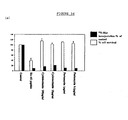
- Figures 13a-d are graphs showing cell survival (% of control, untreated cells) as measured by MTT assay.
- Lane 1 10 ⁇ M BP2 peptide added to serum-fed cells or Lane 2,3,4: 10 ⁇ M BP2 peptide added to 24h, 48h or 72h serum-starved cells respectively.
- Lane 5 10 ⁇ M BP2 YLL-AAA added to 72h serum starved cells.
- Lane 6 72h serum starved cells incubated in 10% serum for 1h prior to addition to 10 ⁇ M BP2 peptide.
- Lane 7 72h serum starved cells incubated with 100 ⁇ g/ml cycloheximide followed by a 1h incubation with 10% serum prior to the addition of 10 ⁇ M BP2 peptide. In all cases the cells were then further incubated for 1h in 0.1mg/ml MTT. Cells were lysed in DMSO and absorbance was measured at 570mm. b-d) Varying concentrations of peptides were added to 72h serum starved MRC5 cells. After 30min incubation the cells were then further incubated for 1h in 0.1mg/ml MTT. Cells were lysed in DMSO and absorbance was measured at 570nm. All these results are representative of three separate experiments;
- Figure 14 illustrates that cell death induced by eIF4E-binding peptides shows characteristics of apoptosis.
- a) Time lapse images of serum-starved MRC5 cells treated with 10 ⁇ M Hu4G peptide for the indicated times.
- MRC5 cells were incubated with 10 ⁇ M Hu4G peptide for 10min. Cells visualised with fluorescein by fluorescence microscopy.
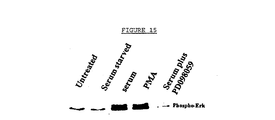
- Figure 15 illustrates that the acute activation of MAP kinase protects cells from 4E-binding peptide induced cell death
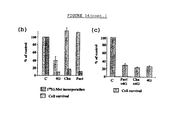
- Figure 16 illustrates that eIF4E binding peptide cell death is not through eIF4E's known role in mRNA translation.
- a) 72h serum-starved MRC5 cells were treated with 100 ⁇ g/ml and 10 ⁇ g/ml cylcoheximide, 1 ⁇ g/ml and 0.1 ⁇ g/ml pactamycine or 10 ⁇ M Hu4G peptide for 2h prior to a MTT assay.
- Cells were pulsed labelled with [ 35 S]methionine for 30min after addition of the inhibitors/peptide. The incorporation of [ 35 S]methionine into protein was determined following hot trichloroacetic acid precipitation.
- MRC5 cells 72h serum-starved MRC5 cells were treated with 100 ⁇ g/ml cycloheximide (Chx), 1 ⁇ g/ml pactamycine (Pact) or c) MRC5 cells which had been starved of serum for 72h were pre-incubated with 100 ⁇ g/ml cycloheximide or 1 ⁇ g/ml pactamycine for 30min prior to addition of 10 ⁇ M Hu4G peptide. Cells were then further incubated for 1.5h prior to a MTT assay. Results from three independent experiments (+/- SEM).
- the peptide deprotection/cleavage mixture used throughout was as follows: 0.75 : 0.5 : 0.5 : 0.25 : 10 (W/V/V/V/V) PhOH, H 2 O, PhSMe, 1,2-ethanedithiol, TFA (Beavis, R.C., et al., (1992) Organic Mass Spectrometry 27, 156-158).
- Analytical and preparative RP-HPLC was performed using Vydac 218TP54 (4.6 x 250 mm) and 218TP1022 (22 x 250 mm) columns, respectively. Flow rates of 1 mL/min for analytical runs and 9 mL/min for preparative work were used (at 25°C).
- Peptides were synthesisted using a Multipin Peptide Synthesis Kit (Chiron Technologies Pty. Ltd., Clayton, VIC, Australia). Peptide chains were assembled on "Macro Crowns" (SynPhase HM Series I, Rink Amide Linker; 5.3 ⁇ mol/crown) using Fmoc-amino acids (100 mM in DMF) and PyBOP/HOBt)/DIEA (1: 1: 1,5) coupling chemistry.
- the amino acid side-chain protecting groups were 2,2,5,7,8-pentamethylchroman-6-sulphonyl (Arg), trityl (Asn and Gln) and t-butyloxycarbonyl (Lys and Trp).
- Activated amino acid solutions were dispensed using a PinAID device (Chiron Technologies). Coupling reactions were allowed to proceed for a minimum of 4h. All other chain assembly manipulations, including repetitive deprotection reactions (20% piperidine in DMF) and washing cycles (DMF and MeOH), were carried out according to procedures set out in the kit manual. After coupling and deprotection of the N-terminal ⁇ Ala residues, (+)-biotin (300 mM in DMF) was coupled (chemistry as above for amino acids) during 4h. After washing and drying, the "Macro Crowns" were removed from the synthesis device and placed into 10mL capped polypropylene tubes. To each tube was added 1.5 mL of cleavage/deprotection mixture.
- the crude peptides were redissolved in 0.1% aq TFA using sonication (2 mL/sample) and were applied to primed (MeOH then 0.1% aq TEA) solid-phase extraction cartridges (Merck LiChrolut RP-18, 500 mg). These were successively washed (2 x 2 mL 0.1% aq TFA each) and eluted (2 mL 0.1% TFA in 6 : 4 MeCN/H 2 O). The eluates were evaporated to dryness by vacuum centrifugation.
- Human eIF4G (413-424) was conjugated to Penetratin, a known cell membrane translocation peptide of sequence RQIKIWFQNRRMKWKK (see patent EP485578). Description of its synthesis and coupling to other peptides may be found in US Patent 5,888,762.
- the human eIF4G (413-424) -Penetratin conjugate was found to bind recombinant human eIF4E in vitro (see Figure 4).
- wheat eIF4E (62-73) bound to and pulled down more recombinant human eIF4F in vitro than human eIF4G (569-580) did (see Figure 5).
- Wheat eIF4G (62-73) was found to inhibit cap-dependent translation initiation, but not cap-independent translation initiation in vitro (see Figure 7). However, inhibition of cap dependent translation by eIF4G peptides was not detected in cultured mammalian cells. Furthermore, no inhibition of general translation by peptides from eIF4G or 4E-BP was detected in cultured mammalian cells.
- Human eIF4G (569-580) -Penetratin exhibited a cytotoxic or cytostatic effect on selected cell lines (HaCaT cells, no effect observed with short treatment ( ⁇ 24h with 20 ⁇ M) but treatment of 60h serum starved cells began to die within 15 minutes of peptide treatment). Furthermore, human eIF4G (413-424)- Penetratin and wheat eIF4G (62-73) -Penetratin caused rapid cell death (possibly by apoptosis) in serum starved cell lines (see Figure 8).
- Peptides were coupled to streptavidin coated agarose beads by a N-terminus linked biotin group and washed in PBS/0.2% Tween 3x before being incubated for 1 hour at +4°C with in vitro translated human eIF4E. Beads were washed as above and boiled for 5 min. in SDS loading buffer before the peptide bound proteins were separated on a 10% SDS gel. The bands were visualised by autoradiography.
- Triple alanine substituted derivatives such as Human eIF4G (569-580)Y416AL421AL422A (see Figure 8) were found not to inhibit cap-dependent translation initiation in vitro .
- 4G peptides containing specific single alanine substitutions (such as Human eIF4G (569-580)Y416A) partially inhibited cap-dependent translation initiation in vitro.
- Triple alanine substituted derivatives such as Human eIF4G (569-580)Y416AL421AL422A -Penetratin did not cause the observed biological effect (apoptosis) in MRC5 cells (see Figure 8).
- 4G peptides containing specific single alanine substitutions such as Human eIF4G (569-580)Y416A -Penetratin had an intermediate biological effect on cultured mammalian cells, ie. reduced rate and extent of cell killing was observed.
- the three different wild type peptides were shown to interact with human eIF4E and the H4G Y-A substitution had a lower binding affinity (see Figure 12b(i)).
- Scrambled human eIF4G peptide, the triple alanine human eIF4G peptide and the triple alanine wheat eIF4G peptides as well as the single H4G L-A did not interact with eIF4E.
- the Hu4G peptide also bound eIF4E in cell lysates whereas the Hu4G YLL-AAA variant did not (see Figure 12b(ii)).
- Serum deprived cells were treated with the general translation inhibitors Cyclohexamide or Pactamycin at indicated concentrations or the H4G peptide in the presence of 35S-Met for 30 minutes (see Figures 16a,b). Cells were lysed and the amount of translation was estimated by counting incorporated 35S-Met in precipitated protein fractions. As expected, the peptide treated cells do not incorporate 35S-Met and they die. However, general translation inhibitors block translation but they do not kill the cells.
- eIF4E plays a direct role in controlling cell survival that is not linked to its known role in regulating mRNA translation. It is presently not clear what mechanism underlies this eIF4E-binding peptide-induced cell death. Without wishing to be bound by theory it is possible that it is associated with a yet undefined function of eIF4E. Recently, it has been reported that eIF4E co-localises in the nucleus with splicing factors and eIF4E may therefore play an additional role in splicing or RNA export (27). As penetratin-linked peptides can enter all compartments of the cell it is possible that these peptides interfere with a nuclear function of eIF4E which results in cell death.
- eIF4E plays a critical role in cell survival, which may be related to its known role in cell transformation.
- its role in cell survival appears to involve a novel mechanism independent of its known function in mRNA translation.
Landscapes
- Health & Medical Sciences (AREA)
- Chemical & Material Sciences (AREA)
- Life Sciences & Earth Sciences (AREA)
- Organic Chemistry (AREA)
- General Health & Medical Sciences (AREA)
- Medicinal Chemistry (AREA)
- Proteomics, Peptides & Aminoacids (AREA)
- Biophysics (AREA)
- Biochemistry (AREA)
- Genetics & Genomics (AREA)
- Gastroenterology & Hepatology (AREA)
- Molecular Biology (AREA)
- Zoology (AREA)
- Toxicology (AREA)
- General Chemical & Material Sciences (AREA)
- Chemical Kinetics & Catalysis (AREA)
- Nuclear Medicine, Radiotherapy & Molecular Imaging (AREA)
- Pharmacology & Pharmacy (AREA)
- Animal Behavior & Ethology (AREA)
- Public Health (AREA)
- Veterinary Medicine (AREA)
- Medicines That Contain Protein Lipid Enzymes And Other Medicines (AREA)
- Peptides Or Proteins (AREA)
- Preparation Of Compounds By Using Micro-Organisms (AREA)
- Pharmaceuticals Containing Other Organic And Inorganic Compounds (AREA)
Abstract
Description
- The present invention relates to
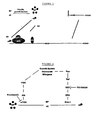
eukaryotic Initiation Factor 4G (eIF4GI, GII) and derivatives of eIF4E Binding Proteins (4-E-BP1, 2, 3, 4) that interact with it. - By way of introduction, the proposed mechanism of eukaryotic initiation factor complex formation will be described with reference to Figure 1. The eIF4F complex is capable of initiating translation of 5' capped (m7G) mRNAs1. This complex comprises eIF3, eIF4A, eIF4E and eIF4G (Figure 1).
- eIF4G acts as a scaffold around which the other components are assembled.
- eIF4A is a helicase which is required to unwind regions of secondary structure in the 5'UTR of the mRNA.
- eIF3 is responsible for recruiting the 40S ribosomal sub-unit to the complex, interacting with both the 40S ribosomal sub-unit and eIF4G.
- eIF4E binds to both eIF4G and to the m7G cap at the 5' end of the mRNA, hence recruiting the 40S ribosomal sub-unit to the 5' untranslated region (UTR) of capped mRNAs.
- eIF4E independent routes exist for the initiation of translation of some messages2 (eg. via an internal ribosome entry site (IRES)). However, mRNAs containing a long 5' UTR are dependent on eIF4E for the recruitment of the eIF4F complex to the m7G cap, and the subsequent unwinding of the UTR by eIF4A. The critical role of eIF4E in cap dependent translation is attributed to the limited availability of the active species. eIF4E appears to be in limiting amounts relative to other eIF4F components1, requires phosphorylation (by Mnk 13) for maximum activity and can be excluded from the eIF4F complex by binding to a 4E-BP4,5 (Figure 2).
- There is increasing evidence for a role of eIF4E in carcinogenesis. eIF4E induces cap dependent translation initiation in response to a number of mitogenic or proliferative stimuli1,4,6. Hormone and growth factor induced signal transduction can lead to hyperphosphorylation of 4E-BP by mTOR, resulting in the release of 4E-BP-bound eIF4E mTOR, resulting in the release of 4E-BP-bound eIF4E (Figure 2). Similar stimuli also lead to activation of eIF4E via phosphorylation by Mnk- 1. The resultant increase in eIF4E activity is required for the translation of several cap-dependent transcripts whose translation products are required for proliferation (eg. cyclin D17, Ornithine Decarboxylase (ODC)3).
- The number of reports of increased levels of eIF4E in tumour samples is growing steadily9,10, and in some cases eIF4E levels have been proposed to be a good indicator of prognosis11,12. Overexpression of eIF4E in cultured cell lines is reported to result in a transformed phenotype13,14.
- Overall these results have suggested that inhibiting eIF4E would result in inhibition of cap-dependent translation, resulting in little or no expression of mRNAs with strong eIF4E dependency for translation. This is expected to cause reduction in expression of several proteins involved in proliferation, and to reduce the transformed phenotype of some tumour cells.
- It has also been reported that overexpression of eIF4E is capable of acting as an anti-apoptotic survival signal in fibroblasts undergoing Myc-induced apoptosis in serum-restricted conditions15.
- The variety of eIF4E interacting proteins (eIF4G and 4E-BPs) has allowed identification of a common motif, (K/R)xxYDRxFL(L/M), required for binding to eIF4E4. Subsequently a 20 amino acid fragment of human 4E-BP1 containing this motif was shown to be capable of binding to recombinant mouse eIF4E and inhibiting cap-dependent translation in an in vitro translation assay16, presumably by disrupting the formation of the eIF4F complex.
- The proposed approach was to use eIF4E-binding peptides (derived from eIF4G and 4E-BPs) to inhibit formation of the eIF4F complex and reduce cap-dependent translation (Figure 3).
- The present invention is based upon the observation that eIF4E binding peptides have been shown for the first time to induce programmed cell death. This observation is surprising given that the expected effect of such peptides was to reduce expression of several proteins involved in proliferation, resulting in growth inhibition of, or increased cytotoxicity to tumour cells. This surprising observation renders these peptides of utility in therapy.
- Thus, in a first aspect the present invention provides the use of a peptide comprising the sequence: K/RxxYxxx(P/Q)L(L/M) wherein x is a variable amino acid and said peptide is 7-25 amino acids in length, in the manufacture of a medicament for the induction of programmed cell death in diseases associated with undesirable cell proliferation and or neoplasia. Particular peptides found to be capable of inducing programmed cell death include a sequence of human eIF4G569-580, wheat eIF4G62-73 and human eIF4E-BP(1&2)51-52 and derivatives and fragments thereof. Numbering according to Accession numbers AF104913, M95746, NM_004095 and NM_004096 respectively.
- Thus the peptides of use in the present invention include the sequences;
- human eIF4G569-580, KKRYDREFLLGF
- wheat eXF4G62-73 RVRYSRDQLLDL and,
- Thus, the present invention provides use of a peptide comprising a sequence:
- (K/R)xxYxxx(F/Q)L(L/M)
- It is to be understood that "K/R" refers to an amino acid which is either lysine (K) or arginine (R), "x" may be any of the 20 amino acids or may be a synthetic or unnatural amino acid, "F/Q" refers to an amino acid which is either phenylalamine (F) or glutamine (Q) and "L/M" refers to an amino acid which is either leucine (L) or methionine (M). The remainder of the sequence is understood to relate to the standard single letter symbol for amino acids.
- Particular sequences may include
- KKRYDREFLLGF (human eIF4G413-424),
- RVRYSRDQLLDL (wheat eIF4G62-73) and
- RIIYDRKFL(L/M) (human eIF4E-BP51-60).
- The invention also relates to the use of fragments and derivatives of these peptides. Fragments are defined herein as any portion of the peptides described that substantially retain the activity of the parent peptide. Derivatives are defined as any modified forms of said peptides which also substantially retain the activity of the parent peptide. Such derivatives may take the form of amino acid substitutions which may be in the form of like for like eg. a polar amino acid residue for another polar residue or like for non-like eg. substitution of a polar amino acid residue for a non-polar residue as discussed in more detail below.
- Thus, the present invention further provides derivatives of the sequences disclosed above for use in the induction of cell death.
- Replacement amino acid residues may be selected from the residues of alanine, arginine, asparagine, aspartic acid, cysteine, glutamic acid, glutamine, glycine, histidine, isoleucine, leucine, lysine, methionine, phenylalanine, proline, serine, threonine, tryptophan, tyrosine, and valine. The replacement amino acid residue may additionally be selected from unnatural amino acids. Within the above definitions of the peptide carrier moieties of the present invention, the specific amino acid residues of the peptide may be modified in such a manner that retains their ability to induce programmed cell death, such modified peptides are referred to as "variants". Thus, homologous substitution may occur i.e. like-for-like substitution such as basic for basic, acidic for acidic, polar for polar, etc. Non-homologous substitution may also occur ie. from one class of residue to another or alternatively involving the inclusion of unnatural amino acids such as ornithine (O), diaminobutyric acid (B), norleucine (N), pyriylalanine, thienylallanine, naphthylalanine and phenylglycine and the like. Within each peptide carrier moiety more than one amine acid residue may be modified at a time, but preferably when the replacing amino acid residue is alanine, less than 3.
- As used herein, amino acids are classified according to the following classes;
- basic; H,K,R
- acidic; D,E
- polar; A,F,G,I,L,M,P,V,W
- non-polar; C,N,Q,S,T,Y,
- In general, the term "peptide" refers to a molecular chain of amino acids with the defined biological activity. If required, it may be modified in vivo and/or in vitro, for example, by glycosylation, myristoylation, amidation, carboxybolation or phosphorylation. Thus inter alia peptides, oligopeptides and polypeptides are included. The peptides disclosed herein may be obtained, for example, by synthetic or recombinant techniques known in the art.
- The term also extends to cover, for example, polypeptides which contain any of the above disclosed sequences and, in particular, wherein biological activity, that is, the polypeptide is capable of binding to eIF4E protein, is retained. Typically the length of the peptides of the present invention are between 7 - 25 amino acids in length, more preferably 10 - 20 amino acids in length.
- In a further aspect the present invention provides use of a peptide comprising sequence:
- (K/R)xxYxxx(F/R)L(L/M) wherein x is a variable amino acid;
- In particular, the peptide is used to induce the cell death in tumour cells.
- In yet a further aspect, the present invention provides a polynucleotide fragment encoding a peptide comprising sequence:
- K/RxxYxxx(F/R)L(L/M) wherein x is a variable amino acid.
- "Polynucleotide fragment" as used herein refers to polymeric form of nucleotides of any length, both to ribonucleic acid sequence and to deoxyribonucleic acid sequences. In principal, this term refers to the primary structure of the molecule, thus this term includes double stranded and single stranded DNA, as well as double and single stranded RNA, and modifications thereof.
- As described above, the presence of a peptide comprising the above sequences can induce programmed cell death (apoptosis) in mammalian cells. The peptides of the present invention therefore have utility in treating diseases associated with undesirable cell proliferation/neoplasia. In particular the peptides have utility as anticancer or antitumour agents. Therefore, it may be desirable to direct the peptides to the site of action ie. the tumour. Thus, in the case of peptides, they may be conjugated to or associated with cell and/or tumour targeting agents, or in the case of the polynucleotide fragments provided as an expression cassette which comprises a polynucleotide sequence which encodes any of the above disclosed peptides, and a tumour-specific inducible promoter which would allow expression of the peptide of the present invention only in tumour cells. The peptides of the present invention may also be conjugated or associated with agents designed to facilitate uptake into cell such as transport peptides eg. penetratin.
- The present invention also relates to the use of peptidemimetics which bind eIF4E and function to induce programmed cell death. Such peptidemimetics are generally small molecules which function in the same manner as the peptides disclosed herein.
- These and other aspects of the present invention will become apparent from the following description when taken in combination with the accompanying Figures, in which:
- Figures 1 to 3 are diagrams illustrating the interaction of eIF4G and eIF4E;
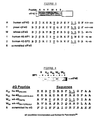
- Figure 4 illustrates the binding of human eIF4G-Penetratin conjugate to eIF4E and the sequences employed;
- Figure 5 illustrates the binding of human, yeast, wheat and scrambled eIF4G, human 4E-BP1 and 4E-BP2 to eIF4E and the sequences employed;
- Figure 6 illustrates human 4E-BP1 competing with eIF4G peptides for the binding of eIF4E and the sequences employed;
- Figure 7 illustrates wheat eIF4G(62-73) inhibiting cap-dependent translation initiation;
- Figure 8 is a table illustrating the induction of apoptosis by eIF4G peptides in MRC5 cells;
- Figure 9 is a summary of the results of inhibition of eIF4G(413-424)-induced apoptosis;
- Figure 10 is a summary of the results of inhibition of eIF4G(569-580)-induced apoptosis in MRC5 cells overexpressing constitutively active MEK/ERK;
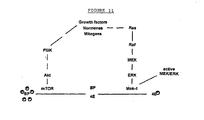
- Figure 11 is a diagram illustrating the interaction of eIF4G and eIF4E;
- Figure 12 illustrates that eIF4E-binding peptides leads to rapid, dose-dependent, cell death. a). Sequences of biotinylated, penetratin-linked peptides. U=Norvaline, a substitution for cysteine. Conserved residues that are important in binding to eIF4E are underlined. b). In vitro binding assay. i) 1µg recombinant eIF4E was incubated with 0.2mM biotinylated peptides in a total volume of 50µl wash buffer (1xPBS/250mM Kcl) for 1h at 4°C. ii) 0.2mM Hu4G or Hu4G YLL-AAA was incubated with 200µg MRC5 cell lysate for 1h at 4°C in a total volume of 50µl wash buffer. In all cases the biotinylated peptides and associated proteins were pulled down using streptavidin agarose. The proteins were separated by SDS PAGE and subjected to Western blotting using anti-eIF4E antibody. Detection was by ECL;
- Figures 13a-d are graphs showing cell survival (% of control, untreated cells) as measured by MTT assay. a) Lane 1: 10µM BP2 peptide added to serum-fed cells or
Lane - Figure 14 illustrates that cell death induced by eIF4E-binding peptides shows characteristics of apoptosis. a) Time lapse images of serum-starved MRC5 cells treated with 10µM Hu4G peptide for the indicated times. b) FACS analysis of MRC5 cells treated with 20µM Hu4G or Hu4G YLL-AAA for 40min. c) TUNEL analysis using the "In situ cell death detection kit" (Boehringer Mannheim). MRC5 cells were incubated with 10µM Hu4G peptide for 10min. Cells visualised with fluorescein by fluorescence microscopy. No signal was observed in untreated cells or cells treated with 10µM Hu4G YLL-AAA peptide (results not shown). 80% of cells incubated with the 10µM Hu4G peptide fluoresced positive. d) Images of DAPI-stained MRC5 cells incubated with either 20µM Hu4G or Hu4G YLL-AAA peptide for 40min. Arrows indicate the position of a cell with either a condensed nucleus (top right) or a nucleus with a punctate appearance (bottom left). e) Visualisation of effects on the MPT. Serum-starved MRC5 cells were loaded with 0.1µM JCl for 30min prior to addition of 10uM peptide. Changes in mitochondrial permeability were viewed by laser scanning confocal microscopy (krypton/argon laser) using identical setting. Green channel: excitation 488nm/emission 522nm. Red channel: excitation 568nm/emission 585nm. Channels were collected separately to avoid cross over. Images were taken 5min after addition of the peptide;
- Figure 15 illustrates that the acute activation of MAP kinase protects cells from 4E-binding peptide induced cell death; and
- Figure 16 illustrates that eIF4E binding peptide cell death is not through eIF4E's known role in mRNA translation. a) 72h serum-starved MRC5 cells were treated with 100µg/ml and 10µg/ml cylcoheximide, 1µg/ml and 0.1µg/ml pactamycine or 10µM Hu4G peptide for 2h prior to a MTT assay. Cells were pulsed labelled with [35S]methionine for 30min after addition of the inhibitors/peptide. The incorporation of [35S]methionine into protein was determined following hot trichloroacetic acid precipitation. b) 72h serum-starved MRC5 cells were treated with 100µg/ml cycloheximide (Chx), 1µg/ml pactamycine (Pact) or c) MRC5 cells which had been starved of serum for 72h were pre-incubated with 100µg/ml cycloheximide or 1µg/ml pactamycine for 30min prior to addition of 10µM Hu4G peptide. Cells were then further incubated for 1.5h prior to a MTT assay. Results from three independent experiments (+/- SEM).
- Amino acid and peptide nomenclature conforms to IUPAC-IUB rules (Eur. J. Biochem. 1984, 138, 9 - 37). Other abbreviations: Ahx, 6-aminohexanoyl; APase, alkaline phosphatase; DE MALDI-TOF MS, delayed-extraction matrix-assisted laser desorption ionisation time-of-flight mass spectrometry; DIEA, N,Ndiisopropylethylamine; PBS, phosphate-buffered saline (10 mM phosphate, 150 Mm NaCl, pH 7.4); PyBOP, Benzotriazole-1-yl-oxy-tris-pyrrolidinophosphonium hexafluorophosphate; RP-HPLC, reversed-phase high-performance liquid chromatography; TFA, trifluoroacetic acid.
- The peptide deprotection/cleavage mixture used throughout was as follows: 0.75 : 0.5 : 0.5 : 0.25 : 10 (W/V/V/V/V) PhOH, H2O, PhSMe, 1,2-ethanedithiol, TFA (Beavis, R.C., et al., (1992) Organic Mass Spectrometry 27, 156-158). Analytical and preparative RP-HPLC was performed using Vydac 218TP54 (4.6 x 250 mm) and 218TP1022 (22 x 250 mm) columns, respectively. Flow rates of 1 mL/min for analytical runs and 9 mL/min for preparative work were used (at 25°C). Gradient elution with increasing amounts of MeCN in H2O (containing 0.1% TFA) over 20 min (anal.) and 40 min (prep.) was performed. Eluants were monitored at X = 200 - 300 nm. Peptide samples were also analysed by DE MALDI-TOF mass spectrometry (ThermoBioAnalysis Dynamo instrument). An α-cyano-4-hydroxycinnamic acid matrix (Beavis, R.C. et al., (1992) Organic Mass Spectrometry 27, 156-158) was used and the appropriate m/z range was calibrated using authentic peptide standards in the m/z range 1,000 - 2,600.
- Peptides were synthesisted using a Multipin Peptide Synthesis Kit (Chiron Technologies Pty. Ltd., Clayton, VIC, Australia). Peptide chains were assembled on "Macro Crowns" (SynPhase HM Series I, Rink Amide Linker; 5.3 µmol/crown) using Fmoc-amino acids (100 mM in DMF) and PyBOP/HOBt)/DIEA (1: 1: 1,5) coupling chemistry. The amino acid side-chain protecting groups were 2,2,5,7,8-pentamethylchroman-6-sulphonyl (Arg), trityl (Asn and Gln) and t-butyloxycarbonyl (Lys and Trp). Activated amino acid solutions were dispensed using a PinAID device (Chiron Technologies). Coupling reactions were allowed to proceed for a minimum of 4h. All other chain assembly manipulations, including repetitive deprotection reactions (20% piperidine in DMF) and washing cycles (DMF and MeOH), were carried out according to procedures set out in the kit manual. After coupling and deprotection of the N-terminal βAla residues, (+)-biotin (300 mM in DMF) was coupled (chemistry as above for amino acids) during 4h. After washing and drying, the "Macro Crowns" were removed from the synthesis device and placed into 10mL capped polypropylene tubes. To each tube was added 1.5 mL of cleavage/deprotection mixture. After 2h, the "Macro Crowns" were removed and washed with 0.5 mL each of neat TFA. To each tube containing the combined cleavage mixtures and washings Et2O (8 mL) was added. After cooling to 4°C, the precipitated peptides were collected by centrifugation (4 min at 5,000 r.p.m.) and decantation. The pellets were resuspended in Et2O (5 mL/tube). The suspensions were again cooled and the peptides isolated as before. The washing process was repeated once more before the crude peptides were dried in vacuo.
- The crude peptides were redissolved in 0.1% aq TFA using sonication (2 mL/sample) and were applied to primed (MeOH then 0.1% aq TEA) solid-phase extraction cartridges (Merck LiChrolut RP-18, 500 mg). These were successively washed (2 x 2 mL 0.1% aq TFA each) and eluted (2 mL 0.1% TFA in 6 : 4 MeCN/H2O). The eluates were evaporated to dryness by vacuum centrifugation.
- The importance of eIF4E in translational regulation and cell growth is underscored by observations which show that overexpression of eIF4E leads both to increases in protein synthesis and to cellular transformation in human and mouse cells (17,18). The mechanism by which eIF4E overexpression leads to cell transformation is poorly understood. However, it is thought to be through the elevated translation of growth related mRNAs, which are normally translationally repressed (19). In order to study directly the role of eIF4E in cell transformation, a series of experiments were carried out.
- Human eIF4G(413-424) was conjugated to Penetratin, a known cell membrane translocation peptide of sequence RQIKIWFQNRRMKWKK (see patent EP485578). Description of its synthesis and coupling to other peptides may be found in US Patent 5,888,762. The human eIF4G(413-424)-Penetratin conjugate was found to bind recombinant human eIF4E in vitro (see Figure 4). Surprisingly, wheat eIF4E(62-73) bound to and pulled down more recombinant human eIF4F in vitro than human eIF4G(569-580) did (see Figure 5). It was also observed that recombinant human 4E-BP1 competed with either human eIF4G(569-580) or wheat eIF4G(62-73) for binding of recombinant human eIF4E in vitro (see Figure 6).
- Wheat eIF4G(62-73) was found to inhibit cap-dependent translation initiation, but not cap-independent translation initiation in vitro (see Figure 7). However, inhibition of cap dependent translation by eIF4G peptides was not detected in cultured mammalian cells. Furthermore, no inhibition of general translation by peptides from eIF4G or 4E-BP was detected in cultured mammalian cells.
- Human eIF4G(569-580)-Penetratin exhibited a cytotoxic or cytostatic effect on selected cell lines (HaCaT cells, no effect observed with short treatment (<24h with 20µM) but treatment of 60h serum starved cells began to die within 15 minutes of peptide treatment). Furthermore, human eIF4G(413-424)-Penetratin and wheat eIF4G(62-73)-Penetratin caused rapid cell death (possibly by apoptosis) in serum starved cell lines (see Figure 8).
- Resistance to Human eIF4G(569-580)-Penetratin and wheat eIF4G(62-73)-Penetratin resulted from limited serum treatment (see Figures 9 & 2). However, this serum induced resistance could be inhibited by pre-treatment with MEK inhibitor PD 098059 (see Figures 9 & 2). Furthermore, serum induced resistance could be mimicked by the overexpression of a constitutively active MEK/ERK fusion (see figures 10 & 11). However, the serum induced resistance of cell lines was overcome using an increased concentration of peptide (72h serum-starved MRC5 cells died rapidly with addition of 10
µM 4G peptides; cells grown in 10% serum show similar biological effect with 40µM 4G peptides; however, control peptides (triple Ala substitution) were not cytotoxic at 40 µM). - Conservation of structure activity relationship (SAR) was found in wheat and human 4G peptides and human 4E-BP peptides in binding assay, functional cell free assay and cell culture assays.
- In order to study directly the role of eIF4E in cell transformation, a series of biotinylated synthetic peptides (Peptides synthesised by Cyclacel) corresponding to the eIF4E interacting domain (binding motif) of human eIF4G, and wheat eIF4G and alanine substituted peptides thereof were synthesised (see Figures 12a) and tested for their capacity to interact with 35S-Met labelled in vitro translated human eIF4E (NB. Peptides BP1 and BP1 YLM-AAA were not biotinylated). Peptides were coupled to streptavidin coated agarose beads by a N-terminus linked biotin group and washed in PBS/0.2% Tween 3x before being incubated for 1 hour at +4°C with in vitro translated human eIF4E. Beads were washed as above and boiled for 5 min. in SDS loading buffer before the peptide bound proteins were separated on a 10% SDS gel. The bands were visualised by autoradiography.
- Triple alanine substituted derivatives such as Human eIF4G(569-580)Y416AL421AL422A (see Figure 8) were found not to inhibit cap-dependent translation initiation in vitro. However, 4G peptides containing specific single alanine substitutions (such as Human eIF4G(569-580)Y416A) partially inhibited cap-dependent translation initiation in vitro.
- Triple alanine substituted derivatives such as Human eIF4G(569-580)Y416AL421AL422A-Penetratin did not cause the observed biological effect (apoptosis) in MRC5 cells (see Figure 8). However, 4G peptides containing specific single alanine substitutions (such as Human eIF4G(569-580)Y416A-Penetratin) had an intermediate biological effect on cultured mammalian cells, ie. reduced rate and extent of cell killing was observed.
- The three different wild type peptides were shown to interact with human eIF4E and the H4G Y-A substitution had a lower binding affinity (see Figure 12b(i)). Scrambled human eIF4G peptide, the triple alanine human eIF4G peptide and the triple alanine wheat eIF4G peptides as well as the single H4G L-A did not interact with eIF4E. The Hu4G peptide also bound eIF4E in cell lysates whereas the Hu4G YLL-AAA variant did not (see Figure 12b(ii)).
- To investigate the effect of eIF4E binding peptides (eIF4G, BP1 and BP2) in living cells, 10µM of the eIF4E binding peptide BP2 was incubated with serum-deprived or serum-fed MRC5 cells. Un-expectedly, the addition of the BP2 peptide to 72h serum-starved MRC5 cells led to rapid cell death (within 1h) (Figure 13a, lane 4). In contrast, serum-fed cells were insensitive to the effect of the BP2 peptide at this concentration (Figure 13a, lane 1). Incubation of either serum-fed or serum-starved MRC5 cells with the triple alanine substitution peptide, BP2 YLL-AAA, had no significant effect on cell viability (Figure 13a,
lane 5 and data not shown). The sensitivity of the cells to the effect of the peptide increased with the length of time the cells had been deprived of serum, with maximal effects observed by 72h serum starvation (Figure 13a, lanes 1-4). All subsequent experiments were therefore performed in cells deprived of serum for 72h. Re-addition of 10% serum for one hour to 72h serum-starved cells protected them from the effects of the peptide (Figure 13a, lane 6). This protective effect could not be inhibited by preincubation of the cells with cycloheximide, an inhibitor of general mRNA translation (Figure 13a, lane 7). This indicates that serum protects against peptide-induced cell death through a post-translational modification rather than by inducing synthesis of new proteins, e.g., cell survival proteins. To investigate further the effect of eIF4E-binding peptides, serum-starved MRC5 cells were incubated with various concentrations of the BP2, BP1, Hu4G and W4G peptides (Figures 13b,c,d). Each of these peptides elicited rapid, dose-dependent, cell death (within 30 min using 20µM peptide and 1h for 10µM), whereas the addition of the triple alanine substitution peptides, which are unable to bind eIF4E, had no significant effect on cell viability (Figures 13b,c,d). The singly alanine-substituted peptide, Hu4G Y-A, which has reduced ability to bind eIF4E in vitro, also had a reduced capacity to induce cell death (Figure 13c). Another single alanine substitution peptide, Hu4G L-A, which was unable to bind eIF4E in vitro, had a severely reduced ability to induce cell death up to 10µM (Figure 13c). However, upon addition of higher concentrations (20µM), this peptide could induce cell death probably indicating some residual low binding affinity for eIF4E not detected in the pull-down assay (Figure 13c). All the peptides which are able to bind eIF4E in vitro can induce cell death even though they have very different sequences outside their common eIF4E-binding motif (Figure 12a). In addition, peptides harbouring single or triple alanine substitutions at conserved residues important in binding to eIF4E either had no significant effect on cell survival or a reduced ability to induce cell death. Taken together with the in vitro binding studies, these data underpin a strong structure/activity relationship and thus provide strong evidence that eIF4E-binding peptides induce cell death through their interaction with eIF4E. - During eIF4E-binding peptide-induced cell death, cells shrank and underwent blebbing, two characteristics of apoptosis (Figure 14a). To investigate whether eIF4E-binding peptide-induced cell death also caused nuclear condensation and DNA cleavage, other characteristics associated with apoptosis, a number of methodologies were employed. FACS analysis of propidium iodide-stained MRC5 cells treated with the Hu4G peptide revealed a shift in the DNA profile from G0/1 to sub G0/1, indicating cell death and possible chromosomal DNA fragmentation/condensation (Figure 14b). DNA fragmentation was confirmed using TdT-mediated dUTP nick end labelling (TUNEL) (Figure 14c). Analysis of the cell nuclei by DAPI staining revealed that the cells incubated with the Hu4G presented signs of nuclear condensation, either having condensed nuclei or nuclei with a punctate appearance (Figure 14d).
- An early event considered decisive in apoptosis is the opening of the mitochondrial permeability transition (MPT) pore (20-22). To characterise further the eIF4E-binding peptide-induced cell death, the development of the MPT was investigated in living MRC5 cells loaded with the fluorescent dye, JC1 (21). No changes in florescence were observed upon the addition of the inactive Hu4G YLL-AAA peptide (Figure 14e). In contrast, addition of the Hu4G peptide led to a rapid increase (within 5 min) in the intensity of the green fluorescence concomitantly with a loss of orange fluorescence indicative of a drop in Ψm within the mitochondria due to the MPT pore opening (Figure 14e).
- During apoptosis a conserved family of aspartic acid-specific cysteine proteases or caspases are frequently activated (23). However no such activation was detected in eIF4E-binding peptide-induced cell death (results not shown). Moreover, pre-treatment of the MRC5 cells with ZVAD.fmk, a wide spectrum caspase inhibitor, did not affect peptide-induced cell death (results not shown). Therefore, eIF4E-binding peptide-induced cell death appears not to involve caspase activation. Taken together, these data provide evidence that eIF4E peptide-induced cell death in MRC5 cells proceeds through a caspase-independent mechanism which exhibits a number of features observed in apoptosis. The rapidity with which the cells die and apparent lack of caspase activation are not features associated with classical apoptosis. However, it is clear that the activation of caspases is not a prerequisite for apoptosis (24,25). For example, it has been reported that mitochondrial associated protein, apoptosis inducing factor (AIF), can induce rapid caspase-independent apoptosis (26). The effect of these eIF4E-binding peptides on cell survival was also tested on a number of other cell-types including HaCaT, Swiss 3T3, RATI and IIeLa cells. In all of cases, addition of the Hu4G peptide resulted in rapid cell death whereas the Hu4G YLL-AAA peptide had no effect on cell survival (results not shown). However, characterisation of the cell death process in these cells was not investigated in detail.
- In the presence of 10% ECS, cells were resistant to treatment with 20µm of the peptides. Cells only died if they were serum deprived for 72 hours (more than 85%) within 15 minutes after the peptide had been applied (see Figure 15). However, if serum deprived cells (72h) were pre-treated with 10% FCS or with 20nM PMA (phorbol ester) for 15 minutes before the peptides were added, the cells survived the subsequent peptide treatment (60-70%).
- Furthermore, if the serum deprived cells were instead pre-treated with the MAPK inhibitor PD098059 for 1 hour before 10% FCS was added, approximately 80-90% of the cells died. This result shows that cell death is linked to a genetic program and that the cells can be rescued from peptide induced death by addition of FCS or PMA. It is also suggested by the speed with which the cells died after peptide treatment and the rapid rescue by FCS or PMA and the effect of the MAPK inhibitor, that the effect of the peptides on cell death is dependent on secondary modifications in the cells.
- Serum deprived cells were treated with the general translation inhibitors Cyclohexamide or Pactamycin at indicated concentrations or the H4G peptide in the presence of 35S-Met for 30 minutes (see Figures 16a,b). Cells were lysed and the amount of translation was estimated by counting incorporated 35S-Met in precipitated protein fractions. As expected, the peptide treated cells do not incorporate 35S-Met and they die. However, general translation inhibitors block translation but they do not kill the cells.
- It remained possible that eIF4E-binding peptide-induced cell death involved the up- or down-regulation of the translation of a specific mRNA or subset of mRNAs. To investigate this, MRC5 cells were treated with cycloheximide or pactamycin to prevent ongoing protein synthesis prior to the addition of the Hu4G peptide. However, this did not result in any protection against the effect of the Hu4G peptide (Figure 16c). These data show that continued translation is not required for the peptides to induce cell death, and thus provides evidence that the up- or down-regulation of the translation of a specific mRNA(s) does not mediate eIF4E-binding peptide-induced cell death.
- In another experiment, cells that were serum deprived for 72 hours and pre-treated with general translation inhibitors were shown to be just as susceptible to cell death (85%) as cells not treated with translation inhibitors. This strongly indicates that the effect of cell killing by the peptides is not mediated by inhibition of translation and is therefore not mediated by a translation product. This observation is very surprising and novel.
- The present data thus indicate that eIF4E plays a direct role in controlling cell survival that is not linked to its known role in regulating mRNA translation. It is presently not clear what mechanism underlies this eIF4E-binding peptide-induced cell death. Without wishing to be bound by theory it is possible that it is associated with a yet undefined function of eIF4E. Recently, it has been reported that eIF4E co-localises in the nucleus with splicing factors and eIF4E may therefore play an additional role in splicing or RNA export (27). As penetratin-linked peptides can enter all compartments of the cell it is possible that these peptides interfere with a nuclear function of eIF4E which results in cell death. However, it is also possible that deleterious perturbations in eIF4E function may directly trigger the apoptotic machinery. This could be a "checkpoint" mechanism by which the cells sense the integrity of the translation machinery. Indeed, the rapidity of cell death suggests that binding of the peptides to eIF4E may directly signal the induction of cell death.
- In conclusion, the present data clearly indicates that eIF4E plays a critical role in cell survival, which may be related to its known role in cell transformation. However, its role in cell survival appears to involve a novel mechanism independent of its known function in mRNA translation.
-
- 1. Sonenberg, N. & Gingras, A. The mRNA 5' cap-binding protein eIF4E and control of cell growth. Curr
Opin Cell Biol 10, 268-75 (1998). - 2. Hentze, M. EIF4G: a multipurpose ribosome adapter? Science 275, 500-1 (1997).
- 3. Pyronnet, S. et al. Human eukaryotic
translation initiation factor 4G(eIF4G) recruits mnkl to phosphorylate eIF4E. EMBO J 18, 270-9 (1999). - 4. Lawrence Jr, J. & Abraham, R., R. PHAS/4E-BPs as regulators of mRNA translation and cell proliferation. Trends Biochem Sci 22, 345-9 (1997).
- 5. Rousseau, D., Gingras, A., Pause, A. & Sonenberg, N. The eIF4E-binding
proteins - 6. Flynn, A. & Proud, G. Insulin-stimulated phosphorylation of
initiation factor 4E is mediated by the MAP kinase pathway. FEBS Lett 389, 162-6 (1996). - 7. Rosenwald, I., Laxaris-Karatzas, A., Sonnenberg, N. & Schxnidt, E. Elevated levels of cyclin D1 protein in response to increased expression of
eukaryotic initiation factor 4E. Mol Cell Biol 13, 7358-63 (1993). - 8. Shantz, L., Hu, R. & Pegg, A. Regulation of ornithine decarboxylase in a transformed cell line that overexpresses translation initiation factor eIF-4E. Cancer Res 56, 3265-9 (1996).
- 9. Li, B., Liu, L., Dawson, M. & De Benedetti, A. Overexpression of
eukaryotic initiation factor 4E(eIF4E) in breast carcinoma. Cancer 79, 2385-90 (1997). - 10. Rosenwald, J.B. et al. Upregulation of protein synthesis initiation factor eIF4E is an early event during colon carcinogenesis. Oncogene 18, 2507-2517 (1999).
- 11. Li, B., McDonald, J., Nassar, R. & De Beneditte, A. Clinical outcome in stage I to III breast carcinoma and eIF4E overexpression. Ann Surg 227, 756-61; discussion 761-3 (1998).
- 12. Nathan, C. et al. Detection of the proto-oncogene eIF4E in surgical margins may predict recurrence in head and neck cancer.
Oncogene 15, 579-84 (1997). - 13. De Benedetti, A. & Rhoads, R. Overexpression of eukaryotic protein
synthesis initiation factor 4E in HeLa cells results in aberrant growth and morphology. Proc Natl Acad Sci USA 87, 8212-6 (1990). - 14. Fukuchi-Shimogori, T. et al. Malignant transformation by overproduction of translation initiation factor eIF4G. Cancer Res 57, 5041-4 (1997).
- 15. Polunovsky, V. et al Translation control of programmed cell death: eukaryotic
translation initiation factor 4E blocks apoptosis in growth-factor-restricted fibroblasts with physiologically expressed or deregulated Myc. Mol Cell Biol 16, 6573-81 (1996). - 16. Fletcher, C. et al, 4E binding proteins inhibit the translation factor without folded structure. Biochemistry 37, 9-15 (1998).
- 17. Lawrence Jr, J. & Abraham, R. PHAS/4E-BPs as regulators of mRNA translation and cell proliferation. Trends Biochem Sci 22, 345-9 (1997).
- 18. Rousseau, D., Gingras, A., Pause, A. & Sonenberg, N. The eIF4E-binding
proteins - 19. Sonenberg, N. & Gingras, A. The mRNA 5' cap-binding protein eTF4E and control of cell growth. Curr
Opin Cell Biol 10, 268-75 (1998). - 20. Green, D.R., Reed, J.C. Mitochondria and apoptosis. Science 1998. 281; 1309-1312.
- 21. Kroemer, G: The proto-oncogene Bcl-2 and its role in regulating apoptosis. Nat Med 1997. 3; 614-620.
- 22. Minamikawa, T., Williams, D.A., Bowser, D.N., Nagley, P: Mitochondrial permeability transition and swelling can occur reversibly without inducing cell death in intact human cells. Exp Cell Res 1999. 246; 26-37.
- 23. Wolf, B.B., Green, D.R: Suicidal tendencies: apoptotic cell death by caspase family proteinases. J Biol Chem 1999. 274; 20049-20052.
- 24. Okuno, S., Shimizu, S., Ito, T., Nomura, M., Hamada, E., Tsujimoto, Y., Matsuda, H: Bcl-2 prevents caspase-independent cell death. J Biol Chem 1998. 273; 34272-34277.
- 25. Xiang, J., Chao, D.T., Korsmeyer, S.J: BAX-induced cell death may not require
interleukin 1 beta-converting enzyme-like proteases. Proc Natl Acad Sci U S A 1996. 93; 14559-14563. - 26. Susin, S. A., Lorenzo, H. K., Zamzami, N., Marzo, I., Snow, B. E., Brothers, G. M., Mangion, J., Jacotot, E., Costantini, P., Loeffler, M., Larochette, N., Goodlett, D. R., Aebersold, R., Siderovski, D. P., Penninger, J. M., Kroemer, G: Molecular characterization of mitochondrial apoptosis-inducing factor. Nature 1999. 397; 441-446.
- 27. Dostie, J., Lejbkowicz, F., Sonenberg, N: Nuclear
Eukaryotic Initiation Factor 4E (eIF4E) Colocalizes with Splicing Factors in Speckles. J Cell Biol 2000. 148; 239-246.
or a fragment or derivative thereof in therapy, more particularly for the induction of programmed cell death.
and homologous and non-homologous substitution is defined using these classes. Thus, homologous substitution is used to refer to substitution from within the same class, whereas non-homologous substitution refers to substitution from a different class or by an unnatural amino acid.
Claims (10)
- Use of a peptide comprising the sequence:(K/R)xxYxxx(F/Q)L(L/M)wherein x is a variable amino acid and said peptide is 7-25 amino acids in length, in the manufacture of a medicament for the induction of programmed cell death in diseases associated with undesirable cell proliferation and or neoplasia.
- Use according to claim 1 wherein said peptide comprises the sequence:KKRYDREFLLGF,RVRYSRDQLLDL, orRIIYDRKFL (L/M) .
- Use of a peptide according to claims 1 or 2, wherein the medicament is used to induce cell death in tumour cells.
- Use of a polynucleotide fragment encoding a peptide comprising the sequence:(K/R)xxYxxx(F/Q)L(L/M)wherein x is a variable amino acid and said peptide is 7-25 amino acids in length, in the manufacture of a medicament for the induction of programmed cell death.
- A pharmaceutical formulation comprising a peptide comprising the sequence:(K/R)xxYxxx(F/Q)L(L/M)wherein x is a variable amino acid and said peptide is 7-25 amino acids in length, in the manufacture of a medicament for the induction of programmed cell death.
- A pharmaceutical formulation according to claim 5 wherein said peptide comprises the sequence:KKRYDREFLLGF,RVRYSRDQLLDL, orRIIYDRKFL(L/M).
- A peptide comprising the sequence:(K/R) xxYxxx (F/Q) L (L/M)wherein x is a variable amino acid and said peptide is 7-25 amino acids in length, for use as a medicament.
- A peptide according to claim 7 wherein said peptide comprises the sequence:KKRYDREFLLGF,RVRYSRDQLLDL, orRIIYDRKFL(L/M).
- A peptide according to any one of claims 7 or 8 wherein said peptide is used to induce programmed cell death.
- A peptide according to claim 9 wherein said peptide is used to induce programmed cell death in tumour cells.
Applications Claiming Priority (3)
| Application Number | Priority Date | Filing Date | Title |
|---|---|---|---|
| GBGB9914480.0A GB9914480D0 (en) | 1999-06-21 | 1999-06-21 | Use of peptides |
| GB9914480 | 1999-06-21 | ||
| PCT/GB2000/002414 WO2000078803A2 (en) | 1999-06-21 | 2000-06-21 | Use of eif4e binding agents in therapy |
Publications (2)
| Publication Number | Publication Date |
|---|---|
| EP1189936A2 EP1189936A2 (en) | 2002-03-27 |
| EP1189936B1 true EP1189936B1 (en) | 2006-11-29 |
Family
ID=10855771
Family Applications (1)
| Application Number | Title | Priority Date | Filing Date |
|---|---|---|---|
| EP00940589A Expired - Lifetime EP1189936B1 (en) | 1999-06-21 | 2000-06-21 | Use of eif4e binding agents in therapy |
Country Status (7)
| Country | Link |
|---|---|
| US (1) | US7141541B1 (en) |
| EP (1) | EP1189936B1 (en) |
| JP (1) | JP2003502440A (en) |
| AT (1) | ATE346863T1 (en) |
| DE (1) | DE60032143D1 (en) |
| GB (1) | GB9914480D0 (en) |
| WO (1) | WO2000078803A2 (en) |
Families Citing this family (7)
| Publication number | Priority date | Publication date | Assignee | Title |
|---|---|---|---|---|
| US20030144190A1 (en) * | 1999-12-02 | 2003-07-31 | Nahum Sonenberg | Method of modulating and antiapoptotic and antiapoptotic pathways in cells |
| US6759394B2 (en) | 2001-07-26 | 2004-07-06 | Board Of Supervisors Of La. State Un. & Agricultural And Mechanical College | Cancer gene therapy based on translational control of a suicide gene |
| WO2009083188A2 (en) * | 2007-12-28 | 2009-07-09 | Fovea Pharmaceuticals | Compositions and methods for prophylaxis and treatment of cellular degenerative disorders |
| FR2942798B1 (en) * | 2009-03-05 | 2011-04-08 | Centre Nat Rech Scient | PEPTIDES USEFUL FOR THE TREATMENT OF CHRONIC LYMPHOCYTIC LEUKEMIA |
| SG184860A1 (en) | 2010-04-27 | 2012-11-29 | Agency Science Tech & Res | Eif4e binding peptides |
| RU2015103816A (en) * | 2012-07-09 | 2016-08-27 | Ф.Хоффманн-Ля Рош Аг | CELLING PEPTIDES IN THE CELL, THE TARGET OF WHICH IS THE eIF4E |
| JP2021008453A (en) | 2019-07-02 | 2021-01-28 | エフェクター・セラピューティクス,インコーポレーテッド | Translation inhibitor and use thereof |
Family Cites Families (4)
| Publication number | Priority date | Publication date | Assignee | Title |
|---|---|---|---|---|
| AU6171194A (en) | 1993-02-05 | 1994-08-29 | Affymax Technologies N.V. | Receptor-binding antiproliferative peptides |
| US5622852A (en) * | 1994-10-31 | 1997-04-22 | Washington University | Bcl-x/Bcl-2 associated cell death regulator |
| CA2282827A1 (en) * | 1997-03-05 | 1998-09-11 | The Regents Of The University Of California | Method of alleviating neuropathic pain |
| US6610508B1 (en) * | 1999-03-08 | 2003-08-26 | Anadys Pharmaceuticals, Inc. | Translation driver system and methods for use thereof |
-
1999
- 1999-06-21 GB GBGB9914480.0A patent/GB9914480D0/en not_active Ceased
-
2000
- 2000-06-21 US US10/019,198 patent/US7141541B1/en not_active Expired - Fee Related
- 2000-06-21 DE DE60032143T patent/DE60032143D1/en not_active Expired - Lifetime
- 2000-06-21 JP JP2001505561A patent/JP2003502440A/en not_active Withdrawn
- 2000-06-21 EP EP00940589A patent/EP1189936B1/en not_active Expired - Lifetime
- 2000-06-21 AT AT00940589T patent/ATE346863T1/en not_active IP Right Cessation
- 2000-06-21 WO PCT/GB2000/002414 patent/WO2000078803A2/en not_active Ceased
Also Published As
| Publication number | Publication date |
|---|---|
| WO2000078803A3 (en) | 2001-07-26 |
| US7141541B1 (en) | 2006-11-28 |
| JP2003502440A (en) | 2003-01-21 |
| EP1189936A2 (en) | 2002-03-27 |
| ATE346863T1 (en) | 2006-12-15 |
| DE60032143D1 (en) | 2007-01-11 |
| GB9914480D0 (en) | 1999-08-18 |
| WO2000078803A2 (en) | 2000-12-28 |
Similar Documents
| Publication | Publication Date | Title |
|---|---|---|
| Wu et al. | Bax and BH3-domain-only proteins in p53-mediated apoptosis | |
| Hanes et al. | Specific DNA recognition and intersite spacing are critical for action of the bicoid morphogen | |
| Finnegan et al. | Induction of apoptosis in prostate carcinoma cells by BH3 peptides which inhibit Bak/Bcl-2 interactions | |
| Evstafieva et al. | Apoptosis-related fragmentation, translocation, and properties of human prothymosin alpha | |
| CN1816564B (en) | RasGAP-derived peptides capable of selectively killing cancer cells | |
| EP2796462B1 (en) | Anti-tumor peptide and use therefor | |
| CN107043407B (en) | A kind of Tau protein inhibitor and the application in the drug of preparation treatment alzheimer's disease | |
| Carter et al. | p53-Ubl fusions as models of ubiquitination, sumoylation and neddylation of p53 | |
| Pia Pescarolo et al. | A retro‐inverso peptide homologous to helix 1 of c‐Myc is a potent and specific inhibitor of proliferation in different cellular systems | |
| US7141541B1 (en) | Use of peptides | |
| EP2721060A2 (en) | Small efficient cell penetrating peptides derived from the scorpion toxin maurocalcine | |
| CA2517285A1 (en) | Transcriptional factor inducing apoptosis in cancer cell | |
| JP3906078B2 (en) | BH4 fusion polypeptide | |
| AU2018302855B2 (en) | Peptide derivative and pharmaceutical composition containing same | |
| Yao et al. | Uncoiling c‐Jun coiled coils: Inhibitory effects of truncated Fos peptides on Jun dimerization and DNA binding in vitro | |
| US6548290B1 (en) | Geminin gene and protein | |
| EP4130025A1 (en) | Composition comprising vgll1 peptide for treatment of cancer | |
| US8088892B2 (en) | Inhibitors of proteins from the Rho-GEF family | |
| EP1378515A1 (en) | Peptides for inducing apoptosis in tumor cells | |
| KR101794313B1 (en) | Composition comprisin Creb3L1/CrebA protein or polynucleotide encoding the CrebA/CREB3L1 for the prevention or treatment of neurodegenerative disease | |
| KR20160009548A (en) | Peptide for inhibiting hsp expression and composition containing same | |
| JP7726464B2 (en) | Breast cancer therapeutic agent containing PHB2-derived peptide that inhibits BIG3-PHB2 interaction | |
| Kroemer | B709 mitochondrial control of cell death | |
| WO2002018545A1 (en) | Genetic demonstration of requirement for nkx6.1, nkx2.2 and nkx6.2 in ventral neuron generation | |
| Rebollo et al. | Peptides that inhibit binding between set and caspase-9 |
Legal Events
| Date | Code | Title | Description |
|---|---|---|---|
| PUAI | Public reference made under article 153(3) epc to a published international application that has entered the european phase |
Free format text: ORIGINAL CODE: 0009012 |
|
| 17P | Request for examination filed |
Effective date: 20020104 |
|
| AK | Designated contracting states |
Kind code of ref document: A2 Designated state(s): AT BE CH CY DE DK ES FI FR GB GR IE IT LI LU MC NL PT SE |
|
| 17Q | First examination report despatched |
Effective date: 20030925 |
|
| GRAP | Despatch of communication of intention to grant a patent |
Free format text: ORIGINAL CODE: EPIDOSNIGR1 |
|
| GRAS | Grant fee paid |
Free format text: ORIGINAL CODE: EPIDOSNIGR3 |
|
| GRAA | (expected) grant |
Free format text: ORIGINAL CODE: 0009210 |
|
| AK | Designated contracting states |
Kind code of ref document: B1 Designated state(s): AT BE CH CY DE DK ES FI FR GB GR IE IT LI LU MC NL PT SE |
|
| PG25 | Lapsed in a contracting state [announced via postgrant information from national office to epo] |
Ref country code: IT Free format text: LAPSE BECAUSE OF FAILURE TO SUBMIT A TRANSLATION OF THE DESCRIPTION OR TO PAY THE FEE WITHIN THE PRESCRIBED TIME-LIMIT;WARNING: LAPSES OF ITALIAN PATENTS WITH EFFECTIVE DATE BEFORE 2007 MAY HAVE OCCURRED AT ANY TIME BEFORE 2007. THE CORRECT EFFECTIVE DATE MAY BE DIFFERENT FROM THE ONE RECORDED. Effective date: 20061129 Ref country code: BE Free format text: LAPSE BECAUSE OF FAILURE TO SUBMIT A TRANSLATION OF THE DESCRIPTION OR TO PAY THE FEE WITHIN THE PRESCRIBED TIME-LIMIT Effective date: 20061129 Ref country code: FI Free format text: LAPSE BECAUSE OF FAILURE TO SUBMIT A TRANSLATION OF THE DESCRIPTION OR TO PAY THE FEE WITHIN THE PRESCRIBED TIME-LIMIT Effective date: 20061129 Ref country code: CH Free format text: LAPSE BECAUSE OF FAILURE TO SUBMIT A TRANSLATION OF THE DESCRIPTION OR TO PAY THE FEE WITHIN THE PRESCRIBED TIME-LIMIT Effective date: 20061129 Ref country code: LI Free format text: LAPSE BECAUSE OF FAILURE TO SUBMIT A TRANSLATION OF THE DESCRIPTION OR TO PAY THE FEE WITHIN THE PRESCRIBED TIME-LIMIT Effective date: 20061129 Ref country code: AT Free format text: LAPSE BECAUSE OF FAILURE TO SUBMIT A TRANSLATION OF THE DESCRIPTION OR TO PAY THE FEE WITHIN THE PRESCRIBED TIME-LIMIT Effective date: 20061129 Ref country code: NL Free format text: LAPSE BECAUSE OF FAILURE TO SUBMIT A TRANSLATION OF THE DESCRIPTION OR TO PAY THE FEE WITHIN THE PRESCRIBED TIME-LIMIT Effective date: 20061129 |
|
| REG | Reference to a national code |
Ref country code: GB Ref legal event code: FG4D |
|
| REG | Reference to a national code |
Ref country code: CH Ref legal event code: EP Ref country code: IE Ref legal event code: FG4D |
|
| REG | Reference to a national code |
Ref country code: IE Ref legal event code: FG4D |
|
| REF | Corresponds to: |
Ref document number: 60032143 Country of ref document: DE Date of ref document: 20070111 Kind code of ref document: P |
|
| PG25 | Lapsed in a contracting state [announced via postgrant information from national office to epo] |
Ref country code: DK Free format text: LAPSE BECAUSE OF FAILURE TO SUBMIT A TRANSLATION OF THE DESCRIPTION OR TO PAY THE FEE WITHIN THE PRESCRIBED TIME-LIMIT Effective date: 20070228 Ref country code: SE Free format text: LAPSE BECAUSE OF FAILURE TO SUBMIT A TRANSLATION OF THE DESCRIPTION OR TO PAY THE FEE WITHIN THE PRESCRIBED TIME-LIMIT Effective date: 20070228 |
|
| PG25 | Lapsed in a contracting state [announced via postgrant information from national office to epo] |
Ref country code: DE Free format text: LAPSE BECAUSE OF FAILURE TO SUBMIT A TRANSLATION OF THE DESCRIPTION OR TO PAY THE FEE WITHIN THE PRESCRIBED TIME-LIMIT Effective date: 20070301 |
|
| PG25 | Lapsed in a contracting state [announced via postgrant information from national office to epo] |
Ref country code: ES Free format text: LAPSE BECAUSE OF FAILURE TO SUBMIT A TRANSLATION OF THE DESCRIPTION OR TO PAY THE FEE WITHIN THE PRESCRIBED TIME-LIMIT Effective date: 20070312 |
|
| PG25 | Lapsed in a contracting state [announced via postgrant information from national office to epo] |
Ref country code: PT Free format text: LAPSE BECAUSE OF FAILURE TO SUBMIT A TRANSLATION OF THE DESCRIPTION OR TO PAY THE FEE WITHIN THE PRESCRIBED TIME-LIMIT Effective date: 20070430 |
|
| NLV1 | Nl: lapsed or annulled due to failure to fulfill the requirements of art. 29p and 29m of the patents act | ||
| REG | Reference to a national code |
Ref country code: CH Ref legal event code: PL |
|
| EN | Fr: translation not filed | ||
| PLBE | No opposition filed within time limit |
Free format text: ORIGINAL CODE: 0009261 |
|
| STAA | Information on the status of an ep patent application or granted ep patent |
Free format text: STATUS: NO OPPOSITION FILED WITHIN TIME LIMIT |
|
| 26N | No opposition filed |
Effective date: 20070830 |
|
| PG25 | Lapsed in a contracting state [announced via postgrant information from national office to epo] |
Ref country code: MC Free format text: LAPSE BECAUSE OF NON-PAYMENT OF DUE FEES Effective date: 20070630 |
|
| PG25 | Lapsed in a contracting state [announced via postgrant information from national office to epo] |
Ref country code: FR Free format text: LAPSE BECAUSE OF FAILURE TO SUBMIT A TRANSLATION OF THE DESCRIPTION OR TO PAY THE FEE WITHIN THE PRESCRIBED TIME-LIMIT Effective date: 20070720 Ref country code: GR Free format text: LAPSE BECAUSE OF FAILURE TO SUBMIT A TRANSLATION OF THE DESCRIPTION OR TO PAY THE FEE WITHIN THE PRESCRIBED TIME-LIMIT Effective date: 20070301 |
|
| PG25 | Lapsed in a contracting state [announced via postgrant information from national office to epo] |
Ref country code: IE Free format text: LAPSE BECAUSE OF NON-PAYMENT OF DUE FEES Effective date: 20070621 |
|
| PG25 | Lapsed in a contracting state [announced via postgrant information from national office to epo] |
Ref country code: FR Free format text: LAPSE BECAUSE OF FAILURE TO SUBMIT A TRANSLATION OF THE DESCRIPTION OR TO PAY THE FEE WITHIN THE PRESCRIBED TIME-LIMIT Effective date: 20061129 |
|
| PG25 | Lapsed in a contracting state [announced via postgrant information from national office to epo] |
Ref country code: CY Free format text: LAPSE BECAUSE OF FAILURE TO SUBMIT A TRANSLATION OF THE DESCRIPTION OR TO PAY THE FEE WITHIN THE PRESCRIBED TIME-LIMIT Effective date: 20061129 Ref country code: LU Free format text: LAPSE BECAUSE OF NON-PAYMENT OF DUE FEES Effective date: 20070621 |
|
| PGFP | Annual fee paid to national office [announced via postgrant information from national office to epo] |
Ref country code: GB Payment date: 20100616 Year of fee payment: 11 |
|
| GBPC | Gb: european patent ceased through non-payment of renewal fee |
Effective date: 20110621 |
|
| PG25 | Lapsed in a contracting state [announced via postgrant information from national office to epo] |
Ref country code: GB Free format text: LAPSE BECAUSE OF NON-PAYMENT OF DUE FEES Effective date: 20110621 |