Technical Field
The present invention relates to a pharmaceutical
composition, a formulation, or a food or a drink, which is
effective for a disease that requires enhancement of cell
growth factor production for its treatment or prevention.
Background Art
Growth factors are a group of substances that
promote growth/proliferation of cells in a trace amount.
They control proliferation, elongation, enlargement,
differentiation and the like of cells. Known physiological
functions of growth factors include an activity of
promoting growth, an insulin-like activity, anabolism, an
osteogenetic activity, an activity of promoting cell growth,
a neurotrophic factor-like activity, an erythropoietin-like
activity, an activity of promoting intrauterine growth, an
activity of increasing renal bloodstream/protecting renal
cells, and an immunopotentiating activity. Thus, they are
expected to ameliorate unresponsiveness to growth hormone,
diabetes and disassimilation state, and to have
applications to diseases such as osteoporosis, diseases
that require tissue repair for their treatment or
prevention, neurodegenerative diseases, anemia,
insufficient intrauterine growth, renal insufficiency and
immunodeficiency.
The application of a growth factor to a disease
is usually performed by administering the growth factor
from the outside. However, it is difficult to obtain a
growth factor in large quantities. Furthermore, although a
peptidergic growth factor can be prepared by gene
engineering, such a growth factor results in low
sensitivity in many cases. Then, it is required to
administer a large amount of the growth factor. It is
known that the administration of a large amount of the
growth factor is accompanied by various side effects
including pyrexia and anorexia.
Liver rapidly regenerates to the original size
after it is subjected to partial hepatectomy. The
essential factor involved in the liver regeneration was
unknown for a long time. Then, hepatocyte growth factor
(HGF) was found in plasma from patients with fulminant
hepatitis and isolated and purified therefrom [Gohda, E. et
al. J. Clin. Invest., 88:414-419 (1988)]. Furthermore, the
cDNA for human HGF was cloned, and the primary structure of
HGF was revealed [Miyakawa, K. et al., Biochem. Biophys.
Res. Commun., 163:967-973 (1989)]. Furthermore, it was
demonstrated that scatter factor (SF), which activates the
motility of cells, and tumor cytotoxic factor (TCF) are the
same substance with HGF [Weidner, K.M. et al., Proc. Natl.
Acad. Sci. USA, 88:7001-7005 (1991); Shima, N. et al.,
Biochem. Biophy. Res. Commun., 180:1151-1158 (1991)].
HGF promotes the growth of many types of
epithelial cells including bile duct epithelial cells,
renal tubule epithelial cells and tunica mucosa ventriculi
cells in addition to hepatocytes. Furthermore, HGF is a
multifunctional active substance which exhibits a wide
variety of physiological activities including activation of
motility of epithelial cells as well as induction of
morphogenesis such as vascularization and lumen formation
of epithelial cells. In other words, HGF promotes growth
of epithelial cell for repair of damaged organ, activates
motility, and induces morphogenesis such as vascularization
and the like in various organs.
HGF also exhibits an activity of proliferating
hepatocyte, an activity of promoting protein synthesis, an
activity of improving cholestasia, an activity of
preventing renal damage due to drug and the like. Based on
these facts, HGF is expected to serve as therapeutic agents
for severe hepatitis, cirrhosis and cholestasia in liver.
However, HGF itself has not been practically used as a
therapeutic agent. A gene therapy method·in which the gene
for HGF is introduced was attempted, but has a long way to
go before practical use because of side effects due to the
exertion of the activity at unfavorable time and site.
Nerve cells play the principle role in the
maintenance of mental activities of humans including
intellectual functions, memory, emotion and behavior. It
is considered that neurotrophic factors specific to
respective types of the nerve cells are required for the
differentiation, survival and functional expression of
nerve cells on which these mental activities are based,
although such consideration is no better than presumption.
The only factor whose existence and function have been
clarified is nerve growth factor (hereinafter abbreviated
as NGF). Since NGF is the neurotrophic factor for large
cholinergic nerve cells in the basal part of forebrain,
attention has been given to its relationship with dementia
of Alzheimer [Pharmacia, 22(2):147-151 (1986); Ronen
Seishin Igaku, 3(6):751-758 (1986)].
Dementia of Alzheimer is one disease type of
senile dementia, and is a disease which is clinically
accompanied by developmental disability, focal symptom,
tonic cramp of inferior limb, ictus epilepticus and the
like, and whose pathological observations include senile
plaque and Alzheimer neurofibrillary tangles. In the
recent aging society, dementia of Alzheimer shows a
tendency to increase and has become a serious matter of
public concern. However, no particular method of
amelioration of the disease state or treatment has been
found.
Prominent degeneration and considerable decrease
in the choline acetyltransferase (CAT) activity in the
basal part of forebrain centering on the Meynert basal
ganglia are observed in brains of patients with dementia of
Alzheimer [Annu. Rev. Neurosci., 3:77 (1980)]. In 1985, a
study using rat brains showed that NGF acts as a
neurotrophic factor at this site of the brain [EMBO J.,
4:1389 (1985)]. Then, attention was given to the
relationship between NGF and this disease. Furthermore,
significant elimination of cholinergic nerve cells in
addition to GABAergic nerve cells in the striata of the
brains of patients with Huntington's chorea is observed.
Thus, it was found that NGF also acts on endogenous
cholinergic nerve cells in the striata [Science, 234:1341
(1986)]. Thus, it has been pointed out that NGF may be
involved in this disease. Furthermore, the effects of NGF
have been studied using animals (e.g., rats) which may
serve as models for various nerve diseases. It has been
reported that, if NGF is intracerebrally administered
before nerve cells significantly degenerate in rats, the
degeneration and the decrease in the CAT activity can be
prevented [J. Neurosci., 6:2155 (1986); Brain Res., 293:305
(1985); Science, 235:214 (1986); Proc. Natl. Acad. Sci. USA,
83:9231 (1986)]. It has also been demonstrated that NGF is
biosynthesized in peripheral tissues with sympathetic
innervation and brain, and that fibroblasts or astroglial
cells, which are interstitial cells in the peripheral or
brain tissue, play an important role in the biosynthesis of
NGF [J. Biol. Chem., 259:1259 (1984); Biochem. Biophys. Res.
Commun., 136:57 (1986)]. It was also shown that the NGF
produced by fibroblasts or astroglial cells had the same
antigenicity, monocular weight, isoelectirc point and
biological activity as those of submandibular gland NGF,
which had been extensively studied. In addition, it was
found that, when various neurotransmitters were added to
cultures of fibroblasts (L-M cells) or astroglial cells,
catecholamines (norepinephrine, epinephrine and dopamine)
exhibited effects of promoting NGF synthesis [J. Biol.
Chem., 201;6039 (1986); FEBS Lett., 208:258 (1986)].
Based on the above-mentioned findings, NGF is
expected to be used as a therapeutic drug for preventing .
the degeneration in nerve diseases in which the site on
which NGF acts as a neurotrophic factor is degenerated.
Once cerebral nerve cells are degenerated due to a
cerebrovascular disease, brain tumor, apex of brain, a
degenerative disease associated with head injury,
anesthetic intoxication and the like, the cells will never
be restored for life. As a result, various disorders such
as lowered intellectual function and dysmnesia, as well as
emotional disorder and abnormal behavior are caused. Nerve
fibers have plasticity. When they are damaged, nerve
fibers germinate from healthy fibers near the damaged site
to form new synapses in place of the damaged synapses. It
is expected that NGF can be used as a therapeutic drug for
promoting repair and regeneration of the nerve function
during this process.
If NGF is to be applied to treatment of various
nerve diseases, NGF must reach the site in the very
vicinity of nerve cells which require NGF. Also, in the
case of diseases of the central nervous system, NGF must be
delivered to affected cerebral cells. However, it is
impossible to deliver NGF into brain through the vascular
system. This is because vascular endothelial cells in the
brain are stuck to each other (referred to as blood-brain
barrier) to restrict transition of substances other than
water, gas and lipid-soluble substances from the blood to
the brain tissue, and thus macromolecules such as proteins
(including NGF) cannot pass through the blood brain barrier
at all. Thus, even if the current techniques are employed,
it is too risky to administer NGF directly into the brain
by surgical means.
For treatment or prevention of diseases to which
growth factors are applicable, a method in which the growth
factors are induced in vivo instead of administering them
may be used. In this case, it would be possible to treat
or prevent the diseases safely without abnormal side
effects due to the administration of growth factors.
For example, if HGF can be induced at a desired
site in vivo rather than administering it from the outside,
diseases that require enhancement of HGF expression for
their treatment or prevention (including hepatitis,
cirrhosis and cholestasia in liver) may be effectively
treated or prevented.
Furthermore, the delivery of NGF-inducing
substances to NGF-producer cells in brain may lead to the
application of successful results obtained in vitro to
therapeutic drugs.
Objects of the Invention
The main object of the present invention is to
provide a highly safe compound derived from natural
products having an ability to enhance growth factor
production and/or interleukin-12 production, and to provide
a pharmaceutical composition as well as a food and a drink
useful for treating or preventing a disease that requires
enhancement of growth factor production for its treatment
or prevention.
Summary of the Invention
The present invention is outlined as follows.
The first aspect of the present invention relates to a
pharmaceutical composition for treating or preventing a
disease that requires enhancement of growth factor
production for its treatment or prevention and/or a disease
that requires enhancement of interleukin-12 production for
its treatment or prevention, the pharmaceutical composition
containing, as an active ingredient, a compound selected
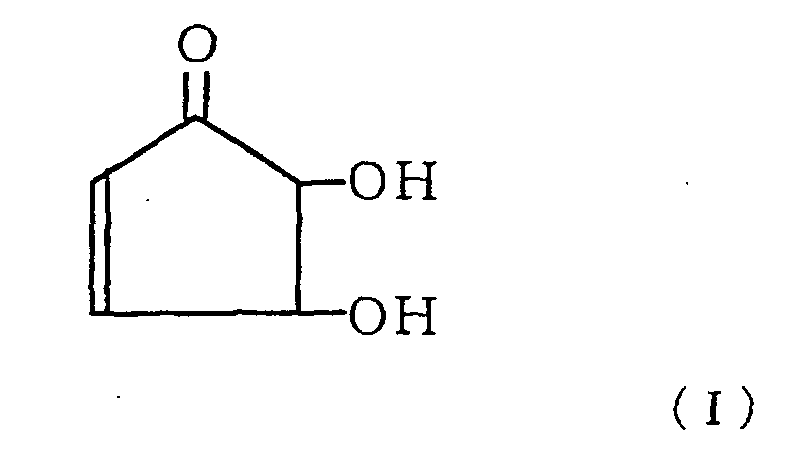
from the group consisting of 4,5-dihydroxy-2-cyclopenten-1-one
of formula (I):
, 4-hydroxy-2-cyclopenten-1-one and derivatives thereof.
The second aspect of the present invention
relates to a composition for enhancing growth factor
production and/or interlukin-12 production containing, as
an active ingredient, a compound selected from the group
consisting of 4,5-dihydroxy-2-cyclopenten-1-one of formula
(I), 4-hydroxy-2-cyclopenten-1-one and derivatives thereof.
The third aspect of the present invention relates
to a food or a drink for enhancing growth factor production
and/or interluekin-12 production which contains, which is
produced by diluting and/or which is produced by adding
thereto a substance selected from the group consisting of
materials containing 4,5-dihydroxy-2-cyclopenten-1-one of
formula (I), materials containing 4-hydroxy-2-cyclopenten-1-one,
materials containing 4,5-dihydroxy-2-cyclopenten-1-one
derivatives and materials containing 4-hydroxy-2-cyclopenten-1-one
derivatives.
The present inventors have found that a compound
selected from the group consisting of 4,5-dihydroxy-2-cyclopentenone-1-one
of formula (I), 4-hydroxy-2-cyclopenten-1-one
and derivatives thereof has an activity
of enhancing growth factor production and/or an activity of
enhancing interleukin-12 production, and is useful for
enhancement of growth factor production and enhancement of
interleukin-12 production. Thus, the present invention has
been completed.
Brief Description of Drawings
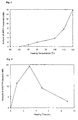
Figure 1 shows the relationship between the
heating temperature and the amount of 4HCP produced.
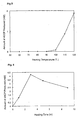
Figure 2 shows the relationship between the
heating time and the amount of 4HCP produced.
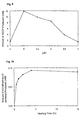
Figure 3 shows the relationship between the pH
and the amount of 4HCP produced.
Figure 4 shows the relationship between the
heating temperature and the amount of 4ACP produced.
Figure 5 shows the relationship between the
heating temperature and the amount of 4GCP produced.
Figure 6 shows the relationship between the
heating time and the amount of 4ACP produced.
Figure 7 shows the relationship between the
heating time and the amount of 4GCP produced.
Figure 8 shows the relationship between the pH
and the amount of 4ACP produced.
Figure 9 shows the relationship between the pH
and the amount of 4GCP produced.
Figure 10 shows the relationship between the
heating time and the amount of 4,5-dihydroxy-2-pentenal
produced.
Detailed Description of the Invention
The present invention will be more specifically
explained below.
There is no particular limitation for a method of
producing 4,5-dihydroxy-2-cyclopenten-1-one (hereinafter
just referred to as cyclopentenone) used in the present
invention. Cyclopentenone may be produced by a chemical
synthesis method [Carbohydrate Res., 247:217-222 (1993);
Helvetica Chimica Acta, 55:2838-2844 (1972)]. Furthermore,
cyclopentenone produced in a heat treatment product of at
least one substance selected from the group consisting of
uronic acid, uronic acid derivatives, saccharides
containing uronic acid and/or uronic acid derivatives, and
materials which contain saccharides containing uronic acid
and/or uronic acid derivatives as well as a product
purified therefrom can be used. The heat treatment
products containing cyclopentenone as well as products
partially purified or purified therefrom can be used in the
present invention. The above has been disclosed in WO
98/13328, of which the disclosure is herein incorporated by
reference.
There is no particular limitation for materials
containing cyclopentenone. In particular, the above-mentioned
heat treatment products containing cyclopentenone
and products partially purified therefrom can be preferably
used in the third aspect of the present invention.
According to the present invention, a 4,5-dihydroxy-2-cyclopenten-1-one
derivative (hereinafter just
referred to as a cyclopentenone derivative) is not
specifically limited as long as it is a derivative of
cyclopentenone and has an ability to enhance growth factor
production and/or interleukin-12 production. Examples
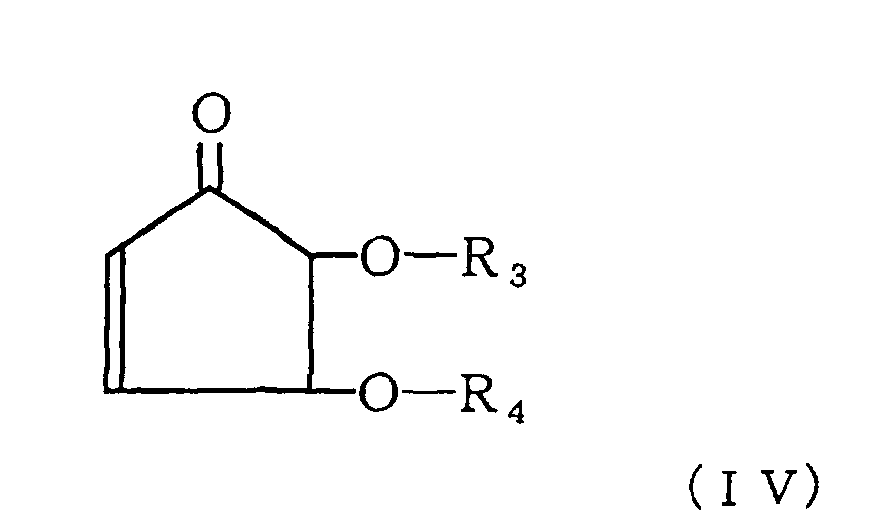
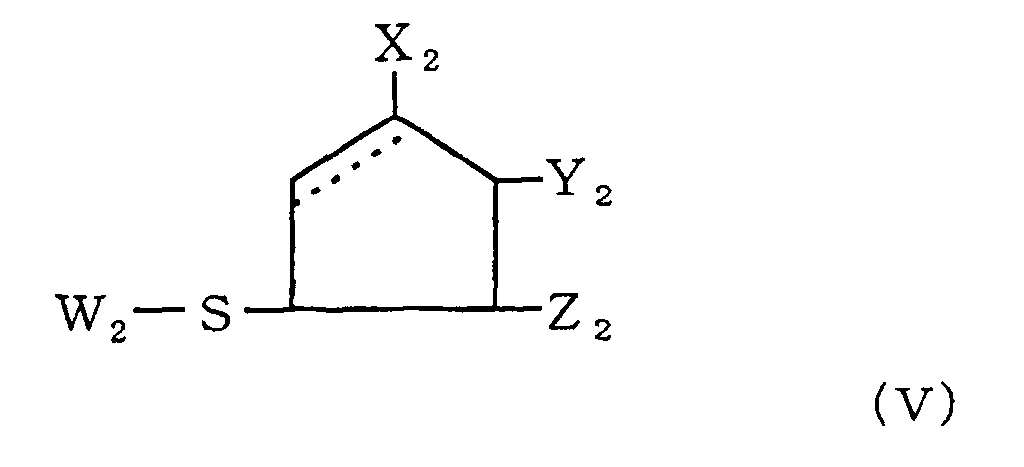
thereof include cyclopentenone derivatives of formulas (II)
to (V).
There is no limitation for a method of producing
4-hydroxy-2-cyclepenten-1-one (hereinafter just referred to
as 4HCP) used in the present invention. 4HCP may be
prepared by a chemical synthesis method. Known synthesis
methods therefor include a method of Tanaka, T. et al.
[Tetrahedron, 32:1713 (1976)], a method of Nara, M. et al.
[Tetrahedron, 36:3161 (1980)] and a method of Gill, M. et
al. [Aust. J. Chem., 34:2587 (1981)]. These production
methods comprise many synthesis steps, are complicated, are
of low yield, and are inefficient. 4HCP can -be obtained
with high yield in one step by reducing 4-cyclopentene-1,3-dione
with cerium (III) chloride and sodium boron hydride.
4HCP produced in a heat treatment product of at
least one substance selected from the group consisting of
pentose, pentose derivatives, compounds containing pentose
and compounds containing pentose derivatives, as well as a
product purified therefrom can be used. These heat
treatment products containing 4HCP as well as products
partially purified or purified therefrom can be used in the
present invention. The above has been disclosed in WO
99/36383, of which the disclosure is herein incorporated by
reference.
There is no particular limitation for materials
containing 4HCP. In particular, the above-mentioned heat
treatment products containing 4HCP and products partially
purified therefrom can be preferably used in the third
aspect of the present invention.
A 4HCP derivative is not specifically limited as
long as it is a derivative of 4HCP and has an ability to
enhance growth factor production and/or interleukin-12
production. Examples thereof include the derivatives of
formulas (VI) and (VII). Furthermore, 4-(9-adeninyl)-2-cyclopenten-1-one
(hereinafter referred to as 4ACP) and 4-(9-guaninyl)-2-cyclopenten-1-one
(hereinafter referred to
as 4GCP) produced in a heat treatment product of at least
one substance selected from the group consisting of pentose,
pentose derivatives, compounds containing pentose and
compounds containing pentose derivatives, as well as
products purified therefrom may be used. These heat
treatment products containing 4ACP and/or 4GCP as well as
products partially purified or purified therefrom can be
used in the present invention.
These materials containing cyclopentenone
derivatives and materials containing 4HCP derivatives may
be used in the present invention as well. It is also
possible to use optical isomers of cyclopentenone,
cyclopentenone derivatives, 4HCP and 4HCP derivatives, as
well as salts thereof.
wherein a bond in the five-membered ring represented by a
broken line means that the five-membered ring may be either
a cyclopentene ring having a double bond or a saturated
cyclopentane ring; in the case of a cyclopentene ring, X
1
is OH, Y
1 is =O and Z
1 is H; on the other hand, in the case
of a cyclopentane ring, X
1 is =O, Y
1 is OH and Z
1 is OH; W
1
is a residue in which a SH group is removed from a SH
group-containing compound.
wherein R
1 and R
2 may be the same or different each other,
and are hydrogen, or an aliphatic, aromatic or aromatic
aliphatic group.
wherein R
3 and R
4 may be the same or different each other,
and are hydrogen, or an aliphatic, aromatic or aromatic
aliphatic group, provided that R
3 and R
4 are not
simultaneously H.
wherein a bond in the five-membered ring represented by a
broken line means that the five-membered ring may be either
a cyclopentene ring having a double bond or a saturated
cyclopentane ring; in the case of a cyclopentene ring, X
2
is OR
5, Y
2 is =O and Z
2 is H; on the other hand, in the case
of a cyclopentane ring, X
2 is =O, Y
2 is OR
6 and Z
2 is OR
7; R
5
is R
8 or -(CO)-R
9; R
6 is H, R
10 or -(CO)-R
11; and R
8 is H, R
12
or -(CO)-R
13 (wherein R
8, R
9, R
10, R
11, R
12 and R
13 may be the
same or different each other, and are an aliphatic,
aromatic or aromatic aliphatic group, and R
9, R
11 and R
13 may
be H), provided that R
6 and R
7 are not simultaneously H; W
2
is a residue in which a SH group is removed from a SH
group-containing compound.
wherein R
14 is an aliphatic, aromatic or aromatic aliphatic
group, and n is 0 or 1, provided that if n is 0, R
14 is not
H.
wherein W
3 is a residue in which a SH group is removed from
a SH group-containing compound.
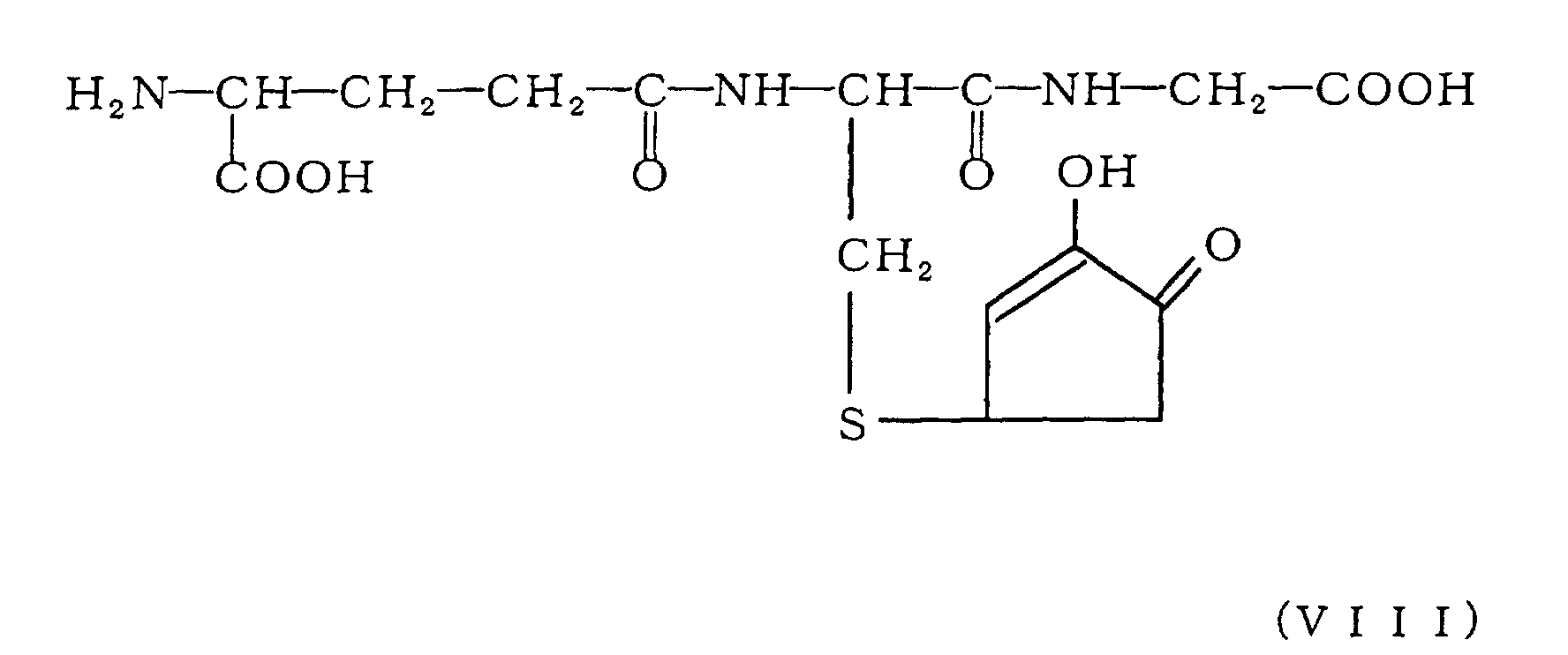
The cyclopentenone derivative of formula (II) is
described in detail in WO 98/39291. The derivative can be
obtained by reacting cyclopentenone with a SH group-containing
compound such as cysteine or glutathione. Also,
the material containing cyclopentenone derivative can be
obtained by adding a SH group-containing compound to a
material containing cyclopentenone. Examples of the
derivatives include compounds of formulas (VIII) to (XI).
Hereinafter, the compound of formula (VIII) is just
referred to as GM.
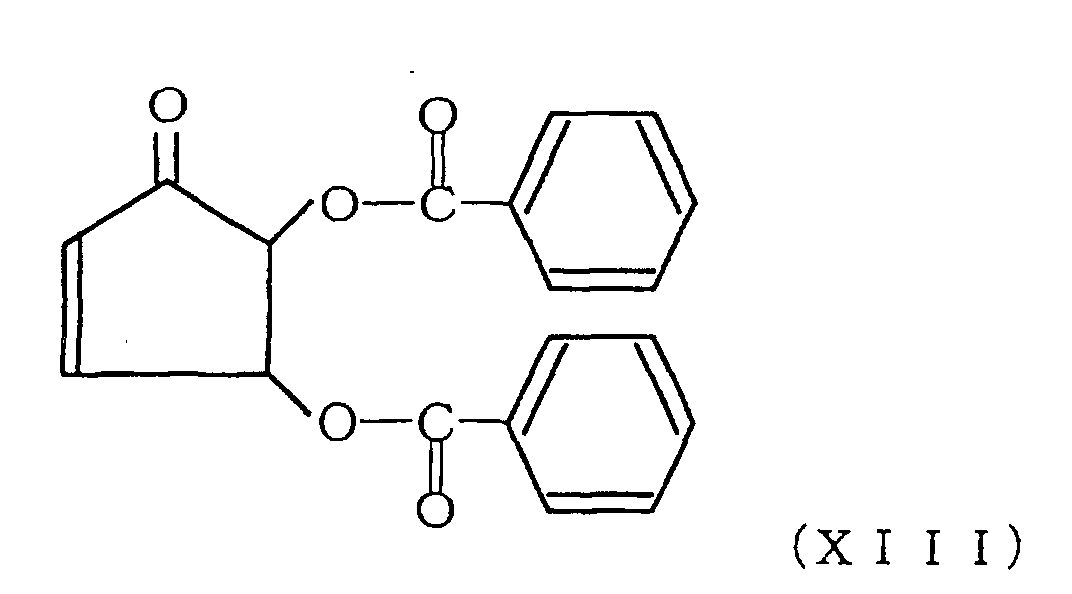
The cyclopentenone derivative of formula (III) is
described in detail in WO 98/40346 and PCT/JP99/04323. The
derivative can be obtained by simultaneously or
successively reacting cyclopentenone with carboxylic acid
having an aliphatic, aromatic or aromatic aliphatic group
and/or its reactive derivative. Examples of the
cyclopentenone derivatives include diacetylcyclopentenone,
dibenzoylcyclopentenone, dihexanoylcyclopentenone,
dimyristoylcyclopentenone, dioctanoylcyclopentenone, di-3-octenoylcyclopentenone,
dibutyrylcyclopentenone,
didecanoylcyclopentenone, divalerylclopentenone,
dipropionylcyclopentenone, di-2-hexanoylcyclopentenone,
diisobutylylcyclopentenone, dimethoxyacetylcyclopentenone,
methoxyfumarylcyclopentenone, methoxymaleylcyclopentenone.
Formula (XII) represents the structure of
dipropionylcyclopentenone. Formula (XIII) represents the
structure of dibenzoylcyclopentenone.
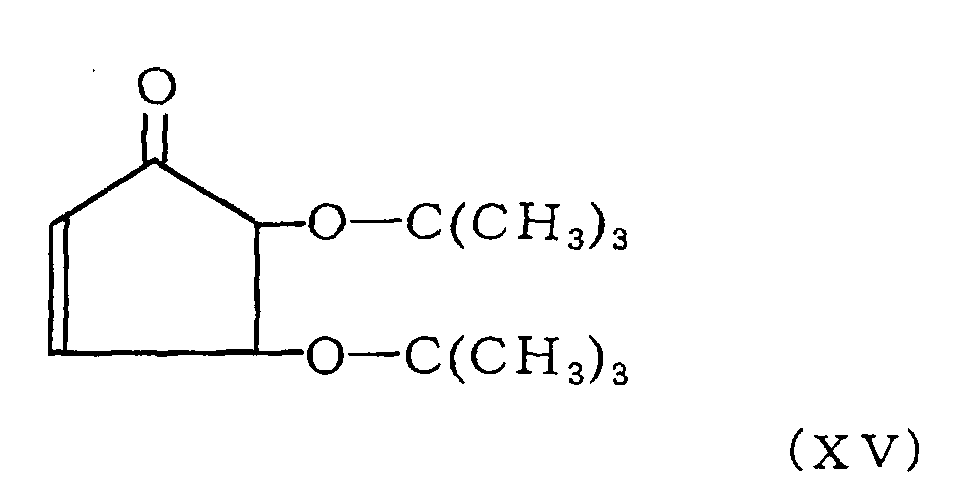
The cyclopentenone derivative of formula (IV) is
described in detail in WO 99/00349. The derivative can be
obtained by simultaneously or successively reacting
cyclopentenone with alcohol having an aliphatic, aromatic
or aromatic aliphatic group and/or its reactive derivative.
Examples of the cyclopentenone derivatives include 4-benzylcyclopentenone
ether, 5-benzylcyclopentenone ether,
4,5-benzylcyclopentenone ether, 4-t-butylcyclopentenone
ether, 5-t-butylcyclopentenone ether, 4,5-di-t-butylcyclopentenone
ether. Formulas (XIV) and (XV)
represent the structures of 5-benzylcyclopentenone ether
and 4,5-di-t-butylcyclopentenone ether, respectively.
The cyclopentenone derivative of formula (V) is
described in detail in PCT/JP99/04324. Substances
containing the cyclopentenone derivative can be obtained by
reacting a compound of formula (III) or (IV) with a SH
group-containing compound such as cysteine or glutathione.
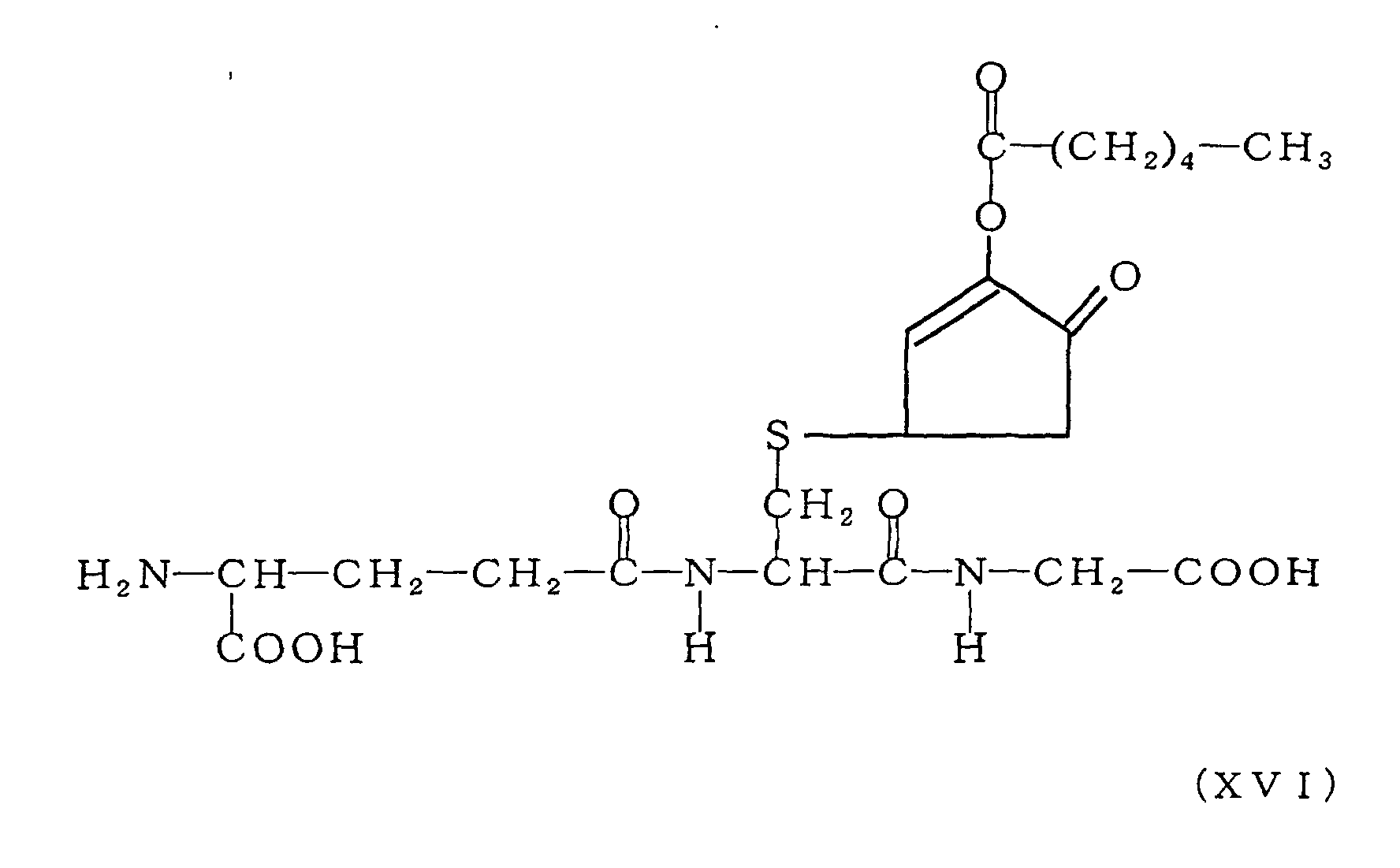
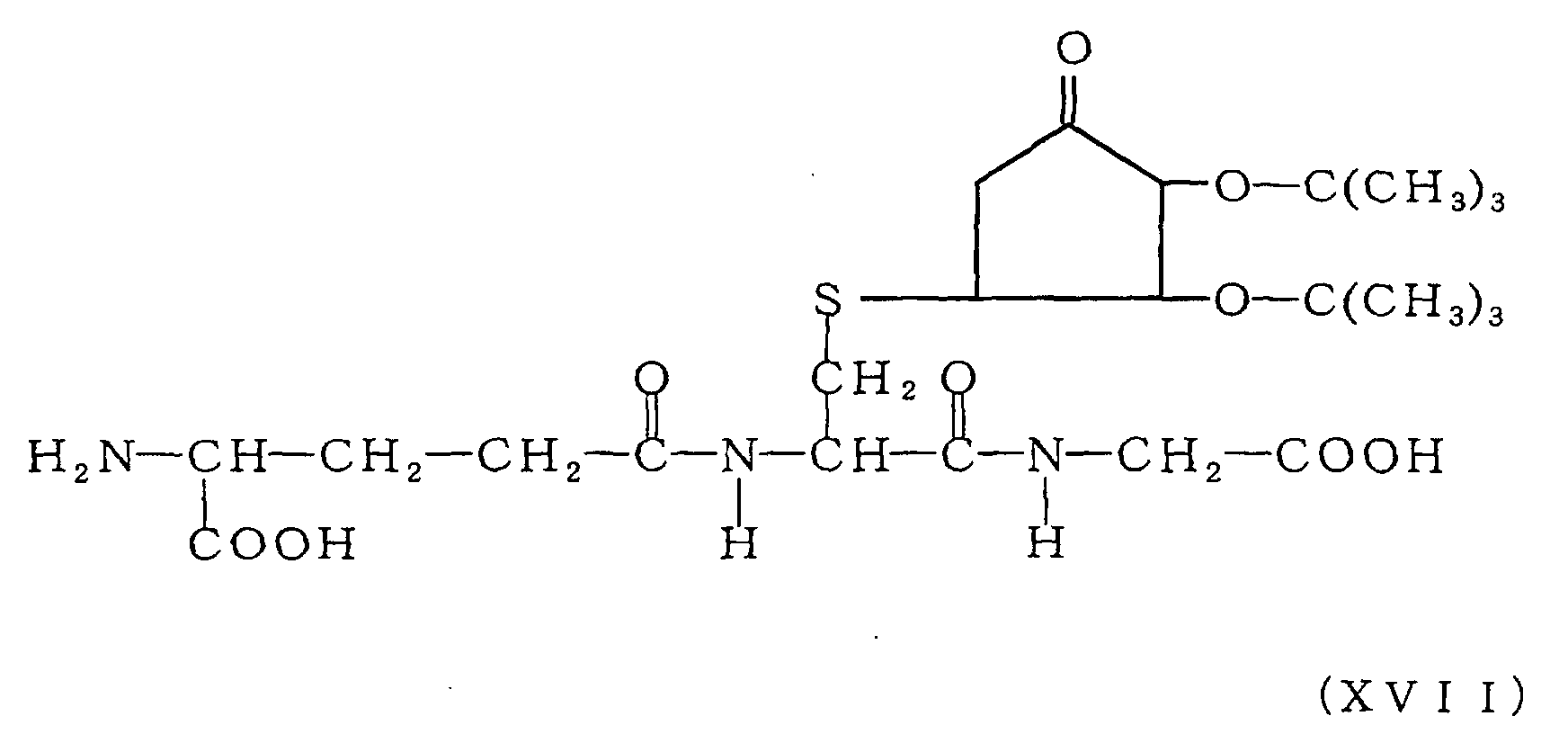
Examples of the cyclopentenone derivatives include
compounds of formulas (XVI) and (XVII).
The 4HCP derivative of formula (VI) can be
obtained by reacting 4HCP with carboxylic acid having an
aliphatic, aromatic or aromatic aliphatic group and/or its
reactive derivative, or by reacting 4HCP with alcohol
having an aliphatic, aromatic or aromatic aliphatic group
and/or its reactive derivative.
The 4HCP derivative of formula (VII) can be
obtained by reacting 4HCP with a SH group-containing
compound such as cysteine or glutathione, as described in
WO 99/36383. Also, a material containing 4HCP derivative
can be obtained by adding a SH group-containing compound to
a material containing 4HCP. Examples the derivatives
include the compound of formula (XVIII).
In the present invention, there is no particular
limitation for the growth factors for which the enhancement
of production is required, as long as they have activities
of promoting cell growth. Examples thereof include HGF,
NGF, epidermal growth factor, milk-derived growth factor,
fibroblast growth factor, brain-derived fibroblast growth
factor, acidic fibroblast growth factor, platelet-derived
growth factor, platelet basic protein, connective tissue-activating
peptide, insulin-like growth factor, colony
stimulating factors, erythropoiethin, thrombopoietin, T
cell growth factor, interleukins (e.g., interleukin-2, 3, 4,
5, 7, 9, 11 or 15), B cell growth factor, cartilage-derived
factor, cartilage-derived growth factor, bone-derived
growth factor, skeletal growth factor, endothelial cell
growth factor, endothelial cell-derived growth factor, eye-derived
growth factor, testis-derived growth factor,
Sertoli cell-derived growth factor, mammotropic factor,
spinal cord-derived growth factor, macrophage-derived
growth factor, recycled mesodermal growth factor,
transforming growth factor-α, transforming growth factor-β,
heparin-binding EGF-like growth factor, amphiregulin, SDGF,
betacellulin, epiregulin, neuregulins 1, 2, and 3, vascular
endothelial growth factor, neurotrophin, BDNF, NT-3, NT-4,
NT-5, NT-6, NT-7, glial cell line-derived neurotrophic.
factor, stem cell factor, midkine, pleiotrophin, ephrin,
angiopoietin, activin, tumor necrosis factor and
interferons.
HGF exhibits an activity of proliferating
hepatocyte, an activity of promoting protein synthesis, an
activity of improving cholestasia, an activity of
preventing renal damage due to drug and the like. mRNA for
HGF is synthesized in brain, kidney, lung and the like.
HGF exhibits activities of proliferating hepatocytes, renal
tubule cells, epidermal cells and the like. Thus, HGF is a
mesodermic cell growth factor. Accordingly, by enhancing
hepatocyte growth factor production, it is possible to
treat or prevent hepatitis, severe hepatitis, cirrhosis,
cholestasia in liver, chronic nephritis, pneumonia and
wound.
NGF is an endogenous growth factor that maintains
survival and functions of nerve cells or elongates nerve
cells according to a concentration gradient of NGF. Thus,
by enhancing NGF production, it is possible to treat or
prevent diseases that require repair/regeneration of the
neurologic function for their treatment or prevention, e.g.,
senile dementia such as Alzheimer's disease, peripheral
neuropathy, a cerebrovascular disease, brain tumor, apex of
brain, a degenerative disease associated with head injury,
anesthetic intoxication and the like.
Insulin-like growth factor exhibits various
physiological activities against various cells. It is
possible to treat or prevent type II diabetes (non-insulin
dependent diabetes mellitus) and growth impairment
(dwarfism) by enhancing insulin-like growth factor
production. Furthermore, insulin-like growth factor
promotes regeneration of sciatic nerve in sciatic nerve
impairment. Thus, it may be used to treat or prevent
amyotrophic lateral sclerosis.
Cyclopentenone, cyclopentenone derivatives, 4HCP
and 4HCP derivatives exhibit abilities of enhancing
interleukin-12 production. Therefore, there is provided a
composition for enhancing interleukin-12 production
containing, as an active ingredient, a compound selected
from the group consisting of cyclopentenone, cyclopentenone
derivatives, 4HCP and 4HCP derivatives. Said composition
can be formulated by a conventional method and used as a
pharmaceutical composition for treating or preventing a
disease that requires enhancement of interleukin-12
production for its treatment or prevention.
Interferonγ (IFNγ) is produced when T cells (Th1)
are stimulated by antigen presenting cells (APCs) or the
like through T cell receptors (TCR). The production is
further induced by interleukin-12 (IL-12), which is
produced from the APCs. Thus, the production of IFNγ is
induced by enhancing IL-12 production. The induced IFNγ
activates cellular immunity (involving cytotoxic T cells,
NK cells, macrophages and the like) against viral
infections, fungal infections, cancerous diseases and the
like to enhance the ability of biological defense. On the
other hand, it is considered that suppression of the
activation of Th2, which is considered to cause allergic
diseases, may be effective for treating or preventing
asthma, pollinosis, atopic dermatitis and the like.
Furthermore, cyclopentenone, cyclopentenone
derivatives, 4HCP and 4HCP derivatives have activities of
increasing/strengthening muscle. Therefore, there is
provided a composition for increasing/strengthening muscle
containing one of these compounds or materials containing
the compounds as an active ingredient. There is no
particular limitation for the materials containing the
compounds. For example, a heat treatment product of DNA
which contains a large amount of 4HCP can be used. The
heat treatment product is obtained by heating DNA, which is
a compound containing pentose.
The activity of increasing/strengthening muscle
can be determined by evaluating a degree of recovery of
muscle contracted by crushing sciatic nerves in terms of
the function and the amount. It has been reported that the
recovery from the impairment in this model experiment is
largely due to regeneration of nerves. Vitamin B1 and
vitamin B12 were reported to strikingly promote the
elongation of nerve fibers in experiments of tissue culture
of fetal chicken sensory ganglion or spinal cord, and also
have significant effects of recovering the quantity of
muscle (e.g., soleus muscle) in a sciatic nerve crush model
(Folia pharmacol. Japon. 74:721-734 (1978)).
The heat treatment product of DNA has not been
reported to be effective in the model experiments as
described above. Its effect of enhancing the production of
insulin-like growth factor, HGF or NGF, or of increasing
muscle or recovering a function of muscle has not been
reported. The present inventors found that the heat
treatment product of DNA enhances the production of
insulin-like growth factor, HGF and NGF. Thus, it can be
used for treatment or prevention of not only amyotrophic
lateral sclerosis but also growth impairment, osteoporosis,
diabetes and renal insufficiency which require insulin-like
growth factors for their treatment or prevention.
A compound selected from the group consisting of
cyclopentenone, cyclopentenone derivatives, 4HCP and 4HCP
derivatives has an ability to enhance growth factor
production and/or interleukin-12 production. Thus, a
pharmaceutical composition for treating or preventing a
disease that requires enhancement of growth factor
production for its treatment or prevention and/or a disease
that requires enhancement of interleukin-12 production for
its treatment or prevention can be produced using one of
these compounds as an active ingredient. It is also
possible to produce a composition for
increasing/strengthening muscle using the compound as an
active ingredient.
The pharmaceutical composition for treatment or
prevention can be formulated by using a compound selected
from the group consisting of cyclopentenone, cyclopentenone
derivatives, 4HCP and 4HCP derivatives as its active
ingredient, and formulating it with a known pharmaceutical
carrier. The composition is generally mixed with a
pharmaceutically acceptable liquid or solid carrier and,
optionally, solvent, dispersing agent, emulsifier,
buffering agent, stabilizer, excipient, binder,
disintegrant, lubricant and the like to formulate it. The
formulation may be in a form of a solid preparation such as
tablet, granule, powder, epipastic and capsule, or a liquid
preparation such as normal solution, suspension and
emulsion. In addition, it may be formulated into a dried
preparation, which can be reconstituted as a liquid
preparation by adding an appropriate carrier before use.
The pharmaceutical composition for treatment or
prevention can be administrated as either an oral
preparation or a parenteral preparation such as injectable
preparation and drips.
The pharmaceutical carrier can be selected
according to the above-mentioned particular administration
route and dosage form. For an oral preparation, starch,
lactose, sucrose, mannit, carboxymethylcellulose,
cornstarch, inorganic salts and the like are utilized, for
example. Binder, disintegrant, surfactant, lubricant,
fluidity-promoting agent, tasting agent, coloring agent,
flavoring agent and the like can also be included in oral
preparations.
A parenteral preparation can be prepared
according to conventional methods by dissolving or
suspending a compound selected from the group consisting of
cyclopentenone, cyclopentenone derivatives, 4HCP and 4HCP
derivatives as an active ingredient of the pharmaceutical
composition for treatment or prevention in a diluent. The
diluents include injectable distilled water, physiological
saline, aqueous glucose solution, injectable vegetable oil,
sesame oil, peanut oil, soybean oil, corn oil, propylene
glycol and polyethylene glycol. Optionally, sterilizer,
stabilizer, osmotic regulator, smoothing agent and the like
may be added to the solution or suspension.
The pharmaceutical composition for treatment or
prevention of the present invention is administered through
a suitable route for the dosage form of the composition.
The administration route is not limited to a specific one.
The composition can be administered internally or
externally (or topically) or by injection. The injectable
preparation can be administrated intravenously,
intramuscularly, subcutaneously, intradermally and the like,
for example. External preparations include a suppository.
A dosage of the pharmaceutical composition for
treatment or prevention is appropriately determined and
varies depending on the particular dosage form,
administration route and purpose as well as age, weight and
conditions of a patient to be treated. In general, a daily
dosage for an adult person is 10 µg to 200 mg/kg in terms
of the amount of the active ingredient contained in the
formulation. Of course, the dosage can vary depending on
various factors. Therefore, in some cases, a less dosage
than the above may be sufficient but, in other cases, a
dosage more than the above may be required. The
pharmaceutical composition of the present invention can be
administrated orally as it is, or it can be taken daily by
adding to selected foods and drinks.
The composition for enhancing growth factor
production or interleukin-12 production containing, as an
active ingredient, a compound selected from the group
consisting of cyclopentenone, cyclopentenone derivatives,
4HCP and 4HCP derivatives of the present invention may be
produced and administered by a method similar to those
described above for the pharmaceutical composition for
treatment or prevention. The composition for enhancing
growth factor production or interleukin-12 production may
be used in a method for enhancing growth factor production,
and is useful for studying the function of growth factors,
and for screening medicines related to growth factors.
There is no particular limitation for the
composition for enhancing growth factor production of the
present invention. Examples thereof include a composition
for enhancing HGF production, a composition for enhancing
NGF production, and a composition for enhancing h-IGF
production, which can be used as a pharmaceutical
composition for treating or preventing a disease that
requires enhancement of HGF production, a pharmaceutical
composition for treating or preventing a disease that
requires enhancement of NGF production, and a
pharmaceutical composition for treating or preventing a
disease that requires enhancement of h-IGF production for
its treatment or prevention, respectively.
A compound selected from the group consisting of
cyclopentenone, cyclopentenone derivatives, 4HCP and 4HCP
derivatives is used as the active ingredient of the
composition for enhancing HGF production of the present
invention. Although it is not intended to limit the
present invention, a compound having a cyclopentene ring is
preferably used. Also, the composition for enhancing HGF
production of the present invention may contain a substance
that induces the transcription of HGF gene to enhance the
production of HGF, the substance being selected from the
group consisting of cytokines and prostaglandins including
IL-1, prostaglandin E1 and prostaglandin E2. If the
composition for enhancing HGF production of the present
invention acts to induce the transcription of HGF gene, it
is preferable that the composition includes a substance
having an activity of promoting the step of the translation
of mRNA for HGF gene or downstream steps to enhance HGF
production. Then, there is provided a composition for
enhancing HGF production by which HGF production is
synergistically enhanced. There is no particular
limitation for the substance used for exerting the
synergistic effect as long as it has an activity of
promoting the step of the translation of mRNA for HGF gene
or downstream steps to enhance HGF production. Examples
thereof include sulfated polysaccharide such as heparin,
heparan sulfate and fucoidan as well as degradation
products thereof. Shogaol or gingerol derived from ginger,
curcumin derived from curcuma, or the like, which has an
activity of enhancing HGF production, or materials
containing these substances may be contained in the
composition for enhancing HGF production of the present
invention. Furthermore, the composition for enhancing
growth factor production and/or interleukin-12 production
of the present invention may be taken daily by adding to
selected foods and drinks.
The composition for increasing/strengthening
muscle containing, as an active ingredient, a compound
selected from the group consisting of cyclopentenone,
cyclopentenone derivatives, 4HCP and 4HCP derivatives of
the present invention may be produced and administered by a
method similar to those described above for the
pharmaceutical composition for treatment or prevention.
There is no particular limitation for the method
for producing a food or a drink for enhancing growth factor
production and/or interleukin-12 production which contains,
which is produced by diluting and/or which is produced by
adding thereto a substance as an active ingredient selected
from the group consisting of materials containing
cyclopentenone, materials containing cyclopentenone
derivatives, materials containing 4HCP and materials
containing 4HCP derivatives. Any processes including
cooking, processing and other generally employed processes
for producing foods and drinks can be used as long as the
resultant food or drink contains an effective amount of a
substance having a physiological activity selected from the
group consisting of materials containing cyclopentenone,
materials containing cyclopentenone derivatives, materials
containing 4HCP and materials containing 4HCP derivatives.
The food or drink may be taken as a functional food or
drink having an activity of enhancing growth factor
production and/or interleukin-12 production.
Also, there is no particular limitation for the
method for producing a food or a drink for
increasing/strengthening muscle, which contains, which is
produced by diluting and/or which is producing by adding
thereto a substance as an active ingredient selected from
the group consisting of materials containing cyclopentenone,
materials containing cyclopentenone derivatives, materials
containing 4HCP and materials containing 4HCP derivatives.
Any processes including cooking, processing and other
generally employed processes for producing foods and drinks
can be used as long as the resultant food or drink contains
an effective amount of a substance having a physiological
activity selected from the group consisting of materials
containing cyclopentenone, materials containing
cyclopentenone derivatives, materials containing 4HCP and
materials containing 4HCP derivatives. The food or drink
may be taken as a functional food or drink having an
activity of increasing/strengthening muscle.
When cyclopentenone, a cyclopentenone derivative,
4HCP or a 4HCP derivative used in the present invention is
administered in an physiologically effective amount, no
toxicity is observed. Also, no toxicity is observed for
the materials containing these substances.
For example, no example of death was observed
when a single dose of cyclopentenone, GM, 4HCP,
dipropionylcyclopentenone, dihexanoylcyclopentenone, di-2-hexenoylcyclopentenone,
diisobutylcyclopentenone,
dibenzoylcyclopentenone, 4-t-butylcyclopentenone ether or
4,5-di-t-butylcyclopentenone ether, or an optical isomer or
a salt thereof was orally administered to a mouse at 100
mg/kg.
Examples
The present invention will be further illustrated
in detail by way of the following examples. However, the
present invention is never limited to those examples. "%"
used in the examples means "% by weight".
Referential Example 1
(1) 10 g of D-glucuroic acid (Sigma, G 5269) was
dissolved in 1 1 of water. The solution was heated at
121°C for 4 hours and then concentrated to about 10 ml
under reduced pressure. 40 ml of an upper layer of a
mixture of butyl acetate : acetic acid : water = 3 : 2 : 2
was added thereto and mixed. The mixture was centrifuged
to obtain a supernatant. The resultant supernatant was
concentrated to about 10 ml under reduced pressure.
The extract was applied to silica gel for column
chromatography BW-300SP (2 x 28 cm; Fuji Silysia) and
separated using an upper layer of butyl acetate : acetic
acid : water = 3 : 2 : 2 as an eluent at a flow rate of 5
ml/minute while applying pressure at 0.2 kg /cm2 using a
compressor. Fractionation was carried out such that each
fraction contained 10 ml of the eluate. A part of each
fraction was analyzed on thin-layer chromatography. The
61st to 80th fractions contained highly pure cyclopentenone.
Those fractions were collected, concentrated under reduced
pressure, and then extracted with 40 ml of chloroform. The
extract was concentrated under reduced pressure to obtain
100 mg of cyclopentenone.The fraction was separated on normal phase HPLC
using a PALPAK type S column (Takara Shuzo). The purity
was found to be 98% when detection was conducted using
ultraviolet absorbance at 215 nm.
(2) 30 mg of cyclopentenone, 16 mg of
dimethylaminopyridine (DMAP), 66 mg of triethylamirie and 86
mg of propionic anhydride (Tokyo Kasei Kogyo, PO513) were
dissolved in 5.9 ml of dichloromethane. The mixture was
reacted for 1 hour while cooling ice. Then, the reaction
mixture was developed on silica gel thin-layer
chromatography using chloroform : methanol = 200 : 1 as a
developing solvent. Silica gel was scraped from a portion
at Rf = 0.5 to 0.6 of the thin layer and extracted with
chloroform to obtain 31 mg of dipropionylcyclopentenone.
The results of structural analysis of the
resultant dipropionylcyclopentenone by nuclear magnetic
resonance are shown below.
1H-NMR δ7.45 (1H, dd, J2-3=6.27 Hz, J3-4=2.15 Hz, H-3),
6.42 (1H, dd, J2-3=6.27 Hz, J3-4=1.49 Hz, H-2), 5.91 (1H, m,
H-4), 5.16 (1H, d, J4-5=2.97 Hz, H-5), 2.46 (2H, dd,
J=15.01, 7.59 Hz), 2.42 (2H, dd, J=15.01, 7.59 Hz), 1.18
(6H, dd, J=7.59, 7.59 Hz)
(3) 100 µl of a 1 M aqueous solution of
cyclopentenone and 500 µl of a 200 mM aqueous solution of
glutathione (reduced form: sold by Nacalai Tesque: 170-10)
(pH3.0) were mixed together. The mixture was reacted at
60°C for 5 hours. The reaction mixture was filtered
through 0.5 µm Cosmonice Filter (Nacalai Tesque), and
separated on HPLC under the following conditions.
Column: TSKgel ODS-80Ts (5 µm), 20 mm x 25 cm
(Tosoh); Mobile Phase:
A: 0.1% aqueous solution of
trifluoroacetic acid (TFA); B: 0.1% TFA/50% aqueous solution
of acetonitrile; Flow rate: 7.5 ml/minute; Gradient: Mobile Phase A (10 minutes) →
Mobile Phase A to A : B = 1 : 1 (55 minutes) → Mobile Phase
A : B = 1 : 1 to Mobile Phase B (15 minutes); Detection: Absorbance at 220 nm.
200 µl of the reaction mixture was applied to
HPLC. Peaks at retention time of 35.7 minutes and 36.1
minutes were collected, concentrated under reduced pressure
to dryness to obtain 5.5 mg of a dry solid.The structure of the dry solid was analyzed. The
nuclear magnetic resonance (NMR) spectrum and the mass
spectrum (MS) were measured. The results are shown below.
- 1H-NMR
- δ2.09 (2H, m, 5' -H), 2.28 (1H, dd, J=13.0, 20.0
Hz, 5-H), 2.44 (2H, m, 4' -H), 2.78 (1H, dd, J=8.5, 14.0,
1' -H), 2.85 or 2.89 (1H, dd, J=3.0, 6.0 Hz, 5-H), 2.92 or
2.95 (1H, dd, J=1.0, 5.5 Hz, 1'-H), 3.86 (2H, S, 9'-H),
3.95 (2H, m, 4-H, 6'-H), 4.46 (1H; m, 2'-H), 6.47 or 6.49
(1H, d, J=3.0 Hz, 3-H)
The sample was dissolved in 0.1 N DCl solution in
heavy water. The results are expressed assuming the
chemical shift value of HOD as 4.65 ppm.
- 13C-NMR
- δ26.3 (5'-C), 31.7 (4'-C), 31.9 or 32.1 (1'-C),
39.3 (4-C), 41.9 (9'-C), 42.2 or 42.3 (5-C), 53.3 (6'-C),
54.1 (2'-C), 133.5 (3-C), 154.4 (2-C), around 173 (3'-C,
7'-C, 8'-C, 10'-C), 205.8 (1-C)
The sample was dissolved in 0.1 N DCl solution in
heavy water. The results are expressed assuming the
chemical shift value of dioxane as 67.4 ppm.The numbers for peak identification in
1H-NMR and
13C-NMR are as indicated in formula (XIX) below.
- FAB-MS
- m/z 404 (M+H)+, 426 (M+Na)+
- Glycerol was used for matrix.
- UV λmax 251 nm (water)
- IR νKBr max cm-1 2949, 1710, 1660, 1539, 1404,
1203
Measurement was carried out according to diffuse
reflectance method.The above-mentioned results showed that the dry
solid was GM, i.e., 2-hydroxy-4-glutathion-S-yl-2-cyclopenten-1-one.
(4) A 5% (w/v) aqueous solution of DNA·Na
(Nichiro) had a pH of 6.5. After the pH of the solution
was adjusted to 5.5 by adding diluted HCl, the mixture was
heated in a heat block for 3 hours at 50, 60, 70, 80, 90,
100, 110 or 120°C.
The concentration of 4HCP in the supernatant of
the heated mixture was measured by a thin-layer
chromatography method.Briefly, 1 µl each of the supernatants of the
heated mixtures as well as 2, 4, 6, 8, 10 and 12 mM aqueous
solutions of 4HCP was spotted onto a silica gel plate for
thin-layer chromatography (MERCK), and developed using a
mixture of chloroform : methanol = 4 : 1. After red color
was developed using an orcinol-sulfuric acid reagent, the
image of the plate was read using Photo/Analyst Archiver
(Fotodyne inc.), and the intensity of each spot was
numerically expressed using 1-DBasic (Advanced American
Biotechnology software) to determine the concentration in
each sample using a calibration curve for 4HCP.The results are shown in Figure 1. Figure 1
shows the relationship between the heating time and the
amount of 4HCP produced. In the figure, the vertical axis
represents the amount of 4HCP produced (mM) and the
horizontal axis represents the heating temperature (°C).
As shown in the figure, the amount of 4HCP produced was
increased as the heating temperature made higher.
(5) After pH of a 5% (w/v) aqueous solution of
DNA·Na (Nichiro) was adjusted to 5.5 by adding diluted HCl,
the mixture was heated for 0, 1, 3, 5 or 9 hours at 120°C
using an autoclave.
The concentration of 4HCP in the supernatant of
the heated mixture was measured according to the method
described in Referential Example 1-(4).The results are shown in Figure 2. Figure 2
shows the relationship between the heating time and the
amount of 4HCP produced. In the figure, the vertical axis
represents the amount of 4HCP produced (mM) and the
horizontal axis represents the heating time (hour). As
shown in the figure, the amount of 4HCP produced reached
its peak at 3 hours of heating.
(6) After pH of a 5% (w/v) aqueous solution of
DNA·Na (Nichiro) was adjusted to 4.0, 5.0, 5.5 or 6.0 by
adding diluted HCl, or to 7.0 by adding diluted NaOH, the
mixture was heated at 120°C using an autoclave for 3 hours.
The concentration of 4HCP in the supernatant of
the heated mixture was measured according to the method
described in Referential Example 1-(4).The results are shown in Figure 3. Figure 3
shows the relationship between the pH and the amount of
4HCP produced. In the figure, the vertical axis represents
the amount of 4HCP produced (mM) and the horizontal axis
represents the pH. As shown in the figure, the increase in
the amount of 4HCP production peaked at about pH 5.
(7) After pH of a 5% (w/v) aqueous solution of
DNA•Na (Nichiro) was adjusted to 5.5 by adding diluted HCl,
the mixture was heated in a heat block at 50, 60, 70, 80,
90, 100, 110 or 120°C for 3 hours.
The supernatant of the heated mixture was
analyzed on reversed phase HPLC under the following
conditions.
Column: YMCpack ODS-AM (ϕ 4.6 mm x 25 cm,
YMC); Mobile Phase: 3% aqueous solution of
acetonitrile, 0.8 ml/min.; Detection: 210 nm. Areas of peaks for 4GCP eluted at 25 minutes and
for 4ACP eluted at 33 minutes were determined. Then, the
concentrations of the respective compounds in the samples
were determined using calibration curves for the respective
compounds.The results are shown in Figures 4 and 5. Figure
4 shows the relationship between the heating temperature
and the amount of 4ACP produced. In the figure, the
vertical axis represents the amount of 4ACP produced (mM)
and the horizontal axis represents the heating temperature
(°C). Figure 5 shows the relationship between the heating
temperature and the amount of 4GCP produced. In the figure,
the vertical axis represents the amount of 4GCP produced
(mM) and the horizontal axis represent the heating
temperature (°C).As shown in Figures 4 and 5, the generation of
4ACP and 4GCP was observed when heated for 3 hours at 100°C
or above, and a larger production amount was achieved by
heating at a higher temperature.
(8) After pH of a 5% (w/v) aqueous solution of
DNA•Na (Nichiro) was adjusted to 5.5 by adding diluted HCl,
the mixture was heated at 120°C using an autoclave for 0, 1,
3, 5 or 9 hours.
The concentrations of 4ACP and 4GCP in the
supernatants of the heated mixtures were measured according
to the method described in Referential Example 1-(7).The results are shown in Figures 6 and 7. Figure
6 shows the relationship between the heating time and the
amount of 4ACP produced. In the figure, the vertical axis
represents the amount of 4ACP produced (mM) and the
horizontal axis represents the heating time (hour). Figure
7 shows the relationship between the heating time and the
amount of 4GCP produced. In the figure, the vertical axis
represents the amount of 4GCP produced (mM) and the
horizontal axis represents the heating time (hour).As shown in Figures 6 and 7, the amounts of 4ACP
and 4GCP reached their peaks at 3 hours, and decreased
thereafter.
(9) After pH of a 5% (w/v) aqueous solution of
DNA·Na (Nichiro) was adjusted to 4.0, 5.0, 5.5 or 6.0 by
adding diluted HCl, or to 7.0 by adding diluted NaOH, the
mixture was heated at 120°C using an autoclave for 3 hours.
The concentrations of 4ACP and 4GCP in the
supernatants of the heated mixtures were determined
according to the method described in Referential Example 1-(7).The results are shown in Figures 8 and 9. Figure
8 shows the relationship between the pH and the amount of
4ACP produced. In the figure, the vertical axis represents
the amount of 4ACP produced (mM) and the horizontal axis
represents the pH. Figure 9 shows the relationship between
the pH and the amount of 4GCP produced. In the figure, the
vertical axis represents the amount of 4GCP produced (mM)
and horizontal axis represents the pH.As shown in Figures 8 and 9, the increase in the
amounts of both 4ACP and 4GCP peaked at about pH 5.
(10) A 0.1 M aqueous solution of 2-deoxy-D-ribose
(Sigma) was heated at 121°C for 0.5, 1, 2, 4 or 15 hours.
The supernatant of the heated solution was
analyzed on reversed phase HPLC under the following
conditions.
Column: YMCpack ODS-AM (ϕ 4.6 mm x 25 cm,
YMC); Mobile Phase:
A: 0.1% aqueous solution of TFA; B: 0.1% TFA/80% aqueous solution
of acetonitrile; Flow Rate: 0.8 ml/min.; Elution: Mobile Phase A (5 minutes) →
linear gradient from Mobile Phase A to B (20 minutes) →
Mobile Phase B; Detection: 215 nm. Area of the peak for 4,5-dihydroxy-2-pentenal
eluted at 7 minutes was determined to determine the
concentration in each sample using a calibration curve.The results are shown in Figure 10. Figure 10
shows the relationship between the heating time and the
amount of 4,5-dihydroxy-2-pentenal produced. In the figure,
the vertical axis represents the amount of 4,5-dihydroxy-pentenal
produced (mM) and the horizontal axis represents
the heating time (hour). As shown in Figure 10, the amount
of 4,5-dihyoxy-2-pentenal production reached the plateau
after heating for 5 hours.
Example 1
Rat fibroblast L-M cells (ATCC CCL-1.2) were
suspended in a M199 medium (Gibco) containing 0.5% Bacto
Peptone (Gibco) at a concentration of 1.0 x 10⁵ cells/ml.
1 ml of the suspension was inoculated into each well of a
24-well plate. The cells were cultured aseptically. After
culturing for 2 days, the medium was removed and
substituted with a M199 medium containing 0.5% bovine serum
albumin (Sigma). Then, cyclopentenone (final concentration
of 1 to 25 µM), 4HCP (Aldrich) (final concentration of
12.5µM) or dipropionylcyclopentenone (final concentration
of 3.1 to 9.4 µM) was added thereto. The plate was then
incubated for 24 hours.
After completion of the incubation, the
concentration of nerve growth factor in the culture was
measured by enzyme immunoassay (NGF Emax Immuno Assay
System: Promega). As a result, cyclopentenone, 4HCP and
dipropionylcyclopentenone enhanced the production of nerve
growth factor by L-M cells in a concentration-dependent
manner. The results are shown in Tables 1 to 4.
| Enhancement of nerve growth factor production by cyclopentenone |
| Cyclopentenone concentration (µM) | Nerve growth factor concentration (ng/ml) |
| 0 | 0.570 |
| 1 | 0.700 |
| 2.5 | 0.740 |
| 5 | 0.870 |
| 7.5 | 0.900 |
| 10 | 1.080 |
| 12.5 | 1.340 |
| 15 | 1.550 |
| 17.5 | 2.150 |
| 20 | 1.900 |
| 25 | 1.540 |
| Enhancement of nerve growth factor production by 4HCP |
| 4HCP concentration (µM) | Nerve growth factor concentration (ng/ml) |
| 0 | 0.138 |
| 12.5 | 0.327 |
| Enhancement of nerve growth factor production by dipropionylcyclopentenone |
| Dipropionylcyclopentenone concentration (µM) | Nerve growth factor concentration (ng/ml) |
| 0 | 0.132 |
| 3.1 | 0.164 |
| 6.3 | 0.259 |
| 9.4 | 0.257 |
| Enhancement of nerve growth factor production by cyclopentenone (time course) |
| Cyclopentenone | Cultivation time (hour). |
| Concentration (µM) | 0 | 3 | 6 | 12 | 24 | 48 |
| | Nerve growth factor concentration (ng/ml) |
| 0 | 0.000 | 0.028 | 0.233 | 0.575 | 0.658 | 0.736 |
| 15 | 0.000 | 0.050 | 0.359 | 0.686 | 1.186 | 1.236 |
| 17.5 | 0.000 | 0.054 | 0.205 | 0.635 | 1.535 | 1.492 |
| 20 | 0.000 | 0.082 | 0.179 | 0.581 | 1.681 | 1.874 |
Furthermore, other cyclopentenone derivatives
enhanced the production of nerve growth factors by L-M
cells as well.
Example 2
MRC-5 cells (CCL171, Dainippon Pharmaceutical)
were suspended in a DME medium (Bio Whittaker) containing
10% fetal calf serum at a concentration of 1 x 10⁵ cells/ml.
500 µl of the suspension was placed into a 48-well cell
culture plate. After culturing at 37°C in the presence of
5% CO2 for 24 hours, the medium was exchanged for a DME
medium containing 1% fetal calf serum. Then, one of
samples was added thereto. The plate was incubated for
additional 24 hours. The medium was then recovered, and
the amount of HGF in the culture medium was measured using
Quantikine Human Hepatocyte Growth Factor (HGF) ELISA Kit
(Funakoshi). The amount of HGF produced was expressed
defining a negative control as 100%. In this case, the
amount of HGF produced for the negative control was 7.2
ng/ml. Cyclopentenone (at a final concentration of 20, 40
or 160 µM), GM (at a final concentration of 20, 40, 80 or
160 µM), or dipropionylcyclopentenone (at a final
concentration of 32 or 64 µM) was added as a sample. As a
negative control, distilled water was added in the same
volume as the sample. As a positive control, prostaglandin
E1 was added at a final concentration of 0.01, 0.1, 1 or 10
µM.
As a result, the amount of HGF produced by cells
to which cyclopentenone or a derivative thereof was added
was significantly increased in each case as compared with
the negative control to which distilled water was added.
In addition, the amount of HGF produced was noticeably
increased as compared with the positive control to which
prostaglandin E
1 was added. Thus, it was revealed that
cyclopentenone and derivatives thereof have stronger
activities of enhancing HGF production than that of
prostaglandin, which has been confirmed to enhance HGF.
The results obtained when cyclopentenone, GM and
dipropionylcyclopentenone were added are shown in Tables 5,
6 and 7, respectively.
| Cyclopentenone concentration (µM) | Increase in HGF production (%) |
| 0 | 100 |
| 20 | 144 |
| 40 | 218 |
| 160 | 238 |
| GM concentration (µM) | Increase in HGF production (%) |
| 0 | 100 |
| 20 | 154 |
| 40 | 179 |
| 80 | 243 |
| 160 | 319 |
| Dipropionylcyclopentenone concentration (µM) | Increase in HGF production (%) |
| 0 | 100 |
| 32 | 120 |
| 64 | 144 |
| 4HCP concentration (µM) | Cultivation time (hour) |
| | 24 | 48 | 72 | 96 |
| | Activity of enhancing h-IGF-1 production (ng/ml) |
| 0 | 0 | 0 | 0 | 0 |
| 40 | 0 | 0 | 0 | 0 |
| 100 | 39.9 | 10.0 | 9.6 | 4.4 |
| 200 | 37.9 | 10.4 | 9.9 | 4.2 |
As shown in Table 8, when 4HCP was added at a
concentration of 100 µM or more, the activity of enhancing
h-IGF production in Hs68 cells became maximal at 24 hours
and decreased thereafter as the time went by.
(2) Hs68 cells were cultured in a D-MEM medium
containing 10% fetal calf serum in the presence of 5% CO2
at 37°C to saturation in a culture vessel. Then, the cells
were suspended in the medium at a concentration of 3 x
105/ml using a trypsin-EDTA solution. 200 µl of the
suspension was dispensed into each well of a 96-well
microtiter plate. When the cells were almost saturated in
the culture vessel after culturing for 5 to 7 days, the
medium was discarded and the medium containing
cyclopentenone or GM at a concentration of 0, 2.5, 5, 10 or
20 µM was added thereto.
The culture supernatant was recovered at 1, 3, 6,
12, 24 or 48 hours. The effect of cyclopentenone or GM on
the production (enhancement of expression) of h-IGF-1 in
Hs68 cells was determined using ELISA-Kit for h-IGF-1.As a result, when GM was added at a concentration
of 10 to 20 µM, production of h-IGF in Hs68 cells was
observed 3 hours after the addition. The amount of h-IGF-1
produced 6 hours after the addition was about twice the
amount for the control with no addition.Furthermore, when cyclopentenone was added at a
concentration of 10 to 20 µM, h-IGF-1 production was
observed from 1-hour to 6 hours after the addition.
(3) Hs68 cells were cultured in a D-MEM medium
containing 10% fetal calf serum in the presence of 5% CO2
at 37°C to saturation in a culture vessel. Then, the cells
were suspended in the medium at a concentration of 3 x
105/ml using a trypsin-EDTA solution. 200 µl of the
suspension was dispensed into each well of a 96-well
microtiter plate. When the cells were almost saturated in
the culture vessel after culturing for 5 to 7 days, the
medium was discarded and the medium containing 4HCP, a
compound of formula (XVIII) (4HCP-GSH) or glutathione (GSH)
at a concentration of 0, 25, 50, 100 or 200 µM was added
thereto. The culture supernatant was recovered at 1, 3, 6,
12, 24 or 48 hours. The effect on the production
(enhancement of expression) of h-IGF-1 in Hs68 cells was
determined using ELISA-Kit for h-IGF-1.
As a result, when 4HCP was added at a
concentration of 25 to 200 µM, h-IGF production in Hs68
cells became maximal at 1 hour and decreased thereafter as
the time went by. The expression of h-IGF-1 was observed
for cells treated with 4HCP at a concentration of 100 µM or
more at 48 hours. The compound of formula (XVIII) at a
concentration ranging from 100 to 200 µM was confirmed to
exhibit an activity of enhancing h-IGF-1 in a
concentration-dependent manner. The results are shown in
Tables 9 and 10. Significant enhancement of h-IGF-1
production was observed when cultured for 10 to 30 minutes.
On the other hand, no significant activity of enhancing h-IGF-1
was observed for the medium to which glutathione
alone was added.
| Activity of enhancing h-IGF-1 production by 4HCP (ng/ml) |
| Amount of 4HCP added (µM) | Cultivation time (hour) |
| | 1 | 3 | 6 | 12 | 24 | 48 |
| | Activity of enhancing IGF-1 production (ng/ml) |
| 0 | 7.2 | 8.9 | 6.3 | 0 | 0 | 0 |
| 25 | 30.6 | 29.5 | 9.6 | 0 | 0 | 0 |
| 50 | 49.5 | 42.1 | 27.8 | 0 | 0 | 0 |
| 100 | 52.8 | 47.2 | 31 | 22.1 | 25.6 | 32 |
| 200 | 59.2 | 51.7 | 44.4 | 42.1 | 50.3 | 50.2 |
| Activity of enhancing h-IGF-1 production by 4HCP-GSH (ng/ml) |
| Amount of 4HCP-GSH added (µM) | Cultivation time (hour) |
| | 1 | 3 | 6 | 12 | 24 | 48 |
| | Activity of enhancing IGF-1 production (ng/ml) |
| 0 | 7.2 | 8.9 | 6.3 | 0 | 0 | 0 |
| 100 | 8.4 | 12 | 10.6 | 6.1 | 6.7 | 1.4 |
| 200 | 33.3 | 37.9 | 24.7 | 20.4 | 20.9 | 27.8 |
Example 4
A model of atrophy in hind limb muscle was
prepared by crushing sciatic nerves of a male Wistar rat of
5 weeks old. Weight of astrocnemius muscle of hind limb
removed 2 weeks after the crushing was measured, and was
expressed as a ratio of the weight of the muscle of crushed
limb to that of the normal limb.
A 10% (w/v) aqueous solution of DNA•Na (Nichiro)
of which the pH had been adjusted to 5 by adding diluted
HCl was heated at 120°C using an autoclave for 3 hours to
prepare a heat treatment product of DNA.
A 10-fold dilution (about 11 mg/kg/day of 4HCP)
and a 100-fold dilution (about 1mg/kg/day of 4HCP) of the
heat treatment product of DNA in water were prepared, and
given to the rats as drinking water starting from 3 days
before the crushing (N=9-10). Tap water was given to a
control group (N=10).
The results are shown in Table 11. The numbers
in Table 11 represent mean ± standard deviation. The mark
* in the table means significant difference with
significance level of 5% or less as compared with the
control group.
In the control group, prominent muscular atrophy
was caused by the crushing, and almost no recovery was
observed even at 2 weeks after the crushing. On the other
hand, recovery of muscle weight was promoted in a dose-dependent
manner for the group to which the heat treatment
product of DNA was given as drinking water. The muscular
atrophy state observed for the control group was
ameliorated for the group to which the 10-fold dilution of
the heat treatment product of DNA was given as drinking
water due to the significant effect of
increasing/strengthening muscle.
| | Muscle weight (%)
Mean ± standard deviation |
| Control (N=10) | 49.0 ± 2.58 |
| 100-fold dilution of heat | 49.8 ± 1.16 |
| treatment product of DNA (N=9) |
| 10-fold dilution of heat | 58.2 ± 2.64 |
| treatment product of DNA (N=10) |
Referential Example 6
ddY mouse (female, 5 weeks old, weighing about 25
g) purchased from Japan SLC was used for experiments after
preliminary breeding for 1 week. 1 x 10⁶ Ehrlich cancer
cells were intraperitoneally inoculated into the mouse. 10
mg/kg of cyclopentenone was intraperitoneally administered
1 day after the inoculation. The mouse was sacrificed by
decapitating and exsanguinating 8 or 12 days after the
inoculation with cancer cells. 2 ml, which is the same
volume as that of ascites retained in the control mouse,
of PBS (-) (Nissui Pharmaceutical) containing 1% bovine
serum albumin (Sigma) was intraperitoneally injected into
the mouse, which was recovered after extensive massage.
For a control group, ascites was directly recovered. The
recovered ascites and peritoneal lavage fluid were
centrifuged at 2000 rpm for 5 minutes to recover
supernatants. The supernatants were used to quantify the
amounts of interleukin-12 using an ELISA kit for mouse
interleukin-12 measurement (Endogen).
The amounts of intraperitoneal interleukin-12 for
the respective mice at 8 days and 12 days after the
inoculation with cancer cells are shown in Table 12. The
amount was below detection limit for all of the 3 mice in
the control group at 8 days after the inoculation with
cancer cells. On the other hand, an activity of enhancing
interleukin-12 production by cyclopentenone was observed
for each mouse in the group administered with
cyclopentenone, indicating that T cells and NK/LAK cells in
local sites were activated. Furthermore, interleukin was
still observed in a peritoneal cavity for the group
administered with cyclopentenone at 12 days after the
inoculation with cancer cells, indicating that an antitumor
effect due to immunostimulation was exhibited.
Cyclopentenone derivatives also exhibited activities of
enhancing interleukin-12 production as well.
| | Amount of intraperitoneal interleukin-12 (pg/ml) |
| | Control group | Group administered with cyclopentenone |
| After 8 Days | ND | ND | ND | 11.0 | 100.0 | 25.0 |
| After 12 Days | | All dead | | 43.0 | 97.2 | 66.4 |
| ND: Not detected. |
The present invention provides a pharmaceutical
composition- containing, as an active ingredient, a compound
that exhibits an activity of enhancing growth factor
production and/or interleukin-12 production, said
pharmaceutical composition being effective for a disease
that requires enhancement of growth factor production for
its treatment or prevention and/or a disease that requires
enhancement of interleukin-12 production for its treatment
or prevention. The pharmaceutical composition has an
activity of enhancing HGF production, NGF production, h-IGF
production, interleukin-12 production or the like in vivo.
Thus, the pharmaceutical composition is useful as a
pharmaceutical composition for treating or preventing
diseases that require enhancement of production of such
growth factors for their treatment or prevention and/or
diseases that require enhancement of production of
interleukin-12 for their treatment or prevention, including
hepatitis, Alzheimer's disease, diabetes and cancer.
Furthermore, it is now possible to produce a food
or a drink using a substance having an ability to enhance
growth factor production and/or interleukin-12 production,
said substance being selected from the group consisting of
materials containing cyclopentenone, materials containing
cyclopentenone derivatives, materials containing 4HCP and
materials containing 4HCP derivatives. Thus, when the food
or drink is taken on a routine basis, the disease state of
a disease that requires enhancement of growth factor
production for its treatment or prevention and/or a disease
that requires enhancement of interleukin-12 production for
its treatment or prevention can be ameliorated.
Accordingly, a functional food or drink
containing, as an active ingredient, a substance selected
from the group consisting of materials containing
cyclopentenone, materials containing cyclopentenone
derivatives, materials containing 4HCP and materials
containing 4HCP derivatives is useful for maintaining
homeostasis of a living body based on its activity of
enhancing growth factor production and/or interleukin-12
production.
The present invention also provides a composition
for enhancing growth factor production and/or interleukin-12
production. The composition is useful for studying
functions of growth factors, and for screening medicines
for diseases related to growth factors.
Furthermore, the present invention provides a
composition for increasing/strengthening muscle. The
composition is useful for treatment of diseases due to
neurothlipsis.