EP1167386A1 - Canine and feline melanocortin-4 receptor sequences and screening assays to identify compounds useful in regulating animal appetite and metabolic rate - Google Patents
Canine and feline melanocortin-4 receptor sequences and screening assays to identify compounds useful in regulating animal appetite and metabolic rate Download PDFInfo
- Publication number
- EP1167386A1 EP1167386A1 EP01305509A EP01305509A EP1167386A1 EP 1167386 A1 EP1167386 A1 EP 1167386A1 EP 01305509 A EP01305509 A EP 01305509A EP 01305509 A EP01305509 A EP 01305509A EP 1167386 A1 EP1167386 A1 EP 1167386A1
- Authority
- EP
- European Patent Office
- Prior art keywords
- mc4r
- polypeptide
- nucleic acid
- atcc
- nucleotide sequence
- Prior art date
- Legal status (The legal status is an assumption and is not a legal conclusion. Google has not performed a legal analysis and makes no representation as to the accuracy of the status listed.)
- Withdrawn
Links
- 150000001875 compounds Chemical class 0.000 title claims abstract description 160
- 241001465754 Metazoa Species 0.000 title claims abstract description 139
- 241000282465 Canis Species 0.000 title claims abstract description 100
- 241000282324 Felis Species 0.000 title claims abstract description 98
- 230000036528 appetite Effects 0.000 title claims abstract description 40
- 235000019789 appetite Nutrition 0.000 title claims abstract description 40
- 230000037323 metabolic rate Effects 0.000 title claims description 21
- 230000001105 regulatory effect Effects 0.000 title claims description 16
- 102000001796 Melanocortin 4 receptors Human genes 0.000 title abstract description 14
- 238000007423 screening assay Methods 0.000 title abstract description 7
- 108010021436 Type 4 Melanocortin Receptor Proteins 0.000 title 1
- 150000007523 nucleic acids Chemical class 0.000 claims abstract description 172
- 102000039446 nucleic acids Human genes 0.000 claims abstract description 169
- 108020004707 nucleic acids Proteins 0.000 claims abstract description 169
- 238000000034 method Methods 0.000 claims abstract description 139
- 230000014509 gene expression Effects 0.000 claims abstract description 94
- 230000000694 effects Effects 0.000 claims abstract description 84
- 208000037265 diseases, disorders, signs and symptoms Diseases 0.000 claims abstract description 32
- 239000000203 mixture Substances 0.000 claims abstract description 27
- 244000144972 livestock Species 0.000 claims abstract description 9
- 230000001850 reproductive effect Effects 0.000 claims abstract description 7
- 244000144977 poultry Species 0.000 claims abstract description 6
- 101000978418 Homo sapiens Melanocortin receptor 4 Proteins 0.000 claims description 552
- 102100023724 Melanocortin receptor 4 Human genes 0.000 claims description 534
- 108090000765 processed proteins & peptides Proteins 0.000 claims description 181
- 102000004196 processed proteins & peptides Human genes 0.000 claims description 152
- 229920001184 polypeptide Polymers 0.000 claims description 137
- 239000000556 agonist Substances 0.000 claims description 107
- 125000003729 nucleotide group Chemical group 0.000 claims description 90
- 239000002773 nucleotide Substances 0.000 claims description 89
- 239000003446 ligand Substances 0.000 claims description 82
- 239000005557 antagonist Substances 0.000 claims description 62
- 108091026890 Coding region Proteins 0.000 claims description 50
- 238000012360 testing method Methods 0.000 claims description 45
- 238000009739 binding Methods 0.000 claims description 44
- 230000000295 complement effect Effects 0.000 claims description 44
- 108091033319 polynucleotide Proteins 0.000 claims description 44
- 102000040430 polynucleotide Human genes 0.000 claims description 44
- 239000002157 polynucleotide Substances 0.000 claims description 44
- 230000027455 binding Effects 0.000 claims description 43
- 108700008625 Reporter Genes Proteins 0.000 claims description 33
- 238000002360 preparation method Methods 0.000 claims description 27
- 150000001413 amino acids Chemical class 0.000 claims description 25
- 239000013604 expression vector Substances 0.000 claims description 25
- 208000035475 disorder Diseases 0.000 claims description 24
- 241000282414 Homo sapiens Species 0.000 claims description 23
- 241000700159 Rattus Species 0.000 claims description 22
- 230000001413 cellular effect Effects 0.000 claims description 22
- 239000002299 complementary DNA Substances 0.000 claims description 20
- 238000012216 screening Methods 0.000 claims description 20
- 239000008194 pharmaceutical composition Substances 0.000 claims description 16
- 241000287828 Gallus gallus Species 0.000 claims description 15
- 230000037396 body weight Effects 0.000 claims description 15
- 241000894007 species Species 0.000 claims description 15
- 239000013598 vector Substances 0.000 claims description 14
- 108700019146 Transgenes Proteins 0.000 claims description 13
- 230000009261 transgenic effect Effects 0.000 claims description 13
- 239000008188 pellet Substances 0.000 claims description 12
- 206010061428 decreased appetite Diseases 0.000 claims description 11
- 238000009396 hybridization Methods 0.000 claims description 11
- 230000001965 increasing effect Effects 0.000 claims description 11
- 206010006895 Cachexia Diseases 0.000 claims description 10
- 241001529936 Murinae Species 0.000 claims description 10
- 238000004519 manufacturing process Methods 0.000 claims description 10
- 229940126661 MC4 antagonist Drugs 0.000 claims description 9
- 125000003275 alpha amino acid group Chemical group 0.000 claims description 8
- 208000022531 anorexia Diseases 0.000 claims description 8
- 208000030159 metabolic disease Diseases 0.000 claims description 8
- 230000007423 decrease Effects 0.000 claims description 7
- 201000010099 disease Diseases 0.000 claims description 7
- 230000002255 enzymatic effect Effects 0.000 claims description 7
- 230000009467 reduction Effects 0.000 claims description 7
- 241000283707 Capra Species 0.000 claims description 6
- 108010067902 Peptide Library Proteins 0.000 claims description 6
- 238000004113 cell culture Methods 0.000 claims description 6
- 230000004634 feeding behavior Effects 0.000 claims description 6
- 230000012010 growth Effects 0.000 claims description 6
- 230000002441 reversible effect Effects 0.000 claims description 6
- 230000003247 decreasing effect Effects 0.000 claims description 5
- 241000283073 Equus caballus Species 0.000 claims description 4
- 206010028980 Neoplasm Diseases 0.000 claims description 4
- 241001494479 Pecora Species 0.000 claims description 4
- 208000001647 Renal Insufficiency Diseases 0.000 claims description 4
- 201000011510 cancer Diseases 0.000 claims description 4
- 208000010706 fatty liver disease Diseases 0.000 claims description 4
- 201000006370 kidney failure Diseases 0.000 claims description 4
- 230000003278 mimic effect Effects 0.000 claims description 4
- 208000020446 Cardiac disease Diseases 0.000 claims description 3
- 208000037487 Endotoxemia Diseases 0.000 claims description 3
- 206010061218 Inflammation Diseases 0.000 claims description 3
- 206010037660 Pyrexia Diseases 0.000 claims description 3
- 235000013365 dairy product Nutrition 0.000 claims description 3
- 206010012601 diabetes mellitus Diseases 0.000 claims description 3
- 208000019622 heart disease Diseases 0.000 claims description 3
- 230000004054 inflammatory process Effects 0.000 claims description 3
- 206010056522 Hepatic infection Diseases 0.000 claims description 2
- 238000012258 culturing Methods 0.000 claims description 2
- 239000007943 implant Substances 0.000 claims 1
- 238000007920 subcutaneous administration Methods 0.000 claims 1
- 108090000623 proteins and genes Proteins 0.000 abstract description 65
- 241000282472 Canis lupus familiaris Species 0.000 abstract description 27
- 108090000950 Melanocortin Receptors Proteins 0.000 abstract description 21
- 102000004378 Melanocortin Receptors Human genes 0.000 abstract description 20
- 230000037406 food intake Effects 0.000 abstract description 14
- 235000012631 food intake Nutrition 0.000 abstract description 14
- 108050009019 Melanocortin 4 receptors Proteins 0.000 abstract description 13
- 208000008589 Obesity Diseases 0.000 abstract description 13
- 235000020824 obesity Nutrition 0.000 abstract description 13
- 238000011282 treatment Methods 0.000 abstract description 11
- 241000282326 Felis catus Species 0.000 abstract description 9
- 230000001225 therapeutic effect Effects 0.000 abstract description 5
- 230000037149 energy metabolism Effects 0.000 abstract description 3
- 230000002503 metabolic effect Effects 0.000 abstract 1
- 210000004027 cell Anatomy 0.000 description 221
- 101150110867 MC4R gene Proteins 0.000 description 63
- 238000003556 assay Methods 0.000 description 53
- 239000000047 product Substances 0.000 description 37
- 108700034262 4-Nle-7-Phe-alpha- MSH Proteins 0.000 description 36
- 102000005962 receptors Human genes 0.000 description 35
- 108020003175 receptors Proteins 0.000 description 35
- UAHFGYDRQSXQEB-LEBBXHLNSA-N afamelanotide Chemical compound C([C@@H](C(=O)N[C@@H](CO)C(=O)N[C@@H](CCCC)C(=O)N[C@@H](CCC(O)=O)C(=O)N[C@@H](CC=1NC=NC=1)C(=O)N[C@H](CC=1C=CC=CC=1)C(=O)N[C@@H](CCCNC(N)=N)C(=O)N[C@@H](CC=1C2=CC=CC=C2NC=1)C(=O)NCC(=O)N[C@@H](CCCCN)C(=O)N1[C@@H](CCC1)C(=O)N[C@@H](C(C)C)C(N)=O)NC(=O)[C@H](CO)NC(C)=O)C1=CC=C(O)C=C1 UAHFGYDRQSXQEB-LEBBXHLNSA-N 0.000 description 34
- 239000012528 membrane Substances 0.000 description 33
- 102000004169 proteins and genes Human genes 0.000 description 27
- 108020004414 DNA Proteins 0.000 description 26
- 235000018102 proteins Nutrition 0.000 description 26
- 108020004999 messenger RNA Proteins 0.000 description 24
- 108091006027 G proteins Proteins 0.000 description 21
- 108091000058 GTP-Binding Proteins 0.000 description 21
- 108091034117 Oligonucleotide Proteins 0.000 description 21
- 238000013519 translation Methods 0.000 description 20
- 102000030782 GTP binding Human genes 0.000 description 19
- 108010008364 Melanocortins Proteins 0.000 description 18
- 235000001014 amino acid Nutrition 0.000 description 18
- 239000012634 fragment Substances 0.000 description 18
- 229940024606 amino acid Drugs 0.000 description 17
- 102000053642 Catalytic RNA Human genes 0.000 description 16
- 108090000994 Catalytic RNA Proteins 0.000 description 16
- 101000978431 Homo sapiens Melanocortin receptor 3 Proteins 0.000 description 16
- 108060001084 Luciferase Proteins 0.000 description 16
- 102100023726 Melanocortin receptor 3 Human genes 0.000 description 16
- 239000000872 buffer Substances 0.000 description 16
- 108020001507 fusion proteins Proteins 0.000 description 16
- 102000037865 fusion proteins Human genes 0.000 description 16
- 108091092562 ribozyme Proteins 0.000 description 16
- 239000000243 solution Substances 0.000 description 16
- 108091032973 (ribonucleotides)n+m Proteins 0.000 description 15
- 238000013459 approach Methods 0.000 description 15
- 102400000740 Melanocyte-stimulating hormone alpha Human genes 0.000 description 14
- 101710200814 Melanotropin alpha Proteins 0.000 description 14
- 108010021820 SHU 9119 Proteins 0.000 description 14
- 230000006870 function Effects 0.000 description 14
- 238000002347 injection Methods 0.000 description 14
- 239000007924 injection Substances 0.000 description 14
- 230000019491 signal transduction Effects 0.000 description 14
- WHNFPRLDDSXQCL-UAZQEYIDSA-N α-msh Chemical compound C([C@@H](C(=O)N[C@@H](CO)C(=O)N[C@@H](CCSC)C(=O)N[C@@H](CCC(O)=O)C(=O)N[C@@H](CC=1NC=NC=1)C(=O)N[C@@H](CC=1C=CC=CC=1)C(=O)N[C@@H](CCCNC(N)=N)C(=O)N[C@@H](CC=1C2=CC=CC=C2NC=1)C(=O)NCC(=O)N[C@@H](CCCCN)C(=O)N1[C@@H](CCC1)C(=O)N[C@@H](C(C)C)C(N)=O)NC(=O)[C@H](CO)NC(C)=O)C1=CC=C(O)C=C1 WHNFPRLDDSXQCL-UAZQEYIDSA-N 0.000 description 14
- 230000004913 activation Effects 0.000 description 13
- 238000000338 in vitro Methods 0.000 description 13
- 230000004044 response Effects 0.000 description 13
- 238000013518 transcription Methods 0.000 description 13
- 230000035897 transcription Effects 0.000 description 13
- 208000027559 Appetite disease Diseases 0.000 description 12
- 208000019454 Feeding and Eating disease Diseases 0.000 description 12
- 239000002865 melanocortin Substances 0.000 description 12
- 102000057094 human MC4R Human genes 0.000 description 11
- 239000003550 marker Substances 0.000 description 11
- 238000003752 polymerase chain reaction Methods 0.000 description 11
- 238000000159 protein binding assay Methods 0.000 description 11
- 239000000523 sample Substances 0.000 description 11
- 210000001519 tissue Anatomy 0.000 description 11
- OYPRJOBELJOOCE-UHFFFAOYSA-N Calcium Chemical compound [Ca] OYPRJOBELJOOCE-UHFFFAOYSA-N 0.000 description 10
- 102000003688 G-Protein-Coupled Receptors Human genes 0.000 description 10
- 108090000045 G-Protein-Coupled Receptors Proteins 0.000 description 10
- 238000004458 analytical method Methods 0.000 description 10
- 239000011575 calcium Substances 0.000 description 10
- 229910052791 calcium Inorganic materials 0.000 description 10
- 230000001419 dependent effect Effects 0.000 description 10
- 238000001727 in vivo Methods 0.000 description 10
- 239000013612 plasmid Substances 0.000 description 10
- 230000000638 stimulation Effects 0.000 description 10
- GGYWLZFXFKFWKL-GLWNXGLNSA-N (3s,6s,9r,12s,15r,23s)-15-[[(2r)-2-acetamidohexanoyl]amino]-6-[3-(diaminomethylideneamino)propyl]-12-(1h-imidazol-5-ylmethyl)-3-(1h-indol-3-ylmethyl)-9-(naphthalen-2-ylmethyl)-2,5,8,11,14,17-hexaoxo-1,4,7,10,13,18-hexazacyclotricosane-23-carboxamide Chemical compound C([C@H]1C(=O)N[C@H](CC=2C=C3C=CC=CC3=CC=2)C(=O)N[C@@H](CCCNC(N)=N)C(=O)N[C@@H](CC=2C3=CC=CC=C3NC=2)C(=O)N[C@@H](CCCCNC(=O)C[C@H](C(N1)=O)NC(=O)[C@H](NC(C)=O)CCCC)C(N)=O)C1=CNC=N1 GGYWLZFXFKFWKL-GLWNXGLNSA-N 0.000 description 9
- JKMHFZQWWAIEOD-UHFFFAOYSA-N 2-[4-(2-hydroxyethyl)piperazin-1-yl]ethanesulfonic acid Chemical compound OCC[NH+]1CCN(CCS([O-])(=O)=O)CC1 JKMHFZQWWAIEOD-UHFFFAOYSA-N 0.000 description 9
- 239000005089 Luciferase Substances 0.000 description 9
- 108091028043 Nucleic acid sequence Proteins 0.000 description 9
- 230000000692 anti-sense effect Effects 0.000 description 9
- 238000000423 cell based assay Methods 0.000 description 9
- 238000006243 chemical reaction Methods 0.000 description 9
- 230000003834 intracellular effect Effects 0.000 description 9
- 230000011664 signaling Effects 0.000 description 9
- 230000009870 specific binding Effects 0.000 description 9
- 239000000758 substrate Substances 0.000 description 9
- 206010063836 Atrioventricular septal defect Diseases 0.000 description 8
- 108700026244 Open Reading Frames Proteins 0.000 description 8
- 108091081024 Start codon Proteins 0.000 description 8
- 238000010171 animal model Methods 0.000 description 8
- 210000004556 brain Anatomy 0.000 description 8
- 238000013461 design Methods 0.000 description 8
- 238000010494 dissociation reaction Methods 0.000 description 8
- 230000005593 dissociations Effects 0.000 description 8
- 239000003814 drug Substances 0.000 description 8
- 238000001211 electron capture detection Methods 0.000 description 8
- 239000011521 glass Substances 0.000 description 8
- 239000011539 homogenization buffer Substances 0.000 description 8
- 239000006228 supernatant Substances 0.000 description 8
- 102000004190 Enzymes Human genes 0.000 description 7
- 108090000790 Enzymes Proteins 0.000 description 7
- 238000005119 centrifugation Methods 0.000 description 7
- 238000001514 detection method Methods 0.000 description 7
- 229940079593 drug Drugs 0.000 description 7
- 229940088598 enzyme Drugs 0.000 description 7
- 239000000284 extract Substances 0.000 description 7
- 239000001963 growth medium Substances 0.000 description 7
- 230000005764 inhibitory process Effects 0.000 description 7
- 230000037361 pathway Effects 0.000 description 7
- 238000012545 processing Methods 0.000 description 7
- 230000002829 reductive effect Effects 0.000 description 7
- 239000000126 substance Substances 0.000 description 7
- 239000003981 vehicle Substances 0.000 description 7
- 241000972773 Aulopiformes Species 0.000 description 6
- 241000283690 Bos taurus Species 0.000 description 6
- 239000000055 Corticotropin-Releasing Hormone Substances 0.000 description 6
- 239000007995 HEPES buffer Substances 0.000 description 6
- 108010007013 Melanocyte-Stimulating Hormones Proteins 0.000 description 6
- 241000699666 Mus <mouse, genus> Species 0.000 description 6
- 102100027467 Pro-opiomelanocortin Human genes 0.000 description 6
- 229940124158 Protease/peptidase inhibitor Drugs 0.000 description 6
- 239000000074 antisense oligonucleotide Substances 0.000 description 6
- 238000012230 antisense oligonucleotides Methods 0.000 description 6
- BRZYSWJRSDMWLG-CAXSIQPQSA-N geneticin Chemical compound O1C[C@@](O)(C)[C@H](NC)[C@@H](O)[C@H]1O[C@@H]1[C@@H](O)[C@H](O[C@@H]2[C@@H]([C@@H](O)[C@H](O)[C@@H](C(C)O)O2)N)[C@@H](N)C[C@H]1N BRZYSWJRSDMWLG-CAXSIQPQSA-N 0.000 description 6
- 238000002744 homologous recombination Methods 0.000 description 6
- 230000006801 homologous recombination Effects 0.000 description 6
- 230000002401 inhibitory effect Effects 0.000 description 6
- 230000004048 modification Effects 0.000 description 6
- 238000012986 modification Methods 0.000 description 6
- -1 or MTII Chemical compound 0.000 description 6
- 239000000137 peptide hydrolase inhibitor Substances 0.000 description 6
- 235000019515 salmon Nutrition 0.000 description 6
- UCSJYZPVAKXKNQ-HZYVHMACSA-N streptomycin Chemical compound CN[C@H]1[C@H](O)[C@@H](O)[C@H](CO)O[C@H]1O[C@@H]1[C@](C=O)(O)[C@H](C)O[C@H]1O[C@@H]1[C@@H](NC(N)=N)[C@H](O)[C@@H](NC(N)=N)[C@H](O)[C@H]1O UCSJYZPVAKXKNQ-HZYVHMACSA-N 0.000 description 6
- 208000024891 symptom Diseases 0.000 description 6
- 238000004448 titration Methods 0.000 description 6
- ORTUTLYEGOSCRP-ATNXLWBUSA-N (2s)-2-acetamido-n-[(3s,6s,13e)-14-[[(2s)-2-[[(2s)-2-[[(2r)-2-amino-3-naphthalen-2-ylpropanoyl]amino]-5-(diaminomethylideneamino)pentanoyl]amino]-3-(2,3-dihydro-1h-indol-3-yl)propanoyl]amino]-3-(4h-imidazol-4-ylmethyl)-2,5,8,15-tetraoxo-1,4,9-triazacyclop Chemical compound C([C@H]1C(=O)NC(=O)\C(NC(=O)[C@H](CC2C3=CC=CC=C3NC2)NC(=O)[C@H](CCCN=C(N)N)NC(=O)[C@H](N)CC=2C=C3C=CC=CC3=CC=2)=C/CCCNC(=O)C[C@@H](C(N1)=O)NC(=O)[C@@H](NC(C)=O)CCCC)C1C=NC=N1 ORTUTLYEGOSCRP-ATNXLWBUSA-N 0.000 description 5
- 102100022455 Adrenocorticotropic hormone receptor Human genes 0.000 description 5
- 241000894006 Bacteria Species 0.000 description 5
- 102400000739 Corticotropin Human genes 0.000 description 5
- 101800000414 Corticotropin Proteins 0.000 description 5
- KCXVZYZYPLLWCC-UHFFFAOYSA-N EDTA Chemical compound OC(=O)CN(CC(O)=O)CCN(CC(O)=O)CC(O)=O KCXVZYZYPLLWCC-UHFFFAOYSA-N 0.000 description 5
- 101001134060 Homo sapiens Melanocyte-stimulating hormone receptor Proteins 0.000 description 5
- DBMJMQXJHONAFJ-UHFFFAOYSA-M Sodium laurylsulphate Chemical compound [Na+].CCCCCCCCCCCCOS([O-])(=O)=O DBMJMQXJHONAFJ-UHFFFAOYSA-M 0.000 description 5
- 241000700605 Viruses Species 0.000 description 5
- 125000000539 amino acid group Chemical group 0.000 description 5
- 230000008499 blood brain barrier function Effects 0.000 description 5
- 210000001218 blood-brain barrier Anatomy 0.000 description 5
- 230000001593 cAMP accumulation Effects 0.000 description 5
- 210000000170 cell membrane Anatomy 0.000 description 5
- 230000008859 change Effects 0.000 description 5
- 238000003776 cleavage reaction Methods 0.000 description 5
- 238000010367 cloning Methods 0.000 description 5
- 238000005094 computer simulation Methods 0.000 description 5
- 238000010276 construction Methods 0.000 description 5
- 229960000258 corticotropin Drugs 0.000 description 5
- 239000007850 fluorescent dye Substances 0.000 description 5
- 210000003016 hypothalamus Anatomy 0.000 description 5
- 238000000099 in vitro assay Methods 0.000 description 5
- 230000006698 induction Effects 0.000 description 5
- 239000003112 inhibitor Substances 0.000 description 5
- 230000001404 mediated effect Effects 0.000 description 5
- 229920000036 polyvinylpyrrolidone Polymers 0.000 description 5
- 235000013855 polyvinylpyrrolidone Nutrition 0.000 description 5
- 230000007017 scission Effects 0.000 description 5
- 235000019333 sodium laurylsulphate Nutrition 0.000 description 5
- 238000002560 therapeutic procedure Methods 0.000 description 5
- 230000002103 transcriptional effect Effects 0.000 description 5
- 208000016261 weight loss Diseases 0.000 description 5
- 239000006144 Dulbecco’s modified Eagle's medium Substances 0.000 description 4
- 229920001917 Ficoll Polymers 0.000 description 4
- DHMQDGOQFOQNFH-UHFFFAOYSA-N Glycine Chemical compound NCC(O)=O DHMQDGOQFOQNFH-UHFFFAOYSA-N 0.000 description 4
- 108090001102 Hammerhead ribozyme Proteins 0.000 description 4
- 102000001706 Immunoglobulin Fab Fragments Human genes 0.000 description 4
- 108010054477 Immunoglobulin Fab Fragments Proteins 0.000 description 4
- 102100034216 Melanocyte-stimulating hormone receptor Human genes 0.000 description 4
- 241000699670 Mus sp. Species 0.000 description 4
- 102000007056 Recombinant Fusion Proteins Human genes 0.000 description 4
- 108010008281 Recombinant Fusion Proteins Proteins 0.000 description 4
- FAPWRFPIFSIZLT-UHFFFAOYSA-M Sodium chloride Chemical compound [Na+].[Cl-] FAPWRFPIFSIZLT-UHFFFAOYSA-M 0.000 description 4
- JLCPHMBAVCMARE-UHFFFAOYSA-N [3-[[3-[[3-[[3-[[3-[[3-[[3-[[3-[[3-[[3-[[3-[[5-(2-amino-6-oxo-1H-purin-9-yl)-3-[[3-[[3-[[3-[[3-[[3-[[5-(2-amino-6-oxo-1H-purin-9-yl)-3-[[5-(2-amino-6-oxo-1H-purin-9-yl)-3-hydroxyoxolan-2-yl]methoxy-hydroxyphosphoryl]oxyoxolan-2-yl]methoxy-hydroxyphosphoryl]oxy-5-(5-methyl-2,4-dioxopyrimidin-1-yl)oxolan-2-yl]methoxy-hydroxyphosphoryl]oxy-5-(6-aminopurin-9-yl)oxolan-2-yl]methoxy-hydroxyphosphoryl]oxy-5-(6-aminopurin-9-yl)oxolan-2-yl]methoxy-hydroxyphosphoryl]oxy-5-(6-aminopurin-9-yl)oxolan-2-yl]methoxy-hydroxyphosphoryl]oxy-5-(6-aminopurin-9-yl)oxolan-2-yl]methoxy-hydroxyphosphoryl]oxyoxolan-2-yl]methoxy-hydroxyphosphoryl]oxy-5-(5-methyl-2,4-dioxopyrimidin-1-yl)oxolan-2-yl]methoxy-hydroxyphosphoryl]oxy-5-(4-amino-2-oxopyrimidin-1-yl)oxolan-2-yl]methoxy-hydroxyphosphoryl]oxy-5-(5-methyl-2,4-dioxopyrimidin-1-yl)oxolan-2-yl]methoxy-hydroxyphosphoryl]oxy-5-(5-methyl-2,4-dioxopyrimidin-1-yl)oxolan-2-yl]methoxy-hydroxyphosphoryl]oxy-5-(6-aminopurin-9-yl)oxolan-2-yl]methoxy-hydroxyphosphoryl]oxy-5-(6-aminopurin-9-yl)oxolan-2-yl]methoxy-hydroxyphosphoryl]oxy-5-(4-amino-2-oxopyrimidin-1-yl)oxolan-2-yl]methoxy-hydroxyphosphoryl]oxy-5-(4-amino-2-oxopyrimidin-1-yl)oxolan-2-yl]methoxy-hydroxyphosphoryl]oxy-5-(4-amino-2-oxopyrimidin-1-yl)oxolan-2-yl]methoxy-hydroxyphosphoryl]oxy-5-(6-aminopurin-9-yl)oxolan-2-yl]methoxy-hydroxyphosphoryl]oxy-5-(4-amino-2-oxopyrimidin-1-yl)oxolan-2-yl]methyl [5-(6-aminopurin-9-yl)-2-(hydroxymethyl)oxolan-3-yl] hydrogen phosphate Polymers Cc1cn(C2CC(OP(O)(=O)OCC3OC(CC3OP(O)(=O)OCC3OC(CC3O)n3cnc4c3nc(N)[nH]c4=O)n3cnc4c3nc(N)[nH]c4=O)C(COP(O)(=O)OC3CC(OC3COP(O)(=O)OC3CC(OC3COP(O)(=O)OC3CC(OC3COP(O)(=O)OC3CC(OC3COP(O)(=O)OC3CC(OC3COP(O)(=O)OC3CC(OC3COP(O)(=O)OC3CC(OC3COP(O)(=O)OC3CC(OC3COP(O)(=O)OC3CC(OC3COP(O)(=O)OC3CC(OC3COP(O)(=O)OC3CC(OC3COP(O)(=O)OC3CC(OC3COP(O)(=O)OC3CC(OC3COP(O)(=O)OC3CC(OC3COP(O)(=O)OC3CC(OC3COP(O)(=O)OC3CC(OC3COP(O)(=O)OC3CC(OC3CO)n3cnc4c(N)ncnc34)n3ccc(N)nc3=O)n3cnc4c(N)ncnc34)n3ccc(N)nc3=O)n3ccc(N)nc3=O)n3ccc(N)nc3=O)n3cnc4c(N)ncnc34)n3cnc4c(N)ncnc34)n3cc(C)c(=O)[nH]c3=O)n3cc(C)c(=O)[nH]c3=O)n3ccc(N)nc3=O)n3cc(C)c(=O)[nH]c3=O)n3cnc4c3nc(N)[nH]c4=O)n3cnc4c(N)ncnc34)n3cnc4c(N)ncnc34)n3cnc4c(N)ncnc34)n3cnc4c(N)ncnc34)O2)c(=O)[nH]c1=O JLCPHMBAVCMARE-UHFFFAOYSA-N 0.000 description 4
- 108060000200 adenylate cyclase Proteins 0.000 description 4
- 102000030621 adenylate cyclase Human genes 0.000 description 4
- 230000003302 anti-idiotype Effects 0.000 description 4
- 238000000376 autoradiography Methods 0.000 description 4
- 239000012148 binding buffer Substances 0.000 description 4
- 230000004071 biological effect Effects 0.000 description 4
- 238000005415 bioluminescence Methods 0.000 description 4
- 230000029918 bioluminescence Effects 0.000 description 4
- 239000003153 chemical reaction reagent Substances 0.000 description 4
- IDLFZVILOHSSID-OVLDLUHVSA-N corticotropin Chemical compound C([C@@H](C(=O)N[C@@H](CO)C(=O)N[C@@H](CCSC)C(=O)N[C@@H](CCC(O)=O)C(=O)N[C@@H](CC=1NC=NC=1)C(=O)N[C@@H](CC=1C=CC=CC=1)C(=O)N[C@@H](CCCNC(N)=N)C(=O)N[C@@H](CC=1C2=CC=CC=C2NC=1)C(=O)NCC(=O)N[C@@H](CCCCN)C(=O)N1[C@@H](CCC1)C(=O)N[C@@H](C(C)C)C(=O)NCC(=O)N[C@@H](CCCCN)C(=O)N[C@@H](CCCCN)C(=O)N[C@@H](CCCNC(N)=N)C(=O)N[C@@H](CCCNC(N)=N)C(=O)N1[C@@H](CCC1)C(=O)N[C@@H](C(C)C)C(=O)N[C@@H](CCCCN)C(=O)N[C@@H](C(C)C)C(=O)N[C@@H](CC=1C=CC(O)=CC=1)C(=O)N1[C@@H](CCC1)C(=O)N[C@@H](CC(N)=O)C(=O)NCC(=O)N[C@@H](C)C(=O)N[C@@H](CCC(O)=O)C(=O)N[C@@H](CC(O)=O)C(=O)N[C@@H](CCC(O)=O)C(=O)N[C@@H](CO)C(=O)N[C@@H](C)C(=O)N[C@@H](CCC(O)=O)C(=O)N[C@@H](C)C(=O)N[C@@H](CC=1C=CC=CC=1)C(=O)N1[C@@H](CCC1)C(=O)N[C@@H](CC(C)C)C(=O)N[C@@H](CCC(O)=O)C(=O)N[C@@H](CC=1C=CC=CC=1)C(O)=O)NC(=O)[C@@H](N)CO)C1=CC=C(O)C=C1 IDLFZVILOHSSID-OVLDLUHVSA-N 0.000 description 4
- KSMVZQYAVGTKIV-UHFFFAOYSA-N decanal Chemical compound CCCCCCCCCC=O KSMVZQYAVGTKIV-UHFFFAOYSA-N 0.000 description 4
- 230000007783 downstream signaling Effects 0.000 description 4
- 238000009472 formulation Methods 0.000 description 4
- 238000002955 isolation Methods 0.000 description 4
- 210000003140 lateral ventricle Anatomy 0.000 description 4
- 210000002752 melanocyte Anatomy 0.000 description 4
- 239000000843 powder Substances 0.000 description 4
- DBABZHXKTCFAPX-UHFFFAOYSA-N probenecid Chemical compound CCCN(CCC)S(=O)(=O)C1=CC=C(C(O)=O)C=C1 DBABZHXKTCFAPX-UHFFFAOYSA-N 0.000 description 4
- 230000006798 recombination Effects 0.000 description 4
- 238000003860 storage Methods 0.000 description 4
- 239000012134 supernatant fraction Substances 0.000 description 4
- 238000001890 transfection Methods 0.000 description 4
- 241000701161 unidentified adenovirus Species 0.000 description 4
- 241001515965 unidentified phage Species 0.000 description 4
- 230000004580 weight loss Effects 0.000 description 4
- 102000002260 Alkaline Phosphatase Human genes 0.000 description 3
- 108020004774 Alkaline Phosphatase Proteins 0.000 description 3
- CURLTUGMZLYLDI-UHFFFAOYSA-N Carbon dioxide Chemical compound O=C=O CURLTUGMZLYLDI-UHFFFAOYSA-N 0.000 description 3
- IGXWBGJHJZYPQS-SSDOTTSWSA-N D-Luciferin Chemical compound OC(=O)[C@H]1CSC(C=2SC3=CC=C(O)C=C3N=2)=N1 IGXWBGJHJZYPQS-SSDOTTSWSA-N 0.000 description 3
- CYCGRDQQIOGCKX-UHFFFAOYSA-N Dehydro-luciferin Natural products OC(=O)C1=CSC(C=2SC3=CC(O)=CC=C3N=2)=N1 CYCGRDQQIOGCKX-UHFFFAOYSA-N 0.000 description 3
- IAZDPXIOMUYVGZ-UHFFFAOYSA-N Dimethylsulphoxide Chemical compound CS(C)=O IAZDPXIOMUYVGZ-UHFFFAOYSA-N 0.000 description 3
- BJGNCJDXODQBOB-UHFFFAOYSA-N Fivefly Luciferin Natural products OC(=O)C1CSC(C=2SC3=CC(O)=CC=C3N=2)=N1 BJGNCJDXODQBOB-UHFFFAOYSA-N 0.000 description 3
- 101000678419 Homo sapiens Adrenocorticotropic hormone receptor Proteins 0.000 description 3
- DDWFXDSYGUXRAY-UHFFFAOYSA-N Luciferin Natural products CCc1c(C)c(CC2NC(=O)C(=C2C=C)C)[nH]c1Cc3[nH]c4C(=C5/NC(CC(=O)O)C(C)C5CC(=O)O)CC(=O)c4c3C DDWFXDSYGUXRAY-UHFFFAOYSA-N 0.000 description 3
- 241000124008 Mammalia Species 0.000 description 3
- 102000003979 Mineralocorticoid Receptors Human genes 0.000 description 3
- 108090000375 Mineralocorticoid Receptors Proteins 0.000 description 3
- 238000000636 Northern blotting Methods 0.000 description 3
- 229930182555 Penicillin Natural products 0.000 description 3
- JGSARLDLIJGVTE-MBNYWOFBSA-N Penicillin G Chemical compound N([C@H]1[C@H]2SC([C@@H](N2C1=O)C(O)=O)(C)C)C(=O)CC1=CC=CC=C1 JGSARLDLIJGVTE-MBNYWOFBSA-N 0.000 description 3
- 102000007079 Peptide Fragments Human genes 0.000 description 3
- 108010033276 Peptide Fragments Proteins 0.000 description 3
- 240000004808 Saccharomyces cerevisiae Species 0.000 description 3
- 108091023040 Transcription factor Proteins 0.000 description 3
- 102000040945 Transcription factor Human genes 0.000 description 3
- 241000700618 Vaccinia virus Species 0.000 description 3
- 239000002253 acid Substances 0.000 description 3
- 150000007513 acids Chemical class 0.000 description 3
- 230000003213 activating effect Effects 0.000 description 3
- 239000002671 adjuvant Substances 0.000 description 3
- 230000006399 behavior Effects 0.000 description 3
- 230000015572 biosynthetic process Effects 0.000 description 3
- 238000007707 calorimetry Methods 0.000 description 3
- 210000004978 chinese hamster ovary cell Anatomy 0.000 description 3
- 230000001086 cytosolic effect Effects 0.000 description 3
- 230000002950 deficient Effects 0.000 description 3
- 238000012217 deletion Methods 0.000 description 3
- 230000037430 deletion Effects 0.000 description 3
- 239000002552 dosage form Substances 0.000 description 3
- 239000000839 emulsion Substances 0.000 description 3
- 239000003623 enhancer Substances 0.000 description 3
- 230000001747 exhibiting effect Effects 0.000 description 3
- 239000003925 fat Substances 0.000 description 3
- 235000019197 fats Nutrition 0.000 description 3
- 239000012091 fetal bovine serum Substances 0.000 description 3
- 235000013305 food Nutrition 0.000 description 3
- 238000002825 functional assay Methods 0.000 description 3
- 230000013595 glycosylation Effects 0.000 description 3
- 238000006206 glycosylation reaction Methods 0.000 description 3
- 210000004408 hybridoma Anatomy 0.000 description 3
- RAXXELZNTBOGNW-UHFFFAOYSA-N imidazole Natural products C1=CNC=N1 RAXXELZNTBOGNW-UHFFFAOYSA-N 0.000 description 3
- 230000001976 improved effect Effects 0.000 description 3
- 206010021654 increased appetite Diseases 0.000 description 3
- 238000011813 knockout mouse model Methods 0.000 description 3
- 230000007774 longterm Effects 0.000 description 3
- 238000004020 luminiscence type Methods 0.000 description 3
- 239000002609 medium Substances 0.000 description 3
- 239000003068 molecular probe Substances 0.000 description 3
- 238000006452 multicomponent reaction Methods 0.000 description 3
- 239000013642 negative control Substances 0.000 description 3
- 210000004940 nucleus Anatomy 0.000 description 3
- 235000006286 nutrient intake Nutrition 0.000 description 3
- 229940049954 penicillin Drugs 0.000 description 3
- 239000000546 pharmaceutical excipient Substances 0.000 description 3
- 230000002285 radioactive effect Effects 0.000 description 3
- 238000005215 recombination Methods 0.000 description 3
- 238000004064 recycling Methods 0.000 description 3
- 230000003893 regulation of appetite Effects 0.000 description 3
- 238000012552 review Methods 0.000 description 3
- 238000012163 sequencing technique Methods 0.000 description 3
- 238000010561 standard procedure Methods 0.000 description 3
- 229960005322 streptomycin Drugs 0.000 description 3
- 238000006467 substitution reaction Methods 0.000 description 3
- 239000003826 tablet Substances 0.000 description 3
- 230000008685 targeting Effects 0.000 description 3
- 230000003612 virological effect Effects 0.000 description 3
- XLYOFNOQVPJJNP-UHFFFAOYSA-N water Substances O XLYOFNOQVPJJNP-UHFFFAOYSA-N 0.000 description 3
- YBJHBAHKTGYVGT-ZKWXMUAHSA-N (+)-Biotin Chemical compound N1C(=O)N[C@@H]2[C@H](CCCCC(=O)O)SC[C@@H]21 YBJHBAHKTGYVGT-ZKWXMUAHSA-N 0.000 description 2
- MTCFGRXMJLQNBG-REOHCLBHSA-N (2S)-2-Amino-3-hydroxypropansäure Chemical compound OC[C@H](N)C(O)=O MTCFGRXMJLQNBG-REOHCLBHSA-N 0.000 description 2
- 102000006822 Agouti Signaling Protein Human genes 0.000 description 2
- 108010072151 Agouti Signaling Protein Proteins 0.000 description 2
- 108020000948 Antisense Oligonucleotides Proteins 0.000 description 2
- YNXLOPYTAAFMTN-SBUIBGKBSA-N C([C@H](N)C(=O)N1CCC[C@H]1C(=O)N[C@@H]([C@@H](C)CC)C(=O)N[C@@H](CCCCN)C(=O)N1[C@@H](CCC1)C(=O)N[C@@H](CCC(O)=O)C(=O)N[C@@H](C)C(=O)N1[C@@H](CCC1)C(=O)NCC(=O)N[C@@H](CCC(O)=O)C(=O)N[C@@H](CC(O)=O)C(=O)N[C@@H](C)C(=O)N[C@@H](CO)C(=O)N1[C@@H](CCC1)C(=O)N[C@@H](CCC(O)=O)C(=O)N[C@@H](CCC(O)=O)C(=O)N[C@@H](CC(C)C)C(=O)N[C@@H](CC(N)=O)C(=O)N[C@@H](CCCNC(N)=N)C(=O)N[C@@H](CC=1C=CC(O)=CC=1)C(=O)N[C@@H](CC=1C=CC(O)=CC=1)C(=O)N[C@@H](C)C(=O)N[C@@H](CO)C(=O)N[C@@H](CC(C)C)C(=O)N[C@@H](CCCNC(N)=N)C(=O)N[C@@H](CC=1NC=NC=1)C(=O)N[C@@H](CC=1C=CC(O)=CC=1)C(=O)N[C@@H](CC(C)C)C(=O)N[C@@H](CC(N)=O)C(=O)N[C@@H](CC(C)C)C(=O)N[C@@H](C(C)C)C(=O)N[C@@H]([C@@H](C)O)C(=O)N[C@@H](CCCNC(N)=N)C(=O)N[C@@H](CCC(N)=O)C(=O)N[C@@H](CCCNC(N)=N)C(=O)N[C@@H](CC=1C=CC(O)=CC=1)C(N)=O)C1=CC=C(O)C=C1 Chemical compound C([C@H](N)C(=O)N1CCC[C@H]1C(=O)N[C@@H]([C@@H](C)CC)C(=O)N[C@@H](CCCCN)C(=O)N1[C@@H](CCC1)C(=O)N[C@@H](CCC(O)=O)C(=O)N[C@@H](C)C(=O)N1[C@@H](CCC1)C(=O)NCC(=O)N[C@@H](CCC(O)=O)C(=O)N[C@@H](CC(O)=O)C(=O)N[C@@H](C)C(=O)N[C@@H](CO)C(=O)N1[C@@H](CCC1)C(=O)N[C@@H](CCC(O)=O)C(=O)N[C@@H](CCC(O)=O)C(=O)N[C@@H](CC(C)C)C(=O)N[C@@H](CC(N)=O)C(=O)N[C@@H](CCCNC(N)=N)C(=O)N[C@@H](CC=1C=CC(O)=CC=1)C(=O)N[C@@H](CC=1C=CC(O)=CC=1)C(=O)N[C@@H](C)C(=O)N[C@@H](CO)C(=O)N[C@@H](CC(C)C)C(=O)N[C@@H](CCCNC(N)=N)C(=O)N[C@@H](CC=1NC=NC=1)C(=O)N[C@@H](CC=1C=CC(O)=CC=1)C(=O)N[C@@H](CC(C)C)C(=O)N[C@@H](CC(N)=O)C(=O)N[C@@H](CC(C)C)C(=O)N[C@@H](C(C)C)C(=O)N[C@@H]([C@@H](C)O)C(=O)N[C@@H](CCCNC(N)=N)C(=O)N[C@@H](CCC(N)=O)C(=O)N[C@@H](CCCNC(N)=N)C(=O)N[C@@H](CC=1C=CC(O)=CC=1)C(N)=O)C1=CC=C(O)C=C1 YNXLOPYTAAFMTN-SBUIBGKBSA-N 0.000 description 2
- 241000282693 Cercopithecidae Species 0.000 description 2
- 108010005939 Ciliary Neurotrophic Factor Proteins 0.000 description 2
- 102100031614 Ciliary neurotrophic factor Human genes 0.000 description 2
- 108091033380 Coding strand Proteins 0.000 description 2
- 102100021752 Corticoliberin Human genes 0.000 description 2
- KDXKERNSBIXSRK-RXMQYKEDSA-N D-lysine group Chemical group N[C@H](CCCCN)C(=O)O KDXKERNSBIXSRK-RXMQYKEDSA-N 0.000 description 2
- 101150074155 DHFR gene Proteins 0.000 description 2
- 241000588724 Escherichia coli Species 0.000 description 2
- LFQSCWFLJHTTHZ-UHFFFAOYSA-N Ethanol Chemical compound CCO LFQSCWFLJHTTHZ-UHFFFAOYSA-N 0.000 description 2
- 108090000331 Firefly luciferases Proteins 0.000 description 2
- OUVXYXNWSVIOSJ-UHFFFAOYSA-N Fluo-4 Chemical compound CC1=CC=C(N(CC(O)=O)CC(O)=O)C(OCCOC=2C(=CC=C(C=2)C2=C3C=C(F)C(=O)C=C3OC3=CC(O)=C(F)C=C32)N(CC(O)=O)CC(O)=O)=C1 OUVXYXNWSVIOSJ-UHFFFAOYSA-N 0.000 description 2
- ZHNUHDYFZUAESO-UHFFFAOYSA-N Formamide Chemical compound NC=O ZHNUHDYFZUAESO-UHFFFAOYSA-N 0.000 description 2
- 239000004471 Glycine Substances 0.000 description 2
- 108060003951 Immunoglobulin Proteins 0.000 description 2
- 102000008394 Immunoglobulin Fragments Human genes 0.000 description 2
- 108010021625 Immunoglobulin Fragments Proteins 0.000 description 2
- ZDXPYRJPNDTMRX-VKHMYHEASA-N L-glutamine Chemical compound OC(=O)[C@@H](N)CCC(N)=O ZDXPYRJPNDTMRX-VKHMYHEASA-N 0.000 description 2
- FBOZXECLQNJBKD-ZDUSSCGKSA-N L-methotrexate Chemical compound C=1N=C2N=C(N)N=C(N)C2=NC=1CN(C)C1=CC=C(C(=O)N[C@@H](CCC(O)=O)C(O)=O)C=C1 FBOZXECLQNJBKD-ZDUSSCGKSA-N 0.000 description 2
- GUBGYTABKSRVRQ-QKKXKWKRSA-N Lactose Natural products OC[C@H]1O[C@@H](O[C@H]2[C@H](O)[C@@H](O)C(O)O[C@@H]2CO)[C@H](O)[C@@H](O)[C@H]1O GUBGYTABKSRVRQ-QKKXKWKRSA-N 0.000 description 2
- 108091026898 Leader sequence (mRNA) Proteins 0.000 description 2
- 108010047357 Luminescent Proteins Proteins 0.000 description 2
- 102000006830 Luminescent Proteins Human genes 0.000 description 2
- CSNNHWWHGAXBCP-UHFFFAOYSA-L Magnesium sulfate Chemical compound [Mg+2].[O-][S+2]([O-])([O-])[O-] CSNNHWWHGAXBCP-UHFFFAOYSA-L 0.000 description 2
- XUMBMVFBXHLACL-UHFFFAOYSA-N Melanin Chemical compound O=C1C(=O)C(C2=CNC3=C(C(C(=O)C4=C32)=O)C)=C2C4=CNC2=C1C XUMBMVFBXHLACL-UHFFFAOYSA-N 0.000 description 2
- 102000030612 Melanocortin 5 receptor Human genes 0.000 description 2
- 108010088565 Melanocortin 5 receptor Proteins 0.000 description 2
- 102000018697 Membrane Proteins Human genes 0.000 description 2
- 108010052285 Membrane Proteins Proteins 0.000 description 2
- 241000283973 Oryctolagus cuniculus Species 0.000 description 2
- 108010088847 Peptide YY Proteins 0.000 description 2
- 102100029909 Peptide YY Human genes 0.000 description 2
- 108010001441 Phosphopeptides Proteins 0.000 description 2
- 108020004511 Recombinant DNA Proteins 0.000 description 2
- 241000283984 Rodentia Species 0.000 description 2
- VYPSYNLAJGMNEJ-UHFFFAOYSA-N Silicium dioxide Chemical compound O=[Si]=O VYPSYNLAJGMNEJ-UHFFFAOYSA-N 0.000 description 2
- 238000002105 Southern blotting Methods 0.000 description 2
- 241000723873 Tobacco mosaic virus Species 0.000 description 2
- 206010046865 Vaccinia virus infection Diseases 0.000 description 2
- 241000607757 Xenorhabdus Species 0.000 description 2
- 230000002159 abnormal effect Effects 0.000 description 2
- 238000007792 addition Methods 0.000 description 2
- 210000000577 adipose tissue Anatomy 0.000 description 2
- 230000001919 adrenal effect Effects 0.000 description 2
- 239000000443 aerosol Substances 0.000 description 2
- WYTGDNHDOZPMIW-RCBQFDQVSA-N alstonine Natural products C1=CC2=C3C=CC=CC3=NC2=C2N1C[C@H]1[C@H](C)OC=C(C(=O)OC)[C@H]1C2 WYTGDNHDOZPMIW-RCBQFDQVSA-N 0.000 description 2
- 210000004102 animal cell Anatomy 0.000 description 2
- 230000001539 anorectic effect Effects 0.000 description 2
- 239000000427 antigen Substances 0.000 description 2
- 108091007433 antigens Proteins 0.000 description 2
- 102000036639 antigens Human genes 0.000 description 2
- 235000021229 appetite regulation Nutrition 0.000 description 2
- QVGXLLKOCUKJST-UHFFFAOYSA-N atomic oxygen Chemical compound [O] QVGXLLKOCUKJST-UHFFFAOYSA-N 0.000 description 2
- 230000001580 bacterial effect Effects 0.000 description 2
- 239000011324 bead Substances 0.000 description 2
- 238000004166 bioassay Methods 0.000 description 2
- 230000033228 biological regulation Effects 0.000 description 2
- 238000013262 cAMP assay Methods 0.000 description 2
- 230000028956 calcium-mediated signaling Effects 0.000 description 2
- 239000002775 capsule Substances 0.000 description 2
- 229910052799 carbon Inorganic materials 0.000 description 2
- 229910002092 carbon dioxide Inorganic materials 0.000 description 2
- 239000000969 carrier Substances 0.000 description 2
- 239000013592 cell lysate Substances 0.000 description 2
- 239000006285 cell suspension Substances 0.000 description 2
- 238000012512 characterization method Methods 0.000 description 2
- 239000003795 chemical substances by application Substances 0.000 description 2
- 230000002759 chromosomal effect Effects 0.000 description 2
- 210000000349 chromosome Anatomy 0.000 description 2
- 239000003086 colorant Substances 0.000 description 2
- 230000006378 damage Effects 0.000 description 2
- 238000011161 development Methods 0.000 description 2
- 231100000673 dose–response relationship Toxicity 0.000 description 2
- 239000000975 dye Substances 0.000 description 2
- 210000001671 embryonic stem cell Anatomy 0.000 description 2
- 230000012202 endocytosis Effects 0.000 description 2
- 238000005516 engineering process Methods 0.000 description 2
- DEFVIWRASFVYLL-UHFFFAOYSA-N ethylene glycol bis(2-aminoethyl)tetraacetic acid Chemical compound OC(=O)CN(CC(O)=O)CCOCCOCCN(CC(O)=O)CC(O)=O DEFVIWRASFVYLL-UHFFFAOYSA-N 0.000 description 2
- 238000002474 experimental method Methods 0.000 description 2
- 230000004927 fusion Effects 0.000 description 2
- 238000010363 gene targeting Methods 0.000 description 2
- 239000005090 green fluorescent protein Substances 0.000 description 2
- 238000003018 immunoassay Methods 0.000 description 2
- 102000018358 immunoglobulin Human genes 0.000 description 2
- 238000011065 in-situ storage Methods 0.000 description 2
- 230000002779 inactivation Effects 0.000 description 2
- 238000010348 incorporation Methods 0.000 description 2
- 238000003780 insertion Methods 0.000 description 2
- 230000037431 insertion Effects 0.000 description 2
- 230000002452 interceptive effect Effects 0.000 description 2
- 239000008101 lactose Substances 0.000 description 2
- 238000012417 linear regression Methods 0.000 description 2
- 239000007788 liquid Substances 0.000 description 2
- HQKMJHAJHXVSDF-UHFFFAOYSA-L magnesium stearate Chemical compound [Mg+2].CCCCCCCCCCCCCCCCCC([O-])=O.CCCCCCCCCCCCCCCCCC([O-])=O HQKMJHAJHXVSDF-UHFFFAOYSA-L 0.000 description 2
- 230000014759 maintenance of location Effects 0.000 description 2
- 210000004962 mammalian cell Anatomy 0.000 description 2
- 238000005259 measurement Methods 0.000 description 2
- 229960000485 methotrexate Drugs 0.000 description 2
- 238000000329 molecular dynamics simulation Methods 0.000 description 2
- 230000035772 mutation Effects 0.000 description 2
- 230000009871 nonspecific binding Effects 0.000 description 2
- 239000003921 oil Substances 0.000 description 2
- 235000019198 oils Nutrition 0.000 description 2
- 239000001301 oxygen Substances 0.000 description 2
- 229910052760 oxygen Inorganic materials 0.000 description 2
- 230000002093 peripheral effect Effects 0.000 description 2
- 230000026731 phosphorylation Effects 0.000 description 2
- 238000006366 phosphorylation reaction Methods 0.000 description 2
- 238000007747 plating Methods 0.000 description 2
- 239000013641 positive control Substances 0.000 description 2
- 230000001323 posttranslational effect Effects 0.000 description 2
- 239000003755 preservative agent Substances 0.000 description 2
- 230000002335 preservative effect Effects 0.000 description 2
- 230000004952 protein activity Effects 0.000 description 2
- 238000000746 purification Methods 0.000 description 2
- YNCMLFHHXWETLD-UHFFFAOYSA-N pyocyanin Chemical compound CN1C2=CC=CC=C2N=C2C1=CC=CC2=O YNCMLFHHXWETLD-UHFFFAOYSA-N 0.000 description 2
- 230000000384 rearing effect Effects 0.000 description 2
- 230000010076 replication Effects 0.000 description 2
- 150000003839 salts Chemical class 0.000 description 2
- 238000003345 scintillation counting Methods 0.000 description 2
- 239000012679 serum free medium Substances 0.000 description 2
- 230000007781 signaling event Effects 0.000 description 2
- DAEPDZWVDSPTHF-UHFFFAOYSA-M sodium pyruvate Chemical compound [Na+].CC(=O)C([O-])=O DAEPDZWVDSPTHF-UHFFFAOYSA-M 0.000 description 2
- 239000007790 solid phase Substances 0.000 description 2
- 230000010473 stable expression Effects 0.000 description 2
- 239000000375 suspending agent Substances 0.000 description 2
- 239000000725 suspension Substances 0.000 description 2
- 230000009897 systematic effect Effects 0.000 description 2
- 231100001274 therapeutic index Toxicity 0.000 description 2
- 231100000331 toxic Toxicity 0.000 description 2
- 230000002588 toxic effect Effects 0.000 description 2
- 230000002463 transducing effect Effects 0.000 description 2
- 238000012546 transfer Methods 0.000 description 2
- 230000009466 transformation Effects 0.000 description 2
- 241000701447 unidentified baculovirus Species 0.000 description 2
- 241001529453 unidentified herpesvirus Species 0.000 description 2
- 208000007089 vaccinia Diseases 0.000 description 2
- 238000012795 verification Methods 0.000 description 2
- 238000005406 washing Methods 0.000 description 2
- 238000005303 weighing Methods 0.000 description 2
- ASWBNKHCZGQVJV-UHFFFAOYSA-N (3-hexadecanoyloxy-2-hydroxypropyl) 2-(trimethylazaniumyl)ethyl phosphate Chemical compound CCCCCCCCCCCCCCCC(=O)OCC(O)COP([O-])(=O)OCC[N+](C)(C)C ASWBNKHCZGQVJV-UHFFFAOYSA-N 0.000 description 1
- NWUYHJFMYQTDRP-UHFFFAOYSA-N 1,2-bis(ethenyl)benzene;1-ethenyl-2-ethylbenzene;styrene Chemical compound C=CC1=CC=CC=C1.CCC1=CC=CC=C1C=C.C=CC1=CC=CC=C1C=C NWUYHJFMYQTDRP-UHFFFAOYSA-N 0.000 description 1
- DDMOUSALMHHKOS-UHFFFAOYSA-N 1,2-dichloro-1,1,2,2-tetrafluoroethane Chemical compound FC(F)(Cl)C(F)(F)Cl DDMOUSALMHHKOS-UHFFFAOYSA-N 0.000 description 1
- IIZPXYDJLKNOIY-JXPKJXOSSA-N 1-palmitoyl-2-arachidonoyl-sn-glycero-3-phosphocholine Chemical compound CCCCCCCCCCCCCCCC(=O)OC[C@H](COP([O-])(=O)OCC[N+](C)(C)C)OC(=O)CCC\C=C/C\C=C/C\C=C/C\C=C/CCCCC IIZPXYDJLKNOIY-JXPKJXOSSA-N 0.000 description 1
- 108010063917 11-Mrp-14-Nal-18-Cys-22-Asp-beta-MSH(11-22)NH2 Proteins 0.000 description 1
- NCYCYZXNIZJOKI-IOUUIBBYSA-N 11-cis-retinal Chemical compound O=C/C=C(\C)/C=C\C=C(/C)\C=C\C1=C(C)CCCC1(C)C NCYCYZXNIZJOKI-IOUUIBBYSA-N 0.000 description 1
- UFBJCMHMOXMLKC-UHFFFAOYSA-N 2,4-dinitrophenol Chemical compound OC1=CC=C([N+]([O-])=O)C=C1[N+]([O-])=O UFBJCMHMOXMLKC-UHFFFAOYSA-N 0.000 description 1
- FWMNVWWHGCHHJJ-SKKKGAJSSA-N 4-amino-1-[(2r)-6-amino-2-[[(2r)-2-[[(2r)-2-[[(2r)-2-amino-3-phenylpropanoyl]amino]-3-phenylpropanoyl]amino]-4-methylpentanoyl]amino]hexanoyl]piperidine-4-carboxylic acid Chemical compound C([C@H](C(=O)N[C@H](CC(C)C)C(=O)N[C@H](CCCCN)C(=O)N1CCC(N)(CC1)C(O)=O)NC(=O)[C@H](N)CC=1C=CC=CC=1)C1=CC=CC=C1 FWMNVWWHGCHHJJ-SKKKGAJSSA-N 0.000 description 1
- 231100000582 ATP assay Toxicity 0.000 description 1
- 241000251468 Actinopterygii Species 0.000 description 1
- 239000000275 Adrenocorticotropic Hormone Substances 0.000 description 1
- 229920000936 Agarose Polymers 0.000 description 1
- 241000059559 Agriotes sordidus Species 0.000 description 1
- 241000282979 Alces alces Species 0.000 description 1
- 102100024321 Alkaline phosphatase, placental type Human genes 0.000 description 1
- 235000019489 Almond oil Nutrition 0.000 description 1
- 241000272525 Anas platyrhynchos Species 0.000 description 1
- 241000272814 Anser sp. Species 0.000 description 1
- 239000004475 Arginine Substances 0.000 description 1
- DCXYFEDJOCDNAF-UHFFFAOYSA-N Asparagine Natural products OC(=O)C(N)CC(N)=O DCXYFEDJOCDNAF-UHFFFAOYSA-N 0.000 description 1
- 238000009020 BCA Protein Assay Kit Methods 0.000 description 1
- 101150078806 BCAT2 gene Proteins 0.000 description 1
- 241000157302 Bison bison athabascae Species 0.000 description 1
- 108091003079 Bovine Serum Albumin Proteins 0.000 description 1
- 102100026413 Branched-chain-amino-acid aminotransferase, mitochondrial Human genes 0.000 description 1
- 241001631457 Cannula Species 0.000 description 1
- 241000701489 Cauliflower mosaic virus Species 0.000 description 1
- 241000700198 Cavia Species 0.000 description 1
- 241000282994 Cervidae Species 0.000 description 1
- 241000819038 Chichester Species 0.000 description 1
- 108010035563 Chloramphenicol O-acetyltransferase Proteins 0.000 description 1
- 241000254173 Coleoptera Species 0.000 description 1
- 108020004635 Complementary DNA Proteins 0.000 description 1
- 229920002261 Corn starch Polymers 0.000 description 1
- 108010074311 Corticotropin Receptors Proteins 0.000 description 1
- 108010022152 Corticotropin-Releasing Hormone Proteins 0.000 description 1
- 241000186216 Corynebacterium Species 0.000 description 1
- 241000699800 Cricetinae Species 0.000 description 1
- 241000484025 Cuniculus Species 0.000 description 1
- 102000005636 Cyclic AMP Response Element-Binding Protein Human genes 0.000 description 1
- 108010045171 Cyclic AMP Response Element-Binding Protein Proteins 0.000 description 1
- 102000008130 Cyclic AMP-Dependent Protein Kinases Human genes 0.000 description 1
- 108010049894 Cyclic AMP-Dependent Protein Kinases Proteins 0.000 description 1
- 241000252233 Cyprinus carpio Species 0.000 description 1
- COLNVLDHVKWLRT-MRVPVSSYSA-N D-phenylalanine Chemical compound OC(=O)[C@H](N)CC1=CC=CC=C1 COLNVLDHVKWLRT-MRVPVSSYSA-N 0.000 description 1
- 101710177611 DNA polymerase II large subunit Proteins 0.000 description 1
- 101710184669 DNA polymerase II small subunit Proteins 0.000 description 1
- 239000004338 Dichlorodifluoromethane Substances 0.000 description 1
- 108090000204 Dipeptidase 1 Proteins 0.000 description 1
- 241000271571 Dromaius novaehollandiae Species 0.000 description 1
- 238000002965 ELISA Methods 0.000 description 1
- 241000196324 Embryophyta Species 0.000 description 1
- 102000002494 Endoribonucleases Human genes 0.000 description 1
- 108010093099 Endoribonucleases Proteins 0.000 description 1
- 241000792859 Enema Species 0.000 description 1
- 101000933461 Escherichia coli (strain K12) Beta-glucuronidase Proteins 0.000 description 1
- 108010010803 Gelatin Proteins 0.000 description 1
- 108700028146 Genetic Enhancer Elements Proteins 0.000 description 1
- WQZGKKKJIJFFOK-GASJEMHNSA-N Glucose Natural products OC[C@H]1OC(O)[C@H](O)[C@@H](O)[C@@H]1O WQZGKKKJIJFFOK-GASJEMHNSA-N 0.000 description 1
- WHUUTDBJXJRKMK-UHFFFAOYSA-N Glutamic acid Natural products OC(=O)C(N)CCC(O)=O WHUUTDBJXJRKMK-UHFFFAOYSA-N 0.000 description 1
- 108010043121 Green Fluorescent Proteins Proteins 0.000 description 1
- 102000004144 Green Fluorescent Proteins Human genes 0.000 description 1
- 108010051696 Growth Hormone Proteins 0.000 description 1
- 102000001554 Hemoglobins Human genes 0.000 description 1
- 108010054147 Hemoglobins Proteins 0.000 description 1
- 241000238631 Hexapoda Species 0.000 description 1
- 101100000864 Homo sapiens MC2R gene Proteins 0.000 description 1
- 101100129537 Homo sapiens MC5R gene Proteins 0.000 description 1
- 101100321817 Human parvovirus B19 (strain HV) 7.5K gene Proteins 0.000 description 1
- 102000009786 Immunoglobulin Constant Regions Human genes 0.000 description 1
- 108010009817 Immunoglobulin Constant Regions Proteins 0.000 description 1
- QNAYBMKLOCPYGJ-REOHCLBHSA-N L-alanine Chemical compound C[C@H](N)C(O)=O QNAYBMKLOCPYGJ-REOHCLBHSA-N 0.000 description 1
- DCXYFEDJOCDNAF-REOHCLBHSA-N L-asparagine Chemical compound OC(=O)[C@@H](N)CC(N)=O DCXYFEDJOCDNAF-REOHCLBHSA-N 0.000 description 1
- CKLJMWTZIZZHCS-REOHCLBHSA-N L-aspartic acid Chemical compound OC(=O)[C@@H](N)CC(O)=O CKLJMWTZIZZHCS-REOHCLBHSA-N 0.000 description 1
- WHUUTDBJXJRKMK-VKHMYHEASA-N L-glutamic acid Chemical compound OC(=O)[C@@H](N)CCC(O)=O WHUUTDBJXJRKMK-VKHMYHEASA-N 0.000 description 1
- 229930182816 L-glutamine Natural products 0.000 description 1
- AGPKZVBTJJNPAG-WHFBIAKZSA-N L-isoleucine Chemical compound CC[C@H](C)[C@H](N)C(O)=O AGPKZVBTJJNPAG-WHFBIAKZSA-N 0.000 description 1
- ROHFNLRQFUQHCH-YFKPBYRVSA-N L-leucine Chemical compound CC(C)C[C@H](N)C(O)=O ROHFNLRQFUQHCH-YFKPBYRVSA-N 0.000 description 1
- COLNVLDHVKWLRT-QMMMGPOBSA-N L-phenylalanine Chemical compound OC(=O)[C@@H](N)CC1=CC=CC=C1 COLNVLDHVKWLRT-QMMMGPOBSA-N 0.000 description 1
- AYFVYJQAPQTCCC-GBXIJSLDSA-N L-threonine Chemical compound C[C@@H](O)[C@H](N)C(O)=O AYFVYJQAPQTCCC-GBXIJSLDSA-N 0.000 description 1
- OUYCCCASQSFEME-QMMMGPOBSA-N L-tyrosine Chemical compound OC(=O)[C@@H](N)CC1=CC=C(O)C=C1 OUYCCCASQSFEME-QMMMGPOBSA-N 0.000 description 1
- KZSNJWFQEVHDMF-BYPYZUCNSA-N L-valine Chemical compound CC(C)[C@H](N)C(O)=O KZSNJWFQEVHDMF-BYPYZUCNSA-N 0.000 description 1
- 241000288904 Lemur Species 0.000 description 1
- 102000016267 Leptin Human genes 0.000 description 1
- 108010092277 Leptin Proteins 0.000 description 1
- 240000007472 Leucaena leucocephala Species 0.000 description 1
- 235000010643 Leucaena leucocephala Nutrition 0.000 description 1
- ROHFNLRQFUQHCH-UHFFFAOYSA-N Leucine Natural products CC(C)CC(N)C(O)=O ROHFNLRQFUQHCH-UHFFFAOYSA-N 0.000 description 1
- 102000009151 Luteinizing Hormone Human genes 0.000 description 1
- 108010073521 Luteinizing Hormone Proteins 0.000 description 1
- KDXKERNSBIXSRK-UHFFFAOYSA-N Lysine Natural products NCCCCC(N)C(O)=O KDXKERNSBIXSRK-UHFFFAOYSA-N 0.000 description 1
- 239000004472 Lysine Substances 0.000 description 1
- 101150004219 MCR1 gene Proteins 0.000 description 1
- 108010000410 MSH receptor Proteins 0.000 description 1
- 235000019759 Maize starch Nutrition 0.000 description 1
- 229940117029 Melanocortin receptor agonist Drugs 0.000 description 1
- 229940122534 Melanocortin receptor antagonist Drugs 0.000 description 1
- 239000000637 Melanocyte-Stimulating Hormone Substances 0.000 description 1
- 102400000747 Melanocyte-stimulating hormone beta Human genes 0.000 description 1
- 101710129905 Melanotropin beta Proteins 0.000 description 1
- 229920000168 Microcrystalline cellulose Polymers 0.000 description 1
- 241000699660 Mus musculus Species 0.000 description 1
- 230000004988 N-glycosylation Effects 0.000 description 1
- 108091092724 Noncoding DNA Proteins 0.000 description 1
- 108020005187 Oligonucleotide Probes Proteins 0.000 description 1
- 241000282579 Pan Species 0.000 description 1
- 241000282520 Papio Species 0.000 description 1
- 102000057297 Pepsin A Human genes 0.000 description 1
- 108090000284 Pepsin A Proteins 0.000 description 1
- 108091093037 Peptide nucleic acid Proteins 0.000 description 1
- 102000004861 Phosphoric Diester Hydrolases Human genes 0.000 description 1
- 108090001050 Phosphoric Diester Hydrolases Proteins 0.000 description 1
- 108091000080 Phosphotransferase Proteins 0.000 description 1
- 241000254064 Photinus pyralis Species 0.000 description 1
- 241000607568 Photobacterium Species 0.000 description 1
- 206010035148 Plague Diseases 0.000 description 1
- 241000276498 Pollachius virens Species 0.000 description 1
- 108010069820 Pro-Opiomelanocortin Proteins 0.000 description 1
- 239000000683 Pro-Opiomelanocortin Substances 0.000 description 1
- 102000003946 Prolactin Human genes 0.000 description 1
- 108010057464 Prolactin Proteins 0.000 description 1
- 241001427618 Pyrophorus plagiophthalamus Species 0.000 description 1
- 238000004617 QSAR study Methods 0.000 description 1
- 102100040756 Rhodopsin Human genes 0.000 description 1
- 108090000820 Rhodopsin Proteins 0.000 description 1
- 241000277331 Salmonidae Species 0.000 description 1
- 101100206347 Schizosaccharomyces pombe (strain 972 / ATCC 24843) pmh1 gene Proteins 0.000 description 1
- MTCFGRXMJLQNBG-UHFFFAOYSA-N Serine Natural products OCC(N)C(O)=O MTCFGRXMJLQNBG-UHFFFAOYSA-N 0.000 description 1
- 239000004141 Sodium laurylsulphate Substances 0.000 description 1
- 102100038803 Somatotropin Human genes 0.000 description 1
- 229920002472 Starch Polymers 0.000 description 1
- 241000272534 Struthio camelus Species 0.000 description 1
- 229930006000 Sucrose Natural products 0.000 description 1
- CZMRCDWAGMRECN-UGDNZRGBSA-N Sucrose Chemical compound O[C@H]1[C@H](O)[C@@H](CO)O[C@@]1(CO)O[C@@H]1[C@H](O)[C@@H](O)[C@H](O)[C@@H](CO)O1 CZMRCDWAGMRECN-UGDNZRGBSA-N 0.000 description 1
- 241000282887 Suidae Species 0.000 description 1
- 241000282898 Sus scrofa Species 0.000 description 1
- 241000248384 Tetrahymena thermophila Species 0.000 description 1
- AYFVYJQAPQTCCC-UHFFFAOYSA-N Threonine Natural products CC(O)C(N)C(O)=O AYFVYJQAPQTCCC-UHFFFAOYSA-N 0.000 description 1
- 239000004473 Threonine Substances 0.000 description 1
- 102000006601 Thymidine Kinase Human genes 0.000 description 1
- 108020004440 Thymidine kinase Proteins 0.000 description 1
- 102000014384 Type C Phospholipases Human genes 0.000 description 1
- 108010079194 Type C Phospholipases Proteins 0.000 description 1
- 108091023045 Untranslated Region Proteins 0.000 description 1
- 108010059705 Urocortins Proteins 0.000 description 1
- 102000005630 Urocortins Human genes 0.000 description 1
- KZSNJWFQEVHDMF-UHFFFAOYSA-N Valine Natural products CC(C)C(N)C(O)=O KZSNJWFQEVHDMF-UHFFFAOYSA-N 0.000 description 1
- 241000607598 Vibrio Species 0.000 description 1
- 241000607479 Yersinia pestis Species 0.000 description 1
- 238000002679 ablation Methods 0.000 description 1
- 230000035508 accumulation Effects 0.000 description 1
- 238000009825 accumulation Methods 0.000 description 1
- 230000009471 action Effects 0.000 description 1
- 239000004480 active ingredient Substances 0.000 description 1
- 239000013543 active substance Substances 0.000 description 1
- 239000000654 additive Substances 0.000 description 1
- 230000000996 additive effect Effects 0.000 description 1
- 210000004404 adrenal cortex Anatomy 0.000 description 1
- 230000001780 adrenocortical effect Effects 0.000 description 1
- 235000004279 alanine Nutrition 0.000 description 1
- 239000008168 almond oil Substances 0.000 description 1
- 230000004075 alteration Effects 0.000 description 1
- WNROFYMDJYEPJX-UHFFFAOYSA-K aluminium hydroxide Chemical compound [OH-].[OH-].[OH-].[Al+3] WNROFYMDJYEPJX-UHFFFAOYSA-K 0.000 description 1
- 230000001668 ameliorated effect Effects 0.000 description 1
- 150000001412 amines Chemical class 0.000 description 1
- 230000036592 analgesia Effects 0.000 description 1
- 239000003242 anti bacterial agent Substances 0.000 description 1
- 229940088710 antibiotic agent Drugs 0.000 description 1
- 239000002246 antineoplastic agent Substances 0.000 description 1
- 229940041181 antineoplastic drug Drugs 0.000 description 1
- 239000008135 aqueous vehicle Substances 0.000 description 1
- ODKSFYDXXFIFQN-UHFFFAOYSA-N arginine Natural products OC(=O)C(N)CCCNC(N)=N ODKSFYDXXFIFQN-UHFFFAOYSA-N 0.000 description 1
- 235000009582 asparagine Nutrition 0.000 description 1
- 229960001230 asparagine Drugs 0.000 description 1
- 235000003704 aspartic acid Nutrition 0.000 description 1
- 239000012131 assay buffer Substances 0.000 description 1
- 230000002567 autonomic effect Effects 0.000 description 1
- 210000003719 b-lymphocyte Anatomy 0.000 description 1
- OQFSQFPPLPISGP-UHFFFAOYSA-N beta-carboxyaspartic acid Natural products OC(=O)C(N)C(C(O)=O)C(O)=O OQFSQFPPLPISGP-UHFFFAOYSA-N 0.000 description 1
- 102000006635 beta-lactamase Human genes 0.000 description 1
- 239000011230 binding agent Substances 0.000 description 1
- 230000000035 biogenic effect Effects 0.000 description 1
- 230000008827 biological function Effects 0.000 description 1
- 239000012620 biological material Substances 0.000 description 1
- 239000012472 biological sample Substances 0.000 description 1
- 229920001222 biopolymer Polymers 0.000 description 1
- 230000001851 biosynthetic effect Effects 0.000 description 1
- 229960002685 biotin Drugs 0.000 description 1
- 235000020958 biotin Nutrition 0.000 description 1
- 239000011616 biotin Substances 0.000 description 1
- 230000000903 blocking effect Effects 0.000 description 1
- 210000005013 brain tissue Anatomy 0.000 description 1
- 239000000337 buffer salt Substances 0.000 description 1
- 239000007975 buffered saline Substances 0.000 description 1
- 210000004899 c-terminal region Anatomy 0.000 description 1
- FUFJGUQYACFECW-UHFFFAOYSA-L calcium hydrogenphosphate Chemical compound [Ca+2].OP([O-])([O-])=O FUFJGUQYACFECW-UHFFFAOYSA-L 0.000 description 1
- 239000001569 carbon dioxide Substances 0.000 description 1
- 229960004424 carbon dioxide Drugs 0.000 description 1
- 210000000748 cardiovascular system Anatomy 0.000 description 1
- 230000015556 catabolic process Effects 0.000 description 1
- 230000003197 catalytic effect Effects 0.000 description 1
- 239000006143 cell culture medium Substances 0.000 description 1
- 239000001913 cellulose Substances 0.000 description 1
- 235000010980 cellulose Nutrition 0.000 description 1
- 229920002678 cellulose Polymers 0.000 description 1
- 210000001175 cerebrospinal fluid Anatomy 0.000 description 1
- 229940110456 cocoa butter Drugs 0.000 description 1
- 235000019868 cocoa butter Nutrition 0.000 description 1
- 238000004040 coloring Methods 0.000 description 1
- 230000002860 competitive effect Effects 0.000 description 1
- 238000004590 computer program Methods 0.000 description 1
- 239000000470 constituent Substances 0.000 description 1
- 238000013270 controlled release Methods 0.000 description 1
- 230000001276 controlling effect Effects 0.000 description 1
- 230000001054 cortical effect Effects 0.000 description 1
- 230000007585 cortical function Effects 0.000 description 1
- 239000012228 culture supernatant Substances 0.000 description 1
- 230000007547 defect Effects 0.000 description 1
- 238000006731 degradation reaction Methods 0.000 description 1
- 239000003405 delayed action preparation Substances 0.000 description 1
- 230000002939 deleterious effect Effects 0.000 description 1
- 239000005547 deoxyribonucleotide Substances 0.000 description 1
- 125000002637 deoxyribonucleotide group Chemical group 0.000 description 1
- 238000000586 desensitisation Methods 0.000 description 1
- 239000003599 detergent Substances 0.000 description 1
- 229960000633 dextran sulfate Drugs 0.000 description 1
- 235000019700 dicalcium phosphate Nutrition 0.000 description 1
- PXBRQCKWGAHEHS-UHFFFAOYSA-N dichlorodifluoromethane Chemical compound FC(F)(Cl)Cl PXBRQCKWGAHEHS-UHFFFAOYSA-N 0.000 description 1
- 235000019404 dichlorodifluoromethane Nutrition 0.000 description 1
- 229940042935 dichlorodifluoromethane Drugs 0.000 description 1
- 229940087091 dichlorotetrafluoroethane Drugs 0.000 description 1
- 235000005911 diet Nutrition 0.000 description 1
- 230000037213 diet Effects 0.000 description 1
- 230000004069 differentiation Effects 0.000 description 1
- 230000029087 digestion Effects 0.000 description 1
- 238000007865 diluting Methods 0.000 description 1
- 239000007884 disintegrant Substances 0.000 description 1
- 239000002270 dispersing agent Substances 0.000 description 1
- 238000006073 displacement reaction Methods 0.000 description 1
- 238000009826 distribution Methods 0.000 description 1
- 230000002222 downregulating effect Effects 0.000 description 1
- 238000009510 drug design Methods 0.000 description 1
- 238000007878 drug screening assay Methods 0.000 description 1
- 230000005014 ectopic expression Effects 0.000 description 1
- 230000003056 effect on lactation Effects 0.000 description 1
- 239000012636 effector Substances 0.000 description 1
- 238000004520 electroporation Methods 0.000 description 1
- 230000008030 elimination Effects 0.000 description 1
- 238000003379 elimination reaction Methods 0.000 description 1
- 210000002257 embryonic structure Anatomy 0.000 description 1
- 239000003995 emulsifying agent Substances 0.000 description 1
- 230000002124 endocrine Effects 0.000 description 1
- 239000007920 enema Substances 0.000 description 1
- 229940095399 enema Drugs 0.000 description 1
- 230000002708 enhancing effect Effects 0.000 description 1
- 150000002148 esters Chemical class 0.000 description 1
- 235000019441 ethanol Nutrition 0.000 description 1
- BEFDCLMNVWHSGT-UHFFFAOYSA-N ethenylcyclopentane Chemical compound C=CC1CCCC1 BEFDCLMNVWHSGT-UHFFFAOYSA-N 0.000 description 1
- 210000003527 eukaryotic cell Anatomy 0.000 description 1
- 238000011156 evaluation Methods 0.000 description 1
- 230000006539 extracellular acidification Effects 0.000 description 1
- 230000002349 favourable effect Effects 0.000 description 1
- 210000002950 fibroblast Anatomy 0.000 description 1
- 239000000945 filler Substances 0.000 description 1
- 235000019688 fish Nutrition 0.000 description 1
- 150000002211 flavins Chemical class 0.000 description 1
- 239000000796 flavoring agent Substances 0.000 description 1
- 238000000799 fluorescence microscopy Methods 0.000 description 1
- 102000034287 fluorescent proteins Human genes 0.000 description 1
- 108091006047 fluorescent proteins Proteins 0.000 description 1
- 238000002594 fluoroscopy Methods 0.000 description 1
- 239000011888 foil Substances 0.000 description 1
- 235000003599 food sweetener Nutrition 0.000 description 1
- 230000005714 functional activity Effects 0.000 description 1
- 239000007789 gas Substances 0.000 description 1
- 239000000499 gel Substances 0.000 description 1
- 239000008273 gelatin Substances 0.000 description 1
- 229920000159 gelatin Polymers 0.000 description 1
- 235000019322 gelatine Nutrition 0.000 description 1
- 235000011852 gelatine desserts Nutrition 0.000 description 1
- 230000002068 genetic effect Effects 0.000 description 1
- 210000004602 germ cell Anatomy 0.000 description 1
- 239000008103 glucose Substances 0.000 description 1
- 235000013922 glutamic acid Nutrition 0.000 description 1
- 239000004220 glutamic acid Substances 0.000 description 1
- ZDXPYRJPNDTMRX-UHFFFAOYSA-N glutamine Natural products OC(=O)C(N)CCC(N)=O ZDXPYRJPNDTMRX-UHFFFAOYSA-N 0.000 description 1
- 125000005456 glyceride group Chemical group 0.000 description 1
- 239000000122 growth hormone Substances 0.000 description 1
- 150000003278 haem Chemical class 0.000 description 1
- 238000003306 harvesting Methods 0.000 description 1
- 230000036541 health Effects 0.000 description 1
- 238000004128 high performance liquid chromatography Methods 0.000 description 1
- 230000000971 hippocampal effect Effects 0.000 description 1
- 125000000487 histidyl group Chemical group [H]N([H])C(C(=O)O*)C([H])([H])C1=C([H])N([H])C([H])=N1 0.000 description 1
- 238000000265 homogenisation Methods 0.000 description 1
- 102000054812 human MC1R Human genes 0.000 description 1
- 210000005260 human cell Anatomy 0.000 description 1
- 230000002209 hydrophobic effect Effects 0.000 description 1
- 239000001866 hydroxypropyl methyl cellulose Substances 0.000 description 1
- 235000010979 hydroxypropyl methyl cellulose Nutrition 0.000 description 1
- 229920003088 hydroxypropyl methyl cellulose Polymers 0.000 description 1
- UFVKGYZPFZQRLF-UHFFFAOYSA-N hydroxypropyl methyl cellulose Chemical compound OC1C(O)C(OC)OC(CO)C1OC1C(O)C(O)C(OC2C(C(O)C(OC3C(C(O)C(O)C(CO)O3)O)C(CO)O2)O)C(CO)O1 UFVKGYZPFZQRLF-UHFFFAOYSA-N 0.000 description 1
- 230000002267 hypothalamic effect Effects 0.000 description 1
- 238000003384 imaging method Methods 0.000 description 1
- 230000002519 immonomodulatory effect Effects 0.000 description 1
- 230000001900 immune effect Effects 0.000 description 1
- 230000028993 immune response Effects 0.000 description 1
- 238000002513 implantation Methods 0.000 description 1
- 230000006872 improvement Effects 0.000 description 1
- 238000007901 in situ hybridization Methods 0.000 description 1
- 230000000415 inactivating effect Effects 0.000 description 1
- 238000011534 incubation Methods 0.000 description 1
- COHYTHOBJLSHDF-BUHFOSPRSA-N indigo dye Chemical compound N\1C2=CC=CC=C2C(=O)C/1=C1/C(=O)C2=CC=CC=C2N1 COHYTHOBJLSHDF-BUHFOSPRSA-N 0.000 description 1
- COHYTHOBJLSHDF-UHFFFAOYSA-N indigo powder Natural products N1C2=CC=CC=C2C(=O)C1=C1C(=O)C2=CC=CC=C2N1 COHYTHOBJLSHDF-UHFFFAOYSA-N 0.000 description 1
- 230000001939 inductive effect Effects 0.000 description 1
- 208000015181 infectious disease Diseases 0.000 description 1
- 238000001802 infusion Methods 0.000 description 1
- 230000000977 initiatory effect Effects 0.000 description 1
- 229910052500 inorganic mineral Inorganic materials 0.000 description 1
- 230000010354 integration Effects 0.000 description 1
- 230000003993 interaction Effects 0.000 description 1
- 230000007154 intracellular accumulation Effects 0.000 description 1
- 238000010255 intramuscular injection Methods 0.000 description 1
- 239000007927 intramuscular injection Substances 0.000 description 1
- 238000011835 investigation Methods 0.000 description 1
- 239000003456 ion exchange resin Substances 0.000 description 1
- 229920003303 ion-exchange polymer Polymers 0.000 description 1
- 229960000310 isoleucine Drugs 0.000 description 1
- AGPKZVBTJJNPAG-UHFFFAOYSA-N isoleucine Natural products CCC(C)C(N)C(O)=O AGPKZVBTJJNPAG-UHFFFAOYSA-N 0.000 description 1
- 108010045069 keyhole-limpet hemocyanin Proteins 0.000 description 1
- 238000002372 labelling Methods 0.000 description 1
- 230000006651 lactation Effects 0.000 description 1
- 150000002605 large molecules Chemical class 0.000 description 1
- 235000010445 lecithin Nutrition 0.000 description 1
- 239000000787 lecithin Substances 0.000 description 1
- 229940067606 lecithin Drugs 0.000 description 1
- 229940039781 leptin Drugs 0.000 description 1
- NRYBAZVQPHGZNS-ZSOCWYAHSA-N leptin Chemical compound O=C([C@H](CO)NC(=O)[C@H](CC(C)C)NC(=O)[C@H](CC(O)=O)NC(=O)[C@H](CC(C)C)NC(=O)[C@H](CCC(N)=O)NC(=O)[C@H](CC=1C2=CC=CC=C2NC=1)NC(=O)[C@H](CC(C)C)NC(=O)[C@@H](NC(=O)[C@H](CC(O)=O)NC(=O)[C@H](CCC(N)=O)NC(=O)[C@H](CC(C)C)NC(=O)[C@H](CO)NC(=O)CNC(=O)[C@H](CCC(N)=O)NC(=O)[C@@H](N)CC(C)C)CCSC)N1CCC[C@H]1C(=O)NCC(=O)N[C@@H](CS)C(O)=O NRYBAZVQPHGZNS-ZSOCWYAHSA-N 0.000 description 1
- 231100000518 lethal Toxicity 0.000 description 1
- 230000001665 lethal effect Effects 0.000 description 1
- 238000000670 ligand binding assay Methods 0.000 description 1
- 150000002632 lipids Chemical class 0.000 description 1
- 239000007791 liquid phase Substances 0.000 description 1
- 230000033001 locomotion Effects 0.000 description 1
- 239000007937 lozenge Substances 0.000 description 1
- 239000000314 lubricant Substances 0.000 description 1
- 229940040129 luteinizing hormone Drugs 0.000 description 1
- 239000006166 lysate Substances 0.000 description 1
- 229920002521 macromolecule Polymers 0.000 description 1
- 235000019359 magnesium stearate Nutrition 0.000 description 1
- 229910052943 magnesium sulfate Inorganic materials 0.000 description 1
- 235000019341 magnesium sulphate Nutrition 0.000 description 1
- 238000012423 maintenance Methods 0.000 description 1
- 239000000463 material Substances 0.000 description 1
- 230000007246 mechanism Effects 0.000 description 1
- 230000008099 melanin synthesis Effects 0.000 description 1
- 239000000336 melanocortin receptor agonist Substances 0.000 description 1
- 238000002844 melting Methods 0.000 description 1
- 230000008018 melting Effects 0.000 description 1
- 230000004060 metabolic process Effects 0.000 description 1
- 239000002207 metabolite Substances 0.000 description 1
- 229910052751 metal Inorganic materials 0.000 description 1
- 239000002184 metal Substances 0.000 description 1
- MYWUZJCMWCOHBA-VIFPVBQESA-N methamphetamine Chemical compound CN[C@@H](C)CC1=CC=CC=C1 MYWUZJCMWCOHBA-VIFPVBQESA-N 0.000 description 1
- 125000002496 methyl group Chemical group [H]C([H])([H])* 0.000 description 1
- 235000010270 methyl p-hydroxybenzoate Nutrition 0.000 description 1
- 239000000693 micelle Substances 0.000 description 1
- 244000005700 microbiome Species 0.000 description 1
- 229940016286 microcrystalline cellulose Drugs 0.000 description 1
- 235000019813 microcrystalline cellulose Nutrition 0.000 description 1
- 239000008108 microcrystalline cellulose Substances 0.000 description 1
- 238000000520 microinjection Methods 0.000 description 1
- 239000011707 mineral Substances 0.000 description 1
- 235000010755 mineral Nutrition 0.000 description 1
- 238000010369 molecular cloning Methods 0.000 description 1
- 230000009456 molecular mechanism Effects 0.000 description 1
- 238000000302 molecular modelling Methods 0.000 description 1
- 239000000178 monomer Substances 0.000 description 1
- 239000006199 nebulizer Substances 0.000 description 1
- 230000011234 negative regulation of signal transduction Effects 0.000 description 1
- 230000000955 neuroendocrine Effects 0.000 description 1
- 239000000712 neurohormone Substances 0.000 description 1
- 239000002858 neurotransmitter agent Substances 0.000 description 1
- 230000000508 neurotrophic effect Effects 0.000 description 1
- 230000003472 neutralizing effect Effects 0.000 description 1
- 239000002687 nonaqueous vehicle Substances 0.000 description 1
- 231100000956 nontoxicity Toxicity 0.000 description 1
- 238000007899 nucleic acid hybridization Methods 0.000 description 1
- 235000015097 nutrients Nutrition 0.000 description 1
- 239000002751 oligonucleotide probe Substances 0.000 description 1
- 238000011275 oncology therapy Methods 0.000 description 1
- 230000001956 orexigenic effect Effects 0.000 description 1
- 210000000056 organ Anatomy 0.000 description 1
- 150000002894 organic compounds Chemical class 0.000 description 1
- 210000002963 paraventricular hypothalamic nucleus Anatomy 0.000 description 1
- 238000007911 parenteral administration Methods 0.000 description 1
- 230000036961 partial effect Effects 0.000 description 1
- 239000013618 particulate matter Substances 0.000 description 1
- 230000032696 parturition Effects 0.000 description 1
- 230000007170 pathology Effects 0.000 description 1
- 229940111202 pepsin Drugs 0.000 description 1
- 102000014187 peptide receptors Human genes 0.000 description 1
- 108010011903 peptide receptors Proteins 0.000 description 1
- 235000020030 perry Nutrition 0.000 description 1
- 230000000144 pharmacologic effect Effects 0.000 description 1
- 239000012071 phase Substances 0.000 description 1
- COLNVLDHVKWLRT-UHFFFAOYSA-N phenylalanine Natural products OC(=O)C(N)CC1=CC=CC=C1 COLNVLDHVKWLRT-UHFFFAOYSA-N 0.000 description 1
- 102000020233 phosphotransferase Human genes 0.000 description 1
- 230000000886 photobiology Effects 0.000 description 1
- 230000004962 physiological condition Effects 0.000 description 1
- 239000000049 pigment Substances 0.000 description 1
- 239000000902 placebo Substances 0.000 description 1
- 210000002826 placenta Anatomy 0.000 description 1
- 108010031345 placental alkaline phosphatase Proteins 0.000 description 1
- 230000036470 plasma concentration Effects 0.000 description 1
- 229920003023 plastic Polymers 0.000 description 1
- 239000004033 plastic Substances 0.000 description 1
- 229920001983 poloxamer Polymers 0.000 description 1
- 230000008488 polyadenylation Effects 0.000 description 1
- 229920000447 polyanionic polymer Polymers 0.000 description 1
- 229920005862 polyol Polymers 0.000 description 1
- 150000003077 polyols Chemical class 0.000 description 1
- 239000001267 polyvinylpyrrolidone Substances 0.000 description 1
- 229920001592 potato starch Polymers 0.000 description 1
- 230000003389 potentiating effect Effects 0.000 description 1
- 238000002953 preparative HPLC Methods 0.000 description 1
- 230000008569 process Effects 0.000 description 1
- 229940097325 prolactin Drugs 0.000 description 1
- 230000035755 proliferation Effects 0.000 description 1
- 230000002035 prolonged effect Effects 0.000 description 1
- 239000003380 propellant Substances 0.000 description 1
- 235000010232 propyl p-hydroxybenzoate Nutrition 0.000 description 1
- QELSKZZBTMNZEB-UHFFFAOYSA-N propylparaben Chemical class CCCOC(=O)C1=CC=C(O)C=C1 QELSKZZBTMNZEB-UHFFFAOYSA-N 0.000 description 1
- 238000002731 protein assay Methods 0.000 description 1
- 230000009145 protein modification Effects 0.000 description 1
- ZUFQODAHGAHPFQ-UHFFFAOYSA-N pyridoxine hydrochloride Chemical compound Cl.CC1=NC=C(CO)C(CO)=C1O ZUFQODAHGAHPFQ-UHFFFAOYSA-N 0.000 description 1
- 229960004172 pyridoxine hydrochloride Drugs 0.000 description 1
- 235000019171 pyridoxine hydrochloride Nutrition 0.000 description 1
- 239000011764 pyridoxine hydrochloride Substances 0.000 description 1
- 238000011002 quantification Methods 0.000 description 1
- 238000003156 radioimmunoprecipitation Methods 0.000 description 1
- 229940044601 receptor agonist Drugs 0.000 description 1
- 239000000018 receptor agonist Substances 0.000 description 1
- 229940044551 receptor antagonist Drugs 0.000 description 1
- 239000002464 receptor antagonist Substances 0.000 description 1
- 238000003259 recombinant expression Methods 0.000 description 1
- 238000011084 recovery Methods 0.000 description 1
- 230000009892 regulation of energy homeostasis Effects 0.000 description 1
- 238000011160 research Methods 0.000 description 1
- 239000011347 resin Substances 0.000 description 1
- 229920005989 resin Polymers 0.000 description 1
- 238000010839 reverse transcription Methods 0.000 description 1
- 238000003757 reverse transcription PCR Methods 0.000 description 1
- 238000013391 scatchard analysis Methods 0.000 description 1
- 239000006152 selective media Substances 0.000 description 1
- 230000001953 sensory effect Effects 0.000 description 1
- 210000002966 serum Anatomy 0.000 description 1
- 102000034285 signal transducing proteins Human genes 0.000 description 1
- 108091006024 signal transducing proteins Proteins 0.000 description 1
- 239000000377 silicon dioxide Substances 0.000 description 1
- 238000002741 site-directed mutagenesis Methods 0.000 description 1
- 210000003491 skin Anatomy 0.000 description 1
- 150000003384 small molecules Chemical class 0.000 description 1
- 239000011780 sodium chloride Substances 0.000 description 1
- 229940054269 sodium pyruvate Drugs 0.000 description 1
- 229940079832 sodium starch glycolate Drugs 0.000 description 1
- 239000008109 sodium starch glycolate Substances 0.000 description 1
- 229920003109 sodium starch glycolate Polymers 0.000 description 1
- 244000000000 soil microbiome Species 0.000 description 1
- 239000007787 solid Substances 0.000 description 1
- 239000012453 solvate Substances 0.000 description 1
- 238000000527 sonication Methods 0.000 description 1
- 235000010199 sorbic acid Nutrition 0.000 description 1
- 239000004334 sorbic acid Substances 0.000 description 1
- 229940075582 sorbic acid Drugs 0.000 description 1
- 239000000600 sorbitol Substances 0.000 description 1
- 235000010356 sorbitol Nutrition 0.000 description 1
- 125000006850 spacer group Chemical group 0.000 description 1
- 239000007921 spray Substances 0.000 description 1
- 239000003381 stabilizer Substances 0.000 description 1
- 230000000087 stabilizing effect Effects 0.000 description 1
- 239000008107 starch Substances 0.000 description 1
- 229940032147 starch Drugs 0.000 description 1
- 235000019698 starch Nutrition 0.000 description 1
- 239000005720 sucrose Substances 0.000 description 1
- 239000000829 suppository Substances 0.000 description 1
- 239000002511 suppository base Substances 0.000 description 1
- 238000001356 surgical procedure Methods 0.000 description 1
- 239000003765 sweetening agent Substances 0.000 description 1
- 238000003786 synthesis reaction Methods 0.000 description 1
- 239000006188 syrup Substances 0.000 description 1
- 235000020357 syrup Nutrition 0.000 description 1
- 239000000454 talc Substances 0.000 description 1
- 229910052623 talc Inorganic materials 0.000 description 1
- 230000028016 temperature homeostasis Effects 0.000 description 1
- 238000011285 therapeutic regimen Methods 0.000 description 1
- 238000000954 titration curve Methods 0.000 description 1
- 230000000699 topical effect Effects 0.000 description 1
- 231100000419 toxicity Toxicity 0.000 description 1
- 230000001988 toxicity Effects 0.000 description 1
- 238000010361 transduction Methods 0.000 description 1
- 230000026683 transduction Effects 0.000 description 1
- 230000001131 transforming effect Effects 0.000 description 1
- 238000011830 transgenic mouse model Methods 0.000 description 1
- CYRMSUTZVYGINF-UHFFFAOYSA-N trichlorofluoromethane Chemical compound FC(Cl)(Cl)Cl CYRMSUTZVYGINF-UHFFFAOYSA-N 0.000 description 1
- 229940029284 trichlorofluoromethane Drugs 0.000 description 1
- OUYCCCASQSFEME-UHFFFAOYSA-N tyrosine Natural products OC(=O)C(N)CC1=CC=C(O)C=C1 OUYCCCASQSFEME-UHFFFAOYSA-N 0.000 description 1
- 241001430294 unidentified retrovirus Species 0.000 description 1
- 239000000777 urocortin Substances 0.000 description 1
- 238000010200 validation analysis Methods 0.000 description 1
- 239000004474 valine Substances 0.000 description 1
- 235000015112 vegetable and seed oil Nutrition 0.000 description 1
- 239000008158 vegetable oil Substances 0.000 description 1
- 230000000007 visual effect Effects 0.000 description 1
- 238000012800 visualization Methods 0.000 description 1
- 238000004260 weight control Methods 0.000 description 1
- 230000004584 weight gain Effects 0.000 description 1
- 235000019786 weight gain Nutrition 0.000 description 1
- 239000013585 weight reducing agent Substances 0.000 description 1
- 238000001262 western blot Methods 0.000 description 1
- 239000000080 wetting agent Substances 0.000 description 1
- 238000002424 x-ray crystallography Methods 0.000 description 1
- 108091005957 yellow fluorescent proteins Proteins 0.000 description 1
- SFVVQRJOGUKCEG-OPQSFPLASA-N β-MSH Chemical compound C1C[C@@H](O)[C@H]2C(COC(=O)[C@@](O)([C@@H](C)O)C(C)C)=CCN21 SFVVQRJOGUKCEG-OPQSFPLASA-N 0.000 description 1
Images


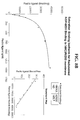
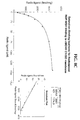


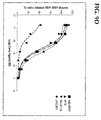

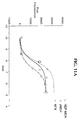
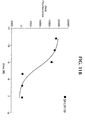


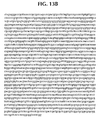
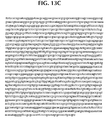
Classifications
-
- A—HUMAN NECESSITIES
- A61—MEDICAL OR VETERINARY SCIENCE; HYGIENE
- A61K—PREPARATIONS FOR MEDICAL, DENTAL OR TOILETRY PURPOSES
- A61K49/00—Preparations for testing in vivo
- A61K49/0004—Screening or testing of compounds for diagnosis of disorders, assessment of conditions, e.g. renal clearance, gastric emptying, testing for diabetes, allergy, rheuma, pancreas functions
- A61K49/0008—Screening agents using (non-human) animal models or transgenic animal models or chimeric hosts, e.g. Alzheimer disease animal model, transgenic model for heart failure
-
- A—HUMAN NECESSITIES
- A61—MEDICAL OR VETERINARY SCIENCE; HYGIENE
- A61P—SPECIFIC THERAPEUTIC ACTIVITY OF CHEMICAL COMPOUNDS OR MEDICINAL PREPARATIONS
- A61P1/00—Drugs for disorders of the alimentary tract or the digestive system
-
- A—HUMAN NECESSITIES
- A61—MEDICAL OR VETERINARY SCIENCE; HYGIENE
- A61P—SPECIFIC THERAPEUTIC ACTIVITY OF CHEMICAL COMPOUNDS OR MEDICINAL PREPARATIONS
- A61P13/00—Drugs for disorders of the urinary system
- A61P13/12—Drugs for disorders of the urinary system of the kidneys
-
- A—HUMAN NECESSITIES
- A61—MEDICAL OR VETERINARY SCIENCE; HYGIENE
- A61P—SPECIFIC THERAPEUTIC ACTIVITY OF CHEMICAL COMPOUNDS OR MEDICINAL PREPARATIONS
- A61P29/00—Non-central analgesic, antipyretic or antiinflammatory agents, e.g. antirheumatic agents; Non-steroidal antiinflammatory drugs [NSAID]
-
- A—HUMAN NECESSITIES
- A61—MEDICAL OR VETERINARY SCIENCE; HYGIENE
- A61P—SPECIFIC THERAPEUTIC ACTIVITY OF CHEMICAL COMPOUNDS OR MEDICINAL PREPARATIONS
- A61P3/00—Drugs for disorders of the metabolism
-
- A—HUMAN NECESSITIES
- A61—MEDICAL OR VETERINARY SCIENCE; HYGIENE
- A61P—SPECIFIC THERAPEUTIC ACTIVITY OF CHEMICAL COMPOUNDS OR MEDICINAL PREPARATIONS
- A61P3/00—Drugs for disorders of the metabolism
- A61P3/04—Anorexiants; Antiobesity agents
-
- A—HUMAN NECESSITIES
- A61—MEDICAL OR VETERINARY SCIENCE; HYGIENE
- A61P—SPECIFIC THERAPEUTIC ACTIVITY OF CHEMICAL COMPOUNDS OR MEDICINAL PREPARATIONS
- A61P3/00—Drugs for disorders of the metabolism
- A61P3/06—Antihyperlipidemics
-
- A—HUMAN NECESSITIES
- A61—MEDICAL OR VETERINARY SCIENCE; HYGIENE
- A61P—SPECIFIC THERAPEUTIC ACTIVITY OF CHEMICAL COMPOUNDS OR MEDICINAL PREPARATIONS
- A61P3/00—Drugs for disorders of the metabolism
- A61P3/08—Drugs for disorders of the metabolism for glucose homeostasis
- A61P3/10—Drugs for disorders of the metabolism for glucose homeostasis for hyperglycaemia, e.g. antidiabetics
-
- A—HUMAN NECESSITIES
- A61—MEDICAL OR VETERINARY SCIENCE; HYGIENE
- A61P—SPECIFIC THERAPEUTIC ACTIVITY OF CHEMICAL COMPOUNDS OR MEDICINAL PREPARATIONS
- A61P31/00—Antiinfectives, i.e. antibiotics, antiseptics, chemotherapeutics
-
- A—HUMAN NECESSITIES
- A61—MEDICAL OR VETERINARY SCIENCE; HYGIENE
- A61P—SPECIFIC THERAPEUTIC ACTIVITY OF CHEMICAL COMPOUNDS OR MEDICINAL PREPARATIONS
- A61P35/00—Antineoplastic agents
-
- A—HUMAN NECESSITIES
- A61—MEDICAL OR VETERINARY SCIENCE; HYGIENE
- A61P—SPECIFIC THERAPEUTIC ACTIVITY OF CHEMICAL COMPOUNDS OR MEDICINAL PREPARATIONS
- A61P7/00—Drugs for disorders of the blood or the extracellular fluid
-
- A—HUMAN NECESSITIES
- A61—MEDICAL OR VETERINARY SCIENCE; HYGIENE
- A61P—SPECIFIC THERAPEUTIC ACTIVITY OF CHEMICAL COMPOUNDS OR MEDICINAL PREPARATIONS
- A61P9/00—Drugs for disorders of the cardiovascular system
-
- C—CHEMISTRY; METALLURGY
- C07—ORGANIC CHEMISTRY
- C07K—PEPTIDES
- C07K14/00—Peptides having more than 20 amino acids; Gastrins; Somatostatins; Melanotropins; Derivatives thereof
- C07K14/435—Peptides having more than 20 amino acids; Gastrins; Somatostatins; Melanotropins; Derivatives thereof from animals; from humans
- C07K14/705—Receptors; Cell surface antigens; Cell surface determinants
- C07K14/72—Receptors; Cell surface antigens; Cell surface determinants for hormones
- C07K14/723—G protein coupled receptor, e.g. TSHR-thyrotropin-receptor, LH/hCG receptor, FSH receptor
-
- A—HUMAN NECESSITIES
- A01—AGRICULTURE; FORESTRY; ANIMAL HUSBANDRY; HUNTING; TRAPPING; FISHING
- A01K—ANIMAL HUSBANDRY; AVICULTURE; APICULTURE; PISCICULTURE; FISHING; REARING OR BREEDING ANIMALS, NOT OTHERWISE PROVIDED FOR; NEW BREEDS OF ANIMALS
- A01K2217/00—Genetically modified animals
- A01K2217/05—Animals comprising random inserted nucleic acids (transgenic)
Definitions
- the present invention relates to novel nucleic acids encoding canine and feline melanocortin 4 receptors and their gene products.
- the present invention further relates to screening assays to identify compounds that modulate the activity or expression of the novel melanocortin 4 receptors of the invention.
- the present invention also relates to methods and therapeutic compositions for the treatment of inappropriate food intake comprising administering to animals compounds that modulate the activity or expression of melanocortin receptors.
- the invention relates to methods and compositions that antagonize the activity or expression of melanocortin 4 receptors in order to enhance the appetite of companion animals, livestock or poultry comprising administering compounds that antagonize the activity or expression of the novel melanocortin 4 receptors of the present invention.
- the invention relates to methods and compositions that agonize the activity or expression of melanocortin 4 receptors in order to treat, e.g., obesity of companion animals, such as cats and dogs comprising administering compounds that agonize the activity or expression of the novel melanocortin 4 receptors of the present invention.
- appetite is of great practical importance in the care and rearing of companion and agricultural animals.
- appetite is particularly sensitive to conditions encountered by animals used in agriculture. Poor appetite can cause low nutrient intake that increases the health risks faced by an animal. For example, post partum sows and dairy cows may suffer from reduced feeding behavior. This has a negative effect on lactation and reproductive performance. Shipping and crowding stress also can reduce an animal's nutrient intake, thereby causing loss of body weight.
- neonatal animal growth may be limited by low nutrient intake, causing deleterious effects that may persist throughout the animal's life.
- Appetite-related diseases and conditions also plague companion animals.
- various feline and canine disease states particularly cancer, renal failure and cardiac disease, can cause anorexia and elevated basal metabolic rate.
- many companion animals suffer from obesity.
- VMH ventromedial nucleus
- PVN paraventricular nucleus
- melanocortins have been shown to affect behavior, learning and memory, control of the cardiovascular system, analgesia, thermoregulation, and the release of other neurohumoral agents including prolactin, luteinizing hormone, and biogenic amines.
- melanocortins have been identified to have immunomodulatory and neurotrophic properties and to be involved in events surrounding parturition.
- MCRs melanocortin receptors
- melanocortin receptor genes were cloned that recognize the core heptapeptide sequence (i . e ., the peptide sequence MEHFRWG using standard one-letter amino acid abbreviations) of melanocortins.
- Two of these receptors have been shown to be expressed primarily in the brain, namely MC3R (Roselli-Rehfuss et al., 1993, Proc. Natl . Acad. Sci. USA 90:8856-8860; Gantz et al ., 1993, J. Biol . Chem.
- MC4R melanocortin receptor
- a fifth melanocortin receptor is expressed in numerous peripheral organs as well as the brain. Chhajlani et al., 1993, Biochem. Biophys. Res. Commun. 195:866-873; Gantz et al ., 1994, Biochem . Biophs . Res. Commun. 200:1214-1220. The native ligands and functions of these latter three receptors remain unknown.
- MC1R and MC2R are localized to melanocytes and to adrenal cortical cells, respectively.
- MC3R and MC4R are expressed primarily in the brain but not in the adrenal cortex or melanocytes.
- MC4R is not expressed in the placenta, a tissue that expresses large amounts of MC3R.
- MCR4 is a 7-transmembrane spanning G-protein coupled receptor (hereinafter "GPCR") which upon agonist activation stimulates cAMP accumulation (see U.S. Patent No. 5,869,257; U.S. Patent No. 5,703,220; Alvarro et al., 1996, Molecular Pharmacology 50:583-591.
- GPCR G-protein coupled receptor
- MC4R has been isolated from rat (Alvarro et al ., 1996, supra ), human (Gantz et al ., 1993, supra ), mouse (GenBank Accession No. AB009664), chicken (GenBank Accession No. AB012211) and pig (GenBank Accession No. AB021664).
- MC4R is of central importance in the regulation of appetite and energy homeostasis (U.S. Patent No. 5,932,779).
- central administration of MC4R agonists and antagonists can regulate feeding behavior in mice (Fan et al., 1997, Nature 385:165-168).
- agouti is a natural antagonist of MC3R and MC4R, (Moussa and Claycombe, 1999, Obes. Res. 7:506-514; Fisher et al ., 1999, Int . J. Obes. Relat . Metab. Disord.
- CNTF ciliary neurotrophic factor
- CRF corticotropin releasing factor
- PYY urocortin
- MC4R might play a role in regulating appetite and metabolic rate in rodents
- the instant invention addresses the need of clarifying those questions by providing, e . g ., feline and canine MC4R polypeptides and peptides, and nucleic acids encoding the same, methods of using the same to identify agonists and antagonists of MC4R, agonists and antagonists identified by these screens, pharmaceutical compositions containing the agonists and antagonists, and methods of using the agonists, antagonists and compositions to treat appetite and associated disorders.
- the present invention relates to an isolated nucleic acid encoding a functional MC4R, or the complement thereof, said nucleic acid comprising a nucleic selected from the group consisting of:
- the present invention further relates to an isolated nucleic acid encoding a functional MC4R, or the complement thereof, said nucleic acid comprising a nucleic selected from the group consisting of:
- the present invention also relates to an isolated nucleic acid comprising a nucleotide sequence that:
- a further embodiment of the present invention is an isolated nucleic acid comprising a nucleotide sequence that:
- a preferred embodiment of the present invention is an isolated nucleic acid comprising a nucleotide sequence having more than 87.4% identity to SEQ ID NO:1 or the feline MC4R clone as deposited with the ATCC and having ATCC Accession No. PTA-1762.
- a further preferred embodiment of the present invention is an isolated nucleic acid comprising a nucleotide sequence encoding a polypeptide having more than 98.2% identity to SEQ ID NO:3 or the polypeptide encoded by the feline MC4R clone as deposited with the ATCC and having ATCC Accession No. PTA-1762.
- Yet another preferred embodiment of the present invention is an isolated nucleic acid comprising a nucleotide sequence encoding an ECD of a feline MC4R corresponding to amino acids 1-46, 96-123, 186-190, or 268-279 of SEQ ID NO:3 or of the polypeptide encoded by the feline MC4R clone as deposited with the ATCC and having ATCC Accession No. PTA-1762 .
- Yet another preferred embodiment of the present invention is an isolated nucleic acid comprising a nucleotide sequence encoding a CD of a feline MC4R corresponding to amino acids 70-76, 146-165, 212-244, or 302-333 of SEQ ID NO:3 or of the polypeptide encoded by the feline MC4R clone as deposited with the ATCC and having ATCC Accession No. PTA-1762.
- the present invention further relates to an isolated nucleic acid encoding a functional MC4R, or the complement thereof, said nucleic acid comprising a nucleic selected from the group consisting of:
- nucleic acid encoding a functional MC4R, or the complement thereof, said nucleic acid comprising a nucleic selected from the group consisting of:
- a further embodiment of the present invention is an isolated nucleic acid comprising a nucleotide sequence that:
- a further preferred embodiment of the present invention is an isolated nucleic acid comprising a nucleotide sequence that:
- a preferred embodiment of the present invention is an isolated nucleic acid comprising a nucleotide sequence having more than 81.3% identity to SEQ ID NO:2 or the canine MC4R clone as deposited with the ATCC and having ATCC Accession No. PTA-1761 .
- a further preferred embodiment of the present invention is an isolated nucleic acid comprising a nucleotide sequence encoding a polypeptide having more than 98.1% identity to SEQ ID NO:4 or to the polypeptide encoded by the canine MC4R clone as deposited with the ATCC and having ATCC Accession No. PTA-1761 .
- Yet another preferred embodiment of the present invention is an isolated nucleic acid comprising a nucleotide sequence encoding an ECD of a canine MC4R corresponding to amino acids 1-46, 98-124, 187-191, or 268-279 of SEQ ID NO:4 or of the polypeptide encoded by the canine MC4R clone as deposited with the ATCC and having ATCC Accession No. PTA-1761 .
- a further preferred embodiment of the present invention is an isolated nucleic acid comprising a nucleotide sequence encoding a CD of a canine MC4R corresponding to amino acids 69-77, 147-163, 216-244, or 302-333 of SEQ ID NO:4 or of the polypeptide encoded by the canine MC4R clone as deposited with the ATCC and having ATCC Accession No. PTA-1761.
- nucleotide vector comprising the novel nucleic acids disclosed herein.
- novel nucleic acids includes those nucleic acids disclosed above and described in claims 1, 2, 3, 4, 5, 6, 7, 8, 9, 10, 11, 12, 13 14, 15 and 16.
- This invention further relates to an expression vector comprising such novel nucleic acids in operative association with a nucleotide regulatory element that controls expression of the polypeptide encoded by said nucleotide sequence.
- Another aspect of the present invention relates to a genetically engineered host cell comprising the novel nucleic acids described herein.
- Yet another aspect of the present invention is a genetically engineered host cell comprising the novel nucleic acids described herein, wherein said nucleic acid is in operative association with a nucleotide regulatory element that controls expression of said nucleotide sequence in the host cell.
- the present invention further relates to a substantially pure polypeptide encoded by the novel nucleic acids described herein.
- Preferred embodiments of the present invention include a substantially pure polypeptide comprising the amino acid sequence of:
- Yet another aspect of the present invention relates to an antibody that immunospecifically binds a substantially pure polypeptide encoded by the novel nucleic acids described herein.
- This invention further relates to a method for producing a recombinant polypeptide, comprising:
- This invention further relates to a composition comprising a substantially pure polypeptide encoded by the novel nucleic acids described herein and a carrier.
- Another aspect of this invention relates to a method for detecting a polynucleotide comprising a novel nucleic acid described herein, in a sample, comprising:
- This invention further relates to a method for detecting such a polynucleotide in a sample, comprising:
- the polynucleotide is an RNA molecule that encodes a functional MC4R, and the method further comprises reverse transcribing an annealed RNA molecule into a cDNA polynucleotide.
- Another aspect of the present invention relates to a method for identifying a compound that binds to a substantially pure polypeptide encoded by the novel nucleic acids described herein, comprising:
- This invention further relates to a method for identifying a compound that binds to a substantially pure polypeptide encoded by the novel nucleic acids described herein comprising:
- This invention further relates to a method of modulating activity of a substantially pure polypeptide encoded by the novel nucleic acids described herein comprising contacting a cell that expresses the polypeptide with a compound that modulates activity of the polypeptide for a time sufficient to modulate said activity.
- This invention further relates to a method for screening and identifying antagonists of MC4R, comprising:
- antagonists are identified as those compounds that inhibit both the binding and cellular effects of the MC4R agonist on the cell line.
- This invention further relates to a method for screening and identifying agonists of MC4R, comprising:
- the cell line is a genetically engineered cell line.
- This invention further relates to a method for screening and identifying antagonists of MC4R comprising:
- This invention further relates to a method for screening and identifying agonists of MC4R comprising:
- This invention further relates to a method of modulating activity of a substantially pure polypeptide encoded by the novel nucleic acids described herein, comprising contacting the polypeptide with a compound that modulates activity of the polypeptide for a time sufficient to modulate said activity.
- This invention further relates to a method of modulating the endogenous enzymatic activity of MC4R in an animal comprising administering to the animal an amount of an MC4R ligand effective to modulate said endogenous enzymatic activity.
- the animal is a cow, a pig, a goat, a sheep, a horse, a dog, or a cat.
- the ligand to said MC4R receptor is an MC4R agonist.
- the ligand to said MC4R receptor is an MC4R antagonist.
- the antagonist is a monoclonal antibody that immuno specifically binds to an epitope of said MC4R.
- the enzymatic activity of said MC4R is increased or decreased.
- nucleic acid comprising an isolated nucleic acid encoding a functional MC4R, or the complement thereof, said nucleic acid comprising a nucleic selected from the group consisting of:
- This invention further relates to a transgenic animal in which expression of genomic sequences encoding substantially pure polypeptides encoded by the novel nucleic acids described herein, is prevented or repressed.
- This invention further relates to a method for modulating the appetite and/or metabolic rate of an animal comprising administering to the animal an effective amount of an MC4R ligand.
- the animal has an appetite-related or metabolic disorder.
- the disorder causes, is caused by, or is characterized by a reduction in appetite, feeding behavior or body weight, or an increase in metabolic rate
- the ligand is an MC4R antagonist.
- the disorder causes, is caused by, or is characterized by an increase in appetite, feeding behavior, or body weight, or a decrease in metabolic rate
- the ligand is an MC4R agonist
- the animal is a post partum sow or dairy cow.
- the animal is a companion animal.
- the animal is a livestock animal.
- the animal is a poultry animal.
- the animal suffers from shipping or crowding stress.
- the animal is lactating.
- the animal is gravid.
- the disorder is cachexia, anorexia or weaning-induced inappetence and growth lag.
- the disorder is a metabolic disorder.
- the metabolic disorder is diabetes.
- the disorder is a disease.
- the disease is cancer, renal failure, cardiac disease, endotoxemia, fever, hepatic lipidosis, infection or inflammation.
- the MC4R ligand is part of a pharmaceutical composition.
- This invention further relates to a method of increasing the reproductive performance of an animal comprising administering to the animal an effective amount of an MC4R ligand.
- This invention further relates to a method of increasing the growth performance of an animal comprising administering to the animal an effective amount of an MC4R ligand.
- This invention further relates to a method for modulating the appetite and/or metabolic rate of an animal comprising administering to the animal an effective amount of an MC4R ligand, wherein the ligand is part of a pharmaceutical composition.
- the pharmaceutical composition is administered orally.
- This invention further relates to a kit comprising a pharmaceutical composition comprising an MC4R ligand.
- the present invention relates to novel nucleic acids encoding melanocortin 4 receptors (hereinafter "MC4R") and their gene products.
- M4R melanocortin 4 receptors
- the present invention provides nucleic acids encoding feline and canine MC4R polypeptides and their gene products.
- the present invention also relates to screening assays to identify compounds that modulate the activity or expression of the novel MC4R of the invention.
- the present invention provides in vitro assays for MC4R-binding compounds using MC4R-transfected cell lines.
- the MC4R-transfected cell lines may further comprise a reporter gene whose level of expression is regulated by MC4R.
- the present invention further relates to pharmaceutical compositions that modulate the activity or expression of MC4R.
- the pharmaceutical compositions may be agonists or antagonists of MC4R.
- Antagonists may act, e.g. , by competitively inhibiting another MC4R agonist or antagonist, by blocking the interaction of activated MC4R with its downstream signaling pathway, by inhibiting transcription of the MC4R gene, or by inhibiting processing or translation of the MC4R mRNA.
- Agonists may act by activating and/or enhancing the natural biological effects of the MC4R signal transduction response or its expression.
- the present invention relates to methods of treating appetite-related disorders in companion animals, livestock and poultry, comprising administering pharmaceutical formulations which modulate MC4R expression or activity.
- pharmaceutical compositions that enhance appetite and reproductive performance, or maintenance or recovery of body weight in sick or stressed animals, or that reduce appetite and ameliorate obesity may be administered to companion animals, livestock and poultry.
- the present invention is based, in part, on the discovery of novel MC4R nucleic acids that encode the canine and feline forms of MC4R.
- the present invention encompasses: (a) nucleic acids encoding canine MC4R (as shown in Figure 1, SEQ ID NO:1); (b) nucleic acids encoding feline MC4R (as shown in Figure 2, SEQ. ID.
- Altered nucleic acids which may be used in accordance with the invention include deletions, additions or substitutions of different nucleotide residues resulting in a nucleic acid that encodes the same or a functionally equivalent gene product.
- the gene product itself may contain deletions, additions or substitutions of amino acid residues within the MC4R polypeptide, which result in a functionally equivalent MC4R.
- amino acid substitutions may be made on the basis of similarity in polarity, charge, solubility, hydrophobicity, hydrophilicity, and/or the amphipathic nature of the residues involved.
- negatively charged amino acids include aspartic acid and glutamic acid; positively charged amino acids include lysine and arginine; amino acids with uncharged polar head groups having similar hydrophilicity values include the following: leucine, isoleucine, valine; glycine, alanine; asparagine, glutamine; serine, threonine; phenylalanine, tyrosine.
- a functionally equivalent MC4R refers to a receptor which binds to MC4R ligand or ligand analogs, but not necessarily with the same binding affinity of its counterpart native MC4R.
- nucleic acid does not encode human, porcine, rat, mouse or chicken MC4R.
- nucleic acid sequences are written 5' to 3', and all polypeptide and protein sequences are written N-terminal to C-terminal.
- the feline and canine derived nucleic acid sequences (SEQ ID NOS:1 and 2, respectively) encoding the deduced amino acid sequences of the feline (SEQ ID NO:3) and canine (SEQ ID NO:4) MC4R proteins, are shown in Figures 1, 2, 3, and 4, respectively.
- Predicted transmembrane (hereinafter "TM") domains are indicated by overbars and Roman numerals, and the four extracellular domains and the four cytoplasmic domains are denoted by ECD1-4 and CD1-4, respectively.
- Figures 3 and 4 are described as a standard single letter amino acid sequence. Roman numerals above sequence dictate transmembrane areas.
- ECD extra cellular domain
- CD cytoplasmic domain.
- the serpentine structure of the melanocortin receptors suggests that the hydrophilic domains located between the TM domains are arranged alternately outside and within the cell to form the ECDs (in the feline sequence, amino acid residues 1-46, 96-123, 186-190 and 268-279 in Figure 3; in the canine sequence, amino acid residues 1-46, 98-124, 187-191 and 268-279 in Figure 4) and the CDs (in the feline sequence, amino acid residues 70-76, 146-165, 212-244 and 302-333 in Figure 3; in the canine sequence, amino acid residues 69-77, 147-163, 216-244 and 302-333 in Figure 4) of the receptor.
- ECDs in the feline sequence, amino acid residues 1-46, 96-123, 186-190 and 268-279 in Figure 3; in the canine sequence, amino acid residues 1-46, 98-124, 187-191 and 268-279 in Figure 4
- CDs in the feline sequence, amino
- the feline and canine MC4R genes were isolated by stringently hybridizing a specific non-degenerate oligonucleotide (ttgactctgtgatctgtagctccttgct) tagged with biotin to clones in a feline and a canine cDNA library (each library was constructed by LifeTechnologies (Rockville, MD) using its SUPERSCRIPTTM cDNA library construction technology). The complex was separated from all other clones in the library using Streptaviden magnetic beads which were pelleted via a magnet.
- tgactctgtgatctgtagctccttgct each library was constructed by LifeTechnologies (Rockville, MD) using its SUPERSCRIPTTM cDNA library construction technology.
- MC4R clones were identified by PCR using MC4R specific primer pairs designed to flank the capture oligonucleotide site (forward primer: atgaggcagatgatgacagc; reverse primer: gtgatctgtagctccttgc).
- forward primer atgaggcagatgatgacagc
- reverse primer gtgatctgtagctccttgc
- Six feline and one canine MC4R clones were isolated from the cDNA libraries. Of these, one feline clone and one canine clone were deposited with the ATCC (under deposit numbers PTA-1762 and PTA-1761 , respectively).
- the identity of the clones was confirmed by PCR using different MC4R gene-specific primer pair (forward primer: tgagacatgaagcacac; reverse primer: gtgatctgtagctccttgc). Sequencing of the MC4R genes was completed using one standard and three primer walking reactions from both ends of each clone. Sequences of the MC4R gene fragments have been assembled based on their overlapping regions.
- Conceptual translation of the open reading frames within each clone revealed that each comprised an MC4R-encoding nucleic acid.
- the open reading frame for the canine MC4R gene comprises nucleotides 447-1445 ( Figure 2).
- the open reading frame for the feline MC4R gene comprises nucleotides 451-1449 ( Figure 1).
- the invention also relates to nucleic acids encoding MC4R variants and MC4R nucleic acids isolated from other animals in which MC4R activity exists, with the proviso that the other animal is not human, pig, rat, mouse, or chicken.
- the MC4R nucleic acid is derived from a mammal, including but not limited to cow, horse, goat, sheep, elk, deer, bison, buffalo, ox, ape, monkey and lemur.
- the MC4R nucleic acid is derived from a bird, including but not limited to goose, ostrich, emu, turkey and duck.
- the MC4R nucleic acid is derived from a fish, including salmon, carp and trout.
- the nucleic acids of the present invention are more than 87.4% identical to the feline MC4R gene sequence, or greater than 81.3% identical to the canine MC4R gene sequence using the LASERGENE-MEGALIGNTM software package (DNASTAR, Inc., Madison, WI; percent similarity compares sequences directly, without accounting for phylogenetic relationships).
- the preferred polypeptides of the present invention are more than 98.2% identical to the feline MC4R protein sequence, or greater than 98.1% identical to the canine MC4R protein sequence, also using the LASERGENE-MEGALIGNTM software package.
- polypeptides of the invention and the gene products encoded by the nucleic acids of the invention, are a functional MC4R that is able to bind to and be activated by ⁇ -MSH, NDP-MSH, MTII or SHU9119 under physiological conditions.
- a nucleic acid of the invention is capable of hybridizing to the feline or canine MC4R nucleic acid under stringent conditions.
- stringent is used to refer to conditions that are commonly understood in the art as stringent.
- the nucleic acids of the invention hybridize to the feline and canine MC4R encoding polynucleotides disclosed herein under highly stringent conditions.
- Procedures using such conditions of high stringency are as follows: Prehybridization of filters containing DNA is carried out for 8 h to overnight at 65°C in buffer composed of 6X SSC, 50 mM Tris-HCI (pH 7.5), 1 mM EDTA, 0.02% PVP, 0.02% Ficoll, 0.02% BSA, and 500 ⁇ g/ml denatured salmon sperm DNA. Filters are hybridized for 48 h at 65°C in prehybridization mixture containing 100 ⁇ g/ml denatured salmon sperm DNA and 5-20 X 10 6 cpm of 32 P-labeled probe.
- the nucleic acids of the invention hybridize to the feline or canine MC4R-encoding polynucleotides disclosed herein under moderate stringency conditions.
- Procedures using such conditions of moderate stringency are as follows: Filters containing DNA are pretreated for 6 h at 55EC in a solution containing 6X SSC, 5X Denhart's solution, 0.5% SDS and 100 ⁇ g/ml denatured salmon sperm DNA. Hybridizations are carried out in the same solution and 5-20 X 10 6 cpm 32 P-labeled probe is used.
- Filters are incubated in hybridization mixture for 18-20 h at 55°C, and then washed twice for 30 minutes at 60°C in a solution containing 1X SSC and 0.1% SDS. Filters are blotted dry and exposed for autoradiography. Other conditions of moderate stringency which may be used are well-known in the art. Washing of filters is done at 37°C for 1 h in a solution containing 2X SSC, 0.1% SDS.
- the nucleic acids of the invention include those that hybridize to the feline and canine MC4R-encoding polynculeotides disclosed herein under conditions of low stringency. Procedures using such conditions of low stringency are as follows (see also, Shilo and Weinberg, 1981, Proc . Natl . Acad. Sci. USA 78 :6789-6792): Filters containing DNA are pretreated for 6 h at 40°C in a solution containing 35% formamide, 5X SSC, 50 mM Tris-HCI (pH 7.5), 5mM EDTA, 0.1% PVP, 0.1% Ficoll, 1% BSA, and 500 ⁇ g/ml denatured salmon sperm DNA.
- Hybridizations are carried out in the same solution with the following modifications: 0.02% PVP, 0.02% Ficoll, 0.2% BSA, 100 ⁇ g/ml salmon sperm DNA, 10% (wt/vol) dextran sulfate, and 5-20 X 10 6 cpm 32 P-labeled probe is used. Filters are incubated in hybridization mixture for 18-20 h at 40°C, and then washed for 1.5 h at 55°C in a solution containing 2X SSC, 25 mM Tris-HCI (pH 7.4), 5 mM EDTA, and 0.1% SDS. The wash solution is replaced with fresh solution and incubated an additional 1.5 h at 60°C.
- Filters are blotted dry and exposed for autoradiography. If necessary, filters are washed for a third time at 65-68°C and re-exposed to film.
- Other conditions of low stringency which may be used are well known in the art (e.g. , as employed for cross-species hybridizations).
- the nucleic acids of the invention may be isolated by screening of a genomic or cDNA library, e.g. , a bacteriophage cDNA library, under conditions of reduced stringency, using a radioactively labeled fragment of a feline or canine MC4R clone.
- a feline or canine MC4R sequence may be used to design degenerate or fully degenerate oligonucleotide probes which may be used as PCR probes or to screen bacteriophage cDNA libraries.
- PCR polymerase chain reaction
- Two pools of degenerate oligonucleotides may be designed to serve as primers in a PCR reaction.
- the template for the reaction is cDNA obtained by reverse transcription of mRNA prepared from cell lines or tissue known to express MC4R.
- the PCR product may be subcloned and sequenced to insure that the amplified sequences represent the desired MC4R sequences.
- the PCR fragment may be used to isolate a full length MC4R cDNA clone by radioactively labeling the amplified fragment and screening a bacteriophage cDNA library. Alternatively, the labeled fragment may be used to screen a genomic library.
- isolation of an MC4R cDNA of the invention also may be achieved by construction of a cDNA library in a mammalian expression vector such as pcDNA1, that contains SV40 origin of replication sequences which permit high copy number expression of plasmids when transferred into COS cells.
- the expression of MC4R on the surface of transfected COS cells may be detected in a number of ways, including the use of a labeled ligand such as MSH or a MSH agonist labeled with a radiolabel, fluorescent label or an enzyme.
- Cells expressing MC4R may be enriched by subjecting transfected cells to a FACS (fluorescent activated cell sorter) sort.
- FACS fluorescent activated cell sorter
- any other method of isolating a cDNA or genomic DNA known in the art may also be used. See, e . g ., Sambrook et al ., supra and Ausubel et al ., supra.
- an MC4R nucleic acid that encodes an MC4R polypeptide, a peptide fragment of an MC4R polypeptide, an MC4R fusion protein or functional equivalent thereof may be used to generate a recombinant nucleic acid molecule that directs the expression of an MC4R polypeptide or a functional equivalent thereof, in an appropriate host cell line.
- a nucleic acid that hybridizes to one or more portions of an MC4R nucleic acid also may be used in a nucleic acid hybridization assay, Southern or Northern blot analysis, etc.
- related nucleic acids that encode substantially the same or a functionally equivalent polypeptide may be used in the practice of the invention for the cloning and expression of the MC4R polypeptide.
- a nucleic acid of the invention may be engineered in order to alter the MC4R coding sequence for a variety of ends including, but not limited to, an alteration that modifies processing and expression of the gene product.
- a mutation may be introduced using techniques, which are well known in the art, e . g . site-directed mutagenesis, to insert a new restriction site, to alter the glycosylation pattern, to alter the phosphorylation pattern, etc.
- a host cell line may over glycosylate the gene product.
- the MC4R nucleic acid or a modified MC4R nucleic acid may be ligated to a heterologous sequence to encode a fusion protein.
- a chimeric MC4R protein comprising a heterologous epitope that is recognized by a commercially available antibody.
- a fusion protein also may be engineered to contain a cleavage site located between the MC4R polypeptide and the heterologous polypeptide, so that the MC4R polypeptide can be cleaved away from the heterologous polypeptide.
- an MC4R nucleic acid may be synthesized in whole or in part, using chemical methods well-known in the art (see, e.g. , Caruthers, et al ., 1980, Nuc. Acids Res . Symp . Ser. 7:215-233; Crea and Horn, 1980, Nuc. Acids Res. 9:2331; Matteucci and Caruthers, 1980, Tetrahedron Letters 21:719; Chow and Kempe, 1981, Nuc . Acids Res. 9:2807-2817).
- an MC4R polypeptide could be produced in whole or in part using chemical methods.
- the MC4R polypeptide may be synthesized by solid phase techniques, cleaved from the resin, and purified by preparative high performance liquid chromatography (see , e . g ., Creighton, 1983, Proteins Structures And Molecular Principles, W.H. Freeman and Co., N.Y. pp. 50-60).
- the composition of the synthetic polypeptide may be confirmed by amino acid analysis or sequencing ( e . g ., the Edman degradation procedure; see, Creighton, 1983, Proteins, Structures and Molecular Principles, W.H. Freeman and Co., N.Y., pp. 34-49).
- an MC4R-encoding nucleic acid, or a functional equivalent thereof is inserted into an appropriate expression vector (i . e ., a vector which contains the necessary elements for the transcription and translation of the inserted coding sequence) to create an MC4R-comprising vector.
- An appropriate host cell line i . e ., a cell line that will allow for expression of an MC4R gene product from the MC4R-encoding nucleic acid
- the MC4R gene product and the transformed cell line may be used for a variety of purposes.
- an antibody i.e., monoclonal or polyclonal
- the antibody may, e . g ., competitively inhibit binding of ligand to an MC4R receptor ( see , infra), or be used for screening and selecting ligands or drugs that act via an MC4R receptor ( see , infra); etc.
- Methods that are well known to those skilled in the art may be used to construct expression vectors containing an MC4R nucleic acid and appropriate transcriptional/translational control signals. These methods include in vitro recombinant DNA techniques, synthetic techniques and in vivo genetic recombination. See, e . g ., the techniques described in Sambrook et al.,supra; Ausubel et al ., supra.
- a variety of host-expression vector systems may be utilized to express an MC4R nucleic acid. These systems include, but are not limited to, a strain of microorganism (e . g ., a strain of bacterium) transformed with a recombinant bacteriophage DNA, plasmid DNA or cosmid DNA expression vector comprising the MC4R nucleic acid; a strain of yeast (e.g. , a strain of S. cerevisiae or S. pombe) transformed with a recombinant yeast expression vector comprising the MC4R nucleic acid; an insect cell line infected with a recombinant virus expression vector ( e .
- a baculovirus derived expression vector comprising the MC4R nucleic acid
- a plant cell line infected with a recombinant virus expression vector (e . g ., a cauliflower mosaic virus (hereinafter "CaMV”) or tobacco mosaic virus (hereinafter "TMV”) derived expression vector), or transformed with a recombinant plasmid expression vector ( e . g ., a Ti plasmid derived expression vector) containing the MC4R nucleic acid; an animal cell system infected with a recombinant virus expression vector ( e .
- an adenovirus or vaccinia virus derived expression vector or an animal cell line engineered to contain multiple copies of the MC4R nucleic acid, either stably amplified (e . g ., using methotrexate selection of a dhfr CHO cell line transformed with an expression vector comprising the MC4R nucleic acid and a DHFR gene) or unstably amplified in double-minute chromosomes (e.g., murine cell lines).
- a number of viral based expression systems may be utilized.
- the MC4R nucleic acid may be ligated to an adenovirus transcription/translation control complex (e.g. , the late promoter and tripartite leader sequence) to produce a chimeric gene.
- the chimeric gene then may be inserted in the adenovirus genome by in vitro or in vivo recombination. Insertion in a non-essential region of the viral genome ( e .
- vaccinia 7.5K promoter may be used (see, e . g ., Mackett et al ., 1982, Proc. Natl. Acad. Sci. USA 79:7415-7419; Mackett et al ., 1984, J. Virol. 49:857-864; Panicali et al ., 1982, Proc. Natl. Acad. Sci. USA 79:4927-4931).
- One or more specific initiation signals also may be required for efficient translation of the MC4R nucleic acid. These signals include an ATG initiation codon and adjacent sequences. In cases where the MC4R nucleic acid comprises an entire MC4R gene, including its own initiation codon and adjacent sequences, no additional translational control signals may be needed. However, in cases where the MC4R nucleic acid does not comprise an MC4R gene's own initiation codon and adjacent sequences, one or more exogenous translational control signals, including the ATG initiation codon, must be provided. Furthermore, the initiation codon must be in phase with the reading frame of the MC4R coding sequence to ensure translation of the entire insert.
- Each of the exogenous translational control signals and initiation codon can be of either natural or synthetic origin.
- the efficiency of expression may be enhanced by the inclusion of an appropriate transcription enhancer element, transcription terminator, etc. ( see , Bittner et al ., 1987, Methods in Enzymol. 153:516-544).
- a host cell strain may be used that modulates the expression of the MC4R nucleic acid, or modifies and processes the MC4R gene product in the specific fashion desired.
- a modification e.g. , glycosylation
- processing e.g. , cleavage
- An appropriate cell line or host system can be chosen to ensure the correct modification and processing of the MC4R gene product.
- a eukaryotic host cell line that possesses the cellular machinery for proper processing of the primary transcript, and glycosylation and phosphorylation of the gene product, may be used. Examples of such a mammalian host cell line include, but are not limited to, CHO, VERO, BHK, HeLa, COS, MDCK, 293, and Wl38 cell lines.
- a cell line that stably expresses the MC4R nucleic acid may be engineered.
- a host cell line can be transformed with a recombinant plasmid comprising the MC4R nucleic acid controlled by one or more appropriate expression control elements (e.g. , a promoter, enhancer, transcription terminator, polyadenylation site, etc.) and a selectable marker.
- appropriate expression control elements e.g. , a promoter, enhancer, transcription terminator, polyadenylation site, etc.
- the cell line may be allowed to grow for 1-2 days in an enriched medium, and then switched to a selective medium.
- the selectable marker in the recombinant plasmid confers resistance to the selection and allows a transformed cell to stably integrate the plasmid into a chromosome and grow to form a focus which in turn can be cloned and expanded into a cell line.
- This method may advantageously be used to engineer a cell line that expresses the MC4R gene product on the cell surface, and which responds to MC4R ligand mediated signal transduction.
- Such an engineered cell line is particularly useful in screening MC4R ligands and ligand analogs.
- a host cell containing the MC4R nucleic acid and which express the biologically active MC4R gene product may be identified by any one of at least four general approaches, which are, not by way of limitation, as follows: (a) DNA-DNA or DNA-RNA hybridization; (b) the presence or absence of "marker" gene functions; (c) assessing the level of transcription as measured by the expression of MC4R mRNA transcripts in the host cell; and (d) detection of the gene product as measured by immunoassay or by its biological activity.
- the presence of the MC4R nucleic acid inserted in the expression vector can be detected by DNA-DNA or DNA-RNA hybridization using probes comprising nucleotide sequences that are homologous to the MC4R coding sequence, respectively, or portions or derivatives thereof.
- the recombinant expression vector/host system can be identified and selected based upon the presence or absence of certain "marker" gene functions (e.g. , thymidine kinase activity, resistance to antibiotics, resistance to methotrexate, transformation phenotype, occlusion body formation in baculovirus, etc.).
- certain "marker" gene functions e.g. , thymidine kinase activity, resistance to antibiotics, resistance to methotrexate, transformation phenotype, occlusion body formation in baculovirus, etc.
- a marker gene can be placed in tandem with the MC4R nucleic acid under the control of the same or a different promoter used to control the expression of the MC4R nucleic acid. Expression of the marker in response to induction or selection indicates expression of the MC4R nucleic acid.
- transcriptional activity for the MC4R nucleic acid can be assessed by a hybridization assay.
- RNA can be isolated the transformed cell line and analyzed by Northern blot analysis using a probe identical or similar to the MC4R nucleic acid or particular portions thereof.
- total nucleic acids of the transformed cell may be extracted and assayed for hybridization to such probes.
- the expression of the MC4R nucleic acid can be assessed by immunological detection of the MC4R gene product, e.g. , by Western blots, immunoassays such as radioimmuno-precipitation, enzyme-linked immunoassays, etc.
- the ultimate test of the success of the expression system involves the detection of the biologically active MC4R gene product.
- a number of assays can be used to detect receptor activity including, but not limited to, an MC4R ligand binding assay; and a biological assay using engineered cell lines as the test substrate.
- MC4R nucleic acid comprising host cells and expression of biologically active MC4R gene product.
- the aspect of the invention described in the paragraphs below encompasses screening methods (e.g. , assays) for the identification of compounds that modulate appetite and/or metabolic rate in animals via modulation of the activity of the MC4R gene product.
- a compound may be, e.g., an MC4R agonist or an MC4R antagonist.
- An MC4R antagonist causes an increase in appetite, and perhaps body weight, by reducing MC4R-dependent signaling.
- An MC4R agonist causes a decrease in appetite, and perhaps body weight, and an increase in metabolic rate by increasing MC4R-dependent signaling.
- the invention of this aspect also encompasses the agonists and antagonists of MC4R identified using the disclosed assays, including small molecules (e.g.
- small organic compounds small organic compounds
- large molecules e.g. , peptides
- antibodies as well as nucleotide sequences that can be used to inhibit MC4R gene expression (e.g. , antisense and ribozyme molecules), and gene or regulatory sequence replacement constructs designed to enhance MC4R gene expression (e.g. , expression constructs that place the MC4R gene under the control of a strong promoter system).
- nucleotide sequences that can be used to inhibit MC4R gene expression
- gene or regulatory sequence replacement constructs designed to enhance MC4R gene expression e.g. , expression constructs that place the MC4R gene under the control of a strong promoter system.
- These compounds may be used to treat appetite and metabolic disorders in animals in need thereof.
- the invention encompasses cellular and non-cellular assays that can be used to identify compounds that interact with the MC4R, e.g. , modulate the activity of the MC4R and/or bind to the MC4R.
- the cell based assays can be used to identify compounds or compositions that affect the signal-transduction activity of MC4R, whether they bind to MC4R or act on intracellular factors involved in the MC4R signal transduction pathway.
- cells that endogenously express MC4R may be used to screen for compounds.
- cell lines such as HEK293 cells, COS cells, CHO cells, fibroblasts, and the like, genetically engineered to express the MC4R may be used for screening purposes.
- the cells can be further engineered to incorporate a reporter molecule linked to the signal transduced by the activated MC4R to aid in the identification of compounds that modulate MC4R signaling activity.
- a host cell line genetically engineered to express a functional receptor that responds to activation by melanocortin peptides can be used as an endpoint in the assay; e.g. , as measured by a chemical, physiological, biological, or phenotypic change, induction of a host cell gene or a reporter gene, change in cAMP levels, adenylyl cyclase activity, host cell G protein activity, extracellular acidification rate, host cell kinase activity, proliferation, differentiation, etc.
- a cell line suitable for a cell based assay may be made, e.g. , by transfecting HEK293 cells with a feline or canine MC4R nucleic acid using any method known in the art.
- a 50% confluent plate containing HEK293 cells can be transiently transfected with a vector construct comprising a feline or canine MC4R nucleic acid using FuGENE 6TM (F. Hoffmann-La Roche Ltd, Basel, Switzerland) as a transfection carrier (4 ⁇ l FuGENE 6TM per ug plasmid DNA).
- the transfected cells may be harvested 48 hours post transfection using Sigma dissociation buffer (Sigma, St.
- the resuspended cell population is counted using a hemacytometer.
- a cell volume titration is performed by, e.g., pipetting varying volumes in triplicate into tubes. Either buffer or excess non-radioactive NDP-MSH (2 ⁇ M final conc.) is added. Excess non-radioactive NDP-MSH is used to ascertain non-specific binding.
- Radiolabled NDP-MSH ([ 125 I][Nle 4 ,D-Phe 7 ]- ⁇ -MSH; NEN®, Boston MA) is added to a final concentration of 75pM.
- the reaction is incubated at 37°C for one hour, then the cells are centrifuged at 5000xG for 10 minutes. The supernatant is aspirated, to remove unbound label, and the amount of membrane-associated ( i . e ., receptor-bound) label is determined using a gamma counter.
- One or more transfected cell lines exhibiting a high level of specific binding of labeled NDP-MSH are selected for further use.
- the cells expressing the melanocortin receptor are contacted with a test compound or vehicle controls (e . g ., placebos).
- the cells then may be assayed to measure the expression and/or activity of components of the signal transduction pathway of the melanocortin receptor, or the activity of the signal transduction pathway itself may be assayed.
- cell lysates may be assayed for induction of cAMP.
- the ability of a test compound to increase levels of cAMP, above those levels seen with cells treated with a vehicle control indicates that the test compound induces signal transduction mediated by the melanocortin receptor expressed by the host cell (i.e., the test compound is an agonist).
- a ligand that activates the MC4R e . g ., ⁇ -MSH, ⁇ -MSH or ACTH, to test for inhibition of signal transduction by the test compound as compared to a vehicle control.
- a cell based assay is used to determine whether a candidate ligand binds to MC4R.
- cells from an MC4R transfected cell line created, e . g ., as above
- Other cells from the same MC4R transfected cell line are contacted with radiolabeled NDP-MSH and a candidate ligand.
- Each group of cells is incubated at 37°C for one hour, then each group of cells is centrifuged at 5000xG for 10 minutes. The supernatant is aspirated, to remove unbound label, and the amount of membrane-associated ( i .
- receptor-bound label is determined using a gamma counter.
- a cell based assay is used to determine whether a candidate ligand is an agonist or antagonist of MC4R.
- an MC4R transfected cell line (created, e.g., as above) is further transfected with a reporter construct.
- the reporter construct is a gene comprising two characteristics. First, its level of expression is regulated by the level of activity of MC4R. For example, the reporter gene's expression can be dependent upon a cAMP-responsive element.
- the responsive element can increase transcription of the reporter gene in response to MC4R-dependent signaling, in which case increased expression of the reporter gene correlates with increased MC4R-dependent signaling, or the responsive element can decrease transcription of the reporter gene in response to MC4R-dependent signaling, in which case decreased expression of the reporter gene correlates with decreased MC4R-dependent signaling.
- the reporter construct comprises a reporter gene.
- the reporter gene comprises a nucleic acid that encodes a gene product that can be assayed. A wide range of reporter genes may be employed.
- the reporter gene may be a nucleic acid encoding chloramphenicol acetyltransferase (hereinafter "CAT"), luciferase, GUS, growth hormone, or placental alkaline phosphatase (hereinafter "SEAP").
- CAT chloramphenicol acetyltransferase
- SEAP placental alkaline phosphatase
- the level of reporter gene expression may be quantitated to determine the test compound's ability to regulate receptor activity.
- tissue culture supernatant may be assayed for secreted alkaline phosphatase.
- alkaline phosphatase activity may be measured by colorimetric, bioluminescent or chemilumenscent assays such as those described in Bronstein et al ., 1994, Biotechniques 17 : 172-77. Such assays provide a simple, sensitive and easily automatable detection system for pharmaceutical screening.
- Other reporter genes that may be used include those that result in bioluminescence, colorimetric reactions or fluorescence.
- the reporter gene may encode for a pigment ( see , e .
- the reporter gene may encode an enzyme that can cleave a color absorbing substrate such as ⁇ -lactamase, a luminescent or fluorescent protein, an enzyme with a fluorescent substrate, or any other gene that encodes an optically active chemical or that can convert a substrate to an optically active compound.
- the reporter gene may encode photoproteins.
- the reporter gene is operatively linked to an inducible promoter which is activated by MC4R-dependent signal transduction (e.g. , a cAMP responsive promoter element).
- a bioluminescent reporter gene is employed.
- bioluminescent reporter genes include the luciferase family (see , e.g., Wood et al ., 1989, Science 244 :700-702).
- Members of the luciferase family have been identified in a variety of prokaryotic and eukaryotic organisms. Luciferase and other enzymes involved in the prokaryotic luminescent ( lux ) systems, as well as the corresponding lux genes, have been isolated from marine bacteria in the Vibrio and Photobacterium genera and from terrestrial bacteria in the Xenorhabdus genus, also called photorhalodus.
- luc An exemplary eukaryotic organism containing a luciferase system ( luc ) is the North American firefly Photinus pyralis . Firefly luciferase has been extensively studied, and is widely used in ATP assays. cDNAs encoding luciferases from Pyrophorus plagiophthalamus, another species, click beetle, have been cloned and expressed ( see , Wood et al ., supra ). This beetle is unusual in that different members of the species emit bioluminescence of different colors. Four classes of clones, having 95-99% similarity with each other, were isolated. They emit light at 546 nm (green), 560 nm (yellow-green), 578 nm (yellow) and 593 nm (orange).
- Luciferases requires a source of energy, such as ATP, NAD(P)H, and the like, and a substrate, such as luciferin, decanal (bacterial enzymes) or coelentrizine and oxygen.
- the substrate luciferin must be supplied to the luciferase enzyme in order for it to luminesce.
- a convenient method for providing luciferin is to express not only the luciferase but also the biosynthetic enzymes for the synthesis of the substrate decanal. Oxygen is then the only extrinsic requirement for bioluminescence, in bacteria expressing these proteins from the Lux operon.
- the lux operon obtained from the soil bacterium Xenorhabdus luminescence may be used as the reporter gene, as it confers on transformed E . coli the ability to emit photons through the expression of the two subunits of the heterodimeric luciferase and three accessory proteins (Frackman et al ., 1990, supra).
- Optimal bioluminescence for E . coli expressing the lux genes of X. luminescence is observed at 37°C (Szittner and Meighen 1990, J. Biol. Chem.
- the reporter gene may be chosen according to the nature and the requirements of a specific application. For example, the luciferase from X. luminescence, therefore, is well-suited for use as a marker for studies in animals.
- Luciferase vector constructs can be adapted for use in transforming a variety of host cells, including most bacteria, and many eukaryotic cells.
- certain viruses such as herpes virus and vaccinia virus, can be genetically-engineered to express luciferase.
- Kovacs and Mettenlieter 1991, J . Gen . Virol. 72 :2999-3008, teach the stable expression of the gene encoding firefly luciferase in a herpes virus.
- Brasier and Ron 1992, Meth. in Enzymol. 216 :386-96, teach the use of luciferase gene constructs in mammalian cells.
- Luciferase expression from mammalian cells in culture has been studied using CCD imaging both macroscopically (see, Israel and Honigman, 1991, Gene 104 :139-145) and microscopically ( see , Hooper et al ., 1990, J . Biolum. and Chemilum. 5 :123-130).
- the host cell line expressing functional MC4R should give a significant response to MC4R ligand, preferably greater than 5-fold induction over background.
- the host cell line should preferably possess a number of characteristics to maximize the response induced by melanocortin peptides: (a) a low natural level of cAMP, (b) G proteins capable of interacting with the MC4R, (c) a high level of adenylyl cyclase, (d) a high level of protein kinase A, (e) a low level of phosphodiesterases, and (f) a high level of cAMP response element binding protein would be advantageous.
- host cells could be engineered to express a greater number of favorable factors or a lesser number of unfavorable factors.
- alternative pathways for induction of the CRE reporter could be eliminated to reduce basal levels.
- a transfected cell line comprising both an MC4R nucleic acid and a reporter gene is contacted with the candidate ligand at 37°C for one hour. Expression of the reporter gene is then measured and compared to reporter gene expression in a similar batch of cells treated identically but for contact with the candidate ligand. A candidate ligand causing a five-fold or greater increase in reporter gene expression is selected for further study as a potential MC4R agonist. Another version of this screen can be used to identify a potential antagonist of MC4R. In this version of the screen, prior to contacting the transfected cells with the candidate antagonist, the cells are contacted with a known agonist (e . g ., NDP-MSH). A candidate ligand causing a five-fold or greater decrease in reporter gene expression is selected for further study as a potential MC4R antagonist.
- a known agonist e . g ., NDP-MSH
- the assays described above should be conducted using a panel of host cells, each genetically engineered to express one of the melanocortin receptors (MC1R through MC5R).
- host cells can be genetically engineered to express any of the amino acid sequences known for melanocortin receptors 1 through 5.
- each receptor from one or more organisms has been described, e.g.: murine and human MC1R and MC2R (Mountjoy, 1992, Science 257 :1248-1251; Chhajlani and Wikberg, 1992, FEBS Lett. 309 : 417-420); rat MC3R ( see , Roselli-Rehfuss et al ., 1993, Proc . Natl . Acad . Sci . USA 90 : 8856-8860; Gantz et al ., 1993, J. Biol. Chem.
- each of the foregoing sequences can be utilized to engineer a cell or cell line that expresses one of the melanocortin receptors for use in screening assays described herein.
- the activation, or inhibition of MC4R activation is compared to the effect of the test compound on the other melanocortin receptors.
- the background signal produced by these receptors in response to melanocortin peptides must be "subtracted” from the signal (Gantz et al., 1993, supra ).
- the background response produced by these non-MC4R melanocortin receptors can be determined by a number of methods, including elimination of MC4R activity by antisense, antibody or antagonist.
- wild type CHO cells demonstrate a small endogenous response to melanocortin peptides which must be subtracted from background.
- activity contributed from other melanocortin receptors could be eliminated by activating host cells with a MC4R-specific ligand, or including specific inhibitors of the other melanocortin receptors.
- the invention comprises a plurality of in vitro assays using preparations of MC4R for determining whether a test compound is an agonist or antagonist of MC4R.
- preparations of MC4R may be obtained by methods readily known in the art, see , e . g ., Ausubel et al., 1988, supra.
- a group of test compounds is used serially in the in vitro assays, which together comprise a high throughput screen for MC4R agonists and antagonists. In the high throughput screen, a compound identified as a candidate agonist or antagonist by one assay in the series is used in the next assay in the series.
- this series of in vitro assays comprises an in vitro binding assay, a fluorescence imaging plate reader (hereinafter "FLIPR®” (Molecular Devices, Sunnyvale CA)) assay, a cAMP functional assay, and an assay to determine whether the candidate agonist or antagonist binds preferentially to any of MC1R through MC5R.
- FLIPR® fluorescence imaging plate reader
- cAMP cAMP functional assay
- an in vitro binding assay is performed, in which compounds are screened for specific binding to canine or feline MC4R-containing HEK293 cell membranes in vitro.
- Such an in vitro assay allows quantification of binding of a ligand to MC4R, which cannot be achieved using whole-cell assays (due to MC4R internalization and recycling).
- canine or feline MC4R-containing membranes are prepared from cells transfected as above using any method known in the art.
- the resuspended cells are incubated on ice for at least 10 minutes, then homogenized with 20 strokes of a tight fitting glass/glass dounce homogenizer.
- the cell extracts are centrifuged at 1000xG for 10 minutes at 4°C to pellet nuclei and unlysed cells.
- the supernatant fraction is transferred to a new tube and centrifuged at 25000xG for 20 minutes at 4°C, in order to pellet the plasma membrane.
- the supernatant fraction from this centrifugation is discarded, and the pellet is washed by resuspending it in homogenization buffer, homogenizing it with 20 strokes of a tight fitting glass/glass dounce homogenizer, and centrifuging the homogenate at 25000xG for 20 minutes at 4°C.
- the supernatant is again discarded, and the pellet is resuspended in a volume of homogenization buffer sufficient to yield a protein concentration of 1-5 mg/ml.
- 500 ⁇ l aliquots are frozen at -70°C for long term storage.
- the protein concentration of the extracts may be determined using any method known in the art. For example, an aliquot can be diluted 5-10 fold and the BCA kit (Pierce, Rockford, III.) may be used.
- membrane preparation is then subjected to the actual MC4R-binding assay to identify test compounds that bind to canine or feline MC4R.
- membranes are incubated with labeled ligand in the presence or absence of test compound.
- Compounds that bind to the receptor and compete with labeled ligand for binding to the membranes reduce the signal compared to the vehicle control samples.
- soluble MC4R may be recombinantly expressed and utilized in non-cell based assays to identify compounds that bind to MC4R.
- the recombinantly expressed MC4R polypeptides or fusion proteins containing one or more of the ECDs of MC4R prepared as described below, can be used in the non-cell based screening assays.
- peptides corresponding to one or more of the CDs of MC4R, or fusion proteins containing one or more of the CDs of MC4R can be used in non-cell based assay systems to identify compounds that bind to the cytoplasmic portion of the MC4R; such compounds may be useful to modulate the signal transduction pathway of the MC4R.
- the recombinantly expressed MC4R is attached to a solid substrate such as a test tube, microtitre well or a column, by means well known to those in the art. See, Ausubel et al ., supra. The test compounds are then assayed for their ability to bind to the MC4R.
- a FLIPR® assay is performed with the candidate compounds identified to potently bind to MC4R in the above binding assay.
- MC4R proteins are members of the G protein coupled receptor (hereinafter "GPCR") family
- GPCR G protein coupled receptor
- an MC4R is linked to the phospholipase C (hereinafter "PLC") pathway by the use of a special G protein.
- PLC phospholipase C
- the G protein may be a naturally occurring "promiscuous" G protein (i . e ., a G protein which can link a plurality of GPCR types to the PLC pathway (Offermans et al ., 1995, J. Biol. Chem.
- 270 :15175-15180 may be a modified, chimeric G protein designed to link a selected GPCR to the PLC pathway (Conklin et al., 1996, Molecular Pharmacology 50 :885-890).
- the activation or inhibition of a GPCR by an agonist or antagonist can be measured using either of these approaches by measuring changes in the intracellular calcium level caused by activation or inhibition of PLC.
- a HEK293a stable cell line expressing cMC4R is grown in culture medium (DMEM, 10% FBS, 100 units Penicillin/Streptomycin, 300 mg/ml GENETICIN® (GIBCO BRL, Rockville MD)), transfected with vectors carrying two different G-protein genes, G ⁇ 15 and G ⁇ 16 (see figures 12 and 13), and selected for stable incorporation of these DNA using a cell medium solution containing 300 ⁇ g/ml of ZEOCINTM (Invitrogen, Carlsbad, CA), using techniques well-known in the art.
- a vector containing a chimeric G-protein e.g.
- G ⁇ qi5 a G ⁇ with the last 5 amino acids replaced with those from G ⁇ s
- Single clonal colonies are selected and expanded using cloning cylinders (Sigma-Aldrich Co., St. Louis, MO). Individual clones are tested for the receptor's ability to couple with the incorporated promiscuous G-proteins using a FLIPR® assay, as described below.
- G ⁇ 15 and G ⁇ 16 are known as promiscuous G-proteins because of their ability to functionally couple to any G-Protein receptor and transduce signaling to increase intracellular calcium.
- a FLIPR® machine (Molecular Devices, Sunnyvale CA) allows one to quantify such a calcium signaling cascade using fluorescent dyes available commercially.
- HEK293a/cMC4R/G ⁇ 15, G ⁇ 16 are grown to confluence and harvested with Trypsin-EDTA (GIBCO-BRL, Rockville MD). Cells are resuspended in fresh culture medium containing 300 ⁇ g/ml ZEOCINTM. The cell suspension is counted using a hemacytometer and approximately 50,000 cells per well are added to poly-d-lysine-coated black/clear 96 well plates (Becton Dickinson Labware, Bedford MA).
- the growth medium is aspirated off, and replaced with serum-free medium containing 25 ⁇ g per 96 well plate of calcium-sensitive fluorescent dye Fluo-4 (Molecular Probes, Eugene OR) and 2.5 mM Probenicid (Sigma-Aldrich, St. Louis, MO).
- the plates are incubated for 1 hour at 37°C, after which the cells are washed 3 times with Hepes Saline solution containing 2.5 mM Probenicid to remove excess dye.
- the plates are then added to the FLIPR® individually, and fluorescence level is continuously monitored over a 2-minute period.
- a candidate agonist in the presence or absence of antagonist
- candidate antagonist in the presence or absence of agonist
- a six-point dose-titration assay if performed for each compound. An increase in fluorescence is indicative of increases in intracellular calcium levels. Time-courses are exported as ASCII files to EXCELTM (Microsoft, Redman WA) and subsequently analyzed. An agonist candidate that increases intracellular calcium levels, or an antagonist candidate that decreases intracellular calcium levels, is selected for further study.
- a cAMP functional assay is performed to test the candidate agonists or antagonists identified by the above FLIPR® assay. Any cAMP functional assay known in the art may be used. This assay is based on the MC4R's characteristic to be a receptor that, when activated by its agonist ligand, stimulates cAMP accumulation. Direct measurement of cAMP produced by a stable canine or feline MC4R-expressing HEK293 cell line contacted with the candidate compound can determine whether the compound is an MC4R agonist or antagonist.
- the cAMP assay is performed using the Adenylyl Cyclase Activation FLASHPLATETM Assay (NEN® Life Science Products, Inc., Boston MA).
- An MC4R-transfected cell line is harvested using Sigma Dissociation Buffer, washed, centrifuged and resuspended in Stimulation Buffer (provided in kit). The resuspended cell population is counted using a hemacytometer. Cells are pelleted again by centrifugation and resuspended with Stimulation Buffer to 0.5-5 x 10 6 cells/ml.
- a cell volume titration is performed by varying volumes in triplicate into wells.
- a full candidate agonist or antagonist dose titration is performed.
- a known agonist such as NDP-MSH or ⁇ -MSH, may be used as a positive control.
- the time of agonist stimulation is also varied from 15 to 45 minutes.
- detection mix is added at the appropriate time to all wells.
- Each plate is covered and incubated 20 hours at room temperature, then placed in a Wallac 1450 MICROBETATM multidetector (PerkinElmer Life Sciences, Gaithersburg, MD) for scintillation counting.
- Other cAMP assay kits can be used such as the cAMP SPATM kit (RPA559; Amersham Pharmacia Biotech, Inc., Piscataway, NJ) or other kits by other vendors.
- the candidate MC4R agonists or antagonists may be tested to determine whether it binds preferentially to MC4R or MC3R using any method known in the art.
- a candidate agonist or antagonist that exhibits potency in the in vitro binding and functional screens described above is assayed for selectivity of binding to MC4R versus MC3R receptors.
- One cell line that expresses MC4R and another cell line that expresses MC3R are created using an HEK293 cell line as described above. For each of these transfected cell lines, whole cell and membrane fraction binding assays are performed as described above.
- a saturation binding study is performed using membrane fractions.
- the protein concentration of each preparation is determined so that it can be normalized to the protein concentration of a specific membrane preparation using the BCA protein assay kit.
- a constant amount of membrane fraction (as measured by total protein amount) is used for each membrane fraction preparation (for a membrane fraction from an MC4R-expressing cell line, this amount is 30 ⁇ g protein; for a membrane fraction from an MC3R-expressing cell line, this amount is 70 ⁇ g).
- a saturation binding isotherm is determined by titrating in various amounts of a radioactively labeled candidate agonist or antagonist.
- K d The dissociation constants
- B max the maximum number of specific binding sites per mg of membrane protein
- In vitro cell based assays also may be designed to screen for compounds that modulate MC4R expression at either the transcriptional or translational level.
- a nucleic acid encoding a reporter gene may be linked to a regulatory element of the MC4R gene and used in appropriate intact cells, cell extracts or lysates to identify compounds that modulate MC4R gene expression.
- Appropriate cells or cell extracts are prepared from any cell type that normally expresses the MC4R gene, thereby ensuring that the cell extracts contain the transcription factors required for in vitro or in vivo transcription.
- the screen may be used to identify compounds that modulate the expression of the reporter construct. In such screens, the level of reporter gene expression is determined in the presence of the test compound and compared to the level of expression in the absence of the test compound.
- cells or in vitro cell lysates containing MC4R transcripts may be tested for modulation of MC4R mRNA translation.
- test compounds are assayed for their ability to modulate the translation of MC4R mRNA in in vitro translation extracts.
- Compounds that decrease the level of MC4R expression may be useful for treatment of decreased appetite-related disorders such as anorexia and cachexia.
- those compounds that increase the expression of MC4R may be useful for treatment of increased appetite-related disorders such as obesity.
- compounds that affect MC4R activity include but are not limited to compounds that bind to the MC4R, inhibit binding of the natural ligand, and either activate signal transduction (agonists) or block activation (antagonists), and compounds that bind to the natural ligand of the MC4R and neutralize ligand activity.
- Compounds that affect MC4R gene activity (by affecting MC4R gene expression, including molecules, e.g. , proteins or small organic molecules, that affect transcription or interfere with splicing events so that expression of the full length or the truncated form of the MC4R can be modulated) also can be identified using the screens of the invention.
- the assays described also can identify compounds that modulate MC4R signal transduction (e . g ., compounds which affect downstream signaling events, such as inhibitors or enhancers of G protein activities that participate in transducing the signal activated by ligand binding to the MC4R).
- compounds that affect signaling events downstream of MC4R and thus modulate effects of MC4R on the development of body weight disorders are within the scope of the invention.
- G protein-coupled receptor response has been observed to subside, or become desensitized with prolonged exposure to ligand.
- assays may be utilized to identify compounds that block the desensitization of MC4R. Such compounds may be used to sustain the activity of MC4R, and can be used as part of a therapeutic method for the treatment of appetite disorders.
- Compounds identified via assays such as those described herein may be useful, for example, in elaborating the biological function of the MC4R gene product, and for ameliorating appetite disorders and metabolic disorders in animals.
- Assays for testing the efficacy of compounds identified in the cellular screen can be tested in an animal model system for appetite disorders.
- animal models may be used as test substrates for the identification of drugs, pharmaceuticals, therapies and interventions which may be effective in treating such disorders in animals, e . g ., cats, dogs and livestock.
- an animal model may be exposed to a compound, suspected of exhibiting an ability to ameliorate appetite disorder symptoms, at a sufficient concentration and for a time sufficient to elicit such an amelioration of appetite disorder symptoms in the exposed animal.
- the response of the animal to the exposure may be monitored by assessing the reversal of symptoms associated with appetite disorders such as cachexia or obesity.
- a treatment which reverses any aspect of appetite disorder-like symptoms should be considered as a candidate for appetite disorder therapeutic intervention in animals, particularly in cats, dogs and livestock.
- Dosages of test agents may be determined by deriving dose-response curves, as discussed below.
- the animal model may be an animal that overexpresses the MC4R gene product.
- Animals of any species including, but not limited to, mice, rats, rabbits, guinea pigs, pigs, micro-pigs, goats, cattle, and non-human primates, e . g ., baboons, monkeys, and chimpanzees may be used to generate MC4R transgenic animals.
- Transgenic mice and rats are especially preferred because of their relatively small size, ease of care, short generation time, extensively studied genetic constitution, and well-known laboratory rearing conditions.
- Any technique known in the art may be used to introduce the MC4R transgene into an animal to produce the founder line of a transgenic animal.
- Such techniques include, but are not limited to pronuclear microinjection (see , Hoppe and Wagner, 1989, U.S. Pat. No. 4,873,191); retrovirus mediated gene transfer into germ lines ( see , Van der Putten et al ., 1985, Proc. Natl . Acad. Sci. USA 82:6148-6152); gene targeting in embryonic stem cells (Thompson et al., 1989, Cell 56 :313-321); electroporation of embryos (Lo, 1983, Mol Cell. Biol.
- the present invention provides for a transgenic animal that carries the MC4R transgene in all of its cells, as well as an animal which carries the transgene in some, but not all, of its cells, i.e., mosaic animals.
- the transgene may be integrated as a single transgene or in a concatamer, e.g., head-to-head or head-to-tail tandem repeats.
- the transgene may also be selectively introduced into and activated in a particular cell type by following, for example, the teaching of Lasko et al ., 1992, Proc. Natl . Acad . Sci . USA 89 : 6232-6236.
- MC4R transgene be integrated into the chromosomal site of the endogenous MC4R gene
- gene targeting is preferred.
- a vector containing nucleic acids with sequences having a high percentage of identical nucleotide residues to the endogenous MC4R gene and/or sequences flanking the gene are designed for the purpose of integrating, via homologous recombination with chromosomal sequences, into and disrupting the function of the endogenous MC4R gene.
- the transgene also may be selectively expressed in a particular cell type with concomitant inactivation of the endogenous MC4R gene in only that cell type, by following, for example, the teaching of Gu et al ., 1994, Science 265 :103-06.
- the regulatory sequences required for such a cell-type specific recombination will depend upon the particular cell type of interest, and will be apparent to those of skill in the art.
- a founder animal Once a founder animal has been generated, standard techniques such as Southern blot analysis or PCR techniques are used to analyze animal tissues to determine whether integration of the transgene has taken place. The level of mRNA expression of the transgene in the tissues of the founder animal also may be assessed using techniques which include, but are not limited to, Northern blot analysis of tissue samples obtained from the animal, in situ hybridization analysis, and RT-PCR. Samples of MC4R gene-expressing tissue may also be evaluated immunocytochemically using antibodies specific for the MC4R transgene product.
- a compound identified by an assay described above that stimulates or enhances the signal transduced by activated MC4R, e . g ., by activating downstream signaling proteins in the MC4R cascade and thereby by-passing the defective MC4R, may be used to achieve weight loss, as described below.
- the formulation and mode of administration will depend upon the physico-chemical properties of the compound.
- the administration should include known techniques that allow for a crossing of the blood-brain barrier.
- the compounds that may be tested using the assays described above for MC4R agonist or antagonist activity include, but are not limited to, peptides such as, for example, soluble peptides, including but not limited to members of random peptide libraries; ( see , e . g ., Lam et al., 1991, Nature 354 :82-84; Houghten et al ., 1991, Nature 354 :84-86), and combinatorial chemistry-derived molecular library made of D- and/or L- configuration amino acids, phosphopeptides (including, but not limited to, members of random or partially degenerate, directed phosphopeptide libraries ( see , e .
- peptides such as, for example, soluble peptides, including but not limited to members of random peptide libraries; ( see , e . g ., Lam et al., 1991, Nature 354 :82-84; Houghten et al ., 1991, Nature 354
- antibodies including, but not limited to, polyclonal, monoclonal, humanized, anti-idiotypic, chimeric or single chain antibodies, and FAb, F(ab') 2 and FAb expression library fragments, and epitope-binding fragments thereof), the ECD of the MC4R (or a portion thereof) and bind to and "neutralize" natural ligand, and small organic or inorganic molecules.
- Other compounds that can be screened in accordance with the invention include but are not limited to small organic molecules that are able to cross the blood-brain barrier, gain entry into an appropriate cell and affect the expression of the MC4R gene or some other gene involved in the MC4R signal transduction pathway ( e.g. , by interacting with the regulatory region or transcription factors involved in gene expression); or such compounds that affect the activity of the MC4R or the activity of some other intracellular factor involved in the MC4R signal transduction pathway, such as, for example, the MC4R associated G protein.
- Computer modeling and searching technologies permit identification of a ligand, or the improvement of an already identified ligand, that can modulate MC4R expression or activity. Having identified the ligand, its active site or region is identified.
- the active site might typically be the MC4R binding site.
- the active site can be identified using methods known in the art including, for example, by examination of the amino acid sequence if the ligand is a peptide, from its nucleotide sequence if it is a nucleic acid, or from study of complexes of the compound or composition with MC4R. In the latter case, chemical or X-ray crystallographic examination of the complex can be used to find the active site by finding where the ligand and MC4R contact each other.
- the three dimensional geometric structure of the active site of the ligand is determined. This can be done by known methods, including X-ray crystallography, which can determine a complete molecular structure. On the other hand, solid or liquid phase NMR can be used to determine certain intra-molecular distances. Any other experimental method of structure determination can be used to obtain partial or complete geometric information.
- the geometry of the active site may be measured while the ligand is complexed with MC4R, or with another binding partner, which may increase the accuracy of the measurements.
- the methods of computer based numerical modeling may be used to complete the structure or improve its accuracy. Any recognized modeling method may be used, including parameterized models specific to particular biopolymers such as proteins or nucleic acids, molecular dynamics models based on computing molecular motions, statistical mechanics models based on thermal ensembles, or combined models. For most types of models, standard molecular force fields, representing the forces between constituent atoms and groups, are necessary, and can be selected from force fields known in physical chemistry. The incomplete or less accurate experimental structures can serve as constraints on the complete and more accurate structures computed by these modeling methods.
- candidate ligands can be identified by searching databases containing compounds and information about their molecular structure.
- the search seeks compounds having structures that are identical or similar to the active site structure of the ligand.
- Such a search can be manual, but is preferably computer assisted.
- a compound identified in this search is a potential MC4R agonist or antagonist.
- these methods can be used to create an improved agonist or antagonist from one that is already known.
- the composition of the known agonist or antagonist is modified and the structural affects of modification are determined using the experimental and computer modeling methods described above. Binding of the modified agonist or antagonist to MC4R, or its effect on MC4R-dependent signaling, is then compared to that of the original agonist or antagonist.
- systematic variations of the known agonist or antagonist e.g. , systematic variation of a particular side group
- One or a plurality of these steps may be repeated serially to identify or create increasingly effective MC4R agonists or antagonists.
- CHARMmTM performs the energy minimization and molecular dynamics functions.
- QUANTATM performs the construction, graphic modeling and analysis of molecular structure. QUANTATM allows interactive construction, modification, visualization, and analysis of the behavior of molecules with each other.
- Chem. Soc. 111 :1082-1090 Other computer programs that screen and graphically depict chemicals are available from companies such as BioDesign, Inc. (Pasadena, CA.), Allelix, Inc. (Mississauga, Ontario, Canada), and Hypercube, Inc. (Cambridge, Ontario, Canada). Although these are primarily designed for application to drugs specific to particular proteins, they can be adapted to design of drugs specific to regions of DNA or RNA, once that region is identified.
- canine or feline MC4R protein, polypeptides and peptide fragments, mutated, truncated or deleted forms of the MC4R and/or MC4R fusion proteins are prepared for a variety of uses, including but not limited to the generation of antibodies, as reagents in diagnostic assays, the identification of other cellular gene products involved in the regulation of appetite in animals, as reagents in assays for screening for compounds that can be used in the treatment of appetite disorders in animals, and as pharmaceutical reagents related to the MC4R useful in the treatment of appetite disorders in animals.
- a peptide corresponding to one or more domains of the MC4R e.g. , ECDs, TMs or CDs
- a truncated or deleted MC4R e.g. , MC4R in which one or more of the ECDs, TMs and/or CDs is deleted
- a fusion protein in which the full length MC4R, an MC4R peptide or truncated MC4R is fused to an unrelated protein are also within the scope of the invention.
- Such a soluble peptide, protein, fusion protein, or antibody (including an anti-idiotypic antibody) that binds to and "neutralizes" circulating natural ligand for the MC4R can be used as described below to effectuate an increase in appetite.
- a peptide corresponding to an individual ECD of MC4R, a soluble deletion mutant of MC4R (e.g. , ⁇ TM mutants), or the entire MC4R ECD (engineered by linking the four ECDs together as described below) can be fused to another polypeptide (e.g. , an IgFc polypeptide).
- Fusion of the MC4R or the MC4R ECD to an IgFc polypeptide should not only increase the stability of the preparation, but will increase the half-life and activity of the MC4R-Ig fusion protein in vivo.
- the Fc region of the Ig portion of the fusion protein may be further modified to reduce immunoglobulin effector function.
- Such a peptide, polypeptide, or fusion protein can be prepared by recombinant DNA techniques.
- a nucleic acid encoding one or more of the four domains of the ECD of the serpentine MC4R can be synthesized or cloned and ligated together to encode a soluble ECD of the MC4R.
- Two or more nucleic acids, each encoding one or more of the four ECDs (ECD1-4 in Figures 1 and 2), may be ligated together directly or via a linker oligonucleotide that encodes a peptide spacer.
- the linker may encode a flexible, glycine-rich polypeptide thereby allowing the ECDs that are strung together to assume a conformation that can bind an MC4R ligand.
- a nucleic acid encoding an individual domain within the ECD can be used to express an MC4R-derived peptide.
- a variety of host-expression vector systems may be utilized to express a nucleic acid encoding the appropriate regions of the MC4R to produce the polypeptides described above.
- the resulting peptide or polypeptide is a soluble derivative (e . g ., a peptide corresponding to an ECD; a truncated or internally-deleted MC4R) the peptide or polypeptide can be recovered from the culture medium.
- the MC4R product can be recovered from the host cell itself.
- the host-expression vector systems also encompass engineered host cells that express the MC4R or functional equivalents in situ, i.e., anchored in the cell membrane. Purification or enrichment of the MC4R from such expression systems can be accomplished using appropriate detergents and lipid micelles and methods well known to those skilled in the art. However, such engineered host cells themselves may be used in situations where it is important not only to retain the structural and functional characteristics of the MC4R, but to assess biological activity, e.g. , in drug screening assays, see, supra.
- a fusion protein may be readily purified by utilizing an antibody specific for the fusion protein being expressed.
- an antibody specific for the fusion protein being expressed For example, one such system allows for the ready purification of non-denatured fusion proteins expressed in human cell lines ( see , Janknecht, et al., 1991, Proc. Natl. Acad. Sci. USA 88: 8972-76).
- the gene of interest is subcloned into a vaccinia recombination plasmid such that the gene's open reading frame is translationally fused to an amino-terminal tag consisting of six histidine residues. Extracts from cells infected with recombinant vaccinia virus are loaded onto Ni 2+ ⁇ nitriloacetic acid-agarose columns and histidine-tagged proteins are selectively eluted with imidazole-containing buffers.
- antibodies that specifically recognize one or more epitopes of feline or canine MC4R, or epitopes of conserved variants of MC4R, or peptide fragments of the MC4R are also encompassed by the invention.
- Such antibodies include but are not limited to polyclonal antibodies, monoclonal antibodies (mAbs), humanized or chimeric antibodies, single chain antibodies, Fab fragments, F(ab') 2 fragments, fragments produced by a Fab expression library, anti-idiotypic (anti-Id) antibodies, and epitope-binding fragments of any of the above.
- An antibody of the invention may be used, for example, in the detection of MC4R in a biological sample and may, therefore, be utilized as part of a diagnostic or prognostic technique whereby an animal may be tested for an abnormal amount of MC4R.
- the antibody also may be utilized in conjunction with, for example, a compound screening scheme, as described, above, for the evaluation of the effect of a test compound on expression and/or activity of the MC4R gene product.
- the antibody may be used in conjunction with the transgenic techniques described, below, e.g. , to evaluate the normal and/or engineered MC4R-expressing cells prior to their introduction into the animal subject.
- the antibody additionally may be used as a method for the inhibition of abnormal MC4R activity.
- the antibody may be utilized as part of an appetite disorder treatment method.
- a host animal may be immunized by injection with MC4R, an MC4R peptide (e . g. , one corresponding the a functional domain of the receptor, such as ECD, TM or CD), a truncated MC4R polypeptide ( i.e , MC4R in which one or more domains, e . g ., the TM or CD, has been deleted), a functional equivalent of the MC4R or a mutant of the MC4R.
- the host animal may be, e.g. , a goat, rabbit, mouse, hamster or rat.
- An adjuvant may be used to increase the immunological response, depending on the host species.
- the adjuvant may be, e . g ., Freund's (complete and incomplete), mineral gels (e.g. aluminum hydroxide), surface active substances such as lysolecithin, pluronic polyols, polyanions, peptides, oil emulsions, keyhole limpet hemocyanin, dinitrophenol, and potentially useful human adjuvants such as bacille Calmette-Guerin(hereinafter "BCG”) and Corynebacterium parvum.
- BCG Bacille Calmette-Guerin
- a polyclonal antibody is a heterogeneous population of antibody molecules derived from the serum of an immunized animal.
- a monoclonal antibody (hereinafter "mAb") is a homogeneous population of antibodies.
- a mAb to a particular antigen may be generated by any technique that provides for the production of antibody molecules by a continuous cell line in culture. These techniques include, but are not limited to, the hybridoma technique of Kohler and Milstein, 1975, Nature 256 :495-497; and U.S. Patent No. 4,376,110, the human B-cell hybridoma technique (Kosbor et al ., 1983, Immunology Today 4 :72; Cole et al ., 1983, Proc. Natl. Acad. Sci.
- the antibody may be of any immunoglobulin class including IgG, IgM, IgE, IgA, IgD and any subclass thereof.
- the hybridoma producing the mAb of this invention may be cultivated in vitro or in vivo. Production of high titers of mAbs in vivo makes this the presently preferred method of production.
- a chimeric antibody is a molecule comprising portions from different animal species, such as those having a variable region derived from a murine mAb and a human immunoglobulin constant region.
- a chimeric antibody may be generated, e.g. , by splicing the genes from a mouse antibody molecule of appropriate antigen specificity together with genes from a human antibody molecule of appropriate biological activity.
- a single chain antibody is formed by linking the heavy and light chain fragments of the Fv region via an amino acid bridge, resulting in a single chain polypeptide.
- an antibody fragment that recognizes a specific epitope may be generated by known techniques.
- the antibody fragment may be, e.g., one of the F(ab') 2 fragments that results from pepsin digestion of the antibody molecule, or one of the Fab fragments that is generated by reducing the disulfide bridges of the F(ab') 2 fragments.
- a Fab expression library may be constructed ( see , Huse et al., 1989, Science 246 :1275-1281) to allow rapid and easy identification of a monoclonal Fab fragment with the desired specificity.
- An antibody to the MC4R may, in turn, be utilized to generate an anti-idiotype antibody that "mimics" MC4R, using techniques well known to those skilled in the art (see, e . g ., Greenspan and Bona, 1993, FASEB J. 7 :437-444; and Nissinoff, 1991, J. Immunol. 147 :2429-2438).
- an antibody that binds to the MC4R ECD and competitively inhibits the binding of a melanocortin to MC4R may be used to generate an anti-idiotype that "mimics" the ECD and, therefore, binds to and neutralizes melanocortins.
- the neutralizing anti-idiotype (or Fab fragments of the anti-idiotype) can be used in a therapeutic regimen to neutralize the native ligand and promote increased appetite in a subject animal.
- an antibody to MC4R that acts as an agonist of MC4R may be generated.
- the antibody binds to MC4R and activates its signal transducing activity.
- the antibody is particularly useful for treating appetite-related disorders such as obesity in a subject animal.
- an antibody that acts as antagonist of MC4R, i . e . that inhibits the activation of MC4R receptor may be used to treat appetite-related disorders such as anorexia or cachexia in a subject animal.
- the invention encompasses methods and compositions for modifying appetite and/or metabolic rate and treating appetite- and/or metabolic rate-related disorders in animals, including but not limited to obesity, cachexia, anorexia, reproductive incompetence, endotoxemia, fever, renal failure, hepatic lipidosis, weaning-induced inappetance and growth lag, cancer, infection, inflammation and lactation. Because a loss of normal MC4R function results in the development of an obese phenotype, an increase in MC4R activity, or activation of the MC4R pathway ( e.g. , downstream activation) would facilitate progress towards a normal body weight state in obese animals exhibiting a deficient level of MC4R gene expression and/or MC4R activity.
- symptoms of certain disorders such as, for example, cachexia, which include inappetence and perhaps a lower than normal body weight phenotype, may be ameliorated by decreasing the level of MC4R gene expression, and/or MC4R gene activity, and/or downregulating activity of the MC4R pathway ( e.g. , by targeting downstream signaling events).
- cachexia which include inappetence and perhaps a lower than normal body weight phenotype
- a compound that modulates MC4R activity is administered to a subject animal, preferably a mammal or a bird, in need thereof.
- the subject animal may, e . g ., suffer from one of the diseases or conditions listed above.
- the compound may be an agonist or an antagonist of MC4R.
- An agonist of MC4R may be used to reduce food intake and/or increase metabolic rate to induce weight loss for treating obesity in a subject animal.
- a preparation comprising an MC4R agonist that induces safe, effective appetite reduction is administered to an animal in need thereof.
- the animal is a dog or a cat
- the weight loss is between 4-8% of the excess weight of the animal per month
- the preparation is administered orally.
- An antagonist of MC4R activity may be used to induce increased appetite for treating conditions such as anorexia or cachexia.
- a preparation comprising an MC4R antagonist that acutely stimulates the appetite is administered to an animal in need thereof.
- the animal is a dog or a cat suffering from pathology that results in inappropriately low food intake and weight loss (e.g. , hepatic lipidosis or cachexia).
- the compound demonstrate absolute specificity for the MC4R.
- a compound that agonizes both MC4R and MC1R could be used; the compound could be administered so that delivery to the brain is optimized to achieve reduced appetite and weight reduction, and side effects, such as peripheral melanin production resulting in the skin, hide or fur, are reduced to a tolerable level.
- a compound that does not demonstrate a specificity for MC4R may be administered in conjunction with another therapy or drug to control the side-effects that may result from modulating another melanocortin receptor; however, a compound that demonstrates a preference or selectivity for MC4R over MC3R is preferred since both receptors are expressed in the brain where localized delivery cannot be used to compensate for lack of receptor specificity.
- Toxicity and therapeutic efficacy of the compound can be determined by standard pharmaceutical procedures in cell cultures or experimental animals, such as rats and mice, e.g. , for determining the LD 50 (the dose lethal to 50% of the population) and the ED 50 (the dose therapeutically effective in 50% of the population).
- the dose ratio between toxic and therapeutic effects i . e . the ratio LD 50 /ED 50
- a compound that exhibits a large therapeutic index is preferred. While a compound that exhibits toxic side effects may be used, care should be taken to design a delivery system that targets the compound to the site of affected tissue in order to minimize potential damage to uninfected cells and, thereby, reduce side effects.
- the data obtained from the cell culture assays and experimental animal studies for a compound may be used in formulating a dosage range for use of the compound in a subject animal, such as a cat, dog or livestock.
- the dosage of the compound lies preferably within a range of circulating concentrations that include the ED 50 with little or no toxicity. The dosage may vary within this range depending upon the dosage form employed and the route of administration utilized.
- the therapeutically effective dose of the compound may be estimated initially from cell culture assays.
- a dose may be formulated in experimental animal models to achieve a circulating plasma concentration range that includes the IC 50 ( i . e ., the concentration of the test compound which achieves a half-maximal inhibition of symptoms) as determined in cell culture. Such information may be used to more accurately determine a useful dose in a subject animal.
- Levels of the compound in plasma may be measured, for example, by high performance liquid chromatography.
- a nucleic acid molecule is used to inhibit the expression of a component of the MC4R signal transduction pathway, thereby modulating the appetite of a subject animal.
- a therapy is designed wherein the level of endogenous MC4R gene expression in the subject animal is reduced by using an antisense nucleic acid or a ribozyme to inhibit or prevent translation of MC4R mRNA transcripts; a nucleic acid that forms a triple helix with all or part of the MC4R gene or its regulatory elements to inhibit transcription of the MC4R gene; or a nucleic acid useful for targeted homologous recombination to inactivate or "knock out" the MC4R gene or its endogenous promoter.
- the therapy may be utilized for treatment of appetite and body weight disorders in the animal subject such as cachexia and anorexia where the inhibition of MC4R expression is designed to increase appetite.
- delivery techniques preferably should be designed to allow the nucleic acid to cross the blood-brain barrier (see, PCT WO89/10134, which is incorporated by reference herein in its entirety).
- the nucleic acids can be modified, or appropriately formulated, to increase their ability to cross the blood-brain barrier.
- the antisense, ribozyme or nucleic acid constructs described herein could be administered directly to the site containing the target cells.
- An antisense approach involves the design of an oligonucleotide that is complementary to an mRNA.
- the oligonucleotide may comprise any suitable polymeric molecule, e.g., DNA, RNA, a DNA/RNA hybrid, modified DNA or RNA, or a synthetic DNA or RNA analog (e.g., peptide nucleic acid (hereinafter "PNA"); see, WO 92/20702), as described more fully below.
- PNA peptide nucleic acid
- the antisense oligonucleotide will bind to the complementary mRNA transcripts and prevent translation. Absolute complementarity, although preferred, is not required.
- a sequence "complementary" to a portion of an RNA means a sequence having sufficient complementarity to be able to hybridize with the RNA, forming a stable duplex; in the case of a double-stranded antisense nucleic acid, a single strand of the duplex DNA thus may be tested, or triplex formation may be assayed.
- the ability to hybridize will depend on both the degree of complementarity and the length of the antisense oligonucleotide. Generally, the longer the hybridizing oligonucleotide, the more base mismatches with the RNA it may contain and still form a stable duplex (or triplex, as the case may be).
- One skilled in the art can ascertain a tolerable degree of mismatch by use of standard procedures to determine the melting point of the hybridized complex.
- antisense oligonucleotides complementary to the coding region sequence may be used, those complementary to the transcribed untranslated region are most preferred. Oligonucleotides that are complementary to the 5' end of the message, e.g. , the 5' untranslated region up to and including the AUG initiation codon, should work most efficiently at inhibiting translation ( see , Figures 1 and 2). However, sequences complementary to the 3' untranslated sequences of mRNAs recently have proven to be effective at inhibiting translation of mRNA as well. See, generally, Wagner, 1994, Nature 372 :333-335.
- an oligonucleotide complementary to either the 5'- or 3'- non- translated, non-coding region of MC4R may be used in an antisense approach to inhibit translation of endogenous mRNA.
- An oligonucleotide complementary to the 5' untranslated region of the mRNA preferably includes the complement of the AUG start codon.
- An antisense oligonucleotide complementary to mRNA coding regions is a less efficient inhibitor of translation but may be used in accordance with the invention.
- an antisense oligonucleotide should be at least six nucleobases in length, and preferably ranging from 6 to about 50 nucleobases in length.
- a nucleobase is a monomer unit from which the oligonucleotide is comprised ( e.g. , for DNA and RNA oligonucleotides, a nucleobase is a nucleotide).
- the oligonucleotide is at least 10 nucleobases, at least 17 nucleobases, at least 25 nucleobases or at least 50 nucleobases.
- a ribozyme molecule designed to catalytically cleave MC4R mRNA transcripts also may be used to prevent translation of MC4R mRNA and expression of MC4R in a subject animal (see, e.g. , PCT International Publication WO90/11364, published October 4, 1990; Sarver et al., 1990, Science 247 :1222-1225). While a ribozyme that cleaves mRNA at site specific recognition sequences can be used to destroy MC4R mRNAs, the use of a hammerhead ribozyme is preferred. A hammerhead ribozyme cleaves mRNAs at locations dictated by flanking regions that form complementary base pairs with the target mRNA.
- the target mRNA have the following sequence of two bases: 5'-UG-3'.
- the construction and production of a hammerhead ribozyme is well known in the art and is described more fully in Haseloff and Gerlach, 1988, Nature 334 :585-591.
- the ribozyme is engineered so that the cleavage recognition site is located near the 5' end of the MC4R mRNA; i . e ., to increase efficiency and minimize the intracellular accumulation of non-functional mRNA transcripts.
- the ribozymes of the present invention also include RNA endoribonucleases (hereinafter "Cech-type ribozymes”) such as the one which occurs naturally in Tetrahymena Thermophila (known as the IVS, or L-19 IVS RNA) and which has been extensively described by Thomas Cech and collaborators ( see , Zaug et al., 1984, Science 224 :574-578; Zaug and Cech, 1986, Science 231 :470-475; Zaug et al., 1986, Nature 324 :429-433; published International patent application No. WO 88/04300 by University Patents Inc.; Been and Cech, 1986, Cell 47 :207-216).
- Cech-type ribozymes such as the one which occurs naturally in Tetrahymena Thermophila (known as the IVS, or L-19 IVS RNA) and which has been extensively described by Thomas Cech and collaborators ( see , Zaug et al., 1984,
- a Cech-type ribozyme has an eight base pair active site which hybridizes to a target RNA sequence whereafter cleavage of the target RNA takes place.
- the invention encompasses those Cech-type ribozymes which target eight base-pair active site sequences that are present in MC4R.
- the ribozymes can be composed of modified oligonucleotides (e . g . for improved stability, targeting, etc.) and should be delivered to cells which express the MC4R in vivo, e.g. , hypothalamus.
- the ribozyme can be modified, or appropriately formulated, to cross the blood-brain barrier ( see , PCT WO89/10134, which is incorporated by reference herein in its entirety).
- a preferred method of delivery involves using a DNA construct encoding the ribozyme under the control of a strong constitutive pol III or pol II promoter, so that transfected cells will produce sufficient quantities of the ribozyme to destroy endogenous MC4R messages and inhibit translation. Because ribozymes, unlike antisense molecules, are catalytic, a lower intracellular concentration is required for efficiency.
- transgenic animals are generated that exhibit altered appetite regulation and body weight control compared to their wild type counterparts.
- the expression of MC4R is controlled in vivo, e.g. , at the transcriptional or translational level.
- the transgenic animal is a mammal, e.g. , a dog, a cat, a cow, a horse, a sheep, a goat, or a pig. Certain approaches are described below.
- canine or feline MC4R nucleic acid sequences can be utilized to generate transgenic animals less prone to suffer from appetite and body weight disorders, including obesity.
- targeted homologous recombination can be utilized to correct a defective endogenous MC4R gene in the appropriate tissue of an animal subject; e . g ., brain tissue.
- Targeted homologous recombination can be used to correct the defect in ES cells in order to generate offspring with a corrected trait.
- endogenous MC4R gene expression in an animal subject can be reduced by inactivating or "knocking out" the MC4R gene or its promoter using targeted homologous recombination. Smithies et al ., 1985, Nature 317 :230-234; Thomas and Capecchi, 1987, Cell 51 :503-512; Thompson et al ., 1989, Cell 5 :313-321; each of which is incorporated by reference herein in its entirety.
- a mutant, non-functional MC4R (or a completely unrelated DNA sequence) flanked by DNA homologous to the endogenous MC4R gene can be used, with or without a selectable marker and/or a negative selectable marker, to transfect cells that express MC4R in vivo. Insertion of the DNA construct, via targeted homologous recombination, results in inactivation of the MC4R gene.
- This approach is particularly suited for agricultural applications where modifications to embryonic stem cells (hereinafter "ES cells”) can be used to generate animal offspring with an inactive MC4R. See, e . g ., Thomas and Capecchi and Thompson, 1987, supra. However this approach may be adapted for use in companion animals such as cats and dogs.
- endogenous MC4R gene expression in an animal subject may be reduced by targeting deoxyribonucleotide sequences complementary to the regulatory region of the MC4R gene (i . e ., the MC4R promoter and/or enhancers) to form triple helical structures that prevent transcription of the MC4R gene in target cells in the body.
- deoxyribonucleotide sequences complementary to the regulatory region of the MC4R gene i . e ., the MC4R promoter and/or enhancers
- soluble MC4R ECDs or fusion proteins may be administered in vivo where they may function as "bioreactors" that deliver a supply of the soluble molecules.
- Such soluble MC4R polypeptides and fusion proteins when expressed at appropriate concentrations, should neutralize or "mop up" the native ligand for MC4R, and thus act as inhibitors of MC4R activity and induce appetite and perhaps weight gain in the subject animal.
- a pharmaceutical composition comprising the MC4R agonists and antagonists of the invention for use in accordance with the present invention may be formulated in conventional manner.
- the pharmaceutical composition comprises a compound that modulates MC4R activity (as described above) and one or more physiologically acceptable carriers or excipients.
- the carriers or excipients are selected according to the method of administration to be used.
- the compound (and its physiologically acceptable salts and solvates) may be formulated, e.g. , for administration by inhalation or insufflation (either through the mouth or the nose) or oral, buccal, parenteral, topical, transdermal or rectal administration.
- the pharmaceutical composition may take the form of, for example, tablets or capsules prepared by conventional means with pharmaceutically acceptable excipients such as a binding agent (e.g. , pregelatinised maize starch, polyvinylpyrrolidone or hydroxypropyl methylcellulose); a filler ( e.g. , lactose, microcrystalline cellulose or calcium hydrogen phosphate); a lubricant ( e . g ., magnesium stearate, talc or silica); a disintegrant ( e.g. , potato starch or sodium starch glycolate); or a wetting agent (e.g. , sodium lauryl sulphate).
- a binding agent e.g. , pregelatinised maize starch, polyvinylpyrrolidone or hydroxypropyl methylcellulose
- a filler e.g. , lactose, microcrystalline cellulose or calcium hydrogen phosphate
- a lubricant e. g
- a liquid preparation for oral administration may take the form of, for example, a solution, syrup or suspension, or it may be presented as a dry product for constitution with water or other suitable vehicle before use.
- the liquid preparation may be prepared by conventional means with a pharmaceutically acceptable additive such as a suspending agent (e . g ., sorbitol syrup, cellulose derivatives or hydrogenated edible fats); emulsifying agent (e . g ., lecithin or acacia); non-aqueous vehicle ( e . g ., almond oil, oily esters, ethyl alcohol or fractionated vegetable oils); or preservative ( e . g ., methyl or propyl-p-hydroxybenzoates or sorbic acid).
- the preparation also may contain buffer salts, flavoring, coloring and sweetening agents as appropriate.
- Preparations for oral administration may be suitably formulated to give controlled release of the active compound.
- compositions may take the form of tablets or lozenges formulated in conventional manner.
- the compound is conveniently delivered in the form of an aerosol spray presentation from a pressurized pack or a nebulizer, with the use of a suitable propellant, e.g. , dichlorodifluoromethane, trichlorofluoromethane, dichlorotetrafluoroethane, carbon dioxide or other suitable gas.
- a suitable propellant e.g. , dichlorodifluoromethane, trichlorofluoromethane, dichlorotetrafluoroethane, carbon dioxide or other suitable gas.
- a suitable propellant e.g. , dichlorodifluoromethane, trichlorofluoromethane, dichlorotetrafluoroethane, carbon dioxide or other suitable gas.
- a suitable propellant e.g. , dichlorodifluoromethane, trichlorofluoromethane, dichlorotetrafluoroethane, carbon dioxide or other
- the compound may be formulated for parenteral administration by injection, e . g ., by bolus injection or continuous infusion.
- a formulation for injection may be presented in unit dosage form, e . g ., in ampoules or in multi-dose containers, with an added preservative.
- the formulation may take the form of a suspension, solution or emulsion in an oily or aqueous vehicle, and may contain formulatory agents such as suspending, stabilizing and/or dispersing agents.
- the compound may be in powder form for constitution with a suitable vehicle, e.g. , sterile pyrogen-free water, before use.
- the compound may also be formulated in a rectal composition such as a suppository or retention enema, e.g. , containing a conventional suppository base such as cocoa butter or other glyceride.
- a rectal composition such as a suppository or retention enema, e.g. , containing a conventional suppository base such as cocoa butter or other glyceride.
- the compound in addition to the formulations described previously, the compound also may be formulated as a long-acting depot preparation.
- the preparation may be administered by implantation (e.g. , subcutaneously or intramuscularly), by intramuscular injection or by a transdermal patch.
- the compound may be formulated with a suitable polymeric or hydrophobic material (e.g. , as an emulsion in an acceptable oil) or ion exchange resin, or as a sparingly soluble derivative, e.g. , as a sparingly soluble salt.
- composition may, if desired, be presented in a pack or dispenser device that may contain one or more unit dosage forms containing the active ingredient.
- the pack may comprise, e.g. , metal or plastic foil, such as a blister pack.
- the pack or dispenser device may be accompanied by instructions for administration.
- a system described above may be formulated into a kit.
- the MC4R or cells expressing the MC4R can be packaged in a variety of containers, e.g. , vials, tubes, microtiter well plates, bottles, and the like.
- Other reagents can be included in separate containers and provided with the kit; e.g. , positive controls samples, negative control samples, melanocortin peptides (including but not limited to ⁇ -MSH and ACTH derivatives), buffers, cell culture media, etc.
- the following example describes the isolation of the nucleic acids encoding the feline and canine melanocortin receptor proteins disclosed herein.
- feline and canine hypothalamic tissues were prepared.
- cDNA libraries were prepared therefrom by Lifetechnologies Inc. (Rockville, MD).
- a biotinylated capture oligonucleotide having the sequence ttgactctgtgatctgtagctccttgct was designed from a conserved region of the MC4R gene.
- Feline and canine MC4R clones were isolated from their corresponding cDNA libraries using this oligonucleotide and the GENETRAPPER® system (Lifetechnologies Inc.). Positive selection was achieved by stringently hybridizing this oligonucleotide to clones in a cDNA library.
- the complex was separated from all other clones in the library using Streptaviden magnetic beads which were pelleted via magnet.
- MC4R clones were identified by PCR using a MC4R specific primer pair designed outside of the capture oligonucleotide site (forward primer: atgaggcagatgatgacagc; reverse primer: gtgatctgtagctccttgc).
- forward primer atgaggcagatgatgatgacagc
- reverse primer gtgatctgtagctcccttgc
- Six feline and one canine MC4R clones were isolated from the cDNA libraries. The clones ranged in size from 1.7 to 2.2 kilobases. Identity of the clones was confirmed by PCR using a different MC4R gene-specific primer pair (forward primer: tgagacatgaagcacac; reverse primer: gtgatctgtagctccttgc).
- Sequencing of the feline and canine MC4R genes was completed using one standard and three primer walking reactions from both ends of each clone. Sequences of the MC4R gene fragments were assembled based on their overlapping regions.
- the nucleotide sequences of the feline and canine MC4R genes are shown in Figures 1 and 2 (SEQ ID NOs: 1 and 2), respectively.
- Conceptual translation of the open reading frame of each nucleotide sequence revealed the predicted amino acid sequence of feline and canine MC4R, shown in Figures 3 and 4 (SEQ ID Nos: 4 and 5), respectively.
- the feline and canine MC4R nucleotide sequences have been compared with each other and with all other available MC4R gene sequences from other species.
- the feline and canine MC4R nucleotide sequences were used as queries to search the public sequence databases. Many hits were obtained which include the MC4R genes of human, rat, etc.
- the DNA sequence, the open reading frame (ORF) and protein sequence identities between the queries and the hits were analyzed using the Jotun Hein method of the LASERGENE-MEGALIGNTM software package (DNASTAR, Inc., Madison, WI) to determine divergence.
- the Jotun Hein method builds a phylogenetic tree by examining sequence pairs and creating the best possible arrangement of ancestral branches.
- Feline 100 PERCENTAGE IDENTITIES OF MC4R OPEN READING FRAME AMONG DIFFERENT SPECIES 1 Human 2 Porcine 3 Rat 3 Chicken 4 Canine 5 Feline 1.Human 100 92.0 88.4 80.9 89.4 92.8 2. Porcine 100 88.2 80.0 90.1 92.0 3. Rat 100 78.6 87.1 88.2 3. Chicken 100 79.7 81.1 4. Canine 100 91.5 5.
- Feline 100 PERCENTAGE IDENTITIES OF MC4R OPEN READING FRAME AMONG DIFFERENT SPECIES 1 Human 2 Porcine 3
- Transfected cell lines each expressing a different canine or feline MC4R clone were constructed. Specifically, for each cell line, HEK293 cells grown to 50% confluence were transiently transfected with a vector construct comprising the MC4R gene from one species. 4 ⁇ l FuGENE 6TM, a transfection carrier, was used per ⁇ g plasmid DNA.
- Whole cell binding was performed as a quick verification that the cell lines expressed melanocortin receptors.
- the resuspended cell population was counted using a hemacytometer.
- a cell volume titration was performed by pipetting varying volumes in triplicate into reaction tubes.
- membrane preparations were prepared from each cell line.
- the cell resuspension was incubated on ice for at least 10 minutes then homogenized with 20 strokes of a tight fitting glass/glass dounce homogenizer.
- the homogenate was then centrifuged at 1000xG for 10 minutes at 4°C to pellet nuclei and unlysed cells. The supernatant was transferred to a new tube and centrifuged at 25000xG for 20 minutes at 4°C to pellet the plasma membrane. The supernatant was discarded. The pellet was resuspended in homogenization buffer in order to wash the plasma membrane. The resuspended pellet was homogenized with 20 strokes of a tight fitting glass/glass dounce homogenizer, then centrifuged at 25000xG for 20 minutes at 4°C. The supernatant was discarded and the pellet resuspended in a homogenization buffer to a protein concentration of 1-5 mg/ml. 500 ⁇ l aliquots were frozen at -70°C for long term storage. Protein concentration was determined by diluting the homogenate 5-10 fold and using the Pierce BCA kit (Pierce, Rockford, IL).
- HEK 293 cell lines expressing cMC4R, hMC3R or hMC4R were grown at 37°C, with 5% CO 2 , in DMEM (Dulbecco's modified eagle medium; high glucose, with L-glutamine, 110 mg/L sodium pyruvate and pyridoxine hydrochloride) (Gibco BRL, Rockville, MD), supplemented with 10% fetal bovine serum, 100 units/ml penicillin, 100 ⁇ g/ml streptomycin, and 300 ⁇ g/ml geneticin (all obtained from Gibco BRL).
- DMEM Disbecco's modified eagle medium; high glucose, with L-glutamine, 110 mg/L sodium pyruvate and pyridoxine hydrochloride
- a whole cell binding assay was performed on each cell line as a quick verification that it expressed a melanocortin receptor.
- Cells from each cell line were harvested using Sigma Dissociation Buffer and washed with PBS. Cells were resuspended in Binding Buffer and counted using a hemacytometer.
- various amounts of cells were added in triplicate tubes with and without excess non-radiolabeled NDP-MSH at a final concentration of 5 mM.
- a final concentration of 50 pM 125 I-NDP-MSH was added to each tube and allowed to bind for 50 minutes at 37°C.
- the cell pellets were resuspended in homogenization buffer (25 mM HEPES, 1.5 mM CaCI, 1mM MgSO4, 100 mM NaCl, 10% Sucrose, Sigma Protease Inhibitor Cocktail). Homogenization was performed on ice with a Dounce homogenizer (10-15 strokes), followed by sonication (3x30 second bursts at high setting). Large cellular particulate matter was separated from the membrane fraction by centrifugation at 700xG. The supernatant fraction was then centrifuged at 150,000xG. The supernatant fraction from this centrifugation was discarded, and the membrane pellet was resuspended in 20 ml of homogenization buffer and stored in 0.5 ml aliquots at -70°C.
- homogenization buffer 25 mM HEPES, 1.5 mM CaCI, 1mM MgSO4, 100 mM NaCl, 10% Sucrose, Sigma Protease Inhibitor Cocktail.
- MC4R is a G-protein coupled receptor that stimulates cAMP accumulation when stimulated by its agonist ligand.
- a commercially available kit (Adenylyl Cyclase Activation Flashplate Assay, NEN® Life Science Products, Inc., Boston, MA) was used to measure the accumulation of cAMP in cells transfected with canine MC4R after stimulation with its agonist ligand.
- An MC4R transfected cell line was prepared and harvested as described above. Harvested cells were then resuspended in Stimulation Buffer (provided in the kit). The number of resuspended cells was determined using a hemacytometer.
- the resuspended cells were centrifuged and resuspended again in Stimulation Buffer to three different final cell concentrations, 0.5x10 6 , 1.0x10 6 , and 1.5x10 6 cells/ml in a 96-well plate. Cells at each concentration were contacted with either 1 ⁇ M of the agonist ⁇ -MSH or a negative control. Incubation was terminated after 30 minutes by adding Detection Mix (provided in the kit). The plate was covered and incubated for 20 hours at room temperature. Stimulation of MC4R was determined by scintillation counting in a Wallac 1450 MICROBETATM scintillation counter.
- ⁇ -MSH treated cells at each concentration showed a significant increase in cAMP levels over background (Figure 10). The effect was most pronounced in the most concentrated batch of cells, where ⁇ -MSH treated cells had a concentration of cAMP of 13.82 pmol/ml, compared to 1.53 pmol/ml for the negative control cells, a difference of almost ten-fold.
- the following example was performed to demonstrate the feasibility of using a functionally-based high-throughput screen for identifying agonists or antagonists of MC4R using an MC4R coupled to the PLC pathway via a chimeric or promiscuous G-protein.
- a HEK293a stable cell line expressing cMC4R was grown in culture medium (DMEM, 10% FBS, 100 units Penicillin/Streptomycin, 300 mg/ml GENETICIN® (GIBCO BRL, Rockville MD)), transfected with vectors carrying two different G-protein genes, G ⁇ 15 and G ⁇ 16 (see Figures 12A, 12B, 12C and 13A, 13B, 13C), and selected for stable incorporation of these DNA using a cell medium solution containing 300 ⁇ g/ml of ZEOCINTM (Invitrogen, Carlsbad, CA), over a four week period.
- a vector containing a chimeric G-protein e.g.
- Gaqi5 a G ⁇ with the last 5 amino acids replaced with those from G ⁇ s
- Single clonal colonies were selected and expanded using cloning cylinders (Sigma-Aldrich Co., St. Louis, MO). Individual clones were tested for the receptor's ability to couple with the incorporated promiscuous G-proteins using a FLIPR® assay, as described below.
- G ⁇ 15 and G ⁇ 16 are known as promiscuous G-proteins because of their ability to functionally couple to any G-Protein receptor and transduce signaling to increase intracellular calcium.
- a FLIPR® machine (Molecular Devices, Sunnyvale CA) allows one to quantify such a calcium signaling cascade using fluorescent dyes available commercially.
- HEK293a/cMC4R/G ⁇ 15, G ⁇ 16 were grown to confluence and harvested with Trypsin-EDTA (GIBCO-BRL, Rockville MD). Cells were resuspended in fresh culture medium containing 300 ⁇ g/ml ZEOCINTM. The cell suspension was counted using a hemacytometer and approximately 50,000 cells per well were added to poly-d-lysine-coated black/clear 96 well plates (Becton Dickinson Labware, Bedford MA).
- the growth medium was aspirated off, and replaced with serum-free medium containing 25 ⁇ g per 96 well plate of calcium-sensitive fluorescent dye Fluo-4 (Molecular Probes, Eugene OR) and 2.5 mM Probenicid (Sigma-Aldrich, St. Louis, MO).
- the plates were incubated for 1 hour at 37°C, after which the cells were washed 3 times with Hepes Saline solution containing 2.5 mM probenicid to remove excess dye.
- the plates were then added to the FLIPR® individually, and fluorescence levels were continuously monitored over a 2-minute period.
- MC4R agonists NDP-MSH, ⁇ -MSH, and MTII
- SHU9119 one well-known MC4R antagonist, SHU9119
- Bachem Bachem Bioscience Inc., King of Prussia, PA
- Figures 11A and 11B show dose response curves for agonist stimulated calcium release, as well as antagonist inhibition of calcium release in the presence of 20 nM NDP-MSH agonist.
- Graphpad PRISM® software Graphpad Software, Inc., San Diego CA was used to determine the EC 50 and IC 50 for agonist and antagonist respectively.
- the EC 50 for NDP-MSH was calculated to be 13+/- 6 nM, for ⁇ -MSH was calculated to be 55 +/- 15 nM, and MTII was calculated to be 10 +/- 6 nM.
- the IC 50 for SHU9119 was calculated to be 2 +/- 2 nM.
- NDP-MSH non-specific melanocortin receptor agonist
- aCSF artificial cerebrospinal fluid
- the studies consisted of one group of animals containing five dogs.
- dogs received either NDP-MSH or aCSF on day 0 in a cross-over design with two dogs receiving NDP-MSH first and three dogs receiving aCSF first. Resulting effects on food intake were determined.
- dogs received either SHU-9119 or aCSF on day 0 in a cross-over design with two dogs receiving SHU-9119 first and three dogs receiving aCSF first. Resulting effects on food intake were determined.
- dogs received either NDP-MSH or aCSF on day 0 in a cross-over design with three dogs receiving NDP-MSH first and two dogs receiving aCSF first. Resulting effects on metabolic rate were determined.
- Reduction or increase in food intake was measured by weighing individual food bowls each day prior to feeding and at the end of each 24 hour consumption period. The difference between these weights represents the amount of food consumed by the dog during the 24 hour consumption period.
- Days -7 to -1 At the start of each study, there was a seven day baseline period (designated as Days -7 to -1), during which time the test animals baseline food intake was evaluated.
- the difference between the mean amount consumed on days -7 to -I and the amount consumed following ICV injection represents the reduction or increase in food intake attributable to ICV injection.
- Reduction or increase in metabolic rate was measured by standard indirect calorimetry using an open circuit calorimeter (OXYMAX DELUXE®, Columbus Instruments, Columbus OH). Dogs were fasted for approximately 18 hours prior to ICV injection. Calorimetry sessions were initiated approximately 2 hours after ICV injection and lasted for 60-90 minutes.
- a nucelotide sequence which hybridizes under conditions of moderate stringency to the coding region of feline MC4R and a nucleotide sequence which hybridizes under conditions of high stringency to the coding region of canine MC4R were deposited with the American Type Culture Collection (ATCC), at 10801 University Boulevard, Manassas, VA 20110, USA on 25 th April 2000 and were assigned accession numbers PTA-1762 and PTA 1761 respectively.
- ATCC American Type Culture Collection
Landscapes
- Health & Medical Sciences (AREA)
- Life Sciences & Earth Sciences (AREA)
- Chemical & Material Sciences (AREA)
- General Health & Medical Sciences (AREA)
- Organic Chemistry (AREA)
- Animal Behavior & Ethology (AREA)
- Veterinary Medicine (AREA)
- Public Health (AREA)
- Medicinal Chemistry (AREA)
- Chemical Kinetics & Catalysis (AREA)
- Nuclear Medicine, Radiotherapy & Molecular Imaging (AREA)
- Pharmacology & Pharmacy (AREA)
- General Chemical & Material Sciences (AREA)
- Engineering & Computer Science (AREA)
- Diabetes (AREA)
- Bioinformatics & Cheminformatics (AREA)
- Endocrinology (AREA)
- Hematology (AREA)
- Obesity (AREA)
- Gastroenterology & Hepatology (AREA)
- Zoology (AREA)
- Toxicology (AREA)
- Rheumatology (AREA)
- Urology & Nephrology (AREA)
- Cell Biology (AREA)
- Proteomics, Peptides & Aminoacids (AREA)
- Molecular Biology (AREA)
- Genetics & Genomics (AREA)
- Biophysics (AREA)
- Biomedical Technology (AREA)
- Biochemistry (AREA)
- Pathology (AREA)
- Immunology (AREA)
- Epidemiology (AREA)
- Cardiology (AREA)
- Peptides Or Proteins (AREA)
- Pain & Pain Management (AREA)
- Heart & Thoracic Surgery (AREA)
- Oncology (AREA)
- Communicable Diseases (AREA)
Abstract
Description
- The present invention relates to novel nucleic acids encoding canine and
feline melanocortin 4 receptors and their gene products. The present invention further relates to screening assays to identify compounds that modulate the activity or expression of thenovel melanocortin 4 receptors of the invention. The present invention also relates to methods and therapeutic compositions for the treatment of inappropriate food intake comprising administering to animals compounds that modulate the activity or expression of melanocortin receptors. In one aspect, the invention relates to methods and compositions that antagonize the activity or expression ofmelanocortin 4 receptors in order to enhance the appetite of companion animals, livestock or poultry comprising administering compounds that antagonize the activity or expression of thenovel melanocortin 4 receptors of the present invention. In another aspect, the invention relates to methods and compositions that agonize the activity or expression ofmelanocortin 4 receptors in order to treat, e.g., obesity of companion animals, such as cats and dogs comprising administering compounds that agonize the activity or expression of thenovel melanocortin 4 receptors of the present invention. - The regulation of appetite is of great practical importance in the care and rearing of companion and agricultural animals. Of the factors affecting an animal's body weight, including fat metabolism and storage, appetite is particularly sensitive to conditions encountered by animals used in agriculture. Poor appetite can cause low nutrient intake that increases the health risks faced by an animal. For example, post partum sows and dairy cows may suffer from reduced feeding behavior. This has a negative effect on lactation and reproductive performance. Shipping and crowding stress also can reduce an animal's nutrient intake, thereby causing loss of body weight. There is evidence that neonatal animal growth may be limited by low nutrient intake, causing deleterious effects that may persist throughout the animal's life. Appetite-related diseases and conditions also plague companion animals. At one extreme, various feline and canine disease states, particularly cancer, renal failure and cardiac disease, can cause anorexia and elevated basal metabolic rate. At the other extreme, many companion animals suffer from obesity.
- Despite intensive study, the regulation of animal appetite is still poorly understood. At the anatomic level, the hypothalamus regulates fat storage by controlling food intake and whole-body metabolic rate. Experimental ablation of the ventromedial nucleus (hereinafter "VMH") or paraventricular nucleus (hereinafter "PVN") in the hypothalamus produces massive obesity. Bray et al., 1990, Frontiers in Neuroendocrinology 11:128-181. Conversely, damage to the lateral hypothalamus reduces body fat. Id.
- Recent research efforts have focused on the molecular mechanisms regulating appetite, body fat stores, energy metabolism and nutrient balance. They have revealed a complex feedback system involving many endocrine, neuroendocrine and metabolite mediators. Flier et al., 1998, Cell 92:437-440. Attempts are now being made to understand the role played by the melanocortins in appetite regulation and energy metabolism. Melanocortins (a variety of different peptide products resulting from post-translational processing of pro-opiomelanocortin) are known to have a broad array of physiological actions. Aside from their well-known effects on adrenal cortical function (e.g., adrenocorticotropic hormone (hereinafter "ACTH")), and on melanocytes (e.g., by melanocyte stimulating hormone (hereinafter "α-MSH")), melanocortins have been shown to affect behavior, learning and memory, control of the cardiovascular system, analgesia, thermoregulation, and the release of other neurohumoral agents including prolactin, luteinizing hormone, and biogenic amines. Peripherally, melanocortins have been identified to have immunomodulatory and neurotrophic properties and to be involved in events surrounding parturition.
- The melanocortins mediate their effects through melanocortin receptors (hereinafter "MCRs") -- a subfamily of G-protein coupled receptors. U.S. Patent No. 5,622,860. The MCR family includes five (5) subtypes that are mostly expressed in various areas of the brain. Adan and Gispen, 1997, Peptides 18:1279-1287. The first MCRs cloned were the human and mouse melanocyte MSH receptor, MCR1, and the human adrenocortical ACTH receptor, MC2R. Mountjoy et al., 1992, Science 257:1248-1251; Chhajlani and Wikberg, 1992, FEBS Lett. 309:417-420. Subsequently, three additional melanocortin receptor genes were cloned that recognize the core heptapeptide sequence (i.e., the peptide sequence MEHFRWG using standard one-letter amino acid abbreviations) of melanocortins. Two of these receptors have been shown to be expressed primarily in the brain, namely MC3R (Roselli-Rehfuss et al., 1993, Proc. Natl. Acad. Sci. USA 90:8856-8860; Gantz et al., 1993, J. Biol. Chem. 268:8246-8250) and MC4R (Gantz et al., 1993, supra; Mountjoy et al., 1994, Mol. Endo. 8:1298-1308). A fifth melanocortin receptor, originally called MC2R, is expressed in numerous peripheral organs as well as the brain. Chhajlani et al., 1993, Biochem. Biophys. Res. Commun. 195:866-873; Gantz et al., 1994, Biochem. Biophs. Res. Commun. 200:1214-1220. The native ligands and functions of these latter three receptors remain unknown.
- Because of their "orphan" status as receptors without an identified native ligand, and the absence of any known physiological role for these new receptors, investigators have attempted to characterize the receptors in vitro, by their ability to bind and respond (e.g., transduce a signal) to a variety of known melanocortins (see, e.g., Roselli-Rehfuss, 1993, supra; and Gantz, 1993, supra) or agonists and antagonists derived from MSH and ACTH amino acid sequences (see, e.g., Hruby et al., 1995, J. Med. Chem. 38:3454-3461; and Adan et al., 1994, Eur. J. Pharmacol. 269:331-337). In another approach, the members of the melanocortin receptor family were differentiated on the basis of their pattern of tissue distribution as a means for hypothesizing a function. See, e.g., Gantz et al., 1993, supra; and Mountjoy et al., 1994, supra. For example, expression of MC1R and MC2R is localized to melanocytes and to adrenal cortical cells, respectively. MC3R and MC4R are expressed primarily in the brain but not in the adrenal cortex or melanocytes. MC4R is not expressed in the placenta, a tissue that expresses large amounts of MC3R.
- MCR4 is a 7-transmembrane spanning G-protein coupled receptor (hereinafter "GPCR") which upon agonist activation stimulates cAMP accumulation (see U.S. Patent No. 5,869,257; U.S. Patent No. 5,703,220; Alvarro et al., 1996, Molecular Pharmacology 50:583-591. To date, MC4R has been isolated from rat (Alvarro et al., 1996, supra), human (Gantz et al., 1993, supra), mouse (GenBank Accession No. AB009664), chicken (GenBank Accession No. AB012211) and pig (GenBank Accession No. AB021664). Based upon its expression pattern in the hippocampal region of the brain, a role for the MC4R in learning and memory was proposed (see Gantz, et al., 1993, supra) but was noted to be a "pharmacological paradox" in that the MC4R does not respond well to compounds known to have an effect on retention of learned behaviors (Mountjoy et al., 1994, supra). Mountjoy further suggested that the MC4R may participate in modulating the flow of visual and sensory information, or coordinate aspects of somatomotor control, and/or may participate in the modulation of autonomic outflow to the heart. Mountjoy et al., 1994, supra.
- Evidence now suggests that MC4R is of central importance in the regulation of appetite and energy homeostasis (U.S. Patent No. 5,932,779). First, central administration of MC4R agonists and antagonists can regulate feeding behavior in mice (Fan et al., 1997, Nature 385:165-168). Second, agouti is a natural antagonist of MC3R and MC4R, (Moussa and Claycombe, 1999, Obes. Res. 7:506-514; Fisher et al., 1999, Int. J. Obes. Relat. Metab. Disord. 23 Suppl 1:54-58), where in yellow obese (hereinafter "Avy") mice, adult onset ectopic expression of agouti protein is thought to be responsible for the obese phenotype (Lu et al., 1994, Nature 371:799-802). Third, MC4R knockout mice develop late onset obesity (Huszar et al., 1997, Cell 88:131-141). Fourth, MC4R knockout mice are resistant to the anorectic effects of MTII, an MSH-like agonist (Marsh et al., 1999, Nature Genetics 21:119-122). However, these knockout mice are sensitive to the anorectic effects of ciliary neurotrophic factor (hereinafter "CNTF"), corticotropin releasing factor (hereinafter "CRF"), or urocortin, or the orexigenic actions of NPY or peptide YY (hereinafter "PYY"), indicating that these neuromodulators act either independently or downstream of MC4R (Marsh et al., 1999, supra). Fifth, evidence is now mounting that leptin's effects on appetite and reproductive functions are mediated, at least in part, by MC4R (Kask et al., 1998, European Journal of Pharmacology 360:15-19; Marsh et al., 1999, supra). Finally, recently it was shown by in situ quantitative autoradiography that MC4R, but not MC3R, appears to be upregulated in particular areas of the hypothalamus during underfeeding and downregulated in diet-induced obesity in rats (Harrold et al., 1999, Diabetes 48:267-271; Harrold et al., 1999, Biochem. Biophys. Res. Commun. 258:574-577).
- Thus, while circumstantial evidence suggests that MC4R might play a role in regulating appetite and metabolic rate in rodents, it is not known what that role is, nor is it known how these observations in rodents may be exploited to treat wasting or obese disorders in companion and agricultural animals. The instant invention addresses the need of clarifying those questions by providing, e.g., feline and canine MC4R polypeptides and peptides, and nucleic acids encoding the same, methods of using the same to identify agonists and antagonists of MC4R, agonists and antagonists identified by these screens, pharmaceutical compositions containing the agonists and antagonists, and methods of using the agonists, antagonists and compositions to treat appetite and associated disorders.
- The present invention relates to an isolated nucleic acid encoding a functional MC4R, or the complement thereof, said nucleic acid comprising a nucleic selected from the group consisting of:
- (a) a nucleotide sequence which hybridizes under conditions of moderate stringency to the coding region of SEQ ID NO:1;
- (b) a nucleotide sequence which hybridizes under conditions of moderate stringency to a polynucleotide which is complementary to the coding region of SEQ ID NO:1;
- (c) a nucleotide sequence which hybridizes under conditions of moderate stringency to the coding region of the feline MC4R as deposited with the ATCC and having ATCC Accession No. PTA-1762; and
- (d) a nucleotide sequence which hybridizes under conditions of moderate stringency to a polynucleotide which is complementary to the coding region of the feline MC4R as deposited with the ATCC and having ATCC Accession No. PTA-1762, with the proviso that said functional MC4R is not human, porcine, murine, rat or chicken.
-
- The present invention further relates to an isolated nucleic acid encoding a functional MC4R, or the complement thereof, said nucleic acid comprising a nucleic selected from the group consisting of:
- (a) a nucleotide sequence which hybridizes under conditions of high stringency to the coding region of SEQ ID NO:1;
- (b) a nucleotide sequence which hybridizes under conditions of high stringency to a polynucleotide which is complementary to the coding region of SEQ ID NO:1;
- (c) a nucleotide sequence which hybridizes under conditions of high stringency to the coding region of the feline MC4R as deposited with the ATCC and having ATCC Accession No. PTA-1762; and
- (d) a nucleotide sequence which hybridizes under conditions of high stringency to a polynucleotide which is complementary to the coding region of the feline MC4R as deposited with the ATCC and having ATCC Accession No. PTA-1762.
-
- The present invention also relates to an isolated nucleic acid comprising a nucleotide sequence that:
- (a) encodes a polypeptide according to SEQ ID NO:3; or
- (b) encodes a polypeptide encoded by the feline MC4R clone as deposited with the ATCC and having ATCC Accession No. PTA-1762.
-
- A further embodiment of the present invention is an isolated nucleic acid comprising a nucleotide sequence that:
- (a) encodes a polypeptide according to SEQ ID NO:3; or
- (b) encodes a polypeptide encoded by the feline MC4R clone as deposited with the ATCC and having ATCC Accession No. PTA-1762, wherein said nucleic acid has a nucleotide sequence according to SEQ ID NO:1 or the feline MC4R clone as deposited with the ATCC and having ATCC Accession No. PTA-1762.
-
- A preferred embodiment of the present invention is an isolated nucleic acid comprising a nucleotide sequence having more than 87.4% identity to SEQ ID NO:1 or the feline MC4R clone as deposited with the ATCC and having ATCC Accession No. PTA-1762.
- A further preferred embodiment of the present invention is an isolated nucleic acid comprising a nucleotide sequence encoding a polypeptide having more than 98.2% identity to SEQ ID NO:3 or the polypeptide encoded by the feline MC4R clone as deposited with the ATCC and having ATCC Accession No. PTA-1762.
- Yet another preferred embodiment of the present invention is an isolated nucleic acid comprising a nucleotide sequence encoding an ECD of a feline MC4R corresponding to amino acids 1-46, 96-123, 186-190, or 268-279 of SEQ ID NO:3 or of the polypeptide encoded by the feline MC4R clone as deposited with the ATCC and having ATCC Accession No. PTA-1762.
- Yet another preferred embodiment of the present invention is an isolated nucleic acid comprising a nucleotide sequence encoding a CD of a feline MC4R corresponding to amino acids 70-76, 146-165, 212-244, or 302-333 of SEQ ID NO:3 or of the polypeptide encoded by the feline MC4R clone as deposited with the ATCC and having ATCC Accession No. PTA-1762.
- The present invention further relates to an isolated nucleic acid encoding a functional MC4R, or the complement thereof, said nucleic acid comprising a nucleic selected from the group consisting of:
- (a) a nucleotide sequence which hybridizes under conditions of moderate stringency to the coding region of SEQ ID NO:2;
- (b) a nucleotide sequence which hybridizes under conditions of moderate stringency to a polynucleotide which is complementary to the coding region of SEQ ID NO:2;
- (c) a nucleotide sequence which hybridizes under conditions of moderate stringency to the coding region of the canine MC4R as deposited with the ATCC and having ATCC Accession No. PTA-1762; and
- (d) a nucleotide sequence which hybridizes under conditions of moderate stringency to a polynucleotide which is complementary to the coding region of the canine MC4R as deposited with the ATCC and having ATCC Accession No. PTA-1761, with the proviso that said functional MC4R is not human, porcine, murine, rat or chicken.
-
- Another embodiment of the present invention is an isolated nucleic acid encoding a functional MC4R, or the complement thereof, said nucleic acid comprising a nucleic selected from the group consisting of:
- (a) a nucleotide sequence which hybridizes under conditions of high stringency to the coding region of SEQ ID NO:2;
- (b) a nucleotide sequence which hybridizes under conditions of high stringency to a polynucleotide which is complementary to the coding region of SEQ ID NO:2;
- (c) a nucleotide sequence which hybridizes under conditions of high stringency to the coding region of the canine MC4R as deposited with the ATCC and having ATCC Accession No. PTA-1761; and
- (d) a nucleotide sequence which hybridizes under conditions of high stringency to a polynucleotide which is complementary to the coding region of the canine MC4R as deposited with the ATCC and having ATCC Accession No. PTA-1761.
-
- A further embodiment of the present invention is an isolated nucleic acid comprising a nucleotide sequence that:
- (a) encodes a polypeptide according to SEQ ID NO:4; or
- (b) encodes a polypeptide encoded by the canine MC4R clone as deposited with the ATCC and having ATCC Accession No. PTA-1761.
-
- A further preferred embodiment of the present invention is an isolated nucleic acid comprising a nucleotide sequence that:
- (a) encodes a polypeptide according to SEQ ID NO:4; or
- (b) encodes a polypeptide encoded by the canine MC4R clone as deposited with the ATCC and having ATCC Accession No. PTA-1761, wherein said nucleic acid has a nucleotide sequence according to SEQ ID NO:2 or the canine MC4R clone as deposited with the ATCC and having ATCC Accession No. PTA-1761.
-
- A preferred embodiment of the present invention is an isolated nucleic acid comprising a nucleotide sequence having more than 81.3% identity to SEQ ID NO:2 or the canine MC4R clone as deposited with the ATCC and having ATCC Accession No. PTA-1761.
- A further preferred embodiment of the present invention is an isolated nucleic acid comprising a nucleotide sequence encoding a polypeptide having more than 98.1% identity to SEQ ID NO:4 or to the polypeptide encoded by the canine MC4R clone as deposited with the ATCC and having ATCC Accession No. PTA-1761.
- Yet another preferred embodiment of the present invention is an isolated nucleic acid comprising a nucleotide sequence encoding an ECD of a canine MC4R corresponding to amino acids 1-46, 98-124, 187-191, or 268-279 of SEQ ID NO:4 or of the polypeptide encoded by the canine MC4R clone as deposited with the ATCC and having ATCC Accession No. PTA-1761.
- A further preferred embodiment of the present invention is an isolated nucleic acid comprising a nucleotide sequence encoding a CD of a canine MC4R corresponding to amino acids 69-77, 147-163, 216-244, or 302-333 of SEQ ID NO:4 or of the polypeptide encoded by the canine MC4R clone as deposited with the ATCC and having ATCC Accession No. PTA-1761.
- Another aspect of the present invention relates to a nucleotide vector comprising the novel nucleic acids disclosed herein. Such novel nucleic acids includes those nucleic acids disclosed above and described in
claims - This invention further relates to an expression vector comprising such novel nucleic acids in operative association with a nucleotide regulatory element that controls expression of the polypeptide encoded by said nucleotide sequence.
- Another aspect of the present invention relates to a genetically engineered host cell comprising the novel nucleic acids described herein.
- Yet another aspect of the present invention is a genetically engineered host cell comprising the novel nucleic acids described herein, wherein said nucleic acid is in operative association with a nucleotide regulatory element that controls expression of said nucleotide sequence in the host cell.
- The present invention further relates to a substantially pure polypeptide encoded by the novel nucleic acids described herein.
- Preferred embodiments of the present invention include a substantially pure polypeptide comprising the amino acid sequence of:
- (a) SEQ ID NO:3;
- (b) SEQ ID NO:4;
- (c) the feline MC4R clone as deposited with the ATCC and having the ATCC Accession NO. PTA-1762;
- (d) the canine MC4R clone as deposited with the ATCC and having the ATCC Accession NO. PTA-1761;
- (e) an ECD of a feline MC4R corresponding to amino acids 1-46, 96-123, 186-190, or 268-279 of SEQ ID NO:3 or of the polypeptide encoded by the feline MC4R clone as deposited with the ATCC and having ATCC Accession No. PTA-1762;
- (f) an ECD of a canine MC4R corresponding to amino acids 1-46, 98-124, 187-191, or 268-279 of SEQ ID NO:4 or of the polypeptide encoded by the canine MC4R clone as deposited with the ATCC and having ATCC Accession No. PTA-1761;
- (g) a CD of a feline MC4R corresponding to amino acids 70-76, 146-165, 212-244, or 302-333 of SEQ ID NO:3 or of the polypeptide encoded by the feline MC4R clone as deposited with the ATCC and having ATCC Accession No. PTA-1762; or
- (h) a CD of a canine MC4R corresponding to amino acids 69-77, 147-163, 216-244, or 302-333 of SEQ ID NO:4 or of the polypeptide encoded by the canine MC4R clone as deposited with the ATCC and having ATCC Accession No. PTA-1761.
-
- Yet another aspect of the present invention relates to an antibody that immunospecifically binds a substantially pure polypeptide encoded by the novel nucleic acids described herein.
- This invention further relates to a method for producing a recombinant polypeptide, comprising:
- (a) culturing a host cell transformed with the expression vector of
Claim 16 and which expresses the recombinant polypeptide; and - (b) recovering the recombinant polypeptide from the cell culture.
-
- This invention further relates to a composition comprising a substantially pure polypeptide encoded by the novel nucleic acids described herein and a carrier.
- Another aspect of this invention relates to a method for detecting a polynucleotide comprising a novel nucleic acid described herein, in a sample, comprising:
- (a) contacting the sample with a compound that binds to and forms a complex with the polynucleotide for a period sufficient to form the complex; and
- (b) detecting the complex,
so that if a complex is detected, a polynucleotide described is detected. -
- This invention further relates to a method for detecting such a polynucleotide in a sample, comprising:
- (a) contacting the sample under stringent hybridization conditions with nucleic acid primers that anneal to a polynucleotide described herein under such conditions; and
- b) amplifying the annealed polynucleotides,
so that if a polynucleotide is amplified, the described herein is detected. -
- In a preferred embodiment the polynucleotide is an RNA molecule that encodes a functional MC4R, and the method further comprises reverse transcribing an annealed RNA molecule into a cDNA polynucleotide.
- Another aspect of the present invention relates to a method for identifying a compound that binds to a substantially pure polypeptide encoded by the novel nucleic acids described herein, comprising:
- (a) contacting a compound with the polypeptide for a time sufficient to form a polypeptide/compound complex; and
- b) detecting the complex,
so that if a polypeptide/compound complex is detected, a compound that binds to the polypeptide is identified. -
- This invention further relates to a method for identifying a compound that binds to a substantially pure polypeptide encoded by the novel nucleic acids described herein comprising:
- (a) contacting a compound with the polypeptide in a cell, for a time sufficient to form a polypeptide/compound complex, wherein the complex drives expression of a reporter gene sequence in said cell; and
- b) detecting the complex by detecting reporter gene sequence expression, so that if a polypeptide/compound complex is detected, a compound that binds to the polypeptide is identified.
-
- This invention further relates to a method of modulating activity of a substantially pure polypeptide encoded by the novel nucleic acids described herein comprising contacting a cell that expresses the polypeptide with a compound that modulates activity of the polypeptide for a time sufficient to modulate said activity.
- This invention further relates to a method for screening and identifying antagonists of MC4R, comprising:
- (a) contacting a cell line that expresses a substantially pure polypeptide encoded by the nucleic acids described herein with a test compound in the presence of an MC4R agonist; and
- (b) determining whether the test compound inhibits the binding and cellular effects of the MC4R agonist on the cell line,
-
- in which antagonists are identified as those compounds that inhibit both the binding and cellular effects of the MC4R agonist on the cell line.
- This invention further relates to a method for screening and identifying agonists of MC4R, comprising:
- (a) contacting a cell line that expresses a substantially pure polypeptide encoded by the novel nucleic acids described herein with a test compound in the presence and in the absence of an MC4R agonist;
- (b) determining whether, in the presence of the MC4R agonist, the test compound inhibits the binding of the MC4R agonist to the cell line; and
- (c) determining whether, in the absence of the MC4R agonist, the test
compound mimics the cellular effects of the MC4R agonist on the cell line,
in which agonists are identified as those test compounds that inhibit the binding but mimic the cellular effects of the MC4R agonist on the cell line. -
- In a preferred embodiment the cell line is a genetically engineered cell line.
- This invention further relates to a method for screening and identifying antagonists of MC4R comprising:
- (a) contacting a substantially pure polypeptide encoded by the novel nucleic acids described herein with a random peptide library such that the polypeptide will recognize and bind to one or more peptide species within the library;
- (b) isolating the polypeptide/peptide combination;
- (c) determining the sequence of the peptide isolated in step (b); and
- (d) determining whether the test compound inhibits the binding and cellular effects of an MC4R agonist, in which antagonists are identified as those peptides that inhibit both the binding and cellular effects of the MC4R agonist.
-
- This invention further relates to a method for screening and identifying agonists of MC4R comprising:
- (a) contacting a substantially pure polypeptide encoded by the novel nucleic acids described herein with a random peptide library such that the polypeptide will recognize and bind to one or more peptide species within the library;
- (b) isolating a polypeptide/peptide combination;
- (c) determining the sequence of the peptide isolated in step (b); and
- (d) determining whether, in the absence of a MC4R agonist, the peptide mimics the cellular effects of the MC4R agonist, in which agonists are identified as those peptides that inhibit the binding of the MC4R agonist to a MC4R polypeptide but mimic the cellular effects of the MC4R agonist.
-
- This invention further relates to a method of modulating activity of a substantially pure polypeptide encoded by the novel nucleic acids described herein, comprising contacting the polypeptide with a compound that modulates activity of the polypeptide for a time sufficient to modulate said activity.
- This invention further relates to a method of modulating the endogenous enzymatic activity of MC4R in an animal comprising administering to the animal an amount of an MC4R ligand effective to modulate said endogenous enzymatic activity.
- In a preferred embodiment, the animal is a cow, a pig, a goat, a sheep, a horse, a dog, or a cat.
- In a further preferred embodiment, the ligand to said MC4R receptor is an MC4R agonist.
- In another preferred embodiment, the ligand to said MC4R receptor is an MC4R antagonist.
- In a preferred embodiment, the antagonist is a monoclonal antibody that immuno specifically binds to an epitope of said MC4R.
- In yet another preferred embodiment, the enzymatic activity of said MC4R is increased or decreased.
- Yet another aspect of the present invention relates to a transgenic animal in which a nucleic acid, comprising an isolated nucleic acid encoding a functional MC4R, or the complement thereof, said nucleic acid comprising a nucleic selected from the group consisting of:
- (a) a nucleotide sequence which hybridizes under conditions of moderate stringency to the coding region of SEQ ID NO:1;
- (b) a nucleotide sequence which hybridizes under conditions of moderate stringency to a polynucleotide which is complementary to the coding region of SEQ ID NO:1;
- (c) a nucleotide sequence which hybridizes under conditions of moderate stringency to the coding region of the feline MC4R as deposited with the ATCC and having ATCC Accession No. PCT-1762; and
- (d) a nucleotide sequence which hybridizes under conditions of moderate stringency to a polynucleotide which is complementary to the coding region of the feline MC4R as deposited with the ATCC and having ATCC Accession No. PTA-1762, with the proviso that said functional MC4R is not human, porcine, murine, rat or chicken, or an isolated nucleic acid encoding a functional MC4R, or the complement thereof, said nucleic acid comprising a nucleic selected from the group consisting of:
- (a) a nucleotide sequence which hybridizes under conditions of moderate stringency to the coding region of SEQ ID NO:2;
- (b) a nucleotide sequence which hybridizes under conditions of moderate stringency to a polynucleotide which is complementary to the coding region of SEQ ID NO:2;
- (c) a nucleotide sequence which hybridizes under conditions of moderate stringency to the coding region of the canine MC4R as deposited with the ATCC and having ATCC Accession No. PTA-1761; and
- (d) a nucleotide sequence which hybridizes under conditions of moderate stringency to a polynucleotide which is complementary to the coding region of the canine MC4R as deposited with the ATCC and having ATCC Accession No. PTA-1761, with the proviso that said functional MC4R is not human, porcine, murine, rat or chicken, is an expressed transgene contained in the genome of the animal.
-
- This invention further relates to a transgenic animal in which expression of genomic sequences encoding substantially pure polypeptides encoded by the novel nucleic acids described herein, is prevented or repressed.
- This invention further relates to a method for modulating the appetite and/or metabolic rate of an animal comprising administering to the animal an effective amount of an MC4R ligand.
- In a preferred embodiment, the animal has an appetite-related or metabolic disorder.
- In a further preferred embodiment, the disorder causes, is caused by, or is characterized by a reduction in appetite, feeding behavior or body weight, or an increase in metabolic rate, and the ligand is an MC4R antagonist.
- In yet another preferred embodiment, the disorder causes, is caused by, or is characterized by an increase in appetite, feeding behavior, or body weight, or a decrease in metabolic rate, and the ligand is an MC4R agonist.
- In another embodiment, the animal is a post partum sow or dairy cow.
- In another embodiment, the animal is a companion animal.
- In another embodiment, the animal is a livestock animal.
- In another embodiment, the animal is a poultry animal.
- In another embodiment, the animal suffers from shipping or crowding stress.
- In another embodiment, the animal is lactating.
- In another embodiment, the animal is gravid.
- In another embodiment, the disorder is cachexia, anorexia or weaning-induced inappetence and growth lag.
- In another embodiment, the disorder is a metabolic disorder.
- In another embodiment, the metabolic disorder is diabetes.
- In another embodiment, the disorder is a disease.
- In another embodiment, the disease is cancer, renal failure, cardiac disease, endotoxemia, fever, hepatic lipidosis, infection or inflammation.
- In another embodiment, wherein the animal is obese.
- In another embodiment, the MC4R ligand is part of a pharmaceutical composition.
- This invention further relates to a method of increasing the reproductive performance of an animal comprising administering to the animal an effective amount of an MC4R ligand.
- This invention further relates to a method of increasing the growth performance of an animal comprising administering to the animal an effective amount of an MC4R ligand.
- This invention further relates to a method for modulating the appetite and/or metabolic rate of an animal comprising administering to the animal an effective amount of an MC4R ligand, wherein the ligand is part of a pharmaceutical composition.
- In a preferred embodiment, the pharmaceutical composition is administered orally.
- This invention further relates to a kit comprising a pharmaceutical composition comprising an MC4R ligand.
-
- Figure 1 depicts the nucleotide sequence of the feline MC4R (SEQ ID NO: 1)
- Figure 2 depicts the nucleotide sequence of the canine MC4R (SEQ ID NO: 2)
- Figure 3 depicts the polypeptide sequence of the feline MC4R (SEQ ID NO: 3)
- Figure 4 depicts the polypeptide sequence of the canine MC4R (SEQ ID NO: 4)
- Figure 5 is a graph depicting the specific binding of radiolabeled NDP-MSH ligand to HEK293 cells expressing human MC4R (hMC4R), canine MC4R (cMC4R) and feline MC4R (fMC4R).
- Figure 6 is a graph depicting the specific binding of radiolabeled NDP-MSH ligand to various cell clones which stably express hMC4R, cMC4R or fMC4R.
- Figure 7 is a graph depicting the specific binding of 125I-NDP-MSH to whole cells expressing MC3R and MC4R as a function of cell number.
- Figures 8A, 8B and 8C are graphs depicting the specific binding of 125I-NDP-MSH to MC3R and MC4R in membrane fractions as a function of ligand concentration, and corresponding Scatchard plots.
- Figures 9A, 9B, 9C and 9D are a description and graphs depicting the competitive displacement of 125I-NDP-MSH from MC3R and MC4R containing membranes by various ligands.
- Figure 10 is a graph depicting cAMP accumulation in the HEK293 cells following stimulation by α-MSH as functional validation of the cMC4R clone.
- Figures 11A and 11B are graphs depicting the results of FLIPR® assays for cells transfected with cMC4R, and Gα15-16 and treated with agonists NDP-MSH, α-MSH, or MTII, or NDP-MSH and antagonist SHU9119.
- Figures 12A, 12B, 12C is the nucleotide sequence of the coding strand of the gene encoding G-alpha 15 (SEQ ID NO: 5)
- Figures 13A, 13B, 13C is the nucleotide sequence of the coding strand of the gene encoding G-alpha 16 (SEQ ID NO: 6).
-
- The present invention relates to novel nucleic
acids encoding melanocortin 4 receptors (hereinafter "MC4R") and their gene products. In particular, the present invention provides nucleic acids encoding feline and canine MC4R polypeptides and their gene products. The present invention also relates to screening assays to identify compounds that modulate the activity or expression of the novel MC4R of the invention. In particular, the present invention provides in vitro assays for MC4R-binding compounds using MC4R-transfected cell lines. The MC4R-transfected cell lines may further comprise a reporter gene whose level of expression is regulated by MC4R. The present invention further relates to pharmaceutical compositions that modulate the activity or expression of MC4R. In particular, the pharmaceutical compositions may be agonists or antagonists of MC4R. Antagonists may act, e.g., by competitively inhibiting another MC4R agonist or antagonist, by blocking the interaction of activated MC4R with its downstream signaling pathway, by inhibiting transcription of the MC4R gene, or by inhibiting processing or translation of the MC4R mRNA. Agonists may act by activating and/or enhancing the natural biological effects of the MC4R signal transduction response or its expression. In yet another aspect, the present invention relates to methods of treating appetite-related disorders in companion animals, livestock and poultry, comprising administering pharmaceutical formulations which modulate MC4R expression or activity. In particular, pharmaceutical compositions that enhance appetite and reproductive performance, or maintenance or recovery of body weight in sick or stressed animals, or that reduce appetite and ameliorate obesity, may be administered to companion animals, livestock and poultry. - The present invention is based, in part, on the discovery of novel MC4R nucleic acids that encode the canine and feline forms of MC4R. The present invention encompasses: (a) nucleic acids encoding canine MC4R (as shown in Figure 1, SEQ ID NO:1); (b) nucleic acids encoding feline MC4R (as shown in Figure 2, SEQ. ID. NO:2); (c) mutations, truncations or fragments thereof; (d) recombinant proteins, peptides, fragments or derivatives thereof comprising canine MC4R or feline MC4R; (e) recombinant proteins, peptides, fragments or derivatives thereof of MC4R variants of the present invention; and (f) recombinant fusion proteins, peptides, fragments or derivatives thereof comprising canine or feline MC4R. Altered nucleic acids which may be used in accordance with the invention include deletions, additions or substitutions of different nucleotide residues resulting in a nucleic acid that encodes the same or a functionally equivalent gene product. The gene product itself may contain deletions, additions or substitutions of amino acid residues within the MC4R polypeptide, which result in a functionally equivalent MC4R. Such amino acid substitutions may be made on the basis of similarity in polarity, charge, solubility, hydrophobicity, hydrophilicity, and/or the amphipathic nature of the residues involved. For example, negatively charged amino acids include aspartic acid and glutamic acid; positively charged amino acids include lysine and arginine; amino acids with uncharged polar head groups having similar hydrophilicity values include the following: leucine, isoleucine, valine; glycine, alanine; asparagine, glutamine; serine, threonine; phenylalanine, tyrosine. As used herein, a functionally equivalent MC4R refers to a receptor which binds to MC4R ligand or ligand analogs, but not necessarily with the same binding affinity of its counterpart native MC4R. In addition, any nucleic acid that selectively hybridizes under highly stringent conditions to the complement of SEQ ID NO:1 or SEQ ID NO:2, and is capable of binding α-MSH (Sigma, St. Louis, MO; BACHEM Bioscience Inc., King of Prussia, PA), [Nle4,D-Phe7]-α-MSH (hereinafter "NDP-MSH"; Sigma, BACHEM, or NEN®, Boston MA), MTII (BACHEM; a melanocortin receptor agonist (Bednarek et al., 1999, Biochem. & Biophys. Res. Comm. 261:209-13)) or SHU9119 (BACHEM; a melanocortin receptor antagonist), is a subject of the instant invention, with the proviso that the nucleic acid does not encode human, porcine, rat, mouse or chicken MC4R.
- Unless otherwise indicated, all nucleic acid sequences are written 5' to 3', and all polypeptide and protein sequences are written N-terminal to C-terminal.
- The feline and canine derived nucleic acid sequences (SEQ ID NOS:1 and 2, respectively) encoding the deduced amino acid sequences of the feline (SEQ ID NO:3) and canine (SEQ ID NO:4) MC4R proteins, are shown in Figures 1, 2, 3, and 4, respectively. Predicted transmembrane (hereinafter "TM") domains are indicated by overbars and Roman numerals, and the four extracellular domains and the four cytoplasmic domains are denoted by ECD1-4 and CD1-4, respectively. Figures 3 and 4 are described as a standard single letter amino acid sequence. Roman numerals above sequence dictate transmembrane areas. ECD = extra cellular domain, CD = cytoplasmic domain.
- The serpentine structure of the melanocortin receptors suggests that the hydrophilic domains located between the TM domains are arranged alternately outside and within the cell to form the ECDs (in the feline sequence, amino acid residues 1-46, 96-123, 186-190 and 268-279 in Figure 3; in the canine sequence, amino acid residues 1-46, 98-124, 187-191 and 268-279 in Figure 4) and the CDs (in the feline sequence, amino acid residues 70-76, 146-165, 212-244 and 302-333 in Figure 3; in the canine sequence, amino acid residues 69-77, 147-163, 216-244 and 302-333 in Figure 4) of the receptor.
- In a specific embodiment described herein, the feline and canine MC4R genes were isolated by stringently hybridizing a specific non-degenerate oligonucleotide (ttgactctgtgatctgtagctccttgct) tagged with biotin to clones in a feline and a canine cDNA library (each library was constructed by LifeTechnologies (Rockville, MD) using its SUPERSCRIPT™ cDNA library construction technology). The complex was separated from all other clones in the library using Streptaviden magnetic beads which were pelleted via a magnet. MC4R clones were identified by PCR using MC4R specific primer pairs designed to flank the capture oligonucleotide site (forward primer: atgaggcagatgatgacagc; reverse primer: gtgatctgtagctccttgc). Six feline and one canine MC4R clones were isolated from the cDNA libraries. Of these, one feline clone and one canine clone were deposited with the ATCC (under deposit numbers PTA-1762 and PTA-1761, respectively). The identity of the clones was confirmed by PCR using different MC4R gene-specific primer pair (forward primer: tgagacatgaagcacac; reverse primer: gtgatctgtagctccttgc). Sequencing of the MC4R genes was completed using one standard and three primer walking reactions from both ends of each clone. Sequences of the MC4R gene fragments have been assembled based on their overlapping regions. Conceptual translation of the open reading frames within each clone revealed that each comprised an MC4R-encoding nucleic acid. The open reading frame for the canine MC4R gene comprises nucleotides 447-1445 (Figure 2). The open reading frame for the feline MC4R gene comprises nucleotides 451-1449 (Figure 1).
- The invention also relates to nucleic acids encoding MC4R variants and MC4R nucleic acids isolated from other animals in which MC4R activity exists, with the proviso that the other animal is not human, pig, rat, mouse, or chicken. In one embodiment, the MC4R nucleic acid is derived from a mammal, including but not limited to cow, horse, goat, sheep, elk, deer, bison, buffalo, ox, ape, monkey and lemur. In another embodiment, the MC4R nucleic acid is derived from a bird, including but not limited to goose, ostrich, emu, turkey and duck. In again another embodiment, the MC4R nucleic acid is derived from a fish, including salmon, carp and trout. Preferably, the nucleic acids of the present invention are more than 87.4% identical to the feline MC4R gene sequence, or greater than 81.3% identical to the canine MC4R gene sequence using the LASERGENE-MEGALIGN™ software package (DNASTAR, Inc., Madison, WI; percent similarity compares sequences directly, without accounting for phylogenetic relationships). Alternatively, the preferred polypeptides of the present invention are more than 98.2% identical to the feline MC4R protein sequence, or greater than 98.1% identical to the canine MC4R protein sequence, also using the LASERGENE-MEGALIGN™ software package. In another preferred embodiment, the polypeptides of the invention, and the gene products encoded by the nucleic acids of the invention, are a functional MC4R that is able to bind to and be activated by α-MSH, NDP-MSH, MTII or SHU9119 under physiological conditions.
- Typically, a nucleic acid of the invention is capable of hybridizing to the feline or canine MC4R nucleic acid under stringent conditions. The term "stringent" is used to refer to conditions that are commonly understood in the art as stringent. In a preferred embodiment, the nucleic acids of the invention hybridize to the feline and canine MC4R encoding polynucleotides disclosed herein under highly stringent conditions. Procedures using such conditions of high stringency are as follows: Prehybridization of filters containing DNA is carried out for 8 h to overnight at 65°C in buffer composed of 6X SSC, 50 mM Tris-HCI (pH 7.5), 1 mM EDTA, 0.02% PVP, 0.02% Ficoll, 0.02% BSA, and 500 µg/ml denatured salmon sperm DNA. Filters are hybridized for 48 h at 65°C in prehybridization mixture containing 100 µg/ml denatured salmon sperm DNA and 5-20
X 106 cpm of 32P-labeled probe. Washing of filters is done at 37°C for 1 h in a solution containing 2X SSC, 0.01% PVP, 0.01% Ficoll, and 0.01% BSA. This is followed by a wash in 0.1X SSC at 50°C for 45 min before autoradiography. Other conditions of high stringency which may be used are well known in the art. - In another embodiment, the nucleic acids of the invention hybridize to the feline or canine MC4R-encoding polynucleotides disclosed herein under moderate stringency conditions. Procedures using such conditions of moderate stringency are as follows: Filters containing DNA are pretreated for 6 h at 55EC in a solution containing 6X SSC, 5X Denhart's solution, 0.5% SDS and 100 µg/ml denatured salmon sperm DNA. Hybridizations are carried out in the same solution and 5-20
X 106 cpm 32P-labeled probe is used. Filters are incubated in hybridization mixture for 18-20 h at 55°C, and then washed twice for 30 minutes at 60°C in a solution containing 1X SSC and 0.1% SDS. Filters are blotted dry and exposed for autoradiography. Other conditions of moderate stringency which may be used are well-known in the art. Washing of filters is done at 37°C for 1 h in a solution containing 2X SSC, 0.1% SDS. - In another embodiment, the nucleic acids of the invention include those that hybridize to the feline and canine MC4R-encoding polynculeotides disclosed herein under conditions of low stringency. Procedures using such conditions of low stringency are as follows (see also, Shilo and Weinberg, 1981, Proc. Natl. Acad. Sci. USA 78:6789-6792): Filters containing DNA are pretreated for 6 h at 40°C in a solution containing 35% formamide, 5X SSC, 50 mM Tris-HCI (pH 7.5), 5mM EDTA, 0.1% PVP, 0.1% Ficoll, 1% BSA, and 500 µg/ml denatured salmon sperm DNA. Hybridizations are carried out in the same solution with the following modifications: 0.02% PVP, 0.02% Ficoll, 0.2% BSA, 100 µg/ml salmon sperm DNA, 10% (wt/vol) dextran sulfate, and 5-20
X 106 cpm 32P-labeled probe is used. Filters are incubated in hybridization mixture for 18-20 h at 40°C, and then washed for 1.5 h at 55°C in a solution containing 2X SSC, 25 mM Tris-HCI (pH 7.4), 5 mM EDTA, and 0.1% SDS. The wash solution is replaced with fresh solution and incubated an additional 1.5 h at 60°C. Filters are blotted dry and exposed for autoradiography. If necessary, filters are washed for a third time at 65-68°C and re-exposed to film. Other conditions of low stringency which may be used are well known in the art (e.g., as employed for cross-species hybridizations). - The nucleic acids of the invention may be isolated by screening of a genomic or cDNA library, e.g., a bacteriophage cDNA library, under conditions of reduced stringency, using a radioactively labeled fragment of a feline or canine MC4R clone. Alternatively, a feline or canine MC4R sequence may be used to design degenerate or fully degenerate oligonucleotide probes which may be used as PCR probes or to screen bacteriophage cDNA libraries. In another alternative, a polymerase chain reaction (PCR) based strategy may be used to clone nucleic acids encoding MC4R variants or MC4R genes from other species. Two pools of degenerate oligonucleotides, corresponding to a conserved motif between the feline and canine MC4R cDNA sequences, may be designed to serve as primers in a PCR reaction. The template for the reaction is cDNA obtained by reverse transcription of mRNA prepared from cell lines or tissue known to express MC4R. The PCR product may be subcloned and sequenced to insure that the amplified sequences represent the desired MC4R sequences. The PCR fragment may be used to isolate a full length MC4R cDNA clone by radioactively labeling the amplified fragment and screening a bacteriophage cDNA library. Alternatively, the labeled fragment may be used to screen a genomic library. For a review of cloning strategies which may be used, see e.g., Sambrook et al., 1989, Molecular Cloning, A Laboratory Manual, 2d ed., Cold Springs Harbor Press, N.Y.; and Ausubel et al., 1999, Current Protocols in Molecular Biology, (Green Publishing Associates and Wiley Interscience, N.Y.)
- Alternatively, isolation of an MC4R cDNA of the invention also may be achieved by construction of a cDNA library in a mammalian expression vector such as pcDNA1, that contains SV40 origin of replication sequences which permit high copy number expression of plasmids when transferred into COS cells. The expression of MC4R on the surface of transfected COS cells may be detected in a number of ways, including the use of a labeled ligand such as MSH or a MSH agonist labeled with a radiolabel, fluorescent label or an enzyme. Cells expressing MC4R may be enriched by subjecting transfected cells to a FACS (fluorescent activated cell sorter) sort.
- Of course, in addition to the exemplary methods and procedures outlined above for the isolation of the MC4R encoding polynucleotides of the invention, any other method of isolating a cDNA or genomic DNA known in the art may also be used. See, e.g., Sambrook et al., supra and Ausubel et al., supra.
- In accordance with the invention, an MC4R nucleic acid that encodes an MC4R polypeptide, a peptide fragment of an MC4R polypeptide, an MC4R fusion protein or functional equivalent thereof may be used to generate a recombinant nucleic acid molecule that directs the expression of an MC4R polypeptide or a functional equivalent thereof, in an appropriate host cell line. Alternatively, a nucleic acid that hybridizes to one or more portions of an MC4R nucleic acid also may be used in a nucleic acid hybridization assay, Southern or Northern blot analysis, etc. Of course, related nucleic acids that encode substantially the same or a functionally equivalent polypeptide, may be used in the practice of the invention for the cloning and expression of the MC4R polypeptide.
- A nucleic acid of the invention may be engineered in order to alter the MC4R coding sequence for a variety of ends including, but not limited to, an alteration that modifies processing and expression of the gene product. For example, a mutation may be introduced using techniques, which are well known in the art, e.g. site-directed mutagenesis, to insert a new restriction site, to alter the glycosylation pattern, to alter the phosphorylation pattern, etc. For example, in certain expression systems such as yeast, a host cell line may over glycosylate the gene product. When using such an expression system it may be preferable to alter the MC4R coding sequence to eliminate all of the MC4R gene product's N-linked glycosylation sites.
- In another embodiment of the invention, the MC4R nucleic acid or a modified MC4R nucleic acid may be ligated to a heterologous sequence to encode a fusion protein. For example, for screening of peptide libraries it may be advantageous to use a chimeric MC4R protein comprising a heterologous epitope that is recognized by a commercially available antibody. A fusion protein also may be engineered to contain a cleavage site located between the MC4R polypeptide and the heterologous polypeptide, so that the MC4R polypeptide can be cleaved away from the heterologous polypeptide.
- In an alternate embodiment of the invention, an MC4R nucleic acid may be synthesized in whole or in part, using chemical methods well-known in the art (see, e.g., Caruthers, et al., 1980, Nuc. Acids Res. Symp. Ser. 7:215-233; Crea and Horn, 1980, Nuc. Acids Res. 9:2331; Matteucci and Caruthers, 1980, Tetrahedron Letters 21:719; Chow and Kempe, 1981, Nuc. Acids Res. 9:2807-2817). Alternatively, an MC4R polypeptide could be produced in whole or in part using chemical methods. For example, the MC4R polypeptide may be synthesized by solid phase techniques, cleaved from the resin, and purified by preparative high performance liquid chromatography (see, e.g., Creighton, 1983, Proteins Structures And Molecular Principles, W.H. Freeman and Co., N.Y. pp. 50-60). The composition of the synthetic polypeptide may be confirmed by amino acid analysis or sequencing (e.g., the Edman degradation procedure; see, Creighton, 1983, Proteins, Structures and Molecular Principles, W.H. Freeman and Co., N.Y., pp. 34-49).
- In order to express a biologically active MC4R, an MC4R-encoding nucleic acid, or a functional equivalent thereof (as described above) is inserted into an appropriate expression vector (i.e., a vector which contains the necessary elements for the transcription and translation of the inserted coding sequence) to create an MC4R-comprising vector. An appropriate host cell line (i.e., a cell line that will allow for expression of an MC4R gene product from the MC4R-encoding nucleic acid) is transformed with the MC4R-comprising vector. The MC4R gene product and the transformed cell line may be used for a variety of purposes. These purposes include but are not limited to generating an antibody (i.e., monoclonal or polyclonal) that binds to the MC4R gene product. The antibody may, e.g., competitively inhibit binding of ligand to an MC4R receptor (see, infra), or be used for screening and selecting ligands or drugs that act via an MC4R receptor (see, infra); etc.
- Methods that are well known to those skilled in the art may be used to construct expression vectors containing an MC4R nucleic acid and appropriate transcriptional/translational control signals. These methods include in vitro recombinant DNA techniques, synthetic techniques and in vivo genetic recombination. See, e.g., the techniques described in Sambrook et al.,supra; Ausubel et al., supra.
- A variety of host-expression vector systems may be utilized to express an MC4R nucleic acid. These systems include, but are not limited to, a strain of microorganism (e.g., a strain of bacterium) transformed with a recombinant bacteriophage DNA, plasmid DNA or cosmid DNA expression vector comprising the MC4R nucleic acid; a strain of yeast (e.g., a strain of S. cerevisiae or S. pombe) transformed with a recombinant yeast expression vector comprising the MC4R nucleic acid; an insect cell line infected with a recombinant virus expression vector (e.g., a baculovirus derived expression vector) comprising the MC4R nucleic acid; a plant cell line infected with a recombinant virus expression vector (e.g., a cauliflower mosaic virus (hereinafter "CaMV") or tobacco mosaic virus (hereinafter "TMV") derived expression vector), or transformed with a recombinant plasmid expression vector (e.g., a Ti plasmid derived expression vector) containing the MC4R nucleic acid; an animal cell system infected with a recombinant virus expression vector (e.g., an adenovirus or vaccinia virus derived expression vector), or an animal cell line engineered to contain multiple copies of the MC4R nucleic acid, either stably amplified (e.g., using methotrexate selection of a dhfr CHO cell line transformed with an expression vector comprising the MC4R nucleic acid and a DHFR gene) or unstably amplified in double-minute chromosomes (e.g., murine cell lines).
- In a mammalian host cell line, a number of viral based expression systems may be utilized. In cases where an adenovirus is used as an expression vector, the MC4R nucleic acid may be ligated to an adenovirus transcription/translation control complex (e.g., the late promoter and tripartite leader sequence) to produce a chimeric gene. The chimeric gene then may be inserted in the adenovirus genome by in vitro or in vivo recombination. Insertion in a non-essential region of the viral genome (e.g., region E1 or E3) will result in a recombinant virus that is viable and capable of expressing the MC4R nucleic acid in an infected host (see, e.g., Logan & Shenk, 1984, Proc. Natl. Acad. Sci. USA 81:3655-3659). Alternatively, the vaccinia 7.5K promoter may be used (see, e.g., Mackett et al., 1982, Proc. Natl. Acad. Sci. USA 79:7415-7419; Mackett et al., 1984, J. Virol. 49:857-864; Panicali et al., 1982, Proc. Natl. Acad. Sci. USA 79:4927-4931).
- One or more specific initiation signals also may be required for efficient translation of the MC4R nucleic acid. These signals include an ATG initiation codon and adjacent sequences. In cases where the MC4R nucleic acid comprises an entire MC4R gene, including its own initiation codon and adjacent sequences, no additional translational control signals may be needed. However, in cases where the MC4R nucleic acid does not comprise an MC4R gene's own initiation codon and adjacent sequences, one or more exogenous translational control signals, including the ATG initiation codon, must be provided. Furthermore, the initiation codon must be in phase with the reading frame of the MC4R coding sequence to ensure translation of the entire insert. Each of the exogenous translational control signals and initiation codon can be of either natural or synthetic origin. The efficiency of expression may be enhanced by the inclusion of an appropriate transcription enhancer element, transcription terminator, etc. (see, Bittner et al., 1987, Methods in Enzymol. 153:516-544).
- In addition, a host cell strain may be used that modulates the expression of the MC4R nucleic acid, or modifies and processes the MC4R gene product in the specific fashion desired. Such a modification (e.g., glycosylation) or processing (e.g., cleavage) of the MC4R gene product may be important for the function of the protein. Different host cells have characteristic and specific mechanisms for the post-translational processing and modification of proteins. An appropriate cell line or host system can be chosen to ensure the correct modification and processing of the MC4R gene product. To this end, a eukaryotic host cell line that possesses the cellular machinery for proper processing of the primary transcript, and glycosylation and phosphorylation of the gene product, may be used. Examples of such a mammalian host cell line include, but are not limited to, CHO, VERO, BHK, HeLa, COS, MDCK, 293, and Wl38 cell lines.
- For long-term, high-yield production of a recombinant protein, stable expression may be preferred. For example, a cell line that stably expresses the MC4R nucleic acid may be engineered. Rather than using an expression vector that contains a viral origin of replication, a host cell line can be transformed with a recombinant plasmid comprising the MC4R nucleic acid controlled by one or more appropriate expression control elements (e.g., a promoter, enhancer, transcription terminator, polyadenylation site, etc.) and a selectable marker. Following transformation, the cell line may be allowed to grow for 1-2 days in an enriched medium, and then switched to a selective medium. The selectable marker in the recombinant plasmid confers resistance to the selection and allows a transformed cell to stably integrate the plasmid into a chromosome and grow to form a focus which in turn can be cloned and expanded into a cell line. This method may advantageously be used to engineer a cell line that expresses the MC4R gene product on the cell surface, and which responds to MC4R ligand mediated signal transduction. Such an engineered cell line is particularly useful in screening MC4R ligands and ligand analogs.
- A host cell containing the MC4R nucleic acid and which express the biologically active MC4R gene product may be identified by any one of at least four general approaches, which are, not by way of limitation, as follows: (a) DNA-DNA or DNA-RNA hybridization; (b) the presence or absence of "marker" gene functions; (c) assessing the level of transcription as measured by the expression of MC4R mRNA transcripts in the host cell; and (d) detection of the gene product as measured by immunoassay or by its biological activity.
- In the first approach, the presence of the MC4R nucleic acid inserted in the expression vector can be detected by DNA-DNA or DNA-RNA hybridization using probes comprising nucleotide sequences that are homologous to the MC4R coding sequence, respectively, or portions or derivatives thereof.
- In the second approach, the recombinant expression vector/host system can be identified and selected based upon the presence or absence of certain "marker" gene functions (e.g., thymidine kinase activity, resistance to antibiotics, resistance to methotrexate, transformation phenotype, occlusion body formation in baculovirus, etc.). For example, if the MC4R nucleic acid is inserted within a marker gene sequence of the vector, recombinants containing the MC4R nucleic acid can be identified by the absence of the marker gene function. Alternatively, a marker gene can be placed in tandem with the MC4R nucleic acid under the control of the same or a different promoter used to control the expression of the MC4R nucleic acid. Expression of the marker in response to induction or selection indicates expression of the MC4R nucleic acid.
- In the third approach, transcriptional activity for the MC4R nucleic acid can be assessed by a hybridization assay. For example, RNA can be isolated the transformed cell line and analyzed by Northern blot analysis using a probe identical or similar to the MC4R nucleic acid or particular portions thereof. Alternatively, total nucleic acids of the transformed cell may be extracted and assayed for hybridization to such probes.
- In the fourth approach, the expression of the MC4R nucleic acid can be assessed by immunological detection of the MC4R gene product, e.g., by Western blots, immunoassays such as radioimmuno-precipitation, enzyme-linked immunoassays, etc. The ultimate test of the success of the expression system, however, involves the detection of the biologically active MC4R gene product. A number of assays can be used to detect receptor activity including, but not limited to, an MC4R ligand binding assay; and a biological assay using engineered cell lines as the test substrate.
- Of course, any other approach known to one skilled in the art may be employed to identify MC4R nucleic acid comprising host cells and expression of biologically active MC4R gene product.
- The aspect of the invention described in the paragraphs below encompasses screening methods (e.g., assays) for the identification of compounds that modulate appetite and/or metabolic rate in animals via modulation of the activity of the MC4R gene product. Such a compound may be, e.g., an MC4R agonist or an MC4R antagonist. An MC4R antagonist causes an increase in appetite, and perhaps body weight, by reducing MC4R-dependent signaling. An MC4R agonist causes a decrease in appetite, and perhaps body weight, and an increase in metabolic rate by increasing MC4R-dependent signaling. The invention of this aspect also encompasses the agonists and antagonists of MC4R identified using the disclosed assays, including small molecules (e.g., small organic compounds), large molecules (e.g., peptides), and antibodies, as well as nucleotide sequences that can be used to inhibit MC4R gene expression (e.g., antisense and ribozyme molecules), and gene or regulatory sequence replacement constructs designed to enhance MC4R gene expression (e.g., expression constructs that place the MC4R gene under the control of a strong promoter system). These compounds may be used to treat appetite and metabolic disorders in animals in need thereof.
- In particular, the invention encompasses cellular and non-cellular assays that can be used to identify compounds that interact with the MC4R, e.g., modulate the activity of the MC4R and/or bind to the MC4R. The cell based assays can be used to identify compounds or compositions that affect the signal-transduction activity of MC4R, whether they bind to MC4R or act on intracellular factors involved in the MC4R signal transduction pathway. To this end, cells that endogenously express MC4R may be used to screen for compounds. Alternatively, cell lines, such as HEK293 cells, COS cells, CHO cells, fibroblasts, and the like, genetically engineered to express the MC4R may be used for screening purposes. The cells can be further engineered to incorporate a reporter molecule linked to the signal transduced by the activated MC4R to aid in the identification of compounds that modulate MC4R signaling activity. Preferably, a host cell line genetically engineered to express a functional receptor that responds to activation by melanocortin peptides can be used as an endpoint in the assay; e.g., as measured by a chemical, physiological, biological, or phenotypic change, induction of a host cell gene or a reporter gene, change in cAMP levels, adenylyl cyclase activity, host cell G protein activity, extracellular acidification rate, host cell kinase activity, proliferation, differentiation, etc.
- By way of example but not limitation, a cell line suitable for a cell based assay may be made, e.g., by transfecting HEK293 cells with a feline or canine MC4R nucleic acid using any method known in the art. For example, a 50% confluent plate containing HEK293 cells can be transiently transfected with a vector construct comprising a feline or canine MC4R nucleic
acid using FuGENE 6™ (F. Hoffmann-La Roche Ltd, Basel, Switzerland) as a transfection carrier (4µl FuGENE 6™ per ug plasmid DNA). The transfected cells may be harvested 48 hours post transfection using Sigma dissociation buffer (Sigma, St. Louis, MO) centrifuged and resuspended in binding buffer (50mM HEPES, 5mM MgCl, 0.1% BSA, and a protease inhibitor cocktail (Sigma P-8340™ (Sigma, St. Louis, MO), pH=7.5). The resuspended cell population is counted using a hemacytometer. A cell volume titration is performed by, e.g., pipetting varying volumes in triplicate into tubes. Either buffer or excess non-radioactive NDP-MSH (2µM final conc.) is added. Excess non-radioactive NDP-MSH is used to ascertain non-specific binding. Radiolabled NDP-MSH ([125I][Nle4,D-Phe7]-α-MSH; NEN®, Boston MA) is added to a final concentration of 75pM. The reaction is incubated at 37°C for one hour, then the cells are centrifuged at 5000xG for 10 minutes. The supernatant is aspirated, to remove unbound label, and the amount of membrane-associated (i.e., receptor-bound) label is determined using a gamma counter. One or more transfected cell lines exhibiting a high level of specific binding of labeled NDP-MSH are selected for further use. - In utilizing such cell systems, the cells expressing the melanocortin receptor are contacted with a test compound or vehicle controls (e.g., placebos). The cells then may be assayed to measure the expression and/or activity of components of the signal transduction pathway of the melanocortin receptor, or the activity of the signal transduction pathway itself may be assayed. For example, after exposure, cell lysates may be assayed for induction of cAMP. The ability of a test compound to increase levels of cAMP, above those levels seen with cells treated with a vehicle control, indicates that the test compound induces signal transduction mediated by the melanocortin receptor expressed by the host cell (i.e., the test compound is an agonist). When screening a compound that may act as an antagonist of MC4R, it is necessary to include a ligand that activates the MC4R, e.g., α-MSH, β-MSH or ACTH, to test for inhibition of signal transduction by the test compound as compared to a vehicle control.
- In one specific embodiment, a cell based assay is used to determine whether a candidate ligand binds to MC4R. In an example of such an assay, cells from an MC4R transfected cell line (created, e.g., as above) are contacted with radiolabeled NDP-MSH. Other cells from the same MC4R transfected cell line are contacted with radiolabeled NDP-MSH and a candidate ligand. Each group of cells is incubated at 37°C for one hour, then each group of cells is centrifuged at 5000xG for 10 minutes. The supernatant is aspirated, to remove unbound label, and the amount of membrane-associated (i.e., receptor-bound) label is determined using a gamma counter. A candidate ligand that displaces radiolabeled NDP-MSH from MC4R, as evidenced by a candidate ligand-dependent reduction in membrane-bound radioactivity, is selected for further analysis.
- In another specific embodiment, a cell based assay is used to determine whether a candidate ligand is an agonist or antagonist of MC4R. In one such assay, an MC4R transfected cell line (created, e.g., as above) is further transfected with a reporter construct. The reporter construct is a gene comprising two characteristics. First, its level of expression is regulated by the level of activity of MC4R. For example, the reporter gene's expression can be dependent upon a cAMP-responsive element. The responsive element can increase transcription of the reporter gene in response to MC4R-dependent signaling, in which case increased expression of the reporter gene correlates with increased MC4R-dependent signaling, or the responsive element can decrease transcription of the reporter gene in response to MC4R-dependent signaling, in which case decreased expression of the reporter gene correlates with decreased MC4R-dependent signaling. Second, the reporter construct comprises a reporter gene. The reporter gene comprises a nucleic acid that encodes a gene product that can be assayed. A wide range of reporter genes may be employed. For example, the reporter gene may be a nucleic acid encoding chloramphenicol acetyltransferase (hereinafter "CAT"), luciferase, GUS, growth hormone, or placental alkaline phosphatase (hereinafter "SEAP"). Following exposure of the cells to the test compound, the level of reporter gene expression may be quantitated to determine the test compound's ability to regulate receptor activity. Particularly useful in the practice of the invention is the use of an alkaline phosphatase encoding reporter gene as this enzyme is secreted from the cell, thus tissue culture supernatant may be assayed for secreted alkaline phosphatase. In addition, alkaline phosphatase activity may be measured by colorimetric, bioluminescent or chemilumenscent assays such as those described in Bronstein et al., 1994, Biotechniques 17: 172-77. Such assays provide a simple, sensitive and easily automatable detection system for pharmaceutical screening. Other reporter genes that may be used include those that result in bioluminescence, colorimetric reactions or fluorescence. For example, the reporter gene may encode for a pigment (see, e.g., Bonhoeffer, 1995, Arzneimittelforschung 45:351-356) such as bacterial rhodopsin (see, Ng et al., 1995, Biochemistry 34:879-890), melanin (see, Vitkin et al., 1994, Photochemistry and Photobiology 59:455-62), aquorins (Molecular Probes, Eugene, OR), green fluorescent protein (hereinafter "GFP"; Clonetech, Palo Alto, CA; Chalfie et al., 1994, Science 263:802-805; Cubitt et al., 1995, TIBS 20:448-455), yellow fluorescent protein (see, Daubner et al., 1987, Proc. Natl. Acad. Sci. U.S.A. 84:8912-8916), flavins, bioflavinoids, hemoglobin (see, Chance et al., 1995, Analytical Biochemistry 227:351-362; Shen et al., 1993, Proc. Natl. Acad. Sci. U.S.A. 90:8108-8112), heme (Pieulle et al., 1996, Biochem. Biophys. Acta 1273: 51-61), indigo dye (Murdock et al., 1993, Biotechnology 11:381-386), peridinin-chlorophyll-a protein (hereinafter "PCP") (Ogata et al., 1994, FEBS Letters 356:367-371), or pyocyanine (al-Shibib and Kandela, 1993, Acta Microbiologica Polonica 42:275-280). Alternatively, the reporter gene may encode an enzyme that can cleave a color absorbing substrate such as β-lactamase, a luminescent or fluorescent protein, an enzyme with a fluorescent substrate, or any other gene that encodes an optically active chemical or that can convert a substrate to an optically active compound. In a further alternative, the reporter gene may encode photoproteins. In each case, the reporter gene is operatively linked to an inducible promoter which is activated by MC4R-dependent signal transduction (e.g., a cAMP responsive promoter element).
- In a specific embodiment of the invention, a bioluminescent reporter gene is employed. Several types of bioluminescent reporter genes are known, including the luciferase family (see, e.g., Wood et al., 1989, Science 244:700-702). Members of the luciferase family have been identified in a variety of prokaryotic and eukaryotic organisms. Luciferase and other enzymes involved in the prokaryotic luminescent (lux) systems, as well as the corresponding lux genes, have been isolated from marine bacteria in the Vibrio and Photobacterium genera and from terrestrial bacteria in the Xenorhabdus genus, also called photorhalodus. An exemplary eukaryotic organism containing a luciferase system (luc) is the North American firefly Photinus pyralis. Firefly luciferase has been extensively studied, and is widely used in ATP assays. cDNAs encoding luciferases from Pyrophorus plagiophthalamus, another species, click beetle, have been cloned and expressed (see, Wood et al., supra). This beetle is unusual in that different members of the species emit bioluminescence of different colors. Four classes of clones, having 95-99% similarity with each other, were isolated. They emit light at 546 nm (green), 560 nm (yellow-green), 578 nm (yellow) and 593 nm (orange).
- Luciferases requires a source of energy, such as ATP, NAD(P)H, and the like, and a substrate, such as luciferin, decanal (bacterial enzymes) or coelentrizine and oxygen. The substrate luciferin must be supplied to the luciferase enzyme in order for it to luminesce. Thus, a convenient method for providing luciferin is to express not only the luciferase but also the biosynthetic enzymes for the synthesis of the substrate decanal. Oxygen is then the only extrinsic requirement for bioluminescence, in bacteria expressing these proteins from the Lux operon.
- For example, the lux operon obtained from the soil bacterium Xenorhabdus luminescence (Frackman et al., 1990, J. Bact. 172:5767-5773) may be used as the reporter gene, as it confers on transformed E. coli the ability to emit photons through the expression of the two subunits of the heterodimeric luciferase and three accessory proteins (Frackman et al., 1990, supra). Optimal bioluminescence for E. coli expressing the lux genes of X. luminescence is observed at 37°C (Szittner and Meighen 1990, J. Biol. Chem. 265:16581-16587; Xi et al., 1991, J. Bact. 173:1399-1405), which contrasts the low temperature optima of luciferases from eukaryotic and other prokaryotic luminescent organisms (see, Campbell, 1988, Chemiluminescence. Principles and Applications in Biology and Medicine (Chichester, England: Ellis Horwood Ltd. and VCH Verlagsgesellschaft mbH)). Thus, the reporter gene may be chosen according to the nature and the requirements of a specific application. For example, the luciferase from X. luminescence, therefore, is well-suited for use as a marker for studies in animals.
- Luciferase vector constructs can be adapted for use in transforming a variety of host cells, including most bacteria, and many eukaryotic cells. In addition, certain viruses, such as herpes virus and vaccinia virus, can be genetically-engineered to express luciferase. For example, Kovacs and Mettenlieter, 1991, J. Gen. Virol. 72:2999-3008, teach the stable expression of the gene encoding firefly luciferase in a herpes virus. Brasier and Ron, 1992, Meth. in Enzymol. 216:386-96, teach the use of luciferase gene constructs in mammalian cells. Luciferase expression from mammalian cells in culture has been studied using CCD imaging both macroscopically (see, Israel and Honigman, 1991, Gene 104:139-145) and microscopically (see, Hooper et al., 1990, J. Biolum. and Chemilum. 5:123-130). To be useful in this screening assay, the host cell line expressing functional MC4R should give a significant response to MC4R ligand, preferably greater than 5-fold induction over background. The host cell line should preferably possess a number of characteristics to maximize the response induced by melanocortin peptides: (a) a low natural level of cAMP, (b) G proteins capable of interacting with the MC4R, (c) a high level of adenylyl cyclase, (d) a high level of protein kinase A, (e) a low level of phosphodiesterases, and (f) a high level of cAMP response element binding protein would be advantageous. To increase response to melanocortin peptide, host cells could be engineered to express a greater number of favorable factors or a lesser number of unfavorable factors. In addition, alternative pathways for induction of the CRE reporter could be eliminated to reduce basal levels.
- In a specific embodiment, a transfected cell line comprising both an MC4R nucleic acid and a reporter gene is contacted with the candidate ligand at 37°C for one hour. Expression of the reporter gene is then measured and compared to reporter gene expression in a similar batch of cells treated identically but for contact with the candidate ligand. A candidate ligand causing a five-fold or greater increase in reporter gene expression is selected for further study as a potential MC4R agonist. Another version of this screen can be used to identify a potential antagonist of MC4R. In this version of the screen, prior to contacting the transfected cells with the candidate antagonist, the cells are contacted with a known agonist (e.g., NDP-MSH). A candidate ligand causing a five-fold or greater decrease in reporter gene expression is selected for further study as a potential MC4R antagonist.
- When it is desired to discriminate between the melanocortin receptors and to identify compounds that selectively agonize or antagonize the MC4R, the assays described above should be conducted using a panel of host cells, each genetically engineered to express one of the melanocortin receptors (MC1R through MC5R). To this end, host cells can be genetically engineered to express any of the amino acid sequences known for
melanocortin receptors 1 through 5. The cloning and characterization of each receptor from one or more organisms has been described, e.g.: murine and human MC1R and MC2R (Mountjoy, 1992, Science 257:1248-1251; Chhajlani and Wikberg, 1992, FEBS Lett. 309: 417-420); rat MC3R (see, Roselli-Rehfuss et al., 1993, Proc. Natl. Acad. Sci. USA 90: 8856-8860; Gantz et al., 1993, J. Biol. Chem. 268: 8246-8250); feline and canine MC4R (described herein); and murine and human MC5R (Chhajlani et al., 1993, Biochem. Biophys. Res. Commun. 195:866-873; Gantz et al., 1994, Biochem. Biophys. Res. Commun. 200:1214-1220), each of which is incorporated by reference herein in its entirety. Thus, each of the foregoing sequences can be utilized to engineer a cell or cell line that expresses one of the melanocortin receptors for use in screening assays described herein. To identify compounds that specifically or selectively regulate MC4R activity, the activation, or inhibition of MC4R activation is compared to the effect of the test compound on the other melanocortin receptors. - Alternatively, if the host cells express more than one melanocortin peptide receptor, the background signal produced by these receptors in response to melanocortin peptides must be "subtracted" from the signal (Gantz et al., 1993, supra). The background response produced by these non-MC4R melanocortin receptors can be determined by a number of methods, including elimination of MC4R activity by antisense, antibody or antagonist. In this regard, it should be noted that wild type CHO cells demonstrate a small endogenous response to melanocortin peptides which must be subtracted from background. Alternatively, activity contributed from other melanocortin receptors could be eliminated by activating host cells with a MC4R-specific ligand, or including specific inhibitors of the other melanocortin receptors.
- In another aspect, the invention comprises a plurality of in vitro assays using preparations of MC4R for determining whether a test compound is an agonist or antagonist of MC4R. Such preparations of MC4R may be obtained by methods readily known in the art, see, e.g., Ausubel et al., 1988, supra. In a preferred embodiment, a group of test compounds is used serially in the in vitro assays, which together comprise a high throughput screen for MC4R agonists and antagonists. In the high throughput screen, a compound identified as a candidate agonist or antagonist by one assay in the series is used in the next assay in the series. A compound that is not identified as a candidate agonist or antagonist by one assay in the series is not used in the next assay in the series. In an especially preferred embodiment, this series of in vitro assays comprises an in vitro binding assay, a fluorescence imaging plate reader (hereinafter "FLIPR®" (Molecular Devices, Sunnyvale CA)) assay, a cAMP functional assay, and an assay to determine whether the candidate agonist or antagonist binds preferentially to any of MC1R through MC5R. Each of these assays is described in turn below. Of course, the assays may be performed in different orders as described.
- First, an in vitro binding assay is performed, in which compounds are screened for specific binding to canine or feline MC4R-containing HEK293 cell membranes in vitro. Such an in vitro assay allows quantification of binding of a ligand to MC4R, which cannot be achieved using whole-cell assays (due to MC4R internalization and recycling). For this assay, canine or feline MC4R-containing membranes are prepared from cells transfected as above using any method known in the art. In a specific, but exemplary embodiment, cells are harvested in a reaction tube using Sigma dissociation buffer, centrifuged and resuspended in ice cold homogenization buffer (1mM EDTA, 1mM EGTA, 10 mM HEPES and a protease inhibitor cocktail (Sigma P-8340™), pH=7.5). The resuspended cells are incubated on ice for at least 10 minutes, then homogenized with 20 strokes of a tight fitting glass/glass dounce homogenizer. The cell extracts are centrifuged at 1000xG for 10 minutes at 4°C to pellet nuclei and unlysed cells. The supernatant fraction is transferred to a new tube and centrifuged at 25000xG for 20 minutes at 4°C, in order to pellet the plasma membrane. The supernatant fraction from this centrifugation is discarded, and the pellet is washed by resuspending it in homogenization buffer, homogenizing it with 20 strokes of a tight fitting glass/glass dounce homogenizer, and centrifuging the homogenate at 25000xG for 20 minutes at 4°C. The supernatant is again discarded, and the pellet is resuspended in a volume of homogenization buffer sufficient to yield a protein concentration of 1-5 mg/ml. 500 µl aliquots are frozen at -70°C for long term storage. The protein concentration of the extracts may be determined using any method known in the art. For example, an aliquot can be diluted 5-10 fold and the BCA kit (Pierce, Rockford, III.) may be used.
- The membrane preparation is then subjected to the actual MC4R-binding assay to identify test compounds that bind to canine or feline MC4R. In this binding assay, membranes are incubated with labeled ligand in the presence or absence of test compound. Compounds that bind to the receptor and compete with labeled ligand for binding to the membranes reduce the signal compared to the vehicle control samples.
- In a preferred embodiment, radiolabeled NDP-MSH, thawed canine or feline MC4R/HEK293 membrane, and unlabeled test compound are resuspended in assay buffer (50 mM HEPES, 5mM MgCI, 0.1% BSA, and a protease inhibitor cocktail (Sigma P-8340™), pH=7.5) are mixed to a final concentration of NDP-MSH of 0.05 nM and incubated at 37°C for 1 hour. This binding reaction is terminated by harvesting membranes onto a UNIFILTER® GF/C® 96-well microplate (Packard Instrument Co., Meriden, CT) treated with polyethylimmine (Sigma-Aldrich Co., St. Louis, MO). Scintillant is added and a beta counting instrument is utilized. Assays can be performed in a 96 well plate format. Unlabeled test compounds are examined over a range of concentrations from 0.01nM to 20000 nM, and IC50 values are determined. A compound that "hits" in the initial binding screen (i.e., that binds to MC4R with a Kd <10 µM) preferably is re-tested in a 7-point dose-titration assay for determination of IC50 and/or K1 values. The candidate compounds that show potent binding in this binding assay are then screened for functional activity in the following assays.
- In alternative in vitro binding assay for MC4R agonists and antagonists, soluble MC4R may be recombinantly expressed and utilized in non-cell based assays to identify compounds that bind to MC4R. The recombinantly expressed MC4R polypeptides or fusion proteins containing one or more of the ECDs of MC4R prepared as described below, can be used in the non-cell based screening assays. Alternatively, peptides corresponding to one or more of the CDs of MC4R, or fusion proteins containing one or more of the CDs of MC4R can be used in non-cell based assay systems to identify compounds that bind to the cytoplasmic portion of the MC4R; such compounds may be useful to modulate the signal transduction pathway of the MC4R. In non-cell based assays the recombinantly expressed MC4R is attached to a solid substrate such as a test tube, microtitre well or a column, by means well known to those in the art. See, Ausubel et al., supra. The test compounds are then assayed for their ability to bind to the MC4R.
- As a second assay, a FLIPR® assay is performed with the candidate compounds identified to potently bind to MC4R in the above binding assay. Because MC4R proteins are members of the G protein coupled receptor (hereinafter "GPCR") family, this assay is designed to involve a functional G-protein coupled screen. In a preferred embodiment, an MC4R is linked to the phospholipase C (hereinafter "PLC") pathway by the use of a special G protein. The G protein may be a naturally occurring "promiscuous" G protein (i.e., a G protein which can link a plurality of GPCR types to the PLC pathway (Offermans et al., 1995, J. Biol. Chem. 270:15175-15180), or it may be a modified, chimeric G protein designed to link a selected GPCR to the PLC pathway (Conklin et al., 1996, Molecular Pharmacology 50:885-890). The activation or inhibition of a GPCR by an agonist or antagonist can be measured using either of these approaches by measuring changes in the intracellular calcium level caused by activation or inhibition of PLC.
- In a specific but exemplary embodiment, a HEK293a stable cell line expressing cMC4R is grown in culture medium (DMEM, 10% FBS, 100 units Penicillin/Streptomycin, 300 mg/ml GENETICIN® (GIBCO BRL, Rockville MD)), transfected with vectors carrying two different G-protein genes, Gα15 and Gα16 (see figures 12 and 13), and selected for stable incorporation of these DNA using a cell medium solution containing 300µg/ml of ZEOCIN™ (Invitrogen, Carlsbad, CA), using techniques well-known in the art. Alternatively, a vector containing a chimeric G-protein (e.g. Gαqi5, a Gα with the last 5 amino acids replaced with those from Gαs) can be generated and used. Single clonal colonies are selected and expanded using cloning cylinders (Sigma-Aldrich Co., St. Louis, MO). Individual clones are tested for the receptor's ability to couple with the incorporated promiscuous G-proteins using a FLIPR® assay, as described below. Gα15 and Gα16 are known as promiscuous G-proteins because of their ability to functionally couple to any G-Protein receptor and transduce signaling to increase intracellular calcium. A FLIPR® machine (Molecular Devices, Sunnyvale CA) allows one to quantify such a calcium signaling cascade using fluorescent dyes available commercially.
- HEK293a/cMC4R/Gα15, Gα16 are grown to confluence and harvested with Trypsin-EDTA (GIBCO-BRL, Rockville MD). Cells are resuspended in fresh culture medium containing 300 µg/ml ZEOCIN™. The cell suspension is counted using a hemacytometer and approximately 50,000 cells per well are added to poly-d-lysine-coated black/clear 96 well plates (Becton Dickinson Labware, Bedford MA). Approximately 48 hours after plating, the growth medium is aspirated off, and replaced with serum-free medium containing 25 µg per 96 well plate of calcium-sensitive fluorescent dye Fluo-4 (Molecular Probes, Eugene OR) and 2.5 mM Probenicid (Sigma-Aldrich, St. Louis, MO). The plates are incubated for 1 hour at 37°C, after which the cells are washed 3 times with Hepes Saline solution containing 2.5 mM Probenicid to remove excess dye. The plates are then added to the FLIPR® individually, and fluorescence level is continuously monitored over a 2-minute period. A candidate agonist (in the presence or absence of antagonist), or candidate antagonist (in the presence or absence of agonist) is added to each of the 96 wells simultaneously after 20 seconds of baseline recording. A six-point dose-titration assay if performed for each compound. An increase in fluorescence is indicative of increases in intracellular calcium levels. Time-courses are exported as ASCII files to EXCEL™ (Microsoft, Redman WA) and subsequently analyzed. An agonist candidate that increases intracellular calcium levels, or an antagonist candidate that decreases intracellular calcium levels, is selected for further study.
- As a third assay, a cAMP functional assay is performed to test the candidate agonists or antagonists identified by the above FLIPR® assay. Any cAMP functional assay known in the art may be used. This assay is based on the MC4R's characteristic to be a receptor that, when activated by its agonist ligand, stimulates cAMP accumulation. Direct measurement of cAMP produced by a stable canine or feline MC4R-expressing HEK293 cell line contacted with the candidate compound can determine whether the compound is an MC4R agonist or antagonist.
- In a specific but exemplary embodiment the cAMP assay is performed using the Adenylyl Cyclase Activation FLASHPLATE™ Assay (NEN® Life Science Products, Inc., Boston MA). An MC4R-transfected cell line is harvested using Sigma Dissociation Buffer, washed, centrifuged and resuspended in Stimulation Buffer (provided in kit). The resuspended cell population is counted using a hemacytometer. Cells are pelleted again by centrifugation and resuspended with Stimulation Buffer to 0.5-5
x 106 cells/ml. A cell volume titration is performed by varying volumes in triplicate into wells. For each cell concentration tested, a full candidate agonist or antagonist dose titration is performed. A known agonist, such as NDP-MSH or α-MSH, may be used as a positive control. The time of agonist stimulation is also varied from 15 to 45 minutes. To stop agonist stimulation, detection mix is added at the appropriate time to all wells. Each plate is covered and incubated 20 hours at room temperature, then placed in a Wallac 1450 MICROBETA™ multidetector (PerkinElmer Life Sciences, Gaithersburg, MD) for scintillation counting. Other cAMP assay kits can be used such as the cAMP SPA™ kit (RPA559; Amersham Pharmacia Biotech, Inc., Piscataway, NJ) or other kits by other vendors. - In a fourth assay, the candidate MC4R agonists or antagonists may be tested to determine whether it binds preferentially to MC4R or MC3R using any method known in the art. In a preferred embodiment, a candidate agonist or antagonist that exhibits potency in the in vitro binding and functional screens described above is assayed for selectivity of binding to MC4R versus MC3R receptors. One cell line that expresses MC4R and another cell line that expresses MC3R are created using an HEK293 cell line as described above. For each of these transfected cell lines, whole cell and membrane fraction binding assays are performed as described above. For a more thorough investigation of receptor number, ligand affinity and for comparison to current procedures and literature values, a saturation binding study is performed using membrane fractions. The protein concentration of each preparation is determined so that it can be normalized to the protein concentration of a specific membrane preparation using the BCA protein assay kit. A constant amount of membrane fraction (as measured by total protein amount) is used for each membrane fraction preparation (for a membrane fraction from an MC4R-expressing cell line, this amount is 30 µg protein; for a membrane fraction from an MC3R-expressing cell line, this amount is 70 µg). A saturation binding isotherm is determined by titrating in various amounts of a radioactively labeled candidate agonist or antagonist. The dissociation constants (hereinafter "Kd") and the maximum number of specific binding sites per mg of membrane protein (hereinafter "Bmax") for binding of the candidate agonist or antagonist to MC4R and MC3R are determined by saturation binding isotherm and non-linear regression analysis using the software package GraphPad PRISM® (GraphPad Software Inc., San Diego, CA). A linear Scatchard line verifies that each membrane preparation contains a population of receptors having a single affinity for the radioactive ligand.
- In vitro cell based assays also may be designed to screen for compounds that modulate MC4R expression at either the transcriptional or translational level. In one embodiment, a nucleic acid encoding a reporter gene (see, supra) may be linked to a regulatory element of the MC4R gene and used in appropriate intact cells, cell extracts or lysates to identify compounds that modulate MC4R gene expression. Appropriate cells or cell extracts are prepared from any cell type that normally expresses the MC4R gene, thereby ensuring that the cell extracts contain the transcription factors required for in vitro or in vivo transcription. The screen may be used to identify compounds that modulate the expression of the reporter construct. In such screens, the level of reporter gene expression is determined in the presence of the test compound and compared to the level of expression in the absence of the test compound.
- To identify compounds that modulate MC4R translation, cells or in vitro cell lysates containing MC4R transcripts may be tested for modulation of MC4R mRNA translation. To assay for inhibitors of MC4R translation, test compounds are assayed for their ability to modulate the translation of MC4R mRNA in in vitro translation extracts.
- Compounds that decrease the level of MC4R expression, either at the transcriptional or translational level, may be useful for treatment of decreased appetite-related disorders such as anorexia and cachexia. In contrast, those compounds that increase the expression of MC4R may be useful for treatment of increased appetite-related disorders such as obesity.
- The assays described above can identify compounds that affect MC4R activity. For example, compounds that affect MC4R activity include but are not limited to compounds that bind to the MC4R, inhibit binding of the natural ligand, and either activate signal transduction (agonists) or block activation (antagonists), and compounds that bind to the natural ligand of the MC4R and neutralize ligand activity. Compounds that affect MC4R gene activity (by affecting MC4R gene expression, including molecules, e.g., proteins or small organic molecules, that affect transcription or interfere with splicing events so that expression of the full length or the truncated form of the MC4R can be modulated) also can be identified using the screens of the invention. However, it should be noted that the assays described also can identify compounds that modulate MC4R signal transduction (e.g., compounds which affect downstream signaling events, such as inhibitors or enhancers of G protein activities that participate in transducing the signal activated by ligand binding to the MC4R). The identification and use of such compounds that affect signaling events downstream of MC4R and thus modulate effects of MC4R on the development of body weight disorders are within the scope of the invention. In some instances, G protein-coupled receptor response has been observed to subside, or become desensitized with prolonged exposure to ligand. In an embodiment of the invention assays may be utilized to identify compounds that block the desensitization of MC4R. Such compounds may be used to sustain the activity of MC4R, and can be used as part of a therapeutic method for the treatment of appetite disorders.
- Compounds identified via assays such as those described herein may be useful, for example, in elaborating the biological function of the MC4R gene product, and for ameliorating appetite disorders and metabolic disorders in animals. Assays for testing the efficacy of compounds identified in the cellular screen can be tested in an animal model system for appetite disorders. Such animal models may be used as test substrates for the identification of drugs, pharmaceuticals, therapies and interventions which may be effective in treating such disorders in animals, e.g., cats, dogs and livestock. For example, an animal model may be exposed to a compound, suspected of exhibiting an ability to ameliorate appetite disorder symptoms, at a sufficient concentration and for a time sufficient to elicit such an amelioration of appetite disorder symptoms in the exposed animal. The response of the animal to the exposure may be monitored by assessing the reversal of symptoms associated with appetite disorders such as cachexia or obesity. With regard to intervention, a treatment which reverses any aspect of appetite disorder-like symptoms should be considered as a candidate for appetite disorder therapeutic intervention in animals, particularly in cats, dogs and livestock. Dosages of test agents may be determined by deriving dose-response curves, as discussed below.
- The animal model may be an animal that overexpresses the MC4R gene product. Animals of any species, including, but not limited to, mice, rats, rabbits, guinea pigs, pigs, micro-pigs, goats, cattle, and non-human primates, e.g., baboons, monkeys, and chimpanzees may be used to generate MC4R transgenic animals. Transgenic mice and rats are especially preferred because of their relatively small size, ease of care, short generation time, extensively studied genetic constitution, and well-known laboratory rearing conditions.
- Any technique known in the art may be used to introduce the MC4R transgene into an animal to produce the founder line of a transgenic animal. Such techniques include, but are not limited to pronuclear microinjection (see, Hoppe and Wagner, 1989, U.S. Pat. No. 4,873,191); retrovirus mediated gene transfer into germ lines (see, Van der Putten et al., 1985, Proc. Natl. Acad. Sci. USA 82:6148-6152); gene targeting in embryonic stem cells (Thompson et al., 1989, Cell 56:313-321); electroporation of embryos (Lo, 1983, Mol Cell. Biol. 3:1803-1814); and sperm-mediated gene transfer (Lavitrano et al., 1989, Cell 57:717-723); etc. For a review of such techniques, see, Gordon, 1989, Transgenic Animals, Intl. Rev. Cytol. 115:171-129, which is incorporated by reference herein in its entirety.
- The present invention provides for a transgenic animal that carries the MC4R transgene in all of its cells, as well as an animal which carries the transgene in some, but not all, of its cells, i.e., mosaic animals. The transgene may be integrated as a single transgene or in a concatamer, e.g., head-to-head or head-to-tail tandem repeats. The transgene may also be selectively introduced into and activated in a particular cell type by following, for example, the teaching of Lasko et al., 1992, Proc. Natl. Acad. Sci. USA 89: 6232-6236. The regulatory sequences required for such a cell-type specific activation will depend upon the particular cell type of interest, and will be apparent to those of skill in the art. When it is desired that the MC4R transgene be integrated into the chromosomal site of the endogenous MC4R gene, gene targeting is preferred. Briefly, when such a technique is to be utilized, a vector containing nucleic acids with sequences having a high percentage of identical nucleotide residues to the endogenous MC4R gene and/or sequences flanking the gene are designed for the purpose of integrating, via homologous recombination with chromosomal sequences, into and disrupting the function of the endogenous MC4R gene. The transgene also may be selectively expressed in a particular cell type with concomitant inactivation of the endogenous MC4R gene in only that cell type, by following, for example, the teaching of Gu et al., 1994, Science 265:103-06. The regulatory sequences required for such a cell-type specific recombination will depend upon the particular cell type of interest, and will be apparent to those of skill in the art.
- Once a founder animal has been generated, standard techniques such as Southern blot analysis or PCR techniques are used to analyze animal tissues to determine whether integration of the transgene has taken place. The level of mRNA expression of the transgene in the tissues of the founder animal also may be assessed using techniques which include, but are not limited to, Northern blot analysis of tissue samples obtained from the animal, in situ hybridization analysis, and RT-PCR. Samples of MC4R gene-expressing tissue may also be evaluated immunocytochemically using antibodies specific for the MC4R transgene product.
- A compound identified by an assay described above that stimulates or enhances the signal transduced by activated MC4R, e.g., by activating downstream signaling proteins in the MC4R cascade and thereby by-passing the defective MC4R, may be used to achieve weight loss, as described below. The formulation and mode of administration will depend upon the physico-chemical properties of the compound. The administration should include known techniques that allow for a crossing of the blood-brain barrier.
- The compounds that may be tested using the assays described above for MC4R agonist or antagonist activity include, but are not limited to, peptides such as, for example, soluble peptides, including but not limited to members of random peptide libraries; (see, e.g., Lam et al., 1991, Nature 354:82-84; Houghten et al., 1991, Nature 354:84-86), and combinatorial chemistry-derived molecular library made of D- and/or L- configuration amino acids, phosphopeptides (including, but not limited to, members of random or partially degenerate, directed phosphopeptide libraries (see, e.g., Songyang et al., 1993, Cell 72:767-78), antibodies (including, but not limited to, polyclonal, monoclonal, humanized, anti-idiotypic, chimeric or single chain antibodies, and FAb, F(ab')2 and FAb expression library fragments, and epitope-binding fragments thereof), the ECD of the MC4R (or a portion thereof) and bind to and "neutralize" natural ligand, and small organic or inorganic molecules.
- Other compounds that can be screened in accordance with the invention include but are not limited to small organic molecules that are able to cross the blood-brain barrier, gain entry into an appropriate cell and affect the expression of the MC4R gene or some other gene involved in the MC4R signal transduction pathway (e.g., by interacting with the regulatory region or transcription factors involved in gene expression); or such compounds that affect the activity of the MC4R or the activity of some other intracellular factor involved in the MC4R signal transduction pathway, such as, for example, the MC4R associated G protein.
- Computer modeling and searching technologies permit identification of a ligand, or the improvement of an already identified ligand, that can modulate MC4R expression or activity. Having identified the ligand, its active site or region is identified. The active site might typically be the MC4R binding site. The active site can be identified using methods known in the art including, for example, by examination of the amino acid sequence if the ligand is a peptide, from its nucleotide sequence if it is a nucleic acid, or from study of complexes of the compound or composition with MC4R. In the latter case, chemical or X-ray crystallographic examination of the complex can be used to find the active site by finding where the ligand and MC4R contact each other.
- Next, the three dimensional geometric structure of the active site of the ligand is determined. This can be done by known methods, including X-ray crystallography, which can determine a complete molecular structure. On the other hand, solid or liquid phase NMR can be used to determine certain intra-molecular distances. Any other experimental method of structure determination can be used to obtain partial or complete geometric information. The geometry of the active site may be measured while the ligand is complexed with MC4R, or with another binding partner, which may increase the accuracy of the measurements.
- If an incomplete or insufficiently accurate molecular structure of the ligand's active site is determined, the methods of computer based numerical modeling may be used to complete the structure or improve its accuracy. Any recognized modeling method may be used, including parameterized models specific to particular biopolymers such as proteins or nucleic acids, molecular dynamics models based on computing molecular motions, statistical mechanics models based on thermal ensembles, or combined models. For most types of models, standard molecular force fields, representing the forces between constituent atoms and groups, are necessary, and can be selected from force fields known in physical chemistry. The incomplete or less accurate experimental structures can serve as constraints on the complete and more accurate structures computed by these modeling methods.
- Finally, having determined the structure of the active site of the ligand, candidate ligands can be identified by searching databases containing compounds and information about their molecular structure. The search seeks compounds having structures that are identical or similar to the active site structure of the ligand. Such a search can be manual, but is preferably computer assisted. A compound identified in this search is a potential MC4R agonist or antagonist.
- Alternatively, these methods can be used to create an improved agonist or antagonist from one that is already known. The composition of the known agonist or antagonist is modified and the structural affects of modification are determined using the experimental and computer modeling methods described above. Binding of the modified agonist or antagonist to MC4R, or its effect on MC4R-dependent signaling, is then compared to that of the original agonist or antagonist. Using these methods systematic variations of the known agonist or antagonist (e.g., systematic variation of a particular side group), can be quickly evaluated to obtain modified agonists or antagonists of improved specificity or activity. One or a plurality of these steps may be repeated serially to identify or create increasingly effective MC4R agonists or antagonists.
- Further experimental and computer modeling methods useful for identifying an MC4R agonist or antagonist based upon identification of the active site of MC4R, and the active sites of related transduction and transcription factors, will be apparent to those of skill in the art.
- Examples of molecular modeling systems are the CHARMm™ and QUANTA™ programs (Polygen Corporation, Waltham, MA). CHARMm™ performs the energy minimization and molecular dynamics functions. QUANTA™ performs the construction, graphic modeling and analysis of molecular structure. QUANTA™ allows interactive construction, modification, visualization, and analysis of the behavior of molecules with each other.
- A number of articles review computer modeling of drugs interactive with specific proteins, such as Rotivinen, et al., 1988, Acta Pharmaceutical Fennica 97:159-166; Ripka, 1988, New Scientist 118:54-57; McKinaly and Rossmann, 1989, Annu. Rev. Pharmacol. Toxiciol. 29:111-122; Perry and Davies, 1989, OSAR: Quantitative Structure-Activity Relationships in Drug Design pp. 189-193 Alan R. Liss, Inc.; Lewis and Dean, 1989, Proc. R. Soc. Lond. 236:125-140 and 141-162; and, with respect to a model receptor for nucleic acid components, Askew, et al., 1989, J. Am. Chem. Soc. 111:1082-1090. Other computer programs that screen and graphically depict chemicals are available from companies such as BioDesign, Inc. (Pasadena, CA.), Allelix, Inc. (Mississauga, Ontario, Canada), and Hypercube, Inc. (Cambridge, Ontario, Canada). Although these are primarily designed for application to drugs specific to particular proteins, they can be adapted to design of drugs specific to regions of DNA or RNA, once that region is identified.
- In another aspect of the invention, canine or feline MC4R protein, polypeptides and peptide fragments, mutated, truncated or deleted forms of the MC4R and/or MC4R fusion proteins are prepared for a variety of uses, including but not limited to the generation of antibodies, as reagents in diagnostic assays, the identification of other cellular gene products involved in the regulation of appetite in animals, as reagents in assays for screening for compounds that can be used in the treatment of appetite disorders in animals, and as pharmaceutical reagents related to the MC4R useful in the treatment of appetite disorders in animals.
- A peptide corresponding to one or more domains of the MC4R (e.g., ECDs, TMs or CDs), a truncated or deleted MC4R (e.g., MC4R in which one or more of the ECDs, TMs and/or CDs is deleted) as well as a fusion protein in which the full length MC4R, an MC4R peptide or truncated MC4R is fused to an unrelated protein are also within the scope of the invention. Such a soluble peptide, protein, fusion protein, or antibody (including an anti-idiotypic antibody) that binds to and "neutralizes" circulating natural ligand for the MC4R can be used as described below to effectuate an increase in appetite. To this end, a peptide corresponding to an individual ECD of MC4R, a soluble deletion mutant of MC4R (e.g., ΔTM mutants), or the entire MC4R ECD (engineered by linking the four ECDs together as described below) can be fused to another polypeptide (e.g., an IgFc polypeptide). Fusion of the MC4R or the MC4R ECD to an IgFc polypeptide should not only increase the stability of the preparation, but will increase the half-life and activity of the MC4R-Ig fusion protein in vivo. The Fc region of the Ig portion of the fusion protein may be further modified to reduce immunoglobulin effector function.
- Such a peptide, polypeptide, or fusion protein can be prepared by recombinant DNA techniques. For example, a nucleic acid encoding one or more of the four domains of the ECD of the serpentine MC4R can be synthesized or cloned and ligated together to encode a soluble ECD of the MC4R. Two or more nucleic acids, each encoding one or more of the four ECDs (ECD1-4 in Figures 1 and 2), may be ligated together directly or via a linker oligonucleotide that encodes a peptide spacer. The linker may encode a flexible, glycine-rich polypeptide thereby allowing the ECDs that are strung together to assume a conformation that can bind an MC4R ligand. Alternatively, a nucleic acid encoding an individual domain within the ECD can be used to express an MC4R-derived peptide.
- A variety of host-expression vector systems may be utilized to express a nucleic acid encoding the appropriate regions of the MC4R to produce the polypeptides described above. Where the resulting peptide or polypeptide is a soluble derivative (e.g., a peptide corresponding to an ECD; a truncated or internally-deleted MC4R) the peptide or polypeptide can be recovered from the culture medium. Where the polypeptide or protein is not secreted, the MC4R product can be recovered from the host cell itself.
- The host-expression vector systems also encompass engineered host cells that express the MC4R or functional equivalents in situ, i.e., anchored in the cell membrane. Purification or enrichment of the MC4R from such expression systems can be accomplished using appropriate detergents and lipid micelles and methods well known to those skilled in the art. However, such engineered host cells themselves may be used in situations where it is important not only to retain the structural and functional characteristics of the MC4R, but to assess biological activity, e.g., in drug screening assays, see, supra.
- A fusion protein may be readily purified by utilizing an antibody specific for the fusion protein being expressed. For example, one such system allows for the ready purification of non-denatured fusion proteins expressed in human cell lines (see, Janknecht, et al., 1991, Proc. Natl. Acad. Sci. USA 88: 8972-76). In this system, the gene of interest is subcloned into a vaccinia recombination plasmid such that the gene's open reading frame is translationally fused to an amino-terminal tag consisting of six histidine residues. Extracts from cells infected with recombinant vaccinia virus are loaded onto Ni2+· nitriloacetic acid-agarose columns and histidine-tagged proteins are selectively eluted with imidazole-containing buffers.
- In again another aspect, antibodies that specifically recognize one or more epitopes of feline or canine MC4R, or epitopes of conserved variants of MC4R, or peptide fragments of the MC4R are also encompassed by the invention. Such antibodies include but are not limited to polyclonal antibodies, monoclonal antibodies (mAbs), humanized or chimeric antibodies, single chain antibodies, Fab fragments, F(ab')2 fragments, fragments produced by a Fab expression library, anti-idiotypic (anti-Id) antibodies, and epitope-binding fragments of any of the above.
- An antibody of the invention may be used, for example, in the detection of MC4R in a biological sample and may, therefore, be utilized as part of a diagnostic or prognostic technique whereby an animal may be tested for an abnormal amount of MC4R. The antibody also may be utilized in conjunction with, for example, a compound screening scheme, as described, above, for the evaluation of the effect of a test compound on expression and/or activity of the MC4R gene product. Additionally, the antibody may be used in conjunction with the transgenic techniques described, below, e.g., to evaluate the normal and/or engineered MC4R-expressing cells prior to their introduction into the animal subject. The antibody additionally may be used as a method for the inhibition of abnormal MC4R activity. Thus, the antibody may be utilized as part of an appetite disorder treatment method.
- For the production of the antibody, a host animal may be immunized by injection with MC4R, an MC4R peptide (e.g., one corresponding the a functional domain of the receptor, such as ECD, TM or CD), a truncated MC4R polypeptide (i.e, MC4R in which one or more domains, e.g., the TM or CD, has been deleted), a functional equivalent of the MC4R or a mutant of the MC4R. The host animal may be, e.g., a goat, rabbit, mouse, hamster or rat. An adjuvant may be used to increase the immunological response, depending on the host species. The adjuvant may be, e.g., Freund's (complete and incomplete), mineral gels (e.g. aluminum hydroxide), surface active substances such as lysolecithin, pluronic polyols, polyanions, peptides, oil emulsions, keyhole limpet hemocyanin, dinitrophenol, and potentially useful human adjuvants such as bacille Calmette-Guerin(hereinafter "BCG") and Corynebacterium parvum.
- A polyclonal antibody is a heterogeneous population of antibody molecules derived from the serum of an immunized animal. A monoclonal antibody (hereinafter "mAb") is a homogeneous population of antibodies. A mAb to a particular antigen may be generated by any technique that provides for the production of antibody molecules by a continuous cell line in culture. These techniques include, but are not limited to, the hybridoma technique of Kohler and Milstein, 1975, Nature 256:495-497; and U.S. Patent No. 4,376,110, the human B-cell hybridoma technique (Kosbor et al., 1983, Immunology Today 4:72; Cole et al., 1983, Proc. Natl. Acad. Sci. USA 80:2026-2030), and the EBV-hybridoma technique (see, Cole et al., 1985, Monoclonal Antibodies And Cancer Therapy, Alan R. Liss, Inc., pp. 77-96). The antibody may be of any immunoglobulin class including IgG, IgM, IgE, IgA, IgD and any subclass thereof. The hybridoma producing the mAb of this invention may be cultivated in vitro or in vivo. Production of high titers of mAbs in vivo makes this the presently preferred method of production.
- In addition, techniques developed for the production of "chimeric antibodies" (see, Morrison et al., 1984, Proc. Natl. Acad. Sci. USA 81:6851-6855; Neuberger et al., 1984, Nature 312:604-608; Takeda et al., 1985, Nature 314:452-454) may be used. A chimeric antibody is a molecule comprising portions from different animal species, such as those having a variable region derived from a murine mAb and a human immunoglobulin constant region. A chimeric antibody may be generated, e.g., by splicing the genes from a mouse antibody molecule of appropriate antigen specificity together with genes from a human antibody molecule of appropriate biological activity.
- Alternatively, techniques described for the production of a single chain antibody (see, U.S. Patent 4,946,778; Bird, 1988, Science 242:423-26; Huston et al., 1988, Proc. Natl. Acad. Sci. USA 85:5879-83; and Ward et al., 1989, Nature 334:544-546) may be adapted to produce single chain antibodies against MC4R gene products. A single chain antibody is formed by linking the heavy and light chain fragments of the Fv region via an amino acid bridge, resulting in a single chain polypeptide.
- An antibody fragment that recognizes a specific epitope may be generated by known techniques. For example, the antibody fragment may be, e.g., one of the F(ab')2 fragments that results from pepsin digestion of the antibody molecule, or one of the Fab fragments that is generated by reducing the disulfide bridges of the F(ab')2 fragments. Alternatively, a Fab expression library may be constructed (see, Huse et al., 1989, Science 246:1275-1281) to allow rapid and easy identification of a monoclonal Fab fragment with the desired specificity.
- An antibody to the MC4R may, in turn, be utilized to generate an anti-idiotype antibody that "mimics" MC4R, using techniques well known to those skilled in the art (see, e.g., Greenspan and Bona, 1993, FASEB J. 7:437-444; and Nissinoff, 1991, J. Immunol. 147:2429-2438). For example, an antibody that binds to the MC4R ECD and competitively inhibits the binding of a melanocortin to MC4R may be used to generate an anti-idiotype that "mimics" the ECD and, therefore, binds to and neutralizes melanocortins. The neutralizing anti-idiotype (or Fab fragments of the anti-idiotype) can be used in a therapeutic regimen to neutralize the native ligand and promote increased appetite in a subject animal.
- Alternatively, an antibody to MC4R that acts as an agonist of MC4R may be generated. The antibody binds to MC4R and activates its signal transducing activity. The antibody is particularly useful for treating appetite-related disorders such as obesity in a subject animal. In addition, an antibody that acts as antagonist of MC4R, i.e. that inhibits the activation of MC4R receptor, may be used to treat appetite-related disorders such as anorexia or cachexia in a subject animal.
- The invention encompasses methods and compositions for modifying appetite and/or metabolic rate and treating appetite- and/or metabolic rate-related disorders in animals, including but not limited to obesity, cachexia, anorexia, reproductive incompetence, endotoxemia, fever, renal failure, hepatic lipidosis, weaning-induced inappetance and growth lag, cancer, infection, inflammation and lactation. Because a loss of normal MC4R function results in the development of an obese phenotype, an increase in MC4R activity, or activation of the MC4R pathway (e.g., downstream activation) would facilitate progress towards a normal body weight state in obese animals exhibiting a deficient level of MC4R gene expression and/or MC4R activity. Alternatively, symptoms of certain disorders such as, for example, cachexia, which include inappetence and perhaps a lower than normal body weight phenotype, may be ameliorated by decreasing the level of MC4R gene expression, and/or MC4R gene activity, and/or downregulating activity of the MC4R pathway (e.g., by targeting downstream signaling events). Different approaches are discussed below.
- In one embodiment, a compound that modulates MC4R activity is administered to a subject animal, preferably a mammal or a bird, in need thereof. The subject animal may, e.g., suffer from one of the diseases or conditions listed above. The compound may be an agonist or an antagonist of MC4R. An agonist of MC4R may be used to reduce food intake and/or increase metabolic rate to induce weight loss for treating obesity in a subject animal. In a preferred embodiment, a preparation comprising an MC4R agonist that induces safe, effective appetite reduction is administered to an animal in need thereof. In particularly preferred embodiments, the animal is a dog or a cat, the weight loss is between 4-8% of the excess weight of the animal per month, and/or the preparation is administered orally. An antagonist of MC4R activity may be used to induce increased appetite for treating conditions such as anorexia or cachexia. In a preferred embodiment, a preparation comprising an MC4R antagonist that acutely stimulates the appetite is administered to an animal in need thereof. In a particularly preferred embodiment, the animal is a dog or a cat suffering from pathology that results in inappropriately low food intake and weight loss (e.g., hepatic lipidosis or cachexia).
- It is not necessary that the compound demonstrate absolute specificity for the MC4R. For example, a compound that agonizes both MC4R and MC1R could be used; the compound could be administered so that delivery to the brain is optimized to achieve reduced appetite and weight reduction, and side effects, such as peripheral melanin production resulting in the skin, hide or fur, are reduced to a tolerable level. A compound that does not demonstrate a specificity for MC4R may be administered in conjunction with another therapy or drug to control the side-effects that may result from modulating another melanocortin receptor; however, a compound that demonstrates a preference or selectivity for MC4R over MC3R is preferred since both receptors are expressed in the brain where localized delivery cannot be used to compensate for lack of receptor specificity.
- Toxicity and therapeutic efficacy of the compound can be determined by standard pharmaceutical procedures in cell cultures or experimental animals, such as rats and mice, e.g., for determining the LD50 (the dose lethal to 50% of the population) and the ED50 (the dose therapeutically effective in 50% of the population). The dose ratio between toxic and therapeutic effects (i.e. the ratio LD50/ED50) is the therapeutic index. A compound that exhibits a large therapeutic index is preferred. While a compound that exhibits toxic side effects may be used, care should be taken to design a delivery system that targets the compound to the site of affected tissue in order to minimize potential damage to uninfected cells and, thereby, reduce side effects.
- The data obtained from the cell culture assays and experimental animal studies for a compound may be used in formulating a dosage range for use of the compound in a subject animal, such as a cat, dog or livestock. The dosage of the compound lies preferably within a range of circulating concentrations that include the ED50 with little or no toxicity. The dosage may vary within this range depending upon the dosage form employed and the route of administration utilized. The therapeutically effective dose of the compound may be estimated initially from cell culture assays. A dose may be formulated in experimental animal models to achieve a circulating plasma concentration range that includes the IC50 (i.e., the concentration of the test compound which achieves a half-maximal inhibition of symptoms) as determined in cell culture. Such information may be used to more accurately determine a useful dose in a subject animal. Levels of the compound in plasma may be measured, for example, by high performance liquid chromatography.
- In yet another aspect of the invention, a nucleic acid molecule is used to inhibit the expression of a component of the MC4R signal transduction pathway, thereby modulating the appetite of a subject animal. In one embodiment, a therapy is designed wherein the level of endogenous MC4R gene expression in the subject animal is reduced by using an antisense nucleic acid or a ribozyme to inhibit or prevent translation of MC4R mRNA transcripts; a nucleic acid that forms a triple helix with all or part of the MC4R gene or its regulatory elements to inhibit transcription of the MC4R gene; or a nucleic acid useful for targeted homologous recombination to inactivate or "knock out" the MC4R gene or its endogenous promoter. The therapy may be utilized for treatment of appetite and body weight disorders in the animal subject such as cachexia and anorexia where the inhibition of MC4R expression is designed to increase appetite. Because the MC4R gene is expressed in the brain, delivery techniques preferably should be designed to allow the nucleic acid to cross the blood-brain barrier (see, PCT WO89/10134, which is incorporated by reference herein in its entirety). For example, the nucleic acids can be modified, or appropriately formulated, to increase their ability to cross the blood-brain barrier. Alternatively, the antisense, ribozyme or nucleic acid constructs described herein could be administered directly to the site containing the target cells.
- An antisense approach involves the design of an oligonucleotide that is complementary to an mRNA. The oligonucleotide may comprise any suitable polymeric molecule, e.g., DNA, RNA, a DNA/RNA hybrid, modified DNA or RNA, or a synthetic DNA or RNA analog (e.g., peptide nucleic acid (hereinafter "PNA"); see, WO 92/20702), as described more fully below. The antisense oligonucleotide will bind to the complementary mRNA transcripts and prevent translation. Absolute complementarity, although preferred, is not required. A sequence "complementary" to a portion of an RNA, as referred to herein, means a sequence having sufficient complementarity to be able to hybridize with the RNA, forming a stable duplex; in the case of a double-stranded antisense nucleic acid, a single strand of the duplex DNA thus may be tested, or triplex formation may be assayed. The ability to hybridize will depend on both the degree of complementarity and the length of the antisense oligonucleotide. Generally, the longer the hybridizing oligonucleotide, the more base mismatches with the RNA it may contain and still form a stable duplex (or triplex, as the case may be). One skilled in the art can ascertain a tolerable degree of mismatch by use of standard procedures to determine the melting point of the hybridized complex.
- While antisense oligonucleotides complementary to the coding region sequence may be used, those complementary to the transcribed untranslated region are most preferred. Oligonucleotides that are complementary to the 5' end of the message, e.g., the 5' untranslated region up to and including the AUG initiation codon, should work most efficiently at inhibiting translation (see, Figures 1 and 2). However, sequences complementary to the 3' untranslated sequences of mRNAs recently have proven to be effective at inhibiting translation of mRNA as well. See, generally, Wagner, 1994, Nature 372:333-335. Thus, an oligonucleotide complementary to either the 5'- or 3'- non- translated, non-coding region of MC4R may be used in an antisense approach to inhibit translation of endogenous mRNA. An oligonucleotide complementary to the 5' untranslated region of the mRNA preferably includes the complement of the AUG start codon. An antisense oligonucleotide complementary to mRNA coding regions is a less efficient inhibitor of translation but may be used in accordance with the invention. Whether designed to hybridize to the 5'-, 3'- or coding region of MC4R mRNA, an antisense oligonucleotide should be at least six nucleobases in length, and preferably ranging from 6 to about 50 nucleobases in length. A nucleobase is a monomer unit from which the oligonucleotide is comprised (e.g., for DNA and RNA oligonucleotides, a nucleobase is a nucleotide). In specific aspects the oligonucleotide is at least 10 nucleobases, at least 17 nucleobases, at least 25 nucleobases or at least 50 nucleobases.
- A ribozyme molecule designed to catalytically cleave MC4R mRNA transcripts also may be used to prevent translation of MC4R mRNA and expression of MC4R in a subject animal (see, e.g., PCT International Publication WO90/11364, published October 4, 1990; Sarver et al., 1990, Science 247:1222-1225). While a ribozyme that cleaves mRNA at site specific recognition sequences can be used to destroy MC4R mRNAs, the use of a hammerhead ribozyme is preferred. A hammerhead ribozyme cleaves mRNAs at locations dictated by flanking regions that form complementary base pairs with the target mRNA. The sole requirement is that the target mRNA have the following sequence of two bases: 5'-UG-3'. The construction and production of a hammerhead ribozyme is well known in the art and is described more fully in Haseloff and Gerlach, 1988, Nature 334:585-591. There are hundreds of potential hammerhead ribozyme cleavage sites within the nucleotide sequences of feline and canine MC4R cDNA (see, Figures 1 and 2). Preferably the ribozyme is engineered so that the cleavage recognition site is located near the 5' end of the MC4R mRNA; i.e., to increase efficiency and minimize the intracellular accumulation of non-functional mRNA transcripts.
- The ribozymes of the present invention also include RNA endoribonucleases (hereinafter "Cech-type ribozymes") such as the one which occurs naturally in Tetrahymena Thermophila (known as the IVS, or L-19 IVS RNA) and which has been extensively described by Thomas Cech and collaborators (see, Zaug et al., 1984, Science 224:574-578; Zaug and Cech, 1986, Science 231:470-475; Zaug et al., 1986, Nature 324:429-433; published International patent application No. WO 88/04300 by University Patents Inc.; Been and Cech, 1986, Cell 47:207-216). A Cech-type ribozyme has an eight base pair active site which hybridizes to a target RNA sequence whereafter cleavage of the target RNA takes place. The invention encompasses those Cech-type ribozymes which target eight base-pair active site sequences that are present in MC4R.
- As in the antisense approach, the ribozymes can be composed of modified oligonucleotides (e.g. for improved stability, targeting, etc.) and should be delivered to cells which express the MC4R in vivo, e.g., hypothalamus. For example, the ribozyme can be modified, or appropriately formulated, to cross the blood-brain barrier (see, PCT WO89/10134, which is incorporated by reference herein in its entirety). A preferred method of delivery involves using a DNA construct encoding the ribozyme under the control of a strong constitutive pol III or pol II promoter, so that transfected cells will produce sufficient quantities of the ribozyme to destroy endogenous MC4R messages and inhibit translation. Because ribozymes, unlike antisense molecules, are catalytic, a lower intracellular concentration is required for efficiency.
- In another aspect of the invention, transgenic animals are generated that exhibit altered appetite regulation and body weight control compared to their wild type counterparts. Specifically, in such animals, the expression of MC4R is controlled in vivo, e.g., at the transcriptional or translational level. Preferably, the transgenic animal is a mammal, e.g., a dog, a cat, a cow, a horse, a sheep, a goat, or a pig. Certain approaches are described below.
- With respect to an increase in the level of normal MC4R gene expression and/or MC4R gene product activity, canine or feline MC4R nucleic acid sequences can be utilized to generate transgenic animals less prone to suffer from appetite and body weight disorders, including obesity.
- Alternatively, targeted homologous recombination can be utilized to correct a defective endogenous MC4R gene in the appropriate tissue of an animal subject; e.g., brain tissue. Targeted homologous recombination can be used to correct the defect in ES cells in order to generate offspring with a corrected trait.
- In another alternative, endogenous MC4R gene expression in an animal subject can be reduced by inactivating or "knocking out" the MC4R gene or its promoter using targeted homologous recombination. Smithies et al., 1985, Nature 317:230-234; Thomas and Capecchi, 1987, Cell 51:503-512; Thompson et al., 1989, Cell 5:313-321; each of which is incorporated by reference herein in its entirety. For example, a mutant, non-functional MC4R (or a completely unrelated DNA sequence) flanked by DNA homologous to the endogenous MC4R gene can be used, with or without a selectable marker and/or a negative selectable marker, to transfect cells that express MC4R in vivo. Insertion of the DNA construct, via targeted homologous recombination, results in inactivation of the MC4R gene. This approach is particularly suited for agricultural applications where modifications to embryonic stem cells (hereinafter "ES cells") can be used to generate animal offspring with an inactive MC4R. See, e.g., Thomas and Capecchi and Thompson, 1987, supra. However this approach may be adapted for use in companion animals such as cats and dogs.
- Alternatively, endogenous MC4R gene expression in an animal subject may be reduced by targeting deoxyribonucleotide sequences complementary to the regulatory region of the MC4R gene (i.e., the MC4R promoter and/or enhancers) to form triple helical structures that prevent transcription of the MC4R gene in target cells in the body. See, generally Helene, 1991, Anticancer Drug Des. 6:569-584; Helene et al., 1992, Ann. N.Y. Acad. Sci. 660:27-36; and Maher, 1992, Bioassays 14:807-815.
- Genetically engineered cells that express soluble MC4R ECDs or fusion proteins, e.g. fusion Ig molecules, may be administered in vivo where they may function as "bioreactors" that deliver a supply of the soluble molecules. Such soluble MC4R polypeptides and fusion proteins, when expressed at appropriate concentrations, should neutralize or "mop up" the native ligand for MC4R, and thus act as inhibitors of MC4R activity and induce appetite and perhaps weight gain in the subject animal.
- A pharmaceutical composition comprising the MC4R agonists and antagonists of the invention for use in accordance with the present invention may be formulated in conventional manner. The pharmaceutical composition comprises a compound that modulates MC4R activity (as described above) and one or more physiologically acceptable carriers or excipients. The carriers or excipients are selected according to the method of administration to be used. The compound (and its physiologically acceptable salts and solvates) may be formulated, e.g., for administration by inhalation or insufflation (either through the mouth or the nose) or oral, buccal, parenteral, topical, transdermal or rectal administration.
- For oral administration, the pharmaceutical composition may take the form of, for example, tablets or capsules prepared by conventional means with pharmaceutically acceptable excipients such as a binding agent (e.g., pregelatinised maize starch, polyvinylpyrrolidone or hydroxypropyl methylcellulose); a filler (e.g., lactose, microcrystalline cellulose or calcium hydrogen phosphate); a lubricant (e.g., magnesium stearate, talc or silica); a disintegrant (e.g., potato starch or sodium starch glycolate); or a wetting agent (e.g., sodium lauryl sulphate). The tablets may be coated by methods well known in the art. A liquid preparation for oral administration may take the form of, for example, a solution, syrup or suspension, or it may be presented as a dry product for constitution with water or other suitable vehicle before use. The liquid preparation may be prepared by conventional means with a pharmaceutically acceptable additive such as a suspending agent (e.g., sorbitol syrup, cellulose derivatives or hydrogenated edible fats); emulsifying agent (e.g., lecithin or acacia); non-aqueous vehicle (e.g., almond oil, oily esters, ethyl alcohol or fractionated vegetable oils); or preservative (e.g., methyl or propyl-p-hydroxybenzoates or sorbic acid). The preparation also may contain buffer salts, flavoring, coloring and sweetening agents as appropriate.
- Preparations for oral administration may be suitably formulated to give controlled release of the active compound.
- For buccal administration the compositions may take the form of tablets or lozenges formulated in conventional manner.
- For administration by inhalation, the compound is conveniently delivered in the form of an aerosol spray presentation from a pressurized pack or a nebulizer, with the use of a suitable propellant, e.g., dichlorodifluoromethane, trichlorofluoromethane, dichlorotetrafluoroethane, carbon dioxide or other suitable gas. In the case of a pressurized aerosol the dosage unit may be determined by providing a valve to deliver a metered amount. Capsules and cartridges of, e.g., gelatin for use in an inhaler or insufflator may be formulated containing a powder mix of the compound and a suitable powder base such as lactose or starch.
- The compound may be formulated for parenteral administration by injection, e.g., by bolus injection or continuous infusion. A formulation for injection may be presented in unit dosage form, e.g., in ampoules or in multi-dose containers, with an added preservative. The formulation may take the form of a suspension, solution or emulsion in an oily or aqueous vehicle, and may contain formulatory agents such as suspending, stabilizing and/or dispersing agents. Alternatively, the compound may be in powder form for constitution with a suitable vehicle, e.g., sterile pyrogen-free water, before use.
- The compound may also be formulated in a rectal composition such as a suppository or retention enema, e.g., containing a conventional suppository base such as cocoa butter or other glyceride.
- In addition to the formulations described previously, the compound also may be formulated as a long-acting depot preparation. The preparation may be administered by implantation (e.g., subcutaneously or intramuscularly), by intramuscular injection or by a transdermal patch. Thus, e.g., the compound may be formulated with a suitable polymeric or hydrophobic material (e.g., as an emulsion in an acceptable oil) or ion exchange resin, or as a sparingly soluble derivative, e.g., as a sparingly soluble salt.
- The composition may, if desired, be presented in a pack or dispenser device that may contain one or more unit dosage forms containing the active ingredient. The pack may comprise, e.g., metal or plastic foil, such as a blister pack. The pack or dispenser device may be accompanied by instructions for administration.
- In another aspect of the invention, a system described above may be formulated into a kit. To this end, the MC4R or cells expressing the MC4R can be packaged in a variety of containers, e.g., vials, tubes, microtiter well plates, bottles, and the like. Other reagents can be included in separate containers and provided with the kit; e.g., positive controls samples, negative control samples, melanocortin peptides (including but not limited to α-MSH and ACTH derivatives), buffers, cell culture media, etc.
- The following example describes the isolation of the nucleic acids encoding the feline and canine melanocortin receptor proteins disclosed herein.
- In separate experiments, feline and canine hypothalamic tissues were prepared. cDNA libraries were prepared therefrom by Lifetechnologies Inc. (Rockville, MD). A biotinylated capture oligonucleotide having the sequence ttgactctgtgatctgtagctccttgct was designed from a conserved region of the MC4R gene. Feline and canine MC4R clones were isolated from their corresponding cDNA libraries using this oligonucleotide and the GENETRAPPER® system (Lifetechnologies Inc.). Positive selection was achieved by stringently hybridizing this oligonucleotide to clones in a cDNA library. The complex was separated from all other clones in the library using Streptaviden magnetic beads which were pelleted via magnet. MC4R clones were identified by PCR using a MC4R specific primer pair designed outside of the capture oligonucleotide site (forward primer: atgaggcagatgatgacagc; reverse primer: gtgatctgtagctccttgc). Six feline and one canine MC4R clones were isolated from the cDNA libraries. The clones ranged in size from 1.7 to 2.2 kilobases. Identity of the clones was confirmed by PCR using a different MC4R gene-specific primer pair (forward primer: tgagacatgaagcacac; reverse primer: gtgatctgtagctccttgc).
- Sequencing of the feline and canine MC4R genes was completed using one standard and three primer walking reactions from both ends of each clone. Sequences of the MC4R gene fragments were assembled based on their overlapping regions.
- The nucleotide sequences of the feline and canine MC4R genes are shown in Figures 1 and 2 (SEQ ID NOs: 1 and 2), respectively. Conceptual translation of the open reading frame of each nucleotide sequence revealed the predicted amino acid sequence of feline and canine MC4R, shown in Figures 3 and 4 (SEQ ID Nos: 4 and 5), respectively.
- The feline and canine MC4R nucleotide sequences have been compared with each other and with all other available MC4R gene sequences from other species. The feline and canine MC4R nucleotide sequences were used as queries to search the public sequence databases. Many hits were obtained which include the MC4R genes of human, rat, etc. The DNA sequence, the open reading frame (ORF) and protein sequence identities between the queries and the hits were analyzed using the Jotun Hein method of the LASERGENE-MEGALIGN™ software package (DNASTAR, Inc., Madison, WI) to determine divergence. The Jotun Hein method builds a phylogenetic tree by examining sequence pairs and creating the best possible arrangement of ancestral branches. The method is most useful when aligned sequences are related by descent. The following TABLES I, II, and III are the result of the query.
PERCENTAGE IDENTITIES OF MC4R NUCLEOTIDE SEQUENCE AMONG DIFFERENT SPECIES 1 Human 2 Porcine 3 Rat 3 Chicken 4 Canine 5 Feline . Human 100 86.7 77.5 65.7 81.2 86.3 . Porcine 100 73.8 60.7 81.3 87.4 . Rat 100 66.1 72.8 78.5 . Chicken 100 61.8 66.0 . Canine 100 86.3 . Feline 100 PERCENTAGE IDENTITIES OF MC4R OPEN READING FRAME AMONG DIFFERENT SPECIES 1 Human 2 Porcine 3 Rat 3 Chicken 4 Canine 5 Feline 1. Human 100 92.0 88.4 80.9 89.4 92.8 2. Porcine 100 88.2 80.0 90.1 92.0 3. Rat 100 78.6 87.1 88.2 3. Chicken 100 79.7 81.1 4. Canine 100 91.5 5. Feline 100 PERCENTAGE IDENTITIES OF MC4R AMINO ACID SEQUENCE AMONG DIFFERENT SPECIES 1 Human 2 Porcine 3 Rat 3 Chicken 4 Canine 5 Feline 1. Human 100 95.2 92.8 87.0 94.6 95.8 2. Porcine 100 94.0 88.0 96.1 98.2 3. Rat 100 86.7 93.7 95.2 3. Chicken 100 86.7 87.7 4. Canine 100 97.6 5. Feline 100 - The following example was done to determine and compare the ability of feline, canine and human MC4R to bind MSH.
- Transfected cell lines, each expressing a different canine or feline MC4R clone were constructed. Specifically, for each cell line, HEK293 cells grown to 50% confluence were transiently transfected with a vector construct comprising the MC4R gene from one species. 4
µl FuGENE 6™, a transfection carrier, was used per µg plasmid DNA. - Cells were harvested 48 hours post-transfection using Sigma Dissociation Buffer, centrifuged and resuspended in Binding Buffer (50 mM HEPES, 5 mM MgCI, 0.1% BSA, and a protease inhibitor cocktail (Sigma P-8340™), pH=7.5). Whole cell binding was performed as a quick verification that the cell lines expressed melanocortin receptors. The resuspended cell population was counted using a hemacytometer. A cell volume titration was performed by pipetting varying volumes in triplicate into reaction tubes. Either buffer or excess non-radiolabeled NDP-MSH to a final concentration of 2 µM was added, and excess non-radiolabeled NDP-MSH was used to ascertain non-specific binding. Next, radiolabled NDP-MSH was added to a final concentration of 75 pM. The reaction was incubated at 37°C for 1 hour, then centrifuged at 5000xG for 10 minutes. The supernatant was aspirated and the amount of pelleted radiolabled NDP-MSH measured using a gamma counter. The results are shown in Figures 5 and 6.
- Because whole cell binding assays cannot be used to accurately determine the number of receptors per cell (due to receptor endocytosis and recycling), membrane preparations were prepared from each cell line. Transfected cells were harvested cells using Sigma dissociation buffer, centrifuged and resuspended in ice cold homogenization buffer (1mM EDTA, 1mM EGTA, 10 mM HEPES and a protease inhibitor cocktail (Sigma P-8340™), pH=7.5). The cell resuspension was incubated on ice for at least 10 minutes then homogenized with 20 strokes of a tight fitting glass/glass dounce homogenizer. The homogenate was then centrifuged at 1000xG for 10 minutes at 4°C to pellet nuclei and unlysed cells. The supernatant was transferred to a new tube and centrifuged at 25000xG for 20 minutes at 4°C to pellet the plasma membrane. The supernatant was discarded. The pellet was resuspended in homogenization buffer in order to wash the plasma membrane. The resuspended pellet was homogenized with 20 strokes of a tight fitting glass/glass dounce homogenizer, then centrifuged at 25000xG for 20 minutes at 4°C. The supernatant was discarded and the pellet resuspended in a homogenization buffer to a protein concentration of 1-5 mg/ml. 500 µl aliquots were frozen at -70°C for long term storage. Protein concentration was determined by diluting the homogenate 5-10 fold and using the Pierce BCA kit (Pierce, Rockford, IL).
- The following was done to determine the relative affinity of cMC4R, hMC3R and hMC4R for MSH and other MC4R ligands.
HEK 293 cell lines expressing cMC4R, hMC3R or hMC4R were grown at 37°C, with 5% CO2, in DMEM (Dulbecco's modified eagle medium; high glucose, with L-glutamine, 110 mg/L sodium pyruvate and pyridoxine hydrochloride) (Gibco BRL, Rockville, MD), supplemented with 10% fetal bovine serum, 100 units/ml penicillin, 100µg/ml streptomycin, and 300 µg/ml geneticin (all obtained from Gibco BRL). A whole cell binding assay was performed on each cell line as a quick verification that it expressed a melanocortin receptor. Cells from each cell line were harvested using Sigma Dissociation Buffer and washed with PBS. Cells were resuspended in Binding Buffer and counted using a hemacytometer. To determine specific binding, various amounts of cells were added in triplicate tubes with and without excess non-radiolabeled NDP-MSH at a final concentration of 5 mM. A final concentration of 50 pM 125I-NDP-MSH was added to each tube and allowed to bind for 50 minutes at 37°C. Cells were pelleted by centrifugation, supernatant was removed and cell-bound radioactivity was counted on a Gamma counter. Results show that as the cell number increased, the specific binding to 125I-NDP-MSH also increased in cMC4R cell lines (Figure 7) Because whole cell binding assays cannot accurately measure the number of receptor molecules per cell (due to receptor endocytosis and recycling) membrane preparations of each cell line were made. Cells were harvested using Sigma Dissociation Buffer, pelleted by centrifugation, reconstituted and washed with PBS, and pelleted by centrifugation. Total cell counts were performed by hemacytometry and recorded. The cell pellets were resuspended in homogenization buffer (25 mM HEPES, 1.5 mM CaCI, 1mM MgSO4, 100 mM NaCl, 10% Sucrose, Sigma Protease Inhibitor Cocktail). Homogenization was performed on ice with a Dounce homogenizer (10-15 strokes), followed by sonication (3x30 second bursts at high setting). Large cellular particulate matter was separated from the membrane fraction by centrifugation at 700xG. The supernatant fraction was then centrifuged at 150,000xG. The supernatant fraction from this centrifugation was discarded, and the membrane pellet was resuspended in 20 ml of homogenization buffer and stored in 0.5 ml aliquots at -70°C. - Saturation binding studies were performed on membrane preparations in order to investigate receptor number and ligand affinity, and for comparing current procedures with literature values. Protein concentrations were determined for each preparation using the BCA™ Protein Assay Kit in order to normalize the amount of membrane used in each assay. A constant amount of membrane, as measured by total peptide content, of each preparation was used for each assay (1 µg protein for hMC3R/HEK293 and hMC4R/HEK293; 2 µg protein for cMC4R C1/HEK293). Various amounts of 125I-NDP-MSH were used in the assays to construct a saturation binding isotherm for each receptor. Transformed isotherms for cMC4R/HEK293, hMC3R/HEK293 and hMC4R/HEK293 membranes are shown in Figures 8A, 8B and 8C ([hMC4R/HEK293 membrane lot 1]; Figure 8A: Saturation Binding Isotherm of hMC4R/HEK293; Figure 8B: : Saturation Binding Isotherm of hMC3R/HEK293; Figure 8C: Saturation Binding Isotherm of CMC4R/HEK293). Scatchard analysis for the three membrane preparations indicated that the Kd for NDP-MSH is between 100-200 pM for each of these preparations (Figures 8A, 8B and 8C). Additionally, the linear Scatchard line, as calculated by GraphPad PRISM® (GraphPad Software Inc., San Diego, CA), indicates a single population of receptors for each cell line, as expected.
- Using the same membrane preparations, binding profiles to commercially available ligands were performed. In an attempt to compensate for differences in receptor number/unit membrane protein between the membrane preparations, the amount of membrane preparation was adjusted to normalize receptor expression. For small molecule compounds, DMSO was used to solubilize each compound and then diluted to 0.2% with binding buffer. Titration curves follow are shown in Figure 9. IC50 values were calculated using non-linear regression analysis provided by GraphPad PRISM®. The following TABLE IV summarizes the data.
IC50 (nM) Membrane ndp-MSH MTII Shu9119 JKC363 hMC4R 0.7766 0.8433 0.01163 2.112 cMC4R 0.8558 0.8774 0.009579 1.271 hMC3R 0.3973 4.582 0.1881 22.75 - The following example was performed to measure the ability of canine MC4R to induce cAMP accumulation in response to α-MSH stimulation.
- It has been shown in other species that MC4R is a G-protein coupled receptor that stimulates cAMP accumulation when stimulated by its agonist ligand. A commercially available kit (Adenylyl Cyclase Activation Flashplate Assay, NEN® Life Science Products, Inc., Boston, MA) was used to measure the accumulation of cAMP in cells transfected with canine MC4R after stimulation with its agonist ligand. An MC4R transfected cell line was prepared and harvested as described above. Harvested cells were then resuspended in Stimulation Buffer (provided in the kit). The number of resuspended cells was determined using a hemacytometer. The resuspended cells were centrifuged and resuspended again in Stimulation Buffer to three different final cell concentrations, 0.5x10⁶, 1.0x10⁶, and 1.5x10⁶ cells/ml in a 96-well plate. Cells at each concentration were contacted with either 1µM of the agonist α-MSH or a negative control. Incubation was terminated after 30 minutes by adding Detection Mix (provided in the kit). The plate was covered and incubated for 20 hours at room temperature. Stimulation of MC4R was determined by scintillation counting in a Wallac 1450 MICROBETA™ scintillation counter. α-MSH treated cells at each concentration showed a significant increase in cAMP levels over background (Figure 10). The effect was most pronounced in the most concentrated batch of cells, where α-MSH treated cells had a concentration of cAMP of 13.82 pmol/ml, compared to 1.53 pmol/ml for the negative control cells, a difference of almost ten-fold.
- The following example was performed to demonstrate the feasibility of using a functionally-based high-throughput screen for identifying agonists or antagonists of MC4R using an MC4R coupled to the PLC pathway via a chimeric or promiscuous G-protein.
- A HEK293a stable cell line expressing cMC4R was grown in culture medium (DMEM, 10% FBS, 100 units Penicillin/Streptomycin, 300 mg/ml GENETICIN® (GIBCO BRL, Rockville MD)), transfected with vectors carrying two different G-protein genes, Gα15 and Gα16 (see Figures 12A, 12B, 12C and 13A, 13B, 13C), and selected for stable incorporation of these DNA using a cell medium solution containing 300µg/ml of ZEOCIN™ (Invitrogen, Carlsbad, CA), over a four week period. Alternatively, a vector containing a chimeric G-protein (e.g. Gaqi5, a Gα with the last 5 amino acids replaced with those from Gαs) can be generated and used. Single clonal colonies were selected and expanded using cloning cylinders (Sigma-Aldrich Co., St. Louis, MO). Individual clones were tested for the receptor's ability to couple with the incorporated promiscuous G-proteins using a FLIPR® assay, as described below. Gα15 and Gα16 are known as promiscuous G-proteins because of their ability to functionally couple to any G-Protein receptor and transduce signaling to increase intracellular calcium. A FLIPR® machine (Molecular Devices, Sunnyvale CA) allows one to quantify such a calcium signaling cascade using fluorescent dyes available commercially.
- HEK293a/cMC4R/Gα15, Gα16 were grown to confluence and harvested with Trypsin-EDTA (GIBCO-BRL, Rockville MD). Cells were resuspended in fresh culture medium containing 300 µg/ml ZEOCIN™. The cell suspension was counted using a hemacytometer and approximately 50,000 cells per well were added to poly-d-lysine-coated black/clear 96 well plates (Becton Dickinson Labware, Bedford MA). Approximately 48 hours after plating, the growth medium was aspirated off, and replaced with serum-free medium containing 25 µg per 96 well plate of calcium-sensitive fluorescent dye Fluo-4 (Molecular Probes, Eugene OR) and 2.5 mM Probenicid (Sigma-Aldrich, St. Louis, MO). The plates were incubated for 1 hour at 37°C, after which the cells were washed 3 times with Hepes Saline solution containing 2.5 mM probenicid to remove excess dye. The plates were then added to the FLIPR® individually, and fluorescence levels were continuously monitored over a 2-minute period. Three well-known MC4R agonists, NDP-MSH, α-MSH, and MTII, and one well-known MC4R antagonist, SHU9119, were purchased from Bachem (Bachem Bioscience Inc., King of Prussia, PA) and tested in the above described assay system. All compounds were diluted with Hepes buffered saline. Figures 11A and 11B show dose response curves for agonist stimulated calcium release, as well as antagonist inhibition of calcium release in the presence of 20 nM NDP-MSH agonist. Graphpad PRISM® software (Graphpad Software, Inc., San Diego CA) was used to determine the EC50 and IC50 for agonist and antagonist respectively. The EC50 for NDP-MSH was calculated to be 13+/- 6 nM, for α-MSH was calculated to be 55 +/- 15 nM, and MTII was calculated to be 10 +/- 6 nM. The IC50 for SHU9119 was calculated to be 2 +/- 2 nM.
- The following example was performed to demonstrate the feasibility of using laboratory animals to identify compounds of the instant invention that reduce or increase food intake or metabolic rate.
- Healthy, (1-3 years of age) male and female beagles (Marshall Farms, North Rose NY) weighing 11-15 kg were employed as test subjects. The animals were surgically implanted with lateral ventricle cannulas using standard techniques. Wilsson-Rahmberg et al., 1998, J. Investigative Surgery, 11:207-214. Cannula placement and patency were confirmed with fluoroscopy. The dogs were housed individually in standard caging meeting or exceeding the USDA regulations (U.S. Department of Agriculture, Animal Welfare, Final Rules. 9 C.F.R. Parts 1-3, 1995).
- Each subject received a single 50µl injection in one lateral ventricle (ICV injection) of one of 3 solutions: 30-100 nmol of the non-specific melanocortin (MC) receptor agonist [N1e4, D-Phe7]-α-MSH (hereinafter "NDP-MSH," Bachem Bioscience Inc., King of Prussia PA), 1-2nmol of the MC3/4 receptor antagonist SHU-9119 (Bachem Bioscience Inc., King of Prussia, PA) or vehicle which consisted of artificial cerebrospinal fluid (hereinafter "aCSF," Harvard Apparatus, Holliston, MA). NDP-MSH and SHU-9 119 were received as a dry powder and were reconstituted with aCSF to achieve an appropriate concentration for a 50µl injection. Following ICV injection, resulting effects on food intake or metabolic rate were determined.
- The studies consisted of one group of animals containing five dogs. In
study 1, dogs received either NDP-MSH or aCSF onday 0 in a cross-over design with two dogs receiving NDP-MSH first and three dogs receiving aCSF first. Resulting effects on food intake were determined. Instudy 2, dogs received either SHU-9119 or aCSF onday 0 in a cross-over design with two dogs receiving SHU-9119 first and three dogs receiving aCSF first. Resulting effects on food intake were determined. In study 3, dogs received either NDP-MSH or aCSF onday 0 in a cross-over design with three dogs receiving NDP-MSH first and two dogs receiving aCSF first. Resulting effects on metabolic rate were determined. Instudy 4, dogs received either SHU-9119 or aCSF onday 0 in a cross-over design with three dogs receiving SHU-9119 first and two dogs receiving aCSF first. Resulting effects on metabolic rate were determined. Each test animal was permitted ad libitum access to water and IAMS MINICHUNKS® (The IAMS Company, Dayton OH) dry food each day during the study unless otherwise noted. - Reduction or increase in food intake was measured by weighing individual food bowls each day prior to feeding and at the end of each 24 hour consumption period. The difference between these weights represents the amount of food consumed by the dog during the 24 hour consumption period. At the start of each study, there was a seven day baseline period (designated as Days -7 to -1), during which time the test animals baseline food intake was evaluated. The difference between the mean amount consumed on days -7 to -I and the amount consumed following ICV injection represents the reduction or increase in food intake attributable to ICV injection.
- Reduction or increase in metabolic rate was measured by standard indirect calorimetry using an open circuit calorimeter (OXYMAX DELUXE®, Columbus Instruments, Columbus OH). Dogs were fasted for approximately 18 hours prior to ICV injection. Calorimetry sessions were initiated approximately 2 hours after ICV injection and lasted for 60-90 minutes.
Indirect Calorimetry Following ICV Injections in Lateral Ventricle Cannulated Obese Beagle Dogs Heat Produced (Kcal/hr) Average Std Dev % Change ACSF (100uL) 22 5.0 - NDP-MSH (75 mol) 38 15.1 +73 SHU 9119 (2 nmol) 13 2.8 -37 VO2 (mL/kg/hr) Average Std Dev % Change ACSF (100uL) 347 54.6 - NDP-MSH (75 mol) 598 152.4 +75 SHU 9119 (2 nmol) 216 64.4 -38 Food Intake Following ICV Injections in Lateral Ventricle Cannulated Obese Beagle Dogs 24 hr Food Intake (g) Average Std Dev % Change aCSF (100uL) 158 66.5 - NDP-MSH (100 nmol) 90 53.9 -47 SHU 9119 (2 nmol) 366 103.0 +132 - A nucelotide sequence which hybridizes under conditions of moderate stringency to the coding region of feline MC4R and a nucleotide sequence which hybridizes under conditions of high stringency to the coding region of canine MC4R were deposited with the American Type Culture Collection (ATCC), at 10801 University Blvd, Manassas, VA 20110, USA on 25th April 2000 and were assigned accession numbers PTA-1762 and PTA 1761 respectively.

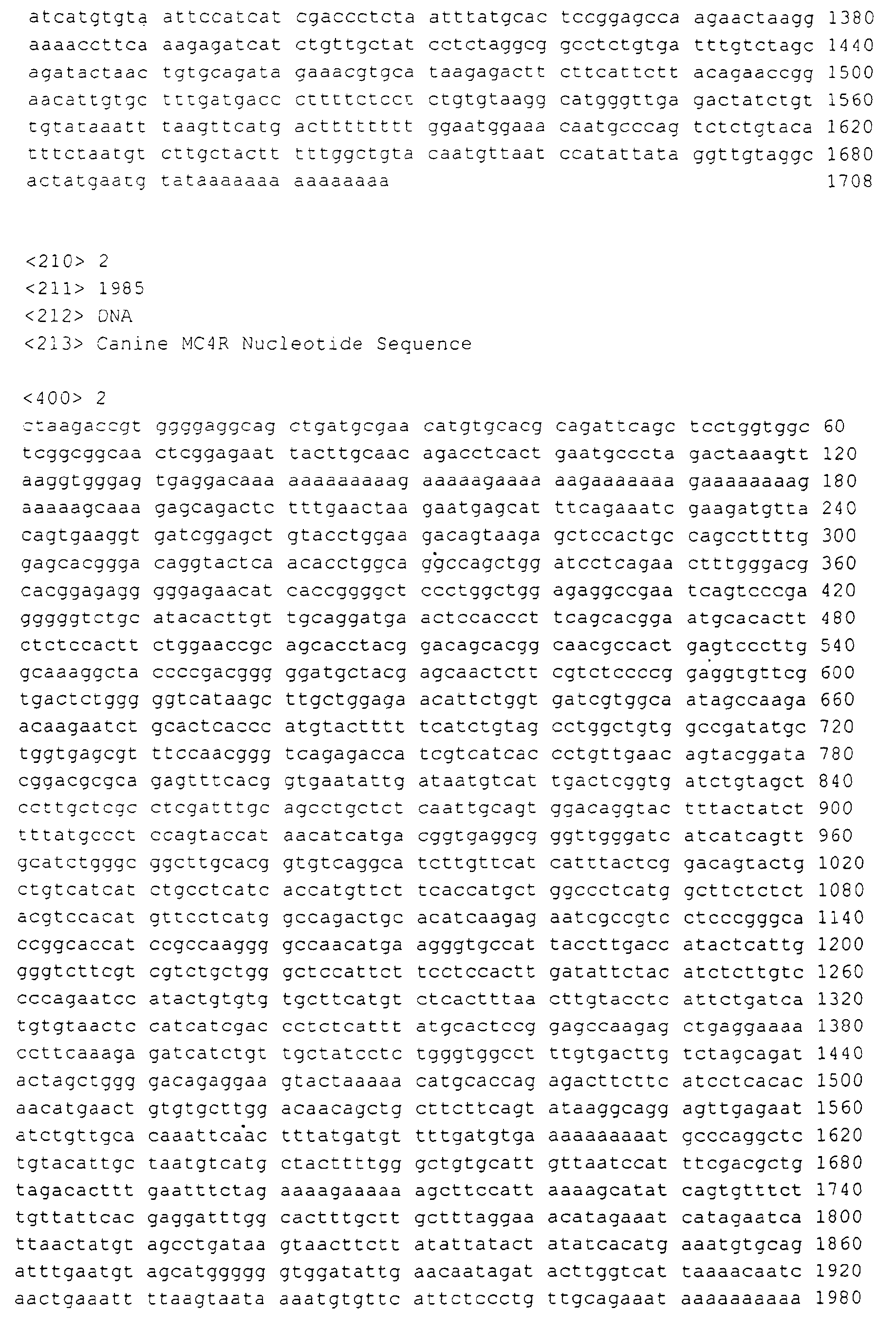
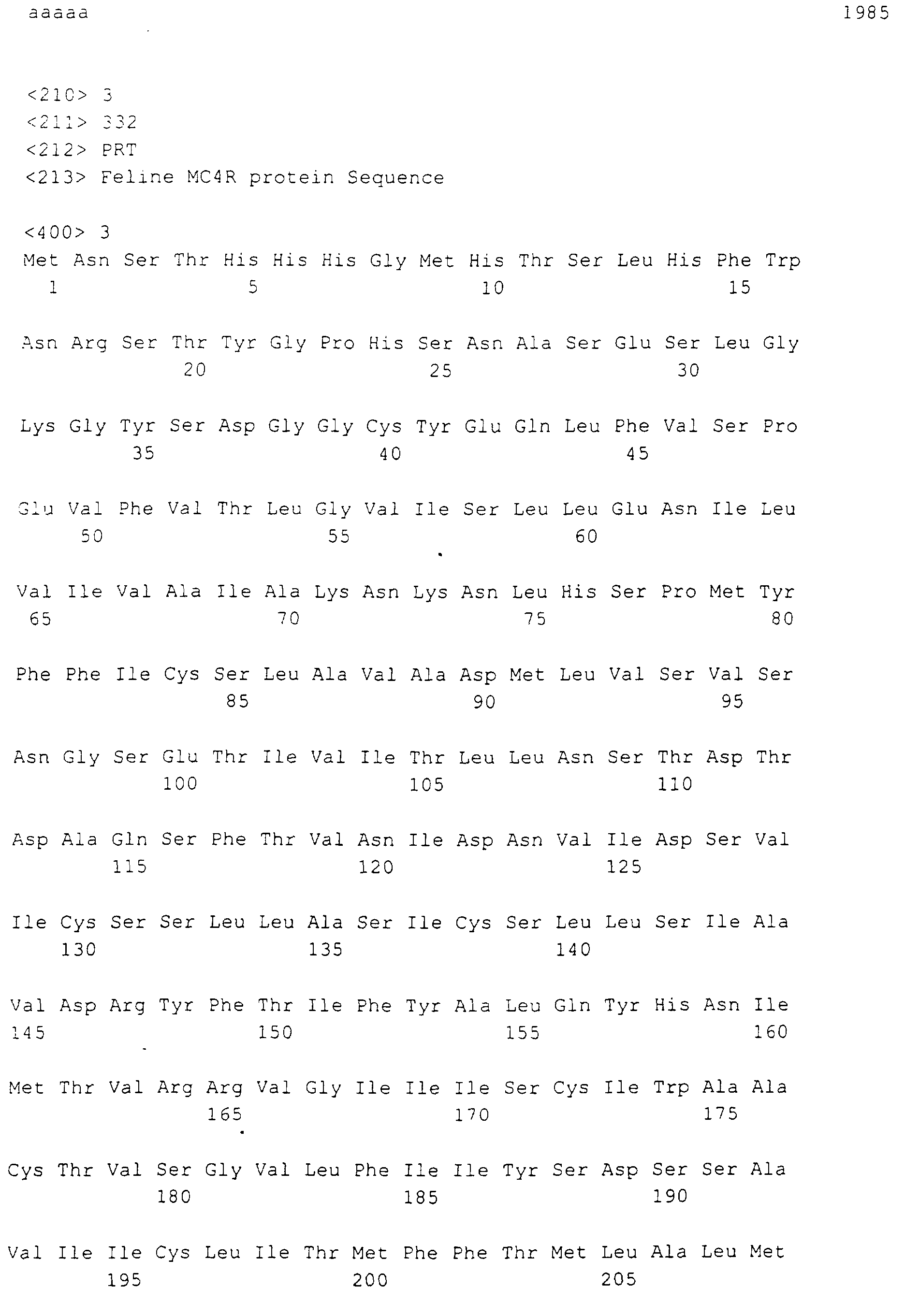
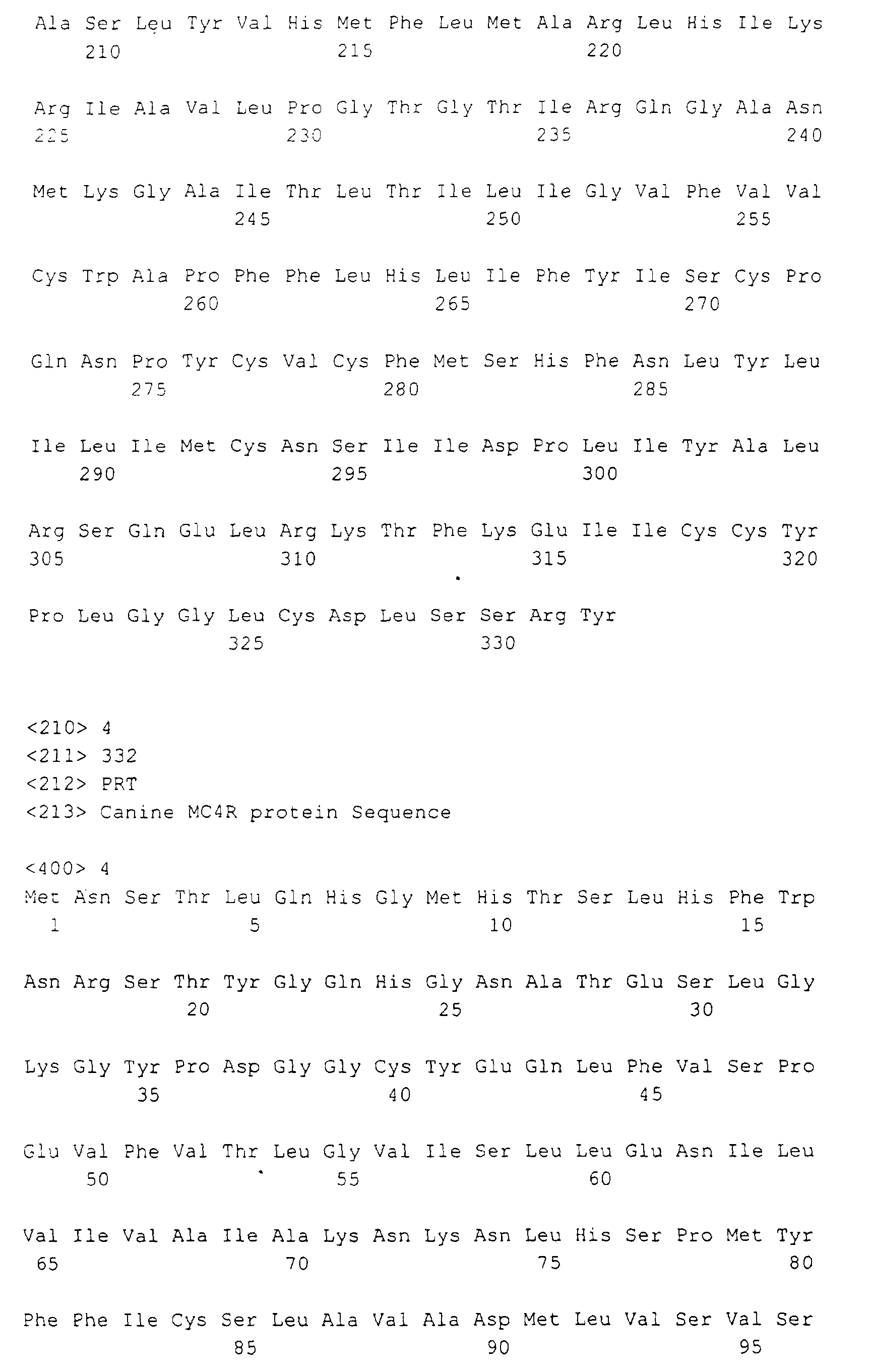
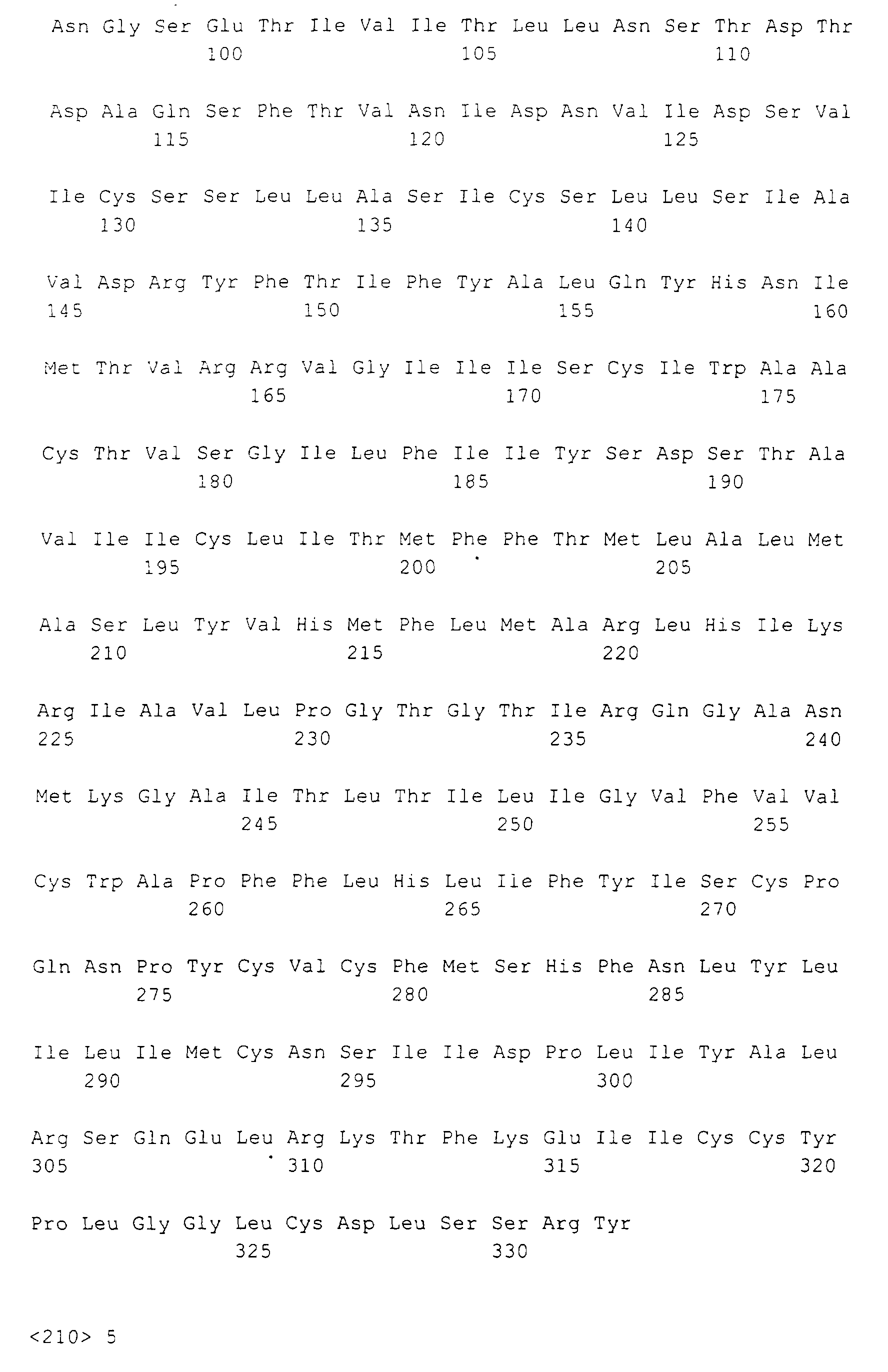


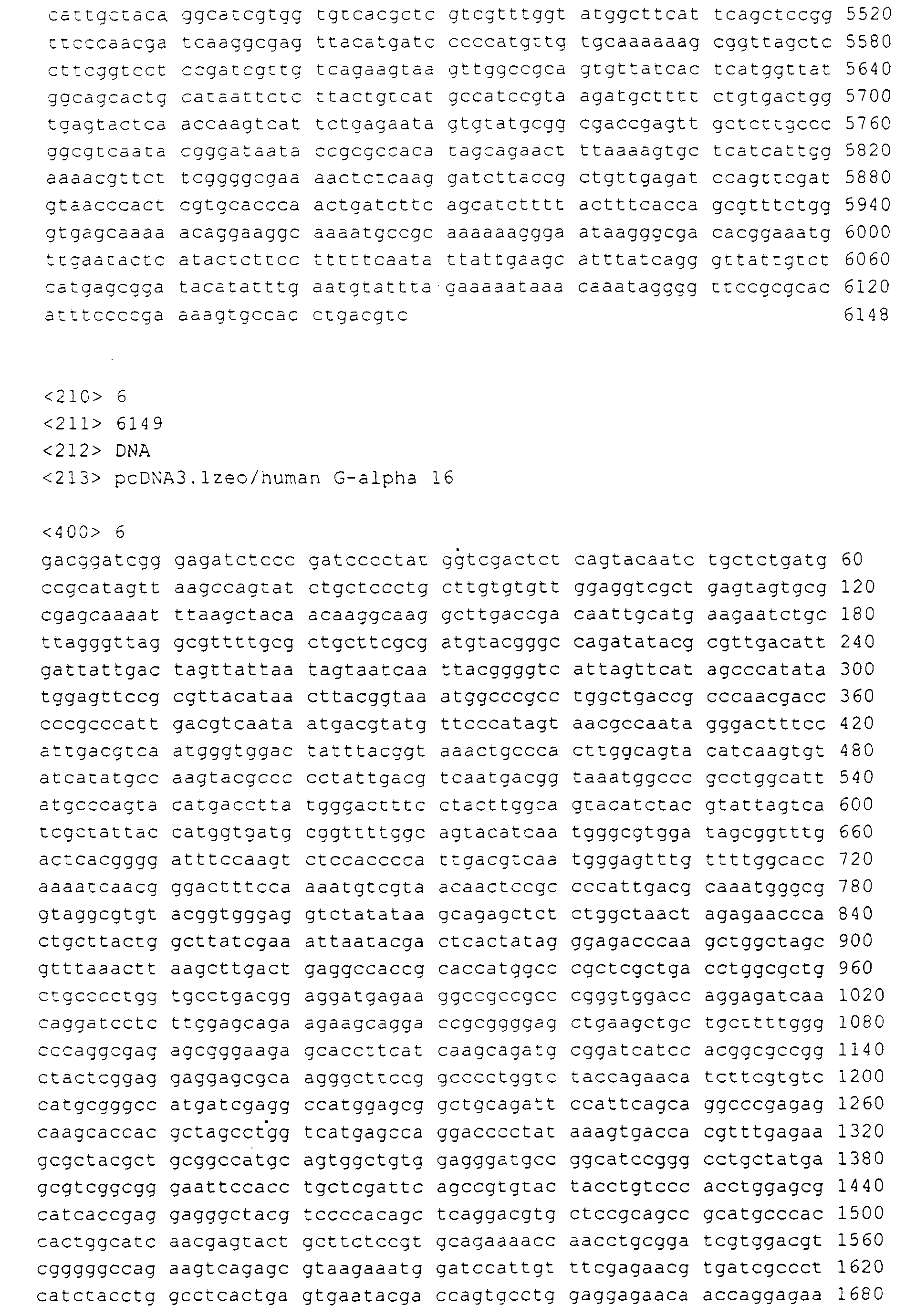


Claims (69)
- An isolated nucleic acid encoding a functional MC4R, or the complement thereof, said nucleic acid comprising a nucleotide sequence selected from the group consisting of:(a) a nucleotide sequence which hybridizes under conditions of moderate stringency to the coding region of SEQ ID NO:1;(b) a nucleotide sequence which hybridizes under conditions of moderate stringency to a polynucleotide which is complementary to the coding region of SEQ ID NO:1;(c) a nucleotide sequence which hybridizes under conditions of moderate stringency to the coding region of the feline MC4R as deposited with the ATCC and having ATCC Accession No.PTA-1762; and(d) a nucleotide sequence which hybridizes under conditions of moderate stringency to a polynucleotide which is complementary to the coding region of the feline MC4R as deposited with the ATCC and having ATCC Accession No. PTA-1762,with the proviso that said functional MC4R is not human, porcine, murine, rat or chicken.
- An isolated nucleic acid encoding a functional MC4R, or the complement thereof, said nucleic acid comprising a nucleotide sequence selected from the group consisting of:(a) a nucleotide sequence which hybridizes under conditions of high stringency to the coding region of SEQ ID NO:1;(b) a nucleotide sequence which hybridizes under conditions of high stringency to a polynucleotide which is complementary to the coding region of SEQ ID NO:1;(c) a nucleotide sequence which hybridizes under conditions of high stringency to the coding region of the feline MC4R as deposited with the ATCC and having ATCC Accession No. PTA-1762; and(d) a nucleotide sequence which hybridizes under conditions of high stringency to a polynucleotide which is complementary to the coding region of the feline MC4R as deposited with the ATCC and having ATCC Accession No. PTA-1762.
- An isolated nucleic acid comprising a nucleotide sequence that:(a) encodes a polypeptide according to SEQ ID NO:3; or(b) encodes a polypeptide encoded by the feline MC4R clone as deposited with the ATCC and having ATCC Accession No. PTA-1762.
- The isolated nucleic acid of Claim 3, wherein said nucleic acid has a nucleotide sequence according to SEQ ID NO:1 or the feline MC4R clone as deposited with the ATCC and having ATCC Accession No. PTA-1762.
- An isolated nucleic acid comprising a nucleotide sequence having more than 87.4% identity to SEQ ID NO:1 or the feline MC4R clone as deposited with the ATCC and having ATCC Accession No. PTA-1762.
- An isolated nucleic acid comprising a nucleotide sequence encoding a polypeptide having more than 98.2% identity to SEQ ID NO:3 or the polypeptide encoded by the feline MC4R clone as deposited with the ATCC and having ATCC Accession No. PTA-1762.
- An isolated nucleic acid comprising a nucleotide sequence encoding an ECD of a feline MC4R corresponding to amino acids 1-46, 96-123, 186-190, or 268-279 of SEQ ID NO:3 or of the polypeptide encoded by the feline MC4R clone as deposited with the ATCC and having ATCC Accession No. PTA-1762.
- An isolated nucleic acid comprising a nucleotide sequence encoding a CD of a feline MC4R corresponding to amino acids 70-76, 146-165, 212-244, or 302-333 of SEQ ID NO:3 or of the polypeptide encoded by the feline MC4R clone as deposited with the ATCC and having ATCC Accession No. PTA-1762.
- An isolated nucleic acid encoding a functional MC4R, or the complement thereof, said nucleic acid comprising a nucleic selected from the group consisting of:(a) a nucleotide sequence which hybridizes under conditions of moderate stringency to the coding region of SEQ ID NO:2;(b) a nucleotide sequence which hybridizes under conditions of moderate stringency to a polynucleotide which is complementary to the coding region of SEQ ID NO:2;(c) a nucleotide sequence which hybridizes under conditions of moderate stringency to the coding region of the canine MC4R as deposited with the ATCC and having ATCC Accession No. PTA-1761; and(d) a nucleotide sequence which hybridizes under conditions of moderate stringency to a polynucleotide which is complementary to the coding region of the canine MC4R as deposited with the ATCC and having ATCC Accession No. PTA-1761,with the proviso that said functional MC4R is not human, porcine, murine, rat or chicken.
- An isolated nucleic acid encoding a functional MC4R, or the complement thereof, said nucleic acid comprising a nucleic selected from the group consisting of:(a) a nucleotide sequence which hybridizes under conditions of high stringency to the coding region of SEQ ID NO:2;(b) a nucleotide sequence which hybridizes under conditions of high stringency to a polynucleotide which is complementary to the coding region of SEQ ID NO:2;(c) a nucleotide sequence which hybridizes under conditions of high stringency to the coding region of the canine MC4R as deposited with the ATCC and having ATCC Accession No. PTA-1761; and(d) a nucleotide sequence which hybridizes under conditions of high stringency to a polynucleotide which is complementary to the coding region of the canine MC4R as deposited with the ATCC and having ATCC Accession No. PTA-1761.
- An isolated nucleic acid comprising a nucleotide sequence that:(a) encodes a polypeptide according to SEQ ID NO:4; or(b) encodes a polypeptide encoded by the canine MC4R clone as deposited with the ATCC and having ATCC Accession No. PTA-1761.
- The isolated nucleic acid of Claim 11, wherein said nucleic acid has a nucleotide sequence according to SEQ ID NO:2 or the canine MC4R clone as deposited with the ATCC and having ATCC Accession No. PTA-1761.
- An isolated nucleic acid comprising a nucleotide sequence having more than 81.3% identity to SEQ ID NO:2 or the canine MC4R clone as deposited with the ATCC and having ATCC Accession No. PTA-1761.
- An isolated nucleic acid comprising a nucleotide sequence encoding a polypeptide having more than 98.1% identity to SEQ ID NO:4 or to the polypeptide encoded by the canine MC4R clone as deposited with the ATCC and having ATCC Accession No. PTA-1761.
- An isolated nucleic acid comprising a nucleotide sequence encoding an ECD of a canine MC4R corresponding to amino acids 1-46, 98-124, 187-191, or 268-279 of SEQ ID NO:4 or of the polypeptide encoded by the canine MC4R clone as deposited with the ATCC and having ATCC Accession No. PTA-1761.
- An isolated nucleic acid comprising a nucleotide sequence encoding a CD of a canine MC4R corresponding to amino acids 69-77, 147-163, 216-244, or 302-333 of SEQ ID NO:4 or of the polypeptide encoded by the canine MC4R clone as deposited with the ATCC and having ATCC Accession No. PTA-1761.
- A nucleotide vector comprising the nucleic acid of Claim 1, 2, 3, 4, 5, 6, 7, 8, 9, 10, 11, 12, 13, 14, 15 or 16.
- An expression vector comprising the nucleic acid of Claim 1, 2, 3, 4, 5, 6, 7, 8, 9, 10, 11, 12, 13, 14, 15 or 16 in operative association with a nucleotide regulatory element that controls expression of the polypeptide encoded by said nucleotide sequence.
- A genetically engineered host cell comprising the nucleic acid of Claim 1, 2, 3, 4 5, 6, 7, 8 9, 10, 11, 12, 13, 14, 15 or 16.
- A genetically engineered host cell comprising the nucleic acid of Claim 1, 2, 3, 4, 5, 6, 7, 8, 9, 10, 11, 12, 13, 14, 15 or 16 wherein said nucleic acid is in operative association with a nucleotide regulatory element that controls expression of said nucleotide sequence in the host cell.
- A substantially pure polypeptide encoded by the nucleic acid of Claim 1, 2, 3, 4, 5, 6, 7, 8, 9, 10, 11, 12, 13, 14, 15 or 16
- A substantially pure polypeptide comprising the amino acid sequence of:(a) SEQ ID NO:3;(b) SEQ ID NO:4;(c) the feline MC4R clone as deposited with the ATCC and having the ATCC Accession NO. PTA-1762;(d) the canine MC4R clone as deposited with the ATCC and having the ATCC Accession NO. PTA-1761;(e) an ECD of a feline MC4R corresponding to amino acids 1-46, 96-123,186-190, or 268-279 of SEQ ID NO:3 or of the polypeptide encoded by the feline MC4R clone as deposited with the ATCC and having ATCC Accession No. PTA-1762;(f) an ECD of a canine MC4R corresponding to amino acids 1-46, 98-124,187-191, or 268-279 of SEQ ID NO:4 or of the polypeptide encoded by the canine MC4R clone as deposited with the ATCC and having ATCC Accession No. PTA-1761;(g) a CD of a feline MC4R corresponding to amino acids 70-76, 146-165, 212-244, or 302-333 of SEQ ID NO:3 or of the polypeptide encoded by the feline MC4R clone as deposited with the ATCC and having ATCC Accession No. PTA-1762; or(h) a CD of a canine MC4R corresponding to amino acids 69-77, 147-163, 216-244, or 302-333 of SEQ ID NO:4 or of the polypeptide encoded by the canine MC4R clone as deposited with the ATCC and having ATCC Accession No. PTA-1761.
- An antibody that immunospecifically binds the polypeptide of Claim 21.
- A method for producing a recombinant polypeptide, comprising:(a) culturing a host cell transformed with the expression vector of Claim 18 and which expresses the recombinant polypeptide; and(b) recovering the recombinant polypeptide from the cell culture.
- A composition comprising the polypeptide of Claim 21 and a carrier.
- A method for detecting a polynucleotide of Claim 1, 2, 3, 4, 5, 6, 7, 8, 9, 10, 11, 12, 13, 14, 15 or 16 in a sample, comprising:(a) contacting the sample with a compound that binds to and forms a complex with the polynucleotide for a period sufficient to form the complex; and(b) detecting the complex,
so that if a complex is detected, a polynucleotide of Claim 1, 2, 3, 4, 5, 6, 7, 8, 9, 10, 11, 12, 13, 14, 15 or 16 is detected. - A method for detecting a polynucleotide of Claim 1, 2, 3, 4, 5, 6, 7, 8, 9, 10, 11, 12, 13, 14, 15 or 16 in a sample, comprising:(a) contacting the sample under stringent hybridization conditions with nucleic acid primers that anneal to a polynucleotide of Claim 1, 2, 3, 4, 5, 6, 7, 8, 9, 10, 11, 12, 13, 14, 15 or 16 under such conditions; andb) amplifying the annealed polynucleotides,
so that if a polynucleotide is amplified, the polynucleotide of Claim 1, 2, 3, 4, 5, 6, 7, 8, 9, 10, 11, 12, 13, 14, 15 or 16 is detected. - The method of Claim 27, wherein the polynucleotide is an RNA molecule that encodes a functional MC4R, and the method further comprises reverse transcribing an annealed RNA molecule into a cDNA polynucleotide.
- A method for identifying a compound that binds to the polypeptide of Claim 21, comprising:(a) contacting a compound with the polypeptide of Claim 21 for a time sufficient to form a polypeptide/compound complex; andb) detecting the complex,
so that if a polypeptide/compound complex is detected, a compound that binds to a polypeptide of Claim 19 is identified. - A method for identifying a compound that binds to the polypeptide of Claim 21, comprising:(a) contacting a compound with a polypeptide of Claim 21, in a cell, for a time sufficient to form a polypeptide/compound complex, wherein the complex drives expression of a reporter gene sequence in said cell; andb) detecting the complex by detecting reporter gene sequence expression,
so that if a polypeptide/compound complex is detected, a compound that binds to a polypeptide of Claim 21 is identified. - A method of modulating activity of the polypeptide of Claim 21, comprising contacting a cell that expresses the polypeptide with a compound that modulates activity of the polypeptide for a time sufficient to modulate said activity.
- A method for screening and identifying antagonists of MC4R, comprising:(a) contacting a cell line that expresses the polynucleotide of Claim 1, 2, 3, 4, 5, 6, 7, 8, 9, 10, 11, 12, 13, 14, 15 or 16 with a test compound in the presence of an MC4R agonist; and(b) determining whether the test compound inhibits the binding and cellular effects of the MC4R agonist on the cell line,
in which antagonists are identified as those compounds that inhibit both the binding and cellular effects of the MC4R agonist on the cell line. - A method for screening and identifying agonists of MC4R, comprising:(a) contacting a cell line that expresses the polynucleotide of Claim 1, 2, 3, 4, 5, 6, 7, 8, 9, 10, 11, 12, 13, 14, 15 or 16 with a test compound in the presence and in the absence of an MC4R agonist;(b) determining whether, in the presence of the MC4R agonist, the test compound inhibits the binding of the MC4R agonist to the cell line; and(c) determining whether, in the absence of the MC4R agonist, the test compound mimics the cellular effects of the MC4R agonist on the cell line,
in which agonists are identified as those test compounds that inhibit the binding but mimic the cellular effects of the MC4R agonist on the cell line. - The method of Claim 33 in which the cell line is a genetically engineered cell line.
- A method for screening and identifying antagonists of MC4R comprising:(a) contacting the polypeptide of Claim 21 with a random peptide library such that the polypeptide will recognize and bind to one or more peptide species within the library;(b) isolating the polypeptide/peptide combination;(c) determining the sequence of the peptide isolated in step (b); and(d) determining whether the test compound inhibits the binding and cellular effects of an MC4R agonist,
in which antagonists are identified as those peptides that inhibit both the binding and cellular effects of the MC4R agonist. - A method for screening and identifying agonists of MC4R comprising:(a) contacting the polypeptide of Claim 21 with a random peptide library such that the polypeptide will recognize and bind to one or more peptide species within the library;(b) isolating a polypeptide/peptide combination;(c) determining the sequence of the peptide isolated in step (b); and(d) determining whether, in the absence of a MC4R agonist, the peptide mimics the cellular effects of the MC4R agonist,
in which agonists are identified as those peptides that inhibit the binding of the MC4R agonist to a MC4R polypeptide but mimic the cellular effects of the MC4R agonist. - A method of modulating activity of the polypeptide of Claim 21, comprising contacting the polypeptide with a compound that modulates activity of the polypeptide for a time sufficient to modulate said activity.
- A method of modulating the endogenous enzymatic activity of MC4R in an animal comprising administering to the animal an amount of an MC4R ligand effective to modulate said endogenous enzymatic activity.
- The method of Claim 38, wherein the animal is a cow, a pig, a goat, a sheep, a horse, a dog, or a cat.
- The method of Claim 38 in which the ligand to said MC4R receptor is an MC4R agonist.
- The method of Claim 38 in which the ligand to said MC4R receptor is an MC4R antagonist.
- The antagonist of Claim 41 that is a monoclonal antibody that immunospecifically binds to an epitope of said MC4R.
- The method of Claim 38 in which the enzymatic activity of said MC4R is increased.
- The method of Claim 38 in which the enzymatic activity of said MC4R is decreased.
- A transgenic animal in which the nucleic acid of Claim 1 or 9 is an expressed transgene contained in the genome of the animal.
- A transgenic animal in which expression of genomic sequences encoding the polypeptide of Claim 21 is prevented or repressed.
- A method for modulating the appetite and/or metabolic rate of an animal comprising administering to the animal an effective amount of an MC4R ligand.
- The method of Claim 47, wherein the animal has an appetite-related or metabolic disorder.
- The method of Claim 48 wherein the disorder causes, is caused by, or is characterized by a reduction in appetite, feeding behavior or body weight, or an increase in metabolic rate, and the ligand is an MC4R antagonist.
- The method of Claim 49 wherein the disorder causes, is caused by, or is characterized by an increase in appetite, feeding behavior, or body weight, or a decrease in metabolic rate, and the ligand is an MC4R agonist.
- The method of Claim 49 wherein the animal is a post partum sow or dairy cow.
- The method of Claim 48 wherein the animal is a companion animal.
- The method of Claim 48 wherein the animal is a livestock animal.
- The method of Claim 48 wherein the animal is a poultry animal.
- The method of Claim 49 wherein the animal suffers from shipping or crowding stress.
- The method of Claim 49 wherein the animal is lactating.
- The method of Claim 47 wherein the animal is gravid.
- The method of Claim 49 wherein the disorder is cachexia, anorexia or weaning-induced inappetance and growth lag.
- The method of Claim 49 wherein the disorder is a metabolic disorder.
- The method of Claim 59 wherein the metabolic disorder is diabetes.
- The method of Claim 49 wherein the disorder is a disease.
- The method of Claim 61 wherein the disease is cancer, renal failure, cardiac disease, endotoxemia, fever, hepatic lipidosis, infection or inflammation.
- The method of Claim 50 wherein the animal is obese.
- The method of Claim 47 wherein the MC4R ligand is part of a pharmaceutical composition.
- A method of increasing the reproductive performance of an animal comprising administering to the animal an effective amount of an MC4R ligand.
- A method of increasing the growth performance of an animal comprising administering to the animal an effective amount of an MC4R ligand.
- The method of Claim 47 wherein the ligand is part of a pharmaceutical composition.
- The method of Claim 67 wherein the preparation is administered orally, transdermally, or by slow release subcutaneous implants/pellets.
- A kit comprising a pharmaceutical composition comprising an MC4R ligand.
Applications Claiming Priority (2)
| Application Number | Priority Date | Filing Date | Title |
|---|---|---|---|
| US21390900P | 2000-06-26 | 2000-06-26 | |
| US213909P | 2000-06-26 |
Publications (1)
| Publication Number | Publication Date |
|---|---|
| EP1167386A1 true EP1167386A1 (en) | 2002-01-02 |
Family
ID=22796981
Family Applications (1)
| Application Number | Title | Priority Date | Filing Date |
|---|---|---|---|
| EP01305509A Withdrawn EP1167386A1 (en) | 2000-06-26 | 2001-06-26 | Canine and feline melanocortin-4 receptor sequences and screening assays to identify compounds useful in regulating animal appetite and metabolic rate |
Country Status (4)
| Country | Link |
|---|---|
| US (1) | US20030032791A1 (en) |
| EP (1) | EP1167386A1 (en) |
| JP (1) | JP2002335974A (en) |
| CA (1) | CA2350043A1 (en) |
Cited By (8)
| Publication number | Priority date | Publication date | Assignee | Title |
|---|---|---|---|---|
| WO2003030936A1 (en) * | 2001-10-02 | 2003-04-17 | Sumitomo Pharmaceuticals Co., Ltd. | Remedies for life style-related diseases or cibophobia and method of screening the same |
| US6555581B1 (en) | 2001-02-15 | 2003-04-29 | Jones Pharma, Inc. | Levothyroxine compositions and methods |
| US7067148B2 (en) | 2001-02-15 | 2006-06-27 | King Pharmaceutical Research & Development, Inc. | Stabilized pharmaceutical and thyroid hormone compositions and method of preparation |
| US7101569B2 (en) | 2001-08-14 | 2006-09-05 | Franz G Andrew | Methods of administering levothyroxine pharmaceutical compositions |
| WO2006091962A3 (en) * | 2005-02-24 | 2007-03-29 | Amgen Inc | Detection of compounds that affect therapeutic activity |
| DE102007020152A1 (en) * | 2007-04-26 | 2008-10-30 | Charité - Universitätsmedizin Berlin | Agent for anti-infective treatment of a patient |
| WO2009087467A3 (en) * | 2007-12-31 | 2009-12-17 | Universität Basel | Monoclonal antibodies and binding fragments thereof directed to the melanocortin-4 receptor and their use in the treatment of cachexia and related conditions and diseases |
| US8008446B2 (en) | 2007-12-31 | 2011-08-30 | University Of Basel | Auto-antibodies against the melanocortin-4 receptor |
Families Citing this family (16)
| Publication number | Priority date | Publication date | Assignee | Title |
|---|---|---|---|---|
| US7342089B2 (en) * | 2001-07-11 | 2008-03-11 | Palatin Technologies, Inc. | Cyclic peptides for treatment for cachexia |
| US7345144B2 (en) * | 2001-07-11 | 2008-03-18 | Palatin Technologies, Inc. | Cyclic peptides for treatment of cachexia |
| US7754691B1 (en) | 2005-07-07 | 2010-07-13 | Palatin Technologies, Inc. | Linear melanocortin receptor-specific peptides for cachexia |
| CA2623405C (en) | 2005-09-20 | 2014-11-25 | Immunivest Corporation | Methods and composition to generate unique sequence dna probes labeling of dna probes and the use of these probes |
| US20090076029A1 (en) * | 2007-06-01 | 2009-03-19 | Palatin Technologies, Inc. | Compounds and Methods for Treating Obesity |
| US20090081197A1 (en) * | 2007-06-01 | 2009-03-26 | Palatin Technologies, Inc. | Methods for Selection of Melanocortin Receptor-Specific Agents for Treatment of Obesity |
| WO2009144432A1 (en) * | 2008-05-30 | 2009-12-03 | Palatin Technologies, Inc. | Mc4-r agonists for the treatment of obesity |
| WO2009144433A1 (en) * | 2008-05-30 | 2009-12-03 | Palatin Technologies, Inc. | Methods for selection of melanocortin 4 receptor-specific agents for treatment of obesity |
| EP2814501A4 (en) | 2012-03-13 | 2016-03-02 | Tensive Controls Inc | MELANOCORTIN ANALOGUES HAVING IMPROVED ACTIVITY AND TRANSPORT |
| WO2016168388A2 (en) * | 2015-04-14 | 2016-10-20 | Palatin Technologies, Inc. | Therapies for obesity, diabetes and related indications |
| WO2019066052A1 (en) * | 2017-09-28 | 2019-04-04 | 国立大学法人京都大学 | Fish and fish production method |
| WO2019140236A1 (en) | 2018-01-12 | 2019-07-18 | Bristol-Myers Squibb Company | Antisense oligonucleotides targeting alpha-synuclein and uses thereof |
| MY203356A (en) | 2018-01-12 | 2024-06-25 | Bristol Myers Squibb Co | Antisense oligonucleotides targeting alpha-synuclein and uses thereof |
| US11590209B2 (en) | 2020-01-21 | 2023-02-28 | Palatin Technologies, Inc. | Use of bremelanotide in patients with controlled hypertension |
| US20260103529A1 (en) * | 2022-10-18 | 2026-04-16 | Confo Therapeutics N.V. | Amino Acid Sequences Directed Against the Melanocortin 4 Receptor and Polypeptides Comprising the Same for the Treatment of MC4R-Related Diseases and Disorders |
| US12663916B1 (en) * | 2024-04-19 | 2026-06-23 | Recursion Pharmaceuticals, Inc. | Methods and user interfaces for designing cell-based screening assay experiments |
Citations (5)
| Publication number | Priority date | Publication date | Assignee | Title |
|---|---|---|---|---|
| WO1997047316A1 (en) * | 1996-06-10 | 1997-12-18 | Millennium Pharmaceuticals, Inc. | Screening methods for compounds useful in the regulation of body weight |
| US5703220A (en) * | 1994-02-17 | 1997-12-30 | The Regents Of The University Of Michigan | Genes encoding melanocertin-4 receptor and methods of use |
| WO1998010068A2 (en) * | 1996-09-04 | 1998-03-12 | Oregon Health Sciences University | Methods and reagents for discovering and using mammalian melanocortin receptor agonists and antagonists to modulate feeding behavior in animals |
| WO2000006777A2 (en) * | 1998-07-27 | 2000-02-10 | Iowa State University Research Foundation, Inc. | Melanocortin-4 receptor gene and use as a genetic marker for fat content, weight gain, and/or feed consumption of animals |
| WO2000027863A1 (en) * | 1998-11-09 | 2000-05-18 | Merck & Co., Inc. | Dna molecules encoding the melanocortin 4 receptor protein from rhesus monkey |
Family Cites Families (4)
| Publication number | Priority date | Publication date | Assignee | Title |
|---|---|---|---|---|
| US4376110A (en) * | 1980-08-04 | 1983-03-08 | Hybritech, Incorporated | Immunometric assays using monoclonal antibodies |
| US4873191A (en) * | 1981-06-12 | 1989-10-10 | Ohio University | Genetic transformation of zygotes |
| US4946778A (en) * | 1987-09-21 | 1990-08-07 | Genex Corporation | Single polypeptide chain binding molecules |
| US5908609A (en) * | 1996-06-10 | 1999-06-01 | Millennium Pharmaceuticals, Inc. | Screening methods for compounds useful in the regulation of body weight |
-
2001
- 2001-06-18 US US09/884,211 patent/US20030032791A1/en not_active Abandoned
- 2001-06-22 CA CA002350043A patent/CA2350043A1/en not_active Abandoned
- 2001-06-25 JP JP2001190828A patent/JP2002335974A/en active Pending
- 2001-06-26 EP EP01305509A patent/EP1167386A1/en not_active Withdrawn
Patent Citations (5)
| Publication number | Priority date | Publication date | Assignee | Title |
|---|---|---|---|---|
| US5703220A (en) * | 1994-02-17 | 1997-12-30 | The Regents Of The University Of Michigan | Genes encoding melanocertin-4 receptor and methods of use |
| WO1997047316A1 (en) * | 1996-06-10 | 1997-12-18 | Millennium Pharmaceuticals, Inc. | Screening methods for compounds useful in the regulation of body weight |
| WO1998010068A2 (en) * | 1996-09-04 | 1998-03-12 | Oregon Health Sciences University | Methods and reagents for discovering and using mammalian melanocortin receptor agonists and antagonists to modulate feeding behavior in animals |
| WO2000006777A2 (en) * | 1998-07-27 | 2000-02-10 | Iowa State University Research Foundation, Inc. | Melanocortin-4 receptor gene and use as a genetic marker for fat content, weight gain, and/or feed consumption of animals |
| WO2000027863A1 (en) * | 1998-11-09 | 2000-05-18 | Merck & Co., Inc. | Dna molecules encoding the melanocortin 4 receptor protein from rhesus monkey |
Non-Patent Citations (2)
| Title |
|---|
| GANTZ I ET AL: "MOLECULAR CLONING EXPRESSION AND GENE LOCALIZATION OF A FOURTH MELANOCORTIN RECEPTOR", JOURNAL OF BIOLOGICAL CHEMISTRY, AMERICAN SOCIETY OF BIOLOGICAL CHEMISTS, BALTIMORE, MD, US, vol. 268, no. 20, 15 July 1993 (1993-07-15), pages 15174 - 15179, XP002051983, ISSN: 0021-9258 * |
| GANTZ I ET AL: "MOLECULAR CLONING OF A NOVEL MELANOCORTIN RECEPTOR", JOURNAL OF BIOLOGICAL CHEMISTRY, AMERICAN SOCIETY OF BIOLOGICAL CHEMISTS, BALTIMORE, MD, US, vol. 268, no. 11, 15 April 1993 (1993-04-15), pages 8246 - 8250, XP002051984, ISSN: 0021-9258 * |
Cited By (10)
| Publication number | Priority date | Publication date | Assignee | Title |
|---|---|---|---|---|
| US6555581B1 (en) | 2001-02-15 | 2003-04-29 | Jones Pharma, Inc. | Levothyroxine compositions and methods |
| US7067148B2 (en) | 2001-02-15 | 2006-06-27 | King Pharmaceutical Research & Development, Inc. | Stabilized pharmaceutical and thyroid hormone compositions and method of preparation |
| US7101569B2 (en) | 2001-08-14 | 2006-09-05 | Franz G Andrew | Methods of administering levothyroxine pharmaceutical compositions |
| WO2003030936A1 (en) * | 2001-10-02 | 2003-04-17 | Sumitomo Pharmaceuticals Co., Ltd. | Remedies for life style-related diseases or cibophobia and method of screening the same |
| WO2006091962A3 (en) * | 2005-02-24 | 2007-03-29 | Amgen Inc | Detection of compounds that affect therapeutic activity |
| DE102007020152A1 (en) * | 2007-04-26 | 2008-10-30 | Charité - Universitätsmedizin Berlin | Agent for anti-infective treatment of a patient |
| WO2009087467A3 (en) * | 2007-12-31 | 2009-12-17 | Universität Basel | Monoclonal antibodies and binding fragments thereof directed to the melanocortin-4 receptor and their use in the treatment of cachexia and related conditions and diseases |
| US8008446B2 (en) | 2007-12-31 | 2011-08-30 | University Of Basel | Auto-antibodies against the melanocortin-4 receptor |
| US8252908B2 (en) | 2007-12-31 | 2012-08-28 | Universitaet Basel | Monoclonal antibodies and binding fragments thereof directed to the melanocortin-4 receptor and their use in the treatment of cachexia and related conditions and diseases |
| US8703139B2 (en) | 2007-12-31 | 2014-04-22 | Universitaet Basel | Monoclonal antibodies and binding fragments thereof directed to the melanocortin-4 receptor and their use in the treatment of cachexia and related conditions and diseases |
Also Published As
| Publication number | Publication date |
|---|---|
| US20030032791A1 (en) | 2003-02-13 |
| CA2350043A1 (en) | 2001-12-26 |
| JP2002335974A (en) | 2002-11-26 |
Similar Documents
| Publication | Publication Date | Title |
|---|---|---|
| US5932779A (en) | Screening methods for compounds useful in the regulation of body weight | |
| CA2350043A1 (en) | Novel melanocortin -4 receptor sequences and screening assays to identify compounds useful in regulating animal appetite and metabolic rate | |
| AU749198B2 (en) | A novel human G-protein coupled receptor | |
| US6380363B1 (en) | Antibodies to the Ob receptor | |
| US5908609A (en) | Screening methods for compounds useful in the regulation of body weight | |
| US5972621A (en) | Methods of identifying compounds that modulate body weight using the OB receptor | |
| US6346374B1 (en) | Nucleic acid molecules encoding GLUTX and uses thereof | |
| WO1998046620A9 (en) | A novel human g-protein coupled receptor | |
| US20040216177A1 (en) | Congenic rats containing a mutant GPR10 gene | |
| WO1998021239A2 (en) | Therapeutic compositions and methods and diagnostic assays for type ii diabetes involving hnf-1 | |
| US20030110518A1 (en) | Melanocortin-5 receptor sequences and uses thereof | |
| EP0915706B1 (en) | Screening methods for compounds useful in the regulation of body weight | |
| US6506877B1 (en) | Ob receptor | |
| US6287782B1 (en) | Methods of using the Ob receptor to identify therapeutic compounds | |
| US7547515B2 (en) | Methods for detection of the Ob receptor and the diagnosis of body weight disorders, including obesity and cachexia | |
| US6509189B1 (en) | Nucleic acid molecules encoding the cytoplasmic domain of human Ob receptor | |
| US20030082678A1 (en) | Methods and compositions for regulating body weight in bovine species | |
| US6548269B1 (en) | Ob receptor and methods for the diagnosis and treatment of body weight disorders, including obesity and cachexia | |
| EP1945661B1 (en) | Gpr 146 receptor | |
| US20030008823A1 (en) | DNA encoding a human 5-HT1F receptor and uses thereof | |
| US20040229316A1 (en) | Novel human G-protein coupled receptor | |
| MXPA98004158A (en) | The ob receiver and methods of diagnosing and treating it |
Legal Events
| Date | Code | Title | Description |
|---|---|---|---|
| PUAI | Public reference made under article 153(3) epc to a published international application that has entered the european phase |
Free format text: ORIGINAL CODE: 0009012 |
|
| 17P | Request for examination filed |
Effective date: 20010705 |
|
| AK | Designated contracting states |
Kind code of ref document: A1 Designated state(s): AT BE CH CY DE DK ES FI FR GB GR IE IT LI LU MC NL PT SE TR |
|
| AX | Request for extension of the european patent |
Free format text: AL;LT;LV;MK;RO;SI |
|
| AKX | Designation fees paid |
Free format text: AT BE CH CY DE DK ES FI FR GB GR IE IT LI LU MC NL PT SE TR |
|
| 17Q | First examination report despatched |
Effective date: 20031104 |
|
| STAA | Information on the status of an ep patent application or granted ep patent |
Free format text: STATUS: THE APPLICATION IS DEEMED TO BE WITHDRAWN |
|
| 18D | Application deemed to be withdrawn |
Effective date: 20041201 |