EP1153613A1 - Percutaneous absorption preparations of compound having angiotensin ii receptor antagonism - Google Patents
Percutaneous absorption preparations of compound having angiotensin ii receptor antagonism Download PDFInfo
- Publication number
- EP1153613A1 EP1153613A1 EP00904029A EP00904029A EP1153613A1 EP 1153613 A1 EP1153613 A1 EP 1153613A1 EP 00904029 A EP00904029 A EP 00904029A EP 00904029 A EP00904029 A EP 00904029A EP 1153613 A1 EP1153613 A1 EP 1153613A1
- Authority
- EP
- European Patent Office
- Prior art keywords
- preparation according
- angiotensin
- compound
- fatty acid
- group
- Prior art date
- Legal status (The legal status is an assumption and is not a legal conclusion. Google has not performed a legal analysis and makes no representation as to the accuracy of the status listed.)
- Granted
Links
- 0 C*(C(*1)[C@@]1C=C*)N Chemical compound C*(C(*1)[C@@]1C=C*)N 0.000 description 3
Classifications
-
- A—HUMAN NECESSITIES
- A61—MEDICAL OR VETERINARY SCIENCE; HYGIENE
- A61K—PREPARATIONS FOR MEDICAL, DENTAL OR TOILETRY PURPOSES
- A61K9/00—Medicinal preparations characterised by special physical form
- A61K9/70—Web, sheet or filament bases ; Films; Fibres of the matrix type containing drug
- A61K9/7023—Transdermal patches and similar drug-containing composite devices, e.g. cataplasms
- A61K9/703—Transdermal patches and similar drug-containing composite devices, e.g. cataplasms characterised by shape or structure; Details concerning release liner or backing; Refillable patches; User-activated patches
- A61K9/7038—Transdermal patches of the drug-in-adhesive type, i.e. comprising drug in the skin-adhesive layer
- A61K9/7046—Transdermal patches of the drug-in-adhesive type, i.e. comprising drug in the skin-adhesive layer the adhesive comprising macromolecular compounds
- A61K9/7053—Transdermal patches of the drug-in-adhesive type, i.e. comprising drug in the skin-adhesive layer the adhesive comprising macromolecular compounds obtained by reactions only involving carbon to carbon unsaturated bonds, e.g. polyvinyl, polyisobutylene, polystyrene
- A61K9/7061—Polyacrylates
-
- A—HUMAN NECESSITIES
- A61—MEDICAL OR VETERINARY SCIENCE; HYGIENE
- A61K—PREPARATIONS FOR MEDICAL, DENTAL OR TOILETRY PURPOSES
- A61K31/00—Medicinal preparations containing organic active ingredients
- A61K31/33—Heterocyclic compounds
- A61K31/395—Heterocyclic compounds having nitrogen as a ring hetero atom, e.g. guanethidine or rifamycins
- A61K31/41—Heterocyclic compounds having nitrogen as a ring hetero atom, e.g. guanethidine or rifamycins having five-membered rings with two or more ring hetero atoms, at least one of which being nitrogen, e.g. tetrazole
- A61K31/4164—1,3-Diazoles
- A61K31/4178—1,3-Diazoles not condensed 1,3-diazoles and containing further heterocyclic rings, e.g. pilocarpine, nitrofurantoin
-
- A—HUMAN NECESSITIES
- A61—MEDICAL OR VETERINARY SCIENCE; HYGIENE
- A61K—PREPARATIONS FOR MEDICAL, DENTAL OR TOILETRY PURPOSES
- A61K31/00—Medicinal preparations containing organic active ingredients
- A61K31/33—Heterocyclic compounds
- A61K31/395—Heterocyclic compounds having nitrogen as a ring hetero atom, e.g. guanethidine or rifamycins
- A61K31/41—Heterocyclic compounds having nitrogen as a ring hetero atom, e.g. guanethidine or rifamycins having five-membered rings with two or more ring hetero atoms, at least one of which being nitrogen, e.g. tetrazole
- A61K31/4245—Oxadiazoles
-
- A—HUMAN NECESSITIES
- A61—MEDICAL OR VETERINARY SCIENCE; HYGIENE
- A61K—PREPARATIONS FOR MEDICAL, DENTAL OR TOILETRY PURPOSES
- A61K47/00—Medicinal preparations characterised by the non-active ingredients used, e.g. carriers or inert additives; Targeting or modifying agents chemically bound to the active ingredient
- A61K47/06—Organic compounds, e.g. natural or synthetic hydrocarbons, polyolefins, mineral oil, petrolatum or ozokerite
- A61K47/08—Organic compounds, e.g. natural or synthetic hydrocarbons, polyolefins, mineral oil, petrolatum or ozokerite containing oxygen, e.g. ethers, acetals, ketones, quinones, aldehydes, peroxides
- A61K47/10—Alcohols; Phenols; Salts thereof, e.g. glycerol; Polyethylene glycols [PEG]; Poloxamers; PEG/POE alkyl ethers
-
- A—HUMAN NECESSITIES
- A61—MEDICAL OR VETERINARY SCIENCE; HYGIENE
- A61K—PREPARATIONS FOR MEDICAL, DENTAL OR TOILETRY PURPOSES
- A61K47/00—Medicinal preparations characterised by the non-active ingredients used, e.g. carriers or inert additives; Targeting or modifying agents chemically bound to the active ingredient
- A61K47/06—Organic compounds, e.g. natural or synthetic hydrocarbons, polyolefins, mineral oil, petrolatum or ozokerite
- A61K47/08—Organic compounds, e.g. natural or synthetic hydrocarbons, polyolefins, mineral oil, petrolatum or ozokerite containing oxygen, e.g. ethers, acetals, ketones, quinones, aldehydes, peroxides
- A61K47/14—Esters of carboxylic acids, e.g. fatty acid monoglycerides, medium-chain triglycerides, parabens or PEG fatty acid esters
-
- A—HUMAN NECESSITIES
- A61—MEDICAL OR VETERINARY SCIENCE; HYGIENE
- A61K—PREPARATIONS FOR MEDICAL, DENTAL OR TOILETRY PURPOSES
- A61K47/00—Medicinal preparations characterised by the non-active ingredients used, e.g. carriers or inert additives; Targeting or modifying agents chemically bound to the active ingredient
- A61K47/06—Organic compounds, e.g. natural or synthetic hydrocarbons, polyolefins, mineral oil, petrolatum or ozokerite
- A61K47/16—Organic compounds, e.g. natural or synthetic hydrocarbons, polyolefins, mineral oil, petrolatum or ozokerite containing nitrogen, e.g. nitro-, nitroso-, azo-compounds, nitriles, cyanates
-
- A—HUMAN NECESSITIES
- A61—MEDICAL OR VETERINARY SCIENCE; HYGIENE
- A61K—PREPARATIONS FOR MEDICAL, DENTAL OR TOILETRY PURPOSES
- A61K9/00—Medicinal preparations characterised by special physical form
- A61K9/0012—Galenical forms characterised by the site of application
- A61K9/0014—Skin, i.e. galenical aspects of topical compositions
-
- A—HUMAN NECESSITIES
- A61—MEDICAL OR VETERINARY SCIENCE; HYGIENE
- A61P—SPECIFIC THERAPEUTIC ACTIVITY OF CHEMICAL COMPOUNDS OR MEDICINAL PREPARATIONS
- A61P43/00—Drugs for specific purposes, not provided for in groups A61P1/00-A61P41/00
Definitions
- the present invention relates to a percutaneous absorption preparation which comprises a compound having angiotensin II receptor antagonistic activity as an active ingredient and is excellent in the absorption efficiency for continuous absorption of the active ingredient into the body through the skin contacting surface thereof.
- a compound having an angiotensin II receptor antagonistic activity is a drug which exhibits high activity for hypertension by such a mechanism that the compound antagonizes angiotensin II which causes a vasoconstriction action through the angiotensin II receptor on the cellular membrane.
- This drug is developed as an oral dosage form, and, for mitigating patient's troublesomeness, the drug is administered once after having a meal every morning.
- a change of a blood level of the active component with time after administration shows a pattern in which the level reaches the maximum 3 - 4 hours after administration and then falls.
- a so-called extended-release oral dosage form although the dosage form is made so that absorption an active component at the early stage after administration can be suppressed, the absorption efficiency of the active component is not necessarily constant within the large range of an alimentary canal, and is especially low in the large intestine.
- the retention time of absorption is decided by small intestine passing time (about at most 6 hours), and actually, the expected duration of absorptivity is hard to be obtained.
- the present invention provides a convenient percutaneous absorption preparation of a compound having angiotensin II antagonistic activity. Further, the present invention provides a percutaneous absorption preparation which allows said compound to permeate through skin at a suitable rate for a long time.
- the present inventors have studied intensively. As a result, they have completed a percutaneous absorption preparation which comprises a compound having angiotensin II antagonistic activity. Further, they have also found that said percutaneous absorption preparation can give the skin permeation at a suitable rate for a long time and, as a result, can be maintained an effective blood drug concentration can be maintained for one day or more by administration once without reaching, a high blood drug level which causes a side effect by one administration as compared with oral administration.
- the present invention provides:
- the angiotensin II antagonistic activity is to inhibit competitively or non-competitively binding of angiotensin II to the angiotensin II receptors on the cellular membrane so as to reduce potent vasoconstrictive action or vascular smooth muscle proliferation action induced by angiotensin II and to ameliorate the symptom of hypertension.
- the compound having angiotensin II antagonistic activity to be used for the present invention may be either a peptide compound or a non-peptide compound.
- a non-peptide compound having angiotensin II antagonistic activity is preferable.
- the compound having angiotensin II antagonistic activity a compound having an oxygen atom in its molecule is preferable, a compound having an ether linkage or a carbonyl group (said carbonyl group may form a hydroxy group by resonance) is more preferable, a compound having an ether linkage or a ketone derivative is further preferable, and in particular, an ether derivative is preferable.
- any non-peptide compound having angiotensin II antagonistic activity can be used for the present invention.
- said compounds include imidazole derivatives disclosed in Japanese Patent Unexamined Publication No. 71073/1981, Japanese Patent Unexamined Publication No. 71074/1981, Japanese Patent Unexamined Publication No. 98270/1982, Japanese Patent Unexamined Publication No. 157768/1983, USP 4,355,040, USP 4,340,598, etc.; modified imidazole derivatives disclosed in EP-253310, EP-291969, EP-324377, EP-403158, WO-9100277, Japanese Patent Unexamined Publication No. 23868/1988, Japanese Patent Unexamined Publication No.
- any one in addition to the compounds described in the above-described references can be employed as far as it has angiotensin II antagonistic activity.
- Losartan DuP753
- Eprosartan SK&F108566
- Candesartan cilexetil TCV-116
- Valsartan CGP-48933
- Telmisartan BIBR277
- Irbesartan SR47436
- Tasosartan ANA-756
- their active metabolites candesartan, etc.
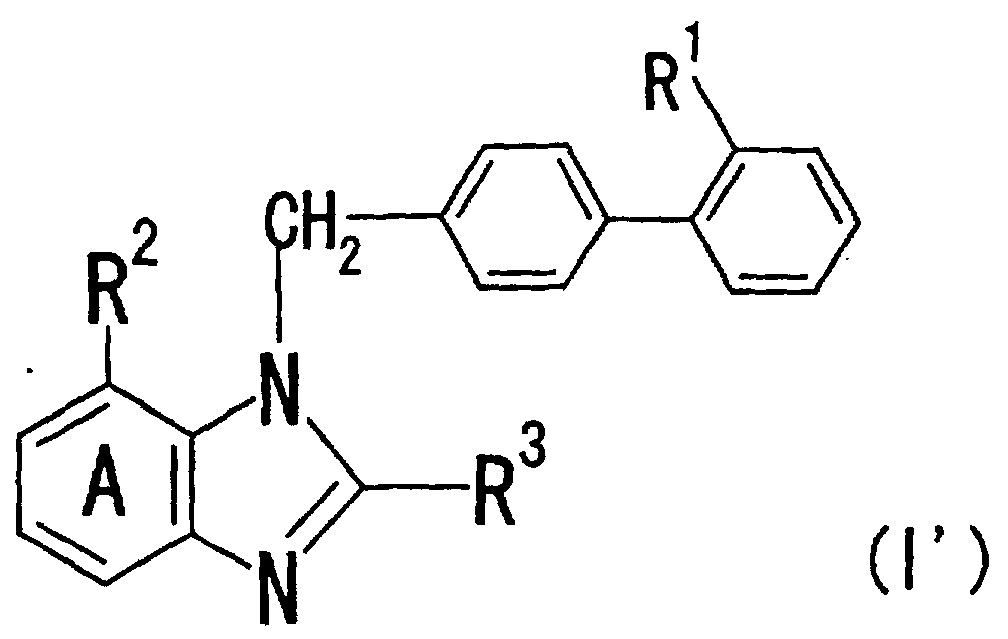
- Preferred examples of the non-peptide compound having angiotensin II antagonistic activity include, for example, a benzimidazole derivative of the formula (I): wherein R 1 is a group capable of forming an anion or a group capable of converting thereinto, X shows that the phenylene group and the phenyl group bind to each other directly or through a spacer having an atomic chain length of 2 or less, n is an integer of 1 or 2, the ring A is a benzene ring having an optional substitution, in addition to the group R 2 , R 2 is a group capable of forming an anion or a group capable of converting thereinto, and R 3 is an optionally substituted hydrocarbon residue which may bind through a hetero-atom (preferably, an optionally substituted hydrocarbon residue which binds through an oxygen atom), etc., or a salt thereof.
- R 1 is a group capable of forming an anion or a group capable of converting thereinto
- X shows that the
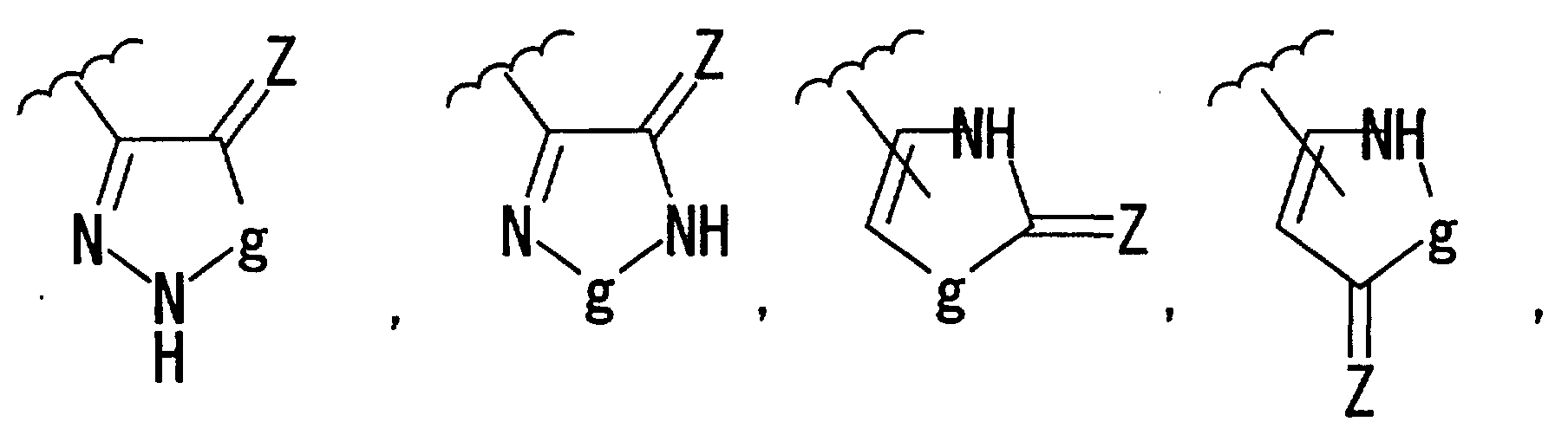
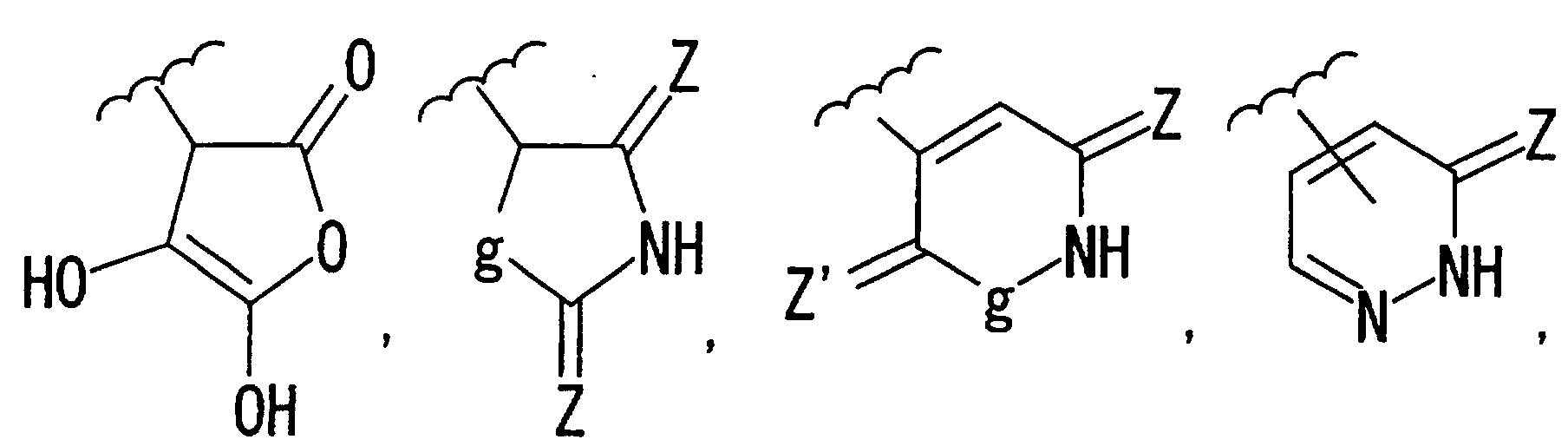
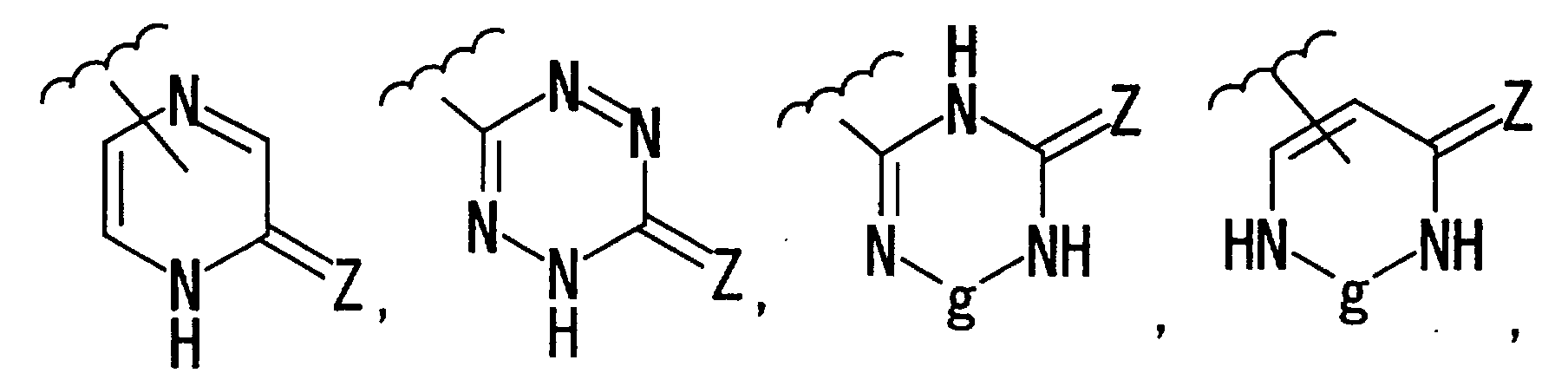
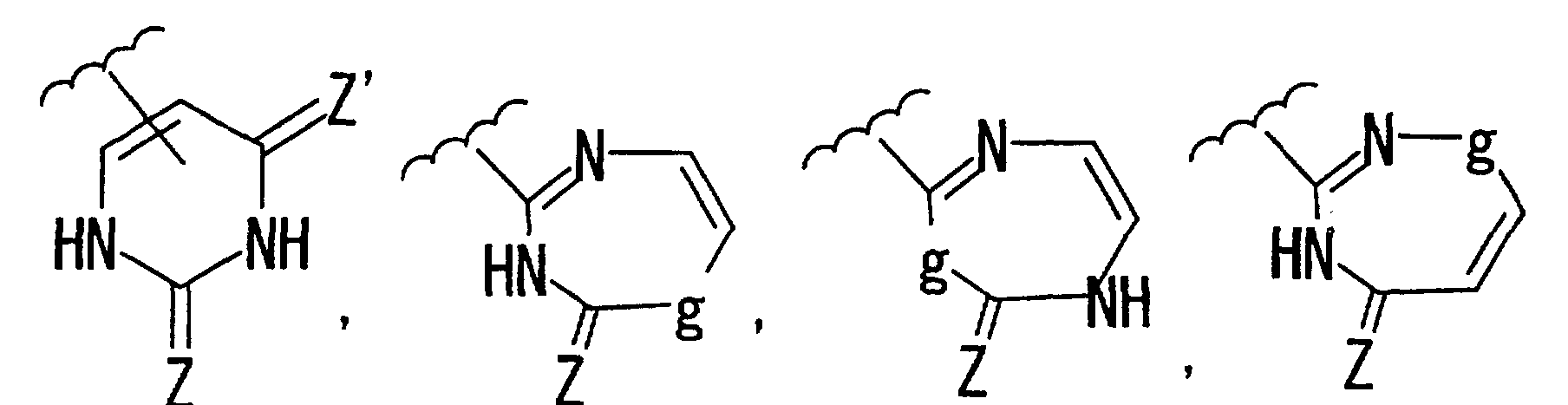
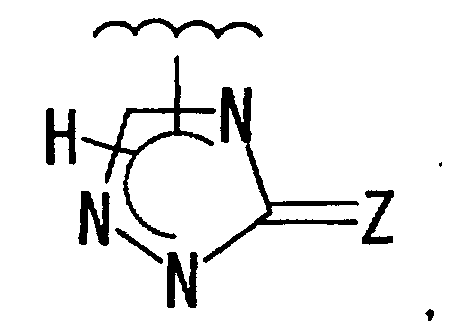
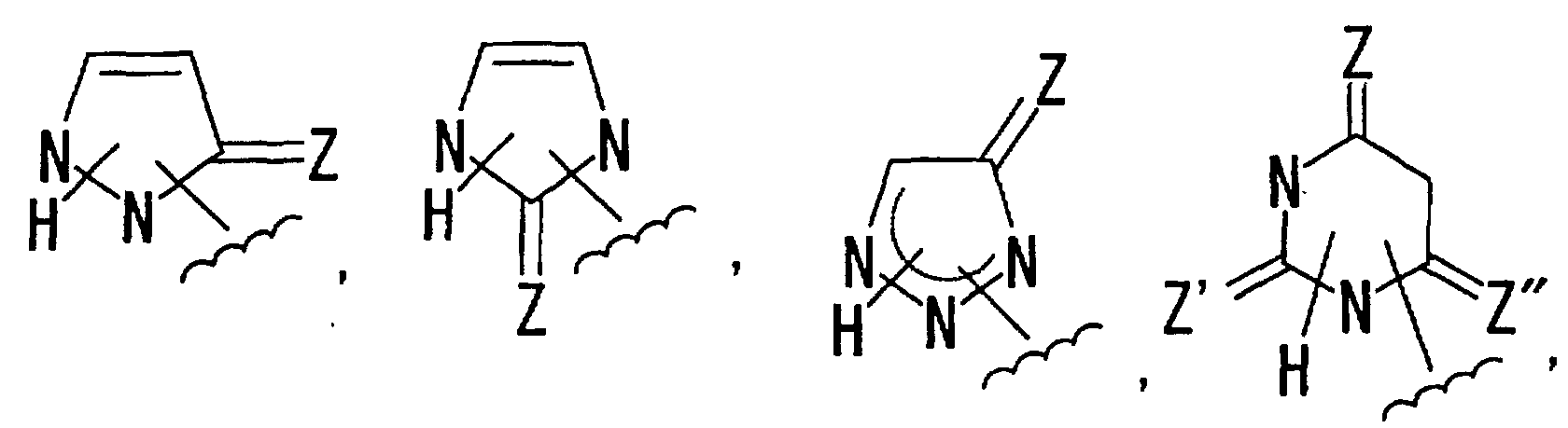
- the group capable of forming an anion (a group having a hydrogen atom capable of leaving as a proton) as R 1 include, for example, (1) a carboxyl group, (2) a tetrazolyl group, (3) a trifluoromethanesulfonic acid amido group (-NHSO 2 CF 3 ), (4) a phosphono group, (5) a sulfo group, (6) an optionally substituted 5- to 7-membered (preferably 5- to 6-membered) monocyclic heterocyclic ring residue which contains one or more of N, S and O, etc.
- Examples of the above “optionally substituted 5-to 7-membered (preferably 5- to 6-membered) monocyclic heterocyclic ring residue which contains one or more of N, S and O" include etc.
- the chemical bond between the heterocyclic ring residue represented by R 1 and the phenyl group to which said heterocyclic ring residue binds may be a carbon-carbon bond as shown above, or a nitrogen-carbon bond via one of the several nitrogen atoms when the symbol g is -NH-, etc. in the above formulas.
- R 1 when R 1 is represented by the formula: its specific embodiments are Other examples of R 1 binding through a nitrogen atom include etc. etc. oxidized sulfur atom (e.g., S, S(O), S(O) 2 , etc.) (preferably a carbonyl group or a thiocarbonyl group, more preferably carbonyl group); and m is an integer of 0, 1 or 2.
- oxidized sulfur atom e.g., S, S(O), S(O) 2 , etc.
- m is an integer of 0, 1 or 2.
- Preferred examples of the heterocyclic ring residue represented by R 1 include a heterocyclic ring residue simultaneously having -NH- or -OH group as proton donor and a carbonyl group, a thiocarbonyl group, a sulfinyl group, etc. as proton aceptor, such as an oxadiazolone ring, an oxadiazolothione ring or an thiadiazolone ring, etc.
- heterocyclic ring residue represented by R 1 may form a condensed ring by connecting the substituents on the heterocyclic ring, it is preferably 5-to 6-membered ring residue, more preferably 5-membered ring residue.
- heterocyclic ring residue (R 1 ) have the following tautomeric isomers.
- Z is 0 and g is 0, the three tautomeric isomers a', b' and c' exist and a group of the formula: include all of the above a', b' and c'.
- the group capable of forming an anion as R 1 may be protected by an optionally substituted lower (C 1-4 ) alkyl group, an acyl group (e.g., lower (C 2-5 ) alkanoyl, benzoyl, etc.), etc. at its possible position.
- an optionally substituted lower (C 1-4 ) alkyl group an acyl group (e.g., lower (C 2-5 ) alkanoyl, benzoyl, etc.), etc. at its possible position.
- Examples of the optionally substituted lower (C 1- 4 ) alkyl group include (1) a lower (C 1-4 ) alkyl group optionally substituted with one to three phenyl groups which may have halogen atom, nitro, lower (C 1-4 ) alkyl, lower (C 1-4 ) alkoxy, etc.
- R 4 is (a) a hydrogen, (b) a straight or branched lower C 1-6 alkyl group (e.g., methyl, ethyl, n-propyl, isopropyl, n-butyl, isobutyl, t-butyl, n-pentyl, isopentyl, neopentyl, etc.), (c) a straight or branched lower C 2-6 alkenyl group or (d) a C 3-8 cycloalkyl group (e.g., cyclopentyl, cycl
- alkenyl moiety such as vinyl, propenyl, allyl, isopropenyl, etc.
- an optionally substituted aryl group e.g., a phenyl group, a naphthyl group, etc., optionally having a halogen atom, a nitro, a lower (C 1-4 ) alkyl, a lower (C 1-4 ) alkoxy, etc.
- a straight or branched lower C 1-6 alkoxy group e.g., methoxy, ethoxy, n-propoxy, isopropoxy, n-butoxy, isobutoxy, sec-butoxy, t-butoxy, n-pentyloxy, isopentyloxy, neopentyloxy, etc.
- a straight or branched lower C 2-8 alkenyloxy group e.g
- a lower C 2-3 alkenyloxy group substituted with a C 3-8 cycloalkyl e.g., cyclopentyl, cyclohexyl, cycloheptyl, etc.
- an optionally substituted aryl group e.g., a phenyl group or a naphthyl group, etc., optionally having a halogen atom, a nitro, a lower (C 1-4 ) alkyl, a lower (C 1-4 ) alkoxy, etc.
- cinnamyloxy etc.
- an alkenyloxy moiety such as vinyloxy, propenyloxy, allyloxy, isopropenyloxy, etc. or (k) an optionally substituted aryloxy group (e.g., a phenoxy group, a naphthoxy group, etc., optionally having a halogen atom, a nitro, a lower (C 1-4 ) alkyl, a lower (C 1-4 ) alkoxy, etc.) such as phenoxy, p-nitrophenoxy, naphthoxy, etc.; etc.
- aryloxy group e.g., a phenoxy group, a naphthoxy group, etc., optionally having a halogen atom, a nitro, a lower (C 1-4 ) alkyl, a lower (C 1-4 ) alkoxy, etc.
- the group capable of forming an anion as R 1 may be substituted, in addition to the above protective group such as an optionally substituted lower (C 1-4 ) alkyl group or an acyl group (e.g., lower (C 2-5 ) alkanoyl, benzoyl, etc.), etc., with an optionally substituted lower (C 1-4 ) alkyl group (e.g.
- an optionally substituted lower (C 1-4 ) alkyl group similar to the "optionally substituted lower (C 1-4 ) alkyl group" exemplified as a protective group for the above group capable of forming an anion as R 1 ), a halogen atom, a nitro, a cyano, a lower (C 1-4 ) alkoxy, an amino optionally substituted with 1 to 2 lower (C 1-4 ) alkyl groups, etc., at the possible position.
- the group convertible into the group capable of forming an anion (a group having a hydrogen atom capable of leaving as proton) as R 1 may be a group convertible into a group capable of forming an anion under biological or physiological conditions (for example, in vivo reaction, etc. such as oxidation, reduction, hydrolysis, etc.
- C 1-4 alkyl e.g., methyl, triphenylmethyl, methoxymethyl, ethoxymethyl, p-methoxybenzyl, p-nitrobenzyl, etc.
- an acyl group e
- X shows that the phenylene group is bonded to the adjacent phenyl group directly or through a spacer with an atomic chain of 2 or less (preferably directly).
- n is an integer of 1 or 2 (preferably 1).
- the ring A may have, in addition to the group R 2 , another substituent, for example, (1) halogen (e.g., F, Cl, Br, etc.), (2) cyano, (3) nitro, (4) an optionally substituted lower (C 1-4 ) alkyl, (5) a lower (C 1-4 ) alkoxy, (6) an optionally substituted amino group (e.g., amino, N-lower (C 1-4 ) alkylamino (e.g., methylamino, etc.), N,N-di-lower (C 1-4 ) alkylamino (e.g., dimethylamino, etc.), N-arylamino (e.g., phenylamino, etc.), alicyclic amino (e.g., morpholino, piperidino, piperazino, N-phenylpiperazino, etc.), etc.), (7) a group of the formula: -CO-D' wherein D' is
- substituents for the benzene ring represented by A include an optionally substituted lower (C 1-4 ) alkyl (e.g., a lower (C 1-4 ) alkyl, etc. optionally substituted with a hydroxy group, a carboxyl group, a halogen, etc.), a halogen , etc.
- a benzene ring having no substituent in addition to the group R 2 is preferable.
- examples of the group capable of forming an anion (a group having a hydrogen atom capable of leaving as proton) as R 2 include (1) an optionally esterified or amidated carboxyl group, (2) a tetrazolyl group, (3) a trifluoromethanesulfonic acid amido group (-NHSO 2 CF 3 ), (4) a phosphono group, (5) a sulfo group, etc., each of which may be protected with an optionally substituted lower alkyl group (e.g.
- an optionally substituted lower (C 1-4 ) alkyl group similar to the "optionally substituted lower (C 1-4 ) alkyl group" exemplified as a protective group for the above group capable of forming an anion as R 1 ) or an acyl group (e.g., lower (C 2-5 ) alkanoyl, benzoyl, etc.), or any one of the groups capable of converting thereinto under biological or physiological conditions (for example, in vivo reaction, etc. such as oxidation, reduction, hydrolysis, etc. by in vivo enzyme, etc.), or chemically.
- an optionally substituted lower (C 1-4 ) alkyl group similar to the "optionally substituted lower (C 1-4 ) alkyl group" exemplified as a protective group for the above group capable of forming an anion as R 1 ) or an acyl group (e.g., lower (C 2-5 ) alkanoyl, benzoyl, etc.), or any one of the
- Examples of the optionally esterified or amidated carboxyl as R 2 include a group of the formula: -CO-D wherein D is (1) a hydroxy group, (2) an optionally substituted amino (for example, amino, N-lower (C 1-4 ) alkylamino, N,N-di-lower (C 1-4 ) alkylamino, etc.) or (3) an optionally substituted alkoxy [e.g., (i) a lower (C 1-6 ) alkoxy group whose alkyl moiety is optionally substituted with a hydroxy group, an optionally substituted amino (e.g., amino, N-lower (C 1-4 ) alkylamino, N,N-di-lower (C 1-4 ) alkylamino, piperidino, morpholino, etc.), a halogen, a lower (C 1-6 ) alkoxy, a lower (C 1-6 ) alkylthio, a lower (C 3-8 ) cycl
- alkenyl moiety such as vinyl, propenyl, allyl, isopropenyl, etc.
- an optionally substituted aryl group e.g., a phenyl group, a naphthyl group, etc., optionally having a halogen atom, a nitro, a lower (C 1-4 ) alkyl, a lower (C 1-4 ) alkoxy, etc.
- a straight or branched lower C 1-6 alkoxy group e.g., methoxy, ethoxy, n-propoxy, isopropoxy, n-butoxy, isobutoxy, sec-butoxy, t-butoxy, n-pentyloxy, isopentyloxy, neopentyloxy, etc.
- a straight or branched lower C 2-8 alkenyloxy group e.g
- a lower C 2-3 alkenyloxy group substituted with a C 3-8 cycloalkyl e.g., cyclopentyl, cyclohexyl, cycloheptyl, etc.
- an optionally substituted aryl group e.g., a phenyl group or a naphthyl group, etc., optionally having a halogen atom, a nitro, a lower (C 1-4 ) alkyl, a lower (C 1-4 ) alkoxy, etc.
- cinnamyloxy etc.
- an optionally substituted aryloxy group e.g., a phenoxy group, a naphthoxy group, etc., optionally having a halogen atom, a nitro, a lower (C 1-4 ) alkyl, a lower (C 1-4 ) alkoxy, etc.
- aryloxy group e.g., a phenoxy group, a naphthoxy group, etc., optionally having a halogen atom, a nitro, a lower (C 1-4 ) alkyl, a lower (C 1-4 ) alkoxy, etc.
- an optionally esterified carboxyl is preferable, and its specific examples include -COOH and a salt thereof, -COOMe, -COOEt, -COOtBu, -COOPr, pivaloyloxymethoxy-carbonyl, 1-(cyclohexyloxycarbonyloxy) ethoxycarbonyl, 5-methyl-2-oxo-1,3-dioxolen-4-ylmethoxycarbonyl, acetoxymethoxycarbonyl, propionyloxymethoxycarbonyl, n-butyryloxymethoxycarbonyl, isobutyryloxymethoxycarbonyl, 1-(ethoxycarbonyloxy)ethoxycarbonyl, 1-(acetoxy)-ethoxycarbonyl, 1-(isobutyryloxy)ethoxycarbonyl, cyclohexylcarbonyloxymethoxycarbonyl, benzoyloxymethoxycarbonyl, cinnamy
- the group R 2 may be any one of the groups capable of forming an anion under biological or physiological conditions (for example, in vivo reaction, etc. such as oxidation, reduction, hydrolysis, etc. by in vivo enzyme, etc.), the groups capable of chemically forming an anion (e.g., COO-, its derivative, etc.) or the groups capable of converting thereinto.
- the group R 2 may be a carboxyl group or its pro-drug.
- Preferred examples of the group R 2 include a group of the formula: -CO-D wherein D is (1) a hydroxy group or (2) a lower (C 1-4 ) alkoxy whose alkyl moiety is optionally substituted with a hydroxy group, an amino, a halogen , a lower (C 2-6 ) alkanoyloxy (e.g., acetoxy, pivaloyloxy , etc.), a lower (C 3-8 ) cycloalkanoyloxy, a lower (C 1-6 ) alkoxy-carbonyloxy (e.g., methoxycarbonyloxy, ethoxycarbonyloxy, etc.), a lower (C 3-8 ) cycloalkoxycarbonyloxy (e.g., cyclohexyloxycarbonyloxy, etc.), a lower (C 1-4 ) alkoxy or a lower (C 3-8 ) cycloalkoxy.
- D is (1) a hydroxy group or
- examples of the "hydrocarbon residue" in the "optionally substituted hydrocarbon residue which may bind through a hetero-atom” represented by R 3 include (1) an alkyl group, (2) an alkenyl group, (3) an alkynyl group, (4) an cycloalkyl group, (5) an aryl group, (6) an aralkyl group, etc.
- an alkyl group, an alkenyl group and a cycloalkyl group are preferable.
- alkyl group of the above mentioned (1) examples include straight or branched lower alkyl group having about 1-8 carbon atoms such as methyl, ethyl, propyl, isopropyl, butyl, isobutyl, sec-butyl, t-butyl, pentyl, i-pentyl, hexyl, heptyl, octyl, etc.
- alkenyl group of the above mentioned (2) examples include straight or branched lower alkenyl group having about 2-8 carbon atoms such as vinyl, propenyl, 2-butenyl, 3-butenyl, isobutenyl, 2-octenyl, etc.
- alkynyl group of the above mentioned (3) examples include straight or branched lower alkynyl group having about 2-8 carbon atoms such as ethynyl, 2-propynyl, 2-butynyl, 2-pantynyl, 2-octynyl, etc.
- Examples of the cycloalkyl group of the above (4) include a lower cycloalkyl having about 3-6 carbon atoms, such as cyclopropyl, cyclobutyl, cyclopentyl, cyclohexyl, etc.
- Each of the above-described alkyl group, alkenyl group, alkynyl group and cycloalkyl group may be substituted with hydroxy group, an optionally substituted amino group (e.g., amino, N-lower (C 1-4 ) alkylamino, N,N-di-lower (C 1-4 ) alkylamino, etc.), halogen , lower (C 1-4 ) alkoxy group, lower (C 1-4 ) alkylthio group, etc.
- an optionally substituted amino group e.g., amino, N-lower (C 1-4 ) alkylamino, N,N-di-lower (C 1-4 ) alkylamino, etc.
- halogen lower (C 1-4 ) alkoxy group
- lower (C 1-4 ) alkylthio group etc.
- Examples of the aralkyl group of the above (5) include a phenyl-lower (C 1-4 ) alkyl, etc., such as benzyl, phenethyl, etc.
- Examples of the aryl group of the above (6) include phenyl, etc.
- Each of the above-described aralkyl group and aryl group may be substituted, at any possible position on the benzene ring, with a halogen (e.g., F, Cl, Br, etc.), a nitro, an optionally substituted amino group (e.g., amino, N-lower (C 1-4 ) alkylamino, N,N-di-lower (C 1-4 ) alkylamino, etc.), a lower (C 1-4 ) alkoxy (e.g., methoxy, ethoxy, etc.), a lower (C 1-4 ) alkylthio (e.g., methylthio, ethylthio, etc.), a lower (C 1-4 ) alkyl (e.g., methyl, ethyl, etc.), etc.
- a halogen e.g., F, Cl, Br, etc.
- a halogen e.g., F, Cl, Br
- Preferred examples of the "optionally substituted hydrocarbon residue" in the "optionally substituted hydrocarbon residue which may bind through a hetero-atom” represented by R 3 include an optionally substituted alkyl or alkenyl group (e.g., a lower (C 1-5 ) alkyl or a lower (C 2- 5 ) alkenyl group, each of which may be substituted with a hydroxy group, an amino group, a halogen, a lower (C 1-4 ) alkoxy group, etc.).
- a lower (C 1-5 ) alkyl is preferable.
- hetero-atom in the "optionally substituted hydrocarbon residue which may bind through a hetero-atom” represented by R 3
- R 3 Preferred examples of the "hetero-atom" in the "optionally substituted hydrocarbon residue which may bind through a hetero-atom” represented by R 3 include -O-, -S(O)m- [m is an integer of 0-2], -NR'- [R' is a hydrogen atom or a lower (C 1-4 ) alkyl], etc.
- -O- is preferable.
- R 3 a lower (C 1-5 ) alkyl or a lower (C 2-5 ) alkenyl group, each of which may be substituted with a substituent selected from the class consisting of a hydroxy group, an amino group, a halogen and a lower (C 1-4 ) alkoxy group and which may bind through -O-, -S(O)m- [m is an integer of 0-2] or -NR'- [R' is a hydrogen atom or a lower (C 1-4 ) alkyl], etc. is preferable and a lower (C 1-5 ) alkyl or lower (C 1-5 ) alkoxy (in particular, ethoxy) is more preferable.
- the ring A is a benzene ring having an optional substituent selected from the class consisting of an optionally substituted lower (C 1-4 ) alkyl (e.g., a lower (C 1-4 ) alkyl optionally substituted with a hydroxy group, a carboxyl group, a halogen, etc.) and a halogen, in addition to the group R 2 (preferably, a benzene ring having no substituent in addition to the group R 2 );
- R 2 is a group of the formula:
- 2-ethoxy-1-[[2'-(1H-tetrazol-5-yl)biphenyl-4-yl]methyl]benzimidazole-7-carboxylic acid [Candesartan], 1-(cyclohexyloxycarbonyloxy)ethyl 2-ethoxy-1-[[2'-(1H-tetrazol-5-yl)biphenyl-4-yl]methyl]benzimidazole-7-carboxylate [Candesartan cilexetil], pivaloyloxymethyl 2-ethoxy-1-[[2'-(1H-tetrazol-5-yl)biphenyl-4-yl]methyl]benzimidazole-7-carboxylate, 2-ethoxy-1-[[2'-(2,5-dihydro-5-oxo-1,2,4-oxadiazol-3-yl)biphenyl-4-yl]methyl]benzimidazole-7-carboxylic acid, or
- benzimidazole derivative can be produced by known methods described in, for example, EP-425921, EP-459136, EP-553879, EP-578125, EP-520423, EP-668272, etc. or a method analogous thereto.
- Candesartan cilexetil is used for the present invention, a stable C-type crystal described in EP-459136 is preferably used.
- the compound having angiotensin II antagonistic activity or a pro-drug thereof may be distinct entity or in the form of any possible pharmaceutically acceptable salts thereof.
- salts examples include a salt with inorganic bases (e.g., alkaline metals such as sodium, potassium, etc.; alkaline earth metals such as calcium, magnesium, etc.; transition metal such as zinc, iron, copper, etc.; etc.); organic bases (e.g., organic amines such as trimethylamine, triethylamine, pyridine, picoline, ethanolamine, diethanolamine, triethanolamine, dicyclohexylamine, N,N'-dibenzylethylenediamine, etc.; basic amino acids such as arginine, lysine, ornithine, etc.; etc.); etc., when said compound having angiotensin II antagonistic activity has an acidic group such as a carboxyl group, etc.; and a salt with inorganic acids or organic acids (e.g., hydrochloric acid, nitric acid, sulfuric acid, phosphoric acid, carbonic acid, bicarbonic acid, formic acid, acetic acid, prop
- the pro-drug of the compound having angiotensin II antagonistic activity means a compound which is converted to All antagonist under the physiological condition or with a reaction due to an enzyme, an gastric acid, etc. in the living body, that is, a compound which is converted to All antagonist with oxidation, reduction, hydrolysis, etc. according to an enzyme; a compound which is converted to All antagonist with gastric acid, etc.; etc.
- Examples of the pro-drug of the All antagonist include a compound wherein an amino group of the All antagonist is substituted with acyl, alkyl, phosphoric acid, etc. (e.g. a compound wherein an amino group of the All antagonist is substituted with eicosanoyl, alanyl, pentylaminocarbonyl, (5-methyl-2-oxo-1,3-dioxolen-4-yl)methoxycarbonyl, tetrahydrofuranyl, pyrrolidylmethyl, pivaloyloxymethyl, tert-butyl, etc.); a compound wherein an hydroxy group of the All antagonist is substituted with acyl, alkyl, phosphoric acid, boric acid, etc.
- a compound wherein an hydroxy group of the All antagonist is substituted with acetyl, palmitoyl, propanoyl, pivaloyl, succinyl, fumaryl, alanyl, dimethylaminomethylcarbonyl, etc.
- a compound wherein a carboxyl group of the AII antagonist is modified with ester, amide, etc.
- a compound wherein a carboxyl group of the AII antagonist is modified with ethyl ester, phenyl ester, carboxymethyl ester, dimethylaminomethyl ester, pivaloyloxymethyl ester, ethoxycarbonyloxyethyl ester, phthalidyl ester, (5-methyl-2-oxo-1,3-dioxolen-4-yl)methyl ester, cyclohexyloxycarbonylethyl ester, methyl amide, etc.); etc.
- pro-drug can be produced by per se known method from the AII antagonist.
- the pro-drug of the AII antagonist may be a compound which is converted into the All antagonist under the physiological conditions as described in "Pharmaceutical Research and Development", Vol. 7 (Drug Design), pages 163-198 published in 1990 by Hirokawa Publishing Co. (Tokyo, Japan).
- AII antagonist may be hydrate or non-hydrate
- suitable physicochemical properties of the compound having angiotensin II antagonistic activity for the percutaneous absorption preparation include adequate solubility in water (0.005-10mg/L) and adequate partition ratio in oil (water/octanol partition coefficient: 0.05-10,000) so that a drug is released from the preparation at a suitable rate and distributed to skin and finally absorbed into a systemic circulation.
- the percutaneous absorption preparation of the present can be produced according to a generally-used conventional process for production of a percutaneous absorption preparation, or a modification thereof.
- a dosage form in the percutaneous absorption preparation of the present invention preferred is, for example, a form which is convenient in handling, and has excellent adhesiveness to skin and excellent percutaneous absorbability in occlusive dressing technique.
- a form so-called "adhesive" having adhesiveness at room temperature as a base of the skin contacting base.
- a patch skin patch, etc.
- backing layer an adhesive layer formed on one side of the support (backing layer) from the viewpoint of the easy handling.
- a percutaneous absorption preparation which has the skin contacting base comprising the compound having angiotensin II antagonistic activity as the active ingredient is preferred.
- the skin contacting base is combined with the support (backing layer).
- One side of the skin contacting base, which is not in contact with the support(backing layer), may be protected with a protection such as a release liner or by being rolled
- the skin contacting base may not have adhesion.
- the preparation may be fixed with a tape, etc. to be in contact with the skin.
- said skin contacting base is mainly composed of the compound having angiotensin II antagonistic activity which is an active ingredient, an adhesive and a skin permeability regulator.
- the skin contacting base may also contain stabilizers, drug dissolution enhancers, antibiotics, filler, etc. as required.
- the above-described adhesive is composed of a conventional pharmaceutical adhesive such as (meth)acrylic adhesive, rubber adhesive, silicone adhesive, which has adhesion at room temperature and does not cause a skin rash by hurting corneum when it is brought into contact with the skin.
- (meth)acrylic adhesive is most preferred since it does not have chemical reactivity and is qualitatively stable and has excellent air permeability and adhesiveness.
- (meth)acrylic adhesive self cross-linking (meth)acrylic copolymer containing soft segments and hard segments may be used.
- a copolymer which is obtained by copolymerization of about 50 to about 80% by weight of (meth)acrylate ester and about 20 to about 50% by weight of one or more copolymerizable monomers, is used.
- an ester obtained from acrylic acid or methacrylic acid and a primary to tertiary alcohol having 2-18 carbon atoms( preferably 4-12 carbon atoms) may be used.
- the (meth)acrylic adhesive include copolymers of 2-hexyl acrylate and acrylic acid, those of 2-ethylhexyl acrylate and hydroxyethyl acrylate, those of 2-ethylhexyl acrylate and vinyl pyrrolidone, those of 2-ethylhexyl acrylate and 2-methoxyethyl acrylate, those of 2-ethylhexyl acrylate, vinyl pyrrolidone and acrylic acid, etc.
- natural rubber adhesive natural rubber, synthetic isoprene rubber, polyisobutylene, polyvinyl ether, polyurethane, polybutadiene, styrene-butadiene copolymer, styrene-isoprene copolymer, etc. can be used.
- silicone rubber such as polyorganosiloxane can be used.
- the copolymerizable monomer the monomer having in its molecule at least one unsaturated double bond which takes part in the copolymerization reaction and in its side chain a functional group such as hydroxy group, carboxyl group, amide group, amino group, etc. can be used.
- Examples of the monomers having in its side chain a hydroxy group include 2-hydroxyethyl (meth)acrylate, hydroxypropyl (meth)acrylate, etc.
- Examples of the monomers having in its side chain a carboxyl group include ⁇ - ⁇ unsaturated carboxylic acid such as (meth)acrylic acid, etc.; mono alkyl ester of maleic acid such as butyl maleate, etc.; maleic acid; fumaric acid; crotonic acid; etc.
- Examples of the monomers having in its side chain an amide group include alkyl(meth)acrylamide such as acrylamide, dimethylacrylamide, diethylacrylamide, etc.; alkyl ether of methylol(meth)acrylamide such as butoxymethylacrylamide, ethoxymethylacrylamide, etc.; diacetoneacrylamide; vinyl pyrrolidone; etc.
- alkyl(meth)acrylamide such as acrylamide, dimethylacrylamide, diethylacrylamide, etc.
- alkyl ether of methylol(meth)acrylamide such as butoxymethylacrylamide, ethoxymethylacrylamide, etc.
- diacetoneacrylamide vinyl pyrrolidone
- Examples of the monomers having in its side chain an amino group include dimethylamino acrylate, etc.
- polymerisable monomers other than the above-described monomers, (meth)acrylonitrile, vinyl acetate, vinyl propionate, N-vinyl-2-pyrrolidone, methyl vinyl pyrrolidone, vinyl pyridine, vinyl piperidone, vinyl pyrimidine, vinyl pyrazine, vinyl pyrrole, vinyl imidazole, vinyl caprolactam, vinyl oxazole, vinyl morpholine, etc. can be used.
- One or more of the above mentioned polymerizable monomers may be copolymerized.
- they contains as an essential ingredient at least one monomer selected from carboxyl group-containing monomer and hydroxyl group-containing monomer.
- this monomer is used within a range of about 1 to about 50% by weight, preferably about 3 to about 20% by weight for polymerization with (meth)acrylate ester.
- the other above exemplified monomer for example, vinyl monomer such as vinyl acetate or N-vinyl-2- pyrrolidone
- vinyl monomer such as vinyl acetate or N-vinyl-2- pyrrolidone
- (meth)acrylate ester within a range of less about than 40% by weight, preferably about 30% by weight.
- a copolymer mainly composed of the above-described (meth)acrylate may be prepared by solution polymerization in which the above mentioned monomer is added in the presence of the polymerization initiator.
- ethyl acetate or an other polymerization solvent may be added to certain amount of monomers, and they may be reacted in a mixer and a reactor with a reflux condenser, in the presence of the initiator such as an azobis initiator or a peroxide initiator under a nitrogen gas atmosphere at about 70°C to about 90°C for about 8 to about 40 hr.
- the monomers may be added all together or in parts.
- a ratio of (meth)acrylate ester in components of the copolymer mainly composed of the above-described (meth)acrylate ester is more than 50% by weight.
- azobis initiator examples include 2,2-azobis-iso-butyronitrile, 1,1'-azobis(cyclohexane-1-carbonitrile), 2,2'- azobis(2,4-dimethylvaleronitrile), etc.
- peroxide initiator examples include lauroyl peroxide, benzoyl peroxide, di-tert-butyl peroxide, etc.
- rubber adhesive natural rubber, synthetic isoprene rubber, polyisobutylene, polyvinylether, polyurethane, polybutadiene, stylene-butadiene copolymer, stylene-isoprene copolymer, etc. can be used.
- silicone rubber such as polyorganosiloxane, etc. can be used.
- the above-described skin permeability regulators are materials which can mainly acts on a corneum which is present on the surface of the skin and enhances and maintain drug permeation through the corneum ,resulting of control of the drug absorption rate. Any material can be used for the skin permeability regulator in so for as it functions as mentioned above. Preferable, a permeation enhancer through the skin is used for an efficient percutaneous absorption of a drug.
- the corneum is made of multi-layered cellular membranes composed of lipid bilayers which are produced as the result of a metabolism of surface cells, thereby preventing a harmful material from ready permeation into the body. This is a reason why drugs are difficult to. be percutaneously absorbed by a normal method. Therefore, a main target of the skin permeability regulator is a lipid bilayer.
- the percutaneous absorption preparation of the present invention comprise one or more regulators selected from the following three regulators (A), (B) and (C), preferably three regulators of (A), (B) and (C):
- Examples of the above-described fatty acids of 6 to 22 carbons include those of 6 to 22 (preferably 10 to 22, more preferably 10 to 20) carbons such as caproic acid, enanthic acid, caprylic acid, capric acid, oleic acid, lauric acid, undecylenic acid, myristic acid, isostearic acid, linolic acid, palmitic acid, margaric acid, stearic acid, hexadecenoic acid, etc.
- Examples of the above-described alcohols of 1 to 12 carbons include methyl alcohol, ethyl alcohol, propanol, isopropanol, butanol, t-butanol, hexanol, octanol, etc.
- Said fatty acid means the same as that above-described fatty acid which is obtained naturally or synthetically.
- examples of the above-described fatty acid ester include isopropyl adipate, isopropyl myristate, diester of sebacic acid, isopropyl palmitate, isopropyl stearate, butyl stearate, octyldodecyl myristate, butyl myristate, hexyl laurate, octyl palmitate, ethyl oleate, etc.
- preferred are isopropyl myristate, isopropyl palmitate, butyl myristate, diethyl sebacate, etc.
- isopropyl myristate is preferred.
- polyols examples include low molecular weight glycols such as ethylene glycols (e.g., ethylene glycol, diethylene glycol, triethylene glycol, etc.), glycerin, propylene glycol, 1,3-butylene glycol, etc.; high molecular weight glycols, the molecular weight of which is about 200 to about 6,000, such as polyethylene glycol, polypropylene glycol, etc.; high molecular weight etc.
- preferred are ethylene glycol (ethylene glycol, etc.), propylene glycol , polyethylene glycol, 1,3-butylene glycol , glycerin, etc.
- propylene glycol is preferred.
- nonionic surfactant examples include polyoxyethylene sorbitan fatty acid ester, polyoxyethylene fatty acid ester, polyoxyethylene glyceryl fatty acid ester, polyoxyethylene alkylether, polyoxyethylene alkylarylether, glyceryl monooleate, glyceryl monolaurate, glyceryl monostearate, sorbitan monomyristate, sorbitan monopalmitate, sorbitan monooleate, polyoxyethylene (5) sorbitan monooleate, polyoxyethylene (20) sorbitan monooleate, polyoxyethylene, castor oil derivative, block copolymer type nonionic surfactant (Pluronic L-62,L-64,F-68),etc., polyol fatty acid ester (e.g., glyceryl monooleate, glyceryl monolaurate, glyceryl monostearate, glyceryl monomyristate, glyceryl mono
- a fatty acid amide, a polyol fatty acid ester, or a polyglyceryl fatty acid ester is preferred.
- a fatty acid amide is more preferred.
- lauric acid diethanol amide or a material containing the same (a skin permeability regulator including the same), etc. is preferred.
- coconut fatty acid diethanol amide, or so on is more preferred.
- antioxidants may be added to the preparation of the present invention in addition to the above mentioned additives.
- antioxidants examples include vitamin E, vitamin C, etc.
- filler examples include china clay, bentonite, titanium dioxide, etc.
- Examples of the above-described above described drug solubilizing agent include ⁇ -cyclodextrin ⁇ - cyclodextrin, ⁇ -cyclodextrin, etc.
- antibiotics examples include benzalkonium chloride, benzoic acid, methylparahydroxybenzoate, etc.
- Examples of the above-described reducer of skin irritation include silicic anhydride, etc.
- absorbability regulator may also be added.
- the other absorbability regulator include polyprenyl azacycloalkane (e.g., 1-dodecylazacycloheptan-2-one, etc.), oil (e.g., olive oil, castor oil, ojoba oil, corn embryo oil, sunflower oil, coconut oil, squalane, squalene, orange oil, and mineral oil, etc.), etc.
- Preferred skin permeability regulator contains one or more components selected from fatty acid esters, polyols and nonionic surfactants. And, most preferred skin permeability regulator is composed of a fatty acid ester, a polyol and a nonionic surfactant.
- a preferred fatty acid ester is isopropyl myristate, isopropyl palmitate, butyl myristate, or diethyl sebacate.
- the most preferred fatty acid is isopropyl myristate.
- preferred polyol is ethylene glycol, propylene glycol, 1,3-butylene glycol, polyethylene glycol or glycerin.
- the most preferred polyol is propylene glycol.
- a preferred nonionic surfactant is a fatty acid amide, a polyol fatty acid ester or a poly glycerin fatty acid ester.
- the most preferred nonionic surfactant is a fatty acid amide.
- the most preferred fatty acid amide is lauric acid diethanol amide or a material containing the same.
- the most preferred fatty acid amide is coconut fatty acid diethanol amide.
- the preparation according to the present invention increases solubility of the compound having angiotensin II antagonistic activity in the skin contacting base, thereby increasing the rate of release from the preparation.
- a ratio is preferably determined so that the function of skin permeability regulator prevail well and the compound having angiotensin II antagonistic activity is more likely to permeable.
- a weight ratio of the fatty acid ester, the polyol or the nonionic surfactant in the skin contacting base is preferably 0 to 70% by weight, more preferably 1 to 30% by weight, respectively.
- the weight ratio of the fatty acid ester, the polyol or the nonionic surfactant in the skin contacting base is preferably 1 to 30% by weight, 1 to 30% by weight and 1 to 15% by weight, respectively.
- a ratio of added polyol is 1/10 to 10 times (more preferably 1/2 to 5 times, most preferably 1) of the weight of the fatty acid ester.
- a ratio of added nonionic surfactant is 1/50 to 10 times (more preferably 1/20 to 2 times, most preferably 1/4) of the weight of the added fatty acid ester.
- the content of the adhesive for the skin contacting base is about 5 to about 99% by weight (preferably about 5 to about 98% by weight), more preferably about 10 to about 60% by weight, further more preferably about 20 to about 50% by weight.
- substances such as the above-described antioxidant, filler, drug solubilizing agent, antibiotics, etc. may be added as other components. These components are used within a range that they do not reduce the adhesion of the skin contacting base and the function of the skin permeability regulator. The amount of them is about 0.01 to about 50% by weight, preferably about 1 to about 20% by weight, more preferably about 1 to about 10% by weight.
- a patch which is an embodiment of the preparation of the present invention, is obtained by fixing a support(backing layer) on one surface of the adhesive layer and fixing a release liner on another surface thereof.
- Any support (backing layer) of the patch may be used provided that it can make the skin sweaty by suppressing vaporization of water required for efficient permeation of the active component in the preparation of the present invention after administration and a patient can easily apply the preparation to his or her skin and without feeling incompatibility despite of long-term application (i.e., it has appropriate thickness to apply to the skin).
- the support examples include polyethylene film, polypropylene film, cellulose acetate film, ethyl cellulose film, polyethylene terephthalate film, vinyl acetate-vinyl chloride copolymer film, plastic poly vinyl chloride film, polyurethane film, polyolefin film, and polyvinylidence chloride film, which thickness is about 50 to about 200 ⁇ m, and aluminum foil, etc. These may be used as monolayer sheet (film) as well as laminated sheet. And, a woven fabric or a nonwoven fabric may be also used for the support made of a material other than aluminum foil.
- the release liner is used as "a cover" for preventing the active components in the percutaneous absorption preparation of the present invention from contamination caused by contacting with other things and from being scraped and loosed before use.
- any release liners can be used provided that the patient can peal it off at the time of use, and a condition of the skin contacting base after pealing is maintained to be the same as that before covering with the release liner.
- Example thereof include siliconized polyethylene terephthalate film, paper, polyester, low-density polyethylene, high-density polyethylene, polypropylene, polystyrene, polyamide, nylon, poly vinyl chloride, etc., which is about 50 to about 100 ⁇ m in thickness, are exemplified.
- the skin contacting base may be also formed by dissolving a composition comprising the adhesive, the skin permeability regulator and the compound having angiotensin II antagonistic activity in an appropriate solvent; laying the resulting adhesive solution on the support (backing layer); and drying to remove the solvent.
- a patch which is one embodiment of the present invention, is prepared by methods like as follows; a skin contacting base is applied on a support, then a release liner is put on the skin contacting base to form a patch; or a skin contacting base is applied on a release liner, then a support is put on a surface of the skin contacting base.
- each kind of the skin permeability regulators is added to a high concentration solution of the adhesive dissolved in a solvent which is easily volatilized and throughly mixed.
- the compound having angiotensin II antagonistic activity is also added and throughly mixed to prepare a solution or a dispersion, in which a composition of the skin contactiong base is dissolved or dispersed.
- the solvent which is easily volatilized under appropriate dry conditions (e.g. condition of heating at 50 °C for 1 hour or condition of allowing to stand for 1 day and night at room temperature), and does not remain in an end product (the skin contacting base) and is harmless for living bodies if it remains a little, is selected.
- appropriate dry conditions e.g. condition of heating at 50 °C for 1 hour or condition of allowing to stand for 1 day and night at room temperature
- ethyl alcohol and a mixed solution composed of ethyl acetate and isopropyl alcohol or acetone within a range of about 0 to about 500% by weight based on that of ethyl acetate are exemplified.
- concentration of the adhesive in a solvent is preferred.
- the concentration to be employed is preferably within a range of about 10% by weight to about 500% by weight, preferably about 20% by weight to about 150% by weight.
- concentration of the components other than the adhesive in the composition of the skin contacting base is automatically decided when the concentration of the adhesive is once decided.
- the compound having angiotensin II antagonistic activity is present in a dissolved state as much as possible. Therefore, preferably, the compound is previously dissolved in a solvent which is easily volatilized in a high concentration and then added as a solution in the solvent.
- Preferred solvents which are easily volatilized include a solvent for dissolving the above mentioned adhesive which does not remain in the dried skin contacting base, as well as acetone, ethyl alcohol, methyl alcohol, etc. This time, among them, acetone or ethyl acetate is preferred.
- concentration of the compound having angiotensin II antagonistic activity in the solvent is selected to be oversaturated or to be similar thereof. The concentration employed is within a range of about 1 to about 20% by weight. When the amount of the compound having angiotensin II antagonistic activity is too large, a part of that is not dissolved. Even in this case, preferably, particles of the compound are microparticles. For this purpose, powders of the compound having angiotensin II antagonistic activity is previously pulverized well, and then dissolved in the solvent.
- a support (backing layer) or a release liner is fixed on a flat plate which has constant thickness, on which the solution of the skin contacting base composition in the solvent is dropped; and the solution is spread with a roller such as a commercially available applicator (baker applicator: Yoshimitsu Seiki), etc. so that it becomes constant in thickness; and then it is allowed to stand at room temperature for 1 day and night so that the solvent is vaporized. Since heating at 50°C for 30 minutes in the early phase facilitates rapid vaporization of the solvent, such conditions may be employed for vaporizing the solvent. This is a method for applying a relatively small amount of the solution.
- a conventional rotating continuous manufacturing apparatus which is improved so as to manufacture a large amount of products can be used.
- a thickness of the solution of the skin contacting base composition in the solvent to be dropped and spread with the roller is decided so as to be a little larger.
- the thickness of the skin contacting base is within a range of about 0.01mm to about 5mm, preferably about 0.05mm to about 1mm.
- the preparation of the present invention may be previously cut in a size suitable for a particular purpose and used.
- a amount of the compound having angiotensin II (AII) antagonistic activity in the preparation of the present invention is not restricted unless blood level of the active component after application and absorption into blood through the skin is less than a concentration at which they causes side effects, and it is enough to maintain an efficient blood level of the active components for a long period.
- blood level of the active component after application and absorption into blood through the skin is less than a concentration at which they causes side effects, and it is enough to maintain an efficient blood level of the active components for a long period.
- it is within a range of about 0.1 to about 60% by weight, preferably about 0.1 to about 20% by weight, more preferably about 1 to about 10% by weight based on the whole preparation.
- the amount of the compound having angiotensin II antagonistic activity per unit area of skin contacting site is, for example, within a range of about 0.01 to about 100mg/cm 2 (preferably about 1 to about 100mg/cm 2 ), preferably about 2 to about 50mg/cm 2 , more preferably about 5 to about 10mg/cm 2 .
- concentration of the compound having angiotensin II antagonistic activity which is less than the concentration at which they causes side effects but being effective, there can be indicated concentration within the range of about 0.5 to about 1,000ng/mL, more restricted, about 1 to about 500ng/mL.
- the number of administration (sticking) of the preparation of the present invention is for example 1 to 7 times a week, preferably 3 to 7 times. And, the period of sticking the preparation of the present invention is for example, from half a day to one week, preferably 1 to 3 days.
- the preparation of the present invention is normally administrated for the period of 1 month to 5 years, and can be prolonged for suppressing progress of the symptom. Preferably, the period is 3 months to 4 years, more preferably 6 months to 2 years. Even such a long-period administration, the preparation of the present invention can be administered to a patient without imposing a burden on him or her.
- the preparation of the present invention is a patch or a tape
- it may be cut in a size convenient for sticking.
- one or more sheets of that may be stuck on same area or multiple area of a body.
- the area on which the preparation is stuck is not restricted. An area having less body hair (e.g., inside of arm, back, inside of femur) is preferred. Among them, an arm area is preferred.
- the preparation of the present invention can be used in mammals (e.g., human, monkey, sheep, bovine, swine, dog, cat, mouse, rat, hamster, rabbit, etc.) as a safe medicine, etc.
- mammals e.g., human, monkey, sheep, bovine, swine, dog, cat, mouse, rat, hamster, rabbit, etc.
- the dose of the preparation of the present invention is within the range of an effective amount of the compound having AII antagonistic activity.
- the dose per administration of the active ingredient, the compound having AII antagonistic activity is preferably chosen within the range from about 0.01 mg to about 10 mg/kg body weight per adult, more preferably from about 0.05 mg to about 5 mg/kg body weight per adult.
- the preparation of the present invention is useful as a composition having AII receptor antagonistic activity and can be used for the treatment or prevention of AII-associated diseases such as hypertension, cardiac disease (hypercardia, cardiac insufficiency, myocardial infarction, etc.), nephritis, cerebral apoplexy, etc.
- AII-associated diseases such as hypertension, cardiac disease (hypercardia, cardiac insufficiency, myocardial infarction, etc.), nephritis, cerebral apoplexy, etc.
- the preparation of the present invention is useful for the prevention or treatment of hypertension, hypercardia, cardiac insufficiency, myocardial infarction, cerebral apoplexy, ischemic peripheral circulation disturbances, myocardial ischemia, vein insufficiency, progressive cardiac insufficiency after myocardial infarction, diabetic complication, diabetic retinopathy, diabetic nephropathy, nephritis, glomerulonephritis, arteriosclerosis, angiohypertrophy, vascular hypertrophy or obstruction after intervention (e.g.
- the preparation of the present invention can be used in combination with an anti-hypertensive agent (e.g. calcium antagonist, diuretic, ⁇ -blocker, diuretic anti-hypertensive agent, etc.) other than the angiotensin II antagonist.
- an anti-hypertensive agent e.g. calcium antagonist, diuretic, ⁇ -blocker, diuretic anti-hypertensive agent, etc.
- the preparation of the present invention which contains the active ingredients of about 1 to about 10% by weight is applied on the inside of his or her arm at bedtime once a day over a month.
- composition of skin contacting base Percentage in skin contacting base (Adhesive) Self cross-linking acrylic copolymer (DuroTAk87-2979) 47.5% (Skin permeability regulator) Mono lauric acid diethanol amide 5.0% Isopropyl myristate 20.0% Propylene glycol 20.0% (Active ingredients) 1-cyclohexyloxycarbonyloxy)ethyl 2-ethoxy-1-[[2'-(1H-tetrazol-5-yl)biphenyl-4 yl]methyl]benzimidazole-7-carboxylate 7.5%
- the mixture solution was blended well.
- a siliconized polyethylene terephthalate film 0.075mm thick (Lintech, 75 ⁇ m in thickness, total area including merging area: 600cm 2 ) spread on a plate of a casting apparatus (Baker applicator: Yoshimitsu seiki), 13g (containing acetone) of the mixture solution was dropped. Then it was spread with the roller of the apparatus so that the thickness after drying became 0.05mm, and was air-dried at room temperature for one day. Then, a support( backing layer, polyethylene film, 3M, 76 ⁇ m in thickness) was put on the opposite side to a side for contacting with a skin, to prepare a percutaneous absorption preparation of the present invention.
- composition of skin contacting base Percentage in skin contacting base (Adhesive) Self cross-linking acrylic copolymer(DuroTAk87-2979) 47.5% (Skin permeability regulator) Mono lauric acid diethanol amide 5.0% Isopropyl myristate 20.0% Polyethylene glycol600 20.0% (Active ingredients) 1-cyclohexyloxycarbonyloxy)ethyl 2-ethoxy-1-[[2'-(1H-tetrazol-5-yl)biphenyl-4-yl]methyl]benzimidazole-7-carboxylate 7.5%
- the percutaneous preparation of the present invention was obtained except that polyethylene glyco1600 was used instead of propylene glycol.
- composition of skin contacting base Percentage in skin contacting base (Adhesive) Self cross-linking acrylic copolymer(DuroTAk387-2526) 47.5% (Skin permeability regulator) Mono lauric acid diethanol amide 5.0% Isopropyl myristate 20.0% Polyethylene glycol600 20.0% (Active ingredients) 1-cyclohexyloxycarbonyloxy)ethyl 2-ethoxy-1-[[2'-(1H-tetrazol-5-yl)biphenyl-4-yl]methyl]benzimidazole-7-carboxylate 7.5%
- the percutaneous preparation of the present invention was obtained except that self cross-linking acrylic copolymer DuroTak387-2516 was used instead of self cross-linking acrylic copolymer DuroTak87-2979.
- composition of skin contacting base Percentage in skin contacting base (adhesive) Self cross-linking acrylic 87.5% copolymer(DuroTAk87-2979) (Skin permeability regulator) Mono lauric acid diethanol amide 5.0% (Active ingredients) 1-cyclohexyloxycarbonyloxy)ethyl 2-ethoxy-1-[[2'-(1H-tetrazol-5-yl)biphenyl-4-yl]methyl]benzimidazole-7-carboxylate 7.5%
- the percutaneous preparation of the present invention was obtained except that one component of lauric acid diethanol amide was used instead of the skin permeability regulator consisting of three components which are lauric acid diethanol amide, isopropyl myristate and propylene glycol.
- composition of skin contacting base Percentage in skin contacting base (Adhesive) Self cross-linking acrylic copolymer(DuroTAk87-2979) 67.5% (Skin permeability regulator) Mono lauric acid diethanol amide 5.0% Propylene glycol 20.0% (Active ingredients) 1-Cyclohexyloxycarbonyloxyethyl 2-ethoxy-1-[[2'-(1H-tetrazol-5-yl)biphenyl-4-yl]methyl]benzimidazole-7-carboxylate 7.5%
- the percutaneous preparation of the present invention was obtained except that two components of lauric acid diethanol amide and propylene glycol was used instead of the skin permeability regulator consisting of three components which are lauric acid diethanol amide, isopropyl myristate and propylene glycol.
- composition of skin contacting base Percentage in skin contacting base (Adhesive) Self cross-linking acrylic copolymer(DuroTAk87-2979) 67.5% (Skin permeability regulator) Mono lauric acid diethanol amide 5.0% Isopropyl myristate 20.0% (Active ingredients) 1-cyclohexyloxycarbonyloxy)ethyl 2-ethoxy-1-[[2'-(1H-tetrazol-5-yl)biphenyl-4-yl]methyl]benzimidazole-7-carboxylate 7.5%
- the percutaneous preparation of the present invention was obtained except that two components of lauric acid diethanol amide and isopropyl myristate was used instead of the skin permeability regulator consisting of three components which are lauric acid diethanol amide, isopropyl myristate and propylene glycol.
- composition of skin contacting base Percentage in skin contacting base (Adhesive) Self cross-linking acrylic copolymer(DuroTAk87-2852) 47.5% (Skin permeability regulator) Mono lauric acid diethanol amide 5.0% Isopropyl myristate 20.0% Propylene glycol 20.0% (Active ingredients) 1-cyclohexyloxycarbonyloxy)ethyl 2-ethoxy-1-[[2'-(1H-tetrazol-5-yl)biphenyl-4-yl]methyl]benzimidazole-7-carboxylate 7.5%
- the percutaneous preparation of the present invention was obtained except that a self cross-linking acrylic copolymer DuroTak387-2852 which has a larger molecular weight than the self cross-linking acrylic copolymer DuroTak87-2979 used in Example 1 was used instead of it.
- Table 8 shows the average plasma levels of 2-ethoxy-1-[[2'-(1H-tetrazol-5-yl)biphenyl-4-yl]methyl]benzimidazole-7-carboxylic acid at 4, 8, 24, 48hr after sticking each preparation.
- Applied sample 4hr 8hr 24hr 48hr Percutaneous preparation of Ex. 1 130ng/mL 280ng/mL 800ng/mL 170ng/mL Percutaneous preparation of Ex. 2 120ng/mL 250ng/mL 800ng/mL 200ng/mL Percutaneous preparations of Ex. 2 120ng/mL 240ng/mL 800ng/mL 240ng/mL
- Example 1 In cases of the percutaneous preparations of Example 1, Example 2 and Example 3, percutaneous absorption of the active components was observed, and a sustention of effective concentration of 2-ethoxy-1-[[2'-(1H-tetrazol-5-yl)biphenyl-4-yl]methyl]benzimidazole-7-carboxylic acid for a prolonged period was confirmed. Moreover, in each administration group, any abnormalities of the skin area on which the preparation was applied, was not observed.
- the percutaneous preparation of the present invention was obtained except that the composition of the skin contacting base contained additional 20% of silicon dioxide and the percent of the total composition was 120%.
- the percutaneous preparation of the present invention was obtained except that each amount of mono lauric acid diethanol amide, isopropyl myristate and polyethylene glycol600 is 10%.
- the percutaneous preparation of the present invention was obtained except that the composition of the skin contacting base contained additional 8.0% of hydrogenated ricinus -50(HCO-50) and the percent of the total composition was 108%.
- the percutaneous preparation of the present invention was obtained except that the composition contains the same amount of 1,3-butylene glycol instead of propylene glycol.
- the percutaneous preparation of the present invention was obtained except that the composition contains the same amount of polyethylene glycol300 instead of propylene glycol.
- the percutaneous preparation of the present invention was obtained except that the composition contains the same amount of isopropyl palmitate instead of isopropyl myristate.
- the percutaneous preparation of the present invention was obtained except that the composition contains the same amount of isopropyl palmitate instead of isopropyl myristate.
- the percutaneous preparation of the present invention was obtained except that the composition contains the same amount of coconut fatty acid ethanol amide instead of mono lauric acid diethanol amide.
- the percutaneous preparation of the present invention was obtained except that the composition contains same amount of 2-ethoxy-1-[[2'-(1H-tetrazol-5-yl)biphenyl-4-yl]methyl]benzimidazole-7-carboxylic acid instead of 1-(cyclohexyloxycarbonyloxy)ethyl 2-ethoxy-1-[[2'-(1H-tetrazol-5-yl)biphenyl-4-yl]methyl]benzimidazole-7-carboxylate.
- the present active ingredient was previously dissolved in acetone so that its concentration became 5% and it was used at the time of addition.
- the percutaneous preparation of the present invention was obtained except that the amount of 1-(cyclohexyloxycarbonyloxy)ethyl 2-ethoxy-1-[[2'-(1H-tetrazol-5-yl)biphenyl-4-yl]methyl]benzimidazole-7-carboxylate was 15% by weight.
- the percutaneous preparation of the present invention was obtained except that the amount of lauric acid diethanol amide was 10% by weight.
- the compound having angiotensin II antagonistic activity may be absorbed through the skin at desirable rate and the concentration of the drug in blood show less fluctuation compared to oral administration. Moreover, it is convenient to apply the present preparation.
Landscapes
- Health & Medical Sciences (AREA)
- Chemical & Material Sciences (AREA)
- Animal Behavior & Ethology (AREA)
- General Health & Medical Sciences (AREA)
- Veterinary Medicine (AREA)
- Public Health (AREA)
- Medicinal Chemistry (AREA)
- Pharmacology & Pharmacy (AREA)
- Life Sciences & Earth Sciences (AREA)
- Epidemiology (AREA)
- Engineering & Computer Science (AREA)
- General Chemical & Material Sciences (AREA)
- Chemical Kinetics & Catalysis (AREA)
- Bioinformatics & Cheminformatics (AREA)
- Oil, Petroleum & Natural Gas (AREA)
- Dermatology (AREA)
- Nuclear Medicine, Radiotherapy & Molecular Imaging (AREA)
- Organic Chemistry (AREA)
- Pharmaceuticals Containing Other Organic And Inorganic Compounds (AREA)
- Medicinal Preparation (AREA)
- Medicines That Contain Protein Lipid Enzymes And Other Medicines (AREA)
Abstract
Description
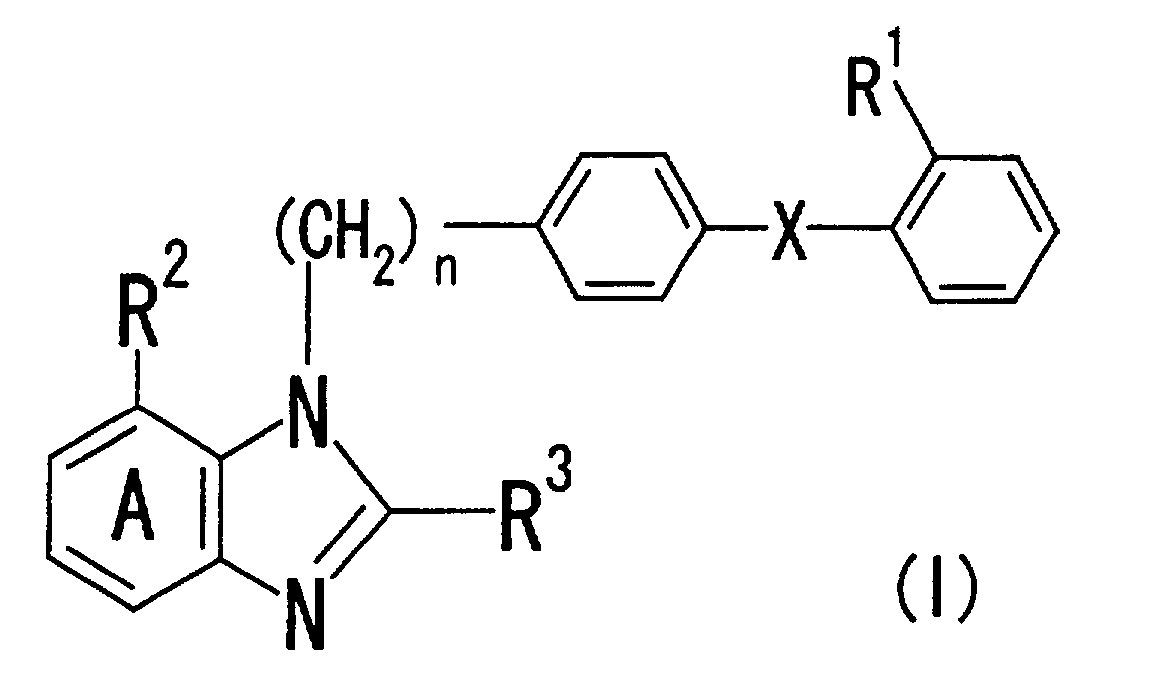
R2 is a group capable of forming an anion or a group capable of converting thereinto, and R3 is an optionally substituted hydrocarbon residue which may bind through a hetero-atom (preferably, an optionally substituted hydrocarbon residue which binds through an oxygen atom), etc., or a salt thereof.



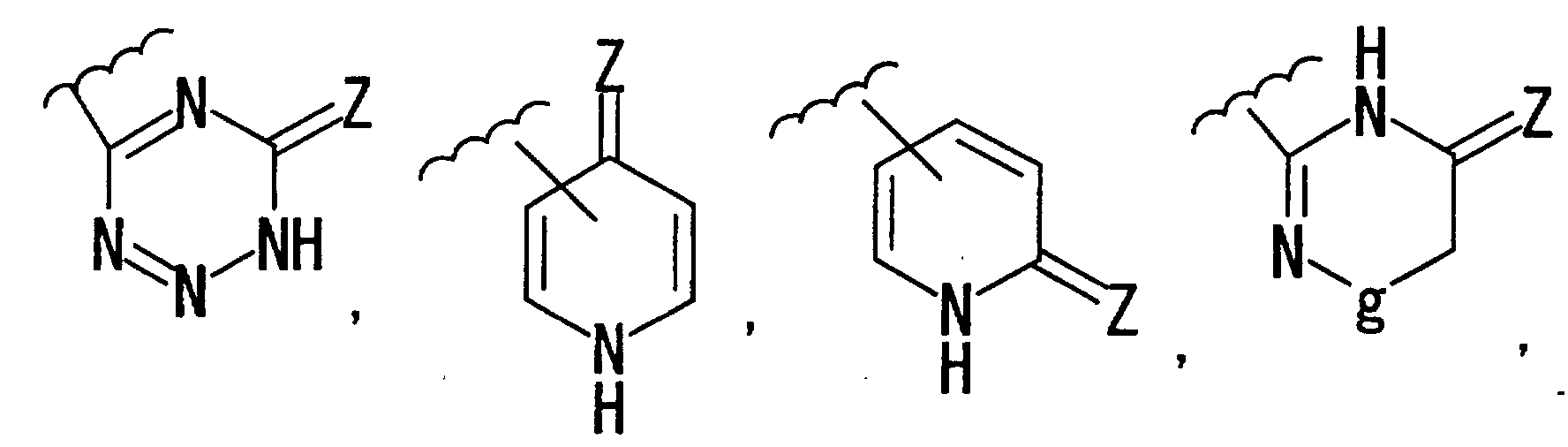

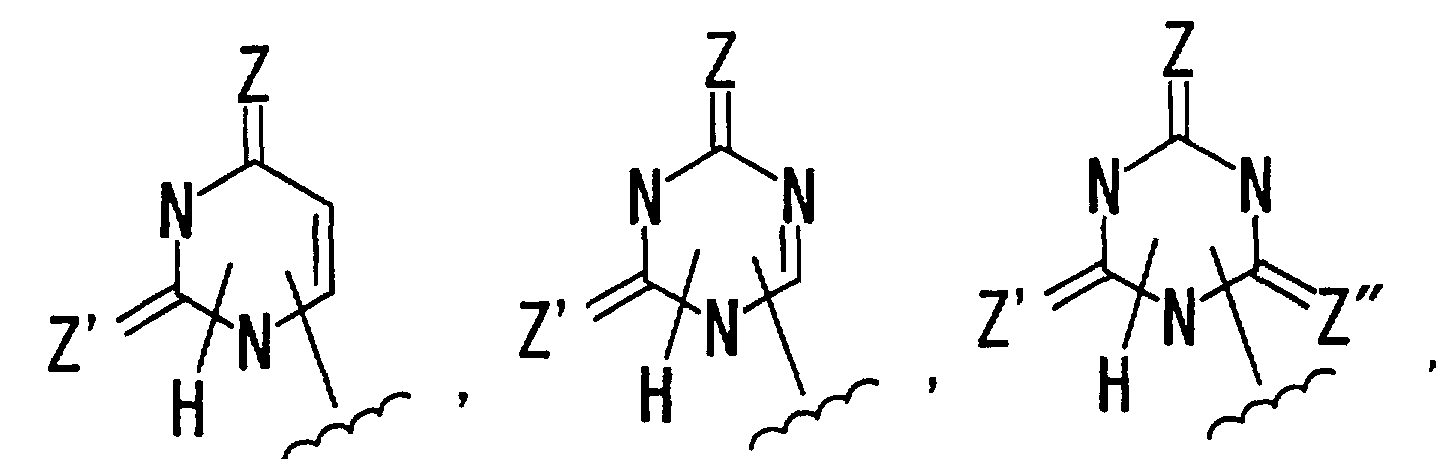
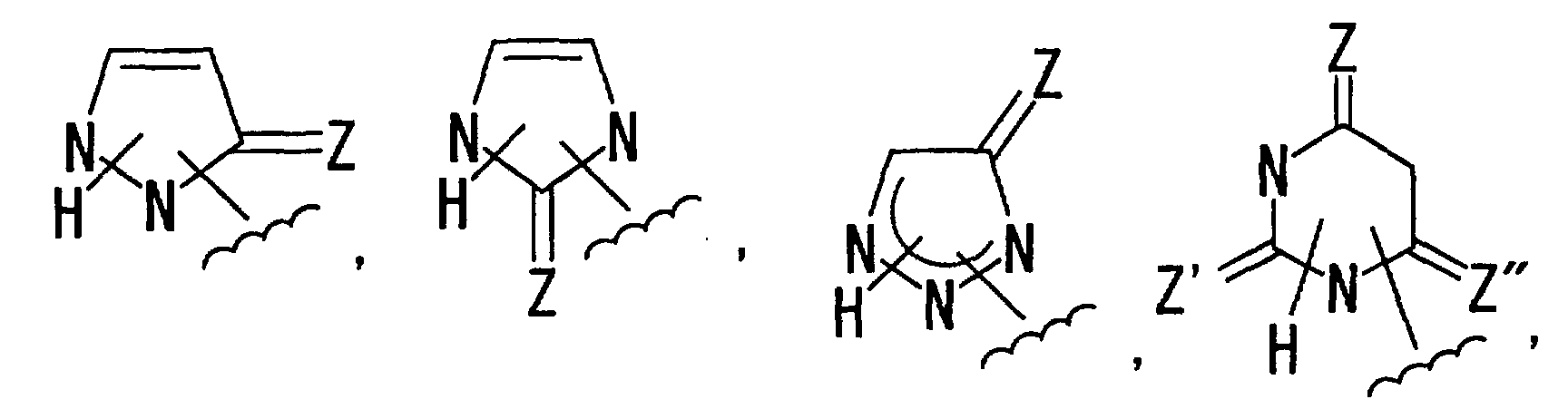

oxidized sulfur atom (e.g., S, S(O), S(O)2, etc.) (preferably a carbonyl group or a thiocarbonyl group, more preferably carbonyl group); and m is an integer of 0, 1 or 2.

and m is as defined above (preferably, 2,5-dihydro-5-oxo-1,2,4-oxadiazol-3-yl, 2,5-dihydro-5-thioxo-1,2,4-oxadiazol-3-yl, 2,5-dihydro-5-oxo-1,2,4-thiadiazol-3-yl; more preferably, 2,5-dihydro-5-oxo-1,2,4-oxadiazol-3-yl).


As the ring A, a benzene ring having no substituent in addition to the group R2 is preferable.
(3) an alkynyl group, (4) an cycloalkyl group, (5) an aryl group, (6) an aralkyl group, etc. Among others, an alkyl group, an alkenyl group and a cycloalkyl group are preferable.

| Composition of skin contacting base | Percentage in skin contacting base |
| (Adhesive) | |
| Self cross-linking acrylic copolymer (DuroTAk87-2979) | 47.5% |
| (Skin permeability regulator) | |
| Mono lauric acid diethanol amide | 5.0% |
| Isopropyl myristate | 20.0% |
| Propylene glycol | 20.0% |
| (Active ingredients) | |
| 1-cyclohexyloxycarbonyloxy)ethyl 2-ethoxy-1-[[2'-(1H-tetrazol-5-yl)biphenyl-4 yl]methyl]benzimidazole-7-carboxylate | 7.5% |
| Composition of skin contacting base | Percentage in skin contacting base |
| (Adhesive) | |
| Self cross-linking acrylic copolymer(DuroTAk87-2979) | 47.5% |
| (Skin permeability regulator) | |
| Mono lauric acid diethanol amide | 5.0% |
| Isopropyl myristate | 20.0% |
| Polyethylene glycol600 | 20.0% |
| (Active ingredients) | |
| 1-cyclohexyloxycarbonyloxy)ethyl 2-ethoxy-1-[[2'-(1H-tetrazol-5-yl)biphenyl-4-yl]methyl]benzimidazole-7-carboxylate | 7.5% |
| Composition of skin contacting base | Percentage in skin contacting base |
| (Adhesive) | |
| Self cross-linking acrylic copolymer(DuroTAk387-2526) | 47.5% |
| (Skin permeability regulator) | |
| Mono lauric acid diethanol amide | 5.0% |
| Isopropyl myristate | 20.0% |
| Polyethylene glycol600 | 20.0% |
| (Active ingredients) | |
| 1-cyclohexyloxycarbonyloxy)ethyl 2-ethoxy-1-[[2'-(1H-tetrazol-5-yl)biphenyl-4-yl]methyl]benzimidazole-7-carboxylate | 7.5% |
| Composition of skin contacting base | Percentage in skin contacting base |
| (adhesive) | |
| Self cross-linking acrylic | 87.5% |
| copolymer(DuroTAk87-2979) | |
| (Skin permeability regulator) | |
| Mono lauric acid diethanol amide | 5.0% |
| (Active ingredients) | |
| 1-cyclohexyloxycarbonyloxy)ethyl 2-ethoxy-1-[[2'-(1H-tetrazol-5-yl)biphenyl-4-yl]methyl]benzimidazole-7-carboxylate | 7.5% |
| Composition of skin contacting base | Percentage in skin contacting base |
| (Adhesive) | |
| Self cross-linking acrylic copolymer(DuroTAk87-2979) | 67.5% |
| (Skin permeability regulator) | |
| Mono lauric acid diethanol amide | 5.0% |
| Propylene glycol | 20.0% |
| (Active ingredients) | |
| 1-Cyclohexyloxycarbonyloxyethyl 2-ethoxy-1-[[2'-(1H-tetrazol-5-yl)biphenyl-4-yl]methyl]benzimidazole-7-carboxylate | 7.5% |
| Composition of skin contacting base | Percentage in skin contacting base |
| (Adhesive) | |
| Self cross-linking acrylic copolymer(DuroTAk87-2979) | 67.5% |
| (Skin permeability regulator) | |
| Mono lauric acid diethanol amide | 5.0% |
| Isopropyl myristate | 20.0% |
| (Active ingredients) | |
| 1-cyclohexyloxycarbonyloxy)ethyl 2-ethoxy-1-[[2'-(1H-tetrazol-5-yl)biphenyl-4-yl]methyl]benzimidazole-7-carboxylate | 7.5% |
| Composition of skin contacting base | Percentage in skin contacting base |
| (Adhesive) | |
| Self cross-linking acrylic copolymer(DuroTAk87-2852) | 47.5% |
| (Skin permeability regulator) | |
| Mono lauric acid diethanol amide | 5.0% |
| Isopropyl myristate | 20.0% |
| Propylene glycol | 20.0% |
| (Active ingredients) | |
| 1-cyclohexyloxycarbonyloxy)ethyl 2-ethoxy-1-[[2'-(1H-tetrazol-5-yl)biphenyl-4-yl]methyl]benzimidazole-7-carboxylate | 7.5% |
| Applied sample | 4hr | 8hr | 24hr | 48hr |
| Percutaneous preparation of Ex. 1 | 130ng/mL | 280ng/mL | 800ng/mL | 170ng/mL |
| Percutaneous preparation of Ex. 2 | 120ng/mL | 250ng/mL | 800ng/mL | 200ng/mL |
| Percutaneous preparations of Ex. 2 | 120ng/mL | 240ng/mL | 800ng/mL | 240ng/mL |
Claims (40)
- A percutaneous absorption preparation which comprises a skin contacting base containing a compound having angiotensin II antagonistic activity, and a support.
- The preparation according to claim 1, wherein the skin contacting base further contains a skin permeability regulator.
- The preparation according to claim 2, wherein the skin permeability regulator is at least one member selected from fatty acid esters, polyols and nonionic surfactants.
- The preparation according to claim 2 which comprises a fatty acid ester, a polyol and a nonionic surfactant as the skin permeability regulator.
- A percutaneous absorption preparation which comprises a compound having angiotensin II antagonistic activity, a fatty acid ester, a polyol and a nonionic surfactant.
- The preparation according to claim 1, wherein the compound having angiotensin II antagonistic activity is a non-peptide compound.
- The preparation according to claim 1, wherein the compound having angiotensin II antagonistic activity is 2-ethoxy-1-[[2'-(1H-tetrazol-5-yl)biphenyl-4-yl]methyl]benzimidazole-7-carboxylic acid or a salt thereof.
- The preparation according to claim 1, wherein the compound having angiotensin II antagonistic activity is 1-(cyclohexyloxycarbonyloxy)ethyl 2-ethoxy-1-[[2'-(1H-tetrazol-5-yl)biphenyl-4-yl]methyl]benzimidazole-7-carboxylate or a salt thereof.
- The preparation according to claim 1, wherein the compound having angiotensin II antagonistic activity is 2-ethoxy-1-[[2'-(2,5-dihydro-5-oxo-1,2,4-oxadiazol-3-yl)biphenyl-4-yl]methyl]benzimidazole-7-carboxylic acid or a salt thereof.
- The preparation according to claim 2 which comprises fatty acid ester as the skin permeability regulator.
- The preparation according to claim 10, wherein the fatty acid ester is an ester of C10-22 carbonic acid and C1-12 alkylalcohol.
- The preparation according to claim 10, wherein the fatty acid ester is isopropyl myristate, isopropyl palmitate, butyl myristate or diethyl sebacate.
- The preparation according to claim 10, wherein the fatty acid ester is isopropyl myristate.
- The preparation according to claim 2 which comprises a polyol as the skin permeability regulator.
- The preparation according to claim 14, wherein the polyol is ethylene glycol, propylene glycol, 1,3-butylene glycol, polyethylene glycol or glycerin.
- The preparation according to claim 14, wherein the polyol is propylene glycol.
- The preparation according to claim 2 which comprises a nonionic surfactant as the skin permeability regulator.
- The preparation according to claim 17, wherein the nonionic surfactant is a fatty acid amide, a polyol fatty acid ester or a polyglycerol fatty acid ester.
- The preparation according to claim 17, wherein the nonionic surfactant is a fatty acid amide.
- The preparation according to claim 19, wherein the fatty acid amide is lauric acid diethanol amide or a material containing the same.
- The preparation according to claim 20, wherein lauric acid diethanol amide or a material containing the same is palm fatty acid diethanol amide.
- The preparation according to claim 1 which is a skin patch.
- The preparation according to claim 10, wherein the amount of the fatty acid ester in the skin contacting base is about 1 to 30% by weight based on the weight of the skin contacting base.
- The preparation according to claim 14, wherein the amount of the polyol in the skin contacting base is about 1 to 30% by weight based on the weight of the skin contacting base.
- The preparation according to claim 17, wherein the amount of the nonionic surfactant in the skin contacting base is about 1 to 15% by weight based on the weight of the skin contacting base.
- The preparation according to claim 1 which further contains an adhesive in the skin contacting base.
- The preparation according to claim 26, wherein the adhesive is an acrylic adhesive.
- The preparation according to claim 26, wherein the adhesive is a self cross-linking acrylic adhesive.
- A preparation according to claim 1, wherein the amount of the compound having angiotensin II antagonistic activity in the skin contacting base is about 0.01 to 70% by weight based on the weight of the skin contacting base.
- The preparation according to claim 1, wherein the amount of the skin permeability regulator in the skin contacting base is about 0 to 70% by weight based on the weight of the skin contacting base.
- The preparation according to claim 26, wherein the amount of the adhesive in the skin contacting base is about 5 to 99% by weight based on the weight of the skin contacting base.
- The preparation according to claim 1, wherein the amount of the compound having angiotensin II antagonistic activity per unit of skin contacting area in the skin contacting base is about 0.01 to 100mg/cm2.
- The preparation according to claim 1 which maintains effective concentration of the compound having angiotensin II antagonistic activity in blood for one day or more.
- A method of preventing and/or treating angiotensin II-mediated diseases which comprises administrating a percutaneous absorption preparation comprising a skin contacting base containing a compound having angiotensin II antagonistic activity and a support.
- The method according to claim 34 wherein the skin contacting base comprises a skin permeability regulator.
- The method according to claim 35, wherein the skin contacting base further contains, a fatty acid ester, a polyol, and a nonionic surfactant as the skin permeability regulator.
- A method of preventing and/or treating diseases mediated by angiotensin II which comprises administrating a compound having angiotensin II antagonistic activity and a percutaneous absorption preparation comprising a fatty acid ester, a polyol and a nonionic surfactant.
- A method of percutaneous absorption of a compound having angiotensin II antagonistic activity which comprises adding a compound having angiotensin II antagonistic activity to a percutaneous absorption preparation comprising a skin contacting base and a support
- A method of regulating percutaneous absorption of a compound having angiotensin II antagonistic activity, which comprises adding a fatty acid ester, a polyol and a nonionic surfactant to a percutaneous absorption preparation comprising the compound having angiotensin II antagonistic activity.
- Use of a fatty acid ester, a polyol and a nonionic surfactant for regulating percutaneous absorption of a compound having angiotensin II antagonistic activity.
Applications Claiming Priority (3)
| Application Number | Priority Date | Filing Date | Title |
|---|---|---|---|
| JP4239699 | 1999-02-19 | ||
| JP4239699 | 1999-02-19 | ||
| PCT/JP2000/000926 WO2000048634A1 (en) | 1999-02-19 | 2000-02-18 | Percutaneous absorption preparations of compound having angiotensin ii receptor antagonism |
Publications (3)
| Publication Number | Publication Date |
|---|---|
| EP1153613A1 true EP1153613A1 (en) | 2001-11-14 |
| EP1153613A4 EP1153613A4 (en) | 2005-03-23 |
| EP1153613B1 EP1153613B1 (en) | 2010-11-10 |
Family
ID=12634916
Family Applications (1)
| Application Number | Title | Priority Date | Filing Date |
|---|---|---|---|
| EP00904029A Expired - Lifetime EP1153613B1 (en) | 1999-02-19 | 2000-02-18 | Percutaneous absorption preparations of compound having angiotensin ii receptor antagonism |
Country Status (7)
| Country | Link |
|---|---|
| US (1) | US7378108B1 (en) |
| EP (1) | EP1153613B1 (en) |
| AT (1) | ATE487491T1 (en) |
| AU (1) | AU2573800A (en) |
| CA (1) | CA2363792C (en) |
| DE (1) | DE60045211D1 (en) |
| WO (1) | WO2000048634A1 (en) |
Cited By (4)
| Publication number | Priority date | Publication date | Assignee | Title |
|---|---|---|---|---|
| WO2002080910A1 (en) * | 2001-04-10 | 2002-10-17 | Universidade Federal De Minas Gerais-Ufmg | Preparation of formulations of angiotensin ii at1 receptors antagonists for the treatment of arterial hypertension, other cardiovascular illnesses and its complications |
| WO2003047555A1 (en) * | 2001-12-01 | 2003-06-12 | Lts Lohmann Therapie-Systeme Ag | Transdermal therapeutic systems containing steroid hormones and propylene glycol monocaprylate |
| WO2005079751A3 (en) * | 2004-01-23 | 2006-03-30 | Ranbaxy Lab Ltd | Oral pharmaceutical compositions of candesartan cilexetil |
| EP2233138A4 (en) * | 2007-12-11 | 2013-05-29 | Medrx Co Ltd | Tape preparation comprising etodolac in ionic liquid form |
Families Citing this family (7)
| Publication number | Priority date | Publication date | Assignee | Title |
|---|---|---|---|---|
| AU2002349673A1 (en) * | 2001-12-03 | 2003-06-17 | Takeda Chemical Industries, Ltd. | Insulin resistance improving agents |
| JP4484427B2 (en) * | 2001-12-03 | 2010-06-16 | 武田薬品工業株式会社 | Insulin resistance improving agent |
| JP4939113B2 (en) * | 2005-06-01 | 2012-05-23 | ニプロパッチ株式会社 | Patch |
| AR065850A1 (en) * | 2007-03-28 | 2009-07-08 | Takeda Pharmaceutical | SOLID PHARMACEUTICAL COMPOSITION INCLUDING A BENZIMIDAZOL-7-CARBOXYLATE DERIVATIVE AND A PH CONTROL AGENT |
| JP5636715B2 (en) * | 2009-03-27 | 2014-12-10 | トーアエイヨー株式会社 | Transdermal absorption preparation |
| WO2010109913A1 (en) * | 2009-03-27 | 2010-09-30 | トーアエイヨー株式会社 | Transdermal preparation |
| JP5664991B2 (en) * | 2009-03-27 | 2015-02-04 | トーアエイヨー株式会社 | Transdermal absorption preparation |
Family Cites Families (22)
| Publication number | Priority date | Publication date | Assignee | Title |
|---|---|---|---|---|
| JPH0735330B2 (en) | 1986-03-12 | 1995-04-19 | 久光製薬株式会社 | Cream composition for external use |
| US5028435A (en) | 1989-05-22 | 1991-07-02 | Advanced Polymer Systems, Inc. | System and method for transdermal drug delivery |
| US5196444A (en) * | 1990-04-27 | 1993-03-23 | Takeda Chemical Industries, Ltd. | 1-(cyclohexyloxycarbonyloxy)ethyl 2-ethoxy-1-[[2'-(1H-tetrazol-5-yl)biphenyl-4-yl]methyl]benzimidazole-7-carboxylate and compositions and methods of pharmaceutical use thereof |
| FR2677984B1 (en) * | 1991-06-21 | 1994-02-25 | Elf Sanofi | N-SUBSTITUTED IMIDAZOLINE DERIVATIVES, THEIR PREPARATION, THE PHARMACEUTICAL COMPOSITIONS CONTAINING THE SAME. |
| IL102183A (en) * | 1991-06-27 | 1999-11-30 | Takeda Chemical Industries Ltd | Biphenyl substituted heterocyclic compounds their production and pharmaceutical compositions comprising them |
| US5401851A (en) | 1992-06-03 | 1995-03-28 | Eli Lilly And Company | Angiotensin II antagonists |
| US5612360A (en) | 1992-06-03 | 1997-03-18 | Eli Lilly And Company | Angiotensin II antagonists |
| JP2837318B2 (en) | 1992-08-31 | 1998-12-16 | 明治製菓株式会社 | Angiotensin II antagonistic pyridine derivative |
| JPH072776A (en) | 1993-06-18 | 1995-01-06 | Meiji Seika Kaisha Ltd | Angiotensin ii-antagonistic pyridine derivative |
| JP2787131B2 (en) | 1993-07-30 | 1998-08-13 | 千寿製薬株式会社 | Aqueous suspension |
| US5824696A (en) | 1993-09-01 | 1998-10-20 | Smithkline Beecham Corporation | Medicaments |
| JPH07330627A (en) | 1994-06-01 | 1995-12-19 | Sanwa Kagaku Kenkyusho Co Ltd | Percutaneously absorbed antihypertensive agent capable of controlling release initiation time |
| JPH0840896A (en) | 1994-08-04 | 1996-02-13 | Teisan Seiyaku Kk | Medical preparation composed of captopril analogue |
| FR2735365B1 (en) | 1995-06-14 | 1997-09-05 | Sanofi Sa | USE OF AN ANGIOTENSIN II ANTAGONIST AND A BENZOFURANE DERIVATIVE FOR THE PREPARATION OF A MEDICAMENT USEFUL IN THE TREATMENT OF CARDIOVASCULAR CONDITIONS |
| WO1997028794A1 (en) * | 1996-02-07 | 1997-08-14 | Tsumura & Co. | Transparent aqueous solution of diclofenac sodium and medicinal compositions with the use of the same |
| FR2746013B1 (en) * | 1996-03-18 | 1998-05-29 | Sanofi Sa | USE OF ANTIARRHYTHMIC COMPOUNDS IN THE PREVENTION OF POST INFARCT MORTALITY |
| JPH09299445A (en) | 1996-05-14 | 1997-11-25 | Sekisui Chem Co Ltd | Package for drug-containing patch |
| AU4990797A (en) | 1996-10-24 | 1998-05-15 | Alza Corporation | Permeation enhancers for transdermal drug delivery compositions, devices, and methods |
| JPH1135464A (en) | 1997-07-23 | 1999-02-09 | Meiji Seika Kaisha Ltd | Medicine containing 3-alkoxypyridine derivative and used for preventing or treating vascular intimal hyperplasia |
| ES2252865T3 (en) * | 1997-09-26 | 2006-05-16 | Noven Pharmaceuticals, Inc. | BIOADHESIVE COMPOSITIONS AND METHODS FOR THE TOPICAL ADMINISTRATION OF ACTIVE AGENTS. |
| DE19819616A1 (en) | 1998-05-04 | 1999-11-11 | Hexal Ag | Use of antioxidants to treat inflammatory skin diseases |
| DE19820151A1 (en) | 1998-05-06 | 1999-11-11 | Hexal Ag | Transdermal therapeutic system for the application of candesartan |
-
2000
- 2000-02-18 EP EP00904029A patent/EP1153613B1/en not_active Expired - Lifetime
- 2000-02-18 AU AU25738/00A patent/AU2573800A/en not_active Abandoned
- 2000-02-18 WO PCT/JP2000/000926 patent/WO2000048634A1/en not_active Ceased
- 2000-02-18 US US09/913,516 patent/US7378108B1/en not_active Expired - Fee Related
- 2000-02-18 CA CA002363792A patent/CA2363792C/en not_active Expired - Fee Related
- 2000-02-18 AT AT00904029T patent/ATE487491T1/en not_active IP Right Cessation
- 2000-02-18 DE DE60045211T patent/DE60045211D1/en not_active Expired - Lifetime
Cited By (8)
| Publication number | Priority date | Publication date | Assignee | Title |
|---|---|---|---|---|
| WO2002080910A1 (en) * | 2001-04-10 | 2002-10-17 | Universidade Federal De Minas Gerais-Ufmg | Preparation of formulations of angiotensin ii at1 receptors antagonists for the treatment of arterial hypertension, other cardiovascular illnesses and its complications |
| US7858597B2 (en) | 2001-04-10 | 2010-12-28 | Universidade Federal De Mimas Gerais - Ufmg | Preparation of formulations of angiotensin II AT1 receptors antagonists for the treatment of arterial hypertension, other cardiovascular illnesses and its complications |
| WO2003047555A1 (en) * | 2001-12-01 | 2003-06-12 | Lts Lohmann Therapie-Systeme Ag | Transdermal therapeutic systems containing steroid hormones and propylene glycol monocaprylate |
| RU2317813C2 (en) * | 2001-12-01 | 2008-02-27 | Лтс Ломанн Терапи-Системе Аг | Transdermal therapeutic systems containing steroid hormone and propylene glycol monocaprylate |
| KR100908970B1 (en) * | 2001-12-01 | 2009-07-22 | 에르테에스 로만 테라피-시스테메 아게 | Transdermal Therapy System Containing Steroid Hormone and Propylene Glycol Monocaprylate |
| WO2005079751A3 (en) * | 2004-01-23 | 2006-03-30 | Ranbaxy Lab Ltd | Oral pharmaceutical compositions of candesartan cilexetil |
| EP2233138A4 (en) * | 2007-12-11 | 2013-05-29 | Medrx Co Ltd | Tape preparation comprising etodolac in ionic liquid form |
| AU2008334222B2 (en) * | 2007-12-11 | 2013-07-18 | Medrx Co., Ltd. | Tape preparation comprising etodolac in ionic liquid form |
Also Published As
| Publication number | Publication date |
|---|---|
| WO2000048634A1 (en) | 2000-08-24 |
| AU2573800A (en) | 2000-09-04 |
| US7378108B1 (en) | 2008-05-27 |
| CA2363792A1 (en) | 2000-08-24 |
| EP1153613B1 (en) | 2010-11-10 |
| DE60045211D1 (en) | 2010-12-23 |
| EP1153613A4 (en) | 2005-03-23 |
| ATE487491T1 (en) | 2010-11-15 |
| CA2363792C (en) | 2009-10-27 |
Similar Documents
| Publication | Publication Date | Title |
|---|---|---|
| EP1737406B2 (en) | Transdermal systems containing multilayer adhesive matrices to modify drug delivery | |
| EP1121941B1 (en) | Sorbefacients and preparations for percutaneous absorption containing the same | |
| EP1503743B1 (en) | Transdermal delivery system with two superimposed adhesive layers having different affinities to the active substance comprised | |
| CA2363792C (en) | Percutaneous absorption preparation of compound having angiotensin ii antagonistic activity | |
| KR20110132548A (en) | Transdermal System Containing Multilayer Adhesive Substrates to Alter Drug Delivery | |
| PL218351B1 (en) | Transdermal granisetron | |
| CN101370487B (en) | Transdermal formulations containing hydrophobic NSAIDs | |
| CA2420055C (en) | Fibrinogen-lowering agent | |
| EP4076382B1 (en) | Transdermal therapeutic system containing agomelatine | |
| IL141033A (en) | Estradiol-containing patch for transdermal administration of hormones | |
| CN120585717A (en) | Transdermal delivery of dronabinol | |
| CA3175721A1 (en) | Oral delivery system comprising hydroxychloroquine and/or chloroquine | |
| CA2403949C (en) | Transdermal therapeutic system for the delivery of lerisetron | |
| EP1085858B1 (en) | Transdermal therapeutic system for the administration of candesartan | |
| AU2021256454A1 (en) | Transdermal and/or topical delivery system comprising hydroxychloroquine and/or chloroquine | |
| JP2000302695A (en) | Percutaneous absorption of compound having angiotensin II receptor antagonistic action | |
| JPWO2000048634A1 (en) | Transdermal absorption of compounds having angiotensin II receptor antagonistic activity | |
| WO2002054996A2 (en) | Terazosin transdermal device and methods | |
| JP2005502689A (en) | Transdermal administration of enalapril ester | |
| HK40084062A (en) | Transdermal and/or topical delivery system comprising hydroxychloroquine and/or chloroquine | |
| MXPA00010704A (en) | Transdermal therapeutic system for the administration of candesartan | |
| MXPA00002833A (en) | A transdermal drug delivery system for anti-inflammatory analgesic agent comprising diclofenac diethylammonium salt, and the manufacturing method thereof | |
| JPWO2000006659A1 (en) | Adhesive composition, and moisture-permeable adhesive tape, adhesive drug composition, and adhesive tape preparation containing the composition |
Legal Events
| Date | Code | Title | Description |
|---|---|---|---|
| PUAI | Public reference made under article 153(3) epc to a published international application that has entered the european phase |
Free format text: ORIGINAL CODE: 0009012 |
|
| 17P | Request for examination filed |
Effective date: 20010810 |
|
| AK | Designated contracting states |
Kind code of ref document: A1 Designated state(s): AT BE CH CY DE DK ES FI FR GB GR IE IT LI LU MC NL PT SE |
|
| AX | Request for extension of the european patent |
Free format text: AL;LT;LV;MK;RO;SI |
|
| RAP1 | Party data changed (applicant data changed or rights of an application transferred) |
Owner name: TAKEDA PHARMACEUTICAL COMPANY LIMITED |
|
| A4 | Supplementary search report drawn up and despatched |
Effective date: 20050204 |
|
| RIC1 | Information provided on ipc code assigned before grant |
Ipc: 7A 61K 47/16 B Ipc: 7A 61K 31/4245 B Ipc: 7A 61K 31/4178 B Ipc: 7A 61K 9/70 B Ipc: 7A 61K 47/14 B Ipc: 7C 07D 403/10 B Ipc: 7C 07D 413/10 B Ipc: 7A 61P 43/00 B Ipc: 7A 61K 45/00 A Ipc: 7A 61K 47/10 B |
|
| GRAP | Despatch of communication of intention to grant a patent |
Free format text: ORIGINAL CODE: EPIDOSNIGR1 |
|
| GRAS | Grant fee paid |
Free format text: ORIGINAL CODE: EPIDOSNIGR3 |
|
| GRAA | (expected) grant |
Free format text: ORIGINAL CODE: 0009210 |
|
| AK | Designated contracting states |
Kind code of ref document: B1 Designated state(s): AT BE CH CY DE DK ES FI FR GB GR IE IT LI LU MC NL PT SE |
|
| REG | Reference to a national code |
Ref country code: GB Ref legal event code: FG4D |
|
| REG | Reference to a national code |
Ref country code: CH Ref legal event code: EP |
|
| REG | Reference to a national code |
Ref country code: IE Ref legal event code: FG4D |
|
| REG | Reference to a national code |
Ref country code: CH Ref legal event code: NV Representative=s name: BOHEST AG |
|
| REF | Corresponds to: |
Ref document number: 60045211 Country of ref document: DE Date of ref document: 20101223 Kind code of ref document: P |
|
| REG | Reference to a national code |
Ref country code: NL Ref legal event code: VDEP Effective date: 20101110 |
|
| PG25 | Lapsed in a contracting state [announced via postgrant information from national office to epo] |
Ref country code: PT Free format text: LAPSE BECAUSE OF FAILURE TO SUBMIT A TRANSLATION OF THE DESCRIPTION OR TO PAY THE FEE WITHIN THE PRESCRIBED TIME-LIMIT Effective date: 20110310 Ref country code: AT Free format text: LAPSE BECAUSE OF FAILURE TO SUBMIT A TRANSLATION OF THE DESCRIPTION OR TO PAY THE FEE WITHIN THE PRESCRIBED TIME-LIMIT Effective date: 20101110 Ref country code: FI Free format text: LAPSE BECAUSE OF FAILURE TO SUBMIT A TRANSLATION OF THE DESCRIPTION OR TO PAY THE FEE WITHIN THE PRESCRIBED TIME-LIMIT Effective date: 20101110 Ref country code: NL Free format text: LAPSE BECAUSE OF FAILURE TO SUBMIT A TRANSLATION OF THE DESCRIPTION OR TO PAY THE FEE WITHIN THE PRESCRIBED TIME-LIMIT Effective date: 20101110 Ref country code: SE Free format text: LAPSE BECAUSE OF FAILURE TO SUBMIT A TRANSLATION OF THE DESCRIPTION OR TO PAY THE FEE WITHIN THE PRESCRIBED TIME-LIMIT Effective date: 20101110 Ref country code: CY Free format text: LAPSE BECAUSE OF FAILURE TO SUBMIT A TRANSLATION OF THE DESCRIPTION OR TO PAY THE FEE WITHIN THE PRESCRIBED TIME-LIMIT Effective date: 20101110 |
|
| PGFP | Annual fee paid to national office [announced via postgrant information from national office to epo] |
Ref country code: CH Payment date: 20110214 Year of fee payment: 12 Ref country code: DE Payment date: 20110216 Year of fee payment: 12 Ref country code: IT Payment date: 20110217 Year of fee payment: 12 Ref country code: FR Payment date: 20110218 Year of fee payment: 12 |
|
| PG25 | Lapsed in a contracting state [announced via postgrant information from national office to epo] |
Ref country code: GR Free format text: LAPSE BECAUSE OF FAILURE TO SUBMIT A TRANSLATION OF THE DESCRIPTION OR TO PAY THE FEE WITHIN THE PRESCRIBED TIME-LIMIT Effective date: 20110211 |
|
| PG25 | Lapsed in a contracting state [announced via postgrant information from national office to epo] |
Ref country code: BE Free format text: LAPSE BECAUSE OF FAILURE TO SUBMIT A TRANSLATION OF THE DESCRIPTION OR TO PAY THE FEE WITHIN THE PRESCRIBED TIME-LIMIT Effective date: 20101110 Ref country code: ES Free format text: LAPSE BECAUSE OF FAILURE TO SUBMIT A TRANSLATION OF THE DESCRIPTION OR TO PAY THE FEE WITHIN THE PRESCRIBED TIME-LIMIT Effective date: 20110221 |
|
| PGFP | Annual fee paid to national office [announced via postgrant information from national office to epo] |
Ref country code: GB Payment date: 20110216 Year of fee payment: 12 |
|
| PG25 | Lapsed in a contracting state [announced via postgrant information from national office to epo] |
Ref country code: DK Free format text: LAPSE BECAUSE OF FAILURE TO SUBMIT A TRANSLATION OF THE DESCRIPTION OR TO PAY THE FEE WITHIN THE PRESCRIBED TIME-LIMIT Effective date: 20101110 |
|
| PLBE | No opposition filed within time limit |
Free format text: ORIGINAL CODE: 0009261 |
|
| STAA | Information on the status of an ep patent application or granted ep patent |
Free format text: STATUS: NO OPPOSITION FILED WITHIN TIME LIMIT |
|
| PG25 | Lapsed in a contracting state [announced via postgrant information from national office to epo] |
Ref country code: MC Free format text: LAPSE BECAUSE OF NON-PAYMENT OF DUE FEES Effective date: 20110228 |
|
| 26N | No opposition filed |
Effective date: 20110811 |
|
| REG | Reference to a national code |
Ref country code: IE Ref legal event code: MM4A |
|
| REG | Reference to a national code |
Ref country code: DE Ref legal event code: R097 Ref document number: 60045211 Country of ref document: DE Effective date: 20110811 |
|
| PG25 | Lapsed in a contracting state [announced via postgrant information from national office to epo] |
Ref country code: IE Free format text: LAPSE BECAUSE OF NON-PAYMENT OF DUE FEES Effective date: 20110218 |
|
| REG | Reference to a national code |
Ref country code: CH Ref legal event code: PL |
|
| GBPC | Gb: european patent ceased through non-payment of renewal fee |
Effective date: 20120218 |
|
| PG25 | Lapsed in a contracting state [announced via postgrant information from national office to epo] |
Ref country code: LI Free format text: LAPSE BECAUSE OF NON-PAYMENT OF DUE FEES Effective date: 20120229 Ref country code: CH Free format text: LAPSE BECAUSE OF NON-PAYMENT OF DUE FEES Effective date: 20120229 |
|
| REG | Reference to a national code |
Ref country code: FR Ref legal event code: ST Effective date: 20121031 |
|
| PG25 | Lapsed in a contracting state [announced via postgrant information from national office to epo] |
Ref country code: IT Free format text: LAPSE BECAUSE OF NON-PAYMENT OF DUE FEES Effective date: 20120218 |
|
| REG | Reference to a national code |
Ref country code: DE Ref legal event code: R119 Ref document number: 60045211 Country of ref document: DE Effective date: 20120901 |
|
| PG25 | Lapsed in a contracting state [announced via postgrant information from national office to epo] |
Ref country code: FR Free format text: LAPSE BECAUSE OF NON-PAYMENT OF DUE FEES Effective date: 20120229 Ref country code: GB Free format text: LAPSE BECAUSE OF NON-PAYMENT OF DUE FEES Effective date: 20120218 |
|
| PG25 | Lapsed in a contracting state [announced via postgrant information from national office to epo] |
Ref country code: LU Free format text: LAPSE BECAUSE OF NON-PAYMENT OF DUE FEES Effective date: 20110218 |
|
| PG25 | Lapsed in a contracting state [announced via postgrant information from national office to epo] |
Ref country code: DE Free format text: LAPSE BECAUSE OF NON-PAYMENT OF DUE FEES Effective date: 20120901 |