EP1149909A1 - Methods for regulating protein conformation using molecular chaperones - Google Patents
Methods for regulating protein conformation using molecular chaperones Download PDFInfo
- Publication number
- EP1149909A1 EP1149909A1 EP00109270A EP00109270A EP1149909A1 EP 1149909 A1 EP1149909 A1 EP 1149909A1 EP 00109270 A EP00109270 A EP 00109270A EP 00109270 A EP00109270 A EP 00109270A EP 1149909 A1 EP1149909 A1 EP 1149909A1
- Authority
- EP
- European Patent Office
- Prior art keywords
- protein
- homolog
- cell
- polypeptide
- polynucleotide
- Prior art date
- Legal status (The legal status is an assumption and is not a legal conclusion. Google has not performed a legal analysis and makes no representation as to the accuracy of the status listed.)
- Withdrawn
Links
Images


Classifications
-
- C—CHEMISTRY; METALLURGY
- C07—ORGANIC CHEMISTRY
- C07K—PEPTIDES
- C07K14/00—Peptides having more than 20 amino acids; Gastrins; Somatostatins; Melanotropins; Derivatives thereof
- C07K14/195—Peptides having more than 20 amino acids; Gastrins; Somatostatins; Melanotropins; Derivatives thereof from bacteria
- C07K14/24—Peptides having more than 20 amino acids; Gastrins; Somatostatins; Melanotropins; Derivatives thereof from bacteria from Enterobacteriaceae (F), e.g. Citrobacter, Serratia, Proteus, Providencia, Morganella, Yersinia
- C07K14/245—Escherichia (G)
-
- A—HUMAN NECESSITIES
- A61—MEDICAL OR VETERINARY SCIENCE; HYGIENE
- A61P—SPECIFIC THERAPEUTIC ACTIVITY OF CHEMICAL COMPOUNDS OR MEDICINAL PREPARATIONS
- A61P25/00—Drugs for disorders of the nervous system
- A61P25/02—Drugs for disorders of the nervous system for peripheral neuropathies
-
- A—HUMAN NECESSITIES
- A61—MEDICAL OR VETERINARY SCIENCE; HYGIENE
- A61P—SPECIFIC THERAPEUTIC ACTIVITY OF CHEMICAL COMPOUNDS OR MEDICINAL PREPARATIONS
- A61P25/00—Drugs for disorders of the nervous system
- A61P25/14—Drugs for disorders of the nervous system for treating abnormal movements, e.g. chorea, dyskinesia
-
- A—HUMAN NECESSITIES
- A61—MEDICAL OR VETERINARY SCIENCE; HYGIENE
- A61P—SPECIFIC THERAPEUTIC ACTIVITY OF CHEMICAL COMPOUNDS OR MEDICINAL PREPARATIONS
- A61P25/00—Drugs for disorders of the nervous system
- A61P25/28—Drugs for disorders of the nervous system for treating neurodegenerative disorders of the central nervous system, e.g. nootropic agents, cognition enhancers, drugs for treating Alzheimer's disease or other forms of dementia
-
- A—HUMAN NECESSITIES
- A61—MEDICAL OR VETERINARY SCIENCE; HYGIENE
- A61P—SPECIFIC THERAPEUTIC ACTIVITY OF CHEMICAL COMPOUNDS OR MEDICINAL PREPARATIONS
- A61P35/00—Antineoplastic agents
-
- A—HUMAN NECESSITIES
- A61—MEDICAL OR VETERINARY SCIENCE; HYGIENE
- A61P—SPECIFIC THERAPEUTIC ACTIVITY OF CHEMICAL COMPOUNDS OR MEDICINAL PREPARATIONS
- A61P43/00—Drugs for specific purposes, not provided for in groups A61P1/00-A61P41/00
-
- C—CHEMISTRY; METALLURGY
- C12—BIOCHEMISTRY; BEER; SPIRITS; WINE; VINEGAR; MICROBIOLOGY; ENZYMOLOGY; MUTATION OR GENETIC ENGINEERING
- C12P—FERMENTATION OR ENZYME-USING PROCESSES TO SYNTHESISE A DESIRED CHEMICAL COMPOUND OR COMPOSITION OR TO SEPARATE OPTICAL ISOMERS FROM A RACEMIC MIXTURE
- C12P21/00—Preparation of peptides or proteins
- C12P21/02—Preparation of peptides or proteins having a known sequence of two or more amino acids, e.g. glutathione
-
- A—HUMAN NECESSITIES
- A61—MEDICAL OR VETERINARY SCIENCE; HYGIENE
- A61K—PREPARATIONS FOR MEDICAL, DENTAL OR TOILETRY PURPOSES
- A61K38/00—Medicinal preparations containing peptides
-
- A—HUMAN NECESSITIES
- A61—MEDICAL OR VETERINARY SCIENCE; HYGIENE
- A61K—PREPARATIONS FOR MEDICAL, DENTAL OR TOILETRY PURPOSES
- A61K48/00—Medicinal preparations containing genetic material which is inserted into cells of the living body to treat genetic diseases; Gene therapy
Definitions
- the invention relates to the use of molecular chaperones for regulating the conformation of proteins, to novel chaperone systems and cochaperones.
- Protein aggregation has biomedical importance, and has been suggested as playing a causative role in several pathophysiological states including amyloidosis and prion diseases (Horwich and Weissman, 1997; Lindquist, 1997; Prusiner, 1997; Thomas et al., 1995; Wetzel, 1996). Furthermore, aggregation with concomitant formation of inclusion bodies is a frequent fate of recombinant proteins overproduced in host cells and thus is of considerable importance in biotechnology (Lilie et al., 1998; Mitraki and King, 1989).
- Trigger Factor of eubacteria associate with ribosomes and interact with nascent polypeptide chains during biosynthesis.
- the role of Trigger Factor in protein folding in vivo is not documented in the literature.
- chaperones An intrinsic feature of the activity of chaperones is their ability to interact repeatedly with protein folding intermediates, allowing the substrates to dissociate from the chaperone and to either fold to native state or rebind to chaperones of the same or another type. These cycles of substrate interaction are regulated for many chaperones by ATP binding and hydrolysis. It has been demonstrated that cells have only limited capacity of chaperone activity (Craig and Gross, 1991; Tatsuta et al., 1998; Tomoyasu et al., 1998), suggesting that the assistance of protein folding processes by chaperones may become rate-limiting during overproduction of recombinant proteins and under pathophysiological stress conditions of cells.
- a largely unexplored aspect of chaperone activity is the potential to dissolve pre-existing protein aggregates and to mediate refolding.
- the DnaK chaperone of E. coli in association with its co-chaperones, has the ability to disaggregate slowly heat denatured RNA polymerase of E. coli (Skowyra et al., 1990; Ziemienowicz et al., 1993).
- this disaggregating activity appears to be atypical for DnaK and other members of the Hsp70 family because in all other reported cases, members of the Hsp70 family demonstrated no or only slight disaggregation activity (e.g., Schroder et al., 1993).
- the Hsp104 heat shock protein has been shown to disaggregate heat denatured firefly luciferase and ⁇ -galactosidase, thereby allowing the Hsp70 chaperone system to refold these enzymes (Glover and Lindquist, 1998; Parsell et al., 1994).
- the present invention is directed to the use of a class of cellular proteins, collectively termed molecular chaperones, to mediate disaggregation and refolding of aggregated proteins as well as refolding of misfolded proteins.
- the invention further features a combination of two chaperone systems of E. coli , ClpB (in Hsp100 protein) and the DnaK system (including DnaK, a Hsp70 protein), to mediate the efficient disaggregation and refolding of a broad spectrum of aggregated proteins.
- This combination of chaperones is useful for preventing and reversing formation of aggregates and inclusion bodies of recombinant proteins upon overproduction in E.
- the invention is a method for regulating the conformation of a target protein by contacting the target protein with a molecular chaperone system having a first protein of at least one Hsp100 protein or a homolog thereof and a second protein of at least one Hsp70 protein or a homolog thereof to regulate the conformation of the target protein.
- the invention provides a system of recombinant expression vectors.
- a single recombinant expression vector encodes at least one Hsp100 protein or homologue thereof and at least one Hsp70 protein or homologue thereof.
- the expression vector can further encode one or more chaperones for one or both of the Hsp100 and Hsp70 proteins, as well as protein of interest.
- a single vector is used to express each protein component of the molecular chaperone system.
- the invention provides a host cell transformed with a vector or vector system.
- the host cell is engineered to express recombinantly a protein of interest in addition to the molecular chaperone system described above.
- an inhibition of the aggregation and misfolding of the protein of interest can be achieved, thereby increasing the yield of the active conformation of the protein of interest as compared to a cell where the molecular chaperone system is not recombinantly expressed.
- Another aspect of the invention is a method for disaggregating an aggregated protein in vitro by contacting the aggregated protein with a molecular chaperone system having at least one Hsp100 protein or a homolog thereof and at least one Hsp70 protein or a homolog thereof to disaggregate the aggregated protein.
- the invention provides a method for increasing the solubility of a recombinantly expressed protein by coexpressing a molecular chaperone system having at least one Hsp100 protein or a homolog thereof and at least one Hsp70 protein or a homolog thereof to increase the solubility of the recombinantly expressed protein.
- the invention is a method for preventing cell death caused by misfolding or aggregation of a protein which comprises administering a therapeutically effective amount of a molecular chaperone system having at least one Hsp100 protein or a homolog thereof and at least one Hsp70 protein or a homolog thereof to prevent the misfolding or aggregation of the protein.
- the invention also provides a method of treating a disease in an animal caused by misfolding and aggregation of a protein by administering a therapeutically effective dose of a molecular chaperone system having at least one Hsp100 protein or a homolog thereof and at least one Hsp70 protein or a homolog thereof to thereby treat the disease.
- the invention also provides gene therapies for treating disease using polynucleic acid molecules encoding the molecular chaperone systems disclosed herein.
- a further embodiment of the invention is a pharmaceutical composition
- a pharmaceutical composition comprising an effective dose of a molecular chaperone system comprising at least one Hsp100 protein or a homolog thereof and at least one Hsp70 protein or a homolog thereof, and a pharmaceutically acceptable carrier.
- Another embodiment of the invention is a method for increasing the folding efficiency of a protein in vitro by adding Trigger Factor, with or without at least one Hsp70 protein or homolog, to an in vitro protein synthesis system to increase the folding efficiency of proteins in vitro .
- the invention is an isolated polynucleotide encoding a ClpS protein and derivatives thereof capable of regulating Hsp100 proteins or homologs thereof in disaggregation.
- the invention provides polypeptides such as ClpS and derivatives thereof capable of regulating Hsp100 homologs in disaggregation.
- a further embodiment includes methods of regulating a Hsp100 protein or homolog thereof in disaggregation.
- the invention also provides a molecular chaperone system to regulate protein conformation comprising a first protein of at least one Hsp100 protein or a homolog thereof and a second protein of at least one Hsp70 protein or a homolog thereof.
- Fig. 1 depicts the prevention of heat-induced protein aggregation by cytosolic chaperone systems in cell extracts.
- Fig. 2 shows protein aggregation in wild type and DnaK mutant cells after heat-shock to 42°C.
- Fig. 3 depicts the aggregation of heat-labile proteins in cell extracts.
- Fig. 4 shows the disaggregation of protein aggregates in vitro by a molecular chaperone system combining the DnaK system and ClpB as compared to other molecular chaperones.
- Fig. 5 depicts gel electrophoresis showing the disaggregation of protein aggregates in vitro by DnaK, DnaJ, GrpE and ClpB.
- Fig. 6 shows ClpB and DnaK-mediated disaggregation and reactivation of heat-inactivated Malate Dehydrogenase.
- Fig. 7 shows the disaggregation of aggregated proteins after heat-shock in vivo in E. coli wild type and dnak and clpB null mutant cells.
- Figs. 9A and 9B is a schematic representation of the chaperone overproduction system in E. coli .
- Figs. 10A and 10B show the synthetic lethality of DnaK/DnaJ depleted Atig::kan cells.
- Figs. 11A and 11B depict the insolubility of pre-existing and newly synthesized proteins.
- Fig. 13 represents an amino acid sequence alignment of ClpS homologs.
- DNA refers to deoxyribonucleic acid whether single- or doublestranded.
- cDNA is DNA which has a nucleic acid sequence obtained from reverse transcription of messenger ribonucleic acid (mRNA).
- Recombinant genetic expression refers to the methods by which a nucleic acid molecule encoding a polypeptide or protein of interest is used to transform a host cell so that the host cell can express the polypeptide of interest.
- a plasmid or vector can be used to introduce a nucleic acid molecule into a host cell.
- a plasmid or vector can comprise, but need not, in addition to the gene or nucleic acid sequence of interest, a gene that expresses a selectable marker or phenotype and a gene that can control (induce or inhibit) the expression of the gene of interest under certain conditions.
- Protein conformation refers to the structure of a protein including its folding and function.
- a normal protein is generally active, i.e., able to perform its normal function.
- An inactive protein is not able to perform its normal function or is not able to perform its normal function at the normal rate. Protein inactivity can be the result of numerous factors, including misfolding. Misfolded proteins can become aggregated.
- Protein aggregation is the formation of a fiber, an amorphous clump, an inclusion body, a dimer, trimer or other protein formation of more than one protein wherein at least one protein is misfolded or inactive.
- a “soluble protein” is a protein that is not aggregated but may be misfolded.
- a “molecular chaperone” is protein that modulates, regulates or assists in protein conformation.
- a molecular chaperone can cause proteins to fold properly, refold, prevent aggregation or disaggregate proteins.
- An example of a molecular chaperone is DnaK, although many different kinds of chaperones exist within a species, and homologs between species exist as well.
- a “cochaperone” is a protein that improves the ability of the cochaperone to perform its function in protein conformation.
- Example of cochaperones includes, but are not limited to, DnaJ and GrpE which assist in the function of DnaK.
- a “molecular chaperone system” comprises a molecular chaperone and either a cochaperone or a second chaperone.
- Hsp70 and Hsp100 proteins are described at length in U.S. Patent 5,827,685 to Lindquist.
- ClpB is an E. Coli Hsp100 protein homolog and, more specifically, corresponds to Hsp104.
- DnaK is an E Coli Hsp70 protein.
- DnaJ and GrpE are E. coli DnaK cochaperones and their homologs exist in other pro-caryotes and eucaryotes as well.
- DnaK system refers to DnaK and the cochaperones DnaJ and GrpE.
- the GroEL-GroES system is an Hsp60 protein (GroEL) and its cochaperone (GroES).
- a vector system is a system of recombinant expression vectors.
- a single recombinant expression vector can encode one or more proteins.
- the vector can express one, two, three, etc . proteins.
- a host cell can be transformed with one or more vectors of the system.
- a preferred vector system is a cassette-like plasmid system developed by Bujard and coworkers (Lutz and Bujard, 1997) is used to deploy the recombinant vector system.
- Polypeptide derivatives/protein derivatives refer to polypeptide/protein sequences that differ from the sequences described or known in amino acid sequence, or in ways that do not involve sequence, or both, and still preserve the activity of the polypeptide or protein.
- Derivatives in amino acid sequence are produced when one or more amino acids is substituted with a different natural- amino acid, an amino acid derivative or non-native amino acid.
- Particularly preferred embodiments include naturally occurring polypeptides or proteins, or biologically active fragments thereof, whose sequences differ from the wild type sequence by one or more conservative amino acid substitutions, which typically have minimal influence on the secondary structure and hydrophobic nature of the protein or peptide.
- Derivatives may also have sequences which differ by one or more non-conservative amino acid substitutions, deletions or insertions which do not abolish the biological activity of the polypeptide or protein.
- Conservative substitutions typically include the substitution of one amino acid for another with similar characteristics such as substitutions within the following groups: valine, glycine; glycine, alanine; valine, isoleucine; aspartic acid, glutamic acid; asparagine, glutamine; serine, threonine; lysine, arginine; and phenylalanine, tyrosine.
- the non-polar (hydrophobic) amino acids include alanine, leucine, isoleucine, valine, proline, phenylalanine, tryptophan and methionine.
- the polar neutral amino acids include glycine, serine, threonine, cysteine, tyrosine, asparagine and glutamine.
- the positively charged (basic) amino acids include arginine, lysine and histidine.
- the negatively charged (acidic) amino acids include aspartic acid and glutamic acid.
- derivatives within the invention are those with modifications which increase peptide stability. Such derivatives may contain, for example, one or more non-peptide bonds (which replace the peptide bonds) in the peptide sequence. Also included are derivatives that include residues other than naturally occurring L-amino acids, such as D-amino acids or non-naturally occurring or synthetic amino acids such as , ⁇ or ⁇ amino acids and cyclic derivatives. Incorporation of D- instead of L-amino acids into the polypeptide may increase its resistance to proteases. See, e.g., U.S. Patent 5,2 1 9,990.
- polypeptides and proteins of this invention may also be modified by various changes such as insertions, deletions and substitutions, either conservative or nonconservative where such changes might provide for certain advantages in their use.
- derivatives with amino acid substitutions which are less conservative may also result in desired derivatives, e.g. , by causing changes in charge, conformation and other biological properties.
- substitutions would include, for example, substitution of hydrophilic residue for a hydrophobic residue, substitution of a cysteine or proline for another residue, substitution of a residue having a small side chain for a residue having a bulky side chain or substitution of a residue having a net positive charge for a residue having a net negative charge.
- the derivatives may be readily assayed according to the methods disclosed herein to determine the presence or absence of the desired characteristics.
- Derivatives within the scope of the invention include proteins and peptides with amino acid sequences having at least eighty percent homology with the polypeptides and proteins described herein. More preferably the sequence homology is at least ninety percent, and still more preferably at least ninety-five percent.
- Non-sequence modifications may include, for example, in vivo or in vitro chemical derivatization of portions of naturally occurring polypeptides or proteins, as well as changes in acetylation, methylation, phosphorylation, carboxylation or glycosylation.
- the protein is modified by chemical modifications in which activity is preserved.
- the proteins may be amidated, sulfated, singly or multiply halogenated, alkylated, carboxylated, or phosphorylated.
- the protein may also be singly or multiply acylated, such as with an acetyl group, with a farnesyl moiety, or with a fatty acid, which may be saturated, monounsaturated or polyunsaturated.
- the fatty acid may also be singly or multiply fluorinated.
- the invention also includes methionine analogs of the protein, for example the methionine sulfone and methionine sulfoxide analogs.
- the invention also includes salts of the proteins, such as ammonium salts, including alkyl or aryl ammonium salts, sulfate, hydrogen sulfate, phosphate, hydrogen phosphate, dihydrogen phosphate, thiosulfate, carbonate, bicarbonate, benzoate, sulfonate, thiosulfonate, mesylate, ethyl sulfonate and benzensulfonate salts.
- ammonium salts including alkyl or aryl ammonium salts, sulfate, hydrogen sulfate, phosphate, hydrogen phosphate, dihydrogen phosphate, thiosulfate, carbonate, bicarbonate, benzoate, sulfonate, thiosulfonate, mesylate, ethyl sulfonate and benzensulfonate salts.
- Derivatives of the polypeptides and proteins may also include peptidomimetics.
- Such compounds are well known to those of skill in the art and include, for example, compounds produced through the substitution of certain R groups or amino acids in the protein with non-physiological, non-natural replacements. Such substitutions may increase the stability of such compound beyond that of the naturally occurring compound.
- Recombinant expression vectors containing a nucleic acid sequence encoding polypeptide or protein can be prepared using well known methods.
- the expression vectors include a DNA sequence operably linked to suitable transcriptional or translational regulatory nucleotide sequences, such as those derived from a mammalian, microbial, viral, or insect gene.
- suitable transcriptional or translational regulatory nucleotide sequences such as those derived from a mammalian, microbial, viral, or insect gene.
- regulatory sequences include transcriptional promoters, operators, or enhancers, an mRNA ribosomal binding site, and appropriate sequences which control transcription and translation initiation and termination.
- Nucleotide sequences are "operably linked" when the regulatory sequence functionally relates to the DNA sequence encoding the polypeptide or protein of interest.
- a promoter nucleotide sequence is operably linked to a DNA sequence encoding the protein or polypeptide of interest if the promoter nucleotide sequence controls the transcription of the DNA sequence encoding the protein of interest.
- the ability to replicate in the desired host cells, usually conferred by an origin of replication, and a selection gene by which transformants are identified, may additionally be incorporated into the expression vector.
- sequences encoding appropriate signal peptides that are not naturally associated with the polypeptide or protein can be incorporated into expression vectors.
- a DNA sequence for a signal peptide secretory leader
- a signal peptide that is functional in the intended host cells enhances extracellular secretion of the polypeptide or protein of interest.
- the signal peptide may be cleaved from the polypeptide or protein upon secretion of the polypeptide or protein from the cell.
- Suitable host cells for expression include prokaryotes, yeast or higher eukaryotic cells.
- Appropriate cloning and expression vectors for use with bacterial, fungal, yeast, and mammalian cellular hosts are described, for example, in Pouwels et al. Cloning Vectors: A Laboratory Manual, Elsevier, New York, (1985). Cell-free translation system could also be employed to produce polypeptides or proteins using RNAs derived from DNA constructs disclosed herein.
- Prokaryotes include gram negative or gram positive organisms, for example, E. Coli or Bacilli .
- Suitable prokaryotic host cells for transformation include, for example, E. coli, Bacillus subtilis, Salmonella typhimurium , and various other species within the genera Pseudomonas, Streptomyces , and Staphylococcus .
- a prokaryotic host cell such as E. coli, a polypeptide or protein may include an N-terminal methionine residue to facilitate expression of the recombinant polypeptide in the prokaryotic host cell. The N-terminal Met may be cleaved from the expressed polypeptide or protein.
- Expression vectors for use in prokaryotic host cells generally comprise one or more phenotypically selectable marker genes.
- a phenotypically selectable marker gene is, for example, a gene encoding a protein that confers antibiotic resistance or that supplies an autotrophic requirement.
- useful expression vectors for prokaryotic host cells include those derived from commercially available plasmids such as the cloning vector pBR322 (ATCC 37017).
- pBR322 contains genes for ampicillin and tetracycline resistance and thus provides simple means for identifying transformed cells.
- To construct an expression vector using pBR322 an appropriate promoter and a DNA sequence encoding a polypeptide or protein are-inserted into the pBR322 vector.
- Other commercially available vectors include, for example, pKK223-3 (Pharmacia Fine Chemicals, Uppsala, Sweden) and pGEMl (Promega Biotec, Madison, Wis., USA).
- Promoter sequences commonly used for recombinant prokaryotic host cell expression vectors include 13-lactamase (penicillinase), lactose promoter system (Chang et al. , Nature 275:615, 1978; and Goeddel et al. , Nature 281:544, 1979), tryptopban (trp) promoter system (Goeddel et al. , Nucl. Acids Res. 8:4057, 1980; and EP-A-36776) and tac promoter (Maniatis, Molecular Cloning: A Laboratory Manual, Cold Spring Harbor Laboratory, p. 412, 1982).
- a particularly useful prokaryotic host cell expression system employs a phage LPL promoter and a cI857ts thermolabile repressor sequence.
- Plasmid vectors available from the American Type Culture Collection which incorporate derivatives of the LPL promoter include plasmid pHUB2 (resident in E. coli strain JMB9 (ATCC 37092)) and pPLc28 (resident in E. coli RR1 (ATCC 53082)). See Example 6 below in the Exemplification of the Invention for a discussion of a cassette-like plasmid system.
- yeast vectors and promoters for use in yeast expression are further described in Hitzeman, EPA-73,657 or in Fleer et. al. , Gene, 107:285-195 (1991); and van den Berg et. al. , Bio/Technology, 8:135-139 (1990).
- Another alternative is the glucose-repressible ADH2 promoter described by Russell et al . (J. Biol. Chem. 258:2674, 1982) and Beier et al . (Nature 300:724, 1982).
- Shuttle vectors replicable in both yeast and E. coli may be constructed by inserting DNA sequences from pBR322 for selection and replication in E. coli (Amp r gene and origin of replication) into the above described yeast vectors.
- Yeast host cells transformed by vectors containing ADH2 promoter sequence may be grown for inducing expression in a "rich" medium.
- a rich medium is one consisting of 1 % yeast extract, 2% peptone, and 1% glucose supplemented with 80 ⁇ g/ml adenine and 80 ⁇ g/ml uracil. Derepression of the ADH2 promoter occurs when glucose is exhausted from the medium.
- Exemplary expression vectors for use in mammalian host cells can be constructed as disclosed by Okayama and Berg (Mol. Cell. Biol. 3:28O, 1983).
- a useful system for stable high level expression of mammalian cDNAs in C 127 murine mammary epithelial cells can be constructed substantially as described by Cosman et al. (Mol. Immunol. 23:935, 1986).
- a useful high expression vector, PMLSV Nl/N4 described by Cosman et al. , Nature 312:768, 1984 has been deposited as ATCC 39890. Additional useful mammalian expression vectors are described in EP-A-0367566.
- the vectors may be derived from retroviruses.
- a heterologous signal sequence may be added, such as the signal sequence for IL-7 described in U.S. Pat. No. 4,965,195; the signal sequence for IL-2 receptor described in Cosman et al. , Nature 312:768 (1984); the IL-4 signal peptide described in EP 367,566; the type I IL-1 receptor signal peptide described in U.S. Pat. No. 4,968,607; and the type II IL-1 receptor signal peptide described in EP 460,846.
- An isolated and purified polypeptide or protein according to the present invention can be produced by recombinant expression systems as described above or purified from naturally occurring cells.
- the polypeptides or proteins can be substantially purified, as indicated by a single protein band upon analysis by SDS-polyacrylamide gel electrophoresis (SDS-PAGE).
- One process for producing the polypeptides or proteins of the present invention comprises culturing a host celltransformed with an expression vector comprising a DNA sequence that encodes the polypeptide or protein under conditions sufficient to promote expression of the polypeptide or protein. The polypeptide or protein is then recovered from culture medium or cell extracts, depending upon the expression system employed.
- the culture medium first may be concentrated using a commercially available protein concentration filter, for example, an Amicon or Millipore Pellicon ultrafiltration unit. Following the concentration step, the concentrate can be applied to a purification matrix such as a gel filtration medium.
- an anion exchange resin can be employed, for example, a matrix or substrate having pendant diethylaminoethyl (DEAE) groups.
- the matrices can be acrylamide, agarose, dextran, cellulose or other types commonly employed in protein purification.
- a cation exchange step can be employed.
- Suitable cation exchangers include various insoluble matrices comprising sulfopropyl or carboxymethyl groups. Sulfopropyl groups are preferred.
- RP-HPLC reversed-phase high performance liquid chromatography
- hydrophobic RP-HPLC media e.g., silica gel having pendant methyl or other aliphatic groups
- an affinity column comprising a binding protein specific to a polypeptide or protein of the invention to affinity-purify expressed polypeptides or proteins.
- Polypeptides or proteins can be removed from an affinity column using conventional techniques, e.g., in a high salt elution buffer and then dialyzed into a lower salt buffer for use or by changing pH or other components depending on the affinity matrix utilized.
- Transformed yeast host cells can be employed to express a polypeptide or protein as a secreted polypeptide in order to simplify purification.
- Secreted recombinant polypeptide from a yeast host cell fermentation can be purified by methods analogous to those disclosed by Urdal et al . (J. Chromatog. 296: 171, 1984).
- Urdal et al describe two sequential, reversed-phase HPLC steps for purification of recombinant human IL-2 on a preparative HPLC column.
- Such oligonucleotides with resistant sugar linkages are stable in vivo (i. e. , capable of resisting enzymatic degradation) but retain sequence specificity to be able to bind to target nucleotide sequences.
- Other examples of sense or antisense oligonucleotides include those oligonucleotides which are covalently linked to organic moieties, such as those described in WO 90/10448, and other moieties that increases affinity of the oligonucleotide for a target nucleic acid sequence, such as poly-(L-lysine).
- intercalating agents such as ellipticine, and alkylating agents or metal complexes may be attached to sense or antisense oligonucleotides to modify binding specificities of the antisense or sense oligonucleotide for the target nucleotide sequence.
- Sense or antisense oligonucleotides also may be introduced into a cell containing the target nucleotide sequence by formation of a conjugate with a ligand binding molecule, as described in WO 91/04753.
- Suitable ligand binding molecules include, but are not limited to, cell surface receptors, growth factors, other cytokines, or other ligands that bind to cell surface receptors.
- conjugation of the ligand binding molecule does not substantially interfere with the ability of the ligand binding molecule to bind to its corresponding molecule or receptor, or block entry of the sense or antisense oligonucleotide or its conjugated version into the cell.
- the present invention includes polynucleotides capable of hybridizing under stringent conditions, preferably highly stringent conditions, to the polynucleotides described herein.
- Highly stringent conditions include, for example, 0.2xSSC at 65°C; stringent conditions include, for example, 4xSSC at 65°C or 50% formamide and 4xSSC at 42°C.
- hybridizing nucleotides are at least 70% identical (more preferably at least 80% identical; still more preferably 85%, 90% or 95% identical) with the polynucleotide of the invention to which they hybridize.
- the invention also includes allelic variants of the disclosed polynucleotides or proteins; that is-naturally occurring and non-naturally occurring alternative forms of the isolated polynucleotide which also encode proteins which are identical, homologous or related to that encoded by the polynucleotides of the invention.
- Gapped BLAST can be utilized as described in Altschul et al. , ( 1997) Nucleic Acids Res . 25(17):3389-3402.
- the default parameters of the respective programs e.g. , XBLAST and NBLAST
- the "Clustal” method Higgins and Sharp, Gene, 73:237-44, 1988
- "Megalign” program Clewley and Arnold, Methods Mol. Biol, 70: 119-29, 1997) can be used to align sequences and determine similarity, identity, or homology. See Example 10 below in the Exemplification of Invention.
- the target protein is recombinantly expressed in a host cell, and the target protein can be aggregated due to over expression in the host cell.
- the first (Hsp100 protein) and second (Hsp70 protein) proteins are recombinantly expressed in the host cell.
- the host cell is preferably an E. Coli, S. Cerevisiae, B. Subtilis , plant, insect, yeast, or mammalian cell. More preferably, the host cell is E. Coli.
- a host cell can be transformed with one or more vectors of the system.
- a cassette-like plasmid system developed by Bujard and coworkers (Lutz and Bujard, 1997) is used to deploy the recombinant vector system.
- the vector system is further capable of recombinantly expressing the GroEL-GroES system or a homolog thereof, an individual protein thereof, a homolog thereof or Trigger Factor or a homolog thereof.
- a discussion of the GroEL-GroES system can be found in Bukau and Horwich, Cell (1998).
- the present invention further provides a vector system encoding a molecular chaperone system comprising at least one Hsp100 protein or a homolog thereof and at least one Hsp70 protein or a homolog thereof.
- the vector system can contain an inducible promoter so that expression can be controlled by the presence or absence of a stimulus.
- the vector system can be used to transform a cell.
- the cell is protease deficient. More preferably, the protease deficiency is caused by a mutation in the rpoH gene, and more preferably, the mutation is a chromosomal deletion in the rpoH gene in a cell that additionally has an IS-element in the promoter region of the GroEL-GroES operon, thereby permitting cell growth.
- the invention provides a method for increasing the solubility of a recombinantly expressed protein by coexpressing a molecular chaperone system having at least one Hsp100 protein or a homolog thereof and at least one Hsp70 protein or a homolog thereof to increase the solubility of the recombinantly expressed protein.
- the invention also provides a method of treating a disease in an animal caused by misfolding and aggregation of a protein by administering a therapeutically effective dose of a molecular chaperone system having at least one Hsp100 protein or a homolog thereof and at least one Hsp70 protein or a homolog thereof to thereby treat the disease.
- the animal is a mammal such as a human, a rodent, a cat, or a dog.
- Diseases that can be treated in accordance with the invention include Creutzfeld-Jacob's disease, Alzheimer's disease, Huntington's disease, Ataxia type-1, cystic fibrosis and cancer.
- the therapeutically effective dose is preferably delivered with a pharmaceutically acceptable carrier.
- Lon and CIpXP are the major cytosolic proteases responsible for the elimination of aggregation-prone proteins which accumulate in rpoH mutant cells. Consequently it is useful to design E. coli strains or E. coli based in vitro protein synthesis systems for the production of recombinant proteins accordingly. In particular, ommission of these proteases will increase the yield of unstable and aggregation-prone recombinant proteins.
- plasmids For use in E. coli , a set of compatible plasmids was constructed which allowed the independently regulated expression of genes encoding recombinant proteins and genes encoding ClpB and the DnaK system. Also constructed were plasmids that encode additional chaperone genes, in particular the GroEL-GroES system and the Trigger Factor, which may be useful as well to increase the yield of soluble protein in vivo.
- the DnaK system comprises the heat shock protein DnaK (Hsp70), co-chaperone DnaJ (Hsp40), and co-chaperone GrpE.
- the GrpE co-chaperone regulates the ATPase activity of DnaK and thereby assists DnaK in the refolding of protein substrates (Bukau and Horwich, 1998).
- Figure 1 compares the ability of different chaperones to prevent protein aggregation in E. coli cell extracts.
- the DnaK system is an effective cytosolic chaperone system for preventing aggregation of thermally denatured E. coli proteins in cell extracts, and is more efficient than cytosolic chaperones GroEL/GroES, HtpG (Hsp90), ClpB, and IbpB in preventing aggregation under conditions of approximately equimolar concentrations of chaperones and heat-labile protein substrates in cell extracts.
- thermosensitive E. coli proteins which were prevented by the DnaK system from temperature-induced aggregation.
- the proteins so identified are listed in Table 2. Protein identification was achieved by analysis of aggregated proteins accumulating in ⁇ dnaK mutants after shift to the non-permissive heat shock temperature (42°C). E. coli wild type and dnaK mutant cells were grown exponentially in LB medium at 30°C and heat-shocked to 42°C for 60 min. Insoluble cell fractions (including membrane proteins) were prepared and analyzed by two-dimensional gel electrophoresis following standard protocols.
- Example 3 Determination of the relative abilities of various chaperones to disaggregate and refold aggregated proteins in vitro - Combined action of the DnaK system and ClpB
- Example 5 In vivo activity of the DnaK system-ClpB combination
- the arabinose regulatable vector allows expression of genes for recombinant target proteins from the arabinose inducible PgAD promoter (Mayer, 1995). Appropriate restriction sites allow the exchange of the resistance genes and the origin of replication according to particular uses.
- Figure 10A is a schematic representation of the chromosomal dnaK, dnaJ operon regulated by its native ⁇ 32 promoter or by the artificial IPTG inducible promoter PA l/lacO in tig + and ⁇ tig::kan background.
- the yljA gene is 318 bp in length and encodes a 106 amino acid protein called "ClpS".
- Figure 12 shows the DNA sequence of yljA (SEQ ID NO: 1) and the deduced amino acid sequence of the ClpS protein (SEQ ID NO: 2). These are identified in Table 4, and Figure 13 shows an amino acid sequence alignment of ClpS homologs.
- the proteins identified in Table 4 are the result of BLAST and FASTA searches and represent putative ClpS homologs. It is interesting to note that, as in E.
- B. WT wild type cells
- Trigger factor and DnaK cooperate in folding of newly synthesized proteins. Nature, 400, 693-696.
- E. coli dnaK gene product the Hsp70 homolog, can reactivate heat-inactivated RNA polymerase in an ATP hydrolysis-dependent manner.
Landscapes
- Health & Medical Sciences (AREA)
- Chemical & Material Sciences (AREA)
- Organic Chemistry (AREA)
- Life Sciences & Earth Sciences (AREA)
- Engineering & Computer Science (AREA)
- General Health & Medical Sciences (AREA)
- Bioinformatics & Cheminformatics (AREA)
- Medicinal Chemistry (AREA)
- General Chemical & Material Sciences (AREA)
- Chemical Kinetics & Catalysis (AREA)
- Public Health (AREA)
- Animal Behavior & Ethology (AREA)
- Pharmacology & Pharmacy (AREA)
- Nuclear Medicine, Radiotherapy & Molecular Imaging (AREA)
- Veterinary Medicine (AREA)
- Neurosurgery (AREA)
- Biomedical Technology (AREA)
- Neurology (AREA)
- Molecular Biology (AREA)
- Proteomics, Peptides & Aminoacids (AREA)
- Wood Science & Technology (AREA)
- Zoology (AREA)
- Biochemistry (AREA)
- Genetics & Genomics (AREA)
- Microbiology (AREA)
- General Engineering & Computer Science (AREA)
- Biotechnology (AREA)
- Psychology (AREA)
- Hospice & Palliative Care (AREA)
- Psychiatry (AREA)
- Gastroenterology & Hepatology (AREA)
- Biophysics (AREA)
- Peptides Or Proteins (AREA)
- Micro-Organisms Or Cultivation Processes Thereof (AREA)
- Medicines That Contain Protein Lipid Enzymes And Other Medicines (AREA)
- Medicines Containing Material From Animals Or Micro-Organisms (AREA)
- Pharmaceuticals Containing Other Organic And Inorganic Compounds (AREA)
- Saccharide Compounds (AREA)
Abstract
The present invention provides a method for regulating the confirmation of proteins using molecular chaperones. The chaperones of the present invention are applicable to a variety of protein conformational problems including misfolding and aggregation. A molecular chaperone system of the present invention includes the DnaK system and ClpB which provides a particularly effective tool for regulating protein conformation. A further subject of the present invention is a cochaperone ClpS.
Description
The invention relates to the use of molecular chaperones for regulating the conformation of
proteins, to novel chaperone systems and cochaperones. All patents, published patent applications
and other references cited throughout this specification are hereby incorporated by
reference in their entireties.
The functional activity of proteins requires a balance between structural stability and flexibility,
achieved by low conformational stability of the folded proteins. Implicit to this balance is that
correct and incorrect folding as well as native and nonnative structures are frequently separated
by only small energy barriers (Jaenicke and Seckler, 1999), and subtle changes in the amino acid
sequence or the folding milieu may have dramatic effects on folding and structural integrity of
proteins. Protein misfolding is indeed the major damaging consequence of a variety of stress
situations including heat and oxidative stress (Bukau, 1999). Misfolded proteins generally expose
hydrophobic surfaces and are thus prone to intermolecular aggregation, a process long considered
irreversible in vivo. Protein aggregation has biomedical importance, and has been suggested
as playing a causative role in several pathophysiological states including amyloidosis and
prion diseases (Horwich and Weissman, 1997; Lindquist, 1997; Prusiner, 1997; Thomas et al.,
1995; Wetzel, 1996). Furthermore, aggregation with concomitant formation of inclusion bodies
is a frequent fate of recombinant proteins overproduced in host cells and thus is of considerable
importance in biotechnology (Lilie et al., 1998; Mitraki and King, 1989).
One solution for protein misfolding and aggregation involves molecular chaperones which can
prevent aggregation of misfolded proteins, and either assist in protein refolding or cooperate
with proteases to promote degradation of an aggregate (Bukau, 1999; Hard, 1996; Morimoto et
al., 1994). Many chaperones, including Hsp90 (HtpG) and small HSPs (IbpA and IbpB), form a
functional network and act as holders to prevent aggregation of misfolded proteins (E. coli homologs
are given in parentheses). Other chaperones, in particular the Hsp60 (GroEL) and Hsp70
(DnaK) heat shock proteins with their respective co-chaperones (being GroES for GroEL, and
DnaJ and GrpE in case of DnaK), act as folders which not only prevent aggregation but also
assist refolding (Buchberger et al., 1996; Ehrnsperger et al., 1998; Freeman et al., 1996; Johnson
and Craig, 1997; Langer et al., 1992; Veinger et al., 1998). Yet other chaperones, in particular the
Trigger Factor of eubacteria, associate with ribosomes and interact with nascent polypeptide
chains during biosynthesis. The role of Trigger Factor in protein folding in vivo is not documented
in the literature.
An intrinsic feature of the activity of chaperones is their ability to interact repeatedly with protein
folding intermediates, allowing the substrates to dissociate from the chaperone and to either
fold to native state or rebind to chaperones of the same or another type. These cycles of substrate
interaction are regulated for many chaperones by ATP binding and hydrolysis. It has been
demonstrated that cells have only limited capacity of chaperone activity (Craig and Gross, 1991;
Tatsuta et al., 1998; Tomoyasu et al., 1998), suggesting that the assistance of protein folding
processes by chaperones may become rate-limiting during overproduction of recombinant proteins
and under pathophysiological stress conditions of cells.
A largely unexplored aspect of chaperone activity is the potential to dissolve pre-existing protein
aggregates and to mediate refolding. The DnaK chaperone of E. coli, in association with its
co-chaperones, has the ability to disaggregate slowly heat denatured RNA polymerase of E. coli
(Skowyra et al., 1990; Ziemienowicz et al., 1993). However, this disaggregating activity appears to
be atypical for DnaK and other members of the Hsp70 family because in all other reported cases,
members of the Hsp70 family demonstrated no or only slight disaggregation activity (e.g.,
Schroder et al., 1993). In contrast, the S. cerevisiae member of the Hsp100 family, the Hsp104
heat shock protein, has been shown to disaggregate heat denatured firefly luciferase and β-galactosidase,
thereby allowing the Hsp70 chaperone system to refold these enzymes (Glover and
Lindquist, 1998; Parsell et al., 1994).
The published evidence demonstrates the high potential of the cellular system of molecular
chaperones to assist a large variety of protein folding processes. However, there is only limited
published knowledge on the particular role of individual bacterial chaperones in protecting proteins
from aggregation and in disaggregation and/or refolding of proteins in vivo, and no information
on a general activity of bacterial chaperones in disaggregating and refolding of proteins.
The present invention is directed to the use of a class of cellular proteins, collectively termed
molecular chaperones, to mediate disaggregation and refolding of aggregated proteins as well as
refolding of misfolded proteins. The invention further features a combination of two chaperone
systems of E. coli, ClpB (in Hsp100 protein) and the DnaK system (including DnaK, a Hsp70
protein), to mediate the efficient disaggregation and refolding of a broad spectrum of aggregated
proteins. This combination of chaperones is useful for preventing and reversing formation of
aggregates and inclusion bodies of recombinant proteins upon overproduction in E. coli and
other host cells and for increasing the production yields of soluble and active recombinant proteins.
These chaperones can be employed in vivo, in particular but not 5exclusively in E. coli, and
in vitro. The invention also provides a method for treating diseases caused, for example, by misfolding
and aggregation of a protein using the molecular chaperone system disclosed herein.
Thus, in one aspect, the invention is a method for regulating the conformation of a target protein
by contacting the target protein with a molecular chaperone system having a first protein of
at least one Hsp100 protein or a homolog thereof and a second protein of at least one Hsp70
protein or a homolog thereof to regulate the conformation of the target protein.
The invention provides a system of recombinant expression vectors. In accordance with one embodiment,
a single recombinant expression vector encodes at least one Hsp100 protein or
homologue thereof and at least one Hsp70 protein or homologue thereof. The expression vector
can further encode one or more chaperones for one or both of the Hsp100 and Hsp70 proteins,
as well as protein of interest. In another embodiment, a single vector is used to express each
protein component of the molecular chaperone system.
In another embodiment, the invention provides a host cell transformed with a vector or vector
system. In a preferred embodiment, the host cell is engineered to express recombinantly a protein
of interest in addition to the molecular chaperone system described above. In practicing the
method of the invention, for example, by using a host cell so engineered, an inhibition of the aggregation
and misfolding of the protein of interest can be achieved, thereby increasing the yield
of the active conformation of the protein of interest as compared to a cell where the molecular
chaperone system is not recombinantly expressed.
Another aspect of the invention is a method for disaggregating an aggregated protein in vitro by
contacting the aggregated protein with a molecular chaperone system having at least one Hsp100
protein or a homolog thereof and at least one Hsp70 protein or a homolog thereof to disaggregate
the aggregated protein. In another embodiment, the invention provides a method for increasing
the solubility of a recombinantly expressed protein by coexpressing a molecular
chaperone system having at least one Hsp100 protein or a homolog thereof and at least one
Hsp70 protein or a homolog thereof to increase the solubility of the recombinantly expressed
protein.
In another embodiment, the invention is a method for preventing cell death caused by misfolding
or aggregation of a protein which comprises administering a therapeutically effective
amount of a molecular chaperone system having at least one Hsp100 protein or a homolog
thereof and at least one Hsp70 protein or a homolog thereof to prevent the misfolding or aggregation
of the protein.
The invention also provides a method of treating a disease in an animal caused by misfolding
and aggregation of a protein by administering a therapeutically effective dose of a molecular
chaperone system having at least one Hsp100 protein or a homolog thereof and at least one
Hsp70 protein or a homolog thereof to thereby treat the disease. The invention also provides
gene therapies for treating disease using polynucleic acid molecules encoding the molecular
chaperone systems disclosed herein.
A further embodiment of the invention is a pharmaceutical composition comprising an effective
dose of a molecular chaperone system comprising at least one Hsp100 protein or a homolog
thereof and at least one Hsp70 protein or a homolog thereof, and a pharmaceutically acceptable
carrier.
Another embodiment of the invention is a method for increasing the folding efficiency of a protein
in vitro by adding Trigger Factor, with or without at least one Hsp70 protein or homolog, to
an in vitro protein synthesis system to increase the folding efficiency of proteins in vitro.
In another aspect, the invention is an isolated polynucleotide encoding a ClpS protein and
derivatives thereof capable of regulating Hsp100 proteins or homologs thereof in disaggregation.
In one embodiment, the invention provides polypeptides such as ClpS and derivatives thereof
capable of regulating Hsp100 homologs in disaggregation. A further embodiment includes
methods of regulating a Hsp100 protein or homolog thereof in disaggregation.
The invention also provides a molecular chaperone system to regulate protein conformation
comprising a first protein of at least one Hsp100 protein or a homolog thereof and a second
protein of at least one Hsp70 protein or a homolog thereof.
Fig. 1 depicts the prevention of heat-induced protein aggregation by cytosolic chaperone systems
in cell extracts.
Fig. 2 shows protein aggregation in wild type and DnaK mutant cells after heat-shock to 42°C.
Fig. 3 depicts the aggregation of heat-labile proteins in cell extracts.
Fig. 4 shows the disaggregation of protein aggregates in vitro by a molecular chaperone system
combining the DnaK system and ClpB as compared to other molecular chaperones.
Fig. 5 depicts gel electrophoresis showing the disaggregation of protein aggregates in vitro by
DnaK, DnaJ, GrpE and ClpB.
Fig. 6 shows ClpB and DnaK-mediated disaggregation and reactivation of heat-inactivated
Malate Dehydrogenase.
Fig. 7 shows the disaggregation of aggregated proteins after heat-shock in vivo in E. coli wild type
and dnak and clpB null mutant cells.
Fig. 8 shows disaggregation of protein aggregates by DnaK, DnaJ and ClpB in vivo.
Figs. 9A and 9B is a schematic representation of the chaperone overproduction system in E. coli.
Figs. 10A and 10B show the synthetic lethality of DnaK/DnaJ depleted Atig::kan cells.
Figs. 11A and 11B depict the insolubility of pre-existing and newly synthesized proteins.
Fig. 12 depicts the nucleic acid sequence (SEQ ID NO:1) and the deduced amino acid sequence
(SEQ ID NO:2) of YljA protein.
Fig. 13 represents an amino acid sequence alignment of ClpS homologs.
Fig. 14 shows the ClpA/ClpS system reactivates Malate dehydrogenase.
Fig. 15 Overproduction of ClpB and the DnaK system improves heat resistance and luciferase
refolding of rpoH and wild type cells.
Before further description of the invention, certain terms employed in the specification, examples
and appended claims are for convenience collected here.
"DNA" refers to deoxyribonucleic acid whether single- or doublestranded.
"Complementary DNA" (cDNA) is DNA which has a nucleic acid sequence obtained from reverse
transcription of messenger ribonucleic acid (mRNA).
"Recombinant genetic expression" (also recombination or genetic recombination or recombinant
expression) refers to the methods by which a nucleic acid molecule encoding a polypeptide
or protein of interest is used to transform a host cell so that the host cell can express the
polypeptide of interest. A plasmid or vector can be used to introduce a nucleic acid molecule into
a host cell. A plasmid or vector can comprise, but need not, in addition to the gene or nucleic
acid sequence of interest, a gene that expresses a selectable marker or phenotype and a gene that
can control (induce or inhibit) the expression of the gene of interest under certain conditions.
"Protein conformation" refers to the structure of a protein including its folding and function. A
normal protein is generally active, i.e., able to perform its normal function. An inactive protein is
not able to perform its normal function or is not able to perform its normal function at the normal
rate. Protein inactivity can be the result of numerous factors, including misfolding. Misfolded
proteins can become aggregated.
"Protein aggregation" is the formation of a fiber, an amorphous clump, an inclusion body, a dimer,
trimer or other protein formation of more than one protein wherein at least one protein is
misfolded or inactive.
A "soluble protein" is a protein that is not aggregated but may be misfolded.
A "molecular chaperone" is protein that modulates, regulates or assists in protein conformation.
A molecular chaperone can cause proteins to fold properly, refold, prevent aggregation or disaggregate
proteins. An example of a molecular chaperone is DnaK, although many different
kinds of chaperones exist within a species, and homologs between species exist as well.
A "cochaperone" is a protein that improves the ability of the cochaperone to perform its function
in protein conformation. Example of cochaperones includes, but are not limited to, DnaJ and
GrpE which assist in the function of DnaK.
A "molecular chaperone system" comprises a molecular chaperone and either a cochaperone or a
second chaperone. Hsp70 and Hsp100 proteins are described at length in U.S. Patent 5,827,685
to Lindquist. "Homologs," used here generally, of the Hsp70 and Hsp100 proteins exist in
various species and can be found, for example, in E. coli For example, ClpB is an E. Coli Hsp100
protein homolog and, more specifically, corresponds to Hsp104. DnaK is an E Coli Hsp70 protein.
DnaJ and GrpE are E. coli DnaK cochaperones and their homologs exist in other pro-caryotes
and eucaryotes as well.
The term "family" when referring to the protein and nucleic acid molecules of the invention is
intended to mean two or more proteins or nucleic acid molecules having a common structural
domain and having sufficient amino acid or nucleotide sequence homology as defined herein.
Such family members can be naturally occurring and can be from either the same or different
species. For example, a family can contain a first protein of human origin, as well as other, distinct
proteins of human origin or alternatively, can contain homologues of non-human origin.
Members of a family may also have common functional characteristics.
"DnaK system" refers to DnaK and the cochaperones DnaJ and GrpE.
"The GroEL-GroES system" is an Hsp60 protein (GroEL) and its cochaperone (GroES).
"Protein of interest," "target protein" and "substrate" are used interchangeably and share the
same meaning in that they refer to any protein or polypeptide. "Protein of interest" is sometimes
used when referring to a recombinantly expressed protein whether in vivo, in vitro, isolated or
purified but refers to any protein or polypeptide unless further specified. "Target protein" is
sometimes used when referring to any protein to be acted upon whether or not recombinantly
expressed or synthesized but refers to any protein or polypeptide unless further specified. "Substrate"
is sometimes used when referring to any protein or polypeptide to be acted upon but refers
to any protein or polypeptide unless further specified.
"A vector system" is a system of recombinant expression vectors. In one instance a single recombinant
expression vector can encode one or more proteins. In another instance, the vector can
express one, two, three, etc. proteins. A host cell can be transformed with one or more vectors of
the system. A preferred vector system is a cassette-like plasmid system developed by Bujard and
coworkers (Lutz and Bujard, 1997) is used to deploy the recombinant vector system.
"Polypeptide derivatives/protein derivatives" as used herein refer to polypeptide/protein sequences
that differ from the sequences described or known in amino acid sequence, or in ways
that do not involve sequence, or both, and still preserve the activity of the polypeptide or protein.
Derivatives in amino acid sequence are produced when one or more amino acids is substituted
with a different natural- amino acid, an amino acid derivative or non-native amino acid. Particularly
preferred embodiments include naturally occurring polypeptides or proteins, or biologically
active fragments thereof, whose sequences differ from the wild type sequence by one or
more conservative amino acid substitutions, which typically have minimal influence on the
secondary structure and hydrophobic nature of the protein or peptide. Derivatives may also have
sequences which differ by one or more non-conservative amino acid substitutions, deletions or
insertions which do not abolish the biological activity of the polypeptide or protein. Conservative
substitutions (substituents) typically include the substitution of one amino acid for another
with similar characteristics such as substitutions within the following groups: valine, glycine; glycine,
alanine; valine, isoleucine; aspartic acid, glutamic acid; asparagine, glutamine; serine,
threonine; lysine, arginine; and phenylalanine, tyrosine. The non-polar (hydrophobic) amino
acids include alanine, leucine, isoleucine, valine, proline, phenylalanine, tryptophan and methionine.
The polar neutral amino acids include glycine, serine, threonine, cysteine, tyrosine, asparagine
and glutamine. The positively charged (basic) amino acids include arginine, lysine and histidine.
The negatively charged (acidic) amino acids include aspartic acid and glutamic acid.
Other conservative substitutions can be taken from Table 1, and yet others are described by Day-hoffin
the Atlas of Protein Sequence and Structure (1988).
| Conservative Amino Acid Replacements | ||
| For Amino Acid | Code | Replace with any of |
| Alanine | A | D-Ala, Gly, beta-Ala, L-Cys,D-Cys |
| Arginine | R | D-Arg, Lys,homo-Arg, D-homo-Arg, Met,D-Met, |
| Ile, D-Ile, Orn, D-Orn | ||
| Asparagine | N | D-Asn,Asp,D-Asp,Glu,D-Glu, Gln,D-Gln |
| Aspartic Acid | D | D-Asp,D-Asn,Asn, Glu,D-Glu, Gln, D-Gln |
| Cysteine | C | D-Cys, S-Me-Cys,Met,D-Met,Thr,D-Thr |
| Glutamine | Q | D-Gln,Asn, D-Asn,Glu,D-Glu,Asp, D-Asp |
| Glutamic Acid | E | D-Glu,D-Asp,Asp, Asn, D-Asn, Gln, D-Gln |
| Glycine | G | Ala, D-Ala,Pro, D-Pro, Beta-Ala, Acp |
| Isoleucine | I | D-Ile, Val, D-Val, Leu, D-Leu, Met, D-Met |
| Leucine | L | D-Leu, Val, D-Val, Met, D-Met |
| Lysine | K | D-Lys,Arg, D-Arg, homo-Arg, D-homo-Arg, Met, D-Met, Ile, D-Ile, Orn, D-Orn |
| Methionine | M | D-Met, S-Me-Cys, Ile, D-Ile, Leu, D-Leu, Val, D Val, Norleu |
| Phenylalanine | F | D-Phe,Tyr, D-Thr,L-Dopa,His,D-His, Trp, D-Trp, Trans 3,4 or 5-phenylproline, cis 3,4 or 5 phenylproline |
| Proline | P | D-Pro, L-I-thioazolidine-4-carboxylic acid, D- or L 1-oxazolidine-4-carboxylic acid |
| Serine | S | D-Ser, Thr, D-Thr, allo-Thr, Met, D-Met, Met(O), D-Met(O), Val, D-Val |
| Threonine | T | D-Thr, Ser, D-Ser, allo-Thr, Met, D-Met, Met(O) D Met(O), Val, D-Val |
| Tyrosine | Y | D-Tyr,Phe, D-Phe, L-Dopa, His,D-His |
| Valine | V | D-Val, Leu,D-Leu,Ile,D-Ile, Met, D-Met |
Other derivatives within the invention are those with modifications which increase peptide stability.
Such derivatives may contain, for example, one or more non-peptide bonds (which replace
the peptide bonds) in the peptide sequence. Also included are derivatives that include residues
other than naturally occurring L-amino acids, such as D-amino acids or non-naturally
occurring or synthetic amino acids such as , β or α amino acids and cyclic derivatives. Incorporation
of D- instead of L-amino acids into the polypeptide may increase its resistance to proteases.
See, e.g., U.S. Patent 5,2 1 9,990.
The polypeptides and proteins of this invention may also be modified by various changes such as
insertions, deletions and substitutions, either conservative or nonconservative where such
changes might provide for certain advantages in their use.
In other embodiments, derivatives with amino acid substitutions which are less conservative may
also result in desired derivatives, e.g., by causing changes in charge, conformation and other
biological properties. Such substitutions would include, for example, substitution of hydrophilic
residue for a hydrophobic residue, substitution of a cysteine or proline for another residue, substitution
of a residue having a small side chain for a residue having a bulky side chain or substitution
of a residue having a net positive charge for a residue having a net negative charge. When
the result of a given substitution cannot be predicted with certainty, the derivatives may be
readily assayed according to the methods disclosed herein to determine the presence or absence
of the desired characteristics.
Derivatives within the scope of the invention include proteins and peptides with amino acid sequences
having at least eighty percent homology with the polypeptides and proteins described
herein. More preferably the sequence homology is at least ninety percent, and still more
preferably at least ninety-five percent.
Just as it is possible to replace substituents of the scaffold, it is also possible to substitute functional
groups which decorate the scaffold with groups characterized by similar features. These
substitutions will initially be conservative, i.e., the replacement group will have approximately
the same size, shape, hydrophobicity and charge as the original group. Non-sequence modifications
may include, for example, in vivo or in vitro chemical derivatization of portions of naturally
occurring polypeptides or proteins, as well as changes in acetylation, methylation, phosphorylation,
carboxylation or glycosylation.
In a further embodiment the protein is modified by chemical modifications in which activity is
preserved. For example, the proteins may be amidated, sulfated, singly or multiply halogenated,
alkylated, carboxylated, or phosphorylated. The protein may also be singly or multiply acylated,
such as with an acetyl group, with a farnesyl moiety, or with a fatty acid, which may be saturated,
monounsaturated or polyunsaturated. The fatty acid may also be singly or multiply fluorinated.
The invention also includes methionine analogs of the protein, for example the methionine sulfone
and methionine sulfoxide analogs. The invention also includes salts of the proteins, such as
ammonium salts, including alkyl or aryl ammonium salts, sulfate, hydrogen sulfate, phosphate,
hydrogen phosphate, dihydrogen phosphate, thiosulfate, carbonate, bicarbonate, benzoate, sulfonate,
thiosulfonate, mesylate, ethyl sulfonate and benzensulfonate salts.
Derivatives of the polypeptides and proteins may also include peptidomimetics. Such compounds
are well known to those of skill in the art and include, for example, compounds produced
through the substitution of certain R groups or amino acids in the protein with
non-physiological, non-natural replacements. Such substitutions may increase the stability of
such compound beyond that of the naturally occurring compound.
Recombinant expression vectors containing a nucleic acid sequence encoding polypeptide or
protein can be prepared using well known methods. The expression vectors include a DNA sequence
operably linked to suitable transcriptional or translational regulatory nucleotide sequences,
such as those derived from a mammalian, microbial, viral, or insect gene. Examples of
regulatory sequences include transcriptional promoters, operators, or enhancers, an mRNA ribosomal
binding site, and appropriate sequences which control transcription and translation
initiation and termination. Nucleotide sequences are "operably linked" when the regulatory sequence
functionally relates to the DNA sequence encoding the polypeptide or protein of interest.
For example, a promoter nucleotide sequence is operably linked to a DNA sequence encoding
the protein or polypeptide of interest if the promoter nucleotide sequence controls the transcription
of the DNA sequence encoding the protein of interest. The ability to replicate in the
desired host cells, usually conferred by an origin of replication, and a selection gene by which
transformants are identified, may additionally be incorporated into the expression vector.
In addition, sequences encoding appropriate signal peptides that are not naturally associated
with the polypeptide or protein can be incorporated into expression vectors. For example, a
DNA sequence for a signal peptide (secretory leader) may be fused in-frame to the DNA sequence
of interest so that protein of interest is initially translated as a fusion protein comprising
the signal peptide. A signal peptide that is functional in the intended host cells enhances extracellular
secretion of the polypeptide or protein of interest. The signal peptide may be cleaved
from the polypeptide or protein upon secretion of the polypeptide or protein from the cell.
Suitable host cells for expression include prokaryotes, yeast or higher eukaryotic cells. Appropriate
cloning and expression vectors for use with bacterial, fungal, yeast, and mammalian cellular
hosts are described, for example, in Pouwels et al. Cloning Vectors: A Laboratory Manual,
Elsevier, New York, (1985). Cell-free translation system could also be employed to produce polypeptides
or proteins using RNAs derived from DNA constructs disclosed herein.
Prokaryotes (also prokaryotes) include gram negative or gram positive organisms, for example,
E. Coli or Bacilli. Suitable prokaryotic host cells for transformation include, for example, E. coli,
Bacillus subtilis, Salmonella typhimurium, and various other species within the genera Pseudomonas,
Streptomyces, and Staphylococcus. In a prokaryotic host cell, such as E. coli, a polypeptide or
protein may include an N-terminal methionine residue to facilitate expression of the recombinant
polypeptide in the prokaryotic host cell. The N-terminal Met may be cleaved from the
expressed polypeptide or protein.
Expression vectors for use in prokaryotic host cells generally comprise one or more phenotypically
selectable marker genes. A phenotypically selectable marker gene is, for example, a gene encoding
a protein that confers antibiotic resistance or that supplies an autotrophic requirement.
Examples of useful expression vectors for prokaryotic host cells include those derived from
commercially available plasmids such as the cloning vector pBR322 (ATCC 37017). pBR322
contains genes for ampicillin and tetracycline resistance and thus provides simple means for
identifying transformed cells. To construct an expression vector using pBR322, an appropriate
promoter and a DNA sequence encoding a polypeptide or protein are-inserted into the pBR322
vector. Other commercially available vectors include, for example, pKK223-3 (Pharmacia Fine
Chemicals, Uppsala, Sweden) and pGEMl (Promega Biotec, Madison, Wis., USA).
Promoter sequences commonly used for recombinant prokaryotic host cell expression vectors
include 13-lactamase (penicillinase), lactose promoter system (Chang et al., Nature 275:615,
1978; and Goeddel et al., Nature 281:544, 1979), tryptopban (trp) promoter system (Goeddel et
al., Nucl. Acids Res. 8:4057, 1980; and EP-A-36776) and tac promoter (Maniatis, Molecular
Cloning: A Laboratory Manual, Cold Spring Harbor Laboratory, p. 412, 1982). A particularly
useful prokaryotic host cell expression system employs a phage LPL promoter and a cI857ts
thermolabile repressor sequence. Plasmid vectors available from the American Type Culture
Collection which incorporate derivatives of the LPL promoter include plasmid pHUB2 (resident
in E. coli strain JMB9 (ATCC 37092)) and pPLc28 (resident in E. coli RR1 (ATCC 53082)). See
Example 6 below in the Exemplification of the Invention for a discussion of a cassette-like plasmid
system.
Polypeptides and proteins of the present invention alternatively may be expressed in yeast host
cells, preferably from the Saccharomyces genus (e.g., S. cerevisiae). Other genera of yeast, such as
Pichia, K lactis or Klayreromyces, may also be employed. Yeast vectors will often contain an origin
of replication sequence from a 2µ yeast plasmid, an autonomously replicating sequence (ARS), a
promoter region, sequences for polyadenylation, sequences for transcription termination, and a
selectable marker gene. Suitable promoter sequences for yeast vectors include, among others,
promoters for metallothionein, 3-phosphoglycerate kinase (Hitzeman et al., J. Biol. Chem.
255:2073, 1980) or other glycolytic enzymes (Hess et al., J. Adv. Enzyme Reg. 7: 149, 1968; and
Holland et al., Biochem. 17 4900, 1978), such as enolase, glyceraldehyde-3-phosphate dehydrogenase,
hexokinase, pyruvate decarboxylase, phosphofructokinase, glucose-6-phosphate isomerase,
3-phosphoglycerate mutase, pyruvate kinase, triosephosphate isomerase, phosphoglucose
isomerase, and glucokinase. Other suitable vectors and promoters for use in yeast expression
are further described in Hitzeman, EPA-73,657 or in Fleer et. al., Gene, 107:285-195 (1991);
and van den Berg et. al., Bio/Technology, 8:135-139 (1990). Another alternative is the glucose-repressible
ADH2 promoter described by Russell et al. (J. Biol. Chem. 258:2674, 1982) and
Beier et al. (Nature 300:724, 1982). Shuttle vectors replicable in both yeast and E. coli may be
constructed by inserting DNA sequences from pBR322 for selection and replication in E. coli
(Amp r gene and origin of replication) into the above described yeast vectors.
The yeast α-factor leader sequence may be employed to direct secretion of a polypeptide or protein.
The a-factor leader sequence is often inserted between the promoter sequence and the
structural gene sequence. See, e.g., Kurjan et al., Cell 30:933, 1982; Bitter et al., Proc. Natl. Acad.
Sci. USA 81 :5330, 1984; U.S. Pat. No. 204,546,082; and EP 324,274. Other leader sequences
suitable for facilitating secretion of recombinant polypeptides from yeast hosts are known to
those of skill in the art. A leader sequence may be modified near its 3' end to contain one or more
restriction sites. This will facilitate fusion of the leader sequence to the structural gene.
Yeast transformation protocols are known to those of skill in the art. One such protocol is described
by Hinnen et al., Proc. Natl. Acad. Sci. USA 75: 1929, 1978. The Hinnen et al. protocol
selects for Trp+ transformants in a selective medium, wherein the selective medium consists of
0.67% yeast nitrogen base, 0.5% casamino acids, 2% glucose, 10 µg/ml adenine and 20 µg/ml
uracil.
Yeast host cells transformed by vectors containing ADH2 promoter sequence may be grown for
inducing expression in a "rich" medium. An example of a rich medium is one consisting of 1 %
yeast extract, 2% peptone, and 1% glucose supplemented with 80 µg/ml adenine and 80 µg/ml
uracil. Derepression of the ADH2 promoter occurs when glucose is exhausted from the medium.
Mammalian or insect host cell culture systems can also be employed to express polypeptides or
proteins of the present invention. Baculovirus systems for production of heterologous proteins
in insect cells are reviewed by Luckow and Summers, Bio/Technology 6:47 (1988). Established
cell lines of mammalian origin also may be employed. Examples of suitable mammalian host cell
lines include the COS-7 line of monkey kidney cells (ATCC CRL 1651) (Gluzman et al., Cell 23:
175, 1981), L cells, C127 cells, 3T3 cells (ATCC CCL 163), Chinese hamster ovary (CHO) cells,
HeLa cells, and BHK (ATCC CRL 10) cell lines, and the CV-1/EBNA-I cell line derived from the
African green monkey kidney cell line CVI (ATCC CCL 70) as described by McMahan et al.
(EMBO J. 10: 2821, 1991).
Transcriptional and translational control sequences for mammalian host cell expression vectors
may be excised from viral genomes. Commonly used promoter sequences and enhancer sequences
are derived from Polyoma virus, Adenovirus 2, Simian Virus 40 (SV40), and human
cytomegalovirus. DNA sequences derived from the SV40 viral genome, for example, SV40 origin,
early and late promoter, enhancer, splice, and polyadenylation sites may be used to provide other
genetic elements for expression of a structural gene sequence in a mammalian host cell. Viral
early and late promoters are particularly useful because both are easily obtained from a viral genome
as a fragment which may also contain a viral origin of replication (Fiers et al., Nature
273:113, 1978). Smaller or larger SV40 fragments may also be used, provided the approximately
250 bp sequence extending from the Hind III site toward the Bgl 1 site located in the SV40 viral
origin of replication site is included.
Exemplary expression vectors for use in mammalian host cells can be constructed as disclosed by
Okayama and Berg (Mol. Cell. Biol. 3:28O, 1983). A useful system for stable high level expression
of mammalian cDNAs in C 127 murine mammary epithelial cells can be constructed substantially
as described by Cosman et al. (Mol. Immunol. 23:935, 1986). A useful high expression
vector, PMLSV Nl/N4, described by Cosman et al., Nature 312:768, 1984 has been deposited as
ATCC 39890. Additional useful mammalian expression vectors are described in EP-A-0367566.
The vectors may be derived from retroviruses. In place of the native signal sequence, a heterologous
signal sequence may be added, such as the signal sequence for IL-7 described in U.S. Pat.
No. 4,965,195; the signal sequence for IL-2 receptor described in Cosman et al., Nature 312:768
(1984); the IL-4 signal peptide described in EP 367,566; the type I IL-1 receptor signal peptide
described in U.S. Pat. No. 4,968,607; and the type II IL-1 receptor signal peptide described in EP
460,846.
An isolated and purified polypeptide or protein according to the present invention can be produced
by recombinant expression systems as described above or purified from naturally occurring
cells. The polypeptides or proteins can be substantially purified, as indicated by a single
protein band upon analysis by SDS-polyacrylamide gel electrophoresis (SDS-PAGE). One
process for producing the polypeptides or proteins of the present invention comprises culturing
a host celltransformed with an expression vector comprising a DNA sequence that encodes the
polypeptide or protein under conditions sufficient to promote expression of the polypeptide or
protein. The polypeptide or protein is then recovered from culture medium or cell extracts, depending
upon the expression system employed. As is known to the skilled artisan, procedures for
purifying a recombinant protein will vary according to such factors as the type of host cells employed
and whether or not the recombinant protein is secreted into the culture medium. For example,
when expression systems that secrete the recombinant protein are employed, the culture
medium first may be concentrated using a commercially available protein concentration filter,
for example, an Amicon or Millipore Pellicon ultrafiltration unit. Following the concentration
step, the concentrate can be applied to a purification matrix such as a gel filtration medium.
Alternatively, an anion exchange resin can be employed, for example, a matrix or substrate
having pendant diethylaminoethyl (DEAE) groups. The matrices can be acrylamide, agarose,
dextran, cellulose or other types commonly employed in protein purification. Alternatively, a
cation exchange step can be employed. Suitable cation exchangers include various insoluble
matrices comprising sulfopropyl or carboxymethyl groups. Sulfopropyl groups are preferred.
Finally, one or more reversed-phase high performance liquid chromatography (RP-HPLC) steps
employing hydrophobic RP-HPLC media, (e.g., silica gel having pendant methyl or other aliphatic
groups) can be employed to further purify the polypeptide or protein. Some or all of the
foregoing purification steps, in various combinations, are well known and can be employed to
provide an isolated and purified recombinant protein.
It is possible to utilize an affinity column comprising a binding protein specific to a polypeptide
or protein of the invention to affinity-purify expressed polypeptides or proteins. Polypeptides or
proteins can be removed from an affinity column using conventional techniques, e.g., in a high
salt elution buffer and then dialyzed into a lower salt buffer for use or by changing pH or other
components depending on the affinity matrix utilized.
Recombinant protein produced in bacterial culture is usually isolated by initial disruption of the
host cells, centrifugation, extraction from cell pellets if an insoluble polypeptide, or from the supernatant
fluid if a soluble polypeptide, followed by one or more concentration, salting-out,-ion
exchange, affinity purification or size exclusion chromatography steps. Finally, RP-HPLC can be
employed for final purification steps. Microbial cells can be disrupted by any convenient
method, including freeze-thaw cycling, sonication, mechanical disruption, or use of cell lysing
agents.
Transformed yeast host cells can be employed to express a polypeptide or protein as a secreted
polypeptide in order to simplify purification. Secreted recombinant polypeptide from a yeast
host cell fermentation can be purified by methods analogous to those disclosed by Urdal et al. (J.
Chromatog. 296: 171, 1984). Urdal et al. describe two sequential, reversed-phase HPLC steps for
purification of recombinant human IL-2 on a preparative HPLC column.
Antisense or sense oligonucleotides comprising a single-stranded nucleic acid sequence (either
RNA or DNA) capable of binding to a target mRNA sequence encoding a polypeptide or protein
of interest (forming a duplex) or to the sequence in the double-stranded DNA helix (forming a
triple helix) can be made according to the invention. Antisense or sense oligonucleotides, according
to the present invention, comprise a fragment of the polypeptide or protein coding region
of the cDNA. Such a fragment generally comprises at least about 14 nucleotides, preferably
from about 14 to about 30 nucleotides. The ability to create an antisense or a sense oligonucleotide,
based upon a cDNA sequence for a given protein is described in, for example, Stein and
Cohen, Cancer Res. 48:2659, 1988 and van der Krol et al., BioTechniques 6:958, 1988.
Binding of antisense or sense oligonucleotides to target nucleic acid sequences results in-the
formation of complexes that block translation (RNA) or transcription (DNA) by one of several
means, including enhanced degradation of the duplexes, premature termination of transcription
or translation, or by other means. The antisense oligonucleotides thus may be used to block expression
of the polypeptides or proteins of the invention. Antisense or sense oligonucleotides
further comprise oligonucleotides having modified sugar-phosphodiester backbones (or other
sugar linkages, such as those described in WO91/06629) and wherein such sugar linkages are
resistant to endogenous nucleases. Such oligonucleotides with resistant sugar linkages are stable
in vivo (i. e., capable of resisting enzymatic degradation) but retain sequence specificity to be able
to bind to target nucleotide sequences. Other examples of sense or antisense oligonucleotides include
those oligonucleotides which are covalently linked to organic moieties, such as those described
in WO 90/10448, and other moieties that increases affinity of the oligonucleotide for a
target nucleic acid sequence, such as poly-(L-lysine). Further still, intercalating agents, such as
ellipticine, and alkylating agents or metal complexes may be attached to sense or antisense oligonucleotides
to modify binding specificities of the antisense or sense oligonucleotide for the target
nucleotide sequence.
Antisense or sense oligonucleotides may be introduced into a cell containing the target nucleic
acid sequence by any gene transfer method, including, for example, CaPO4 -mediated DNA
transfection, electroporation, or by using gene transfer vectors such as Epstein-Barr virus.
Antisense or sense oligonucleotides are preferably introduced into a cell containing the target
nucleic acid sequence by insertion of the antisense or sense oligonucleotide into a suitable retroviral
vector, then contacting the cell with the retrovirus vector containing the inserted sequence,
either in vivo or ex vivo. Suitable retroviral vectors include, but are not limited to, the murine
retrovirus M-MuLV, N2 (a retrovirus derived from M-MuLV), or the double copy vectors
designated DCTSA, DCT5B and DCT5C.
Sense or antisense oligonucleotides also may be introduced into a cell containing the target
nucleotide sequence by formation of a conjugate with a ligand binding molecule, as described in
WO 91/04753. Suitable ligand binding molecules include, but are not limited to, cell surface receptors,
growth factors, other cytokines, or other ligands that bind to cell surface receptors.
Preferably, conjugation of the ligand binding molecule does not substantially interfere with the
ability of the ligand binding molecule to bind to its corresponding molecule or receptor, or block
entry of the sense or antisense oligonucleotide or its conjugated version into the cell.
Alternatively, a sense or an antisense oligonucleotide may be introduced into a cell containing
the target nucleic acid sequence by formation of an oligonucleotide-lipid complex, as described
in WO 90/10448. The sense or antisense oligonucleotide-lipid complex is preferably dissociated
within the cell by an endogenous lipase.
The present invention includes polynucleotides capable of hybridizing under stringent conditions,
preferably highly stringent conditions, to the polynucleotides described herein. Highly
stringent conditions include, for example, 0.2xSSC at 65°C; stringent conditions include, for example,
4xSSC at 65°C or 50% formamide and 4xSSC at 42°C. Preferably, such hybridizing
nucleotides are at least 70% identical (more preferably at least 80% identical; still more
preferably 85%, 90% or 95% identical) with the polynucleotide of the invention to which they
hybridize.
The invention also includes allelic variants of the disclosed polynucleotides or proteins; that
is-naturally occurring and non-naturally occurring alternative forms of the isolated polynucleotide
which also encode proteins which are identical, homologous or related to that encoded by
the polynucleotides of the invention.
To determine the percent identity of two amino acid sequences or of two nucleic acid sequences,
the sequences are aligned for optimal comparison purposes (e.g., gaps can be introduced in one
or both of a first and a second amino acid or nucleic acid sequence for optimal alignment and
non-homologous sequences can be disregarded for comparison purposes). In a preferred embodiment,
the length of a reference sequence aligned for comparison purposes is at least 30%,
preferably at least 40%, more preferably at least 50%, even more preferably at least 60%, and
even more preferably at least 70%, 80%, 90% or 95% of the length of the reference sequence. The
amino acid residues or nucleotides at corresponding amino acid positions or nucleotide positions
are then compared. When a position in the first sequence is occupied by the same amino
acid residue or nucleotide as the corresponding position in the second sequence, then the
molecules are identical at that position (as used herein amino acid or nucleic acid "identity" is
equivalent to amino acid or nucleic acid "homology"). The percent identity between the two sequences
is a function of the number of identical positions shared by the sequences, taking into
account the number of gaps, and the length of each gap, which need to be introduced for optimal
alignment of the two sequences.
The comparison of sequences and determination of percent identity between two sequences can
be accomplished using a mathematical algorithm. In a preferred embodiment, the percent identity
between two amino acid sequences is determined using the Needleman and Wunsch (J. Mol.
Biol. (48):444-453 (1970)) algorithm which has been incorporated into the GAP program in the
GCG software package (available at http://www.gcg.com), using either a Blossom 62 matrix or a
PAM250 matrix, and a gap weight of 16, 14, 12, 10, 8, 6, or 4 and a length weight of 1, 2. 3, 4. 5,
or 6. In yet another preferred embodiment, the percent identity between two nucleotide sequences
is determined using the GAP program in the GCG software package (available at
http://www.gcg.com), using a NWSgapdna.CMP matrix and a gap weight of 40, 50, 60, 70, or 80
and a length weight of 1, 2, 3, 4, 5, or 6. In another embodiment, the percent identity between
two amino acid or nucleotide sequences is determined using the algorithm of E. Meyers and W.
Miller (CABIOS, 4:11-17 (1989) which has been incorporated into the ALIGN program (version
2.0) (available at http://vega.igh.cnrs.fr/bin/align-guess.cgi), using a PAM120 weight residue
table, a gap length penalty of 12 and a gap penalty of 4.
The nucleic acid and protein sequences of the present invention can further be used as a "query
sequence" to perform a search against public databases to, for example, identify other family
members or related sequences. Such searches can be performed using the NBLAST and XBLAST
programs (version 2.0) of Altschul, et al. (1990) J. Mol. Biol. 215 :403-10. BLAST nucleotide
searches can be performed with the NBLAST program, score = 100, wordlength = 12 to obtain
nucleotide sequences homologous to MSP-18 nucleic acid molecules of the invention. BLAST
protein searches can be performed with the XBLAST program, score = 50, wordlength = 3 to
obtain amino acid sequences homologous to MSP-18 protein molecules of the invention.
To obtain gapped alignments for comparison purposes, Gapped BLAST can be utilized as described
in Altschul et al., ( 1997) Nucleic Acids Res. 25(17):3389-3402. When utilizing BLAST and
Gapped BLAST programs, the default parameters of the respective programs (e.g., XBLAST and
NBLAST) can be used. See http://www.ncbi.nlm.nih.gov. Additionally, the "Clustal" method
(Higgins and Sharp, Gene, 73:237-44, 1988) and "Megalign" program (Clewley and Arnold,
Methods Mol. Biol, 70: 119-29, 1997) can be used to align sequences and determine similarity,
identity, or homology. See Example 10 below in the Exemplification of Invention.
The nucleic acid molecules of the invention can be inserted into vectors and used as gene therapy
vectors. Gene therapy vectors can be delivered to a subject by, for example, intravenous injection,
local administration (see U.S. Patent 5,328,470) or by stereotactic injection (see e.g., Chen
et al. (1994) Proc. Natl. Acad. Sci. USA 91 :3054-3057). The pharmaceutical preparation of the
gene therapy vector can include the gene therapy vector in an acceptable diluent, or can comprise
a slow release matrix in which the gene delivery vehicle is imbedded. Alternatively, where
the complete gene delivery vector can be produced intact from recombinant cells, e.g., retroviral
vectors, the pharmaceutical preparation can include one or more cells which produce the gene
delivery system. The pharmaceutical compositions can be included in a container, pack, or dispenser
together with instructions for administration.
The present invention discloses a method for regulating the conformation of a target protein by
contacting the target protein with a molecular chaperone system having a first protein of at least
one Hsp100 protein or a homolog thereof and a second protein of at least one Hsp70 protein or
a homolog thereof to regulate the conformation of the target protein. In a preferred embodiment,
the first protein comprises a prokaryotic homolog of the Hsp100 protein, and more preferred,
the homolog is a Clp homolog. The Clp homolog is preferably ClpA, ClpX, or more
preferably, ClpB. In a preferred embodiment, the second protein is a prokaryotic homolog of the
Hsp70 protein. More preferably, the prokaryotic homolog is DnaK. In an additional preferred
embodiment, the molecular chaperone system further has at least one cochaperone. Preferred
cochaperones are DnaJ, GrpE or ClpS and more preferably DnaJ and GrpE. Cochaperones that
are particularly preferred are DnaJ and GrpE.
In an additional embodiment, the target protein is recombinantly expressed in a host cell, and
the target protein can be aggregated due to over expression in the host cell. In a further preferred
embodiment, the first (Hsp100 protein) and second (Hsp70 protein) proteins are recombinantly
expressed in the host cell. The host cell is preferably an E. Coli, S. Cerevisiae, B. Subtilis, plant,
insect, yeast, or mammalian cell. More preferably, the host cell is E. Coli.
The invention provides a system of recombinant expression vectors. In accordance with one embodiment,
a single recombinant expression vector encodes at least one Hsp100 protein or
homologue thereof and at least one Hsp70 protein or homologue thereof. The expression vector
can further encode one or more chaperones for one or both of the Hsp100 and Hsp70 proteins,
as well as protein of interest. In another embodiment, a single vector is used to express each
protein component of the molecular chaperone system. In another embodiment, the vector can
express one, two, three, etc. Hsp100 proteins or, likewise, one, two, three, etc. Hsp70 proteins,
and all combinations of chaperone and cochaperone proteins in between. A host cell can be
transformed with one or more vectors of the system. In a preferred embodiment, a cassette-like
plasmid system developed by Bujard and coworkers (Lutz and Bujard, 1997) is used to deploy
the recombinant vector system. More preferably, the vector system is further capable of recombinantly
expressing the GroEL-GroES system or a homolog thereof, an individual protein
thereof, a homolog thereof or Trigger Factor or a homolog thereof. A discussion of the
GroEL-GroES system can be found in Bukau and Horwich, Cell (1998).
In the present invention, the target protein can be aggregated or misfolded. The target protein
can become aggregated due to stress conditions, such as heat stress, oxidative stress, overexpression,
mutation or disease. In a preferred embodiment, the target protein is disaggregated in vitro.
The present invention further provides a vector system encoding a molecular chaperone system
comprising at least one Hsp100 protein or a homolog thereof and at least one Hsp70 protein or a
homolog thereof. The vector system can contain an inducible promoter so that expression can be
controlled by the presence or absence of a stimulus.
The vector system can be used to transform a cell. In a preferred embodiment, the cell is protease
deficient. More preferably, the protease deficiency is caused by a mutation in the rpoH gene, and
more preferably, the mutation is a chromosomal deletion in the rpoH gene in a cell that additionally
has an IS-element in the promoter region of the GroEL-GroES operon, thereby permitting
cell growth.
In one embodiment of the invention, the host cell can recombinantly express a protein of interest.
The protein of interest is likely to misfold or aggregate in the absence of recombinant expression
of the molecular chaperone system. In another embodiment, the expressed molecular
chaperone system inhibits aggregation or misfolding of the protein of interest. In a preferred
embodiment, the aggregation and misfolding of the protein of interest is inhibited to increase the
yield of the active conformation of the protein of interest compared to a cell where the molecular
chaperone system is not recombinantly expressed. In another embodiment, the molecular
chaperone system disaggregates and refolds the aggregated protein. In a preferred embodiment,
the protein of interest is Malate Dehydrogenase. In accordance with the invention, the cell can be
any prokaryotic or eukaryotic cell, and more preferably the cell is an E Coli, S. Cerevisiae, B. Subtilis,
plant, insect, yeast, or mammalian cell.
The present invention further provides a method for disaggregating an aggregated protein in
vitro by contacting the aggregated protein with a molecular chaperone system having at least one
Hsp100 protein or a homolog thereof and at least one Hsp70 protein or a homolog thereof to
disaggregate the aggregated protein. In a preferred embodiment, the method further folds the
disaggregated protein into an active form.
In another embodiment, the invention provides a method for increasing the solubility of a recombinantly
expressed protein by coexpressing a molecular chaperone system having at least one
Hsp100 protein or a homolog thereof and at least one Hsp70 protein or a homolog thereof to
increase the solubility of the recombinantly expressed protein.
In still another embodiment, the invention is a method for preventing cell death caused by misfolding
and aggregation of a protein still by administering a therapeutically effective amount of a
molecular chaperone system having at least one Hsp100 protein or a homolog thereof and atleast
one Hsp70 protein or a homolog thereof to prevent the misfolding and aggregating of a
protein.
The invention also provides a method of treating a disease in an animal caused by misfolding
and aggregation of a protein by administering a therapeutically effective dose of a molecular
chaperone system having at least one Hsp100 protein or a homolog thereof and at least one
Hsp70 protein or a homolog thereof to thereby treat the disease. In a preferred embodiment, the
animal is a mammal such as a human, a rodent, a cat, or a dog. Diseases that can be treated in
accordance with the invention include Creutzfeld-Jacob's disease, Alzheimer's disease, Huntington's
disease, Ataxia type-1, cystic fibrosis and cancer. The therapeutically effective dose is preferably
delivered with a pharmaceutically acceptable carrier. More preferably, the pharmaceutically
acceptable carrier is capable of targeting a misfolded protein. Additionally, the present invention
provides methods of gene therapy and compositions useful to carryout gene therapy by a
polynucleic acid molecule encoding a molecular chaperone system as hereinabove described.
A further embodiment of the invention is a pharmaceutical composition having an effective dose
of a molecular chaperone system comprising at least one Hsp100 protein or a homolog thereof
and at least one Hsp70 protein or a homolog thereof and a pharmaceutically acceptable carrier.
Another embodiment of the invention is a method for increasing the folding efficiency of a protein
in vitro by adding Trigger Factor with or without at least one Hsp70 protein or homolog
thereof, to an in vitro protein synthesis system to increase the folding efficiency of proteins in
vitro. In a preferred embodiment, in addition to Trigger Factor, a molecular chaperone system
comprising at least one Hsp70 protein or a homolog thereof is added to the in vitro synthesis
system. The folding efficiency of a protein in a cell can be increased by recombinantly expressing
Trigger Factor with or without at least one Hsp70 protein or homolog thereof, in the cell to
thereby increase the folding efficiency of the protein in the cell. The cell can be prokaryotic or
eukaryotic. In a preferred embodiment, in addition to Trigger Factor, a molecular chaperone
system comprising at least one Hsp70 protein or a homolog thereof is recombinantly expressed.
The invention provides polynucleic acid molecules related to the polynucleotide sequence of
SEQ. ID. NO. 1. In an embodiment, the invention provides an isolated polynucleic acid molecule
selected from the group consisting of (a) a polynucleotide comprising the nucleotide sequence of
SEQ ID NO: 1; (b) a polynucleotide that is antisense to the polynucleotide of (a); (c) a polynucleotide
having 80% identity to the polynucleotide of (a) or (b); (d) a polynucleotide encoding
the protein of SEQ ID NO:2; (e) a polynucleotide encoding a polypeptide having 80% identity to
the protein of SEQ ID NO:2; (f) a polynucleotide having 80% identity to the nucleic acid of
(a)-(e) encoding a protein capable of regulating the activity of Hsp100 protein or a homolog
thereof in disaggregation; and (g) a polynucleotide that hybridizes under stringent conditions to
any one of the polynucleotides specified as (a)-(f). In a preferred embodiment, the polynucleotides
of the invention are at least 70% identical; more preferably at least 80% identical, still more
preferably 85%, 90%, or 95% identical to the amino acid sequence of SEQ ID NO: 1.
The invention further provides polypeptides and proteins related to SEQ. ID. NO.2. In an embodiment,
the invention provides an isolated polypeptide selected from the group consisting of:
(a) a polypeptide comprising the amino acid sequence of SEQ ID NO:2; (b) a polypeptide having
80% identity to the amino acid sequence of SEQ ID NO:2; (c) a polypeptide variant of the amino
acid sequence of SEQ ID NO:2; (d) a polypeptide variant of the amino acid sequence of SEQ ID
NO:2 capable of regulating the activity of a Hsp100 protein or a homolog thereof in disaggregation;
(e) a polypeptide variant of the amino acid sequence of SEQ ID NO:2 capable of co-chaperoning
ClpA; (0 a polypeptide encoded by the polynucleotide SEQ ID NO:1; (g) a polypeptide
encoded by a polynucleotide having 80% identity to the sequence of SEQ ID NO: 1; and
(h) a polypeptide encoded by a polynucleotide which hybridizes under stringent conditions to
polynucleotide having the sequence of SEQ ID NO: 1. In an embodiment, the variant or derivative
is an insertion, a deletion, or a substitution variant or derivative. In a preferred embodiment,
the polypeptides of the invention are at least 70% identical; more preferably at least 80% identical;
still more preferably 85%, 90%, or 95% identical to the amino acid sequence of SEQ ID NO:
2.
Additionally, a molecular chaperone system is provided to regulate protein conformation having
a first protein of at least one Hsp100 protein or a homolog thereof and a second protein of at
least one Hsp70 protein or a homolog thereof.
An additional embodiment is the use of ClpS or homologs or derivatives thereof to regulate the
activity of a Hsp100 protein. In a preferred embodiment the Hsp100 protein is ClpA, ClpB or
ClpX. In a more preferred embodiment, the Hsp100 protein is ClpA.
An additional embodiment is a method for increasing the folding efficiency of a protein in E. coli
cells as well as in in vitro protein synthesis systems with mutationally alterated content of cytosolic
chaperones (e.g. in mutants lacking the regulator gene, rpoH).
In this regard the trigger factor (TF) in combination with the DnaK (Hsp70 protein) chaperone
system (consisting of DnaK, DnaJ, GrpE) is important for protein folding; cellular substrates for
these two chaperone systems were identified.
Moreover, ClpB (Hsp 100 protein) in combination with the DnaK system is important for
protein folding and refolding at 30°C after aggregation has occurred. The DnaK system together
with ClpB are furthermore suitable to increase the survival of E. coli at severe heat shock conditions.
Further, the DnaK system and the GroEL system do not act primarily in sequential fashion in
assisting the folding of newly synthesized proteins but rather assist the folding of significantly
distinct substrate populations.
Another result of the present invention is that Lon and ClpXP are the major cytosolic proteases
capable to eliminate the aggregated proteins accumulating in chaperone gene mutants.
For the experiments carried out to prove the findings two strains were used. First, a tig::kan
strain lacking TF which in addition has the dnaK dnaJ operon replaced by an artificial operon
allowing control of expression by the inducer IPTG (Deuerling et al., 1999). Second, a rpoH
strain lacking the heat shock transcription factor, sigma 32, that is responsible for expression of
all major cytosolic chaperones and proteases except TF. This published strain (Kusukawa and
Yura, 1988) is viable at 30°C and 37°C because of a suppressor mutation allowing constitutive
expression of GroEL at high levels. The findings using these strains and their newly constructed
derivatives are as follows.
About 10% of total cytosolic proteins are found in the insoluble pellet in tig::kan cells (lacking
TF) depleted from DnaK at 37°C. The amount of aggregated protein was lower at 30°C (1.2%)
indicating that the requirement for DnaK/TF is temperature dependent. These findings indicate
that for efficient folding of proteins in E. coli, TF and the DnaK system become more important
at higher growth temperature. They also suggest that the folding efficiency of recombinant
proteins synthesized in E. coli based in vivo and in vitro systems may be improved by supplementation
with TF and/or the DnaK system especially when the synthesis is performed at higher
temperature.
Further, a large scale identification of the aggregated proteins identified at 37°C in tig::kan cells
depleted from DnaK by 2D-gel electrophoresis and subsequent mass spectrometry (were performed).
More than 92 proteins were identified which participate in a variety of basic cellular
processes including transcription, translation and metabolism. A common striking feature is the
size dependency of this protein class which could cover the entire molecular weight range, i.e.
from a few Da to several hundred kDa. Especially high molecular weight proteins built up by
multiple domains require the assistance of TF and/or DnaK to fold productively. For the E. coli
proteins identified as well as for heterologous proteins, overproduction of TF and the DnaK
system is recommended to increase the yield of native recombinant proteins under high level
production conditions in biotechnological application. Examples for appropriate proteins, called
aggregation-prone proteins, are Glutamate-synthase (m.w. ca. 167 kDa), RNA-polymerases (ca.
150 - 160 kDA), Thr-tRNA-synthetase (ca. 75 kDa).
There is a functional relationship between the DnaK system, the GroEL system (consisting of
GroEL and GroES) and TF in assisting the folding of newly synthesized proteins in E. coli cells.
This relationship was investigated by altering the cellular levels of chaperones individually or in
combination and analyzing chaperone-substrate interactions by co-immunoprecipitation with
chaperone-specific antibodies.
Previous published experiments already showed that TF and the DnaK system cooperate in
protein folding (Deuerling et al., 1999; Teter et al., 1999). We now find that (i) deletion of the
dnaK gene or (ii) depletion of DnaK and DnaJ in a strain with an IPTG regulatable dnaK dnaJ
operon, was sufficient to increase protein aggregation as compared to wild type cells. These
findings indicate that there is already a distinct contribution of the DnaK system to protein
folding which cannot be compensated by presence of the other cellular chaperones. However,
consistent with earlier findings (Deuerling et al., 1999), a much stronger protein aggregation
occurred in tig cells depleted for DnaK and DnaJ.
To analyze the functional relationship between DnaK and GroEL, the rpoH mutant strain containing
the suppressor mutation allowing expression of GroEL was used. In this strain about 5%
of total soluble cell protein aggregated at 30°C was found. IPTG regulated overproduction of
GroEL and GroES from multicopy plasmids did not significantly decrease the amount of aggregated
proteins. In contrast, the IPTG induced overproduction of the DnaK system was sufficient
to efficiently suppress aggregation of almost all aggregation-prone proteins. The concomitant
production of both, the DnaK system and ClpB, was even more efficient in suppressing aggregation
of proteins at 30°C as well as after heat shock to 42°C and 50°C.
Further, in vivo substrate populations associated with GroEL and with DnaK in rpoH cells containing
different levels of plasmid-encoded DnaK system were identified. This identification was
performed by co-immunoprecipitation of radiolabeled cellular proteins with GroEL- or DnaK-
specific antisera. The result is that the substrate populations of DnaK and GroEL differ significantly
although an overlap in these populations is not excluded. Thus, in accordance with earlier
findings (Deuerling et al., 1999; Ewalt et al., 1997) GroEL has an upper size limitation for substrates
of about 65 kDa. In contrast, the proteins interacting with DnaK are enriched in proteins
with high molecular weigth >60 kDa. Furthermore, the amount of proteins interacting
transiently with GroEL was not affected by changing the levels of DnaK with or without TF
present. The loading of GroEL with substrates thus does not require the presence of the DnaK
system and TF. These findings indicate the existance of distinct folding pathways for newly
synthesized proteins in E. coli. Some proteins interact with the DnaK system and perhaps ClpB
(when aggregated), while other proteins interact with the GroEL system. Trigger factor as a
ribosome-associated chaperone also plays an essential role in folding of both types of populations.
The role of chaperones in cell survival at heat stress conditions using the ΔrpoH strain mentioned
before is of essential importance. This strain showed high thermosensitivity (Fig. 15). Expressing
the DnaK system with ClpB was most effective in suppressing cell killing at heat shock temperatures
(Fig. 15) and allowed the efficient prevention and reversion of aggregation of cellular
proteins (Fig. 15) and reactivation of a thermolabile reporter enzyme (firefly luciferase; Fig. 15).
The increased production of the DnaK system and ClpB and their homologs are useful to increase
the stress resistance including survival at and recovery from thermal stress of not only the
ΔrpoH strain but also of wild type E. coli. We expect that overproduction of homologs of the
Dnak system and ClpB can also increase stress restistance of other prokaryotic and eukaryotic
cells.
Another result of the present invention is that Lon and CIpXP are the major cytosolic proteases
responsible for the elimination of aggregation-prone proteins which accumulate in rpoH mutant
cells. Consequently it is useful to design E. coli strains or E. coli based in vitro protein synthesis
systems for the production of recombinant proteins accordingly. In particular, ommission of
these proteases will increase the yield of unstable and aggregation-prone recombinant proteins.
The following examples are provided for the purposes of illustration and are not intended to and
should not be construed to limit the scope of the present invention or the claims which follow.
An investigation was conducted into the potential of cytosolic chaperones of E. coli to fold proteins
to native structures, to prevent and reverse the aggregation of thermally denatured proteins,
and to assist the refolding of these substrates. The analysis of thermal denaturation and aggregation
of proteins is a well established experimental approach to study protein misfolding as it also
occurs during stress treatment of cells. With respect to the role of chaperones, the temperature
induced aggregation of proteins resembles the aggregation and inclusion body formation of recombinant
proteins that frequently occurs upon overproduction in bacteria. Furthermore, it was
observed that aggregates of thermally denatured proteins (e.g., Malate Dehydrogenase, MDH)
show increased staining with Congo red, a widely used marker stain indicative for amyloid fibers.
In particular, Congo red reacts with anti parallel 13-sheet structures which are implicated in fiber
formation (Turnell and Finch, 1992). Aggregates of heat denatured proteins may thus have increased
anti parallel 13-sheet contents and this alteration in secondary structure is shared with
amyloid and prion forming proteins. Therefore analysis of heat denatured proteins is considered
relevant for studying amyloid and prion metabolism.
For use in E. coli, a set of compatible plasmids was constructed which allowed the independently
regulated expression of genes encoding recombinant proteins and genes encoding ClpB and the
DnaK system. Also constructed were plasmids that encode additional chaperone genes, in particular
the GroEL-GroES system and the Trigger Factor, which may be useful as well to increase
the yield of soluble protein in vivo.
Additionally, an E. coli strain was constructed for high level production of unstable recombinant
proteins. This strain carries the mentioned. plasmids and additionally a chromosomal deletion in
the regulatory rpoH gene which renders this strain deficient in the activity of major cytosolic
proteases in a cell that additionally has an IS-element in the promoter region of the
GroEL-GroES operon, thereby permitting cell growth.
This experiment assessed the ability of the DnaK chaperone system to prevent protein aggregation
as compared to other chaperones/chaperone systems. The DnaK system comprises the heat
shock protein DnaK (Hsp70), co-chaperone DnaJ (Hsp40), and co-chaperone GrpE. The GrpE
co-chaperone regulates the ATPase activity of DnaK and thereby assists DnaK in the refolding of
protein substrates (Bukau and Horwich, 1998).
The experimental approach followed published procedures (Hesterkamp and Bukau, EMBO J.,
17, pp. 4818-4828) and relies on the identification of aggregated proteins by centrifugation.
35S-methionine labeled soluble extracts of E. coli wild type cells (4 mg/ml) were pre-incubated
for 5 min. at 30°C in the absence or presence of cytosolic chaperones. ATP (10 mM) was added 2
min. prior to heat-shock. Samples were then shifted for 15 min. to 45°C. Soluble and insoluble
protein material was separated by centrifugation. Aggregated proteins were pelleted by centrifugation
for 15 min. at 15000 g and 4°C. Pellets were washed twice with ice-cold breakage buffer
and analyzed afterwards by 1-D and 2-D gel electrophoresis.
The amount of aggregated proteins was determined by scintillation counting. Figure 1 compares
the ability of different chaperones to prevent protein aggregation in E. coli cell extracts. As shown
in Figure 1, the DnaK system is an effective cytosolic chaperone system for preventing aggregation
of thermally denatured E. coli proteins in cell extracts, and is more efficient than cytosolic
chaperones GroEL/GroES, HtpG (Hsp90), ClpB, and IbpB in preventing aggregation under conditions
of approximately equimolar concentrations of chaperones and heat-labile protein substrates
in cell extracts.
The results of this experiment indicated the use of the DnaK system as an element in the technological
approach to increase solubility of recombinant proteins.
In vivo experiments were conducted to identify more than 60 thermosensitive E. coli proteins
which were prevented by the DnaK system from temperature-induced aggregation. The proteins
so identified are listed in Table 2. Protein identification was achieved by analysis of aggregated
proteins accumulating in ΔdnaK mutants after shift to the non-permissive heat shock temperature
(42°C). E. coli wild type and dnaK mutant cells were grown exponentially in LB medium
at 30°C and heat-shocked to 42°C for 60 min. Insoluble cell fractions (including membrane proteins)
were prepared and analyzed by two-dimensional gel electrophoresis following standard
protocols. Figure 2 shows the aggregated proteins as Coomassie-stained spots after two-dimensional
gel electrophoresis of pellet fractions of wild type and dnaK - cells.
| Identification of natural DnaK substrates in vivo | |||
| Name | Size | [kDa] Function | Oligomeric State |
| RpoB | 151 | RNA-Polymerase | α2ββ |
| PutA | 145 | Proline-Dehydrogenase | |
| PurL | 142 | Formylglycinamidine-Synthase | Monomer |
| NarG | 141 | Nitrate-Reductase (Respiratory chain) | α-Subunit, Protein |
| MetH | 137 | Methionine biosynthesis | Monomer |
| NifJ | 130 | Oxidoreductase (Respiratory chain) | |
| MFD | 130 | Transcription repair coupling factor | |
| CarB | 118 | Carbamoylphosphate-Synthetase | Large Subunit of α4β4 |
| Odol | 106 | E1 componentofOxoglutarate-Dehydrogenase | Homodimer,Protein |
| Odp 1 | 100 | E I component of Pyruvate-Dehydrogenase | Homodimer, Protein |
| AdhE | 96 | Alcohol-Dehydrogenase | 40 Subunits |
| Aco2 | 94 | Aconitase | Monomer |
| Lon | 88 | ATP-dependent protease | Tetramer |
| MetE | 85 | Methionine biosynthesis | Monomer |
| YghF | 82 | Unknown | |
| EF-G | 78 | Elongation Factor of translation | Monomer |
| Pta | 77 | Acetyltransferase | |
| Syt | 75 | Threonine-tRNA-synthetase | Homodimer |
| Tktl | 72 | Transketolase I | |
| Dxs | 68 | Transketolase | |
| SfcA | 66 | Probable Malate-Oxidoreductase | |
| TypA | 66 | Unknown, EF-G Homologue | |
| Odp2 | 66 | E2 component of Pyruvate-Dehydrogenase | 24 Subunits, Protein |
| DhsA | 65 | Succinate-Dehydrogenase | Proein complex |
| SypA | 64 | Proline-tRNA-Synthetase | Homodimer |
| FumA | 61 | Fumarase | Homodimer |
| GuaA | 59 | Glutamine-Amidotransferase | Homodimer |
| Sykl | 57 | Transcriptional activator | Homodimer |
| NusA | 55 | Terminator and Antiterminator of transcription | Association with RNA- |
| AsnS | 53 | Asparagine-tRNA-Synthetase | Homodimer |
| GlnA | 52 | Glutamine-Synthetase | 12 Subunits |
| ImdH | 52 | IMP-Dehydrogenase | Tetramer |
| G 1788049 | 50 | Unknown | |
| HslU | 50 | Subunit of ATP-dependent Protease | Hexamer |
| ClpX | 47 | Subunit of ATP-dependent Protease | Hexamer |
| ThrC | 47 | Threonine biosynthesis | |
| DeoA | 47 | Thymidine-Phospho∼ylase | Homodimer |
| Rho | 47 | Tennination of transcription | Hexamer, Association |
| MurA | 45 | Cell wall synthesis | |
| SerA | 44 | 3-Phosphoglycerat-Dehydrogenase | Tetramer |
| Tgt | 43 | Quenine-tRNA-Ribosyl-Transferase | Homodimer/Homotrimer |
| Glf | 43 | LPS synthesis | |
| CarA | 42 | Carbamoylphosphate-Synthetase | Small Subunit of α4β4 |
| RfbB | 41 | DTDP-Glucose-4,6-Dehydratase | |
| Pgk | 41 | Phosphoglycerat-Kinase | Monomer |
| FtsZ | 40 | Cell division | Ring-like structure |
| RpoA | 37 | RNA-Polymerase | α2ββ' |
| AsnA | 37 | Asparagine-Synthetase | Homodimer |
| GAP-DH | 36 | 3-Glyceralaldehyd-Dehydrogenase | Tetramer |
| MhpE | 34 | 3-Hydroxyphenylpropionate-Degradation | |
| EntB | 33 | Isochorismatase | |
| MetF | 33 | Methionine biosynthesis | Tetramer |
| GatY | 31 | Fructose-bisphospate-Aldolase | |
| MinD | 30 | Cell Division | Ring-likestructure |
| SucD | 30 | Succinyl-CoA-Synthetase | α-Subunit of α2α2 |
| GpmA | 29 | Phosphoglycerate-Mutase | |
| DeoC | 28 | Deoxyribosephospate-Aldolase | |
| ArcA | 27 | Response Regulator (Oxygen control) | |
| UbiB | 26 | Flavoprotein-Oxidoreductase | Monomer. |
| PyrH | 26 | UMP- | Hexamer |
| NusG | |||
| 21 | Antitenninator of transcription | Assoc n w/RNA- | |
| IbpB | |||
| 16 | small HSP (chaperone) |
Figure 2 demonstrates that protein aggregation at high temperatures is strongly enhanced in
dnaK null mutants in vivo. These findings and the reported limited capacity of the DnaK system
in wild type cells (Tomoyasu et al., 1998), suggest that in biotechnological applications the yield
of soluble conformers of these proteins after overproduction, e.g.,. in E. coli, will increase when
the DnaK system is co-overproduced.
In vitro experiments were performed to determine the ability of various chaperones to disaggregate
and refold aggregated proteins. In one set of experiments, total soluble extracts of E. coli
wild type cells were preincubated at 30°C for 5 min. and heat-shocked to 45°C for 15 min.
Soluble and insoluble fractions were separated by centrifugation and analyzed by two-dimensional
gel electrophoresis following standard protocols. As shown in Figure 3, the heat shock
treatment caused extensive aggregation of approximately 10 - 20 % of the proteins in the lysate,
including more than 50 different protein species.
35S-methionine labeled soluble extracts of E. coli wild type cells were preincubated at 30°C for 5
min. and heat-shocked to 45°C for 15 min. Aggregated proteins were isolated by centrifugation
and resuspended in reaction buffer (50 mM HEPES pH 7.6; 150 mM KCI; 20 mM MgC12). The
DnaK system (consisting of DnaK, DnaJ and GrpE), the GroEL system (consisting of GroEL and
GroES), IbpB, HtpG and ClpB (final concentration: 2 µM) and an ATP regenerating system were
added under various conditions and incubated for 4 hours at 30°C. Soluble and insoluble protein
material was separated by centrifugation. The amount of soluble and insoluble fractions were
determined by scintillation counting. As shown in Figure 4, when added individually, none of
these chaperones had the potential to solubilize the aggregated proteins within a time period of 4
hours, even when added at high concentration with respect to the aggregated proteins. In contrast,
when ClpB and the DnaK system were added together at 2 µM final concentration, approximately
50 % of the aggregated E. coli proteins were solubilized within 4 hours at 30°C (Fig.
4).
Soluble extracts of E. coli wild type cells were preincubated at 30°C for 5 min. and heat-shocked
to 45°C for 15 min. Aggregated proteins were isolated by centrifugation and resuspended in
reaction buffer (50 mM HEPES pH 7.6; 150 mM KCl; 20 mM MgCl2) by pipetting. ClpB (2
µM), and the DnaK system consisting of DnaK (2 µM), DnaJ (0.4 µM) and GrpE (0.2 µM) were
added together with an ATP regenerating system. After incubation for 4 hours at 30°C, soluble
and insoluble fractions were separated by centrifugation and analyzed by two-dimensional gel
electrophoresis following standard protocols. As shown in Figure 5, at least 70 % of the different
aggregated protein species showed increased solubility after incubation with ClpB and the DnaK
system (Fig. 5).
A set of experiments was conducted to analyze the ability of various chaperones to disaggregate
and refold aggregates of thermosensitive test proteins (including Malate Dehydrogenase (MDH)
and firefly luciferase). Qualitatively similar results were obtained for all proteins tested, and the
results for MDH are summarized in Figure 6 and Table 3, and described in more detail below.
Incubation of MDH at 47°C caused inactivation and formation of large aggregates, as judged by
loss of its enzymatic activity, an increase in light scattering (turbidity) of the protein solution,
and microscopic detection of aggregates. This is depicted in Figure 6A which shows the
time-dependent inactivation and aggregation (increased turbidity at 550 nm) of mitochondrial
MDH (720 nM) at 47°C without chaperones and in the presence of DTT (10 mM). As shown in
Table 3 and Figure 6A, neither ClpB nor the DnaK system alone, with or without ATP, was active
in disaggregation and refolding of MDH. In contrast, as shown in Table 3 and Figure 6B (which
shows the time-dependent disaggregation and reactivation at 25°C of MDH that had been aggregated
by heat treatment as described above but supplemented with ClpB, DnaK, DnaJ and GrpE
at concentrations of 500, 1000, 200, and 100 nM, respectively), the combined ATP-dependent
activity of, ClpB and the DnaK system allowed complete solubilization within 30 min. and
almost complete reactivation of up to 3 µM MDH within 3-4 hours.
| Disaggregation of aggregates of Malate Dehydrogenate (MDH) by chaperones | ||||
| Time of addition | Rate disagg. | Refolding yields % | ||
| t=0 | t=45 | nN.min.-1 | (20 hrs) | |
| BKJE | 47 | t0 | 96 | |
| B | KJE | 61 | t45 | 98 |
| KJE | B | 46 | t45 | 98 |
| B | J | 0 | t45 | ∼3 |
| B | K (1 µM) | 0.5 | t45 | ∼4 |
| B | KJE + LS | 37 | t45 | 89 |
| B | hptG | 0 | t45 | > 1 |
| B | HscA/B | 0 | t45 | > 1 |
| KJE | 0.3 | t45 | 13 | |
| B | -4* | t45 | > 1 |
Table 3 legend: Rates of disaggregation were measured either at t = 0' (to) or at t = 45' (t45).
Unless indicated otherwise, the concentrations were as follows: MDH.agg, 0.72 µM; ClpB, 0.5
µM, DnaK, 1 µM; DnaJ, 0.2 µM, GrpE, 0.1 µM; GroEL, 4 µM; GroES, 4 µM; hptG, 1 µM. *ClpB
and ATP caused additional aggregation rather than disaggregation. In the table, B refers to ClpB,
KJE refers to the DnaK system (DnaK, DnaJ and GrpE), LS refers to GroEL-GroES, and HscA/B
refers to HscA and HscB (homologs of DnaK and DnaJ, respectively).
Examples 3 and 4 demonstrate that ClpB and the DnaK system form a cooperative chaperone
network that is highly efficient in solubilization and reactivation of a broad spectrum of aggregated
proteins in vitro.
In vivo experiments were performed to determine whether the combination of the DnaK system
and ClpB is effective in E. coli cells to reverse the formation of protein aggregates. The protein
disaggregation potential of wild type cells was compared with that of mutant strains carrying deletions
in either clpB (Squires et al., 1991) or dnaK (Paek and Walker, 1987). E. coli wild type,
dnaK and clpB mutant cells were grown exponentially at 30°C and heat-shocked to 45°C to induce
protein misfolding. Insoluble cell fractions (including membrane proteins) were prepared
by centrifugation before and at the times indicated in Figure 7(A) after heat treatment. Heat-labile
proteins were visualized and identified by Coomassie-stained SDS-polyacrylamide gel
electrophoresis in (Fig. 7A, followed by immunoblotting (Figs. 7B and C). In wild type cells the
temperature upshift caused only minor and transient accumulation of aggregated protein. In
zIdnaK mutant cells, as outlined above in detail, a large number and amount of different proteins
aggregated irreversibly. In AclpB mutant cells, a small amount of different proteins aggregated
after temperature upshift and did not disaggregate within 3 hours as shown in Figure 7. This aggregation
behavior of cellular proteins is shown in more detail in Figure 7C for subunits of the
RNA polymerase and the MetE protein by using immunodetection.
Based on these findings, in vivo tests were conducted to determine whether the extensive aggregation
of proteins in the ΔdnaK mutant cells at 45°C can be reversed by subsequent overproduction
of ClpB and/or the DnaK system. For this purpose a plasmid was constructed to induce expression
of the respective genes by addition of IPTG into the culture medium. Accordingly, E.
coli mutant cells which lack the dnaK gene (ΔdnaK52) and carry a plasmid allowing the overexpression
of dnaK, dnaJ and clpB (pdnaK/dnaJ/clpB) were grown exponentially at 30°C. Cells were
heatshocked to 45°C for 30 min. followed by re-transfer to 30°C for 2 hours. Induction of
chaperone synthesis was achieved by addition of IPTG ( 1 mM). Further incubation in absence
of IPTG served as negative control. Insoluble cell fractions (including membrane proteins) were
prepared and analyzed by two-dimensional gel electrophoresis (Figure 8) following standard
protocols. As shown in Figure 8, the induction of expression of clpB and dnaK, dnaJ and grpE
allowed the efficient solubilization of aggregated protein, by 70 - 80 % within 2 hours at 30°C.
These findings indicate that it is possible to solubilize a wide spectrum of aggregated proteins in
vivo by cooverproducing ClpB and the DnaK system.
Figures 9A and 9B depict a schematic representation of plasmid-based expression that allows for
the independent co-overproduction in E. coli of recombinant proteins together with ClpB,
DnaK, DnaJ and GrpE, as well as with the GroEL-GroES chaperone system. A set of compatible
plasmids was constructed allowing the independently regulated expression of genes encoding
ClpB, the DnaK system, the GroEL/GroES system, and recombinant target proteins. This system
is based on elements of a cassette-like plasmid system developed by Bujard and coworkers (Lutz
and Bujard, 1997) and the arabinose regulatable expression vector (Mayer, 1995) with modifications.
The cassette system was used to express the chaperone genes such that the stoichiometries of the
individual chaperone proteins are adjustable to their normal stoichiometries found in wild type
E. coli cells. This adjustment provides an optimal chaperone activity (Packschies et al., 1997)
(unpublished observation). The cassette system allows the exchange of the origin of replication
(e.g., colEl, pl5A, pSC101) and, consequently, the exchange of the plasmid copy number from
approx. 5/cell to 50/cell. Expression of the chaperone genes is driven by the IPTG inducible promoter
Pallla (Lanzer, 1988; Lutz and Bujard, 1997). The antibiotic resistance cassette provides a
choice between different resistance genes (e.g.,. Ap, Km, Cm, Sp). The arabinose regulatable
vector allows expression of genes for recombinant target proteins from the arabinose inducible
PgAD promoter (Mayer, 1995). Appropriate restriction sites allow the exchange of the resistance
genes and the origin of replication according to particular uses.
The expression system of the example is not the only possibility to cooverproduce chaperones
and target proteins. Many different vector systems, as well as chromosomally integrated expression
systems, are possible and readily apparent to the skilled artisan.
In order to provide high level production of recombinant proteins that are unstable in E. coli, a
special production strain was designed which takes advantage of a published chromosomal deletion
affecting protease production. This strain is deficient in major cytosolic proteases due to a
deletion in the rpoHgene that encodes the transcriptional activator, δ32 (Kusukawa and Yura,
1988). At the same time, it produces constitutively high levels of GroEL and GroES because of
transcriptional activation of the groES groEL operon by an insertion element. This strain was
combined with the plasmid-based, regulated overexpression of clpB, dnaK, dnaJ, grpE, groES and
groEL and the gene encoding recombinant protein. This combination of protease deficiency and
chaperone overproduction renders this strain highly useful as a production strain in many biotechnological
applications.
Chaperones are useful in preventing and reversing the aggregation of proteins linked to
amyloidoses and prion diseases. Several neuro-degenerative and age related diseases, such as the
Creutzfeld-Jakob and Alzheimer diseases are caused by the accumulation of misfolded proteins,
in the form of amyloid plaques which are often cytotoxic. Similarly, environmental stress, such as
heat shock, can induce irreversible protein aggregation leading to cell death. The foregoing examples
demonstrate that a molecular chaperone system comprising a combination of E. coli
ClpB and DnaK chaperones mediates active disaggregation and reactivation of aggregated proteins
in vitro as well as in vivo. This novel combination provides the foundation for research may
lead to characterization of a new type of intracellular defense mechanism in humans and other
animals against protein misfolding and prion diseases, and against neuropathological amyloid
diseases in particular. Therefore, the present invention contemplates the coupled action of the
Hsp70 system and ClpB or Hsp100 cognates in humans as a design strategy for therapies for a
number of diseases including, for example, prion-mediated diseases and age-related amyloid
diseases.
Neither the DnaK system nor the Trigger Factor is essential for initial folding of newly synthesized
proteins in E. Coli (Hesterkamp and Bukau, 1998; unpublished data). Figure 10A is a
schematic representation of the chromosomal dnaK, dnaJ operon regulated by its native δ32
promoter or by the artificial IPTG inducible promoter PA l/lacO in tig+ and Δtig::kan background.
Wild type, Δtig::kan and DnaKiDnaJ regulatable Δtig::kan and tig+ cell cultures were
applied in different dilutions (105, 104, 103, 102 cfu/ml; 10 µl/spot) on LB plates with or without 1
mM IPTG. Cells were incubated at 30° C, 37° C and 42° C for 24 hours and at 15°C for 96 hours.
Figure 10B shows that the lack of Trigger Factor and DnaK is lethal for E. coli. Cultures of
DnaK/DnaJ depleted tig+ and Δtig::kan cells were grown at 37° C in M9 minimal media to the
mid log phase (OD600 = 0.6) and pulsed with 35S-methionine (15 µCi/ml final concentration)
for 15 seconds. Identical amounts of total protein (1.2 ml of 2mg/ml total protein lysate) were
centrifuged to isolate insoluble proteins and analyzed by two-dimensional gel electrophoresis
following standard protocols (Figs. 11A and B). Using firefly luciferase (a reporter protein) as the
target protein, Figure 11 demonstrates that in a strain that lacks Trigger Factor (because of
deletion of the tig gene) and that is depleted for DnaK (because of an IPTG-regulated shut off of
expression of dnaK, a reporter protein (firefly luciferase) has reduced folding efficiency, and a
large number and high amount of cellular proteins fail to reach native state and aggregate. The
combined action of both chaperone systems is thus of broad significance for folding of newly
synthesized proteins in E. coli. Furthermore, existence of Trigger Factor and DnaK homologs in a
wide variety of eubacteria suggests that cooperation between these two chaperones is of general
importance for protein folding in the cytosol of prokaryotes.
This knowledge is useful to improve the folding efficiency in prokaryotes by overproducing
Trigger Factor, perhaps but not necessarily together with the DnaK system. Furthermore, the
addition of Trigger Factor to in vitro protein synthesis systems (in vitro translation systems), e.g.,
currently developed for the functional analysis of genomes, may increase the efficiency of folding
of the protein products.
An E. coli gene "yljA", the first gene in the yljA-clpA operon, was cloned using standard protocols.
The yljA gene is 318 bp in length and encodes a 106 amino acid protein called "ClpS".
Figure 12 shows the DNA sequence of yljA (SEQ ID NO: 1) and the deduced amino acid sequence
of the ClpS protein (SEQ ID NO: 2). These are identified in Table 4, and Figure 13 shows
an amino acid sequence alignment of ClpS homologs. The proteins identified in Table 4 are the
result of BLAST and FASTA searches and represent putative ClpS homologs. It is interesting to
note that, as in E. coli, the Helicobacter pylori (HP0032) homolog occurs in an operon with the
ClpA homolog, as it does in E. coli Despite 33% homology across the whole protein, HP0032 is
believed to be a ClpS homolog based on sequence identity and position.
Tables 5 and 6 set forth, respectively, the overall sequence similarities in the ClpS homologs, and
the sequence similarities in the H-BOX region (see Figure 13), a region conserved through evolution,
in ClpS homologs. The sequences in Figure 13 were aligned by the "Clustal" method
(Higgins and Sharp, Gene, 15:237-44, 1988) and sequence similarities in Tables 5 and 6 were
calculated using the "Megalign" program (Clewley and Arnold, Methods Mol. Biol. 70:119-29,
1997).


| DNA Accession Numbers for ClpS homologs | |
| Name | DNA Accession Number |
| Arabidopsis thaliana | AA586096 |
| Glycine max | AI437539 |
| Zea mays | |
| Synechcystis# | |
| 1 | |
| Synechcystis# | |
| 2 | SSD914 |
| Helicobacter pylori | HP0032 |
Malate dehydrogenase (MDH) (0.9 µM) was aggregated, in the absence of chaperones, by incubation
at 47°C for 30 minutes. With reference to Figure 14, following aggregation, MDH activity
was monitored in the absence of chaperones (filled triangle), in the presence of 0.5 µM ClpS
(filled diamond), 0.5 µM ClpA (open triangle), or 0.5 µM ClpA + 0.5 µM ClpS (filled circle). As
indicated in Figure 14, in the absence of chaperones or the presence of ClpS alone, MDH did not
regain significant activity. In the presence of ClpA alone, up to 30% MDH activity was obtained
after 300 minutes. When ClpA is supplemented with ClpS, both the rate and the yield of MDH
activity was enhanced more than two-fold. Thus, ClpS is established as a potent co-chaperone of
ClpA.
This experiment (Fig. 16) shows that the proteases Lon and ClpXP are crucial for elimination of
protein aggregates in E. coli cells with low chaperone content (DnaK/DnaJ). The yields of
recombinant proteins produced in E. coli production strains or in in vitro translation systems
may therefore be improved by use of mutants lacking CIpXP and Lon.
A. Cells of strains BB7349 (PA1/lacO-1 dnaK, dnaJ lacIq), BB7353 (PA1/lacO-1 dnaK, dnaJ lacIq
hslVU), BB7357 (PA1/lacO-1 dnaK, dnaJ lacIq clpPX- lon), BB7361 (PA1/lacO-1 dnaK, dnaJ
lacIq ΔhslVU clpPX - lon) were grown at 30°C over night in LB medium with 1mM IPTG. The
precultures were diluted 1000-fold in LB medium with or without 500mM IPTG and further
cultured until late log phase (around OD600=1). Aggregated proteins were isolated from 8 ml of
culture and membrane proteins were removed by washing with NP40. The aggregated proteins
from 3.2 ml of culture/OD600 were analyzed by SDS-PAGE followed by staining with Coomassie
Brilliant Blue. Aliquots of total cell lysates and aggregated protein fractions were quantified by
Bradford assay. PA/lacO-1 K,J; BB7349, ΔVU; BB7353, ΔXP Ion; BB7357, ΔXP Ion ΔVU;
BB7361, +; cultured in the presence 500mM IPTG, -; cultured without IPTG.
B. 1000-fold diluted cultures were further cultured until mid log phase (around OD= 0.5) in LB
with several concentrations of IPTG (0, 50, 500mM) and further cultured for 2hrs at 42°C.
Aggregated proteins were isolated from 8ml culture and membrane proteins were removed as
above. The aggregated proteins from 1.6ml culture/OD600 were analyzed by SDS-PAGE and
quantified as above. % of total proteins were calculated from the amount of aggregated protein
divided by total protein amount in the cell.
This experiment (Fig. 15) shows that ClpB and the DnaK system act cooperatively in improving
(i) the survival of cells (rpoH mutants) at lethal heat shock temperatures and (ii) the reactivation
of a thermolabile reporter enzyme (firefly luciferase) in rpoH and wild type cells which were
subjected to transient exposure to lethal heat shock temperatures.
A. (ΔrpoH cells); ClpB (ΔrpoH cells with ClpB overproduced from plasmids); KJE (ΔrpoH cells
with DnaK, DnaJ, GrpE overproduced from plasmids); KJE, ClpB (ΔrpoH cells with DnaK, DnaJ,
GrpE and ClpB overproduced from plasmids) were grown at 30C in LB medium supplemented
with 250 mM IPTG which induces expression of plasmid encoded ClpB, DnaK, DnaJ, GrpE.
Cells were treated at 50C at indicated time points and then plated onto LB agar plates containing
250 mM IPTG. After 48 hrs incubation, colony numbers were counted and survival rates were
determined. For control nonheat treated cells were set as 100%.
B. WT (wild type cells); (ΔrpoH cells); ClpB (rpoH cells with ClpB overproduced); KJE (ΔrpoH
cells with DnaK, DnaJ, GrpE overproduced); KJE, ClpB (ΔrpoH cells with DnaK, DnaJ, GrpE and
ClpB overproduced) and ESL (ΔrpoH cells with GroESL overproduced) containing arabinose
inducible luciferase were grown in LB medium supplemented 250 mM IPTG followed by induction
of luciferase in the presence of arabinose (0.4%) for 30 min. Aliquots (same OD, 100 ml)
were incubated for 0, 2.5 5, 7.5 min at 50°C in the presence of tetracycline (100 mg/ml) and
glucose (1%), followed by further incubation for 10 min at 30°C. Recovery (%) was calculated
compared to luciferase activity of noheat treated cell (set as 100%)
The foregoing description of the invention has been presented for purposes of illustration and
description. The preferred embodiments described herein above are further intended to explain
the best mode known of practicing the invention and to enable others skilled in the art to utilize
the invention in various embodiments and with various modifications adapted to their particular
applications or uses of the invention.
Further, the description is not intended to limit the invention to the form disclosed herein.
Those skilled in the art will recognize, or will be able to ascertain using no more than routine experimentation,
many equivalents to the specific embodiments of the invention described herein.
Such equivalents are intended to be encompassed by the following claims.
Buchberger, A., Schroder, H., Hesterkamp, T., Schonfeld, H.-J., and Bukau, B. (1996). Substrate
shuttling between the DnaK and GroEL systems indicates a chaperone network promoting protein
folding. J. Mol. Biol. 261, 328-333.
Bukau, B. (1999). Molecular Chaperones and Folding Catalysts - Regulation, Cellular Function
and Mechanisms (Amsterdam: Harwood Academic Publishers), pp. 690.
Bukau, B., and Horwich, A. L. (1998). The Hsp70 and Hsp60 Chaperone Machines. Cell 92,
351-366.
Clewley, J.P. and Arnold, C. (19977). MEGALIGN. The multiple alignment module of
LASERGENE. Methods Mol. Biol., 70:119-29.
Craig, E. A., and Gross, C. A. (1991). Is hsp70 the cellular thermometer? TIBS 16, 135-140.
Deuerling, E., Schulze-Specking, A., Tomoyasu, T., Mogk, A. and Bukau, B. (1999) Trigger factor
and DnaK cooperate in folding of newly synthesized proteins. Nature, 400, 693-696.
Ehrnsperger, M., Hergersberg, C., Wienhues, U., Nichtl, A., and Buchner, J. (1998). Stabilization
of Proteins and Peptides in Diagnostic Immunological Assays by the Molecular Chaperone
Hsp25. Analyt. Biochem. 259, 218-225.
Ewalt, K.L., Hendrick, J.P., Houry, W.A. and Hartl, F.U. (1997) In vivo observation of polypeptide
flux through the bacterial chaperonin system. Cell, 90, 491-500.
Freeman, B. C., Toft, D. O., and Morimoto, R. I. (1996). Molecular chaperone machines:
Chaperone activities of the cyclophilin Cyp-40 and the steroid aporeceptorassociated protein
p23. Science 2 74, 1718- 1720.
Glover, J. R., and Lindquist, S. (1998). HsplO4, Hsp70, and Hsp40: A Novel Chaperone System
that Rescues Previously Aggregated Proteins. Cell 94, 73-82.
Hartl, F. U. (1996). Molecular chaperones in cellular protein folding. Nature 381, 571-580.
Hesterkamp, T., and Bukau, B. (1998). Role of the DnaK and HscA homologs of Hsp70
chaperones in protein folding in E. coli. EMBO J. 1 7, 4818-4828.
Higgins, D.G and Sharp, P.M. (1988). CLUSTAL: a package for performing multiple sequence
alignment on a microcomputer. Gene, 73:237-44.
Horwich, A. L., and Weissman, J. S. (1997). Deadly Conformations - Protein Misfolding in Prion
Disease. Cell 89, 495-510.
Jaenicke, R., and Seckler, R. (1999). Spontaneous versus assisted protein folding. In Molecular
Chaperones and Folding Catalysts. Regulation, Cellular Function and Mechanism, B. Bukau, ed.
(Amsterdam: Harwood Academic Publishers), pp. 407-436.
Johnson, J. L., and Craig, E. A. (1997). Protein folding in vivo: Unraveling complex pathways.
Cell 90, 201-204.
Kusukawa, N., and Yura, T. (1988). Heat shock protein GroE of Escherichia coli: key protective
roles against thermal stress. Genes & Dev. 2, 874-882.
Langer, T., Lu, C., Echols, H., Flanagan, J., Hayer, M. K., and Hartl, F. U. (1992). Successive
action of DnaK, DnaJ and GroEL along the pathway of chaperone-mediated protein folding.
Nature 356, 683-689.
Lanzer, M. (1988). Untersuchungen zur Kompetition zwischen Repressor und RNA -Polymerase
um DNA - Bindungsorte: University of Heidelberg, Heidelberg, Germany).
Lilie, H., Schwarz, E., and Rudolph, R. (1998)∼ Advances in refolding of proteins produced in E.
coli. Curr. Opin. Biotechnol. 9, 497-501.
Lindquist, S. (1997). Mad Cows Meet Psi-chotic Yeast: The Expansion of the Prion Hypothesis.
Cell 89, 495-498.
Lindquist, S. (1998). Methods and compositions of genetic stress response systems. U.S. Patent
5,827,685.
Lutz, R., and Bujard, H. (1997). Independent and tight regulation of transcriptional units in
Escherichia coli via the LacRJO, the TetR/O and AraC/Il-I2 regulatory elements. Nucleic Acids
Research 25, 1203-1210.
Mayer, M. P. (1995). A new set of useful cloning and expression vectors derived from
pBlueScript. Gene 163, 41-46.
Mitraki, A., and King, J. (1989). Protein Folding Intermediates and Inclusion Body Formation.
BioTechnology 7, 690-697.
Morimoto, R., Tissieres, A., and Georgopoulos, C. (1994). The biology of heat shock proteins
and molecular chaperones (Cold Spring Harbor, NY: Cold Spring Harbor Laboratory Press).
Packschies, L., Theyssen, H., Buchberger, A., Bukau, B., Goody, R. S., and Reinstein, J. (1997).
GrpE accelerates nucleotide exchange of the molecular chaperone DnaK with an associative displacement
mechanism. Biochemistry 36, 3417-3422.
Paek, K. H., and Walker, G. C. (1987). Escherichia coli dnaK null mutants are inviable at high
temperature. J. Bact. 169, 283-290.
Parsell, D., A., Kowal, A., S., Singer, M., A., and Lindquist, S. (1994). Protein disaggregation
mediated by heat-shock protein HsplO4. Nature 372, 475-478.
Prusiner, S. B. (1997). Prion Diseases and the BSE Crisis. Science 278, 245-251.
Schroder, H., Langer, T., Hard, F.-U., and Bukau, B. (1993). DnaK, DnaJ, GrpE form a cellular
chaperone machinery capable of repairing heat-induced protein damage. EMBO J. 12,
4137-4144.
Skowyra, D., Georgopoulos, C., and Zylicz, M. (1990). The E. coli dnaK gene product, the Hsp70
homolog, can reactivate heat-inactivated RNA polymerase in an ATP hydrolysis-dependent
manner. Cell 62, 939-944.
Sogo, Kazuyoetal. (1998). Chaperoneexpressionplasmids. European Patent Application No.
98111348.3, Pubn. No. EP 0885,967 A2.
Squires, C. L., Pedersen, S., Ross, B. M., and Squires, C. (1991). ClpB is the Escherichia coli heat
shock protein F84.1. J Bacteriol 1 73, 4254-262.
Tatsuta, T., Tomoyasu, T., Bukau, B., Kitagawa, M., Mori, H., Karata, K., and Ogura, T. (1998).
Heat shock regulation in the ftsH null mutant of Escherichia coli: dissection of stability and
activity control mechanisms of sigma32 in vivo. Mol. Microbiol. 30, 583-593.
Teter, S.A., Houry, W.A., Ang, D., Tradler, T., Rockabrand, D., Fischer, G., Blum, P., Georgopoulos,
C. and Hartl, F.U. (1999) Polypeptide flux through bacterial Hsp70: DnaK cooperates
with Trigger Factor in chaperoning nascent chains. Cell, 97, 755-765.
Thomas, P. J., Qu,-B.-H., and Pedersen, P. L. (1995). Defective protein folding as a basis of human
disease. TIBS 20, 456-459.
Thomas, J.G. and Baneyx, F. (1998). Roles of the Escherichia coli Small Heat Shock Proteins
IbpA and IbpB in Thermal Stress Management: Comparison with ClpA, ClpB, and HtpG In vivo.
J. Bacteriology 180(19):5165-5172.
Tomoyasu, T., Ogura, T., Tatsuta, T., and Bukau, B. (1998). Levels of DnaK and DnaJ provide
tight control of heat shock gene expression and protein repair in E. coli. Mol. Microbiol. 30,
567-581.
Turnell, W. G., and Finch, J. T. (1992). Binding of the dye congo red to the amyloid protein pig
insulin reveals a novel homology amongst amyloid-forming peptide sequences. J. Mol. Biol. 227,
1205-1223.
Veinger, L., Diamant, S., Buchner, J., and Goloubinoff, P. (1998). The Small Heatshock Protein
IbpB from Escherichia coli Stabilizes Stress-denatured Proteins for Subsequent Refolding by a
Multichaperone Network. J. Biol. Chem. 273, 11032-11037.
Wetzel, R. (1996). For protein misassembly, its the "I" decade. Cell 86, 699-702.
Ziemienowicz, A., Skowyra, D., Zeilstra-Ryalls, J., Fayet, O., Georgopoulos, C., and Zylicz, M.
(1993). Both the Escherichia coli Chaperone Systems GroEL/Gro/ES and DnaK/DnaJ/GrpE, can
activate heat treated RNA Polymerase. Different mechanisms for the same activity. J. Biol. Chem.
268, 25425-25431.
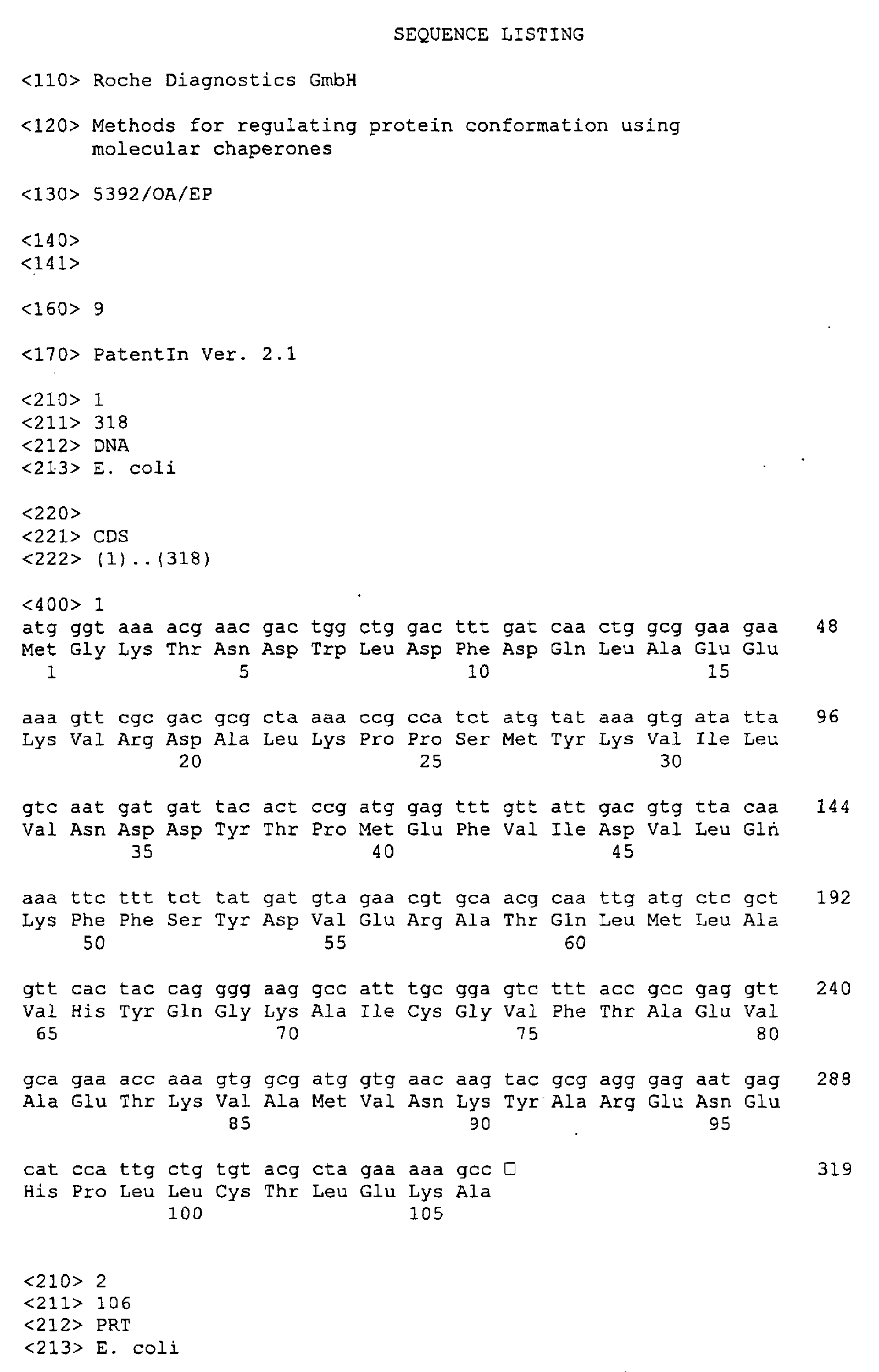
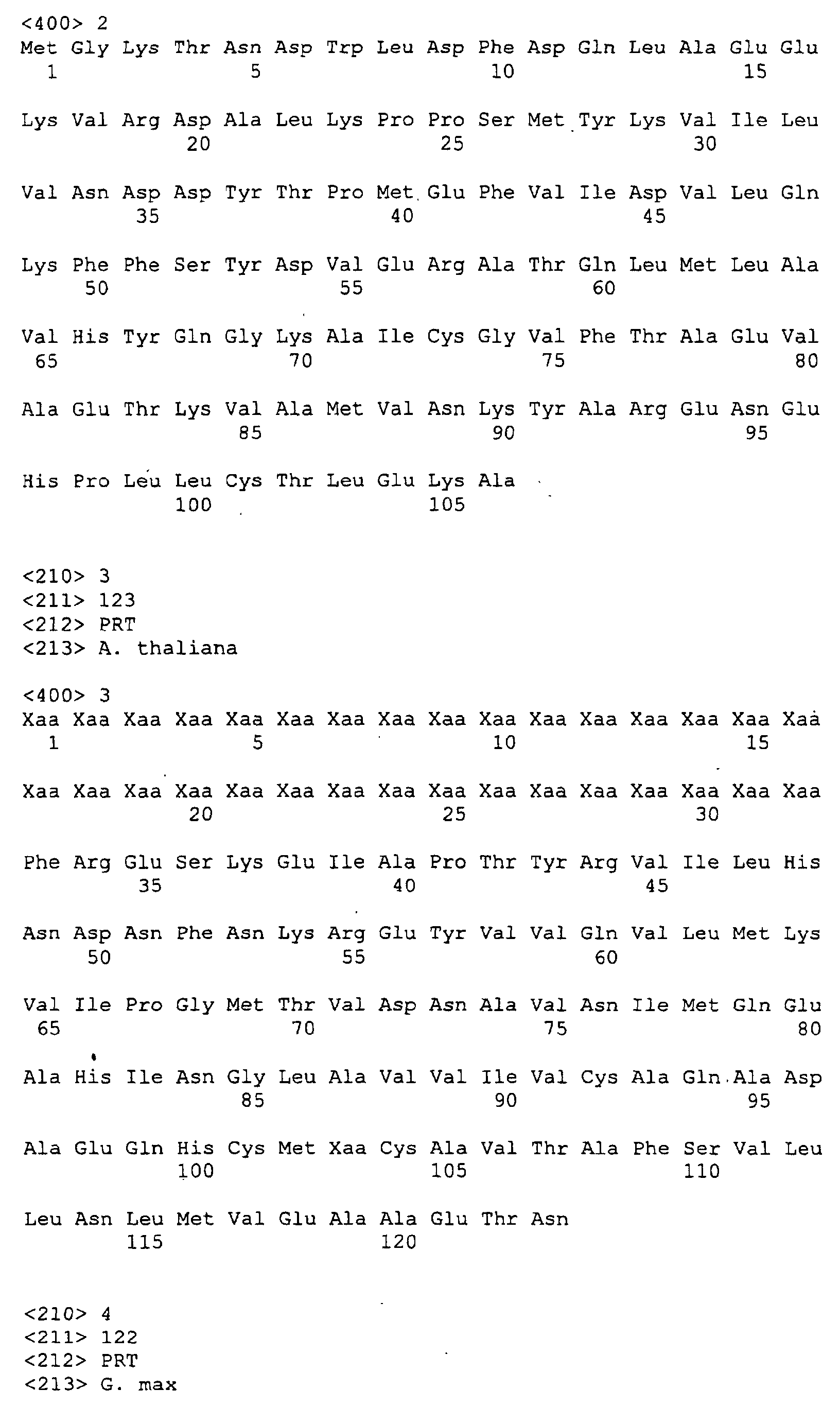
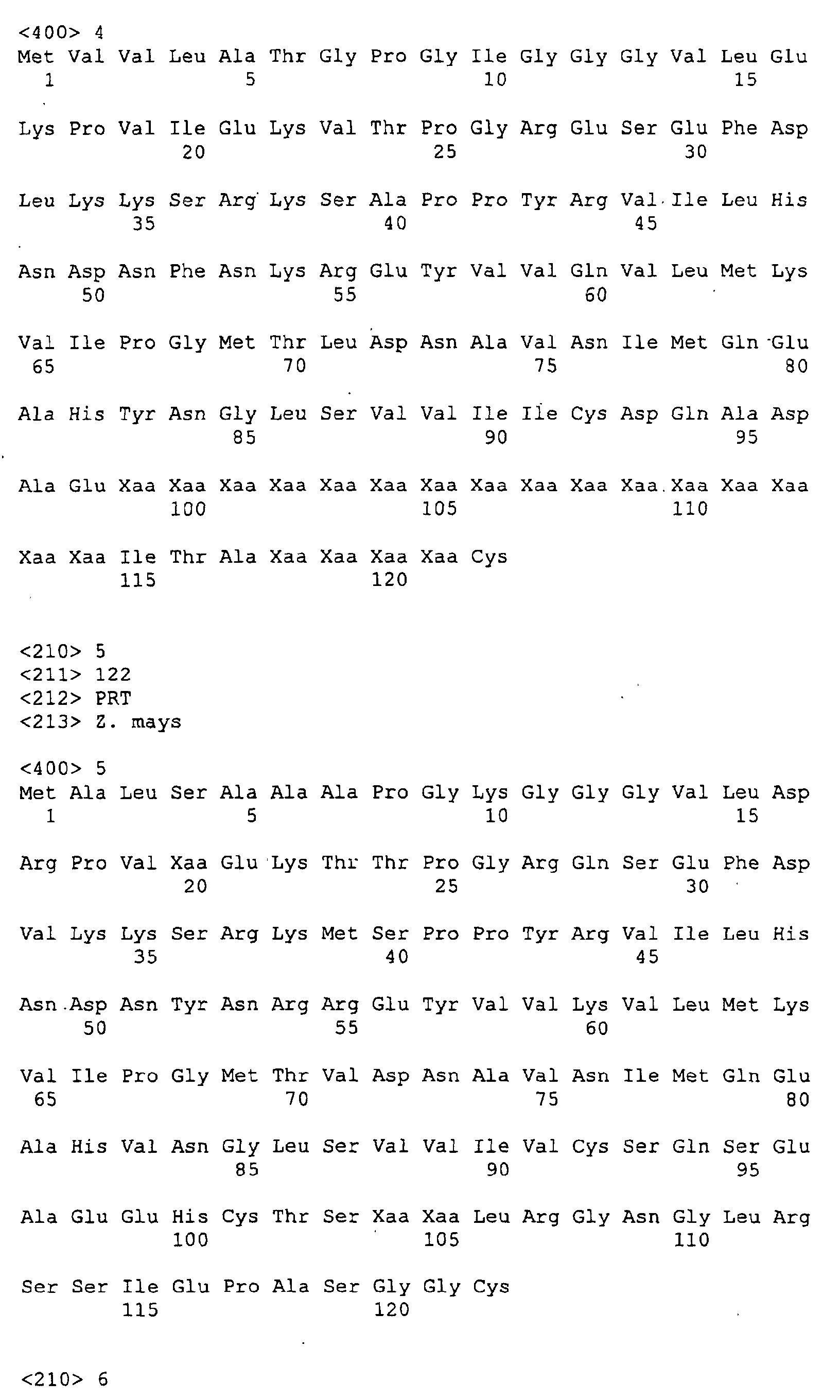



Claims (73)
1. A method for regulating the conformation of a target protein comprising contacting the
target protein with a molecular chaperone system comprising a first protein selected from
the group comprising at least one Hsp100 protein or a homolog thereof, and a second protein
selected from the group comprising at least one Hsp70 protein or a homolog thereof, to
thereby regulate the conformation of the target protein.
2. The method of claim 1, wherein the first protein comprises a prokaryotic homolog of 10 the
Hsp100 protein.
3. The method of claim 2, wherein the homolog is a Clp homolog.
4. The method of claim 3, wherein the Clp homolog is ClpA, ClpB or ClpX.
5. The method of claim 4, wherein the Clp homolog is ClpB.
6. The method of claim 1, wherein the second protein is a prokaryotic homolog of the Hsp70
protein.
7. The method of claim 6, wherein the prokaryotic homolog comprises DnaK.
8. The method of claim 1, wherein the molecular chaperone system further comprises at least
one cochaperone.
9. The method of claim 8, wherein the cochaperone comprises DnaJ, GrpE or ClpS.
10. The method of claim 9, wherein the cochaperone comprises DnaJ and GrpE.
11. The method of claim 1, wherein the target protein is recombinantly expressed in a host cell.
12. The method of claim 11, wherein the target protein is aggregated due to overexpression in
the host cell.
13. The method of claim 11, wherein the first and second proteins are recombinantly expressed
in the host cell.
14. The method of claim 11, wherein the cell is an E. Coli, S. Cerevisiae, B. Subtilis, plant, insect,
yeast, or mammalian cell.
15. The method of claim 13, wherein the first and second proteins are recombinantly expressed
by transforming or transfecting the host cell with a vector encoding the first and second
proteins.
16. The method of claim 15, wherein the vector is further capable of recombinantly expressing a
GroEL-GroES system or a homolog thereof; a GroEL-GroES system protein or a homolog
thereof, or Trigger Factor or a homolog thereof.
17. The method of claim 1, wherein the target protein is aggregated.
18. The method of claim 7, wherein the target protein is disaggregated in vitro.
19. The method of claim 18, wherein the target protein is aggregated due to heat stress, oxidative
stress, overexpression, mutation or disease.
20. A recombinant expression vector which encodes at least one Hsp100 protein or homolog
thereof and at least one Hsp70 protein or homolog thereof.
21. The vector of claim 20 which is an inducible recombinant expression vector.
22. The vector of claim 20 which further encodes at least one Hsp70 protein cochaperone.
23. The vector of claim 20 which further encodes a protein of interest.
24. A cell transformed with the vector of claim 20.
25. The cell of claim 24, wherein the cell is protease deficient.
26. The cell of claim 25, wherein the protease deficiency is caused by a mutation in an
rpoHgene.
27. The cell of claim 26, wherein the mutation is a chromosomal deletion in the rpoH gene.
28. The cell of claim 24, wherein the cell, recombinantly expresses a protein of interest.
29. The cell of claim 28, wherein the protein of interest is likely to misfold or aggregate without
recombinant expression of at least one Hsp100 protein or homolog thereof and at least one
Hsp70 protein or homolog thereof.
30. The cell of claim 29, wherein expression of at least one Hsp100 protein or homolog thereof
and at least one Hsp70 protein or homolog thereof inhibits misfolding or aggregation of the
protein of interest.
31. The cell of claim 30, wherein the inhibition of the aggregation of the protein of interest increases
the yield of the active conformation of the protein of interest compared to a cell in
which at least one Hsp100 protein or homolog thereof and at least one Hsp70 protein or
homolog thereof is not recombinantly expressed.
32. The cell of claim 22, wherein expression of at least one Hsp100 protein or homolog thereof
and at least one Hsp70 protein or homolog thereof causes the disaggregation and refolding
an aggregated protein.
33. The cell of claim 24, wherein the cell is prokaryotic or eukaryotic.
34. The cell of claim 33, wherein the cell is an E. Coli, S. Cerevisiae, B. Subtilis, plant, insect,
yeast, or mammalian cell.
35. The cell of claim 28, wherein the protein of interest is Malate Dehydrogenase.
36. A method for disaggregating an aggregated protein in vitro comprising contacting the aggregated
protein with a molecular chaperone system comprising at least one Hsp100 protein or
a homolog thereof and at least one Hsp70 protein or a homolog thereof to thereby disaggregate
the aggregated protein.
37. The method of claim 36, wherein the method further comprises the step of folding the disaggregated
protein into an active form.
38. A method for increasing the solubility of a recombinantly expressed protein comprising coexpressing
a molecular chaperone system comprising at least one Hsp100 protein or a homolog
thereof and at least one Hsp70 protein or a homolog thereof to thereby increase the
solubility of the recombinantly expressed protein.
39. A method of preventing cell death caused by misfolding and aggregation of a protein comprising
administering a therapeutically effective amount of a molecular chaperone system
comprising at least one Hsp100 protein or a homolog thereof and at least one Hsp70 protein
or a homolog thereof to prevent the misfolding and aggregating of a protein, thereby preventing
cell death.
40. A method of treating a disease in an animal caused by misfolding and aggregation of a protein
comprising administering a therapeutically effective dose of a molecular chaperone
system comprising at least one Hsp100 protein or a homolog thereof and at least one Hsp70
protein or a homolog thereof to thereby treat the disease.
41. The method of claim 40, wherein the animal is a human, a rodent, a cat, or a dog.
42. The method of claim 40' wherein the disease is Creutzfeld-Jacob's disease, Alzheimer's
disease, Huntington's disease, Ataxia type-1, cystic fibrosis or cancer.
43. The method of claim40, wherein the dose comprises a pharmaceutically acceptable carrier.
44. The method of claim 43, wherein the pharmaceutically acceptable carrier is capable of targeting
a misfolded protein.
45. A pharmaceutical composition comprising an effective dose of a molecular chaperone
system comprising at least one Hsp100 protein or a homolog thereof and at least one Hsp70
protein or a homolog thereof and a pharmaceutically acceptable carrier.
46. A method of increasing the folding efficiency of a protein in vitro comprising adding Trigger
Factor to an in VitYo protein synthesis system thereby increasing the folding efficiency of a
protein in vitro.
47. The method of claim 46, further comprising adding a molecular chaperone system comprising
at least one Hsp70 protein or a homolog thereof to the in vitro synthesis system.
48. A method of increasing the folding efficiency of a protein in a cell comprising recombinantly
expressing Trigger Factor in the cell to thereby increase the folding efficiency of the protein
in the cell.
49. The cell of claim 48, wherein the cell is prokaryotic or eukaryotic.
50. The method of claim 48, further comprising recombinantly expressing a molecular
chaperone system comprising at least one Hsp70 protein or a homolog thereof.
51. An isolated polynucleic acid molecule selected from the group consisting of:
(a) a polynucleotide comprising the nucleotide sequence of SEQ ID NO:1;
(b) a polynucleotide that is antisense to the polynucleotide of (a);
(c) a polynucleotide having 80% identity to the polynucleotide of (a) or (b);
(d) a polynucleotide encoding the protein of SEQ ID NO:2;
(e) a polynucleotide encoding a polypeptide having 80% identity to the protein of SEQ ID
NO:2;
(f) a polynucleotide having 80% identity to the polynucleotide of (a)-(e) encoding a protein
capable of regulating the activity of Hsp100 protein or a homolog thereof in disaggregation;
and
(g) a polynucleotide that hybridizes under stringent conditions to any one of the polynucleotides
specified in (a)-(f)
52. The polynucleotide of claim 51, comprising the polynucleotide of (a).
53. The polynucleotide of claim 51, comprising the polynucleotide of (b).
54. The polynucleotide of claim 51, comprising the polynucleotide of (c).
55. The polynucleotide of claim 51, comprising the polynucleotide of (d).
56. The polynucleotide of claim 51, comprising the polynucleotide of (e).
57. The polynucleotide of claim 51, comprising the polynucleotide of (f).
59. The polynucleotide of claim 51, comprising the polynucleotide of (g).
60. An isolated polypeptide selected from the group consisting of:
(a) a polypeptide comprising the amino acid sequence of SEQ ID NO:2;
(b) a polypeptide having 80% identity to the amino acid sequence of SEQ ID NO:2;
(c) a polypeptide variant of the amino acid sequence of SEQ ID NO:2;
(d) a polypeptide variant of the amino acid sequence of SEQ ID NO:2 capable of regulating
the activity of a Hsp100 protein or a homolog thereof in disaggregation;
(e) a polypeptide variant of the amino acid sequence of SEQ ID NO:2 capable of
cochaperoning ClpA;
(f) a polypeptide encoded by a polynucleotide with the sequence of SEQ ID NO:1;
(g) a polypeptide encoded by a polynucleotide having 80% identity to the sequence of SEQ
ID NO:1; and
(h) a polypeptide encoded by a polynucleotide which hybridizes under stringent conditions
to a polynucleotide with the sequence of SEQ ID NO: 1.
61. The polypeptide of claim 60, comprising the polypeptide of (a).
62. The polypeptide of claim 60, comprising the polypeptide of (b).
63. The polypeptide of claim 60, comprising the polypeptide of (c)
64. The polypeptide of claim 60, comprising the polypeptide of (d).
65. The polypeptide of claim 60, comprising the polypeptide of (e).
66. The polypeptide of claim 60, comprising the polypeptide of (f).
67. The polypeptide of claim 60, comprising the polypeptide of (g).
68. The polypeptide of claim 63, wherein the variant is an insertion, a deletion, or a substitution
variant.
69. A gene therapy for treating a disease comprising administering a pharmaceutical composition
comprising a gene therapy vector encoding a molecular chaperone system comprising a
first protein selected from the group consisting of at least one Hsp100 protein or a homolog
thereof, and a second protein selected from the group consisting of at least one Hsp70 protein
or a homolog thereof.
70. A composition for the gene therapy of claim 69, comprising a gene therapy vector encoding a
first protein selected from the group consisting of at least one Hsp100 protein or a homolog
thereof, and a second protein selected from the group consisting of at least one Hsp70 protein
or a homolog thereof.
71. An isolated molecular chaperone system comprising a first protein selected from the group
consisting of at least one Hsp100 protein or a homolog thereof, and a second protein selected
from the group consisting of at least one Hsp70 protein or a homolog thereof.
72. A method for regulating the activity of a Hsp100 protein or a homolog thereof comprising
contacting the Hsp100 protein with a polypeptide of claim 60.
73. The method of claim 72, wherein the Hsp100 protein is ClpA, ClpB, or ClpX.
74. The method of claim 73, wherein the protein is ClpA.
Priority Applications (6)
| Application Number | Priority Date | Filing Date | Title |
|---|---|---|---|
| EP00109270A EP1149909A1 (en) | 2000-04-28 | 2000-04-28 | Methods for regulating protein conformation using molecular chaperones |
| EP00925293A EP1183363A2 (en) | 1999-05-21 | 2000-05-18 | Methods for regulating protein conformation using molecular chaperones |
| AU44058/00A AU4405800A (en) | 1999-05-21 | 2000-05-18 | Methods for regulating protein conformation using molecular chaperones |
| JP2000620100A JP2003500056A (en) | 1999-05-21 | 2000-05-18 | Regulation of protein conformation using molecular chaperones |
| CA002374021A CA2374021A1 (en) | 1999-05-21 | 2000-05-18 | Methods for regulating protein conformation using molecular chaperones |
| PCT/EP2000/004501 WO2000071723A2 (en) | 1999-05-21 | 2000-05-18 | Methods for regulating protein conformation using molecular chaperones |
Applications Claiming Priority (1)
| Application Number | Priority Date | Filing Date | Title |
|---|---|---|---|
| EP00109270A EP1149909A1 (en) | 2000-04-28 | 2000-04-28 | Methods for regulating protein conformation using molecular chaperones |
Publications (1)
| Publication Number | Publication Date |
|---|---|
| EP1149909A1 true EP1149909A1 (en) | 2001-10-31 |
Family
ID=8168591
Family Applications (2)
| Application Number | Title | Priority Date | Filing Date |
|---|---|---|---|
| EP00109270A Withdrawn EP1149909A1 (en) | 1999-05-21 | 2000-04-28 | Methods for regulating protein conformation using molecular chaperones |
| EP00925293A Withdrawn EP1183363A2 (en) | 1999-05-21 | 2000-05-18 | Methods for regulating protein conformation using molecular chaperones |
Family Applications After (1)
| Application Number | Title | Priority Date | Filing Date |
|---|---|---|---|
| EP00925293A Withdrawn EP1183363A2 (en) | 1999-05-21 | 2000-05-18 | Methods for regulating protein conformation using molecular chaperones |
Country Status (5)
| Country | Link |
|---|---|
| EP (2) | EP1149909A1 (en) |
| JP (1) | JP2003500056A (en) |
| AU (1) | AU4405800A (en) |
| CA (1) | CA2374021A1 (en) |
| WO (1) | WO2000071723A2 (en) |
Cited By (2)
| Publication number | Priority date | Publication date | Assignee | Title |
|---|---|---|---|---|
| LT5053B (en) | 2002-12-24 | 2003-09-25 | Biotechnologijos Institutas | Chaperons DnaK, DnaJ and GrpE from Meiothermus ruber having increased thermal stability and system and process for refolding proteins in vitro |
| WO2004081202A1 (en) | 2003-03-14 | 2004-09-23 | Korea Advanced Institute Of Science And Technology | METHOD FOR PRODUCING TARGET PROTEINS BY DELETING OR AMPLIFYING ibpA AND/OR ibpB GENE CODING FOR INCLUSION BODY-ASSOCIATED PROTEINS |
Families Citing this family (12)
| Publication number | Priority date | Publication date | Assignee | Title |
|---|---|---|---|---|
| WO2003057897A2 (en) * | 2002-01-07 | 2003-07-17 | European Molecular Biology Laboratory | Recombinant protein expression |
| US7601504B2 (en) * | 2003-07-03 | 2009-10-13 | Toyo Boseki Kabushiki Kaisha | Protein achieving improved blocking efficiency |
| CN101528771B (en) | 2006-10-13 | 2013-10-30 | 生物技术工具公司 | Method for purification of DNAK |
| PL2079758T3 (en) * | 2006-10-13 | 2015-02-27 | Biotech Tools Sa | Method for the purification of dnak |
| JP2013513622A (en) | 2009-12-14 | 2013-04-22 | ユニバーシティ オブ マサチューセッツ | Methods for inhibiting cataracts and presbyopia |
| NL2009191C2 (en) * | 2012-07-16 | 2014-01-20 | Univ Delft Tech | Single molecule protein sequencing. |
| US9789091B2 (en) | 2013-03-14 | 2017-10-17 | University Of Massachusetts | Methods of inhibiting cataracts and presbyopia |
| PE20181070A1 (en) | 2015-11-13 | 2018-07-04 | Univ Massachusetts | BIFUNCTIONAL MOLECULES CONTAINING PEG FOR USE IN THE INHIBITION OF CATARACT AND PRESBYCIA |
| WO2018148516A1 (en) * | 2017-02-10 | 2018-08-16 | President And Fellows Of Harvard College | Methods of making proteins with non-standard amino acids |
| KR102185312B1 (en) * | 2017-10-25 | 2020-12-02 | 재단법인 지능형 바이오 시스템 설계 및 합성 연구단 | A composition for solubilization of target proteins and use thereof |
| CN111518735A (en) * | 2019-02-02 | 2020-08-11 | 江南大学 | A kind of Corynebacterium glutamicum recombinant bacteria, preparation method and application |
| CN116426493B (en) * | 2023-06-15 | 2023-09-05 | 天津淳瑶生物科技有限公司 | Construction method and application of genetically engineered strain for expressing fructose dehydrogenase |
Citations (2)
| Publication number | Priority date | Publication date | Assignee | Title |
|---|---|---|---|---|
| WO1999002989A1 (en) * | 1997-07-10 | 1999-01-21 | Medical Research Council | Chaperone fragments |
| EP1016724A2 (en) * | 1998-12-28 | 2000-07-05 | Hsp Research Institute, Inc. | Plasmids expressing the trigger factors GroEL or GroES |
Family Cites Families (1)
| Publication number | Priority date | Publication date | Assignee | Title |
|---|---|---|---|---|
| JP3344618B2 (en) * | 1997-06-20 | 2002-11-11 | 株式会社エイチ・エス・ピー研究所 | Chaperone expression plasmid |
-
2000
- 2000-04-28 EP EP00109270A patent/EP1149909A1/en not_active Withdrawn
- 2000-05-18 CA CA002374021A patent/CA2374021A1/en not_active Abandoned
- 2000-05-18 JP JP2000620100A patent/JP2003500056A/en active Pending
- 2000-05-18 WO PCT/EP2000/004501 patent/WO2000071723A2/en not_active Ceased
- 2000-05-18 AU AU44058/00A patent/AU4405800A/en not_active Abandoned
- 2000-05-18 EP EP00925293A patent/EP1183363A2/en not_active Withdrawn
Patent Citations (2)
| Publication number | Priority date | Publication date | Assignee | Title |
|---|---|---|---|---|
| WO1999002989A1 (en) * | 1997-07-10 | 1999-01-21 | Medical Research Council | Chaperone fragments |
| EP1016724A2 (en) * | 1998-12-28 | 2000-07-05 | Hsp Research Institute, Inc. | Plasmids expressing the trigger factors GroEL or GroES |
Non-Patent Citations (19)
| Title |
|---|
| BLATTNER F.R. ET AL.: "The complete genome sequence of Escherichia coli K-12", SCIENCE, vol. 277, 1997, pages 1453 - 1474 * |
| CROOKE E. AND WICKNER W.: "Trigger Factor: a soluble protein that folds pro-OmpA into a membrane-assembly-competent form", PROCEEDINGS OF THE NATIONAL ACADEMY OF SCIENCES OF THE USA, vol. 84, August 1987 (1987-08-01), pages 5216 - 5220, XP002156135, ISSN: 0027-8424 * |
| DATABASE SWISSPROT 1 November 1997 (1997-11-01), "12.2 kDa protein in cspD-clpA intergenic region. Escherichia coli YLJA", XP002148775 * |
| FINK A.L.: "Chaperone-mediated protein folding", PHYSIOLOGICAL REVIEWS, vol. 79, no. 2, April 1999 (1999-04-01), pages 425 - 449, XP000951465 * |
| GLOVER J.R. AND LINDQUIST S.: "Hsp104, Hsp70, and Hsp40: a novel chaperone system that rescues previously aggregated proteins", CELL, vol. 94, 1998, pages 73 - 82, XP002148769 * |
| GOLOUBINOFF P. ET AL.: "Sequential mechanism of solubilization and refolding of stable protein aggregates by a bichaperone network", PROCEEDINGS OF THE NATIONAL ACADEMY OF SCIENCES OF THE USA, vol. 96, no. 24, 23 November 1999 (1999-11-23), pages 13732 - 13737, XP002148773 * |
| GOTTESMAN S. ET AL.: "The ATP-dependent Clp protease of Escherichia coli", THE JOURNAL OF BIOLOGICAL CHEMISTRY, vol. 265, no. 14, 15 May 1990 (1990-05-15), pages 7886 - 7893, XP002148770 * |
| HESTERKAMP T. AND BUKAU B.: "The Escherichia coli trigger factor", FEBS LETTERS, vol. 389, 1996, pages 32 - 34, XP002156137, ISSN: 0014-5793 * |
| HESTERKAMP T. ET AL.: "Escherichia coli Trigger Factor is a prolyl isomerase that associates with nascent polypeptide chains", PROCEEDINGS OF THE NATIONAL ACADEMY OF SCIENCES OF THE USA, vol. 93, April 1996 (1996-04-01), pages 4437 - 4441, XP002156134, ISSN: 0027-8424 * |
| KROBITSCH S. AND LINDQUIST S.: "Aggregation of huntingtin in yeast varies with the length of the polyglutamine expansion and the expression of chaperone proteins", PROCEEDINGS OF THE NATIONAL ACADEMY OF SCIENCES OF THE USA, vol. 97, no. 4, 15 February 2000 (2000-02-15), pages 1589 - 1594, XP002149001 * |
| KRUSE M. ET AL.: "Enzyme assembly after de novo synthesis in rabbit reticulocyte lysate involves molecular chaperones and immunophilins", JOURNAL OF BIOLOGICAL CHEMISTRY, vol. 270, no. 6, 10 February 1995 (1995-02-10), pages 2588 - 2594, XP002156139, ISSN: 0021-9258 * |
| MOGK A. ET AL.: "Identification of thermolabile Escherichia coli proteins: prevention and reversion of aggregation by DnaK and ClpB", THE EMBO JOURNAL, vol. 18, no. 24, 15 December 1999 (1999-12-15), pages 6934 - 6949, XP002148774 * |
| MOTOHASHI K. ET AL.: "Heat-inactivated proteins are rescued by the DnaK.J-GrpE set and ClpB chaperones", PROCEEDINGS OF THE NATIONAL ACADEMY OF SCIENCES OF THE USA, vol. 96, June 1999 (1999-06-01), pages 7184 - 7189, XP002148771 * |
| NISHIHARA KAZUYO ET AL.: "Overexpression of Trigger Factor prevents aggregation of recombinant proteins in Escherichia coli", APPLIED AND ENVIRONMENTAL MICROBIOLOGY, vol. 66, no. 3, March 2000 (2000-03-01), pages 884 - 889, XP002156141, ISSN: 0099-2240 * |
| SCHOLZ C. ET AL.: "Cooperation of enzymatic and chaperone functions of Trigger Factor in the catalysis of protein folding", EMBO JOURNAL, vol. 16, no. 1, 1997, pages 54 - 58, XP002156140, ISSN: 0261-4189 * |
| STOLLER G. ET AL.: "A ribosome-associated peptidyl-prolyl cis/trans isomerase identified as the Trigger Factor", EMBO JOURNAL, vol. 14, no. 20, 1995, pages 4939 - 4948, XP002156136, ISSN: 0261-4189 * |
| STOLLER G. ET AL.: "An 11.8 kDa proteolytic fragment of the E. coli Trigger Factor represents the domain carrying the petidyl-prolyl cis/trans isomerase activity", FEBS LETTERS, vol. 384, 1996, pages 117 - 122, XP002156138, ISSN: 0014-5793 * |
| VALENT Q.A. ET AL.: "Early events in preprotein recognition in E.coli: interaction of SRP and Trigger Factor with nascent polypeptides", THE EMBO JOURNAL, vol. 14, no. 22, 1995, pages 5494 - 5505, XP002158194 * |
| ZOLKIEWSKI M.: "ClpB cooperates with DnaK, DnaJ, and GrpE in suppressing protein aggregation", THE JOURNAL OF BIOLOGICAL CHEMISTRY, vol. 274, no. 40, 1 October 1999 (1999-10-01), pages 28083 - 28086, XP002148772 * |
Cited By (3)
| Publication number | Priority date | Publication date | Assignee | Title |
|---|---|---|---|---|
| LT5053B (en) | 2002-12-24 | 2003-09-25 | Biotechnologijos Institutas | Chaperons DnaK, DnaJ and GrpE from Meiothermus ruber having increased thermal stability and system and process for refolding proteins in vitro |
| WO2004081202A1 (en) | 2003-03-14 | 2004-09-23 | Korea Advanced Institute Of Science And Technology | METHOD FOR PRODUCING TARGET PROTEINS BY DELETING OR AMPLIFYING ibpA AND/OR ibpB GENE CODING FOR INCLUSION BODY-ASSOCIATED PROTEINS |
| EP1604015A4 (en) * | 2003-03-14 | 2006-09-20 | Korea Advanced Inst Sci & Tech | METHOD FOR PRODUCING TARGET PROTEINS BY SUPPRESSING OR AMPLIFYING GENE CODING IBPA AND / OR IBPB FOR PROTEINS ASSOCIATED WITH INCLUSION BODIES |
Also Published As
| Publication number | Publication date |
|---|---|
| JP2003500056A (en) | 2003-01-07 |
| CA2374021A1 (en) | 2000-11-30 |
| WO2000071723A3 (en) | 2001-04-26 |
| WO2000071723A2 (en) | 2000-11-30 |
| AU4405800A (en) | 2000-12-12 |
| EP1183363A2 (en) | 2002-03-06 |
Similar Documents
| Publication | Publication Date | Title |
|---|---|---|
| JP3474190B2 (en) | Synthetic polynucleotide | |
| KR102894634B1 (en) | Cas 9 retroviral integrase and cas 9 recombinase systems for targeted incorporation of a dna sequence into a genome of a cell or organism | |
| Seaton et al. | A gene encoding a DnaK/hsp70 homolog in Escherichia coli. | |
| EP1183363A2 (en) | Methods for regulating protein conformation using molecular chaperones | |
| JPH01501283A (en) | Novel type of colony stimulating factor-1 | |
| JP2008509682A (en) | Protein production method using YEBF | |
| CN114008205A (en) | Leader sequence | |
| Wilson et al. | DNA sequence and characterization of GcvA, a LysR family regulatory protein for the Escherichia coli glycine cleavage enzyme system | |
| US7429654B1 (en) | Cold-shock regulatory elements, constructs thereof, and method of use | |
| AU740816B2 (en) | Fusion proteins comprising sequence derived from bovine IF1 ATPase inhibitor protein | |
| CZ309487B6 (en) | Method of preparation of barley plants producing antimicrobial peptides | |
| JP4117033B2 (en) | Production method by biosynthesis of chemical substances | |
| WO2020046144A1 (en) | Novel enzymes | |
| JP2002503106A (en) | Bacterial pheromone and its use | |
| KR101946789B1 (en) | Recombination vector comprising Disulfide Bond Isomerase signal peptide and use thereof | |
| CN101492687A (en) | Cultivated silkworm glutathione-S-transferase BmGSTe7 gene and uses thereof | |
| JPH10500311A (en) | Factors that interact with nuclear proteins | |
| CN117940447A (en) | Chimeric klebsiella extract | |
| JP2548204B2 (en) | New bioactive polypeptide | |
| RU2316590C1 (en) | RECOMBINANT PLASMID DNA pE-His8-TrxL-Ar2 ENCODING FUSION PROTEIN COMPRISING ANTIMICROBIAL SEA ANNELID WORM Arenicola marina PEPTIDE ARENICIN AND STRAIN Escherichia coli BL21(DE3)/pE-His8-TrxL-Ar2 AS PRODUCER OF ARENICIN-CONTAINING FUSION PROTEIN | |
| JPH07274970A (en) | Recombinant vector, transformant carrying this recombinant vector, and method for producing antibacterial peptide by this transformant | |
| Wistow et al. | Crystallins: the over-expression of functional enzymes and stress proteins in the eye lens | |
| Wang et al. | High‐level expression of cecropin CMIV in E. coli from a fusion construct containing the human tumor necrosis factor | |
| US7193043B1 (en) | Tropoelastin derivatives | |
| Dixon-Fyle et al. | Characterization in vitro and in vivo of a new HU family protein from Streptococcus thermophilus ST11 |
Legal Events
| Date | Code | Title | Description |
|---|---|---|---|
| PUAI | Public reference made under article 153(3) epc to a published international application that has entered the european phase |
Free format text: ORIGINAL CODE: 0009012 |
|
| AK | Designated contracting states |
Kind code of ref document: A1 Designated state(s): AT BE CH CY DE DK ES FI FR GB GR IE IT LI LU MC NL PT SE |
|
| AX | Request for extension of the european patent |
Free format text: AL;LT;LV;MK;RO;SI |
|
| 17P | Request for examination filed |
Effective date: 20020502 |
|
| AKX | Designation fees paid |
Free format text: AT BE CH CY DE DK ES FI FR GB GR IE IT LI LU MC NL PT SE |
|
| STAA | Information on the status of an ep patent application or granted ep patent |
Free format text: STATUS: THE APPLICATION HAS BEEN WITHDRAWN |
|
| 18W | Application withdrawn |
Withdrawal date: 20020801 |