EP1141318B1 - P450 / acetaminophen gdept for cancer treatment - Google Patents
P450 / acetaminophen gdept for cancer treatment Download PDFInfo
- Publication number
- EP1141318B1 EP1141318B1 EP99962321A EP99962321A EP1141318B1 EP 1141318 B1 EP1141318 B1 EP 1141318B1 EP 99962321 A EP99962321 A EP 99962321A EP 99962321 A EP99962321 A EP 99962321A EP 1141318 B1 EP1141318 B1 EP 1141318B1
- Authority
- EP
- European Patent Office
- Prior art keywords
- cells
- acetaminophen
- product
- vector
- use according
- Prior art date
- Legal status (The legal status is an assumption and is not a legal conclusion. Google has not performed a legal analysis and makes no representation as to the accuracy of the status listed.)
- Expired - Lifetime
Links
- RZVAJINKPMORJF-UHFFFAOYSA-N Acetaminophen Chemical compound CC(=O)NC1=CC=C(O)C=C1 RZVAJINKPMORJF-UHFFFAOYSA-N 0.000 title claims abstract description 175
- 229960005489 paracetamol Drugs 0.000 title claims abstract description 87
- 206010028980 Neoplasm Diseases 0.000 title claims description 52
- 201000011510 cancer Diseases 0.000 title claims description 41
- 238000011282 treatment Methods 0.000 title claims description 20
- 239000013598 vector Substances 0.000 claims abstract description 61
- 210000004881 tumor cell Anatomy 0.000 claims abstract description 19
- 230000001472 cytotoxic effect Effects 0.000 claims abstract description 14
- RWSXRVCMGQZWBV-WDSKDSINSA-N glutathione Chemical compound OC(=O)[C@@H](N)CCC(=O)N[C@@H](CS)C(=O)NCC(O)=O RWSXRVCMGQZWBV-WDSKDSINSA-N 0.000 claims description 42
- 108090000623 proteins and genes Proteins 0.000 claims description 41
- 108010074922 Cytochrome P-450 CYP1A2 Proteins 0.000 claims description 39
- 230000014509 gene expression Effects 0.000 claims description 30
- 101150053185 P450 gene Proteins 0.000 claims description 22
- 229960003180 glutathione Drugs 0.000 claims description 21
- 102000004190 Enzymes Human genes 0.000 claims description 14
- 108090000790 Enzymes Proteins 0.000 claims description 14
- 108010024636 Glutathione Proteins 0.000 claims description 13
- 231100000433 cytotoxic Toxicity 0.000 claims description 12
- 239000003814 drug Substances 0.000 claims description 12
- 238000004519 manufacturing process Methods 0.000 claims description 9
- 239000002207 metabolite Substances 0.000 claims description 8
- 101001012157 Homo sapiens Receptor tyrosine-protein kinase erbB-2 Proteins 0.000 claims description 7
- 102100030086 Receptor tyrosine-protein kinase erbB-2 Human genes 0.000 claims description 7
- 241000283984 Rodentia Species 0.000 claims description 7
- 239000013604 expression vector Substances 0.000 claims description 7
- 210000000481 breast Anatomy 0.000 claims description 6
- 230000003612 virological effect Effects 0.000 claims description 6
- 102100039205 Cytochrome P450 3A4 Human genes 0.000 claims description 5
- PWKSKIMOESPYIA-BYPYZUCNSA-N L-N-acetyl-Cysteine Chemical compound CC(=O)N[C@@H](CS)C(O)=O PWKSKIMOESPYIA-BYPYZUCNSA-N 0.000 claims description 5
- 229960004308 acetylcysteine Drugs 0.000 claims description 5
- 239000003795 chemical substances by application Substances 0.000 claims description 5
- 108090000765 processed proteins & peptides Proteins 0.000 claims description 5
- 108010001202 Cytochrome P-450 CYP2E1 Proteins 0.000 claims description 4
- 241000702421 Dependoparvovirus Species 0.000 claims description 4
- KGQZGCIVHYLPBH-UHFFFAOYSA-N Furafylline Chemical compound O=C1N(C)C(=O)C=2NC(C)=NC=2N1CC1=CC=CO1 KGQZGCIVHYLPBH-UHFFFAOYSA-N 0.000 claims description 4
- FFEARJCKVFRZRR-BYPYZUCNSA-N L-methionine Chemical compound CSCC[C@H](N)C(O)=O FFEARJCKVFRZRR-BYPYZUCNSA-N 0.000 claims description 4
- 241000124008 Mammalia Species 0.000 claims description 4
- 108010072866 Prostate-Specific Antigen Proteins 0.000 claims description 4
- 102100029986 Receptor tyrosine-protein kinase erbB-3 Human genes 0.000 claims description 4
- 101710100969 Receptor tyrosine-protein kinase erbB-3 Proteins 0.000 claims description 4
- 229950004998 furafylline Drugs 0.000 claims description 4
- 208000032839 leukemia Diseases 0.000 claims description 4
- 229930182817 methionine Natural products 0.000 claims description 4
- 108091003724 mouse cytochrome P-450 1A2 Proteins 0.000 claims description 4
- 239000013603 viral vector Substances 0.000 claims description 4
- 108010081668 Cytochrome P-450 CYP3A Proteins 0.000 claims description 3
- 102100024889 Cytochrome P450 2E1 Human genes 0.000 claims description 3
- 108010026331 alpha-Fetoproteins Proteins 0.000 claims description 3
- 230000002611 ovarian Effects 0.000 claims description 3
- 239000002243 precursor Substances 0.000 claims description 3
- 241000701161 unidentified adenovirus Species 0.000 claims description 3
- 241001430294 unidentified retrovirus Species 0.000 claims description 3
- 102100030310 5,6-dihydroxyindole-2-carboxylic acid oxidase Human genes 0.000 claims description 2
- 101710163881 5,6-dihydroxyindole-2-carboxylic acid oxidase Proteins 0.000 claims description 2
- 239000004382 Amylase Substances 0.000 claims description 2
- 102000013142 Amylases Human genes 0.000 claims description 2
- 108010065511 Amylases Proteins 0.000 claims description 2
- 241000701022 Cytomegalovirus Species 0.000 claims description 2
- 208000032612 Glial tumor Diseases 0.000 claims description 2
- 206010018338 Glioma Diseases 0.000 claims description 2
- 241000713666 Lentivirus Species 0.000 claims description 2
- 206010025323 Lymphomas Diseases 0.000 claims description 2
- 241000829100 Macaca mulatta polyomavirus 1 Species 0.000 claims description 2
- 102100034256 Mucin-1 Human genes 0.000 claims description 2
- 241001529936 Murinae Species 0.000 claims description 2
- 241000714474 Rous sarcoma virus Species 0.000 claims description 2
- 101710173693 Short transient receptor potential channel 1 Proteins 0.000 claims description 2
- 241000700584 Simplexvirus Species 0.000 claims description 2
- 102000006601 Thymidine Kinase Human genes 0.000 claims description 2
- 108020004440 Thymidine kinase Proteins 0.000 claims description 2
- LVTKHGUGBGNBPL-UHFFFAOYSA-N Trp-P-1 Chemical compound N1C2=CC=CC=C2C2=C1C(C)=C(N)N=C2C LVTKHGUGBGNBPL-UHFFFAOYSA-N 0.000 claims description 2
- 102100039094 Tyrosinase Human genes 0.000 claims description 2
- 108060008724 Tyrosinase Proteins 0.000 claims description 2
- 235000019418 amylase Nutrition 0.000 claims description 2
- 239000000427 antigen Substances 0.000 claims description 2
- 108091007433 antigens Proteins 0.000 claims description 2
- 102000036639 antigens Human genes 0.000 claims description 2
- 201000010099 disease Diseases 0.000 claims description 2
- 208000037265 diseases, disorders, signs and symptoms Diseases 0.000 claims description 2
- 230000002440 hepatic effect Effects 0.000 claims description 2
- 210000004072 lung Anatomy 0.000 claims description 2
- 201000001441 melanoma Diseases 0.000 claims description 2
- 210000002307 prostate Anatomy 0.000 claims description 2
- 230000002207 retinal effect Effects 0.000 claims description 2
- 230000002381 testicular Effects 0.000 claims description 2
- 241000701447 unidentified baculovirus Species 0.000 claims description 2
- 241001529453 unidentified herpesvirus Species 0.000 claims description 2
- 102000007066 Prostate-Specific Antigen Human genes 0.000 claims 2
- 239000003085 diluting agent Substances 0.000 claims 2
- 239000000546 pharmaceutical excipient Substances 0.000 claims 2
- 102100026533 Cytochrome P450 1A2 Human genes 0.000 claims 1
- 101000914324 Homo sapiens Carcinoembryonic antigen-related cell adhesion molecule 5 Proteins 0.000 claims 1
- 101000914321 Homo sapiens Carcinoembryonic antigen-related cell adhesion molecule 7 Proteins 0.000 claims 1
- 101001133056 Homo sapiens Mucin-1 Proteins 0.000 claims 1
- 101000617725 Homo sapiens Pregnancy-specific beta-1-glycoprotein 2 Proteins 0.000 claims 1
- 102100022019 Pregnancy-specific beta-1-glycoprotein 2 Human genes 0.000 claims 1
- 102000013529 alpha-Fetoproteins Human genes 0.000 claims 1
- 230000002496 gastric effect Effects 0.000 claims 1
- 108090000195 villin Proteins 0.000 claims 1
- 239000000203 mixture Substances 0.000 abstract description 8
- 238000011275 oncology therapy Methods 0.000 abstract description 2
- 230000002503 metabolic effect Effects 0.000 abstract 1
- 230000001225 therapeutic effect Effects 0.000 abstract 1
- 210000004027 cell Anatomy 0.000 description 204
- 108020004414 DNA Proteins 0.000 description 42
- 102000008144 Cytochrome P-450 CYP1A2 Human genes 0.000 description 38
- URNSECGXFRDEDC-UHFFFAOYSA-N N-acetyl-1,4-benzoquinone imine Chemical compound CC(=O)N=C1C=CC(=O)C=C1 URNSECGXFRDEDC-UHFFFAOYSA-N 0.000 description 31
- 230000000694 effects Effects 0.000 description 26
- 238000000034 method Methods 0.000 description 22
- 230000035899 viability Effects 0.000 description 19
- 230000003833 cell viability Effects 0.000 description 17
- 239000002502 liposome Substances 0.000 description 16
- 210000004185 liver Anatomy 0.000 description 15
- 210000001519 tissue Anatomy 0.000 description 15
- 101000855342 Homo sapiens Cytochrome P450 1A2 Proteins 0.000 description 13
- 238000001890 transfection Methods 0.000 description 13
- 102000057459 human CYP1A2 Human genes 0.000 description 12
- 235000018102 proteins Nutrition 0.000 description 11
- 102000004169 proteins and genes Human genes 0.000 description 11
- 210000005229 liver cell Anatomy 0.000 description 10
- 230000035945 sensitivity Effects 0.000 description 10
- 238000006243 chemical reaction Methods 0.000 description 9
- 229940002612 prodrug Drugs 0.000 description 9
- 239000000651 prodrug Substances 0.000 description 9
- 229940127089 cytotoxic agent Drugs 0.000 description 8
- 238000002474 experimental method Methods 0.000 description 8
- 230000001965 increasing effect Effects 0.000 description 8
- 108010015742 Cytochrome P-450 Enzyme System Proteins 0.000 description 7
- 230000006378 damage Effects 0.000 description 7
- 239000003112 inhibitor Substances 0.000 description 7
- 150000002632 lipids Chemical class 0.000 description 7
- 230000003228 microsomal effect Effects 0.000 description 7
- 102000002004 Cytochrome P-450 Enzyme System Human genes 0.000 description 6
- GLNADSQYFUSGOU-GPTZEZBUSA-J Trypan blue Chemical compound [Na+].[Na+].[Na+].[Na+].C1=C(S([O-])(=O)=O)C=C2C=C(S([O-])(=O)=O)C(/N=N/C3=CC=C(C=C3C)C=3C=C(C(=CC=3)\N=N\C=3C(=CC4=CC(=CC(N)=C4C=3O)S([O-])(=O)=O)S([O-])(=O)=O)C)=C(O)C2=C1N GLNADSQYFUSGOU-GPTZEZBUSA-J 0.000 description 6
- 230000000981 bystander Effects 0.000 description 6
- 238000010367 cloning Methods 0.000 description 6
- 239000002254 cytotoxic agent Substances 0.000 description 6
- 231100000599 cytotoxic agent Toxicity 0.000 description 6
- 102000034356 gene-regulatory proteins Human genes 0.000 description 6
- 108091006104 gene-regulatory proteins Proteins 0.000 description 6
- UCSJYZPVAKXKNQ-HZYVHMACSA-N streptomycin Chemical compound CN[C@H]1[C@H](O)[C@@H](O)[C@H](CO)O[C@H]1O[C@@H]1[C@](C=O)(O)[C@H](C)O[C@H]1O[C@@H]1[C@@H](NC(N)=N)[C@H](O)[C@@H](NC(N)=N)[C@H](O)[C@H]1O UCSJYZPVAKXKNQ-HZYVHMACSA-N 0.000 description 6
- ZDXPYRJPNDTMRX-VKHMYHEASA-N L-glutamine Chemical compound OC(=O)[C@@H](N)CCC(N)=O ZDXPYRJPNDTMRX-VKHMYHEASA-N 0.000 description 5
- 229930182816 L-glutamine Natural products 0.000 description 5
- 230000003213 activating effect Effects 0.000 description 5
- 239000003153 chemical reaction reagent Substances 0.000 description 5
- BRZYSWJRSDMWLG-CAXSIQPQSA-N geneticin Chemical compound O1C[C@@](O)(C)[C@H](NC)[C@@H](O)[C@H]1O[C@@H]1[C@@H](O)[C@H](O[C@@H]2[C@@H]([C@@H](O)[C@H](O)[C@@H](C(C)O)O2)N)[C@@H](N)C[C@H]1N BRZYSWJRSDMWLG-CAXSIQPQSA-N 0.000 description 5
- 239000002609 medium Substances 0.000 description 5
- 230000002829 reductive effect Effects 0.000 description 5
- 230000001988 toxicity Effects 0.000 description 5
- 231100000419 toxicity Toxicity 0.000 description 5
- 238000001262 western blot Methods 0.000 description 5
- 238000010600 3H thymidine incorporation assay Methods 0.000 description 4
- 101150117450 CYP1A2 gene Proteins 0.000 description 4
- 229920002307 Dextran Polymers 0.000 description 4
- 230000006978 adaptation Effects 0.000 description 4
- 239000002246 antineoplastic agent Substances 0.000 description 4
- 125000002091 cationic group Chemical group 0.000 description 4
- 230000030833 cell death Effects 0.000 description 4
- 239000002299 complementary DNA Substances 0.000 description 4
- 230000007423 decrease Effects 0.000 description 4
- 239000003623 enhancer Substances 0.000 description 4
- UVCJGUGAGLDPAA-UHFFFAOYSA-N ensulizole Chemical compound N1C2=CC(S(=O)(=O)O)=CC=C2N=C1C1=CC=CC=C1 UVCJGUGAGLDPAA-UHFFFAOYSA-N 0.000 description 4
- 230000007717 exclusion Effects 0.000 description 4
- 239000012634 fragment Substances 0.000 description 4
- 238000001415 gene therapy Methods 0.000 description 4
- 238000011534 incubation Methods 0.000 description 4
- 229920009537 polybutylene succinate adipate Polymers 0.000 description 4
- 239000000047 product Substances 0.000 description 4
- 230000009467 reduction Effects 0.000 description 4
- 239000000126 substance Substances 0.000 description 4
- 102000000311 Cytosine Deaminase Human genes 0.000 description 3
- 108010080611 Cytosine Deaminase Proteins 0.000 description 3
- OKKJLVBELUTLKV-UHFFFAOYSA-N Methanol Chemical compound OC OKKJLVBELUTLKV-UHFFFAOYSA-N 0.000 description 3
- 229930182555 Penicillin Natural products 0.000 description 3
- JGSARLDLIJGVTE-MBNYWOFBSA-N Penicillin G Chemical compound N([C@H]1[C@H]2SC([C@@H](N2C1=O)C(O)=O)(C)C)C(=O)CC1=CC=CC=C1 JGSARLDLIJGVTE-MBNYWOFBSA-N 0.000 description 3
- 239000002202 Polyethylene glycol Substances 0.000 description 3
- FAPWRFPIFSIZLT-UHFFFAOYSA-M Sodium chloride Chemical compound [Na+].[Cl-] FAPWRFPIFSIZLT-UHFFFAOYSA-M 0.000 description 3
- HEMHJVSKTPXQMS-UHFFFAOYSA-M Sodium hydroxide Chemical compound [OH-].[Na+] HEMHJVSKTPXQMS-UHFFFAOYSA-M 0.000 description 3
- 108091023040 Transcription factor Proteins 0.000 description 3
- 102000040945 Transcription factor Human genes 0.000 description 3
- 230000022534 cell killing Effects 0.000 description 3
- 238000007796 conventional method Methods 0.000 description 3
- 230000003013 cytotoxicity Effects 0.000 description 3
- 231100000135 cytotoxicity Toxicity 0.000 description 3
- 230000029087 digestion Effects 0.000 description 3
- 229940079593 drug Drugs 0.000 description 3
- XRECTZIEBJDKEO-UHFFFAOYSA-N flucytosine Chemical compound NC1=NC(=O)NC=C1F XRECTZIEBJDKEO-UHFFFAOYSA-N 0.000 description 3
- 229960004413 flucytosine Drugs 0.000 description 3
- 230000003834 intracellular effect Effects 0.000 description 3
- 231100000252 nontoxic Toxicity 0.000 description 3
- 230000003000 nontoxic effect Effects 0.000 description 3
- 230000003647 oxidation Effects 0.000 description 3
- 238000007254 oxidation reaction Methods 0.000 description 3
- 229940049954 penicillin Drugs 0.000 description 3
- 238000000053 physical method Methods 0.000 description 3
- 239000013612 plasmid Substances 0.000 description 3
- 229920001223 polyethylene glycol Polymers 0.000 description 3
- 102000004196 processed proteins & peptides Human genes 0.000 description 3
- 239000011541 reaction mixture Substances 0.000 description 3
- 230000001177 retroviral effect Effects 0.000 description 3
- 239000012679 serum free medium Substances 0.000 description 3
- 239000007787 solid Substances 0.000 description 3
- 229960005322 streptomycin Drugs 0.000 description 3
- 231100000331 toxic Toxicity 0.000 description 3
- 230000002588 toxic effect Effects 0.000 description 3
- 238000012546 transfer Methods 0.000 description 3
- 230000001052 transient effect Effects 0.000 description 3
- 238000003146 transient transfection Methods 0.000 description 3
- BFSVOASYOCHEOV-UHFFFAOYSA-N 2-diethylaminoethanol Chemical compound CCN(CC)CCO BFSVOASYOCHEOV-UHFFFAOYSA-N 0.000 description 2
- 102100023635 Alpha-fetoprotein Human genes 0.000 description 2
- 206010006187 Breast cancer Diseases 0.000 description 2
- 208000026310 Breast neoplasm Diseases 0.000 description 2
- 208000005623 Carcinogenesis Diseases 0.000 description 2
- 241000699800 Cricetinae Species 0.000 description 2
- 102000004163 DNA-directed RNA polymerases Human genes 0.000 description 2
- 108090000626 DNA-directed RNA polymerases Proteins 0.000 description 2
- GHASVSINZRGABV-UHFFFAOYSA-N Fluorouracil Chemical compound FC1=CNC(=O)NC1=O GHASVSINZRGABV-UHFFFAOYSA-N 0.000 description 2
- 108700028146 Genetic Enhancer Elements Proteins 0.000 description 2
- 101100497140 Homo sapiens CYP2E1 gene Proteins 0.000 description 2
- 101000745711 Homo sapiens Cytochrome P450 3A4 Proteins 0.000 description 2
- 108020004684 Internal Ribosome Entry Sites Proteins 0.000 description 2
- ACFIXJIJDZMPPO-NNYOXOHSSA-N NADPH Chemical compound C1=CCC(C(=O)N)=CN1[C@H]1[C@H](O)[C@H](O)[C@@H](COP(O)(=O)OP(O)(=O)OC[C@@H]2[C@H]([C@@H](OP(O)(O)=O)[C@@H](O2)N2C3=NC=NC(N)=C3N=C2)O)O1 ACFIXJIJDZMPPO-NNYOXOHSSA-N 0.000 description 2
- 108091028043 Nucleic acid sequence Proteins 0.000 description 2
- 102100038358 Prostate-specific antigen Human genes 0.000 description 2
- 108700019146 Transgenes Proteins 0.000 description 2
- 241000700605 Viruses Species 0.000 description 2
- 230000004913 activation Effects 0.000 description 2
- 238000004458 analytical method Methods 0.000 description 2
- 229940041181 antineoplastic drug Drugs 0.000 description 2
- 238000003556 assay Methods 0.000 description 2
- 230000015572 biosynthetic process Effects 0.000 description 2
- 244000309466 calf Species 0.000 description 2
- 230000036952 cancer formation Effects 0.000 description 2
- 231100000504 carcinogenesis Toxicity 0.000 description 2
- -1 cationic lipid Chemical class 0.000 description 2
- 238000004113 cell culture Methods 0.000 description 2
- 210000000170 cell membrane Anatomy 0.000 description 2
- 150000001875 compounds Chemical class 0.000 description 2
- 238000010276 construction Methods 0.000 description 2
- 229960002949 fluorouracil Drugs 0.000 description 2
- 239000012737 fresh medium Substances 0.000 description 2
- 239000001963 growth medium Substances 0.000 description 2
- 239000007788 liquid Substances 0.000 description 2
- 238000005259 measurement Methods 0.000 description 2
- 230000001404 mediated effect Effects 0.000 description 2
- 229930027945 nicotinamide-adenine dinucleotide Natural products 0.000 description 2
- 150000007523 nucleic acids Chemical group 0.000 description 2
- CPJSUEIXXCENMM-UHFFFAOYSA-N phenacetin Chemical compound CCOC1=CC=C(NC(C)=O)C=C1 CPJSUEIXXCENMM-UHFFFAOYSA-N 0.000 description 2
- 150000003904 phospholipids Chemical class 0.000 description 2
- 229920001184 polypeptide Polymers 0.000 description 2
- 230000010076 replication Effects 0.000 description 2
- 238000011160 research Methods 0.000 description 2
- 210000002966 serum Anatomy 0.000 description 2
- 239000011780 sodium chloride Substances 0.000 description 2
- 238000002560 therapeutic procedure Methods 0.000 description 2
- 150000003573 thiols Chemical class 0.000 description 2
- 238000004448 titration Methods 0.000 description 2
- 239000003440 toxic substance Substances 0.000 description 2
- 230000035897 transcription Effects 0.000 description 2
- 238000013518 transcription Methods 0.000 description 2
- 230000005026 transcription initiation Effects 0.000 description 2
- IQFYYKKMVGJFEH-OFKYTIFKSA-N 1-[(2r,4s,5r)-4-hydroxy-5-(tritiooxymethyl)oxolan-2-yl]-5-methylpyrimidine-2,4-dione Chemical compound C1[C@H](O)[C@@H](CO[3H])O[C@H]1N1C(=O)NC(=O)C(C)=C1 IQFYYKKMVGJFEH-OFKYTIFKSA-N 0.000 description 1
- KIUMMUBSPKGMOY-UHFFFAOYSA-N 3,3'-Dithiobis(6-nitrobenzoic acid) Chemical compound C1=C([N+]([O-])=O)C(C(=O)O)=CC(SSC=2C=C(C(=CC=2)[N+]([O-])=O)C(O)=O)=C1 KIUMMUBSPKGMOY-UHFFFAOYSA-N 0.000 description 1
- 101150033839 4 gene Proteins 0.000 description 1
- 108020005029 5' Flanking Region Proteins 0.000 description 1
- KNYYMGDYROYBRE-UHFFFAOYSA-N 7-methoxyphenoxazin-3-one Chemical compound C1=CC(=O)C=C2OC3=CC(OC)=CC=C3N=C21 KNYYMGDYROYBRE-UHFFFAOYSA-N 0.000 description 1
- 108010088751 Albumins Proteins 0.000 description 1
- 102000009027 Albumins Human genes 0.000 description 1
- 241000894006 Bacteria Species 0.000 description 1
- 108010077805 Bacterial Proteins Proteins 0.000 description 1
- 101100328086 Caenorhabditis elegans cla-1 gene Proteins 0.000 description 1
- 208000003322 Coinfection Diseases 0.000 description 1
- 241000699802 Cricetulus griseus Species 0.000 description 1
- CMSMOCZEIVJLDB-UHFFFAOYSA-N Cyclophosphamide Chemical compound ClCCN(CCCl)P1(=O)NCCCO1 CMSMOCZEIVJLDB-UHFFFAOYSA-N 0.000 description 1
- 102000008142 Cytochrome P-450 CYP1A1 Human genes 0.000 description 1
- 108010074918 Cytochrome P-450 CYP1A1 Proteins 0.000 description 1
- 230000006820 DNA synthesis Effects 0.000 description 1
- IEPRKVQEAMIZSS-UHFFFAOYSA-N Di-Et ester-Fumaric acid Natural products CCOC(=O)C=CC(=O)OCC IEPRKVQEAMIZSS-UHFFFAOYSA-N 0.000 description 1
- IEPRKVQEAMIZSS-WAYWQWQTSA-N Diethyl maleate Chemical compound CCOC(=O)\C=C/C(=O)OCC IEPRKVQEAMIZSS-WAYWQWQTSA-N 0.000 description 1
- 244000187656 Eucalyptus cornuta Species 0.000 description 1
- WQZGKKKJIJFFOK-GASJEMHNSA-N Glucose Natural products OC[C@H]1OC(O)[C@H](O)[C@@H](O)[C@@H]1O WQZGKKKJIJFFOK-GASJEMHNSA-N 0.000 description 1
- 108010063907 Glutathione Reductase Proteins 0.000 description 1
- 102100036442 Glutathione reductase, mitochondrial Human genes 0.000 description 1
- 206010019851 Hepatotoxicity Diseases 0.000 description 1
- 101100501688 Homo sapiens ERBB2 gene Proteins 0.000 description 1
- 239000007836 KH2PO4 Substances 0.000 description 1
- 108010008707 Mucin-1 Proteins 0.000 description 1
- 206010028813 Nausea Diseases 0.000 description 1
- 101100442582 Neurospora crassa (strain ATCC 24698 / 74-OR23-1A / CBS 708.71 / DSM 1257 / FGSC 987) spe-1 gene Proteins 0.000 description 1
- 101710163270 Nuclease Proteins 0.000 description 1
- 206010061902 Pancreatic neoplasm Diseases 0.000 description 1
- 102000010292 Peptide Elongation Factor 1 Human genes 0.000 description 1
- 108010077524 Peptide Elongation Factor 1 Proteins 0.000 description 1
- 239000004743 Polypropylene Substances 0.000 description 1
- 239000012980 RPMI-1640 medium Substances 0.000 description 1
- 108020004511 Recombinant DNA Proteins 0.000 description 1
- 241000607142 Salmonella Species 0.000 description 1
- 108091081024 Start codon Proteins 0.000 description 1
- 108700026226 TATA Box Proteins 0.000 description 1
- 108091036066 Three prime untranslated region Proteins 0.000 description 1
- IQFYYKKMVGJFEH-XLPZGREQSA-N Thymidine Chemical compound O=C1NC(=O)C(C)=CN1[C@@H]1O[C@H](CO)[C@@H](O)C1 IQFYYKKMVGJFEH-XLPZGREQSA-N 0.000 description 1
- 108700009124 Transcription Initiation Site Proteins 0.000 description 1
- HMNZFMSWFCAGGW-XPWSMXQVSA-N [3-[hydroxy(2-hydroxyethoxy)phosphoryl]oxy-2-[(e)-octadec-9-enoyl]oxypropyl] (e)-octadec-9-enoate Chemical compound CCCCCCCC\C=C\CCCCCCCC(=O)OCC(COP(O)(=O)OCCO)OC(=O)CCCCCCC\C=C\CCCCCCCC HMNZFMSWFCAGGW-XPWSMXQVSA-N 0.000 description 1
- 238000002679 ablation Methods 0.000 description 1
- 238000009825 accumulation Methods 0.000 description 1
- 239000002253 acid Substances 0.000 description 1
- 239000003242 anti bacterial agent Substances 0.000 description 1
- 230000002788 anti-peptide Effects 0.000 description 1
- 230000001754 anti-pyretic effect Effects 0.000 description 1
- 229940088710 antibiotic agent Drugs 0.000 description 1
- 239000002221 antipyretic Substances 0.000 description 1
- 238000013459 approach Methods 0.000 description 1
- 238000006254 arylation reaction Methods 0.000 description 1
- WQZGKKKJIJFFOK-VFUOTHLCSA-N beta-D-glucose Chemical compound OC[C@H]1O[C@@H](O)[C@H](O)[C@@H](O)[C@@H]1O WQZGKKKJIJFFOK-VFUOTHLCSA-N 0.000 description 1
- 210000004204 blood vessel Anatomy 0.000 description 1
- 239000001506 calcium phosphate Substances 0.000 description 1
- 229910000389 calcium phosphate Inorganic materials 0.000 description 1
- 235000011010 calcium phosphates Nutrition 0.000 description 1
- 230000005907 cancer growth Effects 0.000 description 1
- 150000001768 cations Chemical class 0.000 description 1
- 230000022131 cell cycle Effects 0.000 description 1
- 230000018486 cell cycle phase Effects 0.000 description 1
- 230000005779 cell damage Effects 0.000 description 1
- 230000032823 cell division Effects 0.000 description 1
- 208000037887 cell injury Diseases 0.000 description 1
- 230000001413 cellular effect Effects 0.000 description 1
- 238000005119 centrifugation Methods 0.000 description 1
- 239000013043 chemical agent Substances 0.000 description 1
- 239000003638 chemical reducing agent Substances 0.000 description 1
- 230000000973 chemotherapeutic effect Effects 0.000 description 1
- 238000002512 chemotherapy Methods 0.000 description 1
- 238000000546 chi-square test Methods 0.000 description 1
- 238000012411 cloning technique Methods 0.000 description 1
- 210000001072 colon Anatomy 0.000 description 1
- 238000012937 correction Methods 0.000 description 1
- 238000011461 current therapy Methods 0.000 description 1
- 229960004397 cyclophosphamide Drugs 0.000 description 1
- 239000000412 dendrimer Substances 0.000 description 1
- 229920000736 dendritic polymer Polymers 0.000 description 1
- 230000001419 dependent effect Effects 0.000 description 1
- 238000010790 dilution Methods 0.000 description 1
- 239000012895 dilution Substances 0.000 description 1
- 230000003292 diminished effect Effects 0.000 description 1
- BNIILDVGGAEEIG-UHFFFAOYSA-L disodium hydrogen phosphate Chemical compound [Na+].[Na+].OP([O-])([O-])=O BNIILDVGGAEEIG-UHFFFAOYSA-L 0.000 description 1
- 229910000397 disodium phosphate Inorganic materials 0.000 description 1
- VHJLVAABSRFDPM-QWWZWVQMSA-N dithiothreitol Chemical compound SC[C@@H](O)[C@H](O)CS VHJLVAABSRFDPM-QWWZWVQMSA-N 0.000 description 1
- 239000012636 effector Substances 0.000 description 1
- 238000001378 electrochemiluminescence detection Methods 0.000 description 1
- 238000004520 electroporation Methods 0.000 description 1
- 238000005516 engineering process Methods 0.000 description 1
- 230000007613 environmental effect Effects 0.000 description 1
- 210000003527 eukaryotic cell Anatomy 0.000 description 1
- 230000005714 functional activity Effects 0.000 description 1
- 239000008103 glucose Substances 0.000 description 1
- 150000002327 glycerophospholipids Chemical class 0.000 description 1
- 210000003494 hepatocyte Anatomy 0.000 description 1
- 231100000304 hepatotoxicity Toxicity 0.000 description 1
- 230000007686 hepatotoxicity Effects 0.000 description 1
- 210000005260 human cell Anatomy 0.000 description 1
- 230000001976 improved effect Effects 0.000 description 1
- 238000001727 in vivo Methods 0.000 description 1
- 238000011065 in-situ storage Methods 0.000 description 1
- 238000010348 incorporation Methods 0.000 description 1
- 230000001939 inductive effect Effects 0.000 description 1
- 230000002401 inhibitory effect Effects 0.000 description 1
- 230000000977 initiatory effect Effects 0.000 description 1
- 239000007924 injection Substances 0.000 description 1
- 238000002347 injection Methods 0.000 description 1
- 238000007918 intramuscular administration Methods 0.000 description 1
- 239000007927 intramuscular injection Substances 0.000 description 1
- 239000007928 intraperitoneal injection Substances 0.000 description 1
- 238000001990 intravenous administration Methods 0.000 description 1
- 230000002147 killing effect Effects 0.000 description 1
- 238000003367 kinetic assay Methods 0.000 description 1
- 230000000670 limiting effect Effects 0.000 description 1
- 201000007270 liver cancer Diseases 0.000 description 1
- 208000014018 liver neoplasm Diseases 0.000 description 1
- 238000012423 maintenance Methods 0.000 description 1
- 208000015486 malignant pancreatic neoplasm Diseases 0.000 description 1
- 210000004962 mammalian cell Anatomy 0.000 description 1
- 239000000463 material Substances 0.000 description 1
- 230000007246 mechanism Effects 0.000 description 1
- 239000012528 membrane Substances 0.000 description 1
- 238000000520 microinjection Methods 0.000 description 1
- 230000011278 mitosis Effects 0.000 description 1
- 238000002156 mixing Methods 0.000 description 1
- 238000010369 molecular cloning Methods 0.000 description 1
- 210000000865 mononuclear phagocyte system Anatomy 0.000 description 1
- 229910000402 monopotassium phosphate Inorganic materials 0.000 description 1
- 230000008693 nausea Effects 0.000 description 1
- 238000002378 negative ion chemical ionisation mass spectrometry Methods 0.000 description 1
- 231100001083 no cytotoxicity Toxicity 0.000 description 1
- 210000000056 organ Anatomy 0.000 description 1
- 210000003463 organelle Anatomy 0.000 description 1
- 230000036542 oxidative stress Effects 0.000 description 1
- 238000004806 packaging method and process Methods 0.000 description 1
- 229940124641 pain reliever Drugs 0.000 description 1
- 201000002528 pancreatic cancer Diseases 0.000 description 1
- 208000008443 pancreatic carcinoma Diseases 0.000 description 1
- 239000002245 particle Substances 0.000 description 1
- 239000008188 pellet Substances 0.000 description 1
- 230000035699 permeability Effects 0.000 description 1
- 229960003893 phenacetin Drugs 0.000 description 1
- 239000008363 phosphate buffer Substances 0.000 description 1
- 239000013600 plasmid vector Substances 0.000 description 1
- 239000004033 plastic Substances 0.000 description 1
- 229920003023 plastic Polymers 0.000 description 1
- 230000008488 polyadenylation Effects 0.000 description 1
- 229920000642 polymer Polymers 0.000 description 1
- 229920001155 polypropylene Polymers 0.000 description 1
- 230000029279 positive regulation of transcription, DNA-dependent Effects 0.000 description 1
- GNSKLFRGEWLPPA-UHFFFAOYSA-M potassium dihydrogen phosphate Chemical compound [K+].OP(O)([O-])=O GNSKLFRGEWLPPA-UHFFFAOYSA-M 0.000 description 1
- 230000003389 potentiating effect Effects 0.000 description 1
- 230000000063 preceeding effect Effects 0.000 description 1
- 239000002244 precipitate Substances 0.000 description 1
- 210000001236 prokaryotic cell Anatomy 0.000 description 1
- 230000002685 pulmonary effect Effects 0.000 description 1
- 230000002285 radioactive effect Effects 0.000 description 1
- 238000001959 radiotherapy Methods 0.000 description 1
- 230000022532 regulation of transcription, DNA-dependent Effects 0.000 description 1
- 230000004044 response Effects 0.000 description 1
- 108091008146 restriction endonucleases Proteins 0.000 description 1
- 230000000979 retarding effect Effects 0.000 description 1
- 230000002441 reversible effect Effects 0.000 description 1
- 230000001235 sensitizing effect Effects 0.000 description 1
- 238000000527 sonication Methods 0.000 description 1
- 241000894007 species Species 0.000 description 1
- 238000004611 spectroscopical analysis Methods 0.000 description 1
- 238000007619 statistical method Methods 0.000 description 1
- 239000000758 substrate Substances 0.000 description 1
- 231100000057 systemic toxicity Toxicity 0.000 description 1
- 229940124597 therapeutic agent Drugs 0.000 description 1
- 238000011287 therapeutic dose Methods 0.000 description 1
- 125000003396 thiol group Chemical group [H]S* 0.000 description 1
- 230000005030 transcription termination Effects 0.000 description 1
- 238000011820 transgenic animal model Methods 0.000 description 1
- 230000014621 translational initiation Effects 0.000 description 1
- QORWJWZARLRLPR-UHFFFAOYSA-H tricalcium bis(phosphate) Chemical compound [Ca+2].[Ca+2].[Ca+2].[O-]P([O-])([O-])=O.[O-]P([O-])([O-])=O QORWJWZARLRLPR-UHFFFAOYSA-H 0.000 description 1
- YNJBWRMUSHSURL-UHFFFAOYSA-N trichloroacetic acid Chemical compound OC(=O)C(Cl)(Cl)Cl YNJBWRMUSHSURL-UHFFFAOYSA-N 0.000 description 1
- 238000005199 ultracentrifugation Methods 0.000 description 1
- 238000012762 unpaired Student’s t-test Methods 0.000 description 1
- 239000003981 vehicle Substances 0.000 description 1
- 238000003026 viability measurement method Methods 0.000 description 1
- 238000005406 washing Methods 0.000 description 1
Images


Classifications
-
- A—HUMAN NECESSITIES
- A61—MEDICAL OR VETERINARY SCIENCE; HYGIENE
- A61K—PREPARATIONS FOR MEDICAL, DENTAL OR TOILETRY PURPOSES
- A61K31/00—Medicinal preparations containing organic active ingredients
- A61K31/16—Amides, e.g. hydroxamic acids
- A61K31/165—Amides, e.g. hydroxamic acids having aromatic rings, e.g. colchicine, atenolol, progabide
- A61K31/167—Amides, e.g. hydroxamic acids having aromatic rings, e.g. colchicine, atenolol, progabide having the nitrogen of a carboxamide group directly attached to the aromatic ring, e.g. lidocaine, paracetamol
-
- A—HUMAN NECESSITIES
- A61—MEDICAL OR VETERINARY SCIENCE; HYGIENE
- A61K—PREPARATIONS FOR MEDICAL, DENTAL OR TOILETRY PURPOSES
- A61K38/00—Medicinal preparations containing peptides
- A61K38/16—Peptides having more than 20 amino acids; Gastrins; Somatostatins; Melanotropins; Derivatives thereof
- A61K38/43—Enzymes; Proenzymes; Derivatives thereof
- A61K38/44—Oxidoreductases (1)
-
- A—HUMAN NECESSITIES
- A61—MEDICAL OR VETERINARY SCIENCE; HYGIENE
- A61P—SPECIFIC THERAPEUTIC ACTIVITY OF CHEMICAL COMPOUNDS OR MEDICINAL PREPARATIONS
- A61P35/00—Antineoplastic agents
-
- A—HUMAN NECESSITIES
- A61—MEDICAL OR VETERINARY SCIENCE; HYGIENE
- A61P—SPECIFIC THERAPEUTIC ACTIVITY OF CHEMICAL COMPOUNDS OR MEDICINAL PREPARATIONS
- A61P35/00—Antineoplastic agents
- A61P35/02—Antineoplastic agents specific for leukemia
-
- A—HUMAN NECESSITIES
- A61—MEDICAL OR VETERINARY SCIENCE; HYGIENE
- A61K—PREPARATIONS FOR MEDICAL, DENTAL OR TOILETRY PURPOSES
- A61K48/00—Medicinal preparations containing genetic material which is inserted into cells of the living body to treat genetic diseases; Gene therapy
Definitions
- This invention relates to a form of gene therapy known as genetically directed enzyme prodrug therapy (GDEPT).
- GDEPT genetically directed enzyme prodrug therapy
- GDEPT is of particular interest with respect to the treatment of cancer in that it offers advantages over conventional chemotherapeutic methods of cancer treatment.
- the drugs administered to the patient attack not only the targeted cancer cells but also normal cells. Destruction of cancer cells is achieved at the expense of inflicting damage on normal cells, creating serious side-effects.
- the objective is to create an anti-cancer drug in situ within the cancer cell while creating little or none in normal cells, thereby attacking the cancer cells while leaving the normal cells substantially unaffected. This is typically achieved by administration to the patient of a vector containing a gene for an enzyme which can convert a relatively non-toxic substance (commonly referred to as a prodrug) into a cytotoxic agent.
- the vector also contains a promoter, ie a DNA sequence constituting a switch for the gene, this promoter being responsive to a regulatory protein found solely in the cancer cells or to a greater extent in the cancer cells than in normal cells.
- the gene is thus expressed substantially in the cancer cells so it is only (or mainly) in the cancer cells that the enzyme is produced and that conversion of the prodrug to the cytotoxic agent takes place. Formation of the cytotoxic agent therefore takes place primarily in the cancer cells. In this way the cancer cells are selectively attacked, with relatively little damage to normal cells.
- the prodrug is 5-fluoro-cytosine (5-FC).
- 5-FC is itself relatively non-toxic to human cells but can be converted into a potent anti-cancer drug, 5-fluorouracil (5-FU), by the enzyme cytosine deaminase.
- a bacterial gene which expresses cytosine deaminase is incorporated in a viral vector in association with a promoter which is responsive to a regulatory protein that is characteristic of the particular type of cancer cell under attack. For instance, in treating breast cancer the promoter could be one which is responsive to the regulatory protein ERBB2 or in treating liver cancer one which is responsive to ⁇ -fetoprotein.
- chemotherapeutic agents are selective for particular cell- cycle phases (eg G1, S, G2 or mitosis). It is desirable to provide chemotherapeutic agents that are not so restricted in their effects and can kill cells irrespective of the cell-cycle stage.
- WO 97/35994 discloser the use of the combination of a retroviral vector encoding a cytochrome P450 gene and for example cyclophosphamide in the manufacture of a medicament for the ablation of tumour cells.
- Acetaminophen is a widely used mild pain reliever and antipyretic. However, it is a potentially dangerous drug in that an overdose of it can cause serious, even fatal, damage to the liver 3 . This is due to the fact that liver cells express a gene for a P450 enzyme, specifically CYP1A2, also to a much lesser extent CYP 2E1 and CYP 3A4. This enzyme can convert acetaminophen into a metabolite, N-acetylbenzoquinoneimine (NABQI), which is highly cytotoxic.
- N-acetylbenzoquinoneimine N-acetylbenzoquinoneimine
- the vector administered contains a gene for a p450 enzyme 7,8 , preferably CYP1A2, and the cytotoxic agent formed in the cancer cells is NABQI.
- NABQI causes little or no systemic toxicity.
- acetaminophen as a prodrug in GDEPT would be impractical.
- Selective expression of the gene for the enzyme CYP1A2 in cancer cells could be effected by administration of a vector containing that gene in association with a promoter which is responsive to a regulatory protein found only in the cancer cells.
- the enzyme CYP1A2 created as a result of the entry into cells of that vector, would then convert acetaminophen into NABQI in the cancer cells and damage or destroy them.
- the vector used in the present invention is one containing a gene for a p450 enzyme, preferably for CYP1A2, and a promoter which acts as a switch for that gene and which is responsive to a regulator protein characteristic of the type of cancer being addressed.
- the gene can be derived from human DNA (Ikeyak et al Molecular Endocrinology (1989), 3: 1399- 1408). However, it may be advantageous to use a P450 gene derived from non-human DNA, for example mouse DNA or hamster DNA.
- the P450 enzyme generated by the mouse gene is relatively unaffected by certain compounds, for example furafylline, which act as inhibitors of the form of the enzyme CYP1A2 generated by the human gene.
- an inhibitor such as furafylline can protect the normal liver cells by inhibiting the form of P450 generated by expression in those cells of the human gene, while having little or no effect on the form of P450 generated by expression of the mouse gene in the cancer cells.
- the level of NABQI in the normal liver cells is therefore diminished by such inhibitors while the level of NABQI in the cancer cells is relatively unaffected by the inhibitors.
- lipids include, by example and not by way of limitation, polymers, dendrimers and cationic lipid delivery means (eg liposomes).
- Liposomes are lipid based vesicles which encapsulate a selected therapeutic agent which is then introduced into a patient.
- the liposome is manufactured either from pure phospholipid or a mixture of phospholipid and phosphoglyceride.
- liposomes can be manufactured with diameters of less than 200nm, this enables them to be intravenously injected and able to pass through the pulmonary capillary bed.
- biochemical nature of liposomes confers permeability across blood vessel membranes to gain access to selected tissues. Liposomes do have a relatively short half-life. So called STEALTH R liposomes have been developed which comprise liposomes coated in polyethylene glycol (PEG).
- the PEG treated liposomes have a significantly increased half-life when administered intravenously to a patient.
- STEALTH R liposomes show reduced uptake in the reticuloendothelial system and enhanced accumulation selected tissues.
- so called immuno-liposomes have been develop which combine lipid based vesicles with an antibody or antibodies, to increase the specificity of the delivery of the DNA vector to a selected cell/tissue.
- liposomes as delivery means is described in US 5580575 and US 5542935.
- Bacteria such as salmonella could be a more novel delivery vehicle.
- the DNA can also be coated on to microprojectiles and fired into the nuclei or target cells by a gene gun.
- cationic lipids eg liposomes (Felgner (1987) Proc.Natl.Acad.Sci USA, 84:p7413) has become a common method since it does not have the degree of toxicity shown by the above described chemical methods.
- the cationic head of the lipid associates with the negatively charged nucleic acid backbone of the DNA to be introduced.
- the lipid/DNA complex associates with the cell membrane and fuses with the cell to introduce the associated DNA into the cell.
- Liposome mediated DNA transfer has several advantages over existing methods. For example, cells which are recalcitrant to traditional chemical methods are more easily transfected using liposome mediated transfer.
- transfection of cells either transiently or stably is a routine procedure undertaken by the man skilled in the art and is extensively referenced in academic publications, laboratory manuals and reference books.
- a product comprising a combination of at least one vector comprising a P450 gene encoding an enzyme capable of converting acetaminophen to a cytotoxic metabolite, or an effective part thereof; and a therapeutically effective amount of at least acetaminophen, for use as a combined medicament for the simultaneous, separate or sequential use in the treatment of disease; the use of a vector as defined in the preceeding clause for the manufacture of a medicament for simultaneous, separate or sequential use in the treatment of cancer.in combination with a therapeutically effective amount of acetaminophen; and a product comprising a vector comprising at least one P450 gene encoding an enzyme capable of converting acetaminophen to a cytotoxic metabolite, or an effective part thereof; and a therapeutically effective amount of at least acetaminophen.
- the medicament is for treatment of a human.
- the vector is an expression vector conventionally adapted for eukaryotic expression.
- said adaptation includes, by example and not by way of limitation, the provision of transcription control sequences (promoter sequences) which mediate cell/tissue specific expression.
- promoter sequences may be cell/tissue specific, inducible or constitutive.
- Enhancer elements are cis acting nucleic acid sequences often found 5' to the transcription initiation site of a gene (enhancers can also be found 3' to a gene sequence or even located in intronic sequences). Enhancers function to increase the rate of transcription of the gene to which the enhancer is linked. Enhancer activity is responsive to trans acting transcription factors (polypeptides) which have been shown to bind specifically to enhancer elements.
- transcription factors are responsive to a number of environmental cues which include, by example and not by way of limitation, intermediary metabolites (eg glucose, lipids) or enviromental effectors (eg light, heat,).
- intermediary metabolites eg glucose, lipids
- enviromental effectors eg light, heat,
- Promoter elements also include so called TATA box and RNA polymerase initiation site (RIS) sequences which function to select a site of transcription initiation. These sequences also bind polypeptides which function, inter alia, to facilitate transcription initiation selection by RNA polymerase.
- RIS RNA polymerase initiation site
- Adaptations also include the provision of selectable markers and autonomous replication sequences which both facilitate the maintenance of said vector in either the eukaryotic cell or prokaryotic cell.
- vector encoded genes include the provision of transcription termination/polyadenylation sequences. This also includes the provision of internal ribosome entry sites (IRES) which function to maximise expression of vector encoded genes arranged in bicistronic or multi-cistronic expression cassettes.
- IRS internal ribosome entry sites
- the vector is a viral based vector.
- said viral vector is selected from the following: adenovirus; retrovirus; adeno associated virus; herpesvirus; lentivirus; baculovirus.
- Viral based vectors according to the invention may also include hybrid viral vectors which include advatageous features of selected viruses which facilitate, for example and not by way of limitation, viral infectivity, replication or expression of genes carried by said hybrid vector.
- the promoter sequence is preferably selected from at least one of the following: TRP-1; HER2; HER3; ERBB2; ERBB3; CEA; MUC-1; ⁇ -fetoprotein; Rous sarcoma virus long terminal repeat; cytomegalovirus promoter; murine leukaemia long terminal repeat; simian virus 40 early and late promoters; herpes simplex virus thymidine kinase promoter; prostate specific antigen promoter (PSA); vilin gene promoter; pancreatic amylase promoter; tyrosinase related peptide promoter; tumour rejection antigen precursor promoters.
- PSA prostate specific antigen promoter
- vilin gene promoter pancreatic amylase promoter
- tyrosinase related peptide promoter tumour rejection antigen precursor promoters.
- the P450 gene is of mammalian origin; ideally human. More ideally still said P450 gene is human CYP1A2. Alternatively said P450 gene is either human CYP2E1 or CYP3A4.
- said P450 is of non-human origin.
- said P450 gene is derived from a rodent. More ideally still said rodent P450 gene is selected from homologous rodent genes encoding CYP1A2; CYP2E1; or CYP3A4.
- GDEPT which uses rodent homologues of P450 are advantageous since inhibitors of human CYP1A2, for example, furaphylline, can be used in conjunction with acetaminophen.
- the rodent homologue of CYP1A2 is resistant to this inhibitor than the human form of the enzyme. This would therefore enable the use of elevated levels of acetaminophen since toxic amounts of NABQI would not be generated in the liver.
- the administration of the vector according to the invention to the mammal is by conventional techniques. Typically this includes, by example and not by way of limitation, intravenous, intramuscular or intraperitoneal injection; or direct injection into the tumour tissue.
- tumour cell envisioned as treatable is selected from at least one of the following cancers: breast; pancreatic; ovarian; cervical; lung; hepatic; retinal; renal; testicular; prostate; gastointestinal; glioma; melanoma; bladder; lymphoma; leukaemia; epithelial; mesothelial;
- the invention provides the use of acetaminophen and a vector according to the invention in the manufacture of a medicament for the treatment of cancer, wherein said treatment comprises:
- Agents capable of increasing glutathione in the liver include, by example and not by way of limitation, methionine, acetylcysteine.
- Table 1 represents the bystander effect on viability produced by incubating H1A2 MZ cells (stably transfected with human CYP1A2) with various cell lines in the presence of acetaminophen.
- Tumour cells or V79 MZ cells were co-cultured overnight with various mixtures of H1A2 MZ cells (as indicated in the Table), washed with PBS and incubated with 4 mM acetaminophen in PBS for 6 h at 37°C. the cells were then washed once with PBS and maintained for either 24 or 48 h in culture medium appropriate to each cell type, as detailed in the Methods section.
- the cells were washed in PBS and viability of the mixed cell population determined by trypan blue exclusion.
- the data shown are mean values ⁇ SEM of 4 separate determinations.
- Statistical significance was determined at each time point by comparing viability measurements in the mixed cell populations with both the viability determined at 0 h and in the absence of H1A2 MZ cells in the mixture 2 x 2 contingency tables using the 2-tailed Chi-squared test with Yate's correction. Viability was determined in a total of 1500 cells at each time point. Levels of significance are indicated as **p ⁇ 0.001; ***p ⁇ 0.0001;
- the CYP1A2 cDNA is cloned downstream of a 544 bp fragment of the proximal 5' flanking region of the human ERBB2 gene in pBluescript II SK+ and then the chimeric minigene (ERBB2 promoter-CYP1A2 cDNA) is subcloned into a variety of eukaryotic expression vectors including:-
- the target cells in this example are human breast and pancreatic cancer cell lines which either over-express ERBB2 due to transcriptional upregulation or express normal (undetectable) levels.
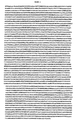
- CYP1A2 was subcloned from pCR TM Bac (Invitrogen) by digestion with restriction enzymes EcoR1 and BamH1. This fragment was sub-cloned into EcoR1/BamH1 digested pEFPlink.6 which is derived from pEFPlink2 ( Marais et al (1995) EMBO J 14: 3136 - 3145). pEFPlink.6 is altered by the selective removal of restriction sites and the provision of a more versatile multiple cloning site. The sequence of pEFPlink6 is given in Figure 4.
- the sub-cloned CYP1A2 gene was sequenced to confirm its identity to the published CYP1A2 sequence.
- the vector containing the CYP1A2 gene is called pEF+cyp+.
- Non-coding 5' and 3' sequences were then removed to generate restriction sites which facilitate the sub-cloning of CYP1A2 into a eukaryotic expresssion vector.
- CYP1A2 was PCR amplified and cut with Cla1 and Sma 1 and sub- cloned back into pEF+cyp+ to replace the original CYP1A2 gene. This removes much of the 3' untranslated region of the . This vector is called pEF+cyp.
- the 5' leader sequence was deleted in the following way. Sequence specific primers were used to to amplify CYP1A2 from pEF+Plink+ and create a Ncol site.
- pEFcyp1A2 It is preferable to use the ATG initiation codon in the Ncol site to ensure efficient translation initiation of CYP1A2.
- the amplified fragment was cut with Nco 1 and HindIII and subcloned into pEFPlink6. This vector was sequenced to confirm the sub-cloning.
- pEFPlink was cut with Ncol and HindIII and subcloned into pEF+cyp. This vector was called pEFcyp1A2.
- This modified CYPA12 cDNA was then subcloned into the eukaryotic expression vector pMCEF which is derived from pEFPlink2 and contains the NeoR gene allowing selection in G418.
- the expression of the modified CYP1A2 cDNA is under the control of the elongation factor 1 ⁇ promoter , (Marais et al Cancer Research (1996) 56: 4735 - 42). This was done by digestion of pEFcypA2 with Ncol and Spe 1 and sub-cloning the fragment containing the modified CYP1A2 into pMCEF to generate the expression vector pMCEFcyp1A2.
- pMCEFcyp1A2 incorporating mouse CYP1A2 was used in transient transfection experiments described below.
- LipofectAMINE (LPA)(Gibco BRL UK) is a lipid reagent that transfers DNA into cells and has proven to be very successful for transiently transfecting cells. We have found that we can achieve transfection frequencies approaching 50% (depending on cell-line and DNA construct). This compares very favourably with DEAE - dextran transfection which can only achieve approximately 0.5-2.5% efficiency. We estimate that LPA only results in 5% cell death when compared to 50% cell death when using DEAE- dextran.
- COS cells are plated at 1.5 x 10 5 per well in 6 well tissue culture dishes the evening before transfection. Cells are left to grow overnight in Dulbecco-Vogt's Modified Eagles Medium (DMEM) supplemented with 10% foetal calf serum, 2mM L-glutamine, penicillin(100U/ml) and streptomycin (100 ⁇ g/ml). All tissue culture reagents can be obtained from Gibco BRL, Paisley, UK.
- DMEM Dulbecco-Vogt's Modified Eagles Medium
- LPA/DNA complexes are prepared in accordance with the manufactures instructions. Briefly the following steps are undertaken. On the day of the transfection experiment dilutions of vector DNA are prepared in PBSA (0.4g KCl , 8.0g NaCl, 0.2g KH 2 PO 4 , 1.15g Na 2 HPO 4 per litre) containing 0.5% (w/v) albumin . It is important not to use polypropylene reaction tubes as the LPA/DNA complex will adhere to the plastic.
- Vector DNA is prepared at 0.4- 0.6 ⁇ g per transfection in 16 ⁇ l of PBSA.
- a stock of vector DNA is prepared at 0.025 ⁇ g/ml in PBSA for use in transfection experiments. In experiments were more than one vector is used the same concentration of DNA is to be used and the volume adjusted accordingly. Note that when using multiple vectors it is important to mix the vectors prior to addition of LPA.
- cells to be transfected are washed with serum free medium and then 800 ⁇ l of serum free medium added prior to adddition of the complexed LPA/DNA.
- CYP1A2 The level of expression of CYP1A2 is measured by Western blot analysis utilizing anti-peptide antibodies described in the literature (Edwards RJ et al, Biochem Pharmacol 1993; 46: 213-220 and Murray BP et al, Carcinogenesis 1993; 14: 585-592). These antibodies bind specifically to CYP1A2 in human liver microsomal fraction. In addition, one of the antibodies has been shown to bind readily to CYP1A2 expressed in a human B lymphoblastoid cell line transfected with a plasmid vector expressing human CYP1A2.
- Microsomal fractions are prepared from tumour cells transfected with human CYP1A2, or cells transfected with an unrelated gene, eg cytosine deaminase, in the same vectors. Washed cells are disrupted using a Dounce homogeniser and the microsomal fraction prepared by ultracentrifugation and stored frozen at -80°C as described previously. Western blotting of microsomal fractions is performed as described previously (Boobis AR et al, Br J Clin Pharmacol 1980; 9: 11-19) employing enhanced chemiluminescence to maximise sensitivity.
- the functional activity of expressed human CYP1A2 is determined in the tumour cells by measuring the rate of O -deethylation of phenacetin. At an appropriate substrate concentration (4 ⁇ M) this reaction is specifically catalysed by CYP1A2 in human liver microsomal fraction.
- Tumour cell microsomal fractions prepared as described above are incubated at 37°C in the presence of NADPH and the production of acetaminophen is determined by gas chromotography/negative ion chemical ionisation mass spectrometry using deuterated acetaminophen as internal standard. This highly sensitive assay easily measures CYP1A2 activity in small quantities ( ⁇ 10 ⁇ g) of human liver microsomal fraction which typically has an activity of 70 pmols/min/mg protein.
- Transfected COS cells are either exposed to various concentrations of acetaminophen or incubated in the presence of 10mM acetaminophen and cell viability monitored with time.
- 3 H - thymidine (Amersham International UK, 1000Ci/mmol, 5 ⁇ Ci per assay), is added to treated and control cultures and aliquots removed and acid precipitable counts assessed by liquid scintillation using a Beckton Liquid Scintillation Counter.
- the intracellular glutathione content comprising reduced and oxidised forms of glutathione is measured using a kinetic assay in which glutathione in the presence of glutathione reductase catalyses the continuous reduction of 5,5'-dithio-bis(2-nitrobenzoic acid) by NADPH.
- the rate of the reaction is proportional to the concentration of glutathione.
- the reaction is monitored at 412 nm and quantified by comparison with standards.
- V79 MZ Chinese hamster cells were maintained in Dulbecco-Vogt's modified Eagle's Medium (DMEM) supplemented with 10% foetal calf serum 9FCS), 2 mM L-glutamine, penicillin (100 U/ml and streptomycin (100 ⁇ g/ml) (all tissue culture reagents were obtained from Gibco BRL, Paisley, UK).
- DMEM Dulbecco-Vogt's modified Eagle's Medium
- FCS foetal calf serum
- penicillin 100 U/ml
- streptomycin 100 ⁇ g/ml
- H1A2 MZ cells which are V79 MZ cells transfected with the human CYPIA2 gene, 9 were also maintained in supplemented DMEM with the addition of geneticin at a concentration of 4 mg/ml.
- SK-OV-3 cells were grown in DMEM supplemented with 15% FCS and 2 mM L-glutamine, without the addition of antibiotics.
- RPMI-1640 medium with 10% FCS, 2 mM L-glutamine, penicillin (100 U/ml) and streptomycin (100 ⁇ g/ml) was required by the HCT116 cells. These cell lines were maintained at 37 °C with 100% humidity and 5% CO 2 .
- MDA-MB-361 cells were grown in Leibovitz (L-15) medium supplemented with 15% FCS and 2 mM L-glutamine maintained at 37°C with 100% humidity and did not require CO 2 .
- tumour cell lines were obtained from the European Collection of Cell Cultures.
- human CYP1A2 in these cells was confirmed by measurement of 7-ethoxyresorufin O-deethylase and 7-methoxyresorufin O-deethylase activities on a cytosol-free protein fraction as described previously. 9
- the expression of human CYP1A2 in the cytosol-free protein fraction of H1A2 MZ cells, but not V79 MZ cells was also demonstrated by western blotting using an antibody specific for this P450 enzyme 10 (data not shown).
- transient transfection of COS cells using LPA with a vector carrying CYP1A2 under the control of a promoter which shows enhanced expression in tumour cells is capable of sensitising cells to therapeutically relevant concentrations of acetaminophen.
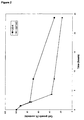
- Figure 1 shows an acetaminophen titration comparing transfected COS cells with non-transfected control COS cells.
- Cells were transfected and allowed to recover and express CYP1A2 for 48hrs.
- non-transfected parental cell -lines show some sensitivity to acetaminphen, as measured by tritiated thymidine incorporation, transfected cells show a significant increase in sensitivity.
- the apparent sensitivity of control cells to acetaminophen can be attributed to the fact that COS cells contain a significant amount of p450 activity which will result in the production of NABQI in the presence of acetaminophen.
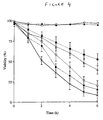
- Figure 2 shows a COS cell viability time course in response to 10mM acetaminophen.
- COS cells were transfected and compared to non- transfected control cells over a period of 24hrs.
- the extent of acetaminophen sensitivity increases markedly during the first 4 - 8 hrs. This correlates with the expression of CYP1A2 as monitored by western blot, results not shown.
- the sensitivity of transiently transfected COS cells is likely to be an underestimate of what may be achieved in stable cell-lines expressing CYP1A2 or in vivo in transgenic animal models since the vector DNA is susceptible to nuclease digestion resulting in a gradual decrease in potential sensitivity. This is, of course, is not shown by the control cells since the reduction in cell viability is the result of endogenous expression of p450 which is ongoing.
- transiently transfected COS cells can be sensitised to acetaminophen by expression of a vector carrying a gene encoding CYP1A2. These results are confirmed by producing cell lines stably transfected with CYP1A2 which is described below.
- H1A2 MZ cells were mixed with V79 MZ cells before exposure to 4 mM acetaminophen.
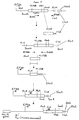
- the percentage decline in total cell viability greatly exceeded the percentage of acetaminophen-activating cells in the mixture indicating a significant bystander effect, Figure 4.
- the viability of the mixed cell population was reduced to 52%, and as the proportion of H1A2 MZ cells was increased the number of viable cells in the mixture declined (Fig.
- tumour-derived cells The susceptibility of tumour-derived cells to cytotoxicity produced by the activation of acetaminophen was investigated by mixing H1A2 MZ cells with SK-OV-3, HCT116 and MDA-MB-361 cells and incubating them in the presence of 4 mM acetaminophen for 6 h. It was found that like V79 MZ cells, SK-OV-3 cells were highly sensitive as viability fell progressively as the prorportion of H1A2 MZ cells was increased (Table 1). HCT116 cells showed a disproportionate decrease in viability when incubated with 5 and 10% H1A2 MZ cells, although with 50% H1A2 MZ cells the amount of cell killing could be accounted for by loss of H1A2 MZ cells alone (Table 1). However, MDA-MB-361 cells appeared to be highly resistant to cytotoxicity as the reduction in cell viability was similar to the proportion of H1A2 MZ cells present (Table 1).
- Acetaminophen can be activated by oxidation catalysed by human CYP1A2 to form the cytotoxic compound NABQI.
- the combination of acetaminophen as prodrug and CYP1A2 as activating enzyme has a potential application in GDEPT. It has been demonstrated here that a sufficient amount of NABQI produced in cells transfected with human CYP1A2 to cause cyotoxicity. Further, enough NABQI is released from activating cells to cause cytotoxicity in neighbouring cells. Such a bystander effect was readily demonstrated in V79 MZ cells. However, human tumour-derived cells showed a range of sensitivities.
- NABQI is capable of arylating and oxidising protein thiol groups, although studies with thiol reductants such as dithiothreitol 11 and N-acetylcysteine 12 suggested that the reversible oxidation of thiols (i.e. "oxidative stress") rather than arylation is responsible for cell death from acetaminophen. 6 Irrespective of the exact mechanism, the key factors that determine the toxicity of acetaminophen are the rate of production of NABQI as determined by the activity of the relevant cytochrome P450 enzymes and the starting level and extent of depletion of GSH.
- rat liver is relatively resistant to acetaminophen, but not pre-formed NABQI, because the rate of formation of the reactive metabolite is insufficient, even at very high concentrations of acetaminophen, to deplete GSH.
- hamsters are very sensitive because acetaminophen is rapidly and extensively oxidised to NABQI.
- Human liver hepatocytes exhibit a range of sensitivities which correlate with the rate of oxidation of acetaminophen to NABQI. 13 Toxicity in overdosed individuals is confined to the liver which is the only organ that has the required level of enzyme activity to generate NABQI to deplete GSH, a prerequisite for cell damage and death.
- acetaminophen can be greatly increased in all species by prior depletion of GSH with chemicals such as diethylmaleate. 14 Thus the toxicity of acetaminophen is dependent upon the balance between the activity of the NABQI-generating enzyme and the concentration of GSH.
- GSH concentrations in breast tumours (913nmol/g tissue) are two-fold greater than in normal breast tissue 15 but are less than 20% of those found in normal human liver (>5000 nmol/g tissue).
- tumour cells can be made to express NABQI-producing activity similar to human liver, therapeutic doses of acetaminophen should be selectively cytotoxic to the tumour cells.
- GSH precursors such as methionine or N-acetylcysteine 16 that elevate GSH in the liver but not other tissues. 17
Landscapes
- Health & Medical Sciences (AREA)
- Life Sciences & Earth Sciences (AREA)
- General Health & Medical Sciences (AREA)
- Veterinary Medicine (AREA)
- Chemical & Material Sciences (AREA)
- Animal Behavior & Ethology (AREA)
- Medicinal Chemistry (AREA)
- Pharmacology & Pharmacy (AREA)
- Public Health (AREA)
- Epidemiology (AREA)
- Pain & Pain Management (AREA)
- Proteomics, Peptides & Aminoacids (AREA)
- Chemical Kinetics & Catalysis (AREA)
- Organic Chemistry (AREA)
- Immunology (AREA)
- Gastroenterology & Hepatology (AREA)
- General Chemical & Material Sciences (AREA)
- Nuclear Medicine, Radiotherapy & Molecular Imaging (AREA)
- Bioinformatics & Cheminformatics (AREA)
- Engineering & Computer Science (AREA)
- Oncology (AREA)
- Hematology (AREA)
- Medicines That Contain Protein Lipid Enzymes And Other Medicines (AREA)
- Pharmaceuticals Containing Other Organic And Inorganic Compounds (AREA)
- Medicines Containing Material From Animals Or Micro-Organisms (AREA)
- Acyclic And Carbocyclic Compounds In Medicinal Compositions (AREA)
Abstract
Description
- This invention relates to a form of gene therapy known as genetically directed enzyme prodrug therapy (GDEPT).
- Current therapies to treat cancer involve, amongst other things, radiation therapy and chemotherapy each of which, although effective at retarding the growth of cancer cells, have significant disadvantages since each treatment is typically selective for cells that are actively dividing. Consequently, normal dividing cells are also destroyed resulting in significant undesirable side effects, such as nausea and immunosupression, the latter of which can lead to complications of secondary infections. In recent years research has focussed on providing selective treatments which lessen these undesirable side effects. One such therapy is GDEPT 1,2.
- GDEPT is of particular interest with respect to the treatment of cancer in that it offers advantages over conventional chemotherapeutic methods of cancer treatment. In such conventional methods the drugs administered to the patient attack not only the targeted cancer cells but also normal cells. Destruction of cancer cells is achieved at the expense of inflicting damage on normal cells, creating serious side-effects. In treatment of cancer by GDEPT the objective is to create an anti-cancer drug in situ within the cancer cell while creating little or none in normal cells, thereby attacking the cancer cells while leaving the normal cells substantially unaffected. This is typically achieved by administration to the patient of a vector containing a gene for an enzyme which can convert a relatively non-toxic substance (commonly referred to as a prodrug) into a cytotoxic agent. The vector also contains a promoter, ie a DNA sequence constituting a switch for the gene, this promoter being responsive to a regulatory protein found solely in the cancer cells or to a greater extent in the cancer cells than in normal cells. The gene is thus expressed substantially in the cancer cells so it is only (or mainly) in the cancer cells that the enzyme is produced and that conversion of the prodrug to the cytotoxic agent takes place. Formation of the cytotoxic agent therefore takes place primarily in the cancer cells. In this way the cancer cells are selectively attacked, with relatively little damage to normal cells.
- In one example of the use of GDEPT in cancer treatment, the prodrug is 5-fluoro-cytosine (5-FC). 5-FC is itself relatively non-toxic to human cells but can be converted into a potent anti-cancer drug, 5-fluorouracil (5-FU), by the enzyme cytosine deaminase. A bacterial gene which expresses cytosine deaminase is incorporated in a viral vector in association with a promoter which is responsive to a regulatory protein that is characteristic of the particular type of cancer cell under attack. For instance, in treating breast cancer the promoter could be one which is responsive to the regulatory protein ERBB2 or in treating liver cancer one which is responsive to α-fetoprotein.
- In known GDEPT techniques, difficulty has been encountered in achieving as high a degree of selectivity as is desirable, (ie in destroying cancer cells while limiting the damage to normal cells). This is at least partly due to the fact that normal cells may come under attack from cytotoxic agents which have been formed in the cancer cells but have found their way out of those cells, for example when the cells break down under the cytotoxic action of the drug.
- In addition, some chemotherapeutic agents are selective for particular cell- cycle phases (eg G1, S, G2 or mitosis). It is desirable to provide chemotherapeutic agents that are not so restricted in their effects and can kill cells irrespective of the cell-cycle stage.
- WO 97/35994 discloser the use of the combination of a retroviral vector encoding a cytochrome P450 gene and for example cyclophosphamide in the manufacture of a medicament for the ablation of tumour cells.
- Acetaminophen is a widely used mild pain reliever and antipyretic. However, it is a potentially dangerous drug in that an overdose of it can cause serious, even fatal, damage to the liver3. This is due to the fact that liver cells express a gene for a P450 enzyme, specifically CYP1A2, also to a much lesser extent CYP 2E1 and CYP 3A4. This enzyme can convert acetaminophen into a metabolite, N-acetylbenzoquinoneimine (NABQI), which is highly cytotoxic. For standard dosages of acetaminophen, the toxicity of NABQI is countered in the liver by conversion of NABQI into a non-toxic substance by reaction with glutathione, a normal component of human cells4,5. The supply of glutathione is however insufficient to deal with the large amounts of NABQI formed in liver cells after an overdose of acetaminophen and the cells are therefore then damaged or destroyed.
- When acetaminophen constitutes the prodrug in GDEPT, the vector administered contains a gene for a p450 enzyme7,8, preferably CYP1A2, and the cytotoxic agent formed in the cancer cells is NABQI. In contrast to other cytotoxic agents, NABQI causes little or no systemic toxicity.
- It might have been expected that the use of acetaminophen as a prodrug in GDEPT would be impractical. Selective expression of the gene for the enzyme CYP1A2 in cancer cells could be effected by administration of a vector containing that gene in association with a promoter which is responsive to a regulatory protein found only in the cancer cells. The enzyme CYP1A2, created as a result of the entry into cells of that vector, would then convert acetaminophen into NABQI in the cancer cells and damage or destroy them. As in conventional GDEPT using prodrugs other than acetaminophen, selectivity between cancer cells and normal cells would be achieved because entry of the vector into normal cells would not cause expression of the CYP1A2 gene contained in the vector since the normal cells do not contain the regulatory protein which activates the chosen promoter for the gene. In general, the normal cells would therefore not contain the enzyme CYP1A2 and would be unaffected by the presence of acetaminophen because in such cells it would not undergo intracellular conversion to NABQI. However, as mentioned above, normal liver cells naturally express a gene for CYP1A2. It would therefore be expected that administering a dose of acetaminophen high enough to create a level of NABQI in cancer cells capable of killing such cells could also result in the creation of sufficient NABQI in the normal liver cells to kill them too. Surprisingly, this is not so, probably due to a difference in the glutathione content of normal liver cells and that of cancer cells. It appears that most cancer cells may contain only about one-fifth of the glutathione present in normal liver cells. The concentration of the cytotoxic NABQI is therefore kept much lower in the normal liver cells than in the cancer cells because more NABQI can be detoxified, by combination of NABQI with glutathione, in the normal liver cells than in the cancer cells.
- The vector used in the present invention is one containing a gene for a p450 enzyme, preferably for CYP1A2, and a promoter which acts as a switch for that gene and which is responsive to a regulator protein characteristic of the type of cancer being addressed. The gene can be derived from human DNA (Ikeyak et al Molecular Endocrinology (1989), 3: 1399- 1408). However, it may be advantageous to use a P450 gene derived from non-human DNA, for example mouse DNA or hamster DNA. The P450 enzyme generated by the mouse gene is relatively unaffected by certain compounds, for example furafylline, which act as inhibitors of the form of the enzyme CYP1A2 generated by the human gene. Administration of such inhibitors makes it possible to raise the dosage of acetaminophen above the normally safe dosage; an inhibitor such as furafylline can protect the normal liver cells by inhibiting the form of P450 generated by expression in those cells of the human gene, while having little or no effect on the form of P450 generated by expression of the mouse gene in the cancer cells. The level of NABQI in the normal liver cells is therefore diminished by such inhibitors while the level of NABQI in the cancer cells is relatively unaffected by the inhibitors.
- With regard to non-viral delivery, synthetic uptake of DNA into mammalian cells can be facilitated by condensing it with lipids, proteins or peptides. These include, by example and not by way of limitation, polymers, dendrimers and cationic lipid delivery means (eg liposomes).
- Liposomes are lipid based vesicles which encapsulate a selected therapeutic agent which is then introduced into a patient. The liposome is manufactured either from pure phospholipid or a mixture of phospholipid and phosphoglyceride. Typically liposomes can be manufactured with diameters of less than 200nm, this enables them to be intravenously injected and able to pass through the pulmonary capillary bed. Furthermore the biochemical nature of liposomes confers permeability across blood vessel membranes to gain access to selected tissues. Liposomes do have a relatively short half-life. So called STEALTHR liposomes have been developed which comprise liposomes coated in polyethylene glycol (PEG). The PEG treated liposomes have a significantly increased half-life when administered intravenously to a patient. In addition STEALTHR liposomes show reduced uptake in the reticuloendothelial system and enhanced accumulation selected tissues. In addition, so called immuno-liposomes have been develop which combine lipid based vesicles with an antibody or antibodies, to increase the specificity of the delivery of the DNA vector to a selected cell/tissue.
- The use of liposomes as delivery means is described in US 5580575 and US 5542935.
- Bacteria such as salmonella could be a more novel delivery vehicle. The DNA can also be coated on to microprojectiles and fired into the nuclei or target cells by a gene gun.
- Many methods have been developed over the last 30 years to facilitate the introduction of DNA into cells which have greatly assisted, inter alia, our understanding of the control of gene expression.
- Conventional methods to introduce DNA into cells are well known in the art and typically involve the use of chemical reagents, cationic lipids or physical methods. Chemical methods which facilitate the uptake of DNA by cells include the use of DEAE -Dextran (Vaheri and Pagano Science 175: p434) . DEAE-dextran is a negatively charged cation which associates and introduces the DNA into cells but which can result in loss of cell viability. Calcium phosphate is also a commonly used chemical agent which when co-precipitated with DNA introduces the DNA into cells (Graham et al Virology (1973) 52: p456).
- The use of cationic lipids (eg liposomes (Felgner (1987) Proc.Natl.Acad.Sci USA, 84:p7413) has become a common method since it does not have the degree of toxicity shown by the above described chemical methods. The cationic head of the lipid associates with the negatively charged nucleic acid backbone of the DNA to be introduced. The lipid/DNA complex associates with the cell membrane and fuses with the cell to introduce the associated DNA into the cell. Liposome mediated DNA transfer has several advantages over existing methods. For example, cells which are recalcitrant to traditional chemical methods are more easily transfected using liposome mediated transfer.
- More recently still, physical methods to introduce DNA have become effective means to reproducibly transfect cells. Direct microinjection is one such method which can deliver DNA directly to the nucleus of a cell (Capecchi (1980) Cell, 22:p479). This allows the analysis of single cell transfectants. So called "biolistic" methods physically shoot DNA into cells and/or organelles using a particle gun (Neumann (1982) EMBO J, 1: p841). Electroporation is arguably the most popular method to transfect DNA. The method involves the use of a high voltage electrical charge to momentarily permeabilise cell membranes making them permeable to macromolecular complexes. However physical methods to introduce DNA do result in considerable loss of cell viability due to intracellular damage. These methods therefore require extensive optimisation and also require expensive equipment.
- What is apparent from the above is that transfection of cells, either transiently or stably is a routine procedure undertaken by the man skilled in the art and is extensively referenced in academic publications, laboratory manuals and reference books. We have used both transient and stably transfected cell-lines to analyse the use of acetaminophen in GDEPT.
- It is an object of the invention to provide products for use in cancer therapy and whose use likely reduces undesirable side effects of conventional cancer treatments.
- It is a further object of the invention to provide products for use in gene therapy based cancer treatments and which treatments likely target cancer cells.
- According to the invention there is provided : a product comprising a combination of at least one vector comprising a P450 gene encoding an enzyme capable of converting acetaminophen to a cytotoxic metabolite, or an effective part thereof; and a therapeutically effective amount of at least acetaminophen, for use as a combined medicament for the simultaneous, separate or sequential use in the treatment of disease;
the use of a vector as defined in the preceeding clause for the manufacture of a medicament for simultaneous, separate or sequential use in the treatment of cancer.in combination with a therapeutically effective amount of acetaminophen; and
a product comprising a vector comprising at least one P450 gene encoding an enzyme capable of converting acetaminophen to a cytotoxic metabolite, or an effective part thereof; and a therapeutically effective amount of at least acetaminophen. - In a preferred embodiment of the invention the medicament is for treatment of a human.
- In a further preferred embodiment of the invention the vector is an expression vector conventionally adapted for eukaryotic expression.
- Typically said adaptation includes, by example and not by way of limitation, the provision of transcription control sequences (promoter sequences) which mediate cell/tissue specific expression. These promoter sequences may be cell/tissue specific, inducible or constitutive.
- Promoter is an art recognised term and, for the sake of clarity, includes the following features which are provided by example only, and not by way of limitation. Enhancer elements are cis acting nucleic acid sequences often found 5' to the transcription initiation site of a gene (enhancers can also be found 3' to a gene sequence or even located in intronic sequences). Enhancers function to increase the rate of transcription of the gene to which the enhancer is linked. Enhancer activity is responsive to trans acting transcription factors (polypeptides) which have been shown to bind specifically to enhancer elements. The binding/activity of transcription factors(please see Eukaryotic Transcription Factors, by David S Latchman, Academic Press Ltd, San Diego) is responsive to a number of environmental cues which include, by example and not by way of limitation, intermediary metabolites (eg glucose, lipids) or enviromental effectors (eg light, heat,).
- Promoter elements also include so called TATA box and RNA polymerase initiation site (RIS) sequences which function to select a site of transcription initiation. These sequences also bind polypeptides which function, inter alia, to facilitate transcription initiation selection by RNA polymerase.
- Adaptations also include the provision of selectable markers and autonomous replication sequences which both facilitate the maintenance of said vector in either the eukaryotic cell or prokaryotic cell.
- In addition adaptations which facilitate the expression of vector encoded genes include the provision of transcription termination/polyadenylation sequences. This also includes the provision of internal ribosome entry sites (IRES) which function to maximise expression of vector encoded genes arranged in bicistronic or multi-cistronic expression cassettes.
- These adaptations are well known in the art. There is a significant amount of published literature with respect to expression vector construction. Please see, Sambrook et al (1989) Molecular Cloning: A Laboratory Manual, Cold Spring Harbour Laboratory, Cold Spring Harbour, NY and references therein; Marston, F (1987) DNA Cloning Techniques: A Practical Approach Vol III IRL Press, Oxford UK.
- In yet a further preferred embodiment of the invention the vector is a viral based vector. Ideally said viral vector is selected from the following: adenovirus; retrovirus; adeno associated virus; herpesvirus; lentivirus; baculovirus.
- Viral based vectors according to the invention may also include hybrid viral vectors which include advatageous features of selected viruses which facilitate, for example and not by way of limitation, viral infectivity, replication or expression of genes carried by said hybrid vector.
- In a still further preferred embodiment of the invention the promoter sequence is preferably selected from at least one of the following: TRP-1; HER2; HER3; ERBB2; ERBB3; CEA; MUC-1; α-fetoprotein; Rous sarcoma virus long terminal repeat; cytomegalovirus promoter; murine leukaemia long terminal repeat;
simian virus 40 early and late promoters; herpes simplex virus thymidine kinase promoter; prostate specific antigen promoter (PSA); vilin gene promoter; pancreatic amylase promoter; tyrosinase related peptide promoter; tumour rejection antigen precursor promoters. - In yet a further preferred embodiment of the invention the P450 gene is of mammalian origin; ideally human. More ideally still said P450 gene is human CYP1A2. Alternatively said P450 gene is either human CYP2E1 or CYP3A4.
- In yet still a further preferred embodiment of the invention said P450 is of non-human origin. Ideally said P450 gene is derived from a rodent. More ideally still said rodent P450 gene is selected from homologous rodent genes encoding CYP1A2; CYP2E1; or CYP3A4.
- GDEPT which uses rodent homologues of P450 are advantageous since inhibitors of human CYP1A2, for example, furaphylline, can be used in conjunction with acetaminophen. As noted previously, the rodent homologue of CYP1A2, is resistant to this inhibitor than the human form of the enzyme. This would therefore enable the use of elevated levels of acetaminophen since toxic amounts of NABQI would not be generated in the liver.
- The administration of the vector according to the invention to the mammal is by conventional techniques. Typically this includes, by example and not by way of limitation, intravenous, intramuscular or intraperitoneal injection; or direct injection into the tumour tissue.
- In yet a still further preferred embodiment of the invention the tumour cell envisioned as treatable is selected from at least one of the following cancers: breast; pancreatic; ovarian; cervical; lung; hepatic; retinal; renal; testicular; prostate; gastointestinal; glioma; melanoma; bladder; lymphoma; leukaemia; epithelial; mesothelial;
- The invention provides the use of acetaminophen and a vector according to the invention in the manufacture of a medicament for the treatment of cancer, wherein said treatment comprises:
- i) administering to a mammal an effective amount of at least one vector, capable of transfecting at least one tumour cell, characterised in that said vector includes at least one P450 gene, or an effective part thereof, the expression of which is controlled by a promoter sequence, or the effective part thereof, which shows substantially tumour cell specific expression;
- ii) adminstering an effective amount of at least one agent capable of modulating the amount of glutathione in said mammal; and
- iii) administering a therapeutically effective amount of acetaminophen, or a structurally related derivative thereof.
- Agents capable of increasing glutathione in the liver are well known in the art and include, by example and not by way of limitation, methionine, acetylcysteine.
- An embodiment of the invention will now be described, by example only, and with reference to the following Table and Figures;
- Table 1 represents the bystander effect on viability produced by incubating H1A2 MZ cells (stably transfected with human CYP1A2) with various cell lines in the presence of acetaminophen. Tumour cells or V79 MZ cells (non transfected, parental cells) were co-cultured overnight with various mixtures of H1A2 MZ cells (as indicated in the Table), washed with PBS and incubated with 4 mM acetaminophen in PBS for 6 h at 37°C. the cells were then washed once with PBS and maintained for either 24 or 48 h in culture medium appropriate to each cell type, as detailed in the Methods section. At 0, 6, 24 or 48 h the cells were washed in PBS and viability of the mixed cell population determined by trypan blue exclusion. The data shown are mean values ± SEM of 4 separate determinations. Statistical significance was determined at each time point by comparing viability measurements in the mixed cell populations with both the viability determined at 0 h and in the absence of H1A2 MZ cells in the mixture 2 x 2 contingency tables using the 2-tailed Chi-squared test with Yate's correction. Viability was determined in a total of 1500 cells at each time point. Levels of significance are indicated as **p<0.001; ***p<0.0001;
- Figure 1 is a graphical representation of an acetaminophen titration showing the sensitivity of COS cells transiently transfected with a vector incorporating mouse CYP1A2 and non-transfected control COS cells. Cell viability is monitored by tritiated thymidine incorporation;
- Figure 2 is a cell viability time course of COS cells transiently transfected with mouse CYP1A2 and non-transfected control COS cells over a 24hr period. Acetaminophen concentration is 10mM. Cell viability is monitored by tritiated thymidine incorporation;
- Figure 3 represents the effect of acetaminophen on the viability of stably transfected V79 MZ and H1A2 MZ cells. V79 MZ cells (stipplied bars) and H1A2 MZ cells (filled bars) were allowed to adhere to the wells of tissue culture plates overnight, washed with PBS and then incubated with various concentrations of acetaminophen for 6 h at 37 °C. Viability was determined by the ability of cells to exclude trypan blue. Data is represented as the mean ± SEM of 4 separate determinations and analysed by comparing the viability in H1A2 MZ cells with V79 MZ cells at each concentration of acetaminophen using the 2-tailed unpaired Student's t-test. Levels of significance are indicated as *p<0.01; ***p<0.0001;
- Figure 4 represents the bystander effect on viability produced by incubating stably transfected, acetaminophen-activating H1A2 MZ cells with non- transfected parental V79 MZ cells. V79 MZ cells were co-cultured overnight with various mixtures of H1A2 MZ cells, washed with PBS and then incubated with 4 mM acetaminophen for up to 6 h at 37°C. The cells were then washed in PBS and the viability of the mixed cell population determined by trypan blue exclusion. The cultures comprised V79 MZ cells only (open squares), and V79 MZ cells mixed with 5% (solid squares), 10% (open triangles), 25% (open circles) and 50% (solid circles) H1A2 MZ cells. In addition, the viability of H1A2 MZ cells in the presence (crosses) and absence (solid triangles) of acetaminophen is shown. Data is represented as the mean ± SEM of 4 separate determinations. Statistical analysis of the data at the 6 h time point is presented in Table 1.
- Figure 5 represents the sub-cloning procedure to create the expression vector used in the transient transfection experiments; and
- Figure 6 is the DNA sequence of the
vector pEFPlink 6. - The CYP1A2 cDNA is cloned downstream of a 544 bp fragment of the proximal 5' flanking region of the human ERBB2 gene in pBluescript II SK+ and then the chimeric minigene (ERBB2 promoter-CYP1A2 cDNA) is subcloned into a variety of eukaryotic expression vectors including:-
- (a) the plasmid pPolyA (based on the commercial vector pcDNA [InVitrogen] from which the CMV promoter has been excised). Transfection is performed by application of plasmid DNA in the presence of cationic liposome complexes, either commercially obtained reagents such as Lipofectin (Life Technologies) or novel experimental agents (Genzyme). In order to allow for selection of genetically transformed clones the ERBB2-CYP1A2 plasmid is cotransfected at a 9:1 molar ratio with pSV2neo which encodes resistance to geneticin.
- (b) the double copy retrovirus N2A, which allows conditional expression of the insert outside the transcription unit driven by the retroviral long terminal repeat promoter. Amphotropic retroviral stock is produced by packaging of the virus in GP + env AM12 cells.
- (c) the adeno-associated virus vector psub 201, which when cotransfected into adenovirus-expressing cells together with pAAV/Ad leads to production of recombinant AAV that allows conditional expression of the insert in target cells.
- The target cells in this example are human breast and pancreatic cancer cell lines which either over-express ERBB2 due to transcriptional upregulation or express normal (undetectable) levels.
- A summary of the sub-cloning procedure is set-out in Figure 5. Briefly, the following steps were undertaken. CYP1A2 was subcloned from pCR™ Bac (Invitrogen) by digestion with restriction enzymes EcoR1 and BamH1. This fragment was sub-cloned into EcoR1/BamH1 digested pEFPlink.6 which is derived from pEFPlink2 ( Marais et al (1995) EMBO J 14: 3136 - 3145). pEFPlink.6 is altered by the selective removal of restriction sites and the provision of a more versatile multiple cloning site. The sequence of pEFPlink6 is given in Figure 4.
- The sub-cloned CYP1A2 gene was sequenced to confirm its identity to the published CYP1A2 sequence. The vector containing the CYP1A2 gene is called pEF+cyp+.
- Non-coding 5' and 3' sequences were then removed to generate restriction sites which facilitate the sub-cloning of CYP1A2 into a eukaryotic expresssion vector. CYP1A2 was PCR amplified and cut with Cla1 and
Sma 1 and sub- cloned back into pEF+cyp+ to replace the original CYP1A2 gene. This removes much of the 3' untranslated region of the . This vector is called pEF+cyp. The 5' leader sequence was deleted in the following way. Sequence specific primers were used to to amplify CYP1A2 from pEF+Plink+ and create a Ncol site. It is preferable to use the ATG initiation codon in the Ncol site to ensure efficient translation initiation of CYP1A2. The amplified fragment was cut withNco 1 and HindIII and subcloned into pEFPlink6. This vector was sequenced to confirm the sub-cloning. pEFPlink was cut with Ncol and HindIII and subcloned into pEF+cyp. This vector was called pEFcyp1A2. - This modified CYPA12 cDNA was then subcloned into the eukaryotic expression vector pMCEF which is derived from pEFPlink2 and contains the NeoR gene allowing selection in G418. The expression of the modified CYP1A2 cDNA is under the control of the elongation factor 1α promoter , (Marais et al Cancer Research (1996) 56: 4735 - 42). This was done by digestion of pEFcypA2 with Ncol and
Spe 1 and sub-cloning the fragment containing the modified CYP1A2 into pMCEF to generate the expression vector pMCEFcyp1A2. - pMCEFcyp1A2 incorporating mouse CYP1A2 was used in transient transfection experiments described below.
- LipofectAMINE (LPA)(Gibco BRL UK) is a lipid reagent that transfers DNA into cells and has proven to be very successful for transiently transfecting cells. We have found that we can achieve transfection frequencies approaching 50% (depending on cell-line and DNA construct). This compares very favourably with DEAE - dextran transfection which can only achieve approximately 0.5-2.5% efficiency. We estimate that LPA only results in 5% cell death when compared to 50% cell death when using DEAE- dextran.
- COS cells are plated at 1.5 x 10⁵ per well in 6 well tissue culture dishes the evening before transfection. Cells are left to grow overnight in Dulbecco-Vogt's Modified Eagles Medium (DMEM) supplemented with 10% foetal calf serum, 2mM L-glutamine, penicillin(100U/ml) and streptomycin (100µg/ml). All tissue culture reagents can be obtained from Gibco BRL, Paisley, UK.
- LPA/DNA complexes are prepared in accordance with the manufactures instructions. Briefly the following steps are undertaken. On the day of the transfection experiment dilutions of vector DNA are prepared in PBSA (0.4g KCl , 8.0g NaCl, 0.2g KH2PO4, 1.15g Na2HPO4 per litre) containing 0.5% (w/v) albumin . It is important not to use polypropylene reaction tubes as the LPA/DNA complex will adhere to the plastic.
- Vector DNA is prepared at 0.4- 0.6 µg per transfection in 16µl of PBSA. Typically a stock of vector DNA is prepared at 0.025µg/ml in PBSA for use in transfection experiments. In experiments were more than one vector is used the same concentration of DNA is to be used and the volume adjusted accordingly. Note that when using multiple vectors it is important to mix the vectors prior to addition of LPA.
- Typically, when preparing the LPA/DNA complex squares approximatelly 1cm x 1cm are marked onto the bottom of a petri dish corresponding to the number of transfection to be conducted. 10 - 12 µl PBSA is placed into the centre of each marked square to which 4-6 µl of LPA is added to give a total volume of 14-16µl. To this reaction mix is added 16µl stock vector DNA and the LPA/DNA complex is thoroughly mixed by passage through a micropipette tip by sucking the reaction mixture up and down 6 - 8 times. The reaction mixture is then left in the covered petri dish for
approximtely 15 minutes. - During this incubation period, cells to be transfected are washed with serum free medium and then 800µl of serum free medium added prior to adddition of the complexed LPA/DNA.
- To the LPA/DNA complex, 200µl of serum free medium is added to each LPA/DNA sample which is then gently added to the cells over a period of 3 - 4 seconds. Cells are returned to a 37°C CO2 incubator for 6 hours. Cells are washed twice in medium and 2.5ml of fresh medium is added to the cultures. Cultures can then be assayed at any time to monitor transgene expression.
- The above described method provides reliable, high level expression of transgenes carried by vector DNA. The method is readily undertaken by the man skilled in the art.
- The level of expression of CYP1A2 is measured by Western blot analysis utilizing anti-peptide antibodies described in the literature (Edwards RJ et al, Biochem Pharmacol 1993; 46: 213-220 and Murray BP et al, Carcinogenesis 1993; 14: 585-592). These antibodies bind specifically to CYP1A2 in human liver microsomal fraction. In addition, one of the antibodies has been shown to bind readily to CYP1A2 expressed in a human B lymphoblastoid cell line transfected with a plasmid vector expressing human CYP1A2. In these cells the level of expression of human CYP1A2 was similar to that found in human liver, ie 8 pmols per mg protein (Edwards RJ et al, Carcinogenesis 1994; 15: 829-836). Microsomal fractions are prepared from tumour cells transfected with human CYP1A2, or cells transfected with an unrelated gene, eg cytosine deaminase, in the same vectors. Washed cells are disrupted using a Dounce homogeniser and the microsomal fraction prepared by ultracentrifugation and stored frozen at -80°C as described previously. Western blotting of microsomal fractions is performed as described previously (Boobis AR et al, Br J Clin Pharmacol 1980; 9: 11-19) employing enhanced chemiluminescence to maximise sensitivity.
- In addition, the functional activity of expressed human CYP1A2 is determined in the tumour cells by measuring the rate of O-deethylation of phenacetin. At an appropriate substrate concentration (4 µM) this reaction is specifically catalysed by CYP1A2 in human liver microsomal fraction. Tumour cell microsomal fractions prepared as described above are incubated at 37°C in the presence of NADPH and the production of acetaminophen is determined by gas chromotography/negative ion chemical ionisation mass spectrometry using deuterated acetaminophen as internal standard. This highly sensitive assay easily measures CYP1A2 activity in small quantities (<10 µg) of human liver microsomal fraction which typically has an activity of 70 pmols/min/mg protein.
- Two methods were employed to monitor cell viability; exclusion of trypan blue by viable cells followed by cell counting; and incorporation of tritiated thymidine as a measure of DNA synthesis.
- For cell viability experiments 200,000 cells per well were plated on 12 well plates (Beckton-Dickenson, Oxford, UK), using the medium and conditions required by the tumour cell line and allowed to adhere overnight. After this the cells were washed with PBS before the addition of acetaminophen in 0.1 ml PBS (concentrations of 0.1 - 20 mM acetaminophen were dissolved in PBS by sonication) and then maintained at 37°C. At the appropriate time points, cells were removed from the plates by trypsinisation and collected by centrifugation. Cell viability was measured as ability to exclude trypan blue. Cells were counted at x100 magnification using an Improved Neubauer haemocytometer; all cell counts are the mean of duplicate determinations of five fields from duplicate experiments.
- Transfected COS cells are either exposed to various concentrations of acetaminophen or incubated in the presence of 10mM acetaminophen and cell viability monitored with time. 3H - thymidine (Amersham International UK, 1000Ci/mmol, 5µCi per assay), is added to treated and control cultures and aliquots removed and acid precipitable counts assessed by liquid scintillation using a Beckton Liquid Scintillation Counter.
- The intracellular glutathione content, comprising reduced and oxidised forms of glutathione is measured using a kinetic assay in which glutathione in the presence of glutathione reductase catalyses the continuous reduction of 5,5'-dithio-bis(2-nitrobenzoic acid) by NADPH. The rate of the reaction is proportional to the concentration of glutathione. The reaction is monitored at 412 nm and quantified by comparison with standards.
- Covalent binding of radioactivity to cell protein following exposure to radioactive acetaminophen. Cells are incubated for up to 90 min with [14C]acetaminophen. After washing, cellular protein is precipitated with trichloroacetic acid and the precipitate washed extensively with 80% methanol to remove unbound radioactivity. The protein pellet is digested in sodium hydroxide, neutralised, and the bound radioactivity measured by scintillation spectroscopy.
- V79 MZ Chinese hamster cells were maintained in Dulbecco-Vogt's modified Eagle's Medium (DMEM) supplemented with 10% foetal calf serum 9FCS), 2 mM L-glutamine, penicillin (100 U/ml and streptomycin (100 µg/ml) (all tissue culture reagents were obtained from Gibco BRL, Paisley, UK). H1A2 MZ cells, which are V79 MZ cells transfected with the human CYPIA2 gene,9 were also maintained in supplemented DMEM with the addition of geneticin at a concentration of 4 mg/ml. SK-OV-3 cells were grown in DMEM supplemented with 15% FCS and 2 mM L-glutamine, without the addition of antibiotics. RPMI-1640 medium with 10% FCS, 2 mM L-glutamine, penicillin (100 U/ml) and streptomycin (100 µg/ml) was required by the HCT116 cells. These cell lines were maintained at 37 °C with 100% humidity and 5% CO2. MDA-MB-361 cells were grown in Leibovitz (L-15) medium supplemented with 15% FCS and 2 mM L-glutamine maintained at 37°C with 100% humidity and did not require CO2. At confluence cells were removed from tissue culture flasks by inubation with trypsin-EDTA for 5 min, diluted 1 : 3-1 : 6 in fresh medium and seeded onto fresh flasks. The tumour cell lines were obtained from the European Collection of Cell Cultures.
- The expression of human CYP1A2 in these cells was confirmed by measurement of 7-ethoxyresorufin O-deethylase and 7-methoxyresorufin O-deethylase activities on a cytosol-free protein fraction as described previously.9 The respective values obtained of 5.4 ± 0.1 and 12.1 ± 0.2 pmol/min/mg protein (n=6) are similar to those reported previously, i.e. 6.5 and 12.8 pmol/min/mg protein9 and no activity was detected in the parental V79 MZ cells. Further, the expression of human CYP1A2 in the cytosol-free protein fraction of H1A2 MZ cells, but not V79 MZ cells was also demonstrated by western blotting using an antibody specific for this P450 enzyme10 (data not shown).
- We show that transient transfection of COS cells using LPA with a vector carrying CYP1A2 under the control of a promoter which shows enhanced expression in tumour cells is capable of sensitising cells to therapeutically relevant concentrations of acetaminophen.
- Figure 1 shows an acetaminophen titration comparing transfected COS cells with non-transfected control COS cells. Cells were transfected and allowed to recover and express CYP1A2 for 48hrs. Although non-transfected parental cell -lines show some sensitivity to acetaminphen, as measured by tritiated thymidine incorporation, transfected cells show a significant increase in sensitivity. The apparent sensitivity of control cells to acetaminophen can be attributed to the fact that COS cells contain a significant amount of p450 activity which will result in the production of NABQI in the presence of acetaminophen. However by increasing the basal levels of p450, by transfection with CYP1A2 it is shown that the administration of less acetaminophen results in reduced cell viability for an equivalent amount of acetaminophen, please see Figure 1, 4mM acetaminophen concentration.
- Figure 2 shows a COS cell viability time course in response to 10mM acetaminophen. COS cells were transfected and compared to non- transfected control cells over a period of 24hrs. The extent of acetaminophen sensitivity increases markedly during the first 4 - 8 hrs. This correlates with the expression of CYP1A2 as monitored by western blot, results not shown. The sensitivity of transiently transfected COS cells is likely to be an underestimate of what may be achieved in stable cell-lines expressing CYP1A2 or in vivo in transgenic animal models since the vector DNA is susceptible to nuclease digestion resulting in a gradual decrease in potential sensitivity. This is, of course, is not shown by the control cells since the reduction in cell viability is the result of endogenous expression of p450 which is ongoing.
- These results indicate that transiently transfected COS cells can be sensitised to acetaminophen by expression of a vector carrying a gene encoding CYP1A2. These results are confirmed by producing cell lines stably transfected with CYP1A2 which is described below.
- Incubating H1A2 MZ cells, which stably express CYP1A2, with a range of concentrations of acetaminophen (0.1-20 mM) for 6 h allowed the determination of cytotoxic concentrations (Fig. 1). No cytotoxicity was observed in the absence of acetaminophen or with 0.1 mM acetaminophen. However, after exposure to 1 mM acetaminophen viability fell to 62%. Incubation with 4 mM acetaminophen resulted in a further reduction in viability to 8%. Higher concentrations of acetaminophen resulted in a similar amount of cell killing, Figure 3. In contrast, incubation of V79 MZ cells, which lack CYP1A2, with acetaminophen resulted in no loss of cell viability, Figure 3. Therefore, as 4 mM acetaminophen was the minimum dose to give the maximum effect, this concentration was selected for further experiments.
- To determine if the toxic metabolite produced by CYP1A2 had a cytotoxic effect on bystander cells incapable of activating acetaminophen, H1A2 MZ cells were mixed with V79 MZ cells before exposure to 4 mM acetaminophen. The percentage decline in total cell viability greatly exceeded the percentage of acetaminophen-activating cells in the mixture indicating a significant bystander effect, Figure 4. In the presence of 5% H1A2 MZ cells the viability of the mixed cell population was reduced to 52%, and as the proportion of H1A2 MZ cells was increased the number of viable cells in the mixture declined (Fig. 4, Table 1) and a near maximal effect was found with a mixture of an equal number of V79 MZ and H1A2 MZ cells, Figure 4. In contrast, no decline in cell viability was observed in V79 MZ cells incubated in 4 mM acetaminophen or H1A2 MZ cells incubated in phosphate-buffer saline (PBS) without acetaminophen (Figure 4, Table 1).
- The susceptibility of tumour-derived cells to cytotoxicity produced by the activation of acetaminophen was investigated by mixing H1A2 MZ cells with SK-OV-3, HCT116 and MDA-MB-361 cells and incubating them in the presence of 4 mM acetaminophen for 6 h. It was found that like V79 MZ cells, SK-OV-3 cells were highly sensitive as viability fell progressively as the prorportion of H1A2 MZ cells was increased (Table 1). HCT116 cells showed a disproportionate decrease in viability when incubated with 5 and 10% H1A2 MZ cells, although with 50% H1A2 MZ cells the amount of cell killing could be accounted for by loss of H1A2 MZ cells alone (Table 1). However, MDA-MB-361 cells appeared to be highly resistant to cytotoxicity as the reduction in cell viability was similar to the proportion of H1A2 MZ cells present (Table 1).
- To determine if the residual viable cells were programmed to die, as we have found previously,11 attempts were made to culture the various cell types in normal growth medium after they had been exposed to acetaminophen for 6 h in the presence of the activating H1A2 MZ cells. It was found that after 24 h in culture, the viability of V79 MZ, SK-OV-3 and HCT116 cells mixed with as little as 5% H1A2 MZ cells fell to zero (Table 1). Only MDA-MB-361 cells showed resistance to cell killing, although even with these cells viability was reduced to 18% in cultures comprising an equal number of MDA-MB-361 and H1A2 MZ cells and no viable cells were found after 48 h (Table 1). Nevertheless, with fewer H1A2 MZ cells present viability increased with time, presumably as the number of dividing MDA-MB-361 cells increased during culture.
- Acetaminophen can be activated by oxidation catalysed by human CYP1A2 to form the cytotoxic compound NABQI. The combination of acetaminophen as prodrug and CYP1A2 as activating enzyme has a potential application in GDEPT. It has been demonstrated here that a sufficient amount of NABQI produced in cells transfected with human CYP1A2 to cause cyotoxicity. Further, enough NABQI is released from activating cells to cause cytotoxicity in neighbouring cells. Such a bystander effect was readily demonstrated in V79 MZ cells. However, human tumour-derived cells showed a range of sensitivities. An extensive bystander effect was found using SK-OV-3 cells, an ovarian tumour derived cell line, whereas, HCT-116 cells, which are derived from a colon tumour, appeared to be somewhat more resistant to the cytotoxic effect of NABQI when assessed immediately after a 6 h incubation period. However, both of these tumour cell types appeared to have been markedly damaged by exposure to NABQI as they failed to survive in culture. On the other hand, the MDA-MB-361 cells, which originate from a breast tumour, displayed resistance of the cytotoxic effect of NABQI, with only those cells exposed to the highest concentration being affected.
- NABQI is capable of arylating and oxidising protein thiol groups, although studies with thiol reductants such as dithiothreitol11 and N-acetylcysteine12 suggested that the reversible oxidation of thiols (i.e. "oxidative stress") rather than arylation is responsible for cell death from acetaminophen.6 Irrespective of the exact mechanism, the key factors that determine the toxicity of acetaminophen are the rate of production of NABQI as determined by the activity of the relevant cytochrome P450 enzymes and the starting level and extent of depletion of GSH. Thus rat liver is relatively resistant to acetaminophen, but not pre-formed NABQI, because the rate of formation of the reactive metabolite is insufficient, even at very high concentrations of acetaminophen, to deplete GSH.13 In contrast, hamsters are very sensitive because acetaminophen is rapidly and extensively oxidised to NABQI. Human liver hepatocytes exhibit a range of sensitivities which correlate with the rate of oxidation of acetaminophen to NABQI.13 Toxicity in overdosed individuals is confined to the liver which is the only organ that has the required level of enzyme activity to generate NABQI to deplete GSH, a prerequisite for cell damage and death. The hepatotoxicity of acetaminophen can be greatly increased in all species by prior depletion of GSH with chemicals such as diethylmaleate.14 Thus the toxicity of acetaminophen is dependent upon the balance between the activity of the NABQI-generating enzyme and the concentration of GSH.
- GSH concentrations in breast tumours (913nmol/g tissue) are two-fold greater than in normal breast tissue15 but are less than 20% of those found in normal human liver (>5000 nmol/g tissue). Thus if tumour cells can be made to express NABQI-producing activity similar to human liver, therapeutic doses of acetaminophen should be selectively cytotoxic to the tumour cells. In addition, it will be possible to selectively protect the liver from any toxic effects of acetaminophen by oral administration of GSH precursors such as methionine or N-acetylcysteine16 that elevate GSH in the liver but not other tissues.17
- It might be possible to increase the efficiency of the enzyme activating system by replacing human CYP1A2 with another P450 enzyme with a greater capacity for acetaminophen activation. Although human CYP2E1 and CYP3A4 are known to catalyse this reaction,7 the rates relative to CYP1A2 at high concentrations of acetaminophen have yet to be determined. Alternatively, the orthologous rodent forms of CYP1A2, CYP2E1 or CYP3A4 may provide the source of a more efficient enzyme.
-
- 1. Connors TA. The choice of prodrugs for gene directed enzyme prodrug therapy of cancer. Gene Ther. 1995;2:702-709
- 2. Harris JD, Gutierrez AA, Hurst HC, Sikora K, Lemoine NR. Gene therapy for cancer using tumour-specific prodrug activation. Gene Ther. 1994; 1: 170-175
- 3. Davidson DG, Eastham WN. Acute liver necrosis following overdose of acetaminophen. Br Med J. 1966;5512:-1990.
- 4. Mitchell JR, Jollow DJ, Potter WZ, Gillette JR, Brodie BB. Acetaminophen-induced hepatic necrosis. IV. Protective role of glutathione. J Pharmacol Exp Ther. 1973;187: 211-217
- 5. Miner DJ, Kissinger PT. Evidence for the involvement of N-acetyl-p-quinoneimine in acetaminophen metabolism. Biochem Pharmacol. 1979;28: 3285-3290.
- 6. Boobis AR, Fawthrop DJ, Davies DS. Mechanisms of cell death. Trents Pharmacol Sci. 1989;10:275-280.
- 7. Patten CJ, Thomas PE, Guy RL, Lee M, Gonzalez FJ, Guengerich FP, Yang CS. Cytochrome P450 enzymes involved in acetaminophen activation by rat and human liver microsomes and their kinetics. Chem Res Toxicol. 1993;6:511-518.
- 8. Thatcher NJ, Murray S, Edwards RJ, Davies DS. Measurement of N-acetylbenzoquinoneimine formation by human hepatic microsomes. 12 th International Symposium on microsomes and Drug Oxidations 1998; abstract 74.
- 9. Wolfel C, Heinrich-Hirsch B, Schulz-Schalge T, Seidel A, et al. Genetically engineered V79 Chinese hamster cells for stable expression of human cytochrome P450IA2. Eur J Pharmacol. 1992;228:95-102
- 10. Edwards RJ, Murray BP, Singleton AM, Murray S, Davies DS, Boobis AR. Identification of the epitope of an anti-peptide antibody which binds to CYP1A2 in many species including man. Biochem Pharmacol 1993;46:213-220.
- 11. Tee LB, Boobis AR, Huggett AC, Davies DS, Reversal of acetaminophen toxicity in isolated hamster hepatocytes by dithiothreitol. Toxicol Appl Pharmacol. 1986;83:294-314.
- 12. Boobis AR, Tee LB, Hampden CE, Davies DS. Freshly isolated hepatocytes as a model for studying the toxicity of acetaminophen. Food Chem Toxicol. 1986;24:731-736.
- 13. Tee LB, Davies DS, Seddon CE, Boobis AR. Species differences in the hepatotoxicity of acetaminophen are due to differences in the rate of conversion to its cytotoxic metabolite. Biochem Pharmacol. 1987;36: 1041-1052.
- 14. Potter WZ, Thorgeirsson SS, Jollow DJ, Mitchell JR. Acetaminophen-induced hepatic necrosis. V. Correlation of hepatic necrosis, covalent binding and glutathione depletion in hamsters. Pharmacology. 1974;12: 129-143.
- 15. Perry RR, Mazetta JA, Levin M, Barranco SC. Glutathione levels and variability in breast tumours and normal tissue. Cancer. 1993; 72: 783-787.
- 16. McLean AE, Day PA. The effect of diet on the toxicity of acetaminophen and the safety of acetaminophen-methionine mixtures. Biochem Pharmacol. 1975; 24: 37-42.
- 17. Aebi S, Lauterburg BH. Divergent effects of intravenous GSH and cysteine on renal and hepatic GSH. Am J Physiol. 1992; 263 :348-352.
-
- <110> ML Laboratories PLC
- <120>
Gene Therapy 1 - <130> GDEPT
- <140> PCT/GB99/04268
<141> 1999-12-30 - <150> 9900009.3
<151> 1999-01-04 - <160> 1
- <170> PatentIn Ver. 2.1
- <210> 1
<211> 4214
<212> DNA
<213> Artificial Sequence - <220>
<223> Description of Artificial Sequence: Basevector sequence pEFPlink 6 - <400> 1

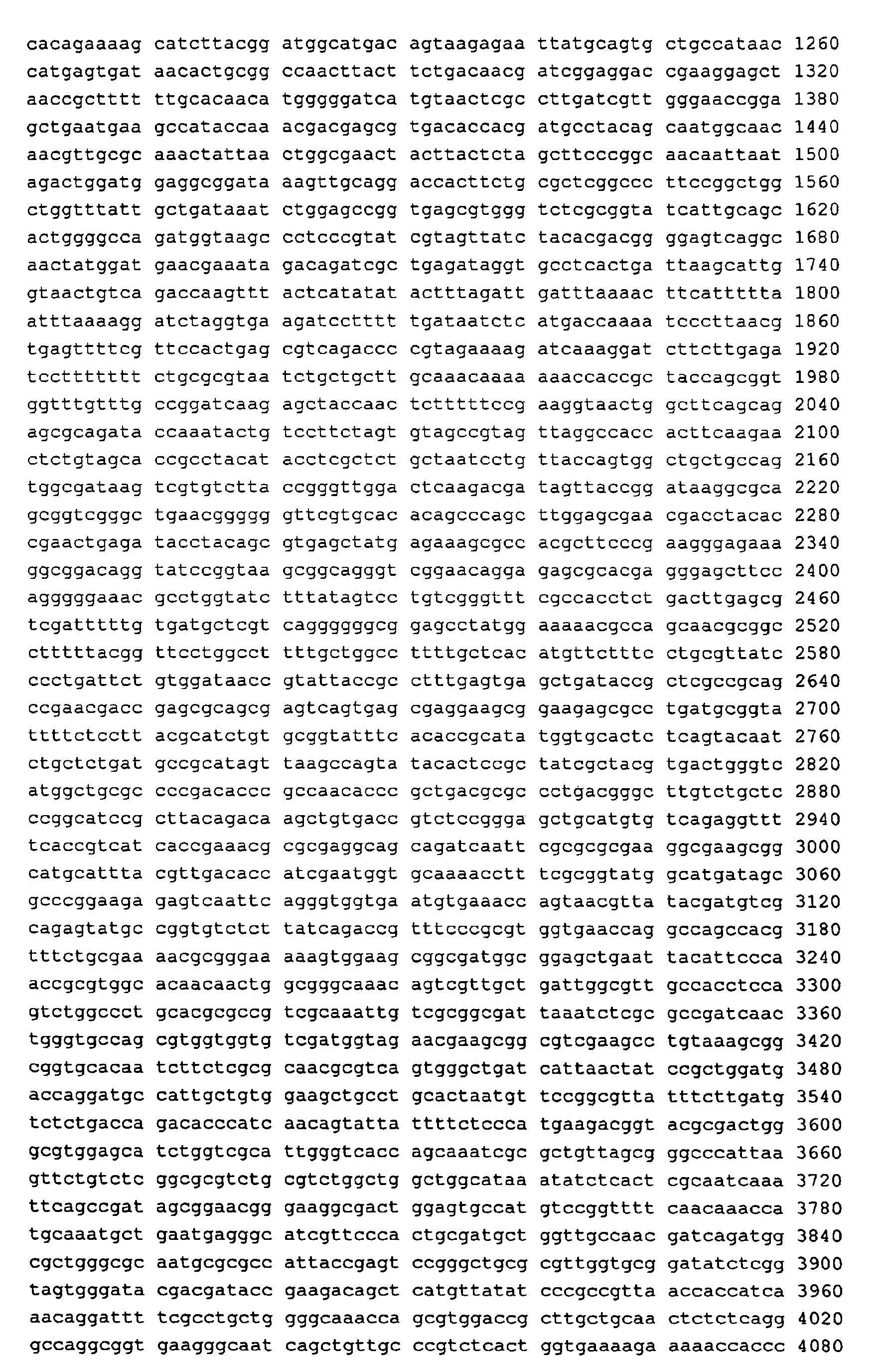

| Viability (%) | |||||
| Cell type | H1A2 MZ cells (%) | 0 h | 6 h | 24 h | 48 h |
| V79 MZ | 0 | 99 ± 1 | 94 ± 7 | 98 ± 1 | - |
| 5 | 98 ± 1 | 52 ± 5*** | 0 ± 0*** | - | |
| 10 | 98 ± 1 | 39 ± 6*** | 0 ± 0*** | - | |
| 25 | 97 ± 2 | 20 ± 4*** | 0 ± 0*** | - | |
| 50 | 96 ± 3 | 15 ± 7*** | 0 ± 0*** | - | |
| SK-OV-3 | 0 | 97 ± 1 | 98 ± 2 | 96 ± 3 | - |
| 5 | 98 ± 1 | 55 ± 2*** | 0 ± 0*** | - | |
| 10 | 98 ± 1 | 43 ± 7*** | 0 ± 0 *** | - | |
| 25 | 97 ± 1 | 22 ± 11*** | 0 ± 0*** | - | |
| 50 | 98 ± 1 | 16 ± 9*** | 0 ± 0*** | - | |
| HCT116 | 0 | 96 ± 1 | 96 ± 5 | 96 ± 2 | - |
| 5 | 98 ± 1 | 69 ± 9*** | 0 ± 0*** | - | |
| 10 | 98 ± 1 | 60 ± 6*** | 0 ± 0*** | - | |
| 25 | 97 ± 1 | 56 ± 4*** | 0 ± 0*** | - | |
| 50 | 98 ±1 | 42 ± 6*** | 0 ± 0*** | - | |
| MDA-MB-361 | 0 | 96 ± 1 | 98 ± 4 | 95 ± 3 | 97 ± 1 |
| 5 | 98 ± 2 | 85 ± 2** | 84 ± 7** | 92 ± 4 | |
| 10 | 96 ± 3 | 74 ± 7*** | 81 ± 9** | 94 ± 7 | |
| 25 | 97 ± 1 | 70 ± 11*** | 78 ± 9*** | 91 ± 6 | |
| 50 | 98 ± 3 | 42 ± 4*** | 18 ± 5*** | 0 ± 0*** | |
Claims (23)
- Product comprising a combination of at least one vector comprising a P450 gene encoding an enzyme capable of converting acetaminophen to a cytotoxic metabolite, or an effective part thereof; and a therapeutically effective amount of at least acetaminophen, for use as a combined medicament for the simultaneous, separate or sequential use in the treatment of disease.
- Use of a vector as defined by Claim 1 for the manufacture of a medicament for simultaneous, separate or sequential use in the treatment of cancer.in combination with a therapeutically effective amount of acetaminophen.
- Use according to claim 2 for the manufacture of a medicament for the treatment of a cancer selected from the list consisting of: breast, pancreatic, ovarian, cervical, lung, hepatic, renal, testicular, prostate, gastrointestinal, glioma, melanoma, bladder, lymphoma, leukaemia, epithelial, mesothelial and retinal.
- Product comprising a vector comprising at least one P450 gene encoding an enzyme capable of converting acetaminophen to a cytotoxic metabolite, or an effective part thereof; and a therapeutically effective amount of at least acetaminophen.
- Product according to either of claims 1 or 4 or use according to either of claims 2 or 3, wherein expression of said P450 gene is controlled by a promoter sequence, which shows substantially tumour cell-specific expression.
- Product or use according to any of claims 1 to 5, wherein said vector is a eukaryotic expression vector.
- Product or use according to Claim 6, wherein said vector is a viral based vector.
- Product or use according to Claim 7, wherein said vector is a hybrid viral vector.
- Product or use according to either of claims 7 or 8, wherein said viral based vector is selected from the list consisting of: adenovirus, retrovirus, adeno-associated virus, herpesvirus, lentivirus or baculovirus.
- Product or use according to any of claims 1 to 4, or 6 to 9, wherein the expression of said P450 gene is controlled by a promoter sequence selected from the list consisting of: Rous sarcoma virus long terminal repeat, cytomegalovirus promoter, murine leukaemia long terminal repeat, simian virus 40 early and late promoters and herpes simplex virus thymidine kinase promoter.
- Product or use according to any of claim 1 to 9 wherein said tumour cell specific promoter is associated with a gene selected from the list consisting of: TRP-1 HER2, HER3, ERBB2, ERBB3, CEA, MUC1, α-fetoprotein, prostate specific antigen (PSA), villin, pancreatic amylase, tyrosinase related peptide and tumour rejection antigen precursor.
- Product or use according to either of claims 5 or 11, wherein said promoter is a hybrid promoter of at least the effective parts of at least two tumour cell specific promoters.
- Product or use according to any of claims 1 to 12, wherein said P450 gene is of mammalian origin.
- Product or use according to claim 13, wherein said P450 gene is selected from the list consisting of: CYP1A2, CYP2E1 and CYP3A4.
- Product or use according to claim 14, wherein said P450 gene is of human origin.
- Product or use according to Claim 14, wherein said gene is of rodent origin.
- Product or use according to claim 16, wherein said P450 gene is mouse CYP1A2.
- Product or use according to either of claims 16 or 17, further comprising furafylline.
- Product or use according to any of claims 1 to 18, which further includes at least one agent capable of modulating the amount of glutathione in a mammal.
- Product or use according to Claim 19, wherein said agent is either methionine or acetylcysteine.
- Kit comprising a vector as defined in any of Claims 1 to 17 and acetaminophen and, optionally, an excipient, carrier or diluent for simultaneous, separate or sequential use in the treatment of cancer.
- Kit according to claim 21, further comprising at least one of methionine and acetylcysteine.
- Kit comprising a vector as defined in either of claims 16 or 17, acetaminophen, furafylline and, optionally, an excipient, carrier or diluent for simultaneous, separate or sequential use in the treatment of cancer.
Applications Claiming Priority (5)
| Application Number | Priority Date | Filing Date | Title |
|---|---|---|---|
| GB9900009 | 1999-01-04 | ||
| GBGB9900009.3A GB9900009D0 (en) | 1999-01-04 | 1999-01-04 | Gene therapy |
| GB9920837 | 1999-09-04 | ||
| GBGB9920837.3A GB9920837D0 (en) | 1999-09-04 | 1999-09-04 | Gene therapy |
| PCT/GB1999/004268 WO2000040271A2 (en) | 1999-01-04 | 1999-12-30 | P450 / acetaminophen gdept for cancer treatment |
Publications (2)
| Publication Number | Publication Date |
|---|---|
| EP1141318A2 EP1141318A2 (en) | 2001-10-10 |
| EP1141318B1 true EP1141318B1 (en) | 2006-07-05 |
Family
ID=26314950
Family Applications (1)
| Application Number | Title | Priority Date | Filing Date |
|---|---|---|---|
| EP99962321A Expired - Lifetime EP1141318B1 (en) | 1999-01-04 | 1999-12-30 | P450 / acetaminophen gdept for cancer treatment |
Country Status (14)
| Country | Link |
|---|---|
| US (1) | US7091040B1 (en) |
| EP (1) | EP1141318B1 (en) |
| JP (1) | JP2002534397A (en) |
| AT (1) | ATE332377T1 (en) |
| AU (1) | AU1869900A (en) |
| CA (1) | CA2355859A1 (en) |
| CZ (1) | CZ20012362A3 (en) |
| DE (1) | DE69932261D1 (en) |
| HU (1) | HUP0105208A3 (en) |
| IL (1) | IL143701A0 (en) |
| NO (1) | NO20013306L (en) |
| PL (1) | PL349285A1 (en) |
| TR (1) | TR200101932T2 (en) |
| WO (1) | WO2000040271A2 (en) |
Families Citing this family (12)
| Publication number | Priority date | Publication date | Assignee | Title |
|---|---|---|---|---|
| US6492428B1 (en) * | 2000-07-26 | 2002-12-10 | The Picower Institute For Medical Research | Compounds having MIF antagonist activity |
| US6566401B2 (en) * | 2001-03-30 | 2003-05-20 | The Board Of Trustees Of The Leland Stanford Junior University | N-acetylcysteine compositions and methods for the treatment and prevention of drug toxicity |
| US7674454B2 (en) | 2004-03-06 | 2010-03-09 | Innovata Limited | Enzyme-prodrug therapy for prosthetic joint repair |
| CA2556790A1 (en) | 2004-03-06 | 2005-09-15 | Innovata Plc | Enzyme-prodrug therapy for prosthetic joint repair |
| GB0405103D0 (en) * | 2004-03-06 | 2004-04-07 | Ml Lab Plc | Enzyme-prodrug therapy for prosthetic joint repair |
| US20090318561A1 (en) * | 2008-06-23 | 2009-12-24 | Mutual Pharmaceutical Company, Inc. | Colchicine products, method of manufacture, and methods of use |
| US10849981B2 (en) * | 2009-07-02 | 2020-12-01 | KemPham, Inc. | Benzoic acid, benzoic acid derivatives and heteroaryl carboxylic acid conjugates of hydrocodone, prodrugs, methods of making and use thereof |
| UA102916C2 (en) * | 2009-07-02 | 2013-08-27 | Кемфарм, Інк. | Composition based on conjugates of hydrocodone with benzoic acid, benzoic acid or heteroaryl carboxylic acid derivatives, prodrugs and method for treatment of abuses |
| FR2958849A1 (en) * | 2010-04-14 | 2011-10-21 | Boiron | HOMEOPATHIC DRUG WITH ANTI-CANCER ACTIVITY |
| WO2014181314A1 (en) | 2013-05-10 | 2014-11-13 | Department Of Biotechnology | Placental like alkaline phosphatase (plap) promoter mediated cell targeting |
| WO2019213065A1 (en) * | 2018-04-30 | 2019-11-07 | Oregon Health & Science University | Methods of gene therapy |
| GB201901989D0 (en) * | 2019-02-13 | 2019-04-03 | Zephapharm Ltd | Pharmaceutical combinations |
Family Cites Families (3)
| Publication number | Priority date | Publication date | Assignee | Title |
|---|---|---|---|---|
| US5760008A (en) | 1991-11-04 | 1998-06-02 | Co Enzyme Technology Ltd. | Method and compositions for treating malignant tumors and inhibiting metastases of malignant tumors |
| JP4229982B2 (en) * | 1996-03-27 | 2009-02-25 | ババリアン・ノルディック・アクティーゼルスカブ | Retroviral vector transducing cytochrome P450 |
| GB0010105D0 (en) * | 2000-04-26 | 2000-06-14 | Ml Lab Plc | Cell ablation |
-
1999
- 1999-12-30 AU AU18699/00A patent/AU1869900A/en not_active Abandoned
- 1999-12-30 IL IL14370199A patent/IL143701A0/en unknown
- 1999-12-30 EP EP99962321A patent/EP1141318B1/en not_active Expired - Lifetime
- 1999-12-30 CA CA002355859A patent/CA2355859A1/en not_active Abandoned
- 1999-12-30 HU HU0105208A patent/HUP0105208A3/en unknown
- 1999-12-30 PL PL99349285A patent/PL349285A1/en not_active Application Discontinuation
- 1999-12-30 AT AT99962321T patent/ATE332377T1/en not_active IP Right Cessation
- 1999-12-30 CZ CZ20012362A patent/CZ20012362A3/en unknown
- 1999-12-30 WO PCT/GB1999/004268 patent/WO2000040271A2/en not_active Ceased
- 1999-12-30 US US09/869,696 patent/US7091040B1/en not_active Expired - Fee Related
- 1999-12-30 DE DE69932261T patent/DE69932261D1/en not_active Expired - Lifetime
- 1999-12-30 JP JP2000592025A patent/JP2002534397A/en not_active Withdrawn
- 1999-12-30 TR TR2001/01932T patent/TR200101932T2/en unknown
-
2001
- 2001-07-03 NO NO20013306A patent/NO20013306L/en not_active Application Discontinuation
Non-Patent Citations (6)
| Title |
|---|
| ALT MED REV, vol. 2, no. 3, 1997, pages 155 - 176 * |
| BR J CLIN PHARMACOL (ABSTRACT), vol. 29, 1990, pages 651 - 663 * |
| CANCER GENE THERAPY, vol. 7, 2000, pages 521 - 525 * |
| CLINICAL CANCER RESEARCH, vol. 6, 2000, pages 3297 - 3303 * |
| DRUG METABOLISM AND DISPOSITION, vol. 28, 2000, pages 1397-1400 * |
| HUMAN GENE THERAPY (ABSTRACT), vol. 5, pages 969 - 978 * |
Also Published As
| Publication number | Publication date |
|---|---|
| HUP0105208A3 (en) | 2004-08-30 |
| IL143701A0 (en) | 2002-04-21 |
| DE69932261D1 (en) | 2006-08-17 |
| JP2002534397A (en) | 2002-10-15 |
| NO20013306L (en) | 2001-09-03 |
| CZ20012362A3 (en) | 2007-05-09 |
| WO2000040271A2 (en) | 2000-07-13 |
| US7091040B1 (en) | 2006-08-15 |
| EP1141318A2 (en) | 2001-10-10 |
| AU1869900A (en) | 2000-07-24 |
| HUP0105208A2 (en) | 2002-04-29 |
| CA2355859A1 (en) | 2000-07-13 |
| TR200101932T2 (en) | 2001-11-21 |
| PL349285A1 (en) | 2002-07-15 |
| ATE332377T1 (en) | 2006-07-15 |
| WO2000040271A3 (en) | 2000-11-02 |
| NO20013306D0 (en) | 2001-07-03 |
Similar Documents
| Publication | Publication Date | Title |
|---|---|---|
| US7008633B2 (en) | Local regional chemotherapy and radiotherapy using in situ hydrogel | |
| US7091040B1 (en) | P450/acetaminophen genetically directed enzyme prodrug therapy (GDEPT) | |
| KR20090025190A (en) | Etiology-targeted gene delivery system for cancer and other diseases | |
| US5599712A (en) | Protection from ionizing irradiation or chemotherapeutic drug damage by in vivo gene therapy | |
| CA2442971C (en) | Chemotherapeutic induction of egr-1 promoter activity | |
| Yang et al. | Mechanisms for ganciclovir resistance in gastrointestinal tumor cells transduced with a retroviral vector containing the herpes simplex virus thymidine kinase gene. | |
| WO2000040272A2 (en) | P450 / acetaminophen gdept for cancer treatment | |
| US20060057109A1 (en) | Method of using anti-apoptotic factors in gene expression | |
| WO1999026480A1 (en) | Anti-angiogenic gene therapy vectors and their use in treating angiogenesis-related diseases | |
| US20230118202A1 (en) | Nucleic acid construct, and therapeutic or diagnostic agent for mismatch repair deficient cancers comprising nucleic acid construct | |
| US6524571B1 (en) | Methioninase gene therapy for tumor treatment | |
| AU769805B2 (en) | Protection from ionizing irradiation or chemotherapeutic drug damage by (in vivo) gene therapy | |
| Hafkemeyer et al. | Chemoprotection of hematopoietic cells by a mutant P-glycoprotein resistant to a potent chemosensitizer of multidrug-resistant cancers | |
| Thatcher et al. | The potential of acetaminophen as a prodrug in gene-directed enzyme prodrug therapy | |
| MXPA01006829A (en) | Gene therapy-1 | |
| WO2011031467A1 (en) | Anti-cancer therapeutic strategy to overcome cancer resistance and to enable tailoring treatment to patients | |
| Lu et al. | Enhancement of p53 gene transfer efficiency in hepatic tumor mediated by transferrin receptor through trans-arterial delivery | |
| US20010036460A1 (en) | Targeted death cancer cells | |
| JPH09512554A (en) | Increased sensitivity of tumor cells to therapy | |
| US20240384244A1 (en) | Methods and compositions for treating dnmt3a deficiency-associated diseases | |
| DE69823813T2 (en) | MALIGNICITY SUPPRESSION USING RIBONUCLEOTIDE REDUCTASE R1 | |
| Hoffman et al. | Methioninase gene therapy | |
| TW200823287A (en) | Composition and method for treatment of tumors | |
| WO2023118294A1 (en) | Inhibition of mitoferrin 2 as means for inhibiting cancer and cancer metastasis | |
| WO2013152291A1 (en) | Cell therapy technology to deliver radio-protective peptides |
Legal Events
| Date | Code | Title | Description |
|---|---|---|---|
| PUAI | Public reference made under article 153(3) epc to a published international application that has entered the european phase |
Free format text: ORIGINAL CODE: 0009012 |
|
| 17P | Request for examination filed |
Effective date: 20010608 |
|
| AK | Designated contracting states |
Kind code of ref document: A2 Designated state(s): AT BE CH CY DE DK ES FI FR GB GR IE IT LI LU MC NL PT SE |
|
| AX | Request for extension of the european patent |
Free format text: AL;LT;LV;MK;RO;SI |
|
| RAP1 | Party data changed (applicant data changed or rights of an application transferred) |
Owner name: ML LABORATORIES PLC |
|
| 17Q | First examination report despatched |
Effective date: 20030610 |
|
| GRAP | Despatch of communication of intention to grant a patent |
Free format text: ORIGINAL CODE: EPIDOSNIGR1 |
|
| GRAS | Grant fee paid |
Free format text: ORIGINAL CODE: EPIDOSNIGR3 |
|
| GRAA | (expected) grant |
Free format text: ORIGINAL CODE: 0009210 |
|
| RAP1 | Party data changed (applicant data changed or rights of an application transferred) |
Owner name: INNOVATA PLC |
|
| AK | Designated contracting states |
Kind code of ref document: B1 Designated state(s): AT BE CH CY DE DK ES FI FR GB GR IE IT LI LU MC NL PT SE |
|
| PG25 | Lapsed in a contracting state [announced via postgrant information from national office to epo] |
Ref country code: NL Free format text: LAPSE BECAUSE OF FAILURE TO SUBMIT A TRANSLATION OF THE DESCRIPTION OR TO PAY THE FEE WITHIN THE PRESCRIBED TIME-LIMIT Effective date: 20060705 Ref country code: LI Free format text: LAPSE BECAUSE OF FAILURE TO SUBMIT A TRANSLATION OF THE DESCRIPTION OR TO PAY THE FEE WITHIN THE PRESCRIBED TIME-LIMIT Effective date: 20060705 Ref country code: IT Free format text: LAPSE BECAUSE OF FAILURE TO SUBMIT A TRANSLATION OF THE DESCRIPTION OR TO PAY THE FEE WITHIN THE PRESCRIBED TIME-LIMIT;WARNING: LAPSES OF ITALIAN PATENTS WITH EFFECTIVE DATE BEFORE 2007 MAY HAVE OCCURRED AT ANY TIME BEFORE 2007. THE CORRECT EFFECTIVE DATE MAY BE DIFFERENT FROM THE ONE RECORDED. Effective date: 20060705 Ref country code: FI Free format text: LAPSE BECAUSE OF FAILURE TO SUBMIT A TRANSLATION OF THE DESCRIPTION OR TO PAY THE FEE WITHIN THE PRESCRIBED TIME-LIMIT Effective date: 20060705 Ref country code: CH Free format text: LAPSE BECAUSE OF FAILURE TO SUBMIT A TRANSLATION OF THE DESCRIPTION OR TO PAY THE FEE WITHIN THE PRESCRIBED TIME-LIMIT Effective date: 20060705 Ref country code: BE Free format text: LAPSE BECAUSE OF FAILURE TO SUBMIT A TRANSLATION OF THE DESCRIPTION OR TO PAY THE FEE WITHIN THE PRESCRIBED TIME-LIMIT Effective date: 20060705 Ref country code: AT Free format text: LAPSE BECAUSE OF FAILURE TO SUBMIT A TRANSLATION OF THE DESCRIPTION OR TO PAY THE FEE WITHIN THE PRESCRIBED TIME-LIMIT Effective date: 20060705 |
|
| REG | Reference to a national code |
Ref country code: GB Ref legal event code: FG4D |
|
| REG | Reference to a national code |
Ref country code: CH Ref legal event code: EP |
|
| REG | Reference to a national code |
Ref country code: IE Ref legal event code: FG4D |
|
| REF | Corresponds to: |
Ref document number: 69932261 Country of ref document: DE Date of ref document: 20060817 Kind code of ref document: P |
|
| PG25 | Lapsed in a contracting state [announced via postgrant information from national office to epo] |
Ref country code: SE Free format text: LAPSE BECAUSE OF FAILURE TO SUBMIT A TRANSLATION OF THE DESCRIPTION OR TO PAY THE FEE WITHIN THE PRESCRIBED TIME-LIMIT Effective date: 20061005 Ref country code: DK Free format text: LAPSE BECAUSE OF FAILURE TO SUBMIT A TRANSLATION OF THE DESCRIPTION OR TO PAY THE FEE WITHIN THE PRESCRIBED TIME-LIMIT Effective date: 20061005 |
|
| PG25 | Lapsed in a contracting state [announced via postgrant information from national office to epo] |
Ref country code: DE Free format text: LAPSE BECAUSE OF FAILURE TO SUBMIT A TRANSLATION OF THE DESCRIPTION OR TO PAY THE FEE WITHIN THE PRESCRIBED TIME-LIMIT Effective date: 20061006 |
|
| PG25 | Lapsed in a contracting state [announced via postgrant information from national office to epo] |
Ref country code: ES Free format text: LAPSE BECAUSE OF FAILURE TO SUBMIT A TRANSLATION OF THE DESCRIPTION OR TO PAY THE FEE WITHIN THE PRESCRIBED TIME-LIMIT Effective date: 20061016 |
|
| NLV1 | Nl: lapsed or annulled due to failure to fulfill the requirements of art. 29p and 29m of the patents act | ||
| PG25 | Lapsed in a contracting state [announced via postgrant information from national office to epo] |
Ref country code: PT Free format text: LAPSE BECAUSE OF FAILURE TO SUBMIT A TRANSLATION OF THE DESCRIPTION OR TO PAY THE FEE WITHIN THE PRESCRIBED TIME-LIMIT Effective date: 20061205 |
|
| PG25 | Lapsed in a contracting state [announced via postgrant information from national office to epo] |
Ref country code: MC Free format text: LAPSE BECAUSE OF NON-PAYMENT OF DUE FEES Effective date: 20061231 |
|
| PG25 | Lapsed in a contracting state [announced via postgrant information from national office to epo] |
Ref country code: IE Free format text: LAPSE BECAUSE OF NON-PAYMENT OF DUE FEES Effective date: 20070102 |
|
| EN | Fr: translation not filed | ||
| PLBE | No opposition filed within time limit |
Free format text: ORIGINAL CODE: 0009261 |
|
| STAA | Information on the status of an ep patent application or granted ep patent |
Free format text: STATUS: NO OPPOSITION FILED WITHIN TIME LIMIT |
|
| 26N | No opposition filed |
Effective date: 20070410 |
|
| PGFP | Annual fee paid to national office [announced via postgrant information from national office to epo] |
Ref country code: GB Payment date: 20070607 Year of fee payment: 8 |
|
| PG25 | Lapsed in a contracting state [announced via postgrant information from national office to epo] |
Ref country code: GR Free format text: LAPSE BECAUSE OF FAILURE TO SUBMIT A TRANSLATION OF THE DESCRIPTION OR TO PAY THE FEE WITHIN THE PRESCRIBED TIME-LIMIT Effective date: 20061006 Ref country code: FR Free format text: LAPSE BECAUSE OF FAILURE TO SUBMIT A TRANSLATION OF THE DESCRIPTION OR TO PAY THE FEE WITHIN THE PRESCRIBED TIME-LIMIT Effective date: 20070511 |
|
| PG25 | Lapsed in a contracting state [announced via postgrant information from national office to epo] |
Ref country code: LU Free format text: LAPSE BECAUSE OF NON-PAYMENT OF DUE FEES Effective date: 20061230 |
|
| REG | Reference to a national code |
Ref country code: HK Ref legal event code: WD Ref document number: 1039052 Country of ref document: HK |
|
| GBPC | Gb: european patent ceased through non-payment of renewal fee |
Effective date: 20071230 |
|
| PG25 | Lapsed in a contracting state [announced via postgrant information from national office to epo] |
Ref country code: FR Free format text: LAPSE BECAUSE OF FAILURE TO SUBMIT A TRANSLATION OF THE DESCRIPTION OR TO PAY THE FEE WITHIN THE PRESCRIBED TIME-LIMIT Effective date: 20060705 Ref country code: CY Free format text: LAPSE BECAUSE OF FAILURE TO SUBMIT A TRANSLATION OF THE DESCRIPTION OR TO PAY THE FEE WITHIN THE PRESCRIBED TIME-LIMIT Effective date: 20060705 |
|
| PG25 | Lapsed in a contracting state [announced via postgrant information from national office to epo] |
Ref country code: GB Free format text: LAPSE BECAUSE OF NON-PAYMENT OF DUE FEES Effective date: 20071230 |