EP1131358B1 - Humanized antibody specific for surface antigen pre-s1 of hbv and preparation method thereof - Google Patents
Humanized antibody specific for surface antigen pre-s1 of hbv and preparation method thereof Download PDFInfo
- Publication number
- EP1131358B1 EP1131358B1 EP99972646A EP99972646A EP1131358B1 EP 1131358 B1 EP1131358 B1 EP 1131358B1 EP 99972646 A EP99972646 A EP 99972646A EP 99972646 A EP99972646 A EP 99972646A EP 1131358 B1 EP1131358 B1 EP 1131358B1
- Authority
- EP
- European Patent Office
- Prior art keywords
- gene
- humanized
- seq
- heavy chain
- amino acid
- Prior art date
- Legal status (The legal status is an assumption and is not a legal conclusion. Google has not performed a legal analysis and makes no representation as to the accuracy of the status listed.)
- Expired - Lifetime
Links
- YWDBHFZUBPOPRQ-UHFFFAOYSA-N C1C2C=CC1C2 Chemical compound C1C2C=CC1C2 YWDBHFZUBPOPRQ-UHFFFAOYSA-N 0.000 description 1
- 0 C=CCCCCC(C1=C)=*1C1=CCC=C1 Chemical compound C=CCCCCC(C1=C)=*1C1=CCC=C1 0.000 description 1
Images


Classifications
-
- C—CHEMISTRY; METALLURGY
- C12—BIOCHEMISTRY; BEER; SPIRITS; WINE; VINEGAR; MICROBIOLOGY; ENZYMOLOGY; MUTATION OR GENETIC ENGINEERING
- C12N—MICROORGANISMS OR ENZYMES; COMPOSITIONS THEREOF; PROPAGATING, PRESERVING, OR MAINTAINING MICROORGANISMS; MUTATION OR GENETIC ENGINEERING; CULTURE MEDIA
- C12N15/00—Mutation or genetic engineering; DNA or RNA concerning genetic engineering, vectors, e.g. plasmids, or their isolation, preparation or purification; Use of hosts therefor
- C12N15/09—Recombinant DNA-technology
- C12N15/11—DNA or RNA fragments; Modified forms thereof; Non-coding nucleic acids having a biological activity
-
- C—CHEMISTRY; METALLURGY
- C07—ORGANIC CHEMISTRY
- C07K—PEPTIDES
- C07K16/00—Immunoglobulins [IG], e.g. monoclonal or polyclonal antibodies
- C07K16/08—Immunoglobulins [IG], e.g. monoclonal or polyclonal antibodies against material from viruses
- C07K16/081—DNA viruses
- C07K16/082—Hepadnaviridae (F), e.g. hepatitis B virus
-
- A—HUMAN NECESSITIES
- A61—MEDICAL OR VETERINARY SCIENCE; HYGIENE
- A61P—SPECIFIC THERAPEUTIC ACTIVITY OF CHEMICAL COMPOUNDS OR MEDICINAL PREPARATIONS
- A61P1/00—Drugs for disorders of the alimentary tract or the digestive system
- A61P1/16—Drugs for disorders of the alimentary tract or the digestive system for liver or gallbladder disorders, e.g. hepatoprotective agents, cholagogues, litholytics
-
- A—HUMAN NECESSITIES
- A61—MEDICAL OR VETERINARY SCIENCE; HYGIENE
- A61P—SPECIFIC THERAPEUTIC ACTIVITY OF CHEMICAL COMPOUNDS OR MEDICINAL PREPARATIONS
- A61P31/00—Antiinfectives, i.e. antibiotics, antiseptics, chemotherapeutics
- A61P31/12—Antivirals
- A61P31/20—Antivirals for DNA viruses
-
- C—CHEMISTRY; METALLURGY
- C12—BIOCHEMISTRY; BEER; SPIRITS; WINE; VINEGAR; MICROBIOLOGY; ENZYMOLOGY; MUTATION OR GENETIC ENGINEERING
- C12N—MICROORGANISMS OR ENZYMES; COMPOSITIONS THEREOF; PROPAGATING, PRESERVING, OR MAINTAINING MICROORGANISMS; MUTATION OR GENETIC ENGINEERING; CULTURE MEDIA
- C12N15/00—Mutation or genetic engineering; DNA or RNA concerning genetic engineering, vectors, e.g. plasmids, or their isolation, preparation or purification; Use of hosts therefor
- C12N15/09—Recombinant DNA-technology
- C12N15/11—DNA or RNA fragments; Modified forms thereof; Non-coding nucleic acids having a biological activity
- C12N15/62—DNA sequences coding for fusion proteins
-
- C—CHEMISTRY; METALLURGY
- C07—ORGANIC CHEMISTRY
- C07K—PEPTIDES
- C07K2317/00—Immunoglobulins specific features
- C07K2317/20—Immunoglobulins specific features characterized by taxonomic origin
- C07K2317/24—Immunoglobulins specific features characterized by taxonomic origin containing regions, domains or residues from different species, e.g. chimeric, humanized or veneered
-
- C—CHEMISTRY; METALLURGY
- C07—ORGANIC CHEMISTRY
- C07K—PEPTIDES
- C07K2317/00—Immunoglobulins specific features
- C07K2317/50—Immunoglobulins specific features characterized by immunoglobulin fragments
- C07K2317/56—Immunoglobulins specific features characterized by immunoglobulin fragments variable (Fv) region, i.e. VH and/or VL
-
- C—CHEMISTRY; METALLURGY
- C07—ORGANIC CHEMISTRY
- C07K—PEPTIDES
- C07K2317/00—Immunoglobulins specific features
- C07K2317/90—Immunoglobulins specific features characterized by (pharmaco)kinetic aspects or by stability of the immunoglobulin
- C07K2317/92—Affinity (KD), association rate (Ka), dissociation rate (Kd) or EC50 value
Definitions
- the present invention relates to humanized antibodies specific for HBV surface-antigen pre-S1.
- this invention relates to humanized antibodies specific for HBV surface antigen pre-S1, the antibody comprising humanized heavy and light chain; to genes encoding the humanized heavy or light chain; to expression vectors containing said genes and E . coli transformants containing said expression vector; and to pharmaceutical composition, comprising said humanized antibody, which may be administered in order to prevent HBV infection or to treat chronic hepatitis B.
- inventors of the present invention prepared a mouse monoclonal antibody KR127 against HBV surface antigen pre-S1. They isolated the genes encoding the heavy and light chain variable regions of KR127 antibody and determined the sequences of the genes (Korea Patent Application No. 1997-30696).
- WO 93/16192 relates to a humanized antibody capable of binding to a hepatitis B surface antigen, to a pharmaceutical composition, which contains the antibody, and to its use in the treatment and/or prophylaxis of hepatitis.
- HBV Hepatitis B Virus
- HBV Hepatitis B Virus
- HBV surface proteins containing different sets of surface antigens. Particularly, these surface antigen proteins includes the Major Protein containing S antigen, the Middle Protein containing S and pre-S2 antigens, and the Large Protein containing S, pre-S2 and pre-S1 antigens (Neurath and Kent, Adv . Virus Res., 34:65-142, 1988). All the surface antigen proteins can induce antibodies that neutralize HBV, and especially, antibodies against HBV pre-S antigen are associated with the elimination of the virus and the recovery from HBV infection, overcoming non-responsiveness to the S antigen (Iwarson et al., J. Med. Virol., 16:89-96, 1985; Itoh et al., Proc. Natl.
- pre-S1 antigen is exclusively present in infectious virus particles (Heerman et al ., J . Virol., 52:396-402, 1984) and involved in the infection into human liver cells.
- monoclonal antibody specific for pre-S1 antigen may efficiently neutralize HBV (Neurath et al., Cell, 46:429, 1986; Pontisso et al., Virology , 173:533, 1989; Neurath et al., Vaccine, 7:234, 1989), and the monoclonal antibody is considered to be useful in the prevention of HBV infection and the treatment of chronic hepatitis B.
- hepatitis B immunoglobulin has been employed as a preventive for HBV infection, which may protect, for example, a newborn baby from a HBV-positive mother, medical personnel exposed to HBV, and liver transplant patient with chronic HBV-related liver disease (Beasley et al ., Lancet, 2:1099, 1983; Todo et al., Hepatology, 13:619, 1991).
- hepatitis B immunoglobulin has some shortcomings such as its limited availability, low specific activity and its possible contamination with infectious agents.
- mouse monoclonal antibodies against HBV surface antigens have been developed. Although the mouse monoclonal antibodies show high affinity for the antigen and can be prepared on a large scale, they induce human anti-mouse antibody response in patients (Shawler et al., J. Immunol., 135:1530, 1985). There were attempts to prepare human monoclonal antibodies, but few of these antibodies showed a high level of affinity.
- Humanized antibodies have been developed. Humanized antibody has a high level of affinity and specificity similar to mouse antibodies, whereas its immunogenicity is minimized. Humanized antibody is a hybrid antibody in which CDRs (Complementarity Determining Regions) of a mouse antibody is grafted to a human antibody by genetic engineering technique. It can be easily prepared on a large scale, and hardly elicits immune responses in humans since most of the DNA sequences encoding the humanized antibodies are derived from a human DNA sequence (Riechman et al ., Nature , 332:323, 1988; Nakatani et al ., Protein Engineering, 7:435, 1994).
- CDRs Complementarity Determining Regions
- the present invention is performed by selecting human immunoglobulin genes homologous to the sequences of KR127 antibody light chain and heavy chain variable regions; constructing the humanized antibody genes; inserting the genes into expression vectors; introducing the vectors into host cells; obtaining humanized antibodies from the culture of the transformed cells; and confirming that the humanized antibodies have high affinity to HBV pre-S1 antigen, similar to the mouse monoclonal antibody KR127.
- the present invention provides humanized antibodies specific for HBV surface antigen pre-S1, comprising humanized heavy and light chains.
- This invention also provides genes encoding the variable regions of said humanized heavy or light chain.
- this invention provides expression vectors containing said genes and E. coli transformants containing said expression vectors.
- This invention further provides pharmaceutical compositions comprising said humanized antibody, which may be administered in order to prevent HBV infection or to treat chronic hepatitis B.
- This invention provides humanized antibodies specific for HBV surface antigen pre-S1, comprising humanized heavy and humanized light chains.
- This invention also provides genes encoding the variable regions of said humanized heavy or light chain.
- Said humanized heavy chain contains variable region which is derived from the V H region of mouse KR127 antibody.
- the V H region of mouse KR127 antibody is described by SEQ ID NO: 19, and the V H region of the humanized antibody of this invention can be prepared by grafting the CDRs of mouse KR127 V H region to homologous human immunoglobulin V H region.
- said humanized light chain contains variable region which is derived from the V L region of mouse KR127 antibody.
- the V L region of mouse KR127 antibody is described by SEQ ID NO: 22, and the V L region of the humanized antibody of this invention can be prepared by grafting the CDRs of mouse KR127 V L region to homologous human immunoglobulin V L region.
- human immunoglobulin that show the highest similarities of amino acid sequence to the heavy or light chain of the mouse monoclonal antibody KR127.
- human immunoglobulin germ line genes DP7 and DPK12 were screened from GenBank database. DP7 shows the highest homology to the V H region of mouse antibody KR127, while DPK12 is most similar to the V L region of KR127.
- the humanized antibodies of this invention can be produced from recombinant genes encoding humanized V H region or V L region. These genes are constructed by substituting CDRs of mouse KR127 for those of the human DP7 or DPK12 antibody. In constructing these genes, most of the amino acid residues corresponding to the humanized CDRs are derived from the CDRs of mouse antibody KR127. However, some mouse-derived CDRs residues are replaced by human counterparts, since their corresponding amino acid residues are expected not to be involved in the antigen binding (see FIG 1). In the same way, some human-derived amino acid residues for the non-CDR framework regions (FR) of variable region are replaced with mouse counterparts, since it is expected that these FR residues may affect the conformation of CDRs.
- FR non-CDR framework regions
- HKR127HCv(HZII) gene encoding a humanized V H region was prepared by grafting the partial CDR1, 2, 3 and a FR residue (at position 72) of mouse KR127 heavy chain to the human DP7 gene (see FIG 1).
- HKR127HCv(HZII) gene did not show any significant level of binding capacity to corresponding antigen.
- HKR127HCv(HZII) gene we also prepared HKR127HCv(HZI) gene and HKR127HCv(HZIII) gene which contain more mouse-derived codons than HKR127HCv(HZII) gene (see FIG 1) .
- HKR127HCv(HZI) contains CDR1, partial CDR2, and CDR3, and 11 FR residues of mouse KR127 V H
- HKR127HCv(HzIII) contains the same mouse CDR codons and 2 mouse FR residues (see FIG 1).
- HKR127HC(I) gene encoding a full-length heavy chain of the humanized antibody of this invention
- PCRs were conducted, in which template for amplification is either the HKR127HCv(HZII) gene or pRC/CMV-HC-HuS (KCTC 0229BP) containing the heavy chain leader sequence and the constant region sequence of human immunoglobulin heavy chain ⁇ 1.
- the first five PCR products were brought to annealing reaction. Then, the DNA fragment containing the five PCR products was employed as a template of recombinant PCR wherein two primers described by SEQ ID NO: 1 and 10 were used. Another recombinant PCR was conducted to link the amplified 431-bp DNA fragment to DNA fragment which was obtained by PCR using two primers (described by SEQ ID NO: 11 and 12). The recombinant PCR employed two primers described by SEQ ID NO: 1 and 12.
- the final 1431-bp PCR product, HKR127HC(I), encoding the heavy chain of a humanized antibody (HZKR127I) was introduced into pBluescript SK(+) vector (Clontech), and the resulting vector was designated pHKR127HC(I).
- primers are described in SEQ ID NO: 1 to 12 in SEQUENCE LISTING, and particularly, primer described by SEQ ID NO: 1 contains EcoRI sequence at the 5' end, while primer described by SEQ ID NO: 12 does Sail sequence at the 3' end.
- variable region in the HKR227HC(I) gene contains 11 mouse-derived FR residues at positions 12, 28, 30, 48, 67, 68, 70, 72, 74, 79 and 95 (see FIG 1).
- the heavy chain variable region has 87 FR residues, and the unmodified FR residues is 76.
- amino acid sequence of the heavy chain variable FR of the HKR127HC(I) gene is 87% homologous to that of human DP7 gene.
- HZKR127(III) gene was constructed, which contains HKR127HCv(HZIII) gene with 2 mouse-derived FR residues at position 72 and 74 (see FIG 1).
- HKR127HC(III) gene encoding a full-length heavy chain of the humanized antibody of this invention
- PCRs were conducted, in which template for amplification is either the HKR127HCv(HZII) gene or pRC/CMV-HC-HuS (KCTC 0229BP) containing the heavy chain leader sequence and the constant region sequence of human immunoglobulin heavy chain ⁇ 1 (see FIG 2b).
- PCR primers Four pairs of oligonucleotides (SEQ ID NO: 1 and 24; 25 and 26; 27 and 28; and 11 and 12) were used as PCR primers (see FIG 2b). The first three PCR products were brought to annealing reaction. Then, the DNA fragment containing the three PCR products was employed as a template of recombinant PCR wherein two primers described by SEQ ID NO: 1 and 28 were used. Another recombinant PCR was conducted to link the amplified 431-bp DNA fragment to DNA fragment which was obtained by PCR using two primers (described by SEQ ID NO: 11 and 12). The recombinant PCR employed two primers described by SEQ ID NO: 1 and 12.
- the final 1431-bp PCR product, HKR127HC(III), encoding the heavy chain of a humanized antibody (HZKR127III) was introduced into pBluescript SK(+) vector (Clontech), and the resulting vector was designated pHKR127HC(III).
- HKR127KCv(HZII) gene encoding a humanized V L region was prepared by grafting the CDR1, CDR3 and partial CDR2 of mouse KR127 light chain to the human DPK12 gene (see FIG 3).
- HKR127KCv(HZII) gene which contains more mouse-derived amino acid residues (see FIG 3) than HKR127HKCv(HZII) (see FIG 3).
- HKR127KC(I) gene encoding a full-length light chain of the humanized antibody of this invention
- PCRs were conducted, in which template for amplification is either the HKR127KCv(HZII) gene or pKC-dfhr-HuS (KCTC 0230BP) containing the light chain leader sequence and the constant region sequence of human immunoglobulin light chain ⁇ .
- the first two PCR products were brought to annealing reaction. Then, the DNA fragment containing the two PCR products was employed as a template of recombinant PCR wherein two primers described by SEQ ID NO: 13 and 16 were used. Another recombinant PCR was conducted to link the amplified 360-bp DNA fragment to DNA fragment which was obtained by PCR using two primers (described by SEQ ID NO: 17 and 18). The recombinant PCR employed two primers which are described by SEQ ID NO: 13 and 18.
- HKR127KC(I) The final 739-bp PCR product, HKR127KC(I), encoding the light chain of a humanized antibody (HZKR127I) was introduced into pBluescript SK(+) vector (Clontech), and the resulting vector was designated pHKR127KC(I).
- primers are described in SEQ ID NO: 13 to 18 in SEQUENCE LISTING, and particularly, primer described by SEQ ID NO: 13 contains HindIII sequence at the 5' end, while primer described by SEQ ID NO: 18 does Sail sequence at the 3' end.
- variable region FR of the HKR127KC gene contains 5 mouse KR127-derived codons (see FIG 3).
- the light chain has 83 FR residues, and the unmodified FR residues is 78.
- amino acid sequence of the light chain variable FR of the HKR127KC gene is 94% identical to that of human DP7 gene.
- this invention provides expression vectors containing genes encoding the humanized V H or V L region and provides E . coli transformants containing said expression vector.
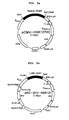
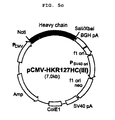
- expression vectors are prepared, which contain the gene encoding the heavy or light chain of humanized antibody (see FIG 5a, 5b or 5c).
- DNA fragment corresponding to humanized heavy chain was respectively obtained from the plasmids pHKR127HC(I) and pHKR127HC(III) by treatment of restriction enzymes, and then inserted into pRc/CMV (Invitrogen) to give expression vector pCMV-HKR127HC (see FIG5a) and pCMV-HKR127(III)HC (see FIG 5c), respectively.
- DNA fragment encoding the humanized light chain was isolated from the pHKR127KC vector, and then introduced into pCMV-dfhr (KCTC 8671P) to construct expression vector pKC-dhfr-HKR127 (see FIG 5b).
- E. coli strain DH5 ⁇ was transformed with the expression vector pCMV-HKR127HC, pCMV-HKR127(III)HC or pKC-dhfr-HKR127.
- the resulting E. coli transformants containing pCMV-HKR127HC or pKC-dhfr-HKR127 were deposited in KCTC (Korean Collection for Type Culture) (Accession Number: KCTC 0531BP and KCTC 0529BP, respectively) on October 12, 1998.
- the E . coli transformant containing pCMV-HKR127(III)HC was deposited in KCTC (Accession Number: KCTC 0691BP, respectively) on November 15, 1999.
- humanized antibodies specific for HBV surface antigen pre-S1 were expressed in animal cells and obtained from culture media of the cells.
- COS7 cells were transiently cotransfected with the expression vectors pCMV-HKR127HC and pKC-dhfr-HKR127, and the resulting transfected cells was cultured and the culture supernatant was used to characterize a humanized antibody HZKR127I of the present invention.
- COS7 cells were also cotransfected with the expression vectors pCMV-HKR127(III)HC and pKC-dhfr-HKR127, and the culture supernatant of transfected cells was used to characterize a humanized antibody HZKR127III.
- This invention further provides pharmaceutical compositions containing said humanized antibody.
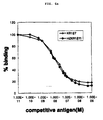
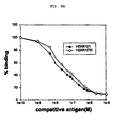
- HZKR127I and HZKR127III humanized antibodies of the present invention showed almost same antigen-binding affinity when compared with mouse monoclonal antibody KR127 (see Table 1, 2 and FIG 6a, 6b).
- composition includes a therapeutically effective amounts of the humanized antibody against HBV antigen pre-S1, with/without a pharmaceutically acceptable delivery vehicle.
- compositions may include other anti-hepatitis drug(s), such as anti-S monoclonal antibody or lamivudin.
- the humanized antibody against HBV antigen pre-S1 may be formulated with a pharmaceutical vehicle or diluent for intravenous, subcutaneous, intramuscular administration.
- a pharmaceutical vehicle or diluent for intravenous, subcutaneous, intramuscular administration.
- the pharmaceutical composition can be formulated in a classical manner using solid or liquid vehicles, diluents and additives appropriate to the desired mode of administration.
- the humanized antibody of this invention may be administered in a dosage range of about 1 ⁇ 10 mg/kg, preferably 3 ⁇ 5 mg/kg, and may be administered once a week.
- the humanized heavy chain variable region gene In order to construct the humanized heavy chain variable region gene, first, we selected a human immunoglobulin heavy chain gene that shows the highest homology of amino acid sequence to the heavy chain variable region of the mouse monoclonal antibody KR127. As the result, a human immunoglobulin germ line gene DP7 was selected from GenBank database. Then, we constructed a humanized V H region gene HKR127HCv(HZII) by DNA recombination techniques, which was based upon the comparison of the mouse KR127 V H region with the human DP7 V H region. Since the humanized heavy chain did not show significant antigen binding activity, we prepared HKR127HCv(HZI) gene encoding another V H region in order to improve the HKR127HCv(HZII) gene (see FIG 1) .
- the HKR127HCv(HZII) gene was constructed by grafting the V H region of human DP7 gene with the partial CDR1, 2, and 3 and one FR residue at position 72 of mouse KR127 V H region. It was assumed that the human CDRs and FR amino acid residues affected the antigen-binding affinity of the antibody.
- HKR127HCv(HZI) gene was constructed by PCR employing HKR127HCv(HZII) gene as a template.
- a vector pRc/CMV-HC-HuS (Accession Number: KCTC 0229BP) was used to synthesize DNA sequence encoding human C H region as well as heavy chain leader sequence, which is required in proper secretion of the heavy chain.
- HKR127HC(I) gene encoding a humanized heavy chain was constructed by recombinant PCR for the annealing of the heavy chain leader sequence, HKR127HCv(HZI) gene, and the human C H gene (see FIG 2a).
- the primers in these PCRs are synthetic oligonucleotides described by SEQ ID NO: 1 to 12.
- PCR was performed by using Taq DNA polymerase, and its thermocycle was repeated 30 times, consisting, of 1 minute at 94°C, 1 minute at 55°C, and then 1 minute at 72°C.
- Five pairs of oligonucleotides (SEQ ID NO: 1 and 2; 3 and 4; 5 and 6; 7 and 8; and 9 and 10) were used as PCR primers, and the five PCR products (113 bp; 96 bp; 120 bp; 78 bp; and 87 bp, respectively) were brought to annealing reaction.
- the DNA fragments containing the five PCR products were employed as template of the recombinant PCR wherein primers described by SEQ ID NO: 1 and 10 were used.
- Another recombinant PCR was conducted to link the amplified 431-bp DNA fragment to 1015-bp DNA fragment which was obtained by PCR using two primers (described by SEQ ID NO: 11 and 12).
- the recombinant PCR employed two primers described by SEQ ID NO: 1 and 12.
- the final PCR product (HKR127HC(I), about 1431-bp) encoding a recombinant heavy chain of humanized antibody was introduced into the EcoRI-SalI site of pBluescript SK(+) vector (Clontech), and the resulting vector was designated pHKR127HC(I).
- the DNA sequence of the inserted gene was determined by dideoxynucleotide method.
- HKR127HC(I) another humanized heavy chain gene, HKR127(III), which has much less number of mouse FR residues, was constructed.
- HKR127HCv(HZIII) gene was constructed by PCR employing HKR127HCv(HZII) gene as a template.
- a vector pRc/CMV-HC-HuS accesion Number: KCTC 0229BP was used to synthesize DNA sequence encoding human C H region as well as heavy chain leader sequence, which is required in proper secretion of the heavy chain.
- HKR127HC(III) gene encoding a humanized heavy chain was constructed by recombinant PCR for annealing of the heavy chain leader sequence, HKR127HCv(HZIII) gene, and the human C H gene (see FIG 2b).
- the primers in these PCRs are synthetic oligonucleotides described by SEQ ID NO: 24 to 28.
- PCR was performed by using Taq DNA polymerase, and its thermocycle was repeated 30 times, consisting of 1 minute at 94°C, 1 minute at 55°C, and then 1 minute at 72°C.
- Three pairs of oligonucleotides (SEQ ID NO: 1 and 24; 25 and 26; and 27 and 28) were used as PCR primers, and the three PCR products (179 bp; 141 bp; and 87 bp, respectively) were brought to annealing reaction.
- the DNA fragments containing the three PCR products were employed as template of the recombinant PCR wherein primers described by SEQ ID NO: 1 and 28 were used.
- Another recombinant PCR was conducted to link the amplified 431-bp DNA fragment to 1015-bp DNA fragment which was obtained by PCR using two primers (described by SEQ ID NO: 11 and 12).
- the recombinant PCR employed two primers described by SEQ ID NO: 1 and 12.
- the final PCR product (NKR127HC(III), about 1431-bp) encoding a recombinant heavy chain of humanized antibody was introduced into the EcoRI-SalI site of pBluescript SK(+) vector (Clontech), and the resulting vector was designated pHKR127HC (III).
- the DNA sequence of the inserted gene was determined by dideoxynucleotide method.
- HKR127KCv(HZII) gene encoding a humanized V L region by grafting CDR1, partial CDR2, and CDR3 and one FR residue at position 41 of the mouse KR127 V L region to the human DPK12 V L region.
- the resulting humanized V L was not functional in antigen-binding.
- HKR127KCv(HZII) gene we constructed HKR127KCv(HZI) gene encoding another V L region (see FIG 3).
- the HKR127KCv(HZI) gene was constructed by grafting the V L region of human DPK12 antibody with a few FR residues and CDR1, CDR2 and CDR3 of mouse KR127 V L (see FIG 3).
- a vector pKC-dhfr-HuS (Accession Number: KCTC 0230BP) was used to synthesize DNA sequence encoding human C L region as well as light chain leader sequence, which is required in proper secretion of the light chain.
- HKR127KC(I) gene encoding a humanized light chain was prepared by recombinant PCR for the annealing of the PCR products, light chain leader sequence, the HKR127KCv(HZI) gene, and the human C L gene (see FIG 4).
- the primers in these PCRs are synthetic oligonucleotides described by SEQ ID NO: 13 to 18.
- the thermocycle of these PCRs was repeated 30 times, consisting of 1 minute at 94°C, 1 minute at 55°C, and 1 minute at 72°C.
- Two pairs of oligonucleotides (SEQ ID NO: 13 and 14; and SEQ ID NO: 15 and 16) were used as PCR primers, and the two PCR products (101 bp and 159 bp, respectively) were brought to annealing reaction. Then, the DNA fragments containing the two PCR products was employed as a template of recombinant PCR wherein primers described by SEQ ID NO: 13 and 16 were used.
- Another recombinant PCR was conducted to link the amplified 248-bp DNA fragment to 515-bp DNA fragment which was obtained by PCR using two primers (described by SEQ ID NO: 17 and 18).
- the recombinant PCR employed two primers described by SEQ ID NO: 13 and 18.
- the final PCR product (HKR127KC(I), 736-bp) encoding a recombinant light chain of humanized antibody was introduced into the HindIII-Sall site of. pBluescript SK(+) vector (Clontech), and the resulting vector was designated pHKR127KC(I).
- the DNA sequence of the inserted gene was determined by dideoxynucleotide method.
- Exarnple 3 Construction of expression vector containing the humanized heavy chain gene
- pHKR127HC(I) or pHKR127HC(III) plasmid of Example 1 was digested with SalI enzyme, and the both ends of the vector was made blunt using Klenow enzyme treatment. This DNA fragment was further digested with NotI enzyme to obtain the gene encoding humanized heavy chain.
- pRc/CMV Invitrogen
- XbaI XbaI enzyme
- Klenow enzyme Klenow enzyme
- the humanized heavy chain gene and the linearized vector were linked to give expression vector pCMV-HKR127HC or pCMV-HKR127(III)HC.
- the E. coli transformant containing pCMV-HKR127HC or pCMV-HKR127(III)HC was deposited in KCTC (Korean Collection for Type Culture) (Accession Number: KCTC 0531BP and KCTC 0691BP, respectively), and the expression vector pCMV-HKR127HC and pCMV-HKR127(III)HC is shown in FIG 5a and 5c, respectively.
- Example 4 Construction of expression vector containing the humanized light chain gene
- the pHKR127KC vector of Example 2 was digested with HindIII and ApaI enzymes, and the resulting fragment was inserted into HindIII-ApaI site of pCMV-dhfr (Accession Number: KCTC 8671P) to give expression vector pKC-dhfr-HKR127.
- the E. coli transformant containing pKC-dhfr-HKR127 was deposited in KCTC (Korean Collection for Type Culture) (Accession Number: KCTC 0529BP), and the expression vector pKC-dhfr-HKR127 is shown in FIG 5b.
- COS7 cells were maintained in DMEM (Gibco) supplemented by 10% calf serum at 37°C, under 5% CO 2 condition. The cells were inoculated in 100mm petri dishes, and then incubated at 37°C overnight.
- pCMV-HKR127HC or pKC-dhfr-HKR127 was diluted with 800 ⁇ l of OPTI MEM I (Gibco), and 50 ⁇ l of Lipofectamin (Gibco) was also diluted with 800 ⁇ l of OPTI MEM I. These mixtures in 15-ml tubes were incubated at room temperature for 15 minutes or more. In the meantime, COS7 cells were washed twice with OPTI MEM I.
- OPTI MEM I (6.4 ml) was added to the DNA-Lipofectamin mixture, mixed well, and poured on the COS7 cells. After the cells were cultured in a CO 2 incubator for 72 hours, the medium was centrifuged, and the supernatant was concentrated by ultrafiltration kit. The concentration of antibody was determined by Sandwich ELISA using anti-human IgG and anti-human IgG-HRP (horseradish peroxidase) conjugate.
- HBV surface antigen pre-S1 amino acid residue 1-56; Kim and Hong, Biotechnology Letters, 17:871-876, 1995
- 1 ⁇ g of the purified pre-S1 was coated on each well in microplates.
- indirect ELISA was performed, in which secondary antibody was Fc-specific anti-human IgG-HRP conjugate.
- the binding activities of the antibodies were determined by measuring OD at 492 nm.
- Antigen-binding affinity to HBV surface antigen pre-S1 was assayed by competitive ELISA method(Ryu et al., J. Med. Virol., 52:226, 1997).
- FIG 6a shows the affinity of two kinds of antibodies. It was confirmed that the binding affinity of the humanized antibody HZKR127I is almost same as that of the mouse antibody KR127 (7 ⁇ 10 7 M -1 ).
- FIG 6b shows the affinity of HZKR127III compared with that of HZKR127I.
- the affinity of HZKR127III (5 ⁇ 10 7 M -1 ) was not much different from that (7 ⁇ 10 7 M -1 ) of HZKR127I.
- the present invention provides humanized antibody against HBV surface antigen pre-S1, which shows similar level of binding affinity when compared with mouse monoclonal antibody, whereas immunogenicity of the humanized antibody is remarkably reduced.
- the humanized antibody of the present invention may be useful for the prevention of HBV infection and for the treatment of hepatitis B.
Landscapes
- Health & Medical Sciences (AREA)
- Life Sciences & Earth Sciences (AREA)
- Chemical & Material Sciences (AREA)
- Genetics & Genomics (AREA)
- Engineering & Computer Science (AREA)
- Organic Chemistry (AREA)
- Molecular Biology (AREA)
- Biomedical Technology (AREA)
- General Health & Medical Sciences (AREA)
- Bioinformatics & Cheminformatics (AREA)
- Biotechnology (AREA)
- Zoology (AREA)
- Wood Science & Technology (AREA)
- General Engineering & Computer Science (AREA)
- Medicinal Chemistry (AREA)
- Virology (AREA)
- Biophysics (AREA)
- Biochemistry (AREA)
- Communicable Diseases (AREA)
- Veterinary Medicine (AREA)
- General Chemical & Material Sciences (AREA)
- Immunology (AREA)
- Public Health (AREA)
- Animal Behavior & Ethology (AREA)
- Pharmacology & Pharmacy (AREA)
- Proteomics, Peptides & Aminoacids (AREA)
- Nuclear Medicine, Radiotherapy & Molecular Imaging (AREA)
- Physics & Mathematics (AREA)
- Chemical Kinetics & Catalysis (AREA)
- Plant Pathology (AREA)
- Microbiology (AREA)
- Gastroenterology & Hepatology (AREA)
- Oncology (AREA)
- Peptides Or Proteins (AREA)
- Micro-Organisms Or Cultivation Processes Thereof (AREA)
- Preparation Of Compounds By Using Micro-Organisms (AREA)
- Medicines Containing Antibodies Or Antigens For Use As Internal Diagnostic Agents (AREA)
- Medicinal Preparation (AREA)
Abstract
Description
- The present invention relates to humanized antibodies specific for HBV surface-antigen pre-S1.
- Particularly, this invention relates to humanized antibodies specific for HBV surface antigen pre-S1, the antibody comprising humanized heavy and light chain; to genes encoding the humanized heavy or light chain; to expression vectors containing said genes and E. coli transformants containing said expression vector; and to pharmaceutical composition, comprising said humanized antibody, which may be administered in order to prevent HBV infection or to treat chronic hepatitis B.
- Prior to the present invention, inventors of the present invention prepared a mouse monoclonal antibody KR127 against HBV surface antigen pre-S1. They isolated the genes encoding the heavy and light chain variable regions of KR127 antibody and determined the sequences of the genes (Korea Patent Application No. 1997-30696).
- WO 93/16192 relates to a humanized antibody capable of binding to a hepatitis B surface antigen, to a pharmaceutical composition, which contains the antibody, and to its use in the treatment and/or prophylaxis of hepatitis.
- HBV (Hepatitis B Virus) is responsible for chronic or acute human hepatitis that may get worse to liver cirrhosis or cancer. It is estimated that about three hundred million people are suffering from hepatitis in the world (Tiollais and Buendia, Sci. Am. 264:48, 1991).
- There are three kinds of HBV surface proteins containing different sets of surface antigens. Particularly, these surface antigen proteins includes the Major Protein containing S antigen, the Middle Protein containing S and pre-S2 antigens, and the Large Protein containing S, pre-S2 and pre-S1 antigens (Neurath and Kent, Adv. Virus Res., 34:65-142, 1988). All the surface antigen proteins can induce antibodies that neutralize HBV, and especially, antibodies against HBV pre-S antigen are associated with the elimination of the virus and the recovery from HBV infection, overcoming non-responsiveness to the S antigen (Iwarson et al., J. Med. Virol., 16:89-96, 1985; Itoh et al., Proc. Natl. Acad. Sci. USA, 85:9174-9178, 1986; Budkowska et al., J. Med. Virol., 20:111-125, 1986; Milich et al., Proc. Natl. Acad. Sci. USA, 82:8168-8172, 1985; Milich et al., J. Immunol., 137:315-322, 1986).
- Unlike pre-S2 or S antigen, pre-S1 antigen is exclusively present in infectious virus particles (Heerman et al., J. Virol., 52:396-402, 1984) and involved in the infection into human liver cells. Thus, it has been reported that monoclonal antibody specific for pre-S1 antigen may efficiently neutralize HBV (Neurath et al., Cell, 46:429, 1986; Pontisso et al., Virology, 173:533, 1989; Neurath et al., Vaccine, 7:234, 1989), and the monoclonal antibody is considered to be useful in the prevention of HBV infection and the treatment of chronic hepatitis B.
- So far hepatitis B immunoglobulin has been employed as a preventive for HBV infection, which may protect, for example, a newborn baby from a HBV-positive mother, medical personnel exposed to HBV, and liver transplant patient with chronic HBV-related liver disease (Beasley et al., Lancet, 2:1099, 1983; Todo et al., Hepatology, 13:619, 1991). However, hepatitis B immunoglobulin has some shortcomings such as its limited availability, low specific activity and its possible contamination with infectious agents. Furthermore, it is another disadvantage of hepatitis B immunoglobulin that blood plasma should be continuously supplied.
- As an alternative for the hepatitis B immunoglobulin, mouse monoclonal antibodies against HBV surface antigens have been developed. Although the mouse monoclonal antibodies show high affinity for the antigen and can be prepared on a large scale, they induce human anti-mouse antibody response in patients (Shawler et al., J. Immunol., 135:1530, 1985). There were attempts to prepare human monoclonal antibodies, but few of these antibodies showed a high level of affinity.
- Instead, humanized antibodies have been developed. Humanized antibody has a high level of affinity and specificity similar to mouse antibodies, whereas its immunogenicity is minimized. Humanized antibody is a hybrid antibody in which CDRs (Complementarity Determining Regions) of a mouse antibody is grafted to a human antibody by genetic engineering technique. It can be easily prepared on a large scale, and hardly elicits immune responses in humans since most of the DNA sequences encoding the humanized antibodies are derived from a human DNA sequence (Riechman et al., Nature, 332:323, 1988; Nakatani et al., Protein Engineering, 7:435, 1994).
- To overcome the aforementioned and other disadvantages of mouse or human HBV immunoglobulin, we, the inventors of the present invention, have attempted to prepare humanized antibodies which can be used to prevent HBV infection and to treat chronic hepatitis B. Prior to this invention, we prepared a mouse monoclonal antibody KR127 against HBV surface antigen pre-S1. Additionally, we isolated the genes encoding the heavy and light chain variable regions of KR127 antibody and determined the sequences of the genes (Korea Patent Application No. 1997-30696). The present invention is performed by selecting human immunoglobulin genes homologous to the sequences of KR127 antibody light chain and heavy chain variable regions; constructing the humanized antibody genes; inserting the genes into expression vectors; introducing the vectors into host cells; obtaining humanized antibodies from the culture of the transformed cells; and confirming that the humanized antibodies have high affinity to HBV pre-S1 antigen, similar to the mouse monoclonal antibody KR127.
- It is an object of this invention to provide humanized antibodies specific for CDRs of mouse HBV surface antigen pre-S1, having high affinity to the antigen and reduced immunogenicity in human.
- In accordance with the present invention, the foregoing objects and advantages are readily obtained.
- The present invention provides humanized antibodies specific for HBV surface antigen pre-S1, comprising humanized heavy and light chains.
- This invention also provides genes encoding the variable regions of said humanized heavy or light chain.
- In addition, this invention provides expression vectors containing said genes and E. coli transformants containing said expression vectors.
- This invention further provides pharmaceutical compositions comprising said humanized antibody, which may be administered in order to prevent HBV infection or to treat chronic hepatitis B.
- Further features of the present invention will appear hereinafter.
-
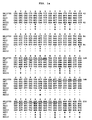
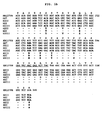
- FIG 1a and FIG 1b comparatively depict the amino acid and nucleotide sequences of VH regions (for Variable regions of Heavy chains) in a mouse monoclonal antibody KR127 and in two humanized antibodies of this invention,
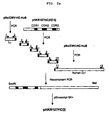
- FIG 2a schematically depicts a process for preparing HKR127HC(I) gene encoding the heavy chain of a humanized antibody of this invention,
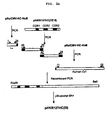
- FIG 2b schematically depicts a process for preparing HKR127HC(III) gene encoding the heavy chain of a humanized antibody of this invention,
- FIG 3a and FIG 3b comparatively depict the amino acid and nucleotide sequences of VL regions (for Variable regions in Light chain) in a mouse monoclonal antibody KR127 and in a humanized antibody of this invention.
- FIG 4 schematically depicts a process for. preparing HKR127KC(I) gene encoding a humanized antibody of this invention,
- FIG 5a depicts an expression vector pCMV-HKR127HC containing a gene for heavy chain of the humanized antibody,
- FIG 5b depicts an expression vector pKC-dhfr-HKR127 containing a gene for light chain of the humanized antibody,
- FIG 5c depicts an expression vector pCMV-HKR127HC(III) containing a gene for heavy chain of the humanized antibody,
- FIG 6a comparatively shows the binding affinities of a humanized antibody (HZKR127I) and a mouse monoclonal antibody (KR127), and
- FIG 6b comparatively shows the binding affinities of a humanized antibody (HZKR127III) and a humanized antibody (HZKR127I).
-
- Hereinafter, the present invention is described in detail.
- This invention provides humanized antibodies specific for HBV surface antigen pre-S1, comprising humanized heavy and humanized light chains.
- This invention also provides genes encoding the variable regions of said humanized heavy or light chain.
- Said humanized heavy chain contains variable region which is derived from the VH region of mouse KR127 antibody. The VH region of mouse KR127 antibody is described by SEQ ID NO: 19, and the VH region of the humanized antibody of this invention can be prepared by grafting the CDRs of mouse KR127 VH region to homologous human immunoglobulin VH region.
- And said humanized light chain contains variable region which is derived from the VL region of mouse KR127 antibody. The VL region of mouse KR127 antibody is described by SEQ ID NO: 22, and the VL region of the humanized antibody of this invention can be prepared by grafting the CDRs of mouse KR127 VL region to homologous human immunoglobulin VL region.
- In preferred embodiments, we screened human immunoglobulin that show the highest similarities of amino acid sequence to the heavy or light chain of the mouse monoclonal antibody KR127. In result, human immunoglobulin germ line genes DP7 and DPK12 were screened from GenBank database. DP7 shows the highest homology to the VH region of mouse antibody KR127, while DPK12 is most similar to the VL region of KR127.
- The humanized antibodies of this invention can be produced from recombinant genes encoding humanized VH region or VL region. These genes are constructed by substituting CDRs of mouse KR127 for those of the human DP7 or DPK12 antibody. In constructing these genes, most of the amino acid residues corresponding to the humanized CDRs are derived from the CDRs of mouse antibody KR127. However, some mouse-derived CDRs residues are replaced by human counterparts, since their corresponding amino acid residues are expected not to be involved in the antigen binding (see FIG 1). In the same way, some human-derived amino acid residues for the non-CDR framework regions (FR) of variable region are replaced with mouse counterparts, since it is expected that these FR residues may affect the conformation of CDRs.
- Particularly, HKR127HCv(HZII) gene encoding a humanized VH region was prepared by grafting the partial CDR1, 2, 3 and a FR residue (at position 72) of mouse KR127 heavy chain to the human DP7 gene (see FIG 1).
- However, antibody expressed from HKR127HCv(HZII) gene did not show any significant level of binding capacity to corresponding antigen. To improve the HKR127HCv(HZII) gene, we also prepared HKR127HCv(HZI) gene and HKR127HCv(HZIII) gene which contain more mouse-derived codons than HKR127HCv(HZII) gene (see FIG 1) .
- HKR127HCv(HZI) contains CDR1, partial CDR2, and CDR3, and 11 FR residues of mouse KR127 VH, while HKR127HCv(HzIII) contains the same mouse CDR codons and 2 mouse FR residues (see FIG 1).
- To construct HKR127HC(I) gene encoding a full-length heavy chain of the humanized antibody of this invention, PCRs were conducted, in which template for amplification is either the HKR127HCv(HZII) gene or pRC/CMV-HC-HuS (KCTC 0229BP) containing the heavy chain leader sequence and the constant region sequence of human immunoglobulin heavy chain γ1.
- Six pairs of oligonucleotides (SEQ ID NO: 1 and 2; 3 and 4; 5 and 6; 7 and 8; 9 and 10; and 11 and 12) were used as PCR primers (see FIG 2a).
- The first five PCR products were brought to annealing reaction. Then, the DNA fragment containing the five PCR products was employed as a template of recombinant PCR wherein two primers described by SEQ ID NO: 1 and 10 were used. Another recombinant PCR was conducted to link the amplified 431-bp DNA fragment to DNA fragment which was obtained by PCR using two primers (described by SEQ ID NO: 11 and 12). The recombinant PCR employed two primers described by SEQ ID NO: 1 and 12. The final 1431-bp PCR product, HKR127HC(I), encoding the heavy chain of a humanized antibody (HZKR127I) was introduced into pBluescript SK(+) vector (Clontech), and the resulting vector was designated pHKR127HC(I).
- The primers are described in SEQ ID NO: 1 to 12 in SEQUENCE LISTING, and particularly, primer described by SEQ ID NO: 1 contains EcoRI sequence at the 5' end, while primer described by SEQ ID NO: 12 does Sail sequence at the 3' end.
- The variable region in the HKR227HC(I) gene contains 11 mouse-derived FR residues at
positions 12, 28, 30, 48, 67, 68, 70, 72, 74, 79 and 95 (see FIG 1). The heavy chain variable region has 87 FR residues, and the unmodified FR residues is 76. Thus, the amino acid sequence of the heavy chain variable FR of the HKR127HC(I) gene is 87% homologous to that of human DP7 gene. - To more humanize the HZKR127(I), HZKR127(III) gene was constructed, which contains HKR127HCv(HZIII) gene with 2 mouse-derived FR residues at position 72 and 74 (see FIG 1).
- To construct HKR127HC(III) gene encoding a full-length heavy chain of the humanized antibody of this invention, PCRs were conducted, in which template for amplification is either the HKR127HCv(HZII) gene or pRC/CMV-HC-HuS (KCTC 0229BP) containing the heavy chain leader sequence and the constant region sequence of human immunoglobulin heavy chain γ1 (see FIG 2b).
- Four pairs of oligonucleotides (SEQ ID NO: 1 and 24; 25 and 26; 27 and 28; and 11 and 12) were used as PCR primers (see FIG 2b). The first three PCR products were brought to annealing reaction. Then, the DNA fragment containing the three PCR products was employed as a template of recombinant PCR wherein two primers described by SEQ ID NO: 1 and 28 were used. Another recombinant PCR was conducted to link the amplified 431-bp DNA fragment to DNA fragment which was obtained by PCR using two primers (described by SEQ ID NO: 11 and 12). The recombinant PCR employed two primers described by SEQ ID NO: 1 and 12.
- The final 1431-bp PCR product, HKR127HC(III), encoding the heavy chain of a humanized antibody (HZKR127III) was introduced into pBluescript SK(+) vector (Clontech), and the resulting vector was designated pHKR127HC(III).
- In a further embodiment, HKR127KCv(HZII) gene encoding a humanized VL region was prepared by grafting the CDR1, CDR3 and partial CDR2 of mouse KR127 light chain to the human DPK12 gene (see FIG 3).
- However, antibody expressed by using the HKR127KCv(HZII) gene did not show any significant level of binding capacity to corresponding antigen. To improve the binding capacity of HKR127KCv(HZII), we also prepared HKR127KCv(HZI) gene which contains more mouse-derived amino acid residues (see FIG 3) than HKR127HKCv(HZII) (see FIG 3).
- To construct HKR127KC(I) gene encoding a full-length light chain of the humanized antibody of this invention, PCRs were conducted, in which template for amplification is either the HKR127KCv(HZII) gene or pKC-dfhr-HuS (KCTC 0230BP) containing the light chain leader sequence and the constant region sequence of human immunoglobulin light chain κ.
- Three pairs of oligonucleotides (SEQ ID NO: 13 and 14; 15 and 16; and 17 and 18) were used as PCR primers (see FIG 4).
- The first two PCR products were brought to annealing reaction. Then, the DNA fragment containing the two PCR products was employed as a template of recombinant PCR wherein two primers described by SEQ ID NO: 13 and 16 were used. Another recombinant PCR was conducted to link the amplified 360-bp DNA fragment to DNA fragment which was obtained by PCR using two primers (described by SEQ ID NO: 17 and 18). The recombinant PCR employed two primers which are described by SEQ ID NO: 13 and 18. The final 739-bp PCR product, HKR127KC(I), encoding the light chain of a humanized antibody (HZKR127I) was introduced into pBluescript SK(+) vector (Clontech), and the resulting vector was designated pHKR127KC(I).
- The primers are described in SEQ ID NO: 13 to 18 in SEQUENCE LISTING, and particularly, primer described by SEQ ID NO: 13 contains HindIII sequence at the 5' end, while primer described by SEQ ID NO: 18 does Sail sequence at the 3' end.
- The variable region FR of the HKR127KC gene contains 5 mouse KR127-derived codons (see FIG 3). The light chain has 83 FR residues, and the unmodified FR residues is 78. Thus, the amino acid sequence of the light chain variable FR of the HKR127KC gene is 94% identical to that of human DP7 gene.
- In addition, this invention provides expression vectors containing genes encoding the humanized VH or VL region and provides E. coli transformants containing said expression vector.
- In other preferred embodiments, expression vectors are prepared, which contain the gene encoding the heavy or light chain of humanized antibody (see FIG 5a, 5b or 5c).
- Particularly, two kinds of DNA fragment corresponding to humanized heavy chain was respectively obtained from the plasmids pHKR127HC(I) and pHKR127HC(III) by treatment of restriction enzymes, and then inserted into pRc/CMV (Invitrogen) to give expression vector pCMV-HKR127HC (see FIG5a) and pCMV-HKR127(III)HC (see FIG 5c), respectively.
- In addition, DNA fragment encoding the humanized light chain was isolated from the pHKR127KC vector, and then introduced into pCMV-dfhr (KCTC 8671P) to construct expression vector pKC-dhfr-HKR127 (see FIG 5b).
- E. coli strain DH5α was transformed with the expression vector pCMV-HKR127HC, pCMV-HKR127(III)HC or pKC-dhfr-HKR127. The resulting E. coli transformants containing pCMV-HKR127HC or pKC-dhfr-HKR127 were deposited in KCTC (Korean Collection for Type Culture) (Accession Number: KCTC 0531BP and KCTC 0529BP, respectively) on October 12, 1998. The E. coli transformant containing pCMV-HKR127(III)HC was deposited in KCTC (Accession Number: KCTC 0691BP, respectively) on November 15, 1999.
- In another preferred embodiment, humanized antibodies specific for HBV surface antigen pre-S1 were expressed in animal cells and obtained from culture media of the cells. COS7 cells were transiently cotransfected with the expression vectors pCMV-HKR127HC and pKC-dhfr-HKR127, and the resulting transfected cells was cultured and the culture supernatant was used to characterize a humanized antibody HZKR127I of the present invention. COS7 cells were also cotransfected with the expression vectors pCMV-HKR127(III)HC and pKC-dhfr-HKR127, and the culture supernatant of transfected cells was used to characterize a humanized antibody HZKR127III.
- This invention further provides pharmaceutical compositions containing said humanized antibody.
- According to still other preferred embodiments, it was verified that HZKR127I and HZKR127III humanized antibodies of the present invention, showed almost same antigen-binding affinity when compared with mouse monoclonal antibody KR127 (see Table 1, 2 and FIG 6a, 6b).
- The composition includes a therapeutically effective amounts of the humanized antibody against HBV antigen pre-S1, with/without a pharmaceutically acceptable delivery vehicle. Moreover, the compositions may include other anti-hepatitis drug(s), such as anti-S monoclonal antibody or lamivudin.
- The humanized antibody against HBV antigen pre-S1 may be formulated with a pharmaceutical vehicle or diluent for intravenous, subcutaneous, intramuscular administration. The pharmaceutical composition can be formulated in a classical manner using solid or liquid vehicles, diluents and additives appropriate to the desired mode of administration.
- The humanized antibody of this invention may be administered in a dosage range of about 1 ∼ 10 mg/kg, preferably 3 ∼ 5 mg/kg, and may be administered once a week.
- Practical and presently preferred embodiments of the present invention are illustrative as shown in the following Examples.
- In order to construct the humanized heavy chain variable region gene, first, we selected a human immunoglobulin heavy chain gene that shows the highest homology of amino acid sequence to the heavy chain variable region of the mouse monoclonal antibody KR127. As the result, a human immunoglobulin germ line gene DP7 was selected from GenBank database. Then, we constructed a humanized VH region gene HKR127HCv(HZII) by DNA recombination techniques, which was based upon the comparison of the mouse KR127 VH region with the human DP7 VH region. Since the humanized heavy chain did not show significant antigen binding activity, we prepared HKR127HCv(HZI) gene encoding another VH region in order to improve the HKR127HCv(HZII) gene (see FIG 1) .
- Particularly, the HKR127HCv(HZII) gene was constructed by grafting the VH region of human DP7 gene with the partial CDR1, 2, and 3 and one FR residue at position 72 of mouse KR127 VH region. It was assumed that the human CDRs and FR amino acid residues affected the antigen-binding affinity of the antibody.
- Therefore, HKR127HCv(HZI) gene was constructed by PCR employing HKR127HCv(HZII) gene as a template.
- On the other hand, a vector pRc/CMV-HC-HuS (Accession Number: KCTC 0229BP) was used to synthesize DNA sequence encoding human CH region as well as heavy chain leader sequence, which is required in proper secretion of the heavy chain.
- Finally, HKR127HC(I) gene encoding a humanized heavy chain was constructed by recombinant PCR for the annealing of the heavy chain leader sequence, HKR127HCv(HZI) gene, and the human CH gene (see FIG 2a).
- The primers in these PCRs are synthetic oligonucleotides described by SEQ ID NO: 1 to 12. PCR was performed by using Taq DNA polymerase, and its thermocycle was repeated 30 times, consisting, of 1 minute at 94°C, 1 minute at 55°C, and then 1 minute at 72°C. Five pairs of oligonucleotides (SEQ ID NO: 1 and 2; 3 and 4; 5 and 6; 7 and 8; and 9 and 10) were used as PCR primers, and the five PCR products (113 bp; 96 bp; 120 bp; 78 bp; and 87 bp, respectively) were brought to annealing reaction. Then, the DNA fragments containing the five PCR products were employed as template of the recombinant PCR wherein primers described by SEQ ID NO: 1 and 10 were used. Another recombinant PCR was conducted to link the amplified 431-bp DNA fragment to 1015-bp DNA fragment which was obtained by PCR using two primers (described by SEQ ID NO: 11 and 12). The recombinant PCR employed two primers described by SEQ ID NO: 1 and 12.
- The final PCR product (HKR127HC(I), about 1431-bp) encoding a recombinant heavy chain of humanized antibody was introduced into the EcoRI-SalI site of pBluescript SK(+) vector (Clontech), and the resulting vector was designated pHKR127HC(I). The DNA sequence of the inserted gene was determined by dideoxynucleotide method.
- To more humanize the HKR127HC(I), another humanized heavy chain gene, HKR127(III), which has much less number of mouse FR residues, was constructed.
- To construct the HKR127HC(III), HKR127HCv(HZIII) gene was constructed by PCR employing HKR127HCv(HZII) gene as a template. On the other hand, a vector pRc/CMV-HC-HuS (Accession Number: KCTC 0229BP) was used to synthesize DNA sequence encoding human CH region as well as heavy chain leader sequence, which is required in proper secretion of the heavy chain.
- Finally, HKR127HC(III) gene encoding a humanized heavy chain was constructed by recombinant PCR for annealing of the heavy chain leader sequence, HKR127HCv(HZIII) gene, and the human CH gene (see FIG 2b).
- The primers in these PCRs are synthetic oligonucleotides described by SEQ ID NO: 24 to 28. PCR was performed by using Taq DNA polymerase, and its thermocycle was repeated 30 times, consisting of 1 minute at 94°C, 1 minute at 55°C, and then 1 minute at 72°C. Three pairs of oligonucleotides (SEQ ID NO: 1 and 24; 25 and 26; and 27 and 28) were used as PCR primers, and the three PCR products (179 bp; 141 bp; and 87 bp, respectively) were brought to annealing reaction. Then, the DNA fragments containing the three PCR products were employed as template of the recombinant PCR wherein primers described by SEQ ID NO: 1 and 28 were used. Another recombinant PCR was conducted to link the amplified 431-bp DNA fragment to 1015-bp DNA fragment which was obtained by PCR using two primers (described by SEQ ID NO: 11 and 12). The recombinant PCR employed two primers described by SEQ ID NO: 1 and 12.
- The final PCR product (NKR127HC(III), about 1431-bp) encoding a recombinant heavy chain of humanized antibody was introduced into the EcoRI-SalI site of pBluescript SK(+) vector (Clontech), and the resulting vector was designated pHKR127HC (III). The DNA sequence of the inserted gene was determined by dideoxynucleotide method.
- In order to prepare humanized light chain containing variable region, we devised genes encoding the light chain. First, we selected a human κ immunoglobulin gene that shows the highest homology of amino acid sequence to the light chain of the mouse monoclonal antibody KR127. As the result, a human κ immunoglobulin gene DPK12 was selected from GenBank database. Then, we constructed HKR127KCv(HZII) gene encoding a humanized VL region by grafting CDR1, partial CDR2, and CDR3 and one FR residue at position 41 of the mouse KR127 VL region to the human DPK12 VL region. The resulting humanized VL was not functional in antigen-binding. To improve the HKR127KCv(HZII) gene, we constructed HKR127KCv(HZI) gene encoding another VL region (see FIG 3).
- The HKR127KCv(HZI) gene was constructed by grafting the VL region of human DPK12 antibody with a few FR residues and CDR1, CDR2 and CDR3 of mouse KR127 VL (see FIG 3).
- On the other hand, a vector pKC-dhfr-HuS (Accession Number: KCTC 0230BP) was used to synthesize DNA sequence encoding human CL region as well as light chain leader sequence, which is required in proper secretion of the light chain.
- Finally, HKR127KC(I) gene encoding a humanized light chain was prepared by recombinant PCR for the annealing of the PCR products, light chain leader sequence, the HKR127KCv(HZI) gene, and the human CL gene (see FIG 4).
- The primers in these PCRs are synthetic oligonucleotides described by SEQ ID NO: 13 to 18. The thermocycle of these PCRs was repeated 30 times, consisting of 1 minute at 94°C, 1 minute at 55°C, and 1 minute at 72°C. Two pairs of oligonucleotides (SEQ ID NO: 13 and 14; and SEQ ID NO: 15 and 16) were used as PCR primers, and the two PCR products (101 bp and 159 bp, respectively) were brought to annealing reaction. Then, the DNA fragments containing the two PCR products was employed as a template of recombinant PCR wherein primers described by SEQ ID NO: 13 and 16 were used. Another recombinant PCR was conducted to link the amplified 248-bp DNA fragment to 515-bp DNA fragment which was obtained by PCR using two primers (described by SEQ ID NO: 17 and 18). The recombinant PCR employed two primers described by SEQ ID NO: 13 and 18.
- The final PCR product (HKR127KC(I), 736-bp) encoding a recombinant light chain of humanized antibody was introduced into the HindIII-Sall site of. pBluescript SK(+) vector (Clontech), and the resulting vector was designated pHKR127KC(I). The DNA sequence of the inserted gene was determined by dideoxynucleotide method.
- The pHKR127HC(I) or pHKR127HC(III) plasmid of Example 1 was digested with SalI enzyme, and the both ends of the vector was made blunt using Klenow enzyme treatment. This DNA fragment was further digested with NotI enzyme to obtain the gene encoding humanized heavy chain.
- On the other hand, pRc/CMV (Invitrogen) was cut with XbaI enzyme, and the ends of the vector was made blunt by treating with Klenow enzyme, and then-digested with NotI.
- The humanized heavy chain gene and the linearized vector were linked to give expression vector pCMV-HKR127HC or pCMV-HKR127(III)HC. The E. coli transformant containing pCMV-HKR127HC or pCMV-HKR127(III)HC was deposited in KCTC (Korean Collection for Type Culture) (Accession Number: KCTC 0531BP and KCTC 0691BP, respectively), and the expression vector pCMV-HKR127HC and pCMV-HKR127(III)HC is shown in FIG 5a and 5c, respectively.
- The pHKR127KC vector of Example 2 was digested with HindIII and ApaI enzymes, and the resulting fragment was inserted into HindIII-ApaI site of pCMV-dhfr (Accession Number: KCTC 8671P) to give expression vector pKC-dhfr-HKR127. The E. coli transformant containing pKC-dhfr-HKR127 was deposited in KCTC (Korean Collection for Type Culture) (Accession Number: KCTC 0529BP), and the expression vector pKC-dhfr-HKR127 is shown in FIG 5b.
- COS7 cells were maintained in DMEM (Gibco) supplemented by 10% calf serum at 37°C, under 5% CO2 condition. The cells were inoculated in 100mm petri dishes, and then incubated at 37°C overnight.
- To express a humanized antibody HZKR127I, 5 µg of pCMV-HKR127HC or pKC-dhfr-HKR127 was diluted with 800 µl of OPTI MEM I (Gibco), and 50 µl of Lipofectamin (Gibco) was also diluted with 800 µl of OPTI MEM I. These mixtures in 15-ml tubes were incubated at room temperature for 15 minutes or more. In the meantime, COS7 cells were washed twice with OPTI MEM I.
- OPTI MEM I (6.4 ml) was added to the DNA-Lipofectamin mixture, mixed well, and poured on the COS7 cells. After the cells were cultured in a CO2 incubator for 72 hours, the medium was centrifuged, and the supernatant was concentrated by ultrafiltration kit. The concentration of antibody was determined by Sandwich ELISA using anti-human IgG and anti-human IgG-HRP (horseradish peroxidase) conjugate.
- To express and obtain a humanized antibody HZKR127III, the same protocol was repeated except using pCMV-HKR127(III)HC instead of using pCMV-HKR127HC.
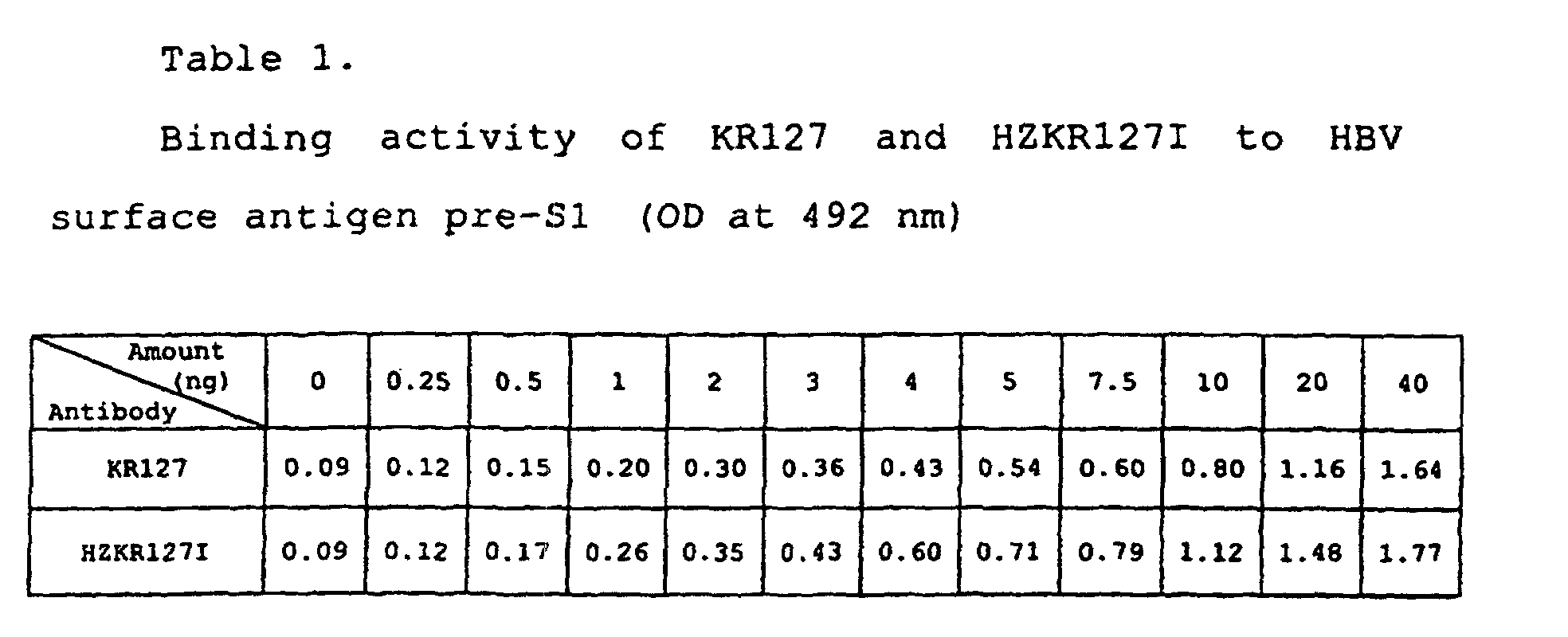
- We prepared HBV surface antigen pre-S1 (amino acid residue 1-56; Kim and Hong, Biotechnology Letters, 17:871-876, 1995) and 1 µg of the purified pre-S1 was coated on each well in microplates. After addition of 0, 0.25, 0.5, 1, 2, 3, 4, 5, 7.5, 10, 20, or 40 ng of the humanized antibodies prepared in Example 5, indirect ELISA was performed, in which secondary antibody was Fc-specific anti-human IgG-HRP conjugate. The binding activities of the antibodies were determined by measuring OD at 492 nm.
- Purified mouse KR127 antibody was used as a control, and ELISA of KR127 antibody was conducted using Fc-specific anti-mouse IgG-HRP conjugate as a secondary antibody. The result is presented in Table 1 and 2.

- Antigen-binding affinity to HBV surface antigen pre-S1 was assayed by competitive ELISA method(Ryu et al., J. Med. Virol., 52:226, 1997).
- Binding reactions between the pre-S1 antigen (1 × 10⁻⁷ ∼ 1 × 10-12 M) and the humanized antibody of Example 5 (5 ng), or between the antigen (1 × 10⁻⁷ ∼ 1 × 10-12 M) and control antibody KR127 (5 ng), were performed at 37°C for 2 hours. Then the reaction mixtures were added to 96-well microplates coated with the 250 ng of antigen pre-S1.
- FIG 6a shows the affinity of two kinds of antibodies. It was confirmed that the binding affinity of the humanized antibody HZKR127I is almost same as that of the mouse antibody KR127 (7 × 10⁷ M-1).
- FIG 6b shows the affinity of HZKR127III compared with that of HZKR127I. The affinity of HZKR127III (5 × 10⁷ M-1) was not much different from that (7 × 10⁷ M-1) of HZKR127I.
- As shown above, the present invention provides humanized antibody against HBV surface antigen pre-S1, which shows similar level of binding affinity when compared with mouse monoclonal antibody, whereas immunogenicity of the humanized antibody is remarkably reduced. Thus, the humanized antibody of the present invention may be useful for the prevention of HBV infection and for the treatment of hepatitis B.
-
- <110> KOREA INSTITUTE OF SCIENCE AND TECHNOLOGY KOREA GREEN CROSS CORPORATION
- <120> HUMANIZED ANTIBODY SPECIFIC FOR SURFACE ANTIGEN PRE-S1 OF HBV AND PREPARATION METHOD THEREOF
- <130> 9FPO-11-03
- <150> KR 1998-49663
<151> 1998-11-19 - <160> 28
- <170> KOPATIN 1.5
- <210> 1
<211> 26
<212> DNA
<213> Artificial Sequence - <220>
<223>synthetic oligonucleotide primer 1 - <400> 1

- <210> 2
<211> 27
<212> DNA
<213> Artificial Sequence - <220>
<223> synthetic oligonucleotide primer 2 - <400> 2

- <210> 3
<211> 18
<212> DNA
<213> Artificial Sequence - <220>
<223> synthetic oligonucleotide primer 3 - <400> 3

- <210> 4
<211> 27
<212> DNA
<213> Artificial Sequence - <220>
<223> synthetic oligonucleotide primer 4 - <400> 4

- <210> 5
<211> 27
<212> DNA
<213> Artificial Sequence - <220>
<223> synthetic oligonucleotide primer 5 - <400> 5

- <210> 6
<211> 27
<212> DNA
<213> Artificial Sequence - <220>
<223> synthetic oligonucleotide primer 6 - <400> 6

- <210> 7
<211> 21
<212> DNA
<213> Artificial Sequence - <220>
<223> synthetic oligonucleotide primer 7 - <400> 7

- <210> 8
<211> 39
<212> DNA
<213> Artificial Sequence - <220>
<223>synthetic oligonucleotide primer 8 - <400> 8

- <210> 9
<211> 39
<212> DNA
<213> Artificial Sequence - <220>
<223> synthetic oligonucleotide primer 9 - <400> 9

- <210> 10
<211> 33
<212> DNA
<213> Artificial Sequence - <220>
<223>synthetic oligonucleotide primer 10 - <400> 10

- <210> 11
<211> 33
<212> DNA
<213> Artificial Sequence - <220>
<223>synthetic oligonucleotide primer 11 - <400> 11

- <210> 12
<211> 26
<212> DNA
<213> Artificial Sequence - <220>
<223> synthetic oligonucleotide primer 12 - <400> 12

- <210> 13
<211> 26
<212> DNA
<213> Artificial Sequence - <220>
<223>synthetic oligonucleotide primer 13 - <400> 13

- <210> 14
<211> 36
<212> DNA
<213> Artificial Sequence - <220>
<223>synthetic oligonucleotide primer 14 - <400> 14

- <210> 15
<211> 48
<212> DNA
<213> Artificial Sequence - <220>
<223>synthetic oligonucleotide primer 15 - <400> 15

- <210> 16
<211> 39
<212> DNA
<213> Artificial Sequence - <220>
<223>synthetic oligonucleotide primer 16 - <400> 16

- <210> 17
<211> 39
<212> DNA
<213> Artificial Sequence - <220>
<223>synthetic oligonucleotide primer 17 - <400> 17

- <210> 18
<211> 17
<212> DNA
<213> Artificial Sequence - <220>
<223>synthetic oligonucleotide primer 18 - <400> 18

- <210> 19
<211> 115
<212> PRT
<213> Artificial Sequence - <220>
<223> variable region of heavy chain in mouse KR127 antibody - <400> 19


- <210> 20
<211> 115
<212> PRT
<213> Artificial Sequence - <220>
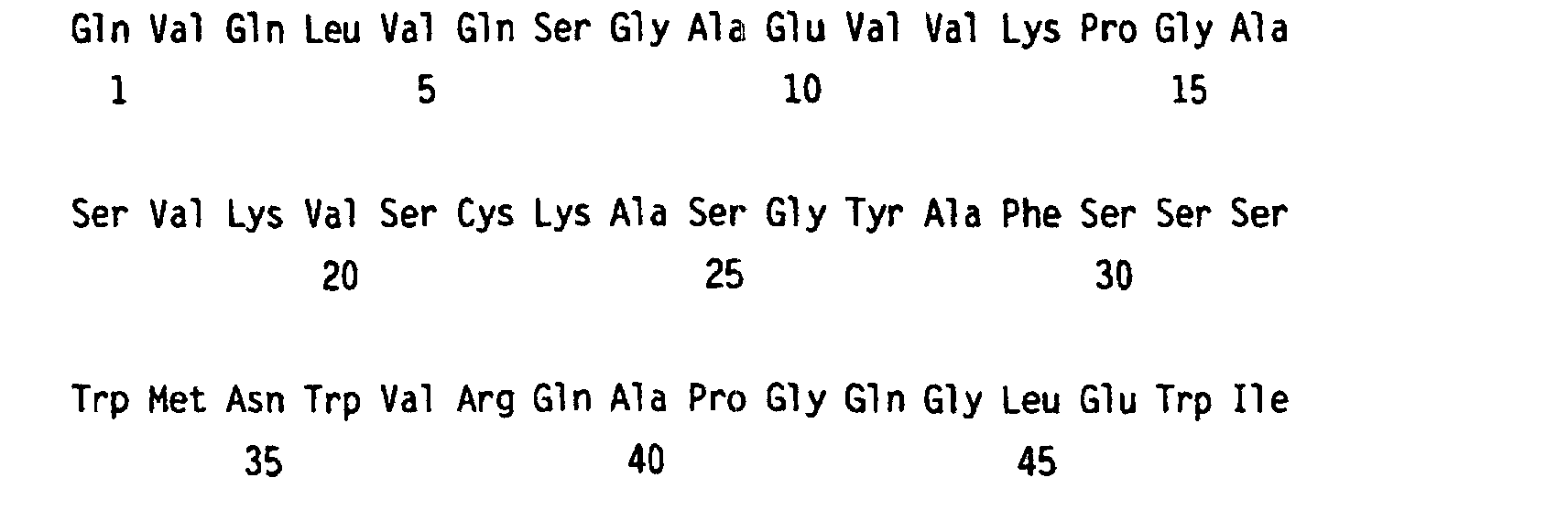
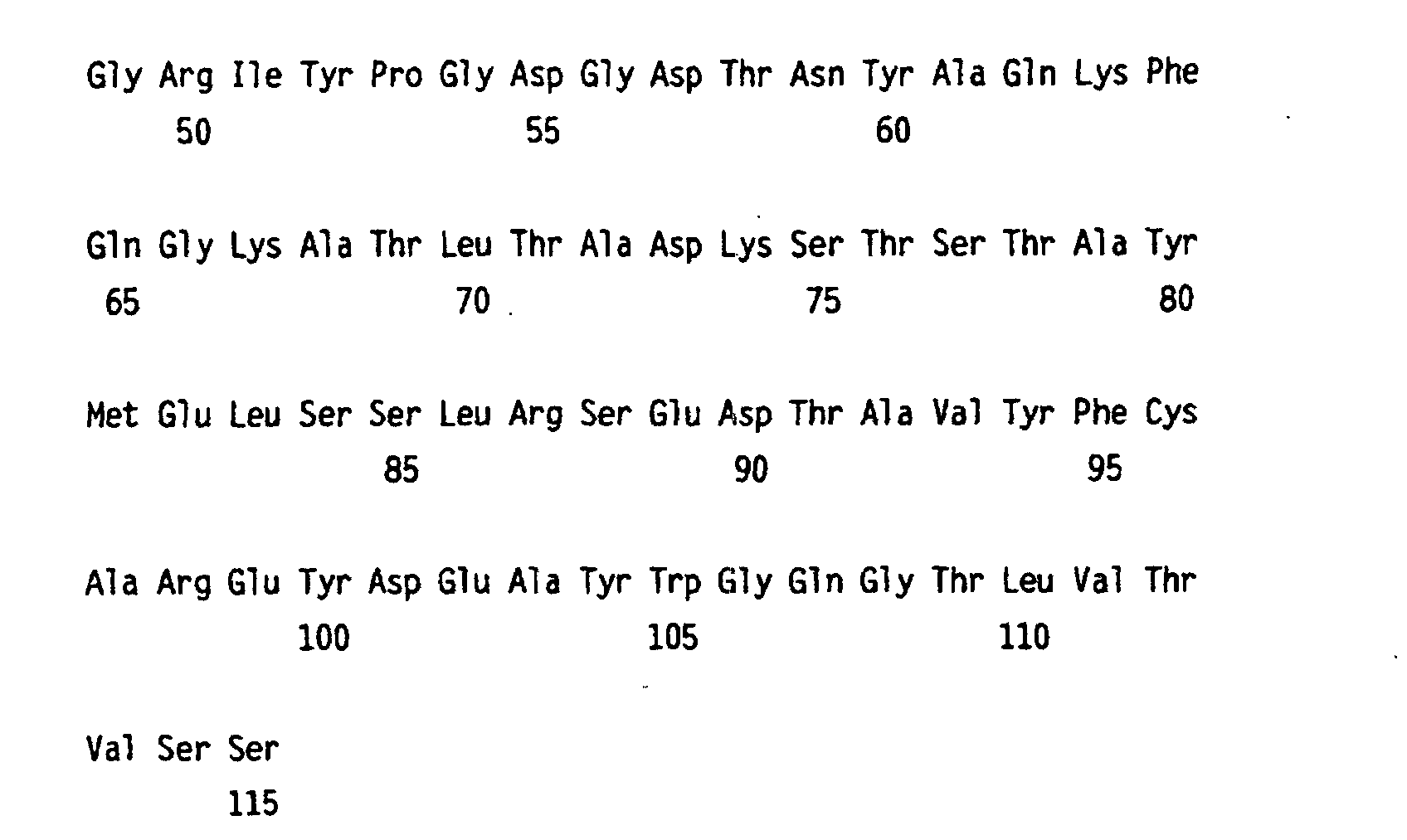
<223> variable region of humanized heavy chain HKR127HC(HZI) - <400> 20
- <210> 21
<211> 115
<212> PRT
<213> Artificial Sequence - <220>
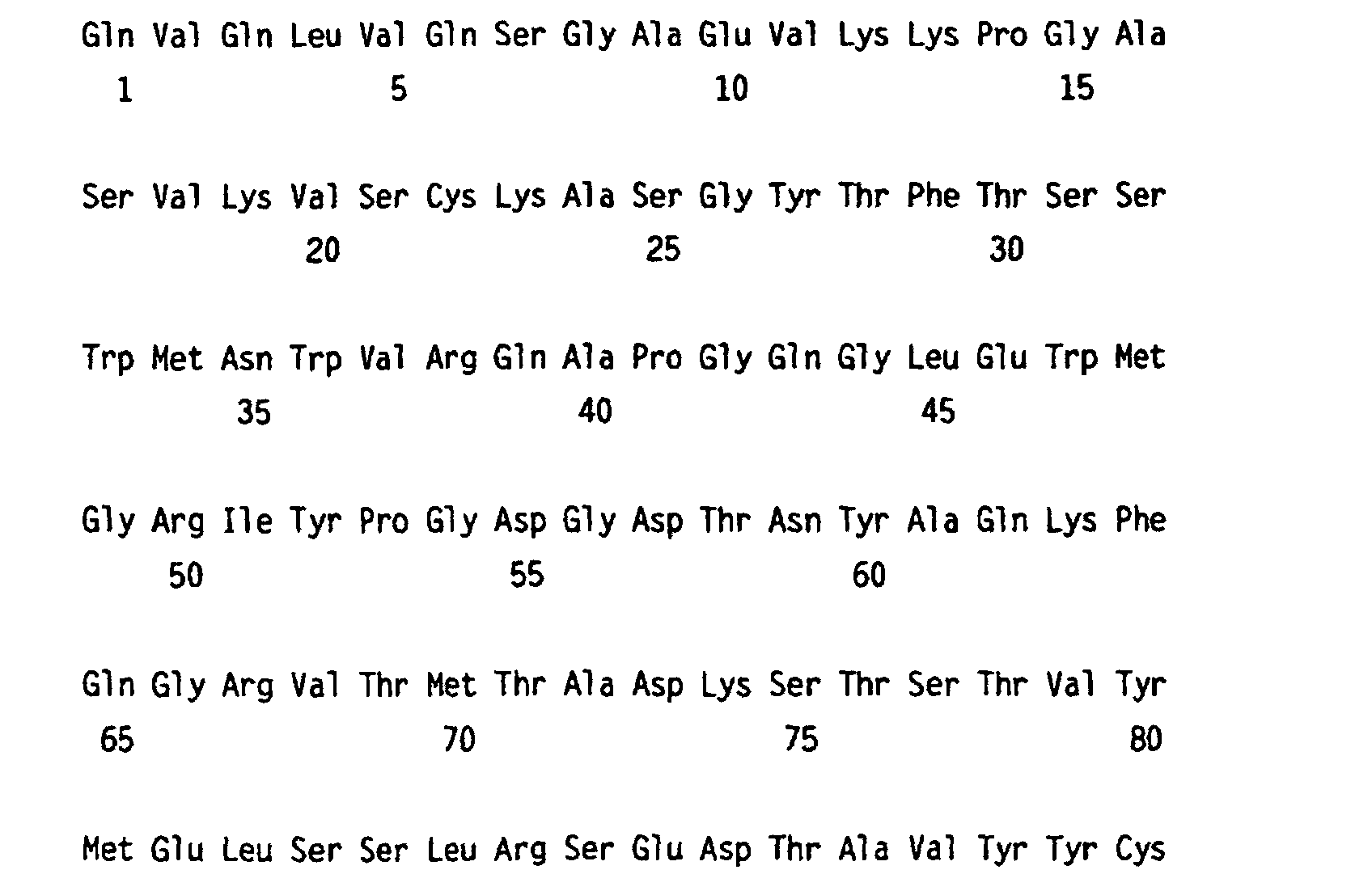
<223> variable region of humanized heavy chain HKR127HC(HZIII) - <400> 21

- <210> 22
<211> 113
<212> PRT
<213> Artificial Sequence - <220>
<223> variable region of light chain in mouse KR127 antibody - <400> 22

- <210> 23
<211> 113
<212> PRT
<213> Artificial Sequence - <220>
<223> variable region of humanized light chain - <400> 23

- <210> 24
<211> 27
<212> DNA
<213> Artificial Sequence - <220>
<223>synthetic oligonucleotide primer 24 - <400> 24

- <210> 25
<211> 27
<212> DNA
<213> Artificial Sequence - <220>
<223>synthetic oligonucleotide primer 25 - <400> 25

- <210> 26
<211> 27
<212> DNA
<213> Artificial Sequence - <220>
<223>synthetic oligonucleotide primer 26 - <400> 26

- <210> 27
<211> 27
<212> DNA
<213> Artificial Sequence - <220>
<223>synthetic oligonucleotide primer 27 - <400> 27

- <210> 28
<211> 27
<212> DNA
<213> Artificial Sequence - <220>
<223>synthetic oligonucleotide primer 28 - <400> 28

-
Claims (14)
- A humanized antibody specific for HBV surface antigen pre-S1, containing humanized heavy chain variable region which comprises amino acid sequence described by SEQ ID NO: 20.
- A humanized antibody specific for HBV surface antigen pre-S1, containing humanized heavy chain variable region which comprises amino acid sequence described by SEQ ID NO: 21.
- The humanized antibody of claim 2, wherein the humanized heavy chain variable region comprises an amino acid sequence which is modified from an amino acid residue of SEQ ID NO: 21 by at least one amino acid substitution selected from the group comprising
Lys12 → Val12, Thr28 → Ala28, Thr30 → Ser30, Met48 → lle48, Arg67 → Lys67, Val68 → Ata68, Met70 → Leu70, Val79 → Ala79, and Tyr95 → Phe95. - A humanized antibody specific for HBV surface antigen pre-S1, containing humanized light chain variable region comprises amino acid sequence described by SEQ ID NO: 23.
- A gene encoding humanized heavy chain, which contains a humanized heavy chain variable region of claim 1, 2 or 3.
- The gene of claim 5, wherein the humanized heavy chain variable region comprises amino acid sequence described by SEQ ID NO: 20.
- The gene of claim 5, wherein the humanized heavy chain variable region comprises amino acid sequence described by SEQ ID NO: 21.
- A gene encoding humanized light chain which contains a humanized light chain variable region comprising amino acid sequence described by SEQ ID NO:23.
- An expression vector containing the gene of claim 5.
- The expression vector of claim 9, pCMV-HKR127HC, wherein the gene of claim 6 is inserted into pRC/CMV, which has the accession Number: KCTC 0531BP.
- The expression vector of claim 9, pCMV-HKR127(III)HC, wherein the gene of claim 7 is inserted into pRC/CMV, which has the accession Number: KCTC 0691BP.
- An expression vector containing the gene of claim 8.
- The expression vector of claim 12, pKC-dhfr-HKR127, wherein the gene of claim 8 is inserted into pCMV-dhfr, which has the accession Number KCTC 0529BP.
- Pharmaceutical composition containing the humanized antibody of claim 1, 2, 3, or 4, which may be administered in order to prevent HBV infection or to treat chronic hepatitis B.
Applications Claiming Priority (3)
| Application Number | Priority Date | Filing Date | Title |
|---|---|---|---|
| KR19980049663A KR100345463B1 (en) | 1998-11-19 | 1998-11-19 | Humanized Antibodies to Surface Antigen Free-S1 of Hepatitis B Virus and Methods for Making the Same |
| KR9849663 | 1998-11-19 | ||
| PCT/KR1999/000699 WO2000031141A1 (en) | 1998-11-19 | 1999-11-19 | Humanized antibody specific for surface antigen pre-s1 of hbv and preparation method thereof |
Publications (2)
| Publication Number | Publication Date |
|---|---|
| EP1131358A1 EP1131358A1 (en) | 2001-09-12 |
| EP1131358B1 true EP1131358B1 (en) | 2004-12-22 |
Family
ID=37037248
Family Applications (1)
| Application Number | Title | Priority Date | Filing Date |
|---|---|---|---|
| EP99972646A Expired - Lifetime EP1131358B1 (en) | 1998-11-19 | 1999-11-19 | Humanized antibody specific for surface antigen pre-s1 of hbv and preparation method thereof |
Country Status (8)
| Country | Link |
|---|---|
| US (1) | US7115723B1 (en) |
| EP (1) | EP1131358B1 (en) |
| JP (1) | JP3552103B2 (en) |
| KR (1) | KR100345463B1 (en) |
| AT (1) | ATE285418T1 (en) |
| CA (1) | CA2351315C (en) |
| DE (1) | DE69922834D1 (en) |
| WO (1) | WO2000031141A1 (en) |
Families Citing this family (13)
| Publication number | Priority date | Publication date | Assignee | Title |
|---|---|---|---|---|
| EP1604997A1 (en) * | 1999-02-05 | 2005-12-14 | Therapeutic Human Polyclonals, Inc. | Human polyclonal antibodies from transgenic nonhuman animals |
| DE60023451T2 (en) * | 1999-02-05 | 2006-07-20 | Therapeutic Human Polyclonals, Inc., Mountain View | HUMAN POLYCLONAL ANTIBODIES MADE FROM NON-HUMAN TRANSGENIC ANIMALS |
| WO2002059318A1 (en) * | 2000-10-02 | 2002-08-01 | Korea Research Institute Of Bioscience And Biotechnology | A humanized antibody to surface antigen s of hepatitis b virus and a preparing method thereof |
| KR100455902B1 (en) * | 2001-07-18 | 2004-11-12 | 주식회사 펩트론 | Surface protein preS1 peptide of HBV inducing immune activity of T-lymphocytes |
| AU2003210060B2 (en) | 2002-03-22 | 2010-02-25 | Aprogen, Inc. | Humanized antibody and process for preparing same |
| GB0210121D0 (en) | 2002-05-02 | 2002-06-12 | Celltech R&D Ltd | Biological products |
| SG187991A1 (en) * | 2002-05-02 | 2013-03-28 | Wyeth Corp | Calicheamicin derivative-carrier conjugates |
| CN100582781C (en) * | 2006-06-27 | 2010-01-20 | 厦门大学 | Method for joint investigating hepatitis B virus pro S1 antigen and nuclear antigen and diagnostic kit |
| ES2378407T3 (en) | 2006-09-01 | 2012-04-12 | Therapeutic Human Polyclonals, Inc. | Increased expression of human or humanized immunoglobulin in non-human transgenic animals |
| KR101864693B1 (en) * | 2014-11-27 | 2018-06-07 | 진원생명과학 주식회사 | Antibody which specifically recognize preS1 of heptatitis B virus, and use thereof |
| AU2016238246B2 (en) | 2015-03-25 | 2021-05-13 | Igm Biosciences, Inc. | Multi-valent hepatitis B virus antigen binding molecules and uses thereof |
| US20180094047A1 (en) * | 2015-05-22 | 2018-04-05 | Huahui Health Ltd. | Anti-pre-s1 hbv antibodies |
| US12509504B2 (en) | 2019-07-20 | 2025-12-30 | Huahui Health Ltd. | Method of treating HBV infection by using anti-pre-S1 HBV antibodies |
Family Cites Families (1)
| Publication number | Priority date | Publication date | Assignee | Title |
|---|---|---|---|---|
| GB9202796D0 (en) | 1992-02-11 | 1992-03-25 | Wellcome Found | Antiviral antibody |
-
1998
- 1998-11-19 KR KR19980049663A patent/KR100345463B1/en not_active Expired - Fee Related
-
1999
- 1999-11-19 US US09/856,114 patent/US7115723B1/en not_active Expired - Fee Related
- 1999-11-19 WO PCT/KR1999/000699 patent/WO2000031141A1/en not_active Ceased
- 1999-11-19 DE DE69922834T patent/DE69922834D1/en not_active Expired - Lifetime
- 1999-11-19 JP JP2000583967A patent/JP3552103B2/en not_active Expired - Fee Related
- 1999-11-19 EP EP99972646A patent/EP1131358B1/en not_active Expired - Lifetime
- 1999-11-19 CA CA002351315A patent/CA2351315C/en not_active Expired - Fee Related
- 1999-11-19 AT AT99972646T patent/ATE285418T1/en not_active IP Right Cessation
Also Published As
| Publication number | Publication date |
|---|---|
| WO2000031141A1 (en) | 2000-06-02 |
| US7115723B1 (en) | 2006-10-03 |
| ATE285418T1 (en) | 2005-01-15 |
| JP2002531073A (en) | 2002-09-24 |
| CA2351315C (en) | 2006-01-24 |
| DE69922834D1 (en) | 2005-01-27 |
| KR20000033008A (en) | 2000-06-15 |
| JP3552103B2 (en) | 2004-08-11 |
| KR100345463B1 (en) | 2003-01-08 |
| CA2351315A1 (en) | 2000-06-02 |
| WO2000031141B1 (en) | 2000-07-20 |
| EP1131358A1 (en) | 2001-09-12 |
Similar Documents
| Publication | Publication Date | Title |
|---|---|---|
| KR100708398B1 (en) | Humanized antibody and process for preparing same | |
| EP1575484B1 (en) | Humanized immunomodulatory monoclonal antibodies for the treatment of neoplastic disease or immunodeficiency | |
| DK2426144T3 (en) | Manipulated Anti-IL-23P19 Antibodies | |
| KR20100122923A (en) | Antibody Against CSF-1 R | |
| NZ534269A (en) | Antibodies to human IL-1beta | |
| WO2009100324A1 (en) | Engineered anti-tslpr antibodies | |
| US7115723B1 (en) | Humanized antibody specific for surface antigen pre-S1 of HBV and preparation method thereof | |
| EP3360896B1 (en) | Antibody to hepatitis b surface antigen and use thereof | |
| CN115087673A (en) | Antibodies that bind IL4R and uses thereof | |
| EP2623515B1 (en) | ANTI TNFalpha HUMANIZED ANTIBODY AND FRAGMENT ANTIGEN BINDING (FAB) AND USE THEREOF | |
| CN1980956A (en) | Humanized antibody against S-surface antigen of hepatitis b virus | |
| JP2004517636A (en) | Humanized antibody against surface antigen S of hepatitis B virus and method for producing the same | |
| JP4044733B2 (en) | Humanized antibody recognizing verotoxin II and cell line producing the antibody | |
| KR100308758B1 (en) | Humanized antibody specific for HBV surface antigen pre S2 and the process for preparation thereof | |
| KR100345469B1 (en) | Humanized Antibodies to Surface Antigen Free-S1 of Hepatitis B Virus and Methods for Making the Same | |
| KR100345467B1 (en) | Humanized antibody against surface antigen S of hepatitis B virus and preparation method thereof | |
| US20030096403A1 (en) | Humanized antibody to surface antigen s of hepatitis b virus and a preparing method thereof | |
| KR0163163B1 (en) | Reshaped human antibodies on surface antigen pre-s2 of hepatitis-b and method for producing them | |
| JP2011200164A (en) | Humanized antibody recognizing ciguatoxin species | |
| KR20040058606A (en) | A humanized antibody against s-surface antigen of hepatitis b virus and a method for preparing thereof |
Legal Events
| Date | Code | Title | Description |
|---|---|---|---|
| PUAI | Public reference made under article 153(3) epc to a published international application that has entered the european phase |
Free format text: ORIGINAL CODE: 0009012 |
|
| 17P | Request for examination filed |
Effective date: 20010509 |
|
| AK | Designated contracting states |
Kind code of ref document: A1 Designated state(s): AT BE CH CY DE DK ES FI FR GB GR IE IT LI LU MC NL PT SE |
|
| 17Q | First examination report despatched |
Effective date: 20031016 |
|
| GRAP | Despatch of communication of intention to grant a patent |
Free format text: ORIGINAL CODE: EPIDOSNIGR1 |
|
| GRAS | Grant fee paid |
Free format text: ORIGINAL CODE: EPIDOSNIGR3 |
|
| GRAA | (expected) grant |
Free format text: ORIGINAL CODE: 0009210 |
|
| AK | Designated contracting states |
Kind code of ref document: B1 Designated state(s): AT BE CH CY DE DK ES FI FR GB GR IE IT LI LU MC NL PT SE |
|
| PG25 | Lapsed in a contracting state [announced via postgrant information from national office to epo] |
Ref country code: NL Free format text: LAPSE BECAUSE OF FAILURE TO SUBMIT A TRANSLATION OF THE DESCRIPTION OR TO PAY THE FEE WITHIN THE PRESCRIBED TIME-LIMIT Effective date: 20041222 Ref country code: LI Free format text: LAPSE BECAUSE OF FAILURE TO SUBMIT A TRANSLATION OF THE DESCRIPTION OR TO PAY THE FEE WITHIN THE PRESCRIBED TIME-LIMIT Effective date: 20041222 Ref country code: IT Free format text: LAPSE BECAUSE OF FAILURE TO SUBMIT A TRANSLATION OF THE DESCRIPTION OR TO PAY THE FEE WITHIN THE PRESCRIBED TIME-LIMIT;WARNING: LAPSES OF ITALIAN PATENTS WITH EFFECTIVE DATE BEFORE 2007 MAY HAVE OCCURRED AT ANY TIME BEFORE 2007. THE CORRECT EFFECTIVE DATE MAY BE DIFFERENT FROM THE ONE RECORDED. Effective date: 20041222 Ref country code: FR Free format text: LAPSE BECAUSE OF FAILURE TO SUBMIT A TRANSLATION OF THE DESCRIPTION OR TO PAY THE FEE WITHIN THE PRESCRIBED TIME-LIMIT Effective date: 20041222 Ref country code: FI Free format text: LAPSE BECAUSE OF FAILURE TO SUBMIT A TRANSLATION OF THE DESCRIPTION OR TO PAY THE FEE WITHIN THE PRESCRIBED TIME-LIMIT Effective date: 20041222 Ref country code: CH Free format text: LAPSE BECAUSE OF FAILURE TO SUBMIT A TRANSLATION OF THE DESCRIPTION OR TO PAY THE FEE WITHIN THE PRESCRIBED TIME-LIMIT Effective date: 20041222 Ref country code: BE Free format text: LAPSE BECAUSE OF FAILURE TO SUBMIT A TRANSLATION OF THE DESCRIPTION OR TO PAY THE FEE WITHIN THE PRESCRIBED TIME-LIMIT Effective date: 20041222 Ref country code: AT Free format text: LAPSE BECAUSE OF FAILURE TO SUBMIT A TRANSLATION OF THE DESCRIPTION OR TO PAY THE FEE WITHIN THE PRESCRIBED TIME-LIMIT Effective date: 20041222 |
|
| REG | Reference to a national code |
Ref country code: GB Ref legal event code: FG4D |
|
| REG | Reference to a national code |
Ref country code: CH Ref legal event code: EP |
|
| REG | Reference to a national code |
Ref country code: IE Ref legal event code: FG4D |
|
| REF | Corresponds to: |
Ref document number: 69922834 Country of ref document: DE Date of ref document: 20050127 Kind code of ref document: P |
|
| PG25 | Lapsed in a contracting state [announced via postgrant information from national office to epo] |
Ref country code: SE Free format text: LAPSE BECAUSE OF FAILURE TO SUBMIT A TRANSLATION OF THE DESCRIPTION OR TO PAY THE FEE WITHIN THE PRESCRIBED TIME-LIMIT Effective date: 20050322 Ref country code: GR Free format text: LAPSE BECAUSE OF FAILURE TO SUBMIT A TRANSLATION OF THE DESCRIPTION OR TO PAY THE FEE WITHIN THE PRESCRIBED TIME-LIMIT Effective date: 20050322 Ref country code: DK Free format text: LAPSE BECAUSE OF FAILURE TO SUBMIT A TRANSLATION OF THE DESCRIPTION OR TO PAY THE FEE WITHIN THE PRESCRIBED TIME-LIMIT Effective date: 20050322 |
|
| PG25 | Lapsed in a contracting state [announced via postgrant information from national office to epo] |
Ref country code: DE Free format text: LAPSE BECAUSE OF FAILURE TO SUBMIT A TRANSLATION OF THE DESCRIPTION OR TO PAY THE FEE WITHIN THE PRESCRIBED TIME-LIMIT Effective date: 20050323 |
|
| PG25 | Lapsed in a contracting state [announced via postgrant information from national office to epo] |
Ref country code: ES Free format text: LAPSE BECAUSE OF FAILURE TO SUBMIT A TRANSLATION OF THE DESCRIPTION OR TO PAY THE FEE WITHIN THE PRESCRIBED TIME-LIMIT Effective date: 20050402 |
|
| NLV1 | Nl: lapsed or annulled due to failure to fulfill the requirements of art. 29p and 29m of the patents act | ||
| REG | Reference to a national code |
Ref country code: CH Ref legal event code: PL |
|
| PLBE | No opposition filed within time limit |
Free format text: ORIGINAL CODE: 0009261 |
|
| STAA | Information on the status of an ep patent application or granted ep patent |
Free format text: STATUS: NO OPPOSITION FILED WITHIN TIME LIMIT |
|
| PGFP | Annual fee paid to national office [announced via postgrant information from national office to epo] |
Ref country code: IE Payment date: 20051117 Year of fee payment: 7 |
|
| PG25 | Lapsed in a contracting state [announced via postgrant information from national office to epo] |
Ref country code: CY Free format text: LAPSE BECAUSE OF FAILURE TO SUBMIT A TRANSLATION OF THE DESCRIPTION OR TO PAY THE FEE WITHIN THE PRESCRIBED TIME-LIMIT Effective date: 20051119 |
|
| PG25 | Lapsed in a contracting state [announced via postgrant information from national office to epo] |
Ref country code: MC Free format text: LAPSE BECAUSE OF NON-PAYMENT OF DUE FEES Effective date: 20051130 Ref country code: LU Free format text: LAPSE BECAUSE OF NON-PAYMENT OF DUE FEES Effective date: 20051130 |
|
| 26N | No opposition filed |
Effective date: 20050923 |
|
| EN | Fr: translation not filed | ||
| PG25 | Lapsed in a contracting state [announced via postgrant information from national office to epo] |
Ref country code: IE Free format text: LAPSE BECAUSE OF NON-PAYMENT OF DUE FEES Effective date: 20061120 |
|
| REG | Reference to a national code |
Ref country code: IE Ref legal event code: MM4A |
|
| PG25 | Lapsed in a contracting state [announced via postgrant information from national office to epo] |
Ref country code: PT Free format text: LAPSE BECAUSE OF NON-PAYMENT OF DUE FEES Effective date: 20050522 |
|
| PGFP | Annual fee paid to national office [announced via postgrant information from national office to epo] |
Ref country code: GB Payment date: 20071114 Year of fee payment: 9 |
|
| GBPC | Gb: european patent ceased through non-payment of renewal fee |
Effective date: 20081119 |
|
| PG25 | Lapsed in a contracting state [announced via postgrant information from national office to epo] |
Ref country code: GB Free format text: LAPSE BECAUSE OF NON-PAYMENT OF DUE FEES Effective date: 20081119 |