EP1098003A2 - Identification method and specific detection method of slow growing mycobacteria utilizing DNA gyrase gene - Google Patents
Identification method and specific detection method of slow growing mycobacteria utilizing DNA gyrase gene Download PDFInfo
- Publication number
- EP1098003A2 EP1098003A2 EP00106325A EP00106325A EP1098003A2 EP 1098003 A2 EP1098003 A2 EP 1098003A2 EP 00106325 A EP00106325 A EP 00106325A EP 00106325 A EP00106325 A EP 00106325A EP 1098003 A2 EP1098003 A2 EP 1098003A2
- Authority
- EP
- European Patent Office
- Prior art keywords
- sequence
- mycobacterium
- dna
- slow growing
- oligonucleotide
- Prior art date
- Legal status (The legal status is an assumption and is not a legal conclusion. Google has not performed a legal analysis and makes no representation as to the accuracy of the status listed.)
- Withdrawn
Links
Images






Classifications
-
- C—CHEMISTRY; METALLURGY
- C12—BIOCHEMISTRY; BEER; SPIRITS; WINE; VINEGAR; MICROBIOLOGY; ENZYMOLOGY; MUTATION OR GENETIC ENGINEERING
- C12Q—MEASURING OR TESTING PROCESSES INVOLVING ENZYMES, NUCLEIC ACIDS OR MICROORGANISMS; COMPOSITIONS OR TEST PAPERS THEREFOR; PROCESSES OF PREPARING SUCH COMPOSITIONS; CONDITION-RESPONSIVE CONTROL IN MICROBIOLOGICAL OR ENZYMOLOGICAL PROCESSES
- C12Q1/00—Measuring or testing processes involving enzymes, nucleic acids or microorganisms; Compositions therefor; Processes of preparing such compositions
- C12Q1/68—Measuring or testing processes involving enzymes, nucleic acids or microorganisms; Compositions therefor; Processes of preparing such compositions involving nucleic acids
- C12Q1/6876—Nucleic acid products used in the analysis of nucleic acids, e.g. primers or probes
- C12Q1/6888—Nucleic acid products used in the analysis of nucleic acids, e.g. primers or probes for detection or identification of organisms
- C12Q1/689—Nucleic acid products used in the analysis of nucleic acids, e.g. primers or probes for detection or identification of organisms for bacteria
Definitions
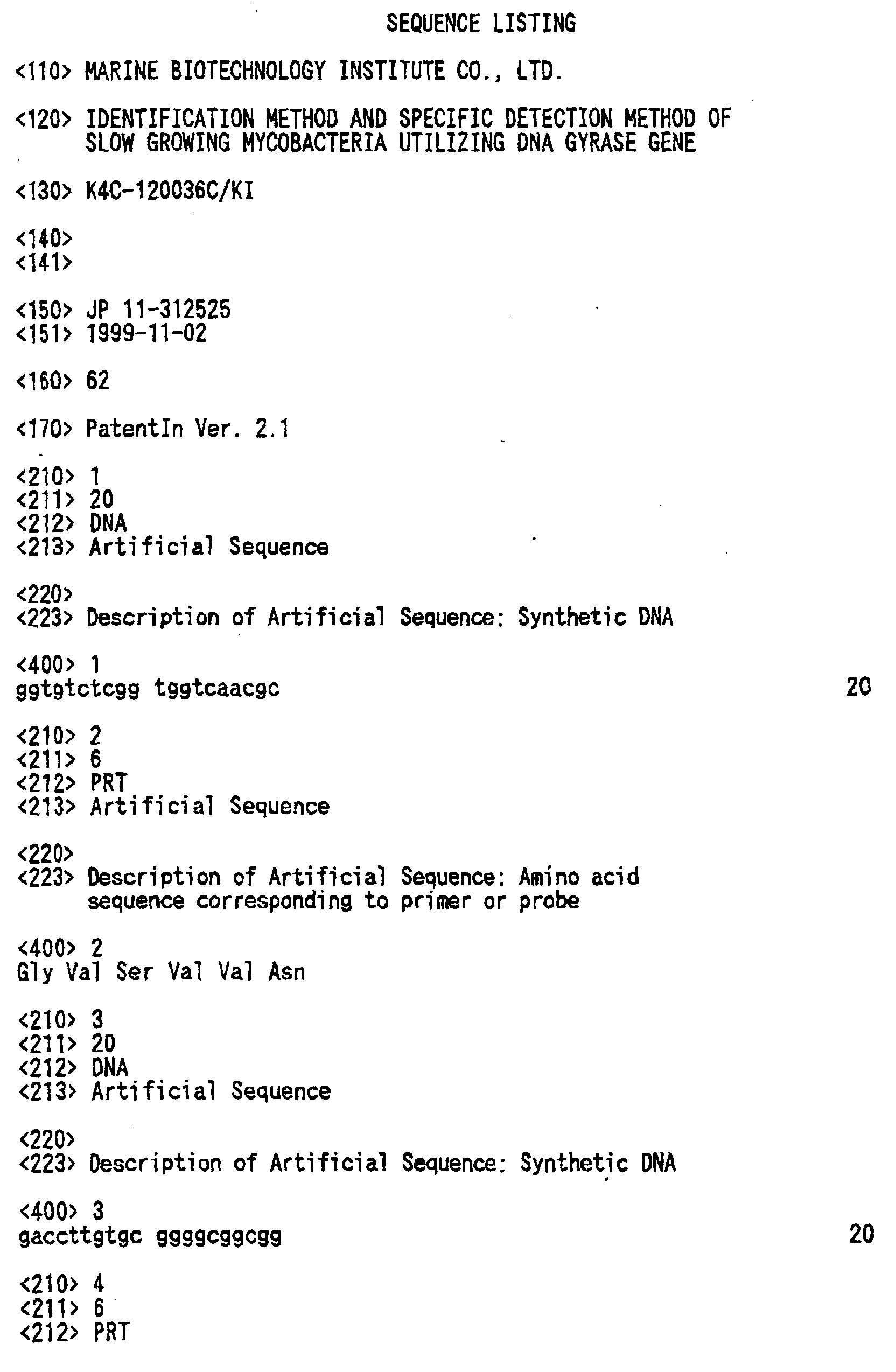
- the present invention relates to a method for identification or detection of slow growing mycobacteria having a large number of clinical cases as causative microorganisms of tuberculosis and atypical mycobacterial disease (especially, tubercle bacilli group bacteria), which utilizing a nucleotide sequence of a DNA coding for DNA gyrase ⁇ subunit (to be referred to as " gyrB gene” or " gyrB " hereinafter).
- the identification and detection methods of the present invention are useful in various industrial fields, such as medical science, immunology and veterinary science.
- a plurality of species belonging to slow growing mycobacteria are known as acid-fast bacterial species which cause tuberculosis and diseases analogous to tuberculosis in human.
- Mycobacterium tuberculosis complex, Mycobacterium avium complex and Mycobacterium kansasii occupy the most part of clinical cases.
- these bacteria are causing a serious problem for the prognosis of patients of acquired immunodeficiency syndrome (AIDS), because they induce systemic disseminated infection in AIDS patients.
- AIDS acquired immunodeficiency syndrome
- identification and detection of these bacterial species have been carried out by physiological and biochemical methods based on the culturing.
- identification and detection have been carried out using such differences in color development because (1) since there are three groups in the slow growing mycobacteria, namely a group which develops yellow color only when it is cultured in the dark after irradiation with light (photochromogen), (2) a group which develops color even when cultured without irradiation of light (scotochromogen) and (3) a group which does not develop color even when light is irradiated (achromogen).
- Known methods include identification and detection based on the ability of cultured bacteria to produce catalase or show urease activity, Tween hydrolyzing activity or nitrate reducing activity.
- Tuberculosis is a most important infectious disease, because ninety million people in the world newly contract the disease every year and thirty million people of them die every year, but its countermeasure is not sufficient.
- Tubercle bacilli as its causative agents are classified into four strains, namely a tubercle strain ( Mycobacterium tuberculosis ), a bovine type strain ( Mycobacterium bovis ) and an Africa strain ( Mycobacterium africanum ) which are pathogenic for human and a rat type strain ( Mycobacterium microti ) which is not pathogenic for human.
- the gene to be used is a rRNA gene in most cases.
- T. Rogall et al . (1990, J. Gen. Microbiol ., 136, 1915 - 1920) have proposed a method for the identification of mycobacteria species based on PCR using 16S rRNA sequences. However, these primers could not distinguish between Mycobacterium gastri and Mycobacterium kansasii , which show different phenotype characteristics.
- Microbiol ., 28: 1751 - 1759 have reported an oligonucleotide derived from 16S rRNA sequence, which is specific for human type mycobacterium group, avian type mycobacterium-paramycobacterium and Mycobacterium intracellulare group. Even the use of this oligonucleotide could not give necessary resolution for carrying out identification at species level.
- An identification method using these rRNA gene sequences is now on the market and available from Nippon Roche as a gene diagnosis kit under a trade name of "Amplicore Mycobacterium".
- JP-A-06-319560 a detection or identification probe derived from a gene which encodes a 70 kD heat shock protein of Mycobacterium paratuberculosis .
- gyrB gene shows no contradiction when molecular phylogenical data are compared with the identification of species by the conventional taxonomic means (Yamamoto and Harayama, 1998, Int. J. Syst. Bacteriol ., 48: 813 - 819, Yamamoto et al ., 199, Int. J. Syst. Bacteriol ., 49: 87 - 95, Suzuki et al ., Int. J. Syst. Bacteriol ., in press, Kasai et al ., Int. J. Syst. Bacteriol ., in press).
- JP-A-11-16917 A patent application relating to a method for the identification or detection of bacteria using the gyrB gene has already been filed by the present applicant (JP-A-11-16917). However, this document does not disclose identification and detection of slow growing mycobacteria and also does not teach or suggest which region of the gyrB gene can be used in carrying out identification and detection of slow growing mycobacteria.
- the slow growing mycobacteria include the bacteria that cause tuberculosis and the like serious diseases, great concern has been directed toward the development of a method for accurately identifying and detecting this bacterial group.
- the growth rate of slow growing mycobacteria is lower than that of general bacteria, it is difficult to identify or detect them by physiological and biochemical methods which essentially require culturing of bacteria.
- the present invention has been accomplished under such technical background to provide a method for the identification or detection of slow growing mycobacteria, especially tubercle bacilli group bacteria, utilizing the gyrB gene.
- the present inventors have conducted extensive studies and, as a result, found that at least a part of the nucleotide sequence of gyrB DNA is different among the slow growing mycobacteria.
- the present inventors further determined gyrB gene sequences of standard strains of the slow growing mycobacteria. Taxonomic positioning of strains isolated from clinical cases was carried out based on these sequences. Then, the resulting taxonomic positioning was checked by the DNA-DNA hybridization method, which is a standard method for identifying species of bacteria. As a result, it was unexpectedly found that the taxonomic positioning determined by using gyrB gene sequences shows good agreement with the result of the conventional classification method.
- nucleotide sequences of gyrB fragments were determined by the PCR method by amplifying them from DNA samples of standard strains of atypical mycobacteria, Mycobacterium gastri and Mycobacterium kansasii , which cannot be distinguished by the nucleotide sequence of 16S rRNA gene which is the most generally used gene sequence-aided detection method of bacteria.
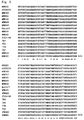
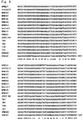
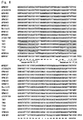
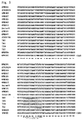
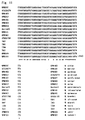
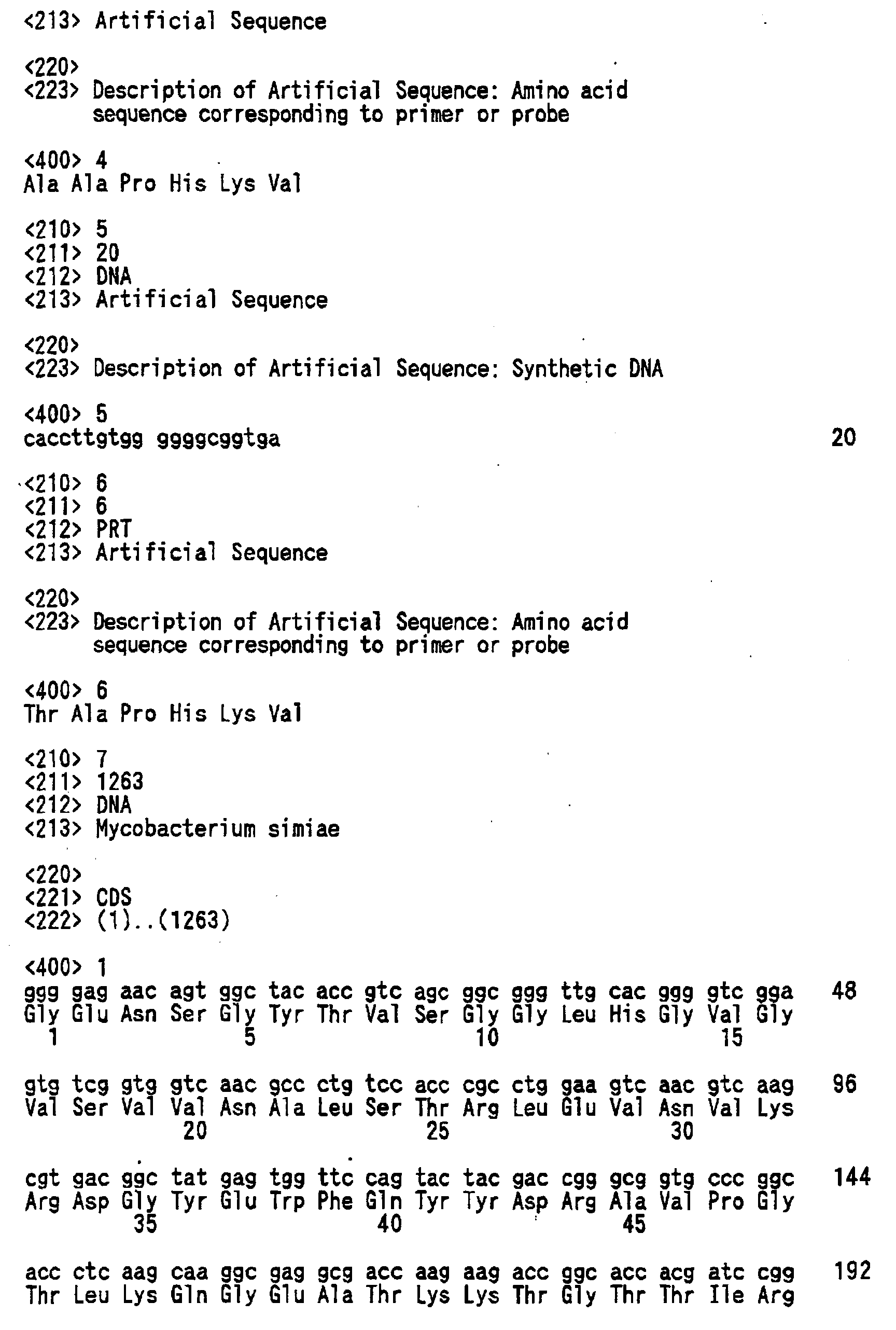
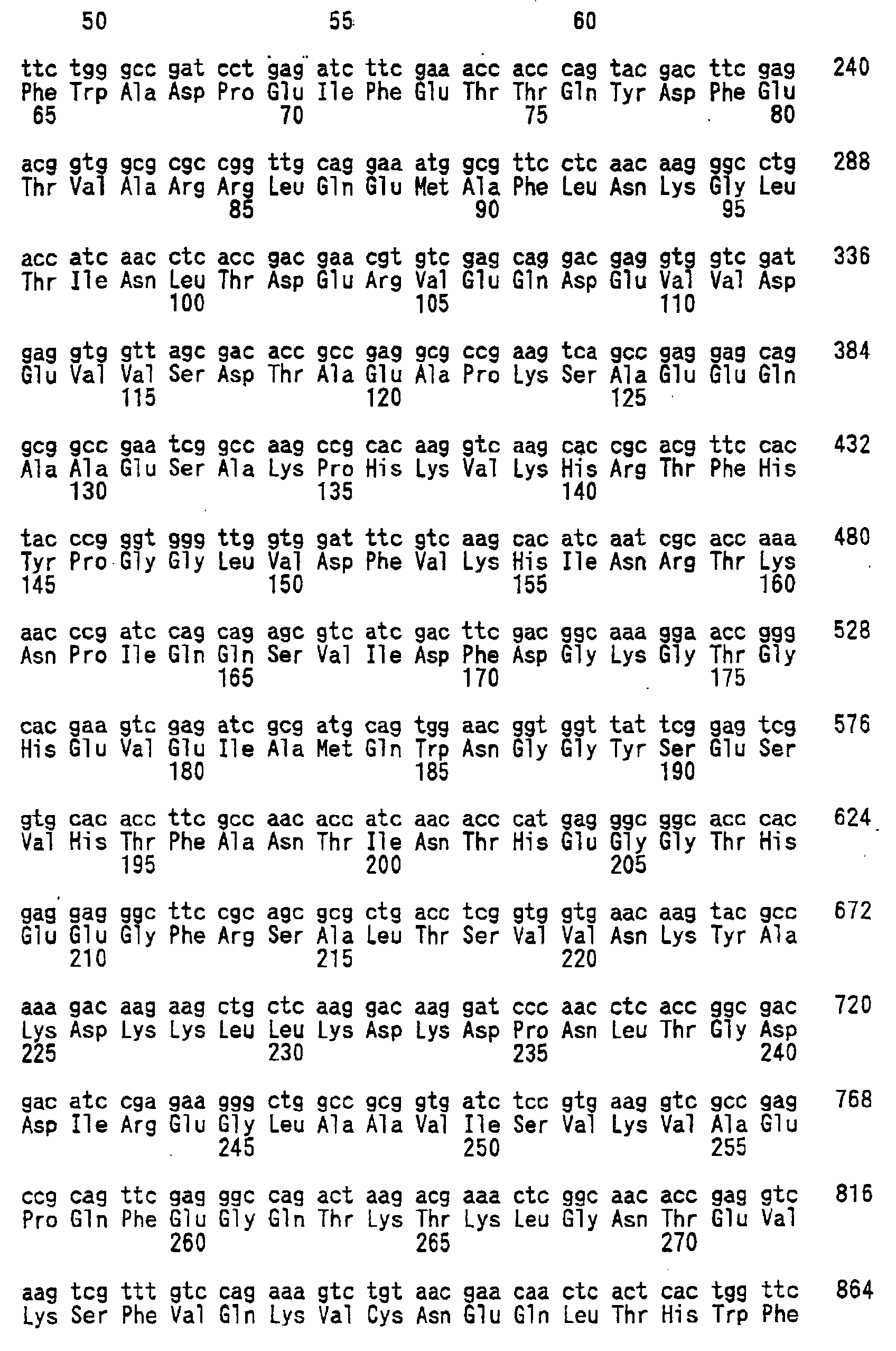
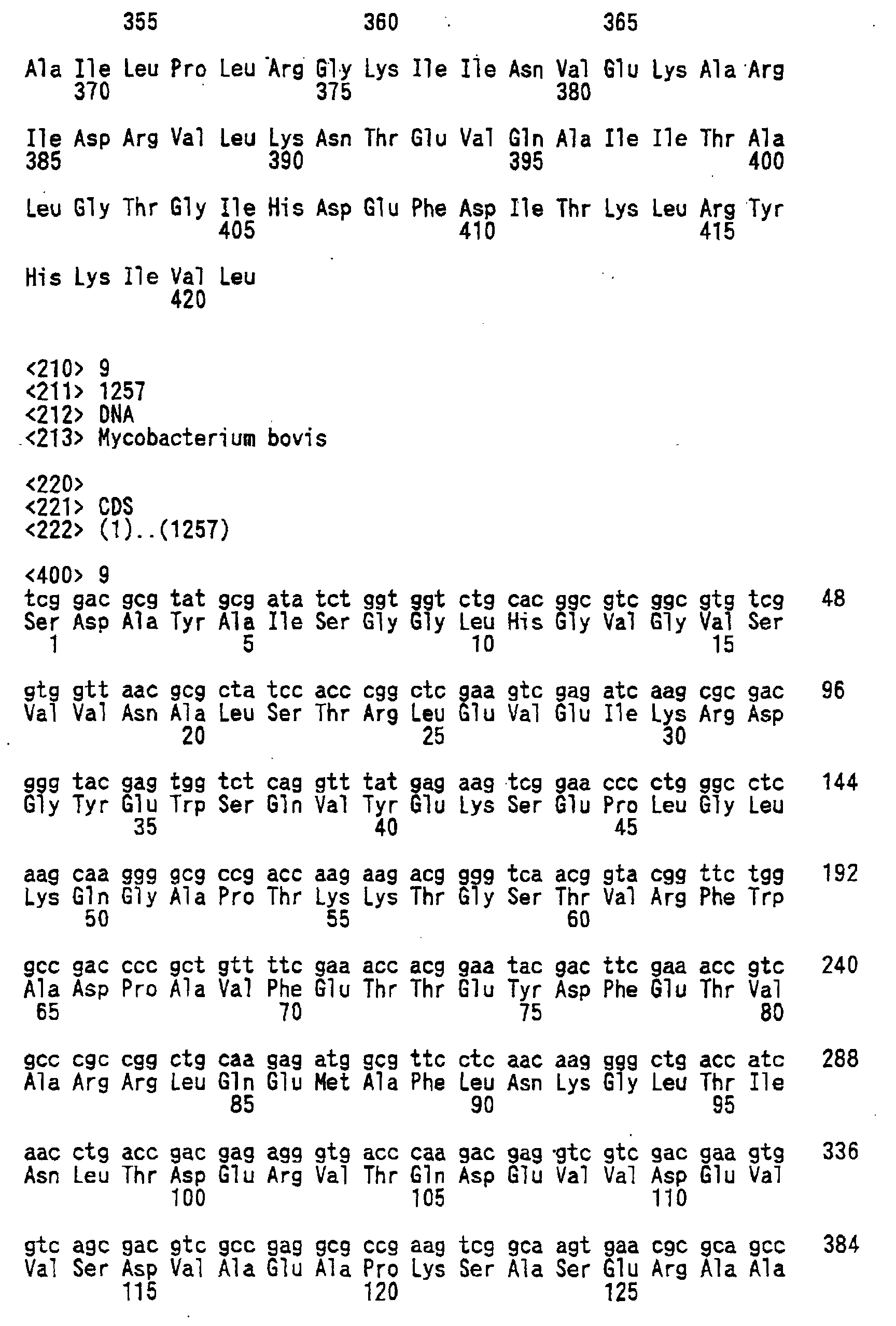
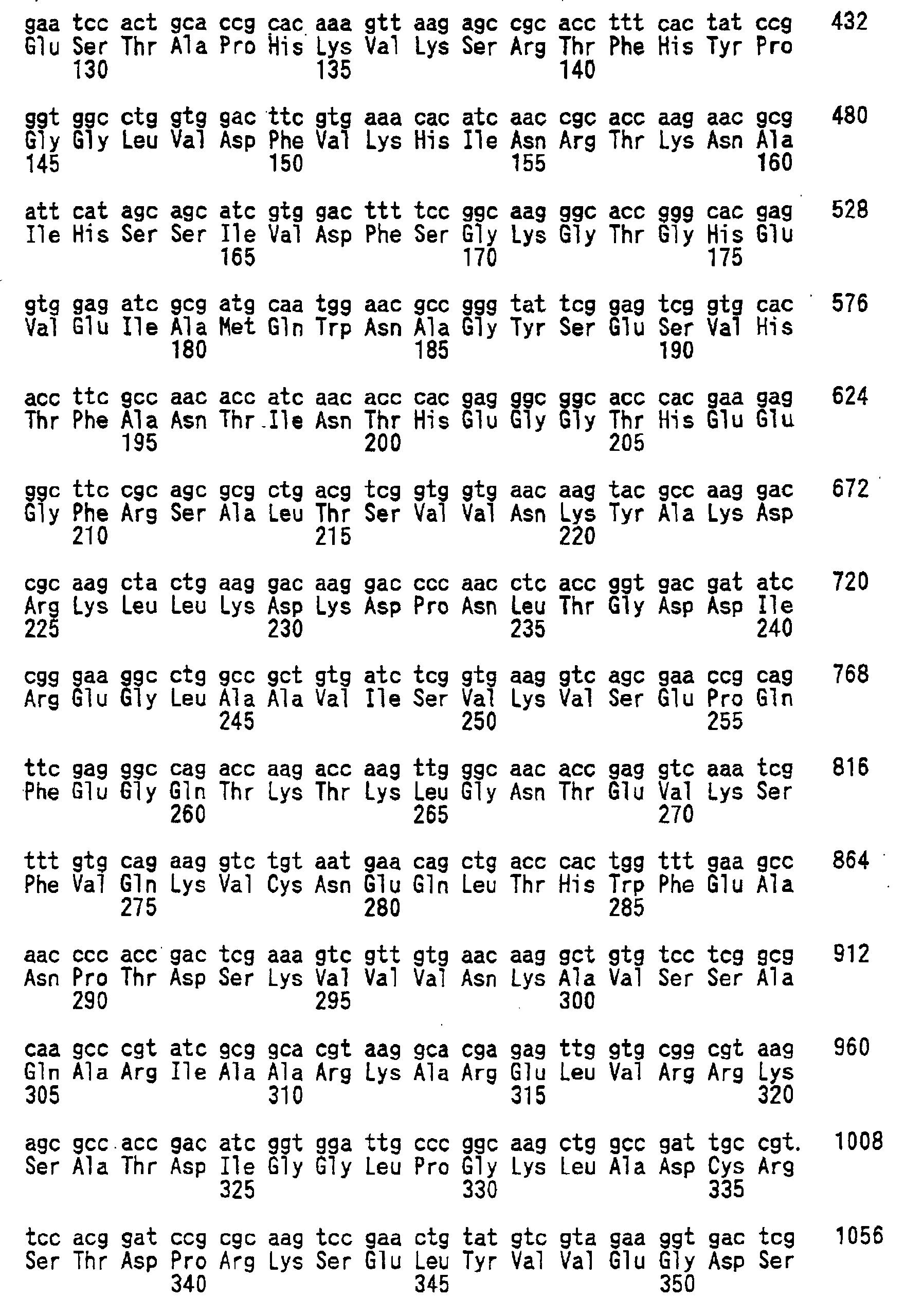
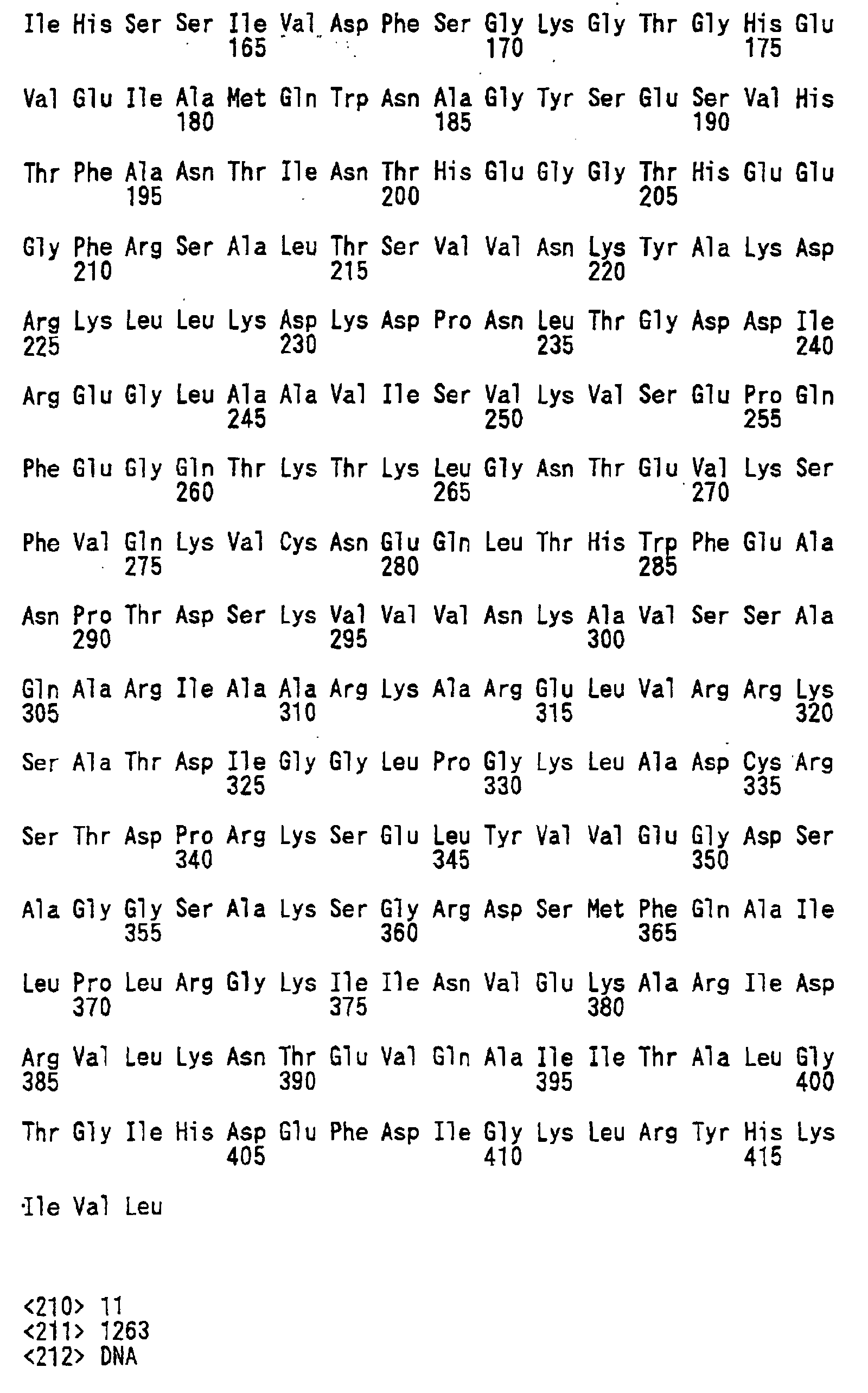
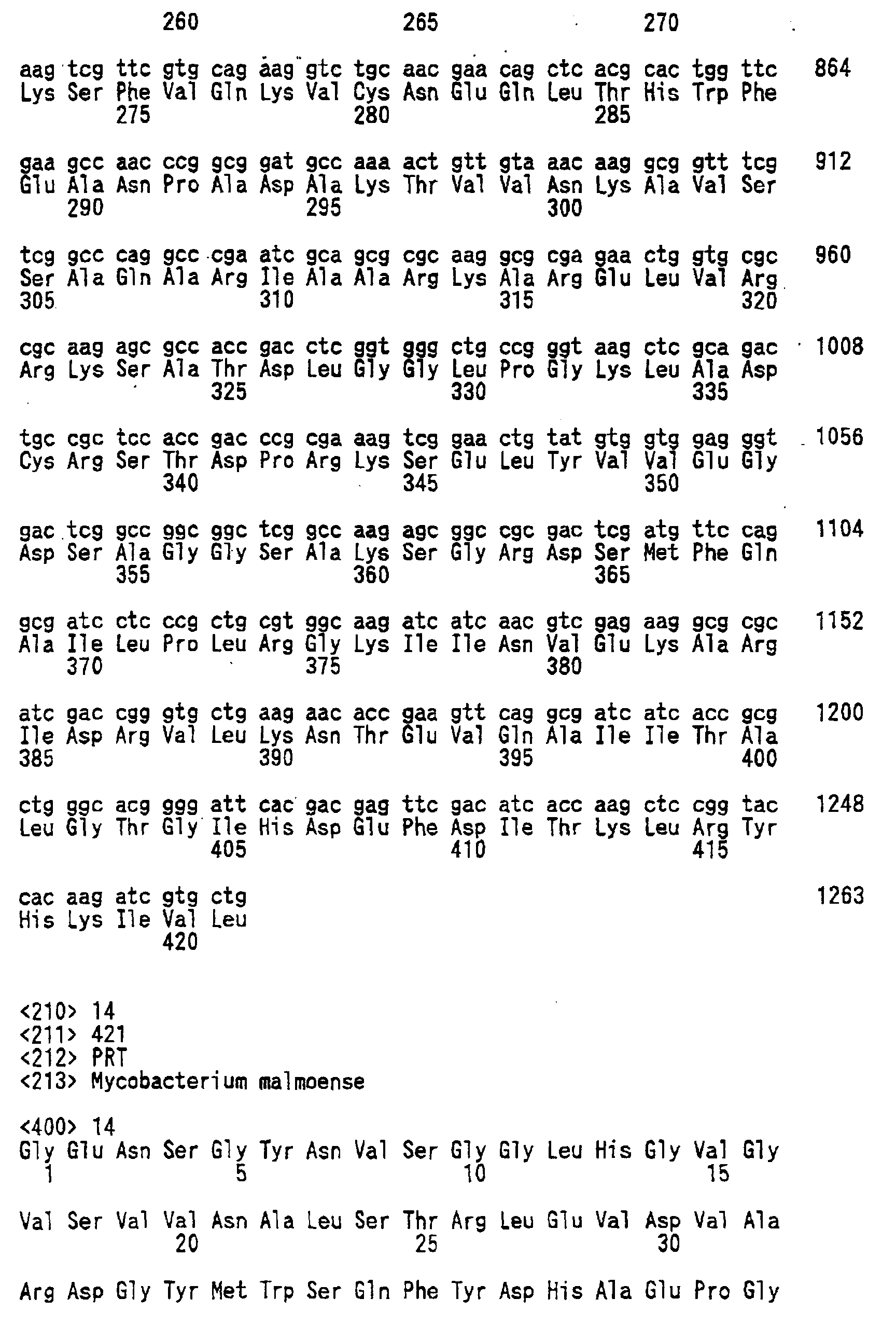
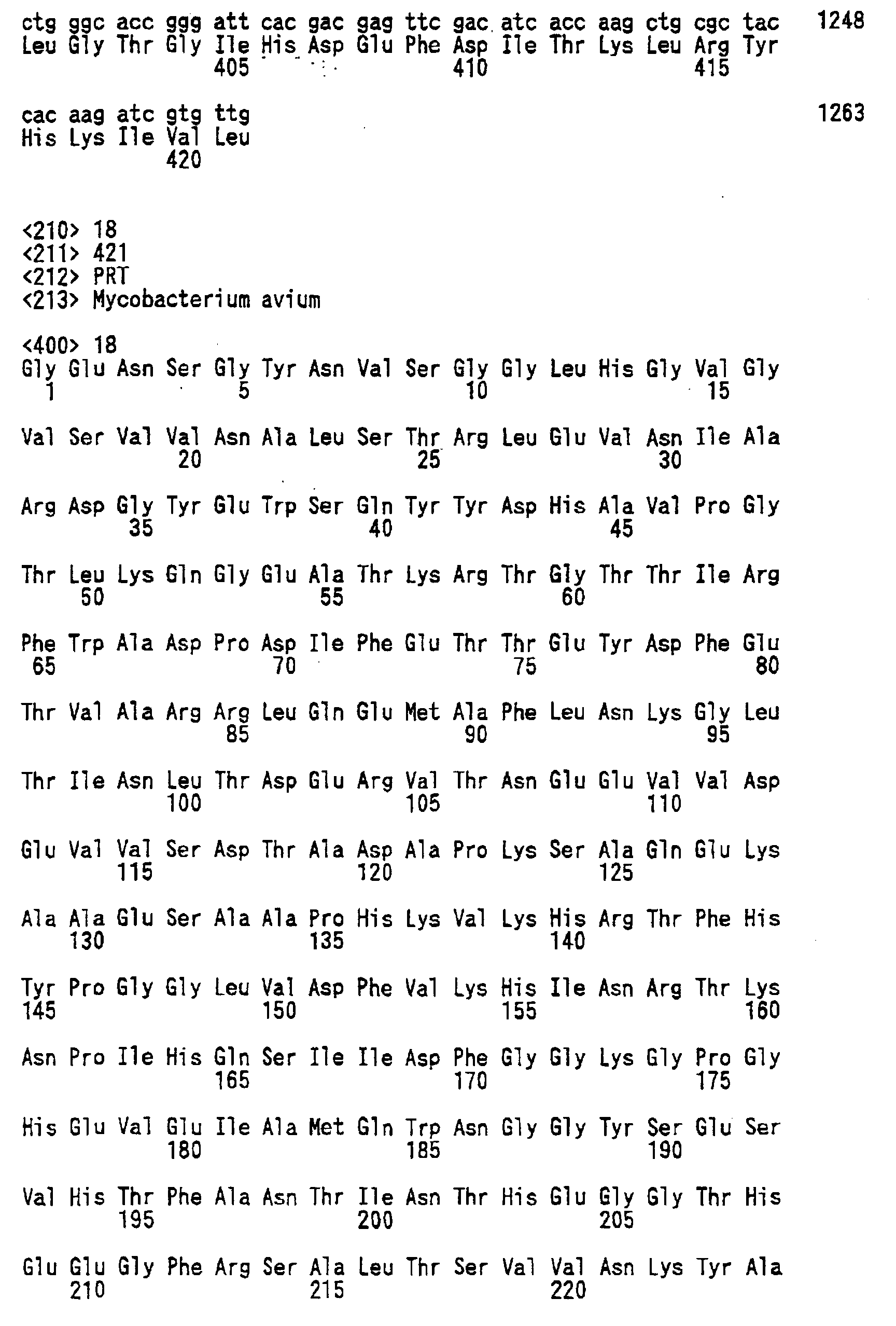
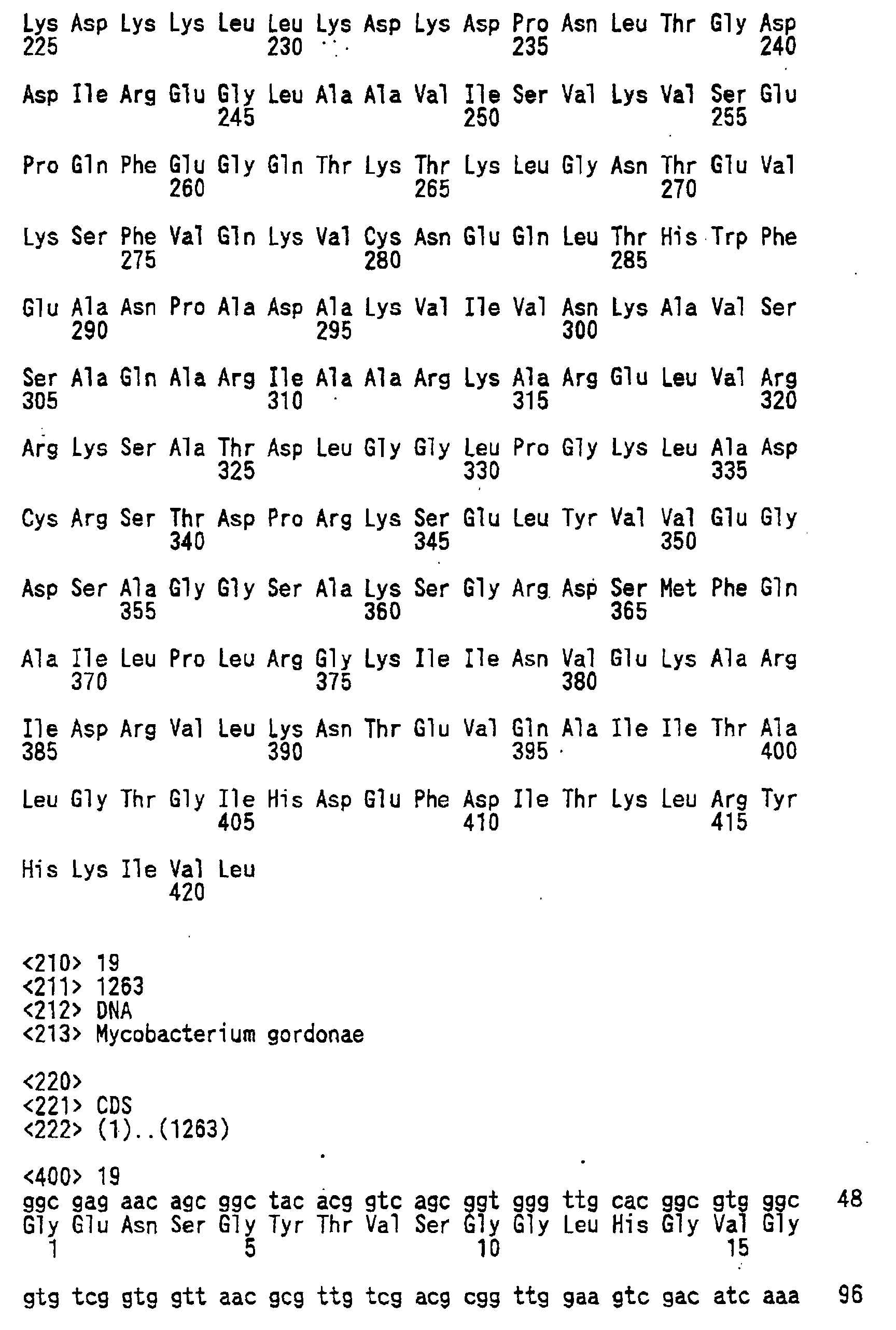
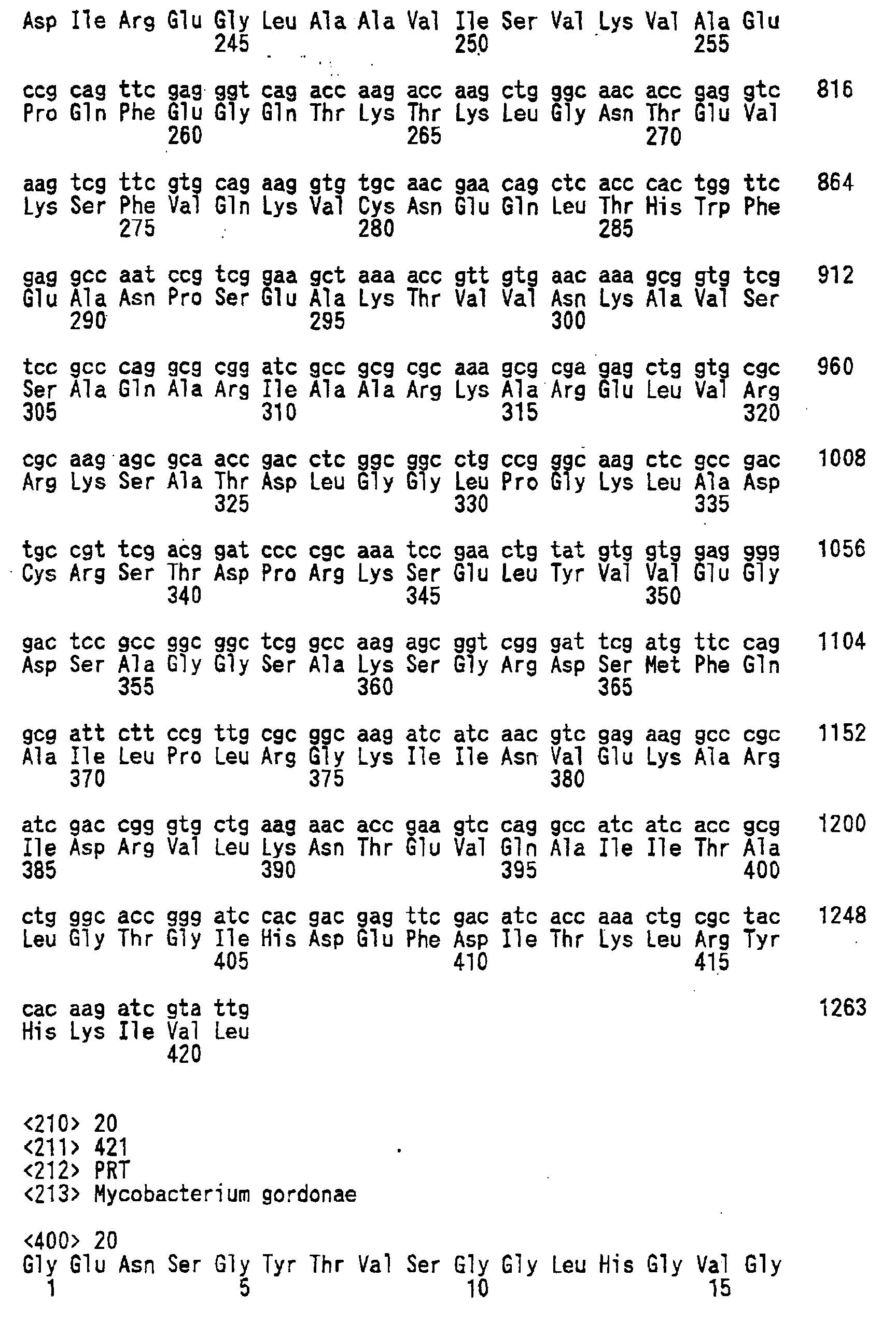
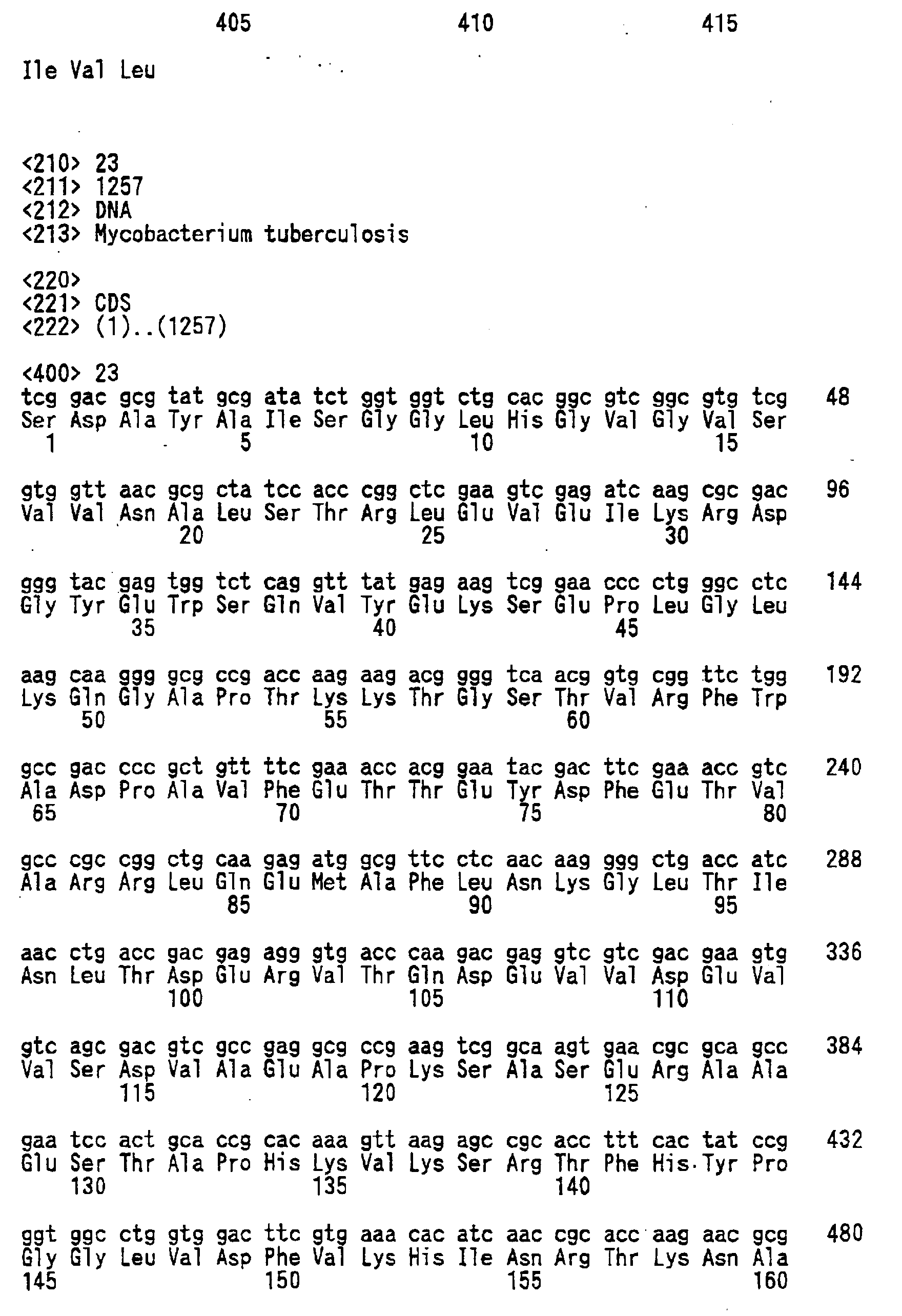
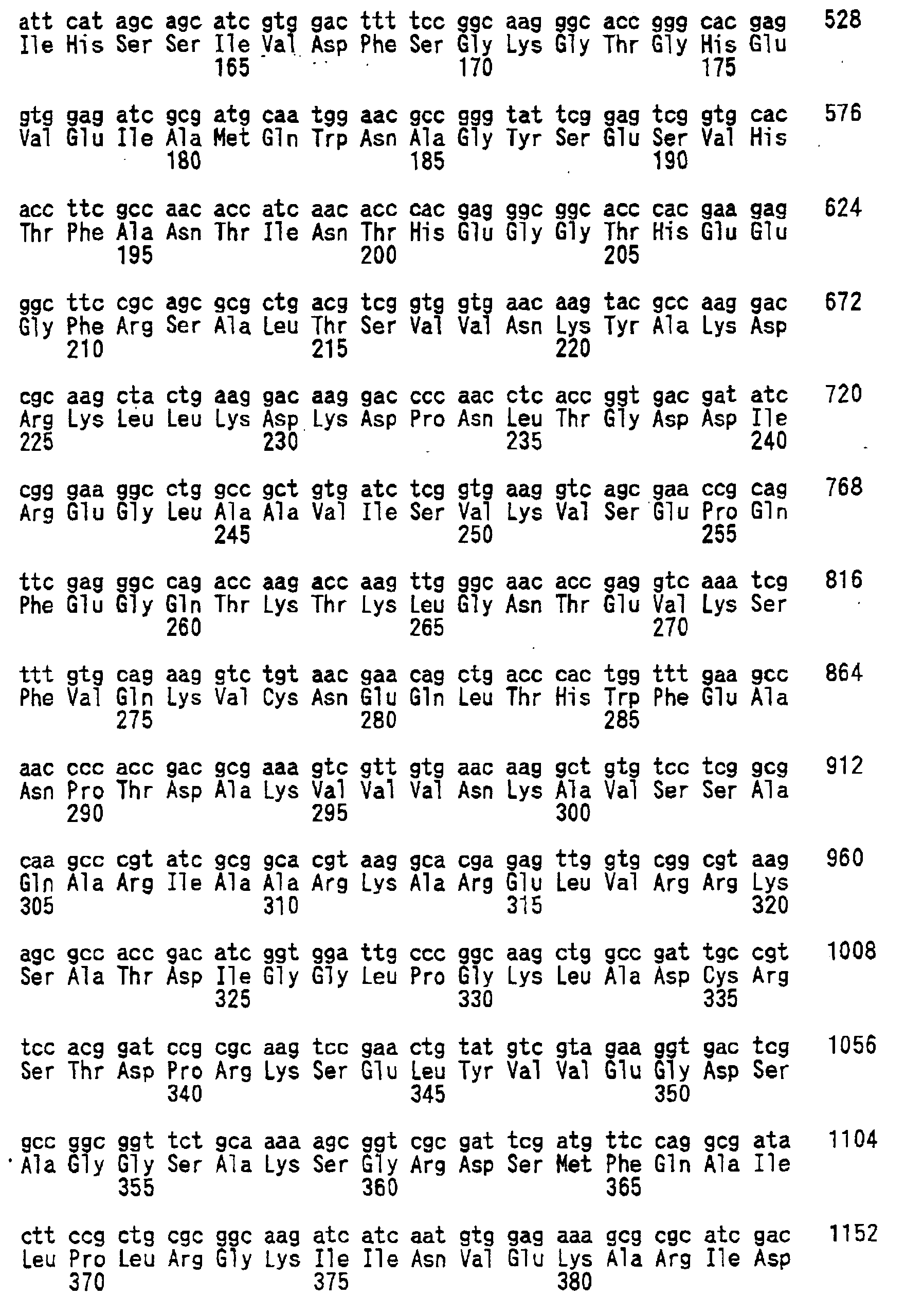
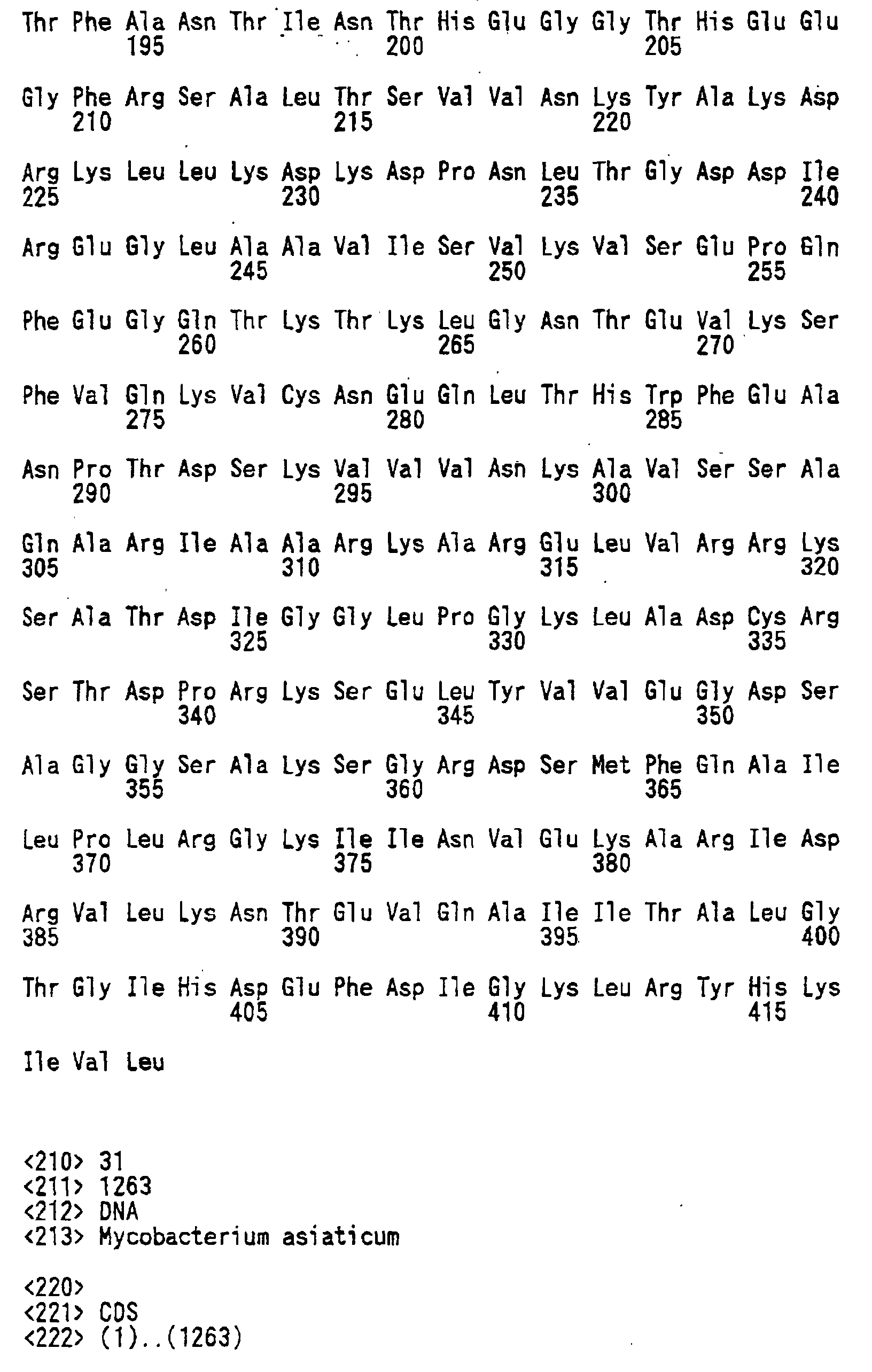
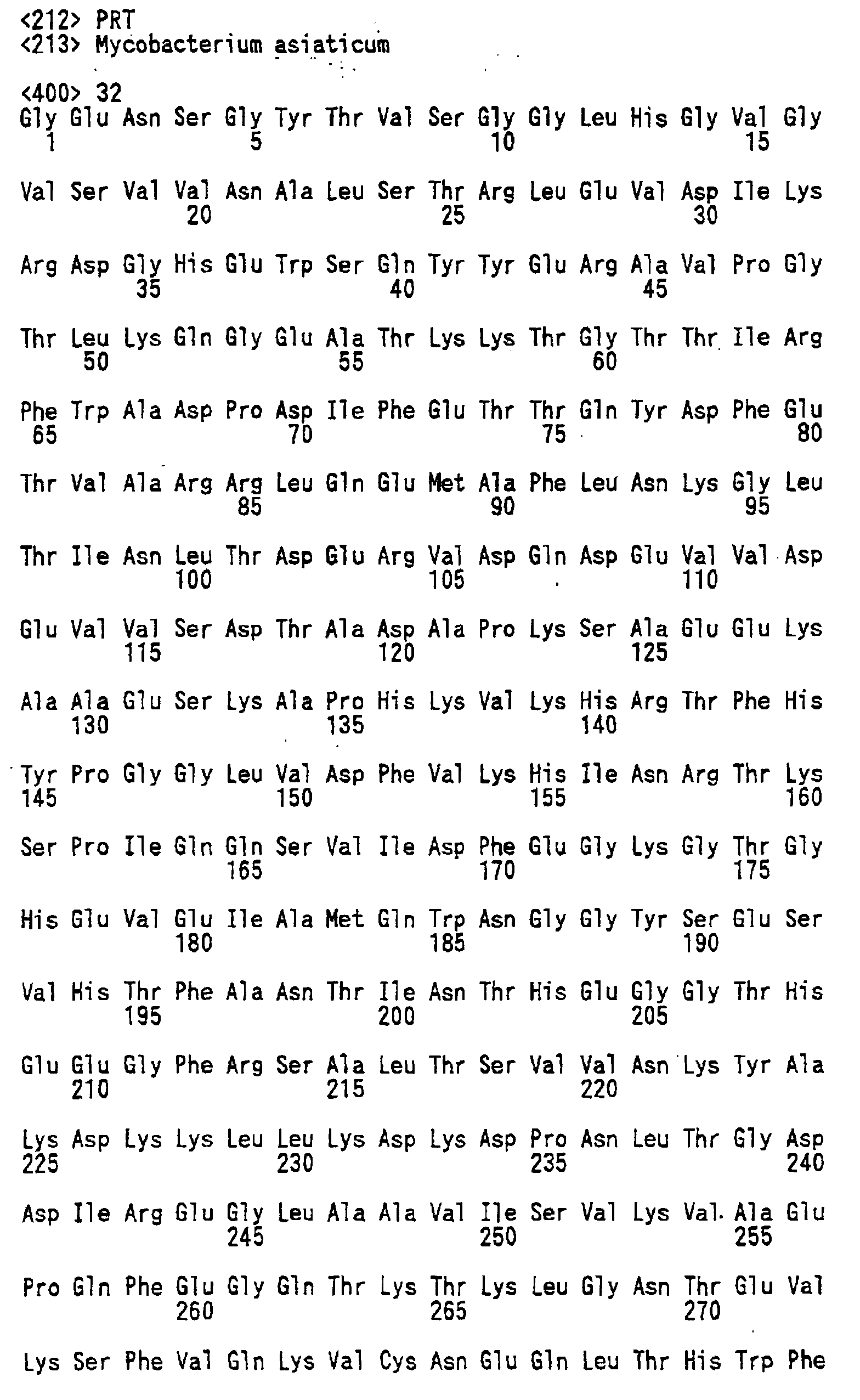
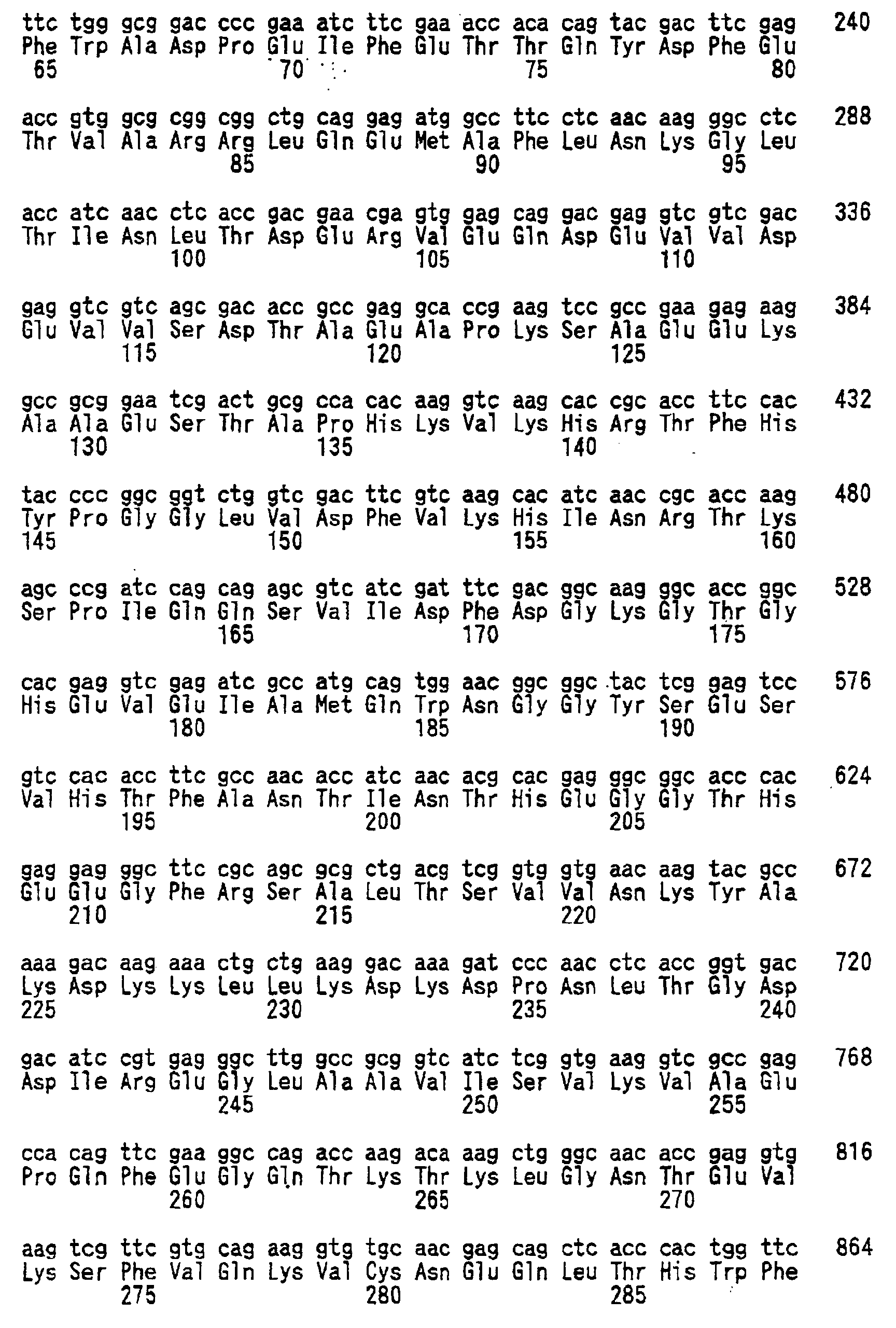
- 16S rRNA gene sequence was identical in both strains, but 66 positions in the 1,257 base gyrB gene nucleotide sequence were different in both strains (Figs. 1-11).
- the present inventors further found that the taxonomically near bacteria belonging to the slow growing mycobacteria can be distinguished by designing primers based on such difference in their sequences, which renders possible the PCR amplification specific for each of these strains.
- the present inventors found that it can determine accurate molecular phylogenic position of even a newly isolated strain and also can distinguish related species which cannot be distinguished by other genes, so that it is a method superior to methods by other genes.
- the present invention has been accomplished based on the above knowledge.
- the present invention relates to a method for identifying slow growing mycobacteria, especially tubercle bacilli group bacteria, which comprises carrying out identification of bacteria using gyrB DNA as a marker. Also, the present invention relates to a method for detecting slow growing mycobacteria, especially tubercle bacilli group bacteria, which comprises carrying out detection of bacteria using gyrB DNA as a marker.
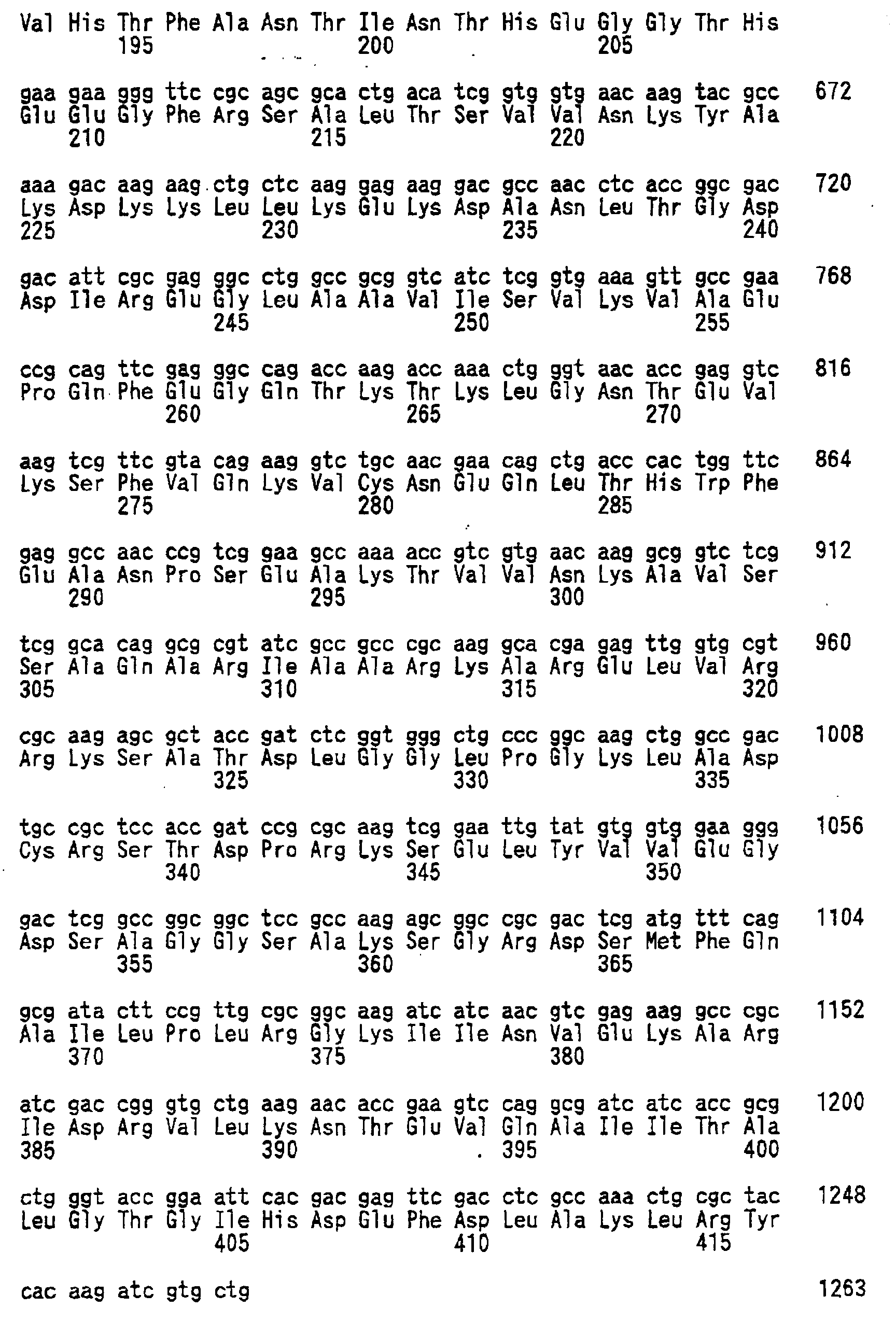
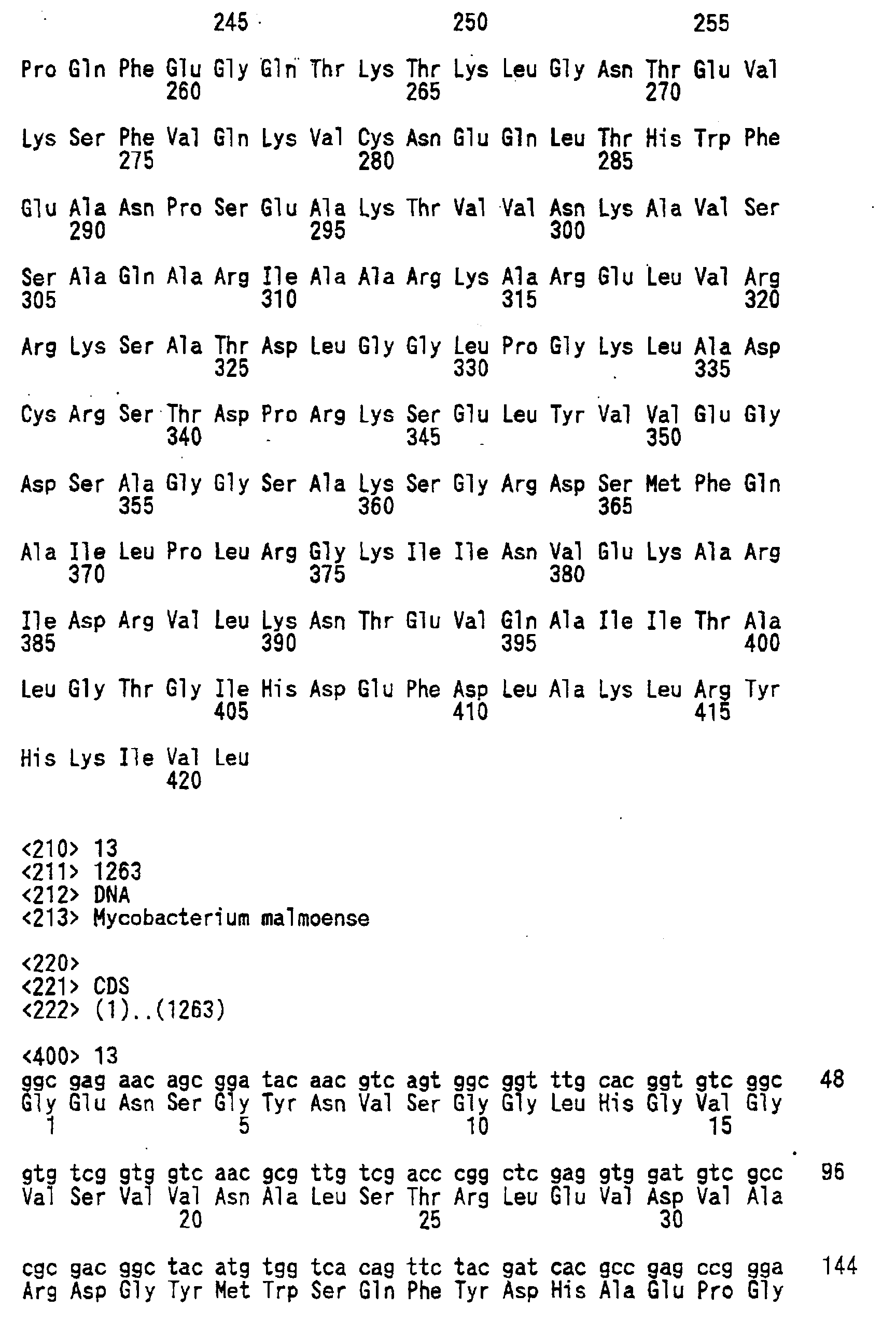
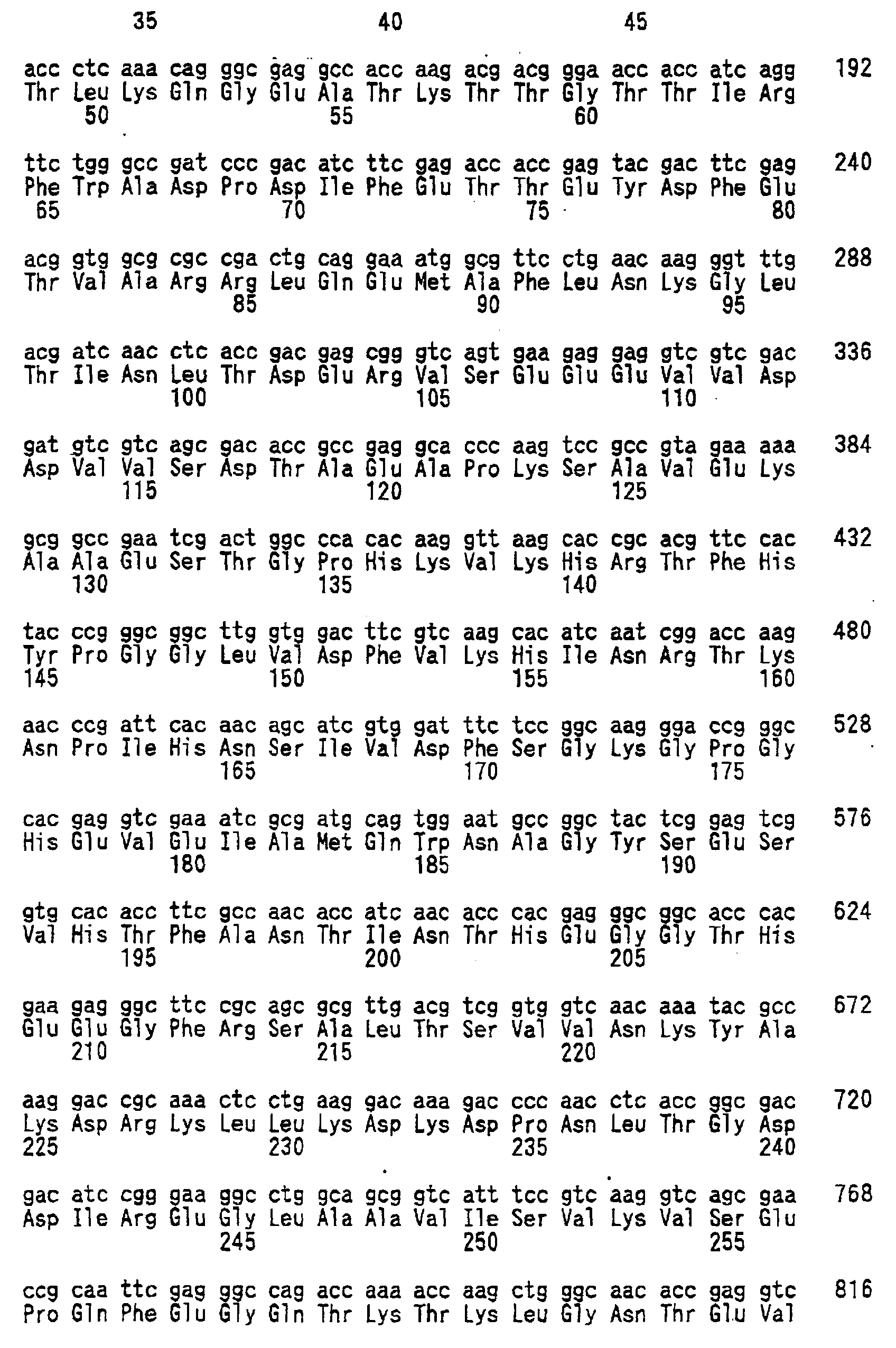
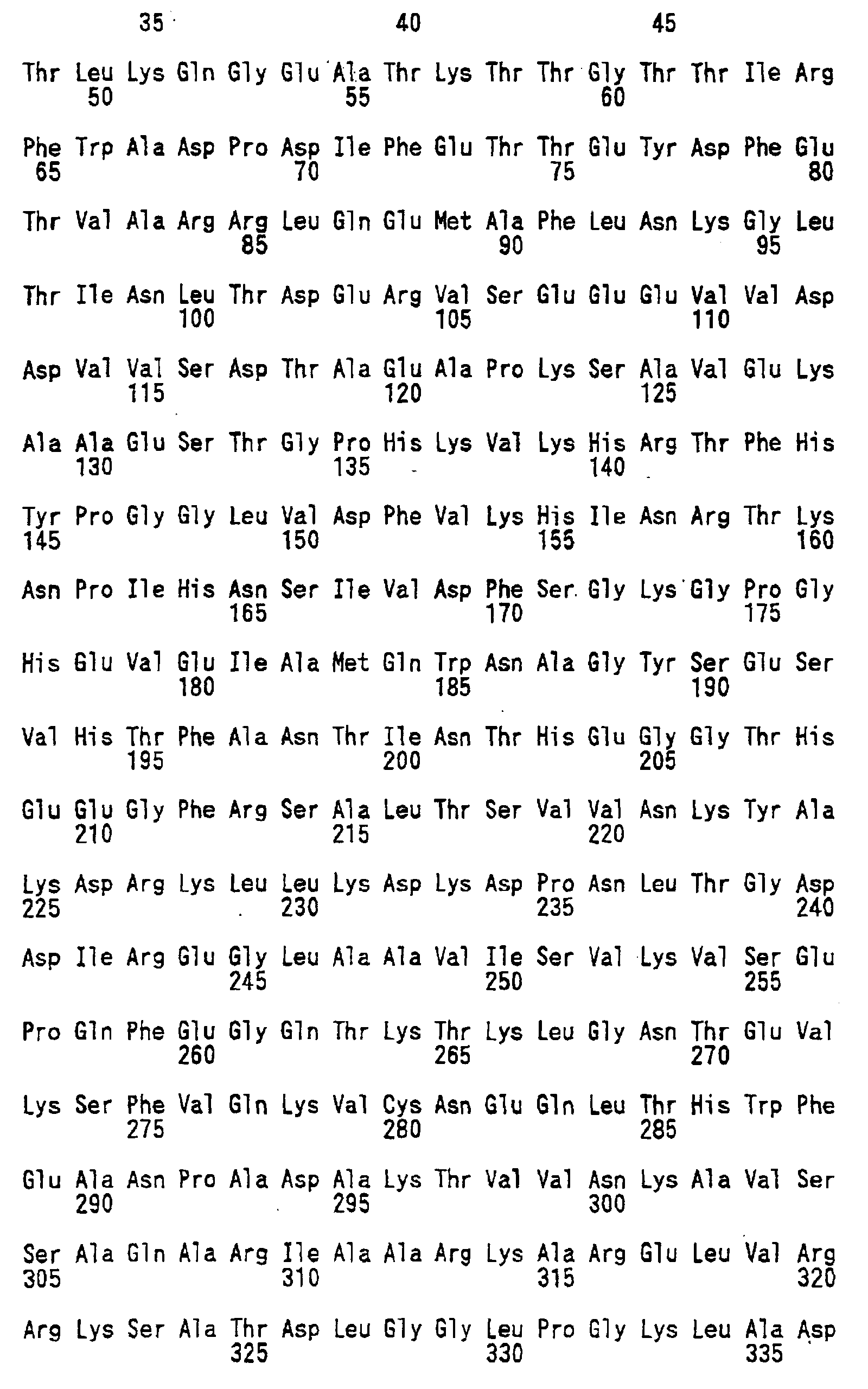
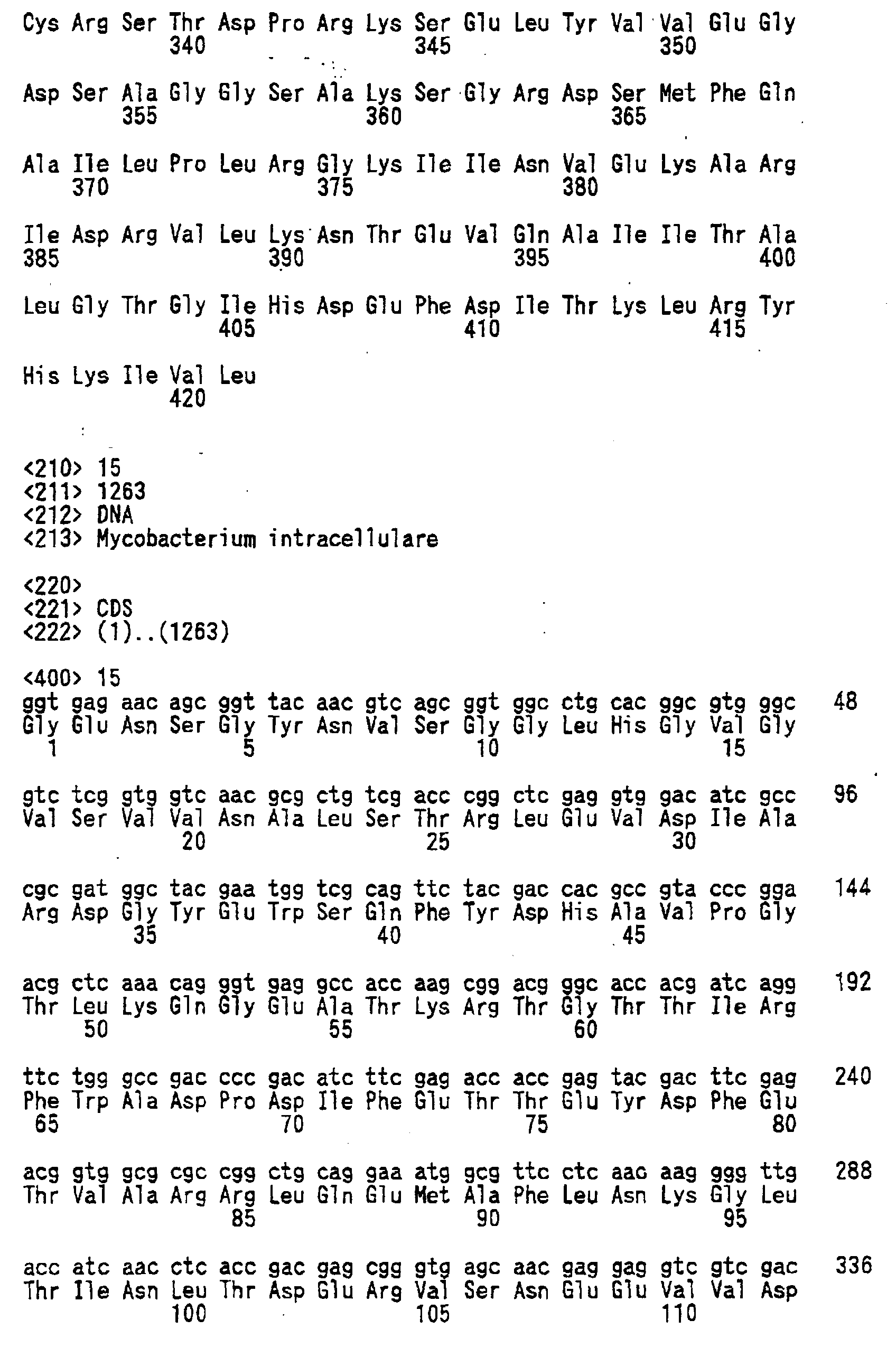
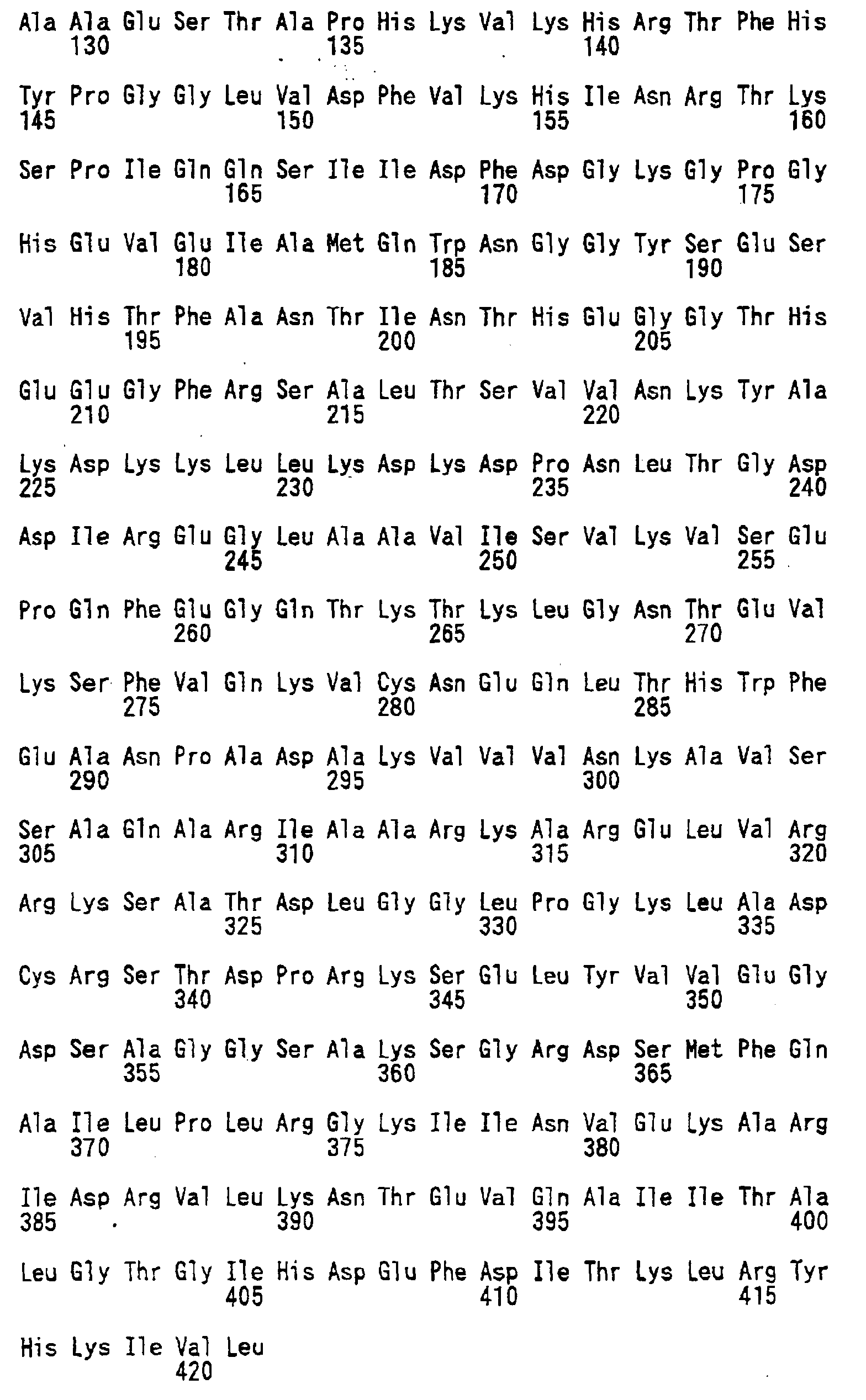
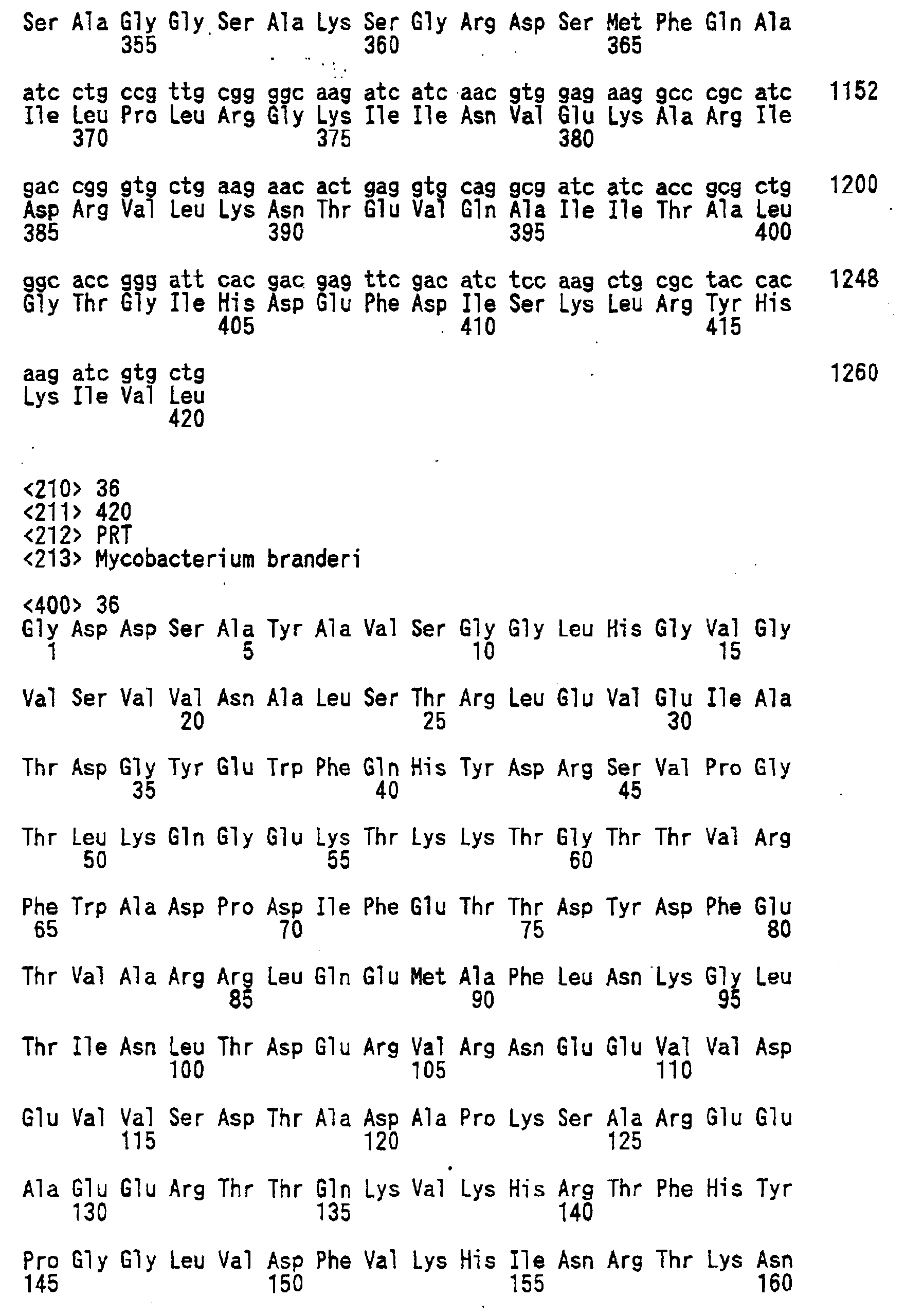
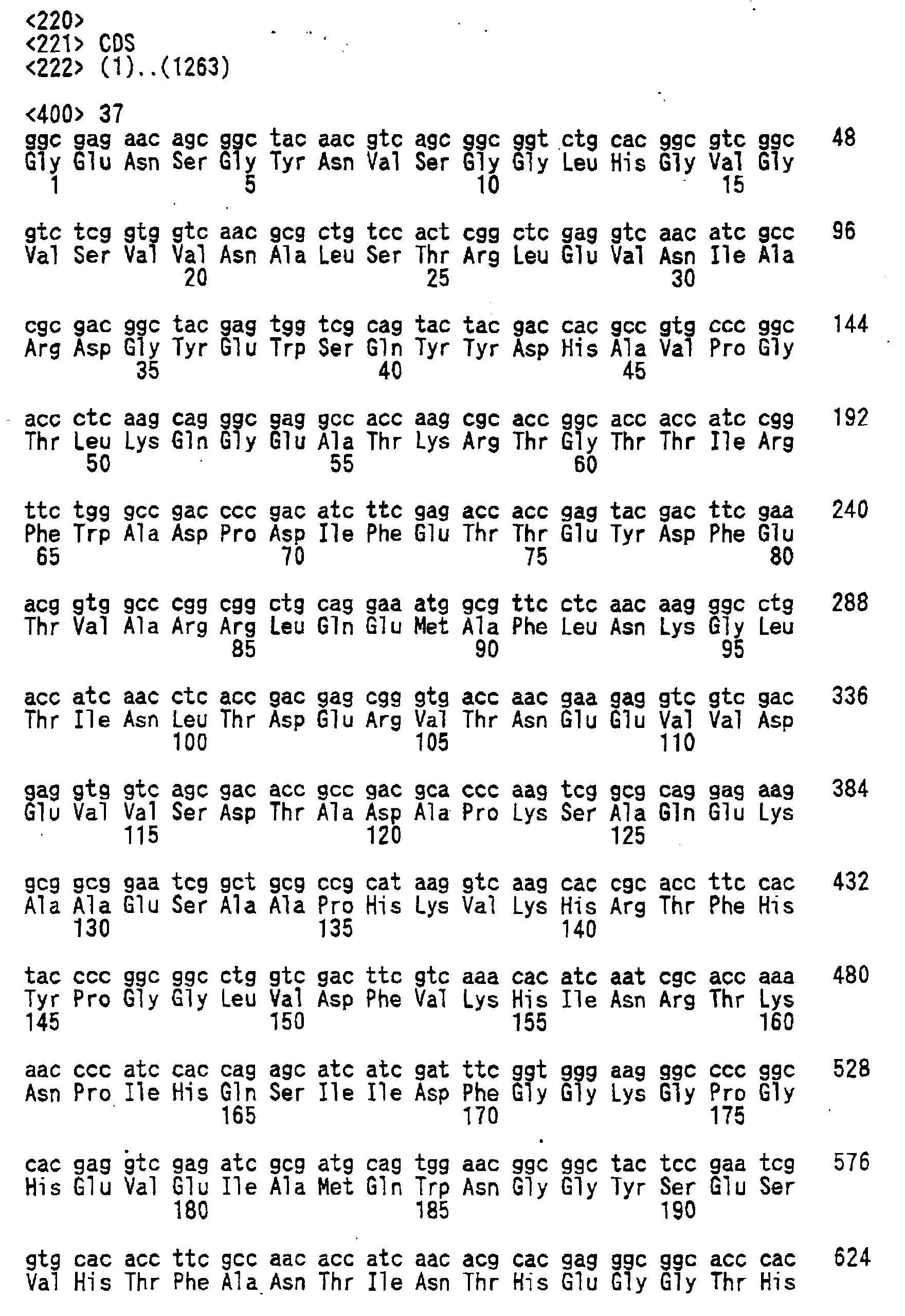
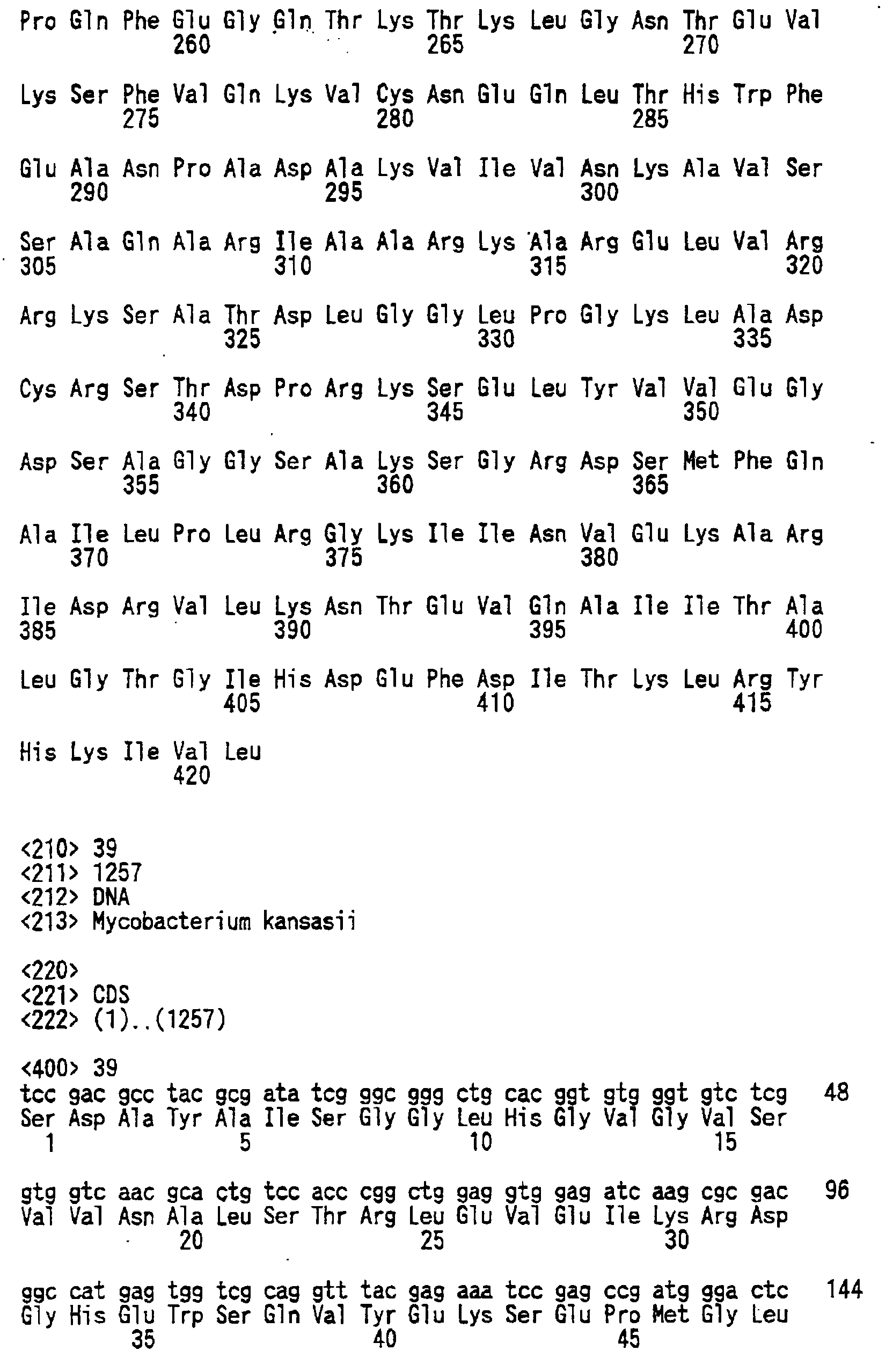
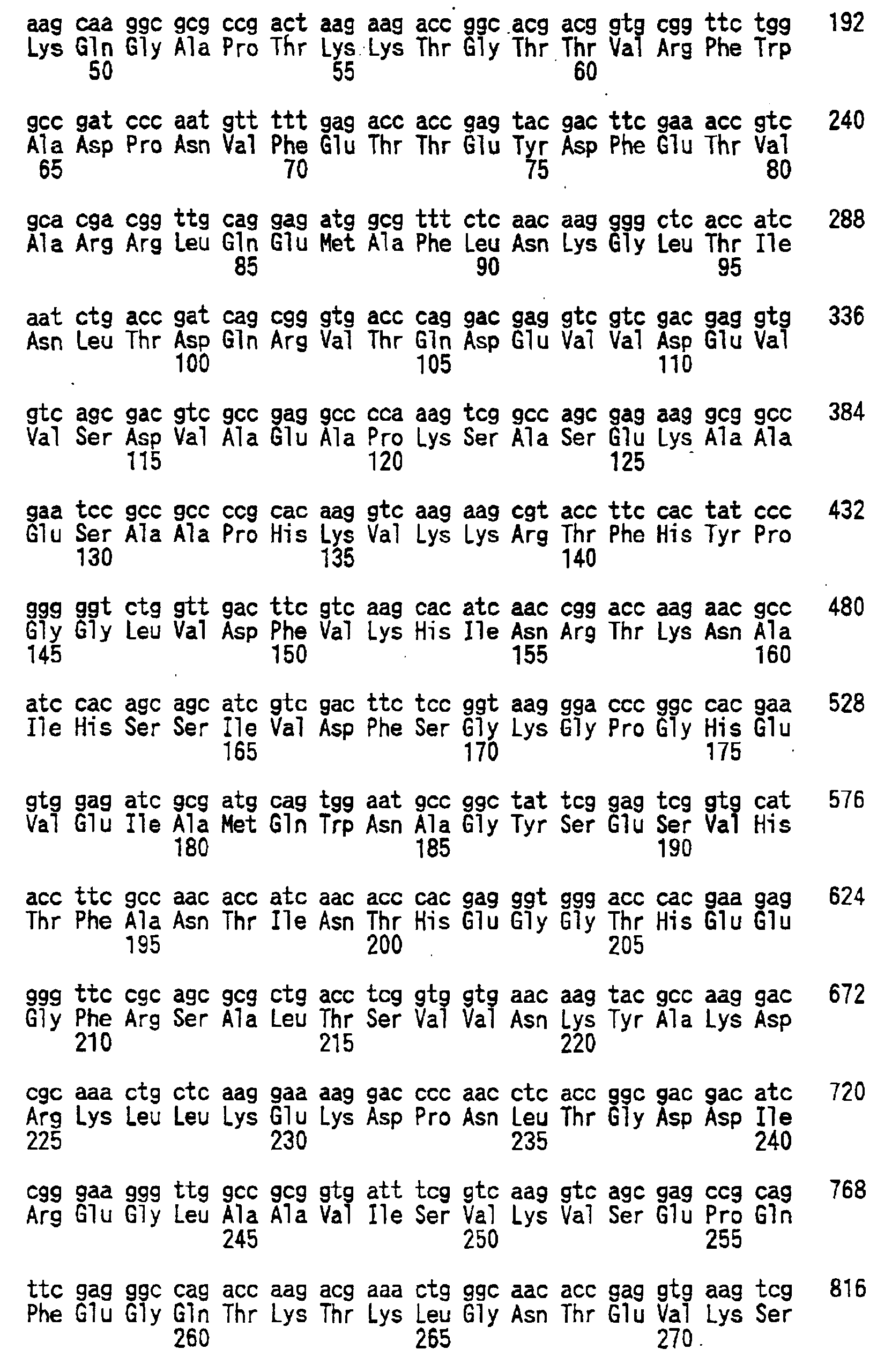
- the present invention further relates to a method for identifying slow growing mycobacteria, which comprises amplifying the regions corresponding to SEQUENCE NO. 7, 9, 11, 13, 15, 17, 19, 21, 23, 25, 27, 29, 31, 33, 35, 37 and 39 in the gyrB of slow growing mycobacteria, comparing nucleotide sequences of the amplified fragments with the nucleotide sequences described in SEQUENCE NO. 7, 9, 11, 13, 15, 17, 19, 21, 23, 25, 27, 29, 31, 33, 35, 37 and 39, thereby calculating genetic distance from each sequence, and carrying out identification of the aforementioned slow growing mycobacteria based on the genetic distance.
- the present invention relates to a method for detecting a specific bacterium belonging to the slow growing mycobacteria using a specific sequence in the gyrB .
- the present invention relates to a method for detecting Mycobacterium kansasii , which comprises detecting Mycobacterium kansasii using, as a primer or probe, an oligonucleotide that contains a sequence coding for a part of or the entire portion of the amino acid sequence described in SEQUENCE NO. 4, or its complementary sequence, and also substantially functions as a primer or probe, and to a Mycobacterium kansasii detection kit which comprises the just described oligonucleotide.
- the present invention also relates to a method for detecting Mycobacterium gastri , which comprises detecting Mycobacterium gastri using, as a primer or probe, an oligonucleotide that contains a sequence coding for a part of or the entire portion of the amino acid sequence described in SEQUENCE NO. 6, or its complementary sequence, and also substantially functions as a primer or probe, and to a Mycobacterium gastri detection kit which comprises the just described oligonucleotide.
- a sample for detection or identification is collected.
- the sample include a sample collected from organisms (human, animals, etc.) showing tuberculosis or tuberculosis-analogous symptoms as well as a strain isolated from the sample.
- tuberculosis or tuberculosis-analogous symptoms include pneumonia, empyema, cystitis, pyelonephritis, prostatitis, peritonitis, pericarditis, meningitis, encephalitis, etc. (Pocket guide to clinical microbiology 2nd edition, Oatrick R. Murray, ASM press).
- the collected sample may be cultured or the microorganism in the sample may be isolated and cultured for the use in the following steps.
- the present invention is advantageous in that the sample as it is can be used.
- a sample or isolated microorganism is usually subjected to a treatment to destroy the cell to extract DNA from the cell.
- the method for this treatment is not particularly limited and includes physically destroying method, chemically destroying method, etc.
- the sequence of the DNA gyrase ⁇ subunit in the sample is determined by using the conventional way.
- Examples of the method for determining the DNA sequence include the dideoxy terminator method (Molecular Cloning: a laboratory manual 2nd edition, J. Sambrook, E. F. Rritsch, T. Maniatis, CSH press).
- the sequence determined is compared with the sequences of the DNA gyrase ⁇ subunit of the slow growing mycobacteria (Sequence No. 7, 9, 11, 13, 15, 17, 19, 21, 23, 25, 27, 29, 31, 33, 35, 37, 39) to determine whether the microorganism in the sample belongs to the one of these slow growing mycobacteria or is a new species.
- the identification of the slow glowing mycobacteria based on the DNA gyrase ⁇ subunit well matches with the identification of the slow glowing mycobacteria by the conventional method.
- the present invention makes it possible to identify the slow growing mycobacterial in an accurate way and also makes it possible to distinguish the related species, which are not possible by the conventional way.
- identification and detection of the slow growing mycobacteria can be carried out by utilizing one or more unique partial sequence in the DNA gyrase ⁇ subunit which is characteristic to one or more of the microorganisms belonging to the slow growing mycobacteria or related species thereof.
- Example of the unique sequence is a sequence having 0 or more, preferably at least 1, more preferably at least 2, and most preferably at least 3 unique bases in the sequence having a length of 5-mer to 50-mer, preferably 10-mer to 40-mer, more preferably 15-mer to 30-mer.
- the unique sequence does not have a unique base, at least one unique base should exist at the 3'-side or 5'-side nearest neighbor base to the unique sequence.
- the complementary sequence to the unique sequence can be also used.
- the unique base means a base which can be found in only one or only several related species among the slow growing mycobacteria.
- the unique base may be located at arbitrary position in the unique sequence.
- a unique base located near the 3'-end is preferable for the 5'-end primer and a unique base located near the 5'-end is preferable for the 3'-end primer.
- the unique sequence may be designed so that the 3'-side or 5'-side nearest neighbor base to the unique sequence is the unique base (i.e., the unique base is not contained in the unique sequence).
- identification or detection of the certain species is possible by using in combination two or more unique sequences which are respectively unique to several species among the slow growing mycobacteria.
- four tubercle bacilli group bacteria can be identified or detected by using Sequence 41 shown in Fig. 1.
- Sequence 55 in combination of Sequence 41 it is possible to identify or detect Mycobacterium microti .
- Mycobacterium kansasii and Mycobacterium gastri can be identified or detected by using Sequence 1 shown in Fig. 1.
- Sequence 3 in combination of Sequence 1 it is possible to identify or detect Mycobacterium kansasii .
- a sample obtained from human or animals showing tuberculosis or tuberculosis-analogous symptoms is used. Accordingly, it is possible to avoid pseudo positive reaction even if there are microorganisms other than slow growing mycobacteria that have the same unique sequence in the DNA gyrase ⁇ subunit.
- Examples of the concrete methods for identifying or detecting the slow growing mycobacteria, which utilizes the unique sequence, a partial sequence in the unique sequence, or a sequence having a unique sequence, in the DNA gyrase ⁇ subunit include (1) DNA chip (DNA microarray) (Gingeras et al., 1998, Genome Res. 8: 435-448; Troesch et al. 1999 J. Clin. Microbiol. 37: 49-55), (2) PCR using the same as primers (Kasai, H., Ezaki, T., Harayama, S. 2000. J. Clin. Microbiol. 38: 301-308), (3) hybridization using the same as a probe (de los Reyes et al. 1997. Appl. Environ.
- Microbiol. 63: 11007-1117 (4) cleavage by the restriction enzyme that recognizes the unique sequence
- Examples of the method to confirm the result of these methods include a method to confirm the existence of the amplified or cleaved fragments by the gel electrophoresis, a method using DNA chip (DNA microarray), etc.
- the above-described methods can be carried out by the known way (cf. Molecular Cloning: a laboratory manual 2nd edition, J. Sambrook, E. F. Fritssh, T.
- the method of the present invention for identifying slow growing mycobacteria is characterized in that the regions corresponding to SEQUENCE NOS. 7, 9, 11, 13, 15, 17, 19, 21, 23, 25, 27, 29, 31, 33, 35, 37 and 39 in the gyrB of slow growing mycobacteria are amplified by PCR, nucleotide sequences of the amplified fragments are compared with the nucleotide sequences described in SEQUENCE NOS. 7, 9, 11, 13, 15, 17, 19, 21, 23, 25, 27, 29, 31, 33, 35, 37 and 39, thereby calculating genetic distance from each sequence, and then identification of the aforementioned slow growing mycobacteria is carried out based on the genetic distance.
- identification means that taxonomic positions of bacteria are determined by a molecular phylogenic or the like means.
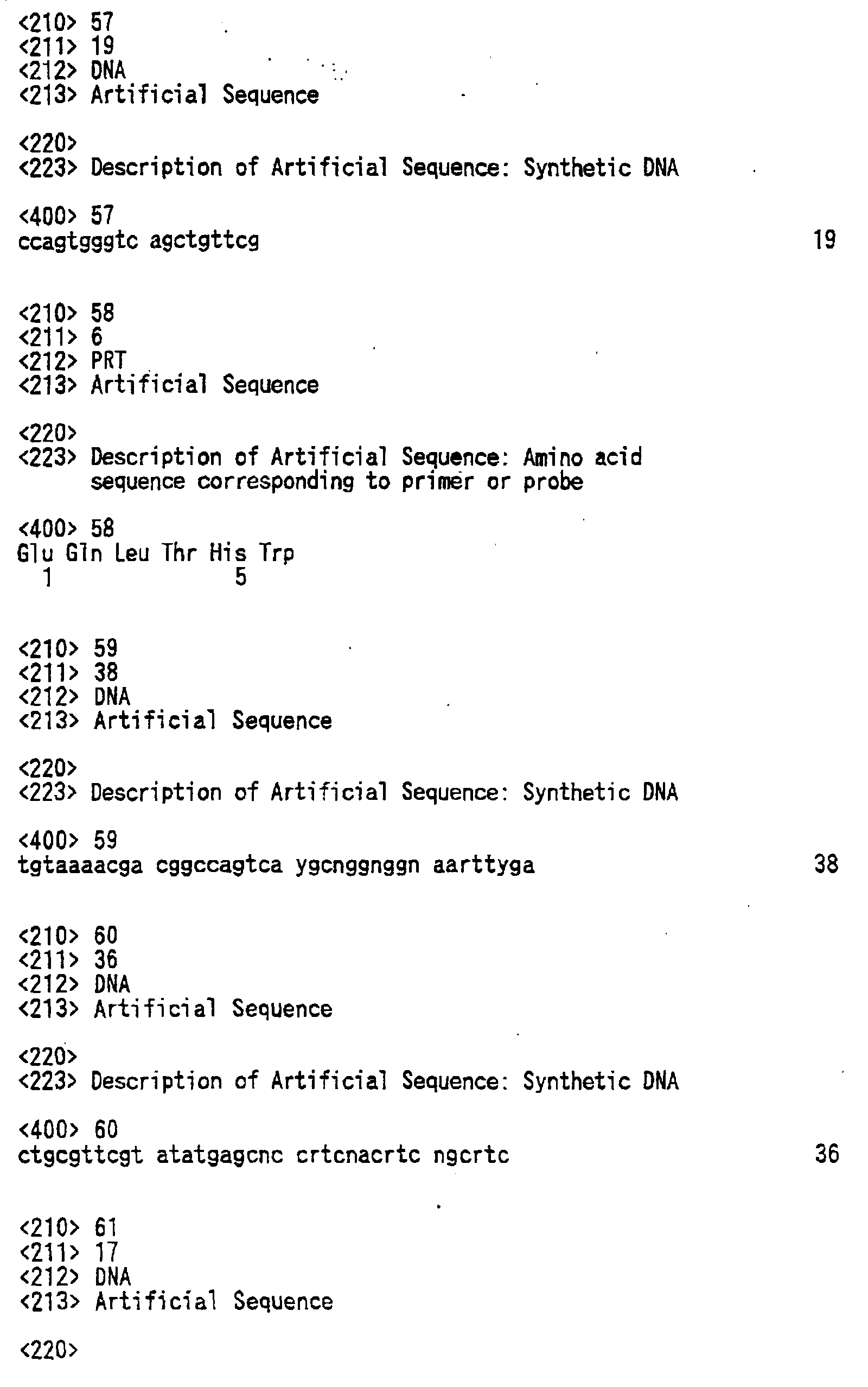
- the primers represented by SEQUENCE NO. 59 and SEQUENCE NO. 60 can be exemplified as the primers to be used in the amplification of the regions corresponding to SEQUENCE NOS. 7, 9, 11, 13, 15, 17, 19, 21, 23, 25, 27, 29, 31, 33, 35, 37 and 39 in the gyrB .
- the genetic distance can be calculated in accordance, for example, with the method described by Felsenstein in the Phylip program (Felsenstein, J., 1993 PHYLIP (Phylogeny Inference Package) version 3.5c. Distributed by the author, Department of Genetics, University of Washington, Seattle, U.S.A.).
- the method of the present invention for detecting Mycobacterium kansasii is characterized by the use, as a primer or probe, of an oligonucleotide which contains a sequence coding for a part of or the entire portion of the amino acid sequence described in SEQUENCE NO. 4, or its complementary sequence, and functions substantially as a primer or probe.
- the Mycobacterium kansasii detection kit of the present invention is characterized in that it contains the just described oligonucleotide.
- the method of the present invention for detecting Mycobacterium gastri is characterized by the use, as a primer or probe, of an oligonucleotide which contains a sequence coding for a part of or the entire portion of the amino acid sequence described in SEQUENCE NO. 6, or its complementary sequence, and also functions substantially as a primer or probe.
- the Mycobacterium gastri detection kit of the present invention is characterized in that it contains the just described oligonucleotide.
- the term "substantially functions as a primer or probe” means that the oligonucleotide has such a length that a specific annealing or hybridization can be effected, and its gist is to exclude the oligonucleotide which has a sequence that can anneal to or hybridize with the DNA to be detected but cannot be used in specific detection, because it frequently causes nonspecific annealing or hybridization due to its short length.
- the PCR is carried out at a 3°C higher annealing temperature and a 3°C lower annealing temperature than the usually employed temperature for the PCR.
- the nucleotide sequence of the amplified fragment is determined by the conventional way and compared with the known sequence to confirm whether the oligonucleotide used can substantially work as a primer.
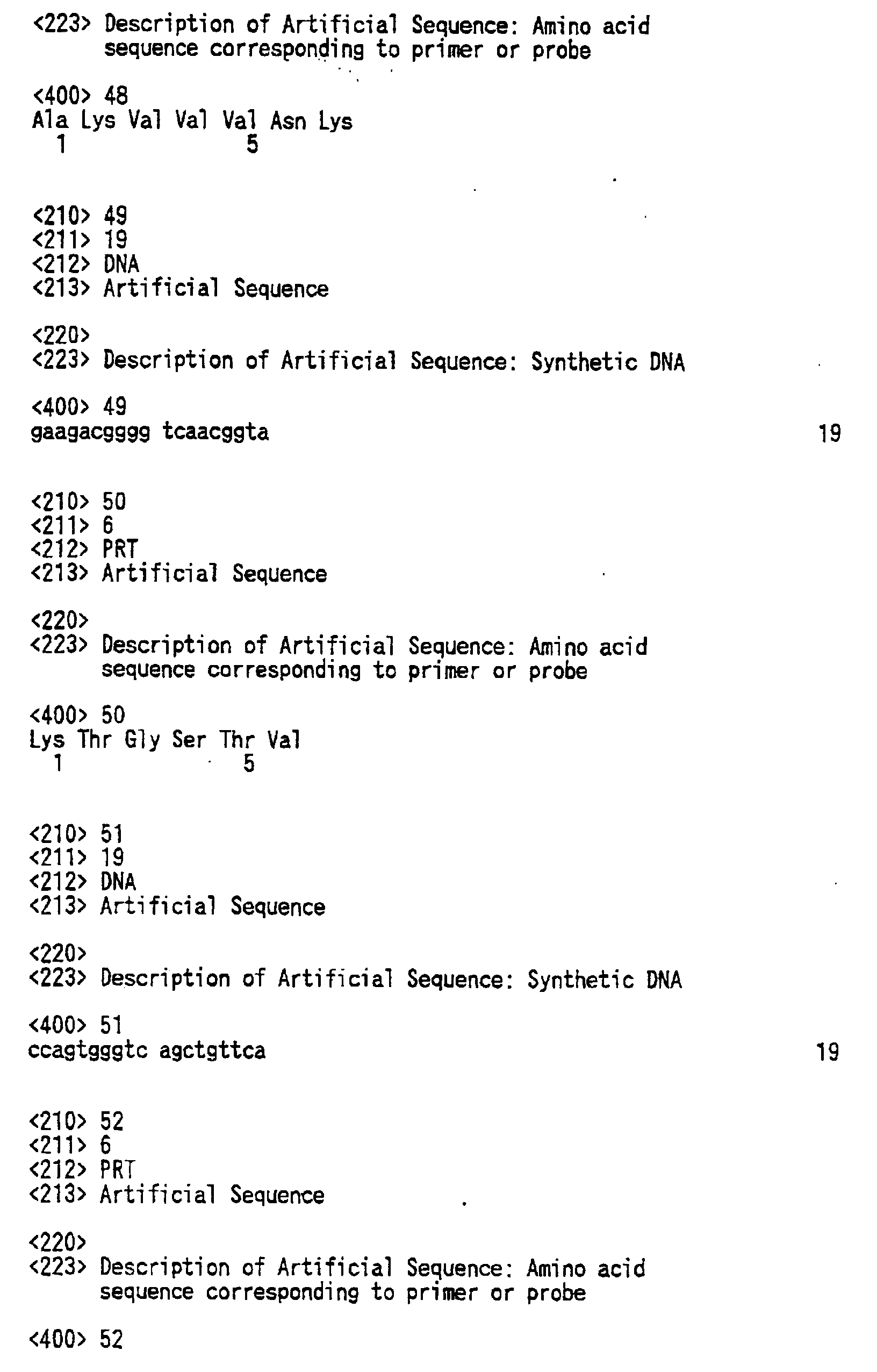
- the oligonucleotide represented by SEQUENCE NO. 3 can be exemplified as an oligonucleotide which can be used in the detection of Mycobacterium kansasii
- the oligonucleotide represented by SEQUENCE NO. 5 can be exemplified as an oligonucleotide which can be used in the detection of Mycobacterium gastri .
- primers to be used in PCR it is not always necessary that both of them can perform specific annealing, and one of them may perform nonspecific annealing.
- the primer represented by SEQUENCE NO. 1 can be cited as an example of such a primer which performs nonspecific annealing.
- the methods of the present invention for identifying and detecting the slow growing mycobacteria are characterized in that gyrB DNA is used as a marker.
- Examples of the slow growing mycobacteria include those shown in Table 1.
- Examples of the tubercle bacilli group bacteria include Mycobacterium tuberculosis , Mycobacterium bovis , Mycobacterium africanum and Mycobacterium microti .
- the following four methods can be exemplified as the identification and detection methods which use gyrB DNA as a marker.
- This method is carried out as follows.
- This method is carried out as follows.
- identification or detection methods can be cited as typical examples of the identification or detection method of the present invention, but other methods are also included in the identification or detection method of the present invention, with the proviso that they use gyrB DNA as a marker.
- identification or detection methods include a method in which gyrB DNA is amplified by PCR, and identification or detection of the bacterium of interest is carried out by determining nucleotide sequence of the amplified fragment and a method in which an oligonucleotide which contains a region of gyrB DNA, a region that has different nucleotide sequence among tubercle bacilli group bacteria, is synthesized, and the bacterium of interest is identified or detected by carrying out Southern blotting using the oligonucleotide as a probe.
- the oligonucleotide used as a primer is designed so that the 3'-side nearest neighbor base in DNA gyrase ⁇ subunit sequence to the primer is the unique base.
- the sequence of the primer itself may be common in all of the slow growing mycobacteria or may be common in one or more slow growing mycobacteria. In the latter case, an oligonucleotide mixture is preferably used in order to assure the reaction.
- All of the 4 types of dideoxy nucleotides is labeled with a fluorescent substance or radioactive substance.
- a fluorescent substance or radioactive substance By labeling each of the 4 dideoxy nucleotides with different types of substances, it is possible to obtain the necessary information from only one lane of the sequence gel. Labeling the 4 dideoxy nucleotides with the same fluorescent substance or radioactive substance requires to carry out electrophoresis using 4 different lanes.
- the reaction mixture used for this method is the same with the reaction mixture for the usual sequence reaction except that dATP, dTTP, dGTP, and dCTP are not contained.
- the reaction mixture contains, as essential components, an appropriate buffer, a DNA polymerase, a labeled ddNTP, and the primer.
- a sample collected from the patient is mixed with this reaction mixture and then subjected to the reaction at an appropriate temperature at which the reaction can occur (for example, at 95°C for 10 seconds, 50°C for 5 seconds, and 60°C for 4 minutes; 25 cycles).
- existence of the labeled primer is checked, for example, by subjecting the reaction product to the gel electrophoresis by the conventional way, or the like.
- the pattern which appears on the gel differs depending on the length of the primer used and the type of the 3'-side nearest neighbor based to the primer.
- the location of the primer sequence is not particularly limited as long as the length of the primer sequence is the same. However, for the quantitative analysis, primers having a quite high ⁇ Tm (about 5°C or more) is not preferable.
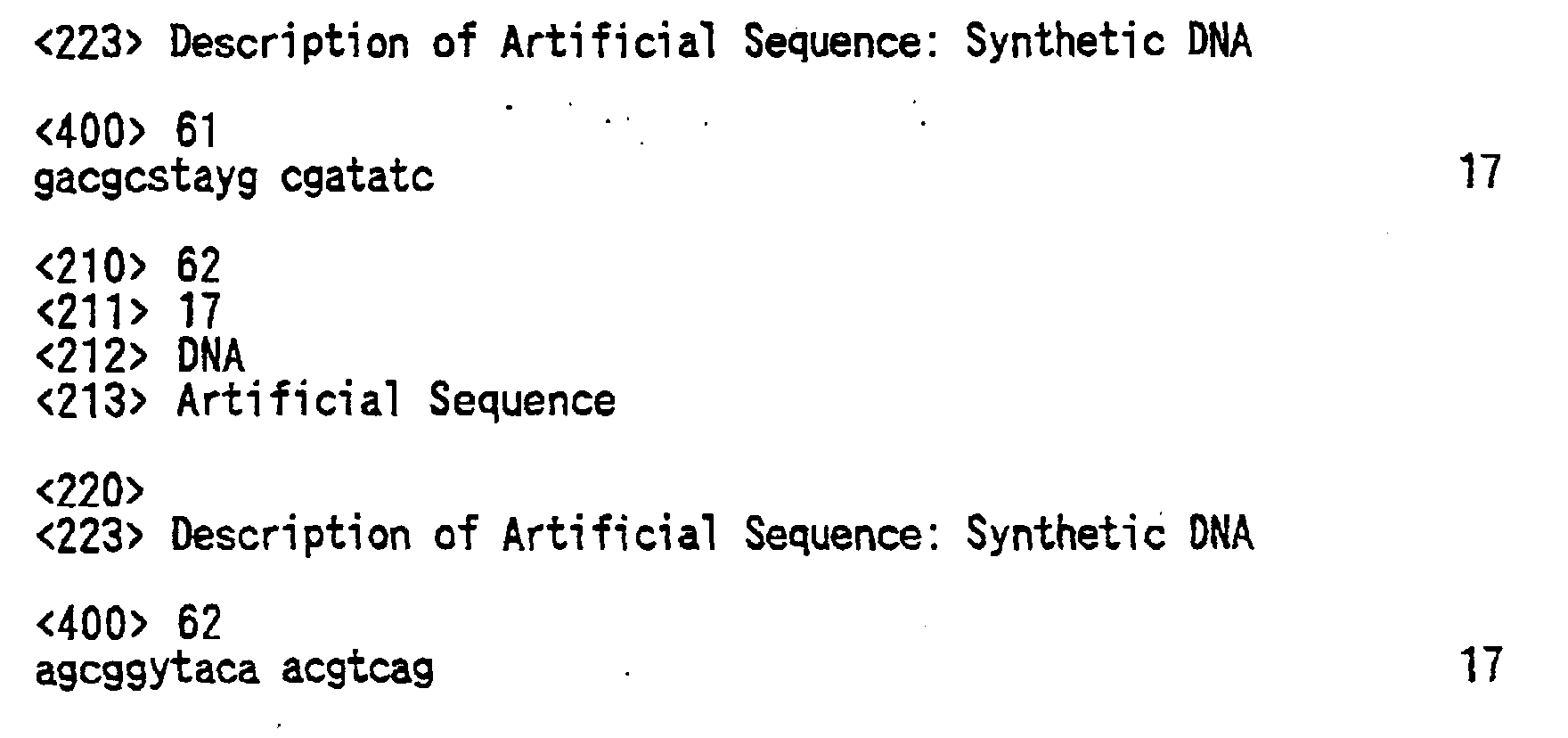
- the primers include the nucleotides represented by Sequence 61 (5'-gacgcstaygcgatatc-3') based on the M. tuberculosis complex and M. kansasii and Sequence 62 (5'-agcggytacaacgtcag) based on M. avium and M. intracellulare in Fig. 1.
- a signal of "T” is found in the case of M. tuberculosis complex, "G” for M. kansasii , and "C” for M. intracellulare .
- Detection of a plural number of signals at the position corresponding to the 18-base length means the multiple infection.
- approximate amount of existence of each species can be estimated from the signal intensity detected.
- the sequence that is unique to 4 species of the tubercle bacilli group bacteria and the sequence which can distinguish M. gastri (a species which is near to M. kansasii but has only a few number of clinical cases of human infection) have been explained in the above-described methods. By combining this method which uses gel electophoresis with the above-described methods, further detailed identification or detection is possible.
- the detection or identification of the slow growing mycobacteria is also possible by utilizing the DNA chip. Examples of the method which employs the DNA chip is described below.
- the region in the DNA gyrase ⁇ subunit in one or more standard strains of the slow growing mycobacteria is amplified, for example, by the PCR.
- the amplified product is labeled by Cy5 or the like, and the synthesized DNA oligo probe is fixed on a plate such as slide grass.
- a DNA in a sample is obtained and subjected to a hybridization reaction on the plate having a solid phrased probe, which is then subjected to washing and detection in the conventional way.
- the size of the region in the DNA gyrase ⁇ subunit is preferably 250 bp or less, more preferably 180 bp or less, and still more preferably 125 bp or less.
- the oligo probe size is preferably from 14 to 17 mer.
- PCR amplification product (125 bp) is obtained by 40-cycles treatment (each cycle: at 96°C for 1 minute, 55°C for 30 seconds, and 72°C, 2 minutes). The product is then subjected to the ethanol precipitation. Then, 10 ⁇ M Cy5-dCTP/100 ⁇ l is added instead of dCTP/100 ⁇ l and the 40-cycles treatment was carried out again (each cycle: at 96°C for 1 minute, 55°C for 30 seconds, and 72°C, 2 minutes). Then, the product is subjected to the ethanol precipitation.
- Hybridization is carried out using UniHybTM (ArrayltTM).
- the labeled product is dissolved in 4 ⁇ l of sterilized water and 16 ⁇ l of ⁇ 1.25 UniHybTM was added.
- Washing is carried out with 2 ⁇ SSC (+ 0.2% SDS) for 5 minutes at room temperature, with 0.1 ⁇ SSC (+ 0.2% SDS) for 5 minutes at room temperature, and then with 0.1 ⁇ SSC (+ 0.2% SDS) for 5 minutes at room temperature.
- the microarray is centrifuged and dried. At least 1 week storage at 4°C is possible.
- Scanning is carried out by using ScanArray 1000 (ScanArray Lite) manufactured by GSI LUMONICS.
- gyrB gene sequences of 8 acid-fast bacterial strains (KPM 2201T, KPM 2202, KPM 2203, KPM 2013, KPM 2014, KPM 1988-5, KPM 2209 and KPM 2212) isolated from clinical cases were determined.
- gyrB sequences and a gyrB sequence set (SEQUENCE NO. 7 to SEQUENCE NO. 40) for slow growing mycobacteria identification use, their phylogenic relationship was estimated by a molecular phylogenic analysis.
- the molecular phylogenic analysis was carried out in the following manner using general-purpose molecular phylogenic analysis programs Clustal W (Thompson, J.D., D.G. Higgins and T.J. Gibson, 1994, Clustal W: Improving the sensitivity of progressive multiple sequence alignment through sequence weighting, positions-specific gap penalties and weight matrix choice., Nucleic Acids Res ., 22 : 4673 - 4680) or Phylip (Felsenstein, J., 1993 PHYLIP (Phylogeny Inference Package) version 3.5c. Distributed by the author, Department of Genetics, University of Washington, Seattle, U.S.A.), in accordance with the instructions for use of both programs.
- Clustal W Thimpson, J.D., D.G. Higgins and T.J. Gibson, 1994, Clustal W: Improving the sensitivity of progressive multiple sequence alignment through sequence weighting, positions-specific gap penalties and weight matrix choice.
- a multiple alignment file is prepared by the Clustal W program from the gyrB gene sequences obtained using the oligonucleotides represented by the nucleotide sequences described in SEQUENCE NO. 59 and SEQUENCE NO. 60 and the slow growing mycobacteria identification gyrB sequence set of SEQUENCE NO. 7 to SEQUENCE NO. 40.
- An example of the parameters to be used in making the multiple alignment is "Gap Open Penalty: 15.00; Gap Extension Penalty: 6.66; DNA weight matrix: IUB; DNA transition weight: 0.5".
- the thus obtained multiple alignment is compared with a multiple alignment file obtained from amino acid sequences, and questionable points are corrected. Next, the genetic distance between respective sequences is calculated based on the multiple alignment file.
- the dnadist program of Phylip is used for the calculation.
- the calculation is carried out in accordance with the Kimura 2-parameter model.
- a phylogenetic tree is prepared from the thus obtained genetic distances by a neighboring sequences binding method. Correctness of the phylogenetic tree is checked by calculating the bootstrap probability.
- Nucleotide sequences of the gyrB gene of Mycobacterium kansasii and Mycobacterium gastri were compared to prepare a primer which specifically anneals to the gyrB gene of Mycobacterium kansasii (SEQUENCE NO. 3) and a primer which specifically anneals to that of Mycobacterium gastri (SEQUENCE NO. 5).
- a primer which anneals to the gyrB gene of both strains was also prepared.
- PCR was carried out on disrupted cell suspensions of strains KPM 1004, KPM 1007, KPM KY256, KPM KY761, KPM KY768, KPM 1998-1, KPM 3502 and KPM 3503 isolated from clinical cases.
- the PCR amplification conditions are as follows.
- amplified fragments were observed only by the combination of SEQUENCE NO. 1 and SEQUENCE NO. 3 in the case of KPM 1004, KPM 1007, KPM KY256, KPM KY761, KPM KY768 and KPM 1998-1 (Table 3), so that these strains were identified as Mycobacterium kansasii .
- KPM 3502 and KPM 3503 amplified fragments were observed only by the combination of SEQUENCE NO. 1 and SEQUENCE NO. 5 (Table 3), so that these strains were identified as Mycobacterium gastri .
- the electrophoresis patterns used in the judgment are as shown in Fig. 12.
- a 10 ng portion of purified DNA was prepared from each of 9 bacterial species including 4 tubercle bacilli group bacterial species and 5 other bacterial species belonging the genus Mycobacterium .
- PCR was carried out using these DNA samples as templates, and the oligonucleotides described in SEQUENCE NO. 41 and.SEQUENCE NO. 43 as primers.
- the PCR amplification conditions are as follows.
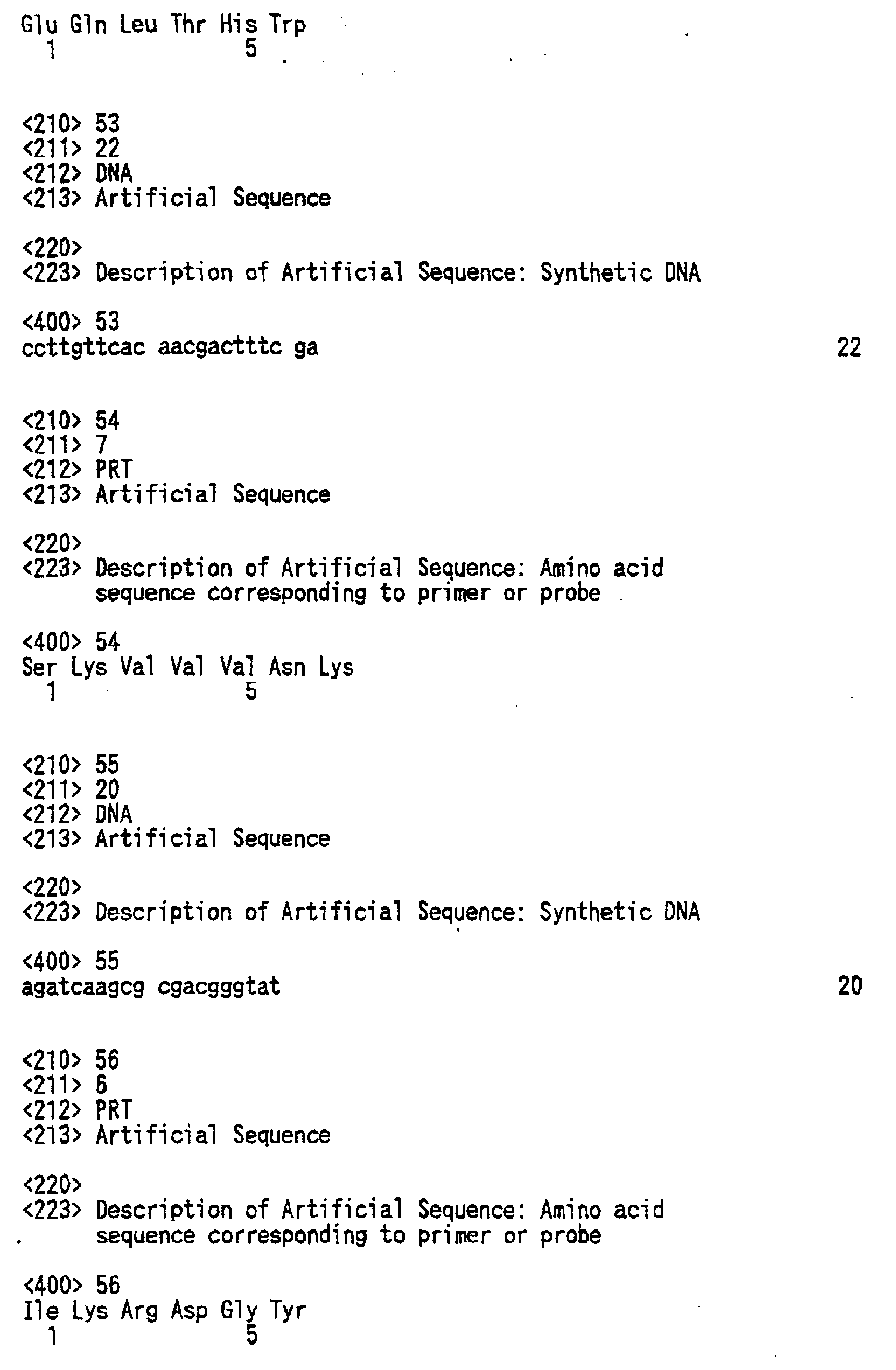
- a 10 ng portion of purified DNA was prepared from each of 4 tubercle bacilli group bacterial species. PCR was carried out using these DNA samples as templates, and the oligonucleotides represented by SEQUENCE NO. 45, SEQUENCE NO. 47, SEQUENCE NO. 49, SEQUENCE NO. 51, SEQUENCE NO. 53, SEQUENCE NO. 55 and SEQUENCE NO. 57 as primers.
- the PCR amplification conditions are as described in Example 3.
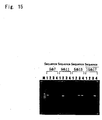
- the products amplified by PCR were analyzed by an agarose gel electrophoresis. The results are shown in Fig. 15. In this case, the relationship between lanes and bacterial species is as follows.
- the amplified product was observed only by Mycobacterium tuberculosis when the oligonucleotides represented by SEQUENCE NO. 45 and SEQUENCE NO. 47 were used as primers
- the amplified product was observed only by Mycobacterium bovis when the oligonucleotides represented by SEQUENCE NO. 49 and SEQUENCE NO. 51 were used as primers
- the amplified product was observed by Mycobacterium africanum and Mycobacterium microti when the oligonucleotides represented by SEQUENCE NO. 45 and SEQUENCE NO. 53 were used as primers and the amplified product was observed by only Mycobacterium microti when the oligonucleotides represented by SEQUENCE NO.
- a 10 ng portion of purified DNA was prepared from each of 4 tubercle bacilli group bacterial species. PCR was carried out using these DNA samples as templates, and the oligonucleotides represented by SEQUENCE NO. 41 and SEQUENCE NO. 43 as primers.
- the PCR amplification conditions are as described in Example 3.
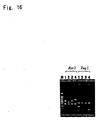
- the products amplified by PCR were digested with restriction enzymes Rsa I and Taq 1, and the thus formed DNA fragments were analyzed by an agarose gel electrophoresis. The results are shown in Fig. 16. In this connection, the relationship between lanes and bacterial species is as follows.
- PCR was carried out on a solution of disrupted cells of a strain KPM KY631 isolated from a clinical patient of tuberculosis.
- the product amplified by PCR was analyzed by an agarose gel electrophoresis, the amplified product was observed only by the combination of SEQUENCE NO. 1 and SEQUENCE NO. 43 and of SEQUENCE NO. 45 and SEQUENCE NO. 47, so that the strain KPM KY631 was identified as the tubercle Mycobacterium tuberculosis (Table 4 and Fig. 15).
- PCR was carried out on a solution of disrupted cells of a strain KPM KY590 isolated from a clinical patient of tuberculosis.
- nucleotide sequence of the thus amplified DNA fragment was determined, the thus obtained nucleotide sequence coincided with the nucleotide sequence of the tubercle Mycobacterium tuberculosis , so that the strain KPM KY590 was identified as the tubercle Mycobacterium tuberculosis (Figs. 1-11).
- PCR was carried out on a solution of disrupted cells of a strain isolated from a bovine patient of tuberculosis.
- the product amplified by PCR was digested with restriction enzymes Rsa I and Taq I and the thus formed DNA fragments were analyzed by an agarose gel electrophoresis, the result coincided with the pattern obtained from Mycobacterium bovis , so that this strain was identified as Mycobacterium bovis (Fig. 16).
- the present invention realizes accurate classification and identification of slow growing mycobacteria which are difficult to identify by conventional methods. It also renders possible quick identification of certain species of atypical mycobacteria, such as Mycobacterium kansasii and Mycobacterium gastri , which are difficult to distinguish by the identification method based on 16S rRNA gene sequence.
- the present invention is useful in the fields of medical science, immunology, veterinary science, etc.
Landscapes
- Chemical & Material Sciences (AREA)
- Life Sciences & Earth Sciences (AREA)
- Analytical Chemistry (AREA)
- Proteomics, Peptides & Aminoacids (AREA)
- Organic Chemistry (AREA)
- Zoology (AREA)
- Wood Science & Technology (AREA)
- Health & Medical Sciences (AREA)
- Engineering & Computer Science (AREA)
- Microbiology (AREA)
- Immunology (AREA)
- Molecular Biology (AREA)
- Biotechnology (AREA)
- Biophysics (AREA)
- Physics & Mathematics (AREA)
- Biochemistry (AREA)
- Bioinformatics & Cheminformatics (AREA)
- General Engineering & Computer Science (AREA)
- General Health & Medical Sciences (AREA)
- Genetics & Genomics (AREA)
- Measuring Or Testing Involving Enzymes Or Micro-Organisms (AREA)
Abstract
Description
- KPM1403
- Mycobacterium simiae
- KPM1201
- Mycobacterium marinum
- KPM2201
- Mycobacterium gordonae
- ATCC25274
- Mycobacterium asiaticum
- KPM2027
- Mycobacterium scrofulaceum
- KPM2403
- Mycobacterium szulgai
- KPM3012
- Mycobacterium avium
- Bovine10
- Mycobacterium paratuberculo
- KPM3101
- Mycobacterium intracellular
- KPM3401
- Mycobacterium malmoense
- ATCC51789
- Mycobacterium branderi
- T801
- Mycobacterium africanum
- T901
- Mycobacterium microti
- T704
- Mycobacterium bovis
- T021
- Mycobacterium tuberculosis
- KPM3504
- Mycobacterium gastri
- KPM1001
- Mycobacterium kansasii
| Nucleotide sequence | Amino acid sequence | Name of original microorganisms |
| SEQUENCE NO. 7 | SEQUENCE NO. 8 | Mycobacterium simiae |
| SEQUENCE NO. 9 | SEQUENCE NO. 10 | Mycobacterium bovis |
| SEQUENCE NO. 11 | SEQUENCE NO. 12 | Mycobacterium szulgai |
| SEQUENCE NO. 13 | SEQUENCE NO. 14 | Mycobacterium malmoense |
| SEQUENCE NO. 15 | SEQUENCE No. 16 | Mycobacterium intracellulare |
| SEQUENCE NO. 17 | SEQUENCE NO. 18 | Mycobacterium avium |
| SEQUENCE NO. 19 | SEQUENCE NO. 20 | Mycobacterium gordonae |
| SEQUENCE NO. 21 | SEQUENCE NO. 22 | Mycobacterium africanum |
| SEQUENCE NO. 23 | SEQUENCE NO. 24 | Mycobacterium tuberculosis |
| SEQUENCE NO. 25 | SEQUENCE NO. 26 | Mycobacterium gastri |
| SEQUENCE NO. 27 | SEQUENCE NO. 28 | Mycobacterium marinum |
| SEQUENCE NO. 29 | SEQUENCE NO. 30 | Mycobacterium microti |
| SEQUENCE NO. 31 | SEQUENCE NO. 32 | Mycobacterium asiaticum |
| SEQUENCE NO. 33 | SEQUENCE NO. 34 | Mycobacterium scrofulaceum |
| SEQUENCE NO. 35 | SEQUENCE NO. 36 | Mycobacterium branderi |
| SEQUENCE NO. 37 | SEQUENCE NO. 38 | Mycobacterium paratuberculosis |
| SEQUENCE NO. 39 | SEQUENCE NO. 40 | Mycobacterium kansasii |
| Strain name | Biological test | 16S rRNA gene | DNA homology test |
| KPM 2201T | M. gordonae | M. gordonae | M. gordonae |
| KPM 2202 | M. gastri | M. gordonae | M. gordonae |
| KPM 2203 | M. gastri | M. gordonae | M. gordonae |
| KPM 2013 | M. scrofulaceum | M. gordonae | new species |
| KPM 2014 | M. scrofulaceum | M. gordonae | new species |
| KPM 1988-5 | M. scrofulaceum | M. gordonae | new species |
| KPM 2209 | M. scrofulaceum | M. gordonae | new species |
| KPM 2212 | no data | M. gordonae | new species |
| M. kansasii | M. gastri | |
| SEQUENCE NO. 1 | amplification was possible | No amplification |
| SEQUENCE NO. 3 | ||
| SEQUENCE NO. 1 | No amplification | amplification was possible |
| SEQUENCE NO. 5 |
- Lane 1:
- Mycobacterium tuberculosis
- Lane 2:
- Mycobacterium bovis
- Lane 3:
- Mycobacterium africanum
- Lane 4:
- Mycobacterium microti
- Lane 5:
- Mycobacterium kansasii
- Lane 6:
- Mycobacterium gastri
- Lane 7:
- Mycobacterium abscessus
- Lane 8:
- Mycobacterium chelonae
- Lane 9:
- Mycobacterium trviale
- Lane 1:
- Mycobacterium tuberculosis
- Lane 2:
- Mycobacterium bovis
- Lane 3:
- Mycobacterium africanum
- Lane 4:
- Mycobacterium microti
| SEQUENCE No. | Mycobacterium tuberculosis | Mycobacterium bovis | Mycobacterium africanum | Mycobacterium microti |
| SEQ. NO. 41 | Amplification possible | Amplification possible | Amplification possible | Amplification possible |
| SEQ. NO. 43 | ||||
| SEQ. NO. 45 | Amplification possible | No amplification | No amplification | No amplification |
| SEQ. NO. 47 | ||||
| SEQ. NO. 49 | No amplification | Amplification possible | No amplification | No amplification |
| SEQ. NO. 51 | ||||
| SEQ. NO. 45 | No amplification | No amplification | Amplification possible | Amplification possible |
| SEQ. NO. 53 | ||||
| SEQ. NO. 55 | No amplification | no amplification | no amplification | Amplification possible |
| SEQ. NO. 57 |
- Lane 1:
- Mycobacterium tuberculosis
- Lane 2:
- Mycobacterium bovis
- Lane 3:
- Mycobacterium africanum
- Lane 4:
- Mycobacterium microti
























Claims (25)
- A method for identifying a slow growing mycobacteria species, which comprises amplifying the regions corresponding to SEQUENCE NO. 7, 9, 11, 13, 15, 17, 19, 21, 23, 25, 27, 29, 31, 33, 35, 37 and 39 in the DNA which encodes DNA gyrase β subunit of a slow growing mycobacteria in a sample, determining and comparing the nucleotide sequence of the amplified fragment with the nucleotide sequences described in SEQUENCE NO. 7, 9, 11, 13, 15, 17, 19, 21, 23, 25, 27, 29, 31, 33, 35, 37 and 39, thereby calculating a genetic distance of the sequence of the amplified fragment from each sequence, and identifying the species of the slow growing mycobacteria in a sample based on the genetic distance.
- A method for detecting Mycobacterium kansasii, which comprises detecting Mycobacterium kansasii using, as a primer or probe, an oligonucleotide which comprises a sequence coding for a part of or the entire portion of the amino acid sequence described in SEQUENCE NO. 4, or a complementary sequence thereof, and substantially functions as a primer or probe.
- A Mycobacterium kansasii detection kit which comprises an oligonucleotide which comprises a sequence coding for a part of or the entire portion of the amino acid sequence described in SEQUENCE NO. 4, or a complementary sequence thereof, and substantially functions as a primer or probe.
- A method for detecting Mycobacterium gastri, which comprises detecting Mycobacterium gastri using, as a primer or probe, an oligonucleotide which comprises a sequence coding for a part of or the entire portion of the amino acid sequence described in SEQUENCE NO. 6, or a complementary sequence thereof, and substantially functions as a primer or probe.
- A Mycobacterium gastri detection kit which comprises an oligonucleotide which comprises a sequence coding for a part of or the entire portion of the amino acid sequence described in SEQUENCE NO. 6, or its complementary sequence, and substantially functions as a primer or probe.
- A method for identifying a slow growing mycobacteria species, which compriseschecking, in DNA of a sample, the existence of a DNA comprising a unique region having a different nucleotide sequence in the DNA sequence coding for DNA gyrase β subunit among slow growing mycobacteria,identifying a bacterium in a sample based on the existence of said DNA as a marker.
- The method for identifying a slow growing mycobacteria species according to claim 6, wherein the slow growing mycobacteria are Mycobacterium simiae, Mycobacterium bovis, Mycobacterium szulgai, Mycobacterium malmoense, Mycobacterium intracellulare, Mycobacterium avium, Mycobacterium gordonae, Mycobacterium africanum, Mycobacterium tuberculosis, Mycobacterium gastri, Mycobacterium marinum, Mycobacterium microti, Mycobacterium asiaticum, Mycobacterium scrofulaceum, Mycobacterium branderi, Mycobacterium paratuberculosis, and Mycobacterium kansasii.
- The method for identifying a slow growing mycobacteria species according to claim 6, which comprises the following steps (1) to (4):(1) synthesizing an oligonucleotide which comprises a unique region having a different nucleotide sequence in the DNA sequence coding for DNA gyrase β subunit among slow growing mycobacteria,(2) preparing a solution which comprises the oligonucleotide synthesized in the step (1), dNTP, DNA polymerase and a bacterial DNA in a sample,(3) heating the solution prepared in the step (2) repeatedly under such conditions that polymerase chain reaction can occur, and(4) subjecting the solution obtained in the step (3) to electrophoresis to identify the species of the bacterium in a sample based on the electrophoresis pattern.
- The method for identifying a slow growing mycobacteria species according to claim 8, wherein the oligonucleotide is an oligonucleotide which encodes the amino acid sequence described in SEQUENCE NO. 46, SEQUENCE NO. 48, SEQUENCE NO. 50, SEQUENCE NO. 52, SEQUENCE NO. 54, SEQUENCE NO. 56 or SEQUENCE NO. 58.
- The method for identifying a slow growing mycobacteria species according to claim 8, wherein the oligonucleotide is an oligonucleotide represented by SEQUENCE NO. 45, SEQUENCE NO. 47, SEQUENCE NO. 49, SEQUENCE NO. 51, SEQUENCE NO. 53, SEQUENCE NO. 55 or SEQUENCE NO. 57.
- The method for identifying a slow growing mycobacteria species according to claim 6, which comprises the following steps (1) to (4):(1) synthesizing a first oligonucleotide which is identical to a first partial sequence in the DNA sequence coding for the DNA gyrase β subunit of slow growing mycobacteria and a second oligonucleotide which is complementary to a second partial sequence in the DNA sequence coding for the DNA gyrase β subunit of slow growing mycobacteria, said first partial sequence and said second partial sequence being respectively conserved among slow growing mycobacteria,(2) subjecting the two oligonucleotides synthesized in the step (1) as primers and a bacterial DNA sample as a template to the polymerase chain reaction,(3) mixing the DNA fragment amplified in the step (2) with a restriction enzyme under the conditions at which the restriction enzyme is active, said restriction enzyme recognizing the sequence unique to one or more slow growing mycobacteria, and(4) subjecting the mixture obtained in the step (3) to electrophoresis to identify the species of the bacterium in a sample based on the electrophoresis pattern.
- The method for identifying a slow growing mycobacteria species according to claim 11, wherein the two oligonucleotides to be used as primers are oligonucleotides represented by SEQUENCE NO. 1 and SEQUENCE NO. 3, and the restriction enzymes to be used are Rsa I and Taq I.
- An identification kit for a slow growing mycobacteria species, which comprises an oligonucleotide containing a region of DNA coding for DNA gyrase β subunit, a region having different nucleotide sequence among slow growing mycobacteria.
- An identification kit for a slow growing mycobacteria species, which comprisesa first oligonucleotide which is identical to a first partial sequence in the DNA sequence coding for the DNA gyrase β subunit of slow growing mycobacteria,a second oligonucleotide which is complementary to a second partial sequence in the DNA sequence coding for the DNA gyrase β subunit of slow growing mycobacteria, said first partial sequence and said second partial sequence being respectively conserved among slow growing mycobacteria, andone or more restriction enzyme recognizing the sequence unique to one or more slow growing mycobacteria.
- A method for detecting a slow growing mycobacteria species, which compriseschecking, in DNA of a sample, the existence of a DNA comprising a unique region having a different nucleotide sequence in the DNA sequence coding for DNA gyrase β subunit among slow growing mycobacteria,detecting a bacterium in a sample based on the existence of said DNA as a marker.
- The method for detecting a slow growing mycobacteria species according to claim 15, wherein the slow growing mycobacteria are Mycobacterium simiae, Mycobacterium bovis, Mycobacterium szulgai, Mycobacterium malmoense, Mycobacterium intracellulare, Mycobacterium avium, Mycobacterium gordonae, Mycobacterium africanum, Mycobacterium tuberculosis, Mycobacterium gastri, Mycobacterium marinum, Mycobacterium microti, Mycobacterium asiaticum, Mycobacterium scrofulaceum, Mycobacterium branderi, Mycobacterium paratuberculosis, and Mycobacterium kansasii.
- The method for detecting a slow growing mycobacteria species according to claim 15, which comprises the following steps (1) to (4):(1) synthesizing an oligonucleotide which comprises a unique region having a different nucleotide sequence in the DNA sequence coding for DNA gyrase β subunit among slow growing mycobacteria,(2) preparing a solution which comprises the oligonucleotide synthesized in the step (1), dNTP, DNA polymerase and a bacterial DNA in a sample,(3) heating the solution prepared in the step (2) repeatedly under such conditions that polymerase chain reaction can occur, and(4) subjecting the solution obtained in the step (3) to electrophoresis to detecting the bacterium in a sample based on the electrophoresis pattern.
- The method for detecting a slow growing mycobacteria species according to claim 17, wherein the oligonucleotide is an oligonucleotide which encodes the amino acid sequence described in SEQUENCE NO. 46, SEQUENCE NO. 48, SEQUENCE NO. 50, SEQUENCE NO. 52, SEQUENCE NO. 54, SEQUENCE NO. 56 or SEQUENCE NO. 58.
- The method for detecting a slow growing mycobacteria species according to claim 17, wherein the oligonucleotide is an oligonucleotide represented by SEQUENCE NO. 45, SEQUENCE NO. 47, SEQUENCE NO. 49, SEQUENCE NO. 51, SEQUENCE NO. 53, SEQUENCE NO. 55 or SEQUENCE NO. 57.
- The method for detecting a slow growing mycobacteria species according to claim 15, which comprises the following steps (1) to (4):(1) synthesizing a first oligonucleotide which is identical to a first partial sequence in the DNA sequence coding for the DNA gyrase β subunit of slow growing mycobacteria and a second oligonucleotide which is complementary to a second partial sequence in the DNA sequence coding for the DNA gyrase β subunit of slow growing mycobacteria, said first partial sequence and said second partial sequence being respectively conserved among slow growing mycobacteria,(2) subjecting the two oligonucleotides synthesized in the step (1) as primers and a bacterial DNA sample as a template to the polymerase chain reaction,(3) mixing the DNA fragment amplified in the step (2) with a restriction enzyme under the conditions at which the restriction enzyme is active, said restriction enzyme recognizing the sequence unique to one or more slow growing mycobacteria, and(4) subjecting the mixture obtained in the step (3) to electrophoresis to detect the bacterium in a sample based on the electrophoresis pattern.
- The method for detecting a slow growing mycobacteria species according to claim 20, wherein the two oligonucleotides to be used as primers are oligonucleotides represented by SEQUENCE NO. 1 and SEQUENCE NO. 3, and the restriction enzymes to be used are Rsa I and Taq I.
- A detection kit for a slow growing mycobacteria species, which comprises an oligonucleotide containing a region of DNA coding for DNA gyrase β subunit, a region having different nucleotide sequence among slow growing mycobacteria.
- A detection kit for a slow growing mycobacteria species, which comprisesa first oligonucleotide which is identical to a first partial sequence in the DNA sequence coding for the DNA gyrase β subunit of slow growing mycobacteria,a second oligonucleotide which is complementary to a second partial sequence in the DNA sequence coding for the DNA gyrase β subunit of slow growing mycobacteria, said first partial sequence and said second partial sequence being respectively conserved among slow growing mycobacteria, andone or more restriction enzyme recognizing the sequence unique to one or more slow growing mycobacteria.
- A method for identifying a slow growing mycobacteria species, which comprises the following steps (1) to (4):(1) synthesizing an oligonucleotide which comprises a sequence corresponding to a region in the DNA gyrase β subunit wherein the 3'-side nearest neighbor base to said region in the DNA gyrase β subunit is a unique base among the slow glowing mycobacteria,(2) preparing a solution which comprises the oligonucleotide synthesized in the step (1), a labeled ddNTP, DNA polymerase, and a bacterial DNA in a sample,(3) heating the solution prepared in the step (2) under such conditions that reaction between the labeled ddNTP and the oligonucleotide occurs,(4) checking the existence of the labeled oligonucleotide, and(5) identifying a bacterium in a sample based on the existence of the labeled oligonucleotide.
- A method for detecting a slow growing mycobacteria species, which comprises the following steps (1) to (4):(1) synthesizing an oligonucleotide which comprises a sequence corresponding to a region in the DNA gyrase β subunit wherein the 3'-side nearest neighbor base to said region in the DNA gyrase β subunit is a unique base among the slow glowing mycobacteria,(2) preparing a solution which comprises the oligonucleotide synthesized in the step (1), a labeled ddNTP, DNA polymerase, and a bacterial DNA in a sample,(3) heating the solution prepared in the step (2) under such conditions that reaction between the labeled ddNTP and the oligonucleotide occurs,(4) checking the existence of the labeled oligonucleotide, and(5) detecting a bacterium in a sample based on the existence of the labeled oligonucleotide.
Applications Claiming Priority (2)
| Application Number | Priority Date | Filing Date | Title |
|---|---|---|---|
| JP31252599 | 1999-11-02 | ||
| JP31252599A JP3565752B2 (en) | 1999-11-02 | 1999-11-02 | Identification and specific detection of slow-growing mycobacteria using characteristic nucleotide sequences present in DNA gyrase gene |
Publications (2)
| Publication Number | Publication Date |
|---|---|
| EP1098003A2 true EP1098003A2 (en) | 2001-05-09 |
| EP1098003A3 EP1098003A3 (en) | 2004-05-26 |
Family
ID=18030284
Family Applications (1)
| Application Number | Title | Priority Date | Filing Date |
|---|---|---|---|
| EP00106325A Withdrawn EP1098003A3 (en) | 1999-11-02 | 2000-03-23 | Identification method and specific detection method of slow growing mycobacteria utilizing DNA gyrase gene |
Country Status (2)
| Country | Link |
|---|---|
| EP (1) | EP1098003A3 (en) |
| JP (1) | JP3565752B2 (en) |
Cited By (9)
| Publication number | Priority date | Publication date | Assignee | Title |
|---|---|---|---|---|
| WO2003080871A2 (en) | 2002-03-26 | 2003-10-02 | Hain Lifescience Gmbh | Method for detection and differentiation of mycobacterium tuberculosis complex |
| WO2004046379A1 (en) * | 2002-11-19 | 2004-06-03 | Mobidiag Oy | Nucleic acid probes and broad-range primers from regions in topoisomerase genes, and methods in which they are used |
| WO2009017902A3 (en) * | 2007-06-22 | 2009-10-15 | Ibis Biosciences, Inc. | Compositions and methods for identification of subspecies characteristics of mycobacterium tuberculosis |
| US7956175B2 (en) | 2003-09-11 | 2011-06-07 | Ibis Biosciences, Inc. | Compositions for use in identification of bacteria |
| US8097416B2 (en) * | 2003-09-11 | 2012-01-17 | Ibis Biosciences, Inc. | Methods for identification of sepsis-causing bacteria |
| EP2339023A3 (en) * | 2009-11-13 | 2012-03-21 | Schöllhorn, Volkmar, Dr. | Detection of mycobacteria and their resistant genes |
| US8546082B2 (en) | 2003-09-11 | 2013-10-01 | Ibis Biosciences, Inc. | Methods for identification of sepsis-causing bacteria |
| WO2013170054A2 (en) | 2012-05-09 | 2013-11-14 | Advanced Animal Diagnostics, Inc. | Autofocus method for imaging a biological sample and cartridge for use therein |
| CN110475863A (en) * | 2017-01-19 | 2019-11-19 | 株式会社钟化 | Primer sets, probes, kits and methods for the detection of Mycobacterium kansasii |
Family Cites Families (3)
| Publication number | Priority date | Publication date | Assignee | Title |
|---|---|---|---|---|
| EP0648222B1 (en) * | 1992-07-02 | 2003-01-29 | Savyon Diagnostics Ltd. | Methods of single nucleotide primer extension to detect specific alleles and kits therefor |
| JP3529255B2 (en) * | 1997-12-12 | 2004-05-24 | 株式会社海洋バイオテクノロジー研究所 | Microbial identification and detection using gyrase gene as an indicator |
| JP3634960B2 (en) * | 1998-04-10 | 2005-03-30 | 株式会社海洋バイオテクノロジー研究所 | Identification and detection of Mycobacterium tuberculosis bacteria using gyrase gene |
-
1999
- 1999-11-02 JP JP31252599A patent/JP3565752B2/en not_active Expired - Fee Related
-
2000
- 2000-03-23 EP EP00106325A patent/EP1098003A3/en not_active Withdrawn
Cited By (14)
| Publication number | Priority date | Publication date | Assignee | Title |
|---|---|---|---|---|
| WO2003080871A3 (en) * | 2002-03-26 | 2004-02-05 | Hain Lifescience Gmbh | Method for detection and differentiation of mycobacterium tuberculosis complex |
| WO2003080871A2 (en) | 2002-03-26 | 2003-10-02 | Hain Lifescience Gmbh | Method for detection and differentiation of mycobacterium tuberculosis complex |
| WO2004046379A1 (en) * | 2002-11-19 | 2004-06-03 | Mobidiag Oy | Nucleic acid probes and broad-range primers from regions in topoisomerase genes, and methods in which they are used |
| US8546082B2 (en) | 2003-09-11 | 2013-10-01 | Ibis Biosciences, Inc. | Methods for identification of sepsis-causing bacteria |
| US7956175B2 (en) | 2003-09-11 | 2011-06-07 | Ibis Biosciences, Inc. | Compositions for use in identification of bacteria |
| US8013142B2 (en) | 2003-09-11 | 2011-09-06 | Ibis Biosciences, Inc. | Compositions for use in identification of bacteria |
| US8097416B2 (en) * | 2003-09-11 | 2012-01-17 | Ibis Biosciences, Inc. | Methods for identification of sepsis-causing bacteria |
| WO2009017902A3 (en) * | 2007-06-22 | 2009-10-15 | Ibis Biosciences, Inc. | Compositions and methods for identification of subspecies characteristics of mycobacterium tuberculosis |
| EP2339023A3 (en) * | 2009-11-13 | 2012-03-21 | Schöllhorn, Volkmar, Dr. | Detection of mycobacteria and their resistant genes |
| WO2013170054A2 (en) | 2012-05-09 | 2013-11-14 | Advanced Animal Diagnostics, Inc. | Autofocus method for imaging a biological sample and cartridge for use therein |
| WO2013170051A1 (en) | 2012-05-09 | 2013-11-14 | Advanced Animal Diagnostics, Inc. | Sample cartridge and sample stage |
| WO2013170048A1 (en) | 2012-05-09 | 2013-11-14 | Advanced Animal Diagnostics, Inc. | Rapid detection of analytes in liquid samples |
| CN110475863A (en) * | 2017-01-19 | 2019-11-19 | 株式会社钟化 | Primer sets, probes, kits and methods for the detection of Mycobacterium kansasii |
| CN110475863B (en) * | 2017-01-19 | 2023-10-13 | 株式会社钟化 | Primer sets, probes, kits and methods for detecting Mycobacterium kansasii |
Also Published As
| Publication number | Publication date |
|---|---|
| EP1098003A3 (en) | 2004-05-26 |
| JP3565752B2 (en) | 2004-09-15 |
| JP2001128679A (en) | 2001-05-15 |
Similar Documents
| Publication | Publication Date | Title |
|---|---|---|
| Springer et al. | Two-laboratory collaborative study on identification of mycobacteria: molecular versus phenotypic methods | |
| US8628926B2 (en) | Probe and primer for tubercle bacillus detection, and method of detecting human tubercle bacillus therewith | |
| JP3097059B2 (en) | Generation of specific probes for target nucleotide sequences | |
| WO1993004201A1 (en) | Oligonucleotides complementary to mycobacterial nucleic acids | |
| EP0581171A1 (en) | Species-specific oligonucleotides for bifidobacteria and a method of detection using the same | |
| KR100434244B1 (en) | Amplification and detection method of mycobacterium avium complex species | |
| JP2001103981A (en) | Mycobacterium tuberculosis diagnostic kit | |
| EP4130272A1 (en) | Primer set and probe for detecting klebsiella bacteria | |
| KR20230057778A (en) | Method and Kit for Diagnosing Bovine tuberculosis using PNA | |
| Dhalluin et al. | Genotypic differentiation of twelve Clostridium species by polymorphism analysis of the triosephosphate isomerase (tpi) gene | |
| US20040110129A1 (en) | Multiplex hybridization system for identification of pathogenic mycobacterium and method of use | |
| JP3565752B2 (en) | Identification and specific detection of slow-growing mycobacteria using characteristic nucleotide sequences present in DNA gyrase gene | |
| TWI392740B (en) | Method for identifying mycobacterium | |
| KR20020089391A (en) | Nucleic acid primers of acid-fast bacterium and method of identifying acid-fast bacterium | |
| Katoch et al. | Rapid identification of mycobacteria by gene amplification restriction analysis technique targeting 16S-23S ribosomal RNA internal transcribed spacer & flanking region | |
| JP4441259B2 (en) | Method for detecting Gram-positive bacteria | |
| JP2001299354A (en) | Mycobacterium spp. | |
| JP3634960B2 (en) | Identification and detection of Mycobacterium tuberculosis bacteria using gyrase gene | |
| KR101518561B1 (en) | Development of species-specific PCR method for detection of Acinetobacter species | |
| JP3871834B2 (en) | Method for detecting and identifying Legionella using nucleic acid fragments | |
| KR102784014B1 (en) | Composition for discriminating Cirsium arvense, and use thereof | |
| JP2654890B2 (en) | Simple identification method of lactic acid bacteria and identification kit used for this identification method | |
| AU2003264590B2 (en) | Determining virulence of bacteria | |
| US20100021897A1 (en) | Mycobacterium Avium Subspecies Paratuberculosis (Map) Diagnostic Test | |
| JP2003135099A (en) | Identification method of mycobacteria by phylogenetic analysis |
Legal Events
| Date | Code | Title | Description |
|---|---|---|---|
| PUAI | Public reference made under article 153(3) epc to a published international application that has entered the european phase |
Free format text: ORIGINAL CODE: 0009012 |
|
| AK | Designated contracting states |
Kind code of ref document: A2 Designated state(s): AT BE CH CY DE DK ES FI FR GB GR IE IT LI LU MC NL PT SE |
|
| AX | Request for extension of the european patent |
Free format text: AL;LT;LV;MK;RO;SI |
|
| PUAL | Search report despatched |
Free format text: ORIGINAL CODE: 0009013 |
|
| AK | Designated contracting states |
Kind code of ref document: A3 Designated state(s): AT BE CH CY DE DK ES FI FR GB GR IE IT LI LU MC NL PT SE |
|
| AX | Request for extension of the european patent |
Extension state: AL LT LV MK RO SI |
|
| AKX | Designation fees paid | ||
| REG | Reference to a national code |
Ref country code: DE Ref legal event code: 8566 |
|
| STAA | Information on the status of an ep patent application or granted ep patent |
Free format text: STATUS: THE APPLICATION IS DEEMED TO BE WITHDRAWN |
|
| 18D | Application deemed to be withdrawn |
Effective date: 20041127 |
|
| RIC1 | Information provided on ipc code assigned before grant |
Ipc: C12Q 1/68 20060101AFI20121112BHEP |
|
| RIC1 | Information provided on ipc code assigned before grant |
Ipc: C12Q 1/68 20060101AFI20130521BHEP |