EP1079887B1 - Cannula for pressure mediated selective delivery of therapeutic substances - Google Patents
Cannula for pressure mediated selective delivery of therapeutic substances Download PDFInfo
- Publication number
- EP1079887B1 EP1079887B1 EP99924424A EP99924424A EP1079887B1 EP 1079887 B1 EP1079887 B1 EP 1079887B1 EP 99924424 A EP99924424 A EP 99924424A EP 99924424 A EP99924424 A EP 99924424A EP 1079887 B1 EP1079887 B1 EP 1079887B1
- Authority
- EP
- European Patent Office
- Prior art keywords
- pressure
- infusion
- delivery
- catheter
- cannula
- Prior art date
- Legal status (The legal status is an assumption and is not a legal conclusion. Google has not performed a legal analysis and makes no representation as to the accuracy of the status listed.)
- Expired - Lifetime
Links
- 238000012384 transportation and delivery Methods 0.000 title claims abstract description 192
- 239000000126 substance Substances 0.000 title claims abstract description 34
- 230000001225 therapeutic effect Effects 0.000 title claims abstract description 27
- 230000001404 mediated effect Effects 0.000 title description 8
- 210000000232 gallbladder Anatomy 0.000 claims abstract description 90
- 210000000056 organ Anatomy 0.000 claims abstract description 59
- 238000000034 method Methods 0.000 claims abstract description 56
- 239000003814 drug Substances 0.000 claims abstract description 53
- 229940124597 therapeutic agent Drugs 0.000 claims abstract description 30
- 238000007789 sealing Methods 0.000 claims abstract description 6
- 210000001578 tight junction Anatomy 0.000 claims description 57
- 239000003795 chemical substances by application Substances 0.000 claims description 42
- 210000004185 liver Anatomy 0.000 claims description 40
- 210000002919 epithelial cell Anatomy 0.000 claims description 38
- 230000002792 vascular Effects 0.000 claims description 28
- 230000002440 hepatic effect Effects 0.000 claims description 26
- 230000000144 pharmacologic effect Effects 0.000 claims description 8
- 210000003459 common hepatic duct Anatomy 0.000 claims description 6
- 239000000032 diagnostic agent Substances 0.000 claims description 4
- 229940039227 diagnostic agent Drugs 0.000 claims description 4
- 230000002496 gastric effect Effects 0.000 claims description 2
- 238000003780 insertion Methods 0.000 claims 4
- 230000037431 insertion Effects 0.000 claims 4
- 239000011796 hollow space material Substances 0.000 claims 2
- 239000000560 biocompatible material Substances 0.000 claims 1
- 230000003692 lymphatic flow Effects 0.000 claims 1
- 230000000149 penetrating effect Effects 0.000 claims 1
- 230000002093 peripheral effect Effects 0.000 claims 1
- 210000001519 tissue Anatomy 0.000 abstract description 37
- 239000013598 vector Substances 0.000 abstract description 26
- 230000001926 lymphatic effect Effects 0.000 abstract description 10
- 238000007910 systemic administration Methods 0.000 abstract description 7
- 230000001413 cellular effect Effects 0.000 abstract description 5
- 230000014509 gene expression Effects 0.000 abstract description 5
- 230000002068 genetic effect Effects 0.000 abstract description 3
- 230000002962 histologic effect Effects 0.000 abstract description 3
- 231100000057 systemic toxicity Toxicity 0.000 abstract description 3
- 210000005081 epithelial layer Anatomy 0.000 abstract 1
- 238000001802 infusion Methods 0.000 description 341
- 210000003932 urinary bladder Anatomy 0.000 description 71
- 241001465754 Metazoa Species 0.000 description 47
- 210000004027 cell Anatomy 0.000 description 46
- 108090000623 proteins and genes Proteins 0.000 description 43
- 238000012546 transfer Methods 0.000 description 36
- 239000012530 fluid Substances 0.000 description 31
- 238000009826 distribution Methods 0.000 description 24
- 210000003494 hepatocyte Anatomy 0.000 description 23
- 229940079593 drug Drugs 0.000 description 22
- 241000283973 Oryctolagus cuniculus Species 0.000 description 21
- 210000004400 mucous membrane Anatomy 0.000 description 21
- 241000701161 unidentified adenovirus Species 0.000 description 21
- 230000001587 cholestatic effect Effects 0.000 description 20
- 210000001953 common bile duct Anatomy 0.000 description 19
- 239000000975 dye Substances 0.000 description 19
- 230000009885 systemic effect Effects 0.000 description 18
- 241000699670 Mus sp. Species 0.000 description 17
- 102000000591 Tight Junction Proteins Human genes 0.000 description 17
- 108010002321 Tight Junction Proteins Proteins 0.000 description 17
- FAPWRFPIFSIZLT-UHFFFAOYSA-M Sodium chloride Chemical compound [Na+].[Cl-] FAPWRFPIFSIZLT-UHFFFAOYSA-M 0.000 description 16
- 210000000013 bile duct Anatomy 0.000 description 16
- 239000010410 layer Substances 0.000 description 16
- 210000001096 cystic duct Anatomy 0.000 description 15
- 201000010099 disease Diseases 0.000 description 15
- 208000037265 diseases, disorders, signs and symptoms Diseases 0.000 description 15
- 108010005774 beta-Galactosidase Proteins 0.000 description 14
- 210000000941 bile Anatomy 0.000 description 14
- CZMRCDWAGMRECN-UHFFFAOYSA-N Rohrzucker Natural products OCC1OC(CO)(OC2OC(CO)C(O)C(O)C2O)C(O)C1O CZMRCDWAGMRECN-UHFFFAOYSA-N 0.000 description 13
- 239000007788 liquid Substances 0.000 description 13
- 239000004005 microsphere Substances 0.000 description 13
- CZMRCDWAGMRECN-UGDNZRGBSA-N Sucrose Chemical compound O[C@H]1[C@H](O)[C@@H](CO)O[C@@]1(CO)O[C@@H]1[C@H](O)[C@@H](O)[C@H](O)[C@@H](CO)O1 CZMRCDWAGMRECN-UGDNZRGBSA-N 0.000 description 12
- 229930006000 Sucrose Natural products 0.000 description 12
- 230000000694 effects Effects 0.000 description 12
- 210000002889 endothelial cell Anatomy 0.000 description 12
- 239000005720 sucrose Substances 0.000 description 12
- 230000007423 decrease Effects 0.000 description 11
- 238000011156 evaluation Methods 0.000 description 11
- 230000006870 function Effects 0.000 description 11
- 230000008859 change Effects 0.000 description 10
- 230000001419 dependent effect Effects 0.000 description 10
- 238000011282 treatment Methods 0.000 description 10
- 206010008635 Cholestasis Diseases 0.000 description 9
- 210000003445 biliary tract Anatomy 0.000 description 9
- 239000008280 blood Substances 0.000 description 9
- 210000004369 blood Anatomy 0.000 description 9
- 238000002474 experimental method Methods 0.000 description 9
- 239000003978 infusion fluid Substances 0.000 description 9
- 239000004816 latex Substances 0.000 description 9
- 229920000126 latex Polymers 0.000 description 9
- 230000037361 pathway Effects 0.000 description 9
- 230000002459 sustained effect Effects 0.000 description 9
- 210000001631 vena cava inferior Anatomy 0.000 description 9
- WQZGKKKJIJFFOK-FPRJBGLDSA-N beta-D-galactose Chemical compound OC[C@H]1O[C@@H](O)[C@H](O)[C@@H](O)[C@H]1O WQZGKKKJIJFFOK-FPRJBGLDSA-N 0.000 description 8
- 231100000359 cholestasis Toxicity 0.000 description 8
- 230000007870 cholestasis Effects 0.000 description 8
- 230000001684 chronic effect Effects 0.000 description 8
- 239000000463 material Substances 0.000 description 8
- 230000001839 systemic circulation Effects 0.000 description 8
- 238000012385 systemic delivery Methods 0.000 description 8
- ICAKDTKJOYSXGC-UHFFFAOYSA-K lanthanum(iii) chloride Chemical compound Cl[La](Cl)Cl ICAKDTKJOYSXGC-UHFFFAOYSA-K 0.000 description 7
- 238000005259 measurement Methods 0.000 description 7
- 239000000700 radioactive tracer Substances 0.000 description 7
- 238000012360 testing method Methods 0.000 description 7
- 210000004204 blood vessel Anatomy 0.000 description 6
- 210000002808 connective tissue Anatomy 0.000 description 6
- 230000003247 decreasing effect Effects 0.000 description 6
- 238000012377 drug delivery Methods 0.000 description 6
- 208000009866 extrahepatic cholestasis Diseases 0.000 description 6
- 238000001415 gene therapy Methods 0.000 description 6
- 210000005161 hepatic lobe Anatomy 0.000 description 6
- 238000003364 immunohistochemistry Methods 0.000 description 6
- 238000001990 intravenous administration Methods 0.000 description 6
- 239000002245 particle Substances 0.000 description 6
- 230000010412 perfusion Effects 0.000 description 6
- 241000700605 Viruses Species 0.000 description 5
- 230000004888 barrier function Effects 0.000 description 5
- 239000002502 liposome Substances 0.000 description 5
- 210000003205 muscle Anatomy 0.000 description 5
- 210000000277 pancreatic duct Anatomy 0.000 description 5
- 239000011780 sodium chloride Substances 0.000 description 5
- 230000031998 transcytosis Effects 0.000 description 5
- 238000002604 ultrasonography Methods 0.000 description 5
- 239000003981 vehicle Substances 0.000 description 5
- 208000037260 Atherosclerotic Plaque Diseases 0.000 description 4
- 241000702421 Dependoparvovirus Species 0.000 description 4
- 206010019668 Hepatic fibrosis Diseases 0.000 description 4
- 102000004890 Interleukin-8 Human genes 0.000 description 4
- 108090001007 Interleukin-8 Proteins 0.000 description 4
- 230000001154 acute effect Effects 0.000 description 4
- 239000002246 antineoplastic agent Substances 0.000 description 4
- 238000013459 approach Methods 0.000 description 4
- 102000005936 beta-Galactosidase Human genes 0.000 description 4
- 238000010586 diagram Methods 0.000 description 4
- 238000000635 electron micrograph Methods 0.000 description 4
- 210000000981 epithelium Anatomy 0.000 description 4
- XKTZWUACRZHVAN-VADRZIEHSA-N interleukin-8 Chemical compound C([C@H](NC(=O)[C@H](CC(O)=O)NC(=O)[C@H](CC=1C2=CC=CC=C2NC=1)NC(=O)[C@@H](NC(C)=O)CCSC)C(=O)N[C@@H](CC(O)=O)C(=O)N[C@@H](CC(O)=O)C(=O)N[C@@H](CC(C)C)C(=O)N[C@@H](CC(N)=O)C(=O)N[C@@H](CC=1C=CC=CC=1)C(=O)N[C@@H]([C@@H](C)O)C(=O)NCC(=O)N[C@@H](CCSC)C(=O)N1[C@H](CCC1)C(=O)N1[C@H](CCC1)C(=O)N[C@@H](C)C(=O)N[C@H](CC(O)=O)C(=O)N[C@H](CCC(O)=O)C(=O)N[C@H](CC(O)=O)C(=O)N[C@H](CC=1C=CC(O)=CC=1)C(=O)N[C@H](CO)C(=O)N1[C@H](CCC1)C(N)=O)C1=CC=CC=C1 XKTZWUACRZHVAN-VADRZIEHSA-N 0.000 description 4
- 229940096397 interleukin-8 Drugs 0.000 description 4
- 210000000936 intestine Anatomy 0.000 description 4
- 239000003446 ligand Substances 0.000 description 4
- 210000001365 lymphatic vessel Anatomy 0.000 description 4
- 230000004048 modification Effects 0.000 description 4
- 238000012986 modification Methods 0.000 description 4
- 230000035699 permeability Effects 0.000 description 4
- 230000008569 process Effects 0.000 description 4
- 230000002829 reductive effect Effects 0.000 description 4
- 239000000243 solution Substances 0.000 description 4
- 210000003462 vein Anatomy 0.000 description 4
- 230000003612 virological effect Effects 0.000 description 4
- 208000008439 Biliary Liver Cirrhosis Diseases 0.000 description 3
- 108091006146 Channels Proteins 0.000 description 3
- 201000003883 Cystic fibrosis Diseases 0.000 description 3
- 229920001202 Inulin Polymers 0.000 description 3
- 241001529936 Murinae Species 0.000 description 3
- 101710157851 Zona occludens toxin Proteins 0.000 description 3
- 238000004458 analytical method Methods 0.000 description 3
- 229940121363 anti-inflammatory agent Drugs 0.000 description 3
- 239000002260 anti-inflammatory agent Substances 0.000 description 3
- 210000001367 artery Anatomy 0.000 description 3
- 210000004556 brain Anatomy 0.000 description 3
- 238000007457 cholecystostomy Methods 0.000 description 3
- 229940127089 cytotoxic agent Drugs 0.000 description 3
- 238000013461 design Methods 0.000 description 3
- 238000009792 diffusion process Methods 0.000 description 3
- 210000004783 epithelial tight junction Anatomy 0.000 description 3
- 210000001723 extracellular space Anatomy 0.000 description 3
- 210000001035 gastrointestinal tract Anatomy 0.000 description 3
- 239000011521 glass Substances 0.000 description 3
- 210000002989 hepatic vein Anatomy 0.000 description 3
- 229940029339 inulin Drugs 0.000 description 3
- 238000002350 laparotomy Methods 0.000 description 3
- 238000012417 linear regression Methods 0.000 description 3
- 210000004072 lung Anatomy 0.000 description 3
- 210000004379 membrane Anatomy 0.000 description 3
- 239000012528 membrane Substances 0.000 description 3
- 210000000578 peripheral nerve Anatomy 0.000 description 3
- 230000000750 progressive effect Effects 0.000 description 3
- 230000000770 proinflammatory effect Effects 0.000 description 3
- 230000009467 reduction Effects 0.000 description 3
- 230000004044 response Effects 0.000 description 3
- 210000003079 salivary gland Anatomy 0.000 description 3
- 229920000260 silastic Polymers 0.000 description 3
- 210000000329 smooth muscle myocyte Anatomy 0.000 description 3
- XLYOFNOQVPJJNP-UHFFFAOYSA-N water Substances O XLYOFNOQVPJJNP-UHFFFAOYSA-N 0.000 description 3
- 208000030507 AIDS Diseases 0.000 description 2
- IJGRMHOSHXDMSA-UHFFFAOYSA-N Atomic nitrogen Chemical compound N#N IJGRMHOSHXDMSA-UHFFFAOYSA-N 0.000 description 2
- 208000033222 Biliary cirrhosis primary Diseases 0.000 description 2
- 206010005003 Bladder cancer Diseases 0.000 description 2
- 206010008609 Cholangitis sclerosing Diseases 0.000 description 2
- 208000011231 Crohn disease Diseases 0.000 description 2
- CMSMOCZEIVJLDB-UHFFFAOYSA-N Cyclophosphamide Chemical compound ClCCN(CCCl)P1(=O)NCCCO1 CMSMOCZEIVJLDB-UHFFFAOYSA-N 0.000 description 2
- WSFSSNUMVMOOMR-UHFFFAOYSA-N Formaldehyde Chemical compound O=C WSFSSNUMVMOOMR-UHFFFAOYSA-N 0.000 description 2
- WZUVPPKBWHMQCE-UHFFFAOYSA-N Haematoxylin Chemical compound C12=CC(O)=C(O)C=C2CC2(O)C1C1=CC=C(O)C(O)=C1OC2 WZUVPPKBWHMQCE-UHFFFAOYSA-N 0.000 description 2
- 241000713666 Lentivirus Species 0.000 description 2
- 208000012654 Primary biliary cholangitis Diseases 0.000 description 2
- 241000714474 Rous sarcoma virus Species 0.000 description 2
- XUIMIQQOPSSXEZ-UHFFFAOYSA-N Silicon Chemical compound [Si] XUIMIQQOPSSXEZ-UHFFFAOYSA-N 0.000 description 2
- 241000700584 Simplexvirus Species 0.000 description 2
- 206010065647 Systemic leakage Diseases 0.000 description 2
- 230000004075 alteration Effects 0.000 description 2
- 230000003872 anastomosis Effects 0.000 description 2
- 210000003484 anatomy Anatomy 0.000 description 2
- 229940124599 anti-inflammatory drug Drugs 0.000 description 2
- 230000003110 anti-inflammatory effect Effects 0.000 description 2
- 230000008901 benefit Effects 0.000 description 2
- 229960002685 biotin Drugs 0.000 description 2
- 239000011616 biotin Substances 0.000 description 2
- 230000017531 blood circulation Effects 0.000 description 2
- 230000004087 circulation Effects 0.000 description 2
- 239000003246 corticosteroid Substances 0.000 description 2
- 229960001334 corticosteroids Drugs 0.000 description 2
- 230000003467 diminishing effect Effects 0.000 description 2
- 229910001873 dinitrogen Inorganic materials 0.000 description 2
- 238000001493 electron microscopy Methods 0.000 description 2
- 230000003511 endothelial effect Effects 0.000 description 2
- 230000005284 excitation Effects 0.000 description 2
- 210000002603 extrahepatic bile duct Anatomy 0.000 description 2
- 238000002594 fluoroscopy Methods 0.000 description 2
- 230000007768 histopathological growth pattern Effects 0.000 description 2
- 238000007901 in situ hybridization Methods 0.000 description 2
- NOESYZHRGYRDHS-UHFFFAOYSA-N insulin Chemical compound N1C(=O)C(NC(=O)C(CCC(N)=O)NC(=O)C(CCC(O)=O)NC(=O)C(C(C)C)NC(=O)C(NC(=O)CN)C(C)CC)CSSCC(C(NC(CO)C(=O)NC(CC(C)C)C(=O)NC(CC=2C=CC(O)=CC=2)C(=O)NC(CCC(N)=O)C(=O)NC(CC(C)C)C(=O)NC(CCC(O)=O)C(=O)NC(CC(N)=O)C(=O)NC(CC=2C=CC(O)=CC=2)C(=O)NC(CSSCC(NC(=O)C(C(C)C)NC(=O)C(CC(C)C)NC(=O)C(CC=2C=CC(O)=CC=2)NC(=O)C(CC(C)C)NC(=O)C(C)NC(=O)C(CCC(O)=O)NC(=O)C(C(C)C)NC(=O)C(CC(C)C)NC(=O)C(CC=2NC=NC=2)NC(=O)C(CO)NC(=O)CNC2=O)C(=O)NCC(=O)NC(CCC(O)=O)C(=O)NC(CCCNC(N)=N)C(=O)NCC(=O)NC(CC=3C=CC=CC=3)C(=O)NC(CC=3C=CC=CC=3)C(=O)NC(CC=3C=CC(O)=CC=3)C(=O)NC(C(C)O)C(=O)N3C(CCC3)C(=O)NC(CCCCN)C(=O)NC(C)C(O)=O)C(=O)NC(CC(N)=O)C(O)=O)=O)NC(=O)C(C(C)CC)NC(=O)C(CO)NC(=O)C(C(C)O)NC(=O)C1CSSCC2NC(=O)C(CC(C)C)NC(=O)C(NC(=O)C(CCC(N)=O)NC(=O)C(CC(N)=O)NC(=O)C(NC(=O)C(N)CC=1C=CC=CC=1)C(C)C)CC1=CN=CN1 NOESYZHRGYRDHS-UHFFFAOYSA-N 0.000 description 2
- JYJIGFIDKWBXDU-MNNPPOADSA-N inulin Chemical compound O[C@H]1[C@H](O)[C@@H](CO)O[C@@]1(CO)OC[C@]1(OC[C@]2(OC[C@]3(OC[C@]4(OC[C@]5(OC[C@]6(OC[C@]7(OC[C@]8(OC[C@]9(OC[C@]%10(OC[C@]%11(OC[C@]%12(OC[C@]%13(OC[C@]%14(OC[C@]%15(OC[C@]%16(OC[C@]%17(OC[C@]%18(OC[C@]%19(OC[C@]%20(OC[C@]%21(OC[C@]%22(OC[C@]%23(OC[C@]%24(OC[C@]%25(OC[C@]%26(OC[C@]%27(OC[C@]%28(OC[C@]%29(OC[C@]%30(OC[C@]%31(OC[C@]%32(OC[C@]%33(OC[C@]%34(OC[C@]%35(OC[C@]%36(O[C@@H]%37[C@@H]([C@@H](O)[C@H](O)[C@@H](CO)O%37)O)[C@H]([C@H](O)[C@@H](CO)O%36)O)[C@H]([C@H](O)[C@@H](CO)O%35)O)[C@H]([C@H](O)[C@@H](CO)O%34)O)[C@H]([C@H](O)[C@@H](CO)O%33)O)[C@H]([C@H](O)[C@@H](CO)O%32)O)[C@H]([C@H](O)[C@@H](CO)O%31)O)[C@H]([C@H](O)[C@@H](CO)O%30)O)[C@H]([C@H](O)[C@@H](CO)O%29)O)[C@H]([C@H](O)[C@@H](CO)O%28)O)[C@H]([C@H](O)[C@@H](CO)O%27)O)[C@H]([C@H](O)[C@@H](CO)O%26)O)[C@H]([C@H](O)[C@@H](CO)O%25)O)[C@H]([C@H](O)[C@@H](CO)O%24)O)[C@H]([C@H](O)[C@@H](CO)O%23)O)[C@H]([C@H](O)[C@@H](CO)O%22)O)[C@H]([C@H](O)[C@@H](CO)O%21)O)[C@H]([C@H](O)[C@@H](CO)O%20)O)[C@H]([C@H](O)[C@@H](CO)O%19)O)[C@H]([C@H](O)[C@@H](CO)O%18)O)[C@H]([C@H](O)[C@@H](CO)O%17)O)[C@H]([C@H](O)[C@@H](CO)O%16)O)[C@H]([C@H](O)[C@@H](CO)O%15)O)[C@H]([C@H](O)[C@@H](CO)O%14)O)[C@H]([C@H](O)[C@@H](CO)O%13)O)[C@H]([C@H](O)[C@@H](CO)O%12)O)[C@H]([C@H](O)[C@@H](CO)O%11)O)[C@H]([C@H](O)[C@@H](CO)O%10)O)[C@H]([C@H](O)[C@@H](CO)O9)O)[C@H]([C@H](O)[C@@H](CO)O8)O)[C@H]([C@H](O)[C@@H](CO)O7)O)[C@H]([C@H](O)[C@@H](CO)O6)O)[C@H]([C@H](O)[C@@H](CO)O5)O)[C@H]([C@H](O)[C@@H](CO)O4)O)[C@H]([C@H](O)[C@@H](CO)O3)O)[C@H]([C@H](O)[C@@H](CO)O2)O)[C@@H](O)[C@H](O)[C@@H](CO)O1 JYJIGFIDKWBXDU-MNNPPOADSA-N 0.000 description 2
- 230000007246 mechanism Effects 0.000 description 2
- 229910052753 mercury Inorganic materials 0.000 description 2
- 238000001000 micrograph Methods 0.000 description 2
- 238000000386 microscopy Methods 0.000 description 2
- 210000005036 nerve Anatomy 0.000 description 2
- 229960005419 nitrogen Drugs 0.000 description 2
- 230000002611 ovarian Effects 0.000 description 2
- 210000003681 parotid gland Anatomy 0.000 description 2
- 230000036961 partial effect Effects 0.000 description 2
- 230000035515 penetration Effects 0.000 description 2
- 239000013612 plasmid Substances 0.000 description 2
- 229920001296 polysiloxane Polymers 0.000 description 2
- 230000002285 radioactive effect Effects 0.000 description 2
- 230000003252 repetitive effect Effects 0.000 description 2
- 208000010157 sclerosing cholangitis Diseases 0.000 description 2
- 229910052710 silicon Inorganic materials 0.000 description 2
- 239000010703 silicon Substances 0.000 description 2
- 210000000813 small intestine Anatomy 0.000 description 2
- 210000002460 smooth muscle Anatomy 0.000 description 2
- 210000004514 sphincter of oddi Anatomy 0.000 description 2
- 239000002344 surface layer Substances 0.000 description 2
- 210000003437 trachea Anatomy 0.000 description 2
- 230000032258 transport Effects 0.000 description 2
- 241001430294 unidentified retrovirus Species 0.000 description 2
- 210000000626 ureter Anatomy 0.000 description 2
- 210000003708 urethra Anatomy 0.000 description 2
- 208000010570 urinary bladder carcinoma Diseases 0.000 description 2
- WDJUZGPOPHTGOT-UHFFFAOYSA-N 3-[3-[5-[5-(4,5-dihydroxy-6-methyloxan-2-yl)oxy-4-hydroxy-6-methyloxan-2-yl]oxy-4-hydroxy-6-methyloxan-2-yl]oxy-14-hydroxy-10,13-dimethyl-1,2,3,4,5,6,7,8,9,11,12,15,16,17-tetradecahydrocyclopenta[a]phenanthren-17-yl]-2h-furan-5-one Chemical compound C1C(O)C(O)C(C)OC1OC1C(C)OC(OC2C(OC(OC3CC4C(C5C(C6(CCC(C6(C)CC5)C=5COC(=O)C=5)O)CC4)(C)CC3)CC2O)C)CC1O WDJUZGPOPHTGOT-UHFFFAOYSA-N 0.000 description 1
- 206010052747 Adenocarcinoma pancreas Diseases 0.000 description 1
- 206010002091 Anaesthesia Diseases 0.000 description 1
- CIWBSHSKHKDKBQ-JLAZNSOCSA-N Ascorbic acid Chemical compound OC[C@H](O)[C@H]1OC(=O)C(O)=C1O CIWBSHSKHKDKBQ-JLAZNSOCSA-N 0.000 description 1
- 206010056375 Bile duct obstruction Diseases 0.000 description 1
- 208000015163 Biliary Tract disease Diseases 0.000 description 1
- 206010004659 Biliary cirrhosis Diseases 0.000 description 1
- 208000003174 Brain Neoplasms Diseases 0.000 description 1
- 101150029409 CFTR gene Proteins 0.000 description 1
- 241000283707 Capra Species 0.000 description 1
- 206010009944 Colon cancer Diseases 0.000 description 1
- 208000035473 Communicable disease Diseases 0.000 description 1
- 241000136406 Comones Species 0.000 description 1
- 208000008953 Cryptosporidiosis Diseases 0.000 description 1
- 229920002307 Dextran Polymers 0.000 description 1
- 241000588724 Escherichia coli Species 0.000 description 1
- 206010016654 Fibrosis Diseases 0.000 description 1
- 108700005088 Fungal Genes Proteins 0.000 description 1
- SXRSQZLOMIGNAQ-UHFFFAOYSA-N Glutaraldehyde Chemical compound O=CCCCC=O SXRSQZLOMIGNAQ-UHFFFAOYSA-N 0.000 description 1
- 206010056523 Hepatobiliary infection Diseases 0.000 description 1
- 206010062016 Immunosuppression Diseases 0.000 description 1
- 208000026350 Inborn Genetic disease Diseases 0.000 description 1
- 102000004877 Insulin Human genes 0.000 description 1
- 108090001061 Insulin Proteins 0.000 description 1
- BZLVMXJERCGZMT-UHFFFAOYSA-N Methyl tert-butyl ether Chemical compound COC(C)(C)C BZLVMXJERCGZMT-UHFFFAOYSA-N 0.000 description 1
- 241000699666 Mus <mouse, genus> Species 0.000 description 1
- AFCARXCZXQIEQB-UHFFFAOYSA-N N-[3-oxo-3-(2,4,6,7-tetrahydrotriazolo[4,5-c]pyridin-5-yl)propyl]-2-[[3-(trifluoromethoxy)phenyl]methylamino]pyrimidine-5-carboxamide Chemical compound O=C(CCNC(=O)C=1C=NC(=NC=1)NCC1=CC(=CC=C1)OC(F)(F)F)N1CC2=C(CC1)NN=N2 AFCARXCZXQIEQB-UHFFFAOYSA-N 0.000 description 1
- 206010028980 Neoplasm Diseases 0.000 description 1
- 206010033128 Ovarian cancer Diseases 0.000 description 1
- 239000004698 Polyethylene Substances 0.000 description 1
- 206010038389 Renal cancer Diseases 0.000 description 1
- 208000006265 Renal cell carcinoma Diseases 0.000 description 1
- 206010061934 Salivary gland cancer Diseases 0.000 description 1
- 208000007536 Thrombosis Diseases 0.000 description 1
- COQLPRJCUIATTQ-UHFFFAOYSA-N Uranyl acetate Chemical compound O.O.O=[U]=O.CC(O)=O.CC(O)=O COQLPRJCUIATTQ-UHFFFAOYSA-N 0.000 description 1
- 206010058990 Venous occlusion Diseases 0.000 description 1
- 210000000683 abdominal cavity Anatomy 0.000 description 1
- 230000003187 abdominal effect Effects 0.000 description 1
- 230000005856 abnormality Effects 0.000 description 1
- 230000002745 absorbent Effects 0.000 description 1
- 239000002250 absorbent Substances 0.000 description 1
- 230000009056 active transport Effects 0.000 description 1
- 230000006978 adaptation Effects 0.000 description 1
- 230000037005 anaesthesia Effects 0.000 description 1
- 238000002399 angioplasty Methods 0.000 description 1
- 230000000118 anti-neoplastic effect Effects 0.000 description 1
- 230000003190 augmentative effect Effects 0.000 description 1
- 208000018093 autoimmune cholangitis Diseases 0.000 description 1
- 210000000741 bile canaliculi Anatomy 0.000 description 1
- HOQPTLCRWVZIQZ-UHFFFAOYSA-H bis[[2-(5-hydroxy-4,7-dioxo-1,3,2$l^{2}-dioxaplumbepan-5-yl)acetyl]oxy]lead Chemical compound [Pb+2].[Pb+2].[Pb+2].[O-]C(=O)CC(O)(CC([O-])=O)C([O-])=O.[O-]C(=O)CC(O)(CC([O-])=O)C([O-])=O HOQPTLCRWVZIQZ-UHFFFAOYSA-H 0.000 description 1
- 238000009530 blood pressure measurement Methods 0.000 description 1
- 239000007978 cacodylate buffer Substances 0.000 description 1
- 208000025085 carcinoma of parotid gland Diseases 0.000 description 1
- 238000012754 cardiac puncture Methods 0.000 description 1
- 210000000748 cardiovascular system Anatomy 0.000 description 1
- 235000019994 cava Nutrition 0.000 description 1
- 230000004656 cell transport Effects 0.000 description 1
- 229920002678 cellulose Polymers 0.000 description 1
- 239000001913 cellulose Substances 0.000 description 1
- 208000019065 cervical carcinoma Diseases 0.000 description 1
- 230000000973 chemotherapeutic effect Effects 0.000 description 1
- 239000012829 chemotherapy agent Substances 0.000 description 1
- 208000006990 cholangiocarcinoma Diseases 0.000 description 1
- 201000001883 cholelithiasis Diseases 0.000 description 1
- 208000029755 cholesterol metabolism disease Diseases 0.000 description 1
- 230000007882 cirrhosis Effects 0.000 description 1
- 208000019425 cirrhosis of liver Diseases 0.000 description 1
- 210000001072 colon Anatomy 0.000 description 1
- 238000004891 communication Methods 0.000 description 1
- 230000006835 compression Effects 0.000 description 1
- 238000007906 compression Methods 0.000 description 1
- 230000008094 contradictory effect Effects 0.000 description 1
- 239000000994 contrast dye Substances 0.000 description 1
- 230000001276 controlling effect Effects 0.000 description 1
- 230000002596 correlated effect Effects 0.000 description 1
- 239000013078 crystal Substances 0.000 description 1
- 238000005520 cutting process Methods 0.000 description 1
- 230000002950 deficient Effects 0.000 description 1
- 230000008021 deposition Effects 0.000 description 1
- 238000001514 detection method Methods 0.000 description 1
- 238000003745 diagnosis Methods 0.000 description 1
- 238000007865 diluting Methods 0.000 description 1
- 230000003292 diminished effect Effects 0.000 description 1
- 230000009977 dual effect Effects 0.000 description 1
- 230000002183 duodenal effect Effects 0.000 description 1
- 210000001198 duodenum Anatomy 0.000 description 1
- 230000001667 episodic effect Effects 0.000 description 1
- 230000007717 exclusion Effects 0.000 description 1
- 210000000497 foam cell Anatomy 0.000 description 1
- 208000001130 gallstones Diseases 0.000 description 1
- 208000016361 genetic disease Diseases 0.000 description 1
- 210000004907 gland Anatomy 0.000 description 1
- 101150107092 had gene Proteins 0.000 description 1
- 229910001385 heavy metal Inorganic materials 0.000 description 1
- ZFGMDIBRIDKWMY-PASTXAENSA-N heparin Chemical group CC(O)=N[C@@H]1[C@@H](O)[C@H](O)[C@@H](COS(O)(=O)=O)O[C@@H]1O[C@@H]1[C@@H](C(O)=O)O[C@@H](O[C@H]2[C@@H]([C@@H](OS(O)(=O)=O)[C@@H](O[C@@H]3[C@@H](OC(O)[C@H](OS(O)(=O)=O)[C@H]3O)C(O)=O)O[C@@H]2O)CS(O)(=O)=O)[C@H](O)[C@H]1O ZFGMDIBRIDKWMY-PASTXAENSA-N 0.000 description 1
- 229920000669 heparin Polymers 0.000 description 1
- 210000002767 hepatic artery Anatomy 0.000 description 1
- 206010073071 hepatocellular carcinoma Diseases 0.000 description 1
- 231100000844 hepatocellular carcinoma Toxicity 0.000 description 1
- 238000003384 imaging method Methods 0.000 description 1
- 238000013115 immunohistochemical detection Methods 0.000 description 1
- 230000001506 immunosuppresive effect Effects 0.000 description 1
- 238000001727 in vivo Methods 0.000 description 1
- 230000006698 induction Effects 0.000 description 1
- 238000002347 injection Methods 0.000 description 1
- 239000007924 injection Substances 0.000 description 1
- 229940125396 insulin Drugs 0.000 description 1
- 238000001361 intraarterial administration Methods 0.000 description 1
- 210000003228 intrahepatic bile duct Anatomy 0.000 description 1
- 208000001024 intrahepatic cholestasis Diseases 0.000 description 1
- 238000002955 isolation Methods 0.000 description 1
- 230000000670 limiting effect Effects 0.000 description 1
- 210000005228 liver tissue Anatomy 0.000 description 1
- 229920002521 macromolecule Polymers 0.000 description 1
- 230000014759 maintenance of location Effects 0.000 description 1
- 230000036210 malignancy Effects 0.000 description 1
- 230000003211 malignant effect Effects 0.000 description 1
- MIKKOBKEXMRYFQ-WZTVWXICSA-N meglumine amidotrizoate Chemical compound C[NH2+]C[C@H](O)[C@@H](O)[C@H](O)[C@H](O)CO.CC(=O)NC1=C(I)C(NC(C)=O)=C(I)C(C([O-])=O)=C1I MIKKOBKEXMRYFQ-WZTVWXICSA-N 0.000 description 1
- 208000030159 metabolic disease Diseases 0.000 description 1
- 230000003278 mimic effect Effects 0.000 description 1
- 239000000203 mixture Substances 0.000 description 1
- 239000003068 molecular probe Substances 0.000 description 1
- 238000012544 monitoring process Methods 0.000 description 1
- 230000003387 muscular Effects 0.000 description 1
- 239000013642 negative control Substances 0.000 description 1
- 210000004126 nerve fiber Anatomy 0.000 description 1
- 210000004498 neuroglial cell Anatomy 0.000 description 1
- 210000002569 neuron Anatomy 0.000 description 1
- 230000007935 neutral effect Effects 0.000 description 1
- 150000002894 organic compounds Chemical class 0.000 description 1
- 210000003101 oviduct Anatomy 0.000 description 1
- 238000012856 packing Methods 0.000 description 1
- 210000000496 pancreas Anatomy 0.000 description 1
- 201000002094 pancreatic adenocarcinoma Diseases 0.000 description 1
- 239000012188 paraffin wax Substances 0.000 description 1
- 210000004303 peritoneum Anatomy 0.000 description 1
- 230000004962 physiological condition Effects 0.000 description 1
- 230000035479 physiological effects, processes and functions Effects 0.000 description 1
- -1 polyethylene Polymers 0.000 description 1
- 229920000573 polyethylene Polymers 0.000 description 1
- 239000011148 porous material Substances 0.000 description 1
- 238000002360 preparation method Methods 0.000 description 1
- 230000002265 prevention Effects 0.000 description 1
- 201000000742 primary sclerosing cholangitis Diseases 0.000 description 1
- 238000012545 processing Methods 0.000 description 1
- 102000004169 proteins and genes Human genes 0.000 description 1
- 230000002685 pulmonary effect Effects 0.000 description 1
- 230000000541 pulsatile effect Effects 0.000 description 1
- 238000011084 recovery Methods 0.000 description 1
- 238000010992 reflux Methods 0.000 description 1
- 230000001105 regulatory effect Effects 0.000 description 1
- 201000010174 renal carcinoma Diseases 0.000 description 1
- 230000008439 repair process Effects 0.000 description 1
- 230000010076 replication Effects 0.000 description 1
- 238000011160 research Methods 0.000 description 1
- 208000037803 restenosis Diseases 0.000 description 1
- 230000000630 rising effect Effects 0.000 description 1
- 201000003804 salivary gland carcinoma Diseases 0.000 description 1
- 239000000523 sample Substances 0.000 description 1
- 210000002966 serum Anatomy 0.000 description 1
- 239000002904 solvent Substances 0.000 description 1
- 241000894007 species Species 0.000 description 1
- 238000007464 sphincterotomy Methods 0.000 description 1
- 238000003860 storage Methods 0.000 description 1
- 230000009897 systematic effect Effects 0.000 description 1
- 230000002123 temporal effect Effects 0.000 description 1
- 230000008719 thickening Effects 0.000 description 1
- 210000002978 thoracic duct Anatomy 0.000 description 1
- 231100000331 toxic Toxicity 0.000 description 1
- 230000002588 toxic effect Effects 0.000 description 1
- 231100000419 toxicity Toxicity 0.000 description 1
- 230000001988 toxicity Effects 0.000 description 1
- 238000004627 transmission electron microscopy Methods 0.000 description 1
- 230000000472 traumatic effect Effects 0.000 description 1
- 238000009810 tubal ligation Methods 0.000 description 1
- 210000004026 tunica intima Anatomy 0.000 description 1
- 210000004231 tunica media Anatomy 0.000 description 1
- 201000007433 ureter carcinoma Diseases 0.000 description 1
- 230000002485 urinary effect Effects 0.000 description 1
- 210000002700 urine Anatomy 0.000 description 1
- 210000002229 urogenital system Anatomy 0.000 description 1
- 210000003741 urothelium Anatomy 0.000 description 1
- 206010046766 uterine cancer Diseases 0.000 description 1
- 208000012991 uterine carcinoma Diseases 0.000 description 1
- 210000001177 vas deferen Anatomy 0.000 description 1
- 230000004855 vascular circulation Effects 0.000 description 1
- 208000019553 vascular disease Diseases 0.000 description 1
- 210000004509 vascular smooth muscle cell Anatomy 0.000 description 1
- 238000007631 vascular surgery Methods 0.000 description 1
- 238000007879 vasectomy Methods 0.000 description 1
- 210000000264 venule Anatomy 0.000 description 1
- 210000001835 viscera Anatomy 0.000 description 1
Images










Classifications
-
- A—HUMAN NECESSITIES
- A61—MEDICAL OR VETERINARY SCIENCE; HYGIENE
- A61M—DEVICES FOR INTRODUCING MEDIA INTO, OR ONTO, THE BODY; DEVICES FOR TRANSDUCING BODY MEDIA OR FOR TAKING MEDIA FROM THE BODY; DEVICES FOR PRODUCING OR ENDING SLEEP OR STUPOR
- A61M25/00—Catheters; Hollow probes
- A61M25/10—Balloon catheters
- A61M25/1011—Multiple balloon catheters
-
- A—HUMAN NECESSITIES
- A61—MEDICAL OR VETERINARY SCIENCE; HYGIENE
- A61B—DIAGNOSIS; SURGERY; IDENTIFICATION
- A61B17/00—Surgical instruments, devices or methods
- A61B17/34—Trocars; Puncturing needles
- A61B17/3417—Details of tips or shafts, e.g. grooves, expandable, bendable; Multiple coaxial sliding cannulas, e.g. for dilating
-
- A—HUMAN NECESSITIES
- A61—MEDICAL OR VETERINARY SCIENCE; HYGIENE
- A61M—DEVICES FOR INTRODUCING MEDIA INTO, OR ONTO, THE BODY; DEVICES FOR TRANSDUCING BODY MEDIA OR FOR TAKING MEDIA FROM THE BODY; DEVICES FOR PRODUCING OR ENDING SLEEP OR STUPOR
- A61M25/00—Catheters; Hollow probes
- A61M25/01—Introducing, guiding, advancing, emplacing or holding catheters
- A61M25/02—Holding devices, e.g. on the body
-
- A—HUMAN NECESSITIES
- A61—MEDICAL OR VETERINARY SCIENCE; HYGIENE
- A61B—DIAGNOSIS; SURGERY; IDENTIFICATION
- A61B17/00—Surgical instruments, devices or methods
- A61B17/34—Trocars; Puncturing needles
- A61B17/3417—Details of tips or shafts, e.g. grooves, expandable, bendable; Multiple coaxial sliding cannulas, e.g. for dilating
- A61B17/3421—Cannulas
- A61B17/3423—Access ports, e.g. toroid shape introducers for instruments or hands
- A61B2017/3425—Access ports, e.g. toroid shape introducers for instruments or hands for internal organs, e.g. heart ports
-
- A—HUMAN NECESSITIES
- A61—MEDICAL OR VETERINARY SCIENCE; HYGIENE
- A61M—DEVICES FOR INTRODUCING MEDIA INTO, OR ONTO, THE BODY; DEVICES FOR TRANSDUCING BODY MEDIA OR FOR TAKING MEDIA FROM THE BODY; DEVICES FOR PRODUCING OR ENDING SLEEP OR STUPOR
- A61M25/00—Catheters; Hollow probes
- A61M25/01—Introducing, guiding, advancing, emplacing or holding catheters
- A61M25/02—Holding devices, e.g. on the body
- A61M2025/0213—Holding devices, e.g. on the body where the catheter is attached by means specifically adapted to a part of the human body
- A61M2025/0233—Holding devices, e.g. on the body where the catheter is attached by means specifically adapted to a part of the human body specifically adapted for attaching to a body wall by means which are on both sides of the wall, e.g. for attaching to an abdominal wall
-
- A—HUMAN NECESSITIES
- A61—MEDICAL OR VETERINARY SCIENCE; HYGIENE
- A61M—DEVICES FOR INTRODUCING MEDIA INTO, OR ONTO, THE BODY; DEVICES FOR TRANSDUCING BODY MEDIA OR FOR TAKING MEDIA FROM THE BODY; DEVICES FOR PRODUCING OR ENDING SLEEP OR STUPOR
- A61M25/00—Catheters; Hollow probes
- A61M25/01—Introducing, guiding, advancing, emplacing or holding catheters
- A61M25/02—Holding devices, e.g. on the body
- A61M25/04—Holding devices, e.g. on the body in the body, e.g. expansible
Definitions
- This invention concerns selective delivery of therapeutic agents, such as drugs or genetic vectors, to specific organs, tissue compartments or cell types.
- U.S. Patent No. 5,087,244 is an example of such targeted drug delivery, in which an endovascular catheter has a flexible balloon that is inflated to contact the internal walls of the vessel. A drug is then delivered through minute holes in the balloon, which is in intimate contact with the walls of the vessel.
- U.S. Patent No. 5,282,785 discloses another endovascular drug delivery catheter, in which an expandable balloon brings a perforated drug delivery portion of the catheter into intimate contact with a radially restricted portion of the vessel wall, for transmural delivery of drugs through the contiguous catheter and lumen wall. See also U.S. Patent No.
- U.S. Patent Nos. 4,781,677 and 5,514,088 both disclose treatment of gallstones by direct infusion of a solvent (such as methyl tertiary butyl ether) into the gallbladder through a catheter positioned in that organ.
- a solvent such as methyl tertiary butyl ether
- U.S. Patent No. 5,720,720 discloses high flow microinfusion of drugs (such as chemotherapeutic agents) into the brain parenchyma. Using this approach, a catheter is inserted into a brain tumor, and a chemotherapeutic agent is introduced through the catheter at a sufficient flow rate to cause rapid diffusion of the substance throughout the relatively homogenous, porous medium of the brain.
- drugs such as chemotherapeutic agents
- Improved regional-, organ-, tissue-, and cell-specific delivery of therapeutic agents is achieved via infusion of therapeutic agents into body lumens (such as the gallbaldder or hepatobiliary ducts, gastrointestinal tract, genitourinary tract, trachea, arteries, veins, or other ductular sites) under controlled pressures.
- body lumens such as the gallbaldder or hepatobiliary ducts, gastrointestinal tract, genitourinary tract, trachea, arteries, veins, or other ductular sites
- delivery of liquid agents to specific histological depths in the walls of the lumen can be achieved by controlling the conditions (such as pressure/flow rate/volume) under which the agent is delivered to the lumen.
- Administration of the agent into a closed region of the hollow organ that is capable of being pressurized, at relatively low pressures permits specific delivery of the agent to superficial layers of the organ, such as the apical surface of epithelial cells.
- Administration of the agent at least initially above a threshold higher pressure/flow rate/volume can disrupt microanatomic barriers, and selectively deliver the agent to deeper layers, such as the subepithelial space. Delivery into the subepithelial space permits access of the agent to the basal surface of the cell and other anatomic structures (such as the vascular sinusoids in the liver).
- Local administration of the drug in accordance with this invention can therefore permit site (and even cell type) specific drug delivery.
- One aspect of the present disclosure is a method of determining conditions (such as pressures and flow rates) at which delivery of an agent is directed to specific cell types or depths, such as the apical surface of superficial epithelial cells or a subepithelial space.
- delivery would be to the apical surface of endothelial cells or to specific tissue compartments such as the vascular intima or media.
- this method involves isolating a closed organ space (such as the lumen of the gall bladder, the hepatobiliary tree, or a parotid or pancreatic duct) so that it forms a closed pressure system.
- a test fluid having a preselected viscosity (such as liquid saline) is then introduced into the closed system at a preselected flow rate (or in a preselected volume) to determine a threshold pressure at which microanatomic barriers (such as tight junctions between cells) in the closed system are disrupted.
- a therapeutic substance may then subsequently be administered as part of a fluid flow during which the peak pressure is not exceeded, to substantially avoid subepithelial or systemic administration of the substance.
- the peak pressure may be exceeded to purposefully administer the substance to subepithelial (including systemic) regions.
- a first administration of a test fluid is followed by a second administration of the test fluid to determine a second peak pressure (which is lower than the first peak pressure).
- the therapeutic substance is then administered into the organ as part of a fluid flow during which the second peak pressure is not exceeded, to achieve optimum avoidance of systemic administration of the drug.
- the therapeutic substance is administered into the organ space as part of a fluid flow during which the second peak pressure is equaled or exceeded, to achieve selective systemic administration.
- selective administration during which the peak pressure is not exceeded will selectively direct the substance to cholangiocytes (epithelial cells that line the tract), while selective administration in a flow during which the peak pressure is equaled or exceeded will also direct the substance to the hepatocytes and to the sinusoids in the liver (by movement of the substance through disrupted microanatomic structures such as tight junctions that separate the lumen of the tract from the subepithelial space).
- Another aspect of the disclosure is a method of delivering agents to a hollow, pressurizable organ cavity, such as the interior of a hollow viscus or the lumen of a duct, at a controlled or preselected pressure, that selectively targets either superficial internal cells (such as the apical surface of a polarized epithelium), or deeper histological regions (such as the subepithelial space) substantially without damaging the cells or causing significant systemic delivery of the agent.
- the preselected pressure is only slightly above a normal, physiologic intralumenal pressure, and is below the first pressure peak threshold (or in more specific embodiments below the second pressure peak threshold).
- the delivery pressure may be, for example, no more than about 2-5 mm Hg above the normal physiologic intralumenal pressure to achieve specific epithelial delivery.
- the constant pressure for non-vascular delivery the constant pressure is 5-100 mm Hg (for example 25-75 or about 50 mm Hg, or at least 5, 25, 50 or 100 mm Hg), and for vascular delivery the constant pressure is 5-400 mm Hg (for example 5-200 mm Hg, 5-100 mm Hg, or at least 5, 25, 50 or 100 mm Hg).
- the delivery pressure is below a threshold pressure for disruption of microanatomic structures such as tight junctions between the epithelial cells that inhibit access of the agent to the subepithelial space under normal physiological conditions.
- a fluid is administered at a defined constant infusion pressure selected to insure that the infusate is confined to the intralumenal space.
- a constant infusion pressure may be selected that will insure that tight junction disruption occurs to thereby permit delivery to subepithelial or subendothelial tissue compartments along an intralumenal-subepithelial or intralumenal-subendothelial pressure gradient.
- the use of pressure gradients to deliver therapeutic agents is particularly useful because diffusion limits the distribution of large macromolecules and thereby interferes with the effective delivery of drugs and other potentially therapeutic agents to targeted sites.
- very high uncontrolled pressure result in a substantially ballistic delivery of drugs or particles, that can be traumatic to the tissue that is being treated.
- a particular embodiment of the present disclosure is the use of a controlled pressure gradient to selectively deliver non-particulate molecules (such as molecules up to 500 nm in diameter) to subepithelial or subendothelial tissue compartments.
- Pathways through which molecules may move can, as disclosed in the present invention, be created through the use of constant rate or constant pressure administration to open tight junctions. Alternatively, such pathways may be created or facilitated by known methods, such as pharmacological or electrical disruption, and then utilized with the present invention to permit more effective delivery of a therapeutic agent to subepthelial or subendothelial tissue compartments.
- An example of pharmacological creation of a pathway through which molecules may move along a pressure gradient is the use of Zona Occludens Toxin (See U.S. Patents No. 5,864,014 , 4,827,534 , and 5,664,389 for information on Zona Occludens Toxin).
- Devices of the present invention can be used to expand a tubular structure (such as a blood vessel or duct) or viscus to a predetermined cross-sectional target diameter. Such expansion can be performed either in vivo or ex vivo, with subsequent anastomosis between donor and recipient structures. In another embodiment of the invention, this expansion is combined with continuous intralumenal infusion of drugs, genetic vectors, or other therapeutic agents to the donor and/or recipient structures.
- Utilization of pressure to deliver molecules to different histological compartments occurs through creation of a pressure gradient, particularly a controlled gradient that is selected to direct the delivery of the molecules to a preselected site (such as a specific histological layer) in an organ.
- This gradient involves the establishment of a controlled pressure difference between two compartments of a structure.
- a pressure gradient may be created between the lumen of the tube and deeper structures.
- this pressure gradient may be created between the apical membrane surface of the epithelial cell and the lamina limba or the serosa.
- this pressure gradient may be created between the apical membrane surface of the endothelial cell and the smooth muscle layer or the adventitia.
- the pressure gradient may consist of the application of a higher pressure within the lumen than is present in the deeper structures, or alternatively may consist of the application of higher pressure on the outside of the structure than exists on the inner portions of the structure.
- This disclosure specifically embodies the creation of either type of pressure gradient, so that infusate may be driven from the inside of a structure to the outside, or from the outside towards the inside of the structure.
- the latter embodiment is of particular use in structures that have discrete lumens (vessels, trachea, gastrointestinal tract, urinary bladder, etc.) as well as those that do not (for example, nerves).
- the pressure can be applied by an external cuff placed around the anatomical structure, to isolate and pressurize an external surface area (such as a complete circumferential region) of the structure.
- an elevated intralumenal pressure may also be used to increase uptake and transport by epithelial or endothelial cells, so too, application of an elevated external pressure may also be utilized to increase uptake and transport by external surface cells, such as, for example, adventitia, serosa, epineurium, etc.
- external surface cells such as, for example, adventitia, serosa, epineurium, etc.
- Another aspect of the disclosure is that the administration of agents at volumes/pressures substantially below the baseline (physiologic) intralumenal volume/pressure (for example the physiologic pressure of a gallbladder in which the cystic duct has been occluded) will result in only minimal (or no) delivery to epithelial cells.
- Intralumenal pressure can be reduced below physiological levels by introducing a catheter into the organ, and suctioning the fluid (such as bile) from the organ.
- baseline intralumenal volume/pressure e.g. the pressure immediately after occlusion and suction of the liquid contents of the organ, such as the bile in the gallbladder
- delivery to epithelial cells will increase.
- pressure/volume is substantially above the baseline volume/pressure, then subepithelial delivery will occur.
- a therapeutic substance such as a non-particulate organic compound
- infusion parameters such as flow rate, pressure, and volume
- infusion control may be achieved in various ways. For example, infusion may be performed only at a specified pressure (e.g. pressure increase with respect to a baseline), or only at a pressure within a specified range, with the specified pressure selected either to maximize or to avoid delivery to the subepithelial space.
- infusion may be performed at a given flow rate, until a specific threshold (such as a peak) pressure is reached, which may be maintained for a desired interval. Once the peak pressure is reached, and microanatomic disruptions occur, pressure tends to decline and plateau, even as the infusion continues at the same flow rate. Infusion may also be controlled by infusing a specified volume at a specified rate such that the lumen is either filled sufficiently for delivery to only superficial cells, or is overfilled sufficiently for delivery to deeper spaces and cells.
- a specific threshold such as a peak
- Avoidance of intravascular administration (as in hepatic artery infusion) for targeted delivery eliminates the problems of endothelial damage and attendant morbidity, while also avoiding the more widespread systemic delivery that is inherent when any drug is delivered directly into the cardiovascular system. It is also possible to combine intrabiliary delivery with temporary occlusion of venous or lymphatic drainage, to further isolate the organ and prevent widespread systemic administration of a drug, even when it is introduced at a sufficient pressure to provide subepithelial delivery of the drug.
- a baseline volume or threshold pressure of a body lumen may be established through measurements in a sample population at predetermined infusion rates.
- the baseline as measured may be further correlated with demographic data such as height and weight.
- Infusion is then controlled in accordance with these predetermined variables, for example by introducing specified volumes at selected flow rates that are predicted to exceed (or not exceed) a threshold pressure at which microanatomic disruption occurs.
- an inert infusate may be used first to establish a critical pressure at which delivery to spaces deep to the surface cells begins.
- an inert infusate is infused into a given body lumen at a given rate, and the intralumenal pressure is tracked until a pressure threshold peak is reached and passed, at which time infusion is stopped.
- the infusion of inert infusate may then be repeated at least once, and the peak pressure again measured.
- the last-measured peak pressure is then taken as the pressure level at which infusate will begin to enter the space deep to the surface cells.
- infusion of the therapeutic agent then proceeds via an infusion during which the last-measured peak pressure is not exceeded.
- infusion of the therapeutic agent proceeds via an infusion during which the infusion pressure, at least early in the infusion, meets or exceeds the last-measured peak pressure.
- the delivered therapeutic substance may be a drug.
- Significant examples include chemotherapy agents, anti-inflammatory drugs, and any agent having potentially undesirable systemic effects (including cancer chemotherapeutic agents such as cytoxan, and treatments for hepatic biliary cirrhosis requiring administration of corticosteroids).
- the therapeutic agent may be a DNA vector for use in gene therapy, such as an adenoviral vector that carries a gene for correcting a genetic disorder, such as cystic fibrosis.
- the vector may also be specifically targeted to particular cells, including (a) the epithelial cells or to the subepithelial cells (or both); (b) endothelial cells, foam cells of an atherosclerotic plaque, and/or smooth muscle cells; (c) cells of the external surface layer of a structure and/or deeper cells (or both); (d) nerve cells or glial cells; or other celltypes within a structure, thus providing additional specificity.
- the vector may even be targeted specifically to receptors found only on particular surfaces of certain polar cells (such as the basal or apical surfaces of polar epithelial cells), such that the vector is taken up by the certain polar cells only if delivery is made to the space adjacent the particular surface.
- One useful embodiment of the present disclosure is for apical epithelial or cholangiocyte-specific delivery of genetic material in the hepatobiliary system at relatively low, sub-threshold delivery pressures.
- Such superficial delivery of therapeutic substances is particularly desired in diseases such as primary biliary cirrhosis, sclerosing cholangitis, and AIDS associated biliary tract diseases such as MAI and cryptosporidium infection.
- hepatocyte and cholangiocyte delivery may also be performed, or even delivery to the subepithelial layer (such as the lamina intestinal in the case of the larger intra- and extrahepatic bile ducts, or to the Ito, Stellate, Kuppfer, or other subepithelial cells in the liver). Deeper penetration would be desired, for example, in diseases such as hepatocellular carcinoma and hepatic fibrosis where the therapeutic agent is targeted for hepatic tissue. In the case of cholangiocarcinoma it may be efficacious to target both cholangiocytes as well as deeper subepithelial celltypes.
- directed subepithelial delivery could be used for treatment of diseases such as Crohn's disease, where delivery of anti-inflammatory agents to the lamina intestinal would be desired.
- directed subepithelial delivery of chemotherapeutic agents such as cytoxan or pro-inflammatory agents such as interleukin-8 (IL-8) could be used in the treatment of urinary bladder carcinoma.
- Delivery confined to a particular inner or outer layer may also be useful in certain circumstances.
- intralumenal delivery confined to the cells lining the lumen of a viscus or other ductular structure (epithelial cells) or vascular structure (endothelial cells) may be useful.
- An example of delivery to just the epithelium would be the administration of a pro-inflammatory agent such as interleukin-8 (IL-8) targeted to just epithelial cells, in the treatment of certain malignant conditions.
- IL-8 interleukin-8
- delivery confined to endothelial cells may be used in the treatment of certain vascular disorders.
- the present invention includes a device according to the claims an access cannula and catheter or access port for targeted delivery of therapeutic agents.
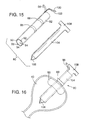
- the cannula includes distal and proximal ends, and contains a lumen configured to contain a sharp tipped trochar that penetrates the wall of a desired body lumen, for example the wall of a hollow organ such as the gallbladder or intestine.
- the cannula further includes a pair of balloons spaced axially along the cannula, so that after inflation the two balloons engage opposing inner and outer faces of the organ. After the inner balloon is inflated, the catheter is withdrawn slightly until the first balloon is snug against the interior wall of the body lumen. The second balloon is then inflated while sufficient tension is maintained to keep the first balloon snug against the interior wall of the body lumen. The two inflated balloons thus press against the interior and exterior surfaces of the wall of the body lumen, keeping the catheter in place and sealing against leaks.
- the process of the present disclosure may include sealing, evacuating and rinsing the targeted body lumen, followed by infusion of the therapeutic substance under controlled conditions as above. After infusion, any remaining infusate may be aspirated, further reducing potential systemic effects.
- Pressure itself may also facilitate cell transport processes and this may be utilized for improved delivery.
- constant rate and constant pressure intralumenal infusion may be utilized to enhance uptake via the apical membrane surface of epithelial and/or endothelial cells.
- constant rate and constant pressure intralumenal infusion may also be utilized to enhance transcytosis of molecules from the apical to basal or basolateral cell surface.
- a particular embodiment of the present disclosure is the use of constant pressure intralumenal delivery in combination with methods for measuring the expansion of a viscous, duct, or vessel.
- Such methods may include the use of intralumenal ultrasound, which has been described for the evaluation of tissue compartment diameters.
- Intralumenal ultrasound or other methods may be combined with pressure-mediated delivery to permit evaluation of the depth of delivery of a therapeutic agent.
- constant pressure administration may be used to compress the inner surface layer of a luminal structure, such as a atherosclerotic plaque in a blood vessel.
- Very high intralumenal pressures may be used also to cause epithelial or endothelial denudation.
- the present disclosure relates to a method of specific delivery of agents (such as therapeutic or diagnostic drugs) into pressurized body cavities, such as the lumen of an organ, including a hollow viscus (e.g. gallbladder, small intestine) or a duct (e.g. the ducts of the salivary, parotid or hepatobiliary systems).
- agents such as therapeutic or diagnostic drugs
- the body cavities are anatomically, manometrically isolated (for example by occluding one or more ducts from the organ that communicate with the gastrointestinal tract).
- An agent to be delivered is then introduced by an infusion into the isolated body cavity either above or below a threshold pressure/flow/volume at which transepithelial delivery of the agent occurs.
- agents delivered below this threshold are delivered preferentially to the cells of a superficial epithelial lining, while agents delivered above this threshold are also delivered to the subepithelial space (which can include periductular or even systemic vascular administration, for example through the sinusoids of the liver).
- cavitary organs in the body (such as the gall bladder, hepatobiliary ducts, parotid ducts, and gastrointestinal organs) contain epithelial cells that are lined by polarized epithelial cells. These cells are "polarized” in the sense that they have an apical surface facing the lumen, and a basal surface which is substantially isolated from the lumen by tight junctions between the epithelial cells. The surfaces of these polar cells are often specialized for unidirectional passage of biological substances through the cell, for example for delivery into the lumen.
- FIG. 1 shows schematic cross-sections of the histological architecture of several different classes of tissue.
- FIG. 1A shows the architecture common in gallbladder, large bile ducts and intestine, in which polarized epithelial cells 30 are joined to one another by tight junctions 32, which isolate the apical surfaces 34 of the cells 30 from a basal cellular surface 36 and a subepithelial space 38 having a lamina intestinal.
- the architecture of the small bile ducts in FIG. 1B illustrates that the epithelial cells (called cholangiocytes in these bile ducts) have a subepithelial space that is occupied by a capillary plexus, but does not have a lamina laminate.
- FIG. 1C shows that in the liver, the subepithelial space 38 is occupied by the Space of Disse and the sinusoids of the liver, but no lamina limbal.
- epithelial cells that line the luminal space and the spaces (and their cellular and other structures) located deep to the epithelial cells.
- Endothelial cells lining body cavities and ducts other than those specifically discussed can also be the target of pressure directed delivery of agents in accordance with this invention. However for purposes of illustration, pressure directed delivery will be illustrated in the hepatobiliary tree.
- FIG. 2A schematically illustrates a gall bladder 40 having a cystic duct 42 which is occluded by a clip 44.
- a catheter 46 has been introduced through the wall of gallbladder 40 so that the distal tip 48 of catheter 46 is present in the lumen 49.
- a positioning/sealing device 50 around catheter 46 helps retain the catheter in position, and assists in sealing the opening through which catheter 46 has been introduced.
- Arrow 52 illustrates delivery of a liquid (such as a drug) under relatively low pressure conditions, in which case the tight junctions are not disrupted (FIG. 2C), and delivery occurs substantially completely to the apical surface of the epithelial cell.
- FIG. 2B shows delivery of a liquid medium into gallbladder 40 under relatively high pressure conditions that disrupt tight junctions 32 (FIG. 2D) and permit access of the liquid medium to the subepithelial space.
- FIG. 3A illustrates delivery of an agent to the apical surface of the epithelial cell in the liver under low pressure delivery conditions
- FIG. 3B illustrates disruption of microanatomic structures such as the tight junctions, which allows delivery to the subepithelial Space of Disse and the sinusoids in the liver under relatively higher pressure delivery conditions.
- FIG.4 illustrates an apparatus used for demonstrating the effect of retrograde biliary infusion on intrabiliary pressure, and the site specific delivery of agents to the cells.
- Twenty to forty gram anesthesized CD-1 male mice (Charles River) were used as experimental subjects.
- the gallbladder 40 was manually drained through the cystic duct 42.
- a cholecystotomy catheter 60 (silastic tubing, 0.012" ID/0.025 OD) was introduced through the wall of the gallbladder 40, and secured within the gallbladder lumen with the catheter tip 48 advanced so that it was immediately proximal to the junction with the cystic duct 42.
- An absorbent cellulose (X0-Med, Jacksonville, ⁇ l) packing 62 was packed around the entrance site of the catheter into the gallbladder to prevent bile from leaking into the peritoneum.
- a twenty-three gauge needle 63 was used to make an opening in the duodenum 64 and to perform a sphincterotomy on the Sphincter of Oddi 66 (which helps control passage of bile into the small intestine).
- a polyethylene tubing catheter 68 for recording intrabiliary pressure (ID 0.011", OD 0.024") was inserted through the duodenal opening and advanced through the Sphincter of Oddi 66 into the common bile duct 70. The catheter 68 was then advanced so that its tip could be visualized rapidly rostral to the junction with the superior pancreatic duct. Preplaced 6-0 silk ties were used to secure the catheter in position.
- the pressure recorded in the common bile duct (by a pressure transducer 69) accurately reflected the pressure throughout the entire hepatobiliary system (the ducts and canaliculi through which bile flows). Intrabiliary pressure was continuously recorded every 0.5 - 2.0 seconds using a low pressure transducer (Digimed, Indianapolis) and a personal computer.
- Retrograde biliary infusions were administered by using the cholecystotomy catheter 60 and a microinfusion pump 72 (Harvard). Infusions traveled in a normograde direction 74, moving sequentially down the cystic duct 42 and common bile duct 70 until the tip of the pressure catheter 68 was reached. Since the pressure catheter prevented further normograde flow, the infusate then reversed direction and moved up the hepatic duct towards the liver. Hence infusions through the catheter 60 into the galbladder 40 permitted delivery of the infusate throughout the hepatobiliary system, including the ducts and canaliculi of the liver.
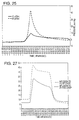
- Retrograde biliary infusions at various constant infusion rates resulted in a characteristic pattern of pressure changes, which is illustrated in FIG. 6.
- T the pressure reached a threshold at Q where microanatomic barrier structures were physiologically disrupted, so that the infusate could more readily escape from the gallbladder during the lower plateau R.
- FIG. 7 shows that the intrabiliary pressure changes as a function of volume with varying infusion rates, hence pressure changes (and threshold pressures) were dependent upon the infusion rate and volume. Greater peak pressures were achieved with faster infusion rates. The pressure rose more rapidly with time at the higher infusion rates, and the initial slope of the pressure-volume curve during the filling phase of the infusion tended also to vary with infusion rate, being lower at the faster infusion rates. The peak pressure (which is an example of a particular type of threshold event) was also higher for higher infusion rates.
- the 80 ⁇ l, 0.066 ⁇ l/second infusion (n 5) resulted in a peak intrabiliary pressure of 14.5 ⁇ 0.9 mm Hg and this was not significantly different from the no infusion group (11.5 ⁇ 1.5 mm Hg), but was significantly different (p ⁇ 0.05) from the other 80 ⁇ l infusion groups. Peak pressures were rate-dependent; at a given infusion volume, each infusion rate evaluated resulted in peak pressures signficantly different (p ⁇ 0.05) from those obtained using the other infusion rates. The maximal peak pressure observed was 43.6 ⁇ 0.6 mm Hg (240 ⁇ l infused at 16 ⁇ l/second).
- FIG. 9A shows a typical time course of three infusions.
- FIG. 9B shows that repeat infusions resulted in significantly smaller rises in pressure than were produced by the initial infusion for a particular infusion rate and volume. This finding was statistically significant except at the largest volume and fastest rate evaluated (240 ⁇ l infused at 16 ⁇ l/second). At any given infusion volume and rate, the pressure changes produced by the second, third, and fourth infusions were not significantly different from each other, even if the second infusion had resulted in a pressure change significantly smaller than that achieved by the first infusion.
- a silastic catheter was placed in the gallbladder as described above.
- Straight (1 mm x 3 mm) or curved (1 mm x 5 mm) Kleinert-Kutz microvascular clips (MVC; Pilling-Weck, Research Triangle, North Carolina) were then placed rostral to the junction of the superior pancreatic duct with the common bile duct to turn the hepatobiliary system into a closed pressure system.
- Infusions were administered as in Example 1, and the microvascular clip occlusion caused the infusion to move retrograde into the hepatic duct and then into smaller hepatic ducts and ductules.
- the clip was removed and the cholecystotomy catheter was withdrawn.
- the suprahepatic inferior vena cava was temporarily occluded for 5 to 10 minutes with a curved microvascular clip at a level just cephalad to the liver and caudal to the postcaval foramen of the diaphragm.
- Digital fluoroscopic studies were performed with Renograffin and an OEC Series 9400 X-Ray Imaging System (OEC Diasonics, Salt Lake City).
- Renograffin was rapidly infused retrograde, and digital fluoroscopy was utilized to determine if, and when, dye entered the systemic circulation. Digital images captured at thirty frames per second revealed the rapid appearance of dye in the systemic circulation. Dye appeared to travel up the suprahepatic inferior vena cava before being seen in the heart. Temporary obstruction of the suprahepatic IVC prevented systemic distribution during and after high pressure retrograde biliary infusion. Accordingly, while some degree of lymphatic drainage may possibly have occurred, high pressure retrograde biliary infusion of radioopaque dye appears to have primarily resulted in systemic delivery of infusate via hepatic venous drainage.
- Distribution of microspheres is therefore another test that can be used to select a pressure or volume, at a selected infusate rate and viscosity, at which either primarily epithelial or sub-epithelial delivery will occur, in a particular species, organ, or individual.
- the results of such tests can then be used to select infusate parameters in subsequent subjects.
- AvlLacZ4 is a replication-deficient, Ela-deleted, recombinant adenovirus (Human, Type 5) that expresses a recombinant nuclear targeted E. coli ⁇ -galactosidase gene under the control of a Rous Sarcoma Virus (RSV) promoter.
- Virus was prepared and titered as previously described in Mittereder et al., J. Virol. 70:7498-7509, 1996, which is incorporated by reference. Freshly removed tissues were fixed in 10% neutral buffered formalin for at least six hours and then embedded in paraffin and titered as previously described in Mittereder et al.
- Immunohistochemical detection of ⁇ -galactosidase protein was performed using a modified Avidin-Biotin Complex technique.
- Primary antibody was Rabbit IgG anti- ⁇ -galactosidase antibody or negative control rabbit IgG antibody (Cortex Biochem).
- Secondary antibody was Goat IgG anti-Rabbit IgG antibody. Detection was with Avidin-Biotin Complex and DAB Chromagen. Slides were counterstained with hematoxylin (Biomeda).
- Levels of gene transfer one week following intravenous and retrograde biliary infusion were evaluated by determining the percentage of immunohistochemically positive hepatocyte and cholangiocyte nuclei as observed in six random 200 X fields.
- Levels of gene transfer three days following intravenous and retrograde biliary infusion were evaluated by counting the percentage of immunohistochemically positive nuclei as observed in four random 400 X fields.
- Transmission electron microscopy was performed on serum obtained by cardiac puncture fifteen minutes following high pressure retrograde biliary infusion. Particles with a diameter of 80 nm and a morphology characteristic of adenovirus were present in low concentration (data not shown).
- Temporarily obstructing hepatic venous drainage resulted in retention within the liver of radioopaque dye delivered by high pressure retrograde infusion.
- interference with hepatic venous return augmented gene transfer.
- Animals were administered 6 x 10 8 biological plaque-forming units of ⁇ -gal adenovirus intravenously, by very high pressure retrograde biliary infusion (240 ⁇ l, 2 ⁇ l/second), with or without temporary hepatic venous obstruction for 5 minutes or 10 minutes. Livers were removed one week following vector administration and evaluated by immunohistochemistry for evidence of gene transfer. One week following intravenous administration no gene transfer was detected in the liver.
- the percentage of hepatocytes and cholangiocytes with positive nuclei was increased by temporary occlusion of the suprahepatic inferior vena cava (FIG. 11), hence temporary occlusion of venous outflow from the liver can be used to improve organ specific delivery of gene transfer (for example at least doubling or tripling preferential delivery to cholangiocytes as compared to hepatocytes as shown in FIG. 11).
- Selective cholangiocyte delivery could be enhanced by increasing the duration of the temporary occlusion of the venous return from the liver. The greatest increase in gene transfer occurred in biliary epithelial cells near portal triads.
- Positive hepatocytes were also found in a primarily periportal distribution following inferior vena cava occlusion combined with retrograde biliary infusion.
- the suprahepatic inferior vena cava was removed one week after high pressure retrograde infusion of ⁇ -gal adenovirus and evaluated by immunohistochemistry.
- Gene transfer was detected in endothelial cells from suprahepatic vena cavas removed from animals that underwent high pressure retrograde biliary infusion combined with suprahepatic inferior vena cava occlusion. This indicates that high pressure retrograde infusion led to circulation of adenovirus into the vena cava.
- FIG. 12 shows a more detailed comparison of pressure change as a function of volume infused for 80 ⁇ l infused at 0.066 ⁇ l/second and 0.66 ⁇ l/second. The pressure-volume curves differ early and remain distinct throughout much of the infusion.
- FIG. 13 is a histogram summarizing the patterns of gene transfer observed by ⁇ -galactosidase immunohistochemistry three days following administration of 3 x 10 9 bpfu of ⁇ -gal adenovirus.
- Intrabiliary pressure changes were dependent upon the infusion volume, rate, and viscosity, and the pressure curves for any substance can be prepared in accordance with the examples in this specificaion.
- Digital fluoroscopic evaluation provides detailed information about the pressure at which the biliary tree is filled to the point of systemic leakage. Delivery of infusate under conditions that result in relatively low intrabiliary pressures leads to a primarily periductular and canalicular distribution of agents, such as the 100 and 200 nm latex microspheres or adenoviral vectors. In contrast, retrograde biliary infusion under conditions that result in significant elevations in intrabiliary pressure lead to a sinusoidal distribution of infused microspheres and a mixed pattern of cholangiocyte and hepatocyte gene transfer.
- FIG. 14 schematically shows the potential pathways that may be taken by a high pressure retrograde biliary infusion.
- Disruption of tight junctions at the level of bile ducts lacking a lamina basement (i.e., smaller ducts) would result in the leakage of retrograde biliary infusate into subepithelial spaces, where it would be drained by vascular capillaries, ultimately resulting in a sinusoidal redistribution of the infusate.
- Disruption of tight junctions at the level of the biliary canaliculi would result in leakage into the Space of Disse. Infusate would then either be drained into lymphatic capillaries contiguous with this space but located beyond the limiting plate, or would travel through fenestrae into the vascular (sinusoidal) space.
- intrabiliary administration parameters that maximize local delivery and result in only minimal (or substantially no) systemic distribution of infusate (for example a local to systemic delivery of at least 2:1, 3:1, 5:1, 10:1 or even more).
- This specific delivery can be accomplished using a variety of approaches. Since repeat infusions fail to achieve the same peak pressure as the initial infusion, an initial infusion specifically designed to measure the pressure threshold for tight junction disruption could be followed by a second infusion that would be utilized to measure at what volume/pressure infusate leaked across disrupted junctions (using radiographic tracer studies and histologic examination of tissues as described above).
- the therapeutic agent would then be delivered using a volume/pressure below this leakage threshold.
- Each infusion should have the same fluid viscosity, and the therapeutic molecule ideally will have only minimal diffusion through opened tight junctions.
- capacitance and disruption/leakage thresholds could be determined and the therapeutic agent administered at sub-disruption pressures once tight junction repair had occurred (for example after a few hours have passed to allow the tight junctions to be reestablished).
- Catheters or other devices make it possible to remove residual, non-absorbed infusate following a defined period of contact with targeted cells.
- Low pressure focal delivery, in combination with removal of non-absorbed material, would thus permit the use of more therapeutically useful dosages of otherwise toxic materials because removal of the infusate minimizes the potential for dose-limiting systemic toxicity.
- Repetitive administration can also occur either through endoscopic and laparoscopic approaches, or alternatively by admininstration from novel, implantable devices that would permit episodic retrograde biliary infusion on controlled (and potentially outpatient) schedules.
- Prior determination of intrabiliary capacitance and the critical pressure threshold for disruption of tight junctions can be used to allow selective delivery of experimental and therapeutic agents to the hepatic sinusoidal space.
- Retrograde biliary infusion of therapeutic agents can be made at controlled pressures specifically designed to disrupt biliary ductular and/or canalicular tight junctions and cause leakage.
- This method of sinusoidal perfusion would be an alternative to portal venous and hepatic arterial catheterization.
- Convection-based (i.e., pressure gradient) methods of drug delivery have been previously reported to increase the effective delivery of relatively non-diffusable agents following direction injection into the brain parenchyma.
- convection-based delivery to the hepatic parenchyma through a non-vascular (e.g., retrograde biliary infusion) route of administration provides a method for maximizing delivery to poorly vascularized areas of diseased tissue within the hepatic parenchyma.
- diseases that can be treated by ductular administration of therapeutic agents include diseases of the biliary epithelia (cystic fibrosis, autoimmune cholangiopathies, and opportunistic infectious diseases associated with AIDS); diseases such as cirrhosis which are associated with hepatic fibrosis; diseases of the salivary or parotid gland; and a variety of malignancies, for example pancreatic adenocarcinomas which are poorly vascularized and do not respond well to traditional methods of treatment.
- diseases of the biliary epithelia cystic fibrosis, autoimmune cholangiopathies, and opportunistic infectious diseases associated with AIDS
- diseases such as cirrhosis which are associated with hepatic fibrosis
- diseases of the salivary or parotid gland and a variety of malignancies, for example pancreatic adenocarcinomas which are poorly vascularized and do not respond well to traditional methods of treatment.
- the present method can also be adapted for the delivery of agents to other hollow organs, such as the selective delivery of anti-inflammatory agents to the bowel wall in diseases of the intestine (such as Crohn's disease in which local administration of corticosteroids or other anti-inflammatory drugs may be desired).
- Selective delivery in the bowel (or any other hollow organ) can be achieved by isolating a segment of the hollow organ (for example between first and second inflatable balloons) to convert that portion of the hollow organ into a pressurizable segment into which the infusate can be introduced at a selected pressure/volume/flow rate.
- the present invention also includes a variety of delivery devices for administering substances under carefully controlled pressure conditions that allow cell and anatomic site specific delivery.
- An embodiment of one such device is shown in FIG. 15, which illustrates a biliary tree access cannula 80 that includes an elongated tubular body 82 that defines a central lumen 84.
- First and second inflatable balloons 86, 88 circumscribe body 82, and are spaced a sufficient distance from one another to allow the balloons to rest against the internal and external walls of the gallbladder when the balloons are inflated. When the balloons 86, 88 are deflated, they conform closely to the external surface of catheter and do not obstruct introduction of the catheter through surgical openings.
- Small orifices 90, 92, 94, 96 are provided in the flat distal annular face of cannula 80, and each of these orifices communicates with a respective passageway in the wall of the cannula 80 that in turn communicates with a drainage line 98 at a more proximal portion of the cannula 80.
- Inflation ports 100 and 102 are also provided at the proximal end of the cannula, which respectively communicate with balloons 86, 88 for inflating and deflating those balloons.
- a rigid trochar 104 with a sharp cutting tip 106 and a blunt handle end 108 is of sufficient dimensions to slide within lumen 84 of cannula 80.
- trochar 104 is inserted in the lumen 84 of cannula 80, as shown in FIG. 16.
- the sharp tip 106 of trochar 104 is used to introduce cannula 80 through the wall of the gallbladder 40.
- cannula 80 is then advanced until first balloon 86 (in its deflated condition) has entered the interior of the gallbladder 40, but advancement is stopped before the second balloon 88 (in its deflated condition) enters the gallbladder.
- the first balloon 86 is then inflated by introducing pressurized fluid (such as air) through port 100, so that balloon 86 expands and conforms to the internal surface of the gallbladder 40 and stabilizes the cannula in its desired position.
- pressurized fluid such as air
- Bile is then removed from the gallbladder through drain line 98, which withdraws the bile through orifices 90-96 which open on the distal face of cannula 80.
- Trochar 104 is then removed from cannula 80 (FIG. 17A), and the second balloon 88 is inflated on the external surface of gallbladder 40, so that the two balloons 86, 88 help maintain the cannula in its desired position shown in FIG. 17.
- a silicon washer 110 can be inserted over the proximal end of cannula 80 and positioned on the outer surface of gallbladder 40, around the opening in the gallbladder through which the cannula extends, to further provide a relatively atraumatic pressure seal.
- a cap can be placed on the proximal end of the cannula to selectively permit access to the indwelling cannula.
- the illustrated cap 112 is a screw cap, with helical threads 114 that mate with internal threads (not shown) at the proximal lumen of the cannula. Cap 112 is selectively removable (for example by unscrewing it), and/or may be penetratable (for example by a needle).
- cap 112 When access to the gallbladder is desired, cap 112 is removed and an elongated, flexible multiple lumen catheter 120 is introduced through cannula 80.
- Catheter 120 has an inflatable balloon 122 (FIG. 19) adjacent its distal tip 124, and the catheter is advanced through cannula 80 until the distal tip is positioned in the cystic duct, in a position that the inflatable balloon can occlude cystic duct 42, to create a substantially sealed chamber within the gallbladder, as shown in FIG. 19.
- FIG. 20A An embodiment of the structure of the catheter 120 is shown in the enlarged view of FIG. 20A, including four central lumen quadrants 126, 127, 128, 129 and two outer concentric lumens 136, 137.
- the outermost concentric lumen 136 communicates with the exterior of the catheter 120 through apertures 130.
- the other lumens of the catheter 120 communicate with the exterior of the catheter via apertures 131- 135.
- the various lumens may be used for different purposes.
- one or two of the lumens can be used for sensing pressure within the gall bladder and/or within the hepatobiliary system; another of the lumens can be used for introducing, and another for withdrawing, a therapeutic infusion.
- Another lumen can be used for introducing, and another for withdrawing, rinsing fluid.
- the multiple lumens can all be of concentric configuration (FIG. 21).
- a catheter such as that having the tip of FIG. 20B or 21 can be provided with a series of apertures arranged in separate annular bands.
- a first band 140 communicates with a first and central lumen that can be used for introducing rinsing fluid through the catheter into the gall bladder.
- a second band 144 communicates with a second lumen, concentric with the first, that can be used for removing rinsing fluid through the catheter.
- a third band 148 communicates with a third concentric lumen and can be used for introducing drug/vector into the catheter at the preselected flow rate/pressure
- a fourth band 152 communicates with a fourth concentric lumen for withdrawing vector from the gallbladder after it has dwelled in contact with the appropriate cells for the desired period of time at a preselected pressure.
- lumens may communicate with the catheter exterior either proximally or distally of the balloon 122, depending on the location of the space to be accessed.
- Dual and even single-lumen catheters may also be employed, with a single lumen serving multiple functions, but a catheter with a built-in pressure transducer at or near the tip, or a catheter with at least two lumens is generally preferred, so that pressure monitoring and infusion may easily and simultaneously be perfomed.
- FIG. 23 illustrates the versatility of the delivery device, in that it can be used not only for intralumenal delivery of infusate to the gallbladder, but can also be used in other organs as well.
- bile from liver lobes (such as lobes 160, 162 and 164) moves in a normograde direction 167 through biliary ducts 168, 170 and 172 from the liver toward the common bile duct 70.
- FIG. 23 shows that catheter 120 can be advanced through the cystic duct 42, in a retrograde direction up the hepatic duct, until the tip is positioned in a biliary duct that drains bile from a discrete lobe of the liver (such as lobe 160).
- first balloon When the tip is in this position, first balloon is in a position that it can be inflated to effectively isolate the liver lobe 160, and turn it into a pressurizable hollow organ space. Also, a second balloon 170 on the catheter is positioned in the cystic duct, where it can prevent movement of bile into the gallbladder.
- infusate can be introduced under pressure through the catheter into the bile ductular system of liver lobe 160.
- the pressure can be controlled by a controller (not shown) to a preselected pressure (or volume) that has been found to provide site specific delivery of the infusate to a desired site (such as the apical epithelial cells, periductular tissue, or the subepitheial/sinusoidal space).
- a pressure transducer in the distal tip of catheter 120 provides continuous or frequent pressure measurements to the pressure controller, to maintain the pressure in the ductular system at or about the preselected level that achieves site specific delivery.
- pressure may be measured via an external transducer in fluid communication with the delivery site via one of the catheter lumens.
- an external transducer for delivery into the liver, at least one, if not all of the lumens of the catheter, should communicate with the exterior of the catheter at a position distal of the balloon 122 (FIG. 24).
- a double-lumen catheter was surgically secured within the gallbladder of 20 gm mice while the cystic duct was occluded with a clip.
- Infusions were administered using a digital microinfusion pump via one of the lumens while changes in gallbladder pressure were measured by a pressure transducer via the other lumen.
- This system was found to be quite sensitive to changes in infusion volume or rate. For example, 10 ⁇ l of 0.9% NaCl infused over 30 seconds resulted in a 3 mm Hg rise in pressure, while 20 ⁇ l infused over 30 seconds resulted in a 45 mm rise in pressure (FIG. 25).
- Tissue electron microscopy (TEM) was used to evaluate the ultrastructural effect of different infusion pressures.
- Adenovirous (AV) and Adeno-Associated Virus (AAV) were infused at either low (80 ⁇ l/20 minutes) or high (80 ⁇ l/2 minutes) rate/pressures and the gallbladders were immediately removed and examined using TEM.
- AV Adenovirous
- AAV Adeno-Associated Virus
- FIG. 27 illustrates that retrograde biliary infusion of 240 ⁇ l of 0.9% NaCl over 30 seconds to the entire liver resulted in dramatically lower pressure than achieved by 240 ⁇ l of 0.9% NaCl in 30 seconds delivered to 1/3 of the liver (right medial lobe, right lateral lobe, caudate lobe) by catheterizing and delivering the liquid into the hepatic bile duct which supplied only these lobes of the liver.
- ⁇ -gal adenovirus gene transfer vectors were delivered to 1/3 of the liver by infusing the adenovirus in a carrier at a volume sufficient to achieve the peak pressure at which tight junctions were apparently disrupted. Even through hepatic ductular pressure declined following the initial pressure peak (at the same volume flow), subepithelial gene transfer to hepatocytes was observed in the targeted lobes. Gene transfer was not noted outside the targeted lobes.
- LacZ adenovirus was delivered by low pressure retrograde biliary infusion from the gallbladder (80 ⁇ l volume; infusion rate 0.066 ⁇ l/second) in mice. Liver tissue from these mice was evaluated by DNA in situ hybridization for the pattern of DNA distribution, which found that LacZ DNA was located primarily in bile ducts. Some DNA was also detected in immediately adjacent periductular hepatocytes. This distribution corresponds to the distribution obtained from the analysis of gene expression. Focal delivery to the bile ducts and adjacent periductular tissue in hepatic acinar zone 1 is important because there are a number of important diseases that involve this site, including hepatic fibrosis.
- AAV LacZ adeno-associated virus
- LacZ DNA was found in bile ducts and periductular hepatocytes 2 days following low pressure retrograde biliary infusion (80 ⁇ l volume; infusin rate 0.066 ⁇ l/second).
- Viral dosage administered was 3 x 10 10 Dnase-Resistant Particles (DRP)/ml.
- DRP Dnase-Resistant Particles
- Tissue was analyzed by in situ hybridization 2 days following low pressure infusion. Tissue immunohistochemistry found LacZ gene expression at day 28 in bile duct cholangiocytes and adjacent periductular hepatocytes 28 days following low pressure infusion of 1 x 10 10 DRP of AAV.
- low volume rinses of the gallbladder were made with very low volume rinses (e.g. 0.5 ml rinses for a gallbladder with a 1.5 ml volume), that did not significantly increase the intralumenal pressure of the organ.
- infusions were made of vehicle, DNA, or liposomes containing equivalent dosages of DNA.
- Very low volumes/pressures of infusions were used (infusate volume of 1 ml into gallbladders of 1.5-2.0 ml volume) to permit the infusions to remain in the lumen substantially without epithelial or subepithelial administration.
- Low pressure intralumenal delivery may be combined with methods for temporarily diminishing lymphatic or venous drainage to further reduce any potential leakage into the subepithelial space.
- high pressure intralumenal delivery is combined with methods for temporarily diminishing lymphatic or venous drainage to delay and thereby diminish systemic drainage from the subepithelial space.
- Lymphatic or venous drainage may be temporarily reduced using direct methods such as surgical or laparoscopic occlusion of a lymphatic or venous vessel or alternatively (such as in the liver) by placement of an occluding balloon catheter in one or both hepatic veins.
- High pressure intralumenal delivery is also used to achieve a non-vascular method for tissue perfusion.
- High pressure tissue perfusion (at least initially above the threshold pressure) may be combined with the above noted reduction of lymphatic or venous drainage so that following interstitial delivery the infused agent is given sufficient time to be taken up by target cells prior to systemic drainage.
- high pressure retrograde biliary infusion is combined with a device that prevents hepatic venous blood from entering the systemic circulation, but does not prevent the normal flow of blood across the hepatic parenchyma.
- a multiple lumen balloon catheter is inserted into the hepatic vein such that when the inflated balloon seals the space between the catheter and the wall of the hepatic vein, hepatic venous blood can continue to flow into and through the catheter lumen without entering the systemic circulation.
- the removed blood may be treated to remove the administered agent prior to potential return of blood to the patient.
- high pressure intralumenal delivery permits site directed administration of extremely high amounts of the therapeutic agent to the hepatic parenchyma without the agent subsequently entering the systemic circulation. This is particularly advantageous for achieving optimal local therapeutic concentrations of an agent that has potential systemic toxicity, while avoiding the risk of vascular complications encountered with hepatic arterial or portal venous perfusion.
- FIGS. 28A-D As shown in the electron micrographs of FIGS. 28A-D, electron dense deposits consistent with the presence of lanthanum chloride were found within bile ducts but not in their adjacent subepithelial tissue compartments following retrograde biliary infusion of 720 ⁇ l of 5 mM LaCl administered at a rate of 2 ⁇ l/second or 8 ⁇ l/second. In FIGS. 28A-D, areas with typical electron dense deposits consistent with the presence of lanthanum chloride are circled.
- FIG. 29A is a micrograph of tissue infused with a control vehicle
- FIGS 29B-E are micrographs of experimental tissues.
- the arrows denote the interpreted pathway of paracellular leakage.
- FIGS. 30A-C show the probable overall pathway, indicated by the arrows, taken by high pressure retrograde biliary infusate: from biliary canaliculi to their adjacent subepithelial compartments, viz, from the canalicular lumen across disrupted canalicular tight junctions into the lateral intercellular space and subsequently into the perisinusoidal Space of Disse.
- Intra- and extra-hepatic cholestasis are common clinical situations that provide a useful test system for evaluating the potential applicability of pressure-mediated delivery in the setting of disease.
- a group of animals underwent 4 days of chronic extrahepatic bile duct obstruction. Following the induction of anesthesia a midline laparatomy was made and the common bile duct visualized.
- a 6-0 silk tie was used to occlude the common bile duct rostral to the junction with the pancreatic ducts. The abdominal incision was closed in two layers with 6-0 silk.
- a microvascular clip was placed above the level of the common bile duct occlusion and a catheter secured within the common bile duct. The microvascular clip was then removed and baseline intrabiliary pressure determined. A gallbladder catheter was then secured in position and animals received retrograde biliary infusion as described above.
- Biliary manometry was then performed using a range of retrograde biliary volumes and rates of infusion with the results as shown in FIG. 31.
- FIG. 31A shows that cholestatic animals had a similar pattern of pressure changes as those seen for normostatic animals, viz, a progressive rise in intralumenal pressure until a peak pressure was reached, a slight decline in pressure, and then a plateau pressure that was sustained until the infusion was completed. Once the infusion was stopped, pressure immediately underwent a rapid decline toward the preinfusion value. As in normostatic animals, pressure changes in cholestatic animals were also dependent upon the infusion rate and volume. Greater peak pressures were achieved with faster infusion rates and the pressure rose more rapidly with time at the higher infusion rates.
- [14C]-sucrose was infused retrograde using a range of infusion rates and volumes in naive mice and following 4 days of chronic extrahepatic bile duct obstruction. Following a midline laparotomy, both ureters were identified and occluded with microvascular clips. A catheter was placed within the gallbladder lumen and the common bile duct occluded using a microvascular clip placed above the junction of the common bile duct with the superior pancreatic duct.
- Retrograde biliary infusions 22°C of 0.9% NaCl or 2 ⁇ Ci of [14C]-sucrose (Amersham Pharmacia Biotech, Inc., Piscataway, NJ) diluted in 0.9% NaCl were then administered using a range of volumes and rates of infusion.
- Five minutes following the completion of the infusion a midsternal incision was rapidly made and blood obtained by intracardiac puncture using a 27 gauge needle and a syringe. Blood was immediately added to a 1.5 ml microcentrifuge tube containing 10 units of sodium heparin (Elkins-Sinn, Cherry Hill, NJ) and centrifuged at 4,000 RPM for 5 minutes.
- FIG. 32 shows the results of the experiment.
- normostatic animals systemic leakage of [14C]-sucrose at 5 minutes postinfusion was detected at approximately equivalent levels across a range of infusion rates and volumes.
- cholestatic animals the amount of leakage tended to be lower than for normostatic animals at a given infusion volume and rate.
- increasing infusion volume or infusion duration tended to lead to greater amounts of paracellular leakage.
- the tight junction disruption known to be caused by cholestasis was sufficient for there to be some amount of leakage of molecules smaller than sucrose (e.g., water) during a retrograde biliary infusion.
- sucrose e.g., water
- This fluid leakage would have minimized the extent of the peak intrabiliary pressure rise achieved during a retrograde biliary infusion.
- This smaller peak intrabiliary pressure in turn could have diminished the number of tight junctions that were acutely widened to the degree that molecules of the diameter of sucrose would acutely pass through, or alternatively may have reduced the driving force (pressure gradient) driving the paracellular movement of sucrose across disrupted tight junctions.
- This example illustrates that it is possible to determine a range of different diameter molecules and infusion pressures that are desirable to more precisely determine a correlation between the absolute level of intrabiliary pressure, the degree of tight junction disruption, and the amount of paracellular leakage.
- FIGS. 33A-D are schematic cross-sections of a urinary bladder illustrating the effect of urinary bladder filling upon the histological compartments of the bladder.
- FIG. 33A shows a cross-section of the urinary bladder in a relatively empty state (where 200 is the transitional epithelium, 202 is the lamina intestinal, layers 204 and 206 are muscle, and 208 is adventitia.
- FIG. 33B shows an enlarged view of the non-compressed wall section highlighted in FIG. 33A.
- FIG. 33C shows a cross-section of the urinary bladder in a relatively full state
- FIG. 33D shows an enlarged view of the compressed wall section highlighted in FIG. 33C.
- the arrows indicate the direction of the pressure exerted by the contents of the bladder.
- Retrourethral catheterization is a well-described method for delivery to the urinary bladder.
- the effect of urinary bladder pressure on molecular delivery has not previously been characterized.
- use of urinary bladder pressure to insure selective delivery of agents to either the surface epithelial cells or to deeper histological sub-compartments, including the lamina intestinal and muscular layers has not previously been characterized.
- male Dutch Belted Rabbits (1 - 2 Kg BW) had PE-50 tubing placed in the lumen of each urethra and advanced so that the tips were within the lumen of the urinary bladder.
- One ureteral catheter was connected to a pressure transducer and used for recording intralumenal pressure.
- the other ureteral catheter was connected to a microinfusion pump.
- Microvascular clips were placed on the ureters to prevent retrograde reflux.
- the urethra was occluded using a vascular loop. 5 mM Lanthanum Chloride was infused so that the intralumenal pressure was either 25 mm Hg or 50 mm Hg.
- Tissues were removed 10 minutes later and processed for electron microscopy. At 25 mm Hg, electron dense deposits were detected in the intercellular spaces between epithelial cells. At 50 mm Hg, there was some evidence of patchy epithelial denudation.
- the urinary bladder was removed and processed for fresh-frozen sections. Evaluation of fresh-frozen sections using fluorescent microscopy revealed the presence of microspheres in the lamina intestinal immediately adjacent to the first muscle layer.
- intralumenal balloons may be used in combination with pressure mediated delivery, in order to reduce the volume of infusate that must be delivered, while still taking advantage of the benefits of pressure-mediated intralumenal delivery.
- the balloon(s) are expanded prior to infusate administration in order to reduce the volume of infusate that must be delivered. A working application of this technique is shown in FIG.
- intralumenal delivery of infusate to structures lined by either epithelial cells or endothelial cells may be selectively targeted to either the luminal surface or to deeper subepithelial or subendothelial histological compartments by selection of appropriate delivery parameters. It may be particularly useful to administer agents under steady-state conditions, in which delivery pressure is maintained constant irrespective of how the tissue responds to the infusion. For example, under non-steady state delivery conditions, opening of tight junctions or expansion in size of a structure will affect the intralumenal pressure. Steady-state delivery bypasses this feature, permitting delivery at constant, pre-determined pressures.
- FIG. 35 is a diagram of a working example of a system for constant-pressure intralumenal delivery.
- a manometrically-controlled nitrogen-gas/fluid interface 220in a fluid infusion reservoir 222 permits constant pressure administration.
- a working model was regulated using an adaptation of a Cole-Palmer pressure controller.
- Infusion fluid from the reservoir flows through capillary glass tubes 224 on its way to an infusion line 226. Flow rates may then be determined by tracking air bubbles 228 in the capillary glass tubes 224 with a ruler 229.
- a pressure sensor 230 detects the pressure of the infusion fluid at a location near the infusion line 226.
- a pneumatic servo-pressure controller (not shown) provided a constant air pressure to the top of the liquid level at interface 220 in the reservoir 222.
- the reading at the pressure sensor was thus equal to the applied pressure (the pump pressure) plus the pressure head (the pressure increase due to the change in height between the top of the liquid level in the reservoir and the height of the infusion line).
- the infusion line was kept at the same height as the pressure sensor and the animal on the operating table.
- Alternate systems could be of course be adapted in which a constant pressure is maintained at the pressure sensor and not at the top of the Reservoir. This would be most important when a large volume of fluid is infused. Specifically, if the pressure control is provided at the top of the reservoir, then when a large amount of fluid is infused, the pressure has to be slowly increased to account for the decreasing pressure head.
- a constant pressure infusion is delivered to the animal.
- the infusion pressure and internal organ pressure may be recorded over time. For example, this was done for rabbit urinary bladder experiments by placing a second catheter in the bladder, which was connected to a pressure transducer.
- the intralumenal pressure may measured through the tip of the delivery catheter, and this pressure may be used to control the pressure of the infusion fluid, such as at the nitrogen-gas/infusion-fluid interface.
- the flow rate of infusion fluid was experimentally recorded in the following way: the cross sectional area of the bubble tube was determined by injecting a known volume of water (from syringe 232) into a measured length of the bubble tube. The cross sectional area was .0233 cm 2 (0.35 cc in 15 cm). When the flow started, an air bubble was slowly injected into the infusion fluid flow. The bubble then traveled down the bubble tube. At the end of the tube, the bubble would rise up into the bubble trap 234 and displace an equal volume of liquid. For each bubble 25 time points were recorded, on 1-cm intervals of ruler 229. The time versus distance that the bubble had traveled could be plotted and the slope of this line was the velocity of the bubble.
- Example 14 As a working model, the delivery setup described in Example 14 was utilized with the modification that a ureteral catheter was connected to the constant pressure administration device. One catheter delivered the infusion fluid; the other measured the internal bladder pressure (this was also recorded over time). The bladder was drained through the infusion catheter, rinsed twice with saline, and then once with the infusion fluid. The bladder was then primed until it reached the desired steady state pressure, the same pressure that the constant pressure system was set to apply for the experiment.
- FIG. 37 is a typical time versus flow rate graph for a rabbit urinary bladder infusion.
- the bladder appeared to slowly expand as the muscles relaxed.
- the desired pressure e.g., 25 mm Hg
- the internal pressure would reach the desired pressure in 45-70 minutes. Once the internal bladder pressure reached the desired or infusion pressure, the flow into the bladder would stop. If the desired pressure was high (e.g., 50 mm Hg), the internal pressure would not always reach the desired pressure in the 90 minute dwell time.
- FIG. 38 is a typical graph.
- Plots of flow rate versus time for rabbit bladder infusions had the same shape even for different infusion pressures and flow rates.
- the initial bladder volume turned out to be a useful normalizing factor to relate flow rate versus time (see FIG. 39).
- the initial bladder sizes of rabbits vary by at least a factor of ten. If the flow rates (cm 3 /min) were divided by primed bladder size (5.5cc-78cc), the amount of fluid that had to be added to get the bladder to the desired pressure, then the time versus (flow rate)/(primed bladder size) curves converged when graphed on one chart. This can be seen in FIGS. 39 and 40.
- Urinary bladder volumes were also determined during constant pressure infusion using externally fixed ultrasonic crystals (Sonometrics, Toronto) and continuous measurement of longitudinal, medial, and ventral-dorsal diameters. Bladder shape was assumed to be ellipsoidal. Steady state infusion at a range of sustained constant infusion pressures resulted in flow into the urinary bladder at rates that were dependent upon the delivery pressure. At higher constant infusion pressures flow rates were correspondingly increased. Constant pressure infusion into the rabbit urinary bladder for 120 minutes at a steady state pressure of 25 mm Hg resulted in flow rates that declined with time. The volume of material infused was completely accounted for by changes in total urinary bladder volume (urinary bladder luminal contents + bladder wall thickness).
- the rate of delivery of certain sized therapeutics to the subepithelial compartment appears to be influenced by the level of initial constant pressure exposure as well as the sustained pressure level once the epithelial tight junctions have been disrupted.
- [14C]-sucrose (3.8 ⁇ Ci/ml) was administered at constant infusion pressures of 25, 37.5, and 50 mm Hg for 120 minutes.
- Constant pressure infusion was evaluated in mice using the retrograde biliary nfusion setup described previously.
- the constant pressure device was substituted for the microinfusion pump.
- [14C]-sucrose (molecular weight 342; 3.8 ⁇ Ci/ml) was administered to both normostatic and chronically cholestatic mice (4 and 21 days of chronic extrahepatic bile duct occlusion). Infusion flow rates were recorded using the bubble tube method described above. Blood samples were obtained and evaluated as described above.
- Flow rates for murine biliary infusions were constant for the entire dwell time, unlike the rabbit bladder flow rates that decreased over time.
- constant pressure retrograde biliary infusion resulted in flow rates that were direct functions of administration pressure.
- FIG. 41 is a graph of infusion flow rate as a function of applied pressure in normostatic and chronically cholestatic mice.
- FIG. 42 is a graph of resistance (applied pressure/flow rate) at different constant pressures. Resistance to flow is greatest at the lowest infusion pressures and declines as infusion pressure is increased. Chronic extrahepatic bile duct obstruction is known to disrupt intrahepatic tight junctions and this is reflected in a decreased resistance to flow in these animals.
- solutes normally excluded by an intact tight junction were detected in the systemic bloodstream.
- Solutes evaluated included sucrose (molecular weight 370), inulin (molecular weight 5,200), and Dextran (molecular weight 70,000).
- solutes of greater molecular weight exhibit greater resistance to flow (see FIG. 43: 4 day inulin versus 4 day sucrose) and slower flow rates (see Table 1 below).
- Table 1 compares flow rates for [14C]-sucrose and [14C]-inulin at different infusion pressures, listing flow rates, resistances, and levels of paracellular leakage (average counts).
- Constant Pressure Infusion Pressure mmHg n Flowrate cm 3 /min STDEVP (Flow) SEM (Flow) Ave Counts Resistance (P / flow rate) mmHg ⁇ min/cm 3 STDEVP (Resist) SEM (Resist) C14 Sucrose Normal Mice (Average) 10 24 0.0051 0.0034 0.0007 1744 1963 2428 506 15 18 0.0132 0.0136 0.0033 19186 1134 5206 1263 20 24 0.0297 0.0192 0.0040 20881 674 2514 524 30 6 0.0889 0.0155 0.0069 101454 337 76 34 40 21 0.1412 0.0382 0.0085 80515 283 145 33 C14 Sucrose - Cholestatic (Average) 04 day mice 10 6 0.0186 0.0154 0.0069 832 539 564 252 20 6 0.0555 0.0258 0.0115 67384 361 1099 491 40 4 0.1921 0.0412 0.0238 730366 208 73 42 C
- Constant pressure infusion to the rabbit gallbladder was evaluated by emptying the gallbladder and securing a silicone catheter (030" ID/065" OD) within the gallbladder lumen.
- the cystic duct was occluded using microvascular clips with particular care being taken to not occlude the cystic artery or vein.
- [14C]-sucrose (3.8 ⁇ Ci/ml) was administered at a constant pressure of 40 mm Hg for 20 minutes using the gallbladder catheter and the constant-pressure device described above.
- a heparinized internal jugular catheter was utilized to obtain plasma samples. Plasma samples were obtained at different timepoints and evaluated in a scintillation counter (Beckman).
- FIG. 43 is a plot of both flow rate and paracellular leakage (plasma content of [14C]-sucrose) over the course of the experiment. Flow rates were initially high and then rapidly declined to an approximately steady level. The rapid rate of flow with decline was due to the period in which the gallbladder was filling with infusate. The period of approximately constant flow (4 minutes - 20 minutes) indicates that either the gallbladder was stretching to accommodate the infusion and/or infusate was leaking from the gallbladder lumen.
- a silastic catheter (030" ID/065" OD) was secured within the lumen of the common bile duct with its opening directed in a retrograde direction.
- [14C]-sucrose (3.8 ⁇ Ci/ml) was administered at a constant pressure of 20, 30, or 40 mm Hg for 20 minutes using the common bile duct catheter and the pressure device described above.
- a heparinized internal jugular catheter was utilized to obtain plasma samples. Plasma samples were obtained at different timepoints and evaluated in a scintillation counter (Beckman).
- FIG. 44 is a graph of flow rate over time at 20, 30, and 40 mm Hg constant pressure infusion.
- FIG. 45 is a graph of paracellular leakage over time at 20, 30, and 40 mm Hg constant pressure infusion. Flow rates were proportional to infusion pressure and remained fairly constant once a steady state value was achieved. Paracellular leakage was also proportional to infusion pressure.
- FIG. 46A is a schematic cross-section of a catheter 300 positioned in a body lumen 302 surrounded by smooth muscle cells 318.
- the catheter 302 allows the controlled application of pressure in the direction indicated by the arrows.
- the catheter includes a lumen 316 to permit blood to flow through the vessel and continue through the circulation while a defined vascular segment is isolated, by balloons on the circumference of the catheter, and undergoes constant pressure infusion.
- FIG. 46B shows a partial longitudinal view of the catheter 300 within the body lumen 302 with the balloons 304 inflated. Blood flows through a lumen of the catheter 300 in the direction shown by the arrows.
- This infusion provided by the catheter 300 may be used to compress an atherosclerotic plaque or to disrupt the tight junctions between surface endothelial cells, thereby permitting infusate to move along a pressure gradient to deeper histological cells, such as vascular smooth muscle cells.
- a pharmacological or other agent may be applied to the apical surface in order to increase surface permeability.
- a pressure gradient may then be utilized to deliver molecules to the deeper histological compartments.
- the catheter preferably includes multiple lumens, such as those shown, for example, in the cross-section of FIG. 47.
- the largest lumen 306 would desirably be used for blood flow, while smaller lumens 308, 310, 312, and 314 would be employed for purposes such as (1) inflating and deflating the balloons, (2) delivering therapeutic substance(s) to the space sealed off by the balloons, (3) detecting the pressure in the space sealed off by the balloons, (4) utilizing ultrasound or other means to detect volume of the space sealed off by the balloons.
- a pharmacological substance that increases (or decreases) disruption of tight junctions, and/or a physical treatment having the same effect, may be employed in combination with a pressure gradient produced and employed according to the methods of the present invention so as to enhance the tissue- or cell-specific delivery of a therapeutic agent.
- electrical or acoustic disruption, as well as pharmacological disruption of tight junctions may permit more effective delivery of a therapeutic agent to subepithelial or subendothelial tissue compartments.
- An example of pharmacological creation of a pathway through which molecules may move along a pressure gradient is the use of zona occludens toxin, described in U.S. Patents No. 5,864,014, 4,827,534, and 5,664,389.
- the above-described methods of constant pressure intralumenal delivery may be combined with methods for measuring the expansion of a viscous, duct, or blood vessel to evaluate the effective volume of the tissue compartment.
- Such methods may include the use of intralumenal ultrasound, which has been described for the evaluation of tissue compartment diameters. This allows fairly direct measurement of capacitance, i.e., the compartment volume function of the pressure in the compartment. Assessment of capacitance prior to therapeutic infusion could allow better selectivity in delivery to specific tissues, reducing the variations attributable to individual physiology.
- Intralumenal ultrasound or other methods of assessing the tissue compartment may also be combined with pressure-mediated delivery to permit evaluation of the depth of delivery of a therapeutic agent.
- the methods of the disclosure and devices of the present invention can be used, with appropriate modifications, to delivery of agents into the ducts of epithelial organs, such as those of the parotid and salivary glands.
- the therapeutic substance can include gene therapy vectors, such as an adenovirus, adeno-associated virus, retrovirus, herpes simplex virus, lentiviruses, hybrid viruses, DNA plasmids, molecular conjugates and liposomes.
- Diseases that can be treated with gene therapy using these methods include metabolic diseases (including disorder of cholesterol metabolism), hepatic fibrosis (with a gene that expresses the anti-inflammatory gene IL-10), hepatocellular, pancreatic, gallbladder colon, urinary bladder, uterine, ovarian, cervical, ureteral, renal, salivary gland, or parotid gland carcinoma (with a gene that expresses a proinflammatory gene, or other antineoplastic gene, such as the adneoviral Ela gene), sclerosing cholangitis or primary biliary cirrhosis (using expression of an anti-inflammatory agent, such as IL-10), cystic fibrosis (by expressing the CFTR gene delivered preferentially to the epithelia of the hepatobiliary tree, pancreas and intestine), and hepatobiliary infections of the type seen with immunosuppression (for example by expression of a fungal gene delivered preferentially to the bepatobil
- the methods of the disclosure and devices of the present invention can be used, with appropriate modifications, for the delivery of agents into the lumen of vascular structures, such as arteries or veins.
- the methods of the disclosure and devices of the present invention may be used, with appropriate modification, for delivery of agents into lymphatic vessels, such as the thoracic duct, glands.
- the therapeutic substance can include gene therapy vectors, such as an adenovirus, adeno-associated virus, retrovirus, herpes simplex virus, lentiviruses, hybrid viruses, DNA plasmids, molecular conjugates and liposomes.
- Diseases that can be treated with gene therapy using these methods include prevention of restenosis following vascular grafting or angioplasty (using genes that expresses the anti-inflammatory gene IL-10 or other genes that prevent neointimal thickening).
- the methods and devices create a pressure gradient for the purpose of delivery of therapeutic agents, for example a pressure gradient where the pressure is greater on the inside of a structure than the deeper histological components of the structure such that flow is directed from internal toward external.
- a pressure gradient may be created such that the intraluminal pressure is greater than the pressure in the lamina basement, which is greater than the pressure in the muscle layer, which is greater than the pressure in the serosa.
- the pressure gradient may be created such that the intraluminal pressure is greater than the pressure in the media or adventitia.
- Establishment of the gradient may be combined with techniques for accessing more internal layers, such as removal of epithelial cells, endothelial cells, or atherosclerotic plaque followed by application of an internal to external pressure gradient.
- the pressure gradient may be established such that pressure on the more external components of the structure is greater than the pressures inside the structure, so that flow is directed from external toward internal regions.
- this pressure gradient would be created such that the pressure in the serosa is greater than the pressure in the muscle layer, lamina intestinal or within the lumen (or that the gradient is established in that direction).
- the pressure gradient would be created such that the pressure in the adventitia is greater than the pressure within more internal structures.
- the pressure gradient would be applied to the epineurium or other structure and directed toward the inner portion of nerve fibers.
- Establishment of the gradient may be combined with techniques for accessing more internal layers, such as stripping of the adventitia, epineurium, or serosa followed by application of an external - internal pressure gradient.
- the term “therapeutic agent” includes a diagnostic agent used for the purpose of making a medical diagnosis.
- Predetermined pressures, flows, and volumes may either be determined in a particular patient, or estimated from pre-existing data.
- non-vascular means “not a blood vessel.”
- vascular includes both lymphatic and blood vessels.
- Surgical includes any technique for accessing the interior of the body or its organs, and includes conventional surgical access, as well as endoscopic or laparoscopic procedures.
- a “lumen” is a cavity or channel within a hollow or tubular organ (such as the gall bladder or a duct).
- Hepatic refers to the liver
- biliary refers to the gallbladder or bile ducts
- hepatobiliary refers to the gallbladder, liver, and bile ducts (including ductules) that collect the bile and communicate between the two organs.
- An "isolated” or “pressurized” chamber within an organ does not require a fluid-tight seal, but only reduction of fluid flow from the organ chamber to a sufficient extent to achieve adequate pressure in the organ chamber.
- a “threshold" pressure is one at which epithelial delivery begins, sub-epithelial delivery begins, systemic delivery begins, or some other type of delivery (such as a desired mix of the aforementioned types of delivery) begins.
- a particular example of a threshold is the peak pressure that is developed in a closed organ space, and which represents microanatomic disruption that leads to substantial subepithelial delivery.
Landscapes
- Health & Medical Sciences (AREA)
- Life Sciences & Earth Sciences (AREA)
- Heart & Thoracic Surgery (AREA)
- Animal Behavior & Ethology (AREA)
- General Health & Medical Sciences (AREA)
- Engineering & Computer Science (AREA)
- Biomedical Technology (AREA)
- Veterinary Medicine (AREA)
- Public Health (AREA)
- Anesthesiology (AREA)
- Biophysics (AREA)
- Pulmonology (AREA)
- Surgery (AREA)
- Hematology (AREA)
- Pathology (AREA)
- Molecular Biology (AREA)
- Medical Informatics (AREA)
- Nuclear Medicine, Radiotherapy & Molecular Imaging (AREA)
- Child & Adolescent Psychology (AREA)
- Medicines That Contain Protein Lipid Enzymes And Other Medicines (AREA)
- Infusion, Injection, And Reservoir Apparatuses (AREA)
Abstract
Description
| Constant Pressure Infusion | ||||||||
| Pressure mmHg | n = | Flowrate cm3/min | STDEVP (Flow) | SEM (Flow) | Ave Counts | Resistance (P / flow rate) mmHg · min/cm3 | STDEVP (Resist) | SEM (Resist) |
| C14 Sucrose Normal Mice (Average) | ||||||||
| 10 | 24 | 0.0051 | 0.0034 | 0.0007 | 1744 | 1963 | 2428 | 506 |
| 15 | 18 | 0.0132 | 0.0136 | 0.0033 | 19186 | 1134 | 5206 | 1263 |
| 20 | 24 | 0.0297 | 0.0192 | 0.0040 | 20881 | 674 | 2514 | 524 |
| 30 | 6 | 0.0889 | 0.0155 | 0.0069 | 101454 | 337 | 76 | 34 |
| 40 | 21 | 0.1412 | 0.0382 | 0.0085 | 80515 | 283 | 145 | 33 |
| C14 Sucrose - Cholestatic (Average) 04 | ||||||||
| 10 | 6 | 0.0186 | 0.0154 | 0.0069 | 832 | 539 | 564 | 252 |
| 20 | 6 | 0.0555 | 0.0258 | 0.0115 | 67384 | 361 | 1099 | 491 |
| 40 | 4 | 0.1921 | 0.0412 | 0.0238 | 730366 | 208 | 73 | 42 |
| C14 Sucrose - Cholestatic (Average) 21 | ||||||||
| 10 | 6 | 0.0267 | 0.0234 | 0.0105 | 2446 | 375 | 816 | 365 |
| 20 | 7 | 0.0424 | 0.0352 | 0.0144 | 7563 | 472 | 557 | 227 |
| 40 | 6 | 0.1798 | 0.0914 | 0.0409 | 60513 | 222 | 212 | 95 |
| C14 Insulin - Cholestatic (Average) 04 | ||||||||
| 10 | 6 | 0.0020 | 0.00051 | 0.0002 | 27 | 4984.355 | 2096 | 937 |
| 20 | 6 | 0.0129 | 0.00508 | 0.0023 | 2534 | 1552.701 | 579 | 259 |
| 40 | 6 | 0.1263 | 0.07355 | 0.0329 | 20134 | 316.708 | 186 | 83 |
Claims (14)
- An access device comprising an elongated cannula (80) having a wall, proximal and distal ends, and a lumen (84) configured to contain a sharp-tipped trochar (104) for penetrating a wall of a desired body organ having a hollow space therein; and first and second balloons (86, 88) spaced axially along the cannula (80) for use in targeted delivery of therapeutic or diagnostic agents in which the balloons (86, 88) are spaced along the cannula (80) at positions such that, when the cannula (80) is inserted through the wall of the desired body organ and the balloons (86, 88) are inflated, the first balloon (86) engages an inner face of the organ and the second balloon (88) engages an outer face of the organ, holding the distal end of the cannula (80) in position within the hollow space inside the organ and substantially sealing against leaks, characterised by the device further comprising a flexible catheter (120) having an exterior and a distal tip (124), the catheter (120) being capable of insertion through the cannula (80), the catheter (120) including an inflatable balloon (122) near its distal tip (124), that upon inflation is capable of occluding a duct (42) communicating with the desired body organ into which organ the tubular body is introduced.
- The access device of claim 1 further comprising a drainage line (98) communicating with a drainage inlet distal to the first and second balloons (86, 88).
- The access device of claim 1 further comprising inflation ports (100, 102) positioned at or near the proximal end of the cannula (80) for inflating the first and second balloons (86, 88).
- The access device of claim 1 further comprising a selectively removable occluder that selectively closes the cannula (80).
- The access device of claim 4 wherein the occluder comprises a cannula cap (112).
- The access device of claim 1 wherein the cannula (80) consists of biocompatible materials.
- The access device of claim 1 wherein the catheter (120) comprises multiple lumens (84), and one of the multiple lumens communicates with the exterior of the catheter (120) proximally of the inflatable balloons (86, 88).
- The access device of claim 1 wherein at least one of the multiple lumens (84) communicates with the exterior of the catheter (120) distally of the inflatable balloon (86, 88).
- A device according to claim 1 for use in a method of accessing an interior of a gallbladder (40), the method comprising:inserting a trochar into the cannula (80) having first and second peripheral inflatable cuffs;introducing the trochar, together with the cannula (80), at an insertion site through the wall of the gallbladder and advancing the cannula (80) into the gallbladder such that the first inflatable cuff enters the gallbladder but the second inflatable cuff does not;inflating the first cuff so that it abuts an inner face of the gallbladder around the insertion site; andinflating the second cuff so that it abuts an outer face of the gallbladder around the insertion site.
- A device according to claim 1 for use in a method of delivering a therapeutic or diagnostic agent to a selected portion of the liver, the method comprising:introducing the catheter (120) into a hepatic duct draining the selected portion of the liver;occluding the duct normograde from a distal tip (124) of the catheter (120); andinfusing the therapeutic or diagnostic agent through the catheter (120) into at least a portion of the selected portion of the liver at a preselected pressure that has been determined to move the agent out of the duct and into the periductular tissue.
- The device of claim 10 wherein the hollow gastrointestinal viscus is an hepatobiliary duct, and the periductular tissue is hepatic tissue.
- The device of claim 11 wherein the viscus has a vascular flow exiting therefrom, and the method further comprises at least partially occluding the vascular flow exiting from the viscus such that uptake of the agent in the viscus is enhanced.
- The device of claim 12 wherein the vascular flow is venous or lymphatic flow.
- The device of claim 12 further comprising introducing into the viscus a pharmacological substance that tends to open tight junctions between epithelial cells.
Applications Claiming Priority (5)
| Application Number | Priority Date | Filing Date | Title |
|---|---|---|---|
| US8656598P | 1998-05-21 | 1998-05-21 | |
| US86565P | 1998-05-21 | ||
| US8709998P | 1998-05-28 | 1998-05-28 | |
| US87099P | 1998-05-28 | ||
| PCT/US1999/011277 WO1999059666A1 (en) | 1998-05-21 | 1999-05-21 | Method for pressure mediated selective delivery of therapeutic substances and cannula |
Publications (2)
| Publication Number | Publication Date |
|---|---|
| EP1079887A1 EP1079887A1 (en) | 2001-03-07 |
| EP1079887B1 true EP1079887B1 (en) | 2005-12-14 |
Family
ID=26774885
Family Applications (1)
| Application Number | Title | Priority Date | Filing Date |
|---|---|---|---|
| EP99924424A Expired - Lifetime EP1079887B1 (en) | 1998-05-21 | 1999-05-21 | Cannula for pressure mediated selective delivery of therapeutic substances |
Country Status (9)
| Country | Link |
|---|---|
| US (2) | US20080269718A1 (en) |
| EP (1) | EP1079887B1 (en) |
| JP (1) | JP2002536029A (en) |
| KR (1) | KR20010052377A (en) |
| AT (1) | ATE312641T1 (en) |
| AU (1) | AU756562B2 (en) |
| CA (1) | CA2333039A1 (en) |
| DE (1) | DE69928924T2 (en) |
| WO (1) | WO1999059666A1 (en) |
Cited By (1)
| Publication number | Priority date | Publication date | Assignee | Title |
|---|---|---|---|---|
| CN111991637A (en) * | 2020-08-31 | 2020-11-27 | 中国人民解放军总医院第一医学中心 | A kind of dialysis auxiliary equipment for nephrology |
Families Citing this family (42)
| Publication number | Priority date | Publication date | Assignee | Title |
|---|---|---|---|---|
| US20070073264A1 (en) | 2003-09-26 | 2007-03-29 | The Trustees Of The University Of Pennsylvania | Methods, compositions and apparatus for delivering heterologous molecules to cells |
| KR101105218B1 (en) | 2004-01-09 | 2012-01-13 | 지.아이. 뷰 리미티드 | Pressure-propelled system for body lumen |
| EP1732945B1 (en) | 2004-04-08 | 2014-12-24 | Sangamo BioSciences, Inc. | Methods and compositions for modulating cardiac contractility |
| US20090054823A1 (en) | 2004-09-30 | 2009-02-26 | The Trustees Of The University Of Pennsylvania | Perfusion circuit and use therein in targeted delivery of macromolecules |
| US7837670B2 (en) | 2005-03-22 | 2010-11-23 | Boston Scientific Scimed, Inc. | Methods and devices for delivering therapeutic agents into the prostate gland |
| US8029522B2 (en) * | 2005-08-05 | 2011-10-04 | Ethicon Endo-Surgery, Inc. | Method and apparatus for sealing a gastric opening |
| US8343029B2 (en) * | 2007-10-24 | 2013-01-01 | Circulite, Inc. | Transseptal cannula, tip, delivery system, and method |
| WO2010080717A1 (en) * | 2009-01-12 | 2010-07-15 | The Board Of Trustees Of The Leland Stanford Junior University | Drainage device and method |
| ITNA20090012A1 (en) * | 2009-03-26 | 2010-09-27 | Lucio Pennetti | "SURGICAL KIT FOR COLECISTECTOMIES DIFFICULT IN LAPAROSCOPY" |
| US10512761B2 (en) * | 2009-12-02 | 2019-12-24 | Renovorx, Inc. | Methods for delivery of therapeutic materials to treat pancreatic cancer |
| ES2828722T3 (en) | 2009-12-02 | 2021-05-27 | Renovorx Inc | Devices and kits for delivery of therapeutic materials to a pancreas |
| US9539081B2 (en) | 2009-12-02 | 2017-01-10 | Surefire Medical, Inc. | Method of operating a microvalve protection device |
| US9457171B2 (en) | 2009-12-02 | 2016-10-04 | Renovorx, Inc. | Devices, methods and kits for delivery of therapeutic materials to a target artery |
| SG11201404741VA (en) | 2012-02-07 | 2014-09-26 | Global Bio Therapeutics Usa Inc | Compartmentalized method of nucleic acid delivery and compositions and uses thereof |
| US20140121646A1 (en) * | 2012-10-29 | 2014-05-01 | FABtec Medical, Inc. | Nutrient Absorption Barrier And Delivery Method |
| BR112015025935B1 (en) * | 2013-04-24 | 2022-03-08 | Medovex Corp | SURGICAL TOOLS FOR FACETARY SPINE SURGICAL PROCEDURES TO RELIEVE SPINE PAIN |
| WO2014197362A1 (en) | 2013-06-03 | 2014-12-11 | Ramtin Agah | Devices, methods and kits for delivery of therapeutic materials to a pancreas |
| WO2014197886A1 (en) * | 2013-06-08 | 2014-12-11 | Callaghan Mathew John | Systems and methods for performing medical procedures involving accessing the lymphatic system |
| US10188400B2 (en) * | 2013-08-27 | 2019-01-29 | University Of South Florida | Intraluminal occluding catheter |
| EP2865326A1 (en) * | 2013-10-25 | 2015-04-29 | Sinvent AS | In-vivo pressure monitoring system |
| US9968740B2 (en) | 2014-03-25 | 2018-05-15 | Surefire Medical, Inc. | Closed tip dynamic microvalve protection device |
| US10398494B2 (en) | 2014-07-30 | 2019-09-03 | Medovex Corp. | Surgical tools for spinal facet therapy to alleviate pain and related methods |
| CN107205675B (en) * | 2014-09-28 | 2020-06-30 | 波特雷罗医疗公司 | Systems, devices and methods for sensing physiological data and draining and analyzing bodily fluids |
| US20160287839A1 (en) | 2015-03-31 | 2016-10-06 | Surefire Medical, Inc. | Apparatus and Method for Infusing an Immunotherapy Agent to a Solid Tumor for Treatment |
| US10328195B2 (en) | 2016-05-03 | 2019-06-25 | Covidien Lp | Vascular isolation systems and methods |
| CN105944157A (en) * | 2016-05-12 | 2016-09-21 | 姜润德 | Automatic suction apparatus for hepatobiliary surgery |
| US10780250B1 (en) | 2016-09-19 | 2020-09-22 | Surefire Medical, Inc. | System and method for selective pressure-controlled therapeutic delivery |
| US11400263B1 (en) | 2016-09-19 | 2022-08-02 | Trisalus Life Sciences, Inc. | System and method for selective pressure-controlled therapeutic delivery |
| US10588636B2 (en) | 2017-03-20 | 2020-03-17 | Surefire Medical, Inc. | Dynamic reconfigurable microvalve protection device |
| US10695543B2 (en) | 2017-05-18 | 2020-06-30 | Renovorx, Inc. | Methods for treating cancerous tumors |
| US12290564B2 (en) | 2017-05-18 | 2025-05-06 | Renovorx, Inc. | Methods and apparatuses for treating tumors |
| US11052224B2 (en) | 2017-05-18 | 2021-07-06 | Renovorx, Inc. | Methods for treating cancerous tumors |
| KR102009567B1 (en) * | 2017-10-24 | 2019-08-09 | 한양대학교 산학협력단 | Plasma Treatment Device |
| US11850398B2 (en) | 2018-08-01 | 2023-12-26 | Trisalus Life Sciences, Inc. | Systems and methods for pressure-facilitated therapeutic agent delivery |
| US11338117B2 (en) | 2018-10-08 | 2022-05-24 | Trisalus Life Sciences, Inc. | Implantable dual pathway therapeutic agent delivery port |
| CN109394314A (en) * | 2018-11-06 | 2019-03-01 | 上海黎欧生物科技有限公司 | A kind of novel gall-bladder puncture cannula |
| US20200345867A1 (en) * | 2019-04-30 | 2020-11-05 | The Johns Hopkins University | Organ directed gene delivery |
| WO2020236748A1 (en) * | 2019-05-17 | 2020-11-26 | NXT Biomedical | Urine collecting system interventions for improving kidney function |
| US12433597B2 (en) | 2019-06-04 | 2025-10-07 | Trisalus Life Sciences, Inc. | Atraumatic occlusive system with compartment for measurement of vascular pressure change |
| CN111359082A (en) * | 2020-03-23 | 2020-07-03 | 复旦大学附属肿瘤医院 | An auxiliary urinary catheterization device for transurethral resection of bladder tumor |
| EP4580736A2 (en) * | 2022-08-31 | 2025-07-09 | HydroGene Therapeutics, Inc. | A catheter for hydrodynamic injection |
| WO2024047387A1 (en) * | 2022-09-03 | 2024-03-07 | Karevan Hamid | Fast cannulation apparatus for applying pressure and flow into the cardio-vascular system applicable in resuscitation and other medical procedures |
Family Cites Families (22)
| Publication number | Priority date | Publication date | Assignee | Title |
|---|---|---|---|---|
| US3952742A (en) * | 1974-06-12 | 1976-04-27 | Taylor Duane F | Needle-carried, transthoracic, cannula-type cardiac resuscitation instrument |
| US4024873A (en) | 1976-05-24 | 1977-05-24 | Becton, Dickinson And Company | Balloon catheter assembly |
| US4531936A (en) * | 1981-01-29 | 1985-07-30 | Gordon Robert T | Device and method for the selective delivery of drugs to the myocardium |
| US4883459A (en) * | 1983-07-29 | 1989-11-28 | Reynaldo Calderon | Retrograde perfusion |
| US4781677A (en) | 1985-07-17 | 1988-11-01 | Wilcox Gilbert M | Method of treatment utilizing a double balloon nasobiliary occlusion catheter |
| US5527274A (en) | 1986-06-09 | 1996-06-18 | Development Collaborative Corporation | Catheter for chemical contact dissolution of gallstones |
| US4836204A (en) | 1987-07-06 | 1989-06-06 | Landymore Roderick W | Method for effecting closure of a perforation in the septum of the heart |
| DE3785213T2 (en) * | 1987-12-21 | 1993-08-26 | Reynaldo Calderon | DEVICE FOR RETROPERFUSING THE BODY FOR THE PURPOSE OF HEALING A DISEASE OR IMMUNEWAY. |
| US5328471A (en) | 1990-02-26 | 1994-07-12 | Endoluminal Therapeutics, Inc. | Method and apparatus for treatment of focal disease in hollow tubular organs and other tissue lumens |
| US5087244A (en) | 1989-01-31 | 1992-02-11 | C. R. Bard, Inc. | Catheter and method for locally applying medication to the wall of a blood vessel or other body lumen |
| US5674192A (en) | 1990-12-28 | 1997-10-07 | Boston Scientific Corporation | Drug delivery |
| US5250040A (en) * | 1989-12-21 | 1993-10-05 | Medical Innovations Corporation | Ferrule and enteral tube incorporating a ferrule |
| FR2659239B1 (en) * | 1990-03-12 | 1998-01-09 | Lefebvre Jean Marie | PERCUTANE VASCULAR SHUTTER. |
| WO1991019529A1 (en) | 1990-06-15 | 1991-12-26 | Cortrak Medical, Inc. | Drug delivery apparatus and method |
| US5171217A (en) | 1991-02-28 | 1992-12-15 | Indiana University Foundation | Method for delivery of smooth muscle cell inhibitors |
| US5211624A (en) * | 1991-12-09 | 1993-05-18 | Cinberg James Z | Surgical closure device method |
| AU677286B2 (en) * | 1993-01-07 | 1997-04-17 | Ballard Medical Products | Gastrostomy catheter system |
| DE4310923C2 (en) | 1993-04-02 | 1996-10-31 | Siemens Ag | Therapy device for the treatment of pathological tissue with a catheter |
| WO1995005864A1 (en) | 1993-08-27 | 1995-03-02 | Government Of The United States Of America, Represented By The Secretary Of The Department Of Health And Human Services | Convection-enhanced drug delivery |
| US5484412A (en) * | 1994-04-19 | 1996-01-16 | Pierpont; Brien E. | Angioplasty method and means for performing angioplasty |
| US5728066A (en) | 1995-12-13 | 1998-03-17 | Daneshvar; Yousef | Injection systems and methods |
| US6369039B1 (en) | 1998-06-30 | 2002-04-09 | Scimed Life Sytems, Inc. | High efficiency local drug delivery |
-
1999
- 1999-05-21 AU AU40930/99A patent/AU756562B2/en not_active Ceased
- 1999-05-21 EP EP99924424A patent/EP1079887B1/en not_active Expired - Lifetime
- 1999-05-21 JP JP2000549328A patent/JP2002536029A/en active Pending
- 1999-05-21 CA CA002333039A patent/CA2333039A1/en not_active Abandoned
- 1999-05-21 AT AT99924424T patent/ATE312641T1/en not_active IP Right Cessation
- 1999-05-21 DE DE69928924T patent/DE69928924T2/en not_active Expired - Fee Related
- 1999-05-21 KR KR1020007013046A patent/KR20010052377A/en not_active Withdrawn
- 1999-05-21 WO PCT/US1999/011277 patent/WO1999059666A1/en not_active Ceased
-
2008
- 2008-01-17 US US12/009,646 patent/US20080269718A1/en not_active Abandoned
-
2011
- 2011-04-26 US US13/094,764 patent/US8409166B2/en not_active Expired - Fee Related
Cited By (2)
| Publication number | Priority date | Publication date | Assignee | Title |
|---|---|---|---|---|
| CN111991637A (en) * | 2020-08-31 | 2020-11-27 | 中国人民解放军总医院第一医学中心 | A kind of dialysis auxiliary equipment for nephrology |
| CN111991637B (en) * | 2020-08-31 | 2021-07-06 | 中国人民解放军总医院第一医学中心 | A kind of dialysis auxiliary equipment for nephrology |
Also Published As
| Publication number | Publication date |
|---|---|
| US20080269718A1 (en) | 2008-10-30 |
| EP1079887A1 (en) | 2001-03-07 |
| JP2002536029A (en) | 2002-10-29 |
| WO1999059666A1 (en) | 1999-11-25 |
| KR20010052377A (en) | 2001-06-25 |
| US20110263974A1 (en) | 2011-10-27 |
| DE69928924D1 (en) | 2006-01-19 |
| CA2333039A1 (en) | 1999-11-25 |
| AU756562B2 (en) | 2003-01-16 |
| AU4093099A (en) | 1999-12-06 |
| US8409166B2 (en) | 2013-04-02 |
| ATE312641T1 (en) | 2005-12-15 |
| DE69928924T2 (en) | 2006-09-28 |
Similar Documents
| Publication | Publication Date | Title |
|---|---|---|
| US8409166B2 (en) | Method for pressure mediated selective delivery of therapeutic substances and cannula | |
| JP4224608B2 (en) | Infusion therapy equipment | |
| CA2297080C (en) | Novel apparatus and method for isolated pelvic perfusion | |
| US6997898B2 (en) | Multi-balloon drug delivery catheter for angiogenesis | |
| US7363072B2 (en) | Method and apparatus to remove substances from vessels of the heart and other parts of the body to minimize or avoid renal or other harm or dysfunction | |
| US4883459A (en) | Retrograde perfusion | |
| US20060149219A1 (en) | Retrograde perfusion of tumor sites | |
| WO1996034647A1 (en) | Implantable catheter and method of use | |
| EP2195070A1 (en) | Process and device for selectively treating interstitial tissue | |
| US7344548B2 (en) | Micro-pneumatic snare | |
| EP0321614A1 (en) | Systems for retrograde perfusion in the body for curing it of a disease or immune deficiency | |
| US20220054807A1 (en) | Catheter pump device for local reduction of venous pressure | |
| CN112638460B (en) | Balloons in Balloon Catheter Systems and Methods of Use | |
| JP2004135688A (en) | Balloon catheter for blood vessel | |
| Johnsrude et al. | The role of the radiologist in acute gastrointestinal bleeding | |
| RU2163490C2 (en) | Method of medicamentous treatment of patients with oncological diseases | |
| Varadarajulu¹ et al. | 38 How to do EUS-guided Pelvic Abscess | |
| CN106039534A (en) | Blood purification catheter with balloon | |
| JPH01170473A (en) | Method for treating intracorporeal tumor and catheter apparatus for treating the same |
Legal Events
| Date | Code | Title | Description |
|---|---|---|---|
| PUAI | Public reference made under article 153(3) epc to a published international application that has entered the european phase |
Free format text: ORIGINAL CODE: 0009012 |
|
| 17P | Request for examination filed |
Effective date: 20001215 |
|
| AK | Designated contracting states |
Kind code of ref document: A1 Designated state(s): AT BE CH CY DE DK ES FI FR GB GR IE IT LI LU MC NL PT SE |
|
| 17Q | First examination report despatched |
Effective date: 20040701 |
|
| GRAP | Despatch of communication of intention to grant a patent |
Free format text: ORIGINAL CODE: EPIDOSNIGR1 |
|
| RTI1 | Title (correction) |
Free format text: CANNULA FOR PRESSURE MEDIATED SELECTIVE DELIVERY OF THERAPEUTIC SUBSTANCES |
|
| GRAS | Grant fee paid |
Free format text: ORIGINAL CODE: EPIDOSNIGR3 |
|
| GRAA | (expected) grant |
Free format text: ORIGINAL CODE: 0009210 |
|
| AK | Designated contracting states |
Kind code of ref document: B1 Designated state(s): AT BE CH CY DE DK ES FI FR GB GR IE IT LI LU MC NL PT SE |
|
| PG25 | Lapsed in a contracting state [announced via postgrant information from national office to epo] |
Ref country code: FI Free format text: LAPSE BECAUSE OF FAILURE TO SUBMIT A TRANSLATION OF THE DESCRIPTION OR TO PAY THE FEE WITHIN THE PRESCRIBED TIME-LIMIT Effective date: 20051214 Ref country code: BE Free format text: LAPSE BECAUSE OF FAILURE TO SUBMIT A TRANSLATION OF THE DESCRIPTION OR TO PAY THE FEE WITHIN THE PRESCRIBED TIME-LIMIT Effective date: 20051214 |
|
| REG | Reference to a national code |
Ref country code: GB Ref legal event code: FG4D |
|
| REG | Reference to a national code |
Ref country code: CH Ref legal event code: EP |
|
| REG | Reference to a national code |
Ref country code: IE Ref legal event code: FG4D |
|
| REF | Corresponds to: |
Ref document number: 69928924 Country of ref document: DE Date of ref document: 20060119 Kind code of ref document: P |
|
| PG25 | Lapsed in a contracting state [announced via postgrant information from national office to epo] |
Ref country code: SE Free format text: LAPSE BECAUSE OF FAILURE TO SUBMIT A TRANSLATION OF THE DESCRIPTION OR TO PAY THE FEE WITHIN THE PRESCRIBED TIME-LIMIT Effective date: 20060314 Ref country code: GR Free format text: LAPSE BECAUSE OF FAILURE TO SUBMIT A TRANSLATION OF THE DESCRIPTION OR TO PAY THE FEE WITHIN THE PRESCRIBED TIME-LIMIT Effective date: 20060314 Ref country code: DK Free format text: LAPSE BECAUSE OF FAILURE TO SUBMIT A TRANSLATION OF THE DESCRIPTION OR TO PAY THE FEE WITHIN THE PRESCRIBED TIME-LIMIT Effective date: 20060314 |
|
| PG25 | Lapsed in a contracting state [announced via postgrant information from national office to epo] |
Ref country code: ES Free format text: LAPSE BECAUSE OF FAILURE TO SUBMIT A TRANSLATION OF THE DESCRIPTION OR TO PAY THE FEE WITHIN THE PRESCRIBED TIME-LIMIT Effective date: 20060325 |
|
| REG | Reference to a national code |
Ref country code: CH Ref legal event code: NV Representative=s name: ISLER & PEDRAZZINI AG |
|
| PGFP | Annual fee paid to national office [announced via postgrant information from national office to epo] |
Ref country code: AT Payment date: 20060503 Year of fee payment: 8 |
|
| PG25 | Lapsed in a contracting state [announced via postgrant information from national office to epo] |
Ref country code: PT Free format text: LAPSE BECAUSE OF FAILURE TO SUBMIT A TRANSLATION OF THE DESCRIPTION OR TO PAY THE FEE WITHIN THE PRESCRIBED TIME-LIMIT Effective date: 20060515 |
|
| PGFP | Annual fee paid to national office [announced via postgrant information from national office to epo] |
Ref country code: FR Payment date: 20060517 Year of fee payment: 8 |
|
| PG25 | Lapsed in a contracting state [announced via postgrant information from national office to epo] |
Ref country code: IE Free format text: LAPSE BECAUSE OF NON-PAYMENT OF DUE FEES Effective date: 20060522 |
|
| PGFP | Annual fee paid to national office [announced via postgrant information from national office to epo] |
Ref country code: NL Payment date: 20060524 Year of fee payment: 8 |
|
| PGFP | Annual fee paid to national office [announced via postgrant information from national office to epo] |
Ref country code: GB Payment date: 20060525 Year of fee payment: 8 |
|
| PGFP | Annual fee paid to national office [announced via postgrant information from national office to epo] |
Ref country code: CH Payment date: 20060530 Year of fee payment: 8 |
|
| PG25 | Lapsed in a contracting state [announced via postgrant information from national office to epo] |
Ref country code: MC Free format text: LAPSE BECAUSE OF NON-PAYMENT OF DUE FEES Effective date: 20060531 |
|
| PGFP | Annual fee paid to national office [announced via postgrant information from national office to epo] |
Ref country code: IT Payment date: 20060531 Year of fee payment: 8 |
|
| PGFP | Annual fee paid to national office [announced via postgrant information from national office to epo] |
Ref country code: DE Payment date: 20060630 Year of fee payment: 8 |
|
| ET | Fr: translation filed | ||
| PLBE | No opposition filed within time limit |
Free format text: ORIGINAL CODE: 0009261 |
|
| STAA | Information on the status of an ep patent application or granted ep patent |
Free format text: STATUS: NO OPPOSITION FILED WITHIN TIME LIMIT |
|
| 26N | No opposition filed |
Effective date: 20060915 |
|
| REG | Reference to a national code |
Ref country code: IE Ref legal event code: MM4A |
|
| REG | Reference to a national code |
Ref country code: CH Ref legal event code: PCAR Free format text: ISLER & PEDRAZZINI AG;POSTFACH 1772;8027 ZUERICH (CH) |
|
| REG | Reference to a national code |
Ref country code: CH Ref legal event code: PL |
|
| GBPC | Gb: european patent ceased through non-payment of renewal fee |
Effective date: 20070521 |
|
| PG25 | Lapsed in a contracting state [announced via postgrant information from national office to epo] |
Ref country code: NL Free format text: LAPSE BECAUSE OF NON-PAYMENT OF DUE FEES Effective date: 20071201 |
|
| NLV4 | Nl: lapsed or anulled due to non-payment of the annual fee |
Effective date: 20071201 |
|
| PG25 | Lapsed in a contracting state [announced via postgrant information from national office to epo] |
Ref country code: CH Free format text: LAPSE BECAUSE OF NON-PAYMENT OF DUE FEES Effective date: 20070531 Ref country code: LI Free format text: LAPSE BECAUSE OF NON-PAYMENT OF DUE FEES Effective date: 20070531 Ref country code: AT Free format text: LAPSE BECAUSE OF NON-PAYMENT OF DUE FEES Effective date: 20070521 |
|
| REG | Reference to a national code |
Ref country code: FR Ref legal event code: ST Effective date: 20080131 |
|
| PG25 | Lapsed in a contracting state [announced via postgrant information from national office to epo] |
Ref country code: DE Free format text: LAPSE BECAUSE OF NON-PAYMENT OF DUE FEES Effective date: 20071201 |
|
| PG25 | Lapsed in a contracting state [announced via postgrant information from national office to epo] |
Ref country code: GB Free format text: LAPSE BECAUSE OF NON-PAYMENT OF DUE FEES Effective date: 20070521 |
|
| PG25 | Lapsed in a contracting state [announced via postgrant information from national office to epo] |
Ref country code: LU Free format text: LAPSE BECAUSE OF NON-PAYMENT OF DUE FEES Effective date: 20060521 Ref country code: FR Free format text: LAPSE BECAUSE OF NON-PAYMENT OF DUE FEES Effective date: 20070531 |
|
| PG25 | Lapsed in a contracting state [announced via postgrant information from national office to epo] |
Ref country code: CY Free format text: LAPSE BECAUSE OF FAILURE TO SUBMIT A TRANSLATION OF THE DESCRIPTION OR TO PAY THE FEE WITHIN THE PRESCRIBED TIME-LIMIT Effective date: 20051214 |
|
| PG25 | Lapsed in a contracting state [announced via postgrant information from national office to epo] |
Ref country code: IT Free format text: LAPSE BECAUSE OF NON-PAYMENT OF DUE FEES Effective date: 20070521 |