EP1079875B2 - Cancer treatment by ultrapheresis removing compounds of less than 120,000 daltons - Google Patents
Cancer treatment by ultrapheresis removing compounds of less than 120,000 daltons Download PDFInfo
- Publication number
- EP1079875B2 EP1079875B2 EP99928331A EP99928331A EP1079875B2 EP 1079875 B2 EP1079875 B2 EP 1079875B2 EP 99928331 A EP99928331 A EP 99928331A EP 99928331 A EP99928331 A EP 99928331A EP 1079875 B2 EP1079875 B2 EP 1079875B2
- Authority
- EP
- European Patent Office
- Prior art keywords
- blood
- cytokine
- patient
- plasma
- agent
- Prior art date
- Legal status (The legal status is an assumption and is not a legal conclusion. Google has not performed a legal analysis and makes no representation as to the accuracy of the status listed.)
- Expired - Lifetime
Links
Images
Classifications
-
- A—HUMAN NECESSITIES
- A61—MEDICAL OR VETERINARY SCIENCE; HYGIENE
- A61K—PREPARATIONS FOR MEDICAL, DENTAL OR TOILETRY PURPOSES
- A61K35/00—Medicinal preparations containing materials or reaction products thereof with undetermined constitution
- A61K35/12—Materials from mammals; Compositions comprising non-specified tissues or cells; Compositions comprising non-embryonic stem cells; Genetically modified cells
- A61K35/14—Blood; Artificial blood
-
- A—HUMAN NECESSITIES
- A61—MEDICAL OR VETERINARY SCIENCE; HYGIENE
- A61K—PREPARATIONS FOR MEDICAL, DENTAL OR TOILETRY PURPOSES
- A61K31/00—Medicinal preparations containing organic active ingredients
-
- A—HUMAN NECESSITIES
- A61—MEDICAL OR VETERINARY SCIENCE; HYGIENE
- A61K—PREPARATIONS FOR MEDICAL, DENTAL OR TOILETRY PURPOSES
- A61K31/00—Medicinal preparations containing organic active ingredients
- A61K31/33—Heterocyclic compounds
- A61K31/335—Heterocyclic compounds having oxygen as the only ring hetero atom, e.g. fungichromin
- A61K31/337—Heterocyclic compounds having oxygen as the only ring hetero atom, e.g. fungichromin having four-membered rings, e.g. taxol
-
- A—HUMAN NECESSITIES
- A61—MEDICAL OR VETERINARY SCIENCE; HYGIENE
- A61K—PREPARATIONS FOR MEDICAL, DENTAL OR TOILETRY PURPOSES
- A61K31/00—Medicinal preparations containing organic active ingredients
- A61K31/33—Heterocyclic compounds
- A61K31/395—Heterocyclic compounds having nitrogen as a ring hetero atom, e.g. guanethidine or rifamycins
- A61K31/435—Heterocyclic compounds having nitrogen as a ring hetero atom, e.g. guanethidine or rifamycins having six-membered rings with one nitrogen as the only ring hetero atom
- A61K31/44—Non condensed pyridines; Hydrogenated derivatives thereof
- A61K31/445—Non condensed piperidines, e.g. piperocaine
- A61K31/4523—Non condensed piperidines, e.g. piperocaine containing further heterocyclic ring systems
- A61K31/454—Non condensed piperidines, e.g. piperocaine containing further heterocyclic ring systems containing a five-membered ring with nitrogen as a ring hetero atom, e.g. pimozide, domperidone
-
- A—HUMAN NECESSITIES
- A61—MEDICAL OR VETERINARY SCIENCE; HYGIENE
- A61K—PREPARATIONS FOR MEDICAL, DENTAL OR TOILETRY PURPOSES
- A61K31/00—Medicinal preparations containing organic active ingredients
- A61K31/33—Heterocyclic compounds
- A61K31/555—Heterocyclic compounds containing heavy metals, e.g. hemin, hematin, melarsoprol
-
- A—HUMAN NECESSITIES
- A61—MEDICAL OR VETERINARY SCIENCE; HYGIENE
- A61K—PREPARATIONS FOR MEDICAL, DENTAL OR TOILETRY PURPOSES
- A61K31/00—Medicinal preparations containing organic active ingredients
- A61K31/70—Carbohydrates; Sugars; Derivatives thereof
- A61K31/7028—Compounds having saccharide radicals attached to non-saccharide compounds by glycosidic linkages
- A61K31/7034—Compounds having saccharide radicals attached to non-saccharide compounds by glycosidic linkages attached to a carbocyclic compound, e.g. phloridzin
- A61K31/704—Compounds having saccharide radicals attached to non-saccharide compounds by glycosidic linkages attached to a carbocyclic compound, e.g. phloridzin attached to a condensed carbocyclic ring system, e.g. sennosides, thiocolchicosides, escin, daunorubicin
-
- A—HUMAN NECESSITIES
- A61—MEDICAL OR VETERINARY SCIENCE; HYGIENE
- A61K—PREPARATIONS FOR MEDICAL, DENTAL OR TOILETRY PURPOSES
- A61K35/00—Medicinal preparations containing materials or reaction products thereof with undetermined constitution
- A61K35/12—Materials from mammals; Compositions comprising non-specified tissues or cells; Compositions comprising non-embryonic stem cells; Genetically modified cells
- A61K35/14—Blood; Artificial blood
- A61K35/16—Blood plasma; Blood serum
-
- A—HUMAN NECESSITIES
- A61—MEDICAL OR VETERINARY SCIENCE; HYGIENE
- A61K—PREPARATIONS FOR MEDICAL, DENTAL OR TOILETRY PURPOSES
- A61K38/00—Medicinal preparations containing peptides
- A61K38/16—Peptides having more than 20 amino acids; Gastrins; Somatostatins; Melanotropins; Derivatives thereof
- A61K38/17—Peptides having more than 20 amino acids; Gastrins; Somatostatins; Melanotropins; Derivatives thereof from animals; from humans
- A61K38/18—Growth factors; Growth regulators
- A61K38/1816—Erythropoietin [EPO]
-
- A—HUMAN NECESSITIES
- A61—MEDICAL OR VETERINARY SCIENCE; HYGIENE
- A61K—PREPARATIONS FOR MEDICAL, DENTAL OR TOILETRY PURPOSES
- A61K38/00—Medicinal preparations containing peptides
- A61K38/16—Peptides having more than 20 amino acids; Gastrins; Somatostatins; Melanotropins; Derivatives thereof
- A61K38/17—Peptides having more than 20 amino acids; Gastrins; Somatostatins; Melanotropins; Derivatives thereof from animals; from humans
- A61K38/19—Cytokines; Lymphokines; Interferons
- A61K38/193—Colony stimulating factors [CSF]
-
- A—HUMAN NECESSITIES
- A61—MEDICAL OR VETERINARY SCIENCE; HYGIENE
- A61K—PREPARATIONS FOR MEDICAL, DENTAL OR TOILETRY PURPOSES
- A61K38/00—Medicinal preparations containing peptides
- A61K38/16—Peptides having more than 20 amino acids; Gastrins; Somatostatins; Melanotropins; Derivatives thereof
- A61K38/17—Peptides having more than 20 amino acids; Gastrins; Somatostatins; Melanotropins; Derivatives thereof from animals; from humans
- A61K38/19—Cytokines; Lymphokines; Interferons
- A61K38/196—Thrombopoietin
-
- A—HUMAN NECESSITIES
- A61—MEDICAL OR VETERINARY SCIENCE; HYGIENE
- A61K—PREPARATIONS FOR MEDICAL, DENTAL OR TOILETRY PURPOSES
- A61K41/00—Medicinal preparations obtained by treating materials with wave energy or particle radiation ; Therapies using these preparations
-
- A—HUMAN NECESSITIES
- A61—MEDICAL OR VETERINARY SCIENCE; HYGIENE
- A61K—PREPARATIONS FOR MEDICAL, DENTAL OR TOILETRY PURPOSES
- A61K41/00—Medicinal preparations obtained by treating materials with wave energy or particle radiation ; Therapies using these preparations
- A61K41/10—Inactivation or decontamination of a medicinal preparation prior to administration to an animal or a person
- A61K41/17—Inactivation or decontamination of a medicinal preparation prior to administration to an animal or a person by ultraviolet [UV] or infrared [IR] light, X-rays or gamma rays
-
- A—HUMAN NECESSITIES
- A61—MEDICAL OR VETERINARY SCIENCE; HYGIENE
- A61M—DEVICES FOR INTRODUCING MEDIA INTO, OR ONTO, THE BODY; DEVICES FOR TRANSDUCING BODY MEDIA OR FOR TAKING MEDIA FROM THE BODY; DEVICES FOR PRODUCING OR ENDING SLEEP OR STUPOR
- A61M1/00—Suction or pumping devices for medical purposes; Devices for carrying-off, for treatment of, or for carrying-over, body-liquids; Drainage systems
- A61M1/34—Filtering material out of the blood by passing it through a membrane, i.e. hemofiltration or diafiltration
- A61M1/3472—Filtering material out of the blood by passing it through a membrane, i.e. hemofiltration or diafiltration with treatment of the filtrate
- A61M1/3482—Filtering material out of the blood by passing it through a membrane, i.e. hemofiltration or diafiltration with treatment of the filtrate by filtrating the filtrate using another cross-flow filter, e.g. a membrane filter
-
- A—HUMAN NECESSITIES
- A61—MEDICAL OR VETERINARY SCIENCE; HYGIENE
- A61M—DEVICES FOR INTRODUCING MEDIA INTO, OR ONTO, THE BODY; DEVICES FOR TRANSDUCING BODY MEDIA OR FOR TAKING MEDIA FROM THE BODY; DEVICES FOR PRODUCING OR ENDING SLEEP OR STUPOR
- A61M1/00—Suction or pumping devices for medical purposes; Devices for carrying-off, for treatment of, or for carrying-over, body-liquids; Drainage systems
- A61M1/36—Other treatment of blood in a by-pass of the natural circulatory system, e.g. temperature adaptation, irradiation ; Extra-corporeal blood circuits
- A61M1/3601—Extra-corporeal circuits in which the blood fluid passes more than once through the treatment unit
- A61M1/3603—Extra-corporeal circuits in which the blood fluid passes more than once through the treatment unit in the same direction
-
- A—HUMAN NECESSITIES
- A61—MEDICAL OR VETERINARY SCIENCE; HYGIENE
- A61M—DEVICES FOR INTRODUCING MEDIA INTO, OR ONTO, THE BODY; DEVICES FOR TRANSDUCING BODY MEDIA OR FOR TAKING MEDIA FROM THE BODY; DEVICES FOR PRODUCING OR ENDING SLEEP OR STUPOR
- A61M1/00—Suction or pumping devices for medical purposes; Devices for carrying-off, for treatment of, or for carrying-over, body-liquids; Drainage systems
- A61M1/36—Other treatment of blood in a by-pass of the natural circulatory system, e.g. temperature adaptation, irradiation ; Extra-corporeal blood circuits
- A61M1/3681—Other treatment of blood in a by-pass of the natural circulatory system, e.g. temperature adaptation, irradiation ; Extra-corporeal blood circuits by irradiation
-
- A—HUMAN NECESSITIES
- A61—MEDICAL OR VETERINARY SCIENCE; HYGIENE
- A61N—ELECTROTHERAPY; MAGNETOTHERAPY; RADIATION THERAPY; ULTRASOUND THERAPY
- A61N5/00—Radiation therapy
- A61N5/10—X-ray therapy; Gamma-ray therapy; Particle-irradiation therapy
-
- A—HUMAN NECESSITIES
- A61—MEDICAL OR VETERINARY SCIENCE; HYGIENE
- A61N—ELECTROTHERAPY; MAGNETOTHERAPY; RADIATION THERAPY; ULTRASOUND THERAPY
- A61N5/00—Radiation therapy
- A61N5/10—X-ray therapy; Gamma-ray therapy; Particle-irradiation therapy
- A61N5/1001—X-ray therapy; Gamma-ray therapy; Particle-irradiation therapy using radiation sources introduced into or applied onto the body; brachytherapy
- A61N5/1028—X-ray therapy; Gamma-ray therapy; Particle-irradiation therapy using radiation sources introduced into or applied onto the body; brachytherapy using radiation sources applied onto the body
-
- A—HUMAN NECESSITIES
- A61—MEDICAL OR VETERINARY SCIENCE; HYGIENE
- A61P—SPECIFIC THERAPEUTIC ACTIVITY OF CHEMICAL COMPOUNDS OR MEDICINAL PREPARATIONS
- A61P33/00—Antiparasitic agents
-
- A—HUMAN NECESSITIES
- A61—MEDICAL OR VETERINARY SCIENCE; HYGIENE
- A61P—SPECIFIC THERAPEUTIC ACTIVITY OF CHEMICAL COMPOUNDS OR MEDICINAL PREPARATIONS
- A61P35/00—Antineoplastic agents
-
- A—HUMAN NECESSITIES
- A61—MEDICAL OR VETERINARY SCIENCE; HYGIENE
- A61P—SPECIFIC THERAPEUTIC ACTIVITY OF CHEMICAL COMPOUNDS OR MEDICINAL PREPARATIONS
- A61P37/00—Drugs for immunological or allergic disorders
-
- A—HUMAN NECESSITIES
- A61—MEDICAL OR VETERINARY SCIENCE; HYGIENE
- A61P—SPECIFIC THERAPEUTIC ACTIVITY OF CHEMICAL COMPOUNDS OR MEDICINAL PREPARATIONS
- A61P37/00—Drugs for immunological or allergic disorders
- A61P37/02—Immunomodulators
- A61P37/04—Immunostimulants
-
- B—PERFORMING OPERATIONS; TRANSPORTING
- B01—PHYSICAL OR CHEMICAL PROCESSES OR APPARATUS IN GENERAL
- B01D—SEPARATION
- B01D15/00—Separating processes involving the treatment of liquids with solid sorbents; Apparatus therefor
-
- B—PERFORMING OPERATIONS; TRANSPORTING
- B01—PHYSICAL OR CHEMICAL PROCESSES OR APPARATUS IN GENERAL
- B01D—SEPARATION
- B01D29/00—Filters with filtering elements stationary during filtration, e.g. pressure or suction filters, not covered by groups B01D24/00 - B01D27/00; Filtering elements therefor
- B01D29/50—Filters with filtering elements stationary during filtration, e.g. pressure or suction filters, not covered by groups B01D24/00 - B01D27/00; Filtering elements therefor with multiple filtering elements, characterised by their mutual disposition
-
- B—PERFORMING OPERATIONS; TRANSPORTING
- B01—PHYSICAL OR CHEMICAL PROCESSES OR APPARATUS IN GENERAL
- B01D—SEPARATION
- B01D37/00—Processes of filtration
-
- B—PERFORMING OPERATIONS; TRANSPORTING
- B01—PHYSICAL OR CHEMICAL PROCESSES OR APPARATUS IN GENERAL
- B01D—SEPARATION
- B01D61/00—Processes of separation using semi-permeable membranes, e.g. dialysis, osmosis or ultrafiltration; Apparatus, accessories or auxiliary operations specially adapted therefor
- B01D61/02—Reverse osmosis; Hyperfiltration ; Nanofiltration
-
- A—HUMAN NECESSITIES
- A61—MEDICAL OR VETERINARY SCIENCE; HYGIENE
- A61M—DEVICES FOR INTRODUCING MEDIA INTO, OR ONTO, THE BODY; DEVICES FOR TRANSDUCING BODY MEDIA OR FOR TAKING MEDIA FROM THE BODY; DEVICES FOR PRODUCING OR ENDING SLEEP OR STUPOR
- A61M1/00—Suction or pumping devices for medical purposes; Devices for carrying-off, for treatment of, or for carrying-over, body-liquids; Drainage systems
- A61M1/34—Filtering material out of the blood by passing it through a membrane, i.e. hemofiltration or diafiltration
- A61M1/342—Adding solutions to the blood, e.g. substitution solutions
- A61M1/3441—Substitution rate control as a function of the ultrafiltration rate
-
- A—HUMAN NECESSITIES
- A61—MEDICAL OR VETERINARY SCIENCE; HYGIENE
- A61M—DEVICES FOR INTRODUCING MEDIA INTO, OR ONTO, THE BODY; DEVICES FOR TRANSDUCING BODY MEDIA OR FOR TAKING MEDIA FROM THE BODY; DEVICES FOR PRODUCING OR ENDING SLEEP OR STUPOR
- A61M1/00—Suction or pumping devices for medical purposes; Devices for carrying-off, for treatment of, or for carrying-over, body-liquids; Drainage systems
- A61M1/34—Filtering material out of the blood by passing it through a membrane, i.e. hemofiltration or diafiltration
- A61M1/3472—Filtering material out of the blood by passing it through a membrane, i.e. hemofiltration or diafiltration with treatment of the filtrate
- A61M1/3486—Biological, chemical treatment, e.g. chemical precipitation; treatment by absorbents
-
- A—HUMAN NECESSITIES
- A61—MEDICAL OR VETERINARY SCIENCE; HYGIENE
- A61M—DEVICES FOR INTRODUCING MEDIA INTO, OR ONTO, THE BODY; DEVICES FOR TRANSDUCING BODY MEDIA OR FOR TAKING MEDIA FROM THE BODY; DEVICES FOR PRODUCING OR ENDING SLEEP OR STUPOR
- A61M2202/00—Special media to be introduced, removed or treated
- A61M2202/04—Liquids
- A61M2202/0413—Blood
- A61M2202/0415—Plasma
- A61M2202/0417—Immunoglobulin
-
- A—HUMAN NECESSITIES
- A61—MEDICAL OR VETERINARY SCIENCE; HYGIENE
- A61M—DEVICES FOR INTRODUCING MEDIA INTO, OR ONTO, THE BODY; DEVICES FOR TRANSDUCING BODY MEDIA OR FOR TAKING MEDIA FROM THE BODY; DEVICES FOR PRODUCING OR ENDING SLEEP OR STUPOR
- A61M2205/00—General characteristics of the apparatus
- A61M2205/50—General characteristics of the apparatus with microprocessors or computers
-
- A—HUMAN NECESSITIES
- A61—MEDICAL OR VETERINARY SCIENCE; HYGIENE
- A61M—DEVICES FOR INTRODUCING MEDIA INTO, OR ONTO, THE BODY; DEVICES FOR TRANSDUCING BODY MEDIA OR FOR TAKING MEDIA FROM THE BODY; DEVICES FOR PRODUCING OR ENDING SLEEP OR STUPOR
- A61M2205/00—General characteristics of the apparatus
- A61M2205/75—General characteristics of the apparatus with filters
Definitions
- the present invention is generally in the field of enhancing an immune response, and particularly relates to a system for the removal of inhibitors of immune mediators.
- GM-CSF granulocyte macrophage colony stimulating factor
- G-CSF erythropoietin
- M-CSF macrophage colony stimulating factor
- SCF stem cell factor
- Vaccines to stimulate the patient's immune system have been attempted, but not with great success.
- Various cytokines, alone or in combination, such as tumor necrosis factor, interferon gamma, and interleukin-2 (“IL-2”) have been used to kill cancers, but have not produced cures.
- anti-angiogenic compounds such as thalidomide have been tried in compassionate use cases and shown to cause tumor remission.
- compounds inducing a procoagulant state such as an inhibitor of protein C, have been used to cause tumor remission.
- TNF-Rs tumor necrosis factor receptors
- U.S. Patent No. 4,708,713 to Lentz (D1 ) describes an alternative method for treating cancer, involving ultrapheresis to remove compounds based on molecular weight, which promotes an immune attack on the tumors by the patient's own white cells.
- German patent no. DE 196 24 250 (D2 ) describes a method and a system for ultrafiltration of blood of all molecules less than 150,000 Daltons, which is designed primarily to remove toxins.
- the invention provides a system for inducing an immune response against transformed, infected or diseased tissue, comprising a device for removing only components present in blood or plasma having a molecular weight of 120,000 Daltons or less, having inlet and outlet means for connection to a pump and tubing to recirculate the blood or plasma of a patient through the device.
- the system to treat cancer uses ultrapheresis, refined to remove compounds of less than 120,000 daltons molecular weight, followed by administration of replacement fluid, to stimulate the patient's immune system to attack solid tumors.
- the patient is ultrapheresed using a capillary tube ultrafilter or parallel plate filter having a molecular weight cutoff of 120,000 daltons, sufficient to filter at least one blood volume.
- the preferred replacement fluid is ultrapheresed normal plasma.
- the patient is pheresed to selectively remove soluble receptor/inhibitors to soluble tumor necrosis factor receptor-1 ("sTNFR-1”), soluble tumor necrosis factor receptor-2 (“sTNFR-2”), soluble interleukin-2 receptor (“sIL-2R”), soluble interleukin-1 receptor (“sIL-1R”), soluble interleukin-6 receptor (“sIL-6R”), or soluble interferon-gamma receptor (“sIFN-gammaR”).
- sTNFR-1 soluble tumor necrosis factor receptor-1
- sTNFR-2 soluble tumor necrosis factor receptor-2
- sIL-2R soluble interleukin-2 receptor
- sIL-1R soluble interleukin-1 receptor
- sIL-6R soluble interleukin-6 receptor
- sIFN-gammaR soluble interferon-gamma receptor
- the use of the system is preferably combined with an alternative therapy, for example, treatment with an anti-angiogenic compound, one or more cytokines such as TNF, gamma interferon, other interferons, or IL-2, or a procoagulant compound.
- the treatment increases the inflammation against tumors by allowing cytokines, such as TNF, to work effectively.
- cytokines such as TNF
- This provides a basis for an improved effect when combined with any treatment that enhances cytokine activity against the tumors, for example, treatments using alkylating agents, doxyrubicin, carboplatinum, cisplatinum, and taxol, and other drugs which may be synergistic in effect with "unblocked" cytokines.
- the ultrapheresis treatment can be combined with local chemotherapy, systemic chemotherapy, and/or radiation.
- the devices disclosed herein are useful for treatment of patients with cancer, immune-mediated disorders, chronic parasitism, some viral diseases, and other disorders characterized by elevated levels of TNF receptors or inhibitors to IL-2, IL-6, gamma interferon, or other pro-inflammatory signals as well as white cell activation. Examples demonstrate efficacy in treating cancer patients.
- the filter must be biocompatible, and suitable for contact with blood, without causing excessive activation of platelets or clotting.
- Devices will typically be either parallel plate filters or capillary membrane filters. These can be adapted from devices currently in use for kidney dialysis.
- the capillary membrane filters will typically have a surface area of between about 0.25 and 1 m 2 for use with children and between about 1 and 3 m 2 for use with adults.
- the parallel plate filters will typically have a surface area in the range from 0.1 and 2 cm 2 /ml of blood to be filtered.
- the filter membranes will typically be a biocompatible or inert thermoplastic such as polycarbonate, polytetrafluorethylene (Teflon R ), polypropylene, ethylene polyvinyl alcohol or polysulfone, having a pore size typically of between 0.02 and 0.05 microns in a capillary membrane filter and of between 0.04 and 0.08 microns in a parallel plate filter.
- the actual pore size that yields the desired cutoff of approximately 120,000 daltons is determined based on the fluid flow geometry, shear forces, flow rates, and surface area.
- the effective cutoff for a capillary membrane filter with a pore size of 0.03 microns is 120,000 daltons, with a sieving coefficient of between 10 and 30%.
- the filter membrane should be less than about 25 microns, preferably less than about 10 microns, thick.
- the permeable membrane should not cause blood clotting or otherwise react with the blood.
- a preferred membrane is one in which the pores are made by electron beams directed perpendicularly to the surface because the size and density of the pores can be accurately controlled in this manner.
- the pores are essentially circular in cross section so the effective pore size is the actual pore size.
- the effective pore size of ultrafiltered media having pores with non-circular cross sections shall be the diameter of a circular pore which will pass molecules or other components of an equivalent size to the molecules or other components which pass through the filter medium in question.
- Suitable devices can be obtained from Asahi Chemical Company, Japan, and Kuraray Co., Ltd, 1-12-39, Umeda, ite-ku, Osaka 530, Japan.
- Staged filters can also be used, which have different pore sizes and/or geometries or surfaces areas, to provide for a "staggered" removal of materials from the blood.
- Staged filters can also be used, which have different pore sizes and/or geometries or surfaces areas, to provide for a "staggered" removal of materials from the blood.
- differential centrifugation to provide for an appropriate separation of blood components.
- Specific absorbing columns can also be employed to selectively remove specific cytokine and cellular inhibitors from the filtered plasma so that the ultrafiltrate (treated plasma) can be returned to the patient.
- the patient will typically be connected to the blood processing device using standard intravenous tubing, with connections similar to those used for plateletpheresis, so that blood can be removed from the patient at one site and returned at another.
- the tubing is connected to a pump that controls the flow rate so that in the preferred embodiment one blood volume (based on approximately 7% of the total body weight) is processed over a period of approximately 2 1 ⁇ 2 hours.
- the filtrate is then returned from the filtration device to the patient at the second site.
- Standard microprocessor controls can be used to regulate the blood flow, for example, by monitoring the volume of the blood products being removed, in combination with flow rate monitors and pump speed.
- the entire system should first be flushed with saline and then treated with an anticoagulant or anticlotting agent, such as sodium heparin, to be sure that there are no locations within the system where blood clotting can occur. Moreover, small amounts of anticoagulants should be continually introduced into the blood stream directed to the ultrafilter to ensure than no clotting occurs during the filtration process. All of the surfaces of the system which come in contact with the blood and fluids which are infused into the patient must be sterilized prior to commencing treatment.
- an anticoagulant or anticlotting agent such as sodium heparin
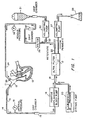
- FIG. 1 illustrates a system for ultrapheresis.
- Blood is removed from a patient by means of a venous catheter 10 with the distal lead 11 thereof disposed in the superior vena cava 12 leading to the patient's heart 13.
- the blood passes through conduit 14 to a drip chamber 15 and then into pump 16 which controls the pressure of the blood to the separation unit 17, preferably an ultrafilter as shown, through conduit 18.
- a pressure gauge 19 is provided on conduit 14 to continually monitor arterial pressure.
- a syringe pump 20 feeds an anti-clotting drug such as sodium heparin to conduit 18 to prevent the clotting of blood in the ultrafilter 17.
- the blood stream passes over the ultrafilter medium or membrane 21 under pressure.
- the blood fraction including the low molecular weight components passes through the membrane 21 and is discharged as permeate through conduit 22.
- the retentate or treated blood containing the high molecular weight components which include whole blood cells and platelets, is discharged into conduit 23 which ultimately leads back to the patient.
- Volumetric pump 27 passes a controlled amount of permeate to a container 28 for containment and for measuring.
- the treated blood and other components are returned to the patient through venous catheter 34, the distal or discharge end of which is disposed in the brachiocephalic vein.
- the volumetric pumps 27 and 30 are preferably set either to pump the same total amount of fluid or to pump at the same rate, so that the same volume of fluid which is removed from the patient's blood stream as permeate is returned as replacement fluid.
- the blood stream in conduit 23 is passed through filter 36 to remove clots or other debris from the blood stream.
- a drip chamber 37 ensures that no significant quantities of air enter the patient's blood stream.
- a pressure gauge 38 is provided to continually monitor venous blood pressure.
- Blood should be pumped through the ultrafilter unit at sufficient pressure to cause the blood components having the immunosuppressive effects to pass through the filter but at a velocity which will not excessively shear or otherwise damage the blood cells passing over the membrane.
- the ratio of the area of the membrane to the amount of blood treated per hour should be within about 0.1 to 2 cm/mL. Differential pressure across the membrane should range from about 2 to 20 mM Hg.
- the patient must receive replacement fluids following filtration.
- the preferred replacement fluid is ultrapheresis normal plasma, for example, expired plasma obtained from the Red Cross, which has been filtered using the same filter as used to treat the patient.
- the patient can be administered normal albumin, or fresh frozen plasma diluted with saline.
- Standard ultrapheresis is conducted over a period of time until a positive indication is observed. This is typically based on diagnostic tests which show that there has been some reduction in tumor size or which suggests tumor inflammation.
- the patient is preferably treated daily for three weeks, diagnostic tests conducted to verify that there has been shrinkage of the tumors and/or inflammation, then the treatment regime is repeated.
- Surgical (or vacuum) removal of necrotic material may be required prior to or during treatment to avoid toxicity associated with high tumor burden.
- Tumor specific inflammation has been observed in patients with metastatic colon cancer, ovarian cancer, lung cancer, head and neck cancer, cervical and endometrial cancers. In some cases, this inflammation has been followed by significant tumor regressions in each tumor type. The significance of response in such diverse tumor types strongly suggests that ultrapheresis modifies the patient's response to the tumor in favor of successful immunologic control of the tumor. Types of tumors that are particularly sensitive to the ultrapheresis include epithelial tumors, sarcomas, melanomas and glioblastomas.
- TNF-alpha and beta receptors are thought to be particularly important immune inhibitors. Therefore, compounds which enhance TNF activity are particularly preferred. These include anti-angiogenic compounds, such as thalidomide, procoagulant compounds, cytokines and other immunostimulants. Standard chemotherapeutic agents and/or radiation can also be used with the ultrapheresis.
- anti-angiogenic compound Any anti-angiogenic compound can be used.
- exemplary anti-angiogenic compounds include O-substituted fumagillol and derivatives thereof, such as TNP-470, described in U.S. Patent No. 5,135,919 , 5,698,586 , and 5,290,807 to Kishimoto , et al.; angiostatin and endostatin, described in U.S. Patent No. 5,290,807 , 5,639,725 and 5,733,876 to O'Reilly ; thalidomide, as described in U.S. Patent Nos.
- Protein C is a vitamin K-dependent plasma protein zymogen to a serine protease. Upon activation it becomes a potent anticoagulant. Activated protein C acts through the specific proteolysis of the procoagulant cofactors, factor VIIIa and factor Va. This activity requires the presence of another vitamin K-dependent protein, protein S, calcium and a phospholipid (presumably cellular) surface. As described in Hemostasis and Thrombosis: Basic Principles and Clinical Practice 2nd Ed., Colman, R.W., et al.,p.
- protein C circulates in a two-chain form, with the larger, heavy chain bound to the smaller light chain through a single disulfide link. Protein C is activated to activated protein C (APC). Thrombin is capable of activating protein C by the specific cleavage of the Arg 12 -Leu 13 bond in the heavy chain. In vivo, in the presence of physiological concentrations of calcium, the rate of this activation is enhanced dramatically when thrombin is bound to the endothelial cell cofactor, thrombomodulin. Matschiner, et al., Current Advances in Vitamin K Research, pp. 135-140, John W. Suttie, ed. (Elsevier Science Publishing Co., Inc. 1988 ) have further reviewed the role of the Vitamin K dependent proteins in coagulation.
- Blockage of the natural anticoagulant pathways uses the natural procoagulant properties of the tumor to target the tumor capillaries for microvascular thrombosis, leading to hemorrhagic necrosis of the tumor, as described in U.S. Patent No. 5,147,638 to Esmon , et al.
- examples of such compounds include anti-protein C and anti-protein S.
- TNF alpha and TNF beta in doses of between approximately 100 to 500 micrograms per meter squared body surface area (M2BSA), can enhance the immune reaction in aggressive tumors.
- M2BSA micrograms per meter squared body surface area
- Monocyte and lymphocyte activation is augmented by INF-alpha, INF-beta and gamma.
- the IL-1 and IL-2 receptor antagonists are removed by ultrapheresis and thereby upregulate the in vivo activity of these cytokines.
- IFN-alpha and beta are 3 M units subcutaneous three times a week up to 20 M units/M2 BSA daily.
- Interferon-gamma is administered in a dosage of between 100 to 1000 micgms per day.
- TNF receptor 1 and TNF receptor 2 molecules are shed by tumor cells, and that these molecules appear to inhibit immune mediated attack by the host on the tumor cells.
- the ultrapheresis is believed to remove the majority of these soluble receptors. Additional and/or selective, removal of these soluble receptor/inhibitors to soluble tumor necrosis factor receptor-1 ("sTNFR-1”), soluble tumor necrosis factor receptor-2 (“sTNFR-2”), soluble interleukin-2 receptor (“sIL-2R”), soluble interleukin-1 receptor (“sIL-1R”), soluble interleukin-6 receptor (“sIL-6R”), or soluble interferon-gamma receptor (“sIFN-gammaR”) can be used to supplement or instead of the ultrapheresis.
- sTNFR-1 soluble tumor necrosis factor receptor-1
- sTNFR-2 soluble tumor necrosis factor receptor-2
- sIL-2R soluble interleukin-2 receptor
- sIL-1R soluble interleukin-1 receptor
- the advantage of selective removal is that the same beneficial effect is obtained in treatment of the disorder but the treatment is much less expensive and safer since exogenous plasma or albumin does not have to be administered to the patient when there is selective removal.
- These can be removed by binding to the cytokine, an epitope thereof, or an antibody to the receptor. These can be immobilized in the filter, in a column, or using other standard techniques for binding reactions to remove proteins from the blood or plasma of a patient.
- antibody refers to antibody, or antibody fragments (single chain, recombinant, or humanized), immunoreactive against the receptor molecules. In the preferred embodiment, these antibodies are immobilized on the ultrapheresis membrane filters, using standard antibody coupling techniques. In the most preferred embodiment, the antibody is reactive with the carboxy-terminus of the shed receptor molecules, thereby avoid concerns with signal transduction by the receptor is still present on the cell surface.
- Preferred chemotherapeutic agents are those which are synergistic with TNF, for example, alkylating agents, doxyrubicin, carboplatinum, cisplatinum, and tomoxifen.
- Tamoxifen plays a role not only in blocking of estrogen receptors but also certain growth factor receptors such as epidermal derived growth factor ("EDGF”), fibroblast derived growth factor (“FDGF”), tumor derived growth factor (“TDGF”), TDGF- ⁇ and platelet derived growth factor (“PDGF”) and therefore may be complementary to inflammation against cancers provoked by ultrapheresis.
- EDGF epidermal derived growth factor
- FDGF fibroblast derived growth factor
- TDGF tumor derived growth factor
- PDGF- ⁇ platelet derived growth factor
- Ultrapheresis allows the use of lower doses of radiation to kill residual tumor cells and spare normal tissue.
- ultrapheresis is used as the initial therapy, followed by radiation at approximately one-half of the normal dosages. It is well established that TNF kills tumor cells by generating free oxygen radicals, hydroxyl radicals and halide ions, and that radiation therapy generates carbonium ions in tissue. Therefore the combination of the two is more effective in killing cancer cells than either alone.
- Example 1 Treatment of A Patient with Metastatic Leiomyoscarcoma with Ultrapheresis.
- Mrs. J.K. is a 43 year old lady with metastatic leiomyoscarcoma with six (6) lung metastases all of which developed within one month of surgery on both lungs to remove tumors. These tumors had also failed methotrexate, adriamycin, ifosphomide, and dactinomycin.
- Example 2 Treatment of Patients with Breast Cancer by Ultrapheresis and Thalidomide.
- Mrs. J.R. is a 44 year old lady who had metastatic breast cancer that had failed radiation therapy and treatment with chemotherapeutic agents: cytoxan, adriamycin, 5-FU, taxol, cis-platin, navalbine, tamoxofin and arimedex. Tumor at the time of ultrapheresis was documented in lungs, bone and skin of the entire left anterior and lateral chest.
- Example 3 Treatment of Patient with Metastic Melanoma with Ultrapheresis and Thalidomide.
- Mr. P.G. is a 54 year old engineer with metastatic melanoma with metastases to lung and to lymph nodes in the mediastinum.
- Example 4 Treatment of a Patient with Metastic Adenocarcinoma with Ultrapheresis and Thalidomide.
- Dr. R.S. is a 59 year old gentlemen with metastatic adenocarcinoma of the left upper lung with metastases to liver, brain and bones. His tumors had failed to respond to taxol, cis-platin and etoposide. His brain tumors had responded to radiation therapy.
Landscapes
- Health & Medical Sciences (AREA)
- Life Sciences & Earth Sciences (AREA)
- Veterinary Medicine (AREA)
- Animal Behavior & Ethology (AREA)
- Public Health (AREA)
- General Health & Medical Sciences (AREA)
- Chemical & Material Sciences (AREA)
- Medicinal Chemistry (AREA)
- Pharmacology & Pharmacy (AREA)
- Engineering & Computer Science (AREA)
- Epidemiology (AREA)
- Heart & Thoracic Surgery (AREA)
- Biomedical Technology (AREA)
- Immunology (AREA)
- Hematology (AREA)
- Vascular Medicine (AREA)
- Zoology (AREA)
- Bioinformatics & Cheminformatics (AREA)
- Chemical Kinetics & Catalysis (AREA)
- Anesthesiology (AREA)
- Proteomics, Peptides & Aminoacids (AREA)
- Gastroenterology & Hepatology (AREA)
- Nuclear Medicine, Radiotherapy & Molecular Imaging (AREA)
- Organic Chemistry (AREA)
- General Chemical & Material Sciences (AREA)
- Cell Biology (AREA)
- Virology (AREA)
- Developmental Biology & Embryology (AREA)
- Biotechnology (AREA)
- Cardiology (AREA)
- Water Supply & Treatment (AREA)
- Pathology (AREA)
- Radiology & Medical Imaging (AREA)
- Analytical Chemistry (AREA)
- Molecular Biology (AREA)
- Nanotechnology (AREA)
- Tropical Medicine & Parasitology (AREA)
- Pharmaceuticals Containing Other Organic And Inorganic Compounds (AREA)
- Medicines That Contain Protein Lipid Enzymes And Other Medicines (AREA)
- External Artificial Organs (AREA)
Abstract
Description
- The present invention is generally in the field of enhancing an immune response, and particularly relates to a system for the removal of inhibitors of immune mediators.
- Conventional cancer therapy is based on the use of drugs and/or radiation which kills replicating cells, hopefully faster than the agents kill the patient's normal cells. Surgery is used to reduce tumor bulk, but has little impact once the cancer has metatasized. Radiation is effective only in a localized area.
- The treatments can in themselves kill the patient, in the absence of maintenance therapy. For example, for some types of cancer, bone marrow transplants have been used to maintain the patient following treatment with otherwise fatal amounts of chemotherapy. Efficacy has not been proven for treatment of solid tumors, however. "Cocktails" of different chemotherapeutic agents and combinations of very high doses of chemotherapy with restorative agents, for example, granulocyte macrophage colony stimulating factor ("GM-CSF"), erythropoietin, thrombopoetin granulocyte stimulating factor, ("G-CSF"), macrophage colony stimulating factor ("M-CSF") and stem cell factor ("SCF") to restore platelet and white cell levels, have been used to treat aggressive cancers. Even with the supportive or restrictive therapy, side effects are severe.
- Other treatments have been tried in an attempt to improve mortality and morbidity. Vaccines to stimulate the patient's immune system have been attempted, but not with great success. Various cytokines, alone or in combination, such as tumor necrosis factor, interferon gamma, and interleukin-2 ("IL-2") have been used to kill cancers, but have not produced cures. More recently, anti-angiogenic compounds such as thalidomide have been tried in compassionate use cases and shown to cause tumor remission. In animal studies, compounds inducing a procoagulant state, such as an inhibitor of protein C, have been used to cause tumor remission. New studies have shown that inhibitors of cytokine receptors, such as tumor necrosis factor receptors ("TNF-Rs") which are released in a soluble form from tumor cells, in high concentrations relative to normal cells, may restore the immune system's attack on the tumor cells (Jablonska and Peitruska, Arch. Immunol. Ther. Exp. (Warsz) 1997, 45(5-6), 449-453; Chen, et al., J. Neuropathol. Exp. Neurol. 1997, 56(5), 541-550).
-
U.S. Patent No. 4,708,713 to Lentz (D1 ) describes an alternative method for treating cancer, involving ultrapheresis to remove compounds based on molecular weight, which promotes an immune attack on the tumors by the patient's own white cells. -
German patent no. DE 196 24 250 (D2 ) describes a method and a system for ultrafiltration of blood of all molecules less than 150,000 Daltons, which is designed primarily to remove toxins. - Despite all of these efforts, many patients die from cancer; others are terribly mutilated. It is unlikely that any one therapy will be effective to cure all types of cancer.
- It is therefore an object of the present invention to provide a system for treatment of solid tumors.
- It is a further object of the present invention to provide a system that does not involve non-selective, extremely toxic, systemic chemotherapy.
- The invention provides a system for inducing an immune response against transformed, infected or diseased tissue, comprising a device for removing only components present in blood or plasma having a molecular weight of 120,000 Daltons or less, having inlet and outlet means for connection to a pump and tubing to recirculate the blood or plasma of a patient through the device.
- Further embodiments and aspects of the invention are as described in Claims 2-34.
- The system to treat cancer uses ultrapheresis, refined to remove compounds of less than 120,000 daltons molecular weight, followed by administration of replacement fluid, to stimulate the patient's immune system to attack solid tumors. In the preferred embodiment, the patient is ultrapheresed using a capillary tube ultrafilter or parallel plate filter having a molecular weight cutoff of 120,000 daltons, sufficient to filter at least one blood volume. The preferred replacement fluid is ultrapheresed normal plasma. Alternatively, the patient is pheresed to selectively remove soluble receptor/inhibitors to soluble tumor necrosis factor receptor-1 ("sTNFR-1"), soluble tumor necrosis factor receptor-2 ("sTNFR-2"), soluble interleukin-2 receptor ("sIL-2R"), soluble interleukin-1 receptor ("sIL-1R"), soluble interleukin-6 receptor ("sIL-6R"), or soluble interferon-gamma receptor ("sIFN-gammaR"). These can be removed by binding to the cytokine, an epitope thereof, or an antibody to the receptor. These can be immobilized in the filter, in a column, or using other standard techniques for binding reactions to remove proteins from the blood or plasma of a patient. The patient is preferably treated daily for three weeks, diagnostic tests conducted to verify that there has been shrinkage of the tumors, then the treatment regime is repeated.
- The use of the system is preferably combined with an alternative therapy, for example, treatment with an anti-angiogenic compound, one or more cytokines such as TNF, gamma interferon, other interferons, or IL-2, or a procoagulant compound. The treatment increases the inflammation against tumors by allowing cytokines, such as TNF, to work effectively. This provides a basis for an improved effect when combined with any treatment that enhances cytokine activity against the tumors, for example, treatments using alkylating agents, doxyrubicin, carboplatinum, cisplatinum, and taxol, and other drugs which may be synergistic in effect with "unblocked" cytokines. Alternatively, the ultrapheresis treatment can be combined with local chemotherapy, systemic chemotherapy, and/or radiation.
-
-
Figure 1 is a schematic of the system for ultrapheresis. - The devices disclosed herein are useful for treatment of patients with cancer, immune-mediated disorders, chronic parasitism, some viral diseases, and other disorders characterized by elevated levels of TNF receptors or inhibitors to IL-2, IL-6, gamma interferon, or other pro-inflammatory signals as well as white cell activation. Examples demonstrate efficacy in treating cancer patients.
- The filter must be biocompatible, and suitable for contact with blood, without causing excessive activation of platelets or clotting. Devices will typically be either parallel plate filters or capillary membrane filters. These can be adapted from devices currently in use for kidney dialysis. The capillary membrane filters will typically have a surface area of between about 0.25 and 1 m2 for use with children and between about 1 and 3 m2 for use with adults. The parallel plate filters will typically have a surface area in the range from 0.1 and 2 cm2/ml of blood to be filtered.
- The filter membranes will typically be a biocompatible or inert thermoplastic such as polycarbonate, polytetrafluorethylene (TeflonR), polypropylene, ethylene polyvinyl alcohol or polysulfone, having a pore size typically of between 0.02 and 0.05 microns in a capillary membrane filter and of between 0.04 and 0.08 microns in a parallel plate filter. The actual pore size that yields the desired cutoff of approximately 120,000 daltons is determined based on the fluid flow geometry, shear forces, flow rates, and surface area. The effective cutoff for a capillary membrane filter with a pore size of 0.03 microns is 120,000 daltons, with a sieving coefficient of between 10 and 30%. This results in only a trivial amount of IgG being removed from the patient's blood. The filter membrane should be less than about 25 microns, preferably less than about 10 microns, thick. The permeable membrane should not cause blood clotting or otherwise react with the blood.
- A preferred membrane is one in which the pores are made by electron beams directed perpendicularly to the surface because the size and density of the pores can be accurately controlled in this manner. The pores are essentially circular in cross section so the effective pore size is the actual pore size. The effective pore size of ultrafiltered media having pores with non-circular cross sections shall be the diameter of a circular pore which will pass molecules or other components of an equivalent size to the molecules or other components which pass through the filter medium in question.
- Suitable devices can be obtained from Asahi Chemical Company, Japan, and Kuraray Co., Ltd, 1-12-39, Umeda, ite-ku, Osaka 530, Japan.
- Staged filters can also be used, which have different pore sizes and/or geometries or surfaces areas, to provide for a "staggered" removal of materials from the blood. Alternatively, although not at this time preferred, one can use differential centrifugation, to provide for an appropriate separation of blood components. Specific absorbing columns can also be employed to selectively remove specific cytokine and cellular inhibitors from the filtered plasma so that the ultrafiltrate (treated plasma) can be returned to the patient.
- The patient will typically be connected to the blood processing device using standard intravenous tubing, with connections similar to those used for plateletpheresis, so that blood can be removed from the patient at one site and returned at another. The tubing is connected to a pump that controls the flow rate so that in the preferred embodiment one blood volume (based on approximately 7% of the total body weight) is processed over a period of approximately 2 ½ hours. The filtrate is then returned from the filtration device to the patient at the second site. Standard microprocessor controls can be used to regulate the blood flow, for example, by monitoring the volume of the blood products being removed, in combination with flow rate monitors and pump speed.
- The entire system should first be flushed with saline and then treated with an anticoagulant or anticlotting agent, such as sodium heparin, to be sure that there are no locations within the system where blood clotting can occur. Moreover, small amounts of anticoagulants should be continually introduced into the blood stream directed to the ultrafilter to ensure than no clotting occurs during the filtration process. All of the surfaces of the system which come in contact with the blood and fluids which are infused into the patient must be sterilized prior to commencing treatment.
-
Figure 1 illustrates a system for ultrapheresis. Blood is removed from a patient by means of a venous catheter 10 with the distal lead 11 thereof disposed in thesuperior vena cava 12 leading to the patient'sheart 13. The blood passes throughconduit 14 to adrip chamber 15 and then intopump 16 which controls the pressure of the blood to theseparation unit 17, preferably an ultrafilter as shown, throughconduit 18. Apressure gauge 19 is provided onconduit 14 to continually monitor arterial pressure. Asyringe pump 20 feeds an anti-clotting drug such as sodium heparin toconduit 18 to prevent the clotting of blood in theultrafilter 17. In theultrafilter 17 the blood stream passes over the ultrafilter medium ormembrane 21 under pressure. The blood fraction including the low molecular weight components passes through themembrane 21 and is discharged as permeate throughconduit 22. The retentate or treated blood containing the high molecular weight components, which include whole blood cells and platelets, is discharged intoconduit 23 which ultimately leads back to the patient.Volumetric pump 27 passes a controlled amount of permeate to acontainer 28 for containment and for measuring.Volumetric pump 30, which is preferably the same type and capacity aspump 27, pumps replacement fluid from acontainer 31 toconduit 32, which directs the fluid toconduit 23 where it mixes with the retentate or treated blood. The treated blood and other components are returned to the patient throughvenous catheter 34, the distal or discharge end of which is disposed in the brachiocephalic vein. The volumetric pumps 27 and 30 are preferably set either to pump the same total amount of fluid or to pump at the same rate, so that the same volume of fluid which is removed from the patient's blood stream as permeate is returned as replacement fluid. The blood stream inconduit 23 is passed throughfilter 36 to remove clots or other debris from the blood stream. Adrip chamber 37 ensures that no significant quantities of air enter the patient's blood stream. Apressure gauge 38 is provided to continually monitor venous blood pressure. - Blood should be pumped through the ultrafilter unit at sufficient pressure to cause the blood components having the immunosuppressive effects to pass through the filter but at a velocity which will not excessively shear or otherwise damage the blood cells passing over the membrane. Generally it has been found that the ratio of the area of the membrane to the amount of blood treated per hour should be within about 0.1 to 2 cm/mL. Differential pressure across the membrane should range from about 2 to 20 mM Hg.
- The patient must receive replacement fluids following filtration. The preferred replacement fluid is ultrapheresis normal plasma, for example, expired plasma obtained from the Red Cross, which has been filtered using the same filter as used to treat the patient. Alternatively, the patient can be administered normal albumin, or fresh frozen plasma diluted with saline.
- Standard ultrapheresis is conducted over a period of time until a positive indication is observed. This is typically based on diagnostic tests which show that there has been some reduction in tumor size or which suggests tumor inflammation. The patient is preferably treated daily for three weeks, diagnostic tests conducted to verify that there has been shrinkage of the tumors and/or inflammation, then the treatment regime is repeated.
- Surgical (or vacuum) removal of necrotic material may be required prior to or during treatment to avoid toxicity associated with high tumor burden.
- This procedure has been demonstrated to cause a significant response (greater than 50% reduction in size of tumors) in a variety of solid tumors in approximately 50% of patients who have failed all other treatment modalities. A tumor specific inflammatory response provoked by ultrapheresis has been documented in approximately 75% of patients in metastatic melanoma clinical trials. This inflammation is characterized by redness, swelling, warmth, and tenderness and is confined to tumors only. There has been no associated injury to non-cancerous tissue. This tumor specific inflammatory response has led to a 50% or greater reduction in the size of tumors in 50% of patients studied so far. Clinical trials have also demonstrated a 44% major reduction of tumor metastases in human breast cancer and prostate cancer.
- Tumor specific inflammation has been observed in patients with metastatic colon cancer, ovarian cancer, lung cancer, head and neck cancer, cervical and endometrial cancers. In some cases, this inflammation has been followed by significant tumor regressions in each tumor type. The significance of response in such diverse tumor types strongly suggests that ultrapheresis modifies the patient's response to the tumor in favor of successful immunologic control of the tumor. Types of tumors that are particularly sensitive to the ultrapheresis include epithelial tumors, sarcomas, melanomas and glioblastomas.
- It would clearly be advantageous to cause complete remissions. Based on the presumed mechanism that the process is removing immune inhibitors produced by the tumors, especially inhibitors of cytokines and other immune mediators, it is possible to treat the patients with adjuvant or combination therapies, that enhance the results achieved with the ultrapheresis. TNF-alpha and beta receptors are thought to be particularly important immune inhibitors. Therefore, compounds which enhance TNF activity are particularly preferred. These include anti-angiogenic compounds, such as thalidomide, procoagulant compounds, cytokines and other immunostimulants. Standard chemotherapeutic agents and/or radiation can also be used with the ultrapheresis.
- Any anti-angiogenic compound can be used. Exemplary anti-angiogenic compounds include O-substituted fumagillol and derivatives thereof, such as TNP-470, described in
U.S. Patent No. 5,135,919 ,5,698,586 , and5,290,807 to Kishimoto , et al.; angiostatin and endostatin, described inU.S. Patent No. 5,290,807 ,5,639,725 and5,733,876 to O'Reilly ; thalidomide, as described inU.S. Patent Nos. 5,629,327 and5,712,291 to D'Amato ; and other compounds, such as the anti-invasive factor, retinoic acid, and paclitaxel, described inU.S. Patent No. 5,716,981 to Hunter , et al., and the metalloproteinase inhibitors described inU.S. Patent No. 5,713,491 to Murphy , et al. Thalidomide is administered once daily, 200 mg orally. - Protein C is a vitamin K-dependent plasma protein zymogen to a serine protease. Upon activation it becomes a potent anticoagulant. Activated protein C acts through the specific proteolysis of the procoagulant cofactors, factor VIIIa and factor Va. This activity requires the presence of another vitamin K-dependent protein, protein S, calcium and a phospholipid (presumably cellular) surface. As described in Hemostasis and Thrombosis: Basic Principles and Clinical Practice 2nd Ed., Colman, R.W., et al.,p. 263 (J.B.Lippincott, Philadelphia, PA 1987), protein C circulates in a two-chain form, with the larger, heavy chain bound to the smaller light chain through a single disulfide link. Protein C is activated to activated protein C (APC). Thrombin is capable of activating protein C by the specific cleavage of the Arg12-Leu13 bond in the heavy chain. In vivo, in the presence of physiological concentrations of calcium, the rate of this activation is enhanced dramatically when thrombin is bound to the endothelial cell cofactor, thrombomodulin. Matschiner, et al., Current Advances in Vitamin K Research, pp. 135-140, John W. Suttie, ed. (Elsevier Science Publishing Co., Inc. 1988) have further reviewed the role of the Vitamin K dependent proteins in coagulation.
- Blockage of the natural anticoagulant pathways, in particular the protein C pathway, uses the natural procoagulant properties of the tumor to target the tumor capillaries for microvascular thrombosis, leading to hemorrhagic necrosis of the tumor, as described in
U.S. Patent No. 5,147,638 to Esmon , et al. Examples of such compounds include anti-protein C and anti-protein S. - C. Cytokines The biologic activity and clinical effectiveness of pro-inflammatory cytokines is augmented by ultrapheresis in the patient with cancer and other states of acquired immune tolerance Specifically, both TNF alpha and TNF beta, in doses of between approximately 100 to 500 micrograms per meter squared body surface area (M2BSA), can enhance the immune reaction in aggressive tumors. Monocyte and lymphocyte activation is augmented by INF-alpha, INF-beta and gamma. The IL-1 and IL-2 receptor antagonists are removed by ultrapheresis and thereby upregulate the in vivo activity of these cytokines. An 80 kD glycoprotein, which is responsible for inhibiting blastoid transformation in advanced malignancy, chronic infectious disease and pregnancy, has recently been found, and appears to be responsible for the loss of delayed hypersensitivity reactions in these diseases, which is removed by this process. This is significant because in removing this type of suppression, vaccines of all types will work better. Dosage regimes for IFN-alpha and beta are 3 M units subcutaneous three times a week up to 20 M units/M2 BSA daily. Interferon-gamma is administered in a dosage of between 100 to 1000 micgms per day.
- It is well established that TNF receptor 1 and TNF receptor 2 molecules are shed by tumor cells, and that these molecules appear to inhibit immune mediated attack by the host on the tumor cells. The ultrapheresis is believed to remove the majority of these soluble receptors. Additional and/or selective, removal of these soluble receptor/inhibitors to soluble tumor necrosis factor receptor-1 ("sTNFR-1"), soluble tumor necrosis factor receptor-2 ("sTNFR-2"), soluble interleukin-2 receptor ("sIL-2R"), soluble interleukin-1 receptor ("sIL-1R"), soluble interleukin-6 receptor ("sIL-6R"), or soluble interferon-gamma receptor ("sIFN-gammaR") can be used to supplement or instead of the ultrapheresis. The advantage of selective removal is that the same beneficial effect is obtained in treatment of the disorder but the treatment is much less expensive and safer since exogenous plasma or albumin does not have to be administered to the patient when there is selective removal. These can be removed by binding to the cytokine, an epitope thereof, or an antibody to the receptor. These can be immobilized in the filter, in a column, or using other standard techniques for binding reactions to remove proteins from the blood or plasma of a patient. As used herein, antibody refers to antibody, or antibody fragments (single chain, recombinant, or humanized), immunoreactive against the receptor molecules. In the preferred embodiment, these antibodies are immobilized on the ultrapheresis membrane filters, using standard antibody coupling techniques. In the most preferred embodiment, the antibody is reactive with the carboxy-terminus of the shed receptor molecules, thereby avoid concerns with signal transduction by the receptor is still present on the cell surface.
- Preferred chemotherapeutic agents are those which are synergistic with TNF, for example, alkylating agents, doxyrubicin, carboplatinum, cisplatinum, and tomoxifen. Tamoxifen plays a role not only in blocking of estrogen receptors but also certain growth factor receptors such as epidermal derived growth factor ("EDGF"), fibroblast derived growth factor ("FDGF"), tumor derived growth factor ("TDGF"), TDGF-β and platelet derived growth factor ("PDGF") and therefore may be complementary to inflammation against cancers provoked by ultrapheresis.
- Radiation therapy is destructive of normal tissue, causing tumors to die partially by an inflammatory attack. Ultrapheresis allows the use of lower doses of radiation to kill residual tumor cells and spare normal tissue. In a preferred method, ultrapheresis is used as the initial therapy, followed by radiation at approximately one-half of the normal dosages. It is well established that TNF kills tumor cells by generating free oxygen radicals, hydroxyl radicals and halide ions, and that radiation therapy generates carbonium ions in tissue. Therefore the combination of the two is more effective in killing cancer cells than either alone.
- Mrs. J.K. is a 43 year old lady with metastatic leiomyoscarcoma with six (6) lung metastases all of which developed within one month of surgery on both lungs to remove tumors. These tumors had also failed methotrexate, adriamycin, ifosphomide, and dactinomycin.
- She received 24 ultrapheresis procedures with no side effects. One month later, CAT scan revealed only four (4) tumors and these were reduced in size by 50%.
- Mrs. J.R. is a 44 year old lady who had metastatic breast cancer that had failed radiation therapy and treatment with chemotherapeutic agents: cytoxan, adriamycin, 5-FU, taxol, cis-platin, navalbine, tamoxofin and arimedex. Tumor at the time of ultrapheresis was documented in lungs, bone and skin of the entire left anterior and lateral chest.
- She was treated with 15 ultrapheresis procedures over a three week period. She experienced marked inflammation in the tumors of his skin, increased pain from the tumors in her bones, and swelling of the tumors in her lungs. She then received the drug thalidomide 200 mg at night. The redness and swelling in her skin improved within 2 days and her breathing returned to normal within one week. Two weeks after completing treatment, all tumor in her skin had resolved clinically, her bone pain resolved and the tumors in her lungs resolved on repeat CAT scan. One week later, she returned to work as a school counselor. She tested disease free two months after treatment and was being maintained on thalidomide at the same dose.
- Mr. P.G. is a 54 year old engineer with metastatic melanoma with metastases to lung and to lymph nodes in the mediastinum.
- He received 24 ultrapheresis procedures, resulting in a 25% reduction of tumors. He was subsequently treated with an additional 12 procedures, resulting in minor tumor reduction despite evidence of tumor inflammation. The tumors regrew within one month. He was again retreated with ultrapheresis, again resulting in inflammation and some minor regression, but was then treated with thalidomide at the time of tumor inflammation. Two months later, repeat CAT scan showed complete disappearance of tumors in the lung and mediastinum. He is being followed closely and shows no evidence of disease and has no medical complaints six months after completing treatment.
- Dr. R.S. is a 59 year old gentlemen with metastatic adenocarcinoma of the left upper lung with metastases to liver, brain and bones. His tumors had failed to respond to taxol, cis-platin and etoposide. His brain tumors had responded to radiation therapy.
- He received 15 ultrapheresis procedures. Each procedure caused increased pain in tumors of his spine, pelvis, right hip and left shoulder. Follow up scans after ultrapheresis treatment revealed resolution of tumors in pelvis, spine, hip, and ribs. There was a 50% reduction in the primary tumor in the lung and liver. Thalidomide was then started at 200 mg each night. One month later, the scans revealed further reduction in the tumors in lung and liver. The patient's pains have all been resolved and he is asymptomatic at this time.
Claims (34)
- A system for inducing an immune response against transformed, infected or diseased tissue comprising a device for removing only components present in blood or plasma having a molecular weight of 120,000 daltons or less, having inlet and outlet means for connection to a pump and tubing to recirculate the blood or plasma of a patient through the device.
- A system according to claim 1 having immobilized therein absorbents selectively removing specific cytokine or cellular inhibitors selected from the group consisting of soluble tumor necrosis factor receptor-1 (sTNFR-1), soluble tumor necrosis factor receptor-2 (sTNFR-2), soluble interleukin-2 receptor (sIL-2R), soluble interleukin-1 receptor (sIL-1R), soluble interleukin-6 receptor (sIL-6R), and soluble interferon-gamma receptor (sIFN-gammaR) from the blood.
- The system of claim 1 or 2 wherein the device is a capillary membrane filter with a pore size of between about 0.02 and 0.05 microns.
- The system of claim 1 or 2 wherein the device is a parallel plate filter with a pore size of between about 0.04 and 0.08 microns.
- The system of claim 1 or 2 wherein the device comprises filters with different pore sizes or geometries to provide for staggered removal of materials from the blood.
- The system of claim 1 or 2 wherein the device is an absorbent column selectively removing specific cytokine or cellular inhibitors from the blood or plasma.
- The system of claim 6 wherein the cytokine or cellular inhibitors are selected from the group consisting of sTNFR-1, sTNFR-2, sIL-2R, sIL-1R, sIL-6R, and sIFN-gammaR.
- The system of claim 7 comprising cytokines or antibody or antibody fragments immunoreactive with the cytokine receptor molecules.
- The system of claim 8 wherein the cytokine or antibody or antibody fragments are immobilized in a filter or column through which the patient's blood or plasma is circulated prior to being returned to the patient.
- The system of claim 1 wherein the system includes means for administering radiation to the tissue.
- Use of blood, plasma or a blood fraction from which only components having a molecular weight of 120,000 daltons or less have been removed, in the manufacture of a medicament for inducing an immune response against transformed, infected or diseased tissue until the transformed, infected, or diseased tissue is reduced in amount, or for treating cancer.
- A use according to claim 11 wherein said components are removed using a system according to any one of claims 1 to 10.
- The use of claim 11 or 12 wherein the tissue is a solid tumor.
- The use of claim 11 or 12 wherein the components are removed from one volume of blood or plasma.
- The use of claim 11 or 12 wherein the components are removed in multiple treatments.
- The use of claim 11 or 12 further wherein the tissue is to be treated further with an agent selected from the group consisting of anti-angiogenic compounds, procoagulant compounds, cytokines, chemotherapeutic agents, and radiation.
- The use of claim 16 wherein the agent is a cytokine and the cytokine is selected from the group consisting of GM-CSF, erythropoietin, thrombopoetin, G-CSF, M-CSF and SCF.
- The use of claim 11 or 12 further comprising selectively removing soluble cytokine receptor molecules.
- The use of claim 11 or 12 wherein the soluble cytokine receptor molecules are removed by binding of the molecules to a filter.
- The use of claim 19 wherein the soluble cytokine receptor molecules are selected from the group consisting of sTNFR-1, and sTNFR-2.
- The use of claim 16 wherein the agent is thalidomide.
- The use of claim 11 or 12 wherein the patient is to be vaccinated further with a vaccine against the transformed, infected or diseased tissue.
- A method for preparing blood, plasma or a blood fraction ex vivo for inducing an immune response against transformed, infected or diseased tissue until the transformed, infected or diseased tissue is reduced in amount, the method comprising removing from provided blood or plasma ex vivo only components having a molecular weight of 120,000 daltons or less.
- Use of an agent selected from the group consisting of anti-angiogenic compounds, procoagulant compounds, cytokines and chemotherapeutic agents in the manufacture of a medicament for inducing an immune response against transformed, infected or diseased tissue in a patient wherein the patient is one who is treated with blood, plasma or a blood fraction from which only components having a molecular weight of 120,000 or less have been removed.
- Use according to claim 24 wherein the agent is a cytokine and the cytokine is selected from the group consisting of GM-CSF, erythropoietin, thrombopoetin, G-CSF, M-CSF and SCF.
- A kit for treatment of a patient to induce an immune response against transformed, infected or diseased tissue comprising:a device for removing only components present in blood or plasma having a molecular weight of 120,000 daltons or less and an agent selected from the group consisting of anti-angiogenic compounds, procoagulant compounds, cytokines, chemotherapeutic agents, and radiation, in a dosage formulation for treatment of the patient.
- The kit of claim 26 wherein the agent is an anti-angiogenic compound.
- The kit of claim 26 wherein the agent is a procoagulant compound.
- The kit of claim 26 wherein the agent is a cytokine.
- The kit of claim 29 wherein the cytokine is selected from the group consisting of GM-CSF, erythropoietin, thrombopoetin, G-CSF, M-CSF and SCF.
- The kit of claim 26 wherein the agent is a chemo-therapeutic agent.
- The kit claim 31 wherein the agent is selected from the group consisting of alkylating agents, doxyrubicin, carboplatinum, cisplatinum and taxol.
- The kit of claim 26 further comprising anticoagulant to treat the device prior to use.
- The kit of claim 27 wherein the agent is thalidomide.
Priority Applications (1)
| Application Number | Priority Date | Filing Date | Title |
|---|---|---|---|
| EP06076477A EP1731162A3 (en) | 1998-05-22 | 1999-05-21 | Apparatus, method and compositions for the treatment of cancers by ultraphoresis |
Applications Claiming Priority (3)
| Application Number | Priority Date | Filing Date | Title |
|---|---|---|---|
| US09/083,307 US6620382B1 (en) | 1998-05-22 | 1998-05-22 | Method and compositions for treatment of cancers |
| US83307 | 1998-05-22 | ||
| PCT/US1999/011306 WO1999061085A2 (en) | 1998-05-22 | 1999-05-21 | Method and compositions for treatment of cancers |
Related Child Applications (1)
| Application Number | Title | Priority Date | Filing Date |
|---|---|---|---|
| EP06076477A Division EP1731162A3 (en) | 1998-05-22 | 1999-05-21 | Apparatus, method and compositions for the treatment of cancers by ultraphoresis |
Publications (3)
| Publication Number | Publication Date |
|---|---|
| EP1079875A2 EP1079875A2 (en) | 2001-03-07 |
| EP1079875B1 EP1079875B1 (en) | 2006-09-20 |
| EP1079875B2 true EP1079875B2 (en) | 2009-11-18 |
Family
ID=22177487
Family Applications (2)
| Application Number | Title | Priority Date | Filing Date |
|---|---|---|---|
| EP06076477A Withdrawn EP1731162A3 (en) | 1998-05-22 | 1999-05-21 | Apparatus, method and compositions for the treatment of cancers by ultraphoresis |
| EP99928331A Expired - Lifetime EP1079875B2 (en) | 1998-05-22 | 1999-05-21 | Cancer treatment by ultrapheresis removing compounds of less than 120,000 daltons |
Family Applications Before (1)
| Application Number | Title | Priority Date | Filing Date |
|---|---|---|---|
| EP06076477A Withdrawn EP1731162A3 (en) | 1998-05-22 | 1999-05-21 | Apparatus, method and compositions for the treatment of cancers by ultraphoresis |
Country Status (11)
| Country | Link |
|---|---|
| US (6) | US6620382B1 (en) |
| EP (2) | EP1731162A3 (en) |
| JP (3) | JP3694757B2 (en) |
| AT (1) | ATE339978T1 (en) |
| AU (1) | AU767564B2 (en) |
| CA (1) | CA2333323C (en) |
| DE (1) | DE69933289T3 (en) |
| DK (1) | DK1079875T4 (en) |
| ES (1) | ES2277440T5 (en) |
| PT (1) | PT1079875E (en) |
| WO (1) | WO1999061085A2 (en) |
Families Citing this family (82)
| Publication number | Priority date | Publication date | Assignee | Title |
|---|---|---|---|---|
| ES2221717T3 (en) | 1997-12-08 | 2005-01-01 | Emd Lexigen Research Center Corp. | USEFUL HETERODIMERAS FUSION PROTEINS FOR DIRECTED IMMUNOTHERAPY AND GENERAL IMMUNOSTIMULATION. |
| US20030105294A1 (en) * | 1998-02-25 | 2003-06-05 | Stephen Gillies | Enhancing the circulating half life of antibody-based fusion proteins |
| CN1318092C (en) * | 1998-04-15 | 2007-05-30 | 利思进药品公司 | Composition for immunotherapy containing antibody-cytokine fusion protein and angiogenesis inhibitor |
| US8197430B1 (en) * | 1998-05-22 | 2012-06-12 | Biopheresis Technologies, Inc. | Method and system to remove cytokine inhibitor in patients |
| US6620382B1 (en) * | 1998-05-22 | 2003-09-16 | Biopheresis Technologies, Llc. | Method and compositions for treatment of cancers |
| US20040199099A1 (en) * | 1998-07-10 | 2004-10-07 | Matson James R | Hemofiltration systems, methods and devices used to treat inflammatory mediator related disease |
| US7067110B1 (en) | 1999-07-21 | 2006-06-27 | Emd Lexigen Research Center Corp. | Fc fusion proteins for enhancing the immunogenicity of protein and peptide antigens |
| SK782002A3 (en) | 1999-07-21 | 2003-08-05 | Lexigen Pharm Corp | FC fusion proteins for enhancing the immunogenicity of protein and peptide antigens |
| WO2001010912A1 (en) * | 1999-08-09 | 2001-02-15 | Lexigen Pharmaceuticals Corp. | Multiple cytokine-antibody complexes |
| DE60043156D1 (en) * | 1999-11-10 | 2009-11-26 | Biopheresis Technologies Inc | METHOD AND SYSTEM FOR REMOVING CYTOKININ HIBITORS IN PATIENTS |
| CA2391080A1 (en) | 1999-11-12 | 2001-05-25 | Merck Patent Gesellschaft Mit Beschraenkter Haftung | Erythropoietin forms with improved properties |
| US6379708B1 (en) * | 1999-11-20 | 2002-04-30 | Cytologic, Llc | Method for enhancing immune responses in mammals |
| CA2319872C (en) * | 2000-02-02 | 2012-06-19 | Chun-Ying Huang | Pharmaceutical composition for the treatment of hepatocellular carcinoma |
| US6497676B1 (en) * | 2000-02-10 | 2002-12-24 | Baxter International | Method and apparatus for monitoring and controlling peritoneal dialysis therapy |
| JP5179689B2 (en) * | 2000-02-11 | 2013-04-10 | メルク パテント ゲゼルシャフト ミット ベシュレンクテル ハフツング | Enhancing the half-life of antibody-based fusion proteins in the circulation |
| US8535258B2 (en) * | 2000-03-24 | 2013-09-17 | Immunocept, L.L.C. | Hemofiltration methods for treatment of diseases in a mammal |
| US7291122B2 (en) * | 2000-03-24 | 2007-11-06 | Immunocept, L.L.C. | Hemofiltration methods for treatment of diseases in a mammal |
| US8597516B2 (en) * | 2000-05-16 | 2013-12-03 | Immunocept, L.L.C. | Methods and systems for colloid exchange therapy |
| US6787040B2 (en) * | 2000-05-16 | 2004-09-07 | Immunocept, L.L.C. | Method and system for colloid exchange therapy |
| CZ2003214A3 (en) * | 2000-06-29 | 2003-08-13 | Merck Patent Gmbh | Enhancement of antibody-cytokine fusion protein-mediated response by combined treatment with immunocytokine uptake enhancers |
| US6517625B2 (en) * | 2001-01-03 | 2003-02-11 | Mgp Ingredients, Inc. | Protein/starch paper coating compositions and method of use thereof |
| EP1226824A1 (en) * | 2001-01-24 | 2002-07-31 | TTY Biopharm Company Limited | Use of thalidomide for the treatment of hepatocellular carcinoma |
| DK1366067T3 (en) * | 2001-03-07 | 2012-10-22 | Merck Patent Gmbh | EXPRESSION TECHNOLOGY FOR PROTEINS CONTAINING A HYBRID ISOTYPE ANTIBODY UNIT |
| US6992174B2 (en) | 2001-03-30 | 2006-01-31 | Emd Lexigen Research Center Corp. | Reducing the immunogenicity of fusion proteins |
| BR0209177A (en) | 2001-05-03 | 2004-10-05 | Merck Patent Gmbh | Recombinant tumor specific antibody and use |
| JP2003057771A (en) * | 2001-08-20 | 2003-02-26 | Fuji Photo Film Co Ltd | Abnormal shadow detection device |
| EP1454138B1 (en) * | 2001-12-04 | 2012-01-18 | Merck Patent GmbH | Immunocytokines with modulated selectivity |
| US20050271653A1 (en) * | 2002-04-23 | 2005-12-08 | Meir Strahilevitz | Methods and devices for targeting a site in a mammal and for removing species from a mammal |
| AU2003245524A1 (en) * | 2002-06-13 | 2003-12-31 | Regents Of The University Of Minnesota | Cryosurgery compositions and methods |
| ATE471946T1 (en) * | 2002-12-17 | 2010-07-15 | Merck Patent Gmbh | HUMANIZED ANTIBODY (H14.18) OF THE MOUSE ANTIBODY 14.18 THAT BINDS GD2 AND ITS FUSION WITH IL-2 |
| EP1608225A4 (en) * | 2003-03-26 | 2007-07-04 | Univ Minnesota | THERMAL SURGICAL INTERVENTIONS AND COMPOSITIONS THEREFOR |
| DE102004014983A1 (en) * | 2004-03-26 | 2005-10-20 | Univ Stuttgart | Recombinant polypeptides of the members of the TNF ligand family and their use |
| AU2005240082B2 (en) | 2004-04-30 | 2009-07-23 | Innatus Corporation | Method and system to remove soluble TNFR1,TNFR2, and IL2 in patients |
| JP2007537200A (en) * | 2004-05-14 | 2007-12-20 | ハンス−ディートリヒ・ポラシェグ | Taurolidine formulation and administration: therapeutic treatment and antibacterial protection against bacterial microfilm formation |
| US7727528B2 (en) * | 2004-07-22 | 2010-06-01 | Early Detection, Llc | Methods for diagnosis using anti-cytokine receptor antibodies |
| US8207110B2 (en) | 2004-09-03 | 2012-06-26 | The Trustees Of Columbia University In The City Of New York | ITL3 polypeptides and uses thereof |
| US20070065514A1 (en) * | 2005-09-22 | 2007-03-22 | Howell Mark D | Method for enhancing immune responses in mammals |
| WO2007089945A2 (en) * | 2006-02-02 | 2007-08-09 | The Trustees Of Columbia University In The City Of New York | Treating diseases by targeting silt3 |
| ES2880460T3 (en) | 2006-03-09 | 2021-11-24 | Aethlon Medical Inc | Extracorporeal removal of microvesicular particles |
| US20080075690A1 (en) * | 2006-09-22 | 2008-03-27 | Mark Douglas Howell | Method for enhancing immune responses in mammals |
| NZ601583A (en) * | 2007-05-21 | 2013-08-30 | Bristol Myers Squibb Co | Novel rabbit antibody humanization methods and humanized rabbit antibodies |
| US8404235B2 (en) | 2007-05-21 | 2013-03-26 | Alderbio Holdings Llc | Antagonists of IL-6 to raise albumin and/or lower CRP |
| US20090238825A1 (en) * | 2007-05-21 | 2009-09-24 | Kovacevich Brian R | Novel rabbit antibody humanization methods and humanized rabbit antibodies |
| US8252286B2 (en) | 2007-05-21 | 2012-08-28 | Alderbio Holdings Llc | Antagonists of IL-6 to prevent or treat thrombosis |
| US8062864B2 (en) | 2007-05-21 | 2011-11-22 | Alderbio Holdings Llc | Nucleic acids encoding antibodies to IL-6, and recombinant production of anti-IL-6 antibodies |
| US8178101B2 (en) | 2007-05-21 | 2012-05-15 | Alderbio Holdings Inc. | Use of anti-IL-6 antibodies having specific binding properties to treat cachexia |
| US7906117B2 (en) | 2007-05-21 | 2011-03-15 | Alderbio Holdings Llc | Antagonists of IL-6 to prevent or treat cachexia, weakness, fatigue, and/or fever |
| DK2164514T3 (en) * | 2007-05-21 | 2017-02-27 | Alderbio Holdings Llc | Antibodies to IL-6 and its use |
| US9701747B2 (en) | 2007-05-21 | 2017-07-11 | Alderbio Holdings Llc | Method of improving patient survivability and quality of life by anti-IL-6 antibody administration |
| DE102007039939B4 (en) | 2007-08-23 | 2013-03-14 | Albutec Gmbh | Device for saving diafiltrate |
| AU2009209515A1 (en) * | 2008-01-28 | 2009-08-06 | Milux Holding Sa | Blood clot removal device, system, and method |
| DE102008010691A1 (en) | 2008-02-22 | 2009-08-27 | Universität Rostock | Bioäquivalenzdialyse |
| US8992920B2 (en) | 2008-11-25 | 2015-03-31 | Alderbio Holdings Llc | Anti-IL-6 antibodies for the treatment of arthritis |
| US8323649B2 (en) * | 2008-11-25 | 2012-12-04 | Alderbio Holdings Llc | Antibodies to IL-6 and use thereof |
| US8420089B2 (en) | 2008-11-25 | 2013-04-16 | Alderbio Holdings Llc | Antagonists of IL-6 to raise albumin and/or lower CRP |
| US9212223B2 (en) | 2008-11-25 | 2015-12-15 | Alderbio Holdings Llc | Antagonists of IL-6 to prevent or treat thrombosis |
| US9452227B2 (en) | 2008-11-25 | 2016-09-27 | Alderbio Holdings Llc | Methods of treating or diagnosing conditions associated with elevated IL-6 using anti-IL-6 antibodies or fragments |
| US8337847B2 (en) | 2008-11-25 | 2012-12-25 | Alderbio Holdings Llc | Methods of treating anemia using anti-IL-6 antibodies |
| EP2504032A4 (en) | 2009-11-24 | 2013-06-19 | Alderbio Holdings Llc | Antagonists of il-6 to prevent or treat thrombosis |
| US9775921B2 (en) | 2009-11-24 | 2017-10-03 | Alderbio Holdings Llc | Subcutaneously administrable composition containing anti-IL-6 antibody |
| DK2510084T3 (en) * | 2009-12-08 | 2020-04-27 | The Board Of Trustees Of The Univ Of Illionis | STEM CELL IMMUNAL MODULATION APPLICATIONS AND APPARATUS |
| US20120323158A1 (en) * | 2010-03-10 | 2012-12-20 | Paul Tebbey | Extracorporeal immunoadsorption treatment |
| NL1038359C2 (en) * | 2010-03-31 | 2012-06-27 | Aquamarijn Res B V | Device and method for separation of circulating tumor cells. |
| US8992908B2 (en) | 2010-11-23 | 2015-03-31 | Alderbio Holdings Llc | Anti-IL-6 antibodies for the treatment of oral mucositis |
| WO2012163544A1 (en) | 2011-06-01 | 2012-12-06 | Biopheresis Technologies, Inc. | Removal of soluble tumor necrosis factor receptor 2 (stnfr2) |
| US9696312B2 (en) | 2011-09-02 | 2017-07-04 | The Trustees Of Columbia University In The City Of New York | Diagnosis and treatment of cancer expressing ILT3 or ILT3 ligand |
| WO2013179143A2 (en) | 2012-06-01 | 2013-12-05 | Biopheresis Technologies, Inc. | Sensitization of cancer cells by the removal of soluble tumor necrosis factor receptors |
| US9545471B2 (en) * | 2013-08-06 | 2017-01-17 | Viatar LLC | Extracorporeal fluidic device for collecting circulating tumor cells and method of use thereof |
| JP6196737B2 (en) | 2013-12-19 | 2017-09-13 | スリーエム イノベイティブ プロパティズ カンパニー | Viscoelastic medical article |
| US10130752B2 (en) * | 2014-08-21 | 2018-11-20 | Fenwal, Inc. | Parallel processing of fluid components |
| CA2962251A1 (en) | 2014-10-03 | 2016-04-07 | Ntercept, Llc | Compositions and methods for inhibiting the biological activity of soluble biomolecules |
| CN104998312A (en) * | 2015-06-05 | 2015-10-28 | 聂绍平 | Hemopericardium drainage autologous transfusion system |
| EP3325006A4 (en) | 2015-07-17 | 2019-03-06 | The Trustees of Columbia University in the City of New York | METHODS OF TREATING CANCER EXPRESSING CD166 |
| CN108135850A (en) | 2015-07-29 | 2018-06-08 | 纳米提克斯有限责任公司 | Modular compositions and related methods for clearance of soluble biomolecules |
| EP3389788A4 (en) | 2015-12-18 | 2019-07-17 | University of Pittsburgh- Of the Commonwealth System of Higher Education | PREVENTION AND TREATMENT OF CANCER BY INHIBITING SOLUBLE TUMOR NECROSIS FACTOR |
| US20180093032A1 (en) * | 2016-08-15 | 2018-04-05 | Henry John Smith | Targeted apheresis using binding agents or ligands immobilized on membranes |
| US11065345B2 (en) | 2017-01-04 | 2021-07-20 | Nanotics, Llc | Methods for assembling scavenging particles |
| CN107064389A (en) * | 2017-04-26 | 2017-08-18 | 苏州海科医药技术有限公司 | The UPLC MS/MS detection methods of free paclitaxel in a kind of blood plasma |
| KR102920712B1 (en) | 2017-05-24 | 2026-01-30 | 노파르티스 아게 | Antibody-cytokine engrafted proteins and their use in cancer therapy |
| EP3735281B1 (en) | 2018-01-05 | 2024-11-27 | Path Ex, Inc. | Device for the capture and removal of disease material from fluids |
| IL287801A (en) * | 2019-05-07 | 2022-07-01 | Immunicom Inc | Augmentation of responses to checkpoint inhibitors using in vitro apheresis |
| US20230149613A1 (en) * | 2020-06-29 | 2023-05-18 | Seastar Medical, Inc. | Devices and methods for treating or preventing cytokine release syndrome and tumor lysis syndrome |
Family Cites Families (142)
| Publication number | Priority date | Publication date | Assignee | Title |
|---|---|---|---|---|
| US5840588A (en) | 1971-05-20 | 1998-11-24 | Strahilevitz; Meir | Agglutination inhibition assay methods and reagents for psychoactive substances |
| US4375414A (en) | 1971-05-20 | 1983-03-01 | Meir Strahilevitz | Immunological methods for removing species from the blood circulatory system and devices therefor |
| US4189470A (en) | 1973-01-30 | 1980-02-19 | Bio-Response, Inc. | Method for the continuous removal of a specific antibody from the lymph fluid in animals and humans |
| US4116589A (en) | 1977-04-15 | 1978-09-26 | Avco Corporation | Extracorporeal pulsatile blood pump comprised of side by side bladders |
| US4191182A (en) | 1977-09-23 | 1980-03-04 | Hemotherapy Inc. | Method and apparatus for continuous plasmaphersis |
| USRE31688E (en) | 1977-09-23 | 1984-09-25 | Hemotherapy, Inc. | Method and apparatus for continuous plasmapheresis |
| US4439332A (en) | 1978-08-14 | 1984-03-27 | American Cyanamid Company | Stable emulsion copolymers of acrylamide and ammonium acrylate for use in enhanced oil recovery |
| US4381775A (en) * | 1980-02-05 | 1983-05-03 | Takeda Chemical Industries, Ltd. | Method for low pressure filtration of plasma from blood |
| US4384954A (en) * | 1980-04-16 | 1983-05-24 | Kuraray Co., Ltd. | Column for adsorption of blood proteins |
| US4350156A (en) | 1980-05-29 | 1982-09-21 | Japan Foundation For Artificial Organs | Method and apparatus for on-line filtration removal of macromolecules from a physiological fluid |
| US4362155A (en) | 1981-03-24 | 1982-12-07 | Skurkovich Simon V | Method and apparatus for the treatment of autoimmune and allergic diseases |
| US4605394A (en) | 1982-12-03 | 1986-08-12 | Simon V. Skurkovich | Methods for the treatment of pathological conditions by removing interferon from the organism |
| US4824432A (en) | 1981-03-24 | 1989-04-25 | S.V.S. Laboratories, Inc. | Method for treating AIDS and other immune deficiencies and immune disorders |
| US4512763A (en) | 1981-05-04 | 1985-04-23 | Gamma Medical Products, Inc. | Method and apparatus for selective removal of constituents of blood |
| US4787974A (en) | 1981-06-29 | 1988-11-29 | Ambrus Clara M | Blood purification |
| BR8205658A (en) | 1981-10-02 | 1983-08-30 | Du Pont | FILTER PLASMA PHERESIS PROCESS AND APPLIANCE |
| US4664913A (en) | 1982-05-24 | 1987-05-12 | Xoma Corporation | Method for treating plasma for transfusion |
| US4634417A (en) | 1982-12-06 | 1987-01-06 | Georgetown University | Process for treatment of tumors and apparatus therefor |
| DE3302384A1 (en) | 1983-01-25 | 1984-07-26 | Michael J. Lysaght | Plasma filter unit for removing pathological plasma molecules |
| US4486282A (en) | 1983-02-22 | 1984-12-04 | University Patents, Inc. | Precipitation of proteins from salt-containing proteinaceous fluids employing a desalting treatment, and use thereof in selective plasmapheresis |
| JPS59168843A (en) | 1983-03-14 | 1984-09-22 | ジエルマン サイエンシスインコ−ポレ−テツド | Method and filter for sampling serum specimen |
| US4633417A (en) | 1984-06-20 | 1986-12-30 | Step Engineering | Emulator for non-fixed instruction set VLSI devices |
| US4614513A (en) | 1984-08-13 | 1986-09-30 | Fred Hutchinson Cancer Research Center | Method and apparatus for treatment to remove immunoreactive substances from blood |
| US4708713A (en) * | 1984-11-16 | 1987-11-24 | Anisa Medical, Inc. | Method and system for removing immunosuppressive components from the blood of mammals |
| US4801449A (en) | 1985-01-11 | 1989-01-31 | Imre Corporation | Method for treatment of Kaposi's sarcoma |
| US5037649A (en) | 1985-01-11 | 1991-08-06 | Imre Corporation | Method for treatment of HIV-infected patients |
| US4863611A (en) | 1987-04-30 | 1989-09-05 | Massachusetts Institute Of Technology | Extracorporeal reactors containing immobilized species |
| US4865841A (en) | 1987-10-23 | 1989-09-12 | Imre Corporation | Methods and compositions for transient elimination of humoral immune antibodies |
| WO1989006692A1 (en) * | 1988-01-12 | 1989-07-27 | Genentech, Inc. | Method of treating tumor cells by inhibiting growth factor receptor function |
| US5135919A (en) | 1988-01-19 | 1992-08-04 | Children's Medical Center Corporation | Method and a pharmaceutical composition for the inhibition of angiogenesis |
| US4963265A (en) | 1988-05-06 | 1990-10-16 | Applied Immunesciences, Inc. | Plasma processing device with anaphylatoxin remover |
| JPH07106219B2 (en) * | 1988-08-02 | 1995-11-15 | 宇部興産株式会社 | Interleukin 2 receptor removal device and extracorporeal blood circulation device including the device |
| EP0359036B1 (en) | 1988-09-01 | 1997-03-26 | Takeda Chemical Industries, Ltd. | Fumagillol derivatives |
| US5359037A (en) | 1988-09-12 | 1994-10-25 | Yeda Research And Development Co. Ltd. | Antibodies to TNF binding protein I |
| US5078673A (en) | 1988-11-14 | 1992-01-07 | Neorx Corporation | Selective removal of radiolabeled antibodies |
| US5147638A (en) | 1988-12-30 | 1992-09-15 | Oklahoma Medical Research Foundation | Inhibition of tumor growth by blockade of the protein C system |
| WO1990012632A1 (en) * | 1989-04-19 | 1990-11-01 | The United States Of America, Represented By The Secretary, United States Department Of Commerce | Process for removing c-reactive protein and anti-phosphorylcholine antibodies from biological fluids |
| US7264944B1 (en) | 1989-04-21 | 2007-09-04 | Amgen Inc. | TNF receptors, TNF binding proteins and DNAs coding for them |
| US6232446B1 (en) | 1989-05-18 | 2001-05-15 | Yeda Research And Development Co. Ltd. | TNF ligands |
| US5216128A (en) | 1989-06-01 | 1993-06-01 | Yeda Research And Development Co., Ltd. | IFN-β2/IL-6 receptor its preparation and pharmaceutical compositions containing it |
| US5290807A (en) | 1989-08-10 | 1994-03-01 | Children's Medical Center Corporation | Method for regressing angiogenesis using o-substituted fumagillol derivatives |
| US5605690A (en) | 1989-09-05 | 1997-02-25 | Immunex Corporation | Methods of lowering active TNF-α levels in mammals using tumor necrosis factor receptor |
| US5395760A (en) | 1989-09-05 | 1995-03-07 | Immunex Corporation | DNA encoding tumor necrosis factor-α and -β receptors |
| DE59010908D1 (en) | 1989-09-12 | 2000-08-10 | Hoffmann La Roche | TNF-binding proteins |
| DE4006269A1 (en) | 1990-02-28 | 1991-08-29 | Max Planck Gesellschaft | Antibody which binds to tumour necrosis factor receptors |
| EP0447143B1 (en) | 1990-03-12 | 1996-05-15 | E.I. Du Pont De Nemours And Company | Carrier for biochemically active substances |
| US6432405B1 (en) | 1991-03-15 | 2002-08-13 | Duke University | Method of inhibiting HIV infection with CD44 and anti-CD44 antibodies |
| US5340736A (en) | 1991-05-13 | 1994-08-23 | The President & Fellows Of Harvard College | ATP-dependent protease and use of inhibitors for same in the treatment of cachexia and muscle wasting |
| DE59209888D1 (en) | 1991-06-19 | 2001-02-22 | Boehringer Ingelheim Int | MONOCLONAL ANTIBODIES AGAINST HUMAN TNF-BINDING PROTEIN I (TNF-BP I) |
| US5651968A (en) | 1991-08-23 | 1997-07-29 | Alberta Research Council | Methods and compositions for attenuating antibody-mediated xenograft rejection in human recipients |
| ES2136092T3 (en) | 1991-09-23 | 1999-11-16 | Medical Res Council | PROCEDURES FOR THE PRODUCTION OF HUMANIZED ANTIBODIES. |
| ATE152915T1 (en) * | 1991-11-29 | 1997-05-15 | Viagene Inc | IMMUNOTHERAPEUTIC VECTOR CONSTRUCTS AGAINST CANCER |
| DE4331358A1 (en) | 1992-10-12 | 1994-04-14 | Braun Melsungen Ag | Process for the quantitative selective removal or preparation of tumor necrosis factor (TNF) and / or lipopolysaccharides (LPS) from aqueous liquids |
| CA2125871A1 (en) | 1992-10-15 | 1994-04-28 | Keishi Miwa | Process for preparing major histocompatibility antigen class ii protein and materials in which the same is bound |
| EP0673389A1 (en) | 1992-11-19 | 1995-09-27 | Dana Farber Cancer Institute | Antibodies for gm-csf receptor and uses thereof |
| US5910252A (en) | 1993-02-12 | 1999-06-08 | Cobe Laboratories, Inc. | Technique for extracorporeal treatment of blood |
| US5888511A (en) * | 1993-02-26 | 1999-03-30 | Advanced Biotherapy Concepts, Inc. | Treatment of autoimmune diseases, including AIDS |
| US5626843A (en) | 1993-02-26 | 1997-05-06 | Advanced Biotherapy Concepts, Inc. | Treatment of autoimmune diseases, including AIDS, by removel of interferons, TNFs and receptors therefor |
| US5629327A (en) | 1993-03-01 | 1997-05-13 | Childrens Hospital Medical Center Corp. | Methods and compositions for inhibition of angiogenesis |
| US5437861A (en) | 1993-03-16 | 1995-08-01 | Applied Immune Sciences, Inc. | Removal of selected factors from whole blood or its components; and prevention and treatment of septic shock syndrome |
| EP0689380A4 (en) * | 1993-03-16 | 1996-08-14 | Applied Immunesciences | Removal of selected factors from whole blood or its components |
| CA2119089A1 (en) | 1993-03-29 | 1994-09-30 | David Banner | Tumor necrosis factor muteins |
| DE4345200C2 (en) * | 1993-04-14 | 1995-07-13 | Fresenius Ag | Hybridoma cells that form antibodies that are contained in drugs used to treat immune reactions |
| JPH06296860A (en) * | 1993-04-19 | 1994-10-25 | Asahi Medical Co Ltd | Porous support and adsorption material |
| US5994341A (en) | 1993-07-19 | 1999-11-30 | Angiogenesis Technologies, Inc. | Anti-angiogenic Compositions and methods for the treatment of arthritis |
| US5753227A (en) | 1993-07-23 | 1998-05-19 | Strahilevitz; Meir | Extracorporeal affinity adsorption methods for the treatment of atherosclerosis, cancer, degenerative and autoimmune diseases |
| IL110787A0 (en) | 1993-08-27 | 1994-11-11 | Sandoz Ag | Biodegradable polymer, its preparation and pharmaceutical composition containing it |
| US5484612A (en) * | 1993-09-22 | 1996-01-16 | The Board Of Trustees Of The Leland Stanford Junior University | Method of treating a mammal having a solid tumor susceptible to treatment with cisplatin |
| WO1995013230A2 (en) | 1993-11-12 | 1995-05-18 | Idv Operations Ireland Limited | Pourer for pouring at least two different liquids |
| US5639725A (en) | 1994-04-26 | 1997-06-17 | Children's Hospital Medical Center Corp. | Angiostatin protein |
| AU691297B2 (en) * | 1994-05-13 | 1998-05-14 | Miltenyi Biotec Gmbh | Sterile and pyrogen-free columns coupled to protein for binding and removal of substances from blood |
| DE4435612A1 (en) * | 1994-10-05 | 1996-04-11 | Braun Melsungen Ag | Process for the simultaneous removal of tumor necrosis factor alpha and bacterial lipopolysaccharides from an aqueous liquid |
| US5705615A (en) | 1994-10-06 | 1998-01-06 | Beth Israel Deaconess Medical Center | Antibodies specific for HTm4 |
| JPH08281101A (en) * | 1995-02-16 | 1996-10-29 | Kanegafuchi Chem Ind Co Ltd | Adsorbent for interleukins, adsorption removal method and adsorber |
| CA2167872C (en) * | 1995-01-27 | 2007-04-03 | Masaru Nakatani | Adsorbent for removing interleukins and tumor necrosis factor, and process for removing the same |
| US6428790B1 (en) | 1995-04-27 | 2002-08-06 | The United States Of America As Represented By The Secretary Department Of Health And Human Services | Cyanovirin conjugates and matrix-anchored cyanovirin and related compositions and methods of use |
| DE19515554C2 (en) * | 1995-04-27 | 1999-06-17 | Braun Melsungen Ag | Use of an agent and device for the simultaneous extracorporeal elimination of tumor necrosis factor alpha and bacterial lipopolysaccharides from whole blood and / or blood plasma |
| US5763415A (en) | 1995-08-03 | 1998-06-09 | John Hopkins University School Of Medicine | Destruction of the epithelium of an exocrine gland in the prophylactic and therapeutic treatment of cancer |
| DE19538641C2 (en) | 1995-10-05 | 2000-09-21 | Privates Inst Bioserv Gmbh | Patient-specific immunoadsorbents for extracorporeal apheresis and processes for their production |
| WO1997017980A1 (en) | 1995-11-15 | 1997-05-22 | Baxter International Inc. | Treatment of cardiomyopathy by removal of autoantibodies |
| KR100445644B1 (en) | 1996-01-25 | 2005-01-13 | 카네카 코포레이션 | Adsorbents, Adsorption Methods and Adsorption Devices for Immunoglobulins and Their Complexes |
| DE69634141T2 (en) * | 1996-02-06 | 2005-12-22 | Bellco S.P.A. | Adsorptive extracoporal removal of cytokines in acute organ failure |
| US5925633A (en) | 1996-03-06 | 1999-07-20 | Synphar Laboraties, Inc. | 3-Substituted-4-oxa-1-azabicyclo 3,2,0!heptan-7-one as cysteine protease inhibitors |
| EP0888385B1 (en) | 1996-03-14 | 2003-08-20 | Genentech, Inc. | Gdnf receptor and uses thereof |
| JPH09253201A (en) * | 1996-03-27 | 1997-09-30 | Kanegafuchi Chem Ind Co Ltd | Chemokine adsorbent, adsorption removal method and adsorber |
| US5861483A (en) * | 1996-04-03 | 1999-01-19 | Pro-Neuron, Inc. | Inhibitor of stem cell proliferation and uses thereof |
| DE19624250A1 (en) * | 1996-06-18 | 1998-01-02 | Peter Ahrenholz | Haemodialysis appts |
| JPH105330A (en) * | 1996-06-21 | 1998-01-13 | Kanegafuchi Chem Ind Co Ltd | Adsorbent for cell-derived release factor, adsorption removal device and adsorption removal method using the same |
| US6017527A (en) * | 1996-07-10 | 2000-01-25 | Immunex Corporation | Activated dendritic cells and methods for their activation |
| CN101412758A (en) * | 1996-10-18 | 2009-04-22 | 基因技术股份有限公司 | anti-ErbB2 antibody |
| US5869047A (en) | 1996-10-22 | 1999-02-09 | Blake Laboratories, Inc. | Methods for therapeutically treating immunocomprised persons |
| CN1253565A (en) * | 1996-11-01 | 2000-05-17 | 沃尔特及伊莱萨霍尔医学研究院 | Therapeutic and diagnostic agents capable of modulating cellular responsiveness to cytokines |
| US5980887A (en) * | 1996-11-08 | 1999-11-09 | St. Elizabeth's Medical Center Of Boston | Methods for enhancing angiogenesis with endothelial progenitor cells |
| US6245038B1 (en) | 1997-01-07 | 2001-06-12 | Helmut Borberg | Method for treatment of ophthalmological diseases |
| US6221614B1 (en) | 1997-02-21 | 2001-04-24 | The Regents Of The University Of California | Removal of prions from blood, plasma and other liquids |
| RU2130069C1 (en) | 1997-03-14 | 1999-05-10 | Институт элементоорганических соединений им.А.Н.Несмеянова РАН | Method of virus concentrating |
| US6627151B1 (en) | 1997-06-13 | 2003-09-30 | Helmut Borberg | Method for treatment diseases associated with a deterioration of the macrocirculation, microcirculation and organ perfusion |
| US6197289B1 (en) | 1997-07-01 | 2001-03-06 | Terumo Cardiovascular Systems Corporation | Removal of biologically active agents |
| US20020197249A1 (en) | 2001-04-10 | 2002-12-26 | Renal Tech International | Devices, systems, and methods for reducing levels of pro-inflammatory or anti-inflammatory stimulators or mediators in blood products |
| US20020197250A1 (en) | 2001-04-10 | 2002-12-26 | Renal Tech International | Biocompatible devices, systems, and methods for reducing levels of pro-inflammatory or anti-inflammatory stimulators or mediators in the blood |
| US20020159995A1 (en) | 1997-07-30 | 2002-10-31 | Renal Tech International | Devices, systems, and methods for reducing levels of pro-inflammatory or anti-inflammatory stimulators or mediators in the blood, generated as a result of extracorporeal blood processing |
| US6565831B1 (en) | 1999-02-24 | 2003-05-20 | Oncolytics Biotech Inc. | Methods for preventing reovirus recognition for the treatment of cellular proliferative disorders |
| US5965394A (en) | 1997-09-18 | 1999-10-12 | Incyte Pharmaceuticals, Inc. | Human importin alpha homolog |
| US6824986B1 (en) | 1997-10-06 | 2004-11-30 | University Of Cincinnati | Methods for measuring in vivo cytokine production |
| US5817522A (en) | 1997-11-12 | 1998-10-06 | Goodman; David B. P. | Self-contained assay device and method |
| US6620382B1 (en) * | 1998-05-22 | 2003-09-16 | Biopheresis Technologies, Llc. | Method and compositions for treatment of cancers |
| US8197430B1 (en) * | 1998-05-22 | 2012-06-12 | Biopheresis Technologies, Inc. | Method and system to remove cytokine inhibitor in patients |
| US6287516B1 (en) | 1998-07-10 | 2001-09-11 | Immunocept, L.L.C. | Hemofiltration systems, methods, and devices used to treat inflammatory mediator related disease |
| AUPP525198A0 (en) | 1998-08-13 | 1998-09-03 | Medvet Science Pty. Ltd. | Monoclonal antibody inhibitor of GM-CSF, IL-3 and IL-5 and other cytokines and uses thereof |
| ATE318176T1 (en) | 1998-08-31 | 2006-03-15 | Julian L Ambrus | METHOD FOR REMOVAL OF HIV AND OTHER VIRUSES FROM BLOOD |
| WO2000023140A1 (en) | 1998-10-16 | 2000-04-27 | Mission Medical, Inc. | Blood processing system |
| US6220382B1 (en) * | 1998-11-17 | 2001-04-24 | Burke Mobility Products, Inc. | Powered wheelchair with separating frame |
| WO2000029019A1 (en) * | 1998-11-18 | 2000-05-25 | G.D. Searle & Co. | Restoration of platelet aggregation by antibody administration after gpiib/iiia antagonist treatment |
| US20010010818A1 (en) | 1998-12-09 | 2001-08-02 | Engle Steven B. | Methods and formulations for reducing circulating antibodies |
| JP2002533169A (en) | 1998-12-29 | 2002-10-08 | オキュロジックス コーポレイション | Rheological treatment method and associated apheresis system |
| US6982089B2 (en) | 1999-02-24 | 2006-01-03 | Tact Ip, Llc | Cytokine antagonists for neurological and neuropsychiatric disorders |
| EP1171178B1 (en) | 1999-04-23 | 2006-11-22 | RenaMed Biologics, Inc. | Extracorporeal circuit |
| US6774102B1 (en) | 1999-09-29 | 2004-08-10 | Gambro Dialysatoren Gmbh & Co. Kg | Extracorporeal endotoxin removal method |
| US6379708B1 (en) | 1999-11-20 | 2002-04-30 | Cytologic, Llc | Method for enhancing immune responses in mammals |
| US6960178B2 (en) | 2000-02-02 | 2005-11-01 | Xepmed, Inc. | Apparatus for enhanced plasmapheresis and methods thereof |
| US6890315B1 (en) | 2000-05-23 | 2005-05-10 | Chf Solutions, Inc. | Method and apparatus for vein fluid removal in heart failure |
| US6554788B1 (en) | 2000-06-02 | 2003-04-29 | Cobe Cardiovascular, Inc. | Hematocrit sampling system |
| KR100713606B1 (en) | 2000-06-15 | 2007-05-02 | 가부시끼가이샤 제이엠에스 | Automatic hemodialysis device |
| AUPQ846900A0 (en) | 2000-06-29 | 2000-07-27 | Aruba International Pty Ltd | A vaccine |
| US20030148404A1 (en) | 2000-07-27 | 2003-08-07 | Ramot University Authority For Applied Research & Industrial Development Ltd. | Peptides and substances, methods and devices using same for diagnosing and treating neurodegenerative disorders |
| US20020058031A1 (en) | 2000-09-19 | 2002-05-16 | Tung Hsiaoho Edward | Methods for preparing diagnostic reagents using antibody preparation |
| US20020107469A1 (en) | 2000-11-03 | 2002-08-08 | Charles Bolan | Apheresis methods and devices |
| US20020086276A1 (en) | 2000-12-28 | 2002-07-04 | Srivastava Pramod K. | Immunotherapeutic methods for extracorporeal modulation of CD36 and its ligands |
| US6761700B2 (en) | 2001-02-09 | 2004-07-13 | Orqis Medical Corporation | Extra-corporeal vascular conduit |
| UA42390C2 (en) | 2001-02-13 | 2004-04-15 | Александра Клавдія Мельник | Electronic sterilizer |
| EP1365137B9 (en) | 2001-02-26 | 2006-07-12 | Mitsubishi Jidosha Kogyo Kabushiki Kaisha | Exhaust gas purifier for internal combustion engines |
| US6878127B2 (en) | 2001-04-10 | 2005-04-12 | Renaltech International, Llc | Devices, systems, and methods for reducing levels of pro-inflammatory or anti-inflammatory stimulators or mediators in the blood |
| US6607501B2 (en) | 2001-05-14 | 2003-08-19 | Reynolds G. Gorsuch | Process and apparatus for utilization of in vivo extracted plasma with tissue engineering devices, bioreactors, artificial organs, and cell therapy applications |
| US6685664B2 (en) | 2001-06-08 | 2004-02-03 | Chf Solutions, Inc. | Method and apparatus for ultrafiltration utilizing a long peripheral access venous cannula for blood withdrawal |
| WO2003010201A2 (en) | 2001-07-20 | 2003-02-06 | Absorber, Ab | Blood group antigen fusion polypeptides and methods of use thereof |
| DE10144252A1 (en) | 2001-08-31 | 2003-03-27 | Fraunhofer Ges Forschung | Nanoparticles with biologically active TNF immobilized on them |
| US8158106B2 (en) | 2001-10-05 | 2012-04-17 | Surmodics, Inc. | Particle immobilized coatings and uses thereof |
| AU2005240082B2 (en) | 2004-04-30 | 2009-07-23 | Innatus Corporation | Method and system to remove soluble TNFR1,TNFR2, and IL2 in patients |
| US7237776B1 (en) * | 2005-05-09 | 2007-07-03 | Yeme Ngoto | Game board |
| US20070065514A1 (en) | 2005-09-22 | 2007-03-22 | Howell Mark D | Method for enhancing immune responses in mammals |
| US20080075690A1 (en) | 2006-09-22 | 2008-03-27 | Mark Douglas Howell | Method for enhancing immune responses in mammals |
| WO2009031827A2 (en) * | 2007-09-06 | 2009-03-12 | Samsung Electronics Co., Ltd. | Apparatus and method for supporting multicast and broadcast service in a broadband wireless access (bwa) system |
-
1998
- 1998-05-22 US US09/083,307 patent/US6620382B1/en not_active Expired - Lifetime
-
1999
- 1999-05-21 AU AU45425/99A patent/AU767564B2/en not_active Expired
- 1999-05-21 DK DK99928331.0T patent/DK1079875T4/en active
- 1999-05-21 DE DE69933289T patent/DE69933289T3/en not_active Expired - Lifetime
- 1999-05-21 CA CA002333323A patent/CA2333323C/en not_active Expired - Lifetime
- 1999-05-21 EP EP06076477A patent/EP1731162A3/en not_active Withdrawn
- 1999-05-21 US US09/316,226 patent/US6231536B1/en not_active Expired - Lifetime
- 1999-05-21 PT PT99928331T patent/PT1079875E/en unknown
- 1999-05-21 ES ES99928331T patent/ES2277440T5/en not_active Expired - Lifetime
- 1999-05-21 AT AT99928331T patent/ATE339978T1/en active
- 1999-05-21 EP EP99928331A patent/EP1079875B2/en not_active Expired - Lifetime
- 1999-05-21 JP JP2000550544A patent/JP3694757B2/en not_active Expired - Fee Related
- 1999-05-21 WO PCT/US1999/011306 patent/WO1999061085A2/en not_active Ceased
-
2000
- 2000-10-26 US US09/699,003 patent/US7854717B1/en not_active Expired - Fee Related
-
2004
- 2004-05-18 JP JP2004148356A patent/JP2004283604A/en active Pending
-
2009
- 2009-07-27 JP JP2009174832A patent/JP2009240822A/en active Pending
-
2010
- 2010-01-11 US US12/685,307 patent/US20100285044A1/en not_active Abandoned
-
2012
- 2012-08-09 US US13/570,876 patent/US20130071350A1/en not_active Abandoned
-
2014
- 2014-09-26 US US14/498,605 patent/US20150231178A1/en not_active Abandoned
Non-Patent Citations (4)
| Title |
|---|
| HOLOHAN ET AL., CANCER RESEARCH, vol. 42, 1982, pages 3663 - 3668 † |
| LENTZ ET AL., JPN. J. APHERESIS, vol. 16, no. 1, 1997, pages 107 - 114 † |
| LENTZ ET AL.: "Low Molecular Weight Protein Apheresis and Regresson of Breast Cancer", JAPANESE SOCIETY FOR APHERESIS (ABSTRACT), vol. 15, no. W-4-3, 1996, pages 31 † |
| LENTZ, JOURNAL OF BIOLOGICAL RESPONSE MODIFIERS, vol. 8, 1989, pages 511 - 527 † |
Also Published As
| Publication number | Publication date |
|---|---|
| PT1079875E (en) | 2007-01-31 |
| US20130071350A1 (en) | 2013-03-21 |
| WO1999061085A2 (en) | 1999-12-02 |
| EP1731162A3 (en) | 2007-02-28 |
| US6620382B1 (en) | 2003-09-16 |
| AU767564B2 (en) | 2003-11-13 |
| US20100285044A1 (en) | 2010-11-11 |
| DK1079875T3 (en) | 2007-01-08 |
| EP1079875A2 (en) | 2001-03-07 |
| DE69933289T2 (en) | 2007-09-20 |
| JP2009240822A (en) | 2009-10-22 |
| AU4542599A (en) | 1999-12-13 |
| ATE339978T1 (en) | 2006-10-15 |
| DE69933289T3 (en) | 2010-07-01 |
| US7854717B1 (en) | 2010-12-21 |
| WO1999061085A9 (en) | 2000-04-27 |
| JP2002516157A (en) | 2002-06-04 |
| DK1079875T4 (en) | 2010-03-22 |
| CA2333323A1 (en) | 1999-12-02 |
| DE69933289D1 (en) | 2006-11-02 |
| EP1731162A2 (en) | 2006-12-13 |
| WO1999061085A3 (en) | 2000-03-23 |
| CA2333323C (en) | 2008-09-23 |
| ES2277440T3 (en) | 2007-07-01 |
| US20150231178A1 (en) | 2015-08-20 |
| EP1079875B1 (en) | 2006-09-20 |
| JP3694757B2 (en) | 2005-09-14 |
| JP2004283604A (en) | 2004-10-14 |
| ES2277440T5 (en) | 2011-04-07 |
| US6231536B1 (en) | 2001-05-15 |
Similar Documents
| Publication | Publication Date | Title |
|---|---|---|
| EP1079875B1 (en) | Cancer treatment by ultrapheresis removing compounds of less than 120,000 daltons | |
| US8133490B2 (en) | Method and system to remove cytokine inhibitors in patients | |
| EP1949915B1 (en) | Method and system to remove soluble TNFR1, TNFR2, and IL2R in patients | |
| EP2087907B1 (en) | Method and system to remove cytokine inhibitor in patients | |
| US20190083531A1 (en) | Purified blood for use in cancer therapy | |
| HK1125026B (en) | Method and system to remove soluble tnfr1, tnfr2, and il2r in patients |
Legal Events
| Date | Code | Title | Description |
|---|---|---|---|
| PUAI | Public reference made under article 153(3) epc to a published international application that has entered the european phase |
Free format text: ORIGINAL CODE: 0009012 |
|
| 17P | Request for examination filed |
Effective date: 20001222 |
|
| AK | Designated contracting states |
Kind code of ref document: A2 Designated state(s): AT BE CH CY DE DK ES FI FR GB GR IE IT LI LU MC NL PT SE |
|
| 17Q | First examination report despatched |
Effective date: 20030805 |
|
| RAP1 | Party data changed (applicant data changed or rights of an application transferred) |
Owner name: BIOPHERESIS TECHNOLOGIES, LLC |
|
| RIN1 | Information on inventor provided before grant (corrected) |
Inventor name: LENTZ, M. RIGDON |
|
| GRAP | Despatch of communication of intention to grant a patent |
Free format text: ORIGINAL CODE: EPIDOSNIGR1 |
|
| RTI1 | Title (correction) |
Free format text: CANCER TREATMENT BY ULTRAPHERESIS REMOVING COMPOUNDS OF LESS THAN 120,000 DALTONS |
|
| RAP1 | Party data changed (applicant data changed or rights of an application transferred) |
Owner name: BIOPHERESIS TECHNOLOGIES, INC. |
|
| GRAS | Grant fee paid |
Free format text: ORIGINAL CODE: EPIDOSNIGR3 |
|
| GRAA | (expected) grant |
Free format text: ORIGINAL CODE: 0009210 |
|
| RIN1 | Information on inventor provided before grant (corrected) |
Inventor name: LENTZ, M. RIGDON |
|
| AK | Designated contracting states |
Kind code of ref document: B1 Designated state(s): AT BE CH CY DE DK ES FI FR GB GR IE IT LI LU MC NL PT SE |
|
| PG25 | Lapsed in a contracting state [announced via postgrant information from national office to epo] |
Ref country code: IT Free format text: LAPSE BECAUSE OF FAILURE TO SUBMIT A TRANSLATION OF THE DESCRIPTION OR TO PAY THE FEE WITHIN THE PRESCRIBED TIME-LIMIT;WARNING: LAPSES OF ITALIAN PATENTS WITH EFFECTIVE DATE BEFORE 2007 MAY HAVE OCCURRED AT ANY TIME BEFORE 2007. THE CORRECT EFFECTIVE DATE MAY BE DIFFERENT FROM THE ONE RECORDED. Effective date: 20060920 |
|
| REG | Reference to a national code |
Ref country code: GB Ref legal event code: FG4D |
|
| REG | Reference to a national code |
Ref country code: CH Ref legal event code: EP |
|
| REG | Reference to a national code |
Ref country code: IE Ref legal event code: FG4D |
|
| REF | Corresponds to: |
Ref document number: 69933289 Country of ref document: DE Date of ref document: 20061102 Kind code of ref document: P |
|
| REG | Reference to a national code |
Ref country code: SE Ref legal event code: TRGR |
|
| REG | Reference to a national code |
Ref country code: DK Ref legal event code: T3 |
|
| REG | Reference to a national code |
Ref country code: CH Ref legal event code: NV Representative=s name: KIRKER & CIE SA |
|
| REG | Reference to a national code |
Ref country code: GR Ref legal event code: EP Ref document number: 20060404265 Country of ref document: GR |
|
| REG | Reference to a national code |
Ref country code: PT Ref legal event code: SC4A Free format text: AVAILABILITY OF NATIONAL TRANSLATION Effective date: 20061213 |
|
| ET | Fr: translation filed | ||
| PLBI | Opposition filed |
Free format text: ORIGINAL CODE: 0009260 |
|
| REG | Reference to a national code |
Ref country code: ES Ref legal event code: FG2A Ref document number: 2277440 Country of ref document: ES Kind code of ref document: T3 |
|
| PLAX | Notice of opposition and request to file observation + time limit sent |
Free format text: ORIGINAL CODE: EPIDOSNOBS2 |
|
| 26 | Opposition filed |
Opponent name: THERAPHERESIS, INC. Effective date: 20070620 |
|
| NLR1 | Nl: opposition has been filed with the epo |
Opponent name: THERAPHERESIS, INC. |
|
| PLAF | Information modified related to communication of a notice of opposition and request to file observations + time limit |
Free format text: ORIGINAL CODE: EPIDOSCOBS2 |
|
| PLAF | Information modified related to communication of a notice of opposition and request to file observations + time limit |
Free format text: ORIGINAL CODE: EPIDOSCOBS2 |
|
| PLBB | Reply of patent proprietor to notice(s) of opposition received |
Free format text: ORIGINAL CODE: EPIDOSNOBS3 |
|
| APBM | Appeal reference recorded |
Free format text: ORIGINAL CODE: EPIDOSNREFNO |
|
| APBP | Date of receipt of notice of appeal recorded |
Free format text: ORIGINAL CODE: EPIDOSNNOA2O |
|
| APAH | Appeal reference modified |
Free format text: ORIGINAL CODE: EPIDOSCREFNO |
|
| APBU | Appeal procedure closed |
Free format text: ORIGINAL CODE: EPIDOSNNOA9O |
|
| PG25 | Lapsed in a contracting state [announced via postgrant information from national office to epo] |
Ref country code: CY Free format text: LAPSE BECAUSE OF FAILURE TO SUBMIT A TRANSLATION OF THE DESCRIPTION OR TO PAY THE FEE WITHIN THE PRESCRIBED TIME-LIMIT Effective date: 20060920 |
|
| PUAH | Patent maintained in amended form |
Free format text: ORIGINAL CODE: 0009272 |
|
| STAA | Information on the status of an ep patent application or granted ep patent |
Free format text: STATUS: PATENT MAINTAINED AS AMENDED |
|
| 27A | Patent maintained in amended form |
Effective date: 20091118 |
|
| AK | Designated contracting states |
Kind code of ref document: B2 Designated state(s): AT BE CH CY DE DK ES FI FR GB GR IE IT LI LU MC NL PT SE |
|
| REG | Reference to a national code |
Ref country code: CH Ref legal event code: AEN Free format text: AUFRECHTERHALTUNG DES PATENTES IN GEAENDERTER FORM |
|
| NLR2 | Nl: decision of opposition |
Effective date: 20091118 |
|
| REG | Reference to a national code |
Ref country code: SE Ref legal event code: RPEO |
|
| REG | Reference to a national code |
Ref country code: GR Ref legal event code: EP Ref document number: 20100400192 Country of ref document: GR |
|
| REG | Reference to a national code |
Ref country code: NL Ref legal event code: T3 |
|
| REG | Reference to a national code |
Ref country code: DK Ref legal event code: T4 |
|
| REG | Reference to a national code |
Ref country code: ES Ref legal event code: DC2A Ref document number: 2277440 Country of ref document: ES Kind code of ref document: T5 Effective date: 20110407 |
|
| REG | Reference to a national code |
Ref country code: PT Ref legal event code: PC4A Owner name: INNATUS CORPORATION, US Effective date: 20130723 |
|
| REG | Reference to a national code |
Ref country code: FR Ref legal event code: TP Owner name: INNATUS CORPORATION, US Effective date: 20130912 |
|
| REG | Reference to a national code |
Ref country code: DE Ref legal event code: R082 Ref document number: 69933289 Country of ref document: DE Representative=s name: PATENTANWAELTE ISENBRUCK BOESL HOERSCHLER LLP, DE Effective date: 20130919 Ref country code: DE Ref legal event code: R081 Ref document number: 69933289 Country of ref document: DE Owner name: INNATUS CORP., SAN FRANCISCO, US Free format text: FORMER OWNER: BIOPHERESIS TECHNOLOGIES, INC., ATLANTA, GA., US Effective date: 20130919 Ref country code: DE Ref legal event code: R081 Ref document number: 69933289 Country of ref document: DE Owner name: INNATUS CORP., US Free format text: FORMER OWNER: BIOPHERESIS TECHNOLOGIES, INC., ATLANTA, US Effective date: 20130919 |
|
| REG | Reference to a national code |
Ref country code: GB Ref legal event code: 732E Free format text: REGISTERED BETWEEN 20131031 AND 20131106 |
|
| REG | Reference to a national code |
Ref country code: CH Ref legal event code: PUE Owner name: INNATUS CORPORATION, US Free format text: FORMER OWNER: BIOPHERESIS TECHNOLOGIES, INC., US |
|
| PGFP | Annual fee paid to national office [announced via postgrant information from national office to epo] |
Ref country code: LU Payment date: 20140521 Year of fee payment: 16 |
|
| PGFP | Annual fee paid to national office [announced via postgrant information from national office to epo] |
Ref country code: MC Payment date: 20140526 Year of fee payment: 16 Ref country code: IE Payment date: 20140521 Year of fee payment: 16 |
|
| PGFP | Annual fee paid to national office [announced via postgrant information from national office to epo] |
Ref country code: PT Payment date: 20140509 Year of fee payment: 16 Ref country code: FI Payment date: 20140519 Year of fee payment: 16 Ref country code: SE Payment date: 20140520 Year of fee payment: 16 Ref country code: AT Payment date: 20140519 Year of fee payment: 16 Ref country code: ES Payment date: 20140521 Year of fee payment: 16 Ref country code: GR Payment date: 20140519 Year of fee payment: 16 Ref country code: CH Payment date: 20140522 Year of fee payment: 16 Ref country code: NL Payment date: 20140520 Year of fee payment: 16 |
|
| PGFP | Annual fee paid to national office [announced via postgrant information from national office to epo] |
Ref country code: DK Payment date: 20140521 Year of fee payment: 16 |
|
| PGFP | Annual fee paid to national office [announced via postgrant information from national office to epo] |
Ref country code: BE Payment date: 20141223 Year of fee payment: 16 |
|
| REG | Reference to a national code |
Ref country code: PT Ref legal event code: MM4A Free format text: LAPSE DUE TO NON-PAYMENT OF FEES Effective date: 20151123 |
|
| REG | Reference to a national code |
Ref country code: DK Ref legal event code: EBP Effective date: 20150531 |
|
| REG | Reference to a national code |
Ref country code: CH Ref legal event code: PL |
|
| REG | Reference to a national code |
Ref country code: AT Ref legal event code: MM01 Ref document number: 339978 Country of ref document: AT Kind code of ref document: T Effective date: 20150521 |
|
| PG25 | Lapsed in a contracting state [announced via postgrant information from national office to epo] |
Ref country code: CH Free format text: LAPSE BECAUSE OF NON-PAYMENT OF DUE FEES Effective date: 20150531 Ref country code: GR Free format text: LAPSE BECAUSE OF NON-PAYMENT OF DUE FEES Effective date: 20151208 Ref country code: LI Free format text: LAPSE BECAUSE OF NON-PAYMENT OF DUE FEES Effective date: 20150531 Ref country code: MC Free format text: LAPSE BECAUSE OF NON-PAYMENT OF DUE FEES Effective date: 20150601 Ref country code: FI Free format text: LAPSE BECAUSE OF NON-PAYMENT OF DUE FEES Effective date: 20150521 Ref country code: LU Free format text: LAPSE BECAUSE OF NON-PAYMENT OF DUE FEES Effective date: 20150521 |
|
| REG | Reference to a national code |
Ref country code: NL Ref legal event code: MM Effective date: 20150601 |
|
| REG | Reference to a national code |
Ref country code: IE Ref legal event code: MM4A |
|
| PG25 | Lapsed in a contracting state [announced via postgrant information from national office to epo] |
Ref country code: SE Free format text: LAPSE BECAUSE OF NON-PAYMENT OF DUE FEES Effective date: 20150522 Ref country code: AT Free format text: LAPSE BECAUSE OF NON-PAYMENT OF DUE FEES Effective date: 20150521 Ref country code: PT Free format text: LAPSE BECAUSE OF NON-PAYMENT OF DUE FEES Effective date: 20151123 |
|
| REG | Reference to a national code |
Ref country code: GR Ref legal event code: ML Ref document number: 20100400192 Country of ref document: GR Effective date: 20151208 |
|
| PG25 | Lapsed in a contracting state [announced via postgrant information from national office to epo] |
Ref country code: NL Free format text: LAPSE BECAUSE OF NON-PAYMENT OF DUE FEES Effective date: 20150601 Ref country code: DK Free format text: LAPSE BECAUSE OF NON-PAYMENT OF DUE FEES Effective date: 20150531 Ref country code: IE Free format text: LAPSE BECAUSE OF NON-PAYMENT OF DUE FEES Effective date: 20150521 |
|
| REG | Reference to a national code |
Ref country code: FR Ref legal event code: PLFP Year of fee payment: 18 |
|
| REG | Reference to a national code |
Ref country code: ES Ref legal event code: FD2A Effective date: 20170127 |
|
| PG25 | Lapsed in a contracting state [announced via postgrant information from national office to epo] |
Ref country code: ES Free format text: LAPSE BECAUSE OF NON-PAYMENT OF DUE FEES Effective date: 20150522 |
|
| REG | Reference to a national code |
Ref country code: FR Ref legal event code: PLFP Year of fee payment: 19 |
|
| PG25 | Lapsed in a contracting state [announced via postgrant information from national office to epo] |
Ref country code: BE Free format text: LAPSE BECAUSE OF NON-PAYMENT OF DUE FEES Effective date: 20150531 |
|
| REG | Reference to a national code |
Ref country code: FR Ref legal event code: PLFP Year of fee payment: 20 |
|
| PGFP | Annual fee paid to national office [announced via postgrant information from national office to epo] |
Ref country code: FR Payment date: 20180523 Year of fee payment: 20 Ref country code: IT Payment date: 20180518 Year of fee payment: 20 |
|
| PGFP | Annual fee paid to national office [announced via postgrant information from national office to epo] |
Ref country code: DE Payment date: 20180727 Year of fee payment: 20 Ref country code: GB Payment date: 20180523 Year of fee payment: 20 |
|
| REG | Reference to a national code |
Ref country code: DE Ref legal event code: R071 Ref document number: 69933289 Country of ref document: DE |
|
| REG | Reference to a national code |
Ref country code: GB Ref legal event code: PE20 Expiry date: 20190520 |
|
| PG25 | Lapsed in a contracting state [announced via postgrant information from national office to epo] |
Ref country code: GB Free format text: LAPSE BECAUSE OF EXPIRATION OF PROTECTION Effective date: 20190520 |