EP1078983B1 - Sorbitol dehydrogenase, microorganisms for producing the same, process for the production thereof, and method for the measurement of sorbitol - Google Patents
Sorbitol dehydrogenase, microorganisms for producing the same, process for the production thereof, and method for the measurement of sorbitol Download PDFInfo
- Publication number
- EP1078983B1 EP1078983B1 EP00118111A EP00118111A EP1078983B1 EP 1078983 B1 EP1078983 B1 EP 1078983B1 EP 00118111 A EP00118111 A EP 00118111A EP 00118111 A EP00118111 A EP 00118111A EP 1078983 B1 EP1078983 B1 EP 1078983B1
- Authority
- EP
- European Patent Office
- Prior art keywords
- sorbitol
- sorbitol dehydrogenase
- dehydrogenase
- enzyme
- strain
- Prior art date
- Legal status (The legal status is an assumption and is not a legal conclusion. Google has not performed a legal analysis and makes no representation as to the accuracy of the status listed.)
- Expired - Lifetime
Links
Images




Classifications
-
- C—CHEMISTRY; METALLURGY
- C12—BIOCHEMISTRY; BEER; SPIRITS; WINE; VINEGAR; MICROBIOLOGY; ENZYMOLOGY; MUTATION OR GENETIC ENGINEERING
- C12N—MICROORGANISMS OR ENZYMES; COMPOSITIONS THEREOF; PROPAGATING, PRESERVING, OR MAINTAINING MICROORGANISMS; MUTATION OR GENETIC ENGINEERING; CULTURE MEDIA
- C12N9/00—Enzymes; Proenzymes; Compositions thereof; Processes for preparing, activating, inhibiting, separating or purifying enzymes
- C12N9/0004—Oxidoreductases (1.)
- C12N9/0006—Oxidoreductases (1.) acting on CH-OH groups as donors (1.1)
-
- C—CHEMISTRY; METALLURGY
- C12—BIOCHEMISTRY; BEER; SPIRITS; WINE; VINEGAR; MICROBIOLOGY; ENZYMOLOGY; MUTATION OR GENETIC ENGINEERING
- C12N—MICROORGANISMS OR ENZYMES; COMPOSITIONS THEREOF; PROPAGATING, PRESERVING, OR MAINTAINING MICROORGANISMS; MUTATION OR GENETIC ENGINEERING; CULTURE MEDIA
- C12N1/00—Microorganisms; Compositions thereof; Processes of propagating, maintaining or preserving microorganisms or compositions thereof; Processes of preparing or isolating a composition containing a microorganism; Culture media therefor
- C12N1/20—Bacteria; Culture media therefor
- C12N1/205—Bacterial isolates
-
- C—CHEMISTRY; METALLURGY
- C12—BIOCHEMISTRY; BEER; SPIRITS; WINE; VINEGAR; MICROBIOLOGY; ENZYMOLOGY; MUTATION OR GENETIC ENGINEERING
- C12Q—MEASURING OR TESTING PROCESSES INVOLVING ENZYMES, NUCLEIC ACIDS OR MICROORGANISMS; COMPOSITIONS OR TEST PAPERS THEREFOR; PROCESSES OF PREPARING SUCH COMPOSITIONS; CONDITION-RESPONSIVE CONTROL IN MICROBIOLOGICAL OR ENZYMOLOGICAL PROCESSES
- C12Q1/00—Measuring or testing processes involving enzymes, nucleic acids or microorganisms; Compositions therefor; Processes of preparing such compositions
- C12Q1/26—Measuring or testing processes involving enzymes, nucleic acids or microorganisms; Compositions therefor; Processes of preparing such compositions involving oxidoreductase
- C12Q1/32—Measuring or testing processes involving enzymes, nucleic acids or microorganisms; Compositions therefor; Processes of preparing such compositions involving oxidoreductase involving dehydrogenase
-
- C—CHEMISTRY; METALLURGY
- C12—BIOCHEMISTRY; BEER; SPIRITS; WINE; VINEGAR; MICROBIOLOGY; ENZYMOLOGY; MUTATION OR GENETIC ENGINEERING
- C12R—INDEXING SCHEME ASSOCIATED WITH SUBCLASSES C12C - C12Q, RELATING TO MICROORGANISMS
- C12R2001/00—Microorganisms ; Processes using microorganisms
- C12R2001/01—Bacteria or Actinomycetales ; using bacteria or Actinomycetales
- C12R2001/38—Pseudomonas
- C12R2001/39—Pseudomonas fluorescens
-
- C—CHEMISTRY; METALLURGY
- C12—BIOCHEMISTRY; BEER; SPIRITS; WINE; VINEGAR; MICROBIOLOGY; ENZYMOLOGY; MUTATION OR GENETIC ENGINEERING
- C12R—INDEXING SCHEME ASSOCIATED WITH SUBCLASSES C12C - C12Q, RELATING TO MICROORGANISMS
- C12R2001/00—Microorganisms ; Processes using microorganisms
- C12R2001/01—Bacteria or Actinomycetales ; using bacteria or Actinomycetales
- C12R2001/38—Pseudomonas
- C12R2001/40—Pseudomonas putida
-
- Y—GENERAL TAGGING OF NEW TECHNOLOGICAL DEVELOPMENTS; GENERAL TAGGING OF CROSS-SECTIONAL TECHNOLOGIES SPANNING OVER SEVERAL SECTIONS OF THE IPC; TECHNICAL SUBJECTS COVERED BY FORMER USPC CROSS-REFERENCE ART COLLECTIONS [XRACs] AND DIGESTS
- Y10—TECHNICAL SUBJECTS COVERED BY FORMER USPC
- Y10S—TECHNICAL SUBJECTS COVERED BY FORMER USPC CROSS-REFERENCE ART COLLECTIONS [XRACs] AND DIGESTS
- Y10S435/00—Chemistry: molecular biology and microbiology
- Y10S435/8215—Microorganisms
- Y10S435/822—Microorganisms using bacteria or actinomycetales
- Y10S435/85—Flavobacterium
Definitions
- the present invention relates to a novel sorbitol dehydrogenase, a microorganism for producing such an enzyme and a process for the production of a sorbitol dehydrogenase using the same. More particularly, the present invention relates to a sorbitol dehydrogenase which acts on sorbitol with high sensitivity and high selectivity, a microorganism for producing such an enzyme and a process for the production of a sorbitol dehydrogenase using the same. The present invention further relates to a method for the measurement of sorbitol using the foregoing sorbitol dehydrogenase and a reagent for the quantitative determination therefor.
- D-Sorbitol is a compound which occurs in human erythrocytes and serum in a slight amount. It is known that the content of D-sorbitol is an important indication of certain diseases, particularly diabetes. It is reported that D-sorbitol is useful as a diagnostic marker for diabetes.
- D-sorbitol and D-fructose have long been widely used as sweetening agents in the food industry.
- Examples of the process for the measurement of sorbitol include a process involving gas chromatography, a process involving liquid chromatography, and a process involving the use of an enzyme.
- both the process involving gas chromatography and the process involving liquid chromatography require a complicated operation so that it is difficult to treat a large amount of test samples.
- the process involving the use of an enzyme comprises the oxidation of D-sorbitol with a sorbitol dehydrogenase (EC 1.1.1.14) in the presence of NAD + , wherein the amount of NAD + reduced to NADH is measured based on fluorescent intensity.
- This method can be easily applied to automatic analyzers and presently finds widest application.
- sorbitol dehydrogenases which have heretofore been known include those derived from animal liver such as sorbitol dehydrogenase derived from sheep liver available from Roche Inc., and those derived from microorganisms such as an enzyme derived from Pseudomonas sp. described in "Enzyme Microb. Technol.”, vol. 13, pp. 332 - 337, April, 1991, an enzyme derived from Bacillus subtilis described in "Journal of Biological Chemistry", vol. 267, No. 35, pp. 24,989 - 24,994, 1992, an enzyme derived from Pseudomonas sp. described in “Journal of Fermentation and Bioengineering", vol.
- the foregoing sorbitol dehydrogenases are disadvantageous in that they have a low substrate specificity and a high Km value with respect to sorbitol.
- the foregoing sorbitol dehydrogenases derived from animal liver, sorbitol dehydrogenases derived from Bacillus subtilis , and sorbitol dehydrogenases derived from Pseudomonas sp. show almost the same reactivity to iditol, xylitol, and galactitol, respectively, as sorbitol.
- all the foregoing sorbitol dehydrogenases exhibit a Km value of about 10 mM or more with respect to sorbitol, which leads to difficulties in the measurement of sorbitol.
- the sorbitol dehydrogenases disclosed in JP-56-029994, U.S. Patent 5,747,301, EP-728840, WO 99/20763, EP-897984 and KR-98069057 are enzymes which produce sorbose with sorbitol as a substrate and thus are different from the enzyme of the present invention.
- JP-06-209793, JP-06-189790, JP-10-108692, U.S. Patent 5,250,420, WO 92/21775, JP-07-322897, and JP-06-109726 disclose a process for the measurement of sorbitol using a sorbitol dehydrogenase.
- JP-06-209793 and JP-06-189790 concern a process for the measurement of sorbitol using the enzyme disclosed in the above cited JP-56-029994
- JP-10-108692 concerns a process for the measurement of sorbitol using the enzyme disclosed in the above cited JP-08-033482
- U.S. Patent 5,250,420, WO 92/21775, JP-07-322897, and JP-06-109726 concern a process for the measurement of sorbitol using a commercially available enzyme. None of these references describes the enzyme disclosed.
- SU-1303937 refers to a sorbitol dehydrogenase derived from tea leaves.
- WO 94/15942 refers to a sorbitol dehydrogenase derived from yeast.
- DE-2022280 discloses a process for the measurement of xylitol. All of these are quite different from the enzyme of the present invention.
- the inventors made extensive studies to solve these problems. As a result, they found that a microorganism belonging to Flavimonas and Pseudomonas separated from the soil produces a sorbitol dehydrogenase having excellent substrate affinity and substrate specificity. Thus, the present invention has been accomplished.
- a first aspect of the present invention is directed to a sorbitol dehydrogenase having the following physicochemical properties.
- a second aspect of the present invention is directed to a microorganism belonging to Flavimonas or Pseudomonas capable of producing the foregoing sorbitol dehydrogenase.
- a third aspect of the present invention is directed to a process for the production of a sorbitol dehydrogenase, which comprises culturing the foregoing . microorganism capable of producing a sorbitol dehydrogenase in a culture medium, and then collecting sorbitol dehydrogenase from the culture medium.
- a fourth aspect of the present invention is directed to a process for the measurement of sorbitol, which comprises adding a composition containing the foregoing sorbitol dehydrogenase to a sample to cause a reaction, and then measuring the content of sorbitol in the sample.
- a fifth aspect of the present invention is directed to a reagent for the quantitative determination of sorbitol comprising the foregoing sorbitol dehydrogenase, NAD + and a buffer.
- the sorbitol dehydrogenase of the invention has excellent substrate specificity and substrate affinity, and thus is useful for the measurement of sorbitol.
- the sorbitol dehydrogenase of the invention has the foregoing physicochemical properties.
- the measurement of the activity of sorbitol dehydrogenase was carried out by adding an enzyme solution to a 80 mM Tris-HCl buffer (pH 9.0) containing 50 mM of D-sorbitol and 2 mM of NAD + , slowly mixing them, and then measuring the change of absorbance at 340 nm by means of a spectrophotometer. The measurement was made at a temperature of 30°C. The amount of enzyme required to produce 1 ⁇ mol of NADH per minute was defined to be 1 unit (U).
- A-520 strain, A-989 strain and A-654 strain were found to be a bacterium belonging to Flavimonas oryzihabitans, Pseudomonas fluorescens , and Pseudomonas fluorescens, respectively.
- Flavimonas oryzihabitans A-520 strain, Pseudomonas fluorescens A-989 strain and Pseudomonas fluorescens A-654 strain were respectively deposited with National Institute of Bioscience and Human Technology, Ministry of International Trade and Industry on July 13, 1999 with Accession No. FERM P-17461, FERM P-17462 and FERM P-17463 ( Flavimonas oryzihabitans A-520 strain was transferred to international deposition on June 26, 2000; FERM BP-7195).
- the microorganism which produces such a sorbitol dehydrogenase is not particularly limited, and preferably includes those belonging to the genus Flavimonas and the genus Pseudomonas.
- Preferred microorganisms include microorganisms belonging to Flavimonas oryzihabitans and Pseudomonas fluorescens, particularly Flavimonas oryzihabitans A-520 strain, Pseudomonas fluorescens A-989 strain and Pseudomonas fluorescens A-654 strain, and most preferably Flavimonas oryzihabitans A-520 strain.
- a microorganism capable of producing the enzyme of the present invention can be screened, for example, in the following manner. That is, a natural source such as soil is spread and cultured on an agar plate medium containing sorbitol as a sole carbon source. A colony formed on the medium is isolated and subjected to the culturing for the production of the enzyme. Then, sorbitol dehydrogenase is purified from the strain and the physicochemical properties are determined by the method described above. The strain which is capable of producing sorbitol dehydrogenase satisfying the physicochemical properties of the present invention is selected.
- the sorbitol dehydrogenase of the present invention may be obtained from these microorganisms as follows.
- the microorganism is cultured in a culture medium.
- the culture medium is then subjected to centrifugal separation or filtration to collect bacterium cells.
- the bacterium is extracted to obtain a crude enzyme solution which is then purified.
- the carbon source to be incorporated in the culture medium for use in the culture of such a microorganism may be any carbon source which can be assimilated by the microorganism.
- D-sorbitol, glucose, fructose, maltose, sucrose, glycerol, succinic acid, lactose, etc. may be used.
- the nitrogen source for use in the culture medium may be an inorganic nitrogen compound such as ammonium sulfate and ammonium chloride or an organic nitrogen compound such as peptone, meat extract, yeast extract, casamino acids and corn steep liquor.
- An inorganic salt to be added to the culture medium may be a salt of potassium, sodium, zinc, iron, magnesium or manganese. As necessary, a slight amount of metal salt, vitamins, anti-foaming agent, etc., may be added.
- sorbitol which is a substrate
- sorbitol is preferably added to the culture medium as an enzyme production accelerator at any time during culture to effect the production of the sorbitol dehydrogenase more efficiently.
- any of solid culture and liquid culture may be employed.
- aerated agitated culture or shaken culture is desirable.
- the culture medium is preferably adjusted to a pH of from about 6 to 8.
- the culture is effected at a temperature of from 18°C to 42°C, preferably from 25°C to 35°C.
- the culture time may be such that the enzyme can be produced at maximum. In practice, however, it is from 10 hours to 100 hours, preferably from 20 hours to 70 hours. In this manner, the sorbitol dehydrogenase is produced and accumulated in the bacterium.
- the extraction of the enzyme from the bacterium thus obtained can be accomplished by self digestion, ultrasonic destruction, French Press, treatment with surface active agent, treatment with lysozyme, etc.
- the bacterium thus treated is then subjected to centrifugal separation or the like to remove cell fragments. Thus, a crude enzyme solution is obtained.
- the crude enzyme solution thus obtained is then subjected to an appropriate combination of chromatography techniques such as ion exchange chromatography, affinity chromatography, hydrophobic chromatography and gel permeation chromatography in combination so that it is purified into the sorbitol dehydrogenase of the invention.
- chromatography techniques such as ion exchange chromatography, affinity chromatography, hydrophobic chromatography and gel permeation chromatography in combination so that it is purified into the sorbitol dehydrogenase of the invention.
- ion exchange resin employable herein include Q-Sepharose FF (produced by Pharmacia Corporation), and DEAE-Sepharose (produced by Pharmacia Corporation).
- Examples of the resin for affinity chromatography employable herein include resins prepared from triazine dye such as Blue Sepharose CL-6B and Red Sepharose CL-6B (produced by Pharmacia Corporation), Prussian Blue H-ERD (produced by ICI Inc.) and Chiba Chrome Yellow HE-3G (produced by Ciba Geigy Inc.).
- Examples of the resin for hydrophobic chromatography employable herein include Octyl-Sepharose CL-4B (produced by Pharmacia Corporation).
- Examples of the carrier or resin for gel permeation chromatography employable herein include Sephadex G-100. In addition to these column chromatographies, the removal of nucleic acid involving treatment with streptomycin sulfate or protamine sulfate or salting-out of protein involving treatment with ammonium sulfate may be employed.
- the Vmax/Km of the sorbitol dehydrogenase of the invention with respect to various substrates is about 40 or less for galactitol and about 3 or less for iditol, preferably about 30 or less for galactitol and about 2 or less for iditol.
- the Km for D-sorbitol is about 6 mM or less, preferably about 4 mM or less.
- the substrate specificities of those derived from Flavimonas oryzihabitans A-520 strain, Pseudomonas fluorescens A-989 strain and Pseudomonas fluorescens A-654 strain are shown in Table 2 below.
- Vmax means the maximum velocity of the reaction at the saturated substrate concentration and Km means the Michaelis constant.
- the Vmax/Km values indicates the apparent binding constant of the enzyme reaction as a whole, which is generally used as an index for reflecting the substrate specificity. These values may be measured and calculated in accordance with the methods described in Chapter 8 of Biochemistry, second edition, by Albert Lehninger, 1975, Worth Publishers, Inc. or in Enzyme Structure and Mechanism, second edition, by Alan Fersht, 1984, W.H. Freeman & Co.
- Flavimonas oryzihabitans A-520 Pseudomonas fluorescens A-989 Pseudomonas fluorescens A-654 Vmax/Km (%) Km (mM) Vmax/Km (%) Km (mM) Vmax/Km (%) Km (mM) Sorbitol 100 2.5 100 5.9 100 3.5 Galactitol 28.9 1.9 36.8 3.1 31.9 2.0 Iditol 1.99 112.3 2.78 139.0 1.55 197.6 Arbitol 0 - 0 - 0 - Mannitol 0 - 0 - 0 - - Xylitol 0 - 0 - 0 - D-Glucose 0 - 0 - - 0 -
- the enzyme of the present invention has an optimum pH range of from about 9.5 to about 11, preferably from about 10 to about 11.
- the optimum pH values of the sorbitol dehydrogenases derived from Flavimonas oryzihabitans A-520 strain, Pseudomonas fluorescens A-989 strain and Pseudomonas fluorescens A-654 strain are from 10 to 11, from 10 to 11, and from 9.5 to 10.5, respectively.
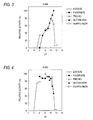
- Figs. 1 to 3 are graphs illustrating the effect of pH on the activity of the enzyme of the invention wherein the ordinate indicates the enzyme activity and the abscissa indicates pH.
- the activity of the enzyme is represented relative to the maximum measured value taken as 100.
- the buffers that were used for the measurements were a 100 mM acetate buffer for the pH range of from 4 to 6, a 100 mM potassium phosphate buffer for the pH range of from 6 to 8, a 100 mM Tris-HCl buffer for the pH range of from 8 to 9, a 100 mM glycine-potassium hydroxide buffer for the pH range of from 9 to 11 and a 100 mM disodium phosphate-sodium hydroxide buffer for the pH range of from 10.5 to 12.
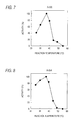
- Figs. 4 to 6 are graphs illustrating the effect of pH on the stability of the enzyme of the invention where the ordinate indicates the residual activity and the abscissa indicates pH. The residual activity is represented relative to the maximum measured value taken as 100.
- the buffers that were used for the measurements were a 100 mM acetate buffer for the pH range of from 4 to 6, a 100 mM potassium phosphate buffer for the pH range of from 6 to 8, a 100 mM Tris-HCl buffer for the pH range of from 8 to 9, a 100 mM glycine-potassium hydroxide buffer for the pH range of from 9 to 11 and a 100 mM disodium phosphate-sodium hydroxide buffer for the pH range of from 10.5 to 12.
- the optimum temperature of the sorbitol dehydrogenases of the invention is around 40°C and the activity is maintained even after 1 hour of treatment at pH 8.0 and 35°C.
- those derived from Flavimonas oryzihabitans A-520 strain and Pseudomonas fluorescens A-989 strain remained active in a proportion of 80% or more of the initial value even after 1 hour of treatment at pH 8.0 and 35°C.
- the sorbitol dehydrogenase derived from Pseudomonas fluorescens A-654 strain remained active in a proportion of 60% or more of the initial value even after 1 hour of treatment at pH 8.0 and 30°C.
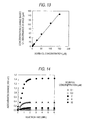
- Figs. 7 to 9 are graphs illustrating the effect of temperature on the activity of the enzyme of the invention, where the ordinate indicates the enzyme activity and the abscissa indicates temperature. The enzyme activity is represented relative to the maximum measured value taken as 100.
- Figs. 10 to 12 are graphs illustrating the effect of temperature on the stability of the enzyme of the invention, where the ordinate indicates the residual activity and the abscissa indicates elapsed time. The residual activity is represented relative to the activity measured at the beginning of incubation taken as 100.
- the molecular weights of the sorbitol dehydrogenases of the invention are in the range of from about 68,000 to about 38,000 and the molecular weights of the subunits are within the range of from about 26,000 to about 28,000.
- the molecular weights of those derived from Flavimonas oryzihabitans A-520 strain, Pseudomonas fluorescens A-989 strain and Pseudomonas fluorescens A-654 strain as determined by gel permeation chromatography with Superose (produced by Pharmacia Corporation) are about 68,000, about 38,000 and about 52,000, respectively.
- the molecular weights of the subunit determined by SDS-PAGE method are about 26,000, about 26,000 and about 28,000, respectively.
- the enzyme of the invention is extremely useful for the quantitative determination of D-sorbitol and a trace amount of D-sorbitol can be precisely determined by the use of the enzyme of the invention.
- Diabetes is a disease where a high blood sugar level is maintained without subjective symptom based on various factors and results in diabetic complications showing serious symptoms.
- the cells such as mesangial cells in kidneys, retinal cells, neuronal cells, erythrocytes, etc. that receive passive inflow of glucose into the cells without participation of insulin have a sorbitol metabolizing pathway, which metabolizes glucose to sorbitol and then to fructose which efflux from the cells.
- the activity of aldose reductase which reduces glucose into sorbitol, is accelerated and the intracellular sorbitol level is increased.
- the intracellular osmotic pressure increases.
- moisture flows into the cells and the cells swell, which causes functional disorders of cells and becomes a factor for diabetic complications such as diabetic retinopathy, diabetic nephropathy, and diabetic neuropathy.
- the polyol metabolism disorder is treated with a drug such as aldose reductase inhibitor (ARI) which inhibits metabolism from glucose to sorbitol.
- ARI aldose reductase inhibitor
- Sorbitol exists in vivo in an extremely low amount and various substances which are analogous to sorbitol exist. Accordingly, use of an enzyme having a high specificity and a high affinity for sorbitol is required for the measurements of trace amounts of sorbitol in a short period of time.
- the sorbitol concentration in erythrocytes is about 4 ⁇ M in normal human individium but can become about 17 ⁇ M in the high blood sugar condition. Because the test sample is generally used in an amount of about 10% of the measurement solution, it is required that at least the range of from 0.4 ⁇ M to 1.7 ⁇ M of sorbitol in the measurement solution should be determined.
- the reagent for the quantitative determination of D-sorbitol according to the present invention comprises the enzyme of the invention and an electron acceptor as essential components.
- the electron acceptor for use is not specifically limited as long as it can cause dehydrogenic oxidation of D-sorbitol.
- NAD + oxygen, phenanzine methoxysulfate, dichlorophenol indophenol, potassium ferricyanate and sodium ferricyanate, cytochrome C, NADP + , FMN, and the like coenzymes may be used.
- the concentration of D-sorbitol in a sample may be determined by determining the amount of the reduced coenzyme formed by the reaction using the enzyme according to the present invention based on change in the absorbance or fluorescence intensity as an index.
- NAD + or NADP + is used as an electron acceptor
- quantitative determination may also be carried out by using a dye (e.g., a tetrazolium salt such as nitroblue tetrazolium or 2,6-dichlorophenol indophenol) and an enzyme which catalyzes reduction of the dye using NADH or NADPH as a substrate in addition to the above-described essential components, and allowing measurement of the colored reduced dye in the visible range.
- a dye e.g., a tetrazolium salt such as nitroblue tetrazolium or 2,6-dichlorophenol indophenol
- the buffers used for the reagent for the quantitative determination of D-sorbitol according to the invention is not particularly limited as long as the buffer has a sufficient buffering ability at the pH where the enzyme of the invention is stable and maintains good activity.
- Examples of the buffer include potassium phosphate, Tris, etc.
- the reagent for the quantitative determination of D-sorbitol may further include various other additives as long as the object of the present invention is not impaired.
- the additives include metal chelating agents, surfactants, reducing agents, stabilizers, dissolution aids, which may be used either alone or in combination.
- the reagent for the quantitative determination of sorbitol include a solution (pH 8.5 to 10.5) containing 0.5 to 10 unit/ml of the invention enzyme, 1 to 5 mM NAD + , and 10 to 200 mM buffer.
- Another preferable example of the reagent includes the same solution but may further contain 1 to 10 unit/ml Diaphorase-I (Unitika Ltd.) and 0.5 to 5 mM WST-8 (Dojindo).
- the reagent of the present invention may be provided in any form such as dried form, solution form, spread or impregnated form on carrier, etc.
- the method for the measurement of D-sorbitol using the reagent for measuring of D-sorbitol according to the invention is carried out by adding a sample containing D-sorbitol to the reagent and measuring the change in the absorbance or fluorescence intensity.
- the reaction may be initiated by addition of any one or more of the components such as the sample, sorbitol dehydrogenase, or the coenzyme, and the measurement of absorbance or fluorescence intensity may be carried out at the termination of the reaction or at any time during the reaction.
- the sample containing D-sorbitol is not particularly limited and examples thereof include various clinical samples such as blood, urine, etc., and various foods, etc.
- a sample containing D-sorbitol is added to the above-described reagent for determination of D-sorbitol, preferably at a temperature of from 25°C to 40°C.
- the reaction time may be appropriately set depending on the reaction temperature, the amount of sorbitol in the sample, and/or the amount of enzyme contained in the reagent, etc., and usually within 10 minutes, preferably within 3 minutes.
- the culture medium was then sterilized at a temperature of 121°C for 15 minutes.
- Flavimonas oryzihabitans A-520 strain (FERM BP-7195) was then inoculated with the culture medium. Incubation was then effected at a temperature of 30°C with stirring at 200 rpm while being aerated at 1 vvm for 70 hours.
- the culture medium was then subjected to centrifugal separation to obtain about 300 g of wet bacterial cells.
- the bacterium thus obtained was then stored frozen. Subsequently, the frozen bacterium was suspended in 2 l of a 50 mM Tris-HCl buffer (pH 7.5) containing 1 mM of phenylmethanesulfonyl fluoride (PMSF), 2 mM of EDTA and 2 mM of 2-mercaaptoethanol.
- the bacterium was then crushed by a French press.
- the bacterium thus crushed was then subjected to centrifugal separation to remove cell debris.
- a crude enzyme solution containing a sorbitol dehydrogenase was obtained.
- the crude enzyme solution was then passed through a DEAE-Sepharose-FF column (produced by Pharmacia Corporation) which had previously been equilibrated with a 25 mM phosphate buffer (pH 8.0) containing 2 mM of EDTA and 2 mM of 2-mercaptoethanol and elution was carried out at a linear gradient of from 0 to 0.65 M KCl.
- a sorbitol dehydrogenase active fraction was obtained at a KCl concentration of from about 0.20 to 0.25 M.
- ammonium sulfate was added to the fraction thus obtained to a concentration of 20%.
- the active fraction thus obtained was subjected to dialysis, and then passed through a DEAE-trisacryl column (produced by Pharmacia Corporation) which had previously been equilibrated with a 25 mM phosphate buffer (pH 8.0) containing 2 mM of EDTA and 2 mM of 2-mercaptoethanol so that it was eluted at a linear gradient of from 0 to 0.25 M KCl.
- a sorbitol dehydrogenase active fraction was obtained at a KCl concentration of from about 0.15 to 0.2 M.
- ammonium sulfate was added to a concentration of 5%.
- the fraction was then passed through a Phenylcellulofine Column (produced by Pharmacia Corporation) equilibrated with a 25 mM phosphate buffer (pH 8.0) containing 2 mM of 5% ammonium sulfate, 2 mM EDTA and 2 mM 2-mercaptoethanol. Elution was effected while the concentration of ammonium sulfate in the buffer was gradually lowered. As a result, a sorbitol dehydrogenase active fraction was obtained at an ammonium sulfate concentration of from about 2% to 1%. The yield of the sorbitol dehydrogenase thus obtained was about 40%.
- the sorbitol dehydrogenase thus obtained exhibited a specific activity of about 33 units per mg of enzyme protein.
- the degree of purification of the sorbitol dehydrogenase thus obtained was about 370 times that of the crude enzyme solution.
- the sorbitol dehydrogenase thus obtained had the foregoing physicochemical properties.
- a sorbitol dehydrogenase active fraction was obtained at an ammonium sulfate concentration of from about 4% to 3%.
- the yield of the sorbitol dehydrogenase thus obtained was about 56%.
- the sorbitol dehydrogenase thus obtained exhibited a specific activity of about 4 units per mg of enzyme protein.
- the degree of purification of the sorbitol dehydrogenase thus obtained was about 110 times that of the crude enzyme solution.
- the sorbitol dehydrogenase thus obtained had the foregoing physicochemical properties.
- the crude enzyme solution was then passed through a DEAE-Sepharose-FF column (produced by Pharmacia Corporation) which had previously been equilibrated with a 25 mM phosphate buffer (pH 8.0) containing 2 mM of EDTA and 2 mM of 2-mercaptoethanol, and elution was carried out at a linear gradient of from 0 to 0.6 M KCl.
- a sorbitol dehydrogenase active fraction was obtained at a KCl concentration of from about 0.20 to 0.25 M.
- ammonium sulfate was added to a concentration of 20%.
- the fraction was then passed through a Butyl Toyopearl Column (produced by TOSOH CORP.) equilibrated with a 25 mM phosphate buffer (pH 8.0) containing 20% ammonium sulfate, 2 mM EDTA and 2 mM 2-mercaptoethanol. Elution was effected while the concentration of ammonium sulfate in the buffer was gradually lowered. As a result, a sorbitol dehydrogenase active fraction was obtained at an ammonium sulfate concentration of from about 2% to 1%.
- the fraction was then passed through a Red Sepharose Column (produced by Pharmacia Corporation) equilibrated with a 25 mM phosphate buffer (pH 8.0) containing 2 mM EDTA and 2 mM 2-mercaptoethanol. Elution was effected with 2mM NADH to obtain a sorbitol dehydrogenase active fraction.
- the yield of the sorbitol dehydrogenase thus obtained was about 17%.
- the sorbitol dehydrogenase thus obtained exhibited a specific activity of about 25 units per mg of enzyme protein.
- the degree of purification of the sorbitol dehydrogenase thus obtained was about 1,130 times that of the crude enzyme solution.
- the sorbitol dehydrogenase thus obtained had the foregoing physicochemical properties.
- Fig. 13 is a scatter diagram illustrating the relationship between the actual D-sorbitol concentration and the D-sorbitol concentration measured with the foregoing reagent.
- the coefficient of x and the coefficient of correlation are almost equal to 1. Accordingly, it can be seen that D-sorbitol in the sample can be accurately determined using the foregoing reagent.
- sorbitol dehydrogenase derived from Flavimonas oryzihabitans A-520 strain purified in Example 1, a reagent for the quantitative determination of sorbitol having the following composition was prepared.
- Tris-HCl buffer pH 9.0
- 80 mM NAD + produced by Oriental Yeast Co., Ltd.
- 2.0 mM Enzyme described above 5 U/ml WST-8 1 mM Diaphorase 2 U/ml
- Fig. 14 is a graph illustrating the relationship between the reaction time and ⁇ OD. As can be seen in Fig. 14, the reaction ends in 3 minutes.
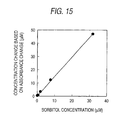
- Fig. 15 is a scatter diagram illustrating the relationship between the concentration of D-sorbitol added to the reaction solution and the D-sorbitol concentration measured with the foregoing reagent.
- the coefficient of x and the coefficient of correlation are almost equal to 1. Accordingly, it can be seen that D-sorbitol in the sample can be accurately determined up to 1 ⁇ m using the foregoing reagent.
Landscapes
- Chemical & Material Sciences (AREA)
- Life Sciences & Earth Sciences (AREA)
- Health & Medical Sciences (AREA)
- Organic Chemistry (AREA)
- Engineering & Computer Science (AREA)
- Wood Science & Technology (AREA)
- Zoology (AREA)
- Bioinformatics & Cheminformatics (AREA)
- Genetics & Genomics (AREA)
- Biotechnology (AREA)
- General Engineering & Computer Science (AREA)
- Microbiology (AREA)
- General Health & Medical Sciences (AREA)
- Biochemistry (AREA)
- Medicinal Chemistry (AREA)
- Molecular Biology (AREA)
- Biomedical Technology (AREA)
- Proteomics, Peptides & Aminoacids (AREA)
- Physics & Mathematics (AREA)
- Analytical Chemistry (AREA)
- Biophysics (AREA)
- Immunology (AREA)
- Tropical Medicine & Parasitology (AREA)
- Virology (AREA)
- Enzymes And Modification Thereof (AREA)
- Preparation Of Compounds By Using Micro-Organisms (AREA)
- Micro-Organisms Or Cultivation Processes Thereof (AREA)
Description
- The present invention relates to a novel sorbitol dehydrogenase, a microorganism for producing such an enzyme and a process for the production of a sorbitol dehydrogenase using the same. More particularly, the present invention relates to a sorbitol dehydrogenase which acts on sorbitol with high sensitivity and high selectivity, a microorganism for producing such an enzyme and a process for the production of a sorbitol dehydrogenase using the same. The present invention further relates to a method for the measurement of sorbitol using the foregoing sorbitol dehydrogenase and a reagent for the quantitative determination therefor.
- D-Sorbitol is a compound which occurs in human erythrocytes and serum in a slight amount. It is known that the content of D-sorbitol is an important indication of certain diseases, particularly diabetes. It is reported that D-sorbitol is useful as a diagnostic marker for diabetes.
- D-sorbitol and D-fructose have long been widely used as sweetening agents in the food industry.
- Examples of the process for the measurement of sorbitol include a process involving gas chromatography, a process involving liquid chromatography, and a process involving the use of an enzyme. However, both the process involving gas chromatography and the process involving liquid chromatography require a complicated operation so that it is difficult to treat a large amount of test samples.
- The process involving the use of an enzyme comprises the oxidation of D-sorbitol with a sorbitol dehydrogenase (EC 1.1.1.14) in the presence of NAD+, wherein the amount of NAD+ reduced to NADH is measured based on fluorescent intensity. This method can be easily applied to automatic analyzers and presently finds widest application.
- Examples of sorbitol dehydrogenases which have heretofore been known include those derived from animal liver such as sorbitol dehydrogenase derived from sheep liver available from Roche Inc., and those derived from microorganisms such as an enzyme derived from Pseudomonas sp. described in "Enzyme Microb. Technol.", vol. 13, pp. 332 - 337, April, 1991, an enzyme derived from Bacillus subtilis described in "Journal of Biological Chemistry", vol. 267, No. 35, pp. 24,989 - 24,994, 1992, an enzyme derived from Pseudomonas sp. described in "Journal of Fermentation and Bioengineering", vol. 84, No. 3, pp. 254 - 256, 1997, and JP-08-033482, and an enzyme derived from Bacillus fructosus described in "Biosci. Biotechnol. Biochem.", vol. 63, No. 3, pp. 573 - 574, 1999.
- However, the foregoing sorbitol dehydrogenases are disadvantageous in that they have a low substrate specificity and a high Km value with respect to sorbitol. In other words, the foregoing sorbitol dehydrogenases derived from animal liver, sorbitol dehydrogenases derived from Bacillus subtilis, and sorbitol dehydrogenases derived from Pseudomonas sp. show almost the same reactivity to iditol, xylitol, and galactitol, respectively, as sorbitol. Further, all the foregoing sorbitol dehydrogenases exhibit a Km value of about 10 mM or more with respect to sorbitol, which leads to difficulties in the measurement of sorbitol.
- On the other hand, the sorbitol dehydrogenases disclosed in JP-56-029994, U.S. Patent 5,747,301, EP-728840, WO 99/20763, EP-897984 and KR-98069057 are enzymes which produce sorbose with sorbitol as a substrate and thus are different from the enzyme of the present invention.
- Further, JP-06-209793, JP-06-189790, JP-10-108692, U.S. Patent 5,250,420, WO 92/21775, JP-07-322897, and JP-06-109726 disclose a process for the measurement of sorbitol using a sorbitol dehydrogenase. However, JP-06-209793 and JP-06-189790 concern a process for the measurement of sorbitol using the enzyme disclosed in the above cited JP-56-029994; JP-10-108692 concerns a process for the measurement of sorbitol using the enzyme disclosed in the above cited JP-08-033482; and U.S. Patent 5,250,420, WO 92/21775, JP-07-322897, and JP-06-109726 concern a process for the measurement of sorbitol using a commercially available enzyme. None of these references describes the enzyme disclosed.
- Moreover, the following references describe sorbitol dehydrogenases, but none of them describes the enzyme disclosed herein. That is, EP-524517, EP-791355, WO 94/07867, U.S. Patent 5,998,463, SU-1553897, WO 98/33936, and SU-1567626 refer to sorbitol dehydrogenases derived from the human body concerning the treatment of diabetes. The sorbitol dehydrogenases to be used in the processes disclosed in JP-09-037796, JP-63-146800, JP-61-005091, JP-9-2066875, and DE-3326546 are enzymes whose origin is not specified or which are commercially available. SU-1303937 refers to a sorbitol dehydrogenase derived from tea leaves. WO 94/15942 refers to a sorbitol dehydrogenase derived from yeast. DE-2022280 discloses a process for the measurement of xylitol. All of these are quite different from the enzyme of the present invention.
- It is therefore an object of the present invention to provide a novel sorbitol dehydrogenase having excellent substrate affinity and substrate specificity which can be used to measure D-sorbitol which occurs in human erythrocytes and serum in a slight amount or D-sorbitol or D-fructose contained in foods, a microorganism for producing such an enzyme, and a process for the easy production of the enzyme using such a microorganism.
- The inventors made extensive studies to solve these problems. As a result, they found that a microorganism belonging to Flavimonas and Pseudomonas separated from the soil produces a sorbitol dehydrogenase having excellent substrate affinity and substrate specificity. Thus, the present invention has been accomplished.
- A first aspect of the present invention is directed to a sorbitol dehydrogenase having the following physicochemical properties.
- (1) activity: the sorbitol dehydrogenase catalyzes dehydrogenation oxidation of D-sorbitol in the presence of NAD+ to produce D-fructose, and catalyzes a reverse reaction which reduces D-fructose in the presence of NADH to produce D-sorbitol and NAD+;
- (2) substrate specificity: the sorbitol dehydrogenase exhibits a Vmax/Km value of about 40 or less for galactitol and about 3 or less for L-iditol when the Vmax/Km value for D-sorbitol is taken as 100, and 0 for D-arabitol, D-mannitol, xylitol and D-glucose; and
- (3) exhibits a Km value of about 6 mM or less (preferably 4 mM or less) with respect to D-sorbitol.
-
- A second aspect of the present invention is directed to a microorganism belonging to Flavimonas or Pseudomonas capable of producing the foregoing sorbitol dehydrogenase.
- A third aspect of the present invention is directed to a process for the production of a sorbitol dehydrogenase, which comprises culturing the foregoing . microorganism capable of producing a sorbitol dehydrogenase in a culture medium, and then collecting sorbitol dehydrogenase from the culture medium.
- A fourth aspect of the present invention is directed to a process for the measurement of sorbitol, which comprises adding a composition containing the foregoing sorbitol dehydrogenase to a sample to cause a reaction, and then measuring the content of sorbitol in the sample.
- A fifth aspect of the present invention is directed to a reagent for the quantitative determination of sorbitol comprising the foregoing sorbitol dehydrogenase, NAD+ and a buffer.
- The sorbitol dehydrogenase of the invention has excellent substrate specificity and substrate affinity, and thus is useful for the measurement of sorbitol.
-
- Fig. 1 is a graph illustrating the optimum pH value of a sorbitol dehydrogenase derived from A-520 strain at 30°C;
- Fig. 2 is a graph illustrating the optimum pH value of a sorbitol dehydrogenase derived from A-654 strain at 30°C;
- Fig. 3 is a graph illustrating the optimum pH value of a sorbitol dehydrogenase derived from A-989 strain at 30°C;
- Fig. 4 is a graph illustrating the stable pH value of the sorbitol dehydrogenase derived from A-520 strain at 4°C;
- Fig. 5 is a graph illustrating the stable pH value of the sorbitol dehydrogenase derived from A-654 strain at 4°C;
- Fig. 6 is a graph illustrating the stable pH value of the sorbitol dehydrogenase derived from A-989 strain at 4°C;
- Fig. 7 is a graph illustrating the optimum acting temperature of the sorbitol dehydrogenase derived from A-520 strain at pH 8.0;
- Fig. 8 is a graph illustrating the optimum acting temperature of the sorbitol dehydrogenase derived from A-654 strain at pH 8.0;
- Fig. 9 is a graph illustrating the optimum acting temperature of the sorbitol dehydrogenase derived from A-989 strain at pH 8.0;
- Fig. 10 is a graph illustrating the thermal stability of the sorbitol dehydrogenase derived from A-520 strain at pH 8.0;
- Fig. 11 is a graph illustrating the thermal stability of the sorbitol dehydrogenase derived from A-654 strain at pH 8.0;
- Fig. 12 is a graph illustrating the thermal stability of the sorbitol dehydrogenase derived from A-989 strain at pH 8.0;
- Fig. 13 is a graph illustrating the results of measurement of D-sorbitol concentration using a reagent for the quantitative determination of D-sorbitol prepared from a sorbitol dehydrogenase of the present invention;
- Fig. 14 is a graph illustrating the progress of reaction by a reagent for the quantitative determination of D-sorbitol prepared from a sorbitol dehydrogenase of the present invention; and
- Fig. 15 is a graph illustrating the results of measurement of D-sorbitol concentration using a reagent for the quantitative determination of D-sorbitol prepared from a sorbitol dehydrogenase of the present invention.
-
- The present invention will be further described hereinafter.
- The sorbitol dehydrogenase of the invention has the foregoing physicochemical properties. In the present invention, the measurement of the activity of sorbitol dehydrogenase was carried out by adding an enzyme solution to a 80 mM Tris-HCl buffer (pH 9.0) containing 50 mM of D-sorbitol and 2 mM of NAD+, slowly mixing them, and then measuring the change of absorbance at 340 nm by means of a spectrophotometer. The measurement was made at a temperature of 30°C. The amount of enzyme required to produce 1 µmol of NADH per minute was defined to be 1 unit (U).
- From natural sources, the present inventors isolated three strains capable of forming the enzyme of the present invention, and measured their mycological properties shown below.
Properties tested Type of strain A-520 A-989 A-654 Morphology rod rod rod Gram staining - - - Spore - - - Motility + + + Flagellum Polar (= 1) Polar (> 2) Polar (> 2) Behavior to oxygen Aerobic Aerobic Aerobic Oxidase - + + Catalase + + + OF ○ ○ ○ Growth on McConkey's agar + + + Growth on SS agar + + + Growth on cetrimide agar - + + Growth on KCN medium - - + Use of citric acid + + + Hydrolysis of casein - + + Hydrolysis of gelatin - + + Hydrolysis of starch - + + Reduction of nitrate - + - Gas (nitrate) - + - Urease - - - Lysine decarboxylase - - - Arginine dehydrase - + + Ornithine decarboxylase - - - ONPG - - - LV - + - Lipase - - - Hydrolysis of esculin - - - Indole - - - DNase - - + Acetamide - - - Production of glucan Not tested + + Growth at 42°C - - - Production of acid from carbohydrate Fructose + + + Trehalose + + + Xylose + + + Mannitol + + + Cellobiose - - - Lactose - - - Maltose + - - Glucose + + + Erythritol - - - Inositol + + + Sucrose - + + Salicin - - - - Using the foregoing mycological properties, search was made in Bargey's Manual of Systematic Bacteriology. As a result, A-520 strain, A-989 strain and A-654 strain were found to be a bacterium belonging to Flavimonas oryzihabitans, Pseudomonas fluorescens, and Pseudomonas fluorescens, respectively. Flavimonas oryzihabitans A-520 strain, Pseudomonas fluorescens A-989 strain and Pseudomonas fluorescens A-654 strain were respectively deposited with National Institute of Bioscience and Human Technology, Ministry of International Trade and Industry on July 13, 1999 with Accession No. FERM P-17461, FERM P-17462 and FERM P-17463 (Flavimonas oryzihabitans A-520 strain was transferred to international deposition on June 26, 2000; FERM BP-7195).
- The microorganism which produces such a sorbitol dehydrogenase is not particularly limited, and preferably includes those belonging to the genus Flavimonas and the genus Pseudomonas. Preferred microorganisms include microorganisms belonging to Flavimonas oryzihabitans and Pseudomonas fluorescens, particularly Flavimonas oryzihabitans A-520 strain, Pseudomonas fluorescens A-989 strain and Pseudomonas fluorescens A-654 strain, and most preferably Flavimonas oryzihabitans A-520 strain.
- It is possible for one skilled in the art to screen and isolate other microorganisms which are capable of producing the enzyme of the present invention, including allelic variants of the sorbitol dehydrogenases derived from Flavimonas oryzihabitans A-520 strain, Pseudomonas fluorescens A-989 strain and Pseudomonas fluorescens A-654 strain having similar physicochemical properties.
- A microorganism capable of producing the enzyme of the present invention can be screened, for example, in the following manner. That is, a natural source such as soil is spread and cultured on an agar plate medium containing sorbitol as a sole carbon source. A colony formed on the medium is isolated and subjected to the culturing for the production of the enzyme. Then, sorbitol dehydrogenase is purified from the strain and the physicochemical properties are determined by the method described above. The strain which is capable of producing sorbitol dehydrogenase satisfying the physicochemical properties of the present invention is selected.
- The sorbitol dehydrogenase of the present invention may be obtained from these microorganisms as follows. The microorganism is cultured in a culture medium. The culture medium is then subjected to centrifugal separation or filtration to collect bacterium cells. Subsequently, the bacterium is extracted to obtain a crude enzyme solution which is then purified.
- The carbon source to be incorporated in the culture medium for use in the culture of such a microorganism may be any carbon source which can be assimilated by the microorganism. In practice, D-sorbitol, glucose, fructose, maltose, sucrose, glycerol, succinic acid, lactose, etc., may be used. The nitrogen source for use in the culture medium may be an inorganic nitrogen compound such as ammonium sulfate and ammonium chloride or an organic nitrogen compound such as peptone, meat extract, yeast extract, casamino acids and corn steep liquor. An inorganic salt to be added to the culture medium may be a salt of potassium, sodium, zinc, iron, magnesium or manganese. As necessary, a slight amount of metal salt, vitamins, anti-foaming agent, etc., may be added.
- In the present invention, sorbitol, which is a substrate, is preferably added to the culture medium as an enzyme production accelerator at any time during culture to effect the production of the sorbitol dehydrogenase more efficiently.
- Any of solid culture and liquid culture may be employed. In practice, aerated agitated culture or shaken culture is desirable. The culture medium is preferably adjusted to a pH of from about 6 to 8. The culture is effected at a temperature of from 18°C to 42°C, preferably from 25°C to 35°C. The culture time may be such that the enzyme can be produced at maximum. In practice, however, it is from 10 hours to 100 hours, preferably from 20 hours to 70 hours. In this manner, the sorbitol dehydrogenase is produced and accumulated in the bacterium.
- The extraction of the enzyme from the bacterium thus obtained can be accomplished by self digestion, ultrasonic destruction, French Press, treatment with surface active agent, treatment with lysozyme, etc. The bacterium thus treated is then subjected to centrifugal separation or the like to remove cell fragments. Thus, a crude enzyme solution is obtained.
- The crude enzyme solution thus obtained is then subjected to an appropriate combination of chromatography techniques such as ion exchange chromatography, affinity chromatography, hydrophobic chromatography and gel permeation chromatography in combination so that it is purified into the sorbitol dehydrogenase of the invention. Examples of the ion exchange resin employable herein include Q-Sepharose FF (produced by Pharmacia Corporation), and DEAE-Sepharose (produced by Pharmacia Corporation). Examples of the resin for affinity chromatography employable herein include resins prepared from triazine dye such as Blue Sepharose CL-6B and Red Sepharose CL-6B (produced by Pharmacia Corporation), Prussian Blue H-ERD (produced by ICI Inc.) and Chiba Chrome Yellow HE-3G (produced by Ciba Geigy Inc.). Examples of the resin for hydrophobic chromatography employable herein include Octyl-Sepharose CL-4B (produced by Pharmacia Corporation). Examples of the carrier or resin for gel permeation chromatography employable herein include Sephadex G-100. In addition to these column chromatographies, the removal of nucleic acid involving treatment with streptomycin sulfate or protamine sulfate or salting-out of protein involving treatment with ammonium sulfate may be employed.
- The physicochemical properties of the sorbitol dehydrogenase of the invention thus produced will be given below.
- (1) Activity: The inventive sorbitol dehydrogenase catalyzes dehydrogenation oxidation of D-sorbitol in the presence of NAD+ to produce D-fructose, and also catalyzes the reverse reaction which reduces D-fructose in the presence of NADH to produce D-sorbitol and NAD+.
- (2) Substrate specificity: The Vmax/Km of the sorbitol dehydrogenase of the invention with respect to various substrates (relative to that with respect to D-sorbitol taken as 100) is about 40 or less for galactitol and about 3 or less for iditol, preferably about 30 or less for galactitol and about 2 or less for iditol. The Km for D-sorbitol is about 6 mM or less, preferably about 4 mM or less. Among the sorbitol dehydrogenases of the invention, the substrate specificities of those derived from Flavimonas oryzihabitans A-520 strain, Pseudomonas fluorescens A-989 strain and Pseudomonas fluorescens A-654 strain are shown in Table 2 below.
- Vmax means the maximum velocity of the reaction at the saturated substrate concentration and Km means the Michaelis constant. The Vmax/Km values indicates the apparent binding constant of the enzyme reaction as a whole, which is generally used as an index for reflecting the substrate specificity. These values may be measured and calculated in accordance with the methods described in
Chapter 8 of Biochemistry, second edition, by Albert Lehninger, 1975, Worth Publishers, Inc. or in Enzyme Structure and Mechanism, second edition, by Alan Fersht, 1984, W.H. Freeman & Co.Flavimonas oryzihabitans A-520 Pseudomonas fluorescens A-989 Pseudomonas fluorescens A-654 Vmax/Km (%) Km (mM) Vmax/Km (%) Km (mM) Vmax/Km (%) Km (mM) Sorbitol 100 2.5 100 5.9 100 3.5 Galactitol 28.9 1.9 36.8 3.1 31.9 2.0 Iditol 1.99 112.3 2.78 139.0 1.55 197.6 Arbitol 0 - 0 - 0 - Mannitol 0 - 0 - 0 - Xylitol 0 - 0 - 0 - D-Glucose 0 - 0 - 0 - - (3) Optimum pH: The enzyme of the present invention has an optimum pH range of from about 9.5 to about 11, preferably from about 10 to about 11. Among the sorbitol dehydrogenases of the present invention, the optimum pH values of the sorbitol dehydrogenases derived from Flavimonas oryzihabitans A-520 strain, Pseudomonas fluorescens A-989 strain and Pseudomonas fluorescens A-654 strain are from 10 to 11, from 10 to 11, and from 9.5 to 10.5, respectively. Figs. 1 to 3 are graphs illustrating the effect of pH on the activity of the enzyme of the invention wherein the ordinate indicates the enzyme activity and the abscissa indicates pH. The activity of the enzyme is represented relative to the maximum measured value taken as 100. The buffers that were used for the measurements were a 100 mM acetate buffer for the pH range of from 4 to 6, a 100 mM potassium phosphate buffer for the pH range of from 6 to 8, a 100 mM Tris-HCl buffer for the pH range of from 8 to 9, a 100 mM glycine-potassium hydroxide buffer for the pH range of from 9 to 11 and a 100 mM disodium phosphate-sodium hydroxide buffer for the pH range of from 10.5 to 12.
- (4) pH stability: When the enzyme of the present invention is allowed to stand at a temperature of 4°C in buffers having various pH values for 24 hours, 60% residual activity is maintained in the pH range of from about 5 to about 10.5. Among the sorbitol dehydrogenases of the invention, the pH ranges where the sorbitol dehydrogenases derived from Flavimonas oryzihabitans A-520 strain, Pseudomonas fluorescens A-989 strain and Pseudomonas fluorescens A-654 strain were kept active in a proportion of 60% or more of the initial value were from 5 to 10.5, 7 to 10, and 5 to 10, respectively.
- Figs. 4 to 6 are graphs illustrating the effect of pH on the stability of the enzyme of the invention where the ordinate indicates the residual activity and the abscissa indicates pH. The residual activity is represented relative to the maximum measured value taken as 100. The buffers that were used for the measurements were a 100 mM acetate buffer for the pH range of from 4 to 6, a 100 mM potassium phosphate buffer for the pH range of from 6 to 8, a 100 mM Tris-HCl buffer for the pH range of from 8 to 9, a 100 mM glycine-potassium hydroxide buffer for the pH range of from 9 to 11 and a 100 mM disodium phosphate-sodium hydroxide buffer for the pH range of from 10.5 to 12.
- (5) Optimum temperature and thermal stability: The optimum temperature of the sorbitol dehydrogenases of the invention is around 40°C and the activity is maintained even after 1 hour of treatment at pH 8.0 and 35°C. Among the sorbitol dehydrogenases of the invention, those derived from Flavimonas oryzihabitans A-520 strain and Pseudomonas fluorescens A-989 strain remained active in a proportion of 80% or more of the initial value even after 1 hour of treatment at pH 8.0 and 35°C. The sorbitol dehydrogenase derived from Pseudomonas fluorescens A-654 strain remained active in a proportion of 60% or more of the initial value even after 1 hour of treatment at pH 8.0 and 30°C.
- Figs. 7 to 9 are graphs illustrating the effect of temperature on the activity of the enzyme of the invention, where the ordinate indicates the enzyme activity and the abscissa indicates temperature. The enzyme activity is represented relative to the maximum measured value taken as 100. Figs. 10 to 12 are graphs illustrating the effect of temperature on the stability of the enzyme of the invention, where the ordinate indicates the residual activity and the abscissa indicates elapsed time. The residual activity is represented relative to the activity measured at the beginning of incubation taken as 100.
- (6) Molecular weight: The molecular weights of the sorbitol dehydrogenases of the invention are in the range of from about 68,000 to about 38,000 and the molecular weights of the subunits are within the range of from about 26,000 to about 28,000. Among the sorbitol dehydrogenases of the present invention, the molecular weights of those derived from Flavimonas oryzihabitans A-520 strain, Pseudomonas fluorescens A-989 strain and Pseudomonas fluorescens A-654 strain as determined by gel permeation chromatography with Superose (produced by Pharmacia Corporation) are about 68,000, about 38,000 and about 52,000, respectively. The molecular weights of the subunit determined by SDS-PAGE method are about 26,000, about 26,000 and about 28,000, respectively.
- The enzyme of the invention is extremely useful for the quantitative determination of D-sorbitol and a trace amount of D-sorbitol can be precisely determined by the use of the enzyme of the invention.
- Diabetes is a disease where a high blood sugar level is maintained without subjective symptom based on various factors and results in diabetic complications showing serious symptoms. On the other hand, the cells such as mesangial cells in kidneys, retinal cells, neuronal cells, erythrocytes, etc. that receive passive inflow of glucose into the cells without participation of insulin have a sorbitol metabolizing pathway, which metabolizes glucose to sorbitol and then to fructose which efflux from the cells. When the amount of glucose inflow into such cells is increased under the high blood sugar level by diabetes, the activity of aldose reductase, which reduces glucose into sorbitol, is accelerated and the intracellular sorbitol level is increased. However, the activity of sorbitol dehyrogenase, which reduces sorbitol to fructose, is not increased, sorbitol is not metabolized rapidly and therefore is accumulated in cells. Such condition is called "polyol metabolism disorder".
- Because of the intracellular sorbitol accumulation in the polyol metabolism disorder, the intracellular osmotic pressure increases. As a result, moisture flows into the cells and the cells swell, which causes functional disorders of cells and becomes a factor for diabetic complications such as diabetic retinopathy, diabetic nephropathy, and diabetic neuropathy. The polyol metabolism disorder is treated with a drug such as aldose reductase inhibitor (ARI) which inhibits metabolism from glucose to sorbitol.
- Therefore, in viva measurement of sorbitol concentration in erythrocytes is effective for monitoring the conditions of prevention and/or treatment of these complications.
- Sorbitol exists in vivo in an extremely low amount and various substances which are analogous to sorbitol exist. Accordingly, use of an enzyme having a high specificity and a high affinity for sorbitol is required for the measurements of trace amounts of sorbitol in a short period of time.
- The sorbitol concentration in erythrocytes is about 4 µM in normal human individium but can become about 17 µM in the high blood sugar condition. Because the test sample is generally used in an amount of about 10% of the measurement solution, it is required that at least the range of from 0.4 µM to 1.7 µM of sorbitol in the measurement solution should be determined.
- By the use of the enzyme of the invention, it is possible to quantitatively determine from 0.025 µM to 8 µM of D-sorbitol in the reaction solution within 3 minutes, which is quite useful for the monitoring of the conditions of the diabetic complications.
- The reagent for the quantitative determination of D-sorbitol according to the present invention comprises the enzyme of the invention and an electron acceptor as essential components. The electron acceptor for use is not specifically limited as long as it can cause dehydrogenic oxidation of D-sorbitol. NAD+, oxygen, phenanzine methoxysulfate, dichlorophenol indophenol, potassium ferricyanate and sodium ferricyanate, cytochrome C, NADP+, FMN, and the like coenzymes may be used. The concentration of D-sorbitol in a sample may be determined by determining the amount of the reduced coenzyme formed by the reaction using the enzyme according to the present invention based on change in the absorbance or fluorescence intensity as an index. When NAD+ or NADP+ is used as an electron acceptor, quantitative determination may also be carried out by using a dye (e.g., a tetrazolium salt such as nitroblue tetrazolium or 2,6-dichlorophenol indophenol) and an enzyme which catalyzes reduction of the dye using NADH or NADPH as a substrate in addition to the above-described essential components, and allowing measurement of the colored reduced dye in the visible range.
- The buffers used for the reagent for the quantitative determination of D-sorbitol according to the invention is not particularly limited as long as the buffer has a sufficient buffering ability at the pH where the enzyme of the invention is stable and maintains good activity. Examples of the buffer include potassium phosphate, Tris, etc.
- The reagent for the quantitative determination of D-sorbitol may further include various other additives as long as the object of the present invention is not impaired. Examples of the additives include metal chelating agents, surfactants, reducing agents, stabilizers, dissolution aids, which may be used either alone or in combination.
- Preferable examples of the reagent for the quantitative determination of sorbitol include a solution (pH 8.5 to 10.5) containing 0.5 to 10 unit/ml of the invention enzyme, 1 to 5 mM NAD+, and 10 to 200 mM buffer. Another preferable example of the reagent includes the same solution but may further contain 1 to 10 unit/ml Diaphorase-I (Unitika Ltd.) and 0.5 to 5 mM WST-8 (Dojindo).
- The reagent of the present invention may be provided in any form such as dried form, solution form, spread or impregnated form on carrier, etc.
- The method for the measurement of D-sorbitol using the reagent for measuring of D-sorbitol according to the invention is carried out by adding a sample containing D-sorbitol to the reagent and measuring the change in the absorbance or fluorescence intensity. The reaction may be initiated by addition of any one or more of the components such as the sample, sorbitol dehydrogenase, or the coenzyme, and the measurement of absorbance or fluorescence intensity may be carried out at the termination of the reaction or at any time during the reaction. The sample containing D-sorbitol is not particularly limited and examples thereof include various clinical samples such as blood, urine, etc., and various foods, etc.
- A sample containing D-sorbitol is added to the above-described reagent for determination of D-sorbitol, preferably at a temperature of from 25°C to 40°C. The reaction time may be appropriately set depending on the reaction temperature, the amount of sorbitol in the sample, and/or the amount of enzyme contained in the reagent, etc., and usually within 10 minutes, preferably within 3 minutes.
- The present invention will be further described in the following Examples, but the present invention should not be construed as being limited thereto.
- All parts, percentages, ratios, etc. are by weight.
- Into a 30-l jar fermenter was charged 18 l of a culture medium with pH 7.0 containing 2.0% (by weight, the same shall apply hereinafter) of D-sorbitol, 0.5% of peptone, 0.5% of yeast extract and 0.1% of dipotassium hydrogenphosphate. The culture medium was then sterilized at a temperature of 121°C for 15 minutes. Flavimonas oryzihabitans A-520 strain (FERM BP-7195) was then inoculated with the culture medium. Incubation was then effected at a temperature of 30°C with stirring at 200 rpm while being aerated at 1 vvm for 70 hours. The culture medium was then subjected to centrifugal separation to obtain about 300 g of wet bacterial cells. The bacterium thus obtained was then stored frozen. Subsequently, the frozen bacterium was suspended in 2 l of a 50 mM Tris-HCl buffer (pH 7.5) containing 1 mM of phenylmethanesulfonyl fluoride (PMSF), 2 mM of EDTA and 2 mM of 2-mercaaptoethanol. The bacterium was then crushed by a French press. The bacterium thus crushed was then subjected to centrifugal separation to remove cell debris. Thus, a crude enzyme solution containing a sorbitol dehydrogenase was obtained. The crude enzyme solution was then passed through a DEAE-Sepharose-FF column (produced by Pharmacia Corporation) which had previously been equilibrated with a 25 mM phosphate buffer (pH 8.0) containing 2 mM of EDTA and 2 mM of 2-mercaptoethanol and elution was carried out at a linear gradient of from 0 to 0.65 M KCl. Thus, a sorbitol dehydrogenase active fraction was obtained at a KCl concentration of from about 0.20 to 0.25 M. Subsequently, ammonium sulfate was added to the fraction thus obtained to a concentration of 20%. The fraction was then passed through Butyl Toyopearl Column (produced by TOSOH CORP.) equilibrated with 25 mM of phosphate buffer (pH 8.0) containing a 20% ammonium sulfate, 2 mM of EDTA and 2 mM of 2-mercaptoethanol. Elution was effected while the concentration of ammonium sulfate in the buffer was being gradually lowered. As a result, a sorbitol dehydrogenase active fraction was obtained at an ammonium sulfate concentration of from about 4% to 7%. The active fraction thus obtained was subjected to dialysis, and then passed through a DEAE-trisacryl column (produced by Pharmacia Corporation) which had previously been equilibrated with a 25 mM phosphate buffer (pH 8.0) containing 2 mM of EDTA and 2 mM of 2-mercaptoethanol so that it was eluted at a linear gradient of from 0 to 0.25 M KCl. Thus, a sorbitol dehydrogenase active fraction was obtained at a KCl concentration of from about 0.15 to 0.2 M. Subsequently, to the fraction thus obtained, ammonium sulfate was added to a concentration of 5%. The fraction was then passed through a Phenylcellulofine Column (produced by Pharmacia Corporation) equilibrated with a 25 mM phosphate buffer (pH 8.0) containing 2 mM of 5% ammonium sulfate, 2 mM EDTA and 2 mM 2-mercaptoethanol. Elution was effected while the concentration of ammonium sulfate in the buffer was gradually lowered. As a result, a sorbitol dehydrogenase active fraction was obtained at an ammonium sulfate concentration of from about 2% to 1%. The yield of the sorbitol dehydrogenase thus obtained was about 40%. The sorbitol dehydrogenase thus obtained exhibited a specific activity of about 33 units per mg of enzyme protein. The degree of purification of the sorbitol dehydrogenase thus obtained was about 370 times that of the crude enzyme solution. The sorbitol dehydrogenase thus obtained had the foregoing physicochemical properties.
- By a method similar to that described in Example 1, Pseudomonas fluorescens A-989 strain was cultured to obtain about 210 g of wet bacterial cells. The bacterium thus obtained was then stored frozen. Subsequently, a crude enzyme solution containing a sorbitol dehydrogenase was obtained by a method similar to that described in Example 1. The crude enzyme solution was then passed through a DEAE-Sepharose-FF column (produced by Pharmacia Corporation) which had previously been equilibrated with a 25 mM phosphate buffer (pH 8.0) containing 2 mM of EDTA and 2 mM of 2-mercaptoethanol. As a result, almost no sorbitol dehydrogenase was absorbed by the column. Sorbitol dehydrogenase in the unabsorbed fractions was recovered and ammonium sulfate was added to a concentration of 10%. The fraction was then passed through Butyl Toyopearl Column (produced by TOSOH CORP.) equilibrated with 25 mM of phosphate buffer (pH 8.0) containing a 10% ammonium sulfate, 2 mM of EDTA and 2 mM of 2-mercaptoethanol. Elution was effected while the concentration of ammonium sulfate in the buffer was gradually lowered. As a result, a sorbitol dehydrogenase active fraction was obtained at an ammonium sulfate concentration of from about 4% to 3%. The yield of the sorbitol dehydrogenase thus obtained was about 56%. The sorbitol dehydrogenase thus obtained exhibited a specific activity of about 4 units per mg of enzyme protein. The degree of purification of the sorbitol dehydrogenase thus obtained was about 110 times that of the crude enzyme solution. The sorbitol dehydrogenase thus obtained had the foregoing physicochemical properties.
- By a method similar to that described in Example 1, Pseudomonas fluorescens A-654 strain was cultured to obtain about 300 g of wet bacterial cells. The bacterium thus obtained was then stored frozen. Subsequently, a crude enzyme solution containing a sorbitol dehydrogenase was obtained by a method similar to that described in Example 1. The crude enzyme solution was then passed through a DEAE-Sepharose-FF column (produced by Pharmacia Corporation) which had previously been equilibrated with a 25 mM phosphate buffer (pH 8.0) containing 2 mM of EDTA and 2 mM of 2-mercaptoethanol, and elution was carried out at a linear gradient of from 0 to 0.6 M KCl. Thus, a sorbitol dehydrogenase active fraction was obtained at a KCl concentration of from about 0.20 to 0.25 M. Subsequently, to the fraction thus obtained, ammonium sulfate was added to a concentration of 20%. The fraction was then passed through a Butyl Toyopearl Column (produced by TOSOH CORP.) equilibrated with a 25 mM phosphate buffer (pH 8.0) containing 20% ammonium sulfate, 2 mM EDTA and 2 mM 2-mercaptoethanol. Elution was effected while the concentration of ammonium sulfate in the buffer was gradually lowered. As a result, a sorbitol dehydrogenase active fraction was obtained at an ammonium sulfate concentration of from about 2% to 1%. The fraction was then passed through a Red Sepharose Column (produced by Pharmacia Corporation) equilibrated with a 25 mM phosphate buffer (pH 8.0) containing 2 mM EDTA and 2 mM 2-mercaptoethanol. Elution was effected with 2mM NADH to obtain a sorbitol dehydrogenase active fraction. The yield of the sorbitol dehydrogenase thus obtained was about 17%. The sorbitol dehydrogenase thus obtained exhibited a specific activity of about 25 units per mg of enzyme protein. The degree of purification of the sorbitol dehydrogenase thus obtained was about 1,130 times that of the crude enzyme solution. The sorbitol dehydrogenase thus obtained had the foregoing physicochemical properties.
- Using the sorbitol dehydrogenase derived from Flavimonas oryzihabitans A-520 strain purified in Example 1, a reagent for the quantitative determination of sorbitol having the following composition was prepared.
Tris-HCl buffer (pH 9.0) 100 mM NAD+ (produced by Oriental Yeast Co., Ltd.) 2.5 mM Enzyme described above 2.5 U/ml - 0.8 ml of the reagent for the quantitative determination of sorbitol was then subjected to pre-incubation at a temperature of 37°C for 5 minutes. To the reagent were each then added 0.2 ml of various samples of D-sorbitol standard product (first grade, produced by NACALAI TESQUE, INC.) which had been adjusted to 5 µM, 25 µM, 40 µM, 125 µM, 250 µM, 400 µM and 750 µM, respectively. These samples were each then allowed to undergo reaction at a temperature of 37°C in a Type UV-265 spectrophotometer produced by Shimadzu Corp. for 30 minutes. The absorbance was then determined at 340 nm. The blank value of distilled water instead of the foregoing sample was then subtracted from the value thus determined to determine the change of absorbance (ΔOD). There was a linear relationship between the concentration calculated from the change of absorbance and the molecular absorptivity of NAD+ (6,220 M-1cm-1) and the content of D-sorbitol. Fig. 13 is a scatter diagram illustrating the relationship between the actual D-sorbitol concentration and the D-sorbitol concentration measured with the foregoing reagent. The equation of a regression line obtained by linear approximation using the method of least squares is y = -0.98x + 2.1 (r = 0.998). The coefficient of x and the coefficient of correlation are almost equal to 1. Accordingly, it can be seen that D-sorbitol in the sample can be accurately determined using the foregoing reagent.
- Using the sorbitol dehydrogenase derived from Flavimonas oryzihabitans A-520 strain purified in Example 1, a reagent for the quantitative determination of sorbitol having the following composition was prepared.
Tris-HCl buffer (pH 9.0) 80 mM NAD+ (produced by Oriental Yeast Co., Ltd.) 2.0 mM Enzyme described above 5 U/ml WST-8 1 mM Diaphorase 2 U/ml - 0,72 ml of the reagent for the quantitative determination of sorbitol was then subjected to pre-incubation at a temperature of 30°C for 5 minutes. To the reagent were each then added 0.08 ml of various samples of D-sorbitol standard product (first grade, produced by NACALAI TESQUE, INC.) which had been adjusted to 1 µM, 5 µM, 20 µM, 80 µM and 320 µM, respectively. These samples were each then allowed to undergo reaction at a temperature of 30°C in a Type UV-265 spectrophotometer produced by Shimadzu Corp. for 6 minutes. The absorbance was then determined at 460 nm. The blank value of distilled water instead of the foregoing sample was then subtracted from the value thus determined to determine the change of absorbance (ΔOD). There was little or no ΔOD change after 3 minutes from the beginning of the reaction, demonstrating that the reaction was terminated in 3 minutes. There was a linear relationship between the concentration calculated from the molecular absorptivity coefficient of WST-8 (30,000 M-1cm-1) on the basis of ΔOD determined 30 minutes after the beginning of the reaction and the concentration of D-sorbitol added to the reaction solution.
- Fig. 14 is a graph illustrating the relationship between the reaction time and ΔOD. As can be seen in Fig. 14, the reaction ends in 3 minutes.
- Fig. 15 is a scatter diagram illustrating the relationship between the concentration of D-sorbitol added to the reaction solution and the D-sorbitol concentration measured with the foregoing reagent. The equation of a regression line obtained by linear approximation using the method of least squares is y = 1.45x + 0.2 (r = 1.000). The coefficient of x and the coefficient of correlation are almost equal to 1. Accordingly, it can be seen that D-sorbitol in the sample can be accurately determined up to 1 µm using the foregoing reagent.
Claims (9)
- An isolated sorbitol dehydrogenase having the following physicochemical properties:(1) activity: the sorbitol dehydrogenase catalyzes dehydrogenation oxidation of D-sorbitol in the presence of NAD+ to produce D-fructose, and catalyzes a reverse reaction which reduces D-fructose in the presence of NADH to produce D-sorbitol and NAD+;(2) substrate specificity: the sorbitol dehydrogenase exhibits a Vmax/Km value of 40 or less for galactitol and 3 or less for L-iditol when the Vmax/Km value for D-sorbitol is taken as 100, and 0 for D-arabitol, D-mannitol, xylitol and D-glucose;(3) exhibits a Km value of 6 mM or less with respect to D-sorbitol;(4) pH stability: when the enzyme is allowed to stand at a temperature of 4°C in buffers for 24 hours having various pH values, 60% residual activity is maintained in the pH range of from 5 to 10.5;(5) optimum temperature and thermal stability: the optimum temperature is around 40°C and the activity is maintained even after 1 hour of treatment at pH 8.0 and 35°C; and(6) molecular weight: the molecular weight is in the range of from 68,000 to 38,000 by gel permeation chromatography and the molecular weight of subunits determined by SDS-PAGE is in the range of from 26,000. to 28,000, wherein Vmax and Km are calculated from the enzyme activities determined by adding various concentrations of substrates to a 80 mM Tris-HCl buffer (pH 9.0) containing 2 mM of NAD+ and the enzyme at 30°C.
- The sorbitol dehydrogenase as claimed in Claim 1, which exhibits a Km value of 4 mM or less with respect to D-sorbitol.
- The sorbitol dehydrogenase as claimed in Claim 1, which is derived from a microorganism belonging to the genus Flavimonas or Pseudomonas.
- The sorbitol dehydrogenase as claimed in Claim 1, which is derived from Flavimonas oryzihabitans or Pseudomonas fluorescens.
- The sorbitol dehydrogenase as claimed in Claim 1, which is derived from Flavimonas oryzihabitans A-520 deposited with the National Institute of Bioscience and Human Technology, Ministry of International Trade and Industry with Accession No. FERM BP-7195.
- Flavimonas oryzihabitans A-520 (FERM BP-7195) which produces the sorbitol dehydrogenase of claim 1.
- A process for the production of a sorbitol dehydrogenase as claimed in claim 1, which comprises culturing a Flavimonas oryzihabitans A-520 (FERM BP-7195) producing said sorbitol dehydrogenase in a culture medium and then collecting said sorbitol dehydrogenase from the culture.
- A process for the measurement of sorbitol which comprises adding a composition containing a sorbitol dehydrogenase as claimed in claim 1 to a sample to cause a reaction, and then measuring the content of sorbitol in said sample by determining the amount of the reduced coenzyme formed by the reaction.
- A reagent for the quantitative determination of sorbitol, which comprises a sorbitol dehydrogenase as claimed in Claim 1, NAD+ and a buffer.
Applications Claiming Priority (2)
| Application Number | Priority Date | Filing Date | Title |
|---|---|---|---|
| JP23828499A JP4511655B2 (en) | 1999-08-25 | 1999-08-25 | Sorbitol dehydrogenase, microorganism producing the same, and method for producing the same |
| JP23828499 | 1999-08-25 |
Publications (3)
| Publication Number | Publication Date |
|---|---|
| EP1078983A1 EP1078983A1 (en) | 2001-02-28 |
| EP1078983A9 EP1078983A9 (en) | 2001-05-02 |
| EP1078983B1 true EP1078983B1 (en) | 2003-11-05 |
Family
ID=17027914
Family Applications (1)
| Application Number | Title | Priority Date | Filing Date |
|---|---|---|---|
| EP00118111A Expired - Lifetime EP1078983B1 (en) | 1999-08-25 | 2000-08-25 | Sorbitol dehydrogenase, microorganisms for producing the same, process for the production thereof, and method for the measurement of sorbitol |
Country Status (4)
| Country | Link |
|---|---|
| US (1) | US6544756B1 (en) |
| EP (1) | EP1078983B1 (en) |
| JP (1) | JP4511655B2 (en) |
| DE (1) | DE60006330T2 (en) |
Families Citing this family (8)
| Publication number | Priority date | Publication date | Assignee | Title |
|---|---|---|---|---|
| DE102006026173A1 (en) * | 2006-06-06 | 2007-12-20 | Fachhochschule Südwestfalen | Non-invasive diagnosis of diabetes, early stage diabetes or diabetic risk, comprises determining analytes from amino acids, glycation product and/or ketone bodies in the test skin and comparing this value with the analyte of healthy skin |
| WO2010102293A1 (en) | 2009-03-06 | 2010-09-10 | Metabolix, Inc. | Method of positive plant selection using sorbitol dehydrogenase |
| JP6051163B2 (en) * | 2011-10-27 | 2016-12-27 | 国立大学法人 香川大学 | Polyol oxidase and method for producing rare sugar using the enzyme |
| US9902981B2 (en) | 2012-02-07 | 2018-02-27 | Annikki Gmbh | Process for the production of furan derivatives from glucose |
| WO2014154676A1 (en) * | 2013-03-27 | 2014-10-02 | Annikki Gmbh | Method for isomerisation of glucose |
| IL272246B2 (en) | 2017-07-28 | 2026-01-01 | Applied Therapeutics Inc | Derivatives of 2-(4-oxo/thioketone/azo-3-((substituted)benzo[d]thiazol-2-yl)methyl)- 3,4-dihydrothieno[3,4-d]pyridazin-1-yl)acetic acid for use as aldose reductase inhibitors in treating galactosemia or preventing complications associated with galactosemia |
| AU2020254610A1 (en) | 2019-04-01 | 2021-11-18 | Applied Therapeutics Inc. | Inhibitors of aldose reductase |
| CN113966396A (en) | 2019-05-07 | 2022-01-21 | 迈阿密大学 | Treatment and detection of hereditary neuropathy and related disorders |
Family Cites Families (1)
| Publication number | Priority date | Publication date | Assignee | Title |
|---|---|---|---|---|
| JP3152855B2 (en) * | 1994-05-20 | 2001-04-03 | キッコーマン株式会社 | Novel sorbitol dehydrogenase, method for producing the same, reagent and method for quantifying sorbitol using the enzyme |
-
1999
- 1999-08-25 JP JP23828499A patent/JP4511655B2/en not_active Expired - Fee Related
-
2000
- 2000-08-25 US US09/645,356 patent/US6544756B1/en not_active Expired - Fee Related
- 2000-08-25 DE DE60006330T patent/DE60006330T2/en not_active Expired - Lifetime
- 2000-08-25 EP EP00118111A patent/EP1078983B1/en not_active Expired - Lifetime
Also Published As
| Publication number | Publication date |
|---|---|
| JP4511655B2 (en) | 2010-07-28 |
| DE60006330D1 (en) | 2003-12-11 |
| DE60006330T2 (en) | 2004-08-26 |
| EP1078983A1 (en) | 2001-02-28 |
| JP2001061472A (en) | 2001-03-13 |
| EP1078983A9 (en) | 2001-05-02 |
| US6544756B1 (en) | 2003-04-08 |
Similar Documents
| Publication | Publication Date | Title |
|---|---|---|
| JPH0671425B2 (en) | Uricase and method for producing the same | |
| EP0682119B1 (en) | Myo-inositol dehydrogenase | |
| US6544756B1 (en) | Sorbitol dehydrogenase, microorganism for producing same, process for the production thereof, method for the measurement of sorbitol and reagent for the quantitative determination therefor | |
| EP0846773B1 (en) | Method of quantitative assay for 1,5-anhydroglucitol and reagent for quantitative assay | |
| US5298411A (en) | Glucose dehydrogenase from pseudomonas | |
| US5266463A (en) | Highly sensitive assay method for L-carnitine and composition for practicing same | |
| AU722636B2 (en) | Method for quantitative determination of 1,5-anhydroglucitol | |
| US4740465A (en) | Heat-resistant sarcosine oxidase N and process for producing the same | |
| US5346819A (en) | Glycerol dehydrogenase, process for its production and its use | |
| JP2017158441A (en) | Catalase | |
| US5173416A (en) | L-carnitine dehydrogenase from alcalgenes | |
| JPH1118762A (en) | 1,5-anhydroglucitol dehydrogenase and its production | |
| US5385829A (en) | Method of assaying for acyl-L-carnitines and short-chain acyl-carnitines | |
| JPH1118760A (en) | Bacteriostock producing 1,5-anhydroglucitol dehydrogenase and its massive proliferation | |
| JP3152855B2 (en) | Novel sorbitol dehydrogenase, method for producing the same, reagent and method for quantifying sorbitol using the enzyme | |
| JP2827002B2 (en) | Method for measuring acylcarnitine | |
| JPH0661278B2 (en) | Sensitive method for quantitative determination of myo-inositol and composition for quantitative determination | |
| JP2929100B2 (en) | Highly sensitive method for measuring acylcarnitine | |
| JP3065754B2 (en) | Novel xanthine dehydrogenase-T enzyme, measuring method using the same, and analytical composition containing the enzyme | |
| JPS5813159B2 (en) | Cholesterol Estella Zeomoyl Cholesterol | |
| GB2220940A (en) | NAD-dependent D-xylose dehydrogenases, production and use thereof in pentose determinations | |
| JPH04325089A (en) | Production of fructkinase | |
| JPH0218068B2 (en) | ||
| JPH08154698A (en) | Method for determining cholesterol using cholesterol dehydrogenase | |
| JPH11113567A (en) | D-arabinitol dehydrogenase, method for producing the same, microorganism and method for measuring D-arabinitol |
Legal Events
| Date | Code | Title | Description |
|---|---|---|---|
| PUAI | Public reference made under article 153(3) epc to a published international application that has entered the european phase |
Free format text: ORIGINAL CODE: 0009012 |
|
| AK | Designated contracting states |
Kind code of ref document: A1 Designated state(s): DE FR GB IT |
|
| AX | Request for extension of the european patent |
Free format text: AL;LT;LV;MK;RO;SI |
|
| RIN1 | Information on inventor provided before grant (corrected) |
Inventor name: WATANABE, MIWA, C/O UNITIKA LTD. Inventor name: NAKATANI, RYOKO, C/O UNITIKA LTD. Inventor name: KUROSAKA, KEISUKE, C/O UNITIKA LTD. Inventor name: KAWASE, SHIDO, C/O UNITIKA LTD. Inventor name: UCHIDA, MICHIE, C/O UNITIKA LTD. |
|
| 17P | Request for examination filed |
Effective date: 20010430 |
|
| AKX | Designation fees paid |
Free format text: DE FR GB IT |
|
| 17Q | First examination report despatched |
Effective date: 20011113 |
|
| GRAH | Despatch of communication of intention to grant a patent |
Free format text: ORIGINAL CODE: EPIDOS IGRA |
|
| GRAS | Grant fee paid |
Free format text: ORIGINAL CODE: EPIDOSNIGR3 |
|
| GRAA | (expected) grant |
Free format text: ORIGINAL CODE: 0009210 |
|
| AK | Designated contracting states |
Kind code of ref document: B1 Designated state(s): DE FR GB IT |
|
| REG | Reference to a national code |
Ref country code: GB Ref legal event code: FG4D |
|
| REF | Corresponds to: |
Ref document number: 60006330 Country of ref document: DE Date of ref document: 20031211 Kind code of ref document: P |
|
| ET | Fr: translation filed | ||
| PLBE | No opposition filed within time limit |
Free format text: ORIGINAL CODE: 0009261 |
|
| STAA | Information on the status of an ep patent application or granted ep patent |
Free format text: STATUS: NO OPPOSITION FILED WITHIN TIME LIMIT |
|
| 26N | No opposition filed |
Effective date: 20040806 |
|
| PGFP | Annual fee paid to national office [announced via postgrant information from national office to epo] |
Ref country code: FR Payment date: 20060808 Year of fee payment: 7 |
|
| PGFP | Annual fee paid to national office [announced via postgrant information from national office to epo] |
Ref country code: IT Payment date: 20060831 Year of fee payment: 7 |
|
| REG | Reference to a national code |
Ref country code: FR Ref legal event code: ST Effective date: 20080430 |
|
| PG25 | Lapsed in a contracting state [announced via postgrant information from national office to epo] |
Ref country code: FR Free format text: LAPSE BECAUSE OF NON-PAYMENT OF DUE FEES Effective date: 20070831 |
|
| PG25 | Lapsed in a contracting state [announced via postgrant information from national office to epo] |
Ref country code: IT Free format text: LAPSE BECAUSE OF NON-PAYMENT OF DUE FEES Effective date: 20070825 |
|
| PGFP | Annual fee paid to national office [announced via postgrant information from national office to epo] |
Ref country code: GB Payment date: 20120822 Year of fee payment: 13 |
|
| PGFP | Annual fee paid to national office [announced via postgrant information from national office to epo] |
Ref country code: DE Payment date: 20120822 Year of fee payment: 13 |
|
| GBPC | Gb: european patent ceased through non-payment of renewal fee |
Effective date: 20130825 |
|
| PG25 | Lapsed in a contracting state [announced via postgrant information from national office to epo] |
Ref country code: DE Free format text: LAPSE BECAUSE OF NON-PAYMENT OF DUE FEES Effective date: 20140301 |
|
| REG | Reference to a national code |
Ref country code: DE Ref legal event code: R119 Ref document number: 60006330 Country of ref document: DE Effective date: 20140301 |
|
| PG25 | Lapsed in a contracting state [announced via postgrant information from national office to epo] |
Ref country code: GB Free format text: LAPSE BECAUSE OF NON-PAYMENT OF DUE FEES Effective date: 20130825 |