EP1063202A2 - Biologische Behandlung von tensidhaltigen Abwässern - Google Patents
Biologische Behandlung von tensidhaltigen Abwässern Download PDFInfo
- Publication number
- EP1063202A2 EP1063202A2 EP00112534A EP00112534A EP1063202A2 EP 1063202 A2 EP1063202 A2 EP 1063202A2 EP 00112534 A EP00112534 A EP 00112534A EP 00112534 A EP00112534 A EP 00112534A EP 1063202 A2 EP1063202 A2 EP 1063202A2
- Authority
- EP
- European Patent Office
- Prior art keywords
- wastewater
- bacterial
- process according
- consortium
- bacterial consortium
- Prior art date
- Legal status (The legal status is an assumption and is not a legal conclusion. Google has not performed a legal analysis and makes no representation as to the accuracy of the status listed.)
- Withdrawn
Links
- 239000002351 wastewater Substances 0.000 title claims abstract description 75
- 239000004094 surface-active agent Substances 0.000 title claims description 35
- 238000000034 method Methods 0.000 claims abstract description 94
- 230000001580 bacterial effect Effects 0.000 claims abstract description 91
- 230000008569 process Effects 0.000 claims abstract description 60
- 239000000356 contaminant Substances 0.000 claims abstract description 26
- 239000003599 detergent Substances 0.000 claims description 46
- 238000006065 biodegradation reaction Methods 0.000 claims description 30
- 230000006978 adaptation Effects 0.000 claims description 24
- 241000894006 Bacteria Species 0.000 claims description 16
- 239000003945 anionic surfactant Substances 0.000 claims description 15
- -1 alkylbenzene sulfonate Chemical class 0.000 claims description 13
- 239000000463 material Substances 0.000 claims description 12
- 238000005273 aeration Methods 0.000 claims description 9
- QVGXLLKOCUKJST-UHFFFAOYSA-N atomic oxygen Chemical compound [O] QVGXLLKOCUKJST-UHFFFAOYSA-N 0.000 claims description 9
- 238000005187 foaming Methods 0.000 claims description 9
- 229910052760 oxygen Inorganic materials 0.000 claims description 9
- 239000001301 oxygen Substances 0.000 claims description 9
- 238000012546 transfer Methods 0.000 claims description 9
- 239000010842 industrial wastewater Substances 0.000 claims description 7
- 238000010276 construction Methods 0.000 claims description 6
- 230000000694 effects Effects 0.000 claims description 6
- 239000002736 nonionic surfactant Substances 0.000 claims description 6
- 239000006260 foam Substances 0.000 claims description 5
- 238000004519 manufacturing process Methods 0.000 claims description 4
- 229920002635 polyurethane Polymers 0.000 claims description 3
- 239000004814 polyurethane Substances 0.000 claims description 3
- 239000004743 Polypropylene Substances 0.000 claims description 2
- 239000004793 Polystyrene Substances 0.000 claims description 2
- 239000002280 amphoteric surfactant Substances 0.000 claims description 2
- 239000003093 cationic surfactant Substances 0.000 claims description 2
- 229910010293 ceramic material Inorganic materials 0.000 claims description 2
- 230000003413 degradative effect Effects 0.000 claims description 2
- 229920001971 elastomer Polymers 0.000 claims description 2
- 239000011521 glass Substances 0.000 claims description 2
- 229920000126 latex Polymers 0.000 claims description 2
- 239000004816 latex Substances 0.000 claims description 2
- 230000033001 locomotion Effects 0.000 claims description 2
- 229910052751 metal Inorganic materials 0.000 claims description 2
- 239000002184 metal Substances 0.000 claims description 2
- 229920001155 polypropylene Polymers 0.000 claims description 2
- 229920002223 polystyrene Polymers 0.000 claims description 2
- 238000002360 preparation method Methods 0.000 claims description 2
- 239000005060 rubber Substances 0.000 claims description 2
- 230000008021 deposition Effects 0.000 abstract 1
- 210000004027 cell Anatomy 0.000 description 23
- 238000006731 degradation reaction Methods 0.000 description 15
- 239000002028 Biomass Substances 0.000 description 14
- 230000015556 catabolic process Effects 0.000 description 14
- 238000011081 inoculation Methods 0.000 description 11
- 235000015097 nutrients Nutrition 0.000 description 11
- XLYOFNOQVPJJNP-UHFFFAOYSA-N water Chemical compound O XLYOFNOQVPJJNP-UHFFFAOYSA-N 0.000 description 11
- 210000001822 immobilized cell Anatomy 0.000 description 10
- 229920001817 Agar Polymers 0.000 description 9
- 239000008272 agar Substances 0.000 description 9
- 239000007003 mineral medium Substances 0.000 description 9
- 239000003344 environmental pollutant Substances 0.000 description 8
- 239000011159 matrix material Substances 0.000 description 8
- 238000004065 wastewater treatment Methods 0.000 description 7
- 240000004808 Saccharomyces cerevisiae Species 0.000 description 6
- 230000012010 growth Effects 0.000 description 6
- 230000001965 increasing effect Effects 0.000 description 6
- 239000002609 medium Substances 0.000 description 6
- 244000005700 microbiome Species 0.000 description 6
- 238000004458 analytical method Methods 0.000 description 5
- 230000008901 benefit Effects 0.000 description 5
- 238000013461 design Methods 0.000 description 5
- 239000000203 mixture Substances 0.000 description 5
- 231100000719 pollutant Toxicity 0.000 description 5
- 239000011148 porous material Substances 0.000 description 5
- 239000000725 suspension Substances 0.000 description 5
- 125000000129 anionic group Chemical group 0.000 description 4
- 229910052799 carbon Inorganic materials 0.000 description 4
- 239000002054 inoculum Substances 0.000 description 4
- 230000000813 microbial effect Effects 0.000 description 4
- 239000000243 solution Substances 0.000 description 4
- OKTJSMMVPCPJKN-UHFFFAOYSA-N Carbon Chemical compound [C] OKTJSMMVPCPJKN-UHFFFAOYSA-N 0.000 description 3
- HEMHJVSKTPXQMS-UHFFFAOYSA-M Sodium hydroxide Chemical compound [OH-].[Na+] HEMHJVSKTPXQMS-UHFFFAOYSA-M 0.000 description 3
- 238000011161 development Methods 0.000 description 3
- 230000018109 developmental process Effects 0.000 description 3
- 239000012528 membrane Substances 0.000 description 3
- QIQXTHQIDYTFRH-UHFFFAOYSA-N octadecanoic acid Chemical compound CCCCCCCCCCCCCCCCCC(O)=O QIQXTHQIDYTFRH-UHFFFAOYSA-N 0.000 description 3
- 150000002894 organic compounds Chemical class 0.000 description 3
- 230000003647 oxidation Effects 0.000 description 3
- 238000007254 oxidation reaction Methods 0.000 description 3
- 238000000746 purification Methods 0.000 description 3
- 230000009467 reduction Effects 0.000 description 3
- 238000001223 reverse osmosis Methods 0.000 description 3
- 238000000926 separation method Methods 0.000 description 3
- 239000010802 sludge Substances 0.000 description 3
- 238000001179 sorption measurement Methods 0.000 description 3
- 239000000126 substance Substances 0.000 description 3
- 231100000331 toxic Toxicity 0.000 description 3
- 230000002588 toxic effect Effects 0.000 description 3
- 239000001974 tryptic soy broth Substances 0.000 description 3
- 239000002699 waste material Substances 0.000 description 3
- 241000588986 Alcaligenes Species 0.000 description 2
- RTZKZFJDLAIYFH-UHFFFAOYSA-N Diethyl ether Chemical compound CCOCC RTZKZFJDLAIYFH-UHFFFAOYSA-N 0.000 description 2
- MHAJPDPJQMAIIY-UHFFFAOYSA-N Hydrogen peroxide Chemical compound OO MHAJPDPJQMAIIY-UHFFFAOYSA-N 0.000 description 2
- CBENFWSGALASAD-UHFFFAOYSA-N Ozone Chemical compound [O-][O+]=O CBENFWSGALASAD-UHFFFAOYSA-N 0.000 description 2
- 241000589516 Pseudomonas Species 0.000 description 2
- UIIMBOGNXHQVGW-UHFFFAOYSA-M Sodium bicarbonate Chemical compound [Na+].OC([O-])=O UIIMBOGNXHQVGW-UHFFFAOYSA-M 0.000 description 2
- QAOWNCQODCNURD-UHFFFAOYSA-L Sulfate Chemical compound [O-]S([O-])(=O)=O QAOWNCQODCNURD-UHFFFAOYSA-L 0.000 description 2
- 238000002835 absorbance Methods 0.000 description 2
- 238000007792 addition Methods 0.000 description 2
- 230000033558 biomineral tissue development Effects 0.000 description 2
- 230000015572 biosynthetic process Effects 0.000 description 2
- 229940041514 candida albicans extract Drugs 0.000 description 2
- 239000000969 carrier Substances 0.000 description 2
- 150000001875 compounds Chemical class 0.000 description 2
- 235000008504 concentrate Nutrition 0.000 description 2
- 239000012141 concentrate Substances 0.000 description 2
- 230000000593 degrading effect Effects 0.000 description 2
- 235000014113 dietary fatty acids Nutrition 0.000 description 2
- 238000010790 dilution Methods 0.000 description 2
- 239000012895 dilution Substances 0.000 description 2
- 239000012153 distilled water Substances 0.000 description 2
- OJLOUXPPKZRTHK-UHFFFAOYSA-N dodecan-1-ol;sodium Chemical compound [Na].CCCCCCCCCCCCO OJLOUXPPKZRTHK-UHFFFAOYSA-N 0.000 description 2
- 239000000194 fatty acid Substances 0.000 description 2
- 229930195729 fatty acid Natural products 0.000 description 2
- 150000004665 fatty acids Chemical class 0.000 description 2
- 238000011534 incubation Methods 0.000 description 2
- 239000006194 liquid suspension Substances 0.000 description 2
- 230000014759 maintenance of location Effects 0.000 description 2
- 238000009629 microbiological culture Methods 0.000 description 2
- 238000012986 modification Methods 0.000 description 2
- 230000004048 modification Effects 0.000 description 2
- 229920000847 nonoxynol Polymers 0.000 description 2
- 238000005498 polishing Methods 0.000 description 2
- 229920000642 polymer Polymers 0.000 description 2
- 238000011084 recovery Methods 0.000 description 2
- 238000011160 research Methods 0.000 description 2
- 239000000344 soap Substances 0.000 description 2
- 239000002689 soil Substances 0.000 description 2
- 241000894007 species Species 0.000 description 2
- 241001148471 unidentified anaerobic bacterium Species 0.000 description 2
- 239000012138 yeast extract Substances 0.000 description 2
- RBTBFTRPCNLSDE-UHFFFAOYSA-N 3,7-bis(dimethylamino)phenothiazin-5-ium Chemical compound C1=CC(N(C)C)=CC2=[S+]C3=CC(N(C)C)=CC=C3N=C21 RBTBFTRPCNLSDE-UHFFFAOYSA-N 0.000 description 1
- 241001453369 Achromobacter denitrificans Species 0.000 description 1
- NLXLAEXVIDQMFP-UHFFFAOYSA-N Ammonia chloride Chemical compound [NH4+].[Cl-] NLXLAEXVIDQMFP-UHFFFAOYSA-N 0.000 description 1
- 241000589513 Burkholderia cepacia Species 0.000 description 1
- 241000588923 Citrobacter Species 0.000 description 1
- 241000588919 Citrobacter freundii Species 0.000 description 1
- 241000252867 Cupriavidus metallidurans Species 0.000 description 1
- BWGNESOTFCXPMA-UHFFFAOYSA-N Dihydrogen disulfide Chemical compound SS BWGNESOTFCXPMA-UHFFFAOYSA-N 0.000 description 1
- 239000007836 KH2PO4 Substances 0.000 description 1
- 239000002202 Polyethylene glycol Substances 0.000 description 1
- 241000589517 Pseudomonas aeruginosa Species 0.000 description 1
- 241000168225 Pseudomonas alcaligenes Species 0.000 description 1
- 241000589630 Pseudomonas pseudoalcaligenes Species 0.000 description 1
- DBMJMQXJHONAFJ-UHFFFAOYSA-M Sodium laurylsulphate Chemical compound [Na+].CCCCCCCCCCCCOS([O-])(=O)=O DBMJMQXJHONAFJ-UHFFFAOYSA-M 0.000 description 1
- 235000021355 Stearic acid Nutrition 0.000 description 1
- 241000122973 Stenotrophomonas maltophilia Species 0.000 description 1
- NINIDFKCEFEMDL-UHFFFAOYSA-N Sulfur Chemical compound [S] NINIDFKCEFEMDL-UHFFFAOYSA-N 0.000 description 1
- 238000010521 absorption reaction Methods 0.000 description 1
- 239000013543 active substance Substances 0.000 description 1
- 230000000274 adsorptive effect Effects 0.000 description 1
- 241001148470 aerobic bacillus Species 0.000 description 1
- 125000000217 alkyl group Chemical group 0.000 description 1
- 125000003118 aryl group Chemical group 0.000 description 1
- 238000010923 batch production Methods 0.000 description 1
- 230000031018 biological processes and functions Effects 0.000 description 1
- 230000005540 biological transmission Effects 0.000 description 1
- 239000010796 biological waste Substances 0.000 description 1
- 125000002091 cationic group Chemical group 0.000 description 1
- 238000002144 chemical decomposition reaction Methods 0.000 description 1
- 238000004140 cleaning Methods 0.000 description 1
- 238000004737 colorimetric analysis Methods 0.000 description 1
- 238000007398 colorimetric assay Methods 0.000 description 1
- 239000000470 constituent Substances 0.000 description 1
- 230000001276 controlling effect Effects 0.000 description 1
- 230000003247 decreasing effect Effects 0.000 description 1
- 239000007857 degradation product Substances 0.000 description 1
- 230000001419 dependent effect Effects 0.000 description 1
- 238000009792 diffusion process Methods 0.000 description 1
- 230000008034 disappearance Effects 0.000 description 1
- 239000010840 domestic wastewater Substances 0.000 description 1
- 238000001704 evaporation Methods 0.000 description 1
- 230000008020 evaporation Effects 0.000 description 1
- 238000002474 experimental method Methods 0.000 description 1
- 238000005189 flocculation Methods 0.000 description 1
- 230000016615 flocculation Effects 0.000 description 1
- 239000012530 fluid Substances 0.000 description 1
- 239000012634 fragment Substances 0.000 description 1
- 238000004108 freeze drying Methods 0.000 description 1
- 239000000499 gel Substances 0.000 description 1
- 239000008187 granular material Substances 0.000 description 1
- 231100001261 hazardous Toxicity 0.000 description 1
- 239000002920 hazardous waste Substances 0.000 description 1
- 238000010438 heat treatment Methods 0.000 description 1
- 238000007654 immersion Methods 0.000 description 1
- 238000010348 incorporation Methods 0.000 description 1
- 230000001939 inductive effect Effects 0.000 description 1
- 239000002440 industrial waste Substances 0.000 description 1
- 229910052500 inorganic mineral Inorganic materials 0.000 description 1
- 238000002955 isolation Methods 0.000 description 1
- 239000007788 liquid Substances 0.000 description 1
- 235000014666 liquid concentrate Nutrition 0.000 description 1
- 230000001404 mediated effect Effects 0.000 description 1
- 229960000907 methylthioninium chloride Drugs 0.000 description 1
- 238000001471 micro-filtration Methods 0.000 description 1
- 230000002906 microbiologic effect Effects 0.000 description 1
- 239000011707 mineral Substances 0.000 description 1
- 229910000402 monopotassium phosphate Inorganic materials 0.000 description 1
- 239000008239 natural water Substances 0.000 description 1
- 239000006916 nutrient agar Substances 0.000 description 1
- OQCDKBAXFALNLD-UHFFFAOYSA-N octadecanoic acid Natural products CCCCCCCC(C)CCCCCCCCC(O)=O OQCDKBAXFALNLD-UHFFFAOYSA-N 0.000 description 1
- 235000019645 odor Nutrition 0.000 description 1
- 230000003287 optical effect Effects 0.000 description 1
- 231100000614 poison Toxicity 0.000 description 1
- 230000007096 poisonous effect Effects 0.000 description 1
- 229920001223 polyethylene glycol Polymers 0.000 description 1
- GNSKLFRGEWLPPA-UHFFFAOYSA-M potassium dihydrogen phosphate Chemical compound [K+].OP(O)([O-])=O GNSKLFRGEWLPPA-UHFFFAOYSA-M 0.000 description 1
- 239000000843 powder Substances 0.000 description 1
- 238000004321 preservation Methods 0.000 description 1
- 230000002035 prolonged effect Effects 0.000 description 1
- 239000008213 purified water Substances 0.000 description 1
- 230000001105 regulatory effect Effects 0.000 description 1
- 238000012827 research and development Methods 0.000 description 1
- 230000004044 response Effects 0.000 description 1
- 238000012502 risk assessment Methods 0.000 description 1
- 239000013049 sediment Substances 0.000 description 1
- 238000004062 sedimentation Methods 0.000 description 1
- 230000035945 sensitivity Effects 0.000 description 1
- 238000013207 serial dilution Methods 0.000 description 1
- 239000010865 sewage Substances 0.000 description 1
- 230000035939 shock Effects 0.000 description 1
- 229910000030 sodium bicarbonate Inorganic materials 0.000 description 1
- 229940057950 sodium laureth sulfate Drugs 0.000 description 1
- 235000019333 sodium laurylsulphate Nutrition 0.000 description 1
- 229910052911 sodium silicate Inorganic materials 0.000 description 1
- SXHLENDCVBIJFO-UHFFFAOYSA-M sodium;2-[2-(2-dodecoxyethoxy)ethoxy]ethyl sulfate Chemical compound [Na+].CCCCCCCCCCCCOCCOCCOCCOS([O-])(=O)=O SXHLENDCVBIJFO-UHFFFAOYSA-M 0.000 description 1
- 238000002798 spectrophotometry method Methods 0.000 description 1
- 238000010561 standard procedure Methods 0.000 description 1
- 239000007858 starting material Substances 0.000 description 1
- 239000008117 stearic acid Substances 0.000 description 1
- 238000003860 storage Methods 0.000 description 1
- 229910052717 sulfur Inorganic materials 0.000 description 1
- 239000011593 sulfur Substances 0.000 description 1
- 230000002195 synergetic effect Effects 0.000 description 1
- 230000009897 systematic effect Effects 0.000 description 1
- 238000012360 testing method Methods 0.000 description 1
- 108010050327 trypticase-soy broth Proteins 0.000 description 1
- 238000000108 ultra-filtration Methods 0.000 description 1
- 230000035899 viability Effects 0.000 description 1
- 238000003911 water pollution Methods 0.000 description 1
- 229920003176 water-insoluble polymer Polymers 0.000 description 1
- 238000009279 wet oxidation reaction Methods 0.000 description 1
Images




Classifications
-
- C—CHEMISTRY; METALLURGY
- C02—TREATMENT OF WATER, WASTE WATER, SEWAGE, OR SLUDGE
- C02F—TREATMENT OF WATER, WASTE WATER, SEWAGE, OR SLUDGE
- C02F3/00—Biological treatment of water, waste water, or sewage
- C02F3/34—Biological treatment of water, waste water, or sewage characterised by the microorganisms used
Definitions
- the present invention is concerned with a process for the biotreatment of wastewater containing organic contaminants, particularly detergents, using a consortium of selected bacteria.
- the invention also provides apparatus for carrying out said process.
- Surfactants are the active components in detergents.
- the world use of surfactants is above 4,000,000 ton/year, where the major constituent, about 50% of the total, is Linear Alkylbenzene Sulfonate (LAS).
- LAS Linear Alkylbenzene Sulfonate
- Most of the surfactants are discharged into natural water systems, after different degrees of treatment.
- Much research has been performed on the biodegradation of LAS.
- the final degradation products of LAS are considered safe for the environment.
- a recent large scale risk assessment study showed that 99% of the major surfactants in Europe were removed by sewage treatment plants. The study concludes that the removal efficiency depends on the design of these treatment plants.
- Waste streams with LAS concentrations of 100 mg/l or higher are usually toxic to the biomass in standard biological waste treatment plants.
- the upper acceptable limit for municipal treatment plants is ca. 40 mg/l LAS.
- Wastewater streams from industrial laundries contain 100-600 mg/l LAS and untreated wastewater from detergent manufacturing plants can reach more than 5000 mg/l LAS.
- Most biotreatment plants operators request that such wastewater will be pretreated before accepting it for treatment in conventional municipal plants.
- LAS and nonionic detergents based on Alkyl Phenol Ethoxylates are more resistant to biodegradation than other detergents like Fatty Alcohol Sulfates and 'soft' nonionic detergents.
- Dilution for biotreatment is usually not practical, as a dilution factor of 50 times or higher is required. Anaerobic biodegradation of detergents is not complete and is not recommended due to the evolution of hydrogen disulfide and unpleasant odors.
- Microbial degradation of LAS has been limited to a handful of organisms. Using pure cultures, it has been shown that many bacterial species partially degrade LAS but do not completely mineralize it. These bacterial isolates degrade only the alkyl chain and do not cleave the sulfonated aromatic ring (Swisher, R.D (1987) Surfactant Biodegradation).
- LAS mineralization is mediated by consortia of microorganisms rather than single organisms.
- consortia described in the literature are able to degrade LAS at low concentrations (up to 100 mg/l) and .after long incubation periods (Jimenez L. et al, 1991, Appl. Environ. Microbiol, May: 1566-1569; Sigoillot J.C. et al, 1992, Appl. Environ. Microbiol., Apr: 1308-1312; Hrsak D. et al , 1993, prehrambeno-tehnol. biotehnol. rev. 31: 7-14).
- JP 70,029,789 little is known about the behavior and the degradation potential of these microorganisms in industrial wastewater.
- Immobilized bacteria attached to inert support material have been used widely in wastewater treatment systems. In such immobilized cell systems it is possible to retain a high cell density, even under wash-out conditions. For cells with a low specific growth rate, immobilization can improve the reactor performance in comparison to free cell systems. It is also well known that wastewater treatment by immobilized bacteria cells, is less sensitive to sharp changes of pH, temperature and composition, in comparison with processes utilizing free cells. Some immobilized microorganisms tolerate higher contaminant concentrations than do their non-immobilized counterparts.
- the bacterial consortium BIO-V may be used in the biotreatment of wastewater containing high concentrations of organic contaminants, particularly surfactants.
- the bacterial consortium BIO-V has been deposited with the American Type Culture Collection (ATOC), of 10801 University Boulevard, Manassas, VA 20110-2209, USA on April 8, 1999, and bears the accession number ATCC 202214.
- ATOC American Type Culture Collection
- the term "bacterial consortium” is meant to indicate a mixture of different bacteria that cooperate, in a synergistic manner, toward the same result. In this case, specifically, the ultimate desired result is the degradation of detergents.
- the invention is primarily directed to a process for the industrial-scale biotreatment of wastewater containing high concentrations of organic contaminants, comprising contacting the wastewater to be treated with the bacterial consortium BIO-V, ATCC 202214.
- the invention is further directed to a biotreatment process for the removal of high concentrations of organic contaminants from wastewater on an industrial scale.
- a key feature of this process is the high efficiency of oxygen transfer to the immobilized bacterial in the absence of foaming effects.
- this process is performed in a mainly aerobic environment and comprises the steps of:
- a key feature of the process of the invention is that there is a high efficiency of aeration, but without inducing foaming effects. While the linear speed of the bacterial immobilization devices relative to the wastewater containing the organic contaminants may be set at any value, whereby sufficient aeration is achieved with minimal foaming, the invention is particularly directed to linear speeds of between about 15 cm/sec and about 30 cm/sec. It is most particularly directed to linear speeds of about 10 cm/sec.
- the immobilization step of the process described above may be performed in one of two different ways: either after adaptation of the bacterial consortium to the organic contaminants, or alternatively, essentially simultaneously with the adaptation of the bacterial consortium to the organic contaminants.
- the immobilization device comprises a porous sponge.
- the process of the invention may be used for the biotreatment of a number of different contaminants, particularly detergents.
- detergents may be comprised of many different chemical compounds.
- the detergents comprise surfactants.
- the process of the invention may be used for removing surfactants present at a wide range of concentrations (including low concentrations such as 40 mg/L), it is particularly directed to the treatment of wastewater containing surfactants at concentrations of greater than 200 mg/L.
- the invention is directed to a process for the biodegradation of detergents when present in wastewater containing surfactants at concentrations greater than 5000 mg/L.
- the surfactants present in the wastewater comprise anionic surfactants, particularly linear alkylbenzene sulfonate (LAS).
- anionic surfactants particularly linear alkylbenzene sulfonate (LAS).
- the process of the invention is used for the biotreatment of nonionic surfactants, particularly alkyl phenol ethoxylate.
- the process of the invention is further directed to the biotreatment of other classes of surfactant, such as amphoteric and cationic surfactants.
- the invention also encompasses an apparatus suitable for carrying out the mainly aerobic process for the biotreatment of wastewater described hereinabove.
- This apparatus which is characterized by its ability to generate high aeration levels with minimal foam production comprises the following components:
- porous sponges comprise flexible foamed polyurethane.
- the material of which said porous sponges are formed is not limited to the abovementioned example.
- Said sponges may be manufactured from any suitable material that permits them to carry out their designated function, that is, the immobilization of the bacterial consortium BIO-V.
- the sponges (or other forms of bacterial immobilization device) may be present in various formats.
- the porous sponges are in the form of round disks, said disks having a thickness of about 1 to 5 cm. These disks are preferably arranged in a parallel array, said array being centrally mounted on the rotating shaft.
- the porous sponges are in the form of cubes having a volume of between 1 and 125 cm 3 , said cubes being contained in a wire cage attached to the rotating frame, said cage being of a construction that permits free flow of wastewater therethrough.
- the invention further provides for the use of immobilization devices comprising porous sponges in the form of hollow cylinders with an internal mechanical support, attached to the rotating frame, said hollow cylinders having an external diameter of 8 to 50 cm, and an internal diameter of between 3 and 40 cm.
- the apparatus of the invention may he operated at any rotational speed that permits said apparatus to carry out the process of the invention.
- the shaft of the apparatus turns with a rotational speed of about 0.3 r.p.m. to about 5 r.p.m.
- the invention also encompasses the use of a modular apparatus comprising two units of the apparatus, each of which said unit of apparatus being connected serially, the outlet counduit of one unit being connected to the inlet conduit of the second unit.
- the invention also encompasses the use of bacterial consortium BIO-V for the biotreatment of industrial wastewater.
- the invention also relates to the use of bacterial consortium BIO-V for the preparation of immobilization devices comprising said bacterial consortium and a carrier.
- the present invention also provides the bacterial consortium BIO-V.
- the bacterial consortium was constructed by the following procedure: samples of wastewater (20 ml) and soil (5g) of a detergent factory were inoculated into minimal medium (100 ml). 10-20 ml of LAS basal mineral solution were added daily to the inoculated samples, increasing gradually the LAS concentration in the feed from 100 to 2000 mg/l. Every five days, 10 ml samples were withdrawn for analysis. This procedure was continued for a three months period.
- the basal mineral medium contained the following components (g/l in distilled water): NaHCO 3 : 0.6; KH 2 PO 4 : 0.6; NH 4 Cl: 0.5; Na 2 SiO 3 : 0.02; yeast extract: 0.5; LAS : 0.1 to 2.0. The pH was corrected to 9.0 by NaOH.
- the final inoculum was able to degrade LAS in fresh mineral medium in concentration of 2 g/l at 24 hours.
- Samples from final inocula were plated on nutrient yeast agar containing 100 mg/l LAS. The agar plates were incubated at 30°C for 24 hours.
- BIO-V The bacterial consortium isolated by the above procedure was named BIO-V. This consortium was deposited with the American Type Culture Collection (ATCC) in accordance with the Budapest Treaty, and allocated the Accession No. ATCC 202214.
- ATCC American Type Culture Collection
- the adaptation procedure is essential for adjusting the bacterial consortium to high surfactant concentration.
- the following general adaptation procedure was performed:
- the flask was incubated aerobically on a shaker (120 r.p.m.; 28°C). Samples (5 ml) were removed from the culture broth at intervals of 24 hours for analysis. Complete primary biodegradation of LAS was achieved over the relatively long period (144 hours) that was required in order to achieve sufficient adaptation of the bacterial consortium.
- This biodegradation process was shown to be more efficient when the cells of the bacterial consortium BIO-V were immobilized on a porous media.
- a sponge matrix with open pores structure was used.
- the matrix can be readily tailored to the process requirement with regard to surface area, shape and size.
- An advantage of this porous carrier is the excellent mass transfer between the external and internal fluid phase, by internal convection through the pores system. Another advantage is the large surface area exposed and the high mass transfer rate of nutrients and oxygen to the bacteria.
- the nutrient and oxygen transport to the immobilized cells is mainly by diffusion. Binding of the consortium cells to the carrier surface is enhanced by the specific surface properties of the sponge material.
- Spongy carrier cubes with readily adapted and immobilized cells of bacterial consortium BIO-V on the pores surface was used repeatedly for inoculation.
- a loopful of BIO-V consortium cells was added to an Erlenmeyer flask containing fresh LAS (2 g/l) basal minimal medium, in addition to the carrier containing the adapted and immobilized consortium cells.
- the sponge carrier (9-10 cubes per transfer) with the adapted and immobilized cells, was used as inoculum. Up to 14-15 consecutive inoculations were performed.
- One additional flask of basal minimal medium with 2 g/l LAS was used as a control to correct for absorbance of LAS in spectrophotometric measurements. All immobilization steps were performed under sterile conditions with sterilized solutions.
- TOC analysis showed that more than 92% of the organic compounds were mineralized to CO 2 after four days of treatment by the procedure described above. This is an indication that LAS is not broken to organic fragments, which may be poisonous in the treated wastewater, but is completely mineralized, as defined in conventional procedures.
- This consortium can also degrade other anionic surfactants like sodium laureth sulfate, sodium lauryl sulfate, stearate soap, fatty acid as well as non-ionic surfactants, including alkyl phenol ethoxylates (APE).
- APE alkyl phenol ethoxylates
- the consortium from lyophilized samples was suspended in a 250 ml Erlenmeyer flask, containing 40 ml nutrient yeast broth, at 28°C, in a shaker at 120 r.p.m.. After 24 hours cultivation, the bacterial suspension was plated in 0.2 ml amounts, on nutrient-yeast agar for 24 hours at 28°C. A loopful of cells of bacterial consortium from the agar plates was inoculated into a 1 liter Erlenmeyer flask with LAS basal mineral medium. Then, the previously-described procedures of adaptation, immobilization and LAS degradation was repeated.
- Bacterial strains of the consortium BIO-V were isolated from nutrient agar Petri dishes, which were inoculated by 0.1 ml of serial dilutions. Single colonies were picked and isolated as pure culture. A total of ten strains were isolated.
- Classical microbiological identification techniques were applied to identify pure strains (Holt J.G. (ed.), (1984), Bergey's Manual of systematic bacteriology, vols. I-IV, 10th ed. Williams and Wilkins, Baltimore).
- Bacterial consortium BIO-V is a selected microbial combination designed to provide effective biodegradation of LAS and other surfactants in aerobic biological wastewater treatment systems. It exists and is used in various forms including, but not limited to: liquid suspension, immobilized on a carrier, lyophilized, dried, mixed with carriers, etc.
- the consortium BIO-V is composed of aerobic facultative bacteria. Consequently, optimal biodegradation of surfactants is achieved when the bioreactor operates under aerobic conditions.
- a major problem encountered in standard plants for biotreatment of surfactants is that it is technically very difficult to obtain sufficient aeration for optimal bacterial growth without also causing considerable foam formation.
- a special contactor unit design which is part of the invention, was developed in order to maximize the oxygen supply to the biomass while maintaining minimal foam formation.
- Another benefit of the invention, which results from the specific contactor design is high mass transfer rate between the treated wastewater and the biomass. Additional benefit is the high stability of the biomass, low sensitivity to concentration variations and fast recovery from concentration shocks. As a result, the effectiveness of biodegradation is highly increased.
- the contactor consists of a modified Rotary Biological Contactor (RBC), as shown in Fig. 3.
- RBC Rotary Biological Contactor
- a frame 1 carrying porous sponge elements rotates in a large vessel 2 which contains the wastewater, in a way that the sponge elements are submerged and aerated periodically.
- the bacterial consortium cultures adhere to the inner surfaces of the sponge cavities, and are immobilized on that surface.
- An important feature of the porous sponge, which is an essential part of the invention, is that the sponge cavities are open and connected one with another. Thus, free flow of wastewater free or dissolved oxygen and nutrients is maintained across the immobilized bacteria, with high contact area and high mass transfer rate. High biomass concentration of immobilized cells is achieved and most of the biodegradatory activity is inside the sponges. The unbound bacteria in the free wastewater in the vessel also make a contribution to the total biodegradation.
- the foaming problem is solved by controlling the rotation speed of the frame in the wastewater vessel.
- the mild but efficient internal aeration within the internal cavities of the sponges also contributes to foam reduction.
- the frame 1 is rotating in a vessel 2 which contains wastewater. Any form of vessel can be used, but the preferred type is a horizontal cylinder.
- the shaft 5 is usually above the water level, but construction with a submerged shaft can be used as well.
- the shaft is rotated by means of the transmission 7. All of the above-mentioned elements are housed in a base unit 6.
- the sponge elements 4, whose function is that of carriers for the bacterial consortium,, are immersed and aerated at each rotation of the frame.
- the level of immersion is controlled by the level of water in the vessel, which can be varied between empty and full vessel.
- the temperature of the wastewater inside the vessel can be regulated by a heating element.
- the sponges serve as a carrier for the bacteria and form a good environment for growth.
- the sponge material is built with internal inter-connecting pores and cavities. It can be flexible or hard and may be made of synthetic or natural materials.
- the flexible materials typically have a hardness of 25 %: 25-75 lb. preferably 50 lb, and are exemplified by, but not limited to, flexible foamed polyurethane, polypropylene, polystyrene, latex and rubber.
- the abovementioned hard materials are typified by, but not limited to, glass, metal and ceramic materials. Typical physical parameters for all of the above materials are: density 18-30 kg/m 3 ; porosity up to 0.985. Pore size is typically between 0.3 and 0.8 mm, but may fall within the range of 0.1 - 5.0 mm.
- the sponge elements can be formed as cylinders, cubes of different shape and size, plates, or in any other form. Three main forms of sponges were tested:
- the plant may be operated in several different modes:
- the speed of rotation of the shaft is determined by the aeration requirements and the foaming tendency of the wastewater.
- the maximal linear speed of the sponge elements in foaming wastewater is in the range of 15-30 cm/sec, typically 10 cm/sec. In non-foaming wastewater higher speeds can be used.
- the linear speed of the sponge is lower, in proportion to the local distance from the center.
- the shaft speed is in the range of 0.3 - 5 rpm.
- the biotreatment plant is composed of either one unit or of two consecutive units. The number of units depends on the inlet contaminant concentration and on the outlet purification requirements.
- Inoculation is the most important factor in industrial and pilot plant operation. Procedures for pilot plant and industrial plant inoculation by bacterial consortium and biofilm development are described below. The following general inoculation procedure was performed:
- the bacterial consortium BIO-V was grown up in an enriched nutrient broth medium.
- the consortium was grown in 5 liter Erlenmeyer flasks, containing 1.5 liter sterile medium of the following composition: nutrient broth - 8 g/L; yeast extract - 0.5 g/L; LAS - 0.1 to 0.15 g/L, in distilled water.
- the 5 liter flasks were inoculated with a suspension of consortium BIO-V cells that were grown on TSB, and were incubated at 30°C in a shaker operating at 100 r.p.m.
- a suspension of bacterial consortium BIO- V cells was transferred into a pilot plant (volume 200 liter), together with wastewater containing detergents at a concentration range of 0.5 to 0.7 g/L.
- the volume of the transferred inoculum was about 25 - 30 liter in 3 additions of 8 - 10 liters each.
- Adaptation of the microbial culture in order to increase the degradation of the anionic detergents was carried out in a batch process for 2 - 3 weeks. At the end of this period, only 10% - 15% of the initial detergent concentration, was found in the wastewater, indicating that the degree of primary degradation was 85% - 90%.
- Wastewater, taken from the 200 liter pilot plant after purification with adapted bacterial cells was used to inoculate a 1000 liter pilot plant.
- the same procedure may also be extended to use in larger, industrial scale plants.
- Other consortia of aerobic or facultative anaerobic bacteria may also be used with the same process and apparatus for use in the treatment of lower concentrations of detergents or other contaminants. Inoculation can be performed as well by addition of the consortium in ready-made form, as dry powder, granulate or liquid concentrate.
- the cells of bacterial consortium BIO-V were immobilized by adsorption into the spongy matrix. This matrix with immobilized cells remained stable in a wastewater treatment plant for more than one year (total period of the pilot plant operation).
- the sponge matrix was not degraded chemically and adsorptive activity of the microorganisms was very high.
- a biomass concentration of 80 - 110 kg/m 3 was achieved in a pilot plant. This high concentration of live, active bacteria was able to provide good degradation of the pollutants.
- the concentration of cells in free suspension was dependent on the pollutant concentration in wastewater (TOC - 1845 mg/L, biomass - 4.2 kg/m 3 ; TOC - 500 mg/L, biomass - 2.1 kg/m 3 ). Immobilized biomass and biomass in free suspension were measured as dry weight.
- Degradation is more efficient and easier to run in the apparatus of the present invention than in bacterial biofilm reactor systems, where bacteria encounter aerobic and anaerobic regions.
- the predominant bacterial population is composed of Gram-negative aerobic bacteria: Pseudomonas spp. and Alcaligenes spp . Facultative anaerobic bacteria, for example: Citrobacter spp ., are more adapted to the inner bacterial biofilm system with lower O 2 concentration. Complete mineralization of anionic detergents and other organic compounds in wastewater of detergent factory was achieved by integrating local aerobic and anaerobic conditions in the carrier.
- a pilot plant was in operation for more than one year in industrial wastewater treatment employing immobilized microorganisms.
- Immobilization of microbial cultures on a spongy matrix has been achieved only in batch operation of the pilot plant.
- the adsorption, adaptation and immobilization of the bacterial consortium BIO-V onto the sponge matrix were completed during the first 2 - 3 weeks.
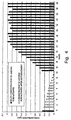
- the adaptation, immobilization and inoculation procedures were operated at relatively low concentration of 0.5 - 0.7 g/L anionic detergents in wastewater. After this period, wastewater containing anionic detergents with gradually increased LAS concentration were added (Fig. 4), until normal industrial concentrations were attained.
- Biotreatment of wastewater was performed in batch and continuous operation. Standard techniques (COD, TOC, colorimetric assays) were used to measure variables of interest during the reactor operation. A significantly higher rate of biodegradation was achieved, using pilot plants consisting of two consecutive units, both in batch and continuous operation.
- the following procedure describes the biodegradation of wastewater derived from a detergent plant, containing high concentrations of anionic and nonionic detergents and other pollutants, by the use of immobilized cells of a bacterial consortium, in batch operation.
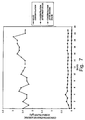
- pilot plants were then filled repeatedly with raw wastewater and the treated water was emptied daily (Fig. 5). Pilot plants were operated in a hatch mode, with working volumes of up to 1,000 liters, for periods of mole than one year.
- the degradation of anionic surfactants by immobilized bacterial consortium BIO-V was monitored in a batch operation at different initial detergent concentrations, from 500 up to 10,000 mg/L. No direct correlation could be observed between the concentration of anionic surfactants in wastewater and the degradation rate, up to inlet concentration of 1,500 - 2,000 mg/L LAS. With higher initial surfactant concentrations, from 2,000 to 10,000 mg/L LAS, the degradation time was prolonged.
- Biodegradation operations were performed over a wide range of pH and temperatures. Efficient biodegradation was achieved using a temperature range of 14 - 30°C and a pH range of 6 - 10.
- LAS Linear Alkylbenzene Sulphonate. NPE - Nonyl Phenol Ethoxylate. COD - Chemical Oxygen Demand. TOC - Total Organic Carbon.
Landscapes
- Life Sciences & Earth Sciences (AREA)
- Microbiology (AREA)
- Biodiversity & Conservation Biology (AREA)
- Hydrology & Water Resources (AREA)
- Engineering & Computer Science (AREA)
- Environmental & Geological Engineering (AREA)
- Water Supply & Treatment (AREA)
- Chemical & Material Sciences (AREA)
- Organic Chemistry (AREA)
- Purification Treatments By Anaerobic Or Anaerobic And Aerobic Bacteria Or Animals (AREA)
Applications Claiming Priority (4)
| Application Number | Priority Date | Filing Date | Title |
|---|---|---|---|
| IL13044899A IL130448A (en) | 1999-06-14 | 1999-06-14 | Process for the aerobic biotreatment of wastewater and apparatus for use therein |
| IL13044899 | 1999-06-14 | ||
| IL13044799A IL130447A (en) | 1999-06-14 | 1999-06-14 | Biotreatment of surfactants in wastewater |
| IL13044799 | 1999-06-14 |
Publications (2)
| Publication Number | Publication Date |
|---|---|
| EP1063202A2 true EP1063202A2 (de) | 2000-12-27 |
| EP1063202A3 EP1063202A3 (de) | 2001-06-13 |
Family
ID=26323855
Family Applications (1)
| Application Number | Title | Priority Date | Filing Date |
|---|---|---|---|
| EP00112534A Withdrawn EP1063202A3 (de) | 1999-06-14 | 2000-06-13 | Biologische Behandlung von tensidhaltigen Abwässern |
Country Status (1)
| Country | Link |
|---|---|
| EP (1) | EP1063202A3 (de) |
Cited By (4)
| Publication number | Priority date | Publication date | Assignee | Title |
|---|---|---|---|---|
| GB2378709B (en) * | 1999-12-16 | 2004-11-03 | Robert G Whiteman | Fermentation system methods and apparatus |
| US7879593B2 (en) | 1999-12-16 | 2011-02-01 | Whiteman G Robert | Fermentation systems, methods and apparatus |
| CN104709985A (zh) * | 2013-12-17 | 2015-06-17 | 上海洗霸科技股份有限公司 | 洗煤废水复合混凝剂及其制备方法 |
| US9969633B2 (en) | 1999-12-16 | 2018-05-15 | Robert Whiteman | Systems and methods for treating oil, fat and grease in collection systems |
Family Cites Families (6)
| Publication number | Priority date | Publication date | Assignee | Title |
|---|---|---|---|---|
| BE786536A (fr) * | 1971-07-23 | 1972-11-16 | Aquitaine Pour L Etude Et Le C | Preparation de populations microbiennes selectionnees en vue deleur utilisation dans la lutte contre la pollution |
| JPH02174994A (ja) * | 1988-12-28 | 1990-07-06 | Komatsu Ltd | 廃水の処理方法 |
| RU2066676C1 (ru) * | 1992-02-17 | 1996-09-20 | Хабаровский завод металлоконструкций | Способ очистки воды от синтетических моющих средств и устройство для его осуществления |
| EP0655420B1 (de) * | 1993-06-16 | 2000-07-26 | Toyo Denka Kogyo Co., Ltd. | Methode und vorrichtung zum behandeln von wasser |
| US5618727A (en) * | 1995-03-06 | 1997-04-08 | University Of Tennessee Research Corporation | Bioremediation process design utilizing in situ soil washing |
| DE19834945A1 (de) * | 1998-08-03 | 2000-02-17 | Buck Werke Gmbh & Co I K | Verfahren und Vorrichtung zur Reinigung und Wiederverwendung von tensidhaltigen Abwässern |
-
2000
- 2000-06-13 EP EP00112534A patent/EP1063202A3/de not_active Withdrawn
Cited By (7)
| Publication number | Priority date | Publication date | Assignee | Title |
|---|---|---|---|---|
| GB2378709B (en) * | 1999-12-16 | 2004-11-03 | Robert G Whiteman | Fermentation system methods and apparatus |
| US7879593B2 (en) | 1999-12-16 | 2011-02-01 | Whiteman G Robert | Fermentation systems, methods and apparatus |
| US9783438B2 (en) | 1999-12-16 | 2017-10-10 | Advanced Biological Services, Inc. | Apparatus for treating wastewater |
| US9969633B2 (en) | 1999-12-16 | 2018-05-15 | Robert Whiteman | Systems and methods for treating oil, fat and grease in collection systems |
| US10377649B2 (en) | 1999-12-16 | 2019-08-13 | G. Robert Whiteman | Methods of treatment of ground water |
| US10995024B2 (en) | 1999-12-16 | 2021-05-04 | Advanced Biological Services, Inc. | Methods of reducing the amount of settling aid |
| CN104709985A (zh) * | 2013-12-17 | 2015-06-17 | 上海洗霸科技股份有限公司 | 洗煤废水复合混凝剂及其制备方法 |
Also Published As
| Publication number | Publication date |
|---|---|
| EP1063202A3 (de) | 2001-06-13 |
Similar Documents
| Publication | Publication Date | Title |
|---|---|---|
| Afzal et al. | Characteristics of phenol biodegradation in saline solutions by monocultures of Pseudomonas aeruginosa and Pseudomonas pseudomallei | |
| Farrell et al. | Substrate-dependent autoaggregation of Pseudomonas putida CP1 during the degradation of mono-chlorophenols and phenol | |
| Atuanya et al. | Anaerobic and aerobic biodegradation of chlorophenols using UASB and ASG bioreactors | |
| US5962305A (en) | Microbial strain, method for biodegrading organic compounds and method for environmental remediation | |
| Beshay et al. | Phenol biodegradation by free and immobilized Acinetobacter | |
| Shradha et al. | Isolation and characterization of phenol degrading bacteria from oil contaminated soil | |
| CA1304031C (en) | Microbial catabolism of tertiary butyl alcohol | |
| EP0396648B1 (de) | Verfahren zur mikrobiologischen reinigung von wasser | |
| JP2013520309A (ja) | 産業廃棄物の処理方法 | |
| US5474934A (en) | Biodegradation of ethers | |
| EP1063202A2 (de) | Biologische Behandlung von tensidhaltigen Abwässern | |
| CN114933990B (zh) | N-甲基吡咯烷酮降解同步反硝化菌及其应用 | |
| US4274954A (en) | Microbiological process for removing non-ionic surface active agents, detergents and the like from wastewater | |
| JP2003504185A (ja) | 水を精製する方法、その方法および利用に適した細菌 | |
| Dermou et al. | Biological removal of hexavalent chromium in trickling filters operating with different filter media types | |
| KR100648494B1 (ko) | 테트라메틸 암모늄 하이드록사이드(tmah) 함유 폐수의 미생물학적 수처리방법 | |
| EP1454980A2 (de) | Weibliche Sexualhormone abbauende Bakterienstämme sowie deren Verwendung | |
| Zouari et al. | Microbial consortia for the aerobic degradation of aromatic compounds in olive oil mill effluent | |
| JP3728721B2 (ja) | 新規微生物及び排水の処理方法 | |
| Frassinetti et al. | Bacterial attack of non-ionic aromatic surfactants: comparison of degradative capabilities of new isolates from nonylphenol polyethoxylate polluted wastewaters | |
| Ambujom et al. | Phenol degradation by a stable aerobic consortium and its bacterial isolates | |
| US4483923A (en) | Microbiological process for removing non-ionic surface active agents, detergents and the like from wastewater and microorganism capable of same | |
| WO2008020818A1 (en) | Granular microbial formulation capable of self aggregation used in the treatment of wastewater. | |
| JPH09135682A (ja) | 2−メチルイソボルネオール分解微生物の純粋分離培養方法および該分解微生物を用いた浄水処理装置 | |
| RU2834754C1 (ru) | Штамм бактерий Pseudomonas monteilii, используемый для очистки сточных вод от одноатомных спиртов, его применение и способ очистки сточных вод от одноатомных спиртов с использованием данного штамма |
Legal Events
| Date | Code | Title | Description |
|---|---|---|---|
| PUAI | Public reference made under article 153(3) epc to a published international application that has entered the european phase |
Free format text: ORIGINAL CODE: 0009012 |
|
| AK | Designated contracting states |
Kind code of ref document: A2 Designated state(s): AT BE CH CY DE DK ES FI FR GB GR IE IT LI LU MC NL PT SE |
|
| AX | Request for extension of the european patent |
Free format text: AL;LT;LV;MK;RO;SI |
|
| PUAL | Search report despatched |
Free format text: ORIGINAL CODE: 0009013 |
|
| AK | Designated contracting states |
Kind code of ref document: A3 Designated state(s): AT BE CH CY DE DK ES FI FR GB GR IE IT LI LU MC NL PT SE |
|
| AX | Request for extension of the european patent |
Free format text: AL;LT;LV;MK;RO;SI |
|
| AKX | Designation fees paid | ||
| REG | Reference to a national code |
Ref country code: DE Ref legal event code: 8566 |
|
| STAA | Information on the status of an ep patent application or granted ep patent |
Free format text: STATUS: THE APPLICATION IS DEEMED TO BE WITHDRAWN |
|
| 18D | Application deemed to be withdrawn |
Effective date: 20011214 |