EP1047426B1 - Use of methylnaltrexone and related compounds - Google Patents
Use of methylnaltrexone and related compounds Download PDFInfo
- Publication number
- EP1047426B1 EP1047426B1 EP98957573A EP98957573A EP1047426B1 EP 1047426 B1 EP1047426 B1 EP 1047426B1 EP 98957573 A EP98957573 A EP 98957573A EP 98957573 A EP98957573 A EP 98957573A EP 1047426 B1 EP1047426 B1 EP 1047426B1
- Authority
- EP
- European Patent Office
- Prior art keywords
- derivative
- noroxymorphone
- mntx
- methylnaltrexone
- administered
- Prior art date
- Legal status (The legal status is an assumption and is not a legal conclusion. Google has not performed a legal analysis and makes no representation as to the accuracy of the status listed.)
- Expired - Lifetime
Links
- JVLBPIPGETUEET-WIXLDOGYSA-O (3r,4r,4as,7ar,12bs)-3-(cyclopropylmethyl)-4a,9-dihydroxy-3-methyl-2,4,5,6,7a,13-hexahydro-1h-4,12-methanobenzofuro[3,2-e]isoquinoline-3-ium-7-one Chemical compound C([N@+]1(C)[C@@H]2CC=3C4=C(C(=CC=3)O)O[C@@H]3[C@]4([C@@]2(O)CCC3=O)CC1)C1CC1 JVLBPIPGETUEET-WIXLDOGYSA-O 0.000 title claims description 48
- 229960002921 methylnaltrexone Drugs 0.000 title claims description 48
- 150000001875 compounds Chemical class 0.000 title description 8
- 239000003814 drug Substances 0.000 claims description 30
- HLMSIZPQBSYUNL-IPOQPSJVSA-N Noroxymorphone Chemical group O=C([C@@H]1O2)CC[C@@]3(O)[C@H]4CC5=CC=C(O)C2=C5[C@@]13CCN4 HLMSIZPQBSYUNL-IPOQPSJVSA-N 0.000 claims description 18
- 230000005176 gastrointestinal motility Effects 0.000 claims description 18
- 230000037396 body weight Effects 0.000 claims description 13
- -1 chlorallyl Chemical group 0.000 claims description 13
- 230000005764 inhibitory process Effects 0.000 claims description 13
- 238000012084 abdominal surgery Methods 0.000 claims description 5
- 239000002775 capsule Substances 0.000 claims description 4
- 239000012528 membrane Substances 0.000 claims description 4
- 125000003903 2-propenyl group Chemical group [H]C([*])([H])C([H])=C([H])[H] 0.000 claims description 3
- 125000001494 2-propynyl group Chemical group [H]C#CC([H])([H])* 0.000 claims description 3
- 239000002253 acid Substances 0.000 claims description 3
- 150000001450 anions Chemical class 0.000 claims description 3
- 125000004186 cyclopropylmethyl group Chemical group [H]C([H])(*)C1([H])C([H])([H])C1([H])[H] 0.000 claims description 3
- CPELXLSAUQHCOX-UHFFFAOYSA-N Hydrogen bromide Chemical group Br CPELXLSAUQHCOX-UHFFFAOYSA-N 0.000 claims description 2
- 238000009792 diffusion process Methods 0.000 claims description 2
- XMBWDFGMSWQBCA-UHFFFAOYSA-N hydrogen iodide Chemical group I XMBWDFGMSWQBCA-UHFFFAOYSA-N 0.000 claims description 2
- JZMJDSHXVKJFKW-UHFFFAOYSA-M methyl sulfate(1-) Chemical group COS([O-])(=O)=O JZMJDSHXVKJFKW-UHFFFAOYSA-M 0.000 claims description 2
- 230000035699 permeability Effects 0.000 claims description 2
- 150000001805 chlorine compounds Chemical group 0.000 claims 1
- 238000004519 manufacturing process Methods 0.000 claims 1
- IFGIYSGOEZJNBE-KNLJMPJLSA-N (4r,4as,7ar,12bs)-3-(cyclopropylmethyl)-4a,9-dihydroxy-3-methyl-2,4,5,6,7a,13-hexahydro-1h-4,12-methanobenzofuro[3,2-e]isoquinoline-3-ium-7-one;bromide Chemical compound [Br-].C[N+]1([C@@H]2CC=3C4=C(C(=CC=3)O)O[C@@H]3[C@]4([C@@]2(O)CCC3=O)CC1)CC1CC1 IFGIYSGOEZJNBE-KNLJMPJLSA-N 0.000 description 56
- BQJCRHHNABKAKU-KBQPJGBKSA-N morphine Chemical compound O([C@H]1[C@H](C=C[C@H]23)O)C4=C5[C@@]12CCN(C)[C@@H]3CC5=CC=C4O BQJCRHHNABKAKU-KBQPJGBKSA-N 0.000 description 47
- 229940079593 drug Drugs 0.000 description 27
- 230000000694 effects Effects 0.000 description 26
- 239000002702 enteric coating Substances 0.000 description 24
- 238000009505 enteric coating Methods 0.000 description 24
- 229960005181 morphine Drugs 0.000 description 23
- 230000036470 plasma concentration Effects 0.000 description 21
- 238000011282 treatment Methods 0.000 description 20
- 208000003251 Pruritus Diseases 0.000 description 17
- 239000000203 mixture Substances 0.000 description 16
- 229940005483 opioid analgesics Drugs 0.000 description 14
- 229940068196 placebo Drugs 0.000 description 14
- 239000000902 placebo Substances 0.000 description 14
- 210000003169 central nervous system Anatomy 0.000 description 10
- 206010010774 Constipation Diseases 0.000 description 9
- NTYJJOPFIAHURM-UHFFFAOYSA-N Histamine Chemical compound NCCC1=CN=CN1 NTYJJOPFIAHURM-UHFFFAOYSA-N 0.000 description 8
- 206010046555 Urinary retention Diseases 0.000 description 7
- 229920001577 copolymer Polymers 0.000 description 7
- 230000007423 decrease Effects 0.000 description 7
- 238000009472 formulation Methods 0.000 description 7
- 238000001990 intravenous administration Methods 0.000 description 7
- 229960004715 morphine sulfate Drugs 0.000 description 7
- GRVOTVYEFDAHCL-RTSZDRIGSA-N morphine sulfate pentahydrate Chemical compound O.O.O.O.O.OS(O)(=O)=O.O([C@H]1[C@H](C=C[C@H]23)O)C4=C5[C@@]12CCN(C)[C@@H]3CC5=CC=C4O.O([C@H]1[C@H](C=C[C@H]23)O)C4=C5[C@@]12CCN(C)[C@@H]3CC5=CC=C4O GRVOTVYEFDAHCL-RTSZDRIGSA-N 0.000 description 7
- 210000002784 stomach Anatomy 0.000 description 7
- 206010013954 Dysphoria Diseases 0.000 description 6
- OKKJLVBELUTLKV-UHFFFAOYSA-N Methanol Chemical compound OC OKKJLVBELUTLKV-UHFFFAOYSA-N 0.000 description 6
- 102000003840 Opioid Receptors Human genes 0.000 description 6
- 108090000137 Opioid Receptors Proteins 0.000 description 6
- 238000000576 coating method Methods 0.000 description 6
- 150000002148 esters Chemical class 0.000 description 6
- 230000010243 gut motility Effects 0.000 description 6
- 230000036407 pain Effects 0.000 description 6
- 230000008499 blood brain barrier function Effects 0.000 description 5
- 210000001218 blood-brain barrier Anatomy 0.000 description 5
- 239000011248 coating agent Substances 0.000 description 5
- 230000035611 feeding Effects 0.000 description 5
- 230000002496 gastric effect Effects 0.000 description 5
- 238000004128 high performance liquid chromatography Methods 0.000 description 5
- 238000000034 method Methods 0.000 description 5
- DQCKKXVULJGBQN-XFWGSAIBSA-N naltrexone Chemical compound N1([C@@H]2CC3=CC=C(C=4O[C@@H]5[C@](C3=4)([C@]2(CCC5=O)O)CC1)O)CC1CC1 DQCKKXVULJGBQN-XFWGSAIBSA-N 0.000 description 5
- 229960003086 naltrexone Drugs 0.000 description 5
- 230000002265 prevention Effects 0.000 description 5
- 230000002829 reductive effect Effects 0.000 description 5
- 229920000623 Cellulose acetate phthalate Polymers 0.000 description 4
- FAPWRFPIFSIZLT-UHFFFAOYSA-M Sodium chloride Chemical compound [Na+].[Cl-] FAPWRFPIFSIZLT-UHFFFAOYSA-M 0.000 description 4
- 238000010521 absorption reaction Methods 0.000 description 4
- 229940081734 cellulose acetate phthalate Drugs 0.000 description 4
- 229960001340 histamine Drugs 0.000 description 4
- 238000007918 intramuscular administration Methods 0.000 description 4
- 239000003401 opiate antagonist Substances 0.000 description 4
- 150000003839 salts Chemical class 0.000 description 4
- 208000024891 symptom Diseases 0.000 description 4
- YMWUJEATGCHHMB-UHFFFAOYSA-N Dichloromethane Chemical compound ClCCl YMWUJEATGCHHMB-UHFFFAOYSA-N 0.000 description 3
- LFQSCWFLJHTTHZ-UHFFFAOYSA-N Ethanol Chemical compound CCO LFQSCWFLJHTTHZ-UHFFFAOYSA-N 0.000 description 3
- 230000000202 analgesic effect Effects 0.000 description 3
- 229940125715 antihistaminic agent Drugs 0.000 description 3
- 239000000739 antihistaminic agent Substances 0.000 description 3
- 239000000969 carrier Substances 0.000 description 3
- 238000007796 conventional method Methods 0.000 description 3
- 210000001035 gastrointestinal tract Anatomy 0.000 description 3
- UZHSEJADLWPNLE-GRGSLBFTSA-N naloxone Chemical compound O=C([C@@H]1O2)CC[C@@]3(O)[C@H]4CC5=CC=C(O)C2=C5[C@@]13CCN4CC=C UZHSEJADLWPNLE-GRGSLBFTSA-N 0.000 description 3
- 229960004127 naloxone Drugs 0.000 description 3
- 239000003887 narcotic antagonist Substances 0.000 description 3
- 238000002414 normal-phase solid-phase extraction Methods 0.000 description 3
- 230000002035 prolonged effect Effects 0.000 description 3
- 230000004044 response Effects 0.000 description 3
- 239000011780 sodium chloride Substances 0.000 description 3
- XLYOFNOQVPJJNP-UHFFFAOYSA-N water Substances O XLYOFNOQVPJJNP-UHFFFAOYSA-N 0.000 description 3
- IJGRMHOSHXDMSA-UHFFFAOYSA-N Atomic nitrogen Chemical compound N#N IJGRMHOSHXDMSA-UHFFFAOYSA-N 0.000 description 2
- HEDRZPFGACZZDS-UHFFFAOYSA-N Chloroform Chemical compound ClC(Cl)Cl HEDRZPFGACZZDS-UHFFFAOYSA-N 0.000 description 2
- 208000030453 Drug-Related Side Effects and Adverse reaction Diseases 0.000 description 2
- 229920002153 Hydroxypropyl cellulose Polymers 0.000 description 2
- 206010028813 Nausea Diseases 0.000 description 2
- 239000002202 Polyethylene glycol Substances 0.000 description 2
- 239000004372 Polyvinyl alcohol Substances 0.000 description 2
- DTQVDTLACAAQTR-UHFFFAOYSA-N Trifluoroacetic acid Chemical compound OC(=O)C(F)(F)F DTQVDTLACAAQTR-UHFFFAOYSA-N 0.000 description 2
- 125000001931 aliphatic group Chemical group 0.000 description 2
- 150000001412 amines Chemical group 0.000 description 2
- 239000005557 antagonist Substances 0.000 description 2
- 239000011230 binding agent Substances 0.000 description 2
- 230000015556 catabolic process Effects 0.000 description 2
- 229920002678 cellulose Polymers 0.000 description 2
- 235000010980 cellulose Nutrition 0.000 description 2
- 230000003247 decreasing effect Effects 0.000 description 2
- 238000006731 degradation reaction Methods 0.000 description 2
- 230000003111 delayed effect Effects 0.000 description 2
- 238000001514 detection method Methods 0.000 description 2
- DOIRQSBPFJWKBE-UHFFFAOYSA-N dibutyl phthalate Chemical compound CCCCOC(=O)C1=CC=CC=C1C(=O)OCCCC DOIRQSBPFJWKBE-UHFFFAOYSA-N 0.000 description 2
- FLKPEMZONWLCSK-UHFFFAOYSA-N diethyl phthalate Chemical compound CCOC(=O)C1=CC=CC=C1C(=O)OCC FLKPEMZONWLCSK-UHFFFAOYSA-N 0.000 description 2
- 238000004090 dissolution Methods 0.000 description 2
- 238000001647 drug administration Methods 0.000 description 2
- 238000011010 flushing procedure Methods 0.000 description 2
- 239000001257 hydrogen Substances 0.000 description 2
- 229910052739 hydrogen Inorganic materials 0.000 description 2
- 239000008172 hydrogenated vegetable oil Substances 0.000 description 2
- 229920013821 hydroxy alkyl cellulose Polymers 0.000 description 2
- 239000001863 hydroxypropyl cellulose Substances 0.000 description 2
- 235000010977 hydroxypropyl cellulose Nutrition 0.000 description 2
- 229940090044 injection Drugs 0.000 description 2
- 238000002347 injection Methods 0.000 description 2
- 239000007924 injection Substances 0.000 description 2
- 150000002632 lipids Chemical class 0.000 description 2
- 229940117841 methacrylic acid copolymer Drugs 0.000 description 2
- 229920003145 methacrylic acid copolymer Polymers 0.000 description 2
- 229940126701 oral medication Drugs 0.000 description 2
- 230000002093 peripheral effect Effects 0.000 description 2
- 239000012071 phase Substances 0.000 description 2
- 229920001223 polyethylene glycol Polymers 0.000 description 2
- 229940100467 polyvinyl acetate phthalate Drugs 0.000 description 2
- 229920002451 polyvinyl alcohol Polymers 0.000 description 2
- 239000001267 polyvinylpyrrolidone Substances 0.000 description 2
- 235000013855 polyvinylpyrrolidone Nutrition 0.000 description 2
- 238000002360 preparation method Methods 0.000 description 2
- BDERNNFJNOPAEC-UHFFFAOYSA-N propan-1-ol Chemical compound CCCO BDERNNFJNOPAEC-UHFFFAOYSA-N 0.000 description 2
- 238000005070 sampling Methods 0.000 description 2
- 238000001356 surgical procedure Methods 0.000 description 2
- VZGDMQKNWNREIO-UHFFFAOYSA-N tetrachloromethane Chemical compound ClC(Cl)(Cl)Cl VZGDMQKNWNREIO-UHFFFAOYSA-N 0.000 description 2
- 230000001225 therapeutic effect Effects 0.000 description 2
- 210000002700 urine Anatomy 0.000 description 2
- RPZANUYHRMRTTE-UHFFFAOYSA-N 2,3,4-trimethoxy-6-(methoxymethyl)-5-[3,4,5-trimethoxy-6-(methoxymethyl)oxan-2-yl]oxyoxane;1-[[3,4,5-tris(2-hydroxybutoxy)-6-[4,5,6-tris(2-hydroxybutoxy)-2-(2-hydroxybutoxymethyl)oxan-3-yl]oxyoxan-2-yl]methoxy]butan-2-ol Chemical compound COC1C(OC)C(OC)C(COC)OC1OC1C(OC)C(OC)C(OC)OC1COC.CCC(O)COC1C(OCC(O)CC)C(OCC(O)CC)C(COCC(O)CC)OC1OC1C(OCC(O)CC)C(OCC(O)CC)C(OCC(O)CC)OC1COCC(O)CC RPZANUYHRMRTTE-UHFFFAOYSA-N 0.000 description 1
- USSIQXCVUWKGNF-UHFFFAOYSA-N 6-(dimethylamino)-4,4-diphenylheptan-3-one Chemical compound C=1C=CC=CC=1C(CC(C)N(C)C)(C(=O)CC)C1=CC=CC=C1 USSIQXCVUWKGNF-UHFFFAOYSA-N 0.000 description 1
- CXKLIELNANLEIH-UHFFFAOYSA-N CC(=C)C(O)=O.CC=C(C)C(O)=O Chemical compound CC(=C)C(O)=O.CC=C(C)C(O)=O CXKLIELNANLEIH-UHFFFAOYSA-N 0.000 description 1
- YUXIBTJKHLUKBD-UHFFFAOYSA-N Dibutyl succinate Chemical compound CCCCOC(=O)CCC(=O)OCCCC YUXIBTJKHLUKBD-UHFFFAOYSA-N 0.000 description 1
- DKMROQRQHGEIOW-UHFFFAOYSA-N Diethyl succinate Chemical compound CCOC(=O)CCC(=O)OCC DKMROQRQHGEIOW-UHFFFAOYSA-N 0.000 description 1
- 206010014418 Electrolyte imbalance Diseases 0.000 description 1
- 239000001856 Ethyl cellulose Substances 0.000 description 1
- ZZSNKZQZMQGXPY-UHFFFAOYSA-N Ethyl cellulose Chemical compound CCOCC1OC(OC)C(OCC)C(OCC)C1OC1C(O)C(O)C(OC)C(CO)O1 ZZSNKZQZMQGXPY-UHFFFAOYSA-N 0.000 description 1
- 229920003139 Eudragit® L 100 Polymers 0.000 description 1
- 229920003137 Eudragit® S polymer Polymers 0.000 description 1
- VEXZGXHMUGYJMC-UHFFFAOYSA-N Hydrochloric acid Chemical compound Cl VEXZGXHMUGYJMC-UHFFFAOYSA-N 0.000 description 1
- 229920000663 Hydroxyethyl cellulose Polymers 0.000 description 1
- 239000004354 Hydroxyethyl cellulose Substances 0.000 description 1
- 206010021518 Impaired gastric emptying Diseases 0.000 description 1
- XADCESSVHJOZHK-UHFFFAOYSA-N Meperidine Chemical compound C=1C=CC=CC=1C1(C(=O)OCC)CCN(C)CC1 XADCESSVHJOZHK-UHFFFAOYSA-N 0.000 description 1
- 208000001089 Multiple system atrophy Diseases 0.000 description 1
- 239000004677 Nylon Substances 0.000 description 1
- 208000030053 Opioid-Induced Constipation Diseases 0.000 description 1
- 206010031127 Orthostatic hypotension Diseases 0.000 description 1
- 235000019482 Palm oil Nutrition 0.000 description 1
- 235000019483 Peanut oil Nutrition 0.000 description 1
- 108010039918 Polylysine Proteins 0.000 description 1
- 208000004756 Respiratory Insufficiency Diseases 0.000 description 1
- 206010038678 Respiratory depression Diseases 0.000 description 1
- 206010039897 Sedation Diseases 0.000 description 1
- 229920001800 Shellac Polymers 0.000 description 1
- VMHLLURERBWHNL-UHFFFAOYSA-M Sodium acetate Chemical compound [Na+].CC([O-])=O VMHLLURERBWHNL-UHFFFAOYSA-M 0.000 description 1
- 206010070863 Toxicity to various agents Diseases 0.000 description 1
- DOOTYTYQINUNNV-UHFFFAOYSA-N Triethyl citrate Chemical compound CCOC(=O)CC(O)(C(=O)OCC)CC(=O)OCC DOOTYTYQINUNNV-UHFFFAOYSA-N 0.000 description 1
- 229920002494 Zein Polymers 0.000 description 1
- 229920006243 acrylic copolymer Polymers 0.000 description 1
- 230000004913 activation Effects 0.000 description 1
- 238000011374 additional therapy Methods 0.000 description 1
- 230000002411 adverse Effects 0.000 description 1
- 229920013820 alkyl cellulose Polymers 0.000 description 1
- 125000000217 alkyl group Chemical group 0.000 description 1
- 230000036592 analgesia Effects 0.000 description 1
- 229940035676 analgesics Drugs 0.000 description 1
- 230000003042 antagnostic effect Effects 0.000 description 1
- 239000000730 antalgic agent Substances 0.000 description 1
- 239000007864 aqueous solution Substances 0.000 description 1
- 238000003556 assay Methods 0.000 description 1
- 230000001580 bacterial effect Effects 0.000 description 1
- 229940049706 benzodiazepine Drugs 0.000 description 1
- 150000001557 benzodiazepines Chemical class 0.000 description 1
- 230000000903 blocking effect Effects 0.000 description 1
- 239000004067 bulking agent Substances 0.000 description 1
- 125000004181 carboxyalkyl group Chemical group 0.000 description 1
- 239000001913 cellulose Substances 0.000 description 1
- 229920002301 cellulose acetate Polymers 0.000 description 1
- 230000008859 change Effects 0.000 description 1
- 239000000812 cholinergic antagonist Substances 0.000 description 1
- 229940127243 cholinergic drug Drugs 0.000 description 1
- 238000011284 combination treatment Methods 0.000 description 1
- 230000001143 conditioned effect Effects 0.000 description 1
- 238000011109 contamination Methods 0.000 description 1
- 238000011161 development Methods 0.000 description 1
- PCYQQSKDZQTOQG-NXEZZACHSA-N dibutyl (2r,3r)-2,3-dihydroxybutanedioate Chemical compound CCCCOC(=O)[C@H](O)[C@@H](O)C(=O)OCCCC PCYQQSKDZQTOQG-NXEZZACHSA-N 0.000 description 1
- JBSLOWBPDRZSMB-FPLPWBNLSA-N dibutyl (z)-but-2-enedioate Chemical compound CCCCOC(=O)\C=C/C(=O)OCCCC JBSLOWBPDRZSMB-FPLPWBNLSA-N 0.000 description 1
- 229960002097 dibutylsuccinate Drugs 0.000 description 1
- 230000001079 digestive effect Effects 0.000 description 1
- 239000008157 edible vegetable oil Substances 0.000 description 1
- 238000009429 electrical wiring Methods 0.000 description 1
- 229920001249 ethyl cellulose Polymers 0.000 description 1
- 235000019325 ethyl cellulose Nutrition 0.000 description 1
- 238000002474 experimental method Methods 0.000 description 1
- 229960002428 fentanyl Drugs 0.000 description 1
- PJMPHNIQZUBGLI-UHFFFAOYSA-N fentanyl Chemical compound C=1C=CC=CC=1N(C(=O)CC)C(CC1)CCN1CCC1=CC=CC=C1 PJMPHNIQZUBGLI-UHFFFAOYSA-N 0.000 description 1
- 239000000945 filler Substances 0.000 description 1
- 235000011389 fruit/vegetable juice Nutrition 0.000 description 1
- 210000004229 gastric stump Anatomy 0.000 description 1
- 239000007903 gelatin capsule Substances 0.000 description 1
- 150000002431 hydrogen Chemical class 0.000 description 1
- 235000019447 hydroxyethyl cellulose Nutrition 0.000 description 1
- 229920013819 hydroxyethyl ethylcellulose Polymers 0.000 description 1
- 229920003132 hydroxypropyl methylcellulose phthalate Polymers 0.000 description 1
- 229940031704 hydroxypropyl methylcellulose phthalate Drugs 0.000 description 1
- 229920000639 hydroxypropylmethylcellulose acetate succinate Polymers 0.000 description 1
- 230000006872 improvement Effects 0.000 description 1
- 238000001727 in vivo Methods 0.000 description 1
- 230000002401 inhibitory effect Effects 0.000 description 1
- 230000000977 initiatory effect Effects 0.000 description 1
- 210000000936 intestine Anatomy 0.000 description 1
- 238000007913 intrathecal administration Methods 0.000 description 1
- 230000007803 itching Effects 0.000 description 1
- 239000008141 laxative Substances 0.000 description 1
- 229940125722 laxative agent Drugs 0.000 description 1
- 239000000463 material Substances 0.000 description 1
- 238000005259 measurement Methods 0.000 description 1
- 230000007246 mechanism Effects 0.000 description 1
- 230000001404 mediated effect Effects 0.000 description 1
- 238000002483 medication Methods 0.000 description 1
- 229960001797 methadone Drugs 0.000 description 1
- QCAWEPFNJXQPAN-UHFFFAOYSA-N methoxyfenozide Chemical compound COC1=CC=CC(C(=O)NN(C(=O)C=2C=C(C)C=C(C)C=2)C(C)(C)C)=C1C QCAWEPFNJXQPAN-UHFFFAOYSA-N 0.000 description 1
- 229920000609 methyl cellulose Polymers 0.000 description 1
- 239000001923 methylcellulose Substances 0.000 description 1
- 235000010981 methylcellulose Nutrition 0.000 description 1
- 238000012544 monitoring process Methods 0.000 description 1
- 229940068938 morphine injection Drugs 0.000 description 1
- 229930014626 natural product Natural products 0.000 description 1
- 229910052757 nitrogen Inorganic materials 0.000 description 1
- 229920001778 nylon Polymers 0.000 description 1
- 239000003921 oil Substances 0.000 description 1
- 235000019198 oils Nutrition 0.000 description 1
- 239000004006 olive oil Substances 0.000 description 1
- 235000008390 olive oil Nutrition 0.000 description 1
- 229940127240 opiate Drugs 0.000 description 1
- 229940051877 other opioids in atc Drugs 0.000 description 1
- 239000002540 palm oil Substances 0.000 description 1
- 230000036961 partial effect Effects 0.000 description 1
- 239000000312 peanut oil Substances 0.000 description 1
- 210000000578 peripheral nerve Anatomy 0.000 description 1
- 229960000482 pethidine Drugs 0.000 description 1
- 239000000546 pharmaceutical excipient Substances 0.000 description 1
- 230000000144 pharmacologic effect Effects 0.000 description 1
- XNGIFLGASWRNHJ-UHFFFAOYSA-L phthalate(2-) Chemical compound [O-]C(=O)C1=CC=CC=C1C([O-])=O XNGIFLGASWRNHJ-UHFFFAOYSA-L 0.000 description 1
- 239000000049 pigment Substances 0.000 description 1
- 239000004014 plasticizer Substances 0.000 description 1
- 229920000724 poly(L-arginine) polymer Polymers 0.000 description 1
- 229920000058 polyacrylate Polymers 0.000 description 1
- 108010011110 polyarginine Proteins 0.000 description 1
- 229920000656 polylysine Polymers 0.000 description 1
- 229920000642 polymer Polymers 0.000 description 1
- 229920001184 polypeptide Polymers 0.000 description 1
- 229920002689 polyvinyl acetate Polymers 0.000 description 1
- 239000011118 polyvinyl acetate Substances 0.000 description 1
- 229920000036 polyvinylpyrrolidone Polymers 0.000 description 1
- 235000020004 porter Nutrition 0.000 description 1
- 108090000765 processed proteins & peptides Proteins 0.000 description 1
- 102000004196 processed proteins & peptides Human genes 0.000 description 1
- 102000005962 receptors Human genes 0.000 description 1
- 108020003175 receptors Proteins 0.000 description 1
- 230000009467 reduction Effects 0.000 description 1
- 230000002441 reversible effect Effects 0.000 description 1
- 230000036280 sedation Effects 0.000 description 1
- 239000004208 shellac Substances 0.000 description 1
- 229940113147 shellac Drugs 0.000 description 1
- ZLGIYFNHBLSMPS-ATJNOEHPSA-N shellac Chemical compound OCCCCCC(O)C(O)CCCCCCCC(O)=O.C1C23[C@H](C(O)=O)CCC2[C@](C)(CO)[C@@H]1C(C(O)=O)=C[C@@H]3O ZLGIYFNHBLSMPS-ATJNOEHPSA-N 0.000 description 1
- 235000013874 shellac Nutrition 0.000 description 1
- 210000000813 small intestine Anatomy 0.000 description 1
- 239000001632 sodium acetate Substances 0.000 description 1
- 235000017281 sodium acetate Nutrition 0.000 description 1
- 239000002904 solvent Substances 0.000 description 1
- 230000000638 stimulation Effects 0.000 description 1
- 239000000126 substance Substances 0.000 description 1
- 230000002459 sustained effect Effects 0.000 description 1
- 229920001059 synthetic polymer Polymers 0.000 description 1
- 230000009885 systemic effect Effects 0.000 description 1
- 238000012360 testing method Methods 0.000 description 1
- 231100001274 therapeutic index Toxicity 0.000 description 1
- WEAPVABOECTMGR-UHFFFAOYSA-N triethyl 2-acetyloxypropane-1,2,3-tricarboxylate Chemical compound CCOC(=O)CC(C(=O)OCC)(OC(C)=O)CC(=O)OCC WEAPVABOECTMGR-UHFFFAOYSA-N 0.000 description 1
- 239000001069 triethyl citrate Substances 0.000 description 1
- VMYFZRTXGLUXMZ-UHFFFAOYSA-N triethyl citrate Natural products CCOC(=O)C(O)(C(=O)OCC)C(=O)OCC VMYFZRTXGLUXMZ-UHFFFAOYSA-N 0.000 description 1
- 235000013769 triethyl citrate Nutrition 0.000 description 1
- 125000005591 trimellitate group Chemical group 0.000 description 1
- 230000002485 urinary effect Effects 0.000 description 1
- 230000003612 virological effect Effects 0.000 description 1
- 239000005019 zein Substances 0.000 description 1
- 229940093612 zein Drugs 0.000 description 1
Images



Classifications
-
- A—HUMAN NECESSITIES
- A61—MEDICAL OR VETERINARY SCIENCE; HYGIENE
- A61K—PREPARATIONS FOR MEDICAL, DENTAL OR TOILETRY PURPOSES
- A61K31/00—Medicinal preparations containing organic active ingredients
- A61K31/33—Heterocyclic compounds
- A61K31/395—Heterocyclic compounds having nitrogen as a ring hetero atom, e.g. guanethidine or rifamycins
- A61K31/435—Heterocyclic compounds having nitrogen as a ring hetero atom, e.g. guanethidine or rifamycins having six-membered rings with one nitrogen as the only ring hetero atom
- A61K31/47—Quinolines; Isoquinolines
- A61K31/485—Morphinan derivatives, e.g. morphine, codeine
-
- A—HUMAN NECESSITIES
- A61—MEDICAL OR VETERINARY SCIENCE; HYGIENE
- A61P—SPECIFIC THERAPEUTIC ACTIVITY OF CHEMICAL COMPOUNDS OR MEDICINAL PREPARATIONS
- A61P1/00—Drugs for disorders of the alimentary tract or the digestive system
Definitions
- the present invention is in the field of treating non-opioid-induced inhibition of gastrointestinal motility.
- Opioids are effective analgesics. However, their use is associated with a number of undesirable side effects. One of these side effects is pruritus, or itching. Pruritus is a common side effect associated with the use of opioids and may be very severe. Pruritus can occur when the opioid is administered intramuscularly, intravenously, transdermally, transmucosally or intrathecally.
- opioid induced pruritus results from the release of histamine in response to the administration of opioids.
- Opioids are thought to stimulate histamine release by binding to opioid receptors on the central nervous system. This, in turn, causes peripheral nerves and histamine containing cells to release histamine.
- antihistamines have a variable effect on opioid induced pruritus. Additionally, the use of antihistamines, when effective, only treats the symptom after it has occurred, rather than preventing its occurrence.
- urinary retention Another undesirable side effect of opioids is urinary retention, or the patient's inability to spontaneously empty his or her bladder.
- This urinary retention is a common side effect that can occur when opioids or related compounds are administered intramuscularly, intravenously, transmucosally, transdermally, or intrathecally. It is not clear why opioids cause urinary retention, but it is thought to be related to the central anticholinergic stimulation that opioids induce. Based on this theory, a number of cholinergic-type drugs have been used to treat urinary retention. However, due to the side effects of cholinergic drugs, catheterization of the bladder with a tube to drain urine remains the mainstay of treatment.
- Another opioid-induced side effect is dysphoria, a feeling of unpleasantness or discomfort. Many subjects, especially those without pain, report unpleasant psychomimetic responses to the administration of an opioid alone. These responses have been previously attributed to activation of centrally located opioid receptors.
- This opioid-induced dysphoria is commonly treated by the addition of other drugs, such as benzodiazepines, to decrease the dysphoria or to blunt the recall of the dysphoria. These drugs, however are associated with increased levels of sedation and may enhance respiratory depression caused by the opioid.
- Opioid-induced changes in gastrointestinal motility are almost universal when these drugs are used to treat pain, and at times may limit their use, leaving the patient in pain.
- Common treatments of bulking agents and laxatives have limited efficacy and may be associated with side effects such as electrolyte imbalances.
- opioid antagonists which cross the blood-brain-barrier, or which are administered directly into the central nervous system.
- Opioid antagonists such as naltrexone and naloxone have been administered intramuscularly or orally to treat opioid induced pruritus.
- Naltrexone and naloxone are highly lipid soluble and rapidly diffuse across biological membranes, including the blood-brain-barrier.
- naltrexone, naloxone and other opioid antagonists also reduce the analgesic effect of the opioid being used.
- quaternary amine opioid antagonist derivatives such as methylnaltrexone, do not reduce the analgesic effect of the opioids.
- These quaternary amine opioid antagonist derivatives which have a relatively higher polarity and reduced lipid solubility when compared to the tertiary forms of the drugs, were specifically developed to not traverse the blood-brain-barrier or to traverse it at a greatly reduced rate. Since these quaternary opioid antagonist derivatives do not cross the blood-brain-barrier, peripheral administration of these antagonists would not be expected to be effective in the treatment of an opioid induced side effect caused by the opioid within the central nervous system.
- oral medications are particularly desirable both for the treatment of nonopioid-induced side effects including constipation and delayed gastric emptying or inhibition of gastrointestinal motility caused by abdominal surgery.
- the present invention relates to compounds for use in preventing and treating nonopioid-induced inhibition of gastrointestinal motility.
- methylnaltrexone or enteric coated methylnaltrexone, or other quaternary derivative of noroxymorphone can be administered to a patient prior to or other the development of inhibited gastrointestinal motility and the route of administration can be intravenous, intramuscular, transmucosal, transdermal or oral administration in a standard or enterically coated preparation.
- the present invention relates to compounds for use in to preventing and treating inhibition of gastrointestinal mobility caused by abdominal surgery.
- non-enterically coated MNTX is associated with plasma levels with an early peak (20 min) and prolonged presence (half-life of about 3 hours after single dose of 6.4 mg/kg).
- an enteric coating on the QDNM designed to prevent dissolution and subsequent absorption of the drug in the stomach, would be expected to produce delayed elevation of plasma levels of the QDNM, and to produce a lower peak plasma level.
- administration of enterically coated MNTX has been found to result in substantially lower plasma levels as compared to non-enterically coated MNTX at the same dosage level, and surprisingly and unexpectedly resulted in enhanced efficacy in the reversal of opioid-induced decreases in gastrointestinal motility.
- MNTX When used as a treatment for reduction of gastrointestinal motility, orally administered, particularly if enterically coated, MNTX or other quaternary derivatives of noroxymorphone provide prolonged relief.
- enteric coating surprisingly allows for equal or better efficacy despite lower plasma levels.
- Idiopathic constipation i.e., that due to causes other than exogenous administration of opioids, may be mediated by opioid sensitive mechanisms.
- Endogenous opioid receptors have been identified in the gut, and these receptors may modulate gut motility.
- Quaternary derivatives of noroxymorphone are described in full in U.S. Patent No. 4,176,186 , and in general are represented by the formula: wherein R is allyl or a related radical such as chlorallyl, cyclopropyl-methyl or propargyl, and X is the anion of an acid, especially a chloride, bromide, iodide or methylsulfate anion.
- the presently preferred quaternary derivative of noroxymorphone is methylnaltrexone.
- Methylnaltrexone is a quaternary amine derivative of naltrexone.
- Methylnaltrexone has been found to have only 2 to 4% of the opiate antagonistic activity of naltrexone in vivo due to its inability to pass the blood-brain-barrier and bind to the opiate receptors in the central nervous system.
- Opioids are typically administered at a morphine equivalent dosage of: 0.005 to 0.15 mg/kg body weight for intrathecal administration; 0.05 to 1.0 mg/kg body weight for intravenous administration; 0.05 to 1.0 mg/kg body weight for intramuscular administration; 0.05 to 1.0 mg/kg body weight/hour for transmucosal or transdermal administration.
- morphine equivalent dosage is meant representative doses of other opioids which equal one milligram of morphine, for example 10 mg meperidine, 1 mg methadone, and 80 ⁇ g fentanyl.
- methylnaltrexone is administered at a dosage of: 0.03 to 1.0 mg/kg body weight for intravenous administration; 0.03 to 1.0 mg/kg body weight for intramuscular administration; 0.03 to 1.0 mg/kg body weight for transmucosal administration and 0.1 to 80.0 mg/kg body weight for oral administration, including enterically coated methylnaltrexone.
- methylnaltrexone prior to the onset of inhibition of gastrointestinal motility, in order to prevent its symptoms from manifesting.
- Methylnaltrexone is rapidly absorbed after oral administration from the stomach and bowel. Initial plasma levels of the drug are seen within 5-10 minutes of the administration of non-enteric coated compound. Addition of an enteric coating which prevents gastric absorption is associated with lower plasma levels of the methylnaltrexone. Surprisingly, the addition of an enteric coating (i.e., a coating which will prevent degradation or release in the stomach, but will release drug in the small and large bowel) enhances the efficacy of methylnaltrexone in the prevention of decreases in gut motility by intravenously administered opioids (morphine).
- an enteric coating i.e., a coating which will prevent degradation or release in the stomach, but will release drug in the small and large bowel
- methylnaltrexone is formulated with saline or other physiologically acceptable carriers; for intramuscular administration, the methylnaltrexone is formulated with saline or other pharmacologically acceptable carriers; for transmucosal administration the methylnaltrexone is formulated with a sugar and cellulose mix or other pharmacologically acceptable carriers known in the art; and for oral administration, the methylnaltrexone is formulated with pharmacologically acceptable binders to make a tablet or capsule with or without an enteric coating. Methods for such formulations are well known to those skilled in the art.
- the QDNM or MNTX is enterically coated and administered orally.
- the QDNM or methylnaltrexone is formulated with pharmacologically acceptable binders to make a tablet or capsule with an enteric coating.
- An enteric coating is one which remains intact during passage through the stomach, but dissolves and releases the contents of the tablet or capsule once it reaches the small intestine.
- Most currently used enteric coatings are those which will not dissolve in low pH environments, but readily ionize when the pH rises to about 4 or 5, for example synthetic polymers such as polyacids having a pK a of 3 to 5.
- the enteric coating may be made of any suitable composition. Suitable enteric coatings are described, for example, in U.S. Patent Nos. 4,311,833 to Namikoshi, et al. ; 4,377,568 to Chopra ; 4,385,078 to Onda, et al. ; 4,457,907 to Porter ; 4,462,839 to McGinley, et al. ; 4,518,433 to McGinley, et al. ; 4,556,552 to Porter, et al. ; 4,606,909 to Bechgaard et al. ; 4,615,885 to Nakagame, et al.
- enteric coating compositions include alkyl and hydroxyalkyl celluloses and their aliphatic esters, e.g., methylcellulose, ethylcellulose, hydroxyethylcellulose, hydroxypropylcellulose, hydroxybutylcellulose, hydroxyethylethylcellulose, hydroxyprophymethylcellulose, hydroxybutylmethylcellulose, hydroxypropylcellulose phthalate, hydroxypropylmethylcellulose phthalate and hydroxypropylmethylcellulose acetate succinate; carboxyalkylcelluloses and their salts, e.g., carboxymethylethylcellulose; cellulose acetate phthalate; cellulose acetate trimellitate, polycarboxymethylene and its salts and derivatives; polyvinyl alcohol and its esters: polyvinyl acetate phthalate; polycarboxymethylene copolymer with sodium formaldehyde carboxylate; acrylic polymers and copolymers, e.g., methacrylic acid-methyl methacrylic
- enteric coatings include polyvinylacetate esters, e.g., polyvinyl acetate phthalate; alkyleneglycolether esters of copolymers such as partial ethylene glycol monomethylether ester of ethylacrylate-maleic anhydride copolymer or diethyleneglycol monomethylether ester of methylacrylate-maleic anhydride copolymer, N-butylacrylate-maleic anhydride copolymer, isobutylacrylate-maleic anhydride copolymer or ethylacrylate-maleic anhydride copolymer; and polypeptides resistant to degradation in the gastric environment, e.g., polyarginine and polylysine.
- suitable coatings and methods to make and use such formulations are well known to those skilled in the art (see, e.g., Remington: The Science and Practice of Pharmacy, 19th ed. (1995) Mack Publishing Company, Easton, Pennsylvania ).
- the presently preferred enteric coating comprises cellulose acetate phthalate.
- the enteric coating material may be mixed with various excipients including plasticizers such as triethyl citrate, acetyl triethyl citrate, diethyl phthalate, dibutyl phthalate, dibutyl subacute, dibutyl tartrate, dibutyl maleate, dibutyl succinate and diethyl succinate and inert fillers such as chalk or pigments.
- plasticizers such as triethyl citrate, acetyl triethyl citrate, diethyl phthalate, dibutyl phthalate, dibutyl subacute, dibutyl tartrate, dibutyl maleate, dibutyl succinate and diethyl succinate and inert fillers such as chalk or pigments.
- composition and thickness of the enteric coating may be selected to dissolve immediately upon contact with the digestive juice of the intestine.
- the composition and thickness of the exterior coating may be selected to be a time-release coating which dissolves over a selected period of time, as is well known in the art.
- the amount of enteric coating depends on the particular enteric coating composition used and is preferably sufficient to substantially prevent the absorption of QDMN or MNTX in the stomach.
- Hydroxyalkyl celluloses and their aliphatic esters, carboxyalkyl celluloses and their salts, polycarboxymethylene and its salts and derivatives, polyvinyl alcohol and its esters, polycarboxymethylene copolymer with sodium formaldehyde carboxylates, poly-vinylpyrrolidone, and polyethylene glycol and its esters can be applied as enteric coatings by first dissolving the compound in a minimum amount of water. Alcohol is then added to the point of incipient cloudiness. The mixture can then be applied by conventional techniques.
- cellulose acetate phthalate may be accomplished by simply dissolving the cellulose acetate phthalate in a minimum amount of alcohol and then applying by conventional techniques.
- Hydrogenated vegetable oils may be applied by first dissolving the oil in a minimal amount of a non-polymer solvent, such as methylene chloride, chloroform or carbon tetrachloride, then adding alcohol to the point of incipient cloudiness and then applying by conventional techniques.
- the MNTX is coated with Eudragit L100 or S 1 00, a methacrylic acid copolymer enteric coating, at a 50% coating level to provide stability at gastric pH and dissolution at gut pH per a US Pharmacopeia (USP) standard for enteric coatings.
- USP US Pharmacopeia
- transdermal administration is preferably via a patch applied to the skin with a membrane of sufficient permeability to allow diffusion of MNTX at a fixed rate in the range of 1.0 to 10.0 mg/hr.
- the rate of administration may be varied by varying the size of the membrane contact area and/or applying an electrical wiring potential to a drug reservoir.
- the patch preferably holds 25 mg to 1 gram of available drug in the reservoir plus additional drug as needed for the mechanics of the system.
- methylnaltrexone is used as an example of a particularly effective QDNM. It is apparent that other QDNM's may be used as desired.
- the following Examples are intended to illustrate aspects of the invention and are not to be construed as limitations upon it.
- the methylnaltrexone used in the following Examples was manufactured by Mallinckrodt Pharmaceuticals, St. Louis, MO.
- the Enteric Coating was manufactured by Coating Place, Inc., Verona, WI.
- methylnaltrexone at a dosage of 0.3 mg/kg of body weight was administered intravenously as a saline solution containing methylnaltrexone in a concentration of 5 mg/ml to each of the patients. Eighty percent of the 10 patients exhibited relief from the pruritus sixty minutes after receiving methylnaltrexone.
- a control group 8 patients were treated with morphine sulfate administered directly to the central nervous system or intravenously.
- the morphine sulfate was administered at 0.1 mg/kg body weight.
- the patients in the study had been treated for pain resulting from surgery. All the patients exhibited pruritus as a side effect of the morphine sulfate administration.
- Morphine (0.05) mg/kg intravenous) was administered to three volunteers after the oral administration of placebo, methylnaltrexone (6.4 mg/kg) in a gelatin capsule (which dissolves readily in the stomach), or methylnaltrexone after enteric coating (12.8 mg/kg of substance to yield a mass of 6.4 mg/kg methylnaltrexone incorporated) which has decreased release and absorption in the stomach.
- Oral-cecal transit time was measured using the lactulose-hydrogen breath test. Plasma levels of methylnaltrexone were measured and after the enteric coated preparation were lower.
- Two patients receiving morphine (375 mg/day and 18 mg/day) and receiving enteric tube feedings of 200 ml every four (4) hours were studied.
- the first patient had residual stomach contents of 50cc to 100cc, or 22.0-58.8% of administered feedings measured every 4 hours during a 24 hour control period. Prior to drug administration the residual volume had increased to 260 cc or > 100% of previous feeding volume.
- the residual was 150cc or 58% of the previous bolus feed, after the 3rd dose (12 hours) the residual was 75cc or 30% of the previous feed, after the 5th dose (20 hours) the residual was 22cc or 13% of the previous feed and after the 6th and final dose (24 hours) the residual was 8cc or 5.5% of previous feed.
- the follow-up residual sampling after the final drug-tube feed interval had increased to 50cc or 38% or previous feed.
- the second patient had greater than 200cc residual or 100% of previous feedings on two consecutive samplings, that is 8 hrs and 4 hrs before drug administration.
- the first residual (4 hrs) was Occ
- the second residual (8 hrs) was 24cc or 15% of previous bolus feed.
- Methylnaltrexone 0.45 mg/kg intravenously or a placebo.
- Those treated with Methylnaltrexone have resolution of their symptoms, while those administered placebo go on to require additional therapy (usually urinary catheterization).
- Oral methylnaltrexone whether enterically coated or uncoated, was shown to reverse the inhibitory effects of opioid administration on gastrointestinal motility as measured by oral-cecal transit time. As compared to non-enterically coated MNTX, however, treatment with enterically coated MNTX enhanced the efficacy of the drug at a lower dose while producing lower plasma levels of MNTX.
- Subjects were divided into five treatment groups A-E. With the exception of subjects in Group A, who were given a placebo in place of morphine, all were given an intravenous dose of morphine at 0.05 mg/kg. Prior to morphine administration, subjects were given either a placebo or MNTX in various doses and formulations (see Table 1). The subjects in Group A and B were given a placebo in place of MNTX. Group C received uncoated MNTX at 6.4 mg/kg, Group D received enterically coated MNTX at 6.4 mg/kg active drug, and Group E received enterically coated MNTX at 3.2 mg/kg active drug. Table 1 shows the treatments for each group. TABLE 1 Group Treatment combination FIG.
- Plasma levels of MNTX were measured following administration of morphine and MNTX or placebo several times over the duration of the six hour monitoring period, at the times shown in FIG. 1 .
- Measurements of plasma and urine MNTX levels were determined by high performance liquid chromatography (HPLC) using the modified method originally reported by Kim et al. (1989) Chromatographia 28:359-63 ).
- Methylnaltrexone was separated from plasma by solid phase extraction (SPE). Plasma samples (100-500 ⁇ l) diluted in water with the internal standard (naltrexone) were passed through SPE columns. Prior to use, the columns were conditioned by methanol and washed with water.
- the analytes were eluted from the columns by the mixture of n-propanol and trifluoroacetic acid (25 mM) aqueous solution prepared in 2:1 proportion.
- the eluate was evaporated to dryness in a stream of nitrogen at 55°C.
- the residue was reconstituted in the mobile phase, filtered through a nylon HPLC syringe filter and subjected to HPLC analysis.
- a Shimadzu Corporation (Kyoto, Japan) HPLC system was used. It consisted of the LC-10AD pump, SCL-10A system controller, and SIL-10A auto injector equipped with sample cooler. Used HPLC Analytical Column made by Phenomenex (Prodigy C8, Torrance, CA).
- the electrochemical detector (ESA Coulochem, model 5100A) worked at the following settings: detector 1, +360 mV, detector 2 +600 mV, guard cell +650 mV. Data were collected with the use of EZChrom 2-2 HPLC software.
- the mobile phase consisted of 50 mM sodium acetate, 7.5% methanol at pH 4.2. The system was calibrated daily in the range of 5 - 100 ng/ml (3 point calibration). Practical limit of detection for plasma samples was approximately 2 ng/ml (100 pg/injection).
- FIG. 1A shows the plasma levels of MNTX following the treatments in Groups C, D, and E.
- MNTX plasma levels in Group C (given 6.4 mg/kg MNTX, uncoated) peaked at about 15 min. post-MNTX administration and remained at a roughly constant level (between about 35-50 ng/ml) for the duration of the study period (6 hours).
- Group D given 6.4 mg/kg MNTX in an enterically coated formulation, exhibited a constant low plasma level of MNTX (under 10 ng/ml) for the duration of observation (see FIG. 1B ).
- Group E given 3.2 mg/kg MNTX in an enterically coated formulation, showed plasma levels of MNTX over the course of observation that were undetectable or at the lower limit of detection of the assay (see FIG. 1C ).
- Oral-cecal transit time was used as a measure of gut motility and propensity for constipation. Oral-cecal transit time was measured by the lactulose-breath hydrogen method.
- Group A demonstrated normal transit times as previously described in the literature ( Yuan et al. (1996) Clin. Pharmacol. Ther. 59:469-475 ; Yuan et al. (1997) Clin. Pharmacol. Ther. 61:467-475 ).
- Group B had prolongation of their oral-cecal transit times by 50-100%, while Groups C ( FIG. 2 ) and E ( FIG. 4 ) had their transit times return to baseline levels.
- Group D showed an obvious decrease in oral-cecal transit time ( FIG. 3 ).
- enterically coated MNTX provides the therapeutic effects on gastrointestinal motility of uncoated MNTX, but requires a lower dose of active drug and results in significantly reduced plasma levels of MNTX.
- Patients provided with a dose of 6.4 mg/kg of uncoated MNTX had gut motility return to baseline following morphine administration ( FIG. 2 ) and showed plasma MNTX levels of over 40 ng MNTX/ml, while patients given the same dose in an enterically coated formulation showed oral-cecal transit times below baseline levels ( FIG. 3 ) and plasma MNTX levels under 10 ng/ml.
- Enterically coated formulations of MNTX with one half the dose of active drug (3.2 mg/kg) were required to return oral-cecal transit times to normal without increasing gut motility. At this dosage, plasma levels of MNTX were negligible.
- MNTX As with most drugs, it is desirable to maintain the lowest possible systemic levels of MNTX which are sufficient to provide the desired therapeutic effect. For example, elevated circulating levels of MNTX can result in orthostatic hypotension.
- the present discovery provides an unexpected means to avoid such undesirable drug side effects by lowering the dose administered and subsequently minimizing circulating levels of the drug. Since endogenous and externally supplied opioid-induced inhibition of gastrointestinal motility and constipation is thought to result from opioid receptors located within the gastrointestinal tract, enterically coated MNTX or other QDNMs may provide a local administration of the drug that does not require a circulating level for effective prevention or treatment of symptoms. Thus, the amount and/or frequency of drug administered can be reduced.
Landscapes
- Health & Medical Sciences (AREA)
- Animal Behavior & Ethology (AREA)
- Chemical & Material Sciences (AREA)
- Veterinary Medicine (AREA)
- Medicinal Chemistry (AREA)
- Public Health (AREA)
- General Health & Medical Sciences (AREA)
- Pharmacology & Pharmacy (AREA)
- Life Sciences & Earth Sciences (AREA)
- Epidemiology (AREA)
- Emergency Medicine (AREA)
- Chemical Kinetics & Catalysis (AREA)
- Organic Chemistry (AREA)
- Nuclear Medicine, Radiotherapy & Molecular Imaging (AREA)
- General Chemical & Material Sciences (AREA)
- Engineering & Computer Science (AREA)
- Bioinformatics & Cheminformatics (AREA)
- Medicinal Preparation (AREA)
- Pharmaceuticals Containing Other Organic And Inorganic Compounds (AREA)
Description
- The present invention is in the field of treating non-opioid-induced inhibition of gastrointestinal motility.
- Opioids are effective analgesics. However, their use is associated with a number of undesirable side effects. One of these side effects is pruritus, or itching. Pruritus is a common side effect associated with the use of opioids and may be very severe. Pruritus can occur when the opioid is administered intramuscularly, intravenously, transdermally, transmucosally or intrathecally.
- It is believed that the opioid induced pruritus results from the release of histamine in response to the administration of opioids. Opioids are thought to stimulate histamine release by binding to opioid receptors on the central nervous system. This, in turn, causes peripheral nerves and histamine containing cells to release histamine.
- Based on this theory a number of treatments have been used to alleviate opioid induced pruritus. The first is the use of antihistamines. However, antihistamines have a variable effect on opioid induced pruritus. Additionally, the use of antihistamines, when effective, only treats the symptom after it has occurred, rather than preventing its occurrence.
- Another undesirable side effect of opioids is urinary retention, or the patient's inability to spontaneously empty his or her bladder. This urinary retention is a common side effect that can occur when opioids or related compounds are administered intramuscularly, intravenously, transmucosally, transdermally, or intrathecally. It is not clear why opioids cause urinary retention, but it is thought to be related to the central anticholinergic stimulation that opioids induce. Based on this theory, a number of cholinergic-type drugs have been used to treat urinary retention. However, due to the side effects of cholinergic drugs, catheterization of the bladder with a tube to drain urine remains the mainstay of treatment.
- Another opioid-induced side effect is dysphoria, a feeling of unpleasantness or discomfort. Many subjects, especially those without pain, report unpleasant psychomimetic responses to the administration of an opioid alone. These responses have been previously attributed to activation of centrally located opioid receptors. This opioid-induced dysphoria is commonly treated by the addition of other drugs, such as benzodiazepines, to decrease the dysphoria or to blunt the recall of the dysphoria. These drugs, however are associated with increased levels of sedation and may enhance respiratory depression caused by the opioid.
- Another side effect is constipation. Opioid-induced changes in gastrointestinal motility are almost universal when these drugs are used to treat pain, and at times may limit their use, leaving the patient in pain. Common treatments of bulking agents and laxatives have limited efficacy and may be associated with side effects such as electrolyte imbalances.
- One treatment for side effects such as pruritis, urinary retention, dysphoria, and inhibited gastrointestinal motility is the use of opioid antagonists which cross the blood-brain-barrier, or which are administered directly into the central nervous system. Opioid antagonists such as naltrexone and naloxone have been administered intramuscularly or orally to treat opioid induced pruritus. Naltrexone and naloxone are highly lipid soluble and rapidly diffuse across biological membranes, including the blood-brain-barrier. However, naltrexone, naloxone and other opioid antagonists also reduce the analgesic effect of the opioid being used.
- Many quaternary amine opioid antagonist derivatives, such as methylnaltrexone, do not reduce the analgesic effect of the opioids. These quaternary amine opioid antagonist derivatives, which have a relatively higher polarity and reduced lipid solubility when compared to the tertiary forms of the drugs, were specifically developed to not traverse the blood-brain-barrier or to traverse it at a greatly reduced rate. Since these quaternary opioid antagonist derivatives do not cross the blood-brain-barrier, peripheral administration of these antagonists would not be expected to be effective in the treatment of an opioid induced side effect caused by the opioid within the central nervous system. In fact, experiments show that to be effective in blocking the opioid receptors in the central nervous system, these antagonists must be injected directly into the central nervous system. However, injection of drugs directly into the central nervous system is undesirable since it increases the possibility of introducing bacterial or viral contamination to the central nervous system.
- Yuan et al., writing in Clinical Pharmacology & Therapeutics, April 1997, vol. 61, No. 4, pages 467-475, have reported on the safety and efficacy of oral methylnaltrexone in preventing morphine-induced delay in oral-cecal transit time.
- It is desirable in the treatment of many conditions to have oral medications with prolonged effects. Such oral medications are particularly desirable both for the treatment of nonopioid-induced side effects including constipation and delayed gastric emptying or inhibition of gastrointestinal motility caused by abdominal surgery.
- It is further desirable to develop a method for the prevention of inhibition of gut motility, and constipation, which does not counteract the analgesic effects of an opioid, or risk increased levels of pain. Ideally, such a treatment has few side effects either due to low drug toxicity or because administration of small amounts are effective and/or administration results in low circulating levels of the drug.
- The present invention relates to compounds for use in preventing and treating nonopioid-induced inhibition of gastrointestinal motility.
- According to the present invention, there is provided a quaternary derivative of noroxymorphone of the formula:

- Quaternary derivatives of noroxymorphone of formula I are disclosed in
US Patent No. 4,176,186 . - The methylnaltrexone or enteric coated methylnaltrexone, or other quaternary derivative of noroxymorphone, can be administered to a patient prior to or other the development of inhibited gastrointestinal motility and the route of administration can be intravenous, intramuscular, transmucosal, transdermal or oral administration in a standard or enterically coated preparation.
-
-
FIG. 1A is a graph representing plasma concentrations of MNTX following administration of 6.4 mg/kg of uncoated MNTX. -
FIG. 1B is a graph representing plasma concentrations of MNTX following administration of 6.4 mg/kg of enterically coated MNTX. -
FIG. 1C is a graph representing plasma concentrations of MNTX following administration of 3.2 mg/kg of enterically coated MNTX. -
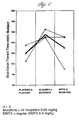
FIG. 2 illustrates the reversal of morphine's effect on oral-cecal transit time following administration of 6.4 mg/kg of uncoated MNTX. The darker line represents the average of all points of a given treatment. -
FIG. 3 illustrates the reversal of morphine's effect on oral-cecal transit time and its decrease below baseline following administration of 6.4 mg/kg of enterically coated MNTX. The darker line represents the average of all points of a given treatment. -
FIG. 4 illustrates the reversal of morphine's effect on oral-cecal transit time following administration of 3.2 mg/kg of enterically coated MNTX. The darker line represents the average of all points of a given treatment. - The present invention relates to compounds for use in to preventing and treating inhibition of gastrointestinal mobility caused by abdominal surgery.
- The oral administration of non-enterically coated MNTX is associated with plasma levels with an early peak (20 min) and prolonged presence (half-life of about 3 hours after single dose of 6.4 mg/kg). However, an enteric coating on the QDNM, designed to prevent dissolution and subsequent absorption of the drug in the stomach, would be expected to produce delayed elevation of plasma levels of the QDNM, and to produce a lower peak plasma level. Suprisingly, however, administration of enterically coated MNTX has been found to result in substantially lower plasma levels as compared to non-enterically coated MNTX at the same dosage level, and surprisingly and unexpectedly resulted in enhanced efficacy in the reversal of opioid-induced decreases in gastrointestinal motility. In fact, it has been found that as compared to non-enterically coated MNTX, a significantly lower dose, e.g., less than half the amount of coated MNTX can be used if enterically coated to achieve the same levels of relief of opioid-induced constipation. Moreover, such reduced dosage levels of MNTX administered with an enteric coating results in exceedingly low peak and sustained plasma levels of MNTX, greatly reducing the potential adverse side effects of the MNTX. This novel improvement in the clinical indication for use of MNTX has led to an increased therapeutic index for this drug.
- When used as a treatment for reduction of gastrointestinal motility, orally administered, particularly if enterically coated, MNTX or other quaternary derivatives of noroxymorphone provide prolonged relief.
- Furthermore, for treatment or prevention of constipation and delayed gastrointestinal emptying, whether caused by extrinsic or endogenous opioids, enteric coating surprisingly allows for equal or better efficacy despite lower plasma levels. Idiopathic constipation, i.e., that due to causes other than exogenous administration of opioids, may be mediated by opioid sensitive mechanisms. Endogenous opioid receptors have been identified in the gut, and these receptors may modulate gut motility. Thus, administration of an opioid antagonist with peripheral action, such a methylnaltrexone or other quaternary derivatives of noroxymorphone, would block the effects of endogenous opioids.
- Quaternary derivatives of noroxymorphone are described in full in
U.S. Patent No. 4,176,186 , and in general are represented by the formula:
- The presently preferred quaternary derivative of noroxymorphone is methylnaltrexone. Methylnaltrexone is a quaternary amine derivative of naltrexone. Methylnaltrexone has been found to have only 2 to 4% of the opiate antagonistic activity of naltrexone in vivo due to its inability to pass the blood-brain-barrier and bind to the opiate receptors in the central nervous system.
- Opioids are typically administered at a morphine equivalent dosage of: 0.005 to 0.15 mg/kg body weight for intrathecal administration; 0.05 to 1.0 mg/kg body weight for intravenous administration; 0.05 to 1.0 mg/kg body weight for intramuscular administration; 0.05 to 1.0 mg/kg body weight/hour for transmucosal or transdermal administration. By "morphine equivalent dosage" is meant representative doses of other opioids which equal one milligram of morphine, for example 10 mg meperidine, 1 mg methadone, and 80 µg fentanyl.
- In accordance with the present invention, methylnaltrexone is administered at a dosage of: 0.03 to 1.0 mg/kg body weight for intravenous administration; 0.03 to 1.0 mg/kg body weight for intramuscular administration; 0.03 to 1.0 mg/kg body weight for transmucosal administration and 0.1 to 80.0 mg/kg body weight for oral administration, including enterically coated methylnaltrexone.
- It is preferable to administer the methylnaltrexone prior to the onset of inhibition of gastrointestinal motility, in order to prevent its symptoms from manifesting.
- Methylnaltrexone is rapidly absorbed after oral administration from the stomach and bowel. Initial plasma levels of the drug are seen within 5-10 minutes of the administration of non-enteric coated compound. Addition of an enteric coating which prevents gastric absorption is associated with lower plasma levels of the methylnaltrexone. Surprisingly, the addition of an enteric coating (i.e., a coating which will prevent degradation or release in the stomach, but will release drug in the small and large bowel) enhances the efficacy of methylnaltrexone in the prevention of decreases in gut motility by intravenously administered opioids (morphine).
- For intravenous administration, methylnaltrexone is formulated with saline or other physiologically acceptable carriers; for intramuscular administration, the methylnaltrexone is formulated with saline or other pharmacologically acceptable carriers; for transmucosal administration the methylnaltrexone is formulated with a sugar and cellulose mix or other pharmacologically acceptable carriers known in the art; and for oral administration, the methylnaltrexone is formulated with pharmacologically acceptable binders to make a tablet or capsule with or without an enteric coating. Methods for such formulations are well known to those skilled in the art.
- In a preferred embodiment for the prevention and/or treatment of constipation and inhibition of gastrointestinal motility, the QDNM or MNTX is enterically coated and administered orally. For oral administration, the QDNM or methylnaltrexone is formulated with pharmacologically acceptable binders to make a tablet or capsule with an enteric coating. An enteric coating is one which remains intact during passage through the stomach, but dissolves and releases the contents of the tablet or capsule once it reaches the small intestine. Most currently used enteric coatings are those which will not dissolve in low pH environments, but readily ionize when the pH rises to about 4 or 5, for example synthetic polymers such as polyacids having a pKa of 3 to 5.
- The enteric coating may be made of any suitable composition. Suitable enteric coatings are described, for example, in
U.S. Patent Nos. 4,311,833 to Namikoshi, et al. ;4,377,568 to Chopra ;4,385,078 to Onda, et al. ;4,457,907 to Porter ;4,462,839 to McGinley, et al. ;4,518,433 to McGinley, et al. ;4,556,552 to Porter, et al. ;4,606,909 to Bechgaard et al. ;4,615,885 to Nakagame, et al. ;4,670,287 to Tsuji ;5,536,507 to Abramowitz, et al. ;5,567,423 to Ying, et al. ;5,591,433 to Michael, et al. ;5,597,564 to Ying, et al. ;5,609,871 to Michael, et al. ;5,614,222 to Kaplan ;5,626,875 to Rodes, et al. ; and5,629,001 to Michael, et al. . - Preferred enteric coating compositions include alkyl and hydroxyalkyl celluloses and their aliphatic esters, e.g., methylcellulose, ethylcellulose, hydroxyethylcellulose, hydroxypropylcellulose, hydroxybutylcellulose, hydroxyethylethylcellulose, hydroxyprophymethylcellulose, hydroxybutylmethylcellulose, hydroxypropylcellulose phthalate, hydroxypropylmethylcellulose phthalate and hydroxypropylmethylcellulose acetate succinate; carboxyalkylcelluloses and their salts, e.g., carboxymethylethylcellulose; cellulose acetate phthalate; cellulose acetate trimellitate, polycarboxymethylene and its salts and derivatives; polyvinyl alcohol and its esters: polyvinyl acetate phthalate; polycarboxymethylene copolymer with sodium formaldehyde carboxylate; acrylic polymers and copolymers, e.g., methacrylic acid-methyl methacrylic acid copolymer and methacrylic acid-methyl acrylate copolymer; edible oils such as peanut oil, palm oil, olive oil and hydrogenated vegetable oils; polyvinylpyrrolidone; polyethylene glycol and its esters: natural products such as shellac, and zein.
- Other preferred enteric coatings include polyvinylacetate esters, e.g., polyvinyl acetate phthalate; alkyleneglycolether esters of copolymers such as partial ethylene glycol monomethylether ester of ethylacrylate-maleic anhydride copolymer or diethyleneglycol monomethylether ester of methylacrylate-maleic anhydride copolymer, N-butylacrylate-maleic anhydride copolymer, isobutylacrylate-maleic anhydride copolymer or ethylacrylate-maleic anhydride copolymer; and polypeptides resistant to degradation in the gastric environment, e.g., polyarginine and polylysine. Other suitable coatings and methods to make and use such formulations are well known to those skilled in the art (see, e.g., Remington: The Science and Practice of Pharmacy, 19th ed. (1995) Mack Publishing Company, Easton, Pennsylvania).
- Mixtures of two or more of the above compounds may be used as desired. The presently preferred enteric coating comprises cellulose acetate phthalate.
- The enteric coating material may be mixed with various excipients including plasticizers such as triethyl citrate, acetyl triethyl citrate, diethyl phthalate, dibutyl phthalate, dibutyl subacute, dibutyl tartrate, dibutyl maleate, dibutyl succinate and diethyl succinate and inert fillers such as chalk or pigments.
- The composition and thickness of the enteric coating may be selected to dissolve immediately upon contact with the digestive juice of the intestine. Alternatively, the composition and thickness of the exterior coating may be selected to be a time-release coating which dissolves over a selected period of time, as is well known in the art.
- The amount of enteric coating depends on the particular enteric coating composition used and is preferably sufficient to substantially prevent the absorption of QDMN or MNTX in the stomach.
- Hydroxyalkyl celluloses and their aliphatic esters, carboxyalkyl celluloses and their salts, polycarboxymethylene and its salts and derivatives, polyvinyl alcohol and its esters, polycarboxymethylene copolymer with sodium formaldehyde carboxylates, poly-vinylpyrrolidone, and polyethylene glycol and its esters can be applied as enteric coatings by first dissolving the compound in a minimum amount of water. Alcohol is then added to the point of incipient cloudiness. The mixture can then be applied by conventional techniques.
- Application of cellulose acetate phthalate may be accomplished by simply dissolving the cellulose acetate phthalate in a minimum amount of alcohol and then applying by conventional techniques. Hydrogenated vegetable oils may be applied by first dissolving the oil in a minimal amount of a non-polymer solvent, such as methylene chloride, chloroform or carbon tetrachloride, then adding alcohol to the point of incipient cloudiness and then applying by conventional techniques.
- In a particularly preferred embodiment, the MNTX is coated with Eudragit L100 or S 1 00, a methacrylic acid copolymer enteric coating, at a 50% coating level to provide stability at gastric pH and dissolution at gut pH per a US Pharmacopeia (USP) standard for enteric coatings.
- Any art-known transdermal application may be used, but transdermal administration is preferably via a patch applied to the skin with a membrane of sufficient permeability to allow diffusion of MNTX at a fixed rate in the range of 1.0 to 10.0 mg/hr. The rate of administration may be varied by varying the size of the membrane contact area and/or applying an electrical wiring potential to a drug reservoir. The patch preferably holds 25 mg to 1 gram of available drug in the reservoir plus additional drug as needed for the mechanics of the system.
- In the above description, methylnaltrexone is used as an example of a particularly effective QDNM. It is apparent that other QDNM's may be used as desired.
- The following Examples are intended to illustrate aspects of the invention and are not to be construed as limitations upon it. The methylnaltrexone used in the following Examples was manufactured by Mallinckrodt Pharmaceuticals, St. Louis, MO. The Enteric Coating was manufactured by Coating Place, Inc., Verona, WI.
- Ten patients were treated with morphine sulfate administered directly to the central nervous system or intravenously. The morphine sulfate was administered at 0.1 mg/kg body weight. The patients in the study had been treated for pain resulting from surgery. All the patients exhibited pruritus as a side effect of the morphine sulfate administration. Subsequent to the onset of the pruritus, methylnaltrexone, at a dosage of 0.3 mg/kg of body weight was administered intravenously as a saline solution containing methylnaltrexone in a concentration of 5 mg/ml to each of the patients. Eighty percent of the 10 patients exhibited relief from the pruritus sixty minutes after receiving methylnaltrexone.
- In a control group, 8 patients were treated with morphine sulfate administered directly to the central nervous system or intravenously. The morphine sulfate was administered at 0.1 mg/kg body weight. The patients in the study had been treated for pain resulting from surgery. All the patients exhibited pruritus as a side effect of the morphine sulfate administration. A placebo, saline at a volume equivalent to the volume administered to patients receiving active drug, was administered intravenously to each of the patients. Only 50% of the patients exhibited relief from the pruritus within sixty minutes.
- The study indicates that methylnaltrexone was effective in treating pruritus induced by morphine sulfate.
- Morphine (0.05) mg/kg intravenous) was administered to three volunteers after the oral administration of placebo, methylnaltrexone (6.4 mg/kg) in a gelatin capsule (which dissolves readily in the stomach), or methylnaltrexone after enteric coating (12.8 mg/kg of substance to yield a mass of 6.4 mg/kg methylnaltrexone incorporated) which has decreased release and absorption in the stomach. Oral-cecal transit time was measured using the lactulose-hydrogen breath test. Plasma levels of methylnaltrexone were measured and after the enteric coated preparation were lower. In each subject morphine alone increased the oral-cecai transit time by 20 -70 minutes, methylnaltrexone blocked this effect, and enteric coated methylnaltrexone blocked the effect to a similar or greater extent than the uncoated methylnaltrexone.
- Two patients receiving morphine (375 mg/day and 18 mg/day) and receiving enteric tube feedings of 200 ml every four (4) hours were studied. The first patient had residual stomach contents of 50cc to 100cc, or 22.0-58.8% of administered feedings measured every 4 hours during a 24 hour control period. Prior to drug administration the residual volume had increased to 260 cc or > 100% of previous feeding volume. Methylnaltrexone, 0.45 mg/kg, was administered intravenously every 4 hours for 24 hours, after the control period. After the first dose (4 hours) of MNTX, the residual was 150cc or 58% of the previous bolus feed, after the 3rd dose (12 hours) the residual was 75cc or 30% of the previous feed, after the 5th dose (20 hours) the residual was 22cc or 13% of the previous feed and after the 6th and final dose (24 hours) the residual was 8cc or 5.5% of previous feed. The follow-up residual sampling after the final drug-tube feed interval had increased to 50cc or 38% or previous feed.
- The second patient had greater than 200cc residual or 100% of previous feedings on two consecutive samplings, that is 8 hrs and 4 hrs before drug administration. After initiation of Methylnaltrexone, 0.45 mg/kg, administered intravenously every 4 hours, the first residual (4 hrs) was Occ, the second residual (8 hrs)was 24cc or 15% of previous bolus feed.
- Subjects receiving morphine at a variety of doses (via patient controlled analgesia -PCA) who experience urinary retention are administered Methylnaltrexone 0.45 mg/kg intravenously or a placebo. Those treated with Methylnaltrexone have resolution of their symptoms, while those administered placebo go on to require additional therapy (usually urinary catheterization).
- In a double-blind randomized placebo-controlled study, we evaluated the efficacy of oral methylnaltrexone to decrease subjective effects after administering morphine to 10 normal human volunteers. After intravenous morphine injection (0.05 mg/kg), significant increases in subjective ratings were obtained on "nauseous", "skin itch", "stimulated", and "flushing". Compared to baseline, significant increases were obtained on "nauseous", "Skin itch", "stimulated", and "flushing" ratings after placebo and morphine administration (P < 0.05, P< 0.05, P < 0.01 and P < 0.01, respectively). Oral methylnaltrexone (19.2 mg/kg) significantly decreased these four ratings (P < 0.05, P < 0.05, P < 0.01 and P < 0.01, respectively) compared to placebo and morphine and resulted in no change when compared to baseline. Plasma methylnaltrexone concentrations were also measured and correlation between pharmacological effects of the compound and its plasma levels was shown. Our results indicate that methylnaltrexone decreases dysphoria and some other undesirable subjective effects associated with opioid medications.
- Oral methylnaltrexone, whether enterically coated or uncoated, was shown to reverse the inhibitory effects of opioid administration on gastrointestinal motility as measured by oral-cecal transit time. As compared to non-enterically coated MNTX, however, treatment with enterically coated MNTX enhanced the efficacy of the drug at a lower dose while producing lower plasma levels of MNTX.
- Subjects were divided into five treatment groups A-E. With the exception of subjects in Group A, who were given a placebo in place of morphine, all were given an intravenous dose of morphine at 0.05 mg/kg. Prior to morphine administration, subjects were given either a placebo or MNTX in various doses and formulations (see Table 1). The subjects in Group A and B were given a placebo in place of MNTX. Group C received uncoated MNTX at 6.4 mg/kg, Group D received enterically coated MNTX at 6.4 mg/kg active drug, and Group E received enterically coated MNTX at 3.2 mg/kg active drug. Table 1 shows the treatments for each group.
TABLE 1 Group Treatment combination FIG. A placebo placebo B morphine (0.05 mg/kg) placebo C morphine (0.05 mg/kg) methylnaltrexone uncoated (6.4 mg/kg) Fig. 2 D morphine (0.05 mg/kg) methylnaltrexone enteric coated (6.4 mg/kg active drug) Fig. 3 E morphine (0.05 mg/kg) methylnaltrexone enteric coated (3.2 mg/kg active drug) Fig. 4 - Plasma levels of MNTX were measured following administration of morphine and MNTX or placebo several times over the duration of the six hour monitoring period, at the times shown in
FIG. 1 . Measurements of plasma and urine MNTX levels were determined by high performance liquid chromatography (HPLC) using the modified method originally reported by Kim et al. (1989) Chromatographia 28:359-63). Methylnaltrexone was separated from plasma by solid phase extraction (SPE). Plasma samples (100-500 µl) diluted in water with the internal standard (naltrexone) were passed through SPE columns. Prior to use, the columns were conditioned by methanol and washed with water. The analytes were eluted from the columns by the mixture of n-propanol and trifluoroacetic acid (25 mM) aqueous solution prepared in 2:1 proportion. The eluate was evaporated to dryness in a stream of nitrogen at 55°C. The residue was reconstituted in the mobile phase, filtered through a nylon HPLC syringe filter and subjected to HPLC analysis. A Shimadzu Corporation (Kyoto, Japan) HPLC system was used. It consisted of the LC-10AD pump, SCL-10A system controller, and SIL-10A auto injector equipped with sample cooler. Used HPLC Analytical Column made by Phenomenex (Prodigy C8, Torrance, CA). The electrochemical detector (ESA Coulochem, model 5100A) worked at the following settings: detector 1, +360 mV, detector 2 +600 mV, guard cell +650 mV. Data were collected with the use of EZChrom 2-2 HPLC software. The mobile phase consisted of 50 mM sodium acetate, 7.5% methanol at pH 4.2. The system was calibrated daily in the range of 5 - 100 ng/ml (3 point calibration). Practical limit of detection for plasma samples was approximately 2 ng/ml (100 pg/injection). -
Figure 1 shows the plasma levels of MNTX following the treatments in Groups C, D, and E. InFig. 1A , MNTX plasma levels in Group C (given 6.4 mg/kg MNTX, uncoated) peaked at about 15 min. post-MNTX administration and remained at a roughly constant level (between about 35-50 ng/ml) for the duration of the study period (6 hours). Group D, given 6.4 mg/kg MNTX in an enterically coated formulation, exhibited a constant low plasma level of MNTX (under 10 ng/ml) for the duration of observation (seeFIG. 1B ). Group E, given 3.2 mg/kg MNTX in an enterically coated formulation, showed plasma levels of MNTX over the course of observation that were undetectable or at the lower limit of detection of the assay (seeFIG. 1C ). - Oral-cecal transit time was used as a measure of gut motility and propensity for constipation. Oral-cecal transit time was measured by the lactulose-breath hydrogen method. Group A demonstrated normal transit times as previously described in the literature (Yuan et al. (1996) Clin. Pharmacol. Ther. 59:469-475; Yuan et al. (1997) Clin. Pharmacol. Ther. 61:467-475). Group B had prolongation of their oral-cecal transit times by 50-100%, while Groups C (
FIG. 2 ) and E (FIG. 4 ) had their transit times return to baseline levels. Group D showed an obvious decrease in oral-cecal transit time (FIG. 3 ). - As demonstrated in
FIGS. 1-4 , enterically coated MNTX provides the therapeutic effects on gastrointestinal motility of uncoated MNTX, but requires a lower dose of active drug and results in significantly reduced plasma levels of MNTX. Patients provided with a dose of 6.4 mg/kg of uncoated MNTX had gut motility return to baseline following morphine administration (FIG. 2 ) and showed plasma MNTX levels of over 40 ng MNTX/ml, while patients given the same dose in an enterically coated formulation showed oral-cecal transit times below baseline levels (FIG. 3 ) and plasma MNTX levels under 10 ng/ml. Enterically coated formulations of MNTX with one half the dose of active drug (3.2 mg/kg) were required to return oral-cecal transit times to normal without increasing gut motility. At this dosage, plasma levels of MNTX were negligible. - As with most drugs, it is desirable to maintain the lowest possible systemic levels of MNTX which are sufficient to provide the desired therapeutic effect. For example, elevated circulating levels of MNTX can result in orthostatic hypotension. The present discovery provides an unexpected means to avoid such undesirable drug side effects by lowering the dose administered and subsequently minimizing circulating levels of the drug. Since endogenous and externally supplied opioid-induced inhibition of gastrointestinal motility and constipation is thought to result from opioid receptors located within the gastrointestinal tract, enterically coated MNTX or other QDNMs may provide a local administration of the drug that does not require a circulating level for effective prevention or treatment of symptoms. Thus, the amount and/or frequency of drug administered can be reduced.
Claims (12)
- A quaternary derivative of noroxymorphone of the formula:

- A quaternary derivative of noroxymorphone for use as claimed in claim 1, wherein said derivative is to be administered intravenously, intramuscularly, transmucosally, transdermally, or orally.
- A quaternary derivative of noroxymorphone for use as claimed in claim 2, wherein said derivative is to be administered intravenously, intramuscularly, or transmucosally at a dosage of 0.03 to 1.0mg/kg of body weight.
- A quaternary derivative of noroxymorphone for use as claimed in claim 2, wherein said derivative is to be administered transdermally via a patch applied to the skin with a membrane of sufficient permeability to allow diffusion of the derivative at a fixed rate in the range of 1.0 to 10 mg/hr.
- A quaternary derivative of noroxymorphone for use as claimed in claim 2, wherein said derivative is to be administered orally at a dosage of 0.1 to 80mg/kg, or 0.1 to 40.0 mg/kg of body weight.
- A quaternary derivative of noroxymorphone for use as claimed in claim 1, wherein said derivative is to be administered orally and is formulated as a capsule or a tablet.
- A quaternary derivative of noroxymorphone for use as claimed in claim 1 or 6 wherein said derivative is enterically coated and to be administered orally.
- A quaternary derivative of noroxymorphone for use as claimed in any of the preceding claims, wherein said derivative is to be administered prior to the onset of gastrointestinal motility inhibition.
- A quaternary derivative of noroxymorphon for use as claimed in any of the preceding claims, wherein said derivative is to be administered after the onset of gastrointestinal motility inhibition.
- A quaternary derivative of noroxymorphone for use as claimed in any of the preceding claims, wherein X is a chloride, bromide, iodide or methylsulfate anion.
- A quaternary derivative of noroxymorphone for use as claimed in any of the preceding claims, wherein said derivative is methylnaltrexone.
- Use of a quaternary derivative of noroxymorphone as defined in any of claims 1, 10 or 11 for the manufacture of a medicament for use in treating inhibition of gastrointestinal motility caused by abdominal surgery.
Applications Claiming Priority (5)
| Application Number | Priority Date | Filing Date | Title |
|---|---|---|---|
| US08/962,742 US5972954A (en) | 1997-11-03 | 1997-11-03 | Use of methylnaltrexone and related compounds |
| US962742 | 1997-11-03 | ||
| US09/120,703 US6274591B1 (en) | 1997-11-03 | 1998-07-22 | Use of methylnaltrexone and related compounds |
| PCT/US1998/023485 WO1999022737A1 (en) | 1997-11-03 | 1998-11-03 | Use of methylnaltrexone and related compounds |
| US120703 | 2002-04-10 |
Publications (3)
| Publication Number | Publication Date |
|---|---|
| EP1047426A1 EP1047426A1 (en) | 2000-11-02 |
| EP1047426A4 EP1047426A4 (en) | 2004-07-14 |
| EP1047426B1 true EP1047426B1 (en) | 2010-05-12 |
Family
ID=26818669
Family Applications (1)
| Application Number | Title | Priority Date | Filing Date |
|---|---|---|---|
| EP98957573A Expired - Lifetime EP1047426B1 (en) | 1997-11-03 | 1998-11-03 | Use of methylnaltrexone and related compounds |
Country Status (5)
| Country | Link |
|---|---|
| US (6) | US6274591B1 (en) |
| EP (1) | EP1047426B1 (en) |
| AU (1) | AU758416B2 (en) |
| CA (1) | CA2312234C (en) |
| WO (1) | WO1999022737A1 (en) |
Families Citing this family (61)
| Publication number | Priority date | Publication date | Assignee | Title |
|---|---|---|---|---|
| US20030158220A1 (en) * | 1997-11-03 | 2003-08-21 | Foss Joseph F. | Use of methylnaltrexone and related compounds to treat chronic opioid use side effects |
| US6274591B1 (en) * | 1997-11-03 | 2001-08-14 | Joseph F. Foss | Use of methylnaltrexone and related compounds |
| US6559158B1 (en) * | 1997-11-03 | 2003-05-06 | Ur Labs, Inc. | Use of methylnaltrexone and related compounds to treat chronic opioid use side affects |
| US6375957B1 (en) | 1997-12-22 | 2002-04-23 | Euro-Celtique, S.A. | Opioid agonist/opioid antagonist/acetaminophen combinations |
| TR200001942T2 (en) | 1997-12-22 | 2000-11-21 | Euro-Celtique, S.A. | Opioid agonist / antagonist combinations |
| WO2001013909A2 (en) * | 1999-08-25 | 2001-03-01 | Cooper Barrett R | Compositions and methods for treating opiate intolerance |
| US6451806B2 (en) | 1999-09-29 | 2002-09-17 | Adolor Corporation | Methods and compositions involving opioids and antagonists thereof |
| WO2001032180A2 (en) | 1999-11-01 | 2001-05-10 | Rodeva Limited | Composition for treatment of constipation and irritable bowel syndrome |
| EP1244448B1 (en) | 1999-11-29 | 2009-05-27 | Adolor Corporation | Novel methods for the treatment and prevention of ileus |
| US6469030B2 (en) | 1999-11-29 | 2002-10-22 | Adolor Corporation | Methods for the treatment and prevention of ileus |
| SI2283842T1 (en) | 2000-02-08 | 2015-07-31 | Euro-Celtique S.A. | Tamper-resistant oral opioid agonist formulations |
| DE10059415A1 (en) * | 2000-11-30 | 2002-06-06 | Gruenenthal Gmbh | Use of weak opioids and mixed opioid agonists / antagonists for the treatment of urinary incontinence |
| EP1387673B1 (en) | 2001-05-11 | 2010-12-29 | Endo Pharmaceuticals Inc. | Abuse-resistant controlled-release opioid dosage form |
| WO2002098422A1 (en) | 2001-06-05 | 2002-12-12 | University Of Chicago | Use of methylnaltrexone to treat immune suppression |
| DK1416842T3 (en) | 2001-07-18 | 2009-03-16 | Euro Celtique Sa | Pharmaceutical combinations of oxycodone and naloxone |
| ES2326794T3 (en) | 2001-08-06 | 2009-10-20 | Euro-Celtique S.A. | FORMULATIONS OF OPIOID AGONISTS WITH LIBERABLE AND SEQUESTED ANTAGONISTS. |
| US20040259898A1 (en) * | 2002-02-04 | 2004-12-23 | Jonathan Moss | Use of methylnaltrexone in treating gastrointestinal dysfunction in equines |
| LT2425821T (en) | 2002-04-05 | 2017-07-25 | Euro-Celtique S.A. | Pharmaceutical preparation containing oxycodone and naloxone |
| CA2495564A1 (en) * | 2002-08-15 | 2005-01-27 | Euro-Celtique S.A. | Pharmaceutical compositions |
| JP2006522817A (en) * | 2003-04-08 | 2006-10-05 | プロジェニックス ファーマシューティカルズ,インコーポレーテッド | Use of peripheral opioid antagonists, especially methylnaltrexone, to treat irritable bowel syndrome |
| PL2368554T3 (en) | 2003-04-08 | 2015-05-29 | Progenics Pharm Inc | Pharmaceutical formulations containing methylnaltrexone |
| MXPA05010821A (en) * | 2003-04-08 | 2006-03-30 | Progenics Pharm Inc | Combination therapy for constipation comprising a laxative and a peripheral opioid antagonist. |
| TWI347201B (en) | 2003-04-21 | 2011-08-21 | Euro Celtique Sa | Pharmaceutical products,uses thereof and methods for preparing the same |
| AU2003279702A1 (en) * | 2003-08-12 | 2005-03-10 | Endo Pharmaceuticals, Inc. | Method for deterring abuse of opioids by combination with non-release formulation of emetic |
| MXPA06003392A (en) * | 2003-09-25 | 2006-06-08 | Euro Celtique Sa | Pharmaceutical combinations of hydrocodone and naltrexone. |
| TW200633721A (en) * | 2004-12-14 | 2006-10-01 | Shionogi & Co | A pharmaceutical composition for treating constipation |
| AU2006206454A1 (en) * | 2005-01-20 | 2006-07-27 | Progenics Pharmaceuticals, Inc. | Use of methylnaltrexone and related compounds to treat post-operative gastrointestinal dysfunction |
| EP1702558A1 (en) | 2005-02-28 | 2006-09-20 | Euro-Celtique S.A. | Method and device for the assessment of bowel function |
| US8518962B2 (en) | 2005-03-07 | 2013-08-27 | The University Of Chicago | Use of opioid antagonists |
| US8524731B2 (en) | 2005-03-07 | 2013-09-03 | The University Of Chicago | Use of opioid antagonists to attenuate endothelial cell proliferation and migration |
| MX2007010833A (en) | 2005-03-07 | 2009-02-17 | Univ Chicago | Use of opioid antagonists to attenuate endothelial cell proliferation and migration. |
| US9662325B2 (en) | 2005-03-07 | 2017-05-30 | The University Of Chicago | Use of opioid antagonists to attenuate endothelial cell proliferation and migration |
| AR057325A1 (en) | 2005-05-25 | 2007-11-28 | Progenics Pharm Inc | SYNTHESIS OF (S) -N-METHYLNTREXONE, PHARMACEUTICAL COMPOSITIONS AND USES |
| AR057035A1 (en) | 2005-05-25 | 2007-11-14 | Progenics Pharm Inc | SYNTHESIS OF (R) -N-METHYLNTREXONE, PHARMACEUTICAL COMPOSITIONS AND USES |
| US20080194611A1 (en) * | 2005-06-03 | 2008-08-14 | Alverdy John C | Modulation of Cell Barrier Dysfunction |
| US20070185145A1 (en) * | 2006-02-03 | 2007-08-09 | Royds Robert B | Pharmaceutical composition containing a central opioid agonist, a central opioid antagonist, and a peripheral opioid antagonist, and method for making the same |
| US20080027579A1 (en) * | 2006-07-31 | 2008-01-31 | Van Der Hoop Roland Gerritsen | Dosage limiting medication dispensing method and apparatus |
| TWI489984B (en) | 2006-08-04 | 2015-07-01 | Wyeth Corp | Formulations for parenteral delivery of compounds and uses thereof |
| TW200815451A (en) * | 2006-08-04 | 2008-04-01 | Wyeth Corp | 6-carboxy-normorphinan derivatives, synthesis and uses thereof |
| TW200817048A (en) * | 2006-09-08 | 2008-04-16 | Wyeth Corp | Dry powder compound formulations and uses thereof |
| MX2009010550A (en) | 2007-03-29 | 2009-12-14 | Progenics Pharm Inc | Crystal forms of (r) -n-methylnaltrexone bromide and uses thereof. |
| WO2008121348A2 (en) | 2007-03-29 | 2008-10-09 | Progenics Pharmaceuticals, Inc. | Peripheral opioid receptor antagonists and uses thereof |
| JP5469593B2 (en) | 2007-03-29 | 2014-04-16 | ワイス・エルエルシー | Peripheral opioid receptor antagonists and uses thereof |
| WO2009009292A2 (en) * | 2007-07-11 | 2009-01-15 | Mallinckrodt Inc. | Crystalline forms of naltrexone methobromide |
| CA2702680A1 (en) * | 2007-10-18 | 2009-04-23 | Aiko Biotechnology | Combination analgesic employing opioid and neutral antagonist |
| US8748448B2 (en) | 2007-10-18 | 2014-06-10 | Aiko Biotechnology | Combination analgesic employing opioid agonist and neutral antagonist |
| AU2008349873B2 (en) | 2008-02-06 | 2014-02-13 | Progenics Pharmaceuticals, Inc. | Preparation and use of (R),(R)-2,2'-bis-methylnaltrexone |
| CA2719134C (en) | 2008-03-21 | 2015-06-30 | The University Of Chicago | Treatment with opioid antagonists and mtor inhibitors |
| EP2306829B1 (en) | 2008-07-01 | 2017-01-04 | University of Chicago | Particles containing a peripheral opioid receptor antagonist |
| CA2676881C (en) | 2008-09-30 | 2017-04-25 | Wyeth | Peripheral opioid receptor antagonists and uses thereof |
| PL2405915T3 (en) | 2009-03-10 | 2019-05-31 | Euro Celtique Sa | Immediate release pharmaceutical compositions comprising oxycodone and naloxone |
| TWI605814B (en) | 2010-03-11 | 2017-11-21 | 惠氏有限責任公司 | Oral preparation and lipophilic salt of METHYLNAL TREXONE |
| US8637538B1 (en) | 2012-12-14 | 2014-01-28 | Trevi Therapeutics, Inc. | Methods for treatment of pruritis |
| US8987289B2 (en) | 2012-12-14 | 2015-03-24 | Trevi Therapeutics, Inc. | Methods for treating pruritus |
| US20140179727A1 (en) | 2012-12-14 | 2014-06-26 | Trevi Therapeutics, Inc. | Methods for treating pruritus |
| KR20160034352A (en) | 2013-07-23 | 2016-03-29 | 유로-셀티큐 에스.에이. | A combination of oxycodone and naloxone for use in treating pain in patients suffering from pain and a disease resulting in intestinal dysbiosis and/or increasing the risk for intestinal bacterial translocation |
| EP3206491B1 (en) | 2014-10-17 | 2019-11-27 | Salix Pharmaceuticals, Inc. | Use of methylnaltrexone to attenuate tumor progression |
| CN118512451A (en) | 2018-07-23 | 2024-08-20 | 特雷维治疗股份有限公司 | Treatment of chronic cough, shortness of breath, and dyspnea |
| WO2020225395A1 (en) | 2019-05-07 | 2020-11-12 | Bausch Health Ireland Limited | Liquid oral dosage formulations of methylnaltrexone |
| IL294601A (en) | 2020-01-10 | 2022-09-01 | Trevi Therapeutics Inc | Methods of administering nalbuphine |
| WO2021224138A1 (en) | 2020-05-02 | 2021-11-11 | Bausch Health Ireland Limited | Methods of reducing mortality risk in subjects suffering from an underlying disease or condition by administration of methylnaltrexone |
Family Cites Families (79)
| Publication number | Priority date | Publication date | Assignee | Title |
|---|---|---|---|---|
| US2003A (en) * | 1841-03-12 | Improvement in horizontal windivhlls | ||
| US222911A (en) * | 1879-12-23 | Improvement in book-cases | ||
| US1047726A (en) * | 1912-03-12 | 1912-12-17 | Anthony J Yoggerst | Pipe-cleaner. |
| US2625457A (en) * | 1951-07-26 | 1953-01-13 | Bernard J Baecher | Course recorder |
| US4176186A (en) | 1978-07-28 | 1979-11-27 | Boehringer Ingelheim Gmbh | Quaternary derivatives of noroxymorphone which relieve intestinal immobility |
| JPS5535031A (en) | 1978-09-04 | 1980-03-11 | Shin Etsu Chem Co Ltd | Enteric coating composition |
| US4311833A (en) | 1979-03-06 | 1982-01-19 | Daicel Chemical Industries Ltd. | Process for preparing ethylcarboxymethylcellulose |
| US4322426A (en) * | 1980-04-28 | 1982-03-30 | E. I. Du Pont De Nemours And Company | 17-Substituted-6-desoxy-7,8-dihydro-6α-methylnoroxymorphone narcotic antagonists |
| US4377568A (en) | 1981-08-12 | 1983-03-22 | Merck Sharp & Dohme (I.A.) Corp. | Preparation of aqueous alcoholic dispersions of pH sensitive polymers and plasticizing agents and a method of enteric coating dosage forms using same |
| DK150008C (en) | 1981-11-20 | 1987-05-25 | Benzon As Alfred | PROCEDURE FOR THE PREPARATION OF A PHARMACEUTICAL ORAL POLYDEPOT PREPARATION |
| US4987136A (en) | 1982-03-16 | 1991-01-22 | The Rockefeller University | Method for controlling gastrointestinal dysmotility |
| WO1983003197A1 (en) | 1982-03-16 | 1983-09-29 | Univ Rockefeller | Method for controlling gastrointestinal dysmotility |
| US4457907A (en) | 1982-08-05 | 1984-07-03 | Clear Lake Development Group | Composition and method for protecting a therapeutic drug |
| US4518433A (en) | 1982-11-08 | 1985-05-21 | Fmc Corporation | Enteric coating for pharmaceutical dosage forms |
| US4462839A (en) | 1983-06-16 | 1984-07-31 | Fmc Corporation | Enteric coating for pharmaceutical dosage forms |
| US4556552A (en) | 1983-09-19 | 1985-12-03 | Colorcon, Inc. | Enteric film-coating compositions |
| EP0143949B1 (en) | 1983-11-01 | 1988-10-12 | TERUMO KABUSHIKI KAISHA trading as TERUMO CORPORATION | Pharmaceutical composition containing urokinase |
| US5266574A (en) | 1984-04-09 | 1993-11-30 | Ian S. Zagon | Growth regulation and related applications of opioid antagonists |
| JPS6229515A (en) | 1985-07-30 | 1987-02-07 | Shinjiro Tsuji | Method for film-coating of hard capsule |
| US4861781A (en) * | 1986-03-07 | 1989-08-29 | The University Of Chicago | Quaternary derivatives of noroxymorphone which relieve nausea and emesis |
| US4719215A (en) * | 1986-03-07 | 1988-01-12 | University Of Chicago | Quaternary derivatives of noroxymorphone which relieve nausea and emesis |
| US5597564A (en) | 1986-08-28 | 1997-01-28 | Enzacor Properties Limited | Method of administering a microgranular preparation to the intestinal region of animals |
| KR940000065B1 (en) | 1986-08-28 | 1994-01-05 | 코 사이 잉 토마스 | Animal growth promotant |
| US4888346A (en) * | 1986-10-07 | 1989-12-19 | Bernard Bihari | Method for the treatment of persons infected with HTLV-III (AIDS) virus |
| FR2609632B1 (en) | 1987-01-21 | 1991-03-29 | Shelly Marc | NOVEL THERAPEUTIC APPLICATION OF 17- (CYCLOPROPYLMETHYL) -4,5-EPOXY-3,14-DIHYDROXYMORPHINON-6-ONE AND PHARMACEUTICAL COMPOSITIONS FOR THIS USE |
| US4857833A (en) * | 1987-08-27 | 1989-08-15 | Teradyne, Inc. | Diagnosis of faults on circuit board |
| CA1315689C (en) | 1987-09-03 | 1993-04-06 | Leon I. Goldberg | Quarternary derivatives of noroxymorphone which relieve nausea and emesis |
| DE3780819T2 (en) * | 1987-09-10 | 1993-01-14 | Univ Chicago | QUATERNAERE DERIVATIVES OF NOROXYMORPHONE FOR THE TREATMENT OF Nausea AND Vomiting. |
| EP0352361A1 (en) | 1988-07-29 | 1990-01-31 | The Rockefeller University | Method of treating patients suffering from chronic pain or chronic cough |
| US5102887A (en) * | 1989-02-17 | 1992-04-07 | Arch Development Corporation | Method for reducing emesis and nausea induced by the administration of an emesis causing agent |
| US4965269A (en) * | 1989-12-20 | 1990-10-23 | Ab Hassle | Therapeutically active chloro substituted benzimidazoles |
| JPH04230625A (en) * | 1990-12-27 | 1992-08-19 | Standard Chem & Pharmaceut Corp Ltd | Method for production of finely dispersed tablet composition consisting of microcapsule containing sprayed and dried sodium dichlofenac and having enteric coating |
| US5270328A (en) | 1991-03-29 | 1993-12-14 | Eli Lilly And Company | Peripherally selective piperidine opioid antagonists |
| US5159081A (en) * | 1991-03-29 | 1992-10-27 | Eli Lilly And Company | Intermediates of peripherally selective n-carbonyl-3,4,4-trisubstituted piperidine opioid antagonists |
| AU664561B2 (en) | 1991-06-21 | 1995-11-23 | University Of Cincinnati, The | Orally administrable therapeutic proteins and method of making |
| US5614219A (en) * | 1991-12-05 | 1997-03-25 | Alfatec-Pharma Gmbh | Oral administration form for peptide pharmaceutical substances, in particular insulin |
| US5580876A (en) | 1992-09-21 | 1996-12-03 | Albert Einstein College Of Medicine Of Yeshiva University, A Division Of Yeshiva University | Method of simultaneously enhancing analgesic potency and attenuating dependence liability caused by morphine and other bimodally-acting opioid agonists |
| US5512578A (en) | 1992-09-21 | 1996-04-30 | Albert Einstein College Of Medicine Of Yeshiva University, A Division Of Yeshiva University | Method of simultaneously enhancing analgesic potency and attenuating dependence liability caused by exogenous and endogenous opiod agonists |
| US6096756A (en) | 1992-09-21 | 2000-08-01 | Albert Einstein College Of Medicine Of Yeshiva University | Method of simultaneously enhancing analgesic potency and attenuating dependence liability caused by morphine and other bimodally-acting opioid agonists |
| USRE36547E (en) | 1992-09-21 | 2000-02-01 | Albert Einstein College Of Medicine Of Yeshiva University | Method of simultaneously enhancing analgesic potency and attenuating dependence liability caused by exogenous and endogenous opioid agonists |
| US5472943A (en) | 1992-09-21 | 1995-12-05 | Albert Einstein College Of Medicine Of Yeshiva University, | Method of simultaneously enhancing analgesic potency and attenuating dependence liability caused by morphine and other opioid agonists |
| DK0603992T4 (en) | 1992-12-22 | 2001-03-05 | Univ Cincinnati | Oral administration of immunologically active biomolecules and other therapeutic proteins |
| US5585348A (en) | 1993-02-10 | 1996-12-17 | Albert Einstein College Of Medicine Of Yeshiva University, A Division Of Yeshiva University | Use of excitatory opioid receptor antagonists to prevent growth factor-induced hyperalgesia |
| US5656290A (en) * | 1993-02-26 | 1997-08-12 | The Procter & Gamble Company | Bisacodyl dosage form with multiple enteric polymer coatings for colonic delivery |
| US5391372A (en) * | 1993-06-28 | 1995-02-21 | Campbell; Elizabeth | Methods of treating colic and founder in horses |
| AU2360195A (en) * | 1994-05-05 | 1995-11-29 | Beckman Instruments, Inc. | Oligonucleotide repeat arrays |
| IT1269826B (en) | 1994-05-24 | 1997-04-15 | Paolo Minoia | USE OF OPTIACEAN ANTAGONISTS AND CALCIUM SALTS FOR THE PREPARATION OF MEDICATIONS FOR THE TREATMENT OF ENDORPHINE-MEDIATED PATHOLOGICAL FORMS |
| US5536507A (en) | 1994-06-24 | 1996-07-16 | Bristol-Myers Squibb Company | Colonic drug delivery system |
| US5866154A (en) * | 1994-10-07 | 1999-02-02 | The Dupont Merck Pharmaceutical Company | Stabilized naloxone formulations |
| US5614222A (en) | 1994-10-25 | 1997-03-25 | Kaplan; Milton R. | Stable aqueous drug suspensions and methods for preparation thereof |
| US5965161A (en) | 1994-11-04 | 1999-10-12 | Euro-Celtique, S.A. | Extruded multi-particulates |
| ES2094694B1 (en) | 1995-02-01 | 1997-12-16 | Esteve Quimica Sa | NEW PHARMACEUTICALLY STABLE FORMULATION OF A COMPOUND OF BENZMIDAZOLE AND ITS PROCESS OF OBTAINING. |
| US6025154A (en) * | 1995-06-06 | 2000-02-15 | Human Genome Sciences, Inc. | Polynucleotides encoding human G-protein chemokine receptor HDGNR10 |
| US5804595A (en) * | 1995-12-05 | 1998-09-08 | Regents Of The University Of Minnesota | Kappa opioid receptor agonists |
| PT914097E (en) | 1996-03-12 | 2002-06-28 | Alza Corp | COMPOSITION AND DOSAGE FORM COMPREHENDING OPIOIDE ANTAGONIST |
| DE19651551C2 (en) | 1996-12-11 | 2000-02-03 | Klinge Co Chem Pharm Fab | Opioid antagonist-containing galenic formulation |
| US6353004B1 (en) * | 1997-07-14 | 2002-03-05 | Adolor Coporation | Peripherally acting anti-pruritic opiates |
| US6274591B1 (en) | 1997-11-03 | 2001-08-14 | Joseph F. Foss | Use of methylnaltrexone and related compounds |
| US20030158220A1 (en) * | 1997-11-03 | 2003-08-21 | Foss Joseph F. | Use of methylnaltrexone and related compounds to treat chronic opioid use side effects |
| US5972954A (en) | 1997-11-03 | 1999-10-26 | Arch Development Corporation | Use of methylnaltrexone and related compounds |
| US6559158B1 (en) * | 1997-11-03 | 2003-05-06 | Ur Labs, Inc. | Use of methylnaltrexone and related compounds to treat chronic opioid use side affects |
| US6194382B1 (en) | 1999-03-03 | 2001-02-27 | Albert Einstein College Of Medicine Of Yeshiva University | Method and composition for treating irritable bowel syndrome using low doses of opioid receptor antagonists |
| WO2001013909A2 (en) | 1999-08-25 | 2001-03-01 | Cooper Barrett R | Compositions and methods for treating opiate intolerance |
| US6451806B2 (en) | 1999-09-29 | 2002-09-17 | Adolor Corporation | Methods and compositions involving opioids and antagonists thereof |
| EP1244448B1 (en) | 1999-11-29 | 2009-05-27 | Adolor Corporation | Novel methods for the treatment and prevention of ileus |
| AU4136901A (en) | 1999-11-29 | 2001-06-18 | Adolor Corporation | Novel methods for the treatment and prevention of dizziness and pruritus |
| US6469030B2 (en) * | 1999-11-29 | 2002-10-22 | Adolor Corporation | Methods for the treatment and prevention of ileus |
| EP1244447B1 (en) | 1999-11-29 | 2007-01-10 | Adolor Corporation | Novel methods and compositions involving opioids and antagonists thereof |
| US6967075B2 (en) * | 2000-04-07 | 2005-11-22 | Schering Corporation | HCV replicase complexes |
| AU5945801A (en) | 2000-05-05 | 2001-11-20 | Pain Therapeutics Inc | Opoid antagonist compositions and dosage forms |
| EP1296714B1 (en) * | 2000-06-22 | 2009-08-26 | University Of Iowa Research Foundation | Combination of CpG and antibodies directed against CD19,CD20, CD22 or CD40 for the treatment or prevention of cancer. |
| WO2002098422A1 (en) * | 2001-06-05 | 2002-12-12 | University Of Chicago | Use of methylnaltrexone to treat immune suppression |
| US7056500B2 (en) * | 2001-10-18 | 2006-06-06 | Nektar Therapeutics Al, Corporation | Polymer conjugates of opioid antagonists |
| US20030191147A1 (en) * | 2002-04-09 | 2003-10-09 | Barry Sherman | Opioid antagonist compositions and dosage forms |
| PL2368554T3 (en) * | 2003-04-08 | 2015-05-29 | Progenics Pharm Inc | Pharmaceutical formulations containing methylnaltrexone |
| MXPA05010821A (en) * | 2003-04-08 | 2006-03-30 | Progenics Pharm Inc | Combination therapy for constipation comprising a laxative and a peripheral opioid antagonist. |
| JP2006522817A (en) * | 2003-04-08 | 2006-10-05 | プロジェニックス ファーマシューティカルズ,インコーポレーテッド | Use of peripheral opioid antagonists, especially methylnaltrexone, to treat irritable bowel syndrome |
| US7066888B2 (en) * | 2003-10-29 | 2006-06-27 | Allez Physionix Ltd | Method and apparatus for determining an ultrasound fluid flow centerline |
| AU2006206454A1 (en) * | 2005-01-20 | 2006-07-27 | Progenics Pharmaceuticals, Inc. | Use of methylnaltrexone and related compounds to treat post-operative gastrointestinal dysfunction |
-
1998
- 1998-07-22 US US09/120,703 patent/US6274591B1/en not_active Expired - Lifetime
- 1998-11-03 WO PCT/US1998/023485 patent/WO1999022737A1/en not_active Ceased
- 1998-11-03 CA CA002312234A patent/CA2312234C/en not_active Expired - Lifetime
- 1998-11-03 AU AU13802/99A patent/AU758416B2/en not_active Expired
- 1998-11-03 EP EP98957573A patent/EP1047426B1/en not_active Expired - Lifetime
-
2001
- 2001-05-21 US US09/862,169 patent/US6608075B2/en not_active Expired - Lifetime
-
2002
- 2002-10-23 US US10/278,630 patent/US20030065003A1/en not_active Abandoned
-
2004
- 2004-02-12 US US10/779,129 patent/US20040162308A1/en not_active Abandoned
- 2004-10-12 US US10/962,729 patent/US20050048117A1/en not_active Abandoned
-
2008
- 2008-12-12 US US12/333,912 patent/US20090312359A1/en not_active Abandoned
Also Published As
| Publication number | Publication date |
|---|---|
| CA2312234A1 (en) | 1999-05-14 |
| WO1999022737A1 (en) | 1999-05-14 |
| EP1047426A1 (en) | 2000-11-02 |
| US6274591B1 (en) | 2001-08-14 |
| CA2312234C (en) | 2005-03-22 |
| EP1047426A4 (en) | 2004-07-14 |
| US20050048117A1 (en) | 2005-03-03 |
| US6608075B2 (en) | 2003-08-19 |
| US20040162308A1 (en) | 2004-08-19 |
| US20020028825A1 (en) | 2002-03-07 |
| AU1380299A (en) | 1999-05-24 |
| AU758416B2 (en) | 2003-03-20 |
| US20030065003A1 (en) | 2003-04-03 |
| US20090312359A1 (en) | 2009-12-17 |
Similar Documents
| Publication | Publication Date | Title |
|---|---|---|
| AU758416B2 (en) | Use of methylnaltrexone and related compounds | |
| US5972954A (en) | Use of methylnaltrexone and related compounds | |
| EP1225897B1 (en) | Composition for treatment of constipation and irritable bowel syndrome | |
| US6559158B1 (en) | Use of methylnaltrexone and related compounds to treat chronic opioid use side affects | |
| Greiff et al. | Pharmacokinetic drug interactions with gastrointestinal motility modifying agents | |
| US20120190702A1 (en) | Use of methylnaltrexone and related compounds to treat constipation in chronic opioid users | |
| CA2379524A1 (en) | Salts and bases of the 17-(cyclopropylmethyl)-4,5 alpha-epoxy-6-methylenemorphinan-3,14 diol molecule for optimizing dopamine homeostasis during administration of opiod analgesics | |
| US20090312358A1 (en) | Method for management of diarrhea | |
| JP2004515455A (en) | Opioid antagonist compositions and dosage forms | |
| AT10511U1 (en) | OSMOTIC ORAL PHARMACEUTICAL FORMATION CONTAINS AT LEAST ONE OPIOID | |
| MXPA05010821A (en) | Combination therapy for constipation comprising a laxative and a peripheral opioid antagonist. | |
| JP2004512260A (en) | Local anesthesia / opioid preparation and method of use | |
| WO2005053587A1 (en) | Methods and compositions for deterring abuse of opioid containing dosage forms | |
| AU782523B2 (en) | Salts and bases of 17-(cyclopropylmethyl)-4,5 alpha-epoxy-6-methylenemorphinan-3,14 diol for optimizing dopamine homeostasis during administration of opioid analgesics | |
| AU2003204844B2 (en) | Use of methylnaltrexone and related compounds | |
| JP2023109829A (en) | Treatment method and its dosage form | |
| US10874658B2 (en) | Sublingual opioid formulations containing naloxone | |
| US20030113372A1 (en) | Controlled-release pharmaceutical preparation containing nalbuphine and a process for preparing the same | |
| HK1048595B (en) | Composition for treatment of constipation and irritable bowel syndrome |
Legal Events
| Date | Code | Title | Description |
|---|---|---|---|
| PUAI | Public reference made under article 153(3) epc to a published international application that has entered the european phase |
Free format text: ORIGINAL CODE: 0009012 |
|
| 17P | Request for examination filed |
Effective date: 20000601 |
|
| AK | Designated contracting states |
Kind code of ref document: A1 Designated state(s): AT CH DE FR GB IT LI NL |
|
| RAP1 | Party data changed (applicant data changed or rights of an application transferred) |
Owner name: UR LABS, INC. Owner name: ARCH DEVELOPMENT CORPORATION |
|
| A4 | Supplementary search report drawn up and despatched |
Effective date: 20040528 |
|
| 17Q | First examination report despatched |
Effective date: 20050509 |
|
| GRAP | Despatch of communication of intention to grant a patent |
Free format text: ORIGINAL CODE: EPIDOSNIGR1 |
|
| RIC1 | Information provided on ipc code assigned before grant |
Ipc: A61P 1/00 20060101ALI20091007BHEP Ipc: A61K 31/485 20060101AFI20091007BHEP |
|
| GRAS | Grant fee paid |
Free format text: ORIGINAL CODE: EPIDOSNIGR3 |
|
| GRAA | (expected) grant |
Free format text: ORIGINAL CODE: 0009210 |
|
| AK | Designated contracting states |
Kind code of ref document: B1 Designated state(s): AT CH DE FR GB IT LI NL |
|
| REG | Reference to a national code |
Ref country code: GB Ref legal event code: FG4D |
|
| REG | Reference to a national code |
Ref country code: CH Ref legal event code: EP |
|
| REF | Corresponds to: |
Ref document number: 69841663 Country of ref document: DE Date of ref document: 20100624 Kind code of ref document: P |
|
| REG | Reference to a national code |
Ref country code: NL Ref legal event code: VDEP Effective date: 20100512 |
|
| PG25 | Lapsed in a contracting state [announced via postgrant information from national office to epo] |
Ref country code: NL Free format text: LAPSE BECAUSE OF FAILURE TO SUBMIT A TRANSLATION OF THE DESCRIPTION OR TO PAY THE FEE WITHIN THE PRESCRIBED TIME-LIMIT Effective date: 20100512 |
|
| PG25 | Lapsed in a contracting state [announced via postgrant information from national office to epo] |
Ref country code: AT Free format text: LAPSE BECAUSE OF FAILURE TO SUBMIT A TRANSLATION OF THE DESCRIPTION OR TO PAY THE FEE WITHIN THE PRESCRIBED TIME-LIMIT Effective date: 20100512 |
|
| PLBE | No opposition filed within time limit |
Free format text: ORIGINAL CODE: 0009261 |
|
| STAA | Information on the status of an ep patent application or granted ep patent |
Free format text: STATUS: NO OPPOSITION FILED WITHIN TIME LIMIT |
|
| PG25 | Lapsed in a contracting state [announced via postgrant information from national office to epo] |
Ref country code: IT Free format text: LAPSE BECAUSE OF FAILURE TO SUBMIT A TRANSLATION OF THE DESCRIPTION OR TO PAY THE FEE WITHIN THE PRESCRIBED TIME-LIMIT Effective date: 20100512 |
|
| 26N | No opposition filed |
Effective date: 20110215 |
|
| REG | Reference to a national code |
Ref country code: DE Ref legal event code: R097 Ref document number: 69841663 Country of ref document: DE Effective date: 20110214 |
|
| REG | Reference to a national code |
Ref country code: CH Ref legal event code: PL |
|
| GBPC | Gb: european patent ceased through non-payment of renewal fee |
Effective date: 20101103 |
|
| PG25 | Lapsed in a contracting state [announced via postgrant information from national office to epo] |
Ref country code: LI Free format text: LAPSE BECAUSE OF NON-PAYMENT OF DUE FEES Effective date: 20101130 Ref country code: CH Free format text: LAPSE BECAUSE OF NON-PAYMENT OF DUE FEES Effective date: 20101130 |
|
| REG | Reference to a national code |
Ref country code: FR Ref legal event code: ST Effective date: 20110801 |
|
| REG | Reference to a national code |
Ref country code: DE Ref legal event code: R119 Ref document number: 69841663 Country of ref document: DE Effective date: 20110601 Ref country code: DE Ref legal event code: R119 Ref document number: 69841663 Country of ref document: DE Effective date: 20110531 |
|
| PG25 | Lapsed in a contracting state [announced via postgrant information from national office to epo] |
Ref country code: FR Free format text: LAPSE BECAUSE OF NON-PAYMENT OF DUE FEES Effective date: 20101130 |
|
| PG25 | Lapsed in a contracting state [announced via postgrant information from national office to epo] |
Ref country code: GB Free format text: LAPSE BECAUSE OF NON-PAYMENT OF DUE FEES Effective date: 20101103 |
|
| PG25 | Lapsed in a contracting state [announced via postgrant information from national office to epo] |
Ref country code: DE Free format text: LAPSE BECAUSE OF NON-PAYMENT OF DUE FEES Effective date: 20110531 |