EP1036564A1 - Thyromimetic antiobesity agents - Google Patents
Thyromimetic antiobesity agents Download PDFInfo
- Publication number
- EP1036564A1 EP1036564A1 EP00300830A EP00300830A EP1036564A1 EP 1036564 A1 EP1036564 A1 EP 1036564A1 EP 00300830 A EP00300830 A EP 00300830A EP 00300830 A EP00300830 A EP 00300830A EP 1036564 A1 EP1036564 A1 EP 1036564A1
- Authority
- EP
- European Patent Office
- Prior art keywords
- lower alkyl
- pharmaceutically acceptable
- hydroxy
- hydrogen
- aryl
- Prior art date
- Legal status (The legal status is an assumption and is not a legal conclusion. Google has not performed a legal analysis and makes no representation as to the accuracy of the status listed.)
- Granted
Links
- 239000000883 anti-obesity agent Substances 0.000 title 1
- 229940125710 antiobesity agent Drugs 0.000 title 1
- 230000000929 thyromimetic effect Effects 0.000 title 1
- 125000000217 alkyl group Chemical group 0.000 claims abstract description 100
- 150000001875 compounds Chemical class 0.000 claims abstract description 85
- 238000000034 method Methods 0.000 claims abstract description 80
- 150000003839 salts Chemical class 0.000 claims abstract description 74
- 241001465754 Metazoa Species 0.000 claims abstract description 44
- 239000001257 hydrogen Substances 0.000 claims abstract description 44
- 229910052739 hydrogen Inorganic materials 0.000 claims abstract description 44
- 125000003178 carboxy group Chemical group [H]OC(*)=O 0.000 claims abstract description 43
- 229910052736 halogen Inorganic materials 0.000 claims abstract description 42
- 239000002830 appetite depressant Substances 0.000 claims abstract description 41
- 229940125709 anorectic agent Drugs 0.000 claims abstract description 40
- 150000002367 halogens Chemical class 0.000 claims abstract description 39
- 239000008194 pharmaceutical composition Substances 0.000 claims abstract description 36
- 208000008589 Obesity Diseases 0.000 claims abstract description 34
- 125000002023 trifluoromethyl group Chemical group FC(F)(F)* 0.000 claims abstract description 33
- 125000004435 hydrogen atom Chemical group [H]* 0.000 claims abstract description 28
- 235000020824 obesity Nutrition 0.000 claims abstract description 23
- 125000004423 acyloxy group Chemical group 0.000 claims abstract description 22
- 150000002148 esters Chemical class 0.000 claims abstract description 20
- 125000003118 aryl group Chemical group 0.000 claims abstract description 16
- 150000001408 amides Chemical class 0.000 claims abstract description 15
- 229910052760 oxygen Inorganic materials 0.000 claims abstract description 14
- 229910052799 carbon Inorganic materials 0.000 claims abstract description 12
- 125000002915 carbonyl group Chemical group [*:2]C([*:1])=O 0.000 claims abstract description 12
- 229910052717 sulfur Inorganic materials 0.000 claims abstract description 12
- 125000000753 cycloalkyl group Chemical group 0.000 claims abstract description 11
- 125000002837 carbocyclic group Chemical group 0.000 claims abstract description 8
- UFHFLCQGNIYNRP-UHFFFAOYSA-N Hydrogen Chemical compound [H][H] UFHFLCQGNIYNRP-UHFFFAOYSA-N 0.000 claims abstract description 6
- 125000004356 hydroxy functional group Chemical group O* 0.000 claims abstract 31
- 150000001721 carbon Chemical group 0.000 claims abstract 10
- 150000002431 hydrogen Chemical group 0.000 claims abstract 10
- -1 tetrahydropyranyloxy Chemical group 0.000 claims description 37
- 125000003545 alkoxy group Chemical group 0.000 claims description 26
- SOWBFZRMHSNYGE-UHFFFAOYSA-N oxamic acid Chemical compound NC(=O)C(O)=O SOWBFZRMHSNYGE-UHFFFAOYSA-N 0.000 claims description 20
- DHHVAGZRUROJKS-UHFFFAOYSA-N phentermine Chemical compound CC(C)(N)CC1=CC=CC=C1 DHHVAGZRUROJKS-UHFFFAOYSA-N 0.000 claims description 20
- 125000004453 alkoxycarbonyl group Chemical group 0.000 claims description 18
- 125000004029 hydroxymethyl group Chemical group [H]OC([H])([H])* 0.000 claims description 15
- 125000001255 4-fluorophenyl group Chemical group [H]C1=C([H])C(*)=C([H])C([H])=C1F 0.000 claims description 14
- NRYBAZVQPHGZNS-ZSOCWYAHSA-N leptin Chemical compound O=C([C@H](CO)NC(=O)[C@H](CC(C)C)NC(=O)[C@H](CC(O)=O)NC(=O)[C@H](CC(C)C)NC(=O)[C@H](CCC(N)=O)NC(=O)[C@H](CC=1C2=CC=CC=C2NC=1)NC(=O)[C@H](CC(C)C)NC(=O)[C@@H](NC(=O)[C@H](CC(O)=O)NC(=O)[C@H](CCC(N)=O)NC(=O)[C@H](CC(C)C)NC(=O)[C@H](CO)NC(=O)CNC(=O)[C@H](CCC(N)=O)NC(=O)[C@@H](N)CC(C)C)CCSC)N1CCC[C@H]1C(=O)NCC(=O)N[C@@H](CS)C(O)=O NRYBAZVQPHGZNS-ZSOCWYAHSA-N 0.000 claims description 14
- 239000003085 diluting agent Substances 0.000 claims description 12
- UOJMJBUYXYEPFX-UHFFFAOYSA-N 2-[4-(4-hydroxy-3-propan-2-ylphenoxy)-3,5-dimethylanilino]-2-oxoacetic acid Chemical compound C1=C(O)C(C(C)C)=CC(OC=2C(=CC(NC(=O)C(O)=O)=CC=2C)C)=C1 UOJMJBUYXYEPFX-UHFFFAOYSA-N 0.000 claims description 11
- 239000000203 mixture Substances 0.000 claims description 11
- 125000006273 (C1-C3) alkyl group Chemical group 0.000 claims description 10
- 239000003795 chemical substances by application Substances 0.000 claims description 10
- 239000003937 drug carrier Substances 0.000 claims description 10
- 229960003562 phentermine Drugs 0.000 claims description 10
- 125000001997 phenyl group Chemical group [H]C1=C([H])C([H])=C(*)C([H])=C1[H] 0.000 claims description 10
- 102000016267 Leptin Human genes 0.000 claims description 9
- 108010092277 Leptin Proteins 0.000 claims description 9
- 239000005557 antagonist Substances 0.000 claims description 9
- 239000002552 dosage form Substances 0.000 claims description 9
- 125000001495 ethyl group Chemical group [H]C([H])([H])C([H])([H])* 0.000 claims description 9
- 229940126403 monoamine reuptake inhibitor Drugs 0.000 claims description 9
- 239000000952 serotonin receptor agonist Substances 0.000 claims description 9
- KWGRBVOPPLSCSI-WPRPVWTQSA-N (-)-ephedrine Chemical compound CN[C@@H](C)[C@H](O)C1=CC=CC=C1 KWGRBVOPPLSCSI-WPRPVWTQSA-N 0.000 claims description 8
- 239000000556 agonist Substances 0.000 claims description 8
- KWGRBVOPPLSCSI-UHFFFAOYSA-N d-ephedrine Natural products CNC(C)C(O)C1=CC=CC=C1 KWGRBVOPPLSCSI-UHFFFAOYSA-N 0.000 claims description 8
- 239000003136 dopamine receptor stimulating agent Substances 0.000 claims description 8
- 102000019432 Galanin Human genes 0.000 claims description 7
- 101800002068 Galanin Proteins 0.000 claims description 7
- 125000001589 carboacyl group Chemical group 0.000 claims description 7
- 229940039781 leptin Drugs 0.000 claims description 7
- SLZIZIJTGAYEKK-CIJSCKBQSA-N molport-023-220-247 Chemical compound C([C@@H](C(=O)N[C@@H](C)C(=O)N[C@@H]([C@@H](C)CC)C(=O)N[C@@H](CC(O)=O)C(=O)N[C@@H](CC(N)=O)C(=O)N[C@@H](CC=1N=CNC=1)C(=O)N[C@@H](CCCNC(N)=N)C(=O)N[C@@H](CO)C(=O)N[C@@H](CC=1C=CC=CC=1)C(=O)N[C@@H](CC=1N=CNC=1)C(=O)N[C@@H](CC(O)=O)C(=O)N[C@@H](CCCCN)C(=O)N[C@@H](CC=1C=CC(O)=CC=1)C(=O)NCC(=O)N[C@@H](CC(C)C)C(=O)N[C@@H](C)C(N)=O)NC(=O)[C@H]1N(CCC1)C(=O)CNC(=O)[C@H](CC(C)C)NC(=O)[C@H](CC(C)C)NC(=O)[C@H](CC=1C=CC(O)=CC=1)NC(=O)CNC(=O)[C@H](C)NC(=O)[C@H](CO)NC(=O)[C@H](CC(N)=O)NC(=O)[C@H](CC(C)C)NC(=O)[C@@H](NC(=O)[C@H](CC=1C2=CC=CC=C2NC=1)NC(=O)CN)[C@@H](C)O)C1=CNC=N1 SLZIZIJTGAYEKK-CIJSCKBQSA-N 0.000 claims description 7
- DBGIVFWFUFKIQN-VIFPVBQESA-N (+)-Fenfluramine Chemical group CCN[C@@H](C)CC1=CC=CC(C(F)(F)F)=C1 DBGIVFWFUFKIQN-VIFPVBQESA-N 0.000 claims description 6
- DBGIVFWFUFKIQN-UHFFFAOYSA-N (+-)-Fenfluramine Chemical compound CCNC(C)CC1=CC=CC(C(F)(F)F)=C1 DBGIVFWFUFKIQN-UHFFFAOYSA-N 0.000 claims description 6
- 125000003236 benzoyl group Chemical group [H]C1=C([H])C([H])=C(C([H])=C1[H])C(*)=O 0.000 claims description 6
- 229960004597 dexfenfluramine Drugs 0.000 claims description 6
- 229960001582 fenfluramine Drugs 0.000 claims description 6
- 125000002496 methyl group Chemical group [H]C([H])([H])* 0.000 claims description 6
- 229960004425 sibutramine Drugs 0.000 claims description 6
- UNAANXDKBXWMLN-UHFFFAOYSA-N sibutramine Chemical compound C=1C=C(Cl)C=CC=1C1(C(N(C)C)CC(C)C)CCC1 UNAANXDKBXWMLN-UHFFFAOYSA-N 0.000 claims description 6
- 125000001797 benzyl group Chemical group [H]C1=C([H])C([H])=C(C([H])=C1[H])C([H])([H])* 0.000 claims description 5
- OZVBMTJYIDMWIL-AYFBDAFISA-N bromocriptine Chemical group C1=CC(C=2[C@H](N(C)C[C@@H](C=2)C(=O)N[C@]2(C(=O)N3[C@H](C(N4CCC[C@H]4[C@]3(O)O2)=O)CC(C)C)C(C)C)C2)=C3C2=C(Br)NC3=C1 OZVBMTJYIDMWIL-AYFBDAFISA-N 0.000 claims description 5
- 229960002802 bromocriptine Drugs 0.000 claims description 5
- 125000001309 chloro group Chemical group Cl* 0.000 claims description 5
- 125000006526 (C1-C2) alkyl group Chemical group 0.000 claims description 4
- 229940122820 Cannabinoid receptor antagonist Drugs 0.000 claims description 4
- 102400001132 Melanin-concentrating hormone Human genes 0.000 claims description 4
- 101800002739 Melanin-concentrating hormone Proteins 0.000 claims description 4
- 229940111264 Melanocyte stimulating hormone receptor agonist Drugs 0.000 claims description 4
- 239000000637 Melanocyte-Stimulating Hormone Substances 0.000 claims description 4
- 108010007013 Melanocyte-Stimulating Hormones Proteins 0.000 claims description 4
- 229940123730 Orexin receptor antagonist Drugs 0.000 claims description 4
- 239000003536 cannabinoid receptor antagonist Substances 0.000 claims description 4
- DLNKOYKMWOXYQA-UHFFFAOYSA-N dl-pseudophenylpropanolamine Natural products CC(N)C(O)C1=CC=CC=C1 DLNKOYKMWOXYQA-UHFFFAOYSA-N 0.000 claims description 4
- 229960002179 ephedrine Drugs 0.000 claims description 4
- 239000003667 hormone antagonist Substances 0.000 claims description 4
- ORRDHOMWDPJSNL-UHFFFAOYSA-N melanin concentrating hormone Chemical compound N1C(=O)C(C(C)C)NC(=O)C(CCCNC(N)=N)NC(=O)CNC(=O)C(C(C)C)NC(=O)C(CCSC)NC(=O)C(NC(=O)C(CCCNC(N)=N)NC(=O)C(NC(=O)C(NC(=O)C(N)CC(O)=O)C(C)O)CCSC)CSSCC(C(=O)NC(CC=2C3=CC=CC=C3NC=2)C(=O)NC(CCC(O)=O)C(=O)NC(C(C)C)C(O)=O)NC(=O)C2CCCN2C(=O)C(CCCNC(N)=N)NC(=O)C1CC1=CC=C(O)C=C1 ORRDHOMWDPJSNL-UHFFFAOYSA-N 0.000 claims description 4
- DLNKOYKMWOXYQA-APPZFPTMSA-N phenylpropanolamine Chemical compound C[C@@H](N)[C@H](O)C1=CC=CC=C1 DLNKOYKMWOXYQA-APPZFPTMSA-N 0.000 claims description 4
- 229960000395 phenylpropanolamine Drugs 0.000 claims description 4
- KWGRBVOPPLSCSI-WCBMZHEXSA-N pseudoephedrine Chemical compound CN[C@@H](C)[C@@H](O)C1=CC=CC=C1 KWGRBVOPPLSCSI-WCBMZHEXSA-N 0.000 claims description 4
- 229960003908 pseudoephedrine Drugs 0.000 claims description 4
- 229940045847 receptor mimetic Drugs 0.000 claims description 4
- 125000005002 aryl methyl group Chemical group 0.000 claims description 3
- 125000001449 isopropyl group Chemical group [H]C([H])([H])C([H])(*)C([H])([H])[H] 0.000 claims description 2
- 239000002660 neuropeptide Y receptor antagonist Substances 0.000 claims 2
- 125000002950 monocyclic group Chemical group 0.000 claims 1
- HBAQYPYDRFILMT-UHFFFAOYSA-N 8-[3-(1-cyclopropylpyrazol-4-yl)-1H-pyrazolo[4,3-d]pyrimidin-5-yl]-3-methyl-3,8-diazabicyclo[3.2.1]octan-2-one Chemical class C1(CC1)N1N=CC(=C1)C1=NNC2=C1N=C(N=C2)N1C2C(N(CC1CC2)C)=O HBAQYPYDRFILMT-UHFFFAOYSA-N 0.000 abstract description 17
- 125000002887 hydroxy group Chemical group [H]O* 0.000 description 21
- 230000037396 body weight Effects 0.000 description 20
- 239000002775 capsule Substances 0.000 description 14
- HEMHJVSKTPXQMS-UHFFFAOYSA-M Sodium hydroxide Chemical compound [OH-].[Na+] HEMHJVSKTPXQMS-UHFFFAOYSA-M 0.000 description 12
- 230000000694 effects Effects 0.000 description 11
- 230000036284 oxygen consumption Effects 0.000 description 9
- 125000003282 alkyl amino group Chemical group 0.000 description 8
- 239000003814 drug Substances 0.000 description 8
- 235000012054 meals Nutrition 0.000 description 8
- 125000004432 carbon atom Chemical group C* 0.000 description 7
- FUBBWDWIGBTUPQ-UHFFFAOYSA-N ethyl 2-[4-[3-[(4-fluorophenyl)-hydroxymethyl]-4-hydroxyphenoxy]-3,5-dimethylanilino]-2-oxoacetate Chemical compound CC1=CC(NC(=O)C(=O)OCC)=CC(C)=C1OC1=CC=C(O)C(C(O)C=2C=CC(F)=CC=2)=C1 FUBBWDWIGBTUPQ-UHFFFAOYSA-N 0.000 description 7
- 239000000243 solution Substances 0.000 description 7
- 230000000476 thermogenic effect Effects 0.000 description 7
- 241000282412 Homo Species 0.000 description 6
- 239000004480 active ingredient Substances 0.000 description 6
- 239000011888 foil Substances 0.000 description 6
- 239000007788 liquid Substances 0.000 description 5
- 239000000463 material Substances 0.000 description 5
- 101710151321 Melanostatin Proteins 0.000 description 4
- 102400000064 Neuropeptide Y Human genes 0.000 description 4
- 239000002253 acid Substances 0.000 description 4
- 150000007513 acids Chemical class 0.000 description 4
- 125000005236 alkanoylamino group Chemical group 0.000 description 4
- 239000012141 concentrate Substances 0.000 description 4
- 235000008504 concentrate Nutrition 0.000 description 4
- 125000000113 cyclohexyl group Chemical group [H]C1([H])C([H])([H])C([H])([H])C([H])(*)C([H])([H])C1([H])[H] 0.000 description 4
- 229940079593 drug Drugs 0.000 description 4
- 125000005843 halogen group Chemical group 0.000 description 4
- URPYMXQQVHTUDU-OFGSCBOVSA-N nucleopeptide y Chemical compound C([C@@H](C(=O)N[C@@H]([C@@H](C)CC)C(=O)N[C@@H](CC(N)=O)C(=O)N[C@@H](CC(C)C)C(=O)N[C@@H]([C@@H](C)CC)C(=O)N[C@@H]([C@@H](C)O)C(=O)N[C@@H](CCCNC(N)=N)C(=O)N[C@@H](CCC(N)=O)C(=O)N[C@@H](CCCNC(N)=N)C(=O)N[C@@H](CC=1C=CC(O)=CC=1)C(N)=O)NC(=O)[C@H](CC=1NC=NC=1)NC(=O)[C@H](CCCNC(N)=N)NC(=O)[C@H](CC(C)C)NC(=O)[C@H](C)NC(=O)[C@H](CO)NC(=O)[C@H](CC=1C=CC(O)=CC=1)NC(=O)[C@H](CC=1C=CC(O)=CC=1)NC(=O)[C@H](CCCNC(N)=N)NC(=O)[C@H](C)NC(=O)[C@H](CC(C)C)NC(=O)[C@H](CC(O)=O)NC(=O)[C@H](CCC(O)=O)NC(=O)[C@H](C)NC(=O)[C@H]1N(CCC1)C(=O)[C@H](C)NC(=O)[C@H](CC(O)=O)NC(=O)[C@H](CCC(O)=O)NC(=O)CNC(=O)[C@H]1N(CCC1)C(=O)[C@H](CC(N)=O)NC(=O)[C@H](CC(O)=O)NC(=O)[C@H]1N(CCC1)C(=O)[C@H](CCCCN)NC(=O)[C@H](CO)NC(=O)[C@H]1N(CCC1)C(=O)[C@@H](N)CC=1C=CC(O)=CC=1)C1=CC=C(O)C=C1 URPYMXQQVHTUDU-OFGSCBOVSA-N 0.000 description 4
- 229920003023 plastic Polymers 0.000 description 4
- XLYOFNOQVPJJNP-UHFFFAOYSA-N water Substances O XLYOFNOQVPJJNP-UHFFFAOYSA-N 0.000 description 4
- 241000282472 Canis lupus familiaris Species 0.000 description 3
- LFQSCWFLJHTTHZ-UHFFFAOYSA-N Ethanol Chemical compound CCO LFQSCWFLJHTTHZ-UHFFFAOYSA-N 0.000 description 3
- 241000282326 Felis catus Species 0.000 description 3
- PEDCQBHIVMGVHV-UHFFFAOYSA-N Glycerine Chemical compound OCC(O)CO PEDCQBHIVMGVHV-UHFFFAOYSA-N 0.000 description 3
- DNIAPMSPPWPWGF-UHFFFAOYSA-N Propylene glycol Chemical compound CC(O)CO DNIAPMSPPWPWGF-UHFFFAOYSA-N 0.000 description 3
- 238000010521 absorption reaction Methods 0.000 description 3
- 125000004442 acylamino group Chemical group 0.000 description 3
- 230000000747 cardiac effect Effects 0.000 description 3
- 239000000969 carrier Substances 0.000 description 3
- 239000006185 dispersion Substances 0.000 description 3
- 235000003599 food sweetener Nutrition 0.000 description 3
- 238000009472 formulation Methods 0.000 description 3
- 239000007789 gas Substances 0.000 description 3
- 230000001771 impaired effect Effects 0.000 description 3
- HQKMJHAJHXVSDF-UHFFFAOYSA-L magnesium stearate Chemical compound [Mg+2].CCCCCCCCCCCCCCCCCC([O-])=O.CCCCCCCCCCCCCCCCCC([O-])=O HQKMJHAJHXVSDF-UHFFFAOYSA-L 0.000 description 3
- 239000003921 oil Substances 0.000 description 3
- 235000019198 oils Nutrition 0.000 description 3
- 239000004033 plastic Substances 0.000 description 3
- 238000002360 preparation method Methods 0.000 description 3
- 125000002924 primary amino group Chemical group [H]N([H])* 0.000 description 3
- 239000007787 solid Substances 0.000 description 3
- 239000013589 supplement Substances 0.000 description 3
- 239000000725 suspension Substances 0.000 description 3
- 239000003765 sweetening agent Substances 0.000 description 3
- 229940124597 therapeutic agent Drugs 0.000 description 3
- 238000011680 zucker rat Methods 0.000 description 3
- 125000001637 1-naphthyl group Chemical group [H]C1=C([H])C([H])=C2C(*)=C([H])C([H])=C([H])C2=C1[H] 0.000 description 2
- HZAXFHJVJLSVMW-UHFFFAOYSA-N 2-Aminoethan-1-ol Chemical compound NCCO HZAXFHJVJLSVMW-UHFFFAOYSA-N 0.000 description 2
- 125000002941 2-furyl group Chemical group O1C([*])=C([H])C([H])=C1[H] 0.000 description 2
- 125000001622 2-naphthyl group Chemical group [H]C1=C([H])C([H])=C2C([H])=C(*)C([H])=C([H])C2=C1[H] 0.000 description 2
- 125000000175 2-thienyl group Chemical group S1C([*])=C([H])C([H])=C1[H] 0.000 description 2
- 125000003682 3-furyl group Chemical group O1C([H])=C([*])C([H])=C1[H] 0.000 description 2
- 125000003349 3-pyridyl group Chemical group N1=C([H])C([*])=C([H])C([H])=C1[H] 0.000 description 2
- 125000001541 3-thienyl group Chemical group S1C([H])=C([*])C([H])=C1[H] 0.000 description 2
- 125000000339 4-pyridyl group Chemical group N1=C([H])C([H])=C([*])C([H])=C1[H] 0.000 description 2
- CIWBSHSKHKDKBQ-JLAZNSOCSA-N Ascorbic acid Chemical compound OC[C@H](O)[C@H]1OC(=O)C(O)=C1O CIWBSHSKHKDKBQ-JLAZNSOCSA-N 0.000 description 2
- 201000001320 Atherosclerosis Diseases 0.000 description 2
- 101710150887 Cholecystokinin A Proteins 0.000 description 2
- 208000031226 Hyperlipidaemia Diseases 0.000 description 2
- FYYHWMGAXLPEAU-UHFFFAOYSA-N Magnesium Chemical compound [Mg] FYYHWMGAXLPEAU-UHFFFAOYSA-N 0.000 description 2
- 241000124008 Mammalia Species 0.000 description 2
- 235000019483 Peanut oil Nutrition 0.000 description 2
- NBIIXXVUZAFLBC-UHFFFAOYSA-N Phosphoric acid Chemical compound OP(O)(O)=O NBIIXXVUZAFLBC-UHFFFAOYSA-N 0.000 description 2
- 241000700159 Rattus Species 0.000 description 2
- 229920002472 Starch Polymers 0.000 description 2
- CZMRCDWAGMRECN-UGDNZRGBSA-N Sucrose Chemical compound O[C@H]1[C@H](O)[C@@H](CO)O[C@@]1(CO)O[C@@H]1[C@H](O)[C@@H](O)[C@H](O)[C@@H](CO)O1 CZMRCDWAGMRECN-UGDNZRGBSA-N 0.000 description 2
- 229930006000 Sucrose Natural products 0.000 description 2
- QAOWNCQODCNURD-UHFFFAOYSA-N Sulfuric acid Chemical compound OS(O)(=O)=O QAOWNCQODCNURD-UHFFFAOYSA-N 0.000 description 2
- XSQUKJJJFZCRTK-UHFFFAOYSA-N Urea Chemical compound NC(N)=O XSQUKJJJFZCRTK-UHFFFAOYSA-N 0.000 description 2
- 230000005856 abnormality Effects 0.000 description 2
- 239000011149 active material Substances 0.000 description 2
- 125000003302 alkenyloxy group Chemical group 0.000 description 2
- 239000007864 aqueous solution Substances 0.000 description 2
- QVGXLLKOCUKJST-UHFFFAOYSA-N atomic oxygen Chemical compound [O] QVGXLLKOCUKJST-UHFFFAOYSA-N 0.000 description 2
- 239000002585 base Substances 0.000 description 2
- 150000007514 bases Chemical class 0.000 description 2
- 125000001584 benzyloxycarbonyl group Chemical class C(=O)(OCC1=CC=CC=C1)* 0.000 description 2
- 125000000484 butyl group Chemical group [H]C([*])([H])C([H])([H])C([H])([H])C([H])([H])[H] 0.000 description 2
- 150000001732 carboxylic acid derivatives Chemical class 0.000 description 2
- 235000012343 cottonseed oil Nutrition 0.000 description 2
- 239000002385 cottonseed oil Substances 0.000 description 2
- 125000004093 cyano group Chemical group *C#N 0.000 description 2
- 235000005911 diet Nutrition 0.000 description 2
- 230000037213 diet Effects 0.000 description 2
- 201000010099 disease Diseases 0.000 description 2
- 208000037265 diseases, disorders, signs and symptoms Diseases 0.000 description 2
- 239000003651 drinking water Substances 0.000 description 2
- 235000020188 drinking water Nutrition 0.000 description 2
- 230000002526 effect on cardiovascular system Effects 0.000 description 2
- 125000002541 furyl group Chemical group 0.000 description 2
- 238000002347 injection Methods 0.000 description 2
- 239000007924 injection Substances 0.000 description 2
- 229910052500 inorganic mineral Inorganic materials 0.000 description 2
- 230000007794 irritation Effects 0.000 description 2
- 239000000314 lubricant Substances 0.000 description 2
- 229910052749 magnesium Inorganic materials 0.000 description 2
- 235000019359 magnesium stearate Nutrition 0.000 description 2
- 238000005259 measurement Methods 0.000 description 2
- 244000005700 microbiome Species 0.000 description 2
- 239000011707 mineral Substances 0.000 description 2
- 125000001624 naphthyl group Chemical group 0.000 description 2
- 239000001301 oxygen Substances 0.000 description 2
- 238000004806 packaging method and process Methods 0.000 description 2
- 239000000312 peanut oil Substances 0.000 description 2
- 239000008188 pellet Substances 0.000 description 2
- 239000000546 pharmaceutical excipient Substances 0.000 description 2
- UYWQUFXKFGHYNT-UHFFFAOYSA-N phenylmethyl ester of formic acid Natural products O=COCC1=CC=CC=C1 UYWQUFXKFGHYNT-UHFFFAOYSA-N 0.000 description 2
- 229920001223 polyethylene glycol Polymers 0.000 description 2
- 239000000843 powder Substances 0.000 description 2
- 239000003755 preservative agent Substances 0.000 description 2
- 239000000651 prodrug Substances 0.000 description 2
- 229940002612 prodrug Drugs 0.000 description 2
- 125000001436 propyl group Chemical group [H]C([*])([H])C([H])([H])C([H])([H])[H] 0.000 description 2
- 125000004076 pyridyl group Chemical group 0.000 description 2
- 239000008159 sesame oil Substances 0.000 description 2
- 235000011803 sesame oil Nutrition 0.000 description 2
- 239000003549 soybean oil Substances 0.000 description 2
- 235000012424 soybean oil Nutrition 0.000 description 2
- 239000008107 starch Substances 0.000 description 2
- 235000019698 starch Nutrition 0.000 description 2
- 230000000638 stimulation Effects 0.000 description 2
- 238000003860 storage Methods 0.000 description 2
- 239000005720 sucrose Substances 0.000 description 2
- 239000006188 syrup Substances 0.000 description 2
- 235000020357 syrup Nutrition 0.000 description 2
- 239000003826 tablet Substances 0.000 description 2
- 230000035924 thermogenesis Effects 0.000 description 2
- 125000001544 thienyl group Chemical group 0.000 description 2
- 210000001519 tissue Anatomy 0.000 description 2
- 239000003981 vehicle Substances 0.000 description 2
- 230000004580 weight loss Effects 0.000 description 2
- BHQCQFFYRZLCQQ-UHFFFAOYSA-N (3alpha,5alpha,7alpha,12alpha)-3,7,12-trihydroxy-cholan-24-oic acid Natural products OC1CC2CC(O)CCC2(C)C2C1C1CCC(C(CCC(O)=O)C)C1(C)C(O)C2 BHQCQFFYRZLCQQ-UHFFFAOYSA-N 0.000 description 1
- 0 *C(*)(*)*c(cc1)ccc1Nc1ccccc1 Chemical compound *C(*)(*)*c(cc1)ccc1Nc1ccccc1 0.000 description 1
- YQTCQNIPQMJNTI-UHFFFAOYSA-N 2,2-dimethylpropan-1-one Chemical group CC(C)(C)[C]=O YQTCQNIPQMJNTI-UHFFFAOYSA-N 0.000 description 1
- 125000000094 2-phenylethyl group Chemical group [H]C1=C([H])C([H])=C(C([H])=C1[H])C([H])([H])C([H])([H])* 0.000 description 1
- BMYNFMYTOJXKLE-UHFFFAOYSA-N 3-azaniumyl-2-hydroxypropanoate Chemical compound NCC(O)C(O)=O BMYNFMYTOJXKLE-UHFFFAOYSA-N 0.000 description 1
- 241000251468 Actinopterygii Species 0.000 description 1
- GUBGYTABKSRVRQ-XLOQQCSPSA-N Alpha-Lactose Chemical compound O[C@@H]1[C@@H](O)[C@@H](O)[C@@H](CO)O[C@H]1O[C@@H]1[C@@H](CO)O[C@H](O)[C@H](O)[C@H]1O GUBGYTABKSRVRQ-XLOQQCSPSA-N 0.000 description 1
- 241000416162 Astragalus gummifer Species 0.000 description 1
- 238000012935 Averaging Methods 0.000 description 1
- 241000894006 Bacteria Species 0.000 description 1
- 241000283690 Bos taurus Species 0.000 description 1
- 241000167854 Bourreria succulenta Species 0.000 description 1
- COVZYZSDYWQREU-UHFFFAOYSA-N Busulfan Chemical compound CS(=O)(=O)OCCCCOS(C)(=O)=O COVZYZSDYWQREU-UHFFFAOYSA-N 0.000 description 1
- 241000283707 Capra Species 0.000 description 1
- 239000004380 Cholic acid Substances 0.000 description 1
- 235000019739 Dicalciumphosphate Nutrition 0.000 description 1
- 102000004190 Enzymes Human genes 0.000 description 1
- 108090000790 Enzymes Proteins 0.000 description 1
- 241000283086 Equidae Species 0.000 description 1
- 241000233866 Fungi Species 0.000 description 1
- 108010010803 Gelatin Proteins 0.000 description 1
- WQZGKKKJIJFFOK-GASJEMHNSA-N Glucose Natural products OC[C@H]1OC(O)[C@H](O)[C@@H](O)[C@@H]1O WQZGKKKJIJFFOK-GASJEMHNSA-N 0.000 description 1
- 102000000587 Glycerolphosphate Dehydrogenase Human genes 0.000 description 1
- 108010041921 Glycerolphosphate Dehydrogenase Proteins 0.000 description 1
- VEXZGXHMUGYJMC-UHFFFAOYSA-N Hydrochloric acid Chemical compound Cl VEXZGXHMUGYJMC-UHFFFAOYSA-N 0.000 description 1
- 229920002153 Hydroxypropyl cellulose Polymers 0.000 description 1
- DGAQECJNVWCQMB-PUAWFVPOSA-M Ilexoside XXIX Chemical compound C[C@@H]1CC[C@@]2(CC[C@@]3(C(=CC[C@H]4[C@]3(CC[C@@H]5[C@@]4(CC[C@@H](C5(C)C)OS(=O)(=O)[O-])C)C)[C@@H]2[C@]1(C)O)C)C(=O)O[C@H]6[C@@H]([C@H]([C@@H]([C@H](O6)CO)O)O)O.[Na+] DGAQECJNVWCQMB-PUAWFVPOSA-M 0.000 description 1
- GUBGYTABKSRVRQ-QKKXKWKRSA-N Lactose Natural products OC[C@H]1O[C@@H](O[C@H]2[C@H](O)[C@@H](O)C(O)O[C@@H]2CO)[C@H](O)[C@@H](O)[C@H]1O GUBGYTABKSRVRQ-QKKXKWKRSA-N 0.000 description 1
- 240000007472 Leucaena leucocephala Species 0.000 description 1
- 235000010643 Leucaena leucocephala Nutrition 0.000 description 1
- 240000004658 Medicago sativa Species 0.000 description 1
- 235000017587 Medicago sativa ssp. sativa Nutrition 0.000 description 1
- 241000282339 Mustela Species 0.000 description 1
- MBBZMMPHUWSWHV-BDVNFPICSA-N N-methylglucamine Chemical compound CNC[C@H](O)[C@@H](O)[C@H](O)[C@H](O)CO MBBZMMPHUWSWHV-BDVNFPICSA-N 0.000 description 1
- 241000283973 Oryctolagus cuniculus Species 0.000 description 1
- 241001494479 Pecora Species 0.000 description 1
- 239000002202 Polyethylene glycol Substances 0.000 description 1
- 244000000231 Sesamum indicum Species 0.000 description 1
- 229920001800 Shellac Polymers 0.000 description 1
- 235000019764 Soybean Meal Nutrition 0.000 description 1
- 241000282898 Sus scrofa Species 0.000 description 1
- AUYYCJSJGJYCDS-LBPRGKRZSA-N Thyrolar Chemical class IC1=CC(C[C@H](N)C(O)=O)=CC(I)=C1OC1=CC=C(O)C(I)=C1 AUYYCJSJGJYCDS-LBPRGKRZSA-N 0.000 description 1
- 229920001615 Tragacanth Polymers 0.000 description 1
- GSEJCLTVZPLZKY-UHFFFAOYSA-N Triethanolamine Chemical compound OCCN(CCO)CCO GSEJCLTVZPLZKY-UHFFFAOYSA-N 0.000 description 1
- 240000008042 Zea mays Species 0.000 description 1
- 235000005824 Zea mays ssp. parviglumis Nutrition 0.000 description 1
- 235000002017 Zea mays subsp mays Nutrition 0.000 description 1
- 125000000738 acetamido group Chemical group [H]C([H])([H])C(=O)N([H])[*] 0.000 description 1
- 125000002777 acetyl group Chemical group [H]C([H])([H])C(*)=O 0.000 description 1
- 230000009471 action Effects 0.000 description 1
- 125000002252 acyl group Chemical group 0.000 description 1
- 210000000577 adipose tissue Anatomy 0.000 description 1
- 125000001931 aliphatic group Chemical group 0.000 description 1
- 229910052783 alkali metal Inorganic materials 0.000 description 1
- 229910052784 alkaline earth metal Inorganic materials 0.000 description 1
- 125000004466 alkoxycarbonylamino group Chemical group 0.000 description 1
- 125000005194 alkoxycarbonyloxy group Chemical group 0.000 description 1
- 125000001118 alkylidene group Chemical group 0.000 description 1
- 125000005336 allyloxy group Chemical group 0.000 description 1
- 229910000147 aluminium phosphate Inorganic materials 0.000 description 1
- 125000003435 aroyl group Chemical group 0.000 description 1
- 125000005239 aroylamino group Chemical group 0.000 description 1
- 125000005333 aroyloxy group Chemical group 0.000 description 1
- 125000001769 aryl amino group Chemical group 0.000 description 1
- 229960005070 ascorbic acid Drugs 0.000 description 1
- 235000010323 ascorbic acid Nutrition 0.000 description 1
- 239000011668 ascorbic acid Substances 0.000 description 1
- 230000004888 barrier function Effects 0.000 description 1
- WPYMKLBDIGXBTP-UHFFFAOYSA-N benzoic acid group Chemical group C(C1=CC=CC=C1)(=O)O WPYMKLBDIGXBTP-UHFFFAOYSA-N 0.000 description 1
- 125000000649 benzylidene group Chemical group [H]C(=[*])C1=C([H])C([H])=C([H])C([H])=C1[H] 0.000 description 1
- WQZGKKKJIJFFOK-VFUOTHLCSA-N beta-D-glucose Chemical compound OC[C@H]1O[C@@H](O)[C@H](O)[C@@H](O)[C@@H]1O WQZGKKKJIJFFOK-VFUOTHLCSA-N 0.000 description 1
- 239000011230 binding agent Substances 0.000 description 1
- 229940036811 bone meal Drugs 0.000 description 1
- 239000002374 bone meal Substances 0.000 description 1
- 125000001246 bromo group Chemical group Br* 0.000 description 1
- 125000004106 butoxy group Chemical group [*]OC([H])([H])C([H])([H])C(C([H])([H])[H])([H])[H] 0.000 description 1
- 125000004063 butyryl group Chemical group O=C([*])C([H])([H])C([H])([H])C([H])([H])[H] 0.000 description 1
- 239000001506 calcium phosphate Substances 0.000 description 1
- 159000000007 calcium salts Chemical class 0.000 description 1
- CJZGTCYPCWQAJB-UHFFFAOYSA-L calcium stearate Chemical compound [Ca+2].CCCCCCCCCCCCCCCCCC([O-])=O.CCCCCCCCCCCCCCCCCC([O-])=O CJZGTCYPCWQAJB-UHFFFAOYSA-L 0.000 description 1
- 239000008116 calcium stearate Substances 0.000 description 1
- 235000013539 calcium stearate Nutrition 0.000 description 1
- 235000019577 caloric intake Nutrition 0.000 description 1
- 238000007707 calorimetry Methods 0.000 description 1
- 239000004202 carbamide Substances 0.000 description 1
- 235000013877 carbamide Nutrition 0.000 description 1
- 125000003917 carbamoyl group Chemical group [H]N([H])C(*)=O 0.000 description 1
- 235000019693 cherries Nutrition 0.000 description 1
- 239000007958 cherry flavor Substances 0.000 description 1
- 235000019416 cholic acid Nutrition 0.000 description 1
- BHQCQFFYRZLCQQ-OELDTZBJSA-N cholic acid Chemical compound C([C@H]1C[C@H]2O)[C@H](O)CC[C@]1(C)[C@@H]1[C@@H]2[C@@H]2CC[C@H]([C@@H](CCC(O)=O)C)[C@@]2(C)[C@@H](O)C1 BHQCQFFYRZLCQQ-OELDTZBJSA-N 0.000 description 1
- 229960002471 cholic acid Drugs 0.000 description 1
- 238000000576 coating method Methods 0.000 description 1
- 235000005822 corn Nutrition 0.000 description 1
- 235000005687 corn oil Nutrition 0.000 description 1
- 239000002285 corn oil Substances 0.000 description 1
- 208000029078 coronary artery disease Diseases 0.000 description 1
- 125000001511 cyclopentyl group Chemical group [H]C1([H])C([H])([H])C([H])([H])C([H])(*)C1([H])[H] 0.000 description 1
- 206010061428 decreased appetite Diseases 0.000 description 1
- 230000002939 deleterious effect Effects 0.000 description 1
- KXGVEGMKQFWNSR-UHFFFAOYSA-N deoxycholic acid Natural products C1CC2CC(O)CCC2(C)C2C1C1CCC(C(CCC(O)=O)C)C1(C)C(O)C2 KXGVEGMKQFWNSR-UHFFFAOYSA-N 0.000 description 1
- NEFBYIFKOOEVPA-UHFFFAOYSA-K dicalcium phosphate Chemical compound [Ca+2].[Ca+2].[O-]P([O-])([O-])=O NEFBYIFKOOEVPA-UHFFFAOYSA-K 0.000 description 1
- 229940038472 dicalcium phosphate Drugs 0.000 description 1
- 229910000390 dicalcium phosphate Inorganic materials 0.000 description 1
- 235000014113 dietary fatty acids Nutrition 0.000 description 1
- ZBCBWPMODOFKDW-UHFFFAOYSA-N diethanolamine Chemical compound OCCNCCO ZBCBWPMODOFKDW-UHFFFAOYSA-N 0.000 description 1
- 238000009826 distribution Methods 0.000 description 1
- 235000019441 ethanol Nutrition 0.000 description 1
- 125000003754 ethoxycarbonyl group Chemical group C(=O)(OCC)* 0.000 description 1
- 230000029142 excretion Effects 0.000 description 1
- 238000002474 experimental method Methods 0.000 description 1
- 239000000194 fatty acid Substances 0.000 description 1
- 229930195729 fatty acid Natural products 0.000 description 1
- 150000004665 fatty acids Chemical class 0.000 description 1
- 239000010685 fatty oil Substances 0.000 description 1
- 239000006052 feed supplement Substances 0.000 description 1
- 239000000945 filler Substances 0.000 description 1
- 239000000796 flavoring agent Substances 0.000 description 1
- 235000019634 flavors Nutrition 0.000 description 1
- 239000012530 fluid Substances 0.000 description 1
- 125000001153 fluoro group Chemical group F* 0.000 description 1
- 239000000446 fuel Substances 0.000 description 1
- 229920000159 gelatin Polymers 0.000 description 1
- 239000008273 gelatin Substances 0.000 description 1
- 235000019322 gelatine Nutrition 0.000 description 1
- 235000011852 gelatine desserts Nutrition 0.000 description 1
- 239000008103 glucose Substances 0.000 description 1
- 229940093915 gynecological organic acid Drugs 0.000 description 1
- 238000003306 harvesting Methods 0.000 description 1
- 125000000623 heterocyclic group Chemical group 0.000 description 1
- 239000001863 hydroxypropyl cellulose Substances 0.000 description 1
- 235000010977 hydroxypropyl cellulose Nutrition 0.000 description 1
- 208000020346 hyperlipoproteinemia Diseases 0.000 description 1
- 238000012750 in vivo screening Methods 0.000 description 1
- 230000000977 initiatory effect Effects 0.000 description 1
- 238000007918 intramuscular administration Methods 0.000 description 1
- 125000002346 iodo group Chemical group I* 0.000 description 1
- 125000005928 isopropyloxycarbonyl group Chemical group [H]C([H])([H])C([H])(OC(*)=O)C([H])([H])[H] 0.000 description 1
- 239000008101 lactose Substances 0.000 description 1
- XMGQYMWWDOXHJM-UHFFFAOYSA-N limonene Chemical compound CC(=C)C1CCC(C)=CC1 XMGQYMWWDOXHJM-UHFFFAOYSA-N 0.000 description 1
- 239000000944 linseed oil Substances 0.000 description 1
- 235000021388 linseed oil Nutrition 0.000 description 1
- 239000004973 liquid crystal related substance Substances 0.000 description 1
- 210000004185 liver Anatomy 0.000 description 1
- 239000011777 magnesium Substances 0.000 description 1
- 238000004519 manufacturing process Methods 0.000 description 1
- 230000007246 mechanism Effects 0.000 description 1
- 238000002483 medication Methods 0.000 description 1
- 230000002503 metabolic effect Effects 0.000 description 1
- 230000037323 metabolic rate Effects 0.000 description 1
- 125000001160 methoxycarbonyl group Chemical group [H]C([H])([H])OC(*)=O 0.000 description 1
- 229920000609 methyl cellulose Polymers 0.000 description 1
- 235000010270 methyl p-hydroxybenzoate Nutrition 0.000 description 1
- 239000001923 methylcellulose Substances 0.000 description 1
- 235000010981 methylcellulose Nutrition 0.000 description 1
- 150000007522 mineralic acids Chemical class 0.000 description 1
- 210000003470 mitochondria Anatomy 0.000 description 1
- 238000002156 mixing Methods 0.000 description 1
- 235000013379 molasses Nutrition 0.000 description 1
- 230000003880 negative regulation of appetite Effects 0.000 description 1
- 239000006186 oral dosage form Substances 0.000 description 1
- 238000003305 oral gavage Methods 0.000 description 1
- 239000007968 orange flavor Substances 0.000 description 1
- 150000007524 organic acids Chemical class 0.000 description 1
- 235000005985 organic acids Nutrition 0.000 description 1
- 239000003960 organic solvent Substances 0.000 description 1
- 238000012858 packaging process Methods 0.000 description 1
- 238000007911 parenteral administration Methods 0.000 description 1
- 239000006201 parenteral dosage form Substances 0.000 description 1
- 230000002093 peripheral effect Effects 0.000 description 1
- WLJVXDMOQOGPHL-UHFFFAOYSA-N phenylacetic acid Chemical compound OC(=O)CC1=CC=CC=C1 WLJVXDMOQOGPHL-UHFFFAOYSA-N 0.000 description 1
- 230000004962 physiological condition Effects 0.000 description 1
- 239000006187 pill Substances 0.000 description 1
- 229920005862 polyol Polymers 0.000 description 1
- 150000003077 polyols Chemical class 0.000 description 1
- 239000001267 polyvinylpyrrolidone Substances 0.000 description 1
- 229920000036 polyvinylpyrrolidone Polymers 0.000 description 1
- 235000013855 polyvinylpyrrolidone Nutrition 0.000 description 1
- 159000000001 potassium salts Chemical class 0.000 description 1
- 229920001592 potato starch Polymers 0.000 description 1
- 244000144977 poultry Species 0.000 description 1
- 230000002335 preservative effect Effects 0.000 description 1
- 230000008569 process Effects 0.000 description 1
- 230000002035 prolonged effect Effects 0.000 description 1
- 125000001501 propionyl group Chemical group O=C([*])C([H])([H])C([H])([H])[H] 0.000 description 1
- 235000010232 propyl p-hydroxybenzoate Nutrition 0.000 description 1
- 125000004742 propyloxycarbonyl group Chemical group 0.000 description 1
- 125000000168 pyrrolyl group Chemical group 0.000 description 1
- 230000009467 reduction Effects 0.000 description 1
- 230000004044 response Effects 0.000 description 1
- 230000000284 resting effect Effects 0.000 description 1
- CVHZOJJKTDOEJC-UHFFFAOYSA-N saccharin Chemical compound C1=CC=C2C(=O)NS(=O)(=O)C2=C1 CVHZOJJKTDOEJC-UHFFFAOYSA-N 0.000 description 1
- 229940081974 saccharin Drugs 0.000 description 1
- 235000019204 saccharin Nutrition 0.000 description 1
- 239000000901 saccharin and its Na,K and Ca salt Substances 0.000 description 1
- 239000004208 shellac Substances 0.000 description 1
- ZLGIYFNHBLSMPS-ATJNOEHPSA-N shellac Chemical compound OCCCCCC(O)C(O)CCCCCCCC(O)=O.C1C23[C@H](C(O)=O)CCC2[C@](C)(CO)[C@@H]1C(C(O)=O)=C[C@@H]3O ZLGIYFNHBLSMPS-ATJNOEHPSA-N 0.000 description 1
- 229940113147 shellac Drugs 0.000 description 1
- 235000013874 shellac Nutrition 0.000 description 1
- 229910052708 sodium Inorganic materials 0.000 description 1
- 239000011734 sodium Substances 0.000 description 1
- 239000004550 soluble concentrate Substances 0.000 description 1
- 239000002904 solvent Substances 0.000 description 1
- 238000003797 solvolysis reaction Methods 0.000 description 1
- 239000004455 soybean meal Substances 0.000 description 1
- 238000010561 standard procedure Methods 0.000 description 1
- 230000004936 stimulating effect Effects 0.000 description 1
- 239000000126 substance Substances 0.000 description 1
- 125000001424 substituent group Chemical group 0.000 description 1
- 239000004094 surface-active agent Substances 0.000 description 1
- 230000001225 therapeutic effect Effects 0.000 description 1
- 239000005495 thyroid hormone Substances 0.000 description 1
- 229940036555 thyroid hormone Drugs 0.000 description 1
- 238000004448 titration Methods 0.000 description 1
- 239000006211 transdermal dosage form Substances 0.000 description 1
- 238000009827 uniform distribution Methods 0.000 description 1
- 235000015112 vegetable and seed oil Nutrition 0.000 description 1
- 239000008158 vegetable oil Substances 0.000 description 1
Classifications
-
- A—HUMAN NECESSITIES
- A61—MEDICAL OR VETERINARY SCIENCE; HYGIENE
- A61K—PREPARATIONS FOR MEDICAL, DENTAL OR TOILETRY PURPOSES
- A61K31/00—Medicinal preparations containing organic active ingredients
- A61K31/185—Acids; Anhydrides, halides or salts thereof, e.g. sulfur acids, imidic, hydrazonic or hydroximic acids
- A61K31/19—Carboxylic acids, e.g. valproic acid
- A61K31/195—Carboxylic acids, e.g. valproic acid having an amino group
- A61K31/196—Carboxylic acids, e.g. valproic acid having an amino group the amino group being directly attached to a ring, e.g. anthranilic acid, mefenamic acid, diclofenac, chlorambucil
-
- A—HUMAN NECESSITIES
- A61—MEDICAL OR VETERINARY SCIENCE; HYGIENE
- A61K—PREPARATIONS FOR MEDICAL, DENTAL OR TOILETRY PURPOSES
- A61K31/00—Medicinal preparations containing organic active ingredients
- A61K31/21—Esters, e.g. nitroglycerine, selenocyanates
- A61K31/215—Esters, e.g. nitroglycerine, selenocyanates of carboxylic acids
- A61K31/216—Esters, e.g. nitroglycerine, selenocyanates of carboxylic acids of acids having aromatic rings, e.g. benactizyne, clofibrate
-
- A—HUMAN NECESSITIES
- A61—MEDICAL OR VETERINARY SCIENCE; HYGIENE
- A61K—PREPARATIONS FOR MEDICAL, DENTAL OR TOILETRY PURPOSES
- A61K31/00—Medicinal preparations containing organic active ingredients
- A61K31/185—Acids; Anhydrides, halides or salts thereof, e.g. sulfur acids, imidic, hydrazonic or hydroximic acids
- A61K31/19—Carboxylic acids, e.g. valproic acid
- A61K31/195—Carboxylic acids, e.g. valproic acid having an amino group
-
- A—HUMAN NECESSITIES
- A61—MEDICAL OR VETERINARY SCIENCE; HYGIENE
- A61K—PREPARATIONS FOR MEDICAL, DENTAL OR TOILETRY PURPOSES
- A61K31/00—Medicinal preparations containing organic active ingredients
- A61K31/185—Acids; Anhydrides, halides or salts thereof, e.g. sulfur acids, imidic, hydrazonic or hydroximic acids
- A61K31/19—Carboxylic acids, e.g. valproic acid
- A61K31/195—Carboxylic acids, e.g. valproic acid having an amino group
- A61K31/197—Carboxylic acids, e.g. valproic acid having an amino group the amino and the carboxyl groups being attached to the same acyclic carbon chain, e.g. gamma-aminobutyric acid [GABA], beta-alanine, epsilon-aminocaproic acid or pantothenic acid
- A61K31/198—Alpha-amino acids, e.g. alanine or edetic acid [EDTA]
-
- A—HUMAN NECESSITIES
- A61—MEDICAL OR VETERINARY SCIENCE; HYGIENE
- A61K—PREPARATIONS FOR MEDICAL, DENTAL OR TOILETRY PURPOSES
- A61K31/00—Medicinal preparations containing organic active ingredients
- A61K31/21—Esters, e.g. nitroglycerine, selenocyanates
- A61K31/215—Esters, e.g. nitroglycerine, selenocyanates of carboxylic acids
-
- A—HUMAN NECESSITIES
- A61—MEDICAL OR VETERINARY SCIENCE; HYGIENE
- A61P—SPECIFIC THERAPEUTIC ACTIVITY OF CHEMICAL COMPOUNDS OR MEDICINAL PREPARATIONS
- A61P3/00—Drugs for disorders of the metabolism
- A61P3/04—Anorexiants; Antiobesity agents
-
- A—HUMAN NECESSITIES
- A61—MEDICAL OR VETERINARY SCIENCE; HYGIENE
- A61P—SPECIFIC THERAPEUTIC ACTIVITY OF CHEMICAL COMPOUNDS OR MEDICINAL PREPARATIONS
- A61P43/00—Drugs for specific purposes, not provided for in groups A61P1/00-A61P41/00
Definitions
- This invention relates to pharmaceutical compositions and methods useful in treating obesity in animals, including mammalian subjects, particularly humans and companion animals.
- anorectic agents the normal method employed in treating obesity has been reduction of caloric intake, either by a reduced calorie diet or through the use of appetite suppressants (anorectic agents), or a combination of the two.
- appetite suppressants anorectic agents
- the use of anorectic agents alone is not entirely satisfactory since they do not remain effective for the extended time periods that are necessary to achieve weight loss or they possess undesirable side-effects, particularly central stimulatory effects.
- thermogenic effect is an important requirement for a useful therapeutic agent in the treatment of, for example, obesity and related conditions.
- the present invention provides methods for treating obesity which comprise administering to an animal, including a human or companion animal, in need of such treatment an obesity-treating amount of a compound of formula (I), or a pharmaceutically acceptable salt, racemate or enantiomer thereof, shown and defined hereinbelow.
- the present invention further provides pharmaceutical compositions useful in the treatment of obesity which comprise an obesity-treating amount of a compound of formula (I), or a pharmaceutically acceptable salt, racemate or enantiomer thereof and an anorectic agent.
- CGS-26214 do, in fact, possess significant thermogenic properties. Accordingly, CGS-26214 and the compounds related thereto are useful in the treatment of obesity and related conditions.
- This invention relates to methods for treating obesity which comprise administering to an animal, including a human or companion animal in need of such treatment, an obesity-treating amount of a compound of formula (I) or a pharmaceutically acceptable salt, racemate or enantiomer thereof, as shown and described hereinbelow.
- a compound of formula (I), or a pharmaceutically acceptable salt, racemate or enantiomer thereof provides a thermogenic effect, that is thermogenesis is stimulated and, therefore, administration of the compound is of use in the treatment of obesity and conditions related thereto.
- the invention is also directed to pharmaceutical compositions and methods of using such compositions in treating obesity in an animal, including a human or companion animal, which methods comprise administering to the animal in need of such treatment obesity-treating amounts of a compound of formula (I), or a pharmaceutically acceptable salt, racemate or enantiomer thereof, and an anorectic agent.
- the anorectic agent is selected from the group consisting of phenylpropanolamine, ephedrine, pseudoephedrine, phentermine, a Neuropeptide Y (hereinafter referred to as "NPY”) antagonist, a cholecystokinin-A (hereinafter referred to as "CCK-A”) agonist, a monoamine reuptake inhibitor, a sympathiomimetic agent, a serotoninergic agent, a dopamine agonist, a melanocyte-stimulating hormone receptor agonist or mimetic, a cannabinoid receptor antagonist, a melanocyte-stimulating hormone analog, a melanin concentrating hormone antagonist, the OB protein (hereinafter referred to as "leptin”), a leptin analog, a galanin antagonist and an orexin receptor antagonist.
- An especially preferred monoamine reuptake inhibitor is sibutramine, a preferred seroton
- compositions useful in treating obesity preferably comprise an amount of a compound of formula (I), or a pharmaceutically acceptable salt, racemate or enantiomer thereof, an anorectic agent and a pharmaceutically acceptable carrier or diluent.
- the invention also relates to a kit comprising an amount of a compound of formula (I), or a pharmaceutically acceptable salt, racemate or enantiomer thereof, and a pharmaceutically acceptable carrier or diluent in a first unit dosage form, an amount of an anorectic agent and a pharmaceutically acceptable carrier or diluent in a second unit dosage form and a container.
- compositions and methods useful for treating obesity in mammals comprising administering to a mammal in need of such treatment an obesity-treating amount of a compound of the formula or a pharmaceutically acceptable salt, racemate or enantiomer thereof, wherein
- compositions and methods of the instant invention relate to the use of compounds of formula (I) and the pharmaceutically acceptable salts, racemates and enantiomers thereof wherein R is located at the 4'-position; R 1 and R 2 are located at the 3 and 5 positions; R 3 and R 4 are located at the 3' and 5'-positions; X is O or -NR 7 , W is O; R 4 is hydrogen and Z is carboxyl or carboxyl derivatized as a pharmaceutically acceptable ester.
- compositions and methods of this invention relates to the use of a subgroup of compounds of formula (I) having the formula (II): or the pharmaceutically acceptable salts, racemates or enantiomers thereof, wherein
- compositions and methods of this invention relates to the use of yet another subgroup of compounds of formula (I) having the formula (III): or the pharmaceutically acceptable salts, racemates or enantiomers thereof, wherein
- Preferred compounds for use in the pharmaceutical compositions and methods of this invention include those compounds of formula (III), and the pharmaceutically acceptable salts, racemates and enantiomers thereof, wherein R is hydroxy, acyloxy, lower alkanoyloxy, lower alkoxy or tetrahydropyranyloxy; R 1 and R 2 are the same and are halogen or (C 1 -C 3 )alkyl; R 3 is (C 1 -C 3 )alkyl or monocydic carbocydic arylmethyl; R 7 is hydrogen or (C 1 -C 2 )alkyl and Z is carboxyl or carboxyl derivatized as a pharmaceutically acceptable ester or amide.
- R is hydroxy, acyloxy, lower alkanoyloxy, lower alkoxy or tetrahydropyranyloxy
- R 1 and R 2 are the same and are halogen or (C 1 -C 3 )alkyl
- R 3 is (C 1 -C 3 )al
- compositions and methods of this invention include those compounds of formula (III), and the pharmaceutically acceptable salts, racemates and enantiomers thereof, wherein R is hydroxy; R 1 and R 2 are the same and are chloro or methyl; R 3 is isopropyl, benzyl or benzyl substituted by halogen, lower alkyl, lower alkoxy or trifluoromethyl; R 7 is hydrogen and Z is carboxyl or lower alkoxycarbonyl.
- Another preferred embodiment of the instant invention includes compounds of structural formula (III), or the pharmaceutically acceptable salts, racemates or enantiomers thereof, wherein R is hydroxy, lower alkanoyloxy, lower alkoxy or tetrahydropyranyloxy; R 1 and R 2 are, independently, halogen or (C 1 -C 3 )alkyl; R 3 is carbocyclic aroyl or carbocyclic aryl hydroxymethyl; R 7 is hydrogen or (C 1 -C 2 )alkyl and Z is carboxyl or carboxyl derivatized as a pharmaceutically acceptable ester or amide.
- R is hydroxy, lower alkanoyloxy, lower alkoxy or tetrahydropyranyloxy
- R 1 and R 2 are, independently, halogen or (C 1 -C 3 )alkyl
- R 3 is carbocyclic aroyl or carbocyclic aryl hydroxymethyl
- R 7 is hydrogen or (C 1 -C 2 )al
- Yet another preferred grouping of compounds of formula (III), including the pharmaceutically acceptable salts, racemates and enantiomers thereof, are those wherein R is hydroxy; R 1 and R 2 are the same and are chloro or methyl; R 3 is phenyl-hydroxymethyl, phenyl-hydroxymethyl substituted on phenyl by halogen, lower alkyl, lower alkoxy or trifluoromethyl or benzoyl or benzoyl substituted by halogen, lower alkyl, lower alkoxy or trifluoromethyl; R 7 is hydrogen and Z is carboxyl or lower alkoxycarbonyl.
- Especially preferred compounds of formula (I), including the pharmaceutically acceptable salts, racemates and enantiomers thereof, which are useful in the pharmaceutical compositions and methods of the instant invention are N-[3,5-dimethyl-4-(4'-hydroxy-3'-isopropylphenoxy)-phenyl]-oxamic acid (CGS-23425), N-[3,5-dichloro-4-(4'-hydroxy-3'-isopropylphenoxy)-phenyl]-oxamic add, ethyl N-[4-[3'-[(4-fluorophenyl)hydroxymethyl]-4'-hydroxyphenoxy]-3,5-dimethylphenyl]oxamate (CGS-26214) and N-[4-[3'-[(4-fluorophenyl)hydroxymethyl]-4'-hydroxyphenoxy]-3,5-dimethylphenyl]oxamic acid.
- Certain compounds employed in the pharmaceutical compositions and methods of this invention may have one or more asymmetric centers and can exist in the form of racemates, and enantiomers thereof, all of which are intended to be included within the spirit and scope of the invention.
- Aryl represents carbocydic or heterocyclic aryl.
- Carbocyclic aryl represents optionally substituted phenyl or optionally substituted naphthyl.
- Optionally substituted phenyl represents preferably phenyl or phenyl substituted by one to three substituents, preferably lower alkyl, hydroxy, lower alkoxy, lower alkanoyloxy, halogen, cyano, trifluoromethyl, lower alkanoylamino or lower alkoxycarbonyl.
- Optionally substituted naphthyl represents 1- or 2-naphthyl or 1- or 2-naphthyl preferably substituted by lower alkyl, lower alkoxy or halogen.
- Heterocydic aryl is preferably monocyclic heterocyclic aryl such as optionally substituted thienyl, furanyl, pyridyl, pyrrolyl or N-lower alkylpyrrolyl.
- Optionally substituted furanyl represents 2- or 3-furanyl or 2- or 3-furanyl preferably substituted by lower alkyl.
- Optionally substituted pyridyl represents 2-, or 3- or 4-pyridyl or 2-, or 3- or 4-pyridyl preferably substituted by lower alkyl or halogen.
- Optionally substituted thienyl represents 2- or 3-thienyl or 2- or 3-thienyl preferably substituted by lower alkyl.
- Aryl as employed in the term "aryl-lower” and the like is preferably phenyl or phenyl substituted by one or two of lower alkyl, lower alkoxy, hydroxy, lower alkanoyloxy, halogen, trifluoromethyl, cyano, lower alkanoylamino or lower alkoxycarbonyl.
- Aryl-lower alkyl is benzyl or phenethyl optionally substituted by one or two of lower alkyl, lower alkoxy, hydroxy, lower alkanoyloxy, halogen or trifluoromethyl.
- lower as employed herein in connection with compounds or organic radicals defines such compounds or radicals with up to and including seven, preferably up to and including four and, more preferably, one or two carbon atoms, including branched or straight-chain configurations thereof.
- a lower alkyl group preferably contains from one to four carbon atoms and represents, for example, methyl, ethyl, propyl or butyl.
- a lower alkoxy group preferably contains from one to four carbon atoms and is, for example, methoxy, ethoxy, propoxy, isopropoxy or butoxy.
- Cycloalkyl is a saturated cyclic hydrocarbon radical, preferably a C 5 to C 7 cycloalkyl radical which contains five to seven ring carbons and is, preferably, cyclopentyl or cyclohexyl.
- Cycloalky-lower alkyl is preferably 1- or 2-(cyclopentyl or cyclohexyl)ethyl, 1-, 2- or 3-(cyclopentyl or cyclohexyl)propyl, or 1-, 2-, 3- or 4-(cyclopentyl- or cyclohexyl)butyl.
- Lower alkenyloxy represents preferably allyloxy.
- Di-lower alkylamino preferably contains one to four carbon atoms in each lower alkyl portion and is, for example, N,N-dimethylamino, N-methyl-N-ethyamino and N,N-diethylamino.
- Lower alkoxycarbonyl preferably contains one to four carbon atoms in the alkoxy moiety and is, for example, methoxycarbonyl, ethoxycarbonyl, propoxycarbonyl and isopropoxycarbonyl.
- Hydroxy-lower alkyl is preferably hydroxymethyl.
- Halogen preferably represents fluoro or chloro, but may also be bromo or iodo.
- Lower alkanoyl is preferably acetyl, propionyl, butyryl or pivaloyl.
- Lower alkanoyloxy is preferably acetoxy, propionyloxy or pivaloyloxy.
- Acylamino is preferably lower alkanoylamino, aroylamino or aryl-lower alkoxycarbonylamino, such as benzyloxycarbonylamino.
- Lower alkanoylamino is preferably acetamido or propionamido.
- Aroyl is preferably benzoyl or benzoyl substituted on the benzene ring by lower alkyl, lower alkoxy, halogen or trifluoromethyl.
- Acyl is preferably lower alkanoyl, carbocyclic aryl-lower alkanoyl or carbocyclic aroyl.
- Carboxyl derivatized as a pharmaceutically acceptable ester is esterified carboxyl, preferably a prodrug ester convertible by solvolysis or under physiological conditions to the free carboxylic acid, such as being preferably lower alkoxycarbonyl; (amino, acylamino, mono- or di-lower alkylamino)-lower alkoxycarbonyl; carboxy-lower alkoxycarbonyl, e.g. ⁇ -carboxy-lower alkoxycarbonyl; lower alkoxycarbonyl-lower alkoxycarbonyl, e.g.
- ⁇ -lower alkoxycarbonyl-lower alkoxycarbonyl ⁇ -(di-lower alkylamino, amino, mono-lower alkylamino, morpholino, piperidino, pyrrolidino, 1-lower alkyl-piperazino)-carbonyl-lower alkoxycarbonyl; carbocyclic or heterocyclic aryl-lower alkoxycarbonyl, preferably optionally (halogen, lower alkyl or lower alkoxy)-substituted benzyloxycarbonyl, or pyridylmethoxycarbonyl; 1-(hydroxy, lower alkanoyloxy or lower alkoxy)-lower alkoxycarbonyl, e.g.
- pivaloyloxymethoxycarbonyl (hydroxy, lower alkanoyloxy or lower alkoxy)-lower alkoxymethoxycarbonyl; 1-(lower alkoxycarbonyloxy)-lower alkoxycarbonyl; 5-indanyloxycarbonyl; 3-phthalidoxycarbonyl and (lower alkyl, lower alkoxy or halogen)-substituted 3-phthalidoxycarbonyl; dihydroxypropyloxycarbonyl wherein hydroxy groups are free or are protected in the form of ketals, e.g.
- a lower alkylidene a benzylidene or a 5- or 6-membered cycloalkylidene derivative, preferably being (2,2-dimethyl-1,3-dioxolan-4-yl)-methoxycarbonyl.
- Carboxyl derivatized as a pharmaceutically acceptable prodrug ester is preferably (C 1 -C 4 )alkoxycarbonyl, benzyloxycarbonyl, optionally substituted on phenyl by lower alkyl, lower alkoxy, halogen, or trifluoromethyl, 1-(C 2 -C 4 -alkanoyloxy)-ethoxycarbonyl, (2,2-dimethyl-1,3-dioxolan-4-yl)-methoxycarbonyl, 5-indanyloxycarbonyl, 1-(C 1 -C 4 -alkoxycarbonyloxy)-ethoxycarbonyl or 3-pyridylmethoxycarbonyl.
- Carboxyl derivatized as a pharmaceutically acceptable amide is preferably carbamoyl or N-substituted carbamoyl, preferably lower alkylamino, arylamino, di-lower alkylamino, morphlino, N-lower alkylpiperazino, pyrrolidino, piperidino, (amino or acylamino)-lower alkylamino or aryl-lower alkylamino]-carbonyl.
- Esterified hydroxy is acyloxy, e.g. acyloxy derived from an organic carboxylic acid, preferably lower alkanoyloxy, aroyloxy, or aryl-lower alkanoyloxy; also 3,7,12-(3 ⁇ ,5 ⁇ ,7 ⁇ ,12 ⁇ )-trihydroxy-cholan-24-oyloxy (derived from cholic acid), and the like.
- acyloxy e.g. acyloxy derived from an organic carboxylic acid, preferably lower alkanoyloxy, aroyloxy, or aryl-lower alkanoyloxy; also 3,7,12-(3 ⁇ ,5 ⁇ ,7 ⁇ ,12 ⁇ )-trihydroxy-cholan-24-oyloxy (derived from cholic acid), and the like.
- Etherified hydroxy is preferably lower alkoxy, lower alkenyloxy, (C 5 -C 7 )-cycloalkyoxy, carbocyclic aryl-lower alkoxy, tetrahydropyranyloxy, (C 5 -C 7 )-cycloalkyl-lower alkoxy, and the like.
- animal is meant to embrace both companion animals and humans.
- the phrase "companion animal” is meant to embrace a hosuehold pet or other domesticated animal including, but not limited to, cattle, sheep, ferrets, swine, horses, poultry, fish, rabbits, goats, dogs, cats and the like.
- Particularly preferred companion animals are dogs and cats.
- Pharmaceutically acceptable salts are either pharmaceutically acceptable add addition salts for any basic compounds used in the pharmaceutical compositions and methods of this invention or salts derived from pharmaceutically acceptable bases for any acidic compounds used in the pharmaceutical compositions and methods of this invention.
- Pharmaceutically acceptable salts of the basic compounds used in the pharmaceutical compositions and methods of this invention are acid addition salts, which are preferably therapeutically acceptable inorganic or organic acids, such as strong mineral acids, for example, hydrohalic, e.g. hydrochloric, hydrobromic, sulfuric or phosphoric acid; aliphatic or aromatic carboxylic or sulphonic acids, e.g.
- Pharmaceutically acceptable salts of the acidic compounds used in the pharmaceutical compositions and methods of this invention are salts formed with pharmaceutically acceptable bases, e.g. alkali metal salts (sodium, potassium salts), alkaline earth metal salts (magnesium, calcium salts), amine salts (ethanolamine, diethanolamine, triethanolamine, trimethamino salts).
- pharmaceutically acceptable bases e.g. alkali metal salts (sodium, potassium salts), alkaline earth metal salts (magnesium, calcium salts), amine salts (ethanolamine, diethanolamine, triethanolamine, trimethamino salts).
- the compounds of formula (I), including the pharmaceutically acceptable salts, racemates and enantiomers thereof and the preferred embodiments related thereto employed in the pharmaceutical compositions and methods of the instant invention, may be readily prepared according to the teachings in the aforementioned U.S. Pat. Nos. 5,401,772; 5,569,674 and 5,654,468.
- One aspect of the instant invention is directed to methods of treating obesity in an animal, including a human or companion animal, which comprise administering to an animal in need of such treatment an obesity-treating amount of a compound of formula (I), or a pharmaceutically acceptable salt, racemate or enantiomer thereof.
- the dosage of the compound of formula (I), or the pharmaceutically acceptable salt, racemate or enantiomer thereof is in the range of from about 0.005 to about 100 mg/kg body weight of the subject per day, preferably about 0.3 to about 50 mg/kg body weight of the subject per day and most preferably about 1 to about 10 mg/kg body weight of the subject per day, preferably administered singly or as a divided dose.
- the compound of formula (I) is N-[3,5-dimethyl-4-(4'-hydroxy-3'-isopropylphenoxy)-phenyl]-oxamic acid (CGS-23425) or a pharmaceutically acceptable salt thereof; N-[3,5-dichloro-4-(4'-hydroxy-3'-isopropylphenoxy)-phenyl]-oxamic acid or a pharmaceutically acceptable salt thereof; ethyl N-[4-[3'-[(4-fluorophenyl)hydroxymethyl]-4'-hydroxyphenoxy]-3,5-dimethylphenyl]oxamate (CGS-26214) or a racemate or enantiomer thereof or N-[4-[3'-[(4-fluorophenyl)hydroxymethyl]-4'-hydroxyphenoxy]-3,5-dimethylphenyl]oxamic acid, or a pharmaceutically acceptable salt, racemate or enantiomer
- the instant invention is also directed to methods of treating obesity in animal which comprise administering to an animal, including a human or companion animal, in need of such treatment obesity-treating amounts of a combination comprising a compound of formula (I), or a pharmaceutically acceptable salt, racemate or enantiomer thereof, and an anorectic agent.
- the administration of the compound of formula (I) and the anorectic agent according to this invention can be sequential in time or simultaneous with the simultaneous method being generally preferred.
- the compound of formula (I) and the anorectic agent can be administered in any order. It is generally preferred that such administration be oral. It is even more preferred that the administration be oral and simultaneous. However, if the subject being treated is unable to swallow, or oral absorption is otherwise impaired or undesirable, parenteral or transdermal administration will be appropriate.
- the administration of each can be by the same method or by different methods.
- the anorectic agent is selected from the group consisting of phenylpropanolamine, ephedrine, pseudoephedrine, phentermine, a Neuropeptide Y (hereinafter referred to as "NPY”) antagonist, a cholecystokinin-A (hereinafter referred to as "CCK-A”) agonist, a monoamine reuptake inhibitor, a sympathiomimetic agent, a serotoninergic agent, a dopamine agonist, a melanocyte-stimulating hormone receptor agonist or mimetic, a cannabinoid receptor antagonist, a melanocyte-stimulating hormone analog, a melanin concentrating hormone antagonist, the OB protein (hereinafter referred to as "leptin”), a leptin analog, a galanin antagonist and an orexin receptor antagonist.
- NPY Neuropeptide Y
- CCK-A cholecystokinin-A
- the compound of formula (I) is N-[3,5-dimethyl-4-(4'-hydroxy-3'-isopropylphenoxy)-phenyl]-oxamic acid (CGS-23425) or a pharmaceutically acceptable salt thereof; N-[3,5-dichloro-4-(4'-hydroxy-3'-isopropylphenoxy)-phenyl]-oxamic acid or a pharmaceutically acceptable salt thereof; ethyl N-[4-[3'-[(4-fluorophenyl)hydroxymethyl]-4'-hydroxyphenoxy]-3,5-dimethylphenyl]oxamate (CGS-26214) or a racemate or enantiomer thereof or N-[4-[3'-[(4-fluorophenyl)hydroxymethyl]-4'-hydroxyphenoxy]-3,5-dimethylphenyl]oxamic acid or a pharmaceutically acceptable salt, racemate or enantiomer thereof;
- the anorectic agent is phentermine
- the monoamine reuptake inhibitor is sibutramine
- the serotoninergic agent is dexfenfluramine or fenfluramine
- the dopamine agonist is bromocriptine.
- the preferred anorectic agent phentermine may be prepared as described in U.S. Patent No. 2,408,345, the disclosure of which is incorporated herein by reference.
- the preferred monoamine reuptake inhibitor sibutramine can be prepared as described in U.S. Patent No. 4,929,629, the disclosure of which is incorporated herein by reference.
- the preferred serotoninergic agents fenfluramine and dexfenfluramine can be prepared as described in U.S. Patent No. 3,198,834, the disclosure of which is incorporated herein by reference.
- the preferred dopamine agonist bromocriptine can be prepared as described in U.S. Patent Nos. 3,752,814 and 3,752,888, the disclosures of which are incorporated herein by reference.
- the dosage of the compound of formula (I) or the pharmaceutically acceptable salt, racemate or enantiomer thereof is in the range of from about 0.005 to about 100 mg/kg body weight of the subject per day, preferably from about 0.3 to about 50 mg/kg body weight of the subject per day and most preferably from about 1 to about 10 mg/kg body weight of the subject per day, preferably administered singly or as a divided dose.
- the dosage of the anorectic agent is generally in the range of from about 0.01 to about 50 mg/kg body weight of the subject per day, preferably from about 0.1 to about 10 mg/kg body weight of the subject per day, administered singly or as a divided dose.
- the dosage of phentermine is from about 0.01 to 10 mg/kg body weight of the subject per day, preferably from about 0.1 to about 1 mg/kg body weight of the subject per day.
- the dosage range is from about 0.01 to about 30 mg/kg body weight of the subject per day, preferably from about 0.1 to about 1 mg/kg body weight of the subject per day.
- the dosage range is from about 0.01 to about 30 mg/kg body weight of the subject per day, preferably from about 0.1 to about 1 mg/kg body weight of the subject per day.
- the dosage range is from about 0.01 to about 10 mg/kg body weight of the subject per day, preferably from about 0.1 to about 10 mg/kg body weight of the subject per day.
- the actual preferred route of administration and optimum dosage utilized will be at the sound professional discretion of the person responsible for the treatment and may vary according to the severity of the condition to be treated, the intended route of administration and patient characteristics such as age, weight, rate of excretion, concurrently administered medications and general physical condition of the subject.
- the optimum dosage for the subject being treated will be determined by generally administering smaller doses initially and thereafter incrementally modifying the regimen, if required, to determine the most suitable dosage. This may vary according to the particular compound employed and with the nature of the subject being treated.
- the compounds of formula (I), the pharmaceutically acceptable salts, racemates and enantiomers thereof, and combinations thereof with anorectic agents are preferably administered in the form of a pharmaceutical composition comprising a pharmaceutically acceptable carrier or diluent. Accordingly, the compounds of formula (I), the pharmaceutically acceptable salts, racemates and enantiomers thereof, and combinations thereof with anorectic agents, can be administered individually or together in any conventional oral, parenteral or transdermal dosage form.
- Suitable pharmaceutically-acceptable carriers include inert solid fillers or diluents and sterile aqueous or organic solutions.
- the active compounds will be present in such pharmaceutical compositions in amounts sufficient to provide the desired dosage amount in the range described above.
- the compounds can be combined with a suitable solid or liquid carrier or diluent to form capsules, tablets, powders, syrups, solutions, suspensions and the like.
- the pharmaceutical compositions may, if desired, contain additional components such as flavorants, sweeteners, excipients and the like.
- the tablets, pills, capsules, and the like may also contain a binder such as gum tragacanth, acacia, com starch or gelatin; excipients such as dicalcium phosphate; a disintegrating agent such as com starch, potato starch, alginic add; a lubricant such as magnesium stearate; and a sweetening agent such as sucrose, lactose or saccharin.
- a dosage unit form is a capsule, it may contain, in addition to materials of the above type, a liquid carrier such as a fatty oil.
- tablets may be coated with shellac, sugar or both.
- a syrup or elixir may contain, in addition to the active ingredient, sucrose as a sweetening agent, methyl and propylparabens as preservatives, a dye and a flavoring such as cherry or orange flavor.
- compositions may also be administered parenterally.
- parenteral administration the pharmaceutical compositions can be combined with sterile aqueous or organic media to form injectable solutions or suspensions.
- Solutions or suspensions of these pharmaceutical compositions can be prepared in water suitably mixed with a surfactant such as hydroxypropylcellulose.
- Dispersions can also be prepared in sesame or peanut oil, ethanol, water, polyol (e.g., glycerol, propylene glycol and liquid polyethylene glycol), suitable mixtures thereof, vegetable oils, N-methyl glucamine, polyvinylpyrrolidone and mixtures thereof in oils as well as aqueous solutions of water-soluble pharmaceutically acceptable salts of the compounds.
- injectable solutions prepared in this manner can then be administered intravenously, intraperitoneally, subcutaneously, or intramuscularly, with intramuscular administration being the preferred parenteral route in humans.
- the pharmaceutical forms suitable for injectable use include sterile aqueous solutions or dispersions and sterile powders for the preparation of sterile injectable solutions or dispersions.
- the form must be sterile and must be fluid to the extent that easy syringability exists. It must be stable under the conditions of manufacture and storage and must be preserved against the contaminating action of microorganisms such as bacteria and fungi.
- transdermal devices comprise the form of a bandage having a backing member, a reservoir containing the compound, optionally with carriers, optionally a rate-controlling barrier to deliver the compound to the skin of the subject being treated at a controlled and predetermined rate over a prolonged period of time and means to secure the device to the skin of the subject being treated.
- the methods and pharmaceutical compositions of the instant invention also have utility in the treatment of obesity in companion animals, preferably dogs and cats.
- the administration of the pharmaceutical compositions of this invention may be effected orally, parenterally or transdermally.
- An amount of a pharmaceutical composition of the invention is administered such that an effective dose is received, normally a daily dose, as set forth hereinabove.
- the medicaments can be carried in the drinking water such that a therapeutic dosage of the agents is ingested with the daily water supply.
- the agents can be directly metered into drinking water, preferably in the form of a liquid, water-soluble concentrate, such as an aqeuous solution of a water-soluble salt
- the active ingredients can also be added directly to the companion animal's feed, as such, or in the form of an animal feed supplement, also referred to as a premix or concentrate.
- a premix or concentrate of the therapeutic agent in a carrier is more commonly employed for the inclusion of the agent in the feed.
- Suitable carriers are liquid or solid, as desired, such as water, various meals such as alfalfa meal, soybean meal, cottonseed oil meal, linseed oil meal, comcob meal and corn meal, molasses, urea, bone meal, and various mineral mixes.
- a particularly effective carrier is the respective animal feed itself, i.e., a small portion of such feed. The carrier facilitates uniform distribution of the active materials in the finished feed with which the premix is blended.
- the agents may be dispersed or dissolved in a suitable oily vehicle such as soybean oil, corn oil, cottonseed oil, and the like, or in a volatile organic solvent and then blended with the carrier.
- a suitable oily vehicle such as soybean oil, corn oil, cottonseed oil, and the like
- the proportions of active materials in the concentrate are capable of wide variation since the amount of agent in the finished feed may be adjusted by blending the appropriate proportion of premix with the feed to obtain a desired level of the therapeutic agents.
- High potency concentrates may be blended by the feed manufacturer with a proteinaceous carrier such as soybean oil meal and other meals, as described above, to produce concentrated supplements which are suitable for direct feeding to animals.
- a proteinaceous carrier such as soybean oil meal and other meals, as described above
- concentrated supplements may be added directly to the feed to produce a nutritionally balanced, finished feed containing a therapeutically effective level of a compound according to this invention.
- the mixtures are thoroughly blended by standard procedures, such as in a twin shell blender, to insure homogeniety. If the supplement is used as a top dressing for the feed, it likewise helps to insure uniformity of distribution of the active ingredient across the top of the dressed feed.
- paste and pellet formulations may also be conveniently employed.
- Paste formulations can be prepared readily by dispersing the active compounds in a pharmaceutically acceptable oil such as peanut oil, sesame oil, com oil, and the like.
- pellets containing an effective amount of the compounds of the instant invention can be prepared by admixing the compounds of this invention with a suitable diluent such as carbowax, camuba wax, and the like, and a lubricant, such as magnesium or calcium stearate, can be employed to improve the pelleting process.
- kits comprises two separate pharmaceutical compositions: a first unit dosage form comprising a compound of formula (I), or a pharmaceutically acceptable salt, racemate or enantiomer thereof, and a pharmaceutically acceptable carrier or diluent and a second unit dosage form comprising an anorectic agent and a pharmaceutically acceptable carrier or diluent.
- the kit further comprises a container.
- the container is used to contain the separate pharmaceutical compositions and may comprise, for example, a divided bottle or a divided foil packet, however, the separate pharmaceutical compositions may also be contained within a single, undivided container.
- the kit will also include directions for the administration of the separate components.
- the kit form is particularly advantageous when the separate components are preferably administered in different dosage forms (e.g., oral and parenteral), are administered at different dosage levels, or when titration of the individual components of the combination is desired by the prescribing physician.
- Blister packs are well known in the packaging industry and are being used widely for the packaging of pharmaceutical unit dosage forms (tablets, capsules and the like). Blister packs generally comprise a sheet of relatively rigid material covered with a foil of a preferably transparent plastic material. During the packaging process recesses are formed in the plastic foil. The recesses generally conform to the size and shape of the tablets or capsules to be contained therein. Next, the tablets or capsules are placed in the recesses and the sheet of relatively rigid material is sealed against the plastic foil at the face of the foil which is opposite from the direction in which the recesses were formed. As a result, the tablets or capsules are sealed in the recesses between the plastic foil and the sheet.
- the strength of the sheet is such that the tablets or capsules may be removed from the blister pack by the application of manual pressure on the recesses whereby an opening is formed in the sheet at the place of the recess. The tablet or capsule can then be removed through the formed opening.
- a memory aid on the pack e.g., in the form of numbers or similar indicia next to the tablets or capsules whereby the indicia correspond with the days of the regimen which the dosage form so specified is to be ingested.
- a memory aid is a calendar printed on the pack, e.g., as follows "First Week, Monday, Tuesday, ... etc. ... Second Week, Monday, Tuesday, ## etc.
- a "daily dose" can be a single tablet or capsule or multiple tablets or capsules to be ingested on a given day.
- a daily dose comprising a compound of formula (I), or a pharmaceutically acceptable salt, racemate or enantiomer thereof can consist of one tablet or capsule while a daily dose comprising an anorectic agent can consist of multiple tablets or capsules, or vice versa.
- the memory aid should reflect this.
- a pack designed to dispense the daily doses one at a time in the order of their intended use is provided.
- the pack is equipped with a memory aid, so as to further facilitate compliance with the dosage regimen.
- a memory aid is a mechanical counter which indicates the number of daily doses to be dispensed.
- a battery-powered micro-chip memory coupled with a liquid crystal readout, or audible reminder signal which, for example, reads out the date that the last daily dose has been taken and/or reminds the patient when the next dose is to be taken.
- thermogenesis oxidized to CO 2 and H 2 O with concomitant evolution of heat, i.e. thermogenesis.
- thermogenesis concomitant evolution of heat
- indirect calorimetry has been demonstrated to be a valid method for the measurement of energy expenditure and has been employed extensively in animals, including humans.
- This in vivo screen is designed to evaluate the efficacy and cardiac effects of compounds that are tissue selective thyroid hormone agonists.
- the efficacy endpoints measured are whole body oxygen consumption and the activity of liver mitochrondrial alpha-glycerophosphate dehydrogenase (mGPDH).
- the cardiac endpoints that are measured are heart weight and heart mGPDH activity.
- the protocol involves dosing fatty Zucker rats for 6 days, then measuring oxygen consumption and harvesting of tissues for preparation of mitochondria and assaying of enzyme activity.
- Male fatty Zucker rats having a body weight range of about 400-500g are housed at least 3-7d in individual cages under standard laboratory conditions prior to the initiation of the study.
- a compound of formula (I) or a pharmaceutically acceptable salt, racemate or enantiomer thereof, vehicle or 3,3'5-triiodo-L-thyronine sodium salt (T3) is administered by oral gavage as a single daily dose given between 3 and 6 p.m. for 6 days.
- the compound of formula (I), or a pharmaceutically acceptable salt, racemate or enantiomer thereof, or T3 is dissolved in a small volume of 1 NaOH and then brought up to the appropriate volume with 0.01 N NaOH containing 0.25% methyl cellulose (the ratio of 0.01 N NaOH/MC to 1 N NaOH is 10:1).
- the dosing volume is 1 ml.
- Oxygen consumption is measured the day after the last dose of compound is given using an open circuit, indirect calorimeter (Oxymax, Columbus Instruments, 950 North Hague Ave., Columbus, OH 43204).
- the Oxymax gas sensors are calibrated with N 2 gas and gas mixture (0.5% CO 2 , 20.5% O 2 , 79% N 2 ) before each experiment. Rats are removed from their home cages, their body weights are recorded and they are placed in sealed chambers (43 x 43 x 10 cm) of the calorimeter and the chambers are placed in activity monitors. Air flow rate through the chambers is set at 1.6-1.7 l/min.
- the Oxymax calorimeter software calculates the oxygen consumption (ml/kg/h) based on the flow rate of air through the chambers and difference in oxygen content at inlet and output ports.
- the activity monitors have 15 infrared light beams spaced one inch apart on each axis; ambulatory activity is recorded when two consecutive beams are broken and the results are recorded as counts. Oxygen consumption and ambulatory activity are measured every 10 minutes for 5-6.5 hours. Resting oxygen consumption is calculated on individual rats by averaging the values excluding the first 5 values and values obtained during time periods where ambulatory activity exceeds 100 counts.
- the compound ethyl N-[4-[3'-[(4-fluorophenyl)hydroxymethyl]-4'-hydroxyphenoxy]-3,5-dimethylphenyl]oxamate stimulated oxygen consumption by 14 to 31% at doses of 0.005 to 0.3 mg/kg body weight and the compound N-[3,5-dimethyl-4-(4'-hydroxy-3'-isopropylphenoxy)-phenyl]-oxamic acid (CGS-23425) stimulated oxygen consumption by 27% at a dose of 1.0 mg/kg body weight.
Landscapes
- Health & Medical Sciences (AREA)
- Animal Behavior & Ethology (AREA)
- Chemical & Material Sciences (AREA)
- Veterinary Medicine (AREA)
- Medicinal Chemistry (AREA)
- Public Health (AREA)
- General Health & Medical Sciences (AREA)
- Pharmacology & Pharmacy (AREA)
- Life Sciences & Earth Sciences (AREA)
- Epidemiology (AREA)
- Emergency Medicine (AREA)
- Nuclear Medicine, Radiotherapy & Molecular Imaging (AREA)
- Chemical Kinetics & Catalysis (AREA)
- Engineering & Computer Science (AREA)
- General Chemical & Material Sciences (AREA)
- Bioinformatics & Cheminformatics (AREA)
- Organic Chemistry (AREA)
- Diabetes (AREA)
- Obesity (AREA)
- Hematology (AREA)
- Child & Adolescent Psychology (AREA)
- Acyclic And Carbocyclic Compounds In Medicinal Compositions (AREA)
- Pharmaceuticals Containing Other Organic And Inorganic Compounds (AREA)
- Medicines That Contain Protein Lipid Enzymes And Other Medicines (AREA)
- Valve Device For Special Equipments (AREA)
- Discharging, Photosensitive Material Shape In Electrophotography (AREA)
- Refinement Of Pig-Iron, Manufacture Of Cast Iron, And Steel Manufacture Other Than In Revolving Furnaces (AREA)
- Transition And Organic Metals Composition Catalysts For Addition Polymerization (AREA)
- Processes Of Treating Macromolecular Substances (AREA)
- Saccharide Compounds (AREA)
- Medicinal Preparation (AREA)
Abstract
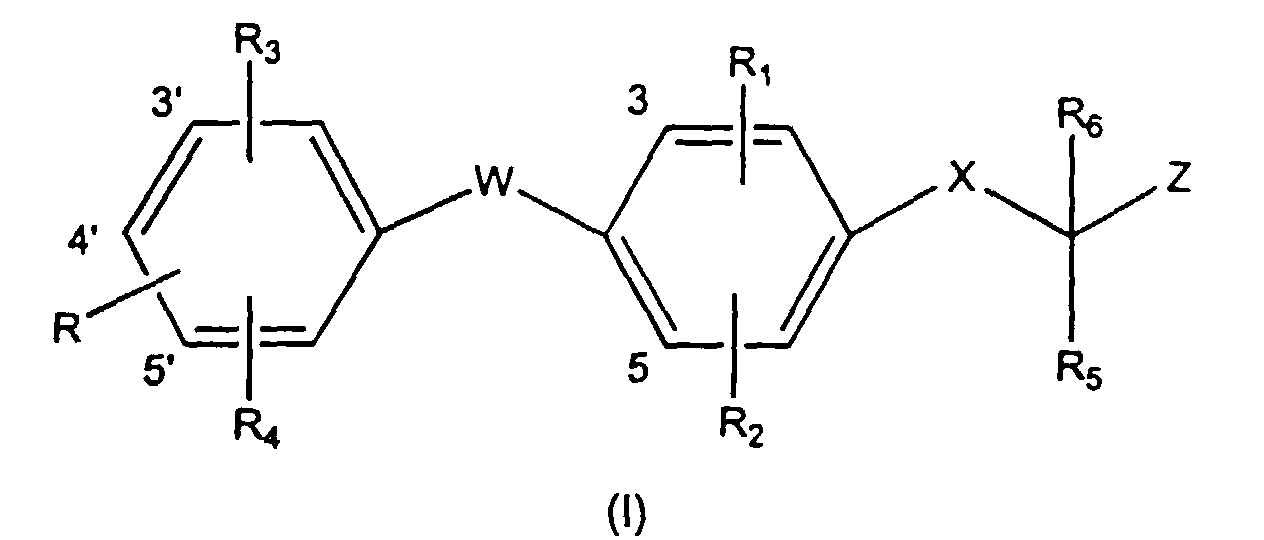
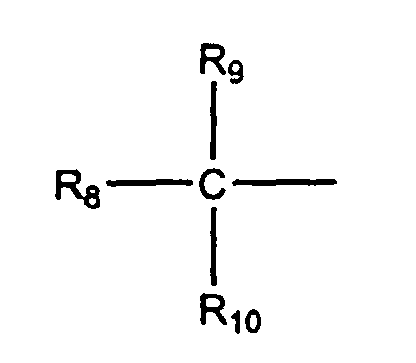
Description
- This invention relates to pharmaceutical compositions and methods useful in treating obesity in animals, including mammalian subjects, particularly humans and companion animals.
- Hitherto, the normal method employed in treating obesity has been reduction of caloric intake, either by a reduced calorie diet or through the use of appetite suppressants (anorectic agents), or a combination of the two. In general, the use of anorectic agents alone is not entirely satisfactory since they do not remain effective for the extended time periods that are necessary to achieve weight loss or they possess undesirable side-effects, particularly central stimulatory effects.
- Alternatively, certain compounds have been disclosed that are able to induce weight loss by mechanisms other than appetite suppression, e.g. through stimulation of the peripheral metabolic rate of adipose tissue. For example, U.S. Patent Nos. 4,451,465, 4,772,631, 4977,148 and 4,999,377 disclose compounds possessing thermogenic properties at dosages causing few or no deleterious side-effects, such as cardiac stimulation. The disclosures of U.S. Patent Nos. 4,451,465, 4,772,631, 4977,148 and 4,999,377 are incorporated herein by reference in their entirety. It is well-known to one of ordinary skill in the art that selectivity of thermogenic effect is an important requirement for a useful therapeutic agent in the treatment of, for example, obesity and related conditions.
- The present invention provides methods for treating obesity which comprise administering to an animal, including a human or companion animal, in need of such treatment an obesity-treating amount of a compound of formula (I), or a pharmaceutically acceptable salt, racemate or enantiomer thereof, shown and defined hereinbelow.
- The present invention further provides pharmaceutical compositions useful in the treatment of obesity which comprise an obesity-treating amount of a compound of formula (I), or a pharmaceutically acceptable salt, racemate or enantiomer thereof and an anorectic agent.
- The compounds of formula (I), the pharmaceutically acceptable salts, racemates and enantiomers thereof, methods of preparing such compounds, salts, racemates and enantiomers and pharmaceutical compositions comprising such compounds, salts, racemates and enantiomers are disclosed in U.S. Patent Nos. 5,401,772; 5,569,674 and 5,654,468, the disclosures of which are incorporated herein by reference.
- In U.S. Patent Nos. 5,401,772; 5,569,674 and 5,654,468 there is described a series of heteroacetic acid derivatives which are claimed to be useful in the treatment of occlusive cardiovascular conditions in which, inter alia, hyperlipidemia and hyperlipoproteinemia are implicated. Such conditions may include, for example, atherosclerosis, coronary heart disease and the like.
- It has been subsequently disclosed in Stephan et al., Atherosclerosis, 126, 53-63 (1996) that a representative compound of these derivatives, ethyl N-[4-[3'-[(4-fluorophenyl)hydroxymethyl]-4'-hydroxyphenoxy]-3,5-dimethylphenyl]oxamate (CGS-26214), is devoid of both cardiovascular and thermogenic effects.
- It has now been found that these heteroacetic add derivatives, including CGS-26214, do, in fact, possess significant thermogenic properties. Accordingly, CGS-26214 and the compounds related thereto are useful in the treatment of obesity and related conditions.
- This invention relates to methods for treating obesity which comprise administering to an animal, including a human or companion animal in need of such treatment, an obesity-treating amount of a compound of formula (I) or a pharmaceutically acceptable salt, racemate or enantiomer thereof, as shown and described hereinbelow. The administration of a compound of formula (I), or a pharmaceutically acceptable salt, racemate or enantiomer thereof, provides a thermogenic effect, that is thermogenesis is stimulated and, therefore, administration of the compound is of use in the treatment of obesity and conditions related thereto.
- The invention is also directed to pharmaceutical compositions and methods of using such compositions in treating obesity in an animal, including a human or companion animal, which methods comprise administering to the animal in need of such treatment obesity-treating amounts of a compound of formula (I), or a pharmaceutically acceptable salt, racemate or enantiomer thereof, and an anorectic agent.
- In a preferred aspect of the methods of this invention, the anorectic agent is selected from the group consisting of phenylpropanolamine, ephedrine, pseudoephedrine, phentermine, a Neuropeptide Y (hereinafter referred to as "NPY") antagonist, a cholecystokinin-A (hereinafter referred to as "CCK-A") agonist, a monoamine reuptake inhibitor, a sympathiomimetic agent, a serotoninergic agent, a dopamine agonist, a melanocyte-stimulating hormone receptor agonist or mimetic, a cannabinoid receptor antagonist, a melanocyte-stimulating hormone analog, a melanin concentrating hormone antagonist, the OB protein (hereinafter referred to as "leptin"), a leptin analog, a galanin antagonist and an orexin receptor antagonist. An especially preferred monoamine reuptake inhibitor is sibutramine, a preferred serotoninergic agent is dexfenfluramine or fenfluramine and a preferred dopamine agonist is bromocriptine.
- The pharmaceutical compositions useful in treating obesity preferably comprise an amount of a compound of formula (I), or a pharmaceutically acceptable salt, racemate or enantiomer thereof, an anorectic agent and a pharmaceutically acceptable carrier or diluent.
- The invention also relates to a kit comprising an amount of a compound of formula (I), or a pharmaceutically acceptable salt, racemate or enantiomer thereof, and a pharmaceutically acceptable carrier or diluent in a first unit dosage form, an amount of an anorectic agent and a pharmaceutically acceptable carrier or diluent in a second unit dosage form and a container.
- According to the instant invention, there are provided pharmaceutical compositions and methods useful for treating obesity in mammals, including humans and companion animals, which methods comprise administering to a mammal in need of such treatment an obesity-treating amount of a compound of the formulaor a pharmaceutically acceptable salt, racemate or enantiomer thereof, wherein

- R is hydroxy, esterified hydroxy or etherified hydroxy;
- R1 and R2 are, independently, halogen, trifluoromethyl or lower alkyl;
- R3 is halogen, trifluoromethyl, lower alkyl, lower alkanoyl, hydroxy-lower alkyl, aryl, aryl-lower alkyl, cycloalkyl or cycloalkyl-lower alkyl, carbocyclic arylmethyl, carbocyclic aroyl, carbocyclic arylhydroxymethyl; or
- R3 is the radical
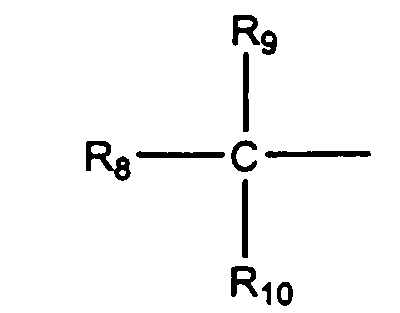 wherein
- R8 is hydrogen, lower alkyl, aryl, cydoalkyl, aryl-lower alkyl or cycloalkyl-lower alkyl;
- R9 is hydroxy or acyloxy; R10 is hydrogen or lower alkyl; or R9 and R10, taken together with the carbon atom to which they are attached, form a carbonyl group;
- R4 is hydrogen, halogen, trifluoromethyl or lower alkyl;
- R5 and R6 are, independently, hydrogen or lower alkyl or R5 and R6, taken together with the carbon atom to which they are attached, form a carbonyl group;
- X is O, S or -NR7;
- R7 is hydrogen or lower alkyl;
- W is O or S and
- Z is carboxyl or carboxyl derivatized as a pharmaceutically acceptable ester or amide.
-
- Generally preferred embodiments of the pharmaceutical compositions and methods of the instant invention relate to the use of compounds of formula (I) and the pharmaceutically acceptable salts, racemates and enantiomers thereof wherein R is located at the 4'-position; R1 and R2 are located at the 3 and 5 positions; R3 and R4 are located at the 3' and 5'-positions; X is O or -NR7, W is O; R4 is hydrogen and Z is carboxyl or carboxyl derivatized as a pharmaceutically acceptable ester.
- A preferred embodiment of the compositions and methods of this invention relates to the use of a subgroup of compounds of formula (I) having the formula (II):or the pharmaceutically acceptable salts, racemates or enantiomers thereof, wherein

- R is hydroxy, esterified hydroxy or etherified hydroxy;
- R1 and R2 are, independently, halogen, trifluoromethyl or (C1-C3)alkyl;
- R3 is lower alkyl, lower alkanoyl, hydroxy-lower alkyl, carbocyclic arylmethyl, carbocyclic aroyl or carbocyclic aryl hydroxymethyl;
- R7 is hydrogen or lower alkyl and
- Z represents carboxyl or carboxyl derivatized as a pharmaceutically acceptable ester or amide.
-
- A further preferred embodiment of the compositions and methods of this invention relates to the use of yet another subgroup of compounds of formula (I) having the formula (III):or the pharmaceutically acceptable salts, racemates or enantiomers thereof, wherein

- R is hydroxy, esterified hydroxy or etherified hydroxy;
- R1 and R2 are, independently, halogen, trifluoromethyl or (C1-C3)alkyl;
- R3 is lower alkyl, carbocyclic aroyl, carbocydic arylmethyl or carbocydic aryl hydroxymethyl;
- R7 is hydrogen or lower alkyl and
- Z represents carboxyl or carboxyl derivatized as a pharmaceutically acceptable ester or amide.
-
- Preferred compounds for use in the pharmaceutical compositions and methods of this invention include those compounds of formula (III), and the pharmaceutically acceptable salts, racemates and enantiomers thereof, wherein R is hydroxy, acyloxy, lower alkanoyloxy, lower alkoxy or tetrahydropyranyloxy; R1 and R2 are the same and are halogen or (C1-C3)alkyl; R3 is (C1-C3)alkyl or monocydic carbocydic arylmethyl; R7 is hydrogen or (C1-C2)alkyl and Z is carboxyl or carboxyl derivatized as a pharmaceutically acceptable ester or amide.
- Further preferred compounds for use in the pharmaceutical compositions and methods of this invention include those compounds of formula (III), and the pharmaceutically acceptable salts, racemates and enantiomers thereof, wherein R is hydroxy; R1 and R2 are the same and are chloro or methyl; R3 is isopropyl, benzyl or benzyl substituted by halogen, lower alkyl, lower alkoxy or trifluoromethyl; R7 is hydrogen and Z is carboxyl or lower alkoxycarbonyl.
- Another preferred embodiment of the instant invention includes compounds of structural formula (III), or the pharmaceutically acceptable salts, racemates or enantiomers thereof, wherein R is hydroxy, lower alkanoyloxy, lower alkoxy or tetrahydropyranyloxy; R1 and R2 are, independently, halogen or (C1-C3)alkyl; R3 is carbocyclic aroyl or carbocyclic aryl hydroxymethyl; R7 is hydrogen or (C1-C2)alkyl and Z is carboxyl or carboxyl derivatized as a pharmaceutically acceptable ester or amide.
- Yet another preferred grouping of compounds of formula (III), including the pharmaceutically acceptable salts, racemates and enantiomers thereof, are those wherein R is hydroxy; R1 and R2 are the same and are chloro or methyl; R3 is phenyl-hydroxymethyl, phenyl-hydroxymethyl substituted on phenyl by halogen, lower alkyl, lower alkoxy or trifluoromethyl or benzoyl or benzoyl substituted by halogen, lower alkyl, lower alkoxy or trifluoromethyl; R7 is hydrogen and Z is carboxyl or lower alkoxycarbonyl.
- Especially preferred compounds of formula (I), including the pharmaceutically acceptable salts, racemates and enantiomers thereof, which are useful in the pharmaceutical compositions and methods of the instant invention are N-[3,5-dimethyl-4-(4'-hydroxy-3'-isopropylphenoxy)-phenyl]-oxamic acid (CGS-23425), N-[3,5-dichloro-4-(4'-hydroxy-3'-isopropylphenoxy)-phenyl]-oxamic add, ethyl N-[4-[3'-[(4-fluorophenyl)hydroxymethyl]-4'-hydroxyphenoxy]-3,5-dimethylphenyl]oxamate (CGS-26214) and N-[4-[3'-[(4-fluorophenyl)hydroxymethyl]-4'-hydroxyphenoxy]-3,5-dimethylphenyl]oxamic acid.
- Certain compounds employed in the pharmaceutical compositions and methods of this invention may have one or more asymmetric centers and can exist in the form of racemates, and enantiomers thereof, all of which are intended to be included within the spirit and scope of the invention.
- Unless otherwise provided, the chemical nomenclature employed herein have the following meanings within the scope of the present invention.
- Aryl represents carbocydic or heterocyclic aryl.
- Carbocyclic aryl represents optionally substituted phenyl or optionally substituted naphthyl.
- Optionally substituted phenyl represents preferably phenyl or phenyl substituted by one to three substituents, preferably lower alkyl, hydroxy, lower alkoxy, lower alkanoyloxy, halogen, cyano, trifluoromethyl, lower alkanoylamino or lower alkoxycarbonyl.
- Optionally substituted naphthyl represents 1- or 2-naphthyl or 1- or 2-naphthyl preferably substituted by lower alkyl, lower alkoxy or halogen.
- Heterocydic aryl is preferably monocyclic heterocyclic aryl such as optionally substituted thienyl, furanyl, pyridyl, pyrrolyl or N-lower alkylpyrrolyl.
- Optionally substituted furanyl represents 2- or 3-furanyl or 2- or 3-furanyl preferably substituted by lower alkyl.
- Optionally substituted pyridyl represents 2-, or 3- or 4-pyridyl or 2-, or 3- or 4-pyridyl preferably substituted by lower alkyl or halogen.
- Optionally substituted thienyl represents 2- or 3-thienyl or 2- or 3-thienyl preferably substituted by lower alkyl.
- Aryl as employed in the term "aryl-lower" and the like is preferably phenyl or phenyl substituted by one or two of lower alkyl, lower alkoxy, hydroxy, lower alkanoyloxy, halogen, trifluoromethyl, cyano, lower alkanoylamino or lower alkoxycarbonyl.
- Aryl-lower alkyl is benzyl or phenethyl optionally substituted by one or two of lower alkyl, lower alkoxy, hydroxy, lower alkanoyloxy, halogen or trifluoromethyl.
- The term "lower" as employed herein in connection with compounds or organic radicals defines such compounds or radicals with up to and including seven, preferably up to and including four and, more preferably, one or two carbon atoms, including branched or straight-chain configurations thereof.
- A lower alkyl group preferably contains from one to four carbon atoms and represents, for example, methyl, ethyl, propyl or butyl.
- A lower alkoxy group preferably contains from one to four carbon atoms and is, for example, methoxy, ethoxy, propoxy, isopropoxy or butoxy.
- Cycloalkyl is a saturated cyclic hydrocarbon radical, preferably a C5 to C7 cycloalkyl radical which contains five to seven ring carbons and is, preferably, cyclopentyl or cyclohexyl.
- Cycloalky-lower alkyl is preferably 1- or 2-(cyclopentyl or cyclohexyl)ethyl, 1-, 2- or 3-(cyclopentyl or cyclohexyl)propyl, or 1-, 2-, 3- or 4-(cyclopentyl- or cyclohexyl)butyl.
- Lower alkenyloxy represents preferably allyloxy.
- Di-lower alkylamino preferably contains one to four carbon atoms in each lower alkyl portion and is, for example, N,N-dimethylamino, N-methyl-N-ethyamino and N,N-diethylamino.
- Lower alkoxycarbonyl preferably contains one to four carbon atoms in the alkoxy moiety and is, for example, methoxycarbonyl, ethoxycarbonyl, propoxycarbonyl and isopropoxycarbonyl.
- Hydroxy-lower alkyl is preferably hydroxymethyl.
- Halogen (halo) preferably represents fluoro or chloro, but may also be bromo or iodo.
- Lower alkanoyl is preferably acetyl, propionyl, butyryl or pivaloyl.
- Lower alkanoyloxy is preferably acetoxy, propionyloxy or pivaloyloxy.
- Acylamino is preferably lower alkanoylamino, aroylamino or aryl-lower alkoxycarbonylamino, such as benzyloxycarbonylamino.
- Lower alkanoylamino is preferably acetamido or propionamido.
- Aroyl is preferably benzoyl or benzoyl substituted on the benzene ring by lower alkyl, lower alkoxy, halogen or trifluoromethyl.
- Acyl is preferably lower alkanoyl, carbocyclic aryl-lower alkanoyl or carbocyclic aroyl.
- Carboxyl derivatized as a pharmaceutically acceptable ester is esterified carboxyl, preferably a prodrug ester convertible by solvolysis or under physiological conditions to the free carboxylic acid, such as being preferably lower alkoxycarbonyl; (amino, acylamino, mono- or di-lower alkylamino)-lower alkoxycarbonyl; carboxy-lower alkoxycarbonyl, e.g. α-carboxy-lower alkoxycarbonyl; lower alkoxycarbonyl-lower alkoxycarbonyl, e.g. α-lower alkoxycarbonyl-lower alkoxycarbonyl; α-(di-lower alkylamino, amino, mono-lower alkylamino, morpholino, piperidino, pyrrolidino, 1-lower alkyl-piperazino)-carbonyl-lower alkoxycarbonyl; carbocyclic or heterocyclic aryl-lower alkoxycarbonyl, preferably optionally (halogen, lower alkyl or lower alkoxy)-substituted benzyloxycarbonyl, or pyridylmethoxycarbonyl; 1-(hydroxy, lower alkanoyloxy or lower alkoxy)-lower alkoxycarbonyl, e.g. pivaloyloxymethoxycarbonyl; (hydroxy, lower alkanoyloxy or lower alkoxy)-lower alkoxymethoxycarbonyl; 1-(lower alkoxycarbonyloxy)-lower alkoxycarbonyl; 5-indanyloxycarbonyl; 3-phthalidoxycarbonyl and (lower alkyl, lower alkoxy or halogen)-substituted 3-phthalidoxycarbonyl; dihydroxypropyloxycarbonyl wherein hydroxy groups are free or are protected in the form of ketals, e.g. a lower alkylidene, a benzylidene or a 5- or 6-membered cycloalkylidene derivative, preferably being (2,2-dimethyl-1,3-dioxolan-4-yl)-methoxycarbonyl.
- Carboxyl derivatized as a pharmaceutically acceptable prodrug ester is preferably (C1-C4)alkoxycarbonyl, benzyloxycarbonyl, optionally substituted on phenyl by lower alkyl, lower alkoxy, halogen, or trifluoromethyl, 1-(C2-C4-alkanoyloxy)-ethoxycarbonyl, (2,2-dimethyl-1,3-dioxolan-4-yl)-methoxycarbonyl, 5-indanyloxycarbonyl, 1-(C1-C4-alkoxycarbonyloxy)-ethoxycarbonyl or 3-pyridylmethoxycarbonyl.
- Carboxyl derivatized as a pharmaceutically acceptable amide is preferably carbamoyl or N-substituted carbamoyl, preferably lower alkylamino, arylamino, di-lower alkylamino, morphlino, N-lower alkylpiperazino, pyrrolidino, piperidino, (amino or acylamino)-lower alkylamino or aryl-lower alkylamino]-carbonyl.
- Esterified hydroxy is acyloxy, e.g. acyloxy derived from an organic carboxylic acid, preferably lower alkanoyloxy, aroyloxy, or aryl-lower alkanoyloxy; also 3,7,12-(3α,5β,7α,12α)-trihydroxy-cholan-24-oyloxy (derived from cholic acid), and the like.
- Etherified hydroxy is preferably lower alkoxy, lower alkenyloxy, (C5-C7)-cycloalkyoxy, carbocyclic aryl-lower alkoxy, tetrahydropyranyloxy, (C5-C7)-cycloalkyl-lower alkoxy, and the like.
- The term "animal" is meant to embrace both companion animals and humans. In this regard, the phrase "companion animal" is meant to embrace a hosuehold pet or other domesticated animal including, but not limited to, cattle, sheep, ferrets, swine, horses, poultry, fish, rabbits, goats, dogs, cats and the like. Particularly preferred companion animals are dogs and cats.
- Pharmaceutically acceptable salts are either pharmaceutically acceptable add addition salts for any basic compounds used in the pharmaceutical compositions and methods of this invention or salts derived from pharmaceutically acceptable bases for any acidic compounds used in the pharmaceutical compositions and methods of this invention.
- Pharmaceutically acceptable salts of the basic compounds used in the pharmaceutical compositions and methods of this invention are acid addition salts, which are preferably therapeutically acceptable inorganic or organic acids, such as strong mineral acids, for example, hydrohalic, e.g. hydrochloric, hydrobromic, sulfuric or phosphoric acid; aliphatic or aromatic carboxylic or sulphonic acids, e.g. acetic, propionic, succinic, gylcollic, lactic, malic, tartaric, gluconic, citric, maleic, fumaric, pyruvic, phenylacetic, benzoic, pamoic, nicotinic, methanesulfonic, ethanesulfonic, hydroxyethanesulfonic, 1,2-ethanedisulfonic, benzenesulfonic, p-toluenesulfonic or naphthalenesulfonic add or ascorbic acid.
- Pharmaceutically acceptable salts of the acidic compounds used in the pharmaceutical compositions and methods of this invention, e.g. those compounds having a carboxyl group, are salts formed with pharmaceutically acceptable bases, e.g. alkali metal salts (sodium, potassium salts), alkaline earth metal salts (magnesium, calcium salts), amine salts (ethanolamine, diethanolamine, triethanolamine, trimethamino salts).
- The compounds of formula (I), including the pharmaceutically acceptable salts, racemates and enantiomers thereof and the preferred embodiments related thereto employed in the pharmaceutical compositions and methods of the instant invention, may be readily prepared according to the teachings in the aforementioned U.S. Pat. Nos. 5,401,772; 5,569,674 and 5,654,468.
- One aspect of the instant invention is directed to methods of treating obesity in an animal, including a human or companion animal, which comprise administering to an animal in need of such treatment an obesity-treating amount of a compound of formula (I), or a pharmaceutically acceptable salt, racemate or enantiomer thereof.
- When treating obesity, generally satisfactory results are obtained when a compound of formula (I) or a pharmaceutically acceptable salt, racemate or enantiomer thereof, is administered to an animal, including a human or companion animal, either orally, parenterally or transdermally. Administration by the oral route is normally preferred, being more convenient and avoiding the possible pain and irritation of injection. However, in circumstances where the subject cannot ingest the medication or absorption following oral administration is impaired, as by disease or other abnormality, it is essential that the compound be administered parenterally or transdermally.
- By any route of administration, the dosage of the compound of formula (I), or the pharmaceutically acceptable salt, racemate or enantiomer thereof, is in the range of from about 0.005 to about 100 mg/kg body weight of the subject per day, preferably about 0.3 to about 50 mg/kg body weight of the subject per day and most preferably about 1 to about 10 mg/kg body weight of the subject per day, preferably administered singly or as a divided dose.
- In a preferred aspect of the methods of this invention, the compound of formula (I) is N-[3,5-dimethyl-4-(4'-hydroxy-3'-isopropylphenoxy)-phenyl]-oxamic acid (CGS-23425) or a pharmaceutically acceptable salt thereof; N-[3,5-dichloro-4-(4'-hydroxy-3'-isopropylphenoxy)-phenyl]-oxamic acid or a pharmaceutically acceptable salt thereof; ethyl N-[4-[3'-[(4-fluorophenyl)hydroxymethyl]-4'-hydroxyphenoxy]-3,5-dimethylphenyl]oxamate (CGS-26214) or a racemate or enantiomer thereof or N-[4-[3'-[(4-fluorophenyl)hydroxymethyl]-4'-hydroxyphenoxy]-3,5-dimethylphenyl]oxamic acid, or a pharmaceutically acceptable salt, racemate or enantiomer thereof.
- The instant invention is also directed to methods of treating obesity in animal which comprise administering to an animal, including a human or companion animal, in need of such treatment obesity-treating amounts of a combination comprising a compound of formula (I), or a pharmaceutically acceptable salt, racemate or enantiomer thereof, and an anorectic agent.
- The administration of the compound of formula (I) and the anorectic agent according to this invention can be sequential in time or simultaneous with the simultaneous method being generally preferred. For sequential administration, the compound of formula (I) and the anorectic agent can be administered in any order. It is generally preferred that such administration be oral. It is even more preferred that the administration be oral and simultaneous. However, if the subject being treated is unable to swallow, or oral absorption is otherwise impaired or undesirable, parenteral or transdermal administration will be appropriate. When the compound of formula (I) and the anorectic agent are administered sequentially, the administration of each can be by the same method or by different methods.
- In a preferred aspect of the methods of this invention, the anorectic agent is selected from the group consisting of phenylpropanolamine, ephedrine, pseudoephedrine, phentermine, a Neuropeptide Y (hereinafter referred to as "NPY") antagonist, a cholecystokinin-A (hereinafter referred to as "CCK-A") agonist, a monoamine reuptake inhibitor, a sympathiomimetic agent, a serotoninergic agent, a dopamine agonist, a melanocyte-stimulating hormone receptor agonist or mimetic, a cannabinoid receptor antagonist, a melanocyte-stimulating hormone analog, a melanin concentrating hormone antagonist, the OB protein (hereinafter referred to as "leptin"), a leptin analog, a galanin antagonist and an orexin receptor antagonist. Such classes of anorectic agents are, or will be, well known to one of ordinary skill in the art.
- In yet another preferred aspect of the methods of this invention, the compound of formula (I) is N-[3,5-dimethyl-4-(4'-hydroxy-3'-isopropylphenoxy)-phenyl]-oxamic acid (CGS-23425) or a pharmaceutically acceptable salt thereof; N-[3,5-dichloro-4-(4'-hydroxy-3'-isopropylphenoxy)-phenyl]-oxamic acid or a pharmaceutically acceptable salt thereof; ethyl N-[4-[3'-[(4-fluorophenyl)hydroxymethyl]-4'-hydroxyphenoxy]-3,5-dimethylphenyl]oxamate (CGS-26214) or a racemate or enantiomer thereof or N-[4-[3'-[(4-fluorophenyl)hydroxymethyl]-4'-hydroxyphenoxy]-3,5-dimethylphenyl]oxamic acid or a pharmaceutically acceptable salt, racemate or enantiomer thereof, and the anorectic agent is selected from the group consisting of a CCK-A agonist, leptin, a leptin analog and a galanin antagonist
- In an especially preferred aspect of the methods of this instant invention, the anorectic agent is phentermine, the monoamine reuptake inhibitor is sibutramine, the serotoninergic agent is dexfenfluramine or fenfluramine and the dopamine agonist is bromocriptine.
- The preferred anorectic agent phentermine may be prepared as described in U.S. Patent No. 2,408,345, the disclosure of which is incorporated herein by reference.
- The preferred monoamine reuptake inhibitor sibutramine can be prepared as described in U.S. Patent No. 4,929,629, the disclosure of which is incorporated herein by reference.
- The preferred serotoninergic agents fenfluramine and dexfenfluramine can be prepared as described in U.S. Patent No. 3,198,834, the disclosure of which is incorporated herein by reference.
- The preferred dopamine agonist bromocriptine can be prepared as described in U.S. Patent Nos. 3,752,814 and 3,752,888, the disclosures of which are incorporated herein by reference.
- When treating obesity, generally satisfactory results are obtained when the combination of the instant invention, i.e. a compound of structural formula (I) or a pharmaceutically acceptable salt, racemate or enantiomer thereof, together with an anorectic agent is administered to an animal, including a human or a companion animal, either orally, parenterally or transdermally. Administration by the oral route is normally preferred, being more convenient and avoiding the possible pain and irritation of injection. However, in circumstances where the subject cannot ingest the medication or absorption following oral administration is impaired, as by disease or other abnormality, it is essential that the drug be administered parenterally or transdermally.
- By any route of administration, the dosage of the compound of formula (I) or the pharmaceutically acceptable salt, racemate or enantiomer thereof, is in the range of from about 0.005 to about 100 mg/kg body weight of the subject per day, preferably from about 0.3 to about 50 mg/kg body weight of the subject per day and most preferably from about 1 to about 10 mg/kg body weight of the subject per day, preferably administered singly or as a divided dose.
- The dosage of the anorectic agent is generally in the range of from about 0.01 to about 50 mg/kg body weight of the subject per day, preferably from about 0.1 to about 10 mg/kg body weight of the subject per day, administered singly or as a divided dose.
- When the anorectic agent is phentermine, the dosage of phentermine is from about 0.01 to 10 mg/kg body weight of the subject per day, preferably from about 0.1 to about 1 mg/kg body weight of the subject per day.
- When the anorectic agents is sibutramine, the dosage range is from about 0.01 to about 30 mg/kg body weight of the subject per day, preferably from about 0.1 to about 1 mg/kg body weight of the subject per day.
- When the anorectic agent is dexfenfluramine or fenfluramine, the dosage range is from about 0.01 to about 30 mg/kg body weight of the subject per day, preferably from about 0.1 to about 1 mg/kg body weight of the subject per day.
- When the anorectic agent is bromocriptine, the dosage range is from about 0.01 to about 10 mg/kg body weight of the subject per day, preferably from about 0.1 to about 10 mg/kg body weight of the subject per day.
- It will be appreciated that, when treating an animal according to the methods of the instant invention, the actual preferred route of administration and optimum dosage utilized will be at the sound professional discretion of the person responsible for the treatment and may vary according to the severity of the condition to be treated, the intended route of administration and patient characteristics such as age, weight, rate of excretion, concurrently administered medications and general physical condition of the subject. Normally, the optimum dosage for the subject being treated will be determined by generally administering smaller doses initially and thereafter incrementally modifying the regimen, if required, to determine the most suitable dosage. This may vary according to the particular compound employed and with the nature of the subject being treated.
- The compounds of formula (I), the pharmaceutically acceptable salts, racemates and enantiomers thereof, and combinations thereof with anorectic agents, are preferably administered in the form of a pharmaceutical composition comprising a pharmaceutically acceptable carrier or diluent. Accordingly, the compounds of formula (I), the pharmaceutically acceptable salts, racemates and enantiomers thereof, and combinations thereof with anorectic agents, can be administered individually or together in any conventional oral, parenteral or transdermal dosage form.
- Suitable pharmaceutically-acceptable carriers include inert solid fillers or diluents and sterile aqueous or organic solutions. The active compounds will be present in such pharmaceutical compositions in amounts sufficient to provide the desired dosage amount in the range described above. Thus, for oral administration, the compounds can be combined with a suitable solid or liquid carrier or diluent to form capsules, tablets, powders, syrups, solutions, suspensions and the like. The pharmaceutical compositions may, if desired, contain additional components such as flavorants, sweeteners, excipients and the like.
- The tablets, pills, capsules, and the like may also contain a binder such as gum tragacanth, acacia, com starch or gelatin; excipients such as dicalcium phosphate; a disintegrating agent such as com starch, potato starch, alginic add; a lubricant such as magnesium stearate; and a sweetening agent such as sucrose, lactose or saccharin. When a dosage unit form is a capsule, it may contain, in addition to materials of the above type, a liquid carrier such as a fatty oil.
- Various other materials may be present as coatings or to modify the physical form of the dosage unit. For instance, tablets may be coated with shellac, sugar or both. A syrup or elixir may contain, in addition to the active ingredient, sucrose as a sweetening agent, methyl and propylparabens as preservatives, a dye and a flavoring such as cherry or orange flavor.
- These pharmaceutical compositions may also be administered parenterally. For parenteral administration the pharmaceutical compositions can be combined with sterile aqueous or organic media to form injectable solutions or suspensions. Solutions or suspensions of these pharmaceutical compositions can be prepared in water suitably mixed with a surfactant such as hydroxypropylcellulose. Dispersions can also be prepared in sesame or peanut oil, ethanol, water, polyol (e.g., glycerol, propylene glycol and liquid polyethylene glycol), suitable mixtures thereof, vegetable oils, N-methyl glucamine, polyvinylpyrrolidone and mixtures thereof in oils as well as aqueous solutions of water-soluble pharmaceutically acceptable salts of the compounds. Under ordinary conditions of storage and use, these preparations contain a preservative to prevent the growth of microorganisms. The injectable solutions prepared in this manner can then be administered intravenously, intraperitoneally, subcutaneously, or intramuscularly, with intramuscular administration being the preferred parenteral route in humans.
- The pharmaceutical forms suitable for injectable use include sterile aqueous solutions or dispersions and sterile powders for the preparation of sterile injectable solutions or dispersions. In all cases, the form must be sterile and must be fluid to the extent that easy syringability exists. It must be stable under the conditions of manufacture and storage and must be preserved against the contaminating action of microorganisms such as bacteria and fungi.
- The pharmaceutical compositions may also be administered transdermally. Suitable formulations for transdermal application include an obesity-treating amount of a compound or pharmaceutical composition of the invention with a suitable transdermal carrier. Preferred transdermal carriers include absorbable pharmacologically acceptable solvents to promote and assist passge through the skin of the subject being treated. Characteristically, transdermal devices comprise the form of a bandage having a backing member, a reservoir containing the compound, optionally with carriers, optionally a rate-controlling barrier to deliver the compound to the skin of the subject being treated at a controlled and predetermined rate over a prolonged period of time and means to secure the device to the skin of the subject being treated.
- Methods of preparing the various pharmaceutical compositions with a desired amount of an active ingredient or ingredients are known, or will be apparent in light of this disclosure, to one of ordinary skill in the art. See, for example, Remington's Pharmaceutical Sciences, Mack Publishing Company, Easton, PA, 15th Edition (1975).
- As a consequence of their thermogenic actions, the methods and pharmaceutical compositions of the instant invention also have utility in the treatment of obesity in companion animals, preferably dogs and cats. The administration of the pharmaceutical compositions of this invention may be effected orally, parenterally or transdermally. An amount of a pharmaceutical composition of the invention is administered such that an effective dose is received, normally a daily dose, as set forth hereinabove.
- Conveniently, the medicaments can be carried in the drinking water such that a therapeutic dosage of the agents is ingested with the daily water supply. The agents can be directly metered into drinking water, preferably in the form of a liquid, water-soluble concentrate, such as an aqeuous solution of a water-soluble salt
- For purposes of alternative convenience, the active ingredients can also be added directly to the companion animal's feed, as such, or in the form of an animal feed supplement, also referred to as a premix or concentrate. A premix or concentrate of the therapeutic agent in a carrier is more commonly employed for the inclusion of the agent in the feed. Suitable carriers are liquid or solid, as desired, such as water, various meals such as alfalfa meal, soybean meal, cottonseed oil meal, linseed oil meal, comcob meal and corn meal, molasses, urea, bone meal, and various mineral mixes. A particularly effective carrier is the respective animal feed itself, i.e., a small portion of such feed. The carrier facilitates uniform distribution of the active materials in the finished feed with which the premix is blended. It is important that the compounds be thoroughly blended into the premix and, subsequently, the feed. In this respect, the agents may be dispersed or dissolved in a suitable oily vehicle such as soybean oil, corn oil, cottonseed oil, and the like, or in a volatile organic solvent and then blended with the carrier. It will be appreciated that the proportions of active materials in the concentrate are capable of wide variation since the amount of agent in the finished feed may be adjusted by blending the appropriate proportion of premix with the feed to obtain a desired level of the therapeutic agents.
- High potency concentrates may be blended by the feed manufacturer with a proteinaceous carrier such as soybean oil meal and other meals, as described above, to produce concentrated supplements which are suitable for direct feeding to animals. In such instances, the animals are permitted to consume the usual diet Alternatively, such concentrated supplements may be added directly to the feed to produce a nutritionally balanced, finished feed containing a therapeutically effective level of a compound according to this invention. The mixtures are thoroughly blended by standard procedures, such as in a twin shell blender, to insure homogeniety. If the supplement is used as a top dressing for the feed, it likewise helps to insure uniformity of distribution of the active ingredient across the top of the dressed feed.
- For veterinary uses, both paste and pellet formulations may also be conveniently employed. Paste formulations can be prepared readily by dispersing the active compounds in a pharmaceutically acceptable oil such as peanut oil, sesame oil, com oil, and the like. Similarly, pellets containing an effective amount of the compounds of the instant invention can be prepared by admixing the compounds of this invention with a suitable diluent such as carbowax, camuba wax, and the like, and a lubricant, such as magnesium or calcium stearate, can be employed to improve the pelleting process.
- Since the instant invention relates to the treatment of obesity with a combination of active ingredients which may be administered separately, the invention also relates to combining separate pharmaceutical compositions in kit form. A kit, according to this invention, comprises two separate pharmaceutical compositions: a first unit dosage form comprising a compound of formula (I), or a pharmaceutically acceptable salt, racemate or enantiomer thereof, and a pharmaceutically acceptable carrier or diluent and a second unit dosage form comprising an anorectic agent and a pharmaceutically acceptable carrier or diluent. The kit further comprises a container. The container is used to contain the separate pharmaceutical compositions and may comprise, for example, a divided bottle or a divided foil packet, however, the separate pharmaceutical compositions may also be contained within a single, undivided container. Normally, the kit will also include directions for the administration of the separate components. The kit form is particularly advantageous when the separate components are preferably administered in different dosage forms (e.g., oral and parenteral), are administered at different dosage levels, or when titration of the individual components of the combination is desired by the prescribing physician.
- One example of such a kit comprises a so-called blister pack. Blister packs are well known in the packaging industry and are being used widely for the packaging of pharmaceutical unit dosage forms (tablets, capsules and the like). Blister packs generally comprise a sheet of relatively rigid material covered with a foil of a preferably transparent plastic material. During the packaging process recesses are formed in the plastic foil. The recesses generally conform to the size and shape of the tablets or capsules to be contained therein. Next, the tablets or capsules are placed in the recesses and the sheet of relatively rigid material is sealed against the plastic foil at the face of the foil which is opposite from the direction in which the recesses were formed. As a result, the tablets or capsules are sealed in the recesses between the plastic foil and the sheet. Preferably, the strength of the sheet is such that the tablets or capsules may be removed from the blister pack by the application of manual pressure on the recesses whereby an opening is formed in the sheet at the place of the recess. The tablet or capsule can then be removed through the formed opening.
- It is further desirable to provide a memory aid on the pack, e.g., in the form of numbers or similar indicia next to the tablets or capsules whereby the indicia correspond with the days of the regimen which the dosage form so specified is to be ingested. An additional example of such a memory aid is a calendar printed on the pack, e.g., as follows "First Week, Monday, Tuesday, ... etc. ... Second Week, Monday, Tuesday, ..." etc. Other variations will be readily apparent. A "daily dose" can be a single tablet or capsule or multiple tablets or capsules to be ingested on a given day. Also, a daily dose comprising a compound of formula (I), or a pharmaceutically acceptable salt, racemate or enantiomer thereof, can consist of one tablet or capsule while a daily dose comprising an anorectic agent can consist of multiple tablets or capsules, or vice versa. The memory aid should reflect this.
- In another specific embodiment of the invention, a pack designed to dispense the daily doses one at a time in the order of their intended use is provided. Preferably, the pack is equipped with a memory aid, so as to further facilitate compliance with the dosage regimen. An example of such a memory aid is a mechanical counter which indicates the number of daily doses to be dispensed. Another example of such a memory aid is a battery-powered micro-chip memory coupled with a liquid crystal readout, or audible reminder signal which, for example, reads out the date that the last daily dose has been taken and/or reminds the patient when the next dose is to be taken.
- The consumption of oxygen by animals to produce heat is a principle well known to one of ordinary skill in the art. See, for example, M. Kleiber, "The Fire of Life", Robert E. Kreiger Pub. Co., New York, New York, 1975.
- During increased energy expenditure, metabolic fuels, e.g. glucose or fatty acids, are oxidized to CO2 and H2O with concomitant evolution of heat, i.e. thermogenesis. Thus, the measurement of oxygen consumption in animals, including humans and companion animals, is an indirect measure of thermogenetic effect. In this regard, indirect calorimetry has been demonstrated to be a valid method for the measurement of energy expenditure and has been employed extensively in animals, including humans.
- The ability of the compounds of formula (I), their pharmaceutically acceptable salts, racemates and enantiomers thereof, to generate a thermogenic response and, therefore, to have utility in the treatment of obesity is demonstrated in the following protocol.
- This in vivo screen is designed to evaluate the efficacy and cardiac effects of compounds that are tissue selective thyroid hormone agonists. The efficacy endpoints measured are whole body oxygen consumption and the activity of liver mitochrondrial alpha-glycerophosphate dehydrogenase (mGPDH). The cardiac endpoints that are measured are heart weight and heart mGPDH activity. The protocol involves dosing fatty Zucker rats for 6 days, then measuring oxygen consumption and harvesting of tissues for preparation of mitochondria and assaying of enzyme activity.
- Male fatty Zucker rats having a body weight range of about 400-500g are housed at least 3-7d in individual cages under standard laboratory conditions prior to the initiation of the study.
- A compound of formula (I) or a pharmaceutically acceptable salt, racemate or enantiomer thereof, vehicle or 3,3'5-triiodo-L-thyronine sodium salt (T3) is administered by oral gavage as a single daily dose given between 3 and 6 p.m. for 6 days. The compound of formula (I), or a pharmaceutically acceptable salt, racemate or enantiomer thereof, or T3 is dissolved in a small volume of 1 NaOH and then brought up to the appropriate volume with 0.01 N NaOH containing 0.25% methyl cellulose (the ratio of 0.01 N NaOH/MC to 1 N NaOH is 10:1). The dosing volume is 1 ml.
- Oxygen consumption is measured the day after the last dose of compound is given using an open circuit, indirect calorimeter (Oxymax, Columbus Instruments, 950 North Hague Ave., Columbus, OH 43204). The Oxymax gas sensors are calibrated with N2 gas and gas mixture (0.5% CO2, 20.5% O2, 79% N2) before each experiment. Rats are removed from their home cages, their body weights are recorded and they are placed in sealed chambers (43 x 43 x 10 cm) of the calorimeter and the chambers are placed in activity monitors. Air flow rate through the chambers is set at 1.6-1.7 l/min. The Oxymax calorimeter software calculates the oxygen consumption (ml/kg/h) based on the flow rate of air through the chambers and difference in oxygen content at inlet and output ports. The activity monitors have 15 infrared light beams spaced one inch apart on each axis; ambulatory activity is recorded when two consecutive beams are broken and the results are recorded as counts. Oxygen consumption and ambulatory activity are measured every 10 minutes for 5-6.5 hours. Resting oxygen consumption is calculated on individual rats by averaging the values excluding the first 5 values and values obtained during time periods where ambulatory activity exceeds 100 counts.
- When evaluated in the experimental protocol described hereinabove utilizing fatty Zucker rats, the compound ethyl N-[4-[3'-[(4-fluorophenyl)hydroxymethyl]-4'-hydroxyphenoxy]-3,5-dimethylphenyl]oxamate (CGS-26214) stimulated oxygen consumption by 14 to 31% at doses of 0.005 to 0.3 mg/kg body weight and the compound N-[3,5-dimethyl-4-(4'-hydroxy-3'-isopropylphenoxy)-phenyl]-oxamic acid (CGS-23425) stimulated oxygen consumption by 27% at a dose of 1.0 mg/kg body weight.
Claims (43)
- A method of treating obesity in an animal which comprises administering to an animal in need of such treatment an obesity-treating amount of a compound of the formulaor a pharmaceutically acceptable salt, racemate or enantiomer thereof, wherein
 whereinR is hydroxy, esterified hydroxy or etherified hydroxy;R1 and R2 are, independently, halogen, trifluoromethyl or lower alkyl;R3 is halogen, trifluoromethyl, lower alkyl, lower alkanoyl, aryl, hydroxy-lower alkyl, aryl-lower alkyl, cycloalkyl or cycloalkyl-lower alkyl, carbocyclic arylmethyl, carbocyclic aroyl, carbocyclic arylhydroxymethyl; orR3 is the radical
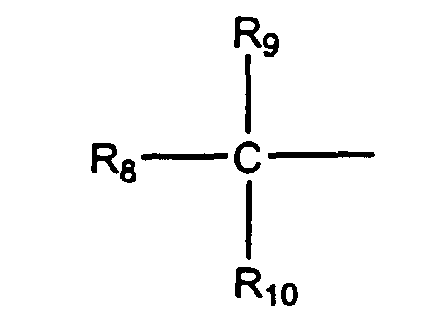 R8 is hydrogen, lower alkyl, aryl, cydoalkyl, aryl-lower alkyl or cycloalkyl-lower alkyl;R9 is hydroxy or acyloxy; R10 is hydrogen or lower alkyl; or R9 and R10, taken together with the carbon atom to which they are attached, form a carbonyl group;R4 is hydrogen, halogen, trifluoromethyl or lower alkyl;R5 and R6 are, independently, hydrogen or lower alkyl or R5 and R6, taken together with the carbon atom to which they are attached, form a carbonyl group;X is O, S or -NR7;R7 is hydrogen or lower alkyl;W is O or S; andZ is carboxyl or carboxyl derivatized as a pharmaceutically acceptable ester or amide.
 - A method according to claim 1 which comprises administering a compound of formula (I) or a pharmaceutically acceptable salt, racemate or enantiomer thereof, wherein R is located at the 4'-position, R1 and R2 are located at the 3 and 5 positions and R3 and R4 are located at the 3' and 5'-positions.
- A method according to claim 1 which comprises administering a compound of formula (I), or a pharmaceutically acceptable salt, racemate or enantiomer thereof, wherein X is O or -NR7; W is O; R4 is hydrogen and Z is carboxyl or carboxyl derivatized as a pharmaceutically acceptable ester.
- A method according to claim 1 which comprises administering a compound of the formulaor a pharmaceutically acceptable salt, racemate or enantiomer thereof wherein,
 R is hydroxy, esterified hydroxy or etherified hydroxy;R1 and R2 are, independently, halogen, trifluoromethyl or (C1-C3)alkyl;R3 is lower alkyl, lower alkanoyl, hydroxy-lower alkyl, carbocyclic arylmethyl, carbocyclic aroyl or carbocydic aryl hydroxymethyl;R7 is hydrogen or lower alkyl; andZ is carboxyl or carboxyl derivatized as a pharmaceutically acceptable ester or amide.
 - A method according to claim 1 which comprises administering a compound of the formulaor a pharmaceutically acceptable salt, racemate or enantiomer thereof, wherein
 R is hydroxy, esterified hydroxy or etherified hydroxy;R1 and R2 are, independently, halogen, trifluoromethyl or (C1-C3)alkyl;R3 is lower alkyl, carbocyclic aroyl, carbocyclic arylmethyl or carbocyclic aryl hydroxymethyl;R7 is hydrogen or lower alkyl; andZ is carboxyl or carboxyl derivatized as a pharmaceutically acceptable ester or amide.
 - A method according to claim 5 which comprises administering a compound of formula (III), or a pharmaceutically acceptable salt, racemate or enantiomer thereof, wherein R is hydroxy, acyloxy, lower alkoxy or tetrahydropyranyloxy.
- A method according to claim 5 which comprises administering a compound of formula (III), or a pharmaceutically acceptable salt, racemate or enantiomer thereof, wherein R is hydroxy, lower alkanoyloxy, lower alkoxy or tetrahydropyranyloxy; R1 and R2 are the same and are halogen or (C1-C3)alkyl; R3 is (C1-C3)alkyl or monocyclic carbocydic arylmethyl; R7 is hydrogen or (C1-C2)alkyl and Z is carboxyl or carboxyl derivatized as a pharmaceutically acceptable ester or amide.
- A method according to claim 5 which comprises administering a compound of formula (III), or a pharmaceutically acceptable salt, racemate or enantiomer thereof, wherein Z is carboxyl or carboxyl derivatized as a pharmaceutically acceptable ester.
- A method according claim 5 which comprises administering a compound of formula (III), or a pharmaceutically acceptable salt, racemate or enantiomer thereof, wherein R is hydroxy, R1 and R2 are the same and are chloro or methyl; R3 is isopropyl, benzyl or benzyl substituted by halogen, lower alkyl, lower alkoxy or trifluoromethyl; R7 is hydrogen and Z is carboxyl or lower alkoxycarbonyl.
- A method according to claim 9 which comprises administering N-[3,5-dimethyl-4-(4'-hydroxy-3'-isopropylphenoxy)-phenyl]-oxamic acid or a pharmaceutically acceptable salt thereof.
- A method according to claim 9 which comprises administering N-[3,5-dichloro-4-(4'-hydroxy-3'-isopropylphenoxy)-phenyl]-oxamic acid or a pharmaceutically acceptable salt thereof.
- A method according to claim 5 which comprises administering a compound of formula (III), or a pharmaceutically acceptable salt, racemate or enantiomer thereof, wherein R is hydroxy, lower alkanoyloxy, lower alkoxy or tetrahydropyranyloxy; R1 and R2 are, independently, halogen or (C1-C3)alkyl; R3 is carbocyclic aroyl or carbocyclic aryl hydroxymethyl; R7 is hydrogen or (C1-C2)alkyl and Z is carboxyl or carboxyl derivatized as a pharmaceutically acceptable ester or amide.
- A method according to claim 12 which comprises administering a compound of formula (III), or a pharmaceutically acceptable salt, racemate or enantiomer thereof, wherein R is hydroxy; R1 and R2 are the same and are chloro or methyl; R3 is phenyl-hydroxymethyl or phenyl-hydroxymethyl substituted on phenyl by halogen, lower alkyl, lower alkoxy or trifluoromethyl, or benzoyl or benzoyl substituted by halogen, lower alkyl, lower alkoxy or trifluoromethyl; R7 is hydrogen and Z is carboxyl or lower alkoxycarbonyl.
- A method according to claim 13 which comprises administering ethyl N-[4-[3'-[(4-fluorophenyl)hydroxymethyl]-4'-hydroxyphenoxy]-3,5-dimethylphenyl]oxamate or a racemate or enantiomer thereof.
- A method according to claim 13 which comprises administering N-[4-[3'-[(4-fluorophenyl)hydroxymethyl]-4'-hydroxyphenoxy]-3,5-dimethylphenyl]oxamic acid, or a pharmaceutically acceptable salt, racemate or enantiomer thereof.
- A method of treating obesity in an animal which comprises administering to an animal in need of such treatment obesity-treating amounts of a compound of the formulaor a pharmaceutically acceptable salt, racemate or enantiomer thereof, wherein
 whereinR is hydroxy, esterified hydroxy or etherified hydroxy;R1 and R2 are, independently, halogen, trifluoromethyl or lower alkyl;R3 is halogen, trifluoromethyl, lower alkyl, aryl, aryl-lower alkyl, cycloalkyl or cycloalkyl-lower alkyl, carbocyclic arylmethyl, carbocyclic aroyl, carbocyclic arylhydroxymethyl; orR3 is the radical
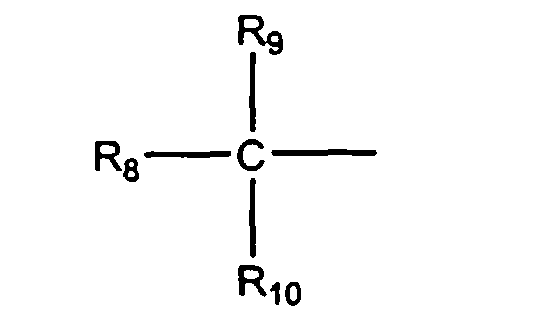 R8 is hydrogen, lower alkyl, aryl, cycloalkyl, aryl-lower alkyl or cydoalkyl-lower alkyl;R9 is hydroxy or acyloxy; R10 is hydrogen or lower alkyl; or R9 and R10, taken together with the carbon atom to which they are attached, form a carbonyl group;R4 is hydrogen, halogen, trifluoromethyl or lower alkyl;R5 and R6 are, independently, hydrogen or lower alkyl or R5 and R6, taken together with the carbon atom to which they are attached, form a carbonyl group;X is O, S or -NR7;R1 is hydrogen or lower alkyl;W is O or S; andZ is carboxyl or carboxyl derivatized as a pharmaceutically acceptable ester or amide and an anorectic agent.
 - A method according to claim 16 which comprises administering N-[3,5-dimethyl-4-(4'-hydroxy-3'-isopropylphenoxy)-phenyl]-oxamic acid or a pharmaceutically acceptable salt thereof.
- A method according to claim 16 which comprises administering N-[3,5-dichloro-4-(4'-hydroxy-3'-isopropylphenoxy)-phenyl]-oxamic acid or a pharmaceutically acceptable salt thereof.
- A method according to claim 16 which comprises administering ethyl N-[4-[3'-[(4-fluorophenyl)hydroxymethyl]-4'-hydroxyphenoxy]-3,5-dimethylphenyl]oxamate or a racemate or an enantiomer thereof.
- A method according to claim 16 which comprises administering N-[4-[3'-[(4-fluorophenyl)hydroxymethyl]-4'-hydroxyphenoxy]-3,5-dimethylphenyl]oxamic acid or a pharmaceutically acceptable salt, racemate or enantiomer thereof.
- A method according to claim 16 wherein said anorectic agent is selected from the group consisting of phenylpropanolamine, ephedrine, pseudoephedrine, phentermine, an NPY antagonist, a CCK-A agonist, a monoamine reuptake inhibitor, a sympathiomimetic agent, a serotoninergic agent, a dopamine agonist, a melanocyte-stimulating hormone receptor agonist or mimetic, a cannabinoid receptor antagonist, a melanocyte-stimulating hormone analog, a melanin concentrating hormone antagonist, leptin, a leptin analog, a galanin antagonist and an orexin receptor antagonist.
- A method according to claim 21 wherein said anorectic agent is a CCK-A agonist.
- A method according to claim 21 wherein said anorectic agent is leptin or a leptin analog.
- A method according to claim 21 wherein said anorectic agent is a galanin antagonist.
- A method according to claim 21 wherein said anorectic agent is phentermine.
- A method according to claim 21 wherein said monoamine reuptake inhibitor is sibutramine.
- A method according to claim 21 wherein said serotoninergic agent is dexfenfluramine or fenfluramine.
- A pharmaceutical composition which comprises amounts of a compound of the formulaor a pharmaceutically acceptable salt, racemate or enantiomer thereof, wherein
 whereinR is hydroxy, esterified hydroxy or etherified hydroxy;R1 and R2 are, independently, halogen, trifluoromethyl or lower alkyl;R3 is halogen, trifluoromethyl, lower alkyl, aryl, aryl-lower alkyl, cycloalkyl or cycloalkyl-lower alkyl, carbocyclic arylmethyl, carbocyclic aroyl, carbocydic arylhydroxymethyl; orR3 is the radical
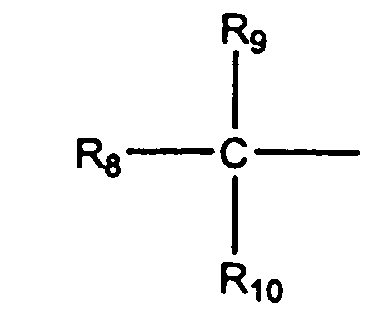 R8 is hydrogen, lower alkyl, aryl, cycloalkyl, aryl-lower alkyl or cycloalkyl-lower alkyl;R9 is hydroxy or acyloxy; R10 is hydrogen or lower alkyl; or R9 and R10. taken together with the carbon atom to which they are attached, form a carbonyl group;R4 is hydrogen, halogen, trifluoromethyl or lower alkyl;R5 and R6 are, independently, hydrogen or lower alkyl or R5 and R6, taken together with the carbon atom to which they are attached, form a carbonyl group;X is O, S or -NR7;R7 is hydrogen or lower alkyl;W is O or S; andZ is carboxyl or carboxyl derivatized as a pharmaceutically acceptable ester or amide and an anorectic agent.
 - A pharmaceutical composition of claim 28 which further comprises a pharmaceutically acceptable carrier or diluent.
- A method of treating obesity in an animal in need of such treatment which method comprises administering to said animal an obesity-treating amount of a composition of claim 28.
- A method according to claim 30 wherein said compound of formula (I) is N-[3,5-dimethyl-4-(4'-hydroxy-3'-isopropylphenoxy)-phenyl]-oxamic acid or a pharmaceutically acceptable salt thereof.
- A method according to claim 30 wherein said compound of formula (I) is N-[3,5-dicloro-4-(4'-hydroxy-3'-isopropylphenoxy)-phenyl]-oxamic acid or a pharmaceutically acceptable salt thereof.
- A method according to claim 30 wherein said compound of formula (I) is ethyl N-[4-[3'-[(4-fluorophenyl)hydroxymethyl]-4'-hydroxyphenoxy]-3,5-dimethylphenyl]oxamate or a racemate or an enantiomer thereof.
- A method according to claim 30 wherein said compound of formula (I) is N-[4-[3'-[(4-fluorophenyl)hydroxymethyl]-4'-hydroxyphenoxy]-3,5-dimethylphenyl]oxamic acid or a pharmaceutically acceptable salt, racemate or enantiomer thereof.
- A method according to claim 30 wherein said anorectic agent is selected from the group consisting of phenylpropanolamine, ephedrine, pseudoephedrine, phentermine, an NPY antagonist, a CCK-A agonist, a monoamine reuptake inhibitor, a sympathiomimetic agent, a serotoninergic agent, a dopamine agonist, a melanocyte-stimulating hormone receptor agonist or mimetic, a cannabinoid receptor antagonist, a melanocyte-stimulating hormone analog, a melanin concentrating hormone antagonist, leptin, a leptin analog, a galanin antagonist and an orexin receptor antagonist.
- A method according to claim 35 wherein said anorectic agent is a CCK-A agonist.
- A method according to claim 35 wherein said anorectic agent is leptin or a leptin analog.
- A method according to claim 35 wherein said anorectic agent is a galanin antagonist.
- A method according to claim 35 wherein said anorectic agent is phentermine.
- A method according to claim 35 wherein said monoamine reuptake inhibitor is sibutramine.
- A method according to claim 35 wherein said serotoninergic agent is dexfenfluramine or fenfluramine.
- A method according to claim 35 wherein said dopamine agonist is bromocriptine.
- A kit which comprises an amount of a compound of the formulaor a pharmaceutically acceptable salt, racemate or enantiomer thereof, wherein
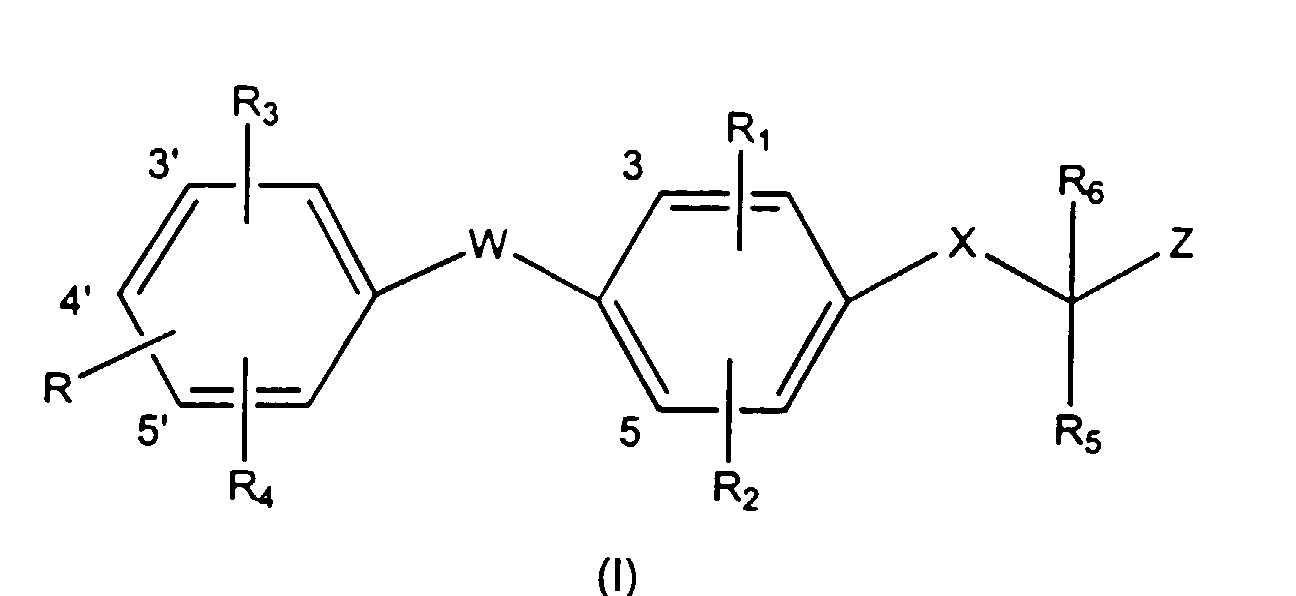 whereinR is hydroxy, esterified hydroxy or etherified hydroxy;R1 and R2 are, independently, halogen, trifluoromethyl or lower alkyl;R3 is halogen, trifluoromethyl, lower alkyl, aryl, aryl-lower alkyl, cycloalkyl or cycloalkyl-lower alkyl, carbocyclic arylmethyl, carbocyclic aroyl, carbocyclic arylhydroxymethyl; orR6 is the radical
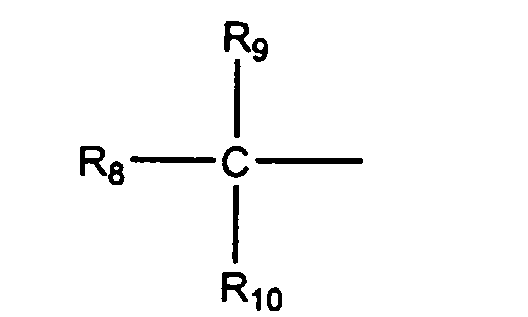 R8 is hydrogen, lower alkyl, aryl, cycloalkyl, aryl-lower alkyl or cycloalkyl-lower alkyl;R9 is hydroxy or acyloxy; R10 is hydrogen or lower alkyl; or R9 and R10, taken together with the carbon atom to which they are attached, form a carbonyl group;R4 is hydrogen, halogen, trifluoromethyl or lower alkyl;R5 and R6 are, independently, hydrogen or lower alkyl or R5 and R6, taken together with the carbon atom to which they are attached, form a carbonyl group;X is O, S or -NR7;R7 is hydrogen or lower alkyl;W is O or S; andZ is carboxyl or carboxyl derivatized as a pharmaceutically acceptable ester or amide and a pharmaceutically acceptable carrier or diluent in a first unit dosage form, an amount of an anorectic agent and a pharmaceutically acceptable carrier or diluent in a second unit dosage form and a container.
Applications Claiming Priority (2)
| Application Number | Priority Date | Filing Date | Title |
|---|---|---|---|
| US12201599P | 1999-03-01 | 1999-03-01 | |
| US122015P | 1999-03-01 |
Publications (2)
| Publication Number | Publication Date |
|---|---|
| EP1036564A1 true EP1036564A1 (en) | 2000-09-20 |
| EP1036564B1 EP1036564B1 (en) | 2004-11-17 |
Family
ID=22400061
Family Applications (1)
| Application Number | Title | Priority Date | Filing Date |
|---|---|---|---|
| EP00300830A Expired - Lifetime EP1036564B1 (en) | 1999-03-01 | 2000-02-03 | Thyromimetic antiobesity agents |
Country Status (15)
| Country | Link |
|---|---|
| US (2) | US6344481B1 (en) |
| EP (1) | EP1036564B1 (en) |
| JP (1) | JP2000256190A (en) |
| KR (1) | KR100368354B1 (en) |
| AT (1) | ATE282410T1 (en) |
| AU (1) | AU1635300A (en) |
| CA (1) | CA2299972C (en) |
| CO (1) | CO5150235A1 (en) |
| DE (1) | DE60015831T2 (en) |
| ES (1) | ES2233282T3 (en) |
| HU (1) | HUP0000921A3 (en) |
| IL (1) | IL134382A0 (en) |
| NZ (1) | NZ503122A (en) |
| PE (1) | PE20001539A1 (en) |
| ZA (1) | ZA200001000B (en) |
Families Citing this family (70)
| Publication number | Priority date | Publication date | Assignee | Title |
|---|---|---|---|---|
| US6716810B1 (en) * | 1998-12-09 | 2004-04-06 | Eleanor Roosevelt Institute | Composition and method for regulation of body weight and associated conditions |
| US6344481B1 (en) * | 1999-03-01 | 2002-02-05 | Pfizer Inc. | Thyromimetic antiobesity agents |
| US20070203225A1 (en) * | 2001-04-03 | 2007-08-30 | Havel Peter J | Method of increasing endogenous adiponectin production and leptin production |
| US20030008838A1 (en) * | 2001-04-03 | 2003-01-09 | Havel Peter J. | Method of increasing endogenous leptin production |
| ATE486842T1 (en) * | 2002-03-12 | 2010-11-15 | Merck Sharp & Dohme | SUBSTITUTED AMIDES |
| US6825209B2 (en) | 2002-04-15 | 2004-11-30 | Research Triangle Institute | Compounds having unique CB1 receptor binding selectivity and methods for their production and use |
| US7105526B2 (en) | 2002-06-28 | 2006-09-12 | Banyu Pharmaceuticals Co., Ltd. | Benzimidazole derivatives |
| BR0314872A (en) * | 2002-10-18 | 2005-08-02 | Pfizer Prod Inc | Cannabinoid receptor ligands and uses thereof |
| US20040122033A1 (en) * | 2002-12-10 | 2004-06-24 | Nargund Ravi P. | Combination therapy for the treatment of obesity |
| US7772188B2 (en) | 2003-01-28 | 2010-08-10 | Ironwood Pharmaceuticals, Inc. | Methods and compositions for the treatment of gastrointestinal disorders |
| WO2005028438A1 (en) | 2003-09-22 | 2005-03-31 | Banyu Pharmaceutical Co., Ltd. | Novel piperidine derivative |
| EP2428516A1 (en) * | 2003-11-19 | 2012-03-14 | Metabasis Therapeutics, Inc. | Novel phosphorus-containing thyromimetics |
| WO2005092040A2 (en) * | 2004-03-22 | 2005-10-06 | The Regents Of The University Of California | A formulation for increasing endogenous adiponectin and leptin production |
| US20080125403A1 (en) | 2004-04-02 | 2008-05-29 | Merck & Co., Inc. | Method of Treating Men with Metabolic and Anthropometric Disorders |
| US20090232879A1 (en) | 2005-05-26 | 2009-09-17 | Metabasis Therapeutics, Inc. | Thyromimetics for the Treatment of Fatty Liver Diseases |
| RU2007148927A (en) * | 2005-05-26 | 2009-07-10 | Метабэйзис Терапьютикс, Инк. (Us) | NEW TYREOMIMETICS CONTAINING PHOSPHIC ACID |
| EP1892241B1 (en) | 2005-05-30 | 2016-03-30 | Msd K.K. | Novel piperidine derivative |
| EP1916239A4 (en) | 2005-08-10 | 2009-10-21 | Banyu Pharma Co Ltd | PYRIDONE COMPOUND |
| US7875633B2 (en) | 2005-08-24 | 2011-01-25 | Banyu Pharmaceutical Co., Ltd. | Phenylpyridone derivative |
| WO2007029847A1 (en) | 2005-09-07 | 2007-03-15 | Banyu Pharmaceutical Co., Ltd. | Bicyclic aromatic substituted pyridone derivative |
| KR20080048502A (en) | 2005-09-29 | 2008-06-02 | 머크 앤드 캄파니 인코포레이티드 | Acylated spiropiperidine derivatives as melanocortin-4 receptor modulators |
| RU2008119687A (en) | 2005-10-21 | 2009-11-27 | Новартис АГ (CH) | COMBINATIONS OF ORGANIC COMPOUNDS |
| AU2006307046A1 (en) | 2005-10-27 | 2007-05-03 | Msd K.K. | Novel benzoxathiin derivative |
| RU2428423C2 (en) | 2005-11-10 | 2011-09-10 | Баниу Фармасьютикал Ко., Лтд. | Aza-substituted spiro-derivatives |
| WO2007132475A1 (en) * | 2006-05-15 | 2007-11-22 | Cadila Healthcare Limited | Selective tr-beta 1 agonist |
| AU2007300627B2 (en) | 2006-09-22 | 2012-02-16 | Merck Sharp & Dohme Corp. | Method of treatment using fatty acid synthesis inhibitors |
| EP2072519A4 (en) | 2006-09-28 | 2009-10-21 | Banyu Pharma Co Ltd | DIARYLCETTIMINE DERIVATIVE |
| AU2008233662B2 (en) | 2007-04-02 | 2012-08-23 | Msd K.K. | Indoledione derivative |
| WO2008151257A2 (en) | 2007-06-04 | 2008-12-11 | Synergy Pharmaceuticals Inc. | Agonists of guanylate cyclase useful for the treatment of gastrointestinal disorders, inflammation, cancer and other disorders |
| US8969514B2 (en) | 2007-06-04 | 2015-03-03 | Synergy Pharmaceuticals, Inc. | Agonists of guanylate cyclase useful for the treatment of hypercholesterolemia, atherosclerosis, coronary heart disease, gallstone, obesity and other cardiovascular diseases |
| AU2009220605A1 (en) | 2008-03-06 | 2009-09-11 | Msd K.K. | Alkylaminopyridine derivative |
| CA2717384A1 (en) | 2008-03-28 | 2009-10-01 | Banyu Pharmaceutical Co., Ltd. | Diarylmethylamide derivative having melanin-concentrating hormone receptor antagonism |
| ES2627848T3 (en) | 2008-06-04 | 2017-07-31 | Synergy Pharmaceuticals Inc. | Guanylate cyclase agonists useful for the treatment of gastrointestinal disorders, inflammation, cancer and other disorders |
| AU2009261248A1 (en) | 2008-06-19 | 2009-12-23 | Banyu Pharmaceutical Co., Ltd. | Spirodiamine-diarylketoxime derivative |
| ES2624828T3 (en) | 2008-07-16 | 2017-07-17 | Synergy Pharmaceuticals Inc. | Guanylate cyclase agonists useful for the treatment of gastrointestinal disorders, inflammation, cancer and others |
| US20110124674A1 (en) | 2008-07-30 | 2011-05-26 | Hiroyuki Kishino | 5/5-or 5/6-membered condensed ring cycloalkylamine derivative |
| US8410284B2 (en) | 2008-10-22 | 2013-04-02 | Merck Sharp & Dohme Corp | Cyclic benzimidazole derivatives useful as anti-diabetic agents |
| CA2741517A1 (en) | 2008-10-27 | 2010-05-06 | Cadila Healthcare Limited | Thyroid receptor ligands |
| WO2010051206A1 (en) | 2008-10-31 | 2010-05-06 | Merck Sharp & Dohme Corp. | Novel cyclic benzimidazole derivatives useful anti-diabetic agents |
| WO2010086878A2 (en) | 2009-01-09 | 2010-08-05 | Cadila Healthcare Limited | Thyroid receptor modulators |
| KR101396606B1 (en) | 2009-04-20 | 2014-05-16 | 미쓰비시 타나베 파마 코퍼레이션 | NOVEL THYROID HORMONE β RECEPTOR AGONIST |
| JP2013520502A (en) | 2010-02-25 | 2013-06-06 | メルク・シャープ・エンド・ドーム・コーポレイション | Novel cyclic benzimidazole derivatives that are useful anti-diabetic drugs |
| US9401828B2 (en) | 2010-05-20 | 2016-07-26 | Kandou Labs, S.A. | Methods and systems for low-power and pin-efficient communications with superposition signaling codes |
| WO2012027331A1 (en) | 2010-08-27 | 2012-03-01 | Ironwood Pharmaceuticals, Inc. | Compositions and methods for treating or preventing metabolic syndrome and related diseases and disorders |
| US9616097B2 (en) | 2010-09-15 | 2017-04-11 | Synergy Pharmaceuticals, Inc. | Formulations of guanylate cyclase C agonists and methods of use |
| CA2826649C (en) | 2011-02-25 | 2016-07-26 | Merck Sharp & Dohme Corp. | Novel cyclic azabenzimidazole derivatives useful as anti-diabetic agents |
| MX357121B (en) | 2011-03-01 | 2018-06-27 | Synergy Pharmaceuticals Inc Star | Process of preparing guanylate cyclase c agonists. |
| US20140045746A1 (en) | 2012-08-02 | 2014-02-13 | Merck Sharp & Dohme Corp. | Antidiabetic tricyclic compounds |
| JP2016516004A (en) | 2013-02-22 | 2016-06-02 | メルク・シャープ・アンド・ドーム・コーポレーションMerck Sharp & Dohme Corp. | Antidiabetic bicyclic compound |
| WO2014139388A1 (en) | 2013-03-14 | 2014-09-18 | Merck Sharp & Dohme Corp. | Novel indole derivatives useful as anti-diabetic agents |
| US9708367B2 (en) | 2013-03-15 | 2017-07-18 | Synergy Pharmaceuticals, Inc. | Agonists of guanylate cyclase and their uses |
| EP2968439A2 (en) | 2013-03-15 | 2016-01-20 | Synergy Pharmaceuticals Inc. | Compositions useful for the treatment of gastrointestinal disorders |
| PL3004138T3 (en) | 2013-06-05 | 2024-07-29 | Bausch Health Ireland Limited | Ultra-pure agonists of guanylate cyclase c, method of making and using same |
| WO2015051496A1 (en) | 2013-10-08 | 2015-04-16 | Merck Sharp & Dohme Corp. | Antidiabetic tricyclic compounds |
| BR112017003745A2 (en) | 2014-08-29 | 2017-12-05 | Tes Pharma S R L | alpha-amino-beta-carboximuconic acid semialdehyde decarboxylase inhibitors |
| AU2017342083A1 (en) | 2016-10-14 | 2019-04-11 | Tes Pharma S.R.L. | Inhibitors of alpha-amino-beta-carboxymuconic acid semialdehyde decarboxylase |
| WO2018094265A2 (en) | 2016-11-21 | 2018-05-24 | Viking Therapeutics, Inc. | Method of treating glycogen storage disease |
| WO2018106518A1 (en) | 2016-12-06 | 2018-06-14 | Merck Sharp & Dohme Corp. | Antidiabetic heterocyclic compounds |
| WO2018118670A1 (en) | 2016-12-20 | 2018-06-28 | Merck Sharp & Dohme Corp. | Antidiabetic spirochroman compounds |
| AU2018280118B2 (en) | 2017-06-05 | 2021-07-15 | Viking Therapeutics, Inc. | Compositions for the treatment of fibrosis |
| EP3683306A4 (en) | 2017-09-14 | 2021-06-09 | Riken | RETINAL TISSUE PRODUCTION PROCESS |
| EA202091979A1 (en) | 2018-03-22 | 2021-06-22 | Вайкинг Терапьютикс, Инк. | CRYSTALLINE FORMS AND METHODS FOR OBTAINING CRYSTALLINE FORMS OF COMPOUNDS |
| EP3883930A1 (en) | 2018-11-20 | 2021-09-29 | Tes Pharma S.r.l. | Inhibitors of alpha-amino-beta-carboxymuconic acid semialdehyde decarboxylase |
| EP4775207A2 (en) | 2018-12-05 | 2026-07-15 | Viking Therapeutics, Inc. | Compositions for the treatment of fibrosis |
| SG11202109855PA (en) | 2019-03-13 | 2021-10-28 | Sumitomo Dainippon Pharma Co Ltd | Method for evaluating quality of transplant neural retina, and transplant neural retina sheet |
| EP4161925A4 (en) | 2020-06-09 | 2024-09-04 | Viking Therapeutics, Inc. | Compositions and methods for the treatment of liver disorders |
| JPWO2022054925A1 (en) | 2020-09-11 | 2022-03-17 | ||
| EP4201428A4 (en) | 2020-09-11 | 2024-09-11 | Sumitomo Pharma Co., Ltd. | MEDIUM FOR TISSUE TRANSPLANTATION |
| KR20240103018A (en) | 2021-11-19 | 2024-07-03 | 고쿠리쓰 겐큐 가이하쓰 호징 리가가쿠 겐큐소 | Method for producing sheet-like retinal tissue |
| CN118772088B (en) * | 2024-06-14 | 2025-10-03 | 北京农学院 | 2-Butenoic acid lactone thioacetate compounds and preparation method and application thereof |
Citations (4)
| Publication number | Priority date | Publication date | Assignee | Title |
|---|---|---|---|---|
| EP0188351A2 (en) * | 1985-01-18 | 1986-07-23 | Smith Kline & French Laboratories Limited | Chemical compounds |
| EP0580550A1 (en) * | 1992-07-21 | 1994-01-26 | Ciba-Geigy Ag | Oxamic acid derivatives as hypocholesteremic agents |
| WO1996029405A2 (en) * | 1995-03-20 | 1996-09-26 | Ligand Pharmaceuticals Incorporated | MODULATORS OF ob GENE AND SCREENING METHODS THEREFOR |
| EP0920864A1 (en) * | 1997-12-03 | 1999-06-09 | Pfizer Products Inc. | Combination therapy including a specific beta-3 agonist and an anorectic agent |
Family Cites Families (10)
| Publication number | Priority date | Publication date | Assignee | Title |
|---|---|---|---|---|
| JPS5315739B2 (en) * | 1973-10-30 | 1978-05-26 | ||
| JPS50124993A (en) * | 1974-03-20 | 1975-10-01 | ||
| JPS5937018B2 (en) * | 1978-06-16 | 1984-09-07 | 株式会社トクヤマ | Flame retardant polypropylene composition |
| ZA824382B (en) | 1981-07-07 | 1984-02-29 | Wyeth John & Brother Ltd | Anti-obesity agents |
| GB8519154D0 (en) | 1985-07-30 | 1985-09-04 | Ici Plc | Aromatic ethers |
| GB8714901D0 (en) | 1986-07-23 | 1987-07-29 | Ici Plc | Amide derivatives |
| GB8801306D0 (en) | 1988-01-21 | 1988-02-17 | Ici Plc | Chemical compounds |
| JPH0834976A (en) * | 1994-07-25 | 1996-02-06 | Asahi Denka Kogyo Kk | Latent heat type heat storage material |
| WO2000051971A1 (en) * | 1999-03-01 | 2000-09-08 | Pfizer Products Inc. | Oxamic acids and derivatives as thyroid receptor ligands |
| US6344481B1 (en) * | 1999-03-01 | 2002-02-05 | Pfizer Inc. | Thyromimetic antiobesity agents |
-
2000
- 2000-01-20 US US09/488,110 patent/US6344481B1/en not_active Expired - Fee Related
- 2000-02-03 IL IL13438200A patent/IL134382A0/en unknown
- 2000-02-03 EP EP00300830A patent/EP1036564B1/en not_active Expired - Lifetime
- 2000-02-03 AT AT00300830T patent/ATE282410T1/en not_active IP Right Cessation
- 2000-02-03 DE DE60015831T patent/DE60015831T2/en not_active Expired - Fee Related
- 2000-02-03 ES ES00300830T patent/ES2233282T3/en not_active Expired - Lifetime
- 2000-02-11 AU AU16353/00A patent/AU1635300A/en not_active Abandoned
- 2000-02-25 JP JP2000049507A patent/JP2000256190A/en active Pending
- 2000-02-28 PE PE2000000162A patent/PE20001539A1/en not_active Application Discontinuation
- 2000-02-28 HU HU0000921A patent/HUP0000921A3/en unknown
- 2000-02-28 KR KR10-2000-0009860A patent/KR100368354B1/en not_active Expired - Fee Related
- 2000-02-29 ZA ZA200001000A patent/ZA200001000B/en unknown
- 2000-02-29 CA CA002299972A patent/CA2299972C/en not_active Expired - Fee Related
- 2000-02-29 NZ NZ503122A patent/NZ503122A/en unknown
- 2000-03-01 CO CO00014834A patent/CO5150235A1/en unknown
-
2001
- 2001-10-16 US US09/978,980 patent/US6555578B2/en not_active Expired - Fee Related
Patent Citations (4)
| Publication number | Priority date | Publication date | Assignee | Title |
|---|---|---|---|---|
| EP0188351A2 (en) * | 1985-01-18 | 1986-07-23 | Smith Kline & French Laboratories Limited | Chemical compounds |
| EP0580550A1 (en) * | 1992-07-21 | 1994-01-26 | Ciba-Geigy Ag | Oxamic acid derivatives as hypocholesteremic agents |
| WO1996029405A2 (en) * | 1995-03-20 | 1996-09-26 | Ligand Pharmaceuticals Incorporated | MODULATORS OF ob GENE AND SCREENING METHODS THEREFOR |
| EP0920864A1 (en) * | 1997-12-03 | 1999-06-09 | Pfizer Products Inc. | Combination therapy including a specific beta-3 agonist and an anorectic agent |
Non-Patent Citations (2)
| Title |
|---|
| CONSIDINE R V: "WEIGHT REGULATION, LEPTIN AND GROWTH HORMONE", HORMONE RESEARCH,CH,S. KARGER AG, BASEL, vol. 48, no. 5, May 1997 (1997-05-01), pages 116 - 121, XP002910760, ISSN: 0301-0163 * |
| HOLLADAY M W ET AL: "SYNTHESIS AND BIOLOGICAL ACTIVITY OF CCK HEPTAPEPTIDE ANALOGUES EFFECTS OF CONFORMATIONAL CONSTRAINTS AND STANDARD MODIFICATIONS ON RECEPTOR SUBTYPE SELECTIVITY, FUNCTIONAL ACTIVITY IN VITRO, AND APPETITE SUPPRESSION IN VIVO", JOURNAL OF MEDICINAL CHEMISTRY,US,AMERICAN CHEMICAL SOCIETY. WASHINGTON, vol. 35, no. 16, 7 August 1992 (1992-08-07), pages 2919 - 2928, XP000609183, ISSN: 0022-2623 * |
Also Published As
| Publication number | Publication date |
|---|---|
| PE20001539A1 (en) | 2001-01-08 |
| EP1036564B1 (en) | 2004-11-17 |
| HUP0000921A3 (en) | 2004-06-28 |
| NZ503122A (en) | 2001-11-30 |
| KR100368354B1 (en) | 2003-01-24 |
| US6555578B2 (en) | 2003-04-29 |
| DE60015831D1 (en) | 2004-12-23 |
| DE60015831T2 (en) | 2005-12-15 |
| ATE282410T1 (en) | 2004-12-15 |
| US20020035153A1 (en) | 2002-03-21 |
| IL134382A0 (en) | 2001-04-30 |
| CA2299972C (en) | 2003-08-19 |
| US6344481B1 (en) | 2002-02-05 |
| HU0000921D0 (en) | 2000-04-28 |
| CA2299972A1 (en) | 2000-09-01 |
| CO5150235A1 (en) | 2002-04-29 |
| JP2000256190A (en) | 2000-09-19 |
| ES2233282T3 (en) | 2005-06-16 |
| AU1635300A (en) | 2000-09-07 |
| HUP0000921A2 (en) | 2000-12-28 |
| KR20010006712A (en) | 2001-01-26 |
| ZA200001000B (en) | 2001-08-29 |
Similar Documents
| Publication | Publication Date | Title |
|---|---|---|
| EP1036564B1 (en) | Thyromimetic antiobesity agents | |
| US3862333A (en) | Methods and compositions for inhibiting rumen microbial deamination | |
| JP3662942B2 (en) | Sustained release thyroid acting composition | |
| US20030144350A1 (en) | Fat accumulation-modulation compounds | |
| EP3691648A1 (en) | Combination therapy comprising an acc inhibitor | |
| US20040220269A1 (en) | Pharmaceutical compositions of tetrac and methods of use thereof | |
| AU778538B2 (en) | Method and composition for administering a cyclooxygenase-2 inhibitor | |
| TWI732158B (en) | Compositions and methods of use of an inappetance-controlling compound | |
| AU780503B2 (en) | Pharmaceutical compositions of tetrac and methods of use thereof | |
| US20140079827A1 (en) | Methods for improving health in animals | |
| US20240284937A1 (en) | Application of aspartic acid derivative in preparing animal feed additive | |
| EP1753426A2 (en) | Ruminant treatments | |
| MXPA00004056A (en) | Methods and compositions for treating age-related behavioral disorders in companion animals. | |
| JP2008150370A (en) | Method for treating obesity using low dose and dose escalation | |
| EP1099439A2 (en) | Use of apo B secretion/MTP inhibitors | |
| CA2324801A1 (en) | Use of apo b secretion/mtp inhibitors and anti-obesity agents | |
| KR20020025730A (en) | Use of growth hormone secretagogues in conjunction with physical exercise | |
| KR20010051509A (en) | Use of apo b secretion/mtp inhibitors | |
| US3860723A (en) | Methods and compositions for increasing feed intake of animals | |
| JPS5888313A (en) | Coccidiostat | |
| JP2001231460A (en) | Breeding methods for ruminants that suppress methane produced by ruminants | |
| KR20070021219A (en) | PAPR agonists to treat negative energy balances |
Legal Events
| Date | Code | Title | Description |
|---|---|---|---|
| PUAI | Public reference made under article 153(3) epc to a published international application that has entered the european phase |
Free format text: ORIGINAL CODE: 0009012 |
|
| 17P | Request for examination filed |
Effective date: 20000217 |
|
| AK | Designated contracting states |
Kind code of ref document: A1 Designated state(s): AT BE CH CY DE DK ES FI FR GB GR IE IT LI LU MC NL PT SE |
|
| AX | Request for extension of the european patent |
Free format text: AL;LT;LV;MK;RO;SI |
|
| AKX | Designation fees paid |
Free format text: AT BE CH CY DE DK ES FI FR GB GR IE IT LI LU MC NL PT SE |
|
| 17Q | First examination report despatched |
Effective date: 20030804 |
|
| GRAP | Despatch of communication of intention to grant a patent |
Free format text: ORIGINAL CODE: EPIDOSNIGR1 |
|
| RIC1 | Information provided on ipc code assigned before grant |
Ipc: 7A 61P 3/04 B Ipc: 7A 61K 31/225 A |
|
| RIC1 | Information provided on ipc code assigned before grant |
Ipc: 7A 61P 3/04 B Ipc: 7A 61K 31/225 A |
|
| GRAS | Grant fee paid |
Free format text: ORIGINAL CODE: EPIDOSNIGR3 |
|
| GRAA | (expected) grant |
Free format text: ORIGINAL CODE: 0009210 |
|
| AK | Designated contracting states |
Kind code of ref document: B1 Designated state(s): AT BE CH CY DE DK ES FI FR GB GR IE IT LI LU MC NL PT SE |
|
| PG25 | Lapsed in a contracting state [announced via postgrant information from national office to epo] |
Ref country code: NL Free format text: LAPSE BECAUSE OF FAILURE TO SUBMIT A TRANSLATION OF THE DESCRIPTION OR TO PAY THE FEE WITHIN THE PRESCRIBED TIME-LIMIT Effective date: 20041117 Ref country code: LI Free format text: LAPSE BECAUSE OF FAILURE TO SUBMIT A TRANSLATION OF THE DESCRIPTION OR TO PAY THE FEE WITHIN THE PRESCRIBED TIME-LIMIT Effective date: 20041117 Ref country code: FI Free format text: LAPSE BECAUSE OF FAILURE TO SUBMIT A TRANSLATION OF THE DESCRIPTION OR TO PAY THE FEE WITHIN THE PRESCRIBED TIME-LIMIT Effective date: 20041117 Ref country code: CH Free format text: LAPSE BECAUSE OF FAILURE TO SUBMIT A TRANSLATION OF THE DESCRIPTION OR TO PAY THE FEE WITHIN THE PRESCRIBED TIME-LIMIT Effective date: 20041117 Ref country code: BE Free format text: LAPSE BECAUSE OF FAILURE TO SUBMIT A TRANSLATION OF THE DESCRIPTION OR TO PAY THE FEE WITHIN THE PRESCRIBED TIME-LIMIT Effective date: 20041117 Ref country code: AT Free format text: LAPSE BECAUSE OF FAILURE TO SUBMIT A TRANSLATION OF THE DESCRIPTION OR TO PAY THE FEE WITHIN THE PRESCRIBED TIME-LIMIT Effective date: 20041117 |
|
| REG | Reference to a national code |
Ref country code: GB Ref legal event code: FG4D |
|
| REG | Reference to a national code |
Ref country code: CH Ref legal event code: EP |
|
| REG | Reference to a national code |
Ref country code: IE Ref legal event code: FG4D |
|
| REF | Corresponds to: |
Ref document number: 60015831 Country of ref document: DE Date of ref document: 20041223 Kind code of ref document: P |
|
| PGFP | Annual fee paid to national office [announced via postgrant information from national office to epo] |
Ref country code: GB Payment date: 20041231 Year of fee payment: 6 |
|
| PGFP | Annual fee paid to national office [announced via postgrant information from national office to epo] |
Ref country code: ES Payment date: 20050113 Year of fee payment: 6 |
|
| PGFP | Annual fee paid to national office [announced via postgrant information from national office to epo] |
Ref country code: IE Payment date: 20050126 Year of fee payment: 6 |
|
| PGFP | Annual fee paid to national office [announced via postgrant information from national office to epo] |
Ref country code: DE Payment date: 20050128 Year of fee payment: 6 |
|
| PG25 | Lapsed in a contracting state [announced via postgrant information from national office to epo] |
Ref country code: LU Free format text: LAPSE BECAUSE OF NON-PAYMENT OF DUE FEES Effective date: 20050203 Ref country code: CY Free format text: LAPSE BECAUSE OF FAILURE TO SUBMIT A TRANSLATION OF THE DESCRIPTION OR TO PAY THE FEE WITHIN THE PRESCRIBED TIME-LIMIT Effective date: 20050203 |
|
| PGFP | Annual fee paid to national office [announced via postgrant information from national office to epo] |
Ref country code: FR Payment date: 20050207 Year of fee payment: 6 |
|
| PG25 | Lapsed in a contracting state [announced via postgrant information from national office to epo] |
Ref country code: SE Free format text: LAPSE BECAUSE OF FAILURE TO SUBMIT A TRANSLATION OF THE DESCRIPTION OR TO PAY THE FEE WITHIN THE PRESCRIBED TIME-LIMIT Effective date: 20050217 Ref country code: GR Free format text: LAPSE BECAUSE OF FAILURE TO SUBMIT A TRANSLATION OF THE DESCRIPTION OR TO PAY THE FEE WITHIN THE PRESCRIBED TIME-LIMIT Effective date: 20050217 Ref country code: DK Free format text: LAPSE BECAUSE OF FAILURE TO SUBMIT A TRANSLATION OF THE DESCRIPTION OR TO PAY THE FEE WITHIN THE PRESCRIBED TIME-LIMIT Effective date: 20050217 |
|
| PG25 | Lapsed in a contracting state [announced via postgrant information from national office to epo] |
Ref country code: MC Free format text: LAPSE BECAUSE OF NON-PAYMENT OF DUE FEES Effective date: 20050228 |
|
| NLV1 | Nl: lapsed or annulled due to failure to fulfill the requirements of art. 29p and 29m of the patents act | ||
| REG | Reference to a national code |
Ref country code: CH Ref legal event code: PL |
|
| REG | Reference to a national code |
Ref country code: ES Ref legal event code: FG2A Ref document number: 2233282 Country of ref document: ES Kind code of ref document: T3 |
|
| PLBE | No opposition filed within time limit |
Free format text: ORIGINAL CODE: 0009261 |
|
| STAA | Information on the status of an ep patent application or granted ep patent |
Free format text: STATUS: NO OPPOSITION FILED WITHIN TIME LIMIT |
|
| ET | Fr: translation filed | ||
| 26N | No opposition filed |
Effective date: 20050818 |
|
| PG25 | Lapsed in a contracting state [announced via postgrant information from national office to epo] |
Ref country code: IE Free format text: LAPSE BECAUSE OF NON-PAYMENT OF DUE FEES Effective date: 20060203 Ref country code: GB Free format text: LAPSE BECAUSE OF NON-PAYMENT OF DUE FEES Effective date: 20060203 |
|
| PG25 | Lapsed in a contracting state [announced via postgrant information from national office to epo] |
Ref country code: ES Free format text: LAPSE BECAUSE OF NON-PAYMENT OF DUE FEES Effective date: 20060204 |
|
| PGFP | Annual fee paid to national office [announced via postgrant information from national office to epo] |
Ref country code: IT Payment date: 20060228 Year of fee payment: 7 |
|
| PG25 | Lapsed in a contracting state [announced via postgrant information from national office to epo] |
Ref country code: DE Free format text: LAPSE BECAUSE OF NON-PAYMENT OF DUE FEES Effective date: 20060901 |
|
| GBPC | Gb: european patent ceased through non-payment of renewal fee |
Effective date: 20060203 |
|
| REG | Reference to a national code |
Ref country code: IE Ref legal event code: MM4A |
|
| REG | Reference to a national code |
Ref country code: FR Ref legal event code: ST Effective date: 20061031 |
|
| REG | Reference to a national code |
Ref country code: ES Ref legal event code: FD2A Effective date: 20060204 |
|
| PG25 | Lapsed in a contracting state [announced via postgrant information from national office to epo] |
Ref country code: PT Free format text: LAPSE BECAUSE OF NON-PAYMENT OF DUE FEES Effective date: 20050417 |
|
| PG25 | Lapsed in a contracting state [announced via postgrant information from national office to epo] |
Ref country code: FR Free format text: LAPSE BECAUSE OF NON-PAYMENT OF DUE FEES Effective date: 20060228 |
|
| PG25 | Lapsed in a contracting state [announced via postgrant information from national office to epo] |
Ref country code: IT Free format text: LAPSE BECAUSE OF NON-PAYMENT OF DUE FEES Effective date: 20070203 |