EP1024823B1 - Prevention and treatment of adhesion formation - Google Patents
Prevention and treatment of adhesion formation Download PDFInfo
- Publication number
- EP1024823B1 EP1024823B1 EP98951807A EP98951807A EP1024823B1 EP 1024823 B1 EP1024823 B1 EP 1024823B1 EP 98951807 A EP98951807 A EP 98951807A EP 98951807 A EP98951807 A EP 98951807A EP 1024823 B1 EP1024823 B1 EP 1024823B1
- Authority
- EP
- European Patent Office
- Prior art keywords
- receptors
- active agent
- cells
- use according
- internalization
- Prior art date
- Legal status (The legal status is an assumption and is not a legal conclusion. Google has not performed a legal analysis and makes no representation as to the accuracy of the status listed.)
- Expired - Lifetime
Links
- 238000011282 treatment Methods 0.000 title abstract description 4
- 230000015572 biosynthetic process Effects 0.000 title description 14
- 230000002265 prevention Effects 0.000 title description 5
- 102000005962 receptors Human genes 0.000 claims abstract description 47
- 108020003175 receptors Proteins 0.000 claims abstract description 46
- 239000013543 active substance Substances 0.000 claims abstract description 40
- 210000005033 mesothelial cell Anatomy 0.000 claims abstract description 36
- 102000001938 Plasminogen Activators Human genes 0.000 claims abstract description 32
- 108010001014 Plasminogen Activators Proteins 0.000 claims abstract description 32
- 229940127126 plasminogen activator Drugs 0.000 claims abstract description 32
- 230000015556 catabolic process Effects 0.000 claims abstract description 31
- 238000006731 degradation reaction Methods 0.000 claims abstract description 31
- WHTVZRBIWZFKQO-AWEZNQCLSA-N (S)-chloroquine Chemical compound ClC1=CC=C2C(N[C@@H](C)CCCN(CC)CC)=CC=NC2=C1 WHTVZRBIWZFKQO-AWEZNQCLSA-N 0.000 claims abstract description 25
- 229960003677 chloroquine Drugs 0.000 claims abstract description 25
- WHTVZRBIWZFKQO-UHFFFAOYSA-N chloroquine Natural products ClC1=CC=C2C(NC(C)CCCN(CC)CC)=CC=NC2=C1 WHTVZRBIWZFKQO-UHFFFAOYSA-N 0.000 claims abstract description 25
- 230000002452 interceptive effect Effects 0.000 claims abstract description 14
- 241000124008 Mammalia Species 0.000 claims abstract description 11
- 230000000903 blocking effect Effects 0.000 claims abstract description 10
- 210000000056 organ Anatomy 0.000 claims abstract description 10
- 108090000623 proteins and genes Proteins 0.000 claims abstract description 10
- 102000004169 proteins and genes Human genes 0.000 claims abstract description 8
- 230000010837 receptor-mediated endocytosis Effects 0.000 claims abstract description 8
- 238000004064 recycling Methods 0.000 claims abstract description 6
- 230000002829 reductive effect Effects 0.000 claims abstract description 6
- 210000004027 cell Anatomy 0.000 claims description 33
- 238000001356 surgical procedure Methods 0.000 claims description 19
- 241000282414 Homo sapiens Species 0.000 claims description 11
- 208000015181 infectious disease Diseases 0.000 claims description 10
- 239000013598 vector Substances 0.000 claims description 9
- 238000001890 transfection Methods 0.000 claims description 8
- 238000012239 gene modification Methods 0.000 claims description 7
- 230000005017 genetic modification Effects 0.000 claims description 7
- 235000013617 genetically modified food Nutrition 0.000 claims description 7
- 108020004707 nucleic acids Proteins 0.000 claims description 7
- 102000039446 nucleic acids Human genes 0.000 claims description 7
- 150000007523 nucleic acids Chemical class 0.000 claims description 7
- IAKHMKGGTNLKSZ-INIZCTEOSA-N (S)-colchicine Chemical compound C1([C@@H](NC(C)=O)CC2)=CC(=O)C(OC)=CC=C1C1=C2C=C(OC)C(OC)=C1OC IAKHMKGGTNLKSZ-INIZCTEOSA-N 0.000 claims description 6
- 239000003795 chemical substances by application Substances 0.000 claims description 5
- 238000004519 manufacturing process Methods 0.000 claims description 5
- 238000001727 in vivo Methods 0.000 claims description 4
- 230000002080 lysosomotropic effect Effects 0.000 claims description 4
- 239000000126 substance Substances 0.000 claims description 4
- GDBQQVLCIARPGH-UHFFFAOYSA-N Leupeptin Natural products CC(C)CC(NC(C)=O)C(=O)NC(CC(C)C)C(=O)NC(C=O)CCCN=C(N)N GDBQQVLCIARPGH-UHFFFAOYSA-N 0.000 claims description 3
- 229930191564 Monensin Natural products 0.000 claims description 3
- GAOZTHIDHYLHMS-UHFFFAOYSA-N Monensin A Natural products O1C(CC)(C2C(CC(O2)C2C(CC(C)C(O)(CO)O2)C)C)CCC1C(O1)(C)CCC21CC(O)C(C)C(C(C)C(OC)C(C)C(O)=O)O2 GAOZTHIDHYLHMS-UHFFFAOYSA-N 0.000 claims description 3
- GBOGMAARMMDZGR-UHFFFAOYSA-N UNPD149280 Natural products N1C(=O)C23OC(=O)C=CC(O)CCCC(C)CC=CC3C(O)C(=C)C(C)C2C1CC1=CC=CC=C1 GBOGMAARMMDZGR-UHFFFAOYSA-N 0.000 claims description 3
- 229960001338 colchicine Drugs 0.000 claims description 3
- GBOGMAARMMDZGR-TYHYBEHESA-N cytochalasin B Chemical compound C([C@H]1[C@@H]2[C@@H](C([C@@H](O)[C@@H]3/C=C/C[C@H](C)CCC[C@@H](O)/C=C/C(=O)O[C@@]23C(=O)N1)=C)C)C1=CC=CC=C1 GBOGMAARMMDZGR-TYHYBEHESA-N 0.000 claims description 3
- GBOGMAARMMDZGR-JREHFAHYSA-N cytochalasin B Natural products C[C@H]1CCC[C@@H](O)C=CC(=O)O[C@@]23[C@H](C=CC1)[C@H](O)C(=C)[C@@H](C)[C@@H]2[C@H](Cc4ccccc4)NC3=O GBOGMAARMMDZGR-JREHFAHYSA-N 0.000 claims description 3
- 230000002222 downregulating effect Effects 0.000 claims description 3
- 239000012634 fragment Substances 0.000 claims description 3
- GDBQQVLCIARPGH-ULQDDVLXSA-N leupeptin Chemical compound CC(C)C[C@H](NC(C)=O)C(=O)N[C@@H](CC(C)C)C(=O)N[C@H](C=O)CCCN=C(N)N GDBQQVLCIARPGH-ULQDDVLXSA-N 0.000 claims description 3
- 108010052968 leupeptin Proteins 0.000 claims description 3
- 230000002132 lysosomal effect Effects 0.000 claims description 3
- 229960005358 monensin Drugs 0.000 claims description 3
- GAOZTHIDHYLHMS-KEOBGNEYSA-N monensin A Chemical compound C([C@@](O1)(C)[C@H]2CC[C@@](O2)(CC)[C@H]2[C@H](C[C@@H](O2)[C@@H]2[C@H](C[C@@H](C)[C@](O)(CO)O2)C)C)C[C@@]21C[C@H](O)[C@@H](C)[C@@H]([C@@H](C)[C@@H](OC)[C@H](C)C(O)=O)O2 GAOZTHIDHYLHMS-KEOBGNEYSA-N 0.000 claims description 3
- 229950000964 pepstatin Drugs 0.000 claims description 3
- 108010091212 pepstatin Proteins 0.000 claims description 3
- FAXGPCHRFPCXOO-LXTPJMTPSA-N pepstatin A Chemical compound OC(=O)C[C@H](O)[C@H](CC(C)C)NC(=O)[C@H](C)NC(=O)C[C@H](O)[C@H](CC(C)C)NC(=O)[C@H](C(C)C)NC(=O)[C@H](C(C)C)NC(=O)CC(C)C FAXGPCHRFPCXOO-LXTPJMTPSA-N 0.000 claims description 3
- 239000008194 pharmaceutical composition Substances 0.000 claims description 3
- 108020005544 Antisense RNA Proteins 0.000 claims description 2
- 206010016654 Fibrosis Diseases 0.000 claims description 2
- 229940019748 antifibrinolytic proteinase inhibitors Drugs 0.000 claims description 2
- 230000004761 fibrosis Effects 0.000 claims description 2
- 208000014674 injury Diseases 0.000 claims description 2
- 239000000137 peptide hydrolase inhibitor Substances 0.000 claims description 2
- 108090000765 processed proteins & peptides Proteins 0.000 claims description 2
- 230000008733 trauma Effects 0.000 claims description 2
- 102100033571 Tissue-type plasminogen activator Human genes 0.000 description 47
- 108050006955 Tissue-type plasminogen activator Proteins 0.000 description 46
- 102000003990 Urokinase-type plasminogen activator Human genes 0.000 description 36
- 108090000435 Urokinase-type plasminogen activator Proteins 0.000 description 36
- 239000003636 conditioned culture medium Substances 0.000 description 15
- 108060008682 Tumor Necrosis Factor Proteins 0.000 description 12
- 102000000852 Tumor Necrosis Factor-alpha Human genes 0.000 description 12
- 238000002474 experimental method Methods 0.000 description 12
- 238000000034 method Methods 0.000 description 12
- 239000000203 mixture Substances 0.000 description 11
- 102000012335 Plasminogen Activator Inhibitor 1 Human genes 0.000 description 10
- 108010022233 Plasminogen Activator Inhibitor 1 Proteins 0.000 description 10
- 239000000427 antigen Substances 0.000 description 10
- 102000036639 antigens Human genes 0.000 description 10
- 108091007433 antigens Proteins 0.000 description 10
- 230000000694 effects Effects 0.000 description 7
- 239000003527 fibrinolytic agent Substances 0.000 description 7
- 239000002609 medium Substances 0.000 description 7
- 210000002966 serum Anatomy 0.000 description 7
- 210000001519 tissue Anatomy 0.000 description 7
- 239000003814 drug Substances 0.000 description 6
- 230000003480 fibrinolytic effect Effects 0.000 description 6
- 230000001965 increasing effect Effects 0.000 description 6
- 239000003094 microcapsule Substances 0.000 description 6
- 239000004005 microsphere Substances 0.000 description 6
- 102000009123 Fibrin Human genes 0.000 description 5
- 108010073385 Fibrin Proteins 0.000 description 5
- BWGVNKXGVNDBDI-UHFFFAOYSA-N Fibrin monomer Chemical compound CNC(=O)CNC(=O)CN BWGVNKXGVNDBDI-UHFFFAOYSA-N 0.000 description 5
- 238000009825 accumulation Methods 0.000 description 5
- 150000001875 compounds Chemical class 0.000 description 5
- 229940079593 drug Drugs 0.000 description 5
- 229950003499 fibrin Drugs 0.000 description 5
- 239000003112 inhibitor Substances 0.000 description 5
- 230000002401 inhibitory effect Effects 0.000 description 5
- 102000005720 Glutathione transferase Human genes 0.000 description 4
- 108010070675 Glutathione transferase Proteins 0.000 description 4
- 102000004504 Urokinase Plasminogen Activator Receptors Human genes 0.000 description 4
- 108010042352 Urokinase Plasminogen Activator Receptors Proteins 0.000 description 4
- 244000309466 calf Species 0.000 description 4
- 238000011534 incubation Methods 0.000 description 4
- 230000005764 inhibitory process Effects 0.000 description 4
- 239000002502 liposome Substances 0.000 description 4
- UCSJYZPVAKXKNQ-HZYVHMACSA-N streptomycin Chemical compound CN[C@H]1[C@H](O)[C@@H](O)[C@H](CO)O[C@H]1O[C@@H]1[C@](C=O)(O)[C@H](C)O[C@H]1O[C@@H]1[C@@H](NC(N)=N)[C@H](O)[C@@H](NC(N)=N)[C@H](O)[C@H]1O UCSJYZPVAKXKNQ-HZYVHMACSA-N 0.000 description 4
- 238000003786 synthesis reaction Methods 0.000 description 4
- JKMHFZQWWAIEOD-UHFFFAOYSA-N 2-[4-(2-hydroxyethyl)piperazin-1-yl]ethanesulfonic acid Chemical compound OCC[NH+]1CCN(CCS([O-])(=O)=O)CC1 JKMHFZQWWAIEOD-UHFFFAOYSA-N 0.000 description 3
- 239000007995 HEPES buffer Substances 0.000 description 3
- HTTJABKRGRZYRN-UHFFFAOYSA-N Heparin Chemical compound OC1C(NC(=O)C)C(O)OC(COS(O)(=O)=O)C1OC1C(OS(O)(=O)=O)C(O)C(OC2C(C(OS(O)(=O)=O)C(OC3C(C(O)C(O)C(O3)C(O)=O)OS(O)(=O)=O)C(CO)O2)NS(O)(=O)=O)C(C(O)=O)O1 HTTJABKRGRZYRN-UHFFFAOYSA-N 0.000 description 3
- ZDXPYRJPNDTMRX-VKHMYHEASA-N L-glutamine Chemical compound OC(=O)[C@@H](N)CCC(N)=O ZDXPYRJPNDTMRX-VKHMYHEASA-N 0.000 description 3
- 229930182816 L-glutamine Natural products 0.000 description 3
- 108010023197 Streptokinase Proteins 0.000 description 3
- 230000000692 anti-sense effect Effects 0.000 description 3
- 238000013459 approach Methods 0.000 description 3
- 230000004888 barrier function Effects 0.000 description 3
- 230000003247 decreasing effect Effects 0.000 description 3
- 230000001419 dependent effect Effects 0.000 description 3
- 230000008021 deposition Effects 0.000 description 3
- 238000012377 drug delivery Methods 0.000 description 3
- 210000002889 endothelial cell Anatomy 0.000 description 3
- 210000002950 fibroblast Anatomy 0.000 description 3
- 238000009472 formulation Methods 0.000 description 3
- 239000001963 growth medium Substances 0.000 description 3
- 229920000669 heparin Polymers 0.000 description 3
- 229960002897 heparin Drugs 0.000 description 3
- 230000004054 inflammatory process Effects 0.000 description 3
- 210000003200 peritoneal cavity Anatomy 0.000 description 3
- 210000004303 peritoneum Anatomy 0.000 description 3
- 238000002360 preparation method Methods 0.000 description 3
- 239000000243 solution Substances 0.000 description 3
- 229960005202 streptokinase Drugs 0.000 description 3
- 241000701161 unidentified adenovirus Species 0.000 description 3
- HGPIJVNMHYWREY-UHFFFAOYSA-N 4-n-(7-chloroquinolin-4-yl)-1-n,1-n-diethylpentane-1,4-diamine;phosphono dihydrogen phosphate Chemical compound OP(O)(=O)OP(O)(O)=O.ClC1=CC=C2C(NC(C)CCCN(CC)CC)=CC=NC2=C1 HGPIJVNMHYWREY-UHFFFAOYSA-N 0.000 description 2
- WQZGKKKJIJFFOK-QTVWNMPRSA-N D-mannopyranose Chemical compound OC[C@H]1OC(O)[C@@H](O)[C@@H](O)[C@@H]1O WQZGKKKJIJFFOK-QTVWNMPRSA-N 0.000 description 2
- 229920002307 Dextran Polymers 0.000 description 2
- 206010061218 Inflammation Diseases 0.000 description 2
- 241001465754 Metazoa Species 0.000 description 2
- 229930182555 Penicillin Natural products 0.000 description 2
- JGSARLDLIJGVTE-MBNYWOFBSA-N Penicillin G Chemical compound N([C@H]1[C@H]2SC([C@@H](N2C1=O)C(O)=O)(C)C)C(=O)CC1=CC=CC=C1 JGSARLDLIJGVTE-MBNYWOFBSA-N 0.000 description 2
- 206010034650 Peritoneal adhesions Diseases 0.000 description 2
- 108010062497 VLDL Lipoproteins Proteins 0.000 description 2
- 238000012084 abdominal surgery Methods 0.000 description 2
- 230000009471 action Effects 0.000 description 2
- 239000012190 activator Substances 0.000 description 2
- 239000003242 anti bacterial agent Substances 0.000 description 2
- 229940088710 antibiotic agent Drugs 0.000 description 2
- 239000012298 atmosphere Substances 0.000 description 2
- 229920002988 biodegradable polymer Polymers 0.000 description 2
- 239000004621 biodegradable polymer Substances 0.000 description 2
- 239000000969 carrier Substances 0.000 description 2
- 230000010261 cell growth Effects 0.000 description 2
- 239000002299 complementary DNA Substances 0.000 description 2
- 238000013461 design Methods 0.000 description 2
- LOKCTEFSRHRXRJ-UHFFFAOYSA-I dipotassium trisodium dihydrogen phosphate hydrogen phosphate dichloride Chemical compound P(=O)(O)(O)[O-].[K+].P(=O)(O)([O-])[O-].[Na+].[Na+].[Cl-].[K+].[Cl-].[Na+] LOKCTEFSRHRXRJ-UHFFFAOYSA-I 0.000 description 2
- 238000005516 engineering process Methods 0.000 description 2
- 230000000763 evoking effect Effects 0.000 description 2
- 230000020764 fibrinolysis Effects 0.000 description 2
- 239000000017 hydrogel Substances 0.000 description 2
- 238000007912 intraperitoneal administration Methods 0.000 description 2
- 210000004185 liver Anatomy 0.000 description 2
- 108020004999 messenger RNA Proteins 0.000 description 2
- 229940049954 penicillin Drugs 0.000 description 2
- 239000002953 phosphate buffered saline Substances 0.000 description 2
- 229940012957 plasmin Drugs 0.000 description 2
- -1 poly(hydroxybutyric acid) Polymers 0.000 description 2
- 229920000728 polyester Polymers 0.000 description 2
- 229920000642 polymer Polymers 0.000 description 2
- 230000008569 process Effects 0.000 description 2
- 230000009467 reduction Effects 0.000 description 2
- 238000004659 sterilization and disinfection Methods 0.000 description 2
- 229960005322 streptomycin Drugs 0.000 description 2
- 239000013589 supplement Substances 0.000 description 2
- 238000011477 surgical intervention Methods 0.000 description 2
- 230000017423 tissue regeneration Effects 0.000 description 2
- 239000003981 vehicle Substances 0.000 description 2
- KIUKXJAPPMFGSW-DNGZLQJQSA-N (2S,3S,4S,5R,6R)-6-[(2S,3R,4R,5S,6R)-3-Acetamido-2-[(2S,3S,4R,5R,6R)-6-[(2R,3R,4R,5S,6R)-3-acetamido-2,5-dihydroxy-6-(hydroxymethyl)oxan-4-yl]oxy-2-carboxy-4,5-dihydroxyoxan-3-yl]oxy-5-hydroxy-6-(hydroxymethyl)oxan-4-yl]oxy-3,4,5-trihydroxyoxane-2-carboxylic acid Chemical compound CC(=O)N[C@H]1[C@H](O)O[C@H](CO)[C@@H](O)[C@@H]1O[C@H]1[C@H](O)[C@@H](O)[C@H](O[C@H]2[C@@H]([C@@H](O[C@H]3[C@@H]([C@@H](O)[C@H](O)[C@H](O3)C(O)=O)O)[C@H](O)[C@@H](CO)O2)NC(C)=O)[C@@H](C(O)=O)O1 KIUKXJAPPMFGSW-DNGZLQJQSA-N 0.000 description 1
- RKDVKSZUMVYZHH-UHFFFAOYSA-N 1,4-dioxane-2,5-dione Chemical compound O=C1COC(=O)CO1 RKDVKSZUMVYZHH-UHFFFAOYSA-N 0.000 description 1
- SQDAZGGFXASXDW-UHFFFAOYSA-N 5-bromo-2-(trifluoromethoxy)pyridine Chemical compound FC(F)(F)OC1=CC=C(Br)C=N1 SQDAZGGFXASXDW-UHFFFAOYSA-N 0.000 description 1
- 241000282472 Canis lupus familiaris Species 0.000 description 1
- 229920002134 Carboxymethyl cellulose Polymers 0.000 description 1
- 229920001287 Chondroitin sulfate Polymers 0.000 description 1
- 102000008186 Collagen Human genes 0.000 description 1
- 108010035532 Collagen Proteins 0.000 description 1
- KCXVZYZYPLLWCC-UHFFFAOYSA-N EDTA Chemical compound OC(=O)CN(CC(O)=O)CCN(CC(O)=O)CC(O)=O KCXVZYZYPLLWCC-UHFFFAOYSA-N 0.000 description 1
- 102100037362 Fibronectin Human genes 0.000 description 1
- 108010067306 Fibronectins Proteins 0.000 description 1
- WQZGKKKJIJFFOK-GASJEMHNSA-N Glucose Chemical compound OC[C@H]1OC(O)[C@H](O)[C@@H](O)[C@@H]1O WQZGKKKJIJFFOK-GASJEMHNSA-N 0.000 description 1
- AEMRFAOFKBGASW-UHFFFAOYSA-N Glycolic acid Polymers OCC(O)=O AEMRFAOFKBGASW-UHFFFAOYSA-N 0.000 description 1
- 241000696272 Gull adenovirus Species 0.000 description 1
- HEFNNWSXXWATRW-UHFFFAOYSA-N Ibuprofen Chemical compound CC(C)CC1=CC=C(C(C)C(O)=O)C=C1 HEFNNWSXXWATRW-UHFFFAOYSA-N 0.000 description 1
- 101710172064 Low-density lipoprotein receptor-related protein Proteins 0.000 description 1
- 108010031099 Mannose Receptor Proteins 0.000 description 1
- 241000283973 Oryctolagus cuniculus Species 0.000 description 1
- 206010034665 Peritoneal fibrosis Diseases 0.000 description 1
- 102000013566 Plasminogen Human genes 0.000 description 1
- 108010051456 Plasminogen Proteins 0.000 description 1
- 102000010752 Plasminogen Inactivators Human genes 0.000 description 1
- 108010077971 Plasminogen Inactivators Proteins 0.000 description 1
- 229920003171 Poly (ethylene oxide) Polymers 0.000 description 1
- 229920001244 Poly(D,L-lactide) Polymers 0.000 description 1
- 229920002732 Polyanhydride Polymers 0.000 description 1
- 229920000954 Polyglycolide Polymers 0.000 description 1
- 241000700159 Rattus Species 0.000 description 1
- 101000836950 Rattus norvegicus Alpha-2-macroglobulin receptor-associated protein Proteins 0.000 description 1
- 241000607142 Salmonella Species 0.000 description 1
- 108090000373 Tissue Plasminogen Activator Proteins 0.000 description 1
- 102000004142 Trypsin Human genes 0.000 description 1
- 108090000631 Trypsin Proteins 0.000 description 1
- 102100035071 Vimentin Human genes 0.000 description 1
- 108010065472 Vimentin Proteins 0.000 description 1
- 241000700605 Viruses Species 0.000 description 1
- 238000010171 animal model Methods 0.000 description 1
- 125000000129 anionic group Chemical group 0.000 description 1
- 239000003146 anticoagulant agent Substances 0.000 description 1
- 229940127219 anticoagulant drug Drugs 0.000 description 1
- 229940125715 antihistaminic agent Drugs 0.000 description 1
- 239000000739 antihistaminic agent Substances 0.000 description 1
- 229920001400 block copolymer Polymers 0.000 description 1
- 210000004369 blood Anatomy 0.000 description 1
- 239000008280 blood Substances 0.000 description 1
- 239000001768 carboxy methyl cellulose Substances 0.000 description 1
- 235000010948 carboxy methyl cellulose Nutrition 0.000 description 1
- 239000008112 carboxymethyl-cellulose Substances 0.000 description 1
- 230000001413 cellular effect Effects 0.000 description 1
- 210000003169 central nervous system Anatomy 0.000 description 1
- 229940059329 chondroitin sulfate Drugs 0.000 description 1
- 229920001436 collagen Polymers 0.000 description 1
- 230000002860 competitive effect Effects 0.000 description 1
- 238000010276 construction Methods 0.000 description 1
- 239000003246 corticosteroid Substances 0.000 description 1
- 229960001334 corticosteroids Drugs 0.000 description 1
- 230000003413 degradative effect Effects 0.000 description 1
- 238000011161 development Methods 0.000 description 1
- 230000018109 developmental process Effects 0.000 description 1
- 229960002086 dextran Drugs 0.000 description 1
- 239000003085 diluting agent Substances 0.000 description 1
- 230000003292 diminished effect Effects 0.000 description 1
- 201000010099 disease Diseases 0.000 description 1
- 208000037265 diseases, disorders, signs and symptoms Diseases 0.000 description 1
- 239000003937 drug carrier Substances 0.000 description 1
- 230000002526 effect on cardiovascular system Effects 0.000 description 1
- 238000002283 elective surgery Methods 0.000 description 1
- 238000005538 encapsulation Methods 0.000 description 1
- 210000003989 endothelium vascular Anatomy 0.000 description 1
- 239000013613 expression plasmid Substances 0.000 description 1
- 231100000502 fertility decrease Toxicity 0.000 description 1
- 239000000835 fiber Substances 0.000 description 1
- 238000001415 gene therapy Methods 0.000 description 1
- 238000010353 genetic engineering Methods 0.000 description 1
- 230000035876 healing Effects 0.000 description 1
- 229920002674 hyaluronan Polymers 0.000 description 1
- 229960003160 hyaluronic acid Drugs 0.000 description 1
- 229960001680 ibuprofen Drugs 0.000 description 1
- 230000028993 immune response Effects 0.000 description 1
- 230000002163 immunogen Effects 0.000 description 1
- 239000007943 implant Substances 0.000 description 1
- 238000011065 in-situ storage Methods 0.000 description 1
- 230000002757 inflammatory effect Effects 0.000 description 1
- 230000003993 interaction Effects 0.000 description 1
- 208000003243 intestinal obstruction Diseases 0.000 description 1
- JJTUDXZGHPGLLC-UHFFFAOYSA-N lactide Chemical compound CC1OC(=O)C(C)OC1=O JJTUDXZGHPGLLC-UHFFFAOYSA-N 0.000 description 1
- 230000000670 limiting effect Effects 0.000 description 1
- 150000002632 lipids Chemical class 0.000 description 1
- 210000004072 lung Anatomy 0.000 description 1
- 238000012423 maintenance Methods 0.000 description 1
- 239000000463 material Substances 0.000 description 1
- 238000005259 measurement Methods 0.000 description 1
- 229960000901 mepacrine Drugs 0.000 description 1
- 229940021182 non-steroidal anti-inflammatory drug Drugs 0.000 description 1
- 230000000399 orthopedic effect Effects 0.000 description 1
- 102000014187 peptide receptors Human genes 0.000 description 1
- 108010011903 peptide receptors Proteins 0.000 description 1
- 210000003245 peritoneal mesothelial cell Anatomy 0.000 description 1
- 239000000546 pharmaceutical excipient Substances 0.000 description 1
- 239000002831 pharmacologic agent Substances 0.000 description 1
- 239000002797 plasminogen activator inhibitor Substances 0.000 description 1
- 229920001610 polycaprolactone Polymers 0.000 description 1
- 239000004632 polycaprolactone Substances 0.000 description 1
- 229920000193 polymethacrylate Polymers 0.000 description 1
- 229920006324 polyoxymethylene Polymers 0.000 description 1
- 229920001451 polypropylene glycol Polymers 0.000 description 1
- 229920001282 polysaccharide Polymers 0.000 description 1
- 229920002451 polyvinyl alcohol Polymers 0.000 description 1
- 235000019422 polyvinyl alcohol Nutrition 0.000 description 1
- 229920000036 polyvinylpyrrolidone Polymers 0.000 description 1
- 239000001267 polyvinylpyrrolidone Substances 0.000 description 1
- 235000013855 polyvinylpyrrolidone Nutrition 0.000 description 1
- 230000003389 potentiating effect Effects 0.000 description 1
- 239000003805 procoagulant Substances 0.000 description 1
- 230000035755 proliferation Effects 0.000 description 1
- 230000002035 prolonged effect Effects 0.000 description 1
- 238000001243 protein synthesis Methods 0.000 description 1
- GPKJTRJOBQGKQK-UHFFFAOYSA-N quinacrine Chemical compound C1=C(OC)C=C2C(NC(C)CCCN(CC)CC)=C(C=CC(Cl)=C3)C3=NC2=C1 GPKJTRJOBQGKQK-UHFFFAOYSA-N 0.000 description 1
- 108091006084 receptor activators Proteins 0.000 description 1
- 239000004627 regenerated cellulose Substances 0.000 description 1
- 230000001105 regulatory effect Effects 0.000 description 1
- 230000008439 repair process Effects 0.000 description 1
- 230000004044 response Effects 0.000 description 1
- 238000012216 screening Methods 0.000 description 1
- 230000028327 secretion Effects 0.000 description 1
- 239000002904 solvent Substances 0.000 description 1
- 238000010186 staining Methods 0.000 description 1
- 238000013268 sustained release Methods 0.000 description 1
- 239000012730 sustained-release form Substances 0.000 description 1
- 238000012360 testing method Methods 0.000 description 1
- 210000000115 thoracic cavity Anatomy 0.000 description 1
- 238000012546 transfer Methods 0.000 description 1
- 230000001052 transient effect Effects 0.000 description 1
- 230000014616 translation Effects 0.000 description 1
- 239000012588 trypsin Substances 0.000 description 1
- 210000005048 vimentin Anatomy 0.000 description 1
- 239000011345 viscous material Substances 0.000 description 1
- 108010047303 von Willebrand Factor Proteins 0.000 description 1
- 102100036537 von Willebrand factor Human genes 0.000 description 1
- 229960001134 von willebrand factor Drugs 0.000 description 1
- PAPBSGBWRJIAAV-UHFFFAOYSA-N ε-Caprolactone Chemical compound O=C1CCCCCO1 PAPBSGBWRJIAAV-UHFFFAOYSA-N 0.000 description 1
Images



Classifications
-
- A—HUMAN NECESSITIES
- A61—MEDICAL OR VETERINARY SCIENCE; HYGIENE
- A61K—PREPARATIONS FOR MEDICAL, DENTAL OR TOILETRY PURPOSES
- A61K31/00—Medicinal preparations containing organic active ingredients
- A61K31/33—Heterocyclic compounds
- A61K31/395—Heterocyclic compounds having nitrogen as a ring hetero atom, e.g. guanethidine or rifamycins
- A61K31/435—Heterocyclic compounds having nitrogen as a ring hetero atom, e.g. guanethidine or rifamycins having six-membered rings with one nitrogen as the only ring hetero atom
- A61K31/47—Quinolines; Isoquinolines
- A61K31/4706—4-Aminoquinolines; 8-Aminoquinolines, e.g. chloroquine, primaquine
-
- A—HUMAN NECESSITIES
- A61—MEDICAL OR VETERINARY SCIENCE; HYGIENE
- A61K—PREPARATIONS FOR MEDICAL, DENTAL OR TOILETRY PURPOSES
- A61K38/00—Medicinal preparations containing peptides
- A61K38/16—Peptides having more than 20 amino acids; Gastrins; Somatostatins; Melanotropins; Derivatives thereof
- A61K38/17—Peptides having more than 20 amino acids; Gastrins; Somatostatins; Melanotropins; Derivatives thereof from animals; from humans
- A61K38/177—Receptors; Cell surface antigens; Cell surface determinants
-
- A—HUMAN NECESSITIES
- A61—MEDICAL OR VETERINARY SCIENCE; HYGIENE
- A61K—PREPARATIONS FOR MEDICAL, DENTAL OR TOILETRY PURPOSES
- A61K38/00—Medicinal preparations containing peptides
- A61K38/16—Peptides having more than 20 amino acids; Gastrins; Somatostatins; Melanotropins; Derivatives thereof
- A61K38/43—Enzymes; Proenzymes; Derivatives thereof
- A61K38/46—Hydrolases (3)
- A61K38/48—Hydrolases (3) acting on peptide bonds (3.4)
- A61K38/49—Urokinase; Tissue plasminogen activator
-
- A—HUMAN NECESSITIES
- A61—MEDICAL OR VETERINARY SCIENCE; HYGIENE
- A61K—PREPARATIONS FOR MEDICAL, DENTAL OR TOILETRY PURPOSES
- A61K38/00—Medicinal preparations containing peptides
- A61K38/16—Peptides having more than 20 amino acids; Gastrins; Somatostatins; Melanotropins; Derivatives thereof
- A61K38/55—Protease inhibitors
-
- A—HUMAN NECESSITIES
- A61—MEDICAL OR VETERINARY SCIENCE; HYGIENE
- A61P—SPECIFIC THERAPEUTIC ACTIVITY OF CHEMICAL COMPOUNDS OR MEDICINAL PREPARATIONS
- A61P41/00—Drugs used in surgical methods, e.g. surgery adjuvants for preventing adhesion or for vitreum substitution
-
- A—HUMAN NECESSITIES
- A61—MEDICAL OR VETERINARY SCIENCE; HYGIENE
- A61P—SPECIFIC THERAPEUTIC ACTIVITY OF CHEMICAL COMPOUNDS OR MEDICINAL PREPARATIONS
- A61P43/00—Drugs for specific purposes, not provided for in groups A61P1/00-A61P41/00
-
- A—HUMAN NECESSITIES
- A61—MEDICAL OR VETERINARY SCIENCE; HYGIENE
- A61K—PREPARATIONS FOR MEDICAL, DENTAL OR TOILETRY PURPOSES
- A61K48/00—Medicinal preparations containing genetic material which is inserted into cells of the living body to treat genetic diseases; Gene therapy
Definitions
- HMC not only actively synthesize t-PA and u-PA, but also efficiently internalize and degrade t-PA and u-PA via receptor-mediated endocytosis. This is clearly different from the plasma situation, where t-PA is mainly or exclusively derived from one tissue, the vascular endothelium, but is cleared predominantly in another tissue, the liver.
Landscapes
- Health & Medical Sciences (AREA)
- Life Sciences & Earth Sciences (AREA)
- Chemical & Material Sciences (AREA)
- Medicinal Chemistry (AREA)
- Pharmacology & Pharmacy (AREA)
- Animal Behavior & Ethology (AREA)
- General Health & Medical Sciences (AREA)
- Public Health (AREA)
- Veterinary Medicine (AREA)
- Engineering & Computer Science (AREA)
- Bioinformatics & Cheminformatics (AREA)
- Epidemiology (AREA)
- Gastroenterology & Hepatology (AREA)
- Immunology (AREA)
- Proteomics, Peptides & Aminoacids (AREA)
- Chemical Kinetics & Catalysis (AREA)
- General Chemical & Material Sciences (AREA)
- Nuclear Medicine, Radiotherapy & Molecular Imaging (AREA)
- Organic Chemistry (AREA)
- Cell Biology (AREA)
- Biomedical Technology (AREA)
- Surgery (AREA)
- Zoology (AREA)
- Medicines That Contain Protein Lipid Enzymes And Other Medicines (AREA)
- Materials For Medical Uses (AREA)
- Pharmaceuticals Containing Other Organic And Inorganic Compounds (AREA)
- Medicines Containing Antibodies Or Antigens For Use As Internal Diagnostic Agents (AREA)
Abstract
Description
- The present invention relates to the manufacture of medicaments for medical treatments to prevent or reduce the occurrence of adhesions to and between body organs, parts of body organs and/or tissues in mammals, in particular human beings, such as the adhesions occurring after surgical procedures.
- The occurrence of intraperitoneal adhesions after abdominal surgery or peritoneal inflammation is a common cause of intestinal obstruction and impaired fertility in women, and can be a complicating factor in subsequent operations. Although not all etiological aspects are known, the sequence of events leading to intraperitoneal adhesions and peritoneal fibrosis is thought to start with fibrin deposition followed by immigration and proliferation of fibroblasts and collagen synthesis by fibroblasts. The fibrin deposits are the result of an imbalance between the procoagulant (fibrin-forming) and the fibrinolytic (fibrin-dissolving) activities of the peritoneum.
- It has been reasoned that the restoration of the balance at an early stage of the disease process might lead to diminished fibrin deposition and thus might retard or prevent the fibroblast response and, consequently, adhesion formation.
- To prevent adhesions of peritoneal surfaces, various pharmacological agents have been investigated or proposed, including quinacrine hydrochloride (U.S. Patent No. 5,478,837), corticosteroids, nonsteroidal anti-inflammatory drugs (Holz, Fertil. Steril. 37, 582, 1982), anticoagulants such as heparin (Jansen, Surg. Gynecol. Obstet. 166, 154, 1988), ibuprofen (U.S. Patent No. 4,346,108), antihistamines, antibiotics, dextran solutions, polyvinylpyrrolidone solutions and fibrinolytic agents (U.S. Patent No. 5,364,622).
- With the exception of the fibrinolytic agents such as tissue-type plasminogen activator (t-PA), urokinase-type plasminogen activator (u-PA) and streptokinase, which appeared to be effective in animal models, results have so far been disappointing. These fibrinolytic agents convert the inactive zymogen plasminogen into plasmin. Plasmin effects the degradation of fibrin. Since fibrin deposition is a critical factor in the development of adhesions, administration of t-PA, u-PA or streptokinase results in the prevention of adhesion formation or removal of adhesions already formed.
- This concept proved to be effective in the prevention of experimentally-induced peritoneal adhesions in animals, incl. rats (Evans et al., Am. J. Surg. 165, 229, 1993; Hill-West et al., J. Surg. Res. 59, 759, 1995), rabbits (Doody et al., Fertil. Steril. 51, 509, 1989; Menzies and Ellis, J. Royal. Soc. Med. 82, 534, 1989; Menzies and Ellis, Surg. Gynecol. Obstet. 172, 362, 1991; Dörr et al., Eur. J. Obstet. Gynecol. Reprod. Biol. 37, 287, 1990; Orita et al., Int. J. Fertil. 36, 172, 1991; Dunn and Mohler, J. Surg. Res. 54, 242, 1993) and dogs (Am. J. Obstet. Gynecol. 165, 1539, 1991).
- Limitations and drawbacks of the administration of fibrinolysis activators are the relatively large amounts required, a transient time of action due to leakage from the cavity to plasma (Flessner et al., Am. J. Physiol. 240, H15, 1985) or inhibition by specific inhibitors, and, in the case of streptokinase, the evoked immune response.
- An attractive alternative would be to increase the endogenous fibrinolytic capacity of a cavity in a regulated way during a desired period of time, but no effective strategies have been described up till now.
- Mesothelial cells are the major cell population involved in the lining of the peritoneal cavity. It has been shown that cultured human mesothelial cells (HMC) produce t-PA and u-PA, and that the activity of these plasminogen activators in the medium is counteracted by the concomitant secretion of specific plasminogen activator inhibitors, including plasminogen activator inhibitor-1 (PAI-1).
- We have discovered that HMC not only actively synthesize t-PA and u-PA, but also efficiently internalize and degrade t-PA and u-PA via receptor-mediated endocytosis. This is clearly different from the plasma situation, where t-PA is mainly or exclusively derived from one tissue, the vascular endothelium, but is cleared predominantly in another tissue, the liver.
- Blockage of the internalization and degradation of t-PA and/or u-PA by HMC provides the possibility to increase the endogenous fibrinolytic activity.
- The present invention provides the use of an active agent capable of providing for reduced internalization and degradation of plasminogen activators in mesothelial cells of a mammal, for preparing a pharmaceutical composition for reducing or preventing adhesions to or between organs, parts of organs or tissues, at a particular location, in said mammal.
- Preferably, said mammal is a human being, and said location is or has been exposed to a trauma which might lead to local fibrosis, such as a surgical procedure, e.g. abdominal surgery.
- It is preferred that said active agent is capable of interfering with internalization of plasminogen activators by receptors on said mesothelial cells which receptors are involved in internalization of plasminogen activators, and/or interfering with recycling of said receptors, and/or interfering with degradation of plasminogen activators in said mesothelial cells. According to preferred embodiments, said active agent is selected from the group consisting of lysosomotropic agents such as chloroquine or a functional equivalent thereof, lysosomal proteinase inhibitors such as leupeptin or pepstatin, and other substances interfering with recycling or internalization of receptors, such as colchicine, cytochalasin B and monensin.
- According to another preferred embodiment, said active agent is capable of blocking receptors on said mesothelial cells which receptors are involved in internalization of plasminogen activators. Herein, "blocking of receptors" means interfering with the binding between receptor and plasminogen activator. In a preferred embodiment, said active agent is Receptor Associated Protein (RAP) or a functional equivalent thereof. Said active agent may be a recombinant transfection or infection vector for said mesothelial cells, or other cells present at said location, which vector contains expressible nucleic acid encoding Receptor Associated Protein (RAP) or a functional equivalent thereof, to allow in vivo or ex vivo genetic modification of said cells and production of said RAP or functional equivalent thereof by said cells after their genetic modification. In an alternative, also preferred embodiment, said active agent is selected from the group consisting of an antibody, or a fragment thereof, binding to the plasminogen activator binding site of said receptors, and a peptide comprising or mimicking the receptor binding site of a plasminogen activator.
- According to the present invention, the active agent may also be a plasminogen activator mutant which is resistant to receptor-mediated endocytosis in said mesothelial cells.
- The invention further comprises that the active agent is a recombinant transfection or infection vector for said mesothelial cells, which vector contains nucleic acid encoding antisense mRNA for a mesothelial cell receptor involved in the internalization of plasminogen activators and allows in vivo or ex vivo genetic modification of said mesothelial cells such as to downregulate their expression of said receptor.
- The invention also includes the use of an active agent capable of downregulating the expression of receptors on said mesothelial cells which receptors are involved in internalization of plasminogen activators.
-
- Fig. 1. HMC were incubated for 3 hours at 37°C with 2 nmol/L 125I-t-PA or 125I-u-PA, and different concentrations of GST-RAP. Inhibition of t-PA (•) and u-PA (o) degradation (A) and cell association (B) by GST-RAP was statistically significant (P ≤ .05) from 6.25 nmol/L onward. Data are expressed as percentage values of controls and are means ± SD of three independent experiments in triplicate.
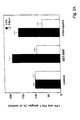
- Fig. 2A. Effect of 100 nmol/L GST-RAP or 300 µmol/L chloroquine on the accumulation of t-PA and PAI-1 in the conditioned media of HMC. HMC were incubated for 24 hours with or without GST-RAP or chloroquine, and the conditioned media assayed for the presence of t-PA antigen (▪) and PAI-1 (□). Data are expressed as percentage values of controls and are means ± SD of three independent experiments in duplicate.
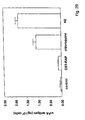
- Fig. 2B. Effect of 1 µmol/L GST-RAP, 300 µmol/L chloroquine and 5 µg/mL u-PA receptor blocking antibody H-2 on the accumulation of u-PA in the conditioned media of HMC. HMC were incubated for 24 hours with GST-RAP, chloroquine or H-2, and the conditioned media assayed for the presence of u-PA antigen. The data shown are from one representative experiment of three performed and are expressed as means ± SD of a triplicate experiment.
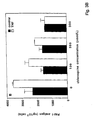
- Fig. 3. HMC were incubated for 24 hours at 37°C with or without 1000 U/mL TNFα and increasing concentrations of chloroquine (100-300 µmol/L), which was added 30 minutes prior to TNFα. The conditioned media were analyzed for t-PA antigen (A) and PAI-1 antigen (B). The data shown are from one representative experiment of three performed and are expressed as mean values of a duplicate experiment, with ranges indicated by error bars.
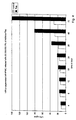
- Fig. 4. HMC (2 cm2) were incubated with 200 µl M199 medium/2% (vol/vol) new-born calf serum containing 3x10⁷ plaque forming units (pfu) per ml of AdCMV-RAP. After 1 hour, cells were washed twice with M199 and the cells refed with culture medium. HMC were incubated for the indicated times, and the conditioned media of control (non-infected) cells and infected cells assayed for t-PA antigen. The data shown are from one representative experiment of three performed and are expressed as mean values of a triplicate experiment.
-
- As a result of extensive studies we established the following findings.
- Internalization and degradation of t-PA and u-PA in HMC is strongly inhibited in the presence of lysosomotropic agents, such as in particular chloroquine.
- Addition of recombinant 39-kD receptor-associated protein (RAP, inhibitor of low-density-lipoprotein receptor-related protein [LRP] and of very low-density-lipoprotein [VLDL] receptor) almost completely blocks the degradation of t-PA and that of u-PA.
- Incubation of HMC in the presence of chloroquine or RAP increases the levels of t-PA and u-PA in conditioned medium.
- The inflammatory mediator tumor necrosis factor α (TNFα) diminishes the fibrinolytic capacity of HMC by decreasing the synthesis of t-PA and increasing that of PAI-1. This fall in t-PA levels can be counteracted by inhibiting t-PA (and u-PA) degradation by either chloroquine or RAP. In addition, chloroquine quenches the TNFα-induced decrease in t-PA and increase in PAI-1 expression (at the level of antigen and mRNA).
- Infection with RAP-adenovirus also results in enhanced levels of t-PA (and u-PA) in the conditioned medium of HMC.
- The invention proposes a new concept to increase the endogenous fibrinolytic capacity of body cavities by blocking the degradation of fibrinolysis activators and is applicable in the prevention of adhesion formation.
- The invention can be applied in various ways to prevent adhesions of (sections of) tissue and/or organs in various situations. Briefly,
- In the case of surgery:
- An inhibitor of receptor-mediated endocytosis of t-PA and/or u-PA, for example chloroquine or RAP, may be applied topically in the area of surgical intervention during surgery or immediately after surgery has ended.
- The cells lining the peritoneal cavity, including mesothelial cells, may be infected with RAP-adenovirus (or other transfection or infection systems) during or immediately after surgery.
- Cells, for example mesothelial cells, may be infected as above, but ex vivo. The genetically modified cells are then reseeded on the peritoneal surface during surgery or after surgery has ended.
- The expression of receptors involved in the uptake and degradation of t-PA and/or u-PA may be downregulated, for example pharmacologically or by antisense technology (before, during or after surgery).
- Mutants of t-PA and/or u-PA that are resistant to receptor-mediated endocytosis may be applied topically in the area of surgical intervention during surgery or immediately after surgery has ended.
- Other cases, for example inflammatory processes during CAPD:
- A compound or composition according to the invention may be applied through a catheter which ends at the site of intervention.
- Cavities other than the peritoneal cavity:
- The application of the invention is not restricted to the peritoneum but is intended to include any relevant part of a living animal including but not limited to lung and heart.
- The compositions and methods according to the present invention are useful in reducing, minimizing or preventing adhesion formation, the most common cause of which is prior surgery. The compositions and methods according to the present invention have been shown to be especially effective in preventing the formation of adhesions between organ surfaces, in particular adhesion formation in the peritoneum following surgery. The present invention also finds utility in other contexts, however, such as e.g. for cardiovascular, orthopedic, thoracic, ophthalmic, central nervous system and other uses where prevention of the formation of adhesions is a significant concern. In the following discussion, attention is directed primarily to a description of compositions and methods useful in inhibiting peritoneal adhesion formation, but the various possibilities and preferred embodiments disclosed therein apply to all other conditions where the invention is applicable.
- The term "pharmaceutical composition" as used herein is intended to cover both the active agent alone and a composition containing the active agent together with a pharmaceutically acceptable carrier, diluent or excipient.
- Pursuant to one embodiment of the present invention, chloroquine is administable in an effective concentration at the site of potential adhesion formation. The administration may be done as a single dose, as a discontinuous sequence of various doses, or continuously for a period of time sufficient to permit substantial tissue repair, in particular re-epithelialization or mesothelial repair. The active agent is typically administable during the surgical procedure up to some time after completion thereof, and administration may even be carried out or initiated shortly before surgery. In the case of a continuous administration, the duration of the administration may vary depending upon a number of factors which would readily be appreciated by those skilled in the art. In general, the administration of a composition in accordance with the present invention should be effected from the time of surgery for at least one or two days after completion of the surgical procedure. As healing is in most cases complete within about two weeks, it is generally not necessary to continue administration of a composition in accordance with the present invention much longer than two weeks. Preferably, a composition according to the present invention is administrable from about the time of surgery for a period of about one day to about two weeks, such as more particularly for a period of about two days to about one week.
- The administration dose of the active agent may be varied over a fairly broad range. The concentrations of chloroquine which can be administered would be limited by efficacy at the lower end and the solubility of the compound at the upper end. The optimal dose or doses for a particular patient should and can be determined by the physician or medical specialist involved, taking into consideration well known relevant factors such as the condition, weight and age of the patiënt, the given or predicted extent of the adhesions, etc.
- The active agent may be administered directly in a suitable vehicle, such as e.g. phosphate-buffered saline (PBS). Pursuant to preferred embodiments of the present invention, however, the active agent is administrable through a single dose delivery using a drug-delivery system which enables the maintenance of the required concentrations of the active agent for a period of time sufficient for adequate tissue repair. A suitable drug-delivery system would be pharmacologically inactive or at least tolerable. It should preferably not be immunogenic nor cause inflammatory reactions, and should permit release of chloroquine so as to maintain effective levels thereof over the desired time period. A large variety of alternatives are known in the art as suitable for purposes of sustained release and are comtemplated as within the scope of the present invention. Suitable delivery vehicles include, but are not limited to, the following: microcapsules or microspheres; liposomes and other lipid-based release systems; viscous instillates; absorbable and/or biodegradable mechanical barriers and implants; and polymeric delivery materials, such as polyethylene oxide/polypropylene oxide block copolymers, polyesters, crosslinked polyvinylalcohols, polyanhydrides, polymethacrylate and polymethacrylamide hydrogels, anionic carbohydrate polymers, etc. Useful delivery systems are well known in the art.
- A highly suitable formulation to achieve the active agent release comprises injectable microcapsules or microspheres made from a biodegradable polymer, such as poly(dl-lactide), poly(dl-lactide-co-glycolide), polycaprolactone, polyglycolide, polylactic acid-co-glycolide, poly(hydroxybutyric acid), polyesters or polyacetals. Injectable systems comprising microcapsules or microspheres having a diameter of about 50 to about 500 micrometers offer advantages over other delivery systems. For example, they generally use less active agent and may be administered by paramedical personnel. Moreover, such systems are inherently flexible in the design of the duration and rate of separate drug release by selection of microcapsule or microsphere size, drug loading and dosage administered. Further, they can be successfully sterilized by gamma irradiation.
- The design, preparation and use of microcapsules and microspheres are well within the reach of persons skilled in the art and detailed information concerning these points is available in the literature.
- Biodegradable polymers (such as lactide, glycolide and caprolactone polymers) may also be used in formulations other than microcapsules and microspheres; e.g. pre-made films and spray-on films of these polymers containing the active agent would be suitable for use in accordance with the present invention. Fibers or filaments comprising the active agent are also comtemplated as within the scope of the present invention.
- Another highly suitable formulation for a single-dose delivery of the active agent in accordance with the present invention involves liposomes. The encapsulation of an active agent in liposomes or multilamellar vesicles is a well known technique for targeted drug delivery and prolonged drug residence. The preparation and use of drug-loaded liposomes is well within the reach of persons skilled in the art and well documented in the literature.
- Yet another suitable approach for single dose delivery of chloroquine in accordance with the present invention involves the use of viscous instillates. In this technique, high molecular weight carriers are used in admixture with the active agent, giving rise to a structure which produces a solution with high viscosity. Suitable high molecular weight carriers include, but are not limited to, the following: dextrans and cyclodextrans; hydrogels; (cross-linked) viscous materials, including (cross-linked) viscoelastics; carboxymethylcellulose; hyaluronic acid; and chondroitin sulfate. The preparation and use of drug-loaded viscous instillates is well known to persons skilled in the art.
- Pursuant to yet another approach, the active agent may be administered in combination with absorbable mechanical barriers such as oxidized regenerated cellulose. The active agent may be covalently or non-covalently (e.g. ionically) bound to such a barrier, or it may simply be dispersed therein.
- The above described approaches for administration of chloroquine apply in general to any active agent in accordance with the present invention. It applies to any lysosomotropic agent or, more generally, any substance capable of interfering with internalization of plasminogen activators through their receptors on mesothelial cells, or capable of interfering with the recycling of these receptors after their internalization, or both. For example, it applies to compounds like colchicine, cytochalasin B and monensin, and to inhibitors of lysosomal proreinases such as leupeptin and pepstatin. It further applies to (recombinant) RAP and other substances capable of blocking the receptors on mesothelial cells involved in plasminogen activator internalization, including antibodies (or fragments thereof) capable of binding to the plasminogen activator recognition site on these receptors, peptides comprising or mimicking the receptor binding site of plasminogen activators, and more generally all compounds that prevent interaction and may be found by screening procedures. It applies to any other agent capable of reducing or inhibiting internalization and degradation of t-PA and/or u-PA by HMC, and to active agents capable of downregulating in HMC the expression of receptors involved in the uptake and degradation of t-PA and/or u-PA, and to mutants of t-PA and u-PA that are resistant to receptor-mediated endocytosis in HMC.
- The 39-kD receptor-associated protein RAP may alternatively be administered by using gene therapy technology. In accordance therewith, a suitable transfection or infection system is used to introduce expressible RAP-encoding nucleic acid into the mesothelial cells of the patient to be treated. Suitable transfection or infection systems are well known to the person skilled in the art and comprise, e.g. adenovirus. RAP-encoding nucleic acid is available in the art. The construction of a recombinant adenovirus containing RAP-encoding nucleic acid, which recombinant virus would allow the expression of RAP in transfected HMC, is described by J. Herz, Science 264, 1471, 1994.
- The transfection or infection process may be carried out in situ, with the HMC in their natural place, or ex vivo with HMC removed from the body of the patient and reseeded after their genetic modification.
- Modern techniques of genetic engineering may also be used to downregulate the expression of receptors on HMC that are involved in the internalization and degradation of plasminogen activators. A well known technique, which would be suitable for this purpose, is the so-called antisense technique. Pursuant to this technique, the HMC cells of interest should be genetically modified so as to produce antisense messengers capable of blocking a gene or mRNA responsible for the expression of said receptors.
- The examples provided herein are merely intended to be illustrative and should not be viewed as in any sense limiting the scope of the invention, which is defined hereinafter in the accompanying claims.
- Multiple studies were performed to demonstrate that blocking of receptor-mediated endocytosis of t-PA and/or u-PA leads to increases in the levels of t-PA and/or u-PA in the conditioned medium of human mesothelial cells (HMC). The model system used consisted of cultured human peritoneal mesothelial cells which were isolated from the omental tissue of consenting patients undergoing elective surgery. Cells were grown in fibronectin-coated dishes in M199 supplemented with 20 mmol/L HEPES (pH 7.4), 10% (vol/vol) human serum, 10% (vol/vol) heat-inactivated newborn calf serum, 150 µg/mL endothelial cell growth supplement, 2 mmol/L L-glutamine, 5 IU/mL heparin, 100 U/mL penicillin, and 100 µg/mL streptomycin at 37°C in a 5% CO2/95% air atmosphere. The medium was replaced every 2 to 3 days. Subcultures were obtained by trypsin/EDTA treatment of confluent monolayers at a split ratio of 1:3. Cells from omental tissue were pure mesothelial cells as assessed by their uniform cobblestone appearance at confluence, by the absence of von Willebrand factor, and the uniform positive staining for
cytokeratins 8 and 18 and for vimentin (Van Hinsbergh et al., Blood 75, 1490, 1990). For the experiments, confluent cultures were used at the second or third passage, and cells were always re-fed the day before the experiment with incubation medium: M199, supplemented with 20 mmol/L HEPES (pH 7.4), 10% (vol/vol) human serum, 2 mmol/L L-glutamine, and antibiotics. Conditioned media were obtained by incubating cells in 2 cm2 dishes at 37°C with 0.5 mL incubation medium containing the appropriate concentration of the test compound or stock solvent. The conditioned media were centrifuged for 5 minutes at 8,000 rpm in a Microfuge centrifuge to remove cells and cellular debris. Conditioned media were stored at -20°C until use. - One way to circumvent the rapid uptake of t-PA and u-PA by mesothelial cells is to administer a specific inhibitor of LRP, for example receptor-associated protein (RAP) (Moestrup and Gliemann, J. Biol. Chem. 266, 21232, 1991; Williams et al., J. Biol. Chem. 267, 9035, 1992; Warshawsky et al., J. Clin. Invest. 92, 937, 1993). We measured the degradation and cell-association of radiolabelled t-PA and radiolabelled u-PA in the presence of glutathione-S-transferase (GST)-RAP and D-mannose. GST-RAP was prepared at our laboratory using the Salmonella japonicum glutathione-S-transferase (GST)-RAP expression plasmid, kindly provided by Dr J.Herz (University of Texas Southwestern Medical Center, Dallas, TX) (Herz et al., J. Biol. Chem. 266, 21232, 1991).
- The results shown in Figure 1A demonstrate that addition of GST-RAP to the incubated cells inhibited in a concentration-dependent manner the degradation of 125I-t-PA and 125I-u-PA. At the highest concentration (100 nmol/L) the competitive effect of GST-RAP on the degradation of 125I-t-PA was as strong as the addition of excess unlabeled t-PA (89% vs 91% inhibition). Less effect of GST-RAP was observed on the degradation of 125I-u-PA, where degradation was reduced maximally to 35%. Parallel measurement of the amount of cell-associated radiolabelled t-PA and u-PA showed a very comparable picture (Fig. 1B). At the highest concentration of GST-RAP (100 nmol/L), the reduction of cell-associated 125I-t-PA was similar to that seen in the presence of an excess (200 nmol/L) of unlabelled t-PA (84%). In agreement with the degradation studies, GST-RAP was less effective in lowering 125I-u-PA association to HMC (reduction to 76%), while unlabeled u-PA (200 nmol/L) reduced u-PA binding to 4%. This discrepancy suggests the presence of an additional u-PA clearing system in HMC, which could obviously not be blocked by GST-RAP. Even at a concentration of 100 nmol/L, D-mannnose could not block the degradation of either t-PA or u-PA (data not shown), confirming the absence of significant mannose receptor expression in HMC. Parallel experiments with liver endothelial cells have shown that this concentration of D-mannose is sufficient to prevent degradation of t-PA.
- We measured t-PA antigen accumulation in the conditioned media of HMC after 24 h incubation in the presence of GST-RAP (100 nmol/L) or chloroquine (300 µmol/L) (Fig 2A). As a result of the reduced degradation of t-PA, antigen levels were nearly two-fold higher in the media of cells incubated with GST-RAP or chloroquine relative to those of untreated control cultures. PAI-1 antigen levels did not alter significantly in the presence of GST-RAP and were only slightly decreased with chloroquine, indicating that the increases in t-PA levels were not the result of a general enhancement of protein synthesis.
- Addition of either chloroquine (300 µmol/L) or the u-PA receptor blocking antibody H-2 (5 µg/mL) increased u-PA levels in a representative experiment from 0.04 ± 0.04 ng/105 cells in controls to 1.08 ± 0.13 and 1.86 ± 0.11 ng/105 cells in the presence of chloroquine and H-2, respectively (Fig. 2B). These findings confirm the critical role of u-PA receptor in u-PA degradation, but also illustrate the potent u-PA degradative capacity of HMC. GST-RAP., which increased t-PA accumulation as effectively as chloroquine (see also Fig. 2A), prevented u-PA, degradation to a much lesser extent, thus underlining the existence of an additional, u-PA receptor-dependent u-PA clearing system in HMC.
- We have previously shown that TNFα reduces fibrinolytic activity of HMC by increasing PAI-1 and decreasing t-PA synthesis (Sitter et al., Am. J. Physiol. 271, R1256, 1996). To check whether inhibition of degradation by GST-RAP or chloroquine could overcome the TNFα-induced decrease in t-PA synthesis in HMC, we found that, apart from inhibiting t-PA degradation, chloroquine also quenches the action of TNFα. When added simultaneously with TNFα (1000 U/ml), chloroquine inhibited in a concentration-dependent manner (100-300 µmol/L) both the TNFα-evoked decrease in t-PA production and the TNFα-induced increase in PAI-1 production (Fig 3). No such effect was seen with GST-RAP which only counteracted the TNFα-induced decrease in t-PA antigen by inhibiting degradation (data not shown).
- We have used recombinant adenovirus expressing the full length rat RAP cDNA (AdCMV-RAP) (provided by Dr. J. Herz, Science 264, 1471, 1994) to carry a RAP cDNA into cultured human mesothelial cells to inactivate LRP and cause t-PA (and u-PA) to accumulate in the medium. Recombinant adenovirus have proven to be efficient gene transfer vectors.
- Infection of human mesothelial cells was performed in 24 well dishes (2 cm2). Cells were incubated with 200 µl M199 medium/2% (vol/vol) new-born calf serum containing AdCMV-RAP in concentrations ranging between 1x10⁶ and 1x10⁹ plaque forming units (pfu) per ml. After 1 hour, cells were washed twice with M199 and the cells re-fed with culture medium, viz. M199 supplemented with 20 mmol/L HEPES (pH 7.4), 10% (vol/vol) human serum, 10% (vol/vol) heat-inactivated new-born calf serum, 150 µg/mL endothelial cell growth supplement, 2 mmol/L L-glutamine, 5 IU/mL heparin, 100 U/mL of penicillin and 100 µg/mL of streptomycin.
- Cells were kept at 37°C in a 5% CO2/95% air atmosphere. Conditioned medium was collected every 24 hours and replaced by fresh culture medium. As shown in Fig. 4, t-PA accumulation in the conditioned medium of Ad CMV-RAP-infected cells was clearly increased as compared to control cells.
Claims (12)
- Use of an active agent capable of providing for reduced internalization and degradation of plasminogen activators in mesothelial cells of a mammal, for preparing a pharmaceutical composition for reducing or preventing adhesions to or between organs, parts of organs or tissues, at a particular location, in said mammal.
- Use according to claim 1, wherein said mammal is a human being.
- Use according to claim 1, wherein said location is or has been exposed to a trauma, e.g. a surgical procedure, which might lead to local fibrosis.
- Use according to claim 1, wherein said active agent is capable of interfering with internalization of plasminogen activators by receptors on said mesothelial cells which receptors are involved in internalization of plasminogen activators, and/or interfering with recycling of said receptors, and/or interfering with degradation of plasminogen activators in said mesothelial cells.
- Use according to claim 4, wherein said active agent is selected from the group consisting of lysosomotropic agents such as chloroquine or a functional equivalent thereof, lysosomal proteinase inhibitors such as leupeptin or pepstatin, and other substances interfering with recycling or internalization of receptors, such as colchicine, cytochalasin B and monensin.
- Use according to claim 1, wherein said active agent is capable of blocking receptors on said mesothelial cells which receptors are involved in internalization of plasminogen activators.
- Use according to claim 6, wherein said active agent is Receptor Associated Protein (RAP) or a functional equivalent thereof.
- Use according to claim 6, wherein said active agent is a recombinant transfection or infection vector for said mesothelial cells, or other cells present at said location, which vector contains expressible nucleic acid encoding Receptor Associated Protein (RAP) or a functional equivalent thereof, to allow in vivo or ex vivo genetic modification of said cells and production of said RAP or functional equivalent thereof by said cells after their genetic modification.
- Use according to claim 6, wherein said active agent is selected from the group consisting of an antibody, or a fragment thereof, binding to the plasminogen activator binding site of said receptors, and a peptide comprising or mimicking the receptor binding site of a plasminogen activator.
- Use according to claim 1, wherein said active agent is a plasminogen activator mutant which is resistant to receptor-mediated endocytosis in said mesothelial cells.
- Use according to claim 1, wherein said active agent is a recombinant transfection or infection vector for said mesothelial cells, which vector contains nucleic acid encoding antisense mRNA for a mesothelial cell receptor involved in the internalization of plasminogen activators and allows in vivo or ex vivo genetic modification of said mesothelial cells such as to downregulate their expression of said receptor.
- Use according to claim 1, wherein said active agent is capable of downregulating the expression of receptors on said mesothelial cells which receptors are involved in internalization of plasminogen activators.
Priority Applications (1)
| Application Number | Priority Date | Filing Date | Title |
|---|---|---|---|
| EP98951807A EP1024823B1 (en) | 1997-10-16 | 1998-10-15 | Prevention and treatment of adhesion formation |
Applications Claiming Priority (4)
| Application Number | Priority Date | Filing Date | Title |
|---|---|---|---|
| EP97203217 | 1997-10-16 | ||
| EP97203217 | 1997-10-16 | ||
| EP98951807A EP1024823B1 (en) | 1997-10-16 | 1998-10-15 | Prevention and treatment of adhesion formation |
| PCT/NL1998/000593 WO1999020297A1 (en) | 1997-10-16 | 1998-10-15 | Prevention and treatment of adhesion formation |
Publications (2)
| Publication Number | Publication Date |
|---|---|
| EP1024823A1 EP1024823A1 (en) | 2000-08-09 |
| EP1024823B1 true EP1024823B1 (en) | 2002-05-08 |
Family
ID=8228831
Family Applications (1)
| Application Number | Title | Priority Date | Filing Date |
|---|---|---|---|
| EP98951807A Expired - Lifetime EP1024823B1 (en) | 1997-10-16 | 1998-10-15 | Prevention and treatment of adhesion formation |
Country Status (7)
| Country | Link |
|---|---|
| EP (1) | EP1024823B1 (en) |
| JP (1) | JP2001520201A (en) |
| AT (1) | ATE217194T1 (en) |
| DE (1) | DE69805316T2 (en) |
| DK (1) | DK1024823T3 (en) |
| ES (1) | ES2177075T3 (en) |
| WO (1) | WO1999020297A1 (en) |
Families Citing this family (1)
| Publication number | Priority date | Publication date | Assignee | Title |
|---|---|---|---|---|
| EP3448421B1 (en) * | 2016-04-29 | 2021-11-03 | The Board of Trustees of the Leland Stanford Junior University | Methods and compositions for the prevention and treatment of surgical adhesions |
Family Cites Families (3)
| Publication number | Priority date | Publication date | Assignee | Title |
|---|---|---|---|---|
| US4889722A (en) * | 1985-12-16 | 1989-12-26 | Ethicon, Inc. | Method for inhibiting post-surgical adhesion formation by the topical administration of tissue plasminogen activator |
| US5336615A (en) * | 1992-01-06 | 1994-08-09 | Yale University | Genetically engineered endothelial cells exhibiting enhanced migration and plasminogen activator activity |
| US5534261A (en) * | 1995-01-17 | 1996-07-09 | University Of Southern California | Retinoid-based compositions and method for preventing adhesion formation using the same |
-
1998
- 1998-10-15 EP EP98951807A patent/EP1024823B1/en not_active Expired - Lifetime
- 1998-10-15 DK DK98951807T patent/DK1024823T3/en active
- 1998-10-15 JP JP2000516693A patent/JP2001520201A/en active Pending
- 1998-10-15 AT AT98951807T patent/ATE217194T1/en not_active IP Right Cessation
- 1998-10-15 DE DE69805316T patent/DE69805316T2/en not_active Expired - Fee Related
- 1998-10-15 ES ES98951807T patent/ES2177075T3/en not_active Expired - Lifetime
- 1998-10-15 WO PCT/NL1998/000593 patent/WO1999020297A1/en not_active Ceased
Also Published As
| Publication number | Publication date |
|---|---|
| ATE217194T1 (en) | 2002-05-15 |
| DK1024823T3 (en) | 2002-08-26 |
| EP1024823A1 (en) | 2000-08-09 |
| DE69805316T2 (en) | 2002-12-05 |
| ES2177075T3 (en) | 2002-12-01 |
| JP2001520201A (en) | 2001-10-30 |
| WO1999020297A1 (en) | 1999-04-29 |
| DE69805316D1 (en) | 2002-06-13 |
Similar Documents
| Publication | Publication Date | Title |
|---|---|---|
| EP0535091B1 (en) | Osteoinductive pharmaceutical formulations | |
| US4889722A (en) | Method for inhibiting post-surgical adhesion formation by the topical administration of tissue plasminogen activator | |
| EP2098230B1 (en) | Implantable device comprising taxol in crystalline form for the inhibition or prevention of restenosis | |
| US6060474A (en) | Method for preventing scar tissue formation | |
| JP4307561B2 (en) | Wound healing | |
| EP0667783B1 (en) | Compositions and methods for preventing adhesion formation | |
| HUT68905A (en) | Pharmaceutical compositions for wound healing and treatment of fibrotic disorders and process for production of them | |
| JP2005036007A (en) | Treatment using thrombin-derived peptides | |
| Pajarinen et al. | Interleukin‐4 repairs wear particle induced osteolysis by modulating macrophage polarization and bone turnover | |
| JP2000503318A (en) | Regulation of the healing process | |
| US6693082B2 (en) | Method of inhibiting metastatic dissemination using desmopressin | |
| EP0297860B1 (en) | Method and therapeutic compositions for the prevention of fibrin deposition or adhesions | |
| EP0227400B1 (en) | Inhibition of post-surgical adhesion formation by the topical administration of tissue plasminogen activator | |
| EP1024823A1 (en) | Prevention and treatment of adhesion formation | |
| EP0943332A1 (en) | Prevention and treatment of adhesions | |
| Hyacinthe et al. | Inhibition of bladder tumor cell implantation in cauterized urothelium, without inhibition of healing, by a fibronectin-related peptide (GRGDS) | |
| US7807628B2 (en) | Therapeutic agent for dentin-pulp complex regeneration | |
| US5589169A (en) | Method and therapeutic compositions for the prevention of fibrin deposition or adhesions | |
| JP2002528384A (en) | Pentoxifylline and anti-cytokine based compositions | |
| Cremers et al. | Adriamycin-loaded albumin-heparin conjugate microspheres for intraperitoneal chemotherapy | |
| EP4360619A1 (en) | Dosage form for intra-articular injection comprising colchicine and an anesthesic agent in the treatment of crystal-and non-crystal associated acute inflammatory arthritis | |
| WO1999017807A1 (en) | Use of a vasoactive compound in the enhancement of gene delivery | |
| WO2002072016A2 (en) | Method of preventing adhesions with ifn-¿y? | |
| JPH06321801A (en) | Prophylactic and therapeutic agent for disorder in digestive tract mucous membrane | |
| HK1031820A (en) | Use of desmopressin in the preparation of a metastatic dissemination inhibitor medicament during cancer surgery |
Legal Events
| Date | Code | Title | Description |
|---|---|---|---|
| PUAI | Public reference made under article 153(3) epc to a published international application that has entered the european phase |
Free format text: ORIGINAL CODE: 0009012 |
|
| 17P | Request for examination filed |
Effective date: 20000515 |
|
| AK | Designated contracting states |
Kind code of ref document: A1 Designated state(s): AT BE CH DE DK ES FI FR GB GR IE IT LI LU NL PT SE |
|
| 17Q | First examination report despatched |
Effective date: 20001120 |
|
| GRAG | Despatch of communication of intention to grant |
Free format text: ORIGINAL CODE: EPIDOS AGRA |
|
| RIC1 | Information provided on ipc code assigned before grant |
Free format text: 7A 61K 38/17 A, 7A 61K 31/47 B, 7A 61K 48/00 B, 7A 61K 38/55 B, 7A 61P 41/00 B |
|
| GRAG | Despatch of communication of intention to grant |
Free format text: ORIGINAL CODE: EPIDOS AGRA |
|
| GRAH | Despatch of communication of intention to grant a patent |
Free format text: ORIGINAL CODE: EPIDOS IGRA |
|
| REG | Reference to a national code |
Ref country code: GB Ref legal event code: IF02 |
|
| GRAH | Despatch of communication of intention to grant a patent |
Free format text: ORIGINAL CODE: EPIDOS IGRA |
|
| GRAA | (expected) grant |
Free format text: ORIGINAL CODE: 0009210 |
|
| AK | Designated contracting states |
Kind code of ref document: B1 Designated state(s): AT BE CH DE DK ES FI FR GB GR IE IT LI LU NL PT SE |
|
| PG25 | Lapsed in a contracting state [announced via postgrant information from national office to epo] |
Ref country code: GR Free format text: LAPSE BECAUSE OF FAILURE TO SUBMIT A TRANSLATION OF THE DESCRIPTION OR TO PAY THE FEE WITHIN THE PRESCRIBED TIME-LIMIT Effective date: 20020508 Ref country code: FI Free format text: LAPSE BECAUSE OF FAILURE TO SUBMIT A TRANSLATION OF THE DESCRIPTION OR TO PAY THE FEE WITHIN THE PRESCRIBED TIME-LIMIT Effective date: 20020508 |
|
| REF | Corresponds to: |
Ref document number: 217194 Country of ref document: AT Date of ref document: 20020515 Kind code of ref document: T |
|
| REG | Reference to a national code |
Ref country code: CH Ref legal event code: EP |
|
| REG | Reference to a national code |
Ref country code: IE Ref legal event code: FG4D |
|
| REF | Corresponds to: |
Ref document number: 69805316 Country of ref document: DE Date of ref document: 20020613 |
|
| PG25 | Lapsed in a contracting state [announced via postgrant information from national office to epo] |
Ref country code: PT Free format text: LAPSE BECAUSE OF FAILURE TO SUBMIT A TRANSLATION OF THE DESCRIPTION OR TO PAY THE FEE WITHIN THE PRESCRIBED TIME-LIMIT Effective date: 20020808 |
|
| REG | Reference to a national code |
Ref country code: DK Ref legal event code: T3 |
|
| REG | Reference to a national code |
Ref country code: CH Ref legal event code: NV Representative=s name: PATENTANWAELTE SCHAAD, BALASS, MENZL & PARTNER AG |
|
| ET | Fr: translation filed | ||
| REG | Reference to a national code |
Ref country code: ES Ref legal event code: FG2A Ref document number: 2177075 Country of ref document: ES Kind code of ref document: T3 |
|
| PLBE | No opposition filed within time limit |
Free format text: ORIGINAL CODE: 0009261 |
|
| STAA | Information on the status of an ep patent application or granted ep patent |
Free format text: STATUS: NO OPPOSITION FILED WITHIN TIME LIMIT |
|
| 26N | No opposition filed |
Effective date: 20030211 |
|
| PGFP | Annual fee paid to national office [announced via postgrant information from national office to epo] |
Ref country code: GB Payment date: 20030929 Year of fee payment: 6 |
|
| PGFP | Annual fee paid to national office [announced via postgrant information from national office to epo] |
Ref country code: NL Payment date: 20030930 Year of fee payment: 6 Ref country code: IE Payment date: 20030930 Year of fee payment: 6 |
|
| PGFP | Annual fee paid to national office [announced via postgrant information from national office to epo] |
Ref country code: SE Payment date: 20031001 Year of fee payment: 6 Ref country code: LU Payment date: 20031001 Year of fee payment: 6 Ref country code: CH Payment date: 20031001 Year of fee payment: 6 Ref country code: AT Payment date: 20031001 Year of fee payment: 6 |
|
| PGFP | Annual fee paid to national office [announced via postgrant information from national office to epo] |
Ref country code: DK Payment date: 20031003 Year of fee payment: 6 |
|
| PGFP | Annual fee paid to national office [announced via postgrant information from national office to epo] |
Ref country code: FR Payment date: 20031009 Year of fee payment: 6 Ref country code: BE Payment date: 20031009 Year of fee payment: 6 |
|
| PGFP | Annual fee paid to national office [announced via postgrant information from national office to epo] |
Ref country code: DE Payment date: 20031010 Year of fee payment: 6 |
|
| PGFP | Annual fee paid to national office [announced via postgrant information from national office to epo] |
Ref country code: ES Payment date: 20031020 Year of fee payment: 6 |
|
| PG25 | Lapsed in a contracting state [announced via postgrant information from national office to epo] |
Ref country code: LU Free format text: LAPSE BECAUSE OF NON-PAYMENT OF DUE FEES Effective date: 20041015 Ref country code: IE Free format text: LAPSE BECAUSE OF NON-PAYMENT OF DUE FEES Effective date: 20041015 Ref country code: GB Free format text: LAPSE BECAUSE OF NON-PAYMENT OF DUE FEES Effective date: 20041015 Ref country code: AT Free format text: LAPSE BECAUSE OF NON-PAYMENT OF DUE FEES Effective date: 20041015 |
|
| PG25 | Lapsed in a contracting state [announced via postgrant information from national office to epo] |
Ref country code: SE Free format text: LAPSE BECAUSE OF NON-PAYMENT OF DUE FEES Effective date: 20041016 Ref country code: ES Free format text: LAPSE BECAUSE OF NON-PAYMENT OF DUE FEES Effective date: 20041016 |
|
| PG25 | Lapsed in a contracting state [announced via postgrant information from national office to epo] |
Ref country code: LI Free format text: LAPSE BECAUSE OF NON-PAYMENT OF DUE FEES Effective date: 20041031 Ref country code: CH Free format text: LAPSE BECAUSE OF NON-PAYMENT OF DUE FEES Effective date: 20041031 Ref country code: BE Free format text: LAPSE BECAUSE OF NON-PAYMENT OF DUE FEES Effective date: 20041031 |
|
| PG25 | Lapsed in a contracting state [announced via postgrant information from national office to epo] |
Ref country code: DK Free format text: LAPSE BECAUSE OF NON-PAYMENT OF DUE FEES Effective date: 20041101 |
|
| BERE | Be: lapsed |
Owner name: NEDERLANDSE ORGANISATIE VOOR TOEGEPAST-NATUURWETEN Effective date: 20041031 |
|
| PG25 | Lapsed in a contracting state [announced via postgrant information from national office to epo] |
Ref country code: NL Free format text: LAPSE BECAUSE OF NON-PAYMENT OF DUE FEES Effective date: 20050501 |
|
| PG25 | Lapsed in a contracting state [announced via postgrant information from national office to epo] |
Ref country code: DE Free format text: LAPSE BECAUSE OF NON-PAYMENT OF DUE FEES Effective date: 20050503 |
|
| EUG | Se: european patent has lapsed | ||
| REG | Reference to a national code |
Ref country code: DK Ref legal event code: EBP |
|
| GBPC | Gb: european patent ceased through non-payment of renewal fee |
Effective date: 20041015 |
|
| REG | Reference to a national code |
Ref country code: CH Ref legal event code: PL |
|
| PG25 | Lapsed in a contracting state [announced via postgrant information from national office to epo] |
Ref country code: FR Free format text: LAPSE BECAUSE OF NON-PAYMENT OF DUE FEES Effective date: 20050630 |
|
| NLV4 | Nl: lapsed or anulled due to non-payment of the annual fee |
Effective date: 20050501 |
|
| REG | Reference to a national code |
Ref country code: IE Ref legal event code: MM4A |
|
| REG | Reference to a national code |
Ref country code: FR Ref legal event code: ST |
|
| PG25 | Lapsed in a contracting state [announced via postgrant information from national office to epo] |
Ref country code: IT Free format text: LAPSE BECAUSE OF NON-PAYMENT OF DUE FEES Effective date: 20051015 |
|
| REG | Reference to a national code |
Ref country code: ES Ref legal event code: FD2A Effective date: 20041016 |
|
| BERE | Be: lapsed |
Owner name: NEDERLANDSE ORGANISATIE VOOR TOEGEPAST-NATUURWETEN Effective date: 20041031 |