FIELD OF THE INVENTION
The present invention relates to the field of database coherency in
computer systems. In particular the present invention discloses a synchronization system
that keeps a plurality of different database synchronized.
BACKGROUND OF THE INVENTION
More and more people are relying upon computer devices to organize their
lives. For example, many people use computer systems to maintain personal information
such as telephone number & address lists, to-do lists, and a personal daily planner. Many
people store this personal information on personal information management application
programs on desktop personal computers. However, when such people are away from
their personal computers this valuable personal information is not available since it is
stored in the desktop personal computer system.
One method of making this personal information available at other
locations is to put the personal information onto a server coupled to the Internet. To
protect the personal information, the server may require that a user authenticate himself
before the server provides access to the personal information. One Internet web site is
currently offering personal information storage on the Internet as a free service. (See
http://www.planetall.com/) However, to access personal information stored on an
Internet server, a person must still have access to the Internet.
Another method of making personal information accessible is to place the
personal information on a handheld computer system. To provide this functionality, a new
class of portable handheld computer systems has emerged. For example, the 3Com
PalmPilot, the 3Com Palm III, and Windows CE based Palm-sized personal computers all
provide applications for storing personal information.
When a person uses more than one of these personal information storage
systems (personal computer applications, Internet servers, handheld computer systems,
etc.), the person needs to keep the personal information storage systems synchronized
such that the same data is available in all the different storage systems. Some systems
have addressed having two personal information systems synchronized. For example, the
3Com PalmPilot synchronizes a personal computer based personal information
management program with a PalmPilot handheld computer system. However, it would
be desirable to have more than just two personal information storage systems
synchronized such that a person could use a plurality of personal information systems
concurrently.
SUMMARY OF THE INVENTION
A database synchronization system is disclosed. In the database
synchronization system, a synchronization database is created. The synchronization
database stores a relative sent time that specifies when each database last attempted to
send records to each other database, a relative receive time that specifies when each
database last attempted to received records from each other database, and a relative
record modified time that specifies when each record in each database was last created or
modified.
The synchronization system operates by comparing each record modified
time to the relative sent time and the relative receive time. Records are only sent from a
first database to a second database if the relative record modified time for that record
designates a later time than the relative sent time that specifies when the first database
last sent records to the second database and the relative record modified time specifies an
earlier time than the relative receive time that specifies the time the first database last
received records from the second database.
Other objects, features, and advantages of present invention will be
apparent from the company drawings and from the following detailed description.
BRIEF DESCRIPTION OF THE DRAWINGS
The objects, features and advantages of the present invention will be
apparent to one skilled in the art, in view of the following detailed description in which:
Figure 1 illustrates a systemic configuration in which the present
invention can be practised.
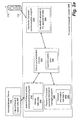
Figure 2a illustrates a conceptual diagram of a global synchronization
system comprising three applications that each store personal information.
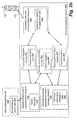
Figure 2b illustrates a conceptual diagram of a distributed synchronization
system comprising three applications that each store personal information.
Figure 3 illustrates a conceptual diagram of a system with two databases
that need to be synchronized.
Figure 4a illustrates a conceptual diagram of a system with three
databases being synchronized using the global synchronization system.
Figure 4b illustrates a conceptual diagram of a system with three
databases being synchronized using the distributed synchronization system.
DETAILED DESCRIPTION OF THE PREFERRED EMBODIMENT
A system for synchronizing information in multiple databases is disclosed.
In the following description, for purposes of explanation, specific nomenclature is set forth
to provide a thorough understanding of the present invention. However, it will be
apparent to one skilled in the art that these specific details are not required in order to
practice the present invention. For example, the present invention has been described
with reference to personal information such as names, addresses and telephone numbers.
However, the same techniques can easily be applied to any other type of information
stored in databases.
Multiple Personal Information Management Programs
Figure 1 illustrates a personal computer system 144 coupled to a local
area network 140. The user of the personal computer system 144 may use a particular
personal information management (PIM) program that is provided by his Information
Services (IS) department. The personal information management (PIM) program stores
information such as telephone number & address lists, to-do lists, and a personal daily
planner. However, to provide greater access the personal information, the user may also
use other personal information management systems.
One commonly used personal information management system is
handheld computer system 110 that contains application programs for storing and
displaying personal information. Examples of handheld computer system 110 may
include, but not be limited to, a mobile phone, a personal digital assistant (PDA), or a
portable general purpose computer. A user may enter personal information into the
handheld computer system 110 using a keypad 118. The handheld computer system 110
displays personal information on a flat panel display 116. In one embodiment, the
handheld computer system 110 is a cellular telephone that includes an antenna 116 and
communications electronics that allow the user to communicate voice and data across a
wireless network.
To keep the personal information in the handheld computer system 110
current, the handheld computer system 110 may synchronize with a personal information
management program on the personal computer system 144. The personal information
management program on the personal computer system 144 may or may not be the
personal information management program provided to the user by his Information
Services (IS) department.
Another method of providing access to the user's personal information is
to provide the user's personal information on to a personal inventory management
program on an Internet or Intranet server 130. The Internet/Intranet server 130 in the
example of Figure 1 is coupled to both the internal LAN 140 and the global Internet 100.
Thus, any client system coupled to the internal LAN 140 or the global Internet 100 may
access the user's personal information, such as stations 106, 102 and 142. To protect
the user's personal information, the personal inventory management program on the
Internet/lntranet server 130 should require authentication. The personal inventory
management program on the Internet/lntranet server 130 provides the benefit of allowing
the user to selectively share his personal information with other people that are on the
internal LAN 140 or the global Internet 100.
An active user may wish to use all three personal information management
systems previously described. Figure 2a illustrates a conceptual diagram of three
applications in a personal computer 200 that each store personal information: a personal
computer information management program 230, an Internet/lntranet server
communication program 210, and a handheld computer communication program 220.
The personal computer information management program 230 may be one
of several personal information management programs such as Eudora Planner from
Qualcomm, Organizer from Lotus, or Outlook Express from Microsoft. The personal
computer information management program 230 maintains its own personal information
database 235 for the personal computer 200.
The Internet/Intranet server communication program 210 may be one of
several programs that store information on an Internet/lntranet server 130. For example
Lotus Notes stores information on a Lotus Domino Server. Similarly, a synchronization
program is provided by PlanetAll that stores personal information on a PlanetAll hosted
Internet server. (See http://www.PlanetAll.com). The Internet/Intranet server
communication program 210 may maintain its own personal information database 215 for
Internet/lntranet server 130. Alternatively, the Internet/Intranet server communication
program 210 may require data in a special input format or use an existing personal
computer PIM program that is not the same as the personal computer information
management program 230.
The handheld computer communication program 220 may be one of
several programs that communicate with an external handheld computer system 110.
Examples of communication programs for handheld computer systems include the Pilot
Desktop from 3Com and Intellisync from Puma Technologies. The handheld computer
communication program 220 may maintain its own personal information database 225 for
the external handheld computer system 110.
Thus, as illustrated in the example of Figure 2a, a user may have three or
more personal information databases that are being used. It would be desirable to keep
the contents of all the personal information databases synchronized.
Multiple Database Synchronization System
The present invention provides a system for keeping several different
personal information databases synchronized. Two different embodiments are disclosed,
although other variations exist.
Global Synchronization System
Referring to Figure 2a, the present invention introduces a global
synchronization module 250 that periodically accesses the different personal information
databases 210, 220 and 230 and synchronizes them.
The global synchronization module 250 maintains its own synchronization
database 255. The synchronization database 255 contains information about the various
records stored within each database. Specifically, the synchronization database 255
notes when various records are copied or moved from one database to another. To
prevent problems introduced by mismatched clocks on different computer systems, global
synchronization modules 250 that use clock signals only use clock signals from the clock
of the host system.
The synchronization database 255 stores an entry for each record in each
personal information database. Specifically, each entry contains a time stamp for the time
that the record was modified in that particular database. Furthermore, the synchronization
database 255 contains (1) a time that each database last sent records to each other
database; and (2) a time that each database last received records from each other
database.
The synchronization database 255 may assign a unique record identifier to
each unique database record. In one embodiment, corresponding records in different
database may be assigned the same unique record identifier since the records are (or
should be) the same in each database.
Distributed Synchronization System
Figure 2b illustrates an alternate embodiment wherein different
synchronization modules are used to synchronize different database pairs. Specifically,
three different synchronization modules are illustrated. A first synchronization module
251 manages data synchronization between the database 215 for the Internet/Intranet
server communication program 210 and the database 225 for the handheld computer
communication program 220. A second synchronization module 252 manages data
synchronization between the database 215 for the Internet/Intranet server communication
program 210 and the database 235 for the personal computer personal information
management program 230. The third synchronization module 253 manages data
synchronization between the database 225 for the handheld computer communication
program 220 and the database 235 for the personal computer personal information
management program 230. In such an embodiment, each synchronization module 251,
252, and 253 maintains its own synchronization data 256, 257, and 259, respectively.
A Simple Example
To describe a simple example of the operation of the multiple database
system using the global synchronization system as illustrate in Figure 2a, a two-database
example is provided with reference to the following table and Figure 3.
| Database A | Database B |
| Record X1 modified | Record Y1 modified | In From B | Out To B | Record X2 modified | Record Y2 modified | In From A | Out To A |
| 1:00 PM |
| 1:00 PM | | | | | 1:01 PM |
| 1:00 PM | | | | | 1:01 PM | 1:02 PM |
| 1:00 PM | | | | 1:03 PM | 1:01 PM | 1:02 PM |
| 1:00 PM | | | 1:04 PM | 1:03 PM | 1:01 PM | 1:02 PM |
| 1:00 PM | | 1:05 PM | 1:04 PM | 1:03 PM | 1:01 PM | 1:02 PM |
| 1:00 PM | 1:06 PM | 1:05 PM | 1:04 PM | 1:03 PM | 1:01 PM | 1:02 PM |
| 1:00 PM | 1:06 PM | 1:05 PM | 1:04 PM | 1:03 PM | 1:01 PM | 1:02 PM | 1:07 PM |
The horizontal axis of Table 1 describes the contents of the
synchronization database 355 used to control the synchronization of PIM A Database 315
in PIM program A 310 and PIM B Database 325 in PIM program A 320 illustrated in
Figure 3. The vertical axis (i.e. n-th row) is used to describe the changes in the
synchronization database 355 as records are changed and databases are synchronized.
The first column of Table 1 stores the time that a first record, Record X1,
was modified in database A. The second column of Table 1 stores the time that a second
record, Record Y1, was modified in database A. The next two columns of Table 1
describe respectively when Database A 315 received records from and sent records to
Database B 325. Specifically, the third column specifies when Database A 315 last
received records from Database B 325 and the fourth column specifies when Database A
315 last sent records to Database B 325.
The fifth column of Table 1 stores the time that a corresponding first
record, Record X2, was modified in database B. The sixth column of Table 1 stores the
time that a corresponding second record, Record Y2, was modified in database B 325.
Note that these values may be null or even not exist yet if the database have never been
synchronized as illustrated in Table 1. The seventh column specifies when Database B
325 last received records from Database A 315 and the fourth column specifies when
Database B 325 last sent records to Database A 315.
Referring to the second row of Table 1, the synchronization database 355
is empty, i.e. no data or records have been entered. Then, at 1:00 p.m., a user adds
Record X1 to database A 315 as noted in the third row of Table 1. Next, the user adds
Record Y2 to database B 325 at 1:01 p.m. as specified in the fourth row of Table 1. At
this point each database contains one record. The two created records are not
synchronized and thus can not be fully accessed from either one of the databases.
A synchronization is initiated and begins by having database A 315 send
records to database B 325. (Later, database B 325 will send records to database A 315.)
The synchronization database 355 notes that database B 325 begins receiving records
from database A 315 at 1:02 p.m., as reflected in fifth row of Table 1. Each record in
database A 315 is examined and will be sent to database B 325 only if two conditions are
satisfied: (1) the record modified time in database A must be greater than the last time
that records were sent to database B; and (2) the record modified time in database A must
be less than the last time this database received records from database B. The record
modified time in database A must be greater than the last time that records were sent to
database B so that only modified records are being sent. The record modified time in
database A must be less than the last time this database received records from database B
in order to prevent records that were just received from database B from being retransmitted
back to the database B. Since X1 has never been sent to database B 325, the
modified time is greater than the last sent time. To simplify an implementation, newly
created records can be given the oldest possible time that may be set with the field. Thus
record X1 is created as record X2 in database B 325 and the last modified time is set to
1:03 p.m. in the sixth row of Table 1.
Since X1 was the only record in database A 315, database A 315 is done
sending records. The synchronization module 350 notes the end of sending records from
database A 315 to database B 325 in the synchronization database 355. Specifically, the
seventh row of Table 1 notes 1:04 p.m. as the finishing time of sending records to
database B 325.
Database B 325 then begins sending records to database A 315. The
synchronization module 350 notes the beginning of receiving records into database A 315
from database B 325 in the synchronization database 355. Specifically, the eighth row of
Table 1 notes 1:05 p.m. as the time database A 315 begins receiving records from
database B 325.
The synchronization module 350 then proceeds to send records from
database B 325 to database A 315. As before, records are only sent if the record
modified time in database B is greater than the last time that records were sent to
database A and the record modified time in database B must be less than the last time this
database received records from database A.
When the synchronization module 350 examines record Y2 in database B
325, the synchronization module 350 will sent record Y2 to Database A since record Y2
was modified after records were last sent to database A 315 (1:01 p.m. is greater than
never) and record Y2 was modified before the last time records were received from
database A (1 :01 p.m. is less than 1:02 p.m.). Thus, a new corresponding record Y1 is
created in database A 315. The new Y1 record is given the current time as the modified
time. In this example, 1:06 p.m. is assigned as the modified time in the ninth row of
Table 1.
When the synchronization module 350 examines record X2 in database B
325, the synchronization module 350 will not sent record X2 to Database A 315. Record
X2 is not sent to database A 315 since the record fails the second part of the test.
Specifically, record X2 was not modified before the last time records were received from
database A 315 (1:03 p.m. is not less than 1:02 p.m.). Thus, record X2 is not sent to
database A 315. This makes sense since database B 325 just received record X2 from
database A 315 and has not modified it.
Finally, since X2 and Y2 were the only record in database B 325, database
B 325 is done sending records to database A 315. The synchronization module 350 notes
the end of sending records from database A 315 to database B 325 in the synchronization
database 355. Specifically, the tenth row of Table 1 notes 1:07 p.m. as the finishing
time of sending records to database B 325.
Mismatched clocks
Clocks in various different computer systems are usually not precisely
synchronized. For example, referring to Table 2 below, the clocks may be completely out
of phase.
| Database A | Database B |
| Record X1 modified | Record Y1 modified | In From B | Out To B | Record X2 modified | Record Y2 modified | In From A | Out To A |
| 1:00 PM |
| 1:00 PM | | | | | 2:01 PM |
| 1:00 PM | | | | | 2:01 PM | 2:02 PM |
| 1:00 PM | | | | 2:03 PM | 2:01 PM | 2:02 PM |
| 1:00 PM | | | 1:04 PM | 2:03 PM | 2:01 PM | 2:02 PM |
| 1:00 PM | | 1:05 PM | 1:04 PM | 2:03 PM | 2:01 PM | 2:02 PM |
| 1:00 PM | 1:06 PM | 1:05 PM | 1:04 PM | 2:03 PM | 2:01 PM | 2:02 PM |
| 1:00 PM | 1:06 PM | 1:05 PM | 1:04 PM | 2:03 PM | 2:01 PM | 2:02 PM | 2:07 PM |
The example of Table 2 will still work properly since only clock values recorded from the
local clock domain are used in comparisons.
As set forth in the previous examples, actual times may be used when
database records are modified, sent, and received. However, the absolute times are not
important. Thus, the system of the present invention could instead be implemented with
a version counter that changes after each step that is performed. For example, referring
to the previous examples, the times could be replaced with an incrementing counter value
(100, 101, 102, 103, etc)
Thus, the exact time when a record changes is not necessary. The
important fact to know is if a record has changed before or after a particular
synchronization. Referring to Figure 3, the synchronization module 350 may not be able
to obtain the exact time when a particular record has changed from a database. In fact,
the synchronization module 350 may not be informed when a record changes. Instead,
the synchronization module 350 may store a copy of each database after a
synchronization. Then, when a synchronization is initiated, the synchronization module
350 first compares the stored database with the changed database to determine which
records have been modified. The current time or an incremented counter will be stored
into the modified records' modified time field in the synchronization database 355.
A Three Database Example
The synchronization system of the present invention can be extended to
multiple database. The following table, Table 3, illustrates an example of a multiple
database synchronization. To simplify the example, only a single database record will be
considered.
| Database A | Database B | Database C |
| Rec Xa mod | In from B | Out to B | In from C | Out to C | Rec Xb mod | In from A | Out to A | In from C | Out to C | Rec Xc mod | In from A | Out to A | In from B | Out to B |
| 1:00 |
| 1:00 | | | | | | 1:01 |
| 1:00 | | | | | 1:02 | 1:01 |
| 1:00 | | 1:03 | | | 1:02 | 1:01 |
| 1:00 | 1:04 | 1:03 | | | 1:02 | 1:01 |
| 1:00 | 1:04 | 1:03 | | | 1:02 | 1:01 | 1:05 |
| 1:00 | 1:04 | 1:03 | | | 1:02 | 1:01 | 1:05 | | | | | | 1:06 |
| 1:00 | 1:04 | 1:03 | | | 1:02 | 1:01 | 1:05 | | | 1:07 | | | 1:06 |
| 1:00 | 1:04 | 1:03 | | | 1:02 | 1:01 | 1:05 | | 1:08 | 1:07 | | | 1:06 |
| 1:00 | 1:04 | 1:03 | | | 1:02 | 1:01 | 1:05 | 1:09 | 1:08 | 1:07 | | | 1:06 |
| 1:00 | 1:04 | 1:03 | | | 1:02 | 1:01 | 1:05 | 1:09 | 1:08 | 1:07 | | | 1:06 | 1:10 |
| 1:00 | 1:04 | 1:03 | 1:11 | | 1:02 | 1:01 | 1:05 | 1:09 | 1:08 | 1:07 | | | 1:06 | 1:10 |
| 1:00 | 1:04 | 1:03 | 1:11 | | 1:02 | 1:01 | 1:05 | 1:09 | 1:08 | 1:07 | | 1:12 | 1:06 | 1:10 |
| 1:00 | 1:04 | 1:03 | 1:11 | | 1:02 | 1:01 | 1:05 | 1:09 | 1:08 | 1:07 | 1:13 | 1:12 | 1:06 | 1:10 |
| 1:00 | 1:04 | 1:03 | 1:11 | 1:14 | 1:02 | 1:01 | 1:05 | 1:09 | 1:08 | 1:07 | 1:13 | 1:12 | 1:06 | 1:10 |
The horizontal axis of Table 3 describes the contents of the
synchronization database 455 used to control the synchronization of PIM A Database 415
in PIM program A 410 and PIM B Database 425 in PIM program A 420 illustrated in
Figure 4a. The vertical axis is used to describe the changes in the synchronization
database 455 as one record is entered and then the databases are synchronized.
In a distributed synchronization module environment, as illustrated in
Figure 4b, the synchronization database of Table 3 would be split into three different
databases, one for each synchronization module. Specifically, synchronization data 456
would contain the data transactions from A to B and B to A, synchronization data 457
would contain the data transactions from A to C and C to A, and synchronization data
459 would contain the data transactions from C to B and B to C.
Referring back to the global synchronization embodiment of Figure 4a,
the first five columns of Table 3 (synchronization data 455) store a Record Xa in
database A, the time when Database A 415 last received records from Database B 425,
the last time when Database A 415 last sent records to Database B 425, the time when
Database A 415 last received records from Database C 435, and the last time when
Database A 415 last sent records to Database C 435.
The middle five columns of Table 3 store a Record Xb in database B 425,
the time when Database B 425 last received records from Database A 415, the last time
when Database B 425 last sent records to Database A 415, the time when Database B
425 last received records from Database C 435, and the last time when Database B 425
last sent records to Database C 435.
The last five columns of Table 3 store a Record Xc in database C 435, the
time when Database C 435 last received records from Database A 415, the last time
when Database C 435 last sent records to Database A 415, the time when Database C
435 last received records from Database B 425, and the last time when Database C 435
last sent records to Database B 425.
The vertical axis of the Table 3 sets forth a three-database synchronization
example. Referring to the second row of Table 3, the synchronization database 355 is
empty, namely no data or records are entered. Then, at 1:00 p.m., a user adds Record Xa
to database A 415 as rioted in the third row of Table 3.
Next, a synchronization is initiated between databases A and B. The
synchronization may be user initiated or automatically initiated. The synchronization
begins by having database A 415 send records to database B 425. The synchronization
database 455 notes that database B 425 begins receiving records from database A 415 at
1:01 p.m., as reflected in fourth row of Table 3. Each record in database A 415 is
examined and will be sent to database B 425 only if two conditions are satisfied: (1) the
record modified time in database A must be greater that the last time that records were
sent to database B; and (2) the record modified time in database A must be less than the
last time this database received records from database B. Since Xa has never been sent
to database B 425, the modified time is greater than the last sent time (never). Thus
record Xa is created in database B 425 as record Xb and the last modified time is set to
1:02 p.m. in the fifth row of Table 3.
Since Xa was the only record in database A 415, database A 415 is done
sending records. The synchronization module 450 notes the end of sending records from
database A 415 to database B 425 in the synchronization database 455. Specifically, the
sixth row of Table 3 notes 1:03 p.m. as the finishing time of sending records to database
B 425.
Database B 425 then begins sending records to database A 415. The
synchronization module 450 notes the beginning of receiving records into database A 415
from database B 425 in the synchronization database 455. Specifically, the seventh row
of Table 1 notes 1:04 p.m. as the time database A 415 begins receiving records from
database B 425. The synchronization module 450 then proceeds to send records from
database B 425 to database A 415. As before, records are only sent if the record
modified time in database B is greater that the last time that records were sent to
database A and the record modified time in database B is less than the last time this
database received records from database A 415. However, since the only record in
database B 425 is record Xb that was created after records were received from database
A 415, no records will be sent from database B 425. Thus, the synchronization module
450 notes the end of sending records to database A from database B at 1:05 p.m. as
designated in the eighth row of Table 3.
Next, a synchronization is initiated between databases B and C. Again, the
synchronization may be user initiated or automatically initiated. The synchronization
begins by having database B 425 send records to database C 435. The synchronization
module 450 notes that database C 435 begins receiving records from database B 425 at
1:06 p.m., as reflected in ninth row of Table 3. Each record in database B 425 is
examined and will be sent to database C 435 only if two conditions are satisfied: (1) the
record modified time in database B must be greater that the last time that records were
sent to database C; and (2) the record modified time in database B must be less than the
last time this database received records from database C. Since Xb in database B 425
has never been sent to database C 435, the modified time is greater than the last sent
time (never). Thus record Xb is created in database C 435 as record Xc and the last
modified time is set to 1:07 p.m. in the tenth row of Table 3. Since record Xb is the only
record in database B 425, the synchronization module 450 notes the end time of sending
records to database C from database B at 1:08 p.m. in the eleventh row of Table 3.
After the synchronization module 450 has finished sending records from
database B to database C, the synchronization module 450 begins to send records from
database C to database B. In the twelfth row of Table3, the synchronization module 450
notes the beginning of database B receiving records from database C at 1:09 p.m. Since
no records need to be sent (Record Xc was created after receiving from database B), the
synchronization module 450 notes 1:10 p.m. as the time when done sending records from
database C to database B in the thirteenth row of Table 3.
Next, a synchronization is initiated between databases A and C. The
synchronization begins by having database C 435send records to database A 415. The
synchronization module 450 notes that database A 415 begins receiving records from
database C 435 at 1:11 p.m., as reflected in fourteenth row of Table 3. Each record in
database C 435 is examined and will be sent to database A 415 only if two conditions are
satisfied: (1) the record modified time in database C must be greater that the last time
that records were sent to database A; and (2) the record modified time in database C
must be less than the last time this database received records from database A. Since Xc
in database C 435 has never been sent to database A 415, the modified time is greater
than the last sent time (never). Thus record Xc is send to database A 415. However,
database A 415 compares the received record with existing records to determine if the
received record is a duplicate record. When database A 415 compares the newly received
record (record Xc) with the existing record Xa, database A 415 will determine that the
records are exact duplicates. Thus, database A 415 will discard the newly received record
since it already has that record.
Since record Xc is the only record in database C 435, the synchronization
module 450 notes the end time of sending records to database A from database C at 1:12
p.m. in the fifteenth row of Table 3. The synchronization module 450 then begins to send
records from database A to database C. In the sixteenth row of Table 3, the
synchronization module 450 notes the beginning of database C receiving records from
database A at 1:13 p.m. When the synchronization module 450 examines record Xc, the
synchronization module 450 will attempt to send the record as it was modified since
database A last sent records to database C (never) and Xa was modified before receiving
records from database C. However, when database C receives the record, database C will
discard the record since record Xa exactly matches the existing Xc message. Finally, the
synchronization module 450 notes the end of sending messages from database A to
database C at 1:14 in the seventeenth row of Table 3.
Double Modify Resolution
A double modify situation occurs when the synchronization module
detects that a record has been either added or modified in both databases. For example,
consider the following case:
In the second and third steps of this example, Record Xa is added in both Database B and
Database C. Even if the accurate time that each record had been added or modified was
known, that may not be the right information to use to decide which record to keep and
which to discard. The prior art procedure for handling such situations has been to add
both records to both databases, so that you end up with twice as many records. This will
be undesirable for the synchronization system of the present invention because in the
situation outlined above, all records would be duplicated. To put it more simply, when
two databases sync for the first time, if the two databases have each synced with a third
database in the past, there will be a lot of record duplication. To handle such cases, exact
duplicate records could be deleted and user input could be used to resolve the remainder
of such cases. 0 The following steps describe one possible method of handling the
situation when a double modify or add is detected:
- 1. Compare the content of the records. If the records are exact duplicates,
discard the record, otherwise:
- 2. If any rules have been chosen by the user then use those rules, otherwise:
- 3. Query the user, giving the user the options to:
- a) Specify which database "wins" for this record.
- b) Specify which database "wins" for all records in this synchronization.
- c) Not synchronize this record.
- d) Not synchronize any conflicting records.
- e) Duplicate these records.
- f) Duplicate all conflicting records.
The foregoing has described a system of synchronizing multiple databases. It is
contemplated that changes and modifications may be made by one of ordinary skilled in
the art, to the materials and arrangements of elements of the present invention without
departing from the scope of the invention.