EP1009756B1 - RECOMBINANT IgA - Google Patents
RECOMBINANT IgA Download PDFInfo
- Publication number
- EP1009756B1 EP1009756B1 EP98902514A EP98902514A EP1009756B1 EP 1009756 B1 EP1009756 B1 EP 1009756B1 EP 98902514 A EP98902514 A EP 98902514A EP 98902514 A EP98902514 A EP 98902514A EP 1009756 B1 EP1009756 B1 EP 1009756B1
- Authority
- EP
- European Patent Office
- Prior art keywords
- antibody
- virus
- bacteria
- iga
- streptococcus
- Prior art date
- Legal status (The legal status is an assumption and is not a legal conclusion. Google has not performed a legal analysis and makes no representation as to the accuracy of the status listed.)
- Expired - Lifetime
Links
Images
Classifications
-
- C—CHEMISTRY; METALLURGY
- C07—ORGANIC CHEMISTRY
- C07K—PEPTIDES
- C07K16/00—Immunoglobulins [IG], e.g. monoclonal or polyclonal antibodies
- C07K16/08—Immunoglobulins [IG], e.g. monoclonal or polyclonal antibodies against material from viruses
- C07K16/10—RNA viruses
- C07K16/112—Retroviridae (F), e.g. leukemia viruses
- C07K16/114—Lentivirus (G), e.g. human immunodeficiency virus [HIV], feline immunodeficiency virus [FIV] or simian immunodeficiency virus [SIV]
- C07K16/1145—Env proteins, e.g. gp41, gp110/120, gp160, V3, principal neutralising domain [PND] or CD4-binding site
-
- C—CHEMISTRY; METALLURGY
- C07—ORGANIC CHEMISTRY
- C07K—PEPTIDES
- C07K16/00—Immunoglobulins [IG], e.g. monoclonal or polyclonal antibodies
-
- C—CHEMISTRY; METALLURGY
- C07—ORGANIC CHEMISTRY
- C07K—PEPTIDES
- C07K16/00—Immunoglobulins [IG], e.g. monoclonal or polyclonal antibodies
- C07K16/44—Immunoglobulins [IG], e.g. monoclonal or polyclonal antibodies against material not provided for elsewhere, e.g. haptens, metals, DNA, RNA, amino acids
-
- A—HUMAN NECESSITIES
- A61—MEDICAL OR VETERINARY SCIENCE; HYGIENE
- A61K—PREPARATIONS FOR MEDICAL, DENTAL OR TOILETRY PURPOSES
- A61K38/00—Medicinal preparations containing peptides
-
- Y—GENERAL TAGGING OF NEW TECHNOLOGICAL DEVELOPMENTS; GENERAL TAGGING OF CROSS-SECTIONAL TECHNOLOGIES SPANNING OVER SEVERAL SECTIONS OF THE IPC; TECHNICAL SUBJECTS COVERED BY FORMER USPC CROSS-REFERENCE ART COLLECTIONS [XRACs] AND DIGESTS
- Y02—TECHNOLOGIES OR APPLICATIONS FOR MITIGATION OR ADAPTATION AGAINST CLIMATE CHANGE
- Y02A—TECHNOLOGIES FOR ADAPTATION TO CLIMATE CHANGE
- Y02A50/00—TECHNOLOGIES FOR ADAPTATION TO CLIMATE CHANGE in human health protection, e.g. against extreme weather
- Y02A50/30—Against vector-borne diseases, e.g. mosquito-borne, fly-borne, tick-borne or waterborne diseases whose impact is exacerbated by climate change
Definitions
- the present invention relates generally to the field of the humoral immune defense against pathogens that enter the body through mucosal surfaces. More particularly, it concerns the field of recombinantly produced dimeric IgA antibodies and the secretion of such antibodies into the mucosal secretions for protective immunity from external pathogens including viral, bacterial, bacterial toxins and macroscopic parasites.
- IgA The mucosal surfaces of the body represent the largest area of exposure of the body to external pathogens. 400 m 2 compared to only 1.8 m 2 of skin area (Childers et al ., 1989).
- IgA is the immunoglobulin subclass primarily responsible for humoral immune protection at this large exposed surface.
- IgA can intracellularly associate with J-chain via a cysteine in the C terminal "tail" to form dimeric IgA (dIgA, Koshland, 1985) which can be bound by the polymeric immunoglobulin receptor (pIgR) and transported across mucosal epithelia (Mostov and Blobel, 1982; Underdown, 1990; Mostov, 1994) to be released as secretory IgA (sIgA). Therefore sIgA serves as the first line of humoral immune defense at mucosal surfaces (Underdown and Schiff. 1986).
- IgA is a tetrameric protein comprising two identical light chains ( ⁇ or ⁇ ) and two identical heavy chains ( ⁇ ) which endow IgA with its biologically specific properties.
- IgA1 and IgA2 present as a result of the duplication and subsequent diversification of a large segment of the human heavy chain locus (Torano and Putnam, 1978, Putnam et al ., 1979, Tsuzukida et al ., 1979,).
- the overall domain structure of IgA appears to resemble IgG in that it contains three constant domains (C ⁇ 1-C ⁇ 3), with a hinge region between the C ⁇ 1 and C ⁇ 2 domains.
- IgA isotypes (as well as IgMs) have an 18 amino acid "tailpiece" C-terminal to the CH3 domain not present on IgG which enables polymeric Ig formation (Garcia-Pardo et al ., 1981, Davis et al ., 1988).
- Serum IgA is present in monomeric or polymeric forms, which are mostly dimers, though tetramers and higher polymers have been observed. Polymerization is unique to antibodies of the IgA and IgM isotypes and is mediated by the tailpiece in conjunction with the J chain, one molecule of which is present per dimer of IgA (Zikan et al ., 1986). The J chain is a small glycoprotein (15 kD) component of polymeric IgA and IgM (Koshland, 1985).
- J chain contains six interchain disulfide bonds and two additional cysteine residues at positions 15 and 79 which form disulfide bonds to the penultimate cysteine of one heavy chain in each IgA monomer subunit (Bastian et al ., 1992).
- J chain bridges the two IgA monomers, while the other two tailpiece cysteine residues bind each other directly, stabilizing the dimeric molecule further.
- Dimeric IgA (as well as polymeric IgM) is specifically bound by the pIgR, expressed on the basolateral surface of mucosal epithelial cells, and transported through these cells to be secreted at the mucosal surface.
- Secretory IgA (sIgA) retains most of the extracellular region of the pIgR, termed secretory component (SC), covalently bound to one of the IgA monomers (Underdown et al ., 1977).
- the structures on the pIgR which mediate the interaction with IgA have been partially identified as has the mechanism of association between IgA and pIgR.
- the pIgR is a 110 kD transmembrane glycoprotein with five immunoglobulin superfamily homology domains (I-V) in the extracellular region (Mostov et al ., 1984, Eiffert et al ., 1984).
- I-V immunoglobulin superfamily homology domains
- the primary site of interaction of pIgR with dIgA is in domain I (Frutiger et al ., 1986), which participates in a high affinity (10 8 M -1 ), non-covalent interaction (Kuhn and Kraehenbuhl, 1979).
- the second stage of the interaction between pIgR and dIgA involves covalent binding of domain V to the Fc of one of the subunits in dIgA (Lindh and Bjork, 1974, Cunningham-Rundles and Lamm, 1975).
- This single disulfide is formed between cys467 in domain V of secretory component and cys311 located in the C ⁇ 2 domain of a heavy chain in one IgA subunit (Fallgreen-Gebauer et al ., 1993). Disulfide formation appears to be a late event in the secretion pathway and is not absolutely necessary for transcytosis (Chintalacharuvu et al ., 1994, Tamer et al., 1995).
- IgA IgA isotype
- viruses such as HIV (Burnett et al ., 1994) and influenza A (Liew et al ., 1984), bacteria (Tarkowski et al ., 1990, Hajishengallis et al ., 1992) bacterial toxins and macroscopic parasites (Grzych et al ., 1993).
- active e . g . Fc receptor binding or complement activation
- passive e . g . blocking of viral receptors for host cells or inhibition of bacterial motion
- IgA response to the virus seems to be specific in that IgA1 is preferentially expressed (Kozlowski et al., 1992) and perhaps this subclass of IgA, is more effective at combating the virus.
- Michetti P. et al. 1991 discloses covalently limited IgA dimers and secretory chains specific for a single bacterial surface epitope.
- Rindisbacher L. et al. 1995 discloses the production of recombinant MMTV specific dimers IgA.
- Lüllan E. et al. 1996 discloses the production of recombinant secretory IgA molecules for passive protection.
- the present invention overcomes these drawbacks in the prior art by providing compositions for providing protective immunotherapy at the mucosal surfaces of the body and that concurrently provide passive immunoprotection in the serum.
- the dimeric IgA antibodies may be produced by recombinant methods, in insect cells, for example, and formulated for administration to an animal or human subject.
- the minimal IgA antibody for binding to the pIgA receptor is defined herein, and provides a method of more efficient delivery of pathogen neutralizing immunotherapy, or antipathogenic drug.
- the present invention may be described in a broad aspect as a pharmocological composition
- a recombinant dimeric IgA antibody wherein the antibody is immunoreactive with an infectious agent.
- the infective agent may be a virus, a bacteria or a eukaryotic pathogen such as a protozoan or a helminth, for example.
- the antigen recognition function of the compositions disclosed herein are those that recognize an antigen of an infective agent, or a toxin produced by a foreign agent such as a bacterial toxin, for example.
- the antigens are typically surface antigens that are available when the pathogen is intact, or in its infective form. Such antigens may also include eukaryotic adhesins, the binding of which would prevent adhesion to mucosal surfaces.
- Pathogens against which the antibodies of the compositions disclosed herein may be viral and may include, but are not limited to, influenza A, B and C, parainfluenza, paramyxovirus, Newcastle disease virus, respiratory syncytial virus, measles, mumps, adenovirus, adenoassociated virus, parvovirus, Epstein-Barr virus, rhinovirus, coxsackievirus, echovirus, reovirus, rhabdovirus, lymphocytic choriomeningitis, coronavirus, poliovirus, herpes simplex, human immunodeficiency virus, cytomegalovirus, papillomavirus, virus B, varicella-zoster, poxvirus, rubella, rabies, picomavirus or rotavirus.
- Certain preferred compositions are immunoreactive with a human immunodeficiency virus, and may be immunoreactive with gp120 of HIV.
- the immunotherapeutic compositions of the present invention may be anti-bacterial, or directed against a bacterial pathogenic agent or toxin.
- Representative bacteria would include, but are not limited to species of pneumococci, species of Streptococci, including but not limited to Streptococcus pyogenes .
- Streptococcus agalactiae Streptococcus equi, Streptococcus canis , Streptococcus bovis , Streptococcus equinus, Streptococcus anginosus , Streptococcus sanguis , Streptococcus salivarius , Streptococcus mitis , Streptococcus mutans , also viridans streptococci, peptostreptoeocci , various species of Enterococci, such as Enterococcus faecalis , Enterococcus faecium , species of Staphylococci such as Staphylococcus epidermidis, Staphylococcus aureus , also Hemophilus influenzae , Pseudomonas aeruginosa , Pseudomonas pseudomallei , Pseudomonas mallei , and other path
- Listeria monocytogenes Nocordia asteroides , various species of Actinomycetes , Treponema pallidum , various Leptospirosa , Klebsiella pneumoniae , Escherichia coli, species of Proteus , Serratia marscesens and related species, species of Acinetobacter , Yersinia pestis , Francisella tularensis , species of Enterobacter , species of Bacteriodes and of Legionella .
- compositions of the present invention may also be directed against a eukaryotic organism such as a protozoan or a helminth.
- eukaryotes include, but are not limited to various species of Cryptosporidium, Isospora belli, Toxoplasma gondii , Trichomonas vaginalis , various species of Cyclospora , Chlamydia trachomatis , Chlamydia psittaci or Chlamydia pneumoniae , for example.
- a method of inhibiting an infection in a subject by an infective agent comprising administering to said subject a dimeric IgA antibody immunoreactive with said agent in an amount effective to inhibit said infection is also disclosed.
- the methods as described herein will have applications in the fields of human medicine as well as in veterinary medicine.
- it is preferable that the C ⁇ 3 domains of the antibody compositions are derived from the host species.
- the methods may be further defined as comprising the steps of obtaining genetic sequences encoding Ig heavy chain and light chain recognition sequences immunoreactive with an infective agent and fused to C ⁇ 3 domains including the tailpiece, obtaining a genetic sequence encoding an Ig J-chain, co-expressing the genetic sequences in a cell, preferably in an insect cell, to obtain a dimeric IgA antibody immunoreactive with the agent; and administering the IgA molecule to the subject.
- the infective agent to be inhibited may be a bacteria, a virus or a eukaryotic agent including a protozoan or a helminth. Representative species are as defined in the preceding paragraphs.
- a certain broad aspect of the invention is an IgA antibody consisting essentially of a VH domain fused to a first IgA1 C ⁇ 3 domain including a tailpiece, a VL domain fused to a second IgA1 C ⁇ 3 domain including a tailpiece, and a J-chain, wherein the VL and VH domains constitute an antigen or hapten recognition site.
- These antibodies are also referred to herein as "mini IgA" antibodies.
- mini IgA antibodies.
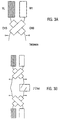
- the invention may be further defined as the dimers of the described minimal IgA antibodies formed by disulfide bonds between the monomers and the J-chains and across the tailpieces as shown in FIG. 3B.
- a further aspect of the invention is the mini IgA antibodies as described in the previous paragraph, and preferably the dimeric antibodies dispersed in a pharmaceutically acceptable solution.
- Preferred antibodies may have the C ⁇ 3 domains of the host species, and particularly preferred for administration to humans are antibodies with the human C ⁇ 3 domains.
- antigen recognition sites wherein the antigen is a viral, bacterial or protozoan antigen. Exemplary species are as defined above.
- the present invention includes the recombinant production of dimeric or polymeric IgA antibodies that are secreted into the mucosal surfaces of a subject when administered into the serum of the subject.
- the antibodies may be produced or identified by any means known in the art.
- an intact pathogenic organism, or a purified antigenic compound isolated or derived from any pathogenic organism may be used to produce or identify an antibody, or a "mini" antibody as described herein.
- the antibody is then produced in its dimeric form, dispersed in a pharmaceutical composition and then administered to a subject to afford protection at the mucosal barriers from the antigen presenting pathogen.
- one of skill in the art could, without undue experimentation. practice the invention in the treatment or inhibition of infection by any of the pathogens named herein or others for which the compositions and methods disclosed and described herein would be effective.
- the present invention provides a method of producing and administering dimeric or polymeric IgA antibodies that are for useful in preventing or inhibiting infection by pathogens, and in particular, any pathogen that enters or exits the body through a mucosal barrier.
- the compositions of the invention are administered to a subject, such as an animal or a human and are subsequently, after a latent period of up to 24 hours, transported across a mucosal barrier. After active or passive transportation into the mucosa, the antibodies of the invention are available to inhibit an infection at that site.
- the invention provides, therefore, a method of inhibiting an infection prior to entry into the body, offering a first line of defense prior to exposure to the particular pathogen.
- Pathogens that may be inhibited from infecting a subject include, but are not limited to, viruses, bacteria, and macroscopic parasites such as protozoans.
- the mucosal surfaces of the body offer an important advantage over serum as a site of immunological prevention or inhibition of disease, in that rather than responding to an infection that has already occurred, an immunological response at the mucosal surface prevents the infective agent from entering the body.
- Such a preventative method would be of dramatic benefit, not only in the prevention of sexually transmitted infections and maternal transmission of those diseases during birth, but also in the prevention of other infections that enter the body through mucosal surfaces such as the genitourinary tract, mouth, nasal passages. lungs, eyes, etc. in man and in domestic or non-domesticated animals.
- the present invention would have applications therefore in the prevention of viral diseases that may enter or exit the body through the mucosal surfaces such as the following pathogenic viruses which are mentioned by way of example, influenza A, B and C. parainfluenza, paramyxoviruses, Newcastle disease virus, respiratory syncytial virus. measles.
- pathogenic viruses which are mentioned by way of example, influenza A, B and C. parainfluenza, paramyxoviruses, Newcastle disease virus, respiratory syncytial virus. measles.
- mumps adenoviruses, adenoassociated viruses, parvoviruses, Epstein-Barr virus, rhinoviruses, coxsackieviruses, echoviruses, reoviruses, rhabdoviruses, lymphocytic choriomeningitis, coronavirus, polioviruses, herpes simplex, human immunodeficiency viruses, cytomegaloviruses, papillomaviruses, virus B, varicella-zoster, poxviruses, rubella, rabies, picornavituses, rotavirus and Kaposi associated herpes virus.
- the present invention is also useful in the prevention or inhibition of bacterial infections, including, but not limited to, the 83 or more distinct serotypes of pneumococci, streptococci such as S. pyogenes , S. agalactiae , S. equi, S. canis , S . bovis , S . equinus , S. anginosus , S . sanguis, S. salivarius, S . mitis, S.
- the 83 or more distinct serotypes of pneumococci, streptococci such as S. pyogenes , S. agalactiae , S. equi, S. canis , S . bovis , S . equinus , S. anginosus , S . sanguis, S. salivarius, S . mitis, S.
- mutans other viridans streptococci, peptostreptococci, other related species of streptococci, enterococci such as Enterococcus faecalis , Enterococcus faecium , Staphylococci, such as Staphylococcus epidermidis, Staphylococcus aureus , particularly in the nasopharynx, Hemophilus influenzae , pseudomonas species such as Pseudomonas aeruginosa , Pseudomonas pseudomallei , Pseudomonas mallei , brucellas such as Brucella melitensis, Brucella suis, Brucella abortus , Bordetella pertussis, Neisseria meningitidis , Neisseria gonorrhoeae , Moraxella catarrhalis , Corynebacterium diphtheriae , enter
- Listeria monocytogenes Nocordia asteroides , Bacteroides species, Actinomycetes species, Treponema pallidum . Leptospirosa species and related organisms.
- the invention may also be useful against gram negative bacteria such as Klebsiella pneumoniae , Escherichia coli, Proteus, Serratia species, Acinetobacter , Yersinia pestis, Francisella tularensis, Enterobacter species, Bacteriodes and Legionella species and the like.
- the invention may prove useful in controlling protozoan or macroscopic infections by organisms such as Cryptosporidium , Isospora belli, Toxoplasma gondii, Trichomonas vaginalis , Cyclospora species, for example, and for Chlamydia trachomatis and other Chlamydia infections such as Chlamydia psittaci , or Chlamydia pneumoniae , for example.
- organisms such as Cryptosporidium , Isospora belli, Toxoplasma gondii, Trichomonas vaginalis , Cyclospora species, for example, and for Chlamydia trachomatis and other Chlamydia infections such as Chlamydia psittaci , or Chlamydia pneumoniae , for example.
- organisms such as Cryptosporidium , Isospora belli, Toxoplasma gondii, Trichomonas
- the present invention demonstrates the ability to secrete dimeric IgA into the vaginal fluids and thus to potentially inhibit heterosexual HIV transmission, for example.
- This embodiment offers the benefits of a passive immunotherapy to prevent perinatal transmission of the virus as well as a method of inhibiting the sexual transmission of this disease in the general population.
- the intravenous administration of dimeric IgA antibodies to macaques resulted in the presence of the secreted antibodies in the vaginal fluid.
- the animal model described herein was originally developed to investigate the sexual transmission of HIV (Miller et al., 1989) this model is also directly applicable to the matemo-fetal situation. Indeed the matemo-fetal situation at parturition is uniquely suited to this approach because protection is only needed for a short time (i.e. the period of delivery).
- the observed time course of secretion of IgA in the vaginal fluid in the macaques would work well in a delivery situation particularly if labor was managed by timed induction of delivery. In this case matemo-fetal transmission of HIV could be prevented by administration 24 hr prior to delivery of protective anti-HIV dimeric IgA antibody.
- IgA response to the virus seems to be specific in that IgA1 is preferentially expressed (Kozlowski et al ., 1992) and this subclass of IgA may be more effective at combating the virus.
- Immunoglobulins mediate humoral immunity by attaching to foreign antigens and activating effector modalities (e.g. complement, granulocytes, cytotoxic T-cells, etc.) to destroy and clear the antigens and also by passive inactivation, exclusion or immobilization of pathogens.
- effector modalities e.g. complement, granulocytes, cytotoxic T-cells, etc.
- the antibody is thus a flexible adaptor linking the variable, antigen binding domain to the constant region, containing the Fc (Fragment crystallizable) region.
- Fc Frragment crystallizable
- the constant region isotype of the antibody is determined following T-cell mediated, Ig class-switching which endows a given antibody with the specific effector modalities of the new isotype. Due to the immunological and clinical relevance of immunoglobulin-effector interactions, antibody structure/function is the subject of intense research (reviewed in Burton and Woof, 1992).
- the mucosal surfaces of the body represent the largest area of exposure of the body to external pathogens and as such are the primary site of entry of pathogenic organisms (Childers et al ., 1989).
- the polymeric antibodies (IgA and IgM) are secreted at the mucosal surfaces of the body where they form the first line of humoral immunological defense against external pathogens.
- IgA is the immunoglobulin subclass primarily responsible for humoral immune protection at this large exposed surface (Underdown and Schiff, 1986).
- Secretion of IgA and IgM occurs by a unique process termed transcytosis, mediated by the polymeric immunoglobulin receptor (pIgR), expressed on the basolateral face of the mucosal epithelial cells.
- pIgR polymeric immunoglobulin receptor
- IgA associates with J-chain via a cysteine in the C terminal "tail" to form secreted dimers (Koshland, 1982) which are then specifically recognized by the polymeric-Ig receptor (pIgR) and transported across mucosal epithelia (Mostov and Blobel, 1982; Underdown, 1990). The IgA thus transported serves as the first line of humoral defense at mucosal surfaces (reviewed in Underdown and Schiff, 1986). IgA is also the target of specific receptors and proteases produced by a number of pathogenic bacteria in an effort to evade IgA-mediated immunity (Kilian et al., 1988). In addition to mucosal IgA, blood also contains a large quantity (average 2 mg/ml. Mestecky and McGhee, 1987) of predominantly monomeric IgA; this circulating pool is largely independent of the mucosal pool in humans (Jonard, et al., 1984).
- IgA is known to bind to a recently cloned (Shen et al., 1989; Monteiro et al., 1990; Maliszewski et al., 1990) Fc ⁇ receptor (mFc ⁇ R) on the surface of eosinophils (Monteiro et al., 1993), neutrophils (Weisbart et al., 1988), and monocyte/macrophages (Monteiro et al., 1990), thus triggering effector responses.
- B-lymphocytes and T-lymphocytes possess surface receptors for Fc ⁇ through which immunoregulatory signals are thought to be transmitted (Kurita et al., 1986).
- IgA A receptor specific for sIgA, distinct from the Fc ⁇ R, has been identified on eosinophils which may have a role in eosinophil activation and degranulation during the inflammatory response (Lamkhioued et al. 1995). IgA is also thought to activate complement through the alternative pathway (Lucisano-Valim and Lachmann, 1991).
- IgA not only plays a role in host defense against extracellular viruses and bacteria, but is also potentially critical for neutralization of intracellular viruses in tissues expressing pIgR (Mazanec et al., 1992), and destruction of helminths, protozoans and other eukaryotic parasites (Grzych et al., 1993).
- IgA glomerulonephritis Clarkson et al., 1984
- IgA glomerulonephritis
- the exacerbation of allergic asthma Popper et al., 1982; Kitani et al., 1985.
- Each of the above-mentioned properties of IgA depends on the ability of effector molecules such as pIgR, C3 and the mFc ⁇ R to recognize specific sites on the surface of the Fc ⁇ protein.
- the pIgR is a transmembrane glycoprotein with five immunoglobulin superfamily homology domains (I-V) in the extracellular region (Mostov et al., 1984, Eiffert et al., 1984).
- I-V immunoglobulin superfamily homology domains
- the primary site of interaction with dIgA is the non-covalent binding of pIgR domain I (Frutiger et al., 1986) which is a high affinity (10 8 M -1 ), non-covalent binding site for sIgA (Kuhn and Kraehenbuhl. 1979).
- IgA The association of IgA with the pIgR appears to be a two stage process (Mestecky and McGhee, 1987) the first being the binding of dIgA to domain I as discussed above.
- the second stage of the interaction between pIgR and dIgA involves covalent binding of domain V to the Fc of one of the subunits in dlgA (Lindh and Bjork, 1974, Cunningham-Rundles and Lamm, 1975).
- This single disulfide is formed between cys467 in domain V of secretory component and cys311, located in the C ⁇ 2 domain of a heavy chain in one IgA subunit (Fallgreen-Gebauer et al., 1993). This disulfide formation appears to be a late event in the secretion pathway and is not absolutely necessary for transcytosis (Chintalacharuvu et al., 1994).
- a baculovirus system for production of immunologically and functionally authentic human IgA specificity for the arsonate hapten has been developed (Carayannopoulos, et al., 1994).
- the chimeric IgA generated was correctly assembled into heavy-chain:light-chain heterodimers, N-glycosylated and secreted by the insect cells; furthermore, when coexpressed with a human J-chain, the antibodies were able to assemble into dimers.
- the recombinant protein was authentic as judged by antigen-binding, recognition by monoclonal antibodies and complement fixation via the alternative pathway.
- the molecule also binds to the Fc ⁇ receptor and pIgR and expression of various mutant IgA molecules in this system has recently enabled the mapping of the binding sites of these two molecules on IgA (Carayannopoulos et al., 1996; Hexham et al., 1996).
- the important effector functions of the molecule namely Fc ⁇ binding, resulting in clearance of IgA immune complexes and pIgR receptor binding, leading to mucosal transport are preserved in these recombinant antibodies.
- IgA The main function of IgA is to mediate humoral mucosal immunity (Underdown and Schiff, 1986). However, serum IgA also plays a role in systemic immunity. As stated above, a number of studies have demonstrated the association between strong mucosal IgA responses and protection against viral infection with rotavirus (Feng et al., 1994), influenza virus (Liew et al., 1994), poliovirus (Orga and Karzon, 1970), respiratory syncytial virus (Kaul et al., 1981), cytomegalovirus (Tamura et al., 1980) and Epstein-Barr virus (Yao, et al., 1991).
- Murine rotavirus infection is thus prevented by anti-viral IgA antibodies, present in the mucosae, following a primary inoculation (Underdown and Schiff, 1986).
- passive immunotherapy with intranasal IgG Fabs was protective against challenge with respiratory syncitial virus (Crowe et al., 1994), supporting a role for anti-viral antibodies present at the mucosal surface in prevention of viral infection.
- mice against influenza virus infection was found to correlate with the presence of sIgA in the lung mucosae and not with the serum antibody or cytotoxic T cell activity (Liew, et al., 1994).
- IgA is successful in preventing these viruses from gaining access to the body by blocking infection at the site of entry, namely the mucosal surface.
- Serum IgA dimers also have the potential to eliminate immune complexed antigen from the submucosal area and can thus provide a secondary line of anti-viral defense even if the mucosal surface has been penetrated (Kaetzel et al., 1991 and 1994).
- a polyclonal antibody is prepared by immunizing an animal with an immunogenic composition including the pathogen or an antigen derived from the pathogen of choice (either with or without prior immunotolerizing, depending on the antigen composition and protocol being employed) and collecting antisera from that immunized animal.
- an immunogenic composition including the pathogen or an antigen derived from the pathogen of choice (either with or without prior immunotolerizing, depending on the antigen composition and protocol being employed) and collecting antisera from that immunized animal.
- a wide range of animal species can be used for the production of antisera.
- the animal used for production of anti-antisera is a rabbit, a mouse, a rat, a hamster, a guinea pig or a goat. Because of the relatively large blood volume of rabbits, a rabbit is a preferred choice for production of polyclonal antibodies.
- a given composition may vary in its immunogenicity. It is often necessary therefore to boost the host immune system, as may be achieved by coupling a peptide or polypeptide immunogen to a carrier.
- exemplary and preferred carriers are keyhole limpet hemocyanin (KLH) and bovine serum albumin (BSA). Other albumins such as ovalbumin, mouse serum albumin or rabbit serum albumin can also be used as carriers.
- KLH keyhole limpet hemocyanin
- BSA bovine serum albumin
- Other albumins such as ovalbumin, mouse serum albumin or rabbit serum albumin can also be used as carriers.
- Means for conjugating a polypeptide to a carrier protein are well known in the art and include glutaraldehyde, m-maleimidobenzoyl-N-hydroxysuccinimide ester, carbodiimide and bis-diazotized benzidine.
- the immunogenicity of a particular immunogen composition can be enhanced by the use of non-specific stimulators of the immune response, known as adjuvants.
- adjuvants include complete Freund's adjuvant (a non-specific stimulator of the immune response containing killed Mycobacterium tuberculosis) , incomplete Freund's adjuvants and aluminum hydroxide adjuvant.
- the amount of immunogen composition used in the production of polyclonal antibodies varies upon the nature of the immunogen as well as the animal used for immunization.
- a variety of routes can be used to administer the immunogen (subcutaneous, intramuscular, intradermal, intravenous and intraperitoneal).
- the production of polyclonal antibodies may be monitored by assaying blood of the immunized animal at various points following immunization. A second, booster injection, may also be given. The process of boosting and titering is repeated until a suitable titer is achieved.
- the immunized animal can be bled and the serum isolated and stored, and/or the animal can be used to generate MAbs.
- MAbs may be readily prepared through use of well-known techniques, such as those exemplified in U.S. Patent 4,196,265, incorporated herein by reference.
- this technique involves immunizing a suitable animal with a selected immunogen composition, e.g., a purified or partially purified protein, polypeptide or peptide.
- the immunizing composition is administered in a manner effective to stimulate antibody producing cells.
- Rodents such as mice and rats are preferred animals, however, the use of rabbit or sheep cells is also possible.
- the use of rats may provide certain advantages (Coding, 1986, pp. 60-61), but mice are preferred, with the BALB/c mouse being most preferred as this is most routinely used and generally gives a higher percentage of stable fusions.
- Methods for generating hybrids of antibody-producing spleen or lymph node cells and myeloma cells usually comprise mixing somatic cells with myeloma cells in a 2:1 proportion, though the proportion may vary from about 20:1 to about 1:1, respectively, in the presence of an agent or agents (chemical or electrical) that promote the fusion of cell membranes.
- Fusion methods using Sendai virus have been described by Kohler and Milstein (1975; 1976), and those using polyethylene glycol (PEG), such as 37% (v/v) PEG, by Gefter et al . (1977).
- PEG polyethylene glycol
- the use of electrically induced fusion methods is also appropriate (Goding pp. 71-74, 1986).
- Fusion procedures usually produce viable hybrids at low frequencies, about 1 X 10 -6 to 1 X 10 -8 . However, this does not pose a problem, as the viable, fused hybrids are differentiated from the parental, unfused cells (particularly the unfused myeloma cells that would normally continue to divide indefinitely) by culturing in a selective medium.
- the selective medium is generally one that contains an agent that blocks the de novo synthesis of nucleotides in the tissue culture media.
- Exemplary and preferred agents are aminopterin, methotrexate, and azaserine. Aminopterin and methotrexate block de novo synthesis of both purines and pyrimidines, whereas azaserine blocks only purine synthesis.
- the media is supplemented with hypoxanthine and thymidine as a source of nucleotides (HAT medium).
- HAT medium a source of nucleotides
- azaserine the media is supplemented with hypoxanthine.
- a preferred selection medium is HAT. Only cells capable of operating nucleotide salvage pathways are able to survive in HAT medium.
- the myeloma cells are defective in key enzymes of the salvage pathway, e.g., hypoxanthine phosphoribosyl transferase (HPRT), and they cannot survive.
- HPRT hypoxanthine phosphoribosyl transferase
- the B cells can operate this pathway, but they have a limited life span in culture and generally die within about two weeks. Therefore, the only cells that can survive in the selective media are those hybrids formed from myeloma and B cells.
- This culturing provides a population of hybridomas from which specific hybridomas are selected.
- selection of hybridomas is performed by culturing the cells by single-clone dilution in microtiter plates, followed by testing the individual clonal supernatants (after about two to three weeks) for the desired reactivity.
- the assay should be sensitive, simple and rapid, such as radioimmunoassays, enzyme immunoassays, cytotoxicity assays, plaque assays, dot immunobinding assays, and the like.
- the selected hybridomas are then serially diluted and cloned into individual antibody-producing cell lines, which clones can then be propagated indefinitely to provide MAbs.
- the cell lines may be exploited for MAb production in two basic ways.
- a sample of the hybridoma can be injected (often into the peritoneal cavity) into a histocompatible animal of the type that was used to provide the somatic and myeloma cells for the original fusion.
- the injected animal develops tumors secreting the specific monoclonal antibody produced by the fused cell hybrid.
- the body fluids of the animal such as serum or ascites fluid, can then be tapped to provide MAbs in high concentration.
- the individual cell lines could also be cultured in vitro , where the MAbs are naturally secreted into the culture medium from which they can be readily obtained in high concentrations.
- MAbs produced by either means may be further purified, if desired, using filtration, centrifugation and various chromatographic methods such as HPLC or affinity chromatography.
- combinatorial immunoglobulin phagemid libraries may be prepared from RNA isolated from the spleen, hybridoma or even B cells using the polymerase chain reaction, or by any other method known in the art. This isolated RNA is then cloned into expression vectors for screening.
- the vector may express antibody fragments on the surface of a bacteria, or more preferably, the antibody fragment may be expressed on the surface of a bacteriophage.
- VH and VL genes may be made as described by Winter et al. (1994) (incorporated herein by reference) and used in the practice of the present invention.
- the polymerase chain reaction is used to amplify VH and VL genes from lymphocytes using primers matching the 5' and 3' ends of rearranged VH and VL genes.
- V genes may be amplified from both cDNA and genomic DNA, with back primers at the 5' end of the exon encoding the mature V-domain and forward primers with the J-segment.
- primers are designed to hybridize to the leader exon and are paired with primers designed to prime within the constant region.
- Increased diversity may be obtained in the libraries by incorporating degeneracy in the primers or by using different primers for different families of V genes.
- unique restriction sites may be included in the primers to aid in cloning. The use of these techniques may be combined with immunization, so that the genes are amplified from lymphocytes or spleen cells of an immunized animal increase the levels of antibody genes that may be obtained.
- rearranged V genes may be isolated from human peripheral blood lymphocytes using family based primers to amplify VH V ⁇ and V ⁇ families (Winter et al ., 1994). The combination of these genes provides a large number of antibodies with novel specificities that can be screened against a variety of pathogens to obtain the secretory antibodies of the present invention. Also, synthetic libraries may be constructed by randomizing the H3 loop combined with a fixed light chain.
- S1-1 a human monoclonal antibody produced by a hybridoma derived from the spleen of an HIV sero-positive patient.
- This antibody may be used as part of a drug/antibody delivery system for passive immunotherapy for HIV.
- This IgG1/ ⁇ immunoglobulin has been shown to bind to the CD4 site on the surface glycoprotein, gp120, and to neutralize multiple virus strains, including HIV/IIIB, MN, SF2, and RF (Lake et al., 1992). It is also active against most primary isolates that have been analyzed by the inventors.
- cloned antibodies may be mutated by site directed or random mutagenesis and screened for affinity of binding in order to obtain novel antibodies with increased binding to any of the pathogens described herein.
- a mixture of antibodies with a variety of binding affinities against the same or various antigens displayed by a particular pathogen may be useful in certain specific embodiments.
- variable region genes for several anti-HIV antibodies have been cloned and sequenced and a vector has been constructed to express one of these antibodies (S1-1) as an IgAl dimer in complex with J chain in the baculovirus system as described herein.
- S1-1 an IgAl dimer in complex with J chain in the baculovirus system as described herein.
- a further use of these cloned antibodies will be the use of antibody engineering to generate antibodies containing IgA Fc regions with improved effector functions for expression in the baculovirus system.
- a similar approach is being employed in the anti-tumor field where dimeric IgA against carcinoembryonic antigen is under evaluation for in vivo carcinoma localization and possible therapy (Tersikh et al., 1994).
- An advantage to using insect cells which utilize recombinant baculoviruses for the production of the antibodies of the present invention is that the baculovirus system allows production of mutant antibodies as well as combinatorial expression of immunoglobulin with other polypeptides, for example J chain and chaperonins among others. much more rapidly than stably transfected mammalian cell lines.
- insect cells have been shown to correctly process and glycosylate eukaryotic proteins which prokaryotic cells do not.
- the baculovirus expression of foreign protein has been shown to constitute as much as 50-75% of the total cellular protein late in viral infection, making this system an excellent means of producing milligram quantities of the recombinant dimeric IgA antibodies.
- a preferred method of preparing recombinant dimeric IgA is through the expression of DNA encoding recombinant dimeric IgA via the baculoviral expression system in Sf9 insect cells.
- recombinant IgA antibodies can be prepared by isolating DNA fragments corresponding to the heavy and light chain variable (V) regions of MAb and joining them to each other by any one of the standard methods known to those of skill in the art and described by Sambrook et al . (1989) and O'Reilly et al . (1992). These recombinant DNA fragments can then be inserted into baculoviral transfer vectors such that the genes of interest are inserted into the viral genome in lieu of the baculoviral polyhedron gene.
- V heavy and light chain variable
- DNA fragments corresponding to the heavy and light chain V regions of MAb 93G7 were amplified by PCR from plasmids pH ⁇ 1-360E and pH ⁇ -360E, respectively.
- the oligonucleotide primers for these amplifications included a 5' Nco I site at the initiation codon and a 12 nucleotide antisense overlap with C ⁇ at the 3' end.
- the coding regions of human C ⁇ 1 and C ⁇ were obtained from human peripheral-blood leukocyte RNA by RT-PCRTM; in this case, the primers included a 12 nucleotide sense overlap with the appropriate V region at the 5' end and an Xba I site at the 3' end.
- the appropriate V anc C regions were joined by PCRTM overlap extension.
- a DNA segment comprising a J chain coding region was also isolated.
- a cDNA library from a human B-cell line was screened with a 1.6 kb Xba I fragment which included exons 3 and 4 from the human genomic J chain gene (Max and Korsmeyer, 1985).
- a clone encoding the 137 amino acid mature protein predicted from the previously characterized genomic clone (Max and Korsmeyer, 1985) as well as a 22 amino acid N-terminal signal peptide was obtained.
- a preferred transfer vector of the present invention is based on pAc360.
- the DNA fragments were digested, purified and ligated into the unique Nco I and Xba I sites in pH-360EX (Haseman and Capra, 1990) using standard techniques known to those of skill in the art and described by Sambrook et al . (1989).
- Recombinant plasmid vectors (2-20 ⁇ g) were then cotransfected with linear wild-type AcNPV (about 4 ⁇ g) into Sf9 cells. Cotransfection is preferentially accomplished by using cationic liposomes which are commercially available, e.g. Invitrogen, as per manufacturer's directions, except that 0.25 ⁇ g of linear DNA is preferentially is used. If desired, the recombinant plasmid DNA can be purified prior to transfection using a cesium chloride gradient, or other standard means known to those of skill in the art, prior to cotransfection. It is a preferred embodiment of the present invention that the growth, plaque purification and titration of viruses are by the standard technique described by Summers and Smith (1987).
- the resultant viruses are screened visually to isolate insect cells containing occlusion-negative, recombinant viruses.
- Sf9 cells infected with occlusion-negative viruses can then be grown in the desired quantity and under appropriate conditions such that large quantities of the dimeric IgA antibodies are produced.
- infected cells are maintained in spinner flasks at a density of 2 ⁇ 10 6 per ml.
- Recombinant IgA antibodies of the present invention were isolated as follows: Cells supernatants were adjusted to 20 mM Tris-Cl, pH 7.5/10 mM EGTA/10mM EDTA/1mM phenylmethanesulfonyl fluoride and centrifuged at 90,000 ⁇ g for 40 minutes. Antibodies were isolated from the resulting supernatant by precipitation with ammonium sulfate at 40% saturation. This fraction was either used directly in further protocols and analyses or further purified on p-azophenylarsonate (Ars)-sepharose before proceeding.
- both heavy and light chains need to be expressed.
- a human J chain must also be expressed with the heavy and light chains.
- Three general strategies can be employed to achieve this triple expression.
- One such strategy is the infection of an insect cell by three recombinant viruses, containing the heavy, light or J-chain gene, respectively.
- Another is the bi- or tricistronic expression of two or possibly all three of the polypeptides from one transcription unit.
- Hasemann and Capra (1990) found that bicistronic expression of heavy and light chain genes did not produce authentic heterodimeric immunoglobulin.
- a third strategy is the creation of a recombinant virus with two polyhedrin promoters, each initiating transcription of, for example, either the heavy or light chain cDNA. This would be combined with the coinfection of another recombinant virus which, in this case, contains the J-chain gene.
- a true double-recombinant transfer vector was engineered such that two foreign genes were contained in a plasmid, in opposite orientations, to produce a functional heterodimer immunoglobulin (Hasemann and Capra, 1990). This final strategy successfully produced dimeric IgA when the heavy and light chains were coexpressed with human J chain (Carayannopoulos et al ., 1994).
- the double recombinant transfer vector was engineered such that two foreign genes were contained in a plasmid, in opposite orientations, to produce a functional heterodimer immunoglobulin similar to that described by Hasemann and Capra (1990).
- DNA sequencing of PCR amplified genes can be performed.
- SDS-PAGE, Western blot, glycosylation and ELISA analyses are performed. Artisans skilled in the art will be familiar with these techniques which are described in Sambrook, et al . (1989).
- the antibodies of the present invention are authentic, they are examined for their reactivity with several IgA1-specific MAbs, M4C11, M4D8, 2D7, and N1F2 for example, in ELISA analyses as well as their susceptibility to cleavage by H . influenzae IgA1 protease. Cleaved Fc regions are analyzed by Western blotting. Finally, to demonstrate the presence of dimeric Ig, samples are subjected to non-reducing SDS/PAGE on 40% gels followed by Western blotting.
- complement component C3 The ability of antibodies of the present invention to fix complement component C3 is assessed essentially as described by Schneiderman et al . (1990) with the following alterations.
- Ars-BSA or Ars-gelatin is used to capture hapten-specific antibody and normal human serum is used as the source of complement.
- Deposited C3 is detected with sheep anti-human C3 (The Binding Site, San Diego, CA) followed by goat anti-sheep Ig G conjugated to alkaline pahophatase (Sigma, St. Louis, MO).
- the coding regions of human C ⁇ 1 and C ⁇ were obtained from human peripheral-blood leukocyte RNA by reverse transcription followed by PCR as previously described (Tuaillon et al., 1993). The appropriate variable and constant regions were then joined by PCR overlap extension (Horton et al., 1990).
- the human J chain clone was obtained from a human B cell line by screening with a genomic J chain sequence (Max and Korsmeyer, 1985). These genes were first cloned into baculovirus transfer vectors from which recombinant baculoviruses were produced using standard methods (Sambrook et al., 1989, O'Reilly et al., 1992).
- telomere binding of recombinant baculoviral IgA to the Fc ⁇ R expressed on calcitriol-treated HL60 cells has already been demonstrated using a resetting assay (Carayannopoulos et al., 1994). Briefly, hapten-coated erythrocytes are incubated in the presence of recombinant IgA or non-antigen specific IgA and the HL60 cells. In the case of the anti-arsonate IgA, clusters or rosettes of erythrocytes form around the HL60 cells, whereas binding to the HL60 FcaR, the control IgA or underivatized erythrocytes fail to give rosettes.
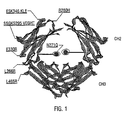
- a mutant, aglycosylated IgA does not interact with the Fc ⁇ receptor in this assay (Carayannopoulos et al., 1994). These studies have been extended by constructing further mutant IgA molecules, in which the human IgA constant domains have been swapped with the corresponding domains from human IgG (Carayannopoulos et al., 1996). Using this approach the presence of the C ⁇ 2 and the C ⁇ 3 (VGAA mutant) domains has been shown to be necessary for Fc ⁇ R binding (see Table 1). An aglycosylated mutant in which N271 was mutated to glutamine, failed to bind the Fc ⁇ R (FIG. 1).
- the hinge-proximal region of the C ⁇ 2 domain analogous to the Fc binding site in IgG was not implicated in the binding of the Fc ⁇ R, as judged by the lack of effect observed with mutation of R280 to histidine and by removal of hinge, which also had no effect.
- the region from the CH3 domain involved in Fc ⁇ R binding was shown to be the loop containing L465, which when mutated to arginine abolished binding (see FIG. 1).
- An aspect of the present invention is the discovery of the minimal IgA dimer that is effective for transport by the pIgR through mapping of the binding site for the pIgR on dimeric IgA.
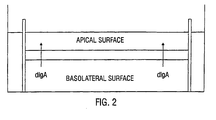
- the MDCK (Madin-Darby canine kidney) cell line, transfected with the pIgR. can be used in an in vitro transcytosis assay (Mostov and Deitscher, 1986) and has being used to assess binding and transcytosis of dIgA (FIG. 2).
- This is a polarized cell line, capable of forming monolayers with tight junctions, which when grown on a semipermeable support will transport dIgA from the lower (basolateral) to the upper (apical) chamber of a tissue culture well.
- Domain swap mutants have been expressed as dIgA with J chain and examined for pIgR binding and transcytosis with this cell line. FACS analysis has been used to determine whether or not a given mutant will bind to the pIgR expressed on these cells. Cells are harvested with 10 mM EDTA in PBS and bound IgA is detected with an anti-human kappa chain FITC conjugate. Only dIgA, as operationally defined by IgA coexpressed with J chain, binds to the receptor, no binding of any monomeric IgA was observed with any of the mutants.
- compositions and the immunoglobulins that they deliver for passive immunotherapy are limited to temporary prophylaxis of susceptible individuals and to the immediate treatment of infections and toxicities.
- passive immunity and immunizing agents may be found in Remington's Pharmaceutical Sciences, 18th Ed. , pp.1389-1404, 1990).
- the immunity provided by these means is not long lasting and the immunoglobulins provided by the vaccine leave the body tissues and fluids of the host within a comparatively short period of time, usually after one to two weeks, either by utilization by binding to the pathogen or by metabolism by the host's body.
- the administration of an antibody for passive immunity should be during the critical period immediately after or just prior to the predicted exposure to the pathogen or toxin such that the immunoglobulins are present when immunity is most urgently required.
- any pharmaceutical preparation is dependent upon both the activity of the compound, in this case an antibody(ies), and its concentration in the preparation. Typically, such compositions should contain at least 0.1 % active compound. The percentage of the compositions and preparations may, of course, be varied and may conveniently be between about 2 to about 60% of the weight of the unit. The amount of active compounds in such therapeutically useful compositions is such that a suitable dosage will be obtained.
- the pharmaceutical forms suitable for injectable use include sterile aqueous solutions or dispersions and sterile powders for the extemporaneous preparation of sterile injectable solutions or dispersions.
- the form must be sterile and must be fluid to the extent that easy injection is possible. It must be stable under the conditions of manufacture and storage and must be preserved against the contaminating action of microorganisms, such as bacteria and fungi.
- the carrier can be a solvent or dispersion medium containing, for example, water, ethanol, polyol (for example, glycerol, propylene glycol, and liquid polyethylene glycol, and the like), suitable mixtures thereof, and vegetable oils.
- the proper fluidity can be maintained, for example, by the use of a coating, such as lecithin, by the maintenance of the required particle size in the case of dispersion and by the use of surfactants.
- the prevention of the action of microorganisms can be brought about by various antibacterial and antifungal agents, for example, parabens, chlorobutanol, phenol, sorbic acid, thimerosal, phenylmecuric nitrate, m-cresol and the like. In many cases, it will be preferable to use isotonic solutions, for example, sugars or sodium chloride.
- Prolonged absorption of the injectable compositions can be brought about by the use in the compositions of agents delaying absorption, for example, aluminum monostearate and gelatin.
- Sterile injectable solutions are prepared by incorporating the active compounds in the required amount in the appropriate solvent with various of the other ingredients enumerated above, as required, followed by sterile filtration.
- dispersions are prepared by incorporating the various sterilized active ingredients into a sterile vehicle which contains the basic dispersion medium and the required other ingredients from those enumerated above.
- the preferred methods of preparation are vacuum-drying and freeze-drying techniques which yield a powder of the active ingredient plus any additional desired ingredient from a previously sterile-filtered solution thereof.
- pharmaceutically acceptable carrier includes any and all solvents, dispersion media, coatings, antibacterial and antifungal agents, isotonic and absorption delaying agents and the like.
- the term also denotes that the compositions and additives cause no allergic or other undesired reaction when administered to a subject.
- the use of such media and agents for pharmaceutical active substances is well known in the art. Except insofar as any conventional media or agent is incompatible with the active ingredient, its use in the therapeutic compositions is contemplated. Supplementary active ingredients can also be incorporated into the compositions.
- the formulations of the present invention may be conventionally administered parenterally, by injection, for example, either subcutaneously or intramuscularly. Additional formulations which are suitable for other modes of administration include suppositories and, in some cases, oral or aerosol formulations.
- suppositories traditional binders and carriers may include, for example, polyalkalene glycols or triglycerides: such suppositories may be formed from mixtures containing the active ingredient in the range of 0.5% to 10%, preferably 1-2%.
- Oral formulations include such normally employed excipients as, for example, pharmaceutical grades of mannitol, lactose, starch, magnesium stearate, sodium saccharine, cellulose, magnesium carbonate and the like. These compositions take the form of solutions, suspensions, tablets, pills, capsules, sustained release formulations or powders and contain 10-95% of active ingredient, preferably 25-70%.
- the antibodies may be formulated as neutral or salt forms.
- Pharmaceutically acceptable salts include the acid salts and those which are formed with inorganic acids such as, for example, hydrochloric or phosphoric acids, or such organic acids as acetic, oxalic, tartaric, mandelic, and the like. Salts formed with the free carboxyl groups may also be derived from inorganic bases such as, for example, sodium, potassium, ammonium, calcium, or ferric hydroxides, and such organic bases as isopropylamine, trimethylamine, 2-ethylamino ethanol, histidine, procaine, and the like.
- the antibodies will be desirable to have multiple administrations of the antibodies, usually not exceeding six, more usually not exceeding four and preferably one or more, usually at least about three.
- the administrations will normally be at from one to twelve week intervals, more usually from one to four week intervals.
- Periodic re-administration will be desirable with recurrent exposure to the pathogen or toxin. For example, an HIV positive mother would be reinoculated prior to parturition from a second pregnancy.
- Dosages commonly used for formulations that provide passive immunity are in the range of from 0.5 ml to 10 ml per dose, preferably in the range of 2 ml to 5 ml per dose. Repeated doses to deliver the appropriate amount of active compound are common. Both the age and size by weight of the recipient must be considered when determining the appropriate dosage of active ingredient and volume to administer.
- the course of the treatment may be followed by assays for antibodies for the supernatant antigens.
- the assays may be performed by labeling with conventional labels, such as radionuclides, enzymes, fluorescers, and the like.
- Samples for assaying may be serum samples, or they may be obtained from any mucosal surface, or body fluid, such as saliva, sputum, vaginal wash or expectoration.
- a "mini-IgA' dimer molecule was constructed and expressed using the baculovirus system (FIG. 3B).
- the molecule comprises the arsonate-specific VH and VL domains each fused to a human IgA1 C ⁇ 3 domain (including tailpiece).
- These two polypeptide chains have been successfully expressed in baculovirus, as indicated by Western blotting.
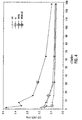
- hapten binding specificity is retained (FIG. 4).
- immunoassays may be used in the practice of the present invention and these include, but are not limited to those described in U.S. Patent No. 4,367,110 (double monoclonal antibody sandwich assay) and U.S. Patent No. 4,452,901 (Western blot).
- Other assays include immunoprecipitation of labeled ligands and immunocytochemistry, both in vitro and in vivo.
- Immunoassays in their most simple and direct sense, are binding assays. Certain preferred immunoassays are the various types of enzyme linked immunosorbent assays (ELISAs) and other solid support immunoassays known in the art. Immunohistochemical detection using tissue sections and radioimmunoassays (RIA) are also particularly useful. However, it will be readily appreciated that detection is not limited to such techniques, and Western blotting, dot blotting, FACS analyses, and the like may also be used.
- ELISAs enzyme linked immunosorbent assays
- RIA radioimmunoassays
- a large amount (1 mg) of J chain-containing IgA1 dimer specific for the arsonate hapten was purified using a baculovirus expression system.
- the material was eluted from the column with 0.5 M arsanillic acid and dialyzed extensively (10-12 changes over several days) against phosphate buffered saline to remove the antigen.
- the dialyzed material was concentrated by pressure filtration on an Amicon YM 30 membrane.
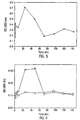
- the antibody was checked for purity and activity by SDS-PAGE and ELISA, and pIgR binding was confirmed by FACS on MDCK cells. Purified antibody was filter sterilized and tested for endotoxin. The antibody (500 mg in 3 ml) was injected intravenously into a rhesus macaque. Samples of serum and vaginal washes were taken 20 minutes prior to the injection then at intervals afterwards. This material was then subjected to arsonate-specific ELISA (FIG. 5), and competitive ELISA where soluble arsonate-BSA was used to inhibit the binding of the antibody to the arsonate-coated plate (FIG. 6).
- arsonate-specific ELISA FIG. 5
- competitive ELISA where soluble arsonate-BSA was used to inhibit the binding of the antibody to the arsonate-coated plate
- Table 1 indicates binding of dimeric IgA/IgG constant domain exchange mutants to pIgR on MDCK cells as measured by FACS analysis.
- 93G7 encodes the murine VH region with specificity for arsonate.
- the SIV/macaque model of heterosexual transmission has recently been extended to include the SHIV recombinant viruses (Luciw, et al., 1995).
- SHIV has an advantage over SIVmac in that this recombinant virus has the HIV-1 env in place of the analogous SIVmac env. It is therefore possible, to apply HIV-1 env reagents to the SHIV infected macaques.
- the SIV/Macaque model of genital mucosal transmission of SIV is well known and was developed in Dr. Marx's laboratory (Miller, et al, 1989). Indeed, it has been used to demonstrate protection against vaginal SIV transmission with a microencapsulated vaccine (Marx, et al., 1995).
- the human monoclonal antibody S1-1 (Lake et al., 1992) expressed in the baculovirus expression system as an IgA recognizes gp120 in ELISA.
- the heavy and light chain genes encoding this antibody have been cloned into the baculovirus expression vectors with an IgA constant region and the expressed IgA antibody is active against gp120 in ELISA.
- the antibody is expressed as dimeric IgA on a large scale using serum-free medium and purified using affinity purification on the lectin jacalin which is specific for the O-linked sugar in the IgAl hinge (Roque-Barriera and Campos-Neto, 1985).
- this antibody is used as an in vitro example to neutralize the SHIV33 strain which carries the HIV gp120 env protein.
- the assay is 100 TCID50 of virus in rhesus PBMCS with irrelevant IgA and with HIV-specific IgA as controls. SIVP22 antigen production is measured at Day 0, 7, 10 and 14 as described (Marx et al 1993).
- the IgA is intravenously administered to monitor protection of macaques against vaginal inoculation of SHIV.
- IgA dimers may be added to the innoculum to produce a cocktail of antibodies for the inhibition of viral transmission.
- mini-IgA molecules, bearing only the minimal motif for transport as described herein may offer the possibility of more efficient high level delivery of anti-HIV antibodies to the mucosal surface.
- Table 2 shows the preliminary studies. Three of 3 female macaques were infected by non-traumatic application of 2.7x10 4 TCID50 of SHIV33 to the intact vaginal epithelium. SHIV was recovered from the peripheral blood of Rh 1412, 1414 and 1418. Two rhesus monkeys were persistently infected up to 140 day post-vaginal inoculation, the most recent time point tested. The third female inoculated with SHIV33 was infected on day 28, but gave a marginally positive signal by day 42. By repeatedly culturing samples from the animals during the first 60 days after inoculation the length of protection by pre-treatment with specific IgA is measured.
- SHIV 162 SHIV 33 Days Post-Vaginal Inoculation Rhesus 1406 Rhesus 1408 Rhesus 1410 Rhesus 1412 Rhesus 1414 Rhesus 1418 4 - - - - - 7 - - - - - - 11 (PBMC) - - - + - - 11 (LN) - - - + - - 14 - - - + + - 21 - - - + + - 28 - - - +b +b + 42 b -a ⁇ a ⁇ a + + ⁇ 56 - - - + + - 140 - - - + + - - - + + -
- compositions and methods disclosed and claimed herein can be made and executed without undue experimentation in light of the present disclosure. While the compositions and methods of this invention have been described in terms of preferred embodiments, it will be apparent to those of skill in the art that variations may be applied to the compositions and methods and in the steps or in the sequence of steps of the method described herein. More specifically, it will be apparent that certain agents which are both chemically and physiologically related may be substituted for the agents described herein while the same or similar results would be achieved.
Landscapes
- Chemical & Material Sciences (AREA)
- Organic Chemistry (AREA)
- Health & Medical Sciences (AREA)
- Life Sciences & Earth Sciences (AREA)
- Molecular Biology (AREA)
- Medicinal Chemistry (AREA)
- Biophysics (AREA)
- General Health & Medical Sciences (AREA)
- Genetics & Genomics (AREA)
- Immunology (AREA)
- Proteomics, Peptides & Aminoacids (AREA)
- Biochemistry (AREA)
- Virology (AREA)
- Medicines Containing Antibodies Or Antigens For Use As Internal Diagnostic Agents (AREA)
- Medicines That Contain Protein Lipid Enzymes And Other Medicines (AREA)
- Steroid Compounds (AREA)
- Micro-Organisms Or Cultivation Processes Thereof (AREA)
- Saccharide Compounds (AREA)
Abstract
Description
| Effect of IgA/IgG constant domain exchange on binding of IgA to the polymeric immunoglobulin receptor. | ||||||
| V region | CH1 | CH2 | CH3 | Tail | Designation | Binding |
| 93G7 | α | α | α | τ | VAAA (wtlgA) | YES |
| 93G7 | α | α | γ | VAAG | NO | |
| 93G7 | α | γ | α | τ | VAGA | YES |
| 93G7 | γ | α | α | τ | VGAA | YES |
| 93G7 | γ | γ | α | τ | VGGA | YES |
| 93G7 | γ | γ | γ | VGGG (wtlgG) | NO |
| SHIV162 | SHIV33 | |||||
| Days Post-Vaginal Inoculation | Rhesus 1406 | Rhesus 1408 | Rhesus 1410 | Rhesus 1412 | Rhesus 1414 | Rhesus 1418 |
| 4 | - | - | - | - | - | - |
| 7 | - | - | - | - | - | - |
| 11 (PBMC) | - | - | - | + | - | - |
| 11 (LN) | - | - | - | + | - | - |
| 14 | - | - | - | + | + | - |
| 21 | - | - | - | + | + | - |
| 28 | - | - | - | +b | +b | + |
| 42b | -a | ±a | ±a | + | + | ± |
| 56 | - | - | - | + | + | - |
| 140 | - | - | - | + | + | - |
Claims (102)
- An antibody comprising a VH domain fused to a first IgA1 C.alpha.3 domain including a tailpiece, and a VL domain fused to a second IgA1 C.alpha.3 domain including a tailpiece, wherein said VL and VH domains constitute an antigen or hapten recognition site, and wherein said antibody does not comprise any other antibody domain essential for dimerization.
- A dimeric IgA antibody comprising two antibodies of claim 1 connected by a J-chain.
- The antibody of claim 2 dispersed in a pharmaceutically acceptable solution.
- The antibody of claim 1, wherein said C.alpha.3 domains are human C.alpha.3 domains.
- The antibody of claim 1, wherein said antigen is a viral, bacterial or protozoan antigen.
- The antibody of claim 5, wherein said antigen is a virus.
- The antibody of claim 6, wherein said virus is influenza A, B or C, parainfluenza, paramyxovirus, Newcastle disease virus, respiratory syncytial virus, measles, mumps, adenovirus, adenoassociated virus, parvovirus, Epstein-Barr virus, rhinovirus, coxsackievirus, echovirus, reovirus, rhabdovirus, lymphocytic choriomeningitis, coronavirus, poliovirus, herpes simplex, human immunodeficiency virus, cytomegalovirus, papillomavirus, virus B, varicella-zoster, poxvirus, rubella, rabies, picomavirus or rotavirus.
- The antibody of claim 7, wherein said virus is a human immunodeficiency virus.
- The antibody of claim 8, wherein said antibody is immunoreactive with gp120 of HIV.
- The antibody of claim 7, wherein said virus is an influenza A virus.
- The antibody of claim 7, wherein said virus is an influenza B virus.
- The antibody of claim 7, wherein said virus is an influenza C virus.
- The antibody of claim 7, wherein said virus is a parainfluenza virus.
- The antibody of claim 7, wherein said virus is a paramyxovirus.
- The antibody of claim 7, wherein said virus is a Newcastle disease virus.
- The antibody of claim 7, wherein said virus is a respiratory syncytial virus.
- The antibody of claim 7, wherein said virus is a measles virus.
- The antibody of claim 7, wherein said virus is a mumps virus.
- The antibody of claim 7, wherein said virus is an adenovirus.
- The antibody of claim 7, wherein said virus is an adenoassociated virus.
- The antibody of claim 7, wherein said virus is a parvovirus.
- The antibody of claim 7, wherein said virus is an Epstein-Barr virus.
- The antibody of claim 7, wherein said virus is a rhinovirus.
- The antibody of claim 7, wherein said virus is a coxsackievirus.
- The antibody of claim 7, wherein said virus is an echovirus.
- The antibody of claim 7, wherein said virus is a reovirus.
- The antibody of claim 7, wherein said virus is a rhabdovirus.
- The antibody of claim 7, wherein said virus is a lymphocytic choriomeningitis virus.
- The antibody of claim 7, wherein said virus is a coronavirus.
- The antibody of claim 7, wherein said virus is a poliovirus.
- The antibody of claim 7, wherein said virus is a herpes simplex virus.
- The antibody of claim 7, wherein said virus is a cytomegalovirus.
- The antibody of claim 7, wherein said virus is a papillomavirus.
- The antibody of claim 7, wherein said virus is a virus B.
- The antibody of claim 7, wherein said virus is a varicella-zoster virus.
- The antibody of claim 7, wherein said virus is a poxvirus.
- The antibody of claim 7, wherein said virus is a rubella virus.
- The antibody of claim 7, wherein said virus is a rabies virus.
- The antibody of claim 7, wherein said virus is a picornavirus.
- The antibody of claim 7, wherein said virus is a rotavirus.
- The antibody of claim 5, wherein said antigen is a bacteria.
- The antibody of claim 41, wherein said bacteria is pneumococci, Streptococcus pyogenes, Streptococcus agalactiae, Streptococcus equi, Streptococcus canis, Streptococcus bovis, Streptococcus equinus, Streptococcus anginosus, Streptococcus sanguis, Streptococcus salivarius, Streptococcys mitis, Streptococcus mutans, viridans streptococci, peptostreptococci, Enterococcus faecalis, Enterococcus faecium, Staphylococcus epidennidis, Staphylococcus aureus, Hemophilus influenzae, Pseudomonas aeruginosa, Pseudomonas pseudomallei, Pseudomonas mallei, Brucella melitensis, Brucella suis, Brucella abortus, Bordetella pertussis, Neisseria meningitidis, Neisseria gonorrhoeae, Moraxella catarrhalis, Corynebacterium diphtheriae, Corynebacterium ulcerans, Corynebacterium pseudotuberculosis, Corynebacterium pseudodiphtheriticum, Corynebacterium urealyticum, Corynebacterium hemolyticum, Corynebacterium equi, Listeria monocytogenes, Nocordia asteroides, Actinomycetes, Treponema pallidum, Leptospirosa, Klebsiella pneumoniae, Escherichia coli, Proteus, Serratia, Acinetobacter, Yersinia pestis, Francisella tulrensis, Enterobacter, Bacteriodes or Legionella.
- The antibody of claim 41, wherein said bacteria is a pneumococci.
- The antibody of claim 41, wherein said bacteria is a Streptococcus pyogenes.
- The antibody of claim 41, wherein said bacteria is a Streptococus agalactiae.
- The antibody of claim 41, wherein said bacteria is a Streptococcus equi.
- The antibody of claim 41, wherein said bacteria is a Streptococcus canis.
- The antibody of claim 41, wherein said bacteria is a Streptococcus bovis.
- The antibody of claim 41, wherein said bacteria is a Streptococcus equinus.
- The antibody of claim 41, wherein said bacteria is a Streptococcus anginosus.
- The antibody of claim 41, wherein said bacteria is a Streptococcus sanguis.
- The antibody of claim 41, wherein said bacteria is a Streptococcus salivarius.
- The antibody of claim 41, wherein said bacteria is a Streptococcus mitis.
- The antibody of claim 41, wherein said bacteria is a Streptococcus mutans.
- The antibody of claim 41, wherein said bacteria is a viridans streptococci.
- The antibody of claim 41, wherein said bacteria is a peptostreptococci.
- The antibody of claim 41, wherein said bacteria is a Enterococcus faecalis.
- The antibody of claim 41, wherein said bacteria is a Enterococcus faecium.
- The antibody of claim 41, wherein said bacteria is a Staphylococcus epidermidis.
- The antibody of claim 41, wherein said bacteria is a Staphylococcus aureus.
- The antibody of claim 41, wherein said bacteria is a Hemophilus influenzae.
- The antibody of claim 41, wherein said bacteria is a Pseudomonas aeruginosa.
- The antibody of claim 41, wherein said bacteria is a Pseudomonas pseudomallei.
- The antibody of claim 41, wherein said bacteria is a Pseudomonas mallei.
- The antibody of claim 41, wherein said bacteria is a Brucella melitensis.
- The antibody of claim 41, wherein said bacteria is a Brucella suis.
- The antibody of claim 41, wherein said bacteria is a Brucella abortus.
- The antibody of claim 41, wherein said bacteria is a Bordetella pertussis.
- The antibody of claim 41, wherein said bacteria is a Neisseria meningitidis.
- The antibody of claim 41, wherein said bacteria is a Neisseria gonorrhoeae.
- The antibody of claim 41, wherein said bacteria is a Moraxella catarrrhalis.
- The antibody of claim 41, wherein said bacteria is a Corynebacterium diphtheriae.
- The antibody of claim 41, wherein said bacteria is a Corynebacterium ulcerans.
- The antibody of claim 41, wherein said bacteria is a Corynebacterium pseudotuberculosis.
- The antibody of claim 41, wherein said bacteria is a Corynebacterium pseudodiphtheriticum.
- The antibody of claim 41, wherein said bacteria is a Corynebacterium urealyticum.
- The antibody of claim 41, wherein said bacteria is a Corynebacterium hemolyticum.
- The antibody of claim 41, wherein said bacteria is a Corynebacterium equi.
- The antibody of claim 41, wherein said bacteria is a Listeria monocytogenes.
- The antibody of claim 41, wherein said bacteria is a Nocordia asteroides
- The antibody of claim 41, wherein said bacteria is an Actinomycetes.
- The antibody of claim 41, wherein said bacteria is a Treponema pallidum.
- The antibody of claim 41, wherein said bacteria is a Leptospirosa.
- The antibody of claim 41, wherein said bacteria is a Klebsiella pneumoniae.
- The antibody of claim 41, wherein said bacteria is a Escherichia coli.
- The antibody of claim 41, wherein said bacteria is a Proteus.
- The antibody of claim 41, wherein said bacteria is a Serratia.
- The antibody of claim 41, wherein said bacteria is an Acinetobacter.
- The antibody of claim 41, wherein said bacteria is a Yersinia pestis.
- The antibody of claim 41, wherein said bacteria is a Francisella tularensis.
- The antibody of claim 41, wherein said bacteria is a Enterobacter.
- The antibody of claim 41, wherein said bacteria is a Bacteriodes.
- The antibody of claim 41, wherein said bacteria is a Legionella.
- The antibody of claim 5, wherein said antigen is a protozoan.
- The antibody of claim 94, wherein said protozoan is a Cryptosporidium.
- The antibody of claim 94, wherein said protozoan is an Isospora belli.
- The antibody of claim 94, wherein said protozoan is a Toxoplasma gondii.
- The antibody of claim 94, wherein said protozoan is a Trichomonas vaginalis.
- The antibody of claim 94, wherein said protozoan is a Cyclospora.
- The antibody of claim 94, wherein said protozoan is a Chlamydia trachomatis.
- The antibody of claim 94, wherein said protozoan is a Chlamydia psittaci.
- The antibody of claim 94, wherein said protozoan is a Chlamydia pneumoniae.
Applications Claiming Priority (3)
| Application Number | Priority Date | Filing Date | Title |
|---|---|---|---|
| US779597 | 1997-01-07 | ||
| US08/779,597 US6063905A (en) | 1997-01-07 | 1997-01-07 | Recombinant human IGA-J. chain dimer |
| PCT/US1998/000614 WO1998030577A1 (en) | 1997-01-07 | 1998-01-07 | RECOMBINANT HUMAN IgA-J. CHAIN DIMER |
Publications (3)
| Publication Number | Publication Date |
|---|---|
| EP1009756A1 EP1009756A1 (en) | 2000-06-21 |
| EP1009756A4 EP1009756A4 (en) | 2001-11-21 |
| EP1009756B1 true EP1009756B1 (en) | 2004-09-22 |
Family
ID=25116928
Family Applications (1)
| Application Number | Title | Priority Date | Filing Date |
|---|---|---|---|
| EP98902514A Expired - Lifetime EP1009756B1 (en) | 1997-01-07 | 1998-01-07 | RECOMBINANT IgA |
Country Status (7)
| Country | Link |
|---|---|
| US (2) | US6063905A (en) |
| EP (1) | EP1009756B1 (en) |
| AT (1) | ATE277082T1 (en) |
| AU (1) | AU728748B2 (en) |
| CA (1) | CA2278344A1 (en) |
| DE (1) | DE69826496T2 (en) |
| WO (1) | WO1998030577A1 (en) |
Cited By (1)
| Publication number | Priority date | Publication date | Assignee | Title |
|---|---|---|---|---|
| US12398198B2 (en) | 2019-07-30 | 2025-08-26 | Elanco Us Inc. | Parvovirus antibodies for veterinary use |
Families Citing this family (42)
| Publication number | Priority date | Publication date | Assignee | Title |
|---|---|---|---|---|
| US6045774A (en) * | 1997-01-10 | 2000-04-04 | Epicyte Pharmaceutical Inc. | J chain polypeptide targeting molecule linked to an imaging agent |
| AU740918B2 (en) | 1997-01-10 | 2001-11-15 | Plantibodies Corporation | Novel epithelial tissue targeting agent |
| SG143058A1 (en) * | 2000-08-11 | 2008-06-27 | Favrille Inc | Method and composition for altering a t cell mediated pathology |
| US6911204B2 (en) | 2000-08-11 | 2005-06-28 | Favrille, Inc. | Method and composition for altering a B cell mediated pathology |
| US6932967B2 (en) * | 2001-03-22 | 2005-08-23 | Michael R. Simon | Human medical treatment by aerosol inhalation of immunoglobulin A |
| US20030118585A1 (en) * | 2001-10-17 | 2003-06-26 | Agy Therapeutics | Use of protein biomolecular targets in the treatment and visualization of brain tumors |
| US7291477B2 (en) | 2001-07-03 | 2007-11-06 | Xenotope Diagnostics, Inc. | Method and device for trichomonas detection |
| US20060165675A1 (en) * | 2002-08-02 | 2006-07-27 | Richman-Eisenstat Janice Beth | Modulation of mesenchymal cells via iga-receptors |
| US20050014932A1 (en) * | 2003-05-15 | 2005-01-20 | Iogenetics, Llc | Targeted biocides |
| US8394379B2 (en) * | 2003-05-15 | 2013-03-12 | Iogenetics, Llc | Targeted cryptosporidium biocides |
| US8703134B2 (en) | 2003-05-15 | 2014-04-22 | Iogenetics, Llc | Targeted cryptosporidium biocides |
| US7566447B2 (en) | 2003-05-15 | 2009-07-28 | Iogenetics, Llc | Biocides |
| US7700097B2 (en) * | 2003-06-27 | 2010-04-20 | Biogen Idec Ma Inc. | Purification and preferential synthesis of binding molecules |
| KR20060126449A (en) * | 2003-09-23 | 2006-12-07 | 파브릴, 인크. | A method for improving ischemic cell pathogenesis by using self-induced antigen in combination with specific-binding cytokines |
| CN1914226B (en) * | 2003-11-25 | 2012-02-01 | 达纳-法伯癌症研究院有限公司 | Antibodies against SARS-COV and methods of use thereof |
| CA2585017A1 (en) * | 2004-10-20 | 2006-12-14 | Iogenetics, Llc | Biocides |
| SG156672A1 (en) * | 2004-10-22 | 2009-11-26 | Amgen Inc | Methods for refolding of recombinant antibodies |
| WO2006074399A2 (en) * | 2005-01-05 | 2006-07-13 | Biogen Idec Ma Inc. | Multispecific binding molecules comprising connecting peptides |
| US20070015224A1 (en) * | 2005-07-01 | 2007-01-18 | Board Of Regents, The University Of Texas System | Methods and compositions to diagnose Trichomonas infection |
| US8017103B2 (en) * | 2005-07-01 | 2011-09-13 | Board Of Regents, The University Of Texas System | Methods and compositions to diagnose trichomonas infection |
| US7439028B2 (en) * | 2005-09-30 | 2008-10-21 | Board Of Regents, The University Of Texas System | Methods and compositions to correlate Trichomonas infection with prostate cancer |
| US7803567B2 (en) * | 2005-12-09 | 2010-09-28 | Board Of Regents, The University Of Texas System | Methods and compositions for detecting trichomonas in a sample contacted with fixative |
| CN102026645B (en) | 2006-09-15 | 2016-01-27 | 渥太华医院研究机构 | Oncolytic rhabdovirus |
| MX2010002683A (en) * | 2007-09-14 | 2010-03-26 | Amgen Inc | POPULATIONS OF HOMOGENEO ANTIBODIES. |
| WO2011119920A2 (en) | 2010-03-25 | 2011-09-29 | Oregon Health & Science University | Cmv glycoproteins and recombinant vectors |
| SMT201800284T1 (en) | 2011-06-10 | 2018-07-17 | Univ Oregon Health & Science | Cmv glycoproteins and recombinant vectors |
| EP2568289A3 (en) | 2011-09-12 | 2013-04-03 | International AIDS Vaccine Initiative | Immunoselection of recombinant vesicular stomatitis virus expressing hiv-1 proteins by broadly neutralizing antibodies |
| EP2586461A1 (en) | 2011-10-27 | 2013-05-01 | Christopher L. Parks | Viral particles derived from an enveloped virus |
| ES2631608T3 (en) | 2012-06-27 | 2017-09-01 | International Aids Vaccine Initiative | Env-glycoprotein variant of HIV-1 |
| EP2895511A4 (en) * | 2012-09-10 | 2016-04-13 | Lfb Usa Inc | USE OF ANTIBODIES TO TREAT HIV INFECTION AND DELETE HIV TRANSMISSION |
| AU2014217561B2 (en) | 2013-02-13 | 2018-11-15 | Laboratoire Francais Du Fractionnement Et Des Biotechnologies | Highly galactosylated anti-TNF-alpha antibodies and uses thereof |
| BR112015019348A2 (en) | 2013-02-13 | 2017-08-22 | Lab Francais Du Fractionnement | METHODS FOR PRODUCING GLYCOSYLATION MODIFIED AND SIALYLATION ENHANCED PROTEIN, TO ENHANCE SIALYL TRANSFERASE ACTIVITY IN THE MAMMARY GLAND AND TO PRODUCE SIALYL TRANSFERASE, GLYCOSYLATION MODIFIED PROTEIN OR SIALYLATION ENHANCED PROTEIN, COMPOSITION, SIALYL TRANSFERASE, MAMMALIAN, AND TRANSGENE MAMMARY EPITHELIAL |
| EP2848937A1 (en) | 2013-09-05 | 2015-03-18 | International Aids Vaccine Initiative | Methods of identifying novel HIV-1 immunogens |
| EP2873423B1 (en) | 2013-10-07 | 2017-05-31 | International Aids Vaccine Initiative | Soluble hiv-1 envelope glycoprotein trimers |
| US10925962B2 (en) * | 2014-07-18 | 2021-02-23 | Nippi, Incorporated | Polymeric IgA-type recombinant antibody and use thereof |
| US10174292B2 (en) | 2015-03-20 | 2019-01-08 | International Aids Vaccine Initiative | Soluble HIV-1 envelope glycoprotein trimers |
| US9931394B2 (en) | 2015-03-23 | 2018-04-03 | International Aids Vaccine Initiative | Soluble HIV-1 envelope glycoprotein trimers |
| AU2016238246B2 (en) | 2015-03-25 | 2021-05-13 | Igm Biosciences, Inc. | Multi-valent hepatitis B virus antigen binding molecules and uses thereof |
| FR3038517B1 (en) | 2015-07-06 | 2020-02-28 | Laboratoire Francais Du Fractionnement Et Des Biotechnologies | USE OF MODIFIED FC FRAGMENTS IN IMMUNOTHERAPY |
| US10279031B2 (en) | 2016-05-11 | 2019-05-07 | Phibro Animal Health Corporation | Composition comprising antigens and a mucosal adjuvant and a method for using |
| US20240288440A1 (en) * | 2020-10-06 | 2024-08-29 | Macfarlane Burnet Institute for Medical Research and Public Health | Methods and compositions based on longitudinal studies |
| CN119979613A (en) * | 2025-02-12 | 2025-05-13 | 中国农业科学院兰州兽医研究所(中国动物卫生与流行病学中心兰州分中心) | A cell line stably expressing porcine PIgR SC fragment and J chain and its construction method and application |
Family Cites Families (1)
| Publication number | Priority date | Publication date | Assignee | Title |
|---|---|---|---|---|
| US5698679A (en) * | 1994-09-19 | 1997-12-16 | National Jewish Center For Immunology And Respiratory Medicine | Product and process for targeting an immune response |
-
1997
- 1997-01-07 US US08/779,597 patent/US6063905A/en not_active Expired - Fee Related
-
1998
- 1998-01-07 EP EP98902514A patent/EP1009756B1/en not_active Expired - Lifetime
- 1998-01-07 AT AT98902514T patent/ATE277082T1/en not_active IP Right Cessation
- 1998-01-07 AU AU59154/98A patent/AU728748B2/en not_active Ceased
- 1998-01-07 CA CA002278344A patent/CA2278344A1/en not_active Abandoned
- 1998-01-07 WO PCT/US1998/000614 patent/WO1998030577A1/en not_active Ceased
- 1998-01-07 DE DE69826496T patent/DE69826496T2/en not_active Expired - Fee Related
-
2000
- 2000-05-16 US US09/573,440 patent/US6673342B1/en not_active Expired - Fee Related
Cited By (1)
| Publication number | Priority date | Publication date | Assignee | Title |
|---|---|---|---|---|
| US12398198B2 (en) | 2019-07-30 | 2025-08-26 | Elanco Us Inc. | Parvovirus antibodies for veterinary use |
Also Published As
| Publication number | Publication date |
|---|---|
| ATE277082T1 (en) | 2004-10-15 |
| WO1998030577A1 (en) | 1998-07-16 |
| DE69826496T2 (en) | 2005-12-01 |
| CA2278344A1 (en) | 1998-07-16 |
| EP1009756A1 (en) | 2000-06-21 |
| US6673342B1 (en) | 2004-01-06 |
| DE69826496D1 (en) | 2004-10-28 |
| US6063905A (en) | 2000-05-16 |
| AU5915498A (en) | 1998-08-03 |
| AU728748B2 (en) | 2001-01-18 |
| EP1009756A4 (en) | 2001-11-21 |
Similar Documents
| Publication | Publication Date | Title |
|---|---|---|
| US6673342B1 (en) | Recombinant human IgA-J chain dimer | |
| JP2520464B2 (en) | Monoclonal antibody that neutralizes HIV-1 | |
| US5961976A (en) | Antibodies against a host cell antigen complex for pre- and post-exposure protection from infection by HIV | |
| JPH08503121A (en) | Neutralizing reactive human anti-GP120 recombinant antibody, DNA encoding the same and use thereof | |
| US20110212106A1 (en) | Hiv-1 neutralizing antibodies and uses thereof | |
| JP3741221B2 (en) | Recombinant humanized anti-human immunodeficiency virus antibody | |
| JP2010505876A (en) | Human antibodies that neutralize human metapneumovirus | |
| EP0470184B1 (en) | Antibodies specific for cd4-binding domain of hiv | |
| ES2320051T3 (en) | SPECIFIC HUMAN MONOCLONAL ANTIBODIES OF THE E2 ANTIGEN OF HEPATITIS C VIRUS (HCV). | |
| Glamann et al. | Simian immunodeficiency virus (SIV) envelope-specific Fabs with high-level homologous neutralizing activity: recovery from a long-term-nonprogressor SIV-infected macaque | |
| EP0910659B1 (en) | Antibodies against a complex of cd4 and a chemokine receptor domain, and their use against hiv infections | |
| CN114751987A (en) | A multispecific antibody that neutralizes coronavirus | |
| EP0577243A2 (en) | Recombinant human HIV-neutralizing monoclonal antibodies for prevention and treatment of HIV infection | |
| US20050058983A1 (en) | Use of transgenic mice for the efficient isolation of novel human monoclonal antibodies with neutralizing activity against primary HIV-1 strains and novel HIV-1 neutralizing antibodies | |
| AU613699B2 (en) | Gene fragments coding for anti-hiv antibody variable region, anti-hiv chimeric antibody expressed using the same, and process for preparation thereof | |
| CN1165344C (en) | Composition for catalytic hydrolysis of HIV gp120, preparation method and application thereof | |
| WO1994028933A1 (en) | Bispecific human monoclonal antibodies specific for human immunodeficiency virus | |
| JP2001510329A (en) | Human monoclonal antibody | |
| Bès et al. | The chimeric mouse-human anti-CD4 Fab 13B8. 2 expressed in baculovirus inhibits both antigen presentation and HIV-1 promoter activation | |
| CN114751988A (en) | Multispecific antibodies that neutralize coronaviruses | |
| CN101222937A (en) | Antibodies or fragments thereof having neutralizing activity not against IL-2 but against HIV | |
| US20040106105A1 (en) | Vaccine | |
| US20030113322A1 (en) | CDR-H1-derived peptide CB11, pharmaceutical compositions made therefrom and methods of treating disorders in mammals | |
| JP2006254919A (en) | Intracellular binding method of target molecule | |
| Hirsch et al. | Simian Immunodeficiency Virus (SIV) |
Legal Events
| Date | Code | Title | Description |
|---|---|---|---|
| PUAI | Public reference made under article 153(3) epc to a published international application that has entered the european phase |
Free format text: ORIGINAL CODE: 0009012 |
|
| 17P | Request for examination filed |
Effective date: 19990809 |
|
| AK | Designated contracting states |
Kind code of ref document: A1 Designated state(s): AT BE CH DE DK ES FI FR GB GR IE IT LI LU MC NL PT SE |
|
| AX | Request for extension of the european patent |
Free format text: AL PAYMENT 19990808;LT PAYMENT 19990808;LV PAYMENT 19990808;MK PAYMENT 19990808;RO PAYMENT 19990808;SI PAYMENT 19990808 |
|
| A4 | Supplementary search report drawn up and despatched |
Effective date: 20011005 |
|
| AK | Designated contracting states |
Kind code of ref document: A4 Designated state(s): AT BE CH DE DK ES FI FR GB GR IE IT LI LU MC NL PT SE |
|
| 17Q | First examination report despatched |
Effective date: 20020828 |
|
| GRAP | Despatch of communication of intention to grant a patent |
Free format text: ORIGINAL CODE: EPIDOSNIGR1 |
|
| RIC1 | Information provided on ipc code assigned before grant |
Ipc: 7A 61K 39/42 B Ipc: 7A 61K 39/40 B Ipc: 7A 61K 39/395 B Ipc: 7C 07K 16/00 A |
|
| RTI1 | Title (correction) |
Free format text: RECOMBINANT IGA |
|
| GRAS | Grant fee paid |
Free format text: ORIGINAL CODE: EPIDOSNIGR3 |
|
| GRAA | (expected) grant |
Free format text: ORIGINAL CODE: 0009210 |
|
| AK | Designated contracting states |
Kind code of ref document: B1 Designated state(s): AT BE CH DE DK ES FI FR GB GR IE IT LI LU MC NL PT SE |
|
| AX | Request for extension of the european patent |
Extension state: AL LT LV MK RO SI |
|
| PG25 | Lapsed in a contracting state [announced via postgrant information from national office to epo] |
Ref country code: NL Free format text: LAPSE BECAUSE OF FAILURE TO SUBMIT A TRANSLATION OF THE DESCRIPTION OR TO PAY THE FEE WITHIN THE PRESCRIBED TIME-LIMIT Effective date: 20040922 Ref country code: FI Free format text: LAPSE BECAUSE OF FAILURE TO SUBMIT A TRANSLATION OF THE DESCRIPTION OR TO PAY THE FEE WITHIN THE PRESCRIBED TIME-LIMIT Effective date: 20040922 Ref country code: AT Free format text: LAPSE BECAUSE OF FAILURE TO SUBMIT A TRANSLATION OF THE DESCRIPTION OR TO PAY THE FEE WITHIN THE PRESCRIBED TIME-LIMIT Effective date: 20040922 |
|
| REG | Reference to a national code |
Ref country code: GB Ref legal event code: FG4D |
|
| REG | Reference to a national code |
Ref country code: CH Ref legal event code: EP |
|
| REG | Reference to a national code |
Ref country code: IE Ref legal event code: FG4D |
|
| REF | Corresponds to: |
Ref document number: 69826496 Country of ref document: DE Date of ref document: 20041028 Kind code of ref document: P |
|
| PG25 | Lapsed in a contracting state [announced via postgrant information from national office to epo] |
Ref country code: SE Free format text: LAPSE BECAUSE OF FAILURE TO SUBMIT A TRANSLATION OF THE DESCRIPTION OR TO PAY THE FEE WITHIN THE PRESCRIBED TIME-LIMIT Effective date: 20041222 Ref country code: GR Free format text: LAPSE BECAUSE OF FAILURE TO SUBMIT A TRANSLATION OF THE DESCRIPTION OR TO PAY THE FEE WITHIN THE PRESCRIBED TIME-LIMIT Effective date: 20041222 Ref country code: DK Free format text: LAPSE BECAUSE OF FAILURE TO SUBMIT A TRANSLATION OF THE DESCRIPTION OR TO PAY THE FEE WITHIN THE PRESCRIBED TIME-LIMIT Effective date: 20041222 |
|
| PG25 | Lapsed in a contracting state [announced via postgrant information from national office to epo] |
Ref country code: ES Free format text: LAPSE BECAUSE OF FAILURE TO SUBMIT A TRANSLATION OF THE DESCRIPTION OR TO PAY THE FEE WITHIN THE PRESCRIBED TIME-LIMIT Effective date: 20050102 |
|
| PG25 | Lapsed in a contracting state [announced via postgrant information from national office to epo] |
Ref country code: LU Free format text: LAPSE BECAUSE OF NON-PAYMENT OF DUE FEES Effective date: 20050107 |
|
| REG | Reference to a national code |
Ref country code: CH Ref legal event code: NV Representative=s name: PA ALDO ROEMPLER |
|
| PG25 | Lapsed in a contracting state [announced via postgrant information from national office to epo] |
Ref country code: MC Free format text: LAPSE BECAUSE OF NON-PAYMENT OF DUE FEES Effective date: 20050131 |
|
| LTIE | Lt: invalidation of european patent or patent extension |
Effective date: 20040922 |
|
| NLV1 | Nl: lapsed or annulled due to failure to fulfill the requirements of art. 29p and 29m of the patents act | ||
| PLBE | No opposition filed within time limit |
Free format text: ORIGINAL CODE: 0009261 |
|
| STAA | Information on the status of an ep patent application or granted ep patent |
Free format text: STATUS: NO OPPOSITION FILED WITHIN TIME LIMIT |
|
| ET | Fr: translation filed | ||
| 26N | No opposition filed |
Effective date: 20050623 |
|
| PG25 | Lapsed in a contracting state [announced via postgrant information from national office to epo] |
Ref country code: PT Free format text: LAPSE BECAUSE OF NON-PAYMENT OF DUE FEES Effective date: 20050222 |
|
| PGFP | Annual fee paid to national office [announced via postgrant information from national office to epo] |
Ref country code: CH Payment date: 20080130 Year of fee payment: 11 |
|
| PGFP | Annual fee paid to national office [announced via postgrant information from national office to epo] |
Ref country code: IT Payment date: 20080129 Year of fee payment: 11 Ref country code: IE Payment date: 20080125 Year of fee payment: 11 Ref country code: GB Payment date: 20080129 Year of fee payment: 11 |
|
| PGFP | Annual fee paid to national office [announced via postgrant information from national office to epo] |
Ref country code: FR Payment date: 20080117 Year of fee payment: 11 Ref country code: DE Payment date: 20080229 Year of fee payment: 11 |
|
| PGFP | Annual fee paid to national office [announced via postgrant information from national office to epo] |
Ref country code: BE Payment date: 20080206 Year of fee payment: 11 |
|
| REG | Reference to a national code |
Ref country code: CH Ref legal event code: PCAR Free format text: ALDO ROEMPLER PATENTANWALT;BRENDENWEG 11 POSTFACH 154;9424 RHEINECK (CH) |
|
| REG | Reference to a national code |
Ref country code: CH Ref legal event code: PL |
|
| GBPC | Gb: european patent ceased through non-payment of renewal fee |
Effective date: 20090107 |
|
| REG | Reference to a national code |
Ref country code: IE Ref legal event code: MM4A |
|
| PG25 | Lapsed in a contracting state [announced via postgrant information from national office to epo] |
Ref country code: LI Free format text: LAPSE BECAUSE OF NON-PAYMENT OF DUE FEES Effective date: 20090131 Ref country code: DE Free format text: LAPSE BECAUSE OF NON-PAYMENT OF DUE FEES Effective date: 20090801 Ref country code: CH Free format text: LAPSE BECAUSE OF NON-PAYMENT OF DUE FEES Effective date: 20090131 |
|
| REG | Reference to a national code |
Ref country code: FR Ref legal event code: ST Effective date: 20091030 |
|
| PG25 | Lapsed in a contracting state [announced via postgrant information from national office to epo] |
Ref country code: GB Free format text: LAPSE BECAUSE OF NON-PAYMENT OF DUE FEES Effective date: 20090107 |
|
| PG25 | Lapsed in a contracting state [announced via postgrant information from national office to epo] |
Ref country code: IE Free format text: LAPSE BECAUSE OF NON-PAYMENT OF DUE FEES Effective date: 20090107 |
|
| PG25 | Lapsed in a contracting state [announced via postgrant information from national office to epo] |
Ref country code: BE Free format text: LAPSE BECAUSE OF NON-PAYMENT OF DUE FEES Effective date: 20090131 |
|
| PG25 | Lapsed in a contracting state [announced via postgrant information from national office to epo] |
Ref country code: FR Free format text: LAPSE BECAUSE OF NON-PAYMENT OF DUE FEES Effective date: 20090202 |
|
| PG25 | Lapsed in a contracting state [announced via postgrant information from national office to epo] |
Ref country code: IT Free format text: LAPSE BECAUSE OF NON-PAYMENT OF DUE FEES Effective date: 20090107 |