EP0981341B1 - Use of betulinic acid derivatives for the treatment and prevention of melanoma - Google Patents
Use of betulinic acid derivatives for the treatment and prevention of melanoma Download PDFInfo
- Publication number
- EP0981341B1 EP0981341B1 EP98915378A EP98915378A EP0981341B1 EP 0981341 B1 EP0981341 B1 EP 0981341B1 EP 98915378 A EP98915378 A EP 98915378A EP 98915378 A EP98915378 A EP 98915378A EP 0981341 B1 EP0981341 B1 EP 0981341B1
- Authority
- EP
- European Patent Office
- Prior art keywords
- betulinic acid
- melanoma
- cells
- derivatives
- treatment
- Prior art date
- Legal status (The legal status is an assumption and is not a legal conclusion. Google has not performed a legal analysis and makes no representation as to the accuracy of the status listed.)
- Expired - Lifetime
Links
- LJUZHVQPVHGLPA-ZXIVICITSA-N CC(C)([C@H](CC[C@]1(C)[C@@H](CC2)[C@@](C)(CC3)[C@](C)(CC4)[C@H]2[C@@H]([C@@H](CC2)C(C)=C)[C@@]42C(O)=O)O)[C@@]13N Chemical compound CC(C)([C@H](CC[C@]1(C)[C@@H](CC2)[C@@](C)(CC3)[C@](C)(CC4)[C@H]2[C@@H]([C@@H](CC2)C(C)=C)[C@@]42C(O)=O)O)[C@@]13N LJUZHVQPVHGLPA-ZXIVICITSA-N 0.000 description 1
Images



Classifications
-
- A—HUMAN NECESSITIES
- A61—MEDICAL OR VETERINARY SCIENCE; HYGIENE
- A61K—PREPARATIONS FOR MEDICAL, DENTAL OR TOILETRY PURPOSES
- A61K31/00—Medicinal preparations containing organic active ingredients
- A61K31/13—Amines
- A61K31/15—Oximes (>C=N—O—); Hydrazines (>N—N<); Hydrazones (>N—N=) ; Imines (C—N=C)
-
- A—HUMAN NECESSITIES
- A61—MEDICAL OR VETERINARY SCIENCE; HYGIENE
- A61K—PREPARATIONS FOR MEDICAL, DENTAL OR TOILETRY PURPOSES
- A61K31/00—Medicinal preparations containing organic active ingredients
- A61K31/045—Hydroxy compounds, e.g. alcohols; Salts thereof, e.g. alcoholates
-
- A—HUMAN NECESSITIES
- A61—MEDICAL OR VETERINARY SCIENCE; HYGIENE
- A61K—PREPARATIONS FOR MEDICAL, DENTAL OR TOILETRY PURPOSES
- A61K31/00—Medicinal preparations containing organic active ingredients
- A61K31/045—Hydroxy compounds, e.g. alcohols; Salts thereof, e.g. alcoholates
- A61K31/047—Hydroxy compounds, e.g. alcohols; Salts thereof, e.g. alcoholates having two or more hydroxy groups, e.g. sorbitol
-
- A—HUMAN NECESSITIES
- A61—MEDICAL OR VETERINARY SCIENCE; HYGIENE
- A61K—PREPARATIONS FOR MEDICAL, DENTAL OR TOILETRY PURPOSES
- A61K31/00—Medicinal preparations containing organic active ingredients
- A61K31/075—Ethers or acetals
-
- A—HUMAN NECESSITIES
- A61—MEDICAL OR VETERINARY SCIENCE; HYGIENE
- A61K—PREPARATIONS FOR MEDICAL, DENTAL OR TOILETRY PURPOSES
- A61K31/00—Medicinal preparations containing organic active ingredients
- A61K31/12—Ketones
- A61K31/122—Ketones having the oxygen directly attached to a ring, e.g. quinones, vitamin K1, anthralin
-
- A—HUMAN NECESSITIES
- A61—MEDICAL OR VETERINARY SCIENCE; HYGIENE
- A61K—PREPARATIONS FOR MEDICAL, DENTAL OR TOILETRY PURPOSES
- A61K31/00—Medicinal preparations containing organic active ingredients
- A61K31/13—Amines
- A61K31/133—Amines having hydroxy groups, e.g. sphingosine
-
- A—HUMAN NECESSITIES
- A61—MEDICAL OR VETERINARY SCIENCE; HYGIENE
- A61K—PREPARATIONS FOR MEDICAL, DENTAL OR TOILETRY PURPOSES
- A61K31/00—Medicinal preparations containing organic active ingredients
- A61K31/16—Amides, e.g. hydroxamic acids
-
- A—HUMAN NECESSITIES
- A61—MEDICAL OR VETERINARY SCIENCE; HYGIENE
- A61K—PREPARATIONS FOR MEDICAL, DENTAL OR TOILETRY PURPOSES
- A61K31/00—Medicinal preparations containing organic active ingredients
- A61K31/185—Acids; Anhydrides, halides or salts thereof, e.g. sulfur acids, imidic, hydrazonic or hydroximic acids
- A61K31/19—Carboxylic acids, e.g. valproic acid
-
- A—HUMAN NECESSITIES
- A61—MEDICAL OR VETERINARY SCIENCE; HYGIENE
- A61K—PREPARATIONS FOR MEDICAL, DENTAL OR TOILETRY PURPOSES
- A61K31/00—Medicinal preparations containing organic active ingredients
- A61K31/185—Acids; Anhydrides, halides or salts thereof, e.g. sulfur acids, imidic, hydrazonic or hydroximic acids
- A61K31/19—Carboxylic acids, e.g. valproic acid
- A61K31/195—Carboxylic acids, e.g. valproic acid having an amino group
-
- A—HUMAN NECESSITIES
- A61—MEDICAL OR VETERINARY SCIENCE; HYGIENE
- A61K—PREPARATIONS FOR MEDICAL, DENTAL OR TOILETRY PURPOSES
- A61K31/00—Medicinal preparations containing organic active ingredients
- A61K31/185—Acids; Anhydrides, halides or salts thereof, e.g. sulfur acids, imidic, hydrazonic or hydroximic acids
- A61K31/19—Carboxylic acids, e.g. valproic acid
- A61K31/195—Carboxylic acids, e.g. valproic acid having an amino group
- A61K31/196—Carboxylic acids, e.g. valproic acid having an amino group the amino group being directly attached to a ring, e.g. anthranilic acid, mefenamic acid, diclofenac, chlorambucil
-
- A—HUMAN NECESSITIES
- A61—MEDICAL OR VETERINARY SCIENCE; HYGIENE
- A61K—PREPARATIONS FOR MEDICAL, DENTAL OR TOILETRY PURPOSES
- A61K31/00—Medicinal preparations containing organic active ingredients
- A61K31/21—Esters, e.g. nitroglycerine, selenocyanates
- A61K31/215—Esters, e.g. nitroglycerine, selenocyanates of carboxylic acids
-
- A—HUMAN NECESSITIES
- A61—MEDICAL OR VETERINARY SCIENCE; HYGIENE
- A61K—PREPARATIONS FOR MEDICAL, DENTAL OR TOILETRY PURPOSES
- A61K31/00—Medicinal preparations containing organic active ingredients
- A61K31/21—Esters, e.g. nitroglycerine, selenocyanates
- A61K31/215—Esters, e.g. nitroglycerine, selenocyanates of carboxylic acids
- A61K31/216—Esters, e.g. nitroglycerine, selenocyanates of carboxylic acids of acids having aromatic rings, e.g. benactizyne, clofibrate
-
- A—HUMAN NECESSITIES
- A61—MEDICAL OR VETERINARY SCIENCE; HYGIENE
- A61K—PREPARATIONS FOR MEDICAL, DENTAL OR TOILETRY PURPOSES
- A61K31/00—Medicinal preparations containing organic active ingredients
- A61K31/21—Esters, e.g. nitroglycerine, selenocyanates
- A61K31/215—Esters, e.g. nitroglycerine, selenocyanates of carboxylic acids
- A61K31/235—Esters, e.g. nitroglycerine, selenocyanates of carboxylic acids having an aromatic ring attached to a carboxyl group
-
- A—HUMAN NECESSITIES
- A61—MEDICAL OR VETERINARY SCIENCE; HYGIENE
- A61K—PREPARATIONS FOR MEDICAL, DENTAL OR TOILETRY PURPOSES
- A61K31/00—Medicinal preparations containing organic active ingredients
- A61K31/56—Compounds containing cyclopenta[a]hydrophenanthrene ring systems; Derivatives thereof, e.g. steroids
-
- A—HUMAN NECESSITIES
- A61—MEDICAL OR VETERINARY SCIENCE; HYGIENE
- A61K—PREPARATIONS FOR MEDICAL, DENTAL OR TOILETRY PURPOSES
- A61K36/00—Medicinal preparations of undetermined constitution containing material from algae, lichens, fungi or plants, or derivatives thereof, e.g. traditional herbal medicines
- A61K36/18—Magnoliophyta (angiosperms)
- A61K36/185—Magnoliopsida (dicotyledons)
- A61K36/72—Rhamnaceae (Buckthorn family), e.g. buckthorn, chewstick or umbrella-tree
- A61K36/725—Ziziphus, e.g. jujube
-
- A—HUMAN NECESSITIES
- A61—MEDICAL OR VETERINARY SCIENCE; HYGIENE
- A61P—SPECIFIC THERAPEUTIC ACTIVITY OF CHEMICAL COMPOUNDS OR MEDICINAL PREPARATIONS
- A61P35/00—Antineoplastic agents
Definitions
- This invention relates to compositions for selectively inhibiting and for to treating a malignant melanoma using a specific kind of betulinic acid derivatives.
- DTIC 5-(3,3-Dimethyl-1-triazenyl)-1-H-imidazole-4-carboxamide
- DTIC is the most efficacious single chemotherapeutic agent for melanoma having an overall response rate of 24%. But the duration of response to DTIC is generally quite poor.
- Combination therapy with other synthetic and recombinant agents including N,N'-bis(2-chloroethyl)-N-nitrosurea (carmustine, BCNU), cisplatin, tamoxifen, interferon-alpha (INF- ⁇ ) and interleukin-2 (IL-2), has a higher response rate (e.g., 30-50%) in some trials, but a durable complete response rate is uncommon and toxicity is increased.
- Sequential chemotherapy has promise, but, clearly, current treatment options for individuals suffering from metastatic melanoma are unsatisfactory.
- adriamycin doxorubicin
- bleomycin bleomycin
- etoposide etoposide
- vincristine adriamycin derivatives
- bleomycin bleomycin
- etoposide etoposide
- vincristine adriamycin derivatives
- these compounds exhibit low response rates, transient complete responses, and high toxicities.
- paclitaxel paclitaxel
- camptothecin paclitaxel
- Taxol originally derived from the bark of the Pacific yew tree Taxus brevifolia Nutt. (Taxaceae)
- Taxol displays activity comparable to cisplatin and IL-2. Taxol functions by a unique mode of action, and promotes the polymerization of tubulin.
- camptothecin The second drug of prominence, camptothecin, was isolated from the stem bark of a Chinese tree, Camptotheca acuminata Decaisne (Nyssaceae). Camptothecin also functions by a novel mechanism of action, i.e., the inhibition of topoisomerase I.
- Phase II trials of a water-soluble camptothecin pro-drug analog, Irinotican (CPT-11) have been completed in Japan against a variety of tumors with response rates ranging from 0% (lymphoma) to 50% (small cell lung).
- Topotecan another water-soluble camptothecin analog, currently is undergoing Phase II clinical trials in the United States.
- betulinic acid was reported to demonstrate dose-dependent activity against the Walker 256 murine carcinosarcoma tumor system at dose levels of 300 and 500 mg/kg (milligrams per kilogram) body weight.
- a subsequent report indicated the compound was inactive in the Walker 256 (400 mg/kg) and in the L1210 murine lymphocytic leukemia (200 mg/kg) models. Tests conducted at the National Cancer Institute confirmed these negative data.
- betulinic acid in the P-388 murine lymphocyte test system has been suggested. However, activity was not supported by tests conducted by the National Cancer Institute. More recently, betulinic acid was shown to block phorbol ester-induced inflammation and epidermal ornithine decarboxylase accumulation in the mouse ear model. Consistent with these observations, the carcinogenic response in the two-stage mouse skin model was inhibited.
- WO 9629098 dicloses compositions for inhibiting tumor growth, including malignant melanoma, said compositions comprising as active compound betulinic acid or derivatives therof.
- the betulinic acid derivatives can be esters of betulinic acid, amides of betulinic acid, salts of betulinic acid or betulinic acid being acetylated at its C-3 position.
- Further documents relating to the pharmaceutical use of betulinic acid or derivatives therof are WO 9504526, WO9426725, EP0542622.
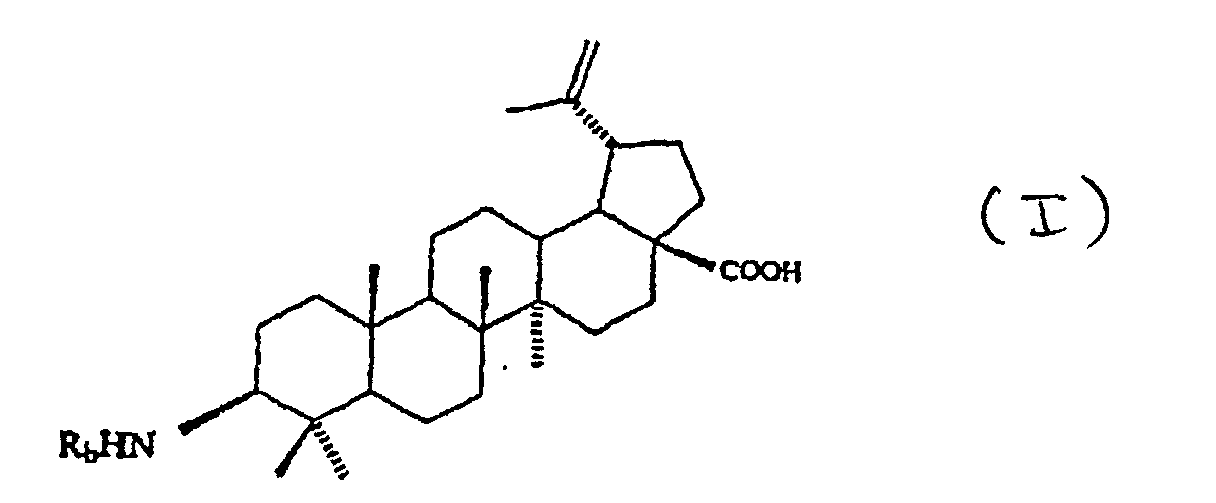
- the present invention is directed to a composition for preventing or inhibiting melanoma, said composition comprising betulinic acid modified at its C-3 position wherein the modified betulinic acid has the structure of formula (I) wherein R b is H, C 1-10 alkyl, C 6 H 4 Y, COC 6 H 4 X, COCH 2 Y, CH 2 CHCH, or CH 2 CCR 1 , and wherein X is H, F, Cl, Br, I, NO 2 , CH 3 , or OCH 3 , Y is H, F, Cl, Br, or I, and R 1 is H or C 1-6 alkyl.
- the active compound is a derivative of betulinic acid.
- the betulinic acid is isolated by a method comprising the steps of preparing an extract from the stem bark of Ziziphus mauritiana and isolating the betulinic acid.
- betulin can be isolated from the extract and used as precursor for betulinic acid, which is prepared from betulin by a series of synthetic steps.
- the betulinic acid can be isolated from the extract by mediating a selective cytotoxic profile against human melanoma in a subject panel of human cancer cell lines, conducting a bioassay-directed fractionation based on the profile of biological activity using cultured human melanoma cells (MEL-2) as the monitor, and obtaining betulinic acid therefrom as the active compound.
- MEL-2 cultured human melanoma cells
- the resulting betulinic acid can be used to prevent or inhibit tumor growth, or can be converted to a derivative according to formula (I) to prevent or inhibit melanome.
- Said derivative can be applied in a topical preparation.
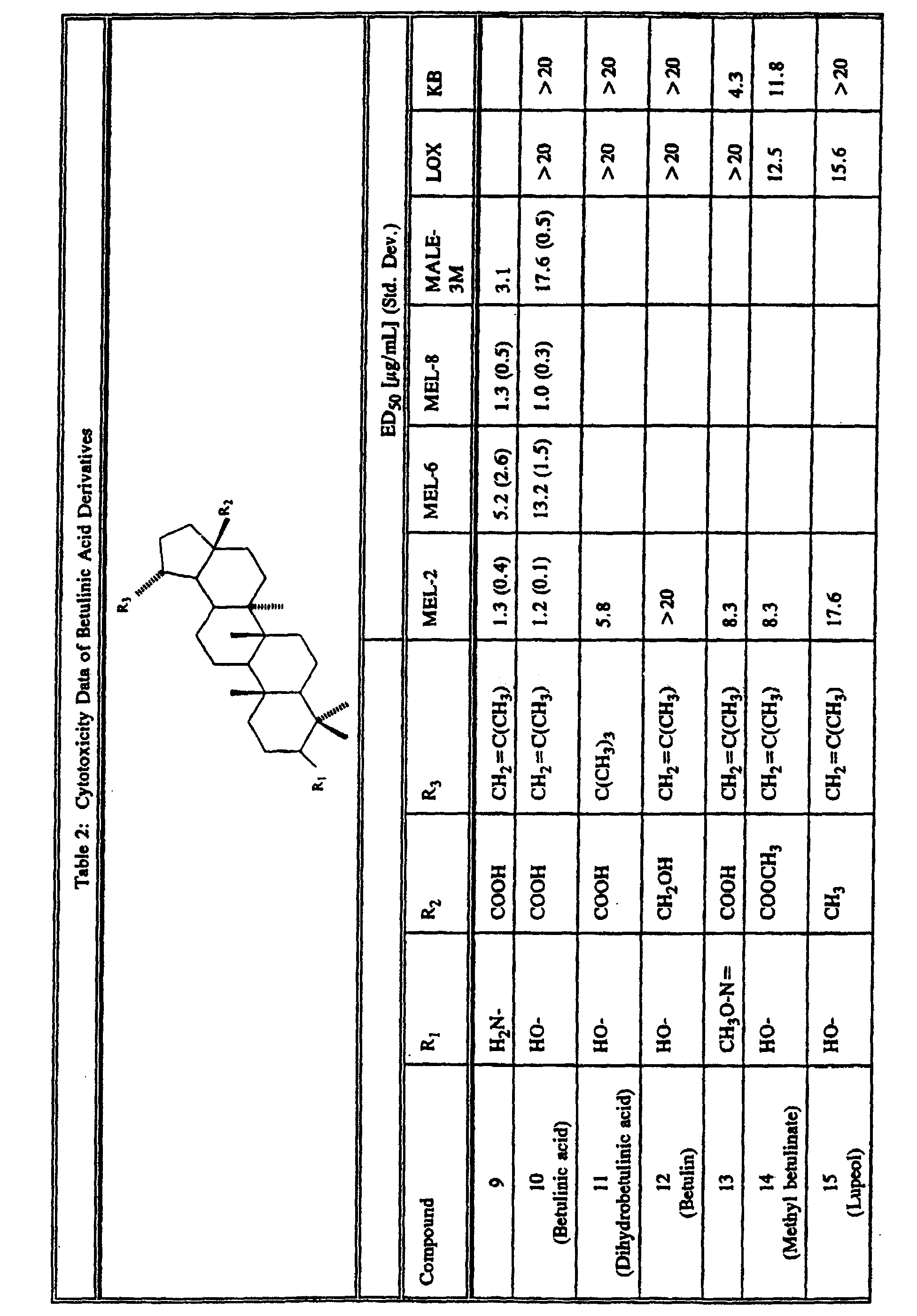
- the derivatives of betulinic acid according to formula (I) have a highly selective activity against melanoma cells, and have physical properties that make the derivatives easier to incorporate into topical preparations useful for the prevention or inhibition of melanoma cell growth.
- Betulinic acid 3 ⁇ -hydroxy-lup-20(29)-ene-28-oic acid, is a natural product isolated from several genus of higher plants. Through a bioassay-directed fractionation of the stem bark of Ziziphus mauritiana Lam. (Rhamnaceae), betulinic acid, a pentacyclic triterpene, was isolated as an active compound that showed a selective cytotoxicity against cultured human melanoma cells.
- the cell lines evaluated for cytotoxicity were A431 (squamous), BC-1 (breast), COL-2 (colon), HT-1080 (sarcoma), KB (human oral epidermoid carcinoma), LNCaP (prostate), LU-1 (lung), U373 (glioma), and MEL-1, -2, -3, and -4 (melanoma).
- Betulinic acid was found to be an excellent antitumor compound against human melanoma due to its unique in vitro and in vivo cytotoxicity profile. Betulinic acid has shown a strong selective antitumor activity against melanoma by induction of apoptosis. The selective cytotoxicity of betulinic acid, and its lack of toxicity toward normal cells, afford a favorable therapeutic index. In addition, betulinic acid has been reported to have an anti-HIV activity.
- the bark of white birch, Betula alba contains betulin (up to about 25%), lup-20(29)-ene-3 ⁇ ,28-diol, and betulinic acid (0.025%), but it is difficult to isolate a sufficient quantity of betulinic acid to perform an extensive bioassay. It has been found that a quantity of betulinic acid could be provided from betulin through a simple synthetic approach. A number of multi-step synthetic conversions of betulin to betulinic acid have been reported, but these synthetic sequences suffer from a low overall yield. A concise two-step conversion of betulin to betulinic acid, in good yield, has been reported in Synthetic Communications, 27(9) , pp. 1607-1612 (1997).
- cytotoxic response mediated by betulinic acid is not exclusively limited to the MEL-2 melanoma cell line.
- Betulinic acid (1) has the structural formula: Betulinic acid is fairly widespread in the plant kingdom, and, as a compound frequently encountered, some previous biological activities have been reported.
- Betulinic acid was obtained by extracting a sample of air-dried, milled stem bark (450 g) of Z. mauritiana with 80% aqueous methanol. The aqueous methanol extract then was partitioned successively with hexane and ethyl acetate to provide hexane, ethyl acetate and aqueous extracts. Among these extracts, the ethyl acetate (13.5 g) extract showed cytotoxic activity against a cultured melanoma cell line (MEL-2) with an ED 50 of 3.7 ⁇ g/ml.
- MEL-2 cultured melanoma cell line
- the plates were incubated for three days. Following the incubation period, the cells were fixed and stained with sulforhodamine B (SRB) dye. The bound dye was liberated with Tris base, and the OD 515 was measured on an ELISA reader. The growth of the betulinic acid-treated cells was determined by the OD 515 values, and the growth was compared to the OD 515 values of DMSO-treated control cells. Dose response studies were performed to generate ED 50 values.
- SRB sulforhodamine B
- the isolated active compound, betulinic acid (ED 50 of 2.0 ⁇ g/ml for MEL-2), has a molecular formula of C 30 H 48 O 3 , as determined by high-resolution mass spectral analysis, a melting point range of 292-293°C (decomposition).
- the literature melting point range for betulinic acid is 290-293°C.
- a mixed melting point range with a known sample of betulinic acid was not depressed.
- the identity of the isolated compound as betulinic acid was confirmed by comparing the above physical properties, as well as 1 H-nmr, 13 C-nmr and mass spectral data of the isolated compound, with physical data and spectra of a known sample of betulinic acid as reported in the literature.
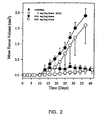
- betulinic acid To test the in vivo ability of betulinic acid to serve as an antineoplastic agent against malignant melanoma, a series of studies was performed with athymic (nude) mice injected subcutaneously with human melanoma cells (MEL-2). The initial study investigated the activity of betulinic acid against unestablished tumors. Treatment with betulinic acid began on day 1, i.e., 24 hours, following tumor cell injection. At doses of 50, 250, and 500 mg/kg (milligram per kilogram) body weight, betulinic acid demonstrated effective inhibition of tumor growth with p values of 0.001 for each dose versus a control (FIG. 1). These results indicate that betulinic acid can be used to prevent melanoma by topical application of melanoma. Such a discovery is important for individuals who are predisposed to melanoma due to hereditary or environmental factors.
- UISO MEL-2 is a cell line derived from metastatic melanoma from human pleural fluid.
- Drug treatment was initiated on the day following tumor cell injection and continued every fourth day for a total of six doses.
- Four control animals received 0.5 ml intraperitoneal (IP) of PVP control solution, while treated animals (4 per group) received 50, 250 or 500 mg/kg/dose IP betulinic acid/PVP in deionized H 2 O.
- Betulinic acid was coprecipitated with PVP to increase solubility and bioavailability.
- the mice were weighed, and the tumors measured with a micrometer every other day throughout the study. All animals were sacrificed and autopsied on day 33, when the mean tumor volume in the control animals was approximately one cm 3 .
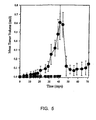
- mice four-week-old athymic mice were injected with 5 x 10 8 MEL-2 cells subcutaneously in the right flank.
- the control group received 0.5 ml IP saline.
- a DTIC treatment group received 4 mg/kg/dose IP DTIC every third day from day 13 to day 28 of the study.
- the betulinic acid treatment group received 250 mg/kg/dose IP betulinic acid/PVP every third day from day 13 to day 27.
- the control and DTIC-treated mice were sacrificed and autopsied on day 36 due to their large tumor burden. The remaining mice were sacrificed and autopsied on day 41.
- the efficacy of betulinic acid also was compared to DTIC, which is clinically available for the treatment of metastatic melanoma.
- the dose of DTIC which is limited by toxicity, was selected to be equivalent to that administered to human patients.
- DTIC produced a significant, but less pronounced, reduction in tumor growth, with a p value of 0.01.
- FIGS. 4 and 5 illustrate that betulinic acid also showed activity against MEL-1 cells.
- four week old athymic mice were injected subcutaneously in the right flank with 5.0 x 10 8 UISO MEL-1 cells.
- Drug treatment was initiated on the day following tumor cell injection and continued every fourth day for a total of six doses.
- Four control animals received 0.5 ml intraperitoneal (IP) saline, while treated animals (4 per group) received 5, 50 or 250 mg/kg/dose IP betulinic acid/PVP in dd H 2 O.
- IP intraperitoneal
- Treated animals were sacrificed and autopsied on day 41, when the mean tumor volume in the control mice was approximately 0.5 cm 3 .
- the control mice-then received six doses of 50 mg/kg every fourth day beginning day 41 and were sacrificed and autopsied on day 71.
- an important feature is a method of analyzing and quantifying the formation of the 50 Kbp fragment as a biomarker for induction of apoptosis in human cancer cell lines.
- This method comprises treatment of cells in culture, followed by analysis of the total cellular DNA content using agarose field-inversion gel electrophoresis. Under these conditions, the 50 Kbp fragment is resolved as a diffuse band. The fraction of the total cellular DNA represented by the 50 Kbp fragment is determined by densitometry on the contour of this band.
- cultured MEL-2 cells (10 6 cells inoculated per 25 cm 2 flask) were treated with 2 g/ml betulinic acid (200 ⁇ g/ml DMSO, diluted 1:100 in media) for 24, 32, 48, 56 and 72 hours. After the treatment, the cells were harvested, collected by centrifugation, then snap frozen in liquid nitrogen for subsequent analysis. Samples were analyzed on a 1% agarose gel in a Hoefer HE100 SuperSub apparatus cooled to 10°C by a circulating water bath. The electrode buffer was 0.5X TBE buffer containing 0.25 ⁇ g/ml ethidium bromide and was circulated during electrophoresis.
- Each gel included 20 ⁇ L Sigma Pulse Marker 0.1-200 Kbp DMA size markers. Prior to sample loading, 50 ⁇ L 2% SDS was added to each sample well. Each sample tube was rapidly thawed, then the pelleted cells were immediately transferred in a volume about 50 ⁇ L to the well containing SDS. Each well then was overlaid with molten LMP agarose, which was allowed to gel prior to placing the gel tray in the SuperSub apparatus.
- Electrophoresis was performed at 172 volts for a total of 18 hours using two sequential field inversion programs with pulse ramping.
- the DNA/ethidium bromide fluorescence was excited on a UV transilluminator and photographed using Polaroid type 55 P/N film.
- the negative was analyzed using a PDI scanning densitometer and Quantity One software.
- the intensity of the 50 Kbp fragment was determined by measuring the contour optical density (OD x mm 2 ) as a percent of the total optical density in the sample lane, including the sample well. The decrease in the 50 Kbp band definition caused by internal degradation, and does not represent a reversal of the process.
- cultured MEL-2 cells were treated for 56 hours with the following concentrations of betulinic acid: 0, 0.1, 1.0, 2.0, 4.0 and 8.0 ⁇ g/ml.
- the cells were harvested and apoptosis measured as described for FIG. 3A. The experiment was repeated and a similar dose-response curve was observed (data not shown).
- betulinic acid is an exceptionally attractive compound for treating human melanoma.
- Betulinic acid also is relatively innocuous toxicity-wise, as evidenced by repeatedly administering 500 mg/kg doses of betulinic acid without causing acute signs of toxicity or a decrease in body weight. Betulinic acid was previously found to be inactive in a Hippocratic screen at 200 and 400 mg/kg doses.
- Betulinic acid also does not suffer from the drawback of scarcity. Betulinic acid is a common triterpene available from many species throughout the plant kingdom. More importantly, a betulinic acid analog, betulin, is the major constituent of white-barked birch species (up to 22% yield), and betulin can be converted to betulinic acid.
- betulinic acid derivatives according to formula (I) can be used in a topically applied composition to selectively treat, or prevent or inhibit, a melanoma.
- Betulinic acid derivatives have been synthesized and evaluated biologically to illustrate that betulinic acid derivatives possess selective antitumor activity against human melanoma cells lines in vitro. It has been demonstrated that modifying the parent structure of betulinic acid provides numerous betulinic acid derivatives that can be deused to prevent or inhibit malignant tumor growth, especially with respect to human melanoma.
- the antitumor activity of betulinic acid derivatives is important because betulinic acid, although exhibiting a highly selective activity against melanomas, also possesses a low water solubility. The low water solubility of betulinic acid, however, can be overcome by providing an appropriate derivative of betulinic acid. Modifying the parent structure betulinic acid structure also can further improve antitumor activity against human melanoma.
- betulinic acid contains three positions, i.e., the C-3, C-20, and C-28 positions, where functional groups can be introduced.
- the introduced functional groups if desired, then can be modified.
- a large number of betulinic acid derivatives were prepared and evaluated for bioefficacy against a series of human tumor cell lines, especially against human melanoma cell lines.
- the hydroxyl group at the C-3 position can be converted to a carbonyl group by an oxidation reaction.
- the resulting compound is betulonic acid, i.e., compound (2).
- the ketone functionality of betulonic acid can be converted to oxime (3) by standard synthetic procedures.
- R a is C 1 -C 16 alkyl
- preferred alkyl groups are C 1 -C 6 alkyl groups.
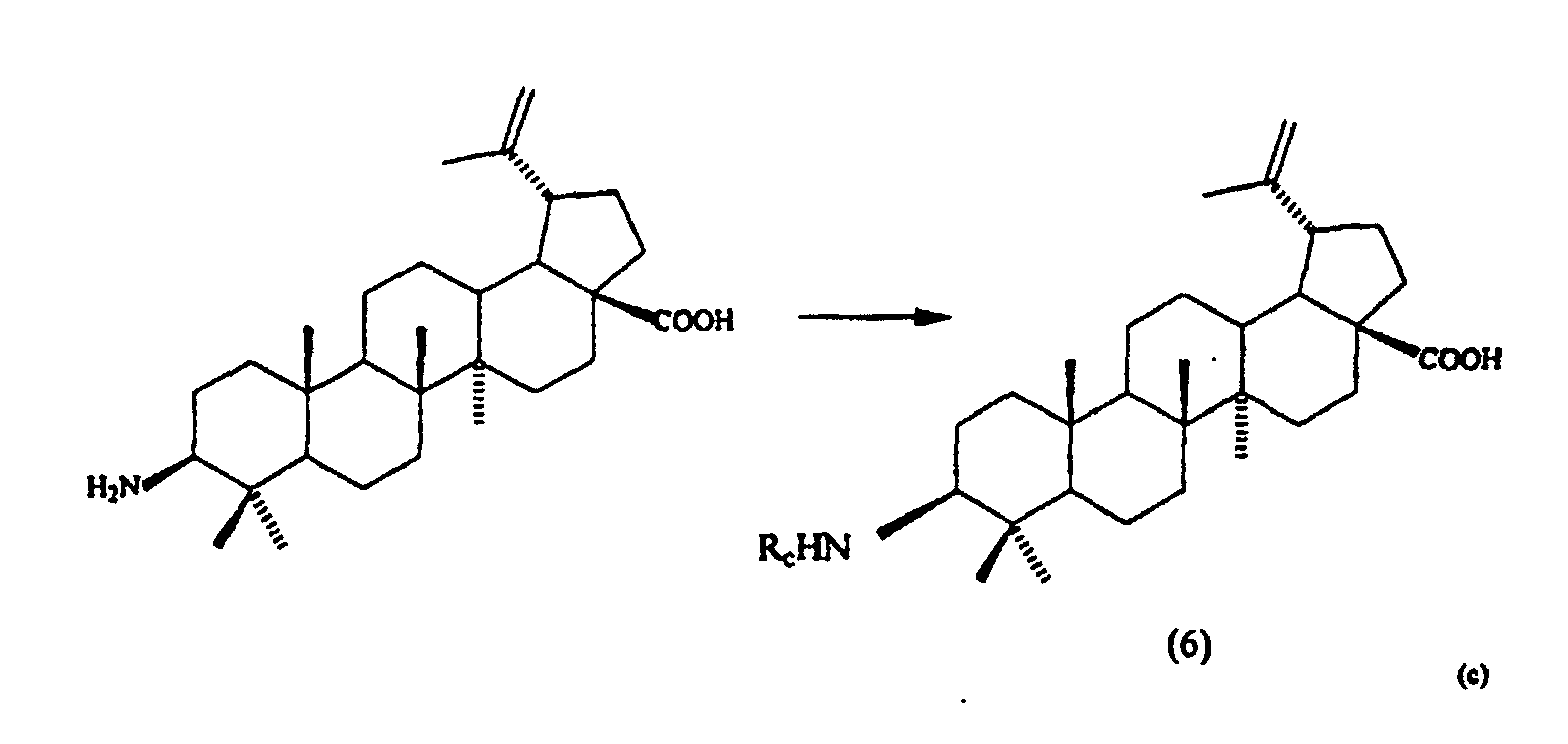
- the ketone functionality of betulonic acid can undergo a reductive amination reaction with various aliphatic and aromatic amines in the presence of sodium cyanoborohydride (NaBH 3 CN) to provide the corresponding substituted amines (5) at the C-3 position, as set forth in equation (b).
- Betulinic acid derivatives having a comparable or better antitumor activity than betulinic acid against human melanoma have been prepared.
- betulinic acid has a remarkably selective antitumor activity
- betulinic acid also has a poor solubility in water.
- the low solubility of betulinic acid in water can be overcome by introducing an appropriate substituent on the parent structure, which in turn can further improve selective antitumor activity.
Landscapes
- Health & Medical Sciences (AREA)
- Life Sciences & Earth Sciences (AREA)
- Chemical & Material Sciences (AREA)
- Medicinal Chemistry (AREA)
- Pharmacology & Pharmacy (AREA)
- Animal Behavior & Ethology (AREA)
- General Health & Medical Sciences (AREA)
- Public Health (AREA)
- Veterinary Medicine (AREA)
- Epidemiology (AREA)
- Natural Medicines & Medicinal Plants (AREA)
- Emergency Medicine (AREA)
- Microbiology (AREA)
- Botany (AREA)
- Mycology (AREA)
- Medical Informatics (AREA)
- Engineering & Computer Science (AREA)
- Alternative & Traditional Medicine (AREA)
- Biotechnology (AREA)
- Nuclear Medicine, Radiotherapy & Molecular Imaging (AREA)
- General Chemical & Material Sciences (AREA)
- Chemical Kinetics & Catalysis (AREA)
- Organic Chemistry (AREA)
- Steroid Compounds (AREA)
- Pharmaceuticals Containing Other Organic And Inorganic Compounds (AREA)
- Medicines Containing Plant Substances (AREA)
- Acyclic And Carbocyclic Compounds In Medicinal Compositions (AREA)
- Organic Low-Molecular-Weight Compounds And Preparation Thereof (AREA)
Abstract
Description





Claims (4)
- A composition for treating melanoma comprising betulinic acid modified at its C-3 position wherein the modified betulinic acid has the structurewherein Rb is H, C1-10 alkyl, C6H4Y, COC6H4X, COCH2Y, CH2CHCH, or CH2CCR1, and wherein X is H, F, Cl, Br, I, NO2, CH3, or OCH3, Y is H, F, Cl, Br, or I, and R1 is H or C1-6 alkyl.

- The composition according to claim 1 wherein Rb is H.
- Use of a modified betulinic acid as defined in claim 1 or 2 for the manufacture of a topical medicament for the treatment of melanoma.
- Use of a modified betulinic acid as defined in claim 1 or 2 for the manufacture of a topical medicament for the prevention of melanoma.
Priority Applications (1)
| Application Number | Priority Date | Filing Date | Title |
|---|---|---|---|
| EP02019173A EP1266658A3 (en) | 1997-05-16 | 1998-04-06 | Use of betulinic acid derivatives for the treatment and prevention of melanoma |
Applications Claiming Priority (3)
| Application Number | Priority Date | Filing Date | Title |
|---|---|---|---|
| US08/858,011 US5869535A (en) | 1995-03-21 | 1997-05-16 | Method and composition for selectively inhibiting melanoma |
| US858011 | 1997-05-16 | ||
| PCT/US1998/007007 WO1998051293A1 (en) | 1997-05-16 | 1998-04-06 | Use of betulinic acid derivatives for the treatment and prevention of melanoma |
Related Child Applications (1)
| Application Number | Title | Priority Date | Filing Date |
|---|---|---|---|
| EP02019173A Division EP1266658A3 (en) | 1997-05-16 | 1998-04-06 | Use of betulinic acid derivatives for the treatment and prevention of melanoma |
Publications (2)
| Publication Number | Publication Date |
|---|---|
| EP0981341A1 EP0981341A1 (en) | 2000-03-01 |
| EP0981341B1 true EP0981341B1 (en) | 2003-06-11 |
Family
ID=25327234
Family Applications (2)
| Application Number | Title | Priority Date | Filing Date |
|---|---|---|---|
| EP98915378A Expired - Lifetime EP0981341B1 (en) | 1997-05-16 | 1998-04-06 | Use of betulinic acid derivatives for the treatment and prevention of melanoma |
| EP02019173A Withdrawn EP1266658A3 (en) | 1997-05-16 | 1998-04-06 | Use of betulinic acid derivatives for the treatment and prevention of melanoma |
Family Applications After (1)
| Application Number | Title | Priority Date | Filing Date |
|---|---|---|---|
| EP02019173A Withdrawn EP1266658A3 (en) | 1997-05-16 | 1998-04-06 | Use of betulinic acid derivatives for the treatment and prevention of melanoma |
Country Status (9)
| Country | Link |
|---|---|
| US (4) | US5869535A (en) |
| EP (2) | EP0981341B1 (en) |
| AT (1) | ATE242632T1 (en) |
| CA (1) | CA2289686A1 (en) |
| DE (1) | DE69815527T2 (en) |
| DK (1) | DK0981341T3 (en) |
| ES (1) | ES2201478T3 (en) |
| PT (1) | PT981341E (en) |
| WO (1) | WO1998051293A1 (en) |
Families Citing this family (37)
| Publication number | Priority date | Publication date | Assignee | Title |
|---|---|---|---|---|
| US5962527A (en) * | 1995-03-21 | 1999-10-05 | The Board Of Trustees Of The University Of Illinois | Method and composition for treating cancers |
| US6228850B1 (en) * | 1997-09-30 | 2001-05-08 | Dabur Research Foundation | Antiangiogenic activity of betulinic acid and its derivatives |
| US6670345B1 (en) | 1997-09-30 | 2003-12-30 | Dabur Research Foundation | Betulinic acid derivatives for inhabiting cancer growth and process for the manufacture of betulinic acid |
| US6048847A (en) * | 1997-09-30 | 2000-04-11 | Dabur Research Foundation | Use of betulinic acid and its derivatives for inhibiting cancer growth and a method of monitoring this |
| US6214814B1 (en) * | 1998-03-18 | 2001-04-10 | Dabur Research Foundation | Use of betulinic acid derivatives for inhibiting cancer growth |
| TWI227136B (en) * | 1998-05-21 | 2005-02-01 | Smithkline Beecham Corp | Novel pharmaceutical composition for the prevention and/or treatment of cancer |
| US6369109B1 (en) | 1998-10-28 | 2002-04-09 | Deutsches Krebsforschungszentrum Stiftung Des Offentlichen Rechts | Betulinic acid and derivatives thereof useful for the treatment of neuroectodermal tumor |
| KR20010080507A (en) * | 1998-11-18 | 2001-08-22 | 추후보정 | Novel betulinic acid derivatives, processes for preparing such derivatives and its use as cancer growth inhibitors |
| US6303589B1 (en) | 1998-12-08 | 2001-10-16 | Micro Flo Company | Pentacyclic triterpenes |
| JP2003508543A (en) * | 1999-09-09 | 2003-03-04 | ダブール リサーチ ファンデーション | Novel betulinic acid derivatives with anti-angiogenic activity, methods of preparing the derivatives, and their use for treating angiogenesis associated with tumors |
| GB2362648A (en) * | 2000-05-23 | 2001-11-28 | Univerzita Palackeho V Olomouc | Triterpenoid derivatives |
| EP1309605A1 (en) | 2000-08-18 | 2003-05-14 | The Board Of Trustees Of The University Of Illinois | Prodrugs of betulinic acid derivatives for the treatment of cancer and hiv |
| KR100445683B1 (en) * | 2001-05-02 | 2004-08-21 | 김송배 | Novel lupane derivatives, process for the preparation thereof, and antitumor agents comprising the same |
| WO2002091858A1 (en) * | 2001-05-11 | 2002-11-21 | University Of Ottawa | Anxiolytic marcgraviaceae compositions containing betulinic acid, betulinic acid derivatives, and methods |
| JPWO2003057224A1 (en) * | 2001-12-28 | 2005-08-25 | 日清オイリオグループ株式会社 | Apoptosis inducer |
| US7026305B2 (en) * | 2003-04-14 | 2006-04-11 | Meharry Medical College | Anti-HIV agents with dual sites of action |
| US20080227762A1 (en) * | 2004-03-02 | 2008-09-18 | Wisconsin Alumni Research Foundation | Lupeol anti-tumor agent and uses thereof |
| US20060019934A1 (en) * | 2004-05-20 | 2006-01-26 | Saxena Brij B | Anti-HIV-1 activity of betulinol derivatives |
| US8088757B2 (en) | 2004-09-10 | 2012-01-03 | Biorings Llc | Betulinol derivatives as anti-cancer agents |
| RU2277417C1 (en) * | 2004-12-15 | 2006-06-10 | Общество с ограниченной ответственностью "Березовый мир" | Preparation of antimutagenic activity |
| US20060252733A1 (en) * | 2005-04-07 | 2006-11-09 | Novelix Pharmaceuticals, Inc. | Betulin, betulin derivatives, betulinic acid and betulinic acid derivatives as novel therapeutics in the treatment of disease of lipid and/or glucose metabolism |
| WO2007002411A1 (en) * | 2005-06-22 | 2007-01-04 | Myriad Genetics, Inc. | Antiviral compounds |
| AU2006333084A1 (en) * | 2005-12-16 | 2007-07-12 | Panacos Pharmaceuticals, Inc. | Preparation of pharmaceutical salts of 3-O-(3',3'-dimethylsuccinyl) betulinic acid |
| DE102006008074B4 (en) * | 2006-02-22 | 2013-08-14 | RUHR-UNIVERSITäT BOCHUM | Treatment of cancer with olfactory receptor ligands |
| FI121468B (en) * | 2006-06-07 | 2010-11-30 | Valtion Teknillinen | Compounds derived from betulin as antimicrobial agents |
| US20110144069A1 (en) * | 2006-10-16 | 2011-06-16 | Myriad Genetics, Incorporated | Compounds for treating viral infections |
| US9276602B1 (en) * | 2009-12-16 | 2016-03-01 | Syntropy Systems, Llc | Conversion of a discrete-time quantized signal into a continuous-time, continuously variable signal |
| WO2011153319A1 (en) | 2010-06-04 | 2011-12-08 | Bristol-Myers Squibb Company | C-28 amides of modified c-3 betulinic acid derivatives as hiv maturation inhibitors |
| BR112012030818A2 (en) | 2010-06-04 | 2019-09-24 | Bristol-Myers Squibb Company | "modified c-3 betulinic acid derivatives as inhibitors of hiv maturation" |
| JP6001560B2 (en) | 2011-01-31 | 2016-10-05 | ブリストル−マイヤーズ スクイブ カンパニーBristol−Myers Squibb Company | C-17 and C-3 modified triterpenoids with HIV maturation inhibitory activity |
| HRP20151212T1 (en) | 2011-01-31 | 2015-12-04 | Bristol-Myers Squibb Company | C-28 amines of c-3 modified betulinic acid derivatives as hiv maturation inhibitors |
| CA2849475A1 (en) | 2011-09-21 | 2013-03-28 | Bristol-Myers Squibb Company | Novel betulinic acid derivatives with antiviral activity |
| US8906889B2 (en) | 2012-02-15 | 2014-12-09 | Bristol-Myers Squibb Company | C-3 cycloalkenyl triterpenoids with HIV maturation inhibitory activity |
| US8889854B2 (en) | 2012-05-07 | 2014-11-18 | Bristol-Myers Squibb Company | C-17 bicyclic amines of triterpenoids with HIV maturation inhibitory activity |
| US9808011B2 (en) | 2014-12-15 | 2017-11-07 | Biovectra Inc. | Pentacyclic triterpene compounds and uses thereof |
| PL227790B1 (en) | 2015-08-13 | 2018-01-31 | Slaski Univ Medyczny W Katowicach | Phosphonates of acetylene derivatives of betulin with antitumour effects, method for producing them and applications |
| CN119185325A (en) * | 2024-10-12 | 2024-12-27 | 湖南师范大学 | Use of β-amyrin in preparing antitumor substances and antitumor composition |
Family Cites Families (12)
| Publication number | Priority date | Publication date | Assignee | Title |
|---|---|---|---|---|
| JPH01143832A (en) * | 1987-12-01 | 1989-06-06 | Toa Nenryo Kogyo Kk | Carcinostatic agent |
| FR2683531B1 (en) * | 1991-11-13 | 1993-12-31 | Rhone Poulenc Rorer Sa | NEW LUPANE DERIVATIVES, THEIR PREPARATION AND THE PHARMACEUTICAL COMPOSITIONS CONTAINING THEM. |
| FR2705097B1 (en) * | 1993-05-11 | 1995-08-04 | Rhone Poulenc Rorer Sa | New lupane derivatives, their preparation and the pharmaceutical compositions containing them. |
| US5643884A (en) * | 1993-08-09 | 1997-07-01 | Glycomed Incorporated | Lupane triterpenoid derivatives |
| US5658947A (en) * | 1995-03-21 | 1997-08-19 | Board Of Trustees Of The University Of Illinois | Method and composition for selectively inhibiting melanoma using betalinic acid |
| US5962527A (en) * | 1995-03-21 | 1999-10-05 | The Board Of Trustees Of The University Of Illinois | Method and composition for treating cancers |
| US5679828A (en) * | 1995-06-05 | 1997-10-21 | Biotech Research Labs, Inc. | Betulinic acid and dihydrobetulinic acid derivatives and uses therefor |
| DE19532006A1 (en) * | 1995-08-31 | 1997-03-06 | Thomas Samland | Sun protection agents contg. betulinic acid |
| EP0902685A1 (en) * | 1997-01-24 | 1999-03-24 | Marigen S.A. | Ultramicro-emulsions of spontaneously dispersible concentrates containing antitumorally, antivirally and antiparasitically active esters of pentacyclic triterpenes |
| KR20010080507A (en) | 1998-11-18 | 2001-08-22 | 추후보정 | Novel betulinic acid derivatives, processes for preparing such derivatives and its use as cancer growth inhibitors |
| AU4331700A (en) | 1999-04-07 | 2000-10-23 | Virginia Commonwealth University | Anti-tumor activity of vitamin e, cholesterol, taxol and betulinic acid derivatives |
| WO2002009719A1 (en) | 2000-07-31 | 2002-02-07 | The Nisshin Oillio, Ltd. | Antitumor agents |
-
1997
- 1997-05-16 US US08/858,011 patent/US5869535A/en not_active Expired - Fee Related
-
1998
- 1998-04-06 ES ES98915378T patent/ES2201478T3/en not_active Expired - Lifetime
- 1998-04-06 CA CA002289686A patent/CA2289686A1/en not_active Abandoned
- 1998-04-06 EP EP98915378A patent/EP0981341B1/en not_active Expired - Lifetime
- 1998-04-06 DK DK98915378T patent/DK0981341T3/en active
- 1998-04-06 WO PCT/US1998/007007 patent/WO1998051293A1/en not_active Ceased
- 1998-04-06 PT PT98915378T patent/PT981341E/en unknown
- 1998-04-06 DE DE69815527T patent/DE69815527T2/en not_active Expired - Fee Related
- 1998-04-06 EP EP02019173A patent/EP1266658A3/en not_active Withdrawn
- 1998-04-06 AT AT98915378T patent/ATE242632T1/en not_active IP Right Cessation
- 1998-11-10 US US09/189,698 patent/US6225353B1/en not_active Expired - Fee Related
-
2000
- 2000-08-09 US US09/635,385 patent/US6495600B1/en not_active Expired - Fee Related
-
2002
- 2002-12-12 US US10/317,361 patent/US7414042B2/en not_active Expired - Fee Related
Also Published As
| Publication number | Publication date |
|---|---|
| US6225353B1 (en) | 2001-05-01 |
| US5869535A (en) | 1999-02-09 |
| US7414042B2 (en) | 2008-08-19 |
| DE69815527T2 (en) | 2004-05-13 |
| EP1266658A2 (en) | 2002-12-18 |
| US20030181429A1 (en) | 2003-09-25 |
| PT981341E (en) | 2003-10-31 |
| EP0981341A1 (en) | 2000-03-01 |
| DK0981341T3 (en) | 2003-09-22 |
| DE69815527D1 (en) | 2003-07-17 |
| CA2289686A1 (en) | 1998-11-19 |
| ATE242632T1 (en) | 2003-06-15 |
| US6495600B1 (en) | 2002-12-17 |
| ES2201478T3 (en) | 2004-03-16 |
| WO1998051293A1 (en) | 1998-11-19 |
| EP1266658A3 (en) | 2004-05-26 |
Similar Documents
| Publication | Publication Date | Title |
|---|---|---|
| US6495600B1 (en) | Method and composition for selectively inhibiting melanoma | |
| EP0814795B1 (en) | Topical use of betulinic acid for the treatment of malignant melanoma | |
| US5962527A (en) | Method and composition for treating cancers | |
| Saleem | Lupeol, a novel anti-inflammatory and anti-cancer dietary triterpene | |
| Pisha et al. | Discovery of betulinic acid as a selective inhibitor of human melanoma that functions by induction of apoptosis | |
| Novotný et al. | Ursolic acid: an anti-tumorigenic and chemopreventive activity. Minireview | |
| Chen et al. | Antitumor activity of Annona squamosa seed oil | |
| George et al. | Comparative studies to evaluate relative in vitro potency of luteolin in inducing cell cycle arrest and apoptosis in HaCaT and A375 cells | |
| Wal et al. | Lupeol as a magical drug | |
| Menon et al. | Oroxylum indicum root bark extract prevents doxorubicin-induced cardiac damage by restoring redox balance | |
| US9486525B2 (en) | Anti-neoplastic compositions comprising extracts of black cohosh | |
| Attard et al. | Cucurbitacin E, an experimental lead triterpenoid with anticancer, immunomodulatory and novel effects against degenerative diseases. A mini-review | |
| Goudarzi et al. | Comparing toxicity of galbanic acid, auraptene and umbelliprenin on adult T-cell leukaemia-lymphoma in normoxia and hypoxia | |
| Bigoniya et al. | Radioprotective and In-Vitro Cytotoxic Sapogenin from Euphorbia neriifolia (Euphorbiaceae) Leaf. | |
| Ranggaini et al. | Curcuma xanthorrhiza rhizome extract induces apoptosis in HONE-1 nasopharyngeal cancer cells through bid | |
| Torres-Sanchez et al. | Unraveling the Influence of Six Lupane-, Oleanane-, and Ursane-type Pentacyclic Triterpenes' Structure-Activity Relationship on Non-Small Lung Adenocarcinoma Cells | |
| KABIR et al. | Antioxidant and antitumor activities of Polyalthia simiarum (Buch.-ham. ex Hook. f. & Thomson) Hook. f. & Thomson | |
| WO1991015124A1 (en) | Modulator agent and use thereof | |
| Dobhal et al. | Significance of Oleanolic Acid (OA) to counter the lung cancer | |
| Basu | The chemical analysis of Euphorbia bicolor (Euphorbiaceae) latex and its analgesic and antiproliferative properties | |
| Fujimaki | Chemistry and biology of pharmacological active compounds from natural products | |
| Coleman et al. | and modern world medical and pharmaceutical practice NV Coleman1, TL Kiseleva2 1City University of New Jersey (New Jersey, USA), 2Professional Association of Natural Therapists (Moscow) | |
| Singh | Withaferin-A: A Potential Anticancer Withanolide from Withania somnifera (L.) Dun. | |
| Senchina et al. | Effects of berberine, chelerythrine, and sanguinarine on proliferation in four human immortalized cell lines | |
| Cohanoschi | Part I: Evaluation Of Russian Synthetic Compounds As A Potential Source Of New Drug Leads Agains Breast And Colon Cancer Part Ii: Isolation Of Beta-amyrin Formate From Eucalyptus Viminalis Labill And Investigation Of Its Colon Cancer Activity |
Legal Events
| Date | Code | Title | Description |
|---|---|---|---|
| PUAI | Public reference made under article 153(3) epc to a published international application that has entered the european phase |
Free format text: ORIGINAL CODE: 0009012 |
|
| 17P | Request for examination filed |
Effective date: 19991111 |
|
| AK | Designated contracting states |
Kind code of ref document: A1 Designated state(s): AT CH CY DE DK ES FI FR GB IE IT LI NL PT SE Kind code of ref document: A1 Designated state(s): AT CH DE DK ES FI FR GB IE IT LI NL PT SE |
|
| 17Q | First examination report despatched |
Effective date: 20010430 |
|
| GRAG | Despatch of communication of intention to grant |
Free format text: ORIGINAL CODE: EPIDOS AGRA |
|
| RIC1 | Information provided on ipc code assigned before grant |
Free format text: 7A 61K 31/19 A, 7A 61K 35/78 B, 7A 61P 35/00 B |
|
| RIC1 | Information provided on ipc code assigned before grant |
Free format text: 7A 61K 31/19 A, 7A 61K 35/78 B, 7A 61P 35/00 B |
|
| RBV | Designated contracting states (corrected) |
Designated state(s): AT CH DE DK ES FI FR GB IE IT LI NL PT SE |
|
| GRAG | Despatch of communication of intention to grant |
Free format text: ORIGINAL CODE: EPIDOS AGRA |
|
| GRAG | Despatch of communication of intention to grant |
Free format text: ORIGINAL CODE: EPIDOS AGRA |
|
| GRAH | Despatch of communication of intention to grant a patent |
Free format text: ORIGINAL CODE: EPIDOS IGRA |
|
| GRAH | Despatch of communication of intention to grant a patent |
Free format text: ORIGINAL CODE: EPIDOS IGRA |
|
| GRAA | (expected) grant |
Free format text: ORIGINAL CODE: 0009210 |
|
| AK | Designated contracting states |
Designated state(s): AT CH DE DK ES FI FR GB IE IT LI NL PT SE |
|
| REG | Reference to a national code |
Ref country code: GB Ref legal event code: FG4D |
|
| REG | Reference to a national code |
Ref country code: CH Ref legal event code: EP |
|
| REG | Reference to a national code |
Ref country code: CH Ref legal event code: NV Representative=s name: E. BLUM & CO. PATENTANWAELTE |
|
| REG | Reference to a national code |
Ref country code: IE Ref legal event code: FG4D |
|
| REF | Corresponds to: |
Ref document number: 69815527 Country of ref document: DE Date of ref document: 20030717 Kind code of ref document: P |
|
| REG | Reference to a national code |
Ref country code: DK Ref legal event code: T3 |
|
| REG | Reference to a national code |
Ref country code: SE Ref legal event code: TRGR |
|
| REG | Reference to a national code |
Ref country code: ES Ref legal event code: FG2A Ref document number: 2201478 Country of ref document: ES Kind code of ref document: T3 |
|
| ET | Fr: translation filed | ||
| PLBE | No opposition filed within time limit |
Free format text: ORIGINAL CODE: 0009261 |
|
| STAA | Information on the status of an ep patent application or granted ep patent |
Free format text: STATUS: NO OPPOSITION FILED WITHIN TIME LIMIT |
|
| 26N | No opposition filed |
Effective date: 20040312 |
|
| PGFP | Annual fee paid to national office [announced via postgrant information from national office to epo] |
Ref country code: CH Payment date: 20070328 Year of fee payment: 10 |
|
| PGFP | Annual fee paid to national office [announced via postgrant information from national office to epo] |
Ref country code: DE Payment date: 20070329 Year of fee payment: 10 |
|
| PGFP | Annual fee paid to national office [announced via postgrant information from national office to epo] |
Ref country code: PT Payment date: 20070403 Year of fee payment: 10 Ref country code: NL Payment date: 20070403 Year of fee payment: 10 |
|
| PGFP | Annual fee paid to national office [announced via postgrant information from national office to epo] |
Ref country code: SE Payment date: 20070404 Year of fee payment: 10 |
|
| PGFP | Annual fee paid to national office [announced via postgrant information from national office to epo] |
Ref country code: IE Payment date: 20070412 Year of fee payment: 10 Ref country code: AT Payment date: 20070412 Year of fee payment: 10 |
|
| PGFP | Annual fee paid to national office [announced via postgrant information from national office to epo] |
Ref country code: FI Payment date: 20070413 Year of fee payment: 10 |
|
| PGFP | Annual fee paid to national office [announced via postgrant information from national office to epo] |
Ref country code: DK Payment date: 20070416 Year of fee payment: 10 |
|
| PGFP | Annual fee paid to national office [announced via postgrant information from national office to epo] |
Ref country code: ES Payment date: 20070521 Year of fee payment: 10 |
|
| REG | Reference to a national code |
Ref country code: CH Ref legal event code: PFA Owner name: THE BOARD OF TRUSTEES OF THE UNIVERSITY OF ILLINO Free format text: THE BOARD OF TRUSTEES OF THE UNIVERSITY OF ILLINOIS#352 HENRY ADMINISTRATION BUILDING, 506 SOUTH WRIGHT STREET#URBANA, ILLINOIS 61801 (US) -TRANSFER TO- THE BOARD OF TRUSTEES OF THE UNIVERSITY OF ILLINOIS#352 HENRY ADMINISTRATION BUILDING, 506 SOUTH WRIGHT STREET#URBANA, ILLINOIS 61801 (US) |
|
| PGFP | Annual fee paid to national office [announced via postgrant information from national office to epo] |
Ref country code: GB Payment date: 20070404 Year of fee payment: 10 |
|
| PGFP | Annual fee paid to national office [announced via postgrant information from national office to epo] |
Ref country code: IT Payment date: 20070529 Year of fee payment: 10 |
|
| PGFP | Annual fee paid to national office [announced via postgrant information from national office to epo] |
Ref country code: FR Payment date: 20080312 Year of fee payment: 11 |
|
| REG | Reference to a national code |
Ref country code: PT Ref legal event code: MM4A Free format text: LAPSE DUE TO NON-PAYMENT OF FEES Effective date: 20081006 |
|
| REG | Reference to a national code |
Ref country code: CH Ref legal event code: PL |
|
| REG | Reference to a national code |
Ref country code: DK Ref legal event code: EBP |
|
| EUG | Se: european patent has lapsed | ||
| GBPC | Gb: european patent ceased through non-payment of renewal fee |
Effective date: 20080406 |
|
| NLV4 | Nl: lapsed or anulled due to non-payment of the annual fee |
Effective date: 20081101 |
|
| REG | Reference to a national code |
Ref country code: IE Ref legal event code: MM4A |
|
| PG25 | Lapsed in a contracting state [announced via postgrant information from national office to epo] |
Ref country code: PT Free format text: LAPSE BECAUSE OF NON-PAYMENT OF DUE FEES Effective date: 20081006 Ref country code: NL Free format text: LAPSE BECAUSE OF NON-PAYMENT OF DUE FEES Effective date: 20081101 Ref country code: LI Free format text: LAPSE BECAUSE OF NON-PAYMENT OF DUE FEES Effective date: 20080430 Ref country code: DE Free format text: LAPSE BECAUSE OF NON-PAYMENT OF DUE FEES Effective date: 20081101 Ref country code: CH Free format text: LAPSE BECAUSE OF NON-PAYMENT OF DUE FEES Effective date: 20080430 |
|
| PG25 | Lapsed in a contracting state [announced via postgrant information from national office to epo] |
Ref country code: FI Free format text: LAPSE BECAUSE OF NON-PAYMENT OF DUE FEES Effective date: 20080406 Ref country code: AT Free format text: LAPSE BECAUSE OF NON-PAYMENT OF DUE FEES Effective date: 20080406 |
|
| PG25 | Lapsed in a contracting state [announced via postgrant information from national office to epo] |
Ref country code: IE Free format text: LAPSE BECAUSE OF NON-PAYMENT OF DUE FEES Effective date: 20080407 Ref country code: DK Free format text: LAPSE BECAUSE OF NON-PAYMENT OF DUE FEES Effective date: 20080430 |
|
| REG | Reference to a national code |
Ref country code: ES Ref legal event code: FD2A Effective date: 20080407 |
|
| PG25 | Lapsed in a contracting state [announced via postgrant information from national office to epo] |
Ref country code: GB Free format text: LAPSE BECAUSE OF NON-PAYMENT OF DUE FEES Effective date: 20080406 |
|
| PG25 | Lapsed in a contracting state [announced via postgrant information from national office to epo] |
Ref country code: ES Free format text: LAPSE BECAUSE OF NON-PAYMENT OF DUE FEES Effective date: 20080407 |
|
| PG25 | Lapsed in a contracting state [announced via postgrant information from national office to epo] |
Ref country code: IT Free format text: LAPSE BECAUSE OF NON-PAYMENT OF DUE FEES Effective date: 20080406 |
|
| REG | Reference to a national code |
Ref country code: FR Ref legal event code: ST Effective date: 20091231 |
|
| PG25 | Lapsed in a contracting state [announced via postgrant information from national office to epo] |
Ref country code: FR Free format text: LAPSE BECAUSE OF NON-PAYMENT OF DUE FEES Effective date: 20091222 |
|
| PG25 | Lapsed in a contracting state [announced via postgrant information from national office to epo] |
Ref country code: SE Free format text: LAPSE BECAUSE OF NON-PAYMENT OF DUE FEES Effective date: 20080407 |