EP0972037B1 - Beta-catenin, tcf-4, and apc interact to prevent cancer - Google Patents
Beta-catenin, tcf-4, and apc interact to prevent cancerInfo
- Publication number
- EP0972037B1 EP0972037B1 EP98912994A EP98912994A EP0972037B1 EP 0972037 B1 EP0972037 B1 EP 0972037B1 EP 98912994 A EP98912994 A EP 98912994A EP 98912994 A EP98912994 A EP 98912994A EP 0972037 B1 EP0972037 B1 EP 0972037B1
- Authority
- EP
- European Patent Office
- Prior art keywords
- apc
- catenin
- tcf
- beta
- htcf
- Prior art date
- Legal status (The legal status is an assumption and is not a legal conclusion. Google has not performed a legal analysis and makes no representation as to the accuracy of the status listed.)
- Expired - Lifetime
Links
- 108060000903 Beta-catenin Proteins 0.000 title claims abstract description 87
- 102000015735 Beta-catenin Human genes 0.000 title claims abstract description 86
- 206010028980 Neoplasm Diseases 0.000 title claims description 30
- 201000011510 cancer Diseases 0.000 title claims description 13
- -1 tcf-4 Proteins 0.000 title 1
- 238000009739 binding Methods 0.000 claims description 21
- 230000027455 binding Effects 0.000 claims description 20
- 238000000034 method Methods 0.000 claims description 11
- 238000012360 testing method Methods 0.000 claims description 11
- 208000029664 classic familial adenomatous polyposis Diseases 0.000 claims description 9
- 150000001875 compounds Chemical class 0.000 claims description 9
- 201000006107 Familial adenomatous polyposis Diseases 0.000 claims description 8
- 239000003814 drug Substances 0.000 claims description 6
- 229940079593 drug Drugs 0.000 claims description 5
- 238000011275 oncology therapy Methods 0.000 claims description 2
- 238000011321 prophylaxis Methods 0.000 claims description 2
- 108090000623 proteins and genes Proteins 0.000 abstract description 45
- 230000035772 mutation Effects 0.000 abstract description 44
- 102000004169 proteins and genes Human genes 0.000 abstract description 20
- 238000013518 transcription Methods 0.000 abstract description 15
- 230000035897 transcription Effects 0.000 abstract description 15
- 206010009944 Colon cancer Diseases 0.000 abstract description 13
- 208000001333 Colorectal Neoplasms Diseases 0.000 abstract description 13
- 108700008625 Reporter Genes Proteins 0.000 abstract description 9
- 230000026731 phosphorylation Effects 0.000 abstract description 8
- 238000006366 phosphorylation reaction Methods 0.000 abstract description 8
- 230000000112 colonic effect Effects 0.000 abstract description 7
- 230000001105 regulatory effect Effects 0.000 abstract description 6
- 230000033228 biological regulation Effects 0.000 abstract description 5
- 210000000981 epithelium Anatomy 0.000 abstract description 5
- 108700001666 APC Genes Proteins 0.000 abstract description 3
- 230000003213 activating effect Effects 0.000 abstract description 2
- 230000002950 deficient Effects 0.000 abstract description 2
- 230000023603 positive regulation of transcription initiation, DNA-dependent Effects 0.000 abstract description 2
- 102100034540 Adenomatous polyposis coli protein Human genes 0.000 abstract 5
- 102000000479 TCF Transcription Factors Human genes 0.000 abstract 2
- 108010016283 TCF Transcription Factors Proteins 0.000 abstract 2
- 230000004913 activation Effects 0.000 abstract 1
- 230000009466 transformation Effects 0.000 abstract 1
- 230000002100 tumorsuppressive effect Effects 0.000 abstract 1
- 210000004027 cell Anatomy 0.000 description 72
- 150000001413 amino acids Chemical class 0.000 description 24
- 235000001014 amino acid Nutrition 0.000 description 23
- 230000000694 effects Effects 0.000 description 21
- 102100028914 Catenin beta-1 Human genes 0.000 description 19
- 235000018102 proteins Nutrition 0.000 description 18
- 101000916173 Homo sapiens Catenin beta-1 Proteins 0.000 description 16
- 239000000523 sample Substances 0.000 description 15
- 238000003556 assay Methods 0.000 description 13
- 230000014509 gene expression Effects 0.000 description 13
- 108020004705 Codon Proteins 0.000 description 11
- 239000013604 expression vector Substances 0.000 description 11
- 230000037361 pathway Effects 0.000 description 10
- 238000001890 transfection Methods 0.000 description 9
- 239000005089 Luciferase Substances 0.000 description 7
- 238000012217 deletion Methods 0.000 description 7
- 230000037430 deletion Effects 0.000 description 7
- 239000000284 extract Substances 0.000 description 7
- 239000013612 plasmid Substances 0.000 description 7
- 108020004414 DNA Proteins 0.000 description 6
- PEDCQBHIVMGVHV-UHFFFAOYSA-N Glycerine Chemical compound OCC(O)CO PEDCQBHIVMGVHV-UHFFFAOYSA-N 0.000 description 6
- 102000019058 Glycogen Synthase Kinase 3 beta Human genes 0.000 description 6
- 108010051975 Glycogen Synthase Kinase 3 beta Proteins 0.000 description 6
- 108060001084 Luciferase Proteins 0.000 description 6
- 238000004458 analytical method Methods 0.000 description 6
- 239000002299 complementary DNA Substances 0.000 description 6
- 210000001072 colon Anatomy 0.000 description 5
- 101150042537 dld1 gene Proteins 0.000 description 5
- 210000002919 epithelial cell Anatomy 0.000 description 5
- 230000005764 inhibitory process Effects 0.000 description 5
- 230000003993 interaction Effects 0.000 description 5
- 102000039446 nucleic acids Human genes 0.000 description 5
- 108020004707 nucleic acids Proteins 0.000 description 5
- 150000007523 nucleic acids Chemical class 0.000 description 5
- 239000000047 product Substances 0.000 description 5
- 210000001519 tissue Anatomy 0.000 description 5
- 108700028369 Alleles Proteins 0.000 description 4
- 238000000636 Northern blotting Methods 0.000 description 4
- 102000001742 Tumor Suppressor Proteins Human genes 0.000 description 4
- 108010040002 Tumor Suppressor Proteins Proteins 0.000 description 4
- 241000269370 Xenopus <genus> Species 0.000 description 4
- 210000003719 b-lymphocyte Anatomy 0.000 description 4
- VHJLVAABSRFDPM-QWWZWVQMSA-N dithiothreitol Chemical compound SC[C@@H](O)[C@H](O)CS VHJLVAABSRFDPM-QWWZWVQMSA-N 0.000 description 4
- 230000003828 downregulation Effects 0.000 description 4
- 230000006870 function Effects 0.000 description 4
- 238000003119 immunoblot Methods 0.000 description 4
- 238000007901 in situ hybridization Methods 0.000 description 4
- 238000000338 in vitro Methods 0.000 description 4
- 108020004999 messenger RNA Proteins 0.000 description 4
- 239000002773 nucleotide Substances 0.000 description 4
- 125000003729 nucleotide group Chemical group 0.000 description 4
- 230000029279 positive regulation of transcription, DNA-dependent Effects 0.000 description 4
- 238000003571 reporter gene assay Methods 0.000 description 4
- 210000004881 tumor cell Anatomy 0.000 description 4
- 108010014223 Armadillo Domain Proteins Proteins 0.000 description 3
- 241000289632 Dasypodidae Species 0.000 description 3
- 102000040945 Transcription factor Human genes 0.000 description 3
- 108091023040 Transcription factor Proteins 0.000 description 3
- 108010058966 bacteriophage T7 induced DNA polymerase Proteins 0.000 description 3
- 230000008859 change Effects 0.000 description 3
- 201000010099 disease Diseases 0.000 description 3
- 208000037265 diseases, disorders, signs and symptoms Diseases 0.000 description 3
- 238000004520 electroporation Methods 0.000 description 3
- 210000002257 embryonic structure Anatomy 0.000 description 3
- 238000011156 evaluation Methods 0.000 description 3
- 210000004602 germ cell Anatomy 0.000 description 3
- 230000006698 induction Effects 0.000 description 3
- 230000001404 mediated effect Effects 0.000 description 3
- 208000015768 polyposis Diseases 0.000 description 3
- 102200044943 rs121913400 Human genes 0.000 description 3
- 102200044886 rs121913409 Human genes 0.000 description 3
- 230000002103 transcriptional effect Effects 0.000 description 3
- 108091032973 (ribonucleotides)n+m Proteins 0.000 description 2
- 206010006187 Breast cancer Diseases 0.000 description 2
- 208000026310 Breast neoplasm Diseases 0.000 description 2
- 208000005623 Carcinogenesis Diseases 0.000 description 2
- 108010035563 Chloramphenicol O-acetyltransferase Proteins 0.000 description 2
- 206010059352 Desmoid tumour Diseases 0.000 description 2
- 241000255581 Drosophila <fruit fly, genus> Species 0.000 description 2
- KCXVZYZYPLLWCC-UHFFFAOYSA-N EDTA Chemical compound OC(=O)CN(CC(O)=O)CCN(CC(O)=O)CC(O)=O KCXVZYZYPLLWCC-UHFFFAOYSA-N 0.000 description 2
- TWRXJAOTZQYOKJ-UHFFFAOYSA-L Magnesium chloride Chemical compound [Mg+2].[Cl-].[Cl-] TWRXJAOTZQYOKJ-UHFFFAOYSA-L 0.000 description 2
- 108091034117 Oligonucleotide Proteins 0.000 description 2
- 102000007568 Proto-Oncogene Proteins c-fos Human genes 0.000 description 2
- 108010071563 Proto-Oncogene Proteins c-fos Proteins 0.000 description 2
- 238000012300 Sequence Analysis Methods 0.000 description 2
- 210000001744 T-lymphocyte Anatomy 0.000 description 2
- 102000043043 TCF/LEF family Human genes 0.000 description 2
- 108091084789 TCF/LEF family Proteins 0.000 description 2
- 102000006601 Thymidine Kinase Human genes 0.000 description 2
- 108020004440 Thymidine kinase Proteins 0.000 description 2
- 230000006907 apoptotic process Effects 0.000 description 2
- 230000002238 attenuated effect Effects 0.000 description 2
- 102000005936 beta-Galactosidase Human genes 0.000 description 2
- 108010005774 beta-Galactosidase Proteins 0.000 description 2
- 230000036952 cancer formation Effects 0.000 description 2
- 231100000504 carcinogenesis Toxicity 0.000 description 2
- 230000001413 cellular effect Effects 0.000 description 2
- 208000029742 colonic neoplasm Diseases 0.000 description 2
- 201000006827 desmoid tumor Diseases 0.000 description 2
- ZMMJGEGLRURXTF-UHFFFAOYSA-N ethidium bromide Chemical compound [Br-].C12=CC(N)=CC=C2C2=CC=C(N)C=C2[N+](CC)=C1C1=CC=CC=C1 ZMMJGEGLRURXTF-UHFFFAOYSA-N 0.000 description 2
- 239000013613 expression plasmid Substances 0.000 description 2
- 239000012634 fragment Substances 0.000 description 2
- 102000054078 gamma Catenin Human genes 0.000 description 2
- 108010084448 gamma Catenin Proteins 0.000 description 2
- 238000009396 hybridization Methods 0.000 description 2
- 230000002401 inhibitory effect Effects 0.000 description 2
- 230000007246 mechanism Effects 0.000 description 2
- 239000013642 negative control Substances 0.000 description 2
- 229920001184 polypeptide Polymers 0.000 description 2
- 102000004196 processed proteins & peptides Human genes 0.000 description 2
- 108090000765 processed proteins & peptides Proteins 0.000 description 2
- 238000003757 reverse transcription PCR Methods 0.000 description 2
- 238000012163 sequencing technique Methods 0.000 description 2
- 230000000392 somatic effect Effects 0.000 description 2
- 238000010361 transduction Methods 0.000 description 2
- 230000026683 transduction Effects 0.000 description 2
- 241001529453 unidentified herpesvirus Species 0.000 description 2
- 238000011144 upstream manufacturing Methods 0.000 description 2
- DIGQNXIGRZPYDK-WKSCXVIASA-N (2R)-6-amino-2-[[2-[[(2S)-2-[[2-[[(2R)-2-[[(2S)-2-[[(2R,3S)-2-[[2-[[(2S)-2-[[2-[[(2S)-2-[[(2S)-2-[[(2R)-2-[[(2S,3S)-2-[[(2R)-2-[[(2S)-2-[[(2S)-2-[[(2S)-2-[[2-[[(2S)-2-[[(2R)-2-[[2-[[2-[[2-[(2-amino-1-hydroxyethylidene)amino]-3-carboxy-1-hydroxypropylidene]amino]-1-hydroxy-3-sulfanylpropylidene]amino]-1-hydroxyethylidene]amino]-1-hydroxy-3-sulfanylpropylidene]amino]-1,3-dihydroxypropylidene]amino]-1-hydroxyethylidene]amino]-1-hydroxypropylidene]amino]-1,3-dihydroxypropylidene]amino]-1,3-dihydroxypropylidene]amino]-1-hydroxy-3-sulfanylpropylidene]amino]-1,3-dihydroxybutylidene]amino]-1-hydroxy-3-sulfanylpropylidene]amino]-1-hydroxypropylidene]amino]-1,3-dihydroxypropylidene]amino]-1-hydroxyethylidene]amino]-1,5-dihydroxy-5-iminopentylidene]amino]-1-hydroxy-3-sulfanylpropylidene]amino]-1,3-dihydroxybutylidene]amino]-1-hydroxy-3-sulfanylpropylidene]amino]-1,3-dihydroxypropylidene]amino]-1-hydroxyethylidene]amino]-1-hydroxy-3-sulfanylpropylidene]amino]-1-hydroxyethylidene]amino]hexanoic acid Chemical compound C[C@@H]([C@@H](C(=N[C@@H](CS)C(=N[C@@H](C)C(=N[C@@H](CO)C(=NCC(=N[C@@H](CCC(=N)O)C(=NC(CS)C(=N[C@H]([C@H](C)O)C(=N[C@H](CS)C(=N[C@H](CO)C(=NCC(=N[C@H](CS)C(=NCC(=N[C@H](CCCCN)C(=O)O)O)O)O)O)O)O)O)O)O)O)O)O)O)N=C([C@H](CS)N=C([C@H](CO)N=C([C@H](CO)N=C([C@H](C)N=C(CN=C([C@H](CO)N=C([C@H](CS)N=C(CN=C(C(CS)N=C(C(CC(=O)O)N=C(CN)O)O)O)O)O)O)O)O)O)O)O)O DIGQNXIGRZPYDK-WKSCXVIASA-N 0.000 description 1
- 108020004463 18S ribosomal RNA Proteins 0.000 description 1
- 108020005096 28S Ribosomal RNA Chemical group 0.000 description 1
- FWMNVWWHGCHHJJ-SKKKGAJSSA-N 4-amino-1-[(2r)-6-amino-2-[[(2r)-2-[[(2r)-2-[[(2r)-2-amino-3-phenylpropanoyl]amino]-3-phenylpropanoyl]amino]-4-methylpentanoyl]amino]hexanoyl]piperidine-4-carboxylic acid Chemical compound C([C@H](C(=O)N[C@H](CC(C)C)C(=O)N[C@H](CCCCN)C(=O)N1CCC(N)(CC1)C(O)=O)NC(=O)[C@H](N)CC=1C=CC=CC=1)C1=CC=CC=C1 FWMNVWWHGCHHJJ-SKKKGAJSSA-N 0.000 description 1
- 206010069754 Acquired gene mutation Diseases 0.000 description 1
- 208000003174 Brain Neoplasms Diseases 0.000 description 1
- 101150037241 CTNNB1 gene Proteins 0.000 description 1
- 201000009030 Carcinoma Diseases 0.000 description 1
- 102000016362 Catenins Human genes 0.000 description 1
- 108010067316 Catenins Proteins 0.000 description 1
- 108091026890 Coding region Proteins 0.000 description 1
- 108020004635 Complementary DNA Proteins 0.000 description 1
- 108091035707 Consensus sequence Proteins 0.000 description 1
- 230000004568 DNA-binding Effects 0.000 description 1
- 102000004163 DNA-directed RNA polymerases Human genes 0.000 description 1
- 108090000626 DNA-directed RNA polymerases Proteins 0.000 description 1
- 102100024099 Disks large homolog 1 Human genes 0.000 description 1
- 241000588724 Escherichia coli Species 0.000 description 1
- 102000002464 Galactosidases Human genes 0.000 description 1
- 108010093031 Galactosidases Proteins 0.000 description 1
- 108010020382 Hepatocyte Nuclear Factor 1-alpha Proteins 0.000 description 1
- 102100022057 Hepatocyte nuclear factor 1-alpha Human genes 0.000 description 1
- 241000282412 Homo Species 0.000 description 1
- 101100005713 Homo sapiens CD4 gene Proteins 0.000 description 1
- 101001053984 Homo sapiens Disks large homolog 1 Proteins 0.000 description 1
- 108010001336 Horseradish Peroxidase Proteins 0.000 description 1
- 108090000144 Human Proteins Proteins 0.000 description 1
- 102000003839 Human Proteins Human genes 0.000 description 1
- 108060003951 Immunoglobulin Proteins 0.000 description 1
- 206010064912 Malignant transformation Diseases 0.000 description 1
- 241000124008 Mammalia Species 0.000 description 1
- 208000000172 Medulloblastoma Diseases 0.000 description 1
- 102000003792 Metallothionein Human genes 0.000 description 1
- 108090000157 Metallothionein Proteins 0.000 description 1
- 241001529936 Murinae Species 0.000 description 1
- 229930193140 Neomycin Natural products 0.000 description 1
- 102000007999 Nuclear Proteins Human genes 0.000 description 1
- 108010089610 Nuclear Proteins Proteins 0.000 description 1
- 108091028043 Nucleic acid sequence Proteins 0.000 description 1
- 108020005187 Oligonucleotide Probes Proteins 0.000 description 1
- 241000283973 Oryctolagus cuniculus Species 0.000 description 1
- 208000037062 Polyps Diseases 0.000 description 1
- 102000009516 Protein Serine-Threonine Kinases Human genes 0.000 description 1
- 108010009341 Protein Serine-Threonine Kinases Proteins 0.000 description 1
- 238000010240 RT-PCR analysis Methods 0.000 description 1
- 108091028664 Ribonucleotide Proteins 0.000 description 1
- 208000024770 Thyroid neoplasm Diseases 0.000 description 1
- 102000009523 Transcription Factor 4 Human genes 0.000 description 1
- 108010048992 Transcription Factor 4 Proteins 0.000 description 1
- 239000007983 Tris buffer Substances 0.000 description 1
- 229920004890 Triton X-100 Polymers 0.000 description 1
- 239000013504 Triton X-100 Substances 0.000 description 1
- 102000004243 Tubulin Human genes 0.000 description 1
- 108090000704 Tubulin Proteins 0.000 description 1
- 108700025716 Tumor Suppressor Genes Proteins 0.000 description 1
- 102000044209 Tumor Suppressor Genes Human genes 0.000 description 1
- 101100536758 Xenopus laevis tcf3 gene Proteins 0.000 description 1
- JLCPHMBAVCMARE-UHFFFAOYSA-N [3-[[3-[[3-[[3-[[3-[[3-[[3-[[3-[[3-[[3-[[3-[[5-(2-amino-6-oxo-1H-purin-9-yl)-3-[[3-[[3-[[3-[[3-[[3-[[5-(2-amino-6-oxo-1H-purin-9-yl)-3-[[5-(2-amino-6-oxo-1H-purin-9-yl)-3-hydroxyoxolan-2-yl]methoxy-hydroxyphosphoryl]oxyoxolan-2-yl]methoxy-hydroxyphosphoryl]oxy-5-(5-methyl-2,4-dioxopyrimidin-1-yl)oxolan-2-yl]methoxy-hydroxyphosphoryl]oxy-5-(6-aminopurin-9-yl)oxolan-2-yl]methoxy-hydroxyphosphoryl]oxy-5-(6-aminopurin-9-yl)oxolan-2-yl]methoxy-hydroxyphosphoryl]oxy-5-(6-aminopurin-9-yl)oxolan-2-yl]methoxy-hydroxyphosphoryl]oxy-5-(6-aminopurin-9-yl)oxolan-2-yl]methoxy-hydroxyphosphoryl]oxyoxolan-2-yl]methoxy-hydroxyphosphoryl]oxy-5-(5-methyl-2,4-dioxopyrimidin-1-yl)oxolan-2-yl]methoxy-hydroxyphosphoryl]oxy-5-(4-amino-2-oxopyrimidin-1-yl)oxolan-2-yl]methoxy-hydroxyphosphoryl]oxy-5-(5-methyl-2,4-dioxopyrimidin-1-yl)oxolan-2-yl]methoxy-hydroxyphosphoryl]oxy-5-(5-methyl-2,4-dioxopyrimidin-1-yl)oxolan-2-yl]methoxy-hydroxyphosphoryl]oxy-5-(6-aminopurin-9-yl)oxolan-2-yl]methoxy-hydroxyphosphoryl]oxy-5-(6-aminopurin-9-yl)oxolan-2-yl]methoxy-hydroxyphosphoryl]oxy-5-(4-amino-2-oxopyrimidin-1-yl)oxolan-2-yl]methoxy-hydroxyphosphoryl]oxy-5-(4-amino-2-oxopyrimidin-1-yl)oxolan-2-yl]methoxy-hydroxyphosphoryl]oxy-5-(4-amino-2-oxopyrimidin-1-yl)oxolan-2-yl]methoxy-hydroxyphosphoryl]oxy-5-(6-aminopurin-9-yl)oxolan-2-yl]methoxy-hydroxyphosphoryl]oxy-5-(4-amino-2-oxopyrimidin-1-yl)oxolan-2-yl]methyl [5-(6-aminopurin-9-yl)-2-(hydroxymethyl)oxolan-3-yl] hydrogen phosphate Polymers Cc1cn(C2CC(OP(O)(=O)OCC3OC(CC3OP(O)(=O)OCC3OC(CC3O)n3cnc4c3nc(N)[nH]c4=O)n3cnc4c3nc(N)[nH]c4=O)C(COP(O)(=O)OC3CC(OC3COP(O)(=O)OC3CC(OC3COP(O)(=O)OC3CC(OC3COP(O)(=O)OC3CC(OC3COP(O)(=O)OC3CC(OC3COP(O)(=O)OC3CC(OC3COP(O)(=O)OC3CC(OC3COP(O)(=O)OC3CC(OC3COP(O)(=O)OC3CC(OC3COP(O)(=O)OC3CC(OC3COP(O)(=O)OC3CC(OC3COP(O)(=O)OC3CC(OC3COP(O)(=O)OC3CC(OC3COP(O)(=O)OC3CC(OC3COP(O)(=O)OC3CC(OC3COP(O)(=O)OC3CC(OC3COP(O)(=O)OC3CC(OC3CO)n3cnc4c(N)ncnc34)n3ccc(N)nc3=O)n3cnc4c(N)ncnc34)n3ccc(N)nc3=O)n3ccc(N)nc3=O)n3ccc(N)nc3=O)n3cnc4c(N)ncnc34)n3cnc4c(N)ncnc34)n3cc(C)c(=O)[nH]c3=O)n3cc(C)c(=O)[nH]c3=O)n3ccc(N)nc3=O)n3cc(C)c(=O)[nH]c3=O)n3cnc4c3nc(N)[nH]c4=O)n3cnc4c(N)ncnc34)n3cnc4c(N)ncnc34)n3cnc4c(N)ncnc34)n3cnc4c(N)ncnc34)O2)c(=O)[nH]c1=O JLCPHMBAVCMARE-UHFFFAOYSA-N 0.000 description 1
- SXEHKFHPFVVDIR-UHFFFAOYSA-N [4-(4-hydrazinylphenyl)phenyl]hydrazine Chemical compound C1=CC(NN)=CC=C1C1=CC=C(NN)C=C1 SXEHKFHPFVVDIR-UHFFFAOYSA-N 0.000 description 1
- 108020002494 acetyltransferase Proteins 0.000 description 1
- 102000005421 acetyltransferase Human genes 0.000 description 1
- 230000009471 action Effects 0.000 description 1
- 230000000692 anti-sense effect Effects 0.000 description 1
- 239000002246 antineoplastic agent Substances 0.000 description 1
- 239000012148 binding buffer Substances 0.000 description 1
- 230000004071 biological effect Effects 0.000 description 1
- 238000001574 biopsy Methods 0.000 description 1
- 230000015572 biosynthetic process Effects 0.000 description 1
- 201000008275 breast carcinoma Diseases 0.000 description 1
- 239000000872 buffer Substances 0.000 description 1
- 239000006285 cell suspension Substances 0.000 description 1
- 238000005119 centrifugation Methods 0.000 description 1
- 208000019065 cervical carcinoma Diseases 0.000 description 1
- 239000003795 chemical substances by application Substances 0.000 description 1
- 229960005091 chloramphenicol Drugs 0.000 description 1
- 238000010367 cloning Methods 0.000 description 1
- 201000002758 colorectal adenoma Diseases 0.000 description 1
- 238000011109 contamination Methods 0.000 description 1
- 230000001086 cytosolic effect Effects 0.000 description 1
- 230000007547 defect Effects 0.000 description 1
- 230000003831 deregulation Effects 0.000 description 1
- 238000001514 detection method Methods 0.000 description 1
- 238000003745 diagnosis Methods 0.000 description 1
- 230000003292 diminished effect Effects 0.000 description 1
- 231100000673 dose–response relationship Toxicity 0.000 description 1
- 238000007876 drug discovery Methods 0.000 description 1
- 229960005542 ethidium bromide Drugs 0.000 description 1
- 238000002474 experimental method Methods 0.000 description 1
- 208000020603 familial colorectal cancer Diseases 0.000 description 1
- 230000001605 fetal effect Effects 0.000 description 1
- 210000002950 fibroblast Anatomy 0.000 description 1
- 230000037433 frameshift Effects 0.000 description 1
- 238000002825 functional assay Methods 0.000 description 1
- 238000001415 gene therapy Methods 0.000 description 1
- 230000002068 genetic effect Effects 0.000 description 1
- 201000010536 head and neck cancer Diseases 0.000 description 1
- 208000014829 head and neck neoplasm Diseases 0.000 description 1
- 230000036541 health Effects 0.000 description 1
- 206010073071 hepatocellular carcinoma Diseases 0.000 description 1
- 210000005260 human cell Anatomy 0.000 description 1
- 230000001900 immune effect Effects 0.000 description 1
- 102000018358 immunoglobulin Human genes 0.000 description 1
- 238000001727 in vivo Methods 0.000 description 1
- 230000000415 inactivating effect Effects 0.000 description 1
- 238000011534 incubation Methods 0.000 description 1
- 208000015181 infectious disease Diseases 0.000 description 1
- 210000003734 kidney Anatomy 0.000 description 1
- 210000001985 kidney epithelial cell Anatomy 0.000 description 1
- 210000004698 lymphocyte Anatomy 0.000 description 1
- 229910001629 magnesium chloride Inorganic materials 0.000 description 1
- 230000036212 malign transformation Effects 0.000 description 1
- 210000004962 mammalian cell Anatomy 0.000 description 1
- 230000003278 mimic effect Effects 0.000 description 1
- 210000004877 mucosa Anatomy 0.000 description 1
- 210000003097 mucus Anatomy 0.000 description 1
- 230000000869 mutational effect Effects 0.000 description 1
- 229960004927 neomycin Drugs 0.000 description 1
- 230000025308 nuclear transport Effects 0.000 description 1
- 239000002751 oligonucleotide probe Substances 0.000 description 1
- 208000008798 osteoma Diseases 0.000 description 1
- 102000040430 polynucleotide Human genes 0.000 description 1
- 108091033319 polynucleotide Proteins 0.000 description 1
- 239000002157 polynucleotide Substances 0.000 description 1
- 208000022131 polyp of large intestine Diseases 0.000 description 1
- 239000002244 precipitate Substances 0.000 description 1
- 238000002360 preparation method Methods 0.000 description 1
- 230000000644 propagated effect Effects 0.000 description 1
- 230000002829 reductive effect Effects 0.000 description 1
- 238000009877 rendering Methods 0.000 description 1
- 230000004043 responsiveness Effects 0.000 description 1
- 238000010839 reverse transcription Methods 0.000 description 1
- 239000002336 ribonucleotide Substances 0.000 description 1
- 125000002652 ribonucleotide group Chemical group 0.000 description 1
- 210000003705 ribosome Anatomy 0.000 description 1
- 102200005981 rs104894561 Human genes 0.000 description 1
- 235000004400 serine Nutrition 0.000 description 1
- 150000003355 serines Chemical class 0.000 description 1
- 230000011664 signaling Effects 0.000 description 1
- 230000037439 somatic mutation Effects 0.000 description 1
- 229940124597 therapeutic agent Drugs 0.000 description 1
- 201000002510 thyroid cancer Diseases 0.000 description 1
- 238000004448 titration Methods 0.000 description 1
- 238000003146 transient transfection Methods 0.000 description 1
- 230000007704 transition Effects 0.000 description 1
- 238000013519 translation Methods 0.000 description 1
- 238000011282 treatment Methods 0.000 description 1
- LENZDBCJOHFCAS-UHFFFAOYSA-N tris Chemical compound OCC(N)(CO)CO LENZDBCJOHFCAS-UHFFFAOYSA-N 0.000 description 1
- 239000000225 tumor suppressor protein Substances 0.000 description 1
- 230000007306 turnover Effects 0.000 description 1
- 238000003160 two-hybrid assay Methods 0.000 description 1
- 239000013598 vector Substances 0.000 description 1
- 238000005406 washing Methods 0.000 description 1
Images




Classifications
-
- C—CHEMISTRY; METALLURGY
- C07—ORGANIC CHEMISTRY
- C07K—PEPTIDES
- C07K14/00—Peptides having more than 20 amino acids; Gastrins; Somatostatins; Melanotropins; Derivatives thereof
- C07K14/435—Peptides having more than 20 amino acids; Gastrins; Somatostatins; Melanotropins; Derivatives thereof from animals; from humans
- C07K14/46—Peptides having more than 20 amino acids; Gastrins; Somatostatins; Melanotropins; Derivatives thereof from animals; from humans from vertebrates
- C07K14/47—Peptides having more than 20 amino acids; Gastrins; Somatostatins; Melanotropins; Derivatives thereof from animals; from humans from vertebrates from mammals
-
- A—HUMAN NECESSITIES
- A61—MEDICAL OR VETERINARY SCIENCE; HYGIENE
- A61P—SPECIFIC THERAPEUTIC ACTIVITY OF CHEMICAL COMPOUNDS OR MEDICINAL PREPARATIONS
- A61P35/00—Antineoplastic agents
-
- C—CHEMISTRY; METALLURGY
- C07—ORGANIC CHEMISTRY
- C07K—PEPTIDES
- C07K14/00—Peptides having more than 20 amino acids; Gastrins; Somatostatins; Melanotropins; Derivatives thereof
- C07K14/435—Peptides having more than 20 amino acids; Gastrins; Somatostatins; Melanotropins; Derivatives thereof from animals; from humans
- C07K14/46—Peptides having more than 20 amino acids; Gastrins; Somatostatins; Melanotropins; Derivatives thereof from animals; from humans from vertebrates
- C07K14/47—Peptides having more than 20 amino acids; Gastrins; Somatostatins; Melanotropins; Derivatives thereof from animals; from humans from vertebrates from mammals
- C07K14/4701—Peptides having more than 20 amino acids; Gastrins; Somatostatins; Melanotropins; Derivatives thereof from animals; from humans from vertebrates from mammals not used
- C07K14/4702—Regulators; Modulating activity
- C07K14/4705—Regulators; Modulating activity stimulating, promoting or activating activity
-
- C—CHEMISTRY; METALLURGY
- C12—BIOCHEMISTRY; BEER; SPIRITS; WINE; VINEGAR; MICROBIOLOGY; ENZYMOLOGY; MUTATION OR GENETIC ENGINEERING
- C12Q—MEASURING OR TESTING PROCESSES INVOLVING ENZYMES, NUCLEIC ACIDS OR MICROORGANISMS; COMPOSITIONS OR TEST PAPERS THEREFOR; PROCESSES OF PREPARING SUCH COMPOSITIONS; CONDITION-RESPONSIVE CONTROL IN MICROBIOLOGICAL OR ENZYMOLOGICAL PROCESSES
- C12Q1/00—Measuring or testing processes involving enzymes, nucleic acids or microorganisms; Compositions therefor; Processes of preparing such compositions
- C12Q1/68—Measuring or testing processes involving enzymes, nucleic acids or microorganisms; Compositions therefor; Processes of preparing such compositions involving nucleic acids
- C12Q1/6897—Measuring or testing processes involving enzymes, nucleic acids or microorganisms; Compositions therefor; Processes of preparing such compositions involving nucleic acids involving reporter genes operably linked to promoters
-
- A—HUMAN NECESSITIES
- A61—MEDICAL OR VETERINARY SCIENCE; HYGIENE
- A61K—PREPARATIONS FOR MEDICAL, DENTAL OR TOILETRY PURPOSES
- A61K38/00—Medicinal preparations containing peptides
-
- A—HUMAN NECESSITIES
- A61—MEDICAL OR VETERINARY SCIENCE; HYGIENE
- A61K—PREPARATIONS FOR MEDICAL, DENTAL OR TOILETRY PURPOSES
- A61K48/00—Medicinal preparations containing genetic material which is inserted into cells of the living body to treat genetic diseases; Gene therapy
Definitions
- This invention is related to the field of cancer diagnostics and therapeutics. More particularly it relates to methods for diagnosing and treating cancers associated with APC or ⁇ -catenin mutations.
- APC adenomatous polyposis coli
- APC homodimerizes through its amino-terminus ( 17 ), and interacts with at least six other proteins: ⁇ -catenin (18), ⁇ -catenin (plakoglobin) ( 19 ), tubulin ( 20 ), EB1 ( 21 ), hDLG, a homologue of a Drosophila tumor suppressor protein (22), and ZW3/GSK3 ⁇ kinase ( 23 ). Whether any of these interacting proteins communicate APC growth-controlling signals is unknown. Thus there is a need in the art for a fuller understanding of how the tumor suppressor gene APC functions in cells.
- Tcf-4 The cloning of Tcf-4 from a human genomic library is described in "A gene family of HMG-box transcription factors with homology to TCF-1".
- a heteromeric complex containing ⁇ -catenin and members of the Tcf/Lef family of HMG box transcription factors is described in "Lessons for hereditary colorectal cancer", Kinzler, K.W. et al., (1996) Cell 87(2): 159-170, and also in "XTcf-3 transcription factor mediates ⁇ -catenin-induced axis formation in Xenopus embryos". Molenaar, M. et al., (1996) Cell 86(3): 391-399.
- FAP Familial Adenomatous Polyposis
- a method for identifying candidate drugs for use in FAP patients or patients with increased risk of developing cancer comprises the steps of:
- the present invention thus provides the art with a drug discovery method especially useful for FAP and other cancers with APC or ⁇ -catenin mutations.
- hTcf-4 binds to ⁇ -catenin and activates transcription in colorectal epithelial, cells.
- APC regulates this transcriptional activation, at least in part by binding to ⁇ -catenin. In colorectal cancer cells this regulation is frequently abrogated, either by mutation of APC or by mutation of ⁇ -catenin.
- Tcf-4E is homologous to hTcf-1E and the other (hTcf-4B) is homologous to hTcf-1B.
- the sequence of the nucleotide and amino acid sequences are shown in SEQ ID NOs: 1-4.
- the coding sequences and proteins can be used in assays as described below. Intron-free DNA molecules are provided which are originally made by reverse transcription of a mRNA molecule. They can be propagated in cells or amplified as is desired. Isolated Tcf-4 proteins can be provided substantially free of other human proteins if, for example, the nucleotide sequences are expressed in non-human cells. Methods and vectors for achieving such expression are well known in the art. Choice of such expression means is made by the skilled artisan according to the desired usage and convenience.
- Cells can be tested to determine if they have a wild-type APC or a wild-type downstream protein in the APC transcription regulatory pathway, called herein the CRT pathway ( ⁇ -catenin/Tcf-regulated transcription).
- CRT pathway ⁇ -catenin/Tcf-regulated transcription
- One protein within the CRT pathway which has been identified as a target of mutations in human cancers is ⁇ -catenin (encoded by the CTNNB1 gene).
- Other parts of the pathway are also likely to be targets.
- the target genes of the CRT pathway have not been identified, they can be readily identified using the system disclosed here. Genes which are differentially transcribed in the presence of wild-type and mutant CTNNB1, for example, can be identified.
- Tcf-responsive reporter genes are those constructs which comprise a readily detectable or assayable gene (such as luciferase, P- galactosidase, chloramphenicol acetyltransferase) linked in cis to a Tcf-responsive element.
- a readily detectable or assayable gene such as luciferase, P- galactosidase, chloramphenicol acetyltransferase
- responsive elements are known in the art (7) and any such elements can be used.
- An optimal Tcf motif contains the sequence CCTTTGATC. From one to twenty copies, and preferably from three to six copies, of the motif may be used. Mutation of the sequence to CCTTTGGCC abrogates responsiveness.
- Another necessary part of such constructs is a minimal promoter, such as the c-Fos or the Herpes virus thymidine kinase promoter.
- Transcription of the reporter gene may be performed by any means known in the art, usually by assaying for the activity of the encoded gene, although immunological detection methods can also be used.
- transcription can be monitored by measuring the transcribed mRNA directly, typically using oligonucleotide probes.
- Tcf-responsive reporter gene transcription is an indication of the status of APC and CTNNB1. Mutations in both of these genes are associated with cancers and therefore provides diagnostic and prognostic information.
- Assays for CRT can be accomplished in vitro or in cells. If the assay is to be accomplished in cells, then a Tcf responsive reporter gene must be introduced into the cell. Any means for introducing genetic material into cells can be used, including but not limited to infection, transfection, electroporation. If the assay is to be performed in vitro then the components for transcription must be present. These include suitable buffers, RNA polymerase, as well as ribonucleotides. If the protein product is to be assayed, then the components for translation must also be present, such as ribosomes, and amino acids.
- test compounds can be introduced to determine whether they are able to mimic the effect of wild-type APC or to convert a mutant APC into a form which is able to inhibit CRT or a mutant ⁇ -catenin into a form which is regulatable by APC.
- compounds can be tested for the ability to inhibit the binding of ⁇ -catenin and Tcf-4, thus mimicking the action of APC.
- Such a test can be conducted in vitro or in vivo, for example using a two hybrid assay.
- a means for diagnosis of cancers is the result of the observation that CTNNB1 mutations are found in tumor cells, especially those which have wild-type APC. Such mutations can be found, inter alia, by sequencing either the gene or the protein found in a sample. Functional assays can also be used, such as whether ⁇ -catenin binds to APC or Tcf-4, or whether it is capable of mediating CRT. Sequences can be compared to those found in a normal tissue of a human, especially the same human who provided the sample being tested. Suitable tumors for testing include, but are not limited to those which are associated with FAP.
- Suitable tumors include colorectal cancer, thyroid cancer, brain cancer, medulloblastoma, desmoid tumor, osteoma, breast cancer, and head and neck cancer. Because APC mutations are so frequent, and because it appears that APC mutations do not occur in the same tumors as CTNNB1 mutations, one can prescreen samples for APC mutations before performing a CTNNB1 determination.
- the portion of the APC gene which encodes the ⁇ -catenin binding site can be used in a gene therapy format. Suitable techniques are known in the art for administering genes to tumors, and any such technique can be used. Suitable expression vectors are also known in the art and it is within the skill of the artisan to select an appropriate one. Upon expression in a tumor cell of the ⁇ -catenin binding portion of APC, ⁇ -catenin will be bound and titrated away from binding to Tcf-4, thus preventing unregulated expression of the CRT target genes. Similarly, a polypeptide portion of APC containing the ⁇ -catenin binding site can be administered to cells to perform a titration of ⁇ -catenin. Techniques for such administration to cells is well known in the art. Cells which are treated with either the polynucleotide or the polypeptide can be used to study the interaction between APC and ⁇ -catenin, and for developing drugs which interfere with such binding.
- Tcf-4 as the expressed family member in colorectal epithelial cells and provides the complete sequence of the cloned cDNA.
- Tcf/Lef family There are four known members of the Tcf/Lef family in mammals: the lymphoid-specific factors Tcf- I and Lef- 1 (7,8), and the less well characterized Tcf-3 and 4(9).
- Tcf- I and Lef- 1 7,8
- Tcf-3 and 4(9) we performed a qualitative Reverse Transcriptase-Polymerase Chain Reaction assay for expression of the four Tcf / Lef genes on 43 colon tumor cell lines. While most colon cell lines expressed more than one of the genes, only hTcf-4 mRNA was expressed in essentially all lines.
- hTcf-4 The NH 2 -terminus, which in hTcf- 1, mLef-1 and Xenopus TCF-3 mediates binding to ⁇ -catenin (6), was also conserved in hTcf-4.
- Northern blot analysis of selected colon carcinoma cell lines revealed high-level expression of hTcf-4 (Fig. 2A).
- Northern blot hybridizations (7) were performed with full-length hTcf-1, hLef-1 and hTcf-4 cDNA.
- Colon epithelial cells were freshly prepared from a mucosal preparation dissected from a healthy surgical colon sample. The sample was minced, and incubated with 1 mM dithiothreitol (DTT) in Hanks' medium to remove mucus. Single-cell suspensions were prepared by incubation at RT in 0.75 mM EDTA in Hanks' medium. Epithelial cells were separated from lymphocytes by Percoll gradient centrifugation
- hTcf-4 MRNA was readily detectable in normal colonic epithelium, whereas hTcf-1 and hLef -I were not detectable.
- In situ hybridization of 6 ⁇ frozen sections of healthy colon biopsy samples were performed as described(10).
- hTcf-4 cDNA encoding amino acids 200 to 310 was amplified and labeled with Dig-11-dUTP (Boehringer Mannheim, Germany) by PCR. After hybridization and washing, the sections were sequentially incubated with mouse anti-Dig antibody (Boehringer) and a horseradish peroxidase conjugated rabbit antibody to mouse immunoglobulin. (Dako, Glostrup, Denmark). The signal was visualized with diaminobenzidine, which produces a reddish-brown precipitate. Blue counterstining was performed with haematoxyline.
- This example demonstrates the interaction of Tcf-4 and ⁇ -catenin and their function as a transcriptional activating factor.
- hTcf-4 functionally interacts with ⁇ -catenin
- two sets of reporter constructs in a ⁇ -catenin-Tcf reporter gene assay (7) Two sets of reporter constructs in a ⁇ -catenin-Tcf reporter gene assay (7).
- the second set contained three copies of the optimal motif, or three copies of the mutant motif, upstream of a minimal Herpes virus thymidine kinase promoter driven-Chloramphenicol Acetyl Transferase (CAT) expression (PTOPCAT and PFOPCAT, respectively).
- CAT Herpes virus thymidine kinase promoter driven-Chloramphenicol Acetyl Transferase
- Reporter gene assays were performed as in (7).
- 2 x 10 6 cells were transfected with plasmids by electroporation. After 24 hours, cells were harvested and lysed in 1 mM DTT, 1 % Triton X-100, 15 % glycerol, 25 mM Tris pH 7.8 and 8 mM MgCl 2 .
- cDNAs encoding Myc-tagged versions of ⁇ -catenin and hTcf-4 were inserted into the mammalian expression vector pCDNA (Invitrogen).
- PCATCONTROL encoding the CAT enzyme under the control of the SV40 promoter, was purchased from Promega.
- Epitope-tagged hTcf-4 and a deletion mutant lacking, the NH 2 -terminal 30 amino acids ( ⁇ NhTcf-4) were cloned into the expression vector pCDNA.
- Transient transfections were performed in a murine B cell line (IIA1.6), that does not express any of the Tcf genes (6).
- the TOPFLASH reporter was strongly transcribed upon cotransfection with the combination of ⁇ -catenin and hTcf-4 plasmids, but not with the individual plasmids or with the combination of ⁇ -catenin and ⁇ NhTcf-4 plasmids. No enhanced transcription was detected in cells transfected with the negative control PFOPFLASH (Fig. 3A). These results show that interaction of the NH 2 -terminus of hTcf-4 with ⁇ -catenin results in transcriptional activation.
- This example demonstrates the functional regulation of CRT transcriptional activation by wild-type APC.
- PTOPFLASH reporter was 5-20 fold more actively transcribed than PFOPFLASH.
- transfection of SW480 cells with the reporter gene and an APC-expression vector abrogated the transcriptional activity in a dose-dependent manner (Fig. 3B).
- APC had no effect on a cotransfected internal control (pCATCONTROL), or on the basal transcription of PFOPFLASH (Fig. 3B).
- pCATCONTROL cotransfected internal control
- PFOPFLASH Fig. 3B
- the use of PTOPCAT and PFOPCAT instead of PTOPFLASH and PFOPFLASH led to comparable observations.
- Tcf reporter genes in APC -/- colon carcinoma cells was in stark contrast to the inactivity of these genes in non-colonic cell lines, including IIA1.6 B cells (Fig. 3A), the C57MG breast carcinoma cell line; the Jurkat and BW5147 T cell lines; the Daudi and NS 1 B cell lines; the K562 erythromyeloid cell line; the HeLa cervical carcinoma line; the HepG2 hepatoma cell line; 3T3, 3T6, and Rat-I fibroblasts; and the kidney derived SV40-transformed COS cell line (7,16).
- IIA1.6 B cells Fig. 3A
- the C57MG breast carcinoma cell line the Jurkat and BW5147 T cell lines
- the Daudi and NS 1 B cell lines the K562 erythromyeloid cell line
- the HeLa cervical carcinoma line the HepG2 hepatoma cell line
- 3T3, 3T6, and Rat-I fibroblasts and the kidney derived SV40-transformed COS cell line (7
- HT29-APC -/- colon carcinoma cells (12), in which APC is controlled by a metallothionein promoter. Induction by Zn ++ restores wild-type levels of APC, and leads to apoptosis (12).
- FTT29-Gal cells which carry a Zn ++ -inducible LacZ gene were used as a control.
- the only Tcf family member expressed in HT29 is hTcf-4 (Fig. 2C).
- hTcf-4 Fig. 2C
- hTcf-4 In nuclear extracts from uninduced HT29 derived transfectants, we readily detected hTcf-4 by gel retardation (Fig. 4). An additional band of slightly slower mobility was also observed.
- radiolabeled probe 100 ng of dIdC, in 25 ⁇ l of binding buffer (60 mm KCl, 1 mM EDTA, 1 mM DTT, 10% glycerol). Samples were incubated for 20 min at room temperature, antibody was added, and the samples incubated 20 min further.
- hTcf-4 is the only expressed member of the Tcf family.
- the interaction of ⁇ -catenin with hTcf-4 is regulated by APC.
- ⁇ -catenin accumulates in a form that is not complexed with GSK3 ⁇ -APC, and that enables its nuclear transport and association with hTcf-4.
- the HMG domain of hTcf-4 binds in a sequence-specific fashion to the regulatory sequences of specific target genes; ⁇ -catenin supplies a transactivation domain.
- hTcf-4 transcriptional activation of target genes occurs only when hTcf-4 is associated with ⁇ -catenin.
- the hTcf-4 target genes remain to be identified.
- the link with APC and catenin suggests that these genes may participate in the generation and turnover of epithelial cells.
- monomeric ⁇ -catenin accumulates in the absence of extracellular stimuli, leading to uncontrolled transcription of the hTcf-4 target genes.
- the apparent de novo expression of other members of the Tcf family in some colon carcinoma cell lines might lead to a further deregulation of Tcf target gene expression by the same mechanism.
- the control of ⁇ -catenin -Tcf signaling is likely to be an important part of the gatekeeper function of APC (19), and its disruption an early step in malignant transformation.
- mutant APC protein does not regulate CRT and that a complete set of 20-AA repeats in APC is required to mediate inhibition of CRT.
- APC331 ⁇ represents a type of mutation found in the germline of Familial Adenomatous Polyposis (FAP) patients as well as in sporadic tumors (15).
- the APC331 ⁇ protein is truncated at codon 331, amino-terminal to the three 15-amino-acid (AA) ⁇ -catenin-binding repeats between codons 1020 and 1169.
- the second mutant, APC1309 ⁇ is the most common germline APC mutation (15), a 5-bp deletion that produces a frameshift at codon 1309 and truncation of the protein.
- the APC1309 ⁇ protein retains the 15-AA ⁇ -catenin repeats but lacks the seven 20-AA repeats between codons 1323 and 2075 that have been implicated in binding and phosphorylation of ⁇ -catenin ( 18 ).
- the third mutant, APC1941 ⁇ represents one of the most distal somatic mutations observed in colorectal tumors (25).
- the APC1941A protein is truncated at codon 1941 and therefore contains the 15-AA repeats and all but the last two 20-AA repeats.
- APC2644 ⁇ represents a germline mutation resulting from a 4-bp deletion in codon 2644. Patients with this type of unusual carboxyl-terminal mutation develop few polyps (attenuated polyposis) but have pronounced extracolonic disease, particularly desmoid tumors ( 26 ).
- Each of the APC mutants was cotransfected with a CRT reporter into the SW480 colorectal cancer cell line.
- SW480 cells have truncated APC and constitutively active CRT which can be suppressed by exogenous WT APC.
- all four mutants produced comparable levels of APC protein after transfection, they varied in their CRT inhibitory activity.
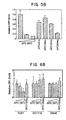
- the three mutants found in patients with typical polyposis or cancer were markedly deficient in inhibition of CRT (Fig. 5B).
- the reduced activity of APC1309 ⁇ and APC1941 ⁇ suggests that ⁇ -catenin binding is not sufficient for APC-mediated inhibition of CRT and that the complete set of 20-AA repeats is required.
- WT and mutant APC constructs (2 ⁇ g) were transfected into 293, SW480, and HCT116 cells using Lipofectamine (GIBCO/BRL, Gaithersburg). Protein was harvested 24 hours later and subjected to immunoblot analysis with APC monoclonal antibody FE9 ( 23 ).
- exogenous WT APC comigrated with the endogenous APC.
- SW480 cells APC1309 ⁇ comigrated with the endogenous mutant APC.
- the nonfunctional APC constructs (APC331 ⁇ , APC 1309 ⁇ , and APC1941 ⁇ ) produced as much or more protein than the CRT-functional forms of APC (APC WT and APC 2644 ⁇ ).
- This example demonstrates that other components of the APC-regulatory pathway are affected in some cancer cells.
- HCT116 and SW48 colorectal tumor cell lines that express full-length APC
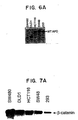
- Fig. 6A Both HCT116 and SW48 displayed constitutively active CRT and, in contrast to cell lines with truncated APC (DLD1 and SW480), this activity was not inhibited by exogenous WT APC (Fig. 5B, 6B).
- Other (noncolorectal cancer) cell lines expressing WT APC do not display constitutive CRT activity.
- This example demonstrates a defect in the gene encoding ⁇ -catenin in some cancer cells, which affects CRT.
- Genomic DNA was isolated from paraffin-embedded normal and tumor tissue from the patient from whom the HCT116 cell line was derived. A. 95 bp PCR product encompassing the mutation was then amplified by PCR and directly sequenced using THERMOSEQUENASE (Amersham): The 3 bp deletion was observed in tumor but not in normal tissue.
- Genomic DNA was isolated from frozen-sectioned colorectal cancers and a 1001 bp PCR product containing exon 3 of CTNNB1 was then amplified by PCR and directly sequenced using ThermoSequenase (Amersham). An ACC to GCC change at codon 41 (T41A) and a TCT to TTT at codon 45 (S45F) was observed in one and two tumors, respectively.
- This example demonstrates dominant mutations of CTNNB1 that render CRT insensitive to the effects of WT APC.
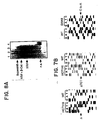
- HCT116 cells contained a ⁇ -catenin/Tcf complex that gel-shifted an optimized Tcf-binding oligonucleotide, and this complex supershifted with anti- ⁇ -catenin (Fig. 8A).
Landscapes
- Chemical & Material Sciences (AREA)
- Health & Medical Sciences (AREA)
- Life Sciences & Earth Sciences (AREA)
- Organic Chemistry (AREA)
- Proteomics, Peptides & Aminoacids (AREA)
- Zoology (AREA)
- Genetics & Genomics (AREA)
- General Health & Medical Sciences (AREA)
- Biochemistry (AREA)
- Biophysics (AREA)
- Molecular Biology (AREA)
- Medicinal Chemistry (AREA)
- Wood Science & Technology (AREA)
- Engineering & Computer Science (AREA)
- Toxicology (AREA)
- Gastroenterology & Hepatology (AREA)
- General Engineering & Computer Science (AREA)
- Bioinformatics & Cheminformatics (AREA)
- Microbiology (AREA)
- Immunology (AREA)
- Biotechnology (AREA)
- Physics & Mathematics (AREA)
- Analytical Chemistry (AREA)
- Public Health (AREA)
- Veterinary Medicine (AREA)
- Animal Behavior & Ethology (AREA)
- Pharmacology & Pharmacy (AREA)
- Nuclear Medicine, Radiotherapy & Molecular Imaging (AREA)
- General Chemical & Material Sciences (AREA)
- Chemical Kinetics & Catalysis (AREA)
- Medicines That Contain Protein Lipid Enzymes And Other Medicines (AREA)
- Measuring Or Testing Involving Enzymes Or Micro-Organisms (AREA)
- Micro-Organisms Or Cultivation Processes Thereof (AREA)
- Pharmaceuticals Containing Other Organic And Inorganic Compounds (AREA)
- Peptides Or Proteins (AREA)
- Investigating Or Analysing Biological Materials (AREA)
- Medicines Containing Material From Animals Or Micro-Organisms (AREA)
- Inorganic Compounds Of Heavy Metals (AREA)
Abstract
Description
- The U.S. Government has a paid-up license in this invention and the right in limited circumstances to require the patent owner to license others on reasonable terms as provided for by the terms of grant CA57345 awarded by the National Institutes of Health.
- This invention is related to the field of cancer diagnostics and therapeutics. More particularly it relates to methods for diagnosing and treating cancers associated with APC or β-catenin mutations.
- Mutations of the adenomatous polyposis coli (APC) gene are the most common disease-causing genetic events in humans; approximately 50% of the population will develop colorectal polyps initiated by such mutations during a normal life span (14). Individuals who inherit APC mutations develop thousands of colorectal tumors, consistent with APC's tumor suppressor or "gatekeeping" role in colorectal tumorigenesis (15,16). APC homodimerizes through its amino-terminus (17), and interacts with at least six other proteins: β-catenin (18), γ-catenin (plakoglobin) (19), tubulin (20), EB1 (21), hDLG, a homologue of a Drosophila tumor suppressor protein (22), and ZW3/GSK3β kinase (23). Whether any of these interacting proteins communicate APC growth-controlling signals is unknown. Thus there is a need in the art for a fuller understanding of how the tumor suppressor gene APC functions in cells.
- The cloning of Tcf-4 from a human genomic library is described in "A gene family of HMG-box transcription factors with homology to TCF-1". Castrop, J. et al., (1992) Nucleic Acids Res, 20(3): 611. A heteromeric complex containing β-catenin and members of the Tcf/Lef family of HMG box transcription factors is described in "Lessons for hereditary colorectal cancer", Kinzler, K.W. et al., (1996) Cell 87(2): 159-170, and also in "XTcf-3 transcription factor mediates β-catenin-induced axis formation in Xenopus embryos". Molenaar, M. et al., (1996) Cell 86(3): 391-399.
- It is an object of the invention to provide methods of identifying candidate drugs for use in Familial Adenomatous Polyposis (FAP) patients or patients with increased risk of developing cancer.
- It is another object of the invention to provide methods of identifying candidate drugs for the treatment of cancer patients, in particular those with APC or β-catenin mutations.
- These and other objects of the invention are achieved by providing the embodiment described below.
- In one embodiment of the invention a method is provided for identifying candidate drugs for use in FAP patients or patients with increased risk of developing cancer. The method comprises the steps of:
- contacting a test compound with β-catenin and Tcf-4 under conditions in which β-catenin and Tcf-4 bind to each other; and
- determining whether the test compound inhibits the binding of β-catenin and Tcf-4, a test compound which inhibits the binding being a candidate for cancer therapy or prophylaxis.
- The present invention thus provides the art with a drug discovery method especially useful for FAP and other cancers with APC or β-catenin mutations.
-
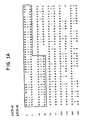
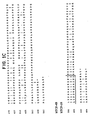
- Fig. 1. Sequence comparison of hTcf-4 and hTcf-1.
Two alternative splice forms of hTcf-4 were identified, each encoding a different COOH-terminus. One form (hTcf-4-E) was homologous to hTCF-1E (top) (7); the other form (hTcf-4B) was homologous to hTcf-1B (bottom). The highly conserved NH2-terminal interaction domain and the High Mobility Group (HMG) box DNA-binding region are boxed. Abbreviations for the amino acids are: A. Ala; C, Cys; D, Asp; E, Glu; F, Phe; G, Gly; H, His; I, Ile; IC, Lys; L, Leu; M, Met; N, Asn; P, Pro; Q, Gin; P, Ar g; S, Ser; T, Thr; V, Val; W, Trp; and Y. Tyr. The nucleotide sequence has been deposited in GenBank (accession number). - Fig. 2. Analysis of hTcf-4 expression in colonic epithelium.
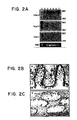
(Fig. 2A) Northern blot analysis of hTcf-4, hTcf-1, hLef-1 expression in Jurkat T cells (lane 1); colonic mucosa (lane 2); colon carcinoma cell lines DLD-1 (lane 3), HCT116 (lane 4); SW480 (lane 5); SW620 (lane 6); HT29 (lane 7).Lane 2 contains 5 µg total RNA; all others contain 15 µg total RNA. The positions of 18S and 28S ribosomal RNAs are shown. EtBr, ethidium bromide stain. (Fig. 2B) In situ hybridization of healthy human colon tissue to an hTcf-4 probe. (Fig. 2C) In situ hybridization to a negative control probe (a fragment of the E. coli neomycin resistance gene). - Fig. 3. Transactivational properties of β-catenin/hTcf-4.
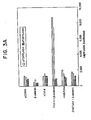
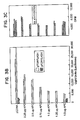
All reporter assays were performed as duplicate transfections. For each condition, both values are shown. (Fig. 3A) Reporter gene assays in IIA1.6 B cells. Cells were transfected by electroporation with 1 µg luciferase reporter plasmid, 5 µg β-catenin expression plasmid, and 3 II-hTcf-4 expression plasmids. Empty pCDNA was added to a total of 10 µg, plasmid DNA. (Fig. 3B) Reporter gene assays in SW480 colon carcinoma cells. Cells were transfected with 0.3 µg, of the indicated luciferase reporter gene, 0.7. µg pCATCONTROL as internal control, the indicated amounts of pCMVNeoAPC, and empty PCDNA to a total of 2.5 µg plasmid DNA. Control CAT values are given in the right panel. - Fig. 4. Constitutive presence of β-catenin-hTcf-4 complexes in APC-/- cells. Gel retardation assays were performed on nuclear extracts from the indicated cell lines before and after a 20-hour exposure to Zn++. Samples in
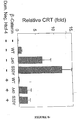
lanes lanes lanes - Fig. 5. Effects of APC mutations on CRT. (Fig. 5A) Schematics of wild-type (WT) and mutant APC. APC is a 2843-amino-acid (AA) protein (32) with contains armadillo (ARM) repeats in the amino-terminus (33), 15 and 20 AA p-catenin-binding repeats in the central region (18,19), and a basic region in the carboxyl-terminus (32). The carboxyl-terminus also contains a TXV sequence which mediates DLG binding (22). (Fig. 5B) Effects of WT and mutant APC on CRT. SW480 cells containing endogenous mutant APC were transfected with the APC expression vectors shown in (Fig. 5A) and CRT was measured. Cells were transfected with increasing amounts of WT APC (0, 0.15 and 0.5 µg) or 0.5 µg mutant APC. CRT reporter activities are expressed relative to assays containing no WT APC and are the means of three replicates. Error bars represent standard deviations.
Lipofectamine was used to cotransfect SW480 cells with an internal control (0.5 µg pCMV-βgal), a reporter construct (0.5 µg pTOPFLASH or pFOPFLASH) and the indicated amount of the various APC expression vectors. The pTOPFLASH reporter contained an optimized Tcf-binding site 5' of a luciferase reporter gene, whereas pFOPFLASH contained a mutated site that does not bind Tcf. The amount of DNA in each transfection was kept constant by addition of an appropriate amount of empty expression vector (pCEP4). Luciferase and β-galactosidase activities were determined 16 hours after transfection. Luciferase activity was corrected for transfection efficiency (using the control β-galactosidase activity) and nonspecific transcription (using the pFOPFLASH control). - Fig. 6. Evaluation of CRT in colorectal cancer cell lines with WT APC. (Fig. 6A) Immunoblot of endogenous APC in the DLD1, SW480, HCT116, SW48 and 293 cell lines, developed with APC monoclonal antibody FE9 (34). (Fig. 6B) Effects of exogenous WT APC on CRT in cell lines with endogenous mutated or WT APC. Cells were transfected with increasing amounts (0, 0.15 µg, 0.5 µg for DLD1 and SW48; 0, 0.5 µg, 5 µg for HCT116) of WT APC or APC1309Δ mutant (0.5 µg for DLD1 and SW48; 5 µg for HCT116) and CRT was assessed as in Fig. 5. CRT reporter activities are expressed relative to activity in extracts without exogenous APC and are the means of three replicates. Error bars represent standard deviations.
- Fig. 7. Evaluation of β-catenin in colorectal cancer cell lines with WT APC. (Fig. 7A) Immunoblot of the cell lines used in this study, developed with β-catenin monoclonal C19220 (Transduction Laboratories, Lexington, KY)(31). (Fig. 7B) Sequence of CTNNB1 in HCT116 and SW48. Overlapping segments constituting the entire CTNNB1 were amplified by RT-PCR from SW480, DLD1, HCT116, and SW48 cells, and sequenced directly with ThermoSequenase (Amersham). In the case of HCT116, a PCR product containing the deleted region was also cloned into pCI-neo (Promega, Madison) and multiple clones corresponding to each allele were individually sequenced.
The left panel (nts 121 to 143 from HCT116) reveals the presence of a deletion in addition to the WT sequence. The middle panel (antisense strand 156 to 113 of the WT and deleted alleles of HCT116) reveals the 3-bp deletion (ΔTCF) that removed codon 45 in half the clones. The right panel (nts 80 to 113 from SW48) reveals a C to A transition affecting codon 33 (TCT to TAT). (Fig. 7C) Schematic of β-catenin illustrating the armadillo repeats (33) and negative regulatory domain. The residues in larger type fit the consensus sequence for GSK3β phosphorylation (29) and those in bold have been demonstrated to affect down regulation of β-catenin through GSK3β phosphorylation in Xenopus embryos (27). The five mutations found in human colon cancers are indicated at the top. - Fig. 8. Functional evaluation of β-catenin mutants. (Fig. 8A) Constitutive nuclear complex of β-catenin and Tcf in HCT116 cells. The presence of nuclear β-catenin-Tcf complexes was assessed by gel shift assays.
Lanes 1 to 3, optimal Tcf retardation probe shifted with nuclear extract from HCT116 cells with addition of no antibody (lane 1), anti β-catenin (0.25 µg, lane 2), or an irrelevant antibody (0.25 µg, lane 3).Lane 4, mutant Tcf retardation probe shifted with nuclear extract from HCT116 cells. n.s., nonspecific shifting seen with the mutant probe. (Fig. 8B) Effects of the β-catenin mutations on CRT. 293 cells were transfected with WT (WT) or mutant (Δ45, S33Y) β-catenin and CRT was assessed. CRT reporter activities are expressed relative to WT β-catenin and are the means of three replicates. Error bars represent standard deviations. β-catenin expression constructs were prepared as follows. WT CTNNB1 was amplified by RT-PCR from SW480 cells and cloned into the mammalian expression vector pCI-neo (Promega) to produce pCI-neo-β-cat. The pCI-neo-β-cat Δ45 and S33Y were generated by replacingcodons 1 to 89 in pCI-neo-β-cat with a PCR product encoding the equivalent region from HCT116 or SW48 cDNA, respectively. The structures of all constructs were verified by sequence analysis. Lipofectamine was used to cotransfect 293 cells with an internal control (0.1 µg CMV-βgal), a reporter (0.5 µg pTOPFLASH or pFOPFLASH), a Tcf-4 expression vector (0.5 µg pCDNA-TCF4), and β-catenin (0.5 µg) or dominant negative hTcf-4 1.0 µg) expression vectors. CRT was determined as described above. - It is a discovery of the present invention that hTcf-4 binds to β-catenin and activates transcription in colorectal epithelial, cells. Moreover, it has now been found that APC regulates this transcriptional activation, at least in part by binding to β-catenin. In colorectal cancer cells this regulation is frequently abrogated, either by mutation of APC or by mutation of β-catenin.
- Two alternative splice forms of human Tcf-4 have been found. One form (hTcf-4E) is homologous to hTcf-1E and the other (hTcf-4B) is homologous to hTcf-1B. The sequence of the nucleotide and amino acid sequences are shown in SEQ ID NOs: 1-4. The coding sequences and proteins can be used in assays as described below. Intron-free DNA molecules are provided which are originally made by reverse transcription of a mRNA molecule. They can be propagated in cells or amplified as is desired. Isolated Tcf-4 proteins can be provided substantially free of other human proteins if, for example, the nucleotide sequences are expressed in non-human cells. Methods and vectors for achieving such expression are well known in the art. Choice of such expression means is made by the skilled artisan according to the desired usage and convenience.
- Cells can be tested to determine if they have a wild-type APC or a wild-type downstream protein in the APC transcription regulatory pathway, called herein the CRT pathway (β-catenin/Tcf-regulated transcription). One protein within the CRT pathway which has been identified as a target of mutations in human cancers is β-catenin (encoded by the CTNNB1 gene). Other parts of the pathway are also likely to be targets. Although the target genes of the CRT pathway have not been identified, they can be readily identified using the system disclosed here. Genes which are differentially transcribed in the presence of wild-type and mutant CTNNB1, for example, can be identified.
- Tcf-responsive reporter genes are those constructs which comprise a readily detectable or assayable gene (such as luciferase, P- galactosidase, chloramphenicol acetyltransferase) linked in cis to a Tcf-responsive element. Such responsive elements are known in the art (7) and any such elements can be used. An optimal Tcf motif contains the sequence CCTTTGATC. From one to twenty copies, and preferably from three to six copies, of the motif may be used. Mutation of the sequence to CCTTTGGCC abrogates responsiveness. Another necessary part of such constructs is a minimal promoter, such as the c-Fos or the Herpes virus thymidine kinase promoter. Transcription of the reporter gene may be performed by any means known in the art, usually by assaying for the activity of the encoded gene, although immunological detection methods can also be used. In addition, transcription can be monitored by measuring the transcribed mRNA directly, typically using oligonucleotide probes.
- As shown below, a cell which has a wild-type APC protein will inhibit CRT. However, most mutations in APC render APC unable to inhibit CRT. Similarly, certain mutations in CTNNB1 render β-catenin super-active and/or refractory to the inhibition by APC. Thus measuring Tcf-responsive reporter gene transcription is an indication of the status of APC and CTNNB1. Mutations in both of these genes are associated with cancers and therefore provides diagnostic and prognostic information.
- Assays for CRT can be accomplished in vitro or in cells. If the assay is to be accomplished in cells, then a Tcf responsive reporter gene must be introduced into the cell. Any means for introducing genetic material into cells can be used, including but not limited to infection, transfection, electroporation. If the assay is to be performed in vitro then the components for transcription must be present. These include suitable buffers, RNA polymerase, as well as ribonucleotides. If the protein product is to be assayed, then the components for translation must also be present, such as ribosomes, and amino acids.
- These assays can also be used to screen compounds for potential as anti-cancer therapeutic agents. Using either the in vitro or cell form of the assay, test compounds can be introduced to determine whether they are able to mimic the effect of wild-type APC or to convert a mutant APC into a form which is able to inhibit CRT or a mutant β-catenin into a form which is regulatable by APC. In addition, compounds can be tested for the ability to inhibit the binding of β-catenin and Tcf-4, thus mimicking the action of APC. Such a test can be conducted in vitro or in vivo, for example using a two hybrid assay.
- A means for diagnosis of cancers is the result of the observation that CTNNB1 mutations are found in tumor cells, especially those which have wild-type APC. Such mutations can be found, inter alia, by sequencing either the gene or the protein found in a sample. Functional assays can also be used, such as whether β-catenin binds to APC or Tcf-4, or whether it is capable of mediating CRT. Sequences can be compared to those found in a normal tissue of a human, especially the same human who provided the sample being tested. Suitable tumors for testing include, but are not limited to those which are associated with FAP. Suitable tumors include colorectal cancer, thyroid cancer, brain cancer, medulloblastoma, desmoid tumor, osteoma, breast cancer, and head and neck cancer. Because APC mutations are so frequent, and because it appears that APC mutations do not occur in the same tumors as CTNNB1 mutations, one can prescreen samples for APC mutations before performing a CTNNB1 determination.
- The portion of the APC gene which encodes the β-catenin binding site can be used in a gene therapy format. Suitable techniques are known in the art for administering genes to tumors, and any such technique can be used. Suitable expression vectors are also known in the art and it is within the skill of the artisan to select an appropriate one. Upon expression in a tumor cell of the β-catenin binding portion of APC, β-catenin will be bound and titrated away from binding to Tcf-4, thus preventing unregulated expression of the CRT target genes. Similarly, a polypeptide portion of APC containing the β-catenin binding site can be administered to cells to perform a titration of β-catenin. Techniques for such administration to cells is well known in the art. Cells which are treated with either the polynucleotide or the polypeptide can be used to study the interaction between APC and β-catenin, and for developing drugs which interfere with such binding.
- The above disclosure generally describes the present invention. A more complete understanding can be obtained by reference to the following specific examples which are provided herein for purposes of illustration only, and are not intended to limit the scope of the invention.
- This example identifies Tcf-4 as the expressed family member in colorectal epithelial cells and provides the complete sequence of the cloned cDNA.
- There are four known members of the Tcf/Lef family in mammals: the lymphoid-specific factors Tcf- I and Lef- 1 (7,8), and the less well characterized Tcf-3 and 4(9). We performed a qualitative Reverse Transcriptase-Polymerase Chain Reaction assay for expression of the four Tcf/Lef genes on 43 colon tumor cell lines. While most colon cell lines expressed more than one of the genes, only hTcf-4 mRNA was expressed in essentially all lines.
- We then screened a human fetal CDNA library and retrieved clones encoding full-length hTcf-4 (Fig. 1). A genomic fragment encoding, the HMG box region of hTcf-4 (7) was used to probe a human 12 week-fetal cDNA library in Lambda GT-11. Positive clones were subcloned into pBluescriptSK and sequenced. See SEQ ID NOs: 1 and 3. The predicted sequence of hTcf-4 was most similar to that of hTcf-1. Alternative splicing yielded two COOH-termini that were conserved between hTcf- I and hTcf-4. The NH2-terminus, which in hTcf- 1, mLef-1 and Xenopus TCF-3 mediates binding to β-catenin (6), was also conserved in hTcf-4. Northern blot analysis of selected colon carcinoma cell lines revealed high-level expression of hTcf-4 (Fig. 2A). Northern blot hybridizations (7) were performed with full-length hTcf-1, hLef-1 and hTcf-4 cDNA. Colon epithelial cells were freshly prepared from a mucosal preparation dissected from a healthy surgical colon sample. The sample was minced, and incubated with 1 mM dithiothreitol (DTT) in Hanks' medium to remove mucus. Single-cell suspensions were prepared by incubation at RT in 0.75 mM EDTA in Hanks' medium. Epithelial cells were separated from lymphocytes by Percoll gradient centrifugation.
- As evidenced by in situ hybridization (Fig. 2, B and C) and Northern blotting (Fig. 2A), hTcf-4 MRNA was readily detectable in normal colonic epithelium, whereas hTcf-1 and hLef-I were not detectable. In situ hybridization of 6 µ frozen sections of healthy colon biopsy samples were performed as described(10). hTcf-4 cDNA encoding amino acids 200 to 310 was amplified and labeled with Dig-11-dUTP (Boehringer Mannheim, Germany) by PCR. After hybridization and washing, the sections were sequentially incubated with mouse anti-Dig antibody (Boehringer) and a horseradish peroxidase conjugated rabbit antibody to mouse immunoglobulin. (Dako, Glostrup, Denmark). The signal was visualized with diaminobenzidine, which produces a reddish-brown precipitate. Blue counterstining was performed with haematoxyline.
- This example demonstrates the interaction of Tcf-4 and β-catenin and their function as a transcriptional activating factor.
- To investigate whether hTcf-4 functionally interacts with β-catenin, we used two sets of reporter constructs in a β -catenin-Tcf reporter gene assay (7). One contained three copies of the optimal Tcf motif CCTTTGATC, or three copies of the mutant motif CCTTTGGCC, upstream of a minimal c-Fos promoter driven-luciferase expression (PTOPFLASH and PFOPFLASH). The second set contained three copies of the optimal motif, or three copies of the mutant motif, upstream of a minimal Herpes virus thymidine kinase promoter driven-Chloramphenicol Acetyl Transferase (CAT) expression (PTOPCAT and PFOPCAT, respectively). Reporter gene assays were performed as in (7). In brief, 2 x 10⁶ cells were transfected with plasmids by electroporation. After 24 hours, cells were harvested and lysed in 1 mM DTT, 1 % Triton X-100, 15 % glycerol, 25 mM Tris pH 7.8 and 8 mM MgCl2. cDNAs encoding Myc-tagged versions of β-catenin and hTcf-4 were inserted into the mammalian expression vector pCDNA (Invitrogen). PCATCONTROL, encoding the CAT enzyme under the control of the SV40 promoter, was purchased from Promega.
- Epitope-tagged hTcf-4 and a deletion mutant lacking, the NH2-terminal 30 amino acids (ΔNhTcf-4) were cloned into the expression vector pCDNA. Transient transfections were performed in a murine B cell line (IIA1.6), that does not express any of the Tcf genes (6).
- The TOPFLASH reporter was strongly transcribed upon cotransfection with the combination of β-catenin and hTcf-4 plasmids, but not with the individual plasmids or with the combination of β-catenin and ΔNhTcf-4 plasmids. No enhanced transcription was detected in cells transfected with the negative control PFOPFLASH (Fig. 3A). These results show that interaction of the NH2-terminus of hTcf-4 with β-catenin results in transcriptional activation.
- This example demonstrates the functional regulation of CRT transcriptional activation by wild-type APC.
- In three APC-/- carcinoma cell lines, SW480, SW620 and DLD-1 (Fig. 3B), the PTOPFLASH reporter was 5-20 fold more actively transcribed than PFOPFLASH. Importantly, transfection of SW480 cells with the reporter gene and an APC-expression vector abrogated the transcriptional activity in a dose-dependent manner (Fig. 3B). In contrast APC had no effect on a cotransfected internal control (pCATCONTROL), or on the basal transcription of PFOPFLASH (Fig. 3B). The use of PTOPCAT and PFOPCAT instead of PTOPFLASH and PFOPFLASH led to comparable observations. The constitutive transcriptional activity of Tcf reporter genes in APC-/- colon carcinoma cells was in stark contrast to the inactivity of these genes in non-colonic cell lines, including IIA1.6 B cells (Fig. 3A), the C57MG breast carcinoma cell line; the Jurkat and BW5147 T cell lines; the Daudi and
NS 1 B cell lines; the K562 erythromyeloid cell line; the HeLa cervical carcinoma line; the HepG2 hepatoma cell line; 3T3, 3T6, and Rat-I fibroblasts; and the kidney derived SV40-transformed COS cell line (7,16). - This example demonstrates that a functional β-catenin-hTcf-4 complex exists constitutively in APC-/- cells.
- We used HT29-APC-/- colon carcinoma cells (12), in which APC is controlled by a metallothionein promoter. Induction by Zn++ restores wild-type levels of APC, and leads to apoptosis (12). FTT29-Gal cells which carry a Zn++-inducible LacZ gene were used as a control. The only Tcf family member expressed in HT29 is hTcf-4 (Fig. 2C). In nuclear extracts from uninduced HT29 derived transfectants, we readily detected hTcf-4 by gel retardation (Fig. 4). An additional band of slightly slower mobility was also observed. The addition of a β-catenin antibody resulted in the specific retardation of the latter band, indicating that it represented a β-catenin-hTcf-4 complex (Fig. 4) (12). After Zn++ induction for 20 hours, the β-catenin-hTcf-4 complex was diminished sixfold relative to uncomplexed hTcf-4 in HT29-APC1, while no significant change was observed in HT29-Gal cells (Fig. 4). Importantly, the overall levels of cellular β-catenin do not change during the induction period in HT29-APCl cells (12).
- Gel retardation assays were performed as described elsewhere (7). Extracts were prepared from intact nuclei that were washed four times to avoid contamination with cytoplasmic β-catenin. As the optimal Tcf/Lef probe, we used a double-stranded 15-mer CCCTTTGATCTTACC; the control probe was CCCTTTGGCCTTACC. (All oligonucleotides were from Isogene, Holland). The β-catenin antibody was purchased from Transduction Laboratories (Lexington, KY). A typical binding reaction contained 3 µg nuclear protein, 0. 1 ng radiolabeled probe, 100 ng of dIdC, in 25 µl of binding buffer (60 mm KCl, 1 mM EDTA, 1 mM DTT, 10% glycerol). Samples were incubated for 20 min at room temperature, antibody was added, and the samples incubated 20 min further.
- On the basis of these data, we propose the following model. In normal colonic epithelium hTcf-4 is the only expressed member of the Tcf family. The interaction of β-catenin with hTcf-4 is regulated by APC. When appropriate extracellular signals are delivered to an epithelial cell, β-catenin accumulates in a form that is not complexed with GSK3β-APC, and that enables its nuclear transport and association with hTcf-4. The HMG domain of hTcf-4 binds in a sequence-specific fashion to the regulatory sequences of specific target genes; β-catenin supplies a transactivation domain. Thus, transcriptional activation of target genes occurs only when hTcf-4 is associated with β-catenin. The hTcf-4 target genes remain to be identified. However, the link with APC and catenin suggests that these genes may participate in the generation and turnover of epithelial cells. Upon loss of wild-type APC, monomeric β-catenin accumulates in the absence of extracellular stimuli, leading to uncontrolled transcription of the hTcf-4 target genes. The apparent de novo expression of other members of the Tcf family in some colon carcinoma cell lines might lead to a further deregulation of Tcf target gene expression by the same mechanism. The control of β-catenin -Tcf signaling is likely to be an important part of the gatekeeper function of APC (19), and its disruption an early step in malignant transformation.
- This example demonstrates that mutant APC protein does not regulate CRT and that a complete set of 20-AA repeats in APC is required to mediate inhibition of CRT.
- We tested four APC mutants (Fig. 5A) for their ability to inhibit β-catenin/Tcf-regulated transcription (CRT) in transfection assays. The first mutant, APC331Δ represents a type of mutation found in the germline of Familial Adenomatous Polyposis (FAP) patients as well as in sporadic tumors (15). The APC331Δ protein is truncated at codon 331, amino-terminal to the three 15-amino-acid (AA) β-catenin-binding repeats between codons 1020 and 1169. The second mutant, APC1309Δ, is the most common germline APC mutation (15), a 5-bp deletion that produces a frameshift at codon 1309 and truncation of the protein. The APC1309Δ protein retains the 15-AA β-catenin repeats but lacks the seven 20-AA repeats between codons 1323 and 2075 that have been implicated in binding and phosphorylation of β-catenin (18). The third mutant, APC1941Δ represents one of the most distal somatic mutations observed in colorectal tumors (25). The APC1941A protein is truncated at codon 1941 and therefore contains the 15-AA repeats and all but the last two 20-AA repeats. Finally, APC2644Δ represents a germline mutation resulting from a 4-bp deletion in codon 2644. Patients with this type of unusual carboxyl-terminal mutation develop few polyps (attenuated polyposis) but have pronounced extracolonic disease, particularly desmoid tumors (26).
- Each of the APC mutants was cotransfected with a CRT reporter into the SW480 colorectal cancer cell line. SW480 cells have truncated APC and constitutively active CRT which can be suppressed by exogenous WT APC. Although all four mutants produced comparable levels of APC protein after transfection, they varied in their CRT inhibitory activity. The three mutants found in patients with typical polyposis or cancer were markedly deficient in inhibition of CRT (Fig. 5B). The reduced activity of APC1309Δ and APC1941Δ suggests that β-catenin binding is not sufficient for APC-mediated inhibition of CRT and that the complete set of 20-AA repeats is required. Interestingly, the inhibitory activity of the APC2644Δ mutant associated with attenuated polyposis was comparable to that of WT APC (Fig. 5B), suggesting that the DLG-binding domain at the carboxyl-terminus of APC is not required for down-regulation of CRT.
- WT and mutant APC constructs (2 µg) were transfected into 293, SW480, and HCT116 cells using Lipofectamine (GIBCO/BRL, Gaithersburg). Protein was harvested 24 hours later and subjected to immunoblot analysis with APC monoclonal antibody FE9 (23). In HCT116 and 293 cells, exogenous WT APC comigrated with the endogenous APC. In SW480 cells, APC1309Δ comigrated with the endogenous mutant APC. In all other cases, the nonfunctional APC constructs (APC331Δ, APC 1309Δ, and APC1941Δ) produced as much or more protein than the CRT-functional forms of APC (APC WT and APC 2644Δ).
- This example demonstrates that other components of the APC-regulatory pathway are affected in some cancer cells.
- We evaluated CRT in two colorectal tumor cell lines (HCT116 and SW48) that express full-length APC (Fig. 6A). Both HCT116 and SW48 displayed constitutively active CRT and, in contrast to cell lines with truncated APC (DLD1 and SW480), this activity was not inhibited by exogenous WT APC (Fig. 5B, 6B). Other (noncolorectal cancer) cell lines expressing WT APC do not display constitutive CRT activity. These transfection results suggested that the constitutive CRT in HCT116 and SW48 might be due to an altered downstream component of the APC tumor suppressor pathway.
- This example demonstrates a defect in the gene encoding β-catenin in some cancer cells, which affects CRT.
- We evaluated the status of a likely candidate for a downstream component of the APC tumor suppressor pathway, β-catenin, in the same four lines. All four lines expressed similar amounts of apparently intact β-catenin, as assessed by immunoblots (Fig. 7A). However, sequence analysis revealed that both HCT116 and SW48 harbored mutations in the β-catenin gene (CTNNB1) (Fig. 7B). HCT116 had a 3-bp deletion that removed one AA (Ser-45), and SW48 had a C to A missense mutation that changed Ser-33 to Tyr. Analysis of paraffin-embedded archival tissue from the
HCT 116 patient confirmed the somatic nature of this mutation and its presence in the primary tumor prior to culture. Interestingly, both mutations affected serines that have been implicated in the downregulation of β-catenin through phosphorylation by the ZW3/GSK3β kinase in Xenopus embryos (Fig. 7C) (27,28). - Genomic DNA was isolated from paraffin-embedded normal and tumor tissue from the patient from whom the HCT116 cell line was derived. A. 95 bp PCR product encompassing the mutation was then amplified by PCR and directly sequenced using THERMOSEQUENASE (Amersham): The 3 bp deletion was observed in tumor but not in normal tissue.
- To test the generality of this mutational mechanism, we evaluated five primary colorectal cancers in which sequencing of the entire coding region of APC revealed no mutations (25). Three of these five tumors were found to contain CTNNB1 mutations (S45F, S45F, and T44A) that altered potential ZW3/GSK3β phosphorylation sites (Fig. 7C). Each mutation appeared to affect only one of the two CTNNB1 alleles and to be somatic.
- Genomic DNA was isolated from frozen-sectioned colorectal cancers and a 1001 bp PCR
product containing exon 3 of CTNNB1 was then amplified by PCR and directly sequenced using ThermoSequenase (Amersham). An ACC to GCC change at codon 41 (T41A) and a TCT to TTT at codon 45 (S45F) was observed in one and two tumors, respectively. - This example demonstrates dominant mutations of CTNNB1 that render CRT insensitive to the effects of WT APC.
- Because the β-catenin mutations were heterozygous, we hypothesized that the mutations might exert a dominant effect, rendering a fraction of cellular β-catenin insensitive to APC-mediated down regulation. To test this notion, we performed gel shift analyses with nuclear extracts from untransfected HCT116 cells. In contrast to noncolorectal cancer cell lines with intact APC, HCT116 cells contained a β-catenin/Tcf complex that gel-shifted an optimized Tcf-binding oligonucleotide, and this complex supershifted with anti-β-catenin (Fig. 8A). We also constructed β-catenin expression vectors and compared the biologic activity of the mutant β-catenin from HCT116 (β-Cat Δ45) and SW48 (β-Cat S33Y) with that of their WT counterpart. For these experiments, we used the 293 kidney epithelial cell line as it is highly transfectable, exhibits low endogenous CRT, and contains a high level of endogenous APC (Fig. 6A). In the presence of endogenous APC, both mutant β-catenins were at least 6-fold more active than the WT protein and this activity was inhibited by dominant-negative hTcf-4 (Fig. 8B).
- Together, these results indicate that disruption of APC-mediated regulation of CRT is critical for colorectal tumorigenesis. This is most commonly achieved by recessive inactivating mutations of both APC alleles but, as shown here, can also be achieved by dominant mutations of CTNNB1 that render CRT insensitive to the effects of WT APC. Our results suggest that APC inhibition of CRT requires phosphorylation of β-catenin at multiple sites. These potential phosphorylation sites are consistent with the known specificity of ZW3/GSK3β (29) a serine kinase that negatively regulates β-catenin in Xenopus and Drosophila cells (27) and that interacts with APC and β-catenin in mammalian cells (23). These results also suggest a functional basis for the occasional CTNNB1 mutations observed in other tumor types (30) and illustrate how a critical pathway in human disease can be illuminated by the discovery of mutations in different components of the pathway. The next step in understanding APC function will be the identification of the genes that are activated by hTcf-4/β-catenin complexes and inhibited by WT APC. These genes are likely to be related to APC's ability to induce apoptosis in colorectal cancer cells (31).
-
- 1. B. Rubinfeld et al Science, 262, 1731 (1993); L. K. Su, B. Vogelstein, K.W. Kinzler, ibid 262, 1734 (1993).
- 2. B. Gumbiner, Curr. Opin. Cell Biol. 7, 634 (1995).
- 3. B. Rubinfeld et al, Science 272, 1023 (1996).
- 4. J. Papkoff, B. Rubinfeld, B. Schryver, P. Polakis, Mol. Cell. BioL 16, 2128 (1996).
- 5. S. Munemitsa, B. Souza, I. Albert, B. Rubinfeld, P. Polakis, Proc. Natl. Acad Sci. U.S.A. 92, 3046 (1995); B. Rubinfeld, B. Souza, I. Albert, S. Muneinitsa, P. Polakis, J Biol Chem. 270, 5549 (1995).
- 6. M. Molenaar et al, Cell 86, 396 (1996); J. Behrens et al, Nature 382, 638 (1996); 0. Huber et al., Mech. Dev. 59, 3 (1996).
- 7. M. van de Weterinc, M. Oosterwegel, D. Dooijes, H. Clevers,
EMBO J 10, 123 (1991); M. van de Wetering, J. Castrop, V. Korinek, Mol Cell Biol, 16, 745 (1996). - 8. A. Travis et al. Genes Dev. 5, 880 (199 1); M.L. Waterman, W.H. Fischer, K.A. Jones ibid. p. 6562.. H. Clevers and R. Grosschedl, Immunol. Today 17, 336 (1996)
- 9. J. Castrop, K. van Norren, H.C. Clevers. Nucleic Acids Res. 20, 611 (1992).
- 10. E. van Hoffen et al, Am. J Pathol 149, 1991 (1996).
- 11. M. van de Wetering, M. Oosterwegel, K. van Norren, H. Clevers, EMBO J. 12, 3847 (1993)
- 12. P. Morin, B. Vogelstein, K.W. Kinzler, Proc. Natl. Acad. Sci. U.S.A. 93, 7950 (1996).
- 13. K. W. Kinzler and B. Vogelstein, Cell 87, 159 (1996).
- 14. About 50% of the Western population develop colorectal adenomas by the age of 70 [D. Ransohoff and C. Lang, N. Eng.l J. Med. 325, 37 (1991)] and at least 85 % of these tumors contain APC mutations ; Y. Miyoshi et al.,
Hum Mol Genet 1, 229-33 (1992); J. Jen. et al., Cancer Res. 54, 5523 (1994). - 15. H. Nagase and Y. Nakamura, Hum.
Mutation 2, 425 (1993). - 16. K. W. Kinzler and B. Vogelstein, Cell 87, 159 (1996); S. M. Prescott and R. L. White, ibid., p. 783.
- 17. G. Joslyn, D. S. Richardson, R. White, T. Alber, Proc. Natl. Acad. Sci. U. S. A. 90, 11109 (1993); L. K. Su et al., Cancer Res. 53, 2728 (1993).
- 18. B. Rubinfeld et al., Science 262, 1731 (1993); L. K. Su, B. Vogelstein, K. W. Kinzler, ibid., p. 1734.
- 19 J. Hulsken, J. Behrens, W. Birchmeier, Curr. Opin. Cell.
BioL 6, 711 (1994); B. Rubinfeld, B. Souza, 1. Albert, S. Munemitsu, P. Polakis, J. Biol. Chem. 270, 5549 (1995). - 20. S. Munemitsu et. al., Cancer Res. 54, 3676 (1994); K. J. Smith et al., ibid. p. 3672.
- 21. L. K. Su et al., Cancer Res. 55, 2972 (1995).
- 22. A. Matsumine et al., Science 272, 1020 - (1996).
- 23. B. Rubinfeld et al., Science 272, 1023 (1996).
- 24. M. Molenaar et al., Cell 86, 391 (1996); J. Behrens et al., Nature 382, 638 (1996).
- 25. S. M. Powell et al., Nature 359, 235 (1992).
- 26. D. M. Eccles et al., Am. J. of Hum. Genet. 59, 1193 (1996); W. Friedl et al., Hum Genet 97, 579 (1996); R. J. Scott et al.,
Human Molecular Genetics 5, 1921 (1996). - 27. C. Yost et al., Genes Dev. 10, 1443 (1996).
- 28. S. Munemitsu, I. Albert, B. Rubinfeld, P. Polakis, Mol Cell Biol 16, 4088 (1996).
- 29. M. Peifer, L. M. Pai, M. Casey, Dev. Biol. 166, 543 (1994).
- 30. D J. Kawanishi, et al., Mol. Cell Biol. 15, 1175 (1995); P. F. Robbins, et al., J. Exp. Med. 183, 1185 (1996).
- 31. P. J. Morin, B. Vogelstein, K. W. Kinzler, Proc. Natl. Acad. Sci. U. S. A. 93, 7950 (1996).
- 32. J. Groden et al., Cell 66, 589 (1991); G. Joslyn et al., ibid., p. 601; K. W. Kinzler et al., Science 253, 661 (1991); I. Nishisho et al., ibid., p. 665.
- 33. M. Peifer, S. Berg, A. B. Reynolds, Cell 76, 789 (1994).
- 34. K. J. Smith et al., Proc. Natl. Acad. Sci. U. S. A. 90, 2846 (1993).
- 35. S. E. Goelz, S. R. Hamilton, B. Vogelstein, Biochem. Biophys. Res. Commun. 130; 118 (1985)
-
- SEQ ID NO: 1 Tcf-4B nucleotide


- SEQ ID NO: 2 Tcf-4B amino acid


- SEQ ID NO: 3 Tcf-4E nucleotide


- SEQ ID NO: 4 Tcf-4E amino acid


- SEQ ID NO: 5 Tcf-responsive optimal motif probe
CCCITTGATCTTACC - SEQ ID NO: 6 Tcf mutant motif
CCCTTTGGCCTTACC - SEQ ID NO: 7 APC amino acid


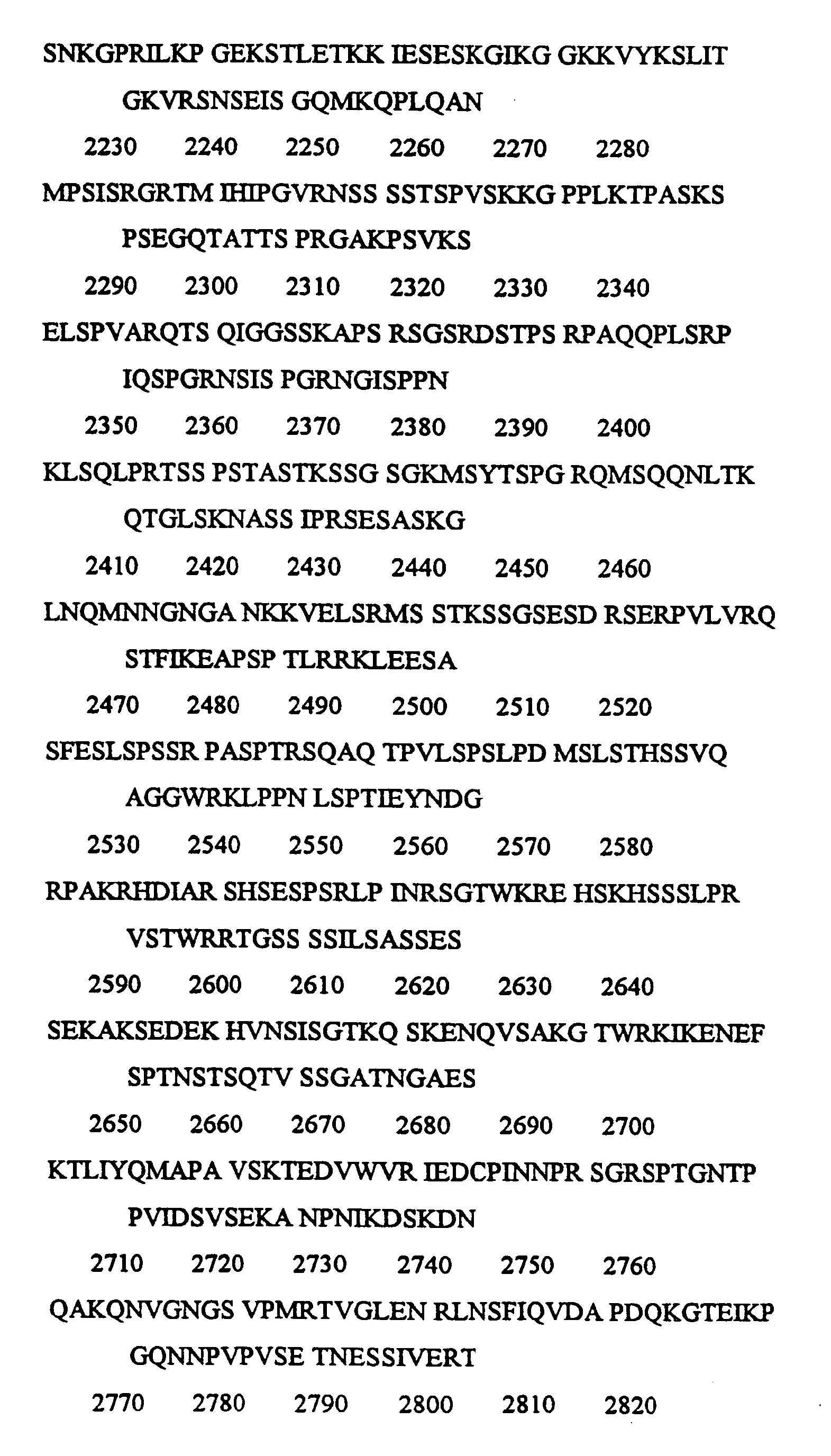

- SEQ ID NO: 8 Tcf-1B amino acid
- SEQ ID NO: 9 Tcf-1E amino acid
-
-
(1) GENERAL INFORMATION
- (i) APPLICANT: The Johns Hopkins University and the University of Utrecht
- (ii) TITLE OF THE INVENTION: Beta catenin, TCP-4, and APC Interact to Prevent Cancer
- (iii) NUMBER OF SEQUENCES: 11
- (iv) CORRESPONDENCE ADDRESS:
- (A) ADDRESSEE: Banner & Witcoff
- (B) STREET: 1001 G Street, NW
- (C) CITY: Washington
- (D) STATE: DC
- (E) COUNTRY: USA
- (F) ZIP: 20001
- (v) COMPUTER READABLE FORM:
- (A) MEDIUM TYPE: Diskette
- (B) COMPUTER: IBM Compatible
- (C) OPERATING SYSTEM: DOS
- (D) SOFTWARE: FastSEQ for Windows Version 2.0
- (vi) CURRENT APPLICATION DATA:
- (A) APPLICATION NUMBER: US98/05506
- (B) FILING DATE: 20-MAR-1998
- (C) CLASSIFICATION:
- (vii) PRIOR APPLICATION DATA:
- (A) APPLICATION NUMBER: 08/821,355
- (B) FILING DATE: 20-MAR-1997
- (viii) ATTORNEY/AGENT INFORMATION:
- (A) NAME: Kagan, Sarah A
- (B) REGISTRATION NUMBER: 32141
- (C) REFERENCE/DOCKET NUMBER: 1107.05064
- (ix) TELECOMMUNICATION INFORMATION:
- (A) TELEPHONE: 202-508-9100
- (B) TELEFAX: 202-508-9299
- (C) TELEX:
- (2) INFORMATION FOR SEQ ID NO:1:
- (i) SEQUENCE CHARACTERISTICS:
- (A) LENGTH: 2040 base pairs
- (B) TYPE: nucleic acid
- (C) STRANDEDNESS: single
- (D) TOPOLOGY: linear
- (xi) SEQUENCE DESCRIPTION: SEQ ID NO:1:

- (i) SEQUENCE CHARACTERISTICS:
- (2) INFORMATION FOR SEQ ID NO:2:
- (i) SEQUENCE CHARACTERISTICS:
- (A) LENGTH: 2444 base pairs
- (B) TYPE: nucleic acid
- (C) STRANDEDNESS: single
- (D) TOPOLOGY: linear
- (xi) SEQUENCE DESCRIPTION: SEQ ID NO:2:

- (i) SEQUENCE CHARACTERISTICS:
- (2) INFORMATION FOR SEQ ID NO:3:
- (i) SEQUENCE CHARACTERISTICS:
- (A) LENGTH: 15 base pairs
- (B) TYPE: nucleic acid
- (C) STRANDEDNESS: single
- (D) TOPOLOGY: linear
- (xi) SEQUENCE DESCRIPTION: SEQ ID NO:3:
-
CCCTTTGATC TTACC 15
-
- (i) SEQUENCE CHARACTERISTICS:
- (2) INFORMATION FOR SEQ ID NO:4:
- (i) SEQUENCE CHARACTERISTICS:
- (A) LENGTH: 15 base pairs
- (B) TYPE: nucleic acid
- (C) STRANDEDNESS: single
- (D) TOPOLOGY: linear
- (ii) MOLECULE TYPE: cDNA
- (xi) SEQUENCE DESCRIPTION: SEQ ID NO:4:
-
CCCTTTGGCC TTACC 15
-
- (i) SEQUENCE CHARACTERISTICS:
- (2) INFORMATION FOR SEQ ID NO:5:
- (i) SEQUENCE CHARACTERISTICS:
- (A) LENGTH: 442 amino acids
- (B) TYPE: amino acid
- (C) STRANDEDNESS: single
- (D) TOPOLOGY: linear
- (ii) MOLECULE TYPE: None
- (xi) SEQUENCE DESCRIPTION: SEQ ID NO:5:


- (i) SEQUENCE CHARACTERISTICS:
- (2) INFORMATION FOR SEQ ID NO:6:
- (i) SEQUENCE CHARACTERISTICS:
- (A) LENGTH: 596 amino acids
- (B) TYPE: amino acid
- (C) STRANDEDNESS: single
- (D) TOPOLOGY: linear
- (ii) MOLECULE TYPE: None
- (xi) SEQUENCE DESCRIPTION: SEQ ID NO:6:


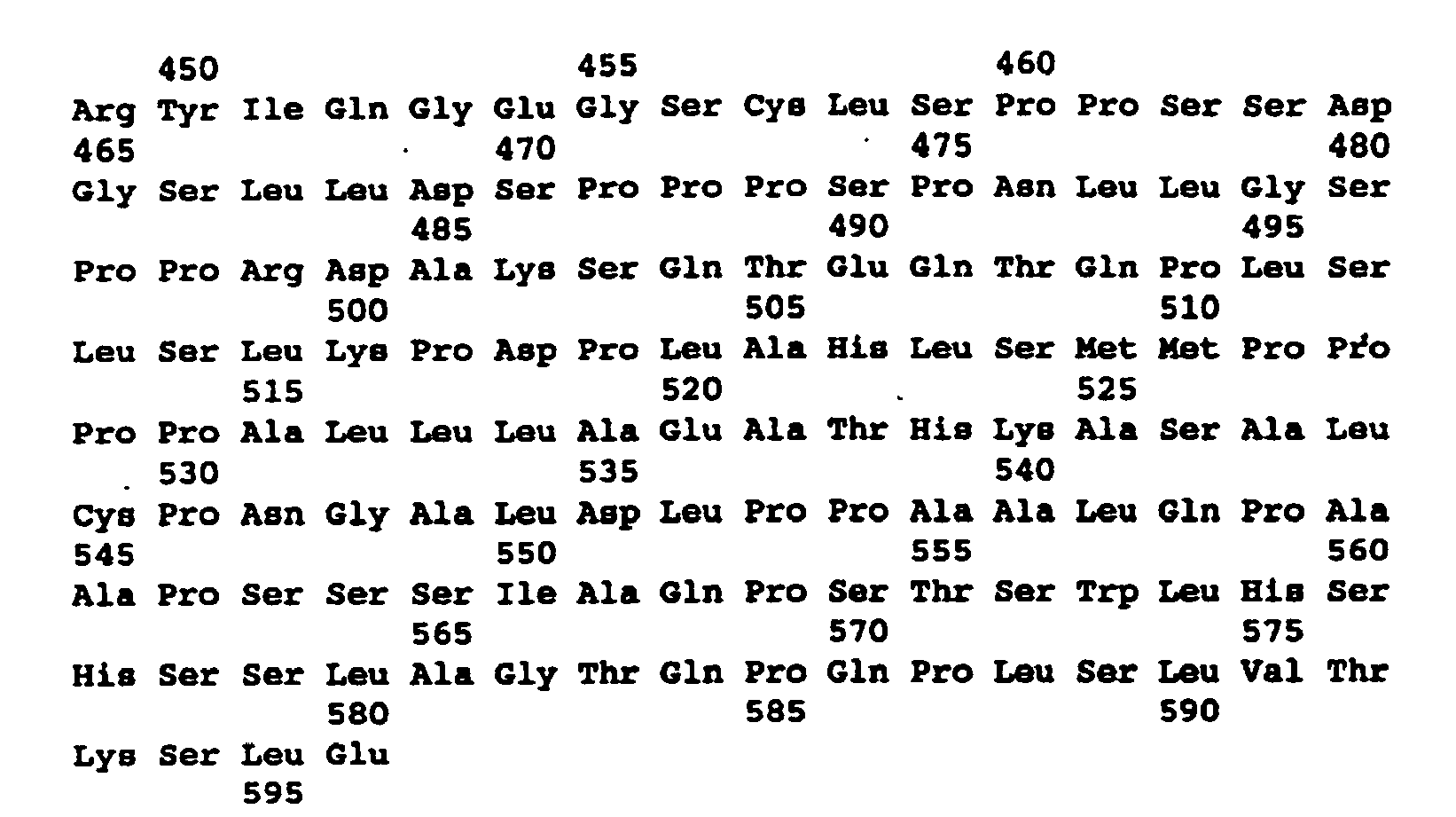
- (i) SEQUENCE CHARACTERISTICS:
- (2) INFORMATION FOR SEQ ID NO: 7:
- (i) SEQUENCE CHARACTERISTICS:
- (A) LENGTH: 2973 amino acids
- (B) TYPE: amino acid
- (C) STRANDEDNESS: single
- (D) TOPOLOGY: linear
- (ii) MOLECULE TYPE: None
- (xi) SEQUENCE DESCRIPTION: SEQ ID NO:7:


- (i) SEQUENCE CHARACTERISTICS:
- (2) INFORMATION FOR SEQ ID NO: 8:
- (i) SEQUENCE CHARACTERISTICS:
- (A) LENGTH: 486 amino acids
- (B) TYPE: amino acid
- (C) STRANDEDNESS: single
- (D) TOPOLOGY: linear
- (ii) MOLECULE TYPE: None
- (xi) SEQUENCE DESCRIPTION: SEQ ID NO:8:
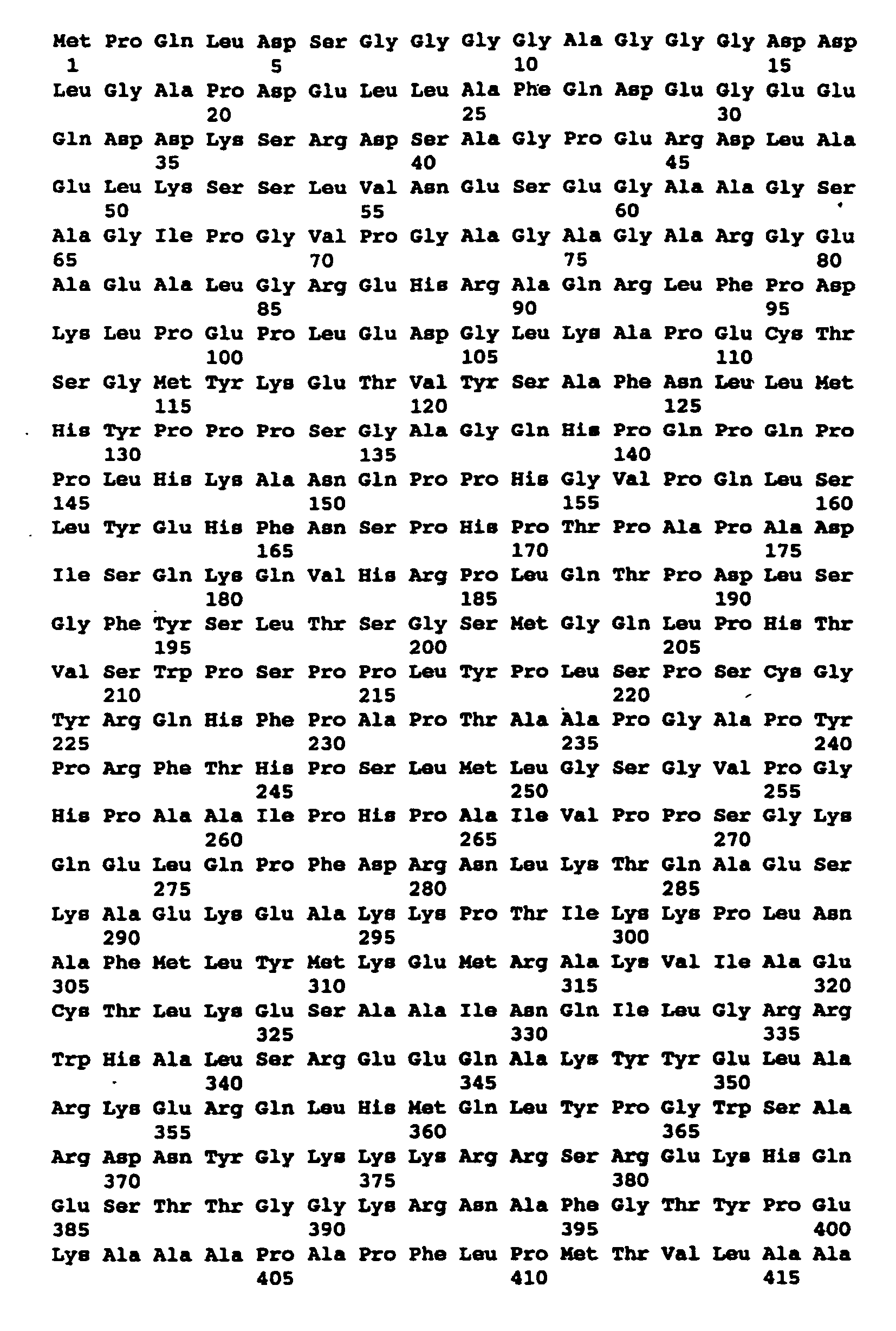

- (i) SEQUENCE CHARACTERISTICS:
- (2) INFORMATION FOR SEQ ID NO:9:
- (i) SEQUENCE CHARACTERISTICS:
- (A) LENGTH: 511 amino acids
- (B) TYPE: amino acid
- (C) STRANDEDNESS: single
- (D) TOPOLOGY: linear
- (ii) MOLECULE TYPE: None
- (xi) SEQUENCE DESCRIPTION: SEQ ID NO:9:


- (i) SEQUENCE CHARACTERISTICS:
- (2) INFORMATION FOR SEQ ID NO:10:
- (i) SEQUENCE CHARACTERISTICS:
- (A) LENGTH: 20 amino acids
- (B) TYPE: amino acid
- (C) STRANDEDNESS: single
- (D) TOPOLOGY: linear
- (ii) MOLECULE TYPE: None
- (xi) SEQUENCE DESCRIPTION: SEQ ID NO:10:

- (i) SEQUENCE CHARACTERISTICS:
- (2) INFORMATION FOR SEQ ID NO:11:
- (i) SEQUENCE CHARACTERISTICS:
- (A) LENGTH: 21 amino acids
- (B) TYPE: amino acid
- (C) STRANDEDNESS: single
- (D) TOPOLOGY: linear
- (ii) MOLECULE TYPE: None
- (xi) SEQUENCE DESCRIPTION: SEQ ID NO:11:

- (i) SEQUENCE CHARACTERISTICS:
Claims (1)
- A method of identifying candidate drugs for use in FAP patients or patients with increased risk of developing cancer, comprising the steps of:contacting a test compound with β-catenin and Tcf-4 under conditions in which β-catenin and Tcf-4 bind to each other; anddetermining whether the test compound inhibits the binding of β-catenin and Tcf-4, a test compound which inhibits the binding being a candidate for cancer therapy or prophylaxis.
Applications Claiming Priority (3)
| Application Number | Priority Date | Filing Date | Title |
|---|---|---|---|
| US08/821,355 US5851775A (en) | 1997-03-20 | 1997-03-20 | β-catenin, Tcf-4, and APC interact to prevent cancer |
| PCT/US1998/005506 WO1998041631A2 (en) | 1997-03-20 | 1998-03-20 | β-CATENIN, TCF-4, AND APC INTERACT TO PREVENT CANCER |
| US821355 | 2004-04-08 |
Publications (2)
| Publication Number | Publication Date |
|---|---|
| EP0972037A2 EP0972037A2 (en) | 2000-01-19 |
| EP0972037B1 true EP0972037B1 (en) | 2006-08-16 |
Family
ID=25233161
Family Applications (1)
| Application Number | Title | Priority Date | Filing Date |
|---|---|---|---|
| EP98912994A Expired - Lifetime EP0972037B1 (en) | 1997-03-20 | 1998-03-20 | Beta-catenin, tcf-4, and apc interact to prevent cancer |
Country Status (8)
| Country | Link |
|---|---|
| US (2) | US5851775A (en) |
| EP (1) | EP0972037B1 (en) |
| JP (1) | JP2001522234A (en) |
| AT (1) | ATE336575T1 (en) |
| AU (1) | AU6765898A (en) |
| CA (1) | CA2285701C (en) |
| DE (1) | DE69835590T2 (en) |
| WO (1) | WO1998041631A2 (en) |
Families Citing this family (25)
| Publication number | Priority date | Publication date | Assignee | Title |
|---|---|---|---|---|
| US6140052A (en) * | 1997-03-20 | 2000-10-31 | The Johns Hopkins University | cMYC is regulated by Tcf-4 |
| DE19909251A1 (en) | 1998-02-21 | 1999-08-26 | Max Delbrueck Centrum | Agents for treating human diseases, particularly cancer, modulate interaction of beta-catenin with transcription factors or tumor suppressor gene products |
| WO2000018913A1 (en) * | 1998-09-25 | 2000-04-06 | Universiteit Utrecht | Apc-2 |
| GB9906815D0 (en) * | 1999-03-24 | 1999-05-19 | Isrec | Anti-neoplastic viral agents |
| WO2000064933A1 (en) * | 1999-04-27 | 2000-11-02 | Kyowa Hakko Kogyo Co., Ltd. | Transcriptional activation inhibitory protein |
| US6511799B1 (en) * | 1999-05-14 | 2003-01-28 | The Johns Hopkins University | CDX2 is downstream mediator of APC tumor suppressor activity |
| AU6944100A (en) * | 1999-09-01 | 2001-03-26 | Johns Hopkins University, The | Beta-catenin, tcf-4, and apc interact to prevent cancer |
| DE60017453T2 (en) * | 1999-11-26 | 2005-12-22 | Takeda Pharmaceutical Co. Ltd. | TRANSCRIPTION FACTOR AND ITS DNA |
| CA2401533A1 (en) * | 2000-03-02 | 2001-09-07 | M.L. Laboratories Plc | Tcf responsive element |
| US6271257B1 (en) * | 2000-04-17 | 2001-08-07 | Hormos Nutraceutical Oy Ltd. | Decreasing the intracellular level of β-catenin by administering hydroxymatairesinol |
| US6787321B1 (en) * | 2000-10-13 | 2004-09-07 | The Regents Of The University Of California | Mammalian two-hybrid system for screening for modulators of the accumulation of metabolic products |
| WO2002044378A2 (en) * | 2000-11-28 | 2002-06-06 | Curis, Inc. | Wnt signalling assay, methods and uses thereof |
| EP1958642A1 (en) * | 2000-12-22 | 2008-08-20 | Dana-Farber Cancer Institute | Regulation of cell growth by MUC1 |
| US20030064384A1 (en) * | 2001-04-02 | 2003-04-03 | Mien-Chie Hung | Beta-catenin is a strong and independent prognostic factor for cancer |
| JP2005525779A (en) * | 2001-04-02 | 2005-09-02 | バイエル アクチェンゲゼルシャフト | Method for specifically detecting, isolating and characterizing cells from a body sample by transfection of a nucleic acid construct |
| WO2003052068A2 (en) * | 2001-12-13 | 2003-06-26 | Exelixis, Inc. | Mbcats as modifiers of the beta-catenin pathway and methods of use |
| US7005293B2 (en) | 2001-12-18 | 2006-02-28 | Agilent Technologies, Inc. | Multiple axis printhead adjuster for non-contact fluid deposition devices |
| US20030187873A1 (en) * | 2002-04-02 | 2003-10-02 | Daniel Paffe | Secure paperless method and apparatus for managing a forensic chain of custody |
| US20040177813A1 (en) * | 2003-03-12 | 2004-09-16 | Applied Materials, Inc. | Substrate support lift mechanism |
| US20050019914A1 (en) * | 2003-07-24 | 2005-01-27 | Aventis Pharma Deutschland Gmbh | Perfusion process for producing erythropoietin |
| JP2010510236A (en) | 2006-11-15 | 2010-04-02 | ダナ−ファーバー キャンサー インスティテュート インク. | Stabilized MAML peptides and methods of use thereof |
| AU2010204648B2 (en) | 2009-01-14 | 2016-09-01 | Aileron Therapeutics, Inc. | Peptidomimetic macrocycles |
| JP2013505300A (en) | 2009-09-22 | 2013-02-14 | エルロン・セラピューティクス・インコーポレイテッド | Peptidomimetic macrocycle |
| US10059741B2 (en) | 2015-07-01 | 2018-08-28 | Aileron Therapeutics, Inc. | Peptidomimetic macrocycles |
| US20200237936A1 (en) | 2016-12-14 | 2020-07-30 | Purdue Research Foundation | Fibroblast activation protein (fap)-targeted imaging and therapy |
-
1997
- 1997-03-20 US US08/821,355 patent/US5851775A/en not_active Expired - Lifetime
-
1998
- 1998-01-07 US US09/003,687 patent/US5998600A/en not_active Expired - Lifetime
- 1998-03-20 DE DE69835590T patent/DE69835590T2/en not_active Expired - Lifetime
- 1998-03-20 AU AU67658/98A patent/AU6765898A/en not_active Abandoned
- 1998-03-20 EP EP98912994A patent/EP0972037B1/en not_active Expired - Lifetime
- 1998-03-20 JP JP54083298A patent/JP2001522234A/en not_active Ceased
- 1998-03-20 CA CA2285701A patent/CA2285701C/en not_active Expired - Lifetime
- 1998-03-20 AT AT98912994T patent/ATE336575T1/en active
- 1998-03-20 WO PCT/US1998/005506 patent/WO1998041631A2/en not_active Ceased
Also Published As
| Publication number | Publication date |
|---|---|
| CA2285701A1 (en) | 1998-09-24 |
| CA2285701C (en) | 2013-09-17 |
| JP2001522234A (en) | 2001-11-13 |
| DE69835590T2 (en) | 2007-08-16 |
| WO1998041631A2 (en) | 1998-09-24 |
| US5851775A (en) | 1998-12-22 |
| US5998600A (en) | 1999-12-07 |
| DE69835590D1 (en) | 2006-09-28 |
| ATE336575T1 (en) | 2006-09-15 |
| EP0972037A2 (en) | 2000-01-19 |
| WO1998041631A3 (en) | 1998-12-03 |
| AU6765898A (en) | 1998-10-12 |
Similar Documents
| Publication | Publication Date | Title |
|---|---|---|
| US5851775A (en) | β-catenin, Tcf-4, and APC interact to prevent cancer | |
| Zhu et al. | MCG10, a novel p53 target gene that encodes a KH domain RNA-binding protein, is capable of inducing apoptosis and cell cycle arrest in G2-M | |
| Davies et al. | Novel BTB/POZ domain zinc-finger protein, LRF, is a potential target of the LAZ-3/BCL-6 oncogene | |
| Sakamuro et al. | The polyproline region of p53 is required to activate apoptosis but not growth arrest | |
| Wolf et al. | p190RhoGAP can act to inhibit PDGF-induced gliomas in mice: a putative tumor suppressor encoded on human chromosome 19q13. 3 | |
| Wagner et al. | The Wilms' tumor gene Wt1 is required for normal development of the retina | |
| Drewes et al. | Human hepatocyte nuclear factor 4 isoforms are encoded by distinct and differentially expressed genes | |
| Hu et al. | Mammalian homologs of seven in absentia regulate DCC via the ubiquitin–proteasome pathway | |
| US6312899B1 (en) | NF-AT polypeptides and polynucleotides | |
| US6787326B1 (en) | Interaction between the VHL tumor suppressor and hypoxia inducible factor, and assay methods relating thereto | |
| Chau et al. | Functional domains of the cone-rod homeobox (CRX) transcription factor | |
| US20020169300A1 (en) | Method of detection and treatment of colon cancer by analysis of beta-catenin-sensitive isoforms of lymphoid enhancer factor-1 | |
| US6352830B1 (en) | NF-AT polypeptides and polynucleotides and screening methods for immunosuppressive agents | |
| Tang et al. | Constitutive expression of the cyclin-dependent kinase inhibitor p21 is transcriptionally regulated by the tumor suppressor protein p53 | |
| Ezzat et al. | Ikaros isoforms in human pituitary tumors: distinct localization, histone acetylation, and activation of the 5′ fibroblast growth factor receptor-4 promoter | |
| Wagner et al. | The Wilms’ tumor suppressor Wt1 encodes a transcriptional activator of the class IV POU-domain factor Pou4f2 (Brn-3b) | |
| US20020115109A1 (en) | Compositions and methods for diagnosing/treating disease based on beta-catenin/transcription factor interactions | |
| Rapp et al. | RNA splicing mediated by YB‐1 is inhibited by TLS/CHOP in human myxoid liposarcoma cells | |
| Yu et al. | GATA factors are essential for transcription of the survival gene E4bp4 and the viability response of interleukin-3 in Ba/F3 hematopoietic cells | |
| US7105656B2 (en) | Compositions and methods for treating hematologic malignancies and multiple drug resistance | |
| EP1104475B1 (en) | C-myc is activated by beta-catenin and tcf-4 | |
| Komatsuzaki et al. | Modulation of Giα2 signaling by the axonal guidance molecule UNC5H2 | |
| US6284464B1 (en) | Inhibition of binding of Hox and homeodomain-containing proteins and uses thereof | |
| WO1999050280A1 (en) | Compositions and methods for controlling brca1-mediated p53-dependent and -independent regulation of transcription | |
| WO2001016167A2 (en) | Beta-catenin, tcf-4, and apc interact to prevent cancer |
Legal Events
| Date | Code | Title | Description |
|---|---|---|---|
| PUAI | Public reference made under article 153(3) epc to a published international application that has entered the european phase |
Free format text: ORIGINAL CODE: 0009012 |
|
| 17P | Request for examination filed |
Effective date: 19991015 |
|
| AK | Designated contracting states |
Kind code of ref document: A2 Designated state(s): AT BE CH DE DK ES FI FR GB GR IE IT LI LU MC NL PT SE |
|
| RIN1 | Information on inventor provided before grant (corrected) |
Inventor name: VOGELSTEIN, BERT Inventor name: SPARKS, ANDREW, B. Inventor name: MORIN, PATRICE, J. Inventor name: KORINEK, VLADIMIR Inventor name: KINZLER, KENNETH, W. Inventor name: CLEVERS, HANS Inventor name: BARKER, NICK |
|
| RTI1 | Title (correction) |
Free format text: BETA-CATENIN, TCF-4, AND APC INTERACT TO PREVENT CANCER |
|
| RAP1 | Party data changed (applicant data changed or rights of an application transferred) |
Owner name: KYLIX B.V. Owner name: THE JOHNS HOPKINS UNIVERSITY |
|
| 17Q | First examination report despatched |
Effective date: 20050704 |
|
| GRAP | Despatch of communication of intention to grant a patent |
Free format text: ORIGINAL CODE: EPIDOSNIGR1 |
|
| GRAS | Grant fee paid |
Free format text: ORIGINAL CODE: EPIDOSNIGR3 |
|
| GRAA | (expected) grant |
Free format text: ORIGINAL CODE: 0009210 |
|
| AK | Designated contracting states |
Kind code of ref document: B1 Designated state(s): AT BE CH DE DK ES FI FR GB GR IE IT LI LU MC NL PT SE |
|
| PG25 | Lapsed in a contracting state [announced via postgrant information from national office to epo] |
Ref country code: IT Free format text: LAPSE BECAUSE OF FAILURE TO SUBMIT A TRANSLATION OF THE DESCRIPTION OR TO PAY THE FEE WITHIN THE PRESCRIBED TIME-LIMIT;WARNING: LAPSES OF ITALIAN PATENTS WITH EFFECTIVE DATE BEFORE 2007 MAY HAVE OCCURRED AT ANY TIME BEFORE 2007. THE CORRECT EFFECTIVE DATE MAY BE DIFFERENT FROM THE ONE RECORDED. Effective date: 20060816 Ref country code: FI Free format text: LAPSE BECAUSE OF FAILURE TO SUBMIT A TRANSLATION OF THE DESCRIPTION OR TO PAY THE FEE WITHIN THE PRESCRIBED TIME-LIMIT Effective date: 20060816 |
|
| REG | Reference to a national code |
Ref country code: GB Ref legal event code: FG4D |
|
| REG | Reference to a national code |
Ref country code: CH Ref legal event code: EP |
|
| REG | Reference to a national code |
Ref country code: IE Ref legal event code: FG4D |
|
| REF | Corresponds to: |
Ref document number: 69835590 Country of ref document: DE Date of ref document: 20060928 Kind code of ref document: P |
|
| PG25 | Lapsed in a contracting state [announced via postgrant information from national office to epo] |
Ref country code: SE Free format text: LAPSE BECAUSE OF FAILURE TO SUBMIT A TRANSLATION OF THE DESCRIPTION OR TO PAY THE FEE WITHIN THE PRESCRIBED TIME-LIMIT Effective date: 20061116 Ref country code: DK Free format text: LAPSE BECAUSE OF FAILURE TO SUBMIT A TRANSLATION OF THE DESCRIPTION OR TO PAY THE FEE WITHIN THE PRESCRIBED TIME-LIMIT Effective date: 20061116 |
|
| PG25 | Lapsed in a contracting state [announced via postgrant information from national office to epo] |
Ref country code: ES Free format text: LAPSE BECAUSE OF FAILURE TO SUBMIT A TRANSLATION OF THE DESCRIPTION OR TO PAY THE FEE WITHIN THE PRESCRIBED TIME-LIMIT Effective date: 20061127 |
|
| PG25 | Lapsed in a contracting state [announced via postgrant information from national office to epo] |
Ref country code: PT Free format text: LAPSE BECAUSE OF FAILURE TO SUBMIT A TRANSLATION OF THE DESCRIPTION OR TO PAY THE FEE WITHIN THE PRESCRIBED TIME-LIMIT Effective date: 20070116 |
|
| REG | Reference to a national code |
Ref country code: CH Ref legal event code: NV Representative=s name: AMMANN PATENTANWAELTE AG BERN |
|
| ET | Fr: translation filed | ||
| PLBE | No opposition filed within time limit |
Free format text: ORIGINAL CODE: 0009261 |
|
| STAA | Information on the status of an ep patent application or granted ep patent |
Free format text: STATUS: NO OPPOSITION FILED WITHIN TIME LIMIT |
|
| 26N | No opposition filed |
Effective date: 20070518 |
|
| PG25 | Lapsed in a contracting state [announced via postgrant information from national office to epo] |
Ref country code: MC Free format text: LAPSE BECAUSE OF NON-PAYMENT OF DUE FEES Effective date: 20070331 |
|
| PG25 | Lapsed in a contracting state [announced via postgrant information from national office to epo] |
Ref country code: GR Free format text: LAPSE BECAUSE OF FAILURE TO SUBMIT A TRANSLATION OF THE DESCRIPTION OR TO PAY THE FEE WITHIN THE PRESCRIBED TIME-LIMIT Effective date: 20061117 |
|
| PG25 | Lapsed in a contracting state [announced via postgrant information from national office to epo] |
Ref country code: LU Free format text: LAPSE BECAUSE OF NON-PAYMENT OF DUE FEES Effective date: 20070320 |
|
| REG | Reference to a national code |
Ref country code: FR Ref legal event code: PLFP Year of fee payment: 18 |
|
| REG | Reference to a national code |
Ref country code: FR Ref legal event code: PLFP Year of fee payment: 19 |
|
| REG | Reference to a national code |
Ref country code: FR Ref legal event code: PLFP Year of fee payment: 20 |
|
| PGFP | Annual fee paid to national office [announced via postgrant information from national office to epo] |
Ref country code: CH Payment date: 20170327 Year of fee payment: 20 Ref country code: NL Payment date: 20170326 Year of fee payment: 20 Ref country code: FR Payment date: 20170327 Year of fee payment: 20 |
|
| PGFP | Annual fee paid to national office [announced via postgrant information from national office to epo] |
Ref country code: AT Payment date: 20170303 Year of fee payment: 20 Ref country code: IE Payment date: 20170329 Year of fee payment: 20 Ref country code: GB Payment date: 20170327 Year of fee payment: 20 Ref country code: BE Payment date: 20170327 Year of fee payment: 20 |
|
| PGFP | Annual fee paid to national office [announced via postgrant information from national office to epo] |
Ref country code: DE Payment date: 20170329 Year of fee payment: 20 |
|
| REG | Reference to a national code |
Ref country code: DE Ref legal event code: R071 Ref document number: 69835590 Country of ref document: DE |
|
| REG | Reference to a national code |
Ref country code: NL Ref legal event code: MK Effective date: 20180319 |
|
| REG | Reference to a national code |
Ref country code: CH Ref legal event code: PL |
|
| REG | Reference to a national code |
Ref country code: BE Ref legal event code: MK Effective date: 20180320 |
|
| REG | Reference to a national code |
Ref country code: GB Ref legal event code: PE20 Expiry date: 20180319 |
|
| PG25 | Lapsed in a contracting state [announced via postgrant information from national office to epo] |
Ref country code: GB Free format text: LAPSE BECAUSE OF EXPIRATION OF PROTECTION Effective date: 20180319 |
|
| REG | Reference to a national code |
Ref country code: IE Ref legal event code: MK9A |
|
| REG | Reference to a national code |
Ref country code: AT Ref legal event code: MK07 Ref document number: 336575 Country of ref document: AT Kind code of ref document: T Effective date: 20180320 |
|
| PG25 | Lapsed in a contracting state [announced via postgrant information from national office to epo] |
Ref country code: IE Free format text: LAPSE BECAUSE OF EXPIRATION OF PROTECTION Effective date: 20180320 |