EP0970194B1 - Verfahren der zelloberflächenaktivierung und -hemmung - Google Patents
Verfahren der zelloberflächenaktivierung und -hemmung Download PDFInfo
- Publication number
- EP0970194B1 EP0970194B1 EP97903137A EP97903137A EP0970194B1 EP 0970194 B1 EP0970194 B1 EP 0970194B1 EP 97903137 A EP97903137 A EP 97903137A EP 97903137 A EP97903137 A EP 97903137A EP 0970194 B1 EP0970194 B1 EP 0970194B1
- Authority
- EP
- European Patent Office
- Prior art keywords
- timp
- gela
- ctd
- binding
- residues
- Prior art date
- Legal status (The legal status is an assumption and is not a legal conclusion. Google has not performed a legal analysis and makes no representation as to the accuracy of the status listed.)
- Expired - Lifetime
Links
- 238000000034 method Methods 0.000 title claims abstract description 20
- 230000004913 activation Effects 0.000 title claims description 68
- 210000004027 cell Anatomy 0.000 title claims description 37
- 230000005764 inhibitory process Effects 0.000 title claims description 27
- 108010031372 Tissue Inhibitor of Metalloproteinase-2 Proteins 0.000 claims abstract description 240
- 230000027455 binding Effects 0.000 claims abstract description 188
- 108090000765 processed proteins & peptides Proteins 0.000 claims abstract description 43
- 238000012216 screening Methods 0.000 claims abstract description 9
- 150000001875 compounds Chemical class 0.000 claims abstract description 7
- 102000005354 Tissue Inhibitor of Metalloproteinase-2 Human genes 0.000 claims abstract 5
- 230000000694 effects Effects 0.000 claims description 50
- 238000006243 chemical reaction Methods 0.000 claims description 10
- 229940124761 MMP inhibitor Drugs 0.000 claims description 9
- 108010016165 Matrix Metalloproteinase 2 Proteins 0.000 abstract description 84
- 102000000424 Matrix Metalloproteinase 2 Human genes 0.000 abstract description 84
- 210000004899 c-terminal region Anatomy 0.000 abstract description 29
- 102000002274 Matrix Metalloproteinases Human genes 0.000 abstract description 12
- 108010000684 Matrix Metalloproteinases Proteins 0.000 abstract description 12
- 239000003112 inhibitor Substances 0.000 abstract description 11
- 238000003556 assay Methods 0.000 abstract description 9
- 230000002401 inhibitory effect Effects 0.000 abstract description 6
- 230000006957 competitive inhibition Effects 0.000 abstract 1
- 238000010494 dissociation reaction Methods 0.000 abstract 1
- 230000005593 dissociations Effects 0.000 abstract 1
- 102100026262 Metalloproteinase inhibitor 2 Human genes 0.000 description 235
- 150000001413 amino acids Chemical group 0.000 description 74
- 235000001014 amino acid Nutrition 0.000 description 72
- 108010076557 Matrix Metalloproteinase 14 Proteins 0.000 description 42
- 102100030216 Matrix metalloproteinase-14 Human genes 0.000 description 42
- 125000003295 alanine group Chemical class N[C@@H](C)C(=O)* 0.000 description 33
- 230000035772 mutation Effects 0.000 description 32
- DHMQDGOQFOQNFH-UHFFFAOYSA-N Glycine Chemical compound NCC(O)=O DHMQDGOQFOQNFH-UHFFFAOYSA-N 0.000 description 31
- 230000003993 interaction Effects 0.000 description 21
- 239000000499 gel Substances 0.000 description 19
- 235000004279 alanine Nutrition 0.000 description 18
- 102100039364 Metalloproteinase inhibitor 1 Human genes 0.000 description 17
- QNAYBMKLOCPYGJ-REOHCLBHSA-N L-alanine Chemical compound C[C@H](N)C(O)=O QNAYBMKLOCPYGJ-REOHCLBHSA-N 0.000 description 16
- 108010062466 Enzyme Precursors Proteins 0.000 description 14
- 102000010911 Enzyme Precursors Human genes 0.000 description 14
- 108010031374 Tissue Inhibitor of Metalloproteinase-1 Proteins 0.000 description 13
- 239000012528 membrane Substances 0.000 description 11
- 230000001419 dependent effect Effects 0.000 description 10
- 230000007246 mechanism Effects 0.000 description 10
- 125000000174 L-prolyl group Chemical group [H]N1C([H])([H])C([H])([H])C([H])([H])[C@@]1([H])C(*)=O 0.000 description 9
- 230000001404 mediated effect Effects 0.000 description 8
- 239000002904 solvent Substances 0.000 description 8
- 238000003780 insertion Methods 0.000 description 7
- 230000037431 insertion Effects 0.000 description 7
- 102000004190 Enzymes Human genes 0.000 description 6
- 108090000790 Enzymes Proteins 0.000 description 6
- 102000001776 Matrix metalloproteinase-9 Human genes 0.000 description 6
- 108010015302 Matrix metalloproteinase-9 Proteins 0.000 description 6
- 238000004458 analytical method Methods 0.000 description 6
- 210000000170 cell membrane Anatomy 0.000 description 6
- 238000003776 cleavage reaction Methods 0.000 description 6
- 229940088598 enzyme Drugs 0.000 description 6
- 230000007017 scission Effects 0.000 description 6
- 102000005741 Metalloproteases Human genes 0.000 description 5
- 108010006035 Metalloproteases Proteins 0.000 description 5
- 238000013459 approach Methods 0.000 description 5
- 230000003197 catalytic effect Effects 0.000 description 5
- 238000002474 experimental method Methods 0.000 description 5
- 239000013604 expression vector Substances 0.000 description 5
- 238000002703 mutagenesis Methods 0.000 description 5
- 231100000350 mutagenesis Toxicity 0.000 description 5
- 235000018102 proteins Nutrition 0.000 description 5
- 102000004169 proteins and genes Human genes 0.000 description 5
- 108090000623 proteins and genes Proteins 0.000 description 5
- 102000005962 receptors Human genes 0.000 description 5
- 108020003175 receptors Proteins 0.000 description 5
- ZKRFOXLVOKTUTA-KQYNXXCUSA-N 9-(5-phosphoribofuranosyl)-6-mercaptopurine Chemical compound O[C@@H]1[C@H](O)[C@@H](COP(O)(O)=O)O[C@H]1N1C(NC=NC2=S)=C2N=C1 ZKRFOXLVOKTUTA-KQYNXXCUSA-N 0.000 description 4
- 108091026890 Coding region Proteins 0.000 description 4
- 101000669513 Homo sapiens Metalloproteinase inhibitor 1 Proteins 0.000 description 4
- 102000000380 Matrix Metalloproteinase 1 Human genes 0.000 description 4
- 108010016113 Matrix Metalloproteinase 1 Proteins 0.000 description 4
- 239000013078 crystal Substances 0.000 description 4
- 201000010099 disease Diseases 0.000 description 4
- 208000037265 diseases, disorders, signs and symptoms Diseases 0.000 description 4
- 230000006870 function Effects 0.000 description 4
- 108020001507 fusion proteins Proteins 0.000 description 4
- 102000037865 fusion proteins Human genes 0.000 description 4
- 230000002209 hydrophobic effect Effects 0.000 description 4
- 238000002864 sequence alignment Methods 0.000 description 4
- 239000000243 solution Substances 0.000 description 4
- 238000006467 substitution reaction Methods 0.000 description 4
- 241000024188 Andala Species 0.000 description 3
- -1 Ca2+ ion Chemical class 0.000 description 3
- 108010037362 Extracellular Matrix Proteins Proteins 0.000 description 3
- 102000010834 Extracellular Matrix Proteins Human genes 0.000 description 3
- 101100313150 Saccharomyces cerevisiae (strain ATCC 204508 / S288c) TBS1 gene Proteins 0.000 description 3
- 108060008682 Tumor Necrosis Factor Proteins 0.000 description 3
- 238000012867 alanine scanning Methods 0.000 description 3
- 125000000539 amino acid group Chemical group 0.000 description 3
- 239000000872 buffer Substances 0.000 description 3
- 230000015861 cell surface binding Effects 0.000 description 3
- 230000009881 electrostatic interaction Effects 0.000 description 3
- 238000005421 electrostatic potential Methods 0.000 description 3
- 210000002744 extracellular matrix Anatomy 0.000 description 3
- 238000003875 gradient-accelerated spectroscopy Methods 0.000 description 3
- 230000002797 proteolythic effect Effects 0.000 description 3
- 238000000746 purification Methods 0.000 description 3
- 230000000717 retained effect Effects 0.000 description 3
- 230000017423 tissue regeneration Effects 0.000 description 3
- 102000003390 tumor necrosis factor Human genes 0.000 description 3
- 229920000936 Agarose Polymers 0.000 description 2
- UXVMQQNJUSDDNG-UHFFFAOYSA-L Calcium chloride Chemical compound [Cl-].[Cl-].[Ca+2] UXVMQQNJUSDDNG-UHFFFAOYSA-L 0.000 description 2
- 102000018697 Membrane Proteins Human genes 0.000 description 2
- 108010052285 Membrane Proteins Proteins 0.000 description 2
- 206010027476 Metastases Diseases 0.000 description 2
- 108010021466 Mutant Proteins Proteins 0.000 description 2
- 102000008300 Mutant Proteins Human genes 0.000 description 2
- 206010028980 Neoplasm Diseases 0.000 description 2
- 238000012300 Sequence Analysis Methods 0.000 description 2
- 230000004075 alteration Effects 0.000 description 2
- 230000033115 angiogenesis Effects 0.000 description 2
- 125000003118 aryl group Chemical group 0.000 description 2
- 239000012148 binding buffer Substances 0.000 description 2
- 230000033228 biological regulation Effects 0.000 description 2
- 239000001110 calcium chloride Substances 0.000 description 2
- 229910001628 calcium chloride Inorganic materials 0.000 description 2
- 230000015556 catabolic process Effects 0.000 description 2
- 239000003795 chemical substances by application Substances 0.000 description 2
- 239000002299 complementary DNA Substances 0.000 description 2
- 239000003636 conditioned culture medium Substances 0.000 description 2
- 238000006731 degradation reaction Methods 0.000 description 2
- 238000012217 deletion Methods 0.000 description 2
- 230000037430 deletion Effects 0.000 description 2
- 239000003599 detergent Substances 0.000 description 2
- 238000010586 diagram Methods 0.000 description 2
- 210000001723 extracellular space Anatomy 0.000 description 2
- 229910052739 hydrogen Inorganic materials 0.000 description 2
- 239000001257 hydrogen Substances 0.000 description 2
- 125000001165 hydrophobic group Chemical group 0.000 description 2
- 125000002887 hydroxy group Chemical group [H]O* 0.000 description 2
- 238000000338 in vitro Methods 0.000 description 2
- 239000003446 ligand Substances 0.000 description 2
- 239000011159 matrix material Substances 0.000 description 2
- 239000002609 medium Substances 0.000 description 2
- 230000009401 metastasis Effects 0.000 description 2
- 108091005763 multidomain proteins Proteins 0.000 description 2
- 230000007030 peptide scission Effects 0.000 description 2
- GUUBJKMBDULZTE-UHFFFAOYSA-M potassium;2-[4-(2-hydroxyethyl)piperazin-1-yl]ethanesulfonic acid;hydroxide Chemical compound [OH-].[K+].OCCN1CCN(CCS(O)(=O)=O)CC1 GUUBJKMBDULZTE-UHFFFAOYSA-M 0.000 description 2
- 235000013930 proline Nutrition 0.000 description 2
- 230000007115 recruitment Effects 0.000 description 2
- 230000002829 reductive effect Effects 0.000 description 2
- 238000007634 remodeling Methods 0.000 description 2
- 206010039073 rheumatoid arthritis Diseases 0.000 description 2
- 238000012163 sequencing technique Methods 0.000 description 2
- 238000002741 site-directed mutagenesis Methods 0.000 description 2
- 230000009870 specific binding Effects 0.000 description 2
- 239000000758 substrate Substances 0.000 description 2
- 230000000451 tissue damage Effects 0.000 description 2
- 230000007838 tissue remodeling Effects 0.000 description 2
- QKNYBSVHEMOAJP-UHFFFAOYSA-N 2-amino-2-(hydroxymethyl)propane-1,3-diol;hydron;chloride Chemical compound Cl.OCC(N)(CO)CO QKNYBSVHEMOAJP-UHFFFAOYSA-N 0.000 description 1
- 102100026802 72 kDa type IV collagenase Human genes 0.000 description 1
- 101710151806 72 kDa type IV collagenase Proteins 0.000 description 1
- 101100408912 Arabidopsis thaliana TOPP5 gene Proteins 0.000 description 1
- 239000004475 Arginine Substances 0.000 description 1
- 206010006895 Cachexia Diseases 0.000 description 1
- 102000000844 Cell Surface Receptors Human genes 0.000 description 1
- 108010001857 Cell Surface Receptors Proteins 0.000 description 1
- 102000008186 Collagen Human genes 0.000 description 1
- 108010035532 Collagen Proteins 0.000 description 1
- 102000004266 Collagen Type IV Human genes 0.000 description 1
- 108010042086 Collagen Type IV Proteins 0.000 description 1
- 102000029816 Collagenase Human genes 0.000 description 1
- 108060005980 Collagenase Proteins 0.000 description 1
- 108091035707 Consensus sequence Proteins 0.000 description 1
- 208000011231 Crohn disease Diseases 0.000 description 1
- 241000588724 Escherichia coli Species 0.000 description 1
- 201000008808 Fibrosarcoma Diseases 0.000 description 1
- 108010010803 Gelatin Proteins 0.000 description 1
- 102000013382 Gelatinases Human genes 0.000 description 1
- 108010026132 Gelatinases Proteins 0.000 description 1
- 239000004471 Glycine Substances 0.000 description 1
- 108091027305 Heteroduplex Proteins 0.000 description 1
- ONIBWKKTOPOVIA-BYPYZUCNSA-N L-Proline Chemical compound OC(=O)[C@@H]1CCCN1 ONIBWKKTOPOVIA-BYPYZUCNSA-N 0.000 description 1
- 125000003412 L-alanyl group Chemical group [H]N([H])[C@@](C([H])([H])[H])(C(=O)[*])[H] 0.000 description 1
- 125000000729 N-terminal amino-acid group Chemical group 0.000 description 1
- 102000035195 Peptidases Human genes 0.000 description 1
- 108091005804 Peptidases Proteins 0.000 description 1
- ONIBWKKTOPOVIA-UHFFFAOYSA-N Proline Natural products OC(=O)C1CCCN1 ONIBWKKTOPOVIA-UHFFFAOYSA-N 0.000 description 1
- 239000004365 Protease Substances 0.000 description 1
- 102000016611 Proteoglycans Human genes 0.000 description 1
- 108010067787 Proteoglycans Proteins 0.000 description 1
- 239000012614 Q-Sepharose Substances 0.000 description 1
- 239000012980 RPMI-1640 medium Substances 0.000 description 1
- 229920002684 Sepharose Polymers 0.000 description 1
- 206010040047 Sepsis Diseases 0.000 description 1
- 229930006000 Sucrose Natural products 0.000 description 1
- CZMRCDWAGMRECN-UGDNZRGBSA-N Sucrose Chemical compound O[C@H]1[C@H](O)[C@@H](CO)O[C@@]1(CO)O[C@@H]1[C@H](O)[C@@H](O)[C@H](O)[C@@H](CO)O1 CZMRCDWAGMRECN-UGDNZRGBSA-N 0.000 description 1
- 238000001042 affinity chromatography Methods 0.000 description 1
- 150000001408 amides Chemical group 0.000 description 1
- ODKSFYDXXFIFQN-UHFFFAOYSA-N arginine Natural products OC(=O)C(N)CCCNC(N)=N ODKSFYDXXFIFQN-UHFFFAOYSA-N 0.000 description 1
- 238000010420 art technique Methods 0.000 description 1
- 230000000468 autoproteolytic effect Effects 0.000 description 1
- 230000015572 biosynthetic process Effects 0.000 description 1
- 230000000903 blocking effect Effects 0.000 description 1
- 244000309466 calf Species 0.000 description 1
- 201000011510 cancer Diseases 0.000 description 1
- 238000004113 cell culture Methods 0.000 description 1
- 238000004587 chromatography analysis Methods 0.000 description 1
- 238000010367 cloning Methods 0.000 description 1
- 229920001436 collagen Polymers 0.000 description 1
- 229960002424 collagenase Drugs 0.000 description 1
- 238000004440 column chromatography Methods 0.000 description 1
- 230000002860 competitive effect Effects 0.000 description 1
- 230000002153 concerted effect Effects 0.000 description 1
- 238000004132 cross linking Methods 0.000 description 1
- 235000018417 cysteine Nutrition 0.000 description 1
- 150000001945 cysteines Chemical class 0.000 description 1
- 230000001627 detrimental effect Effects 0.000 description 1
- 238000011161 development Methods 0.000 description 1
- 230000018109 developmental process Effects 0.000 description 1
- 229940079593 drug Drugs 0.000 description 1
- 239000003814 drug Substances 0.000 description 1
- 230000003511 endothelial effect Effects 0.000 description 1
- 230000002255 enzymatic effect Effects 0.000 description 1
- 239000013613 expression plasmid Substances 0.000 description 1
- 230000001605 fetal effect Effects 0.000 description 1
- 238000011049 filling Methods 0.000 description 1
- 239000012634 fragment Substances 0.000 description 1
- 239000008273 gelatin Substances 0.000 description 1
- 229920000159 gelatin Polymers 0.000 description 1
- 235000019322 gelatine Nutrition 0.000 description 1
- 235000011852 gelatine desserts Nutrition 0.000 description 1
- 102000034238 globular proteins Human genes 0.000 description 1
- 108091005896 globular proteins Proteins 0.000 description 1
- ZDXPYRJPNDTMRX-UHFFFAOYSA-N glutamine Natural products OC(=O)C(N)CCC(N)=O ZDXPYRJPNDTMRX-UHFFFAOYSA-N 0.000 description 1
- 238000011534 incubation Methods 0.000 description 1
- 102000006495 integrins Human genes 0.000 description 1
- 108010044426 integrins Proteins 0.000 description 1
- 230000009545 invasion Effects 0.000 description 1
- 150000002500 ions Chemical class 0.000 description 1
- 238000002955 isolation Methods 0.000 description 1
- 239000012160 loading buffer Substances 0.000 description 1
- 230000004807 localization Effects 0.000 description 1
- 229920002521 macromolecule Polymers 0.000 description 1
- 230000003211 malignant effect Effects 0.000 description 1
- 210000004962 mammalian cell Anatomy 0.000 description 1
- 239000000463 material Substances 0.000 description 1
- 238000012986 modification Methods 0.000 description 1
- 230000004048 modification Effects 0.000 description 1
- 238000003032 molecular docking Methods 0.000 description 1
- 238000004264 monolayer culture Methods 0.000 description 1
- 201000006417 multiple sclerosis Diseases 0.000 description 1
- 201000008482 osteoarthritis Diseases 0.000 description 1
- 230000036961 partial effect Effects 0.000 description 1
- PHEDXBVPIONUQT-RGYGYFBISA-N phorbol 13-acetate 12-myristate Chemical compound C([C@]1(O)C(=O)C(C)=C[C@H]1[C@@]1(O)[C@H](C)[C@H]2OC(=O)CCCCCCCCCCCCC)C(CO)=C[C@H]1[C@H]1[C@]2(OC(C)=O)C1(C)C PHEDXBVPIONUQT-RGYGYFBISA-N 0.000 description 1
- 230000035790 physiological processes and functions Effects 0.000 description 1
- 239000002243 precursor Substances 0.000 description 1
- 230000008569 process Effects 0.000 description 1
- 238000012545 processing Methods 0.000 description 1
- 108010067415 progelatinase Proteins 0.000 description 1
- 238000004393 prognosis Methods 0.000 description 1
- 125000001500 prolyl group Chemical class [H]N1C([H])(C(=O)[*])C([H])([H])C([H])([H])C1([H])[H] 0.000 description 1
- 230000017854 proteolysis Effects 0.000 description 1
- 230000008707 rearrangement Effects 0.000 description 1
- 230000009467 reduction Effects 0.000 description 1
- 230000001105 regulatory effect Effects 0.000 description 1
- 208000037803 restenosis Diseases 0.000 description 1
- 108091008146 restriction endonucleases Proteins 0.000 description 1
- 238000004007 reversed phase HPLC Methods 0.000 description 1
- 150000003839 salts Chemical class 0.000 description 1
- 239000012723 sample buffer Substances 0.000 description 1
- 238000009738 saturating Methods 0.000 description 1
- 239000013606 secretion vector Substances 0.000 description 1
- 210000002966 serum Anatomy 0.000 description 1
- 238000010572 single replacement reaction Methods 0.000 description 1
- 239000007787 solid Substances 0.000 description 1
- 241000894007 species Species 0.000 description 1
- 238000012916 structural analysis Methods 0.000 description 1
- 239000000126 substance Substances 0.000 description 1
- 239000005720 sucrose Substances 0.000 description 1
- 230000002123 temporal effect Effects 0.000 description 1
- 238000010998 test method Methods 0.000 description 1
- 238000001890 transfection Methods 0.000 description 1
- 230000005740 tumor formation Effects 0.000 description 1
- 239000013598 vector Substances 0.000 description 1
- XLYOFNOQVPJJNP-UHFFFAOYSA-N water Substances O XLYOFNOQVPJJNP-UHFFFAOYSA-N 0.000 description 1
Images



Classifications
-
- C—CHEMISTRY; METALLURGY
- C12—BIOCHEMISTRY; BEER; SPIRITS; WINE; VINEGAR; MICROBIOLOGY; ENZYMOLOGY; MUTATION OR GENETIC ENGINEERING
- C12N—MICROORGANISMS OR ENZYMES; COMPOSITIONS THEREOF; PROPAGATING, PRESERVING, OR MAINTAINING MICROORGANISMS; MUTATION OR GENETIC ENGINEERING; CULTURE MEDIA
- C12N9/00—Enzymes; Proenzymes; Compositions thereof; Processes for preparing, activating, inhibiting, separating or purifying enzymes
- C12N9/14—Hydrolases (3)
- C12N9/48—Hydrolases (3) acting on peptide bonds (3.4)
- C12N9/50—Proteinases, e.g. Endopeptidases (3.4.21-3.4.25)
- C12N9/64—Proteinases, e.g. Endopeptidases (3.4.21-3.4.25) derived from animal tissue
- C12N9/6421—Proteinases, e.g. Endopeptidases (3.4.21-3.4.25) derived from animal tissue from mammals
- C12N9/6489—Metalloendopeptidases (3.4.24)
- C12N9/6491—Matrix metalloproteases [MMP's], e.g. interstitial collagenase (3.4.24.7); Stromelysins (3.4.24.17; 3.2.1.22); Matrilysin (3.4.24.23)
-
- C—CHEMISTRY; METALLURGY
- C12—BIOCHEMISTRY; BEER; SPIRITS; WINE; VINEGAR; MICROBIOLOGY; ENZYMOLOGY; MUTATION OR GENETIC ENGINEERING
- C12N—MICROORGANISMS OR ENZYMES; COMPOSITIONS THEREOF; PROPAGATING, PRESERVING, OR MAINTAINING MICROORGANISMS; MUTATION OR GENETIC ENGINEERING; CULTURE MEDIA
- C12N9/00—Enzymes; Proenzymes; Compositions thereof; Processes for preparing, activating, inhibiting, separating or purifying enzymes
- C12N9/14—Hydrolases (3)
- C12N9/48—Hydrolases (3) acting on peptide bonds (3.4)
- C12N9/50—Proteinases, e.g. Endopeptidases (3.4.21-3.4.25)
- C12N9/64—Proteinases, e.g. Endopeptidases (3.4.21-3.4.25) derived from animal tissue
- C12N9/6421—Proteinases, e.g. Endopeptidases (3.4.21-3.4.25) derived from animal tissue from mammals
- C12N9/6489—Metalloendopeptidases (3.4.24)
Definitions
- This invention relates to methods for cell surface activation and inhibition. More particularly, the invention relates to methods of cell surface activation and inhibition that involve the interaction of an inhibitor of matrix metalloprotease known as TIMP-2, with the enzyme, gelatinase-A.
- TIMP-2 matrix metalloprotease-2
- Matrix metalloproteases are ubiquitous in human disease and development. Most processes that involve a certain amount of tissue repair and damage are believed to be influenced by MMPs such as, for example, in degradation of type IV collagen that might occur in rheumatoid or osteoarthritis and remodeling of endothelial walls in restenosis. MMPs are also implicated in various aspects of cancer such as primary tumor formation, metastasis, and the vascularization of larger tumors (angiogenesis). It is also known that MMPs are involved in the conversion of inactive tumor necrosis factor (TNF) precursor into active TNF, which in turn is implicated in rheumatoid arthritis, Crohn's disease, multiple sclerosis, cachexia and sepsis.
- TNF tumor necrosis factor
- MMPs are secreted by mammalian cells as zymogens and upon activation initiate tissue remodeling by proteolytic degradation of collagens and proteoglycans. Activation of the secreted proenzymes and interaction with their specific inhibitors, TIMP-1 and TIMP-2, determine the net enzymatic activity in the extracellular space.
- TIMP-2 forms a specific complex with the preform of gelatinase-A (GelA) which is mediated by interaction with the C-terminal domain (GelA-CTD) of the enzyme.
- GelA-CTD C-terminal domain
- the amino acid sequence of the 72 kDa GelA is disclosed in Goldberg, U.S. Patent 4,923,818, and its complex with TIMP-2 is disclosed in Goldberg published European Patent Application, EP 404,750.
- GelA is a multi-domain protein containing a catalytic domain, a domain with three type II fibronectin-like repeats, and a C-terminal domain.
- Soluble GelA proenzyme is recruited to the cell surface where it is specifically activated by MT1-MMP, a membrane bound metalloprotease.
- the binding of GelA to cell surface and its subsequent activation is also mediated by GelA-CTD. Consequently, cell surface activation is inhibited in the presence of exogenously added excess of TIMP-2 or recombinant GelA-CTD.
- MMPs secreted metalloproteases
- ECM extracellular matrix
- the MT1-MMP/GelA system ( 8-16 ) provides a first glimpse at a mechanism by which an activity of a soluble MMP, GelA ( 17 ), can be spatially regulated via its recruitment to the cell surface where the GelA proenzyme is converted into its active form.
- Transfection of Cos1 cells with MT1-MMP is sufficient to cause GelA binding to the cell surface and its activation ( 8, 19 ).
- the cell surface activation of GelA involves a two step proteolytic processing of its propeptide. The first cleavage of the Asn 37 -Leu peptide bond is dependant on MT1-MMP ( 9 ), a membrane bound metalloprotease.
- the inhibitor TIMP-2 consists of two domains. The amino-terminal, inhibitory domain interacts with the active center of MMPs to form an inhibitory complex ( 23,24 ). The C-terminal domain binds to GelA-CTD.
- the inhibitory complex of TIMP-2 with activated MT1-MMP can leave the C-terminal domain of the inhibitor exposed and available for interaction with GelA-CTD.
- GelB Tri-molecular complex between GelB, TIMP-1 and activated interstitial collagenase ( 22 ) where the collagenase component of the complex was inhibited.
- specific inhibition of soluble form of MT1-MMP by TIMP-2 has been recently demonstrated ( 25,26 ).
- methods of cell surface activation and inhibition are provided which are useful for the screening of MMP inhibitors that are potentially useful for the treatment of diseases that involve tissue repair and damage and other diseases in which MMPs are implicated.
- Critical to the methods of the invention is the discovery of a unique portion of the TIMP-2 binding site on the surface of the GelA-CTD domain, which has been determined herein to be the very strongly binding residue Asp 656 .
- This critical TIMP-2 binding site can also include other residues in the GelA-CTD domain with which Asp 656 forms a contiguous surface, namely the less strongly binding residues Gly 651 , Phe 650 , and Tyr 636 .
- the TIMP-2 binding site includes the foregoing four residues and additionally the very strongly binding residues Asp 615 , Lys 646 , Lys 576 , Trp 574 , and Arg 590 , and the less strongly binding residues Lys 579 , Lys 604 and Asn 611 .
- the effect of these residues on the TIMP-2 binding of GelA-CTD has been confirmed by mutagenesis.
- Point mutations can be made at these residues in the TIMP-2 binding site to impact the TIMP-2 binding to GelA-CAD, e.g., to inhibit or retard the binding, and thereby provide a unique screening method.
- TIMP-2 binding site provides a useful target for the screening of MMP inhibitors and for the prognosis and treatment of diseases in which MMPs are implicated.
- Compounds which are structured to competitively inhibit cell surface activation can be candidate MMP inhibitors.
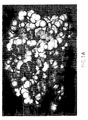
- FIG. 1A and FIG. 3 are shown in black and white copies as follows:
- HT1080 fibrosarcoma cells were grown in monolayer culture in RPMI 1640 media supplemented with 4% fetal calf scrum and 2 mM glutamine in the presence of 5% CO 2 and treated with 12-O-tetradecanoyl-phorbol acetate (TPA) (50ng/ml for 16 h). Isolation of plasma membranes from HT1080 cells was performed using discontinuous sucrose gradient as described ( 9,10 ).
- the GelA expression plasmid p6R72hyg was transfected into E1A-expressing p2AHT2a cells and GelA was purified from conditioned medium of stably transfected cell line p2AHT7212A as described ( 9,10 )
- TIMP-2 Expression and Purification of TIMP-2.
- Recombinant TIMP-2 was expressed in p2AHT2a cells transfected with TIMP-2 cDNA in the p6Rhyg expression vector and purified from serum free conditioned media of p2AHT2aT2 cells as described earlier ( 9,10 ) using Reactive Red-120-Agarose (Sigma, R-0503), Q-Sepharose (Pharmacia #17-0510-01), CM-Sepharose CL-6B (Sigma #CCL-6B-100) and RP-HPLC column chromatography. Expression and purification of the FLAG GelA-CTD fusion protein.
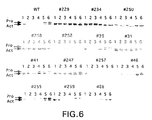
- Expression vector pFLAG72CT was constructed by cloning a fragment from GelA cDNA (17) coding for Leu 444 - Cys 660 into E.Coli secretion vector pFlagl (IBI Inc.). The resulting vector coding for the fusion protein FLAG-CT was transfected into an E.coli TOPP5 host (Stratagene). Protein was purified from a periplasmic fraction by chromatography on Reactive Red-120-Agarose (Sigma, R-0503) and M1 anti-flag antibody affinity column as described previously ( 9,10,27 ). Each of the 50 mutants and wild type GelA CT were purified using this procedure. Mutagenesis of the FLAG GelA-CTD fusion protein .
- Expression vector pFLAG72CT was mutagenized directly using PCR mediated site directed mutagenesis. A pair of anti-parallel 33 base pair long primers was synthesized for each mutant. These primers containing a desired mutation were used in a pair of PCR reactions with either of two primers flanking the coding sequence. Both resulting PCR products contained mutation. They were mixed, melted and annealed to generate a partial heteroduplex encompassing the whole coding sequence. The laner served as a template in a third PCR reaction primed by both of the flanking primers. Each of the resulting PCR products was cloned back into the pFLAG72CT expression vector and subjected to a sequence analysis to confirm the presence of mutation.
- Residues whose mutation to alanine caused a loss in TIMP-2 binding were divided into those that most likely directly interact with TIMP-2 and those whose effect on TIMP-2 binding are most likely a result of indirect structural perturbations based on a detailed examination of the environment of each of the mutant.
- the set of residues which interact with TIMP-2 are all confined to a single, contiguous surface of GelA-CTD which is divided into two adjacent regions, TBS1 and TBS2. Using boundary residues which arc near the TIMP-2 binding residues but whose mutation to alanine had no effect on TIMP-2 binding permitted us to defined the TIMP-2 binding site as a molecular surface that includes residues not mutated in the analysis.
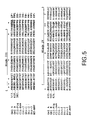
- GelA-CTD and the C-terminal domain of interstitial collagenase were aligned along their respective C ⁇ atoms.
- the model of GelB-CTD was constructed using the modeling software, Sybyl (version 6.2, Tripos Associates, St. Louis, Missouri).
- Sybyl version 6.2, Tripos Associates, St. Louis, Missouri
- the GelA-CTD structure provided the basic template for the structure and the coordinates of the C ⁇ atoms were preserved in regions of sequence identity. In these regions, the conformation of the sidechains were preserved as well.
- the structure includes all residues between Leu 461 and Cys 660 where the only residues with poorly defined positions are Glu 529 and Glu 530 .
- the overall structure of GelA-CTD is best described as a four-bladed ⁇ -propeller (Fig. 1).
- the four 'blades' are each composed of four strands of anti-parallel ⁇ -sheet.
- the ⁇ -sheet domains arc twisted making the fourth, outer most strand form nearly an 80* angle with the inner most strand.
- Each blade is arrayed about a central pseudo four-fold axis so that a 90* rotation about the axis positions one blade on top of another.
- a channel formed by the four blades, parallel to the rotation axis, contains a Ca 2+ ion, a Na + Cl ion pair and a number of stably bound water molecules.
- the inner most strands of each blade are all parallel and the Ca 2+ ion protrudes from the N-terminal end of the channel.
- the regions between the four blades are composed of hydrophobic residues (primarily Phe, Tyr and Trp) which are large enough to contact one another across such a wide interface. Connecting loops lay across the hydrophobic interface and connect adjacent blades.
- Blade IV is connected covalently to blade I via a disulfide bond between Cys 469 and Cys 660 .
- TIMP-2 Binding Surface-1 TPS-1
- TIMP-2 Binding Surface-2 TPS-2 Binding Surface-2
- TBS-1 is formed between blades III and IV and includes a non-polar interface composed of large aromatic residues (contacting Trp 574 ) which pack between the two adjacent blades and form a small, hydrophobic cavity.
- a non-polar interface composed of large aromatic residues (contacting Trp 574 ) which pack between the two adjacent blades and form a small, hydrophobic cavity.
- Surrounding this non-polar part of TBS-1 are a number of positively charged residues which are contributed mostly from the second (Lys 576 , Lys 579 ), third (Arg 590 ), and fourth (Lys 604 ) strands of blade III as well as Lys 646 which is on a large turn made between the third and fourth strands of blade IV.
- the non-polar cavity is bounded by a looping strand which lies across the cavity and connects blades III and IV.
- This loop region which contains Asn 611 , is considered part of TBS-1 but is adjacent to TBS-2 and forms part of the putative TIMP-2 binding surface of GelA-CTD.
- TBS-2 contains residues required for TIMP-2 binding that are mostly located on blade IV.
- Phe 650 and Gly 651 are located on the fourth strand of blade IV.
- Tyr 636 comes from the third strand of blade IV but forms an adjacent surface with Phe 650 and Gly 651 .
- Asp 656 is located on a single ⁇ -helical turn at the end of blade IV.
- Asp 615 is part of the loop section connecting blades III and IV, but is positioned adjacent to Tyr 636 . Together, TBS-1 and TBS-2 make up the entire putative TIMP-2 binding surface of GelA-CTD.
- mutants are considered boundary residues because they help define the outer limits of the TIMP-2 binding surface. They include Lys 578 , Asp 586 , Asp 608 , Asp 618 , Lys 633 , Lys 639 , Glu 641 , Gln 643 , and Lys 649 . While the list is not an exhaustive one and does not completely surround the site, it is a considerable number, and as seen in Fig. 1, they contribute greatly to determining the shape of the TIMP-2 binding surface on GelA-CTD.
- Point mutations with direct effect presumably show a loss in binding due to direct interaction with TIMP-2 since in the crystal structure these residues are almost entirely solvent exposed making no significant van der Waals contact, salt bridges or hydrogen bonds with nearby sidechain or backbone atoms.
- Those classed as 'indirect' are point mutants of residues which are involved in such interactions with neighboring atoms. The effect of these mutants on TIMP-2 binding may be either a result of loss of direct interaction with TIMP-2 or due to a perturbation of the local structure as a result of the point mutation which 'indirectly' causes a loss in TIMP-2 binding.
- 'direct' including mutants of Lys 576 , Lys 579 , Arg 590 , Lys 604 , Asn 611 , Asp 615 , Lys 646 , and Phe 650 (see Table 1).
- Tyr 636 may also be considered direct in that most of the ring including the hydroxyl group is solvent exposed and the van der Waals interactions of its C ⁇ 1 and C ⁇ 1 atoms are not likely to significantly perturb local geometry.
- the residues classed as 'indirect' are Asp 569 , Trp 574 , Gly 651 , and Asp 656 .
- the residues classed as 'indirect' are Asp 569 , Trp 574 , Gly 651 , and Asp 656 .
- the entire TIMP-2 binding site shown in Fig. 3 represents a surface area of 1027 ⁇ 2 .
- the interior of the surface is defined by residues whose point mutants show a loss in TIMP-2 binding.
- the boundary of the surface is defined by the outermost residues which show an effect on TIMP-2 binding and by the boundary residues described above.
- residues for which mutations were not made needed to be included as part of the binding surface were selected by the criteria that they could have no atoms outside the boundary of the binding surface and must have surface accessible atoms within the interior of the surface.
- the non-mutated residues included as part of the TIMP-2 binding surface are residues Asn 577 , Tyr 581 , Phe 588 , Ala 609 , Trp 610 , Ala 612 , llc 613 , Pro 614 , Leu 645 , and Val 648 as well as the C ⁇ and C ⁇ 1 ring carbons of Phe 602 . All the aromatic residues of this group as well as Leu 645 contribute to form the non-polar cavity in TBS-1. Ala 612 , llc 613 , and Pro 614 are on the loop connecting blades III and IV. Ile 613 is unique in that only its backbone atoms are surface accessible.
- Val 648 makes up part of the van der Waal contact surface of TBS-2.
- the hole in the binding surface is present because Leu 638 (which is in a small depression between Phe 650 and Tyr 636 ) did not show a loss in TIMP-2 binding when mutated to alanine.
- the C ⁇ , C ⁇ 1 and C ⁇ 2 atoms of Leu 638 are not considered part of the TIMP-2 binding surface. Rationalizing the effects of these mutations on TIMP-2 binding requires a broader description of the structural environment of these residues.
- a some of the residues included in the TIMP-2 binding site of GelA-CTD may be classed as 'indirect' mutants including Asp 569 , Trp 574 , Gly 651 , and Asp 656 .
- the O ⁇ 1 of Asp 569 forms a hydrogen bond with a backbone amide proton of Gly 585 which is located on a tight turn formed between the second and third strands of blade III.
- the Asp 569 -> Ala mutation causes only a small reduction in TIMP-2 binding.
- Strand three of blade III contains a residue, Arg 590 , whose mutation to alanine shows a large loss in binding (> 100-fold) and directly interacts with TIMP-2. Also, Asp 569 is away from the contiguous binding surface formed by the other point mutants which affect TIMP-2 binding. While it is possible that TIMP-2 directly interacts with Asp 569 , the effect of the Asp 569 -> AJa mutation is most likely mediated by alteration of the position of Arg 590 as a result of the loss of an important structural H-bond with Gly 585 which constrains the conformation of the turn.
- Trp 574 is one of a number of hydrophobic residues forming the pocket between blades III and IV. It makes van der Waals contact with a number of atoms from neighboring sidechains including Tyr 581 and Trp 610 . Since only the C ⁇ 3 and C ⁇ 2 atoms of Trp 574 are surface accessible, the large loss in binding of the Trp 574 -> Ala mutant is most likely not due to a loss in the interaction of these atoms with TIMP-2 but to a rearrangement of neighboring residues as a result of the mutation.
- Trp 574 -> Ala disrupts TIMP-2 binding by altering the van der Waal surface presented by GelA-CTD. So while the effect of the Trp 574 -> Ala mutation is 'indirect', it is suggestive of direct binding of TIMP-2 to surface atoms in the pocket.
- the Gly 651 -> Ala mutation has a moderate effect on TIMP-2 binding. Since alanine, by virtue of its C ⁇ , is sterically restricted in its allowable ⁇ , ⁇ angles, it is possible that the effect on TIMP-2 binding of the Gly 651 -> Ala mutation is the result of alteration in the protein backbone. Alanine is more energetically restricted than glycine in the ⁇ , ⁇ conformations it may adopt.
- Ala /Gly 651 -> Arg shows >100-fold loss in TIMP-2 binding.
- Glu 641 is entirely solvent exposed and does not interact with neighboring atoms, and the single mutant, Glu 641 ->Ala shows no effect on TIMP-2 binding. Since Glu 641 is entirely solvent exposed does not appear to interact with any neighboring atoms, the effects of the double mutant are not considered to be a result of coopcrativity. Thus, the effect of the double mutant is due exclusively to the Gly 651 . > Arg mutation. Presumably, the Gly 651 -> Arg mutant covers a nearby surface on GelA-CTD upon which TIMP-2 normally binds.
- Asp 656 is solvent exposed and forms an H-bond with the hydroxyl group of Tyr 637 .
- the effect on TIMP-2 binding of the Asp 656 -> Ala mutation may be a result of perturbation of the orientation of Tyr 637 by loss of this H-bond. While it is possible that TIMP-2 interacts with only Tyr 637 , the simplest interpretation of the effect of the mutation is that Asp 656 directly interacts with TIMP-2. This conclusion would partially explain the large loss in TIMP-2 binding of the Gly 651 -> Arg mutation which puts a positive charge near Asp 656 . Also, Asp 656 forms a contiguous surface with Gly 651 , Phe 650 , and Tyr 636 (other TIMP-2 binding residues). TIMP-2 may interact with Tyr 637 but that residue was not mutated in the study so it cannot explicitly be considered as part of the TIMP-2 binding surface of GelA-CTD.
- Lys 646 in GelA-CTD aligns with Arg 453 in ClI-Ctd, so while the sequence is not identical, charge is conserved and the residues overlay well when their C ⁇ atoms are aligned.
- Point mutants of Arg590 and Lys646 all show at least 100-fold loss in TIMP-2 binding in GelA-CTD.
- Lys576, which also shows over a 100-fold loss in TIMP-2 binding when mutated to alanine, is not conserved in CII-Ctd where it becomes a negatively charged Asp residue.
- the loop connecting the third and fourth strand of blade TV had to be rebuilt to accommodate the insertion of two residues. This increased the size of the loop, but still placed Leu 688 and Asn 689 of GelB-CTD near Leu 645 and Lys 646 of GelA-CTD. So while no new charges are introduced, the contact surface in this region would be somewhat different in GelB-CTD.
- TBS-1 of the model of GelB-CTD diverges dramatically from GelA-CTD.
- a great number of changes have been made in the non-polar cavity residues. Trp 574 , Tyr 581 , Phe 588 , Phe 602 , and Trp 610 are not conserved in GelB-CTD.
- the sequence changes make the cavity much deeper in GelB-CTD with a cavity floor defined by the contribution of non-polar atoms from Leu 688 and Met 653 .
- Other residues conserved between the two in TBS-1 are some of the positively charged residues which lie about the cavity. Lys 579 and Arg 590 of GelA-CTD are conserved in GelB-CTD.
- GelB-CTD makes a conservative substitution at Lys 576 where the positive charge is conserved.
- Other positive charges such as Lys 604 and Lys 646 of GeLA-CTD, become polar, but uncharged residues in GelB-CTD.
- the loop region connecting blades III and IV in GelB-CTD which shows intermediate homology to GelA-CTD, required slight rebuilding due to the insertion of Leu 659 in GelB-CTD.
- the fourth strand of blade 1 contains no ⁇ -bulges, but its backbone H-bonding pattern with the third strand is significantly distorted by the presence of cis proline, Pro 506 .
- Cis prolines are identifed in the fourth strands of all the blades except IV.
- the highly localized positive charge and a canonical ⁇ -strand conformation of an adjacent blade would, in part, create a unique binding surface which would not be found at related positions of this highly symmetrical molecule.
- TIMP-2 binding site on GelA-CTD it is possible to look at known structures and sequences of related MMPs and develop an idea of how binding and specificity are achieved.
- the two basic assumptions in such an analysis are that 1) all related MMP sequences adopt the same fold as described for GelA-CTD and CII-Ctd and 2) TIMP-1 binds Gel B-Ctd in a manner comparable to the TIMP-2 binding of GelA.CTD. If these two assumptions are true than some interesting observations on the nature of TIMPs binding to MMPs may be credibly made and are discussed below.
- TIMP-2 C-terminal domain is 67 residues long from Cys 128 - Pro 194 . It has six cysteines which, by analogy to TIMP-1, are assumed to form three disulfide bonds (31) . Thus, the C-terminal domain of TIMP-2 is likely to be compact and globular. The C-terminal portion is separated from the N-terminal-domain by only a single residue, Glu 127 , so the N- and C-terminal domains of TIMP-2 must be located extremely close to one another in space.
- TIMP-2 binding site of GelA-CTD Given the large surface area of the TIMP-2 binding site of GelA-CTD, it is possible that portions of the N-terminal domain of TIMP-2 also participate in binding. Since the N-terminal domains of TIMP-1 and TIMP-2 show greater homology (44% identity) than their respective C-terminal domains (27% identity) and the TBS-2 sections of GelA and B are far more similar than their TBS-1 regions, it is possible that portions of the N-terminal domain of TIMP-2 binds blade IV residues of Gel-Ctd. This would mean that TBS-1 of GelA-CTD is bound by the C-terminal portion of TIMP-2. As stated above, the C-terminal domain of TIMP-2 contains a negatively charged sequence which is required for full binding activity.
- TBS-1 has a lot of positively charged residues, particularly in GelA, and based on sequence and model comparison of GelA and B shows far less sequence and structural homology than in TBS-2. For this reason, it is likely that TBS-1 of GelA determines its specificity for TIMP-2 as opposed to TIMP-1. Furthermore, assuming the C-terminal domain of TIMP-2 is not elongated, portions of TBS-2 may in fact bind parts of the N-terminal domain of TIMP-2.
- GelA is a multi-domain protein containing a catalytic domain, a domain with three type II fibronectin-like repeats, and a C-terminal domain. The quaternary arrangement of these domains is still unknown. Biochemical evidence from deletion studies and crosslinking experiments suggest that active GelA is bound simultaneously at its catalytic and C-terminal domains by the N-terminal and C-terminal domains of TIMP-2.
- the soluble MMP, GelA is recruited to the cell surface where it is activated in a MT1-MMP dependent fashion (reviewed 33).
- the initial MT1-MMP dependent Asn 37 -Leu pro-peptide cleavage is inhibited by excess of TIMP-2 and competitively inhibited by GelA-CTD.
- GelA-CTD truncated GelA that lacks its C-terminal domain is not activatable by this mechanism (13).
- TIMP-2 in this mechanism is more controversial.
- TIMP-2 functions solely as a specific MT1-MMP inhibitor.Cleavage of the GelA propeptide does not depend on the presence of its C-terminal domain and, contrary to membrane dependent GelA activation, truncated GelA is a substrate for soluble activated MT1-MMP. Thus it is essential to ascertain by other approaches whether the assembly of the MT1-MMP/MMP-2/GelA complex on the cell membrane is indeed a prerequisite for GelA activation.
- TIMP-2 serves as a mediator of GelA activation, provided that a sufficient number of the TIMP-2 binding site mutants were analyzed.
- TIMP-2 binding site mutants were analyzed.
- MT1-MMP/TIMP-2 complex acts as a receptor for soluble GelA and forms a tri-molecular presentation complex. Another molecule of TIMP-2 free MT1-MMP may then perform the Asn 37 -Leu pro-peptide cleavage. As a result, activation of GelA is sensitive to the ratio of the unoccupied activated MT1-MMP to MT1-MMP/TIMP-2 complex and saturating amounts of TIMP-2 inhibit activation.
- a second set of GelA activation models can be proposed based on the data presented here, if the existence of T2b - Ai - and T2b - Ai + mutants is interpreted to mean that GelA-CTD binds to another, yet to be identified, cell surface receptor and the resulting complex is activated by TIMP-2 free MT1-MMP.
- binding of the GelA-CTD can occur through interaction with ⁇ V ⁇ 5 integrin as recently reported (34) .
- the results of mutagenesis indicate that TIMP-2 and putative receptor binding sites on GelA-CTD overlap since no Ai- mutants were found outside of the TIMP-2 binding site.
Landscapes
- Health & Medical Sciences (AREA)
- Engineering & Computer Science (AREA)
- Life Sciences & Earth Sciences (AREA)
- Chemical & Material Sciences (AREA)
- Wood Science & Technology (AREA)
- Biomedical Technology (AREA)
- Organic Chemistry (AREA)
- Bioinformatics & Cheminformatics (AREA)
- Zoology (AREA)
- Genetics & Genomics (AREA)
- Molecular Biology (AREA)
- Microbiology (AREA)
- Biotechnology (AREA)
- Biochemistry (AREA)
- General Engineering & Computer Science (AREA)
- General Health & Medical Sciences (AREA)
- Medicinal Chemistry (AREA)
- Peptides Or Proteins (AREA)
- Measuring Or Testing Involving Enzymes Or Micro-Organisms (AREA)
- Pharmaceuticals Containing Other Organic And Inorganic Compounds (AREA)
- Steroid Compounds (AREA)
- Medicines That Contain Protein Lipid Enzymes And Other Medicines (AREA)
- Investigating Or Analysing Biological Materials (AREA)
- Enzymes And Modification Thereof (AREA)
Claims (4)
- Zielregion zum Screenen nach MMP-Inhibitoren bestehend aus einem Peptid mit den Resten Tyr636 bis Asp656 der TIMP-2-Bindungsstelle der GelA-CTD-Domäne wie in SEQ. ID. Nr. 10 als Reste 22 bis 42 gezeigt.
- Zielregion zum Screenen nach MMP-Inhibitoren bestehend aus einem Peptid mit den Resten Trp574 bis Asp656 der TIMP-2-Bindungsstelle der GelA-CTD-Domäne wie in SEQ. ID. Nr. 19 gezeigt.
- Verfahren zum Screenen nach MMP-Inhibitoren umfassend die Bestimmung der Auswirkung einer Testverbindung auf die Zelloberflächenaktivierung und -hemmung nach Reaktion an der TIMP-2-Bindungsstelle gemäß Anspruch 1.
- Verfahren zum Screenen nach MMP-Inhibitoren umfassend die Bestimmung der Auswirkung einer Testverbindung auf die Zelloberflächenaktivierung und -hemmung nach Reaktion an der TIMP-2-Bindungsstelle gemäß Anspruch 2.
Applications Claiming Priority (3)
| Application Number | Priority Date | Filing Date | Title |
|---|---|---|---|
| US2622696P | 1996-09-17 | 1996-09-17 | |
| US26226P | 1996-09-17 | ||
| PCT/US1997/016216 WO1998012309A2 (en) | 1996-09-17 | 1997-09-15 | Method of cell surface activation and inhibition |
Publications (2)
| Publication Number | Publication Date |
|---|---|
| EP0970194A2 EP0970194A2 (de) | 2000-01-12 |
| EP0970194B1 true EP0970194B1 (de) | 2005-04-06 |
Family
ID=21830575
Family Applications (1)
| Application Number | Title | Priority Date | Filing Date |
|---|---|---|---|
| EP97903137A Expired - Lifetime EP0970194B1 (de) | 1996-09-17 | 1997-09-15 | Verfahren der zelloberflächenaktivierung und -hemmung |
Country Status (8)
| Country | Link |
|---|---|
| US (2) | US6022948A (de) |
| EP (1) | EP0970194B1 (de) |
| JP (1) | JP2001501606A (de) |
| AT (1) | ATE292680T1 (de) |
| AU (1) | AU4269397A (de) |
| CA (1) | CA2266410A1 (de) |
| DE (1) | DE69732985D1 (de) |
| WO (1) | WO1998012309A2 (de) |
Families Citing this family (23)
| Publication number | Priority date | Publication date | Assignee | Title |
|---|---|---|---|---|
| US6593456B1 (en) * | 1996-11-06 | 2003-07-15 | The Regents Of The University Of California | Tumor necrosis factor receptor releasing enzyme |
| US20050191661A1 (en) * | 1996-11-06 | 2005-09-01 | Tetsuya Gatanaga | Treatment of inflammatory disease by cleaving TNF receptors |
| JP2001508648A (ja) * | 1996-11-06 | 2001-07-03 | ザ リージェンツ オブ ザ ユニバーシティ オブ カリフォルニア | 腫瘍壊死因子レセプター放出酵素、酵素を含む組成物、およびその使用方法 |
| WO2001062972A1 (en) * | 2000-02-25 | 2001-08-30 | Biofocus Discovery Limited | Methods for identifying candidate polynucleotide molecules encoding a protease |
| DE10044325A1 (de) * | 2000-09-07 | 2002-03-21 | Merck Patent Gmbh | Neue MMP-2-Derivate als Inhibitoren des Integrins avbeta3 |
| US7041787B2 (en) * | 2000-12-29 | 2006-05-09 | Kimberly-Clark Worldwide, Inc. | Design and use of advanced zinc chelating peptides to regulate matrix metalloproteinases |
| US6600057B2 (en) | 2000-12-29 | 2003-07-29 | Kimberly-Clark Worldwide, Inc. | Matrix metalloproteinase inhibitors |
| WO2002081627A2 (en) * | 2001-04-04 | 2002-10-17 | Allergan, Inc. | Methods of screening and using inhibitors of angiogenesis |
| US7019108B2 (en) * | 2001-06-01 | 2006-03-28 | University Of Southern California | Method and composition for inhibition of angiogenesis and tumor growth using compounds based on a sequence within MMP-2 |
| US7186693B2 (en) | 2001-08-16 | 2007-03-06 | Kimberly - Clark Worldwide, Inc. | Metalloproteinase inhibitors for wound healing |
| US7071164B2 (en) | 2001-08-16 | 2006-07-04 | Kimberly-Clark Worldwide, Inc. | Anti-cancer and wound healing compounds |
| US6906036B2 (en) | 2001-08-16 | 2005-06-14 | Kimberly-Clark Worldwide, Inc. | Anti-aging and wound healing compounds |
| US7094754B2 (en) | 2001-08-16 | 2006-08-22 | Kimberly-Clark Worldwide, Inc. | Anti-aging and wound healing compounds |
| US20030119073A1 (en) * | 2001-12-21 | 2003-06-26 | Stephen Quirk | Sensors and methods of detection for proteinase enzymes |
| US20040192658A1 (en) * | 2002-12-27 | 2004-09-30 | Angiotech International Ag | Compositions and methods of using collajolie |
| AU2003300076C1 (en) | 2002-12-30 | 2010-03-04 | Angiotech International Ag | Drug delivery from rapid gelling polymer composition |
| US7148194B2 (en) | 2002-12-30 | 2006-12-12 | Kimberly-Clark Worldwide, Inc. | Method to increase fibronectin |
| US7189700B2 (en) | 2003-06-20 | 2007-03-13 | Kimberly-Clark Worldwide, Inc. | Anti-chrondrosarcoma compounds |
| US7595170B2 (en) * | 2004-08-05 | 2009-09-29 | Modrovich Ivan E | Apparatus and method for measuring concentrations of molecules through a barrier |
| US20130012451A1 (en) * | 2009-12-21 | 2013-01-10 | The Research Foundation Of State University Of New York | Compositions and methods for inhibiting mmp-9-mediated cell migration |
| WO2011133555A2 (en) * | 2010-04-20 | 2011-10-27 | The Research Foundation Of State University Of New York | Compositions and methods for inhibiting matrix metalloproteinase (mmp)-mediated cell migration |
| AU2016279804B2 (en) * | 2015-06-15 | 2019-03-07 | The Board Of Trustees Of The Leland Stanford Junior University | Methods and compositions for treating aging-associated conditions |
| WO2018006049A1 (en) * | 2016-06-30 | 2018-01-04 | The Research Foundation For The State University Of New York | Compositions and methods for modifying activity of extracellular mmp-2 |
Family Cites Families (3)
| Publication number | Priority date | Publication date | Assignee | Title |
|---|---|---|---|---|
| US4923818A (en) * | 1987-09-04 | 1990-05-08 | Washington University | DNA clone of human type IV collagenase |
| AU634533B2 (en) * | 1989-03-21 | 1993-02-25 | United States of America, as represented by the Secretary, U.S. Department of Commerce, The | Matrix metalloproteinase inhibitor peptides |
| DE69011433T2 (de) * | 1989-05-26 | 1995-04-06 | Univ Washington | Gewebeinhibitor für Metalloproteasen (TIMP-2). |
-
1997
- 1997-09-05 US US08/924,330 patent/US6022948A/en not_active Expired - Fee Related
- 1997-09-15 EP EP97903137A patent/EP0970194B1/de not_active Expired - Lifetime
- 1997-09-15 CA CA002266410A patent/CA2266410A1/en not_active Abandoned
- 1997-09-15 JP JP10514773A patent/JP2001501606A/ja not_active Ceased
- 1997-09-15 WO PCT/US1997/016216 patent/WO1998012309A2/en not_active Ceased
- 1997-09-15 AU AU42693/97A patent/AU4269397A/en not_active Abandoned
- 1997-09-15 DE DE69732985T patent/DE69732985D1/de not_active Expired - Lifetime
- 1997-09-15 AT AT97903137T patent/ATE292680T1/de not_active IP Right Cessation
-
1998
- 1998-08-24 US US09/138,721 patent/US6274703B1/en not_active Expired - Fee Related
Also Published As
| Publication number | Publication date |
|---|---|
| CA2266410A1 (en) | 1998-03-26 |
| DE69732985D1 (de) | 2005-05-12 |
| WO1998012309A3 (en) | 1998-05-22 |
| JP2001501606A (ja) | 2001-02-06 |
| AU4269397A (en) | 1998-04-14 |
| WO1998012309A2 (en) | 1998-03-26 |
| EP0970194A2 (de) | 2000-01-12 |
| ATE292680T1 (de) | 2005-04-15 |
| US6274703B1 (en) | 2001-08-14 |
| US6022948A (en) | 2000-02-08 |
Similar Documents
| Publication | Publication Date | Title |
|---|---|---|
| EP0970194B1 (de) | Verfahren der zelloberflächenaktivierung und -hemmung | |
| Wang et al. | Isolation of a high affinity inhibitor of urokinase-type plasminogen activator by phage display of ecotin | |
| MARCHENKO et al. | Characterization of matrix metalloproteinase-26, a novel metalloproteinase widely expressed in cancer cells of epithelial origin | |
| US9062299B2 (en) | Coagulation factor IX compositions and methods of making and using same | |
| EP1327143B1 (de) | Kristallstruktur von bace und verwendungen dafür | |
| Westling et al. | Active site specificity of plasmepsin II | |
| Ke et al. | Distinguishing the specificities of closely related proteases: role of P3 in substrate and inhibitor discrimination between tissue-type plasminogen activator and urokinase | |
| Pei | CA-MMP: a matrix metalloproteinase with a novel cysteine array, but without the classic cysteine switch | |
| WO2008109871A2 (en) | Crystal structure of proprotein convertase 9 (pcsk9) and uses thereof | |
| Fisher et al. | Models of the serine protease domain of the human antithrombotic plasma factor activated protein C and its zymogen | |
| Hudáky et al. | The differential specificity of chymotrypsin A and B is determined by amino acid 226 | |
| De Taeye et al. | The story of the serpin plasminogen activator inhibitor 1: is there any need for another mutant? | |
| AU5910700A (en) | Fviia antagonists | |
| US6872702B1 (en) | Inhibitors for urokinase receptor | |
| Brinker et al. | Highly potent inhibitors of human cathepsin L identified by screening combinatorial pentapeptide amide collections | |
| EP0398859B1 (de) | Collagenase vom Typ 92-kDa IV | |
| WO1998011238A9 (en) | Protease m, a novel serine protease | |
| JP2009502179A (ja) | 化合物 | |
| US7786071B2 (en) | Pon polypeptides polynucleotides encoding same and compositions and methods utilizing same | |
| Kirkegaard et al. | Engineering of conformations of plasminogen activator inhibitor‐1: a crucial role of β‐strand 5A residues in the transition of active form to latent and substrate forms | |
| WO1995017421A1 (en) | PEPTIDE ANALOGS OF THE FACTOR IXa PLATELET BINDING SITE | |
| Miwa et al. | Conserved sequence in the aggrecan interglobular domain modulates cleavage by ADAMTS-4 and ADAMTS-5 | |
| Bahudhanapati | In search of MMP specific inhibitors: Protein engineering of TIMPs | |
| Ruwansara | Investigating the Oligomerization of Vitronectin | |
| Jacobsen et al. | Structure and Inhibition of the Urokinase-Type Plasminogen Activator Receptor |
Legal Events
| Date | Code | Title | Description |
|---|---|---|---|
| PUAI | Public reference made under article 153(3) epc to a published international application that has entered the european phase |
Free format text: ORIGINAL CODE: 0009012 |
|
| 17P | Request for examination filed |
Effective date: 19990331 |
|
| AK | Designated contracting states |
Kind code of ref document: A2 Designated state(s): AT BE CH DE DK ES FI FR GB GR IE IT LI LU NL PT SE |
|
| 17Q | First examination report despatched |
Effective date: 20031015 |
|
| GRAP | Despatch of communication of intention to grant a patent |
Free format text: ORIGINAL CODE: EPIDOSNIGR1 |
|
| RIN1 | Information on inventor provided before grant (corrected) |
Inventor name: GOLDBERG, GREGORY, I.WASHINGTON UNI. OF MEDICINE |
|
| GRAS | Grant fee paid |
Free format text: ORIGINAL CODE: EPIDOSNIGR3 |
|
| GRAA | (expected) grant |
Free format text: ORIGINAL CODE: 0009210 |
|
| AK | Designated contracting states |
Kind code of ref document: B1 Designated state(s): AT BE CH DE DK ES FI FR GB GR IE IT LI LU NL PT SE |
|
| PG25 | Lapsed in a contracting state [announced via postgrant information from national office to epo] |
Ref country code: NL Free format text: LAPSE BECAUSE OF FAILURE TO SUBMIT A TRANSLATION OF THE DESCRIPTION OR TO PAY THE FEE WITHIN THE PRESCRIBED TIME-LIMIT Effective date: 20050406 Ref country code: LI Free format text: LAPSE BECAUSE OF FAILURE TO SUBMIT A TRANSLATION OF THE DESCRIPTION OR TO PAY THE FEE WITHIN THE PRESCRIBED TIME-LIMIT Effective date: 20050406 Ref country code: IT Free format text: LAPSE BECAUSE OF FAILURE TO SUBMIT A TRANSLATION OF THE DESCRIPTION OR TO PAY THE FEE WITHIN THE PRESCRIBED TIME-LIMIT;WARNING: LAPSES OF ITALIAN PATENTS WITH EFFECTIVE DATE BEFORE 2007 MAY HAVE OCCURRED AT ANY TIME BEFORE 2007. THE CORRECT EFFECTIVE DATE MAY BE DIFFERENT FROM THE ONE RECORDED. Effective date: 20050406 Ref country code: FI Free format text: LAPSE BECAUSE OF FAILURE TO SUBMIT A TRANSLATION OF THE DESCRIPTION OR TO PAY THE FEE WITHIN THE PRESCRIBED TIME-LIMIT Effective date: 20050406 Ref country code: CH Free format text: LAPSE BECAUSE OF FAILURE TO SUBMIT A TRANSLATION OF THE DESCRIPTION OR TO PAY THE FEE WITHIN THE PRESCRIBED TIME-LIMIT Effective date: 20050406 Ref country code: BE Free format text: LAPSE BECAUSE OF FAILURE TO SUBMIT A TRANSLATION OF THE DESCRIPTION OR TO PAY THE FEE WITHIN THE PRESCRIBED TIME-LIMIT Effective date: 20050406 Ref country code: AT Free format text: LAPSE BECAUSE OF FAILURE TO SUBMIT A TRANSLATION OF THE DESCRIPTION OR TO PAY THE FEE WITHIN THE PRESCRIBED TIME-LIMIT Effective date: 20050406 |
|
| REG | Reference to a national code |
Ref country code: GB Ref legal event code: FG4D |
|
| REG | Reference to a national code |
Ref country code: CH Ref legal event code: EP |
|
| REG | Reference to a national code |
Ref country code: IE Ref legal event code: FG4D |
|
| REF | Corresponds to: |
Ref document number: 69732985 Country of ref document: DE Date of ref document: 20050512 Kind code of ref document: P |
|
| PG25 | Lapsed in a contracting state [announced via postgrant information from national office to epo] |
Ref country code: SE Free format text: LAPSE BECAUSE OF FAILURE TO SUBMIT A TRANSLATION OF THE DESCRIPTION OR TO PAY THE FEE WITHIN THE PRESCRIBED TIME-LIMIT Effective date: 20050706 Ref country code: GR Free format text: LAPSE BECAUSE OF FAILURE TO SUBMIT A TRANSLATION OF THE DESCRIPTION OR TO PAY THE FEE WITHIN THE PRESCRIBED TIME-LIMIT Effective date: 20050706 Ref country code: DK Free format text: LAPSE BECAUSE OF FAILURE TO SUBMIT A TRANSLATION OF THE DESCRIPTION OR TO PAY THE FEE WITHIN THE PRESCRIBED TIME-LIMIT Effective date: 20050706 |
|
| PG25 | Lapsed in a contracting state [announced via postgrant information from national office to epo] |
Ref country code: DE Free format text: LAPSE BECAUSE OF FAILURE TO SUBMIT A TRANSLATION OF THE DESCRIPTION OR TO PAY THE FEE WITHIN THE PRESCRIBED TIME-LIMIT Effective date: 20050707 |
|
| PG25 | Lapsed in a contracting state [announced via postgrant information from national office to epo] |
Ref country code: ES Free format text: LAPSE BECAUSE OF FAILURE TO SUBMIT A TRANSLATION OF THE DESCRIPTION OR TO PAY THE FEE WITHIN THE PRESCRIBED TIME-LIMIT Effective date: 20050717 |
|
| PG25 | Lapsed in a contracting state [announced via postgrant information from national office to epo] |
Ref country code: PT Free format text: LAPSE BECAUSE OF FAILURE TO SUBMIT A TRANSLATION OF THE DESCRIPTION OR TO PAY THE FEE WITHIN THE PRESCRIBED TIME-LIMIT Effective date: 20050908 |
|
| PG25 | Lapsed in a contracting state [announced via postgrant information from national office to epo] |
Ref country code: IE Free format text: LAPSE BECAUSE OF NON-PAYMENT OF DUE FEES Effective date: 20050915 Ref country code: GB Free format text: LAPSE BECAUSE OF NON-PAYMENT OF DUE FEES Effective date: 20050915 |
|
| PG25 | Lapsed in a contracting state [announced via postgrant information from national office to epo] |
Ref country code: LU Free format text: LAPSE BECAUSE OF NON-PAYMENT OF DUE FEES Effective date: 20050930 |
|
| NLV1 | Nl: lapsed or annulled due to failure to fulfill the requirements of art. 29p and 29m of the patents act | ||
| REG | Reference to a national code |
Ref country code: CH Ref legal event code: PL |
|
| PLBE | No opposition filed within time limit |
Free format text: ORIGINAL CODE: 0009261 |
|
| STAA | Information on the status of an ep patent application or granted ep patent |
Free format text: STATUS: NO OPPOSITION FILED WITHIN TIME LIMIT |
|
| 26N | No opposition filed |
Effective date: 20060110 |
|
| GBPC | Gb: european patent ceased through non-payment of renewal fee |
Effective date: 20050915 |
|
| EN | Fr: translation not filed | ||
| REG | Reference to a national code |
Ref country code: IE Ref legal event code: MM4A |
|
| PG25 | Lapsed in a contracting state [announced via postgrant information from national office to epo] |
Ref country code: FR Free format text: LAPSE BECAUSE OF NON-PAYMENT OF DUE FEES Effective date: 20050930 |
|
| PG25 | Lapsed in a contracting state [announced via postgrant information from national office to epo] |
Ref country code: FR Free format text: LAPSE BECAUSE OF NON-PAYMENT OF DUE FEES Effective date: 20050406 |