EP0957110A2 - Lyophilisierte Tubuline - Google Patents
Lyophilisierte Tubuline Download PDFInfo
- Publication number
- EP0957110A2 EP0957110A2 EP99109174A EP99109174A EP0957110A2 EP 0957110 A2 EP0957110 A2 EP 0957110A2 EP 99109174 A EP99109174 A EP 99109174A EP 99109174 A EP99109174 A EP 99109174A EP 0957110 A2 EP0957110 A2 EP 0957110A2
- Authority
- EP
- European Patent Office
- Prior art keywords
- tubulin
- lyophilized
- protein
- lyophilization
- active
- Prior art date
- Legal status (The legal status is an assumption and is not a legal conclusion. Google has not performed a legal analysis and makes no representation as to the accuracy of the status listed.)
- Granted
Links
Images





Classifications
-
- C—CHEMISTRY; METALLURGY
- C07—ORGANIC CHEMISTRY
- C07K—PEPTIDES
- C07K14/00—Peptides having more than 20 amino acids; Gastrins; Somatostatins; Melanotropins; Derivatives thereof
- C07K14/435—Peptides having more than 20 amino acids; Gastrins; Somatostatins; Melanotropins; Derivatives thereof from animals; from humans
- C07K14/46—Peptides having more than 20 amino acids; Gastrins; Somatostatins; Melanotropins; Derivatives thereof from animals; from humans from vertebrates
- C07K14/47—Peptides having more than 20 amino acids; Gastrins; Somatostatins; Melanotropins; Derivatives thereof from animals; from humans from vertebrates from mammals
-
- A—HUMAN NECESSITIES
- A61—MEDICAL OR VETERINARY SCIENCE; HYGIENE
- A61K—PREPARATIONS FOR MEDICAL, DENTAL OR TOILETRY PURPOSES
- A61K38/00—Medicinal preparations containing peptides
Definitions
- the present invention relates to the use of lyophilized active tubulin. More particularly, the present invention relates to the diagnostic and therapeutic applications of lyophilized active tubulin, and the use of lyophilized active tubulins in the fields of drug discovery and research.
- Tubulin is an essential intracellular protein that is necessary for mitosis, transport of intracellular material, cell structure, and cell motility.
- Tubulin is composed of a heterodimer of two closely related 55 Kilodalton proteins called alpha and beta tubulin. These two proteins are encoded by separate genes or small gene families, whose sequences are highly conserved throughout the eukaryotic kingdom.
- Tubulin polymerizes to form structures called microtubules. When tubulin polymerizes it initially forms protofilaments. Microtubules consist of 13 protofilaments and are 25 nm in diameter, each ⁇ m of microtubule length being composed of 1650 tubulin heterodimers. Microtubules are highly ordered fibers that have an intrinsic polarity. There is a dynamic flux between microtubules and tubulin. When this equilibrium is perturbed by anti-tubulin agents like paclitaxel (taxol), cells will arrest in mitosis and eventually die.
- anti-tubulin agents like paclitaxel (taxol)
- tubulin Different forms of tubulin have been isolated. These include a microtubule associated protein (MAP)-rich tubulin that is 50% to 97% purified (Shelanski, M.L., Gaskin, F., and C.R. Cantor, 1973, Proceedings of the National Academy of Sciences USA , 70 , 765-768), highly purified (97% to 99.99% or apparently 100% purified by silver stain or coomassie-blue stained SDS-PAGE) tubulin, e.g ., Phospho-cellulose purified tubulin (Lee, J.C., Tweedy, N., S.N.
- MAP microtubule associated protein
- tubulin from crude cancer cell line extracts (Weatherbee, J.A., Lucasig, R.B., R.R. Weihing, 1980, Biochemistry, 19 (17), 4116-4123), tubulin isolated from higher eukaryotes and their cell lines (Weatherbee et al . 1980), tubulin isolated from fungi and yeasts and their cell lines (Davis, A., Sage, C.R., Dougherty, C., K.W.
- tubulin is the target of several anti-tumor, anti-fungal and anti-anthleminitic (anti-parasitic) agents, it has not been utilized as a target in high through-put drug screening programs, diagnostic screens, or therapy because of its lability.
- Tubulin is unstable and will denature, becoming inactive within two days at 4°C (Shelanski et al., 1973.) Attempts have been made to create lyophilized forms of tubulin that are stable at room temperature. Since the first purification of tubulin by Weisenberg and Timasheff in 1970, several attempts at tubulin lyophilization have been recorded.
- tubulin solution is rapidly frozen in liquid nitrogen and is stored at temperatures below -70°C.
- This method is unsuitable for high through-put screening and other uses because retrieving the vials requires dexterity that cannot be automated easily.
- Another practical problem is the reproducibility of this method since the activity of preparations varies widely during the length of storage.
- the present invention provides a formulation of tubulin that is stable, i.e ., it will not denature and will maintain its activity, for greater than one year at room temperature, or alternatively for greater than five years at 4°C.
- This tubulin formulation is active once reconstituted and is capable of polymerizing to form microtubules.
- lyophilized forms of tubulin are impure ( ⁇ 40 % purity), labile and unable to form microtubules.
- the level of stability provided by the lyophilized form of tubulin of the current invention will greatly increase the use of tubulin for applications such as research, drug discovery, diagnostics and therapy.
- the method of lyophilization and reconstitution described herein are breakthroughs in tubulin and tubulin ligand research and allow greater reproducibility and stability of this labile protein.
- this method results in a highly active form of lyophilized tubulin that can be used with different isotypes, types, modified forms, purities, and recombinant forms of tubulin.
- this process is widely applicable to all forms of tubulin including microtubules formed from tubulin, MAP-rich tubulin (50% to 97% purified) (Shelanski et al.
- tubulin e.g., Phospho-cellulose purified tubulin, Lee et al ., 1978
- tubulin in crude extracts e.g., cancer cell line extracts
- tubulin isolated from higher eukaryotes and their cell lines e.g., cancer cell line extracts
- tubulin isolated from fungi and yeasts and their cell lines e.g., tubulin isolated from fungi and yeasts and their cell lines
- tubulin isolated from parasitic organisms or their cell lines awson et al. 1983
- tubulins isolated from recombinant systems and recombinant organisms e.g. 1994, Lubega et al . 1993.
- the present invention covers different vessels for tubulin lyophilization since different applications of lyophilized tubulin require appropriate vessels for lyophilization and reconstitution.
- This includes single vials for all applications, wells in multi-well plates for high through-put screening and diagnostics, glass slides for microscopy research and diagnostics, solid supports like dip sticks, filters, etc ., frozen drops of liquids that may be lyophilized for large quantity therapeutic applications, and any new vessels such as micro and nano-sized reaction chambers that may be available in the future.
- the present invention includes the use of lyophilized active tubulin in a microtubule polymerization assay to measure the biological activity of tubulin.
- a microtubule polymerization assay to measure the biological activity of tubulin.
- the optical density at O.D. 340 nm is measured kinetically over time to determine polymerization and depolymerization.
- This kinetic assay can also be conducted at different temperatures to determine the stability of various forms of tubulin in comparison to the stable, active form of lyophilized tubulin of the present invention.
- the present invention provides a high-throughput assay designed to measure anti-tubulin ligands.
- This assay can be used to measure ligand concentrations in body fluids like serum, urine, etc. , fermentor broths, and to understand steps in the synthesis of ligands.
- the present invention also covers potential therapeutic applications involving the use of lyophilized active tubulin, for example, the encapsulation within a microsomal liposome of a complex of tubulin and tubulin ligands to aid in drug delivery mechanisms.
- the present invention provides a formulation of lyophilized tubulin that is stable for greater than one year at room temperature, or alternatively for greater than five years at 4°C.
- This tubulin formulation is active once reconstituted and is capable of polymerizing to form microtubules.
- the present invention includes a method for producing this formulation of lyophilized tubulin.
- the method includes the following steps: Isolation by standard methods, purification by cycles of microtubule polymerization and depolymerization, differential sedimentation centrifugation, suspension of the tubulin in a formulation containing a buffer, a salt, a nucleotide, a sugar and a carbohydrate polymer or a combination of some of these, lyophilization of the tubulin at a high concentration, storage of the tubulin and reconstitution of the tubulin in an active form. The reconstituted tubulin is then tested for biological activity using a microtubule polymerization assay.
- This assay has been optimized to measure differences between the control and test reactions as detailed in the copyrighted manual for high through put screens called “CytoDYNAMIX ScreensTM.” Microtubule formation is further tested by electron microscopy. Comparative studies between the lyophilized tubulin product, Catalog No. T4975, sold by Sigma Chemical Company, and the lyophilized tubulin of the present invention show that T4975 microtubules are much less abundant with the T4975 product and the microtubules that do form are coated with denatured protein aggregates that suppress its biological activity and dynamic nature.
- Tubulin can be isolated from most eukaryotic and some recombinant prokaryotic sources by standard methods. Various degrees of purity are produced by these methods. (Weisenberg and Timasheff, 1970; Weatherbee et al . 1980; Davis et al. 1993; Barnes, G., Louie, J.M., D. Botstein, 1992, Biochemistry , 32, 8823-8835; Lubega, G.W., Geary, T.G., Klein, R.D., R.K. Prichard, 1993, Mol. Biochem. Parasitol ., 62 , 281-292.) Tubulin is isolated as MAP-rich bovine brain tubulin (Shelanski et al .
- bovine brain tubulin phospho-cellulose purified tubulin by the method of Lee et al. 1978
- DEAE-Cellulose purified Hela S3 Cell line tubulin Weatherbee et al . 1980
- DEAE-Cellulose purified yeast and recombinant yeast tubulin Davis et al . 1993.
- Modified tubulins include biotinylated, fluorescent, tyrosinylated, non-tyrosinylated, acetylated, caged fluorescence and fluorescent analog derivatives.
- the lyophilization procedure described in Section V.(3) below has been tested on biotinylated and fluorescent derivatives. These derivatives are made stable by the lyophilization process (See Fig. 12), and, thus, have an increased shelf life as compared to non-lyophilized samples.
- the process of producing lyophilized active tubulin of the present invention can be applied to all isotypes, types, modified forms, recombinant forms, and all purity levels of tubulin since it has been performed on MAP-rich bovine brain tubulin, 70% pure and greater than 99% purified bovine brain tubulin, DEAE-Cellulose purified Hela S3 Cell line tubulin, DEAE-Cellulose purified yeast and recombinant yeast tubulin (70% - 95% purity).
- the activity of the lyophilized tubulin product is extremely high, i.e ., greater than 95% activity.
- Tubulin is purified by one of the methods described in Section V.(1) above by successive cycles of polymerization and depolymerization. Active tubulin will polymerize to form microtubules which are separated from non-polymerized tubulin by differential sedimentation centrifugation which sediments the microtubules into a pellet at the bottom of the centrifuge tube. The supernatant is then removed and the tube containing the pellet is placed on ice. The pellet is then resuspended in a lyophilization buffer at concentrations between 1 ⁇ g/ml to 200 mg/ml and placed into a vessel for lyophilization.
- Tubulin at 0.2 to 50 mg/ml is polymerized by incubating at a temperature from 4°C to 45°C for 1 to 500 minutes, and more preferably, at a temperature of 37°C.
- the number of cycles of polymerization can be 1 to 6, and more preferably, about 2 to 3 for higher yields.
- the preferred temperature gradient for polymerization is usually less than 5 minutes from the low temperature to the high temperature.
- Polymerization at the increased temperature is preferably, from 1 to 500 minutes, more preferably, from 20 to 120 minutes, and most preferably, at 45 minutes.
- the concentration of tubulin during polymerization is preferably, between 0.2 to 50 mg/ml, more preferably, between 0.5 to 20 mg/ml, and most preferably, at 5 mg/ml.
- the temperature for centrifugation is between 15°C to 45°C, and more preferably, the temperature is 37°C.
- the sample is centrifuged at 5000 x g to 500,000 x g, more preferably, 30,000 x g to 200,000 x g, and most preferably, at 100,000 x g.
- the period of centrifugation is preferably, for 5 to 5000 minutes, more preferably, for 10 to 1000 minutes and, most preferably, for 30 minutes.
- the supernatant is removed by decanting and the tube containing the pellet is placed on ice.
- pellet resuspension can be at a protein concentration of 1 ⁇ g/ml to 200 mg/ml, more preferably, between 0.5 to 50 mg/ml, and most preferably, at 20 mg/ml.
- the tubulin lyophilization solution includes a buffer, a sugar, a carbohydrate polymer, a nucleotide, and a substitute protein.
- Buffers include, but are not limited to, PIPES, MES, Tris buffer and phosphate buffer.
- the buffer is PIPES at a concentration of 15 mM, pH 6.9.
- Sugars include but are not limited to, sucrose, glucose, maltose and galactose.
- the sugar is sucrose at 5% w/v.
- Carbohydrate polymers include, but are not limited to, dextran, polyethylene glycol and ficoll.
- the carboydrate polymer is FICOLLTM (400K) at 1% w/v.
- Salts include but are not limited to, MgCl 2 , MnCl 2 , CaCl 2 , and magnesium acetate. Preferably, the salt is MgCl 2 at 0.5 mM.
- Nucleotides include but are not limited to, adenosine triphosphate (ATP), guanosine triphosphate (GTP), and guanosine diphosphate (GDP).
- Substitute proteins include, but are not limited to, Bovine Serum Albumin (BSA) and Immunoglobulins like IgG. These substitute proteins can substitute for up to 50% of tubulin. Alternatively, the pellet may also be suspended in distilled water alone for a semi-stable, less than optimal formulation.
- the pellet is preferably air-dried or frozen; more preferably it is air-dried. Lyophilization is conducted preferably at a temperature between -200°C to 60°C, more preferably at -45°C to 30°C, and most preferably at -40°C for frozen samples and 4°C for air-dried liquid samples.
- the water content (v/v) in the sample is preferably between 0% to 20%, more preferably between 0.2% to 5%, and most preferably less than 3%.
- Lyophilization is preferably performed at a vacuum pressure between 76 torr to 1 milli-torr, more preferably between 10 torr to 20 milli-torr and most preferably at 100 milli-torr.
- the vessels include, but are not limited to, single vials for all applications, wells in 96-well, 384-well, 864-well and higher well plates, wells and walls of the wells in 96-well, 384-well, 864-well and higher well plates, glass slides, solid supports, dip sticks, filters, frozen liquid drops, and any micro or nano-sized reaction chambers that may be available in the future.
- the product can be stored at -189°C to 37°C with desicant for greater than one year (See Fig. 3) which can be extrapolated to greater than five years at 4°C.
- Prior storage methods involved freezing tubulin solution in liquid nitrogen and storing at -70°C (Shelanski et al . 1973). Storage at -70°C is unsuitable for high through-put screening and other uses because retrieving the vials requires dexterity that cannot be automated easily.
- the lyophilization and subsequently, the storage methods of the present invention offer significant advantages over the methods described in the prior art.
- Present reconstitution methods involve reconstitution of tubulin that is either impure, or has variable or no activity.
- the present invention includes a novel reconstitution method that maintains high activity of the protein.
- Reconstitution of the pellet is conducted with a standard tubulin buffer that includes a buffer, a salt, a triphosphate nucleotide, a calcium chelator and a water exclusion agent that also promotes microtubule assembly.
- Buffers include, but are not limited to, PIPES, MES, Tris buffer and phosphate buffer.
- the buffer is PIPES at a concentration of 80 mM.
- Salts include but are not limited to, MgCl 2 , MnCl 2 , CaCl 2 , and magnesium acetate.
- the salt is MgCl 2 at 1.0 mM.
- Triphosphate nucleotides include but are not limited to, GTP, ATP, GMP and GDP.
- the triphosphate nucleotide is GTP at 1.0 mM.
- the calcium chelators is preferably EGTA.
- Water exclusion agents include, but are not limited to, sucrose, glucose, poly-ethylene glycol and glycerol.
- the water exclusion agent is glycerol at a concentration of 0% to 10%.
- Another aspect of this invention is an assay by which to test the biological activity of tubulin.
- a second test to determine the formation of bonafide microtubules involves placing the tubulin microtubule mixture on ice to see if the microtubules will depolymerize and reduce their measured optical density to the original value. The microtubule mixture is then reheated to 37°C to polymerize again.
- the lyophilized active tubulin of the present invention performs this standard assay very well. Thus, these assays can be used to test the activity of different preparations of tubulin, to test the efficacy of anti-tubulin ligands, anti-tubulin antibodies, etc., and to test the stability of lyophilized active tubulin.
- microtubules can be stabilized by the addition of paclitaxel.
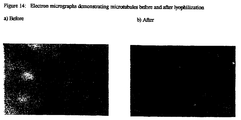
- Paclitaxel is added to a solution of microtubules which is then lyophilized under the optimal conditions described in the present invention (see Fig. 14).
- These lyophilized microtubules are then used for high through-put screening for microtubule motor ligands, e.g ., kinesin, since microtubules are the substrate for molecular motor activity.
- the lyophilization procedure is conducted on tubulin in 96-well plates to show the applicability of this method to high through-put screening.
- Paclitaxel is added to the lyophilized active tubulin as a positive control since it promotes microtubule formation.
- Nocodozole is similarly used as a negative control since it depolymerizes microtubules.
- Substances that may potentially have an effect on microtubule polymerization can be assayed by this method in which the optical density was measured at 340 nm over 60 minutes at 15-45°C, preferably 24°C MAP-rich or 37°C pure tubulin (e.g., as an indication of microtubule polymerization).
- These substances include, but are not limited to, prepared plant extracts, tubulin ligands, synthetic molecules, molecules prepared from a combinatorial library, small organic molecules, molecular motor proteins, microtubule associated proteins, proteins that interact with microtubules and/or tubulin like kinesins, dyneins, MAPs, MAP2s, onc18, XKCM-1, CENP-E, and their homologues, GTPase activated or fluorescent analogs, or any other proteins that use lyophilized and reconstituted microtubules or tubulin as their substrates.
- the method of preparation described here creates a very accurate assay, the coefficients of variation for the nucleation, polymerization and steady state phases of microtubule polymerization are 13.6, 7.5, and 9.2 respectively.
- lyophilized active tubulin can be used for the diagnostic application of measuring anti-tubulin ligands that include, but are not limited to, taxol (paclitaxel) and mebendazole.
- the assay may be used to measure these ligands in body fluids, fermentor broths, and in steps of synthesis of ligands.
- the assay may be conducted in a vessel that includes, but is not limited to, a 96-well plate.
- Lyophilized active tubulin may also be used for therapeutic applications. Lyophilized active tubulin can be used in conjunction with or without tubulin ligands in a complex for therapeutic purposes.
- Paclitaxel stabilized microtubules can be made by reconstitution of lyophilized active tubulin into taxol containing buffer and encapsulating them into liposomes. The liposomes will serve as the vehicle of delivery for the slow drug delivery of tubulin ligands.
- the temperature and vacuum pressure at which lyophilization was conducted was optimized by studying the effects on tubulin competence after lyophilization.
- Tubulin was suspended in the preferred lyophilization buffer at 20 mg/ml. Lyophilization was conducted at -40°C, -10°C, 4°C, 10°C, 24°C, 37°C and 60°C.
- the samples were stored at 37°C for one week prior to assaying for polymerization activity. Frozen (rapid freezing in liquid nitrogen) and liquid forms of the preparation were tested over the same temperature profile.
- the liquid form froze quickly after application of the vacuum at temperatures below 10°C which stabilized the protein. At 24°C, 37°C, and 45°C the liquid samples boiled vigorously and over-flowed the vessel (96-well plate).
- the frozen form at -40°C, -10°C, 4°C and 10°C the samples stayed as a frozen solid (above 0°C the evaporation of water from the samples reduces their energy, which makes them cooler than the surroundings). These samples reconstituted well and polymerized well. However, there was a slight reduction in activity compared to the air-dried sample. At 24°C, 37°C and 45°C the frozen samples turned liquid and boiled the contents, over flowing the vessel.
- the optimal formulation was derived from the general tubulin buffer (80mM Pipes pH6.9, 1mM MgCl 2 , 1mM EGTA and 1mM GTP (Brinkley et al. 1978). The components were adjusted as described in Fig. s 1 and 2 with the addition of a freezing protectant (sugar) and a molecular motion inhibitor (long chain carbohydrate).
- the constituents of the preferred buffer were tested for their affects on tubulin activity after lyophilization by using the polymerization assay.
- the tubulin was suspended in the preferred lyophilization buffer at 20 mg/ml unless otherwise stated in Fig. 1. This tubulin solution served as the control.
- the samples were stored at 37°C for one week prior to assaying for polymerization activity. Only GTP had a significant short term effect on stability as shown in Fig. 1.
- the constituents of the optimal reconstitution buffer were tested for their effects on tubulin activity after lyophilization by using the polymerization assay. 99% pure tubulin purified from bovine brain was suspended at 20 mg/ml in lyophilization buffer. The samples were stored at 37°C for one week prior to assaying for polymerization activity. Reconstitution was done in the optimal buffer as a control and buffer formulations as indicated below and in Fig. 2. It was determined that GTP, phosphate and Tris buffer all had a significant effect on activity.
- Polymerized tubulin was pelleted as described in Example 1 and resuspended in the preferred lyophilization formulation described in Example 2 at concentrations of 3 mg/ml and 20 mg/ml respectively.
- One milligram of each sample was drop frozen in liquid nitrogen in an eppendorf tube, and one milligram of each sample was placed in eppendorf tubes over ice.
- the samples were then lyophilized by the preferred method for frozen and air-dried liquid samples as described in Example 1. Samples were reconstituted as described in Example 3 and polymerized at 37°C for 40 minutes. The maximum O.D. 340 nm was compared between samples.
- tubulin The biological activity of tubulin is tested in two ways.
- a solution of tubulin is warmed to 37°C in a spectrophotometer in the presence of GTP. Over time, the tubulin polymerizes to form microtubules which refract light at 340 nm thus increasing the optical density.
- Low potency tubulin Sigma Chemical Company, St. Louis, MO, Catalog. No. T4925
- This assay can be used to compare the activity of different lyophilized formulations of tubulin.
- the formation of bonafide microtubules is studied by placing the tubulin microtubule mixture on ice to see if the microtubules will depolymerize and reduce their measured optical density to the original value.
- the microtubule mixture is then reheated to 37°C to polymerize again.
- the lyophilized active tubulin of the present invention performs this standard assay very well, whereas inactive tubulin (Sigma Chemical Company, St. Louis, MO, Catalog. No. T4925) does not depolymerize and polymerize as described.
- these assays can be used to test the activity of different preparations of tubulin, to test the efficacy of anti-tubulin ligands, anti-tubulin antibodies etc.
- lyophilized tubulin preparations were tested by the polymerization assay. Fourteen preparations of lyophilized tubulin were prepared as described in Example 1. One plate was placed at 4°C, one at 24°C, and the other at 37°C. After 0 to 370 days, duplicate samples were tested by the same polymerization assay for activity.
- the lyophilized tubulin of the present invention stored at 4°C, 24°C, and 37°C was completely stable and predicted to retain polymerization activity for more than one year at room temperature (See Fig. 4).
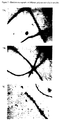
- Active tubulin was lyophilized in single vials and reconstituted with G-PEM. After incubation at 37°C for 30 minutes (See Fig. 6), it was determined that lyophilized active tubulin forms similar microtubules as seen under the electron microscope as those formed from freshly prepared tubulin (See Fig. 7). This indicates that lyophilized active tubulin is a high quality reagent suitable for drug discovery, research, therapeutics and diagnostic uses.
- T4975 tubulin, from Sigma Chemical Co. formed very few and irregular microtubules by the same procedure (See Fig. 7).
- Example 7 Comparison of lyophilized tubulin of the present invention with lyophilized tubulin, Catalog No. T4975, Sigma Chemical Company, St. Louis, MO.
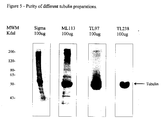
- the Sigma tubulin has approximately 30% denatured protein as determined by solubilization of the preparation in double distilled water and centrifugation at 25,000 x g at 4°C for 30 minutes as per the manufacturer's protocol.
- the protein pellet contained 30% of the total protein.
- the tubulin of the present invention had less than 5% denatured protein.
- the supernatant was then warmed to 37°C to initiate polymerization.
- the optical density of the Sigma tubulin measured kinetically over time showed little if any polymerization.
- the optical density measured at 340 nm was very small, less than 0.01 O.D. 340 nm (See Fig. 6).
- the Sigma tubulin is a very low activity preparation of tubulin that was lyophilized by a non-optimal procedure.
- the components of the Sigma tubulin are 7.5 mg impure protein, 0.1 M MES buffer (pH 6.5), 1 mM EGTA, 0.5 mM MgCl 2 , 0.1 mM EDTA, 2.5 M glycerol.
- Glycerol is a non-lyophilizing liquid component. It is believed that the Sigma tubulin is inactive due to the presence of glycerol which increases protein mobility and thus increases the rate of thermal denaturation, EGTA (a calcium chelator that also binds to Mg 2 + at high concentrations, as is present in the lyophilized state), and EDTA (a Mg 2 + chelator that binds two moles of Mg 2 + per mole of chelator).
- Mg 2 + is required for tubulin stability, the presence of these Mg 2 + binding substances affects stability of tubulin.
- the Sigma tubulin is not available in a 96-well or any other format and would not be suitable for research, drug screening, diagnostics and therapy with active tubulin.
- the activity of the Sigma tubulin was compared with the tubulin of the present invention by observing microtubule formation under the electron microscope. Microtubules can be observed under the electron microscope as striated cylinders.
- the tubulin of the present invention forms microtubules with characteristic appearance (compare Fig. s 7a and 7b), whereas the Sigma tubulin had very few microtubules which were irregular due to aggregates of denatured protein (compare Fig. s 7a and 7c).
- Example 8 Drug Screening for tubulin ligands using lyophilized active tubulin
- MAP-rich tubulin 100 ⁇ g/well was lyophilized under the optimal conditions described in Example 1, in a 96-well plate.
- Ninety-six wells in a 96-well plate of lyophilized tubulin can be simultaneously reconstituted and their polymerization measured (See Fig. 8).
- the coefficient of variation for this assay is 16%, 13% and 10% for single, duplicate and triplicate assays, respectively.
- various plant extracts were prepared in G-PEM buffer at 4°C. Controls were added to the assay.
- Paclitaxel was added to the lyophilized active tubulin as a positive control since it promotes microtubule formation. Nocodozole was similarly used as a negative control since it depolymerizes microtubules. The optical density was measured at 340 nm over 60 minutes at 24°C as an indication of microtubule polymerization (See Fig. 9). It was observed that paclitaxel and nocodozole have enhancing and negative effects as expected, where paclitaxel promotes microtubule formation and nocodozole depolymerizes microtubules. The various nocodozole solutions had various activities (See Fig. 9) which indicates that these extracts contain chemicals that affect microtubule polymerization. Chemicals detected by similar methods may be useful for therapeutic drug development.
- Paclitaxel and nocodozole, anti-tumor agents were assayed in G-PEM buffer with lyophilized active tubulin.
- MAP-rich tubulin was lyophilized at 100 ⁇ g/well in a 96-well plate with the optimal procedure as described in Example 1.
- Solutions of paclitaxel or nocodozole at various concentrations were pipetted into individual wells at 100 ⁇ l per well. The optical density was measured at O.D. 340 nm over 20 minutes at 24°C.
- An increased rate of polymerization was observed as indicated by an increased optical density with increasing concentrations of paclitaxel (See Fig. 10). This increase was proportional to log 10 [concentration of Paclitaxel].
- a decrease in the rate of polymerization as indicated by a decreased optical density with increasing concentrations of nocodozole was observed (See Fig. 11). This decrease was proportional to 1/log 10 [concentration of nocodozole].
- tubulin was polymerized in a solution made up of 3 mg/ml tubulin, 80 mM PIPES, pH 6.9, 1.0 mM MgCl 2 , 1.0 mM GTP, 0.5 mM EGTA and 1.0 ⁇ M paclitaxel.
- the solution was incubated at 37°C for 30 minutes.
- 10 ⁇ M paclitaxel was added and mixed in. This was incubated for a further 10 minutes and either centrifuged to pellet the microtubules or used directly in the next step. Samples were checked for intact microtubules by observation under the electron microscope. Samples were then prepared for lyophilization by adding 0.5% Ficoll and 2.5% sucrose.
- Samples were lyophilized in a 96-well plate under the preferred conditions described in example 2. The samples were then stored at 37°C for one week. Samples were reconstituted in G-PEM and small volumes taken for electron microscopy observation. It was determined that microtubules were present before and after lyophilization indicating that microtubules can be successfully lyophilized with this procedure (See Fig. 16).
Landscapes
- Chemical & Material Sciences (AREA)
- Health & Medical Sciences (AREA)
- Life Sciences & Earth Sciences (AREA)
- Organic Chemistry (AREA)
- General Health & Medical Sciences (AREA)
- Molecular Biology (AREA)
- Biochemistry (AREA)
- Biophysics (AREA)
- Zoology (AREA)
- Genetics & Genomics (AREA)
- Medicinal Chemistry (AREA)
- Gastroenterology & Hepatology (AREA)
- Proteomics, Peptides & Aminoacids (AREA)
- Toxicology (AREA)
- Peptides Or Proteins (AREA)
- Medicinal Preparation (AREA)
- Micro-Organisms Or Cultivation Processes Thereof (AREA)
- Medicines That Contain Protein Lipid Enzymes And Other Medicines (AREA)
Applications Claiming Priority (2)
| Application Number | Priority Date | Filing Date | Title |
|---|---|---|---|
| US8538298P | 1998-05-14 | 1998-05-14 | |
| US85382P | 1998-05-14 |
Publications (3)
| Publication Number | Publication Date |
|---|---|
| EP0957110A2 true EP0957110A2 (de) | 1999-11-17 |
| EP0957110A3 EP0957110A3 (de) | 2002-08-14 |
| EP0957110B1 EP0957110B1 (de) | 2006-12-06 |
Family
ID=22191261
Family Applications (1)
| Application Number | Title | Priority Date | Filing Date |
|---|---|---|---|
| EP99109174A Expired - Lifetime EP0957110B1 (de) | 1998-05-14 | 1999-05-10 | Lyophilisierte Tubuline |
Country Status (3)
| Country | Link |
|---|---|
| EP (1) | EP0957110B1 (de) |
| AT (1) | ATE347560T1 (de) |
| DE (1) | DE69934272T8 (de) |
Cited By (1)
| Publication number | Priority date | Publication date | Assignee | Title |
|---|---|---|---|---|
| CN111679013A (zh) * | 2020-07-17 | 2020-09-18 | 天津迪安法润鉴定技术有限公司 | 一种高含水量检材中微量毒品及其相关物质的分析方法 |
Family Cites Families (1)
| Publication number | Priority date | Publication date | Assignee | Title |
|---|---|---|---|---|
| FR2349335A1 (fr) * | 1976-04-28 | 1977-11-25 | Inst Int Pathologie Cellulaire | Complexes d'alcaloides bis-indoliques du type vinblastine avec la tubuline, leur procede d'obtention et leur utilisation |
-
1999
- 1999-05-10 DE DE69934272T patent/DE69934272T8/de active Active
- 1999-05-10 EP EP99109174A patent/EP0957110B1/de not_active Expired - Lifetime
- 1999-05-10 AT AT99109174T patent/ATE347560T1/de not_active IP Right Cessation
Cited By (1)
| Publication number | Priority date | Publication date | Assignee | Title |
|---|---|---|---|---|
| CN111679013A (zh) * | 2020-07-17 | 2020-09-18 | 天津迪安法润鉴定技术有限公司 | 一种高含水量检材中微量毒品及其相关物质的分析方法 |
Also Published As
| Publication number | Publication date |
|---|---|
| DE69934272T8 (de) | 2007-10-04 |
| DE69934272D1 (de) | 2007-01-18 |
| EP0957110A3 (de) | 2002-08-14 |
| EP0957110B1 (de) | 2006-12-06 |
| DE69934272T2 (de) | 2007-06-14 |
| ATE347560T1 (de) | 2006-12-15 |
Similar Documents
| Publication | Publication Date | Title |
|---|---|---|
| Clarke et al. | Visualization of actin fibers associated with the cell membrane in amoebae of Dictyostelium discoideum. | |
| Sellers et al. | Light chain phosphorylation regulates the movement of smooth muscle myosin on actin filaments. | |
| Snay‐Hodge et al. | Dbp5p/Rat8p is a yeast nuclear pore‐associated DEAD‐box protein essential for RNA export | |
| EP0820521B1 (de) | Biologische reagenzienkugel | |
| East et al. | Lipid selectivity of the calcium and magnesium ion dependent adenosine triphosphatase, studied with fluorescence quenching by a brominated phospholipid | |
| Daniels et al. | Rates of hydration of fatty acids bound to unilamellar vesicles of phosphatidylcholine or to albumin | |
| Saks et al. | Creatine kinase of rat heart mitochondria. The demonstration of functional coupling to oxidative phosphorylation in an inner membrane-matrix preparation. | |
| Pinnaduwage et al. | In vitro interaction between a chloroplast transit peptide and chloroplast outer envelope lipids is sequence-specific and lipid class-dependent | |
| US5599660A (en) | Method and preparation for sequential delivery of wax-embedded, inactivated biological and chemical reagents | |
| EP0861888A1 (de) | Verwendung von vernetzten Kristallen als neuem Verfahen zur Immobilisierung von Enzymen | |
| Piccolomini et al. | Glutathione transferase in bacteria: subunit composition and antigenic characterization | |
| AU744881B2 (en) | Assays for detecting modulators of cytoskeletal function | |
| US6410687B1 (en) | Polypeptides for the detection of microtubule depolymerization inhibitors | |
| US6750330B1 (en) | Lyophilized tubulins | |
| EP0957110B1 (de) | Lyophilisierte Tubuline | |
| Farr et al. | Large activation energy barriers to chaperone-peptide complex formation and dissociation | |
| EP1560023A1 (de) | Proteinchipdetektionssystem, das gleichzeitig ein mehrfach-target detektieren kann | |
| US20030175827A1 (en) | Stable thin film dried protein composition or device and related methods | |
| Klingenberg et al. | [26] ADP/ATP carrier and uncoupling protein | |
| US6872537B1 (en) | Assays for the detection of microtubule depolymerization inhibitors | |
| Rando et al. | Functional incorporation of synthetic glycolipids into cells. | |
| US5268456A (en) | Bioaffinity and ion exchange separations with liquid exchange supports | |
| Morozov et al. | Parallel determination of multiple protein metabolite interactions using cell extract, protein microarrays and mass spectrometric detection | |
| WO2004031724A2 (en) | Apparatus and method for expression and capture of biomolecules and complexes on adsorbent surfaces | |
| EP0246103B1 (de) | Bioaffinitäts- und Ionenaustausch-Trennungen mit flüssigen Austausch-Trägern |
Legal Events
| Date | Code | Title | Description |
|---|---|---|---|
| PUAI | Public reference made under article 153(3) epc to a published international application that has entered the european phase |
Free format text: ORIGINAL CODE: 0009012 |
|
| AK | Designated contracting states |
Kind code of ref document: A2 Designated state(s): AT BE CH CY DE DK ES FI FR GB GR IE IT LI LU MC NL PT SE |
|
| AX | Request for extension of the european patent |
Free format text: AL;LT;LV;MK;RO;SI |
|
| PUAL | Search report despatched |
Free format text: ORIGINAL CODE: 0009013 |
|
| AK | Designated contracting states |
Kind code of ref document: A3 Designated state(s): AT BE CH CY DE DK ES FI FR GB GR IE IT LI LU MC NL PT SE |
|
| AX | Request for extension of the european patent |
Free format text: AL;LT;LV;MK;RO;SI |
|
| 17P | Request for examination filed |
Effective date: 20020906 |
|
| RAP1 | Party data changed (applicant data changed or rights of an application transferred) |
Owner name: CYTOSKELETON, INC. |
|
| 17Q | First examination report despatched |
Effective date: 20030220 |
|
| AKX | Designation fees paid |
Designated state(s): AT BE CH DE DK ES FI FR GB IE IT LI NL SE |
|
| GRAP | Despatch of communication of intention to grant a patent |
Free format text: ORIGINAL CODE: EPIDOSNIGR1 |
|
| GRAS | Grant fee paid |
Free format text: ORIGINAL CODE: EPIDOSNIGR3 |
|
| GRAA | (expected) grant |
Free format text: ORIGINAL CODE: 0009210 |
|
| AK | Designated contracting states |
Kind code of ref document: B1 Designated state(s): AT BE CH DE DK ES FI FR GB IE IT LI NL SE |
|
| PG25 | Lapsed in a contracting state [announced via postgrant information from national office to epo] |
Ref country code: NL Free format text: LAPSE BECAUSE OF FAILURE TO SUBMIT A TRANSLATION OF THE DESCRIPTION OR TO PAY THE FEE WITHIN THE PRESCRIBED TIME-LIMIT Effective date: 20061206 Ref country code: LI Free format text: LAPSE BECAUSE OF FAILURE TO SUBMIT A TRANSLATION OF THE DESCRIPTION OR TO PAY THE FEE WITHIN THE PRESCRIBED TIME-LIMIT Effective date: 20061206 Ref country code: IT Free format text: LAPSE BECAUSE OF FAILURE TO SUBMIT A TRANSLATION OF THE DESCRIPTION OR TO PAY THE FEE WITHIN THE PRESCRIBED TIME-LIMIT;WARNING: LAPSES OF ITALIAN PATENTS WITH EFFECTIVE DATE BEFORE 2007 MAY HAVE OCCURRED AT ANY TIME BEFORE 2007. THE CORRECT EFFECTIVE DATE MAY BE DIFFERENT FROM THE ONE RECORDED. Effective date: 20061206 Ref country code: FI Free format text: LAPSE BECAUSE OF FAILURE TO SUBMIT A TRANSLATION OF THE DESCRIPTION OR TO PAY THE FEE WITHIN THE PRESCRIBED TIME-LIMIT Effective date: 20061206 Ref country code: DK Free format text: LAPSE BECAUSE OF FAILURE TO SUBMIT A TRANSLATION OF THE DESCRIPTION OR TO PAY THE FEE WITHIN THE PRESCRIBED TIME-LIMIT Effective date: 20061206 Ref country code: CH Free format text: LAPSE BECAUSE OF FAILURE TO SUBMIT A TRANSLATION OF THE DESCRIPTION OR TO PAY THE FEE WITHIN THE PRESCRIBED TIME-LIMIT Effective date: 20061206 Ref country code: BE Free format text: LAPSE BECAUSE OF FAILURE TO SUBMIT A TRANSLATION OF THE DESCRIPTION OR TO PAY THE FEE WITHIN THE PRESCRIBED TIME-LIMIT Effective date: 20061206 Ref country code: AT Free format text: LAPSE BECAUSE OF FAILURE TO SUBMIT A TRANSLATION OF THE DESCRIPTION OR TO PAY THE FEE WITHIN THE PRESCRIBED TIME-LIMIT Effective date: 20061206 |
|
| REG | Reference to a national code |
Ref country code: GB Ref legal event code: FG4D |
|
| REG | Reference to a national code |
Ref country code: CH Ref legal event code: EP |
|
| REG | Reference to a national code |
Ref country code: IE Ref legal event code: FG4D |
|
| REF | Corresponds to: |
Ref document number: 69934272 Country of ref document: DE Date of ref document: 20070118 Kind code of ref document: P |
|
| PG25 | Lapsed in a contracting state [announced via postgrant information from national office to epo] |
Ref country code: SE Free format text: LAPSE BECAUSE OF FAILURE TO SUBMIT A TRANSLATION OF THE DESCRIPTION OR TO PAY THE FEE WITHIN THE PRESCRIBED TIME-LIMIT Effective date: 20070306 |
|
| PG25 | Lapsed in a contracting state [announced via postgrant information from national office to epo] |
Ref country code: ES Free format text: LAPSE BECAUSE OF FAILURE TO SUBMIT A TRANSLATION OF THE DESCRIPTION OR TO PAY THE FEE WITHIN THE PRESCRIBED TIME-LIMIT Effective date: 20070317 |
|
| NLV1 | Nl: lapsed or annulled due to failure to fulfill the requirements of art. 29p and 29m of the patents act | ||
| REG | Reference to a national code |
Ref country code: CH Ref legal event code: PL |
|
| ET | Fr: translation filed | ||
| PLBE | No opposition filed within time limit |
Free format text: ORIGINAL CODE: 0009261 |
|
| STAA | Information on the status of an ep patent application or granted ep patent |
Free format text: STATUS: NO OPPOSITION FILED WITHIN TIME LIMIT |
|
| 26N | No opposition filed |
Effective date: 20070907 |
|
| PG25 | Lapsed in a contracting state [announced via postgrant information from national office to epo] |
Ref country code: IE Free format text: LAPSE BECAUSE OF NON-PAYMENT OF DUE FEES Effective date: 20070510 |
|
| REG | Reference to a national code |
Ref country code: FR Ref legal event code: PLFP Year of fee payment: 17 |
|
| REG | Reference to a national code |
Ref country code: FR Ref legal event code: PLFP Year of fee payment: 18 |
|
| REG | Reference to a national code |
Ref country code: FR Ref legal event code: PLFP Year of fee payment: 19 |
|
| PGFP | Annual fee paid to national office [announced via postgrant information from national office to epo] |
Ref country code: GB Payment date: 20170510 Year of fee payment: 19 Ref country code: DE Payment date: 20170502 Year of fee payment: 19 |
|
| REG | Reference to a national code |
Ref country code: FR Ref legal event code: PLFP Year of fee payment: 20 |
|
| PGFP | Annual fee paid to national office [announced via postgrant information from national office to epo] |
Ref country code: FR Payment date: 20180411 Year of fee payment: 20 |
|
| REG | Reference to a national code |
Ref country code: DE Ref legal event code: R119 Ref document number: 69934272 Country of ref document: DE |
|
| GBPC | Gb: european patent ceased through non-payment of renewal fee |
Effective date: 20180510 |
|
| PG25 | Lapsed in a contracting state [announced via postgrant information from national office to epo] |
Ref country code: DE Free format text: LAPSE BECAUSE OF NON-PAYMENT OF DUE FEES Effective date: 20181201 Ref country code: GB Free format text: LAPSE BECAUSE OF NON-PAYMENT OF DUE FEES Effective date: 20180510 |