EP0955052B1 - Arsenic hexaoxide (As4O6) for use in cancer therapy and its pharmaceutical composition - Google Patents
Arsenic hexaoxide (As4O6) for use in cancer therapy and its pharmaceutical composition Download PDFInfo
- Publication number
- EP0955052B1 EP0955052B1 EP98401822A EP98401822A EP0955052B1 EP 0955052 B1 EP0955052 B1 EP 0955052B1 EP 98401822 A EP98401822 A EP 98401822A EP 98401822 A EP98401822 A EP 98401822A EP 0955052 B1 EP0955052 B1 EP 0955052B1
- Authority
- EP
- European Patent Office
- Prior art keywords
- cancer
- pharmaceutical composition
- treatment
- tumor
- arsenic
- Prior art date
- Legal status (The legal status is an assumption and is not a legal conclusion. Google has not performed a legal analysis and makes no representation as to the accuracy of the status listed.)
- Expired - Lifetime
Links
- 239000008194 pharmaceutical composition Substances 0.000 title claims description 33
- 229910052785 arsenic Inorganic materials 0.000 title abstract description 35
- RQNWIZPPADIBDY-UHFFFAOYSA-N arsenic atom Chemical compound [As] RQNWIZPPADIBDY-UHFFFAOYSA-N 0.000 title abstract description 35
- 238000011275 oncology therapy Methods 0.000 title 1
- 206010028980 Neoplasm Diseases 0.000 claims abstract description 82
- 239000000126 substance Substances 0.000 claims abstract description 41
- 230000001093 anti-cancer Effects 0.000 claims abstract description 35
- 230000003211 malignant effect Effects 0.000 claims abstract description 15
- 201000011510 cancer Diseases 0.000 claims description 35
- 238000011282 treatment Methods 0.000 claims description 21
- GOLCXWYRSKYTSP-UHFFFAOYSA-N Arsenious Acid Chemical compound O1[As]2O[As]1O2 GOLCXWYRSKYTSP-UHFFFAOYSA-N 0.000 claims description 18
- 206010058467 Lung neoplasm malignant Diseases 0.000 claims description 17
- 201000005202 lung cancer Diseases 0.000 claims description 17
- 208000020816 lung neoplasm Diseases 0.000 claims description 17
- 238000000034 method Methods 0.000 claims description 17
- 239000000203 mixture Substances 0.000 claims description 16
- LFQSCWFLJHTTHZ-UHFFFAOYSA-N Ethanol Chemical compound CCO LFQSCWFLJHTTHZ-UHFFFAOYSA-N 0.000 claims description 15
- 238000001990 intravenous administration Methods 0.000 claims description 15
- 201000005112 urinary bladder cancer Diseases 0.000 claims description 14
- 206010046766 uterine cancer Diseases 0.000 claims description 14
- 208000008839 Kidney Neoplasms Diseases 0.000 claims description 12
- 239000004480 active ingredient Substances 0.000 claims description 12
- 201000010982 kidney cancer Diseases 0.000 claims description 12
- 230000008569 process Effects 0.000 claims description 11
- FAPWRFPIFSIZLT-UHFFFAOYSA-M Sodium chloride Chemical compound [Na+].[Cl-] FAPWRFPIFSIZLT-UHFFFAOYSA-M 0.000 claims description 10
- 238000010438 heat treatment Methods 0.000 claims description 10
- XLYOFNOQVPJJNP-UHFFFAOYSA-N water Substances O XLYOFNOQVPJJNP-UHFFFAOYSA-N 0.000 claims description 10
- 238000004519 manufacturing process Methods 0.000 claims description 9
- 229940124595 oriental medicine Drugs 0.000 claims description 9
- 208000005450 Maxillary Sinus Neoplasms Diseases 0.000 claims description 8
- 208000002495 Uterine Neoplasms Diseases 0.000 claims description 8
- 208000019303 maxillary sinus carcinoma Diseases 0.000 claims description 8
- 201000005296 lung carcinoma Diseases 0.000 claims description 7
- 150000003839 salts Chemical class 0.000 claims description 6
- 238000001816 cooling Methods 0.000 claims description 5
- 238000000605 extraction Methods 0.000 claims description 5
- 239000002244 precipitate Substances 0.000 claims description 5
- 239000011780 sodium chloride Substances 0.000 claims description 5
- 239000002904 solvent Substances 0.000 claims description 4
- 238000001784 detoxification Methods 0.000 claims description 3
- 239000000546 pharmaceutical excipient Substances 0.000 claims description 2
- 239000002798 polar solvent Substances 0.000 claims description 2
- 238000010992 reflux Methods 0.000 claims description 2
- 238000000638 solvent extraction Methods 0.000 claims description 2
- 229910017013 As4O6 Inorganic materials 0.000 claims 15
- 210000004881 tumor cell Anatomy 0.000 abstract description 29
- 239000002246 antineoplastic agent Substances 0.000 abstract description 11
- 230000003013 cytotoxicity Effects 0.000 abstract description 9
- 231100000135 cytotoxicity Toxicity 0.000 abstract description 9
- 210000004204 blood vessel Anatomy 0.000 abstract description 7
- 229940041181 antineoplastic drug Drugs 0.000 abstract description 5
- 230000003389 potentiating effect Effects 0.000 abstract description 4
- 230000001225 therapeutic effect Effects 0.000 abstract description 4
- 230000015572 biosynthetic process Effects 0.000 abstract description 3
- 229930014626 natural product Natural products 0.000 abstract description 2
- 230000002588 toxic effect Effects 0.000 abstract 1
- 231100000563 toxic property Toxicity 0.000 abstract 1
- 238000002591 computed tomography Methods 0.000 description 68
- 229960004316 cisplatin Drugs 0.000 description 24
- DQLATGHUWYMOKM-UHFFFAOYSA-L cisplatin Chemical compound N[Pt](N)(Cl)Cl DQLATGHUWYMOKM-UHFFFAOYSA-L 0.000 description 24
- 241000700159 Rattus Species 0.000 description 22
- 239000003814 drug Substances 0.000 description 22
- 238000002474 experimental method Methods 0.000 description 22
- 230000037396 body weight Effects 0.000 description 21
- 210000004027 cell Anatomy 0.000 description 17
- 230000002401 inhibitory effect Effects 0.000 description 17
- 210000004072 lung Anatomy 0.000 description 16
- 206010027476 Metastases Diseases 0.000 description 15
- 206010038389 Renal cancer Diseases 0.000 description 15
- 230000009401 metastasis Effects 0.000 description 15
- 241000699670 Mus sp. Species 0.000 description 14
- 230000000711 cancerogenic effect Effects 0.000 description 13
- 231100000357 carcinogen Toxicity 0.000 description 12
- 239000003183 carcinogenic agent Substances 0.000 description 12
- 230000000694 effects Effects 0.000 description 12
- 210000003734 kidney Anatomy 0.000 description 12
- 208000006265 Renal cell carcinoma Diseases 0.000 description 11
- 210000004086 maxillary sinus Anatomy 0.000 description 11
- 230000007246 mechanism Effects 0.000 description 10
- 201000010174 renal carcinoma Diseases 0.000 description 10
- 230000001988 toxicity Effects 0.000 description 10
- 231100000419 toxicity Toxicity 0.000 description 10
- 210000003932 urinary bladder Anatomy 0.000 description 9
- 150000001495 arsenic compounds Chemical class 0.000 description 8
- 201000010099 disease Diseases 0.000 description 8
- 208000037265 diseases, disorders, signs and symptoms Diseases 0.000 description 8
- 239000007924 injection Substances 0.000 description 8
- 238000002347 injection Methods 0.000 description 8
- 208000024891 symptom Diseases 0.000 description 8
- 210000004291 uterus Anatomy 0.000 description 8
- WBNQDOYYEUMPFS-UHFFFAOYSA-N N-nitrosodiethylamine Chemical compound CCN(CC)N=O WBNQDOYYEUMPFS-UHFFFAOYSA-N 0.000 description 7
- 208000007097 Urinary Bladder Neoplasms Diseases 0.000 description 7
- 230000007423 decrease Effects 0.000 description 7
- 229940079593 drug Drugs 0.000 description 7
- 210000004185 liver Anatomy 0.000 description 7
- 238000002595 magnetic resonance imaging Methods 0.000 description 7
- 201000001441 melanoma Diseases 0.000 description 7
- 230000001575 pathological effect Effects 0.000 description 7
- 230000004614 tumor growth Effects 0.000 description 7
- 208000005623 Carcinogenesis Diseases 0.000 description 6
- 241000282414 Homo sapiens Species 0.000 description 6
- 230000036952 cancer formation Effects 0.000 description 6
- 231100000504 carcinogenesis Toxicity 0.000 description 6
- 210000000244 kidney pelvis Anatomy 0.000 description 6
- 239000002609 medium Substances 0.000 description 6
- 206010061289 metastatic neoplasm Diseases 0.000 description 6
- 210000000056 organ Anatomy 0.000 description 6
- 238000000746 purification Methods 0.000 description 6
- 208000012991 uterine carcinoma Diseases 0.000 description 6
- 241001465754 Metazoa Species 0.000 description 5
- 230000006907 apoptotic process Effects 0.000 description 5
- 238000011888 autopsy Methods 0.000 description 5
- 238000002512 chemotherapy Methods 0.000 description 5
- 238000003745 diagnosis Methods 0.000 description 5
- 238000006073 displacement reaction Methods 0.000 description 5
- 235000013305 food Nutrition 0.000 description 5
- 208000032839 leukemia Diseases 0.000 description 5
- 210000003928 nasal cavity Anatomy 0.000 description 5
- 238000000926 separation method Methods 0.000 description 5
- 238000012360 testing method Methods 0.000 description 5
- 206010005003 Bladder cancer Diseases 0.000 description 4
- 201000009030 Carcinoma Diseases 0.000 description 4
- 230000005856 abnormality Effects 0.000 description 4
- 230000007059 acute toxicity Effects 0.000 description 4
- 231100000403 acute toxicity Toxicity 0.000 description 4
- 230000002001 anti-metastasis Effects 0.000 description 4
- 238000011319 anticancer therapy Methods 0.000 description 4
- 231100000433 cytotoxic Toxicity 0.000 description 4
- 230000001472 cytotoxic effect Effects 0.000 description 4
- 230000008034 disappearance Effects 0.000 description 4
- 239000012153 distilled water Substances 0.000 description 4
- 210000001508 eye Anatomy 0.000 description 4
- 239000001963 growth medium Substances 0.000 description 4
- 206010073071 hepatocellular carcinoma Diseases 0.000 description 4
- 238000011081 inoculation Methods 0.000 description 4
- 210000001165 lymph node Anatomy 0.000 description 4
- 210000003281 pleural cavity Anatomy 0.000 description 4
- 210000004910 pleural fluid Anatomy 0.000 description 4
- 210000000664 rectum Anatomy 0.000 description 4
- 230000004083 survival effect Effects 0.000 description 4
- HJTAZXHBEBIQQX-UHFFFAOYSA-N 1,5-bis(chloromethyl)naphthalene Chemical compound C1=CC=C2C(CCl)=CC=CC2=C1CCl HJTAZXHBEBIQQX-UHFFFAOYSA-N 0.000 description 3
- 108010088751 Albumins Proteins 0.000 description 3
- 102000009027 Albumins Human genes 0.000 description 3
- 108090000790 Enzymes Proteins 0.000 description 3
- 102000004190 Enzymes Human genes 0.000 description 3
- 102000004357 Transferases Human genes 0.000 description 3
- 108090000992 Transferases Proteins 0.000 description 3
- 206010047700 Vomiting Diseases 0.000 description 3
- 230000009471 action Effects 0.000 description 3
- 208000009956 adenocarcinoma Diseases 0.000 description 3
- 238000004458 analytical method Methods 0.000 description 3
- 210000004369 blood Anatomy 0.000 description 3
- 239000008280 blood Substances 0.000 description 3
- 239000011575 calcium Substances 0.000 description 3
- 230000030833 cell death Effects 0.000 description 3
- 208000029742 colonic neoplasm Diseases 0.000 description 3
- 229910001385 heavy metal Inorganic materials 0.000 description 3
- 230000002489 hematologic effect Effects 0.000 description 3
- 235000008216 herbs Nutrition 0.000 description 3
- 238000000338 in vitro Methods 0.000 description 3
- 238000001727 in vivo Methods 0.000 description 3
- 239000004615 ingredient Substances 0.000 description 3
- 230000005764 inhibitory process Effects 0.000 description 3
- 230000001394 metastastic effect Effects 0.000 description 3
- 230000002269 spontaneous effect Effects 0.000 description 3
- 238000012453 sprague-dawley rat model Methods 0.000 description 3
- 231100000456 subacute toxicity Toxicity 0.000 description 3
- 238000002562 urinalysis Methods 0.000 description 3
- 102100027211 Albumin Human genes 0.000 description 2
- 108091003079 Bovine Serum Albumin Proteins 0.000 description 2
- 206010006187 Breast cancer Diseases 0.000 description 2
- 208000026310 Breast neoplasm Diseases 0.000 description 2
- 208000010667 Carcinoma of liver and intrahepatic biliary tract Diseases 0.000 description 2
- 206010009944 Colon cancer Diseases 0.000 description 2
- RTZKZFJDLAIYFH-UHFFFAOYSA-N Diethyl ether Chemical compound CCOCC RTZKZFJDLAIYFH-UHFFFAOYSA-N 0.000 description 2
- AOJJSUZBOXZQNB-TZSSRYMLSA-N Doxorubicin Chemical compound O([C@H]1C[C@@](O)(CC=2C(O)=C3C(=O)C=4C=CC=C(C=4C(=O)C3=C(O)C=21)OC)C(=O)CO)[C@H]1C[C@H](N)[C@H](O)[C@H](C)O1 AOJJSUZBOXZQNB-TZSSRYMLSA-N 0.000 description 2
- WSFSSNUMVMOOMR-UHFFFAOYSA-N Formaldehyde Chemical compound O=C WSFSSNUMVMOOMR-UHFFFAOYSA-N 0.000 description 2
- 206010060891 General symptom Diseases 0.000 description 2
- WQZGKKKJIJFFOK-GASJEMHNSA-N Glucose Natural products OC[C@H]1OC(O)[C@H](O)[C@@H](O)[C@@H]1O WQZGKKKJIJFFOK-GASJEMHNSA-N 0.000 description 2
- WZUVPPKBWHMQCE-UHFFFAOYSA-N Haematoxylin Chemical compound C12=CC(O)=C(O)C=C2CC2(O)C1C1=CC=C(O)C(O)=C1OC2 WZUVPPKBWHMQCE-UHFFFAOYSA-N 0.000 description 2
- 206010073069 Hepatic cancer Diseases 0.000 description 2
- 231100000111 LD50 Toxicity 0.000 description 2
- 229910019142 PO4 Inorganic materials 0.000 description 2
- PNNCWTXUWKENPE-UHFFFAOYSA-N [N].NC(N)=O Chemical compound [N].NC(N)=O PNNCWTXUWKENPE-UHFFFAOYSA-N 0.000 description 2
- 238000012742 biochemical analysis Methods 0.000 description 2
- 238000004820 blood count Methods 0.000 description 2
- 210000004556 brain Anatomy 0.000 description 2
- 239000007853 buffer solution Substances 0.000 description 2
- HVYWMOMLDIMFJA-DPAQBDIFSA-N cholesterol Chemical compound C1C=C2C[C@@H](O)CC[C@]2(C)[C@@H]2[C@@H]1[C@@H]1CC[C@H]([C@H](C)CCCC(C)C)[C@@]1(C)CC2 HVYWMOMLDIMFJA-DPAQBDIFSA-N 0.000 description 2
- 239000002872 contrast media Substances 0.000 description 2
- CVSVTCORWBXHQV-UHFFFAOYSA-N creatine Chemical compound NC(=[NH2+])N(C)CC([O-])=O CVSVTCORWBXHQV-UHFFFAOYSA-N 0.000 description 2
- 239000013078 crystal Substances 0.000 description 2
- 230000034994 death Effects 0.000 description 2
- 231100000673 dose–response relationship Toxicity 0.000 description 2
- 238000002651 drug therapy Methods 0.000 description 2
- 210000000981 epithelium Anatomy 0.000 description 2
- 230000002550 fecal effect Effects 0.000 description 2
- 239000012091 fetal bovine serum Substances 0.000 description 2
- 238000011049 filling Methods 0.000 description 2
- 239000008103 glucose Substances 0.000 description 2
- 230000002440 hepatic effect Effects 0.000 description 2
- 230000006872 improvement Effects 0.000 description 2
- 238000011534 incubation Methods 0.000 description 2
- 230000009545 invasion Effects 0.000 description 2
- 230000001788 irregular Effects 0.000 description 2
- 210000000265 leukocyte Anatomy 0.000 description 2
- 201000002250 liver carcinoma Diseases 0.000 description 2
- 210000001370 mediastinum Anatomy 0.000 description 2
- 230000004048 modification Effects 0.000 description 2
- 238000012986 modification Methods 0.000 description 2
- 230000017074 necrotic cell death Effects 0.000 description 2
- 238000013059 nephrectomy Methods 0.000 description 2
- 230000036961 partial effect Effects 0.000 description 2
- 230000000144 pharmacologic effect Effects 0.000 description 2
- NBIIXXVUZAFLBC-UHFFFAOYSA-K phosphate Chemical compound [O-]P([O-])([O-])=O NBIIXXVUZAFLBC-UHFFFAOYSA-K 0.000 description 2
- 239000010452 phosphate Substances 0.000 description 2
- 239000006187 pill Substances 0.000 description 2
- 238000007747 plating Methods 0.000 description 2
- 239000000843 powder Substances 0.000 description 2
- 230000035755 proliferation Effects 0.000 description 2
- 235000018102 proteins Nutrition 0.000 description 2
- 102000004169 proteins and genes Human genes 0.000 description 2
- 108090000623 proteins and genes Proteins 0.000 description 2
- 238000012916 structural analysis Methods 0.000 description 2
- 230000001629 suppression Effects 0.000 description 2
- 210000001519 tissue Anatomy 0.000 description 2
- 210000002700 urine Anatomy 0.000 description 2
- OBHRVMZSZIDDEK-UHFFFAOYSA-N urobilinogen Chemical compound CCC1=C(C)C(=O)NC1CC1=C(C)C(CCC(O)=O)=C(CC2=C(C(C)=C(CC3C(=C(CC)C(=O)N3)C)N2)CCC(O)=O)N1 OBHRVMZSZIDDEK-UHFFFAOYSA-N 0.000 description 2
- 230000008673 vomiting Effects 0.000 description 2
- 208000036762 Acute promyelocytic leukaemia Diseases 0.000 description 1
- 241000321096 Adenoides Species 0.000 description 1
- 208000000230 African Trypanosomiasis Diseases 0.000 description 1
- 201000004384 Alopecia Diseases 0.000 description 1
- 239000005995 Aluminium silicate Substances 0.000 description 1
- 206010002091 Anaesthesia Diseases 0.000 description 1
- 244000118350 Andrographis paniculata Species 0.000 description 1
- 206010002641 Anorchism Diseases 0.000 description 1
- 201000003126 Anuria Diseases 0.000 description 1
- 241000208340 Araliaceae Species 0.000 description 1
- 102000004625 Aspartate Aminotransferases Human genes 0.000 description 1
- 108010003415 Aspartate Aminotransferases Proteins 0.000 description 1
- 206010003694 Atrophy Diseases 0.000 description 1
- 206010065553 Bone marrow failure Diseases 0.000 description 1
- 238000011740 C57BL/6 mouse Methods 0.000 description 1
- OYPRJOBELJOOCE-UHFFFAOYSA-N Calcium Chemical compound [Ca] OYPRJOBELJOOCE-UHFFFAOYSA-N 0.000 description 1
- VEXZGXHMUGYJMC-UHFFFAOYSA-M Chloride anion Chemical compound [Cl-] VEXZGXHMUGYJMC-UHFFFAOYSA-M 0.000 description 1
- CMSMOCZEIVJLDB-UHFFFAOYSA-N Cyclophosphamide Chemical compound ClCCN(CCCl)P1(=O)NCCCO1 CMSMOCZEIVJLDB-UHFFFAOYSA-N 0.000 description 1
- 201000005171 Cystadenoma Diseases 0.000 description 1
- 206010012735 Diarrhoea Diseases 0.000 description 1
- 239000006144 Dulbecco’s modified Eagle's medium Substances 0.000 description 1
- 208000000059 Dyspnea Diseases 0.000 description 1
- 206010013975 Dyspnoeas Diseases 0.000 description 1
- KCXVZYZYPLLWCC-UHFFFAOYSA-N EDTA Chemical compound OC(=O)CN(CC(O)=O)CCN(CC(O)=O)CC(O)=O KCXVZYZYPLLWCC-UHFFFAOYSA-N 0.000 description 1
- 108010067770 Endopeptidase K Proteins 0.000 description 1
- GHASVSINZRGABV-UHFFFAOYSA-N Fluorouracil Chemical compound FC1=CNC(=O)NC1=O GHASVSINZRGABV-UHFFFAOYSA-N 0.000 description 1
- 102000001554 Hemoglobins Human genes 0.000 description 1
- 108010054147 Hemoglobins Proteins 0.000 description 1
- 108010017480 Hemosiderin Proteins 0.000 description 1
- 238000012404 In vitro experiment Methods 0.000 description 1
- 208000007093 Leukemia L1210 Diseases 0.000 description 1
- 208000008342 Leukemia P388 Diseases 0.000 description 1
- 206010025323 Lymphomas Diseases 0.000 description 1
- JCYZMTMYPZHVBF-UHFFFAOYSA-N Melarsoprol Chemical compound NC1=NC(N)=NC(NC=2C=CC(=CC=2)[As]2SC(CO)CS2)=N1 JCYZMTMYPZHVBF-UHFFFAOYSA-N 0.000 description 1
- 241001529936 Murinae Species 0.000 description 1
- 241000699666 Mus <mouse, genus> Species 0.000 description 1
- 206010029113 Neovascularisation Diseases 0.000 description 1
- 206010029350 Neurotoxicity Diseases 0.000 description 1
- 235000005035 Panax pseudoginseng ssp. pseudoginseng Nutrition 0.000 description 1
- 235000003140 Panax quinquefolius Nutrition 0.000 description 1
- ISWSIDIOOBJBQZ-UHFFFAOYSA-N Phenol Chemical compound OC1=CC=CC=C1 ISWSIDIOOBJBQZ-UHFFFAOYSA-N 0.000 description 1
- 206010035664 Pneumonia Diseases 0.000 description 1
- 208000004880 Polyuria Diseases 0.000 description 1
- 208000033826 Promyelocytic Acute Leukemia Diseases 0.000 description 1
- 201000004681 Psoriasis Diseases 0.000 description 1
- 206010037660 Pyrexia Diseases 0.000 description 1
- 208000001647 Renal Insufficiency Diseases 0.000 description 1
- 206010039424 Salivary hypersecretion Diseases 0.000 description 1
- -1 TG:tirglyceride Proteins 0.000 description 1
- 238000008050 Total Bilirubin Reagent Methods 0.000 description 1
- 206010044221 Toxic encephalopathy Diseases 0.000 description 1
- 206010070863 Toxicity to various agents Diseases 0.000 description 1
- 241000223105 Trypanosoma brucei Species 0.000 description 1
- 206010046810 Uterine perforation Diseases 0.000 description 1
- 238000010521 absorption reaction Methods 0.000 description 1
- 230000001154 acute effect Effects 0.000 description 1
- 210000002534 adenoid Anatomy 0.000 description 1
- 210000004100 adrenal gland Anatomy 0.000 description 1
- 229940009456 adriamycin Drugs 0.000 description 1
- 239000011543 agarose gel Substances 0.000 description 1
- 238000000246 agarose gel electrophoresis Methods 0.000 description 1
- 235000004279 alanine Nutrition 0.000 description 1
- 229940100198 alkylating agent Drugs 0.000 description 1
- 239000002168 alkylating agent Substances 0.000 description 1
- 231100000360 alopecia Toxicity 0.000 description 1
- 235000012211 aluminium silicate Nutrition 0.000 description 1
- 230000037005 anaesthesia Effects 0.000 description 1
- 208000007502 anemia Diseases 0.000 description 1
- 230000033115 angiogenesis Effects 0.000 description 1
- 239000003242 anti bacterial agent Substances 0.000 description 1
- 230000000340 anti-metabolite Effects 0.000 description 1
- 229940088710 antibiotic agent Drugs 0.000 description 1
- 229940100197 antimetabolite Drugs 0.000 description 1
- 239000002256 antimetabolite Substances 0.000 description 1
- 229940009098 aspartate Drugs 0.000 description 1
- 125000004429 atom Chemical group 0.000 description 1
- 230000037444 atrophy Effects 0.000 description 1
- 230000009286 beneficial effect Effects 0.000 description 1
- 230000008901 benefit Effects 0.000 description 1
- WQZGKKKJIJFFOK-VFUOTHLCSA-N beta-D-glucose Chemical compound OC[C@H]1O[C@@H](O)[C@H](O)[C@@H](O)[C@@H]1O WQZGKKKJIJFFOK-VFUOTHLCSA-N 0.000 description 1
- 230000008033 biological extinction Effects 0.000 description 1
- 230000023555 blood coagulation Effects 0.000 description 1
- 238000009534 blood test Methods 0.000 description 1
- 210000000988 bone and bone Anatomy 0.000 description 1
- 210000002798 bone marrow cell Anatomy 0.000 description 1
- 210000005252 bulbus oculi Anatomy 0.000 description 1
- 229910052791 calcium Inorganic materials 0.000 description 1
- 239000002775 capsule Substances 0.000 description 1
- 230000015556 catabolic process Effects 0.000 description 1
- 239000013592 cell lysate Substances 0.000 description 1
- 210000002421 cell wall Anatomy 0.000 description 1
- 201000010881 cervical cancer Diseases 0.000 description 1
- 230000008859 change Effects 0.000 description 1
- 239000003153 chemical reaction reagent Substances 0.000 description 1
- 239000003795 chemical substances by application Substances 0.000 description 1
- 235000012000 cholesterol Nutrition 0.000 description 1
- 210000000349 chromosome Anatomy 0.000 description 1
- 230000001684 chronic effect Effects 0.000 description 1
- 208000024207 chronic leukemia Diseases 0.000 description 1
- 210000001072 colon Anatomy 0.000 description 1
- 239000003086 colorant Substances 0.000 description 1
- 238000011254 conventional chemotherapy Methods 0.000 description 1
- 210000004087 cornea Anatomy 0.000 description 1
- 229960003624 creatine Drugs 0.000 description 1
- 239000006046 creatine Substances 0.000 description 1
- 208000035250 cutaneous malignant susceptibility to 1 melanoma Diseases 0.000 description 1
- 229960004397 cyclophosphamide Drugs 0.000 description 1
- 201000003146 cystitis Diseases 0.000 description 1
- 210000000805 cytoplasm Anatomy 0.000 description 1
- 229940127089 cytotoxic agent Drugs 0.000 description 1
- 238000013480 data collection Methods 0.000 description 1
- 230000003247 decreasing effect Effects 0.000 description 1
- 238000006209 dephosphorylation reaction Methods 0.000 description 1
- 230000004064 dysfunction Effects 0.000 description 1
- 206010013990 dysuria Diseases 0.000 description 1
- 238000001962 electrophoresis Methods 0.000 description 1
- 238000005516 engineering process Methods 0.000 description 1
- 239000002375 environmental carcinogen Substances 0.000 description 1
- YQGOJNYOYNNSMM-UHFFFAOYSA-N eosin Chemical compound [Na+].OC(=O)C1=CC=CC=C1C1=C2C=C(Br)C(=O)C(Br)=C2OC2=C(Br)C(O)=C(Br)C=C21 YQGOJNYOYNNSMM-UHFFFAOYSA-N 0.000 description 1
- 210000003743 erythrocyte Anatomy 0.000 description 1
- 210000003608 fece Anatomy 0.000 description 1
- 210000002950 fibroblast Anatomy 0.000 description 1
- 239000012467 final product Substances 0.000 description 1
- 229960002949 fluorouracil Drugs 0.000 description 1
- 235000012631 food intake Nutrition 0.000 description 1
- 230000006870 function Effects 0.000 description 1
- 235000008434 ginseng Nutrition 0.000 description 1
- 230000005484 gravity Effects 0.000 description 1
- 230000012010 growth Effects 0.000 description 1
- 229940093920 gynecological arsenic compound Drugs 0.000 description 1
- 230000036541 health Effects 0.000 description 1
- 210000002216 heart Anatomy 0.000 description 1
- 230000011132 hemopoiesis Effects 0.000 description 1
- 208000029080 human African trypanosomiasis Diseases 0.000 description 1
- 231100000405 induce cancer Toxicity 0.000 description 1
- 230000000968 intestinal effect Effects 0.000 description 1
- NLYAJNPCOHFWQQ-UHFFFAOYSA-N kaolin Chemical compound O.O.O=[Al]O[Si](=O)O[Si](=O)O[Al]=O NLYAJNPCOHFWQQ-UHFFFAOYSA-N 0.000 description 1
- 150000002576 ketones Chemical class 0.000 description 1
- 201000006370 kidney failure Diseases 0.000 description 1
- 230000002147 killing effect Effects 0.000 description 1
- 230000002045 lasting effect Effects 0.000 description 1
- 201000002364 leukopenia Diseases 0.000 description 1
- 231100001022 leukopenia Toxicity 0.000 description 1
- 210000004698 lymphocyte Anatomy 0.000 description 1
- 239000000463 material Substances 0.000 description 1
- 239000011159 matrix material Substances 0.000 description 1
- 201000004488 maxillary sinus cancer Diseases 0.000 description 1
- 238000005259 measurement Methods 0.000 description 1
- 229960001728 melarsoprol Drugs 0.000 description 1
- 238000002156 mixing Methods 0.000 description 1
- 210000001616 monocyte Anatomy 0.000 description 1
- 230000000877 morphologic effect Effects 0.000 description 1
- 238000010172 mouse model Methods 0.000 description 1
- 239000005445 natural material Substances 0.000 description 1
- 239000013642 negative control Substances 0.000 description 1
- 230000007135 neurotoxicity Effects 0.000 description 1
- 231100000228 neurotoxicity Toxicity 0.000 description 1
- 125000004433 nitrogen atom Chemical group N* 0.000 description 1
- 102000039446 nucleic acids Human genes 0.000 description 1
- 108020004707 nucleic acids Proteins 0.000 description 1
- 150000007523 nucleic acids Chemical class 0.000 description 1
- 239000002773 nucleotide Substances 0.000 description 1
- 125000003729 nucleotide group Chemical group 0.000 description 1
- 150000002894 organic compounds Chemical class 0.000 description 1
- 210000001672 ovary Anatomy 0.000 description 1
- 230000007170 pathology Effects 0.000 description 1
- 210000003200 peritoneal cavity Anatomy 0.000 description 1
- 239000008196 pharmacological composition Substances 0.000 description 1
- 230000026731 phosphorylation Effects 0.000 description 1
- 238000006366 phosphorylation reaction Methods 0.000 description 1
- 230000035790 physiological processes and functions Effects 0.000 description 1
- 231100000614 poison Toxicity 0.000 description 1
- 239000013641 positive control Substances 0.000 description 1
- 238000002360 preparation method Methods 0.000 description 1
- 230000002265 prevention Effects 0.000 description 1
- 239000000047 product Substances 0.000 description 1
- 238000001959 radiotherapy Methods 0.000 description 1
- 239000002994 raw material Substances 0.000 description 1
- 230000010666 regulation of catalytic activity Effects 0.000 description 1
- 210000002254 renal artery Anatomy 0.000 description 1
- 238000011160 research Methods 0.000 description 1
- 208000026451 salivation Diseases 0.000 description 1
- 230000011218 segmentation Effects 0.000 description 1
- 210000002966 serum Anatomy 0.000 description 1
- 201000002612 sleeping sickness Diseases 0.000 description 1
- 239000000243 solution Substances 0.000 description 1
- 235000015096 spirit Nutrition 0.000 description 1
- 210000000952 spleen Anatomy 0.000 description 1
- 238000013223 sprague-dawley female rat Methods 0.000 description 1
- 238000013222 sprague-dawley male rat Methods 0.000 description 1
- 206010041823 squamous cell carcinoma Diseases 0.000 description 1
- 230000000638 stimulation Effects 0.000 description 1
- 238000003756 stirring Methods 0.000 description 1
- 210000002784 stomach Anatomy 0.000 description 1
- 238000001356 surgical procedure Methods 0.000 description 1
- 208000006379 syphilis Diseases 0.000 description 1
- 239000003826 tablet Substances 0.000 description 1
- 210000001550 testis Anatomy 0.000 description 1
- 229940124597 therapeutic agent Drugs 0.000 description 1
- 210000001685 thyroid gland Anatomy 0.000 description 1
- 239000003440 toxic substance Substances 0.000 description 1
- 230000002110 toxicologic effect Effects 0.000 description 1
- 231100000027 toxicology Toxicity 0.000 description 1
- 229940124594 traditional oriental medicine Drugs 0.000 description 1
- 230000009466 transformation Effects 0.000 description 1
- 238000000844 transformation Methods 0.000 description 1
- 230000007306 turnover Effects 0.000 description 1
Images












Classifications
-
- A—HUMAN NECESSITIES
- A61—MEDICAL OR VETERINARY SCIENCE; HYGIENE
- A61K—PREPARATIONS FOR MEDICAL, DENTAL OR TOILETRY PURPOSES
- A61K31/00—Medicinal preparations containing organic active ingredients
- A61K31/28—Compounds containing heavy metals
- A61K31/285—Arsenic compounds
-
- A—HUMAN NECESSITIES
- A61—MEDICAL OR VETERINARY SCIENCE; HYGIENE
- A61K—PREPARATIONS FOR MEDICAL, DENTAL OR TOILETRY PURPOSES
- A61K33/00—Medicinal preparations containing inorganic active ingredients
- A61K33/24—Heavy metals; Compounds thereof
- A61K33/36—Arsenic; Compounds thereof
-
- A—HUMAN NECESSITIES
- A61—MEDICAL OR VETERINARY SCIENCE; HYGIENE
- A61P—SPECIFIC THERAPEUTIC ACTIVITY OF CHEMICAL COMPOUNDS OR MEDICINAL PREPARATIONS
- A61P31/00—Antiinfectives, i.e. antibiotics, antiseptics, chemotherapeutics
-
- A—HUMAN NECESSITIES
- A61—MEDICAL OR VETERINARY SCIENCE; HYGIENE
- A61P—SPECIFIC THERAPEUTIC ACTIVITY OF CHEMICAL COMPOUNDS OR MEDICINAL PREPARATIONS
- A61P35/00—Antineoplastic agents
-
- A—HUMAN NECESSITIES
- A61—MEDICAL OR VETERINARY SCIENCE; HYGIENE
- A61P—SPECIFIC THERAPEUTIC ACTIVITY OF CHEMICAL COMPOUNDS OR MEDICINAL PREPARATIONS
- A61P35/00—Antineoplastic agents
- A61P35/02—Antineoplastic agents specific for leukemia
Definitions
- the present invention relates to the identification of HD-2, a natural chemical substance that was separated and purified from a natural product, Sinsuk, as arsenic hexoxide (As 4 O 6 ) and about its therapeutic efficacy as an anti-cancer drug and pharmaceutical composition, and more particularly, to the purification processes of a natural chemical substance (arsenic hexoxide, As 4 O 6 ) from Sinsuk while eliminating the toxicity and the novel anti-cancer effect of As 4 O 6 and its pharmaceutical composition by their direct cytotoxicity and suppression of new angiogenesis at and around tumor sites.
- Alkylating agents such as cisplatin and cyclophosphamide, manifest their anti-cancer effect by forming covalent bonds with nitrogen atoms of DNA nucleotides because of its highly electrophilic property of the active site.
- Antimetabolites such as 5-fluorouracil, act by inhibiting enzymes involved in biosynthesis of nucleic acids or by being inserted into DNA or RNA structures by itself.
- Some antibiotics such as adriamycin, act potently on DNA to inhibit the normal function, which results in suppression of tumor growth.
- arsenic has been known as a potent, environmental carcinogen, affecting skin and lung often.
- Arsenic is reported to bind to sulfohydryl structure of enzymes to inactivate target enzymes, to inhibit phosphorylation and dephosphorylation reactions, which are vital for regulation of enzyme activities, and to cause abnormalities in chromosomes. Therefore arsenic has been studied mostly from toxicological aspect, related to these reports up to now.
- arsenic had been used as a therapeutic agent in both Oriental and Occidental medicines.
- arsenic compound had been prescribed for a long time to treat some fatal diseases, e.g. to eradicate evil energy.
- arsenic was prescribed as a medicine by the name of Eungwhang in page 1234 or by the name of Bisang in page 1237 of TonEuiBoGam (NamSaDang), or Encyclopedia of Oriental Medicine, where it is described that arsenic was prescribed only after reducing its toxicity, because of its extreme toxicity.
- arsenic was known to have detoxifying activity against several toxic substances.
- arsenic was used in managing choongak, or vomiting and in eradicating spirits and evil energy.
- BoChoKangMok Encyclopedia of Herbs of Chinese Medicine
- arsenic is reported to have the action of purifying the blood.
- arsenic had been recognized as an active medicine and used for a long time, but in Korea, arsenic is recognized as a possibly harmful chemical with characteristics of heavy metals and accordingly its use is quite limited.
- Arsenic possesses some characteristics of heavy metals although it does not belong to heavy metal group and therefore, has been avoided in the production of medicine. Exposure to arsenic leads to anemia, leukopenia, and dysfunction of kidney and liver and chronic exposure may have carcinogenic effect.
- arsenic compound In Western medicine, arsenic compound was prescribed for treating several diseases, including rheumatism, syphilis, psoriasis, etc. and low dose of arsenic compound had been known to have beneficial effect on physiological functions of human body, including stimulation of hematopoiesis, which coincides with descriptions in old literatures of Oriental medicine. But in modern medicine, indications for arsenic compound became very limited. From the end of 19th century to the beginning of 20th century, arsenic compound was tried to treat chronic leukemia and after 1950s, melarsoprol, an organic compound of arsenic which was prescribed for African trypanosomiasis, is the only arsenic compound in use at present time.
- a first object of the present invention is to provide a natural chemical substance, arsenic hexoxide (As 4 O 6 ) obtained from Sinsuk, while eliminating toxicity.
- a further object of this invention is to elucidate the action mechanism of anticancer efficacy of the natural chemical substance obtained from Sinsuk.
- Another object of the invention is to describe the use of the natural chemical substance for the manifacture of a pharmaceutical composition, a pharmaceutical composition containing it, notably for anticancer therapy.
- As 4 O 6 is separated and purified from Sinsuk.
- the invention provides a pharmaceutical composition
- a pharmaceutical composition comprising as one of the active ingredients As 4 O 6 , preferably separated and purified from Sinsuk, optionally in admixture with a pharmaceutically acceptable excipient.
- said composition comprises further pharmaceutical active ingredients and in particular active ingredients of oriental medicine.
- said pharmaceutical composition is formulated as an anti-cancer composition.
- said composition is formulated for oral administration; or for an intravenous administration.
- said composition is formulated as a composition for the treatment of malignant cancer of uterus; or as a composition for the treatment of malignant cancer of lung; or as a composition for the treatment of malignant cancer of maxillary sinus; or as a composition for the treatment of malignant cancer of kidney; or as a composition for the treatment for malignant cancer of urinary bladder.
- the invention relates to a process for obtaining As 4 O 6 , comprising providing polar solvent extraction of Sinsuk at least once, separating As 4 O 6 from the solvent and recovering the As 4 O 6 precipitate as a white substance.
- said solvent for performing the extraction is an alcohol, preferably ethanol, and said heating is performed unitl reflux of said alcohol.
- said As 4 O 6 is precipitated by adding water to the alcohol after extraction of Sinsuk.
- said As 4 O 6 is further purified for detoxification, in particular by heating said As 4 O 6 in the presence of salt, NaCl, preferably during a period of time of more than one hour, and after cooling, detoxified As 4 O 6 is recovered.
- said heating is performed at a detoxifying high temperature, preferably in the range of 600-1100°C, more preferably between 900-1100°C, most preferably at about 1000°C, in the presence of salt, NaCl, for more than one hour.
- a detoxifying high temperature preferably in the range of 600-1100°C, more preferably between 900-1100°C, most preferably at about 1000°C, in the presence of salt, NaCl, for more than one hour.
- the invention relates to the use of As 4 O 6 for the manufacture of a pharmaceutical composition, in particular for the treatment of cancer, preferably for the treatment of cancer of uterus, of lung, of maxillary sinus, of kidney or of urinary bladder.
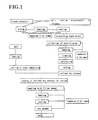
- Figures 1 to 62 are an integral part of the invention and are therefore entirely incorporated in the present specification. This is in particular applicable to the content of Figure 1.
- the present invention provides an anti-cancer agent of arsenic hexoxide (As 4 O 6 ) of a natural chemical substance and its pharmaceutical composition comprising:
- the white substance was further purified for detoxification.
- Salt was placed in a china made of Kaolin and heated to remove water component. After cooling at room temperature, the white substance was placed on the top of the salt and sealed with a filter paper and heated over 1 hour. After cooling at room temperature, the white substance was collected. This process was repeated more than 2 times. Finally 2 grams of a white substance was obtained, which was named as HD-2 (see Figure 1).
- White substance obtained in EXAMPLE 1 was sent to Korean Institute of Science and Technology for the structural analysis, where it was identified as a substance with an empirical formula of As 4 O 6 with 3-dimensional structure shown in figure 2.
- Physical and chemical parameters of As 4 O 6 are summarized in Table 1.
- Atomic coordinates (x 10 4 ) and equivalent isotropic displacement parameters ( ⁇ 2 x 10 3 ) are listed in Table 2, bond lengths (A) and bond angles (degree) in Table 3, and anisotropic displacement parameters in Table 4.
- a natural chemical substance HD-2 obtained in EXAMPLE 1, was evaluated for anticancer efficacy by examining direct cytotoxicity on cloned tumor cells in vitro .
- Cisplatin was used as a control drug.
- tumor cells of P388 leukemia, L1210 leukemia, L5178Y lymphoma, Colon26-M3.1 carcinoma, and B16-BL6 melanoma from mice, and K562 leukemia, liver carcinoma HEP-G2, Hs578T breast cancer, AN-3-CA adenocarcinoma, DLD colon carcinoma, and HeLa epitheloid carcinoma, from human beings, were cultured in EMM, DMEM, or RMPI-1640 culture media containing 7.5% fetal bovine serum (FBS), as described in ATCC manual.
- FBS fetal bovine serum
- 3T3-fibroblast cells were cultured in test wells as described in experiment 1. After plating 3T3-fibroblast cells into test wells at a density of 1x10 4 /100 ⁇ l, various concentrations of HD-2 and cisplatin were added to examine the time-courses (2, 4, and 6 hours after the addition) of cytotoxicity, which were measured by XTT method. As shown in Figure 3, cisplatin did not show any cytotoxic effect up to 24 hours after the addition, but HD-2 demonstrated cytotoxic effect starting from 4 hours after the addition.
- ED 50 s of HD-2 were 1.10 ⁇ g/ml and 0.21 ⁇ g/ml at 4 and 6 hours after the addition, respectively, which suggest that HD-2 showed an inhibitory effect on tumor growth from the begining of the phase.
- the effect was also observed in morphological terms.
- cisplatin group partial necrosis of tumor cells or slowing of tumor growth was observed at this time.
- complete necrosis of tumor cells was observed in HD-2 group to cause obvious changes in tumor morphology (such as breakdown of cell walls), which result in the loss of adhesiveness of cancer cells. This indicates that the direct killing effect of HD-2 is manifested within a short period of administration, compared with the effect of conventional chemotherapeutic agents, such as cisplatin.
- ED 50 HD-2 after 34 hours of administration was 60 ng/ml, but ED 50 of cisplatin could not be determined, although partial inhibition of tumor growth was observed after 24 hours of administration.
- ED 50 s were 30 ng/ml and 8 ⁇ g/ml for HD-2 and cisplatin, respectively.
- cytotoxicity of HD-2 is about 270 times as high as that of cisplatin.
- HL-60 cells were seeded at a density of 2x10 4 cells/ml and adequate concentration of HD-2 was dissolved in culture media, after which cisplatin was added to positive control group and culture media without cisplatin was added to negative control group.
- Cells were centrifuged after 24-hour incubation and precipitated cells were washed with physiological buffer solution (PBS) and incubated again in a buffer solution (500 mM Tris-Cl (pH 9.0), 20 mM EDTA. 10 mM NaCl, 1% SDS, and 500 mg/ml proteinase K) at 50°C for 24 hours.
- the inhibitory effect of HD-2 on cancer metastasis was evaluated with cloned tumor cells and compared with cisplatin.
- B16-BL6 melanoma cells or colon26-M3.1 carcinoma cells were inoculated into mice and number of metastatic tumor masses appearing in lungs was counted. After the inoculation of tumor cells, various doses of of HD-2 or cisplatin were administered one day after the inoculation to find the optimum concentration for anti-metastatic efficacy.
- HD-2 or cisplatin was administered to measure therapeutic efficacy on grown tumor mass.
- oral administration of HD-2 (0.1 to 10 mg) had significant anti-metastatic effect compared to the control group (cisplatin group).
- the peak activity was observed at 1-mg dose with very high anticancer efficacy (86%).
- oral administration of HD-2 demonstrated anti-metastatic efficacy of 70%. This indicated oral administration of HD-2 was quite effective for treatment of established cancer.
- Inhibitory effect of orally-administered HD-2 on cancer metastasis Concentration, administration route & day number of metastatic masses (inhibitory rate(%) mean ⁇ SD range Experiment I.
- HD-2 was administered intravenously with dosage less than 500 mg/kg body weight per day.
- 10- to 100- ⁇ g HD-2 had anti-metastatic efficacy above 90%, which suggested that HD-2 was more effective than cisplatin at the same dose.
- Control group (injection of colon tumor cells) 155 ⁇ 26 122-179 HD-2 100 ⁇ g intravenous administration+1 15 ⁇ 15(90.3) 2-28 10 ⁇ g intravenous administration+1 11 ⁇ 19(92.9) 1-29 1 ⁇ g intravenous administration+1 52 ⁇ 28(66.5) 27-71 cisplatin 100 ⁇ g intravenous administration+1 57 ⁇ 22(63.2) 32-80 10 ⁇ g intravenous administration+1 20 ⁇ 13(87.1) 8-32 1 ⁇ g intravenous administration+1 102 ⁇ 28(34.2) 84-127 Experiment II.
- Control group (injection of colon tumor cells) 154 ⁇ 14 142-167 HD-2 10 ⁇ g intravenous administration+7 50 ⁇ 11(67.5) 39-65 cisplatin 10 ⁇ g intravenous administration+7 77 ⁇ 12(50.0) 5-88
- HD-2 The in vivo mechanism of anticancer effect of HD-2 was studied in mice. After suspending 4x10 5 cells of B16-BL6 melanoma in 50% PBS, they were injected intradermally into 2 sites on the back of 6- to 7-week old C57BL/6 mice. Three days after the tumor injection, one milligram of HD-2 was given orally and size of inoculated melanoma and number of blood vessels at and around tumor sites were measured. Control group was treated with oral administration of PBS. As demonstrated in Figure 5, number of new blood vessels, which are observed in cancer proliferation and metastasis, tended to decrease following the administration of HD-2. Also the size of solid tumor mass decreased significantly in proportion to decrease in the number of new blood vessels. It is suggested that HD-2 suppresses the invasion into and the adhesion onto tissues, which goes hand in hand with the formation of new blood vessels.
- NDEA N-nitrosodiethylamine
- 5g of HD-2 was mixed with the following ingredients of Chinese medicine and pulverized to a powder form: hodongjoo 7 g, chunsangap 7g, baekchool 10g, woowhang 3 g, sahyang 3 g, shingok 5 g, moryo 5 g, yongnyehyang 3 g, yoohyang, 5 g, molryak 5 g, baekbongryung 10 g, sangbaekpi 10 g, galgeun 10g, macheehyun 5 g, ohmeeja 5 g, hyulgal 5 g, seokko 5 g, boongsa 5 g, hansooseok 5 g, and red steamed ginseng 7 g.
- Distilled water was added to the powder to form pills of 1 to 1.5 grams for oral administration. These pills were used to manufacture tablets of -1.33 g convenient for a single dose, which were administered to cancer patients at terminal stage, three times a day to make a total of 4 grams per day.
- the effective dose of HD-2 may depend on the fraction of drugs and age, sex, and health conditions of the patient. In general, usual dosage was 50 g per kg body weight, with upper limit of 160 to 330 g per kg body weight.
- ingredients of Oriental medicine were utilized to prepare pharmaceutical composition for the clinical trial of HD-2, any pharmaceutical composition can be employed for this purpose.
- Chemically-synthesized arsenic hexoxide (As 4 O 6 ) can be substituted for HD-2, which was prepared by separation and purification of Sinsuk in this study.
- the study subject (EunSook Park) was diagnosed of cancer of uterine cervix (final diagnosis: squamous cell carcinoma) at Seoul National University Hospital on October 1993. Even after repeated anticancer therapy (8 times), cancer cells continued to grow and involve lymph nodes, rectum, and urinary bladder. Therefore urine was collected through a tube inserted into the right kidney and the patient was immobilized in bed and incapable of taking food. The doctor informed her of expected survival of less than 3 months. Tablets described in EXAMPLE 10 were administered to EunSook Park for 3 months and the progress was monitored using computed tomography (CT) and magnetic resonance imaging (MRI).
- CT computed tomography
- MRI magnetic resonance imaging
- CT scans (figure 8 to 19) indicated that following the disappearance of tumor mass, perforations were formed in the walls of uterus, urinary bladder, and rectum and feces of rectum leaked into uterus through perforated openings, for which colostomy were done on the patient on January 1996.
- the study subject (KyungJoo Lee) was a male of age 30 and treated for fever and chill with the diagnosis of pneumonia on March 19, 1996 without any improvement of symptoms. He was diagnosed of stage-4 lung cancer (final diagnosis: undifferentiated adenocarcinoma) at SeongGa Hospital of Bucheon and confirmed of the diagnosis at Samsung Medical Center located at IlWonDong, Seoul with additional thorough examinations. The doctors told him of his limited lifetime of 6 to 12 months.
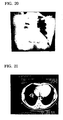
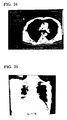
- CT scans (figures 21 to 24), taken on March 21, 1996 at SeongGa Hospital, showed irregular tumor mass at the right lung, pleural fluids filling the right pleural cavity, and enlarged lymph nodes in mediastinum. KyungJoo Lee was given the tablets prepared as described in EXAMPLE 10 for 8 months, while the progress of the disease was monitored using CT scanning. As indicated in figures 25 to 30, tumor mass gradually shrank in size to disappear completely after 8 months of drug therapy.
- the study subject (HeeGon Kim) was diagnosed of malignant cancer involving right nasal cavity and maxillary sinus (final diagnosis: adenoid cystadenoma) in 1981, which was inoperable due to metastasis to bone. He had been treated with chemotherapy and radiation therapy at CheonJu Jesuit Hospital and Seoul National University Hospital, but the disease became worse. He was advised to prepare for his death after a CT scan on March 5, 1990. As shown in CT scans taken on March 31, 1990 (figures 31 and 32), right maxillary sinus was filled with tumor masses and tumor mass was also observed in right nasal cavity.
- CT scans taken after completing the chemotherapy indicated additional growth of tumor masses to involve nearby brain regions, right eyeball, and right and left nasal cavity.
- HeeGon Kim was given the tablets prepared as described in EXAMPLE 10 for 3 months and the progress of the disease was checked using CT scanning on February 27, 1991 at Seoul National University Hospital.
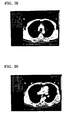
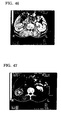
- CT scans (figures 35 to 38) indicated that most of the tumor masses were gone and right nasal cavity and maxillary sinus were filled with normal flow of air.
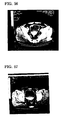
- the study subject (DaeJoong Kim) had been feeling dysuria from June 1995 and was treated for cystitis without any improvement. He was diagnosed of urinary bladder cancer at Samsung Medical Center with thorough examination including CT scanning. With further study at Seoul JoongAng Hospital, CT scans (figures 53 to 56) showed tumor masses in dark shadow on the right corner and left wall of urinary bladder and the survival rate was estimated about 20% within one year. He was treated with tablets prepared as described in EXAMPLE 10 for over 1 year.
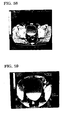
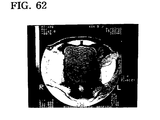
- CT scans (figures 57 and 58), taken at DongIn Hospital of KangNeung on July 1996, indicated no evidence of cancer mass and CT scans (figures 59 to 62), taken at HyunDae Hospital on March 18, 1997, indicated complete cure of the disease without any shadow of tumor mass.
- arsenic hexoxide As 4 O 6
- Sinsuk arsenic hexoxide
- the natural arsenic compound was mixed with other ingredients of Oriental medicine to make tablets for oral administration.
Landscapes
- Health & Medical Sciences (AREA)
- Pharmacology & Pharmacy (AREA)
- Veterinary Medicine (AREA)
- Public Health (AREA)
- Chemical & Material Sciences (AREA)
- General Health & Medical Sciences (AREA)
- Medicinal Chemistry (AREA)
- Animal Behavior & Ethology (AREA)
- Life Sciences & Earth Sciences (AREA)
- General Chemical & Material Sciences (AREA)
- Epidemiology (AREA)
- Nuclear Medicine, Radiotherapy & Molecular Imaging (AREA)
- Chemical Kinetics & Catalysis (AREA)
- Organic Chemistry (AREA)
- Oncology (AREA)
- Inorganic Chemistry (AREA)
- Hematology (AREA)
- Communicable Diseases (AREA)
- Pharmaceuticals Containing Other Organic And Inorganic Compounds (AREA)
- Medicinal Preparation (AREA)
- Medicines That Contain Protein Lipid Enzymes And Other Medicines (AREA)
- Medicines Containing Material From Animals Or Micro-Organisms (AREA)
- Medicines Containing Plant Substances (AREA)
Abstract
Description
- The present invention relates to the identification of HD-2, a natural chemical substance that was separated and purified from a natural product, Sinsuk, as arsenic hexoxide (As4O6) and about its therapeutic efficacy as an anti-cancer drug and pharmaceutical composition, and more particularly, to the purification processes of a natural chemical substance (arsenic hexoxide, As4O6) from Sinsuk while eliminating the toxicity and the novel anti-cancer effect of As4O6 and its pharmaceutical composition by their direct cytotoxicity and suppression of new angiogenesis at and around tumor sites.
- In general, various drugs are presently available for anti-cancer chemotherapy. Alkylating agents, such as cisplatin and cyclophosphamide, manifest their anti-cancer effect by forming covalent bonds with nitrogen atoms of DNA nucleotides because of its highly electrophilic property of the active site. Antimetabolites, such as 5-fluorouracil, act by inhibiting enzymes involved in biosynthesis of nucleic acids or by being inserted into DNA or RNA structures by itself. Some antibiotics, such as adriamycin, act potently on DNA to inhibit the normal function, which results in suppression of tumor growth. But all of these anti-cancer agents affect not only pathological tumor cells, but also normal healthy cells, especially bone marrow cells or intestinal epithelia with high turnover rate, which cause serious complications and toxicity, such as myelosuppression, alopecia, renal failure, nausea and vomiting neurotoxicity, etc.
- On the other hand, arsenic has been known as a potent, environmental carcinogen, affecting skin and lung often. Arsenic is reported to bind to sulfohydryl structure of enzymes to inactivate target enzymes, to inhibit phosphorylation and dephosphorylation reactions, which are vital for regulation of enzyme activities, and to cause abnormalities in chromosomes. Therefore arsenic has been studied mostly from toxicological aspect, related to these reports up to now.
- But in the past, arsenic had been used as a therapeutic agent in both Oriental and Occidental medicines. Especially, in traditional Chinese medicine including Korean medicine, arsenic compound had been prescribed for a long time to treat some fatal diseases, e.g. to eradicate evil energy. In old medical literatures of Korea and China, it is described that arsenic was prescribed as a medicine by the name of Eungwhang in page 1234 or by the name of Bisang in page 1237 of TonEuiBoGam (NamSaDang), or Encyclopedia of Oriental Medicine, where it is described that arsenic was prescribed only after reducing its toxicity, because of its extreme toxicity. Also arsenic was known to have detoxifying activity against several toxic substances. For example, arsenic was used in managing choongak, or vomiting and in eradicating spirits and evil energy. In an old literature of Chinese medicine (BonChoKangMok (Encyclopedia of Herbs of Chinese Medicine), pages 12-16 of vol. 9), indications and pharmacological actions of arsenic (by the name of whangwoong) are described, where arsenic is reported to have the action of purifying the blood. Thus arsenic had been recognized as an active medicine and used for a long time, but in Korea, arsenic is recognized as a possibly harmful chemical with characteristics of heavy metals and accordingly its use is quite limited. Arsenic possesses some characteristics of heavy metals although it does not belong to heavy metal group and therefore, has been avoided in the production of medicine. Exposure to arsenic leads to anemia, leukopenia, and dysfunction of kidney and liver and chronic exposure may have carcinogenic effect.
- In Western medicine, arsenic compound was prescribed for treating several diseases, including rheumatism, syphilis, psoriasis, etc. and low dose of arsenic compound had been known to have beneficial effect on physiological functions of human body, including stimulation of hematopoiesis, which coincides with descriptions in old literatures of Oriental medicine. But in modern medicine, indications for arsenic compound became very limited. From the end of 19th century to the beginning of 20th century, arsenic compound was tried to treat chronic leukemia and after 1950s, melarsoprol, an organic compound of arsenic which was prescribed for African trypanosomiasis, is the only arsenic compound in use at present time.
- Based on these pharmacological properties of arsenic, attempts have been made recently to develop a novel anticancer drug and presently some studies are making rapid progress in this field. After the Cultural Revolution, China has been putting considerable efforts to study traditional medicine using the scientific tools of Western medicine. They published a report in 1996, in collaboration with a French research team, that arsenic trioxide (As2O3) had an excellent effect in treating acute promyelocytic leukemia. Researchers of Western medicine were marveled at this result, because arsenic trioxide was especially effective in treating leukemia patients who had been resistant to conventional chemotherapy since this paper was published, more medical scientists of Western Hemisphere became interested in the possible anticancer effect of arsenic compounds. Stimulated by these results, considerable efforts have been made to integrate traditional Oriental Medicine and modern molecular medicine by interpreting the results of Oriental Medicine in terms of mainstream modern anticancer chemotherapy. It is extremely important to develop novel chemicals to have effective anticancer efficacy without any serious side effects. The invention described here succeeded in the separation and purification of the active ingredient by treating a natural, raw material of arsenic, which had been used in Oriental medicine, through multiple processes. Additionally clinical study indicated that pharmaceutical composition of arsenic hexoxide shows potent anticancer efficacy without any obvious side effects.
- Accordingly, a first object of the present invention is to provide a natural chemical substance, arsenic hexoxide (As4O6) obtained from Sinsuk, while eliminating toxicity.
- A further object of this invention is to elucidate the action mechanism of anticancer efficacy of the natural chemical substance obtained from Sinsuk.
- Another object of the invention is to describe the use of the natural chemical substance for the manifacture of a pharmaceutical composition, a pharmaceutical composition containing it, notably for anticancer therapy.
- Preferably, As4O6 is separated and purified from Sinsuk.
- According to a first aspect, the invention provides a pharmaceutical composition comprising as one of the active ingredients As4O6, preferably separated and purified from Sinsuk, optionally in admixture with a pharmaceutically acceptable excipient.
- According to a particular embodiment of the pharmaceutical composition, said composition comprises further pharmaceutical active ingredients and in particular active ingredients of oriental medicine.
- According to another embodiment of the invention, said pharmaceutical composition is formulated as an anti-cancer composition.
- According to a specific feature, said composition is formulated for oral administration; or for an intravenous administration.
- According to a further invention embodiment, said composition is formulated as a composition for the treatment of malignant cancer of uterus; or as a composition for the treatment of malignant cancer of lung; or as a composition for the treatment of malignant cancer of maxillary sinus; or as a composition for the treatment of malignant cancer of kidney; or as a composition for the treatment for malignant cancer of urinary bladder.
- According to a second embodiment, the invention relates to a process for obtaining As4O6, comprising providing polar solvent extraction of Sinsuk at least once, separating As4O6 from the solvent and recovering the As4O6 precipitate as a white substance.
- According to an advantageous process embodiment, said solvent for performing the extraction is an alcohol, preferably ethanol, and said heating is performed unitl reflux of said alcohol.
- According to a further advantageous embodiment of the invention, said As4O6 is precipitated by adding water to the alcohol after extraction of Sinsuk.
- According to a preferred invention process embodiment, said As4O6 is further purified for detoxification, in particular by heating said As4O6 in the presence of salt, NaCl, preferably during a period of time of more than one hour, and after cooling, detoxified As4O6 is recovered.
- Preferably, said heating is performed at a detoxifying high temperature, preferably in the range of 600-1100°C, more preferably between 900-1100°C, most preferably at about 1000°C, in the presence of salt, NaCl, for more than one hour.
- According to a third aspect, the invention relates to the use of As4O6 for the manufacture of a pharmaceutical composition, in particular for the treatment of cancer, preferably for the treatment of cancer of uterus, of lung, of maxillary sinus, of kidney or of urinary bladder.
- Additionally, Figures 1 to 62 are an integral part of the invention and are therefore entirely incorporated in the present specification. This is in particular applicable to the content of Figure 1.
- Thus, to achieve these advantages in accordance with the purposes of the present invention, as embodied and broadly described, first we separated and purified a natural chemical substance, HD-2, by repeated heating of Sinsuk containing arsenic to eliminate the toxicity, which was followed by structure analysis. The white substance obtained by this procedure was tested on cloned tumor cells of mice and human beings, to evaluate the anticancer efficacy of the substance and to see whether the anticancer effects are caused by tumor cell death by apoptosis mechanism. Toxicity of HD-2 following acute administration was evaluated by observing clinical symptoms of rats after a single, oral administration of a large dose and The toxicity of HD-2 following subacute administration was evaluated by observing clinical symptoms of rats after a slow oral administration. Clonal tumor cells, targeted to lungs, were injected intravenously into mice and HD-2 was administered orally or through intravenous route. Afterward the number of metastatic tumor masses in lungs was counted to evaluate the inhibitory effect of the substance on cancer metastasis. Similarly, melanoma cells were inoculated intradermally into mice, followed by oral administration of HD-2, after which anticancer mechanism of HD-2 was investigated by counting the number of new blood vessels formed at or around tumor masses. Cancer was induced by injection of carcinogen into mice and tumor-suppressing efficacy was measured in these mice after oral administration of HD-2. We also tested a pharmacological composition prepared by mixing various herbs of Chinese medicine with arsenic hexoxide, which was administered orally to cancer patients at terminal stage to evaluate the anticancer efficacy.
- It results from the above that the present invention provides an anti-cancer agent of arsenic hexoxide (As4O6) of a natural chemical substance and its pharmaceutical composition comprising:
- 1) We separated and purified a natural chemical substance of white color, HD-2, by repeated heating of Sinsuk containing arsenic and arsenic of reagent grade, which were followed by structure analysis to show that it corresponds to arsenic hexoxide, As4O6.
- 2) A natural chemical substance, As4O6, obtained by this procedure was added to culture media to grow cloned tumor cells of mice and human beings, to evaluate the anticancer efficacy of the substance.
- 3) The anticancer mechanism of As4O6 was studied to examine whether the anticancer efficacy was due to tumor cell death by apoptosis mechanism.
- 4) Different amounts of a natural chemical substance, As4O6, was acutely administered orally to male and female rats, to examine the acute toxicity of arsenic hexoxide by observing manifested complications.
- 5) Same amount of a natural chemical substance, As4O6, was slowly administered orally to male and female rats, to examine the subacute toxicity of the invention by observing manifested complications.
- 6) Clonal tumor cells, targeted to lungs, were injected intravenously into mice and a natural chemical substance, As4O6, was administered orally or through intravenous route. Afterwards the number of metastatic tumor masses appearing in lungs was counted to evaluate the inhibitory effect of the substance on cancer metastasis.
- 7) Similarly, malignant melanoma cells were inoculated intradermally into mice, followed by oral administration of a natural anticancer agent, As4O6. Afterwards anticancer mechanism was studied by measuring the size of tumor masses and by counting the number of newly formed blood vessels at and around tumor masses.
- 8) Carcinogen was injected into mice to induce malignant tumors and anticancer effects of a natural anticancer agent, As4O6, were studied by measuring the incidence and size of tumors in liver and lung.
- 9) We also prepared pharmaceutical composition by adding various herbs of Oriental medicine to a natural anticancer agent, As4O6, in several forms (tablet, capsule, and solution).
- 10) Tablets prepared as described above were administered orally to cancer patients at terminal stage, carrying a malignant cancer of uterus, lung, maxillary sinus, kidney, or urinary bladder, to evaluate the therapeutic efficacy of As4O6. The size of the tumors and clinical courses were monitored using computed tomography (CT) and magnetic resonance imaging (MRI).
-
- It is to be understand that both the forgoing general description and the following detailed description are exemplary and explanatory and are intended to provide further explanation of the invention as claimed.
- The accompaned drawings, which are included to provide a further understanding of the invention and are incorporated in and constitute a part of this specification, illustrate embodiments of the invention and together with the description serve to explain the principles of the drawings:
- In the drawings:
- Figure 1 shows schematized procedures for separation and chemical purification of Sinsuk;
- Figure 2 shows the 3-dimensional structure model of Sinsuk determined by structure analysis;
- Figure 3 shows the time course of anti-cancer efficacy of Sinsuk (arsenic hexoxide, As4O6) in vitro;
- Figure 4 shows the result of agarose-gel electrophoresis indicating that the anti-cancer effect of a natural chemical substance, As4O6. is due to apoptosis effect;
- Figure 5 shows the inhibitory effect of As4O6 on neovascularization in tumor mass;
- Figure 6 shows that As4O6 decreases hepatoma incidence induced by a carcinogen (NDEA);
- Figure 7 shows that As4O6 decreases the incidence of lung cancer induced by a carcinogen (NDEA);
- Figure 8 is a CT (Computed Tomography) scan showing multiple tumor masses in uterus;
- Figure 9 is a similar CT scan as figure 8, indicating multiple tumor growth in uterus;
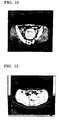
- Figure 10 is a CT scan of an enlarged uterus due to the invasion of tumor cells at the terminal stage of uterine carcinoma;
- Figure 11 is another CT scan of the same patient taken at a different angle;
- Figure 12 is a CT scan of a uterus at terminal stage of uterine carcinoma, which shows several air shadows reflecting perforations on the uterine wall. This indicates disappearance of tumor mass following administration of As4O6;
- Figure 13 is a CT scan of a patient with uterine carcinoma at terminal stage, which shows similar findings as in figure 12;
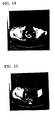
- Figure 14 is a CT scan of a patient with uterine carcinoma at terminal stage, which manifests similar findings as in figure 13;
- Figure 15 is a CT scan of a patient with uterine carcinoma at terminal stage, which manifests similar findings as in figure 14;
- Figure 16 is an MRI (Magnetic Resonance Imaging) scan of uterus filled with fecal material leaked from rectum through the opening of uterine perforation, which was formed after the disappearance of cancer mass;
- Figure 17 is an NRI image manifesting similar findings as figure 16;
- Figure 18 is an MRI image of a uterus after the cure of tumor mass;
- Figure 19 is an MRI image of a patient with uterine carcinoma at terminal stage, which manifests similar findings as in figure 18;
- Figure 20 is an MRI image of a patient with lung cancer at terminal stage, showing pleural fluids filling the right pleural cavity caused by right lung cancer;
- Figure 21 is a CT scan of a patient with lung cancer at terminal stage, showing irregular tumor mass at right lung;
- Figure 22 is a CT scan of a patient with lung cancer at terminal stage, showing enlarged lymph nodes in mediastinum;
- Figure 23 is a CT scan of the same patient as in figure 22;
- Figure 24 is a CT scan of the same patient as in figure 23;
- Figure 25 is a CT scan of a patient with lung cancer at terminal stage, indicating that pleural fluid in right pleural cavity started to shrink in volume following the administration of pharmaceutical composition of As4O6;
- Figure 26 is a CT scan of a patient with lung cancer at terminal stage, showing that pleural fluid in right pleural cavity was completely absorbed following the administration of pharmaceutical composition of As4O6;
- Figure 27 is a CT scan of a patient with lung cancer at terminal stage, showing the shrinkage of lymph node to normal size following the administration of pharmaceutical composition of As4O6;
- Figure 28 is a CT scan manifesting the same findings as in figure 27:
- Figure 29 is a CT scan manifesting the same findings as in figure 28;
- Figure 30 is a CT scan manifesting the same findings as in figure 29;
- Figure 31 is a CT scan of a cancer patient involving maxillary sinus at terminal stage, showing that right maxillary sinus was filled with tumor masses;
- Figure 32 is a CT scan of the same patient as in figure 31, taken at a different angle;
- Figure 33 is a CT scan of a patient with a cancer involving maxillary sinus, who was being treated for the cancer at a hospital;
- Figure 34 is a CT scan of the same patient as in Figure 33;
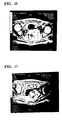
- Figure 35 is a CT scan of a patient with a cancer involving maxillary sinus at terminal stage, showing that cancerous masses in right nasal cavity and maxillary sinus were cured following the administration of pharmaceutical composition of As4O6;
- Figure 36 is a CT scan manifesting the same findings as in figure 35;
- Figure 37 is a CT scan manifesting the same findings as in figure 36;
- Figure 38 is a CT scan manifesting the same findings as in figure 37;
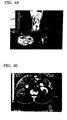
- Figure 39 is an IVP (IntraVenous Pyelogram) of a patient with kidney cancer at terminal stage, showing a tumor mass located at left renal pelvis;
- Figure 40 is an IVP of the same patient as in figure 39;
- Figure 41 is IVP of a patient with kidney cancer at terminal stage, showing a tumor mass located in left renal pelvis growing toward renal artery;
- Figure 42 are CT scans, taken at different angles, of both kidneys of a patient with kidney cancer at terminal stage;
- Figure 43 are CT scans of a patient with renal carcinoma at terminal stage, demonstrating the same findings as in figure 42;
- Figure 44 are CT scans of a patient with renal carcinoma at terminal stage, demonstrating the same findings as in figure 43;
- Figure 45 is a CT scan of a patient with renal carcinoma at terminal stage, showing the shrinkage of a cancerous mass following the administration of pharmaceutical composition of As4O6;
- Figure 46 is a CT scan of a patient with renal carcinoma at terminal stage, demonstrating the same findings as in figure 45;
- Figure 47 is a CT scan of a patient with renal carcinoma at terminal stage, demonstrating the same findings as in figure 46;
- Figure 48 is a CT scan of a patient with renal carcinoma at terminal stage, demonstrating the same findings as in figure 47;
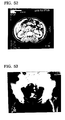
- Figure 49 is a CT scan of a patient with renal carcinoma at terminal stage, showing a marked shrinkage of a cancerous mass in left kidney, following the administration of pharmaceutical composition of As4O6;
- Figure 50 is a CT scan of a patient with renal carcinoma at terminal stage, showing further shrinkage of tumor mass than in figure 49;
- Figure 51 is a CT scan of a patient with renal carcinoma at terminal stage, showing that white-shadowed contrast material filled the space previously occupied by tumor mass in left kidney;
- Figure 52 is a CT scan of a patient with renal carcinoma at terminal stage, showing tiny tumor masses remaining in left kidney and left renal pelvis;
- Figure 53 is a CT scan of a patient with urinary bladder cancer at terminal stage, demonstrating tumor masses in dark shadow, located at the right corner and on the left wall of the urinary bladder;
- Figure 54 is a CT scan manifesting the same findings as in figure 53;
- Figure 55 is a CT scan of a patient with bladder cancer at terminal stage, manifesting the same findings as in figure 54, showing a tumor mass in white shadow on left bladder wall;
- Figure 56 is a CT scan manifesting the same findings as in figure 55;
- Figure 57 is a CT scan of a patient with bladder cancer at terminal stage, showing the disappearance of tumor masses following the administration of pharmaceutical composition of As4O6;
- Figure 58 is a CT scan of a patient with bladder cancer at terminal stage, manifesting the same findings as in figure 57;
- Figure 59 is a CT scan of a patient with bladder cancer at terminal stage, showing that after treatment, urinary bladder appeared normal;
- Figure 60 is a CT scan manifesting the same findings as in figure 59;
- Figure 61 is a CT scan manifesting the same findings as in figure 60; and
- Figure 62 is a CT scan manifesting the same findings as in figure 61.
-
- Reference will now be made in detail to the preferred embodiments of the present invention, examples of which are illustrated in the accompanied drawings.
- Mixture of 10-g Sinsuk and 10-ml ethanol (C2H5OH) was heated for 1 hour and then, cooled to room temperature for 1 hour. Another volume of 10-ml ethanol was added to cooled Sinsuk and the sequential heating and cooling were repeated several times. The product of this procedure was washed in 20-ml distilled water with 10-min stirring and shaking for 10min, and 2-ml of distilled water was added to it. 1 min later, precipitates were collected by decanting. This collection process was repeated three times. After storing the washed precipitates at -40°C for 24 hours, precipitates were defrosted and poured onto a filter paper and were dried at room temperature. 9 grams of white substance was obtained as a purified final product.
- The white substance was further purified for detoxification. Salt was placed in a china made of Kaolin and heated to remove water component. After cooling at room temperature, the white substance was placed on the top of the salt and sealed with a filter paper and heated over 1 hour. After cooling at room temperature, the white substance was collected. This process was repeated more than 2 times. Finally 2 grams of a white substance was obtained, which was named as HD-2 (see Figure 1).
- White substance obtained in EXAMPLE 1 was sent to Korean Institute of Science and Technology for the structural analysis, where it was identified as a substance with an empirical formula of As4O6 with 3-dimensional structure shown in figure 2. Physical and chemical parameters of As4O6 are summarized in Table 1. Atomic coordinates (x 104) and equivalent isotropic displacement parameters (Å2 x 10³) are listed in Table 2, bond lengths (A) and bond angles (degree) in Table 3, and anisotropic displacement parameters in Table 4.
Crystal data and structure refinement of As4O6 parameters Empirical formula As4O6 Formula weight 395.68 temperature 293(2)K wave length 0.71073A Crystal system cubic Space group Fd3barm Unit cell dimensions a=11.0457(11)A alpha=90deg b=11.046(2)A beta=90deg c=11.0457(10)A gamma=90deg Volume 1347.7(3) A3 Z 8 Density(calculated) 3.900Mg/m3 Absorption coefficient 19.634mm-1 F(000) 1440 Theta range for data collection 30.98 deg at 3.19 Index range 0<=h<=10, 0<=k<=14, 0<=1<=16 Reflections collected 319 Independent reflections 95[R(int)=0.0791] Refinement method Full-matrix least-squares on F2 Data/restraints/parameters 95/0/9 Goodness-of-fit on F2 1.009 Final R indices[I>2sigma(I)] R1=0.0383, wR2=0.1111 R indices(all data) R1=0.0401, wR2=0.1130 Absolute structure parameter 10(10) Extinction coefficient 0.0039(8) Largest diff. peak and hole 1.056 and -0.865 e. A-3 Atomic coordinates(x 104) and equivalent isotropic displacement parameters (A2 x 103) for As406 As- O# 11.781(3) As- O# 21.781(3) As-O 1.781(3) O-As#3 1.781(3) O#1-As- O# 298.1(3) O#1-As-O 98.1(3) O#2-As-O 98.1(3) As-O-As#3 129(4) symmetry transformations used to generate equivalent atoms
#1 z-1/2, -x+ 1, -y+ 3/2
#2 y-1/2, z, x+1/2
#3 -x+ 1/2, y+1-1, -z+ 3/2Bond lengths [A] and angles [deg] for As4O6 X Y Z U(eq) As 1471(1) 6471(1) 8529(1) 13(1) O 2500 5778(6) 7500 13(2) U(eq) is defined as one third of the trace of the orthogonalized Uij tensor Anisotropic displacement parameters(A2 x 103) for As4O6 U11 U22 U33 U23 U13 U12 As 13(1) 13(1) 13(1) 2(1) 2(1) -2(1) O 13(3) 14(4) 13(3) 0 5(3) 0 The anisotropic displacement factor exponent takes the form: -2pi2[h2a*2U11...+2h k a*b*U12 - A natural chemical substance HD-2, obtained in EXAMPLE 1, was evaluated for anticancer efficacy by examining direct cytotoxicity on cloned tumor cells in vitro. Cisplatin was used as a control drug.
- Cloned tumor cells of P388 leukemia, L1210 leukemia, L5178Y lymphoma, Colon26-M3.1 carcinoma, and B16-BL6 melanoma, from mice, and K562 leukemia, liver carcinoma HEP-G2, Hs578T breast cancer, AN-3-CA adenocarcinoma, DLD colon carcinoma, and HeLa epitheloid carcinoma, from human beings, were cultured in EMM, DMEM, or RMPI-1640 culture media containing 7.5% fetal bovine serum (FBS), as described in ATCC manual. After plating cloned tumor cells into test wells at a density of 1x10⁴/100µl, various concentrations of HD-2 and cisplatin were added to examine cytotoxicity of two substances. Tumor cells in test wells were incubated in 5% CO2 incubator at 37°C for 2 days. The anticancer efficacy of two substances are indicated as a concentration of the test substance to inhibit the growth of tumor cells by 50% (ED50, 50% Effective Dose), compared with the growth of control tumor cells, where neither HD-2 nor cisplatin was added. The results (summarized in Table 5) indicate that direct cytotoxicity of HD-2 measured at 48 hours of incubation was 50±30 (mean±SD) times as high as cisplatin.
Cytotoxic effect(ED50) on cloned tumor cells clone HD-2 cisplatin murine leukemia P388 0.17 3.58 leukemia L1210 0.16 2.89 lymohoma L5178Y 0.06 - melanoma B16-BL6 0.12 4.7 colon Colon26 0.90 5.6 fibroblast 3T3 0.03 8.0 human leukemia K562 0.11 - liver carcinoma HEP-G2 0.07 5.6 breast cancer Hs578T 0.35 - adenocarcinoma AN3CA 0.06 - colon cancer DLD-1 0.21 6.8 carcinoma Hela 0.05 - - For further study of the cytotoxicity of each substance on cloned tumor cells, 3T3-fibroblast cells were cultured in test wells as described in
experiment 1. After plating 3T3-fibroblast cells into test wells at a density of 1x10⁴/100µl, various concentrations of HD-2 and cisplatin were added to examine the time-courses (2, 4, and 6 hours after the addition) of cytotoxicity, which were measured by XTT method. As shown in Figure 3, cisplatin did not show any cytotoxic effect up to 24 hours after the addition, but HD-2 demonstrated cytotoxic effect starting from 4 hours after the addition. ED50s of HD-2 were 1.10µg/ml and 0.21µg/ml at 4 and 6 hours after the addition, respectively, which suggest that HD-2 showed an inhibitory effect on tumor growth from the begining of the phase. At the stage of 34 hours of treatment, the effect was also observed in morphological terms. In cisplatin group, partial necrosis of tumor cells or slowing of tumor growth was observed at this time. In contrast, complete necrosis of tumor cells was observed in HD-2 group to cause obvious changes in tumor morphology (such as breakdown of cell walls), which result in the loss of adhesiveness of cancer cells. This indicates that the direct killing effect of HD-2 is manifested within a short period of administration, compared with the effect of conventional chemotherapeutic agents, such as cisplatin. ED50 HD-2 after 34 hours of administration was 60 ng/ml, but ED50 of cisplatin could not be determined, although partial inhibition of tumor growth was observed after 24 hours of administration. At the end of the experiment (48 hours after administration), ED50s were 30 ng/ml and 8 µg/ml for HD-2 and cisplatin, respectively. Thus cytotoxicity of HD-2 is about 270 times as high as that of cisplatin. - Cytotoxicity of HD-2 was further investigated to examine whether this effect was related to tumor cell death by apoptosis mechanism.
- HL-60 cells were seeded at a density of 2x10⁴ cells/ml and adequate concentration of HD-2 was dissolved in culture media, after which cisplatin was added to positive control group and culture media without cisplatin was added to negative control group. Cells were centrifuged after 24-hour incubation and precipitated cells were washed with physiological buffer solution (PBS) and incubated again in a buffer solution (500 mM Tris-Cl (pH 9.0), 20 mM EDTA. 10 mM NaCl, 1% SDS, and 500 mg/ml proteinase K) at 50°C for 24 hours. Total DNA was collected using phenol extraction of cell lysate obtained by this treatment and was loaded on agarose gel plate for electrophoresis. As shown in figure 4, DNA segmentation at ~180 bp, which is a typical finding of apoptosis, was observed at 2.5 to 25 µg/ml concentrations of HD-2.
- The acute toxicity of oral administration of HD-2 was evaluated according to toxicity assessment criteria described in Article 96-8 of Notice on Food and Drug Safety (April 16, 1994). Rats (Sprague Dawley strain) were used for animal experiments. Dosage of a single, oral administration ranged from 0.4 to 1.25 g/kg body weight in male rats and 0.4 to 0.625 kg/kg body weight in female rats. General conditions of the animals, toxic symptoms, and mortality were measured every hour for the initial 6 hours following the single administration and once a day afterwards for 14 days. Body weights were measured before starting the study, 7 days after the administration, and at autopsy. Expired rats were studied to find the cause of death at autopsy. At the end of the study, all living rats were killed by an overdose of ether anesthesia and major organs were examined for pathological findings with the naked eyes. With maximal dose in male rats (1.25 g/kg body weight), mortality reached 100% during the study period. With high dose in male rats (0.85 g/kg body weight), mortality was 60% and with medium dose (0.8 g/kg body weight), mortality was 10%. In female rats, mortality was 100% with maximum-dose group (0.625 g/kg body weight), 80% in high-dose group (0.62 g/kg body weight), and 40% in medium-dose group (0.58 g/kg body weight). Clinical symptoms within 3 days of oral administration ranged from dose-dependent depression and dyspnea. Some rats manifesting these clinical symptoms expired, but others recovered to normal condition within 2 to 3 days of clinical symptoms. Changes in weight did not show any significant difference between the study and the control groups in all subgroups of different dosages. Autopsy of rats expired during the study period revealed findings of expanded stomach and engorged liver. Significant findings related to HD-2 administration were not observed in autopsy of killed rats at the end of the study.
- With oral administration of HD-2 in Sprague-Dawley rats. LD50 (50% Lethal Dose) was 0.81 g/kg body weight in male rats and 0.58 g/kg body weight in female rats. The results are summarized in Table 6.
Mortality of male and female Sprague-Dawley rats following oral administration of HD-2 sex Dose (g/kg B.W.) Hours after treatment Days after treament Final mortality 1 2 3 4 5 6 1 2 3 4 5 6 7 8 9 10 11 12 13 14 male 1.25 0 0 0 0 0 0 3 1 0 0 0 0 0 0 0 0 0 0 0 0 5/5(100%) 0.85 0 0 0 0 0 0 2 1 0 0 0 0 0 0 0 0 0 0 0 0 3/5(60%) 0.8 0 0 0 0 0 0 1 1 0 0 0 0 0 0 0 0 0 0 0 0 2/5(10%) 0.6 0 0 0 0 0 0 0 0 0 0 0 0 0 0 0 0 0 0 0 0 0/5(0%) 0.4 0 0 0 0 0 0 0 0 0 0 0 0 0 0 0 0 0 0 0 0 0/5(0%) 0 0 0 0 0 0 0 0 0 0 0 0 0 0 0 0 0 0 0 0 0 0/5(0%) Female 0.625 0 0 0 0 0 0 1 0 0 0 0 0 0 0 0 0 0 0 0 0 5/5(100%) 0.62 0 0 0 0 0 0 3 1 0 0 0 0 0 0 0 0 0 0 0 0 4/5(80%) 0.58 0 0 0 0 0 0 1 1 0 0 0 0 0 0 0 0 0 0 0 0 2/5(40%) 0.5 0 0 0 0 0 0 0 0 0 0 0 0 0 0 0 0 0 0 0 0 0/5(0%) 0.4 0 0 0 0 0 0 0 0 0 0 0 0 0 0 0 0 0 0 0 0 0/5(0%) 0 0 0 0 0 0 0 0 0 0 0 0 0 0 0 0 0 0 0 0 0 0/5(0%) - The subacute toxicity of oral administration of HD-2 was evaluated according to toxicity assessment criteria described in Article 96-8 of Notice on Food and Drug Safety (April 16, 1994). Rats (Sprague Dawley strain) were used for experiments, as was the case for acute toxicity experiments. Dosage of oral administrations was 100 (high dose), 10 (medium dose), and 1 mg (low dose) per kg body weight, which were administered once a day for 4 weeks (total 28 administrations).
- Following items were observed during the period of study.
- 1) General symptoms: General symptoms, such as anorchism, salivation, diarrhea, vomiting, polyuria, anuria, and fecal change and the severity of these symptoms were evaluated once a day during the study period.
- 2) Food consumption: Twice a week, the amount of consumed food and the remaining amount were checked per cage.
- 3) Water consumption: Twice a week, the amount of consumed water and the remaining amount were checked per cage.
- 4) Weight: Weights were measured twice a week until the end of the study.
- 5) Urinalysis: Urine samples were collected during study period from 5 randomly selected rats per study subgroup and appearance, volume, and colors were recorded. Using urinalysis kits (N-multistix of Amersham). pH, gravity, leukocyte, protein, ketone body, urobilinogen, glucose and blood urea nitrogen were measured.
- 6) Eye examination: Ophthalmoscopic examination of 5 randomly selected rats per study subgroup was performed to evaluate the external appearance, cornea, and fundus of the eye.
- 7) Hematological and biochemical analysis: Routine blood test was done to measure red blood cell count, white blood cell count, hemoglobin concentration, number of monocytes and lymphocytes, and blood coagulation time. Biochemical analysis of serum was done to measure the activity of albumin transferase, aspartate transaminase, alkaline phosphate, and albumin.
- 8) Size and weight of organs: For every animal studied, weight and size of major organs were measured relative to body weight. Measured organs included liver, kidney, spleen, heart, adrenal gland, brain, thyroid gland, ovary, and testis.
- 9) Pathological examination: Organs were fixed in formalin after measurement of weight and size and fixed tissues were cut into 5-mm slices using microtome (AO Rotate Microtome) and stained with hematoxylin and eosin for microscopic study.
-
- During the study, fatal cases were not observed and no specific clinical symptom, including changes in weight and consumption of food and water, was observed. Also any significant abnormality was not observed on urinalysis and eye examination. Hematological and biochemical study did not reveal any significant difference between the study and the control groups. On pathological examination at autopsy, hemosiderin located in the cytoplasm of proximal tubular epithelium and atrophy of proximal tubular epithelium of kidney were observed to a slight degree in high-dose group (100 mg/kg body weight), but not in medium-dose, low-dose, and control groups. Other than this, no pathological finding to have dose-dependent property or to be related to HD-2 administration was observed. These results are summarized in Table 7. Therefore, oral administration of HD-2 lasting for 4 weeks did not cause any significant hematological abnormality in high-dose group (100 mg/kg body weight), but mild pathological finding suggestive of a slight renal abnormality was observed. However in medium-dose group, no such pathology was observed.
Biochemical parameters of female rats treated with oral dose of HD-2 /Group Parameter /Dose(g/kg/day) /No. of animal Control 0 10 Low 0.03 10 Medium 0.3 10 High 3.0 10 ALT (µ/l) 37. 66 ±7. 91 27.10 ±11.63 27.00 ±9. 42 29.67 ±10.55 AST (µ/l) 118.53 ±20.23 70.10* ±30.11 87.53 ±11.89 77.87 ±23.89 ALP (µ/dl) 67.00 ±52. 37 24.00 ±7. 00 38.00 ±8. 76 34.00 ±14.73 CREAT (mg/dl) 0.37 ±0.15 0.40 ±0.17 0.53 ±0.15 0.47 ±0.15 BUN (mg/dl) 13.00 ±2. 26 11.43 ±4.28 13.18 ±3. 62 13.13 ±4. 60 ALB (g/dl) 3.27 ±1.27 3.60 ±1.54 3.70 ±1.16 3.33 ±0.99 GLU (mg/dl) 50.33 ±30.86 67.70 ±46.60 70.00 ±32.04 63.03 ±40.83 TB (mg/dl) 0.19 ±0.07 0.14 ±0.05 0.16 ±0.07 0.18 ±0.01 Ca (mg/dl) 8.30 ±3.03 8.77 ±3.18 8.95 ±2.64 8.73 ±3.25 CL (meq/dl) 90.00 ±26.00 87.33 ±28.01 91. 00 ±23.47 88.33 ±26.31 TP (g/dl) 5.87 ±2.05 6.27 ±2.24 6.53 ±1.89 5.93 ±2.11 CHOL (mg/dl) 40.33 17.79 42.33 ±21.01 40.50 ±11.36 44.33 ±13.01 TG (mg/dl) 46.00 ±27.06 50.00 ±17.35 56.25 ±29.49 62.33 ±20.53 ALT:alanine transferase, AST:aspartate transferase, CHOL:cholesterol, GLU:glucose, TB:total bilirubin, TP:total protein, TG:tirglyceride, ALP:alkaline phosphate, Ca:calcium, CL:chloride GREAT:creatine, BUN:blood urea nitrogen, ALB:albumin - Utilizing mouse model, the inhibitory effect of HD-2 on cancer metastasis was evaluated with cloned tumor cells and compared with cisplatin. As single administration of 500 mg/kg body weight per day did not have any side effect in rats (see EXAMPLE 5), inhibitory effect of HD-2 on cancer metastasis was studied employing dose below 500 mg/kg body weight. B16-BL6 melanoma cells or colon26-M3.1 carcinoma cells were inoculated into mice and number of metastatic tumor masses appearing in lungs was counted. After the inoculation of tumor cells, various doses of of HD-2 or cisplatin were administered one day after the inoculation to find the optimum concentration for anti-metastatic efficacy. Seven days after the inoculation, HD-2 or cisplatin was administered to measure therapeutic efficacy on grown tumor mass. As shown in Table 8, oral administration of HD-2 (0.1 to 10 mg) had significant anti-metastatic effect compared to the control group (cisplatin group). The peak activity was observed at 1-mg dose with very high anticancer efficacy (86%). At 7th day when inoculated tumor cells settled completely in target organs, oral administration of HD-2 demonstrated anti-metastatic efficacy of 70%. This indicated oral administration of HD-2 was quite effective for treatment of established cancer.
Inhibitory effect of orally-administered HD-2 on cancer metastasis Concentration, administration route & day number of metastatic masses (inhibitory rate(%) mean±SD range Experiment I. 122±20 101-146 Control group (injection of B16-BL6) HD-2 10mg oral administration +1 45±25(63.1) 72-23 1mg oral administration +1 17±9*86.1) 8-29 0.1mg oral administration +1 75±28(38.5) 105-51 Experiment II. 162±24 133-188 Control group (injection of B16-BL6) HD-2 10mg oral administration +7 55±13(66.1) 40-67 1mg oral administration +7 48±19(70.4) 26-69 0.1mg oral administration +7 95±23(41.4) 118-72 - Similar to
Experiment 1, the inhibitory effect of HD-2 on cancer metastasis was compared with cisplatin, using cloned tumor cells possessing high metastatic capability. In this experiment, HD-2 was administered intravenously with dosage less than 500 mg/kg body weight per day. As summarized in Table 9, 10- to 100-µg HD-2 had anti-metastatic efficacy above 90%, which suggested that HD-2 was more effective than cisplatin at the same dose. Ten micrograms of HD-2 and cisplatin, which is considered as a optimum dose to inhibit cancer metastasis at 7th day of tumor cell inoculation, had anticancer effect of 67.5% and 50.0%. respectively, when administered intravenously. This suggests that the anticancer efficacy of HD-2 is better than the conventional anticancer drugs and HD-2 is also effective in treating full-grown cancer at terminal stage.Inhibitory effect of intravenously-administered HD-2 on cancer metastasis Concentration, administration route and day number of metastatic mass (inhibitory rate(%) mean±SD range Experiment I. Control group (injection of colon tumor cells) 155±26 122-179 HD-2 100µg intravenous administration+1 15±15(90.3) 2-28 10µg intravenous administration+1 11±19(92.9) 1-29 1µg intravenous administration+1 52±28(66.5) 27-71 cisplatin 100µg intravenous administration+1 57±22(63.2) 32-80 10µg intravenous administration+1 20±13(87.1) 8-32 1µg intravenous administration+1 102±28(34.2) 84-127 Experiment II. Control group (injection of colon tumor cells) 154±14 142-167 HD-2 10µg intravenous administration+7 50±11(67.5) 39-65 cisplatin 10µg intravenous administration+7 77±12(50.0) 5-88 - The in vivo mechanism of anticancer effect of HD-2 was studied in mice. After suspending 4x10⁵ cells of B16-BL6 melanoma in 50% PBS, they were injected intradermally into 2 sites on the back of 6- to 7-week old C57BL/6 mice. Three days after the tumor injection, one milligram of HD-2 was given orally and size of inoculated melanoma and number of blood vessels at and around tumor sites were measured. Control group was treated with oral administration of PBS. As demonstrated in Figure 5, number of new blood vessels, which are observed in cancer proliferation and metastasis, tended to decrease following the administration of HD-2. Also the size of solid tumor mass decreased significantly in proportion to decrease in the number of new blood vessels. It is suggested that HD-2 suppresses the invasion into and the adhesion onto tissues, which goes hand in hand with the formation of new blood vessels.
- To examine the inhibitory effect of HD-2 on carcinogen-induced oncogenesis, N-nitrosodiethylamine (NDEA) was injected as a carcinogen into peritoneal cavity of mouse (B6C3F1 strain) at a concentration of 90 mg per kg body weight to induce cancer. At 2, 4, 8, 16, and 32 weeks after carcinogen injection, 100 g of HD-2 was administered orally and the same amount of distilled water was injected into control group. Forty-two weeks after NDEA treatment, mice were sacrificed to measure the incidence and the size of tumors formed in lung and liver. As shown in Figure 6, the incidence of NDEA-induced hepatic tumor was effectively inhibited after oral administration of HD-2. The incidence of NDEA-induced hepatic tumor was above 90%, but following HD-2 administration, the incidence was lowered to 5 to 22%, despite of variation depending on the period of HD-2 administration. Thus HD-2 inhibited carcinogen-induced oncogenesis in liver by 78 to 95%. Also HD-2 inhibited spontaneous hepatoma completely, the incidence of which is reported about 20% without HD-2 administration. In lung, the inhibitory effect of HD-2 on reducing carcinogen-induced oncogenesis was not so dramatic as in liver. However, if HD-2 was given at 4 weeks after NDEA injection, carcinogen-induced oncogenesis was inhibited by 30%. Further, spontaneous cancers of lung were completely suppressed by HD-2, which indicates that oral administration of adequate dose of HD-2 decreases the incidence of spontaneous cancers. As shown in Figure 7, the number of tumor masses in lung was about 2 in HD-2 group, compared to 7 in control group, which points to the efficacy of HD-2 in inhibition of carcinogen-induced oncogenesis. These results suggest that HD-2 was very effective not only in treatment but also in prevention of malignant cancers.
- 5g of HD-2 was mixed with the following ingredients of Chinese medicine and pulverized to a powder form: hodongjoo 7 g, chunsangap 7g, baekchool 10g, woowhang 3 g, sahyang 3 g, shingok 5 g, moryo 5 g, yongnyehyang 3 g, yoohyang, 5 g, molryak 5 g, baekbongryung 10 g, sangbaekpi 10 g, galgeun 10g, macheehyun 5 g, ohmeeja 5 g, hyulgal 5 g, seokko 5 g, boongsa 5 g, hansooseok 5 g, and red steamed ginseng 7 g. Distilled water was added to the powder to form pills of 1 to 1.5 grams for oral administration. These pills were used to manufacture tablets of -1.33 g convenient for a single dose, which were administered to cancer patients at terminal stage, three times a day to make a total of 4 grams per day. The effective dose of HD-2 may depend on the fraction of drugs and age, sex, and health conditions of the patient. In general, usual dosage was 50 g per kg body weight, with upper limit of 160 to 330 g per kg body weight. Although ingredients of Oriental medicine were utilized to prepare pharmaceutical composition for the clinical trial of HD-2, any pharmaceutical composition can be employed for this purpose. Chemically-synthesized arsenic hexoxide (As4O6) can be substituted for HD-2, which was prepared by separation and purification of Sinsuk in this study.
- Cancer patients diagnosed of cancer of uterus, lung, maxillary sinus, kidney, or urinary bladder at hospital by thorough clinical examinations were selected for the study and most were at the terminal stage of the disease with expected survival of 6 to 12 months. After acquiring consent from the patient or the guardian, tablets described in EXAMPLE 10 were administered 3 times a day to examine the anticancer efficacy.
- The study subject (EunSook Park) was diagnosed of cancer of uterine cervix (final diagnosis: squamous cell carcinoma) at Seoul National University Hospital on October 1993. Even after repeated anticancer therapy (8 times), cancer cells continued to grow and involve lymph nodes, rectum, and urinary bladder. Therefore urine was collected through a tube inserted into the right kidney and the patient was immobilized in bed and incapable of taking food. The doctor informed her of expected survival of less than 3 months. Tablets described in EXAMPLE 10 were administered to EunSook Park for 3 months and the progress was monitored using computed tomography (CT) and magnetic resonance imaging (MRI). CT scans (figure 8 to 19) indicated that following the disappearance of tumor mass, perforations were formed in the walls of uterus, urinary bladder, and rectum and feces of rectum leaked into uterus through perforated openings, for which colostomy were done on the patient on January 1996.
- The study subject (KyungJoo Lee) was a male of
age 30 and treated for fever and chill with the diagnosis of pneumonia on March 19, 1996 without any improvement of symptoms. He was diagnosed of stage-4 lung cancer (final diagnosis: undifferentiated adenocarcinoma) at SeongGa Hospital of Bucheon and confirmed of the diagnosis at Samsung Medical Center located at IlWonDong, Seoul with additional thorough examinations. The doctors told him of his limited lifetime of 6 to 12 months. CT scans (figures 21 to 24), taken on March 21, 1996 at SeongGa Hospital, showed irregular tumor mass at the right lung, pleural fluids filling the right pleural cavity, and enlarged lymph nodes in mediastinum. KyungJoo Lee was given the tablets prepared as described in EXAMPLE 10 for 8 months, while the progress of the disease was monitored using CT scanning. As indicated in figures 25 to 30, tumor mass gradually shrank in size to disappear completely after 8 months of drug therapy. - The study subject (HeeGon Kim) was diagnosed of malignant cancer involving right nasal cavity and maxillary sinus (final diagnosis: adenoid cystadenoma) in 1981, which was inoperable due to metastasis to bone. He had been treated with chemotherapy and radiation therapy at CheonJu Jesuit Hospital and Seoul National University Hospital, but the disease became worse. He was advised to prepare for his death after a CT scan on March 5, 1990. As shown in CT scans taken on March 31, 1990 (figures 31 and 32), right maxillary sinus was filled with tumor masses and tumor mass was also observed in right nasal cavity. Cancer specialists at Seoul National University Hospital prescribed anticancer chemotherapy for 2 months, but CT scans taken after completing the chemotherapy indicated additional growth of tumor masses to involve nearby brain regions, right eyeball, and right and left nasal cavity. HeeGon Kim was given the tablets prepared as described in EXAMPLE 10 for 3 months and the progress of the disease was checked using CT scanning on February 27, 1991 at Seoul National University Hospital. CT scans (figures 35 to 38) indicated that most of the tumor masses were gone and right nasal cavity and maxillary sinus were filled with normal flow of air.
- The study subject (YongHa Lee) was diagnosed of terminal-stage renal cancer at urology department of Pusan Merinol Hospital after thorough examinations including CT scanning. He gave up surgical treatment after being told of low survival rate of 20% even with radical nephrectomy. CT scans taken at dismissal (figures 39 to 44) showed that the left kidney appeared enlarged compared to the right one and left renal pelvis was not filled with contrast material, indicating tumor mass in that region. Intravenous pyelograms were taken after administering tablets prepared as described in EXAMPLE 10. Intravenous pyelograms (figures 45 and 46) indicated marked decrease of tumor mass following 6 months of drug therapy and CT scans (figure 47 to 50) demonstrated 80% decrease of tumor mass. Left nephrectomy was done at Pusan Baek Hospital and was confirmed of renal cell carcinoma by pathological examination. With additional administration of tablets as described in10 for 3 months, CT scans (figures 51 and 52) demonstrated only tiny tumor mass located in left kidney and renal pelvis, indicating the disease was almost cured.

- The study subject (DaeJoong Kim) had been feeling dysuria from June 1995 and was treated for cystitis without any improvement. He was diagnosed of urinary bladder cancer at Samsung Medical Center with thorough examination including CT scanning. With further study at Seoul JoongAng Hospital, CT scans (figures 53 to 56) showed tumor masses in dark shadow on the right corner and left wall of urinary bladder and the survival rate was estimated about 20% within one year. He was treated with tablets prepared as described in EXAMPLE 10 for over 1 year. CT scans (figures 57 and 58), taken at DongIn Hospital of KangNeung on July 1996, indicated no evidence of cancer mass and CT scans (figures 59 to 62), taken at HyunDae Hospital on March 18, 1997, indicated complete cure of the disease without any shadow of tumor mass.
- As shown in EXAMPLES and experiments described above, arsenic hexoxide (As4O6), which was obtained by separation and purification from a natural material, Sinsuk, had a potent anticancer efficacy in both in vivo and in vitro experiments and inhibited cancer metastasis effectively in animal experiments. Further the natural arsenic compound (As4O6) was mixed with other ingredients of Oriental medicine to make tablets for oral administration. Clinical trial on cancer patients carrying cancer of uterus, lung, maxillary sinus, kidney, or urinary bladder indicated marked inhibition of proliferation and metastasis of cancer cells following the administration of tablets made from As4O6. This suggests that the invention could be used as an effective anticancer drug, which may have great impact on the progress of biomedicine.
- It will be apparent to those skilled in the art that various modifications and variations can made in an anti-cancer therapy agent of arsenic hexoxide (As4O6) of a natural chemical substance and its pharmaceutical composition of the present invention without departing from the spirit or scope of the invention, thus, it is intended that the present invention cover the modifications and variations of this invention provided they come within the scope of the appended claims and their equivalents.
Claims (17)
- A pharmaceutical composition comprising as one of the active ingredients As4O6, optionally in admixture with a pharmaceutical acceptable excipient.
- The pharmaceutical composition according to claim 1, wherein As4O6 is separated and purified from Sinsuk.
- The pharmaceutical composition of claim 1 or 2, which comprises further pharmaceutical active ingredients, in particular active ingredients of oriental medicine.
- The pharmaceutical composition according to claims 1 to 3, wherein said composition is formulated as an anti-cancer composition.
- The composition according to any one of claims 1 to 4, wherein said composition is formulated for an oral administration.
- The composition according to any one of claims 1 to 4, wherein said composition is formulated for an intravenous administration.
- Use of As4O6 as an active ingredient, for the manufacture of a pharmaceutical composition as defined in any one of claims 1 to 6, for the treatment of malignant cancer of uterus.
- Use of As4O6 as an active ingredient, for the manufacture of a pharmaceutical composition as defined in any one of claims 1 to 6, for the treatment of malignant cancer of lung.
- Use of As4O6 as an active ingredient, for the manufacture of a pharmaceutical composition as defined in any one of claims 1 to 6, for the treatment of malignant cancer of maxillary sinus.
- Use of As4O6 as an active ingredient, for the manufacture of a pharmaceutical composition as defined in any one of claims 1 to 6, for the treatment of malignant cancer of kidney.
- Use of As4O6 as an active ingredient, for the manufacture of a pharmaceutical composition as defined in any one of claims 1 to 6, for the treatment of malignant cancer of urinary bladder.
- A process for obtaining As4O6, comprising providing polar solvent extraction of Sinsuk at least once, heating, separating As4O6 from the solvent and recovering the As4O6 precipitate as a white substance.
- The process of claim 12, wherein said solvent for performing the extraction is an alcohol, preferably ethanol, and said heating is performed until reflux of said alcohol.
- The process of claim 13, wherein As4O6 is precipitated by adding water to the alcohol after extraction of Sinsuk.
- The process according to one of claims 12 to 14, wherein As4O6 is further purified for detoxification, in particular by heating said As4O6 in the presence of salt, NaCl, preferably during a period of time of more than one hour, and after cooling, detoxified As4O6 is recovered.
- The process of claim 15, wherein said heating is performed at a detoxifying high temperature, preferably in the range of 600-1100°C, more preferably between 900-1100°C, most preferably at about 1000°C, in the presence of salt, NaCl, for more than one hour.
- Use of As4O6 for the manufacture of a pharmaceutical composition, for the treatment of cancer, preferably for the treatment of cancer of uterus, of lung, of maxillary sinus, of kidney, or of urinary bladder.
Applications Claiming Priority (3)
| Application Number | Priority Date | Filing Date | Title |
|---|---|---|---|
| KR1019980016486A KR100272835B1 (en) | 1998-05-08 | 1998-05-08 | A novel use of chemical substance as anti-tumor treatment agent and pharmaceutical composition thereof |
| KR9816486 | 1998-05-08 | ||
| CA002298093A CA2298093C (en) | 1998-05-08 | 2000-02-03 | An anti-cancer therapy agent of arsenic hexoxide (as4o6) of a natural chemical substance and its pharmaceutical composition |
Publications (2)
| Publication Number | Publication Date |
|---|---|
| EP0955052A1 EP0955052A1 (en) | 1999-11-10 |
| EP0955052B1 true EP0955052B1 (en) | 2004-10-06 |
Family
ID=25681520
Family Applications (1)
| Application Number | Title | Priority Date | Filing Date |
|---|---|---|---|
| EP98401822A Expired - Lifetime EP0955052B1 (en) | 1998-05-08 | 1998-07-17 | Arsenic hexaoxide (As4O6) for use in cancer therapy and its pharmaceutical composition |
Country Status (10)
| Country | Link |
|---|---|
| US (2) | US6309672B1 (en) |
| EP (1) | EP0955052B1 (en) |
| JP (1) | JP3007627B2 (en) |
| KR (1) | KR100272835B1 (en) |
| CN (1) | CN1163237C (en) |
| AT (1) | ATE278408T1 (en) |
| CA (1) | CA2298093C (en) |
| DE (1) | DE19831579B4 (en) |
| ES (1) | ES2230662T3 (en) |
| PT (1) | PT955052E (en) |
Families Citing this family (28)
| Publication number | Priority date | Publication date | Assignee | Title |
|---|---|---|---|---|
| KR100399657B1 (en) * | 2000-06-29 | 2003-09-29 | 배일주 | Angiogenesis Inhibitor |
| KR20030002213A (en) * | 2001-06-30 | 2003-01-08 | 알앤엘생명과학주식회사 | Compositions having Anti-cancer Activities |
| KR20030075017A (en) * | 2002-03-15 | 2003-09-22 | 한국원자력연구소 | Angiogenesis inhibitor comprising arsenic trioxide |
| US8394422B2 (en) | 2002-04-26 | 2013-03-12 | Centre National De La Recherche Scientifique (Cnrs) | Arsenic therapy for autoimmune and/or inflammatory diseases in mice and humans |
| FR2838965B1 (en) | 2002-04-26 | 2004-06-25 | Centre Nat Rech Scient | ARSENIC THERAPY OF AUTOIMMUNLYMPHOPROLIFERATIVE SYNDROME OF THE APLS TYPE IN THE MOUSE AS IN MAN |
| KR100483195B1 (en) * | 2002-08-12 | 2005-04-14 | 배일주 | Pharmaceutical compositions for protection and remidy of Dirofilaria immitis infection comprising arsenic oxide effective components |
| US20050031702A1 (en) * | 2003-08-06 | 2005-02-10 | Kayajanian Gary Michael | Application of arsenic as a cancer and heart disease prevention agent |
| US20080214680A1 (en) * | 2003-08-06 | 2008-09-04 | Gary Michael Kayajanian | Application of arsenic as a cancer prevention agent |
| CN1546090A (en) * | 2003-12-10 | 2004-11-17 | �Ϻ��ٿ�ҩҵ����˾ | A kind of antitumor traditional Chinese medicine preparation and its preparation method and application |
| US7894174B2 (en) * | 2004-08-23 | 2011-02-22 | Monolithic Power Systems, Inc. | Method and apparatus for fault detection scheme for cold cathode fluorescent lamp (CCFL) integrated circuits |
| JPWO2006062072A1 (en) * | 2004-12-10 | 2008-08-07 | テムリック株式会社 | Metastatic cancer therapeutic agent and cancer metastasis inhibitor |
| CN1319547C (en) * | 2005-06-09 | 2007-06-06 | 陈陆敢 | Chinese medicine formulation for treating prostatic proliferation |
| CN101453818B (en) | 2007-11-29 | 2014-03-19 | 杭州茂力半导体技术有限公司 | Discharge lamp circuit protection and regulation apparatus |
| KR101572529B1 (en) | 2008-11-14 | 2015-11-27 | 배일주 | Tetraarsenic oxide combination therapy for cancer treatment |
| KR101100786B1 (en) * | 2008-12-16 | 2011-12-29 | (주)천지산 | Composition for enhancing radiation treatment for cancer |
| KR101391148B1 (en) * | 2012-03-29 | 2014-05-07 | 옥은희 | Composition for preventing or treating immune-related and oxidative stress-related diseases |
| CN103816086B (en) * | 2014-03-04 | 2015-12-30 | 天津嘉氏堂科技有限公司 | A kind of Chinese medicine lightening compositions and preparation method and application |
| US10953059B2 (en) | 2015-06-03 | 2021-03-23 | Chang Gung Medical Foundation Keelung Chang Gung Memorial Hospital | Methods and compositions for treating non-small cell lung cancer |
| US9890187B2 (en) | 2015-06-26 | 2018-02-13 | Epos-Iasis Research And Development, Ltd. | Prototype systems of theranostic biomarkers for in vivo molecular management of cancer |
| CN108066359A (en) * | 2016-11-09 | 2018-05-25 | 凯马斯株式会社 | The pharmaceutical composition for being used to inhibit metastasis of cancer comprising tetraarse-nic oxide |
| KR101755556B1 (en) * | 2016-11-18 | 2017-07-07 | 주식회사 케마스 | Pharmaceutical composition for prevention or treatment of brain cancer comprising polymorphic form of tetraarsenic oxide and preparation method thereof |
| KR101834366B1 (en) | 2016-11-21 | 2018-03-05 | 주식회사 케마스 | Pharmaceutical composition for prevention or treatment of breast cancer comprising polymorphic form of tetraarsenic oxide and preparation method thereof |
| KR101844049B1 (en) | 2016-12-05 | 2018-03-30 | 주식회사 케마스 | Pharmaceutical composition for prevention or treatment of liver cancer comprising polymorphic form of tetraarsenic oxide |
| KR101844050B1 (en) * | 2016-12-09 | 2018-05-14 | 주식회사 케마스 | Pharmaceutical composition for prevention or treatment of cancer comprising polymorphic form of tetraarsenic oxide |
| KR102240693B1 (en) | 2020-05-18 | 2021-04-15 | 주식회사 케마스 | Pharmaceutical composition comprising tetraarsenic hexoxide for preventing or treating coronavirus disease |
| KR20250118232A (en) | 2024-01-29 | 2025-08-05 | 배일주 | Pharmaceutical composition for prevention or treatment of bladder cancer comprising tetraarsenic oxide |
| WO2025165158A1 (en) * | 2024-01-29 | 2025-08-07 | 배일주 | Pharmaceutical composition comprising tetraarsenic hexoxide (as4o6) for preventing or treating bladder cancer |
| KR20260037952A (en) * | 2024-09-11 | 2026-03-18 | 주식회사 메드팩토 | Composition for Treating or Preventing Metabolic Dysfunction-Associated Fatty Liver Disease Comprising Tetraarsenic Hexaoxide As Active Ingredient |
Family Cites Families (6)
| Publication number | Priority date | Publication date | Assignee | Title |
|---|---|---|---|---|
| FR2539993A1 (en) * | 1983-01-28 | 1984-08-03 | Darcheux Mario | Balsam which acts on cancerous wounds |
| US4808221A (en) * | 1987-08-25 | 1989-02-28 | Asarco Incorporated | Process for the recovery and separation of arsenic from antimony |
| CN1060935C (en) * | 1992-05-31 | 2001-01-24 | 丛繁滋 | Preparation method of arsenical capable of applying to cancer focus |
| DE4317331A1 (en) * | 1993-05-25 | 1994-12-01 | Reischle Karl Georg | Treatment of impairments of the immune system |
| CN1044559C (en) * | 1995-08-23 | 1999-08-11 | 哈尔滨医科大学附属第一医院 | "Ailing" anticancer injection |
| IL136051A0 (en) * | 1997-11-10 | 2001-05-20 | Sloan Kettering Inst Cancer | Process for producing arsenic trioxide formulations and methods for treating cancer using arsenic trioxide or melarsoprol |
-
1998
- 1998-05-08 KR KR1019980016486A patent/KR100272835B1/en not_active Expired - Lifetime
- 1998-06-26 US US09/105,086 patent/US6309672B1/en not_active Expired - Lifetime
- 1998-07-14 DE DE19831579A patent/DE19831579B4/en not_active Expired - Fee Related
- 1998-07-17 EP EP98401822A patent/EP0955052B1/en not_active Expired - Lifetime
- 1998-07-17 PT PT98401822T patent/PT955052E/en unknown
- 1998-07-17 ES ES98401822T patent/ES2230662T3/en not_active Expired - Lifetime
- 1998-07-17 AT AT98401822T patent/ATE278408T1/en active
- 1998-08-21 CN CNB981173659A patent/CN1163237C/en not_active Expired - Lifetime
-
1999
- 1999-02-02 JP JP11025556A patent/JP3007627B2/en not_active Expired - Fee Related
-
2000
- 2000-02-03 CA CA002298093A patent/CA2298093C/en not_active Expired - Fee Related
-
2001
- 2001-09-14 US US09/951,393 patent/US6589567B2/en not_active Expired - Lifetime
Also Published As
| Publication number | Publication date |
|---|---|
| CA2298093A1 (en) | 2001-08-03 |
| CA2298093C (en) | 2003-03-18 |
| US6309672B1 (en) | 2001-10-30 |
| US6589567B2 (en) | 2003-07-08 |
| DE19831579A1 (en) | 1999-11-11 |
| JP3007627B2 (en) | 2000-02-07 |
| EP0955052A1 (en) | 1999-11-10 |
| US20020028253A1 (en) | 2002-03-07 |
| CN1235124A (en) | 1999-11-17 |
| ATE278408T1 (en) | 2004-10-15 |
| KR19990084594A (en) | 1999-12-06 |
| KR100272835B1 (en) | 2000-11-15 |
| JPH11322616A (en) | 1999-11-24 |
| CN1163237C (en) | 2004-08-25 |
| PT955052E (en) | 2005-02-28 |
| DE19831579B4 (en) | 2007-03-01 |
| ES2230662T3 (en) | 2005-05-01 |
Similar Documents
| Publication | Publication Date | Title |
|---|---|---|
| US6589567B2 (en) | Anti-cancer therapy agent of arsenic hexoxide (As4O6) of a natural chemical substance and its pharmaceutical composition | |
| AU2017278299B2 (en) | Novel benzenesulfonamide compositions for treatment of malignant pleural effusions | |
| US7261906B2 (en) | Anti-cancer therapy agent of arsenic hexoxide (As4O6) of a natural chemical substance and its pharmaceutical composition | |
| CN101947238B (en) | Pharmaceutical composition for treating cancer and application thereof | |
| CA2455710C (en) | Calcium salts with cytotoxic activity | |
| SA94140746B1 (en) | A therapeutic compound of tamoxifen / cisplatin for cancer in humans | |
| 藤田晴久 et al. | A new type of antitumor substances, polyoxomolybdates. | |
| RU2196593C2 (en) | APPLICATION PF ARSENIC HEXOXIDE (As4O6) FOR CANCER TREATMENT AND PHARMACEUTICAL COMPOSITION | |
| EP1524273A1 (en) | Process for the preparation of trans- or cis-diammoniumdichlorodihydroxyplatinum(IV) salts and derivatives and their use for the preparation of pharmaceutical active agents | |
| CN1867344A (en) | Pharmaceutical compositions containing oxoplatinum, its salts and derivatives | |
| MXPA00001237A (en) | Anti-cancer therapy agent of arsenic hexoxide (as4o6) of a natural chemical substance and its pharmaceutical composition | |
| CN121102377B (en) | Pharmaceutical composition containing polygonum multiflorum and aloe cathartic capsules for treating colorectal cancer and application of pharmaceutical composition | |
| CN118490736B (en) | Traditional Chinese medicine composition for relieving cancer pain, external pain relieving preparation, and preparation method and application thereof | |
| KR100632250B1 (en) | Anticancer agent containing arsenic compound as an active ingredient | |
| CN116712497A (en) | A traditional Chinese medicine formula for treating tumors and cancer | |
| Golomb | Cell Lung Carcinoma 1, 2 | |
| JP2002037729A (en) | Drugs containing menatetrenone | |
| Gonçalves | In vitro evaluation of the toxicity of bismuth compounds | |
| JP2018104292A (en) | Pharmaceutical composition containing magnesium compound as active ingredient | |
| CN102935229A (en) | New medical application of metallic simple substances | |
| CN105030904A (en) | Medical and edible dual-purpose Chinese herbal medicine composition for treating intestinal tract disease as well as preparation method and application of medical and edible dual-purpose Chinese herbal medicine composition | |
| CA2116574A1 (en) | A pharmaceutical exerting antitumor acitivity | |
| WO2009149141A1 (en) | Injectable and infusable mercury compositions and methods for treating cancer |
Legal Events
| Date | Code | Title | Description |
|---|---|---|---|
| PUAI | Public reference made under article 153(3) epc to a published international application that has entered the european phase |
Free format text: ORIGINAL CODE: 0009012 |
|
| AK | Designated contracting states |
Kind code of ref document: A1 Designated state(s): AT BE CH DK ES FI FR GB GR IE IT LI LU MC NL PT SE |
|
| AX | Request for extension of the european patent |
Free format text: AL;LT;LV;MK;RO;SI |
|
| 17P | Request for examination filed |
Effective date: 20000420 |
|
| AKX | Designation fees paid |
Free format text: AT BE CH DK ES FI FR GB GR IE IT LI LU MC NL PT SE |
|
| REG | Reference to a national code |
Ref country code: DE Ref legal event code: 8566 |
|
| 17Q | First examination report despatched |
Effective date: 20020510 |
|
| GRAP | Despatch of communication of intention to grant a patent |
Free format text: ORIGINAL CODE: EPIDOSNIGR1 |
|
| RIC1 | Information provided on ipc code assigned before grant |
Ipc: 7A 61P 35/02 B Ipc: 7A 61P 35/00 B Ipc: 7A 61K 33/36 A |
|
| RIC1 | Information provided on ipc code assigned before grant |
Ipc: 7A 61P 35/02 B Ipc: 7A 61P 35/00 B Ipc: 7A 61K 33/36 A |
|
| GRAS | Grant fee paid |
Free format text: ORIGINAL CODE: EPIDOSNIGR3 |
|
| GRAA | (expected) grant |
Free format text: ORIGINAL CODE: 0009210 |
|
| AK | Designated contracting states |
Kind code of ref document: B1 Designated state(s): AT BE CH DK ES FI FR GB GR IE IT LI LU MC NL PT SE |
|
| REG | Reference to a national code |
Ref country code: GB Ref legal event code: FG4D |
|
| REG | Reference to a national code |
Ref country code: CH Ref legal event code: EP |
|
| REG | Reference to a national code |
Ref country code: IE Ref legal event code: FG4D |
|
| PG25 | Lapsed in a contracting state [announced via postgrant information from national office to epo] |
Ref country code: DK Free format text: LAPSE BECAUSE OF FAILURE TO SUBMIT A TRANSLATION OF THE DESCRIPTION OR TO PAY THE FEE WITHIN THE PRESCRIBED TIME-LIMIT Effective date: 20050106 |
|
| REG | Reference to a national code |
Ref country code: SE Ref legal event code: TRGR |
|
| REG | Reference to a national code |
Ref country code: CH Ref legal event code: NV Representative=s name: BOVARD AG PATENTANWAELTE |
|
| REG | Reference to a national code |
Ref country code: GR Ref legal event code: EP Ref document number: 20040404581 Country of ref document: GR |
|
| REG | Reference to a national code |
Ref country code: PT Ref legal event code: SC4A Free format text: AVAILABILITY OF NATIONAL TRANSLATION Effective date: 20041227 |
|
| REG | Reference to a national code |
Ref country code: ES Ref legal event code: FG2A Ref document number: 2230662 Country of ref document: ES Kind code of ref document: T3 |
|
| PLBE | No opposition filed within time limit |
Free format text: ORIGINAL CODE: 0009261 |
|
| STAA | Information on the status of an ep patent application or granted ep patent |
Free format text: STATUS: NO OPPOSITION FILED WITHIN TIME LIMIT |
|
| ET | Fr: translation filed | ||
| 26N | No opposition filed |
Effective date: 20050707 |
|
| PG25 | Lapsed in a contracting state [announced via postgrant information from national office to epo] |
Ref country code: PT Free format text: LAPSE BECAUSE OF NON-PAYMENT OF DUE FEES Effective date: 20060417 |
|
| REG | Reference to a national code |
Ref country code: PT Ref legal event code: MM4A Effective date: 20060417 |
|
| PG25 | Lapsed in a contracting state [announced via postgrant information from national office to epo] |
Ref country code: PT Free format text: LAPSE BECAUSE OF NON-PAYMENT OF DUE FEES Effective date: 20050717 |
|
| REG | Reference to a national code |
Ref country code: CH Ref legal event code: PFA Owner name: BAE, ILL-JU Free format text: BAE, ILL-JU#24/5, 393-86, DAEBANG-DONG, TONGJAK-KU#SEOUL 156-020 (KR) -TRANSFER TO- BAE, ILL-JU#24/5, 393-86, DAEBANG-DONG, TONGJAK-KU#SEOUL 156-020 (KR) |
|
| PGFP | Annual fee paid to national office [announced via postgrant information from national office to epo] |
Ref country code: CH Payment date: 20120130 Year of fee payment: 14 |
|
| PGFP | Annual fee paid to national office [announced via postgrant information from national office to epo] |
Ref country code: LU Payment date: 20120730 Year of fee payment: 15 |
|
| PGFP | Annual fee paid to national office [announced via postgrant information from national office to epo] |
Ref country code: MC Payment date: 20120817 Year of fee payment: 15 Ref country code: SE Payment date: 20120727 Year of fee payment: 15 Ref country code: IE Payment date: 20120730 Year of fee payment: 15 Ref country code: FI Payment date: 20120731 Year of fee payment: 15 |
|
| PGFP | Annual fee paid to national office [announced via postgrant information from national office to epo] |
Ref country code: GR Payment date: 20120730 Year of fee payment: 15 |
|
| PGFP | Annual fee paid to national office [announced via postgrant information from national office to epo] |
Ref country code: BE Payment date: 20120831 Year of fee payment: 15 |
|
| PGFP | Annual fee paid to national office [announced via postgrant information from national office to epo] |
Ref country code: AT Payment date: 20120822 Year of fee payment: 15 |
|
| BERE | Be: lapsed |
Owner name: *BAE ILL-JU Effective date: 20130731 |
|
| PG25 | Lapsed in a contracting state [announced via postgrant information from national office to epo] |
Ref country code: MC Free format text: LAPSE BECAUSE OF NON-PAYMENT OF DUE FEES Effective date: 20130731 |
|
| REG | Reference to a national code |
Ref country code: CH Ref legal event code: PL |
|
| REG | Reference to a national code |
Ref country code: SE Ref legal event code: EUG |
|
| REG | Reference to a national code |
Ref country code: AT Ref legal event code: MM01 Ref document number: 278408 Country of ref document: AT Kind code of ref document: T Effective date: 20130717 |
|
| REG | Reference to a national code |
Ref country code: GR Ref legal event code: ML Ref document number: 20040404581 Country of ref document: GR Effective date: 20140204 |
|
| REG | Reference to a national code |
Ref country code: IE Ref legal event code: MM4A |
|
| PG25 | Lapsed in a contracting state [announced via postgrant information from national office to epo] |
Ref country code: CH Free format text: LAPSE BECAUSE OF NON-PAYMENT OF DUE FEES Effective date: 20130731 Ref country code: LI Free format text: LAPSE BECAUSE OF NON-PAYMENT OF DUE FEES Effective date: 20130731 Ref country code: SE Free format text: LAPSE BECAUSE OF NON-PAYMENT OF DUE FEES Effective date: 20130718 Ref country code: BE Free format text: LAPSE BECAUSE OF NON-PAYMENT OF DUE FEES Effective date: 20130731 Ref country code: FI Free format text: LAPSE BECAUSE OF NON-PAYMENT OF DUE FEES Effective date: 20130717 |
|
| PGFP | Annual fee paid to national office [announced via postgrant information from national office to epo] |
Ref country code: NL Payment date: 20140123 Year of fee payment: 16 |
|
| PG25 | Lapsed in a contracting state [announced via postgrant information from national office to epo] |
Ref country code: AT Free format text: LAPSE BECAUSE OF NON-PAYMENT OF DUE FEES Effective date: 20130717 Ref country code: GR Free format text: LAPSE BECAUSE OF NON-PAYMENT OF DUE FEES Effective date: 20140204 |
|
| PGFP | Annual fee paid to national office [announced via postgrant information from national office to epo] |
Ref country code: ES Payment date: 20140127 Year of fee payment: 16 Ref country code: FR Payment date: 20140127 Year of fee payment: 16 Ref country code: IT Payment date: 20140130 Year of fee payment: 16 |
|
| PGFP | Annual fee paid to national office [announced via postgrant information from national office to epo] |
Ref country code: GB Payment date: 20140124 Year of fee payment: 16 |
|
| PG25 | Lapsed in a contracting state [announced via postgrant information from national office to epo] |
Ref country code: IE Free format text: LAPSE BECAUSE OF NON-PAYMENT OF DUE FEES Effective date: 20130717 |
|
| REG | Reference to a national code |
Ref country code: NL Ref legal event code: V1 Effective date: 20150201 |
|
| GBPC | Gb: european patent ceased through non-payment of renewal fee |
Effective date: 20140717 |
|
| PG25 | Lapsed in a contracting state [announced via postgrant information from national office to epo] |
Ref country code: NL Free format text: LAPSE BECAUSE OF NON-PAYMENT OF DUE FEES Effective date: 20150201 |
|
| REG | Reference to a national code |
Ref country code: FR Ref legal event code: ST Effective date: 20150331 |
|
| PG25 | Lapsed in a contracting state [announced via postgrant information from national office to epo] |
Ref country code: IT Free format text: LAPSE BECAUSE OF NON-PAYMENT OF DUE FEES Effective date: 20140717 |
|
| PG25 | Lapsed in a contracting state [announced via postgrant information from national office to epo] |
Ref country code: FR Free format text: LAPSE BECAUSE OF NON-PAYMENT OF DUE FEES Effective date: 20140731 Ref country code: GB Free format text: LAPSE BECAUSE OF NON-PAYMENT OF DUE FEES Effective date: 20140717 |
|
| PG25 | Lapsed in a contracting state [announced via postgrant information from national office to epo] |
Ref country code: LU Free format text: LAPSE BECAUSE OF NON-PAYMENT OF DUE FEES Effective date: 20130717 |
|
| REG | Reference to a national code |
Ref country code: ES Ref legal event code: FD2A Effective date: 20150828 |
|
| PG25 | Lapsed in a contracting state [announced via postgrant information from national office to epo] |
Ref country code: ES Free format text: LAPSE BECAUSE OF NON-PAYMENT OF DUE FEES Effective date: 20140718 |