EP0863990B1 - Use of anti-sense sequences to increase responsiveness to gene amplification - Google Patents
Use of anti-sense sequences to increase responsiveness to gene amplification Download PDFInfo
- Publication number
- EP0863990B1 EP0863990B1 EP95940765A EP95940765A EP0863990B1 EP 0863990 B1 EP0863990 B1 EP 0863990B1 EP 95940765 A EP95940765 A EP 95940765A EP 95940765 A EP95940765 A EP 95940765A EP 0863990 B1 EP0863990 B1 EP 0863990B1
- Authority
- EP
- European Patent Office
- Prior art keywords
- dhfr
- sense
- gene
- cell
- cells
- Prior art date
- Legal status (The legal status is an assumption and is not a legal conclusion. Google has not performed a legal analysis and makes no representation as to the accuracy of the status listed.)
- Expired - Lifetime
Links
- 230000000692 anti-sense effect Effects 0.000 title claims abstract description 141
- 230000004544 DNA amplification Effects 0.000 title description 20
- 230000004043 responsiveness Effects 0.000 title description 8
- 108090000623 proteins and genes Proteins 0.000 claims abstract description 176
- 210000004027 cell Anatomy 0.000 claims abstract description 170
- 102000004169 proteins and genes Human genes 0.000 claims abstract description 89
- 108020004999 messenger RNA Proteins 0.000 claims abstract description 43
- 238000004519 manufacturing process Methods 0.000 claims abstract description 28
- 238000000034 method Methods 0.000 claims abstract description 27
- 230000003321 amplification Effects 0.000 claims abstract description 19
- 238000003199 nucleic acid amplification method Methods 0.000 claims abstract description 19
- 108020005544 Antisense RNA Proteins 0.000 claims abstract description 18
- 239000003184 complementary RNA Substances 0.000 claims abstract description 18
- 238000013519 translation Methods 0.000 claims abstract description 18
- 230000001105 regulatory effect Effects 0.000 claims abstract description 14
- 231100000167 toxic agent Toxicity 0.000 claims abstract description 12
- 239000003440 toxic substance Substances 0.000 claims abstract description 12
- 210000004962 mammalian cell Anatomy 0.000 claims abstract description 8
- FBOZXECLQNJBKD-ZDUSSCGKSA-N L-methotrexate Chemical compound C=1N=C2N=C(N)N=C(N)C2=NC=1CN(C)C1=CC=C(C(=O)N[C@@H](CCC(O)=O)C(O)=O)C=C1 FBOZXECLQNJBKD-ZDUSSCGKSA-N 0.000 claims description 110
- 230000014509 gene expression Effects 0.000 claims description 83
- 101150074155 DHFR gene Proteins 0.000 claims description 39
- 230000001965 increasing effect Effects 0.000 claims description 28
- 210000004978 chinese hamster ovary cell Anatomy 0.000 claims description 24
- 230000000295 complement effect Effects 0.000 claims description 15
- VLCYCQAOQCDTCN-UHFFFAOYSA-N eflornithine Chemical group NCCCC(N)(C(F)F)C(O)=O VLCYCQAOQCDTCN-UHFFFAOYSA-N 0.000 claims description 15
- 108020003175 receptors Proteins 0.000 claims description 14
- 102000005962 receptors Human genes 0.000 claims description 14
- 229960000485 methotrexate Drugs 0.000 claims description 13
- 102000014150 Interferons Human genes 0.000 claims description 8
- 108010050904 Interferons Proteins 0.000 claims description 8
- 108010063738 Interleukins Proteins 0.000 claims description 8
- 102000015696 Interleukins Human genes 0.000 claims description 8
- 229940047124 interferons Drugs 0.000 claims description 8
- 229940047122 interleukins Drugs 0.000 claims description 8
- 102000004190 Enzymes Human genes 0.000 claims description 5
- 108090000790 Enzymes Proteins 0.000 claims description 5
- 230000002401 inhibitory effect Effects 0.000 claims description 5
- 230000003247 decreasing effect Effects 0.000 claims description 4
- 231100000331 toxic Toxicity 0.000 claims description 4
- 230000002588 toxic effect Effects 0.000 claims description 4
- 102100024746 Dihydrofolate reductase Human genes 0.000 claims description 3
- 101100278853 Mus musculus Dhfr gene Proteins 0.000 claims description 3
- 108060008683 Tumor Necrosis Factor Receptor Proteins 0.000 claims description 3
- 108020001096 dihydrofolate reductase Proteins 0.000 claims description 3
- 102000003298 tumor necrosis factor receptor Human genes 0.000 claims description 3
- 239000002299 complementary DNA Substances 0.000 claims 1
- 108010022394 Threonine synthase Proteins 0.000 description 239
- 102000004419 dihydrofolate reductase Human genes 0.000 description 237
- 239000013612 plasmid Substances 0.000 description 74
- 239000013598 vector Substances 0.000 description 36
- 238000001890 transfection Methods 0.000 description 33
- 108020004414 DNA Proteins 0.000 description 28
- 230000014616 translation Effects 0.000 description 27
- 108091032973 (ribonucleotides)n+m Proteins 0.000 description 26
- 210000003527 eukaryotic cell Anatomy 0.000 description 21
- 102000052812 Ornithine decarboxylases Human genes 0.000 description 18
- 108700005126 Ornithine decarboxylases Proteins 0.000 description 18
- 229930193140 Neomycin Natural products 0.000 description 17
- 229960004927 neomycin Drugs 0.000 description 17
- 230000005764 inhibitory process Effects 0.000 description 16
- 239000000203 mixture Substances 0.000 description 16
- 239000003550 marker Substances 0.000 description 13
- 230000035945 sensitivity Effects 0.000 description 13
- 230000003115 biocidal effect Effects 0.000 description 11
- 230000002708 enhancing effect Effects 0.000 description 10
- 238000004113 cell culture Methods 0.000 description 9
- 239000013604 expression vector Substances 0.000 description 9
- 229920001184 polypeptide Polymers 0.000 description 9
- 102000004196 processed proteins & peptides Human genes 0.000 description 9
- 108090000765 processed proteins & peptides Proteins 0.000 description 9
- 239000000047 product Substances 0.000 description 9
- 108091026890 Coding region Proteins 0.000 description 8
- 230000000694 effects Effects 0.000 description 8
- 241000699802 Cricetulus griseus Species 0.000 description 7
- 238000002965 ELISA Methods 0.000 description 7
- 238000010276 construction Methods 0.000 description 7
- 108020004491 Antisense DNA Proteins 0.000 description 6
- 239000003816 antisense DNA Substances 0.000 description 6
- 230000015572 biosynthetic process Effects 0.000 description 6
- 230000002068 genetic effect Effects 0.000 description 6
- 230000010354 integration Effects 0.000 description 6
- 238000012360 testing method Methods 0.000 description 6
- 238000013518 transcription Methods 0.000 description 6
- 230000035897 transcription Effects 0.000 description 6
- 230000009466 transformation Effects 0.000 description 6
- 230000033228 biological regulation Effects 0.000 description 5
- 230000030833 cell death Effects 0.000 description 5
- 239000001963 growth medium Substances 0.000 description 5
- 238000002955 isolation Methods 0.000 description 5
- 239000013600 plasmid vector Substances 0.000 description 5
- OXCMYAYHXIHQOA-UHFFFAOYSA-N potassium;[2-butyl-5-chloro-3-[[4-[2-(1,2,4-triaza-3-azanidacyclopenta-1,4-dien-5-yl)phenyl]phenyl]methyl]imidazol-4-yl]methanol Chemical compound [K+].CCCCC1=NC(Cl)=C(CO)N1CC1=CC=C(C=2C(=CC=CC=2)C2=N[N-]N=N2)C=C1 OXCMYAYHXIHQOA-UHFFFAOYSA-N 0.000 description 5
- 230000009467 reduction Effects 0.000 description 5
- 108020004705 Codon Proteins 0.000 description 4
- 102000003951 Erythropoietin Human genes 0.000 description 4
- 108090000394 Erythropoietin Proteins 0.000 description 4
- 108091028043 Nucleic acid sequence Proteins 0.000 description 4
- 108020004440 Thymidine kinase Proteins 0.000 description 4
- 239000002253 acid Substances 0.000 description 4
- 150000007513 acids Chemical class 0.000 description 4
- 150000001413 amino acids Chemical group 0.000 description 4
- 238000013459 approach Methods 0.000 description 4
- 239000013078 crystal Substances 0.000 description 4
- 229940105423 erythropoietin Drugs 0.000 description 4
- 238000002474 experimental method Methods 0.000 description 4
- 239000012634 fragment Substances 0.000 description 4
- 230000012010 growth Effects 0.000 description 4
- 229940088597 hormone Drugs 0.000 description 4
- 239000005556 hormone Substances 0.000 description 4
- 238000009396 hybridization Methods 0.000 description 4
- 239000002609 medium Substances 0.000 description 4
- 230000010076 replication Effects 0.000 description 4
- 238000010186 staining Methods 0.000 description 4
- 101100332563 Caenorhabditis elegans dhfr-1 gene Proteins 0.000 description 3
- 108700041152 Endoplasmic Reticulum Chaperone BiP Proteins 0.000 description 3
- 102100021451 Endoplasmic reticulum chaperone BiP Human genes 0.000 description 3
- 101150112743 HSPA5 gene Proteins 0.000 description 3
- 101100111629 Saccharomyces cerevisiae (strain ATCC 204508 / S288c) KAR2 gene Proteins 0.000 description 3
- 238000000137 annealing Methods 0.000 description 3
- 239000003242 anti bacterial agent Substances 0.000 description 3
- 238000010353 genetic engineering Methods 0.000 description 3
- 101150028578 grp78 gene Proteins 0.000 description 3
- 230000004048 modification Effects 0.000 description 3
- 238000012986 modification Methods 0.000 description 3
- 230000036961 partial effect Effects 0.000 description 3
- 230000002829 reductive effect Effects 0.000 description 3
- 230000002441 reversible effect Effects 0.000 description 3
- 238000010561 standard procedure Methods 0.000 description 3
- 230000001131 transforming effect Effects 0.000 description 3
- 238000011144 upstream manufacturing Methods 0.000 description 3
- 102000040650 (ribonucleotides)n+m Human genes 0.000 description 2
- 101710169336 5'-deoxyadenosine deaminase Proteins 0.000 description 2
- 102000055025 Adenosine deaminases Human genes 0.000 description 2
- 206010010144 Completed suicide Diseases 0.000 description 2
- 102000004163 DNA-directed RNA polymerases Human genes 0.000 description 2
- 108090000626 DNA-directed RNA polymerases Proteins 0.000 description 2
- 241000255925 Diptera Species 0.000 description 2
- 241001529936 Murinae Species 0.000 description 2
- 206010028980 Neoplasm Diseases 0.000 description 2
- XDMCWZFLLGVIID-SXPRBRBTSA-N O-(3-O-D-galactosyl-N-acetyl-beta-D-galactosaminyl)-L-serine Chemical compound CC(=O)N[C@H]1[C@H](OC[C@H]([NH3+])C([O-])=O)O[C@H](CO)[C@H](O)[C@@H]1OC1[C@H](O)[C@@H](O)[C@@H](O)[C@@H](CO)O1 XDMCWZFLLGVIID-SXPRBRBTSA-N 0.000 description 2
- 101150100692 ODC gene Proteins 0.000 description 2
- 108091034117 Oligonucleotide Proteins 0.000 description 2
- 101710116435 Outer membrane protein Proteins 0.000 description 2
- 102000006601 Thymidine Kinase Human genes 0.000 description 2
- 108060008682 Tumor Necrosis Factor Proteins 0.000 description 2
- 241000700605 Viruses Species 0.000 description 2
- JLCPHMBAVCMARE-UHFFFAOYSA-N [3-[[3-[[3-[[3-[[3-[[3-[[3-[[3-[[3-[[3-[[3-[[5-(2-amino-6-oxo-1H-purin-9-yl)-3-[[3-[[3-[[3-[[3-[[3-[[5-(2-amino-6-oxo-1H-purin-9-yl)-3-[[5-(2-amino-6-oxo-1H-purin-9-yl)-3-hydroxyoxolan-2-yl]methoxy-hydroxyphosphoryl]oxyoxolan-2-yl]methoxy-hydroxyphosphoryl]oxy-5-(5-methyl-2,4-dioxopyrimidin-1-yl)oxolan-2-yl]methoxy-hydroxyphosphoryl]oxy-5-(6-aminopurin-9-yl)oxolan-2-yl]methoxy-hydroxyphosphoryl]oxy-5-(6-aminopurin-9-yl)oxolan-2-yl]methoxy-hydroxyphosphoryl]oxy-5-(6-aminopurin-9-yl)oxolan-2-yl]methoxy-hydroxyphosphoryl]oxy-5-(6-aminopurin-9-yl)oxolan-2-yl]methoxy-hydroxyphosphoryl]oxyoxolan-2-yl]methoxy-hydroxyphosphoryl]oxy-5-(5-methyl-2,4-dioxopyrimidin-1-yl)oxolan-2-yl]methoxy-hydroxyphosphoryl]oxy-5-(4-amino-2-oxopyrimidin-1-yl)oxolan-2-yl]methoxy-hydroxyphosphoryl]oxy-5-(5-methyl-2,4-dioxopyrimidin-1-yl)oxolan-2-yl]methoxy-hydroxyphosphoryl]oxy-5-(5-methyl-2,4-dioxopyrimidin-1-yl)oxolan-2-yl]methoxy-hydroxyphosphoryl]oxy-5-(6-aminopurin-9-yl)oxolan-2-yl]methoxy-hydroxyphosphoryl]oxy-5-(6-aminopurin-9-yl)oxolan-2-yl]methoxy-hydroxyphosphoryl]oxy-5-(4-amino-2-oxopyrimidin-1-yl)oxolan-2-yl]methoxy-hydroxyphosphoryl]oxy-5-(4-amino-2-oxopyrimidin-1-yl)oxolan-2-yl]methoxy-hydroxyphosphoryl]oxy-5-(4-amino-2-oxopyrimidin-1-yl)oxolan-2-yl]methoxy-hydroxyphosphoryl]oxy-5-(6-aminopurin-9-yl)oxolan-2-yl]methoxy-hydroxyphosphoryl]oxy-5-(4-amino-2-oxopyrimidin-1-yl)oxolan-2-yl]methyl [5-(6-aminopurin-9-yl)-2-(hydroxymethyl)oxolan-3-yl] hydrogen phosphate Polymers Cc1cn(C2CC(OP(O)(=O)OCC3OC(CC3OP(O)(=O)OCC3OC(CC3O)n3cnc4c3nc(N)[nH]c4=O)n3cnc4c3nc(N)[nH]c4=O)C(COP(O)(=O)OC3CC(OC3COP(O)(=O)OC3CC(OC3COP(O)(=O)OC3CC(OC3COP(O)(=O)OC3CC(OC3COP(O)(=O)OC3CC(OC3COP(O)(=O)OC3CC(OC3COP(O)(=O)OC3CC(OC3COP(O)(=O)OC3CC(OC3COP(O)(=O)OC3CC(OC3COP(O)(=O)OC3CC(OC3COP(O)(=O)OC3CC(OC3COP(O)(=O)OC3CC(OC3COP(O)(=O)OC3CC(OC3COP(O)(=O)OC3CC(OC3COP(O)(=O)OC3CC(OC3COP(O)(=O)OC3CC(OC3COP(O)(=O)OC3CC(OC3CO)n3cnc4c(N)ncnc34)n3ccc(N)nc3=O)n3cnc4c(N)ncnc34)n3ccc(N)nc3=O)n3ccc(N)nc3=O)n3ccc(N)nc3=O)n3cnc4c(N)ncnc34)n3cnc4c(N)ncnc34)n3cc(C)c(=O)[nH]c3=O)n3cc(C)c(=O)[nH]c3=O)n3ccc(N)nc3=O)n3cc(C)c(=O)[nH]c3=O)n3cnc4c3nc(N)[nH]c4=O)n3cnc4c(N)ncnc34)n3cnc4c(N)ncnc34)n3cnc4c(N)ncnc34)n3cnc4c(N)ncnc34)O2)c(=O)[nH]c1=O JLCPHMBAVCMARE-UHFFFAOYSA-N 0.000 description 2
- OIRDTQYFTABQOQ-KQYNXXCUSA-N adenosine Chemical compound C1=NC=2C(N)=NC=NC=2N1[C@@H]1O[C@H](CO)[C@@H](O)[C@H]1O OIRDTQYFTABQOQ-KQYNXXCUSA-N 0.000 description 2
- 239000006143 cell culture medium Substances 0.000 description 2
- 230000010261 cell growth Effects 0.000 description 2
- 230000003833 cell viability Effects 0.000 description 2
- 238000012512 characterization method Methods 0.000 description 2
- 239000003795 chemical substances by application Substances 0.000 description 2
- 210000000349 chromosome Anatomy 0.000 description 2
- 108010057085 cytokine receptors Proteins 0.000 description 2
- 238000012217 deletion Methods 0.000 description 2
- 230000037430 deletion Effects 0.000 description 2
- 239000012737 fresh medium Substances 0.000 description 2
- 239000003102 growth factor Substances 0.000 description 2
- -1 human factor IX Proteins 0.000 description 2
- 238000000338 in vitro Methods 0.000 description 2
- 238000010348 incorporation Methods 0.000 description 2
- 239000003112 inhibitor Substances 0.000 description 2
- NOESYZHRGYRDHS-UHFFFAOYSA-N insulin Chemical compound N1C(=O)C(NC(=O)C(CCC(N)=O)NC(=O)C(CCC(O)=O)NC(=O)C(C(C)C)NC(=O)C(NC(=O)CN)C(C)CC)CSSCC(C(NC(CO)C(=O)NC(CC(C)C)C(=O)NC(CC=2C=CC(O)=CC=2)C(=O)NC(CCC(N)=O)C(=O)NC(CC(C)C)C(=O)NC(CCC(O)=O)C(=O)NC(CC(N)=O)C(=O)NC(CC=2C=CC(O)=CC=2)C(=O)NC(CSSCC(NC(=O)C(C(C)C)NC(=O)C(CC(C)C)NC(=O)C(CC=2C=CC(O)=CC=2)NC(=O)C(CC(C)C)NC(=O)C(C)NC(=O)C(CCC(O)=O)NC(=O)C(C(C)C)NC(=O)C(CC(C)C)NC(=O)C(CC=2NC=NC=2)NC(=O)C(CO)NC(=O)CNC2=O)C(=O)NCC(=O)NC(CCC(O)=O)C(=O)NC(CCCNC(N)=N)C(=O)NCC(=O)NC(CC=3C=CC=CC=3)C(=O)NC(CC=3C=CC=CC=3)C(=O)NC(CC=3C=CC(O)=CC=3)C(=O)NC(C(C)O)C(=O)N3C(CCC3)C(=O)NC(CCCCN)C(=O)NC(C)C(O)=O)C(=O)NC(CC(N)=O)C(O)=O)=O)NC(=O)C(C(C)CC)NC(=O)C(CO)NC(=O)C(C(C)O)NC(=O)C1CSSCC2NC(=O)C(CC(C)C)NC(=O)C(NC(=O)C(CCC(N)=O)NC(=O)C(CC(N)=O)NC(=O)C(NC(=O)C(N)CC=1C=CC=CC=1)C(C)C)CC1=CN=CN1 NOESYZHRGYRDHS-UHFFFAOYSA-N 0.000 description 2
- 230000000670 limiting effect Effects 0.000 description 2
- 230000001404 mediated effect Effects 0.000 description 2
- 239000002773 nucleotide Substances 0.000 description 2
- 125000003729 nucleotide group Chemical group 0.000 description 2
- 230000008488 polyadenylation Effects 0.000 description 2
- 230000008569 process Effects 0.000 description 2
- 230000026267 regulation of growth Effects 0.000 description 2
- QZAYGJVTTNCVMB-UHFFFAOYSA-N serotonin Chemical compound C1=C(O)C=C2C(CCN)=CNC2=C1 QZAYGJVTTNCVMB-UHFFFAOYSA-N 0.000 description 2
- 239000007858 starting material Substances 0.000 description 2
- 238000006467 substitution reaction Methods 0.000 description 2
- 239000000758 substrate Substances 0.000 description 2
- 230000004083 survival effect Effects 0.000 description 2
- MZOFCQQQCNRIBI-VMXHOPILSA-N (3s)-4-[[(2s)-1-[[(2s)-1-[[(1s)-1-carboxy-2-hydroxyethyl]amino]-4-methyl-1-oxopentan-2-yl]amino]-5-(diaminomethylideneamino)-1-oxopentan-2-yl]amino]-3-[[2-[[(2s)-2,6-diaminohexanoyl]amino]acetyl]amino]-4-oxobutanoic acid Chemical compound OC[C@@H](C(O)=O)NC(=O)[C@H](CC(C)C)NC(=O)[C@H](CCCN=C(N)N)NC(=O)[C@H](CC(O)=O)NC(=O)CNC(=O)[C@@H](N)CCCCN MZOFCQQQCNRIBI-VMXHOPILSA-N 0.000 description 1
- 108050001326 26S Proteasome regulatory subunit 6A Proteins 0.000 description 1
- 102100029510 26S proteasome regulatory subunit 6A Human genes 0.000 description 1
- OIRDTQYFTABQOQ-YTXCHSKXSA-N 9β-D-Xylosyladenine Chemical compound C1=NC=2C(N)=NC=NC=2N1C1O[C@H](CO)[C@H](O)[C@H]1O OIRDTQYFTABQOQ-YTXCHSKXSA-N 0.000 description 1
- 108020000948 Antisense Oligonucleotides Proteins 0.000 description 1
- 241000894006 Bacteria Species 0.000 description 1
- 241000283690 Bos taurus Species 0.000 description 1
- 108091003079 Bovine Serum Albumin Proteins 0.000 description 1
- 239000002126 C01EB10 - Adenosine Substances 0.000 description 1
- 102000014914 Carrier Proteins Human genes 0.000 description 1
- 102100032404 Cholinesterase Human genes 0.000 description 1
- 108091027551 Cointegrate Proteins 0.000 description 1
- 108020004635 Complementary DNA Proteins 0.000 description 1
- 102000004127 Cytokines Human genes 0.000 description 1
- 241000701022 Cytomegalovirus Species 0.000 description 1
- 101100125027 Dictyostelium discoideum mhsp70 gene Proteins 0.000 description 1
- 102100033362 Dihydrofolate reductase 2, mitochondrial Human genes 0.000 description 1
- 108090000204 Dipeptidase 1 Proteins 0.000 description 1
- 239000006144 Dulbecco’s modified Eagle's medium Substances 0.000 description 1
- YQYJSBFKSSDGFO-UHFFFAOYSA-N Epihygromycin Natural products OC1C(O)C(C(=O)C)OC1OC(C(=C1)O)=CC=C1C=C(C)C(=O)NC1C(O)C(O)C2OCOC2C1O YQYJSBFKSSDGFO-UHFFFAOYSA-N 0.000 description 1
- 241000588724 Escherichia coli Species 0.000 description 1
- 241000206602 Eukaryota Species 0.000 description 1
- 108090000386 Fibroblast Growth Factor 1 Proteins 0.000 description 1
- 102100031706 Fibroblast growth factor 1 Human genes 0.000 description 1
- 102100024785 Fibroblast growth factor 2 Human genes 0.000 description 1
- 108090000379 Fibroblast growth factor 2 Proteins 0.000 description 1
- 102100028071 Fibroblast growth factor 7 Human genes 0.000 description 1
- 108090000385 Fibroblast growth factor 7 Proteins 0.000 description 1
- 102400000321 Glucagon Human genes 0.000 description 1
- 108060003199 Glucagon Proteins 0.000 description 1
- 108010027992 HSP70 Heat-Shock Proteins Proteins 0.000 description 1
- 102000018932 HSP70 Heat-Shock Proteins Human genes 0.000 description 1
- 101150031823 HSP70 gene Proteins 0.000 description 1
- 208000009889 Herpes Simplex Diseases 0.000 description 1
- 241000238631 Hexapoda Species 0.000 description 1
- 101000943274 Homo sapiens Cholinesterase Proteins 0.000 description 1
- 101000911390 Homo sapiens Coagulation factor VIII Proteins 0.000 description 1
- 101000908713 Homo sapiens Dihydrofolate reductase Proteins 0.000 description 1
- 101000926720 Homo sapiens Dihydrofolate reductase 2, mitochondrial Proteins 0.000 description 1
- 241000701024 Human betaherpesvirus 5 Species 0.000 description 1
- GRRNUXAQVGOGFE-UHFFFAOYSA-N Hygromycin-B Natural products OC1C(NC)CC(N)C(O)C1OC1C2OC3(C(C(O)C(O)C(C(N)CO)O3)O)OC2C(O)C(CO)O1 GRRNUXAQVGOGFE-UHFFFAOYSA-N 0.000 description 1
- 102000004877 Insulin Human genes 0.000 description 1
- 108090001061 Insulin Proteins 0.000 description 1
- 102000006992 Interferon-alpha Human genes 0.000 description 1
- 108010047761 Interferon-alpha Proteins 0.000 description 1
- 102000003996 Interferon-beta Human genes 0.000 description 1
- 108090000467 Interferon-beta Proteins 0.000 description 1
- 108010002352 Interleukin-1 Proteins 0.000 description 1
- 108010002350 Interleukin-2 Proteins 0.000 description 1
- 108090001005 Interleukin-6 Proteins 0.000 description 1
- 102000009151 Luteinizing Hormone Human genes 0.000 description 1
- 108010073521 Luteinizing Hormone Proteins 0.000 description 1
- 241001465754 Metazoa Species 0.000 description 1
- 241000713333 Mouse mammary tumor virus Species 0.000 description 1
- 101001041236 Mus musculus Ornithine decarboxylase Proteins 0.000 description 1
- 108700028353 OmpC Proteins 0.000 description 1
- 108700006385 OmpF Proteins 0.000 description 1
- 108700020796 Oncogene Proteins 0.000 description 1
- 102000043276 Oncogene Human genes 0.000 description 1
- 108700026244 Open Reading Frames Proteins 0.000 description 1
- 102000015731 Peptide Hormones Human genes 0.000 description 1
- 108010038988 Peptide Hormones Proteins 0.000 description 1
- 108010001014 Plasminogen Activators Proteins 0.000 description 1
- 102000001938 Plasminogen Activators Human genes 0.000 description 1
- 241000223960 Plasmodium falciparum Species 0.000 description 1
- CZPWVGJYEJSRLH-UHFFFAOYSA-N Pyrimidine Chemical compound C1=CN=CN=C1 CZPWVGJYEJSRLH-UHFFFAOYSA-N 0.000 description 1
- 240000004808 Saccharomyces cerevisiae Species 0.000 description 1
- 206010039491 Sarcoma Diseases 0.000 description 1
- 108091081021 Sense strand Proteins 0.000 description 1
- 108010031127 Transferrin-Binding Protein B Proteins 0.000 description 1
- 102100040247 Tumor necrosis factor Human genes 0.000 description 1
- 102400000091 Tumor necrosis factor-binding protein 2 Human genes 0.000 description 1
- 229960005305 adenosine Drugs 0.000 description 1
- 229960000723 ampicillin Drugs 0.000 description 1
- AVKUERGKIZMTKX-NJBDSQKTSA-N ampicillin Chemical compound C1([C@@H](N)C(=O)N[C@H]2[C@H]3SC([C@@H](N3C2=O)C(O)=O)(C)C)=CC=CC=C1 AVKUERGKIZMTKX-NJBDSQKTSA-N 0.000 description 1
- 238000004458 analytical method Methods 0.000 description 1
- 239000000427 antigen Substances 0.000 description 1
- 102000036639 antigens Human genes 0.000 description 1
- 108091007433 antigens Proteins 0.000 description 1
- 239000000074 antisense oligonucleotide Substances 0.000 description 1
- 238000012230 antisense oligonucleotides Methods 0.000 description 1
- 230000001588 bifunctional effect Effects 0.000 description 1
- 108091008324 binding proteins Proteins 0.000 description 1
- 230000008827 biological function Effects 0.000 description 1
- 239000008280 blood Substances 0.000 description 1
- 210000004369 blood Anatomy 0.000 description 1
- 230000023555 blood coagulation Effects 0.000 description 1
- 229910000389 calcium phosphate Inorganic materials 0.000 description 1
- 239000001506 calcium phosphate Substances 0.000 description 1
- 235000011010 calcium phosphates Nutrition 0.000 description 1
- 201000011510 cancer Diseases 0.000 description 1
- 230000015556 catabolic process Effects 0.000 description 1
- 239000013043 chemical agent Substances 0.000 description 1
- 230000001010 compromised effect Effects 0.000 description 1
- 230000001276 controlling effect Effects 0.000 description 1
- 238000012258 culturing Methods 0.000 description 1
- 102000003675 cytokine receptors Human genes 0.000 description 1
- 231100000433 cytotoxic Toxicity 0.000 description 1
- 230000001472 cytotoxic effect Effects 0.000 description 1
- 230000007423 decrease Effects 0.000 description 1
- 230000002950 deficient Effects 0.000 description 1
- 238000006731 degradation reaction Methods 0.000 description 1
- 238000001514 detection method Methods 0.000 description 1
- OZRNSSUDZOLUSN-LBPRGKRZSA-N dihydrofolic acid Chemical compound N=1C=2C(=O)NC(N)=NC=2NCC=1CNC1=CC=C(C(=O)N[C@@H](CCC(O)=O)C(O)=O)C=C1 OZRNSSUDZOLUSN-LBPRGKRZSA-N 0.000 description 1
- 201000010099 disease Diseases 0.000 description 1
- 208000037265 diseases, disorders, signs and symptoms Diseases 0.000 description 1
- 101150052825 dnaK gene Proteins 0.000 description 1
- 230000002900 effect on cell Effects 0.000 description 1
- 238000004520 electroporation Methods 0.000 description 1
- 239000005712 elicitor Substances 0.000 description 1
- 230000008030 elimination Effects 0.000 description 1
- 238000003379 elimination reaction Methods 0.000 description 1
- 230000002255 enzymatic effect Effects 0.000 description 1
- 239000013613 expression plasmid Substances 0.000 description 1
- 238000000855 fermentation Methods 0.000 description 1
- 230000004151 fermentation Effects 0.000 description 1
- 239000012894 fetal calf serum Substances 0.000 description 1
- 238000007380 fibre production Methods 0.000 description 1
- 230000004927 fusion Effects 0.000 description 1
- MASNOZXLGMXCHN-ZLPAWPGGSA-N glucagon Chemical compound C([C@@H](C(=O)N[C@H](C(=O)N[C@@H](CCC(N)=O)C(=O)N[C@@H](CC=1C2=CC=CC=C2NC=1)C(=O)N[C@@H](CC(C)C)C(=O)N[C@@H](CCSC)C(=O)N[C@@H](CC(N)=O)C(=O)N[C@@H]([C@@H](C)O)C(O)=O)C(C)C)NC(=O)[C@H](CC(O)=O)NC(=O)[C@H](CCC(N)=O)NC(=O)[C@H](C)NC(=O)[C@H](CCCNC(N)=N)NC(=O)[C@H](CCCNC(N)=N)NC(=O)[C@H](CO)NC(=O)[C@H](CC(O)=O)NC(=O)[C@H](CC(C)C)NC(=O)[C@H](CC=1C=CC(O)=CC=1)NC(=O)[C@H](CCCCN)NC(=O)[C@H](CO)NC(=O)[C@H](CC=1C=CC(O)=CC=1)NC(=O)[C@H](CC(O)=O)NC(=O)[C@H](CO)NC(=O)[C@@H](NC(=O)[C@H](CC=1C=CC=CC=1)NC(=O)[C@@H](NC(=O)CNC(=O)[C@H](CCC(N)=O)NC(=O)[C@H](CO)NC(=O)[C@@H](N)CC=1NC=NC=1)[C@@H](C)O)[C@@H](C)O)C1=CC=CC=C1 MASNOZXLGMXCHN-ZLPAWPGGSA-N 0.000 description 1
- 229960004666 glucagon Drugs 0.000 description 1
- 230000006801 homologous recombination Effects 0.000 description 1
- 238000002744 homologous recombination Methods 0.000 description 1
- 102000057593 human F8 Human genes 0.000 description 1
- 229960000027 human factor ix Drugs 0.000 description 1
- 229960000900 human factor viii Drugs 0.000 description 1
- GRRNUXAQVGOGFE-NZSRVPFOSA-N hygromycin B Chemical compound O[C@@H]1[C@@H](NC)C[C@@H](N)[C@H](O)[C@H]1O[C@H]1[C@H]2O[C@@]3([C@@H]([C@@H](O)[C@@H](O)[C@@H](C(N)CO)O3)O)O[C@H]2[C@@H](O)[C@@H](CO)O1 GRRNUXAQVGOGFE-NZSRVPFOSA-N 0.000 description 1
- 229940097277 hygromycin b Drugs 0.000 description 1
- 238000011534 incubation Methods 0.000 description 1
- 239000000411 inducer Substances 0.000 description 1
- 230000001939 inductive effect Effects 0.000 description 1
- 238000009776 industrial production Methods 0.000 description 1
- 230000000977 initiatory effect Effects 0.000 description 1
- 229940125396 insulin Drugs 0.000 description 1
- 229960001388 interferon-beta Drugs 0.000 description 1
- 231100000518 lethal Toxicity 0.000 description 1
- 230000001665 lethal effect Effects 0.000 description 1
- 239000002502 liposome Substances 0.000 description 1
- 229940040129 luteinizing hormone Drugs 0.000 description 1
- 238000012423 maintenance Methods 0.000 description 1
- 239000000463 material Substances 0.000 description 1
- 230000007246 mechanism Effects 0.000 description 1
- 238000002844 melting Methods 0.000 description 1
- 230000008018 melting Effects 0.000 description 1
- 230000004060 metabolic process Effects 0.000 description 1
- YACKEPLHDIMKIO-UHFFFAOYSA-N methylphosphonic acid Chemical compound CP(O)(O)=O YACKEPLHDIMKIO-UHFFFAOYSA-N 0.000 description 1
- 239000008267 milk Substances 0.000 description 1
- 210000004080 milk Anatomy 0.000 description 1
- 235000013336 milk Nutrition 0.000 description 1
- 238000010369 molecular cloning Methods 0.000 description 1
- 201000006417 multiple sclerosis Diseases 0.000 description 1
- 201000006938 muscular dystrophy Diseases 0.000 description 1
- OHDXDNUPVVYWOV-UHFFFAOYSA-N n-methyl-1-(2-naphthalen-1-ylsulfanylphenyl)methanamine Chemical compound CNCC1=CC=CC=C1SC1=CC=CC2=CC=CC=C12 OHDXDNUPVVYWOV-UHFFFAOYSA-N 0.000 description 1
- 210000000653 nervous system Anatomy 0.000 description 1
- 239000000712 neurohormone Substances 0.000 description 1
- 239000002858 neurotransmitter agent Substances 0.000 description 1
- 230000007935 neutral effect Effects 0.000 description 1
- 229940046166 oligodeoxynucleotide Drugs 0.000 description 1
- 210000001672 ovary Anatomy 0.000 description 1
- 230000037361 pathway Effects 0.000 description 1
- 239000000813 peptide hormone Substances 0.000 description 1
- 229940127126 plasminogen activator Drugs 0.000 description 1
- 230000004481 post-translational protein modification Effects 0.000 description 1
- 230000001681 protective effect Effects 0.000 description 1
- 238000011002 quantification Methods 0.000 description 1
- 230000006798 recombination Effects 0.000 description 1
- 238000005215 recombination Methods 0.000 description 1
- 230000026313 regulation of carbohydrate metabolic process Effects 0.000 description 1
- 230000022532 regulation of transcription, DNA-dependent Effects 0.000 description 1
- 238000009877 rendering Methods 0.000 description 1
- 210000004994 reproductive system Anatomy 0.000 description 1
- 108091008146 restriction endonucleases Proteins 0.000 description 1
- 230000000717 retained effect Effects 0.000 description 1
- 238000012552 review Methods 0.000 description 1
- 239000006152 selective media Substances 0.000 description 1
- 229940076279 serotonin Drugs 0.000 description 1
- 210000001082 somatic cell Anatomy 0.000 description 1
- 206010041823 squamous cell carcinoma Diseases 0.000 description 1
- 239000006228 supernatant Substances 0.000 description 1
- 238000003786 synthesis reaction Methods 0.000 description 1
- 230000009897 systematic effect Effects 0.000 description 1
- 230000008685 targeting Effects 0.000 description 1
- 231100000816 toxic dose Toxicity 0.000 description 1
- 231100000419 toxicity Toxicity 0.000 description 1
- 230000001988 toxicity Effects 0.000 description 1
- 230000014621 translational initiation Effects 0.000 description 1
- QORWJWZARLRLPR-UHFFFAOYSA-H tricalcium bis(phosphate) Chemical compound [Ca+2].[Ca+2].[Ca+2].[O-]P([O-])([O-])=O.[O-]P([O-])([O-])=O QORWJWZARLRLPR-UHFFFAOYSA-H 0.000 description 1
- 102000003390 tumor necrosis factor Human genes 0.000 description 1
- 241000701161 unidentified adenovirus Species 0.000 description 1
- 230000003612 virological effect Effects 0.000 description 1
- 230000000007 visual effect Effects 0.000 description 1
- 238000012800 visualization Methods 0.000 description 1
- 230000036642 wellbeing Effects 0.000 description 1
Images




Classifications
-
- C—CHEMISTRY; METALLURGY
- C12—BIOCHEMISTRY; BEER; SPIRITS; WINE; VINEGAR; MICROBIOLOGY; ENZYMOLOGY; MUTATION OR GENETIC ENGINEERING
- C12N—MICROORGANISMS OR ENZYMES; COMPOSITIONS THEREOF; PROPAGATING, PRESERVING, OR MAINTAINING MICROORGANISMS; MUTATION OR GENETIC ENGINEERING; CULTURE MEDIA
- C12N15/00—Mutation or genetic engineering; DNA or RNA concerning genetic engineering, vectors, e.g. plasmids, or their isolation, preparation or purification; Use of hosts therefor
- C12N15/09—Recombinant DNA-technology
- C12N15/11—DNA or RNA fragments; Modified forms thereof; Non-coding nucleic acids having a biological activity
- C12N15/113—Non-coding nucleic acids modulating the expression of genes, e.g. antisense oligonucleotides; Antisense DNA or RNA; Triplex- forming oligonucleotides; Catalytic nucleic acids, e.g. ribozymes; Nucleic acids used in co-suppression or gene silencing
- C12N15/1137—Non-coding nucleic acids modulating the expression of genes, e.g. antisense oligonucleotides; Antisense DNA or RNA; Triplex- forming oligonucleotides; Catalytic nucleic acids, e.g. ribozymes; Nucleic acids used in co-suppression or gene silencing against enzymes
-
- C—CHEMISTRY; METALLURGY
- C07—ORGANIC CHEMISTRY
- C07K—PEPTIDES
- C07K14/00—Peptides having more than 20 amino acids; Gastrins; Somatostatins; Melanotropins; Derivatives thereof
- C07K14/435—Peptides having more than 20 amino acids; Gastrins; Somatostatins; Melanotropins; Derivatives thereof from animals; from humans
- C07K14/705—Receptors; Cell surface antigens; Cell surface determinants
- C07K14/715—Receptors; Cell surface antigens; Cell surface determinants for cytokines; for lymphokines; for interferons
- C07K14/7151—Receptors; Cell surface antigens; Cell surface determinants for cytokines; for lymphokines; for interferons for tumor necrosis factor [TNF], for lymphotoxin [LT]
-
- C—CHEMISTRY; METALLURGY
- C12—BIOCHEMISTRY; BEER; SPIRITS; WINE; VINEGAR; MICROBIOLOGY; ENZYMOLOGY; MUTATION OR GENETIC ENGINEERING
- C12N—MICROORGANISMS OR ENZYMES; COMPOSITIONS THEREOF; PROPAGATING, PRESERVING, OR MAINTAINING MICROORGANISMS; MUTATION OR GENETIC ENGINEERING; CULTURE MEDIA
- C12N15/00—Mutation or genetic engineering; DNA or RNA concerning genetic engineering, vectors, e.g. plasmids, or their isolation, preparation or purification; Use of hosts therefor
- C12N15/09—Recombinant DNA-technology
- C12N15/63—Introduction of foreign genetic material using vectors; Vectors; Use of hosts therefor; Regulation of expression
- C12N15/65—Introduction of foreign genetic material using vectors; Vectors; Use of hosts therefor; Regulation of expression using markers
-
- C—CHEMISTRY; METALLURGY
- C12—BIOCHEMISTRY; BEER; SPIRITS; WINE; VINEGAR; MICROBIOLOGY; ENZYMOLOGY; MUTATION OR GENETIC ENGINEERING
- C12Y—ENZYMES
- C12Y105/00—Oxidoreductases acting on the CH-NH group of donors (1.5)
- C12Y105/01—Oxidoreductases acting on the CH-NH group of donors (1.5) with NAD+ or NADP+ as acceptor (1.5.1)
- C12Y105/01003—Dihydrofolate reductase (1.5.1.3)
-
- C—CHEMISTRY; METALLURGY
- C12—BIOCHEMISTRY; BEER; SPIRITS; WINE; VINEGAR; MICROBIOLOGY; ENZYMOLOGY; MUTATION OR GENETIC ENGINEERING
- C12N—MICROORGANISMS OR ENZYMES; COMPOSITIONS THEREOF; PROPAGATING, PRESERVING, OR MAINTAINING MICROORGANISMS; MUTATION OR GENETIC ENGINEERING; CULTURE MEDIA
- C12N2310/00—Structure or type of the nucleic acid
- C12N2310/10—Type of nucleic acid
- C12N2310/11—Antisense
- C12N2310/111—Antisense spanning the whole gene, or a large part of it
Definitions
- the present invention is generally in the field of mammalian gene expression systems used for the cell culture production of proteins.
- the present invention concerns new gene expression systems for increasing the efficiency and the amount of protein production in eukaryotic cell lines and, in particular, the well-known chinese hamster ovary (CHO) cell culture systems which utilize the dihydrofolate reductase (DHFR)-methotrexate (MTX) gene expression amplification system for the production of a wide variety of medically and veterinarily important proteins on a commercial scale.
- CHO chinese hamster ovary
- MTX dihydrofolate reductase
- MTX metalhotrexate
- the CHO cell lines are usually DHFR - and as such, they can only grow in the essential absence of methotrexate. These CHO cell lines are then transformed or co-transformed with a plasmid/vector carrying a gene sequence encoding the protein of choice to be expressed together with the DHFR gene carried either on the same vector or on a different one. When expressed, the enzyme DHFR serves as a selectable marker for these transformed cells.
- the vector is usually of the type which can undergo stable recombination and hence subsequent stable incorporation into the genome of CHO DHFR - cells thereby rendering such cells DHFR + in a stable and constitutive manner.
- the positively transformed DHFR + cells are selected by growing the cells in a standard culture medium, in which DHFR - cells cannot grow, and subjecting the cell cultures to a number of culture cycles or passages.
- a standard culture medium usually contains sufficient methotrexate to kill DHFR - cells but which is generally not lethal to the DHFR + cells.
- stably transformed DHFR + cells i.e., in which the entire transforming vector or co-transforming vectors or the essential portions thereof such as the DHFR + sequence and sequences adjacent thereto which include the gene encoding the protein of choice are stably integrated into the host chromosome.
- stably transformed DHFR + cells are further cultured and cloned, i.e., individual colonies of cells are taken and cultured separately to provide a number of cloned, transformed DHFR + cell lines.
- DHFR + cell lines are then examined for their ability to express the desired protein and those cell lines showing good expression (i.e., expressing the protein of choice in its expected form either as an intact protein or as an intact fusion product, depending on how the gene encoding the protein of choice was originally constructed on the transforming vector) are selected.
- Axel et al. discloses a system for co-transforming eukaryotic cells with a foreign DNA encoding a desired proteinaceous material and with an unlinked DNA encoding a selectable phenotype such as DHFR conferring methotrexate resistance.
- Axel et al. discloses amplifying a gene encoding a desired protein linked to the DNA encoding a selectable phenotype by challenging with successively higher amounts of the selecting agent.
- MTX during cell culture causes gene amplification of gene sequences at and around the DHFR sequence, such as large stretches of flanking DNA that include the gene sequence encoding the desired protein (when unlinked DNAs are cotransfected into a cell, they tend to form a cointegrate that link the DNAs prior to integration into the host genome by non-homologous recombination). This results in an increased number of copies of these sequences and consequently, also results in elevated levels of both DHFR and the desired protein.
- the degree of amplification is regulated by the MTX inhibitory effect of DHFR.
- the above CHO DHFR/MTX system has a number of drawbacks, the major one being that the necessary constitutive expression of the DHFR gene during cell culture results in increased levels of DHFR which act to inhibit the effect of MTX.
- the cell culture progresses through successive stages of amplifying stable transfectants from the previous stage, more and more MTX is required for gene amplification until a limit is reached whereby the elevated MTX levels become toxic to the cells; in other words, the upper concentration limit of MTX to which the cells are still MTX-resistant is reached.
- the current CHO protein production systems have an upper limit as to the amount of desired protein that can be produced.
- the level of constitutive heterologous (desired) protein expression is relatively limited; for example, only production levels of as high as 10-30 mg/l of culture can be obtained after MTX treatment. Consequently, in order to further increase the amounts of protein produced in these systems, either additional cultures are required or larger cultures need to be grown, which adds considerably to the production costs.
- current CHO protein production systems are employed for the production of medically and veterinarily important proteins on a commercial scale. There has therefore been a long-felt need to improve these systems to increase the amount of desired protein produced, on the one hand, and on the other hand, to reduce the costs for producing this increased amount of protein.
- Anti-sense RNA is transcribed from an upstream promoter of a coding sequence oriented in the anti-sense direction, i.e., opposite the normal or sense direction of the DNA and its transcribed sense RNA.
- the expression of anti-sense RNA complementary to the sense RNA is a powerful way of regulating the biological function of RNA molecules. Through the formation of a stable duplex between the sense RNA and anti-sense RNA, the normal or sense RNA transcript can be rendered inactive and untranslatable.
- anti-sense RNA is believed to control plasmid COLE1 replication (Tomizawa et al., Proc. Nat'l. Acad. Sci. USA 78 :1421, 1981; Lacatena et al., Nature 294 :623,1981) and regulation of outer membrane protein production (Mizuno et al., Proc. Nat'l Acad. Sci. USA 81 :1966,1984) as well as many others. Izant et al., Cell 36 :107 (1984), showed that anti-sense RNA also inhibits gene expression in eukaryotes. They constructed a plasmid with a promoter directing the transcription of an anti-sense RNA complementary to the normal thymidine kinase (tk) transcript which substantially reduced expression of the normal thymidine kinase gene.
- tk normal thymidine kinase
- anti-sense DNA sequences have been used to express anti-sense RNA complementary to normal or sense RNA transcripts of numerous genes.
- Kaufman et al., US 4,912,040 discloses a system for expressing an anti-sense GRP78 DNA sequence capable of hybridizing to part or all of the endogenous GRP78 (similar to imrminoglobulin heavy chain binding protein) -encoding mRNA transcript and thereby preventing its translation into GRP78 protein.
- anti-sense DHFR has not previously been used to increase the responsiveness of DHFR + cells to methotrexate.
- the present invention is based on the surprising and unexpected discovery that upon transfection of a eukaryotic cell line that is DHFR + , MTX-resistant and capable of producing a desired protein, with a vector encoding an anti-sense DHFR sequence, the cell line became more responsive (sensitive) to MTX, thus allowing higher levels of gene amplification and hence higher production levels of the desired protein at lower MTX levels. Even higher levels of protein production can be achieved by increasing MTX levels to the upper limit where the cells are still MTX-resistant. In some cases, the increased level of protein production was 500% (5-fold) higher than that achieved for control cultures not transformed with anti-sense DHFR-encoding plasmid.
- the present invention also provides an expression enhancing system for regulating the amount of protein production in eukaryotic cells having protein production levels regulated by a DHFR/MTX regulatory system.
- the expression enhancing system comprises an expression enhancing vector according to the present invention, that is capable of transfecting eukaryotic cells which are DHFR + and MTX-resistant, and which produce, under suitable conditions, a desired protein product and, when expressed in the eukaryotic cell line, is capable of producing anti-sense DHFR RNA which is complementary to the normal DHFR mRNA produced in the same cells.
- the anti-sense DHFR RNA can specifically hybridize to normal DHFR in the eukaryotic cell line and consequently, can increase both the MTX sensitivity and the desired protein production at lower MTX levels in these eukaryotic cells.
- the above expression system of the invention may be used to control the expression of a desired protein selected from the group of desired proteins consisting of the known medically and veterinarily important proteins produced in CHO cells under DHFR/MTX regulation, for example, interleukins (ILs), interferons (IFNs), receptors and others.
- ILs interleukins
- IFNs interferons
- the present invention provides an expression enhancing vector for regulating the expression of the normal DHFR gene carried by an eukaryotic cell line, the expression enhancing vector comprising:
- the present invention also provides a method for regulating the level of desired protein production in eukaryotic cells which comprises genetically manipulating an eukaryotic cell line so that it expresses a protein of interest, together with both DHFR (so that it is MTX-resistant) and an anti-sense DHFR RNA which hybridizes with normal DHFR mRNA to inhibit the translation thereof, thus leading to a decrease in DHFR production and in the level of inhibition of MTX.
- This decreased level of MTX-inhibition results in an increase in the amplification of the desired gene and its subsequent expression.
- this genetic manipulation involves:
- the genetic elements can be introduced in any order, and on the same or different vectors, provided that the DHFR gene and the gene of interest are or become associated such that amplification of the DHFR gene results in amplification of the gene of interest.
- the new expression system provides for both an increase in the amount of protein produced and a reduction in the cost of producing medically and veterinarily important proteins in CHO cell cultures.
- the method of the present invention results in an increase in expression, which is to a level preferably at least about 200%, more preferably at least about 300%, most preferably at least about 500%, that achieved in control DHFR + cultures not transferred with the anti-sense sequence.
- This method is generalizable to other gene amplification systems in which a directly amplifiable gene (the counterpart of the DHFR gene in our model system) whose expression product is required to protect the cell from a toxic agent (the counterpart of the methotrexate in our model system) is cotransfected with a gene of interest, which thereby becomes indirectly amplifiable by exposing the cell to the toxic agent.
- a directly amplifiable gene the counterpart of the DHFR gene in our model system
- a toxic agent the counterpart of the methotrexate in our model system
- This exposure causes the cell to elevate expression of the protective expression product in such a manner as to result in the elevated expression of the gene of interest.
- the method would then involve expression of anti-sense RNA which inhibits translation of the mRNA encoded by the directly amplifiable gene so as to render the cell more sensitive to the elicitor.
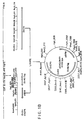
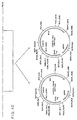
- FIG. 1(a) pSVE3DH1 and pSVE3DH2 are constructed, using pSVE3 as a starting material. Also, the DHFR gene is inserted into pSVE3DH1 in an antisense orientation to yield pSVEaDHFR. In Fig. 1(b), the plasmid pSVEaDHFR is used as a starting material in the production of pSVEadHFR1 and pSVEadHRF2. Finally, in fig.
- plasmids pSVEadHFR1, pMAMneo and pSVEadHFR2 are used in the construction of a DHFR1/NeoR, a DHFR1/Neo, a DHFR1/NeoR, and a DHFR2/Neo.
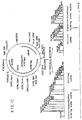
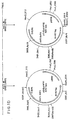
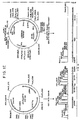
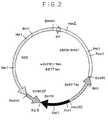
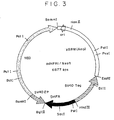
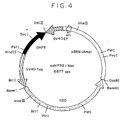
- Figures 2-5 are schematic representations of the anti-sense DHFR-encoding plasmids in which the various arrowheads denote the orientation of various coding regions, each different coding region being denoted by a different pattern next to which appears the abbreviated name of the region, as described in Example 1.
- the present invention in a preferred embodiment, concerns (1) an expression vector encoding an anti-sense DHFR sequence, (2) an expression enhancing system using this vector to regulate production of a desired protein in eukaryotic cell line, and (3) a method for regulating the production level of a desired protein in an eukaryotic cell line by transfecting these cells with the vector of the invention.
- these anti-sense DHFR-expressing cells produce elevated levels of the desired protein as exemplified by some clones achieving a 500% higher expression level of the desired protein.
- This increase may be explained by the fact that addition of a small amount of MIX preferentially amplifies the DHFR + gene sequence and its flanking sequences (including the desired protein) in contrast to the anti-sense DHFR sequence which is either amplified to a lower extent or not at all.
- the vectors of the invention were constructed using standard methods of molecular genetics (Sambrook et al. Molecular Cloning, 2nd edition, Cold Spring Harbor Laboratory Press, Cold Spring Harbor, New York (1989)), and used to transfect DHFR + , MTX-resistant CHO cell lines which also produce a desired protein. Some of the resulting clones (see Examples 1 and 2) which were rendered more MTX-sensitive were capable of producing significantly elevated amounts of the desired protein, i.e. specific productivity was increased (in some cases up to 5-fold or 500% more).
- the present method for increasing the responsiveness of an amplifiable gene to a toxic agent such as methotrexate is generalizable to other gene amplification systems such as those listed in Table 1 of Kaufman, op. cit., herein incorporated by reference.
- ornithine decarboxylase ODC
- ODC ornithine decarboxylase
- Example 3 hypothetically shows how anti-sense ODC DNA can be expressed in transformed cells to increase the responsiveness of the cell to added DFMO in regulating the level of DFMO-amplified copy number of the gene encoding the desired protein.
- Anti-sense ODC RNA expressed from transformed cells will also selectively hybridize to ODC mRNA, reducing the level of ODC enzyme produced and thereby increasing the responsiveness of the transformed cells to DFMO.
- vectors of the invention may be any suitable eukaryotic or prokaryotic vector normally used for transfecting eukaryotic cells such as CHO cells (see Sambrook et al., chapters 1, 2, 3 and 16, op. cit. for some examples of known vectors used for transfecting eukaryotic cells), plasmids are the most preferred vectors for carrying the anti-sense DNA sequence that acts to control expression of DHFR and the desired protein of interest.
- the plasmid vectors of the invention were constructed to contain the following key elements: an anti-sense DHFR sequence; an efficient promoter adjacent to the anti-sense DHFR sequence and positioned with respect to the anti-sense DHFR sequence in such a way that only anti-sense DHFR mRNA can be transcribed by a RNA polymerase initiating transcription from that promoter; and a selectable genetic marker other than the normal DHFR gene, such as an antibiotic resistance-encoding gene sequence, which allows for the rapid selection of those CHO cells transfected by the plasmid vector of the invention. This selection is simply achieved by growing the cells in the presence of the antibiotic where successfully transfected cells are being protected by the antibiotic resistance-encoding sequence.
- the "normal" DHFR gene may be on the same or a different vector from the antisense DHFR gene, or it may be a native element of a chromosome of the host cell. Normally, the cell will be already DHFR+ and then transformed with an anti-DHFR vector.
- the "normal" DHFR gene will be expressed, in a suitable host cell, to produce a DHFR polypeptide.
- Expression comprises transcription of the gene, resulting in production of a messenger RNA; followed by translation of the messenger RNA transcript, resulting in production of the encoded DHFR polypeptide.
- the DHFR polypeptide may also feature post-translational modifications.
- the anti-sense DHFR can inhibit expression by hybridizing to the gene, thereby inhibiting transcription, and/or to the messenger RNA, thereby inhibiting translation.
- normal DHFR gene is intended to include any gene which encodes a DHFR polypeptide, as later defined.
- the term “normal” is used for contrast with “anti-sense”, and not to indicate identity with a natural DHFR gene.
- the DHFR coding sequence may be that of a DHFR gene which occurs in nature. It may also be advantageous to modify the DHFR DNA sequences, e.g., to "silently" mutate degenerate codons to improve stability, reduce RNA secondary structure formation or raise the melting temperature (T M ) of the annealed DHFR mRNA and anti-sense DHFR RNA. By mutating degenerate codons, the nucleotide sequence of the DHFR gene and its complementary anti-sense DHFR sequence can be modified without modifying the amino acid sequence of DHFR.
- Any modification to the DHFR DNA coding sequence would normally mean a corresponding modification of the anti-sense DHFR DNA coding sequence in order to maintain complementarity between the sense (normal) and anti-sense DHFR sequences.
- the greater the number of complementary base pairs the greater the number of non-complementary bases that can be tolerated, especially if the non-complementary bases are scattered.
- the GC content of the DHFR and anti-DHFR genes can be increased in a complementary manner to raise the T M of the annealed DHFR mRNA/anti-sense DHFR RNA, thereby providing further stability to the annealing of anti-sense DHFR RNA to DHFR mRNA in the inhibition of DHFR translation.
- Sequence modification can also be used to reduce secondary structure formation by self-annealing of DHFR mRNA.
- degenerate codons can be used to replace specific codons of the DHFR sequence which disrupt RNA secondary structure by preventing self-annealing through selective elimination of complementary bases that give rise to secondary structure.
- the choice of specific nucleotide(s) to modify in the DHFR sequence can be determined from an estimation of the DHFR MRNA secondary structure using RNA estimation techniques reported in, for example, Tinoco et al., Nature New Biology 246 :40-41 (1973), Tinoco et al., Nature 230 :362-367 (1971), and Bachra J. Mol. Evol. 8 :155-173 (1976).
- the DHFR gene may also be non-silently modified, i.e., so that a mutant DHFR polypeptide, of greater or lesser enzymatic activity, is produced, provided that the polypeptide is still capable of imparting, at its level of expression, sufficient resistance to methotrexate so that the gene of interest is amplified.
- DHFR polypeptide is any DHFR form which occurs in nature, or a mutant (including a fragment or chimera) which is substantially identical to a natural DHFR (preferably a mammalian DHFR), and retains at least 10% of the native DHFR activity of the most homologous native DHFR.
- the DHFR may be a DHFR polypeptide which occurs in nature, or a mutant thereof, especially one obtained by conservative substitution of amino acids. Many DHFRs have been sequenced, and the relative importance of residues may be ascertained by aligning the sequences, with residues important to activity being more strongly conserved. Substitution of amino acids with others of similar size, hydrophobicity and charge, or amino acids found at that position in other DHFR, is less likely to perturb activity.
- the DHFR is preferably a mammalian DHFR, especially a mouse DHFR. The sequence of the mouse DHFR is cited in the examples.
- the anti-sense DHFR sequence must not only be expressible in the host/target cells, but the expressed anti-sense RNA must be stable (i.e., does not undergo rapid degradation). Moreover, the anti-sense DHFR RNA, will essentially specifically only hybridize to the sense DHFR mRNA expressed in host cells, and form a stable double-stranded RNA molecule that is essentially non-translatable. In other words, the anti-sense DHFR RNA expressed in transfected host cells prevents the expressed sense DHFR mRNA from being translated into active DHFR enzyme.
- the vector-borne anti-sense DHFR sequence may carry either the entire DHFR gene sequence or merely a portion thereof as long as the anti-sense DHFR sequence is capable of hybridizing to "sense" DHFR mRNA and preventing its translation into DHFR enzyme.
- an "anti-sense" sequence of the invention can be defined as a sequence which is capable of being expressed in transformed/transfected cells and which is also capable of specifically hybridizing to "sense" DHFR mRNA to form a non-translatable double-stranded RNA molecule.
- the anti-sense DHFR sequence need not hybridize to the entire length of the DHFR mRNA. Instead, it may hybridize to selected regions, such as the 5'-untranslated sequence, the coding sequence, or the 3'-untranslated sequence of the "sense" mRNA.
- the anti-sense DHFR sequence is preferably at least 17, more preferably at least 30, base pairs in length. However, shorter sequences may still be useful, i.e., they either fortuitously do not hybridize to other mammalian sequences, or such "cross-hybridization" does not interfere with the metabolism of the cell in a manner and to a degree which prevents the accomplishment of the objects of this invention.
- Standard methods such as described in Sambrook et al., 1989 can be used to systematically remove an increasingly larger portion of the anti-sense DHFR sequence from the plasmid vector.
- a series of staggered deletions may be generated, preferably at the 5'-end of the anti-sense DHFR sequence.
- the series of plasmid vectors generated by staggered deletions of anti-sense DHFR sequence, each having a different modified anti-sense sequence, can then subsequently be tested for their effectivity in DHFR + host cells.
- plasmid vectors containing a range of truncated anti-sense sequences can be obtained and used individually or in combination as expression control vectors for amplifying the protein of choice as well as the DHFR + marker.
- promoters used to control transcription of the anti-sense gene to yield the anti-sense RNA may be any of those which are functional in the host cells.
- promoters functional in mammalian cells include the SV40 early promoter, adenovirus major late promoter, herpes simplex (HSV) thymidine kinase promoter, rous sarcoma (RSV) LTR promoter, human cytomegalovirus (CMV) immediate early promoter, mouse mammary tumor virus (MMTV) LTR promoter, interferon ⁇ promoter, heat shock protein 70 (hsp70) promoter, as well as many others well known in the art.
- HSV herpes simplex
- RSV thymidine kinase promoter
- RSV rous sarcoma
- CMV human cytomegalovirus
- MMTV mouse mammary tumor virus
- hsp70 heat shock protein 70
- promoters may be either constitutive or regulatable. All else being equal, constitutive promoters are preferred because an extra treatment step such as temperature shift, addition of chemical agents or inducers, etc., is not required for expression from constitutive promoters. Nonetheless, regulatable promoters may be desirable to modulate the level of anti-sense DHFR expression to maximize the degree of amplification. If the expression level is too high, the cells may not grow or even survive. If it is too low, the cells may not respond adequately to the methotrexate. When regulatable promoters are to be used for expressing the anti-sense sequence, it may be desirable to suitably modify the host cells to increase their tolerance to the inducing conditions used, e.g., temperature shifts.
- the "marker" gene used to verify transformation of the cells with the anti-sense vector is preferably an antibiotic resistance gene.
- the types of antibiotic resistance sequences which may be carried by the vector may be any of the well known antibiotic resistance sequences, for example neomycin-resistance (or G418-resistance) and hygromycin resistance. Other screenable or selectable markers may be used instead of antibiotic resistance genes.
- neomycin-resistance or G418-resistance
- hygromycin resistance Other screenable or selectable markers may be used instead of antibiotic resistance genes.
- Table 1 of the Kaufman reference op.
- adenosine deaminase (ADA), one of many other selectable markers, can be selectable at cytotoxic concentrations of adenosine or 9- ⁇ -D-xylofuranosyl adenine.
- the target cell may be any cell which, either naturally or, as a result of genetic manipulation, is DHFR + .
- CHO cells are preferred as the target cells of the invention because well-characterized DHFR - CHO cell lines which are easily and readily transformed to DHFR + are available.
- CHO cell lines are widely used for the industrial production of a variety of mammalian proteins and culture requirements are well established.
- Other well-known eukaryotic cell lines such as mammalian, yeast and insect cell lines may be used in the expression system of the invention if suitably modified in a similar manner as the CHO cell lines.
- mammalian cell lines, and especially CHO cells remain preferred.
- a DHFR - cell line is established first, and then transformed/transfected with a vector carrying both the DHFR + gene sequence and a gene encoding the protein of choice. Positive transformants are selected by growing the transformed/transfected cells in a basic minimal culture medium such that only those cells expressing the essential DHFR enzyme (DHFR + cells) will survive. Before amplifying with MTX, the DHFR + transformed cell lines would need to be tested for the level of MTX-resistance, whether MTX-induced amplification is effective, and whether anti-sense DHFR regulation is necessary for further increases in expression of the desired protein.
- the DHFR gene sequence be incorporated into the genome upon transformation/transfection to ensure that the transformants stably and constitutively express the essential DHFR enzyme.
- the gene encoding the protein of choice is stably co-integrated into the genome with the DHFR gene sequence with the protein of choice being expressed in either a constitutive or regulatable manner.
- the anti-sense DHFR sequence carried on a separate selectable vector, may be introduced into cells by any of well-known techniques for transforming/transfecting eukaryotic cells, such as electroporation, calcium phosphate treatment, and liposome-mediated transformation, etc. (see Ausubel et al. CURRENT PROTOCOLS IN MOLECULAR BIOLOGY, Greene Publishing Assoc., New York (1987-1994) chapter 9) and maintained in cells either via stable integration into the cell genome or on a non-integrated vector. If integration is desired, then it must be ensured that not only does integration of the anti-sense sequence not lead to loss of the sense DHFR + sequence, but that once integrated, the anti-sense DHFR sequence is still expressed.
- DHFR + cells which have both DHFR and the gene of interest integrated into the genome
- anti-sense DHFR DNA a different order of introducing the various sequences is also contemplated.
- the anti-sense DHFR DNA along with a selectable marker can be introduced first into the genome followed later by the introduction and integration of the DHFR group together with the gene of interest into the genome. Again, it must be ensured that integration of the DHFR gene and the gene of interest does not lead to loss of the anti-sense DHFR sequence.
- the anti-sense DNA is preferably expressed from a regulatable promoter so that prior to a first series of DHFR/gene of interest amplification with methotrexate, there is no expression of anti-sense DNA. This would allow the copy number of DHFR/gene of interest to be first amplified prior to increasing the responsiveness to further amplification with methotrexate.
- the two different order of introducing sequences described above are non-limiting examples; other possibilities can be readily devised based on the disclosure presented herein.
- both the DHFR + gene and the co-integrated protein of choice gene, which flanks the DHFR + gene, are amplified together.
- the protein of choice can be any protein having pharmaceutical, veterinary or industrial importance that is currently being produced or can be produced. This includes a long list of proteins (including polypeptide hormones) which can be categorized as follows:
- the promoter used for expressing the protein of choice can be the native promoter for the gene encoding the desired protein or it can be any suitable promoter capable of expressing the desired protein, preferably at high levels.
- the promoter can be constitutive or regulatable and can be any one of those currently used in mammalian expression systems as described above for promoters expressing the anti-sense sequence. It should be noted that the promoter used for expressing the desired protein may be different from the one used to express the anti-sense DHFR or it may be the same.
- the promoter for the gene encoding the desired protein is preferably different from the promoter for expressing anti-sense DHFR.
- the culture conditions used for culturing the CHO cells were the standard culture conditions generally used for CHO DHFR + cells that are treated with MTX (see Kaufman, R.J., Methods in Enzymol., 185 , 537-566 (1990)). If other cells are used, the culture conditions may be whatever is suitable for growth of said cells and compatible with gene amplification as disclosed herein.
- Plasmids containing the murine DHFR gene (see Chang, et al., Nature, 275:617-24 (1978) and Genbank sequences J00382, J00383, J00384, J00385, J00386, J00387, J00388; L26316; NCBI sequence 387160) in the anti-sense orientation were constructed with an antibiotic resistance gene as an additional selectable genetic marker. This additional selectable marker is necessary since the plasmids encoding the anti-sense DHFR sequence are intended for transfection of CHO cells already transfected with the normal DHFR gene.
- antibiotic-resistance genes for this additional selectable marker are those encoding hygromycin B or neomycin (G418) resistance
- other antibiotic resistance genes may be used under the condition that their expression in CHO host cells do not cause cell death or interfere with the gene amplification mechanism.
- the antibiotic resistance marker is preferably G418, with this preferred marker being inserted into the various anti-sense DHFR-encoding plasmids.
- FIG. 1(a)-(c) A schematic outline of how anti-sense DHFR-encoding plasmids carrying the G418 resistance marker were constructed from pre-existing (parent) plasmids is set forth in Figs. 1(a)-(c).
- the methods used for constructing these plasmids are the well-established methods of molecular genetics/genetic engineering (see Sambrook et al., op cit.).
- pBRM is a 2 kb fragment of pBR22, containing the ⁇ -lactamase gene conferring resistance to ampicillin, and the plasmid origin of replication.
- the incorporation of the pBRM fragment into a mammalian expression vector makes possible the propagation of the plasmid in E. coli.
- SV40 Tag is the coding region for SV40 T Antigen, located in the early region of SV40, between SV40 early promoter and polyadenylation sequences. See Tooze, J. (ed.) (1980) DNA Tumor Viruses: Molecular Biology of Tumor Viruses. (Cold Spring Harbor Laboratory, Cold Spring Harbor, NY) Part 2.
- pSVE3 is an expression vector contains pBRM and the whole early region of SV40 (Tag).
- Tag the whole early region of SV40
- PR22103 and PR22104 are both oligonucleotides of 22 bases long each, which combine to give an adaptor fragment, used in the first step of construction of the plasmid containing DHFR sequence in pSVE3.
- pMAMneo is a mammalian expression vector (Clontech).
- the Neomycin resistance gene was removed from pMAMneo and introduced into antisense-DHFR plasmids, in order to enable selection of cells carrying this plasmid. See Lee, F., et al. (1981) Nature 294:228.
- the structure of the plasmids was characterized by restriction map analysis.
- Figs. 2-5 show the restriction and sequence orientation maps of these plasmids.
- the four plasmids were designated: adHFR1/Neo (Fig. 2); adHFR1/NeoR (Fig. 3); adHFR2/Neo (Fig. 4), and adHFR2/NeoR (Fig. 5).
- the difference between the four plasmids resides in the position of the neomycin resistance gene, 5' (upstream) or 3' (downstream) in relation to the anti-sense DHFR gene and in the orientation of the neomycin resistance gene with respect to the orientation of the anti-sense DHFR gene.
- the neomycin resistance gene confers resistance to G418 and converts host cells to G418-resistant cell lines.
- this DHFR sequence is under the control of the SV40 early promoter) and T-antigen sequences, i.e. the anti-sense DHFR sequence was inserted into the SV40 EP/Tag region of the parent plasmid (see Fig. 1) between the BglII and HindIII restriction enzyme sites.
- the 5'-3'orientation of the DHFR sequence is reversed with respect to the SV40 EP/Tag sequence, and hence, when expressed, this DHFR sequence will be the "reverse" sequence of this gene, namely, an anti-sense sequence.
- the expressed anti-sense DHFR RNA sequence will be complementary to the normally expressed (in the CHO cells) DHFR mRNA (DHFR sense mRNA sequence), with the result that when expressed in the same cell these sequences will hybridize to each other, thereby effectively inhibiting the translation of the normal DHFR mRNA.
- the above four anti-sense DHFR plasmids were tested for their ability to transfect, as secondary transfections, CHO clones that were transfected previously and presently expressing normal murine DHFR (DHFR + clones) and a desired protein, TBP-I (a soluble TNF receptor molecule). These tests were directed toward determining whether the transfected CHO clones are rendered sensitive to MTX since the expression of normal DHFR in these cells should be significantly inhibited following expression of the anti-sense DHFR sequence, thus causing the cells to be more responsive, or sensitive to MTX.
- the 0 ⁇ g DNA plate was unstained, the 5 ⁇ g plate was lightly stained, the 20 ⁇ g plate was moderately stained, the 100 ⁇ g and 300 ⁇ g plates were heavily stained, and there was a slight falloff on the 500 ⁇ g plate. It should be noted, however, that the optimal amount of plasmid DNA for cell transfections appears to be about 100 ⁇ g. This level provides the highest number of G418-resistant cells with higher DNA amounts not significantly increasing the number of surviving cells. From these results it is clear that the cells are successfully transfected with the plasmid and that the plasmid is expressed, i.e., expression of the neomycin resistance gene.
- the anti-sense DHFR plasmid successfully transfected the CHO cells and was expressed in these cells.
- the results show that a higher amount of anti-sense DHFR plasmid per cell (per dish) used for transfection resulted in increased inhibition of DHFR + expression and hence, increased MTX sensitivity, i.e., the 9 ⁇ M concentration of MIX to which the cells of CHO clone SBP13-30 are normally resistant, becomes a toxic concentration in cells in which DHFR + expression is inhibited.
- the greater the DHFR + inhibition the greater the MIX toxicity.
- CHO clone SBV14-24 Two CHO clones, SBV14-24 and SK-108-1-22-12, producing TBP-I were transfected with the anti-sense DHFR clone, adHPR2/Neo (Fig. 4).
- CHO clone SBV14-24 a stable TBP-I producer, was isolated by one approach where, after several rounds of MTX selection, clone SBV14-24 was found to be highly resistant to MTX, at least up to the relatively high level of 10 ⁇ M MTX, a level which is usually toxic to CHO cells.
- CHO clone SK-108-1-22-12 was isolated using a second approach where selection was carried out at lower MTX levels (1.2 ⁇ M), resulting in clone SK-108-1-22-12 apparently having fewer copies of the normal DHFR gene, thus making those fewer copies more readily neutralized by the expression of the anti-sense DHFR plasmid.
- Clone SBV14-24 was transfected with 30, 100 and 300 ⁇ g, respectively, of the above anti-sense DHFR plasmid, and the resulting neomycin-resistant clones were isolated and subjected to a MIX-sensitivity test.
- the isolated neomycin-resistant clones were then grown under standard CHO cell culture conditions, in which the cells of each clone were grown in two of the wells of a six-well Costar culture plate in standard CHO- cell-culture medium. 10 ⁇ M MTX was added to one of the two wells with the second well serving as a control (cells did not receive any MTX).
- Each Costar plate also had two additional control wells in which cells of the parental clones, i.e., non-transfected, non-neomycin resistant cells of the SBV14-24 clone, were grown.
- 10 ⁇ M MTX was added, while the other received no MIX.
- the experiment was terminated (this usually being after the cells were grown for a duration between several days and more than two weeks) and the surviving cells were stained with crystal violet for visualization (results not shown).
- neomycin resistant clones Forty seven such neomycin resistant clones were tested, some of which showed no sensitivity to 10 ⁇ M MTX, i.e., behaving similarly to the parental clones which are resistant to 10 ⁇ M MIX.
- Other clones for example, the ones designated 30d13 and 30d16 (the "30" denoting the amount of plasmid DNA, 30 ⁇ M, used for transfection) showed intermediate sensitivity to 10 ⁇ M MTX.
- a third group of clones for example, the ones designated 30d15, 30d17, 30d18, 30d19 and 30d20, showed a high level of sensitivity to 10 ⁇ M MIX; i.e., much reduced numbers of cells surviving after incubation in the presence of 10 ⁇ M MTX.
- These highly sensitive MIX clones thus represent those having the highest anti-sense DHFR plasmid transfection efficiency and anti-sense DHFR gene expression.
- These clones were selected for tests to ascertain the effect of the acquired MTX-sensitivity on TBP-I production in these clones.
- clone SK-108-1-22-12 was transfected with 30 or 100 ⁇ g of the above-noted anti-sense DHFR plasmid.
- the resulting neomycin-resistant clones were isolated and subjected to a MTX-sensitivity test in 6-well Costar plates, in which the test-wells received 1.2 ⁇ M MTX and the other control wells being equivalent to those noted above, with the exception that the control parental line cells were of clone SK-108-1-22-12.
- the specific productivity of parental clone SBV14-24 was measured by a standard ELISA procedure, specific for detection of quantification of TBP-I production. This ELISA procedure was carried out over a period of 5-16 months to ascertain the stability of this clone for TBP-I production. Over this period, the average specific productivity of this clone was calculated to be 7.25 ⁇ 1.82 ⁇ g/10 6 cells/24 hours.
- the culture procedures used were as follows: The clone was grown in Petri dishes in standard CHO culture medium under standard CHO culture conditions with or without the addition of MTX. One day before the ELISA the medium was changed to fresh medium and the cells were incubated for a further 24 hours. The TBP-I production was measured in aliquots of the cell supernatants. Cell numbers in each culture were determined following trypsinization. TBP-I production was calculated per 10 6 cells, as well as per 24 hour culture, with the calculated value representing the specific productivity. The above noted neomycin-resistant anti-sense DHFR-transfected SBV14-24 clones having high MTX sensitivity were subjected to the same ELISA procedure over a two-month period.
- clones having the highest TBP-I specific productivities are listed in Table 1 below. It should be noted that clones designated with names beginning with “30d”, “100d” and “300d” are those in which the transfections were with 30 ⁇ g, 100 ⁇ g, and 300 ⁇ g, respectively, of plasmid DNA.
- these eight clones were selected for further gene amplification studies using MTX.
- the cells were grown under standard CHO culture conditions for over two weeks and when, at this stage, the cells in the wells having received no MTX, had reached confluence, the cells were stained with crystal violet (results not shown).
- the results of this experiment indicated that clones 100d08, 100d12, 100d16, 300d01, 30d18 and 30d22, had intermediate MIX-sensitivity (4 ⁇ M-5 ⁇ M MTX).
- clones 100d08 and 100d16 were treated with 5 ⁇ M MTX
- clone 100d12, 100d01,, 10d18, 10d22 were treated with 4 ⁇ M MTX
- clone 30d17 was treated with 3 ⁇ M
- clone 100d13 was treated with 2 ⁇ M MTX.
- clones were derived from each of the above MTX-treated clones and their specific productivities of TBP-I were measured by ELISA as above.
- Tables 2-9 below the results of the ELISA are shown; the values of specific productivity being average values obtained from a number of ELISA determinations over about a 2-month period in which the clones were grown.
- Clones 100d08 produced about 7 ⁇ g/10 6 cells/24 hours at the time the MIX treatment was started.
- Selection with 5 ⁇ M MTX enabled the isolation of clones producing an average of 10 or 12 ⁇ g/10 6 cells/24 hours. This represents an increase of about 50-70%.
- Clones 100d16 produced about 4.6 ⁇ g/10 6 cells/24 hours at the time the MIX treatment was started.
- Selection with 5 ⁇ M MTX enabled the isolation of clones producing averages of about 12 or 13 ⁇ g/10 6 cells/24 hours. This represents an increase of about 260-280%.
- Clones 100d13 produced relatively low levels (1.5 ⁇ g/10 6 cells/24 hours) of TBP-I at the time the MTX treatment was started.
- SK-108-1-22-12-derived clones were also assayed for TBP-I specific productivity.
- the parental clone was shown to have an average specific productivity of 3.01 ⁇ 1.28 ⁇ g TBP-I/10 6 cells/24 hours.
- neomycin resistant, anti-sense DHFR-carrying clones derived from the parental clone were shown to have TBP-I specific productivities of average values ranging from 1.25 to 7.70 ⁇ g/10 6 cells/24 hours, most however having values comparable to that of the parental clone (results not shown). Nevertheless, these neomycin-resistant SK-108-1-22-12-derived clones, some of which are capable of increased TBP-I specific productivity, illustrate that transfection with the anti-sense DHFR carrying plasmid was likewise successful and that the anti-sense DHFR sequence was expressed in these clones.
- EXAMPLE 3 Increasing responsiveness to gene amplification for the ornithine decarboxylase (ODC) in wild-type CHO cells (ODC + )
- An ODC expression vector is to be constructed similar to the plasmid pdhOD1 as described in Chiang et al. Mol. Cell, Biol. 8 :764-769 (1988) where the mouse ODC gene is flanked by SV40 early promoter and SV40 polyadenylation signals.
- the DHFR expression unit shown on pdhOD1 can be replaced with the gene encoding the protein of choice and a promoter for expressing such a gene. The type of promoter used for expressing the protein of choice is described above.
- Wild-type CHO host cells for transfection that are ODC + can be maintained on Dulbecco modified Eagle medium containing 10% fetal calf serum.
- ODC-deficient (ODC - ) CHO cells such as C55.7 can be used as the host for transfection with the ODC expression vector.
- ODC - CHO cells are to be grown as described in Steglich et al., Somatic Cell Mol. Genet. 11 (1):11-23 (1985).
- CHO host cells transfected with the ODC expression vector is to be selected for resistance to serially increasing levels of difluoromethyl ornithine (DFMO), a suicide-substrate inhibitor of ODC, such as sequential selection for resistance to 160 ⁇ M, 600 ⁇ M, 1 mM, 3mM, 9mM and 15 mM DFMO.
- DFMO difluoromethyl ornithine
- a suicide-substrate inhibitor of ODC such as sequential selection for resistance to 160 ⁇ M, 600 ⁇ M, 1 mM, 3mM, 9mM and 15 mM DFMO.
- approximately 10 5 cells are to be plated per 100 mm dish into medium containing DFMO, and the plates are to be refed with fresh medium every 5 days until a resistant population emerges.
- the level of expression of ODC and the protein of choice can be readily determined in DFMO-resistant CHO cells.
- DFMO-resistant CHO cells showing high level expression of the protein of choice can be used as host cells to be transfected/transformed with an anti-sense expression plasmid vector constructed to carry an anti-sense ODC gene in a manner similar to that described in Example 1.
- Expression of anti-sense ODC RNA in DFMO-resistant CHO cells carrying amplified copies of both the ODC gene and the desired gene (encoding the protein of choice) will increase cell sensitivity to lower amounts of added DEMO, thereby increasing cell responsiveness to further amplification at lower levels of DFMO.
- ODC/DFMO will permit further amplification of the desired gene as well as a concomitant increase in the level of expression of the protein of choice.
Landscapes
- Health & Medical Sciences (AREA)
- Life Sciences & Earth Sciences (AREA)
- Genetics & Genomics (AREA)
- Chemical & Material Sciences (AREA)
- Organic Chemistry (AREA)
- Engineering & Computer Science (AREA)
- Zoology (AREA)
- Bioinformatics & Cheminformatics (AREA)
- General Engineering & Computer Science (AREA)
- Wood Science & Technology (AREA)
- Biomedical Technology (AREA)
- Biotechnology (AREA)
- General Health & Medical Sciences (AREA)
- Molecular Biology (AREA)
- Biochemistry (AREA)
- Biophysics (AREA)
- Physics & Mathematics (AREA)
- Microbiology (AREA)
- Plant Pathology (AREA)
- Gastroenterology & Hepatology (AREA)
- Cell Biology (AREA)
- Immunology (AREA)
- Toxicology (AREA)
- Virology (AREA)
- Medicinal Chemistry (AREA)
- Proteomics, Peptides & Aminoacids (AREA)
- Micro-Organisms Or Cultivation Processes Thereof (AREA)
- Preparation Of Compounds By Using Micro-Organisms (AREA)
- Immobilizing And Processing Of Enzymes And Microorganisms (AREA)
- Measuring Or Testing Involving Enzymes Or Micro-Organisms (AREA)
Abstract
Description


| Specific Productivity of Anti-sense DHFR clones derived from Clone SBV14-24 | |
| Clone | Specific Productivity |
| 100d08 | 8.48 |
| 100d08 | 5.59 |
| 100d12 | 8.35 |
| 100d12 | 4.71 |
| 100d13 | 1.77 |
| 100d13 | 1.24 |
| 100d13 | 1.49 |
| 100d16 | 4.32 |
| 100d16 | 4.87 |
| 300d01 | 3.82 |
| 300d01 | 2.74 |
| 30d17 | 5.79 |
| 30d17 | 3.96 |
| 30d18 | 2.80 |
| 30d18 | 6.34 |
| 30d22 | 7.05 |
| 30d22 | 2.72 |
| Specific Productivity of Clones derived from Clone 100d08 | |
| Name | Average Specific Productivity |
| d08wn-01 | 9.16 |
| d08wn-03 | 8.60 |
| d08wn-04 | 10.75 |
| d08wn-13 | 8.08 |
| d08wn-16 | 12.23 |
| d08wn-18 | 10.56 |
| Specific Productivity of Clones derived from Clone 100d12 | |
| Name | Average Specific Productivity |
| d12u-02 | 8.71 |
| d12u-03 | 7.44 |
| d12u-04 | 8.83 |
| d12u-07 | 9.46 |
| d12u-09 | 8.63 |
| d12u-11 | 9.92 |
| d12u-14 | 7.51 |
| Specific Productivity of Clones derived from Clone 100d16 | |
| Name | Average Specific Productivity |
| d16wn-01 | 11.76 |
| d16wn-02 | 12.22 |
| d16wn-03 | 12.93 |
| d16wn-05 | 11.22 |
| d16wn-06 | 12.24 |
| d16wn-07 | 13.08 |
| d16wn-08 | 10.50 |
| d16wn-12 | 9.07 |
| d16wn-13 | 9.90 |
| d16wn-19 | 11.94 |
| d16wn-20 | 10.15 |
| Specific Productivity of Clones derived from Clone 100d13 | |
| Name | Average Specific Productivity |
| d13n-01 | 8.81 |
| d13n-14 | 7.51 |
| d13n-17 | 8.31 |
| d13n-18 | 8.77 |
| d13n-19 | 8.69 |
| d13n-20 | 8.08 |
| d13n-21 | 7.71 |
| d13n-22 | 8.57 |
| d13n-23 | 7.81 |
| Specific Productivity of Clones derived from Clone 300d01 | |
| Name | Average Specific Productivity |
| d01u-06 | 8.51 |
| d01u-07 | 8.17 |
| d01u-08 | 8.97 |
| Specific Productivity of Clones derived from Clone 30d17 | |
| Name | Average Specific Productivity |
| d17w-02 | 6.10 |
| d17w-05 | 7.17 |
| d17w-06 | 7.57 |
| d17w-09 | 10.61 |
| d17w-10 | 7.10 |
| d17w-11 | 8.10 |
| d17w-14 | 7.80 |
| d17w-17 | 10.67 |
| Specific Productivity of Clones derived from Clone 30d18 | |
| Name | Average Specific Productivity |
| d18u-01 | 3.83 |
| d18u-02 | 2.60 |
| d18u-03 | 4.07 |
| d18u-13 | 8.29 |
| d18u-19 | 5.76 |
| Specific Productivity of Clones derived from Clone 30d22 | |
| Name | Average Specific Productivity |
| d22u-01 | 6.35 |
| d22u-02 | 5.60 |
| d22u-03 | 6.12 |
| d22u-04 | 5.29 |
| d22u-05 | 4.85 |
| d22u-06 | 5.74 |
| d22u-07 | 6.08 |
| d22u-08 | 5.25 |
| d22u-09 | 5.18 |
| d22u-10 | 7.36 |
| d22u-11 | 2.94 |
| d22u-12 | 5.11 |
| d22u-13 | 7.77 |
| d22u-14 | 11.70 |
Claims (13)
- A transformed mammalian cell for expressing a protein of interest, said mammalian cell comprising:(a) a directly amplifiable gene sequence, in expressible form, which when expressed renders said cell more resistant to a toxic agent;(b) a gene of interest, in expressible form, which encodes a desired protein foreign to said cell; and(c) an anti-sense gene sequence, in transcribable form, encoding an anti-sense RNA capable of selectively hybridizing to at least a portion of the mRNA transcribed from said directly amplifiable gene sequence so as to inhibit the translation of said mRNA, such that a higher level of amplification of said directly amplifiable gene and said gene of interest can be achieved, if the cell is exposed to a sufficient level of the toxic agent, than in the absence of said anti-sense RNA.
- The cell of claim 1, wherein the directly amplifiable gene encodes a DHFR and the toxic agent is methotrexate.
- The transformed cell of claim 1 or 2, wherein said mammalian cell is a CHO cell.
- The transformed cell of any one of claims 1 to 3, wherein said desired protein product is selected from the group consisting of the interleukins (ILs), interferons (IFNs), and cell-bound receptors and soluble receptors.
- The transformed cell of claim 4, wherein said desired protein is soluble Type 1 TNF receptor (TBP-I).
- The cell of claim 2, wherein the DHFR gene is essentially identical to a mouse DHFR gene or cDNA.
- The cell of any one of claims 1 to 6, wherein the directly amplifiable gene encodes omithine decarboxylase and the toxic agent is difluoromethyl ornithine.
- A method for regulating the production level of a desired protein in a transformed mammalian cell, comprising the steps of:(a) providing a transformed cell of any one of claims 1 to 7 capable of producing said desired protein, the level of said desired protein being at least partly regulated by the anti-sense RNA;(b) expressing said anti-sense gene sequence and producing anti-sense RNA complementary to and specifically hybridizing with mRNA produced, thereby inhibiting the translation of said mRNA and leading to decreased levels of enzyme production; and(c) adding additional toxic agent to further amplify said toxic agent-amplified copy number of said gene of interest thereby increasing the expression and production of said desired protein.
- The method of claim 8 in which the directly amplifiable gene encodes a DHFR and the toxic agent is methotrexate.
- The method of claim 8 or 9, wherein said cell is a CHO cell.
- The method of any one of claims 8 to 10, wherein said desired protein is selected from the group consisting of interleukins (ILs), interferons (IFNs), cell-bound receptors and soluble receptors.
- The method of claim 11, wherein said desired protein is soluble Type 1 TNF receptor (TBP-I).
- The method of any one of claims 8 to 12, wherein the directly amplifiable gene encodes omithine decarboxylase and the toxic agent is difluoromethyl ornithine.
Applications Claiming Priority (1)
| Application Number | Priority Date | Filing Date | Title |
|---|---|---|---|
| PCT/US1995/015098 WO1997020055A1 (en) | 1995-11-07 | 1995-11-27 | Use of anti-sense sequences to increase responsiveness to gene amplification |
Publications (2)
| Publication Number | Publication Date |
|---|---|
| EP0863990A1 EP0863990A1 (en) | 1998-09-16 |
| EP0863990B1 true EP0863990B1 (en) | 2002-08-28 |
Family
ID=22250144
Family Applications (1)
| Application Number | Title | Priority Date | Filing Date |
|---|---|---|---|
| EP95940765A Expired - Lifetime EP0863990B1 (en) | 1995-11-27 | 1995-11-27 | Use of anti-sense sequences to increase responsiveness to gene amplification |
Country Status (5)
| Country | Link |
|---|---|
| EP (1) | EP0863990B1 (en) |
| AT (1) | ATE222957T1 (en) |
| AU (1) | AU718896B2 (en) |
| CA (1) | CA2235962A1 (en) |
| DE (1) | DE69527994D1 (en) |
-
1995
- 1995-11-27 EP EP95940765A patent/EP0863990B1/en not_active Expired - Lifetime
- 1995-11-27 DE DE69527994T patent/DE69527994D1/en not_active Expired - Lifetime
- 1995-11-27 CA CA002235962A patent/CA2235962A1/en not_active Abandoned
- 1995-11-27 AU AU42408/96A patent/AU718896B2/en not_active Ceased
- 1995-11-27 AT AT95940765T patent/ATE222957T1/en not_active IP Right Cessation
Also Published As
| Publication number | Publication date |
|---|---|
| CA2235962A1 (en) | 1997-06-05 |
| AU718896B2 (en) | 2000-04-20 |
| DE69527994D1 (en) | 2002-10-02 |
| AU4240896A (en) | 1997-06-19 |
| EP0863990A1 (en) | 1998-09-16 |
| ATE222957T1 (en) | 2002-09-15 |
Similar Documents
| Publication | Publication Date | Title |
|---|---|---|
| US5639595A (en) | Identification of novel drugs and reagents | |
| US20250346625A1 (en) | Stabilized Nucleic Acids Encoding Messenger Ribonucleic Acid (mRNA) | |
| KR102287184B1 (en) | Artificial nucleic acid molecules for improved protein or peptide expression | |
| Gong et al. | Regulation of asparagine synthetase gene expression by amino acid starvation | |
| Gadsden et al. | dUTP pyrophosphatase is an essential enzyme in Saccharomyces cerevisiae. | |
| AU729454B2 (en) | Delivery construct for antisense nucleic acids and methods of use | |
| EP2302057B1 (en) | Control of gene expression | |
| US5972605A (en) | Assays for regulators of mammalian telomerase expression | |
| US20080182331A1 (en) | Procedure for specific replacement of a copy of a gene present in the recipient genome by the integration of a gene different from that where the integration is made | |
| JP3073009B2 (en) | Recombinant DNA method and vector used therefor | |
| CN100500854C (en) | SiRNA expression system and process for producing functional gene knockdown cell | |
| US20070054872A1 (en) | Regulatable or conditional expression systems | |
| US5739310A (en) | Ribosomes as vectors for RNA | |
| US6399377B1 (en) | Use of anti-sense sequences to increase responsiveness to gene amplification | |
| EP0694068B1 (en) | Genetic suppressor elements associated with sensitivity to chemotherapeutic drugs | |
| JP3582965B2 (en) | Expression vector for mammalian cells | |
| AU718896B2 (en) | Use of anti-sense sequences to increase responsiveness to gene amplification | |
| EP1975228A1 (en) | Polynucleotides for enhancing expression of a polynucleotide of interest | |
| Stout et al. | [38] Antisense RNA inhibition of endogenous genes | |
| US6864061B2 (en) | Method for screening compounds for anti-inflammatory activity | |
| WO1997020055A1 (en) | Use of anti-sense sequences to increase responsiveness to gene amplification | |
| JP2700045B2 (en) | Encoding protein of gene specifically expressed in insulinoma | |
| Aly et al. | Intergenic sequences from the heat-shock protein 83-encoding gene cluster in Leishmania mexicana amazonensis promote and regulate reporter gene expression in transfected parasites | |
| Robinson-Benion et al. | [23] Antisense techniques | |
| WO1998023730A9 (en) | Compounds and methods for treating cancer |
Legal Events
| Date | Code | Title | Description |
|---|---|---|---|
| PUAI | Public reference made under article 153(3) epc to a published international application that has entered the european phase |
Free format text: ORIGINAL CODE: 0009012 |
|
| 17P | Request for examination filed |
Effective date: 19980625 |
|
| AK | Designated contracting states |
Kind code of ref document: A1 Designated state(s): AT BE CH DE DK ES FR GB GR IE IT LI LU MC NL PT SE |
|
| 17Q | First examination report despatched |
Effective date: 20000218 |
|
| GRAG | Despatch of communication of intention to grant |
Free format text: ORIGINAL CODE: EPIDOS AGRA |
|
| GRAG | Despatch of communication of intention to grant |
Free format text: ORIGINAL CODE: EPIDOS AGRA |
|
| GRAG | Despatch of communication of intention to grant |
Free format text: ORIGINAL CODE: EPIDOS AGRA |
|
| GRAH | Despatch of communication of intention to grant a patent |
Free format text: ORIGINAL CODE: EPIDOS IGRA |
|
| GRAH | Despatch of communication of intention to grant a patent |
Free format text: ORIGINAL CODE: EPIDOS IGRA |
|
| GRAA | (expected) grant |
Free format text: ORIGINAL CODE: 0009210 |
|
| AK | Designated contracting states |
Kind code of ref document: B1 Designated state(s): AT BE CH DE DK ES FR GB GR IE IT LI LU MC NL PT SE |
|
| PG25 | Lapsed in a contracting state [announced via postgrant information from national office to epo] |
Ref country code: NL Free format text: LAPSE BECAUSE OF FAILURE TO SUBMIT A TRANSLATION OF THE DESCRIPTION OR TO PAY THE FEE WITHIN THE PRESCRIBED TIME-LIMIT Effective date: 20020828 Ref country code: LI Free format text: LAPSE BECAUSE OF FAILURE TO SUBMIT A TRANSLATION OF THE DESCRIPTION OR TO PAY THE FEE WITHIN THE PRESCRIBED TIME-LIMIT Effective date: 20020828 Ref country code: IT Free format text: LAPSE BECAUSE OF FAILURE TO SUBMIT A TRANSLATION OF THE DESCRIPTION OR TO PAY THE FEE WITHIN THE PRE;WARNING: LAPSES OF ITALIAN PATENTS WITH EFFECTIVE DATE BEFORE 2007 MAY HAVE OCCURRED AT ANY TIME BEFORE 2007. THE CORRECT EFFECTIVE DATE MAY BE DIFFERENT FROM THE ONE RECORDED.SCRIBED TIME-LIMIT Effective date: 20020828 Ref country code: GR Free format text: LAPSE BECAUSE OF FAILURE TO SUBMIT A TRANSLATION OF THE DESCRIPTION OR TO PAY THE FEE WITHIN THE PRESCRIBED TIME-LIMIT Effective date: 20020828 Ref country code: FR Free format text: LAPSE BECAUSE OF FAILURE TO SUBMIT A TRANSLATION OF THE DESCRIPTION OR TO PAY THE FEE WITHIN THE PRESCRIBED TIME-LIMIT Effective date: 20020828 Ref country code: CH Free format text: LAPSE BECAUSE OF FAILURE TO SUBMIT A TRANSLATION OF THE DESCRIPTION OR TO PAY THE FEE WITHIN THE PRESCRIBED TIME-LIMIT Effective date: 20020828 Ref country code: BE Free format text: LAPSE BECAUSE OF FAILURE TO SUBMIT A TRANSLATION OF THE DESCRIPTION OR TO PAY THE FEE WITHIN THE PRESCRIBED TIME-LIMIT Effective date: 20020828 Ref country code: AT Free format text: LAPSE BECAUSE OF FAILURE TO SUBMIT A TRANSLATION OF THE DESCRIPTION OR TO PAY THE FEE WITHIN THE PRESCRIBED TIME-LIMIT Effective date: 20020828 |
|
| REF | Corresponds to: |
Ref document number: 222957 Country of ref document: AT Date of ref document: 20020915 Kind code of ref document: T |
|
| REG | Reference to a national code |
Ref country code: GB Ref legal event code: FG4D |
|
| REG | Reference to a national code |
Ref country code: CH Ref legal event code: EP |
|
| REF | Corresponds to: |
Ref document number: 69527994 Country of ref document: DE Date of ref document: 20021002 |
|
| REG | Reference to a national code |
Ref country code: IE Ref legal event code: FG4D |
|
| PG25 | Lapsed in a contracting state [announced via postgrant information from national office to epo] |
Ref country code: LU Free format text: LAPSE BECAUSE OF NON-PAYMENT OF DUE FEES Effective date: 20021127 Ref country code: IE Free format text: LAPSE BECAUSE OF NON-PAYMENT OF DUE FEES Effective date: 20021127 |
|
| PG25 | Lapsed in a contracting state [announced via postgrant information from national office to epo] |
Ref country code: SE Free format text: LAPSE BECAUSE OF FAILURE TO SUBMIT A TRANSLATION OF THE DESCRIPTION OR TO PAY THE FEE WITHIN THE PRESCRIBED TIME-LIMIT Effective date: 20021128 Ref country code: GB Free format text: LAPSE BECAUSE OF NON-PAYMENT OF DUE FEES Effective date: 20021128 Ref country code: DK Free format text: LAPSE BECAUSE OF FAILURE TO SUBMIT A TRANSLATION OF THE DESCRIPTION OR TO PAY THE FEE WITHIN THE PRESCRIBED TIME-LIMIT Effective date: 20021128 |
|
| PG25 | Lapsed in a contracting state [announced via postgrant information from national office to epo] |
Ref country code: DE Free format text: LAPSE BECAUSE OF FAILURE TO SUBMIT A TRANSLATION OF THE DESCRIPTION OR TO PAY THE FEE WITHIN THE PRESCRIBED TIME-LIMIT Effective date: 20021129 |
|
| PG25 | Lapsed in a contracting state [announced via postgrant information from national office to epo] |
Ref country code: PT Free format text: LAPSE BECAUSE OF FAILURE TO SUBMIT A TRANSLATION OF THE DESCRIPTION OR TO PAY THE FEE WITHIN THE PRESCRIBED TIME-LIMIT Effective date: 20021211 |
|
| NLV1 | Nl: lapsed or annulled due to failure to fulfill the requirements of art. 29p and 29m of the patents act | ||
| PG25 | Lapsed in a contracting state [announced via postgrant information from national office to epo] |
Ref country code: ES Free format text: LAPSE BECAUSE OF FAILURE TO SUBMIT A TRANSLATION OF THE DESCRIPTION OR TO PAY THE FEE WITHIN THE PRESCRIBED TIME-LIMIT Effective date: 20030228 |
|
| REG | Reference to a national code |
Ref country code: CH Ref legal event code: PL |
|
| PG25 | Lapsed in a contracting state [announced via postgrant information from national office to epo] |
Ref country code: MC Free format text: LAPSE BECAUSE OF NON-PAYMENT OF DUE FEES Effective date: 20030601 |
|
| EN | Fr: translation not filed | ||
| PLBE | No opposition filed within time limit |
Free format text: ORIGINAL CODE: 0009261 |
|
| STAA | Information on the status of an ep patent application or granted ep patent |
Free format text: STATUS: NO OPPOSITION FILED WITHIN TIME LIMIT |
|
| GBPC | Gb: european patent ceased through non-payment of renewal fee | ||
| 26N | No opposition filed |
Effective date: 20030530 |
|
| REG | Reference to a national code |
Ref country code: IE Ref legal event code: MM4A |