EP0853487B1 - Neutralizing monoclonal antibodies to respiratory syncytial virus - Google Patents
Neutralizing monoclonal antibodies to respiratory syncytial virus Download PDFInfo
- Publication number
- EP0853487B1 EP0853487B1 EP96933810A EP96933810A EP0853487B1 EP 0853487 B1 EP0853487 B1 EP 0853487B1 EP 96933810 A EP96933810 A EP 96933810A EP 96933810 A EP96933810 A EP 96933810A EP 0853487 B1 EP0853487 B1 EP 0853487B1
- Authority
- EP
- European Patent Office
- Prior art keywords
- antibody
- rsv
- antibodies
- seq
- pharmaceutical preparation
- Prior art date
- Legal status (The legal status is an assumption and is not a legal conclusion. Google has not performed a legal analysis and makes no representation as to the accuracy of the status listed.)
- Expired - Lifetime
Links
Classifications
-
- C—CHEMISTRY; METALLURGY
- C07—ORGANIC CHEMISTRY
- C07K—PEPTIDES
- C07K16/00—Immunoglobulins [IG], e.g. monoclonal or polyclonal antibodies
- C07K16/08—Immunoglobulins [IG], e.g. monoclonal or polyclonal antibodies against material from viruses
- C07K16/10—RNA viruses
- C07K16/11—Paramyxoviridae (F); Pneumoviridae (F), e.g. respiratory syncytial virus [RSV]
-
- A—HUMAN NECESSITIES
- A61—MEDICAL OR VETERINARY SCIENCE; HYGIENE
- A61K—PREPARATIONS FOR MEDICAL, DENTAL OR TOILETRY PURPOSES
- A61K51/00—Preparations containing radioactive substances for use in therapy or testing in vivo
- A61K51/02—Preparations containing radioactive substances for use in therapy or testing in vivo characterised by the carrier, i.e. characterised by the agent or material covalently linked or complexing the radioactive nucleus
- A61K51/04—Organic compounds
- A61K51/08—Peptides, e.g. proteins, carriers being peptides, polyamino acids, proteins
- A61K51/10—Antibodies or immunoglobulins; Fragments thereof, the carrier being an antibody, an immunoglobulin or a fragment thereof, e.g. a camelised human single domain antibody or the Fc fragment of an antibody
- A61K51/1006—Antibodies or immunoglobulins; Fragments thereof, the carrier being an antibody, an immunoglobulin or a fragment thereof, e.g. a camelised human single domain antibody or the Fc fragment of an antibody the antibody being against or targeting material from viruses
-
- A—HUMAN NECESSITIES
- A61—MEDICAL OR VETERINARY SCIENCE; HYGIENE
- A61P—SPECIFIC THERAPEUTIC ACTIVITY OF CHEMICAL COMPOUNDS OR MEDICINAL PREPARATIONS
- A61P31/00—Antiinfectives, i.e. antibiotics, antiseptics, chemotherapeutics
- A61P31/12—Antivirals
-
- G—PHYSICS
- G01—MEASURING; TESTING
- G01N—INVESTIGATING OR ANALYSING MATERIALS BY DETERMINING THEIR CHEMICAL OR PHYSICAL PROPERTIES
- G01N33/00—Investigating or analysing materials by specific methods not covered by groups G01N1/00 - G01N31/00
- G01N33/48—Biological material, e.g. blood, urine; Haemocytometers
- G01N33/50—Chemical analysis of biological material, e.g. blood, urine; Testing involving biospecific ligand binding methods; Immunological testing
- G01N33/53—Immunoassay; Biospecific binding assay; Materials therefor
- G01N33/569—Immunoassay; Biospecific binding assay; Materials therefor for microorganisms, e.g. protozoa, bacteria, viruses
- G01N33/56983—Viruses
-
- A—HUMAN NECESSITIES
- A61—MEDICAL OR VETERINARY SCIENCE; HYGIENE
- A61K—PREPARATIONS FOR MEDICAL, DENTAL OR TOILETRY PURPOSES
- A61K39/00—Medicinal preparations containing antigens or antibodies
- A61K2039/505—Medicinal preparations containing antigens or antibodies comprising antibodies
-
- A—HUMAN NECESSITIES
- A61—MEDICAL OR VETERINARY SCIENCE; HYGIENE
- A61K—PREPARATIONS FOR MEDICAL, DENTAL OR TOILETRY PURPOSES
- A61K38/00—Medicinal preparations containing peptides
-
- A—HUMAN NECESSITIES
- A61—MEDICAL OR VETERINARY SCIENCE; HYGIENE
- A61K—PREPARATIONS FOR MEDICAL, DENTAL OR TOILETRY PURPOSES
- A61K39/00—Medicinal preparations containing antigens or antibodies
-
- A—HUMAN NECESSITIES
- A61—MEDICAL OR VETERINARY SCIENCE; HYGIENE
- A61K—PREPARATIONS FOR MEDICAL, DENTAL OR TOILETRY PURPOSES
- A61K48/00—Medicinal preparations containing genetic material which is inserted into cells of the living body to treat genetic diseases; Gene therapy
-
- C—CHEMISTRY; METALLURGY
- C07—ORGANIC CHEMISTRY
- C07K—PEPTIDES
- C07K2317/00—Immunoglobulins specific features
- C07K2317/20—Immunoglobulins specific features characterized by taxonomic origin
- C07K2317/21—Immunoglobulins specific features characterized by taxonomic origin from primates, e.g. man
-
- C—CHEMISTRY; METALLURGY
- C07—ORGANIC CHEMISTRY
- C07K—PEPTIDES
- C07K2317/00—Immunoglobulins specific features
- C07K2317/50—Immunoglobulins specific features characterized by immunoglobulin fragments
- C07K2317/55—Fab or Fab'
-
- C—CHEMISTRY; METALLURGY
- C07—ORGANIC CHEMISTRY
- C07K—PEPTIDES
- C07K2317/00—Immunoglobulins specific features
- C07K2317/50—Immunoglobulins specific features characterized by immunoglobulin fragments
- C07K2317/56—Immunoglobulins specific features characterized by immunoglobulin fragments variable (Fv) region, i.e. VH and/or VL
- C07K2317/565—Complementarity determining region [CDR]
Definitions
- This invention relates generally to the field of immunology and specifically to monoclonal antibodies which bind to and neutralize respiratory syncytial virus (RSV).
- RSV respiratory syncytial virus
- RSV represents a major health problem, worldwide. In the United States alone, there are currently approximately 250,000 newborn infants and children per year who may develop severe or fatal RSV disease. RSV is the major viral cause of severe pediatric lower respiratory tract diseases, such as pneumonia and bronchiolitis, worldwide. It also results in a high rate of morbidity and mortality in infants or young children with cardiopulmonary disease or an immunodeficiency.
- RSV vaccine for active immunization could not be utilized for the treatment of newborn babies with immature immune systems or patients who are immunosuppressed.
- current therapy is mediated via periodic intravenous inoculation of human IgG prepared from pooled plasma.
- This type of therapy due to the low titers of neutralizing anti-RSV antibodies, involves a large quantity of globulin (e.g., 0.75 gm per kg) and consequently requires administration intravenously, in a clinic or hospital, over a lengthy period (2 to 4 hours), on a monthly basis during the high risk months (fall, winter and early spring).
- the neutralizing component of human anti-RSV antibody preparations is only a minor fraction of the total antibody present.
- the development of mouse monoclonal antibody technology thus provided cloned neutralizing antibodies of greater specific activity than the pooled human plasma preparations.
- problems resulting from immune responses to the mouse antibodies, in human patients have precluded the general application of these preparations for passive immunotherapy in humans.
- the development of human monoclonal antibodies to RSV has been thwarted, until recently, by the unsuccessful adaptation of monoclonal technology to the human system.
- Human hybridomas and immortalized EBV transformed B-lymphoblastoid cell lines, as well as mouse/human hybridomas are generally unstable antibody producers, even after multiple cloning steps.
- Effective doses of monoclonal antibody may now be administered intramuscularly (i.m.), thereby reducing the period of time required.
- Prophylaxis in new born babies or infants can now be performed at home, as opposed to in the clinic or hospital, reducing inconvenience and eliminating the risk of hospital acquired RSV disease.
- This is in addition to the inherent reduction in batch to batch variation of monoclonal antibody preparations and the reduction of the danger of iatrogenic infections when compared to pooled human globulin.
- the reduced volumes of antibody preparations required for therapy will allow, in general, treatment of patients with RSV disease by administration of antibodies intramuscularly.
- Aerosol therapy is another form of treatment made possible as a result of the increased specific activity of monoclonal antibodies, and is also associated with a decrease in the amount of antibodies required. This type of therapy is highly efficient due to the introduction of antibodies directly to the site of infection in the lungs.
- the neutralizing ability of Fab fragments of the RSV monoclonal antibodies in vivo, by aerosol application or systemic therapy, has been well demonstrated.
- Neutralizing epitopes on the RSV virus are mainly confined to the major surface antigens: the F glycoprotein (viral fusion) and G glycoprotein (viral attachment).
- Antiserum prepared against either glycoprotein F or glycoprotein G may neutralize RSV with high efficiency (Walsh, et al., J. Gen. Microbiol., 67:505, 1986). However antibodies to glycoprotein F are more frequently neutralizing for RSV. Antiserum to glycoprotein F also inhibits fusion of RSV-infected cells to neighboring uninfected cells. For therapeutic purposes, antibody preparations should neutralize a wide range of RSV isolates, including those of both antigenic subgroups.
- RSV polyclonal antibodies directly into the lungs in a small particle aerosol (less than 2 ⁇ m) was also effective therapeutically.
- the use of monoclonal antibodies should decrease the amount of IgG required for therapy by at least 2 orders of magnitude.
- parainfluenza virus type 3 (PIV3) antibodies were also shown to be therapeutic against PIV3 when administered directly into the respiratory tract.
- This form of topical immunotherapy has general application for respiratory viral pathogens causing disease in the cells lining the lumen of the lower respiratory tract.
- HAMMA responses are common in patients given conventional systemic therapy with mouse MAb, resulting in up to 50% of patients responding after the first dose and up to 95% of patients responding after the second dose.
- pooled human gamma globulin has been universal for prophylaxis in hepatitis and for treatment in hepatitis, Junin virus induced hemorrhagic fever and RSV infection, with no side effects severe enough to preclude this form of passive immunization.
- the application of a human monoclonal Fab to this form of therapy should have no serious consequence such as that induced by the HAMMA response to mouse antibody or fragments thereof.
- an immunoglobulin preparation for passive immunization which includes more than one neutralizing epitope on the RSV F glycoprotein. This is due to the mutation rate of the RSV F glycoprotein for any single neutralization site being in the range 10 -4 to 10 -5 , the rate for two neutralization sites being thus 10 -8 to 10 -10 , for three neutralization sites being 10 -12 to 10 -15 and so on.
- Administration of anti-RSV antibodies or fragments thereof, over a significant period of time in multiple patients or as multiple periods of treatment in a single patient, would create a significant selective pressure for the development of escape mutants.
- the RSV 19 human Fab binds to an unrelated neutralization epitope on the RSV F glycoprotein epitope, representing the "B" epitope or antigenic site, recognized by the mouse MAb 1269 (Taylor et al., Immunology 52:137-142, 1984).
- the uniqueness of the anti-RSV antibodies of the present invention and the human Fab RSV 19, in both aa sequence and epitopic site, has important implications for the design of immunotherapeutic vaccines or modalities for the treatment of RSV disease.
- the present invention relates to monoclonal antibodies which bind to an epitope on the RSV F glycoprotein which include amino acid (aa) residue number 429 or which bind to an epitope affected conformationally by a single aa change at this position, and which neutralize with high efficiency antigenic subgroups A and B of respiratory syncytial virus (RSV). Also described are human immunoglobulin heavy chain and light chain V-region amino acid sequences which confer neutralization function to the paratope of these monoclonal antibodies.
- the monoclonal antibodies of the invention have particular utility as pharmaceuticals and reagents for the immunoprophylaxis, immunotherapy and diagnosis of RSV disease.
- the present invention also provides cell lines and vectors producing or encoding the monoclonal antibodies of the invention.
- a major advantage of the monoclonal antibodies of the invention derives from the fact that they include human CDR3 sequences and, in some embodiments, may be entirely human monoclonal antibodies.
- the fully human monoclonal antibodies of the invention for immunoprophylaxis and immunotherapy of RSV disease greatly reduces the problem of host immune response to passively administered antibodies. This problem is commonly encountered when the prior art monoclonal antibodies of xenogeneic or chimeric derivation are utilized.
- a second important aspect of this advantage is the potential safety of these human monoclonal antibodies for gene therapy applications, in which expression of xenogeneic or chimeric proteins containing non-human sequences cannot be terminated.
- the antibodies of the invention are particularly efficacious for immunotherapy of RSV disease when administered directly to the lungs in the form of Fab fragments.
- Topical delivery of RSV antibodies directly into the lungs has a major advantage over parenteral administration of antibodies for therapy of RSV disease.
- Polyclonal antibodies delivered by the former route are approximately 80 to 160 times more effective in therapy, thereby decreasing the amount of antibody required for therapy by a factor of 80 to 160.
- a further reduction in the amount of antibody required for therapy, by a factor of 25 to 50, can be achieved by using monoclonal rather than polyclonal antibodies. This means that the total amount of antibody required for therapy by parenteral treatment can be reduced by a factor of 2000 to 8000 when monoclonal antibodies are administered directly into the lungs for treatment of RSV infection.
- the ability to utilize Fab or Fd fragments in vivo for respiratory viral infections provides significant advantages over the use of whole antibody molecules including: (1) greater tissue penetration; (2) avoidance of effector functions associated with Fc such as inflammation; and (3) rapid clearance.
- the present invention provides substantially pure polypeptides comprising antibodies selectively binding to an RSV F glycoprotein epitope, wherein the antibodies include a heavy chain CDR3 region having the RSVF2-5 heavy chain CDR3 amino acid sequence of SEQ ID NO: 7.
- Such antibodies include fragment antibodies which are Fd, Fv and Fab fragments.
- the invention further provides such antibodies which include the heavy chain CDR2 region of SEQ ID NO: 5, and/or the heavy chain CDR1 region of SEQ ID NO: 3.
- the antibodies of the invention include the entire RSVF2-5 heavy chain Fd sequence of SEQ ID NO: 1.
- the antibodies of the invention are Fab fragments and further include the light chain CDR3 region of SEQ ID NO: 15, the light chain CDR2 region of SEQ ID NO: 13, and/or the light chain CDR1 region having the amino acid sequence of SEQ ID NO: 11.
- the antibodies of the present invention include the entire RSVF2-5 light chain sequence of SEQ ID NO: 9.
- the present invention also provides polypeptides which consist of, or consist essentially of, the heavy chain CDR3 region of the RSVF2-5 antibody disclosed as SEQ ID NO: 7.
- the present invention also provides pharmaceutical preparations comprising a pharmaceutically acceptable carrier and any one or more of the antibodies described above.
- the present invention also provides isolated nucleic acids comprising nucleotide sequences encoding the antibodies described above.
- the present invention provides such nucleic acids in the form of vectors including regulatory sequences operably joined to said nucleotide sequences.
- the present invention also provides pharmaceutical preparations comprising a pharmaceutically acceptable carrier; and any one or more of the nucleic acids described above.
- the present invention provides a method for the treatment of RSV disease comprising administering to a human or other animal subject in need of such treatment a therapeutically effective amount of the antibody and/or nucleic acid pharmaceutical compositions described above.
- the methods can be for prophylaxis of RSV infection or for treatment of active RSV disease.
- the present invention provides a method of detecting the presence of RSV in a biological sample comprising contacting such a sample with any one or more of the antibodies described above.
- the invention provides a method of detecting the presence of RSV in vivo comprising contacting a subject with an effective amount of any one or more of the antibodies described above, the antibodies contained in a pharmaceutically acceptable carrier. Binding of the antibodies to RSV, then can be detected as a determination of the presence of RSV.
- the invention also involves the use of the antibodies and/or nucleic acids described above in the preparation of a medicament.
- the medicament can be for any of the diagnostic and/or therapeutic purposes discussed herein.
- the present invention provides host cells including a vector comprising a nucleic acid encoding one of the antibodies of the present invention.
- the term “antibody” means an immunoglobulin molecule or a fragment of an immunoglobulin molecule having the ability to specifically bind to a particular antigen. Antibodies are well known to those of ordinary skill in the science of immunology. As used herein, the term “antibody” means not only intact antibody molecules but also fragments of antibody molecules retaining antigen binding ability. Such fragments are also well known in the art and are regularly employed both in vitro and in vivo. In particular, as used herein, the term “antibody” means not only intact immunoglobulin molecules but also antigen binding active fragments such as the well-known active fragments F(ab') 2 , Fab, Fv, and Fd.
- RSV disease means any disease caused, directly or indirectly, by a Respiratory Syncytial Virus (RSV) as well as diseases or conditions which predispose a patient to infection by RSV.
- diseases falling into the former category include pneumonia and bronchiolitis.
- Diseases and conditions in the latter category include cystic fibrosis, congenital heart disease, cancer, age related immunosuppression and, generally, any condition that causes a state of immunosuppression or decreased function of the immune system such as post-operative organ transplantation regimens or premature birth.
- substantially pure means that the polypeptides are essentially free of other substances with which they may be found in nature or in vivo systems to an extent practical and appropriate for their intended use.
- the polypeptides are sufficiently pure and are sufficiently free from other biological constituents of their hosts cells so as to be useful in, for example, generating antibodies, sequencing, or producing pharmaceutical preparations.
- substantially pure polypeptides may be produced in light of the nucleic acid and amino acid sequences disclosed herein. Because a substantially purified polypeptide of the invention may be admixed with a pharmaceutically acceptable carrier in a pharmaceutical preparation, the polypeptide may comprise only a small percentage by weight of the preparation. The polypeptide is nonetheless substantially pure in that it has been substantially separated from the substances with which it may be associated in living systems.
- isolated means: (I) amplified in vitro by, for example, polymerase chain reaction (PCR); (ii) recombinantly produced by cloning; (iii) purified, as by cleavage and gel separation; or (iv) synthesized by, for example, chemical synthesis.
- An isolated nucleic acid is one which is readily manipulable by recombinant DNA techniques well known in the art.
- PCR polymerase chain reaction
- An isolated nucleic acid may be substantially purified, but need not be.
- a nucleic acid that is isolated within a cloning or expression vector is not pure in that it may comprise only a tiny percentage of the material in the cell in which it resides.
- Such a nucleic acid is isolated, however, as the term is used herein because it is readily manipulable by standard techniques known to those of ordinary skill in the art.
- a coding sequence and regulatory sequences are said to be "operably joined” when they are covalently linked in such a way as to place the expression or transcription of the coding sequence under the influence or control of the regulatory sequences.
- two DNA sequences are said to be operably joined if induction of a promoter in the 5' regulatory sequences results in the transcription of the coding sequence and if the nature of the linkage between the two DNA sequences does not (1) result in the introduction of a frame-shift mutation, (2) interfere with the ability of the promoter region to direct the transcription of the coding sequences, or (3) interfere with the ability of the corresponding RNA transcript to be translated into a protein.
- a promoter region would be operably joined to a coding sequence if the promoter region were capable of effecting transcription of that DNA sequence such that the resulting transcript might be translated into the desired protein or polypeptide.
- regulatory sequences needed for gene expression may vary between species or cell types, but shall in general include, as necessary, 5' non-transcribing and 5' non-translating sequences involved with initiation of transcription and translation respectively, such as a TATA box, capping sequence, CAAT sequence, and the like.
- 5' non-transcribing regulatory sequences will include a promoter region which includes a promoter sequence for transcriptional control of the operably joined gene.
- Regulatory sequences may also include enhancer sequences or upstream activator sequences, as desired.
- a "vector" may be any of a number of nucleic acids into which a desired sequence may be inserted by restriction and ligation for transport between different genetic environments or for expression in a host cell.
- Vectors are typically composed of DNA although RNA vectors are also available.
- Vectors include, but are not limited to, plasmids and phagemids.
- a cloning vector is one which is able to replicate in a host cell, and which is further characterized by one or more endonuclease restriction sites at which the vector may be cut in a determinable fashion and into which a desired DNA sequence may be ligated such that the new recombinant vector retains its ability to replicate in the host cell.
- replication of the desired sequence may occur many times as the plasmid increases in copy number within the host bacterium or just a single time per host before the host reproduces by mitosis. In the case of phage, replication may occur actively during a lytic phase or passively during a lysogenic phase.
- An expression vector is one into which a desired DNA sequence may be inserted by restriction and ligation such that it is operably joined to regulatory sequences and may be expressed as an RNA transcript. Vectors may further contain one or more marker sequences suitable for use in the identification of cells which have or have not been transformed or transfected with the vector.
- Markers include, for example, genes encoding proteins which increase or decrease either resistance or sensitivity to antibiotics or other compounds, genes which encode enzymes whose activities are detectable by standard assays known in the art (e.g., ⁇ -galactosidase or alkaline phosphatase), and genes which visibly affect the phenotype of transformed or transfected cells, hosts, colonies or plaques.
- Preferred vectors are those capable of autonomous replication and expression of the structural gene products present in the DNA segments to which they are operably joined.
- the present invention derives, in part, from the isolation and characterization of a novel, fully human monoclonal antibody which selectively binds to and neutralizes RSV and which we have designated RSVF2-5.
- this new monoclonal antibody has been shown to bind to the RSV F glycoprotein and to neutralize RSV in vivo.
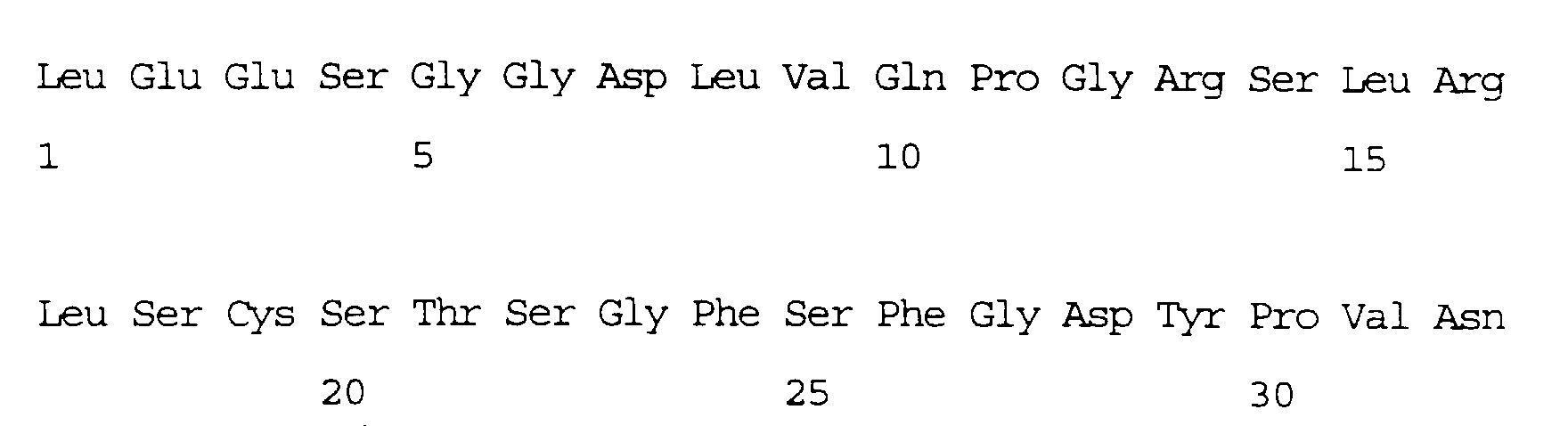
- the paratope of the RSVF2-5 Fab fragment associated with the neutralization epitope on the RSV F glycoprotein F1 subunit is defined by the amino acid (aa) sequences of the immunoglobulin heavy and light chain V-regions depicted in Table 5 and SEQ ID NO: 1 and SEQ ID NO: 9.
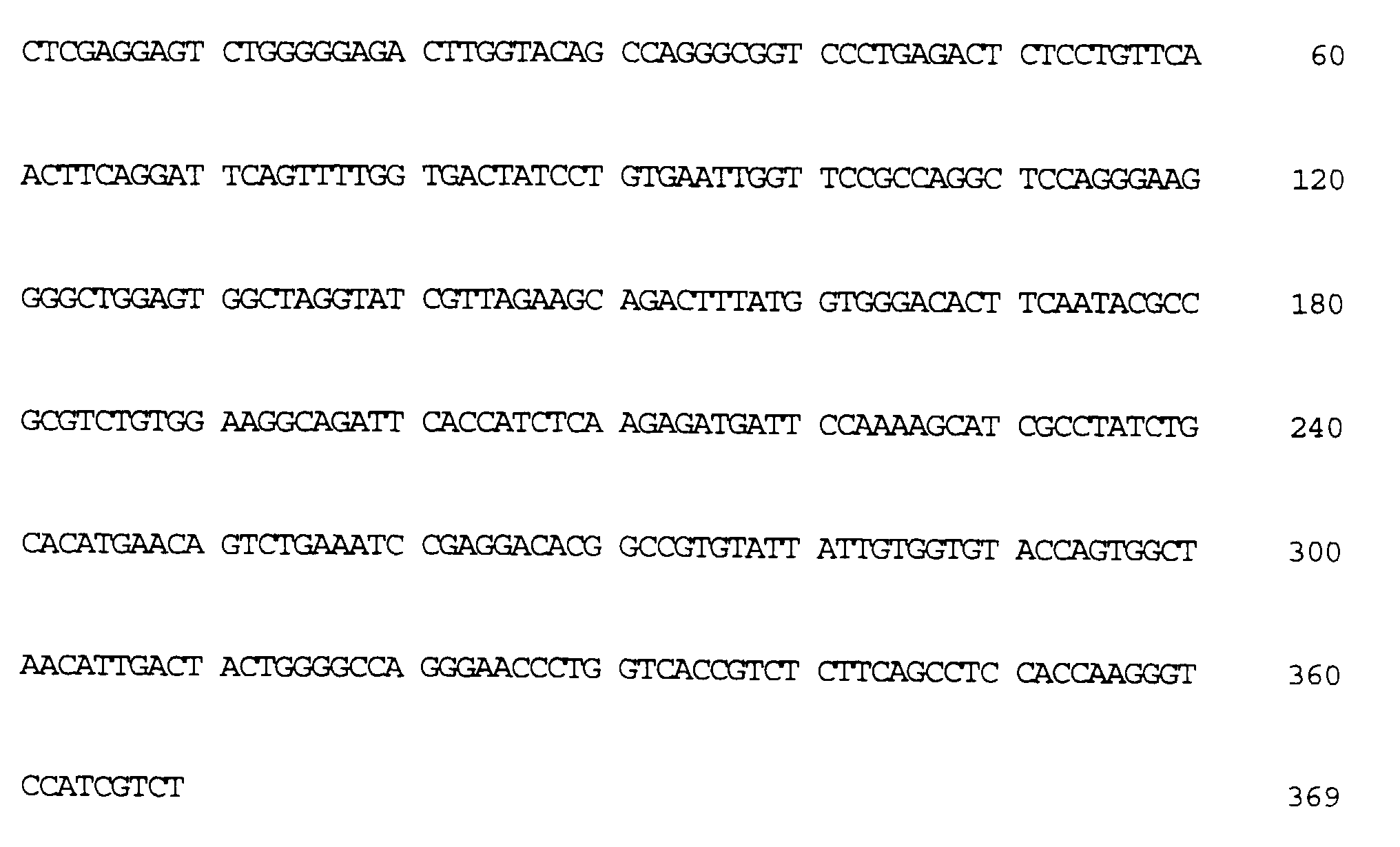
- nucleic acid sequences coding for these aa sequences were identified as described in Example 1, by sequencing from both the 5' and 3' ends of the Fd heavy chain fragment and light chain. These nucleic acid sequences have been deposited with the National Center for Genome Resources (accession numbers L41061 and L41062) and are disclosed herein as SEQ ID NO: 21 and SEQ ID NO: 22. However, due to the degeneracy of the DNA code, the paratope is more properly defined by the derived aa sequences depicted in Table 5, in SEQ ID NO: 1 and SEQ ID NO: 9.
- the antibodies of the present invention selectively bind to an epitope on the RSV F glycoprotein which either includes amino acid (aa) residue number 429 or which is affected conformationally by a single aa change at this position. This is demonstrated by the ability of the antibodies of the present invention to neutralize RSV strains in which position 429 of the RSV F glycoprotein is occupied by an arginine residue but not an RSV strain in which this position is occupied by a serine residue (see Example 3, Table 4).
- a murine antibody and humanized murine antibodies specific for a similar, if not identical, RSV epitope were described in PCT International Publication Number WO 92/04381.
- the antibodies of the present invention are specific for, and neutralize, both the A and B antigenic subgroups of the respiratory syncytial virus.
- the present invention provides the intact, fully human RSVF2-5 monoclonal antibody in isolated form and in pharmaceutical preparations. Similarly, as described below, the present invention provides isolated nucleic acids, host cells transformed with nucleic acids, and pharmaceutical preparations including isolated nucleic acids, encoding the intact, fully human RSVF2-5 monoclonal antibody. Finally, the present invention provides methods, as described more fully below, employing these antibodies and nucleic acids in the in vitro and in vivo diagnosis and therapy of RSV disease.
- an antibody from which the pFc' region has been enzymatically cleaved, or which has been produced without the pFc' region designated an F(ab') 2 fragment
- an antibody from which the Fc region has been enzymatically cleaved, or which has been produced without the Fc region designated an Fab fragment
- Fab fragments consist of a covalently bound antibody light chain and a portion of the antibody heavy chain denoted Fd.
- the Fd fragments are the major determinant of antibody specificity (a single Fd fragment may be associated with up to ten different light chains without altering antibody specificity) and Fd fragments retain epitope-binding ability in isolation.
- CDRs complementarity determining regions
- FRs framework regions
- CDR1 through CDR3 complementarity determining regions
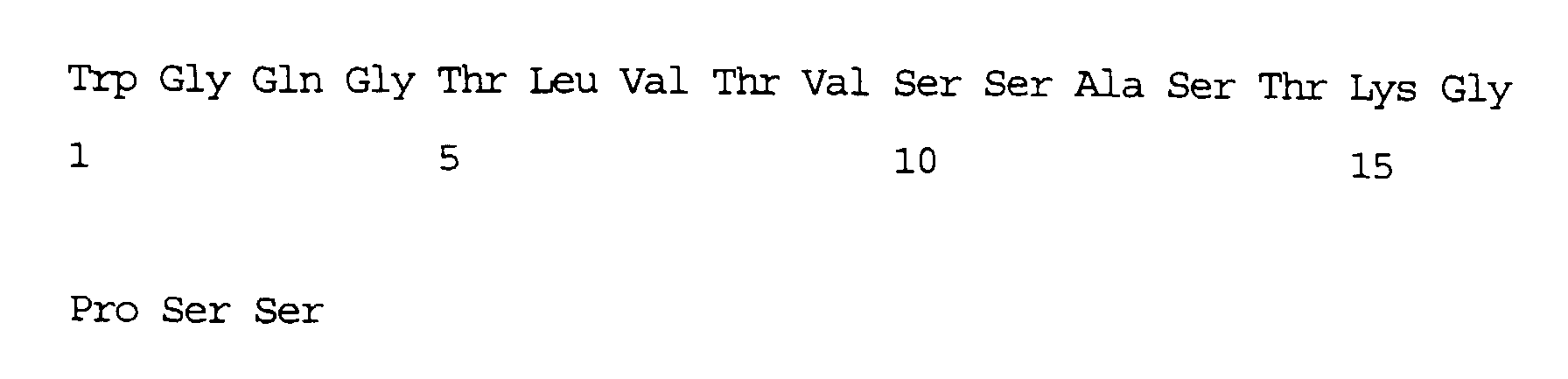
- SEQ ID NO: 1 discloses the amino acid sequence of the Fd fragment of RSVF2-5.
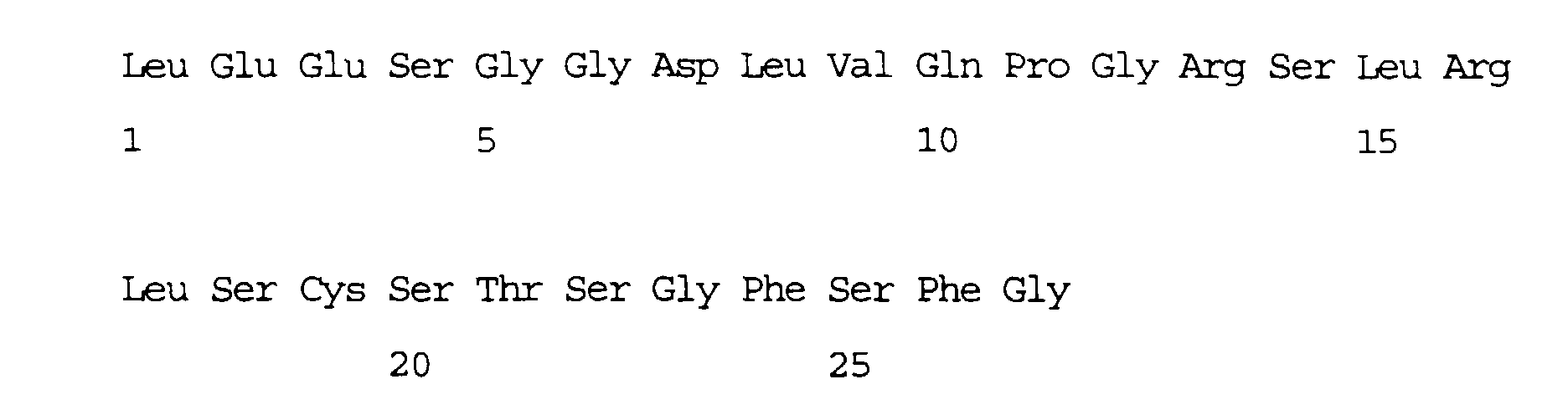
- the amino acid sequences of the heavy chain FR1, CDR1, FR2, CDR2, FR3, CDR3 and FR4 regions are disclosed as SEQ ID NO: 2 through SEQ ID NO: 8, respectively.
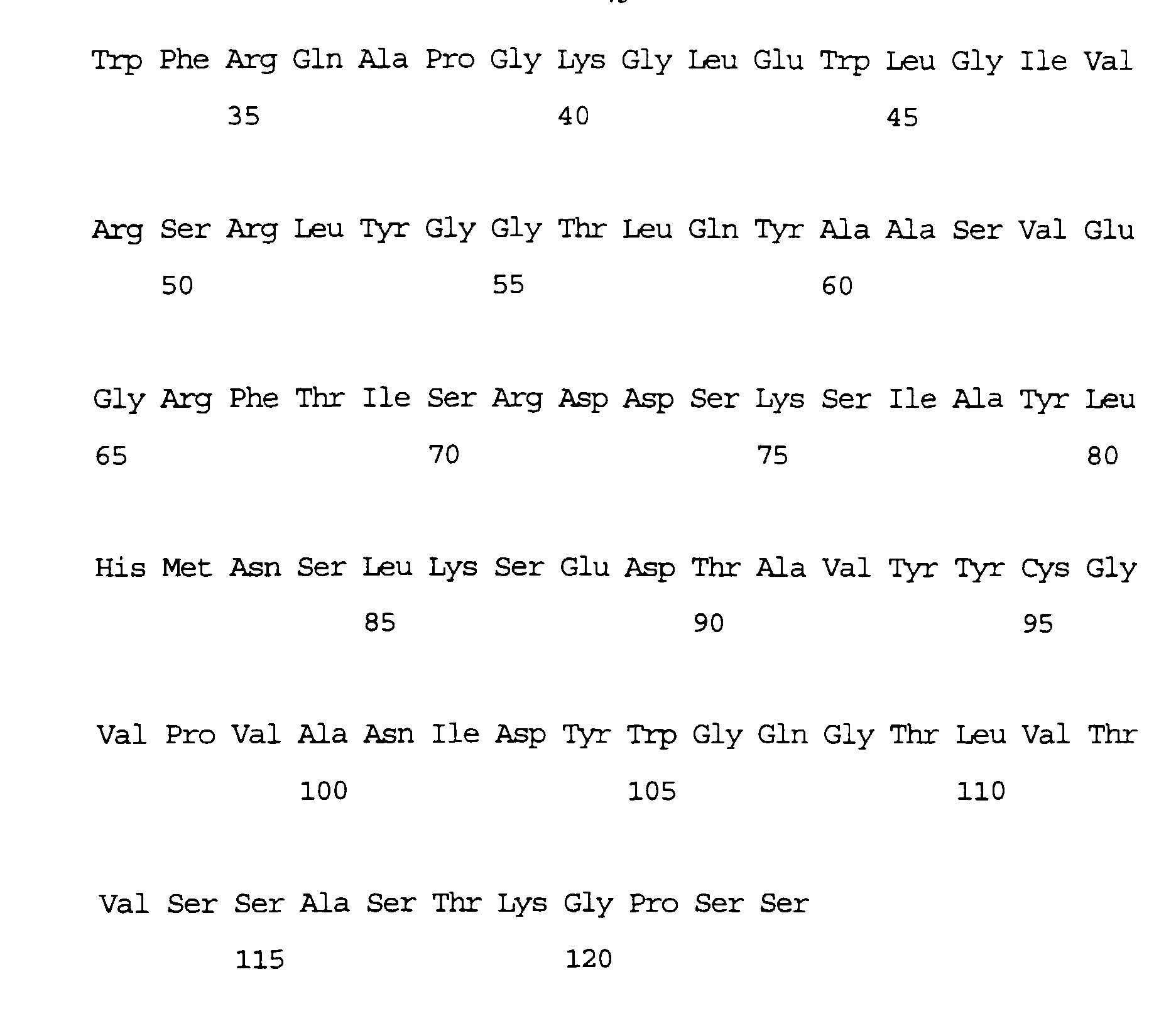
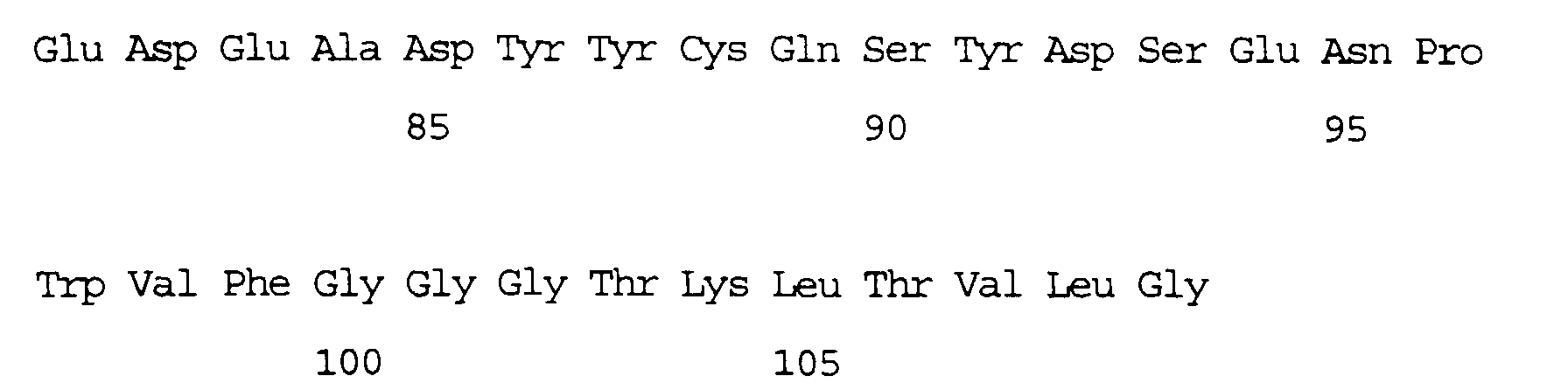
- SEQ ID NO: 9 discloses the amino acid sequence of the light chain of RSVF2-5.
- the amino acid sequences of the light chain FR1, CDR1, FR2, CDR2, FR3, CDR3 and FR4 regions are disclosed as SEQ ID NO: 10 through SEQ ID NO: 16, respectively.
- the present invention also provides for F(ab') 2 , Fab, Fv and Fd fragments of the RSVF2-5 monoclonal antibody; chimeric antibodies in which the Fc and/or FR and/or CDR1 and/or CDR2 and/or light chain CDR3 regions of the RSVF2-5 antibody have been replaced by homologous human or non-human sequences; chimeric F(ab') 2 fragment antibodies in which the FR and/or CDR1 and/or CDR2 and/or light chain CDR3 regions of the RSVF2-5 antibody have been replaced by homologous human or non-human sequences; chimeric Fab fragment antibodies in which the FR and/or CDR1 and/or CDR2 and/or light chain CDR3 regions have been replaced by homologous human or non-human sequences; and chimeric Fd fragment antibodies in which the FR and/or CDR1 and/or CDR2 regions have been replaced by homologous human or non-human sequences; and chimeric Fd fragment antibodies
- CDR grafted or chimeric antibodies or antibody fragments containing, all or part thereof, of the disclosed heavy and light chain V-region CDR aa sequences (Jones et al., Nature 321:522, 1986; Verhoeyen et al., Science 39:1534, 1988 and Tempest et al., Bio/Technology 9:266, 1991), without destroying the specificity of the antibodies for the RSV F glycoprotein epitope.
- Such CDR grafted or chimeric antibodies or antibody fragments can be effective in prevention and treatment of RSV infection in animals (e.g. cattle) and man.
- the chimeric antibodies of the invention are fully human monoclonal antibodies including at least the heavy chain CDR3 region of the RSVF2-5 antibody.
- such chimeric antibodies may be produced in which some or all of the FR regions of RSVF2-5 have been replaced by other homologous human FR regions.
- the Fc portions may be replaced so as to produce IgA or IgM as well as IgG antibodies bearing some or all of the CDRs of the RSVF2-5 antibody.
- the RSVF2-5 heavy chain CDR3 region and, to a lesser extent, the other CDRs of RSVF2-5.
- Such fully human chimeric antibodies will have particular utility in that they will not evoke an immune response against the antibody itself.
- chimeric antibodies including non-human sequences.
- Some of the CDRs may be replaced as well.
- Such chimeric antibodies bearing non-human immunoglobulin sequences admixed with the CDRs of the human RSVF2-5 monoclonal antibody are not preferred for use in humans and are particularly not preferred for extended use because they may evoke an immune response against the non-human sequences. They may, of course, be used for brief periods or in immunosuppressed individuals but, again, fully human antibodies are preferred. Because, however, RSV also infects animals such as cattle, and because such antibodies may be used for brief periods or in immunosuppressed subjects, chimeric antibodies bearing non-human mammalian Fc and FR sequences but including at least the RSVF2-5 heavy chain CDR3 are contemplated as alternative embodiments of the present invention.
- the antibodies of the present invention are preferably intact antibody molecules including the Fc region.
- Such intact antibodies will have longer half-lives than smaller fragment antibodies (e.g. Fab) and are more suitable for intravenous, intraperitoneal, intramuscular, intracavity, subcutaneous, or transdermal administration.
- Fab fragments When administered topically to the lumenal lining of the lungs, as by aerosol, Fab fragments, including chimeric Fab fragments, are preferred.
- Fabs offer several advantages over F(ab') 2 and whole immunoglobulin molecules for this therapeutic modality.
- Fabs can be produced easily and inexpensively in bacteria, such as E. coli , whereas whole immunoglobulin antibody molecules require mammalian cells for their production in useful amounts.
- the latter entails transfection of immunoglobulin sequences into mammalian cells with resultant transformation. Amplification of these sequences must then be achieved by rigorous selective procedures and stable transformants must be identified and maintained.
- the whole immunoglobulin molecules must be produced by stably transformed, high expression mammalian cells in culture with the attendant problems of serum-containing culture medium.
- production of Fabs in E. coli eliminates these difficulties and makes it possible to produce these antibody fragments in large fermenters which are less expensive than cell culture-derived products.
- single chain antibodies can be constructed according to the method of U.S. Pat. No. 4,946,778, to Ladner et al., which is incorporated herein by reference.
- Single chain antibodies comprise the variable regions of the light and heavy chains joined by a flexible linker moiety.
- the antibody fragment known as the single domain antibody or Fd, which comprises an isolated VH single domain.
- Techniques for obtaining a single domain antibody with at least some of the binding specificity of the intact antibody from which they are derived are known in the art. For example, Ward, et al., Nature 341: 644-646 (1989), disclose a method of screening to identify an antibody heavy chain variable region (V H single domain antibody) with sufficient affinity for its target epitope to bind thereto in isolated form.
- Still another way to determine whether a monoclonal antibody has the specificity of the RSVF2-5 antibody of the invention is to pre-incubate the RSVF2-5 antibody with RSV with which it is normally reactive, and then add the monoclonal antibody being tested to determine if the monoclonal antibody being tested is inhibited in its ability to bind RSV. If the monoclonal antibody being tested is inhibited then, in all likelihood, it has the same, or a functionally equivalent, epitope and specificity as the RSVF2-5 antibody of the invention. Screening of monoclonal antibodies of the invention, also can be carried out utilizing RSV and determining whether the monoclonal antibody neutralizes RSV.
- anti-idiotypic antibodies which can be used to screen other monoclonal antibodies to identify whether the antibody has the same binding specificity as an antibody of the invention.
- anti-idiotypic antibodies can be used for active immunization (Herlyn, et al., Science, 232:100, 1986).
- anti-idiotypic antibodies can be produced using well-known hybridoma techniques (Kohler and Milstein, Nature , 256:495, 1975).
- An anti-idiotypic antibody is an antibody which recognizes unique determinants present on the monoclonal antibody produced by the cell line of interest. These determinants are located in the hypervariable region of the antibody.
- An anti-idiotypic antibody can be prepared by immunizing an animal with the monoclonal antibody of interest. The immunized animal will recognize and respond to the idiotypic determinants of the immunizing antibody and produce an antibody to these idiotypic determinants.
- the anti-idiotypic antibodies of the immunized animal which are specific for the monoclonal antibodies of the invention, it is possible to identify other clones with the same idiotype as the antibody of the hybridoma used for immunization.
- Idiotypic identity between monoclonal antibodies of two cell lines demonstrates that the two monoclonal antibodies are the same with respect to their recognition of the same epitopic determinant.
- anti-idiotypic antibodies it is possible to identify other hybridomas expressing monoclonal antibodies having the same epitopic specificity.
- an anti-idiotypic monoclonal antibody made to a first monoclonal antibody will have a binding domain in the hypervariable region which is the image of the epitope bound by the first monoclonal antibody.
- the anti-idiotypic monoclonal antibody can be used for immunization, since the anti-idiotype monoclonal antibody binding domain effectively acts as an antigen.
- nucleic acids which encode this antibody or which encode the various fragment antibodies or chimeric antibodies described above. It is contemplated that such nucleic acids will be operably joined to other nucleic acids forming a recombinant vector for cloning or for expression of the antibodies of the invention.
- the present invention includes any recombinant vector containing the coding sequences, or part thereof, whether for prokaryotic or eukaryotic transformation, transfection or gene therapy.
- Such vectors may be prepared using conventional molecular biology techniques, known to those with skill in the art, and would comprise DNA coding sequences for the RSVF2-5 immunoglobulin V-regions including framework and CDRs or parts thereof, and a suitable promoter either with (Whittle et al., Protein Eng . 1:499, 1987 and Burton et al., Science 266:1024-1027, 1994) or without (Marasco et al., Proc. Natl. Acad. Sci. (USA ) 90:7889, 1993 and Duan et al., Proc. Natl. Acad. Sci. (USA) 91:5075-5079,1994) a signal sequence for export or secretion.
- Such vectors may be transformed or transfected into prokaryotic (Huse et al., Science 246:1275, 1989, Ward et al., Nature 341: 644-646, 1989; Marks et al., J. Mol. Biol. 222:581, 1991 and Barbas et al., Proc. Natl. Acad. Sci. ( USA ) 88:7978, 991) or eukaryotic (Whittle et al., 1987 and Burton et al., 1994) cells or used for gene therapy (Marasco et al., 1993 and Duan et al., 1994) by conventional techniques, known to those with skill in the art.
- prokaryotic Hos et al., Science 246:1275, 1989, Ward et al., Nature 341: 644-646, 1989; Marks et al., J. Mol. Biol. 222:581, 1991 and Barbas et al., Proc. Natl. Acad
- the expression vectors of the present invention include regulatory sequences operably joined to a nucleotide sequence encoding one of the antibodies of the invention.
- regulatory sequences means nucleotide sequences which are necessary for or conducive to the transcription of a nucleotide sequence which encodes a desired polypeptide and/or which are necessary for or conducive to the translation of the resulting transcript into the desired polypeptide.
- Regulatory sequences include, but are not limited to, 5' sequences such as operators, promoters and ribosome binding sequences, and 3' sequences such as polyadenylation signals.
- the vectors of the invention may optionally include 5' leader or signal sequences, 5' or 3' sequences encoding fusion products to aid in protein purification, and various markers which aid in the identification or selection of transformants.
- the choice and design of an appropriate vector is within the ability and discretion of one of ordinary skill in the art.
- the subsequent purification of the antibodies may be accomplished by any of a variety of standard means known in the art.
- a preferred vector for screening monoclonal antibodies is a recombinant DNA molecule containing a nucleotide sequence that codes for and is capable of expressing a fusion polypeptide containing, in the direction of amino- to carboxy-terminus, (1) a prokaryotic secretion signal domain, (2) a polypeptide of the invention, and, optionally, (3) a fusion protein domain.
- the vector includes DNA regulatory sequences for expressing the fusion polypeptide, preferably prokaryotic regulatory sequences. Such vectors can be constructed by those with skill in the art and have been described by Smith et al. ( Science 228:1315-1317, 1985), Clackson et al.
- a fusion polypeptide may be useful for purification of the antibodies of the invention.
- the fusion domain may, for example, include a poly-His tail which allows for purification on Ni+ columns or the maltose binding protein of the commercially available vector pMAL (New England BioLabs, Beverly, MA).
- pMAL New England BioLabs, Beverly, MA
- a currently preferred, but by no means necessary, fusion domain is a filamentous phage membrane anchor. This domain is particularly useful for screening phage display libraries of monoclonal antibodies but may be of less utility for the mass production of antibodies.
- the filamentous phage membrane anchor is preferably a domain of the cpIII or cpVIII coat protein capable of associating with the matrix of a filamentous phage particle, thereby incorporating the fusion polypeptide onto the phage surface, to enable solid phase binding to specific antigens or epitopes and thereby allow enrichment and selection of the specific antibodies or fragments encoded by the phagemid vector.
- the secretion signal is a leader peptide domain of a protein that targets the protein membrane of the host cell, such as the periplasmic membrane of gram negative bacteria.
- a preferred secretion signal for E. coli is a pelB secretion signal.
- the predicted amino acid residue sequences of the secretion signal domain from two pelB gene producing variants from Erwinia carotova are described in Lei, et al. ( Nature 381:543-546, 1988).
- the leader sequence of the pelB protein has previously been used as a secretion signal for fusion proteins (Better, et al., Science 240:1041-1043, 1988; Sastry, et al., Proc. Natl. Acad.
- the ribosome binding site includes an initiation codon (AUG) and a sequence 3-9 nucleotides long located 3-11 nucleotides upstream from the initiation codon (Shine, et al., Nature 254:34, 1975).
- AGGAGGU which is called the Shine-Dalgarno (SD) sequence, is complementary to the 3' end of E. coli 16S rRNA. Binding of the ribosome to mRNA and the sequence at the 3' end of the mRNA can be affected by several factors:
- the vector utilized includes a prokaryotic origin of replication or replicon, i.e., a DNA sequence having the ability to direct autonomous replication and maintenance of the recombinant DNA molecule extrachromosomally in a prokaryotic host cell, such as a bacterial host cell, transformed therewith.
- a prokaryotic origin of replication or replicon i.e., a DNA sequence having the ability to direct autonomous replication and maintenance of the recombinant DNA molecule extrachromosomally in a prokaryotic host cell, such as a bacterial host cell, transformed therewith.
- a prokaryotic host cell such as a bacterial host cell, transformed therewith.
- Such origins of replication are well known in the art.
- Preferred origins of replication are those that are efficient in the host organism.
- a preferred host cell is E. coli.
- a preferred origin of replication is ColEl found in pBR322 and a variety of other common plasmids.
- p15A origin of replication found on pACYC and its derivatives.
- ColE1 and p15A replicons have been extensively utilized in molecular biology, are available on a variety of plasmids and are described by Sambrook. et al., Molecular Cloning: A Laboratory Manual, 2nd edition, Cold Spring Harbor Laboratory Press, 1989).
- those embodiments that include a prokaryotic replicon preferably also include a gene whose expression confers a selective advantage, such as drug resistance, to a bacterial host transformed therewith.
- Typical bacterial drug resistance genes are those that confer resistance to ampicillin, tetracycline, neomycin/kanamycin or chloramphenicol.
- Vectors typically also contain convenient restriction sites for insertion of translatable DNA sequences. Exemplary vectors are the plasmids pUC18 and pUC19 and derived vectors such as pcDNAII available from Invitrogen, (San Diego, CA).
- the antibody of the invention include both heavy chain and light chain sequences
- these sequences may be encoded on separate vectors or, more conveniently, may be expressed by a single vector.
- the heavy and light chain may, after translation or after secretion, form the heterodimeric structure of natural antibody molecules.
- Such a heterodimeric antibody may or may not be stabilized by disulfide bonds between the heavy and light chains.
- a vector for expression of heterodimeric antibodies is a recombinant DNA molecule adapted for receiving and expressing translatable first and second DNA sequences. That is, a DNA expression vector for expressing a heterodimeric antibody provides a system for independently cloning (inserting) the two translatable DNA sequences into two separate cassettes present in the vector, to form two separate cistrons for expressing the first and second polypeptides of a heterodimeric antibody.
- the DNA expression vector for expressing two cistrons is referred to as a dicistronic expression vector.
- the vector comprises a first cassette that includes upstream and downstream DNA regulatory sequences operably joined via a sequence of nucleotides adapted for directional ligation to an insert DNA.
- the upstream translatable sequence preferably encodes the secretion signal as described above.
- the cassette includes DNA regulatory sequences for expressing the first antibody polypeptide that is produced when an insert translatable DNA sequence (insert DNA) is directionally inserted into the cassette via the sequence of nucleotides adapted for directional ligation.
- the dicistronic expression vector also contains a second cassette for expressing the second antibody polypeptide.
- the second cassette includes a second translatable DNA sequence that preferably encodes a secretion signal, as described above, operably joined at its 3' terminus via a sequence of nucleotides adapted for directional ligation to a downstream DNA sequence of the vector that typically defines at least one stop codon in the reading frame of the cassette.
- the second translatable DNA sequence is operably joined at its 5' terminus to DNA regulatory sequences forming the 5' elements.
- the second cassette is capable, upon insertion of a translatable DNA sequence (insert DNA), of expressing the second fusion polypeptide comprising a secretion signal with a polypeptide coded by the insert DNA.
- the antibodies of the present invention may also, of course, be produced by eukaryotic cells such as CHO cells, human hybridomas, immortalized B-lymphoblastoid cells, and the like.
- eukaryotic cells such as CHO cells, human hybridomas, immortalized B-lymphoblastoid cells, and the like.
- a vector is constructed in which eukaryotic regulatory sequences are operably joined to the nucleotide sequences encoding the antibody polypeptide or polypeptides.
- the design and selection of an appropriate eukaryotic vector is within the ability and discretion of one of ordinary skill in the art.
- the subsequent purification of the antibodies may be accomplished by any of a variety of standard means known in the art.
- the present invention provides host cells, both prokaryotic and eukaryotic, transformed or transfected with, and therefore including, the vectors of the present invention.
- the invention also relates to a method for preparing diagnostic or pharmaceutical compositions comprising the monoclonal antibodies of the invention or polynucleotide sequences encoding the antibodies of the invention or part thereof, the pharmaceutical compositions being used for immunotherapy of RSV disease.
- the pharmaceutical preparation includes a pharmaceutically acceptable carrier.
- Such carriers means a non-toxic material that does not interfere with the effectiveness of the biological activity of the active ingredients.
- physiologically acceptable refers to a non-toxic material that is compatible with a biological system such as a cell, cell culture, tissue, or organism. The characteristics of the carrier will depend on the route of administration.
- Physiologically and pharmaceutically acceptable carriers include diluents, fillers, salts, buffers, stabilizers, solubilizers, and other materials which are well known in the art.
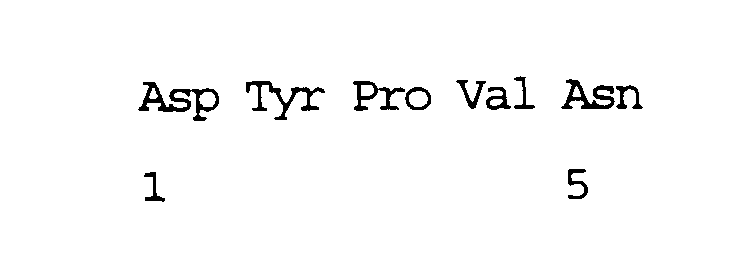
- a preferred embodiment of the invention relates to monoclonal antibodies whose heavy chains comprise in CDR3 the polypeptide PVANIDY, and/or whose light chains comprise in CDR3 the polypeptide QSYDSENPWV and conservative variations of these peptides.
- certain amino acid sequences that bind to epitopic sequences in glycoprotein F of RSV which include aa residue number 429 or which are conformationally affected by a single change at aa residue number 429 from arginine to serine, and which confer neutralization of RSV when bound thereto.
- conservative variation denotes the replacement of an amino acid residue by another, biologically similar residue.
- conservative variations include the substitution of one hydrophobic residue such as isoleucine, valine, leucine or methionine for another, or the substitution of one polar residue for another, such as the substitution of arginine for lysine, glutamic for aspartic acids, or glutamine for asparagine, and the like.
- conservative variation also includes the use of a substituted amino acid in place of an unsubstituted parent amino acid provided that antibodies having the substituted polypeptide also neutralize RSV.
- another preferred embodiment of the invention relates to polynucleotides which encode the above noted heavy chain polypeptide and to polynucleotide sequences which are complementary to these polynucleotide sequences.
- Complementary polynucleotide sequences include those sequences which hybridize to the polynucleotide sequences of the invention under stringent hybridization conditions.
- the anti-RSV antibodies of the invention may be labeled by a variety of means for use in diagnostic and/or pharmaceutical applications. There are many different labels and methods of labeling known to those of ordinary skill in the art. Examples of the types of labels which can be used in the present invention include enzymes, radioisotopes, fluorescent compounds, colloidal metals, chemiluminescent compounds, and bioluminescent compounds. Those of ordinary skill in the art will know of other suitable labels for binding to the monoclonal antibodies of the invention, or will be able to ascertain such, using routine experimentation. Furthermore, the binding of these labels to the monoclonal antibodies of the invention can be done using standard techniques common to those of ordinary skill in the art.
- Another labeling technique which may result in greater sensitivity consists of coupling the antibodies to low molecular weight haptens. These haptens can then be specifically altered by means of a second reaction. For example, it is common to use haptens such as biotin, which reacts with avidin, or dinitrophenol, pyridoxal, or fluorescein, which can react with specific anti-hapten antibodies.
- kits may comprise a carrier means being compartmentalized to receive in close confinement one or more container means such as vials, tubes, and the like, each of the container means comprising one of the separate elements to be used in the method.
- container means such as vials, tubes, and the like
- each of the container means comprising one of the separate elements to be used in the method.
- one of the container means may comprise a human monoclonal antibody of the invention which is, or can be, detectably labeled.
- the kit may also have containers containing buffer(s) and/or a container comprising a reporter-means, such as a biotin-binding protein, such as avidin or streptavidin, bound to a reporter molecule, such as an enzymatic or fluorescent label.
- a reporter-means such as a biotin-binding protein, such as avidin or streptavidin
- the monoclonal antibodies of the invention are suited for in vitro use, for example, in immunoassays in which they can be utilized in liquid phase or bound to a solid phase carrier.
- the monoclonal antibodies in these immunoassays can be detectably labeled in various ways.
- types of immunoassays which can utilize the monoclonal antibodies of the invention are competitive and non-competitive immunoassays in either a direct or indirect format. Examples of such immunoassays are the radioimmunoassay (RIA) and the sandwich (immunometric) assay.
- Detection of antigens using the monoclonal antibodies of the invention can be done utilizing immunoassays which are run in either the forward, reverse, or simultaneous modes, including immunohistochemical assays on physiological samples. Those of skill in the art will know, or can readily discern, other immunoassay formats without undue experimentation.
- the monoclonal antibodies of the invention can be bound to many different carriers and used to detect the presence of RSV.
- carriers include glass, polystyrene, polypropylene, polyethylene, dextran, nylon, amylase, natural and modified cellulose, polyacrylamide, agarose and magnetite.
- the nature of the carrier can be either soluble or insoluble for purposes of the invention. Those skilled in the art will know of other suitable carriers for binding monoclonal antibodies, or will be able to ascertain such, using routine experimentation.
- RSV may be detected by the monoclonal antibodies of the invention when present in biological fluids and tissues.
- Any sample containing a detectable amount of RSV can be used.
- a sample can be a liquid such as urine, saliva, cerebrospinal fluid, blood, serum or the like; a solid or semi-solid such as tissues, feces, or the like; or, alternatively, a solid tissue such as those commonly used in histological diagnosis.
- the detectably labeled monoclonal antibody is given in a dose which is diagnostically effective.
- diagnostically effective means that the amount of detectably labeled human monoclonal antibody is administered in sufficient quantity to enable detection of the site having the RSV antigen for which the monoclonal antibodies are specific.
- the concentration of detectably labeled monoclonal antibody which is administered should be sufficient such that the binding to RSV is detectable compared to the background. Further, it is desirable that the detectably labeled monoclonal antibody be rapidly cleared from the circulatory system in order to give the best target-to-background signal ratio.
- the dosage of detectably labeled human monoclonal antibody for in vivo diagnosis will vary depending on such factors as age, sex, and extent of disease of the individual.
- the dosage of monoclonal antibody can vary from about 0.01 mg/kg to about 500 mg/kg. preferably 0.1 mg/kg to about 200 mg/kg, most preferably about 0.1 mg/kg to about 10 mg/kg.
- Such dosages may vary, for example, depending on whether multiple injections are given, on the tissue being assayed, and other factors known to those of skill in the art.
- the type of detection instrument available is a major factor in selecting an appropriate radioisotope.
- the radioisotope chosen must have a type of decay which is detectable for the given type of instrument.
- Still another important factor in selecting a radioisotope for in vivo diagnosis is that the half-life of the radioisotope be long enough such that it is still detectable at the time of maximum uptake by the target, but short enough such that deleterious radiation with respect to the host is acceptable.
- a radioisotope used for in vivo imaging will lack a particle emission but produce a large number of photons in the 140-250 keV range, which may be readily detected by conventional gamma cameras.
- radioisotopes may be bound to immunoglobulin either directly or indirectly by using an intermediate functional group.
- Intermediate functional groups which often are used to bind radioisotopes which exist as metallic ions are the bifunctional chelating agents such as diethylenetriaminepentacetic acid (DTPA) and ethylenediaminetetra-acetic acid (EDTA) and similar molecules.
- DTPA diethylenetriaminepentacetic acid
- EDTA ethylenediaminetetra-acetic acid
- metallic ions which can be bound to the monoclonal antibodies of the invention are 111 In, 97 Ru, 67 Ga, 68 Ga, 72 As, 89 Zr and 201 T1.
- the monoclonal antibodies of the invention can also be labeled with a paramagnetic isotope for purposes of in vivo diagnosis, as in magnetic resonance imaging (MRI) or electron spin resonance (ESR).
- MRI magnetic resonance imaging
- ESR electron spin resonance
- any conventional method for visualizing diagnostic imaging can be utilized.
- gamma and positron emitting radioisotopes are used for camera imaging and paramagnetic isotopes for MRI.
- Elements which are particularly useful in such techniques include 157 Gd, 55 Mn, 162 Dy, 52 Cr and 56 Fe.
- the human monoclonal antibody of the invention can be used in vitro and in vivo to monitor the course of RSV disease therapy.
- the human monoclonal antibody of the invention can be used in vitro and in vivo to monitor the course of RSV disease therapy.
- the monoclonal antibodies can also be used immunotherapeutically for RSV disease in both humans and other animals.
- immunotherapeutically or “immunotherapy” as used herein in conjunction with the monoclonal antibodies of the invention denotes both prophylactic as well as therapeutic administration and both passive immunization with substantially purified polypeptide products, as well as gene therapy by transfer of polynucleotide sequences encoding the product or part thereof.
- the monoclonal antibodies can be administered to high-risk subjects in order to lessen the likelihood and/or severity of RSV disease or administered to subjects already evidencing active RSV infection.
- Fab fragments also neutralize RSV both in vitro and in vivo and therefore may be used therapeutically to treat RSV infection in vivo .
- Fab fragments are preferred for topical administration to the lining of the lung but intact antibodies molecules are otherwise preferred.
- a "therapeutically effective amount" of the monoclonal antibodies of the invention is a dosage large enough to produce the desired effect in which the symptoms of the RSV disease are ameliorated or the likelihood of infection is decreased.
- a therapeutically effective amount is not, however, a dosage so large as to cause adverse side effects, such as hyperviscosity syndromes, pulmonary edema, congestive heart failure, and the like.
- a therapeutically effective amount may vary with the subject's age, condition, and sex, as well as the extent of the disease in the subject and can be determined by one of skill in the art. The dosage may be adjusted by the individual physician or veterinarian in the event of any complication.
- a therapeutically effective amount may vary from about 0.01 mg/kg to about 500 mg/kg, preferably from about 0.1 mg/kg to about 200 mg/kg, most preferably from about 0.2 mg/kg to about 20 mg/kg, in one or more dose administrations daily, for one or several days.
- Preferred is administration of the antibody for 2 to 5 or more consecutive days in order to avoid "rebound" of virus replication from occurring.
- the monoclonal antibodies of the invention can be administered by injection or by gradual infusion over time.
- the administration of the monoclonal antibodies of the invention may, for example, be intravenous, intraperitoneal, intramuscular, intracavity, subcutaneous, or transdermal.
- a preferred route of administration of the monoclonal antibodies of the invention is by pulmonary aerosol. Techniques for preparing aerosol delivery systems containing antibodies are well known to those of skill in the art.
- Preparations for parenteral administration include sterile aqueous or non-aqueous solutions, suspensions, and emulsions.
- non-aqueous solvents are propylene glycol, polyethylene glycol, vegetable oils such as olive oil, and injectable organic esters such as ethyl oleate.
- Aqueous carriers include water, alcoholic/aqueous solutions, emulsions or suspensions, including saline and buffered media.
- Parenteral vehicles include sodium chloride solution, Ringer's dextrose, dextrose and sodium chloride, lactated Ringer's or fixed oils.
- Intravenous vehicles include fluid and nutrient replenishers, electrolyte replenishers (such as those based on Ringer's dextrose), and the like. Preservatives and other additives may also be present such as, for example, antimicrobials, anti-oxidants, chelating agents, and inert gases and the like.
- Peripheral blood lymphocytes were purified from 50 ml of whole heparinized blood of an HIV-1-infected donor, by single step density gradient using Histopaque-1077 (Sigma Chemical Co., St. Louis, MO) and washed once in Dulbecco's phosphate-buffered saline (PBS).
- Total RNA (30 mg) was purified from peripheral blood lymphocytes using a rapid single step guanidinium isothiocyanate/phenol chloroform-based RNA isolation technique (Stratagene, La Jolla, CA), and cDNA was generated by reverse transcriptase (RT) using Superscript RNase H - (Gibco-BRL, Grand Island, NY).
- PCR amplification of the IgG 1 Fd heavy chain fragments and light chains was performed for 35 cycles of 94°C x 1 min, 54°C x 1 min, 72°C x 3 min. This was followed by a single incubation at 72°C for 10 min.
- 5' primers for the individual H and light chain V region gene families, and 3' constant region primers for IgG 1 , k or l as previously described Karl et al., in "Methods, A Companion to Methods in Enzymology: Vol. 2", R.A. Lerner and D.R. Burton, ed. Academic Press, NY, pp 111-118,1991), were obtained from Operon (Alameda, CA).
- Primers contained restriction enzyme sites to allow the sequential ligation of Fd and light chain libraries into the phage display vector.
- Fd fragment DNA of approximately 699 base pairs, was amplified with sites for the restriction enzymes, Xho I at the 5' end of the V H domain, and Spe I at the 3' end of the C H1 domain, for ligation with DNA encoding the cap protein, or gene III product.
- Light chain DNA of approximately 639 base pairs, was amplified with sites for the restriction enzymes. Sac I at the 5' end of the V L domain, and Xba I at the 3' end of the C L domain.
- the vector, pAbClone was constructed from pcDNAII (Invitrogen, San Diego, CA) and pET20b (Novagen, Madison, WI) (pelB leaders), to contain DNA encoding the cap protein of the M13 filamentous phage, derived from M13mp18 (Stratagene, La Jolla, CA), with a restriction site for Spe I at the 5' end for ligation to the 3' end of DNA encoding the Fd fragment, essentially as described by Barbas et al. (Proc. Natl. Acad. Sci. (USA) 88:7978-7982, 1991). Infection of phagemid-bearing E. coli with VCSM13 helper phage (Stratagene) allowed production of a packaged phage library, with phage simultaneously expressing Fab molecules on the phage head and carrying DNA encoding the Fab molecules within the phage body.
- pcDNAII Invitrogen, San Diego, CA
- Fab binding to RSV Long strain (ATCC VR-26) proteins were enriched by 4 rounds of panning.
- RSV proteins were bound to microtiter 96 well plates (Costar, Cambridge, MA) at 1 mg/well in 25 ml 0.1M NaHCO 3 , overnight at 4°C, as previously described (Burton D.R., et al., Proc. Natl. Acad. Sci. (USA) 88:10134-10137, 1991).
- Amplification of the eluted phage between each round was performed by infection of E.coli XL1-Blue cells (Stratagene, La Jolla, CA) and packaging with VCSM13 helper phage (Stratagene, La Jolla, CA). Panning resulted in a 100-fold increase in the relative yield of eluted phage when compared to the second panning.
- DNA encoding the phage cap protein was then excised by digestion with NheI and SpeI, and the compatible ends of the vector relegated to allow production of soluble Fab molecules.
- Clones producing soluble Fab binding to RSV proteins were then identified by ELISA, using alkaline phosphatase conjugated goat anti-human Ig F(ab') 2 (Pierce, Rockford, IL).
- Purified Fab were produced from cell pellets of 1 liter cultures in SB/Carb, as described above. Pellets were freeze/thawed, as above, in 25 ml PBS/PMSF/Azide and centrifuged at 14,000g for 40 min, filtered through a 0.22 mm filter and applied to a 10 ml Sepharose-4B (Pharmacia Biotech Inc., Piscataway, NJ)/goat anti-human F(ab') 2 (Pierce, Rockford, IL) affinity column equilibrated with PBS.
- Sepharose-4B Pharmacia Biotech Inc., Piscataway, NJ
- Goat anti-human F(ab') 2 Pierford, IL
- the Fab were eluted in 50 ml of 0.2M glycine (pH 2.5), neutralized by addition of 1/10 of a volume of 1M Tris (pH 9.0) and concentrated to 1 ml in a Centriprep 30 concentrator (Amicon, Beverly, MA). Purified, concentrated Fab were analyzed on Coomassie Blue-stained SDS-PAGE gels, run under reducing conditions, at between 1-10 ⁇ g per lane, and were greater than 95% pure in all cases.
- DNA sequences were determined for the Fd and light chain to allow cloning into vectors for genetic therapy (presented as SEQ ID NO: 21 and SEQ ID NO: 22) and the translated amino acid sequences are presented in Table 5 and as SEQ ID NO: 1 and SEQ ID NO: 9.
- Alignment of DNA sequences with the Genbank database identified the Fd fragment as belonging to the V H3 gene family and the light chain to be a lambda chain of the V L6 gene family. (Table 5).
- a predominance of lambda light chains in the original library I:k DNA ratio was ⁇ 9:1) was the result of constraints imposed by the original yield of total RNA and a limited yield of k chain DNA from PCR amplification.
- Fab binding constant determinations RSV proteins were bound to ELISA plates at 0.1 mg/ml and blocked with 3% BSA/PBS, as above. Serial two-fold dilutions of purified human Fab in 1% BSA/PBS were added to wells (50 ⁇ l/well), incubated and washed, as for ELISA titrations above. Goat anti-human F(ab') 2 alkaline phosphatase conjugate (Pierce, Rockford, IL) and p-nitrophenyl phosphate solution were then added sequentially with washing between, as described above. The binding constants were determined as the Fab concentration (g/l) at 50% binding divided by the approximate molecular weight of the Fab (5 x 10 4 ). Binding constant determinations were performed at least twice, on two separate batches of purified Fab.
- the approximate binding constant for the human anti-RSV protein Fab RSVF2-5 was determined to be 8.7 x 10 -9 M from ELISA titration of purified Fab.
- Double stranded plasmid DNA was purified by Qiagen plasmid maxiprep kit (Qiagen, Chatsworth, CA). Sequencing was then performed on an automated 373A DNA sequencer (Applied Biosystems, Inc. (ABI), Foster City, CA), using a Taq fluorescent dideoxy terminator cycle sequencing kit (ABI).
- RSV Fab F2-5 specifically binds to RSV F glycoprotein.
- the specificity of RSVF2-5 for the RSV F glycoprotein was demonstrated by ELISA binding using purified RSV F or G glycoproteins, prepared as previously described (Walsh, et al. J. Gen. Virol. 65:761-767, 1984 and Walsh, et al. J. Gen. Virol. 66:409-415, 1985).
- a 1 ⁇ g/ml purified preparation of RSVF2-5 exhibited a titer of > 1:16,384, while a similarly prepared suspension of a hepatitis B Fab (also 1 ⁇ g/ml) had a 1:2 titer in the same test.
- Virus neutralization assay Neutralization of RSV virus isolates, representing 10 isolates each from antigenic subgroups A and B, isolated over a period of 31 years from several national and international centers, was tested by a plaque reduction neutralization assay (Coates, et al., J. Epid. , 83 :299, 1966), using Vero cell monolayer cultures. The titer of neutralizing antibody was expressed as the highest dilution of affinity purified Fab which reduced the plaque number by 60%. Results of neutralization testing of the affinity purified RSVF2-5 Fab, against these RSV isolates, are shown in Table 2.
- mice were treated with PBS or with a human monoclonal Fab (HBVc41) isolated from the same combinatorial Fab library, which binds to hepatitis B virus (HBV) core antigen (Table 3). Lung tissue homogenates and nasal turbinates were prepared for virus quantitation on day 5 (18 hours post Fab treatment) (Murphy et al., Vaccine 8:497-502, 1990 and Prince et al., Am. J. Path.
- HBVc41 human monoclonal Fab
- the human anti-RSV Fab RSVF2-5 was highly effective in clearing an established RSV infection from the lungs of mice (Table 3). Detectable virus was evident in the lungs of only 1 out of 6 mice treated with 4.0 mg/kg of body weight with a mean reduction of more than 3 log 10 pfu compared to that produced by treatment with the HBV core antigen Fab (HBVc41) or PBS.
- the following example demonstrates that the human Fab RSVF2-5, which neutralizes RSV in vitro and cures mice of lung infection with RSV, identifies an epitope (linear or conformational) which includes the F glycoprotein amino acid (aa) residue number 429 or which is conformationally affected by this residue.
- Monoclonal antibody RSV escape mutants were tested for in vitro neutralization by human monoclonal Fab RSVF2-5, using the plaque reduction assay described in Example 1 (Coates. et al., J. Epid. 83:299, 1966), on Vero cell monolayers. The titer of neutralizing antibody was expressed as the highest dilution of affinity purified Fab which reduced the plaque number by 60%. Results of neutralization testing of the purified RSVF2-5 Fab, against these RSV are expressed in Table 4. Affinity purified anti-RSV Fab RSVF2-5 does not neutralize the RSV MARM v324 of Dr. G.
- the present invention recognizes a neutralization epitope on the RSV F glycoprotein F1 subunit which either includes arginine residue 429 or which is remote from this residue but is affected conformationally by a substitution at that position.
- the associated paratope of the RSVF2-5 human Fab defined by the CDR-regions, in particular CDR3 of the of the V H - and V L -regions is suitable for the preparation of protective and therapeutic agents which neutralize RSV, in particular, for the preparation of monoclonal antibodies against the associated epitope on the RSV F glycoprotein.
- Knowledge of this paratope enables one of skill in the art to produce synthetic peptides or anti-idiotypic antibodies which may also be suitable as vaccines against RSV.
- the epitope including, or conformationally affected by, substitution at residue 429 on the RSV F glycoprotein F1 subunit, identified by the RSVF2-5 human Fab, is a suitable target for the screening of other neutralization epitopes and the production of monoclonal antibodies useful for the therapy and prophylaxis of RSV infections in humans.
- RSVF2-5 was deposited at the American Type Culture Collection, Rockville, Maryland under ATCC Designation 69909.
Landscapes
- Health & Medical Sciences (AREA)
- Life Sciences & Earth Sciences (AREA)
- Chemical & Material Sciences (AREA)
- Virology (AREA)
- Immunology (AREA)
- Medicinal Chemistry (AREA)
- General Health & Medical Sciences (AREA)
- Engineering & Computer Science (AREA)
- Proteomics, Peptides & Aminoacids (AREA)
- Molecular Biology (AREA)
- Organic Chemistry (AREA)
- Biomedical Technology (AREA)
- Hematology (AREA)
- Urology & Nephrology (AREA)
- Physics & Mathematics (AREA)
- Biochemistry (AREA)
- Pharmacology & Pharmacy (AREA)
- Animal Behavior & Ethology (AREA)
- Public Health (AREA)
- Veterinary Medicine (AREA)
- Epidemiology (AREA)
- Genetics & Genomics (AREA)
- Optics & Photonics (AREA)
- Tropical Medicine & Parasitology (AREA)
- Biotechnology (AREA)
- Cell Biology (AREA)
- Biophysics (AREA)
- Microbiology (AREA)
- Pathology (AREA)
- General Physics & Mathematics (AREA)
- Food Science & Technology (AREA)
- Analytical Chemistry (AREA)
- Communicable Diseases (AREA)
- Oncology (AREA)
- Chemical Kinetics & Catalysis (AREA)
- General Chemical & Material Sciences (AREA)
- Nuclear Medicine, Radiotherapy & Molecular Imaging (AREA)
- Peptides Or Proteins (AREA)
- Medicines Containing Antibodies Or Antigens For Use As Internal Diagnostic Agents (AREA)
- Preparation Of Compounds By Using Micro-Organisms (AREA)
Abstract
Description
| ENRICHMENT OF PHAGE FROM PANNING OF CARU LIBRARY WITH RSV PROTEINS | |||
| Pan round | Applied phage | Eluted phage | Relative yield |
| 1 | 2.4 x 10¹² | 3.3 x 10⁷ | 1.2 x 10⁻⁵ |
| 2 | 1.1 x 10¹³ | 9.1 x 10⁶ | 8.0 x 10⁻⁷ |
| 3 | 1.4 x 10¹² | 7.1 x 10⁷ | 4.9x 10⁻⁵ |
| 4 | 3.0 x 10¹¹ | 2.6 x 10⁷ | 8.5 x 10⁻⁵ |
| NEUTRALIZATION OF RSV STRAINS FROM ANTIGENIC SUBGROUPS A AND B, BY HUMAN MONOCLONAL Fab RSVF-2-5 | |
| RSV Virus Isolates | Specific neutralization activity (µg/ml) |
| Subgroup A | |
| SW/669/'59 | 3.0 |
| Wash/11657/'60 | 1.6 |
| Wash/Bern/'65 | 0.6 |
| SL/863/'84 | 0.2 |
| SL/10849/'84 | 0.9 |
| SL/10865/'84 | 0.4 |
| OK/9970/'85 | 1.4 |
| Bir/6190/'89 | 2.4 |
| New/RSS-2/'76 | 1.9 |
| Bir/1734/'89 | 1.1 |
| Subgroup B | |
| WV/474R/'90 | 0.9 |
| WV/1293/'75 | 1.0 |
| WV/4843/'80 | 0.5 |
| Wash/18537/'62 | 0.5 |
| WV/14617/'85 | 2.6 |
| WV/17154/'85 | 2.1 |
| WV/20323/'87 | 0.8 |
| WV/285R/'90 | 0.6 |
| WV/401R/'90 | 0.7 |
| WV/2B/'87 | 0.3 |
| THERAPEUTIC EFFECT OF PURIFIED RSVF2-5 HUMAN ANTI-RSV Fab IN RSV INFECTED MICE | |||
| Treatment | Dose (mg Fab / kg body weight) | RSV titer in tissue homogenate (mean log10 pfu/g tissue) | |
| Nasal turbinates | Lungs | ||
| Fab RSVF2-5 | 4.0 | 3.2 | 1.9 |
| 1.0 | 3.8 | 3.3 | |
| 0.25 | 4.4 | 4.3 | |
| 0.0625 | 4.2 | 4.0 | |
| 0.0156 | 5.0 | 4.9 | |
| 0.0039 | 4.9 | 5.2 | |
| HBVc41 Fab | 4.0 | 4.7 | 5.3 |
| 1.0 | 4.7 | 5.3 | |
| PBS | n.a | 4.5 | 5.2 |
| NEUTRALIZING ABILITY OF RSVF2-5 FOR MONOCLONAL ANTIBODY ESCAPE MUTANTS OF RSV | |||
| RSV MARM | Dose for 60% plaque reduction (µg/ml) | Antigenic site | Amino acid substituted |
| v1237 | <0.3 | A | 276 |
| v1214 | 0.1 | A | 276 |
| v1129 | 0.5 | A | 275 |
| vN151 | 0.4 | A | 272 |
| v1200 | 0.3 | A | 272 |
| v1153 | 0.9 | A | 262 |
| v1269 | <0.3 | B | 389 |
| v1308F | 1.0 | C | 241/421 |
| v1302A/1 | 1.4 | C | 241/421 |
| v1302A/6 | <0.3 | C | 241/421 |
| v324 | >18 | other | 429 |
| A2 w.t. | 0.1 | na | na |
| V-REGION AMINO SEQUENCES OF RSVF2-5 Fd AND LIGHT CHAIN | ||
| Region | Heavy Chain VH3 Sequence | Light Chain VL6 Sequence |
| FR1 | LEESGGDLVQ | LTQPHSVSES |
| PGRSLRLSCS | LGKTVTISC | |
| TSGFSFG | ||
| CDR1 | DYPVN | TRAGGRIASN |
| YVQ | ||
| FR2 | WFRQAPGKGL | WYQQRPGSSP |
| EWLG | TTVIY | |
| CDR2 | IVRSRLYGGT | EDNQRPF |
| LQYAASVEG | ||
| FR3 | RFTISRDDSK | GVPDRFSGSI |
| SIAYLHMNSL | DTSSNSASLT | |
| KSEDTAVYYC | ISGLKTEDEA | |
| GV | DYYC | |
| CDR3 | PVANIDY | QSYDSENPWV |
| FR4 | WGQGTLVTVS | FGGGTKLTVL |
| SASTKGPSS | G |
(A) ORGANISM: Homo sapiens
(B) CLONE: RSVF2-5
(A) ORGANISM: Homo sapiens
(A) ORGANISM: Homo sapiens
(A) ORGANISM: Homo sapiens

(A) ORGANISM: Homo sapiens


(A) ORGANISM: Homo sapiens

(A) ORGANISM: Homo sapiens

(A) ORGANISM: Homo sapiens
(A) ORGANISM: Homo sapiens
(B) CLONE: RSVF2-5

(A) ORGANISM: Homo sapiens


(A) ORGANISM: Homo sapiens

(A) ORGANISM: Homo sapiens

(A) ORGANISM: Homo sapiens

(A) ORGANISM: Homo sapiens

(A) ORGANISM: Homo sapiens

(A) ORGANISM: Homo sapiens

(A) ORGANISM: SYNTHETIC PRIMER

(A) ORGANISM: SYNTHETIC PRIMER

(A) ORGANISM: SYNTHETIC PRIMER

(A) ORGANISM: SYNTHETIC PRIMER

(A) ORGANISM: Homo sapiens
(A) ORGANISM: Homo sapiens

Claims (15)
- A pharmaceutical preparation comprisinga pharmaceutically acceptable carrier; anda substantially pure antibody selectively binding an RSV F glycoprotein epitope,
whereinsaid antibody includes a heavy chain CDR3 region having the amino acid sequence of SEQ ID NO: 7. - The pharmaceutical preparation of claim 1 wherein
said antibody comprises an Fd fragment. - The pharmaceutical preparation of claim 1 wherein
said antibody comprises an Fab fragment. - The pharmaceutical preparation of claim 1 wherein
said antibody includes a heavy chain CDR2 region having the amino acid sequence of SEQ ID NO: 5. - The pharmaceutical preparation of claim 1 wherein
said antibody includes a heavy chain CDR1 region having the amino acid sequence of SEQ ID NO: 3. - The pharmaceutical preparation of claim 1 wherein
said antibody includes a heavy chain Fd region including the amino acid sequence of SEQ ID NO: 1. - The pharmaceutical preparation of claim 3 wherein
said antibody includes a light chain CDR3 region having the amino acid sequence of SEQ ID NO: 15. - The pharmaceutical preparation of claim 3 wherein
said antibody includes a light chain CDR2 region having the amino acid sequence of SEQ ID NO: 13. - The pharmaceutical preparation of claim 3 wherein
said antibody includes a light chain CDR1 region having the amino acid sequence of SEQ ID NO: 11. - The pharmaceutical preparation of claim 3 wherein
said antibody includes a light chain region including the amino acid sequence of SEQ ID NO: 9. - The pharmaceutical preparation of claim 1 wherein said antibody has the amino acid sequence of SEQ ID NO: 7.
- The pharmaceutical preparation of claim 11 wherein said antibody consists essentially of SEQ ID NO: 7.
- A pharmaceutical preparation comprisinga pharmaceutically acceptable carrier; anda vector including a regulatory sequence operably joined to an isolated nucleic acid comprising a nucleotide sequence encoding an antibody selected from the group consisting of the antibody of claim 1, the antibody of claim 2, the antibody of claim 3, the antibody of claim 4, the antibody of claim 5, the antibody of claim 6, the antibody of claim 7, the antibody of claim 8, the antibody of claim 9, the antibody of claim 10, the antibody of claim 11, and the antibody of claim 12.
- A pharmaceutical preparation according to any one of claims 1 to 13 for use in a method of treating active RSV disease.
- A pharmaceutical preparation according to any one of claims 1 to 13 for use in a method of prophylaxis against an RSV infection.
Applications Claiming Priority (3)
| Application Number | Priority Date | Filing Date | Title |
|---|---|---|---|
| US393195P | 1995-09-18 | 1995-09-18 | |
| US603931 | 1995-09-18 | ||
| PCT/US1996/014937 WO1997010846A1 (en) | 1995-09-18 | 1996-09-18 | Neutralizing monoclonal antibodies to respiratory syncytial virus |
Publications (2)
| Publication Number | Publication Date |
|---|---|
| EP0853487A1 EP0853487A1 (en) | 1998-07-22 |
| EP0853487B1 true EP0853487B1 (en) | 2000-07-05 |
Family
ID=21708285
Family Applications (2)
| Application Number | Title | Priority Date | Filing Date |
|---|---|---|---|
| EP96933810A Expired - Lifetime EP0853487B1 (en) | 1995-09-18 | 1996-09-18 | Neutralizing monoclonal antibodies to respiratory syncytial virus |
| EP96931633A Withdrawn EP0851924A1 (en) | 1995-09-18 | 1996-09-18 | Neutralizing monoclonal antibodies to respiratory syncytial virus |
Family Applications After (1)
| Application Number | Title | Priority Date | Filing Date |
|---|---|---|---|
| EP96931633A Withdrawn EP0851924A1 (en) | 1995-09-18 | 1996-09-18 | Neutralizing monoclonal antibodies to respiratory syncytial virus |
Country Status (11)
| Country | Link |
|---|---|
| US (3) | US7488477B2 (en) |
| EP (2) | EP0853487B1 (en) |
| AT (1) | ATE194291T1 (en) |
| AU (2) | AU7240096A (en) |
| CA (2) | CA2230127A1 (en) |
| DE (1) | DE69609188T2 (en) |
| DK (1) | DK0853487T3 (en) |
| ES (1) | ES2148799T3 (en) |
| GR (1) | GR3034349T3 (en) |
| PT (1) | PT853487E (en) |
| WO (2) | WO1997010846A1 (en) |
Cited By (1)
| Publication number | Priority date | Publication date | Assignee | Title |
|---|---|---|---|---|
| US10323079B2 (en) | 2015-10-29 | 2019-06-18 | Merck Sharp & Dohme Corp. | Antibody neutralizing human respiratory syncytial virus |
Families Citing this family (43)
| Publication number | Priority date | Publication date | Assignee | Title |
|---|---|---|---|---|
| CA2398466A1 (en) * | 2000-01-27 | 2001-08-02 | Medimmune, Inc. | Ultra high affinity neutralizing antibodies |
| US7229619B1 (en) | 2000-11-28 | 2007-06-12 | Medimmune, Inc. | Methods of administering/dosing anti-RSV antibodies for prophylaxis and treatment |
| AU4002001A (en) * | 2000-03-01 | 2001-09-12 | Med Immune Inc | High potency recombinant antibodies and method for producing them |
| US7179900B2 (en) * | 2000-11-28 | 2007-02-20 | Medimmune, Inc. | Methods of administering/dosing anti-RSV antibodies for prophylaxis and treatment |
| US6855493B2 (en) | 2000-11-28 | 2005-02-15 | Medimmune, Inc. | Methods of administering/dosing anti-RSV antibodies for prophylaxis and treatment |
| US7132100B2 (en) | 2002-06-14 | 2006-11-07 | Medimmune, Inc. | Stabilized liquid anti-RSV antibody formulations |
| US7425618B2 (en) * | 2002-06-14 | 2008-09-16 | Medimmune, Inc. | Stabilized anti-respiratory syncytial virus (RSV) antibody formulations |
| EP2284192A3 (en) | 2002-11-08 | 2011-07-20 | Ablynx N.V. | Camelidae antibodies for sublingual administration |
| US20060034845A1 (en) | 2002-11-08 | 2006-02-16 | Karen Silence | Single domain antibodies directed against tumor necrosis factor alpha and uses therefor |
| US9320792B2 (en) | 2002-11-08 | 2016-04-26 | Ablynx N.V. | Pulmonary administration of immunoglobulin single variable domains and constructs thereof |
| GB2398783A (en) * | 2003-02-26 | 2004-09-01 | Antonio Lanzavecchia | A method for producing immortalised human B memory lymphocytes |
| GB0306618D0 (en) * | 2003-03-22 | 2003-04-30 | Univ Newcastle | Antibody |
| ES2579805T3 (en) * | 2004-09-23 | 2016-08-16 | Genentech, Inc. | Antibodies and conjugates engineered with cysteine |
| US20100111856A1 (en) * | 2004-09-23 | 2010-05-06 | Herman Gill | Zirconium-radiolabeled, cysteine engineered antibody conjugates |
| US20060115485A1 (en) * | 2004-10-29 | 2006-06-01 | Medimmune, Inc. | Methods of preventing and treating RSV infections and related conditions |
| MX2009009226A (en) | 2007-03-06 | 2009-10-28 | Symphogen As | RECOMBINANT ANTIBODIES FOR THE TREATMENT OF INFECTIONS WITH THE SYNCTIAL RESPIRATORY VIRUS. |
| EP1997830A1 (en) * | 2007-06-01 | 2008-12-03 | AIMM Therapeutics B.V. | RSV specific binding molecules and means for producing them |
| EP2201040A1 (en) * | 2007-09-24 | 2010-06-30 | Vanderbilt University | Monoclonal antibodies to respiratory syncytial virus and uses thereof |
| AU2008312457B2 (en) * | 2007-10-19 | 2014-04-17 | Genentech, Inc. | Cysteine engineered anti-TENB2 antibodies and antibody drug conjugates |
| KR100938998B1 (en) * | 2008-01-08 | 2010-01-28 | (주) 에이프로젠 | Antibodies to Respiratory Synstium Virus |
| US8591961B2 (en) | 2008-09-04 | 2013-11-26 | Allergan, Inc. | Aesthetic treatment of scars and aging skin |
| DK2464664T3 (en) | 2009-08-13 | 2016-01-18 | Crucell Holland Bv | ANTIBODIES AGAINST HUMAN RESPIRATORY SYNCYTIAL VIRUS (RSV) AND METHODS FOR USING IT |
| US8568726B2 (en) | 2009-10-06 | 2013-10-29 | Medimmune Limited | RSV specific binding molecule |
| SG185428A1 (en) | 2010-06-08 | 2012-12-28 | Genentech Inc | Cysteine engineered antibodies and conjugates |
| EP2591000B1 (en) | 2010-07-09 | 2017-05-17 | Janssen Vaccines & Prevention B.V. | Anti-human respiratory syncytial virus (rsv) antibodies and methods of use |
| UA117466C2 (en) | 2012-12-13 | 2018-08-10 | Мерк Шарп Енд Доме Корп. | STABLE COMPOSITION IN THE VIEW OF AN ANTIBODY ANTIBODY TO IL-23p19 |
| TWI659968B (en) | 2013-03-14 | 2019-05-21 | 再生元醫藥公司 | Human antibodies to respiratory syncytial virus f protein and methods of use thereof |
| TW201625688A (en) | 2014-09-12 | 2016-07-16 | 建南德克公司 | Cysteine engineered antibodies and conjugates |
| EA039222B1 (en) * | 2016-07-27 | 2021-12-20 | Мерк Шарп И Доум Корп. | Antibody neutralizing human respiratory syncytial virus |
| EP3525820A4 (en) * | 2016-10-17 | 2020-09-16 | Vanderbilt University | HUMAN RESPIRATORY SYNCYTIAL VIRUS ANTIBODIES AND METHOD OF USING THEREOF |
| KR102695416B1 (en) | 2016-10-21 | 2024-08-13 | 아디맵 엘엘씨 | Anti-respiratory syncytial virus antibodies, and methods for producing and using the same |
| CA3040893A1 (en) | 2016-10-21 | 2018-04-26 | Adimab, Llc | Anti-respiratory syncytial virus antibodies, and methods of their generation and use |
| EP3529272A2 (en) | 2016-10-21 | 2019-08-28 | Adimab, LLC | Anti-respiratory syncytial virus antibodies, and methods of their generation and use |
| TWI911431B (en) | 2017-03-01 | 2026-01-11 | 英商梅迪繆思有限公司 | Anti-rsv monoclonal antibody formulation |
| US10259865B2 (en) | 2017-03-15 | 2019-04-16 | Adma Biologics, Inc. | Anti-pneumococcal hyperimmune globulin for the treatment and prevention of pneumococcal infection |
| RU2019138507A (en) | 2017-05-02 | 2021-06-02 | Мерк Шарп И Доум Корп. | ANTIBODY AGAINST LAG3 AND JOINT ANTIBODY AGAINST LAG3 AND ANTIBODY AGAINST PD-1 |
| JOP20190260A1 (en) | 2017-05-02 | 2019-10-31 | Merck Sharp & Dohme | Stable formulations of programmed death receptor 1 (pd-1) antibodies and methods of use thereof |
| SG11202007241WA (en) * | 2018-01-31 | 2020-08-28 | Wistar Inst | Nucleic acid antibody constructs for use against respiratory syncytial virus |
| CN113056482A (en) | 2018-10-18 | 2021-06-29 | 默沙东公司 | Formulations of anti-RSV antibodies and methods of use thereof |
| CN120842406A (en) | 2018-10-31 | 2025-10-28 | 默沙东有限责任公司 | Anti-human PD-1 antibody crystals and methods of use thereof |
| KR20210089215A (en) | 2018-11-07 | 2021-07-15 | 머크 샤프 앤드 돔 코포레이션 | Co-Formulation of Anti-LAG3 Antibody and Anti-PD-1 Antibody |
| WO2021202463A1 (en) | 2020-03-30 | 2021-10-07 | Danisco Us Inc | Anti-rsv antibodies |
| WO2025104604A1 (en) | 2023-11-14 | 2025-05-22 | Janssen Pharmaceuticals, Inc. | Anti-respiratory syncytial virus antibodies and uses thereof |
Family Cites Families (8)
| Publication number | Priority date | Publication date | Assignee | Title |
|---|---|---|---|---|
| US4946778A (en) * | 1987-09-21 | 1990-08-07 | Genex Corporation | Single polypeptide chain binding molecules |
| US4800078A (en) * | 1987-05-28 | 1989-01-24 | The United States Of America As Represented By The Secretary Of The Department Of Health And Human Services | Immunotherapeutic method of treating respiratory disease by intranasal administration of Igb |
| GB9019812D0 (en) * | 1990-09-11 | 1990-10-24 | Scotgen Ltd | Novel antibodies for treatment and prevention of infection in animals and man |
| GB9207479D0 (en) * | 1992-04-06 | 1992-05-20 | Scotgen Ltd | Novel antibodies for treatment and prevention of respiratory syncytial virus infection in animals and man |
| DK0671927T3 (en) * | 1992-09-16 | 2003-04-22 | Us Gov Health & Human Serv | Neutralizing human monoclonal antibodies against respiratory syncytial virus |
| AU3660893A (en) * | 1993-01-29 | 1994-08-15 | Med Immune, Inc. | Human-murine chimeric antibodies against respiratory syncytial virus |
| WO1995003832A1 (en) * | 1993-07-30 | 1995-02-09 | Thomas Jefferson University | Intracellular immunization |
| WO1995004081A1 (en) * | 1993-07-30 | 1995-02-09 | Oravax, Inc. | MONOCLONAL IgA ANTIBODY AGAINST RESPIRATORY SYNCYTIAL VIRUS |
-
1996
- 1996-09-18 AT AT96933810T patent/ATE194291T1/en active
- 1996-09-18 CA CA002230127A patent/CA2230127A1/en not_active Abandoned
- 1996-09-18 ES ES96933810T patent/ES2148799T3/en not_active Expired - Lifetime
- 1996-09-18 DK DK96933810T patent/DK0853487T3/en active
- 1996-09-18 EP EP96933810A patent/EP0853487B1/en not_active Expired - Lifetime
- 1996-09-18 CA CA002230116A patent/CA2230116A1/en not_active Abandoned
- 1996-09-18 PT PT96933810T patent/PT853487E/en unknown
- 1996-09-18 AU AU72400/96A patent/AU7240096A/en not_active Abandoned
- 1996-09-18 EP EP96931633A patent/EP0851924A1/en not_active Withdrawn
- 1996-09-18 WO PCT/US1996/014937 patent/WO1997010846A1/en not_active Ceased
- 1996-09-18 AU AU70754/96A patent/AU7075496A/en not_active Abandoned
- 1996-09-18 WO PCT/US1996/014944 patent/WO1997011177A1/en not_active Ceased
- 1996-09-18 DE DE69609188T patent/DE69609188T2/en not_active Expired - Fee Related
-
2000
- 2000-09-06 GR GR20000402037T patent/GR3034349T3/en not_active IP Right Cessation
-
2003
- 2003-04-30 US US10/425,855 patent/US7488477B2/en not_active Expired - Fee Related
-
2008
- 2008-04-24 US US12/082,000 patent/US20090110684A1/en not_active Abandoned
-
2011
- 2011-09-30 US US13/250,357 patent/US8221759B2/en not_active Expired - Fee Related
Cited By (2)
| Publication number | Priority date | Publication date | Assignee | Title |
|---|---|---|---|---|
| US10323079B2 (en) | 2015-10-29 | 2019-06-18 | Merck Sharp & Dohme Corp. | Antibody neutralizing human respiratory syncytial virus |
| US11566065B2 (en) | 2015-10-29 | 2023-01-31 | Merck Sharp & Dohme Llc | Antibody neutralizing human respiratory syncytial virus |
Also Published As
| Publication number | Publication date |
|---|---|
| ATE194291T1 (en) | 2000-07-15 |
| EP0851924A1 (en) | 1998-07-08 |
| US20040005324A1 (en) | 2004-01-08 |
| US7488477B2 (en) | 2009-02-10 |
| CA2230116A1 (en) | 1997-03-27 |
| CA2230127A1 (en) | 1997-03-27 |
| US20120087909A1 (en) | 2012-04-12 |
| AU7240096A (en) | 1997-04-09 |
| AU7075496A (en) | 1997-04-09 |
| DE69609188T2 (en) | 2000-12-21 |
| WO1997010846A1 (en) | 1997-03-27 |
| US20090110684A1 (en) | 2009-04-30 |
| WO1997011177A1 (en) | 1997-03-27 |
| PT853487E (en) | 2000-11-30 |
| GR3034349T3 (en) | 2000-12-29 |
| EP0853487A1 (en) | 1998-07-22 |
| US8221759B2 (en) | 2012-07-17 |
| DK0853487T3 (en) | 2000-10-23 |
| ES2148799T3 (en) | 2000-10-16 |
| DE69609188D1 (en) | 2000-08-10 |
Similar Documents
| Publication | Publication Date | Title |
|---|---|---|
| US8221759B2 (en) | Neutralizing monoclonal antibodies to respiratory syncytial virus | |
| JP3976333B2 (en) | Human neutralizing monoclonal antibody against respiratory syncytial virus | |
| EP1861424B1 (en) | Human monoclonal antibodies against hendra and nipah viruses | |
| US10738104B2 (en) | Antibodies against F glycoprotein of Hendra and Nipah viruses | |
| US7914788B2 (en) | Monoclonal antibodies against orthopoxviruses | |
| US20190144527A1 (en) | Monoclonal Antibodies that Neutralize Anthrax Protective Antigen (PA) Toxin | |
| US6685942B1 (en) | Human neutralizing monoclonal antibodies to respiratory syncytial virus | |
| US20110097270A1 (en) | Monoclonal Antibodies That Bind or Neutralize Hepatitis B Virus |
Legal Events
| Date | Code | Title | Description |
|---|---|---|---|
| PUAI | Public reference made under article 153(3) epc to a published international application that has entered the european phase |
Free format text: ORIGINAL CODE: 0009012 |
|
| 17P | Request for examination filed |
Effective date: 19980416 |
|
| AK | Designated contracting states |
Kind code of ref document: A1 Designated state(s): AT BE CH DE DK ES FI FR GB GR IE IT LI LU MC NL PT SE |
|
| GRAG | Despatch of communication of intention to grant |
Free format text: ORIGINAL CODE: EPIDOS AGRA |
|
| RAP3 | Party data changed (applicant data changed or rights of an application transferred) |
Owner name: THE GOVERNMENT OF THE UNITED STATES OF AMERICA, A Owner name: INTRACEL CORPORATION |
|
| 17Q | First examination report despatched |
Effective date: 19990518 |
|
| GRAG | Despatch of communication of intention to grant |
Free format text: ORIGINAL CODE: EPIDOS AGRA |
|
| GRAH | Despatch of communication of intention to grant a patent |
Free format text: ORIGINAL CODE: EPIDOS IGRA |
|
| GRAH | Despatch of communication of intention to grant a patent |
Free format text: ORIGINAL CODE: EPIDOS IGRA |
|
| GRAA | (expected) grant |
Free format text: ORIGINAL CODE: 0009210 |
|
| AK | Designated contracting states |
Kind code of ref document: B1 Designated state(s): AT BE CH DE DK ES FI FR GB GR IE IT LI LU MC NL PT SE |
|
| REF | Corresponds to: |
Ref document number: 194291 Country of ref document: AT Date of ref document: 20000715 Kind code of ref document: T |
|
| REG | Reference to a national code |
Ref country code: CH Ref legal event code: EP |
|
| REG | Reference to a national code |
Ref country code: IE Ref legal event code: FG4D |
|
| REF | Corresponds to: |
Ref document number: 69609188 Country of ref document: DE Date of ref document: 20000810 |
|
| REG | Reference to a national code |
Ref country code: CH Ref legal event code: NV Representative=s name: R. A. EGLI & CO. PATENTANWAELTE |
|
| ITF | It: translation for a ep patent filed | ||
| PGFP | Annual fee paid to national office [announced via postgrant information from national office to epo] |
Ref country code: SE Payment date: 20000928 Year of fee payment: 5 Ref country code: FI Payment date: 20000928 Year of fee payment: 5 |
|
| PGFP | Annual fee paid to national office [announced via postgrant information from national office to epo] |
Ref country code: IE Payment date: 20000929 Year of fee payment: 5 |
|
| PGFP | Annual fee paid to national office [announced via postgrant information from national office to epo] |
Ref country code: NL Payment date: 20000930 Year of fee payment: 5 |
|
| PGFP | Annual fee paid to national office [announced via postgrant information from national office to epo] |
Ref country code: MC Payment date: 20001002 Year of fee payment: 5 Ref country code: GR Payment date: 20001002 Year of fee payment: 5 Ref country code: ES Payment date: 20001002 Year of fee payment: 5 |
|
| PGFP | Annual fee paid to national office [announced via postgrant information from national office to epo] |
Ref country code: GB Payment date: 20001004 Year of fee payment: 5 |
|
| PGFP | Annual fee paid to national office [announced via postgrant information from national office to epo] |
Ref country code: LU Payment date: 20001006 Year of fee payment: 5 |
|
| PGFP | Annual fee paid to national office [announced via postgrant information from national office to epo] |
Ref country code: DE Payment date: 20001009 Year of fee payment: 5 |
|
| PGFP | Annual fee paid to national office [announced via postgrant information from national office to epo] |
Ref country code: FR Payment date: 20001010 Year of fee payment: 5 |
|
| PGFP | Annual fee paid to national office [announced via postgrant information from national office to epo] |
Ref country code: CH Payment date: 20001011 Year of fee payment: 5 Ref country code: AT Payment date: 20001011 Year of fee payment: 5 |
|
| PGFP | Annual fee paid to national office [announced via postgrant information from national office to epo] |
Ref country code: DK Payment date: 20001012 Year of fee payment: 5 |
|
| PGFP | Annual fee paid to national office [announced via postgrant information from national office to epo] |
Ref country code: PT Payment date: 20001016 Year of fee payment: 5 |
|
| REG | Reference to a national code |
Ref country code: ES Ref legal event code: FG2A Ref document number: 2148799 Country of ref document: ES Kind code of ref document: T3 |
|
| ET | Fr: translation filed | ||
| REG | Reference to a national code |
Ref country code: DK Ref legal event code: T3 |
|
| PGFP | Annual fee paid to national office [announced via postgrant information from national office to epo] |
Ref country code: BE Payment date: 20001117 Year of fee payment: 5 |
|
| REG | Reference to a national code |
Ref country code: PT Ref legal event code: SC4A Free format text: AVAILABILITY OF NATIONAL TRANSLATION Effective date: 20000901 |
|
| PLBE | No opposition filed within time limit |
Free format text: ORIGINAL CODE: 0009261 |
|
| STAA | Information on the status of an ep patent application or granted ep patent |
Free format text: STATUS: NO OPPOSITION FILED WITHIN TIME LIMIT |
|
| 26N | No opposition filed | ||
| PG25 | Lapsed in a contracting state [announced via postgrant information from national office to epo] |
Ref country code: MC Free format text: LAPSE BECAUSE OF NON-PAYMENT OF DUE FEES Effective date: 20010918 Ref country code: LU Free format text: LAPSE BECAUSE OF NON-PAYMENT OF DUE FEES Effective date: 20010918 Ref country code: IE Free format text: LAPSE BECAUSE OF NON-PAYMENT OF DUE FEES Effective date: 20010918 Ref country code: GB Free format text: LAPSE BECAUSE OF NON-PAYMENT OF DUE FEES Effective date: 20010918 Ref country code: FI Free format text: LAPSE BECAUSE OF NON-PAYMENT OF DUE FEES Effective date: 20010918 Ref country code: DK Free format text: LAPSE BECAUSE OF NON-PAYMENT OF DUE FEES Effective date: 20010918 Ref country code: AT Free format text: LAPSE BECAUSE OF NON-PAYMENT OF DUE FEES Effective date: 20010918 |
|
| PG25 | Lapsed in a contracting state [announced via postgrant information from national office to epo] |
Ref country code: SE Free format text: LAPSE BECAUSE OF NON-PAYMENT OF DUE FEES Effective date: 20010919 Ref country code: ES Free format text: LAPSE BECAUSE OF NON-PAYMENT OF DUE FEES Effective date: 20010919 |
|
| PG25 | Lapsed in a contracting state [announced via postgrant information from national office to epo] |
Ref country code: LI Free format text: LAPSE BECAUSE OF NON-PAYMENT OF DUE FEES Effective date: 20010930 Ref country code: CH Free format text: LAPSE BECAUSE OF NON-PAYMENT OF DUE FEES Effective date: 20010930 Ref country code: BE Free format text: LAPSE BECAUSE OF NON-PAYMENT OF DUE FEES Effective date: 20010930 |
|
| REG | Reference to a national code |
Ref country code: GB Ref legal event code: IF02 |
|
| BERE | Be: lapsed |
Owner name: THE GOVERNMENT OF THE UNITED STATES OF AMERICA AS Effective date: 20010930 Owner name: INTRACEL CORP. Effective date: 20010930 |
|
| PG25 | Lapsed in a contracting state [announced via postgrant information from national office to epo] |
Ref country code: PT Free format text: LAPSE BECAUSE OF NON-PAYMENT OF DUE FEES Effective date: 20020331 Ref country code: GR Free format text: LAPSE BECAUSE OF NON-PAYMENT OF DUE FEES Effective date: 20020331 |
|
| PG25 | Lapsed in a contracting state [announced via postgrant information from national office to epo] |
Ref country code: NL Free format text: LAPSE BECAUSE OF NON-PAYMENT OF DUE FEES Effective date: 20020401 |
|
| PG25 | Lapsed in a contracting state [announced via postgrant information from national office to epo] |
Ref country code: DE Free format text: LAPSE BECAUSE OF NON-PAYMENT OF DUE FEES Effective date: 20020501 |
|
| EUG | Se: european patent has lapsed |
Ref document number: 96933810.2 |
|
| GBPC | Gb: european patent ceased through non-payment of renewal fee |
Effective date: 20010918 |
|
| REG | Reference to a national code |
Ref country code: CH Ref legal event code: PL |
|
| PG25 | Lapsed in a contracting state [announced via postgrant information from national office to epo] |
Ref country code: FR Free format text: LAPSE BECAUSE OF NON-PAYMENT OF DUE FEES Effective date: 20020531 |
|
| NLV4 | Nl: lapsed or anulled due to non-payment of the annual fee |
Effective date: 20020401 |
|
| REG | Reference to a national code |
Ref country code: DK Ref legal event code: EBP |
|
| REG | Reference to a national code |
Ref country code: FR Ref legal event code: ST |
|
| REG | Reference to a national code |
Ref country code: IE Ref legal event code: MM4A |
|
| REG | Reference to a national code |
Ref country code: PT Ref legal event code: MM4A Free format text: LAPSE DUE TO NON-PAYMENT OF FEES Effective date: 20020331 |
|
| NLV4 | Nl: lapsed or anulled due to non-payment of the annual fee |
Effective date: 20020401 |
|
| REG | Reference to a national code |
Ref country code: ES Ref legal event code: FD2A Effective date: 20021011 |
|
| PG25 | Lapsed in a contracting state [announced via postgrant information from national office to epo] |
Ref country code: IT Free format text: LAPSE BECAUSE OF NON-PAYMENT OF DUE FEES Effective date: 20050918 |