EP0809705B1 - Nucleic acid-containing composition, preparation and use thereof - Google Patents
Nucleic acid-containing composition, preparation and use thereof Download PDFInfo
- Publication number
- EP0809705B1 EP0809705B1 EP96904146A EP96904146A EP0809705B1 EP 0809705 B1 EP0809705 B1 EP 0809705B1 EP 96904146 A EP96904146 A EP 96904146A EP 96904146 A EP96904146 A EP 96904146A EP 0809705 B1 EP0809705 B1 EP 0809705B1
- Authority
- EP
- European Patent Office
- Prior art keywords
- pharmaceutical composition
- composition according
- nucleic acid
- compound
- cooh
- Prior art date
- Legal status (The legal status is an assumption and is not a legal conclusion. Google has not performed a legal analysis and makes no representation as to the accuracy of the status listed.)
- Revoked
Links
Classifications
-
- C—CHEMISTRY; METALLURGY
- C12—BIOCHEMISTRY; BEER; SPIRITS; WINE; VINEGAR; MICROBIOLOGY; ENZYMOLOGY; MUTATION OR GENETIC ENGINEERING
- C12N—MICROORGANISMS OR ENZYMES; COMPOSITIONS THEREOF; PROPAGATING, PRESERVING, OR MAINTAINING MICROORGANISMS; MUTATION OR GENETIC ENGINEERING; CULTURE MEDIA
- C12N15/00—Mutation or genetic engineering; DNA or RNA concerning genetic engineering, vectors, e.g. plasmids, or their isolation, preparation or purification; Use of hosts therefor
- C12N15/09—Recombinant DNA-technology
- C12N15/87—Introduction of foreign genetic material using processes not otherwise provided for, e.g. co-transformation
-
- A—HUMAN NECESSITIES
- A61—MEDICAL OR VETERINARY SCIENCE; HYGIENE
- A61K—PREPARATIONS FOR MEDICAL, DENTAL OR TOILETRY PURPOSES
- A61K48/00—Medicinal preparations containing genetic material which is inserted into cells of the living body to treat genetic diseases; Gene therapy
Definitions
- the present invention relates to the field of gene therapy and is particularly interested in the in vitro, ex vivo and / or in vivo transfer of genetic.
- it proposes a new useful pharmaceutical composition to efficiently transfect cells. It also relates to uses of this composition.
- chromosomes Deficiencies and / or abnormalities (mutation, aberrant expression, etc.) chromosomes are at the origin of many diseases, hereditary or no. For a long time, conventional medicine has remained powerless to in their respect. Today, with the development of gene therapy, we hope can now correct or prevent this type of chromosomal aberration. This new medication involves introducing genetic information into the cell affected organ, in order to correct this deficiency or anomaly or to to express a protein of therapeutic interest.
- the major obstacle to the penetration of a nucleic acid into a cell or target organ, is based on the size and polyanionic nature of this nucleic acid which oppose its passage through cell membranes.
- naked DNA its effectiveness remains very weak. Naked nucleic acids have a short plasma half-life because of their degradation by enzymes and their elimination by the Urinary.
- the object of the present invention is more particularly in this second strategy.
- Chemical or biochemical vectors represent an alternative advantageous to natural viruses especially for this lack of response immunological and / or viral recombination. They do not have power pathogenicity, the risk of multiplication of DNA within these vectors is zero and it does not attached to them is no theoretical limit with respect to the size of the DNA to transfect.
- non-viral vectors generally have all polycationic.
- the cationic polymers of the type polylysine and DEAE dextran or cationic lipids or lipofectants are the more advantageous. They possess the property of condensing DNA and promoting its association with the cell membrane. More recently, it was developed on concept of targeted transfection, mediated by a receptor. This technique puts profit the principle of condensing the DNA, thanks to the cationic polymer, while directing the attachment of the complex to the membrane using a chemical coupling between the cationic polymer and the ligand of a membrane receptor present in the cell type surface that we want to graft. Targeting the receiver to the transferrin, insulin, or asialoglycoprotein receptors of hepatocytes have thus been described.
- the present invention precisely aims to propose a solution advantageous to these problems.
- the present invention relates to a useful pharmaceutical composition for the transfection of a nucleic acid characterized in that it contains in addition to said nucleic acid, at least one transfection agent and a compound level of the condensation of said nucleic acid, said compound deriving in all or part of a histone, a nucleolin, a protamine and / or one of their derivatives.
- WO 91/17773 discloses a pharmaceutical composition containing a nucleic acid, a transfection agent and a compound acting at the level of the condensation of said nucleic acid, namely a histone. Moreover, the article by Chen et al, Human Gene Therapy, 1994, Vol. 5 pp. 429-435 discloses the use of histone H1 for transfection.
- the invention proposes the use in pharmaceutical compositions of new compounds involved in the condensation of a nucleic acid consisting of peptide units or specific oligopeptides.
- the invention provides a useful pharmaceutical composition for transfection of a nucleic acid containing in addition to said nucleic acid, a transfection agent and at least one compound intervening at the level of the condensation of said nucleic acid characterized in that said compound is constituted all or part of peptide motifs (KTPKKAKKP) and / or (ATPAKKAA) repeated continuously or not, the number of patterns may vary between 2 and 10 or is represented by an oligopeptide selected from SRSRYYRQRQRSRRRRRRRR (COOH) and RRRLHRIHRRQHRSCRRRKRR (COOH).
- a compound acting at the level of condensation nucleic acid covers any compound that compacts, directly or indirectly, the acid nucleic. More precisely, this compound can either act directly at the level of the nucleic acid to be transfected is to intervene at the level of an auxiliary compound which is directly involved in the condensation of this nucleic acid. Preferably, it acts directly at the level of the nucleic acid.
- the peptide motifs can be separated by links of biochemical nature, for example one or more amino acids.
- a peptide or pseudopeptide having a majority of basic amino acids such as lysine, histidine or arginine is particularly advantageous in the context of This compound may furthermore possess a structure conformational leaflet b.
- Basic amino acids are indeed more specifically involved in peptide-nucleic acid linkages. They participate in the establishment of hydrogen ionic bonds between the two entities thus favoring condensation of the nucleic acid.
- the sheet structure ⁇ it is characterized by a better accessibility of a majority of carbonyl bonds and atoms of hydrogen which from their respective acceptor and donor characters favor also the formation of bonds with the nucleic acid to be compacted.
- Histones and protamines are cationic proteins that naturally compact DNA. They are thus responsible in vivo for the condensation of untranscribed DNA, the DNA of certain viruses.
- nucleolin it is a nucleolar protein which seems to possess a synergistic effect on the histone H1 during the condensation of the DNA with it.
- the compound may advantageously be represented by a peptide sequence derived from the N-terminal part of the nucleolin, and more specifically corresponding to the sequence (ATPAKKAA) 2 (COOH) (SEQ ID No. 3).
- the compound used according to the invention is a sequence derived from the histone H1, corresponding to the sequence (KTPKKAKKP) 2 (COOH). (SEQ ID NO: 4).
- oligopeptides may in particular be proposed:
- the term derivative refers to any peptide, pseudopeptide (peptide incorporating non-biochemical elements) or protein differing from the protein or peptide considered, obtained by one or more modifications of genetic and / or chemical nature.
- nature modification genetic and / or chemical we can hear any mutation, substitution, deletion, addition and / or modification of one or more residues of the considered protein.
- chemical modification is meant any modification of the peptide or protein generated by chemical reaction or by chemical grafting of molecule (s), biological (s) or not, on any number of residues of the protein.
- genetic modification means any peptide sequence whose hybrid DNA with these sequences or fragments thereof and the product of which has the activity indicated.
- Such derivatives can be generated for different purposes, such as in particular that of increasing the affinity of the corresponding polypeptide for its (their) ligand (s), that of improving its production levels, that of increasing its resistance proteases, that of increasing and / or modifying its activity, or that of confer new pharmacokinetic and / or biological properties.
- the peptide sequences chimeras having an additional heterologous portion attached to one end.
- the derived term also includes protein sequences homologous to the sequence considered, from other cellular sources and in particular cells of human origin, or other organisms, and having an activity of the same type. Such homologous sequences can be obtained by experiments hybridization of the corresponding DNA.
- Hybridizations can be performed at nucleic acid libraries, using as a probe the native sequence or a fragment thereof, under conventional stringency conditions (Maniatis et al.), (see general techniques of molecular biology), or, preferably, in high stringency conditions.
- compositions of the present invention further include a targeting element to guide the transfer of the nucleic acid.
- This targeting element can be a extracellular targeting element, to guide the transfer of the acid nucleic acid to certain cell types or desired tissues (cells tumors, hepatic cells, hematopoietic cells, etc.). It can also This is an intracellular targeting element that can guide the transfer of nucleic acid to certain preferred cellular compartments (mitochondria, core, etc.).
- the targeting element is bound, covalently or non-covalently to the compound according to the invention.
- the targeting element can also be linked to the nucleic acid.
- said compound is associated, via an additional heterologous portion linked to one of its ends.
- fusogenic type peptides to promote the cellular transfection, that is to say, to favor the passage of the composition transfectant or its various elements through membranes, assisting the exit of endosomes or to cross the nuclear membrane.
- It can also be of a cellular receptor ligand present on the surface of the cell type as example a sugar, transferrin, insulin or asialo-orosomucoid protein. he may also be an intracellular ligand such as a signal sequence nuclear lease, nls, which favors the accumulation of DNA transfected within of the nucleus.
- the targeting elements that can be used in the context of the invention, it is possible to sugars, peptides, hormones, vitamins, cytokines, oligonucleotides, lipids or sequences or fractions derived from these elements and allowing specific binding with the corresponding receptors.
- these are sugars and / or peptides such as antibodies or antibody fragments, cell receptor ligands or fragments thereof, receivers or fragments of receivers, etc.
- it may be growth factor receptor ligands, cytokine receptors, receptors for cell lectins or adhesion protein receptors.
- transferrin HDL and LDL receptors.
- the element of targeting can also be a sugar to target lectins such as asialoglycoprotein receptors, or an antibody Fab fragment allowing to target the Fc receptor of immunoglobulins.
- a compound of the H 1 -nls type and more preferentially a peptide having the sequence PKKKRKV-bAla- (KTPKKAKKP) 2 (COOH ) (SEQ ID NO: 9).
- the compound according to the invention and more particularly any derived from histone, protamine or nucleolin may be further polyglycosylated, sulfonated and / or phosphorylated and / or grafted to complex sugars or a compound lipophilic such as a polycarbonate chain or a derivative of cholesterol.
- composition according to the invention can of course include several compounds compacting the nucleic acid, of different nature. We can thus associate a histone compound to a nucleolin compound.
- the compound according to the invention is present in an amount sufficient to compacting the nucleic acid according to the invention. This is how the report compound / nucleic acid (expressed in weight) can be between 0.1 and 10 and more preferably between 0.3 and 3.
- transfection agent present in the composition according to the invention, it is preferentially chosen from cationic polymers and lipofectants.
- n is between 2 and 5.
- the polyethylene imine (PEI) and polypropylene imine (PPI) polymers have quite advantageous properties.
- the preferred polymers for carrying out the present invention are those whose molecular weight is between 10 3 and 5 ⁇ 10 6 .
- PEI50K or PEI800K are commercially available. As to other polymers represented by the general formula I, they may be prepared according to the process described in the patent application FR 94 08735.
- lipofectants are amphiphilic molecules comprising at least less a lipophilic region associated or not with a hydrophilic region.
- lipids capable of forming lipisomes such as POPC, phosphatidylserine, phosphatidylcholine, cholesterol, maleimidophenylbutyrylphosphatidylethanolamine, lactosylceramide in the presence or absence of polyethylene glycol to form stealth liposomes or, with or without antibodies or ligands, to form immunoliposomes or targeted liposomes.
- the lipidic agent used has a cationic region.
- This cationic region preferentially polyamine, cationically charged, is able to associate reversibly with the nucleic acid, negatively charged. This compact interaction strongly the nucleic acid.
- the lipophilic region makes this ionic interaction inaccessible to external aqueous medium, by covering the nucleolipidic particle formed by a lipid film.
- DOTMA cationic lipid
- DOTMA N- [1- (2,3-dioleyloxy) propyl] -N, N, N-trimethylammonium chloride
- lipophilic group two fatty acids or a derivative of cholesterol comprising, in in addition, where appropriate, as an amino group, an ammonium group quaternary.
- DOTAP, DOBT or ChOTB can be cited in particular representative of this class of cationic lipids.
- Other compounds, such as DOSC and ChOSC are characterized by the presence of a choline group instead quaternary ammonium group.
- Another category of cationic lipids, lipopolyamines has also been described. In this type of compounds, the cationic group is represented by the radical L-5carboxyspermine which contains four ammonium groups, two primary and two secondary. DOGS and DPPBS is one of them. These lipopolyamines are particularly effective for transfection of primary endocrine cells.
- the lipofectants that are suitable for the invention can also be chosen from lipopolyamines whose polyamine region is represented by the spermine or thermine.
- the lipophilic region it is represented by less a hydrocarbon chain, saturated or not, cholesterol, a natural lipid or a synthetic lipid capable of forming lamellar or hexagonal phases, bound covalently to the hydrophilic region.
- Patent application EP 394 111 describes other lipopolyamines of general formula III capable of being used in the context of the present invention.
- R represents in particular a radical of general formula (R 1 R 2 ) N-CO-CH-NH-CO-.
- lipopolyamines As representative of these lipopolyamines, mention may be made more particularly dioctadecylamidoglycyl spermine (DOGS) and 5-carboxyspermylamide from palmitoylphosphatidylethanolamine (DPPES).
- DOGS dioctadecylamidoglycyl spermine
- DPES 5-carboxyspermylamide from palmitoylphosphatidylethanolamine
- lipopolyamine A As a representative of these lipopolyamines, mention may be made of 2-5-bis- (3-aminopropylamino) -pentyl (dioctadecyl-carbamoylmethoxy) -acetate and 1,3-bis (3-aminopropylamino) -2- (3-aminopropylamino) (Dioctadecyl-carbamoylmethoxy) -acetate propyl, hereinafter referred to as lipopolyamine A.
- Patent applications EP 394 111 and FR 94 145 96 also describe a process usable for the preparation of the corresponding lipopolyamines.
- dioctadecylamidoglycyl spermine may be used in the context of the 5-carboxyspermylamide of palmitoylphosphatidylethanolamine (DPPES), 2-5-bis- (3- (3-dioctadecyl-carbamoylmethoxy) -acetate).
- the respective proportions of the polyamine and the nucleic acid are preferably determined so that the ratio R positive charges of the transfection agent / charges Negative nucleic acid is between 0.1 and 10 and more preferably between 0.5 and 6.
- a compound according to the invention in a composition transfectant advantageously makes it possible to considerably reduce the amount of Trafficking agent. It follows a significantly reduced toxicity that now makes possible for example the transfection of cells sensitive to the origin to the agent of transfection, such as, for example, hematopoietic cells with lipopolyamines. Finally, as the examples below show, the power transfecting compositions according to the invention is greater than that obtained with the conventional transfectant compositions.
- the nucleic acid can be both a deoxyribonucleic acid and a ribonucleic acid. It may be sequences of natural or artificial origin, and in particular genomic DNA, cDNA, mRNA, tRNA, rRNA, hybrid sequences or sequences synthetic or semi-synthetic. These nucleic acids can be original human, animal, plant, bacterial, viral, etc. They can be obtained by any technique known to those skilled in the art, and in particular by screening banks, by chemical synthesis, or by mixed methods including modification chemical or enzymatic sequence obtained by screening libraries. They can moreover be incorporated into vectors, such as plasmid vectors.
- deoxyribonucleic acids they can be single or double stranded. These deoxyribonucleic acids can code for therapeutic genes, regulatory sequences of transcription or replication, antisense sequences, binding regions to other components cell phones, etc.
- the term "therapeutic gene” especially means any gene encoding a protein product having a therapeutic effect.
- the protein product thus encoded may be a protein, a peptide, etc.
- This protein product can be counterpart to the target cell (that is, a product that is normally expressed in the target cell when there is no pathology).
- the expression of a protein makes it possible, for example, to overcome an expression insufficient in the cell or the expression of an inactive protein or weakly active due to modification, or overexpressing said protein.
- the gene therapy can also encode a mutant of a cellular protein, having a increased stability, altered activity, etc.
- the protein product can also be heterologous vis-à-vis the target cell. In this case, an expressed protein may example supplement or bring a deficient activity in the cell, allowing it fight against a pathology, or stimulate an immune response.
- enzymes blood derivatives, hormones, lymphokines: interleukins, interferons, TNF, etc. (FR 9203120), the factors of growth, neurotransmitters or their precursors or synthetic enzymes, trophic factors: BDNF, CNTF, NGF, IGF, GMF, aFGF, bFGF, VEGF, NT3, NT5, HARP / pleiotrophin, the genes corresponding to the proteins involved in the lipid metabolism, of the apolipoprotein type chosen from apolipoproteins A-I, A-II, A-IV, B, C-I, C-II, C-III, D, E, F, G, H, J and apo (a), the enzymes of metabolism such as lipoprotein lipase, hepatic lipase, lecithin cholesterol acyltransferase, 7 alpha cholesterol hydroxylase, phosphatidic acid
- FR 93 04745 the genes encoding factors involved in coagulation: Factors VII, VIII, IX, genes involved in the repair of DNA, the suicide genes (thymidine kinase, cytosine deaminase), etc.
- the therapeutic gene may also be an antisense gene or sequence, whose expression in the target cell makes it possible to control the expression of genes or the transcription of cellular mRNAs.
- Such sequences may, for example, be transits into the target cell into RNA complementary to cellular mRNAs and block their translation into protein, according to the technique described in the EP patent 140 308.
- Autisens also include sequences coding for ribozymes, which are capable of selectively killing target RNAs (EP 321 201).
- the nucleic acid may also include one or several genes encoding an antigenic peptide, capable of generating the man or the animal an immune response.
- an antigenic peptide capable of generating the man or the animal an immune response.
- the invention thus allows the production of either vaccines or immunotherapeutic agents applied to humans or animals, in particular against microorganisms, viruses or cancers. It may be in particular peptides antigens specific for Epstein Barr virus, HIV virus, hepatitis virus B (EP 185,573), pseudo-rabies virus, or tumor-specific (EP 259-212).
- the nucleic acid also comprises sequences allowing the expression of the therapeutic gene and / or gene coding for the peptide antigenic in the desired cell or organ.
- sequences that are naturally responsible for the expression of the gene considered when these sequences are likely to work in the infected cell. It can also be sequences of different origin (responsible for the expression of other proteins, or even synthetic).
- they may be gene promoter sequences eukaryotic or viral.
- they may be promoter sequences derived from genome of the cell that we want to infect.
- it can be sequences promoters from the genome of a virus.
- these sequences expression can be modified by the addition of activation sequences, regulation, etc.
- the nucleic acid may also comprise, in particular upstream of the therapeutic gene, a signal sequence directing the therapeutic product synthesized in the secretory pathways of the target cell.
- This signal sequence can be the natural signal sequence of the therapeutic product, but it can also be any other functional signal sequence, or a signal sequence artificial.
- compositions of the invention further comprise one or more neutral lipids.
- Such compositions are particularly advantageous, especially when the ratio R is low.
- the plaintiff has indeed showed that the addition of a neutral lipid improves the formation of particles nucleolipids and, surprisingly, to promote the penetration of the particle in the cell by destabilizing its membrane.
- the neutral lipids used in the context of this invention are lipids with 2 fatty chains.
- natural lipids or synthetic, zwitterionic or free of ionic charge under the conditions physiological can be chosen more particularly from dioleoylphosphatidylethanolamine (DOPE), oleoyl-palmitoylphosphatidylethanolamine (POPE), the di-stearoyl, -palmitoyl, -mirystoyl phosphatidylethanolamine and their N-methylated derivatives 1 to 3 times; the phosphatidylglycerols, diacylglycerols, glycosyldiacylglycerols, cerebrosides (such as galactocerebrosides), sphingolipids (such as sphingomyelins) or asialogangliosides (such as especially asialoGM1 and GM2).
- DOPE dioleoylphosphatidylethanolamine
- POPE oleoyl-palmitoylphosphatidylethanolamine
- lipids can be obtained either by synthesis or by extracted from organs (example: the brain) or eggs, by techniques classics well known to those skilled in the art. In particular, lipid extraction can be achieved by means of organic solvents (see also Lehninger, Biochemistry).
- the compositions of the invention used for transfection agent a lipofectant, comprise from 0.1 to 20 equivalents of lipid neutral for 1 equivalent of lipopolyamine, and, more preferably, from 1 to 5.
- the compositions of the invention comprise, in addition to the cationic polymer in the ratios mentioned above, from 0.1 to 20 molar equivalents of neutral lipid per 1 molar equivalent of phosphate of the nucleic acid, and, more preferably, from 1 to 5.
- compositions according to the invention can be formulated for administration by topical, cutaneous, oral, rectal, vaginal, parenteral, intranasal, intravenous, intratageal, subcutaneous, intraocular, transdermal, etc.
- the pharmaceutical compositions of the invention contain a pharmaceutically acceptable carrier for a formulation injectable, in particular for a direct injection into the desired organ, or for topical administration (on skin and / or mucosa). It can be in sterile, isotonic, or dry solutions, in particular freeze-dried, which, according to the case of sterilized water or physiological saline, allow the constitution of injectable solutions.
- the nucleic acid doses used for the injection as well as the number of administrations can be adapted in function of different parameters, and in particular depending on the mode used, the pathology concerned, the gene to be expressed, or the duration of the treatment sought.
- hematopoeetic cells lymphocytes, hepatocytes, endothelial cells, melanoma cells, carcinomas and sarcomas, smooth muscle cells, neurons and astrocytes.
- the present invention also proposes the use of the composition for the treatment of diseases using in vitro and / or ex vivo of a nucleic acid capable of correcting said disease in association with a transfection agent of cationic polymer or lipofectant type, and a compound as defined above.
- the composition pharmaceutical composition according to the invention is used for the manufacture of a medicament intended for the treatment of diseases resulting from a deficiency of a protein product or nucleic acid and the nucleic acid administered code for said protein product or contains the sequence corresponding to said nucleic product.
- the compositions according to the invention are particularly interesting for their bioavailability and their high transfection level.
- the present invention also relates to any use of a compound consisting in whole or in part of peptide motifs (KTPKKAKKP) and / or (ATPAKKAA) with the number of these patterns can vary between 2 and 10, for, when coupled to a cellular receptor ligand, an antibody or derivative antibodies, target a nucleic acid to cells expressing the receptors or corresponding anti-genes.
- a ligand, antibody or derivative potential antibody is coupled to said compound and the power of transfection of this chimeric molecule compared to the compound alone.
- the present invention also covers any use of an oligopeptide selected from: (ATPAKKAA) 2 (COOH), (KTPKKAKKP) 2 (COOH), ATPKKSAKKTPKKAKKP (COOH), KKAKSPKKAKAAKPKKAPKSPAKAKA (COOH), SRSRYYRQRQRSRRRRRR (COOH) and RRRLHRIHRRQHRSCRRRKRR (COOH).
- an oligopeptide selected from: (ATPAKKAA) 2 (COOH), (KTPKKAKKP) 2 (COOH), ATPKKSAKKTPKKAKKP (COOH), KKAKSPKKAKAAKPKKAPKSPAKAKA (COOH), SRSRYYRQRQRSRRRRRRRR (COOH) and RRRLHRIHRRQHRSCRRRKRR (COOH).
- Plasmids used for in vivo gene transfer are identical to Plasmids used for in vivo gene transfer.
- compositions of the invention are plasmids comprising the gene coding for luciferase (Luc)
- plasmids pCMV luc, pXL 2621, pXL 2622 which all contain the gene coding for luciferase (taken from the vector pGL2, Promega) in downstream of the cytomegalovirus (CMV) promoter extracted from pCDNA3 (Invitrogen).
- CMV cytomegalovirus
- pCMV luc and pXL2622 are derived from a pGL2 vector, pXL 2621 from a pGL2 vector control, and in all these vectors the SV40 promoter was replaced by the CMV promoter.
- the plasmids are obtained by the technique of PEG precipitation (Ausubel), and stored in 10mM Tris 1mM EDTA pH 8 to 4 ° C at a concentration of approximately 10 ⁇ g of DNA per ⁇ l.
- This oligopeptide was synthesized in the form of trifluoroacetic acid salt with Using an Applied Biosystem 431A Peptide Synthesizer on an HMP Resin (Applied Biosystem) and according to a FMOC strategy. After synthesis, the peptide was released from the resin by treatment for 90 minutes in the presence of a water / TFA 1/19 solution. After filtration, the solution is concentrated on a rotary evaporator, then the peptide is precipitated twice by addition of tert-butyl methyl ether from solution in the TFA. The final pellet is washed with tert-butyl methyl ether and then dried.
- the peptide is solubilized in 5 ml of water, filtered and purified by reverse phase HPLC on a C18 column 100 A (Biorad RSL). the peptide is purified using a gradient of 0 to 25% acetonitrile, 0.07% TFA in water 0.07% TFA. The purity of the peptide obtained is greater than 95% and its solubility in water of 100 mg / ml.
- This oligopeptide was synthesized in the form of trifluoroacetic acid salt according to the protocol described above using for the cleavage a solution water / TFA / phenol / ethanedithiol / thioanisole 2 / 40/3/1/2 (v / v).
- the purity of the peptide obtained is greater than 95% and its solubility in water of 100 mg / ml at pH 2.1.
- KTPKKAKKPKTKKAKKP COOH
- nls-H PKKKRKV-bAla-KTPKKAKKPKTKKAKKP (COOH)
- oligopeptides are synthesized in the form of trifluoroacetic acid salt according to the protocol described above.
- the resin is divided into two batches.
- a first batch for the synthesis of H is treated for cleavage with a solution TFA / phenol / ethanedithiol / thioanisole / water 40/3/1/2/2 (v / v).
- the purity of the peptide obtained is greater than 90% and its solubility in water of 10 mg / ml at pH 2.1.
- the synthesis is continued so as to obtain nls-bAla-H.
- the Cleavage solution implemented is identical to the previous one.
- the purity of the peptide obtained is greater than 95% and its solubility in water of 10 mg / ml at pH 2.1.
- oligopeptides are assembled in several steps, in solid phase synthesis according to the BocBenzyl technique.
- the starting resin is a Boc-L-Arg resin (Tos) Pam (0.48 ⁇ g / g).
- the deprotection and coupling method used is as follows: 1-55% TFA in dichloromethane (DCM) 1 x 2 mn 2-55% TFA in dichloromethane 1 x 30 minutes 3- DCM 2 x 1mn 4- DMF 3 x 1 mn 5- Coupling 6- DMF 2 x 1mn 7- DCM 2 x 1 min
- DCM dichloromethane
- DMF DMF 3 x 1 mn 5- Coupling 6- DMF 2 x 1mn 7- DCM 2 x 1 min
- 10 ml of solvent are used per gram of peptide resin used.
- the coupling of all the amino acids (in triple excess) is carried out in DMF in the presence of BOP, Hobt and DIEA. Each coupling
- the final peptide is recovered from the resin and completely deprotected with liquid hydrofluoric acid. 10 ml of HF per gram of peptide resin are used. 0 ° C for 45 minutes in the presence of para-cresol and ethanedithiol. After evaporation of the hydrofluoric acid the crude reaction mixture is washed with ether, dissolved in trifluoroacetic acid, precipitated with ether and dried.
- DOGS dioleoylphosphatidylethanolamine
- DOGS dioctadecylamidoglycyl spermine
- DOPE dioleoylphosphatidylethanolamine
- the injected solutions they are prepared as follows: The DNA is first solubilized in the buffer, the peptide is then optionally added, and after 20 minutes a solution of cationic lipids at high concentration (20 or 40 mM) is added to the mixture. After addition of all the products, the mixture contains, besides the DNA, the peptide and the cationic lipid, 150 mM NaCl, 5% D-Glucose and 5 mM MES pH 6.2. In the case of the last two series with lipopolyamine C (RPR 120,535), the injection vehicle is 75 mM NaCl and 150 mM NaCl, 5% D-glucose, respectively. The injection is carried out 20 to 30 minutes after the preparation of the solution.
- each transfectant composition is carried out (see Tables 9 and 10 for their respective specificities) in the tumor 7 days after implantation, the mouse being anesthetized with Ketamine 130 mg / kg + Xylazine (4 mg / mg).
- the tumor tissue is taken, which is weighed then minced and milled in 500 ⁇ l lysis buffer (Promega Cell Lysis Buffer E153 A). After centrifugation (20000 g for 10 minutes), 10 ⁇ l is the evaluation of luciferase activity by measuring the total light emission obtained after mixing with 50 ⁇ l of reagent (Promega Luciferase Assay Substrate) in a luminometer Lumat LB 9501 (Berthold), integration over 10 seconds.
- reagent Promega Luciferase Assay Substrate
- the resulting activity is expressed in RLU (Relative Lights Units) estimated in the total tumor lysis supernatant, or in RLU per ⁇ g of DNA injected.
- RLU Relative Lights Units
- Table 9 reports results obtained in the presence of various lipopolyamines A, B, C or D and Table 10 in the presence of PEI.
- This example describes the transfer of nucleic acids in vitro (on cell cultures) to means of a composition according to the invention comprising the nucleic acid, a compound according to the invention chosen from protamine derivatives and a lipopolyamine in a final 75 mM NaCl solution.
- Tables 11 and 12 report respectively tests with PR1 and PR2.
- the resulting activity is expressed in RLU (Relative Lights Units) estimated in the all of the tumor lysis supernatant.
- Protocol The DNA is diluted to 0.5 mg / ml in a solution which will contain finally the salts, the buffer and the glucose in final quantity as mentioned in the table of results.
- peptide in 1 mg / ml solution in water is added to the DNA in an amount sufficient to achieve the weight / weight ratios indicated.
- An incubation of at least 20 minutes at room temperature is performed.
- the mice receive an injection of 20 .mu.l, ie 10 .mu.g total DNA per tumor. Buffer peptide Result, RLU / tumor No.
Landscapes
- Health & Medical Sciences (AREA)
- Life Sciences & Earth Sciences (AREA)
- Genetics & Genomics (AREA)
- Engineering & Computer Science (AREA)
- Chemical & Material Sciences (AREA)
- Biotechnology (AREA)
- Organic Chemistry (AREA)
- Molecular Biology (AREA)
- Biomedical Technology (AREA)
- Zoology (AREA)
- Wood Science & Technology (AREA)
- General Health & Medical Sciences (AREA)
- Bioinformatics & Cheminformatics (AREA)
- General Engineering & Computer Science (AREA)
- Pharmacology & Pharmacy (AREA)
- Biochemistry (AREA)
- Biophysics (AREA)
- Veterinary Medicine (AREA)
- Plant Pathology (AREA)
- Public Health (AREA)
- Microbiology (AREA)
- Animal Behavior & Ethology (AREA)
- Epidemiology (AREA)
- Physics & Mathematics (AREA)
- Medicinal Chemistry (AREA)
- Pharmaceuticals Containing Other Organic And Inorganic Compounds (AREA)
- Medicines That Contain Protein Lipid Enzymes And Other Medicines (AREA)
- Saccharide Compounds (AREA)
- Medicines Containing Antibodies Or Antigens For Use As Internal Diagnostic Agents (AREA)
- Compositions Of Macromolecular Compounds (AREA)
- Medicinal Preparation (AREA)
- Acyclic And Carbocyclic Compounds In Medicinal Compositions (AREA)
- Organic Low-Molecular-Weight Compounds And Preparation Thereof (AREA)
Abstract
Description
La présente invention concerne le domaine de la thérapie génique et s'intéresse plus particulièrement au transfert in vitro, ex vivo et/ou in vivo du matériel génétique. Elle propose notamment une nouvelle composition pharmaceutique utile pour transfecter efficacement des cellules. Elle se rapporte également aux utilisations de cette composition.The present invention relates to the field of gene therapy and is particularly interested in the in vitro, ex vivo and / or in vivo transfer of genetic. In particular, it proposes a new useful pharmaceutical composition to efficiently transfect cells. It also relates to uses of this composition.
Des déficiences et/ou anomalies (mutation, expression aberrante, etc) chromosomiques sont à l'origine de nombreuses maladies, à caractère héréditaire ou non. Pendant longtemps, la médecine conventionnelle est demeurée impuissante à leur égard. Aujourd'hui, avec le développement de la thérapie génique, on espère pouvoir désormais corriger ou prévenir ce type d'aberration chromosomique. Cette nouvelle médication consiste à introduire une information génétique, dans la cellule ou l'organe affecté, en vu de corriger cette déficience ou anomalie ou encore, d'y exprimer une protéine d'intérêt thérapeutique.Deficiencies and / or abnormalities (mutation, aberrant expression, etc.) chromosomes are at the origin of many diseases, hereditary or no. For a long time, conventional medicine has remained powerless to in their respect. Today, with the development of gene therapy, we hope can now correct or prevent this type of chromosomal aberration. This new medication involves introducing genetic information into the cell affected organ, in order to correct this deficiency or anomaly or to to express a protein of therapeutic interest.
L'obstacle majeur à la pénétration d'un acide nucléique dans une cellule ou un organe cible, repose sur la taille et la nature polyanionique de cet acide nucléique qui s'opposent à son passage à travers les membranes cellulaires.The major obstacle to the penetration of a nucleic acid into a cell or target organ, is based on the size and polyanionic nature of this nucleic acid which oppose its passage through cell membranes.
Pour lever cette difficulté, diverses techniques sont aujourd'hui proposées dont plus particulièrement la transfection d'ADN nu à travers la membrane plasmique in vivo (WO90/11092) et la transfection d'ADN via un vecteur de transfection.To overcome this difficulty, various techniques are now proposed more particularly the transfection of naked DNA through the plasma membrane into vivo (WO90 / 11092) and transfection of DNA via a transfection vector.
En ce qui concerne, la transfeetion d'ADN nu, son efficacité demeure encore très faible. Les acides nucléiques nus possèdent une demi vie plasmatique courte en raison de leur dégradation par les enzymes et de leur élimination par les voies urinaires.Regarding the transfer of naked DNA, its effectiveness remains very weak. Naked nucleic acids have a short plasma half-life because of their degradation by enzymes and their elimination by the Urinary.
Pour ce qui est de la seconde technique, elle propose principalement deux
stratégies:
L'objet de la présente invention s'inscrit plus particulièrement dans cette seconde stratégie.The object of the present invention is more particularly in this second strategy.
Les vecteurs chimiques ou biochimiques représentent une alternative avantageuse aux virus naturels en particulier pour cette absence de réponse immunologique et/ou recombinaison virale. Ils ne possèdent pas de pouvoir pathogène, le risque de multiplication de l'ADN au sein de ces vecteurs est nul et il ne leur est attaché aucune limite théorique en ce qui concerne la taille de l'ADN à transfecter.Chemical or biochemical vectors represent an alternative advantageous to natural viruses especially for this lack of response immunological and / or viral recombination. They do not have power pathogenicity, the risk of multiplication of DNA within these vectors is zero and it does not attached to them is no theoretical limit with respect to the size of the DNA to transfect.
Ces vecteurs synthétiques ont deux fonctions principales, condenser l'ADN à transfecter et promouvoir sa fixation cellulaire ainsi que son passage à travers la membrane plasmique et, le cas échéant, les deux membranes nucléaires.These synthetic vectors have two main functions, to condense DNA to transfect and promote its cellular fixation as well as its passage through the plasma membrane and, where appropriate, both nuclear membranes.
De part sa nature polyanionique, l'ADN n'a naturellement aucune affinité pour la membrane plasmique des cellules également polyanionique. Pour pallier à cet inconvénient, les vecteurs non viraux possèdent généralement tous des charges polycationiques.Due to its polyanionic nature, DNA naturally has no affinity for the plasma membrane of cells also polyanionic. To overcome this disadvantage, non-viral vectors generally have all polycationic.
Parmi les vecteurs synthétiques développés, les polymères cationiques de type polylysine et DEAE dextran ou encore les lipides cationiques ou lipofectants sont les plus avantageux. Ils possèdent la propriété de condenser l'ADN et de promouvoir son association avec la membrane cellulaire. Plus récemment, il a été développé le concept de la transfection ciblée, médiée par un récepteur. Cette technique met à profit le principe de condenser l'ADN, grâce au polymère cationique, tout en dirigeant la fixation du complexe à la membrane à l'aide d'un couplage chimique entre le polymère cationique et le ligand d'un récepteur membranaire, présent à la surface du type cellulaire que l'on veut greffer. Les ciblages du récepteur à la transferrine, à l'insuline ou du récepteur des asialoglycoprotéines des hépatocytes ont ainsi été décrits.Among the synthetic vectors developed, the cationic polymers of the type polylysine and DEAE dextran or cationic lipids or lipofectants are the more advantageous. They possess the property of condensing DNA and promoting its association with the cell membrane. More recently, it was developed on concept of targeted transfection, mediated by a receptor. This technique puts profit the principle of condensing the DNA, thanks to the cationic polymer, while directing the attachment of the complex to the membrane using a chemical coupling between the cationic polymer and the ligand of a membrane receptor present in the cell type surface that we want to graft. Targeting the receiver to the transferrin, insulin, or asialoglycoprotein receptors of hepatocytes have thus been described.
Toutefois, les vecteurs synthétiques proposés aujourd'hui sont encore loin d'être aussi performants que les vecteur viraux. Ceci pourrait être la conséquence d'une condensation insuffisante de l'ADN à tranfecter et/ou des difficultés rencontrées par l'ADN transfecté pour sortir de l'endosome et pénétrer dans le noyau cellulaire. Enfin, d'autres inconvenients sont directement associés à la nature des polymères cationiques des lipofectants utilisés.However, the synthetic vectors proposed today are still far to be as efficient as the viral vectors. This could be the consequence insufficient condensation of the DNA to be tranfected and / or difficulties encountered by transfected DNA to exit the endosome and enter the cell nucleus. Finally, other disadvantages are directly related to the nature of polymers cationic lipofectants used.
La présente invention a précisément pour objectif de proposer une solution avantageuse à ces problèmes.The present invention precisely aims to propose a solution advantageous to these problems.
La présente invention se rapporte à une composition pharmaceutique utile pour la transfection d'un acide nucléique caractérisée en ce qu'elle contient outre ledit acide nucléique, au moins un agent de transfection et un composé intervenant au niveau de la condensation dudit acide nucléique, ledit composé dérivant en tout ou partie d'une histone, d'une nucléoline, d'une protamine et/ou de l'un de leurs dérivés.The present invention relates to a useful pharmaceutical composition for the transfection of a nucleic acid characterized in that it contains in addition to said nucleic acid, at least one transfection agent and a compound level of the condensation of said nucleic acid, said compound deriving in all or part of a histone, a nucleolin, a protamine and / or one of their derivatives.
La demande WO 91/17773 décrit une composition pharmaceutique contenant un acide nucléique, un agent de transfection et un composé intervenant au niveau de la condensation dudit acide nucléique à savoir une histone. Par ailleurs, l'article par Chen et al, Human Gene Therapy, 1994, Vol. 5 pp. 429-435 divulgue l'utilisation de l'histone H1 pour la transfection.WO 91/17773 discloses a pharmaceutical composition containing a nucleic acid, a transfection agent and a compound acting at the level of the condensation of said nucleic acid, namely a histone. Moreover, the article by Chen et al, Human Gene Therapy, 1994, Vol. 5 pp. 429-435 discloses the use of histone H1 for transfection.
L'invention propose l'utilisation dans des compositions pharmaceutiques de nouveaux composés intervenant au niveau de la condensation d'un acice nucléique constitués de motifs peptidiques ou d'oligopeptides spécifiques.The invention proposes the use in pharmaceutical compositions of new compounds involved in the condensation of a nucleic acid consisting of peptide units or specific oligopeptides.
Plus précisément, l'invention propose une composition pharmaceutique utile pour la transfection d'un acide nucléique contenant outre ledit acide nucléique, un agent de transfection et au moins un composé intervenant au niveau de la condensation dudit acide nucléique caractérisée en ce que ledit composé est constitué en tout ou partie, de motifs peptidiques (KTPKKAKKP) et/ou (ATPAKKAA) répétés de manière continue ou non, le nombre des motifs pouvant varier entre 2 et 10 ou est représenté par un oligopeptide choisi parmi SRSRYYRQRQRSRRRRRR(COOH) et RRRLHRIHRRQHRSCRRRKRR(COOH). More specifically, the invention provides a useful pharmaceutical composition for transfection of a nucleic acid containing in addition to said nucleic acid, a transfection agent and at least one compound intervening at the level of the condensation of said nucleic acid characterized in that said compound is constituted all or part of peptide motifs (KTPKKAKKP) and / or (ATPAKKAA) repeated continuously or not, the number of patterns may vary between 2 and 10 or is represented by an oligopeptide selected from SRSRYYRQRQRSRRRRRR (COOH) and RRRLHRIHRRQHRSCRRRKRR (COOH).
De manière inattendue, la demanderesse a démontré que la présence de tels composés, au sein d'une composition transfectante à base d'un agent de transfection classique, permettait de diminuer considérablement la quantité en cet agent, avec les conséquences bénéfiques qui en découlent sur le plan toxicologique, sans porter un préjudice quelconque à l'activité transfectante de ladite composition. Au contraire, celle-ci possède avantageusement un niveau de transfection supérieur.Unexpectedly, the plaintiff has shown that the presence of such compounds, in a transfectant composition based on a transfection agent classic, allowed to decrease considerably the quantity in this agent, with the the toxicological benefits that flow from it, without any injury to the transfecting activity of said composition. On the contrary, this advantageously has a higher level of transfection.
Au sens de l'invention, un composé intervenant au niveau de la condensation de l'acide nucléique, couvre tout composé compactant, directement ou non, l'acide nucléique. Plus précisément, ce composé peut soit agir directement au niveau de l'acide nucléique à transfecter soit intervenir au niveau d'un composé annexe qui lui est directement impliqué dans la condensation de cet acide nucléique. De préférence, il agit directement au niveau de l'acide nucléique.Within the meaning of the invention, a compound acting at the level of condensation nucleic acid, covers any compound that compacts, directly or indirectly, the acid nucleic. More precisely, this compound can either act directly at the level of the nucleic acid to be transfected is to intervene at the level of an auxiliary compound which is directly involved in the condensation of this nucleic acid. Preferably, it acts directly at the level of the nucleic acid.
Avantageusement, les motifs peptidiques peuvent être séparés par des liens de nature biochimique, par exemple un ou plusieurs acides aminés.Advantageously, the peptide motifs can be separated by links of biochemical nature, for example one or more amino acids.
Le choix particulier à titre de composé selon l'invention, d'un peptide ou pseudopeptide possédant une majorité d'acides aminés à caractère basique comme la lysine, l'histidine ou l'arginine est particulièrement avantageux dans le cadre de la présente invention, Ce composé peut en outre posséder une structure conformationnelle feuillet b. Les acides aminés basiques sont en effet plus spécifiquement impliqués dans les liaisons peptide-acide nucléique. Ils participent à l'établissement des liaisons ioniques hydrogène entre les deux entités favorisant ainsi la condensation de l'acide nucléique. Quant à la structure feuillet β, elle se caractérise par une meilleure accessibilité d'une majorité des liaisons carbonyles et des atomes d'hydrogène qui de part leurs caractères accepteur et donneur respectifs privilégient également la formation de liaisons avec l'acide nucléique à compacter.The particular choice as a compound according to the invention, a peptide or pseudopeptide having a majority of basic amino acids such as lysine, histidine or arginine is particularly advantageous in the context of This compound may furthermore possess a structure conformational leaflet b. Basic amino acids are indeed more specifically involved in peptide-nucleic acid linkages. They participate in the establishment of hydrogen ionic bonds between the two entities thus favoring condensation of the nucleic acid. As for the sheet structure β, it is characterized by a better accessibility of a majority of carbonyl bonds and atoms of hydrogen which from their respective acceptor and donor characters favor also the formation of bonds with the nucleic acid to be compacted.
Il s'agit plus préférentiellement, de tout ou partie d'une histone, d'une nucléoline, de la protamine et/ou un de leurs dérivés.It is more preferentially, all or part of a histone, a nucleolin, protamine and / or a derivative thereof.
Les histones et les protamines sont des protéines cationiques compactant naturellement l'ADN. Elles sont ainsi responsables in vivo de la condensation de l'ADN non transcrit, de l'ADN de certains virus. En ce qui concerne la nucléoline, il s'agit d'une protéine nucléolaire qui semble posséder un effet synergique vis à vis de l'histone H1 lors de la condensation de l'ADN par celle-ci. Dans le cadre de la présente invention, le composé peut être avantageusement représenté par une séquence peptidique dérivant de la partie N terminale de la nucléoline, et plus précisément correspondant à la séquence (ATPAKKAA)2(COOH) (SEQ ID N°3).Histones and protamines are cationic proteins that naturally compact DNA. They are thus responsible in vivo for the condensation of untranscribed DNA, the DNA of certain viruses. As regards nucleolin, it is a nucleolar protein which seems to possess a synergistic effect on the histone H1 during the condensation of the DNA with it. In the context of the present invention, the compound may advantageously be represented by a peptide sequence derived from the N-terminal part of the nucleolin, and more specifically corresponding to the sequence (ATPAKKAA) 2 (COOH) (SEQ ID No. 3).
De préférence, le composé mis en oeuvre selon l'invention est une séquence dérivée de l'histone H1, correspondant à la séquence (KTPKKAKKP)2(COOH). (SEQ ID N°4).Preferably, the compound used according to the invention is a sequence derived from the histone H1, corresponding to the sequence (KTPKKAKKP) 2 (COOH). (SEQ ID NO: 4).
A titre illustratif de cette famille de composés selon l'invention on peut
également citer les oligopeptides suivants:


En ce qui concerne plus particulièrement les séquences dérivant de la
protamines pouvant être également mises en oeuvre dans le cadre de la présente
invention, on peut notamment proposer les oligopeptides suivants:


Au sens de la présente invention, le terme dérivé désigne tout peptide, pseudopeptide (peptide incorporant des éléments non biochimiques) ou protéine différant de la protéine ou peptide considéré, obtenu par une ou plusieurs modifications de nature génétique et/ou chimique. Par modification de nature génétique et/ou chimique, on peut entendre toute mutation, substitution, délétion, addition et/ou modification d'un ou plusieurs résidus de la protéine considérée. Plus précisément, par modification chimique, on entend toute modification du peptide ou protéine générée par réaction chimique ou par greffage chimique de molécule(s), biologique(s) ou non, sur un nombre quelconque de résidus de la protéine. Par modification génétique, on entend toute séquence peptidique dont l'ADN hybride avec ces séquences ou des fragments de celles-ci et dont le produit possède l'activité indiquée. De tels dérivés peuvent être générés dans des buts différents, tels que notamment celui d'augmenter l'affinité du polypeptide correspondant pour son(ses) ligand(s), celui d'améliorer ses niveaux de production, celui d'augmenter sa résistance à des protéases, celui d'augmenter et/ou de modifier son activité, ou celui de lui conférer de nouvelles propriétés pharmacocinétiques et/ou biologiques. Parmi les dérivés résultant d'une addition, on peut citer par exemple les séquences peptidiques chimères comportant une partie hétérologue supplémentaire liée à une extrémité. Le terme dérivé comprend également les séquences protéiques homologues à la séquence considérée, issues d'autres source cellulaires et notamment de cellules d'origine humaine, ou d'autres organismes, et possédant une activité du même type. De telles séquences homologues peuvent être obtenues par des expériences d'hybridation de l'ADN correspondant. Les hybridations peuvent être réalisées à partir de banques d'acides nucléiques, en utilisant comme sonde la séquence native ou un fragment de celle-ci, dans des conditions de stringence conventionnelles (Maniatis et al.), (Cf techniques générales de biologie moléculaire), ou, de préférence, dans des conditions de stringence élevées.For the purposes of the present invention, the term derivative refers to any peptide, pseudopeptide (peptide incorporating non-biochemical elements) or protein differing from the protein or peptide considered, obtained by one or more modifications of genetic and / or chemical nature. By nature modification genetic and / or chemical, we can hear any mutation, substitution, deletion, addition and / or modification of one or more residues of the considered protein. More precisely, by chemical modification, is meant any modification of the peptide or protein generated by chemical reaction or by chemical grafting of molecule (s), biological (s) or not, on any number of residues of the protein. By genetic modification means any peptide sequence whose hybrid DNA with these sequences or fragments thereof and the product of which has the activity indicated. Such derivatives can be generated for different purposes, such as in particular that of increasing the affinity of the corresponding polypeptide for its (their) ligand (s), that of improving its production levels, that of increasing its resistance proteases, that of increasing and / or modifying its activity, or that of confer new pharmacokinetic and / or biological properties. From derivatives resulting from an addition, there may be mentioned, for example, the peptide sequences chimeras having an additional heterologous portion attached to one end. The derived term also includes protein sequences homologous to the sequence considered, from other cellular sources and in particular cells of human origin, or other organisms, and having an activity of the same type. Such homologous sequences can be obtained by experiments hybridization of the corresponding DNA. Hybridizations can be performed at nucleic acid libraries, using as a probe the native sequence or a fragment thereof, under conventional stringency conditions (Maniatis et al.), (see general techniques of molecular biology), or, preferably, in high stringency conditions.
Dans un mode de réalisation particulièrement avantageux, les compositions de la présente invention comprennent en outre un élément de ciblage permettant d'orienter le transfert de l'acide nucléique. Cet élément de ciblage peut être un élément de ciblage extracellulaire, permettant d'orienter le transfert de l'acide nucléique vers certains types cellulaires ou certains tissus souhaités (cellules tumorales, cellules hépatiques, cellules hématopoiétiques, etc). Il peut également s'agir d'un élément de ciblage intracellulaire, permettant d'orienter le transfert de l'acide nucléique vers certains compartiments cellulaires privilégiés (mitochondries, noyau, etc).In a particularly advantageous embodiment, the compositions of the present invention further include a targeting element to guide the transfer of the nucleic acid. This targeting element can be a extracellular targeting element, to guide the transfer of the acid nucleic acid to certain cell types or desired tissues (cells tumors, hepatic cells, hematopoietic cells, etc.). It can also This is an intracellular targeting element that can guide the transfer of nucleic acid to certain preferred cellular compartments (mitochondria, core, etc.).
Plus préférentiellement, l'élément de ciblage est lié, de manière covalente ou non covalente, au composé selon l'invention. L'élément de ciblage peut également être lié à l'acide nucléique. Selon un mode privilégié de l'invention, ledit composé est associé, via une partie hétérologue supplémentaire liée à une de ses extrémités. De telles parties peuvent notamment être des peptides de type fusogène pour favoriser la transfection cellulaire c'est-à-dire privilégier le passage de la composition transfectante ou de ses divers éléments à travers des membranes, aider à la sortie des endosomes ou encore pour traverser la membrane nucléaire. Il peut également s'agir d'un ligand de récepteur cellulaire présent à la surface du type cellulaire comme par exemple un sucre, la transférrine, l'insuline ou la protéine asialo-orosomucoïde. Il peut également s'agir d'un ligand de type intracellulaire comme une séquence signal de location nucléaire, nls, qui privilégie l'accumulation de l'ADN transfecté au sein du noyau. More preferably, the targeting element is bound, covalently or non-covalently to the compound according to the invention. The targeting element can also be linked to the nucleic acid. According to a preferred embodiment of the invention, said compound is associated, via an additional heterologous portion linked to one of its ends. Of such parts may especially be fusogenic type peptides to promote the cellular transfection, that is to say, to favor the passage of the composition transfectant or its various elements through membranes, assisting the exit of endosomes or to cross the nuclear membrane. It can also be of a cellular receptor ligand present on the surface of the cell type as example a sugar, transferrin, insulin or asialo-orosomucoid protein. he may also be an intracellular ligand such as a signal sequence nuclear lease, nls, which favors the accumulation of DNA transfected within of the nucleus.
Parmi les éléments de ciblage utilisables dans le cadre de l'invention, on peut citer les sucres, les peptides, les hormones, les vitamines, les cytokines, les oligonucléotides, les lipides ou des séquences ou fractions issues de ces éléments et permettant une liaison spécifique avec les récepteurs correspondants. Préférentiellement, il s'agit de sucres et/ou peptides tels que des anticorps ou fragments d'anticorps, des ligands de récepteurs cellulaires ou des fragments de ceux-ci, des récepteurs ou fragments de récepteurs, etc. En particulier, il peut s'agir de ligands de récepteurs de facteurs de croissance, de récepteurs de cytokines, de récepteurs de lectines cellulaires ou de récepteurs de protéines d'adhésion. On peut également citer le récepteur de la transferrine, des HDL et des LDL. L'élément de ciblage peut également être un sucre permettant de cibler des lectines tels que les récepteurs asialoglycoprotéiques, ou encore un fragment Fab d'anticorps permettant de cibler le récepteur du fragment Fc des immunoglobulines.Among the targeting elements that can be used in the context of the invention, it is possible to sugars, peptides, hormones, vitamins, cytokines, oligonucleotides, lipids or sequences or fractions derived from these elements and allowing specific binding with the corresponding receptors. Preferably, these are sugars and / or peptides such as antibodies or antibody fragments, cell receptor ligands or fragments thereof, receivers or fragments of receivers, etc. In particular, it may be growth factor receptor ligands, cytokine receptors, receptors for cell lectins or adhesion protein receptors. We can also refer to transferrin, HDL and LDL receptors. The element of targeting can also be a sugar to target lectins such as asialoglycoprotein receptors, or an antibody Fab fragment allowing to target the Fc receptor of immunoglobulins.
A titre illustratif de ce type d'association, on peut notamment mettre en oeuvre dans le cadre de la présente invention, un composé de type H1-nls et plus préférentiellement un peptide possédant la séquence PKKKRKV-bAla-(KTPKKAKKP)2(COOH) (SEQ ID N°9).By way of illustration of this type of combination, it is possible in particular to use, in the context of the present invention, a compound of the H 1 -nls type and more preferentially a peptide having the sequence PKKKRKV-bAla- (KTPKKAKKP) 2 (COOH ) (SEQ ID NO: 9).
Avantageusement, le composé selon l'invention et plus particulièrement tout dérivé d'histone, de protamine ou de nucléoline peut être en outre polyglycosylé, sulfoné et/ou phosphorylé et/ou greffé à des sucres complexes ou à un composé lipophile comme par exemple une chaíne polycarbonée ou un dérivé du cholestérol.Advantageously, the compound according to the invention and more particularly any derived from histone, protamine or nucleolin may be further polyglycosylated, sulfonated and / or phosphorylated and / or grafted to complex sugars or a compound lipophilic such as a polycarbonate chain or a derivative of cholesterol.
La composition selon l'invention peut bien entendu comprendre plusieurs composés compactant l'acide nucléique, de nature différente. On peut ainsi associer un composé de type histone à un composé de type nucléoline.The composition according to the invention can of course include several compounds compacting the nucleic acid, of different nature. We can thus associate a histone compound to a nucleolin compound.
Le composé selon l'invention est présent en quantité suffisante pour compacter l'acide nucléique selon l'invention. C'est ainsi que le rapport composé/acide nucléique (exprimé en poids) peut être compris entre 0,1 et 10 et plus préférentiellement entre 0,3 et 3.The compound according to the invention is present in an amount sufficient to compacting the nucleic acid according to the invention. This is how the report compound / nucleic acid (expressed in weight) can be between 0.1 and 10 and more preferably between 0.3 and 3.
En ce qui concerne l'agent de transfection présent dans la composition selon l'invention, il est préférentiellement choisi parmi les polymères cationiques et les lipofectants. With regard to the transfection agent present in the composition according to the invention, it is preferentially chosen from cationic polymers and lipofectants.
Selon la présente invention, le polymère cationique est de préférence un
composé de formule générale I,
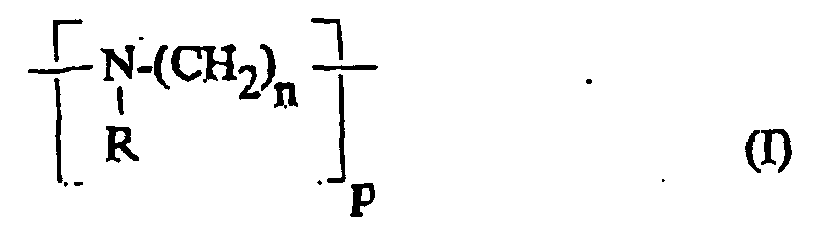
- R est un atome d'hydrogène
- n est un nombre entier compris entre 2 et 10;
- p est un nombre entier, étant entendu que p est tel que le poids moléculaire moyen du polymère soit compris entre 100 et 107 Da.
- R is a hydrogen atom
- n is an integer from 2 to 10;
- p is an integer, it being understood that p is such that the average molecular weight of the polymer is between 100 and 10 7 Da.
Il est entendu que, dans la formule (I) la valeur de n peut varier entre les différents motifs p. Ainsi, la formule (I) regroupe à la fois les homopolymères et les hétéropolymères.It is understood that in formula (I) the value of n may vary between different reasons p. Thus, formula (I) groups together both homopolymers and heteropolymers.
Plus préférentiellement, dans la formule (I), n est compris entre 2 et 5. En particulier, les polymères de polyéthylène imine (PEI) et polypropylène imine (PPI) présentent des propriétés tout à fait avantageuses. Les polymères préférés pour la mise en oeuvre de la présente invention sont ceux dont le poids moléculaire est compris entre 103 et 5.106. A titre d'exemple, on peut citer le polyéthylène imine de poids moléculaire moyen 50 000 Da (PEI50K) ou le polyéthylène imine de poids moléculaire moyen 800 000 Da (PEI800K).More preferably, in the formula (I), n is between 2 and 5. In particular, the polyethylene imine (PEI) and polypropylene imine (PPI) polymers have quite advantageous properties. The preferred polymers for carrying out the present invention are those whose molecular weight is between 10 3 and 5 × 10 6 . By way of example, mention may be made of polyethylene imine with a mean molecular weight of 50,000 Da (PEI50K) or polyethylene imine with an average molecular weight of 800,000 Da (PEI800K).
Le PEI50K ou Le PEI800K sont accessibles commercialement. Quant aux autres polymères représentés par la formule générale I, ils peuvent être préparés selon le procédé décrit dans la demande de brevet FR 94 08735.PEI50K or PEI800K are commercially available. As to other polymers represented by the general formula I, they may be prepared according to the process described in the patent application FR 94 08735.
Pour obtenir un effet optimum des compositions de l'invention, les proportions respectives du polymère et de l'acide nucléique sont de préférence déterminées de sorte que le rapport molaire R = amines du polymère / phosphates de l'acide nucléique soit compris entre 0,5 et 50, plus préférentiellement entre 5 et 30. Des résultats tout particulièrement avantageux sont obtenus en utilisant de 5 à 25 équivalents d'amines de polymère par charge d'acide nucléique.To obtain an optimum effect of the compositions of the invention, the respective proportions of the polymer and the nucleic acid are preferably determined so that the molar ratio R = amines of the polymer / phosphates of the nucleic acid is between 0.5 and 50, more preferably between 5 and 30. Particularly advantageous results are obtained using from 5 to 25 equivalent of polymer amines per nucleic acid charge.
En ce qui concerne plus particulièrement les lipofectants, on entend couvrir au sens de l'invention, sous cette dénomination, tout composé à caractère lipidique et déjà proposé à titre d'agent actif à l'égard de la transfection cellulaire d'acides nucléiques. De manière générale, il s'agit de molécules amphiphiles comprenant au moins une région lipophile associée ou non à une région hydrophile. A titre représentatif de la première famille de composés, on peut notamment proposer les lipides susceptibles de former des lipisomes comme les POPC, phosphatidylserine, phosphatidylcholine, cholestérol, maléimidophénylbutyrylphosphatidyléthanolamine, lactosylcéramide en présence ou non de polyéthylène glycol pour former des liposomes furtifs ou, avec ou sans anticorps ou ligands, pour former des immunoliposomes ou des liposomes ciblés.As far as lipofectants are concerned, it is intended to cover the meaning of the invention, under this name, any compound with a lipidic character and already proposed as an active agent for cellular transfection of acids Nucleic. In general, they are amphiphilic molecules comprising at least less a lipophilic region associated or not with a hydrophilic region. As representative of the first family of compounds, we can notably propose the lipids capable of forming lipisomes such as POPC, phosphatidylserine, phosphatidylcholine, cholesterol, maleimidophenylbutyrylphosphatidylethanolamine, lactosylceramide in the presence or absence of polyethylene glycol to form stealth liposomes or, with or without antibodies or ligands, to form immunoliposomes or targeted liposomes.
Selon un mode particulier de l'invention, l'agent lipidique mis en oeuvre possède une région cationique. Cette région cationique, préférentiellement polyamine, chargée cationiquement, est capable de s'associer de manière réversible avec l'acide nucléique, chargé négativement. Cette interaction compacte fortement l'acide nucléique. La région lipophile rend cette interaction ionique inaccessible au milieu aqueux externe, en recouvrant la particule nucléolipidique formée d'une pellicule lipidique.According to a particular embodiment of the invention, the lipidic agent used has a cationic region. This cationic region, preferentially polyamine, cationically charged, is able to associate reversibly with the nucleic acid, negatively charged. This compact interaction strongly the nucleic acid. The lipophilic region makes this ionic interaction inaccessible to external aqueous medium, by covering the nucleolipidic particle formed by a lipid film.
On sait ainsi qu'un lipide cationique chargé positivement, le chlorure de N-[1-(2,3-dioleyloxy)propyl]-N,N,N-triméthylammonium (DOTMA), interfère, sous la forme de liposomes ou de petites vésicules, spontanément avec de l'ADN, qui est chargé négativement, pour former des complexes lipides-ADN, capables de fusionner avec les membranes cellulaires, et permet ainsi la délivrance intracellulaire de l'ADN. Depuis le DOTMA, d'autres lipides cationiques sont proposés sur ce modèle de structure : groupe lipophile associé à un groupement amino via un bras dit "spacer". Parmi ceux-ci, on peut plus particulièrement citer ceux comprenant à titre de groupement lipophile deux acides gras ou un dérivé du cholestérol, et comportant, en outre, le cas échéant, à titre de groupement amino, un groupement d'ammonium quaternaire. Les DOTAP, DOBT ou le ChOTB peuvent notamment être cités à titre représentatifs de cette catégorie de lipides cationiques. D'autres composés, comme les DOSC et ChOSC, se caractérisent par la présence d'un groupement choline à la place du groupement d'ammonium quaternaire. Une autre catégorie de lipides cationiques, les lipopolyamines, a également été décrite. Dans ce type de composés, le groupement cationique est représenté par le radical L-5carboxyspermine qui contient quatre groupements d'ammonium, deux primaires et deux secondaires. Les DOGS et DPPBS en font notamment partie. Ces lipopolyamines sont tout particulièrement efficaces pour la transfection de cellules endocrines primaires. It is thus known that a positively charged cationic lipid, N- [1- (2,3-dioleyloxy) propyl] -N, N, N-trimethylammonium chloride (DOTMA), interferes, under the form of liposomes or small vesicles, spontaneously with DNA, which is negatively charged to form lipid-DNA complexes capable of fusing with cell membranes, and thus allows intracellular delivery of DNA. Since DOTMA, other cationic lipids are proposed on this model of structure: lipophilic group associated with an amino group via an arm called "spacer". Among these, mention may be made more particularly of those comprising lipophilic group two fatty acids or a derivative of cholesterol, and comprising, in in addition, where appropriate, as an amino group, an ammonium group quaternary. DOTAP, DOBT or ChOTB can be cited in particular representative of this class of cationic lipids. Other compounds, such as DOSC and ChOSC, are characterized by the presence of a choline group instead quaternary ammonium group. Another category of cationic lipids, lipopolyamines, has also been described. In this type of compounds, the cationic group is represented by the radical L-5carboxyspermine which contains four ammonium groups, two primary and two secondary. DOGS and DPPBS is one of them. These lipopolyamines are particularly effective for transfection of primary endocrine cells.
Avantageusement, les lipofectants convenant à l'invention peuvent également être choisis parmi des lipopolyamines dont la région polyamine est représentée par la spermine ou la thermine. Quant à la région lipophile, elle est représentée par au moins une chaíne hydrocarbonée, saturée ou non, du cholestérol, un lipide naturel ou un lipide synthétique capable de former des phases lamellaires ou hexagonales, liée de manière covalente à la région hydrophile.Advantageously, the lipofectants that are suitable for the invention can also be chosen from lipopolyamines whose polyamine region is represented by the spermine or thermine. As for the lipophilic region, it is represented by less a hydrocarbon chain, saturated or not, cholesterol, a natural lipid or a synthetic lipid capable of forming lamellar or hexagonal phases, bound covalently to the hydrophilic region.
La demande de brevet EP 394 111 décrit d'antres lipopolyamines de formule
générale III susceptibles d'être mises en oeuvre dans le cadre de la présente invention.
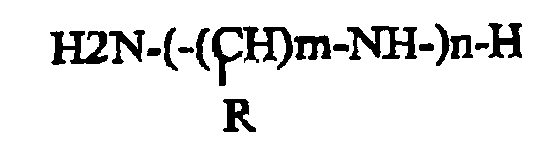
A titre représentatif de ces lipopolyamines on peut plus particulièrement citer la dioctadécylamidoglycyl spermine (DOGS) et la 5-carboxyspermylamide de la palmitoylphosphatidylethanolamine (DPPES).As representative of these lipopolyamines, mention may be made more particularly dioctadecylamidoglycyl spermine (DOGS) and 5-carboxyspermylamide from palmitoylphosphatidylethanolamine (DPPES).
Les lipopolyamines décrites dans la demande de brevet FR 94 14596 peuvent
également être utilisées avantageusement à titre d'agent de transfection selon
l'invention. Elles sont reptésentécs par la formule générale IV ci-dessus dans laquelle
R représente
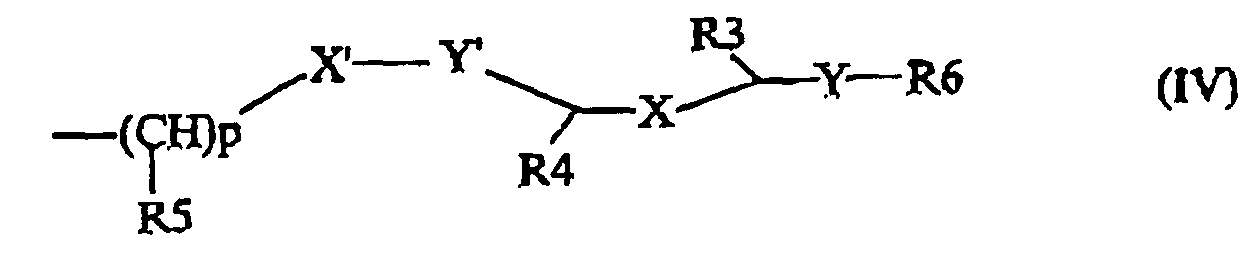
- X et X représentant, indépendamment l'un de l'autre, un atome d'oxygène,
un groupement méthylène -(CH2)q- avec q égal à 0, 1, 2 ou 3, ou un groupement
amino
-NH- ou -NR'- avec R' représentant un groupement alkyle en C1 à C4, - Y et Y' représentant indépendamment l'un de l'autre un groupement méthylène, un groupement carbonyle ou un groupement C=S,
- R3, R4 et R5 représentant indépendamment l'un de l'autre un atome d'hydrogène ou un radical alkyle, substitué ou non, en C1 à C4, avec p pouvant varier entre 0 et 5,
- R6 représentant un dérivé du cholestérol ou un groupement alkyle amino
-NR1R2 avec R1 et R2 représentant indépendamment l'un de l'autre un radical aliphatique, saturé ou non, linéaire ou ramifié en C12 à C22.
- X and X represent, independently of one another, an oxygen atom, a methylene group - (CH 2 ) q - with q equal to 0, 1, 2 or 3, or an amino group
-NH- or -NR'- with R 'representing a C 1 -C 4 alkyl group, - Y and Y 'represent, independently of one another, a methylene group, a carbonyl group or a C = S group,
- R 3 , R 4 and R 5 represent, independently of each other, a hydrogen atom or a C 1 -C 4 substituted or unsubstituted alkyl radical, with p being variable between 0 and 5,
- R 6 representing a cholesterol derivative or an alkyl amino group
-NR 1 R 2 with R 1 and R 2 representing, independently of one another, an aliphatic radical, saturated or unsaturated, linear or branched C 12 to C 22 .
A titre représentatif de ces lipopolyamines on peut tout particulièrement citer le (Dioctadécyl-carbamoylméthoxy)-acétate de 2-5-bis-(3-amino-propylamino)-pentyle et le (Dioctadécyl-carbamoylméthoxy)-acétate de 1,3-bis-(3-amino-propylamino)-2 propyle dit ci-après lipopolyamine A.As a representative of these lipopolyamines, mention may be made of 2-5-bis- (3-aminopropylamino) -pentyl (dioctadecyl-carbamoylmethoxy) -acetate and 1,3-bis (3-aminopropylamino) -2- (3-aminopropylamino) (Dioctadecyl-carbamoylmethoxy) -acetate propyl, hereinafter referred to as lipopolyamine A.
Les demandes de brevet EP 394 111 et FR 94 145 96 décrivent également un procédé utilisable pour la préparation des lipopolyamines correspondantes.Patent applications EP 394 111 and FR 94 145 96 also describe a process usable for the preparation of the corresponding lipopolyamines.
Enfin plus récemment, de nouvelles lipopolyamines, valorisables également dans le cadre de la présente invention, ont été décrites dans la demande de brevet FR 95/134 90. A titre représentatif de ces lipopolyamines on peut plus particulièrement mentionner celles qui suivent:
- lipopolyamine B:
- lipopolyamine C:
- lipopolyamine D:
- lipopolyamine B:
- lipopolyamine C:
- lipopolyamine D:
De manière particulièrement avantageuse, on peut utiliser dans le cadre de l'invention la dioctadécylamidoglycyl spermine (DOGS) la 5-carboxyspermylamide de la palmitoylphosphatidylethanolamine (DPPES), le (Dioctadécyl-carbamoylméthoxy)-acétate de 2-5-bis-(3-amino-propylamino)-pentyle, le (Dioctadécyl-carbamoylméthoxy)-acétate de 1,3-bis-(3-amino-propylamino)-2 propyle, le {H2N(CH2)3}2N(CH2)4N{(CH2)3NH2}(CH2)3NHCH2COGlyN[(CH2)17-CH3]2., le H2N(CH2)3NH(CH2)4NH(CH2)3NHCH2COGlyN[(CH2)18]2 ou le H2N(CH2)3NH(CH2)4NH(CH2)3NHCH2COArgN[(CH2)18].Particularly advantageously, dioctadecylamidoglycyl spermine (DOGS) may be used in the context of the 5-carboxyspermylamide of palmitoylphosphatidylethanolamine (DPPES), 2-5-bis- (3- (3-dioctadecyl-carbamoylmethoxy) -acetate). amino-propylamino) -pentyl, 1,3-bis (3-aminopropylamino) propyl (Dioctadecyl-carbamoylmethoxy) -acetate, {H 2 N (CH 2 ) 3 } 2 N (CH 2 ) 4 N {(CH 2 ) 3 NH 2 } (CH 2 ) 3 NHCH 2 COGlyN [(CH 2 ) 17 -CH 3 ] 2 .H 2 N (CH 2 ) 3 NH (CH 2 ) 4 NH (CH 2 ) 3 2 ) 3 NHCH 2 COGlyN [(CH 2 ) 18 ] 2 or H 2 N (CH 2 ) 3 NH (CH 2 ) 4 NH (CH 2 ) 3 NHCH 2 COArgN [(CH 2 ) 18 ].
Pour obtenir un effet optimum des compositions de l'invention, les proportions respectives de la polyamine et de l'acide nucléique sont de préférence déterminées de sorte que le rapport R charges positives de l'agent de transfection/charges négatives de l'acide nucléique soit compris entre 0,1 et 10 et plus préférentiellement entre 0,5 et 6.To obtain an optimum effect of the compositions of the invention, the respective proportions of the polyamine and the nucleic acid are preferably determined so that the ratio R positive charges of the transfection agent / charges Negative nucleic acid is between 0.1 and 10 and more preferably between 0.5 and 6.
La présence d'un composé selon l'invention au sein d'une composition transfectante permet avantageusement de diminuer considérablement la quantité en agent de trausfection. Il s'en suit une toxicité nettement amoindrie qui rend désormais possible par exemple la transfection de cellules sensibles à, l'origine à l'agent de transfection comme par exemple les cellules hématopolétiques avec les lipopolyamines. Enfin, comme le démontrent les exemples ci-après, le pouvoir transfectant des compositions selon l'invention est supérieur à celui obtenu avec les compositions transfectantes classiques.The presence of a compound according to the invention in a composition transfectant advantageously makes it possible to considerably reduce the amount of Trafficking agent. It follows a significantly reduced toxicity that now makes possible for example the transfection of cells sensitive to the origin to the agent of transfection, such as, for example, hematopoietic cells with lipopolyamines. Finally, as the examples below show, the power transfecting compositions according to the invention is greater than that obtained with the conventional transfectant compositions.
Dans les compositions de la présente invention, l'acide nucléique peut être aussi bien un acide désoxyribonucléique qu'un acide ribonucléique. Il peut s'agir de séquences d'origine naturelle ou artificielle, et notamment d'ADN génomique, d'ADNc, d'ARNm, d'ARNt, d'ARNr, de séquences hybrides ou de séquences synthétiques ou semi-synthétiques. Ces acides nucléiques peuvent être d'origine humaine, animale, végétale, bactérienne, virale, etc. Ils peuvent être obtenus par toute technique connue de l'homme du métier, et notamment par criblage de banques, par synthèse chimique, ou encore par des méthodes mixtes incluant la modification chimique ou enzymatique de séquences obtenues par criblage de banques. Ils peuvent par ailleurs être incorporés dans des vecteurs, tels que des vecteurs plasmidiques.In the compositions of the present invention, the nucleic acid can be both a deoxyribonucleic acid and a ribonucleic acid. It may be sequences of natural or artificial origin, and in particular genomic DNA, cDNA, mRNA, tRNA, rRNA, hybrid sequences or sequences synthetic or semi-synthetic. These nucleic acids can be original human, animal, plant, bacterial, viral, etc. They can be obtained by any technique known to those skilled in the art, and in particular by screening banks, by chemical synthesis, or by mixed methods including modification chemical or enzymatic sequence obtained by screening libraries. They can moreover be incorporated into vectors, such as plasmid vectors.
Concernant plus particulièrement les acides désoxyribonucléiques, ils peuvent être simple ou double brin. Ces acides désoxyribonucléiques peuvent coder pour des gènes thérapeutiques, des séquences régulatrices de la transcription ou de la réplication, des séquences antisens, des régions de liaison à d'autres composants cellulaires, etc.With particular regard to deoxyribonucleic acids, they can be single or double stranded. These deoxyribonucleic acids can code for therapeutic genes, regulatory sequences of transcription or replication, antisense sequences, binding regions to other components cell phones, etc.
Au sens de l'invention, on entend par gène thérapeutique notamment tout gène codant pour un produit protéique ayant un effet thérapeutique. Le produit protéique ainsi codé peut être une protéine, un peptide, etc. Ce produit protéique peut être homologue vis-à-vis de la cellule cible (c'est-à-dire un produit qui est normalement exprimé dans la cellule cible lorsque celle-ci ne présente aucune pathologie). Dans ce cas, l'expression d'une protéine permet par exemple de pallier une expression insuffisante dans la cellule ou l'expression d'une protéine inactive ou faiblement active en raison d'une modification, ou encore de surexprimer ladite protéine. Le gène thérapeutique peut aussi coder pour un mutant d'une protéine cellulaire, ayant une stabilité accrue, une activité modifiée, etc. Le produit protéique peut également être hétérologue vis-à-vis de la cellule cible. Dans ce cas, une protéine exprimée peut par exemple compléter ou apporter une activité déficiente dans la cellule, lui permettant de lutter contre une pathologie, ou stimuler une réponse immunitaire.For the purposes of the invention, the term "therapeutic gene" especially means any gene encoding a protein product having a therapeutic effect. The protein product thus encoded may be a protein, a peptide, etc. This protein product can be counterpart to the target cell (that is, a product that is normally expressed in the target cell when there is no pathology). In this case, the expression of a protein makes it possible, for example, to overcome an expression insufficient in the cell or the expression of an inactive protein or weakly active due to modification, or overexpressing said protein. The gene therapy can also encode a mutant of a cellular protein, having a increased stability, altered activity, etc. The protein product can also be heterologous vis-à-vis the target cell. In this case, an expressed protein may example supplement or bring a deficient activity in the cell, allowing it fight against a pathology, or stimulate an immune response.
Parmi les produits thérapeutiques au sens de la présente invention, on peut citer plus particulièrement les enzymes, les dérivés sanguins, les hormones, les lymphokines : interleukines, interférons, TNF, etc (FR 9203120), les facteurs de croissance, les neurotransmetteurs ou leurs précurseurs ou enzymes de synthèse, les facteurs trophiques : BDNF, CNTF, NGF, IGF, GMF, aFGF, bFGF, VEGF, NT3, NT5, HARP/pléiotrophine, les gènes correspondant aux protéines impliquées dans le métabolisme des lipides, de type apolipoprotéine choisie parmi les apolipoprotéines A-I, A-II, A-IV, B, C-I, C-II, C-III, D, E, F, G, H, J et apo(a), les enzymes du métabolisme comme par exemple la lipoprotéine lipase, la lipase hépatique, la lécithine cholestérol acyltransférase, la 7 alpha cholestérol hydroxylase, la phosphatidique acide phosphatase, ou encore des protéines de transfert de lipides comme la protéine de transfert des esters de cholestérol et la protéine de transfert des phospholipides, une protéine de liaisons des HDL ou encore un récepteur choisi par exemple parmi les récepteurs LDL, récepteurs des chylomicrons-remnants et les récepteurs scavenger, la dystrophine ou une minidystrophine (FR 9111947), la protéine GAX, la protéine CFTR associée à la mucoviscidose, les gènes suppresseurs de tumeurs : p53, Rb, RaplA, DCC, k-rev, etc (FR 93 04745), les gènes codant pour des facteurs impliqués dans la coagulation : Facteurs VII, VIII, IX, les gènes intervenant dans la réparation de l'ADN, les gènes suicides (thymidine kinase, cytosine déaminase), etc.Among the therapeutic products within the meaning of the present invention, it is possible more specifically, enzymes, blood derivatives, hormones, lymphokines: interleukins, interferons, TNF, etc. (FR 9203120), the factors of growth, neurotransmitters or their precursors or synthetic enzymes, trophic factors: BDNF, CNTF, NGF, IGF, GMF, aFGF, bFGF, VEGF, NT3, NT5, HARP / pleiotrophin, the genes corresponding to the proteins involved in the lipid metabolism, of the apolipoprotein type chosen from apolipoproteins A-I, A-II, A-IV, B, C-I, C-II, C-III, D, E, F, G, H, J and apo (a), the enzymes of metabolism such as lipoprotein lipase, hepatic lipase, lecithin cholesterol acyltransferase, 7 alpha cholesterol hydroxylase, phosphatidic acid phosphatase, or lipid transfer proteins such as the cholesterol ester transfer protein and the phospholipids, an HDL binding protein or a receptor selected by example among LDL receptors, chylomicron-remnant receptors and receptors scavenger, dystrophin or a minidystrophin (FR 9111947), the GAX protein, CFTR protein associated with cystic fibrosis, suppressor genes tumors: p53, Rb, RaplA, DCC, k-rev, etc. (FR 93 04745), the genes encoding factors involved in coagulation: Factors VII, VIII, IX, genes involved in the repair of DNA, the suicide genes (thymidine kinase, cytosine deaminase), etc.
Le gène thérapeutique peut également être un gène ou une séquence antisens, dont l'expression dans la cellule cible permet de contrôler l'expression de gènes ou la transcription d'ARNm cellulaires. De telles séquences peuvent, par exemple, être transites dans la cellule cible en ARN complémentaires d'ARNm cellulaires et bloquer ainsi leur traduction en protéine, selon la technique décrite dans le brevet EP 140 308. Les autisens comprennent également les séquences codant pour des ribozymes, qui sont capables de détruire sélectivement des ARN cibles (EP 321 201).The therapeutic gene may also be an antisense gene or sequence, whose expression in the target cell makes it possible to control the expression of genes or the transcription of cellular mRNAs. Such sequences may, for example, be transits into the target cell into RNA complementary to cellular mRNAs and block their translation into protein, according to the technique described in the EP patent 140 308. Autisens also include sequences coding for ribozymes, which are capable of selectively killing target RNAs (EP 321 201).
Comme indiqué plus haut, l'acide nucléique peut également comporter un ou plusieurs gènes codant pour un peptide antigénique, capable de générer chez l'homme ou l'animal une réponse immunitaire. Dans ce mode particulier de mise en oeuvre, l'invention permet donc la réalisation soit de vaccins soit de traitements immunothérapeutiques appliqués à l'homme ou à l'animal, notamment contre des microorganismes, des virus ou des cancers. Il peut s'agir notamment de peptides antigéniques spécifiques du virus d'Epstein Barr, du virus HIV, du virus de l'hépatite B (EP 185 573), du virus de la pseudo-rage, ou encore spécifiques de tumeurs (EP 259 212).As indicated above, the nucleic acid may also include one or several genes encoding an antigenic peptide, capable of generating the man or the animal an immune response. In this particular mode of setting the invention thus allows the production of either vaccines or immunotherapeutic agents applied to humans or animals, in particular against microorganisms, viruses or cancers. It may be in particular peptides antigens specific for Epstein Barr virus, HIV virus, hepatitis virus B (EP 185,573), pseudo-rabies virus, or tumor-specific (EP 259-212).
Préférentiellement, l'acide nucléique comprend également des séquences permettant l'expression du gène thérapeutique et/ou du gène codant pour le peptide antigénique dans la cellule ou l'organe désiré. Il peut s'agir des séquences qui sont naturellement responsables de l'expression du gène considéré lorsque ces séquences sont susceptibles de fonctionner dans la cellule infectée. Il peut également s'agir de séquences d'origine différente (responsables de l'expression d'autres protéines, ou même synthétiques). Notamment, il peut s'agir de séquences promotrices de gènes eucaryotes ou viraux. Par exemple, il peut s'agir de séquences promotrices issues du génome de la cellule que l'on désire infecter. De même, il peut s'agir de séquences promotrices issues du génome d'un virus. A cet égard, on peut citer par exemple les promoteurs des gènes E1A, MLP, CMV, RSV, etc. En outre, ces séquences d'expression peuvent être modifiées par addition de séquences d'activation, de régulation, etc.Preferably, the nucleic acid also comprises sequences allowing the expression of the therapeutic gene and / or gene coding for the peptide antigenic in the desired cell or organ. These can be sequences that are naturally responsible for the expression of the gene considered when these sequences are likely to work in the infected cell. It can also be sequences of different origin (responsible for the expression of other proteins, or even synthetic). In particular, they may be gene promoter sequences eukaryotic or viral. For example, they may be promoter sequences derived from genome of the cell that we want to infect. Similarly, it can be sequences promoters from the genome of a virus. In this respect, for example, the following promoters of the genes E1A, MLP, CMV, RSV, etc. In addition, these sequences expression can be modified by the addition of activation sequences, regulation, etc.
Par ailleurs, l'acide nucléique peut également comporter, en particulier en amont du gène thérapeutique, une séquence signal dirigeant le produit thérapeutique synthétisé dans les voies de sécrétion de la cellule cible. Cette séquence signal peut être la séquence signal naturelle du produit thérapeutique, mais il peut également s'agir de toute autre séquence signal fonctionnelle, ou d'une séquence signal artificielle. On the other hand, the nucleic acid may also comprise, in particular upstream of the therapeutic gene, a signal sequence directing the therapeutic product synthesized in the secretory pathways of the target cell. This signal sequence can be the natural signal sequence of the therapeutic product, but it can also be any other functional signal sequence, or a signal sequence artificial.
Plus préférentiellement, les compositions de l'invention comprennent en outre, un ou plusieurs lipides neutres. De telles compositions sont particulièrement avantageuses, notamment lorsque le rapport R est faible. La demanderesse a en effet montré que l'addition d'un lipide neutre permet d'améliorer la formation des particules nucléolipidiques et, de manière surprenante, de favoriser la pénétration de la particule dans la cellule en déstabilisant sa membrane.More preferably, the compositions of the invention further comprise one or more neutral lipids. Such compositions are particularly advantageous, especially when the ratio R is low. The plaintiff has indeed showed that the addition of a neutral lipid improves the formation of particles nucleolipids and, surprisingly, to promote the penetration of the particle in the cell by destabilizing its membrane.
Plus préférentiellement, les lipides neutres utilisés dans le cadre de la présente invention sont des lipides à 2 chaínes grasses.More preferably, the neutral lipids used in the context of this invention are lipids with 2 fatty chains.
De manière particulièrement avantageuse, on utilise des lipides naturels ou synthétiques, zwitterioniques ou dépourvus de charge ionique dans les conditions physiologique. Il peuvent être choisis plus particulièrement parmi la dioleoylphosphatidyléthanolamine (DOPE), le oléoyl-palmitoylphosphatidyléthanolamine (POPE), le di-stéaroyl, -palmitoyl, -mirystoyl phosphatidyléthanolamine ainsi que leurs dérivé N-méthylés 1 à 3 fois; les phosphatidylglycérols, les diacylglycérols, les glycosyldiacylglycérols, les cérébrosides (tels que notamment les galactocérébrosides), les sphingolipides (tels que notamment les sphingomyélines)ou encore les asialogangliosides (tels que notamment les asialoGM1 et GM2).In a particularly advantageous manner, natural lipids or synthetic, zwitterionic or free of ionic charge under the conditions physiological. They can be chosen more particularly from dioleoylphosphatidylethanolamine (DOPE), oleoyl-palmitoylphosphatidylethanolamine (POPE), the di-stearoyl, -palmitoyl, -mirystoyl phosphatidylethanolamine and their N-methylated derivatives 1 to 3 times; the phosphatidylglycerols, diacylglycerols, glycosyldiacylglycerols, cerebrosides (such as galactocerebrosides), sphingolipids (such as sphingomyelins) or asialogangliosides (such as especially asialoGM1 and GM2).
Ces différents lipides peuvent être obtenus soit par synthèse, soit par extraction à partir d'organes (exemple : le cerveau) ou d'oeufs, par des techniques classiques bien connues de l'homme du métier. En particulier, l'extraction des lipides naturels peut être réalisée au moyen de solvants organiques (voir également Lehninger, Biochemistry).These different lipids can be obtained either by synthesis or by extracted from organs (example: the brain) or eggs, by techniques classics well known to those skilled in the art. In particular, lipid extraction can be achieved by means of organic solvents (see also Lehninger, Biochemistry).
Préférentiellement, les compositions de l'invention, mettant en oeuvre à titre d'agent de transfection un lipofectant, comprennent de 0,1 à 20 équivalents de lipide neutre pour 1 équivalent de lipopolyamine, et, plus préférentiellement, de 1 à 5. Dans le cas où l'agent de transfection est un polymère cationique, les compositions de l'invention comprennent, en plus du polymère cationique dans les rapports cités ci-avant, de 0,1 à 20 équivalents molaires de lipide neutre pour 1 équivalent molaire de phosphate de l'acide nucléique, et, plus préférentiellement, de 1 à 5.Preferably, the compositions of the invention, used for transfection agent a lipofectant, comprise from 0.1 to 20 equivalents of lipid neutral for 1 equivalent of lipopolyamine, and, more preferably, from 1 to 5. the case where the transfection agent is a cationic polymer, the compositions of the invention comprise, in addition to the cationic polymer in the ratios mentioned above, from 0.1 to 20 molar equivalents of neutral lipid per 1 molar equivalent of phosphate of the nucleic acid, and, more preferably, from 1 to 5.
Les compositions selon l'invention peuvent être formulées en vue d'administrations par voie topique, cutanée, orale, rectale, vaginale, parentérale, intranasale, intraveineuse, intratausculaire, sous-cutanée, intraoculaire, transdermique, etc... De préférence, les compositions pharmaceutiques de l'invention contiennent un véhicule pharmaceutiquement acceptable pour une formulation injectable, notamment pour une injection directe au niveau de l'organe désiré, ou pour une administration par voie topique (sur peau et/ou muqueuse). Il peut s'agir en particulier de solutions stériles, isotoniques, ou de compositions sèches, notamment lyophilisées, qui, par addition selon le cas d'eau stérilisée ou de sérum physiologique, permettent la constitution de solutés injectables. Les doses d'acide nucléique utilisées pour l'injection ainsi que le nombre d'administrations peuvent être adaptées en fonction de différents paramètres, et notamment en fonction du mode d'administration utilisé, de la pathologie concernée, du gène à exprimer, ou encore de la durée du traitement recherchée.The compositions according to the invention can be formulated for administration by topical, cutaneous, oral, rectal, vaginal, parenteral, intranasal, intravenous, intratageal, subcutaneous, intraocular, transdermal, etc. Preferably, the pharmaceutical compositions of the invention contain a pharmaceutically acceptable carrier for a formulation injectable, in particular for a direct injection into the desired organ, or for topical administration (on skin and / or mucosa). It can be in sterile, isotonic, or dry solutions, in particular freeze-dried, which, according to the case of sterilized water or physiological saline, allow the constitution of injectable solutions. The nucleic acid doses used for the injection as well as the number of administrations can be adapted in function of different parameters, and in particular depending on the mode used, the pathology concerned, the gene to be expressed, or the duration of the treatment sought.
Elles peuvent être avantageusement utilisées pour transfecter une grande variété de type cellulaire comme par exemple les cellules hematvpoïétiques, les lymphocytes, les hépatocytes, les cellules endothéliales, les cellules de mélanomes, de carcinomes et de sarcomes, les cellules musculaires lisses, les neurones et les astrocytes.They can be advantageously used to transfect a large variety of cell type such as hematopoeetic cells, lymphocytes, hepatocytes, endothelial cells, melanoma cells, carcinomas and sarcomas, smooth muscle cells, neurons and astrocytes.
La présente invention propose également l'utilsiation de la composition pharmaceutique pour le traitement de maladies utilisant la transfection in vitro et/ou ex vivo d'un acide nucléique apte à corriger ladite maladie en association avec un agent de transfection de type polymère cationique ou lipofectant, et un composé tel que défini ci-avant. Plus particulièrement, la composition pharmaceutique selon l'invention est utilisée pour la fabrication d'un médicament destiné aux traitements de maladies résultant d'une déficience en un produit protéique ou nucléique et l'acide nucléique administré code pour ledit produit protéique ou contient la séquence correspondant audit produit nucléique. Les compositions selon l'invention sont particulièrement intéressantes pour leur biodisponibilité et leur haut niveau de transfection.The present invention also proposes the use of the composition for the treatment of diseases using in vitro and / or ex vivo of a nucleic acid capable of correcting said disease in association with a transfection agent of cationic polymer or lipofectant type, and a compound as defined above. More particularly, the composition pharmaceutical composition according to the invention is used for the manufacture of a medicament intended for the treatment of diseases resulting from a deficiency of a protein product or nucleic acid and the nucleic acid administered code for said protein product or contains the sequence corresponding to said nucleic product. The compositions according to the invention are particularly interesting for their bioavailability and their high transfection level.
La présente invention concerne également toute utilisation d'un composé constitué en tout ou partie, de motifs peptidiques (KTPKKAKKP) et/ou (ATPAKKAA) avec le nombre de ces motifs pouvant varier entre 2 et 10, pour, lorsqu'ils sont couplés à un ligand de récepteur cellulaire, un anticorps ou dérivé d'anticorps, cibler un acide nucléique vers des cellules exprimant les récepteurs ou anti-gènes correspondants. Dans cette perspective, un ligand, anticorps ou dérivé d'anticorps potentiel est couplé audit composé et l'on apprécie le pouvoir de transfection de cette molécule chimère comparativement au composé seul.The present invention also relates to any use of a compound consisting in whole or in part of peptide motifs (KTPKKAKKP) and / or (ATPAKKAA) with the number of these patterns can vary between 2 and 10, for, when coupled to a cellular receptor ligand, an antibody or derivative antibodies, target a nucleic acid to cells expressing the receptors or corresponding anti-genes. In this perspective, a ligand, antibody or derivative potential antibody is coupled to said compound and the power of transfection of this chimeric molecule compared to the compound alone.
La présente invention couvre également toute utilisation d'un oligopeptide
sélectionné parmi:
(ATPAKKAA)2(COOH),
(KTPKKAKKP)2(COOH),
ATPKKSAKKTPKKAKKP(COOH),
KKAKSPKKAKAAKPKKAPKSPAKAKA(COOH), SRSRYYRQRQRSRRRRRR
(COOH) et RRRLHRIHRRQHRSCRRRKRR(COOH).
pour effectuer le transfert in vitro, et/ou ex vivo d'au moins un acide
nucléique, ledit oligonucléotide étant associé ou non à un élément de ciblage.The present invention also covers any use of an oligopeptide selected from:
(ATPAKKAA) 2 (COOH),
(KTPKKAKKP) 2 (COOH),
ATPKKSAKKTPKKAKKP (COOH),
KKAKSPKKAKAAKPKKAPKSPAKAKA (COOH), SRSRYYRQRQRSRRRRRR (COOH) and RRRLHRIHRRQHRSCRRRKRR (COOH).
for performing the in vitro and / or ex vivo transfer of at least one nucleic acid, said oligonucleotide being associated or not with a targeting element.
La présente invention sera plus complètement décrite à l'aide des exemples qui suivent, qui doivent être considérés comme illustratifs et non limitatifs.The present invention will be more fully described using the examples following, which should be considered as illustrative and not limiting.
Les constructions utilisées pour mettre en évidence l'activité des compositions de l'invention sont des plasmides comportant le gène codant pour la luciférase (Luc)Constructions used to highlight the activity of compositions of the invention are plasmids comprising the gene coding for luciferase (Luc)
Il s'agit notamment de plasmides pCMV luc, pXL 2621, pXL 2622, qui tous contiennent le gène codant pour la luciférase (tiré du vecteur pGL2, Promega) en aval du promoteur du cytomegalovirus (CMV) extrait de pCDNA3 (Invitrogen). pCMV luc et pXL2622 dérivent d'un vecteur pGL2, pXL 2621 d'un vecteur pGL2 contrôle, et dans tous ces vecteurs le promoteur SV40 a été remplacé par le promoteur CMV.These include plasmids pCMV luc, pXL 2621, pXL 2622, which all contain the gene coding for luciferase (taken from the vector pGL2, Promega) in downstream of the cytomegalovirus (CMV) promoter extracted from pCDNA3 (Invitrogen). pCMV luc and pXL2622 are derived from a pGL2 vector, pXL 2621 from a pGL2 vector control, and in all these vectors the SV40 promoter was replaced by the CMV promoter.
De manière générale les plasmides sont obtenus par le technique de précipitation au PEG (Ausubel), et stockés dans du Tris 10mM EDTA 1mM pH 8 à 4 °C à une concentration d'enviroxt 10 µg d'ADN par µl.In general, the plasmids are obtained by the technique of PEG precipitation (Ausubel), and stored in 10mM Tris 1mM EDTA pH 8 to 4 ° C at a concentration of approximately 10 μg of DNA per μl.
Cet oligopeptide a été synthétisé sous forme de sel d'acide trifluoroacétique au moyen d'un synthétiseur de peptides Applied Biosystem 431A, sur une résine HMP (Applied Biosystem) et selon une stratégie FMOC. Après la synthèse, le peptide a été libéré de la résine par traitement 90 minutes en présence d'une solution eau/TFA 1/19. Après filtration, la solution est concentrée sur évaporateur rotatif, puis le peptide est précipité 2 fois par addition d'éther tertiobutylméthylique à partir de solution dans le TFA. Le culot final est lavé par l'éther tertiobutylméthylique puis séché. Le peptide est solubilisé dans 5 ml d'eau, filtré et purifié par HPLC phase inverse sur colonne C18 100 A (Biorad RSL). le peptide est purifié par à l'aide d'un gradient de 0 à 25%d'acétonitrile, 0,07% TFA dans l'eau 0,07% TFA. La pureté du peptide obtenu est supérieure à 95% et sa solubilité dans l'eau de 100 mg/ml.This oligopeptide was synthesized in the form of trifluoroacetic acid salt with Using an Applied Biosystem 431A Peptide Synthesizer on an HMP Resin (Applied Biosystem) and according to a FMOC strategy. After synthesis, the peptide was released from the resin by treatment for 90 minutes in the presence of a water / TFA 1/19 solution. After filtration, the solution is concentrated on a rotary evaporator, then the peptide is precipitated twice by addition of tert-butyl methyl ether from solution in the TFA. The final pellet is washed with tert-butyl methyl ether and then dried. The peptide is solubilized in 5 ml of water, filtered and purified by reverse phase HPLC on a C18 column 100 A (Biorad RSL). the peptide is purified using a gradient of 0 to 25% acetonitrile, 0.07% TFA in water 0.07% TFA. The purity of the peptide obtained is greater than 95% and its solubility in water of 100 mg / ml.
Cet oligopeptide a été synthétisé sous forme de sel d'acide trifluoroacétique selon le protocole décrit ci-dessus en utilisant pour le clivage une solution eau/TFA/phénol/éthanedithiol/thioanisole 2/ 40/3/1/2 (v/v). La pureté du peptide obtenu est supérieure à 95% et sa solubilité dans l'eau de 100 mg/ml à pH 2,1.This oligopeptide was synthesized in the form of trifluoroacetic acid salt according to the protocol described above using for the cleavage a solution water / TFA / phenol / ethanedithiol / thioanisole 2 / 40/3/1/2 (v / v). The purity of the peptide obtained is greater than 95% and its solubility in water of 100 mg / ml at pH 2.1.
Ces oligopeptides sont synthétisés sous forme de sel d'acide trifluoroacétique selon le protocole décrit ci-dessus. Pour ce faire, on divise la résine en deux lots. Un premier lot destiné à la synthèse de H est traité pour le clivage avec une solution TFA/phénol/éthanedithiol/thioanisole/eau 40/3/1/2/2 (v/v). La pureté du peptide obtenu est supérieure à 90% et sa solubilité dans l'eau de 10 mg/ml à pH 2,1. Sur le second lot de résine la synthèse est poursuivie de manière à obtenir nls-bAla-H. La solution de clivage mise en oeuvre est identique à la précédente. La pureté du peptide obtenu est supérieure à 95 % et sa solubilité dans l'eau de 10 mg/ml à pH 2,1.These oligopeptides are synthesized in the form of trifluoroacetic acid salt according to the protocol described above. To do this, the resin is divided into two batches. A first batch for the synthesis of H is treated for cleavage with a solution TFA / phenol / ethanedithiol / thioanisole / water 40/3/1/2/2 (v / v). The purity of the peptide obtained is greater than 90% and its solubility in water of 10 mg / ml at pH 2.1. On the second batch of resin the synthesis is continued so as to obtain nls-bAla-H. The Cleavage solution implemented is identical to the previous one. The purity of the peptide obtained is greater than 95% and its solubility in water of 10 mg / ml at pH 2.1.
Ces oligopeptides sont assemblés en plusieurs étapes, en synthèse phase solide
selon la technique BocBenzyle. La résine de départ est une résine Boc-L-Arg(Tos)Pam
( 0,48meq/g).. Le procédé de déprotection et couplage mis en oeuvre
est le suivant:
Le peptide final est récupéré de la résine et entièrement déprotégé avec de l'acide fluorhydrique liquide. On utilise 10 ml de HF par gramme de peptide résine à 0°C pendant 45 minutes en présence de para-crésol et d'éthanedithiol. Après évaporation de l'acide fluorhydrique le mélange réactionnel brut est lavé avecde l'éther, dissous dans de l'acide trifluoroacétique, précipité à l'éther et séché.The final peptide is recovered from the resin and completely deprotected with liquid hydrofluoric acid. 10 ml of HF per gram of peptide resin are used. 0 ° C for 45 minutes in the presence of para-cresol and ethanedithiol. After evaporation of the hydrofluoric acid the crude reaction mixture is washed with ether, dissolved in trifluoroacetic acid, precipitated with ether and dried.
(Dioctadécyl-carbamoylméthoxy)-acétate d1,3-bis-(3-amino-propylamino)-2 propyle (RP115335)Lipopolyamine A:
(1,3-Bis (3-aminopropylamino) -2-propyl (dioctadecyl-carbamoylmethoxy) -acetate (RP115335)
Cet exemple décrit le transfert d'acides nucléiques in vitro (sur cultures
cellulaires) au moyen d'une composition selon l'invention comprenant l'acide nucléique,
un composé selon l'invention, et une lipopolyamine dans différentes conditions de pH
et de tampon.
- 0,5µg d'ADN plasmidique pCMV-luc, 0,25µg d'un composé selon l'invention, dans une solution tampon telle qu'identifiée,
- du dioctadécylamidoglycyl spermine (DOGS) 40mM dans des rapports de charges X tels qu'indiqués dans chacun des essais.
- 0.5 μg of pCMV-luc plasmid DNA, 0.25 μg of a compound according to the invention, in a buffer solution as identified,
- 40mM dioctadecylamidoglycyl spermine (DOGS) in X load ratios as indicated in each of the assays.
Dans l'ensemble des essais, on note des résultats supérieurs lorsque la composition compactante associe à DOGS un composé selon l'invention. Il s'avère possible de diminuer de manière importante la quantité en DOGS sans porter préjudice à la capacité de transfection de la composition correspondante.In all the trials, higher results are obtained when the compacting composition associates with DOGS a compound according to the invention. It proves possible to significantly reduce the amount of DOGS without damaging the transfection capacity of the corresponding composition.
On prépare un mélange de 10µl composé comme suit:
- 0,5µg d'ADN plasmidique pCMV-luc, 0,25µg d'un composé selon l'invention, dans une solution tampon NaCl 150mM, tampon phosphate 10mM pH 7,4,
- 40mM de dioctadécylamidoglycyl spermine (DOGS) dans des rapports de charges X tels qu'indiqués dans chacun des essais en présence de dioléoylphosphatidyléthanolamine (DOPE) avec DOGS/DOPE égal à 1/2.
- 0.5 μg of pCMV-luc plasmid DNA, 0.25 μg of a compound according to the invention, in a 150 mM NaCl buffer solution, 10 mM phosphate buffer pH 7.4,
- 40mM dioctadecylamidoglycyl spermine (DOGS) in X load ratios as indicated in each of the tests in the presence of dioleoylphosphatidylethanolamine (DOPE) with DOGS / DOPE equal to 1/2.
Dans ce cas particulier, une solution éthanolique de DOGS à 40 mM est mélangée avec un volume égal d'une solution de dioléoylphosphatidyléthanolamine (DOPE) à 80 mM, préparée dans un mélange chloroforme/éthanol (1/5). Ainsi pour un équivalent de DOGS la composition contient deux équivalents de DOPE.In this particular case, an ethanolic solution of 40 mM DOGS is mixed with an equal volume of a solution of dioleoylphosphatidylethanolamine (DOPE) at 80 mM, prepared in chloroform / ethanol (1/5). So for a equivalent of DOGS the composition contains two equivalents of DOPE.
105 cellules des lignées NIH3T3 sont incubées avec ce mélange dans les
conditions décrites dans l'exemple précédent. A l'issue de l'incubation, ces cellules sont
traitées selon le protocole de ce même exemple. Les résultats sont présentés dans le
tableau ci-après.
Ces résultats confirment ceux observés en exemple 1. En présence d'un composé basique selon l'invention et plus particulièrement de H, il est possible de réduire de moitié la quantité en lipofectant .These results confirm those observed in Example 1. In the presence of a basic compound according to the invention and more particularly H, it is possible to halve the amount of lipofectant.
- 0,75µg d'ADN plasmidique pCMV-luc, et d'un composé selon l'invention dans le rapport indiqué, dans une solution tampon D-glucose 5 %, NaCl 150mM, avec HEPES 10mM (pH de la solution de compaction : 7,2),
- du dioctadécylamidoglycyl spermine (DOGS) 40mM dans un rapport de charge 1,8X.
- 0.75 μg of pCMV-luc plasmid DNA, and a compound according to the invention in the indicated ratio, in a 5% D-glucose buffer solution, 150 mM NaCl, with 10 mM HEPES (pH of the compaction solution: 7 , 2),
- 40mM dioctadecylamidoglycyl spermine (DOGS) in a 1.8X charge ratio.
On procède selon le protocole décrit précédemment en 3.1 mais en utilisant à titre d'agent de transfection une solution de 40mM de dioctadécylamidoglycyl spermine (DOGS) 1,8X en présence de dioléoylphosphatidyléthanolamine (DOPE) avec DOGS/DOPE égal à 1/2, préparée selon le mode opératoire présenté en exemple 2.We proceed according to the protocol described previously in 3.1 but using transfection agent 40mM solution of dioctadecylamidoglycyl spermine (DOGS) 1.8X in the presence of dioleoylphosphatidylethanolamine (DOPE) with DOGS / DOPE equal to 1/2, prepared according to the procedure presented as an example 2.
Le tableau 5 rend compte des résultats observés.
- 0,55µg d'ADN plasmidique pCMV-luc, et d'un composé selon l'invention dans le rapport indiqué, dans une solution tampon NaCl 150mM,
- du (Dioctadécyl-carbamoylméthoxy)-acétate de 1,3-bis-(3-amino-propylamino)-2 propyle dans dans les rapport de charge indiqués.
- 0.55 μg of pCMV-luc plasmid DNA, and a compound according to the invention in the indicated ratio, in a 150 mM NaCl buffer solution,
- 1,3-bis- (3-aminopropylamino) -2-propyl (dioctadecyl-carbamoylmethoxy) -acetate in the indicated charge ratios.
Les essais correspondants sont réalisés en mettant en oeuvre les matériels et
protocoles suivants:
Ces résultats confirment l'effet bénéfique de l'association d'une lipopolyamine à un agent compactant selon l'invention sur la transfection in vivo dans le muscle d'un acide nucléique.These results confirm the beneficial effect of the combination of lipopolyamine with compacting agent according to the invention on the in vivo transfection into the muscle of an acid nucleic.
Les essais correspondants sont effectuées sur des souris C57/BL 6 adultes (>8 semaines) femelles portant des tumeurs de type 3LL (Lewis Lung carcinoma) obtenues par passage de fragments de tumeur d'animal à animal, implantés sous la peau au niveau du flanc.The corresponding tests are carried out on adult C57 / BL 6 mice (> 8 weeks) females with 3LL tumors (Lewis Lung carcinoma) obtained by passage of tumor fragments from animal to animal, implanted under the skin at the flank.
En ce qui concerne les solutions injectées elles sont préparées comme suit: L'ADN est
d'abord solubilisé dans le tampon, le peptide est alors éventuellement ajouté, et après
20 minutes une solution de lipides cationiques à forte concentration (20 ou 40 mM)
est ajoutée au mélange. Après addition de tous les produits, le mélange contient, outre
l'ADN, le peptide et le lipide cationique, NaCl 150mM, D-Glucose 5 % et MES 5mM
pH 6,2. Dans le cas des deux dernières séries avec la lipopolyamine C (RPR 120 535),
le véhicule d'injection est NaCl 75 mM et NaCl 150mM, D-glucose 5 %,
respectivement.
L'injection est réalisée 20 à 30 minutes après la préparation de la solution.As regards the injected solutions they are prepared as follows: The DNA is first solubilized in the buffer, the peptide is then optionally added, and after 20 minutes a solution of cationic lipids at high concentration (20 or 40 mM) is added to the mixture. After addition of all the products, the mixture contains, besides the DNA, the peptide and the cationic lipid, 150 mM NaCl, 5% D-Glucose and 5 mM MES pH 6.2. In the case of the last two series with lipopolyamine C (RPR 120,535), the injection vehicle is 75 mM NaCl and 150 mM NaCl, 5% D-glucose, respectively.
The injection is carried out 20 to 30 minutes after the preparation of the solution.
On réalise l'injection de chaque composition transfectante (voir tableaux 9 et 10 pour leurs spécificités respectives) dans la tumeur 7 jours après implantation, la souris étant anesthésiée avec un mélange Kétamine 130 mg/kg+ Xylazine (4 mg/mg). The injection of each transfectant composition is carried out (see Tables 9 and 10 for their respective specificities) in the tumor 7 days after implantation, the mouse being anesthetized with Ketamine 130 mg / kg + Xylazine (4 mg / mg).
Deux jours après l'injection, on prélève le tissus tumoral qui est pesé puis haché et broyé dans 500 µl tampon de lyse (Promega Cell Lysis Buffer E153 A). Après centrifugation (20000 g pendant 10 minutes), on prélève 10 µl qui servent à l'évaluation de l'activité luciférase par mesure de l'émission lumineuse totale obtenue après mélange avec 50 µl de réactif (Promega Luciferase Assay Substrate) dans un luminomêtre Lumat LB 9501 (Berthold), intégration sur 10 secondes.Two days after the injection, the tumor tissue is taken, which is weighed then minced and milled in 500 μl lysis buffer (Promega Cell Lysis Buffer E153 A). After centrifugation (20000 g for 10 minutes), 10 μl is the evaluation of luciferase activity by measuring the total light emission obtained after mixing with 50 μl of reagent (Promega Luciferase Assay Substrate) in a luminometer Lumat LB 9501 (Berthold), integration over 10 seconds.
L'activité résultante est exprimée en RLU (Relative Lights Units) estimés dans la totalité du surnageant de lyse tumorale, ou en RLU par µg d'ADN injecté.The resulting activity is expressed in RLU (Relative Lights Units) estimated in the total tumor lysis supernatant, or in RLU per μg of DNA injected.
Le tableau 9 rend compte de résultats obtenus en présence de diverses lipopolyamines
A, B, C ou D et le tableau 10 en présence de PEI.
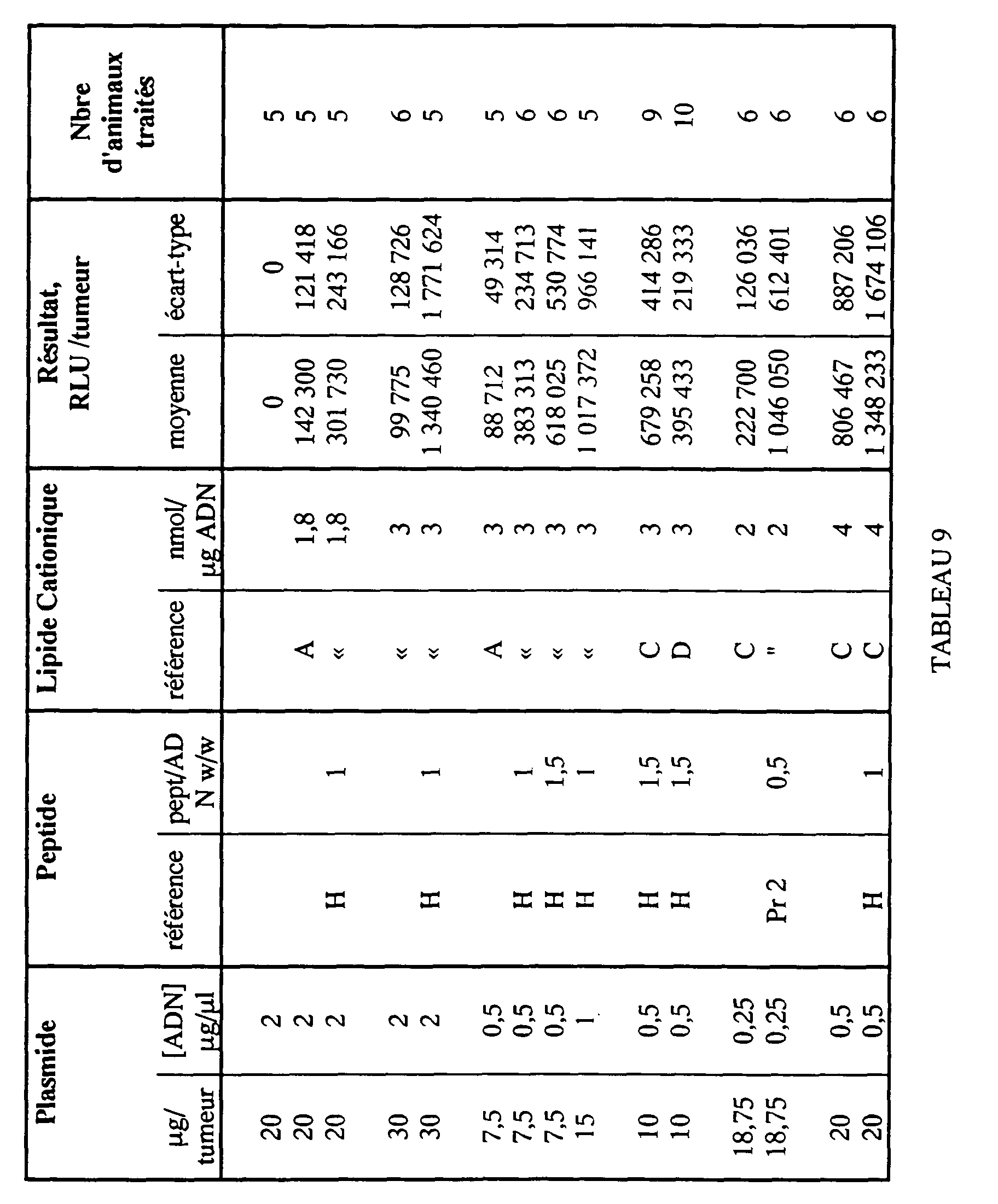
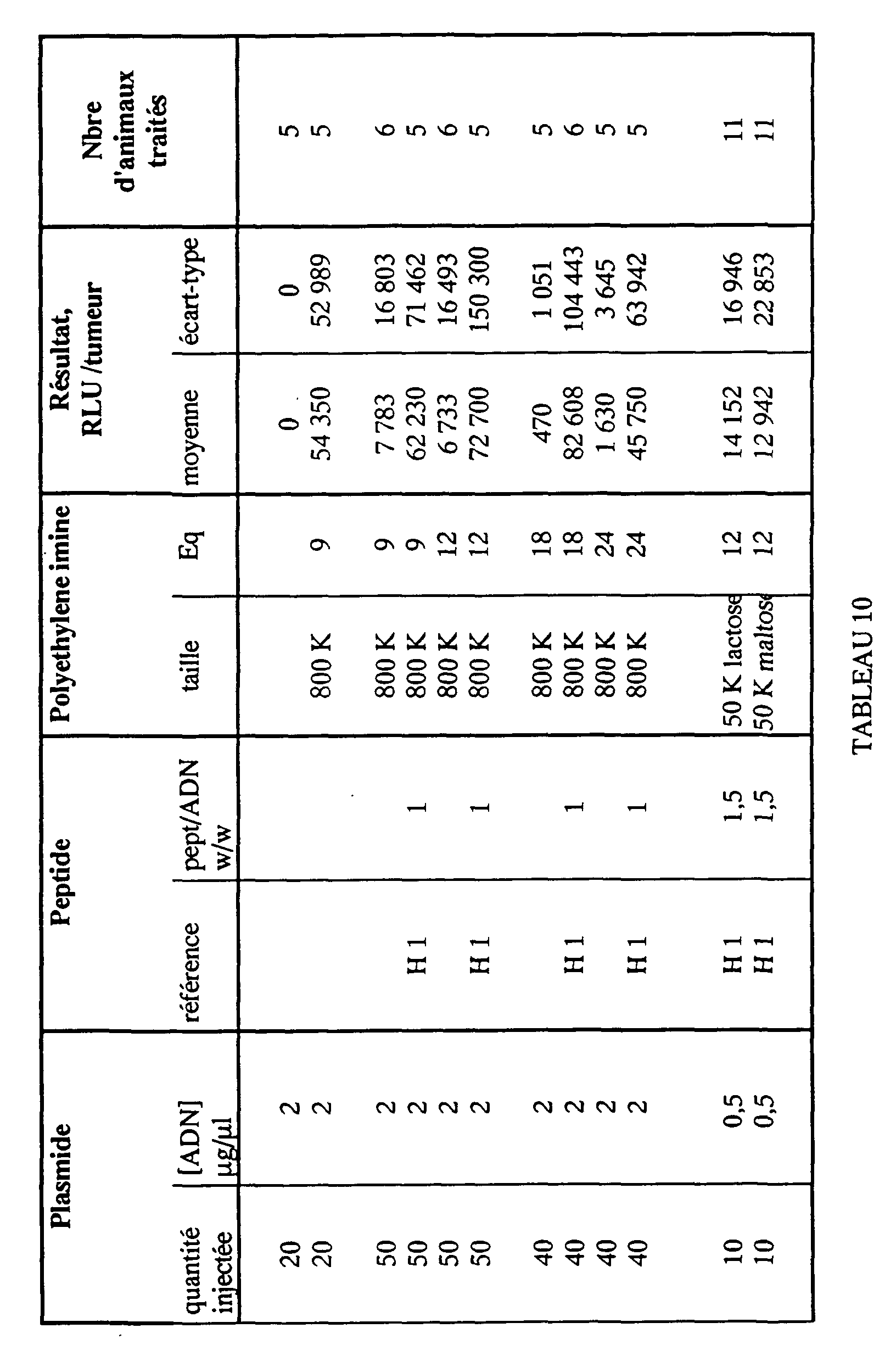
Cet exemple décrit le transfert d'acides nucléiques in vitro (sur cultures cellulaires) au moyen d'une composition selon l'invention comprenant l'acide nucléique, un composé selon l'invention choisi parmi les dérivés de protamines et une lipopolyamine dans une solution de NaCl 75 mM final.This example describes the transfer of nucleic acids in vitro (on cell cultures) to means of a composition according to the invention comprising the nucleic acid, a compound according to the invention chosen from protamine derivatives and a lipopolyamine in a final 75 mM NaCl solution.
On prépare un mélange de 10 µl composé comme suit:
- 0.5 µg d'ADN plasmidique pCMV-luc, 0,5 µg de PR1 ou PR2 un composé selon l'invention, dans une solution de Nacl 75 mM final
- Lipopolyamine C (RPR 120535) dans des rapport de charges tels qu'indiqués dans chacun des essais répertoriés dans le tableau 11 ci-après.
- 0.5 μg of plasmid DNA pCMV-luc, 0.5 μg of PR1 or PR2 a compound according to the invention, in a solution of Nacl 75 mM final
- Lipopolyamine C (RPR 120535) in charge ratios as indicated in each of the tests listed in Table 11 below.
Les tableaux 11 et 12 rendent compte respectivement des essais avec PR1 et PR2.
Modèle:
- souris de type Swiss/nude femelles adulte
- tumeurs expérimentales induites après injection de 107 cellules 3T3 HER2 par voie sous-cutanée au niveau du flanc.
- injection du mélange de transfection 7 à 12 jours après l'injection des cellules. La solution d'ADN compacté ou non à du peptide est injectée directement dans la tumeur avec une seringue de type Hamilton.
- deux jours après l'injection, prélèvement du tissus tumoral, qui est pesé puis haché et homogénéisé dans 750 µl tampon de lyse (Promega Cell Lysis Buffer E153 A). Après centrifugation (20 000 g pendant 10 minutes), on prélève 10 µl qui servent à l'évaluation de l'activité luciférase par mesure de l'émission lumineuse totale obtenue après mélange avec 50 µl de réactif (Promega Luciferase Assay Substrate) dans un luminomêtre Lumat LB 9501 (Berthold), intégration sur 10 secondes.
- Adult Swiss / Nude female type mice
- Experimental tumors induced after injection of 10 7 3T3 HER2 cells subcutaneously in the flank.
- injection of the transfection mixture 7 to 12 days after injection of the cells. The solution of DNA compacted or not with the peptide is injected directly into the tumor with a syringe of Hamilton type.
- two days after the injection, removal of the tumor tissue, which is weighed then minced and homogenized in 750 μl lysis buffer (Promega Cell Lysis Buffer E153 A). After centrifugation (20,000 g for 10 minutes), 10 .mu.l are collected and used to evaluate the luciferase activity by measuring the total light emission obtained after mixing with 50 .mu.l of reagent (Promega Luciferase Assay Substrate) in a luminometer Lumat LB 9501 (Berthold), integration over 10 seconds.
L'activité résultante est exprimée en RLU (Relative Lights Units) estimés dans la totalité du surnageant de lyse tumorale.The resulting activity is expressed in RLU (Relative Lights Units) estimated in the all of the tumor lysis supernatant.
Protocole: L'ADN est dilué à 0,5 mg/ml dans une solution qui contiendra en final les
sels, le tampon et le glucose en quantité finale telle que mentionnée dans le tableau de
résultats. Dans certains groupes, avant injection, du peptide en solution à 1 mg/ml
dans l'eau est ajouté à l'ADN en quantité suffisante pour atteindre les rapports
poids/poids indiqués. Une incubation d'au moins 20 minutes à température ambiante
est réalisée. Les souris recoivent une injection de 20 µl, soit 10 µg d'ADN au total par
tumeur.
Ces résultats montrent que, dans des tumeurs susceptibles de pouvoir être transfectées par de l'ADN nu, l'addition de peptide avec des faibles rapport peptide/ADN, sans association de lipides cationiques, permet d'augmenter l'expression du gène exogène par rapport à l'ADN nu seul. These results show that in tumors that can be transfected by naked DNA, the addition of peptide with low peptide / DNA ratio, without combination of cationic lipids, increases the expression of the exogenous gene compared to bare DNA alone.









Claims (29)
- A composition which is useful for the transfection of a nucleic acid, containing apart from said nucleic acid at least one transfection agent and a compound involved in the condensation of said nucleic acid, characterized in that said compound is constituted entirely or in part by:2 to 10 (KTPKKAKKP) and/or (ATPAKKAA) peptide units repeated continuously or non-continuously,or an oligopeptide chosen from
SRSRYYRQRQRSRRRRRR(COOH) and
RRRLHRIHRRQHRSCRRRKRR(COOH) - A pharmaceutical composition according to claim 1, characterized in that the peptide units are separated from each other by one or more amino acids.
- A pharmaceutical composition according to claim 1 or 2, characterized in that the compound involved in the condensation of said nucleic acid is an oligopeptide chosen from (KTPKKAKKP)2(COOH) and (ATPAKKAA)2(COOH).
- A pharmaceutical composition according to one of the previous claims, characterized in that said compound has a β-sheet structure.
- A pharmaceutical composition according to one of claims 1 to 4, characterized in that said compound is also associated with a cell receptor ligand.
- A pharmaceutical composition according to claim 5, characterized in that said compound is the PKKKRKV-bAla-(KTPKKAKKP)2(COOH) peptide.
- A pharmaceutical composition according to one of claims 1 to 6, characterized in that said compound is also associated with a peptide of fusogenic type which promotes the cellular transfection of said composition.
- A pharmaceutical composition according to one of claims 1 to 7, characterized in that said compound is also polyglycosylated, sulphonated, phosphorylated and/or grafted to complex sugars or to a lipophilic agent.
- A pharmaceutical composition according to one of the previous claims, characterized in that the transfection agent is a cationic polymer or a lipofectant.
- A pharmaceutical composition according to claim 9, characterized in that the lipofectant is a lipid which is able to form liposomes, furtive liposomes, immunoliposomes or target liposomes.
- A pharmaceutical composition according to claim 9, characterized in that the cationic polymer is preferably a compound of general formula (I):in which
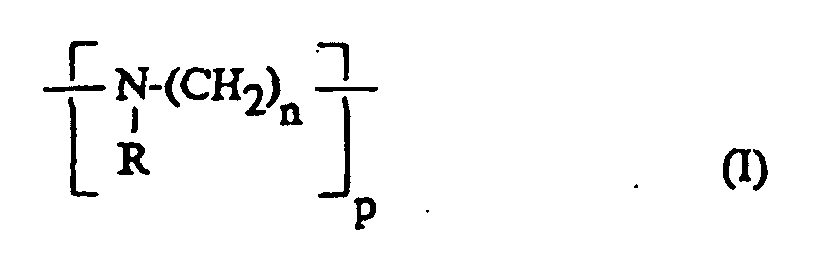 with p being such that the average molecular weight of the polymer is comprised between 100 and 107 Da.R is a hydrogen atomn is an integer comprised between 2 and 10;p is an integer,
 - A pharmaceutical composition according to claim 9, characterized in that the cationic polymer is chosen from polyethyleneimine (PEI) and polypropyleneimine (PPI).
- A pharmaceutical composition according to claim 12, characterized in that the polymer is chosen from polyethyleneimine with an average molecular weight of 50,000 Da (PEI50K) and polyethyleneimine with an average molecular weight of 800,000 Da (PEI800K).
- A pharmaceutical composition according to claim 9, characterized in that the lipofectant comprises at least one polyamine region.
- A pharmaceutical composition according to claim 9, characterized in that the lipofectant comprises at least one lipophilic region represented by the general formula (IV)in which
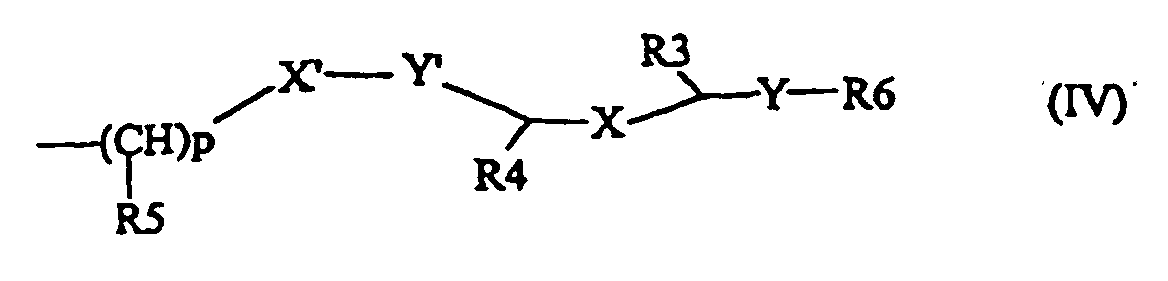 X and X' represent, independently of each other, an oxygen atom, a methylene group -(CH2)q - with q equal to 0, 1, 2 or 3, or an amino group
-NH- or -NR'- with R' representing a C1 to C4 alkyl group,Y and Y' represent independently of each other a methylene group, a carbonyl group or a C=S group,R3, R4 and R5 represent independently of each other a hydrogen atom or a substituted or unsubstituted C1 to C4 alkyl radical, with p being able to vary between 0 and 5,R6 represents a cholesterol derivative or an alkylamino group -NR1 R2 with R1 and R2 representing, independently of each other, a saturated or unsaturated linear or branched C12 to C22 aliphatic radical. - A pharmaceutical composition according to claim 9, characterized in that the lipofectant is a lipopolyamine chosen from dioctadecylamidoglycylspermine (DOGS), palmitoylphosphatidylethanolamine 5-carboxyspermylamide (DPPES), 2,5-bis(3-aminopropylamino)pentyl (dioctadecylcarbamoylmethoxy)acetate or 1,3-bis(3-aminopropylamino)-2-propyl (dioctadecylcarbamoylmethoxy)acetate, {H2N(CH2)3}2N(CH2)4N{(CH2)3NH2}(CH2)3NHCH2COGlyN[(CH2)17-CH3]2, H2N(CH2)3NH(CH2)4NH(CH2)3NHCH2COGlyN[(CH2)18]2 or H2N(CH2)3NH(CH2)4NH(CH2)3NHCH2COArgN [(CH2)18].
- A pharmaceutical composition according to any one of claims 1 to 9 and 14 to 16, characterized in that the transfection agent is dioctadecylamidoglycylspermine (DOGS).
- A pharmaceutical composition according to one of the previous claims, characterized in that the nucleic acid is a deoxyribonucleic acid.
- A pharmaceutical composition according to one of claims 1 to 17, characterized in that the nucleic acid is a ribonucleic acid.
- A pharmaceutical composition according to claim 18 or 19 characterized in that the nucleic acid is chemically modified.
- A pharmaceutical composition according to claim 18, 19 or 20 characterized in that the nucleic acid is antisense.
- A pharmaceutical composition according to one of claims 18 to 20, characterized in that the nucleic acid comprises a therapeutic gene.
- A pharmaceutical composition according to one of the previous claims, which also comprises one or more neutral lipids.
- A pharmaceutical composition according to claim 23, characterized in that the neutral lipid or lipids are chosen from synthetic or natural lipids, zwitterionic lipids or lipids lacking ionic charge under physiological conditions.
- A pharmaceutical composition according to claim 23 or 24, characterized in that the neutral lipid or lipids are chosen from dioleoylphosphatidylethanolamine (DOPE), oleoylpalmitoylphosphatidylethanolamine (POPE), di-stearoyl, palmitoyl-, -myristoyl- phosphatidylethanolamine and their derivatives N-methylated 1 to 3 times, phosphatidylglycerols, diacylglycerols, glycosyldiacylglycerols, cerebrosides, (such as in particular galactocerebrosides), sphingolipids (such as in particular sphingomyelins) and asialogangliosides (such as in particular asialoGM1 and GM2).
- Use of a pharmaceutical composition according to one of claims 1 to 25, for the in vitro and/or ex vivo transfer of nucleic acids.
- Use of a compound constituted entirely or in part by peptide units (KTPKKAKKP) and/or (ATPAKKAA) with the number of these units being able to vary between 2 and 10, so that, when it is coupled with a cell receptor ligand, an antibody or an antibody derivative, to target, in vitro and/or ex vivo, a nucleic acid towards cells expressing the corresponding receptors or antigens.
- Use of an oligopeptide selected from:
(ATPAKKAA)2(COOH),
(KTPKKAKKP)2(COOH),
ATPKKSAKKTPKKAKKP(COOH),
KKAKSPKKAKAAKPKKAPKSPAKAKA(COOH),
SRSRYYRQRQRSRRRRRR(COOH) and
RRRLHRIHRRQHRSCRRRKRR(COOH)
in order to carry out the transfer in vitro and/or ex vivo of at least one nucleic acid, said oligonucleotide being associated or not associated with a target element. - Use of a pharmaceutical composition according to one of claims 1 to 20 or 22 for the production of a medicament intended for the treatment of diseases resulting from a deficiency in a protein or nucleic product, the administered nucleic acid coding for said protein product or containing the sequence corresponding to said nucleic product.
Applications Claiming Priority (3)
| Application Number | Priority Date | Filing Date | Title |
|---|---|---|---|
| FR9501865A FR2730637B1 (en) | 1995-02-17 | 1995-02-17 | PHARMACEUTICAL COMPOSITION CONTAINING NUCLEIC ACIDS, AND USES THEREOF |
| FR9501865 | 1995-02-17 | ||
| PCT/FR1996/000248 WO1996025508A1 (en) | 1995-02-17 | 1996-02-15 | Nucleic acid-containing composition, preparation and use thereof |
Publications (2)
| Publication Number | Publication Date |
|---|---|
| EP0809705A1 EP0809705A1 (en) | 1997-12-03 |
| EP0809705B1 true EP0809705B1 (en) | 2005-12-21 |
Family
ID=9476267
Family Applications (1)
| Application Number | Title | Priority Date | Filing Date |
|---|---|---|---|
| EP96904146A Revoked EP0809705B1 (en) | 1995-02-17 | 1996-02-15 | Nucleic acid-containing composition, preparation and use thereof |
Country Status (18)
| Country | Link |
|---|---|
| US (2) | US5945400A (en) |
| EP (1) | EP0809705B1 (en) |
| JP (1) | JPH11500431A (en) |
| KR (1) | KR19980702200A (en) |
| AT (1) | ATE313642T1 (en) |
| AU (1) | AU706643B2 (en) |
| BR (1) | BR9607383A (en) |
| CA (1) | CA2211162A1 (en) |
| CZ (1) | CZ293269B6 (en) |
| DE (1) | DE69635609T2 (en) |
| FI (1) | FI973363A0 (en) |
| FR (1) | FR2730637B1 (en) |
| HU (1) | HU223263B1 (en) |
| IL (1) | IL117144A0 (en) |
| NO (1) | NO973745D0 (en) |
| SK (1) | SK281543B6 (en) |
| WO (1) | WO1996025508A1 (en) |
| ZA (1) | ZA961255B (en) |
Families Citing this family (168)
| Publication number | Priority date | Publication date | Assignee | Title |
|---|---|---|---|---|
| US6383814B1 (en) | 1994-12-09 | 2002-05-07 | Genzyme Corporation | Cationic amphiphiles for intracellular delivery of therapeutic molecules |
| US6331524B1 (en) | 1994-12-09 | 2001-12-18 | Genzyme Corporation | Organ-specific targeting of cationic amphiphile / DNA complexes for gene therapy |
| US5939401A (en) * | 1994-12-09 | 1999-08-17 | Genzyme Corporation | Cationic amphiphile compositions for intracellular delivery of therapeutic molecules |
| US5948767A (en) * | 1994-12-09 | 1999-09-07 | Genzyme Corporation | Cationic amphiphile/DNA complexes |
| FR2730637B1 (en) | 1995-02-17 | 1997-03-28 | Rhone Poulenc Rorer Sa | PHARMACEUTICAL COMPOSITION CONTAINING NUCLEIC ACIDS, AND USES THEREOF |
| JP2002514892A (en) * | 1995-06-08 | 2002-05-21 | コブラ セラピューティクス リミテッド | Use of synthetic virus-like particles in gene therapy |
| FR2741066B1 (en) * | 1995-11-14 | 1997-12-12 | Rhone Poulenc Rorer Sa | NEW TRANSFECTION AGENTS AND THEIR PHARMACEUTICAL APPLICATIONS |
| FR2756491B1 (en) * | 1996-11-29 | 1999-01-08 | Rhone Poulenc Rorer Sa | TRANSFECTING COMPOSITION USEFUL IN GENE THERAPY ASSOCIATED WITH A RECOMBINANT VIRUS INCORPORATING EXOG ENE NUCLEIC ACID, A NON-VIRAL AND NON-PLASMIDIC TRANSFECTING AGENT |
| FR2750704B1 (en) | 1996-07-04 | 1998-09-25 | Rhone Poulenc Rorer Sa | PROCESS FOR PRODUCING THERAPEUTIC DNA |
| CN1181422A (en) * | 1996-10-31 | 1998-05-13 | 上海市肿瘤研究所 | Gene transfer carrier structured by polypeptide in conjunction with growth factor receptor |
| US7008776B1 (en) * | 1996-12-06 | 2006-03-07 | Aventis Pharmaceuticals Inc. | Compositions and methods for effecting the levels of high density lipoprotein (HDL) cholesterol and apolipoprotein AI very low density lipoprotein (VLDL) cholesterol and low density lipoprotein (LDL) cholesterol |
| KR100516561B1 (en) | 1996-12-06 | 2005-09-22 | 아벤티스 파마슈티칼스 인크. | Polypeptides encoded by a human lipase-like gene, compositions and methods |
| US6884430B1 (en) | 1997-02-10 | 2005-04-26 | Aventis Pharma S.A. | Formulation of stabilized cationic transfection agent(s) /nucleic acid particles |
| US6638502B1 (en) | 1997-04-28 | 2003-10-28 | Gencell Sas | Adenovirus-mediated intratumoral delivery of an angiogenesis antagonist for the treatment of tumors |
| FR2763943B1 (en) * | 1997-05-28 | 1999-07-09 | Rhone Poulenc Rorer Sa | COMPOUNDS, THEIR PREPARATION AND THEIR USE FOR TRANSFERRING NUCLEIC ACIDS INTO CELLS |
| US6875606B1 (en) | 1997-10-23 | 2005-04-05 | The United States Of America As Represented By The Department Of Veterans Affairs | Human α-7 nicotinic receptor promoter |
| EP1049793B1 (en) | 1998-01-30 | 2005-10-12 | Aventis Pharma S.A. | Transfecting compositions sensitive to reducing conditions, pharmaceutical compositions containing them, and their applications |
| FR2774394B1 (en) * | 1998-01-30 | 2002-04-26 | Rhone Poulenc Rorer Sa | TRANSFECTANT COMPOUNDS SENSITIVE TO REDUCING CONDITIONS, PHARMACEUTICAL COMPOSITIONS CONTAINING THEM, AND THEIR APPLICATIONS |
| US6225456B1 (en) | 1998-05-07 | 2001-05-01 | University Technololy Corporation | Ras suppressor SUR-5 |
| US6506889B1 (en) | 1998-05-19 | 2003-01-14 | University Technology Corporation | Ras suppressor SUR-8 and related compositions and methods |
| FR2786700B1 (en) * | 1998-12-03 | 2002-12-06 | Aventis Pharma Sa | NOVEL NUCLEIC ACID TRANSFERS, COMPOSITIONS CONTAINING THEM, AND USES THEREOF |
| HUP0200345A3 (en) * | 1998-12-03 | 2003-12-29 | Aventis Pharma Sa | Novel nucleic acid transferring agents, compositions containing them and uses |
| US6441156B1 (en) | 1998-12-30 | 2002-08-27 | The United States Of America As Represented By The Department Of Health And Human Services | Calcium channel compositions and methods of use thereof |
| US7780882B2 (en) * | 1999-02-22 | 2010-08-24 | Georgetown University | Simplified and improved method for preparing an antibody or an antibody fragment targeted immunoliposome for systemic administration of a therapeutic or diagnostic agent |
| US9034329B2 (en) * | 1999-02-22 | 2015-05-19 | Georgetown University | Preparation of antibody or an antibody fragment-targeted immunoliposomes for systemic administration of therapeutic or diagnostic agents and uses thereof |
| CA2362550C (en) * | 1999-02-22 | 2010-05-11 | Georgetown University | Antibody fragment-targeted immunoliposomes for systemic gene delivery |
| GB9918670D0 (en) | 1999-08-06 | 1999-10-13 | Celltech Therapeutics Ltd | Biological product |
| DE69943068D1 (en) * | 1999-09-09 | 2011-02-03 | Curevac Gmbh | Transfer of mRNA using polycationic compounds |
| WO2001023537A1 (en) * | 1999-09-24 | 2001-04-05 | Cyto Pulse Sciences, Inc. | Process for enhancing electric field-mediated delivery of biological materials into cells |
| ATE511856T1 (en) | 2000-03-13 | 2011-06-15 | Cornell Res Foundation Inc | BLOCKING LEUKOCYTE EMIGRATION AND INFLAMMATION DUE TO DISRUPTION WITH CD99/HEC2 |
| US20040033600A1 (en) | 2001-03-21 | 2004-02-19 | Palli Subba Reddy | Ecdysone receptor-based inducible gene expression system |
| US20030212022A1 (en) * | 2001-03-23 | 2003-11-13 | Jean-Marie Vogel | Compositions and methods for gene therapy |
| GB0018307D0 (en) | 2000-07-26 | 2000-09-13 | Aventis Pharm Prod Inc | Polypeptides |
| US20040110928A1 (en) * | 2000-04-12 | 2004-06-10 | Andrea Crisanti | Peptide conjugates for drug delivery |
| CA2399940A1 (en) | 2000-04-13 | 2001-10-25 | The Rockefeller University | Enhancement of antibody-mediated immune responses |
| US20040142474A1 (en) * | 2000-09-14 | 2004-07-22 | Expression Genetics, Inc. | Novel cationic lipopolymer as a biocompatible gene delivery agent |
| US6696038B1 (en) | 2000-09-14 | 2004-02-24 | Expression Genetics, Inc. | Cationic lipopolymer as biocompatible gene delivery agent |
| FR2814370B1 (en) * | 2000-09-22 | 2004-08-20 | Centre Nat Rech Scient | USE OF A NUCLEIC ACID / PEI COMPLEX FOR TARGETING STEM CELLS OF THE BRAIN |
| US8105825B2 (en) | 2000-10-03 | 2012-01-31 | Intrexon Corporation | Multiple inducible gene regulation system |
| US7060442B2 (en) | 2000-10-30 | 2006-06-13 | Regents Of The University Of Michigan | Modulators on Nod2 signaling |
| US7118756B2 (en) | 2000-12-28 | 2006-10-10 | Wyeth | Recombinant protective protein from Streptococcus pneumoniae |
| US20030125239A1 (en) * | 2001-02-02 | 2003-07-03 | Andrea Crisanti | Compositions for drug delivery |
| WO2002063026A1 (en) * | 2001-02-08 | 2002-08-15 | Geneporter, Inc. | Complexes and components thereof for introducing polynucleotides into eukaryotic cells |
| EP1534738B1 (en) | 2001-02-20 | 2012-06-20 | Intrexon Corporation | Novel substitution mutant receptors and their use in a nuclear receptor-based inducible gene expression system |
| AU2002247184B2 (en) | 2001-02-20 | 2008-06-19 | Intrexon Corporation | Novel ecdysone receptor/invertebrate retinoid X receptor-based inducible gene expression system |
| ES2424812T3 (en) | 2001-02-20 | 2013-10-08 | Intrexon Corporation | Chimeric X retinoid receptors and their use in an inducible gene expression system based on novel ecdysone receptors |
| EP1373470B1 (en) | 2001-02-20 | 2013-04-24 | Intrexon Corporation | Novel substitution mutant receptors and their use in a nuclear receptor-based inducible gene expression system |
| JP2005508134A (en) | 2001-03-02 | 2005-03-31 | ザ ロックフェラー ユニヴァーシティ | Recombinant hybrid allergen constructs with reduced allergenicity that retain the immunogenicity of natural allergens |
| AU2002329176A1 (en) * | 2001-05-25 | 2002-12-23 | The Trustees Of The University Of Pennsylvania | Targeted particles and methods of using the same |
| WO2002100435A1 (en) * | 2001-06-11 | 2002-12-19 | Centre Hospitalier Universitaire De Montreal | Compositions and methods for enhancing nucleic acid transfer into cells |
| FR2829136B1 (en) | 2001-08-29 | 2006-11-17 | Aventis Pharma Sa | LIPID DERIVATIVES OF AMINOGLYCOSIDES |
| US7563879B2 (en) | 2001-09-26 | 2009-07-21 | Intrexon Corporation | Leafhopper ecdysone receptor nucleic acids, polypeptides, and uses thereof |
| US7919269B2 (en) | 2001-09-26 | 2011-04-05 | Intrexon Corporation | Whitefly ecdysone receptor nucleic acids, polypeptides, and uses thereof |
| US20040023910A1 (en) * | 2001-09-28 | 2004-02-05 | Zhiming Zhang | Use of cyr61 in the treatment and diagnosis of human uterine leiomyomas |
| MX339524B (en) | 2001-10-11 | 2016-05-30 | Wyeth Corp | NEW IMMUNOGENIC COMPOSITIONS FOR THE PREVENTION AND TREATMENT OF MENINGOCOCICAL DISEASE. |
| AU2003205545A1 (en) | 2002-01-17 | 2003-07-30 | York Refrigeration Aps | Submerged evaporator with integrated heat exchanger |
| US7037520B2 (en) * | 2002-03-22 | 2006-05-02 | Baylor College Of Medicine | Reversible masking of liposomal complexes for targeted delivery |
| US7375093B2 (en) | 2002-07-05 | 2008-05-20 | Intrexon Corporation | Ketone ligands for modulating the expression of exogenous genes via an ecdysone receptor complex |
| US7785608B2 (en) | 2002-08-30 | 2010-08-31 | Wyeth Holdings Corporation | Immunogenic compositions for the prevention and treatment of meningococcal disease |
| CN100542605C (en) * | 2002-09-27 | 2009-09-23 | 磨粉机械研究有限公司 | nucleic acid coated particles |
| WO2004063342A2 (en) * | 2003-01-09 | 2004-07-29 | Invitrogen Corporation | Cellular delivery and activation polypeptide-nucleic acid complexes |
| US7304161B2 (en) | 2003-02-10 | 2007-12-04 | Intrexon Corporation | Diaclhydrazine ligands for modulating the expression of exogenous genes in mammalian systems via an ecdysone receptor complex |
| US7456315B2 (en) | 2003-02-28 | 2008-11-25 | Intrexon Corporation | Bioavailable diacylhydrazine ligands for modulating the expression of exogenous genes via an ecdysone receptor complex |
| JP2007531498A (en) * | 2003-07-15 | 2007-11-08 | セダーズ−シナイ メディカル センター | Use of pleiotrophin in the diagnosis, treatment and prevention of disease |
| US20090208478A1 (en) * | 2003-10-24 | 2009-08-20 | Gencia Corporation | Transducible polypeptides for modifying metabolism |
| WO2005056752A2 (en) | 2003-10-24 | 2005-06-23 | Gencia Corporation | Methods and compositions for delivering polynucleotides |
| US20090123468A1 (en) | 2003-10-24 | 2009-05-14 | Gencia Corporation | Transducible polypeptides for modifying metabolism |
| US8062891B2 (en) | 2003-10-24 | 2011-11-22 | Gencia Corporation | Nonviral vectors for delivering polynucleotides to plants |
| US8507277B2 (en) | 2003-10-24 | 2013-08-13 | Gencia Corporation | Nonviral vectors for delivering polynucleotides |
| US8133733B2 (en) | 2003-10-24 | 2012-03-13 | Gencia Corporation | Nonviral vectors for delivering polynucleotides to target tissues |
| US7432057B2 (en) | 2004-01-30 | 2008-10-07 | Michigan State University | Genetic test for PSE-susceptible turkeys |
| SI1745295T1 (en) | 2004-04-20 | 2011-01-31 | Galapagos Nv | Methods, compositions and compound assays for inhibiting amyloid-beta protein production |
| CA2562833A1 (en) | 2004-04-27 | 2005-11-03 | Galapagos N.V. | Methods, agents, and compound screening assays for inducing differentiation of undifferentiated mammalian cells into osteoblasts |
| US7935510B2 (en) | 2004-04-30 | 2011-05-03 | Intrexon Corporation | Mutant receptors and their use in a nuclear receptor-based inducible gene expression system |
| WO2005121778A2 (en) | 2004-06-14 | 2005-12-22 | Galapagos N.V. | Methods for identification, and compounds useful for the treatment of degenerative & inflammatory diseases |
| CA2571080C (en) | 2004-06-18 | 2013-05-28 | Duke University | Modulators of odorant receptors |
| JP2008503712A (en) | 2004-06-21 | 2008-02-07 | ガラパゴス・ナムローゼ・フェンノートシャップ | Methods and means for treatment of osteoarthritis |
| US7604798B2 (en) | 2004-07-15 | 2009-10-20 | Northwestern University | Methods and compositions for importing nucleic acids into cell nuclei |
| ATE527281T1 (en) | 2004-07-16 | 2011-10-15 | Us Gov Health & Human Serv | VACCINES AGAINST AIDS COMPRISING CMV/R NUCLEIC ACID CONSTRUCTS |
| US7485468B2 (en) | 2004-10-15 | 2009-02-03 | Galapagos Bv | Molecular targets and compounds, and methods to identify the same, useful in the treatment of joint degenerative and inflammatory diseases |
| US7964571B2 (en) | 2004-12-09 | 2011-06-21 | Egen, Inc. | Combination of immuno gene therapy and chemotherapy for treatment of cancer and hyperproliferative diseases |
| US9034650B2 (en) | 2005-02-02 | 2015-05-19 | Intrexon Corporation | Site-specific serine recombinases and methods of their use |
| EP2476756A1 (en) * | 2005-06-15 | 2012-07-18 | Massachusetts Institute of Technology | Amine-containing lipids and uses thereof |
| WO2007005898A2 (en) | 2005-07-05 | 2007-01-11 | Cornell Research Foundation, Inc. | Blocking leukocyte emigration and inflammation by interfering with cd99l2 |
| WO2007028147A2 (en) | 2005-09-01 | 2007-03-08 | Philadelphia Health & Education Corporation D.B.A. Drexel University College Of Medicin | Identification of a prostatic intraepithelial neoplasia (pin)-specific gene and protein (pin-1) useful as a diagnostic treatment for prostate cancer |
| KR20140135267A (en) | 2006-05-15 | 2014-11-25 | 조지타운 유니버시티 | Preparation of antibody or an antibody fragment-targeted immunoliposomes for systemic administration of therapeutic or diagnostic agents and uses thereof |
| KR100857389B1 (en) | 2006-06-30 | 2008-09-11 | (주)아모레퍼시픽 | AP-GRR peptide or peptide chain containing AP-GRR peptide, and drug-delivery carrier comprising the same |
| AU2007276793B2 (en) | 2006-07-28 | 2014-01-16 | Sanofi | Composition and method for treatment of tumors |
| CA2665403C (en) * | 2006-10-04 | 2015-06-23 | Institut National De La Sante Et De La Recherche Medicale (Inserm) | Compositions comprising a sirna and lipidic 4,5-disubstituted 2-deoxystreptamine ring aminoglycoside derivatives and uses thereof |
| AR064642A1 (en) | 2006-12-22 | 2009-04-15 | Wyeth Corp | POLINUCLEOTIDE VECTOR THAT INCLUDES IT RECOMBINATING CELL THAT UNDERSTANDS THE VECTOR POLYPEPTIDE, ANTIBODY, COMPOSITION THAT UNDERSTANDS THE POLINUCLEOTIDE, VECTOR, RECOMBINATING CELL POLYPEPTIDE OR ANTIBODY, USE OF THE COMPOSITION AND A COMPOSITION AND A METHOD |
| US8298781B2 (en) | 2007-05-08 | 2012-10-30 | Duke University | Compositions and methods for characterizing and regulating olfactory sensation |
| MX2009012834A (en) | 2007-05-29 | 2010-05-17 | Intrexon Corp | Chiral diachylhydrazine ligands for modulating the expression of exogenous genes via an ecdysone receptor complex. |
| HRP20140405T1 (en) | 2007-06-20 | 2014-06-20 | Galapagos N.V. | Molecular targets and compounds, and methods to identify the same, useful in the treatment of bone and joint degenerative diseases |
| US20090069266A1 (en) | 2007-06-27 | 2009-03-12 | Northwestern University | Methods and compositions for nucleic acid transfer into cells |
| SG182994A1 (en) * | 2007-07-09 | 2012-08-30 | Univ Georgetown | Methods for generating immune response using cationic-liposome-mediated nucleic acid delivery |
| US9144546B2 (en) | 2007-08-06 | 2015-09-29 | Clsn Laboratories, Inc. | Nucleic acid-lipopolymer compositions |
| AU2008289461A1 (en) | 2007-08-23 | 2009-02-26 | Intrexon Corporation | Methods and compositions for diagnosing disease |
| KR20100065190A (en) * | 2007-09-14 | 2010-06-15 | 닛토덴코 가부시키가이샤 | Drug carriers |
| CN101848990B (en) * | 2007-09-17 | 2013-07-31 | 罗门哈斯公司 | Compositions and methods for the modification of physiological responses in plants |
| WO2009045370A2 (en) | 2007-09-28 | 2009-04-09 | Intrexon Corporation | Therapeutic gene-switch constructs and bioreactors for the expression of biotherapeutic molecules, and uses thereof |
| EP2042193A1 (en) | 2007-09-28 | 2009-04-01 | Biomay AG | RNA Vaccines |
| RU2484132C2 (en) | 2007-10-08 | 2013-06-10 | Интрексон Корпорейшн | Modified dendrite cells and their use in treatment of malignant tumours |
| FR2928373B1 (en) | 2008-03-05 | 2010-12-31 | Centre Nat Rech Scient | LINEAR POLYETHYLENIMINE DERIVATIVE POLYMER FOR GENE TRANSFER. |
| WO2010029118A1 (en) | 2008-09-11 | 2010-03-18 | Biofocus Dpi B.V. | Method for identifying compounds useful for increasing the functional activity and cell surface expression of cf-associated mutant cystic fibrosis transmembrane conductance regulator |
| CN107050442B (en) | 2008-11-05 | 2022-09-13 | 惠氏有限责任公司 | Multicomponent immunogenic composition for the prevention of beta-hemolytic streptococcal (BHS) disease |
| MX2011004859A (en) | 2008-11-07 | 2011-08-03 | Massachusetts Inst Technology | Aminoalcohol lipidoids and uses thereof. |
| WO2010096561A1 (en) | 2009-02-18 | 2010-08-26 | The United States Of America, As Represented By The Secretary, Department Of Health And Human Services | Synthetic hiv/siv gag proteins and uses thereof |
| EP2398480A1 (en) | 2009-02-19 | 2011-12-28 | Galapagos N.V. | Methods for identifying and compounds useful for the diagnosis and treatment of diseases involving inflammation |
| JP2012517822A (en) | 2009-02-19 | 2012-08-09 | ガラパゴス・ナムローゼ・フェンノートシャップ | Identification method and compound useful for diagnosis and treatment of diseases including inflammation |
| JP2012517821A (en) | 2009-02-19 | 2012-08-09 | ガラパゴス・ナムローゼ・フェンノートシャップ | Identification method and compound useful for diagnosis and treatment of diseases including inflammation |
| US8993509B2 (en) | 2009-03-31 | 2015-03-31 | Robert Zimmerman | Method for treatment of cachexia by administering inhibitors of adipose triglyceride lipase expression or activity |
| WO2010112569A1 (en) | 2009-03-31 | 2010-10-07 | Robert Zimmermann | Modulation of adipose triglyceride lipase for prevention and treatment of cachexia, loss of weight and muscle atrophy and methods of screening therefor |
| JP2012522977A (en) | 2009-04-01 | 2012-09-27 | ガラパゴス・ナムローゼ・フェンノートシャップ | Methods and means for the treatment of osteoarthritis |
| US8362218B2 (en) | 2009-04-17 | 2013-01-29 | New York University School Of Medicine | Peptides targeting TNF family receptors and antagonizing TNF action, compositions, methods and uses thereof |
| WO2011015572A1 (en) | 2009-08-03 | 2011-02-10 | Galapagos Nv | Molecular targets and compounds, and methods to identify the same, useful in the treatment of neurodegenerative diseases |
| WO2011015573A1 (en) | 2009-08-03 | 2011-02-10 | Galapagos Nv | Molecular targets and compounds, and methods to identify the same, useful in the treatment of neurodegenerative diseases |
| WO2011116351A2 (en) | 2010-03-19 | 2011-09-22 | University Of South Alabama | Methods and compositions for the treatment of cancer |
| US20130195800A1 (en) | 2010-03-23 | 2013-08-01 | Intrexon Corporation | Vectors Conditionally Expressing Therapeutic Proteins, Host Cells Comprising the Vectors, and Uses Thereof |
| RU2580620C2 (en) | 2010-08-23 | 2016-04-10 | ВАЙЕТ ЭлЭлСи | STABLE COMPOSITIONS OF ANTIGENS Neisseria meningitidis rLP2086 |
| WO2012032489A1 (en) | 2010-09-10 | 2012-03-15 | Wyeth Llc | Non-lipidated variants of neisseria meningitidis orf2086 antigens |
| CN105821078A (en) | 2010-12-09 | 2016-08-03 | 巴斯德研究所 | MGMT-Based method for obtaining high yield of recombinant protein expression |
| EP2492279A1 (en) | 2011-02-25 | 2012-08-29 | Laboratorios Del. Dr. Esteve, S.A. | Rapid immunogen selection method using lentiviral display |
| US9402919B2 (en) | 2011-03-04 | 2016-08-02 | Intrexon Corporation | Vectors conditionally expressing protein |
| US9238716B2 (en) | 2011-03-28 | 2016-01-19 | Massachusetts Institute Of Technology | Conjugated lipomers and uses thereof |
| WO2012135696A2 (en) | 2011-04-01 | 2012-10-04 | University Of South Alabama | Methods and compositions for the diagnosis, classification, and treatment of cancer |
| EP2546358A1 (en) | 2011-07-15 | 2013-01-16 | Laboratorios Del. Dr. Esteve, S.A. | Methods and reagents for efficient control of HIV progression |
| PT2760463T (en) | 2011-09-20 | 2019-02-27 | Univ North Carolina Chapel Hill | Regulation of sodium channels by plunc proteins |
| WO2013053765A1 (en) | 2011-10-11 | 2013-04-18 | Proyecto De Biomedicina Cima, S.L. | A non-human animal model of mucosa-associated lymphoid tissue (malt) lymphoma |
| KR20150000461A (en) | 2011-10-27 | 2015-01-02 | 메사추세츠 인스티튜트 오브 테크놀로지 | Amino acid derivatives functionalized on the n-terminal capable of forming drug incapsulating microspheres |
| JP6215223B2 (en) | 2011-12-09 | 2017-10-18 | アンスティテュ・パストゥール | Multiplex immunoscreening assay |
| US9464291B2 (en) | 2012-01-06 | 2016-10-11 | University Of South Alabama | Methods and compositions for the treatment of cancer |
| CA2865745C (en) | 2012-03-09 | 2018-01-09 | Pfizer Inc. | Neisseria meningitidis compositions and methods thereof |
| SA115360586B1 (en) | 2012-03-09 | 2017-04-12 | فايزر انك | Neisseria meningitidis compositions and methods thereof |
| EP2698377A1 (en) | 2012-08-17 | 2014-02-19 | Laboratorios Del. Dr. Esteve, S.A. | Enhanced rapid immunogen selection method for HIV gp120 variants |
| US9802987B2 (en) | 2013-03-08 | 2017-10-31 | Pfizer Inc. | Immunogenic fusion polypeptides |
| US20160054304A1 (en) | 2013-03-14 | 2016-02-25 | Galapagos Nv | Molecular targets and compounds, and methods to identify the same, useful in the treatment of fibrotic diseases |
| US20160003808A1 (en) | 2013-03-14 | 2016-01-07 | Galapagos Nv | Molecular targets and compounds, and methods to identify the same, useful in the treatment of diseases associated with epithelial mesenchymal transition |
| JP2016518812A (en) | 2013-03-14 | 2016-06-30 | ガラパゴス・ナムローゼ・フェンノートシャップGalapagos N.V. | Molecular targets useful in the treatment of fibrosis and inhibitors of said targets |
| CN105283439B (en) | 2013-03-15 | 2018-02-02 | 英特瑞克斯顿股份有限公司 | The dibenzoylhydrazine of boracic |
| WO2014193800A2 (en) | 2013-05-28 | 2014-12-04 | The Johns Hopkins University | Aptamers for the treatment of sickle cell disease |
| RU2662968C2 (en) | 2013-09-08 | 2018-07-31 | Пфайзер Инк. | Immunogenic composition for neisseria meningitidis (options) |
| KR101605421B1 (en) | 2014-03-05 | 2016-03-23 | 국립암센터 | A monoclonal antibody which specifically recognizes B cell lymphoma and use thereof |
| WO2016004202A1 (en) | 2014-07-02 | 2016-01-07 | Massachusetts Institute Of Technology | Polyamine-fatty acid derived lipidoids and uses thereof |
| WO2016044390A1 (en) | 2014-09-17 | 2016-03-24 | Intrexon Corporation | Boron-containing diacylhydrazine compounds |
| WO2016127057A1 (en) | 2015-02-06 | 2016-08-11 | The University Of North Carolina At Chapel Hill | Optimized human clotting factor viii gene expression cassettes and their use |
| AU2016221318B2 (en) | 2015-02-19 | 2020-06-25 | Pfizer Inc. | Neisseria meningitidis compositions and methods thereof |
| TW201710503A (en) | 2015-06-12 | 2017-03-16 | 長庚醫療財團法人林口長庚紀念醫院 | Novel polynucleotides, vectors, pharmaceutical compositions, and uses thereof |
| ES2949540T3 (en) | 2015-06-19 | 2023-09-29 | Massachusetts Inst Technology | Alkenyl substituted 2,5-piperazinediones and their use in compositions for delivering an agent to a subject or a cell |
| ES2907486T3 (en) | 2015-09-24 | 2022-04-25 | Univ North Carolina Chapel Hill | Methods and compositions for reducing metastases |
| AU2016334401A1 (en) | 2015-10-10 | 2018-04-26 | Intrexon Corporation | Improved therapeutic control of proteolytically sensitive, destabilized forms of interleukin-12 |
| EP3405576A4 (en) | 2016-01-19 | 2019-09-18 | The University of North Carolina at Chapel Hill | METHODS AND COMPOSITIONS USING RNA INTERFERENCE FOR KRAS INHIBITION |
| BR112018017144A2 (en) | 2016-02-22 | 2019-01-15 | Univ North Carolina Chapel Hill | calcium channel peptide inhibitors |
| US11116852B2 (en) | 2016-11-09 | 2021-09-14 | Precigen, Inc. | Frataxin expression constructs |
| JP6661797B2 (en) | 2016-11-22 | 2020-03-11 | 株式会社東芝 | Nucleic acid condensation peptide, nucleic acid condensation peptide set, nucleic acid delivery carrier, nucleic acid delivery method, cell preparation method, cell detection method and kit |
| US10183070B2 (en) | 2017-01-31 | 2019-01-22 | Pfizer Inc. | Neisseria meningitidis compositions and methods thereof |
| AU2018225180B2 (en) | 2017-02-22 | 2024-09-12 | Io Biosciences, Inc. | Nucleic acid constructs comprising gene editing multi-sites and uses thereof |
| EP3720975A1 (en) | 2017-12-08 | 2020-10-14 | Centre National de la Recherche Scientifique - CNRS | Bioluminescent screening test for detecting cell cytolysis |
| EP3539975A1 (en) | 2018-03-15 | 2019-09-18 | Fundació Privada Institut d'Investigació Oncològica de Vall-Hebron | Micropeptides and uses thereof |
| KR102842215B1 (en) | 2018-08-10 | 2025-08-05 | 주식회사 유틸렉스 | Chimeric antigen receptors binding to HLA-DR and CAR-T cells |
| CN114174327A (en) | 2019-03-08 | 2022-03-11 | 黑曜石疗法公司 | Compositions and methods for adjustable modulation of CD40L |
| US20210069242A1 (en) | 2019-04-18 | 2021-03-11 | Dmitry Dmitrievich Genkin | Reprogramming of polymorphonuclear leukocytes |
| EP4034157A1 (en) | 2019-09-27 | 2022-08-03 | Pfizer Inc. | Neisseria meningitidis compositions and methods thereof |
| MX2022008415A (en) | 2020-01-08 | 2022-08-08 | Obsidian Therapeutics Inc | Compositions and methods for tunable regulation of transcription. |
| EP3885440A1 (en) | 2020-03-26 | 2021-09-29 | Splicebio, S.L. | Split inteins and their uses |
| JP2024511119A (en) | 2021-03-22 | 2024-03-12 | ザ・ユニヴァーシティ・オヴ・ノース・キャロライナ・アト・チャペル・ヒル | Modified peptidomimetics and methods of use |
| US20250367280A1 (en) | 2022-06-17 | 2025-12-04 | Danmarks Tekniske Universitet | Allergy vaccines based on consensus allergens |
| US12534540B2 (en) | 2023-01-23 | 2026-01-27 | Clemson University Research Foundation | CYP1A1-targeted monoclonal antibody with reactivity across vertebrate taxa |
| WO2025109139A1 (en) | 2023-11-23 | 2025-05-30 | Fundació Privada Institut D'investigació Oncològica De Vall Hebron | Rodent models obtained by knock-in of the human her2 gene |
Family Cites Families (21)
| Publication number | Priority date | Publication date | Assignee | Title |
|---|---|---|---|---|
| CA1341091C (en) | 1983-10-20 | 2000-09-05 | Masayori Inouye | Regulation of gene expression by employing translational inhibition utilizaing mrna interfering complementary rna |
| FR2573436B1 (en) | 1984-11-20 | 1989-02-17 | Pasteur Institut | RECOMBINANT DNA COMPRISING A NUCLEOTIDE SEQUENCE ENCODING A DETERMINED POLYPEPTIDE UNDER THE CONTROL OF AN ADENOVIRUS PROMOTER, VECTORS CONTAINING THIS RECOMBINANT DNA, EUKARYOT CELLS TRANSFORMED BY THIS RECOMBINANT DNA, THE CONSTITUTION OF VACCINES |
| FR2602790B1 (en) | 1986-08-13 | 1990-06-01 | Transgene Sa | EXPRESSION OF A SPECIFIC TUMOR ANTIGEN BY A RECOMBINANT VECTOR VIRUS AND USE THEREOF FOR THE PREVENTIVE OR CURATIVE TREATMENT OF THE CORRESPONDING TUMOR |
| AU632993B2 (en) | 1987-12-15 | 1993-01-21 | Gene Shears Pty. Limited | Ribozymes |
| US5354844A (en) * | 1989-03-16 | 1994-10-11 | Boehringer Ingelheim International Gmbh | Protein-polycation conjugates |
| EP0737750B1 (en) | 1989-03-21 | 2003-05-14 | Vical, Inc. | Expression of exogenous polynucleotide sequences in a vertebrate |
| FR2646161B1 (en) | 1989-04-17 | 1991-07-05 | Centre Nat Rech Scient | NEW LIPOPOLYAMINES, THEIR PREPARATION AND THEIR USE |
| FR2645866B1 (en) | 1989-04-17 | 1991-07-05 | Centre Nat Rech Scient | NEW LIPOPOLYAMINES, THEIR PREPARATION AND THEIR USE |
| US5286634A (en) | 1989-09-28 | 1994-02-15 | Stadler Joan K | Synergistic method for host cell transformation |
| ATE126442T1 (en) * | 1990-05-18 | 1995-09-15 | Boehringer Ingelheim Int | NEW PROTEIN POLYCATION CONJUGATES. |
| FR2681786A1 (en) | 1991-09-27 | 1993-04-02 | Centre Nat Rech Scient | RECOMBINANT VECTORS OF VIRAL ORIGIN, PROCESS FOR OBTAINING SAME AND THEIR USE FOR THE EXPRESSION OF POLYPEPTIDES IN MUSCLE CELLS. |
| FR2688514A1 (en) | 1992-03-16 | 1993-09-17 | Centre Nat Rech Scient | Defective recombinant adenoviruses expressing cytokines and antitumour drugs containing them |
| DE69333434T2 (en) * | 1992-04-03 | 2005-03-03 | The Regents Of The University Of California, Oakland | SELF-ORGANIZING SYSTEM FOR THE ADMINISTRATION OF POLYNUCLEOTIDES CONTAINING AN AMPHIPHATIC PEPTIDE |
| US5334761A (en) | 1992-08-28 | 1994-08-02 | Life Technologies, Inc. | Cationic lipids |
| US5631237A (en) | 1992-12-22 | 1997-05-20 | Dzau; Victor J. | Method for producing in vivo delivery of therapeutic agents via liposomes |
| FR2704234B1 (en) | 1993-04-22 | 1995-07-21 | Centre Nat Rech Scient | RECOMBINANT VIRUSES, PREPARATION AND USE IN GENE THERAPY. |
| SG54115A1 (en) | 1993-04-27 | 1998-11-16 | Gerber Scient Products Inc | Thermal printing apparatus with improved power supply |
| FR2704556B1 (en) | 1993-04-30 | 1995-07-13 | Rhone Poulenc Rorer Sa | Recombinant viruses and their use in gene therapy. |
| FR2722506B1 (en) | 1994-07-13 | 1996-08-14 | Rhone Poulenc Rorer Sa | COMPOSITION CONTAINING NUCLEIC ACIDS, PREPARATION AND USES |
| FR2727679B1 (en) | 1994-12-05 | 1997-01-03 | Rhone Poulenc Rorer Sa | NEW TRANSFECTION AGENTS AND THEIR PHARMACEUTICAL APPLICATIONS |
| FR2730637B1 (en) | 1995-02-17 | 1997-03-28 | Rhone Poulenc Rorer Sa | PHARMACEUTICAL COMPOSITION CONTAINING NUCLEIC ACIDS, AND USES THEREOF |
-
1995
- 1995-02-17 FR FR9501865A patent/FR2730637B1/en not_active Expired - Fee Related
-
1996
- 1996-02-15 AU AU48353/96A patent/AU706643B2/en not_active Ceased
- 1996-02-15 IL IL11714496A patent/IL117144A0/en unknown
- 1996-02-15 BR BR9607383A patent/BR9607383A/en not_active Application Discontinuation
- 1996-02-15 WO PCT/FR1996/000248 patent/WO1996025508A1/en not_active Ceased
- 1996-02-15 HU HU9801207A patent/HU223263B1/en not_active IP Right Cessation
- 1996-02-15 FI FI973363A patent/FI973363A0/en not_active IP Right Cessation
- 1996-02-15 EP EP96904146A patent/EP0809705B1/en not_active Revoked
- 1996-02-15 CA CA002211162A patent/CA2211162A1/en not_active Abandoned
- 1996-02-15 KR KR1019970705595A patent/KR19980702200A/en not_active Ceased
- 1996-02-15 SK SK1118-97A patent/SK281543B6/en unknown
- 1996-02-15 AT AT96904146T patent/ATE313642T1/en not_active IP Right Cessation
- 1996-02-15 US US08/894,339 patent/US5945400A/en not_active Expired - Fee Related
- 1996-02-15 CZ CZ19972592A patent/CZ293269B6/en not_active IP Right Cessation
- 1996-02-15 DE DE69635609T patent/DE69635609T2/en not_active Revoked
- 1996-02-15 JP JP8524719A patent/JPH11500431A/en not_active Ceased
- 1996-02-17 ZA ZA961255A patent/ZA961255B/en unknown
-
1997
- 1997-08-14 NO NO973745A patent/NO973745D0/en not_active Application Discontinuation
-
1999
- 1999-05-06 US US09/306,044 patent/US6200956B1/en not_active Expired - Fee Related
Non-Patent Citations (1)
| Title |
|---|
| CHEN ET AL: "GALACTOSYLATED HISTONE-MEDIATED GENE TRANSFER AND EXPRESSION", HUMAN GENE THERAPY, vol. 5, 1994, pages 429 - 435 * |
Also Published As
| Publication number | Publication date |
|---|---|
| AU706643B2 (en) | 1999-06-17 |
| HUP9801207A2 (en) | 1998-08-28 |
| FI973363L (en) | 1997-08-15 |
| NO973745L (en) | 1997-08-14 |
| FR2730637A1 (en) | 1996-08-23 |
| KR19980702200A (en) | 1998-07-15 |
| US5945400A (en) | 1999-08-31 |
| HUP9801207A3 (en) | 2000-12-28 |
| ATE313642T1 (en) | 2006-01-15 |
| CZ293269B6 (en) | 2004-03-17 |
| WO1996025508A1 (en) | 1996-08-22 |
| DE69635609D1 (en) | 2006-01-26 |
| CZ259297A3 (en) | 1997-11-12 |
| US6200956B1 (en) | 2001-03-13 |
| SK281543B6 (en) | 2001-04-09 |
| FR2730637B1 (en) | 1997-03-28 |
| NO973745D0 (en) | 1997-08-14 |
| ZA961255B (en) | 1996-08-27 |
| DE69635609T2 (en) | 2006-09-14 |
| FI973363A7 (en) | 1997-08-15 |
| MX9706016A (en) | 1997-11-29 |
| BR9607383A (en) | 1997-11-25 |
| FI973363A0 (en) | 1997-08-15 |
| SK111897A3 (en) | 1998-02-04 |
| HU223263B1 (en) | 2004-04-28 |
| EP0809705A1 (en) | 1997-12-03 |
| AU4835396A (en) | 1996-09-04 |
| CA2211162A1 (en) | 1996-08-22 |
| JPH11500431A (en) | 1999-01-12 |
| IL117144A0 (en) | 1996-06-18 |
Similar Documents
| Publication | Publication Date | Title |
|---|---|---|
| WO1996025508A1 (en) | Nucleic acid-containing composition, preparation and use thereof | |
| CA2194797C (en) | Nucleic acid containing composition, preparation and uses of same | |
| EP0738328B1 (en) | Composition containing nucleic acids, preparation and uses | |
| FR2835749A1 (en) | PHARMACEUTICAL COMPOSITION IMPROVING IN VIVO GENE TRANSFER | |
| WO1997012051A1 (en) | Pharmaceutical composition useful for nucleic acid transfection, and use thereof | |
| EP1007097B1 (en) | Formulation of stabilised cationic transfection agent(s)/nucleic acid particles | |
| EP1049793B1 (en) | Transfecting compositions sensitive to reducing conditions, pharmaceutical compositions containing them, and their applications | |
| EP0986568B1 (en) | Novel class of nucleic acid cationic transfecting agents | |
| CA2272637A1 (en) | Transfecting composition usable in gene therapy combining a recombinant virus incorporating an exogenous nucleic acid, a non-viral and non-plasmid transfecting agent | |
| WO2002096928A2 (en) | Peptide vector for transferring molecules of interest to eurocaryotic cells | |
| MXPA97006016A (en) | Composition containing nucleic acids, preparation and use | |
| FR2776669A1 (en) | New nucleic acid transfer vector comprising double-stranded DNA linked to oligonucleotide, used for gene therapy |
Legal Events
| Date | Code | Title | Description |
|---|---|---|---|
| PUAI | Public reference made under article 153(3) epc to a published international application that has entered the european phase |
Free format text: ORIGINAL CODE: 0009012 |
|
| 17P | Request for examination filed |
Effective date: 19970811 |
|
| AK | Designated contracting states |
Kind code of ref document: A1 Designated state(s): AT BE CH DE DK ES FR GB GR IE IT LI LU NL PT SE |
|
| AX | Request for extension of the european patent |
Free format text: SI PAYMENT 970811 |
|
| 17Q | First examination report despatched |
Effective date: 20030829 |
|
| GRAP | Despatch of communication of intention to grant a patent |
Free format text: ORIGINAL CODE: EPIDOSNIGR1 |
|
| GRAS | Grant fee paid |
Free format text: ORIGINAL CODE: EPIDOSNIGR3 |
|
| GRAA | (expected) grant |
Free format text: ORIGINAL CODE: 0009210 |
|
| AK | Designated contracting states |
Kind code of ref document: B1 Designated state(s): AT BE CH DE DK ES FR GB GR IE IT LI LU NL PT SE |
|
| AX | Request for extension of the european patent |
Extension state: SI |
|
| PG25 | Lapsed in a contracting state [announced via postgrant information from national office to epo] |
Ref country code: NL Free format text: LAPSE BECAUSE OF FAILURE TO SUBMIT A TRANSLATION OF THE DESCRIPTION OR TO PAY THE FEE WITHIN THE PRESCRIBED TIME-LIMIT Effective date: 20051221 Ref country code: IE Free format text: LAPSE BECAUSE OF FAILURE TO SUBMIT A TRANSLATION OF THE DESCRIPTION OR TO PAY THE FEE WITHIN THE PRESCRIBED TIME-LIMIT Effective date: 20051221 Ref country code: AT Free format text: LAPSE BECAUSE OF FAILURE TO SUBMIT A TRANSLATION OF THE DESCRIPTION OR TO PAY THE FEE WITHIN THE PRESCRIBED TIME-LIMIT Effective date: 20051221 |
|
| REG | Reference to a national code |
Ref country code: GB Ref legal event code: FG4D Free format text: NOT ENGLISH |
|
| REG | Reference to a national code |
Ref country code: CH Ref legal event code: EP |
|
| REG | Reference to a national code |
Ref country code: IE Ref legal event code: FG4D Free format text: LANGUAGE OF EP DOCUMENT: FRENCH |
|
| REF | Corresponds to: |
Ref document number: 69635609 Country of ref document: DE Date of ref document: 20060126 Kind code of ref document: P |
|
| PG25 | Lapsed in a contracting state [announced via postgrant information from national office to epo] |
Ref country code: LU Free format text: LAPSE BECAUSE OF NON-PAYMENT OF DUE FEES Effective date: 20060228 Ref country code: LI Free format text: LAPSE BECAUSE OF NON-PAYMENT OF DUE FEES Effective date: 20060228 Ref country code: CH Free format text: LAPSE BECAUSE OF NON-PAYMENT OF DUE FEES Effective date: 20060228 Ref country code: BE Free format text: LAPSE BECAUSE OF NON-PAYMENT OF DUE FEES Effective date: 20060228 |
|
| PGFP | Annual fee paid to national office [announced via postgrant information from national office to epo] |
Ref country code: IT Payment date: 20060228 Year of fee payment: 11 |
|
| PG25 | Lapsed in a contracting state [announced via postgrant information from national office to epo] |
Ref country code: SE Free format text: LAPSE BECAUSE OF FAILURE TO SUBMIT A TRANSLATION OF THE DESCRIPTION OR TO PAY THE FEE WITHIN THE PRESCRIBED TIME-LIMIT Effective date: 20060321 Ref country code: GR Free format text: LAPSE BECAUSE OF FAILURE TO SUBMIT A TRANSLATION OF THE DESCRIPTION OR TO PAY THE FEE WITHIN THE PRESCRIBED TIME-LIMIT Effective date: 20060321 Ref country code: DK Free format text: LAPSE BECAUSE OF FAILURE TO SUBMIT A TRANSLATION OF THE DESCRIPTION OR TO PAY THE FEE WITHIN THE PRESCRIBED TIME-LIMIT Effective date: 20060321 |
|
| PG25 | Lapsed in a contracting state [announced via postgrant information from national office to epo] |
Ref country code: ES Free format text: LAPSE BECAUSE OF FAILURE TO SUBMIT A TRANSLATION OF THE DESCRIPTION OR TO PAY THE FEE WITHIN THE PRESCRIBED TIME-LIMIT Effective date: 20060401 |
|
| GBT | Gb: translation of ep patent filed (gb section 77(6)(a)/1977) |
Effective date: 20060328 |
|
| PG25 | Lapsed in a contracting state [announced via postgrant information from national office to epo] |
Ref country code: PT Free format text: LAPSE BECAUSE OF FAILURE TO SUBMIT A TRANSLATION OF THE DESCRIPTION OR TO PAY THE FEE WITHIN THE PRESCRIBED TIME-LIMIT Effective date: 20060522 |
|
| NLV1 | Nl: lapsed or annulled due to failure to fulfill the requirements of art. 29p and 29m of the patents act | ||
| REG | Reference to a national code |
Ref country code: IE Ref legal event code: FD4D |
|
| PLBI | Opposition filed |
Free format text: ORIGINAL CODE: 0009260 |
|
| 26 | Opposition filed |
Opponent name: BOHLINI GMBH & CO KG Effective date: 20060731 |
|
| REG | Reference to a national code |
Ref country code: CH Ref legal event code: PL |
|
| PLAX | Notice of opposition and request to file observation + time limit sent |
Free format text: ORIGINAL CODE: EPIDOSNOBS2 |
|
| PGFP | Annual fee paid to national office [announced via postgrant information from national office to epo] |
Ref country code: GB Payment date: 20070130 Year of fee payment: 12 |
|
| PGFP | Annual fee paid to national office [announced via postgrant information from national office to epo] |
Ref country code: DE Payment date: 20070131 Year of fee payment: 12 |
|
| RDAF | Communication despatched that patent is revoked |
Free format text: ORIGINAL CODE: EPIDOSNREV1 |
|
| BERE | Be: lapsed |
Owner name: AVENTIS PHARMA S.A. Effective date: 20060228 |
|
| RDAG | Patent revoked |
Free format text: ORIGINAL CODE: 0009271 |
|
| STAA | Information on the status of an ep patent application or granted ep patent |
Free format text: STATUS: PATENT REVOKED |
|
| 27W | Patent revoked |
Effective date: 20070920 |
|
| GBPR | Gb: patent revoked under art. 102 of the ep convention designating the uk as contracting state |
Free format text: 20070920 |
|
| PGFP | Annual fee paid to national office [announced via postgrant information from national office to epo] |
Ref country code: FR Payment date: 20070227 Year of fee payment: 12 |
|
| PLAB | Opposition data, opponent's data or that of the opponent's representative modified |
Free format text: ORIGINAL CODE: 0009299OPPO |
|
| PG25 | Lapsed in a contracting state [announced via postgrant information from national office to epo] |
Ref country code: IT Free format text: LAPSE BECAUSE OF NON-PAYMENT OF DUE FEES Effective date: 20070215 |