EP0806476B1 - Souche atténuée de Leishmania et son utilisation - Google Patents
Souche atténuée de Leishmania et son utilisation Download PDFInfo
- Publication number
- EP0806476B1 EP0806476B1 EP97303085A EP97303085A EP0806476B1 EP 0806476 B1 EP0806476 B1 EP 0806476B1 EP 97303085 A EP97303085 A EP 97303085A EP 97303085 A EP97303085 A EP 97303085A EP 0806476 B1 EP0806476 B1 EP 0806476B1
- Authority
- EP
- European Patent Office
- Prior art keywords
- leishmania
- gene
- strain
- donovani
- hyg
- Prior art date
- Legal status (The legal status is an assumption and is not a legal conclusion. Google has not performed a legal analysis and makes no representation as to the accuracy of the status listed.)
- Expired - Lifetime
Links
Images


Classifications
-
- C—CHEMISTRY; METALLURGY
- C12—BIOCHEMISTRY; BEER; SPIRITS; WINE; VINEGAR; MICROBIOLOGY; ENZYMOLOGY; MUTATION OR GENETIC ENGINEERING
- C12N—MICROORGANISMS OR ENZYMES; COMPOSITIONS THEREOF; PROPAGATING, PRESERVING, OR MAINTAINING MICROORGANISMS; MUTATION OR GENETIC ENGINEERING; CULTURE MEDIA
- C12N9/00—Enzymes; Proenzymes; Compositions thereof; Processes for preparing, activating, inhibiting, separating or purifying enzymes
- C12N9/0004—Oxidoreductases (1.)
- C12N9/0012—Oxidoreductases (1.) acting on nitrogen containing compounds as donors (1.4, 1.5, 1.6, 1.7)
- C12N9/0036—Oxidoreductases (1.) acting on nitrogen containing compounds as donors (1.4, 1.5, 1.6, 1.7) acting on NADH or NADPH (1.6)
-
- A—HUMAN NECESSITIES
- A61—MEDICAL OR VETERINARY SCIENCE; HYGIENE
- A61K—PREPARATIONS FOR MEDICAL, DENTAL OR TOILETRY PURPOSES
- A61K39/00—Medicinal preparations containing antigens or antibodies
- A61K39/002—Protozoa antigens
- A61K39/008—Leishmania antigens
-
- C—CHEMISTRY; METALLURGY
- C12—BIOCHEMISTRY; BEER; SPIRITS; WINE; VINEGAR; MICROBIOLOGY; ENZYMOLOGY; MUTATION OR GENETIC ENGINEERING
- C12N—MICROORGANISMS OR ENZYMES; COMPOSITIONS THEREOF; PROPAGATING, PRESERVING, OR MAINTAINING MICROORGANISMS; MUTATION OR GENETIC ENGINEERING; CULTURE MEDIA
- C12N1/00—Microorganisms; Compositions thereof; Processes of propagating, maintaining or preserving microorganisms or compositions thereof; Processes of preparing or isolating a composition containing a microorganism; Culture media therefor
- C12N1/10—Protozoa; Culture media therefor
- C12N1/105—Protozoal isolates
-
- C—CHEMISTRY; METALLURGY
- C12—BIOCHEMISTRY; BEER; SPIRITS; WINE; VINEGAR; MICROBIOLOGY; ENZYMOLOGY; MUTATION OR GENETIC ENGINEERING
- C12R—INDEXING SCHEME ASSOCIATED WITH SUBCLASSES C12C - C12Q, RELATING TO MICROORGANISMS
- C12R2001/00—Microorganisms ; Processes using microorganisms
- C12R2001/90—Protozoa ; Processes using protozoa
-
- Y—GENERAL TAGGING OF NEW TECHNOLOGICAL DEVELOPMENTS; GENERAL TAGGING OF CROSS-SECTIONAL TECHNOLOGIES SPANNING OVER SEVERAL SECTIONS OF THE IPC; TECHNICAL SUBJECTS COVERED BY FORMER USPC CROSS-REFERENCE ART COLLECTIONS [XRACs] AND DIGESTS
- Y02—TECHNOLOGIES OR APPLICATIONS FOR MITIGATION OR ADAPTATION AGAINST CLIMATE CHANGE
- Y02A—TECHNOLOGIES FOR ADAPTATION TO CLIMATE CHANGE
- Y02A50/00—TECHNOLOGIES FOR ADAPTATION TO CLIMATE CHANGE in human health protection, e.g. against extreme weather
- Y02A50/30—Against vector-borne diseases, e.g. mosquito-borne, fly-borne, tick-borne or waterborne diseases whose impact is exacerbated by climate change
Definitions
- the present invention relates to the field of molecular immunobiology and in particular to immunogenic preparations including vaccines comprising attenuated strains of Leishmania.
- Parasitic protozoa of the order Kinetoplastidae are the causative agents of several tropical diseases including sleeping sickness by Trypanosoma brucei , Chagas by Trypanosoma cruzi , visceral (kala-azar) and cutaneous (oriental sore) Leishmaniasis by Leishmania donovani and Leishmania major respectively.
- Leishmania protozoans are the causative agents of human leishmaniasis, which includes a spectrum of diseases ranging from self-healing skin ulcers to fatal visceral infections. Human leishmaniasis is caused by at least thirteen different species and subspecies of parasites of the genus Leishmania.
- Untreated visceral leishmaniasis is usually fatal and mucocutaneous leishmaniasis produces mutilation by destruction of the naso-oropharyngeal cavity and, in some cases, death.
- the Leishmania protozoans exist as extracellular flagellated promastigotes in the alimentary tract of the sandfly in the free-living state, and are transmitted to the mammalian host through the bite of the insect vector. Once introduced, the promastigotes are taken up by macrophages, rapidly differentiate into non-flagellated amastigotes and start to multiply within the phagolysosomal compartment. As the infected cells rupture, amastigotes subsequently infect other macrophages giving rise to the various symptoms associated with leishmaniasis (refs. 1 and 2).
- Leishmaniasis is, therefore, a serious disease and various types of vaccines against the disease have been developed, including live parasites; frozen promastigotes from culture; sonicated promastigotes; gamma-irradiated live promastigotes; and formalin-killed promastigotes treated with glucan (reviewed in, for example ref. 3).
- live parasites including live parasites; frozen promastigotes from culture; sonicated promastigotes; gamma-irradiated live promastigotes; and formalin-killed promastigotes treated with glucan (reviewed in, for example ref. 3).
- Trypanosomatids among many other metabolic peculiarities, maintain the redox balance of the cell by a mechanism that is completely different from that of their mammalian host. They lack glutathione reductase which in nearly all organisms is responsible for the maintenance of an intracellular reducing environment important for the reduction of disulphides, the detoxification of peroxides and the synthesis of DNA precursors (refs. 4 and 5). Instead, they possess a unique system using as a main thiols, the N2, N8 bis(glutathionyl) spermidine, also named trypanothione [T(SH)2] and the monoglutathionyl spermidine.
- trypanothione [T(SH)2] also named trypanothione [T(SH)2]
- TR trypanothione reductase
- GR human glutathione reductase
- TR and thiols play a vital role in maintaining an intracellular reducing environment and in protecting these parasites against oxidative damage, arising both internally as a result of their aerobic metabolism and externally by the immune response of the mammalian host (refs. 4 and 6).
- Leishmania infection may lead to serious disease. It would be advantageous to provide attenuated strains of Leishmania and methods of production thereof, for use as antigens in immunogenic preparations, including vaccines, and the generation of diagnostic reagents.
- the present invention is directed towards the provision of attenuated strains of Leishmania.
- the attenuated strains are useful for the preparation of immunogenic preparations including vaccines against disease caused by infection by a virulent Leishmania strain and as tools for the generation of immunological and diagnostic reagents.
- an attenuated strain of Leishmania wherein both wild-type copies of trypanothione reductase gene of the strain contributing to virulence thereof have been functionally disabled and a third copy of said wild-type gene is present in the chromosome of the strain.
- both wild-type copies of the trypanothione reductase gene of the strain contributing to virulence thereof have been functionally disabled and a third copy of the wild-type gene is present in the chromosome of the strain.
- This gene contributing to the virulence of the strain is one expressed in both the promastigote and amastigote stages of the life cycle of the strain.
- the gene contributes to the ability of the strain to infect or survive within macrophages.
- the attenuated Leishmania strain may be selected from the group consisting of Leishmania donovani, Leishmania braziliensis, Leishmania tarentolae, Leishmania major, Leishmania mexicana, Leishmania tropica and Leishmania aethiopica .
- the present invention provides an immunogenic composition comprising the attenuated strains as provided herein.
- the immunogenic composition may be formulated as a vaccine for in vivo administration to a host, such as a primate including humans, to confer protection against disease caused by a virulent strain of Leishmania, including Leishmania donovani, Leishmania braziliensis, Leishmania tarentolae, Leishmania major, Leishmania mexicana, Leishmania tropica and Leishmania aethiopica .
- the strains and compositions of the invention can be used in a method of generating an immune response in a host, such as, a primate including humans, comprising administering thereto an immunoeffective amount of the immunogenic composition, as provided herein.
- the immunogenic composition may be formulated as a vaccine for in vivo administration to the host to confer protection against disease caused by a virulent strain of Leishmania, including Leishmania donovani, Leishmania braziliensis, Leishmania tarentolae, Leishmania major, Leishmania mexicana, Leishmania tropica and Leishmania aethiopica .
- a vaccine for protection against a disease caused by infection by a virulent strain of Leishmania including Leishmania donovani, Leishmania braziliensis, Leishmania tarentolae, Leishmania major, Leishmania mexicana, Leishmania tropica and Leishmania aethiopica can be formulated by administering the immunogenic composition as provided herein to a test host to determine an amount and frequency of administration thereof to confer protection against disease caused by infection by the Leishmania parasite and formulating the immunogenic composition in a form suitable for administration to a treated host, including humans, in accordance with said determined amount and frequency of administration.
- a method of forming an attenuated strain of Leishmania which comprises functionally disabling both copies of the trypanothione reductase gene of a Leishmania strain, which gene contributes to the virulence thereof and is expressed in both the promastigote and amastigote stages of the life cycle of the strain such that a third copy of the wild-type gene is present in the chromosome of the strain.
- the disabled genes may be functionally disabled by, for example, deletion or mutation, including insertional mutagenesis and, furthermore, the wild-type Leishmania gene may be replaced by the functionally disabled gene.
- the genes may be functionally disabled by, for example, replacing the gene by a selectable antibiotic resistance gene by homologous recombination following transformation of the Leishmania organism with a fragment of DNA containing the antibiotic resistance gene flanked by 5'- and 3'- noncoding DNA sequences.
- This method can be used to generate the attenuated variants of Leishmania and the residual pathogenicity of 5 the attenuated variants can be assessed in mice and hamsters. Deletion of the genes that are selectively expressed results in an attenuated strain which cannot survive in humans but generates a protective immune response. Attenuated strains of Leishmania as provided herein would be useful as live vaccines against the diseases caused by Leishmania.
- Advantages of the present invention include the provision of safe and attenuated strains of Leishmania for the preparation of immunogenic compositions including vaccines and for the generation of immunological and diagnostic reagents.
- TR trypanothione reductase
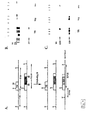
- the TR gene is a single copy gene in the Leishmania genome and it is located on a 520 kb chromosome (ref. 9, 1994; Fig 1C). Since the Leishmania genome is diploid and no sexual crosses have been achieved, two successive rounds of gene targeting are necessary to disrupt such a single copy gene.
- a 1.2 kb fragment entirely within the TR coding sequence was amplified by PCR. This fragment was inserted into pSP72 vector.
- neomycin phosphotransferase (neo) and the hygromycin phosphotransferase ( hyg ) expression cassettes (ref. 10) were introduced into the unique Bal I site of the TR gene, at 387 bp from the 3'-end of the PCR generated fragment (see Fig. 1A).
- the TR-hyg replacement construct was transfected into L. donovani .
- Cells growing in the presence of hygromycin B were cloned on semi-agar plate and the DNA of clones were digested with Xho l and analyzed by Southern blots hybridized to specific TR and hyg probes (see Figure 1(B)).
- FIG. 1(A) A schematic drawing of the TR locus in L. donovani with the TR gene and restriction sites (X, Xho I, Bl, Bal I) is shown in Figure 1(A).
- the genomic 8 kb Xho I fragment would increase to 9.2 kb and to 8.9 kb, respectively.
- the 3.5 kb X-X' corresponds to a new restriction fragment generated following genomic rearrangements to translocation of a part of the TR locus on a 1200 kb chromosome.
- Figure 1(B) shows a Southern blot analysis of L. donovani WT and TR single and double replacement mutants.
- DNAs were digested with Xho I, electrophoresed through an agarose gel and hybridized independently with TR, hyg and neo specific probes.
- Lanes 1 L. donovani WT strain; 2, L. donovani TR / hyg single knockout strain and 3, L. donovani TR / hyg / neo double targeted mutant.
- Two XhoI fragments of 7 and 8 kb are recognized by the TR probe in wild type (WT) L. donovani (Fig. 1(A) and 1(B), lane 1).
- the 8 kb restriction band increased by 1.2 kb to yield a 9.2 kb fragment whereas the 7 7 kb fragment remained unchanged.
- the presence of a 8 kb band in these clones corresponds to the second non-targeted TR allele (Fig. 1(B), lane 2).
- Further hybridization of the 9.2 kb fragment to a hyg probe confirmed the presence of the expected heterozygous replacement.
- TR-neo replacement construct (Fig. 1(A)).
- Transfectants resistant to G418 and hygromycin B were obtained and clones were analyzed by hybridization using probes specific for TR, neo and hyg.
- the neo gene was integrated into the TR locus as an XhoI fragment of the expected size of 8.9 kb was obtained following hybridization to a neo probe (see Fig. 1(B), lane 3).
- chromosomes of the TR / hyg / neo transfectant were resolved by CHEF electrophoresis and the blot was hybridized with the appropriate probes.
- Figure 1(C) there is shown a molecular karyotype of diploid and triploid L. donovani TR transfectants. Chromosomes were separated by pulsed-field gel electrophoresis using a Biorad CHEF-DR III apparatus at 5 V/cm, 120° separation angle and switch times varying from 35-120 for 27 h. Lanes 1: L. donovani WT strain; 2: L. donovani TR / hyg single knockout strain; and 3: L.
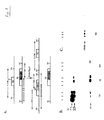
- tarentolae was amplified by PCR and the hyg and neo expression cassettes were cloned into the Bal I site of the PCR fragment and transfections were performed to inactivate both alleles of the L. tarentolae TR gene.
- Figure 2A there is a schematic drawing of the TR locus in L. tarentolae. Following integration of the hyg gene at the homologous locus, two additional Eco RI (RI) fragments of 8.75 and 3.8 kb would be generated and after the neo insertion two Eco RI fragments of 8.5 and 3.8 kb.
- RI Eco RI
- Figure 2(B) shows a Southern blot analysis of WT, single targeted and double targeted TR L. tarentolae mutants. DNAs were digested with Eco RI, electrophoresed through an agarose gel and hybridized with TR, hyg and neo specific probes. Lanes 1: L. tarentolae TarII WT strain 2: L. tarentolae TR / hyg and 3: L. tarentolae TR / hyg / neo .
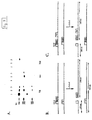
- Lanes 1 L. tarentolae WT 2: TR / neo-Sce l digested with endonuclease I-SceI 3: and TR / hyg / neo-Sce I digested with I- Sce I.
- I- Sce I has an 18-bp recognition sequence (ref. 22).
- FIG. 3(C) shows the generation of the third TR allele in the triploid L. tarentolae mutant supported by the results of the I- Sce I digest. A region of approximately 30 kb was duplicated providing the TR triploidy. This increased the size of the two I-SceI chromosomal fragments to 160 and 390 kb, respectively, instead of 150 and 370 kb as shown in panel B.
- the single and double targeted TR mutants generated by gene disruption described herein contained one intact TR allele.
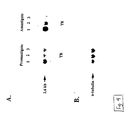
- mRNA levels in both promastigote and amastigote stages of the parasite were examined.
- Figure 4 shows TR mRNA expression in the control and TR single and double L. donovani targeted mutants.
- Figure 4(A) total RNAs isolated from the promastigote and amastigote stages of L. donovani control and transfectants were hybridized with a TR specific probe. Each track contained 5 ⁇ g of RNA. Lanes 1, L. donovani WT; 2, TR / hyg single knockout and 3, TR / hyg / neo double targeted mutant.
- Fig. 5(B) corresponds to the total number of amastigotes in 100 macrophage cells and the panel in Fig. 5(A) to the percentage of infected macrophages with time.
- ⁇ L. donovani-neo control strain with a plasmid carrying the neo gene
- ⁇ L. donovani TR / hyg control strain with a plasmid carrying the neo gene
- ⁇ L. donovani TR / hyg control strain with a plasmid carrying the neo gene
- ⁇ L. donovani TR / hyg control strain with a plasmid carrying the neo gene
- ⁇ L. donovani TR / hyg control strain with a plasmid carrying the neo gene
- ⁇ L. donovani TR / hyg control strain with a plasmid carrying the neo gene
- FIG. 6 shows the generation of an L. major replacement TR mutant by gene targeting and its infectivity within human macrophages.
- Figure 6(A) Southern blot analysis of total DNAs from L. major WT (lane 1) and L. major TR / hyg (lane 2) digested with XhoI and hybridized to TR and hyg specific probes.
- Figure 6(B) shows macrophage infection in vitro with L. major.
- the left panel corresponds to the total number of amastigotes in 100 macrophage cells and the right panel to the percentage of infected macrophages with time.
- ⁇ L. major-neo control strain
- ⁇ L. major TR / hyg single knockout. The average and standard deviation of four independent experiments are shown.
- the Xho I restriction sites were identical between L. major and L. donovani and upon the integration of the hyg gene, one TR allele was disrupted (9.2 kb fragment) (Fig. 6A, lane 2). Less TR activity was found in this mutant as it was the case for the other Leishmania TR inactivated mutants (Table 1).
- TR mutants generated in this study indicate that these parasites are suitable for live vaccine development.
- This Example describes the culturing and transfection of Leishmania.
- the Leishmania tarentolae strain Tar II has been described previously (ref. 21) and the Leishmania major 50122 and Leishmania donovani 50212 strains were obtained from the ATCC. All strains were grown in SDM-79 medium (ref. 13), supplemented with 10% fetal bovine serum (FBS) (Multicell, Wisent Inc.) and 5 ⁇ g/mL of hemin. Two to 3 ⁇ g of linearized DNA from targeting constructs purified from LMP agarose (Gibco-BRL) were used for transfections into Leishmania cells for electroporation as described previously (ref. 14).
- FBS fetal bovine serum
- Two to 3 ⁇ g of linearized DNA from targeting constructs purified from LMP agarose (Gibco-BRL) were used for transfections into Leishmania cells for electroporation as described previously (ref. 14).
- Transfectants were selected with 40 ⁇ g/mL of G-418 (Geneticin, Gibco-BRL), or 80 ⁇ g/mL of hygromycin B (CalBiochem).
- D-MEM Dulbecco's modified Eagle's medium
- FBS Dulbecco's modified Eagle's medium
- L-glutamine (2mM) penicillin G
- streptomycin 100 ⁇ g/ml
- Human peripheral blood monocytes were isolated from heparinized venous blood of normal donors by the Canadian Red Cross. Cells were centrifuged over Ficoll-Paque gradient (Pharmacia) as previously described (ref. 15).
- This Example describes techniques of recombinant DNA and the construction of targeting constructs.
- TR trypanothione reductase
- neomycin phosphotransferase ( neo ) and hygromycin phosphotransferase ( hyg ) cassettes were introduced as Sma I- Eco RV fragments into the unique Bal l-site of the TR gene.
- neo -I- Sce I cassette was introduced instead of a neo cassette.
- a cosmid clone containing the entire TR coding region and flanking sequences necessary for its expression was isolated by screening a L. donovani infantum genomic cosmid library made in the vector CL- hyg (ref.
- TR cosmid clone was transfected into L. donovani TR /neo single knockout strain to test for the specificity of the TR -mutant phenotype.
- RNAs from Leishmania donovani WT and transfectants from both promastigote and amastigote stages were prepared using Trizol (Gibco BRL). Southern and Northern blots, hybridizations and washing conditions were done following standard procedures. Intact Leishmania chromosomes were prepared from Leishmania cells harvested during mid to late log-phase, washed and lysed in situ in 1% low melting agarose plugs as previously described (ref. 19).
- This Example describes the in vitro infection of macrophages.
- the capacity of the Leislunania TR mutants to infect murine and human macrophages in vitro was tested in comparison to control Leishmania-neo transfectant, as follows.
- Murine and human macrophages were seeded (200 ⁇ l per well, 5 x 10 4 cells/mL) into 8 wells chamber slides, and were infected with parasites, at a parasite to cell ratio of 20:1 for a period of 6 hours. Following this incubation, the non-engulfed parasites were removed by 3 to 5 washes with warm medium and chambers were replenished with 500 ⁇ L of fresh culture medium. The level of infection was determined at 6, 24, 48 and 72 hours by optical microscopy examination following Diff Quick staining of cell preparations.
- This Example describes the trypanothione reductase enzyme assay.
- TR activity was assayed spectrophotometrically by monitoring substrate dependent oxidation of NADPH at 340 nm using alanine aminotransferase as an internal control (ref. 6).
Landscapes
- Health & Medical Sciences (AREA)
- Life Sciences & Earth Sciences (AREA)
- Chemical & Material Sciences (AREA)
- Engineering & Computer Science (AREA)
- Wood Science & Technology (AREA)
- Bioinformatics & Cheminformatics (AREA)
- Genetics & Genomics (AREA)
- Organic Chemistry (AREA)
- Zoology (AREA)
- Medicinal Chemistry (AREA)
- Tropical Medicine & Parasitology (AREA)
- Biotechnology (AREA)
- Microbiology (AREA)
- General Health & Medical Sciences (AREA)
- Biomedical Technology (AREA)
- Biochemistry (AREA)
- General Engineering & Computer Science (AREA)
- Virology (AREA)
- Immunology (AREA)
- Mycology (AREA)
- Pharmacology & Pharmacy (AREA)
- Epidemiology (AREA)
- Animal Behavior & Ethology (AREA)
- Public Health (AREA)
- Veterinary Medicine (AREA)
- Molecular Biology (AREA)
- Micro-Organisms Or Cultivation Processes Thereof (AREA)
- Measuring Or Testing Involving Enzymes Or Micro-Organisms (AREA)
- Medicines Containing Plant Substances (AREA)
- Fats And Perfumes (AREA)
Claims (11)
- Souche atténuée de Leishmania, dans laquelle les deux copies de type sauvage du gène de la trypanothione-réductase de la souche contribuant à sa virulence ont été rendues fonctionnellement inaptes et une troisième copie dudit gène de type sauvage est présente dans le chromosome de la souche.
- Souche selon la revendication 1, sélectionnée dans le groupe constitué par Leishmania donovani, Leishmania braziliensis, Leishmania tarentolae, Leishmania major, Leishmania mexicana, Leishmania tropica et Leishmania aethiopica.
- Souche selon la revendication 1 ou la revendication 2, dans laquelle chaque dit gène rendu inapte est rendu fonctionnellement inapte par délétion d'au moins une portion dudit gène.
- Souche selon l'une quelconque des revendications 1 à 3, dans laquelle chaque dit gène rendu inapte est rendu fonctionnellement inapte par sa mutagénèse.
- Composition immunogénique comprenant une souche atténuée selon l'une quelconque des revendications 1 à 4.
- Composition immunogénique selon la revendication 5, formulée sous forme de vaccin pour administration in vivo à un hôte pour lui conférer protection contre la maladie provoquée par la souche virulente de Leishmania.
- Composition immunogénique selon la revendication 6, dans laquelle l'hôte est un primate.
- Composition immunogénique selon la revendication 7, dans laquelle le primate est un humain.
- Procédé de formation d'une souche atténuée de Leishmania, qui comprend l'obtention de l'inaptitude fonctionnelle des deux copies du gène de la trypanothione-réductase d'une souche de Leishmania, lequel gène contribue à sa virulence et est exprimé aux stades de promastigote et d'amastigote du cycle évolutif de la souche de telle sorte qu'une troisième copie du gène de type sauvage est présente dans le chromosome de la souche.
- Procédé selon la revendication 9, dans lequel lesdites copies du gène sont rendues fonctionnellement inaptes par leur déletion ou leur mutagénèse.
- Souche atténuée de Leishmania selon l'une quelconque des revendications 1 à 4 destinée à être utilisée comme médicament.
Applications Claiming Priority (2)
| Application Number | Priority Date | Filing Date | Title |
|---|---|---|---|
| US643751 | 1996-05-06 | ||
| US08/643,751 US6162638A (en) | 1996-05-06 | 1996-05-06 | Attenuated strains of leishmania and uses thereof |
Publications (3)
| Publication Number | Publication Date |
|---|---|
| EP0806476A2 EP0806476A2 (fr) | 1997-11-12 |
| EP0806476A3 EP0806476A3 (fr) | 1998-04-22 |
| EP0806476B1 true EP0806476B1 (fr) | 2003-10-29 |
Family
ID=24582119
Family Applications (1)
| Application Number | Title | Priority Date | Filing Date |
|---|---|---|---|
| EP97303085A Expired - Lifetime EP0806476B1 (fr) | 1996-05-06 | 1997-05-06 | Souche atténuée de Leishmania et son utilisation |
Country Status (5)
| Country | Link |
|---|---|
| US (4) | US6162638A (fr) |
| EP (1) | EP0806476B1 (fr) |
| AT (1) | ATE253110T1 (fr) |
| CA (1) | CA2204565A1 (fr) |
| DE (1) | DE69725777D1 (fr) |
Families Citing this family (9)
| Publication number | Priority date | Publication date | Assignee | Title |
|---|---|---|---|---|
| US6020144A (en) | 1996-09-12 | 2000-02-01 | Symbiontics, Inc. | Sustained delivery device comprising a Leishmania protozoa and methods of making and using the same |
| GB9706930D0 (en) * | 1997-04-04 | 1997-05-21 | Univ Glasgow | Leishmania vaccine |
| US6673351B1 (en) | 2001-03-16 | 2004-01-06 | Astralis, Llc | Compositions and methods for the treatment and clinical remission of psoriasis |
| US20040241168A1 (en) * | 2001-03-16 | 2004-12-02 | O'daly Jose A. | Compositions and methods for the treatment and clinical remission of psoriasis |
| WO2005021030A1 (fr) * | 2003-08-29 | 2005-03-10 | The Government Of The United States Of America, Represented By The Secretary, Department Of Health And Human Services | Vaccins contre la leishmanie vivante attenuee |
| FR2861740B1 (fr) | 2003-10-29 | 2005-12-16 | Inst Rech Developpement Ird | Souches de protozoaire de virulence attenuee et leur utilisation |
| US8759364B2 (en) * | 2008-03-31 | 2014-06-24 | The Trustees Of Columbia University In The City Of New York | Methods of treating bone mass diseases |
| CA2861385C (fr) | 2012-01-31 | 2017-03-07 | Raft Global, Llc | Coussin de siege dote d'un contour flexible |
| US9635897B2 (en) | 2012-01-31 | 2017-05-02 | Backjoy Orthotics, Llc | Cushion items with flexible contouring |
Family Cites Families (1)
| Publication number | Priority date | Publication date | Assignee | Title |
|---|---|---|---|---|
| JPH09502091A (ja) * | 1993-09-03 | 1997-03-04 | マックギル ユニヴァーシティー | 特異的に発現するリーシュマニア遺伝子及び蛋白質 |
-
1996
- 1996-05-06 US US08/643,751 patent/US6162638A/en not_active Expired - Fee Related
-
1997
- 1997-05-06 EP EP97303085A patent/EP0806476B1/fr not_active Expired - Lifetime
- 1997-05-06 DE DE69725777T patent/DE69725777D1/de not_active Expired - Lifetime
- 1997-05-06 AT AT97303085T patent/ATE253110T1/de not_active IP Right Cessation
- 1997-05-06 CA CA002204565A patent/CA2204565A1/fr not_active Abandoned
-
2000
- 2000-07-17 US US09/617,852 patent/US6403081B1/en not_active Expired - Fee Related
- 2000-07-17 US US09/617,851 patent/US6652847B1/en not_active Expired - Fee Related
- 2000-07-17 US US09/617,850 patent/US6426203B1/en not_active Expired - Fee Related
Also Published As
| Publication number | Publication date |
|---|---|
| US6403081B1 (en) | 2002-06-11 |
| US6652847B1 (en) | 2003-11-25 |
| ATE253110T1 (de) | 2003-11-15 |
| DE69725777D1 (de) | 2003-12-04 |
| US6426203B1 (en) | 2002-07-30 |
| CA2204565A1 (fr) | 1997-11-06 |
| US6162638A (en) | 2000-12-19 |
| EP0806476A3 (fr) | 1998-04-22 |
| EP0806476A2 (fr) | 1997-11-12 |
Similar Documents
| Publication | Publication Date | Title |
|---|---|---|
| Dumas et al. | Disruption of the trypanothione reductase gene of Leishmania decreases its ability to survive oxidative stress in macrophages | |
| Hübel et al. | Leishmania major Hsp100 is required chiefly in the mammalian stage of the parasite | |
| Tatum et al. | Construction of Cu-Zn superoxide dismutase deletion mutants of Brucella abortus: analysis of survival in vitro in epithelial and phagocytic cells and in vivo in mice | |
| AU2004286879B2 (en) | Protozoan strains of reduced virulence and use thereof | |
| Souza et al. | Null mutants for the lmcpa cysteine proteinase gene in Leishmania mexicana | |
| EP2040744B1 (fr) | Souche de vaccin vivant | |
| EP0716697B1 (fr) | GENES ET PROTEINES DE $i(LEISHMANIA) EXPRIMES PAR DIFFERENCIATION | |
| US6403081B1 (en) | Attenuated strains of leishmania and uses thereof | |
| JP2023510825A (ja) | 低酸素環境下で高い適応力を有する細胞及びその用途 | |
| US5665565A (en) | Transfection of enteric parasites | |
| US6346414B1 (en) | Transposition assembly for gene transfer in eukaryotes | |
| US8877213B2 (en) | Live attenuated Leishmania vaccines | |
| KR20040023621A (ko) | 리슈마니아 기생충 독력과 연관된 유전자 | |
| Davey et al. | RACH2, a novel human gene that complements a fission yeast cell cycle checkpoint mutation. | |
| EP0829540B1 (fr) | Parasites infectant les macrophages, qui expriment un facteur stimulant la croissance de colonies de macrophages et de granulocytes | |
| US20110020399A1 (en) | Vaccines and Immunomodulatory Therapies for Tularemia | |
| EP2010562B1 (fr) | Nouveaux polypeptides induisant la migration des cellules dendritiques, ainsi que les medicaments et compositions pharmaceutiques contenant de tels polypeptides | |
| Kröber-Boncardo | New Insights into Leishmania Stress Tolerance: The Impact of the Small Heat Shock Protein 23 and Casein Kinase 1.2 | |
| Toteja et al. | Genome comparison of progressively drug resistant Plasmodium falciparum lines derived from drug sensitive clone | |
| Ogawa et al. | Recombination intermediates formed in the extract from T7-infected cells | |
| CN108578699B (zh) | 分子靶标在牙种植体修复中的应用 | |
| US6440660B1 (en) | Oligonucleotide mediated reversal of drug resistance | |
| US6855537B1 (en) | Macrophage-infecting parasites expressing a granulocyte macrophage colony stimulated factor | |
| Nardelli et al. | The in vivo and in vitro roles of Trypanosoma cruzi Rad51 in the repair of DNA double strand breaks and oxidative lesions | |
| Wilson et al. | Leishmania donovani |
Legal Events
| Date | Code | Title | Description |
|---|---|---|---|
| PUAI | Public reference made under article 153(3) epc to a published international application that has entered the european phase |
Free format text: ORIGINAL CODE: 0009012 |
|
| AK | Designated contracting states |
Kind code of ref document: A2 Designated state(s): AT BE CH DE DK ES FI FR GB GR IE IT LI LU MC NL PT SE |
|
| PUAL | Search report despatched |
Free format text: ORIGINAL CODE: 0009013 |
|
| AK | Designated contracting states |
Kind code of ref document: A3 Designated state(s): AT BE CH DE DK ES FI FR GB GR IE IT LI LU MC NL PT SE |
|
| 17P | Request for examination filed |
Effective date: 19980624 |
|
| 17Q | First examination report despatched |
Effective date: 20020726 |
|
| GRAH | Despatch of communication of intention to grant a patent |
Free format text: ORIGINAL CODE: EPIDOS IGRA |
|
| GRAS | Grant fee paid |
Free format text: ORIGINAL CODE: EPIDOSNIGR3 |
|
| GRAA | (expected) grant |
Free format text: ORIGINAL CODE: 0009210 |
|
| AK | Designated contracting states |
Kind code of ref document: B1 Designated state(s): AT BE CH DE DK ES FI FR GB GR IE IT LI LU MC NL PT SE |
|
| PG25 | Lapsed in a contracting state [announced via postgrant information from national office to epo] |
Ref country code: NL Free format text: LAPSE BECAUSE OF FAILURE TO SUBMIT A TRANSLATION OF THE DESCRIPTION OR TO PAY THE FEE WITHIN THE PRESCRIBED TIME-LIMIT Effective date: 20031029 Ref country code: LI Free format text: LAPSE BECAUSE OF FAILURE TO SUBMIT A TRANSLATION OF THE DESCRIPTION OR TO PAY THE FEE WITHIN THE PRESCRIBED TIME-LIMIT Effective date: 20031029 Ref country code: IT Free format text: LAPSE BECAUSE OF FAILURE TO SUBMIT A TRANSLATION OF THE DESCRIPTION OR TO PAY THE FEE WITHIN THE PRESCRIBED TIME-LIMIT;WARNING: LAPSES OF ITALIAN PATENTS WITH EFFECTIVE DATE BEFORE 2007 MAY HAVE OCCURRED AT ANY TIME BEFORE 2007. THE CORRECT EFFECTIVE DATE MAY BE DIFFERENT FROM THE ONE RECORDED. Effective date: 20031029 Ref country code: FR Free format text: LAPSE BECAUSE OF FAILURE TO SUBMIT A TRANSLATION OF THE DESCRIPTION OR TO PAY THE FEE WITHIN THE PRESCRIBED TIME-LIMIT Effective date: 20031029 Ref country code: FI Free format text: LAPSE BECAUSE OF FAILURE TO SUBMIT A TRANSLATION OF THE DESCRIPTION OR TO PAY THE FEE WITHIN THE PRESCRIBED TIME-LIMIT Effective date: 20031029 Ref country code: CH Free format text: LAPSE BECAUSE OF FAILURE TO SUBMIT A TRANSLATION OF THE DESCRIPTION OR TO PAY THE FEE WITHIN THE PRESCRIBED TIME-LIMIT Effective date: 20031029 Ref country code: BE Free format text: LAPSE BECAUSE OF FAILURE TO SUBMIT A TRANSLATION OF THE DESCRIPTION OR TO PAY THE FEE WITHIN THE PRESCRIBED TIME-LIMIT Effective date: 20031029 Ref country code: AT Free format text: LAPSE BECAUSE OF FAILURE TO SUBMIT A TRANSLATION OF THE DESCRIPTION OR TO PAY THE FEE WITHIN THE PRESCRIBED TIME-LIMIT Effective date: 20031029 |
|
| REG | Reference to a national code |
Ref country code: GB Ref legal event code: FG4D |
|
| REG | Reference to a national code |
Ref country code: CH Ref legal event code: EP |
|
| REG | Reference to a national code |
Ref country code: IE Ref legal event code: FG4D |
|
| REF | Corresponds to: |
Ref document number: 69725777 Country of ref document: DE Date of ref document: 20031204 Kind code of ref document: P |
|
| PG25 | Lapsed in a contracting state [announced via postgrant information from national office to epo] |
Ref country code: SE Free format text: LAPSE BECAUSE OF FAILURE TO SUBMIT A TRANSLATION OF THE DESCRIPTION OR TO PAY THE FEE WITHIN THE PRESCRIBED TIME-LIMIT Effective date: 20040129 Ref country code: GR Free format text: LAPSE BECAUSE OF FAILURE TO SUBMIT A TRANSLATION OF THE DESCRIPTION OR TO PAY THE FEE WITHIN THE PRESCRIBED TIME-LIMIT Effective date: 20040129 Ref country code: DK Free format text: LAPSE BECAUSE OF FAILURE TO SUBMIT A TRANSLATION OF THE DESCRIPTION OR TO PAY THE FEE WITHIN THE PRESCRIBED TIME-LIMIT Effective date: 20040129 |
|
| PG25 | Lapsed in a contracting state [announced via postgrant information from national office to epo] |
Ref country code: DE Free format text: LAPSE BECAUSE OF FAILURE TO SUBMIT A TRANSLATION OF THE DESCRIPTION OR TO PAY THE FEE WITHIN THE PRESCRIBED TIME-LIMIT Effective date: 20040130 |
|
| PG25 | Lapsed in a contracting state [announced via postgrant information from national office to epo] |
Ref country code: ES Free format text: LAPSE BECAUSE OF FAILURE TO SUBMIT A TRANSLATION OF THE DESCRIPTION OR TO PAY THE FEE WITHIN THE PRESCRIBED TIME-LIMIT Effective date: 20040209 |
|
| NLV1 | Nl: lapsed or annulled due to failure to fulfill the requirements of art. 29p and 29m of the patents act | ||
| PG25 | Lapsed in a contracting state [announced via postgrant information from national office to epo] |
Ref country code: LU Free format text: LAPSE BECAUSE OF NON-PAYMENT OF DUE FEES Effective date: 20040506 Ref country code: IE Free format text: LAPSE BECAUSE OF NON-PAYMENT OF DUE FEES Effective date: 20040506 Ref country code: GB Free format text: LAPSE BECAUSE OF NON-PAYMENT OF DUE FEES Effective date: 20040506 |
|
| REG | Reference to a national code |
Ref country code: CH Ref legal event code: PL |
|
| PG25 | Lapsed in a contracting state [announced via postgrant information from national office to epo] |
Ref country code: MC Free format text: LAPSE BECAUSE OF NON-PAYMENT OF DUE FEES Effective date: 20040531 |
|
| PLBE | No opposition filed within time limit |
Free format text: ORIGINAL CODE: 0009261 |
|
| STAA | Information on the status of an ep patent application or granted ep patent |
Free format text: STATUS: NO OPPOSITION FILED WITHIN TIME LIMIT |
|
| 26N | No opposition filed |
Effective date: 20040730 |
|
| EN | Fr: translation not filed | ||
| GBPC | Gb: european patent ceased through non-payment of renewal fee |
Effective date: 20040506 |
|
| REG | Reference to a national code |
Ref country code: IE Ref legal event code: MM4A |
|
| PG25 | Lapsed in a contracting state [announced via postgrant information from national office to epo] |
Ref country code: PT Free format text: LAPSE BECAUSE OF NON-PAYMENT OF DUE FEES Effective date: 20040329 |