EP0804081B1 - Root stimulating bacteria - Google Patents
Root stimulating bacteria Download PDFInfo
- Publication number
- EP0804081B1 EP0804081B1 EP95921227A EP95921227A EP0804081B1 EP 0804081 B1 EP0804081 B1 EP 0804081B1 EP 95921227 A EP95921227 A EP 95921227A EP 95921227 A EP95921227 A EP 95921227A EP 0804081 B1 EP0804081 B1 EP 0804081B1
- Authority
- EP
- European Patent Office
- Prior art keywords
- rsb
- bacteria
- plant
- root
- plants
- Prior art date
- Legal status (The legal status is an assumption and is not a legal conclusion. Google has not performed a legal analysis and makes no representation as to the accuracy of the status listed.)
- Expired - Lifetime
Links
- 241000894006 Bacteria Species 0.000 title claims abstract description 70
- 230000004936 stimulating effect Effects 0.000 title claims abstract description 13
- 241000196324 Embryophyta Species 0.000 claims abstract description 115
- 238000000034 method Methods 0.000 claims abstract description 40
- 241000218631 Coniferophyta Species 0.000 claims abstract description 29
- 230000015572 biosynthetic process Effects 0.000 claims abstract description 25
- 230000001939 inductive effect Effects 0.000 claims abstract description 21
- 235000005205 Pinus Nutrition 0.000 claims abstract description 8
- 241000218602 Pinus <genus> Species 0.000 claims abstract description 8
- 235000011334 Pinus elliottii Nutrition 0.000 claims description 35
- 241000142776 Pinus elliottii Species 0.000 claims description 35
- 240000007320 Pinus strobus Species 0.000 claims description 27
- 108020004465 16S ribosomal RNA Proteins 0.000 claims description 26
- 235000008578 Pinus strobus Nutrition 0.000 claims description 26
- 238000005520 cutting process Methods 0.000 claims description 20
- 239000001963 growth medium Substances 0.000 claims description 19
- 235000018783 Dacrycarpus dacrydioides Nutrition 0.000 claims description 15
- 230000001580 bacterial effect Effects 0.000 claims description 13
- 238000000338 in vitro Methods 0.000 claims description 13
- 241000208140 Acer Species 0.000 claims description 12
- 241000219501 Casuarina Species 0.000 claims description 12
- 241000218378 Magnolia Species 0.000 claims description 10
- 239000007787 solid Substances 0.000 claims description 10
- 239000002773 nucleotide Substances 0.000 claims description 9
- 125000003729 nucleotide group Chemical group 0.000 claims description 9
- 239000000356 contaminant Substances 0.000 claims description 8
- 235000008331 Pinus X rigitaeda Nutrition 0.000 claims description 7
- 235000011613 Pinus brutia Nutrition 0.000 claims description 7
- 241000018646 Pinus brutia Species 0.000 claims description 7
- 210000004027 cell Anatomy 0.000 claims description 7
- 230000006698 induction Effects 0.000 claims description 6
- 239000007788 liquid Substances 0.000 claims description 6
- 108091028043 Nucleic acid sequence Proteins 0.000 claims description 5
- 230000007918 pathogenicity Effects 0.000 claims description 5
- 239000000843 powder Substances 0.000 claims description 4
- 210000003495 flagella Anatomy 0.000 claims description 3
- 239000008187 granular material Substances 0.000 claims description 3
- 210000000947 motile cell Anatomy 0.000 claims description 3
- 230000000877 morphologic effect Effects 0.000 claims description 2
- 239000000284 extract Substances 0.000 abstract description 22
- 241000894007 species Species 0.000 abstract description 12
- 238000004519 manufacturing process Methods 0.000 abstract description 6
- 238000011282 treatment Methods 0.000 description 28
- 239000002609 medium Substances 0.000 description 25
- LFQSCWFLJHTTHZ-UHFFFAOYSA-N Ethanol Chemical compound CCO LFQSCWFLJHTTHZ-UHFFFAOYSA-N 0.000 description 21
- 230000012010 growth Effects 0.000 description 20
- 108020004414 DNA Proteins 0.000 description 18
- 241000736110 Sphingomonas paucimobilis Species 0.000 description 14
- 241001261626 Brevundimonas subvibrioides Species 0.000 description 13
- 238000003752 polymerase chain reaction Methods 0.000 description 12
- 238000012163 sequencing technique Methods 0.000 description 12
- 239000002585 base Substances 0.000 description 11
- 230000000694 effects Effects 0.000 description 11
- 239000000203 mixture Substances 0.000 description 10
- 235000008566 Pinus taeda Nutrition 0.000 description 8
- 241000218679 Pinus taeda Species 0.000 description 8
- 239000000047 product Substances 0.000 description 8
- 229930192334 Auxin Natural products 0.000 description 7
- 239000002363 auxin Substances 0.000 description 7
- 229920001817 Agar Polymers 0.000 description 6
- IJGRMHOSHXDMSA-UHFFFAOYSA-N Atomic nitrogen Chemical compound N#N IJGRMHOSHXDMSA-UHFFFAOYSA-N 0.000 description 6
- IAZDPXIOMUYVGZ-UHFFFAOYSA-N Dimethylsulphoxide Chemical compound CS(C)=O IAZDPXIOMUYVGZ-UHFFFAOYSA-N 0.000 description 6
- XEKOWRVHYACXOJ-UHFFFAOYSA-N Ethyl acetate Chemical compound CCOC(C)=O XEKOWRVHYACXOJ-UHFFFAOYSA-N 0.000 description 6
- 240000003293 Magnolia grandiflora Species 0.000 description 6
- 235000008512 Magnolia grandiflora Nutrition 0.000 description 6
- 241000192142 Proteobacteria Species 0.000 description 6
- 239000008272 agar Substances 0.000 description 6
- SEOVTRFCIGRIMH-UHFFFAOYSA-N indole-3-acetic acid Chemical compound C1=CC=C2C(CC(=O)O)=CNC2=C1 SEOVTRFCIGRIMH-UHFFFAOYSA-N 0.000 description 6
- 239000000523 sample Substances 0.000 description 6
- 235000007173 Abies balsamea Nutrition 0.000 description 5
- 241001135756 Alphaproteobacteria Species 0.000 description 5
- OKTJSMMVPCPJKN-UHFFFAOYSA-N Carbon Chemical compound [C] OKTJSMMVPCPJKN-UHFFFAOYSA-N 0.000 description 5
- 241001149068 Casuarina cunninghamiana Species 0.000 description 5
- 235000008127 Picea glauca Nutrition 0.000 description 5
- 238000006243 chemical reaction Methods 0.000 description 5
- 108090000623 proteins and genes Proteins 0.000 description 5
- 230000000638 stimulation Effects 0.000 description 5
- XLYOFNOQVPJJNP-UHFFFAOYSA-N water Substances O XLYOFNOQVPJJNP-UHFFFAOYSA-N 0.000 description 5
- 229910001868 water Inorganic materials 0.000 description 5
- PRPINYUDVPFIRX-UHFFFAOYSA-N 1-naphthaleneacetic acid Chemical compound C1=CC=C2C(CC(=O)O)=CC=CC2=C1 PRPINYUDVPFIRX-UHFFFAOYSA-N 0.000 description 4
- 244000283070 Abies balsamea Species 0.000 description 4
- 241000863012 Caulobacter Species 0.000 description 4
- 241001235216 Larix decidua Species 0.000 description 4
- 241000736107 Novosphingobium capsulatum Species 0.000 description 4
- 235000008124 Picea excelsa Nutrition 0.000 description 4
- 238000012300 Sequence Analysis Methods 0.000 description 4
- 230000003321 amplification Effects 0.000 description 4
- 238000004458 analytical method Methods 0.000 description 4
- 238000011109 contamination Methods 0.000 description 4
- 238000012258 culturing Methods 0.000 description 4
- 239000000499 gel Substances 0.000 description 4
- 239000005556 hormone Substances 0.000 description 4
- 229940088597 hormone Drugs 0.000 description 4
- JTEDVYBZBROSJT-UHFFFAOYSA-N indole-3-butyric acid Chemical compound C1=CC=C2C(CCCC(=O)O)=CNC2=C1 JTEDVYBZBROSJT-UHFFFAOYSA-N 0.000 description 4
- 238000003199 nucleic acid amplification method Methods 0.000 description 4
- 230000002441 reversible effect Effects 0.000 description 4
- 239000000243 solution Substances 0.000 description 4
- 235000002629 Acer saccharinum Nutrition 0.000 description 3
- 241000589156 Agrobacterium rhizogenes Species 0.000 description 3
- 108010014303 DNA-directed DNA polymerase Proteins 0.000 description 3
- 102000016928 DNA-directed DNA polymerase Human genes 0.000 description 3
- 241000190839 Erythrobacter longus Species 0.000 description 3
- PEDCQBHIVMGVHV-UHFFFAOYSA-N Glycerine Chemical compound OCC(O)CO PEDCQBHIVMGVHV-UHFFFAOYSA-N 0.000 description 3
- 235000005590 Larix decidua Nutrition 0.000 description 3
- 235000008119 Larix laricina Nutrition 0.000 description 3
- 241000218653 Larix laricina Species 0.000 description 3
- 239000004677 Nylon Substances 0.000 description 3
- 244000193463 Picea excelsa Species 0.000 description 3
- 229930006000 Sucrose Natural products 0.000 description 3
- CZMRCDWAGMRECN-UGDNZRGBSA-N Sucrose Chemical compound O[C@H]1[C@H](O)[C@@H](CO)O[C@@]1(CO)O[C@@H]1[C@H](O)[C@@H](O)[C@H](O)[C@@H](CO)O1 CZMRCDWAGMRECN-UGDNZRGBSA-N 0.000 description 3
- 241000015728 Taxus canadensis Species 0.000 description 3
- 230000002159 abnormal effect Effects 0.000 description 3
- 230000009286 beneficial effect Effects 0.000 description 3
- 229910052799 carbon Inorganic materials 0.000 description 3
- 108010079058 casein hydrolysate Proteins 0.000 description 3
- 239000004062 cytokinin Substances 0.000 description 3
- UQHKFADEQIVWID-UHFFFAOYSA-N cytokinin Natural products C1=NC=2C(NCC=C(CO)C)=NC=NC=2N1C1CC(O)C(CO)O1 UQHKFADEQIVWID-UHFFFAOYSA-N 0.000 description 3
- 230000000670 limiting effect Effects 0.000 description 3
- 239000011159 matrix material Substances 0.000 description 3
- 229910052757 nitrogen Inorganic materials 0.000 description 3
- 235000015097 nutrients Nutrition 0.000 description 3
- 229920001778 nylon Polymers 0.000 description 3
- 230000007170 pathology Effects 0.000 description 3
- 239000013612 plasmid Substances 0.000 description 3
- 230000002285 radioactive effect Effects 0.000 description 3
- 230000021749 root development Effects 0.000 description 3
- 239000002689 soil Substances 0.000 description 3
- 238000003756 stirring Methods 0.000 description 3
- 239000000126 substance Substances 0.000 description 3
- 239000005720 sucrose Substances 0.000 description 3
- JLIDBLDQVAYHNE-YKALOCIXSA-N (+)-Abscisic acid Chemical compound OC(=O)/C=C(/C)\C=C\[C@@]1(O)C(C)=CC(=O)CC1(C)C JLIDBLDQVAYHNE-YKALOCIXSA-N 0.000 description 2
- 244000046151 Acer negundo Species 0.000 description 2
- 235000004422 Acer negundo Nutrition 0.000 description 2
- 235000010328 Acer nigrum Nutrition 0.000 description 2
- 235000006760 Acer pensylvanicum Nutrition 0.000 description 2
- 240000002245 Acer pensylvanicum Species 0.000 description 2
- 241000208146 Acer platanoides Species 0.000 description 2
- 235000002754 Acer pseudoplatanus Nutrition 0.000 description 2
- 240000004731 Acer pseudoplatanus Species 0.000 description 2
- 244000046139 Acer saccharum Species 0.000 description 2
- 235000015801 Acer spicatum Nutrition 0.000 description 2
- 244000033014 Acer spicatum Species 0.000 description 2
- 241000332822 Cedrus libani Species 0.000 description 2
- 241000422842 Chamaecyparis pisifera Species 0.000 description 2
- 241001117253 Chamaecyparis thyoides Species 0.000 description 2
- HEDRZPFGACZZDS-UHFFFAOYSA-N Chloroform Chemical compound ClC(Cl)Cl HEDRZPFGACZZDS-UHFFFAOYSA-N 0.000 description 2
- 229930191978 Gibberellin Natural products 0.000 description 2
- 235000010469 Glycine max Nutrition 0.000 description 2
- 244000068988 Glycine max Species 0.000 description 2
- 206010020649 Hyperkeratosis Diseases 0.000 description 2
- 235000008226 Illicium floridanum Nutrition 0.000 description 2
- 240000003157 Illicium floridanum Species 0.000 description 2
- 240000007232 Illicium verum Species 0.000 description 2
- 235000008227 Illicium verum Nutrition 0.000 description 2
- 241000721662 Juniperus Species 0.000 description 2
- 241000592238 Juniperus communis Species 0.000 description 2
- 241000218314 Liriodendron tulipifera Species 0.000 description 2
- 241000218294 Magnolia macrophylla Species 0.000 description 2
- 241000168422 Magnolia pyramidata Species 0.000 description 2
- 241000169285 Magnolia tripetala Species 0.000 description 2
- 241000218377 Magnoliaceae Species 0.000 description 2
- 238000012408 PCR amplification Methods 0.000 description 2
- ISWSIDIOOBJBQZ-UHFFFAOYSA-N Phenol Chemical compound OC1=CC=CC=C1 ISWSIDIOOBJBQZ-UHFFFAOYSA-N 0.000 description 2
- 241000218657 Picea Species 0.000 description 2
- 240000000020 Picea glauca Species 0.000 description 2
- 235000005018 Pinus echinata Nutrition 0.000 description 2
- 241001236219 Pinus echinata Species 0.000 description 2
- 241000592226 Pinus nigra Species 0.000 description 2
- 235000017339 Pinus palustris Nutrition 0.000 description 2
- 241000204936 Pinus palustris Species 0.000 description 2
- 235000007731 Pinus pungens Nutrition 0.000 description 2
- 241000369906 Pinus pungens Species 0.000 description 2
- 235000005103 Pinus virginiana Nutrition 0.000 description 2
- 241001236196 Pinus virginiana Species 0.000 description 2
- 240000002924 Platycladus orientalis Species 0.000 description 2
- 241000190982 Rhodothalassium salexigens Species 0.000 description 2
- 238000002105 Southern blotting Methods 0.000 description 2
- 241000122973 Stenotrophomonas maltophilia Species 0.000 description 2
- 241001138405 Taxodium distichum Species 0.000 description 2
- 241000422848 Taxodium mucronatum Species 0.000 description 2
- 235000008109 Thuja occidentalis Nutrition 0.000 description 2
- 240000003243 Thuja occidentalis Species 0.000 description 2
- 241000013548 Torreya taxifolia Species 0.000 description 2
- 239000007984 Tris EDTA buffer Substances 0.000 description 2
- XSQUKJJJFZCRTK-UHFFFAOYSA-N Urea Chemical compound NC(N)=O XSQUKJJJFZCRTK-UHFFFAOYSA-N 0.000 description 2
- 241000588902 Zymomonas mobilis Species 0.000 description 2
- 238000013019 agitation Methods 0.000 description 2
- 230000003466 anti-cipated effect Effects 0.000 description 2
- 239000012736 aqueous medium Substances 0.000 description 2
- 230000004888 barrier function Effects 0.000 description 2
- 230000008901 benefit Effects 0.000 description 2
- 239000003610 charcoal Substances 0.000 description 2
- 238000010367 cloning Methods 0.000 description 2
- 230000000295 complement effect Effects 0.000 description 2
- 201000010099 disease Diseases 0.000 description 2
- 208000037265 diseases, disorders, signs and symptoms Diseases 0.000 description 2
- 239000012153 distilled water Substances 0.000 description 2
- 239000002024 ethyl acetate extract Substances 0.000 description 2
- 239000012634 fragment Substances 0.000 description 2
- 239000003448 gibberellin Substances 0.000 description 2
- IXORZMNAPKEEDV-OBDJNFEBSA-N gibberellin A3 Chemical class C([C@@]1(O)C(=C)C[C@@]2(C1)[C@H]1C(O)=O)C[C@H]2[C@]2(C=C[C@@H]3O)[C@H]1[C@]3(C)C(=O)O2 IXORZMNAPKEEDV-OBDJNFEBSA-N 0.000 description 2
- 230000007773 growth pattern Effects 0.000 description 2
- 238000003306 harvesting Methods 0.000 description 2
- 238000009396 hybridization Methods 0.000 description 2
- 230000001976 improved effect Effects 0.000 description 2
- 239000003617 indole-3-acetic acid Substances 0.000 description 2
- 230000000977 initiatory effect Effects 0.000 description 2
- PHTQWCKDNZKARW-UHFFFAOYSA-N isoamylol Chemical compound CC(C)CCO PHTQWCKDNZKARW-UHFFFAOYSA-N 0.000 description 2
- 238000002372 labelling Methods 0.000 description 2
- 239000006379 löwenstein-jensen medium Substances 0.000 description 2
- 239000012528 membrane Substances 0.000 description 2
- 244000005700 microbiome Species 0.000 description 2
- 238000001000 micrograph Methods 0.000 description 2
- 238000013081 phylogenetic analysis Methods 0.000 description 2
- 239000003375 plant hormone Substances 0.000 description 2
- 239000002243 precursor Substances 0.000 description 2
- 238000002360 preparation method Methods 0.000 description 2
- 230000000644 propagated effect Effects 0.000 description 2
- 230000002829 reductive effect Effects 0.000 description 2
- 230000004044 response Effects 0.000 description 2
- 108020004418 ribosomal RNA Proteins 0.000 description 2
- 210000003705 ribosome Anatomy 0.000 description 2
- 230000002269 spontaneous effect Effects 0.000 description 2
- 235000000346 sugar Nutrition 0.000 description 2
- 238000003786 synthesis reaction Methods 0.000 description 2
- 238000012360 testing method Methods 0.000 description 2
- 210000001519 tissue Anatomy 0.000 description 2
- LDVVMCZRFWMZSG-OLQVQODUSA-N (3ar,7as)-2-(trichloromethylsulfanyl)-3a,4,7,7a-tetrahydroisoindole-1,3-dione Chemical compound C1C=CC[C@H]2C(=O)N(SC(Cl)(Cl)Cl)C(=O)[C@H]21 LDVVMCZRFWMZSG-OLQVQODUSA-N 0.000 description 1
- 108091032973 (ribonucleotides)n+m Proteins 0.000 description 1
- 102000040650 (ribonucleotides)n+m Human genes 0.000 description 1
- QKNYBSVHEMOAJP-UHFFFAOYSA-N 2-amino-2-(hydroxymethyl)propane-1,3-diol;hydron;chloride Chemical compound Cl.OCC(N)(CO)CO QKNYBSVHEMOAJP-UHFFFAOYSA-N 0.000 description 1
- 235000010319 Acer grandidentatum Nutrition 0.000 description 1
- 235000012092 Acer negundo ssp. interius Nutrition 0.000 description 1
- 235000009231 Acer negundo var texanum Nutrition 0.000 description 1
- 235000012089 Acer negundo var. negundo Nutrition 0.000 description 1
- 244000205124 Acer nigrum Species 0.000 description 1
- 240000004144 Acer rubrum Species 0.000 description 1
- 235000004476 Acer rubrum Nutrition 0.000 description 1
- 244000094991 Acer saccharinum Species 0.000 description 1
- 235000004421 Acer saccharum Nutrition 0.000 description 1
- 235000012106 Acer saccharum ssp. nigrum Nutrition 0.000 description 1
- 244000233335 Acer saccharum subsp floridanum Species 0.000 description 1
- 235000002010 Acer saccharum subsp floridanum Nutrition 0.000 description 1
- 244000308981 Acer saccharum subsp leucoderme Species 0.000 description 1
- 235000003322 Acer saccharum subsp leucoderme Nutrition 0.000 description 1
- 235000010157 Acer saccharum subsp saccharum Nutrition 0.000 description 1
- 241001143500 Aceraceae Species 0.000 description 1
- HRPVXLWXLXDGHG-UHFFFAOYSA-N Acrylamide Chemical compound NC(=O)C=C HRPVXLWXLXDGHG-UHFFFAOYSA-N 0.000 description 1
- 241000589155 Agrobacterium tumefaciens Species 0.000 description 1
- 235000005638 Austrian pine Nutrition 0.000 description 1
- 241001261624 Brevundimonas bacteroides Species 0.000 description 1
- 241000589539 Brevundimonas diminuta Species 0.000 description 1
- 239000005745 Captan Substances 0.000 description 1
- 108010076119 Caseins Proteins 0.000 description 1
- 244000209117 Castanea crenata Species 0.000 description 1
- 241000219503 Casuarina equisetifolia Species 0.000 description 1
- 241000010804 Caulobacter vibrioides Species 0.000 description 1
- 241000218645 Cedrus Species 0.000 description 1
- 102000012410 DNA Ligases Human genes 0.000 description 1
- 108010061982 DNA Ligases Proteins 0.000 description 1
- 238000007400 DNA extraction Methods 0.000 description 1
- KCXVZYZYPLLWCC-UHFFFAOYSA-N EDTA Chemical compound OC(=O)CN(CC(O)=O)CCN(CC(O)=O)CC(O)=O KCXVZYZYPLLWCC-UHFFFAOYSA-N 0.000 description 1
- 102000004190 Enzymes Human genes 0.000 description 1
- 108090000790 Enzymes Proteins 0.000 description 1
- 241000588724 Escherichia coli Species 0.000 description 1
- 241000233866 Fungi Species 0.000 description 1
- 241000862987 Hyphomonas jannaschiana Species 0.000 description 1
- 102100024319 Intestinal-type alkaline phosphatase Human genes 0.000 description 1
- 101710184243 Intestinal-type alkaline phosphatase Proteins 0.000 description 1
- 241000721668 Juniperus ashei Species 0.000 description 1
- 241000189147 Juniperus pinchotii Species 0.000 description 1
- 244000197354 Juniperus virginiana var. silicicola Species 0.000 description 1
- 241000209510 Liliopsida Species 0.000 description 1
- 241000007407 Magnolia ashei Species 0.000 description 1
- 241001673992 Magnolia fraseri Species 0.000 description 1
- 241000218922 Magnoliophyta Species 0.000 description 1
- 241001465754 Metazoa Species 0.000 description 1
- 229910019142 PO4 Inorganic materials 0.000 description 1
- 239000001888 Peptone Substances 0.000 description 1
- 108010080698 Peptones Proteins 0.000 description 1
- 102000004160 Phosphoric Monoester Hydrolases Human genes 0.000 description 1
- 108090000608 Phosphoric Monoester Hydrolases Proteins 0.000 description 1
- 240000009002 Picea mariana Species 0.000 description 1
- 235000008145 Picea mariana Nutrition 0.000 description 1
- 241000218596 Picea rubens Species 0.000 description 1
- 235000008565 Pinus banksiana Nutrition 0.000 description 1
- 241000218680 Pinus banksiana Species 0.000 description 1
- 235000013431 Pinus clausa Nutrition 0.000 description 1
- 241000048268 Pinus clausa Species 0.000 description 1
- 235000000773 Pinus glabra Nutrition 0.000 description 1
- 241001502813 Pinus glabra Species 0.000 description 1
- 235000016421 Pinus nigra Nutrition 0.000 description 1
- 235000013697 Pinus resinosa Nutrition 0.000 description 1
- 241000534656 Pinus resinosa Species 0.000 description 1
- 235000007738 Pinus rigida Nutrition 0.000 description 1
- 241000369901 Pinus rigida Species 0.000 description 1
- 235000018999 Pinus serotina Nutrition 0.000 description 1
- 241001139411 Pinus serotina Species 0.000 description 1
- 241000218626 Pinus sylvestris Species 0.000 description 1
- 235000008582 Pinus sylvestris Nutrition 0.000 description 1
- 108010021757 Polynucleotide 5'-Hydroxyl-Kinase Proteins 0.000 description 1
- 102000008422 Polynucleotide 5'-hydroxyl-kinase Human genes 0.000 description 1
- 241000192695 Porphyrobacter neustonensis Species 0.000 description 1
- 108020001027 Ribosomal DNA Proteins 0.000 description 1
- 244000004774 Sabina virginiana Species 0.000 description 1
- PMZURENOXWZQFD-UHFFFAOYSA-L Sodium Sulfate Chemical compound [Na+].[Na+].[O-]S([O-])(=O)=O PMZURENOXWZQFD-UHFFFAOYSA-L 0.000 description 1
- 239000005708 Sodium hypochlorite Substances 0.000 description 1
- 235000002595 Solanum tuberosum Nutrition 0.000 description 1
- 244000061456 Solanum tuberosum Species 0.000 description 1
- 229910000831 Steel Inorganic materials 0.000 description 1
- 241001116500 Taxus Species 0.000 description 1
- 241000013869 Taxus floridana Species 0.000 description 1
- 241000218685 Tsuga Species 0.000 description 1
- 241000273979 Tsuga caroliniana Species 0.000 description 1
- 238000000862 absorption spectrum Methods 0.000 description 1
- 239000011543 agarose gel Substances 0.000 description 1
- 239000003513 alkali Substances 0.000 description 1
- 150000001413 amino acids Chemical class 0.000 description 1
- 230000003042 antagnostic effect Effects 0.000 description 1
- 239000007864 aqueous solution Substances 0.000 description 1
- 108010058966 bacteriophage T7 induced DNA polymerase Proteins 0.000 description 1
- 239000007640 basal medium Substances 0.000 description 1
- 239000007844 bleaching agent Substances 0.000 description 1
- 244000309466 calf Species 0.000 description 1
- 229940041514 candida albicans extract Drugs 0.000 description 1
- 229940117949 captan Drugs 0.000 description 1
- 239000004202 carbamide Substances 0.000 description 1
- 235000021466 carotenoid Nutrition 0.000 description 1
- 150000001747 carotenoids Chemical class 0.000 description 1
- 239000005018 casein Substances 0.000 description 1
- BECPQYXYKAMYBN-UHFFFAOYSA-N casein, tech. Chemical compound NCCCCC(C(O)=O)N=C(O)C(CC(O)=O)N=C(O)C(CCC(O)=N)N=C(O)C(CC(C)C)N=C(O)C(CCC(O)=O)N=C(O)C(CC(O)=O)N=C(O)C(CCC(O)=O)N=C(O)C(C(C)O)N=C(O)C(CCC(O)=N)N=C(O)C(CCC(O)=N)N=C(O)C(CCC(O)=N)N=C(O)C(CCC(O)=O)N=C(O)C(CCC(O)=O)N=C(O)C(COP(O)(O)=O)N=C(O)C(CCC(O)=N)N=C(O)C(N)CC1=CC=CC=C1 BECPQYXYKAMYBN-UHFFFAOYSA-N 0.000 description 1
- 235000021240 caseins Nutrition 0.000 description 1
- 230000034303 cell budding Effects 0.000 description 1
- 230000008859 change Effects 0.000 description 1
- 238000012512 characterization method Methods 0.000 description 1
- 238000003501 co-culture Methods 0.000 description 1
- 238000010835 comparative analysis Methods 0.000 description 1
- 239000012141 concentrate Substances 0.000 description 1
- 238000010276 construction Methods 0.000 description 1
- RGWHQCVHVJXOKC-SHYZEUOFSA-J dCTP(4-) Chemical compound O=C1N=C(N)C=CN1[C@@H]1O[C@H](COP([O-])(=O)OP([O-])(=O)OP([O-])([O-])=O)[C@@H](O)C1 RGWHQCVHVJXOKC-SHYZEUOFSA-J 0.000 description 1
- 230000003247 decreasing effect Effects 0.000 description 1
- 238000004925 denaturation Methods 0.000 description 1
- 230000036425 denaturation Effects 0.000 description 1
- FCRACOPGPMPSHN-UHFFFAOYSA-N desoxyabscisic acid Natural products OC(=O)C=C(C)C=CC1C(C)=CC(=O)CC1(C)C FCRACOPGPMPSHN-UHFFFAOYSA-N 0.000 description 1
- 238000007865 diluting Methods 0.000 description 1
- 210000002257 embryonic structure Anatomy 0.000 description 1
- 230000007613 environmental effect Effects 0.000 description 1
- 241001233957 eudicotyledons Species 0.000 description 1
- 238000002474 experimental method Methods 0.000 description 1
- 238000000605 extraction Methods 0.000 description 1
- 239000000706 filtrate Substances 0.000 description 1
- 238000009472 formulation Methods 0.000 description 1
- 230000002538 fungal effect Effects 0.000 description 1
- 230000035784 germination Effects 0.000 description 1
- 239000011121 hardwood Substances 0.000 description 1
- 230000006872 improvement Effects 0.000 description 1
- 238000011534 incubation Methods 0.000 description 1
- 239000002054 inoculum Substances 0.000 description 1
- 238000002955 isolation Methods 0.000 description 1
- 238000009630 liquid culture Methods 0.000 description 1
- 230000007774 longterm Effects 0.000 description 1
- 230000007246 mechanism Effects 0.000 description 1
- 239000003595 mist Substances 0.000 description 1
- 238000010369 molecular cloning Methods 0.000 description 1
- ZIUHHBKFKCYYJD-UHFFFAOYSA-N n,n'-methylenebisacrylamide Chemical compound C=CC(=O)NCNC(=O)C=C ZIUHHBKFKCYYJD-UHFFFAOYSA-N 0.000 description 1
- 230000024121 nodulation Effects 0.000 description 1
- 239000006916 nutrient agar Substances 0.000 description 1
- 235000016709 nutrition Nutrition 0.000 description 1
- 239000002420 orchard Substances 0.000 description 1
- 230000001717 pathogenic effect Effects 0.000 description 1
- 230000001575 pathological effect Effects 0.000 description 1
- 239000003415 peat Substances 0.000 description 1
- 239000008188 pellet Substances 0.000 description 1
- 235000019319 peptone Nutrition 0.000 description 1
- 235000019362 perlite Nutrition 0.000 description 1
- 239000010451 perlite Substances 0.000 description 1
- 235000021317 phosphate Nutrition 0.000 description 1
- 150000003013 phosphoric acid derivatives Chemical group 0.000 description 1
- 238000002863 phylogenetic analysis using parsimony Methods 0.000 description 1
- 239000000049 pigment Substances 0.000 description 1
- 239000001839 pinus sylvestris Substances 0.000 description 1
- 229920002401 polyacrylamide Polymers 0.000 description 1
- 230000001737 promoting effect Effects 0.000 description 1
- 238000005057 refrigeration Methods 0.000 description 1
- 108091008146 restriction endonucleases Proteins 0.000 description 1
- 235000001520 savin Nutrition 0.000 description 1
- 238000010845 search algorithm Methods 0.000 description 1
- SUKJFIGYRHOWBL-UHFFFAOYSA-N sodium hypochlorite Chemical compound [Na+].Cl[O-] SUKJFIGYRHOWBL-UHFFFAOYSA-N 0.000 description 1
- 239000011122 softwood Substances 0.000 description 1
- 239000002904 solvent Substances 0.000 description 1
- 230000000392 somatic effect Effects 0.000 description 1
- 230000030118 somatic embryogenesis Effects 0.000 description 1
- 239000007921 spray Substances 0.000 description 1
- 230000003068 static effect Effects 0.000 description 1
- 239000010959 steel Substances 0.000 description 1
- 230000001954 sterilising effect Effects 0.000 description 1
- 238000004659 sterilization and disinfection Methods 0.000 description 1
- 235000012069 sugar maple Nutrition 0.000 description 1
- 150000008163 sugars Chemical class 0.000 description 1
- 239000006228 supernatant Substances 0.000 description 1
- 230000004083 survival effect Effects 0.000 description 1
- 230000009897 systematic effect Effects 0.000 description 1
- 238000012546 transfer Methods 0.000 description 1
- 239000007106 trypticase soy broth agar Substances 0.000 description 1
- 238000003828 vacuum filtration Methods 0.000 description 1
- 235000019354 vermiculite Nutrition 0.000 description 1
- 239000010455 vermiculite Substances 0.000 description 1
- 229910052902 vermiculite Inorganic materials 0.000 description 1
- 230000003442 weekly effect Effects 0.000 description 1
- 239000002023 wood Substances 0.000 description 1
- 239000012138 yeast extract Substances 0.000 description 1
Images





Classifications
-
- A—HUMAN NECESSITIES
- A01—AGRICULTURE; FORESTRY; ANIMAL HUSBANDRY; HUNTING; TRAPPING; FISHING
- A01N—PRESERVATION OF BODIES OF HUMANS OR ANIMALS OR PLANTS OR PARTS THEREOF; BIOCIDES, e.g. AS DISINFECTANTS, AS PESTICIDES OR AS HERBICIDES; PEST REPELLANTS OR ATTRACTANTS; PLANT GROWTH REGULATORS
- A01N63/00—Biocides, pest repellants or attractants, or plant growth regulators containing microorganisms, viruses, microbial fungi, animals or substances produced by, or obtained from, microorganisms, viruses, microbial fungi or animals, e.g. enzymes or fermentates
- A01N63/20—Bacteria; Substances produced thereby or obtained therefrom
-
- C—CHEMISTRY; METALLURGY
- C12—BIOCHEMISTRY; BEER; SPIRITS; WINE; VINEGAR; MICROBIOLOGY; ENZYMOLOGY; MUTATION OR GENETIC ENGINEERING
- C12N—MICROORGANISMS OR ENZYMES; COMPOSITIONS THEREOF; PROPAGATING, PRESERVING, OR MAINTAINING MICROORGANISMS; MUTATION OR GENETIC ENGINEERING; CULTURE MEDIA
- C12N1/00—Microorganisms, e.g. protozoa; Compositions thereof; Processes of propagating, maintaining or preserving microorganisms or compositions thereof; Processes of preparing or isolating a composition containing a microorganism; Culture media therefor
- C12N1/20—Bacteria; Culture media therefor
- C12N1/205—Bacterial isolates
-
- C—CHEMISTRY; METALLURGY
- C12—BIOCHEMISTRY; BEER; SPIRITS; WINE; VINEGAR; MICROBIOLOGY; ENZYMOLOGY; MUTATION OR GENETIC ENGINEERING
- C12R—INDEXING SCHEME ASSOCIATED WITH SUBCLASSES C12C - C12Q, RELATING TO MICROORGANISMS
- C12R2001/00—Microorganisms ; Processes using microorganisms
- C12R2001/01—Bacteria or Actinomycetales ; using bacteria or Actinomycetales
Definitions
- the invention relates to initiation and promotion of adventitious rooting in plants, including woody plants, like evergreens, particularly in conifers and in deciduous trees.
- This invention also relates to a novel strain of a microorganism which initiates adventitious rooting in plants.
- the invention relates to a method of promoting adventitious rooting of plants, in particular by co-culturing nonpathogenic bacteria in plants.
- the invention also relates to a composition, which may but need not include the microorganism, which initiates adventitious rooting in plants and to a method for using the composition to promote rooting in plants.
- the invention relates to various tree products, such as evergreens obtained from the invention.
- the invention also relates to various other compositions described further below.
- auxins Chemicals, such as auxins, have been proposed to promote rooting of plants.
- auxins are indole-3-butyric acid (IBA), indole-3-acetic acid (IAA), and naphthalene acetic acid (NAA).
- IBA indole-3-butyric acid
- IAA indole-3-acetic acid
- NAA naphthalene acetic acid
- Non-auxin hormones have been shown to have effects on adventitious rooting in plants. Cytokinins and gibberellins inhibit rooting. A method to induce adventitious budding consisting of repeated spray applications of trees with cytokinins, followed by treatment with auxins, has been described. Patent 4,353,184 (Abo El-Nil). A method to promote somatic embryogenesis in tissue culture using repeated treatments with abscisic acid, a hormone believed to promote rooting through its antagonistic action to cytokinins and gibberellins, has been described. Patent 5,236,841 (Gupta).
- the bacteria, Agrobacterium rhizogenes transforms the genome of its host plant which then carries the Ri gene of A. rhizogenes .
- transformed plants have increased root weight, they have decreased shoot weight when compared with normal non-transformed plants.
- the shoots produced from transformed plants are altered, and flowers are smaller compared to normal plants.
- the root systems of plants infected with A. rhizogenes are altered, often to the extent that the altered root condition is referred to as hairy root disease.
- Agrobacterium tumefaciens induces rooting but causes crown gall disease.
- the bacteria has been designated as Root Stimulating Bacteria (RSB).
- This bacteria stimulates and initiates adventitious rooting and/or promotes an increase in the number of roots in plants.
- the RSB has such an effect as described herein on plants in general whether deciduous or evergreen plants, e.g., trees.
- the described effect has been shown on trees whether or not they are relatively easy or difficult to root.
- the novel bacteria species does not only stimulate adventitious rooting in plants, but surprisingly also is not pathogenic to the target plant tissue.
- the novel bacterium species has been identified to belong to a species that nests within a major branch of the ⁇ subdivision of the Proteobacteria showing the closest relationship to Caulobacter subvibrioides.
- the new bacteria species has been identified and classified by the now well accepted sequencing of the small subonit ribosomal RNA, namely the 16S rRNA.
- the phylogenetic analysis of this unique RSB bacterium has been based on the 16S rRNA sequence analysis. Sequence data information transferred ans compared with an appropriate data bank (identified below) has shown that the sequence is unique.
- the RSB is distinguished from other bacteria by its 16S rRNA transcribed from the nucleotide sequence further illustrated hereinafter, the invention is not limited to that particular sequence but includes RSBs which have the same or similar beneficial effect as the RSB disclosed herein and yet show variations in the nucleotide sequence(s).
- a first object of the present invention is then an isolated bacteria which has its 16S rRNA transcribed from a nucleotide sequence which comprises the DNA sequence shown in Sequence ID No. 6, and which is capable of inducing adventitious root formation in plants without pathogenicity to the plants.
- the isolated bacteria of the invention has the following morphological characteristics : gram negative, rod-shaped, vibrioid or fusiform cells, about 0,65 to 0,7 mm in lengh, stalked, said stalk terminated by a holdfast, and motile cells having a singular polar flagellum.
- the bacteria of the invention is a member of the ⁇ subdivision of Proteobacteria.
- the isolated bacteria of the invention has accession No. ATCC 55580.
- the plants are conifers and more particularly conifers of the genus Pinus and more especially, the pine are selected from the group consisting of white pine ( Pinus strobus ) and slash pine ( Pinus eliottii )
- the plants are deciduous trees selected from the group consisting of magnolia, maple and Casuarina spp.
- the novel species of bacterium has been isolated and cultured. When co-cultured under in vitro conditions with in vitro -produced microshoots of axillary origin or seedling-produced hypocotylary cuttings, the bacteria initiates adventitious rooting. Likewise, the bacteria was found to promote ex-vitro rooting of loblolly pine cuttings. The beneficial effect of the bacteria appears not to be specific as several species of conifers and non-coniferous plants have responded positively to the root inducing bacterial treatment. Subsequent root development observed from the plants exposed to the bacteria has been noted to be similar, if undistinguishable, to that found in young untreated seedling trees. Further, plants which have developed such rooting systems have developed secondary branching which is the precursor of a well-developed secondary fibrous root systems. The plants with such stimulated adventitious rooting systems have been transferred to greenhouses and then to the outdoors where they have been growing normally.
- An embodiment of the invention is a method for stimulating adventitious rooting in plants.
- the method comprises exposing a part of a plant, particularly a hypocotyl or the base of a microcutting of a plant, to a culture containing live bacteria of the novel RSB.
- the plant is then planted in a suitable growth medium, then, if desired as growth proceeds, is transferred to normal soil under greenhouse or other controlled environmental conditions and then field conditions where the plant has been observed to continue to grow normally.
- the invention provides a method for such root development in conifers which are known to have considerable difficulty in developing such rooting systems.
- the invention relates to a method for inducing adventitious root formation in a plant, without pathogenicity to the plant which comprises contacting a part of the plant, other than a root, to a bacteria which is capable of inducing adventitious root formation in the plant without pathogenicity to the plant which bacteria has its 16S rRNA transcribed from the DNA sequence shown is Sequence ID No. 6, or to a growth medium in which the bacteria was grown, and planting the plant in a suitable growth medium for the plant.
- the plant is selected from the group consisting of evergreens and deciduous trees.
- the plants are conifers, and more particularly the conifers are of the genus Pinus.
- the pine are selected from the group consisting of white pine ( Pinus strobus ) and slash pine ( Pinus elliottii).
- the deciduous trees are selected from the goup consisting of magnolia, maple and Casuarina spp.
- the bacteria is a member of the ⁇ subdivision of Proteobacteria and more especially, the induction of adventitious root formation is caused by a bacteria which caused a mustard-yellow contaminant on slash pine culture grown in vitro.
- the isolated bacteria of the invention has accession No. ATCC 55580.
- the bacteria is live.
- the method for inducing adventitious root formation in a plant further comprises growing the plant until adventitious roots are formed and more especially still, the method further comprises growing the plant in ambiant conditions.
- the invention is also related to a living cutting of a plant in which adventitious roots have been induced by exposure to the bacteria of the invention, or by exposure to a growth medium in which the isolated bacteria had previously grown.
- the cutting of the invention is a cutting of a conifer, and more particularly the conifers are of the genus Pinus.
- the pine are selected from the group consisting of white pine ( Pinus strobus ) and slash pine ( Pinus elliottii ).
- the living cutting is a cutting of deciduous tree and more especially, the deciduous tree is selected from the group consisting of magnolia, maple and Casuarina spp.
- the invention further concerns a root stimutating growth medium in which the isolated root stimulating bacteria of the invention had previously grown.
- the root stimulating bacterial growth medium of the invention is free of bacteria.
- the root stimulating bacterial growth medium of the invention is selected from the group consisting of a liquid, a powder solid, a granulate solid, and a freeze dried solid.
- the bacteria has accession No. ATCC 55580.
- the present invention finally relates to a root stimulating bacteria which is obtained by a method which comprises :
- adventitious roots is widely used to designate a root that arises either on an already lateralized root axis or at a site on the plant that is not itself a root (e.g., on a shoot or leaf).
- the new bacteria species of the invention has been deposited at the American Type Culture Collection (ATCC), Rockville, MD, USA, on May 19, 1994, where it has been given accession No. ATCC 5558.0 under the designation RSB-1.
- the RSB were isolated from slash pine ( Pinus elliottii) seedling explants cultured in vitro on charcoal containing modified Gresshoff and Doy medium. Isolation of the RSB was achieved as follows.
- the RSB was grown on DifcoTM Lowenstein-Jensen medium in deep culture tubes. Very rapid growth on both liquid and solid media was fostered when RSB was cultured on a modified WPM, supplemented with 2% sucrose as a source of sugar and 0.2% casein hydrolysate as a source of nitrogen and reduced carbon. Readily fermentable sugars other than sucrose and sources of amino acids or nitrogen and reduced carbon other than casein may be used in the medium. Cultures were incubated at 30°C in dark. Subculturing was performed using a t-streak technique to obtain isolated culture at 1 to 2 week intervals. Liquid cultures of RSB were produced using identical medium and growth conditions with culture agitation on a rotary shaker (60 to 80 rpm).
- a bank of the RSB was maintained in 15% glycerol at -80°C. Maintained in this way, a frozen living culture of RSB can be maintained for extended periods of time and can be packaged and shipped. An aliquot of this bacterial stock was used to inoculate a culture medium containing the above described woody plant medium. This medium was used as inoculum for further cultures and DNA extractions.
- the RSB bacteria have been found to have the following characteristics.
- Table 1 below shows growth characteristics of RSB on various nutrient agar media.
- GROWTH OF RSB ON VARIOUS MEDIA MEDIUM GROWTH RESPONSE NUTRIENT BROTH AGAR POOR TRYPTICASE SOY BROTH AGAR POOR TO NO LOWENSTEIN-JENSEN MEDIUM MODERATE ENHANCED WPM (SOLID & LIQUID) GOOD PEPTONE YEAST EXTRACT (LOW P) MODERATE LIQUID POTATO MEDIUM GOOD
- the RSB of the invention has been further identified and classified by its ribosomal sequence. Applicability of small subunit ribosomal RNA (16S rRNA) sequence for bacterial classification is now well accepted. Comparative analysis of the rRNA sequences from different sources reveals some stretches of highly conservative primary sequences and other sequences with a significant variability. The change in the variable portions of RNAs are a stable trait permitting the construction of consistent phylogenetic trees. These sequences permit identification of the RSB of the invention.
- the RSB On the basis of the rRNA of the RSB, the RSB has been determined to be a member of the ⁇ subdivision of Proteobacteria. RSB bears a close relationship to members of nine different genera within the ⁇ branch of Proteobacteria, especially to Caulobacter subvibrioides, Flavobacterium devorans, and Sphingomonas paucimobilis.
- Figure 4 shows the 16S rDNA sequence of C. subvibrioides.
- Figure 5 shows the 16S rDNA sequence of S. paucimobilis.
- Figure 6 shows the 16S rDNA sequence of F. devorans.
- RSB is most closely related to, but different from, C. subvibrioides.
- Fig. 1 is a photograph showing representative shoots from various treatments with plant hormones after 63 days in culture. At the top are control untreated shoots. In the center are shoots treated with 1.0 mg/L NAA and 0.1 mg/L BA. At the bottom are shoots treated with 0.5 mg/L NAA and 0.1 mg/L BA. The abnormal rooting produced by the auxin treatment is evident.
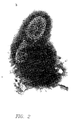
- Fig. 2 and 3 are microphotographs of the RSB.
- the cells are mostly rod-shaped, occasionally vibrioid or rarely fusiform, about 0.65 to 0.7 ⁇ m in length. Some cells were observed to be 3 to 4 times this average length. Cells were found to be occasionally stalked (ca. 70 nm in diameter and variable in length), and the polar stalk may be terminated by a holdfast (as described for the Caulobacter; Bergey's Manual of Systematic Bacteriology, 1984). Motile cells present have a singular polar flagellum.
- RSB is gram negative. Colonies are circular, convex, with a smooth margin, and glistening when actively growing. The color of actively growing colonies is a bright yellow, to mustard-yellow in slower growing or static colonies.
- Fig. 4, 5 and 6 show 16S rDNA sequences of the three bacteria which are phylogenetically closest to RSB, C. subvibrioides, S. paucimobilis, and F. devorans.
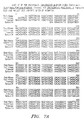
- Fig. 7 shows a comparison of the DNA sequences of RSB and of the three closest bacteria, the non-homologous nucleotides being shown in bold.
- Fig. 8 shows one of the two most parsimonious trees obtained by an exhaustive search algorithm of PAUP Version 3.0 using Rhodospirillum salexigenes as an outgroup.
- This tree has a length of 427 steps, a consistency index of 0.717 and a rescaled consistency index of 0.493. From this tree, the relationship of RSB to C. subvibrioides, F. devorans and S. paucimobilis is seen.
- Fig. 9 shows the typical rooting patterns exhibited by white pine (Pinus strobus) hypocotylary explants after in vitro exposure to RSB.
- the top row shows RSB treated plants, the bottom row untreated controls.
- Fig. 10 shows adventitious rooting of white pine (Pinus strobus) hypocotylary explants as a result of exposure to RSB. Explants were obtained from seedlings grown in soil for 12 weeks. Significant levels of rooting were observed after 7 weeks exposure to the bacteria. The left side shows untreated control, the right side RSB treated.
- Fig. 11 shows rooted slash pine (Pinus elliottii) hypocotylary explants after exposure to RSB under in vitro conditions. These explants were harvested from 24-week-old seedlings. The root development shown occurred after 6 weeks of incubation post-treatment with RSB.
- Fig. 12 shows a rooted axillary plant bud grown in a greenhouse and later transferred outside. The green upper part of the plant is due to growth out of doors.
- RSB of the invention has been shown herein by a preferred embodiment on difficult to root conifers, such as loblolly pine, and deciduous trees, such as maple, magnolia, and Casuarina spp., and flowering plants. These were selected as test models. Other conifers and plants likewise benefit from treatment with the RSB of the invention. Such conifers include the following shown in Table 2 below in which several illustrated species are identified.
- the RSB need not be alive for the treatment of the target plant.
- the RSB may be in the form of a dried (or partially dried) composition; it may be freeze dried with or without the aqueous medium.
- the bacterial extract of the aqueous medium may be concentrated to the degree desired to a solid (e.g., powder or granulated) form. Such concentrate is likely to be very useful as a root stimulant.
- the active principle(s) is likely to be an organic molecule. Accordingly, any method suitable for extracting this molecule(s) can be employed. Once isolated the molecule will be identified and tested for its effect on the plant. At the appropriate time synthesis thereof can be effectuated or conceivably, the gene coding for such molecule(s) can be made to express said molecule.
- Genomic DNA was isolated from the bacteria using the procedure of Rogers, et al.
- the DNA pellet, thus extracted, was resuspended in 50 microliters of TE buffer (10 mM Tris-HCL, 1 mM EDTA at ph 8.0) . This preparation was used as a stock of genomic DNA for all subsequent reactions.
- a 10 ng/microliter solution was prepared from the original stock by diluting with TE buffer.
- a polymerase chain reaction (PCR) was used to selectively amplify the section of DNA that encodes the 16S ribosomal gene.
- the forward primer corresponds to positions 8-27 of Escherichia coli rRNA and the reverse primer corresponds to the complement of positions 1492-1510.
- the PCR was performed as recommended in the GeneAmp kit (Perkin Elmer Cetus, Norwalk, CT) using Amplitaq DNA polymerase (Perkin Elmer Cetus, Norwalk, CT) as the amplifying enzyme.
- the amplified fragment was used for a preliminary sequence analysis according to Bottger, using the forward and the reverse PCR primers as sequencing primers. The data were compared to sequence data available in the GenBank database.
- the PCR amplified fragment was gel-purified and prepared for cloning by treatment with T4 polynucleotide kinase and T4 DNA polymerase. Overhangs at the 3' ends were filled in with T4 DNA polymerase in the presence of all 4 nucleotides to generate blunt ends.
- the plasmid pBluescript KS (Stratagene, Stratagene Cloning Systems, La Jolla, CA) was digested with the restriction enzyme, Smal, and terminal phosphates were removed using calf intestinal alkaline phosphatase in order to reduce self-religation. 250 ng of this linearized phosphatase-treated pBS-KS DNA was ligated overnight at 16°C to 400 ng of RSB 16S rRNA DNA using T7 DNA ligase. NovaBlue competent cells (Novagen, Madison, WI) were transformed with 1 microliter of the ligation reaction and the transformed cells selected and amplified.
- DNA from the two clones was electrophoresed through a 1% TAE-agarose gel and transferred to a nylon membrane according to the standard protocols (Amersham, Amersham International plc., UK). The membrane was incubated in a hybridization solution containing denatured 32 P-labelled probe (made from the purified PCR product). Kodak X-OMAT-AR films were exposed to the blots with two intensifying screens at -70°C for 19 hours.
- Random primer labeling was used to generate radioactive probes (Random Primers DNA Labeling System, GIBCO BRL, Gaithersburg, MD) using the purified PCR-amplification of the 16S rRNA gene of RSB or pBS-KS vector as a probe template and ⁇ 32 P dCTP (3000 Ci/mmole, 10 mCi/ml, ICN Biochemicals Inc., Irvine CA) as a radioactive label.
- radioactive probes Random Primers DNA Labeling System, GIBCO BRL, Gaithersburg, MD
- Miniprep DNA was further purified with phenol:chloroform:isoamyl alcohol (25:24:1) and precipitated with ethanol until the A260/A280 ratio was 1.99.
- the DNA was denatured by the alkali denaturation protocol recommended in the Sequenase Version 2.0 sequencing kit (United States Biochemical, Cleveland OH) .
- 35S-dATP 1415 Ci/mmol, 12.5 mCi/ml, NEN, DuPont, Wilmington DE was used as the radioactive label.
- Sequencing reactions were electrophoresed on a 6% polyacrylamide (19:1 acrylamide: bis-acrylamide), 48% urea gel. Kodak X-Omat AR X-ray films were overlaid on the gels and exposed for 36 hours. Sequencing gels were read manually and proof-read several times until all ambiguities were resolved.
- Sequence data were transferred to the VAX cluster mainframe computer (University of Tennessee, Knoxville, Tennessee, U.S.A., Computing Center). Data files were converted into "UWGCG” (University of Wisconsin, Madison, Wisconsin, U.S.A., Genetics Computer Group) formats. A comparison of the sequences determined from the two clones and that of the PCR product showed that the clones carried the correct insert. Primers were selected by comparison of sequences with Genbank 16S rRNA sequences from Caulobacter subvibrioides (Genbank M83797), Flavobacterium capsulatum (Genbank M9296) and Erythrobacter longus (Genbank M59062).
- a rDNA sequence matrix was created with aligned 16S rDNA sequences obtained from the Ribosomal Database Project (RDP).
- RDP Ribosomal Database Project
- RSB and other relevant 16S rDNA sequences obtained from Genbank were manually aligned with the RDP sequences using the LINEUP program in the UWGCG package. All spaces were replaced with Xs.
- the file containing the aligned sequence matrix was formatted into the PAUP (Phylogenetic Analysis Using Parsimony, Version 3.0) format for further analysis.
- the matrix consisted of 18 aligned 16S rDNA sequences including RSB. See Table 3.
- TAXON DATA BASE ACCESSION NUMBER Caulobacter subvibrioides GenBank M83797 Caulobacter bacteroides GenBank M83796 Caulobacter crescentus GenBank M83798 Sphingomonas paucimobilis GenBank D16144
- Porphyrobacter neustonensis GenBank L01785 Erythrobacter longus GenBank M59062 Sphingomonas capsulata ATCC 14666
- PCR amplification of the genomic DNA preparation produced a single electrophoretically resolvable band of DNA having the expected size of ⁇ 1.5 kbp.
- the amplification procedure yielded four ⁇ g of DNA per 100 ⁇ l reaction. There were no artifacts or contaminations detected in the reaction. Direct sequencing of the PCR products was found to be reliable when the amplification primers were used as sequencing primers.
- the PCR product was cloned into pBS-KS.
- the ligation of the insert into the vector was verified by Southern hybridization with probes for the vector made from the linearized vector (pBluescript KS digested with Sma1), while the probe for the insert was made from the gel purified PCR product. Sequencing from the plasmid using the universal M13 -40 primer and the M13 reverse primer verified the identity of the insert.
- improved slash pine seedlings (Pinus elliottii) (ITT Orchard; International Seed Company) were germinated and grown from 6 to 24 weeks in a laboratory in an autoclave mixture of two parts Peat-LiterTM germination mix to one part medium sized vermiculite. Temperature was maintained at 24 ⁇ 3°C and the plants were sprayed weekly with 350 milligrams per liter CaptanTM. An additional Captan treatment was given the day prior to harvest. White pine seedlings were germinated and grown for twelve weeks under the same culture conditions.
- Explants were cultured on basal medium (GD: Gresshoff and Doy medium 1 as modified by Sommer), supplemented with 0.5% activated charcoal and solidified with 1.0% BactoTM agar. The pH of the medium was adjusted to 5.5 with 0.01 N KOH or HCl as needed. Medium was dispensed into 25 by 150 mm culture tubes and 20 ml aliquots before steam autoclaving at 1.27 kg/cm 2 (121 C) for 20 minutes.
- basal medium GD: Gresshoff and Doy medium 1 as modified by Sommer
- the pH of the medium was adjusted to 5.5 with 0.01 N KOH or HCl as needed.
- Medium was dispensed into 25 by 150 mm culture tubes and 20 ml aliquots before steam autoclaving at 1.27 kg/cm 2 (121 C) for 20 minutes.
- Seedlings were cut approximately 3 cm below the stem apex in two lots of 50 and immersed directly into 1 L double distilled H 2 0 containing 1 ml Tween-20TM. The explants were then transferred through a series of surface sterilization dips as described by Burns and Schwarz. All aqueous solutions were mixed in a laminar flow hood using steam autoclaved water. All ethanol solutions were made with filter sterilized 95% ethanol. Vacuum filtration was accomplished using a sterile 47 mm MilliporeTM steel filter funnel fitted with an MSITM 0.22 ⁇ 47 mm nylon filter.
- hypocotylary explants were immersed in 70% ethanol + 0.1% dimethylsulfoxide (DMSO) for 30 sec while stirring constantly. The plants were drained of the ethanol and immersed in a water solution containing 1.05% sodium hypochlorite (20% commercial bleach) plus Tween-20TM (12 drops/L) for 5 min stirring for 15 sec each minute. Hypocotylary explants were drained and immersed once more in 70% ethanol + 0.1% DMSO for 30 sec, stirring continuously. The explants were drained and the above treatment was repeated for 45 sec with continuous agitation. The explants were then placed in a sterile double-distilled H 2 0 rinse for a maximum of 30 min. They were then allowed to dry in a laminar flow hood on open-faced sterile 14 x 2 cm petri plates for 10 to 15 min.
- DMSO dimethylsulfoxide
- the basal end of the hypocotyl was fresh cut and was contacted to a living culture of RSB.
- the hypocotyl was then inserted 1.0 to 1.5 cm below the surface of the agar.
- the tubes were then sealed with ParafilmTM as a barrier to airborne contamination before removing them from the laminar flow hood.
- the explants were maintained in a ShererTM double-door growth cabinet under fluorescent lights at 27 ⁇ 2°C. Each treatment group contained 20 individual internal replicates. Data were taken 12 weeks after bacterial exposure.
- Rooted hypocotylary explants were transferred to soil and were placed under normal greenhouse conditions designed for in vitro plantlet transitioning. Plantlet survival after 15 weeks in the greenhouse exceeded 95%. The plants were then transferred to the outdoors, to a field where they grew normally. See Figure 12.
- RSB was also tested on 12-week-old hypocotylary explants of white pine (Pinus strobus ). RSB treated plants displayed significant levels of rooting were observed after 7 weeks in culture (42%) compared to controls which showed no rooting (See Figure 9).
- Figure 10 illustrates the typical in vitro growth pattern accompanying a positive rooting response found in RSB co-cultures of both slash and white pine explants. In Figure 10, the RSB treated explant on the right shows increased rooting compared to the non-treated control explant on the left.
- Seedlings of Loblolly Pine (Pinus taeda), White Spruce, (Picea glauca), and European Larch (Larix laricina) are cut approximately three centimeters below the stem apex and immersed into a mixture of distilled H 2 O and Tween-20TM as described above for slash pine seedlings. The explants are then prepared for treatment with RSB as described above for slash pine explants.
- the basal end of the hypocotyl is fresh cut and is contacted to a living culture of RSB as described above for slash pine and white pine.
- the hypocotyl explants are then placed in a standard greenhouse into ConetainersTM.
- Hedgings cuttings taken from established stools of loblolly pine were dipped into living cultures of RSB. The hedgings were then stuck into a peat:perlite (50:50) mixture and placed under mist in the greenhouse. Hedgings were incubated for 12 weeks before rooting data was taken. One of the genotypes tested responded by 20% rooting over the non-treated controls.
- Trees of the genus Casuarina are a distinctive family of trees and shrubs adapted to dry habitats in regions of high temperature and low rainfall and are distributed widely in northeast Australia, Malaysia, New Caledonia, Fiji, and the Mascarene Islands.
- the wood from several species of Casuarina is extremely hard and is valued for furniture manufacture. Red beefwood, Casuarina equisetifolia , is the most widely cultivated species.
- Other valuable timbers include the Australian native C. stricta, the she oak, and the cultivated species C. cunninghamiana, the river oak.
- the tubes were then sealed with ParafilmTM as a barrier to airborne contamination before removing them from the laminar flow hood.
- the explants were maintained in a controlled environment growth chamber under an 18 hour light and 6 hour dark photoperiod at 27 ⁇ 2°C for 23 days, at which time the roots were examined. See Table 7.
- RSB exposure caused slightly more than a doubling of adventitious root induction over the spontaneous background rooting found in the control population, from 41 to 87%.
- the number of primary roots in the RSB treated explants was found to be slightly more than five times the number present in the controls.
- deciduous trees including magnolia and maple were also treated by contacting to live cultures of RSB. Rooting in the treated plants was found to be greater than in controls. Following treatment, the plants grew well under normal conditions. Unexpectedly, RSB was shown to stimulate rooting in deciduous trees as well as in conifers. It is anticipated that RSB will induce root formation in the following non-limiting examples of magnolia and maple trees (see Table 8).
- the plants co-cultured with RSB or treated with the bacteria free RSB extract produced a functional root system without any apparent pathology to the plant caused by the inducing organism.
- Adventitious root production by RSB is seen to be accomplished by a nontransformation mechanism.
- cuttings from a plant whose roots have been promoted by the RSB (or by extracts) will have a greater facility to root then if the cutting had been from a plant that had not been exposed to the RSB.
- the plant parts of RSB stimulated plants are within the scope of the invention.
- the rooting inducing properties of RSB could be due to the synthesis by RSB of a chemical molecule which induces rooting.
- the nature of this theorized molecule is unknown and may represent a heretofore undiscovered growth or rooting factor.
- the production by RSB of a factor which induces rooting is evidenced by the fact that RSB free extracts, in which RSB had previously grown, are capable of inducing rooting, as is described in the following examples. It is well understood that in accordance with the invention the RSB extract contains one or more molecules which assist or promote the rooting of plants as herein described.
- the final ethyl acetate extract was pooled, washed once with distilled water and dried with an excess of anhydrous sodium sulfate.
- the extracted medium was acidulated to a pH of 2.8 with 1 N HCl.
- the above extraction procedure was repeated with a fresh batch of ethyl acetate.
- the two ethyl acetate extracts were then distilled under vacuum using a Rotavapor R, Brinkmann Instruments, Westbury, NY. After all the solvent was evaporated, the residue was dissolved in 2 ml of 100% ethanol and diluted with distilled water to a volume of 85 ml.
- the extracts (pH 5.2 and pH 2.8) were stored under refrigeration at 37°C.
- the extract for best results should be modified within a pH optimum to contain the presumed active molecule, such as about 3.0 to about 2.0 depending on the nature of the molecule.
- Other appropriate extension conditions can be developed by one skilled in the art.
- RSB culture extract as described above was added to half-strength Gresshoff and Doy medium (GD) (50 mL to 950 mL respectively).
- the RSB extract was passed through a 0.2 ⁇ m filter and added to partially cooled (50°C) autoclaved medium and thoroughly mixed before dispensing into culture tubes.
- Slash pine seedling explants (prepared as previously described) were inserted into the solidified GD medium and incubated for 9 weeks as previously described. Rooting data is presented in Table 9. Effect of various RSB culture extracts on adventitious rooting of slash pine (Pinus elliottii) seedling hypocotylary explants after a 9 week culture period.
- Growth medium treated with RSB and extract of growth medium in which plants previously treated with RSB have grown can induce spontaneous rooting of shoots.
- extract of growth medium which contained RSB can be stored for future use in any form desired, liquid (concentrated or not), dehydrated solid (powder or granulate) or freeze dried.
- the RSB and the RSB free extract of the present invention represent a significant step forward in the promotion of rooting in plants, particularly in the conifer species.
- the treated trees grow without pathology, forming roots at a much increased rate than untreated control trees.
- the use of RSB to stimulate rooting appears to have wide applicability to all kinds of plants, both monocotyledons and dicotyledons.
Landscapes
- Life Sciences & Earth Sciences (AREA)
- Engineering & Computer Science (AREA)
- Health & Medical Sciences (AREA)
- Zoology (AREA)
- Chemical & Material Sciences (AREA)
- Biotechnology (AREA)
- General Health & Medical Sciences (AREA)
- Wood Science & Technology (AREA)
- Microbiology (AREA)
- Virology (AREA)
- Organic Chemistry (AREA)
- Genetics & Genomics (AREA)
- Bioinformatics & Cheminformatics (AREA)
- Environmental Sciences (AREA)
- Biochemistry (AREA)
- Medicinal Chemistry (AREA)
- Tropical Medicine & Parasitology (AREA)
- Pest Control & Pesticides (AREA)
- Biomedical Technology (AREA)
- Dentistry (AREA)
- Agronomy & Crop Science (AREA)
- General Engineering & Computer Science (AREA)
- Plant Pathology (AREA)
- Breeding Of Plants And Reproduction By Means Of Culturing (AREA)
- Micro-Organisms Or Cultivation Processes Thereof (AREA)
- Medicines Containing Material From Animals Or Micro-Organisms (AREA)
- Mushroom Cultivation (AREA)
Abstract
Description
- The invention relates to initiation and promotion of adventitious rooting in plants, including woody plants, like evergreens, particularly in conifers and in deciduous trees.
- This invention also relates to a novel strain of a microorganism which initiates adventitious rooting in plants.
- Further, the invention relates to a method of promoting adventitious rooting of plants, in particular by co-culturing nonpathogenic bacteria in plants. The invention also relates to a composition, which may but need not include the microorganism, which initiates adventitious rooting in plants and to a method for using the composition to promote rooting in plants.
- The invention relates to various tree products, such as evergreens obtained from the invention. The invention also relates to various other compositions described further below.
- The following U.S. patents relate to the problem of attempting to induce rooting or vegetative propagation in plants: 5,236,841, 4,353,184, 5,168,059, 5,240,839, 5,059,241, 5,229,114, 4,863,506 and 5,276,005. Of these, patent 5,229,114 deals with the use of bacteria to control root nodulation in leguminous plants. Others listed below deal with attempts to induce root formation with chemical molecules. All these patents are incorporated herein by reference.
- Several methods have been attempted to stimulate rooting of plants. Dark preconditioning of shoots by covering with black tape has been shown to promote rooting.
- Chemicals, such as auxins, have been proposed to promote rooting of plants. Examples of auxins are indole-3-butyric acid (IBA), indole-3-acetic acid (IAA), and naphthalene acetic acid (NAA). Treatment of plants with rooting hormones frequently produces abnormal roots, which are thick, tubular, and stubby. See Figure 1.
- Other non-auxin hormones have been shown to have effects on adventitious rooting in plants. Cytokinins and gibberellins inhibit rooting. A method to induce adventitious budding consisting of repeated spray applications of trees with cytokinins, followed by treatment with auxins, has been described. Patent 4,353,184 (Abo El-Nil). A method to promote somatic embryogenesis in tissue culture using repeated treatments with abscisic acid, a hormone believed to promote rooting through its antagonistic action to cytokinins and gibberellins, has been described. Patent 5,236,841 (Gupta).
- Different species of fungi have been described which produce auxins and other plant hormones and which may promote rooting by providing these hormones.
- Stimulation of adventitious rooting in plants by co-culturing with bacteria has been described in many plant species. Adventitious roots formed and somatic embryos were regenerated from soybean (Glycine max L.) nodular calli induced by co-cultivation of cotyledonary explants with Pseudomonas maltophilia. However, pathologic effects of P. maltophilia were observed, the parent callus growth was inhibited or the callus died.
- The bacteria, Agrobacterium rhizogenes, transforms the genome of its host plant which then carries the Ri gene of A. rhizogenes. Although transformed plants have increased root weight, they have decreased shoot weight when compared with normal non-transformed plants. The shoots produced from transformed plants are altered, and flowers are smaller compared to normal plants. Additionally, the root systems of plants infected with A. rhizogenes are altered, often to the extent that the altered root condition is referred to as hairy root disease.
- Similarly, Agrobacterium tumefaciens induces rooting but causes crown gall disease.
- The references in the bibliography contain additional information of interest to the background of the invention.
-
- Fig. 1 is a photograph showing the abnormal growth of roots induced by auxins.
- Fig. 2-3 are microphotographs of the RSB bacteria.
- Fig. 4 shows the 16S rRNA DNA base sequence of Caulobacter subvibrioides. Seq. I.D. No. 3.
- Fig. 5 shows the 16S rRNA DNA base sequence of Sphingomonas paucimobilis. Seq. I.D. No. 4.
- Fig. 6 shows the 16S rRNA DNA base sequence of Flavobacterium devorans seg. I.D. No. 5.
- Fig. 7 shows the 16S rRNA DNA base sequence of RSB, Seq I.d. No. 6, in comparison with that of C. subvibrioides, seq. I.D. No. 3., S. paucimobilis, Seq. I.D. No. 4., and F. devorans Seq. I.D. No. 5.
- Fig. 8 shows one of the most parsimonious trees based on the analysis of 16S rRNA DNA sequence data of members of Proteobacteria.
- Fig. 9 is a photograph showing the comparison of rooting in RSB treated explants versus controls 7 weeks after treatment.
- Fig. 10 is a photograph showing the typical growth pattern in RSB treated explants of white pine versus controls.
- Fig. 11 is a photograph showing the production of
primary and secondary root formation in
slash pine explants 6 weeks after treatment with RSB. - Fig. 12 shows a photograph of a rooted axillary bud plant grown in a green house and then transferred outside.
-
- A novel bacteria, belonging to a heretofore not identified species has been discovered. The bacteria has been designated as Root Stimulating Bacteria (RSB). This bacteria stimulates and initiates adventitious rooting and/or promotes an increase in the number of roots in plants. The RSB has such an effect as described herein on plants in general whether deciduous or evergreen plants, e.g., trees. The described effect has been shown on trees whether or not they are relatively easy or difficult to root. The novel bacteria species does not only stimulate adventitious rooting in plants, but surprisingly also is not pathogenic to the target plant tissue.
- The novel bacterium species has been identified to belong to a species that nests within a major branch of the α subdivision of the Proteobacteria showing the closest relationship to Caulobacter subvibrioides. The new bacteria species has been identified and classified by the now well accepted sequencing of the small subonit ribosomal RNA, namely the 16S rRNA. The phylogenetic analysis of this unique RSB bacterium has been based on the 16S rRNA sequence analysis. Sequence data information transferred ans compared with an appropriate data bank (identified below) has shown that the sequence is unique. Although the RSB is distinguished from other bacteria by its 16S rRNA transcribed from the nucleotide sequence further illustrated hereinafter, the invention is not limited to that particular sequence but includes RSBs which have the same or similar beneficial effect as the RSB disclosed herein and yet show variations in the nucleotide sequence(s).
- A first object of the present invention is then an isolated bacteria which has its 16S rRNA transcribed from a nucleotide sequence which comprises the DNA sequence shown in Sequence ID No. 6, and which is capable of inducing adventitious root formation in plants without pathogenicity to the plants.
- The isolated bacteria of the invention has the following morphological characteristics : gram negative, rod-shaped, vibrioid or fusiform cells, about 0,65 to 0,7 mm in lengh, stalked, said stalk terminated by a holdfast, and motile cells having a singular polar flagellum.
- According to another characteristic, the bacteria of the invention is a member of the α subdivision of Proteobacteria.
- More especially, the isolated bacteria of the invention has accession No. ATCC 55580.
- In a prefered embodiment of the present invention the plants are conifers and more particularly conifers of the genus Pinus and more especially, the pine are selected from the group consisting of white pine (Pinus strobus) and slash pine (Pinus eliottii)
- In an another embodiment of the present invention, the plants are deciduous trees selected from the group consisting of magnolia, maple and Casuarina spp.
- The novel species of bacterium has been isolated and cultured. When co-cultured under in vitro conditions with in vitro-produced microshoots of axillary origin or seedling-produced hypocotylary cuttings, the bacteria initiates adventitious rooting. Likewise, the bacteria was found to promote ex-vitro rooting of loblolly pine cuttings. The beneficial effect of the bacteria appears not to be specific as several species of conifers and non-coniferous plants have responded positively to the root inducing bacterial treatment. Subsequent root development observed from the plants exposed to the bacteria has been noted to be similar, if undistinguishable, to that found in young untreated seedling trees. Further, plants which have developed such rooting systems have developed secondary branching which is the precursor of a well-developed secondary fibrous root systems. The plants with such stimulated adventitious rooting systems have been transferred to greenhouses and then to the outdoors where they have been growing normally.
- An embodiment of the invention is a method for stimulating adventitious rooting in plants. The method comprises exposing a part of a plant, particularly a hypocotyl or the base of a microcutting of a plant, to a culture containing live bacteria of the novel RSB. The plant is then planted in a suitable growth medium, then, if desired as growth proceeds, is transferred to normal soil under greenhouse or other controlled environmental conditions and then field conditions where the plant has been observed to continue to grow normally.
- Particularly, the invention provides a method for such root development in conifers which are known to have considerable difficulty in developing such rooting systems.
- Consequently, the invention relates to a method for inducing adventitious root formation in a plant, without pathogenicity to the plant which comprises contacting a part of the plant, other than a root, to a bacteria which is capable of inducing adventitious root formation in the plant without pathogenicity to the plant which bacteria has its 16S rRNA transcribed from the DNA sequence shown is Sequence ID No. 6, or to a growth medium in which the bacteria was grown, and planting the plant in a suitable growth medium for the plant.
- According to an embodiment of the method for inducing adventitious root formation in a plant, the plant is selected from the group consisting of evergreens and deciduous trees.
- In accordance with a prefered embodiment of the method for inducing adventitious root formation in a plant, the plants are conifers, and more particularly the conifers are of the genus Pinus.
- According to a prefered embodiment of the method for inducing adventitious root formation in a plant, the pine are selected from the group consisting of white pine (Pinus strobus) and slash pine (Pinus elliottii).
- In an another embodiment of the method for inducing adventitious root formation in a plant, the deciduous trees are selected from the goup consisting of magnolia, maple and Casuarina spp.
- In a embodiment of the method for inducing adventitious root formation in a plant, the bacteria is a member of the α subdivision of Proteobacteria and more especially, the induction of adventitious root formation is caused by a bacteria which caused a mustard-yellow contaminant on slash pine culture grown in vitro.
- More especially, in a further embodiment of the method for inducing adventitious root formation in a plant, the isolated bacteria of the invention has accession No. ATCC 55580.
- According to another characteristic of the method for inducing adventitious root formation in a plant, the bacteria is live.
- More especially, the method for inducing adventitious root formation in a plant further comprises growing the plant until adventitious roots are formed and more especially still, the method further comprises growing the plant in ambiant conditions.
- It has been further discovered that plants grown in medium extract which previously contained RSB and is free of the RSb, produce adventitious shoots and roots. This finding suggests that the presence of the RSB is not essential and that the RSB provides a molecule(s) which has the beneficial effects discussed above and/or stimulates the plant to provide or synthesize such a molecule(s) which has, directly or indirectly, such an effect.
- Further embodiments of the invention include various media for culturing the RSB, plants, in particular conifers and deciduous trees, and parts thereof which have been developped in accordance with the invention.
- The invention is also related to a living cutting of a plant in which adventitious roots have been induced by exposure to the bacteria of the invention, or by exposure to a growth medium in which the isolated bacteria had previously grown.
- In a particular embodiment the cutting of the invention is a cutting of a conifer, and more particularly the conifers are of the genus Pinus. According to a prefered embodiment of the method for inducing adventitious root formation the pine are selected from the group consisting of white pine (Pinus strobus) and slash pine (Pinus elliottii).
- In an another embodiment the living cutting is a cutting of deciduous tree and more especially, the deciduous tree is selected from the group consisting of magnolia, maple and Casuarina spp.
- The invention further concerns a root stimutating growth medium in which the isolated root stimulating bacteria of the invention had previously grown.
- According to a another characteristic, the root stimulating bacterial growth medium of the invention is free of bacteria.
- More particularly, the root stimulating bacterial growth medium of the invention is selected from the group consisting of a liquid, a powder solid, a granulate solid, and a freeze dried solid.
- In a prefered embodiment of the root stimulating bacterial growth medium of the invention, the bacteria has accession No. ATCC 55580.
- The present invention finally relates to a root stimulating bacteria which is obtained by a method which comprises :
- growing a slash pine seedling explant in in vitro agar culture,
- identifying a a great majority of rooted - contamimated cultures contained an easily recognized mustard-yellow contaminant that almost always was found to be visible around the base of the explant on the agor surface contaminant colony around the base of a rooted explant on the agar surface, and
- isolating a bacteria colony from the contaminant,
- Further embodiments of the invention will become apparent in the further detailed description of preferred and other embodiments of the invention.
- The term " adventitious roots " is widely used to designate a root that arises either on an already lateralized root axis or at a site on the plant that is not itself a root (e.g., on a shoot or leaf).
- The new bacteria species of the invention (RSB) has been deposited at the American Type Culture Collection (ATCC), Rockville, MD, USA, on May 19, 1994, where it has been given accession No. ATCC 5558.0 under the designation RSB-1.
- In a preferred embodiment, the RSB were isolated from slash pine (Pinus elliottii) seedling explants cultured in vitro on charcoal containing modified Gresshoff and Doy medium. Isolation of the RSB was achieved as follows.
- Slash pine in vitro cultures were rogued for any visible bacterial or fungal contamination. From this group of contaminated cultures, all tubes containing rooted explants were examined for some common feature/contaminant. It was observed that a great majority of rooted-contaminated cultures contained an easily recognized mustard-yellow contaminant that almost always was found to be visible around the base of the explant on the agar surface. Several tubes that seemed to contain this single contaminant were selected and a portion of the mustard-yellow colony was removed and subcultured initially by transfer to a non-contaminated culture tube containing a slash pine hypocotylary explant. Eventually RSB was found to grow vigorously on woody plant medium ("WPM") supplemented with 2% sucrose and with 0.2% casein hydrolysate ("enhanced" WPM). The pure culture line was established by repeated subculturing on "enhanced WPM" using an isolated colony as the source for the bacterial streak.
- The RSB was grown on Difco™ Lowenstein-Jensen medium in deep culture tubes. Very rapid growth on both liquid and solid media was fostered when RSB was cultured on a modified WPM, supplemented with 2% sucrose as a source of sugar and 0.2% casein hydrolysate as a source of nitrogen and reduced carbon. Readily fermentable sugars other than sucrose and sources of amino acids or nitrogen and reduced carbon other than casein may be used in the medium. Cultures were incubated at 30°C in dark. Subculturing was performed using a t-streak technique to obtain isolated culture at 1 to 2 week intervals. Liquid cultures of RSB were produced using identical medium and growth conditions with culture agitation on a rotary shaker (60 to 80 rpm).
- A bank of the RSB was maintained in 15% glycerol at -80°C. Maintained in this way, a frozen living culture of RSB can be maintained for extended periods of time and can be packaged and shipped. An aliquot of this bacterial stock was used to inoculate a culture medium containing the above described woody plant medium. This medium was used as inoculum for further cultures and DNA extractions.
- The RSB bacteria have been found to have the following characteristics.
- Table 1 below shows growth characteristics of RSB on various nutrient agar media.
GROWTH OF RSB ON VARIOUS MEDIA MEDIUM GROWTH RESPONSE NUTRIENT BROTH AGAR POOR TRYPTICASE SOY BROTH AGAR POOR TO NO LOWENSTEIN-JENSEN MEDIUM MODERATE ENHANCED WPM (SOLID & LIQUID) GOOD PEPTONE YEAST EXTRACT (LOW P) MODERATE LIQUID POTATO MEDIUM GOOD -
- 1) Temperature range permitting growth
Temperature permitting growth: 20-35°C
Optimum temperature for growth: 27-30°C - 2) Nutritional requirements In general, media rich in nutrients seem to inhibit growth. Most commercial media are designed for the culture of enteric bacteria found in human and other higher animals at pH levels much higher than RSB seems to be able to tolerate. RSB grows well at the pH of our plant culture medium pH 5.2 plus additional organic carbon and nitrogen in the form of 0.2% casein hydrolysate. Better growth might be seen in other media if they were adjusted to the lower 5.2 pH level.
- 3) Pigment formation: absorption spectra suggests the presence of carotenoids.
-
- The RSB of the invention has been further identified and classified by its ribosomal sequence. Applicability of small subunit ribosomal RNA (16S rRNA) sequence for bacterial classification is now well accepted. Comparative analysis of the rRNA sequences from different sources reveals some stretches of highly conservative primary sequences and other sequences with a significant variability. The change in the variable portions of RNAs are a stable trait permitting the construction of consistent phylogenetic trees. These sequences permit identification of the RSB of the invention.
- On the basis of the rRNA of the RSB, the RSB has been determined to be a member of the α subdivision of Proteobacteria. RSB bears a close relationship to members of nine different genera within the α branch of Proteobacteria, especially to Caulobacter subvibrioides, Flavobacterium devorans, and Sphingomonas paucimobilis. Figure 4 shows the 16S rDNA sequence of C. subvibrioides. Figure 5 shows the 16S rDNA sequence of S. paucimobilis. Figure 6 shows the 16S rDNA sequence of F. devorans. Of these, based on 16S rDNA analyses, RSB is most closely related to, but different from, C. subvibrioides.
- Fig. 1 is a photograph showing representative shoots from various treatments with plant hormones after 63 days in culture. At the top are control untreated shoots. In the center are shoots treated with 1.0 mg/L NAA and 0.1 mg/L BA. At the bottom are shoots treated with 0.5 mg/L NAA and 0.1 mg/L BA. The abnormal rooting produced by the auxin treatment is evident.
- Fig. 2 and 3 are microphotographs of the RSB. The cells are mostly rod-shaped, occasionally vibrioid or rarely fusiform, about 0.65 to 0.7µm in length. Some cells were observed to be 3 to 4 times this average length. Cells were found to be occasionally stalked (ca. 70 nm in diameter and variable in length), and the polar stalk may be terminated by a holdfast (as described for the Caulobacter; Bergey's Manual of Systematic Bacteriology, 1984). Motile cells present have a singular polar flagellum. RSB is gram negative. Colonies are circular, convex, with a smooth margin, and glistening when actively growing. The color of actively growing colonies is a bright yellow, to mustard-yellow in slower growing or static colonies.
- Fig. 4, 5 and 6 show 16S rDNA sequences of the three bacteria which are phylogenetically closest to RSB, C. subvibrioides, S. paucimobilis, and F. devorans.
- Fig. 7 shows a comparison of the DNA sequences of RSB and of the three closest bacteria, the non-homologous nucleotides being shown in bold.
- Fig. 8 shows one of the two most parsimonious trees obtained by an exhaustive search algorithm of PAUP Version 3.0 using Rhodospirillum salexigenes as an outgroup. This tree has a length of 427 steps, a consistency index of 0.717 and a rescaled consistency index of 0.493. From this tree, the relationship of RSB to C. subvibrioides, F. devorans and S. paucimobilis is seen.
- Fig. 9 shows the typical rooting patterns exhibited by white pine (Pinus strobus) hypocotylary explants after in vitro exposure to RSB. The top row shows RSB treated plants, the bottom row untreated controls.
- Fig. 10 shows adventitious rooting of white pine (Pinus strobus) hypocotylary explants as a result of exposure to RSB. Explants were obtained from seedlings grown in soil for 12 weeks. Significant levels of rooting were observed after 7 weeks exposure to the bacteria. The left side shows untreated control, the right side RSB treated.
- Fig. 11 shows rooted slash pine (Pinus elliottii) hypocotylary explants after exposure to RSB under in vitro conditions. These explants were harvested from 24-week-old seedlings. The root development shown occurred after 6 weeks of incubation post-treatment with RSB.
- Fig. 12 shows a rooted axillary plant bud grown in a greenhouse and later transferred outside. The green upper part of the plant is due to growth out of doors.
- The background effect of the RSB of the invention has been shown herein by a preferred embodiment on difficult to root conifers, such as loblolly pine, and deciduous trees, such as maple, magnolia, and Casuarina spp., and flowering plants. These were selected as test models. Other conifers and plants likewise benefit from treatment with the RSB of the invention. Such conifers include the following shown in Table 2 below in which several illustrated species are identified.
- It is anticipated that RSB will induce root formation in the following non-limiting examples of conifers (see Table 2) :
Needle-leaf Conifers Pines Eastern White Pine - Pinus strobus Longleaf Pine - Pinus palustris Loblolly Pine - Pinus taeda Pond Pine - Pinus serotina Pitch Pine - Pinus rigida Red Pine - Pinus resinosa Austrian Pine - Pinus nigra Shortleaf Pine - Pinus echinata Table Mountain Pine - Pinus pungens Spruce Pine - Pinus glabra Scotch Pine - Pinus sylvestris Sand Pine - Pinus clausa Virginia Pine - Pinus virginiana Jack Pine - Pinus banksiana Cedar-of-Lebanon - Cedrus libani Larches European Larch - Larix decidua Tamarack - Larix laricina Hemlocks Carolina Hemlock - Tsuga caroliniana Eastern Hemlock - Tsuga canadensis Firs Fraser Fir - Abies fraseri Balsam Fir - Abies balsamea Spruces White Spruce - Picea glauca Black Spruce - Picea mariana Red Spruce - Picea rubens Norway Spruce - Picea abies Baldcypresses Baldcypress - Taxodium distichum Montezuma Baldcypress - Taxodium mucronatum Yews Florida Yew - Taxus floridana Florida Torreya - Torreya taxifolia Pacific Yew - Taxus borevifolti Canadian Yew - Taxus canadensis Scale-leaf Conifers Cypresses Oriental Arborvitae - Thuja orientalis Sawara False-cypress - Chamaecyparis pisifera Cedars Northern White-cedar - Thuja occidentalis Atlantic White-cedar - Chamaecyparis thyoides Eastern Redcedar - Juniperus virginiana Southern Redcedar - Juniperus siliciola Junipers Ashe Juniper - Juniperus ashei Pinchot Juniper - Juniperus pinchotii Common Juniper - Juniperus communis - Select varieties of trees (hardwood and softwood) which have been treated with the RSB have shown increased adventitious rooting. For other trees or plants that can be treated with the RSB, see the Audubon Society, Field Guide of North American Trees, Eastern and Western Regions, Alfred A. Knopf, New York and other guides of other regions of the United States and the World.
- The RSB need not be alive for the treatment of the target plant. The RSB may be in the form of a dried (or partially dried) composition; it may be freeze dried with or without the aqueous medium. The bacterial extract of the aqueous medium may be concentrated to the degree desired to a solid (e.g., powder or granulated) form. Such concentrate is likely to be very useful as a root stimulant.
- It is believed that the active principle(s) is likely to be an organic molecule. Accordingly, any method suitable for extracting this molecule(s) can be employed. Once isolated the molecule will be identified and tested for its effect on the plant. At the appropriate time synthesis thereof can be effectuated or conceivably, the gene coding for such molecule(s) can be made to express said molecule.
- The following non-limiting examples are presented in order to describe preferred embodiments of this invention.
- The bacteria were grown for 3 days in the medium. Genomic DNA was isolated from the bacteria using the procedure of Rogers, et al. The DNA pellet, thus extracted, was resuspended in 50 microliters of TE buffer (10 mM Tris-HCL, 1 mM EDTA at ph 8.0) . This preparation was used as a stock of genomic DNA for all subsequent reactions.
- A 10 ng/microliter solution was prepared from the original stock by diluting with TE buffer. A polymerase chain reaction (PCR) was used to selectively amplify the section of DNA that encodes the 16S ribosomal gene. Amplification primers were synthesized on an Applied Biosystems model 381 synthesizer. The following primer sequences were synthesized:

- The forward primer corresponds to positions 8-27 of Escherichia coli rRNA and the reverse primer corresponds to the complement of positions 1492-1510. The PCR was performed as recommended in the GeneAmp kit (Perkin Elmer Cetus, Norwalk, CT) using Amplitaq DNA polymerase (Perkin Elmer Cetus, Norwalk, CT) as the amplifying enzyme.
- The amplified fragment was used for a preliminary sequence analysis according to Bottger, using the forward and the reverse PCR primers as sequencing primers. The data were compared to sequence data available in the GenBank database.
- The PCR amplified fragment was gel-purified and prepared for cloning by treatment with T4 polynucleotide kinase and T4 DNA polymerase. Overhangs at the 3' ends were filled in with T4 DNA polymerase in the presence of all 4 nucleotides to generate blunt ends.
- The plasmid pBluescript KS (Stratagene, Stratagene Cloning Systems, La Jolla, CA) was digested with the restriction enzyme, Smal, and terminal phosphates were removed using calf intestinal alkaline phosphatase in order to reduce self-religation. 250 ng of this linearized phosphatase-treated pBS-KS DNA was ligated overnight at 16°C to 400 ng of RSB 16S rRNA DNA using T7 DNA ligase. NovaBlue competent cells (Novagen, Madison, WI) were transformed with 1 microliter of the ligation reaction and the transformed cells selected and amplified.
- DNA was extracted from the amplified colonies by the alkaline-lysis method. Two colonies contained plasmids with inserts of the correct size. The presence of the clone with the proper insert was verified by Southern blotting hybridization with a probe made from the purified PCR product and by sequence analysis using the universal M13 -40 primer and the universal M13 reverse primer.
- DNA from the two clones was electrophoresed through a 1% TAE-agarose gel and transferred to a nylon membrane according to the standard protocols (Amersham, Amersham International plc., UK). The membrane was incubated in a hybridization solution containing denatured 32P-labelled probe (made from the purified PCR product). Kodak X-OMAT-AR films were exposed to the blots with two intensifying screens at -70°C for 19 hours.
- Random primer labeling was used to generate radioactive probes (Random Primers DNA Labeling System, GIBCO BRL, Gaithersburg, MD) using the purified PCR-amplification of the 16S rRNA gene of RSB or pBS-KS vector as a probe template and α32P dCTP (3000 Ci/mmole, 10 mCi/ml, ICN Biochemicals Inc., Irvine CA) as a radioactive label.
- Miniprep DNA was further purified with phenol:chloroform:isoamyl alcohol (25:24:1) and precipitated with ethanol until the A260/A280 ratio was 1.99. The DNA was denatured by the alkali denaturation protocol recommended in the Sequenase Version 2.0 sequencing kit (United States Biochemical, Cleveland OH) . 35S-dATP (1415 Ci/mmol, 12.5 mCi/ml, NEN, DuPont, Wilmington DE) was used as the radioactive label.
- Sequencing reactions were electrophoresed on a 6% polyacrylamide (19:1 acrylamide: bis-acrylamide), 48% urea gel. Kodak X-Omat AR X-ray films were overlaid on the gels and exposed for 36 hours. Sequencing gels were read manually and proof-read several times until all ambiguities were resolved.
- Sequence data were transferred to the VAX cluster mainframe computer (University of Tennessee, Knoxville, Tennessee, U.S.A., Computing Center). Data files were converted into "UWGCG" (University of Wisconsin, Madison, Wisconsin, U.S.A., Genetics Computer Group) formats. A comparison of the sequences determined from the two clones and that of the PCR product showed that the clones carried the correct insert. Primers were selected by comparison of sequences with Genbank 16S rRNA sequences from Caulobacter subvibrioides (Genbank M83797), Flavobacterium capsulatum (Genbank M9296) and Erythrobacter longus (Genbank M59062).
- A rDNA sequence matrix was created with aligned 16S rDNA sequences obtained from the Ribosomal Database Project (RDP). RSB and other relevant 16S rDNA sequences obtained from Genbank were manually aligned with the RDP sequences using the LINEUP program in the UWGCG package. All spaces were replaced with Xs.
- The file containing the aligned sequence matrix was formatted into the PAUP (Phylogenetic Analysis Using Parsimony, Version 3.0) format for further analysis. The matrix consisted of 18 aligned 16S rDNA sequences including RSB. See Table 3.
TAXON DATA BASE ACCESSION NUMBER Caulobacter subvibrioides GenBank M83797 Caulobacter bacteroides GenBank M83796 Caulobacter crescentus GenBank M83798 Sphingomonas paucimobilis GenBank D16144 Flavobacterium devorans ATCC 10829 Zymomonas mobilis mobilis ATCC 10988 Zymomonas mobilis pomaceae ATCC 29192 Porphyrobacter neustonensis GenBank L01785 Erythrobacter longus GenBank M59062 Sphingomonas capsulata ATCC 14666 Flavobacterium capsulatum GenBank M59296 Rhodospirillum salexigenes GenBank M59070 marine Caulobacter strain 18GenBank M83809 marine Caulobacter strain 6GenBank M83811 marine Caulobacter strain 24 GenBank M83810 Pseudomonas diminuta GenBank M59064 Hyphomonas jannaschiana Genbank M83806 RSB 18 representative members of the relevant branches of the α subdivision of Proteobacter, including RSB, whose 16S rDNA sequences were used in the phylogenetic analysis. These were selected from GenBank and the RDP. - PCR amplification of the genomic DNA preparation produced a single electrophoretically resolvable band of DNA having the expected size of ≈ 1.5 kbp. The amplification procedure yielded four µg of DNA per 100 µl reaction. There were no artifacts or contaminations detected in the reaction. Direct sequencing of the PCR products was found to be reliable when the amplification primers were used as sequencing primers.
- The PCR product was cloned into pBS-KS. The ligation of the insert into the vector was verified by Southern hybridization with probes for the vector made from the linearized vector (pBluescript KS digested with Sma1), while the probe for the insert was made from the gel purified PCR product. Sequencing from the plasmid using the universal M13 -40 primer and the M13 reverse primer verified the identity of the insert.
- The complete sequence of the gene is presented in Figure 7, Seq. I.D. No. 6. The sequence of positions 1-250 and the complement of positions 1250-1446 of RSB 16S rDNA, obtained by directly sequencing the PCR product using the amplification primers as sequencing primers, were entered into the UWGCG package for sequence analysis. The sequence of bases 1-250 and the compliment of 1250-1446 has a high homology (〉89%) with the sequence of the 16S rRNA genes of Caulobacter subvibrioides (Genbank M83797) Seq. I.D. No. 3, Flavobacterium capsulatum (Genbank M59296) Seq. I.D. No. 5 and Erythrobacter longus (Genbank M59062). It also shows a difference of approximately 10%. Internal sequencing primers were designed by comparing the homology within the sequences mentioned above and the sequence of pRSB16SR bases 1-250 and 1250-1446 where applicable. Data obtained by sequencing with the various primers were compiled. Primers were designed to cover sectors which were missed or did not yield satisfactory results.
- The evolutionary affiliations of RSB within the subdivision were determined by parsimony analysis using PAUP version 3.0 for Macintosh.
- The most parsimonious tree obtained by the exhaustive search places RSB closest to C. subvibrioides, see Figure 8. This relationship is also evident from the distance table. See Table 4. The pair-wise mean distance between RSB and C. subvibrioides is 0.040 while the absolute distance is only 45. The absolute distance is the total number of nucleotide difference between 2 taxa considered. The mean distance is the average number of nucleotide differences per nucleotide.

- In one preferred embodiment, improved slash pine seedlings (Pinus elliottii) (ITT Orchard; International Seed Company) were germinated and grown from 6 to 24 weeks in a laboratory in an autoclave mixture of two parts Peat-Liter™ germination mix to one part medium sized vermiculite. Temperature was maintained at 24 ± 3°C and the plants were sprayed weekly with 350 milligrams per liter Captan™. An additional Captan treatment was given the day prior to harvest. White pine seedlings were germinated and grown for twelve weeks under the same culture conditions.
- Explants were cultured on basal medium (GD: Gresshoff and
Doy medium 1 as modified by Sommer), supplemented with 0.5% activated charcoal and solidified with 1.0% Bacto™ agar. The pH of the medium was adjusted to 5.5 with 0.01 N KOH or HCl as needed. Medium was dispensed into 25 by 150 mm culture tubes and 20 ml aliquots before steam autoclaving at 1.27 kg/cm2 (121 C) for 20 minutes. - Seedlings were cut approximately 3 cm below the stem apex in two lots of 50 and immersed directly into 1 L double distilled H20 containing 1 ml Tween-20™. The explants were then transferred through a series of surface sterilization dips as described by Burns and Schwarz. All aqueous solutions were mixed in a laminar flow hood using steam autoclaved water. All ethanol solutions were made with filter sterilized 95% ethanol. Vacuum filtration was accomplished using a sterile 47 mm Millipore™ steel filter funnel fitted with an MSI™ 0.22 µ 47 mm nylon filter.
- Hypocotylary explants were immersed in 70% ethanol + 0.1% dimethylsulfoxide (DMSO) for 30 sec while stirring constantly. The plants were drained of the ethanol and immersed in a water solution containing 1.05% sodium hypochlorite (20% commercial bleach) plus Tween-20™ (12 drops/L) for 5 min stirring for 15 sec each minute. Hypocotylary explants were drained and immersed once more in 70% ethanol + 0.1% DMSO for 30 sec, stirring continuously. The explants were drained and the above treatment was repeated for 45 sec with continuous agitation. The explants were then placed in a sterile double-distilled H20 rinse for a maximum of 30 min. They were then allowed to dry in a laminar flow hood on open-faced sterile 14 x 2 cm petri plates for 10 to 15 min.
- The basal end of the hypocotyl was fresh cut and was contacted to a living culture of RSB. The hypocotyl was then inserted 1.0 to 1.5 cm below the surface of the agar. The tubes were then sealed with Parafilm™ as a barrier to airborne contamination before removing them from the laminar flow hood. The explants were maintained in a Sherer™ double-door growth cabinet under fluorescent lights at 27 ± 2°C. Each treatment group contained 20 individual internal replicates. Data were taken 12 weeks after bacterial exposure.
- Six-week-old slash pine seedlings as the source of the hypcotylary explants were used. Over 93% of the cultures containing living RSB produced at least one root, whereas none of the control explants produced roots over the 90 day experiment. See Table 5.
Percent rooting on bacteria treated seedling explants of slash pine after 90 days in culture. TREATMENT n PERCENT ROOTED Live Bacteria 30 93.3 Culture Filtrate 32 40.6 Control 19 00.0 - The roots produced with RSB treatment were similar to normal seedling roots and were indistinguishable from roots produced spontaneously in control cultures. Rooted hypocotylary explants were transferred to soil and were placed under normal greenhouse conditions designed for in vitro plantlet transitioning. Plantlet survival after 15 weeks in the greenhouse exceeded 95%. The plants were then transferred to the outdoors, to a field where they grew normally. See Figure 12.
- The morphology of RSB-stimulated roots in slash pine is shown in Figure 11 after 6 weeks of in vitro culture. Both single and branched primary roots are produced. Some of the microplants are beginning to develop secondary branching which is the precursor of a well-developed secondary fibrous root system. Such secondary fibrous root system is observed when the pine tree is grown outdoors.
- RSB was also tested on 12-week-old hypocotylary explants of white pine (Pinus strobus). RSB treated plants displayed significant levels of rooting were observed after 7 weeks in culture (42%) compared to controls which showed no rooting (See Figure 9). Figure 10 illustrates the typical in vitro growth pattern accompanying a positive rooting response found in RSB co-cultures of both slash and white pine explants. In Figure 10, the RSB treated explant on the right shows increased rooting compared to the non-treated control explant on the left.
- The effect of seed source on adventitious rooting stimulated by RSB was also determined. Two seed sources were tested using explants obtained from seedlings grown for 12 weeks before harvesting. See Table 6. The experimental methodology was as described for the other rooting trials, except that seedling explants of equal age were obtained from two separate seed sources. Each treatment consisted of 20 explants, for a total of 80 individuals. In each case, exposure to RSB produced a substantial increase in adventitious rooting over control levels. Adventitious rooting improvement with RSB was obtained with open-pollinated seed sources and using seed derived from full-sib crosses.
Bacterial stimulation of adventitious rooting of hypocotylary explants of 3-month-old slash pine seedlings obtained from two seed sources. (Seed source: Improved slash pine, ITT Orchard and Bay Co. FL/International Seed Co.; Data taken 12 weeks after culture initiation) TREATMENT PERCENT ROOTED SEEDLING SOURCE ITT ORCHARD BAY CO., FL RSB 75 60 control 25 16 - Hypocotylary explants of White pine were dipped into live colonies of RSB as described previously. Following treatment with RSB, the explants were placed in a standard greenhouse into Cone-tainer™. After several months of growth in the greenhouse, the White pine plants were transplanted to an outdoor garden. In the garden, the plants have developed normally and continue to grow normally.
- Seedlings of Loblolly Pine (Pinus taeda), White Spruce, (Picea glauca), and European Larch (Larix laricina) are cut approximately three centimeters below the stem apex and immersed into a mixture of distilled H2O and Tween-20™ as described above for slash pine seedlings. The explants are then prepared for treatment with RSB as described above for slash pine explants.
- The basal end of the hypocotyl is fresh cut and is contacted to a living culture of RSB as described above for slash pine and white pine. The hypocotyl explants are then placed in a standard greenhouse into Conetainers™.
- About 90 days following treatment, a high percentage of the hypocotyls have formed roots, as compared with control untreated hypocotyl explants. The root structure of the treated Loblolly pines, White Spruce, and European Larch is indistinguishable from that of untreated wild rooted plants of the same species. Both single and primary roots are produced, with some of the cuttings beginning to develop secondary root branching.
- Greater than 90% of the plants survive five months post-treatment with RSB. At that time, plants are transferred outdoors to a field where they continue to grow normally.
- Hedgings (cuttings) taken from established stools of loblolly pine were dipped into living cultures of RSB. The hedgings were then stuck into a peat:perlite (50:50) mixture and placed under mist in the greenhouse. Hedgings were incubated for 12 weeks before rooting data was taken. One of the genotypes tested responded by 20% rooting over the non-treated controls.
- It has been discovered that the root inducing effect of RSB does occur with explants of trees other than conifers.
- Trees of the genus Casuarina are a distinctive family of trees and shrubs adapted to dry habitats in regions of high temperature and low rainfall and are distributed widely in northeast Australia, Malaysia, New Caledonia, Fiji, and the Mascarene Islands. The wood from several species of Casuarina is extremely hard and is valued for furniture manufacture. Red beefwood, Casuarina equisetifolia, is the most widely cultivated species. Other valuable timbers include the Australian native C. stricta, the she oak, and the cultivated species C. cunninghamiana, the river oak.
- The basal end of a 2 to 3 cm microcutting of C. cunninghamiana, obtained from in vitro propagated stock cultures, was contacted to a living culture of RSB. The microcutting basal end was then inserted in a test tube 1.0 to 1.5 cm below the surface in agar containing the full strength medium formulation of Gresshoff and Doy. No charcoal was added to the medium. The tubes were then sealed with Parafilm™ as a barrier to airborne contamination before removing them from the laminar flow hood. The explants were maintained in a controlled environment growth chamber under an 18 hour light and 6 hour dark photoperiod at 27 ± 2°C for 23 days, at which time the roots were examined. See Table 7.
EFFECT OF RSB ON ADVENTITIOUS ROOT FORMATION ON MICROCUTTINGS OF IN VITRO PROPAGATED CASUARINA CUNNINGHAMIANA TREATMENT NUMBER TREATED PERCENT ROOTED PRIMARY ROOTS RSB 31 87.1a 8.4±5.5a CONTROL 34 41.2b 1.5±2.4b - RSB exposure caused slightly more than a doubling of adventitious root induction over the spontaneous background rooting found in the control population, from 41 to 87%. In addition, the number of primary roots in the RSB treated explants was found to be slightly more than five times the number present in the controls.
- The surprising results in Casuarina, especially concerning the stimulation of increased number of primary roots as compared to controls, demonstrates the potential importance of RSB in non-conifer woody species used in re-forestration of agriculturally marginal lands throughout the subtropical and tropical world. Not only did the treated Casuarina develop adventitious roots more readily than the controls, but the treated plants developed more roots than did the controls. The increased root/shoot ratio produced in the presence of RSB may provide an advantage with respect to increased stress tolerance and early survivability of these plants upon outplanting to the field.
- Other deciduous trees, including magnolia and maple were also treated by contacting to live cultures of RSB. Rooting in the treated plants was found to be greater than in controls. Following treatment, the plants grew well under normal conditions. Unexpectedly, RSB was shown to stimulate rooting in deciduous trees as well as in conifers. It is anticipated that RSB will induce root formation in the following non-limiting examples of magnolia and maple trees (see Table 8).
Maple Family (Aceraceae) Florida Maple - Acer barbatum Chalk Maple - Acer lencoderine Boxelder - Acer negundo Black Maple - Acer nigrum Striped Maple - Acer pensylvanicum Norway Maple - Acer platanoides Planetree Maple - Acer pseudoplatanus Red Maple - Acer rubrum Silver Maple - Acer saccharinum Sugar Maple - Acer saccarum Mountain Maple - Acer spicatum Magnolia Family (Magnoliaceae) Florida Anise-tree - Illicium floridanum Yellow Anise-tree - Illicium parviflorum Yellow-poplar - Liriodendron tulipifera Cucumbertree - Magnolia acuminata Ashe Magnolia - Magnolia ashei Fraser Magnolia - Magnolia fraseri Southern Magnolia - Magnolia grandiflora Bigleaf Magnolia - Magnolia macrophylla Pyramid Magnolia - Magnolia pyramidata Saucer Magnolia - Magnolia soulanqiana Umbrella Magnolia - Magnolia tripetala Sweetbay - Magnolia virginiana - In contrast to the stimulation of adventitious rooting in plants as the result of co-culturing with bacteria other than RSB, the plants co-cultured with RSB or treated with the bacteria free RSB extract produced a functional root system without any apparent pathology to the plant caused by the inducing organism. Adventitious root production by RSB is seen to be accomplished by a nontransformation mechanism. Thus, it is within the scope of the invention that cuttings from a plant whose roots have been promoted by the RSB (or by extracts) will have a greater facility to root then if the cutting had been from a plant that had not been exposed to the RSB. Thus, the plant parts of RSB stimulated plants are within the scope of the invention.
- While the scope of the present invention is not to be limited by any one particular theory, the rooting inducing properties of RSB could be due to the synthesis by RSB of a chemical molecule which induces rooting. The nature of this theorized molecule is unknown and may represent a heretofore undiscovered growth or rooting factor. The production by RSB of a factor which induces rooting is evidenced by the fact that RSB free extracts, in which RSB had previously grown, are capable of inducing rooting, as is described in the following examples. It is well understood that in accordance with the invention the RSB extract contains one or more molecules which assist or promote the rooting of plants as herein described. Accordingly, it is proposed to analyze the extract for the one or more active molecules, screen the molecules for activity similar or identical to that of the RSB and if necessary to identify the one or more active molecules. As occurs, not infrequently with serendipitous inventions, as here, a reserch program will proceed henceforth to more fully identify the active molecule.
- Two liters of "enhanced" WPM (pH-5.2) were inoculated with 200 µL medium and shaken at 130 rpm for 5 days at 27°C in the dark. The medium was then stored at 4°C until extracted. The medium was centrifuged twice at 10000 rpm for 30 min, until the supernatant was clear and free of suspended particulates. The medium was transferred into a 2 liter flask and filtered through a sterile 0.2 µm nylon filter. The medium was then divided into four portions of 500 ml each and extracted with 4 portions of 250 ml of ethyl acetate. The final ethyl acetate extract was pooled, washed once with distilled water and dried with an excess of anhydrous sodium sulfate. The extracted medium was acidulated to a pH of 2.8 with 1 N HCl. The above extraction procedure was repeated with a fresh batch of ethyl acetate. The two ethyl acetate extracts were then distilled under vacuum using a Rotavapor R, Brinkmann Instruments, Westbury, NY. After all the solvent was evaporated, the residue was dissolved in 2 ml of 100% ethanol and diluted with distilled water to a volume of 85 ml. The extracts (pH 5.2 and pH 2.8) were stored under refrigeration at 37°C. The extract for best results should be modified within a pH optimum to contain the presumed active molecule, such as about 3.0 to about 2.0 depending on the nature of the molecule. Other appropriate extension conditions can be developed by one skilled in the art.
- RSB culture extract as described above was added to half-strength Gresshoff and Doy medium (GD) (50 mL to 950 mL respectively). The RSB extract was passed through a 0.2 µm filter and added to partially cooled (50°C) autoclaved medium and thoroughly mixed before dispensing into culture tubes. Slash pine seedling explants (prepared as previously described) were inserted into the solidified GD medium and incubated for 9 weeks as previously described. Rooting data is presented in Table 9.
Effect of various RSB culture extracts on adventitious rooting of slash pine (Pinus elliottii) seedling hypocotylary explants after a 9 week culture period. TREATMENT NUMBER TREATED ROOTING% OF EXPLANTS RSB 20 45a pH 2.8 20 30ab pH 5.2 20 20cb MIXTURE (2.8+5.2) 18 11cb CONTROL 20 0c - Growth medium treated with RSB and extract of growth medium in which plants previously treated with RSB have grown can induce spontaneous rooting of shoots. In this manner extract of growth medium which contained RSB can be stored for future use in any form desired, liquid (concentrated or not), dehydrated solid (powder or granulate) or freeze dried.
- The RSB and the RSB free extract of the present invention represent a significant step forward in the promotion of rooting in plants, particularly in the conifer species. The treated trees grow without pathology, forming roots at a much increased rate than untreated control trees. The use of RSB to stimulate rooting appears to have wide applicability to all kinds of plants, both monocotyledons and dicotyledons.
- It will be understood that many variations can be made in the procedures described for the use of RSB to promote rooting while still remaining within the bounds of the present invention. It is the intention of the inventors that such variations should be included within the scope of their invention if found defined within the following claims.
-
- (1) Barlow, P.W., "The Origin, Diversity and Biology of Shoot-Borne Roots," Biology of Adventitious Root Formation, Basic Life Sciences, Vol. 62, 1994.
- (2) Blakesley, D., "Auxin Metabolism and Adventitious Root Initiation," Biology of Adventitious Root Formation, Basic Life Sciences, Vol. 62, Plenum Press, 1994.
- (3) Böttger, E.C. 1989. Federation of European Microbiological Societies- Microbiology Letters 65 (1989) 171-176.
- (4) Burns, J. A., 0. J. Schwarz, and S. E. Schlarbaum. 1991. Plant Cell Reports. 10: 439-443.
- (5) Devereux, J., P. Haeberli, and O. Smithies. 1984. Nucleic Acid Research. 12(1): 387-395.
- (6) Eden, P. A., T. M. Schmidt, R. P. Blakemore, and N. R. Pace. 1991. Int. J. of Syst. Bact. April 1991, 324-325.
- (7) Gay, G., , "Effect on the ectomycorrhizal fungus Hebeloma hiemale on adventitious root formation in derooted Pinus halepensis shoot hypocotyls", Canadian Journal of Botany, 1989.
- (8) Hassig, B.E. and T.D. Davis, "A Historical Evaluation of Adventitious Rooting Research to 1993," Biology of Adventitious Root Formation, Basic Life Sciences, Vol. 62, Plenum Press, 1994.
- (9) Howard, B.H., "Manipulating Rooting Potential in Stockplants Before Collecting Cuttings," Biology of Adventitious Root Formation, Basic Life Sciences, Vol. 62, Plenum Press, 1994.
- (10) Lloyd, G. and B. H. McCown. 1980. Somb. Proc. International Plant Prop. Soc. 30: 421-427
- (11) Maniatis, T., J. Sambrook, and E. F. Fritsch. 1989. Molecular Cloning. A Laboratory Manual, 2nd Ed. Cold Spring Harbour Laboratory Press, Cold Spring Harbour, New York.
- (12) Mullis, K. B. and F. A. Faloona. 1987. Meth. Enzym. 155: 335-350.
- (13) Olsen, G. J., N. Larsen, and C. R. Woese. 1991. Nucleic Acid Research. 19, 2017-2021.
- (14) Ritchie, G.A., "Commercial Application of Adventitious Rooting to Forestry", Biology of Adventitious Root formation, in Basic Life Sciences, Vol. 62, Plenum Press, 1994.
- (15) Rogers, S. 0., S. Rehner, C. Bledsoe, G. J. Mueller, and F. Ammirati. 1989. Can. J. Bot. 67: 1235-1243.
- (16) Saiki, R.K., S.J. Scharf, F. Faloona, K.B. Mullis, G.T. Horn, H.A. Erlich, and N. Arnheim. 1985. Science. 230: 1350-1354.
- (17) Sommer, H. E., C. L. Brown, and P. P. Kormanik. 1975. Botanical Gazette. 136(2): 196-200.
- (18) Stein & Fortin, "Pattern of root initiation by an ectomycorrhizal fungus on hypocotyl cuttings of Larix laricina", Canadian Journal of Botany, 1990.
- (19) Swofford, D.L. 1991. PAUP: Phylogenetic Analysis Using Parsimony, Version 3.1. Computer program distributed by the Illinois Natural History Survey, Champaign, Illinois.
-
Claims (26)
- An isolated bacteria which has its 16S rRNA transcribed from a nucleotide sequence which comprises the DNA sequence shown in Sequence ID No. 6, which is capable of inducing adventitious root formation in plants without pathogenicity to the plants having the accession No. ATCC 55580.
- The isolated bacteria of claim 1 wherein the plants are conifers.
- The isolated bacteria of claim 2 wherein the conifers are of the genus Pinus.
- The isolated bacteria of claim 3 wherein the pine are selected from the group consisting of white pine (Pinus strobus) and slash pine (Pinus elliottii).
- The isolated bacteria of claim 1 wherein the plants are deciduous trees selected from the group consisting of magnolia, maple, and Casuarina spp.
- The isolated bacteria of claim 1 which has the following morphological characteristics: gram negative, rod-shaped, vibrioid or fusiform cells, about 0.65 to 0.7 µm in length, stalked, said stalk terminated by a holdfast, and motile cells having a singular polar flagellum.
- A method for inducing adventitious root formation in a plant, without pathogenicity to the plant which comprises contacting a part of the plant other than a root to a bacteria according to claim 1, or to a growth medium in which said bacteria was grown, and planting the plant in a suitable growth medium for the plant.
- The method of claim 7 which further comprises growing the plant until adventitious roots are formed.
- The method of claim 7 which further comprises growing the plant in ambient conditions.
- The method of claim 7 wherein the plants are conifers.
- The method of claim 10 wherein the conifers are of the genus Pinus.
- The method of claim 11 wherein the pine are selected from the group consisting of white pine (Pinus strobus) and slash pine (Pinus elliottii).
- A method according to claim 7 wherein the plant is selected from the group consisting of evergreens and deciduous trees.
- The method of claim 13 wherein the deciduous trees are selected from the group consisting of maple, magnolia, and Casuarina spp.
- The method of claim 7 wherein the induction of adventitious root formation is caused by a bacteria which causes a mustard-yellow contaminant on slash pine cultures grown in vitro.
- The method of claim 7 wherein the bacteria is live.
- A living cutting of a plant in which adventitious roots have been induced by exposure to the bacteria of claim 1, or by exposure to a growth medium in which the isolated bacteria of claim 1 had previously grown.
- The living cutting of claim 17 which is a cutting of a conifer.
- The living cutting of claim 18 wherein the. conifer is of the genus Pinus.
- The living cutting of claim 19 wherein the conifer is selected from the group consisting of white pine (Pinus strobus) and slash pine (Pinus elliottii).
- The living cutting of claim 20 which is a cutting of a deciduous tree.
- The living cutting of claim 21 wherein the deciduous tree is selected from the group consisting of magnolia, maple, and Casuarina spp.
- The living cutting of claim 17, which is six to twenty four weeks old.
- A root stimulating growth medium in which the isolated root stimulating bacteria according to claim 1, having accession No ATCC 55580, had previously grown.
- The root stimulating bacterial growth medium of claim 24 which is free of the bacteria.
- The root stimulating bacterial growth medium of claim 25 which is selected from the group consisting of a liquid, a powder solid, a granulate solid, and a freeze dried solid.
Applications Claiming Priority (5)
| Application Number | Priority Date | Filing Date | Title |
|---|---|---|---|
| US24990194A | 1994-05-26 | 1994-05-26 | |
| US249901 | 1994-05-26 | ||
| US08/354,656 US5629468A (en) | 1994-05-26 | 1994-12-13 | Root stimulating bacteria |
| US354656 | 1994-12-13 | ||
| PCT/US1995/005228 WO1995032629A1 (en) | 1994-05-26 | 1995-05-24 | Root stimulating bacteria |
Publications (2)
| Publication Number | Publication Date |
|---|---|
| EP0804081A1 EP0804081A1 (en) | 1997-11-05 |
| EP0804081B1 true EP0804081B1 (en) | 2002-12-11 |
Family
ID=26940446
Family Applications (1)
| Application Number | Title | Priority Date | Filing Date |
|---|---|---|---|
| EP95921227A Expired - Lifetime EP0804081B1 (en) | 1994-05-26 | 1995-05-24 | Root stimulating bacteria |
Country Status (7)
| Country | Link |
|---|---|
| US (1) | US5629468A (en) |
| EP (1) | EP0804081B1 (en) |
| AT (1) | ATE229273T1 (en) |
| AU (1) | AU2635695A (en) |
| CA (1) | CA2191305A1 (en) |
| DE (1) | DE69529175D1 (en) |
| WO (1) | WO1995032629A1 (en) |
Families Citing this family (3)
| Publication number | Priority date | Publication date | Assignee | Title |
|---|---|---|---|---|
| US8236499B2 (en) | 2008-03-28 | 2012-08-07 | Pacific Biosciences Of California, Inc. | Methods and compositions for nucleic acid sample preparation |
| EP3269824A1 (en) | 2008-03-28 | 2018-01-17 | Pacific Biosciences Of California, Inc. | Compositions and methods for nucleic acid sequencing |
| US11779020B2 (en) | 2021-03-11 | 2023-10-10 | LPC Naturals, LLC | Honey-based rooting gel composition and method of preparing the same |
Family Cites Families (10)
| Publication number | Priority date | Publication date | Assignee | Title |
|---|---|---|---|---|
| US4297125A (en) * | 1979-06-27 | 1981-10-27 | The United States Of America As Represented By The Secretary Of Agriculture | Tree rooting using synthetic auxins |
| US4353184A (en) * | 1981-05-18 | 1982-10-12 | Weyerhaeuser Company | Method for asexual reproduction of coniferous trees |
| US5059241A (en) * | 1983-07-06 | 1991-10-22 | Union Oil Company Of California | Plant growth regulation |
| US4863506A (en) * | 1983-07-06 | 1989-09-05 | Union Oil Company Of California | Methods for regulating the growth of plants and growth regulant compositions |
| GB8616685D0 (en) * | 1986-07-09 | 1986-08-13 | Ici Plc | Micropropagation process |
| US5229114A (en) * | 1987-08-20 | 1993-07-20 | The United States Of America As Represented By The Secretary Of Agriculture | Approaches useful for the control of root nodulation of leguminous plants |
| US5236841A (en) * | 1989-03-09 | 1993-08-17 | Gupta Pramod K | Method for reproducing conifers by somatic embryogenesis using stepwise hormone adjustment |
| CA2016101C (en) * | 1989-05-05 | 2000-11-21 | Elizabeth M. Tipping | Enhancement of conifer seedling growth |
| US5276005A (en) * | 1990-10-29 | 1994-01-04 | Allor Foundation | Method of and root and systemic herbal treatment for improving the growth and/or yield of plants |
| US5240839A (en) * | 1990-12-05 | 1993-08-31 | Serres Rodney A | Particle-mediated transformation of perennial fruit plants capable of adventitious budding on micropropagated tissue |
-
1994
- 1994-12-13 US US08/354,656 patent/US5629468A/en not_active Expired - Fee Related
-
1995
- 1995-05-24 WO PCT/US1995/005228 patent/WO1995032629A1/en not_active Ceased
- 1995-05-24 AU AU26356/95A patent/AU2635695A/en not_active Abandoned
- 1995-05-24 DE DE69529175T patent/DE69529175D1/en not_active Expired - Lifetime
- 1995-05-24 CA CA002191305A patent/CA2191305A1/en not_active Abandoned
- 1995-05-24 AT AT95921227T patent/ATE229273T1/en not_active IP Right Cessation
- 1995-05-24 EP EP95921227A patent/EP0804081B1/en not_active Expired - Lifetime
Also Published As
| Publication number | Publication date |
|---|---|
| US5629468A (en) | 1997-05-13 |
| DE69529175D1 (en) | 2003-01-23 |
| AU2635695A (en) | 1995-12-21 |
| WO1995032629A1 (en) | 1995-12-07 |
| EP0804081A1 (en) | 1997-11-05 |
| CA2191305A1 (en) | 1995-12-07 |
| ATE229273T1 (en) | 2002-12-15 |
Similar Documents
| Publication | Publication Date | Title |
|---|---|---|
| Tagele et al. | Effectiveness of multi-trait Burkholderia contaminans KNU17BI1 in growth promotion and management of banded leaf and sheath blight in maize seedling | |
| KR101456171B1 (en) | Plant growth promotion by using bacterial strains isolated from roots of Miscanthus sacchariflorus | |
| Bagde et al. | Impact of culture filtrate of Piriformospora indica on biomass and biosynthesis of active ingredient aristolochic acid in Aristolochia elegans Mart | |
| Júnior et al. | Auxin-producing bacteria isolated from the roots of Cattleya walkeriana, an endangered Brazilian orchid, and their role in acclimatization | |
| US20220369648A1 (en) | Endophytic falciphora oryzae fo-r20 and its application | |
| CN111763646B (en) | Long lysine bacillus, microbial agent, biocontrol agent, and preparation method and application thereof | |
| Schneider et al. | Typhula phacorrhiza on winter wheat | |
| CN117413845A (en) | Pseudomonas chlororaphis orange subspecies, agents and their application in disease control | |
| EP0804081B1 (en) | Root stimulating bacteria | |
| Zouari et al. | Effects of ectomycorrhizal fungal inoculation on growth and rooting of carob tree (Ceratonia siliqua L.) | |
| Howieson et al. | Estimation of host-strain compatibility for symbiotic N-fixation between Rhizobium meliloti, several annual species of Medicago and Medicago sativa | |
| Nandi et al. | Utility of some nitrogen-fixing microorganisms in the phyllosphere of crop plants | |
| Bouhnik et al. | The endemic Chamaecytisus albidus is nodulated by symbiovar genistearum of Bradyrhizobium in the Moroccan Maamora Forest | |
| KR20090105726A (en) | Bacillus megaterium 22-5 strains to control bacterial spot pattern and anthrax in red pepper | |
| EP3835435A1 (en) | Microbial compositions based on native rhizobium strains and method of improving pastures and forages in acidic soils with manganese toxicity | |
| CN118308244A (en) | Bacillus subtilis strain for preventing and treating powdery mildew of plants and microbial preparation thereof | |
| EP0172914B1 (en) | Pseudomonas solanacearum m4s strain, composition containing the same for controlling soil-borne diseases of solanaceous plant, and method for controlling said soil-borne diseases with the same | |
| Talgø et al. | Phytophthora root rot and stem canker found on Nordmann and subalpine fir in Norwegian Christmas tree plantations | |
| Parashar et al. | Two novel plant-growth-promoting Lelliottia amnigena isolates from Euphorbia prostrata aiton enhance the overall productivity of wheat and tomato. Plants. 2023; 12 (17): 3081 | |
| AU774439B2 (en) | Treatment of wilt diseases | |
| WO2011005044A2 (en) | Novel strain of streptomyces sporoclivatus which suppresses ginseng root rot | |
| KR100690816B1 (en) | New Microbial Microbacterium Aureum MA-8 and Its Production Method | |
| Ribeiro et al. | Vegetative propagation by mini-cuttings of Brazil nut “Bertholletia excelsa Bonpl” with the aid of rhizobacteria mixes | |
| KR20250114194A (en) | New strains with excellent ability to promote plant seed germination and/or growth and use thereof | |
| Cruz et al. | Endophytic Luteibacter yeojuensis strains stimulate banana plant growth |
Legal Events
| Date | Code | Title | Description |
|---|---|---|---|
| PUAI | Public reference made under article 153(3) epc to a published international application that has entered the european phase |
Free format text: ORIGINAL CODE: 0009012 |
|
| 17P | Request for examination filed |
Effective date: 19970319 |
|
| AK | Designated contracting states |
Kind code of ref document: A1 Designated state(s): AT BE CH DE DK ES FR GB GR IE IT LI LU MC NL PT SE |
|
| 17Q | First examination report despatched |
Effective date: 19971117 |
|
| GRAG | Despatch of communication of intention to grant |
Free format text: ORIGINAL CODE: EPIDOS AGRA |
|
| GRAG | Despatch of communication of intention to grant |
Free format text: ORIGINAL CODE: EPIDOS AGRA |
|
| GRAH | Despatch of communication of intention to grant a patent |
Free format text: ORIGINAL CODE: EPIDOS IGRA |
|
| GRAH | Despatch of communication of intention to grant a patent |
Free format text: ORIGINAL CODE: EPIDOS IGRA |
|
| GRAA | (expected) grant |
Free format text: ORIGINAL CODE: 0009210 |
|
| AK | Designated contracting states |
Kind code of ref document: B1 Designated state(s): AT BE CH DE DK ES FR GB GR IE IT LI LU MC NL PT SE |
|
| PG25 | Lapsed in a contracting state [announced via postgrant information from national office to epo] |
Ref country code: NL Free format text: LAPSE BECAUSE OF FAILURE TO SUBMIT A TRANSLATION OF THE DESCRIPTION OR TO PAY THE FEE WITHIN THE PRESCRIBED TIME-LIMIT Effective date: 20021211 Ref country code: LI Free format text: LAPSE BECAUSE OF FAILURE TO SUBMIT A TRANSLATION OF THE DESCRIPTION OR TO PAY THE FEE WITHIN THE PRESCRIBED TIME-LIMIT Effective date: 20021211 Ref country code: IT Free format text: LAPSE BECAUSE OF FAILURE TO SUBMIT A TRANSLATION OF THE DESCRIPTION OR TO PAY THE FEE WITHIN THE PRE;WARNING: LAPSES OF ITALIAN PATENTS WITH EFFECTIVE DATE BEFORE 2007 MAY HAVE OCCURRED AT ANY TIME BEFORE 2007. THE CORRECT EFFECTIVE DATE MAY BE DIFFERENT FROM THE ONE RECORDED.SCRIBED TIME-LIMIT Effective date: 20021211 Ref country code: GR Free format text: LAPSE BECAUSE OF FAILURE TO SUBMIT A TRANSLATION OF THE DESCRIPTION OR TO PAY THE FEE WITHIN THE PRESCRIBED TIME-LIMIT Effective date: 20021211 Ref country code: FR Free format text: LAPSE BECAUSE OF NON-PAYMENT OF DUE FEES Effective date: 20021211 Ref country code: CH Free format text: LAPSE BECAUSE OF FAILURE TO SUBMIT A TRANSLATION OF THE DESCRIPTION OR TO PAY THE FEE WITHIN THE PRESCRIBED TIME-LIMIT Effective date: 20021211 Ref country code: BE Free format text: LAPSE BECAUSE OF FAILURE TO SUBMIT A TRANSLATION OF THE DESCRIPTION OR TO PAY THE FEE WITHIN THE PRESCRIBED TIME-LIMIT Effective date: 20021211 Ref country code: AT Free format text: LAPSE BECAUSE OF FAILURE TO SUBMIT A TRANSLATION OF THE DESCRIPTION OR TO PAY THE FEE WITHIN THE PRESCRIBED TIME-LIMIT Effective date: 20021211 |
|
| REF | Corresponds to: |
Ref document number: 229273 Country of ref document: AT Date of ref document: 20021215 Kind code of ref document: T |
|
| REG | Reference to a national code |
Ref country code: GB Ref legal event code: FG4D |
|
| REG | Reference to a national code |
Ref country code: CH Ref legal event code: EP |
|
| REG | Reference to a national code |
Ref country code: IE Ref legal event code: FG4D |
|
| REF | Corresponds to: |
Ref document number: 69529175 Country of ref document: DE Date of ref document: 20030123 |
|
| PG25 | Lapsed in a contracting state [announced via postgrant information from national office to epo] |
Ref country code: SE Free format text: LAPSE BECAUSE OF FAILURE TO SUBMIT A TRANSLATION OF THE DESCRIPTION OR TO PAY THE FEE WITHIN THE PRESCRIBED TIME-LIMIT Effective date: 20030311 Ref country code: PT Free format text: LAPSE BECAUSE OF FAILURE TO SUBMIT A TRANSLATION OF THE DESCRIPTION OR TO PAY THE FEE WITHIN THE PRESCRIBED TIME-LIMIT Effective date: 20030311 Ref country code: DK Free format text: LAPSE BECAUSE OF FAILURE TO SUBMIT A TRANSLATION OF THE DESCRIPTION OR TO PAY THE FEE WITHIN THE PRESCRIBED TIME-LIMIT Effective date: 20030311 |
|
| PG25 | Lapsed in a contracting state [announced via postgrant information from national office to epo] |
Ref country code: DE Free format text: LAPSE BECAUSE OF FAILURE TO SUBMIT A TRANSLATION OF THE DESCRIPTION OR TO PAY THE FEE WITHIN THE PRESCRIBED TIME-LIMIT Effective date: 20030312 |
|
| NLV1 | Nl: lapsed or annulled due to failure to fulfill the requirements of art. 29p and 29m of the patents act | ||
| PG25 | Lapsed in a contracting state [announced via postgrant information from national office to epo] |
Ref country code: LU Free format text: LAPSE BECAUSE OF NON-PAYMENT OF DUE FEES Effective date: 20030524 Ref country code: GB Free format text: LAPSE BECAUSE OF NON-PAYMENT OF DUE FEES Effective date: 20030524 |
|
| PG25 | Lapsed in a contracting state [announced via postgrant information from national office to epo] |
Ref country code: IE Free format text: LAPSE BECAUSE OF NON-PAYMENT OF DUE FEES Effective date: 20030526 |
|
| PG25 | Lapsed in a contracting state [announced via postgrant information from national office to epo] |
Ref country code: MC Free format text: LAPSE BECAUSE OF NON-PAYMENT OF DUE FEES Effective date: 20030531 |
|
| PG25 | Lapsed in a contracting state [announced via postgrant information from national office to epo] |
Ref country code: ES Free format text: LAPSE BECAUSE OF FAILURE TO SUBMIT A TRANSLATION OF THE DESCRIPTION OR TO PAY THE FEE WITHIN THE PRESCRIBED TIME-LIMIT Effective date: 20030627 |
|
| REG | Reference to a national code |
Ref country code: CH Ref legal event code: PL |
|
| PLBE | No opposition filed within time limit |
Free format text: ORIGINAL CODE: 0009261 |
|
| STAA | Information on the status of an ep patent application or granted ep patent |
Free format text: STATUS: NO OPPOSITION FILED WITHIN TIME LIMIT |
|
| EN | Fr: translation not filed | ||
| 26N | No opposition filed |
Effective date: 20030912 |
|
| GBPC | Gb: european patent ceased through non-payment of renewal fee |
Effective date: 20030524 |
|
| REG | Reference to a national code |
Ref country code: IE Ref legal event code: MM4A |