EP0803106B1 - System und verfahren für den transfer und die diversifikation des risikos durch die verwendung von versicherungskonten - Google Patents
System und verfahren für den transfer und die diversifikation des risikos durch die verwendung von versicherungskonten Download PDFInfo
- Publication number
- EP0803106B1 EP0803106B1 EP96902585A EP96902585A EP0803106B1 EP 0803106 B1 EP0803106 B1 EP 0803106B1 EP 96902585 A EP96902585 A EP 96902585A EP 96902585 A EP96902585 A EP 96902585A EP 0803106 B1 EP0803106 B1 EP 0803106B1
- Authority
- EP
- European Patent Office
- Prior art keywords
- risk
- entity
- capital
- assets
- risks
- Prior art date
- Legal status (The legal status is an assumption and is not a legal conclusion. Google has not performed a legal analysis and makes no representation as to the accuracy of the status listed.)
- Expired - Lifetime
Links
Images

Classifications
-
- G—PHYSICS
- G06—COMPUTING OR CALCULATING; COUNTING
- G06Q—INFORMATION AND COMMUNICATION TECHNOLOGY [ICT] SPECIALLY ADAPTED FOR ADMINISTRATIVE, COMMERCIAL, FINANCIAL, MANAGERIAL OR SUPERVISORY PURPOSES; SYSTEMS OR METHODS SPECIALLY ADAPTED FOR ADMINISTRATIVE, COMMERCIAL, FINANCIAL, MANAGERIAL OR SUPERVISORY PURPOSES, NOT OTHERWISE PROVIDED FOR
- G06Q40/00—Finance; Insurance; Tax strategies; Processing of corporate or income taxes
- G06Q40/08—Insurance
-
- G—PHYSICS
- G06—COMPUTING OR CALCULATING; COUNTING
- G06Q—INFORMATION AND COMMUNICATION TECHNOLOGY [ICT] SPECIALLY ADAPTED FOR ADMINISTRATIVE, COMMERCIAL, FINANCIAL, MANAGERIAL OR SUPERVISORY PURPOSES; SYSTEMS OR METHODS SPECIALLY ADAPTED FOR ADMINISTRATIVE, COMMERCIAL, FINANCIAL, MANAGERIAL OR SUPERVISORY PURPOSES, NOT OTHERWISE PROVIDED FOR
- G06Q40/00—Finance; Insurance; Tax strategies; Processing of corporate or income taxes
-
- G—PHYSICS
- G06—COMPUTING OR CALCULATING; COUNTING
- G06Q—INFORMATION AND COMMUNICATION TECHNOLOGY [ICT] SPECIALLY ADAPTED FOR ADMINISTRATIVE, COMMERCIAL, FINANCIAL, MANAGERIAL OR SUPERVISORY PURPOSES; SYSTEMS OR METHODS SPECIALLY ADAPTED FOR ADMINISTRATIVE, COMMERCIAL, FINANCIAL, MANAGERIAL OR SUPERVISORY PURPOSES, NOT OTHERWISE PROVIDED FOR
- G06Q40/00—Finance; Insurance; Tax strategies; Processing of corporate or income taxes
- G06Q40/03—Credit; Loans; Processing thereof
Definitions
- This invention relates to financial management systems and, more specifically, to data processing methodology for effecting an improved capital and security structure in an insurance or other financial enterprise.
- an insurer may accept any type or amount risk, subject to internal underwriting guidelines and regulatory restrictions. This format provides a significant degree of flexibility in the pricing, terms, and limits of risks accepted. These insurers operate on the premise that premiums cover claims. Their capital is available to pay claims if losses exceed premiums and investment income. The aggregate of policy liabilities though, is generally much larger than their combined premium and capital. So, like a bank which didn't pay if all depositors asked for their money, insurance companies are not generally designed to pay if all policies claimed their limits.
- a capital matching system such as an exchange
- parties transfer risk to those accepting it, in effect matching risk to capital.
- parties transfer or accept risks which are easily quantified in comparatively small units, such as through futures and options contracts. It limits the types and conditions under which parties may transfer to specifically defined contractual units, priced by the marketplace, being a price agreed between those parties wishing to transfer risk and those willing to accept it.
- the present invention addresses these problems by providing a system for transferring risks which are unique or difficult to place in existing markets, for providing investors a system of accepting a specific risk or a diversification of risk, and a means of assuring timely payment and the highest degree of security available.
- WO-A-94/28496 concerns a method and apparatus enabling the management of risks relating to specified, yet unknown, future events by enabling entities to construct compensatory claim contract orders on yet to be identified counterparties.
- the entities submit such order to a system which seeks to price and match the most appropriate counter-party.
- Contract data representing at least one offered contract are inputted into a data processing apparatus.
- counter-party registering data corresponding to the time of maturity of predetermined phenomena are stored in data storage means of the data processing apparatus.
- the data processing apparatus matches a contract on the basis of the comparison of these contract data and these registering data.
- the present invention comprises a method of utilizing a data processing system and other means to establish a system of statutorily segregated reserve accounts through which compensation received for accepting risk is matched with equity or debt sourced from specific investors, being sufficient to pay a total loss on the maximum risk liability accepted, resulting in an improved capital structure for an enterprise which adopts the system. It provides the highest assurance of timely payment and permits profits and losses of specific risks to be allocated to specific equity or debt providers.
- the present invention brings together using a data processing system novel financial management links in a preferably statutorily protected structure which improves upon the underwriting flexibility of an insurance company, risk taking activities of other enterprises, and other attributes of capital leveraging structures with risk and capital matching principles similar to those employed by major international exchanges and mutual funds, in an absolutely secure environment. It permits an entity adopting the system to marshal adequate funds provided by various classes of investors to accept risks not efficiently transferable in existing markets while providing assurance that all claims will be paid from its segregated assets. This arrangement provides a comparatively higher quality assurance of risk transfer. Further, each investor's liability is limited to its investment.
- the primary components of the system in addition to establishing the system on a new or existing business enterprise, are i) the participation of external market specialists; ii) a method of external regulation and fiduciary oversight; and iii) the risk acceptance, risk diversification and reserve management subsystems.
- the system provides a unique opportunity for external market specialists to utilize the system supported by the entity's management and support staff.
- the system is enhanced by modifying the legal structure and certain laws to which the entity is subject, in addition to engaging the services of various fiduciaries, in particular, custodians to maintain certain assets of the entity.
- the risk acceptance subsystem of the present invention consists of special statutorily segregated reserves to which premiums (the compensation for accepting risk) are allocated.
- the system does not limit risk acceptance to risks common to many people nor does it impose the rigid contract limitations of an exchange-based structure.
- This component permits flexibility in pricing, terms, and limits, except that under this subsystem, any type of risk may be transferred, particularly those which are unique or difficult to place in other markets.
- parties transferring risk are assured of timely payment, as premium and investment income combined with an allocation of capital or debt together are always sufficient to pay a total loss on the risk accepted at the earliest date such loss could occur.
- This subsystem relies on the expertise of third party specialists using the data processing system to agree the acceptance of risk.
- a contract is issued defining specific terms and transactional capital (under the care of independent custodians and sufficient to pay the maximum limit on the contract) is allocated through use of the data processing system to a statutory reserve account to support the agreement being issued.
- a "statutory charge”, “mortgage”, or “security interest” is placed on the assets supporting the contract and is filed with appropriate government regulators.
- the risk diversification subsystem of the present invention is comprised of special statutorily segregated reserves to which funds from equity and debt participants are individually allocated.
- the subsystem protects the individual interests of each risk diversification participant from being impacted by the activities of any other participant through a method of segregating the interests of all participants in the system by a means of statutory reserve accounts created by the data processing system or otherwise.
- the present invention goes beyond the flexibility of a prior art exchange by allowing investors not only the ability to accept different types of risks but to participate in risks accepted through a specific contract(s).
- the subsystem further provides alternative methods of supporting these risk: through associations of underwriting members with limited liability; through the sale of cash flow interests in the profitability of long-term contracts, similar to royalty interests; single premium deferred annuities (or debt instruments) may be used to support risk taking and investment activities; and those parties wishing to acquire demand guarantees, similar to letters of credit provided by banks, may post collateral to support the issuance of this type of contract.
- the present invention contemplates a core capital structure uniquely different from capital leveraging or capital matching systems individually.
- the risk diversification subsystem of this invention represents a unique capital structure. It involves the dissection of capital interests found in other capital structures, permitting the interests of a select group of capital investors' interests to be ranked above the claims of other investors, including secured and unsecured debtholders by means of statutory reform or other means. Most importantly, the interests of those transferring risk to the system have the highest priority and the greatest assurance of payment.
- investors accept risk through the purchase of unique series of preference equity, whose returns are based on the performance of specific risks or grouping of risks. Risks may also be supported through debt obligations, underwriting members with limited liabilities or through interest in certificates of interest in future cash flows. Each of these forms of transactional capital are allocated, segregated and protected means of the system.
- primary equity Market specialists who assist these investors acquire interests in what are referred to as "primary equity" (but also bear a resemblance to the capital of a traditional capital leveraging financial institution, a bank or insurance company). These interests are not segregated and constitute capital available to support operating activities, as working capital, or to take positions in risk transactions in a manner similar to transactional capital. All residual benefit in excess of amounts allocated to transactional capital participants, is allocated to primary equity.
- the reserve management subsystem of the present invention involves a method of balancing the future cash flow liabilities of accepted risks, with the current interests of capital participants against the backdrop of changing interest rates and credit quality of investment portfolios. It involves a method of maintaining the statutory reserve position of each participant, the collective transactional capital support available to accept new risks in a variety of different currencies, and the liability of the entity to policyholders and other participants, by means of a computer-aided management information subsystem which also monitors the impact of changing interest rates and default rates on the reserves and the entity's capital structure.
- the present method and system permits parties to transfer any type of financial risk exposure to the risk acceptance subsystem of an entity which has adopted the system, then to provide absolute assurance of timely payment through dedicated transactional capital and premium of the risk diversification subsystem matched to the risk accepted.
- an insurance company is the entity which adopts the system, although other enterprises could also utilize the invention.
- the reserve management subsystem relies on data processing and reporting functions which maintain the risk diversification subsystem at an amount in excess of the risk acceptance subsystem, as well as balancing the values of these subsystems with monetary assets held by fiduciary custodians.
- the assets, liabilities and capital of these two subsystems are maintained preferably under a separately established and statutorily protected category of assets, liabilities and capital, referred to as Reserved Assets.
- the balance of the entity's or insurer-entity's assets, liabilities and capital are classed as General Assets.
- the invention imposes an improved capital structure which provides maximum assurance of the insurer-entity's ability to fully and completely satisfy its obligations.
- its continued existence, various restrictions, and oversight are protected by a specially enacted body of legislation which limits or prevents the ability of general creditors to reach or attach reserved assets of the entity and make more difficult action by general creditors to cause the entity to be liquidated.
- the system is designed to facilitate the activities of various intermediaries or specialists within and outside of the insurer-entity. Parties wishing to transfer risk utilize the services of intermediaries in accessing the risk acceptance subsystem. These specialists approach various underwriters who analyze the proposed risk and bid a price for its acceptance. In some instances, this price can vary from one underwriter to another, as they negotiate with investment managers a percentage of profits and investment return to acquire capital to support acceptance of the proposed risk. Within the risk diversification subsystem, these investment managers have differing costs of capital and investment objectives resulting from the method of capital acquisition and products sold by investment bankers to investors, and allocated to such investment managers. This subsystem provides a means and method of allowing investors to invest in a single risk exposure or diversify their exposure across numerous risks.
- This may be assisted by specifically designed products whose return is generated from a particular type of risk or profile of allocation, or may be dependent upon the expertise and management of an investment manager.
- the insurer-entity maintains a staff of competent professionals, similar to an exchange, to assist these external specialists in working within the system.
- Intermediaries assist potential risk transferors i.e. entities seeking to be insured against defined risks which risks are normally difficult to place. Examples of difficult to place risks are environmental pollution risks, potential product liability claims (etc.).
- investment bankers represent capital seeking to assume the risks.
- the effectiveness of intermediaries and investment bankers on each side of the negotiation is to a great deal based on the data readily made available by the data base system of the present invention as created and maintained by the entity.
- the entity maintains in its data processing system a list of underwriters and investment managers, and the type of activities in which they specialize. Other data input into the system on a regular basis by participants is
- Each information retrieval step of the present method facilitates the efficient and timely matching of risks accepted with capital willing to fully assume the risk transferred to the entity on a transaction-by-transaction basis.
- the system contemplates modifying the normal structure of and laws to which an insurance entity is subject by altering the legislation of the jurisdiction under which the entity is governed.
- this method does not serve to limit the means of altering an entity's structure nor restricting the use of the system to an insurance entity.
- the key provisions of these modifications result in the ability to:
- the present and preferred embodiment provides an additional means of coordinating the interaction of fiduciary custodians who act to safeguard reserved assets and to assist in claims-paying and other administrative functions; rating agencies who review the insurer-entity's compliance with system requirements, providing an independent assessment of the quality of security currently produced by the system; independent accountants and actuaries who ascertain that the risk acceptance and risk diversification subsystems are constantly in balance assuring the ability to timely meet the maximum of all obligations accepted by the insurer-entity; and the insurer-entity, by way of an integrated agreements between fiduciary custodians and the insurer-entity, subject to government approval.
- the key provisions of these agreements allow the insurer-entity to:
- the risk acceptance subsystem provides a method of transferring risk to the insurer-entity.
- the insurer-entity uses contract forms language as inputted in the data system which contain standardized legal clauses, claims payment and administrative provisions, but also offer a substantial amount of flexibility in describing coverage, terms, limits, and pricing for risks being assumed.
- the method and system of the present invention is not limited to acceptance of risks common to many people nor does it impose the rigid contract limitations of an exchange-based structure.
- Risks accepted by the insurer-entity could include credit and liquidity risks on corporate and municipal government debt and lease obligations which are unrated or non-investment grade, thereby substantially increasing their liquidity and market value.
- the insurer-entity is also capable of indemnifying insureds for loss on a change in value of marketable shares, agricultural products, precious metals, petroleum, fluctuations in interest or currency rates, or residual value.
- ICC #458 demand guarantees, similar to a letter of credit issued by a bank, or other performance or surety risk contracts; or accept any type of traditional insurance risk, as well as unique or difficult to place risks, such as catastrophe, excess or aggregate exposures, liability or contract risks, or unfunded potential exposures (pollution liability, etc.).
- the present component improves flexibility in pricing, terms, and limits, permitting any type of risk to be transferred, particularly those which are unique or difficult to place in other markets.
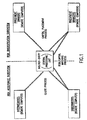
- the risk acceptance subsystem relies on the expertise of third party specialists to agree to the acceptance of risk. These parties will use presently available data processing hardware including computers, modems, personal digital assistants, and other types of hardware as it becomes commercially available to transfer information electronically, whether voice, video, data or other form. (FIG 1), all as provided by the data processing system.
- Intermediaries coordinate the activities of brokers and parties wishing to transfer risk. Intermediaries develop an expertise in specific products and in analyzing customer needs; form relationships with underwriters understanding their respective underwriting capacities and interests; negotiate coverage, terms and limits for prospective insureds; and keep abreast of new products as they become available.
- a data processing means of electronically communicating, inputting and retrieving information regarding a proposed transfer of risk by an intermediary to one or more underwriters is provided.
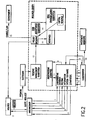
- FIG. 2 An intermediary inputs prescribed information concerning a risk into a data processing system which electronically transmits same to an insurer-entity's underwriting database router for comparison. (1) Once the information is electronically compared to a series of discriminating parameters, the router system responds with suggested programs and underwriters to whom the information could be provided for a quotation.(2) Unless the intermediary bypasses the previous step by preselecting an underwriter to receive the information, the intermediary selects one or more underwriters to whom the routing system then forwards the request for quotation.(3)
- An underwriter may be a firm of professionals contracted for a particular type of expertise, a traditional insurance company in which the insurer-entity reinsures risks underwritten by the insurer's underwriting staff, a bank or other risk management professional who is experienced in risk analysis, acting in a manner similar to a market specialist on a major exchange.
- the underwriter's primary task is the analysis of risks, establishment of policy limits, determination of appropriate premiums, and recommendation of policy issuance.
- a detailed report analyzing the proposed risk is prepared with the assistance of a data processing program which compares the proposed risk to a set of underwriting guidelines broadly designed to assure compliance with specific program objectives, capital matching limitations, and system constraints.
- a key element of this comparative data system is an interactive pricing model which takes into consideration program guidelines, current and projected market interest rates, an assessment of projected losses, equity and debt return expectations, various cost and profit objective factors and other information necessary to determine the amount of capital matching support required to accept the proposed risk and the minimum premium level which would justify its acceptance. It also analyzes the underwriter's current portfolio of business and capital matching capacity.(5)
- the underwriter may then respond via electronic means as to whether or not the underwriter is prepared to recommend the acceptance of the risk and at what price.(6) Since various underwriters may tailor their programs differently, more particularly the diversification profile of risks they assume, their cost of capital matching (returns investors expect for the use of capital allocated to risks underwritten by an underwriter), costs of underwriting, and profit expectations can vary substantially. Thus requesting a quote from several underwriters may result in a variety of preliminary indications.
- the proposed risk is reprocessed through the program producing a report which includes all pertinent analytical factors as well as final terms, coverages, limits and premium.
- An underwriting fee and expense component is applied, reserve levels for maximum risk exposure are computed, and a capital usage profile is developed, resulting in the premium to be charged. This report is then submitted to an internal underwriting committee of the insurer-entity for consideration.
- Each underwriter is,responsible for negotiating the cost of capital and the capacity to support the acceptance of risk.
- the internal staff of the insurer-entity may assist the underwriter in these efforts.
- the risk acceptance subsystem interfaces with the risk diversification subsystem to optimize returns for various classes of investors within the system.(10) This process is further described hereafter in the risk diversification subsystem.
- the underwriter electronically issues a binding commitment, subject to receipt of the premium.
- the insurer-entity having previously established a statutory premium collection reserve for the acceptance of premium, instructs that premium be wire transferred to a particular custodian for the benefit of the insurer-entity and allocated within a specifically identified statutory reserve account.
- the insurer-entity's administrative staff Upon confirmation of receipt of premium from the custodian,(12) the insurer-entity's administrative staff inputs the underwriting committees approval code for the particular risk in the data processing system, which commences an automated policy/contract issuance procedure.(13)
- Each segregated reserve is a separate account or ledger established by the insurer-entity to allocate the interests of policyholders, capital participants, professionals and for other purposes, which permit the insurer-entity, fiduciaries and regulators to ascertain that the insurer-entity can at all times satisfy its obligations to all parties.
- These may take the form of policy reserves, capital reserves, and administrative reserves. Monies held by custodians are allocated across these reserves, being tracked electronically by the data processing system.
- the policy terms will determine specific documentation which must be provided the insurer-entity or a custodian as its paying agent. Once received and verified for compliance with policy provisions, the custodian will make such payment, reducing the amount of funds allocated from the appropriate reserve supporting the specific policy.
- the insurer-entity will have instituted within its custodial agreements a method of investment which assures that securities held to support these policies mature into liquid form available for payment at the earliest date a disbursement might be required under each policy.
- the data processing system of the present invention provides novel methods for accomplishing the matching of persons seeking to transfer risks with capital willing to accept such risks.
- the data processing system is created and maintained by the entity including terminals serving the entity and specialists associated with the entity, all as administrated by management of the entity including the underwriting committee. Links between terminals may include fiber optics, cable, satellite, microwave or other video, data and voice transmission methods with such interface devices to permit the system at all ends to effectively communicate.
- the data processing provides instant access of pertinent information to facilitate the negotiation of terms to match risk transfer to capital on a contract-by-contract basis.
- System information generally includes (1) lists of specialists representing risk transferors i.e. intermediaries, (2) specialists involved in analyzing and pricing the acceptance of risk, i.e. underwriters (3) lists of investment managers and investment bankers and descriptions of what risks transferors are looking to transfer and what capital is available to accept such risks and finally (4) forms of contractual agreements and appropriate legal clauses.
- the risk diversification subsystem (FIG. 5) is a multi-faceted diversification mechanism, which when viewed from different perspectives may look similar to existing structures, but taken together in overview form is uniquely different to any diversification methodology in existence, representing a totally new method of diversifying risk.
- the present subsystem diversifies risk through a means of matching specific risks with sufficient funds, including capital, to permit complete risk transference, while transferring risk to and diversifying it across numerous investors.
- An attraction of this method is the ability to obtain larger compensation, i.e., premiums, for accepting risks unable to be placed in other markets compared to that accepted by existing markets, and passing a portion of that risk compensation through to investors accepting the risks.
- This risk diversification system is an improvement over existing methods.
- the method of diversification operates such that in addition to premium and investment income, the insurer-entity sets aside sufficient additional funds to be capable of paying a total loss on each risk assumed, without any reduction of policy limits or drop down provisions from those initially contracted.
- the types of risks assumed are risks which may be unique or of limited number. The insurer-entity must then diversify that risk by transferring it to investors or through other techniques described hereafter.
- the insurer-entity is also able to accept credit and performance risk, generally for periods much longer than banks in that the collateral it accepts or the capital it obtains from investors to support these risks is sufficient to absolutely assure its ability to pay.
- single risk limitations are not a concern as it effectively transfers the risk to investors leaving investors to accept a single risk or spread their exposure across numerous risks, just as on an exchange.
- the present embodiment wholly matches the maximum exposure with funds to support the risk. It will not accept the counterparty risk of an investor who promises to invest more if losses exceed the initial investment or the risk of failure of a reinsurer to pay if called upon. Secondly, investors have a variety of choices, like on an exchange, of the specific risks they assume, can rely on underwriters or investment managers' underwriting allocation performance to diversify their portfolios, or select their own diversification profile.
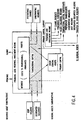
- FIG. 3 Diversification through asset allocation may be employed by an investor in the present invention.
- An investor may assume a single type of risk exposure allocating funds to an underwriter, (1) directly or through an investment manager, to be used in a program, which assumes numerous risks of similar type.(2) Unlike the mutual fund, the investor has more flexibility in that he may request an investment manager allocate funds to more than one underwriter,(3) diversify the investment across numerous risks, use more than one investment manager, or any combination of options.(4)
- the subsystem of the present invention does not permit margin as on an exchange, but does provide investors the flexibility to accept all types of financial risks, through contracts which may be unique or standardized. Investors with different risk tolerance levels can accept different layers of risk represented within a single contract.
- the mechanism fully employs matching principles which permit it to accept any type of risk, where exchanges must standardize contract risk terms, exchanging large numbers of similar risks.
- the subsystem permits diversification of risk to be structured in a variety of contractual formats, providing greater flexibility for both risks transferred and means of diversifying same.
- the present diversification methodology offers unique improvements over the prior art.
- Three primary constituencies are hereafter considered: a) owners or sponsors of an enterprise; b) the investors, lenders, reinsurers, or other risk transferors who use these structures; and c) the professionals, employees and/or specialists who provide the day-to-day risk acceptance, transfer, and administrative activities.
- the risk diversification subsystem of the present invention substantially improves the benefit and flexibility for each of these three constituencies.
- the present invention improves the capital structure of the insurer-entity by means of creating and embodying in law two distinct two financial statement constituencies.
- the priority of claims upon assets and income of an enterprise begins with senior lien debt, then junior lien debt, general creditors, preferred shareholders and finally common shareholders.
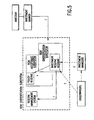
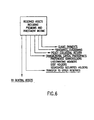
- the present embodiment involves two priority structures coexisting; both representing assets, liabilities and capital of the insurer-entity, not simply assets being held in trust. These are distinguished for exemplary purposes as "General Assets" and "Reserved Assets" (FIG. 4).
- Intermediaries bring prospective risk transfer participants to the risk acceptance subsystem, while investment bankers bring prospective investors to the risk diversification subsystem, whether the General Assets substructure as a prospective primary shareholder or to the Reserved Assets substructure as a prospective preference shareholder, debt/annuity holder, underwriting member, or segregated securities holder, collectively, transactional capital participants. There compensation is generally commission oriented.
- An underwriter's role is to maximize the premium received for the acceptance of a particular risk, while taking all prudent actions to minimize the possibility of future losses.
- it in obtaining additional funds above premium and investment income to support a risk, it must obtain those funds from primary shareholder capital allocated by management and/or transactional capital allocated in some cases by investment managers.
- an underwriter's compensation is based on a recovery of underwriting expenses and an underwriting profit commission, which deducts compensation paid for the use of transactional capital as an expense, a designed tension exists for underwriters to negotiate downward the cost of Transactional Capital. This benefits both the underwriter, primary shareholders, and the administrative staff of the insurer-entity.
- the role of investment managers is to maximize profitability on Reserved Assets sourced from transactional capital participants, by increasing the return paid on or percentage of profits received for the use of transactional capital funds.
- These investment managers can negotiate with Underwriters to place Transactional Capital in support of various risks. This may be by way of providing capacity for an annual underwriting program or bidding on capital to support a specific risk. Underwriters may seek capital support from a number of investment managers, or in some cases direct from transactional capital participants. Investment managers are compensated by management fee and in some cases a percentage of profits above an agreed level.
- the administrative staff of the insurer-entity has a unique role. Although seeking to manage the enterprise more similar to an exchange than an insurance company, promoting the involvement of transactional capital participants and generally encouraging a marketplace usage approach to the acquisition of new business, its primary focus, is the facilitation of capital matching between underwriters and investment managers, for the benefit of primary shareholders. This unique dynamic is stimulated by an internal system allocation of a portion of revenues attributable to primary shareholders, to the administrative staff of the insurer-entity. Through managing the capital and surplus allocated to primary shareholders, the administrative staff can under certain constraints, interject primary shareholder capital to support a particular risk if the staff or the underwriter is of the opinion the compensation sought by investment managers for transactional capital support of a risk is excessive.
- a transactional capital participant (1) generally through the assistance of an investment banker, transfers funds to the insurer-entity for allocation to a specific investment reserve account.
- This reserve may have been created for the specific participant, or may represent the interests of a number of similar participants.
- Each reserve is subject to an agreement within which are contained the use and allocation parameters of the reserved assets; the credit quality and form criteria to which such reserved assets may be subject, including the underwriting or other investment risks to which the funds may be allocated and diversification profiles; investment managers and/or underwriters to whom the funds may be appropriated; the duration of the reserve, the method of allocated profits, losses, and return of funds provisions; as well as a host of other similarly restrictive criteria.
- a transactional capital participant may receive any of four financial instruments emanating from the Reserved Assets substructure: i) preference shares, ii) debt/annuities, iii) underwriting member contracts, or iv) segregated derivative securities.
- Each reserve account may have funds allocated through any one of the above or a combination thereof.
- the flexibility of the present invention allows transactional capital participants a host of options. These permit minimum diversification, where the participant accepts a single risk allocated to one reserve account, or maximum diversification where the participant's funds are spread between many reserve accounts, each managed by one or more investment managers, supporting multiple underwriters, in a variety of risks.
- the system truly provides participants the ability to structure a risk profile within their tolerance objectives.
- a Transactional capital participant may limit the use of funds transferred to supporting a single risk, (4) risks of a particular enterprise, risks underwritten by a specific underwriter (5) or a group of Underwriters; or may identify one or more investment managers, (6) who will be responsible for allocating said funds within participant guidelines or within those the investment manager(s) has previously established for other funds under its management. These funds may be allocated to any number of insurance underwriting and investment activities of the insurer-entity.
- Front Street Corp. An entity known as the Front Street Corp. is created to act as a vehicle for issuance of a plurality of insurance policies with each policy backed by a segregated reserve accounts which accounts are protected by law.
- Front Street corp. employs a data processing system with terminals at its place of business and at the places of business of intermediaries at locations in numerous cities throughout the world representing potential policyholders and potential transactional capital contributors.
- Front Street Corp. inputs information into the data processing system to create various capital, risk acceptance and administrative reserve accounts. Further data inputted into the data processing system includes lists of intermediaries, potential risk transferors, and potential capital contributors, each ready to engage in practicing the method and system of the present invention.
- proposed policy language is inputted and storbd. Intermediaries utilize the system to negotiate a proposed policy for the entity to issue backed by specific dedicated capital which capital must be adequate to satisfy the policy limits. The offers and counteroffers of negotiations are inputted and stored in the system for instant retrieval.
- Front Street Corp. When a proposed policy is agreed upon among intermediaries representing their principals using the system Front Street Corp. then reviews all aspects of the policy and particularly the adequacy of the capital to be provided, evaluates the proposed policy. Front Street Corp. then approves or disapproves the proposed policy. If the entity approves the policy, the capital funds are first placed in the segregated reserve accounts before the policy is issued. After issuance, all pertinent data is inputted in the system ready for potential claim administration.
- the materials supplier decides to transfer $100 million to the insurer-entity, as a transactional capital participant, to support certain types of property catastrophe risks, capacity for which may not be available or becomes very expensive after a catastrophic event.
- the material supplier decides to limit its support to risks located primarily in geographic areas where it does most of its business. Its rationale is that if losses occur in these areas due to a catastrophic event, it will likely realize profits from building materials sales, thus maintaining a natural hedge for its risk taking losses. Unlike traditional insurers, who then attempt to recover their losses through substantially increased premiums in subsequent years, these increases theoretically could provide substantially improved earnings for the building materials supplier in years where its materials profits are under pressure from an oversupply in the marketplace, post catastrophic event.
- the prior art would only permit the materials supplier to invest in the shares of an insurance company established specifically to accept property catastrophe risks or to buy lumber or property catastrophe futures contracts.
- the latter may involve a substantial amount of volatility, requires a thorough knowledge of the risks of taking futures positions and is not as appropriately matched for natural hedging purposes.
- the costs can also be somewhat prohibitive.
- Investing in the publicly traded shares of a property catastrophe insurer does provide another option, however the volatility of price and direction of movement may not coincide with the geographic distribution of risks to which the materials supplier would normally profit. For instance, large losses resulting from a catastrophic event insured in another country could precipitate a decline in the value of the publicly traded shares of the property catastrophe insurer, with no corresponding building materials sales benefits.
- the supplier would also be subject to decline in the price of shares, in those years in which an oversupply of insurance capacity existed, as often occurs in the cyclical property insurance markets.
- the present system provides for a means of permitting the supplier to indirectly participate in the property catastrophe market when insurance capacity is limited and premiums are high, and be out of the market when rates are low and capacity in abundance. This is accomplished by the supplier's selecting an investment manager to annually allocate the supplier's transactional capital funds transferred to the insurer-entity, based on prescribed guidelines. For instance, the reserve agreement require the $100 million be invested in short-term government securities while supporting insurance risks. During those periods where the investment manager elects not to support insurance risks due to low premium levels, a variety of alternate investments might be permitted, thus maximizing potential returns on the supplier's transactional capital.
- the reserve agreements permit the investment manager to negotiate with one or more underwriters to support specific risks or programs.
- the insurer-entity may contract with a property catastrophe insurer as an underwriter.
- the investment manager might allocate funds to reinsure risks the underwriter, as a property catastrophe insurer, accepts from geographic areas which match the supplier's sales profile, or rely of the underwriters expertise to analyze risks presented by other insurers or companies with exposures in the prescribed geographic areas.
- the system offers a unique ability to custom tailor the risk taking parameters a transactional capital participant supports, and the investments the insurer-entity makes with said funds, optimizing return for the participant.
- Management of the insurer-entity is charged with the responsibility of providing catalytic assistance to various market participants in risk taking and capital matching activities.
- the insurer-entity similar to an exchange allocates a minimum fee level in each transaction, similar to fees charged by exchanges.
- the internal staff of the insurer-entity would assist underwriters and investment managers in efficiently optimizing the material suppliers investment within agreed parameters.
- the system permits the insurer-entity, unlike exchanges, to actually participate in risks assumed, through allocation of Primary Share capital in conjunction with or in lieu of transactional capital, under certain conditions.
- Management of the insurer-entity monitors the pricing of risks being transferred to transactional capital participants. If compensation levels seem to be excessive, management may opt to place a competing bid, generally allowing transactional capital to match the bid and continue to support the risk, but at a lower compensation level.
- management may elect to participate with transactional capital participants in risks taken, or may bid to reduce the return paid participants, sometimes in exchange for agreements to limit their losses.
- Primary capital may also be used to support new products or programs without sufficient history to properly analyze the risk/reward relationship of premium to risk being accepted. This capital support can be subsequently diminished or replaced with transactional capital as actuarial history develops.
- the present invention allows unique risks to be unbundled with portions of various risk layers transferred as individually priced components to transactional capital participants or retained by primary shareholders, within the Reserved Assets substructure.
- This exchange/insurance company composite arrangement is designed to create a market price for the transfer of these components, which adds value such that the sum of the parts is often greater than the whole. In essence, unbundling permits market participants and the insurer-entity to more accurately price components of a risk. The balance remaining after payments to transactional capital participants and expenses of the insurer-entity inures to the benefit of primary shareholders.
- the reserve management subsystem uses commonly available data processing hardware augmented by specially designed financial management software.
- the broad aspects of the subsystem include a method of tracking and monitoring specific investments (financial instruments and fixed assets), allocating them to the insurer-entity's Reserved Assets held by various custodians, a means of determining the insurer-entity's obligations to policyholders, capital participants, professionals, and other parties, and subdividing the Reserved Assets in a manner allowing the insurer-entity to always maintain its ability to fully and completely satisfy these obligations, a method of profiling excess underwriting and investment capacity within the system, as well as other reporting functions, and a reserve management dataprocessor.
- the reserve management subsystem tracks these assets, allocates them among various custodians, and assures that minimum investment standards are maintained within the portfolio.
- Reserves are generally used for four purposes: a) risk acceptance, b) capital and debt allocation, c) investment activities, and d) administrative functions.
- Risk acceptance reserves allow the insurer-entity to allocate specific policy liabilities to a particular reserve; then match those liabilities through loss reserves, sourced from premium, and capital and/or debt support, each accreting at notional rates sufficient to accrue enough funds to meet each liabilities as it becomes due.
- a "charge” or "security interest” is placed on the insurer-entity's Reserved Assets in an amount equal to these present value amounts and their future increases based on notional compounding rates.
- a portion of the enterprises current assets and future investment earnings is dedicated and matched to each policy obligation incurred.
- a policy issued to insure a $10 million residual value of an aircraft in 15 years would only require the insurer-entity to set aside $3,624,460, at a notional compounding rate of 7%.
- the insurer-entity would "charge" its Reserved Assets being a $3,624,460 present value charge accreting at 7% for 15 years, for a future value charge of $10 million.
- Capital and debt allocation reserves allow the insurer-entity to track its commitments to capital and debt participants as well as accounting for the allocation of these amounts to risk acceptance, investment, and administrative reserves. For example, a capital investor purchases $50 million of a special series preference share dedicated to a specific type of risk. These funds would be used to support the issuance of policies accepting that risk. The shares might provide for a minimum and maximum rate of dividend, based on underwriting and/or investment experience. The reserve documents would set out these parameters and a method of computing dividends to the investor. The actual funds transferred by the investor are placed with custodians and invested by the insurer-entity, generally on a pooled basis. Thus, the actual investment earnings made by the insurer-entity may be different from the investment crediting rate allocated to the capital reserve for further dividend to the investor.
- Investment reserves are accounts to which amounts are allocated from capital and debt reserves for the purpose of investing to support underwriting activities, investing specific Reserved Assets in a particular type of investment, or for management by a particular investment manager. In the two latter instances, these assets would generally be segregated to a specific custodian. Actual investment results or notional compounding rates could be used to reallocate a portion of amounts in investment reserves back to capital and debt reserves.
- Administrative Reserves accept allocations of a portion of Reserved Assets primarily to assure the insurer-entity's ability to pay future custodial, professional and other fees.
- Amounts allocated to these reserves may be accounted for on a notional cost basis accreting at prescribed rates, or on a mark-to-market basis indexed to specific types of securities.
- specific securities may be identified to a specific reserve, generally amounts allocated to reserves represent an internal allocation of the insurer-entity's Reserved Assets. In essence, all funds held by custodians, represent the quantum of Reserved Assets of the insurer-entity. Amounts allocated to these reserves represent not only respective interests in the current value of assets held by these custodians, but also the future revenues generated by the portfolio.
- the reserve management subsystem provides a means of determining the insurer-entity's obligations to policyholders, capital participants, professionals, and other parties, and matches them to assets held by custodians with the insurer-entity's Reserved Assets in a manner allowing the insurer-entity to always maintain its ability to fully and completely satisfy these obligations.
- the subsystem is designed to maintain this balance between the actual accretion of assets within the insurer-entity's Reserved Assets held by custodians and the notional accretions of the statutory reserves necessary to meet obligations to policyholders, capital and debt participants, professionals, and others.
- Data processing capabilities are supplied for displaying and providing certain routines which monitor and report various optimization opportunities.
- the subsystem reviews the amount of underwriting capacity available within the system categorized by type of program, underwriter, currency, and a variety of other categories which alert participants within the system to both opportunities to accept additional risk, but also the need to acquire additional capital and debt support to continue underwriting at predetermined levels.
- the subsystem also monitors changes in interest rates which could increase or decrease underwriting capacity, as well as provide opportunities to trade assets thereby profiting from market movements.
- Another function of the subsystem is to assist in asset quality surveillance and report degradation of assets within the insurer-entity's portfolio.
- the surveillance function will focus on investment portfolio mix to monitor diversification of AAA government issuers, debt obligation types, and to assure that at all times, the insurer-entity's investment portfolio is capable of supporting the payment of a total loss on the aggregate to the insurer-entity's policy obligations, matched to currency and maturity.
- the reserve management subsystem of the present invention need not be limited to the above mentioned fundamental aspects.
- data processing system is preferred for use in carrying-out the present method and system
- alternative means may be used including telephone networks, facsimile machines, automatic typewriters, and other known office equipment and means for recording and storing information, for displaying such information, and for communicating information rapidly including direct communication between offices.
- Matching risk with capital includes the circumstances where persons seeking to transfer risks make known the need to the entity which need is communicated through use of the system before capital is available or similarly capital may be available before the transfer of risks are made known.
- Capital is secured by solicitation or other means of attracting capital either through the system or by other means.
- Funds or capital may be raised by the entity by issuing financial instruments, selling shares in the entity, borrowing, or other means.
- Entity consultants may include rating agencies, certified accountants, actuaries, consulting actuaries, insurance and financial underwriters or other specialists in finance or insurance which consultants are available to advise the entity and others dealing with the entity.
- capital providers may be any investors including the entity itself.
Landscapes
- Business, Economics & Management (AREA)
- Engineering & Computer Science (AREA)
- Accounting & Taxation (AREA)
- Finance (AREA)
- Marketing (AREA)
- Economics (AREA)
- Development Economics (AREA)
- Strategic Management (AREA)
- Technology Law (AREA)
- Physics & Mathematics (AREA)
- General Business, Economics & Management (AREA)
- General Physics & Mathematics (AREA)
- Theoretical Computer Science (AREA)
- Financial Or Insurance-Related Operations Such As Payment And Settlement (AREA)
Claims (39)
- Verfahren, das operativ verbundene Eingabe, Ausgabe und Datenverarbeitungsmittel zur Unterstützung, durch eine Instanz, des Transfers und der Annahme von speziell definierten Risiken von Risiko-Transferenten zu Kapital-Bereitstellern, die das transferierte Risiko annehmen, durch die Instanz verwendet,
gekennzeichnet durch,
Bereitstellung einer zentralen Verarbeitungseinheit, die für die Instanz zur Unterstützung des Transfers von Risiko von ein oder mehreren Risiko-Transferenten durch die Instanz zu Kapital-Bereltstellern handelt, die das Risiko durch die Instanz annehmen;
Bereitstellung eines Kommunikationssystems zur Kommunikation zwischen einer Vielzahl von abgesetzten, Risiko-Transferenten und Kapital-Bereitstellern zugeordneten Computern über die zentrale Verarbeitungseinheit;
Bereitstellung eines Kapital-Rücklagesystem innerhalb der Instanz, das von der zentralen Verarbeitungseinheit verwaltet wird;
den Austausch von sich auf die Natur und den Charakter des Risikos beziehender Informationen zwischen und unter ein oder mehreren Risiko-Transferenten, ein oder mehreren Kapital-Bereitstellern und der Instanz über die zentrale Verarbeitungseinheit zum Zwecke des Eintritts ein oder mehrerer bereiter Risiko-Transferenten in eine Police/Vertrag mit ein oder mehreren bereiten Kapital-Bereitstellern, die definierte Verpflichtungen aufweisen, die die maximale monetäre Beanspruchung des Risikos und dessen Dauer beinhalten; wobei vorgeschriebene, ein Risiko betreffende Informationen elektronisch zu einem Zeichnungs-Datenbank-Router der zentralen Verarbeitungseinheit übertragen werden, der Datenbank-Router eine diese Information beinhaltende Anforderung an ein oder mehrere entfernte Computer eines Pools von der Angebots-Abgabe zugeordneten Computern weiterleitet; und Veranlassung des (der) Kapital-Bereitsteller(s), ausreichend Kapital zu dem Kapltal-Rücklagesystem vor dem Wirksamkeitsdatum eines solchen Vertrags zu transferieren, das, wenn es mit der Risiko-Entschädigung und anderen Einkommen kombiniert wird, ausreichend ist, um jede und alle solche definierten Verpflichtungen während solch einer Vertragslaufzeit zu erfüllen. - Ein System, das operativ verbundene Eingabe, Ausgabe und Datenverarbeitungsmittel zur Unterstützung, durch eine Instanz, des Transfers und der Annahme von speziell definierten Risiken von Risiko-Transferenten zu Kapital-Bereitstellem, die das transferierte Risiko annehmen, durch die Instanz verwendet,
gekennzeichnet durch:
mehrfache interaktive Computer-Terminal Eingabe- und Ausgabemittel an verschiedenen Standorten zur Verwendung durch ein oder mehrere der Instanz, Risiko durch die Instanz transferierende Risiko-Transferenten, Risiko durch die Instanz annehmende Kapital-Bereitsteller, ihrer jeweiligen Vermittler, Zeichner und andere Hilfspersonen;
eine zentrale Verarbeitungseinheit, die für die Instanz zur Unterstützung des Transfers von Risiken von ein oder mehreren Risiko-Transferenten durch die Instanz zu das Risiko über die Instanz annehmenden Kapital-Bereitstellern handelt;
die zentrale Verarbeitungseinheit beinhaltet einen Zeichnungs-Datenbank-Router zum Empfang von elektronisch übermittelten ein Risiko betreffenden vorgeschriebenen Informationen und zur Weiterleitung einer diese Informationen beinhaltenden Anforderung an ein oder mehrere interaktive Computer-Terminal Eingabe- und Ausgabemittel eines Pools von interaktiven Computer-Terminal Eingabe- und Ausgabemitteln, die der Angebots-Abgabe zugeordnet sind; und eine Zeichnungs-Datenbank zur Analyse, Erzeugung und Ausgabe von vorgeschlagenen Programmen an Zeichner, an die die Information übermittelt werden kann oder durch die ein Zugriff zur Angebotsabgabe erfolgen kann;
ein Risiko-Annahme Untersystem, ein Risiko-Diversifikations Untersystem und ein Rücklage-Verwaltungs Untersystem, die analytische und beratende Resourcen beinhalten;
das Risiko-Annahme Untersystem beinhaltet ein oder mehrere von Informationseingabe, -ausgabe und -abfragemittel, die operativ mit dem System zum Austausch von Informationen zwischen potentiell Risiko-Transferenten und der zentralen Verarbeitungseinheit der Instanz verbunden sind,
Eingabemittel zu dem Risiko-Annahme Untersystem für ein oder mehrere Zeichner, die computeranalysierte Risiko-Informationen bezüglich eines potentiellen Risikotransfers empfangen, um dem System mitzuteilen, ob oder ob nicht ein spezieller Zeichner bereit ist, die Annahme des Risikos und der Bedingungen zu empfehlen;
Ausgabemittel von dem Risiko-Annahme System, um den potentiellen Risiko-Transferenten darüber zu berichten, ob ein oder mehrere Zeichner bereit sind, die Annahme des Risikos, der Bedingungen einschließlich Begrenzungen, Prämien und anderer relevanter Informationen zu empfehlen;
Eingabemittel für einen potentiellen Risiko-Transferenten, um einen elektronischen Antrag zu einem bestimmten Zeichner zu übermitteln; Datenverarbeitungsmittel zum Empfang, Neubewertung und Erzeugung eines Reports bezüglich des elektronischen Antrags, der relevante Informationen für die Vorlage an die Instanz zur Zeichnungs-Bewertung, -Annahme oder -Ablehnung beinhaltet;
Mittel zur Übermittlung von relevanten Informationen bezüglich des potentiellen Risiko-Transfers von dem Risiko-Annahme Untersystem des Systems zu dem Risiko-Diversifikation Untersystem des Systems, um Erträge für verschiedene Klassen von Investoren innerhalb des Systems zu optimieren;
Mittel zur elektronischen Ausgabe einer bindenden Verpflichtung an die potentiellen Risiko-Transferenten auf den Empfang eines Signals durch das System, das die Zustimmung des Managements der Instanz zur Annahme des Risikos anzeigt;
Mittel zum Empfang einer Überweisung von Prämien-Geldern von den Risiko-Transferenten zu einem Vermögensverwahrer und zur Zuordnung zu einem speziellen identifizierten Rücklagekonto;
Mittel zum Empfang einer Bestätigung des Empfangs der Prämiengelder von dem Vermögensverwahrer;
Mittel zur Instanz-Verwaltung um einen Genehmigungs-Codes in eine System-Datenbank zur automatischen Initiierung einer Police/Vertrags Ausgabeprozedur einzugeben;
Mittel zur Erzeugung von ein- oder mehreren Rücklagen innerhalb einer Buchhaltungs-Aufzeichnung-Datenbank des Systems; und
Mittel zur Zuordnung von Geldern zu diesen Rücklagen, um einen maximalen Verlust aus der Risiko-Annahme Police/Vertrag auf einer zeitgerechten Basis sowie bestimmte vordefinierte Verwaltungs- und Geschäftskosten über die Laufzeit der Police/Vertrag zu zahlen. - Verfahren nach Anspruch 1, weiter beinhaltend die Erzeugung von Risiko-Transfer-Policen/Verträgen, die Police-Begrenzungen identifiziert für spezielle Konten aufweisen,
die Transferierung und Zuteilung des gesamten oder eines Teils des Risikos zu ein oder mehreren Investoren unter einer Kapitalstruktur, welche Vorbereitungsmittel zur Zahlung an risikotransferierende Parteien, wenn Verluste verwirklicht werden, und zur Absonderung der Werte einzelner Investoren zu speziell identifizierten Risiken beinhaltet; die Verwendung von computerbasierten Speichern, Verarbeitungs- und Abfrage-Kommunikation- und Aufzeichnungsmittel zur Koordination der Erzeugung von solchen Risiko-Transfer Policen/Verträgen und des abgesonderte Werte beinhaltend Kapitals, um zu allen Zeiten Gelder zur Befriedigung des vollen Policen-Höchsbetrage von allen Verträgen bereitzustellen;
Einführung, Implementierung und Verwaltung des Systems durch die Verwendung von diesen Kommunikations- und Aufzeichnungsmittel als Teile einer neuen oder existierenden Instanz, welche eine durch Gesetz geschützte Kapitalstruktur beinhaltet; und
Verwendung dieser Mittel zur Ausführung existierender externer Reglement und Treuhand-Aufsicht, um die Befriedigung aller Verträge sicherzustellen, die Struktur, die Instanz und risikotransferierende Parteien und Kapital-Bereitsteller vor Risiken der Insolvenz, gerichtlicher Intervention durch Dritte, und anderen externen Risiken der Instanzs zu schützen. - Verfahren nach Anspruch 1, weiter beinhaltend:
das Erzeugen und Speichern eines interaktiven Preis-Modells, welche Programm-Richtlinien, gegenwärtige und projizierte Markt-Zinssätze, eine Abschätzung projizierter Verluste, Eigenkapital- und Forderungs-Ertragserwartungen, verschiedene Kosten- und Gewinn-Zielfaktoren, und andere Informationen, die notwendig sind, um die Höhe der für die Annahme des vorgeschlagenen Risikos erforderlichen passenden Kapitalunterstützung und die minimale Entschädigungshöhe für die Annahme des Risikos zu bestimmen; und
den Schritt ein aktuelles Instanz-Beraterportfolio der Geschäfts- und Kapital-Abgleichungs-Kapazität zu analysieren. - Das System nach Anspruch 2, weiter beinthaltend:a) Eingabemittel zur Erzeugung einer Vielzahl von Kapitalkonten beinhaltend primäre Kapitalkonten und eine Vielzahl von Transaktions-Kapitalkonten für die Instanz;b) Speichermittel zur Speicherung von Informationen, die sich auf erste Vermittler beziehen, die Personen repräsentieren, welche auf der Suche sind, Risiken zu transferieren;c) Speichermittel zur Speicherung von Informationen, die sich auf zweite Vermittler beziehen, welche Personen repräsentieren, die auf der Suche sind, Kapital für die Annahme solcher Risiken bereitzustellen;d) miteinander verbundene Terminal-Mittel zur Eingabe von Informationen durch die Instanz und erste und zweite Vermittler und zur Abfrage solcher Informationen; wobei solche Terminal-Mittel verwendbar sind zur Unterstützung von Verhandlungen zwischen solchen Vermittlern durchi) Eingabe eines Vertragsangebots durch einen anbietenden Vermittler;ii) Abfrage eines solchen Angebots durch einen anderen Vermittler;iii) Eingabe eines Gegenangebotes durch den anbietenden Vermittler;e) elektronische Mittel zur Bereitstellung von Vertrags-Wendungen zur Benutzung durch solche Vermittler;f) Mittel für die Instanz zur Eingabe eines Codes zur Genehmigung einer durch Instanz-Berater erzeugten Police/Vertrags;g) Mittel zur Speicherung von genehmigten Police/Vertrags-Daten;h) Mittel zum Empfang von Ansprüchen und zum Vergleich der Ansprüche mit solchen Police/Vertrags-Daten.
- Verfahren nach Anspruch 1, weiter beinhaltend:
Erzeugung von Risiko-Transferverträgen, welche zu speziellen Konten identifiziert sind, durch computerbasierte Datenverarbeitungsmittel, sodann Transferierung und Anpassung aller oder eines Teils der Risiken zu ein oder mehreren Kapital-Bereitstellem innerhalb einer Kapital-Struktur; welche Vorbereitungsmittel zur Zahlung an risikotransferierende Parteien im Fall der Verwirklichung von Verlusten und zur Absonderung der Werte einzelner Kapital-Bereitsteller enthält;
die Verwendung eines computerbasierten Datenspeichers, Verarbeitungs- und Abfragemittel zur Koordination der Erzeugung solcher Risko-Transfer Verträge und der Kapitalstruktur beinhaltend abgesonderte Werte, um zu allen Zeiten Gelder zur Befriedigung der vollen Höchstgrenzen aller Verträge bereitzustellen;
das Betreiben dieser computerbasierten Mittel zum Aufbau, Implementierung und Verwaltung des Systems als Teil einer neuen oder existierenden Instanz, welche eine durch Gesetz geschützte Kapitalstruktur beinhaltet;
Anwendung dieser computerbasierten Mittel zur Verwirklichung existierender externer Reglement und Treuhand-Aufsicht, um die Befriedigung aller Verträge sicherzustellen, die Struktur, die Instanz und die risikotransferierenden Parteien und Kapital-Bereitsteller vor Risiken der Insolvenz, gerichtlicher Intervention Dritter, und anderen externen Instanz-Risiken zu schützen. - Das System nach Anspruch 2, weiter beinhaltend:
ein Mittel zum elektronischen Empfang einer Anforderung zur Angebotsabgabe zu einem ausgewählten Preis und der sachdienlichen Informationen bezüglich eines bestimmten Risikos;
Mittel zur elektronischen Erzeugung eines das vorgeschlagene Risiko analysierenden Reports, unterstützt durch ein Datenverarbeitungsprogramms, welches das vorgeschlagene Risiko mit einem Satz von Richtlinien vergleicht, welche allgemein gestaltet sind, um die Übereinstimmung mit speziellen Programmzielen, Kapitalanpassungsbegrenzungen und Systembeschränkungen sicherzustellen; und
Mittel, um dem Vermittler elektronisch zu antworten, ob oder ob nicht der Instanz-Berater bereit ist, die Annahme des Risikos und zu solchem Preis zu empfehlen. - Verfahren nach Anspruch 1, weiter beinhaltend:
die elektronische Erzeugung und Speicherung eines interaktiven Preis-Modells, welches Programm-Richtlinien, gegenwärtige und projizierte Marktzinssätze, eine Beurteilung von projizierten Verlusten, Eigenkapital und Forderungs-Ertragserwartungen, verschiedene Kosten und Ertrags Ziel-Faktoren, und andere Informationen in Betracht zieht, die notwendig zur Bestimmung der die Höhe der für die Annahme des vorgeschlagenen Risikos erforderlichen passenden Kapitalunterstützung und der minimalen Entschädigungshöhe für die Annahme des Risikos sind; und
den Schritt der Analyse des aktuellen Instanz-Beraterportfolios der Geschäft- und Kapital-Anpassungs-Kapazität. - Verfahren nach Anspruch 1, weiter beinhaltend:
Bearbeitung des Risikos durch ein Datenverarbeitungsprogramm, welches einen Report erzeugt, der alle sachdienlichen analytischen Faktoren sowie Endfristen, Deckungen und Begrenzungen beinhaltet; mittels Datenverarbeitungsmittel;
Übermittlung des Risikos an ein internes Zeichnungs-Komitee der Instanz zur Genehmigung über elektronische Datenabfrage- und Kommunikationsmittel;
Ausgabe einer bindenden Verpflichtung zur Annahme des Risikos durch elektronische Mittel, die operativ mit den computerbasierten Datenempfangs-, Verarbeitungs-, Abfrage und Kommunikations-Mittel der Instanz verbunden sind. - Verfahren nach Anspruch 9, zusätzlich verwendend:
die Bereitstellung elektronischer Mittel zur Bestimmung einer Zeichnungs-Gebühr, Aufwands-Komponenten, Rückstellungshöhen für berechnete maximale Risikobeanspruchung und Kapital-Gebrauchskosten, die mit dem Risiko-Diversifikation Untersystem ausgehandelt sind, modifiziert durch die Abschätzung des Instanz-Beraters der Marktkonditionen, der Preisbildung und Kapazität; Verfügbarkeit von Kapital-Kapazität und anderen mehr subjektiven Faktoren. - Verfahren nach Anspruch 9, zusätzlich aufweisend:
den Schritt der Verwendung elektronischer Mittel zur Übermittlung des Endreports mit einer Instanz-Berater Empfehlung zur Annahme des Risikos;
des Schritts der Bestimmung der Verfügbarkeit ausreichenden Kapitals zur Unterstützung der Annahme des vorgeschlagenen Risikos;
des Schritts zur Verwendung elektronischer Mittel zur Eingabe eines Genehmigungscodes identifiziert zu der vorgeschlagenen Transaktion und allen übermittelten Informationen, auf welchen solch eine Genehmigung basiert; und
dem Schritt der Anwendung elektronischer Mittel zur Autorisierung des Instanz-Beraters zur Ausgabe einer bindenden Verpflichtung, vorbehaltlich des Empfangs einer Entschädigung für die Annahme des Risikos. - Das System nach Anspruch 2 und;
ein Datenspeicher- und Anzeigesystem;
Mittel zur Eingabe und Speicherung, um Rücklagekonten vor der Ausgabe einer Risiko annehmenden Police/Vertrag aufzubauen;
Mittel zur Eingabe und Speicherung, um ausreichende Vermögenswerte zur vollen und kompletten Befriedigung des akzeptierten Risikos zu diesen Rücklagekonten zuzuordnen;
Mittel zur Berechnung der Investitionsmethode solcher Vermögenswerte, die notwendig zur Sicherstellung der Fähigkeit der Instanz ist, unter der Police/Vertrag zu zahlen; und
Mittel zur Eingabe einer Anforderung für Verlustzahlungen und zur Bestimmung geeigneter Zahlungen, die an den Police/Vertrags Inhaber gemacht werden. - System nach Anspruch 2, beinhaltend eine automatisierte Police/Vertrag Annahme- und Ausgabe-Datenverarbeitung, die einen digitalen Computer verwendet, welche einbezieht:
ein Mittel zur Eingabe und zur Bestätigung des Empfangs der Entschädigung für die Annahme eines Risikos;
Mittel zur Erzeugung abgesonderter Rücklagen und zur Zuteilung von Vermögenswerten zu solchen Rücklagen vor der Ausgabe einer risikoannehmenden Police/Vertrag;
Mittel zur Eingabe eines Signals zur Authorisation der Ausgabe einer Police/Vertrags. - System nach Anspruch 13, weiter beinhaltend:
ein Mittel zur Eingabe des Risiko-Annahme Authorisationscodes des Zeichnungskomitees für das bestimmte Risiko in das automatisierte Ausgabesystem;
ein Mittel zur Eingabe der Höhe empfangener Gelder und eines Überweisungscodes von einem Vermögensverwahrer, der den Empfang der Entschädigung für die Annahme des Risikos bestätigt;
Eingabemittel für abrufbereite erzeugte abgesonderte Rücklagen innerhalb der Konten einer das Risiko annehmenden Instanz, getrennter Konten für Vertragsinhaber, Kapital-Beteiligte, Instanz-Berater, und für andere Zwecke, welche weiter der Instanz, Treuhändern und Aufsichts-Parteien erlauben, die Verpflichtungen der Instanz und ihre Fähigkeit, solche Verpflichtungen auf einer zeitgerechten Basis voll und komplett zu erfüllen, zu erforschen; und
ein Eingabemittel für Abrufbereite zur Zuordnung der Entschädigung, die unter den verschiedenen Rücklagekonten empfangen wird, um die Fähigkeit der Instanz sicherzustellen, voll und komplett die Bedingungen des Vertrages zu erfüllen und für Verwaltungs- und Geschäfts-Kosten vorzusehen, welche der Annahme des Risikos zugeordnet sind. - Vertrag-Ausgabesystem nach Anspruch 13, wobei auf den Empfang der Entschädigung, die Erzeugung der Rücklagekonten, und der Zuordnung von für die volle und komplette Befriedigung der Verpflichtung des Vertrags ausreichenden Vermögenswerten weitere Mittel beinhaltet:
elektronische Mittel enthaltend ein einen Drucker enthaltendes digitales Computersystem, welche verwendet werden, um den Risiko-Annahmevertrag vorzubereiten, der ein Risiko in einer spezifizierten Höhe gegenüber einem spezifizierten Risiko, das sich während einer gegebenen Zeitperiode ereignet, annimmt; und
elektronische Mittel zur Anmeldung eines Sicherheitsrechtes an den Vermögenswerten der annehmenden Instanz bei geeigneten Regierungsstellen. - Verfahren nach Anspruch 13, weiter beinhaltend:
den Schritt vier primäre Typen von Rücklagenkonten, d.h. Risiko-Annahme, Kapital- und Forderungs-Zuordnung, Investment-Aktivitäten und Verwaltungsfunktionen, elektronisch zu beobachten und zu überwachen, welche verwendet werden, um die Höhe der Verpflichtungen der Instanz gegenüber verschiedenen externen Parteien und Anteilseignern zu quantifizieren, sowie ein Mittel zur Unterteilung der Menge Ihrer zurückgelegten Vermögenswerte bereitzustellen:
den Schritt zur elektronischen Beobachtung und Überwachung spezieller Investments, d.h. Finanzinstrumente und fixe Vermögenswerte, die dem Rücklagevermögen der Instanz zugeordnet sind;
den Schritt, die Verpflichtungen der Instanz gegenüber Vertragsinhabern, Kapitalbeteiligten, Instanz-Beratern und anderer Parteien elektronisch zu bestimmen, ihre abgesonderten Vermögenswerte in einer Art zu unterteilen, die es der Instanz ermöglicht, ihre Fähigkeit zur vollen und kompletten Befriedigung dieser Verpflichtungen aufrecht zu erhalten, und diese Informationen in einer einfach abfragbaren Form mittels der Hilfe eines digitalen Computers zur Durchsicht durch das Instanz-Management und andere aufrecht zu erhalten; und
den Schritt, überschüssige Zeichnungs- und Investment-Kapazitäten innerhalb des Systems und anderer Bericht- und Analysefunktionen graphisch zu profilieren. - Verfahren nach Anspruch 1, weiter beinhaltend Profiling-Kapazität und andere Bericht- und Analysefunktionen, die von einem digitalen Computer und einem Vergleichdatenverarbeitungsmittel unterstützt werden;
elektronische Mittel zur Bestimmung der Höhe der Risiko-Annahme Kapazität, die innerhalb des Systems kategorisiert nach Typ des Programms, Instanz-Berater, Währung und einer Vielzahl von anderen Kategorien zur Verfügung steht, welche Beteiligte innerhalb des Systems auf beide Gelegenheiten hinweist, zusätzliches Risiko anzunehmen, beinhaltend Mittel zur Bestimmung des Erfordernis zusätzlicher Kapital und Forderungs-Unterstützung zu erlangen, um die Risiko-Annahme ab einem vorbestimmten Niveau fortzusetzen;
elektronische Mittel zur Beobachtung von Änderungen in Zinssätzen, welche die Risiko-Annahmekapazität vergrößern oder verkleinern könnte, sowie Gelegenheiten zum Handein mit Vermögenswerten bereitstellen, die von den Marktbewegungen profitieren; und
elektronische Mittel zur Vermögenswert-Qualitätüberwachung und zum Bericht von Schwächung von Vermögenswerten innerhalb des Portfolios der Instanz, zur Beobachtung des Investment-Portfolio-Mixes zur Diversifikation von AAA-Regierungs-Emittenten, Forderungsverpflichtungstypen, und Assekuranten, damit zu allen Zeiten das Investment-Portfolio der Instanz fähig ist, die Zahlung der Verpflichtungen, angepaßt an Währung und Fälligkeit, zu erhalten. - System nach Anspruch 2, weiter enthaltend:
ein Mittel zur Erlangung von Kapital durch die Ausgabe von verschiedenen finanziellen Instrumenten mit maximaler Flexibilität und Diversifikation, um Risiken, die die Instanz akzeptiert, zu stützen, und das die Assistenz von Instanz-Beratern beinhalten kann;
ein Mittel zur Ausgabe solcher Finanzinstrumente, zum Empfang von Geldern hierfür, wobei die Werte jeder speziellen Partei, die solche Geldern bereitstellt, abgesondert und geschützt werden; und
ein Mittel zur Zuordnung von Geldern von speziellen Parteien zu einem speziellen Risiko oder einer Diversifikation über eine Gruppe von Risiken. - System nach Anspruch 18, weiter enthaltend:
ein Mittel zur Beschaffung von Kapital-Unterstützung durch einlösbare Vorzugsanteile oder andere Formen von Eigenkapital der Instanz, welche dazu bestimmt sind und einen Ertrag bereitstellen, basierend auf der Performanz eines speziellen Risikos, über ein oder mehrere Instanz-Berater akzeptiertes Risiko, der Performance von ein oder mehreren Investment-Managern, oder irgendeiner Kombination von Faktoren, welche Dividenden bestimmen, die auf die Vorzugsanteile ausgezahlt werden sowie der Länge der Zeit, die solches Kapital zur Unterstützung der Risiken bereitsteht, sowie der Begrenzungen der Risiken, für die die Geldern abgestellt werden. - System nach Anspruch 18, weiter beinhaltend:
ein Mittel zur Bereitstellung von variablen Kursen, Konvertierbarkeit oder anderen Forderungs- oder Annuitäten-Verpflichtungen, welche es der Instanz ermöglichen, die von ihr zu zahlenden Zinsen und die Rückzahlungsbedingungen der Forderungverpflichtungen zu variieren, zum Teil basierend auf der Performance eines speziellen Risikos, über ein oder mehrere Instanz-Berater akzeptiertes Risiko, der Performance ein oder mehrerer Investment-Manager, oder irgendeiner Kombination von Faktoren, welche die Fähigkeit der Instanz beeinflußt, Erträge zu bezahlen, sowie der Länge der Zeit, in der solche Forderungs-Einkünfte zur Unterstützung der Risiken bereitstellen werden, sowie der Begrenzungen der Risiken, für die solche Geldbeträge abgestellt werden können. - System nach Anspruch 18, weiter enthaltend:
ein Mittel zur Bereitstellung der Unterstützung von Risiken durch Zuordnung von Risiko-Annahme-Entschädigung, Verlust-Rücklagen, Investment-Einkommen, direkt zu dem Konto eines speziellen Kapital-Bereitstellers, basierend auf der Performance eines speziellen Risikos, eines Typs von Risikos einer Gruppe von Risiken, der Performance über ein oder mehrere Instanz-Berater akzeptierten Risiken, der Performance eines oder mehrerer Investment-Manager, oder irgendeiner Kombination von Faktoren, welche Zuordnungen bestimmen, die zu den Kapital-Bereitstellern gemacht werden, sowie der Länge der Zeit, in der solche Geldern zur Unterstützung der Risiken zur Verfügung stehen, sowie der Begrenzungen der Risiken, für die solche Geldern abgestellt werden können. - System nach Anspruch 18, weiter enthaltend:
ein Mittel zum Verkauf zukünftiger Werte an Geldflüssen der Instanz, zukünftiger Reduktionen in Verpflichtungen, die von einem bestimmten Rücklagen-Konto oder anderer Derivat-Sicherheiten stammen, basierend auf der Performance eines speziellen Risikos, eines Typs von Risikos, einer Gruppe von Risiken, der Performance von über ein oder mehrere Instanz-Berater akzeptierten Risiken, der Performance ein oder mehrerer Investment-Manager, oder irgendeiner Kombination von Faktoren. - System nach Anspruch 18, weiter enthaltend:
ein Mittel zur Bildung eines Pakets von Finanzinstrumenten, deren Verwendung beschränkt und begrenzt ist auf und deren Ertrag auf speziellen Kriterien basiert, das eine maximale Kapital-Bereitsteller-Flexibilität in Gestaltung und Diversifikation bereitstellt; und
ein Mittel zur Bereitstellung einer maßgeschneiderten Portfolio-Diversifikation für Kapital-Bereitsteller, die über Investment-Banker und andere Vermittler vermarktet wird. - System nach Anspruch 18, weiter beinhaltend:
ein Mittel zur Erzeugung eines Finanzinstruments, dessen Dividende, Preis oder Zins-Erträge zum Teil oder ganz durch die Performance von einem ganzen oder einem Teils eines speziellen Risikos bestimmt wird, für dessen Unterstützung das Instrument gestaltet worden ist, oder einer Gruppe von Risiken kategorisiert nach Typ, speziellem Instanz-Berater oder Investment-Manger oder anderen unterscheidungskräftigen Kriterien. - System nach Anspruch 18, weiter enthaltend:
ein Mittel für Markt-Experten, das Lücken in einem Portfolio eines Kapltal-Bereitstellers und die Typen von Sicherheiten, welche die Gesamt-Portfolio-Performance eines Kapital-Bereitstellers maximieren würde, sowie des Typs und der Qualität von Risiken, welche der Kapital-Bereitsteller anzunehmen bereit ist, analysiert, das sodann
maßgeschneidert ein oder mehrere Verträge zur Ausfüllung dieser Lücken gestaltet; und
ein Mittel zur Bereitstellung von Portfolio-Diversifikations-Flexibilität für Kapital-Bereitsteller, von praktisch keiner Diversifikation durch die Unterstützung eines einzelnen Risikos, zu der maximalen Diversifikation eines Kapital-Bereitstellers, der über ein oder mehrere Finanz-Instrumente Gelder bereitstellt, die zur Unterstützung vieler Risiken oder unterschiedlicher Typen ausgerichtet sind, wobei die Höhe eines jeden Risikos auf einen kleinen Teil des gesamten Portfolios begrenzt wird. - System nach Anspruch 18, weiter enthaltend:
ein Mittel zur Erzeugung von Rücklagen-Konten innerhalb der die Gelder annehmenden Instanz, welche separate Konten oder Kontenblätter bilden, die eine Zuordnung der Werte der die Gelder transferierenden Partei erlauben;
ein Mittel zur Erzeugung eines Dokuments, welches Begrenzungen für die Verwendung von Gelder von speziellen Investoren zur Unterstützung spezieller Risiko-Annahmen und Investment-Ziele aufstellt, welche die Verwendung und den Zweck des Rücklagen-Kontos festlegen, zur Aufzeichnung der Menge der zu jedem Konto zugeordneten Gelder, der maximalen Zeitdauer, die solche Gelder diesen zugeordnet bleiben können, eine Mischungsrate, zu der zusätzliche Gelder dem Konto angerechnet werden können, Typen von Investment-Risiken, denen solche Gelder ausgesetzt sein können, der Risikotyp und/oder die Parteien, für deren Risiken solche Gelder unterstützend sein können, die Bedingungen, unter denen Gelder anderen Rücklagen-Konten für Zuteilungen, die Geschäfts- und Verwaltungs-Kosten repräsentieren, und aus anderen Gründen, Vermögensverwahrern zum Halten der Gelder, und andere dokumentierte Restriktionen, Begrenzungen und Bedingungen, welche die Instanz einhalten muß, neu zugeteilt werden könnten;
ein Mittel zur Eingabe von Rücklagen-Verwendungsparametern in das Datenverarbeitungssystem;
ein Mittel zum Erstellen des Finanz-Instruments beinhaltend die speziellen Bedingungen seiner Form, in der Zukunft an Kapital-Bereitsteller zu leistenden Zahlungen, und andere sachdienliche Bedingungen;
ein Mittel zur Anweisung des Transfers von Geldern zu dem Instanz-Vermögensverwahrer und der Anerkennung des Empfangs dieser Geldern im Austausch für das Finanz-Instrument; und
einem Mittel zur Bestätigung des Empfangs der Geldern, die zu dem (den) Instanz-Vermögensverwahrern (n) transferiert werden. - System nach Anspruch 18, weiter enthaltend:
ein Mittel zur Zuteilung und Überwachung von einer Kapital-Rücklage empfangenen Gelder zu ein oder mehreren in einer Rücklagen-Dokumentation gekennzeichneten Investment-Mangern oder Instanz-Beratern, denen die Berechtigung eingeräumt worden ist, zu investieren, zu verwalten und/oder Gelder innerhalb von für die Rücklage aufgestellten Parametern speziellen Risiko-Annahmen und/oder Investment-Aktivitäten zuzuordnen; und
ein Mittel zum elektronischen Vergleich jeder Zuordnung zu einer Risiko-Annahme oder einer Investment-Aktivität auf Übereinstimmung mit zuvor in das Datenverarbeitungssystem eingegebenen Rücklage-Kriterien. - Verfahren nach Anspruch 6, weiter enthaltend:
den Schritt, primäre Typen von Rücklage-Konten zu beobachten und zu überwachen, beinhaltend Risiko-Annahme, Kapital- und Forderungs-Zuordnung, Investment-Aktivitäten, und administrative Funktionen, welche dazu verwendet werden, die Höhe der Verpflichtungen der Instanz gegenüber verschiedenen externen Parteien und Kapital-Bereitstellern zu quantifizieren sowie ein Mittel zur Unterteilung der Menge ihre rückgelegten Vermögenswerte bereitzustellen;
den Schritt, spezielle Investments, d.h. Finanzinstrumente und feste Vermögenswerte, elektronisch zu beobachten und zu überwachen, die den rückgelegten Vermögenswerten der Instanz zugeordnet sind, die von verschiedenen Vermögensverwahrern gehalten werden;
den Schritt, die Verpflichtungen gegenüber Vertragsinhabern, Kapital-Bereitstellern, Instanz-Beratern und anderen Parteien elektronisch zu bestimmen, ihre abgesonderten Vermögenswerte in einer Art zu unterteilen, die es der Instanz erlaubt, in ihre Fähigkeit zur vollen und
kompletten Befriedigung dieser Verpflichtungen immer aufrecht zu erhalten, und diese Informationen in einer einfach abfragbaren Form zur Durchsicht durch das Instanz-Management und andere mit der Hilfe eines digitalen Computers zu erhalten; und
den Schritt, überschüssige Zeichnungs- und Investmente-Kapazität innerhalb des Systems graphisch zu profilieren sowie andere Bericht- und Analysefunktionen bereit zu stellen. - Verfahren nach Anspruch 1, beinhaltend:
einen Schritt zur Sicherstellung der Einhaltung des Risikos der Instanz gegenüber dem Kapital-Abgleichungssystem, fordernd, daß jedliche Änderungen in den Vermögenswerten innerhalb des rückgelegten Vermögenswert-Portfolios Gegenstand verschiedener Zertifizierungen und Prozeduren sind, welche einem Rücklage-Verwaltungs Untersystem erlauben, kontinuierlich zu berichten, daß alle gegenwärtigen und zukünftigen Verpflichtungen der Instanz vollständig und komplett von den rückgelegten Vermögenswerten erfüllt werden können. - System nach Anspruch 2, weiter beinhaltend:
elektronische Mittel zur Bestimmung der Höhe der innerhalb des Systems verfügbaren Risiko-Annahme Kapazität kategorisiert nach Programmtyp, Instanz-Berater, Währung und einer Vielzahl von anderen Kategorien, welche Beteiligte innerhalb des Systems auf Gelegenheiten zur Annahme zusätzlichen Risikos hinweisen und zur Bestimmung des Erfordernisses der Erlangung zusätzlicher Kapital- und Forderungs-Unterstützung zur Fortsetzung der Risiko-Annahme ab einem vorbestimmten Niveau;
elektronische Mittel zur Beobachtung von Zinsänderungen, welche die
Risiko-Annnahme-Kapazität vergrößern und verkleinern sowie Gelegenheiten zum Handel mit Vermögenswerten bieten könnten, durch die von Marktbewegungen profitiert wird; und
elektronische Mittel zur Überwachung der Qualität von Vermögenswerten und zum Bericht über Schwächung von Vermögenswerten innerhalb des Portfolios der Instanz, zur Beobachtung der Investment-Portfolio-Mischung für die Diversifikation von AAA Regierungs-Emittenten, Forderungs-Verpflichtungstypen und Assekuranz, damit die Instanz zu allen Zeiten fähig ist, die Zahlung eines Gesamtverlustes basierend auf der Anhäufung der vertraglichen Verpflichtungen, abgeglichen auf Währung und Laufzeit, zu tragen. - System nach Anspruch 2, enthaltend:
ein Mittel zur Unterteilung der Vermögenswerte, der Verpflichtungen und Kapitalkonten der Instanz in zwei Gruppen, hier als generelle Vermögenswerte und Rücklage-Vermögenswerte bezeichnet; und
Mittel zur Bereitstellung von Schutz für solche Rücklage-Vermögenswerte, beinhaltend den Schutz vor den Ansprüchen allgemeiner Kreditoren, gegen Konkurs oder Liquidation, wobei die Verwendung der Rücklagen-Vermögenswerte auf spezielle zur jeweiligen Rücklage gehörenden Verträge begrenzt wird. - System nach Anspruch 2, weiter enthaltend:
ein von einem digitalen Computer unterstütztes Mittel zur Berechnung und zur Speicherung von Gebühreninformationen, die in Bezug auf jede Transaktion der Instanz bei der Bereitstellung von Risikoübernahme und Kapitalabgleichungs-Aktivitäten gegenüber verschiedenen Markt-Beteiligten berechnet werden, in einiger Hinsicht ähnlich der Gebühren, die von Börsen berechnet werden;
ein Mittel zur Aufteilung von Komponenten von einzigartigen oder schwierig zu plazierenden Risiken, die verschiedenen Konten zugeordnet werden, mit verschiedenen Risikoebenen, die als individuell bepreiste Komponenten zu Kapital-Beteiligten transferiert werden oder mittels primären Eigenkapitals behalten werden, mit Einnahmen, die nach der Zahlung an Kapital-Beteiligte und Aufwendungen der Instanz verbleiben, zum Nutzen des primären Eigenkapitals;
ein Mittel zur elektronischen Überwachung der Risiko-Kapital-Abgleichung, welches die Preisfindung von zu Kapital-Beteiligten transferierten Risiken beobachtet, beinhaltend Entschädigungs-Nivaus mit in digitalem Computerspeicher gespeicherten Informationen, welche das Instanz-Management auf Transaktionen hinweist, bei welchen die Kapital-Entschädigung als potentiell übermäßig im Vergleich zu aktuellen Marktkonditionen gekennzeichnet werden kann; und
ein Mittel, welches der Instanz erlaubt, wenn das Entschädigungsniveau übermäßig erscheint, die Entschädigung für Kapital-Beteiligte durch die Plazierung eines konkurrierenden Angebots unter Verwendung primären Eigenkapitals zu reduzieren, um ein bestimmtes Risiko zu unterstützen, falls die von Kapital-Bereitstellern angestrebte Entschädigung zum Auffangen eines Risikos als übermäßig betrachtet wird, was den Kapital-Bereitsteller erlaubt, mit dem Angebot gleichzuziehen und fortzufahren, das Risiko aufzufangen, jedoch bei einem niedrigeren Entschädigungs-Niveau, oder sich mit primärem Eigenkapital am Auffangen des Risikos zu beteiligen. - System nach Anspruch 2, wobei die Instanz in Struktur und Rechten, denen eine Instanz unterworfen ist, durch die Änderung des Rechts der Gerichtsbarkeit, der die Instanz unterliegt, modifiziert wird, was beinhaltet:
ein Mittel zur Ausgabe von Verträgen, welche Risiken annehmen und anderen rechtlich durchsetzbaren Verträgen, welche von der Gerichtsbarkeit als unberührt und nicht einem Rücktritt aufgrund von Vorzugsrechten oder anderen Konkurs-Bedingungen oder einer Partei eines solchen Vertrages unterworfen anerkannt sind. - System nach Anspruch 2, wobei die Instanz in Struktur und Rechten, denen eine Instanz unterworfen ist, durch die Änderung des Rechts der Gerichtsbarkeit, der die Instanz unterliegt, modifiziert wird, was beinhaltet:
ein Mittel zur kollektiven oder individuellen Transferierung von Vermögenswerten, die solchen Rücklagen zugeordnet sind, zu der Verwahrung durch von der Regierung anerkannte Treuhänder-Parteien zur sicheren Verwahrung. - System nach Anspruch 2, wobei die Instanz in Struktur und Rechten, denen eine Instanz unterworfen ist, durch die Änderung des Rechts der Gerichtsbarkeit, der die Instanz unterliegt, modifiziert wird, was beinhaltet:
ein Mittel zur Absonderung von solchen Rücklagen zugeordneten Vermögenswerten von anderen Vermögenswerten der Instanz, zur Gestaltung des Transfers zwischen rückgelegten und allgemeinen Vermögenswerten, und weiter zum Schutz der rückgelegten Vermögenswerte von allgemeinen Gläubigern der Instanz und zur Verhinderung einer Änderung der oder der Verwendung von den abgesonderten Vermögenswerten aus irgendeinem Grund, der anders als der ist, weswegen die Vermögenswerte getrennt wurden, durch einen Liquidator oder irgendeine andere Partei beim Ereignis einer Liquidation oder des Konkurses der Instanz. - System nach Anspruch 2, wobei die Instanz in Struktur und Rechten, denen eine Instanz unterworfen ist, durch die Änderung des Rechts der Gerichtsbarkeit, der die Instanz unterliegt, modifiziert wird, was beinhaltet:
ein Mittel zur Plazierung einer "Chart", "Montage" oder einer anderen Form von Sicherungsrecht an rückgelegten Vermögenswerten, die ein akzeptiertes Risiko im Umfang seiner gesamten maximalen Verbindlichkeit auffängt und zur Einreichung eines Instruments bei der Regierung, welches ein solches Sicherungsrecht anerkennt. - System nach Anspruch 2, wobei die Instanz in Struktur und Rechten, denen eine Instanz unterworfen ist, durch die Änderung des Rechts der Gerichtsbarkeit, der die Instanz unterliegt, modifiziert wird, was beinhaltet:
ein Mittel zur Reduktion solcher Sicherheitsrechte wenn die Verbindlichkeiten der Instanz bezüglich eines Vertrags abnehmen, unterliegend den Bedingungen, die der Instanz durch Rating-Agenturen oder beratenden Versicherungs-Statistikern auferlegt werden, und weiter unterliegend der Bestätigung Dritter durch unabhängige öffentliche Wirtschaftsprüfer oder Versicherungs-Statistiker, daß nach solcher Reduktion in den abgesonderten Vermögenswerten die Instanz zu allen Zeiten fähig ist, ihre gesamte maximale Verbindlichkeit an allen ausgegebenen Verträgen auf einer zeitgerechten Basis zu bezahlen. - System nach Anspruch 2, wobei die Instanz in Struktur und Rechten, denen eine Instanz unterworfen ist, durch die Änderung des Rechts der Gerichtsbarkeit, der die Instanz unterliegt, modifiziert wird, was beinhaltet:
Mittel zur Neuzuordnung von Vermögenswerten von einer Rücklage zu einer anderen oder zu generellen Vermögenswerten, unterliegend Vereinbarungen, die gemäß jeder Rücklage eingegangen werden, diese Vereinbarungen werden von der Regierung als unberührt im Fall eines Konkurses, einer Liquidation oder Ansprüchen von allgemeinen Gläubigern und anderen Parteien anerkannt. - System nach Anspruch 2, wobei die Instanz in Struktur und Rechten, denen eine Instanz unterworfen ist, durch die Änderung des Rechts der Gerichtsbarkeit, der die Instanz unterliegt, modifiziert wird, was beinhaltet:
ein Mittel zur Begrenzung der Möglichkeit der Regierung, die Instanz abzuwickeln und speziell eine Partei daran zu hindern, die Liquidation, den Konkurs oder die Abwicklung der Versicherungs-Instanz zu beantragen, und weiter eine Liquidation aufgrund der Änderung der Bedingungen von irgendeinem Vertrag oder einer Vereinbarung oder der abgesonderten Rücklage zugeordneter Vermögenswerte zu verhindern.
Applications Claiming Priority (3)
| Application Number | Priority Date | Filing Date | Title |
|---|---|---|---|
| US08/370,060 US5704045A (en) | 1995-01-09 | 1995-01-09 | System and method of risk transfer and risk diversification including means to assure with assurance of timely payment and segregation of the interests of capital |
| US370060 | 1995-01-09 | ||
| PCT/US1996/000051 WO1996021903A1 (en) | 1995-01-09 | 1996-01-11 | System and method for risk transfer and diversification through the use of assurance accounts |
Publications (3)
| Publication Number | Publication Date |
|---|---|
| EP0803106A1 EP0803106A1 (de) | 1997-10-29 |
| EP0803106A4 EP0803106A4 (de) | 1998-12-30 |
| EP0803106B1 true EP0803106B1 (de) | 2003-08-27 |
Family
ID=23458059
Family Applications (1)
| Application Number | Title | Priority Date | Filing Date |
|---|---|---|---|
| EP96902585A Expired - Lifetime EP0803106B1 (de) | 1995-01-09 | 1996-01-11 | System und verfahren für den transfer und die diversifikation des risikos durch die verwendung von versicherungskonten |
Country Status (6)
| Country | Link |
|---|---|
| US (1) | US5704045A (de) |
| EP (1) | EP0803106B1 (de) |
| AU (1) | AU700886B2 (de) |
| CA (1) | CA2209897A1 (de) |
| NZ (1) | NZ301495A (de) |
| WO (1) | WO1996021903A1 (de) |
Families Citing this family (257)
| Publication number | Priority date | Publication date | Assignee | Title |
|---|---|---|---|---|
| US6134536A (en) * | 1992-05-29 | 2000-10-17 | Swychco Infrastructure Services Pty Ltd. | Methods and apparatus relating to the formulation and trading of risk management contracts |
| US5742775A (en) * | 1995-01-18 | 1998-04-21 | King; Douglas L. | Method and apparatus of creating financial instrument and administering an adjustable rate loan system |
| US5963923A (en) * | 1996-11-12 | 1999-10-05 | Garber; Howard B. | System and method for trading having a principal market maker |
| US5884274A (en) * | 1996-11-15 | 1999-03-16 | Walker Asset Management Limited Partnership | System and method for generating and executing insurance policies for foreign exchange losses |
| US20080071588A1 (en) * | 1997-12-10 | 2008-03-20 | Eder Jeff S | Method of and system for analyzing, modeling and valuing elements of a business enterprise |
| US20050119922A1 (en) * | 1997-01-06 | 2005-06-02 | Eder Jeff S. | Method of and system for analyzing, modeling and valuing elements of a business enterprise |
| US10839321B2 (en) * | 1997-01-06 | 2020-11-17 | Jeffrey Eder | Automated data storage system |
| US6073116A (en) * | 1997-03-07 | 2000-06-06 | Boyle; John C. | Crossfund™ investment process |
| US6119093A (en) * | 1997-07-01 | 2000-09-12 | Walker Asset Management Limited Partnership | System for syndication of insurance |
| US5940812A (en) * | 1997-08-19 | 1999-08-17 | Loanmarket Resources, L.L.C. | Apparatus and method for automatically matching a best available loan to a potential borrower via global telecommunications network |
| US8595032B1 (en) | 1997-09-23 | 2013-11-26 | Cyarch, Llc | Computer apparatus and method for illustrating, issuing, and managing disability coverage for retirement plans with individual accounts |
| US8577702B2 (en) | 1997-09-23 | 2013-11-05 | Cyarch, Llc | Computer apparatus and method for illustrating, issuing, and managing disability coverage for retirement plans with individual accounts |
| US6324523B1 (en) | 1997-09-30 | 2001-11-27 | Merrill Lynch & Co., Inc. | Integrated client relationship management processor |
| AUPP196098A0 (en) * | 1998-02-23 | 1998-03-19 | Taubenschlag, John George | Wholesale financing program (wfp) |
| US20050192890A1 (en) * | 1998-03-11 | 2005-09-01 | Foliofn, Inc. | Method and apparatus for trading securities or other instruments |
| WO1999046658A2 (en) * | 1998-03-11 | 1999-09-16 | Folio[Fn], Inc. | Method and apparatus for creation and management of a portfolio of securities |
| US6996539B1 (en) | 1998-03-11 | 2006-02-07 | Foliofn, Inc. | Method and apparatus for enabling smaller investors or others to create and manage a portfolio of securities or other assets or liabilities on a cost effective basis |
| US6161098A (en) * | 1998-09-14 | 2000-12-12 | Folio (Fn), Inc. | Method and apparatus for enabling small investors with a portfolio of securities to manage taxable events within the portfolio |
| US6980381B2 (en) * | 1998-09-21 | 2005-12-27 | William F. Gray | Apparatus and method for predicting failure of a disk drive |
| US7376608B1 (en) | 1998-09-25 | 2008-05-20 | Lincoln National Life Insurance Company | Method and system for providing retirement income benefits |
| US7742966B2 (en) * | 1998-10-24 | 2010-06-22 | Marketcore.Com, Inc. | Efficient market for financial products |
| US6594635B1 (en) | 1998-10-24 | 2003-07-15 | Marketcore.Com, Inc. | Data processing system for providing an efficient market for insurance and reinsurance |
| EP1145097A2 (de) * | 1998-11-23 | 2001-10-17 | ProfitScape, Inc. | Elektronische bearbeitung |
| US7082412B1 (en) | 1998-11-23 | 2006-07-25 | Enet 30, Inc. | Electronic factoring |
| US6449597B1 (en) * | 1998-12-07 | 2002-09-10 | Mcgill Andrew R. | System for assembly and distribution of automobiles utilizing a plurality of partner integrators and a plurality of manufactured and service modules |
| US6278983B1 (en) * | 1999-01-11 | 2001-08-21 | Owen Edward Ball | Automated resource allocation and management system |
| US7315836B1 (en) * | 1999-01-11 | 2008-01-01 | Teq Development | Method for obtaining and allocating investment income based on the capitalization of intellectual property |
| US6360210B1 (en) | 1999-02-12 | 2002-03-19 | Folio Trade Llc | Method and system for enabling smaller investors to manage risk in a self-managed portfolio of assets/liabilities |
| US6704906B1 (en) * | 1999-03-27 | 2004-03-09 | Movaris, Inc. | Self-directed routable electronic form system and method |
| US7000179B2 (en) * | 1999-03-27 | 2006-02-14 | Movaris, Inc. | Method and apparatus for programmatic learned routing in an electronic form system |
| CA2338145A1 (en) | 1999-05-19 | 2000-11-23 | Miral Kim-E | Network-based trading system and method |
| US6330547B1 (en) | 1999-06-02 | 2001-12-11 | Mosaic Technologies Inc. | Method and apparatus for establishing and enhancing the creditworthiness of intellectual property |
| US6338047B1 (en) | 1999-06-24 | 2002-01-08 | Foliofn, Inc. | Method and system for investing in a group of investments that are selected based on the aggregated, individual preference of plural investors |
| AU6380600A (en) * | 1999-07-23 | 2001-02-13 | Joseph K. Borkowski | System and method for managing swap orders |
| EP1072990A3 (de) | 1999-07-30 | 2004-04-14 | Crossmar, INC. | Verfahren und Systeme für die begleitende Abstimmung und Markt-Abgleichung von finanziellen Transaktionen |
| US6647375B1 (en) | 1999-12-14 | 2003-11-11 | Dynamic Risk Assumption, Inc. | Risk reduction system |
| US6629081B1 (en) | 1999-12-22 | 2003-09-30 | Accenture Llp | Account settlement and financing in an e-commerce environment |
| US7356498B2 (en) | 1999-12-30 | 2008-04-08 | Chicago Board Options Exchange, Incorporated | Automated trading exchange system having integrated quote risk monitoring and integrated quote modification services |
| US7110970B2 (en) * | 1999-12-30 | 2006-09-19 | Ge Capital Commercial Finance, Inc. | Methods and apparatus for rapid deployment of a valuation system |
| US9727916B1 (en) | 1999-12-30 | 2017-08-08 | Chicago Board Options Exchange, Incorporated | Automated trading exchange system having integrated quote risk monitoring and integrated quote modification services |
| US7228288B2 (en) | 2000-01-11 | 2007-06-05 | Teq Development | Method of repeatedly securitizing intellectual property assets and facilitating investments therein |
| US7418417B2 (en) * | 2000-02-11 | 2008-08-26 | Goldman Sachs & Co. | Credit index, a system and method for structuring a credit index, and a system and method for operating a credit index |
| US7469227B2 (en) * | 2000-02-22 | 2008-12-23 | Strategic Analytics, Inc. | Retail lending risk related scenario generation |
| US6801199B1 (en) | 2000-03-01 | 2004-10-05 | Foliofn, Inc. | Method and apparatus for interacting with investors to create investment portfolios |
| US20010037274A1 (en) * | 2000-03-13 | 2001-11-01 | Douglas Monticciolo | Method of cost effectively funding a loan |
| US20080114619A1 (en) * | 2000-03-13 | 2008-05-15 | Forrest Krutter | Method of Reinsuring an Insolvent Insurance or Reinsurance Company's Liabilities |
| AU2001245935A1 (en) * | 2000-03-22 | 2001-10-03 | Stephan J. Mallenbaum | Liquidity preferred stock |
| US7860773B1 (en) * | 2000-04-03 | 2010-12-28 | Massachusetts Mutual Life Insurance Company | System and method for providing secure retirement benefits via a conversion process |
| US7392220B1 (en) * | 2000-04-04 | 2008-06-24 | Goldman, Sachs & Co. | Seller risk auction platform |
| CA2342490A1 (en) * | 2000-04-05 | 2001-10-05 | John M. Bader | Method for insolvency claims resolution |
| US7970681B1 (en) | 2000-04-10 | 2011-06-28 | Goldman Sachs & Co. | Reduction of financial instrument volatility |
| WO2001077969A1 (en) * | 2000-04-11 | 2001-10-18 | Mctavish Enterprises, Llc | Method and system for insurance policy backed securities |
| US20010051960A1 (en) * | 2000-04-14 | 2001-12-13 | Kubick Ronald S. | Methods and systems for conducting due diligence |
| US6470321B1 (en) * | 2000-04-17 | 2002-10-22 | Forthcoming Llp | System, method, and computer program product for providing financial protection of equity investments |
| US7155419B2 (en) * | 2000-04-20 | 2006-12-26 | Agreenet | Agreement management system and method |
| WO2001084443A1 (en) * | 2000-05-03 | 2001-11-08 | Harrison Shelton E Jr | Electronic bond & guaranty process and business method |
| US20010049612A1 (en) * | 2000-05-10 | 2001-12-06 | Corporate Compensation Plans, Inc. | Survivor's benefit plan |
| US7624031B2 (en) * | 2000-05-26 | 2009-11-24 | The Hartford Fire Insurance Company | Online method and system for fulfilling needs resulting from property and other similar losses |
| WO2001093170A1 (en) * | 2000-05-31 | 2001-12-06 | American International Group, Inc. | Method and system for foreign exchange price procurement and automated hedging |
| US20040225580A1 (en) * | 2000-06-08 | 2004-11-11 | Bernard Gelman | Lease termination method |
| US7333950B2 (en) * | 2000-06-29 | 2008-02-19 | Shidler Jay H | System for creating, pricing and managing and electronic trading and distribution of credit risk transfer products |
| WO2002011040A1 (en) * | 2000-08-01 | 2002-02-07 | Adam Burczyk | System and method of trading monetized results of risk factor populations within financial exposures |
| US6647374B2 (en) | 2000-08-24 | 2003-11-11 | Namita Kansal | System and method of assessing and rating vendor risk and pricing of technology delivery insurance |
| AU2001289156A1 (en) * | 2000-09-06 | 2002-03-22 | Integrated Data Consulting Services, Inc. | Method and system for creating or managing recommendation based funds |
| WO2002021853A2 (en) * | 2000-09-07 | 2002-03-14 | United States Postal Service | Data-driven management decision tool for total resource management |
| WO2002021750A2 (en) * | 2000-09-08 | 2002-03-14 | Recovery National Corporation | Reinsurance and risk management method |
| US8326730B2 (en) * | 2000-09-14 | 2012-12-04 | Latex | System and method of clearing services for risk management trading |
| AU2001288740A1 (en) * | 2000-09-20 | 2002-04-02 | American International Group, Inc. | Method and system for allocating assets in emerging markets |
| WO2002025404A2 (en) * | 2000-09-22 | 2002-03-28 | Investortree.Com, Inc. | Investment referral system and method |
| US7177834B1 (en) * | 2000-09-29 | 2007-02-13 | Maestle Wilfried A | Machine-implementable project finance analysis and negotiating tool software, method and system |
| US20030182225A1 (en) * | 2000-09-29 | 2003-09-25 | Maestle Wilfried A. | Machine-implementable project finance analysis and negotiating tool software, method and system |
| EP1348186A1 (de) | 2000-10-02 | 2003-10-01 | Swiss Reinsurance Company | On-line system und verfahren für die versteigerung von rückversicherungskapazität |
| US7580872B2 (en) * | 2000-10-06 | 2009-08-25 | Lic Development Llc | Liquid insurance contracts |
| US20020065695A1 (en) * | 2000-10-10 | 2002-05-30 | Francoeur Jacques R. | Digital chain of trust method for electronic commerce |
| US7599869B2 (en) * | 2000-10-11 | 2009-10-06 | Charles Schwab & Co. | Pre-trade compliance checking in a portfolio management system |
| US20090018891A1 (en) * | 2003-12-30 | 2009-01-15 | Jeff Scott Eder | Market value matrix |
| US20040236673A1 (en) | 2000-10-17 | 2004-11-25 | Eder Jeff Scott | Collaborative risk transfer system |
| WO2002056130A2 (en) * | 2000-11-24 | 2002-07-18 | Principia Partners Llc | Accounting system for the dynamic state of the portfolio reporting |
| WO2002042982A2 (en) * | 2000-11-27 | 2002-05-30 | Nextworth, Inc. | Anonymous transaction system |
| US7457774B1 (en) | 2000-11-28 | 2008-11-25 | Goldman Sachs & Co. | Dynamic reallocation hedge accounting |
| US20050131796A1 (en) * | 2000-11-28 | 2005-06-16 | Goldman Sachs & Co. | Reduction of financial instrument volatility |
| US8571976B1 (en) | 2000-11-28 | 2013-10-29 | Goldman, Sachs & Co. | Methods, software programs, and systems for managing one or more liabilities |
| US8548901B1 (en) | 2000-11-28 | 2013-10-01 | Goldman, Sachs & Co. | Methods, software programs, and systems for managing one or more liabilities |
| US7373328B1 (en) | 2000-11-28 | 2008-05-13 | Goldman Sachs & Co. | Method, software program, and system for managing debt |
| US7266524B1 (en) * | 2000-11-28 | 2007-09-04 | Goldman Sachs & Co. | Method, software program, and system for isolating risk in a financial transaction |
| US20050144046A1 (en) * | 2000-11-30 | 2005-06-30 | Schloss Robert J. | System and method for assisting a buyer in selecting a supplier of goods or services |
| US7509265B1 (en) * | 2000-12-20 | 2009-03-24 | Guaranty Fund Management Services, Inc. | Method and apparatus for performing insurance insolvency operations |
| US7720698B1 (en) * | 2000-12-20 | 2010-05-18 | Guaranty Fund Management Services | Method and apparatus for performing assessments |
| US7333940B2 (en) | 2000-12-21 | 2008-02-19 | Ereinsure.Com, Inc. | Method and computer-readable medium for negotiating reinsurance for a risk |
| US20020082852A1 (en) * | 2000-12-27 | 2002-06-27 | Greene David P. | System and method for "swaps" style risk products based on network enabled aggregation |
| US7778912B2 (en) * | 2001-01-10 | 2010-08-17 | Efficient Markets Corporation | System for appraising a financial product |
| US7389265B2 (en) | 2001-01-30 | 2008-06-17 | Goldman Sachs & Co. | Systems and methods for automated political risk management |
| US7181428B2 (en) | 2001-01-30 | 2007-02-20 | Goldman, Sachs & Co. | Automated political risk management |
| US20040215551A1 (en) * | 2001-11-28 | 2004-10-28 | Eder Jeff S. | Value and risk management system for multi-enterprise organization |
| US7904361B2 (en) | 2001-03-20 | 2011-03-08 | Goldman Sachs & Co. | Risk management customer registry |
| US7958027B2 (en) | 2001-03-20 | 2011-06-07 | Goldman, Sachs & Co. | Systems and methods for managing risk associated with a geo-political area |
| US8121937B2 (en) | 2001-03-20 | 2012-02-21 | Goldman Sachs & Co. | Gaming industry risk management clearinghouse |
| US7548883B2 (en) * | 2001-03-20 | 2009-06-16 | Goldman Sachs & Co | Construction industry risk management clearinghouse |
| US20020138417A1 (en) * | 2001-03-20 | 2002-09-26 | David Lawrence | Risk management clearinghouse |
| US7899722B1 (en) * | 2001-03-20 | 2011-03-01 | Goldman Sachs & Co. | Correspondent bank registry |
| US8069105B2 (en) | 2001-03-20 | 2011-11-29 | Goldman Sachs & Co. | Hedge fund risk management |
| US8285615B2 (en) | 2001-03-20 | 2012-10-09 | Goldman, Sachs & Co. | Construction industry risk management clearinghouse |
| US8209246B2 (en) | 2001-03-20 | 2012-06-26 | Goldman, Sachs & Co. | Proprietary risk management clearinghouse |
| US7461007B2 (en) * | 2001-03-30 | 2008-12-02 | Employers Reinsurance Corporation | Reinsurance auction process |
| US7376609B2 (en) * | 2001-04-30 | 2008-05-20 | Aviva Usa Corporation | Maximization of a hedged investment budget for an index-linked insurance product |
| US8229827B2 (en) * | 2001-05-04 | 2012-07-24 | Stockshield, Inc. | Method and system for insuring against investment loss |
| US7739177B2 (en) * | 2002-02-12 | 2010-06-15 | Stockshield, Inc. | Method and system for insuring against investment loss |
| US8306897B2 (en) | 2001-05-04 | 2012-11-06 | Stockshield, Inc. | Method and system for insuring against investment loss |
| US7720736B2 (en) * | 2001-05-04 | 2010-05-18 | B.G. Yolles & Co. | Method and system for insuring against investment loss |
| EP1258825A1 (de) * | 2001-05-14 | 2002-11-20 | Cfph, L.L.C. | Automatisierter Auktionsprozessor für das Versicherrungsgeschäft von Aktien |
| US20030061075A1 (en) * | 2001-05-17 | 2003-03-27 | Converium Reinsurance (North America) Inc. | System and method for rating and structuring bands of crop production insurance |
| US20030009409A1 (en) * | 2001-06-01 | 2003-01-09 | Glenn Horner | Systems and Methods for providing risk/return measures for securities lending programs |
| US7403919B2 (en) * | 2001-06-05 | 2008-07-22 | Goldman Sachs & Co., | System and method for determining the liquidity of a credit |
| WO2002099589A2 (en) | 2001-06-05 | 2002-12-12 | Goldman Sachs & Co. | A system and method for determining the liquidity of a credit |
| US20020188482A1 (en) * | 2001-06-06 | 2002-12-12 | Friend Jeffrey Edward | System and method for package return insurance |
| US20030009419A1 (en) * | 2001-06-11 | 2003-01-09 | Chavez R. Martin | Risk management system and trade engine with automatic trade feed and market data feed |
| US7346566B2 (en) * | 2001-06-22 | 2008-03-18 | Ford Motor Company | Method for assessing equity adequacy |
| US7249038B2 (en) * | 2001-07-20 | 2007-07-24 | Employers Reinsurance Corporation | Online method for binding automatic type reinsurance |
| US20030023539A1 (en) | 2001-07-27 | 2003-01-30 | Wilce Scot D. | Systems and methods for facilitating agreement definition via an agreement modeling system |
| WO2003014885A2 (en) * | 2001-08-10 | 2003-02-20 | Merrill Lynch & Co, Inc. | Convertible financial instruments with contingent payments |
| WO2003023554A2 (en) * | 2001-08-10 | 2003-03-20 | Birle James R Jr | Methods and systems for offering and servicing financial instruments |
| US7219079B2 (en) | 2001-08-10 | 2007-05-15 | Birle Jr James R | Convertible financial instruments with contingent payments |
| WO2003017683A2 (en) * | 2001-08-16 | 2003-02-27 | James Eric Damschroder | Method and apparatus for creating a visual representation of a portfolio and determining an efficient allocation |
| WO2003021386A2 (en) * | 2001-08-28 | 2003-03-13 | Ge Financial Assurance Holdings, Inc. | Process and system for providing a funded trust structure |
| US20040015382A1 (en) * | 2001-09-06 | 2004-01-22 | Baca Dennis M. | Data-driven management decision tool for total resource management |
| US6975996B2 (en) | 2001-10-09 | 2005-12-13 | Goldman, Sachs & Co. | Electronic subpoena service |
| EP1436747A2 (de) * | 2001-10-12 | 2004-07-14 | Adam Burczyk | System und verfahren zur sicherung von kreditkonten |
| US7822679B1 (en) | 2001-10-29 | 2010-10-26 | Visa U.S.A. Inc. | Method and system for conducting a commercial transaction between a buyer and a seller |
| US20030083975A1 (en) * | 2001-10-30 | 2003-05-01 | O'grady Patrick | Systems and methods for transferring ownership of an insurance asset cash flow via a true sale |
| WO2003077054A2 (en) * | 2001-11-28 | 2003-09-18 | Goldman, Sachs & Co. | Transaction surveillance |
| US6654727B2 (en) | 2001-11-29 | 2003-11-25 | Lynn Tilton | Method of securitizing a portfolio of at least 30% distressed commercial loans |
| US7415471B1 (en) | 2001-11-30 | 2008-08-19 | Midland Loan Services, Inc. | Methods and systems for automated data collection and analysis for use in association with asset securitization |
| CA2469887A1 (en) * | 2001-12-10 | 2003-06-19 | Peter C. Freund | Methods and system for adding liquidity to alternative investment transactions |
| US7523065B2 (en) * | 2001-12-12 | 2009-04-21 | Asset Trust, Inc. | Risk transfer supply chain system |
| US7634420B2 (en) * | 2001-12-21 | 2009-12-15 | Efficient Markets Corporation | System for appraising life insurance and annuities |
| US7624067B2 (en) * | 2001-12-21 | 2009-11-24 | Glynntech, Inc. | Bankruptcy creditor manager internet system |
| US7729963B1 (en) | 2001-12-28 | 2010-06-01 | The Pnc Financial Services Group, Inc. | Methods and systems for processing and communicating financial transaction data |
| US7937305B1 (en) | 2001-12-28 | 2011-05-03 | The Pnc Financial Services Group, Inc. | Methods and systems for analyzing the status of an entity and its financial transactions |
| US20030144934A1 (en) * | 2002-01-30 | 2003-07-31 | Hunton & Williams | System and method for valuing financial asset services and financial asset service agreements |
| EP1479024A4 (de) * | 2002-01-31 | 2007-01-03 | Seabury Analytic Llc | Geschäftsunternehmensrisikomodell und -verfahren |
| US7730063B2 (en) | 2002-12-10 | 2010-06-01 | Asset Trust, Inc. | Personalized medicine service |
| US20080027769A1 (en) | 2002-09-09 | 2008-01-31 | Jeff Scott Eder | Knowledge based performance management system |
| US7426499B2 (en) | 2004-11-08 | 2008-09-16 | Asset Trust, Inc. | Search ranking system |
| EP1483713A4 (de) | 2002-02-14 | 2005-04-06 | Zachary Pessin | Vorrichtung und verfahren eines verteilten kapitalsystems |
| US8548885B2 (en) * | 2002-02-14 | 2013-10-01 | Multiple-Markets | Fixed income securities ratings visualization |
| US7827080B2 (en) * | 2002-02-14 | 2010-11-02 | Multiple-Markets | Fixed income securities ratings visualization |
| US20060074793A1 (en) * | 2002-02-22 | 2006-04-06 | Hibbert Errington W | Transaction management system |
| US7555443B2 (en) * | 2002-03-07 | 2009-06-30 | Ford Motor Company | Method for financing ownership of a vehicle |
| WO2003079214A1 (en) * | 2002-03-11 | 2003-09-25 | Goldman, Sachs & Co. | Network access risk management |
| US7103835B1 (en) | 2002-03-12 | 2006-09-05 | Movaris, Inc. | Process builder for a routable electronic document system and method for using the same |
| US7729968B1 (en) * | 2002-03-29 | 2010-06-01 | Goldman Sachs & Co. | Method for obtaining and/or providing a liquidity commitment |
| US20080015871A1 (en) * | 2002-04-18 | 2008-01-17 | Jeff Scott Eder | Varr system |
| AU2003234214A1 (en) * | 2002-04-25 | 2003-11-10 | Foliofn, Inc. | Method and apparatus for converting collectively owned and pooled investment accounts into individually owned accounts |
| US20040039669A1 (en) * | 2002-05-17 | 2004-02-26 | Jones Emerson P. | Methods for performing data processing operations associated with securities and security structures |
| US20040078243A1 (en) * | 2002-06-04 | 2004-04-22 | Fisher Fredrick J. | Automatic insurance processing method |
| US7970640B2 (en) * | 2002-06-12 | 2011-06-28 | Asset Trust, Inc. | Purchasing optimization system |
| US20040117282A1 (en) * | 2002-08-12 | 2004-06-17 | Green Richard J. | System and method for creating and managing new and existing financial instruments |
| US7702557B2 (en) * | 2002-08-28 | 2010-04-20 | Jp Morgan Chase Bank | System and method for manager enhanced return on collateralized debt obligation transactions |
| WO2004023246A2 (en) * | 2002-09-06 | 2004-03-18 | Foundation For Sustainable Society Inc. | Method of establishing a futures market for polution |
| US20090313164A1 (en) * | 2002-09-06 | 2009-12-17 | Hoglund Anders L | Method of establishing an endogenous futures market for pollutant emission fees |
| US7596523B2 (en) * | 2002-09-09 | 2009-09-29 | Barra, Inc. | Method and apparatus for network-based portfolio management and risk-analysis |
| US7493278B2 (en) * | 2002-09-30 | 2009-02-17 | Goldman Sachs & Co. | Method and system for analyzing a capital structure for a company |
| US7716095B2 (en) * | 2002-09-30 | 2010-05-11 | Fannie Mae | Web-based financial reporting system and method |
| US7788154B1 (en) | 2002-10-02 | 2010-08-31 | Goldman Sachs & Co. | Methods, systems and securities for assuring a company an opportunity to sell stock after a specified time |
| US7805347B1 (en) | 2002-10-07 | 2010-09-28 | Goldman Sachs & Co. | Methods, systems and securities for assuring a company an opportunity to sell stock after a specified time |
| US7548881B2 (en) * | 2002-11-04 | 2009-06-16 | Tradebeam, Inc. | Systems and methods for producing documentary credit and conforming shipping documents |
| US7702574B2 (en) * | 2002-11-14 | 2010-04-20 | Goldman Sachs & Co. | Independent research consensus earnings estimates and methods of determining such |
| US7937302B1 (en) | 2002-11-20 | 2011-05-03 | The Pnc Financial Services Group, Inc. | Methods and systems for monitoring, analyzing and reporting information in association with collateralized financial instruments |
| US8396790B2 (en) * | 2002-12-04 | 2013-03-12 | Efficient Finance Ltd. | System and method for financing commercial transactions |
| IL153275A (en) * | 2002-12-04 | 2017-04-30 | Efficient Finance Ltd | A method of co-financing commercial credit |
| US7401057B2 (en) * | 2002-12-10 | 2008-07-15 | Asset Trust, Inc. | Entity centric computer system |
| US8027916B2 (en) * | 2002-12-17 | 2011-09-27 | The Western Union Company | Method and apparatus for screening financial transactions |
| US20040128147A1 (en) * | 2002-12-26 | 2004-07-01 | Sundar Vallinayagam | Method and system to implement complex pricing rules |
| US20040128235A1 (en) * | 2002-12-30 | 2004-07-01 | Fannie Mae | Cash flow aggregation system and method |
| WO2004061735A1 (en) | 2002-12-30 | 2004-07-22 | Fannie Mae | System and method for creating financial assets |
| US20040128228A1 (en) | 2002-12-30 | 2004-07-01 | Fannie Mae | Servicer compensation system and method |
| US9307884B1 (en) | 2003-01-27 | 2016-04-12 | The Pnc Financial Services Group, Inc. | Visual asset structuring tool |
| US20040225536A1 (en) * | 2003-02-24 | 2004-11-11 | Schoen Matthew B. | Superstructure pool computer system |
| US20030225656A1 (en) * | 2003-05-14 | 2003-12-04 | Merrill Lynch And Co. Inc. | Financial instruments and methods |
| US8429043B2 (en) * | 2003-06-18 | 2013-04-23 | Barclays Capital Inc. | Financial data processor system and method for implementing equity-credit linked investment vehicles |
| WO2004114071A2 (en) * | 2003-06-19 | 2004-12-29 | American Express Travel Related Services Company, Inc. | Guaranteed negotiation system and method |
| US7475037B2 (en) * | 2003-06-19 | 2009-01-06 | American Express Bank Ltd. | Guaranteed negotiation system and method |
| US10445795B2 (en) | 2003-07-31 | 2019-10-15 | Swiss Reinsurance Company Ltd. | Systems and methods for multi-level business processing |
| US20040133494A1 (en) * | 2003-08-07 | 2004-07-08 | Goldman Sachs | Method and Apparatus for Issuing a Unit |
| US8606602B2 (en) * | 2003-09-12 | 2013-12-10 | Swiss Reinsurance Company Ltd. | Systems and methods for automated transactions processing |
| US20050125346A1 (en) * | 2003-12-04 | 2005-06-09 | Winiecki Kurt A. | Method and system for calculating and presenting bankruptcy preference payment defenses |
| US20050131793A1 (en) * | 2003-12-16 | 2005-06-16 | Curtis Hill | Automated tax cost basis |
| US8121925B1 (en) | 2004-02-11 | 2012-02-21 | Ives Jr E Russell | Method for managing an investment company |
| US7567912B2 (en) * | 2004-02-11 | 2009-07-28 | Tradebeam, Inc. | Method and system for automatically detecting that international shipment movement has satisfied a threshold condition |
| US7422224B2 (en) * | 2004-04-13 | 2008-09-09 | Kimir Seatpost | Adjustable bicycle seat post assembly |
| US20050234796A1 (en) * | 2004-04-14 | 2005-10-20 | Lipper Arthur Iii | Minimum relative performance method for allocating assets among one or more third-party investment managers |
| US7590577B1 (en) | 2004-04-22 | 2009-09-15 | Swint Clifford C | Non-recourse funding of share repurchases |
| US20050256747A1 (en) * | 2004-04-28 | 2005-11-17 | Hellrigel Robert M | System and method for underwriting payment processing risk |
| US20050283433A1 (en) | 2004-06-17 | 2005-12-22 | Visa International Service Association | Method and system for providing seller bank receivable discounting services |
| EA201400189A1 (ru) * | 2004-06-29 | 2014-09-30 | Текстура Корпорейшн | Система и способ управления платежом в строительстве |
| US20080288379A1 (en) | 2004-06-29 | 2008-11-20 | Allin Patrick J | Construction payment management system and method with automated electronic document generation features |
| US7925584B2 (en) | 2004-06-29 | 2011-04-12 | Textura Corporation | Construction payment management system and method with document tracking features |
| US9460441B2 (en) | 2004-06-29 | 2016-10-04 | Textura Corporation | Construction payment management system and method with document exchange features |
| US8762191B2 (en) | 2004-07-02 | 2014-06-24 | Goldman, Sachs & Co. | Systems, methods, apparatus, and schema for storing, managing and retrieving information |
| US7881995B2 (en) * | 2004-07-02 | 2011-02-01 | Capital Tool Company | Systems and methods for objective financing of assets |
| US8996481B2 (en) | 2004-07-02 | 2015-03-31 | Goldman, Sach & Co. | Method, system, apparatus, program code and means for identifying and extracting information |
| US8510300B2 (en) | 2004-07-02 | 2013-08-13 | Goldman, Sachs & Co. | Systems and methods for managing information associated with legal, compliance and regulatory risk |
| US8442953B2 (en) | 2004-07-02 | 2013-05-14 | Goldman, Sachs & Co. | Method, system, apparatus, program code and means for determining a redundancy of information |
| US7809634B1 (en) | 2004-07-09 | 2010-10-05 | Bierc Gary J | Enterprise-wide total cost of risk management using ARQ |
| US7603305B2 (en) * | 2004-07-21 | 2009-10-13 | Combs Richard T | Combined loan and investment system and method |
| US8341052B2 (en) * | 2004-07-21 | 2012-12-25 | Combs Richard T | Combined loan and investment system and method |
| US8024203B2 (en) * | 2004-09-08 | 2011-09-20 | Efficient Markets Corporation | System for searching and solving for insurance products |
| NZ588837A (en) * | 2004-11-17 | 2012-02-24 | Michael Mcalary | Financial products |
| US20060108880A1 (en) * | 2004-11-24 | 2006-05-25 | Lg Electronics Inc. | Linear compressor |
| US7693765B2 (en) | 2004-11-30 | 2010-04-06 | Michael Dell Orfano | System and method for creating electronic real estate registration |
| US9076185B2 (en) | 2004-11-30 | 2015-07-07 | Michael Dell Orfano | System and method for managing electronic real estate registry information |
| US7711639B2 (en) | 2005-01-12 | 2010-05-04 | Visa International | Pre-funding system and method |
| US20060242052A1 (en) * | 2005-03-22 | 2006-10-26 | Caitlin Long | Variable product reinsurance |
| US7685063B2 (en) | 2005-03-25 | 2010-03-23 | The Crawford Group, Inc. | Client-server architecture for managing customer vehicle leasing |
| US8713025B2 (en) | 2005-03-31 | 2014-04-29 | Square Halt Solutions, Limited Liability Company | Complete context search system |
| US20060253361A1 (en) * | 2005-05-04 | 2006-11-09 | Robinson Mark I | Method for providing total return swaps using a dealer hedging facility |
| US11423486B2 (en) * | 2005-05-11 | 2022-08-23 | International Business Machines Corporation | Method for production refactoring of a producing entity |
| US20060265235A1 (en) * | 2005-05-12 | 2006-11-23 | The Crawford Group, Inc. | Method and system for managing vehicle leases |
| US20090119133A1 (en) * | 2005-07-07 | 2009-05-07 | Yeransian Luke W | Method and system for policy underwriting and risk management over a network |
| US8429052B2 (en) * | 2005-07-19 | 2013-04-23 | Lincoln National Life Insurance Company | Method and system for providing employer-sponsored retirement plan |
| US8538848B1 (en) | 2005-07-29 | 2013-09-17 | IVP Holdings I, LLC | Revenue allocation for bundled intellectual property transactions |
| WO2007059451A2 (en) * | 2005-11-15 | 2007-05-24 | Superior Access Insurance Services, Inc. | Method and system for dynamic insurance quotes |
| US7788296B2 (en) * | 2005-12-29 | 2010-08-31 | Guidewire Software, Inc. | Method and apparatus for managing a computer-based address book for incident-related work |
| US8498915B2 (en) | 2006-04-02 | 2013-07-30 | Asset Reliance, Inc. | Data processing framework for financial services |
| US8676703B2 (en) * | 2006-04-27 | 2014-03-18 | Guidewire Software, Inc. | Insurance policy revisioning method and apparatus |
| US7844529B2 (en) * | 2006-07-31 | 2010-11-30 | Insight Catastrophe Solutions | Apparatuses, methods, and systems for providing a reconfigurable insurance quote generator user interface |
| US8090600B2 (en) | 2006-07-31 | 2012-01-03 | Insight Catastrophe Solutions | Apparatuses, methods, and systems for building a risk evaluation product |
| US7844530B2 (en) | 2006-07-31 | 2010-11-30 | Insight Catastrophe Solutions | Apparatuses, methods, and systems for providing a risk scoring engine user interface |
| US20080082457A1 (en) * | 2006-09-28 | 2008-04-03 | Adam Joshua C | Methods and Apparatus for Offering and Managing Investment Funds Including Loss Protection Features |
| US20080133284A1 (en) * | 2006-12-05 | 2008-06-05 | Grant Davon Birch | Travel forecasting and allocating system and method |
| US20080168003A1 (en) * | 2007-01-10 | 2008-07-10 | Wald Thomas Robert | System and method for securitizing zero coupon bond and equity index portfolios in a target date exchange traded fund |
| US8306883B2 (en) * | 2007-04-30 | 2012-11-06 | Textura Corporation | Construction payment management systems and methods with specified billing features |
| US20080306878A1 (en) * | 2007-06-05 | 2008-12-11 | Elam Ii Charles Phillip | Method and system for administering index-linked annuity |
| US7856385B2 (en) * | 2007-09-07 | 2010-12-21 | National Default Exchange Lp | System and method for management and processing of bankruptcy claims and payments |
| US20090164278A1 (en) * | 2007-12-21 | 2009-06-25 | Sewell Peter L | System for reducing risk of maintaining intellectual property |
| US20090171678A1 (en) * | 2007-12-26 | 2009-07-02 | Michael Zimmerman | Protecting domain names from undesired transfer |
| US20090171823A1 (en) * | 2007-12-26 | 2009-07-02 | Michael Zimmerman | Underwriting the sale of shares of equity in a domain name |
| US7945505B2 (en) * | 2008-03-12 | 2011-05-17 | Liquidity Development, Llc | Methods and systems for trading contracts and operating exchanges |
| EP2274719A1 (de) * | 2008-03-31 | 2011-01-19 | LIC Development LLC | Vertragsaustauschsystem |
| US8156030B2 (en) * | 2008-04-03 | 2012-04-10 | Gravity Investments Llc | Diversification measurement and analysis system |
| WO2010048292A1 (en) * | 2008-10-21 | 2010-04-29 | Van Slyke Oakley E | Methods of determining transaction prices on electronic trading exchanges |
| US8380591B1 (en) | 2009-07-10 | 2013-02-19 | United Services Automobile Association (Usaa) | System and method for providing warning and protection for bill payments |
| US11080790B2 (en) * | 2009-09-24 | 2021-08-03 | Guidewire Software, Inc. | Method and apparatus for managing revisions and tracking of insurance policy elements |
| US8417606B2 (en) | 2009-11-30 | 2013-04-09 | The Bondfactor Company Llc | Method, software program, and system for structuring risk in a financial transaction |
| US20110264473A1 (en) * | 2010-04-22 | 2011-10-27 | Christopher Blair Abreu | System and method for providing risk management for variable annuity contracts |
| US10453140B2 (en) | 2010-11-04 | 2019-10-22 | New York Life Insurance Company | System and method for allocating traditional and non-traditional assets in an investment portfolio |
| US20120221356A1 (en) * | 2011-02-24 | 2012-08-30 | Shacom.Com Inc. | Process apparatus and mutual insurance method for use in the process apparatus |
| US8645255B2 (en) * | 2011-03-10 | 2014-02-04 | New York Life Insurance Company | System and method for providing income payments to an investor |
| US20140279696A1 (en) * | 2013-03-15 | 2014-09-18 | Atlas Portfolio, LLC | Asset data management system and method |
| US9251139B2 (en) * | 2014-04-08 | 2016-02-02 | TitleFlow LLC | Natural language processing for extracting conveyance graphs |
| US20160012543A1 (en) * | 2014-07-11 | 2016-01-14 | The Travelers Indemnity Company | Systems, Methods, and Apparatus for Utilizing Revenue Information in Composite-Rated Premium Determination |
| EP3314565A1 (de) * | 2015-06-23 | 2018-05-02 | Swiss Reinsurance Company Ltd. | Versicherungssystem zur auslösung eines clash-loss-ereignisses auf basis einer gesamtschadensverluststruktur und zugehöriges verfahren dafür |
| US12093869B1 (en) * | 2017-01-09 | 2024-09-17 | Michael Kownacki | Systems and methods for risk management utilizing the scientific characteristics inherent in catastrophic events |
| WO2018177503A1 (en) * | 2017-03-27 | 2018-10-04 | Swiss Reinsurance Company Ltd. | Adaptive, self-optimizing, leveraged capacity system and corresponding method thereof |
| US12012110B1 (en) | 2023-10-20 | 2024-06-18 | Crawford Group, Inc. | Systems and methods for intelligently transforming data to generate improved output data using a probabilistic multi-application network |
| CN117151902B (zh) * | 2023-10-25 | 2024-01-23 | 北京创智和宇科技有限公司 | 一种大数据分析对drg及dip医保支付风险监控和预警的方法 |
| CN118840811B (zh) * | 2024-07-18 | 2025-05-09 | 江苏银服智能装备有限公司 | 用于atm机的安全预警方法及系统 |
Family Cites Families (32)
| Publication number | Priority date | Publication date | Assignee | Title |
|---|---|---|---|---|
| US3634669A (en) * | 1969-07-16 | 1972-01-11 | Aero Flow Dynamics Inc | Analog computation of insurance and investment quantities |
| US4232367A (en) * | 1978-06-12 | 1980-11-04 | Youden Robert H | Apparatus for maximizing interest earnings and providing payments from principal without interest penalty |
| US4903201A (en) * | 1983-11-03 | 1990-02-20 | World Energy Exchange Corporation | Automated futures trading exchange |
| US5025138A (en) * | 1984-02-27 | 1991-06-18 | Vincent Cuervo | Method and system for providing verifiable line of credit information |
| US4752877A (en) * | 1984-03-08 | 1988-06-21 | College Savings Bank | Method and apparatus for funding a future liability of uncertain cost |
| US4642767A (en) * | 1984-04-23 | 1987-02-10 | Moisey Lerner | Bookkeeping and accounting system |
| US4648038A (en) * | 1984-11-21 | 1987-03-03 | Lazard Freres & Co. | Methods and apparatus for restructuring debt obligations |
| US4633397A (en) * | 1984-12-24 | 1986-12-30 | Richard Macco | Union member accounts management system |
| US4766539A (en) * | 1985-03-08 | 1988-08-23 | Fox Henry L | Method of determining the premium for and writing a policy insuring against specified weather conditions |
| US4742457A (en) * | 1985-08-27 | 1988-05-03 | Trans Texas Holdings Corporation | System and method of investment management including means to adjust deposit and loan accounts for inflation |
| US4706539A (en) * | 1986-04-14 | 1987-11-17 | Parichehr Bagheri | Santur |
| US4839804A (en) * | 1986-12-30 | 1989-06-13 | College Savings Bank | Method and apparatus for insuring the funding of a future liability of uncertain cost |
| US5210687A (en) * | 1987-04-16 | 1993-05-11 | L & C Family Partnership | Business transaction and investment growth monitoring data processing system |
| US4989141A (en) * | 1987-06-01 | 1991-01-29 | Corporate Class Software | Computer system for financial analyses and reporting |
| US4876648A (en) * | 1988-01-12 | 1989-10-24 | Lloyd Clarke B | System and method for implementing and administering a mortgage plan |
| US5083270A (en) * | 1988-11-02 | 1992-01-21 | Interforce, Ltd. | Method and apparatus for releasing value of an asset |
| US5136501A (en) * | 1989-05-26 | 1992-08-04 | Reuters Limited | Anonymous matching system |
| US5101353A (en) * | 1989-05-31 | 1992-03-31 | Lattice Investments, Inc. | Automated system for providing liquidity to securities markets |
| US5148365A (en) * | 1989-08-15 | 1992-09-15 | Dembo Ron S | Scenario optimization |
| US5237500A (en) * | 1990-02-27 | 1993-08-17 | Realvalue Corporation | System and process for converting constant dollar financial instruments |
| US5297031A (en) * | 1990-03-06 | 1994-03-22 | Chicago Board Of Trade | Method and apparatus for order management by market brokers |
| US5202827A (en) * | 1990-05-10 | 1993-04-13 | Sober Michael S | Apparatus for insuring futures contracts against catastrophic loss |
| US5262942A (en) * | 1990-06-05 | 1993-11-16 | Bankers Trust Company | Financial transaction network |
| US5119827A (en) * | 1990-09-05 | 1992-06-09 | Board Of Regents, The University Of Texas System | Mechanisms of antiestrogen resistance in breast cancer |
| CA2100969A1 (en) * | 1991-02-06 | 1992-08-20 | Mark S. Hammond | System for funding future workers' compensation losses |
| US5193056A (en) * | 1991-03-11 | 1993-03-09 | Signature Financial Group Inc. | Data processing system for hub and spoke financial services configuration |
| US5206803A (en) * | 1991-03-15 | 1993-04-27 | Vitagliano Francis M | System for enhanced management of pension-backed credit |
| US5201398A (en) * | 1991-06-04 | 1993-04-13 | Clugston Charles M | Apparatus for unscrambling sealed containers |
| US5136502A (en) * | 1991-10-02 | 1992-08-04 | Fred Van Remortel | System for funding, analyzing and managing health care liabilities |
| US5375055A (en) * | 1992-02-03 | 1994-12-20 | Foreign Exchange Transaction Services, Inc. | Credit management for electronic brokerage system |
| US5291398A (en) * | 1992-07-10 | 1994-03-01 | Hagan Bernard P | Method and system for processing federally insured annuity and life insurance investments |
| ATE191574T1 (de) * | 1993-05-28 | 2000-04-15 | Swychco Infrastructure Service | Verfahren und apparat für das formulieren und verhandeln von verträgen über risikoverwaltung |
-
1995
- 1995-01-09 US US08/370,060 patent/US5704045A/en not_active Expired - Lifetime
-
1996
- 1996-01-11 EP EP96902585A patent/EP0803106B1/de not_active Expired - Lifetime
- 1996-01-11 AU AU46919/96A patent/AU700886B2/en not_active Ceased
- 1996-01-11 WO PCT/US1996/000051 patent/WO1996021903A1/en not_active Ceased
- 1996-01-11 NZ NZ301495A patent/NZ301495A/en not_active IP Right Cessation
- 1996-01-11 CA CA002209897A patent/CA2209897A1/en not_active Abandoned
Also Published As
| Publication number | Publication date |
|---|---|
| CA2209897A1 (en) | 1996-07-18 |
| NZ301495A (en) | 1998-02-26 |
| US5704045A (en) | 1997-12-30 |
| WO1996021903A1 (en) | 1996-07-18 |
| AU700886B2 (en) | 1999-01-14 |
| AU4691996A (en) | 1996-07-31 |
| EP0803106A1 (de) | 1997-10-29 |
| EP0803106A4 (de) | 1998-12-30 |
Similar Documents
| Publication | Publication Date | Title |
|---|---|---|
| EP0803106B1 (de) | System und verfahren für den transfer und die diversifikation des risikos durch die verwendung von versicherungskonten | |
| WO1996021903A9 (en) | System and method for risk transfer and diversification through the use of assurance accounts | |
| US7580872B2 (en) | Liquid insurance contracts | |
| US7797218B2 (en) | Method of compensating an employee | |
| US7797217B2 (en) | System for managing the total risk exposure for a portfolio of loans | |
| US5852811A (en) | Method for managing financial accounts by a preferred allocation of funds among accounts | |
| US20090276370A1 (en) | Computer system architecture and computer implemented methods for enhanced custody and principal lending of securities | |
| US20060277124A1 (en) | Investment and fund management system and method | |
| US11631133B2 (en) | Biddable financial instrument, online competitive bidding platform for trading thereof and associated system and method of trading thereof | |
| Mnuchin et al. | A financial system that creates economic opportunities: Asset management and insurance: report to President Donald J. Trump, Executive Order 13772 on core principles for regulating the United States financial system | |
| Morris et al. | Guide to clearance & settlement: An introduction to dtcc | |
| Handbook | Custody Services | |
| Khan et al. | An Analysis of Issues in Islamic Financial Industry | |
| AICPA | Accounting Guide: Brokers and Dealers in Securities 2018 | |
| de Depositos | ‚¬ 15,000,000,000 Covered Bonds Programme | |
| Force | Basel Committee on Banking Supervision International Convergence of Capital Measurement and Capital Standards A Revised Framework Comprehensive Version | |
| Morgan | STOREBRAND LIVSFORSIKRING AS | |
| Comptroller’s Handbook | Retirement Plan Products and Services | |
| Peterson | INVESTMENT COMPANY ACT OF 1940 | |
| Bank | INTERMEDIATE CAPITAL GROUP PLC | |
| Statements | JSC Georgia Healthcare Group | |
| Stanley et al. | General Electric Capital Corporation | |
| Act et al. | Company (DTC) of the CPSS-IOSCO Recommendations for Securities Settlement Systems | |
| OR et al. | Important Notice | |
| Audit et al. | BROKERS AND DEALERS IN SECURITIES |
Legal Events
| Date | Code | Title | Description |
|---|---|---|---|
| PUAI | Public reference made under article 153(3) epc to a published international application that has entered the european phase |
Free format text: ORIGINAL CODE: 0009012 |
|
| 17P | Request for examination filed |
Effective date: 19970730 |
|
| AK | Designated contracting states |
Kind code of ref document: A1 Designated state(s): CH GB IE LI LU |
|
| A4 | Supplementary search report drawn up and despatched |
Effective date: 19981117 |
|
| AK | Designated contracting states |
Kind code of ref document: A4 Designated state(s): CH GB IE LI LU |
|
| 17Q | First examination report despatched |
Effective date: 20020208 |
|
| GRAH | Despatch of communication of intention to grant a patent |
Free format text: ORIGINAL CODE: EPIDOS IGRA |
|
| GRAS | Grant fee paid |
Free format text: ORIGINAL CODE: EPIDOSNIGR3 |
|
| GRAA | (expected) grant |
Free format text: ORIGINAL CODE: 0009210 |
|
| AK | Designated contracting states |
Designated state(s): CH GB IE LI LU |
|
| REG | Reference to a national code |
Ref country code: GB Ref legal event code: FG4D |
|
| REG | Reference to a national code |
Ref country code: CH Ref legal event code: EP |
|
| REG | Reference to a national code |
Ref country code: IE Ref legal event code: FG4D |
|
| REG | Reference to a national code |
Ref country code: CH Ref legal event code: NV Representative=s name: FELBER, SEIFERT & PARTNER |
|
| PLBE | No opposition filed within time limit |
Free format text: ORIGINAL CODE: 0009261 |
|
| STAA | Information on the status of an ep patent application or granted ep patent |
Free format text: STATUS: NO OPPOSITION FILED WITHIN TIME LIMIT |
|
| 26N | No opposition filed |
Effective date: 20040528 |
|
| PGFP | Annual fee paid to national office [announced via postgrant information from national office to epo] |
Ref country code: LU Payment date: 20120806 Year of fee payment: 17 |
|
| PGFP | Annual fee paid to national office [announced via postgrant information from national office to epo] |
Ref country code: GB Payment date: 20120727 Year of fee payment: 17 Ref country code: IE Payment date: 20120726 Year of fee payment: 17 |
|
| REG | Reference to a national code |
Ref country code: CH Ref legal event code: PL |
|
| GBPC | Gb: european patent ceased through non-payment of renewal fee |
Effective date: 20130111 |
|
| REG | Reference to a national code |
Ref country code: IE Ref legal event code: MM4A |
|
| PG25 | Lapsed in a contracting state [announced via postgrant information from national office to epo] |
Ref country code: CH Free format text: LAPSE BECAUSE OF NON-PAYMENT OF DUE FEES Effective date: 20130131 Ref country code: LI Free format text: LAPSE BECAUSE OF NON-PAYMENT OF DUE FEES Effective date: 20130131 |
|
| PG25 | Lapsed in a contracting state [announced via postgrant information from national office to epo] |
Ref country code: GB Free format text: LAPSE BECAUSE OF NON-PAYMENT OF DUE FEES Effective date: 20130111 |
|
| PG25 | Lapsed in a contracting state [announced via postgrant information from national office to epo] |
Ref country code: IE Free format text: LAPSE BECAUSE OF NON-PAYMENT OF DUE FEES Effective date: 20130111 |
|
| REG | Reference to a national code |
Ref country code: CH Ref legal event code: AECN Free format text: DAS PATENT IST AUFGRUND DES WEITERBEHANDLUNGSANTRAGS VOM 30. JANUAR 2014 REAKTIVIERT WORDEN. |
|
| PGFP | Annual fee paid to national office [announced via postgrant information from national office to epo] |
Ref country code: CH Payment date: 20140131 Year of fee payment: 18 |
|
| PGRI | Patent reinstated in contracting state [announced from national office to epo] |
Ref country code: CH Effective date: 20140130 Ref country code: LI Effective date: 20140130 |
|
| REG | Reference to a national code |
Ref country code: CH Ref legal event code: PL |
|
| PG25 | Lapsed in a contracting state [announced via postgrant information from national office to epo] |
Ref country code: CH Free format text: LAPSE BECAUSE OF NON-PAYMENT OF DUE FEES Effective date: 20140131 Ref country code: LI Free format text: LAPSE BECAUSE OF NON-PAYMENT OF DUE FEES Effective date: 20140131 |
|
| PG25 | Lapsed in a contracting state [announced via postgrant information from national office to epo] |
Ref country code: LU Free format text: THE PATENT HAS BEEN ANNULLED BY A DECISION OF A NATIONAL AUTHORITY Effective date: 20120111 |