EP0787121B1 - Legionella specific antibiotic, a microorganism producing the antibiotic and a process for producing the same - Google Patents
Legionella specific antibiotic, a microorganism producing the antibiotic and a process for producing the same Download PDFInfo
- Publication number
- EP0787121B1 EP0787121B1 EP95931447A EP95931447A EP0787121B1 EP 0787121 B1 EP0787121 B1 EP 0787121B1 EP 95931447 A EP95931447 A EP 95931447A EP 95931447 A EP95931447 A EP 95931447A EP 0787121 B1 EP0787121 B1 EP 0787121B1
- Authority
- EP
- European Patent Office
- Prior art keywords
- antibiotic
- legionella
- producing
- microorganism
- silica gel
- Prior art date
- Legal status (The legal status is an assumption and is not a legal conclusion. Google has not performed a legal analysis and makes no representation as to the accuracy of the status listed.)
- Expired - Lifetime
Links
Images



Classifications
-
- A—HUMAN NECESSITIES
- A01—AGRICULTURE; FORESTRY; ANIMAL HUSBANDRY; HUNTING; TRAPPING; FISHING
- A01N—PRESERVATION OF BODIES OF HUMANS OR ANIMALS OR PLANTS OR PARTS THEREOF; BIOCIDES, e.g. AS DISINFECTANTS, AS PESTICIDES OR AS HERBICIDES; PEST REPELLANTS OR ATTRACTANTS; PLANT GROWTH REGULATORS
- A01N37/00—Biocides, pest repellants or attractants, or plant growth regulators containing organic compounds containing a carbon atom having three bonds to hetero atoms with at the most two bonds to halogen, e.g. carboxylic acids
- A01N37/12—Biocides, pest repellants or attractants, or plant growth regulators containing organic compounds containing a carbon atom having three bonds to hetero atoms with at the most two bonds to halogen, e.g. carboxylic acids containing the group, wherein Cn means a carbon skeleton not containing a ring; Thio analogues thereof
-
- A—HUMAN NECESSITIES
- A61—MEDICAL OR VETERINARY SCIENCE; HYGIENE
- A61P—SPECIFIC THERAPEUTIC ACTIVITY OF CHEMICAL COMPOUNDS OR MEDICINAL PREPARATIONS
- A61P31/00—Antiinfectives, i.e. antibiotics, antiseptics, chemotherapeutics
- A61P31/04—Antibacterial agents
-
- C—CHEMISTRY; METALLURGY
- C07—ORGANIC CHEMISTRY
- C07C—ACYCLIC OR CARBOCYCLIC COMPOUNDS
- C07C69/00—Esters of carboxylic acids; Esters of carbonic or haloformic acids
- C07C69/52—Esters of acyclic unsaturated carboxylic acids having the esterified carboxyl group bound to an acyclic carbon atom
- C07C69/587—Monocarboxylic acid esters having at least two carbon-to-carbon double bonds
-
- C—CHEMISTRY; METALLURGY
- C12—BIOCHEMISTRY; BEER; SPIRITS; WINE; VINEGAR; MICROBIOLOGY; ENZYMOLOGY; MUTATION OR GENETIC ENGINEERING
- C12N—MICROORGANISMS OR ENZYMES; COMPOSITIONS THEREOF; PROPAGATING, PRESERVING, OR MAINTAINING MICROORGANISMS; MUTATION OR GENETIC ENGINEERING; CULTURE MEDIA
- C12N1/00—Microorganisms; Compositions thereof; Processes of propagating, maintaining or preserving microorganisms or compositions thereof; Processes of preparing or isolating a composition containing a microorganism; Culture media therefor
- C12N1/20—Bacteria; Culture media therefor
- C12N1/205—Bacterial isolates
-
- C—CHEMISTRY; METALLURGY
- C12—BIOCHEMISTRY; BEER; SPIRITS; WINE; VINEGAR; MICROBIOLOGY; ENZYMOLOGY; MUTATION OR GENETIC ENGINEERING
- C12P—FERMENTATION OR ENZYME-USING PROCESSES TO SYNTHESISE A DESIRED CHEMICAL COMPOUND OR COMPOSITION OR TO SEPARATE OPTICAL ISOMERS FROM A RACEMIC MIXTURE
- C12P7/00—Preparation of oxygen-containing organic compounds
- C12P7/62—Carboxylic acid esters
-
- C—CHEMISTRY; METALLURGY
- C12—BIOCHEMISTRY; BEER; SPIRITS; WINE; VINEGAR; MICROBIOLOGY; ENZYMOLOGY; MUTATION OR GENETIC ENGINEERING
- C12R—INDEXING SCHEME ASSOCIATED WITH SUBCLASSES C12C - C12Q, RELATING TO MICROORGANISMS
- C12R2001/00—Microorganisms ; Processes using microorganisms
- C12R2001/01—Bacteria or Actinomycetales ; using bacteria or Actinomycetales
- C12R2001/465—Streptomyces
-
- Y—GENERAL TAGGING OF NEW TECHNOLOGICAL DEVELOPMENTS; GENERAL TAGGING OF CROSS-SECTIONAL TECHNOLOGIES SPANNING OVER SEVERAL SECTIONS OF THE IPC; TECHNICAL SUBJECTS COVERED BY FORMER USPC CROSS-REFERENCE ART COLLECTIONS [XRACs] AND DIGESTS
- Y10—TECHNICAL SUBJECTS COVERED BY FORMER USPC
- Y10S—TECHNICAL SUBJECTS COVERED BY FORMER USPC CROSS-REFERENCE ART COLLECTIONS [XRACs] AND DIGESTS
- Y10S435/00—Chemistry: molecular biology and microbiology
- Y10S435/8215—Microorganisms
- Y10S435/822—Microorganisms using bacteria or actinomycetales
- Y10S435/886—Streptomyces
Definitions
- the present invention is directed to a novel Legionella specific antibiotic AL072, a novel Streptomyces sp. AL91 producing the same, and a process for producing the said antibiotic.
- Legionella pneumophila which is the causal agent of Legionella infections, has been known to cause Legionnaires' disease or Pontiac fever. Since the bacteria was first isolated in Philadelpia, USA, it has been reported that many isolations of a species of Legionella were made from various patients and environments in all parts of the world, including the USA, and 10 or more species were identified. Legionella pneumophila is one of the pathogens capable of causing pneumonia and it is presumed that 5% of the occurences of pneumonia are due to Legionella pneumophila . Legionella pneumophila grows in air-conditioning cooling towers, water service pipes, drain pipes, etc., and infections are believed to occur in respiratory organs by inhalation of contaminated aerosols.
- Macrolide antibiotics such as erythromycin, and quinolone antibiotics, such as rifampin, are known to be active against Legionella species and have been used for the treatment of the Legionella infections.
- these antibiotics have a wide spectrum of activity against a variety of microbes, in addition to the Legionella species.
- an abuse of such antibiotics for extended periods may not only generate resistance to various microbes but also cause harmful problems such as the collapse of the balance of microbes occurring in a human body.
- the microorganism used for the production of Legionella specific antibiotic substance AL072 is Streptomyces sp. AL91.
- the microorganism was deposited at the permanent collection of the Korean Culture Center of Microorganisms, Seoul, Korea, on June 2, 1994 under the Budapest Treaty on the international recognition of the deposit of microorganisms for the purposes of patent procedure, and a subculture of the organism can be obtained from the repository under the accession number KCCM 10055.
- mutants of the microorganism e.g., mutants produced through the use of X-ray, ultraviolet radiation or nitrogen mustards
- Isolation of Streptomyces sp. AL91 was accomplished by shaking 1.0g of dried soil sample in 10ml of sterile distilled water, plating 0.1ml of dilutions of the soil suspension on a Humic acid-Vitamin agar supplemented with Cycloheximide (50 ⁇ g/ml) and Nalidixic acid (200 ⁇ g/ml), and cultivating the plate at the temperature of 28°C for 14-21 days. The medium was sterilized at 121°C for 15 minutes before the antifungal agent Cycloheximide and the antibacterial agent Nalidixic acid, separately sterilized by filtration, were added.
- the composition of Humic acid-Vitamin agar is described in Table I.
- Humic acid (dissolved in 10ml of 0.2 N NaOH) 1.0g Na 2 HPO 4 0.5g KCl 1.71g MgSO 4 ⁇ 7H 2 O 0.05g FeSO 4 ⁇ 7H 2 O 0.01g Thiamin-HCl 0.5g Vitamin B 2 0.5g Niacin 0.5g Pyridoxine-HCl 0.5g Inositol 0.5g Pantothenic Acid Ca-salt 0.5g p -Aminobenzoic Acid 0.5g Biotin 0.25mg Cycloheximide 50mg Nalidixic acid 200g/mL Agar 20g Distilled water(pH 7.0) 1L
- Streptomyces sp. AL91 KCCM 10055 was grown on a nutrient agar containing the components listed in Table II for 3 days. The cultures were inoculated into 200 mL of a liquid medium containing the components listed in Table III and cultivated at the temperature of 28°C under aerobic conditions for 3 days. Subsequently, the culture solution was inoculated into 6 L of a liquid medium containing the components listed in Table IV and cultivated at the temperature of 28°C under aerobic conditions for 5 days. The antibiotic AL072 was isolated and purified from the final culture solution by the procedures described below.
- antibiotic substance AL072 obtained according to the above procedures on growth of various microbes were shown in Table V below. It is evident that while the antibiotic substance AL072 is powerfully active against Legionella pheumophila, it is not or only silightly active against the other microbes tested.
- the susceptibility of Legionella sp. to antibiotic AL072 is tested by the well-known paper disc method.
- the preculture of Legionella sp. is prepared in accordance with a conventional manner by using a BCYE medium which consists of the following ingredients: a. Plate Yeast Extract 11.5g Activated Charcoal 1.5g ACES 6.0g ⁇ -Ketoglutaric Acid 1.0g Bacto Agar 17.0g Distilled Water (D.W.) 1.0L pH 7.1-7.2(with 10M KOH) b. Enrichment L-Cystein-HCl 0.2g Ferric Pyrophosphate 0.125g/5ml of D.W.
- the BCYE medium is sterilized at 1 atmosphere, 121°C for 15 minutes before it is cooled to 50-55°C.
- the preculture of Legionella sp. is diluted with 0.9% saline (NaCl 9.0g + D.W. 1L) in a final concentration of 5 x 10⁶ - 10 7 colony forming unit/ml (cfu/ml).
- the dilution is dispensed and poured by 10ml into each petri-dish to form test plates.
- Paper discs with a diameter of 6mm are infiltrated with 20 ⁇ l of antibiotic AL072 and then well dried. The dried disc is placed on the prepared plate, which is then cultivated in 37°C incubator for 24 hours. The size of ring occurring by inhibition of growth is measured with the use of a vernier caliper.
- the susceptibility test of Streptococcus sp. is conducted in accordance with similar procedures as above described, provided that the following medium are used: a. Mueller Hinton Medium(Difco) Beef infusion 300.0g Bacto Casamino Acids 17.5g Starch 1.5g Bacto Agar 17.0g b. Tryptic Soy Broth(Difco) Bacto Tryptone pancreatic digest of soybean meal 17.0g Bacto Soytone papic digest of soybean meal 3.0g Bacto Dextrose 2.5g Sodium Chloride 5.0g Dipotassium Phosphate 10% horse serum 2.5g
- the susceptibility of the other aerobic or anaerobic microbes is tested by similar procedures to Streptococcus sp., except that the horse serum is unnecessary.
Landscapes
- Chemical & Material Sciences (AREA)
- Organic Chemistry (AREA)
- Life Sciences & Earth Sciences (AREA)
- Health & Medical Sciences (AREA)
- Engineering & Computer Science (AREA)
- Zoology (AREA)
- Wood Science & Technology (AREA)
- General Health & Medical Sciences (AREA)
- Genetics & Genomics (AREA)
- Bioinformatics & Cheminformatics (AREA)
- Biotechnology (AREA)
- Biochemistry (AREA)
- Microbiology (AREA)
- General Engineering & Computer Science (AREA)
- Chemical Kinetics & Catalysis (AREA)
- General Chemical & Material Sciences (AREA)
- Medicinal Chemistry (AREA)
- Biomedical Technology (AREA)
- Virology (AREA)
- Environmental Sciences (AREA)
- Dentistry (AREA)
- Plant Pathology (AREA)
- Pest Control & Pesticides (AREA)
- Agronomy & Crop Science (AREA)
- Tropical Medicine & Parasitology (AREA)
- Communicable Diseases (AREA)
- Animal Behavior & Ethology (AREA)
- Nuclear Medicine, Radiotherapy & Molecular Imaging (AREA)
- Public Health (AREA)
- Oncology (AREA)
- Veterinary Medicine (AREA)
- Pharmacology & Pharmacy (AREA)
- Preparation Of Compounds By Using Micro-Organisms (AREA)
- Micro-Organisms Or Cultivation Processes Thereof (AREA)
- Pharmaceuticals Containing Other Organic And Inorganic Compounds (AREA)
- Medicines Containing Material From Animals Or Micro-Organisms (AREA)
- Acyclic And Carbocyclic Compounds In Medicinal Compositions (AREA)
- Organic Low-Molecular-Weight Compounds And Preparation Thereof (AREA)
- Agricultural Chemicals And Associated Chemicals (AREA)
- Measuring Or Testing Involving Enzymes Or Micro-Organisms (AREA)
Description
According to a result of investigation completed in 1985 by the National Health Institute, at least 90% of air-conditioning cooling towers within Seoul were contaminated with Legionella species and 93% of the isolated Legionella were identified as Legionella pneumophila. An additional investigation completed by the National Health Institute in major cities throughout the country, for example Seoul, Pusan, Daejeon, etc., between June and September, 1988 revealed that 83% of the isolated Legionella were classified to Legionella pneumophila serogroup 1.
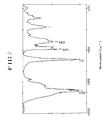
- FIG. 1
- shows the ultraviolet absorption spectrum of antibiotic substance AL072.
- FIG. 2
- shows the infrared absorption spectrum of antibiotic substance AL072.
- FIG. 3
- shows the mass spectrum of antibiotic substance AL072 measured by FAB/MS.
- FIG. 4
- shows the 400 MHz proton unclear magnetic resonance spectrum of antibiotic substance AL072.
- FIG. 5
- shows the 100 MHz carbon nuclear magnetic resonance spectrum of antibiotic substance AL072.
| Humic acid (dissolved in 10ml of 0.2 N NaOH) | 1.0g |
| Na2HPO4 | 0.5g |
| KCl | 1.71g |
| MgSO4 · 7H2O | 0.05g |
| FeSO4 · 7H2O | 0.01g |
| Thiamin-HCl | 0.5g |
| Vitamin B2 | 0.5g |
| Niacin | 0.5g |
| Pyridoxine-HCl | 0.5g |
| Inositol | 0.5g |
| Pantothenic Acid Ca-salt | 0.5g |
| p-Aminobenzoic Acid | 0.5g |
| Biotin | 0.25mg |
| Cycloheximide | 50mg |
| Nalidixic acid | 200g/mL |
| Agar | 20g |
| Distilled water(pH 7.0) | 1L |
- Morphology:
- Spores are formed by spiral, branched chains. The surface of spores is smooth.
- Biochemical characteristics:
- The ability to liquefy gelatin is negative and the ability to degrade starch is positive.
| Cultural characteristcs: | ||||
| Media | Growth | Color of aerial mycelium | Reverse color | Soluble pigments |
| Trypton-yeast extract agar | good | brown | brown | brown |
| Yeast extract-malt extract agar | good | white | brown | - |
| Oat meal extract agar | good | pale orange or white | - | - |
| Inorganic salt-starch agar | good | white | - | - |
| Glycerol-asparagine agar | good | dense yellow | dense yellow | - |
| Peptone-yeast extract-iron agar | poor | dense brown | brown | dense brown |
| Tyrosine agar | good | white-brown | dense brown | - |
| Bennett' medium | good | white | yellow-brown | - |
- Positive:
- D-Glucose, sucrose, D-xylose, D-mannitol, D-fructose, rhamnose, raffinose, cellulose.
- Negative:
- L-Arabinose, i-inositol.
| Susceptibility to antibiotics: | ||
| antibiotics | Concentrations (µg/mL) | Diameter of ring produced by inhibition of growth (mm) |
| Carbenicillin | 100 | - |
| Chloramphenicol | 30 | 27.7 |
| Neomycin | 30 | 12.0 |
| Nalidixic acid | 30 | - |
| Vancomycin | 30 | 22.0 |
| Clindamycin | 2 | - |
| Ampicillin | 10 | 12.0 |
| Kanamycin | 30 | 17.0 |
| |
30 | 17.0 |
| Cephalothin | 30 | 24.0 |
| Erythromycin | 15 | 40.0 |
| Rifampin | 5 | - |
| Gentamycin | 10 | 10.0 |
| Streptomycin | 10 | 17.0 |
| Sucrose | 20.0g |
| Glucose | 10.0g |
| Corn steep liquor | 5mg |
| Yeast extracts | 4.9g |
| Soybean flour | 20.0g |
| CaCO3 | 4.0g |
| NaCl | 2.0g |
| K2HPO4 | 0.05g |
| Agar | 15g |
| Distilled water (pH 7.3) | 1L |
| Glucose | 1g |
| Soluble starch | 24g |
| Peptone | 3g |
| Malt extract | 5g |
| CaCO3 | 4g |
| Distilled water (pH 7.0) | 1L |
| Sucrose | 20.0g |
| Glucose | 10.0g |
| Corn steep liquor | 5ml |
| Yeast extract | 4.9g |
| Soybean flour | 20.0g |
| CaCO3 | 4.0g |
| NaCl | 2.0g |
| K2HPO4 | 0.05g |
| Distilled water (pH 7.3) | 1L |
| Microorganism | Diameter of ring produced by inhibition of growth (mm) |
| Legionella pneumophila ATCC 33152 | 108 |
| | 11 |
| Streptococcus pyogenes | - |
| | 20 |
| Streptococcus agalactiae | - |
| Streptococcus equi | 21 |
| Streptococcus durans | 24 |
| Listeria monocytogenes | 12 |
| Corynebacterium diphtheriae | 9 |
| Bacillus subtilis | 8 |
| Bacillus megaterium | 6 |
| Escherichia coli | 6 |
| Citrobacter freundii | - |
| Salmonella typhimurium | 14 |
| Shigella flexneri | - |
| Klebsiella pneumoniae | - |
| Klebsiella oxytoca | - |
| Klebsiella aerogenes | - |
| Enterobacter cloacae | - |
| Enterobacter aerogenes | 9 |
| Serratia marcescens | - |
| Proteus mirabilis | - |
| Proteus vulgaris | 12 |
| Proteus rettgeri | - |
| Proteus morgani | - |
| Pseudomonas aeruginosa | - |
| Pseudomonas cepacia | - |
| a. Plate | |
| Yeast Extract | 11.5g |
| Activated Charcoal | 1.5g |
| ACES | 6.0g |
| α-Ketoglutaric Acid | 1.0g |
| Bacto Agar | 17.0g |
| Distilled Water (D.W.) | 1.0L |
| pH | 7.1-7.2(with 10M KOH) |
| b. Enrichment | |
| L-Cystein-HCl | 0.2g |
| Ferric Pyrophosphate | 0.125g/5ml of D.W. |
| a. Mueller Hinton Medium(Difco) | |
| Beef infusion | 300.0g |
| Bacto Casamino Acids | 17.5g |
| Starch | 1.5g |
| Bacto Agar | 17.0g |
| b. Tryptic Soy Broth(Difco) | |
| Bacto Tryptone pancreatic digest of soybean meal | 17.0g |
| Bacto Soytone papic digest of soybean meal | 3.0g |
| Bacto Dextrose | 2.5g |
| Sodium Chloride | 5.0 |
| Dipotassium Phosphate | |
| 10% horse serum | 2.5g |
Claims (4)
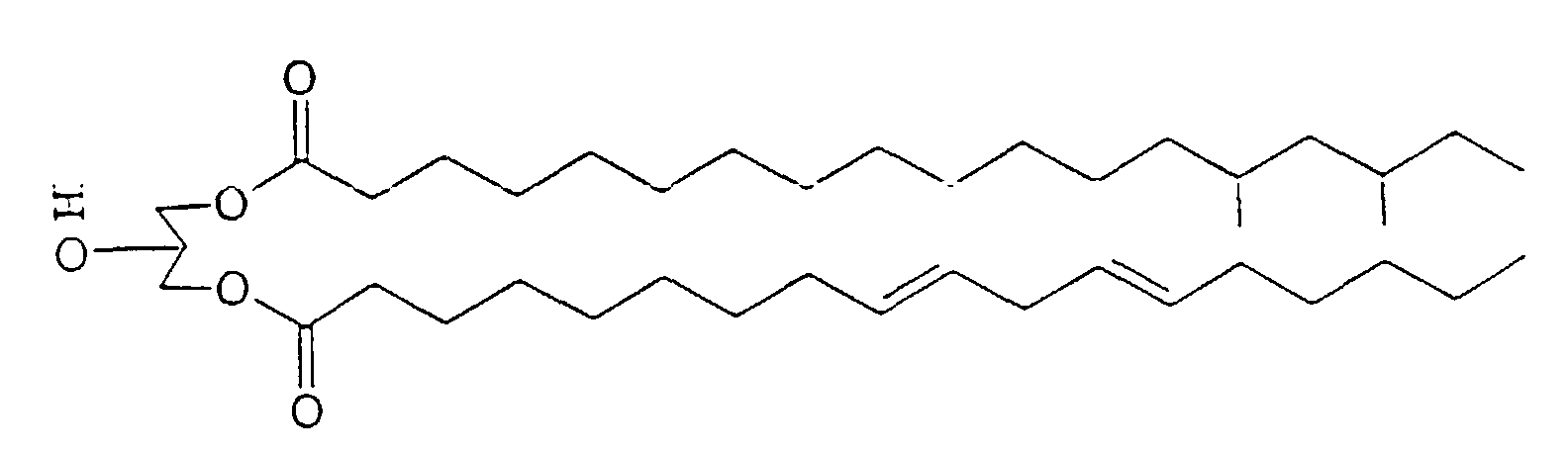
- A compound of the formula

- A microorganism Streptomyces sp. AL91 producing the Legionella specific antibiotic compound according to claim 1.
- A process for producing the Legionella specific antibiotic compound according to claim 1 which process comprises cultivating the microorganism Streptomyces sp. AL91, extracting the cultural broth with isopropyl alcohol and ethyl acetate, and purifying the extracts by chromatography on column filled with octadecyl silica gel and in turn preparative high pressure liquid chromatography to obtain the said antibiotic compound.
- A process according to claim 3, wherein said chromatography is performed by using said column filled with octadecyl silica gel using 70% EtOH as eluent and in turn by preparative high pressure liquid chromatography (206 nm) on silica gel using acetonitrile-distilled water (68:32) at the rate of 30 mL/min and then high pressure liquid chromatography under the same conditions as the preparative HPLC to obtain the said antibiotic compound.
Applications Claiming Priority (8)
| Application Number | Priority Date | Filing Date | Title |
|---|---|---|---|
| KR9423583 | 1994-09-14 | ||
| KR9423584 | 1994-09-14 | ||
| KR1019940023583A KR0125135B1 (en) | 1994-09-14 | 1994-09-14 | Legionella specific antibiotic |
| KR1994235 | 1994-09-14 | ||
| KR9423582 | 1994-09-14 | ||
| KR1019940023582A KR0125134B1 (en) | 1994-09-14 | 1994-09-14 | Method for preparing Legionella specific antibiotic |
| KR1019940023584A KR0120098B1 (en) | 1994-09-14 | 1994-09-14 | New Microorganisms Produce Legionella Specific Antibiotics |
| PCT/KR1995/000117 WO1996008460A1 (en) | 1994-09-14 | 1995-09-12 | Legionella specific antibiotic, a microorganism producing the antibiotic and a process for producing the same |
Publications (2)
| Publication Number | Publication Date |
|---|---|
| EP0787121A1 EP0787121A1 (en) | 1997-08-06 |
| EP0787121B1 true EP0787121B1 (en) | 2000-04-26 |
Family
ID=27349098
Family Applications (1)
| Application Number | Title | Priority Date | Filing Date |
|---|---|---|---|
| EP95931447A Expired - Lifetime EP0787121B1 (en) | 1994-09-14 | 1995-09-12 | Legionella specific antibiotic, a microorganism producing the antibiotic and a process for producing the same |
Country Status (9)
| Country | Link |
|---|---|
| US (3) | US5486630A (en) |
| EP (1) | EP0787121B1 (en) |
| JP (1) | JP2826197B2 (en) |
| CN (1) | CN1069895C (en) |
| AU (1) | AU704219B2 (en) |
| BR (1) | BR9508837A (en) |
| CH (1) | CH689491A5 (en) |
| DE (1) | DE69516531D1 (en) |
| WO (1) | WO1996008460A1 (en) |
Families Citing this family (4)
| Publication number | Priority date | Publication date | Assignee | Title |
|---|---|---|---|---|
| KR19990048645A (en) * | 1997-12-04 | 1999-07-05 | 손경식 | Legionella disinfectant composition for humidifier |
| RU2004119432A (en) | 2001-11-28 | 2006-01-10 | Викьюрон Фармасьютикалз Инк. (Us) | ANTIBIOTIC FACTORS A, B AND B1 GE 81112, PHARMACEUTALLY ACCEPTABLE SALTS AND COMPOSITIONS AND THEIR APPLICATION |
| US7901932B2 (en) * | 2005-03-17 | 2011-03-08 | Phigenics, Llc | Methods and compositions for rapidly detecting and quantifying viable Legionella |
| ES2378559T3 (en) * | 2005-03-17 | 2012-04-13 | Phigenics, Llc | Quickly detect and quantify viable Legionella |
Citations (1)
| Publication number | Priority date | Publication date | Assignee | Title |
|---|---|---|---|---|
| FR2692579A1 (en) * | 1992-06-19 | 1993-12-24 | Roussel Uclaf | New picromycin cyclic carbamate derivs. - useful as antibiotics against gram-positive bacteria |
Family Cites Families (1)
| Publication number | Priority date | Publication date | Assignee | Title |
|---|---|---|---|---|
| IL83626A (en) * | 1986-08-27 | 1993-07-08 | Hoechst Ag | Macrolide antibiotic, swalpamycin, a microbiological process for its preparation and pharmaceutical compositions containing same |
-
1994
- 1994-11-14 US US08/340,358 patent/US5486630A/en not_active Expired - Fee Related
-
1995
- 1995-06-06 US US08/468,341 patent/US5503997A/en not_active Expired - Fee Related
- 1995-06-06 US US08/470,708 patent/US5529924A/en not_active Expired - Fee Related
- 1995-09-12 EP EP95931447A patent/EP0787121B1/en not_active Expired - Lifetime
- 1995-09-12 CN CN95195095A patent/CN1069895C/en not_active Expired - Fee Related
- 1995-09-12 WO PCT/KR1995/000117 patent/WO1996008460A1/en not_active Ceased
- 1995-09-12 AU AU34859/95A patent/AU704219B2/en not_active Ceased
- 1995-09-12 CH CH01260/96A patent/CH689491A5/en not_active IP Right Cessation
- 1995-09-12 JP JP8510073A patent/JP2826197B2/en not_active Expired - Lifetime
- 1995-09-12 DE DE69516531T patent/DE69516531D1/en not_active Expired - Lifetime
- 1995-09-12 BR BR9508837A patent/BR9508837A/en not_active Application Discontinuation
Patent Citations (1)
| Publication number | Priority date | Publication date | Assignee | Title |
|---|---|---|---|---|
| FR2692579A1 (en) * | 1992-06-19 | 1993-12-24 | Roussel Uclaf | New picromycin cyclic carbamate derivs. - useful as antibiotics against gram-positive bacteria |
Also Published As
| Publication number | Publication date |
|---|---|
| JP2826197B2 (en) | 1998-11-18 |
| JPH09511655A (en) | 1997-11-25 |
| CN1158119A (en) | 1997-08-27 |
| AU3485995A (en) | 1996-03-29 |
| US5486630A (en) | 1996-01-23 |
| MX9701853A (en) | 1998-05-31 |
| AU704219B2 (en) | 1999-04-15 |
| BR9508837A (en) | 1997-12-23 |
| US5503997A (en) | 1996-04-02 |
| CH689491A5 (en) | 1999-05-14 |
| CN1069895C (en) | 2001-08-22 |
| DE69516531D1 (en) | 2000-05-31 |
| US5529924A (en) | 1996-06-25 |
| WO1996008460A1 (en) | 1996-03-21 |
| EP0787121A1 (en) | 1997-08-06 |
Similar Documents
| Publication | Publication Date | Title |
|---|---|---|
| Shima et al. | Novel detoxification of the trichothecene mycotoxin deoxynivalenol by a soil bacterium isolated by enrichment culture | |
| BIEBER et al. | Alnumycin a new naphthoquinone antibiotic produced by an endophytic Streptomyces sp. | |
| CA1337802C (en) | Antibiotics tan-1057 | |
| US4007167A (en) | Antibiotic BM123 and production thereof | |
| US4229436A (en) | Antibiotic G-6302 | |
| AU704219B2 (en) | Legionella specific antibiotic, a microorganism producing the antibiotic and process for producing the same | |
| US4536398A (en) | Antiviral agents | |
| US4551533A (en) | Antibiotic LL-D42067α | |
| US5866377A (en) | Aminooligosaccharide derivative and process for preparing the same | |
| DK146342B (en) | METHOD FOR PREPARING ANTHRACYCLING LYCOSID ANTIBIOTICS DESIGNED MA 144-M1 AND MA 144-M2 OR NOT TOXIC ACID ADDITION SALTS OR COMPLEXES THEREOF WITH DESOXYRIBONUCLEIC ACID | |
| US4420473A (en) | Antibiotic, MF266 substance and production thereof | |
| US4623733A (en) | Antimicrobial peptide | |
| CH658861A5 (en) | ANTIBIOTIC ACMIMYCIN AND METHOD FOR THE PRODUCTION THEREOF. | |
| US4550159A (en) | Anthracycline compounds | |
| MXPA97001853A (en) | Specific antibiotic of legionella, microorganism that produces the antibiotic and prophesy to produce my | |
| US4346075A (en) | Antibiotic DC-11 and process for production thereof | |
| US4298599A (en) | Novel antibiotic BN-235 substance, and process for the production thereof | |
| US4774184A (en) | Culture and process for producing antibiotic LL-D42067alpha | |
| US4666715A (en) | Antibiotic AM-5344-A2 substance and process for the production thereof | |
| US5536850A (en) | Substance DC114-A1 | |
| DE3782199T2 (en) | BIOLOGICALLY ACTIVE PEPTIDE TAN-866. | |
| KR0120098B1 (en) | New Microorganisms Produce Legionella Specific Antibiotics | |
| US5171740A (en) | Coumamidine compounds | |
| CA1337760C (en) | Antibacterial and antitumor agents ll-e33288e-i and ll-e33288e-br, with processes and intermediates for producing said agents | |
| Yon et al. | AL072, a novel anti-Legionella antibiotic produced by Streptomyces sp. |
Legal Events
| Date | Code | Title | Description |
|---|---|---|---|
| PUAI | Public reference made under article 153(3) epc to a published international application that has entered the european phase |
Free format text: ORIGINAL CODE: 0009012 |
|
| 17P | Request for examination filed |
Effective date: 19970404 |
|
| AK | Designated contracting states |
Kind code of ref document: A1 Designated state(s): BE DE ES FR GB GR IT NL |
|
| 17Q | First examination report despatched |
Effective date: 19980929 |
|
| GRAG | Despatch of communication of intention to grant |
Free format text: ORIGINAL CODE: EPIDOS AGRA |
|
| GRAG | Despatch of communication of intention to grant |
Free format text: ORIGINAL CODE: EPIDOS AGRA |
|
| GRAH | Despatch of communication of intention to grant a patent |
Free format text: ORIGINAL CODE: EPIDOS IGRA |
|
| GRAH | Despatch of communication of intention to grant a patent |
Free format text: ORIGINAL CODE: EPIDOS IGRA |
|
| GRAA | (expected) grant |
Free format text: ORIGINAL CODE: 0009210 |
|
| AK | Designated contracting states |
Kind code of ref document: B1 Designated state(s): BE DE ES FR GB GR IT NL |
|
| PG25 | Lapsed in a contracting state [announced via postgrant information from national office to epo] |
Ref country code: NL Free format text: LAPSE BECAUSE OF FAILURE TO SUBMIT A TRANSLATION OF THE DESCRIPTION OR TO PAY THE FEE WITHIN THE PRESCRIBED TIME-LIMIT Effective date: 20000426 Ref country code: IT Free format text: LAPSE BECAUSE OF FAILURE TO SUBMIT A TRANSLATION OF THE DESCRIPTION OR TO PAY THE FEE WITHIN THE PRESCRIBED TIME-LIMIT;WARNING: LAPSES OF ITALIAN PATENTS WITH EFFECTIVE DATE BEFORE 2007 MAY HAVE OCCURRED AT ANY TIME BEFORE 2007. THE CORRECT EFFECTIVE DATE MAY BE DIFFERENT FROM THE ONE RECORDED. Effective date: 20000426 Ref country code: GR Free format text: LAPSE BECAUSE OF NON-PAYMENT OF DUE FEES Effective date: 20000426 Ref country code: FR Free format text: LAPSE BECAUSE OF FAILURE TO SUBMIT A TRANSLATION OF THE DESCRIPTION OR TO PAY THE FEE WITHIN THE PRESCRIBED TIME-LIMIT Effective date: 20000426 Ref country code: ES Free format text: THE PATENT HAS BEEN ANNULLED BY A DECISION OF A NATIONAL AUTHORITY Effective date: 20000426 Ref country code: BE Free format text: LAPSE BECAUSE OF FAILURE TO SUBMIT A TRANSLATION OF THE DESCRIPTION OR TO PAY THE FEE WITHIN THE PRESCRIBED TIME-LIMIT Effective date: 20000426 |
|
| REF | Corresponds to: |
Ref document number: 69516531 Country of ref document: DE Date of ref document: 20000531 |
|
| PG25 | Lapsed in a contracting state [announced via postgrant information from national office to epo] |
Ref country code: DE Free format text: LAPSE BECAUSE OF FAILURE TO SUBMIT A TRANSLATION OF THE DESCRIPTION OR TO PAY THE FEE WITHIN THE PRESCRIBED TIME-LIMIT Effective date: 20000727 |
|
| PG25 | Lapsed in a contracting state [announced via postgrant information from national office to epo] |
Ref country code: GB Free format text: LAPSE BECAUSE OF NON-PAYMENT OF DUE FEES Effective date: 20000912 |
|
| EN | Fr: translation not filed | ||
| NLV1 | Nl: lapsed or annulled due to failure to fulfill the requirements of art. 29p and 29m of the patents act | ||
| PLBE | No opposition filed within time limit |
Free format text: ORIGINAL CODE: 0009261 |
|
| STAA | Information on the status of an ep patent application or granted ep patent |
Free format text: STATUS: NO OPPOSITION FILED WITHIN TIME LIMIT |
|
| 26N | No opposition filed | ||
| GBPC | Gb: european patent ceased through non-payment of renewal fee |
Effective date: 20000912 |