EP0761226A1 - Method of potentiating antibiotics with polyphenols - Google Patents
Method of potentiating antibiotics with polyphenols Download PDFInfo
- Publication number
- EP0761226A1 EP0761226A1 EP96114038A EP96114038A EP0761226A1 EP 0761226 A1 EP0761226 A1 EP 0761226A1 EP 96114038 A EP96114038 A EP 96114038A EP 96114038 A EP96114038 A EP 96114038A EP 0761226 A1 EP0761226 A1 EP 0761226A1
- Authority
- EP
- European Patent Office
- Prior art keywords
- antibiotic
- oxacillin
- amount
- catechin
- theaflavin
- Prior art date
- Legal status (The legal status is an assumption and is not a legal conclusion. Google has not performed a legal analysis and makes no representation as to the accuracy of the status listed.)
- Granted
Links
- 0 *OC1C(C(C=C2O)=Cc(c(C(CC3)Oc4c3c(O)cc(O)c4)cc(O)c3O)c3C2=O)Oc2cc(O)cc(O)c2C1 Chemical compound *OC1C(C(C=C2O)=Cc(c(C(CC3)Oc4c3c(O)cc(O)c4)cc(O)c3O)c3C2=O)Oc2cc(O)cc(O)c2C1 0.000 description 1
Images




Classifications
-
- A—HUMAN NECESSITIES
- A61—MEDICAL OR VETERINARY SCIENCE; HYGIENE
- A61K—PREPARATIONS FOR MEDICAL, DENTAL OR TOILETRY PURPOSES
- A61K31/00—Medicinal preparations containing organic active ingredients
- A61K31/33—Heterocyclic compounds
- A61K31/395—Heterocyclic compounds having nitrogen as a ring hetero atom, e.g. guanethidine or rifamycins
- A61K31/41—Heterocyclic compounds having nitrogen as a ring hetero atom, e.g. guanethidine or rifamycins having five-membered rings with two or more ring hetero atoms, at least one of which being nitrogen, e.g. tetrazole
- A61K31/425—Thiazoles
- A61K31/429—Thiazoles condensed with heterocyclic ring systems
- A61K31/43—Compounds containing 4-thia-1-azabicyclo [3.2.0] heptane ring systems, i.e. compounds containing a ring system of the formula, e.g. penicillins, penems
-
- A—HUMAN NECESSITIES
- A61—MEDICAL OR VETERINARY SCIENCE; HYGIENE
- A61K—PREPARATIONS FOR MEDICAL, DENTAL OR TOILETRY PURPOSES
- A61K31/00—Medicinal preparations containing organic active ingredients
- A61K31/33—Heterocyclic compounds
- A61K31/335—Heterocyclic compounds having oxygen as the only ring hetero atom, e.g. fungichromin
- A61K31/35—Heterocyclic compounds having oxygen as the only ring hetero atom, e.g. fungichromin having six-membered rings with one oxygen as the only ring hetero atom
-
- A—HUMAN NECESSITIES
- A61—MEDICAL OR VETERINARY SCIENCE; HYGIENE
- A61K—PREPARATIONS FOR MEDICAL, DENTAL OR TOILETRY PURPOSES
- A61K31/00—Medicinal preparations containing organic active ingredients
- A61K31/65—Tetracyclines
-
- A—HUMAN NECESSITIES
- A61—MEDICAL OR VETERINARY SCIENCE; HYGIENE
- A61K—PREPARATIONS FOR MEDICAL, DENTAL OR TOILETRY PURPOSES
- A61K31/00—Medicinal preparations containing organic active ingredients
- A61K31/70—Carbohydrates; Sugars; Derivatives thereof
-
- A—HUMAN NECESSITIES
- A61—MEDICAL OR VETERINARY SCIENCE; HYGIENE
- A61P—SPECIFIC THERAPEUTIC ACTIVITY OF CHEMICAL COMPOUNDS OR MEDICINAL PREPARATIONS
- A61P31/00—Antiinfectives, i.e. antibiotics, antiseptics, chemotherapeutics
- A61P31/04—Antibacterial agents
-
- A—HUMAN NECESSITIES
- A61—MEDICAL OR VETERINARY SCIENCE; HYGIENE
- A61P—SPECIFIC THERAPEUTIC ACTIVITY OF CHEMICAL COMPOUNDS OR MEDICINAL PREPARATIONS
- A61P43/00—Drugs for specific purposes, not provided for in groups A61P1/00-A61P41/00
Definitions
- the present invention relates to a method of strengthening antibacterial action of antibiotics. More specifically, the present invention relates to a method of strengthening antibacterial action of antibiotics against methicillin resistant Staphylococcus aureus (abbreviated as MRSA from hereon) by a combined use of the antibiotics with tea catechin and/or theaflavin.
- MRSA methicillin resistant Staphylococcus aureus
- MRSA shows resistancy to not only methicillin but to most medications and since up until now there has been no conclusively effective treatment, arbekacin or vancomycin is at present being used in combination with other medications.
- this kind of combination treatment requires the intake of many kinds of medications in large amounts, and thus presents problems such as the increased possibility of detrimental side-effects. So with the increase in "compromised hosts" a method of controlling MRSA is urgently required.
- tea extractions and tea catechins in clinical use show an antibacterial action against MRSA isolate (Jpn. J. Bacteriol., 46, 839-845, 1991).
- administration of 250mg/ml of epigallocatechin gallate showed an antibacterial action against MRSA, and within 24 hours 10 4 cells/ml of MRSA were destroyed.
- tea catechins combined with exotoxin for example ⁇ -toxin of Staphyloccus aureus , and rendered them inactive (Jpn. J. Bacteriol.,45, 561-566, 1990; Jpn. J. Bacteriol.,45, 913-919, 1990.).
- Method of increasing activity of an antibiotic against methicillin resistant Staphylococcus aureus in a patient in need thereof comprising administering to said patient an effective antibiotic amount of said antibiotic in combination with a synergistic amount of at least one polyphenol selected from the group consisting of a catechin of the formula (I) and/or a theaflavin of the formula (II).
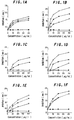
- Figure 1A shows synergistic effect of tea catechin (Polyphenon 100) with oxacillin against MRSA strain H-5.
- Figure 1B shows synergistic effect of tea catechin (Polyphenon 100) with oxacillin against MRSA strain H-8.
- Figure 1C shows synergistic effect of tea catechin (Polyphenon 100) with oxacillin against MRSA strain H-13.
- Figure 1D shows synergistic effect of tea catechin (Polyphenon 100) with oxacillin against MRSA strain H-18.
- Figure 1E shows synergistic effect of tea catechin (Polyphenon 100) with oxacillin against MRSA strain 21.
- Figure 1F shows synergistic effect of tea catechin (Polyphenon 100) with oxacillin against MRSA strain H-28.
- Figure 2A shows synergistic effect of tea catechin (Polyphenon 100) with oxacillin against MRSA strain F-8.
- Figure 2B shows synergistic effect of tea catechin (Polyphenon 100) with oxacillin against MRSA strain F-10.
- Figure 2C shows synergistic effect of tea catechin (Polyphenon 100) with oxacillin against MRSA strain F-49.
- Figure 2D shows synergistic effect of tea catechin (Polyphenon 100) with oxacillin against MRSA strain F-68.
- Figure 2E shows synergistic effect of tea catechin (Polyphenon 100) with oxacillin against MRSA strain F-74.
- Figure 2F shows synergistic effect of tea catechin (Polyphenon 100) with oxacillin against MRSA strain F-96.
- Figure 3 shows synergistic effect of tea catechin (Polyphenon 100) with oxacillin against MRSA strain F-98.
- Figure 4A shows synergistic effect of tea catechins (Polyphenon 100) with oxacillin against MRSA strain H-5.
- Figure 4B shows synergistic effect of tea catechins (Polyphenon 100) with oxacillin against MRSA strain H-9.
- Figure 4C shows synergistic effect of tea catechins (Polyphenon 100) with oxacillin against MRSA strain F-41.
- Figure 4D shows synergistic effect of tea catechins (Polyphenon 100) with oxacillin against MRSA strain F-84.
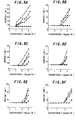
- Figure 5A shows the synergistic effect of tea catechins (Polyphenon 100) with oxacillin against MRSA F-51.
- Figure 5B shows the synergistic effect of tea catechins (Polyphenon 100) with methicillin against MRSA F-51.
- Figure 5C shows the synergistic effect of tea catechins (Polyphenon 100) with aminobenzyl penicillin against MRSA F-51.
- Figure 5D shows the synergistic effect of tea catechins (Polyphenon 100) with cephalexin against MRSA F-51.
- Figure 5E shows the synergistic effect of tea catechins (Polyphenon 100) with penicillin G against MRSA F-51.
- Figure 5F shows the synergistic effect of tea catechins (Polyphenon 100) with amikacin against MRSA F-51.
- Figure 6A shows the synergistic effect of tea catechins (Polyphenon 100) with tetracycline against MRSA F-51.
- Figure 6B shows the synergistic effect of tea catechins (Polyphenon 100) with chloramphenicol against MRSA F-51.
- Figure 6C shows the synergistic effect of tea catechins (Polyphenon 100) with gentamicin against MRSA F-51.
- Figure 7 shows the synergistic effect of epicatechin gallate with oxacillin against MRSA F-51.
- Figure 8 shows the synergistic effect of epigallocatechin gallate with oxacillin against MRSA F-51.
- Figure 9 shows the synergistic effect of theaflavin digallates with oxacillin against MRSA F-51.
- Figure 10A shows the ineffectiveness of tea catechins ((-)-epigallocatechin gallate) with kanamycin against MRSA F-51.
- Figure 10B shows the ineffectiveness of tea catechins ((-)-epigallocatechin gallate) with erythromycin against MRSA F-51.
- Figure 10C shows the ineffectiveness of tea catechins ((-)-epigallocatechin gallate) with climdamycin against MRSA F-51.
- Figure 10D shows the ineffectiveness of tea catechins ((-)-epigallocatechin gallate) with colistin against MRSA F-51.
- the present inventors conducted the oxacillin antibacterial test using the orthodox cup method on clinical MRSA isolate and found that when less than the minimum inhibitory concentration (MIC) of tea catechins (25-100 ⁇ g/ml) was added to the agar plate, oxacillin showed an antibacterial action on all of the MRSA isolates and the MIC was 5-12. 5 ⁇ g/ml. However, without the addition of tea catechins, even a concentration of 40 ⁇ g/ml oxacillin had no antibacterial action.
- MIC minimum inhibitory concentration
- tea catechins were combined with specific antibiotics, i.e. methicillin (12.5 ⁇ g/ml), aminobenzyl penicillin (32 ⁇ g/ml), tetracycline (2.5 ⁇ g/ml) or chloramphenicol (12.5 ⁇ g/ml), these antibiotics had an antibacterial action on MRSA, and thus the effectiveness of tea catechins when used in combination with antibiotics other than oxacillin was confirmed.
- specific antibiotics i.e. methicillin (12.5 ⁇ g/ml), aminobenzyl penicillin (32 ⁇ g/ml), tetracycline (2.5 ⁇ g/ml) or chloramphenicol (12.5 ⁇ g/ml
- the present invention relates to a method of increasing antibacterial action of antibiotic against MRSA in a patient in need thereof, comprising administering to said patient an effective antibiotic amount of said antibiotic in combination with a synergistic amount of at least one polyphenol selected from the group consisting of a catechin of the following formula (I) and/or a theaflavin of the following formula (II).
- antibiotics used in the present invention showed no antibacterial action against MRSA when used independently.
- Antibiotics such as these include ⁇ -lactum type, aminoglycoside type etc., and more specifically, oxacillin, methicillin, aminobensyl penicillin, cephalexin, penicillin G, amikacin, tetracycline, chloramphenicol, gentamicin and the like are illustrated as such antibiotics.
- oxacillin had a MIC of more than 1000 ⁇ g/ml against MRSA.
- the antibiotics are used in such a small amount that they would not be effective against MRSA if used independently.
- 2 to 35 ⁇ g/ml, preferably 2 to 12 ⁇ g/ml of the antibiotics is used in the method of the present invention.
- the tea catechin used in the present invention is represented by structural formula (I) as shown below. (wherein R 1 represents H or OH and R 2 represents H or
- Tea catechins may be for example, (-)-epicatechin, (-)-epicatechin gallate, (-)-epigallocatechin, (-)-epigallocatechin gallate, (-)-gallocatechin etc. (inclusive of isomers thereof) and some of these catechins can be used singly or a combination of two or more compounds may be used.
- compounds containing (-)-epicatechin gallate and/or (-)-epigallocatechin gallate are preferable.
- tea catechin which contains (-)-epigallocatechin gallate as its main component is desirable; for example, "Polyphenon 100"TM (product of Mitsui Norin Co.
- composition (+)-gallocatechin 1.44%, (-)-epicatechin 5.81%, (-)-epigallocatechin 17.57%, (-)-epicatechin gallate 12.51%, (-)-epigallocatechin gallate 53.9%) or "Polyphenon E”TM (product of Mitsui Norin Co. Ltd., composition: (-)-epicatechin 10.8%, (-)-epigallocatechin 9.2%, (-)-epicatechin gallate 6.5%, (-)-epigallocatechin gallate 54.8%, (-)-gallocatechin gallate 4.0%) are preferable.
- tea catechin against MRSA is 125-250 ⁇ g/ml, and in the process of the present invention, tea catechin is used in a concentration less than the MIC, and usually it is used in a concentration of about 5 to 120 ⁇ g/ml, and the most desirable concentration being 6 to 100 ⁇ g/ml.
- Theaflavin used in the present invention is represented by structural formula (II) as shown below. (Wherein R 3 and R 4 represent H or and R 3 and R 4 may be the same or different from each other).
- Theaflavins may be for example, free theaflavins, theaflavin monogallate A, theaflavin monogallate B, theaflavin digallate etc. (inclusive of isomers thereof) and these theaflavins may be used singly or a combination of two or more compounds may be used.
- compounds containing theaflavin digallate are preferable.
- the compound containing theaflavin digallate as its main component is desirable; for example "Polyphenon TF"TM (product of Mitsui Norin Co. Ltd., composition: theaflavin 16.8%, theaflavin monogallate A 19.5%, theaflavin monogallate B 16.1%, theaflavin digallate 31.4%).
- the MIC of theaflavin against MRSA is 200 ⁇ g/ml, and in the process of the present invention, theaflavin is used in a concentration less than the MIC, and usually it is used in a concentration of about 5 to 100 ⁇ g/ml; the most desirable concentration being 6 to 50 ⁇ g/ml.
- a combination of more than two of the above mentioned tea catechins and/or theaflavins may be used.
- antibiotics, and tea catechins and/or theaflavins are mixed in the proportions stated above and administered to patients.
- the mixture may be administered in various forms. For example it may be mixed with an excipient and used as an oral administration and/or non-oral administration. It may be mixed in suitable proportions with supplementary substances such as lubricating agents, emulsifying agents, dispersing agents or the like.
- the oral administration it may be in the form of a liquid, powder. tablet, capsule. granules etc. and in such cases, the excipients used are apart from water, sugar, starch, dextran, calcium phosphate. calcium carbonate, magnesium oxide, magnesium stearate, aluminium silicate, aluminium hydroxide, sodium bicarbonate, glycerin etc.
- non-oral administration it may be in the form of an injection, a drip, an ointment etc. and it may be mixed with a common substance such as distilled water, physiological saline, vegetable oils such as olive oil etc., alcohol such as ethanol etc., polyethylene glycol and so on.
- a common substance such as distilled water, physiological saline, vegetable oils such as olive oil etc., alcohol such as ethanol etc., polyethylene glycol and so on.
- methicillin sensitive Staphylococcus aureus 209P (referred to as MSSA from hereon) was used.
- a treated agar plate (10ml) was prepared by adding oxacillin (product of Sigma) in a final concentration of 0.25 to 1000 ⁇ g/ml and tea catechins in a final concentration of 8 to 500 ⁇ g/ml to Mueller-Hinton agar (Difco Lab. U.S.A.).
- the tea catechin used was "Polyphenon 100"TM (product of Mitsui Norin Co. Ltd.).
- the bacteria were cultured on the Mueller-Hinton agar plate for 20 hours and then a 1-5x10 6 /ml bacterial solution in physiological saline was prepared. 10 ⁇ l of this was spotted onto the treated agar plates of respective concentrations and cultured at 35°C for 24 hours to determine the MIC.
- Results are shown in Table 1.
- the MIC of tea catechin was 125 ⁇ g/ml with 6 strains, 250 ⁇ g/ml with 14 strains.
- the MIC of oxacillin was 32 ⁇ g/ml with one strain, 63 ⁇ g/ml with one strain, 125 ⁇ g/ml with 4 strains, 250 ⁇ g/ml with one strain, 500 ⁇ g/ml with 8 strains and 1000 ⁇ g/ml with 5 strains.
- tea catechins The influence of tea catechins on the antibacterial action of oxacillin against MRSA was determined using the cup method.
- the tea catechin used was "Polyphenon 100"TM (product of Mitsui Norin Co. Ltd.). Tea catechin in a concentration less than the MIC was dissolved in sterilized water and added in final concentrations of 25, 50, 100 ⁇ g/ml to a melting Mueller-Hinton agar by keeping at a temperature of 60°C. 2ml of the Mueller-Hinton broth (Difco Lab. U.S.A.) in which test bacteria had been cultivated for 18 hours was added to 98ml of the agar plate containing the tea catechin, and mixed well. Immediately thereafter, 10ml samples were poured into petri dishes.
- ⁇ indicates "Polyphenon 100" at a concentration of 100 ⁇ g/ml
- ⁇ indicates "Polyphenon 100” at a concentration of 50 ⁇ g/ml
- ⁇ indicates "Polyphenon 100” at a concentration of 25 ⁇ g/ml
- ⁇ indicates control, i.e. no addition of "Polyphenon 100”.
- the tested bacterial strains were resistant to oxacillin, and oxacillin up to a concentration of 40 ⁇ g/ml showed no antibacterial action as measured by the cup method.
- the size of the growth inhibition zone increased according to the oxacillin concentration. Also when the amount of tea catechins was increased to 50 ⁇ g/ml or 100 ⁇ g/ml, there was an even greater enlargement of the growth inhibition zone, proving the dose-dependency.
- tea catechins The influence of tea catechins on the antibacterial action of oxacillin against MRSA was determined by counting the viable cells at intervals as described above. In this case, also the tea catechin used was "Polyphenon 100" (product of Mitsui Norin Co. Ltd.).
- test bacteria which had been incubated for 18 hours in Mueller-Hinton agar was scraped with a platinum needle and a bacterial solution 10 6 cfu/ml was prepared with physiological saline.
- a denary dilution of the above solution was made using a two-fold Mueller-Hinton broth (Difco Lab. USA) to which Ca 2+ 25mg/liter, Mg 2+ 12.5mg/liter were added in order to increase the sensitivity of the assay and the stability of the antibiotics.
- tea catechins were added to make the final concentration 100 ⁇ g/ml and oxacillin was added to make a final concentration of 5 ⁇ g/ml. After mixing well, the number of viable cells were counted at intervals of 1, 3, 6 and 24 hours.
- Results are shown in Figure 4A to 4D. Results of the control group without the addition of the antibiotics and the groups where two compounds were used independently are also shown in Figure 4A to 4D.
- ⁇ represents the control group
- ⁇ represents the group to which 5 ⁇ g/ml of oxacillin only was added
- ⁇ represents the group to which 100 ⁇ g/ml of "Polyphenon 100" only was added
- ⁇ represents the group to which 5 ⁇ g/ml of oxacillin and 100 ⁇ g/ml of "Polyphenon 100" were added.
- F-51 a strain of bacteria with a high resistancy against oxacillin was used and the tea polyohenols used were in the form of Polyphenon 100 (Mitsui Norin Co. Ltd.).
- the antibiotics used were oxacillin (Sigma Chemical Company) (Fig. 5A), methillicin (Sigma Chemical Company) (Fig. 5B), aminobenzyl penicillin(Ban-yu Pharmaceutical Co. Ltd. )(Fig. 5C), cephalexin (Wako Pure Chemical Industries)(Fig. 5D), penicillin G (Meiji Pharmaceutical Co. Ltd.)(Fig. 5E), amikacin (Ban-yu Seiyaku)(Fig.
- ⁇ indicates Polyphenon 100 at a concentration of 100 ⁇ g/ml
- ⁇ indicates Polyphenon 100 at a concentration of 5 ⁇ g/ml
- ⁇ indicates Polyphenon 100 at a concentration of 25 ⁇ g/ml
- ⁇ indicates the control containing no Polyphenon 100.
- the strain of bacteria F-51 which has high resistancy to oxacillin was used, and tea catechins and theaflavins used were (+)-gallocatechin, (-)-epicatechin, (-)-epigallocatechin, (-)-epicatechin gallate, (-)-epigallocatechin gallate and theaflavin digallates.
- Oxacillin Sigma Chemical Co. was used as antibiotic.
- ⁇ indicates (-)-epicatechin gallate at a concentration of 25 ⁇ g/ml
- ⁇ indicates a concentration of 12.5 ⁇ g/ml
- ⁇ indicates a concentration of 6.3 ⁇ g/ml
- ⁇ indicates no addition of (-)-epicatechin gallate.
- ⁇ indicates (-)-epigallocatechin gallate at a concentration of 50 ⁇ g/ml
- ⁇ indicates a concentration of 25 ⁇ g/ml
- ⁇ indicates a concentration of 12.5 ⁇ g/ml
- ⁇ indicates a concentration of 6.3 ⁇ g/ml
- ⁇ indicates no addition of (-)-epigallocatechin gallate.
- ⁇ indicates theaflavin gallate at a concentration of 100 ⁇ g/ml
- ⁇ indicates a concentration of 50 ⁇ g/ml
- ⁇ indicates a concentration of 25 ⁇ g/ml
- ⁇ indicates a concentration of 12.5 ⁇ g/ml
- ⁇ indicates a concentration of 6.3 ⁇ g/ml
- ⁇ indicates no addition of theaflavin gallate.
- (+)-gallo-catechins up to a concentration of 800 ⁇ g/ml to 40 ⁇ g/ml oxacillin showed no antibacterial effect.
- (-)-epicatechin up to a concentration of 100 ⁇ g/ml
- (-)-epigallocatechin up to a concentration of 50 ⁇ g/ml showed no antibacterial effect.
- Results obtained are shown in Figure 10A-D.
- F-51 strain which showed a high resistancy to oxacillin was used as the test bacteria and (-)-epigallocatechin gallate was used as the tea catechin.
- ⁇ indicates (-)-epigallocatechin gallate at a concentration of 50 ⁇ g/ml
- ⁇ indicates (-)-epigallocatechin gallate at a concentration of 25 ⁇ g/ml
- ⁇ indicates (-)-epigallocatechin gallate at a concentration of 12.5 ⁇ g/ml
- ⁇ indicates (-)-epigallocatechin gallate at a concentration of 6.3 ⁇ g/ml
- ⁇ indicates no addition of (-)-epigallocatechin gallate.
Landscapes
- Health & Medical Sciences (AREA)
- Life Sciences & Earth Sciences (AREA)
- Pharmacology & Pharmacy (AREA)
- Veterinary Medicine (AREA)
- Chemical & Material Sciences (AREA)
- Public Health (AREA)
- General Health & Medical Sciences (AREA)
- Medicinal Chemistry (AREA)
- Animal Behavior & Ethology (AREA)
- Epidemiology (AREA)
- Organic Chemistry (AREA)
- Nuclear Medicine, Radiotherapy & Molecular Imaging (AREA)
- General Chemical & Material Sciences (AREA)
- Chemical Kinetics & Catalysis (AREA)
- Molecular Biology (AREA)
- Oncology (AREA)
- Communicable Diseases (AREA)
- Engineering & Computer Science (AREA)
- Bioinformatics & Cheminformatics (AREA)
- Pharmaceuticals Containing Other Organic And Inorganic Compounds (AREA)
- Acyclic And Carbocyclic Compounds In Medicinal Compositions (AREA)
- Medicines Containing Plant Substances (AREA)
Abstract
Description
- The present invention relates to a method of strengthening antibacterial action of antibiotics. More specifically, the present invention relates to a method of strengthening antibacterial action of antibiotics against methicillin resistant Staphylococcus aureus (abbreviated as MRSA from hereon) by a combined use of the antibiotics with tea catechin and/or theaflavin.
- With the popularization and rapid development of medical treatments, various kinds of antibiotics are being used in the medical world. However, bacteria resistant to these antibiotics have emerged, and MRSA is representative of such.
- MRSA shows resistancy to not only methicillin but to most medications and since up until now there has been no conclusively effective treatment, arbekacin or vancomycin is at present being used in combination with other medications. However, this kind of combination treatment requires the intake of many kinds of medications in large amounts, and thus presents problems such as the increased possibility of detrimental side-effects. So with the increase in "compromised hosts" a method of controlling MRSA is urgently required.
- The present inventors have shown and reported that tea extractions and tea catechins in clinical use show an antibacterial action against MRSA isolate (Jpn. J. Bacteriol., 46, 839-845, 1991). For example, administration of 250mg/ml of epigallocatechin gallate showed an antibacterial action against MRSA, and within 24
hours 104 cells/ml of MRSA were destroyed. We have also reported that tea catechins combined with exotoxin, for example α-toxin of Staphyloccus aureus, and rendered them inactive (Jpn. J. Bacteriol.,45, 561-566, 1990; Jpn. J. Bacteriol.,45, 913-919, 1990.). - Further, a method of preventing the transmission of infection caused by MRSA with the use of tea polyphenols is disclosed in USP5,358,713.
- Method of increasing activity of an antibiotic against methicillin resistant Staphylococcus aureus in a patient in need thereof, comprising administering to said patient an effective antibiotic amount of said antibiotic in combination with a synergistic amount of at least one polyphenol selected from the group consisting of a catechin of the formula (I) and/or a theaflavin of the formula (II).
- Figure 1A shows synergistic effect of tea catechin (Polyphenon 100) with oxacillin against MRSA strain H-5. Figure 1B shows synergistic effect of tea catechin (Polyphenon 100) with oxacillin against MRSA strain H-8. Figure 1C shows synergistic effect of tea catechin (Polyphenon 100) with oxacillin against MRSA strain H-13. Figure 1D shows synergistic effect of tea catechin (Polyphenon 100) with oxacillin against MRSA strain H-18. Figure 1E shows synergistic effect of tea catechin (Polyphenon 100) with oxacillin against MRSA
strain 21. Figure 1F shows synergistic effect of tea catechin (Polyphenon 100) with oxacillin against MRSA strain H-28. - Figure 2A shows synergistic effect of tea catechin (Polyphenon 100) with oxacillin against MRSA strain F-8. Figure 2B shows synergistic effect of tea catechin (Polyphenon 100) with oxacillin against MRSA strain F-10. Figure 2C shows synergistic effect of tea catechin (Polyphenon 100) with oxacillin against MRSA strain F-49. Figure 2D shows synergistic effect of tea catechin (Polyphenon 100) with oxacillin against MRSA strain F-68. Figure 2E shows synergistic effect of tea catechin (Polyphenon 100) with oxacillin against MRSA strain F-74. Figure 2F shows synergistic effect of tea catechin (Polyphenon 100) with oxacillin against MRSA strain F-96.
- Figure 3 shows synergistic effect of tea catechin (Polyphenon 100) with oxacillin against MRSA strain F-98.
- Figure 4A shows synergistic effect of tea catechins (Polyphenon 100) with oxacillin against MRSA strain H-5. Figure 4B shows synergistic effect of tea catechins (Polyphenon 100) with oxacillin against MRSA strain H-9. Figure 4C shows synergistic effect of tea catechins (Polyphenon 100) with oxacillin against MRSA strain F-41. Figure 4D shows synergistic effect of tea catechins (Polyphenon 100) with oxacillin against MRSA strain F-84.
- Figure 5A shows the synergistic effect of tea catechins (Polyphenon 100) with oxacillin against MRSA F-51. Figure 5B shows the synergistic effect of tea catechins (Polyphenon 100) with methicillin against MRSA F-51. Figure 5C shows the synergistic effect of tea catechins (Polyphenon 100) with aminobenzyl penicillin against MRSA F-51. Figure 5D shows the synergistic effect of tea catechins (Polyphenon 100) with cephalexin against MRSA F-51. Figure 5E shows the synergistic effect of tea catechins (Polyphenon 100) with penicillin G against MRSA F-51. Figure 5F shows the synergistic effect of tea catechins (Polyphenon 100) with amikacin against MRSA F-51.
- Figure 6A shows the synergistic effect of tea catechins (Polyphenon 100) with tetracycline against MRSA F-51. Figure 6B shows the synergistic effect of tea catechins (Polyphenon 100) with chloramphenicol against MRSA F-51. Figure 6C shows the synergistic effect of tea catechins (Polyphenon 100) with gentamicin against MRSA F-51.
- Figure 7 shows the synergistic effect of epicatechin gallate with oxacillin against MRSA F-51.
- Figure 8 shows the synergistic effect of epigallocatechin gallate with oxacillin against MRSA F-51.
- Figure 9 shows the synergistic effect of theaflavin digallates with oxacillin against MRSA F-51.
- Figure 10A shows the ineffectiveness of tea catechins ((-)-epigallocatechin gallate) with kanamycin against MRSA F-51. Figure 10B shows the ineffectiveness of tea catechins ((-)-epigallocatechin gallate) with erythromycin against MRSA F-51. Figure 10C shows the ineffectiveness of tea catechins ((-)-epigallocatechin gallate) with climdamycin against MRSA F-51. Figure 10D shows the ineffectiveness of tea catechins ((-)-epigallocatechin gallate) with colistin against MRSA F-51.
- The present inventors conducted the oxacillin antibacterial test using the orthodox cup method on clinical MRSA isolate and found that when less than the minimum inhibitory concentration (MIC) of tea catechins (25-100 µg/ml) was added to the agar plate, oxacillin showed an antibacterial action on all of the MRSA isolates and the MIC was 5-12. 5 µg/ml. However, without the addition of tea catechins, even a concentration of 40 µg/ml oxacillin had no antibacterial action.
- Next, by counting the number of viable cells at intervals we observed the antibacterial action against MRSA when tea catechins and oxacillin were added simultaneously. When oxacillin was added independently (5 µmg/ml), no antibacterial effect was confirmed and the same growth curve as the control was observed; whereas when tea catechins (100 µmg/ml) were added with oxacillin, a synergistic effect was apparent and after 24 hours the viable cells had decreased to 1/100-1/10000.
- These results demonstrate that the combination of tea catechins with oxacillin has a synergistic effect and it was confirmed that tea catechins stimulate the antibacterial action of oxacillin against MRSA. The same effect was observed when theaflavins were used instead of tea catechins.
- Further, the influence of tea catechins on the antibacterial action of each kind of antibiotic to which MRSA showed resistancy was measured using the cup method as described above. Results showed that when 100 µg/ml of tea catechin were combined with specific antibiotics, i.e. methicillin (12.5 µg/ml), aminobenzyl penicillin (32 µg/ml), tetracycline (2.5 µg/ml) or chloramphenicol (12.5 µg/ml), these antibiotics had an antibacterial action on MRSA, and thus the effectiveness of tea catechins when used in combination with antibiotics other than oxacillin was confirmed.
- According to these investigations it was found that when antibiotics which showed no antibacterial action on MRSA when used independently, were used in conjunction with tea catechins and/or theaflavins in a concentration less than the MIC, there was an apparent antibacterial action on MRSA.
- On the basis of these discoveries the present inventors developed and completed a method of strengthening antibacterial action of antibiotics against MRSA.
- Thus the present invention relates to a method of increasing antibacterial action of antibiotic against MRSA in a patient in need thereof, comprising administering to said patient an effective antibiotic amount of said antibiotic in combination with a synergistic amount of at least one polyphenol selected from the group consisting of a catechin of the following formula (I) and/or a theaflavin of the following formula (II).
- The antibiotics used in the present invention showed no antibacterial action against MRSA when used independently. Antibiotics, such as these include β-lactum type, aminoglycoside type etc., and more specifically, oxacillin, methicillin, aminobensyl penicillin, cephalexin, penicillin G, amikacin, tetracycline, chloramphenicol, gentamicin and the like are illustrated as such antibiotics.
- Out of these antibiotics, for example, oxacillin had a MIC of more than 1000 µg/ml against MRSA.
- In the present invention, the antibiotics are used in such a small amount that they would not be effective against MRSA if used independently. Usually, 2 to 35 µg/ml, preferably 2 to 12 µg/ml of the antibiotics is used in the method of the present invention.
- The tea catechin used in the present invention is represented by structural formula (I) as shown below.


- Tea catechins may be for example, (-)-epicatechin, (-)-epicatechin gallate, (-)-epigallocatechin, (-)-epigallocatechin gallate, (-)-gallocatechin etc. (inclusive of isomers thereof) and some of these catechins can be used singly or a combination of two or more compounds may be used. Among these catechins, compounds containing (-)-epicatechin gallate and/or (-)-epigallocatechin gallate are preferable. In particular, tea catechin which contains (-)-epigallocatechin gallate as its main component is desirable; for example, "
Polyphenon 100"™ (product of Mitsui Norin Co. Ltd., composition: (+)-gallocatechin 1.44%, (-)-epicatechin 5.81%, (-)-epigallocatechin 17.57%, (-)-epicatechin gallate 12.51%, (-)-epigallocatechin gallate 53.9%) or "Polyphenon E"™ (product of Mitsui Norin Co. Ltd., composition: (-)-epicatechin 10.8%, (-)-epigallocatechin 9.2%, (-)-epicatechin gallate 6.5%, (-)-epigallocatechin gallate 54.8%, (-)-gallocatechin gallate 4.0%) are preferable. - The MIC of tea catechin against MRSA is 125-250 µg/ml, and in the process of the present invention, tea catechin is used in a concentration less than the MIC, and usually it is used in a concentration of about 5 to 120 µg/ml, and the most desirable concentration being 6 to 100 µg/ml.
- Theaflavin used in the present invention is represented by structural formula (II) as shown below.


- Theaflavins may be for example, free theaflavins, theaflavin monogallate A, theaflavin monogallate B, theaflavin digallate etc. (inclusive of isomers thereof) and these theaflavins may be used singly or a combination of two or more compounds may be used. Among these theaflavins, compounds containing theaflavin digallate are preferable. In particular, the compound containing theaflavin digallate as its main component is desirable; for example "Polyphenon TF"™ (product of Mitsui Norin Co. Ltd., composition: theaflavin 16.8%, theaflavin monogallate A 19.5%, theaflavin monogallate B 16.1%, theaflavin digallate 31.4%).
- The MIC of theaflavin against MRSA is 200 µg/ml, and in the process of the present invention, theaflavin is used in a concentration less than the MIC, and usually it is used in a concentration of about 5 to 100 µg/ml; the most desirable concentration being 6 to 50 µg/ml. In the process of the present invention a combination of more than two of the above mentioned tea catechins and/or theaflavins may be used.
- In order to determine the proportional concentrations of tea catechins and/or theaflavins to the antibiotics, the antibacterial action of each antibiotic in the presence of 100 µg of tea catechins was measured using the cup method, and it was found that in case of 5 µg/ml of oxacillin, 12.5 µg/ml of methicillin, 32 µg/ml of aminobenzyl penicillin, 2.5 µg/ml of tetracycline and 12.5 µg/ml of chloramphenicol, there was an apparent antibacterial action against MRSA. Thus by using these amounts of antibiotics as a guide, it can be determined in what proportions to mix these two kinds of compounds.
- In order to make use of the anti-bacterial action against MRSA according to the method of the present invention, antibiotics, and tea catechins and/or theaflavins are mixed in the proportions stated above and administered to patients. The mixture may be administered in various forms. For example it may be mixed with an excipient and used as an oral administration and/or non-oral administration. It may be mixed in suitable proportions with supplementary substances such as lubricating agents, emulsifying agents, dispersing agents or the like.
- As an oral administration, it may be in the form of a liquid, powder. tablet, capsule. granules etc. and in such cases, the excipients used are apart from water, sugar, starch, dextran, calcium phosphate. calcium carbonate, magnesium oxide, magnesium stearate, aluminium silicate, aluminium hydroxide, sodium bicarbonate, glycerin etc.
- As a non-oral administration, it may be in the form of an injection, a drip, an ointment etc. and it may be mixed with a common substance such as distilled water, physiological saline, vegetable oils such as olive oil etc., alcohol such as ethanol etc., polyethylene glycol and so on.
- The present invention will be explained in detail with reference to the following examples.
- 10 strains of MRSA isolated at Showa University Hospital and 10 strains MRSA isolated at Showa University Fujigaoka Hospital were used for the following experiments. Firstly, the MIC of these bacteria was determined by the agar culture dilution method.
- As a control, methicillin sensitive Staphylococcus aureus 209P (referred to as MSSA from hereon) was used.
- A treated agar plate (10ml) was prepared by adding oxacillin (product of Sigma) in a final concentration of 0.25 to 1000 µg/ml and tea catechins in a final concentration of 8 to 500 µg/ml to Mueller-Hinton agar (Difco Lab. U.S.A.).
- The tea catechin used was "
Polyphenon 100"™ (product of Mitsui Norin Co. Ltd.). - The bacteria were cultured on the Mueller-Hinton agar plate for 20 hours and then a 1-5x10⁶/ml bacterial solution in physiological saline was prepared. 10 µl of this was spotted onto the treated agar plates of respective concentrations and cultured at 35°C for 24 hours to determine the MIC.
- Results are shown in Table 1. As is clear from the table the MIC of tea catechin was 125 µg/ml with 6 strains, 250 µg/ml with 14 strains. On the other hand, the MIC of oxacillin was 32 µg/ml with one strain, 63 µg/ml with one strain, 125 µg/ml with 4 strains, 250 µg/ml with one strain, 500 µg/ml with 8 strains and 1000 µg/ml with 5 strains.
Table 1 Strains MIC(µg/ml) Tea catechin Oxacillin MSSA 209P 250 0.5 MRSA H-5 125 500 H-6 250 500 H-7 125 1000 H-8 250 500 H-9 250 500 H-13 250 125 H-18 125 500 H-21 125 250 H-28 250 125 H-29 250 63 F-8 250 125 F-10 125 500 F-41 250 125 F-49 250 500 F-51 250 1000 F-68 125 1000 F-74 250 1000 F-84 250 1000 F-96 250 500 F-98 250 32 - The influence of tea catechins on the antibacterial action of oxacillin against MRSA was determined using the cup method. As in Example 1 the tea catechin used was "
Polyphenon 100"™ (product of Mitsui Norin Co. Ltd.). Tea catechin in a concentration less than the MIC was dissolved in sterilized water and added in final concentrations of 25, 50, 100 µg/ml to a melting Mueller-Hinton agar by keeping at a temperature of 60°C. 2ml of the Mueller-Hinton broth (Difco Lab. U.S.A.) in which test bacteria had been cultivated for 18 hours was added to 98ml of the agar plate containing the tea catechin, and mixed well. Immediately thereafter, 10ml samples were poured into petri dishes. - After cooling, a stainless cup (⌀ 8mm) for the examination of the antibiotics was put on the agar plate in the dish, and into the cup was poured 0.1ml of each of the various dilutions of oxacillin (5, 10, 20, 40 µg/ml), and after refrigerating for an hour, they were cultured overnight in a 36°C incubator and the following day the differences in inhibition (size of growth inhibition zone) were measured by slide calipers. Results are shown in Figure 1A to 1F, Figure 2A to 2F and Figure 3. Sterilized water only was added into the cup as a control.
- In the Figures, ○ indicates "
Polyphenon 100" at a concentration of 100 µg/ml, ● indicates "Polyphenon 100" at a concentration of 50 µ g/ml, □ indicates "Polyphenon 100" at a concentration of 25 µg/ml, ■ indicates control, i.e. no addition of "Polyphenon 100". The tested bacterial strains were resistant to oxacillin, and oxacillin up to a concentration of 40 µg/ml showed no antibacterial action as measured by the cup method. - As is evident from Figures 1 to 3, due to the addition of tea catechins, the antibacterial activity of oxacillin against MRSA was apparent with all the bacteria tested. In particular, with the addition of 25 µg/ml of tea catechins, only 5 µg/ml of oxacillin were required to show an antibacterial action against MRSA strains H-5, H-8, F-49, F-68, F-74.
- Moreover, with the addition of 10, 20, 40 µg/ml of oxacillin, the size of the growth inhibition zone increased according to the oxacillin concentration. Also when the amount of tea catechins was increased to 50 µg/ml or 100 µg/ml, there was an even greater enlargement of the growth inhibition zone, proving the dose-dependency.
- The influence of tea catechins on the antibacterial action of oxacillin against MRSA was determined by counting the viable cells at intervals as described above. In this case, also the tea catechin used was "
Polyphenon 100" (product of Mitsui Norin Co. Ltd.). - The test bacteria which had been incubated for 18 hours in Mueller-Hinton agar was scraped with a platinum needle and a
bacterial solution 106 cfu/ml was prepared with physiological saline. A denary dilution of the above solution was made using a two-fold Mueller-Hinton broth (Difco Lab. USA) to which Ca2+ 25mg/liter, Mg2+ 12.5mg/liter were added in order to increase the sensitivity of the assay and the stability of the antibiotics. - To this bacterial solution, tea catechins were added to make the
final concentration 100 µg/ml and oxacillin was added to make a final concentration of 5 µg/ml. After mixing well, the number of viable cells were counted at intervals of 1, 3, 6 and 24 hours. - Results are shown in Figure 4A to 4D. Results of the control group without the addition of the antibiotics and the groups where two compounds were used independently are also shown in Figure 4A to 4D. In the Figure, ○ represents the control group, ● represents the group to which 5 µg/ml of oxacillin only was added, □ represents the group to which 100 µg/ml of "
Polyphenon 100" only was added, and ■ represents the group to which 5 µg/ml of oxacillin and 100 µg/ml of "Polyphenon 100" were added. - The group to which oxacillin only was added, showed a growth curve similar to that of the control. In the group to which tea catechin only was added, there were some bacterial strains which at one point showed a decrease in the number of viable cells, but after that there was an increase. In the group where tea catechin was combined with oxacillin at a concentration which independently showed no antibacterial action, oxacillin showed an antibacterial action on all of the bacteria. When the viable cells were counted after 24 hours, compared with the control, H-5 was about 1/1000 and H-9, F-41, F-84 strains were about 1/1000-1/10000.
- The influence of tea catechins on the antibacterial effect of oxacillin on MRSA was investigated using the cup method as described in Example 2 and the results are shown in Figure 5A-5F and Figure 6A-6C.
- F-51, a strain of bacteria with a high resistancy against oxacillin was used and the tea polyohenols used were in the form of Polyphenon 100 (Mitsui Norin Co. Ltd.). The antibiotics used were oxacillin (Sigma Chemical Company) (Fig. 5A), methillicin (Sigma Chemical Company) (Fig. 5B), aminobenzyl penicillin(Ban-yu Pharmaceutical Co. Ltd. )(Fig. 5C), cephalexin (Wako Pure Chemical Industries)(Fig. 5D), penicillin G (Meiji Pharmaceutical Co. Ltd.)(Fig. 5E), amikacin (Ban-yu Seiyaku)(Fig. 5F), tetracycline (Wako Pure Chemical Industries )(Fig. 6A), chloramphenicol (Wako Pure Chemical Industries )(Fig. 6B), gentamicin (Wako Pure Chemical Industries )(Fig. 6C).
- In the figure, ○ indicates
Polyphenon 100 at a concentration of 100 µg/ml, ● indicatesPolyphenon 100 at a concentration of 5 µ g/ml, □ indicatesPolyphenon 100 at a concentration of 25 µg/ml, ■ indicates the control containing noPolyphenon 100. - As is evident from this figure, under the cup method F-51 strain showed resistancy with up to 2000 µg/ml oxacillin, but when 25 µg/ml of
Polyphenon 100 was added to the culture, oxacillin showed an antibacterial action at 10 µg/ml, and the size of the growth inhibition zone depended on the concentration. - In the same way, the synergistic effect of methicillin, aminobenzyl penicillin, cephalexin, penicillin G i.e. β-lactums, was confirmed. Amikacin, tetracycline, chloramphenicol also showed a synergistic effect but the antibacterial effect of gentamicin with the addition of tea catechins was low. F-51 was susceptible to vancomycin but the antibacterial activity was not influenced by the addition of tea catechins.
- The influence of individual pure catechins and a pure theaflavin on the antibactial effect of oxacillin on MRSA was determined by the cup method as in Example 2, and the results are shown in Figures 7-9.
- The strain of bacteria F-51, which has high resistancy to oxacillin was used, and tea catechins and theaflavins used were (+)-gallocatechin, (-)-epicatechin, (-)-epigallocatechin, (-)-epicatechin gallate, (-)-epigallocatechin gallate and theaflavin digallates. Oxacillin (Sigma Chemical Co.) was used as antibiotic.
- In Fig. 7, ○ indicates (-)-epicatechin gallate at a concentration of 25 µg/ml, ● indicates a concentration of 12.5 µg/ml, □ indicates a concentration of 6.3 µg/ml, and ■ indicates no addition of (-)-epicatechin gallate.
- In Fig. 8, ○ indicates (-)-epigallocatechin gallate at a concentration of 50 µg/ml, ● indicates a concentration of 25 µg/ml, □ indicates a concentration of 12.5 µg/ml, ■ indicates a concentration of 6.3 µg/ml, and △ indicates no addition of (-)-epigallocatechin gallate.
- In Fig. 9, ○ indicates theaflavin gallate at a concentration of 100 µg/ml, ● indicates a concentration of 50 µg/ml, □ indicates a concentration of 25 µg/ml, ■ indicates a concentration of 12.5 µg/ml, △ indicates a concentration of 6.3 µg/ml, and ▲ indicates no addition of theaflavin gallate.
- The addition of (+)-gallo-catechins up to a concentration of 800 µg/ml to 40 µg/ml oxacillin showed no antibacterial effect. In the same way the addition of (-)-epicatechin up to a concentration of 100 µg/ml, or (-)-epigallocatechin up to a concentration of 50 µg/ml showed no antibacterial effect.
- On the other hand, as is shown in Figures 7-9, with (-)-epicatechin gallate, (-)-epigallocatechin gallate and theaflavin digallates an antibacterial effect was apparant. These results show that the galloyl moiety of catechins and theaflavins is crucial to their synergistic effects with antibiotics.
- This experiment was carried out in the same way as in Example 4 except that the following antibiotics were used: kanamycin (Wako Pure Chemicals), erythromycin (Wako Pure Chemicals), climdamycin (Sigma Chemnical Company), and colistin (Wako Pure Chemicals) and the effect of each catechin on the antibacterial action of each antibiotic was investigated by the cup method as in Example 2.
- Results obtained are shown in Figure 10A-D. F-51 strain which showed a high resistancy to oxacillin was used as the test bacteria and (-)-epigallocatechin gallate was used as the tea catechin. In the figure, ○ indicates (-)-epigallocatechin gallate at a concentration of 50 µg/ml, ● indicates (-)-epigallocatechin gallate at a concentration of 25 µg/ml, □ indicates (-)-epigallocatechin gallate at a concentration of 12.5 µ g/ml, ■ indicates (-)-epigallocatechin gallate at a concentration of 6.3 µg/ml, and △ indicates no addition of (-)-epigallocatechin gallate.
- As is evident from the figure, under the cup method F-51 strain showed its resistancy with up to 400 µg/ml of each of the antibiotics, and no improved synergistic antibacterial effects could be observed even though (-)-epigallocatechin was added at any concentration and combined with the antibiotics, and there was no change in the size of the inhibition zone.
Claims (11)
- A method of increasing the activity of an antibiotic against methicillin resistant Staphylococcus aureus in a patient in need thereof, comprising administering to said patient an effective antibiotic amount of said antibiotic in combination with a synergistic amount of at least one polyphenol selected from the group consisting of a catechin of the formula (I) and/or a theaflavin of the formula (II).


- The method according to claim 1, wherein the antibiotic is one antibiotic selected from the group consisting of oxacillin, methicillin, aminobenzyl penicillin, cephalexin, penicillin G, amikacin, tetracycline and chloramphenicol.
- The method according to claim 1, wherein the catechin is epicatechin gallate and/or epigallocatechin gallate.
- The method acoording to claim 1, wherein the catechin has as its main component epigallocatechin gallate.
- The method according to claim 1 wherein the theaflavin has as its main component theaflavin digallate.
- An improved antibiotic composition against methicillin resistant Staphylococcus aureus having increased antibiotic activity, comprising an effective antibiotic amount of said antibiotic in combination with an effective synergistic amount of at least one polyphenol selected from the group consisting of a catechin and a theaflavin.
- The antibiotic composition according to claim 6, wherein the amount of the antibiotic is 2-35 µg/ml and the amount of the catechin is 20-120 µg/ml.
- The antibiotic composition according to claim 6, wherein the amount of the antibiotic is 1.6-25 µg/ml and the amount of the theaflavin is 6.3-100 µg/ml.
- The antibiotic composition according to claim 6, wherein the amount of oxacillin is 5 µg/ml and the amount of the catechin is 100 µ g/ml.
- The antibiotic composition according to claim 6, wherein the amount of methicillin is 12.5 µg/ml and the amount of the catechin is 100 µg/ml.
- A method of increasing the activity of an antibiotic composition against methicillin resistant Staphylococcus aureus comprising adding to an effective antibiotic amount of said antibiotic, a synergistic amount of at least one polyphenol selected from the group consisting of a catechin and a theaflavin.
Applications Claiming Priority (6)
| Application Number | Priority Date | Filing Date | Title |
|---|---|---|---|
| JP252039/95 | 1995-09-06 | ||
| JP25203995 | 1995-09-06 | ||
| JP25203995 | 1995-09-06 | ||
| JP8073104A JPH09132532A (en) | 1995-09-06 | 1996-03-05 | Method of enhancing antibacterial activity of antibiotics |
| JP73104/96 | 1996-03-05 | ||
| JP7310496 | 1996-03-05 |
Publications (2)
| Publication Number | Publication Date |
|---|---|
| EP0761226A1 true EP0761226A1 (en) | 1997-03-12 |
| EP0761226B1 EP0761226B1 (en) | 2001-05-30 |
Family
ID=26414241
Family Applications (1)
| Application Number | Title | Priority Date | Filing Date |
|---|---|---|---|
| EP96114038A Expired - Lifetime EP0761226B1 (en) | 1995-09-06 | 1996-09-03 | Composition and method of potentiating antibiotics with polyphenols |
Country Status (6)
| Country | Link |
|---|---|
| US (1) | US5807564A (en) |
| EP (1) | EP0761226B1 (en) |
| JP (1) | JPH09132532A (en) |
| AU (1) | AU685029B2 (en) |
| CA (1) | CA2184886C (en) |
| DE (1) | DE69613063T2 (en) |
Cited By (7)
| Publication number | Priority date | Publication date | Assignee | Title |
|---|---|---|---|---|
| RU2155062C1 (en) * | 1999-11-10 | 2000-08-27 | Общество с ограниченной ответственностью "ФИТОГАЛЕНИКА" | Method of preparing drug with enhanced activity and drug |
| WO2004066992A1 (en) * | 2003-01-29 | 2004-08-12 | Alps Pharmaceutical Ind. Co., Ltd. | Medicinal composition for treating infection with drug-resistant staphylococcus aureus |
| EP1427283A4 (en) * | 2001-07-20 | 2004-09-15 | Univ Colorado State Res Found | HERBICIDE AND BACTERIOSTATIC COMPOUNDS BASED ON CENTAUREA MACULOSA |
| EP1770090A4 (en) * | 2004-07-22 | 2008-01-16 | Mitsui Norin Kk | TEA POLYPHENOL COMPOSITION AND CORRESPONDING PRODUCTION PROCESS |
| US8338476B2 (en) | 2005-12-29 | 2012-12-25 | Mitsui Norin Co, Ltd. | Compositions and methods of sensitizing methicillin resistant Staphylococcus aureus to beta-lactam antibiotics |
| DE202022102100U1 (en) | 2022-04-20 | 2022-04-27 | Prabhakar Ramesh Bhandari | Synergistic antibiotic pharmaceutical composition for treatment of Staphylococcus aureus infections |
| CN114939172A (en) * | 2022-05-24 | 2022-08-26 | 温州医科大学附属第一医院 | Preparation method of plant polyphenol modified antibiotic nanoparticles, product and application thereof |
Families Citing this family (16)
| Publication number | Priority date | Publication date | Assignee | Title |
|---|---|---|---|---|
| JP4542644B2 (en) * | 1999-09-03 | 2010-09-15 | 株式会社林原生物化学研究所 | Method for enhancing antibacterial action |
| JP4583559B2 (en) * | 2000-07-24 | 2010-11-17 | 栄研化学株式会社 | Medium for MRSA screening |
| KR100434394B1 (en) * | 2000-12-11 | 2004-06-04 | 김도훈 | Polyphenol-drug complex using polyphenol extracted from Green tea as a novel drug delivery system and a preparation method thereof |
| BRPI0214256B8 (en) | 2001-11-19 | 2021-05-25 | Medigene Ag | medicine |
| GB0205593D0 (en) * | 2002-03-09 | 2002-04-24 | Univ Nottingham | Treatment of surfaces populated by bacteria |
| AU2004220541B2 (en) * | 2003-03-12 | 2009-03-26 | Epitome Pharmaceuticals Limited | Rapidly absorbing lipophilic skin compositions and uses therefor |
| JP2007521239A (en) * | 2003-09-12 | 2007-08-02 | 三井農林株式会社 | Antibacterial composition and method of use |
| US20050079235A1 (en) * | 2003-10-09 | 2005-04-14 | Eggert Stockfleth | Use of a polyphenol for the treatment of actinic keratosis |
| AU2004281525B2 (en) * | 2003-10-09 | 2010-01-28 | Aresus Pharma GmbH | The use of a polyphenol for the treatment of a cancerous or pre-cancerous lesion of the skin |
| JP2008540643A (en) * | 2005-05-17 | 2008-11-20 | 三井農林株式会社 | Compositions and methods for reducing photoaging of the skin |
| JP4931565B2 (en) * | 2006-11-28 | 2012-05-16 | 日水製薬株式会社 | Microbial detection medium |
| US8906414B1 (en) | 2009-04-27 | 2014-12-09 | University Of South Florida | Methods and compositions for improving bioavailability of epigallocatechin gallate (EGCG) |
| WO2011112435A1 (en) * | 2010-03-09 | 2011-09-15 | Merck Sharp & Dohme Corp. | FtsZ INHIBITORS AS POTENTIATORS OF BETA-LACTAM ANTIBIOTICS AGAINST METHICILLIN-RESISTANT STAPHYLOCOCCUS |
| CN101940574A (en) * | 2010-07-23 | 2011-01-12 | 中国人民解放军第三军医大学 | Application of combination of combined catechin substances with antibacterial drugs |
| CN104127418B (en) * | 2014-08-11 | 2016-05-04 | 重庆福安药业集团庆余堂制药有限公司 | A kind of pharmaceutical composition of cefotiam hydrochloride and application thereof |
| EP3349746A4 (en) * | 2015-09-14 | 2019-04-03 | Boulos & Cooper Pharmaceuticals PTY Ltd | ANTIBIOTIC THERAPY |
Citations (4)
| Publication number | Priority date | Publication date | Assignee | Title |
|---|---|---|---|---|
| EP0443090A2 (en) * | 1990-02-23 | 1991-08-28 | Mitsui Norin Co., Ltd. | Agent for preventing infection with methicillin-resistant staphylococcus |
| DE4026683A1 (en) * | 1990-08-23 | 1992-02-27 | Bouzek Paulina | Compsn. for treating CNS tumours - contains active cpd. conjugated to saponin, flavone or saccharide, to allow binding to lipid bi-layer of tumour cells |
| WO1995023607A1 (en) * | 1994-03-04 | 1995-09-08 | Royal Free Hospital School Of Medicine | Antibacterial agent containing tea extract or active fraction thereof and beta-lactam antibiotic |
| JPH0826991A (en) * | 1994-07-14 | 1996-01-30 | Kureha Chem Ind Co Ltd | Sensitizer for medicine sensitivity of antibiotic-resistant microorganism |
Family Cites Families (2)
| Publication number | Priority date | Publication date | Assignee | Title |
|---|---|---|---|---|
| US4508714A (en) * | 1983-11-14 | 1985-04-02 | Tihomir Cecic | Organic scalp lotion |
| US5358713A (en) * | 1990-02-23 | 1994-10-25 | Mitsui Norin Co., Ltd. | Method of preventing the transmission of infection caused by methicillin-resistant Staphylococcus aureus |
-
1996
- 1996-03-05 JP JP8073104A patent/JPH09132532A/en active Pending
- 1996-05-17 US US08/649,819 patent/US5807564A/en not_active Expired - Lifetime
- 1996-08-27 AU AU64262/96A patent/AU685029B2/en not_active Expired
- 1996-09-03 DE DE69613063T patent/DE69613063T2/en not_active Expired - Lifetime
- 1996-09-03 EP EP96114038A patent/EP0761226B1/en not_active Expired - Lifetime
- 1996-09-05 CA CA002184886A patent/CA2184886C/en not_active Expired - Lifetime
Patent Citations (4)
| Publication number | Priority date | Publication date | Assignee | Title |
|---|---|---|---|---|
| EP0443090A2 (en) * | 1990-02-23 | 1991-08-28 | Mitsui Norin Co., Ltd. | Agent for preventing infection with methicillin-resistant staphylococcus |
| DE4026683A1 (en) * | 1990-08-23 | 1992-02-27 | Bouzek Paulina | Compsn. for treating CNS tumours - contains active cpd. conjugated to saponin, flavone or saccharide, to allow binding to lipid bi-layer of tumour cells |
| WO1995023607A1 (en) * | 1994-03-04 | 1995-09-08 | Royal Free Hospital School Of Medicine | Antibacterial agent containing tea extract or active fraction thereof and beta-lactam antibiotic |
| JPH0826991A (en) * | 1994-07-14 | 1996-01-30 | Kureha Chem Ind Co Ltd | Sensitizer for medicine sensitivity of antibiotic-resistant microorganism |
Non-Patent Citations (2)
| Title |
|---|
| DATABASE WPI Week 9614, Derwent World Patents Index; AN 96-136179 * |
| PATENT ABSTRACTS OF JAPAN vol. 960, no. 001 (C - ) * |
Cited By (8)
| Publication number | Priority date | Publication date | Assignee | Title |
|---|---|---|---|---|
| RU2155062C1 (en) * | 1999-11-10 | 2000-08-27 | Общество с ограниченной ответственностью "ФИТОГАЛЕНИКА" | Method of preparing drug with enhanced activity and drug |
| EP1427283A4 (en) * | 2001-07-20 | 2004-09-15 | Univ Colorado State Res Found | HERBICIDE AND BACTERIOSTATIC COMPOUNDS BASED ON CENTAUREA MACULOSA |
| WO2004066992A1 (en) * | 2003-01-29 | 2004-08-12 | Alps Pharmaceutical Ind. Co., Ltd. | Medicinal composition for treating infection with drug-resistant staphylococcus aureus |
| EP1770090A4 (en) * | 2004-07-22 | 2008-01-16 | Mitsui Norin Kk | TEA POLYPHENOL COMPOSITION AND CORRESPONDING PRODUCTION PROCESS |
| US8338476B2 (en) | 2005-12-29 | 2012-12-25 | Mitsui Norin Co, Ltd. | Compositions and methods of sensitizing methicillin resistant Staphylococcus aureus to beta-lactam antibiotics |
| DE202022102100U1 (en) | 2022-04-20 | 2022-04-27 | Prabhakar Ramesh Bhandari | Synergistic antibiotic pharmaceutical composition for treatment of Staphylococcus aureus infections |
| CN114939172A (en) * | 2022-05-24 | 2022-08-26 | 温州医科大学附属第一医院 | Preparation method of plant polyphenol modified antibiotic nanoparticles, product and application thereof |
| CN114939172B (en) * | 2022-05-24 | 2024-01-26 | 温州医科大学附属第一医院 | Preparation method of plant polyphenol-modified antibiotic nanoparticles and its products and applications |
Also Published As
| Publication number | Publication date |
|---|---|
| DE69613063D1 (en) | 2001-07-05 |
| CA2184886A1 (en) | 1997-03-07 |
| EP0761226B1 (en) | 2001-05-30 |
| CA2184886C (en) | 2002-04-09 |
| US5807564A (en) | 1998-09-15 |
| DE69613063T2 (en) | 2001-10-04 |
| AU685029B2 (en) | 1998-01-08 |
| AU6426296A (en) | 1997-03-27 |
| JPH09132532A (en) | 1997-05-20 |
Similar Documents
| Publication | Publication Date | Title |
|---|---|---|
| US5807564A (en) | Method of strengthening antibacterial action of antibiotics | |
| US5879683A (en) | Antibacterial agent containing tea extract or active fraction thereof and β-lactam antibiotic | |
| JP2006503059A (en) | Methods and compositions of berry extracts rich in anthocyanins that act as potent antioxidants to prevent and inhibit angiogenesis and Helicobacter pylori and provide various health benefits | |
| US10420815B2 (en) | Combinational therapy for synergistic inhibition of gram-positive and gram-negative bacteria | |
| US20230355573A1 (en) | Antibiotic cannabinoid-terpene formulations | |
| Huerta et al. | Herbs, spices and medicinal plants used in hispanic traditional medicine can decrease quorum sensing dependent virulence in Pseudomonas aeruginosa | |
| EP2317998B1 (en) | Fulvic acid and antibiotic combination | |
| AU726471B2 (en) | Anti-microbial product | |
| Sari et al. | The Highest Dosage Combination Activity Screening from the Leaf Fraction of Melastoma malabathricum with Antibiotic Gentamicin and Ciprofloxacin | |
| JP5101521B2 (en) | Compositions and methods for sensitizing methicillin-resistant Staphylococcus aureus to oxacillin | |
| WO2002022147A1 (en) | Antibacterial combination comprising neem plant extract | |
| CN113384586A (en) | Application of procyanidine flavonoid traditional Chinese medicine monomer in synergistic effect of ceftiofur sodium in resisting MRSA drug-resistant bacteria | |
| US6589993B2 (en) | Treating vancomycin-intermediates and multiresistant staphylococci infection with thiamphenicol or a salt thereof | |
| CN120939029A (en) | Compositions containing tea polyphenols and antibiotics and their application in antibacterial activity | |
| Siripong et al. | Antibacterial potential of Rhinacanthus nasutus against clinically isolated bacteria from Thai cancer patients | |
| Yilave et al. | In-vitro antibacterial activity of crude extracts of Annona senegalensis against selected bacteria associated with urinary tract infections | |
| Bhone | Dynamic drug combination methods for suppressing bacterial antibiotics resistance adaptation | |
| KR20040090432A (en) | Antimicrobial Drug Composition against Methicillin resistant Staphylococcus aureus Containing Berberine | |
| HK40064842A (en) | Antibiotic cannabinoid-terpene formulations | |
| CN113768919A (en) | New application of luteolin in potentiating the anti-Staphylococcus aureus effect of alkyl gallate compounds | |
| MXPA99007686A (en) | Anti-microbial product | |
| Chusri | Effect of Quercus infectoria G. Olivier Extracts On Antibiotic-resistant Staphylococcus aureus | |
| Bor et al. | Effects of Kenyan Black Tea Water Soluble Components on Theaflavins Interaction with Antibiotics against Selected Pathogenic Bacteria | |
| AU2017235711A1 (en) | Enhanced tulathromycin |
Legal Events
| Date | Code | Title | Description |
|---|---|---|---|
| PUAI | Public reference made under article 153(3) epc to a published international application that has entered the european phase |
Free format text: ORIGINAL CODE: 0009012 |
|
| AK | Designated contracting states |
Kind code of ref document: A1 Designated state(s): BE CH DE DK ES FR GB IT LI NL SE |
|
| 17P | Request for examination filed |
Effective date: 19970814 |
|
| 17Q | First examination report despatched |
Effective date: 19971003 |
|
| GRAG | Despatch of communication of intention to grant |
Free format text: ORIGINAL CODE: EPIDOS AGRA |
|
| GRAG | Despatch of communication of intention to grant |
Free format text: ORIGINAL CODE: EPIDOS AGRA |
|
| GRAG | Despatch of communication of intention to grant |
Free format text: ORIGINAL CODE: EPIDOS AGRA |
|
| GRAH | Despatch of communication of intention to grant a patent |
Free format text: ORIGINAL CODE: EPIDOS IGRA |
|
| RTI1 | Title (correction) |
Free format text: COMPOSITION AND METHOD OF POTENTIATING ANTIBIOTICS WITH POLYPHENOLS |
|
| GRAH | Despatch of communication of intention to grant a patent |
Free format text: ORIGINAL CODE: EPIDOS IGRA |
|
| GRAA | (expected) grant |
Free format text: ORIGINAL CODE: 0009210 |
|
| AK | Designated contracting states |
Kind code of ref document: B1 Designated state(s): BE CH DE DK ES FR GB IT LI NL SE |
|
| PG25 | Lapsed in a contracting state [announced via postgrant information from national office to epo] |
Ref country code: NL Free format text: LAPSE BECAUSE OF FAILURE TO SUBMIT A TRANSLATION OF THE DESCRIPTION OR TO PAY THE FEE WITHIN THE PRESCRIBED TIME-LIMIT Effective date: 20010530 Ref country code: IT Free format text: LAPSE BECAUSE OF FAILURE TO SUBMIT A TRANSLATION OF THE DESCRIPTION OR TO PAY THE FEE WITHIN THE PRESCRIBED TIME-LIMIT;WARNING: LAPSES OF ITALIAN PATENTS WITH EFFECTIVE DATE BEFORE 2007 MAY HAVE OCCURRED AT ANY TIME BEFORE 2007. THE CORRECT EFFECTIVE DATE MAY BE DIFFERENT FROM THE ONE RECORDED. Effective date: 20010530 Ref country code: BE Free format text: LAPSE BECAUSE OF FAILURE TO SUBMIT A TRANSLATION OF THE DESCRIPTION OR TO PAY THE FEE WITHIN THE PRESCRIBED TIME-LIMIT Effective date: 20010530 |
|
| REG | Reference to a national code |
Ref country code: CH Ref legal event code: EP |
|
| REG | Reference to a national code |
Ref country code: CH Ref legal event code: NV Representative=s name: E. BLUM & CO. PATENTANWAELTE |
|
| REF | Corresponds to: |
Ref document number: 69613063 Country of ref document: DE Date of ref document: 20010705 |
|
| ET | Fr: translation filed | ||
| PG25 | Lapsed in a contracting state [announced via postgrant information from national office to epo] |
Ref country code: SE Free format text: LAPSE BECAUSE OF FAILURE TO SUBMIT A TRANSLATION OF THE DESCRIPTION OR TO PAY THE FEE WITHIN THE PRESCRIBED TIME-LIMIT Effective date: 20010830 Ref country code: DK Free format text: LAPSE BECAUSE OF FAILURE TO SUBMIT A TRANSLATION OF THE DESCRIPTION OR TO PAY THE FEE WITHIN THE PRESCRIBED TIME-LIMIT Effective date: 20010830 |
|
| NLV1 | Nl: lapsed or annulled due to failure to fulfill the requirements of art. 29p and 29m of the patents act | ||
| PG25 | Lapsed in a contracting state [announced via postgrant information from national office to epo] |
Ref country code: ES Free format text: LAPSE BECAUSE OF FAILURE TO SUBMIT A TRANSLATION OF THE DESCRIPTION OR TO PAY THE FEE WITHIN THE PRESCRIBED TIME-LIMIT Effective date: 20011130 |
|
| REG | Reference to a national code |
Ref country code: GB Ref legal event code: IF02 |
|
| PLBE | No opposition filed within time limit |
Free format text: ORIGINAL CODE: 0009261 |
|
| STAA | Information on the status of an ep patent application or granted ep patent |
Free format text: STATUS: NO OPPOSITION FILED WITHIN TIME LIMIT |
|
| 26N | No opposition filed | ||
| REG | Reference to a national code |
Ref country code: CH Ref legal event code: PFA Owner name: MITSUI NORIN CO., LTD. Free format text: MITSUI NORIN CO., LTD.#2-9, NISHI-SHINBASHI 1-CHOME MINATO-KU#105-8427 TOKYO (JP) -TRANSFER TO- MITSUI NORIN CO., LTD.#2-9, NISHI-SHINBASHI 1-CHOME MINATO-KU#105-8427 TOKYO (JP) |
|
| REG | Reference to a national code |
Ref country code: FR Ref legal event code: TP Ref country code: FR Ref legal event code: CD Ref country code: FR Ref legal event code: CA |
|
| REG | Reference to a national code |
Ref country code: CH Ref legal event code: PUEA Owner name: MITSUI NORIN CO., LTD. Free format text: MITSUI NORIN CO., LTD.#2-9, NISHI-SHINBASHI 1-CHOME MINATO-KU#105-8427 TOKYO (JP) -TRANSFER TO- MITSUI NORIN CO., LTD.#2-9, NISHI-SHINBASHI 1-CHOME MINATO-KU#105-8427 TOKYO (JP) $ TADAKATSU SHIMAMURA#4-4, NISHIHARA 1-CHOME SHIBUYA-KU#TOKYO 151-0066 (JP) |
|
| REG | Reference to a national code |
Ref country code: GB Ref legal event code: 732E |
|
| REG | Reference to a national code |
Ref country code: FR Ref legal event code: TQ |
|
| REG | Reference to a national code |
Ref country code: FR Ref legal event code: PLFP Year of fee payment: 20 |
|
| PGFP | Annual fee paid to national office [announced via postgrant information from national office to epo] |
Ref country code: CH Payment date: 20150803 Year of fee payment: 20 Ref country code: GB Payment date: 20150914 Year of fee payment: 20 |
|
| PGFP | Annual fee paid to national office [announced via postgrant information from national office to epo] |
Ref country code: FR Payment date: 20150813 Year of fee payment: 20 |
|
| PGFP | Annual fee paid to national office [announced via postgrant information from national office to epo] |
Ref country code: DE Payment date: 20151106 Year of fee payment: 20 |
|
| REG | Reference to a national code |
Ref country code: DE Ref legal event code: R071 Ref document number: 69613063 Country of ref document: DE |
|
| REG | Reference to a national code |
Ref country code: CH Ref legal event code: PL |
|
| REG | Reference to a national code |
Ref country code: GB Ref legal event code: PE20 Expiry date: 20160902 |
|
| PG25 | Lapsed in a contracting state [announced via postgrant information from national office to epo] |
Ref country code: GB Free format text: LAPSE BECAUSE OF EXPIRATION OF PROTECTION Effective date: 20160902 |