EP0752980B1 - Substituierte phenylverbindungen und verfahren zu deren herstellung - Google Patents
Substituierte phenylverbindungen und verfahren zu deren herstellung Download PDFInfo
- Publication number
- EP0752980B1 EP0752980B1 EP95910315A EP95910315A EP0752980B1 EP 0752980 B1 EP0752980 B1 EP 0752980B1 EP 95910315 A EP95910315 A EP 95910315A EP 95910315 A EP95910315 A EP 95910315A EP 0752980 B1 EP0752980 B1 EP 0752980B1
- Authority
- EP
- European Patent Office
- Prior art keywords
- set forth
- compound
- acid
- compounds according
- structural formula
- Prior art date
- Legal status (The legal status is an assumption and is not a legal conclusion. Google has not performed a legal analysis and makes no representation as to the accuracy of the status listed.)
- Expired - Lifetime
Links
Classifications
-
- C—CHEMISTRY; METALLURGY
- C08—ORGANIC MACROMOLECULAR COMPOUNDS; THEIR PREPARATION OR CHEMICAL WORKING-UP; COMPOSITIONS BASED THEREON
- C08G—MACROMOLECULAR COMPOUNDS OBTAINED OTHERWISE THAN BY REACTIONS ONLY INVOLVING UNSATURATED CARBON-TO-CARBON BONDS
- C08G65/00—Macromolecular compounds obtained by reactions forming an ether link in the main chain of the macromolecule
- C08G65/02—Macromolecular compounds obtained by reactions forming an ether link in the main chain of the macromolecule from cyclic ethers by opening of the heterocyclic ring
- C08G65/26—Macromolecular compounds obtained by reactions forming an ether link in the main chain of the macromolecule from cyclic ethers by opening of the heterocyclic ring from cyclic ethers and other compounds
- C08G65/2603—Macromolecular compounds obtained by reactions forming an ether link in the main chain of the macromolecule from cyclic ethers by opening of the heterocyclic ring from cyclic ethers and other compounds the other compounds containing oxygen
- C08G65/2606—Macromolecular compounds obtained by reactions forming an ether link in the main chain of the macromolecule from cyclic ethers by opening of the heterocyclic ring from cyclic ethers and other compounds the other compounds containing oxygen containing hydroxyl groups
- C08G65/2612—Macromolecular compounds obtained by reactions forming an ether link in the main chain of the macromolecule from cyclic ethers by opening of the heterocyclic ring from cyclic ethers and other compounds the other compounds containing oxygen containing hydroxyl groups containing aromatic or arylaliphatic hydroxyl groups
-
- C—CHEMISTRY; METALLURGY
- C07—ORGANIC CHEMISTRY
- C07C—ACYCLIC OR CARBOCYCLIC COMPOUNDS
- C07C43/00—Ethers; Compounds having groups, groups or groups
- C07C43/02—Ethers
- C07C43/20—Ethers having an ether-oxygen atom bound to a carbon atom of a six-membered aromatic ring
- C07C43/23—Ethers having an ether-oxygen atom bound to a carbon atom of a six-membered aromatic ring containing hydroxy or O-metal groups
-
- C—CHEMISTRY; METALLURGY
- C07—ORGANIC CHEMISTRY
- C07C—ACYCLIC OR CARBOCYCLIC COMPOUNDS
- C07C45/00—Preparation of compounds having >C = O groups bound only to carbon or hydrogen atoms; Preparation of chelates of such compounds
- C07C45/61—Preparation of compounds having >C = O groups bound only to carbon or hydrogen atoms; Preparation of chelates of such compounds by reactions not involving the formation of >C = O groups
- C07C45/64—Preparation of compounds having >C = O groups bound only to carbon or hydrogen atoms; Preparation of chelates of such compounds by reactions not involving the formation of >C = O groups by introduction of functional groups containing oxygen only in singly bound form
-
- C—CHEMISTRY; METALLURGY
- C07—ORGANIC CHEMISTRY
- C07C—ACYCLIC OR CARBOCYCLIC COMPOUNDS
- C07C45/00—Preparation of compounds having >C = O groups bound only to carbon or hydrogen atoms; Preparation of chelates of such compounds
- C07C45/61—Preparation of compounds having >C = O groups bound only to carbon or hydrogen atoms; Preparation of chelates of such compounds by reactions not involving the formation of >C = O groups
- C07C45/67—Preparation of compounds having >C = O groups bound only to carbon or hydrogen atoms; Preparation of chelates of such compounds by reactions not involving the formation of >C = O groups by isomerisation; by change of size of the carbon skeleton
- C07C45/68—Preparation of compounds having >C = O groups bound only to carbon or hydrogen atoms; Preparation of chelates of such compounds by reactions not involving the formation of >C = O groups by isomerisation; by change of size of the carbon skeleton by increase in the number of carbon atoms
- C07C45/70—Preparation of compounds having >C = O groups bound only to carbon or hydrogen atoms; Preparation of chelates of such compounds by reactions not involving the formation of >C = O groups by isomerisation; by change of size of the carbon skeleton by increase in the number of carbon atoms by reaction with functional groups containing oxygen only in singly bound form
-
- C—CHEMISTRY; METALLURGY
- C07—ORGANIC CHEMISTRY
- C07C—ACYCLIC OR CARBOCYCLIC COMPOUNDS
- C07C45/00—Preparation of compounds having >C = O groups bound only to carbon or hydrogen atoms; Preparation of chelates of such compounds
- C07C45/78—Separation; Purification; Stabilisation; Use of additives
-
- C—CHEMISTRY; METALLURGY
- C07—ORGANIC CHEMISTRY
- C07C—ACYCLIC OR CARBOCYCLIC COMPOUNDS
- C07C49/00—Ketones; Ketenes; Dimeric ketenes; Ketonic chelates
- C07C49/76—Ketones containing a keto group bound to a six-membered aromatic ring
- C07C49/84—Ketones containing a keto group bound to a six-membered aromatic ring containing ether groups, groups, groups, or groups
-
- C—CHEMISTRY; METALLURGY
- C08—ORGANIC MACROMOLECULAR COMPOUNDS; THEIR PREPARATION OR CHEMICAL WORKING-UP; COMPOSITIONS BASED THEREON
- C08G—MACROMOLECULAR COMPOUNDS OBTAINED OTHERWISE THAN BY REACTIONS ONLY INVOLVING UNSATURATED CARBON-TO-CARBON BONDS
- C08G18/00—Polymeric products of isocyanates or isothiocyanates
- C08G18/06—Polymeric products of isocyanates or isothiocyanates with compounds having active hydrogen
- C08G18/28—Polymeric products of isocyanates or isothiocyanates with compounds having active hydrogen characterised by the compounds used containing active hydrogen
- C08G18/2805—Compounds having only one group containing active hydrogen
- C08G18/2815—Monohydroxy compounds
- C08G18/283—Compounds containing ether groups, e.g. oxyalkylated monohydroxy compounds
-
- C—CHEMISTRY; METALLURGY
- C08—ORGANIC MACROMOLECULAR COMPOUNDS; THEIR PREPARATION OR CHEMICAL WORKING-UP; COMPOSITIONS BASED THEREON
- C08G—MACROMOLECULAR COMPOUNDS OBTAINED OTHERWISE THAN BY REACTIONS ONLY INVOLVING UNSATURATED CARBON-TO-CARBON BONDS
- C08G18/00—Polymeric products of isocyanates or isothiocyanates
- C08G18/06—Polymeric products of isocyanates or isothiocyanates with compounds having active hydrogen
- C08G18/28—Polymeric products of isocyanates or isothiocyanates with compounds having active hydrogen characterised by the compounds used containing active hydrogen
- C08G18/40—High-molecular-weight compounds
- C08G18/48—Polyethers
- C08G18/487—Polyethers containing cyclic groups
- C08G18/4879—Polyethers containing cyclic groups containing aromatic groups
-
- C—CHEMISTRY; METALLURGY
- C08—ORGANIC MACROMOLECULAR COMPOUNDS; THEIR PREPARATION OR CHEMICAL WORKING-UP; COMPOSITIONS BASED THEREON
- C08G—MACROMOLECULAR COMPOUNDS OBTAINED OTHERWISE THAN BY REACTIONS ONLY INVOLVING UNSATURATED CARBON-TO-CARBON BONDS
- C08G59/00—Polycondensates containing more than one epoxy group per molecule; Macromolecules obtained by polymerising compounds containing more than one epoxy group per molecule using curing agents or catalysts which react with the epoxy groups
- C08G59/18—Macromolecules obtained by polymerising compounds containing more than one epoxy group per molecule using curing agents or catalysts which react with the epoxy groups ; e.g. general methods of curing
- C08G59/40—Macromolecules obtained by polymerising compounds containing more than one epoxy group per molecule using curing agents or catalysts which react with the epoxy groups ; e.g. general methods of curing characterised by the curing agents used
- C08G59/62—Alcohols or phenols
-
- C—CHEMISTRY; METALLURGY
- C08—ORGANIC MACROMOLECULAR COMPOUNDS; THEIR PREPARATION OR CHEMICAL WORKING-UP; COMPOSITIONS BASED THEREON
- C08G—MACROMOLECULAR COMPOUNDS OBTAINED OTHERWISE THAN BY REACTIONS ONLY INVOLVING UNSATURATED CARBON-TO-CARBON BONDS
- C08G63/00—Macromolecular compounds obtained by reactions forming a carboxylic ester link in the main chain of the macromolecule
- C08G63/66—Polyesters containing oxygen in the form of ether groups
-
- C—CHEMISTRY; METALLURGY
- C08—ORGANIC MACROMOLECULAR COMPOUNDS; THEIR PREPARATION OR CHEMICAL WORKING-UP; COMPOSITIONS BASED THEREON
- C08G—MACROMOLECULAR COMPOUNDS OBTAINED OTHERWISE THAN BY REACTIONS ONLY INVOLVING UNSATURATED CARBON-TO-CARBON BONDS
- C08G64/00—Macromolecular compounds obtained by reactions forming a carbonic ester link in the main chain of the macromolecule
- C08G64/18—Block or graft polymers
- C08G64/183—Block or graft polymers containing polyether sequences
-
- C—CHEMISTRY; METALLURGY
- C08—ORGANIC MACROMOLECULAR COMPOUNDS; THEIR PREPARATION OR CHEMICAL WORKING-UP; COMPOSITIONS BASED THEREON
- C08L—COMPOSITIONS OF MACROMOLECULAR COMPOUNDS
- C08L63/00—Compositions of epoxy resins; Compositions of derivatives of epoxy resins
-
- C—CHEMISTRY; METALLURGY
- C08—ORGANIC MACROMOLECULAR COMPOUNDS; THEIR PREPARATION OR CHEMICAL WORKING-UP; COMPOSITIONS BASED THEREON
- C08G—MACROMOLECULAR COMPOUNDS OBTAINED OTHERWISE THAN BY REACTIONS ONLY INVOLVING UNSATURATED CARBON-TO-CARBON BONDS
- C08G2120/00—Compositions for reaction injection moulding processes
Definitions
- the present invention relates to novel derivatives of 4-hydroxyacetophenone (4-HAP) to processes for preparing them, to polymer compositions which contain the novel compounds, and to the use of said compositions for a wide variety of end use applications.
- FR-A-2528826 does not disclose any concrete compound which falls under the scope of the claimed compounds . Furthermore, the compounds disclosed in FR-A-2528826 have properties different from those mentioned for the claimed compounds.
- U.S. patents which have related application and may be of interest include U.S. 2,298,284; U.S. 3,366,684; U.S. 3,739,026; U.S. 3,225,098; U.S. 3,928,603; and U.S. 5,047,592.
- the present invention provides novel substituted phenyl compounds ("SPC") endowed with chain extension activity for formulations such as polyurethanes and which have the general formula: wherein n is 1-1000; and R 1 and R 2 are from the group -CH 2 -CH 2 -; -CH 2 -C(CH 3 )H-; and - C(CH 3 )H-CH 2 -; and R 3 from the group consisting of: and the diasteromeric salts thereof.
- SPC novel substituted phenyl compounds
- the present invention provides novel substituted phenyl compounds (SPC) which are derivatives of 4-hydroxyacetophenone, a well-known basic building block for numerous organic compounds.
- SPC novel substituted phenyl compounds
- the compounds having the general formula (I) can be prepared by reacting an alkali metal salt of 4-hydroxyacetophenone (4-HAP) with an oxide material such as ethylene oxide or propylene oxide in the presence of a suitable catalyst to form the novel SPC having the above formula (I).
- an alkali metal salt of 4-hydroxyacetophenone (4-HAP) with an oxide material such as ethylene oxide or propylene oxide in the presence of a suitable catalyst to form the novel SPC having the above formula (I).
- This overall reaction scheme using ethylene oxide is shown as follows:
- M is an alkali metal such as potassium.
- X represents the number of molar equivalents of the ethylene oxide (or propylene oxide) is used to form the chain, and n+1 equals X. n can be 1 to 1000, but are preferably from 1 to 100.
- the reactants are mixed together in a reaction vessel along with a suitable inert solvent such as isopropanol and then heated at 30°C to 100°C for a sufficient period of time until all the solids are dissolved into the liquid.
- a suitable inert solvent such as isopropanol
- the resultant reaction mass is then allowed to cool to room temperature and then the desired alkali metal salt is allowed to crystalize over a period of time suitable to promote crystallization from the solution.
- the solid material i.e. the 4-HAP salt, is then separated from the mother liquor by any conventional means, such as filtration.
- the solid material is then washed with a suitable inert solvent such as heptane and then dried at a temperature of from 30°C to 100°C, under vacuum, where so desired.
- the alkali metal salt of 4-HAP is charged into a reaction vessel along with pre-selected quantities of either ethylene oxide or propylene oxide and a suitable inert solvent such as dimethylformamide (DMF).
- the reaction vessel is provided with a condenser and a mechanical stirrer.
- the reaction mass is then slowly heated from room temperature (i.e. 20°C) to 100°C over a period of time to insure that the ethoxylation or propoxylation takes place in the desired fashion. While this part of the process is conducted at atmospheric pressure, it is within the scope of the present invention to conduct this reaction under pressure, e.g. from 1.38 bars to 20.7 bars (20 psig to 300 psig), and thus reduce the reaction times.
- reaction mass is allowed to cool to room temperature and then a suitable de-salting agent, such as acetic acid, is added to this mass in order to remove and inactivate the alkali metal ion.
- a suitable de-salting agent such as acetic acid
- This ion complex precipitates and the resultant suspension is separated from the mother liquor by any conventional means such as filtration.
- This liquid is then reduced under vacuum to an oil, and the oil is then distilled under vacuum and the fraction boiling between 130°C and 210°C is collected and represents the desired end product, i.e. the ethoxylated or propoxylated 4-HAP.
- the substituted phenyl compounds (SPC) of this invention are particularly suited for reaction with isocyanates to manufacture articles by a Reaction Injection Molding (RIM) process.
- RIM is a technique for the rapid mixture and molding of large, fast-curing urethane parts.
- RIM polyurethane parts are used in a variety of exterior body applications on automobiles where the light weight contributes to energy conservation.
- RIM parts are generally made by rapidly mixing active hydrogen-containing materials with polyisocyanate and placing the mixture into a mold where reaction proceeds. After reaction and de-molding, the parts may be subjected to an additional curing step which comprises placing the parts in an oven, held at 121°C (250°F) or higher.
- substituted phenyl compounds of this invention are useful as curing agents in forming clear epoxy castings and adhesives with highly satisfactory physical properties.
- Such epoxy products find application in the electrical and electronic fields.
- SPC's also have been found to be suitable for use in polyamides, polyesters, polycarbonates, and epoxy resins.
- a 2.0 g sample (0.012 mole) of tolylenediisocyanate (a 80:20 mixture of 2,4 and 2,6 tolylenediisocyanate) is mixed carefully with a 2.9 g sample (0.011 mole) of the SPC prepared according to the procedure in Example 2 above.
- the mixture thickens and hardens to a glassy resin with the generation of heat.
- the material is a hard, clear, amber solid and is found to be suitable for use in automobile parts.
- Polyurethanes are prepared incorporating SPC by substitution of SPC for other polyols present in a reaction mixture. Examples are described in the Encyclopedia of Polymer Science & Engineering, Volume 1, pgs. 243-303 (2nd Edition, 1988, John Wiley & Sons). As used herein, the term, "polyurethane” refers to materials that include the carbamate function as well as other functional groups such as ester, ether, amide, and urea. Polyurethanes are usually produced by the reaction of a polyfunctional isocyanate with a polyol or other hydroxyl-containing reactant. Since the functionality of the hydroxyl-containing reactant or the isocyanate can be adjusted, a wide variety of branched or crosslinked polymers can be formed.
- the hydroxyl-containing component may be of a wide variety of molecular weights and types including polyester and polyester polyols.
- the polyfunctional isocyanates may be aromatic, aliphatic, cycloaliphatic, or polycyclic in structure and can be used directly as produced or modified.
- the flexibility in reactants leads to the wide range of physical properties of available materials.
- Present invention polymers are prepared by substituting SPC for a portion of the hydroxyl-containing reactant in a mole ratio of SPC/hydroxyl from .0.001:1 to 1:1 for the polyol in a polyurethane reaction mixture, or, in other words, from 0.05 to 50 mole percent of the total mixture as described above in connection with Example 19. Specifically, Example 19 is repeated using the SPC compounds from Examples 3-18.
- the resultant polyurethane compositions are found functional in a wide variety of automobile parts.
- each of these compounds contains a chiral carbon atom and, consequently, is a racemate which consists of two mirror-image forms (enantiomers).
- enantiomers a chiral carbon atom
- this can be accomplished by means well-known in chirotechnology such as optical resolution by known resolving agents such as optically pure chiral acids.
- chiral acids include, without limitation thereof, tartaric acid, molic acid, camphorsulfonic acid, lactic acid, bromocamphorsulfonic acid, mandelic acid, 2-(4-isobutyl-phenyl)-propionic acid (ibuprofen), and derivatives thereof.
- the use of these chiral acids with the novel SPC provides the diasteromeric salts thereof. Additional general information on chirotechnology may be found in Enantiomers Racemates, and Resolutions, Jacques et al., Krieger Publishing Company (Malabar, Florida) 1991 and which is incorporated herein by reference in its entirety.
- m is an integer from 1 to 100, preferably from 1 to 10, and represents the "end-capping" function of the polymer.
- the end-capping of the polymer is accomplished by contacting the initial reaction mixture (after reaction) with either ethylene oxide or propylene oxide. This is illustrated by the following example which is basically a repeat of Example 2.
- a mixture of potassium 4-acetyl phenolate (313 g), propylene oxide (507 g), and DMF (900 mL) is charged to a 3 L glass reactor fitted with a condenser and mechanical stirrer. The reaction is heated and the temperature slowly increases from 52°C to 82°C over a period of three hours. At the end of this time, ethylene oxide (406 g) is contacted with the initial reaction mixture for a period of 30 minutes. The overall mixture is cooled to room temperature and acetic acid (108 g) is slowly added. The suspension is filtered and the filtrate is reduced under vacuum to an oil. The oil is distilled under vacuum 0.67 mbar (0.5 torr.) and the fraction boiling between 140°C to 205°C is collected. The product is a clear, colorless liquid and weighs 288 g (64%). The physical properties are similar to those in Table I except that m is 1.5 (average).
Landscapes
- Chemical & Material Sciences (AREA)
- Organic Chemistry (AREA)
- Chemical Kinetics & Catalysis (AREA)
- Health & Medical Sciences (AREA)
- Medicinal Chemistry (AREA)
- Polymers & Plastics (AREA)
- Organic Low-Molecular-Weight Compounds And Preparation Thereof (AREA)
- Polyurethanes Or Polyureas (AREA)
- Polyethers (AREA)
- Polyesters Or Polycarbonates (AREA)
Claims (21)
- Substituierte Phenyl-Verbindungen der Formel:worin n 1-1000 ist und m 1-100 ist; und R1 und R2 unabhängig voneinander jeweils aus -CH2-CH2-, -CH2-C(CH3)H-und -C(CH3)H-CH2- ausgewählt sind, und R3 aus der Gruppe:
 ausgewählt ist,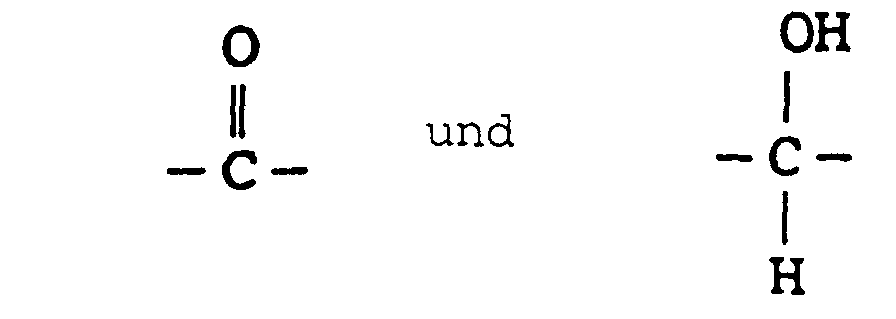
und die diastereomeren Salze derselben. - Substituierte Phenyl-Verbindungen gemäß Anspruch 1, welche die Strukturformel:haben, worin n 1-1000 ist, m 1-100 ist und R3 aus
 ausgewählt ist,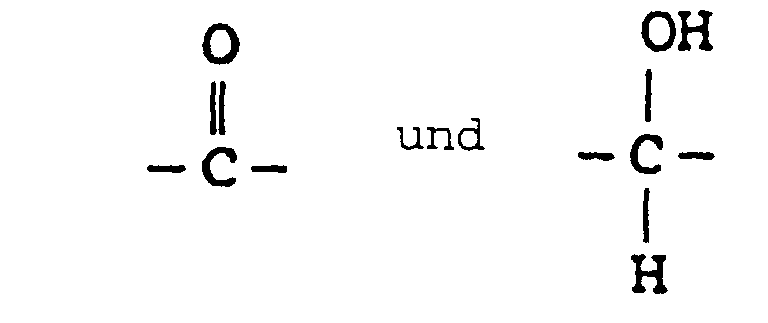
und die diastereomeren Salze derselben. - Substituierte Phenyl-Verbindungen gemäß Anspruch 1, welche die Strukturformel:haben, worin n 1-1000 ist, m 1-100 ist und R3 aus
 ausgewählt ist,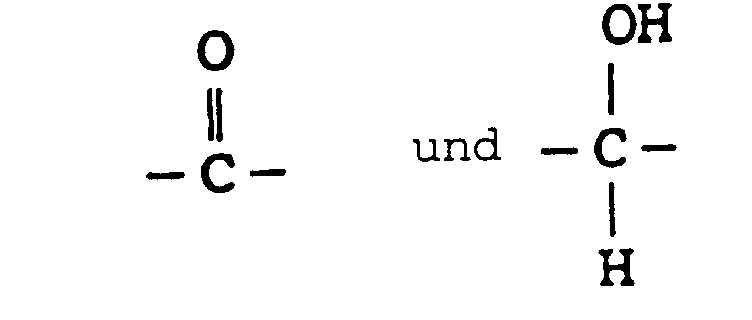
und die diastereomeren Salze derselben. - Verbindung gemäß Anspruch 1, worin R3ist.
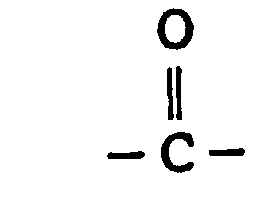
- Verbindung gemäß Anspruch 1, worin R3ist.
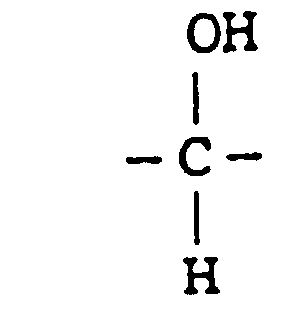
- Verbindung gemäß Anspruch 2, worin R3ist.
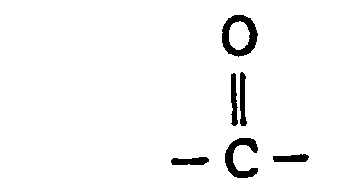
- Verbindung gemäß Anspruch 2, worin R3ist.
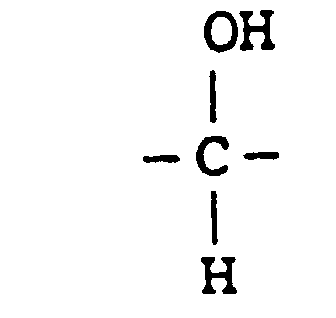
- Verbindung gemäß Anspruch 3, worin R3ist.

- Verbindung gemäß Anspruch 3, worin R3ist.
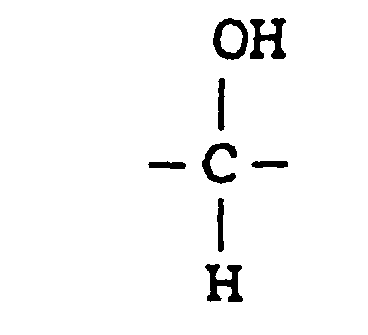
- Verfahren zur Herstellung substituierter Phenyl-Verbindungen gemäß Anspruch 1 der Strukturformel:worin n 1-1000 ist und m 1-100 ist; und R1 und R2 unabhängig voneinander jeweils aus -CH2-CH2-, -CH2-C(CH3)H-und -C(CH3)H-CH2- ausgewählt sind, und R3 aus der Gruppe:
 ausgewählt ist;
umfassend die Stufen: (a) der Umsetzung eines Alkalimetallhydroxids mit 4-Hydroxyacetophenon, um das Alkalimetallsalz des 4-Hydroxyacetophenons zu bilden; (b) der Umsetzung des Alkalimetallsalzes des 4-Hydroxyacetophenons mit einem Oxid-Material, das aus der aus Ethylenoxid und Propylenoxid bestehenden Gruppe ausgewählt ist, um die Verbindungen zu bilden, die unter die oben beschriebenen Strukturformeln fallen. - Verfahren gemäß Anspruch 10, worin die weitere Stufe des In-Kontakt-Bringens der Verbindung der obigen Strukturformel mit einer optisch aktiven, chiralen Säure während einer ausreichenden Zeitspanne und Temperatur, um ein diastereomeres Salz derselben zu bilden, bereitgestellt wird.
- Verfahren gemäß Anspruch 11, worin die chirale Säure aus der aus Weinsäure, Äpfelsäure, Campfersulfonsäure, Milchsäure, Bromcampfersulfonsäure, Mandelsäure, 2-(4-Isobutylphenyl)propionsäure und Derivaten derselben bestehenden Gruppe ausgewählt ist.
- Verbindungen gemäß Anspruch 1, deren Rest in ein Polyurethan-Polymer eingefügt ist.
- Polyurethan-Zusammensetzung, die wenigstens eine Verbindung der Strukturformel:enthält, worin n 1-1000 ist und m 1-100 ist; und R1 und R2 unabhängig voneinander jeweils aus der Gruppe -C2H4-und -C3H6- ausgewählt sind, und R3 aus der Gruppe:
 ausgewählt ist;
und die diastereomeren Salze derselben. - Verbindungen gemäß Anspruch 1, deren Rest in ein Epoxyharz eingefügt ist.
- Verbindung gemäß Anspruch 14, worin R3ist.
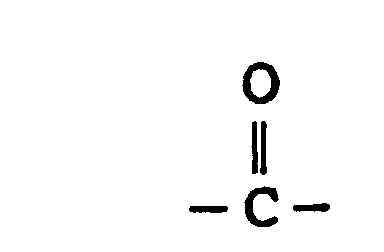
- Verbindung gemäß Anspruch 14, worin R3ist.

- Verbindungen gemäß Anspruch 1, deren Rest in einen Polyester eingefügt ist.
- Verbindungen gemäß Anspruch 1, deren Rest in ein Polycarbonat eingefügt ist.
- Verfahren gemäß Anspruch 10, worin die weitere Stufe (c) des Endverkappens des in der Stufe (b) hergestellten, sich ergebenden Polymers durch Behandlung des Polymers mit ausreichenden Mengen des in der Stufe (b) nicht verwendeten Oxid-Materials bereitgestellt ist.
- Verfahren gemäß Anspruch 10, worin das Oxid-Material in Stufe (b) Propylenoxid ist, und das Oxid in Stufe (c) Ethylenoxid ist.
Applications Claiming Priority (3)
| Application Number | Priority Date | Filing Date | Title |
|---|---|---|---|
| US220770 | 1994-03-31 | ||
| US08/220,770 US5422417A (en) | 1993-05-28 | 1994-03-31 | Substituted phenyl compounds and processes for preparing the same |
| PCT/US1995/002173 WO1995026950A1 (en) | 1994-03-31 | 1995-02-22 | Substituted phenyl compounds and processes for preparing the same |
Publications (2)
| Publication Number | Publication Date |
|---|---|
| EP0752980A1 EP0752980A1 (de) | 1997-01-15 |
| EP0752980B1 true EP0752980B1 (de) | 1999-09-15 |
Family
ID=22824897
Family Applications (1)
| Application Number | Title | Priority Date | Filing Date |
|---|---|---|---|
| EP95910315A Expired - Lifetime EP0752980B1 (de) | 1994-03-31 | 1995-02-22 | Substituierte phenylverbindungen und verfahren zu deren herstellung |
Country Status (6)
| Country | Link |
|---|---|
| US (1) | US5422417A (de) |
| EP (1) | EP0752980B1 (de) |
| JP (1) | JP3883568B2 (de) |
| DE (1) | DE69512225T2 (de) |
| ES (1) | ES2136836T3 (de) |
| WO (1) | WO1995026950A1 (de) |
Family Cites Families (4)
| Publication number | Priority date | Publication date | Assignee | Title |
|---|---|---|---|---|
| FR1059911A (fr) * | 1951-04-05 | 1954-03-29 | Haco Ges A G | Procédé pour la préparation de nouveaux aldéhydes et cétones aromatiques |
| FR2528826A1 (fr) * | 1982-06-16 | 1983-12-23 | Sanofi Sa | Nouveaux composes derives de phenols, procede de preparation desdits composes et medicaments antiseborrheiques et anti-inflammatoires contenant comme substance active au moins un desdits composes |
| US5300691A (en) * | 1993-05-28 | 1994-04-05 | Hoechst Celanese Corporation | Substituted benzyl amines |
| US5346983A (en) * | 1993-05-28 | 1994-09-13 | Hoechst Celanese Corporation | Substituted phenyl compounds and processes for preparing the same |
-
1994
- 1994-03-31 US US08/220,770 patent/US5422417A/en not_active Expired - Fee Related
-
1995
- 1995-02-22 WO PCT/US1995/002173 patent/WO1995026950A1/en not_active Ceased
- 1995-02-22 JP JP52567195A patent/JP3883568B2/ja not_active Expired - Fee Related
- 1995-02-22 ES ES95910315T patent/ES2136836T3/es not_active Expired - Lifetime
- 1995-02-22 DE DE69512225T patent/DE69512225T2/de not_active Expired - Fee Related
- 1995-02-22 EP EP95910315A patent/EP0752980B1/de not_active Expired - Lifetime
Also Published As
| Publication number | Publication date |
|---|---|
| ES2136836T3 (es) | 1999-12-01 |
| WO1995026950A1 (en) | 1995-10-12 |
| JP3883568B2 (ja) | 2007-02-21 |
| DE69512225T2 (de) | 2000-01-20 |
| US5422417A (en) | 1995-06-06 |
| DE69512225D1 (de) | 1999-10-21 |
| EP0752980A1 (de) | 1997-01-15 |
| JPH09511247A (ja) | 1997-11-11 |
Similar Documents
| Publication | Publication Date | Title |
|---|---|---|
| EP0668271B1 (de) | Verfahren zur Herstellung von Isocyanuratgruppen aufweisenden Polyisocyanaten | |
| US4424316A (en) | Compositions for forming poly(oxazolidone/urethane) thermosets and products therefrom | |
| US5300559A (en) | Polyamines derived from THPB and processes for preparing the same | |
| EP0667876A1 (de) | Anisotrope polymere sowie ein verfahren zu deren herstellung | |
| US5347051A (en) | Processes for preparing amines | |
| DE2758614A1 (de) | Polyaetherpolyole | |
| US5346983A (en) | Substituted phenyl compounds and processes for preparing the same | |
| EP0752980B1 (de) | Substituierte phenylverbindungen und verfahren zu deren herstellung | |
| US4731428A (en) | Epoxidized isocyanates and process for their preparation | |
| US4469867A (en) | Isocyanatoisocyanurates | |
| US5300589A (en) | Substituted triphenyl compounds & processes for preparing the same | |
| US5424387A (en) | Di-amino compounds and processes for preparing the same | |
| CA1197941A (en) | Powder coating composition | |
| US5347049A (en) | Processes for preparing diamino compounds | |
| US5399766A (en) | Amines and processes for preparing the same | |
| US5312988A (en) | Amines derived from THPE | |
| JP2811746B2 (ja) | イソシアネートプレポリマーの製造方法 | |
| US4229576A (en) | Anthranilates of oxyalkylated cyanuric acid | |
| US5512204A (en) | Imino-azacyclopentanepolyol | |
| US4704447A (en) | Polyhydroxy compounds containing urea groups and either ester or amide groups, process for their preparation, and the use thereof | |
| EP0520377B1 (de) | Verfahren zur selektiven Herstellung von 4,4-Methylen-bis-(N-phenylalkylcarbamate) | |
| EP0392299B1 (de) | Verfahren zur Herstellung von organischen Aminen, Polyamingemische und ihre Verwendung als Härter für Kunststoffvorläufer | |
| US4788303A (en) | Epoxidized isocyanates and process for their preparation | |
| US4191836A (en) | Anthranilates of polyoxyethylated carboxylic acid | |
| US4062833A (en) | Biuret polyisocyanates |
Legal Events
| Date | Code | Title | Description |
|---|---|---|---|
| PUAI | Public reference made under article 153(3) epc to a published international application that has entered the european phase |
Free format text: ORIGINAL CODE: 0009012 |
|
| 17P | Request for examination filed |
Effective date: 19960924 |
|
| AK | Designated contracting states |
Kind code of ref document: A1 Designated state(s): DE ES FR GB IT |
|
| 17Q | First examination report despatched |
Effective date: 19971027 |
|
| GRAG | Despatch of communication of intention to grant |
Free format text: ORIGINAL CODE: EPIDOS AGRA |
|
| GRAG | Despatch of communication of intention to grant |
Free format text: ORIGINAL CODE: EPIDOS AGRA |
|
| GRAG | Despatch of communication of intention to grant |
Free format text: ORIGINAL CODE: EPIDOS AGRA |
|
| GRAH | Despatch of communication of intention to grant a patent |
Free format text: ORIGINAL CODE: EPIDOS IGRA |
|
| GRAH | Despatch of communication of intention to grant a patent |
Free format text: ORIGINAL CODE: EPIDOS IGRA |
|
| GRAA | (expected) grant |
Free format text: ORIGINAL CODE: 0009210 |
|
| RAP1 | Party data changed (applicant data changed or rights of an application transferred) |
Owner name: TRIQUEST L.P. |
|
| AK | Designated contracting states |
Kind code of ref document: B1 Designated state(s): DE ES FR GB IT |
|
| REF | Corresponds to: |
Ref document number: 69512225 Country of ref document: DE Date of ref document: 19991021 |
|
| ET | Fr: translation filed | ||
| REG | Reference to a national code |
Ref country code: ES Ref legal event code: FG2A Ref document number: 2136836 Country of ref document: ES Kind code of ref document: T3 |
|
| ITF | It: translation for a ep patent filed | ||
| PG25 | Lapsed in a contracting state [announced via postgrant information from national office to epo] |
Ref country code: ES Free format text: LAPSE BECAUSE OF NON-PAYMENT OF DUE FEES Effective date: 20000223 |
|
| PLBE | No opposition filed within time limit |
Free format text: ORIGINAL CODE: 0009261 |
|
| STAA | Information on the status of an ep patent application or granted ep patent |
Free format text: STATUS: NO OPPOSITION FILED WITHIN TIME LIMIT |
|
| 26N | No opposition filed | ||
| REG | Reference to a national code |
Ref country code: GB Ref legal event code: IF02 |
|
| REG | Reference to a national code |
Ref country code: ES Ref legal event code: FD2A Effective date: 20010312 |
|
| PGFP | Annual fee paid to national office [announced via postgrant information from national office to epo] |
Ref country code: FR Payment date: 20060224 Year of fee payment: 12 |
|
| PGFP | Annual fee paid to national office [announced via postgrant information from national office to epo] |
Ref country code: GB Payment date: 20060227 Year of fee payment: 12 |
|
| PGFP | Annual fee paid to national office [announced via postgrant information from national office to epo] |
Ref country code: IT Payment date: 20060228 Year of fee payment: 12 |
|
| PGFP | Annual fee paid to national office [announced via postgrant information from national office to epo] |
Ref country code: DE Payment date: 20060309 Year of fee payment: 12 |
|
| GBPC | Gb: european patent ceased through non-payment of renewal fee |
Effective date: 20070222 |
|
| REG | Reference to a national code |
Ref country code: FR Ref legal event code: ST Effective date: 20071030 |
|
| PG25 | Lapsed in a contracting state [announced via postgrant information from national office to epo] |
Ref country code: DE Free format text: LAPSE BECAUSE OF NON-PAYMENT OF DUE FEES Effective date: 20070901 |
|
| PG25 | Lapsed in a contracting state [announced via postgrant information from national office to epo] |
Ref country code: GB Free format text: LAPSE BECAUSE OF NON-PAYMENT OF DUE FEES Effective date: 20070222 Ref country code: FR Free format text: LAPSE BECAUSE OF NON-PAYMENT OF DUE FEES Effective date: 20070228 |
|
| PG25 | Lapsed in a contracting state [announced via postgrant information from national office to epo] |
Ref country code: IT Free format text: LAPSE BECAUSE OF NON-PAYMENT OF DUE FEES Effective date: 20070222 |