EP0734451B1 - ENTEROTOXINS OF SHIGELLA FLEXNERI 2a - Google Patents
ENTEROTOXINS OF SHIGELLA FLEXNERI 2a Download PDFInfo
- Publication number
- EP0734451B1 EP0734451B1 EP95903130A EP95903130A EP0734451B1 EP 0734451 B1 EP0734451 B1 EP 0734451B1 EP 95903130 A EP95903130 A EP 95903130A EP 95903130 A EP95903130 A EP 95903130A EP 0734451 B1 EP0734451 B1 EP 0734451B1
- Authority
- EP
- European Patent Office
- Prior art keywords
- shigella flexneri
- shigella
- seq
- strain
- enterotoxin
- Prior art date
- Legal status (The legal status is an assumption and is not a legal conclusion. Google has not performed a legal analysis and makes no representation as to the accuracy of the status listed.)
- Expired - Lifetime
Links
Images




Classifications
-
- C—CHEMISTRY; METALLURGY
- C07—ORGANIC CHEMISTRY
- C07K—PEPTIDES
- C07K16/00—Immunoglobulins [IG], e.g. monoclonal or polyclonal antibodies
- C07K16/12—Immunoglobulins [IG], e.g. monoclonal or polyclonal antibodies against material from bacteria
- C07K16/1203—Gram-negative bacteria
-
- A—HUMAN NECESSITIES
- A61—MEDICAL OR VETERINARY SCIENCE; HYGIENE
- A61P—SPECIFIC THERAPEUTIC ACTIVITY OF CHEMICAL COMPOUNDS OR MEDICINAL PREPARATIONS
- A61P31/00—Antiinfectives, i.e. antibiotics, antiseptics, chemotherapeutics
- A61P31/04—Antibacterial agents
-
- C—CHEMISTRY; METALLURGY
- C07—ORGANIC CHEMISTRY
- C07K—PEPTIDES
- C07K14/00—Peptides having more than 20 amino acids; Gastrins; Somatostatins; Melanotropins; Derivatives thereof
- C07K14/195—Peptides having more than 20 amino acids; Gastrins; Somatostatins; Melanotropins; Derivatives thereof from bacteria
- C07K14/24—Peptides having more than 20 amino acids; Gastrins; Somatostatins; Melanotropins; Derivatives thereof from bacteria from Enterobacteriaceae (F), e.g. Citrobacter, Serratia, Proteus, Providencia, Morganella, Yersinia
- C07K14/25—Shigella (G)
-
- C—CHEMISTRY; METALLURGY
- C12—BIOCHEMISTRY; BEER; SPIRITS; WINE; VINEGAR; MICROBIOLOGY; ENZYMOLOGY; MUTATION OR GENETIC ENGINEERING
- C12N—MICROORGANISMS OR ENZYMES; COMPOSITIONS THEREOF; PROPAGATING, PRESERVING, OR MAINTAINING MICROORGANISMS; MUTATION OR GENETIC ENGINEERING; CULTURE MEDIA
- C12N1/00—Microorganisms; Compositions thereof; Processes of propagating, maintaining or preserving microorganisms or compositions thereof; Processes of preparing or isolating a composition containing a microorganism; Culture media therefor
- C12N1/20—Bacteria; Culture media therefor
- C12N1/205—Bacterial isolates
-
- A—HUMAN NECESSITIES
- A61—MEDICAL OR VETERINARY SCIENCE; HYGIENE
- A61K—PREPARATIONS FOR MEDICAL, DENTAL OR TOILETRY PURPOSES
- A61K38/00—Medicinal preparations containing peptides
-
- C—CHEMISTRY; METALLURGY
- C12—BIOCHEMISTRY; BEER; SPIRITS; WINE; VINEGAR; MICROBIOLOGY; ENZYMOLOGY; MUTATION OR GENETIC ENGINEERING
- C12R—INDEXING SCHEME ASSOCIATED WITH SUBCLASSES C12C - C12Q, RELATING TO MICROORGANISMS
- C12R2001/00—Microorganisms ; Processes using microorganisms
- C12R2001/01—Bacteria or Actinomycetales ; using bacteria or Actinomycetales
-
- Y—GENERAL TAGGING OF NEW TECHNOLOGICAL DEVELOPMENTS; GENERAL TAGGING OF CROSS-SECTIONAL TECHNOLOGIES SPANNING OVER SEVERAL SECTIONS OF THE IPC; TECHNICAL SUBJECTS COVERED BY FORMER USPC CROSS-REFERENCE ART COLLECTIONS [XRACs] AND DIGESTS
- Y10—TECHNICAL SUBJECTS COVERED BY FORMER USPC
- Y10S—TECHNICAL SUBJECTS COVERED BY FORMER USPC CROSS-REFERENCE ART COLLECTIONS [XRACs] AND DIGESTS
- Y10S530/00—Chemistry: natural resins or derivatives; peptides or proteins; lignins or reaction products thereof
- Y10S530/82—Proteins from microorganisms
- Y10S530/825—Bacteria
Definitions
- the present invention relates to substantially pure enterotoxins of Shigella flexneri 2a (hereinafter "ShET1”), a method for obtaining the same, antibodies having binding specificity to the enterotoxins and a method for use of the enterotoxins to develop a non-reactogenic Shigella flexneri 2a vaccine candidate, and to an isolated DNA molecule in accordance with claim 6.
- Shigella flexneri 2a substantially pure enterotoxins of Shigella flexneri 2a
- Shigella elaborate an enterotoxin that elicits secretion early in the infection as the organisms pass through the jejunum.
- enterotoxic activity which is clearly dissociated from cytotoxic activity, is expressed by Shigella flexneri 2a in the bacteria-free culture supernatant, and could be detected only after growth of the bacteria in Fe ++ -depleted medium.
- enteroinvasive Escherichia coli EIEC
- EIEC enteroinvasive Escherichia coli
- Shigella Shigella flexneri 2a would express an enterotoxin when grown in Fe ++ -depleted medium.
- An additional object is to identify, clone and sequence the genes encoding the two enterotoxins produced by Shigella flexneri 2a.
- Still another object of the present invention is provide Shigella flexneri 2a mutants which fail to produce at least one functional enterotoxin as a result of a mutation in a Shigella enterotoxin gene.
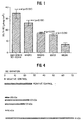
- Figure 1 shows the results of assays for enterotoxic activity in Ussing chambers when using culture supernatants of Shigella flexneri 2a strains M4243, M4243avir and BS103, the 30-100 kDa fraction of EIEC strain CVD/EI-34 (0136:H-) (as a positive control) and culture media (as a negative control).
- variations in short-circuit current delta I sc
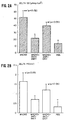
- Figures 2A-2D show the results of assays for enterotoxic activity in Ussing chambers when using Shigella flexneri 2a strain M4243 culture supernatant which was first neutralized with anti-sera against the Shigella flexneri 2a enterotoxins (anti-shETs), with anti-sera against the EIEC enterotoxin (anti-EIET), with pre-challenge sera or post-challenge sera of volunteers challenged with wild-type Shigella flexneri 2a.
- anti-shETs anti-shET enterotoxins
- anti-EIET anti-sera against the EIEC enterotoxin
- pre-challenge sera or post-challenge sera of volunteers challenged with wild-type Shigella flexneri 2a In these assays, variations in short-circuit current (delta I sc ) ( Figure 2A and 2C and transepithelial electrical potential differences (delta PD) ( Figure 2B and 2D) were
- Figures 3A-3B shows the molecular mass determination of the Shigella flexneri 2a strain M4243 enterotoxic moieties when assayed in rabbit ileal loops ( Figure 3A) and in Ussing chambers ( Figure 3B).
- Figures 3A-3B shows the molecular mass determination of the Shigella flexneri 2a strain M4243 enterotoxic moieties when assayed in rabbit ileal loops ( Figure 3A) and in Ussing chambers ( Figure 3B).
- rabbit ileal loop assays fluid accumulations were measured and in the Ussing chambers, variations in short-circuit current (delta I sc ) were measured.
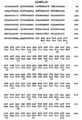
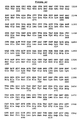
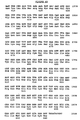
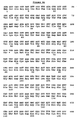
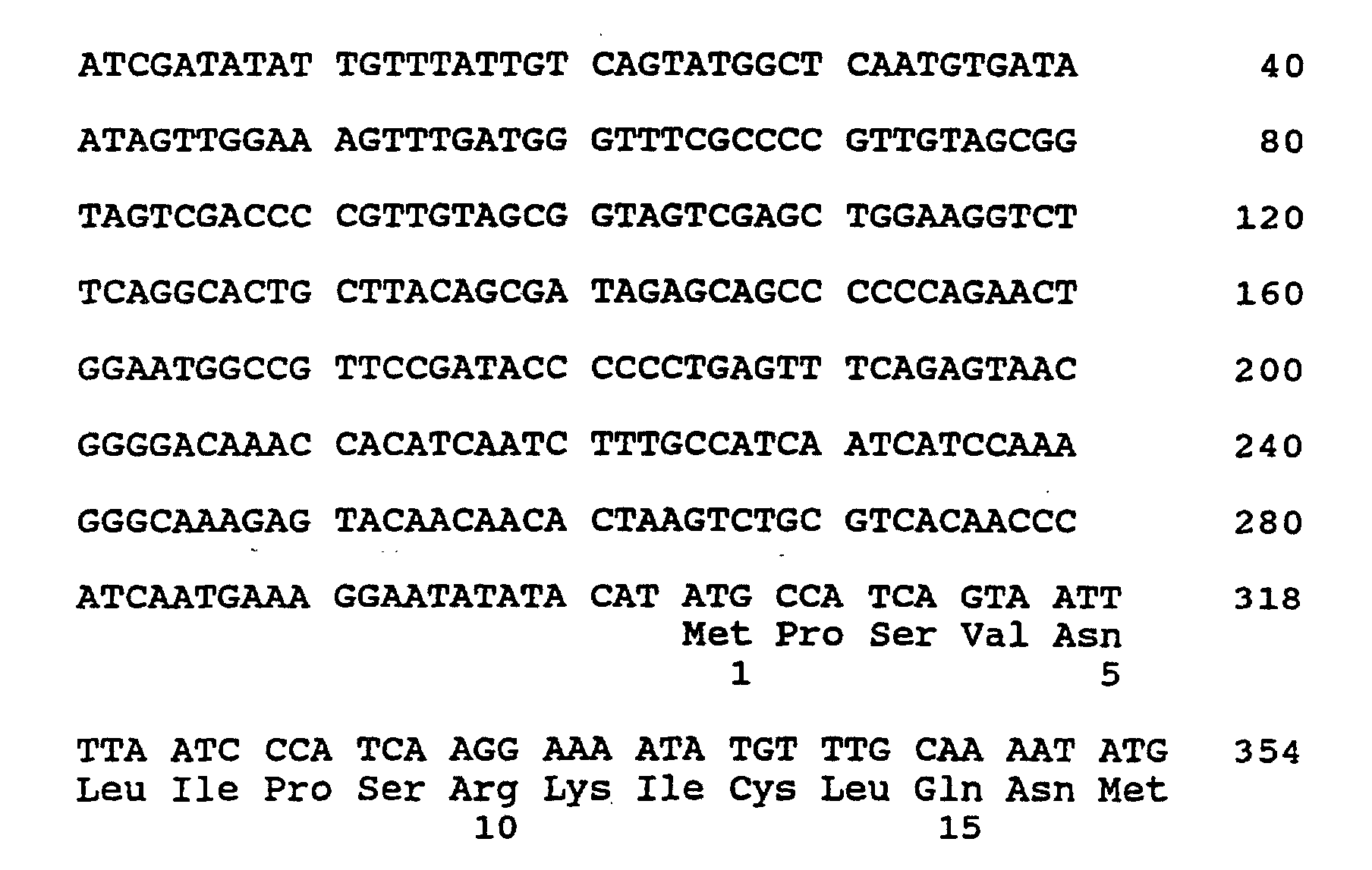
- Figures 7A-7D show the DNA sequence of ShET2 enterotoxin located on the Shigella flexneri 2a invasiveness plasmid, as well as the determined amino acid sequence.
- Figure 8 shows the restriction map of the fragment in pF9-1-90 which contains the ShET1 gene.
- the enterotoxins are obtained by culturing Shigella flexneri 2a in Fe ++ -depleted medium and collecting the supernatant.
- the culture temperature and incubation period are not critical to the present invention, generally the culturing temperature will range from 30 to 37°C, preferably 36 to 37°C, and the incubation period will range from 24 to 72 hours, preferably 48 to 72 hours.
- the enterotoxins can be purified from the supernatant by size exclusion and HPLC chromatography.
- Shigella flexneri 2a strains employed in the present invention are Shigella flexneri 2a strain M4243 and M4243avir.
- Shigella flexneri 2a strain M4243 and its plasmid-cured derivative M4243avir can be obtained from, e.g., Dr. Samuel B. Formal of the Walter Reed Army Institute of Research, Washington, D.C. BS103 can be obtained from Dr. Anthony Maurelli of the Uniformed Services University of the Health Sciences, Bethesda, MD.
- Monoclonal antibodies obtained using purified enterotoxins may be used to induce a passive immunity against Shigella enteric infection. Such antibodies will bind Shigella flexneri 2a enterotoxins, thus preventing these interaction with the cellular receptor, and preventing the stimulation of water and electrolyte secretion.
- the total amount of antibodies used to induce passive immunity is generally about 10 mg to 10 g.
- the total amount of toxoid used to produce such antibodies is generally about 500 ⁇ g to 5.0 mg.
- each of the above approaches has met with limitations. That is, hybrids in which Shigella carrying attenuating E. coli DNA are unstable and can revert to full virulence (Levine et al, J. Infect. Dis., 127 :261-270 (1973)). Further, the most recent generation of E. coli expressing Shigella antigens has been associated with side reactions in vaccinees, including fever, mild diarrhea and every dysentery in some individuals (Kotloff et al, Infect . Immun ., 60 :2218-2224 (1992)). Finally, some recipients of ⁇ aroD Shigella flexneri developed mild diarrhea (Karnell et al, Rev. Infect Dis., 13(4) :S357-361 (1991)). It has been hypothesized in the present application that the residual diarrhea encountered in these various Shigella flexneri candidate vaccine strains is likely due to the two enterotoxins.
- Shigella flexneri 2a vaccine candidates can be constructed which, e.g., in addition to containing other attenuating mutations, express one or two toxoids, rather than the enterotoxins. This can be accomplished by deleting the portion of the enterotoxin genes that encodes the biologically active "toxic" site, leaving intact immunogenic sequences of the protein.
- a Shigella flexneri 2a strain in which deletion mutations are introduced in at least one aro gene ( aro A, aro C, or aro D) of the Shigella chromosome, rendering the strain auxotrophic for paraaminobenzoic acid, a substrate that cannot be sufficiently scavenged in vivo in humans, can be constructed, such as strain CVD1203 (ATCC No. 55556) prepared in Example 8 below.
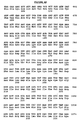
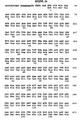
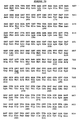
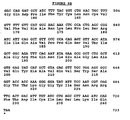
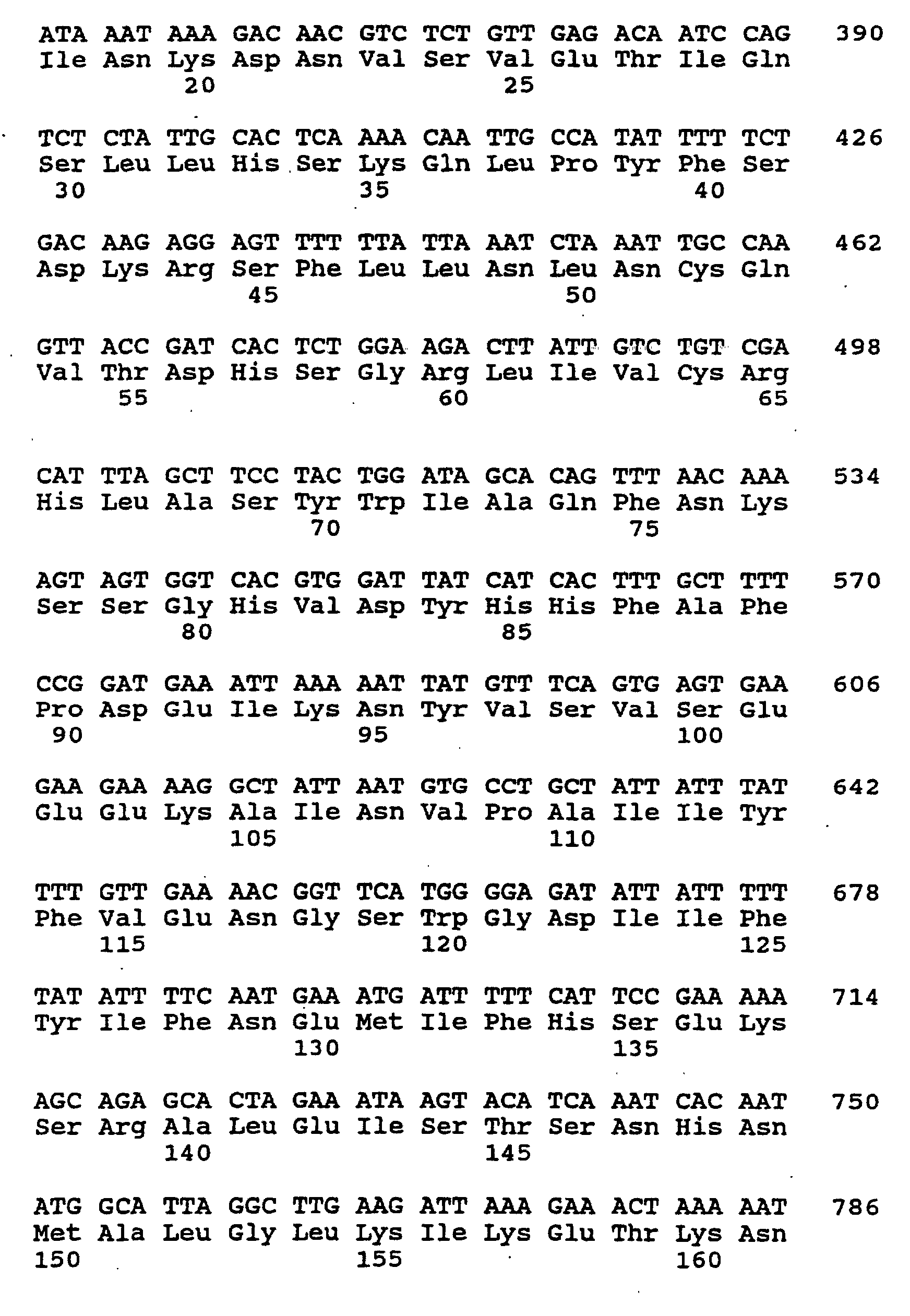
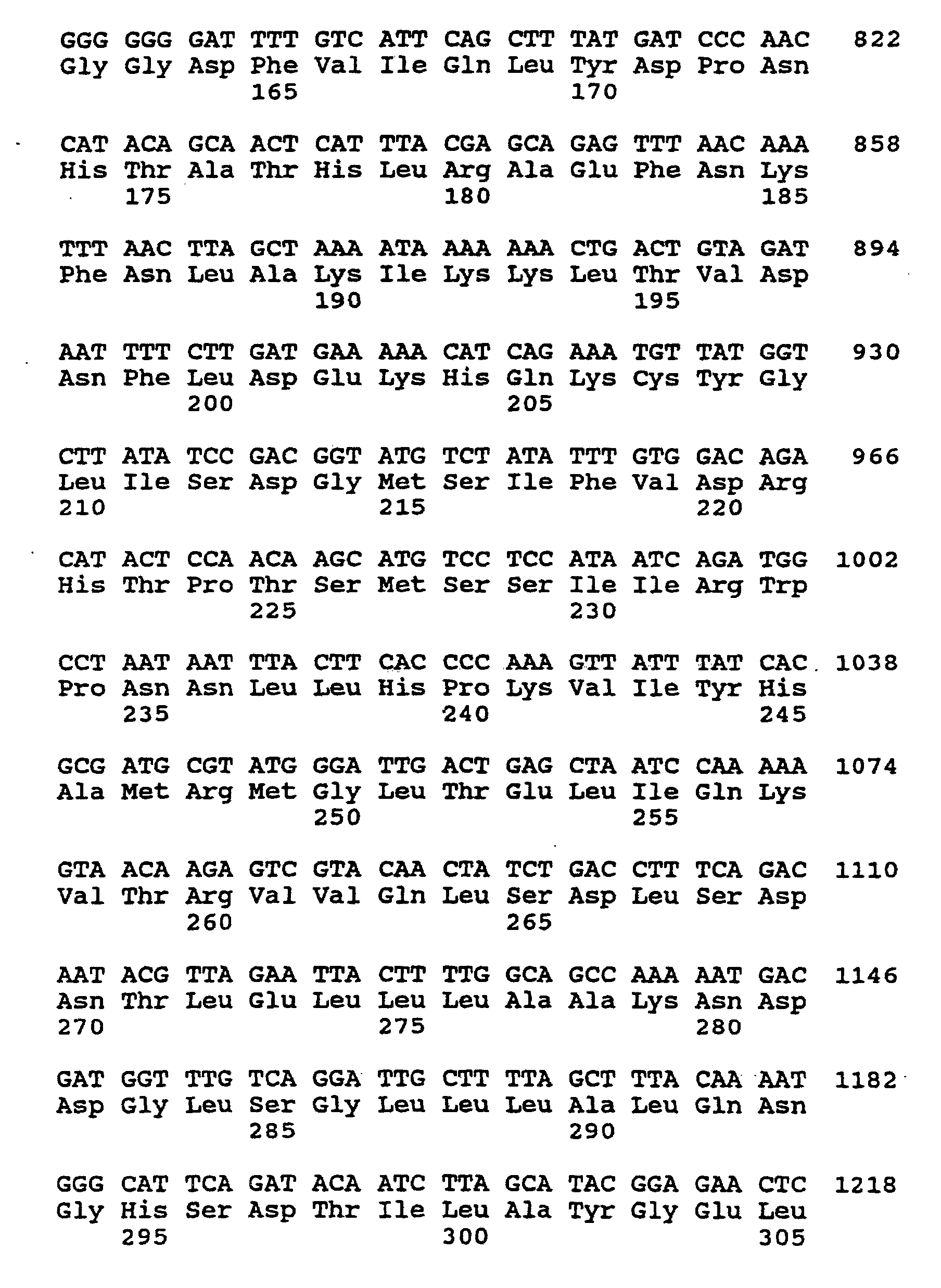
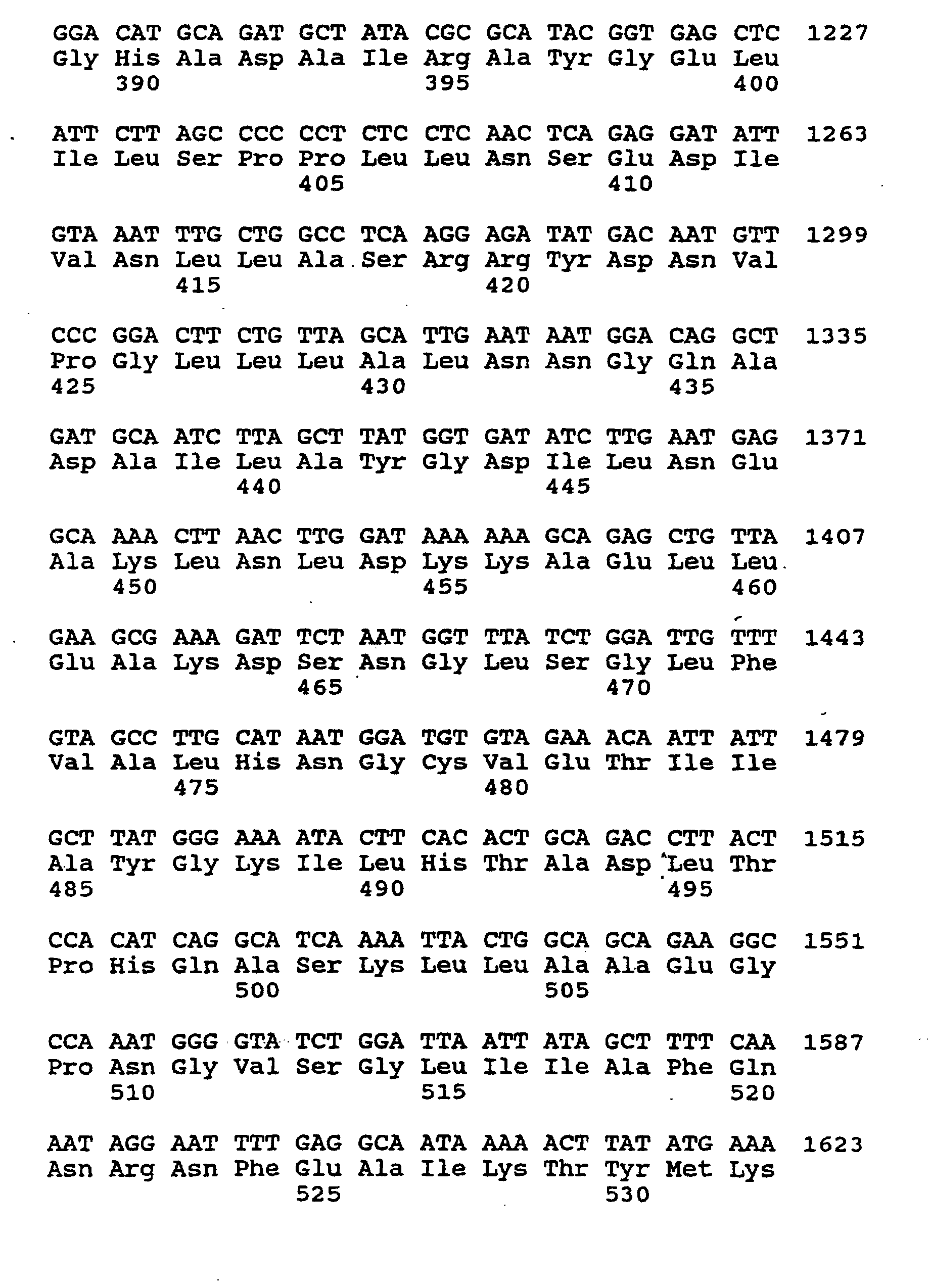
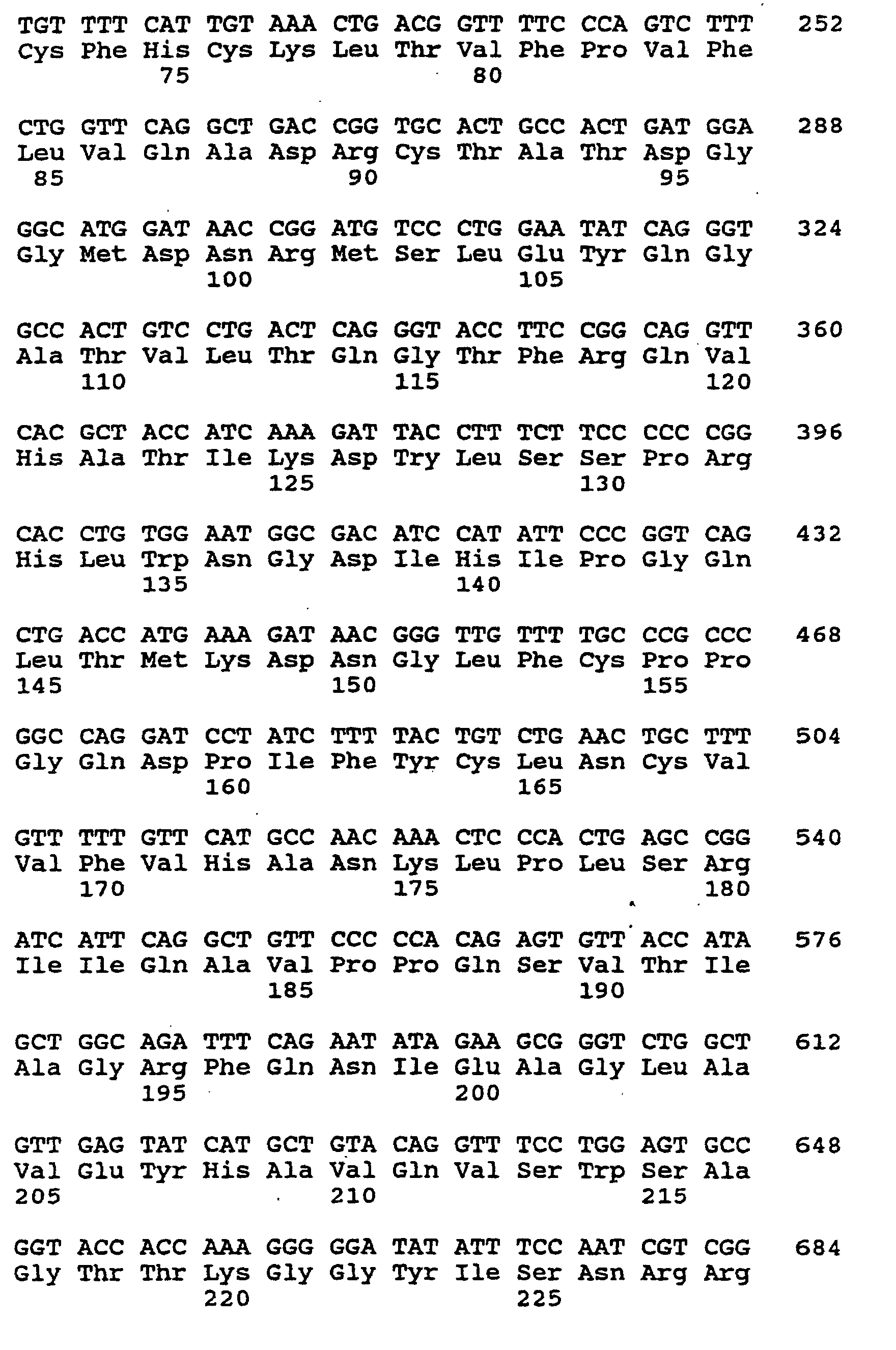
- ShET1 is encoded by two distinct genes (Figs. 9A and 9B, Seq. ID NO:15). Based on similarities between ShET1 genes and genes encoding for other endotoxins, such as cholera toxin or heat-labile enterotoxin of enterotoxigenic E. coli, the large orf encodes for the active subunit. Thus, an internal deletion of this orf should give rise to the production of an immunogenic toxoid.
- M4243 bacteria 1.06 ⁇ 0.34 M4243 supernatant (5) 0.52 ⁇ 0.10 M4243avir bacteria (5) 0.21 ⁇ 0.50 M4243avir supernatant (5) 0.24 ⁇ 0.09 HS supernatant (5) 0.09 ⁇ 0.06
- M4243 supernatants L broth, 24 hours (4) 0.01 ⁇ 0.01 L broth, 72 hours (4) 0.04 ⁇ 0.03 Minimal Fe ++ broth, 24 hours (4) 0.43 ⁇ 0.12 Minimal Fe ++ broth, 72 hours (4) 0.47 ⁇ 0.14 HS supernatant: Minimal Fe ++ broth, 24 hours (4) 0.01 ⁇ 0.01
- the results are expressed as mean ⁇ SE for (n) animals. The bacterial cultures were grown for 72 hours unless otherwise indicated.
- Anti-ShET polyclonal sera, anti-EIET polyclonal sera, and convalescent sera were obtained as described in Example 2.
- sterile supernatant of M4243 was fractionated by ultracentrifugation through DIAFLO ultrafiltration membranes (Amicon Corp., Danvers, MA).
- YM100 100,000-MW cutoff
- YM30 30,000-MW cutoff membranes were utilized to produce fractions defined by these size limits.
- Membrane retentates were washed free of lower molecular weight species with phosphate buffered saline (pH 7.3) (PBS), by two successive 10:1 volume dilutions with PBS, reconcentration, and final reconstitution to the original volume in PBS.
- PBS phosphate buffered saline
- a cell lysate was obtained as follows: Cultures from strain M4243 were harvested by centrifugation at 12,000 x g for 20 minutes at 4°C. Supernatants were passed through a 0.45 ⁇ m filter, and retained for assay. The bacterial cells were then washed twice in PBS, resuspended in 1.5 ml of PBS and disrupted in a French pressure cell at 12,000 lb/in 2 to obtain a cell lysate (Fasano et al, Infect . Immun ., 58 :3717-3723 (1991)).
- EHEC enterohemorrhagic E. coli
- SLT1 Shiga-like toxin 1
- EHEC positive control
- the enterotoxin appears to be responsible for the diarrhea induced by Shigella flexneri 2a, since the 30-100 kDa fraction (where the enterotoxic activity was localized) was responsible for fluid accumulation in rabbit ileal loops and in electrical responses in Ussing chambers.
- Plasmid-cured S. flexneri 2a M4243avir was used in order to avoid expression of both ShET2 and plasmid-encoded membrane associated proteins (Hale et al, Infect . Immun ., 50 :620-629 1985)) which are known to be similar in size to the fractions exhibiting enterotoxic activity and to be antigenic in volunteers (Van De Verg et al, J . Infect . Dis ., 166 :158-161 (1992)).
- plasmid-cured Shigella flexneri 2a was inoculated into 30 liters of L-broth containing 25 ⁇ g/ml of the iron-chelator, ethylenediamine-di- o -hydroxyphenylacetic acid (EDDA) (Rogers, Infect . Immun ., 7 :445-456 (1973)), and incubated overnight at 37°C in the New Brunswick Scientific 30 liter fermentor. Bacterial cells were removed by centrifugation at 5,000 x g in a Sharples industrial centrifuge, and the supernatant was filtered through a 0.45 ⁇ m filter.
- EDDA ethylenediamine-di- o -hydroxyphenylacetic acid
- This filtrate (approximately 30 liters) was fractionated to isolate and concentrate 100-fold the moieties falling within the 30-100 kDa range as described above, except Pellicon tangential flow cassettes (Millipore) were used for ultrafiltration processing of these larger volumes.
- This filtrate exhibited enterotoxic activity similar to levels observed for smaller batches employing the plasmid-cured strain.
- a 10 ml aliquot of the 30-100 kDa concentrate was then further fractionated by replicate separations with an HPLC size exclusion column (SEC-2000, 7.5 x 600 cm with guard column, Phenomenex, Torrance, CA). Fractions were eluted from the column with PBS at 0.5 ml/min. The fractions containing moieties in the 65-75 kDa range were collected, pooled and concentrated by vacuum dialysis to 1.0 ml employing a 10 kDa membrane (MicroProDiCon, Spectrum Medical Industries, Los Angeles, CA).
- CT cholera toxin
- LT heat-labile enterotoxin
- Shiga toxin of S. dysenteriae 1 Olesnes et al, J . Biol . Chem ., 256 :8732-8738 (1981); and Seidah et al, J . Biol .
- Tn pho A insertion mutants were generated in EIEC strain EI-37 (0136:NM) (Fasano et al, Infect . Immun ., 58 :3717-3723 (1991)) as described by Taylor et al, J . Bacteriol., 171 :1870-1978 (1989).
- the resulting Tn pho A insertion mutants were screened for increased expression of alkaline phosphatase in low iron L-agar (containing 30 ⁇ g/ml of EDDA) compared with standard L-agar. As a result, nine insertion mutants with increased expression of alkaline phosphatase were identified.
- DNA was then purified from the two mutants, and the purified DNA was digested with Bam HI.
- the resulting DNA fragments, which flank the Tn pho A insertions, were cloned into the Bam HI site of vector pBluescript Sk+/- (Stratagene, La Jolla, CA).
- the cloned DNA was hybridized against a pHC79 cosmid library of EIEC strain EI-34 (Fasano et al, Infect. Immun ., 58 :3717-3723 (1991)).
- the flanking DNA sequences from one of the two TnphoA insertion mutants were found to be homologous to nine cosmid clones.
- a deletion mutation was constructed by digesting the tie gene in pJS26 with Nde I and Sph I.
- the resulting plasmid was designated pJS26 ⁇ ( Figure 5).
- This plasmid lacked the first two-thirds of the N-terminus of the open reading frame.
- This plasmid was then used to transform DH5 ⁇ , and tested in Ussing chambers as described above. The supernatant obtained from the pJS26 ⁇ transformants elicited less response in the Ussing chamber assay when compared to pJS26, confirming that tie gene is the EIET structural gene.
- EIET is a single molecule.
- genomic DNA was obtained from each of S. flexneri 2a M4243 and S. flexneri 2a M4243avir, digested with Sal I, and then screened for hybridization with the tie gene.
- the DNA-DNA hybridization showed the presence of a single 3.5 kb band in genomic DNA from the wild-type strain, but not from the plasmid-cured derivative. This result suggests that the homologous DNA is located on the invasiveness plasmid.
- the 3.5 kb Sal I fragment was identified on the S. flexneri 2a M4243 plasmid by PCR using the following oligonucleotide primers that hybridize to the tie gene (CAGTGTATCACCACGAG (SEQ ID NO:13); and AAATTATCTACAGTCAG (SEQ ID NO:14)), and sequenced using an automated sequencer.
- the resulting DNA sequence, along with the determined amino acid sequence are shown in Figures 7A-7D (SEQ ID NO:2).
- Figures 7A-7D SEQ ID NO:2
- this fragment was found to contain a 1595 bp open reading frame and has at least 99% homology to the EIET gene.
- the tie gene was used as a DNA probe and hybridized against a collection of EIEC and Shigella strains under high stringency by the colony blot method. The results are shown in Table 3. Prevalence of tie Gene in E. coli and Shigella Colony Blot Hybridization with tie Probe Category Positive Negative % Positive Shigella 27 7 80% EIEC 60 20 75% Other E. coli 0 110 0%
- a colony immunoblot technique was utilized to clone the ShET1 gene ( set1 ) using the rabbit polyclonal antibodies described in Example 2.
- strain 2457TA the Walter Reed Army Institute of Research
- the compatible ends of the genome fragments and the vector were ligated and packaged using the Gigapack II Gold packing extract (Stratagene) system following the procedures recommended by the manufacturer.
- the resulting ⁇ ZAPII::2457TA library was titrated in E.coli strain XL1-Blue MRF' (Stratagene) to obtain a concentration of 100 plaques/100 mm plate.
- the plaques were blotted with IPTG-saturated nitrocellulose filters using the procedures for immunological screening of expression of bacteriophage ⁇ vector libraries described by Sambrook et al, Molecular Cloning . A Laboratory Manual , Second Edition, Cold Spring Harbor Laboratory Press (1989).
- the resulting pBluescript Sk+/- was used to infect DH5 ⁇ , and 24 single colonies derived from each immunoblot-positive plaque were grown in 300 ml of Fe ++ -depleted LB medium with 100 ⁇ g/ml ampicillin in 96-well microtiter plates and cultured at 37°C for 48 h. The supernatants of these cultures were then passed by gravity through nitrocellulose paper in a 96-well manifold (Biorad), and immunoblotted with the above described rabbit antiserum. The supernatants from clones derived from one positive plaque were found to be strongly reactive.
- Single strand sequencing of a selected genomic insert in pF9-1-90 was performed by automated fluorescent sequencing (Applied Biosystems DNA sequencer Model 373A, Foster City, CA).
- the complementary DNA strand was sequenced by chain-termination- sequencing using the Sequenase Version 2.0 DNA sequencing kit (USB, Cleveland, OH). Chain-termination sequencing was used as well to identify and determine the orientation of the set 1 genes in p set 1, described below.
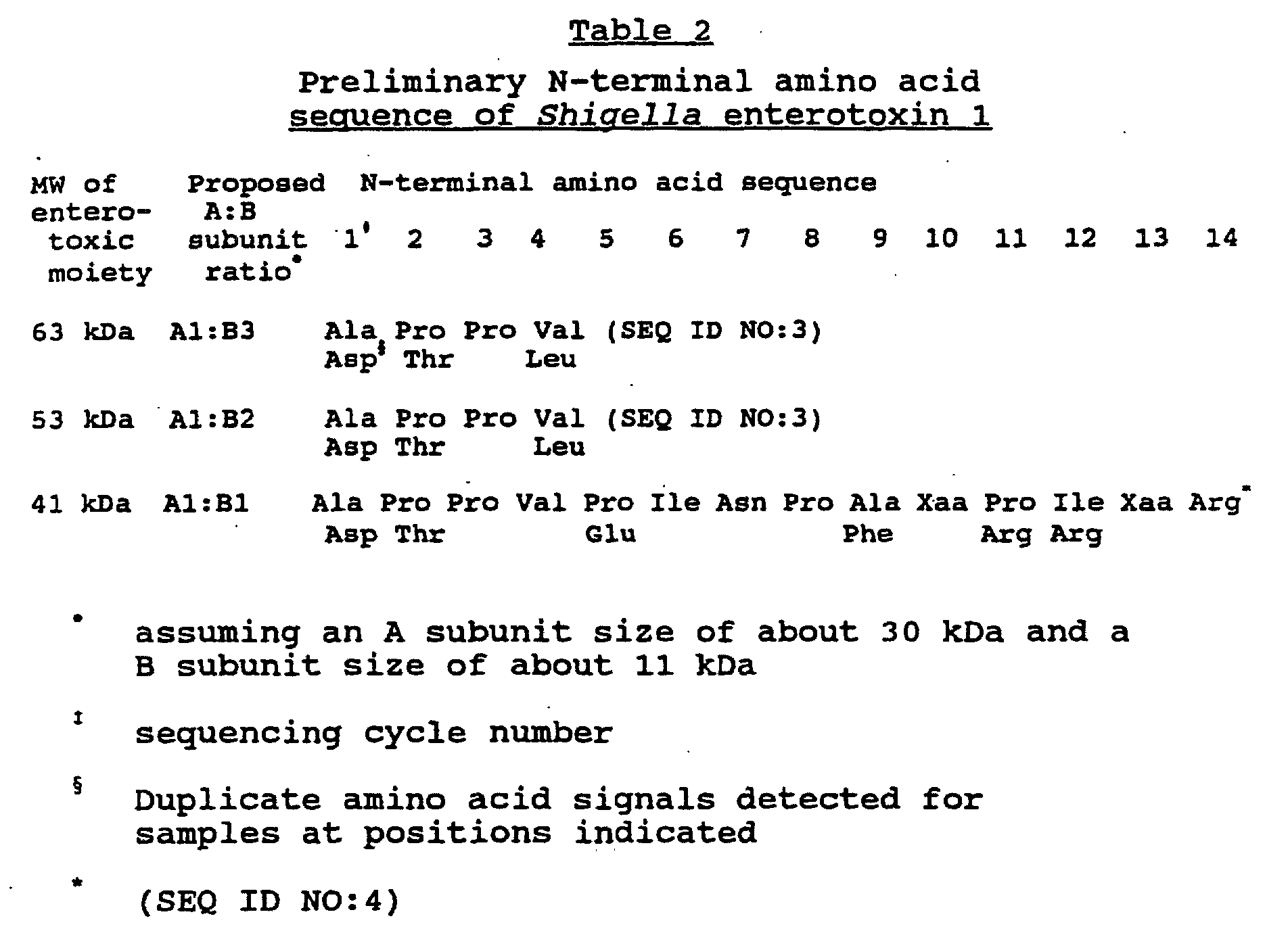
- the ShET1 predicted amino acid sequence based on the DNA sequence shown in Figures 9A-9B did not corrspond to the N-terminal amino acid sequence shown in Table 2. This confirms the difficulty in cloning the ShET1 gene.
- the predicted molecular weights (MW) of the protein molecules encoded by these orfs are of approximately 7.0 kDa and 20 kDa for set 1B and set 1A, respectively.
- the finding of a 55 kDa protein in the immunoblot experiments described below supports the concept of an A 1 :B 5 configuration for the holotoxin, where the A subunit is 20 kDa and each individual B subunit is 7.0 kDa.
- the set 1B gene has an upstream promoter governing the transcription of both the set 1B and set 1A genes.
- a 1,093 bp fragment containing the set 1 orfs (with an upstream segment of 98 bp) was obtained by digesting the 6.0 Kb insert in pF9-1-90 with Xma I and cloning it in pBluescript SK+/-.
- the plasmid so obtained, named p set 1 was transformed into DH5 ⁇ .
- DH5 ⁇ (p set 1) supernatant was then immunoblotted as described above, and tested in Ussing chambers for enterotoxic activity.
- DH5 ⁇ (p set 1) Immunoblot of the Fe ++ -depleted supernatant from the DH5 ⁇ (p set 1) culture revealed the expression of the 55 kDa protein band detected in S. flexneri 2a strain 2457TA and pF9-1-90 supernatants, but not in the DH5 ⁇ negative control.
- S. flexneri 2a strain 2457T (Kotloff et al, Infect . Immun . 60 :2218-2224 (1992)), known to be virulent based on experimental challenge studies in adult volunteers, was selected as the wild-type parent to be attenuated by introduction of a deletion in both the aroA and VirG genes.
- the aro A gene (Duncan et al, FEBS , 170 :59-63 (1984)) was subjected to polymerase chain reactions in a Programmable Thermal Controller unit, using Taq polymerase and buffer obtained from Promega to obtain a deletion of 201 nucleotides in the aro A gene, which corresponds to a deletion of amino acids 168-231 of the encoded enzyme.
- the 3' end of the aroA gene was amplified with the upstream primer (AATATTGGGGGTACCGGTACTTATTTGGTCGAAGGCGATGCA) (SEQ ID NO:7) so as to introduce Ssp I and Kpn I sites, and with the downstream primer (TGATAAGTCGACTCAGGCTGCCTGGCTAAT) (SEQ ID NO:8) so as to introduce a Sal I site. Both segments were amplified for 30 cycles of 1 min at 94°C, 2 min at 50°C and 4 min at 72°C.
- the 5' and 3' segments were fused, and the resulting fusion product was amplified in the same reaction.
- the given homologous regions ( Ssp I -Kpn I) annealed, effectively fusing the 5' and 3' segments, which at that time may have acted as their own primers and/or templates for the Taq polymerase, depending upon which stands of DNA were annealed.
- the first 15 cycles had an annealing temperature slope (1°C/8 sec from 40°C to 50°C + 50°C for 2 min), followed by 15 cycles with an annealing temperature of 55°C in which the new ⁇ aro A gene was amplified.
- pFJ201 was electroporated into S. flexneri 245T to achieve allelic exchange in the wild-type strain. Co-integates representing a single homologous recombination were readily obtained. Using counter selection ( Aro -sucrose plates at 30°C), a clone was identified that had characteristics of the double homologous recombination event, i.e., representing allelic exchange of ⁇ aro A for aro A in the chromosome. This clones was kanamycin-sensitive, Congo red-positive, agglutinated with S.
- Strains ⁇ aro A CVD 1201.1 and wild-type 2457T were grown shaking at 37°C in 5.0 ml volumes of SMM that was progressively supplemented with aromatic amino acids (50 mg L-tryptophan, 50 mg L-tyrosine, 50 mg L-phenylalanine), 10 mg ferric ammonium acetate and 10 mg PABA.
- CVD 1201.1 required the addition of tryosine, tryptophan, phenylalanine and PABA in order to grow.
- a deletion of 900 nucleotides in the vir G gene (Lett et al, J . Bacteriol ., 172 :352-359 (1989)), which corresponds to a deletion of amino acids 341-640 of the 120 kDa VirG protein, was obtained by following steps analogous to that used for preparing the ⁇ aro A mutation.
- the specific engineered site for this deletion in the 120 kDa protein represents a highly hydrophobic, poorly antigenic portion of the molecule according to the Jameson/Wolf antigenic index (IBI Pustell Sequence Analysis Programs).
- the 5' end of the vir G gene was amplified with the upstream primer (GGGGAATTCCAAATTCACAAATTTTTTTGT) (SEQ ID NO:9) so as to introduce an Eco RI site, and with the downstream primer (TCCATGCCATTCATGGAGTATTAATGAATT) (SEQ ID NO:10).
- the 3' end of the vir G gene was amplified with the upstream primer (CTCCATGAATGGCATGGAAAGGCGGAATA) (SEQ ID NO:11), and the downstream primer (CGGGTCGACTCAGAAGGTATATTTCACACCCAA) (SEQ ID NO:12) so as to introduce a SalI site.
- Suicide vector pSh ⁇ vir G was integrated into the virulence plasmid ( ⁇ vir G) loci of the ⁇ aro A strain, CVD1201.1, to introduce the ⁇ vir G mutation by homologous recombination, followed by chloramphenicol-sensitive enrichment using the procedures described for Salmonella by Hone et al, Vaccine , 9 :810-816 (1991).
- the 120 kDa VirG protein was not detected in immunoblots using whole cell lysates of CVD1203, and a rabbit antiserum developed against the Vir G peptide (Ile 359 - Cys 375) representing a fraction of ⁇ Vir G within the deleted portion of ⁇ Vir G.
- a rabbit antiserum developed against the Vir G peptide (Ile 359 - Cys 375) representing a fraction of ⁇ Vir G within the deleted portion of ⁇ Vir G.
- an 85 kDa band was detected when rabbit antiserum against another Vir G peptide (Leu 55 - Thr 73), representing a portion of ⁇ Vir G that it expressed in CVD1203, was used in the immunoblot.
- CVD1203 like its wild-type parent, grow on enteric media, which contain sufficient PABA and aromatic amino acids, and manifest a typical acid butt/alkaline slant reaction with H 2 S or gas 18-24 h after inoculation of triple sugar iron agar slants.
- a silver-strained SDS-PAGE of LPS from strains 2457T and CVD1203 demonstrated the identity of the LPS pattern.
- a Western immunoblot of LPS from CVD1203 and 2457T that reacted with human antisera to Shigella flexneri 2a 2457T showed identical bands irrespective of the source of the LPS preparation.
Landscapes
- Chemical & Material Sciences (AREA)
- Health & Medical Sciences (AREA)
- Organic Chemistry (AREA)
- Life Sciences & Earth Sciences (AREA)
- Genetics & Genomics (AREA)
- General Health & Medical Sciences (AREA)
- Medicinal Chemistry (AREA)
- Biochemistry (AREA)
- Engineering & Computer Science (AREA)
- Biotechnology (AREA)
- Bioinformatics & Cheminformatics (AREA)
- Proteomics, Peptides & Aminoacids (AREA)
- Wood Science & Technology (AREA)
- Molecular Biology (AREA)
- Zoology (AREA)
- Biophysics (AREA)
- Biomedical Technology (AREA)
- Tropical Medicine & Parasitology (AREA)
- General Engineering & Computer Science (AREA)
- Microbiology (AREA)
- Immunology (AREA)
- Gastroenterology & Hepatology (AREA)
- Virology (AREA)
- Chemical Kinetics & Catalysis (AREA)
- Communicable Diseases (AREA)
- Pharmacology & Pharmacy (AREA)
- General Chemical & Material Sciences (AREA)
- Animal Behavior & Ethology (AREA)
- Public Health (AREA)
- Oncology (AREA)
- Nuclear Medicine, Radiotherapy & Molecular Imaging (AREA)
- Veterinary Medicine (AREA)
- Medicines Containing Antibodies Or Antigens For Use As Internal Diagnostic Agents (AREA)
- Micro-Organisms Or Cultivation Processes Thereof (AREA)
- Peptides Or Proteins (AREA)
- Preparation Of Compounds By Using Micro-Organisms (AREA)
- Saccharide Compounds (AREA)
- Cell Electrode Carriers And Collectors (AREA)
Abstract
Description
| Fluid Accumulation (ml/cm) in Rabbit | |
| Experiment | |
| 1 | |
| M4243 bacteria (5) | 1.06±0.34 |
| M4243 supernatant (5) | 0.52±0.10 |
| M4243avir bacteria (5) | 0.21±0.50 |
| M4243avir supernatant (5) | 0.24±0.09 |
| HS supernatant (5) | 0.09±0.06 |
| | |
| M4243 supernatants: | |
| L broth, 24 hours (4) | 0.01±0.01 |
| L broth, 72 hours (4) | 0.04±0.03 |
| Minimal Fe++ broth, 24 hours (4) | 0.43±0.12 |
| Minimal Fe++ broth, 72 hours (4) | 0.47±0.14 |
| HS supernatant: | |
| Minimal Fe++ broth, 24 hours (4) | 0.01±0.01 |
| In the Table above, the results are expressed as mean ± SE for (n) animals. The bacterial cultures were grown for 72 hours unless otherwise indicated. |
| Prevalence of tie Gene in E. coli and Shigella Colony Blot Hybridization with tie Probe | |||
| Category | Positive | Negative | % Positive |
| Shigella | 27 | 7 | 80 |
| EIEC | |||
| 60 | 20 | 75% | |
| | 0 | 110 | 0% |
LEVINE, Myron M.
NORIEGA, Fernando
NATARO, James P.
MACPEAK & SEAS
Version #1.25

















Claims (11)
- Purified ShET1 enterotoxin of Shigella flexneri 2a having the amino acid sequence shown in Figs. 9A-9B (SEQ ID NO:15).
- An antibody having binding specificity to ShET1.
- The antibody of Claim 2, wherein said antibody is polyclonal.
- An isolated DNA molecule encoding ShET1, where said ShET1 has the amino acid sequence shown in Figs. 9A-9B (SEQ ID NO:15).
- The isolated DNA molecule of Claim 4, wherein said DNA molecule contains the nucleotide sequence shown in Figs. 9A-9B (SEQ ID NO:15).
- An isolated DNA molecule encoding ShET2, where said ShET1 has the amino acid sequence shown in Figs. 7A-7D (SEQ ID NO:2).
- The isolated DNA molecule of Claim 6, wherein said DNA molecule contains the nucleotide sequence shown in Figs. 7A-7D (SEQ ID NO:2).
- A mutant Shigella flexneri 2a which fails to produce any enterotoxic ShET1, ShET2 or both, as a result of a mutation in the ShET1 and ShET2 genes.
- The mutant Shigella flexneri 2a of Claim 8, wherein said mutation is a deletion mutation.
- The mutant Shigella flexneri 2a of Claim 9, wherein said mutant has an aro- and VirG- phenotype.
- The mutant Shigella flexneri 2a of Claim 10, wherein said mutation is introduced into parent strain Shigella flexneri 2a strain CVD1203 (ATCC NO. 55556).
Applications Claiming Priority (5)
| Application Number | Priority Date | Filing Date | Title |
|---|---|---|---|
| US08/160,317 US5468639A (en) | 1992-06-05 | 1993-12-02 | Isolated DNA molecule encoding ShET2 of Shigella flexneri 2a |
| US160317 | 1993-12-02 | ||
| US08/351,147 US5589380A (en) | 1992-06-05 | 1994-11-30 | Isolated DNA molecule encoding SHET1 of Shigella flexneri 2a and mutant Shigella flexneri 2a |
| US351147 | 1994-11-30 | ||
| PCT/US1994/013289 WO1995015396A1 (en) | 1993-12-02 | 1994-12-01 | ENTEROTOXINS OF SHIGELLA FLEXNERI 2a |
Publications (3)
| Publication Number | Publication Date |
|---|---|
| EP0734451A1 EP0734451A1 (en) | 1996-10-02 |
| EP0734451A4 EP0734451A4 (en) | 1997-11-26 |
| EP0734451B1 true EP0734451B1 (en) | 2004-10-20 |
Family
ID=26856785
Family Applications (1)
| Application Number | Title | Priority Date | Filing Date |
|---|---|---|---|
| EP95903130A Expired - Lifetime EP0734451B1 (en) | 1993-12-02 | 1994-12-01 | ENTEROTOXINS OF SHIGELLA FLEXNERI 2a |
Country Status (7)
| Country | Link |
|---|---|
| US (2) | US5589380A (en) |
| EP (1) | EP0734451B1 (en) |
| JP (4) | JP3903347B2 (en) |
| AT (1) | ATE280229T1 (en) |
| AU (1) | AU675028B2 (en) |
| DE (1) | DE69434087T2 (en) |
| WO (1) | WO1995015396A1 (en) |
Families Citing this family (7)
| Publication number | Priority date | Publication date | Assignee | Title |
|---|---|---|---|---|
| WO1996040947A1 (en) * | 1995-06-07 | 1996-12-19 | Washington University | Recombinant bacterial system with environmentally limited viability |
| US6344201B1 (en) * | 1998-03-31 | 2002-02-05 | Anthony T. Maurelli | Methods of identifying bacterial genes that are incompatible with bacterial pathogenicity, and the use of such genes, such as cadA, to reduce pathogenicity in a bacteria or to combat pathogenic bacterial infections |
| DE69919754T2 (en) * | 1998-09-30 | 2005-09-01 | Walter Reed Army Institute Of Research | USE OF PURIFIED INVAPLEX AS VACCINE FOR GRAM NEGATIVE BACTERIA |
| AU2008246150B2 (en) | 2007-04-25 | 2013-07-25 | The United States Of America As Represented By The Secretary Of The Army, Walter Reed Army Institute Of Research | Combinations of gene deletions for live attenuated shigella vaccine strains |
| EP2217716A4 (en) | 2007-11-09 | 2011-02-09 | Salk Inst For Biological Studi | USE OF TAM RECEPTOR INHIBITORS AS ANTIMICROBIALS |
| EP2085466A1 (en) * | 2008-01-29 | 2009-08-05 | AEterna Zentaris GmbH | Non-pathogenic and/or attenuated bacteria capable of inducing apoptosis in macrophages, process of manufacturing and uses thereof |
| US20140106435A1 (en) * | 2011-06-10 | 2014-04-17 | Amorepacific Corporation | Novel lactobacillus plantarum isolated from leaves of camellia sinensis |
Family Cites Families (2)
| Publication number | Priority date | Publication date | Assignee | Title |
|---|---|---|---|---|
| US5204097A (en) * | 1986-07-06 | 1993-04-20 | Yeda Research And Development Company Limited | Shiga toxin B chain polypeptides and vaccine thereto |
| SE8901188D0 (en) * | 1989-04-05 | 1989-04-05 | Astra Ab | A NOVEL DIAGNOSTIC METHOD |
-
1994
- 1994-11-30 US US08/351,147 patent/US5589380A/en not_active Expired - Lifetime
- 1994-12-01 AT AT95903130T patent/ATE280229T1/en not_active IP Right Cessation
- 1994-12-01 DE DE69434087T patent/DE69434087T2/en not_active Expired - Lifetime
- 1994-12-01 EP EP95903130A patent/EP0734451B1/en not_active Expired - Lifetime
- 1994-12-01 JP JP51565195A patent/JP3903347B2/en not_active Expired - Fee Related
- 1994-12-01 AU AU12105/95A patent/AU675028B2/en not_active Expired
- 1994-12-01 WO PCT/US1994/013289 patent/WO1995015396A1/en not_active Ceased
-
1995
- 1995-06-06 US US08/471,154 patent/US5686580A/en not_active Expired - Lifetime
-
2004
- 2004-06-16 JP JP2004178336A patent/JP2004337171A/en not_active Withdrawn
-
2006
- 2006-08-08 JP JP2006215444A patent/JP2007020572A/en not_active Ceased
-
2008
- 2008-10-02 JP JP2008257225A patent/JP2009022299A/en not_active Withdrawn
Non-Patent Citations (1)
| Title |
|---|
| Boards of Appeal of the European Patent Office: Decision T0728/98 - 3.3.1 * |
Also Published As
| Publication number | Publication date |
|---|---|
| EP0734451A4 (en) | 1997-11-26 |
| US5589380A (en) | 1996-12-31 |
| EP0734451A1 (en) | 1996-10-02 |
| JP2004337171A (en) | 2004-12-02 |
| ATE280229T1 (en) | 2004-11-15 |
| JP2007020572A (en) | 2007-02-01 |
| US5686580A (en) | 1997-11-11 |
| AU675028B2 (en) | 1997-01-16 |
| DE69434087D1 (en) | 2004-11-25 |
| JP3903347B2 (en) | 2007-04-11 |
| JPH09506254A (en) | 1997-06-24 |
| WO1995015396A1 (en) | 1995-06-08 |
| DE69434087T2 (en) | 2006-03-09 |
| JP2009022299A (en) | 2009-02-05 |
| AU1210595A (en) | 1995-06-19 |
Similar Documents
| Publication | Publication Date | Title |
|---|---|---|
| EP0474313B1 (en) | Nucleotide sequence coding for an outer membrane protein from Neisseria meningitidis and use of said protein in vaccine preparations | |
| Weiss et al. | Use of the promoter fusion transposon Tn5 lac to identify mutations in Bordetella pertussis vir-regulated genes | |
| Fasano et al. | Shigella enterotoxin 1: an enterotoxin of Shigella flexneri 2a active in rabbit small intestine in vivo and in vitro. | |
| CA1335661C (en) | Non-reverting shigella live vaccines | |
| JP3367950B2 (en) | Improved vaccine | |
| EP0894005A1 (en) | Salmonella typhimurium vaccine | |
| Guidolin et al. | Genetics of Vibrio cholerae and its bacteriophages | |
| CN104797268B (en) | A kind of novel shigella attenuated live vaccine | |
| JP2009022299A (en) | Mutation Shigellaflexneri2a | |
| DK175831B1 (en) | Neisseria gonorrhoeae-related nucleic acids, recombinant vectors, host organisms, unicellular organisms, polypeptide preparation methods, polypeptide compositions, vaccine preparations, DNA probes, detection methods and diagnostic tests, ......... | |
| Cryz Jr et al. | Construction and characterization of a Vi-positive variant of the Salmonella typhi live oral vaccine strain Ty21a | |
| AU699912B2 (en) | (Vibrio cholerae) 01 (CVD111) and non-01 (CVD112 and CVD112RM) serogroup vaccine strains and methods of making same | |
| WO1997020033A1 (en) | Salmonella vaccines | |
| US5882653A (en) | Vibrio cholerae 01 (CVD111) and non-01 (CVD112 and CVD112RM) serogroup vaccine strains, methods of making same and products thereof | |
| US6106843A (en) | Process for the isolation of a nontoxinogenic vibrio cholerae strain and a process for preparing cholera vaccine from said vibrio cholerae strain | |
| US5468639A (en) | Isolated DNA molecule encoding ShET2 of Shigella flexneri 2a | |
| US6664094B1 (en) | Neisserial vaccine free of immunologically functional PIII or class 4 proteins | |
| Mills et al. | Analysis and genetic manipulation of Shigella virulence determinants for vaccine development | |
| AU1725788A (en) | Cholera vaccines | |
| Haddad | Structure-function analysis of Shiga toxin enzymatic subunit | |
| Sola | Pilus Antigenic Variation and Protein II Composition in the Outer Membrane of Neisseria gonorrhoeae, a Case History of Patient 016 | |
| VandenBosch | Characterization of rsk--a region of the 95 kilobase plasmid of Salmonella typhimurium associated with virulence | |
| Negm | Porin proteins of Salmonella typhimurium mediate adherence to macrophages | |
| Akerley | The Bordetella bronchiseptica motility regulon and negative control by the BvgAS signal transduction system |
Legal Events
| Date | Code | Title | Description |
|---|---|---|---|
| PUAI | Public reference made under article 153(3) epc to a published international application that has entered the european phase |
Free format text: ORIGINAL CODE: 0009012 |
|
| 17P | Request for examination filed |
Effective date: 19960628 |
|
| AK | Designated contracting states |
Kind code of ref document: A1 Designated state(s): AT DE FR GB |
|
| RIN1 | Information on inventor provided before grant (corrected) |
Inventor name: NATARO, JAMES P. Inventor name: LEVINE, MYRON M. Inventor name: NORIEGA, FERNANDO Inventor name: FASANO, ALESSIO |
|
| RHK1 | Main classification (correction) |
Ipc: C12N 15/31 |
|
| A4 | Supplementary search report drawn up and despatched |
Effective date: 19971009 |
|
| AK | Designated contracting states |
Kind code of ref document: A4 Designated state(s): AT DE FR GB |
|
| 17Q | First examination report despatched |
Effective date: 20010620 |
|
| GRAP | Despatch of communication of intention to grant a patent |
Free format text: ORIGINAL CODE: EPIDOSNIGR1 |
|
| RTI1 | Title (correction) |
Free format text: ENTEROTOXINS OF SHIGELLA FLEXNERI 2A |
|
| RAP1 | Party data changed (applicant data changed or rights of an application transferred) |
Owner name: UNIVERSITY OF MARYLAND, BALTIMORE |
|
| GRAS | Grant fee paid |
Free format text: ORIGINAL CODE: EPIDOSNIGR3 |
|
| RAP1 | Party data changed (applicant data changed or rights of an application transferred) |
Owner name: UNIVERSITY OF MARYLAND, BALTIMORE |
|
| GRAA | (expected) grant |
Free format text: ORIGINAL CODE: 0009210 |
|
| AK | Designated contracting states |
Kind code of ref document: B1 Designated state(s): AT DE FR GB |
|
| REG | Reference to a national code |
Ref country code: GB Ref legal event code: FG4D |
|
| REF | Corresponds to: |
Ref document number: 69434087 Country of ref document: DE Date of ref document: 20041125 Kind code of ref document: P |
|
| ET | Fr: translation filed | ||
| PLBE | No opposition filed within time limit |
Free format text: ORIGINAL CODE: 0009261 |
|
| STAA | Information on the status of an ep patent application or granted ep patent |
Free format text: STATUS: NO OPPOSITION FILED WITHIN TIME LIMIT |
|
| 26N | No opposition filed |
Effective date: 20050721 |
|
| PGFP | Annual fee paid to national office [announced via postgrant information from national office to epo] |
Ref country code: AT Payment date: 20081119 Year of fee payment: 15 |
|
| PG25 | Lapsed in a contracting state [announced via postgrant information from national office to epo] |
Ref country code: AT Free format text: LAPSE BECAUSE OF NON-PAYMENT OF DUE FEES Effective date: 20091201 |
|
| PGFP | Annual fee paid to national office [announced via postgrant information from national office to epo] |
Ref country code: GB Payment date: 20131227 Year of fee payment: 20 Ref country code: DE Payment date: 20131230 Year of fee payment: 20 |
|
| PGFP | Annual fee paid to national office [announced via postgrant information from national office to epo] |
Ref country code: FR Payment date: 20131217 Year of fee payment: 20 |
|
| REG | Reference to a national code |
Ref country code: DE Ref legal event code: R071 Ref document number: 69434087 Country of ref document: DE |
|
| REG | Reference to a national code |
Ref country code: DE Ref legal event code: R071 Ref document number: 69434087 Country of ref document: DE |
|
| REG | Reference to a national code |
Ref country code: GB Ref legal event code: PE20 Expiry date: 20141130 |
|
| PG25 | Lapsed in a contracting state [announced via postgrant information from national office to epo] |
Ref country code: GB Free format text: LAPSE BECAUSE OF EXPIRATION OF PROTECTION Effective date: 20141130 |