EP0698522A1 - Electric generation control system for hybrid vehicle - Google Patents
Electric generation control system for hybrid vehicle Download PDFInfo
- Publication number
- EP0698522A1 EP0698522A1 EP95305868A EP95305868A EP0698522A1 EP 0698522 A1 EP0698522 A1 EP 0698522A1 EP 95305868 A EP95305868 A EP 95305868A EP 95305868 A EP95305868 A EP 95305868A EP 0698522 A1 EP0698522 A1 EP 0698522A1
- Authority
- EP
- European Patent Office
- Prior art keywords
- engine
- generator
- battery
- exhaust gas
- electric
- Prior art date
- Legal status (The legal status is an assumption and is not a legal conclusion. Google has not performed a legal analysis and makes no representation as to the accuracy of the status listed.)
- Granted
Links
Images








Classifications
-
- B—PERFORMING OPERATIONS; TRANSPORTING
- B60—VEHICLES IN GENERAL
- B60L—PROPULSION OF ELECTRICALLY-PROPELLED VEHICLES; SUPPLYING ELECTRIC POWER FOR AUXILIARY EQUIPMENT OF ELECTRICALLY-PROPELLED VEHICLES; ELECTRODYNAMIC BRAKE SYSTEMS FOR VEHICLES IN GENERAL; MAGNETIC SUSPENSION OR LEVITATION FOR VEHICLES; MONITORING OPERATING VARIABLES OF ELECTRICALLY-PROPELLED VEHICLES; ELECTRIC SAFETY DEVICES FOR ELECTRICALLY-PROPELLED VEHICLES
- B60L58/00—Methods or circuit arrangements for monitoring or controlling batteries or fuel cells, specially adapted for electric vehicles
- B60L58/10—Methods or circuit arrangements for monitoring or controlling batteries or fuel cells, specially adapted for electric vehicles for monitoring or controlling batteries
- B60L58/12—Methods or circuit arrangements for monitoring or controlling batteries or fuel cells, specially adapted for electric vehicles for monitoring or controlling batteries responding to state of charge [SoC]
-
- B—PERFORMING OPERATIONS; TRANSPORTING
- B60—VEHICLES IN GENERAL
- B60K—ARRANGEMENT OR MOUNTING OF PROPULSION UNITS OR OF TRANSMISSIONS IN VEHICLES; ARRANGEMENT OR MOUNTING OF PLURAL DIVERSE PRIME-MOVERS IN VEHICLES; AUXILIARY DRIVES FOR VEHICLES; INSTRUMENTATION OR DASHBOARDS FOR VEHICLES; ARRANGEMENTS IN CONNECTION WITH COOLING, AIR INTAKE, GAS EXHAUST OR FUEL SUPPLY OF PROPULSION UNITS IN VEHICLES
- B60K6/00—Arrangement or mounting of plural diverse prime-movers for mutual or common propulsion, e.g. hybrid propulsion systems comprising electric motors and internal combustion engines
- B60K6/20—Arrangement or mounting of plural diverse prime-movers for mutual or common propulsion, e.g. hybrid propulsion systems comprising electric motors and internal combustion engines the prime-movers consisting of electric motors and internal combustion engines, e.g. HEVs
- B60K6/42—Arrangement or mounting of plural diverse prime-movers for mutual or common propulsion, e.g. hybrid propulsion systems comprising electric motors and internal combustion engines the prime-movers consisting of electric motors and internal combustion engines, e.g. HEVs characterised by the architecture of the hybrid electric vehicle
- B60K6/46—Series type
-
- B—PERFORMING OPERATIONS; TRANSPORTING
- B60—VEHICLES IN GENERAL
- B60L—PROPULSION OF ELECTRICALLY-PROPELLED VEHICLES; SUPPLYING ELECTRIC POWER FOR AUXILIARY EQUIPMENT OF ELECTRICALLY-PROPELLED VEHICLES; ELECTRODYNAMIC BRAKE SYSTEMS FOR VEHICLES IN GENERAL; MAGNETIC SUSPENSION OR LEVITATION FOR VEHICLES; MONITORING OPERATING VARIABLES OF ELECTRICALLY-PROPELLED VEHICLES; ELECTRIC SAFETY DEVICES FOR ELECTRICALLY-PROPELLED VEHICLES
- B60L50/00—Electric propulsion with power supplied within the vehicle
- B60L50/50—Electric propulsion with power supplied within the vehicle using propulsion power supplied by batteries or fuel cells
- B60L50/60—Electric propulsion with power supplied within the vehicle using propulsion power supplied by batteries or fuel cells using power supplied by batteries
- B60L50/61—Electric propulsion with power supplied within the vehicle using propulsion power supplied by batteries or fuel cells using power supplied by batteries by batteries charged by engine-driven generators, e.g. series hybrid electric vehicles
-
- B—PERFORMING OPERATIONS; TRANSPORTING
- B60—VEHICLES IN GENERAL
- B60L—PROPULSION OF ELECTRICALLY-PROPELLED VEHICLES; SUPPLYING ELECTRIC POWER FOR AUXILIARY EQUIPMENT OF ELECTRICALLY-PROPELLED VEHICLES; ELECTRODYNAMIC BRAKE SYSTEMS FOR VEHICLES IN GENERAL; MAGNETIC SUSPENSION OR LEVITATION FOR VEHICLES; MONITORING OPERATING VARIABLES OF ELECTRICALLY-PROPELLED VEHICLES; ELECTRIC SAFETY DEVICES FOR ELECTRICALLY-PROPELLED VEHICLES
- B60L58/00—Methods or circuit arrangements for monitoring or controlling batteries or fuel cells, specially adapted for electric vehicles
- B60L58/10—Methods or circuit arrangements for monitoring or controlling batteries or fuel cells, specially adapted for electric vehicles for monitoring or controlling batteries
- B60L58/18—Methods or circuit arrangements for monitoring or controlling batteries or fuel cells, specially adapted for electric vehicles for monitoring or controlling batteries of two or more battery modules
- B60L58/22—Balancing the charge of battery modules
-
- B—PERFORMING OPERATIONS; TRANSPORTING
- B60—VEHICLES IN GENERAL
- B60W—CONJOINT CONTROL OF VEHICLE SUB-UNITS OF DIFFERENT TYPE OR DIFFERENT FUNCTION; CONTROL SYSTEMS SPECIALLY ADAPTED FOR HYBRID VEHICLES; ROAD VEHICLE DRIVE CONTROL SYSTEMS FOR PURPOSES NOT RELATED TO THE CONTROL OF A PARTICULAR SUB-UNIT
- B60W10/00—Conjoint control of vehicle sub-units of different type or different function
- B60W10/04—Conjoint control of vehicle sub-units of different type or different function including control of propulsion units
- B60W10/06—Conjoint control of vehicle sub-units of different type or different function including control of propulsion units including control of combustion engines
-
- B—PERFORMING OPERATIONS; TRANSPORTING
- B60—VEHICLES IN GENERAL
- B60W—CONJOINT CONTROL OF VEHICLE SUB-UNITS OF DIFFERENT TYPE OR DIFFERENT FUNCTION; CONTROL SYSTEMS SPECIALLY ADAPTED FOR HYBRID VEHICLES; ROAD VEHICLE DRIVE CONTROL SYSTEMS FOR PURPOSES NOT RELATED TO THE CONTROL OF A PARTICULAR SUB-UNIT
- B60W10/00—Conjoint control of vehicle sub-units of different type or different function
- B60W10/04—Conjoint control of vehicle sub-units of different type or different function including control of propulsion units
- B60W10/08—Conjoint control of vehicle sub-units of different type or different function including control of propulsion units including control of electric propulsion units, e.g. motors or generators
-
- B—PERFORMING OPERATIONS; TRANSPORTING
- B60—VEHICLES IN GENERAL
- B60W—CONJOINT CONTROL OF VEHICLE SUB-UNITS OF DIFFERENT TYPE OR DIFFERENT FUNCTION; CONTROL SYSTEMS SPECIALLY ADAPTED FOR HYBRID VEHICLES; ROAD VEHICLE DRIVE CONTROL SYSTEMS FOR PURPOSES NOT RELATED TO THE CONTROL OF A PARTICULAR SUB-UNIT
- B60W10/00—Conjoint control of vehicle sub-units of different type or different function
- B60W10/24—Conjoint control of vehicle sub-units of different type or different function including control of energy storage means
- B60W10/26—Conjoint control of vehicle sub-units of different type or different function including control of energy storage means for electrical energy, e.g. batteries or capacitors
-
- B—PERFORMING OPERATIONS; TRANSPORTING
- B60—VEHICLES IN GENERAL
- B60W—CONJOINT CONTROL OF VEHICLE SUB-UNITS OF DIFFERENT TYPE OR DIFFERENT FUNCTION; CONTROL SYSTEMS SPECIALLY ADAPTED FOR HYBRID VEHICLES; ROAD VEHICLE DRIVE CONTROL SYSTEMS FOR PURPOSES NOT RELATED TO THE CONTROL OF A PARTICULAR SUB-UNIT
- B60W10/00—Conjoint control of vehicle sub-units of different type or different function
- B60W10/30—Conjoint control of vehicle sub-units of different type or different function including control of auxiliary equipment, e.g. air-conditioning compressors or oil pumps
-
- B—PERFORMING OPERATIONS; TRANSPORTING
- B60—VEHICLES IN GENERAL
- B60W—CONJOINT CONTROL OF VEHICLE SUB-UNITS OF DIFFERENT TYPE OR DIFFERENT FUNCTION; CONTROL SYSTEMS SPECIALLY ADAPTED FOR HYBRID VEHICLES; ROAD VEHICLE DRIVE CONTROL SYSTEMS FOR PURPOSES NOT RELATED TO THE CONTROL OF A PARTICULAR SUB-UNIT
- B60W20/00—Control systems specially adapted for hybrid vehicles
-
- B—PERFORMING OPERATIONS; TRANSPORTING
- B60—VEHICLES IN GENERAL
- B60W—CONJOINT CONTROL OF VEHICLE SUB-UNITS OF DIFFERENT TYPE OR DIFFERENT FUNCTION; CONTROL SYSTEMS SPECIALLY ADAPTED FOR HYBRID VEHICLES; ROAD VEHICLE DRIVE CONTROL SYSTEMS FOR PURPOSES NOT RELATED TO THE CONTROL OF A PARTICULAR SUB-UNIT
- B60W20/00—Control systems specially adapted for hybrid vehicles
- B60W20/10—Controlling the power contribution of each of the prime movers to meet required power demand
- B60W20/13—Controlling the power contribution of each of the prime movers to meet required power demand in order to stay within battery power input or output limits; in order to prevent overcharging or battery depletion
-
- B—PERFORMING OPERATIONS; TRANSPORTING
- B60—VEHICLES IN GENERAL
- B60W—CONJOINT CONTROL OF VEHICLE SUB-UNITS OF DIFFERENT TYPE OR DIFFERENT FUNCTION; CONTROL SYSTEMS SPECIALLY ADAPTED FOR HYBRID VEHICLES; ROAD VEHICLE DRIVE CONTROL SYSTEMS FOR PURPOSES NOT RELATED TO THE CONTROL OF A PARTICULAR SUB-UNIT
- B60W20/00—Control systems specially adapted for hybrid vehicles
- B60W20/10—Controlling the power contribution of each of the prime movers to meet required power demand
- B60W20/15—Control strategies specially adapted for achieving a particular effect
-
- H—ELECTRICITY
- H02—GENERATION; CONVERSION OR DISTRIBUTION OF ELECTRIC POWER
- H02J—CIRCUIT ARRANGEMENTS OR SYSTEMS FOR SUPPLYING OR DISTRIBUTING ELECTRIC POWER; SYSTEMS FOR STORING ELECTRIC ENERGY
- H02J7/00—Circuit arrangements for charging or depolarising batteries or for supplying loads from batteries
- H02J7/14—Circuit arrangements for charging or depolarising batteries or for supplying loads from batteries for charging batteries from dynamo-electric generators driven at varying speed, e.g. on vehicle
- H02J7/1415—Circuit arrangements for charging or depolarising batteries or for supplying loads from batteries for charging batteries from dynamo-electric generators driven at varying speed, e.g. on vehicle with a generator driven by a prime mover other than the motor of a vehicle
-
- B—PERFORMING OPERATIONS; TRANSPORTING
- B60—VEHICLES IN GENERAL
- B60K—ARRANGEMENT OR MOUNTING OF PROPULSION UNITS OR OF TRANSMISSIONS IN VEHICLES; ARRANGEMENT OR MOUNTING OF PLURAL DIVERSE PRIME-MOVERS IN VEHICLES; AUXILIARY DRIVES FOR VEHICLES; INSTRUMENTATION OR DASHBOARDS FOR VEHICLES; ARRANGEMENTS IN CONNECTION WITH COOLING, AIR INTAKE, GAS EXHAUST OR FUEL SUPPLY OF PROPULSION UNITS IN VEHICLES
- B60K6/00—Arrangement or mounting of plural diverse prime-movers for mutual or common propulsion, e.g. hybrid propulsion systems comprising electric motors and internal combustion engines
- B60K6/20—Arrangement or mounting of plural diverse prime-movers for mutual or common propulsion, e.g. hybrid propulsion systems comprising electric motors and internal combustion engines the prime-movers consisting of electric motors and internal combustion engines, e.g. HEVs
- B60K6/22—Arrangement or mounting of plural diverse prime-movers for mutual or common propulsion, e.g. hybrid propulsion systems comprising electric motors and internal combustion engines the prime-movers consisting of electric motors and internal combustion engines, e.g. HEVs characterised by apparatus, components or means specially adapted for HEVs
- B60K6/26—Arrangement or mounting of plural diverse prime-movers for mutual or common propulsion, e.g. hybrid propulsion systems comprising electric motors and internal combustion engines the prime-movers consisting of electric motors and internal combustion engines, e.g. HEVs characterised by apparatus, components or means specially adapted for HEVs characterised by the motors or the generators
- B60K2006/268—Electric drive motor starts the engine, i.e. used as starter motor
-
- B—PERFORMING OPERATIONS; TRANSPORTING
- B60—VEHICLES IN GENERAL
- B60L—PROPULSION OF ELECTRICALLY-PROPELLED VEHICLES; SUPPLYING ELECTRIC POWER FOR AUXILIARY EQUIPMENT OF ELECTRICALLY-PROPELLED VEHICLES; ELECTRODYNAMIC BRAKE SYSTEMS FOR VEHICLES IN GENERAL; MAGNETIC SUSPENSION OR LEVITATION FOR VEHICLES; MONITORING OPERATING VARIABLES OF ELECTRICALLY-PROPELLED VEHICLES; ELECTRIC SAFETY DEVICES FOR ELECTRICALLY-PROPELLED VEHICLES
- B60L2240/00—Control parameters of input or output; Target parameters
- B60L2240/40—Drive Train control parameters
- B60L2240/44—Drive Train control parameters related to combustion engines
- B60L2240/445—Temperature
-
- B—PERFORMING OPERATIONS; TRANSPORTING
- B60—VEHICLES IN GENERAL
- B60L—PROPULSION OF ELECTRICALLY-PROPELLED VEHICLES; SUPPLYING ELECTRIC POWER FOR AUXILIARY EQUIPMENT OF ELECTRICALLY-PROPELLED VEHICLES; ELECTRODYNAMIC BRAKE SYSTEMS FOR VEHICLES IN GENERAL; MAGNETIC SUSPENSION OR LEVITATION FOR VEHICLES; MONITORING OPERATING VARIABLES OF ELECTRICALLY-PROPELLED VEHICLES; ELECTRIC SAFETY DEVICES FOR ELECTRICALLY-PROPELLED VEHICLES
- B60L2270/00—Problem solutions or means not otherwise provided for
- B60L2270/10—Emission reduction
- B60L2270/12—Emission reduction of exhaust
-
- B—PERFORMING OPERATIONS; TRANSPORTING
- B60—VEHICLES IN GENERAL
- B60W—CONJOINT CONTROL OF VEHICLE SUB-UNITS OF DIFFERENT TYPE OR DIFFERENT FUNCTION; CONTROL SYSTEMS SPECIALLY ADAPTED FOR HYBRID VEHICLES; ROAD VEHICLE DRIVE CONTROL SYSTEMS FOR PURPOSES NOT RELATED TO THE CONTROL OF A PARTICULAR SUB-UNIT
- B60W2510/00—Input parameters relating to a particular sub-units
- B60W2510/06—Combustion engines, Gas turbines
- B60W2510/0676—Engine temperature
-
- Y—GENERAL TAGGING OF NEW TECHNOLOGICAL DEVELOPMENTS; GENERAL TAGGING OF CROSS-SECTIONAL TECHNOLOGIES SPANNING OVER SEVERAL SECTIONS OF THE IPC; TECHNICAL SUBJECTS COVERED BY FORMER USPC CROSS-REFERENCE ART COLLECTIONS [XRACs] AND DIGESTS
- Y02—TECHNOLOGIES OR APPLICATIONS FOR MITIGATION OR ADAPTATION AGAINST CLIMATE CHANGE
- Y02T—CLIMATE CHANGE MITIGATION TECHNOLOGIES RELATED TO TRANSPORTATION
- Y02T10/00—Road transport of goods or passengers
- Y02T10/10—Internal combustion engine [ICE] based vehicles
- Y02T10/40—Engine management systems
-
- Y—GENERAL TAGGING OF NEW TECHNOLOGICAL DEVELOPMENTS; GENERAL TAGGING OF CROSS-SECTIONAL TECHNOLOGIES SPANNING OVER SEVERAL SECTIONS OF THE IPC; TECHNICAL SUBJECTS COVERED BY FORMER USPC CROSS-REFERENCE ART COLLECTIONS [XRACs] AND DIGESTS
- Y02—TECHNOLOGIES OR APPLICATIONS FOR MITIGATION OR ADAPTATION AGAINST CLIMATE CHANGE
- Y02T—CLIMATE CHANGE MITIGATION TECHNOLOGIES RELATED TO TRANSPORTATION
- Y02T10/00—Road transport of goods or passengers
- Y02T10/60—Other road transportation technologies with climate change mitigation effect
- Y02T10/62—Hybrid vehicles
-
- Y—GENERAL TAGGING OF NEW TECHNOLOGICAL DEVELOPMENTS; GENERAL TAGGING OF CROSS-SECTIONAL TECHNOLOGIES SPANNING OVER SEVERAL SECTIONS OF THE IPC; TECHNICAL SUBJECTS COVERED BY FORMER USPC CROSS-REFERENCE ART COLLECTIONS [XRACs] AND DIGESTS
- Y02—TECHNOLOGIES OR APPLICATIONS FOR MITIGATION OR ADAPTATION AGAINST CLIMATE CHANGE
- Y02T—CLIMATE CHANGE MITIGATION TECHNOLOGIES RELATED TO TRANSPORTATION
- Y02T10/00—Road transport of goods or passengers
- Y02T10/60—Other road transportation technologies with climate change mitigation effect
- Y02T10/70—Energy storage systems for electromobility, e.g. batteries
-
- Y—GENERAL TAGGING OF NEW TECHNOLOGICAL DEVELOPMENTS; GENERAL TAGGING OF CROSS-SECTIONAL TECHNOLOGIES SPANNING OVER SEVERAL SECTIONS OF THE IPC; TECHNICAL SUBJECTS COVERED BY FORMER USPC CROSS-REFERENCE ART COLLECTIONS [XRACs] AND DIGESTS
- Y02—TECHNOLOGIES OR APPLICATIONS FOR MITIGATION OR ADAPTATION AGAINST CLIMATE CHANGE
- Y02T—CLIMATE CHANGE MITIGATION TECHNOLOGIES RELATED TO TRANSPORTATION
- Y02T10/00—Road transport of goods or passengers
- Y02T10/60—Other road transportation technologies with climate change mitigation effect
- Y02T10/7072—Electromobility specific charging systems or methods for batteries, ultracapacitors, supercapacitors or double-layer capacitors
-
- Y—GENERAL TAGGING OF NEW TECHNOLOGICAL DEVELOPMENTS; GENERAL TAGGING OF CROSS-SECTIONAL TECHNOLOGIES SPANNING OVER SEVERAL SECTIONS OF THE IPC; TECHNICAL SUBJECTS COVERED BY FORMER USPC CROSS-REFERENCE ART COLLECTIONS [XRACs] AND DIGESTS
- Y10—TECHNICAL SUBJECTS COVERED BY FORMER USPC
- Y10S—TECHNICAL SUBJECTS COVERED BY FORMER USPC CROSS-REFERENCE ART COLLECTIONS [XRACs] AND DIGESTS
- Y10S903/00—Hybrid electric vehicles, HEVS
- Y10S903/902—Prime movers comprising electrical and internal combustion motors
- Y10S903/903—Prime movers comprising electrical and internal combustion motors having energy storing means, e.g. battery, capacitor
Definitions
- the present invention relates to an electric generation control system for use on a hybrid vehicle having a propulsive electric motor energizable by a battery and an electric generator actuated by an internal combustion engine for energizing the propulsive electric motor.
- the battery energizes the electric generator to operate as an electric motor in a motor mode to start the engine.
- the electric generator is switched from the motor mode to a generator mode in which it is actuated by the engine to generate electric energy, which is supplied to the battery or the propulsive electric motor.
- Hybrid vehicles of the type described above are also required to meet demands for environmental protection.
- the engine While the electric generator is being actuated by the engine, the engine emits exhaust gases into the atmosphere.
- toxic emissions harmful to the environments can be reduced from the exhaust gases with a system composed of an exhaust gas sensor, an exhaust gas purifying catalyst, etc.,during stable operation of the engine, undesirable harmful emissions tend to be discharged from the engine especially when the engine is started because the fuel combustion in the engine is unstable at the engine start.
- Another problem is that when the electric generator is switched from the motor mode to the generator mode, the engine is subjected to load variations. If the load variations are large, then the operation of the engine becomes unstable, causing the engine to vibrate undesirably or emit unwanted harmful exhaust gases.
- the electric generator should preferably be operated frequently.
- an electric generation control system for use on a hybrid vehicle having a vehicle propelling apparatus including a battery and a propulsive electric motor energizable by the battery, and an electric energy generating apparatus including an engine and a generator actuatable by the engine, the generator being operable in a motor mode in which the generator is energized by the battery to operate as a starter motor for starting the engine while the vehicle propelling apparatus is in operation, and a generator mode in which after the engine is started, the generator is actuated by the engine to generate electric energy to be supplied to the battery and/or the propulsive electric motor, the electric generation control system comprising remaining capacity recognizing means for recognizing a remaining capacity of the battery, start signal outputting means for issuing a start signal to activate the electric energy generating apparatus when the remaining capacity of the battery as recognized by the remaining capacity recognizing means is either lower than a predetermined threshold value or sharply reduced, an exhaust gas sensor associated with the engine for detecting exhaust gases e
- the start signal outputting means outputs a start signal to activate the electric energy generating apparatus. Based on the supplied signal, the electric energy generating apparatus is activated to generate electric energy which is supplied to the battery and the propulsive electric motor. Therefore, it is possible to operate the electric energy generating apparatus at an adequate time depending on the conditions of the battery.
- the exhaust gas sensor activating means energizes the exhaust gas sensor to activate the same, and when the exhaust gas sensor is activated, the cranking means actuates the generator as a starter motor for thereby cranking the engine.
- the engine control means starts combusting fuel in the engine.
- the fuel combustion in the engine begins when the engine is cranked at the starting rotational speed at which the engine discharges exhaust gases with good properties and when the exhaust gas sensor is activated. Consequently, the fuel in the engine is combusted smoothly while the discharged exhaust gases are keeping good properties.
- the generator operation switching means switches operation of the generator from the motor mode to the generator mode. Since the generator switches its operation while the fuel combustion in the engine is in the fully combusted state, the engine is prevented from operating unstably and hence smoothly actuates the generator.
- the electric energy generating apparatus is started at an adequate time depending on the conditions of the battery.
- the engine has exhaust gas properties and vibration characteristics optimized for environmental protection, and the range which the hybrid vehicle can travel without recharging the battery can be maximized and the service life of the battery can be increased.
- the starting rotational speed of the engine at which the fuel combustion is optimum is affected by the engine temperature or intake temperature of the engine. Consequently, if the starting rotational speed is selected depending on the engine temperature or intake temperature of the engine, the fuel combustion is made reliably optimum for sufficiently minimizing unwanted exhaust emissions.
- the load on the engine when the fuel combustion is in the fully combusted state is greater than when the engine is cranked by the cranking means and smaller than when the engine starts combusting fuel.
- the electric generation control system further preferably includes load detecting means for detecting a load on the engine, and the full-combustion determining means comprises means for determining that combustion of the fuel in the engine has reached the fully combusted state when the load on the engine is detected by the load detecting means as falling in a predetermined range between a predetermined engine load to be imposed when the engine is cranked by the generator as the starter motor in the motor mode and a predetermined engine load to be imposed when the engine starts to combust the fuel.
- the full-combustion determining means preferably comprises means for determining that combustion of the fuel in the engine has reached the fully combusted state when the load on the engine is detected by the load detecting means as falling in the predetermined range continuously for a predetermined period of time. Since the engine load to be imposed when the engine is cranked and the engine load to be imposed when the engine starts to combust the fuel vary depending on the rotational speed of the engine, these engine loads are preferably established in advance depending on the rotational speed of the engine.
- the generator is switched between the motor and generator modes when the combustion of the fuel in the engine has reached the fully combusted state.
- the engine is prevented from operating unstably and from discharging undesirable exhaust emissions.
- the electric generation control system preferably further includes an exhaust gas purifying catalyst energizable for activation for purifying the exhaust gases from the engine.
- the engine is cranked and fuel starts being combusted in the engine when both the exhaust gas purifying catalyst and the exhaust gas sensor are activated.
- An activated state of the exhaust gas purifying catalyst is determined when the exhaust gas purifying catalyst has been energized for at least a period of time required to activate the exhaust gas purifying catalyst or the exhaust gas purifying catalyst has been heated to at least a predetermined temperature.
- the generator operation switching means preferably comprises means for switching operation of the generator by gradually reducing an amount of electric energy supplied to the generator when the generator operates in the motor mode and thereafter gradually increasing an amount of electric energy generated by the generator when the generator operates in the generator mode.
- the electric generation control system preferably further includes atmospheric pressure detecting means for detecting an atmospheric pressure, and remaining-capacity threshold value setting means for establishing the predetermined threshold value depending on the atmospheric pressure detected by the atmospheric pressure detecting means such that the predetermined threshold value is higher as the atmospheric pressure detected by the atmospheric pressure detecting means is lower. While the hybrid vehicle is running under a relatively low atmospheric pressure, e.g.
- the hybrid vehicle can therefore travel a sufficiently long range on highland in the same manner as when it runs in plain geographical regions.
- the electric energy that can be output by the battery is reduced as the remaining capacity of the battery is lowered. If an effective maximum electric energy that can be output by the battery at a minimum drive voltage of the propulsive electric motor is lower than a maximum output which is required to be produced by the propulsive electric motor, then the electric energy from the battery to the propulsive electric motor alone is not enough to keep sufficient drive forces required to be produced by the propulsive electric motor. If the current/voltage characteristics of the battery are known, then the effective maximum electric energy that can be output by the battery is determined as the product of a current of the battery at the minimum drive voltage of the propulsive electric motor and the minimum drive voltage based on the current/voltage characteristics of the battery. The current/voltage characteristics of the battery may be determined from a plurality of sets of battery currents and voltages that are determined from time to time.
- the electric generation control system preferably further includes battery voltage detecting means for detecting a voltage across the battery, battery current detecting means for detecting a current of the battery, current/voltage characteristics detecting means for detecting current/voltage characteristics of the battery based on the voltage detected by the battery voltage detecting means and the current detected by the battery current detecting means, and effective maximum output calculating means for determining an effective maximum output which can be produced by the battery at a predetermined minimum drive voltage for the propulsive electric motor from the current/voltage characteristics detected by the current/voltage characteristics detecting means, the start signal outputting means comprising means for outputting the start signal when the effective maximum output which can be produced by the battery is at most a maximum output of the propulsive electric motor.
- the electric energy generating apparatus is activated to supply electric energy from the generator to the battery and the propulsive electric motor.
- the electric energy is therefore supplied from the generator to the battery and the propulsive electric motor at an adequate time for maintaining sufficient drive forces required to be produced by the propulsive electric motor.
- the electric generation control system preferably further includes temperature detecting means for detecting an engine temperature of the engine, vehicle speed detecting means for detecting a vehicle speed of the hybrid vehicle, warm-up control means for controlling the engine and the generator to operate at the rotational speed of the engine depending on the engine temperature detected by the temperature detecting means and an amount of electric energy generated by the generator after the generator has been switched from the motor mode to the generator mode by the generator operation switching means, and electric generation control means for controlling the engine and the generator to operate at the rotational speed of the engine depending on the vehicle speed detected by the vehicle speed detecting means and an amount of electric energy generated by the generator after the engine has been operated by the warm-up control means.
- the engine is warmed up under an appropriate load (an amount of electric energy generated by the generator) depending on the engine temperature.
- the generator generates an amount of electric energy commensurate with the amount of electric energy consumed by the propulsive electric motor which corresponds to the speed of travel of the hybrid vehicle.
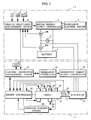
- the system arrangement of a hybrid vehicle to which an embodiment of the present invention is applied generally includes a vehicle propelling apparatus 1 and an electric energy generating apparatus 2.
- the vehicle propelling apparatus 1 comprises a battery 3, a propulsive electric motor 4 energizable by the battery 3, a motor energy supply controller 5 including an inverter circuit, etc., (not shown) for controlling the supply of electric energy between the battery 3 and the propulsive electric motor 4, a vehicle propulsion management device 6 for controlling the propulsive electric motor 4 through the motor energy supply controller 5 and recognizing the remaining capacity of the battery 3, an accelerator operation sensor 7 for detecting an accelerator operation A carried out by the driver of the hybrid vehicle, a brake switch 8 for detecting whether the driver has applied a braking action or not, a vehicle speed sensor 9 for detecting a vehicle speed V CAR , a current sensor 10a (battery current detecting means) for detecting a discharged current and a charged current (hereinafter referred to as a "battery current I B ”) of the battery 3, a current sensor 10b for detecting a current (hereinafter referred to as a "motor current I M ”) of the propulsive
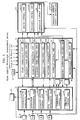
- the vehicle propulsion management device 6 comprises a microcomputer or the like, and is programmed to perform various functions which include, as shown in FIG. 2, a motor control unit 12 for controlling the propulsive electric motor 4 through the motor energy supply controller 5 based on detected signals from the accelerator operation sensor 7, the brake switch 8, and the vehicle speed sensor 9, a remaining capacity recognizing unit 13 (remaining capacity recognizing means) for recognizing the remaining capacity of the battery 3 based on detected signals from the current sensor 10a and the voltage sensor 11, a current/voltage characteristics detecting unit 14 (current/voltage characteristics detecting means) for detecting present current/voltage characteristics of the battery 3 based on detected signals from the current sensor 10a and the voltage sensor 11, and an effective maximum output calculating unit 15 (effective maximum output calculating means) for determining an effective maximum output that can be produced by the battery 3 at a predetermined minimum drive voltage from the present current/voltage characteristics of the battery 3 which are detected by the current/voltage characteristics detecting unit 14.
- a motor control unit 12 for controlling the propulsive electric motor 4
- the motor control unit 12 determines a target torque for the propulsive electric motor 4 according to a preset map or the like based on the accelerator operation A and the vehicle speed V CAR which are detected by the accelerator operation sensor 7 and the vehicle speed sensor 9, and imparts the determined target torque to the motor energy supply controller 5.
- the motor energy supply controller 5 controls the supply of electric energy from the battery 3 to the propulsive electric motor 4 with switching pulses in order to enable the propulsive electric motor 4 to produced the given target torque.
- the motor control unit 12 instructs the motor energy supply controller 5 to effect regenerative braking on the propulsive electric motor 4.
- the motor energy supply controller 5 supplies a regenerated current from the propulsive electric motor 4 to the battery 3, thereby charging the battery 3.
- the regenerated current from the propulsive electric motor 4 is detected by the current sensor 10b as a motor current I M that flows from the motor energy supply controller 5 to the battery 3.
- the remaining capacity recognizing unit 13 integrates the product of the battery current I B and the battery voltages V B , i.e. the electric energy, which are detected respectively by the current sensor 10 and the voltage sensor 11 at each sampling time for thereby determining discharged and charged amounts of electric energy of the battery 3, and subtracts the discharged amount of electric energy from and adds the charged amount of electric energy to the initial capacity of the battery 3 for thereby recognizing the remaining capacity C of the battery 3 from time to time.
- the current/voltage characteristics detecting unit 14 stores a plurality of sets of the battery current I B and the battery voltages V B detected at respective sampling times in a memory (not shown) within a predetermined period of time that is longer than the sampling times. Then, as shown in FIG. 4, the current/voltage characteristics detecting unit 14 determines a linear characteristic curve "a" representing the present current/voltage characteristics of the battery 3 from the stored sets of the battery current I B and the battery voltages V B according to the method of least squares or the like.
- the effective maximum output calculating unit 15 determines, from the linear characteristic curve "a", a current I1 at a minimum drive voltage V1 (see FIG. 4) required to drive the propulsive electric motor 4, i.e. a current I1 that is discharged by the battery 3 when the voltage across the battery 3 is the minimum drive voltage V1. Then, the effective maximum output calculating unit 15 determines the product V of the current I1 and the minimum drive voltage V1 as an effective maximum output P MAX which is indicated as a hatched area in FIG. 4. When the remaining capacity C of the battery 3 is reduced, the linear characteristic curve "a” moves downwardly as indicated by a hypothetical curve "a'" in FIG. 4. Therefore, the effective maximum output P MAX is reduced as the remaining capacity C of the battery 3 is lowered.
- the remaining capacity C of the battery 3, the effective maximum output P MAX the vehicle speed V CAR detected by the vehicle speed sensor 9, the accelerator operation A detected by the accelerator operation sensor 7, the braking signal BR from the brake switch 8, and the motor current I M detected by the current sensor 10b are supplied to an electric generation management device (described below) of the electric energy generating apparatus 2.
- Drive forces generated by the propulsive electric motor 4 are transmitted through a power transmitting system (not shown) to drive wheels of the hybrid vehicle, thereby propelling the hybrid device.
- the electric energy generating apparatus 2 comprises an internal combustion engine 16, an electric generator 17 which can be actuated by the engine 16, an engine controller 18 for controlling the engine 16 and auxiliary components (described later) combined therewith, a generator energy supply controller 19 including an inverter circuit (not shown), etc., for controlling the supply of electric energy between the battery 3 and the propulsive electric motor 4 or the generator 17, a generator controller 20 for controlling the generator 17 through the generator energy supply controller 19, an electric generation management device 21 for managing and controlling the electric energy generating apparatus 2 through the engine controller 18 and the generator controller 20, and an atmospheric pressure sensor 22 for detecting an atmospheric pressure AT P .
- the generator 17 has a rotor (not shown) coupled to the crankshaft (not shown) of the engine 16 so that the rotor will rotate at the same speed as the crankshaft.
- the engine 16 is combined with auxiliary components which include an exhaust gas sensor 23, an exhaust gas purifying catalyst 24, a temperature sensor 25 (temperature detecting means) for detecting a temperature T W of the engine 16, i.e. a coolant temperature, a load detector 26 (load detecting means) for detecting a load L on the engine 16, i.e. a load torque on the crankshaft of the engine 16, an engine speed sensor 27 for detecting a rotational speed of the engine 16, i.e. a rotational speed of the generator 17, a throttle actuator 28 for actuating a throttle valve (not shown) of the engine 16, a fuel supply device 29 for supplying fuel to the engine 16, and a canister purging system 30 for purging a canister (not shown) associated with the fuel supply device 29.
- auxiliary components which include an exhaust gas sensor 23, an exhaust gas purifying catalyst 24, a temperature sensor 25 (temperature detecting means) for detecting a temperature T W of the engine 16, i.e. a coolant temperature, a load detector 26 (load
- the exhaust gas purifying catalyst 24 comprises a catalyst which can be activated when it is heated by an electric current supplied thereto.
- the canister purging system 30 applies a canister purge request signal to the engine controller 18, through which the purge request signal is supplied to the electric generation management device 21.
- the canister is purged to lower the vapor pressure of a fuel gas that is stored in the canister for thereby improving the exhaust gas emission performance of the engine 16.
- the canister is purged when the engine 16 is temporarily in operation.
- the electric generation management device 21, the engine controller 18, and the generator controller 20 comprise a microcomputer or the like, and are programmed to perform various functions described below.
- the electric generation management device 21 comprises a start commanding unit 31 (start signal outputting means) for issuing a start signal to the engine controller 18 and the generator controller 20 to activate the electric energy generating apparatus 2, a cranking commanding unit 32 for cranking the engine 16 to start through the engine controller 18 and the generator controller 20, an ignition commanding unit 33 for igniting fuel in the engine 16 through the engine controller 18 when the engine 16 is cranked, a switching commanding unit 34 for switching the generator 17 from a motor mode in which it operates as a starter motor to crank the engine 16 to a generator mode in which the generator 17 operates as a generator, through the generator controller 20, a warm-up control unit 35 (warm-up control means) for controlling the engine 16 and the generator 17 to operate through the engine controller 18 and the generator controller 20 when the engine 16 is warming up after it has started, an electric generation control unit 36 (electric generation control means) for controlling electric generation by the engine 16 and the generator 17 through the engine controller 18 and the generator controller 20 after the engine 16 has been warmed up, and
- the start commanding unit 31 has a threshold value setting unit 31a (remaining-capacity threshold value setting means) for establishing a threshold value for the remaining capacity C of the battery 3 which determines the timing to start the electric energy generation apparatus 2.
- the cranking commanding unit 32 has a starting rotational speed setting unit 32a (starting rotational speed setting means) for establishing a starting rotational speed for the engine 16, i.e. a starting rotational speed for the generator 17, when the engine 16 is cranked.
- the electric generation management device 21 is supplied with various detected signals, including a detected signal indicative of the remaining capacity C of the battery 3 from the vehicle propulsion management device 6, and also a detected signal from the atmospheric pressure sensor 22.
- the electric generation management device 21 is further supplied with detected signals from the temperature sensor 25 and the engine speed sensor 27. Based on the supplied signals, the electric generation management device 21 manages and controls the electric energy generation apparatus 2 as described in detail later on.
- the engine controller 18 comprises a sensor/catalyst energizing unit 38 for energizing and activating the exhaust gas sensor 23 and the exhaust gas purifying catalyst 24 based on a start signal issued from the start commanding unit 31, an activation determining unit 39 (activation determining means) for determining whether the exhaust gas sensor 23 and the exhaust gas purifying catalyst 24 have been activated or not and imparting a determined signal to the electric generation management device 21, a starting ignition control unit 40 for controlling the ignition of fuel in the engine 16 upon start of the engine 16 through the fuel supply device 29 and an ignition device (not shown) based on an ignition command from the ignition commanding unit 33, a full-combustion determining unit 41 (full-combustion determining means) for determining whether the combustion of fuel in the engine 16 has reached a fully combusted state when the engine 16 is ignited, and imparting a determined signal to the electric generation management device 21, a combustion control unit 42 for controlling the combustion of fuel in the engine 16 through the fuel supply device 29 based on command signals from
- the engine controller 18 is supplied with command signals from the electric generation management device 21 and detected signals from the exhaust gas sensor 23, the temperature sensor 25, the load detector 26, and the engine speed sensor 27. Based on the supplied signals, the engine controller 18 controls the engine 16 as described in detail later on.
- the generator controller 20 comprises a motor control unit 44 for operating the generator 17 as a starter motor for the engine 16 through the generator energy supply controller 19 based on a command signal from the cranking commanding unit 32, a switching control unit 45 for switching the generator 17 from the motor mode to the generator mode through the generator energy supply controller 19 based on a command signal from the switching commanding unit 34, and a generator control unit 46 for controlling electric generation by the generator 17 through the generator energy supply controller 19 based on a command signal from the warm-up control unit 35 and the electric generation control unit 36.
- the generator controller 20 is supplied with a detected signal from the engine speed sensor 27 through the engine controller 18 as well as command signals from the electric generation management device 21. Based on the supplied signals, the generator controller 20 controls the generator 17 through the generator energy supply controller 19 as described in detail later on.
- the sensor/catalyst energizing unit 38 of the engine controller 18 serves as exhaust gas sensor activating means and catalyst activating means.
- the cranking commanding unit 32 of the electric generation management device 21 serves as engine start signal outputting means.
- the cranking commanding unit 32 of the electric generation management device 21, the motor control unit 44 of the generator controller 20, and the generator energy supply controller 19 jointly serve as cranking means 47.
- the ignition commanding unit 33 of the electric generation management device 21 and the starting ignition control unit 40 of the engine controller 18 jointly serve as engine control means 48.
- the switching commanding unit 34 of the electric generation management device 21, the switching control unit 45 of the generator controller 20, and the generator energy supply controller 19 jointly serve as generator operation switching means 49.
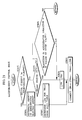
- the electric generation management device 21 carries out a routine shown in FIGS. 5 and 6 in every cycle time of 10 milliseconds, for example.
- the electric generation management device 21 first starts a 10-ms. timer in a STEP 1, and then the threshold value setting unit 31a establishes a threshold value C L for the remaining capacity C of the battery 3 in a STEP 2.
- the threshold value C L is used to determine whether the electric energy generating apparatus 2 is to be activated or not.
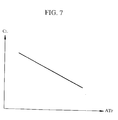
- the threshold value setting unit 31a establishes the threshold value C L according to a predetermined data table as shown in FIG. 7 depending on the present atmospheric pressure AT P detected by the atmospheric pressure sensor 22. As shown in FIG. 7, the threshold value C L is higher as the detected atmospheric pressure AT P is lower.
- the threshold value C L is set to 20 % of the full battery capacity which is 100 % when the battery 3 is fully charged. In a highland where the atmospheric pressure is lower than the atmospheric pressure in a plain geographic region, the threshold value C L is set to a value higher than 20 %, e.g. 40 % of the full battery capacity.
- the electric generation management device 21 After having established the threshold value C L , the electric generation management device 21 carries out decision STEPs 3 ⁇ 10, and activates the engine controller 18 depending on the results of the decision STEPs 3 ⁇ 10.
- the electric generation management device 21 determines whether an E.M.Flg (Energy Management Flag) is "1" or "0" in a STEP 3.
- the E.M.Flg indicates whether a electric energy generation control mode (described later on) has been carried out or not.
- the E.M.Flg is "1” if the electric energy generation control mode has been carried out, and "0” if the electric energy generation control mode has not been carried out. If the E.M.Flg is "1" in the STEP 3 (YES), then the electric energy generation control mode is continuously carried out.
- the electric generation management device 21 determines whether the canister is being purged or not in a STEP 4. If the canister is being purged (at this time, the engine 16 is controlled by the engine controller 18 under the command from the canister purging system 30), then electric generation management device 21 resets the E.M.Flg to "0" in a STEP 12, and thereafter suspends or inactivates the electric energy generating apparatus 2 in a STEP 13. Specifically in the STEP 13, the supply of electric energy from the generator 17 to the battery 3 and the propulsive electric motor 4 is stopped or suspended, but the engine 16 is controlled by the canister purging system 30.
- the electric generation management device 21 compares the present remaining capacity C of the battery 3 which is recognized by the remaining capacity recognizing unit 13 with the established threshold value C L in a STEP 5. If C ⁇ C L , i.e. if the remaining capacity C of the battery 3 is not substantially lowered, then the electric generation management device 21 compares the present effective maximum output P MAX of the battery 3 which is determined by the effective maximum output calculating unit 15 with a predetermined required maximum output P motor for the propulsive electric motor 4, i.e. a power output of the propulsive electric motor 4 which is required when the accelerator operation A is maximum, in a STEP 6.
- the start commanding unit 31 of the electric generation management device 21 applies start signals successively to the engine controller 18 and the generator controller 20 to activate them in STEPs 8, 8a, 9, 9a.
- the sensor/catalyst energizing unit 38 starts energizing and activating the exhaust gas sensor 23 and the exhaust gas purifying catalyst 24, and simultaneously the activation determining unit 39 starts determining whether the exhaust gas sensor 23 and the exhaust gas purifying catalyst 24 have been activated or not.
- the activation determining unit 39 determines whether the exhaust gas sensor 23 and the exhaust gas purifying catalyst 24 have been energized by the sensor/catalyst energizing unit 38 for respective periods of time in excess of preset periods of time, or the temperatures of the exhaust gas sensor 23 and the exhaust gas purifying catalyst 24 have exceeded respective preset temperatures.
- the activation determining unit 39 determines that both the exhaust gas sensor 23 and the exhaust gas purifying catalyst 24 have been activated, and outputs a signal indicative of their activation to the electric generation management device 21.
- the electric generation management device 21 After having activated the engine controller 18 and the generator controller 20, the electric generation management device 21 instructs the engine controller 18 to effect an initial control process for operating the engine 16 in STEPs 10, 10a. After the initial control process, the electric generation management device 21 determines whether the exhaust gas sensor 23 and the exhaust gas purifying catalyst 24 have been activated or not based on a signal from activation determining unit 39 in a STEP 11.
- the electric generation management device 21 determines whether there is a canister purge request signal from the canister purging system 30 or not in a STEP 7. If there is no canister purge request signal, then the electric energy generating apparatus 2 is suspended or inactivated in the STEPs 12, 13. If there is a canister purge request signal from the canister purging system 30 in the STEP 7 (YES), then the electric generation management device 21 activates the engine controller 18 for enabling the canister purging system 30 to purge the canister.
- the engine controller 18 and the generator controller 20 are activated by the start commanding unit 31 of the electric generation management device 21, and the exhaust gas sensor 23 and the exhaust gas purifying catalyst 24 are energized and activated by the sensor/catalyst energizing unit 38.
- the engine controller 18 is activated earlier in a highland where the atmospheric pressure AT P is relatively low than in a plain geographical region.
- the electric generation management device 21 determines whether the difference
- between a starting rotational speed N CR (cranking rotational speed N CR ) established by the starting rotational speed setting unit 32a for the engine 16 and a present rotational speed N ( a rotational speed of the generator 17) of the engine 16 detected by the engine speed sensor 27 is smaller than a predetermined value ⁇ N or not, i.e. if the present rotational speed N of the engine 16 substantially agrees with the starting rotational speed N CR or not, in a STEP 14 (see FIG. 6).
- cranking commanding unit 32 issues a cranking command to the generator controller 20 to crank the engine 16 in a STEP 15, and carries out a cranking control mode in which the engine 16 is cranked by the generator 17 as a starter motor in a STEP 16.
- cranking control mode in the STEP 16 is effected by the cranking commanding unit 32 as shown in FIG. 8.
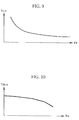
- the starting rotational speed setting unit 32a of the cranking commanding unit 32 determines a target starting rotational speed N CR from a data table shown in FIG. 9 based on a present engine temperature T W of the engine 16 which is detected by the temperature sensor 25, and determines a target throttle opening TH CR for the engine 16 from a data table shown in FIG. 10 in a STEP 1.
- the data tables shown in FIGS. 9 and 10 contain predetermined different target starting rotational speeds N CR and predetermined different target throttle openings TH CR , respectively, corresponding to various engine temperatures T W of the engine 16 for better exhaust gas characteristics of the engine 16.
- the cranking commanding unit 32 outputs the determined target starting rotational speed N CR and the determined target throttle opening TH CR respectively to the generator controller 20 and the engine controller 18 in respective STEPs 2, 3.
- the generator energy supply controller 19 adjusts the duty cycle of switching pulses for controlling the electric energy supplied from the battery 3 to the generator 17. In this manner, the electric energy supplied from the battery 3 to the generator 17 which operates as an electric motor is controlled by a feedback loop until the rotational speed N of the generator 17 agrees with the target starting rotational speed N CR .
- the throttle control unit 43 of the engine controller 18 controls the throttle opening of the engine 16 through the throttle actuator 28 until the throttle opening of the engine 16 agrees with the target throttle opening TH CR .
- the electric generation management device 21 determines whether the combustion of fuel in the engine 16 has reached a fully combusted state or not based on a signal issued from the full-combustion determining unit 41 in a STEP 17. If not, the electric generation management device 21 imparts an ignition command to the engine controller 18 to ignite fuel in the engine 16 in a STEP 18.
- the starting ignition control unit 40 controls the fuel supply unit 29 to start supplying fuel to the engine 16, and also controls the non-illustrated ignition device to ignite fuel in the engine 16, starting to combust fuel in the engine 16.
- the starting ignition control unit 40 controls the fuel supply unit 29 to supply fuel to the engine 16 while monitoring exhaust gases from the engine 16 with the exhaust gas sensor 23 so that any undesirable exhaust emissions will be minimized.
- the engine 16 is continuously cranked when the engine 16 is thus ignited and started.
- the electric generation management device 21 determines, as described above with respect to the STEP 17, whether the combustion of fuel in the engine 16 has reached a fully combusted state or not based on a signal issued from the full-combustion determining unit 41.
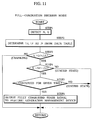
- the full-combustion determining unit 41 detects a rotational speed N and an engine load L of the engine 16 respectively with the engine speed sensor 27 and the load detector 26 in a STEP 1, and then determines an engine load L C at the detected rotational speed N when the engine 16 is cranked and an engine load L F when fuel starts being combusted in the engine 16, i.e. when fuel is in an ignited state to start the engine 16, from a data table shown in FIG. 12, in a STEP 2.
- the data table shown in FIG. 12 contains various different engine loads L C , L F experimentally determined at various rotational speeds N of the engine 16.
- the corresponding engine load L F when fuel is in the ignited state in the engine 16 is larger than the corresponding engine load L C when the engine 16 is cranked.
- the load on the engine 16 is smaller than the engine load L F and larger than the engine load L C at any of the rotational speeds N.
- the full-combustion determining unit 41 determines whether the present detected engine load L is greater than the engine load L C upon cranking by a predetermined value ⁇ L (see FIG. 12) or not in a STEP 3. If L ⁇ L C + ⁇ L, i.e. if the present engine load L is close to the engine load L C upon cranking, then the full-combustion determining unit 41 determines that the engine 16 is being cranked.
- full-combustion determining unit 41 determines whether the engine load L is smaller than the engine load L F upon start of fuel combustion (upon fuel ignition) by the predetermined value ⁇ L or not in a STEP 4. If L ⁇ L F - ⁇ L, i.e. if the present engine load L is close to the engine load L F upon start of fuel combustion, then the full-combustion determining unit 41 determines that the fuel combustion in the engine 16 is in an ignited state in which the fuel combustion is unstable.
- the fuel combustion in the engine 16 is basically considered to be in a fully combusted state.
- the engine load L may temporarily be in the-condition: L ⁇ L F - ⁇ L because the fuel combustion is unstable. Therefore, the full-combustion determining unit 41 determines whether the engine load condition: L F - ⁇ L ⁇ L ⁇ L C + ⁇ L has continued for a predetermined period of time or not in a STEP 5.
- the full-combustion determining unit 41 issues a signal indicating that the engine load condition: L F - ⁇ L ⁇ L ⁇ L C + ⁇ L has continued for the predetermined period of time to the electric generation management device 21 in a step 6. If the engine load condition: L F - ⁇ L ⁇ L ⁇ L C + ⁇ L has not continued for the predetermined period of time, then the full-combustion determining unit 41 determines that the fuel combustion in the engine 16 is still in an ignited state.
- the full-combustion decision mode thus carried out as described above with reference to FIG. 11 allows the electric generation management device 21 to determine reliably that the fuel combustion in the engine 16 is in a fully combusted state.
- the electric generation management device 21 determines whether the generator 17 is switched from the motor mode to the generator mode based on a response signal from the generator controller 20 in a STEP 19 in FIG. 6. If not, the switching commanding unit 34 instructs the generator controller 20 to switch the generator 17 from the motor mode to the generator mode in a STEP 20.
- the switching control unit 45 of the generator controller 20 now switches the generator 17 from the motor mode to the generator mode in a generator switching control mode shown in FIG. 13.
- the switching control unit 45 detects a present rotational speed N of the generator 17 with the engine speed sensor 27 in a STEP 1. Then, the switching control unit 45 determines, according to a given formula, a command value I OUT M for a motor current necessary to bring the present rotational speed N of the generator 17 into agreement with the target starting rotational speed N CR given from the starting rotational speed setting unit 32a when the generator 17 operates as an electric motor, in a STEP 2.
- the switching control unit 45 determines, according to a given formula, a command value I OUT G for a generator current necessary to bring the present rotational speed N of the generator 17 into agreement with the presently given target starting rotational speed N CR when the generator 17 operates as a generator, in a STEP 3.
- the switching control unit 45 compares the detected rotational speed N and the target starting rotational speed N CR in a STEP 4. If N ⁇ N CR , i.e. if the rotational speed N is slightly higher than the target starting rotational speed N CR , then the switching control unit 45 outputs the command value I OUT M determined in the STEP 2 to the generator energy supply controller 19 in a STEP 5. The generator energy supply controller 19 now adjusts the duty cycle of switching pulses according to the command value I OUT M for thereby reducing the rotational speed of the generator 17 so as to be lower than the target starting rotational speed N CR .
- N ⁇ N CR in the STEP 4 i.e. if the rotational speed N is slightly lower than the target starting rotational speed N CR , then the switching control unit 45 reduces a command value I OUT M X , which is presently given to the generator energy supply controller 19 to operate the generator 17 as an electric motor, stepwise by a predetermined value ⁇ I M until the command value I OUT M X will finally becomes "0" (I OUT M X ⁇ I OUT M X - ⁇ I M ), and outputs the new command value I OUT M X to the generator energy supply controller 19 in STEPs 6 ⁇ 8.
- the generator energy supply controller 19 gradually reduces the amount of electric energy which is being supplied from the battery 3 to the generator 17 to operate the generator 17 as an electric motor.
- the switching control unit 45 increases a command value I OUT G X , which is given to operate the generator 17 as a generator, stepwise from an initial value I OUT G INT by a predetermined value ⁇ I G until the command value I OUT G X will finally reach the command value I OUT G determined in the STEP 3 (I OUT G X ⁇ I OUT G X + ⁇ I G ), and outputs the new command value I OUT G X to the generator energy supply controller 19 in STEPs 9 ⁇ 13.
- the generator energy supply controller 19 gradually increases the amount of electric energy generated by the generator 17, which has started to generate electric energy.
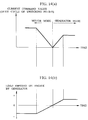
- the current command value applied to the generator energy supply controller 19 varies as shown in FIG. 14(a).
- the load imposed on the engine 16 by the generator 17 does not sharply vary, but gradually varies from a condition in which the engine 16 is actuated by the generator 17 operating as an electric motor to a condition in which the engine 16 actuates the generator 17 to cause the generator 17 to generate electric energy, as shown in FIG. 14(b). Therefore, because the load on the engine 16 is not subject to sharp changes upon switching from the former condition to the latter condition, the engine 16 operates stably and does not produce unwanted vibrations. Since the engine 16 operates stably, the fuel combustion in the engine 16 is prevented from becoming unstable, and the engine 16 is prevented from emitting undesirable toxic exhaust gases.
- the electric generation management device 21 After the generator switching control mode, the electric generation management device 21 carries out a warm-up control mode for warming up the engine 16 and generating electric energy with the generator 17 in a STEP 21 in FIG. 6.
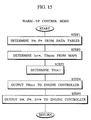
- the warm-up control unit 35 of the electric generation management device 21 operates in an operation sequence shown in FIG. 15.
- the warm-up control unit 35 first determines, in a STEP 1, a target warm-up rotational speed N W for the engine 16 and a target generated output P W for the generator 17 from respective data tables shown in FIGS. 16 and 17 based on the temperature T W of the engine 16 which is presently detected by the temperature sensor 25.
- the data tables shown in FIGS. 16 and 17 are established in order to suppress unwanted exhaust emissions from the engine 16 while operating the engine 16 under an adequate load, i.e. a generated output from the generator 17, depending on the engine temperature T W , and to increase the generation efficiency of the generator 17 as much as possible.
- the warm-up control unit 35 determines, in a STEP 2, a target reference current I UVW for the generator 17 and a target reference throttle opening TH BASE for the engine 16 from predetermined maps based on the target warm-up rotational speed N W and the target generated output P W which have been determined in the STEP 1.
- the warm-up control unit 35 determines a command value TH OUT for the throttle opening of the engine 16 from the target reference throttle opening TH BASE according to a predetermined formula in a STEP 3.
- the warm-up control unit 35 outputs the determined throttle opening command value TH OUT to the engine controller 18 in a STEP 4.
- the engine controller 18 now controls the throttle control unit 43 to control the throttle opening of the engine 16 through the throttle actuator 28 according to the given command value TH OUT .
- the warm-up control unit 35 then outputs target warm-up rotational speed N W , the target generated output P W , and the target reference current I UVW to the generator controller 20 in a STEP 5.
- the generator control unit 46 of the generator controller 20 corrects the target reference current I UVW depending on the difference between the present rotational speed N of the generator 17 and the target warm-up rotational speed N W and the difference between the present generated output of the generator 17 and the target generated output P W according to a predetermined formula, thereby to determine a command value I OUT for the generator current for equalizing the rotational speed of the generator 17 and the generated electric energy from the generator 17 to respective target values, and outputs the command value I OUT to the generator energy supply controller 19.
- the generator energy supply controller 19 adjusts the duty cycle of switching pulses according to the given command value I OUT , thereby controlling the amount of electric energy generated by the generator 17.
- the rotational speed N of the engine 16 and the generator 17 is controlled so as to be equal to the target warm-up rotational speed N W
- the generated output of the generator 17 is controlled so as to be equal to the target generated output P W .
- the engine 10 is thus warmed up with low unwanted exhaust emissions, and the generator 17 is actuated by the engine 16 to generate electric energy.
- the electric energy generated by the generator 17 is supplied to the battery 3 to charge the battery 3 and also to the propulsive electric motor 4 to propel the hybrid vehicle.
- the combustion control unit 42 of the engine controller 18 supplies fuel to the engine 16 to warm up the engine 16 in a manner to reduce unwanted exhaust emissions while monitoring exhaust gases with the exhaust gas sensor 23.
- the regeneration control unit 37 of the electric generation management device 21 carries out a regeneration control mode which corrects the throttle opening command value TH OUT that is determined from time to time by the warm-up control unit 35, in a STEP 25 shown in FIG. 6. Such a regeneration control mode will be described later on.
- the outputting of the command value I OUT for the generator current from the generator controller 20 to the generator energy supply controller 19 is delayed from the outputting of the throttle opening command value TH OUT from the electric generation management device 21 to the engine controller 18. Such output delaying will also be described later on.
- the electric generation management device 21 determines, from time to time, whether the warming-up of the engine 16 is finished or not, for example, based on the engine temperature T W detected by the temperature sensor 25, in a STEP 22.
- the electric generation management device 21 sets the E.M.Flg to "1" in a STEP 23, and carries out an electric generation control mode in a STEP 24.
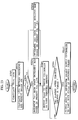
- the electric generation control mode is carried out by the electric generation control unit 36 of the electric generation management device 21 as shown in FIG. 18.
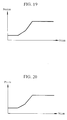
- the electric generation control unit 36 determines a target reference rotational speed N BASE for the engine 16 and the generator 17 and a target reference generated output P BASE for the generator 17 from respective predetermined data tables shown in FIGS. 19 and 20 based on the vehicle speed V CAR supplied from the vehicle propulsion management device 6, in a STEP 1.
- the data tables shown in FIGS. 19 and 20 are determined such that as the vehicle speed V CAR is higher, i.e. as the amount of electric energy required by the propulsive electric motor 4 is greater, the amount of electric energy generated by the generator 17 is greater.
- the electric generation control unit 36 corrects the target reference rotational speed N BASE depending on the difference with the present rotational speed N, thereby determining a target rotational speed N TR for the engine 16 and the generator 17, and also corrects the target reference generated output P BASE depending on the difference with the present generated output, thereby determining a target generated output P TR , in a STEP 2.
- the electric generation control unit 36 checks if the target rotational speed N TR and the target generated output P TR fall respectively in an allowable speed range of the engine 16 and the generator 17 and an allowable generated output range of the generator 17 in a STEP 3. Thereafter, the electric generation control unit 36 determines a target reference current I UVW for the generator 17 and a target reference throttle opening TH BASE for the engine 16 from predetermined maps in the same manner as with the warm-up control mode, in a STEP 4.
- the electric generation control unit 36 corrects the target reference throttle opening TH BASE according to a predetermined formula depending on the difference between the target rotational speed N TR and the present rotational speed N and the difference between the target generated output P TR and the present generated output, thus determining a command value TH OUT for the throttle opening which will equalize the rotational speed and the generated output to respective target values, in a STEP 5.
- the electric generation control unit 36 then outputs the command value TH OUT to the engine controller 18 in a STEP 6.
- the engine controller 18 now controls the throttle control unit 43 to control the throttle opening of the engine 16 through the throttle actuator 28 according to the given command value TH OUT .
- the electric generation control unit 36 outputs the target rotational speed N TR , the target generated output P TR , and the target reference current I UVW to the generator controller 20 in a STEP 7.
- the generator control unit 46 of the generator controller 20 corrects the target reference current I UVW depending on the difference between the target rotational speed N TR and the present rotational speed N and the difference between the target generated output P TR and the present generated output according to a predetermined formula, thereby to determine a command value I OUT for the generator current.
- the electric generation control unit 36 controls the generator energy supply controller 19 to control the amount of electric energy generated by the generator 17 according to the given command value I OUT .
- the rotational speed N of the engine 16 and the generator 17 is controlled so as to be equal to the target rotational speed N TR
- the generated output of the generator 17 is controlled so as to be equal to the target generated output P TR .
- the generation of electric energy is thus effected adequately by the generator 17 depending on conditions in which the hybrid vehicle runs.
- the electric energy generated by the generator 17 is supplied to the battery 3 to charge the battery 3 and also to the propulsive electric motor 4 to propel the hybrid vehicle.
- the amount of electric energy generated by the generator 17 is greater as the amount of electric energy required by the propulsive electric motor 4 is greater, the amount of electric energy supplied from the battery 3 to the propulsive electric motor 4 may be smaller when the amount of electric energy required by the propulsive electric motor 4 is greater, and any reduction in the capacity of the battery 3 is minimized.
- the combustion control unit 42 of the engine controller 18 supplies fuel to the engine 16 to warm up the engine 16 in a manner to reduce unwanted exhaust emissions while monitoring exhaust gases with the exhaust gas sensor 23.
- the regeneration control unit 37 of the electric generation management device 21 carries out a regeneration control mode which corrects the throttle opening command value TH OUT that is determined by the electric generation control unit 36 or the warm-up control unit 35 of the electric generation management device 21.
- the regeneration control mode is carried out as shown in FIG. 21.
- the regeneration control unit 37 determines from time to time whether the motor current I M supplied from the current sensor 10b through the vehicle propulsion management device 6 is a current flowing from the battery 3 to the propulsive electric motor 4 or a regenerated current flowing from the propulsive electric motor 4 to the battery 3, based on the direction of the motor current I M in a STEP 1.
- the regeneration control unit 37 determines whether the hybrid vehicle has been braked or not based on a braking signal from the brake switch 8 in a STEP 2 and also determines whether a reduction with time in the accelerator operation A from the accelerator operation sensor 7 has exceeded a predetermined value or not in a STEP 3.
- the regeneration control unit 37 determines a corrective value ⁇ TH for the throttle opening command value TH OUT as a predetermined value ⁇ TH O in a STEP 4. The regeneration control unit 37 then subtracts the determined corrective value ⁇ TH from the throttle opening command value TH OUT which is determined by the electric generation control unit 36 or the warm-up control unit 35 as described above, thereby correcting the throttle opening command value TH OUT in a STEP 5.
- the electric generation control unit 36 or the warm-up control unit 35 outputs the corrected command value TH OUT to the engine controller 81.
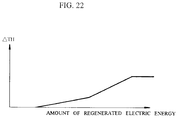
- the regeneration control unit 37 determines an amount of regenerated electric energy according to a predetermined formula from the regenerated current I M and a voltage V B detected by the voltage sensor 11 in a STEP 6. Based on the magnitude of the determined amount of regenerated electric energy, the regeneration control unit 37 determines a corrective value ⁇ TH for the throttle opening command value TH OUT from a predetermined data table shown in FIG. 22 in a STEP 7. Basically, the corrective value ⁇ TH is greater as the amount of regenerated electric energy is greater.
- the regeneration control unit 37 subtracts the determined corrective value ⁇ TH from the throttle opening command value TH OUT which is determined by the electric generation control unit 36 or the warm-up control unit 35 as described above, thereby correcting the throttle opening command value TH OUT in the STEP 5.
- the throttle opening command value TH OUT is corrected for the following reasons:
- the propulsive electric motor 4 When the propulsive electric motor 4 is operating as an electric motor, the electric load on the generator 17 is imposed by both the battery 3 and the propulsive electric motor 4.
- the propulsive electric motor 4 When the propulsive electric motor 4 is subjected to regenerative braking, no electric energy is supplied to the propulsive electric motor 4, and the electric load on the generator 17 is imposed by only the battery 3, and hence is greatly reduced.
- the load on the engine 16 which actuates the generator 17 is also greatly reduced. Consequently, the engine 16 tends to race easily.
- the engine 16 races the engine 16 discharges undesirable exhaust emissions and unduly vibrates. This condition can be avoided by correcting the throttle opening in a manner to decrease when regenerative braking is about to be effected or being effected on the propulsive electric motor 4.
- the generator current command value I OUT which is determined from time to time by the generator controller 20 under the command of the electric generation control unit 36 or the warm-up control unit 35 is output to the generator energy supply controller 19 at a time slightly after the time at which the throttle opening command value TH OUT (which may be corrected by the regeneration control unit 37) determined from time to time by the electric generation control unit 36 or the warm-up control unit 35 concurrent with the calculation of the generator current command value I OUT is output to the engine controller 18.
- the electric generation control unit 36 and the generator control unit 46 simultaneously determine a command value TH OUT for the throttle opening and a command value I OUT G for the generator current, respectively, in a STEP 1, and thereafter the electric generation management device 21 determines a difference ⁇ N TR between the target rotational speed N TR for the generator 17 which has been given to the generator controller 20 in a preceding cycle time and the target rotational speed N TR for the generator 17 which has been given to the generator controller 20 in a present cycle time in a STEP 2.
- the electric generation management device 21 determines whether the rotational speed of the engine 16 is increased or reduced depending on whether the difference ⁇ N TR is positive or negative in a STEP 3. If ⁇ N TR > 0, then the electric generation management device 21 determines a delay time T DLY for the time to output the generator current command value I OUT G from a predetermined speed increasing map based on the present rotational speed N detected by the engine speed sensor 27 and the difference ⁇ N TR in a STEP 4a. If ⁇ N TR ⁇ 0, then the electric generation management device 21 determines a delay time T DLY for the time to output the generator current command value I OUT G from a predetermined speed reducing map based on the present rotational speed N and the difference ⁇ N TR in a STEP 4b. Basically, the delay time T DLY increases as the difference ⁇ N TR is greater.
- the electric generation management device 21 outputs the throttle opening command value TH OUT from the electric generation control unit 36 to the engine controller 18, varying the throttle opening of the engine 16 in a STEP 5.
- the electric generation management device 21 determines whether the delay time T DLY has elapsed or not in a STEP 6. If the delay time T DLY has elapsed, then the electric generation management device 21 controls the generator controller 20 to output the generator current command value I OUT G to the generator energy supply controller 19, varying the duty cycle of switching pulses which control the amount of electric energy generated by the generator 17 in a STEP 7.
- the time to output the generator current command value I OUT G is delayed for the reasons described below.
- the engine 16 tends to suffer a delay in varying the amount of intake air when a command is given to vary the throttle opening. Therefore, when the current of the generator 17 and the throttle opening of the engine 16 are simultaneously controlled, even though the current of the generator 17 can be controlled immediately, the engine 16 suffers a delay until it produces drive forces demanded by the varied throttle opening. Therefore, the engine 16 undergoes load variations before the drive forces generated by the engine 16 vary, and tends to operate unstably. When the engine 16 operates unstably, the engine 16 discharges undesirable exhaust emissions and unduly vibrates.
- the time of the delay generally differs depending on the rotational speed of the engine 16, a variation in the rotational speed thereof, or the direction in which the rotational speed thereof varies, i.e. whether the rotational speed thereof increases or decreases.
- the time to output the generator current command value I OUT G is delayed for the delay time T DLY depending on the target rotational speed N TR for the engine 16, the difference ⁇ N TR , and whether the difference ⁇ N TR is positive or negative, i.e. whether the rotational speed is increased or reduced.
- the time to output the generator current command value I OUT G is delayed for the delay time T DLY , the current control for the generator 17 and the drive force control for the engine 16 are synchronized with each other thereby to operate the engine 16 stably. As a consequence, the engine 16 is prevented from discharging undesirable exhaust emissions and unduly vibrating.
- the above operation sequence is repeated in each of the cycle times. Specifically, if the remaining capacity C of the battery 3 is reduced (C ⁇ C L ) or the battery 3 is unable to output the amount of electric energy required to propel the hybrid vehicle (P MAX ⁇ P motor ) while the vehicle propelling apparatus 1 is in operation such as when the hybrid vehicle is running, then except when the canister is being purged, the engine 16 is started by the generator 17 acting as a starter motor. After the engine 16 has been warmed up, the generator 17 generates electric energy depending on conditions in which the hybrid vehicle runs, and the generated electric energy is supplied to the battery 3 and the propulsive electric motor 4.
- the hybrid vehicle When the hybrid vehicle is running on a highland, for example, since air supplied to the engine 16 for burning fuel therein is thinner than in plain geographical regions, drive forces produced by the engine 16 are smaller than in plain geographical regions, and hence the amount of electric energy generated by the generator 17 is reduced, allowing the battery 3 to be discharged quickly.
- the threshold value C L for determining the time to activate the electric energy generating apparatus 2 is greater as the atmospheric pressure is lower, the battery 3 and the propulsive electric motor 4 start being supplied with electric energy from the generator 17 at an early stage where the capacity of the battery 3 is relatively large. Therefore, since it takes time until the capacity of the battery 3 is lowered to a level where the battery 3 needs to be charged, the hybrid vehicle can travel a sufficiently long range on the highland in the same manner as when it runs in plain geographical regions.
- the electric energy generating apparatus 2 begins to generate electric energy. Consequently, the running performance of the hybrid vehicle is sufficiently maintained.
- the electric energy generating apparatus 2 is activated at an appropriate time determined in view of the condition of the battery 3 and the running performance of the hybrid vehicle, for supplying electric energy to the battery 3 and the propulsive electric motor 4.
- the engine 16 When the engine 16 is started, it tends to produce unwanted exhaust emissions and undue vibrations.
- the engine 16 because the engine 16 is started under adequate conditions as described above, the engine 16 has exhaust gas properties and vibration characteristics optimized for environmental protection.
- the electric energy generating apparatus 2 may be activated only when the rate of change with time of the remaining capacity C sharply decreases beyond a given value due to a sharp increase in the accelerator operation A. Specifically, when the remaining capacity C of the battery 3 is of a relatively low level, if the accelerator operation A is sharply increased, then the remaining capacity C of the battery 3 is sharply reduced, and no sufficient electric energy is supplied from the battery 3 to the propulsive electric motor 4, with the result that the hybrid vehicle may not be able to meet certain required demands for running performance, e.g. may not be able to accelerate quickly.
- the electric energy generating apparatus 2 may be activated to avoid the above shortcoming.
- a STEP (not shown) is added between the STEPs 5, 6 shown in FIG. 5 for comparing the rate of reduction with time in the remaining capacity C of the battery 3 with a predetermined value. If the rate of reduction with time in the remaining capacity C of the battery 3 exceeds the predetermined value, i.e. if the remaining capacity C of the battery 3 sharply decreases, control goes from the non-illustrated STEP to the STEP 8 in FIG. 5, as if from the STEP 5 (YES) to the STEP 8. If the rate of reduction with time in the remaining capacity C of the battery 3 is equal to or lower than the predetermined value, then control goes to the STEP 6.
- the starting rotational speed N CR of the engine 16 is established depending on the engine temperature T W in the above embodiment, the starting rotational speed N CR may be established depending on the intake temperature of the engine 16.
- a temperature sensor (not shown) for detecting the intake temperature of the engine 16 is added to the hybrid vehicle, and a starting rotational speed N CR is established according to a predetermined data table, similar to the data table shown in FIG. 9, for example, based on the intake temperature detected by the added temperature sensor.
Landscapes
- Engineering & Computer Science (AREA)
- Transportation (AREA)
- Mechanical Engineering (AREA)
- Chemical & Material Sciences (AREA)
- Combustion & Propulsion (AREA)
- Power Engineering (AREA)
- Life Sciences & Earth Sciences (AREA)
- Sustainable Development (AREA)
- Sustainable Energy (AREA)
- Automation & Control Theory (AREA)
- Hybrid Electric Vehicles (AREA)
- Electric Propulsion And Braking For Vehicles (AREA)
- Control Of Vehicle Engines Or Engines For Specific Uses (AREA)
- Exhaust Gas After Treatment (AREA)
- Combined Controls Of Internal Combustion Engines (AREA)
- Charge And Discharge Circuits For Batteries Or The Like (AREA)
- Control Of Eletrric Generators (AREA)
- Electrical Control Of Air Or Fuel Supplied To Internal-Combustion Engine (AREA)
Abstract
Description
- The present invention relates to an electric generation control system for use on a hybrid vehicle having a propulsive electric motor energizable by a battery and an electric generator actuated by an internal combustion engine for energizing the propulsive electric motor.
- Growing concern in recent years over environmental protection has led to various efforts to develop for practical applications electric vehicles which have a propulsive electric motor energizable by a battery to transmit drive forces to drive wheels for propelling the electric vehicle. One of the important requirements for such electric vehicles to satisfy is that the range which they can travel without recharging the battery be maximized and the discharging of the battery be minimized for increased battery service life.
- One solution disclosed in Japanese laid-open patent publication No. 4-29504 is a hybrid vehicle carrying an electric energy generating apparatus having an electric generator and an internal combustion engine for actuating the electric generator. Electric energy generated by the electric generator is supplied to charge a battery or to energize a propulsive electric motor.
- While the disclosed hybrid vehicle is running, the battery energizes the electric generator to operate as an electric motor in a motor mode to start the engine. After the engine has been started, the electric generator is switched from the motor mode to a generator mode in which it is actuated by the engine to generate electric energy, which is supplied to the battery or the propulsive electric motor.
- Hybrid vehicles of the type described above are also required to meet demands for environmental protection. However, while the electric generator is being actuated by the engine, the engine emits exhaust gases into the atmosphere. Although toxic emissions harmful to the environments can be reduced from the exhaust gases with a system composed of an exhaust gas sensor, an exhaust gas purifying catalyst, etc.,during stable operation of the engine, undesirable harmful emissions tend to be discharged from the engine especially when the engine is started because the fuel combustion in the engine is unstable at the engine start.
- Another problem is that when the electric generator is switched from the motor mode to the generator mode, the engine is subjected to load variations. If the load variations are large, then the operation of the engine becomes unstable, causing the engine to vibrate undesirably or emit unwanted harmful exhaust gases.
- To supply the generated power from the electric generator to the battery and the propulsive electric motor for extending the range that the vehicle can travel while maintaining necessary vehicle performance factors, the electric generator should preferably be operated frequently.
- However, such frequent operation of the electric generator is not desirable from the standpoints of environmental protection and battery life as it requires simultaneous frequent operation of the engine.
- For the above reasons, it has been desired to control the hybrid vehicle by starting the electric energy generating apparatus with accurate timing in view of the conditions of the battery and the vehicle driving performance factors, and also by starting the engine and switching between the generator modes under suitable operating conditions in view of the exhaust gas properties and vibration characteristics of the engine.
- It is therefore an object of the present invention to provide an electric generation control system for use on a hybrid vehicle which is capable of starting an electric energy generating apparatus on the hybrid vehicle with accurate timing under suitable operating conditions for thereby sufficiently optimizing the exhaust gas properties and vibration characteristics of an engine on the hybrid vehicle for environmental protection and also for increasing the range that the hybrid vehicle can travel and the service life of a battery on the hybrid vehicle.
- To accomplish the above object, there is provided in accordance with the present invention an electric generation control system for use on a hybrid vehicle having a vehicle propelling apparatus including a battery and a propulsive electric motor energizable by the battery, and an electric energy generating apparatus including an engine and a generator actuatable by the engine, the generator being operable in a motor mode in which the generator is energized by the battery to operate as a starter motor for starting the engine while the vehicle propelling apparatus is in operation, and a generator mode in which after the engine is started, the generator is actuated by the engine to generate electric energy to be supplied to the battery and/or the propulsive electric motor, the electric generation control system comprising remaining capacity recognizing means for recognizing a remaining capacity of the battery, start signal outputting means for issuing a start signal to activate the electric energy generating apparatus when the remaining capacity of the battery as recognized by the remaining capacity recognizing means is either lower than a predetermined threshold value or sharply reduced, an exhaust gas sensor associated with the engine for detecting exhaust gases emitted from the engine, exhaust gas sensor activating means for energizing and activating the exhaust gas sensor based on the start signal, exhaust gas sensor activation determining means for determining whether the exhaust gas sensor has been activated or not after the exhaust gas sensor has started being energized, engine start signal outputting means for outputting a start signal to start the engine based on a signal from the exhaust gas sensor activation determining means, which indicates that the exhaust gas sensor has been activated, cranking means for energizing the generator with the battery to operate the generator as the starter motor in the motor mode based on the start signal, and controlling the generator to equalize a rotational speed of the engine actuated by the generator to a predetermined starting rotational speed, engine control means for starting to supply fuel to the engine when the rotational speed of the engine reaches the predetermined starting rotational speed, and starting to combust the fuel in the engine while monitoring exhaust gases from the engine with the exhaust gas sensor, full-combustion determining means for determining whether combustion of the fuel in the engine has reached a fully combusted state representing stable fuel combustion in the engine, and generator operation switching means for switching operation of the generator from the motor mode to the generator mode based on a signal, which indicates that combustion of the fuel in the engine has reached the fully combusted state, from the full-combustion determining means.
- With the above arrangement, when the remaining capacity of the battery which is recognized by the remaining capacity recognizing means is either lower than the predetermined threshold value or sharply reduced, so that the electric energy from the battery alone is not enough to energize the propulsive electric motor for propelling the hybrid vehicle with sufficient drive forces, the start signal outputting means outputs a start signal to activate the electric energy generating apparatus. Based on the supplied signal, the electric energy generating apparatus is activated to generate electric energy which is supplied to the battery and the propulsive electric motor. Therefore, it is possible to operate the electric energy generating apparatus at an adequate time depending on the conditions of the battery.
- To activate the electric energy generating apparatus, the exhaust gas sensor activating means energizes the exhaust gas sensor to activate the same, and when the exhaust gas sensor is activated, the cranking means actuates the generator as a starter motor for thereby cranking the engine. When the rotational speed of the engine that is cranked reaches the starting rotational speed, the engine control means starts combusting fuel in the engine. The fuel combustion in the engine begins when the engine is cranked at the starting rotational speed at which the engine discharges exhaust gases with good properties and when the exhaust gas sensor is activated. Consequently, the fuel in the engine is combusted smoothly while the discharged exhaust gases are keeping good properties.
- When the fuel combustion in the engine reaches a fully combusted state and becomes stable, the generator operation switching means switches operation of the generator from the motor mode to the generator mode. Since the generator switches its operation while the fuel combustion in the engine is in the fully combusted state, the engine is prevented from operating unstably and hence smoothly actuates the generator.
- According to present invention, therefore, the electric energy generating apparatus is started at an adequate time depending on the conditions of the battery. The engine has exhaust gas properties and vibration characteristics optimized for environmental protection, and the range which the hybrid vehicle can travel without recharging the battery can be maximized and the service life of the battery can be increased.
- The starting rotational speed of the engine at which the fuel combustion is optimum is affected by the engine temperature or intake temperature of the engine. Consequently, if the starting rotational speed is selected depending on the engine temperature or intake temperature of the engine, the fuel combustion is made reliably optimum for sufficiently minimizing unwanted exhaust emissions.
- For smoothly switching operation of the generator between the motor and generator modes, it is preferable to reliably determine the fully combusted state of the fuel combustion in the engine. In this respect, it has been found that the load on the engine when the fuel combustion is in the fully combusted state is greater than when the engine is cranked by the cranking means and smaller than when the engine starts combusting fuel. The electric generation control system further preferably includes load detecting means for detecting a load on the engine, and the full-combustion determining means comprises means for determining that combustion of the fuel in the engine has reached the fully combusted state when the load on the engine is detected by the load detecting means as falling in a predetermined range between a predetermined engine load to be imposed when the engine is cranked by the generator as the starter motor in the motor mode and a predetermined engine load to be imposed when the engine starts to combust the fuel.
- In addition, the full-combustion determining means preferably comprises means for determining that combustion of the fuel in the engine has reached the fully combusted state when the load on the engine is detected by the load detecting means as falling in the predetermined range continuously for a predetermined period of time. Since the engine load to be imposed when the engine is cranked and the engine load to be imposed when the engine starts to combust the fuel vary depending on the rotational speed of the engine, these engine loads are preferably established in advance depending on the rotational speed of the engine.
- In this manner, the fully combusted state of the fuel in the engine can be determined highly reliably. Therefore, the generator is switched between the motor and generator modes when the combustion of the fuel in the engine has reached the fully combusted state. When the generator is switched between the motor and generator modes, the engine is prevented from operating unstably and from discharging undesirable exhaust emissions.
- The electric generation control system preferably further includes an exhaust gas purifying catalyst energizable for activation for purifying the exhaust gases from the engine. The engine is cranked and fuel starts being combusted in the engine when both the exhaust gas purifying catalyst and the exhaust gas sensor are activated. With this arrangement, a process of controlling operation of the engine while monitoring an output signal from the exhaust gas sensor and a process of purifying exhaust gases with the exhaust gas purifying catalyst are reliably carried out from the start of the engine, so that the engine has reliably improved exhaust emission performance. An activated state of the exhaust gas purifying catalyst is determined when the exhaust gas purifying catalyst has been energized for at least a period of time required to activate the exhaust gas purifying catalyst or the exhaust gas purifying catalyst has been heated to at least a predetermined temperature.
- The generator operation switching means preferably comprises means for switching operation of the generator by gradually reducing an amount of electric energy supplied to the generator when the generator operates in the motor mode and thereafter gradually increasing an amount of electric energy generated by the generator when the generator operates in the generator mode. This arrangement minimizes sharp variations in the engine load when the generator is switched between the motor and generator modes, with the results that the engine operates stably, preventing unwanted exhaust emissions and undue engine vibrations.
- While the electric energy generating apparatus is in operation, drive forces of the engine are reduced and hence the generated output of the generator is also reduced when the atmospheric pressure is lowered. At this time, the amount of electric energy supplied from the generator to the battery and the propulsive electric motor becomes low, allowing the capacity of the battery to be lowered early. In view of this, the electric generation control system preferably further includes atmospheric pressure detecting means for detecting an atmospheric pressure, and remaining-capacity threshold value setting means for establishing the predetermined threshold value depending on the atmospheric pressure detected by the atmospheric pressure detecting means such that the predetermined threshold value is higher as the atmospheric pressure detected by the atmospheric pressure detecting means is lower. While the hybrid vehicle is running under a relatively low atmospheric pressure, e.g. on a highland where air available for combusting fuel in the engine is relatively thin, when the drive forces of the engine are lowered and the amount of electric energy generated by the generator is reduced, the generator supplies generated electric energy to the battery and the propulsive electric motor at an early stage. Consequently, the capacity of the battery is prevented from being lowered too early. The hybrid vehicle can therefore travel a sufficiently long range on highland in the same manner as when it runs in plain geographical regions.
- The electric energy that can be output by the battery is reduced as the remaining capacity of the battery is lowered. If an effective maximum electric energy that can be output by the battery at a minimum drive voltage of the propulsive electric motor is lower than a maximum output which is required to be produced by the propulsive electric motor, then the electric energy from the battery to the propulsive electric motor alone is not enough to keep sufficient drive forces required to be produced by the propulsive electric motor. If the current/voltage characteristics of the battery are known, then the effective maximum electric energy that can be output by the battery is determined as the product of a current of the battery at the minimum drive voltage of the propulsive electric motor and the minimum drive voltage based on the current/voltage characteristics of the battery. The current/voltage characteristics of the battery may be determined from a plurality of sets of battery currents and voltages that are determined from time to time.
- The electric generation control system preferably further includes battery voltage detecting means for detecting a voltage across the battery, battery current detecting means for detecting a current of the battery, current/voltage characteristics detecting means for detecting current/voltage characteristics of the battery based on the voltage detected by the battery voltage detecting means and the current detected by the battery current detecting means, and effective maximum output calculating means for determining an effective maximum output which can be produced by the battery at a predetermined minimum drive voltage for the propulsive electric motor from the current/voltage characteristics detected by the current/voltage characteristics detecting means, the start signal outputting means comprising means for outputting the start signal when the effective maximum output which can be produced by the battery is at most a maximum output of the propulsive electric motor. Under conditions in which the electric energy from the battery to the propulsive electric motor alone is not enough to keep sufficient drive forces required to be produced by the propulsive electric motor, the electric energy generating apparatus is activated to supply electric energy from the generator to the battery and the propulsive electric motor. The electric energy is therefore supplied from the generator to the battery and the propulsive electric motor at an adequate time for maintaining sufficient drive forces required to be produced by the propulsive electric motor.
- The electric generation control system preferably further includes temperature detecting means for detecting an engine temperature of the engine, vehicle speed detecting means for detecting a vehicle speed of the hybrid vehicle, warm-up control means for controlling the engine and the generator to operate at the rotational speed of the engine depending on the engine temperature detected by the temperature detecting means and an amount of electric energy generated by the generator after the generator has been switched from the motor mode to the generator mode by the generator operation switching means, and electric generation control means for controlling the engine and the generator to operate at the rotational speed of the engine depending on the vehicle speed detected by the vehicle speed detecting means and an amount of electric energy generated by the generator after the engine has been operated by the warm-up control means. With this arrangement, immediately after the generator has started generating electric energy by being actuated by the engine, the engine is warmed up under an appropriate load (an amount of electric energy generated by the generator) depending on the engine temperature. After the engine has been warmed up, the generator generates an amount of electric energy commensurate with the amount of electric energy consumed by the propulsive electric motor which corresponds to the speed of travel of the hybrid vehicle.
- The above and other objects, features, and advantages of the present invention will become apparent from the following description when taken in conjunction with the accompanying drawings which illustrate a preferred embodiment of the present invention by way of example only.
- FIG. 1 is a block diagram of a system arrangement of a hybrid vehicle to which an embodiment of the present invention is applied;
- FIG. 2 is a block diagram of a portion of an electric energy generating apparatus of the hybrid vehicle shown in FIG. 1;
- FIG. 3 is a block diagram of a portion of the electric energy generating apparatus of the hybrid vehicle shown in FIG. 1;
- FIG. 4 is a diagram showing the manner in which the electric energy generating apparatus of the hybrid vehicle shown in FIG. 1 operates;
- FIGS. 5 and 6 are flowcharts of an operation sequence of the electric energy generating apparatus of the hybrid vehicle shown in FIG. 1;
- FIG. 7 is a diagram showing the manner in which the electric energy generating apparatus of the hybrid vehicle shown in FIG. 1 operates;
- FIG. 8 is a flowchart of a cranking control mode of operation of the electric energy generating apparatus of the hybrid vehicle shown in FIG. 1;
- FIG. 9 is a diagram showing the manner in which the electric energy generating apparatus of the hybrid vehicle shown in FIG. 1 operates in the cranking control mode;
- FIG. 10 is a diagram showing the manner in which the electric energy generating apparatus of the hybrid vehicle shown in FIG. 1 operates in the cranking control mode;
- FIG. 11 is a flowchart of a full-combustion decision mode of operation of the electric energy generating apparatus of the hybrid vehicle shown in FIG. 1;
- FIG. 12 is a diagram showing the manner in which the electric energy generating apparatus of the hybrid vehicle shown in FIG. 1 operates in the full-combustion decision mode;
- FIG. 13 is a flowchart of a generator switching control mode of operation of the electric energy generating apparatus of the hybrid vehicle shown in FIG. 1;
- FIGS. 14(a) and 14(b) are diagrams showing the manner in which the electric energy generating apparatus of the hybrid vehicle shown in FIG. 1 operates in the generator switching control mode;
- FIG. 15 is a flowchart of a warm-up control mode of operation of the electric energy generating apparatus of the hybrid vehicle shown in FIG. 1;
- FIG. 16 is a diagram showing the manner in which the electric energy generating apparatus of the hybrid vehicle shown in FIG. 1 operates in the warm-up control mode;
- FIG. 17 is a diagram showing the manner in which the electric energy generating apparatus of the hybrid vehicle shown in FIG. 1 operates in the warm-up control mode;
- FIG. 18 is a flowchart of an electric generation control mode of operation of the electric energy generating apparatus of the hybrid vehicle shown in FIG. 1;
- FIG. 19 is a diagram showing the manner in which the electric energy generating apparatus of the hybrid vehicle shown in FIG. 1 operates in the electric generation control mode;
- FIG. 20 is a diagram showing the manner in which the electric energy generating apparatus of the hybrid vehicle shown in FIG. 1 operates in the electric generation control mode;
- FIG. 21 is a flowchart of a regeneration control mode of operation of the electric energy generating apparatus of the hybrid vehicle shown in FIG. 1;
- FIG. 22 is a diagram showing the manner in which the electric energy generating apparatus of the hybrid vehicle shown in FIG. 1 operates in the regeneration control mode; and
- FIG. 23 is a flowchart of an operation sequence of the electric energy generating apparatus of the hybrid vehicle shown in FIG. 1.
- As shown in FIG. 1, the system arrangement of a hybrid vehicle to which an embodiment of the present invention is applied generally includes a
vehicle propelling apparatus 1 and an electricenergy generating apparatus 2. - The
vehicle propelling apparatus 1 comprises abattery 3, a propulsiveelectric motor 4 energizable by thebattery 3, a motorenergy supply controller 5 including an inverter circuit, etc., (not shown) for controlling the supply of electric energy between thebattery 3 and the propulsiveelectric motor 4, a vehiclepropulsion management device 6 for controlling the propulsiveelectric motor 4 through the motorenergy supply controller 5 and recognizing the remaining capacity of thebattery 3, anaccelerator operation sensor 7 for detecting an accelerator operation A carried out by the driver of the hybrid vehicle, abrake switch 8 for detecting whether the driver has applied a braking action or not, avehicle speed sensor 9 for detecting a vehicle speed VCAR, acurrent sensor 10a (battery current detecting means) for detecting a discharged current and a charged current (hereinafter referred to as a "battery current IB") of thebattery 3, acurrent sensor 10b for detecting a current (hereinafter referred to as a "motor current IM") of the propulsiveelectric motor 4, and a voltage sensor 11 (battery voltage detecting means) for detecting a voltage (hereinafter referred to as a "battery voltage VB") across thebattery 3. - The vehicle
propulsion management device 6 comprises a microcomputer or the like, and is programmed to perform various functions which include, as shown in FIG. 2, amotor control unit 12 for controlling the propulsiveelectric motor 4 through the motorenergy supply controller 5 based on detected signals from theaccelerator operation sensor 7, thebrake switch 8, and thevehicle speed sensor 9, a remaining capacity recognizing unit 13 (remaining capacity recognizing means) for recognizing the remaining capacity of thebattery 3 based on detected signals from thecurrent sensor 10a and thevoltage sensor 11, a current/voltage characteristics detecting unit 14 (current/voltage characteristics detecting means) for detecting present current/voltage characteristics of thebattery 3 based on detected signals from thecurrent sensor 10a and thevoltage sensor 11, and an effective maximum output calculating unit 15 (effective maximum output calculating means) for determining an effective maximum output that can be produced by thebattery 3 at a predetermined minimum drive voltage from the present current/voltage characteristics of thebattery 3 which are detected by the current/voltagecharacteristics detecting unit 14. - Basically, the
motor control unit 12 determines a target torque for the propulsiveelectric motor 4 according to a preset map or the like based on the accelerator operation A and the vehicle speed VCAR which are detected by theaccelerator operation sensor 7 and thevehicle speed sensor 9, and imparts the determined target torque to the motorenergy supply controller 5. The motorenergy supply controller 5 controls the supply of electric energy from thebattery 3 to the propulsiveelectric motor 4 with switching pulses in order to enable the propulsiveelectric motor 4 to produced the given target torque. - When the accelerator operation A detected by the
accelerator operation sensor 7 is reduced or an ON signal (hereinafter referred to as a "braking signal BR") indicative of a braking action is supplied from thebrake switch 8 while the hybrid vehicle is running, themotor control unit 12 instructs the motorenergy supply controller 5 to effect regenerative braking on the propulsiveelectric motor 4. At this time, the motorenergy supply controller 5 supplies a regenerated current from the propulsiveelectric motor 4 to thebattery 3, thereby charging thebattery 3. The regenerated current from the propulsiveelectric motor 4 is detected by thecurrent sensor 10b as a motor current IM that flows from the motorenergy supply controller 5 to thebattery 3. - Basically, the remaining
capacity recognizing unit 13 integrates the product of the battery current IB and the battery voltages VB, i.e. the electric energy, which are detected respectively by thecurrent sensor 10 and thevoltage sensor 11 at each sampling time for thereby determining discharged and charged amounts of electric energy of thebattery 3, and subtracts the discharged amount of electric energy from and adds the charged amount of electric energy to the initial capacity of thebattery 3 for thereby recognizing the remaining capacity C of thebattery 3 from time to time. - The current/voltage
characteristics detecting unit 14 stores a plurality of sets of the battery current IB and the battery voltages VB detected at respective sampling times in a memory (not shown) within a predetermined period of time that is longer than the sampling times. Then, as shown in FIG. 4, the current/voltagecharacteristics detecting unit 14 determines a linear characteristic curve "a" representing the present current/voltage characteristics of thebattery 3 from the stored sets of the battery current IB and the battery voltages VB according to the method of least squares or the like. - The effective maximum
output calculating unit 15 determines, from the linear characteristic curve "a", a current I₁ at a minimum drive voltage V₁ (see FIG. 4) required to drive the propulsiveelectric motor 4, i.e. a current I₁ that is discharged by thebattery 3 when the voltage across thebattery 3 is the minimum drive voltage V₁. Then, the effective maximumoutput calculating unit 15 determines the product V of the current I₁ and the minimum drive voltage V₁ as an effective maximum output PMAX which is indicated as a hatched area in FIG. 4. When the remaining capacity C of thebattery 3 is reduced, the linear characteristic curve "a" moves downwardly as indicated by a hypothetical curve "a'" in FIG. 4. Therefore, the effective maximum output PMAX is reduced as the remaining capacity C of thebattery 3 is lowered. - The remaining capacity C of the
battery 3, the effective maximum output PMAX the vehicle speed VCAR detected by thevehicle speed sensor 9, the accelerator operation A detected by theaccelerator operation sensor 7, the braking signal BR from thebrake switch 8, and the motor current IM detected by thecurrent sensor 10b are supplied to an electric generation management device (described below) of the electricenergy generating apparatus 2. - Drive forces generated by the propulsive
electric motor 4 are transmitted through a power transmitting system (not shown) to drive wheels of the hybrid vehicle, thereby propelling the hybrid device. - In FIG. 1, the electric
energy generating apparatus 2 comprises aninternal combustion engine 16, anelectric generator 17 which can be actuated by theengine 16, anengine controller 18 for controlling theengine 16 and auxiliary components (described later) combined therewith, a generatorenergy supply controller 19 including an inverter circuit (not shown), etc., for controlling the supply of electric energy between thebattery 3 and the propulsiveelectric motor 4 or thegenerator 17, agenerator controller 20 for controlling thegenerator 17 through the generatorenergy supply controller 19, an electricgeneration management device 21 for managing and controlling the electricenergy generating apparatus 2 through theengine controller 18 and thegenerator controller 20, and anatmospheric pressure sensor 22 for detecting an atmospheric pressure ATP. - The
generator 17 has a rotor (not shown) coupled to the crankshaft (not shown) of theengine 16 so that the rotor will rotate at the same speed as the crankshaft. - The
engine 16 is combined with auxiliary components which include anexhaust gas sensor 23, an exhaustgas purifying catalyst 24, a temperature sensor 25 (temperature detecting means) for detecting a temperature TW of theengine 16, i.e. a coolant temperature, a load detector 26 (load detecting means) for detecting a load L on theengine 16, i.e. a load torque on the crankshaft of theengine 16, anengine speed sensor 27 for detecting a rotational speed of theengine 16, i.e. a rotational speed of thegenerator 17, athrottle actuator 28 for actuating a throttle valve (not shown) of theengine 16, afuel supply device 29 for supplying fuel to theengine 16, and acanister purging system 30 for purging a canister (not shown) associated with thefuel supply device 29. The exhaustgas purifying catalyst 24 comprises a catalyst which can be activated when it is heated by an electric current supplied thereto. When the canister needs to be purged, thecanister purging system 30 applies a canister purge request signal to theengine controller 18, through which the purge request signal is supplied to the electricgeneration management device 21. The canister is purged to lower the vapor pressure of a fuel gas that is stored in the canister for thereby improving the exhaust gas emission performance of theengine 16. The canister is purged when theengine 16 is temporarily in operation. - The electric
generation management device 21, theengine controller 18, and thegenerator controller 20 comprise a microcomputer or the like, and are programmed to perform various functions described below. - As shown in FIG. 3, the electric generation management device 21 comprises a start commanding unit 31 (start signal outputting means) for issuing a start signal to the engine controller 18 and the generator controller 20 to activate the electric energy generating apparatus 2, a cranking commanding unit 32 for cranking the engine 16 to start through the engine controller 18 and the generator controller 20, an ignition commanding unit 33 for igniting fuel in the engine 16 through the engine controller 18 when the engine 16 is cranked, a switching commanding unit 34 for switching the generator 17 from a motor mode in which it operates as a starter motor to crank the engine 16 to a generator mode in which the generator 17 operates as a generator, through the generator controller 20, a warm-up control unit 35 (warm-up control means) for controlling the engine 16 and the generator 17 to operate through the engine controller 18 and the generator controller 20 when the engine 16 is warming up after it has started, an electric generation control unit 36 (electric generation control means) for controlling electric generation by the engine 16 and the generator 17 through the engine controller 18 and the generator controller 20 after the engine 16 has been warmed up, and a regeneration control unit 37 for controlling electric generation by the engine 16 and the generator 17 through the electric generation control unit 36 upon regenerative braking on the propulsive electric motor 4. The
start commanding unit 31 has a thresholdvalue setting unit 31a (remaining-capacity threshold value setting means) for establishing a threshold value for the remaining capacity C of thebattery 3 which determines the timing to start the electricenergy generation apparatus 2. The crankingcommanding unit 32 has a starting rotationalspeed setting unit 32a (starting rotational speed setting means) for establishing a starting rotational speed for theengine 16, i.e. a starting rotational speed for thegenerator 17, when theengine 16 is cranked. - The electric
generation management device 21 is supplied with various detected signals, including a detected signal indicative of the remaining capacity C of thebattery 3 from the vehiclepropulsion management device 6, and also a detected signal from theatmospheric pressure sensor 22. The electricgeneration management device 21 is further supplied with detected signals from thetemperature sensor 25 and theengine speed sensor 27. Based on the supplied signals, the electricgeneration management device 21 manages and controls the electricenergy generation apparatus 2 as described in detail later on. - The engine controller 18 comprises a sensor/catalyst energizing unit 38 for energizing and activating the exhaust gas sensor 23 and the exhaust gas purifying catalyst 24 based on a start signal issued from the start commanding unit 31, an activation determining unit 39 (activation determining means) for determining whether the exhaust gas sensor 23 and the exhaust gas purifying catalyst 24 have been activated or not and imparting a determined signal to the electric generation management device 21, a starting ignition control unit 40 for controlling the ignition of fuel in the engine 16 upon start of the engine 16 through the fuel supply device 29 and an ignition device (not shown) based on an ignition command from the ignition commanding unit 33, a full-combustion determining unit 41 (full-combustion determining means) for determining whether the combustion of fuel in the engine 16 has reached a fully combusted state when the engine 16 is ignited, and imparting a determined signal to the electric generation management device 21, a combustion control unit 42 for controlling the combustion of fuel in the engine 16 through the fuel supply device 29 based on command signals from the warm-up control unit 35 and the electric generation control unit 36, and a throttle control unit 43 for controlling the opening of throttle valve of the engine 16 through the throttle actuator 28 based on command signals from the cranking commanding unit 32, the warm-up control unit 35, and the electric generation control unit 36, when the engine 16 is cranked, warming up, or subsequently operated.
- The
engine controller 18 is supplied with command signals from the electricgeneration management device 21 and detected signals from theexhaust gas sensor 23, thetemperature sensor 25, theload detector 26, and theengine speed sensor 27. Based on the supplied signals, theengine controller 18 controls theengine 16 as described in detail later on. - The
generator controller 20 comprises amotor control unit 44 for operating thegenerator 17 as a starter motor for theengine 16 through the generatorenergy supply controller 19 based on a command signal from the crankingcommanding unit 32, a switchingcontrol unit 45 for switching thegenerator 17 from the motor mode to the generator mode through the generatorenergy supply controller 19 based on a command signal from theswitching commanding unit 34, and agenerator control unit 46 for controlling electric generation by thegenerator 17 through the generatorenergy supply controller 19 based on a command signal from the warm-upcontrol unit 35 and the electricgeneration control unit 36. - The
generator controller 20 is supplied with a detected signal from theengine speed sensor 27 through theengine controller 18 as well as command signals from the electricgeneration management device 21. Based on the supplied signals, thegenerator controller 20 controls thegenerator 17 through the generatorenergy supply controller 19 as described in detail later on. - The sensor/
catalyst energizing unit 38 of theengine controller 18 serves as exhaust gas sensor activating means and catalyst activating means. The crankingcommanding unit 32 of the electricgeneration management device 21 serves as engine start signal outputting means. The crankingcommanding unit 32 of the electricgeneration management device 21, themotor control unit 44 of thegenerator controller 20, and the generatorenergy supply controller 19 jointly serve as crankingmeans 47. Theignition commanding unit 33 of the electricgeneration management device 21 and the startingignition control unit 40 of theengine controller 18 jointly serve as engine control means 48. The switchingcommanding unit 34 of the electricgeneration management device 21, the switchingcontrol unit 45 of thegenerator controller 20, and the generatorenergy supply controller 19 jointly serve as generator operation switching means 49. - Operation of the electric
energy generating apparatus 2 of the hybrid vehicle will be described below. - While the
vehicle propelling apparatus 1 is in operation, e.g. while the hybrid vehicle is running or temporarily stopping, the electricgeneration management device 21 carries out a routine shown in FIGS. 5 and 6 in every cycle time of 10 milliseconds, for example. - As shown in FIG. 5, the electric
generation management device 21 first starts a 10-ms. timer in aSTEP 1, and then the thresholdvalue setting unit 31a establishes a threshold value CL for the remaining capacity C of thebattery 3 in aSTEP 2. The threshold value CL is used to determine whether the electricenergy generating apparatus 2 is to be activated or not. Specifically, the thresholdvalue setting unit 31a establishes the threshold value CL according to a predetermined data table as shown in FIG. 7 depending on the present atmospheric pressure ATP detected by theatmospheric pressure sensor 22. As shown in FIG. 7, the threshold value CL is higher as the detected atmospheric pressure ATP is lower. Under the atmospheric pressure in a plain geographic region, the threshold value CL is set to 20 % of the full battery capacity which is 100 % when thebattery 3 is fully charged. In a highland where the atmospheric pressure is lower than the atmospheric pressure in a plain geographic region, the threshold value CL is set to a value higher than 20 %, e.g. 40 % of the full battery capacity. - After having established the threshold value CL, the electric
generation management device 21 carries outdecision STEPs 3 ∼ 10, and activates theengine controller 18 depending on the results of thedecision STEPs 3 ∼ 10. - Specifically, the electric
generation management device 21 determines whether an E.M.Flg (Energy Management Flag) is "1" or "0" in aSTEP 3. The E.M.Flg indicates whether a electric energy generation control mode (described later on) has been carried out or not. The E.M.Flg is "1" if the electric energy generation control mode has been carried out, and "0" if the electric energy generation control mode has not been carried out. If the E.M.Flg is "1" in the STEP 3 (YES), then the electric energy generation control mode is continuously carried out. - If the E.M.Flg is "0" in the STEP 3 (NO), then the electric
generation management device 21 determines whether the canister is being purged or not in aSTEP 4. If the canister is being purged (at this time, theengine 16 is controlled by theengine controller 18 under the command from the canister purging system 30), then electricgeneration management device 21 resets the E.M.Flg to "0" in aSTEP 12, and thereafter suspends or inactivates the electricenergy generating apparatus 2 in aSTEP 13. Specifically in theSTEP 13, the supply of electric energy from thegenerator 17 to thebattery 3 and the propulsiveelectric motor 4 is stopped or suspended, but theengine 16 is controlled by thecanister purging system 30. - If the canister is not being purged in the STEP 4 (NO), then the electric
generation management device 21 compares the present remaining capacity C of thebattery 3 which is recognized by the remainingcapacity recognizing unit 13 with the established threshold value CL in aSTEP 5. If C ≧ CL, i.e. if the remaining capacity C of thebattery 3 is not substantially lowered, then the electricgeneration management device 21 compares the present effective maximum output PMAX of thebattery 3 which is determined by the effective maximumoutput calculating unit 15 with a predetermined required maximum output Pmotor for the propulsiveelectric motor 4, i.e. a power output of the propulsiveelectric motor 4 which is required when the accelerator operation A is maximum, in aSTEP 6. - If C < CL or PMAX ≦ Pmotor, i.e. if remaining capacity C of the
battery 3 is substantially lowered or thebattery 3 is incapable of producing an energy output necessary to propel the hybrid vehicle, then thestart commanding unit 31 of the electricgeneration management device 21 applies start signals successively to theengine controller 18 and thegenerator controller 20 to activate them inSTEPs engine controller 18 is activated, the sensor/catalyst energizing unit 38 starts energizing and activating theexhaust gas sensor 23 and the exhaustgas purifying catalyst 24, and simultaneously theactivation determining unit 39 starts determining whether theexhaust gas sensor 23 and the exhaustgas purifying catalyst 24 have been activated or not. Specifically, theactivation determining unit 39 determines whether theexhaust gas sensor 23 and the exhaustgas purifying catalyst 24 have been energized by the sensor/catalyst energizing unit 38 for respective periods of time in excess of preset periods of time, or the temperatures of theexhaust gas sensor 23 and the exhaustgas purifying catalyst 24 have exceeded respective preset temperatures. When theexhaust gas sensor 23 and the exhaustgas purifying catalyst 24 have been energized for respective periods of time in excess of preset periods of time, or the temperatures of theexhaust gas sensor 23 and the exhaustgas purifying catalyst 24 have exceeded respective preset temperatures, theactivation determining unit 39 determines that both theexhaust gas sensor 23 and the exhaustgas purifying catalyst 24 have been activated, and outputs a signal indicative of their activation to the electricgeneration management device 21. - After having activated the
engine controller 18 and thegenerator controller 20, the electricgeneration management device 21 instructs theengine controller 18 to effect an initial control process for operating theengine 16 inSTEPs generation management device 21 determines whether theexhaust gas sensor 23 and the exhaustgas purifying catalyst 24 have been activated or not based on a signal fromactivation determining unit 39 in aSTEP 11. - If C ≧ CL and PMAX > Pmotor in the
STEPs battery 3 has a sufficient remaining capacity, then the electricgeneration management device 21 determines whether there is a canister purge request signal from thecanister purging system 30 or not in aSTEP 7. If there is no canister purge request signal, then the electricenergy generating apparatus 2 is suspended or inactivated in theSTEPs canister purging system 30 in the STEP 7 (YES), then the electricgeneration management device 21 activates theengine controller 18 for enabling thecanister purging system 30 to purge the canister. - As described above, if the remaining capacity C of the
battery 3 is substantially lowered (C < CL) or thebattery 3 is incapable of producing an energy output necessary to propel the hybrid vehicle (PMAX ≦ Pmotor) while thevehicle propelling apparatus 1 is in operation, then except when the canister is being purged, theengine controller 18 and thegenerator controller 20 are activated by thestart commanding unit 31 of the electricgeneration management device 21, and theexhaust gas sensor 23 and the exhaustgas purifying catalyst 24 are energized and activated by the sensor/catalyst energizing unit 38. - Because the threshold value CL for remaining capacity C of the
battery 3 is greater as the ambient atmospheric pressure ATP is lower, theengine controller 18 is activated earlier in a highland where the atmospheric pressure ATP is relatively low than in a plain geographical region. - If the
exhaust gas sensor 23 and the exhaustgas purifying catalyst 24 have been activated as confirmed by a signal fromactivation determining unit 39 in the STEP 11 (YES), the electricgeneration management device 21 determines whether the difference |NCR - N| between a starting rotational speed NCR (cranking rotational speed NCR) established by the starting rotationalspeed setting unit 32a for theengine 16 and a present rotational speed N (= a rotational speed of the generator 17) of theengine 16 detected by theengine speed sensor 27 is smaller than a predetermined value ΔN or not, i.e. if the present rotational speed N of theengine 16 substantially agrees with the starting rotational speed NCR or not, in a STEP 14 (see FIG. 6). If |NCR - N| ≧ ΔN, i.e. if theengine 16 and thegenerator 17 are inactivated or theengine 16 has just begun to be cranked, then the crankingcommanding unit 32 issues a cranking command to thegenerator controller 20 to crank theengine 16 in aSTEP 15, and carries out a cranking control mode in which theengine 16 is cranked by thegenerator 17 as a starter motor in aSTEP 16. - The cranking control mode in the
STEP 16 is effected by the crankingcommanding unit 32 as shown in FIG. 8. - In the cranking control mode shown in FIG. 8, the starting rotational
speed setting unit 32a of the crankingcommanding unit 32 determines a target starting rotational speed NCR from a data table shown in FIG. 9 based on a present engine temperature TW of theengine 16 which is detected by thetemperature sensor 25, and determines a target throttle opening THCR for theengine 16 from a data table shown in FIG. 10 in aSTEP 1. The data tables shown in FIGS. 9 and 10 contain predetermined different target starting rotational speeds NCR and predetermined different target throttle openings THCR, respectively, corresponding to various engine temperatures TW of theengine 16 for better exhaust gas characteristics of theengine 16. - The cranking
commanding unit 32 outputs the determined target starting rotational speed NCR and the determined target throttle opening THCR respectively to thegenerator controller 20 and theengine controller 18 inrespective STEPs - At this time, the
motor control unit 44 of thegenerator controller 20 determines, according to a given formula, a command value for a motor current necessary to bring the present rotational speed N of the generator 17 (= the rotational speed of the engine 16) into agreement with the target starting rotational speed NCR when thegenerator 17 operates as an electric motor, and gives the determined command value to the generatorenergy supply controller 19. Based on the given command value, the generatorenergy supply controller 19 adjusts the duty cycle of switching pulses for controlling the electric energy supplied from thebattery 3 to thegenerator 17. In this manner, the electric energy supplied from thebattery 3 to thegenerator 17 which operates as an electric motor is controlled by a feedback loop until the rotational speed N of thegenerator 17 agrees with the target starting rotational speed NCR. - The
throttle control unit 43 of theengine controller 18 controls the throttle opening of theengine 16 through thethrottle actuator 28 until the throttle opening of theengine 16 agrees with the target throttle opening THCR. - If |NCR - N| < ΔN in the STEP 14 (YES) as a result of the cranking control mode shown in FIG. 8, i.e. if the rotational speed N of the
generator 17 substantially agrees with the target starting rotational speed NCR, then the electricgeneration management device 21 determines whether the combustion of fuel in theengine 16 has reached a fully combusted state or not based on a signal issued from the full-combustion determining unit 41 in aSTEP 17. If not, the electricgeneration management device 21 imparts an ignition command to theengine controller 18 to ignite fuel in theengine 16 in aSTEP 18. - At this time, the starting
ignition control unit 40 controls thefuel supply unit 29 to start supplying fuel to theengine 16, and also controls the non-illustrated ignition device to ignite fuel in theengine 16, starting to combust fuel in theengine 16. The startingignition control unit 40 controls thefuel supply unit 29 to supply fuel to theengine 16 while monitoring exhaust gases from theengine 16 with theexhaust gas sensor 23 so that any undesirable exhaust emissions will be minimized. - When the
engine 16 is thus ignited and started, since theexhaust gas sensor 23 has already been activated, the rotational speed N and the throttle opening of theengine 16 have been controlled for better fuel ignitability, and the exhaustgas purifying catalyst 24 has already been activated, any undesirable exhaust emissions can sufficiently be reduced. - The
engine 16 is continuously cranked when theengine 16 is thus ignited and started. - In controlling the
engine controller 18 and thegenerator controller 20 after being activated, the electricgeneration management device 21 determines, as described above with respect to theSTEP 17, whether the combustion of fuel in theengine 16 has reached a fully combusted state or not based on a signal issued from the full-combustion determining unit 41. - Specifically, whether the combustion of fuel in the
engine 16 has reached a fully combusted state or not is determined by the full-combustion determining unit 41 in a full-combustion decision mode shown in FIG. 11. - As shown in FIG. 11, the full-
combustion determining unit 41 detects a rotational speed N and an engine load L of theengine 16 respectively with theengine speed sensor 27 and theload detector 26 in aSTEP 1, and then determines an engine load LC at the detected rotational speed N when theengine 16 is cranked and an engine load LF when fuel starts being combusted in theengine 16, i.e. when fuel is in an ignited state to start theengine 16, from a data table shown in FIG. 12, in aSTEP 2. The data table shown in FIG. 12 contains various different engine loads LC, LF experimentally determined at various rotational speeds N of theengine 16. At any of the rotational speeds N of theengine 16, the corresponding engine load LF when fuel is in the ignited state in theengine 16 is larger than the corresponding engine load LC when theengine 16 is cranked. When fuel in theengine 16 is in the fully combusted state in which the fuel combustion is stable in theengine 16, the load on theengine 16 is smaller than the engine load LF and larger than the engine load LC at any of the rotational speeds N. - After having detected the engine load LF and the engine load LC, the full-
combustion determining unit 41 determines whether the present detected engine load L is greater than the engine load LC upon cranking by a predetermined value ΔL (see FIG. 12) or not in aSTEP 3. If L ≦ LC + ΔL, i.e. if the present engine load L is close to the engine load LC upon cranking, then the full-combustion determining unit 41 determines that theengine 16 is being cranked. - If L > LC + ΔL, then full-
combustion determining unit 41 determines whether the engine load L is smaller than the engine load LF upon start of fuel combustion (upon fuel ignition) by the predetermined value ΔL or not in aSTEP 4. If L ≧ LF - ΔL, i.e. if the present engine load L is close to the engine load LF upon start of fuel combustion, then the full-combustion determining unit 41 determines that the fuel combustion in theengine 16 is in an ignited state in which the fuel combustion is unstable. - If LF - ΔL < L < LC + ΔL, then the fuel combustion in the
engine 16 is basically considered to be in a fully combusted state. However, when the fuel combustion in theengine 16 is in an ignited state, the engine load L may temporarily be in the-condition: L < LF - ΔL because the fuel combustion is unstable. Therefore, the full-combustion determining unit 41 determines whether the engine load condition: LF - ΔL < L < LC + ΔL has continued for a predetermined period of time or not in aSTEP 5. If the engine load condition: LF - ΔL < L < LC + ΔL has continued for the predetermined period of time, then the full-combustion determining unit 41 issues a signal indicating that the engine load condition: LF - ΔL < L < LC + ΔL has continued for the predetermined period of time to the electricgeneration management device 21 in astep 6. If the engine load condition: LF - ΔL < L < LC + ΔL has not continued for the predetermined period of time, then the full-combustion determining unit 41 determines that the fuel combustion in theengine 16 is still in an ignited state. - The full-combustion decision mode thus carried out as described above with reference to FIG. 11 allows the electric
generation management device 21 to determine reliably that the fuel combustion in theengine 16 is in a fully combusted state. - When the electric
generation management device 21 has determined that the fuel combustion in theengine 16 is in a fully combusted state after the start of the fuel combustion, the electricgeneration management device 21 determines whether thegenerator 17 is switched from the motor mode to the generator mode based on a response signal from thegenerator controller 20 in aSTEP 19 in FIG. 6. If not, theswitching commanding unit 34 instructs thegenerator controller 20 to switch thegenerator 17 from the motor mode to the generator mode in aSTEP 20. - The switching
control unit 45 of thegenerator controller 20 now switches thegenerator 17 from the motor mode to the generator mode in a generator switching control mode shown in FIG. 13. - Specifically, as shown in FIG. 13, the switching
control unit 45 detects a present rotational speed N of thegenerator 17 with theengine speed sensor 27 in aSTEP 1. Then, the switchingcontrol unit 45 determines, according to a given formula, a command value IOUTM for a motor current necessary to bring the present rotational speed N of thegenerator 17 into agreement with the target starting rotational speed NCR given from the starting rotationalspeed setting unit 32a when thegenerator 17 operates as an electric motor, in aSTEP 2. Similarly, the switchingcontrol unit 45 determines, according to a given formula, a command value IOUTG for a generator current necessary to bring the present rotational speed N of thegenerator 17 into agreement with the presently given target starting rotational speed NCR when thegenerator 17 operates as a generator, in aSTEP 3. - The switching
control unit 45 compares the detected rotational speed N and the target starting rotational speed NCR in aSTEP 4. If N ≧ NCR, i.e. if the rotational speed N is slightly higher than the target starting rotational speed NCR, then the switchingcontrol unit 45 outputs the command value IOUTM determined in theSTEP 2 to the generatorenergy supply controller 19 in aSTEP 5. The generatorenergy supply controller 19 now adjusts the duty cycle of switching pulses according to the command value IOUTM for thereby reducing the rotational speed of thegenerator 17 so as to be lower than the target starting rotational speed NCR. - If N < NCR in the STEP 4 (YES), i.e. if the rotational speed N is slightly lower than the target starting rotational speed NCR, then the switching
control unit 45 reduces a command value IOUTMX, which is presently given to the generatorenergy supply controller 19 to operate thegenerator 17 as an electric motor, stepwise by a predetermined value ΔIM until the command value IOUTMX will finally becomes "0" (IOUTMX ← IOUTMX - ΔIM), and outputs the new command value IOUTMX to the generatorenergy supply controller 19 inSTEPs 6 ∼ 8. The generatorenergy supply controller 19 gradually reduces the amount of electric energy which is being supplied from thebattery 3 to thegenerator 17 to operate thegenerator 17 as an electric motor. - Thereafter, the switching
control unit 45 increases a command value IOUTGX, which is given to operate thegenerator 17 as a generator, stepwise from an initial value IOUTGINT by a predetermined value ΔIG until the command value IOUTGX will finally reach the command value IOUTG determined in the STEP 3 (IOUTGX ← IOUTGX + ΔIG), and outputs the new command value IOUTGX to the generatorenergy supply controller 19 inSTEPs 9 ∼ 13. The generatorenergy supply controller 19 gradually increases the amount of electric energy generated by thegenerator 17, which has started to generate electric energy. - In the above generator switching control mode, the current command value applied to the generator
energy supply controller 19 varies as shown in FIG. 14(a). At this time, the load imposed on theengine 16 by thegenerator 17 does not sharply vary, but gradually varies from a condition in which theengine 16 is actuated by thegenerator 17 operating as an electric motor to a condition in which theengine 16 actuates thegenerator 17 to cause thegenerator 17 to generate electric energy, as shown in FIG. 14(b). Therefore, because the load on theengine 16 is not subject to sharp changes upon switching from the former condition to the latter condition, theengine 16 operates stably and does not produce unwanted vibrations. Since theengine 16 operates stably, the fuel combustion in theengine 16 is prevented from becoming unstable, and theengine 16 is prevented from emitting undesirable toxic exhaust gases. - After the generator switching control mode, the electric
generation management device 21 carries out a warm-up control mode for warming up theengine 16 and generating electric energy with thegenerator 17 in aSTEP 21 in FIG. 6. - In the warm-up control mode, the warm-up
control unit 35 of the electricgeneration management device 21 operates in an operation sequence shown in FIG. 15. - As shown in FIG. 15, the warm-up
control unit 35 first determines, in aSTEP 1, a target warm-up rotational speed NW for theengine 16 and a target generated output PW for thegenerator 17 from respective data tables shown in FIGS. 16 and 17 based on the temperature TW of theengine 16 which is presently detected by thetemperature sensor 25. - The data tables shown in FIGS. 16 and 17 are established in order to suppress unwanted exhaust emissions from the
engine 16 while operating theengine 16 under an adequate load, i.e. a generated output from thegenerator 17, depending on the engine temperature TW, and to increase the generation efficiency of thegenerator 17 as much as possible. - Then, the warm-up
control unit 35 determines, in aSTEP 2, a target reference current IUVW for thegenerator 17 and a target reference throttle opening THBASE for theengine 16 from predetermined maps based on the target warm-up rotational speed NW and the target generated output PW which have been determined in theSTEP 1. The warm-upcontrol unit 35 determines a command value THOUT for the throttle opening of theengine 16 from the target reference throttle opening THBASE according to a predetermined formula in aSTEP 3. - The command value THOUT for the throttle opening has been corrected depending on the difference between the present rotational speed N of the engine 16 (= the rotational speed of the generator 17) and the target warm-up rotational speed NW and the difference between the present generated output of the
generator 17 and the target generated output PW, and is determined in order to equalize those differences to "0". - The warm-up
control unit 35 outputs the determined throttle opening command value THOUT to theengine controller 18 in aSTEP 4. Theengine controller 18 now controls thethrottle control unit 43 to control the throttle opening of theengine 16 through thethrottle actuator 28 according to the given command value THOUT. - The warm-up
control unit 35 then outputs target warm-up rotational speed NW, the target generated output PW, and the target reference current IUVW to thegenerator controller 20 in aSTEP 5. Thegenerator control unit 46 of thegenerator controller 20 corrects the target reference current IUVW depending on the difference between the present rotational speed N of thegenerator 17 and the target warm-up rotational speed NW and the difference between the present generated output of thegenerator 17 and the target generated output PW according to a predetermined formula, thereby to determine a command value IOUT for the generator current for equalizing the rotational speed of thegenerator 17 and the generated electric energy from thegenerator 17 to respective target values, and outputs the command value IOUT to the generatorenergy supply controller 19. The generatorenergy supply controller 19 adjusts the duty cycle of switching pulses according to the given command value IOUT, thereby controlling the amount of electric energy generated by thegenerator 17. - In the warm-up control mode, the rotational speed N of the
engine 16 and thegenerator 17 is controlled so as to be equal to the target warm-up rotational speed NW, and the generated output of thegenerator 17 is controlled so as to be equal to the target generated output PW. Theengine 10 is thus warmed up with low unwanted exhaust emissions, and thegenerator 17 is actuated by theengine 16 to generate electric energy. The electric energy generated by thegenerator 17 is supplied to thebattery 3 to charge thebattery 3 and also to the propulsiveelectric motor 4 to propel the hybrid vehicle. - In the warm-up control mode, the
combustion control unit 42 of theengine controller 18 supplies fuel to theengine 16 to warm up theengine 16 in a manner to reduce unwanted exhaust emissions while monitoring exhaust gases with theexhaust gas sensor 23. - When the propulsive
electric motor 4 is subjected to regenerative braking in the warm-up control mode, theregeneration control unit 37 of the electricgeneration management device 21 carries out a regeneration control mode which corrects the throttle opening command value THOUT that is determined from time to time by the warm-upcontrol unit 35, in aSTEP 25 shown in FIG. 6. Such a regeneration control mode will be described later on. - In the warm-up control mode, the outputting of the command value IOUT for the generator current from the
generator controller 20 to the generatorenergy supply controller 19 is delayed from the outputting of the throttle opening command value THOUT from the electricgeneration management device 21 to theengine controller 18. Such output delaying will also be described later on. - In FIG. 6, if the
generator 17 switches its operation mode in theSTEP 19 and theengine 10 starts being warmed up, then the electricgeneration management device 21 determines, from time to time, whether the warming-up of theengine 16 is finished or not, for example, based on the engine temperature TW detected by thetemperature sensor 25, in aSTEP 22. - If the warming-up of the
engine 16 is finished, the electricgeneration management device 21 sets the E.M.Flg to "1" in aSTEP 23, and carries out an electric generation control mode in aSTEP 24. - The electric generation control mode is carried out by the electric
generation control unit 36 of the electricgeneration management device 21 as shown in FIG. 18. - In FIG. 18, the electric
generation control unit 36 determines a target reference rotational speed NBASE for theengine 16 and thegenerator 17 and a target reference generated output PBASE for thegenerator 17 from respective predetermined data tables shown in FIGS. 19 and 20 based on the vehicle speed VCAR supplied from the vehiclepropulsion management device 6, in aSTEP 1. The data tables shown in FIGS. 19 and 20 are determined such that as the vehicle speed VCAR is higher, i.e. as the amount of electric energy required by the propulsiveelectric motor 4 is greater, the amount of electric energy generated by thegenerator 17 is greater. - The electric
generation control unit 36 corrects the target reference rotational speed NBASE depending on the difference with the present rotational speed N, thereby determining a target rotational speed NTR for theengine 16 and thegenerator 17, and also corrects the target reference generated output PBASE depending on the difference with the present generated output, thereby determining a target generated output PTR, in aSTEP 2. - The electric
generation control unit 36 checks if the target rotational speed NTR and the target generated output PTR fall respectively in an allowable speed range of theengine 16 and thegenerator 17 and an allowable generated output range of thegenerator 17 in aSTEP 3. Thereafter, the electricgeneration control unit 36 determines a target reference current IUVW for thegenerator 17 and a target reference throttle opening THBASE for theengine 16 from predetermined maps in the same manner as with the warm-up control mode, in aSTEP 4. - Then, as with the warm-up control mode, the electric
generation control unit 36 corrects the target reference throttle opening THBASE according to a predetermined formula depending on the difference between the target rotational speed NTR and the present rotational speed N and the difference between the target generated output PTR and the present generated output, thus determining a command value THOUT for the throttle opening which will equalize the rotational speed and the generated output to respective target values, in aSTEP 5. The electricgeneration control unit 36 then outputs the command value THOUT to theengine controller 18 in aSTEP 6. Theengine controller 18 now controls thethrottle control unit 43 to control the throttle opening of theengine 16 through thethrottle actuator 28 according to the given command value THOUT. - The electric
generation control unit 36 outputs the target rotational speed NTR, the target generated output PTR, and the target reference current IUVW to thegenerator controller 20 in aSTEP 7. Thegenerator control unit 46 of thegenerator controller 20 corrects the target reference current IUVW depending on the difference between the target rotational speed NTR and the present rotational speed N and the difference between the target generated output PTR and the present generated output according to a predetermined formula, thereby to determine a command value IOUT for the generator current. The electricgeneration control unit 36 controls the generatorenergy supply controller 19 to control the amount of electric energy generated by thegenerator 17 according to the given command value IOUT. - In the electric energy generation mode, the rotational speed N of the
engine 16 and thegenerator 17 is controlled so as to be equal to the target rotational speed NTR, and the generated output of thegenerator 17 is controlled so as to be equal to the target generated output PTR. The generation of electric energy is thus effected adequately by thegenerator 17 depending on conditions in which the hybrid vehicle runs. The electric energy generated by thegenerator 17 is supplied to thebattery 3 to charge thebattery 3 and also to the propulsiveelectric motor 4 to propel the hybrid vehicle. Since the amount of electric energy generated by thegenerator 17 is greater as the amount of electric energy required by the propulsiveelectric motor 4 is greater, the amount of electric energy supplied from thebattery 3 to the propulsiveelectric motor 4 may be smaller when the amount of electric energy required by the propulsiveelectric motor 4 is greater, and any reduction in the capacity of thebattery 3 is minimized. - In the electric energy generation mode, the
combustion control unit 42 of theengine controller 18 supplies fuel to theengine 16 to warm up theengine 16 in a manner to reduce unwanted exhaust emissions while monitoring exhaust gases with theexhaust gas sensor 23. - When the propulsive
electric motor 4 is subjected to, or is being subjected to, regenerative braking in the electric energy generation mode or the warm-up control mode, theregeneration control unit 37 of the electricgeneration management device 21 carries out a regeneration control mode which corrects the throttle opening command value THOUT that is determined by the electricgeneration control unit 36 or the warm-upcontrol unit 35 of the electricgeneration management device 21. - The regeneration control mode is carried out as shown in FIG. 21. In FIG. 21, while electric energy is being generated by the
generator 17, theregeneration control unit 37 determines from time to time whether the motor current IM supplied from thecurrent sensor 10b through the vehiclepropulsion management device 6 is a current flowing from thebattery 3 to the propulsiveelectric motor 4 or a regenerated current flowing from the propulsiveelectric motor 4 to thebattery 3, based on the direction of the motor current IM in aSTEP 1. - If the motor current IM is not a regenerated current, i.e. if the propulsive
electric motor 4 has not yet been subjected to regenerative braking, then theregeneration control unit 37 determines whether the hybrid vehicle has been braked or not based on a braking signal from thebrake switch 8 in aSTEP 2 and also determines whether a reduction with time in the accelerator operation A from theaccelerator operation sensor 7 has exceeded a predetermined value or not in aSTEP 3. - If the hybrid vehicle has been braked or the accelerator operation A has been reduced relatively greatly, then since regenerative braking is about to be effected on the regenerative
electric motor 4, theregeneration control unit 37 determines a corrective value ΔTH for the throttle opening command value THOUT as a predetermined value ΔTHO in aSTEP 4. Theregeneration control unit 37 then subtracts the determined corrective value ΔTH from the throttle opening command value THOUT which is determined by the electricgeneration control unit 36 or the warm-upcontrol unit 35 as described above, thereby correcting the throttle opening command value THOUT in aSTEP 5. The electricgeneration control unit 36 or the warm-upcontrol unit 35 outputs the corrected command value THOUT to the engine controller 81. - If the motor current IM is a regenerated current in the STEP 1 (YES), i.e. if the propulsive
electric motor 4 has already been subjected to regenerative braking, then theregeneration control unit 37 determines an amount of regenerated electric energy according to a predetermined formula from the regenerated current IM and a voltage VB detected by thevoltage sensor 11 in aSTEP 6. Based on the magnitude of the determined amount of regenerated electric energy, theregeneration control unit 37 determines a corrective value ΔTH for the throttle opening command value THOUT from a predetermined data table shown in FIG. 22 in aSTEP 7. Basically, the corrective value ΔTH is greater as the amount of regenerated electric energy is greater. - Thereafter, the
regeneration control unit 37 subtracts the determined corrective value ΔTH from the throttle opening command value THOUT which is determined by the electricgeneration control unit 36 or the warm-upcontrol unit 35 as described above, thereby correcting the throttle opening command value THOUT in theSTEP 5. - The throttle opening command value THOUT is corrected for the following reasons: When the propulsive
electric motor 4 is operating as an electric motor, the electric load on thegenerator 17 is imposed by both thebattery 3 and the propulsiveelectric motor 4. When the propulsiveelectric motor 4 is subjected to regenerative braking, no electric energy is supplied to the propulsiveelectric motor 4, and the electric load on thegenerator 17 is imposed by only thebattery 3, and hence is greatly reduced. When the electric load on thegenerator 17 is greatly reduced, the load on theengine 16 which actuates thegenerator 17 is also greatly reduced. Consequently, theengine 16 tends to race easily. When theengine 16 races, theengine 16 discharges undesirable exhaust emissions and unduly vibrates. This condition can be avoided by correcting the throttle opening in a manner to decrease when regenerative braking is about to be effected or being effected on the propulsiveelectric motor 4. - In the electric energy generation mode or the warm-up control mode, the generator current command value IOUT which is determined from time to time by the
generator controller 20 under the command of the electricgeneration control unit 36 or the warm-upcontrol unit 35 is output to the generatorenergy supply controller 19 at a time slightly after the time at which the throttle opening command value THOUT (which may be corrected by the regeneration control unit 37) determined from time to time by the electricgeneration control unit 36 or the warm-upcontrol unit 35 concurrent with the calculation of the generator current command value IOUT is output to theengine controller 18. - More specifically, as shown in FIG. 23, in the electric generation control mode, for example, the electric
generation control unit 36 and thegenerator control unit 46 simultaneously determine a command value THOUT for the throttle opening and a command value IOUTG for the generator current, respectively, in aSTEP 1, and thereafter the electricgeneration management device 21 determines a difference ΔNTR between the target rotational speed NTR for thegenerator 17 which has been given to thegenerator controller 20 in a preceding cycle time and the target rotational speed NTR for thegenerator 17 which has been given to thegenerator controller 20 in a present cycle time in aSTEP 2. - The electric
generation management device 21 determines whether the rotational speed of theengine 16 is increased or reduced depending on whether the difference ΔNTR is positive or negative in aSTEP 3. If ΔNTR > 0, then the electricgeneration management device 21 determines a delay time TDLY for the time to output the generator current command value IOUTG from a predetermined speed increasing map based on the present rotational speed N detected by theengine speed sensor 27 and the difference ΔNTR in a STEP 4a. If ΔNTR < 0, then the electricgeneration management device 21 determines a delay time TDLY for the time to output the generator current command value IOUTG from a predetermined speed reducing map based on the present rotational speed N and the difference ΔNTR in a STEP 4b. Basically, the delay time TDLY increases as the difference ΔNTR is greater. - Then, the electric
generation management device 21 outputs the throttle opening command value THOUT from the electricgeneration control unit 36 to theengine controller 18, varying the throttle opening of theengine 16 in aSTEP 5. The electricgeneration management device 21 determines whether the delay time TDLY has elapsed or not in aSTEP 6. If the delay time TDLY has elapsed, then the electricgeneration management device 21 controls thegenerator controller 20 to output the generator current command value IOUTG to the generatorenergy supply controller 19, varying the duty cycle of switching pulses which control the amount of electric energy generated by thegenerator 17 in aSTEP 7. - The above operation sequence shown in FIG. 23 is carried out also in the warm-up control mode.
- The time to output the generator current command value IOUTG is delayed for the reasons described below.
- Generally, while the
generator 17 can be controlled with a good response, theengine 16 tends to suffer a delay in varying the amount of intake air when a command is given to vary the throttle opening. Therefore, when the current of thegenerator 17 and the throttle opening of theengine 16 are simultaneously controlled, even though the current of thegenerator 17 can be controlled immediately, theengine 16 suffers a delay until it produces drive forces demanded by the varied throttle opening. Therefore, theengine 16 undergoes load variations before the drive forces generated by theengine 16 vary, and tends to operate unstably. When theengine 16 operates unstably, theengine 16 discharges undesirable exhaust emissions and unduly vibrates. The time of the delay generally differs depending on the rotational speed of theengine 16, a variation in the rotational speed thereof, or the direction in which the rotational speed thereof varies, i.e. whether the rotational speed thereof increases or decreases. - To avoid the above problems, the time to output the generator current command value IOUTG is delayed for the delay time TDLY depending on the target rotational speed NTR for the
engine 16, the difference ΔNTR, and whether the difference ΔNTR is positive or negative, i.e. whether the rotational speed is increased or reduced. When the time to output the generator current command value IOUTG is delayed for the delay time TDLY, the current control for thegenerator 17 and the drive force control for theengine 16 are synchronized with each other thereby to operate theengine 16 stably. As a consequence, theengine 16 is prevented from discharging undesirable exhaust emissions and unduly vibrating. - On the hybrid vehicle in the above embodiment, the above operation sequence is repeated in each of the cycle times. Specifically, if the remaining capacity C of the
battery 3 is reduced (C < CL) or thebattery 3 is unable to output the amount of electric energy required to propel the hybrid vehicle (PMAX ≦ Pmotor) while thevehicle propelling apparatus 1 is in operation such as when the hybrid vehicle is running, then except when the canister is being purged, theengine 16 is started by thegenerator 17 acting as a starter motor. After theengine 16 has been warmed up, thegenerator 17 generates electric energy depending on conditions in which the hybrid vehicle runs, and the generated electric energy is supplied to thebattery 3 and the propulsiveelectric motor 4. - When the hybrid vehicle is running on a highland, for example, since air supplied to the
engine 16 for burning fuel therein is thinner than in plain geographical regions, drive forces produced by theengine 16 are smaller than in plain geographical regions, and hence the amount of electric energy generated by thegenerator 17 is reduced, allowing thebattery 3 to be discharged quickly. However, inasmuch as the threshold value CL for determining the time to activate the electricenergy generating apparatus 2 is greater as the atmospheric pressure is lower, thebattery 3 and the propulsiveelectric motor 4 start being supplied with electric energy from thegenerator 17 at an early stage where the capacity of thebattery 3 is relatively large. Therefore, since it takes time until the capacity of thebattery 3 is lowered to a level where thebattery 3 needs to be charged, the hybrid vehicle can travel a sufficiently long range on the highland in the same manner as when it runs in plain geographical regions. - When the
battery 3 is unable to output the amount of electric energy required to propel the hybrid vehicle (PMAX ≦ Pmotor), the electricenergy generating apparatus 2 begins to generate electric energy. Consequently, the running performance of the hybrid vehicle is sufficiently maintained. - As described above, the electric
energy generating apparatus 2 is activated at an appropriate time determined in view of the condition of thebattery 3 and the running performance of the hybrid vehicle, for supplying electric energy to thebattery 3 and the propulsiveelectric motor 4. When theengine 16 is started, it tends to produce unwanted exhaust emissions and undue vibrations. However, because theengine 16 is started under adequate conditions as described above, theengine 16 has exhaust gas properties and vibration characteristics optimized for environmental protection. - While the electric
energy generating apparatus 2 is activated depending on the remaining capacity C of thebattery 3 and the effective maximum output PMAX in the above embodiment, the electricenergy generating apparatus 2 may be activated only when the rate of change with time of the remaining capacity C sharply decreases beyond a given value due to a sharp increase in the accelerator operation A. Specifically, when the remaining capacity C of thebattery 3 is of a relatively low level, if the accelerator operation A is sharply increased, then the remaining capacity C of thebattery 3 is sharply reduced, and no sufficient electric energy is supplied from thebattery 3 to the propulsiveelectric motor 4, with the result that the hybrid vehicle may not be able to meet certain required demands for running performance, e.g. may not be able to accelerate quickly. In such a case, the electricenergy generating apparatus 2 may be activated to avoid the above shortcoming. Specifically, to activate the electricenergy generating apparatus 2, a STEP (not shown) is added between theSTEPs battery 3 with a predetermined value. If the rate of reduction with time in the remaining capacity C of thebattery 3 exceeds the predetermined value, i.e. if the remaining capacity C of thebattery 3 sharply decreases, control goes from the non-illustrated STEP to theSTEP 8 in FIG. 5, as if from the STEP 5 (YES) to theSTEP 8. If the rate of reduction with time in the remaining capacity C of thebattery 3 is equal to or lower than the predetermined value, then control goes to theSTEP 6. - While the starting rotational speed NCR of the
engine 16 is established depending on the engine temperature TW in the above embodiment, the starting rotational speed NCR may be established depending on the intake temperature of theengine 16. To this end, a temperature sensor (not shown) for detecting the intake temperature of theengine 16 is added to the hybrid vehicle, and a starting rotational speed NCR is established according to a predetermined data table, similar to the data table shown in FIG. 9, for example, based on the intake temperature detected by the added temperature sensor. - Although a certain preferred embodiment of the present invention has been shown and described in detail, it should be understood that various changes and modifications may be made therein without departing from the scope of the appended claims.
Claims (10)
- An electric generation control system for use on a hybrid vehicle having a vehicle propelling apparatus including a battery and a propulsive electric motor energizable by the battery, and an electric energy generating apparatus including an engine and a generator actuatable by the engine, the generator being operable in a motor mode in which the generator is energized by the battery to operate as a starter motor for starting the engine while the vehicle propelling apparatus is in operation, and a generator mode in which after the engine is started, the generator is actuated by the engine to generate electric energy to be supplied to the battery and/or the propulsive electric motor, said electric generation control system comprising:
remaining capacity recognizing means for recognizing a remaining capacity of the battery;
start signal outputting means for issuing a start signal to activate the electric energy generating apparatus when the remaining capacity of the battery as recognized by said remaining capacity recognizing means is either lower than a predetermined threshold value or sharply reduced;
an exhaust gas sensor associated with the engine for detecting exhaust gases emitted from the engine;
exhaust gas sensor activating means for energizing and activating said exhaust gas sensor based on said start signal;
exhaust gas sensor activation determining means for determining whether said exhaust gas sensor has been activated or not after the exhaust gas sensor has started being energized;
engine start signal outputting means for outputting a start signal to start the engine based on a signal from said exhaust gas sensor activation determining means, which indicates that said exhaust gas sensor has been activated;
cranking means for energizing the generator with the battery to operate the generator as the starter motor in the motor mode based on said start signal, and controlling the generator to equalize a rotational speed of the engine actuated by the generator to a predetermined starting rotational speed;
engine control means for starting to supply fuel to the engine when the rotational speed of the engine reaches said predetermined starting rotational speed, and starting to combust the fuel in the engine while monitoring exhaust gases from the engine with said exhaust gas sensor;
full-combustion determining means for determining whether combustion of the fuel in the engine has reached a fully combusted state representing stable fuel combustion in the engine; and
generator operation switching means for switching operation of the generator from the motor mode to the generator mode based on a signal from said full-combustion determining means, which indicates that combustion of the fuel in the engine has reached the fully combusted state. - An electric generation control system according to claim 1, further comprising:
temperature detecting means for detecting at least an engine temperature or an intake temperature of the engine; and
starting rotational speed setting means for establishing said starting rotational speed for starting the engine based on the engine temperature or the intake temperature detected by said temperature detecting means. - An electric generation control system according to claim 1 or 2, further comprising:
load detecting means for detecting a load on the engine;
said full-combustion determining means comprising means for determining that combustion of the fuel in the engine has reached the fully combusted state when the load on the engine is detected by said load detecting means as falling in a predetermined range between a predetermined engine load to be imposed when the engine is cranked by the generator as the starter motor in the motor mode and a predetermined engine load to be imposed when the engine starts to combust the fuel. - An electric generation control system according to claim 3, wherein said full-combustion determining means comprising means for determining that combustion of the fuel in the engine has reached the fully combusted state when the load on the engine is detected by said load detecting means as falling in said predetermined range continuously for a predetermined period of time.
- An electric generation control system according to claim 3 or 4, wherein said predetermined engine load to be imposed when the engine is cranked by the generator as the starter motor and said predetermined engine load to be imposed when the engine starts to combust the fuel are determined depending on the rotational speed of the engine.
- An electric generation control system according to any preceding claim, further comprising:
an exhaust gas purifying catalyst energizable for activation for purifying the exhaust gases from the engine; and
catalyst activating means for energizing said exhaust gas purifying catalyst to activate the exhaust gas purifying catalyst based on said start signal;
said engine start signal outputting means comprising means for outputting said start signal when said exhaust gas sensor has been activated as determined by said exhaust gas sensor activation determining means, and said exhaust gas purifying catalyst has been energized by said catalyst activating means for at least a period of time required to activate the exhaust gas purifying catalyst or said exhaust gas purifying catalyst has been heated to at least a predetermined temperature. - An electric generation control system according to any preceding claim, wherein said generator operation switching means comprises means for switching operation of the generator by gradually reducing an amount of electric energy supplied to said generator when the generator operates in said motor mode and thereafter gradually increasing an amount of electric energy generated by said generator when the generator operates in said generator mode.
- An electric generation control system according to any preceding claim, further comprising:
atmospheric pressure detecting means for detecting an atmospheric pressure; and
remaining-capacity threshold value setting means for establishing said predetermined threshold value depending on the atmospheric pressure detected by said atmospheric pressure detecting means such that said predetermined threshold value is higher as the atmospheric pressure detected by said atmospheric pressure detecting means is lower. - An electric generation control system according to any preceding claim, further comprising:
battery voltage detecting means for detecting a voltage across the battery;
battery current detecting means for detecting a current of the battery;
current/voltage characteristics detecting means for detecting current/voltage characteristics of the battery based on the voltage detected by said battery voltage detecting means and the current detected by said battery current detecting means; and
effective maximum output calculating means for determining an effective maximum output which can be produced by the battery at a predetermined minimum drive voltage for the propulsive electric motor from said current/voltage characteristics detected by said current/voltage characteristics detecting means;
said start signal outputting means comprising means for outputting said start signal when the effective maximum output which can be produced by the battery is at most a maximum output of the propulsive electric motor. - An electric generation control system according to any preceding claim, further comprising:
temperature detecting means for detecting an engine temperature of the engine;
vehicle speed detecting means for detecting a vehicle speed of the hybrid vehicle;
warm-up control means for controlling the engine and the generator to operate at the rotational speed of the engine depending on the engine temperature detected by said temperature detecting means and an amount of electric energy generated by the generator after the generator has been switched from the motor mode to the generator mode by said generator operation switching means; and
electric generation control means for controlling the engine and the generator to operate at the rotational speed of the engine depending on the vehicle speed detected by said vehicle speed detecting means and an amount of electric energy generated by the generator after the engine has been operated by said warm-up control means.
Applications Claiming Priority (3)
| Application Number | Priority Date | Filing Date | Title |
|---|---|---|---|
| JP6197072A JP2587202B2 (en) | 1994-08-22 | 1994-08-22 | Power generation control device for hybrid vehicle |
| JP19707294 | 1994-08-22 | ||
| JP197072/94 | 1994-08-22 |
Publications (2)
| Publication Number | Publication Date |
|---|---|
| EP0698522A1 true EP0698522A1 (en) | 1996-02-28 |
| EP0698522B1 EP0698522B1 (en) | 2000-03-08 |
Family
ID=16368255
Family Applications (1)
| Application Number | Title | Priority Date | Filing Date |
|---|---|---|---|
| EP95305868A Expired - Lifetime EP0698522B1 (en) | 1994-08-22 | 1995-08-22 | Electric generation control system for hybrid vehicle |
Country Status (4)
| Country | Link |
|---|---|
| US (1) | US5614809A (en) |
| EP (1) | EP0698522B1 (en) |
| JP (1) | JP2587202B2 (en) |
| DE (1) | DE69515395T2 (en) |
Cited By (16)
| Publication number | Priority date | Publication date | Assignee | Title |
|---|---|---|---|---|
| EP0883225A1 (en) * | 1996-03-06 | 1998-12-09 | Tai Her Yang | System for automatic supervision of storage battery charge in an engine driven standby power unit |
| FR2783763A1 (en) * | 1998-09-30 | 2000-03-31 | Renault | MOTOR-PROPELLER GROUP COMPRISING A TORQUE AND SPEED CONTROLLED HEAT MOTOR |
| FR2790428A1 (en) * | 1999-03-02 | 2000-09-08 | Renault | ENERGY MANAGEMENT METHOD AND HYBRID PROPULSION VEHICLE |
| WO2000063041A1 (en) * | 1999-04-19 | 2000-10-26 | Zf Friedrichshafen Ag | Hybrid propulsion system comprising shiftable clutches provided for a motor vehicle |
| WO2001053128A3 (en) * | 2000-01-19 | 2001-12-27 | Hair S A | Non polluting micro-power station |
| EP1020640A3 (en) * | 1999-01-18 | 2002-08-07 | Nissan Motor Company, Limited | Engine start control system |
| WO2002066974A3 (en) * | 2001-02-19 | 2003-11-20 | Rosemount Analytical Inc | Improved generator monitoring, control and efficiency |
| US6742487B2 (en) | 1997-09-17 | 2004-06-01 | Toyota Jidosha Kabushiki Kaisha | Starting control apparatus for internal combustion engine |
| WO2010010039A1 (en) * | 2008-07-24 | 2010-01-28 | Zf Friedrichshafen Ag | Method for operation of a drive train |
| GB2434928B (en) * | 2006-02-02 | 2010-04-28 | Milwaukee Electric Tool Corp | Generator systems and methods |
| FR2941054A1 (en) * | 2009-01-15 | 2010-07-16 | Peugeot Citroen Automobiles Sa | Rechargeable battery utilization controlling method for engine of car, involves determining value equal to correction to be applied to setpoint voltage value to define next setpoint voltage value, based on average current measurement value |
| US7866424B2 (en) | 2007-01-16 | 2011-01-11 | Dr. Ing. H.C.F. Porsche Aktiengesellschaft | Hybrid vehicle |
| US8509977B2 (en) | 2008-07-24 | 2013-08-13 | Zf Friedrichshafen Ag | Method for operating a drive train |
| DE10049510B4 (en) * | 1999-10-08 | 2015-05-13 | Honda Giken Kogyo K.K. | Control device for a hybrid vehicle |
| CN111868359A (en) * | 2018-03-28 | 2020-10-30 | 本田技研工业株式会社 | Motorized two-wheeled vehicle |
| CN114412651A (en) * | 2021-11-01 | 2022-04-29 | 东风汽车集团股份有限公司 | Hybrid vehicle and control method and control device for ignition of catalyst thereof |
Families Citing this family (75)
| Publication number | Priority date | Publication date | Assignee | Title |
|---|---|---|---|---|
| US5689174A (en) * | 1993-08-13 | 1997-11-18 | Pacheco, Sr.; Angel Luis | Electrical power system |
| JPH07245811A (en) * | 1994-03-04 | 1995-09-19 | Honda Motor Co Ltd | Control device for electric vehicle |
| JP2796698B2 (en) * | 1995-02-02 | 1998-09-10 | 株式会社エクォス・リサーチ | Hybrid vehicle |
| US5821706A (en) * | 1995-09-28 | 1998-10-13 | Mitsubishi Jidosha Kogyo Kabushiki Kaisha | Control apparatus and method for initiating power generation for hybrid electric automobile |
| JP3454036B2 (en) * | 1995-11-13 | 2003-10-06 | トヨタ自動車株式会社 | Hybrid drive |
| US5785137A (en) * | 1996-05-03 | 1998-07-28 | Nevcor, Inc. | Hybrid electric vehicle catalyst control |
| JP3288928B2 (en) * | 1996-06-14 | 2002-06-04 | 日野自動車株式会社 | In-vehicle battery control device |
| DE69735366T2 (en) * | 1996-07-30 | 2006-11-09 | Denso Corp., Kariya | CONTROLLER FOR A HYBRID CAR |
| US6018694A (en) * | 1996-07-30 | 2000-01-25 | Denso Corporation | Controller for hybrid vehicle |
| JP3167935B2 (en) * | 1996-08-02 | 2001-05-21 | 本田技研工業株式会社 | Control device for hybrid vehicle |
| JP2994590B2 (en) * | 1996-08-02 | 1999-12-27 | 本田技研工業株式会社 | Control device for hybrid vehicle |
| US5714856A (en) * | 1996-08-05 | 1998-02-03 | Delco Electronics Corporation | Control method for propulsion battery regeneration in an electric vehicle |
| CA2271123A1 (en) * | 1996-11-08 | 1998-05-14 | Alliedsignal Inc. | Vehicular power management system and method |
| US6073712A (en) * | 1997-01-23 | 2000-06-13 | Chrysler Corporation | Method of power output level control for a hybrid power train system |
| JP3216082B2 (en) * | 1997-09-17 | 2001-10-09 | 本田技研工業株式会社 | Control device for hybrid vehicle |
| JP3214437B2 (en) * | 1998-03-06 | 2001-10-02 | トヨタ自動車株式会社 | Drive control device for hybrid vehicle |
| JP3425730B2 (en) * | 1998-03-31 | 2003-07-14 | 本田技研工業株式会社 | Control device for hybrid vehicle |
| US6209672B1 (en) | 1998-09-14 | 2001-04-03 | Paice Corporation | Hybrid vehicle |
| US6554088B2 (en) | 1998-09-14 | 2003-04-29 | Paice Corporation | Hybrid vehicles |
| US6338391B1 (en) | 1999-03-01 | 2002-01-15 | Paice Corporation | Hybrid vehicles incorporating turbochargers |
| SE521737C2 (en) * | 1999-03-05 | 2003-12-02 | Volvo Car Corp | Method for reducing substances in the exhaust gas of an internal combustion engine |
| JP3890459B2 (en) * | 1999-05-14 | 2007-03-07 | 日産自動車株式会社 | Engine automatic stop / restart vehicle |
| SE521677C2 (en) * | 1999-06-11 | 2003-11-25 | Volvo Personvagnar Ab | Method for reducing substances in exhaust gases from an internal combustion engine |
| US7905813B2 (en) * | 1999-09-28 | 2011-03-15 | Borealis Technical Limited | Electronically controlled engine generator set |
| US6825575B1 (en) | 1999-09-28 | 2004-11-30 | Borealis Technical Limited | Electronically controlled engine generator set |
| JP3566151B2 (en) * | 1999-10-04 | 2004-09-15 | 本田技研工業株式会社 | Motor control device for hybrid vehicle |
| JP3568840B2 (en) * | 1999-10-13 | 2004-09-22 | 本田技研工業株式会社 | Hybrid vehicle control device |
| JP3624831B2 (en) * | 2000-12-28 | 2005-03-02 | 株式会社デンソー | Vehicle power supply device and engine drive regulation support device |
| US6612386B2 (en) * | 2001-05-30 | 2003-09-02 | General Motors Corporation | Apparatus and method for controlling a hybrid vehicle |
| JP2003009313A (en) * | 2001-06-22 | 2003-01-10 | Nissan Motor Co Ltd | Electric vehicle control device |
| JP3673200B2 (en) * | 2001-09-14 | 2005-07-20 | 本田技研工業株式会社 | Control device for hybrid vehicle |
| US6998727B2 (en) * | 2003-03-10 | 2006-02-14 | The United States Of America As Represented By The Administrator Of The Environmental Protection Agency | Methods of operating a parallel hybrid vehicle having an internal combustion engine and a secondary power source |
| US7216729B2 (en) * | 2003-09-19 | 2007-05-15 | Ford Global Technologies, Llc | Method and system of requesting engine on/off state in a hybrid electric vehicle |
| KR100588500B1 (en) * | 2003-09-24 | 2006-06-13 | 현대자동차주식회사 | 4-wheel drive system using motor and its control method |
| US6876098B1 (en) * | 2003-09-25 | 2005-04-05 | The United States Of America As Represented By The Administrator Of The Environmental Protection Agency | Methods of operating a series hybrid vehicle |
| ITTO20040054A1 (en) * | 2004-02-04 | 2004-05-04 | Fiat Ricerche | INNOVATIVE ARCHITECTURES OF ENERGY GENERATION AND DISTRIBUTION SYSTEMS ON BOARD MOTOR VEHICLES |
| DE102004021370A1 (en) * | 2004-04-30 | 2005-11-17 | Robert Bosch Gmbh | Method and device for operating a hybrid vehicle |
| DE102004025460A1 (en) | 2004-05-25 | 2005-12-29 | Bayerische Motoren Werke Ag | Method for operating a hybrid motor vehicle |
| US7537070B2 (en) * | 2004-06-22 | 2009-05-26 | Bluwav Systems Llc | Autonomous portable range extender |
| US7635932B2 (en) * | 2004-08-18 | 2009-12-22 | Bluwav Systems, Llc | Dynamoelectric machine having heat pipes embedded in stator core |
| US7687945B2 (en) | 2004-09-25 | 2010-03-30 | Bluwav Systems LLC. | Method and system for cooling a motor or motor enclosure |
| JP4254762B2 (en) * | 2005-08-25 | 2009-04-15 | トヨタ自動車株式会社 | Power output apparatus, automobile equipped with the same, and control method of power output apparatus |
| US7245038B2 (en) * | 2005-10-07 | 2007-07-17 | Gm Global Technology Operations, Inc. | Extending fuel economy operating range in gasoline direct injection (GDI) engines |
| JP3927584B2 (en) * | 2005-10-26 | 2007-06-13 | 三菱電機株式会社 | Power control device for automobile |
| JP4577260B2 (en) * | 2006-04-24 | 2010-11-10 | 日産自動車株式会社 | Engine starter |
| KR100878969B1 (en) * | 2006-12-15 | 2009-01-19 | 현대자동차주식회사 | Control method of generation during idle charging of hybrid electric vehicle |
| US7604076B2 (en) * | 2007-02-19 | 2009-10-20 | Chrysler Group Llc | System and method for reducing throttling losses during regenerative braking |
| DE102008040661B4 (en) * | 2008-07-24 | 2024-02-08 | Zf Friedrichshafen Ag | Method for operating a drive train |
| US8237300B2 (en) * | 2008-12-19 | 2012-08-07 | Caterpillar Inc. | Genset power system having multiple modes of operation |
| EP2308708B1 (en) * | 2009-09-16 | 2016-08-17 | swissauto powersport llc | Electric vehicle with range extension |
| US9187083B2 (en) * | 2009-09-16 | 2015-11-17 | Polaris Industries Inc. | System and method for charging an on-board battery of an electric vehicle |
| FR2950593B1 (en) * | 2009-09-28 | 2012-02-24 | Renault Sa | METHOD FOR PREHEATING THE CATALYST OF AN AUTONOMOUS EXTENSION DEVICE AND CORRESPONDING DEVICE |
| US9132737B2 (en) | 2009-12-24 | 2015-09-15 | Toyota Jidosha Kabushiki Kaisha | Electromotive force device |
| JP5679738B2 (en) | 2010-08-26 | 2015-03-04 | 株式会社日立製作所 | Battery control device and vehicle system equipped with this battery control device |
| JP5553019B2 (en) * | 2010-12-17 | 2014-07-16 | 三菱自動車工業株式会社 | Internal combustion engine start control device for hybrid vehicle |
| US9434385B2 (en) * | 2013-04-01 | 2016-09-06 | Toyota Jidosha Kabushiki Kaisha | Charge control device, vehicle control device, vehicle, charge control method and vehicle control method |
| GB2523080A (en) * | 2014-02-12 | 2015-08-19 | Ford Global Tech Llc | An apparatus and method for starting an engine |
| US10300786B2 (en) | 2014-12-19 | 2019-05-28 | Polaris Industries Inc. | Utility vehicle |
| GB2537672A (en) * | 2015-04-23 | 2016-10-26 | Gm Global Tech Operations Llc | Method of recharging a battery of an automotive system |
| US9543873B2 (en) * | 2015-05-01 | 2017-01-10 | Fca Us Llc | Techniques for controlling engine speed based on alternator duty cycle to increase vehicle efficiency |
| CA3138437A1 (en) | 2016-06-14 | 2017-12-21 | Polaris Industries Inc. | Hybrid utility vehicle |
| CN107165732B (en) * | 2017-07-19 | 2020-04-28 | 合肥康尔信电力系统有限公司 | Intelligent control system of diesel generating set based on PLC |
| JP7053279B2 (en) * | 2018-01-15 | 2022-04-12 | 本田技研工業株式会社 | Vehicle control systems, vehicle control methods, and programs |
| US10780770B2 (en) | 2018-10-05 | 2020-09-22 | Polaris Industries Inc. | Hybrid utility vehicle |
| JP7044028B2 (en) * | 2018-10-17 | 2022-03-30 | トヨタ自動車株式会社 | Battery information processing device |
| DE102019103689A1 (en) * | 2019-02-14 | 2020-08-20 | Bayerische Motoren Werke Aktiengesellschaft | Method for operating a hybrid electric vehicle, a control device and a hybrid electric vehicle |
| JP7337443B2 (en) * | 2019-02-28 | 2023-09-04 | ダイハツ工業株式会社 | Hybrid vehicle control device |
| WO2020223379A1 (en) | 2019-04-30 | 2020-11-05 | Polaris Industries Inc. | Vehicle |
| US11370266B2 (en) | 2019-05-16 | 2022-06-28 | Polaris Industries Inc. | Hybrid utility vehicle |
| US11691674B2 (en) | 2020-05-15 | 2023-07-04 | Polaris Industries Inc. | Off-road vehicle |
| US12187127B2 (en) | 2020-05-15 | 2025-01-07 | Polaris Industries Inc. | Off-road vehicle |
| US12485981B2 (en) | 2021-03-24 | 2025-12-02 | Polaris Industries Inc. | Electric recreational vehicle |
| CA3156559A1 (en) | 2021-05-05 | 2022-11-05 | Polaris Industries Inc. | Exhaust assembly for a utility vehicle |
| MX2023006716A (en) | 2022-06-13 | 2023-12-14 | Polaris Inc | POWER TRAIN FOR UTILITY VEHICLE. |
| CN115370516A (en) * | 2022-09-28 | 2022-11-22 | 岚图汽车科技有限公司 | Range-extending starting method, range-extending starting system and vehicle |
Citations (6)
| Publication number | Priority date | Publication date | Assignee | Title |
|---|---|---|---|---|
| JPH0429504A (en) | 1990-05-23 | 1992-01-31 | Nissan Motor Co Ltd | Electric car |
| EP0511654A2 (en) * | 1991-04-30 | 1992-11-04 | Toyota Jidosha Kabushiki Kaisha | Drive apparatus for hybrid vehicle |
| EP0570241A1 (en) * | 1992-05-15 | 1993-11-18 | Mitsubishi Jidosha Kogyo Kabushiki Kaisha | Operating method for a hybrid car |
| EP0570234A1 (en) * | 1992-05-15 | 1993-11-18 | Mitsubishi Jidosha Kogyo Kabushiki Kaisha | Operating method for a hybrid car |
| US5265418A (en) * | 1990-02-27 | 1993-11-30 | Orbital Engine Company (Australia) Pty Limited | Exhaust emission control |
| US5345761A (en) * | 1993-12-02 | 1994-09-13 | Ford Motor Company | Energy management system for hybrid vehicle |
Family Cites Families (5)
| Publication number | Priority date | Publication date | Assignee | Title |
|---|---|---|---|---|
| US3792327A (en) * | 1972-10-05 | 1974-02-12 | L Waldorf | Hybrid electrical vehicle drive |
| JPH05131848A (en) * | 1991-11-15 | 1993-05-28 | Toyota Motor Corp | Hybrid car driving system control device |
| JP3044880B2 (en) * | 1991-11-22 | 2000-05-22 | トヨタ自動車株式会社 | Drive control device for series hybrid vehicles |
| US5450324A (en) * | 1993-01-07 | 1995-09-12 | Ford Motor Company | Electric vehicle regenerative antiskid braking and traction control system |
| JP2973796B2 (en) * | 1993-10-07 | 1999-11-08 | トヨタ自動車株式会社 | Air conditioning control method for hybrid electric vehicle |
-
1994
- 1994-08-22 JP JP6197072A patent/JP2587202B2/en not_active Expired - Fee Related
-
1995
- 1995-08-09 US US08/513,140 patent/US5614809A/en not_active Expired - Fee Related
- 1995-08-22 EP EP95305868A patent/EP0698522B1/en not_active Expired - Lifetime
- 1995-08-22 DE DE69515395T patent/DE69515395T2/en not_active Expired - Fee Related
Patent Citations (6)
| Publication number | Priority date | Publication date | Assignee | Title |
|---|---|---|---|---|
| US5265418A (en) * | 1990-02-27 | 1993-11-30 | Orbital Engine Company (Australia) Pty Limited | Exhaust emission control |
| JPH0429504A (en) | 1990-05-23 | 1992-01-31 | Nissan Motor Co Ltd | Electric car |
| EP0511654A2 (en) * | 1991-04-30 | 1992-11-04 | Toyota Jidosha Kabushiki Kaisha | Drive apparatus for hybrid vehicle |
| EP0570241A1 (en) * | 1992-05-15 | 1993-11-18 | Mitsubishi Jidosha Kogyo Kabushiki Kaisha | Operating method for a hybrid car |
| EP0570234A1 (en) * | 1992-05-15 | 1993-11-18 | Mitsubishi Jidosha Kogyo Kabushiki Kaisha | Operating method for a hybrid car |
| US5345761A (en) * | 1993-12-02 | 1994-09-13 | Ford Motor Company | Energy management system for hybrid vehicle |
Cited By (28)
| Publication number | Priority date | Publication date | Assignee | Title |
|---|---|---|---|---|
| EP2306614A1 (en) * | 1996-03-06 | 2011-04-06 | Tai-Her Yang | System of automatic surveillant revolving storage battery auxiliary charge |
| EP0883225A1 (en) * | 1996-03-06 | 1998-12-09 | Tai Her Yang | System for automatic supervision of storage battery charge in an engine driven standby power unit |
| EP0903492A3 (en) * | 1997-09-17 | 2005-01-12 | Toyota Jidosha Kabushiki Kaisha | Starting control apparatus for internal combustion engine |
| US6742487B2 (en) | 1997-09-17 | 2004-06-01 | Toyota Jidosha Kabushiki Kaisha | Starting control apparatus for internal combustion engine |
| FR2783763A1 (en) * | 1998-09-30 | 2000-03-31 | Renault | MOTOR-PROPELLER GROUP COMPRISING A TORQUE AND SPEED CONTROLLED HEAT MOTOR |
| EP1020640A3 (en) * | 1999-01-18 | 2002-08-07 | Nissan Motor Company, Limited | Engine start control system |
| FR2790428A1 (en) * | 1999-03-02 | 2000-09-08 | Renault | ENERGY MANAGEMENT METHOD AND HYBRID PROPULSION VEHICLE |
| WO2000063041A1 (en) * | 1999-04-19 | 2000-10-26 | Zf Friedrichshafen Ag | Hybrid propulsion system comprising shiftable clutches provided for a motor vehicle |
| US6705416B1 (en) | 1999-04-19 | 2004-03-16 | Zf Friedrichshafen Kg | Hybrid propulsion system comprising shiftable clutches provided for a motor vehicle |
| DE10049510B4 (en) * | 1999-10-08 | 2015-05-13 | Honda Giken Kogyo K.K. | Control device for a hybrid vehicle |
| WO2001053128A3 (en) * | 2000-01-19 | 2001-12-27 | Hair S A | Non polluting micro-power station |
| US6912889B2 (en) | 2001-02-19 | 2005-07-05 | Rosemount Analytical Inc. | Generator monitoring, control and efficiency |
| US6983640B1 (en) | 2001-02-19 | 2006-01-10 | Rosemount Analytical Inc. | Generator monitoring, control and efficiency |
| WO2002066974A3 (en) * | 2001-02-19 | 2003-11-20 | Rosemount Analytical Inc | Improved generator monitoring, control and efficiency |
| GB2434928B (en) * | 2006-02-02 | 2010-04-28 | Milwaukee Electric Tool Corp | Generator systems and methods |
| US7781902B2 (en) | 2006-02-02 | 2010-08-24 | Milwaukee Electric Tool Corporation | Generator systems and methods |
| DE102007002188B4 (en) * | 2007-01-16 | 2012-12-06 | Dr. Ing. H.C. F. Porsche Aktiengesellschaft | Hybrid vehicle |
| US7866424B2 (en) | 2007-01-16 | 2011-01-11 | Dr. Ing. H.C.F. Porsche Aktiengesellschaft | Hybrid vehicle |
| US8509977B2 (en) | 2008-07-24 | 2013-08-13 | Zf Friedrichshafen Ag | Method for operating a drive train |
| CN102076540A (en) * | 2008-07-24 | 2011-05-25 | 腓特烈斯港齿轮工厂股份公司 | Method for operation of a drive train |
| CN102076540B (en) * | 2008-07-24 | 2013-07-24 | 腓特烈斯港齿轮工厂股份公司 | Method for operation of a drive train |
| US8521355B2 (en) | 2008-07-24 | 2013-08-27 | Zf Friedrichshafen Ag | Method for operation of a drive train |
| US8666584B2 (en) | 2008-07-24 | 2014-03-04 | Zf Friedrichshafen Ag | Method for operation of a drive train |
| WO2010010039A1 (en) * | 2008-07-24 | 2010-01-28 | Zf Friedrichshafen Ag | Method for operation of a drive train |
| FR2941054A1 (en) * | 2009-01-15 | 2010-07-16 | Peugeot Citroen Automobiles Sa | Rechargeable battery utilization controlling method for engine of car, involves determining value equal to correction to be applied to setpoint voltage value to define next setpoint voltage value, based on average current measurement value |
| CN111868359A (en) * | 2018-03-28 | 2020-10-30 | 本田技研工业株式会社 | Motorized two-wheeled vehicle |
| CN111868359B (en) * | 2018-03-28 | 2021-11-23 | 本田技研工业株式会社 | Motor bicycle |
| CN114412651A (en) * | 2021-11-01 | 2022-04-29 | 东风汽车集团股份有限公司 | Hybrid vehicle and control method and control device for ignition of catalyst thereof |
Also Published As
| Publication number | Publication date |
|---|---|
| EP0698522B1 (en) | 2000-03-08 |
| JP2587202B2 (en) | 1997-03-05 |
| JPH0861193A (en) | 1996-03-05 |
| US5614809A (en) | 1997-03-25 |
| DE69515395T2 (en) | 2000-12-07 |
| DE69515395D1 (en) | 2000-04-13 |
Similar Documents
| Publication | Publication Date | Title |
|---|---|---|
| EP0698522B1 (en) | Electric generation control system for hybrid vehicle | |
| EP0698520B1 (en) | Electric generation control system for hybrid vehicle | |
| EP0698521B1 (en) | Electric generation control system for hybrid vehicle | |
| US5786640A (en) | Generator control system for a hybrid vehicle driven by an electric motor and an internal combustion engine | |
| US5751137A (en) | Control system for electric power generating apparatus on vehicle | |
| US5327991A (en) | Exhaust gas purifying apparatus and method for a hybrid car | |
| EP0570241B1 (en) | Operating method for a hybrid car | |
| US5867009A (en) | Control system for electric power generating apparatus on hybrid vehicle | |
| US6892541B2 (en) | Vehicle control device and control method of the same | |
| EP2851255B1 (en) | Control device for hybrid vehicle | |
| JPH11332017A (en) | Control device for hybrid vehicle | |
| US6127813A (en) | Control system for hybrid vehicle | |
| JPH05328523A (en) | How to drive a hybrid vehicle | |
| CN100567719C (en) | Power output device and control method for the device | |
| JPH11223140A (en) | Vehicle control device | |
| JP3732395B2 (en) | Vehicle control device | |
| JP3167890B2 (en) | Control device for in-vehicle power generator of hybrid vehicle | |
| JP3543566B2 (en) | Control system for hybrid system vehicle | |
| JP3576969B2 (en) | Vehicle control device | |
| JP3867617B2 (en) | Power control device | |
| JP2606023Y2 (en) | Hybrid electric vehicle | |
| JP2004183571A (en) | Engine starter | |
| KR20210032518A (en) | Method of operating idle control device, idle control device and automobile | |
| US11292453B2 (en) | Method for operating a motor vehicle with hybrid drive, and motor vehicle with hybrid drive | |
| JP2795051B2 (en) | How to drive a hybrid car |
Legal Events
| Date | Code | Title | Description |
|---|---|---|---|
| PUAI | Public reference made under article 153(3) epc to a published international application that has entered the european phase |
Free format text: ORIGINAL CODE: 0009012 |
|
| AK | Designated contracting states |
Kind code of ref document: A1 Designated state(s): DE FR GB |
|
| 17P | Request for examination filed |
Effective date: 19960304 |
|
| 17Q | First examination report despatched |
Effective date: 19980911 |
|
| GRAG | Despatch of communication of intention to grant |
Free format text: ORIGINAL CODE: EPIDOS AGRA |
|
| GRAG | Despatch of communication of intention to grant |
Free format text: ORIGINAL CODE: EPIDOS AGRA |
|
| GRAH | Despatch of communication of intention to grant a patent |
Free format text: ORIGINAL CODE: EPIDOS IGRA |
|
| GRAH | Despatch of communication of intention to grant a patent |
Free format text: ORIGINAL CODE: EPIDOS IGRA |
|
| GRAA | (expected) grant |
Free format text: ORIGINAL CODE: 0009210 |
|
| AK | Designated contracting states |
Kind code of ref document: B1 Designated state(s): DE FR GB |
|
| REF | Corresponds to: |
Ref document number: 69515395 Country of ref document: DE Date of ref document: 20000413 |
|
| ET | Fr: translation filed | ||
| PLBE | No opposition filed within time limit |
Free format text: ORIGINAL CODE: 0009261 |
|
| STAA | Information on the status of an ep patent application or granted ep patent |
Free format text: STATUS: NO OPPOSITION FILED WITHIN TIME LIMIT |
|
| 26N | No opposition filed | ||
| REG | Reference to a national code |
Ref country code: GB Ref legal event code: IF02 |
|
| PGFP | Annual fee paid to national office [announced via postgrant information from national office to epo] |
Ref country code: FR Payment date: 20030808 Year of fee payment: 9 |
|
| PGFP | Annual fee paid to national office [announced via postgrant information from national office to epo] |
Ref country code: GB Payment date: 20030820 Year of fee payment: 9 |
|
| PGFP | Annual fee paid to national office [announced via postgrant information from national office to epo] |
Ref country code: DE Payment date: 20030904 Year of fee payment: 9 |
|
| PG25 | Lapsed in a contracting state [announced via postgrant information from national office to epo] |
Ref country code: GB Free format text: LAPSE BECAUSE OF NON-PAYMENT OF DUE FEES Effective date: 20040822 |
|
| PG25 | Lapsed in a contracting state [announced via postgrant information from national office to epo] |
Ref country code: DE Free format text: LAPSE BECAUSE OF NON-PAYMENT OF DUE FEES Effective date: 20050301 |
|
| GBPC | Gb: european patent ceased through non-payment of renewal fee |
Effective date: 20040822 |
|
| PG25 | Lapsed in a contracting state [announced via postgrant information from national office to epo] |
Ref country code: FR Free format text: LAPSE BECAUSE OF NON-PAYMENT OF DUE FEES Effective date: 20050429 |
|
| REG | Reference to a national code |
Ref country code: FR Ref legal event code: ST |