EP0684822B1 - Carbocyclic deoxyguanosine analogs for the treatment of viral infections - Google Patents
Carbocyclic deoxyguanosine analogs for the treatment of viral infections Download PDFInfo
- Publication number
- EP0684822B1 EP0684822B1 EP94909709A EP94909709A EP0684822B1 EP 0684822 B1 EP0684822 B1 EP 0684822B1 EP 94909709 A EP94909709 A EP 94909709A EP 94909709 A EP94909709 A EP 94909709A EP 0684822 B1 EP0684822 B1 EP 0684822B1
- Authority
- EP
- European Patent Office
- Prior art keywords
- cdg
- hsv
- dna
- cells
- viral
- Prior art date
- Legal status (The legal status is an assumption and is not a legal conclusion. Google has not performed a legal analysis and makes no representation as to the accuracy of the status listed.)
- Expired - Lifetime
Links
Images




Classifications
-
- A—HUMAN NECESSITIES
- A61—MEDICAL OR VETERINARY SCIENCE; HYGIENE
- A61K—PREPARATIONS FOR MEDICAL, DENTAL OR TOILETRY PURPOSES
- A61K31/00—Medicinal preparations containing organic active ingredients
- A61K31/70—Carbohydrates; Sugars; Derivatives thereof
-
- A—HUMAN NECESSITIES
- A61—MEDICAL OR VETERINARY SCIENCE; HYGIENE
- A61K—PREPARATIONS FOR MEDICAL, DENTAL OR TOILETRY PURPOSES
- A61K31/00—Medicinal preparations containing organic active ingredients
- A61K31/33—Heterocyclic compounds
- A61K31/395—Heterocyclic compounds having nitrogen as a ring hetero atom, e.g. guanethidine or rifamycins
- A61K31/495—Heterocyclic compounds having nitrogen as a ring hetero atom, e.g. guanethidine or rifamycins having six-membered rings with two or more nitrogen atoms as the only ring heteroatoms, e.g. piperazine or tetrazines
- A61K31/505—Pyrimidines; Hydrogenated pyrimidines, e.g. trimethoprim
- A61K31/519—Pyrimidines; Hydrogenated pyrimidines, e.g. trimethoprim ortho- or peri-condensed with heterocyclic rings
- A61K31/52—Purines, e.g. adenine
-
- A—HUMAN NECESSITIES
- A61—MEDICAL OR VETERINARY SCIENCE; HYGIENE
- A61P—SPECIFIC THERAPEUTIC ACTIVITY OF CHEMICAL COMPOUNDS OR MEDICINAL PREPARATIONS
- A61P31/00—Antiinfectives, i.e. antibiotics, antiseptics, chemotherapeutics
- A61P31/12—Antivirals
Definitions
- This invention relates to the use of the carbocyclic analogue of 2'-deoxyguanosine (2'CdG) in the prophylaxis and treatment of infections by viruses including herpes simplex virus types I and II, cytomegalovirus, and hepatitis B virus.
- viruses including herpes simplex virus types I and II, cytomegalovirus, and hepatitis B virus.
- viruses that infect man, two types are especially important with regard to their ubiquity, clinical significance and economic impact: the herpes viruses and the hepatitis viruses.
- herpesviruses herpes simplex virus types 1 and 2 (HSV-1, HSV-2), varicella-zoster virus (VZV), cytomegalovirus (CMV), Epstein-Barr virus (EBV), and human herpes virus 6 (HHV 6), are widely disseminated in the population and are responsible for a broad spectrum of human diseases, ranging from minor annoyances such as cold sores to highly destructive infections of the central nervous system (encephalitis), and potentially fatal neonatal infections. Once infected, an individual may suffer lesions and recover, but the virus usually persists for the life of the individual in a state of latency in nerve or other cells and may periodically become reactivated to cause recurrent clinical lesions or other disease states.
- HSV-1, HSV-2 varicella-zoster virus
- CMV cytomegalovirus
- EBV Epstein-Barr virus
- HHV 6 human herpes virus 6
- herpesvirus infections are considerably more severe in certain immunosuppressed patients, particularly those with depressed cell-mediated immunity such as cancer patients and organ transplant recipients, individuals with hereditary immune deficiencies, as well as individuals with acquired immune deficiency syndrome (AIDS).
- AIDS acquired immune deficiency syndrome
- HSV-1 and HSV-2 manifest themselves in a number of clinical diseases, including infections of the central nervous system (encephalitis), skin, lips, and the genitalia.
- Oral herpes is caused generally by HSV-1 and genital herpes by HSV-2, but both viruses can cause either infection (and each can cause encephalitis).
- the estimated annual number of episodes of recurrent herpes labialis is over 100 million in the United States alone. It also has been estimated that over 1,000,000 new clinically reported cases of genital herpes occur each year in the United States, and that currently as many as 60 million cases per year of recurrent genital herpes may exist.
- a large number of individuals will excrete virus in the absence of clinical symptoms and thus constitute a silent but persistent reservoir for transmission of virus through sexual contacts.
- CMV Human cytomegalovirus
- Hepatitis B virus is the most prevalent of the highly contagious hepatitis viruses, infecting an estimated 200 million people worldwide. HBV is a major cause of acute and chronic hepatitis, cirrhosis, and primary hepatocellular carcinoma. Of the estimated 200,000-250,000 people in the require hospitalization and approximately 250 die of active disease each year. Between 6% and 10% of infected individuals become carriers of the virus. Approximately 25% of these carriers will develop cirrhosis and approximately 1% will develop hepatocellular carcinoma.
- Vaccination has had some success in preventing or limiting certain viral infections.
- vaccination with rare exception, is a prophylactic measure which is useful only prior to the onset of the disease.
- factors such as the age of the individual, the presence of preexisting antibody, either passively acquired maternal antibody or antibody secondary to natural infection, and the site of injection may influence the effectiveness of some vaccines.
- vaccination involves the introduction into the body of material which can, in some instances, pose risks which result in adverse reactions in the individual.
- nucleoside analogs have been proposed for chemotherapeutic treatment of viruses such as HSV, HBV and CMV.
- United States patent 4,396,623 (Shealy et al.) refers to the use of certain carbocyclic analogs or uracil nucleosides for the treatment of various human and animal diseases caused by DNA viruses, such as Herpes simplex virus.
- United States patents 4,177,348 (Shealy et al.) and 4,232,154 (Shealy et al.) refer to carbocyclic analogues of cytosine nucleosides and their activity against DNA viruses, such as herpes simplex virus Type 1.
- acyclovir acyloguanosine
- acyclovir is the agent currently indicated for the topical, oral or intravenous therapy of a number of clinical manifestations of HSV-1 and HSV-2 as it is a potent inhibitor of HSV replication.
- Topical application of acyclovir can cause transient stinging, keratitis, follicular conjunctivitis and allergies when used to treat herpetic keratitis. Infusion may produce nephrotoxicity in patients receiving large doses due to deposition of drug crystals in renal tubules.
- Other toxic effects have been attributed to the high pH (alkalinity) required to keep acyclovir in solution.
- acyclovir induced-DNA chain incorporation and termination of cellular genes may lead to additional forms of toxicity, including chromosomal damage.
- Acyclovir has also been used against HBV although its use is disadvantaged by the same potential side effects described above.
- cessation of drug administration may result in the return to pretreatment level of virus replication.
- adenosine arabinoside ara-A
- ara-AMP adenine arabinoside monophosphate
- Acyclovir has also been used for prophylaxis of CMV, but has been reported to be ineffective against established systemic CMV infections as well as against CMV retinitis. Broad spectrum antibiotics, corticosteroids, and antifungal agents have also been reported to be without therapeutic benefit against this disease.
- An antiviral agent, ganciclovir (dihydroxy propoxymethyl guanine) (DHPG) an acyclic nucleoside has been reported to be effective against CMV retinitis but is of limited potency and is associated with dose-limiting toxicity. Its activity is described in Declercq et al., Antiviral Research Vol. 3, 17-24 (1983) and Vol. 4, 119-133 (1984).
- the invention features a method of making a medicament for preventing or treating a viral infection in a mammal, said medicament comprising an antiviral effective amount of a composition comprising a substantially molar excess of the D-stereoisomer of 2'CdG over the L-stereoisomer of 2'-CdG.
- the present invention also provides [1R,3S,4R-(1 ⁇ ,3 ⁇ ,4 ⁇ )]-D-2-Amino-1,9-dihydro-9-[3-hydroxy-4-(hydroxymethyl)cyclopentyl]-6H-purin-6-one (or D-2'-CdG) or a mono-, di- or triphosphate thereof or a prodrug thereof for use in medicine.
- the present invention further provides the use of [1R,3S,4R-(1 ⁇ ,3 ⁇ ,4 ⁇ )]-D-2-Amin-1,9-dihydro-9-[3-hydroxy-4-(hydroxymethyl)cyclopentyl]-6H-purin-6-one (or D-2'-CdG) or a mono-, di- or triphosphate thereof or a prodrug thereof in the preparation of a medicament for the prevention or treatment of a viral infection.
- substantially molar excess as used herein is meant that more than 70%, more preferably 80%, even more preferably 90%, and most preferably more than 95% of the compound in the composition is in the form of the D-isomer.
- D-enantiomer is meant the enantiomer corresponding in configuration to DGuo.
- carbocyclic analogue refers to compounds which possess a cyclopentane ring in place of the tetrahydrofuran ring of the nucleoside compound.
- the composition contains the compound 2'CdG.
- the prodrugs of 2'CdG that is, those compounds that are metabolized in vivo to 2'CdG.
- Examples of prodrugs would include, but not be limited to, such compounds as various O-acylated esters, the 5'-O-phosphate, D-2'CdG analogues with a substituent at C-6 that is metabolized to D-2'CdG, and substituents such as alkoxy, halogen, methylthio, hydrogen, amino, or methylamino.
- the medicament made in accordance with the invention is especially effective in the prevention and treatment of herpesviruses including HSV-1, HSV-2 and cytomegalovirus, as well as hepatitis viruses such as hepatitis B virus.
- compositions may be in the form of a solute, solid, semi-solid, liquid, oil, ingestible capsule or liposome or microencapsulated dosage form.
- the compounds may be present as the original compound or in the form of a pharmaceutically acceptable salt, and the compostion may include a pharmaceutically acceptable non-toxic carrier.
- Figure 1 depicts Lineweaver-Burk and Dixon plots the phosphorylation of D-2'CdG and L-2'CdG by partially purified HSV•TK.
- Figure 2 depicts Lineweaver-Burk and Dixon plots of the effects of D-2'CdG, L-2'CdG, and D,L-2'CdG on the phosphorylation of [ 3 H-methyl]thymidine by partially purified HSV•TK.
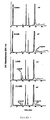
- Figure 3 illustrates the HPLC analyses of the phosphorylated products of racemic 2'CdG and its enantiomers by partially purified HSV•TK.
- Figure 4 illustrates the metabolic products of [ 3 H]-L-2'CdG and [ 3 H]-D-2'CdG in H.Ep.-2 cells infected with the S148 Strain of HSV-1.
- Figure 5 depicts the metabolic products of [ 3 H]-D-2'CdG and [ 3 H]-L-2'CdG in CCRF-CEM cells.
- Figure 6 illustrates the effects of dCyd and mycophenolic acid on the phosphorylation of D-2'CdG and L-2'CdG in CCRF-CEM cells.
- Figure 7 is a graph which compares D-2'CdG and dGuo as substrates for partially purified HSV•TK.
- Figure 8 is a graph illustrating the incorporation of [3H]-D-2'CdG into viral and cellular DNA.
- HSV-1-infected H.Ep.-2 cells were incubated with 8 ⁇ M [ 3 H]-D-2'CdG for 9 hr starting at the time of infection ( ⁇ ), with 1 ⁇ M [ 3 H]-D-2'CdG for 5 hr starting 4 hr after infection ( ⁇ ), or with 8 ⁇ M [ 3 H]-D-Cdg for 5 hr starting 4 hr after infection ( ⁇ ).
- 14 C-labeled host DNA (•, dashed line).
- Figure 9 depicts lineweaver-Burk and Dixon plots of the competitive inhibition of HSV DNA polymerase and host DNA polymerase ⁇ by [ 3 H]dGTP.
- the enantiomers of 2'CdG and related compounds according to this invention may be prepared using the appropriate optically active starting materials.
- the D and L forms may be prepared by an enzymatic method as described by Secrist et al. ( J. Med . Chem. 30:746, 1987).
- the racemic carbocyclic analogue of 2,6-diaminopurine 2'deoxyribofuranoside (C-2,6-DAPR) is subjected to the action of commercially available adenosine deaminase for a short period at low concentration to yield D-2'-CdG and C-2,6-DAPdR.
- the unconverted C-L-2,6-DAPdR isolated from the filtrate may be converted to L-2'-CdG by increasing the concentration of adenosine deaminase, raising the temperature, and lengthening the reaction time.
- synthesis can involve schemes which use optically inactive starting materials and which introduce optical activity at later steps, using enzymes which operate preferentially on one stereoisomer such as Pseudomonas fluorescens lipase, pig lever esterase, pig pancreatic lipase, Mucoimieties lipase, or 5' nucleotidase from Crotalus atrax venom.
- enzymes which operate preferentially on one stereoisomer such as Pseudomonas fluorescens lipase, pig lever esterase, pig pancreatic lipase, Mucoimieties lipase, or 5' nucleotidase from Crotalus atrax venom.
- Mass spectra were determined at 70 eV by the fast-atom-bombardment (FAB) method and with a Varian/MAT 311A spectrometer. Elemental analyses were performed by Atlantic Microlab., Inc., Atlanta, GA, and the Molecular Spectroscopy Section of Southern Research Institute. Thin-layer chromatography (TLC) was performed on plates of silica gel, and developed plates were examined with ultraviolet light. High-pressure liquid chromatography (HPLC) was performed with a Hewlett-Packard 1084B liquid chromatograph equipped with a variable-wavelength detector set at 280 nm, an automatic injector, and a C 18 ⁇ -Bondapak ODS 10- ⁇ m column.
- FAB fast-atom-bombardment
- Isolated specimens were dissolved in water at a concentration of 1 mg/mL. In order to determine accurately the progress of the deamination reactions with an ultraviolet detector, standards of racemic starting materials and products were run in order to calibrate peak areas. Unless indicated otherwise, aliquots of reaction solutions and most isolated specimens were assayed by using a gradient eluting solvent of water-acetonitrile (9:1--1:9 over 20 min); flow rate, 1 mL/min.
- a solution of 400 mg (1.51 mmol) of carbocyclic adenosine in 80 mL of hot water was cooled to room temperature before the addition of 100 ⁇ L (250 units) of Adenosine aminohydrolase (EC 3,5,4,4) (ADA from calf intestinal mucosa, purchased from Sigma Chemical Co., St. Louis, MO 63178; Product No. A-1030, Type VIII).
- Adenosine aminohydrolase EC 3,5,4,4
- ADA calf intestinal mucosa
- the solution was boiled for 5 min., filtered through Celite, and examined by TLC and HPLC, which shows 52.3% carbocyclic inosine (0.79 mmol., 210 mg), leaving 0.72 mmol, 200 mg of carbocyclic adenosine.
- the ion-exchange column was eluted with 200 mL of 3 N acetic acid. Evaporation of the eluate followed by recrystallization from water gave 90.7 mg (43.2%) of chromatographically pure D-carbocyclic inosine, which was 100% pure by HPLC, mp 240°C with shrinking from 237°C (lt.mp (racemic) 225-227°C, 235°C), [ ⁇ ] 23 D -48.9 (C 0.2, DMF). Anal. (C 11 H 14 N 4 O 4 ) C, H, N.
- the solution was cooled to room temperature, ADA[250 ⁇ L containing 625 units (0.5 unit/ ⁇ mol of ( ⁇ )-C-2,6-DAPdR)] was added in one portion, and the progress of the reaction was monitored by HPLC.
- the deamination reaction had essentially stoped within 2 h, and the HPLC data indicated that the reaction solution contained approximately equal amounts of D-2'-CdG and L-2,6-diaminopurine 2'deoxyribofuranoside (C-L-2,6DAPdR).
- the reaction solution was heated at 100°C for 3 min. to deactivate the enzyme, the mixture was filtered through Celite to remove agglutinated protein, and the filtrate was refrigerated when crystals began to form.
- D-2'-CdG was filtered off, washed with cold water, and dried in vacuo at 78°C; yield, 80 mg (45%); mp 244-247°C (inserted at 100°C, 3°C/min). Additional D-2'-CdG crystallized when the filtrate (including water washings) from the first crop was concentrated in vacuo to a final volume of 8 mL: yield after drying in vacuo at 78°C for 2 h, 30 mg (17%, 2 crops); mp 244-246°C (inserted at 100°C, 3°C/min).
- the ratio of L-C-2,6-DAPdR to L-2'CdG was about 2:1, and the reaction solution was then stirred at 37°C, HPLC indicated that the relative amounts of L-2'CdG and L-C-2,6-DAPdR to in the reaction soluton were 98% and 0.4%, respectively.
- the reaction mixture was heated at 100°C for 3 min to deactivate the enzyme, the mixture was filtered through Celite to remove suspended protein, and the filtrate and water washings were combined and concentrated in vacuo to a volume of 7 mL. After crystals began to form, the mixture was refrigerated.
- L-C-2,6DAPdR was obtained by extracting the Dowex 1-X8 resin used above with three 25-mL portions of boiling water: weight, 15 mg (9%); HPLC, 99.3%.
- the antiviral activity of a number of guanine derivatives including acyclovir and related acyclic compounds has been attributed to their phosphorylation, a reaction that is believed to be catalyzed by a virus-encoded nucleoside kinase.
- a virus-encoded nucleoside kinase For example, in viruses which produce viral thymidine kinase, such as HSV, acyclovir is phosphorylated to the monophosphate form which is then converted by cellular kinases to acyclovir triphosphate. The ability of this triphosphate form to interfere with the viral DNA polymerase is believed to be a source of antiviral activity of this compound.
- the purified HSV TK was incubated with various concentrations of radiolableled nucleoside.
- the HSV TK was incubated for 1 hour at 37° in 50 ⁇ l volumes containing 5.0 mM ATP, 5 mM MgCl 2 , 9 mM potassium fluoride, 5 mM phosphoenol pyruvate, 2.8 ⁇ g of pyruvate kinase, 10 mM ⁇ -mercaptoenthanol, and various concentrations of unlabeled and labeled nucleosides (1, 1.25, 1.5, 2, 2.5, 3.33, 5, 6.66, 8, 10, 12.5, 15, 20, 33.3, 50, or 100 ⁇ M D-2'CdG; 1, 1.25, 1.5, 2, 2.5, 3.33, 5, 6.66, 8, 10, 12.5, 15, 20, 33.3, 50, or 100 ⁇ M L-2'CdG; 0.1, 0.125, 0.15, 0.2, 0.25, 0.33, 0.4, 0.5, 0.66, 0.8, or
- the reactions were terminated by spotting onto DE-81 discs (Whatman Lab Sales, Hillsboro, OR), after which the disks were washed with 100% ethanol.
- the radioactivity remaining on the disk was determined by transferring the disk to a vial, adding Scinti-Verse (Fisher Scientifi co., St. Louis, MO) and counting in a Packard Tri-Carb liquid scintillation spectrometer (Packard, Cowners Grove, IL).
- thymidine kinase was incubated with [ 3 H]-thymidine alone or in the presence of D-2'CdG, L-2'CdG, or D,L-2'CdG.
- the phosphorylation of thymidine was determined by spotting the reaction mixture onto DE-81 filters, washing away unreacted substrate with ethanol, and determining the radioactivity ([ 3 H]TMP) remaining on the filters.
- HSV thymidine kinase activity was measured in 200 ⁇ l volumes containing HSV-TK extract obtained as described previously (Belzarini et al., supra ), 5.0 mM ATP, 5 mM MgCl 2 , 9 mM potassium fluoride, 11.2 ⁇ g phosphoenol pyruvate, 5 ⁇ g of pyruvate kinase, 10 mM ⁇ -mercaptoethanol and either 50 ⁇ M [ 3 H]-D-, L, or no drug for 60 minutes at 37°C.
- PCA perchloric acid
- the UV absorption spectra of selected peaks were determined with a rapid spectral detector (LKB, Gaithersburg, MD).
- L-2'CdG is phosphorylated primarily to the monophosphate form (L-2'CdG-MP) whereas the major phosphorylated derivative of D-2'CdG is the triphosphate (D-2'CdG-TP).
- the amount of monophosphate derived from L-2'CdG was about the same as the amount of triphosphate derived from D-2'CdG, and confirmed the results of the disk assay. From these results, one would expect that the racemate would yield approximately equal amounts of monophosphate and triphosphate, and this was, in fact, the case.
- HSV-[TK+]-infected, HSV-[TK-]-infected and mock infected H.Ep.-2 cells human epidermal carcinoma cells, ATCC CCL23. Uninfected and infected cells were incubated in fresh medium containing 2 ⁇ Ci/ml of either [ 3 H]-D- or L-2'CdG, as described above, to measure the metabolism of these enantiomers. After 8 hours the cells were harvested and washed free of medium with PBS, and extracts were prepared with cold 0.5 N perchloric acid for 0.5 hr. The extract was then neutralized with potassium bicarbonate and the resulting precipitate was removed by centrifugation. The supernatant was lyophilized to dryness and the acid-soluble metabolites were separated using SAX HPLC as described above.
- L-2'CdG appears to be superior to D-2'CdG as a substrate from one or more cellular phosphorylating enzymes.
- dCyd kinase which appears to the principal enzyme responsible for the phosphorylation of dGuo in mammalian cells
- dCyd kinase may be the principal enzyme responsible for catalyzing the initial phosphorylation of both enantiomers, although the participation of 5'-nucleotidase as well as other, as yet unidentified enzymes, is not excluded.
- D-2'CdG-MP the enzyme responsible for the phosphorylation of the D-2'CdG-MP is human guanylate kinase that co-purifies with the HSV TK.
- the HSV TK also contains a monophosphate kinase and it is possible that this enzyme is responsible for the phosphorylation of D-2'CdG-MP.
- D-2'CdG-DP could be phosphorylated by either human nucleoside diphosphate kinase, which co-purifies with the HSV-TK, or the pyruvate kinase which is a component of the assay.
- the inhibitory forms of many antiviral nucleosides are the triphosphates, and the target is the virus-coded DNA polymerase.
- Activity of nucleoside analogs for viral inhibition may therefore be determined by the potency of the triphosphate forms as inhibitors of the viral polymerase. Therefore, we analyzed the effects of D-2'CdG on the viral and host DNA polymerases.
- Host DNA labeled with [ 14 -C]dThd was included in each sample as an internal control.
- the samples were centrifuged to equilibrium at 20° (30,000 rpm for 72 hr, with a Ti 70.1 Beckman rotor). Twenty-five microliter fractions were collected from the top of each gradient, and the DNA in each fraction was precipitated onto glass fiber filters with a 5% trichloroacetic acid solution containing 10 mM pyrophosphate. These filters were washed three times with this solution followed by two washes with 95% ethanol and dried. The radioactivity in the acid-insoluble portion in every fourth fraction of each gradient was then determined and plotted in relation to its internal standard, the 14 C-labeled host DNA.
- the DNA samples were pooled, dialyzed against water to remove the CsCl, lyophilized, and resuspended in 50 ⁇ l of DNase I in 50 mM glycine, pH 9.0.
- the DNA after the lyophilization step was digested by the sequential action of micrococcal nuclease (50 units/ml micrococcal nuclease, 5 ⁇ g/ml pentostatin, 5 mM CaCl 2 , 1 mM Tris, pH 9.5, for 2 hr at 37°C) and spleen phosphodiesterase (three consecutive additions of 75 ⁇ g/ml spleen phosphodiesterase, 1 mM EDTA, in the same buffer at pH 7.0, for 1 hr each time at 37°C), as described by Pelling et al.
- micrococcal nuclease 50 units/ml micrococcal nuclease, 5 ⁇ g/ml pentostatin, 5 mM CaCl 2 , 1 mM Tris, pH 9.5, for 2 hr at 37°C
- spleen phosphodiesterase three consecutive additions of 75 ⁇ g/ml spleen
- RNA and DNA specifically cleave RNA and DNA to generate 3'-monophosphates of all internally located nucleotices and the nucleoside of any 3'-terminal nucleotides. After digestion, the samples were analyzed by strong anion exchange HPLC, to separate monophosphates from nucleosides.
- the density of viral DNA labeled with 1.0 ⁇ M [ 3 H]-D- 2'CdG was the same as that seen with [ 3 H]Thd-labeled viral DNA.
- concentration of [ 3 H]-D-2'CdG was increased to 8 ⁇ M, the density of the labeled DNA was decreased, so that the viral DNA banded between the host and viral DNA markers. The reason for this shift in the binding in the CsCl gradient is not known.
- viral DNA obtained from HSV-infected cells treated with 8 ⁇ M [ 3 H]-D-2'CdG sedimented in either neutral or alkaline sucrose gradients, prepared according to standard methods (McGuirt et al., Antimicrob. Agents Chemother.
- the nucleosides of the radioactive viral and host DNAs were then analyzed using reverse phase HPLC as described above. All of the radioactivity in the DNA eluted from the reverse phase column with authentic 2'CdG, confirming that the radioactivity in the DNA was due to the incorporation of 2'CdG.
- the viral and host DNA labeled with [ 3 H]-D-2'CdG were also degraded with micrococcal nuclease and spleen phosphodiesterase I, to generate 3'-monophosphates of all internally located nucleotides and the nucleosides of any terminal nucleotides. The nucleosides and nucleotides were then analyzed by strong anion exchange chromatography.
- HSV DNA polymerase was purified from H.Ep.-2 cells infected with HSV-1. Approximately 4 x 10 8 cells were infected with virus at a multiplicity of infection of 10 CCID 50 /cell. After a 1 hr adsorption period, the unattached virus was waxhed from the cells and the cultures were returned to the incubator at 37°C for another 8 hr. The cells were collected by centrifugation and mixed with a 0.3 M potassium phosphate buffer, pH 7.5, containing 0.3% Triton X-100 and 10% glycerol. The HSV DNA polymerase was purified approximately 288-fold from this crude extract, as described by Derse et al. ( J . Biol . Chem .
- HSV DNA polymerase The specific activity of the HSV DNA polymerase was 4140 units/mg protein.
- the specific activities of DNA polymerases ⁇ , ⁇ , and ⁇ used in these studies were approximately 34, 1600, and 8 units/mg protein, respectively.
- One unit of enzyme activity is defined as the amount of enzyme needed to incorporate 1 nmol of [ 3 H]dGTP into acid-precipitable material per hour at 37°C, using gapped DNA as a template.
- HSV DNA polymerase activity was measured in 50 ⁇ l volumes containing 50 mM Tris, pH 8.0, 3 mM MgCl 2 , 0.5 mM dithiothreitol, 0.2 mg/ml bovine serum albumin, 0.2 M KCl, 12.5 ⁇ g/ml gapped DNA, 10 ⁇ M [ 3 H]dGTP (12 Ci/mmol), and 100 ⁇ M each of dATP, dCTP, and TTP.
- DNA polymerase ⁇ activity was measured in 50 ⁇ l volumes containing 50 mM Tris, pH 8.0, 1 mg/ml bovine serum albumin, 10 mM MgCl 2 , 1 mM dithiothreitol, 100 ⁇ g/ml gapped duplex DNA, 10 ⁇ M [ 3 H]dGTP (1 Ci/mmol), and 50 ⁇ M of each dATP, dCTP and TTP.
- DNA polymerase ⁇ and ⁇ activities were measured as described for DNA polymerase ⁇ , except that the reactions included 100 mM KCl.
- the DNA in each sample was precipitated onto glass fiber filters using a 5% trichloroacetic acid solution containing 10 mM pyrophosphate. The filters were then washed three times with this solution followed by two washes with 95% ethanol, dried, and counted for radioactivity.
- 2'CdG-TP was a potent competitive inhibitor of the incorporation of [ 3 H]dGTP into DNA by both the HSV DNA polymerase and the host DNA polymerase ⁇ (Fig. 9).
- the average K i of D-2'CdG-TP against HSV DNA polymerase was 0.35 ⁇ M, and with DNA polymerase ⁇ it was 0.95 ⁇ M.
- the K i /K m ratio for both DNA polymerases was approximately 1, indicating that the affinity of 2'CdG-TP for the active site of these enzymes was similar to that of dGTP.
- D-2'-CdG and L-2'-CdG were tested, alongside D,L-2'-CdG, against both HSV-1 (strain 377, TK+; obtained from Dr. Earl Kern, University of Alabama) and HSV-2 (strain MS, TK+; also obtained from Dr. Earl Kern).
- HSV-1 strain 377, TK+; obtained from Dr. Earl Kern, University of Alabama
- HSV-2 strain MS, TK+; also obtained from Dr. Earl Kern
- Ara -A and acyclovir were the positive control drugs.
- the antiviral activity (VR) and potency (MIC 50 ) of D-2'-CdG were approximately the same as those of racemic 2-CdG.
- L-2'-CdG was only modestly active.
- D,L-2'-CdG and D-2'-CdG were more effective than was the positive control drug, Ara-A.
- D-2'-CdG, (D,L)-2'CdG, and ACV were comparable in antiviral activity, but the two forms of 2'CdG were 5-10 times more potent than was ACV.
- the D- and L-enantiomers of 2'-CdG were prepared from racemic C-2,6-DAPR by an enzymatic method as described above Secrist et al. ( J . Med. Chem . 30 :746, 1987).
- the effectiveness of racemic-2'-CdG and of D-2'-CdG in reducing CMV yields in MRC5 cell monolayer cultures was determined by a plaque assay with the results set forth in tables 6 and 7.
- the MIC 50 of D-2'-CdG ( ⁇ 0.029 ⁇ L/mL) was about half (or less) of the MIC 50 of D,L-2'-CdG (0.069 ⁇ g/mL) measured under the same conditions in MRC5 cells.
- D-2'-CdG The in vitro activity of D-2'-CdG was also compared with the current investigational drug of choice for human CMV, DHPG. These experiments were carried out in human foreskin fibroblast cells.
- the ED 50 value (median dose at which 50% antiviral efficacy is observed) was 0.06 ⁇ g/ml for D-2'-CdG and 0.20 for DHPG, demonstrating that that the antiviral potency of D-2'-CdG is more than 3 times that of DHPG.
- New Zealand white rabbits were found to develop reproducible clinical symptoms of infection within 3-4 days after intravitreal inoculation with human CMV.
- the symptoms included vitritis, ulceris, retinal pathology (micro hemorrhages and focal necrosis of the retinal surface), corneal stromal haze and neovascularization, and corneal endothelial pigmented precipitates.
- Administration of D-2'-CdG by intravitreal injection, i.e., by injection directly within the vitreous humor (100 ⁇ g in 100 ⁇ l of sterile water) at 48-hour intervals beginning at day 4 was effective in reducing the development of retinal pathology and in reducing the severity of the vitritis and ulceris as xompared to rabbits receiving a placebo.
- the intravitreal route offers some significant advantages for intraocular infections including: 1) delivery of maximal concentrations of drug to the desired site of action; 2) increased potential for sustained release (i.e., longer half-life, T 1/2 ) of the drug; and 3) reduced potential for systemic toxicity.
- ddG The nucleoside analog, ddG was used as an additional control compound since ddG has activity against duck hepatitis B virus in chronically infected Peking ducks (Lee et al., Antimicrob . Agents Chemother . 33:336, 1989) and 2'-CdG is also a deoxyguanosine analog.
- 2.2.15 cells were seeded in 6 well culture plates and grown to confluence over a 10 day period in medium with 5% FBS. Test compounds were then added daily for a continuous 10 day period in medium with 1% dialyzed FBS. This reduced serum level does not affect HBV replication in confluent cultures of 2.2.15 cells and helps to eliminate uncontrolled variations of endogenous low molecular weight compounds (such as nucleosides) present in FBS. Compounds were tested, in duplicate cultures, at 3 concentrations covering a 100-fold range. Culture medium (changed daily during the treatment period) was collected and stored for analysis of extracellular (virion) HBV DNA from days 0, 3, 6, and 10 of the treatment period.
- HBV DNA was analyzed in a quantitative manner for (i) overall levels (both extracellular and intracellular DNA) and (ii) the relative rate of HBV replication (intracellular DNA only).
- HBV DNA levels were measured by comparison to known amounts of HBV DNA standards applied to every nitrocellulose filter (gel or slot blot) using an AMBIS Beta Scanner. Standard curves, generated by multiple analyses, were used to correlate CPM measurements with relative levels of target HBV DNA.
- the levels of HBV DNA in each of three classes of intracellular viral genomic forms were individually quantitated: integrated HBV DNA, episomal monomeric genomes and HBV DNA replication intermediates (RI). Integrated HBV DNA was used to normalize the relative amounts of DNA in each lane because the levels of this class of HBV DNA would be expected to remain constant on a per cell basis. The levels of the monomeric HBV genomes and RI were used as an indicator of the relative level of HBV replication.
- the racemic (D,L) mixture of 2'-CdG was a potent inhibitor of HBV replication in 2.2.15 cells (Table 8). In comparison to ddG, 2'-CdG exhibited approximately the same level of inhibition of HBV replication at a 100-fold lower concentration. The minimal inhibitory concentration of approximately 50 ng/ml was approximately 10-fold higher than that originally reported for the racemic mixture on these same cells (Price et al., PNAS 86:806, 1989). The D isomer was as active an inhibitor of HBV replication as the racemic mixture. The L isomer did not exhibit any significant anti-HBV activity at the concentrations tested.
- Toxicity in these experiments was not quantitatively assessed. Toxicity was based upon the physical appearance of the cells (e.g. vacuolization, granulation, morphological changes, detachment of cells).
- the composition can be administered at a dosage of between 10 -5 and 10mg/m 2 /dose.
- the therapeutically antiviral effective amount of the compositions to be used in accordance with this invention to provide prophylaxis and treatment for individuals infected with, or at risk of being infected, can be optimized by methods known in the art.
- a preferred range is between 10 -4 and 10 -1 mg/m 2 /dose.
- Dose frequency can be determined by measuring half-life according to standard techniques and preferably will be 1-3 times daily, although less frequent administration (every other day or even weekly) may have a positive effect. Treatment is continued until no further clinical improvement is observed (e.g., by viral load or other clinical measures), and preferably longer.
Landscapes
- Health & Medical Sciences (AREA)
- Life Sciences & Earth Sciences (AREA)
- Chemical & Material Sciences (AREA)
- Medicinal Chemistry (AREA)
- Pharmacology & Pharmacy (AREA)
- Animal Behavior & Ethology (AREA)
- General Health & Medical Sciences (AREA)
- Public Health (AREA)
- Veterinary Medicine (AREA)
- Epidemiology (AREA)
- Virology (AREA)
- Communicable Diseases (AREA)
- Oncology (AREA)
- Chemical Kinetics & Catalysis (AREA)
- General Chemical & Material Sciences (AREA)
- Nuclear Medicine, Radiotherapy & Molecular Imaging (AREA)
- Organic Chemistry (AREA)
- Molecular Biology (AREA)
- Pharmaceuticals Containing Other Organic And Inorganic Compounds (AREA)
- Saccharide Compounds (AREA)
Applications Claiming Priority (3)
| Application Number | Priority Date | Filing Date | Title |
|---|---|---|---|
| US08/020,220 US6001840A (en) | 1990-03-06 | 1993-02-19 | Methods of treatment of viral infections using carbocyclic deoxyguanosine analogs |
| PCT/US1994/001783 WO1994018979A2 (en) | 1993-02-19 | 1994-02-22 | Methods of treatment of viral infections using carbocyclic deoxyguanosine analogs |
| US20220 | 1998-02-06 |
Publications (3)
| Publication Number | Publication Date |
|---|---|
| EP0684822A1 EP0684822A1 (en) | 1995-12-06 |
| EP0684822A4 EP0684822A4 (member.php) | 1996-01-10 |
| EP0684822B1 true EP0684822B1 (en) | 2002-05-08 |
Family
ID=21797398
Family Applications (1)
| Application Number | Title | Priority Date | Filing Date |
|---|---|---|---|
| EP94909709A Expired - Lifetime EP0684822B1 (en) | 1993-02-19 | 1994-02-22 | Carbocyclic deoxyguanosine analogs for the treatment of viral infections |
Country Status (3)
| Country | Link |
|---|---|
| EP (1) | EP0684822B1 (member.php) |
| DE (1) | DE69430569T2 (member.php) |
| WO (1) | WO1994018979A2 (member.php) |
Families Citing this family (1)
| Publication number | Priority date | Publication date | Assignee | Title |
|---|---|---|---|---|
| FR2793413B1 (fr) * | 1999-05-10 | 2008-11-07 | Centre Nat Rech Scient | Utilisation d'analogues nucleotidiques agissant comme substrat de la reverse transcriptase pour le traitement des affections faisant intervenir la reverse-transcription |
Citations (3)
| Publication number | Priority date | Publication date | Assignee | Title |
|---|---|---|---|---|
| EP0235931A1 (en) * | 1986-01-30 | 1987-09-09 | The Wellcome Foundation Limited | Antiviral combination |
| US4950758A (en) * | 1988-01-20 | 1990-08-21 | Regents Of The University Of Minnesota | Optically-active isomers of dideoxycarbocyclic nucleosides |
| US5059690A (en) * | 1990-03-01 | 1991-10-22 | E. R. Squibb & Sons, Inc. | Purinyl tetrahydrofurans |
-
1994
- 1994-02-22 WO PCT/US1994/001783 patent/WO1994018979A2/en not_active Ceased
- 1994-02-22 DE DE69430569T patent/DE69430569T2/de not_active Expired - Fee Related
- 1994-02-22 EP EP94909709A patent/EP0684822B1/en not_active Expired - Lifetime
Patent Citations (3)
| Publication number | Priority date | Publication date | Assignee | Title |
|---|---|---|---|---|
| EP0235931A1 (en) * | 1986-01-30 | 1987-09-09 | The Wellcome Foundation Limited | Antiviral combination |
| US4950758A (en) * | 1988-01-20 | 1990-08-21 | Regents Of The University Of Minnesota | Optically-active isomers of dideoxycarbocyclic nucleosides |
| US5059690A (en) * | 1990-03-01 | 1991-10-22 | E. R. Squibb & Sons, Inc. | Purinyl tetrahydrofurans |
Also Published As
| Publication number | Publication date |
|---|---|
| WO1994018979A2 (en) | 1994-09-01 |
| DE69430569D1 (de) | 2002-06-13 |
| DE69430569T2 (de) | 2002-10-31 |
| EP0684822A1 (en) | 1995-12-06 |
| EP0684822A4 (member.php) | 1996-01-10 |
Similar Documents
| Publication | Publication Date | Title |
|---|---|---|
| Krug et al. | Purine metabolism in Toxoplasma gondii | |
| US5246924A (en) | Method for treating hepatitis B virus infections using 1-(2'-deoxy-2'-fluoro-beta-D-arabinofuranosyl)-5-ethyluracil | |
| US8178510B2 (en) | Preparation of thioarabinofuranosyl compounds and use thereof | |
| US5321030A (en) | Creatine analogs having antiviral activity | |
| Ferro et al. | Inactivation of S-adenosylhomocysteine hydrolase by 5′-deoxy-5′-methylthioadenosine | |
| CS264222B1 (en) | N-phosphonylmethoxyalkylderivatives of bases of pytimidine and purine and method of use them | |
| Bennett Jr et al. | Activity of adenos1ne analogs against a cell culture, line resistant to 2-fluoroadenine | |
| WO1998039334A1 (en) | Dna glycosylase inhibitors, and uses related thereto | |
| WO1998039334A9 (en) | Dna glycosylase inhibitors, and uses related thereto | |
| Lowe et al. | Mode of action of (R)-9-[4-hydroxy-2-(hydroxymethyl) butyl] guanine against herpesviruses | |
| Bondoc Jr et al. | Metabolism of the carbocyclic nucleoside analog carbovir, an inhibitor of human immunodeficiency virus, in human lymphoid cells | |
| AU623341B2 (en) | Antiviral therapy for hepatitis b | |
| US4230708A (en) | Therapeutic application of (S) -or (RS)-9-(2, 3-dihydroxypropyl) adenine for use as antiviral agents | |
| US6001840A (en) | Methods of treatment of viral infections using carbocyclic deoxyguanosine analogs | |
| HU206354B (en) | Process for producing selective adenozine receptors and pharmaceutical compositions containing them as active components | |
| EP0684822B1 (en) | Carbocyclic deoxyguanosine analogs for the treatment of viral infections | |
| Dobersen et al. | Herpes simplex virus type 2 induced pyrimidine nucleoside kinase: enzymic basis for the selective antiherpetic effect of 5-halogenated analogs of deoxycytidine | |
| Yuan et al. | (E)-5', 6'-didehydro-6'-deoxy-6'-fluorohomoadenosine: a substrate that measures the hydrolytic activity of S-adenosylhomocysteine hydrolase | |
| WO1994014464A1 (en) | Synergistic compositions containing an antiviral nucleoside analogue and an antiviral oligopeptide | |
| KR970011386B1 (ko) | 1-(2'-데옥시-2'-플루오로-베타-d-아리비노-푸라노실)-5-에틸우라실을 이용한 간염 비루스 감염질환의 치료방법 및 치료용 조성물 | |
| WO2001066118A1 (en) | 4'-thio-l-xylo furanosyl nucleosides, precursors thereof, preparation and use thereof | |
| Choi et al. | 5-Iodoribose 1-phosphate, an analog of ribose 1-phosphate. Enzymatic synthesis and kinetic studies with enzymes of purine, pyrimidine, and sugar phosphate metabolism. | |
| DEWEY et al. | The sites of action of allopurinol in Crithidia fasciculata | |
| US5008252A (en) | Process for inhibiting herpes simplex virus-specified thymidine kinase | |
| Shugar | Phosphorylating enzymes involved in activation of chemotherapeutic nucleosides and nucleotides |
Legal Events
| Date | Code | Title | Description |
|---|---|---|---|
| PUAI | Public reference made under article 153(3) epc to a published international application that has entered the european phase |
Free format text: ORIGINAL CODE: 0009012 |
|
| 17P | Request for examination filed |
Effective date: 19950919 |
|
| AK | Designated contracting states |
Kind code of ref document: A1 Designated state(s): DE FR GB |
|
| A4 | Supplementary search report drawn up and despatched |
Effective date: 19951121 |
|
| AK | Designated contracting states |
Kind code of ref document: A4 Designated state(s): DE FR GB |
|
| 17Q | First examination report despatched |
Effective date: 19990222 |
|
| RAP1 | Party data changed (applicant data changed or rights of an application transferred) |
Owner name: SOUTHERN RESEARCH INSTITUTE |
|
| GRAG | Despatch of communication of intention to grant |
Free format text: ORIGINAL CODE: EPIDOS AGRA |
|
| RIC1 | Information provided on ipc code assigned before grant |
Free format text: 7A 61K 31/505 A, 7A 61K 31/52 B, 7A 61P 31/12 B |
|
| RTI1 | Title (correction) |
Free format text: CARBOCYCLIC DEOXYGUANOSINE ANALOGS FOR THE TREATMENT OF VIRAL INFECTIONS |
|
| RIC1 | Information provided on ipc code assigned before grant |
Free format text: 7A 61K 31/505 A, 7A 61K 31/52 B, 7A 61P 31/12 B |
|
| RTI1 | Title (correction) |
Free format text: CARBOCYCLIC DEOXYGUANOSINE ANALOGS FOR THE TREATMENT OF VIRAL INFECTIONS |
|
| GRAG | Despatch of communication of intention to grant |
Free format text: ORIGINAL CODE: EPIDOS AGRA |
|
| GRAH | Despatch of communication of intention to grant a patent |
Free format text: ORIGINAL CODE: EPIDOS IGRA |
|
| REG | Reference to a national code |
Ref country code: GB Ref legal event code: IF02 |
|
| GRAH | Despatch of communication of intention to grant a patent |
Free format text: ORIGINAL CODE: EPIDOS IGRA |
|
| GRAA | (expected) grant |
Free format text: ORIGINAL CODE: 0009210 |
|
| AK | Designated contracting states |
Kind code of ref document: B1 Designated state(s): DE FR GB |
|
| REF | Corresponds to: |
Ref document number: 69430569 Country of ref document: DE Date of ref document: 20020613 |
|
| PLBE | No opposition filed within time limit |
Free format text: ORIGINAL CODE: 0009261 |
|
| STAA | Information on the status of an ep patent application or granted ep patent |
Free format text: STATUS: NO OPPOSITION FILED WITHIN TIME LIMIT |
|
| 26N | No opposition filed |
Effective date: 20030211 |
|
| PGFP | Annual fee paid to national office [announced via postgrant information from national office to epo] |
Ref country code: DE Payment date: 20090219 Year of fee payment: 16 |
|
| PGFP | Annual fee paid to national office [announced via postgrant information from national office to epo] |
Ref country code: GB Payment date: 20090217 Year of fee payment: 16 |
|
| PGFP | Annual fee paid to national office [announced via postgrant information from national office to epo] |
Ref country code: FR Payment date: 20090213 Year of fee payment: 16 |
|
| GBPC | Gb: european patent ceased through non-payment of renewal fee |
Effective date: 20100222 |
|
| REG | Reference to a national code |
Ref country code: FR Ref legal event code: ST Effective date: 20101029 |
|
| PG25 | Lapsed in a contracting state [announced via postgrant information from national office to epo] |
Ref country code: FR Free format text: LAPSE BECAUSE OF NON-PAYMENT OF DUE FEES Effective date: 20100301 |
|
| PG25 | Lapsed in a contracting state [announced via postgrant information from national office to epo] |
Ref country code: DE Free format text: LAPSE BECAUSE OF NON-PAYMENT OF DUE FEES Effective date: 20100901 |
|
| PG25 | Lapsed in a contracting state [announced via postgrant information from national office to epo] |
Ref country code: GB Free format text: LAPSE BECAUSE OF NON-PAYMENT OF DUE FEES Effective date: 20100222 |