EP0674666B1 - Polymers functionalised by koch reaction and derivatives thereof - Google Patents
Polymers functionalised by koch reaction and derivatives thereof Download PDFInfo
- Publication number
- EP0674666B1 EP0674666B1 EP94905398A EP94905398A EP0674666B1 EP 0674666 B1 EP0674666 B1 EP 0674666B1 EP 94905398 A EP94905398 A EP 94905398A EP 94905398 A EP94905398 A EP 94905398A EP 0674666 B1 EP0674666 B1 EP 0674666B1
- Authority
- EP
- European Patent Office
- Prior art keywords
- polymer
- functionalized
- polymers
- catalyst
- acid
- Prior art date
- Legal status (The legal status is an assumption and is not a legal conclusion. Google has not performed a legal analysis and makes no representation as to the accuracy of the status listed.)
- Expired - Lifetime
Links
Classifications
-
- C—CHEMISTRY; METALLURGY
- C10—PETROLEUM, GAS OR COKE INDUSTRIES; TECHNICAL GASES CONTAINING CARBON MONOXIDE; FUELS; LUBRICANTS; PEAT
- C10M—LUBRICATING COMPOSITIONS; USE OF CHEMICAL SUBSTANCES EITHER ALONE OR AS LUBRICATING INGREDIENTS IN A LUBRICATING COMPOSITION
- C10M159/00—Lubricating compositions characterised by the additive being of unknown or incompletely defined constitution
- C10M159/12—Reaction products
- C10M159/18—Complexes with metals
-
- B—PERFORMING OPERATIONS; TRANSPORTING
- B01—PHYSICAL OR CHEMICAL PROCESSES OR APPARATUS IN GENERAL
- B01J—CHEMICAL OR PHYSICAL PROCESSES, e.g. CATALYSIS OR COLLOID CHEMISTRY; THEIR RELEVANT APPARATUS
- B01J19/00—Chemical, physical or physico-chemical processes in general; Their relevant apparatus
- B01J19/24—Stationary reactors without moving elements inside
- B01J19/2415—Tubular reactors
-
- B—PERFORMING OPERATIONS; TRANSPORTING
- B01—PHYSICAL OR CHEMICAL PROCESSES OR APPARATUS IN GENERAL
- B01J—CHEMICAL OR PHYSICAL PROCESSES, e.g. CATALYSIS OR COLLOID CHEMISTRY; THEIR RELEVANT APPARATUS
- B01J19/00—Chemical, physical or physico-chemical processes in general; Their relevant apparatus
- B01J19/24—Stationary reactors without moving elements inside
- B01J19/2415—Tubular reactors
- B01J19/242—Tubular reactors in series
-
- C—CHEMISTRY; METALLURGY
- C07—ORGANIC CHEMISTRY
- C07C—ACYCLIC OR CARBOCYCLIC COMPOUNDS
- C07C51/00—Preparation of carboxylic acids or their salts, halides or anhydrides
- C07C51/10—Preparation of carboxylic acids or their salts, halides or anhydrides by reaction with carbon monoxide
- C07C51/14—Preparation of carboxylic acids or their salts, halides or anhydrides by reaction with carbon monoxide on a carbon-to-carbon unsaturated bond in organic compounds
-
- C—CHEMISTRY; METALLURGY
- C07—ORGANIC CHEMISTRY
- C07C—ACYCLIC OR CARBOCYCLIC COMPOUNDS
- C07C67/00—Preparation of carboxylic acid esters
- C07C67/36—Preparation of carboxylic acid esters by reaction with carbon monoxide or formates
- C07C67/38—Preparation of carboxylic acid esters by reaction with carbon monoxide or formates by addition to an unsaturated carbon-to-carbon bond
-
- C—CHEMISTRY; METALLURGY
- C08—ORGANIC MACROMOLECULAR COMPOUNDS; THEIR PREPARATION OR CHEMICAL WORKING-UP; COMPOSITIONS BASED THEREON
- C08F—MACROMOLECULAR COMPOUNDS OBTAINED BY REACTIONS ONLY INVOLVING CARBON-TO-CARBON UNSATURATED BONDS
- C08F8/00—Chemical modification by after-treatment
-
- C—CHEMISTRY; METALLURGY
- C08—ORGANIC MACROMOLECULAR COMPOUNDS; THEIR PREPARATION OR CHEMICAL WORKING-UP; COMPOSITIONS BASED THEREON
- C08F—MACROMOLECULAR COMPOUNDS OBTAINED BY REACTIONS ONLY INVOLVING CARBON-TO-CARBON UNSATURATED BONDS
- C08F8/00—Chemical modification by after-treatment
- C08F8/10—Acylation
-
- C—CHEMISTRY; METALLURGY
- C08—ORGANIC MACROMOLECULAR COMPOUNDS; THEIR PREPARATION OR CHEMICAL WORKING-UP; COMPOSITIONS BASED THEREON
- C08F—MACROMOLECULAR COMPOUNDS OBTAINED BY REACTIONS ONLY INVOLVING CARBON-TO-CARBON UNSATURATED BONDS
- C08F8/00—Chemical modification by after-treatment
- C08F8/14—Esterification
-
- C—CHEMISTRY; METALLURGY
- C08—ORGANIC MACROMOLECULAR COMPOUNDS; THEIR PREPARATION OR CHEMICAL WORKING-UP; COMPOSITIONS BASED THEREON
- C08F—MACROMOLECULAR COMPOUNDS OBTAINED BY REACTIONS ONLY INVOLVING CARBON-TO-CARBON UNSATURATED BONDS
- C08F8/00—Chemical modification by after-treatment
- C08F8/18—Introducing halogen atoms or halogen-containing groups
-
- C—CHEMISTRY; METALLURGY
- C08—ORGANIC MACROMOLECULAR COMPOUNDS; THEIR PREPARATION OR CHEMICAL WORKING-UP; COMPOSITIONS BASED THEREON
- C08F—MACROMOLECULAR COMPOUNDS OBTAINED BY REACTIONS ONLY INVOLVING CARBON-TO-CARBON UNSATURATED BONDS
- C08F8/00—Chemical modification by after-treatment
- C08F8/30—Introducing nitrogen atoms or nitrogen-containing groups
- C08F8/32—Introducing nitrogen atoms or nitrogen-containing groups by reaction with amines
-
- C—CHEMISTRY; METALLURGY
- C08—ORGANIC MACROMOLECULAR COMPOUNDS; THEIR PREPARATION OR CHEMICAL WORKING-UP; COMPOSITIONS BASED THEREON
- C08F—MACROMOLECULAR COMPOUNDS OBTAINED BY REACTIONS ONLY INVOLVING CARBON-TO-CARBON UNSATURATED BONDS
- C08F8/00—Chemical modification by after-treatment
- C08F8/34—Introducing sulfur atoms or sulfur-containing groups
-
- C—CHEMISTRY; METALLURGY
- C10—PETROLEUM, GAS OR COKE INDUSTRIES; TECHNICAL GASES CONTAINING CARBON MONOXIDE; FUELS; LUBRICANTS; PEAT
- C10L—FUELS NOT OTHERWISE PROVIDED FOR; NATURAL GAS; SYNTHETIC NATURAL GAS OBTAINED BY PROCESSES NOT COVERED BY SUBCLASSES C10G OR C10K; LIQUIFIED PETROLEUM GAS; USE OF ADDITIVES TO FUELS OR FIRES; FIRE-LIGHTERS
- C10L1/00—Liquid carbonaceous fuels
- C10L1/10—Liquid carbonaceous fuels containing additives
- C10L1/14—Organic compounds
- C10L1/143—Organic compounds mixtures of organic macromolecular compounds with organic non-macromolecular compounds
-
- C—CHEMISTRY; METALLURGY
- C10—PETROLEUM, GAS OR COKE INDUSTRIES; TECHNICAL GASES CONTAINING CARBON MONOXIDE; FUELS; LUBRICANTS; PEAT
- C10L—FUELS NOT OTHERWISE PROVIDED FOR; NATURAL GAS; SYNTHETIC NATURAL GAS OBTAINED BY PROCESSES NOT COVERED BY SUBCLASSES C10G OR C10K; LIQUIFIED PETROLEUM GAS; USE OF ADDITIVES TO FUELS OR FIRES; FIRE-LIGHTERS
- C10L1/00—Liquid carbonaceous fuels
- C10L1/10—Liquid carbonaceous fuels containing additives
- C10L1/14—Organic compounds
- C10L1/18—Organic compounds containing oxygen
- C10L1/1817—Compounds of uncertain formula; reaction products where mixtures of compounds are obtained
-
- C—CHEMISTRY; METALLURGY
- C10—PETROLEUM, GAS OR COKE INDUSTRIES; TECHNICAL GASES CONTAINING CARBON MONOXIDE; FUELS; LUBRICANTS; PEAT
- C10L—FUELS NOT OTHERWISE PROVIDED FOR; NATURAL GAS; SYNTHETIC NATURAL GAS OBTAINED BY PROCESSES NOT COVERED BY SUBCLASSES C10G OR C10K; LIQUIFIED PETROLEUM GAS; USE OF ADDITIVES TO FUELS OR FIRES; FIRE-LIGHTERS
- C10L1/00—Liquid carbonaceous fuels
- C10L1/10—Liquid carbonaceous fuels containing additives
- C10L1/14—Organic compounds
- C10L1/18—Organic compounds containing oxygen
- C10L1/192—Macromolecular compounds
- C10L1/195—Macromolecular compounds obtained by reactions involving only carbon-to-carbon unsaturated bonds
-
- C—CHEMISTRY; METALLURGY
- C10—PETROLEUM, GAS OR COKE INDUSTRIES; TECHNICAL GASES CONTAINING CARBON MONOXIDE; FUELS; LUBRICANTS; PEAT
- C10L—FUELS NOT OTHERWISE PROVIDED FOR; NATURAL GAS; SYNTHETIC NATURAL GAS OBTAINED BY PROCESSES NOT COVERED BY SUBCLASSES C10G OR C10K; LIQUIFIED PETROLEUM GAS; USE OF ADDITIVES TO FUELS OR FIRES; FIRE-LIGHTERS
- C10L1/00—Liquid carbonaceous fuels
- C10L1/10—Liquid carbonaceous fuels containing additives
- C10L1/14—Organic compounds
- C10L1/18—Organic compounds containing oxygen
- C10L1/192—Macromolecular compounds
- C10L1/198—Macromolecular compounds obtained otherwise than by reactions involving only carbon-to-carbon unsaturated bonds homo- or copolymers of compounds having one or more unsaturated aliphatic radicals, each having only one carbon to carbon double bond, and at least one being terminated by an acyloxy radical of a saturated carboxylic acid, of carbonic acid
-
- C—CHEMISTRY; METALLURGY
- C10—PETROLEUM, GAS OR COKE INDUSTRIES; TECHNICAL GASES CONTAINING CARBON MONOXIDE; FUELS; LUBRICANTS; PEAT
- C10L—FUELS NOT OTHERWISE PROVIDED FOR; NATURAL GAS; SYNTHETIC NATURAL GAS OBTAINED BY PROCESSES NOT COVERED BY SUBCLASSES C10G OR C10K; LIQUIFIED PETROLEUM GAS; USE OF ADDITIVES TO FUELS OR FIRES; FIRE-LIGHTERS
- C10L1/00—Liquid carbonaceous fuels
- C10L1/10—Liquid carbonaceous fuels containing additives
- C10L1/14—Organic compounds
- C10L1/20—Organic compounds containing halogen
- C10L1/206—Organic compounds containing halogen macromolecular compounds
-
- C—CHEMISTRY; METALLURGY
- C10—PETROLEUM, GAS OR COKE INDUSTRIES; TECHNICAL GASES CONTAINING CARBON MONOXIDE; FUELS; LUBRICANTS; PEAT
- C10L—FUELS NOT OTHERWISE PROVIDED FOR; NATURAL GAS; SYNTHETIC NATURAL GAS OBTAINED BY PROCESSES NOT COVERED BY SUBCLASSES C10G OR C10K; LIQUIFIED PETROLEUM GAS; USE OF ADDITIVES TO FUELS OR FIRES; FIRE-LIGHTERS
- C10L1/00—Liquid carbonaceous fuels
- C10L1/10—Liquid carbonaceous fuels containing additives
- C10L1/14—Organic compounds
- C10L1/22—Organic compounds containing nitrogen
- C10L1/221—Organic compounds containing nitrogen compounds of uncertain formula; reaction products where mixtures of compounds are obtained
-
- C—CHEMISTRY; METALLURGY
- C10—PETROLEUM, GAS OR COKE INDUSTRIES; TECHNICAL GASES CONTAINING CARBON MONOXIDE; FUELS; LUBRICANTS; PEAT
- C10L—FUELS NOT OTHERWISE PROVIDED FOR; NATURAL GAS; SYNTHETIC NATURAL GAS OBTAINED BY PROCESSES NOT COVERED BY SUBCLASSES C10G OR C10K; LIQUIFIED PETROLEUM GAS; USE OF ADDITIVES TO FUELS OR FIRES; FIRE-LIGHTERS
- C10L1/00—Liquid carbonaceous fuels
- C10L1/10—Liquid carbonaceous fuels containing additives
- C10L1/14—Organic compounds
- C10L1/22—Organic compounds containing nitrogen
- C10L1/234—Macromolecular compounds
- C10L1/236—Macromolecular compounds obtained by reactions involving only carbon-to-carbon unsaturated bonds derivatives thereof
-
- C—CHEMISTRY; METALLURGY
- C10—PETROLEUM, GAS OR COKE INDUSTRIES; TECHNICAL GASES CONTAINING CARBON MONOXIDE; FUELS; LUBRICANTS; PEAT
- C10L—FUELS NOT OTHERWISE PROVIDED FOR; NATURAL GAS; SYNTHETIC NATURAL GAS OBTAINED BY PROCESSES NOT COVERED BY SUBCLASSES C10G OR C10K; LIQUIFIED PETROLEUM GAS; USE OF ADDITIVES TO FUELS OR FIRES; FIRE-LIGHTERS
- C10L1/00—Liquid carbonaceous fuels
- C10L1/10—Liquid carbonaceous fuels containing additives
- C10L1/14—Organic compounds
- C10L1/22—Organic compounds containing nitrogen
- C10L1/234—Macromolecular compounds
- C10L1/238—Macromolecular compounds obtained otherwise than by reactions involving only carbon-to-carbon unsaturated bonds
-
- C—CHEMISTRY; METALLURGY
- C10—PETROLEUM, GAS OR COKE INDUSTRIES; TECHNICAL GASES CONTAINING CARBON MONOXIDE; FUELS; LUBRICANTS; PEAT
- C10L—FUELS NOT OTHERWISE PROVIDED FOR; NATURAL GAS; SYNTHETIC NATURAL GAS OBTAINED BY PROCESSES NOT COVERED BY SUBCLASSES C10G OR C10K; LIQUIFIED PETROLEUM GAS; USE OF ADDITIVES TO FUELS OR FIRES; FIRE-LIGHTERS
- C10L1/00—Liquid carbonaceous fuels
- C10L1/10—Liquid carbonaceous fuels containing additives
- C10L1/14—Organic compounds
- C10L1/22—Organic compounds containing nitrogen
- C10L1/234—Macromolecular compounds
- C10L1/238—Macromolecular compounds obtained otherwise than by reactions involving only carbon-to-carbon unsaturated bonds
- C10L1/2383—Polyamines or polyimines, or derivatives thereof (poly)amines and imines; derivatives thereof (substituted by a macromolecular group containing 30C)
-
- C—CHEMISTRY; METALLURGY
- C10—PETROLEUM, GAS OR COKE INDUSTRIES; TECHNICAL GASES CONTAINING CARBON MONOXIDE; FUELS; LUBRICANTS; PEAT
- C10L—FUELS NOT OTHERWISE PROVIDED FOR; NATURAL GAS; SYNTHETIC NATURAL GAS OBTAINED BY PROCESSES NOT COVERED BY SUBCLASSES C10G OR C10K; LIQUIFIED PETROLEUM GAS; USE OF ADDITIVES TO FUELS OR FIRES; FIRE-LIGHTERS
- C10L1/00—Liquid carbonaceous fuels
- C10L1/10—Liquid carbonaceous fuels containing additives
- C10L1/14—Organic compounds
- C10L1/24—Organic compounds containing sulfur, selenium and/or tellurium
- C10L1/2462—Organic compounds containing sulfur, selenium and/or tellurium macromolecular compounds
- C10L1/2475—Organic compounds containing sulfur, selenium and/or tellurium macromolecular compounds obtained otherwise than by reactions only involving unsaturated carbon to carbon bonds
-
- C—CHEMISTRY; METALLURGY
- C10—PETROLEUM, GAS OR COKE INDUSTRIES; TECHNICAL GASES CONTAINING CARBON MONOXIDE; FUELS; LUBRICANTS; PEAT
- C10L—FUELS NOT OTHERWISE PROVIDED FOR; NATURAL GAS; SYNTHETIC NATURAL GAS OBTAINED BY PROCESSES NOT COVERED BY SUBCLASSES C10G OR C10K; LIQUIFIED PETROLEUM GAS; USE OF ADDITIVES TO FUELS OR FIRES; FIRE-LIGHTERS
- C10L1/00—Liquid carbonaceous fuels
- C10L1/10—Liquid carbonaceous fuels containing additives
- C10L1/14—Organic compounds
- C10L1/24—Organic compounds containing sulfur, selenium and/or tellurium
- C10L1/2493—Organic compounds containing sulfur, selenium and/or tellurium compounds of uncertain formula; reactions of organic compounds (hydrocarbons, acids, esters) with sulfur or sulfur containing compounds
-
- C—CHEMISTRY; METALLURGY
- C10—PETROLEUM, GAS OR COKE INDUSTRIES; TECHNICAL GASES CONTAINING CARBON MONOXIDE; FUELS; LUBRICANTS; PEAT
- C10L—FUELS NOT OTHERWISE PROVIDED FOR; NATURAL GAS; SYNTHETIC NATURAL GAS OBTAINED BY PROCESSES NOT COVERED BY SUBCLASSES C10G OR C10K; LIQUIFIED PETROLEUM GAS; USE OF ADDITIVES TO FUELS OR FIRES; FIRE-LIGHTERS
- C10L1/00—Liquid carbonaceous fuels
- C10L1/10—Liquid carbonaceous fuels containing additives
- C10L1/14—Organic compounds
- C10L1/26—Organic compounds containing phosphorus
- C10L1/2691—Compounds of uncertain formula; reaction of organic compounds (hydrocarbons acids, esters) with Px Sy, Px Sy Halz or sulfur and phosphorus containing compounds
-
- C—CHEMISTRY; METALLURGY
- C10—PETROLEUM, GAS OR COKE INDUSTRIES; TECHNICAL GASES CONTAINING CARBON MONOXIDE; FUELS; LUBRICANTS; PEAT
- C10L—FUELS NOT OTHERWISE PROVIDED FOR; NATURAL GAS; SYNTHETIC NATURAL GAS OBTAINED BY PROCESSES NOT COVERED BY SUBCLASSES C10G OR C10K; LIQUIFIED PETROLEUM GAS; USE OF ADDITIVES TO FUELS OR FIRES; FIRE-LIGHTERS
- C10L1/00—Liquid carbonaceous fuels
- C10L1/10—Liquid carbonaceous fuels containing additives
- C10L1/14—Organic compounds
- C10L1/28—Organic compounds containing silicon
- C10L1/285—Organic compounds containing silicon macromolecular compounds
-
- C—CHEMISTRY; METALLURGY
- C10—PETROLEUM, GAS OR COKE INDUSTRIES; TECHNICAL GASES CONTAINING CARBON MONOXIDE; FUELS; LUBRICANTS; PEAT
- C10L—FUELS NOT OTHERWISE PROVIDED FOR; NATURAL GAS; SYNTHETIC NATURAL GAS OBTAINED BY PROCESSES NOT COVERED BY SUBCLASSES C10G OR C10K; LIQUIFIED PETROLEUM GAS; USE OF ADDITIVES TO FUELS OR FIRES; FIRE-LIGHTERS
- C10L1/00—Liquid carbonaceous fuels
- C10L1/10—Liquid carbonaceous fuels containing additives
- C10L1/14—Organic compounds
- C10L1/30—Organic compounds compounds not mentioned before (complexes)
- C10L1/301—Organic compounds compounds not mentioned before (complexes) derived from metals
- C10L1/303—Organic compounds compounds not mentioned before (complexes) derived from metals boron compounds
-
- C—CHEMISTRY; METALLURGY
- C10—PETROLEUM, GAS OR COKE INDUSTRIES; TECHNICAL GASES CONTAINING CARBON MONOXIDE; FUELS; LUBRICANTS; PEAT
- C10L—FUELS NOT OTHERWISE PROVIDED FOR; NATURAL GAS; SYNTHETIC NATURAL GAS OBTAINED BY PROCESSES NOT COVERED BY SUBCLASSES C10G OR C10K; LIQUIFIED PETROLEUM GAS; USE OF ADDITIVES TO FUELS OR FIRES; FIRE-LIGHTERS
- C10L10/00—Use of additives to fuels or fires for particular purposes
- C10L10/04—Use of additives to fuels or fires for particular purposes for minimising corrosion or incrustation
-
- C—CHEMISTRY; METALLURGY
- C10—PETROLEUM, GAS OR COKE INDUSTRIES; TECHNICAL GASES CONTAINING CARBON MONOXIDE; FUELS; LUBRICANTS; PEAT
- C10M—LUBRICATING COMPOSITIONS; USE OF CHEMICAL SUBSTANCES EITHER ALONE OR AS LUBRICATING INGREDIENTS IN A LUBRICATING COMPOSITION
- C10M129/00—Lubricating compositions characterised by the additive being an organic non-macromolecular compound containing oxygen
- C10M129/86—Lubricating compositions characterised by the additive being an organic non-macromolecular compound containing oxygen having a carbon chain of 30 or more atoms
- C10M129/95—Esters
-
- C—CHEMISTRY; METALLURGY
- C10—PETROLEUM, GAS OR COKE INDUSTRIES; TECHNICAL GASES CONTAINING CARBON MONOXIDE; FUELS; LUBRICANTS; PEAT
- C10M—LUBRICATING COMPOSITIONS; USE OF CHEMICAL SUBSTANCES EITHER ALONE OR AS LUBRICATING INGREDIENTS IN A LUBRICATING COMPOSITION
- C10M133/00—Lubricating compositions characterised by the additive being an organic non-macromolecular compound containing nitrogen
- C10M133/02—Lubricating compositions characterised by the additive being an organic non-macromolecular compound containing nitrogen having a carbon chain of less than 30 atoms
- C10M133/04—Amines, e.g. polyalkylene polyamines; Quaternary amines
- C10M133/06—Amines, e.g. polyalkylene polyamines; Quaternary amines having amino groups bound to acyclic or cycloaliphatic carbon atoms
-
- C—CHEMISTRY; METALLURGY
- C10—PETROLEUM, GAS OR COKE INDUSTRIES; TECHNICAL GASES CONTAINING CARBON MONOXIDE; FUELS; LUBRICANTS; PEAT
- C10M—LUBRICATING COMPOSITIONS; USE OF CHEMICAL SUBSTANCES EITHER ALONE OR AS LUBRICATING INGREDIENTS IN A LUBRICATING COMPOSITION
- C10M133/00—Lubricating compositions characterised by the additive being an organic non-macromolecular compound containing nitrogen
- C10M133/52—Lubricating compositions characterised by the additive being an organic non-macromolecular compound containing nitrogen having a carbon chain of 30 or more atoms
-
- C—CHEMISTRY; METALLURGY
- C10—PETROLEUM, GAS OR COKE INDUSTRIES; TECHNICAL GASES CONTAINING CARBON MONOXIDE; FUELS; LUBRICANTS; PEAT
- C10M—LUBRICATING COMPOSITIONS; USE OF CHEMICAL SUBSTANCES EITHER ALONE OR AS LUBRICATING INGREDIENTS IN A LUBRICATING COMPOSITION
- C10M133/00—Lubricating compositions characterised by the additive being an organic non-macromolecular compound containing nitrogen
- C10M133/52—Lubricating compositions characterised by the additive being an organic non-macromolecular compound containing nitrogen having a carbon chain of 30 or more atoms
- C10M133/54—Amines
-
- C—CHEMISTRY; METALLURGY
- C10—PETROLEUM, GAS OR COKE INDUSTRIES; TECHNICAL GASES CONTAINING CARBON MONOXIDE; FUELS; LUBRICANTS; PEAT
- C10M—LUBRICATING COMPOSITIONS; USE OF CHEMICAL SUBSTANCES EITHER ALONE OR AS LUBRICATING INGREDIENTS IN A LUBRICATING COMPOSITION
- C10M133/00—Lubricating compositions characterised by the additive being an organic non-macromolecular compound containing nitrogen
- C10M133/52—Lubricating compositions characterised by the additive being an organic non-macromolecular compound containing nitrogen having a carbon chain of 30 or more atoms
- C10M133/56—Amides; Imides
-
- C—CHEMISTRY; METALLURGY
- C10—PETROLEUM, GAS OR COKE INDUSTRIES; TECHNICAL GASES CONTAINING CARBON MONOXIDE; FUELS; LUBRICANTS; PEAT
- C10M—LUBRICATING COMPOSITIONS; USE OF CHEMICAL SUBSTANCES EITHER ALONE OR AS LUBRICATING INGREDIENTS IN A LUBRICATING COMPOSITION
- C10M143/00—Lubricating compositions characterised by the additive being a macromolecular hydrocarbon or such hydrocarbon modified by oxidation
-
- C—CHEMISTRY; METALLURGY
- C10—PETROLEUM, GAS OR COKE INDUSTRIES; TECHNICAL GASES CONTAINING CARBON MONOXIDE; FUELS; LUBRICANTS; PEAT
- C10M—LUBRICATING COMPOSITIONS; USE OF CHEMICAL SUBSTANCES EITHER ALONE OR AS LUBRICATING INGREDIENTS IN A LUBRICATING COMPOSITION
- C10M145/00—Lubricating compositions characterised by the additive being a macromolecular compound containing oxygen
- C10M145/02—Macromolecular compounds obtained by reactions only involving carbon-to-carbon unsaturated bonds
- C10M145/10—Macromolecular compounds obtained by reactions only involving carbon-to-carbon unsaturated bonds containing monomers having an unsaturated radical bound to a carboxyl radical, e.g. acrylate
- C10M145/12—Macromolecular compounds obtained by reactions only involving carbon-to-carbon unsaturated bonds containing monomers having an unsaturated radical bound to a carboxyl radical, e.g. acrylate monocarboxylic
-
- C—CHEMISTRY; METALLURGY
- C10—PETROLEUM, GAS OR COKE INDUSTRIES; TECHNICAL GASES CONTAINING CARBON MONOXIDE; FUELS; LUBRICANTS; PEAT
- C10M—LUBRICATING COMPOSITIONS; USE OF CHEMICAL SUBSTANCES EITHER ALONE OR AS LUBRICATING INGREDIENTS IN A LUBRICATING COMPOSITION
- C10M149/00—Lubricating compositions characterised by the additive being a macromolecular compound containing nitrogen
- C10M149/02—Macromolecular compounds obtained by reactions only involving carbon-to-carbon unsaturated bonds
- C10M149/06—Macromolecular compounds obtained by reactions only involving carbon-to-carbon unsaturated bonds containing monomers having an unsaturated radical bound to an amido or imido group
-
- B—PERFORMING OPERATIONS; TRANSPORTING
- B01—PHYSICAL OR CHEMICAL PROCESSES OR APPARATUS IN GENERAL
- B01J—CHEMICAL OR PHYSICAL PROCESSES, e.g. CATALYSIS OR COLLOID CHEMISTRY; THEIR RELEVANT APPARATUS
- B01J2219/00—Chemical, physical or physico-chemical processes in general; Their relevant apparatus
- B01J2219/00049—Controlling or regulating processes
- B01J2219/00051—Controlling the temperature
- B01J2219/00074—Controlling the temperature by indirect heating or cooling employing heat exchange fluids
- B01J2219/00087—Controlling the temperature by indirect heating or cooling employing heat exchange fluids with heat exchange elements outside the reactor
- B01J2219/00094—Jackets
-
- C—CHEMISTRY; METALLURGY
- C08—ORGANIC MACROMOLECULAR COMPOUNDS; THEIR PREPARATION OR CHEMICAL WORKING-UP; COMPOSITIONS BASED THEREON
- C08F—MACROMOLECULAR COMPOUNDS OBTAINED BY REACTIONS ONLY INVOLVING CARBON-TO-CARBON UNSATURATED BONDS
- C08F2800/00—Copolymer characterised by the proportions of the comonomers expressed
- C08F2800/20—Copolymer characterised by the proportions of the comonomers expressed as weight or mass percentages
-
- C—CHEMISTRY; METALLURGY
- C10—PETROLEUM, GAS OR COKE INDUSTRIES; TECHNICAL GASES CONTAINING CARBON MONOXIDE; FUELS; LUBRICANTS; PEAT
- C10L—FUELS NOT OTHERWISE PROVIDED FOR; NATURAL GAS; SYNTHETIC NATURAL GAS OBTAINED BY PROCESSES NOT COVERED BY SUBCLASSES C10G OR C10K; LIQUIFIED PETROLEUM GAS; USE OF ADDITIVES TO FUELS OR FIRES; FIRE-LIGHTERS
- C10L1/00—Liquid carbonaceous fuels
- C10L1/10—Liquid carbonaceous fuels containing additives
- C10L1/14—Organic compounds
- C10L1/20—Organic compounds containing halogen
- C10L1/206—Organic compounds containing halogen macromolecular compounds
- C10L1/208—Organic compounds containing halogen macromolecular compounds containing halogen, oxygen, with or without hydrogen
-
- C—CHEMISTRY; METALLURGY
- C10—PETROLEUM, GAS OR COKE INDUSTRIES; TECHNICAL GASES CONTAINING CARBON MONOXIDE; FUELS; LUBRICANTS; PEAT
- C10L—FUELS NOT OTHERWISE PROVIDED FOR; NATURAL GAS; SYNTHETIC NATURAL GAS OBTAINED BY PROCESSES NOT COVERED BY SUBCLASSES C10G OR C10K; LIQUIFIED PETROLEUM GAS; USE OF ADDITIVES TO FUELS OR FIRES; FIRE-LIGHTERS
- C10L1/00—Liquid carbonaceous fuels
- C10L1/10—Liquid carbonaceous fuels containing additives
- C10L1/14—Organic compounds
- C10L1/22—Organic compounds containing nitrogen
- C10L1/234—Macromolecular compounds
- C10L1/238—Macromolecular compounds obtained otherwise than by reactions involving only carbon-to-carbon unsaturated bonds
- C10L1/2383—Polyamines or polyimines, or derivatives thereof (poly)amines and imines; derivatives thereof (substituted by a macromolecular group containing 30C)
- C10L1/2387—Polyoxyalkyleneamines (poly)oxyalkylene amines and derivatives thereof (substituted by a macromolecular group containing 30C)
-
- C—CHEMISTRY; METALLURGY
- C10—PETROLEUM, GAS OR COKE INDUSTRIES; TECHNICAL GASES CONTAINING CARBON MONOXIDE; FUELS; LUBRICANTS; PEAT
- C10L—FUELS NOT OTHERWISE PROVIDED FOR; NATURAL GAS; SYNTHETIC NATURAL GAS OBTAINED BY PROCESSES NOT COVERED BY SUBCLASSES C10G OR C10K; LIQUIFIED PETROLEUM GAS; USE OF ADDITIVES TO FUELS OR FIRES; FIRE-LIGHTERS
- C10L1/00—Liquid carbonaceous fuels
- C10L1/10—Liquid carbonaceous fuels containing additives
- C10L1/14—Organic compounds
- C10L1/26—Organic compounds containing phosphorus
- C10L1/2666—Organic compounds containing phosphorus macromolecular compounds
- C10L1/2683—Organic compounds containing phosphorus macromolecular compounds obtained otherwise than by reactions only involving unsaturated carbon to carbon bonds
-
- C—CHEMISTRY; METALLURGY
- C10—PETROLEUM, GAS OR COKE INDUSTRIES; TECHNICAL GASES CONTAINING CARBON MONOXIDE; FUELS; LUBRICANTS; PEAT
- C10L—FUELS NOT OTHERWISE PROVIDED FOR; NATURAL GAS; SYNTHETIC NATURAL GAS OBTAINED BY PROCESSES NOT COVERED BY SUBCLASSES C10G OR C10K; LIQUIFIED PETROLEUM GAS; USE OF ADDITIVES TO FUELS OR FIRES; FIRE-LIGHTERS
- C10L1/00—Liquid carbonaceous fuels
- C10L1/10—Liquid carbonaceous fuels containing additives
- C10L1/14—Organic compounds
- C10L1/30—Organic compounds compounds not mentioned before (complexes)
-
- C—CHEMISTRY; METALLURGY
- C10—PETROLEUM, GAS OR COKE INDUSTRIES; TECHNICAL GASES CONTAINING CARBON MONOXIDE; FUELS; LUBRICANTS; PEAT
- C10M—LUBRICATING COMPOSITIONS; USE OF CHEMICAL SUBSTANCES EITHER ALONE OR AS LUBRICATING INGREDIENTS IN A LUBRICATING COMPOSITION
- C10M2207/00—Organic non-macromolecular hydrocarbon compounds containing hydrogen, carbon and oxygen as ingredients in lubricant compositions
- C10M2207/02—Hydroxy compounds
- C10M2207/023—Hydroxy compounds having hydroxy groups bound to carbon atoms of six-membered aromatic rings
-
- C—CHEMISTRY; METALLURGY
- C10—PETROLEUM, GAS OR COKE INDUSTRIES; TECHNICAL GASES CONTAINING CARBON MONOXIDE; FUELS; LUBRICANTS; PEAT
- C10M—LUBRICATING COMPOSITIONS; USE OF CHEMICAL SUBSTANCES EITHER ALONE OR AS LUBRICATING INGREDIENTS IN A LUBRICATING COMPOSITION
- C10M2207/00—Organic non-macromolecular hydrocarbon compounds containing hydrogen, carbon and oxygen as ingredients in lubricant compositions
- C10M2207/28—Esters
- C10M2207/281—Esters of (cyclo)aliphatic monocarboxylic acids
-
- C—CHEMISTRY; METALLURGY
- C10—PETROLEUM, GAS OR COKE INDUSTRIES; TECHNICAL GASES CONTAINING CARBON MONOXIDE; FUELS; LUBRICANTS; PEAT
- C10M—LUBRICATING COMPOSITIONS; USE OF CHEMICAL SUBSTANCES EITHER ALONE OR AS LUBRICATING INGREDIENTS IN A LUBRICATING COMPOSITION
- C10M2207/00—Organic non-macromolecular hydrocarbon compounds containing hydrogen, carbon and oxygen as ingredients in lubricant compositions
- C10M2207/28—Esters
- C10M2207/282—Esters of (cyclo)aliphatic oolycarboxylic acids
-
- C—CHEMISTRY; METALLURGY
- C10—PETROLEUM, GAS OR COKE INDUSTRIES; TECHNICAL GASES CONTAINING CARBON MONOXIDE; FUELS; LUBRICANTS; PEAT
- C10M—LUBRICATING COMPOSITIONS; USE OF CHEMICAL SUBSTANCES EITHER ALONE OR AS LUBRICATING INGREDIENTS IN A LUBRICATING COMPOSITION
- C10M2207/00—Organic non-macromolecular hydrocarbon compounds containing hydrogen, carbon and oxygen as ingredients in lubricant compositions
- C10M2207/28—Esters
- C10M2207/283—Esters of polyhydroxy compounds
-
- C—CHEMISTRY; METALLURGY
- C10—PETROLEUM, GAS OR COKE INDUSTRIES; TECHNICAL GASES CONTAINING CARBON MONOXIDE; FUELS; LUBRICANTS; PEAT
- C10M—LUBRICATING COMPOSITIONS; USE OF CHEMICAL SUBSTANCES EITHER ALONE OR AS LUBRICATING INGREDIENTS IN A LUBRICATING COMPOSITION
- C10M2207/00—Organic non-macromolecular hydrocarbon compounds containing hydrogen, carbon and oxygen as ingredients in lubricant compositions
- C10M2207/28—Esters
- C10M2207/286—Esters of polymerised unsaturated acids
-
- C—CHEMISTRY; METALLURGY
- C10—PETROLEUM, GAS OR COKE INDUSTRIES; TECHNICAL GASES CONTAINING CARBON MONOXIDE; FUELS; LUBRICANTS; PEAT
- C10M—LUBRICATING COMPOSITIONS; USE OF CHEMICAL SUBSTANCES EITHER ALONE OR AS LUBRICATING INGREDIENTS IN A LUBRICATING COMPOSITION
- C10M2207/00—Organic non-macromolecular hydrocarbon compounds containing hydrogen, carbon and oxygen as ingredients in lubricant compositions
- C10M2207/28—Esters
- C10M2207/287—Partial esters
- C10M2207/289—Partial esters containing free hydroxy groups
-
- C—CHEMISTRY; METALLURGY
- C10—PETROLEUM, GAS OR COKE INDUSTRIES; TECHNICAL GASES CONTAINING CARBON MONOXIDE; FUELS; LUBRICANTS; PEAT
- C10M—LUBRICATING COMPOSITIONS; USE OF CHEMICAL SUBSTANCES EITHER ALONE OR AS LUBRICATING INGREDIENTS IN A LUBRICATING COMPOSITION
- C10M2209/00—Organic macromolecular compounds containing oxygen as ingredients in lubricant compositions
-
- C—CHEMISTRY; METALLURGY
- C10—PETROLEUM, GAS OR COKE INDUSTRIES; TECHNICAL GASES CONTAINING CARBON MONOXIDE; FUELS; LUBRICANTS; PEAT
- C10M—LUBRICATING COMPOSITIONS; USE OF CHEMICAL SUBSTANCES EITHER ALONE OR AS LUBRICATING INGREDIENTS IN A LUBRICATING COMPOSITION
- C10M2209/00—Organic macromolecular compounds containing oxygen as ingredients in lubricant compositions
- C10M2209/02—Macromolecular compounds obtained by reactions only involving carbon-to-carbon unsaturated bonds
-
- C—CHEMISTRY; METALLURGY
- C10—PETROLEUM, GAS OR COKE INDUSTRIES; TECHNICAL GASES CONTAINING CARBON MONOXIDE; FUELS; LUBRICANTS; PEAT
- C10M—LUBRICATING COMPOSITIONS; USE OF CHEMICAL SUBSTANCES EITHER ALONE OR AS LUBRICATING INGREDIENTS IN A LUBRICATING COMPOSITION
- C10M2209/00—Organic macromolecular compounds containing oxygen as ingredients in lubricant compositions
- C10M2209/02—Macromolecular compounds obtained by reactions only involving carbon-to-carbon unsaturated bonds
- C10M2209/08—Macromolecular compounds obtained by reactions only involving carbon-to-carbon unsaturated bonds containing monomers having an unsaturated radical bound to a carboxyl radical, e.g. acrylate type
- C10M2209/082—Macromolecular compounds obtained by reactions only involving carbon-to-carbon unsaturated bonds containing monomers having an unsaturated radical bound to a carboxyl radical, e.g. acrylate type monocarboxylic
-
- C—CHEMISTRY; METALLURGY
- C10—PETROLEUM, GAS OR COKE INDUSTRIES; TECHNICAL GASES CONTAINING CARBON MONOXIDE; FUELS; LUBRICANTS; PEAT
- C10M—LUBRICATING COMPOSITIONS; USE OF CHEMICAL SUBSTANCES EITHER ALONE OR AS LUBRICATING INGREDIENTS IN A LUBRICATING COMPOSITION
- C10M2209/00—Organic macromolecular compounds containing oxygen as ingredients in lubricant compositions
- C10M2209/10—Macromolecular compoundss obtained otherwise than by reactions only involving carbon-to-carbon unsaturated bonds
-
- C—CHEMISTRY; METALLURGY
- C10—PETROLEUM, GAS OR COKE INDUSTRIES; TECHNICAL GASES CONTAINING CARBON MONOXIDE; FUELS; LUBRICANTS; PEAT
- C10M—LUBRICATING COMPOSITIONS; USE OF CHEMICAL SUBSTANCES EITHER ALONE OR AS LUBRICATING INGREDIENTS IN A LUBRICATING COMPOSITION
- C10M2215/00—Organic non-macromolecular compounds containing nitrogen as ingredients in lubricant Compositions
- C10M2215/02—Amines, e.g. polyalkylene polyamines; Quaternary amines
- C10M2215/04—Amines, e.g. polyalkylene polyamines; Quaternary amines having amino groups bound to acyclic or cycloaliphatic carbon atoms
-
- C—CHEMISTRY; METALLURGY
- C10—PETROLEUM, GAS OR COKE INDUSTRIES; TECHNICAL GASES CONTAINING CARBON MONOXIDE; FUELS; LUBRICANTS; PEAT
- C10M—LUBRICATING COMPOSITIONS; USE OF CHEMICAL SUBSTANCES EITHER ALONE OR AS LUBRICATING INGREDIENTS IN A LUBRICATING COMPOSITION
- C10M2215/00—Organic non-macromolecular compounds containing nitrogen as ingredients in lubricant Compositions
- C10M2215/02—Amines, e.g. polyalkylene polyamines; Quaternary amines
- C10M2215/04—Amines, e.g. polyalkylene polyamines; Quaternary amines having amino groups bound to acyclic or cycloaliphatic carbon atoms
- C10M2215/042—Amines, e.g. polyalkylene polyamines; Quaternary amines having amino groups bound to acyclic or cycloaliphatic carbon atoms containing hydroxy groups; Alkoxylated derivatives thereof
-
- C—CHEMISTRY; METALLURGY
- C10—PETROLEUM, GAS OR COKE INDUSTRIES; TECHNICAL GASES CONTAINING CARBON MONOXIDE; FUELS; LUBRICANTS; PEAT
- C10M—LUBRICATING COMPOSITIONS; USE OF CHEMICAL SUBSTANCES EITHER ALONE OR AS LUBRICATING INGREDIENTS IN A LUBRICATING COMPOSITION
- C10M2215/00—Organic non-macromolecular compounds containing nitrogen as ingredients in lubricant Compositions
- C10M2215/08—Amides [having hydrocarbon substituents containing less than thirty carbon atoms]
-
- C—CHEMISTRY; METALLURGY
- C10—PETROLEUM, GAS OR COKE INDUSTRIES; TECHNICAL GASES CONTAINING CARBON MONOXIDE; FUELS; LUBRICANTS; PEAT
- C10M—LUBRICATING COMPOSITIONS; USE OF CHEMICAL SUBSTANCES EITHER ALONE OR AS LUBRICATING INGREDIENTS IN A LUBRICATING COMPOSITION
- C10M2215/00—Organic non-macromolecular compounds containing nitrogen as ingredients in lubricant Compositions
- C10M2215/08—Amides [having hydrocarbon substituents containing less than thirty carbon atoms]
- C10M2215/082—Amides [having hydrocarbon substituents containing less than thirty carbon atoms] containing hydroxyl groups; Alkoxylated derivatives
-
- C—CHEMISTRY; METALLURGY
- C10—PETROLEUM, GAS OR COKE INDUSTRIES; TECHNICAL GASES CONTAINING CARBON MONOXIDE; FUELS; LUBRICANTS; PEAT
- C10M—LUBRICATING COMPOSITIONS; USE OF CHEMICAL SUBSTANCES EITHER ALONE OR AS LUBRICATING INGREDIENTS IN A LUBRICATING COMPOSITION
- C10M2215/00—Organic non-macromolecular compounds containing nitrogen as ingredients in lubricant Compositions
- C10M2215/22—Heterocyclic nitrogen compounds
-
- C—CHEMISTRY; METALLURGY
- C10—PETROLEUM, GAS OR COKE INDUSTRIES; TECHNICAL GASES CONTAINING CARBON MONOXIDE; FUELS; LUBRICANTS; PEAT
- C10M—LUBRICATING COMPOSITIONS; USE OF CHEMICAL SUBSTANCES EITHER ALONE OR AS LUBRICATING INGREDIENTS IN A LUBRICATING COMPOSITION
- C10M2215/00—Organic non-macromolecular compounds containing nitrogen as ingredients in lubricant Compositions
- C10M2215/22—Heterocyclic nitrogen compounds
- C10M2215/221—Six-membered rings containing nitrogen and carbon only
-
- C—CHEMISTRY; METALLURGY
- C10—PETROLEUM, GAS OR COKE INDUSTRIES; TECHNICAL GASES CONTAINING CARBON MONOXIDE; FUELS; LUBRICANTS; PEAT
- C10M—LUBRICATING COMPOSITIONS; USE OF CHEMICAL SUBSTANCES EITHER ALONE OR AS LUBRICATING INGREDIENTS IN A LUBRICATING COMPOSITION
- C10M2215/00—Organic non-macromolecular compounds containing nitrogen as ingredients in lubricant Compositions
- C10M2215/22—Heterocyclic nitrogen compounds
- C10M2215/223—Five-membered rings containing nitrogen and carbon only
- C10M2215/224—Imidazoles
-
- C—CHEMISTRY; METALLURGY
- C10—PETROLEUM, GAS OR COKE INDUSTRIES; TECHNICAL GASES CONTAINING CARBON MONOXIDE; FUELS; LUBRICANTS; PEAT
- C10M—LUBRICATING COMPOSITIONS; USE OF CHEMICAL SUBSTANCES EITHER ALONE OR AS LUBRICATING INGREDIENTS IN A LUBRICATING COMPOSITION
- C10M2215/00—Organic non-macromolecular compounds containing nitrogen as ingredients in lubricant Compositions
- C10M2215/22—Heterocyclic nitrogen compounds
- C10M2215/225—Heterocyclic nitrogen compounds the rings containing both nitrogen and oxygen
-
- C—CHEMISTRY; METALLURGY
- C10—PETROLEUM, GAS OR COKE INDUSTRIES; TECHNICAL GASES CONTAINING CARBON MONOXIDE; FUELS; LUBRICANTS; PEAT
- C10M—LUBRICATING COMPOSITIONS; USE OF CHEMICAL SUBSTANCES EITHER ALONE OR AS LUBRICATING INGREDIENTS IN A LUBRICATING COMPOSITION
- C10M2215/00—Organic non-macromolecular compounds containing nitrogen as ingredients in lubricant Compositions
- C10M2215/22—Heterocyclic nitrogen compounds
- C10M2215/225—Heterocyclic nitrogen compounds the rings containing both nitrogen and oxygen
- C10M2215/226—Morpholines
-
- C—CHEMISTRY; METALLURGY
- C10—PETROLEUM, GAS OR COKE INDUSTRIES; TECHNICAL GASES CONTAINING CARBON MONOXIDE; FUELS; LUBRICANTS; PEAT
- C10M—LUBRICATING COMPOSITIONS; USE OF CHEMICAL SUBSTANCES EITHER ALONE OR AS LUBRICATING INGREDIENTS IN A LUBRICATING COMPOSITION
- C10M2215/00—Organic non-macromolecular compounds containing nitrogen as ingredients in lubricant Compositions
- C10M2215/24—Organic non-macromolecular compounds containing nitrogen as ingredients in lubricant Compositions having hydrocarbon substituents containing thirty or more carbon atoms, e.g. nitrogen derivatives of substituted succinic acid
- C10M2215/26—Amines
-
- C—CHEMISTRY; METALLURGY
- C10—PETROLEUM, GAS OR COKE INDUSTRIES; TECHNICAL GASES CONTAINING CARBON MONOXIDE; FUELS; LUBRICANTS; PEAT
- C10M—LUBRICATING COMPOSITIONS; USE OF CHEMICAL SUBSTANCES EITHER ALONE OR AS LUBRICATING INGREDIENTS IN A LUBRICATING COMPOSITION
- C10M2215/00—Organic non-macromolecular compounds containing nitrogen as ingredients in lubricant Compositions
- C10M2215/24—Organic non-macromolecular compounds containing nitrogen as ingredients in lubricant Compositions having hydrocarbon substituents containing thirty or more carbon atoms, e.g. nitrogen derivatives of substituted succinic acid
- C10M2215/28—Amides; Imides
-
- C—CHEMISTRY; METALLURGY
- C10—PETROLEUM, GAS OR COKE INDUSTRIES; TECHNICAL GASES CONTAINING CARBON MONOXIDE; FUELS; LUBRICANTS; PEAT
- C10M—LUBRICATING COMPOSITIONS; USE OF CHEMICAL SUBSTANCES EITHER ALONE OR AS LUBRICATING INGREDIENTS IN A LUBRICATING COMPOSITION
- C10M2215/00—Organic non-macromolecular compounds containing nitrogen as ingredients in lubricant Compositions
- C10M2215/24—Organic non-macromolecular compounds containing nitrogen as ingredients in lubricant Compositions having hydrocarbon substituents containing thirty or more carbon atoms, e.g. nitrogen derivatives of substituted succinic acid
- C10M2215/30—Heterocyclic compounds
-
- C—CHEMISTRY; METALLURGY
- C10—PETROLEUM, GAS OR COKE INDUSTRIES; TECHNICAL GASES CONTAINING CARBON MONOXIDE; FUELS; LUBRICANTS; PEAT
- C10M—LUBRICATING COMPOSITIONS; USE OF CHEMICAL SUBSTANCES EITHER ALONE OR AS LUBRICATING INGREDIENTS IN A LUBRICATING COMPOSITION
- C10M2217/00—Organic macromolecular compounds containing nitrogen as ingredients in lubricant compositions
- C10M2217/02—Macromolecular compounds obtained from nitrogen containing monomers by reactions only involving carbon-to-carbon unsaturated bonds
- C10M2217/024—Macromolecular compounds obtained from nitrogen containing monomers by reactions only involving carbon-to-carbon unsaturated bonds containing monomers having an unsaturated radical bound to an amido or imido group
-
- C—CHEMISTRY; METALLURGY
- C10—PETROLEUM, GAS OR COKE INDUSTRIES; TECHNICAL GASES CONTAINING CARBON MONOXIDE; FUELS; LUBRICANTS; PEAT
- C10M—LUBRICATING COMPOSITIONS; USE OF CHEMICAL SUBSTANCES EITHER ALONE OR AS LUBRICATING INGREDIENTS IN A LUBRICATING COMPOSITION
- C10M2217/00—Organic macromolecular compounds containing nitrogen as ingredients in lubricant compositions
- C10M2217/04—Macromolecular compounds from nitrogen-containing monomers obtained otherwise than by reactions only involving carbon-to-carbon unsaturated bonds
- C10M2217/046—Polyamines, i.e. macromoleculars obtained by condensation of more than eleven amine monomers
-
- C—CHEMISTRY; METALLURGY
- C10—PETROLEUM, GAS OR COKE INDUSTRIES; TECHNICAL GASES CONTAINING CARBON MONOXIDE; FUELS; LUBRICANTS; PEAT
- C10M—LUBRICATING COMPOSITIONS; USE OF CHEMICAL SUBSTANCES EITHER ALONE OR AS LUBRICATING INGREDIENTS IN A LUBRICATING COMPOSITION
- C10M2217/00—Organic macromolecular compounds containing nitrogen as ingredients in lubricant compositions
- C10M2217/06—Macromolecular compounds obtained by functionalisation op polymers with a nitrogen containing compound
-
- C—CHEMISTRY; METALLURGY
- C10—PETROLEUM, GAS OR COKE INDUSTRIES; TECHNICAL GASES CONTAINING CARBON MONOXIDE; FUELS; LUBRICANTS; PEAT
- C10M—LUBRICATING COMPOSITIONS; USE OF CHEMICAL SUBSTANCES EITHER ALONE OR AS LUBRICATING INGREDIENTS IN A LUBRICATING COMPOSITION
- C10M2219/00—Organic non-macromolecular compounds containing sulfur, selenium or tellurium as ingredients in lubricant compositions
- C10M2219/06—Thio-acids; Thiocyanates; Derivatives thereof
- C10M2219/062—Thio-acids; Thiocyanates; Derivatives thereof having carbon-to-sulfur double bonds
-
- C—CHEMISTRY; METALLURGY
- C10—PETROLEUM, GAS OR COKE INDUSTRIES; TECHNICAL GASES CONTAINING CARBON MONOXIDE; FUELS; LUBRICANTS; PEAT
- C10M—LUBRICATING COMPOSITIONS; USE OF CHEMICAL SUBSTANCES EITHER ALONE OR AS LUBRICATING INGREDIENTS IN A LUBRICATING COMPOSITION
- C10M2227/00—Organic non-macromolecular compounds containing atoms of elements not provided for in groups C10M2203/00, C10M2207/00, C10M2211/00, C10M2215/00, C10M2219/00 or C10M2223/00 as ingredients in lubricant compositions
- C10M2227/06—Organic compounds derived from inorganic acids or metal salts
- C10M2227/061—Esters derived from boron
-
- C—CHEMISTRY; METALLURGY
- C10—PETROLEUM, GAS OR COKE INDUSTRIES; TECHNICAL GASES CONTAINING CARBON MONOXIDE; FUELS; LUBRICANTS; PEAT
- C10M—LUBRICATING COMPOSITIONS; USE OF CHEMICAL SUBSTANCES EITHER ALONE OR AS LUBRICATING INGREDIENTS IN A LUBRICATING COMPOSITION
- C10M2227/00—Organic non-macromolecular compounds containing atoms of elements not provided for in groups C10M2203/00, C10M2207/00, C10M2211/00, C10M2215/00, C10M2219/00 or C10M2223/00 as ingredients in lubricant compositions
- C10M2227/09—Complexes with metals
-
- C—CHEMISTRY; METALLURGY
- C10—PETROLEUM, GAS OR COKE INDUSTRIES; TECHNICAL GASES CONTAINING CARBON MONOXIDE; FUELS; LUBRICANTS; PEAT
- C10N—INDEXING SCHEME ASSOCIATED WITH SUBCLASS C10M RELATING TO LUBRICATING COMPOSITIONS
- C10N2010/00—Metal present as such or in compounds
- C10N2010/02—Groups 1 or 11
-
- C—CHEMISTRY; METALLURGY
- C10—PETROLEUM, GAS OR COKE INDUSTRIES; TECHNICAL GASES CONTAINING CARBON MONOXIDE; FUELS; LUBRICANTS; PEAT
- C10N—INDEXING SCHEME ASSOCIATED WITH SUBCLASS C10M RELATING TO LUBRICATING COMPOSITIONS
- C10N2010/00—Metal present as such or in compounds
- C10N2010/04—Groups 2 or 12
-
- C—CHEMISTRY; METALLURGY
- C10—PETROLEUM, GAS OR COKE INDUSTRIES; TECHNICAL GASES CONTAINING CARBON MONOXIDE; FUELS; LUBRICANTS; PEAT
- C10N—INDEXING SCHEME ASSOCIATED WITH SUBCLASS C10M RELATING TO LUBRICATING COMPOSITIONS
- C10N2010/00—Metal present as such or in compounds
- C10N2010/06—Groups 3 or 13
-
- C—CHEMISTRY; METALLURGY
- C10—PETROLEUM, GAS OR COKE INDUSTRIES; TECHNICAL GASES CONTAINING CARBON MONOXIDE; FUELS; LUBRICANTS; PEAT
- C10N—INDEXING SCHEME ASSOCIATED WITH SUBCLASS C10M RELATING TO LUBRICATING COMPOSITIONS
- C10N2010/00—Metal present as such or in compounds
- C10N2010/08—Groups 4 or 14
-
- C—CHEMISTRY; METALLURGY
- C10—PETROLEUM, GAS OR COKE INDUSTRIES; TECHNICAL GASES CONTAINING CARBON MONOXIDE; FUELS; LUBRICANTS; PEAT
- C10N—INDEXING SCHEME ASSOCIATED WITH SUBCLASS C10M RELATING TO LUBRICATING COMPOSITIONS
- C10N2010/00—Metal present as such or in compounds
- C10N2010/10—Groups 5 or 15
-
- C—CHEMISTRY; METALLURGY
- C10—PETROLEUM, GAS OR COKE INDUSTRIES; TECHNICAL GASES CONTAINING CARBON MONOXIDE; FUELS; LUBRICANTS; PEAT
- C10N—INDEXING SCHEME ASSOCIATED WITH SUBCLASS C10M RELATING TO LUBRICATING COMPOSITIONS
- C10N2010/00—Metal present as such or in compounds
- C10N2010/12—Groups 6 or 16
-
- C—CHEMISTRY; METALLURGY
- C10—PETROLEUM, GAS OR COKE INDUSTRIES; TECHNICAL GASES CONTAINING CARBON MONOXIDE; FUELS; LUBRICANTS; PEAT
- C10N—INDEXING SCHEME ASSOCIATED WITH SUBCLASS C10M RELATING TO LUBRICATING COMPOSITIONS
- C10N2010/00—Metal present as such or in compounds
- C10N2010/14—Group 7
-
- C—CHEMISTRY; METALLURGY
- C10—PETROLEUM, GAS OR COKE INDUSTRIES; TECHNICAL GASES CONTAINING CARBON MONOXIDE; FUELS; LUBRICANTS; PEAT
- C10N—INDEXING SCHEME ASSOCIATED WITH SUBCLASS C10M RELATING TO LUBRICATING COMPOSITIONS
- C10N2010/00—Metal present as such or in compounds
- C10N2010/16—Groups 8, 9, or 10
-
- C—CHEMISTRY; METALLURGY
- C10—PETROLEUM, GAS OR COKE INDUSTRIES; TECHNICAL GASES CONTAINING CARBON MONOXIDE; FUELS; LUBRICANTS; PEAT
- C10N—INDEXING SCHEME ASSOCIATED WITH SUBCLASS C10M RELATING TO LUBRICATING COMPOSITIONS
- C10N2040/00—Specified use or application for which the lubricating composition is intended
-
- C—CHEMISTRY; METALLURGY
- C10—PETROLEUM, GAS OR COKE INDUSTRIES; TECHNICAL GASES CONTAINING CARBON MONOXIDE; FUELS; LUBRICANTS; PEAT
- C10N—INDEXING SCHEME ASSOCIATED WITH SUBCLASS C10M RELATING TO LUBRICATING COMPOSITIONS
- C10N2040/00—Specified use or application for which the lubricating composition is intended
- C10N2040/02—Bearings
-
- C—CHEMISTRY; METALLURGY
- C10—PETROLEUM, GAS OR COKE INDUSTRIES; TECHNICAL GASES CONTAINING CARBON MONOXIDE; FUELS; LUBRICANTS; PEAT
- C10N—INDEXING SCHEME ASSOCIATED WITH SUBCLASS C10M RELATING TO LUBRICATING COMPOSITIONS
- C10N2040/00—Specified use or application for which the lubricating composition is intended
- C10N2040/04—Oil-bath; Gear-boxes; Automatic transmissions; Traction drives
-
- C—CHEMISTRY; METALLURGY
- C10—PETROLEUM, GAS OR COKE INDUSTRIES; TECHNICAL GASES CONTAINING CARBON MONOXIDE; FUELS; LUBRICANTS; PEAT
- C10N—INDEXING SCHEME ASSOCIATED WITH SUBCLASS C10M RELATING TO LUBRICATING COMPOSITIONS
- C10N2040/00—Specified use or application for which the lubricating composition is intended
- C10N2040/04—Oil-bath; Gear-boxes; Automatic transmissions; Traction drives
- C10N2040/042—Oil-bath; Gear-boxes; Automatic transmissions; Traction drives for automatic transmissions
-
- C—CHEMISTRY; METALLURGY
- C10—PETROLEUM, GAS OR COKE INDUSTRIES; TECHNICAL GASES CONTAINING CARBON MONOXIDE; FUELS; LUBRICANTS; PEAT
- C10N—INDEXING SCHEME ASSOCIATED WITH SUBCLASS C10M RELATING TO LUBRICATING COMPOSITIONS
- C10N2040/00—Specified use or application for which the lubricating composition is intended
- C10N2040/04—Oil-bath; Gear-boxes; Automatic transmissions; Traction drives
- C10N2040/044—Oil-bath; Gear-boxes; Automatic transmissions; Traction drives for manual transmissions
-
- C—CHEMISTRY; METALLURGY
- C10—PETROLEUM, GAS OR COKE INDUSTRIES; TECHNICAL GASES CONTAINING CARBON MONOXIDE; FUELS; LUBRICANTS; PEAT
- C10N—INDEXING SCHEME ASSOCIATED WITH SUBCLASS C10M RELATING TO LUBRICATING COMPOSITIONS
- C10N2040/00—Specified use or application for which the lubricating composition is intended
- C10N2040/04—Oil-bath; Gear-boxes; Automatic transmissions; Traction drives
- C10N2040/046—Oil-bath; Gear-boxes; Automatic transmissions; Traction drives for traction drives
-
- C—CHEMISTRY; METALLURGY
- C10—PETROLEUM, GAS OR COKE INDUSTRIES; TECHNICAL GASES CONTAINING CARBON MONOXIDE; FUELS; LUBRICANTS; PEAT
- C10N—INDEXING SCHEME ASSOCIATED WITH SUBCLASS C10M RELATING TO LUBRICATING COMPOSITIONS
- C10N2040/00—Specified use or application for which the lubricating composition is intended
- C10N2040/08—Hydraulic fluids, e.g. brake-fluids
-
- C—CHEMISTRY; METALLURGY
- C10—PETROLEUM, GAS OR COKE INDUSTRIES; TECHNICAL GASES CONTAINING CARBON MONOXIDE; FUELS; LUBRICANTS; PEAT
- C10N—INDEXING SCHEME ASSOCIATED WITH SUBCLASS C10M RELATING TO LUBRICATING COMPOSITIONS
- C10N2040/00—Specified use or application for which the lubricating composition is intended
- C10N2040/20—Metal working
-
- C—CHEMISTRY; METALLURGY
- C10—PETROLEUM, GAS OR COKE INDUSTRIES; TECHNICAL GASES CONTAINING CARBON MONOXIDE; FUELS; LUBRICANTS; PEAT
- C10N—INDEXING SCHEME ASSOCIATED WITH SUBCLASS C10M RELATING TO LUBRICATING COMPOSITIONS
- C10N2040/00—Specified use or application for which the lubricating composition is intended
- C10N2040/25—Internal-combustion engines
-
- C—CHEMISTRY; METALLURGY
- C10—PETROLEUM, GAS OR COKE INDUSTRIES; TECHNICAL GASES CONTAINING CARBON MONOXIDE; FUELS; LUBRICANTS; PEAT
- C10N—INDEXING SCHEME ASSOCIATED WITH SUBCLASS C10M RELATING TO LUBRICATING COMPOSITIONS
- C10N2040/00—Specified use or application for which the lubricating composition is intended
- C10N2040/25—Internal-combustion engines
- C10N2040/251—Alcohol-fuelled engines
-
- C—CHEMISTRY; METALLURGY
- C10—PETROLEUM, GAS OR COKE INDUSTRIES; TECHNICAL GASES CONTAINING CARBON MONOXIDE; FUELS; LUBRICANTS; PEAT
- C10N—INDEXING SCHEME ASSOCIATED WITH SUBCLASS C10M RELATING TO LUBRICATING COMPOSITIONS
- C10N2040/00—Specified use or application for which the lubricating composition is intended
- C10N2040/25—Internal-combustion engines
- C10N2040/252—Diesel engines
-
- C—CHEMISTRY; METALLURGY
- C10—PETROLEUM, GAS OR COKE INDUSTRIES; TECHNICAL GASES CONTAINING CARBON MONOXIDE; FUELS; LUBRICANTS; PEAT
- C10N—INDEXING SCHEME ASSOCIATED WITH SUBCLASS C10M RELATING TO LUBRICATING COMPOSITIONS
- C10N2040/00—Specified use or application for which the lubricating composition is intended
- C10N2040/25—Internal-combustion engines
- C10N2040/252—Diesel engines
- C10N2040/253—Small diesel engines
-
- C—CHEMISTRY; METALLURGY
- C10—PETROLEUM, GAS OR COKE INDUSTRIES; TECHNICAL GASES CONTAINING CARBON MONOXIDE; FUELS; LUBRICANTS; PEAT
- C10N—INDEXING SCHEME ASSOCIATED WITH SUBCLASS C10M RELATING TO LUBRICATING COMPOSITIONS
- C10N2040/00—Specified use or application for which the lubricating composition is intended
- C10N2040/25—Internal-combustion engines
- C10N2040/255—Gasoline engines
-
- C—CHEMISTRY; METALLURGY
- C10—PETROLEUM, GAS OR COKE INDUSTRIES; TECHNICAL GASES CONTAINING CARBON MONOXIDE; FUELS; LUBRICANTS; PEAT
- C10N—INDEXING SCHEME ASSOCIATED WITH SUBCLASS C10M RELATING TO LUBRICATING COMPOSITIONS
- C10N2040/00—Specified use or application for which the lubricating composition is intended
- C10N2040/25—Internal-combustion engines
- C10N2040/255—Gasoline engines
- C10N2040/26—Two-strokes or two-cycle engines
-
- C—CHEMISTRY; METALLURGY
- C10—PETROLEUM, GAS OR COKE INDUSTRIES; TECHNICAL GASES CONTAINING CARBON MONOXIDE; FUELS; LUBRICANTS; PEAT
- C10N—INDEXING SCHEME ASSOCIATED WITH SUBCLASS C10M RELATING TO LUBRICATING COMPOSITIONS
- C10N2040/00—Specified use or application for which the lubricating composition is intended
- C10N2040/25—Internal-combustion engines
- C10N2040/255—Gasoline engines
- C10N2040/28—Rotary engines
-
- C—CHEMISTRY; METALLURGY
- C10—PETROLEUM, GAS OR COKE INDUSTRIES; TECHNICAL GASES CONTAINING CARBON MONOXIDE; FUELS; LUBRICANTS; PEAT
- C10N—INDEXING SCHEME ASSOCIATED WITH SUBCLASS C10M RELATING TO LUBRICATING COMPOSITIONS
- C10N2040/00—Specified use or application for which the lubricating composition is intended
- C10N2040/30—Refrigerators lubricants or compressors lubricants
-
- C—CHEMISTRY; METALLURGY
- C10—PETROLEUM, GAS OR COKE INDUSTRIES; TECHNICAL GASES CONTAINING CARBON MONOXIDE; FUELS; LUBRICANTS; PEAT
- C10N—INDEXING SCHEME ASSOCIATED WITH SUBCLASS C10M RELATING TO LUBRICATING COMPOSITIONS
- C10N2040/00—Specified use or application for which the lubricating composition is intended
- C10N2040/32—Wires, ropes or cables lubricants
-
- C—CHEMISTRY; METALLURGY
- C10—PETROLEUM, GAS OR COKE INDUSTRIES; TECHNICAL GASES CONTAINING CARBON MONOXIDE; FUELS; LUBRICANTS; PEAT
- C10N—INDEXING SCHEME ASSOCIATED WITH SUBCLASS C10M RELATING TO LUBRICATING COMPOSITIONS
- C10N2040/00—Specified use or application for which the lubricating composition is intended
- C10N2040/34—Lubricating-sealants
-
- C—CHEMISTRY; METALLURGY
- C10—PETROLEUM, GAS OR COKE INDUSTRIES; TECHNICAL GASES CONTAINING CARBON MONOXIDE; FUELS; LUBRICANTS; PEAT
- C10N—INDEXING SCHEME ASSOCIATED WITH SUBCLASS C10M RELATING TO LUBRICATING COMPOSITIONS
- C10N2040/00—Specified use or application for which the lubricating composition is intended
- C10N2040/36—Release agents or mold release agents
-
- C—CHEMISTRY; METALLURGY
- C10—PETROLEUM, GAS OR COKE INDUSTRIES; TECHNICAL GASES CONTAINING CARBON MONOXIDE; FUELS; LUBRICANTS; PEAT
- C10N—INDEXING SCHEME ASSOCIATED WITH SUBCLASS C10M RELATING TO LUBRICATING COMPOSITIONS
- C10N2040/00—Specified use or application for which the lubricating composition is intended
- C10N2040/38—Conveyors or chain belts
-
- C—CHEMISTRY; METALLURGY
- C10—PETROLEUM, GAS OR COKE INDUSTRIES; TECHNICAL GASES CONTAINING CARBON MONOXIDE; FUELS; LUBRICANTS; PEAT
- C10N—INDEXING SCHEME ASSOCIATED WITH SUBCLASS C10M RELATING TO LUBRICATING COMPOSITIONS
- C10N2040/00—Specified use or application for which the lubricating composition is intended
- C10N2040/40—Generators or electric motors in oil or gas winning field
-
- C—CHEMISTRY; METALLURGY
- C10—PETROLEUM, GAS OR COKE INDUSTRIES; TECHNICAL GASES CONTAINING CARBON MONOXIDE; FUELS; LUBRICANTS; PEAT
- C10N—INDEXING SCHEME ASSOCIATED WITH SUBCLASS C10M RELATING TO LUBRICATING COMPOSITIONS
- C10N2040/00—Specified use or application for which the lubricating composition is intended
- C10N2040/42—Flashing oils or marking oils
-
- C—CHEMISTRY; METALLURGY
- C10—PETROLEUM, GAS OR COKE INDUSTRIES; TECHNICAL GASES CONTAINING CARBON MONOXIDE; FUELS; LUBRICANTS; PEAT
- C10N—INDEXING SCHEME ASSOCIATED WITH SUBCLASS C10M RELATING TO LUBRICATING COMPOSITIONS
- C10N2040/00—Specified use or application for which the lubricating composition is intended
- C10N2040/44—Super vacuum or supercritical use
-
- C—CHEMISTRY; METALLURGY
- C10—PETROLEUM, GAS OR COKE INDUSTRIES; TECHNICAL GASES CONTAINING CARBON MONOXIDE; FUELS; LUBRICANTS; PEAT
- C10N—INDEXING SCHEME ASSOCIATED WITH SUBCLASS C10M RELATING TO LUBRICATING COMPOSITIONS
- C10N2040/00—Specified use or application for which the lubricating composition is intended
- C10N2040/50—Medical uses
-
- C—CHEMISTRY; METALLURGY
- C10—PETROLEUM, GAS OR COKE INDUSTRIES; TECHNICAL GASES CONTAINING CARBON MONOXIDE; FUELS; LUBRICANTS; PEAT
- C10N—INDEXING SCHEME ASSOCIATED WITH SUBCLASS C10M RELATING TO LUBRICATING COMPOSITIONS
- C10N2070/00—Specific manufacturing methods for lubricant compositions
- C10N2070/02—Concentrating of additives
Definitions
- the present invention is directed to an improved polymer functionalised by the Koch reaction more particularly by reacting at least one carbon-carbon double bond with carbon monoxide in the presence of an acidic catalyst and a nucleophilic trapping agent to form a carbonyl or thiocarbonyl functional group, and derivatives thereof.
- polymer is used herein to refer to materials comprising large molecules built up by the repetition of small, simple chemical units. In a hydrocarbon polymer those units are predominantly formed of hydrogen and carbon. Polymers are defined by average properties, and in the context of the invention polymers have a number average molecular weight (Mn) of at least 500.
- hydrocarbon is used above herein to refer to non polymeric compounds comprising hydrogen and carbon having uniform properties such as molecular weight. However, the term “hydrocarbon” is not intended to exclude mixtures of such compounds which individually are characterized by such uniform properties.
- Carboxyl groups have the general formula -CO-OR, where R can be H, a hydrocarbyl group, or a substituted hydrocarbyl group.
- the Koch reaction can occur at double bonds where at least one carbon of the double bond is di-substituted to form a "neo" acid or ester (where R' and R" are not hydrogen).
- the Koch reaction can also occur when both carbons are mono-substituted or one is monosubstituted and one is unsubstituted to form an "iso" acid (i.e. -R'HC-COOR).
- Bahrmann et al. discloses isobutylene converted to isobutyric acid via a Koch-type reaction.
- US-A-2831877 discloses a multi-phase, acid catalyzed, two-step process for the carboxylation of olefins with carbon monoxide.
- EP-A-0148592 relates to the production of carboxylic acid esters and/or carboxylic acids by catalyzed reaction of a polymer having carbon-carbon double bonds, carbon monoxide and either water or an alcohol, optionally in the presence of oxygen.
- the catalysts are metals such as palladium, rhodium, ruthenium, iridium, and cobalt in combination with a copper compound, in the presence of a protonic acid such as hydrochloric acid.
- a preferred polymer is polyisobutene, which may have at least 80% of its carbon-carbon double bonds in the form of terminal double bonds. Liquid polyisobutene having a number average molecular weight in the range of from 200 to 2,500, preferably up to 1,000 are described.
- US-A-4927892 relates to reacting a polymer or copolymer of a conjugated diene, at least part of which is formed by 1,2 polymerization, with carbon monoxide and water and/or alcohol in the presence of a catalyst prepared by combining a palladium compound, certain ligands and/or acid except hydrohalogenic acids having a pKa of less than 2.
- Useful Lewis acids include BF 3 .
- US-A-3715313 discloses polar compounds containing a gem-structured hydrocarbon backbone useful as traction fluids or components of traction fluids.
- the hydrocarbon may be a polyolefin and the terminal polar group is typically ketone, acid, ester, alcohol, thioester amide etc.
- US-A-4088588 discloses carboxamide compositions prepared by condensing a polyisobutylcarboxylic acid with, i.e. a gem-structured polyolefin functionalised with a carboxyl group, with a specified class of amines.
- the present invention relates to a functionalized hydrocarbon polymer wherein the polymer backbone has Mn ⁇ 500, functionalisation is by groups of the formula -CO-Y-R 3 wherein Y is O or S, and either R 3 is H or hydrocarbyl and at least 50 mole % of the functional groups are attached to a tertiary carbon atom of the polymer backbone, or R 3 is aryl, substituted aryl or substituted hydrocarbyl, and at least 60 mole % of the functional groups are attached to a tertiary carbon atom of the polymer backbone with the proviso that when R 3 is H or hydrocarbyl the polymer backbone is other than a gem-structured polyolefin.
- the functionalized polymer may be depicted by the formula: POLY ⁇ (CR 1 R 2 ⁇ CO-Y-R 3 ) n wherein POLY is a hydrocarbon polymer backbone having a number average molecular weight of at least 500, n is a number greater than 0, R 1 , R 2 and R 3 may be the same or different and are each H or hydrocarbyl with the proviso that either R 1 and R 2 are selected such that in at least 50 mole percent of the -CR 1 R 2 groups both R 1 and R 2 are not H, or R 3 is aryl substituted aryl or substituted hydrocarbyl.
- hydrocarbyl denotes a group having a carbon atom directly attached to the remainder of the molecule and having predominantly hydrocarbon character within the context of this invention and includes polymeric hydrocarbyl radicals.
- radicals include the following:
- Polymeric hydrocarbyl radicals are those derived from hydrocarbon polymers, which may be substituted and/or contain hetero atoms provided that they remain predominantly hydrocarbon in character.
- the functionalized polymer may be derived from a hydrocarbon polymer comprising non-aromatic carbon-carbon double bond, also referred to as an olefinically unsaturated bond, or an ethylenic double bond.
- the polymer is functionalized at that double via a Koch reaction to form the carboxylic acid, carboxylic ester or thio acid or thio ester.
- Koch reactions have not heretofore been applied to polymers having number average molecular weights greater than 500.
- the hydrocarbon polymer preferably has Mn greater than 1,000.
- a polymer having at least one ethylenic double bond is contacted with an acid catalyst and carbon monoxide in the presence of a nucleophilic trapping agent such as water or alcohol.
- the catalyst is preferably a classical Broensted acid or Lewis acid catalyst. These catalysts are distinguishable from the transition metal catalysts of the type described in the prior art.
- the Koch reaction as applied in the process of the present invention, may result in good yields of functionalized polymer, even 90 mole % or greater.
- POLY in general formula I, represents a hydrocarbon polymer backbone having Mn of at least 500. Mn may be determined by available techniques such as gel permeation chromatography (GPC).
- POLY is derived from unsaturated polymer.
- the polymers which are useful in the present invention are polymers containing at least one carbon-carbon double bond (olefinic or ethylenic) unsaturation.
- the maximum number of functional groups per polymer chain is limited by the number of double bonds per chain.
- Such polymers have been found to be receptive to Koch mechanisms to form carboxylic acids or derivatives thereof, using the catalysts and nucleophilic trapping agents of the present invention.
- Useful polymers in the present invention include polyalkenes including homopolymer, copolymer (used interchangably with interpolymer) and mixtures.
- Homopolymers and interpolymers include those derived from polymerizable olefin monomers of 2 to about 16 carbon atoms; usually 2 to about 6 carbon atoms.
- alpha olefin polymers made using organo metallic coordination compounds are ethylene alpha olefin copolymers such as those disclosed in US-A-5017299.
- the polymer unsaturation can be terminal, internal or both.
- Preferred polymers have terminal unsaturation, preferably a high degree of terminal unsaturation. Terminal unsaturation is the unsaturation provided by the last monomer unit located in the polymer. The unsaturation can be located anywhere in this terminal monomer unit.
- At least one of R a and R b is a polymeric group of the present invention, and the remaining R b , R c and R d are hydrocarbon groups as defined with respect to R, R 1 , R 2 , and R 3 above.
- Low molecular weight polymers also referred to herein as dispersant range molecular weight polymers, are polymers having Mn less than 20,000, preferably 500 to 20,000 (e.g. 1,000 to 20,000), more preferably 1,500 to 10,000 (e.g. 2,000 to 8,000) and most preferably from 1,500 to 5,000. The number average molecular weights are measured by vapor phase osmometry. Low molecular weight polymers are useful in forming dispersants for lubricant additives.
- Medium molecular weight polymers Mn's ranging from 20,000 to 200,000, preferably 25,000 to 100,000; and more preferably, from 25,000 to 80,000 are useful for viscosity index improvers for lubricating oil compositions, adhesive coatings, tackifiers and sealants.
- the medium Mn can be determined by membrane osmometry.
- the higher molecular weight materials have Mn of greater than 200,000 and can range to 15,000,000 with specific embodiments of 300,000 to 10,000,000 and more specifically 500,000 to 2,000,000. These polymers are useful in polymeric compositions and blends including elastomeric compositions. Higher molecular weight materials having Mn's of from 20,000 to 15,000,000 can be measured by gel permeation chromatography with universal calibration, or by light scattering.
- Mw/Mn molecular weight distribution
- a typical minimum Mw/Mn value of 1.1-2.0 is preferred with typical ranges of 1.1 up to 4.
- polymerizable internal olefin monomers (sometimes referred to in the patent literature as medial olefins) characterized by the presence within their structure of the group: can also be used to form the polyalkenes.
- internal olefin monomers When internal olefin monomers are employed, they normally will be employed with terminal olefins to produce polyalkenes which are interpolymers.
- a particular polymerized olefin monomer which can be classified as both a terminal olefin and an internal olefin, will be deemed a terminal olefin.
- pentadiene-1,3 i.e., piperylene
- polyalkenes generally are hydrocarbon polyalkenes, they can contain substituted hydrocarbon groups such as lower alkoxy, lower alkyl mercapto, hydroxy, mercapto, and carbonyl, provided the non-hydrocarbon moieties do not substantially interfere with the functionalization or derivatization reactions of this invention. When present, such substituted hydrocarbon groups normally will not contribute more than 10% by weight of the total weight of the polyalkenes. Since the polyalkene can contain such non-hydrocarbon substituent, it is apparent that the olefin monomers from which the polyalkenes are made can also contain such substituents. As used herein, the term "lower” when used with a chemical group such as in "lower alkyl” or “lower alkoxy” is intended to describe groups having up to seven carbon atoms.
- the polyalkenes may include aromatic groups and cycloaliphatic groups such as would be obtained from polymerizable cyclic olefins or cycloaliphatic substituted-polymerizable acrylic olefins.
- aromatic groups and cycloaliphatic groups such as would be obtained from polymerizable cyclic olefins or cycloaliphatic substituted-polymerizable acrylic olefins.
- polyalkenes free from aromatic and cycloaliphatic groups (other than the diene styrene interpolymer exception already noted).
- polyalkenes derived from homopolymers and interpolymers of terminal hydrocarbon olefins of 2 to 16 carbon atoms There is a further preference for polyalkenes derived from homopolymers and interpolymers of terminal hydrocarbon olefins of 2 to 16 carbon atoms.
- interpolymers of terminal olefins are usually preferred, interpolymers optionally containing up to 40% of polymer units derived from internal olefins of up to 16 carbon atoms are also within a preferred group.
- a more preferred class of polyalkenes are those selected from the group consisting of homopolymers and interpolymers of terminal olefins of 2 to 6 carbon atoms, more preferably 2 to 4 carbon atoms.
- another preferred class of polyalkenes are the latter, more preferred polyalkenes optionally containing up to 25% of polymer units derived from internal olefins of up to 6 carbon atoms.
- terminal and internal olefin monomers which can be used to prepare the polyalkenes according to conventional, well-known polymerization techniques include ethylene; propylene; butene-1; butene-2; isobutene; pentene-1; etc; propylene-tetramer; diisobutylene; isobutylene trimer; butadiene-1,2; butadiene-1,3; pentadiene-1,2; pentadiene-1,3; etc.
- Useful polymers include alpha-olefin homopolymers and interpolymers, and ethylene alpha-olefin copolymers and terpolymers.
- Specific examples of polyalkenes include polypropylenes, polybutenes, ethylene-propylene copolymers, ethylene-butene copolymers, propylene-butene copolymers, styrene-isobutene copolymers, isobutene-butadiene-1,3 copolymers, etc., and terpolymers of isobutene, styrene and piperylene and copolymer of 80% of ethylene and 20% of propylene.
- a useful source of polyalkenes are the poly(isobutene)s obtained by polymerization of C 4 refinery stream having a butene content of 35 to 75% by wt., and an isobutene content of 30 to 60% by wt., in the presence of a Lewis acid catalyst such as aluminum trichloride or boron trifluoride.
- a Lewis acid catalyst such as aluminum trichloride or boron trifluoride.
- a preferred source of monomer for making poly-n-butenes is petroleum feedstreams such as Raffinate II. These feedstocks are disclosed in the art such as in US-A-4952739.
- R 4 in the above formula is alkyl of from 1 to 8 carbon atoms and more preferably is alkyl of from 1 to 2 carbon atoms. Therefore, useful comonomers with ethylene in this invention include propylene, 1-butene, hexene-1, octene-1, etc., and mixtures thereof (e.g. mixtures of propylene and 1-butene, and the like).
- Preferred polymers are copolymers of ethylene and propylene and ethylene and butene-1.
- the molar ethylene content of the polymers employed is preferably in the range of between 20 and 80%, and more preferably between 30 and 70%.
- the ethylene content of such copolymer is most preferably between 20 and 45 wt %, although higher or lower ethylene contents may be present.
- the most preferred ethylene-butene-1 copolymers are disclosed in WO-A-94/19436.
- the preferred method for making low molecular weight ethylene/ ⁇ -olefin copolymer is described in WO-A-94/13715.
- Preferred ranges of number average molecular weights of polymer for use as precursors for dispersants are from 500 to 10,000, preferably from 1,000 to 8,000, most preferably from 2,500 to 6,000.
- a convenient method for such determination is by size exclusion chromatography (also known as gel permeation chromatography (GPC)) which additionally provides molecular weight distribution information.
- Such polymers generally possess an intrinsic viscosity (as measured in tetralin at 135°C) of between 0.025 and 0.6 dl/g, preferably between 0.05 and 0.5 dl/g, most preferably between 0.075 and 0.4 dl/g. These polymers preferably exhibit a degree of crystallinity such that, when grafted, they are essentially amorphous.
- the preferred ethylene alpha-olefin polymers are further characterized in that up to 95% and more of the polymer chains possess terminal vinylidene-type unsaturation.
- the preferred ethylene alpha-olefin polymer comprises polymer chains, at least 30% of which possess terminal vinylidene unsaturation. Preferably at least 50%, more preferably at least 60%, and most preferably at least 75% (e.g. 75 to 98%), of such polymer chains exhibit terminal vinylidene unsaturation.
- the percentage of polymer chains exhibiting terminal vinylidene unsaturation may be determined by FTIR spectroscopic analysis, titration, HNMR, or C 13 NMR.
- the polymers can be prepared by polymerizing monomer mixtures comprising ethylene with other monomers such as alpha-olefins, preferably from 3 to 4 carbon atoms in the presence of a metallocene catalyst system comprising at least one metallocene (e.g., a cyclopentadienyl-transition metal compound) and an activator, e.g. alumoxane compound.
- a metallocene catalyst system comprising at least one metallocene (e.g., a cyclopentadienyl-transition metal compound) and an activator, e.g. alumoxane compound.
- the comonomer content can be controlled through selection of the metallocene catalyst component and by controlling partial pressure of the monomers.
- the polymer for use in the present invention can include block and tapered copolymers derived from monomers comprising at least one conjugated diene with at least monovinyl aromatic monomer, preferably styrene. Such polymers should not be completely hydrogenated so that the polymeric composition contains olefinic double bonds, preferably at least one bond per molecule.
- the present invention can also include star polymers as disclosed in patents such as U.S. Patent Nos. 5,070,131; 4,108,945; 3,711,406; and 5,049,294.
- n is greater than O and represents the functionality (F) or average number of functional groups per polymer chain.
- functionality can be expressed as the average number of moles of functional groups per "mole of polymer".
- mole of polymer includes both functionalized and unfunctionalized polymer, so that F which corresponds to n of Formula (I).
- the functionalised polymer will include molecules having no functional groups.
- Specific preferred embodiments of n include 1 ⁇ n > 0; 2 ⁇ n > 1; and n >2.
- n can be determined by C 13 NMR.
- the optimum number of functional groups needed for desired performance will typically increase with number average molecular weight of the polymer.
- the maximum value of n will be determined by the number of double bonds per polymer chain in the unfunctionalized polymer.
- the "leaving group" (-YR 3 ) has a pKa of less than or equal to 12, preferably less than 10, and more preferably less than 8.
- the pKa is determined from the corresponding acidic species HY-R 3 in water at room temperature.
- the functionalized polymers are very stable especially as the % neo substitution increases.
- the present invention is especially useful to make "neo" functionalized polymers which are generally more stable and less labile than iso structures.
- the polymer can be at least 60, more preferably at least 80 mole percent neofunctionalised.
- the polymer can be greater than 90, or 99 and even 100 mole percent neo.
- the polymer defined by formula (I) Y is O (oxygen)
- R 1 and R 2 can be the same or different and are selected from H, a hydrocarbyl group, and a polymeric group.
- Y is O or S
- R 1 and R 2 can be the same or different and are selected from H, a hydrocarbyl group, a substituted hydrocarbyl group and a polymeric group
- R 3 is selected from a substituted hydrocarbyl group, an aromatic group and a substituted aromatic group.
- This embodiment is generally more reactive towards derivatization with amines and alcohol compounds especially where the R 3 substituent contains electron withdrawing species.
- a preferred leaving group, HYR 3 has a pKa of less than 12, preferably less than 10 and more preferably 8 or less. pKa values can range typically from 5 to 12, preferably from 6 to 10, and most preferably from 6 to 8. The pKa of the leaving group determines how readily the system will react with derivatizing compounds to produce derivatized product.
- R 3 is represented by the formula: wherein X, which may be the same or different, is an electron withdrawing substituent, T, which may be the same or different, represents a non-electron withdrawing substituent (e.g. electron donating), and m and p are from 0 to 5 with the sum of m and p being from 0 to 5. More preferably, m is from 1 to 5 and preferably 1 to 3.
- a preferred R 3 is derived from 2,4-dichlorophenol.
- the composition of the present invention includes derivatized polymer which is the reaction product of the Koch functionalized polymer and a derivatizing compound.
- Preferred derivatizing compounds include nucleophilic reactant compounds including amines, alcohols, amino-alcohols, metal reactant compounds and mixtures thereof.
- Derivatized polymer will typically contain at least one of the following groups: amide, imide, oxazoline, and ester, and metal salt. The suitability for a particular end use may be improved by appropriate selection of the polymer Mn and functionality used in the derivatised polymer as discussed hereinafter.
- the Koch reaction permits controlled functionalization of unsaturated polymers.
- a carbon of the carbon-carbon double bond is substituted with hydrogen, it will result in an "iso" functional group, i.e. one of R 1 or R 2 of Formula I is H; or when a carbon of the double bond is fully substituted with hydrocarbyl groups it will result in an "neo" functional group, i.e. both R 1 or R 2 of Formula I are non-hydrogen groups.
- Polymers produced by processes which result in a terminally unsaturated polymer chain can be functionalized to a relatively high yield in accordance with the process of the present invention. It has been found that the neo acid functionalized polymer can be derivatized to a relatively high yield.
- the Koch process also makes use of relatively inexpensive materials i.e., carbon monoxide at relatively low temperatures and pressures. Also the leaving group -YR 3 can be removed and recycled upon derivatizing the Koch functionalized polymer with amines or alcohols.
- the functionalized or derivatized polymers of the present invention are useful as lubricant additives such as dispersants, viscosity improvers and multifunctional viscosity improvers.
- the present invention includes oleaginous compositions comprising the above functionalized, and/or derivatized polymer.
- Such compositions include lubricating oil compositions and concentrates.
- the invention also provides a process which comprises the step reacting:
- the process of the present invention relates to a polymer having at least one ethylenic double bond reacted via a Koch mechanism to form carbonyl or thio carbonyl group-containing compounds, which may subsequently be derivatised.
- the polymers react with carbon monoxide in the presence of an acid catalyst preferably complexed with the nucleophilic trapping agent.
- a preferred catalyst is BF 3 and preferred catalyst complexes include BF 3 .H 2 O and BF 3 complexed with 2,4-dichlorophenol.
- the starting polymer reacts with carbon monoxide at points of unsaturation to form either iso- or neo- acyl groups with the nucleophilic trapping agent, e.g. with water, alcohol (preferably a substituted phenol) or thiol to form respectively a carboxylic acid, carboxylic ester group, or thio ester.
- At least one polymer having at least one carbon-carbon double bond is contacted with an acid catalyst or catalyst complex having a Hammett Scale acidity value of less than -7, preferably from -8.0 to -11.5 and most preferably from -10 to -11.5.
- an acid catalyst or catalyst complex having a Hammett Scale acidity value of less than -7, preferably from -8.0 to -11.5 and most preferably from -10 to -11.5.
- a carbenium ion may form at the site of one of carbon-carbon double bonds.
- the carbenium ion may then react with carbon monoxide to form an acylium cation.
- the acylium cation may react with at least one nucleophilic trapping agent as defined herein.
- At least 40 mole %, preferably at least 50 mole %, more preferably at least 80 mole %, and most preferably 90 mole % of the polymer double bonds will react to form acyl groups wherein the non-carboxyl portion of the acyl group is determined by the identity of the nucleophilic trapping agent, i.e. water forms acid, alcohol forms acid ester and thiol forms thio ester.
- the polymer functionalized by the recited process of the present invention can be isolated using fluoride salts.
- the fluoride salt can be selected from the group consisting of ammonium fluoride, and sodium fluoride.
- Preferred nucleophilic trapping agents are selected from the group consisting of water, monohydric alcohols, polyhydric alcohols hydroxyl-containing aromatic compounds and hetero substituted phenolic compounds.
- the catalyst and nucleophilic trapping agent can be added separately or combined to form a catalytic complex.
- the Koch reaction is particularly useful to functionalize poly(alpha olefins) and ethylene alpha olefin copolymers formed using metallocene-type catalysts. These polymers contain terminal vinylidene groups. There is a tendency for such terminal groups to predominate and result in neo-type (tertiary) carbenium ions.
- the acid catalyst is preferably relatively strong. However, the strength of the acid catalyst is preferably balanced against detrimental side reactions which can occur when the acid is too strong.
- the Koch catalyst can be employed by preforming a catalyst complex with the proposed nucleophilic trapping agent or by adding the catalyst and trapping agent separately to the reaction mixture. This later embodiment has been found to be a particular advantage since it eliminates the step of making the catalyst complex.
- H 2 SO 4 H 2 SO 4
- BF 3 .2H 2 O is ineffective at functionalizing polymer through a Koch mechanism ion with polymers.
- BF 3 .H 2 O resulted in high yields of carboxylic acid for the same reaction.
- the use of H 2 SO 4 as a catalyst involves control of the acid concentration to achieve the desired Hammett Scale Value range.
- Preferred catalysts are H 2 SO 4 and BF 3 catalyst systems.
- Suitable BF 3 catalyst complexes for use in the present invention can be represented by the formula: BF 3 • xHOR wherein R can represent hydrogen, hydrocarbyl (as defined below in connection with R') -CO-R', -SO 2 - R', -PO-(OH) 2 , and mixtures thereof wherein R' is hydrocarbyl, typically alkyl, e.g., C 1 to C 20 alkyl, and, e.g., C 6 to C 14 aryl, aralkyl, and alkaryl, and x is less than 2.
- reaction mixture is further reacted with water or another nucleophilic trapping agent such as an alcohol or phenolic, or thiol compound.
- water releases the catalyst to form an acid.
- hydroxy trapping agents releases the catalyst to form an ester, the use of a thiol releases the catalyst to form a thio ester.
- Koch product also referred to herein as functionalized polymer
- derivatization reactions involving ester functionalized polymer will typically have to displace the alcohol derived moiety therefrom. Consequently, the alcohol derived portion of the Koch functionalized polymer is sometimes referred to herein as a leaving group.
- the ease with which a leaving group is displaced during derivatization will depend on its acidity, i.e. the higher the acidity the more easily it will be displaced.
- the acidity in turn of the alcohol is expressed in terms of its pKa.
- Preferred nucleophilic trapping agents include water and hydroxy group containing compounds.
- Useful hydroxy trapping agents include aliphatic compounds such as monohydric and polyhydric alcohols or aromatic compounds such as phenols and naphthols.
- the aromatic hydroxy compounds from which the esters of this invention may be derived are illustrated by the following specific example: phenol, -naphthol, cresol, resorcinol, catechol, 2-chlorophenol. Particularly preferred is 2,4-dichlorophenol.
- the alcohols preferably can contain up to 40 aliphatic carbon atoms. They may be monohydric alcohols such as methanols, ethanol, benzyl alcohol, 2-methylcyclohexanol, beta-chloroethanol, monomethyl ether of ethylene glycol, etc.
- the polyhydric alcohols preferably contain from 2 to 5 hydroxy radicals; e.g., ethylene glycol, diethylene glycol.
- Other useful polyhydric alcohols include glycerol, monomethyl ether of glycerol, and pentaerythritol.
- Useful unsaturated alcohols include allyl alcohol, and propargyl alcohol.
- Particularly preferred alcohols include those having the formula R* 2 CHOH where an R* is independently hydrogen, an alkyl, aryl, hydroxyalkyl, or cycloalkyl.
- Specific alcohols include alkanols such as methanol, ethanol, etc.
- Also preferred useful alcohols include aromatic alcohols, phenolic compounds and polyhydric alcohols as well as monohydric alcohols such as 1,4-butanediol.
- neo-acid ester functionalized polymer is extremely stable due, it is believed, to stearic hindrance. Consequently, the yield of derivatized polymer obtainable therefrom will vary depending on the ease with which a derivatizing compound can displace the leaving group of the functionalized polymer.
- the most preferred alcohol trapping agents may be obtained by substituting a phenol with at least one electron withdrawing substituent such that the substituted phenol possesses a pKa within the above described preferred pKa ranges.
- phenol may also be substituted with at least one non-electron withdrawing substituent (e.g., electron donating), preferably at positions meta to the electron withdrawing substituent to block undesired alkylation of the phenol by the polymer during the Koch reaction. This further improves yield to desired ester functionalized polymer.
- the most preferred trapping agents are phenolic and substituted phenolic compounds represented by the formula: wherein X, which may be the same or different, is an electron withdrawing substituent, and T which may be the same or different is a non-electron withdrawing group; m and p are from 0 to 5 with the sum of m and p being from O to 5, and m is preferably from 1 to 5, and more preferably, m is 1 or 2.
- X is preferably a group selected from halogen, cyano, and nitro, preferably located at the 2- and/or 4- position, and T is a group selected from hydrocarbyl, and hydroxy groups and p is 1 or 2 with T preferably being located at the 4 and/or 6 position. More preferably X is selected from Cl, F, Br, cyano or nitro groups and m is preferably from 1 to 5, more preferably from 1 to 3, yet more preferably 1 to 2, . and most preferably 2 located at the 2 and 4 locations relative to -OH.
- the relative amounts of reactants and catalyst, and the conditions are controlled in a manner sufficient to functionalize typically at least 40, preferably at least 80, more preferably at least 90 and most preferably at least 95 mole % of the carbon-carbon double bonds initially present in the unfunctionalized polymer.
- the amount of H 2 O, alcohol, or thiol used is preferably at least the stoichiometric amount required to react with the acylium cations. It is preferred to use an excess of alcohol over the stoichiometric amount.
- the alcohol performs the dual role of reactant and diluent for the reaction. However, the amount of the alcohol or water used should be sufficient to provide the desired yield yet at the same time not dilute the acid catalyst so as to adversely affect the Hammett Scale Value acidity.
- the polymer added to the reactant system can be in a liquid phase.
- the polymer can be dissolved in an inert solvent.
- the yield can be determined upon completion of the reaction by separating polymer molecules which contain acyl groups which are polar and hence can easily be separated from unreacted non-polar compounds. Separation can be performed using absorption techniques which are known in the art.
- the amount of initial carbon-carbon double bonds and carbon-carbon double bonds remaining after the reaction can be determined by C 13 NMR techniques.
- the polymer is heated to a desired temperature range which is typically between -20°C to 200°C, preferably from 0°C to 80°C and more preferably from 40°C to 65°C. Temperature can be controlled by heating and cooling means applied to the reactor. Since the reaction is exothermic usually cooling means are required. Mixing is conducted throughout the reaction to assure a uniform reaction medium.
- the catalyst (and nucleophilic trapping agent) can be prereacted to form a catalyst complex or are charged separately in one step to the reactor to form the catalyst complex in situ at a desired temperature and pressure, preferably under nitrogen.
- the nucleophilic trapping agent is a substituted phenol used in combination with BF 3 .
- the reactor contents are continuously mixed and then rapidly brought to a desired operating pressure using a high pressure carbon monoxide source.
- Useful pressures can be up to 138000kPa (20,000 psig), and typically will be at least 2070kPa (300 psig), preferably at least 5520kPa (800 psig), and most preferably at least 6900kPa (1,000 psig), and typically will range from 3450 to 34500kPa (500 to 5,000 psig) preferably from 4485 to 20700kPa (650 to 3,000 psig) and most preferably from 4485 to 13800kPa (650 to 2000 psig).
- the carbon monoxide pressure may be reduced by adding a catalyst such as a copper compound.
- the catalyst to polymer volume ratio can range from 0.25 to 4, preferably 0.5 to 2 and most preferably .75 to 1.3.
- the polymer, catalyst, nucleophilic trapping agent and CO are fed to the reactor in a single step.
- the reactor contents are then held for a desired amount of time under the pressure of the carbon monoxide.
- the reaction time can range up to 5 hours and typically 0.5 to 4 and more typically from 1 to 2 hours.
- the reactor contents can then be discharged and the product which is a Koch functionalized polymer comprising either a carboxylic acid or carboxylic ester or thiol ester functional groups separated. Upon discharge, any unreacted CO can be vented off. Nitrogen can be used to flush the reactor and the vessel to receive the polymer.
- the functionalized polymer containing reaction mixture may be a single phase, a combination of a partitionable polymer and acid phase or an emulsion with either the polymer phase or acid phase being the continuous phase.
- the polymer is recovered by suitable means.
- a suitable means can be used to separate the polymer.
- a preferred means is the use of fluoride salts, such as sodium or ammonium fluoride in combination with an alcohol such as butanol or methanol to neutralize the catalyst and phase separate the reaction complex.
- the fluoride ion helps trap the BF 3 complexed to the functionalized polymer and helps break emulsions generated when the crude product is washed with water.
- Alcohols such as methanol and butanol and commercial demulsifiers also help to break emulsions especially in combination with fluoride ions.
- nucleophilic trapping agent is combined with the fluoride salt and alcohols when used to separate polymers. The presence of the nucleophilic trapping agent as a solvent minimizes tranesterification of the functionalized polymer.
- the functionalized polymer can be separated from the nucleophilic trapping agent and catalyst by depressurization and distillation. It has been found that where the nucleophilic trapping agent has lower pKa's, the catalyst, i.e. BF 3 releases more easily from the reaction mixture.
- a functionalized polymer comprises molecules which have been chemically modified by at least one functional group so that the functionalised polymer is (a) capable of undergoing further chemical reaction (e.g. derivatization) or (b) has desirable properties, not otherwise possessed by the polymer alone, absent such chemical modification.
- the polymer will possess dispersant range molecular weights (Mn) as defined hereinafter and the functionality will typically be significantly lower than for polymer intended for making derivatized multifunctional V.I. improvers, where the polymer will possess viscosity modifier range molecular weights (Mn) as defined hereinafter.
- any effective functionality can be imparted to functionalized polymer intended for subsequent derivatization, it is contemplated that such functionalities, expressed as F, for dispersant end uses, are typically not greater than 3, preferably not greater than 2, and typically can range from 0.5 to 3, preferably from 0.8 to 2.0 (e.g. 0.8 to 1).
- effective functionalities F for viscosity modifier end uses of derivatized polymer are contemplated to be typically greater than 3, preferably greater than 5, and typically will range from 5 to 10.
- end uses involving very high molecular weight polymers contemplate functionalities which can range typically greater than 20, preferably greater than 30, and most preferably greater than 40, and typically can range from 20 to 60, preferably from 25 to 55 and most preferably from 30 to 50.
- the functionalized polymer can be used as a dispersant/multifunctional viscosity modifier if the functional group contains the requisite polar group.
- functional group can also enable the polymer to participate in a variety of chemical reactions.
- Derivatives of functionalized polymers can be formed through reaction of the functional group.
- These derivatized polymers may have the requisite properties for a variety of uses including use as dispersants and viscosity modifiers.
- a derivatized polymer is one which has been chemically modified to perform one or more functions in a significantly improved way relative to the unfunctionalized polymer and/or the functionalized polymer. Representative of such functions, are dispersancy and/or viscosity modification in lubricating oil compositions.
- the derivatizing compound typically contains at least one reactive derivatizing group selected to react with the functional groups of the funtionalized polymers by various reactions. Representative of such reactions are nucleophilic substitution, transesterification, salt formation, and the like.
- the derivatizing compound preferably also contains a least one additional group suitable for imparting the desired properties to the derivatized polymer, e.g., polar groups.
- polar groups e.g., polar groups.
- such derivatizing compounds typically will contain one or more groups including amine, hydroxy, ester, amide, imide, thio, thioamido, oxazoline, or carboxylate groups or form such groups at the completion of the derivatization reaction.
- the derivatized polymers include the reaction product of the above recited functionalized polymer with a nucleophilic reactant which include amines, alcohols, amino-alcohols and mixtures thereof to form oil soluble salts, amides, oxazoline, and esters.
- a nucleophilic reactant which include amines, alcohols, amino-alcohols and mixtures thereof to form oil soluble salts, amides, oxazoline, and esters.
- the functionalized polymer can be reacted with basic metal salts to form metal salts of the polymer.
- Preferred metals are Ca, Mg, Cu, Zn, Mo, and the like.
- Suitable properties sought to be imparted to the derivatized polymer include one or more of dispersancy, multifunctional viscosity modification, antioxidancy, friction modification, antiwear, antirust, seal swell, and the like.
- the preferred properties sought to be imparted to the derivatized polymer include dispersancy (both mono- and multifunctional) and viscosity modification primarily with attendant secondary dispersant properties.
- a multifunctional dispersant typically will function primarily as a dispersant with attendant secondary viscosity modification.
- multifunctional viscosity modifiers also referred to herein as multifunctional viscosity index improvers or MFVI
- the functionality of a functionalized polymer intended for derivatization and eventual use as an MFVI will be controlled to be higher than functionalized polymer intended for eventual use as a dispersant. This stems from the difference in Mn of the MFVI polymer backbone vs. the Mn of the dispersant polymer backbone.
- an MFVI will be derived from functionalized polymer having typically up to about one and at least about 0.5 functional groups, (i.e. "n" of formula (I)) for each 20,000, preferably for each 10,000, most preferably for each 5,000 Mn molecular weight segment in the backbone polymer.
- Dispersants maintain oil insolubles, resulting from oil use, in suspension in the fluid thus preventing sludge flocculation and precipitation.
- Suitable dispersants include, for example, dispersants of the ash-producing (also known as detergents) and ashless type, the latter type being preferred.
- the derivatized polymer compositions of the present invention can be used as ashless dispersants and multifunctional viscosity index improvers in lubricant and fuel compositions.
- At least one functionalized polymer is mixed with at least one of amine, alcohol, including polyol, aminoalcohol, etc., to form the dispersant additives.
- One class of particularly preferred dispersants are those derived from the functionalized polymer of the present invention reacted with (i) hydroxy compound, e.g., a polyhydric alcohol or polyhydroxy-substituted aliphatic primary amine such as pentaerythritol or trismethylolaminomethane (ii) polyoxyalkylene polyamine, e.g. polyoxypropylene diamine, and/or (iii) polyalkylene polyamine, e.g., polyethylene polyamine such as tetraethylene pentamine referred to herein as TEPA.
- hydroxy compound e.g., a polyhydric alcohol or polyhydroxy-substituted aliphatic primary amine such as pentaerythritol or trismethylolaminomethane
- Useful amine compounds for derivatizing functionalized polymers comprise at least one amine and can comprise one or more additional amine or other reactive or polar groups. Where the functional group is a carboxylic acid, carboxylic ester or thiol ester, it reacts with the amine to form an amide.
- Preferred amines are aliphatic saturated amines.
- suitable amine compounds include: 1,2-diaminoethane; 1,3-diaminopropane; 1,4-diaminobutane; 1,6-diaminohexane; polyethylene amines such as diethylene triamine; triethylene tetramine; tetraethylene pentamine; etc.
- Useful amine compounds include: alicyclic diamines such as 1,4-di(aminomethyl) cyclohexane, and heterocyclic nitrogen compounds such as imidazolines. Mixtures of amine compounds may advantageously be used. Useful amines also include polyoxyalkylene polyamines. A particularly useful class of amines are the polyamido and related amines.
- the functionalized polymers of the present invention can be reacted with alcohols, e.g. to form esters.
- the alcohols may be aliphatic compounds such as monohydric and polyhydric alcohols or aromatic compounds such as phenols and naphthols.
- the aromatic hydroxy compounds from which the esters may be derived are illustrated by the following specific examples: phenol, beta-naphthol, alpha-naphthol, cresol, resorcinol, catechol, etc. Phenol and alkylated phenols having up to three alkyl substituents are preferred.
- the alcohols from which the esters may be derived preferably contain up to about 40 aliphatic carbon atoms.
- They may be monohydric alcohols such as methanols, ethanol, isooctanol, etc.
- a useful class of polyhydric alcohols are those having at least three hydroxy radicals, some of which have been esterified with a monocarboxylic acid having from about 8 to about 30 carbon atoms, such as octanoic acid, oleic acid, stearic acid, linoleic acid, dodecanoic acid, or tall oil acid.
- the esters may also be derived from unsaturated alcohols such as allyl alcohol, cinnamyl alcohol, propargyl alcohol.
- Still another class of the alcohols capable of yielding the esters of this invention comprise the ether-alcohols and amino-alcohols including, for example, the oxyalkylene-, oxyarylene-, amino-alkylene, and amino-arylene-substituted alcohols having one or more oxyalkylene, amino--alkylene or amino-arylene oxyarylene radicals. They are exemplified by Cellosolve, carbitol, phenoxyethanol, etc.
- the functionalized polymer of this invention is reacted with the alcohols according to conventional esterification, or transesterification techniques. This normally involves heating the functionalized polymer with the alcohol, optionally in the presence of a normally liquid, substantially inert, organic liquid solvent/diluent and/or in the presence of esterification catalyst.
- Useful reactive metals or reactive metal compounds are those which will form metal salts of the functionalized polymer or metal-containing complexes with the functionalized polymer.
- Metal complexes are typically achieved by reacting the functionalized polymers with amines and/or alcohols as discussed above and also with complex forming reactants either during or subsequent to amination.
- Complex-forming metal reactants include the nitrates, nitrites, halides, carboxylates, etc.
- the appropriate functionalized polymer of this invention can be reacted with any individual derivatizing compound such as amine, alcohol, reactive metal, reactive metal compound or any combination of two or more of any of these; that is, for example, one or more amines, one or more alcohols, one or more reactive metals or reactive metal compounds, or a mixture of any of these.
- Substantially inert organic liquid diluents may be used to facilitate mixing, temperature control, and handling of the reaction mixture.
- reaction products produced by reacting functionalized polymer of this invention with derivatizing compounds such as alcohols, nitrogen-containing reactants, metal reactants, and the like will, in fact, be mixtures of various reaction products.
- the functionalized polymers themselves can be mixtures of materials. While the functionalized polymers themselves possess some dispersant characteristics and can be used as dispersant additives in lubricants and fuels, best results are achieved when at least 30, preferably, at least 50, most preferably 100% of the functional groups are derivatized.
- Functionalised and/or derivatised polymers may be post-treated.
- derivatized polymer can be post-treated with such reagents as urea, thiourea, carbon disulfide, aldehydes, ketones, carboxylic acids, hydrocarbon-substituted succinic anhydrides, nitriles, epoxides, boron compounds, phosphorus compounds or the like.
- reagents as urea, thiourea, carbon disulfide, aldehydes, ketones, carboxylic acids, hydrocarbon-substituted succinic anhydrides, nitriles, epoxides, boron compounds, phosphorus compounds or the like.
- the amine derivatized polymers of the present invention as described above can be post-treated, particularly for use as dispersants and viscosity index improvers by contacting said polymers with one or more post-treating reagents such as boron compounds, nitrogen compounds, phosphorus compounds, oxygen compounds, succinic acids and anhydrides (e.g., succinic anhydride, dodecyl succinic anhydride, and C 1 to C 30 hydrocarbyl substituted succinic anhydride), other acids and anhydrides such as maleic and fumaric acids and anhydrides, and esters of the foregoing e.g., methyl maleate.
- one or more post-treating reagents such as boron compounds, nitrogen compounds, phosphorus compounds, oxygen compounds, succinic acids and anhydrides (e.g., succinic anhydride, dodecyl succinic anhydride, and C 1 to C 30 hydrocarbyl substituted succinic anhydride), other acids and anhydrides
- the amine derivatized polymers are preferably treated with boron oxide, boron halides, boron acid esters or boron ester in an amount to provide from 0.1 - 20.0 atomic proportions of boron per mole of nitrogen composition.
- Borated derivatized polymer useful as dispersants can contain from 0.05 to 2.0 wt. %, e.g. 0.05 to 0.7 wt. % boron based on the total weight of said borated nitrogen-containing dispersant compound.
- Treating is readily carried out by adding said boron compound, preferably boric acid usually as a slurry, to said nitrogen compound and heating with stirring at from 135°C to 190°C, e.g. 140°C to 170°C, for from 1 to 5 hours.
- said boron compound preferably boric acid usually as a slurry
- the derivatized polymers of the present invention can also be treated with polymerizable lactones (such as epsilon-caprolactone) to form dispersant adducts.
- polymerizable lactones such as epsilon-caprolactone
- the Koch functionalized polymer in addition to acting as intermediates for dispersant and MFVI manufacture, can be used as molding release agents, molding agents, metal working lubricants, point thickeners and the like.
- the additives of the invention may be used by incorporation into an oleaginous material such as fuels and lubricating oils.
- Fuels include normally liquid petroleum fuels such as middle distillates boiling from 65°C to 430°C, including kerosene, diesel fuels, home heating fuel oil, jet fuels, etc.
- a concentration of the additives in the fuel is in the range of typically from 0.001 to 0.5, and preferably 0.005 to 0.15 wt. %, based on the total weight of the composition, will usually be employed.
- the additives of the present invention may be used in lubricating oil compositions which employ a base oil in which the additives are dissolved or dispersed therein.
- base oils may be natural or synthetic.
- Base oils suitable for use in preparing the lubricating oil compositions of the present invention include those conventionally employed as crankcase lubricating oils for sparkignited and compression-ignited internal combustion engines, such as automobile and truck engines, marine and railroad diesel engines, and the like.
- Advantageous results are also achieved by employing the additive mixtures of the present invention in base oils conventionally employed in and/or adapted for use as power transmitting fluids, universal tractor fluids and hydraulic fluids, heavy duty hydraulic fluids, power steering fluids and the like.
- Gear lubricants, industrial oils, pump oils and other lubricating oil compositions can also benefit from the incorporation therein of the additives of the present invention.
- Natural oils include animal oils and vegetable oils (e.g., castor, lard oil) liquid petroleum oils and hydrorefined, solvent-treated or acid-treated mineral lubricating oils of the paraffinic, naphthenic and mixed paraffinic-naphthenic types. Oils of lubricating viscosity derived from coal or shale are also useful base oils.
- animal oils and vegetable oils e.g., castor, lard oil
- mineral lubricating oils of the paraffinic, naphthenic and mixed paraffinic-naphthenic types.
- Oils of lubricating viscosity derived from coal or shale are also useful base oils.
- Synthetic lubricating oils include hydrocarbon oils and halosubstituted hydrocarbon oils such as polymerized and interpolymerized olefins (e.g., polybutylenes, polypropylenes, propylene-isobutylene copolymers, chlorinated polybutylenes, etc. Alkylene oxide polymers and interpolymers and derivatives thereof where the terminal hydroxyl groups have been modified by esterification, etherification, etc., constitute another class of known synthetic lubricating oils. Another suitable class of synthetic lubricating oils comprises the esters of dicarboxylic acids.
- Esters useful as synthetic oils also include those made from C 5 to C 12 monocarboxylic acids and polyols and polyol ethers such as neopentyl glycol, etc.
- Silicon-based oils such as the polyalkyl-, polyaryl-, polyalkoxy-, or polyaryloxysiloxane oils and silicate oils comprise another useful class of synthetic lubricants. Unrefined, refined and rerefined oils can be used in the lubricants of the present invention.
- the additives of the present invention can be incorporated into a lubricating oil in any convenient way. Thus, they can be added directly to the oil by dispersing or dissolving the same in the oil. Such blending into the additional lube oil can occur at room temperature or elevated temperatures.
- the additives may be first formed into concentrates, which are in turn blended into the oil.
- Such dispersant concentrates will typically contain as active ingredient (A.I.), from 10 to 80 wt. %, typically 20 to 60 wt. %, and preferably from 40 to 50 wt. %, additive, (based on the concentrate weight) in base oil.
- MFVI concentrates typically will contain from 5 to 50 wt. % Al.
- the additives of the invention may be mixed with other additives selected to perform at least one desired function.
- additional additives are detergents, viscosity modifiers, wear inhibitors, oxidation inhibitors, corrosion inhibitors, friction modifiers, foam inhibitors, rust inhibitors, demulsifiers, antioxidants, lube oil flow improvers, and seal swell control agents.
- compositions when containing these additives, typically are blended into the base oil in amounts which are effective to provide their normal attendant function.
- Representative effective amounts of such additives are illustrated as follows: Compositions (Broad) Wt % (Preferred) Wt % V.I.
- additive concentrates or packages comprising concentrated solutions or dispersions of the subject additives of this invention together with one or more of said other additives. Dissolution of the additive concentrate into the lubricating oil may be facilitated by solvents and by mixing accompanied with mild heating, but this is not essential.
- the final formulations may employ typically 2 to 20 wt%, e.g. 10 wt. %, of the additive package with the remainder being base oil.
- composition parts and percents are by weight unless otherwise indicated. All molecular weights (Mn) are number average molecular weight.
- the pressure was brought to 137.9 bar (2000 psig) with CO. Analysis of the final product showed 85% conversion of the polymer to neo-carboxylic acid.
- the pressure was brought to 137.9 bar (2000 psig) with CO.
- the conversion to neo-carboxylic acid was 56%.
- EB ethylene butene copolymer
- the reaction product was discharged into 600 parts sodium fluoride, 945 parts water, and 302 parts hexane.
- the analysis of the final product showed 75.4% conversion to neo-carboxylic acid.
- Table 1 Example Polymer Mn Catalyst Complex Yield (%) Comp.
- the BF 3 complex was prepared by bubbling BF 3 gas into melted 4-chlorophenol.
- the autoclave was pressured to 102.39 bar (1485 psig) with CO, and the reaction was held at 55°C for 2 hours.
- a complex of BF 3 with 4-chlorophenol was prepared by bubbling BF 3 into melted 4-chlorophenol. In order to enhance the uptake of BF 3 gas to generate BF 3 ⁇ di(4-chlorophenol) the solution was cooled. After several minutes, the solution solidified. Melting the complex resulted in rapid liberation of BF 3 .
- Table 2 Example Polymer Mn Catalyst Complex Yield (%) Comp.
- Example 15 The procedure as described in Example 15 was followed, except 20.2 parts of the 2,4-dichlorophenyl ester of Example 12 was used with 0.954 parts of PAM. Carbon 13 NMR analysis showed quantitative conversion of ester to amide.
Landscapes
- Chemical & Material Sciences (AREA)
- Oil, Petroleum & Natural Gas (AREA)
- Organic Chemistry (AREA)
- Chemical Kinetics & Catalysis (AREA)
- General Chemical & Material Sciences (AREA)
- Engineering & Computer Science (AREA)
- Health & Medical Sciences (AREA)
- Polymers & Plastics (AREA)
- Medicinal Chemistry (AREA)
- Emergency Medicine (AREA)
- Combustion & Propulsion (AREA)
- Addition Polymer Or Copolymer, Post-Treatments, Or Chemical Modifications (AREA)
- Lubricants (AREA)
- Polyethers (AREA)
- Organic Low-Molecular-Weight Compounds And Preparation Thereof (AREA)
- Polymers With Sulfur, Phosphorus Or Metals In The Main Chain (AREA)
- Other Resins Obtained By Reactions Not Involving Carbon-To-Carbon Unsaturated Bonds (AREA)
- Compositions Of Macromolecular Compounds (AREA)
- Artificial Filaments (AREA)
- Macromolecular Compounds Obtained By Forming Nitrogen-Containing Linkages In General (AREA)
- Polyesters Or Polycarbonates (AREA)
Abstract
Description

include, for example, nitrogen particularly non-basic nitrogen which would deactivate the Koch catalyst, oxygen and sulfur.
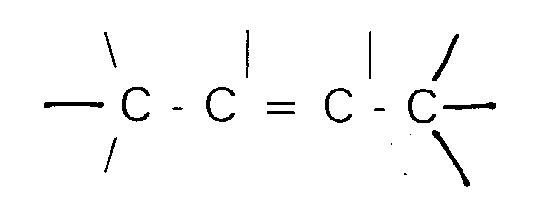


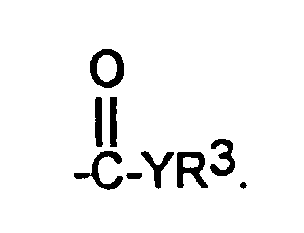
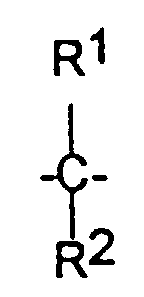
| Compositions | (Broad) Wt % | (Preferred) Wt % |
| V.I. Improver | 1-12 | 1-4 |
| Corrosion Inhibitor | 0.01-3 | 0.01-1.5 |
| Oxidation Inhibitor | 0.01-5 | 0.01-1.5 |
| Dispersant | 0.1-10 | 0.1-5 |
| Lube Oil Flow Improver | 0.01-2 | 0.01-1.5 |
| Detergents and Rust Inhibitors | 0.01-6 | 0.01-3 |
| Pour Point Depressant | 0.01-1.5 | 0.01-1.5 |
| Anti-Foaming Agents | 0.001-0.1 | 0.001-0.01 |
| Antiwear Agents | 0.001-5 | 0.001-1.5 |
| Seal Swellant | 0.1-8 | 0.1-4 |
| Friction Modifiers | 0.01-3 | 0.01-1.5 |
| Lubricating Base Oil | Balance | Balance |
| Example | Polymer | Mn | Catalyst Complex | Yield (%) |
| Comp. 1 | PNB | 550 | BF3·2H2O | |
| 2 | PNB | 550 | BF3·1.2H2O | 85 |
| 3 | EP | 1800 | BF3·1.1H2O | 56 |
| 4 | EB | 3700 | BF3·1.1H2O | 85.1 |
| 5 | PB | 2800 | BF3·1.1H2O | 75.4 |
| Yield to 4 chloro phenyl neo-ester/acid | = 60% of polymer |
| to alkyl phenyl ester | = 11.7% of polymer |
| to alkyl phenol | = 10.1% of polymer |
| Total Yield | = 81.8% polymer converted |
| Example | Polymer | Mn | Catalyst Complex | Yield (%) |
| Comp. 6 | PNB | 550 | BF3·dibutanol | |
| 7 | EB | 900 | BF3·monobutanol | 86 |
| 8 | PNB | 550 | BF3·monomethanol | 91.3 |
| 9 | PNB | 550 | BF3·tetra(4-chlorophenol) | 81.8 |
| 10 | PNB | 550 | BF3 +3-fluorophenol | 91.5 |
| 11 | EB | 4600 | BF3 2,4-dichlorophenol | 84.5 |
| 12 | EB | 2200 | BF3 + dichlorophenol | 85.4 |
Claims (13)
- A functionalized hydrocarbon polymer wherein the polymer backbone has Mn ≥500, functionalisation is by groups of the formula -CO-Y-R3 wherein Y is O or S, and either R3 is H or hydrocarbyl and at least 50 mole % of the functional groups are attached to a tertiary carbon atom of the polymer backbone, or R3 is aryl, substituted aryl or substituted hydrocarbyl, and at least 60 mole % of the functional groups are attached to a tertiary carbon atom of the polymer backbone with the proviso that when R3 is H or hydrocarbyl the polymer backbone is other than a gem-structured polyolefin.
- The functionalized polymer of claim 1 having an average of up to two functional groups per polymer chain.
- The functionalized polymer of claim 1 or claim 2 wherein the polymer backbone has Mn ≥2800.
- The functionalized polymer of any of claims 1 to 3, wherein the polymer backbone is selected from alpha-olefin homopolymers and interpolymers, ethylene alpha-olefin copolymers and terpolymers.
- The functionalized polymer of claim 4 wherein alpha-olefins have the formula H2C = CHR4 wherein R4 is straight chain or branched chain alkyl radical comprising 1 to 18 carbon atoms.
- The functionalized polymer of claim 5 wherein the polymer backbone is a polymer of ethylene and an alpha-olefin and wherein the polymer comprises polymer chains, at least 30% of which possess terminal vinylidene unsaturation.
- The functionalized polymer of any of claims 1 to 6, wherein the polymer backbone is an ethylene-butene copolymer.
- An oleaginous composition comprising the functionalized polymer of any of claims 1 to 7.
- An oleaginous composition of claim 8 in the form of a lubricating oil or lubricating oil additive package comprising the functionalized polymer and a base oil.
- A derivatized polymer which is the product of reacting the functionalized polymer of any of claims 1 to 7 and a nucleophilic reactant with the proviso that the polymer backbone is other than gem-structured for all variants of R3.
- The use of the functionalized polymer of any of claims 1 to 7 of the composition of claim 8 or claim 9, or of the derivatized polymer of claim 10 as an additive in a fuel or lubricant.
- A process for producing the functionalized polymer of any of claims 1 to 7 comprising the step of reacting:the reaction being conducted in the absence of transition metal as a catalyst; optionally wherein the nucleophilic trapping agent has a pKa of less than 12.(a) at least one hydrocarbon polymer having a number average molecular weight of at least 500, and at least one ethylenic double bond per polymer chain,(b) carbon monoxide,(c) at least one acid catalyst having a Hammett acidity of less than -7, and(d) a nucleophilic trapping agent selected from the group consisting of water, hydroxy-containing compounds and thiol-containing compounds,
- The process of claim 12 wherein the nucleophilic trapping agent is halophenol.
Applications Claiming Priority (3)
| Application Number | Priority Date | Filing Date | Title |
|---|---|---|---|
| US99240392A | 1992-12-17 | 1992-12-17 | |
| US992403 | 1992-12-17 | ||
| PCT/US1993/012210 WO1994013709A2 (en) | 1992-12-17 | 1993-12-15 | Polymers functionalised by koch reaction and derivatives thereof |
Publications (2)
| Publication Number | Publication Date |
|---|---|
| EP0674666A1 EP0674666A1 (en) | 1995-10-04 |
| EP0674666B1 true EP0674666B1 (en) | 1998-07-01 |
Family
ID=25538306
Family Applications (1)
| Application Number | Title | Priority Date | Filing Date |
|---|---|---|---|
| EP94905398A Expired - Lifetime EP0674666B1 (en) | 1992-12-17 | 1993-12-15 | Polymers functionalised by koch reaction and derivatives thereof |
Country Status (18)
| Country | Link |
|---|---|
| US (5) | US5717039A (en) |
| EP (1) | EP0674666B1 (en) |
| JP (1) | JP3065101B2 (en) |
| KR (1) | KR100253958B1 (en) |
| CN (1) | CN1057100C (en) |
| AT (1) | ATE167876T1 (en) |
| BR (1) | BR9307684A (en) |
| CA (1) | CA2110871C (en) |
| DE (1) | DE69319447T2 (en) |
| ES (1) | ES2117783T3 (en) |
| HU (1) | HUT73198A (en) |
| IL (1) | IL107810A0 (en) |
| MX (1) | MX9307827A (en) |
| MY (1) | MY131507A (en) |
| RU (1) | RU95118399A (en) |
| SG (1) | SG48357A1 (en) |
| WO (1) | WO1994013709A2 (en) |
| ZA (1) | ZA939314B (en) |
Families Citing this family (58)
| Publication number | Priority date | Publication date | Assignee | Title |
|---|---|---|---|---|
| US6103676A (en) * | 1998-06-23 | 2000-08-15 | Mobil Oil Corporation | Dispersants and dispersant viscosity index improvers from selectively hydrogenated polymers: hydroformylation/reductive amination reaction products |
| US5650536A (en) * | 1992-12-17 | 1997-07-22 | Exxon Chemical Patents Inc. | Continuous process for production of functionalized olefins |
| US5646332A (en) * | 1992-12-17 | 1997-07-08 | Exxon Chemical Patents Inc. | Batch Koch carbonylation process |
| DE59508321D1 (en) * | 1994-02-15 | 2000-06-15 | Basf Ag | USE OF CARBONIC ACID ESTERS AS A FUEL OR LUBRICANT ADDITIVE AND A METHOD FOR THE PRODUCTION THEREOF |
| WO1995034615A1 (en) * | 1994-06-16 | 1995-12-21 | Exxon Chemical Limited | Multigrade lubricating compositions containing no viscosity modifier |
| US5767046A (en) | 1994-06-17 | 1998-06-16 | Exxon Chemical Company | Functionalized additives useful in two-cycle engines |
| DE69507297T2 (en) * | 1994-06-17 | 1999-07-15 | Exxon Chemical Patents Inc., Linden, N.J. | AMIDIZATION OF ESTER FUNCTIONALIZED HYDROCARBON POLYMERS |
| US5756431A (en) * | 1994-06-17 | 1998-05-26 | Exxon Chemical Patents Inc | Dispersants derived from heavy polyamine and second amine |
| US5936041A (en) * | 1994-06-17 | 1999-08-10 | Exxon Chemical Patents Inc | Dispersant additives and process |
| WO1995035326A1 (en) * | 1994-06-17 | 1995-12-28 | Exxon Chemical Patents Inc. | Prestripped polymer used to improve koch reaction dispersant additives |
| GB9416565D0 (en) * | 1994-08-16 | 1994-10-12 | Exxon Chemical Patents Inc | Improved lubricating oil compositions |
| US5588972A (en) * | 1994-11-23 | 1996-12-31 | Exxon Chemical Patents Inc. | Adducts of quinone compounds and amine-containing polymers for use in lubricating oils and in fuels |
| FI972420A7 (en) * | 1994-12-08 | 1997-08-04 | Exxon Chemical Patents Inc | Biodegradable synthetic branched-chain ester bases and lubricants prepared therefrom |
| US5789355A (en) * | 1995-06-06 | 1998-08-04 | Exxon Chemical Limited | Low volatility lubricating compositions |
| JP3274052B2 (en) * | 1995-08-02 | 2002-04-15 | ティコナ・ゲゼルシャフト・ミット・ベシュレンクテル・ハフツング | Heating roller fixing type electrostatic image developing toner |
| US5652202A (en) * | 1995-08-15 | 1997-07-29 | Exxon Chemical Patents Inc. | Lubricating oil compositions |
| WO1997018281A1 (en) * | 1995-11-15 | 1997-05-22 | Exxon Chemical Patents Inc. | Carbonyl containing compound derivatives as multi-functional fuel and lube additives |
| US5672573A (en) * | 1996-04-10 | 1997-09-30 | Exxon Chemical Patents Inc. | Amicloamine derivatives of carboxylic and thiocarboxylic-functionalized hydrocarbon polymers |
| US6066603A (en) * | 1996-06-17 | 2000-05-23 | Exxon Chemical Patents Inc. | Polar monomer containing copolymers derived from olefins useful as lubricant and useful as lubricant and fuel oil additivies process for preparation of such copolymers and additives and use thereof |
| US5773567A (en) * | 1996-06-17 | 1998-06-30 | Exxon Chemical Patents Inc | Carboxylic amide-containing polymers for use as fuel or lubricating oil additives and processes for their preparation |
| US5811379A (en) * | 1996-06-17 | 1998-09-22 | Exxon Chemical Patents Inc. | Polymers derived from olefins useful as lubricant and fuel oil additives, processes for preparation of such polymers and additives and use thereof (PT-1267) |
| US6172015B1 (en) | 1997-07-21 | 2001-01-09 | Exxon Chemical Patents, Inc | Polar monomer containing copolymers derived from olefins useful as lubricant and fuel oil additives, processes for preparation of such copolymers and additives and use thereof |
| US6037445A (en) * | 1997-12-30 | 2000-03-14 | Exxon Chemical Patents, Inc. | Process for the continuous production of functionalized polymers |
| WO1999033884A1 (en) * | 1997-12-30 | 1999-07-08 | Exxon Chemical Patents Inc. | Reactive ester-functionalized polymers |
| EP1023337B1 (en) | 1998-07-30 | 2004-05-12 | Sasol Wax (South Africa) (Pty) Limited | Waxes |
| US8575226B2 (en) | 1998-09-17 | 2013-11-05 | Rhino Linings Corporation | Vegetable oil-based coating and method for application |
| US20030191274A1 (en) | 2001-10-10 | 2003-10-09 | Kurth Thomas M. | Oxylated vegetable-based polyol having increased functionality and urethane material formed using the polyol |
| US6979477B2 (en) | 2000-09-06 | 2005-12-27 | Urethane Soy Systems Company | Vegetable oil-based coating and method for application |
| US6180686B1 (en) | 1998-09-17 | 2001-01-30 | Thomas M. Kurth | Cellular plastic material |
| US7063877B2 (en) | 1998-09-17 | 2006-06-20 | Urethane Soy Systems Company, Inc. | Bio-based carpet material |
| US6962636B2 (en) | 1998-09-17 | 2005-11-08 | Urethane Soy Systems Company, Inc. | Method of producing a bio-based carpet material |
| US20020058774A1 (en) | 2000-09-06 | 2002-05-16 | Kurth Thomas M. | Transesterified polyol having selectable and increased functionality and urethane material products formed using the polyol |
| AU1929100A (en) | 1998-12-03 | 2000-06-19 | Dexter Corporation, The | Adhesive compositions with retarding additive |
| GB9827366D0 (en) * | 1998-12-11 | 1999-02-03 | Exxon Chemical Patents Inc | Macromolecular materials |
| WO2001053438A1 (en) * | 2000-01-21 | 2001-07-26 | Fuchs Petrolub Ag | Novel compositions of material, especially lubricants and pressure transmitting means, the production and use thereof |
| KR100854012B1 (en) * | 2000-01-26 | 2008-08-26 | 미쓰이 가가쿠 가부시키가이샤 | Olefin Polymer |
| WO2001079399A1 (en) * | 2000-04-13 | 2001-10-25 | Ashland Inc. | Engine lubricant and additive |
| MY134619A (en) * | 2000-12-08 | 2007-12-31 | Univ Sains Malaysia | Rubber derivatives and method for their preparation |
| MXPA02012500A (en) * | 2001-04-13 | 2004-09-10 | Ashland Inc | Engine lubricant and additive. |
| US6548606B1 (en) * | 2002-01-23 | 2003-04-15 | Infineum International Ltd. | Method of forming grafted copolymers |
| EP1554320B2 (en) | 2002-10-02 | 2011-07-13 | Dow Global Technologies LLC | Liquid and gel-like low molecular weight ethylene polymers |
| US20060001011A1 (en) * | 2004-07-02 | 2006-01-05 | Wilson Neil R | Surface conditioner for powder coating systems |
| US8536268B2 (en) | 2004-12-21 | 2013-09-17 | Dow Global Technologies Llc | Polypropylene-based adhesive compositions |
| ATE421547T1 (en) * | 2004-12-22 | 2009-02-15 | California Inst Of Techn | DEGRADABLE POLYMERS AND PRODUCTION PROCESSES THEREOF |
| CN101218272A (en) | 2005-03-03 | 2008-07-09 | 南达科他大豆处理机有限公司 | Novel polyols derived from vegetable oils by oxidation |
| ZA200707878B (en) | 2005-03-17 | 2009-06-24 | Dow Global Technologies Inc | Anti-blocking compositions comprising interpolymers of ethylene/alpha-olefins |
| US8287608B2 (en) * | 2005-06-27 | 2012-10-16 | Afton Chemical Corporation | Lubricity additive for fuels |
| ATE500281T1 (en) * | 2005-12-29 | 2011-03-15 | Dow Global Technologies Inc | LOW MOLECULAR ETHYLENE MIXED POLYMERS, PRODUCTION PROCESS THEREOF AND USES THEREOF |
| KR101513733B1 (en) | 2006-06-15 | 2015-04-21 | 다우 글로벌 테크놀로지스 엘엘씨 | Functionalized olefin interpolymers compositions and articles prepared therefrom and methods for making the same |
| EP2094739B1 (en) * | 2006-12-21 | 2021-05-19 | Dow Global Technologies LLC | Polyolefin compositions and articles prepared therefrom, and methods for making the same |
| CN101328438A (en) * | 2007-06-22 | 2008-12-24 | 俞炳宇 | High concentration mixing alcohol fuel and preparation thereof |
| EP2294102B1 (en) * | 2008-06-30 | 2013-08-21 | Dow Global Technologies LLC | Polyolefin compositions and articles prepared therefrom and methods of making the same |
| CN104245834B (en) | 2011-12-14 | 2017-10-13 | 陶氏环球技术有限责任公司 | The block composite and crystalline blocks composite of functionalization |
| WO2015002858A1 (en) | 2013-07-01 | 2015-01-08 | Dow Global Technologies Llc | Composite polymer composition |
| ES2759077T3 (en) | 2014-12-19 | 2020-05-07 | Infineum Int Ltd | Marine engine lubrication |
| KR101801294B1 (en) | 2016-03-15 | 2017-11-27 | 한국과학기술연구원 | Acrylic fibrous absorbent functionalized with amines and method of manufacturing the same |
| US10584297B2 (en) | 2016-12-13 | 2020-03-10 | Afton Chemical Corporation | Polyolefin-derived dispersants |
| US11459521B2 (en) | 2018-06-05 | 2022-10-04 | Afton Chemical Coporation | Lubricant composition and dispersants therefor having a beneficial effect on oxidation stability |
Family Cites Families (147)
| Publication number | Priority date | Publication date | Assignee | Title |
|---|---|---|---|---|
| US26433A (en) * | 1859-12-13 | John b | ||
| US2586070A (en) * | 1947-11-03 | 1952-02-19 | Shell Dev | Process for producing phenolic derivatives |
| US2831877A (en) * | 1952-03-24 | 1958-04-22 | Studiengesellschaft Kohel Mit | Production of carboxylic acids from olefins |
| NL102480C (en) * | 1957-04-24 | 1900-01-01 | ||
| US3036003A (en) * | 1957-08-07 | 1962-05-22 | Sinclair Research Inc | Lubricating oil composition |
| US3135716A (en) * | 1958-11-06 | 1964-06-02 | Phillips Petroleum Co | Process for preparing terminally reactive polymers |
| DE1248643B (en) * | 1959-03-30 | 1967-08-31 | The Lubrizol Corporation, Cleveland, Ohio (V. St. A.) | Process for the preparation of oil-soluble aylated amines |
| US3366569A (en) * | 1959-03-30 | 1968-01-30 | Lubrizol Corp | Lubricating compositions containing the reaction product of a substituted succinic acid-producing compound, an amino compound, and an alkenyl cyanide |
| US3005846A (en) * | 1959-04-06 | 1961-10-24 | Sinclair Refining Co | Production of acids and esters |
| NL124842C (en) * | 1959-08-24 | |||
| US3059007A (en) * | 1960-01-15 | 1962-10-16 | Shell Oil Co | Production of carboxylic acids |
| US3068256A (en) * | 1960-08-17 | 1962-12-11 | Exxon Research Engineering Co | Process for producing carboxylic acids |
| US3167585A (en) * | 1960-08-25 | 1965-01-26 | Gulf Research Development Co | Process for carboxylation of iso-olefins |
| US3200107A (en) * | 1961-06-12 | 1965-08-10 | Lubrizol Corp | Process for preparing acylated amine-cs2 compositions and products |
| US3256185A (en) * | 1961-06-12 | 1966-06-14 | Lubrizol Corp | Lubricant containing acylated aminecarbon disulfide product |
| US3087936A (en) * | 1961-08-18 | 1963-04-30 | Lubrizol Corp | Reaction product of an aliphatic olefinpolymer-succinic acid producing compound with an amine and reacting the resulting product with a boron compound |
| US3185704A (en) * | 1962-09-04 | 1965-05-25 | Exxon Research Engineering Co | Formamide of mono-alkenyl succinimide |
| NL131916C (en) | 1962-09-28 | |||
| US3184411A (en) * | 1962-09-28 | 1965-05-18 | California Research Corp | Lubricants for reducing corrosion |
| US3185645A (en) * | 1962-09-28 | 1965-05-25 | California Research Corp | Oxidation inhibited lubricants |
| NL134315C (en) * | 1962-10-04 | |||
| US3458530A (en) * | 1962-11-21 | 1969-07-29 | Exxon Research Engineering Co | Multi-purpose polyalkenyl succinic acid derivative |
| US3381022A (en) * | 1963-04-23 | 1968-04-30 | Lubrizol Corp | Polymerized olefin substituted succinic acid esters |
| DE1271877B (en) * | 1963-04-23 | 1968-07-04 | Lubrizol Corp | Lubricating oil |
| US3281428A (en) * | 1963-04-29 | 1966-10-25 | Lubrizol Corp | Reaction product of certain acylated nitrogen containing intermediates and a boron compound |
| US3282955A (en) * | 1963-04-29 | 1966-11-01 | Lubrizol Corp | Reaction products of acylated nitrogen intermediates and a boron compound |
| US3338832A (en) * | 1963-04-29 | 1967-08-29 | Lubrizol Corp | Lubricating oil containing reaction product of certain acylated nitrogen containing intermediates and a boron compound |
| GB1054276A (en) * | 1963-05-17 | |||
| US3513093A (en) * | 1963-06-17 | 1970-05-19 | Lubrizol Corp | Lubricant containing nitrogen-containing and phosphorus-containing succinic derivatives |
| GB1054093A (en) * | 1963-06-17 | |||
| US3280034A (en) * | 1963-07-22 | 1966-10-18 | Monsanto Co | Alkenylsuccinimido alkyl-substituted imidazolidines and related materials |
| US3312619A (en) * | 1963-10-14 | 1967-04-04 | Monsanto Co | 2-substituted imidazolidines and their lubricant compositions |
| US3455832A (en) * | 1963-09-09 | 1969-07-15 | Monsanto Co | Schiff bases |
| US3415750A (en) * | 1963-10-04 | 1968-12-10 | Monsanto Co | Imidazolines having polyalkenylsuccinimido-containing substituents |
| GB1053340A (en) * | 1963-10-14 | 1900-01-01 | ||
| GB1053577A (en) * | 1963-11-01 | |||
| US3533945A (en) * | 1963-11-13 | 1970-10-13 | Lubrizol Corp | Lubricating oil composition |
| US3245908A (en) * | 1963-11-18 | 1966-04-12 | Chevron Res | Lubricant composition |
| US3245909A (en) * | 1963-11-18 | 1966-04-12 | Chevron Res | Lubricating composition |
| US3245910A (en) * | 1963-11-18 | 1966-04-12 | Chevron Res | Lubricating oil composition |
| GB1054280A (en) | 1963-12-11 | |||
| US3306908A (en) * | 1963-12-26 | 1967-02-28 | Lubrizol Corp | Reaction products of high molecular weight hydrocarbon succinic compounds, amines and heavy metal compounds |
| GB1052380A (en) * | 1964-09-08 | |||
| GB1085903A (en) | 1964-11-19 | 1967-10-04 | Castrol Ltd | Additives for lubricating compositions |
| US3390086A (en) * | 1964-12-29 | 1968-06-25 | Exxon Research Engineering Co | Sulfur containing ashless disperant |
| US3445441A (en) * | 1965-03-25 | 1969-05-20 | Petrolite Corp | Amino-amido polymers |
| US3284410A (en) * | 1965-06-22 | 1966-11-08 | Lubrizol Corp | Substituted succinic acid-boron-alkylene amine-cyanamido derived additive and lubricating oil containing same |
| US3344069A (en) * | 1965-07-01 | 1967-09-26 | Lubrizol Corp | Lubricant additive and lubricant containing same |
| US3539633A (en) * | 1965-10-22 | 1970-11-10 | Standard Oil Co | Di-hydroxybenzyl polyamines |
| US3349107A (en) * | 1965-11-16 | 1967-10-24 | Schering Ag | Process for preparing carboxylic acids and their alkyl-esters |
| US3369021A (en) * | 1966-03-07 | 1968-02-13 | Lubrizol Corp | Preparation of lubricant additives with reduced odor |
| US3442808A (en) * | 1966-11-01 | 1969-05-06 | Standard Oil Co | Lubricating oil additives |
| GB1162436A (en) | 1967-03-18 | 1969-08-27 | Orobis Ltd | Ashless Dispersants |
| US3539654A (en) | 1967-05-16 | 1970-11-10 | Auxiliare De L Inst Francais D | Method of modifying natural rubber with carbon monoxide and coreactant |
| US3401118A (en) * | 1967-09-15 | 1968-09-10 | Chevron Res | Preparation of mixed alkenyl succinimides |
| US3718663A (en) * | 1967-11-24 | 1973-02-27 | Standard Oil Co | Preparation of oil-soluble boron derivatives of an alkylene polyamine-urea or thiourea-succinic anhydride addition product |
| US3703536A (en) * | 1967-11-24 | 1972-11-21 | Standard Oil Co | Preparation of oil-soluble boron derivatives of an alkylene polyamine-substituted phenol-formaldehyde addition product |
| US3865813A (en) * | 1968-01-08 | 1975-02-11 | Lubrizol Corp | Thiourea-acylated polyamine reaction product |
| US3541012A (en) * | 1968-04-15 | 1970-11-17 | Lubrizol Corp | Lubricants and fuels containing improved acylated nitrogen additives |
| US3551466A (en) * | 1968-04-18 | 1970-12-29 | Mobil Oil Corp | Metal salts of reaction product of alkenyl succinic anhydride with a polyamine and salicylaldehyde |
| US3493520A (en) * | 1968-06-04 | 1970-02-03 | Sinclair Research Inc | Ashless lubricating oil detergents |
| US3558743A (en) * | 1968-06-04 | 1971-01-26 | Joseph A Verdol | Ashless,oil-soluble detergents |
| US3600372A (en) * | 1968-06-04 | 1971-08-17 | Standard Oil Co | Carbon disulfide treated mannich condensation products |
| US3692681A (en) * | 1968-08-02 | 1972-09-19 | Chevron Res | Dispersion of terephthalic acid in detergent containing hydrocarbon oil medium |
| DE1793369B2 (en) | 1968-09-07 | 1974-08-08 | Ruhrchemie Ag, 4200 Oberhausen | Process for the continuous production of saturated aliphatic monocarboxylic acids |
| GB1188900A (en) | 1968-10-03 | 1970-04-22 | Spolek | Improvements in and relating to Alkyd Resins |
| GB1182519A (en) * | 1968-11-15 | 1970-02-25 | Shell Int Research | Process of the Preparation of Carboxylic Acids |
| US3573205A (en) * | 1968-12-17 | 1971-03-30 | Chevron Res | Diisocyanate modified polyisobutenyl-succinimides as lubricating oil detergents |
| US3595942A (en) * | 1968-12-24 | 1971-07-27 | Shell Oil Co | Partially hydrogenated block copolymers |
| FR2044708B1 (en) * | 1969-04-01 | 1974-07-12 | Lubrizol Corp | |
| US3859318A (en) * | 1969-05-19 | 1975-01-07 | Lubrizol Corp | Products produced by post-treating oil-soluble esters of mono- or polycarboxylic acids and polyhydric alcohols with epoxides |
| US3652616A (en) * | 1969-08-14 | 1972-03-28 | Standard Oil Co | Additives for fuels and lubricants |
| US3708522A (en) * | 1969-12-29 | 1973-01-02 | Lubrizol Corp | Reaction products of high molecular weight carboxylic acid esters and certain carboxylic acid acylating reactants |
| US3639242A (en) * | 1969-12-29 | 1972-02-01 | Lubrizol Corp | Lubricating oil or fuel containing sludge-dispersing additive |
| US3681415A (en) * | 1970-03-20 | 1972-08-01 | Ethyl Corp | Catalytic preparation of carboxylic acid esters from olefins, alcohols and carbon monoxide in the presence of an alkyl ether or alkyl ketone promoter |
| US3649659A (en) * | 1970-03-24 | 1972-03-14 | Mobil Oil Corp | Coordinated complexes of mannich bases |
| US3711406A (en) * | 1970-06-11 | 1973-01-16 | Chevron Res | Lubricating oil containing an hydroxylated amine and an overbased sulfonate or phenate |
| JPS4917033B1 (en) | 1970-06-15 | 1974-04-26 | ||
| US3755169A (en) * | 1970-10-13 | 1973-08-28 | Lubrizol Corp | High molecular weight carboxylic acid acylating agents and the process for preparing the same |
| US3715313A (en) * | 1971-05-17 | 1973-02-06 | Sun Oil Co Pennsylvania | Traction transmission containing lubricant comprising gem-structured polar compound |
| US3803087A (en) * | 1971-08-03 | 1974-04-09 | Dow Chemical Co | Process for preparing modified polymers |
| US3749695A (en) * | 1971-08-30 | 1973-07-31 | Chevron Res | Lubricating oil additives |
| US3865740A (en) * | 1972-05-22 | 1975-02-11 | Chevron Res | Multifunctional lubricating oil additive |
| US3795615A (en) * | 1972-07-28 | 1974-03-05 | J Pappas | Hydrogenated copolymers of butadiene with another conjugated diene are useful as oil additives |
| US3910963A (en) * | 1972-09-13 | 1975-10-07 | Agency Ind Science Techn | Method for manufacture of carboxylic acids or derivatives thereof |
| JPS49134641A (en) | 1973-05-10 | 1974-12-25 | ||
| US3870734A (en) * | 1973-06-05 | 1975-03-11 | Gulf Research Development Co | Production of mixtures of carboxylic acids from mixtures of olefins |
| US3903003A (en) * | 1974-03-06 | 1975-09-02 | Shell Oil Co | Lubricating compositions containing an amido-amine reaction product of a terminally carboxylated isoprene polymer |
| US3954639A (en) * | 1974-03-14 | 1976-05-04 | Chevron Research Company | Lubricating oil composition containing sulfate rust inhibitors |
| CA1048507A (en) * | 1974-03-27 | 1979-02-13 | Jack Ryer | Additive useful in oleaginous compositions |
| US3985830B1 (en) * | 1974-07-15 | 1998-03-03 | Univ Akron | Star polymers and process for the preparation thereof |
| US3992423A (en) * | 1974-12-26 | 1976-11-16 | Universal Oil Products Company | Production of carboxylic acids from olefins with a zeolite in aluminum hydrosol catalysts |
| US4073737A (en) * | 1976-04-19 | 1978-02-14 | Exxon Research & Engineering Co. | Hydrogenated copolymers of conjugated dienes and when desired a vinyl aromatic monomer are useful as oil additives |
| US4088588A (en) * | 1976-06-30 | 1978-05-09 | E. I. Du Pont De Nemours And Company | Polyisobutylcarboxylic acid amides |
| US4113639A (en) * | 1976-11-11 | 1978-09-12 | Exxon Research & Engineering Co. | Lubricating oil composition containing a dispersing-varnish inhibiting combination of an oxazoline compound and an acyl nitrogen compound |
| US4116876A (en) * | 1977-01-28 | 1978-09-26 | Exxon Research & Engineering Co. | Borated oxazolines as varnish inhibiting dispersants in lubricating oils |
| GB1598552A (en) * | 1977-03-18 | 1981-09-23 | Liquifry Co Ltd | Electrical heater |
| US4144181A (en) * | 1977-04-29 | 1979-03-13 | Exxon Research & Engineering Co. | Polymeric additives for fuels and lubricants |
| US4137185A (en) * | 1977-07-28 | 1979-01-30 | Exxon Research & Engineering Co. | Stabilized imide graft of ethylene copolymeric additives for lubricants |
| US4323698A (en) * | 1978-12-04 | 1982-04-06 | Mobil Oil Corporation | Resin-metal compound complex for catalyzing chemical reactions |
| US4224232A (en) * | 1978-12-21 | 1980-09-23 | Gulf Research & Development Company | Production of carboxylic acids from olefins and mixtures of olefins |
| US4219432A (en) * | 1979-02-14 | 1980-08-26 | Exxon Research & Engineering Co. | Stabilized amide-imide graft of ethylene copolymeric additives for lubricants |
| US4234435A (en) * | 1979-02-23 | 1980-11-18 | The Lubrizol Corporation | Novel carboxylic acid acylating agents, derivatives thereof, concentrate and lubricant compositions containing the same, and processes for their preparation |
| US4262138A (en) * | 1979-04-09 | 1981-04-14 | Chem Systems Inc. | Preparation of carboxylic acid esters with BF3 complex catalyst |
| US4256913A (en) * | 1979-04-09 | 1981-03-17 | Chem Systems Inc. | Preparation of carboxylic acids using a BF3 catalyst complex |
| AU5900880A (en) * | 1979-06-18 | 1981-01-08 | General Electric Company | Continuous manufacture of siloxane polymers |
| US4312965A (en) * | 1980-02-22 | 1982-01-26 | W. R. Grace & Co. | Process for forming amine/amide containing polymers |
| US4289760A (en) * | 1980-05-02 | 1981-09-15 | Merck & Co., Inc. | 23-Keto derivatives of C-076 compounds |
| US4517104A (en) | 1981-05-06 | 1985-05-14 | Exxon Research & Engineering Co. | Ethylene copolymer viscosity index improver-dispersant additive useful in oil compositions |
| US4665174A (en) | 1981-05-12 | 1987-05-12 | Sumitomo Chemical Company, Limited | Production of cyclopentenone derivatives |
| US4686054A (en) | 1981-08-17 | 1987-08-11 | Exxon Research & Engineering Co. | Succinimide lubricating oil dispersant |
| US4539654A (en) * | 1982-07-28 | 1985-09-03 | Rca Corporation | Switch arrangement for accessing a computer |
| US4518798A (en) | 1982-09-30 | 1985-05-21 | Exxon Research & Engineering Co. | Preparing esters and carboxylic acids from lower olefins |
| US4681707A (en) | 1982-09-30 | 1987-07-21 | The British Petroleum Company P.L.C. | Process for the production of carboxylic acid esters and/or carboxylic acids |
| FR2545480B1 (en) | 1983-05-06 | 1985-12-20 | Elf France | OLEFIN HYDRATION |
| US4789714A (en) | 1983-06-15 | 1988-12-06 | Exxon Research & Engineering Co. | Molecular weight distribution modification in tubular reactor |
| US4557847A (en) | 1983-11-21 | 1985-12-10 | Exxon Research & Engineering Co. | Ethylene copolymer viscosity index improver-dispersant additive useful in oil compositions |
| GB8333031D0 (en) * | 1983-12-10 | 1984-01-18 | British Petroleum Co Plc | Carboxylic acid esters/carboxylic acids |
| JPS61151202A (en) | 1984-12-26 | 1986-07-09 | Toa Nenryo Kogyo Kk | Production of propylene polymer |
| JPH0651726B2 (en) | 1985-03-29 | 1994-07-06 | 日本ゼオン株式会社 | Rubber modification method |
| FR2586255B1 (en) | 1985-08-14 | 1988-04-08 | Inst Francais Du Petrole | IMPROVED COMPOSITIONS OF DISPERSING ADDITIVES FOR LUBRICATING OILS AND THEIR PREPARATION |
| US4668834B1 (en) | 1985-10-16 | 1996-05-07 | Uniroyal Chem Co Inc | Low molecular weight ethylene-alphaolefin copolymer intermediates |
| DE3618378A1 (en) | 1986-05-31 | 1987-12-03 | Bayer Ag | POLYOLEFIN CARBONIC ACIDS, THEIR PRODUCTION AND THEIR USE FOR THE PRODUCTION OF POLYOLEFIN POLYCARBONATE BLOCK COPOLYMERS |
| US5084534A (en) | 1987-06-04 | 1992-01-28 | Exxon Chemical Patents, Inc. | High pressure, high temperature polymerization of ethylene |
| US4906394A (en) | 1986-10-07 | 1990-03-06 | Exxon Chemical Patents Inc. | Lactone modified mono-or dicarboxylic acid based adduct dispersant compositions |
| US4866142A (en) | 1986-10-07 | 1989-09-12 | Exxon Chemical Patents Inc. | Lactone modified polymeric amines useful as oil soluble dispersant additives |
| US4857217A (en) | 1987-11-30 | 1989-08-15 | Exxon Chemical Patents Inc. | Dispersant additives derived from amido-amines |
| US4866139A (en) | 1986-10-07 | 1989-09-12 | Exxon Chemical Patents Inc. | Lactone modified, esterified dispersant additives useful in oleaginous compositions |
| US4956107A (en) | 1987-11-30 | 1990-09-11 | Exxon Chemical Patents Inc. | Amide dispersant additives derived from amino-amines |
| US4963275A (en) | 1986-10-07 | 1990-10-16 | Exxon Chemical Patents Inc. | Dispersant additives derived from lactone modified amido-amine adducts |
| US4866135A (en) | 1986-10-07 | 1989-09-12 | Exxon Chemical Patents Inc. | Heterocyclic amine terminated, lactone modified, aminated viscosity modifiers of improved dispersancy |
| US4866140A (en) | 1986-10-07 | 1989-09-12 | Exxon Chemical Patents Inc. | Lactone modified adducts or reactants and oleaginous compositions containing same |
| US4866141A (en) | 1986-10-07 | 1989-09-12 | Exxon Chemical Patents Inc. | Lactone modified, esterfied or aminated additives useful in oleaginous compositions and compositions containing same |
| US4797219A (en) | 1987-04-24 | 1989-01-10 | Exxon Chemical Patents Inc. | Novel dispersants for oleaginous compositions |
| GB8711524D0 (en) | 1987-05-15 | 1987-06-17 | Shell Int Research | Carboxylic acids |
| US5102566A (en) | 1987-10-02 | 1992-04-07 | Exxon Chemical Patents Inc. | Low ash lubricant compositions for internal combustion engines (pt-727) |
| DE3733729A1 (en) | 1987-10-06 | 1989-04-20 | Roehm Gmbh | CONTINUOUS METHOD FOR PRODUCING ISOBUTTERIC ACID |
| US4980422A (en) | 1987-10-14 | 1990-12-25 | Shell Oil Company | Hydroesterification of polymerized conjugated dienes |
| GB8724108D0 (en) | 1987-10-14 | 1987-11-18 | Shell Int Research | Preparation of functionalized polymers |
| US5229022A (en) | 1988-08-01 | 1993-07-20 | Exxon Chemical Patents Inc. | Ethylene alpha-olefin polymer substituted mono- and dicarboxylic acid dispersant additives (PT-920) |
| US5017299A (en) | 1988-08-01 | 1991-05-21 | Exxon Chemical Patents, Inc. | Novel ethylene alpha-olefin copolymer substituted Mannich base lubricant dispersant additives |
| GB8824037D0 (en) | 1988-10-13 | 1988-11-23 | Shell Int Research | Modified dispersant v i improver |
| US4952739A (en) | 1988-10-26 | 1990-08-28 | Exxon Chemical Patents Inc. | Organo-Al-chloride catalyzed poly-n-butenes process |
| KR0183393B1 (en) | 1989-05-09 | 1999-05-15 | 오노 알버어스 | Functionalized Elastomers and Methods for Making the Same |
| US5017199A (en) | 1989-10-02 | 1991-05-21 | Rockwell International Corporation | Spent solvent recovery in circuit processing |
| US5235067A (en) | 1989-11-03 | 1993-08-10 | Texaco Inc. | Continuous process for alkenyl succinimides |
| US5070131A (en) | 1990-09-28 | 1991-12-03 | Shell Oil Company | Gear oil viscosity index improvers |
-
1993
- 1993-11-30 IL IL10781093A patent/IL107810A0/en unknown
- 1993-12-07 CA CA002110871A patent/CA2110871C/en not_active Expired - Fee Related
- 1993-12-08 MY MYPI93002627A patent/MY131507A/en unknown
- 1993-12-10 MX MX9307827A patent/MX9307827A/en unknown
- 1993-12-13 ZA ZA939314A patent/ZA939314B/en unknown
- 1993-12-15 JP JP6514505A patent/JP3065101B2/en not_active Expired - Lifetime
- 1993-12-15 EP EP94905398A patent/EP0674666B1/en not_active Expired - Lifetime
- 1993-12-15 RU RU95118399/04A patent/RU95118399A/en unknown
- 1993-12-15 BR BR9307684-3A patent/BR9307684A/en not_active Application Discontinuation
- 1993-12-15 KR KR1019950702453A patent/KR100253958B1/en not_active Expired - Fee Related
- 1993-12-15 HU HU9501163A patent/HUT73198A/en unknown
- 1993-12-15 DE DE69319447T patent/DE69319447T2/en not_active Expired - Fee Related
- 1993-12-15 SG SG1996009116A patent/SG48357A1/en unknown
- 1993-12-15 WO PCT/US1993/012210 patent/WO1994013709A2/en not_active Ceased
- 1993-12-15 ES ES94905398T patent/ES2117783T3/en not_active Expired - Lifetime
- 1993-12-15 AT AT94905398T patent/ATE167876T1/en active
- 1993-12-16 CN CN93120132A patent/CN1057100C/en not_active Expired - Fee Related
-
1995
- 1995-06-06 US US08/470,883 patent/US5717039A/en not_active Expired - Fee Related
- 1995-06-06 US US08/469,561 patent/US5698722A/en not_active Expired - Fee Related
- 1995-08-23 US US08/518,382 patent/US5696064A/en not_active Expired - Fee Related
- 1995-09-25 US US08/534,891 patent/US5629434A/en not_active Expired - Fee Related
-
1996
- 1996-12-16 US US08/764,918 patent/US5703256A/en not_active Expired - Fee Related
Also Published As
| Publication number | Publication date |
|---|---|
| AU5952194A (en) | 1994-07-04 |
| ES2117783T3 (en) | 1998-08-16 |
| BR9307684A (en) | 1999-08-31 |
| HUT73198A (en) | 1996-06-28 |
| US5629434A (en) | 1997-05-13 |
| US5703256A (en) | 1997-12-30 |
| HU9501163D0 (en) | 1996-05-28 |
| MX9307827A (en) | 1994-06-30 |
| WO1994013709A2 (en) | 1994-06-23 |
| KR950704367A (en) | 1995-11-20 |
| ZA939314B (en) | 1995-06-13 |
| CN1090859A (en) | 1994-08-17 |
| DE69319447T2 (en) | 1998-12-03 |
| JPH08505414A (en) | 1996-06-11 |
| IL107810A0 (en) | 1994-02-27 |
| US5698722A (en) | 1997-12-16 |
| MY131507A (en) | 2007-08-30 |
| CA2110871A1 (en) | 1994-06-18 |
| JP3065101B2 (en) | 2000-07-12 |
| DE69319447D1 (en) | 1998-08-06 |
| EP0674666A1 (en) | 1995-10-04 |
| CA2110871C (en) | 2001-02-06 |
| KR100253958B1 (en) | 2000-04-15 |
| US5717039A (en) | 1998-02-10 |
| ATE167876T1 (en) | 1998-07-15 |
| RU95118399A (en) | 1997-06-20 |
| SG48357A1 (en) | 1998-04-17 |
| AU671002B2 (en) | 1996-08-08 |
| US5696064A (en) | 1997-12-09 |
| CN1057100C (en) | 2000-10-04 |
Similar Documents
| Publication | Publication Date | Title |
|---|---|---|
| US5643859A (en) | Derivatives of polyamines with one primary amine and secondary of tertiary amines | |
| KR100253958B1 (en) | Polymers functionalised by koch reaction and derivatives thereof | |
| US5650536A (en) | Continuous process for production of functionalized olefins | |
| US5854186A (en) | Lubricating oil dispersants derived from heavy polyamine | |
| US5804667A (en) | Dispersant additives and process | |
| EP0765347B1 (en) | Batch koch carbonylation process | |
| EP0764176B1 (en) | Trisubstituted unsaturated polymers | |
| US5767046A (en) | Functionalized additives useful in two-cycle engines | |
| AU704021B2 (en) | Continuous process for production of functionalized olefins | |
| EP0765346A1 (en) | Prestripped polymer used to improve koch reaction dispersant additives | |
| US5672573A (en) | Amicloamine derivatives of carboxylic and thiocarboxylic-functionalized hydrocarbon polymers | |
| MXPA96006543A (en) | Continuous process for the production of olefins functionalizes | |
| WO1997018281A1 (en) | Carbonyl containing compound derivatives as multi-functional fuel and lube additives | |
| MXPA96006542A (en) | Dispersants for pes polyamine derived lubricating oils |
Legal Events
| Date | Code | Title | Description |
|---|---|---|---|
| PUAI | Public reference made under article 153(3) epc to a published international application that has entered the european phase |
Free format text: ORIGINAL CODE: 0009012 |
|
| 17P | Request for examination filed |
Effective date: 19950714 |
|
| AK | Designated contracting states |
Kind code of ref document: A1 Designated state(s): AT BE DE ES FR GB IE IT NL PT SE |
|
| 17Q | First examination report despatched |
Effective date: 19960503 |
|
| GRAG | Despatch of communication of intention to grant |
Free format text: ORIGINAL CODE: EPIDOS AGRA |
|
| GRAG | Despatch of communication of intention to grant |
Free format text: ORIGINAL CODE: EPIDOS AGRA |
|
| GRAG | Despatch of communication of intention to grant |
Free format text: ORIGINAL CODE: EPIDOS AGRA |
|
| GRAH | Despatch of communication of intention to grant a patent |
Free format text: ORIGINAL CODE: EPIDOS IGRA |
|
| GRAH | Despatch of communication of intention to grant a patent |
Free format text: ORIGINAL CODE: EPIDOS IGRA |
|
| GRAA | (expected) grant |
Free format text: ORIGINAL CODE: 0009210 |
|
| AK | Designated contracting states |
Kind code of ref document: B1 Designated state(s): AT BE DE ES FR GB IE IT NL PT SE |
|
| PG25 | Lapsed in a contracting state [announced via postgrant information from national office to epo] |
Ref country code: AT Free format text: LAPSE BECAUSE OF FAILURE TO SUBMIT A TRANSLATION OF THE DESCRIPTION OR TO PAY THE FEE WITHIN THE PRESCRIBED TIME-LIMIT Effective date: 19980701 |
|
| REF | Corresponds to: |
Ref document number: 167876 Country of ref document: AT Date of ref document: 19980715 Kind code of ref document: T |
|
| REF | Corresponds to: |
Ref document number: 69319447 Country of ref document: DE Date of ref document: 19980806 |
|
| REG | Reference to a national code |
Ref country code: ES Ref legal event code: FG2A Ref document number: 2117783 Country of ref document: ES Kind code of ref document: T3 |
|
| ET | Fr: translation filed | ||
| ITF | It: translation for a ep patent filed | ||
| PG25 | Lapsed in a contracting state [announced via postgrant information from national office to epo] |
Ref country code: SE Free format text: LAPSE BECAUSE OF FAILURE TO SUBMIT A TRANSLATION OF THE DESCRIPTION OR TO PAY THE FEE WITHIN THE PRESCRIBED TIME-LIMIT Effective date: 19981001 Ref country code: PT Free format text: LAPSE BECAUSE OF FAILURE TO SUBMIT A TRANSLATION OF THE DESCRIPTION OR TO PAY THE FEE WITHIN THE PRESCRIBED TIME-LIMIT Effective date: 19981001 |
|
| REG | Reference to a national code |
Ref country code: IE Ref legal event code: FG4D |
|
| PG25 | Lapsed in a contracting state [announced via postgrant information from national office to epo] |
Ref country code: IE Free format text: LAPSE BECAUSE OF NON-PAYMENT OF DUE FEES Effective date: 19981215 |
|
| PLBE | No opposition filed within time limit |
Free format text: ORIGINAL CODE: 0009261 |
|
| STAA | Information on the status of an ep patent application or granted ep patent |
Free format text: STATUS: NO OPPOSITION FILED WITHIN TIME LIMIT |
|
| 26N | No opposition filed | ||
| REG | Reference to a national code |
Ref country code: IE Ref legal event code: MM4A |
|
| REG | Reference to a national code |
Ref country code: GB Ref legal event code: IF02 |
|
| PGFP | Annual fee paid to national office [announced via postgrant information from national office to epo] |
Ref country code: GB Payment date: 20021104 Year of fee payment: 10 |
|
| PGFP | Annual fee paid to national office [announced via postgrant information from national office to epo] |
Ref country code: NL Payment date: 20021112 Year of fee payment: 10 |
|
| PGFP | Annual fee paid to national office [announced via postgrant information from national office to epo] |
Ref country code: FR Payment date: 20021202 Year of fee payment: 10 |
|
| PGFP | Annual fee paid to national office [announced via postgrant information from national office to epo] |
Ref country code: ES Payment date: 20021216 Year of fee payment: 10 |
|
| PGFP | Annual fee paid to national office [announced via postgrant information from national office to epo] |
Ref country code: DE Payment date: 20021230 Year of fee payment: 10 |
|
| PGFP | Annual fee paid to national office [announced via postgrant information from national office to epo] |
Ref country code: BE Payment date: 20030116 Year of fee payment: 10 |
|
| PG25 | Lapsed in a contracting state [announced via postgrant information from national office to epo] |
Ref country code: GB Free format text: LAPSE BECAUSE OF NON-PAYMENT OF DUE FEES Effective date: 20031215 |
|
| PG25 | Lapsed in a contracting state [announced via postgrant information from national office to epo] |
Ref country code: ES Free format text: LAPSE BECAUSE OF NON-PAYMENT OF DUE FEES Effective date: 20031216 |
|
| PG25 | Lapsed in a contracting state [announced via postgrant information from national office to epo] |
Ref country code: BE Free format text: LAPSE BECAUSE OF NON-PAYMENT OF DUE FEES Effective date: 20031231 |
|
| BERE | Be: lapsed |
Owner name: *EXXON CHEMICAL PATENTS INC. Effective date: 20031231 |
|
| PG25 | Lapsed in a contracting state [announced via postgrant information from national office to epo] |
Ref country code: NL Free format text: LAPSE BECAUSE OF NON-PAYMENT OF DUE FEES Effective date: 20040701 Ref country code: DE Free format text: LAPSE BECAUSE OF NON-PAYMENT OF DUE FEES Effective date: 20040701 |
|
| REG | Reference to a national code |
Ref country code: HK Ref legal event code: WD Ref document number: 1004857 Country of ref document: HK |
|
| GBPC | Gb: european patent ceased through non-payment of renewal fee |
Effective date: 20031215 |
|
| PG25 | Lapsed in a contracting state [announced via postgrant information from national office to epo] |
Ref country code: FR Free format text: LAPSE BECAUSE OF NON-PAYMENT OF DUE FEES Effective date: 20040831 |
|
| NLV4 | Nl: lapsed or anulled due to non-payment of the annual fee |
Effective date: 20040701 |
|
| REG | Reference to a national code |
Ref country code: FR Ref legal event code: ST |
|
| REG | Reference to a national code |
Ref country code: ES Ref legal event code: FD2A Effective date: 20031216 |
|
| PG25 | Lapsed in a contracting state [announced via postgrant information from national office to epo] |
Ref country code: IT Free format text: LAPSE BECAUSE OF NON-PAYMENT OF DUE FEES;WARNING: LAPSES OF ITALIAN PATENTS WITH EFFECTIVE DATE BEFORE 2007 MAY HAVE OCCURRED AT ANY TIME BEFORE 2007. THE CORRECT EFFECTIVE DATE MAY BE DIFFERENT FROM THE ONE RECORDED. Effective date: 20051215 |