EP0631503B1 - Use of vasoactive intestinal peptide (vip) to induce temporary paralysis of the gastrointestinal tract - Google Patents
Use of vasoactive intestinal peptide (vip) to induce temporary paralysis of the gastrointestinal tract Download PDFInfo
- Publication number
- EP0631503B1 EP0631503B1 EP92913717A EP92913717A EP0631503B1 EP 0631503 B1 EP0631503 B1 EP 0631503B1 EP 92913717 A EP92913717 A EP 92913717A EP 92913717 A EP92913717 A EP 92913717A EP 0631503 B1 EP0631503 B1 EP 0631503B1
- Authority
- EP
- European Patent Office
- Prior art keywords
- use according
- medicament
- vip
- patient
- administered
- Prior art date
- Legal status (The legal status is an assumption and is not a legal conclusion. Google has not performed a legal analysis and makes no representation as to the accuracy of the status listed.)
- Expired - Lifetime
Links
- 108010003205 Vasoactive Intestinal Peptide Proteins 0.000 title claims abstract description 108
- 206010033799 Paralysis Diseases 0.000 title claims abstract description 18
- 102000055135 Vasoactive Intestinal Peptide Human genes 0.000 title claims abstract 7
- 210000001035 gastrointestinal tract Anatomy 0.000 title claims description 22
- VBUWHHLIZKOSMS-KDPLEQQTSA-N dnc009566 Chemical compound C([C@H](C(=O)N[C@@H](CC(C)C)C(=O)N[C@@H](CC(N)=O)C(=O)N[C@@H](CO)C(=O)N[C@@H]([C@H](C)CC)C(=O)N[C@@H](CC(C)C)C(=O)N[C@@H](CC(N)=O)C(O)=O)NC(=O)[C@H](CCCCN)NC(=O)[C@H](CCCCN)NC(=O)[C@@H](NC(=O)[C@H](C)NC(=O)[C@H](CCSC)NC(=O)[C@H](CCC(N)=O)NC(=O)[C@H](CCCCN)NC(=O)[C@H](CCCNC(N)=N)NC(=O)[C@H](CC(C)C)NC(=O)[C@H](CCCNC(N)=N)NC(=O)[C@@H](NC(=O)[C@H](CC=1C=CC(O)=CC=1)NC(=O)[C@H](CC(N)=O)NC(=O)[C@H](CC(O)=O)NC(=O)[C@@H](NC(=O)[C@H](CC=1C=CC=CC=1)NC(=O)[C@@H](NC(=O)[C@H](C)NC(=O)[C@H](CC(O)=O)NC(=O)[C@H](CO)NC(=O)[C@@H](N)CC=1N=CNC=1)C(C)C)[C@@H](C)O)[C@H](C)O)C(C)C)C1=CC=C(O)C=C1 VBUWHHLIZKOSMS-KDPLEQQTSA-N 0.000 title 2
- VBUWHHLIZKOSMS-RIWXPGAOSA-N invicorp Chemical compound C([C@@H](C(=O)N[C@@H](CC(C)C)C(=O)N[C@@H](CC(N)=O)C(=O)N[C@@H](CO)C(=O)N[C@@H]([C@@H](C)CC)C(=O)N[C@@H](CC(C)C)C(=O)N[C@@H](CC(N)=O)C(O)=O)NC(=O)[C@H](CCCCN)NC(=O)[C@H](CCCCN)NC(=O)[C@@H](NC(=O)[C@H](C)NC(=O)[C@H](CCSC)NC(=O)[C@H](CCC(N)=O)NC(=O)[C@H](CCCCN)NC(=O)[C@H](CCCNC(N)=N)NC(=O)[C@H](CC(C)C)NC(=O)[C@H](CCCNC(N)=N)NC(=O)[C@@H](NC(=O)[C@H](CC=1C=CC(O)=CC=1)NC(=O)[C@H](CC(N)=O)NC(=O)[C@H](CC(O)=O)NC(=O)[C@@H](NC(=O)[C@H](CC=1C=CC=CC=1)NC(=O)[C@@H](NC(=O)[C@H](C)NC(=O)[C@H](CC(O)=O)NC(=O)[C@H](CO)NC(=O)[C@@H](N)CC=1NC=NC=1)C(C)C)[C@@H](C)O)[C@@H](C)O)C(C)C)C1=CC=C(O)C=C1 VBUWHHLIZKOSMS-RIWXPGAOSA-N 0.000 claims abstract description 108
- 238000000034 method Methods 0.000 claims abstract description 55
- 238000001839 endoscopy Methods 0.000 claims abstract description 19
- 230000001939 inductive effect Effects 0.000 claims abstract description 6
- 239000003937 drug carrier Substances 0.000 claims abstract description 5
- 230000008602 contraction Effects 0.000 claims description 45
- 230000037396 body weight Effects 0.000 claims description 28
- 239000003814 drug Substances 0.000 claims description 27
- 238000001802 infusion Methods 0.000 claims description 15
- 238000002347 injection Methods 0.000 claims description 13
- 239000007924 injection Substances 0.000 claims description 13
- 229910052788 barium Inorganic materials 0.000 claims description 10
- DSAJWYNOEDNPEQ-UHFFFAOYSA-N barium atom Chemical compound [Ba] DSAJWYNOEDNPEQ-UHFFFAOYSA-N 0.000 claims description 10
- 238000001990 intravenous administration Methods 0.000 claims description 10
- 208000022211 Arteriovenous Malformations Diseases 0.000 claims description 9
- 230000005744 arteriovenous malformation Effects 0.000 claims description 8
- 210000004204 blood vessel Anatomy 0.000 claims description 8
- 230000002107 myocardial effect Effects 0.000 claims description 8
- XADCESSVHJOZHK-UHFFFAOYSA-N Meperidine Chemical compound C=1C=CC=CC=1C1(C(=O)OCC)CCN(C)CC1 XADCESSVHJOZHK-UHFFFAOYSA-N 0.000 claims description 5
- 210000001367 artery Anatomy 0.000 claims description 5
- 238000003384 imaging method Methods 0.000 claims description 5
- 229960003793 midazolam Drugs 0.000 claims description 5
- DDLIGBOFAVUZHB-UHFFFAOYSA-N midazolam Chemical compound C12=CC(Cl)=CC=C2N2C(C)=NC=C2CN=C1C1=CC=CC=C1F DDLIGBOFAVUZHB-UHFFFAOYSA-N 0.000 claims description 5
- 229960000482 pethidine Drugs 0.000 claims description 5
- 206010003175 Arterial spasm Diseases 0.000 claims description 4
- 210000001635 urinary tract Anatomy 0.000 claims description 4
- 238000007631 vascular surgery Methods 0.000 claims description 4
- SVUOLADPCWQTTE-UHFFFAOYSA-N 1h-1,2-benzodiazepine Chemical compound N1N=CC=CC2=CC=CC=C12 SVUOLADPCWQTTE-UHFFFAOYSA-N 0.000 claims description 3
- 229940049706 benzodiazepine Drugs 0.000 claims description 3
- 238000002574 cystoscopy Methods 0.000 claims description 3
- 210000003238 esophagus Anatomy 0.000 claims description 3
- 230000000968 intestinal effect Effects 0.000 claims description 3
- 238000010255 intramuscular injection Methods 0.000 claims description 3
- 239000007927 intramuscular injection Substances 0.000 claims description 3
- 230000003187 abdominal effect Effects 0.000 claims description 2
- 238000003780 insertion Methods 0.000 claims description 2
- 230000037431 insertion Effects 0.000 claims description 2
- 238000004519 manufacturing process Methods 0.000 claims description 2
- 239000000203 mixture Substances 0.000 claims description 2
- 229960003529 diazepam Drugs 0.000 claims 2
- AAOVKJBEBIDNHE-UHFFFAOYSA-N diazepam Chemical compound N=1CC(=O)N(C)C2=CC=C(Cl)C=C2C=1C1=CC=CC=C1 AAOVKJBEBIDNHE-UHFFFAOYSA-N 0.000 claims 2
- 229960002428 fentanyl Drugs 0.000 claims 2
- PJMPHNIQZUBGLI-UHFFFAOYSA-N fentanyl Chemical compound C=1C=CC=CC=1N(C(=O)CC)C(CC1)CCN1CCC1=CC=CC=C1 PJMPHNIQZUBGLI-UHFFFAOYSA-N 0.000 claims 2
- 238000002583 angiography Methods 0.000 claims 1
- 239000004084 narcotic analgesic agent Substances 0.000 claims 1
- 102400000015 Vasoactive intestinal peptide Human genes 0.000 description 101
- 230000000694 effects Effects 0.000 description 21
- 230000002496 gastric effect Effects 0.000 description 18
- 102000051325 Glucagon Human genes 0.000 description 13
- 108060003199 Glucagon Proteins 0.000 description 13
- MASNOZXLGMXCHN-ZLPAWPGGSA-N glucagon Chemical compound C([C@@H](C(=O)N[C@H](C(=O)N[C@@H](CCC(N)=O)C(=O)N[C@@H](CC=1C2=CC=CC=C2NC=1)C(=O)N[C@@H](CC(C)C)C(=O)N[C@@H](CCSC)C(=O)N[C@@H](CC(N)=O)C(=O)N[C@@H]([C@@H](C)O)C(O)=O)C(C)C)NC(=O)[C@H](CC(O)=O)NC(=O)[C@H](CCC(N)=O)NC(=O)[C@H](C)NC(=O)[C@H](CCCNC(N)=N)NC(=O)[C@H](CCCNC(N)=N)NC(=O)[C@H](CO)NC(=O)[C@H](CC(O)=O)NC(=O)[C@H](CC(C)C)NC(=O)[C@H](CC=1C=CC(O)=CC=1)NC(=O)[C@H](CCCCN)NC(=O)[C@H](CO)NC(=O)[C@H](CC=1C=CC(O)=CC=1)NC(=O)[C@H](CC(O)=O)NC(=O)[C@H](CO)NC(=O)[C@@H](NC(=O)[C@H](CC=1C=CC=CC=1)NC(=O)[C@@H](NC(=O)CNC(=O)[C@H](CCC(N)=O)NC(=O)[C@H](CO)NC(=O)[C@@H](N)CC=1NC=NC=1)[C@@H](C)O)[C@@H](C)O)C1=CC=CC=C1 MASNOZXLGMXCHN-ZLPAWPGGSA-N 0.000 description 13
- 229960004666 glucagon Drugs 0.000 description 13
- 239000000243 solution Substances 0.000 description 11
- FAPWRFPIFSIZLT-UHFFFAOYSA-M Sodium chloride Chemical compound [Na+].[Cl-] FAPWRFPIFSIZLT-UHFFFAOYSA-M 0.000 description 10
- 208000005392 Spasm Diseases 0.000 description 10
- 230000005176 gastrointestinal motility Effects 0.000 description 10
- 229930003347 Atropine Natural products 0.000 description 9
- RKUNBYITZUJHSG-UHFFFAOYSA-N Hyosciamin-hydrochlorid Natural products CN1C(C2)CCC1CC2OC(=O)C(CO)C1=CC=CC=C1 RKUNBYITZUJHSG-UHFFFAOYSA-N 0.000 description 9
- RKUNBYITZUJHSG-SPUOUPEWSA-N atropine Chemical compound O([C@H]1C[C@H]2CC[C@@H](C1)N2C)C(=O)C(CO)C1=CC=CC=C1 RKUNBYITZUJHSG-SPUOUPEWSA-N 0.000 description 9
- 229960000396 atropine Drugs 0.000 description 9
- 239000003795 chemical substances by application Substances 0.000 description 9
- 230000004899 motility Effects 0.000 description 8
- 208000007101 Muscle Cramp Diseases 0.000 description 7
- 150000001413 amino acids Chemical class 0.000 description 7
- 241000700199 Cavia porcellus Species 0.000 description 6
- 230000036772 blood pressure Effects 0.000 description 6
- 210000001072 colon Anatomy 0.000 description 6
- 230000001965 increasing effect Effects 0.000 description 6
- 210000002784 stomach Anatomy 0.000 description 6
- 241000282414 Homo sapiens Species 0.000 description 5
- 230000009471 action Effects 0.000 description 5
- 230000017531 blood circulation Effects 0.000 description 5
- 210000001198 duodenum Anatomy 0.000 description 5
- 230000001769 paralizing effect Effects 0.000 description 5
- 230000008855 peristalsis Effects 0.000 description 5
- 230000002829 reductive effect Effects 0.000 description 5
- 239000011780 sodium chloride Substances 0.000 description 5
- BKVIYDNLLOSFOA-UHFFFAOYSA-N thallium Chemical compound [Tl] BKVIYDNLLOSFOA-UHFFFAOYSA-N 0.000 description 5
- 229910052716 thallium Inorganic materials 0.000 description 5
- 208000037062 Polyps Diseases 0.000 description 4
- 210000004027 cell Anatomy 0.000 description 4
- 230000000302 ischemic effect Effects 0.000 description 4
- 210000003205 muscle Anatomy 0.000 description 4
- 210000004165 myocardium Anatomy 0.000 description 4
- 125000002924 primary amino group Chemical group [H]N([H])* 0.000 description 4
- 230000009467 reduction Effects 0.000 description 4
- 230000035945 sensitivity Effects 0.000 description 4
- 239000008223 sterile water Substances 0.000 description 4
- 210000001519 tissue Anatomy 0.000 description 4
- XLYOFNOQVPJJNP-UHFFFAOYSA-N water Chemical compound O XLYOFNOQVPJJNP-UHFFFAOYSA-N 0.000 description 4
- 206010005746 Blood pressure fluctuation Diseases 0.000 description 3
- 206010047700 Vomiting Diseases 0.000 description 3
- 230000008901 benefit Effects 0.000 description 3
- 230000003247 decreasing effect Effects 0.000 description 3
- 230000010339 dilation Effects 0.000 description 3
- 238000007459 endoscopic retrograde cholangiopancreatography Methods 0.000 description 3
- 238000000338 in vitro Methods 0.000 description 3
- 208000028867 ischemia Diseases 0.000 description 3
- 241000283973 Oryctolagus cuniculus Species 0.000 description 2
- 206010046996 Varicose vein Diseases 0.000 description 2
- OIRDTQYFTABQOQ-KQYNXXCUSA-N adenosine Chemical compound C1=NC=2C(N)=NC=NC=2N1[C@@H]1O[C@H](CO)[C@@H](O)[C@H]1O OIRDTQYFTABQOQ-KQYNXXCUSA-N 0.000 description 2
- 210000004141 ampulla of vater Anatomy 0.000 description 2
- QVGXLLKOCUKJST-UHFFFAOYSA-N atomic oxygen Chemical compound [O] QVGXLLKOCUKJST-UHFFFAOYSA-N 0.000 description 2
- 230000009286 beneficial effect Effects 0.000 description 2
- 239000008280 blood Substances 0.000 description 2
- 210000004369 blood Anatomy 0.000 description 2
- 125000003178 carboxy group Chemical group [H]OC(*)=O 0.000 description 2
- 230000004087 circulation Effects 0.000 description 2
- 210000004351 coronary vessel Anatomy 0.000 description 2
- 230000000916 dilatatory effect Effects 0.000 description 2
- 231100000673 dose–response relationship Toxicity 0.000 description 2
- 229940079593 drug Drugs 0.000 description 2
- 238000002594 fluoroscopy Methods 0.000 description 2
- 230000030135 gastric motility Effects 0.000 description 2
- 210000002216 heart Anatomy 0.000 description 2
- 239000003112 inhibitor Substances 0.000 description 2
- 210000000936 intestine Anatomy 0.000 description 2
- 230000033001 locomotion Effects 0.000 description 2
- 230000003533 narcotic effect Effects 0.000 description 2
- 210000002569 neuron Anatomy 0.000 description 2
- 229910052760 oxygen Inorganic materials 0.000 description 2
- 239000001301 oxygen Substances 0.000 description 2
- 230000002572 peristaltic effect Effects 0.000 description 2
- 238000009101 premedication Methods 0.000 description 2
- 102000004169 proteins and genes Human genes 0.000 description 2
- 108090000623 proteins and genes Proteins 0.000 description 2
- 210000000664 rectum Anatomy 0.000 description 2
- 230000002441 reversible effect Effects 0.000 description 2
- 230000028327 secretion Effects 0.000 description 2
- 210000000813 small intestine Anatomy 0.000 description 2
- 241000894007 species Species 0.000 description 2
- 239000000126 substance Substances 0.000 description 2
- 230000001052 transient effect Effects 0.000 description 2
- 210000003932 urinary bladder Anatomy 0.000 description 2
- 208000027185 varicose disease Diseases 0.000 description 2
- 206010067484 Adverse reaction Diseases 0.000 description 1
- 201000001320 Atherosclerosis Diseases 0.000 description 1
- 239000002126 C01EB10 - Adenosine Substances 0.000 description 1
- 206010011985 Decubitus ulcer Diseases 0.000 description 1
- 241000289427 Didelphidae Species 0.000 description 1
- 241000792859 Enema Species 0.000 description 1
- 241000282326 Felis catus Species 0.000 description 1
- 206010019233 Headaches Diseases 0.000 description 1
- 101500027956 Homo sapiens Vasoactive intestinal peptide Proteins 0.000 description 1
- NNJVILVZKWQKPM-UHFFFAOYSA-N Lidocaine Chemical compound CCN(CC)CC(=O)NC1=C(C)C=CC=C1C NNJVILVZKWQKPM-UHFFFAOYSA-N 0.000 description 1
- 208000019693 Lung disease Diseases 0.000 description 1
- 241001465754 Metazoa Species 0.000 description 1
- 241000699666 Mus <mouse, genus> Species 0.000 description 1
- 206010028813 Nausea Diseases 0.000 description 1
- 102000015731 Peptide Hormones Human genes 0.000 description 1
- 108010038988 Peptide Hormones Proteins 0.000 description 1
- 206010039897 Sedation Diseases 0.000 description 1
- 206010046555 Urinary retention Diseases 0.000 description 1
- -1 VIP compound Chemical class 0.000 description 1
- 206010047141 Vasodilatation Diseases 0.000 description 1
- 206010047513 Vision blurred Diseases 0.000 description 1
- 208000027418 Wounds and injury Diseases 0.000 description 1
- 229960005305 adenosine Drugs 0.000 description 1
- 230000006838 adverse reaction Effects 0.000 description 1
- 150000001412 amines Chemical class 0.000 description 1
- 230000001022 anti-muscarinic effect Effects 0.000 description 1
- 229940127088 antihypertensive drug Drugs 0.000 description 1
- 238000013459 approach Methods 0.000 description 1
- 230000001174 ascending effect Effects 0.000 description 1
- 230000003143 atherosclerotic effect Effects 0.000 description 1
- 229940092732 belladonna alkaloid Drugs 0.000 description 1
- 238000001574 biopsy Methods 0.000 description 1
- 230000000740 bleeding effect Effects 0.000 description 1
- 230000000747 cardiac effect Effects 0.000 description 1
- 210000000748 cardiovascular system Anatomy 0.000 description 1
- 210000004534 cecum Anatomy 0.000 description 1
- 230000030833 cell death Effects 0.000 description 1
- 210000003169 central nervous system Anatomy 0.000 description 1
- 208000026106 cerebrovascular disease Diseases 0.000 description 1
- 238000003759 clinical diagnosis Methods 0.000 description 1
- 230000007012 clinical effect Effects 0.000 description 1
- 230000004600 colonic motility Effects 0.000 description 1
- 230000002860 competitive effect Effects 0.000 description 1
- 230000037020 contractile activity Effects 0.000 description 1
- 230000008094 contradictory effect Effects 0.000 description 1
- 230000006378 damage Effects 0.000 description 1
- 230000007547 defect Effects 0.000 description 1
- 238000003745 diagnosis Methods 0.000 description 1
- 238000002405 diagnostic procedure Methods 0.000 description 1
- 230000003205 diastolic effect Effects 0.000 description 1
- 208000037265 diseases, disorders, signs and symptoms Diseases 0.000 description 1
- 208000035475 disorder Diseases 0.000 description 1
- 230000002183 duodenal effect Effects 0.000 description 1
- 230000005684 electric field Effects 0.000 description 1
- 239000007920 enema Substances 0.000 description 1
- 229940095399 enema Drugs 0.000 description 1
- 230000002708 enhancing effect Effects 0.000 description 1
- 210000000105 enteric nervous system Anatomy 0.000 description 1
- 210000002322 enterochromaffin cell Anatomy 0.000 description 1
- 238000011067 equilibration Methods 0.000 description 1
- 238000011156 evaluation Methods 0.000 description 1
- 230000006870 function Effects 0.000 description 1
- 210000000232 gallbladder Anatomy 0.000 description 1
- 230000007661 gastrointestinal function Effects 0.000 description 1
- 210000005095 gastrointestinal system Anatomy 0.000 description 1
- 231100000869 headache Toxicity 0.000 description 1
- 208000019622 heart disease Diseases 0.000 description 1
- 230000003054 hormonal effect Effects 0.000 description 1
- 229940088597 hormone Drugs 0.000 description 1
- 239000005556 hormone Substances 0.000 description 1
- 210000003405 ileum Anatomy 0.000 description 1
- 230000001771 impaired effect Effects 0.000 description 1
- 230000006872 improvement Effects 0.000 description 1
- 208000014674 injury Diseases 0.000 description 1
- 230000008991 intestinal motility Effects 0.000 description 1
- 238000007918 intramuscular administration Methods 0.000 description 1
- 238000010253 intravenous injection Methods 0.000 description 1
- 210000003750 lower gastrointestinal tract Anatomy 0.000 description 1
- 210000004072 lung Anatomy 0.000 description 1
- 235000012054 meals Nutrition 0.000 description 1
- 238000002156 mixing Methods 0.000 description 1
- 238000012544 monitoring process Methods 0.000 description 1
- 230000004118 muscle contraction Effects 0.000 description 1
- 208000010125 myocardial infarction Diseases 0.000 description 1
- 230000008693 nausea Effects 0.000 description 1
- 210000004126 nerve fiber Anatomy 0.000 description 1
- 230000001537 neural effect Effects 0.000 description 1
- 239000002858 neurotransmitter agent Substances 0.000 description 1
- 231100000957 no side effect Toxicity 0.000 description 1
- 235000015097 nutrients Nutrition 0.000 description 1
- 210000004789 organ system Anatomy 0.000 description 1
- 239000000813 peptide hormone Substances 0.000 description 1
- 230000002093 peripheral effect Effects 0.000 description 1
- 230000036378 peristaltic reflex Effects 0.000 description 1
- 230000000144 pharmacologic effect Effects 0.000 description 1
- 210000003800 pharynx Anatomy 0.000 description 1
- 229920001184 polypeptide Polymers 0.000 description 1
- 238000002360 preparation method Methods 0.000 description 1
- 108090000765 processed proteins & peptides Proteins 0.000 description 1
- 102000004196 processed proteins & peptides Human genes 0.000 description 1
- 230000002035 prolonged effect Effects 0.000 description 1
- 230000001141 propulsive effect Effects 0.000 description 1
- OANVFVBYPNXRLD-UHFFFAOYSA-M propyromazine bromide Chemical compound [Br-].C12=CC=CC=C2SC2=CC=CC=C2N1C(=O)C(C)[N+]1(C)CCCC1 OANVFVBYPNXRLD-UHFFFAOYSA-M 0.000 description 1
- 125000006239 protecting group Chemical group 0.000 description 1
- 230000002285 radioactive effect Effects 0.000 description 1
- 230000000241 respiratory effect Effects 0.000 description 1
- 210000002345 respiratory system Anatomy 0.000 description 1
- 230000004044 response Effects 0.000 description 1
- 150000003839 salts Chemical class 0.000 description 1
- 230000036280 sedation Effects 0.000 description 1
- 210000002460 smooth muscle Anatomy 0.000 description 1
- 239000007921 spray Substances 0.000 description 1
- 230000000638 stimulation Effects 0.000 description 1
- 238000006467 substitution reaction Methods 0.000 description 1
- 208000024891 symptom Diseases 0.000 description 1
- 230000035488 systolic blood pressure Effects 0.000 description 1
- 238000012360 testing method Methods 0.000 description 1
- 230000001225 therapeutic effect Effects 0.000 description 1
- 238000002560 therapeutic procedure Methods 0.000 description 1
- 210000002438 upper gastrointestinal tract Anatomy 0.000 description 1
- 210000002229 urogenital system Anatomy 0.000 description 1
- 230000024883 vasodilation Effects 0.000 description 1
- 210000003462 vein Anatomy 0.000 description 1
- 230000000007 visual effect Effects 0.000 description 1
- 238000012800 visualization Methods 0.000 description 1
- 230000008673 vomiting Effects 0.000 description 1
- 229940072358 xylocaine Drugs 0.000 description 1
Images





Classifications
-
- A—HUMAN NECESSITIES
- A61—MEDICAL OR VETERINARY SCIENCE; HYGIENE
- A61K—PREPARATIONS FOR MEDICAL, DENTAL OR TOILETRY PURPOSES
- A61K49/00—Preparations for testing in vivo
- A61K49/04—X-ray contrast preparations
- A61K49/0409—Physical forms of mixtures of two different X-ray contrast-enhancing agents, containing at least one X-ray contrast-enhancing agent which is not a halogenated organic compound
-
- A—HUMAN NECESSITIES
- A61—MEDICAL OR VETERINARY SCIENCE; HYGIENE
- A61K—PREPARATIONS FOR MEDICAL, DENTAL OR TOILETRY PURPOSES
- A61K31/00—Medicinal preparations containing organic active ingredients
- A61K31/33—Heterocyclic compounds
- A61K31/395—Heterocyclic compounds having nitrogen as a ring hetero atom, e.g. guanethidine or rifamycins
- A61K31/435—Heterocyclic compounds having nitrogen as a ring hetero atom, e.g. guanethidine or rifamycins having six-membered rings with one nitrogen as the only ring hetero atom
- A61K31/44—Non condensed pyridines; Hydrogenated derivatives thereof
- A61K31/445—Non condensed piperidines, e.g. piperocaine
- A61K31/4465—Non condensed piperidines, e.g. piperocaine only substituted in position 4
-
- A—HUMAN NECESSITIES
- A61—MEDICAL OR VETERINARY SCIENCE; HYGIENE
- A61K—PREPARATIONS FOR MEDICAL, DENTAL OR TOILETRY PURPOSES
- A61K31/00—Medicinal preparations containing organic active ingredients
- A61K31/33—Heterocyclic compounds
- A61K31/395—Heterocyclic compounds having nitrogen as a ring hetero atom, e.g. guanethidine or rifamycins
- A61K31/435—Heterocyclic compounds having nitrogen as a ring hetero atom, e.g. guanethidine or rifamycins having six-membered rings with one nitrogen as the only ring hetero atom
- A61K31/44—Non condensed pyridines; Hydrogenated derivatives thereof
- A61K31/445—Non condensed piperidines, e.g. piperocaine
- A61K31/4468—Non condensed piperidines, e.g. piperocaine having a nitrogen directly attached in position 4, e.g. clebopride, fentanyl
-
- A—HUMAN NECESSITIES
- A61—MEDICAL OR VETERINARY SCIENCE; HYGIENE
- A61K—PREPARATIONS FOR MEDICAL, DENTAL OR TOILETRY PURPOSES
- A61K31/00—Medicinal preparations containing organic active ingredients
- A61K31/33—Heterocyclic compounds
- A61K31/395—Heterocyclic compounds having nitrogen as a ring hetero atom, e.g. guanethidine or rifamycins
- A61K31/55—Heterocyclic compounds having nitrogen as a ring hetero atom, e.g. guanethidine or rifamycins having seven-membered rings, e.g. azelastine, pentylenetetrazole
- A61K31/551—Heterocyclic compounds having nitrogen as a ring hetero atom, e.g. guanethidine or rifamycins having seven-membered rings, e.g. azelastine, pentylenetetrazole having two nitrogen atoms, e.g. dilazep
- A61K31/5513—1,4-Benzodiazepines, e.g. diazepam or clozapine
-
- A—HUMAN NECESSITIES
- A61—MEDICAL OR VETERINARY SCIENCE; HYGIENE
- A61K—PREPARATIONS FOR MEDICAL, DENTAL OR TOILETRY PURPOSES
- A61K31/00—Medicinal preparations containing organic active ingredients
- A61K31/33—Heterocyclic compounds
- A61K31/395—Heterocyclic compounds having nitrogen as a ring hetero atom, e.g. guanethidine or rifamycins
- A61K31/55—Heterocyclic compounds having nitrogen as a ring hetero atom, e.g. guanethidine or rifamycins having seven-membered rings, e.g. azelastine, pentylenetetrazole
- A61K31/551—Heterocyclic compounds having nitrogen as a ring hetero atom, e.g. guanethidine or rifamycins having seven-membered rings, e.g. azelastine, pentylenetetrazole having two nitrogen atoms, e.g. dilazep
- A61K31/5513—1,4-Benzodiazepines, e.g. diazepam or clozapine
- A61K31/5517—1,4-Benzodiazepines, e.g. diazepam or clozapine condensed with five-membered rings having nitrogen as a ring hetero atom, e.g. imidazobenzodiazepines, triazolam
-
- A—HUMAN NECESSITIES
- A61—MEDICAL OR VETERINARY SCIENCE; HYGIENE
- A61K—PREPARATIONS FOR MEDICAL, DENTAL OR TOILETRY PURPOSES
- A61K38/00—Medicinal preparations containing peptides
- A61K38/16—Peptides having more than 20 amino acids; Gastrins; Somatostatins; Melanotropins; Derivatives thereof
- A61K38/17—Peptides having more than 20 amino acids; Gastrins; Somatostatins; Melanotropins; Derivatives thereof from animals; from humans
- A61K38/22—Hormones
- A61K38/2278—Vasoactive intestinal peptide [VIP]; Related peptides (e.g. Exendin)
-
- A—HUMAN NECESSITIES
- A61—MEDICAL OR VETERINARY SCIENCE; HYGIENE
- A61K—PREPARATIONS FOR MEDICAL, DENTAL OR TOILETRY PURPOSES
- A61K49/00—Preparations for testing in vivo
- A61K49/04—X-ray contrast preparations
- A61K49/0404—X-ray contrast preparations containing barium sulfate
-
- A—HUMAN NECESSITIES
- A61—MEDICAL OR VETERINARY SCIENCE; HYGIENE
- A61K—PREPARATIONS FOR MEDICAL, DENTAL OR TOILETRY PURPOSES
- A61K51/00—Preparations containing radioactive substances for use in therapy or testing in vivo
- A61K51/02—Preparations containing radioactive substances for use in therapy or testing in vivo characterised by the carrier, i.e. characterised by the agent or material covalently linked or complexing the radioactive nucleus
- A61K51/04—Organic compounds
-
- A—HUMAN NECESSITIES
- A61—MEDICAL OR VETERINARY SCIENCE; HYGIENE
- A61P—SPECIFIC THERAPEUTIC ACTIVITY OF CHEMICAL COMPOUNDS OR MEDICINAL PREPARATIONS
- A61P1/00—Drugs for disorders of the alimentary tract or the digestive system
-
- A—HUMAN NECESSITIES
- A61—MEDICAL OR VETERINARY SCIENCE; HYGIENE
- A61P—SPECIFIC THERAPEUTIC ACTIVITY OF CHEMICAL COMPOUNDS OR MEDICINAL PREPARATIONS
- A61P23/00—Anaesthetics
-
- A—HUMAN NECESSITIES
- A61—MEDICAL OR VETERINARY SCIENCE; HYGIENE
- A61P—SPECIFIC THERAPEUTIC ACTIVITY OF CHEMICAL COMPOUNDS OR MEDICINAL PREPARATIONS
- A61P25/00—Drugs for disorders of the nervous system
- A61P25/04—Centrally acting analgesics, e.g. opioids
Definitions
- the present invention relates to a method for inducing temporary paralysis of the gastrointestinal tract by administering vasoactive intestinal peptide (VIP) to a patient during the course of an endoscopy or other medical procedure.
- VIP vasoactive intestinal peptide
- Gastrointestinal endoscopy is a diagnostic and therapeutic procedure which involves visual examination of different portions of the gastrointestinal tract using a long flexible tube known as an endoscope.
- An endoscope has a lens on one end and an eyepiece or video display system at the opposite end. Endoscopy is performed in moderately sedated patients by inserting the endoscope through the mouth or rectum and positioning the lens in the desired area of observation. Because the gastrointestinal tract is actively contracting during the procedure, the attending physician's visualization of certain regions of the GI tract is impaired or limited. In addition, this natural peristaltic reflex renders difficult the biopsy of certain areas of the GI tract and often interferes with the removal of polyps.
- Atropine is a belladonna alkaloid with competitive antimuscarinic actions. In the gastrointestinal tract it is an inhibitor of oral secretion and gastrointestinal motility. However, it is known by practitioners in the field to be only marginally effective as a paralytic agent for use in endoscopic procedures. In fact, controlled studies have failed to demonstrate any beneficial effects of atropine during endoscopies with regard to improvement in patient tolerance or facilitation of endoscopy (Ross, W.; Gastrointestinal Endoscopy, Vol.35, No 2, 120-126, 1989).
- Atropine is also associated with undesirable side effects such as blurred vision, headache, and urinary retention (Goodman and Gilman, The Pharmacological Basis of Therapeutics, 5th Ed., MacMillan, New York, 1975 pp. 514-532) and an increased risk of cardiac arrhymthias (Ross, W., Gastrointestinal Endoscopy, Vol.35, No. 2, 120-126, 1989). Consequently, atropine is rarely used as a premedication in endoscopy today.
- Glucagon has been demonstrated to cause a variable reduction in gastroduodenal motility.
- the effect of glucagon appears to be dose-dependent with a minimally effective dose being 0.5 mg.
- glucagon does not facilitate colonoscopic evaluation (Norfleet, R.G., Gastrointestinal Endoscopy, Vol. 24, 164-5, 1978).
- Glucagon administered intravenously at a dose of 1 mg followed by 2 mg IV over a period of 2 hours does affect, however, antroduodenal activity. That is, the cycle length and time between contractile activity in the duodenum is significantly increased while the mean pressure period is decreased (Larsen et al ., Scand. J. Gastroenterol. Vol 21, 634-640, 1986).
- Nausea and vomiting are two side effects associated with the use of glucagon. They are dose dependent, and can appear at a dose of 1 mg (Larsen et al ., Scand. J. Gastroenterol. 21:634-640, 1986; Gregersen et al ., Scand. J. Gastroent. 23 (Supp 152):42-47, 1988; Diamant Handbook Experimental Parm, Lefevre ed., Vol. 66/2:611-643, 1983). Since dosages required to sufficiently reduce motility frequently exceed 1 mg, side effects from glucagon use are prevalent. Such side effects render the patient extremely uncomfortable and often cause the endoscopic procedure to be interrupted or aborted.
- Glucagon is used with a certain amount of success to facilitate barium examinations of the upper and lower GI tract by causing a dilation of the stomach and small bowel (Kreen, L., Br. J.Radiol., 48, 691-703, 1975).
- glucagon has found use in endoscopic retrograde cholangiopancreatography (ERCP) to decrease contractions prior to cannulation of the ampulla of Vater.
- ERCP endoscopic retrograde cholangiopancreatography
- VIP is a 28 amino acid polypeptide hormone (Said,S., Mutt, V., Eur. J Biochem 28:199, 1972). It was first isolated in 1969 from normal hog lung and was shown at that time to cause a gradual but prolonged peripheral vasodilation. The polypeptide was given the name vasoactive intestinal peptide (VIP) in 1970 when it was isolated from porcine intestine (Said, SI, Mutt, V., Science 169:1217, 1970). Since then, it has been isolated and its amino acid sequence determined in rat, pig, cow, guinea pig and human. Interestingly, the amino acid sequence of VIP isolated from all sources is identical except in guinea pig, where it differs by four non-polar amino acid substitutions. The amino acid sequence of human VIP has been published (Bunnett et al ., Clin. Endocrinol. Metab. 59:1133-1137; 1984), and is shown in Table 1.
- VIP immunoreactive neurons and nerve fibers have been found throughout the central nervous system and are widely distributed in many organ systems such as the genitourinary, gastrointestinal, respiratory, and cardiovascular systems (Khalil, et al ., 'Vasoactive Intestinal Peptide' in Gastrointestinal Endocrinology , Ed. J.C. Thompson, McGraw Hill, New York (1987) pp 260-272.
- Gastrointestinal motility is responsible for the orderly movement of secretions and nutrients through discrete anatomic portions of the gastrointestinal tract.
- An extensive neural and hormonal system regulates this complex mixing and propulsive activity.
- Neurotransmitters released by gastrointestinal neurons and hormones found in the circulation and enterochromaffin cells are the chemical messengers responsible for coordinating gastrointestinal function.
- the action of these messengers on target cells may be contradictory.
- the circuitry of the enteric nervous system is such that an agent may stimulate a target cell and at the same time stimulate the release of another agent that inhibits the target cell.
- the action of an agent on the intact system cannot be predicted by the action on the individual cell. This has been found to be especially true when the data from various in vitro studies using isolated muscle strips exposed to different agents are compared to results seen in the clinical endoscopic setting.
- Atropine strongly inhibits ascending contractions at all grades of stretch but has no effect on descending relaxation (Grider and Makhlouf, Amer. J. Physiol. Soc. 25:G40-G45, 1986).
- atropine shows a primary relaxation in response to electrical field stimulation at all frequencies tasted (Maggi et al ., Naunyn-Schmiedeberg's Arch Pharmacol, 341:256-261, 1990).
- atropine offers minimal if any beneficial effects in reducing gastrointestinal motility in the endoscopic setting.
- VIP in vitro gastrointestinal motility
- Several in vitro animal studies have suggested that VIP is responsible for relaxation of rat stomach and colon, guinea-pig stomach and gallbladder, chick rectum and rectal cecum, and human intestine (Grider and Makhlouf, Am.J. Physiol., 25:G40-G45, 1986; Grider, et al ., Am. J. Physiol., G73-G78, 1985; Grider, J., Gastroenterology, 97: 1414-9, 1989; Said, et al ., U.S. Patent No. 3,880, 826, 1975).
- VIP either has no effect or actually stimulates contractions in the gastrointestinal tract.
- VIP caused a small relaxation in circular muscle but did not relax longitudinal muscle contractions (Burleigh, D.E., Dig. Dis. Sci, Vol. 35, No. 5:617-621, 1990).
- VIP stimulated contractions of the layers of smooth muscle.
- VIP stimulated contractions while glucagon stimulated relaxation (Anuras et al . Am. J. Physiol. 234:E60-E63, 1978; Cohen and Schwab Landry, Life Sciences, Vol. 26, 816-822, 1990; Fontaine, et. al ., Br. J. Pharmac., 89:599-602, 1986; Said et al ., U.S. Patent No. 3,880,826, 1975; Gordon et al ., Arch. int. Pharmacodyn. 305, 14-24, 1990).
- compositions including carboxy-terminal amidated VIP are disclosed in WO88/03928.
- the present invention provides the use of VIP, or a functionally active analogue or derivative thereof, for the manufacture of a medicament for inducing a temporary substantial paralysis of an area of interest of a patient.
- Medicaments manufactured according to embodiments of the present invention find use in a method for facilitating diagnostic and therapeutic endoscopic procedures by producing a short-lived paralysis of at least a portion of the gastrointestinal tract.
- the method involves administering to a patient during the course of an endoscopic procedure a therapeutically effective amount of vasoactive intestinal peptide (VIP) admixed with a pharmaceutically acceptable carrier.
- VIP vasoactive intestinal peptide
- Injection of VIP during gastrointestinal endoscopy results in a transient reduction in gastrointestinal motility. After injection of the appropriate dose of VIP into the blood stream, gastrointestinal contractions are halted almost immediately. The paralytic effect lasts about seven minutes. Additional amounts of VIP will extend the period of paralytic effect. The gastroparetic action of VIP occurs without a significant effect on blood pressure. VIP may be used in a variety of . circumstances in which cessation of gastrointestinal contraction results in significant clinical effect. A particular advantage of the method of the present invention is that it has been found that it is free of the negative side effects of nausea and vomiting associated with prior techniques.
- a physician is better able to view the different anatomical portions of the gastrointestinal tract and therefore better able to offer a clinical diagnosis.
- Cannulation of the ampulla of Vater is greatly facilitated in endoscopic retrograde angiopancreatography (ERCP) since contractions in the duodenum are significantly reduced.
- ERCP endoscopic retrograde angiopancreatography
- VIP can be used in the course of vascular surgery to control arterial spasms.
- VIP may also be administered to a patient throughout the course of a cystoscopy to induce a temporary paralysis of the urinary tract.
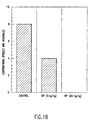
- Figure 1A, 1B, and 1C show the effect of an infusion of VIP in a patient.
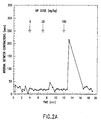
- Figures 2A, 2B and 2C show the effect of an infusion of VIP in a second patient.
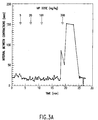
- Figures 3A, 3B and 3C illustrate results of an infusion of VIP obtained in a third patient for those parameters measured.
- medicaments may be manufactured for administering an effective dosage of VIP immediately before or during an endoscopic, cystoscopic or other procedure or both, in order to induce substantial paralysis of at least the portion of interest of the gastrointestinal or urinary tract.
- VIP refers not only to the carboxyl-amidated protein whose sequence is shown in Table 1, but also to the functionally active analogues and derivatives of that protein (particularly amino terminally acetylated derivatives).
- a VIP analogue or derivative is said to be functionally active when, upon administration to a patient, it is capable of producing a short-lived paralysis of at least a portion of the gastrointestinal tract.
- Such analogues and derivatives include VIP species which contain or lack one, two, three, or more amino acids from either the amino or carboxyl terminus. As is known in the art, the amino acids may be present in either their protected or unprotected forms, using appropriate amino or carboxyl protecting groups.
- the VIS may have a free amine on its amino terminus, or it may be prepared as an acid-addition salt, or acetylated derivative.
- Examples of functionally active VIP analogues and functional derivatives, and methods for their preparation are disclosed in U.S. Patent Nos. 4,605,641 (Bolin et al .); 4,734,400 (Bolin et al .); 4,822,774 (Ito et al .); 4,835,252 (Musso et al .); 4,939,224 (Musso et al .); 5,055,302 (Laties et al .)
- the present invention is illustrated below using the preferred VIP compound depicted in Table 1.
- the VIP Before being administered, the VIP is normally admixed with sterile water and saline or other pharmaceutically acceptable carrier to a concentration in the range of between about 1 ⁇ g/ml and 100 ⁇ g/ml and preferably between about 5 ⁇ g/ml and 25 ⁇ g/ml.
- the VIP solution may be administered by either intravenous infusion, or bolus (preferably intramuscular) injection. Usually, an injection is given in the arm.
- the VIP is preferably administered during the course of the procedure after the endoscope or cystoscope has been inserted. In this manner, the frequency of contractions can be ascertained and the dose of VIP adjusted accordingly. The effect of the VIP in reducing gastrointestinal motility is almost immediate upon being administered to a patient.
- Therapeutically effective dosages can range from about 0.05 ⁇ g to 1 ⁇ g VIP per kilogram of body weight. In particular patients even higher dosages may be required to achieve substantially complete cessation of motility. In any case, the required dosages of VIP are at least an order of magnitude lower than presently used dosages of glucagon, and there is a much wider margin of safety as far as over-dosages are concerned. Ultimately, the physician has discretion in determining the therapeutically effective amount of VIP to be used in the methods described herein.
- VIP arteriovenous malformation
- the patient is preferably first sedated with a narcotic such as meperidine used alone or in conjunction with a benzodiazepine such as midazolam.
- a narcotic such as meperidine used alone or in conjunction with a benzodiazepine such as midazolam.
- the endoscope or cystoscope is then introduced into the esophagus, stomach, duodenum, small intestine, colon, bladder, or other area of interest depending upon the desired diagnostic determination or clinical procedure. There is a brief period where vital signs are observed.
- VIP is then preferably administered over a short time period such as 30 seconds to one minute, through a freely flowing intravenous solution of normal saline. If additional dosages of VIP are needed during the procedure in order to attain substantial paralysis of the region of interest, or to maintain such substantial paralysis for a longer time if the initial dose begins to lose effect, such additional dosages may be administered in the same manner as described above.
- substantially paralysis is intended to refer to a reduction in motility of the area of interest which is sufficient for the purposes of the procedure. If an adequate dosage of VIP is administered essentially complete paralysis of the gastrointestinal or urinary tract may normally be attained. In particular situations, however, a lesser degree of paralysis may be sufficient for the purposes of the procedure and preferred by the attending physician.
- the VIP may be administered in the same manner as described above; intravenous or intramuscular injection. In this case the dosage needed for substantial paralysis of the area of interest may be determined by observing the area by fluoroscopy. In addition to eliminating active peristalsis, VIP is also effective to eliminate gastrointestinal spasms which might interfere with the examination.
- Medicaments manufactured according to the present invention also find use in a method of dilating an intestinal blood vessel to visualize bleeding vessels or arteriovenous malformatione.
- VIP is injected into the arm or into a blood vessel during the course of an angiographic study.
- the VIP solution is made up beforehand by admixing VIP with sterile water and saline to a concentration in the range of 1-100 ⁇ g/ml.
- the blood vessel is injected with VIP while dye is injected into the angiographic catheter. Since there is variability in patient sensitivity to VIP, effective dosages will vary form patient to patient.
- a dosage in the range of 0.05 ⁇ g VIP per kg bodyweight to 5.0 ⁇ g VIP per kg bodyweight is usually administered.
- the next dose of 1 ⁇ g per kg is given. This procedure can be repeated using dosages of 2 ⁇ g/kg, 5 ⁇ g/kg, and 10 ⁇ g/kg bodyweight until effective dilation is achieved.
- VIP may be used in the course of vascular surgery to control arterial spasm. Occasionally during vascular surgery, arteries may go into spasm as the result of surgical manipulation. To relieve the spasm, VIP may be injected directly into the wall of the vessel or into the lumen of the vessel at a site proximal to the site of spasm. This injection may be repeated until satisfactory relaxation is achieved. Relaxation may be assessed by observing the artery relax or by demonstrating an increase in blood flow throughout the affected vessel.
- Sterile lyophilized VIP provided by Bachem Inc. was diluted initially in sterile water to a concentration of 100 micrograms in 1 ml. Ten minutes prior to the endoscopic procedure, the VIP solution was diluted with sterile saline to its final concentrations of 10 ⁇ g and 1 ⁇ g per ml. An initial dose of the VIP solution in the amount of 5 ng per kilogram bodyweight was administered over a 30 second period through a freely flowing intravenous solution of normal saline. For the three patients in this study, the first dose administered was 5 ng VIP per kilogram bodyweight using the 1 ⁇ g per ml solution.
- Videotapes of the three patients studied were reviewed and the number of contractions per minute, the interval between contractions, and the force of contractions determined. Force of contraction was measured on a scale of 0 through 5, with the absence of contraction ranked as 0 and a lumen occluding contraction ranked as 5.
- FIGS 3A, 3B and 3C illustrate results obtained in the third patient for those parameters measured.
- VIP infusions of 0.05, 0.02 and 0.1 ⁇ g/kg had no effect on antral motility.
- VIP at a dose of 0.3 ⁇ g/kg resulted in a decrease in motility for seven minutes.
- the patient is first sedated with a narcotic such as meperidine used alone or in conjunction with a benzodiazepine such as midazolam.
- the cystoscope is then introduced into the bladder. There is a brief period where vital signs are observed.
- the VIP is then administered over a 30 second period through a freely flowing intravenous solution of normal saline. An initial dose of 5 ng VIP per kg bodyweight is administered. If the contractions are not reduced significantly, the next higher dose of 20 ng/kilogram bodyweight is administered. If contractions are not abolished at this dose, increasing dosages of 100 and 300 ng VIP per kilogram bodyweight or higher are administered, while monitoring the patient's blood pressure and pulse until contractions are eliminated.
- VIP When used for inducing a temporary paralysis of the gastrointestinal tract during a barium exam, VIP is admixed with sterile water and saline to a concentration in the range of 1-100 ⁇ g/ml, and then administered immediately prior to or during the barium exam by either intramuscular injection or intravenous infusion.
- the VIP is administered during the barium exam.
- the patient will be lying on the examination table after a barium meal or enema. While under the fluoroscope, the attending physician is able to visualize any area of the gastrointestinal tract where contractions or spasms may be occurring and obscuring the physician's visibility.
- VIP is administered by infusion over a 30 second period through a freely flowing intravenous solution of normal saline. The injection is usually given in the arm.
- An initial dose of 0.05 ⁇ g VIP per kg bodyweight is administered. If the spasms or contractions are not eliminated, the next higher dose of 1 ⁇ g VIP per kilogram bodyweight is administered. If spasms or contractions are still not eliminated, increasing dosages are given, starting at 2 ⁇ g VIP per kilogram body weight and going as high as 5 ⁇ g VIP per kilogram bodyweight or higher until spasms or contractions are abolished.
- Myocardial imaging techniques are important methods for the diagnosis and treatment of disorders of the heart (Ellis, S.G. et al ., J. Amer Coll. Cardiol. 19 : 681-686 (1992); Brook, R.H. et al ., New. Eng. J. Medicine 323 :1173-1177 (1990); Rao, P.S., Clin. Cardiol. 12 :618-628 (1989)). Saveral of the techniques are used to identify areas of the myocardial tissue that are ischemic: that is, have reduced blood flow. The reduced blood flow is usually due to atherosclerosis of the coronary arteries supplying specific areas of heart muscle (see, Manyari, D.E. et al ., Clin. Invest, Med.
- Thallium scintigraphy is a technique where a radioactive chemical is injected into the body and taken up by healthy myocardial tissue (Kottler, T.S. et al ., Ann. Intern. Med. 113 :684-702 (1990); Iskandrian, A.S., Amer. Heart J. 122 :279-284 (1991); see also, Bjorkhem, G. et al ., Pediatr. Cardiol. 11 :1-7 (1990)). The areas of uptake are detected by sensitive external detectors. Infarcted and ischemic myocardial tissue does not take up thallium and appears as a "cold" spot on the study.
- Exercise may produce ischemia in myocardium at risk when the blood flow is less than the demand for oxygen. Under these conditions thallium uptake is decreased with exercise and a "cold spot" appears. This "cold spot” fills in with rest as compared to infarcted areas where the defect remains.
- Adenosine and dipyridimole have been proposed as agents that can be injected by vein and may improve the sensitivity of detecting areas of ischemia by enhancing the appearance of reversible "cold spots.”
- VIP may be used to enhance the sensitivity of thallium scintigraphy and other myocardial imaging techniques.
- VIP dilates normal coronary vessels but may not dilate atherosclerotic vessels.
- VIP infusion would "steal" blood from the diseased vessels by reducing the resistance to flow in normal vessels.
- This "steal” phenomenon would increase the likelihood of the appearance of a "cold spot” in ischemic myocardium at levels of lower exercise and possibly without exercise.
- VIP at O.3 to 1.0 ⁇ g/kg would be given as an injection over 30 sees or as a continuous infusion during the test. Because the effect of the drug is transient and side effects are few this approach represents a safe alternative to other agents that are used to enhance thallium imaging.
Landscapes
- Health & Medical Sciences (AREA)
- Life Sciences & Earth Sciences (AREA)
- Veterinary Medicine (AREA)
- Public Health (AREA)
- General Health & Medical Sciences (AREA)
- Animal Behavior & Ethology (AREA)
- Medicinal Chemistry (AREA)
- Chemical & Material Sciences (AREA)
- Pharmacology & Pharmacy (AREA)
- Epidemiology (AREA)
- Chemical Kinetics & Catalysis (AREA)
- Bioinformatics & Cheminformatics (AREA)
- Organic Chemistry (AREA)
- General Chemical & Material Sciences (AREA)
- Nuclear Medicine, Radiotherapy & Molecular Imaging (AREA)
- Engineering & Computer Science (AREA)
- Proteomics, Peptides & Aminoacids (AREA)
- Zoology (AREA)
- Neurosurgery (AREA)
- Vascular Medicine (AREA)
- Endocrinology (AREA)
- Neurology (AREA)
- Gastroenterology & Hepatology (AREA)
- Immunology (AREA)
- Biomedical Technology (AREA)
- Pain & Pain Management (AREA)
- Physics & Mathematics (AREA)
- Optics & Photonics (AREA)
- Anesthesiology (AREA)
- Medicines That Contain Protein Lipid Enzymes And Other Medicines (AREA)
- Peptides Or Proteins (AREA)
- Pharmaceuticals Containing Other Organic And Inorganic Compounds (AREA)
Abstract
Description
- The present invention relates to a method for inducing temporary paralysis of the gastrointestinal tract by administering vasoactive intestinal peptide (VIP) to a patient during the course of an endoscopy or other medical procedure.
- Gastrointestinal endoscopy is a diagnostic and therapeutic procedure which involves visual examination of different portions of the gastrointestinal tract using a long flexible tube known as an endoscope. An endoscope has a lens on one end and an eyepiece or video display system at the opposite end. Endoscopy is performed in moderately sedated patients by inserting the endoscope through the mouth or rectum and positioning the lens in the desired area of observation. Because the gastrointestinal tract is actively contracting during the procedure, the attending physician's visualization of certain regions of the GI tract is impaired or limited. In addition, this natural peristaltic reflex renders difficult the biopsy of certain areas of the GI tract and often interferes with the removal of polyps. In the case of attempted polyp removal, the procedure is made more difficult since the colon may be contracting when the polyps are being snared, cauterized and removed. The esophagus also moves at inopportune times such as when dilated veins known as varices are being injected.
- Attempts to reduce gastrointestinal contractions in endoscopic procedures have involved the use of several different agents over the years. In particular, atropine and glucagon have been employed as premedications for this purpose.
- Atropine is a belladonna alkaloid with competitive antimuscarinic actions. In the gastrointestinal tract it is an inhibitor of oral secretion and gastrointestinal motility. However, it is known by practitioners in the field to be only marginally effective as a paralytic agent for use in endoscopic procedures. In fact, controlled studies have failed to demonstrate any beneficial effects of atropine during endoscopies with regard to improvement in patient tolerance or facilitation of endoscopy (Ross, W.; Gastrointestinal Endoscopy, Vol.35,
No 2, 120-126, 1989). Atropine is also associated with undesirable side effects such as blurred vision, headache, and urinary retention (Goodman and Gilman, The Pharmacological Basis of Therapeutics, 5th Ed., MacMillan, New York, 1975 pp. 514-532) and an increased risk of cardiac arrhymthias (Ross, W., Gastrointestinal Endoscopy, Vol.35, No. 2, 120-126, 1989). Consequently, atropine is rarely used as a premedication in endoscopy today. - Glucagon has been demonstrated to cause a variable reduction in gastroduodenal motility. The effect of glucagon appears to be dose-dependent with a minimally effective dose being 0.5 mg. However, glucagon does not facilitate colonoscopic evaluation (Norfleet, R.G., Gastrointestinal Endoscopy, Vol. 24, 164-5, 1978). In addition, it has been shown that even at doses as high as 2 mg, glucagon does not reduce contractions in the antrum (Gregerson et al., Scan. J. Gastroenterol. 23 (Supp 152) 42-47, 1988).
- Glucagon administered intravenously at a dose of 1 mg followed by 2 mg IV over a period of 2 hours does affect, however, antroduodenal activity. That is, the cycle length and time between contractile activity in the duodenum is significantly increased while the mean pressure period is decreased (Larsen et al., Scand. J. Gastroenterol. Vol 21, 634-640, 1986).
- Nausea and vomiting are two side effects associated with the use of glucagon. They are dose dependent, and can appear at a dose of 1 mg (Larsen et al., Scand. J. Gastroenterol. 21:634-640, 1986; Gregersen et al., Scand. J. Gastroent. 23 (Supp 152):42-47, 1988; Diamant Handbook Experimental Parm, Lefevre ed., Vol. 66/2:611-643, 1983). Since dosages required to sufficiently reduce motility frequently exceed 1 mg, side effects from glucagon use are prevalent. Such side effects render the patient extremely uncomfortable and often cause the endoscopic procedure to be interrupted or aborted.
- Glucagon is used with a certain amount of success to facilitate barium examinations of the upper and lower GI tract by causing a dilation of the stomach and small bowel (Kreen, L., Br. J.Radiol., 48, 691-703, 1975). In addition, because of its effect on duodenal motility, glucagon has found use in endoscopic retrograde cholangiopancreatography (ERCP) to decrease contractions prior to cannulation of the ampulla of Vater.
- Because of low efficacy and negative side effects, neither atropine nor glucagon have gained widespread use as gastrointestinal motility inhibitors. As a result, most upper and lower endoscopic examinations are performed without the benefit of halted peristalsis. Active peristalsis may prolong the procedure and leave the patient uncomfortable and the endoscopic procedure difficult and unpredictable. Thus the need for a safe, effective gastrointestinal paralytic agent with little or no side effects is great.
- VIP is a 28 amino acid polypeptide hormone (Said,S., Mutt, V., Eur. J Biochem 28:199, 1972). It was first isolated in 1969 from normal hog lung and was shown at that time to cause a gradual but prolonged peripheral vasodilation. The polypeptide was given the name vasoactive intestinal peptide (VIP) in 1970 when it was isolated from porcine intestine (Said, SI, Mutt, V., Science 169:1217, 1970). Since then, it has been isolated and its amino acid sequence determined in rat, pig, cow, guinea pig and human. Interestingly, the amino acid sequence of VIP isolated from all sources is identical except in guinea pig, where it differs by four non-polar amino acid substitutions. The amino acid sequence of human VIP has been published (Bunnett et al., Clin. Endocrinol. Metab. 59:1133-1137; 1984), and is shown in Table 1.

- VIP immunoreactive neurons and nerve fibers have been found throughout the central nervous system and are widely distributed in many organ systems such as the genitourinary, gastrointestinal, respiratory, and cardiovascular systems (Khalil, et al., 'Vasoactive Intestinal Peptide' in Gastrointestinal Endocrinology, Ed. J.C. Thompson, McGraw Hill, New York (1987) pp 260-272. Gastrointestinal motility is responsible for the orderly movement of secretions and nutrients through discrete anatomic portions of the gastrointestinal tract. An extensive neural and hormonal system regulates this complex mixing and propulsive activity. Neurotransmitters released by gastrointestinal neurons and hormones found in the circulation and enterochromaffin cells are the chemical messengers responsible for coordinating gastrointestinal function.
- The action of these messengers on target cells may be contradictory. The circuitry of the enteric nervous system is such that an agent may stimulate a target cell and at the same time stimulate the release of another agent that inhibits the target cell. Thus, the action of an agent on the intact system cannot be predicted by the action on the individual cell. This has been found to be especially true when the data from various in vitro studies using isolated muscle strips exposed to different agents are compared to results seen in the clinical endoscopic setting.
- For example, in rat and guinea pig isolated midcolon sections, atropine strongly inhibits ascending contractions at all grades of stretch but has no effect on descending relaxation (Grider and Makhlouf, Amer. J. Physiol. Soc. 25:G40-G45, 1986). Similarly, in isolated human ileum, atropine shows a primary relaxation in response to electrical field stimulation at all frequencies tasted (Maggi et al., Naunyn-Schmiedeberg's Arch Pharmacol, 341:256-261, 1990). As previously discussed, however, atropine offers minimal if any beneficial effects in reducing gastrointestinal motility in the endoscopic setting.
- The action of VIP on in vitro gastrointestinal motility is dependant on the experimental model, species, location within the gastrointestinal tract, and muscle layer examined. Several in vitro animal studies have suggested that VIP is responsible for relaxation of rat stomach and colon, guinea-pig stomach and gallbladder, chick rectum and rectal cecum, and human intestine (Grider and Makhlouf, Am.J. Physiol., 25:G40-G45, 1986; Grider, et al., Am. J. Physiol., G73-G78, 1985; Grider, J., Gastroenterology, 97: 1414-9, 1989; Said, et al., U.S. Patent No. 3,880, 826, 1975).
- Several other studies in human, rabbit, guinea pig and mouse gastrointestinal tract suggest that VIP either has no effect or actually stimulates contractions in the gastrointestinal tract. For example, in distal human colon, VIP caused a small relaxation in circular muscle but did not relax longitudinal muscle contractions (Burleigh, D.E., Dig. Dis. Sci, Vol. 35, No. 5:617-621, 1990).
- Additionally, in guinea pig and rabbit small intestine, cat duodenum, and mouse colon, VIP stimulated contractions of the layers of smooth muscle. In opossum duodenum, VIP stimulated contractions while glucagon stimulated relaxation (Anuras et al. Am. J. Physiol. 234:E60-E63, 1978; Cohen and Schwab Landry, Life Sciences, Vol. 26, 816-822, 1990; Fontaine, et. al., Br. J. Pharmac., 89:599-602, 1986; Said et al., U.S. Patent No. 3,880,826, 1975; Gordon et al., Arch. int. Pharmacodyn. 305, 14-24, 1990).
- Certain compositions including carboxy-terminal amidated VIP are disclosed in WO88/03928.
- The present invention provides the use of VIP, or a functionally active analogue or derivative thereof, for the manufacture of a medicament for inducing a temporary substantial paralysis of an area of interest of a patient. Medicaments manufactured according to embodiments of the present invention find use in a method for facilitating diagnostic and therapeutic endoscopic procedures by producing a short-lived paralysis of at least a portion of the gastrointestinal tract. The method involves administering to a patient during the course of an endoscopic procedure a therapeutically effective amount of vasoactive intestinal peptide (VIP) admixed with a pharmaceutically acceptable carrier.
- Injection of VIP during gastrointestinal endoscopy results in a transient reduction in gastrointestinal motility. After injection of the appropriate dose of VIP into the blood stream, gastrointestinal contractions are halted almost immediately. The paralytic effect lasts about seven minutes. Additional amounts of VIP will extend the period of paralytic effect. The gastroparetic action of VIP occurs without a significant effect on blood pressure. VIP may be used in a variety of . circumstances in which cessation of gastrointestinal contraction results in significant clinical effect. A particular advantage of the method of the present invention is that it has been found that it is free of the negative side effects of nausea and vomiting associated with prior techniques.
- By administering the proper dosage of VIP to a patient undergoing endoscopy, and therefore inducing a temporary paralysis of the gastrointestinal tract, a physician is better able to view the different anatomical portions of the gastrointestinal tract and therefore better able to offer a clinical diagnosis.
- In addition, certain clinical procedures are facilitated. The paralytic effect on the gastrointestinal tract which VIP induces when administered during an endoscopy affords the physician greater precision in positioning medical instruments. Since peristaltic motion of the colon is abated, polyps are more easily removed. Because esophageal contractions are greatly reduced or eliminated, varices are more easily injected. During endoscopy, the injection of VIP also facilitates the examination and treatment of an arteriovenous malformation (AVM). In such procedure, the VIP is normally injected into the circulation as described above. It is also possible if preferred to inject the VIP in the vicinity of the AVM. Medicaments manufactured according to another embodiment of the invention find use in a method of dilating an intestinal blood vessel during the course of an abdominal angiographic procedure. Cannulation of the ampulla of Vater is greatly facilitated in endoscopic retrograde angiopancreatography (ERCP) since contractions in the duodenum are significantly reduced. In addition, VIP can be used in the course of vascular surgery to control arterial spasms.
- Use of VIP during a barium exam relieves spasms in the bowel, thereby enabling the barium to better outline an area of the GI tract. This improves the attending physician's visibility under fluoroscopy and x-ray.
- VIP may also be administered to a patient throughout the course of a cystoscopy to induce a temporary paralysis of the urinary tract.
- Figure 1A, 1B, and 1C show the effect of an infusion of VIP in a patient.
- Figures 2A, 2B and 2C show the effect of an infusion of VIP in a second patient.
- Figures 3A, 3B and 3C illustrate results of an infusion of VIP obtained in a third patient for those parameters measured.
- In accordance with the present invention medicaments may be manufactured for administering an effective dosage of VIP immediately before or during an endoscopic, cystoscopic or other procedure or both, in order to induce substantial paralysis of at least the portion of interest of the gastrointestinal or urinary tract.
- As used herein, the term "VIP" refers not only to the carboxyl-amidated protein whose sequence is shown in Table 1, but also to the functionally active analogues and derivatives of that protein (particularly amino terminally acetylated derivatives). A VIP analogue or derivative is said to be functionally active when, upon administration to a patient, it is capable of producing a short-lived paralysis of at least a portion of the gastrointestinal tract. Such analogues and derivatives include VIP species which contain or lack one, two, three, or more amino acids from either the amino or carboxyl terminus. As is known in the art, the amino acids may be present in either their protected or unprotected forms, using appropriate amino or carboxyl protecting groups. The VIS may have a free amine on its amino terminus, or it may be prepared as an acid-addition salt, or acetylated derivative. Examples of functionally active VIP analogues and functional derivatives, and methods for their preparation are disclosed in U.S. Patent Nos. 4,605,641 (Bolin et al.); 4,734,400 (Bolin et al.); 4,822,774 (Ito et al.); 4,835,252 (Musso et al.); 4,939,224 (Musso et al.); 5,055,302 (Laties et al.) The present invention is illustrated below using the preferred VIP compound depicted in Table 1.
- Before being administered, the VIP is normally admixed with sterile water and saline or other pharmaceutically acceptable carrier to a concentration in the range of between about 1 µg/ml and 100 µg/ml and preferably between about 5 µg/ml and 25 µg/ml. The VIP solution may be administered by either intravenous infusion, or bolus (preferably intramuscular) injection. Usually, an injection is given in the arm.
- Use of a fiberoptic or video endoscope enables gastric, intestinal, or colonic motility to be visualized. In an endoscopic or cystoscopic procedure, the VIP is preferably administered during the course of the procedure after the endoscope or cystoscope has been inserted. In this manner, the frequency of contractions can be ascertained and the dose of VIP adjusted accordingly. The effect of the VIP in reducing gastrointestinal motility is almost immediate upon being administered to a patient.
- There is a wide variability in patient sensitivity to VIP. Therapeutically effective dosages can range from about 0.05 µ g to 1 µg VIP per kilogram of body weight. In particular patients even higher dosages may be required to achieve substantially complete cessation of motility. In any case, the required dosages of VIP are at least an order of magnitude lower than presently used dosages of glucagon, and there is a much wider margin of safety as far as over-dosages are concerned. Ultimately, the physician has discretion in determining the therapeutically effective amount of VIP to be used in the methods described herein.
- A further advantage of the use of VIP during endoscopic procedures is that it is effective to dilate blood vessels, thereby facilitating procedures such as examination, and treatment of venous and arteriovenous anomalies. Thus, injection of VIP into an arteriovenous malformation (AVM) itself, both enhances the AVM and relieves contractions associated with it. The physician is then better able to treat the AVM.
- The patient is preferably first sedated with a narcotic such as meperidine used alone or in conjunction with a benzodiazepine such as midazolam. The endoscope or cystoscope is then introduced into the esophagus, stomach, duodenum, small intestine, colon, bladder, or other area of interest depending upon the desired diagnostic determination or clinical procedure. There is a brief period where vital signs are observed. VIP is then preferably administered over a short time period such as 30 seconds to one minute, through a freely flowing intravenous solution of normal saline. If additional dosages of VIP are needed during the procedure in order to attain substantial paralysis of the region of interest, or to maintain such substantial paralysis for a longer time if the initial dose begins to lose effect, such additional dosages may be administered in the same manner as described above.
- The term "substantial paralysis" is intended to refer to a reduction in motility of the area of interest which is sufficient for the purposes of the procedure. If an adequate dosage of VIP is administered essentially complete paralysis of the gastrointestinal or urinary tract may normally be attained. In particular situations, however, a lesser degree of paralysis may be sufficient for the purposes of the procedure and preferred by the attending physician.
- In procedures such as a barium examination of the gastrointeatinal tract, the VIP may be administered in the same manner as described above; intravenous or intramuscular injection. In this case the dosage needed for substantial paralysis of the area of interest may be determined by observing the area by fluoroscopy. In addition to eliminating active peristalsis, VIP is also effective to eliminate gastrointestinal spasms which might interfere with the examination.
- Medicaments manufactured according to the present invention also find use in a method of dilating an intestinal blood vessel to visualize bleeding vessels or arteriovenous malformatione. In such methods, VIP is injected into the arm or into a blood vessel during the course of an angiographic study. The VIP solution is made up beforehand by admixing VIP with sterile water and saline to a concentration in the range of 1-100 µg/ml. The blood vessel is injected with VIP while dye is injected into the angiographic catheter. Since there is variability in patient sensitivity to VIP, effective dosages will vary form patient to patient. A dosage in the range of 0.05 µg VIP per kg bodyweight to 5.0 µg VIP per kg bodyweight is usually administered. If the first dose of VIP does not produce significant dilation, the next dose of 1 µg per kg is given. This procedure can be repeated using dosages of 2 µg/kg, 5 µg/kg, and 10 µg/kg bodyweight until effective dilation is achieved.
- VIP may be used in the course of vascular surgery to control arterial spasm. Occasionally during vascular surgery, arteries may go into spasm as the result of surgical manipulation. To relieve the spasm, VIP may be injected directly into the wall of the vessel or into the lumen of the vessel at a site proximal to the site of spasm. This injection may be repeated until satisfactory relaxation is achieved. Relaxation may be assessed by observing the artery relax or by demonstrating an increase in blood flow throughout the affected vessel.
- The invention is further illustrated by the following specific examples which are not intended in any way to limit the scope of the invention.
- Three healthy male volunteers underwent upper gastrointestinal endoscopy. Volunteers were between
ages 30 and 55 and had no prior history of medical illnesses such as heart disease, pulmonary disease, or cerebrovascular disease. Patients who were on antihypertensive medications were excluded. A complete history was taken and a physical examination performed prior to the endoscopy. Upper gastrointestinal endoscopy was performed after an overnight fast and in the left lateral decubitus position. An intravenous infusion of normal saline was started, the pharynx was anesthetized with xylocaine spray and meperidine and midazolam were administered intravenously to achieve adequate sedation. A Fujinon EVE-FP endoscope was introduced into the stomach under direct vision, the stomach was insufflated with air such that the antrum was visualized and antral motility recorded on videotape. - After insertion of the endoscope there was an equilibration period of 5 minutes and then a 5-10 minute basal recording period. At the end of this period, the patient received the initial VIP infusion.
- During the period of observation, vital signs (blood pressure and pulse) and symptoms were continuously recorded. The protocol was such that if the blood pressure dropped by more than 20 mm Hg systolic or diastolic or the pulse increased by more than 30 beats per minute for 2 minutes, intravenous saline was to be administered and the study terminated. In none of the three patients studied was there a need to terminate the study.
- Sterile lyophilized VIP provided by Bachem Inc. was diluted initially in sterile water to a concentration of 100 micrograms in 1 ml. Ten minutes prior to the endoscopic procedure, the VIP solution was diluted with sterile saline to its final concentrations of 10 µg and 1 µg per ml. An initial dose of the VIP solution in the amount of 5 ng per kilogram bodyweight was administered over a 30 second period through a freely flowing intravenous solution of normal saline. For the three patients in this study, the first dose administered was 5 ng VIP per kilogram bodyweight using the 1 µg per ml solution. If gastrointestinal motility was not completely abolished, a second dose of 20 ng per kg bodyweight was given using the 10 µg per ml solution. Subsequent increasing dosages of 100 ng/kg and 300 ng/kg bodyweight were administered if antral contractions were not completely abolished at the preceding lower dosage.
- During the basal observation period and the administration of the VIP solution, gastric motility was recorded continuously on 3/4 inch, time stamped videotape. The minimum time-stamp interval was 1 second. Assessment of peristalsis was made by observing in real-time the presence of antral contraction waves. The protocol was such that if contractions were abolished by the first dose of VIP administered, the study was considered completed. The patient was then continually monitored until normal peristaltic contractions returned. If there was no significant diminution of antral contraction, the next dose of VIP was given. Thirty seconds after administration of the next dose of VIP, assessment of peristalsis was made again and if the administered dose abolished contractions, the study was considered completed. if the administered dose did not abolish contractions, the next highest dose was administered. This protocol was repeated as necessary until the appropriate dose to eliminate contraction was established for the particular patient.
- Videotapes of the three patients studied were reviewed and the number of contractions per minute, the interval between contractions, and the force of contractions determined. Force of contraction was measured on a scale of 0 through 5, with the absence of contraction ranked as 0 and a lumen occluding contraction ranked as 5.
- Infusion of 5 ng/kg of VIP in the first patient caused a small but significant decrease in the frequency of gastric antral contractions. See Figures 1A, 1B, and 1C. The number of contractions decreased in this patient from an average of 8 contractions per 2 minute interval before VIP administration to an average of 4 contractions per 2 minute interval after 5 ng VIP per kg bodyweight was injected. This decrease lasted for two minutes before contractions returned (Figures 1A and 1B.). Upon return of contractions, an additional dose of 20 ng VIP per kg bodyweight was administered and antral contractions were completely abolished for the remainder of the study. Figure 1C demonstrates that in this first patient there was an initial change in blood pressure, but this did not appear to be related to the administration of VIP. The initial dose of 5 ng VIP per kg of bodyweight caused a slight decrease in systolic pressure and increase in pulse. At the higher dose level, however, these effects on blood pressure and pulse were not seen.
- In the second patient studied, as illustrated in Figures 2A, 2B and 2C, VIP dosages of 5 and 20 ng/kg of bodyweight had no significant effect on gastrointestinal motility or blood pressure. The number of contractions after the first dose of 5 ng VIP per kilogram bodyweight remained at 6 contractions per 2 minute interval. A dose of 20 ng VIP/kg barely affected the number of contractions occurring. However, VIP infusion of 100 ng/kg resulted in a significant reduction in gastrointestinal motility. There was no significant change in blood pressure or pulse at any of the dosages tested in this particular patient.
- Figures 3A, 3B and 3C illustrate results obtained in the third patient for those parameters measured. VIP infusions of 0.05, 0.02 and 0.1 µg/kg had no effect on antral motility. VIP at a dose of 0.3 µg/kg, however, resulted in a decrease in motility for seven minutes. In addition, there was no significant change in blood pressure or pulse with any dose of VIP administered to this particular patient.
- None of the three patients studied experienced any adverse reactions to VIP such as nausea or vomiting.
- The patient is first sedated with a narcotic such as meperidine used alone or in conjunction with a benzodiazepine such as midazolam. The cystoscope is then introduced into the bladder. There is a brief period where vital signs are observed. The VIP is then administered over a 30 second period through a freely flowing intravenous solution of normal saline. An initial dose of 5 ng VIP per kg bodyweight is administered. If the contractions are not reduced significantly, the next higher dose of 20 ng/kilogram bodyweight is administered. If contractions are not abolished at this dose, increasing dosages of 100 and 300 ng VIP per kilogram bodyweight or higher are administered, while monitoring the patient's blood pressure and pulse until contractions are eliminated.
- When used for inducing a temporary paralysis of the gastrointestinal tract during a barium exam, VIP is admixed with sterile water and saline to a concentration in the range of 1-100 µg/ml, and then administered immediately prior to or during the barium exam by either intramuscular injection or intravenous infusion.
- Preferably the VIP is administered during the barium exam. The patient will be lying on the examination table after a barium meal or enema. While under the fluoroscope, the attending physician is able to visualize any area of the gastrointestinal tract where contractions or spasms may be occurring and obscuring the physician's visibility. If the physician observes spasms occurring, VIP is administered by infusion over a 30 second period through a freely flowing intravenous solution of normal saline. The injection is usually given in the arm. An initial dose of 0.05 µg VIP per kg bodyweight is administered. If the spasms or contractions are not eliminated, the next higher dose of 1 µg VIP per kilogram bodyweight is administered. If spasms or contractions are still not eliminated, increasing dosages are given, starting at 2 µg VIP per kilogram body weight and going as high as 5 µg VIP per kilogram bodyweight or higher until spasms or contractions are abolished.
- Myocardial imaging techniques are important methods for the diagnosis and treatment of disorders of the heart (Ellis, S.G. et al., J. Amer Coll. Cardiol. 19: 681-686 (1992); Brook, R.H. et al., New. Eng. J. Medicine 323:1173-1177 (1990); Rao, P.S., Clin. Cardiol. 12:618-628 (1989)). Saveral of the techniques are used to identify areas of the myocardial tissue that are ischemic: that is, have reduced blood flow. The reduced blood flow is usually due to atherosclerosis of the coronary arteries supplying specific areas of heart muscle (see, Manyari, D.E. et al., Clin. Invest, Med. 9:76-93 (1986)). When blood flow to areas of the myocardium is unable to supply adequate oxygen for normal function, the muscle becomes ischemic or infarcted. Ischemia is reversible injury. The myocardial tissue remains viable but is at risk for cell death (myocardial infarction) if flow is inadequate for an excessive period of time.
- Thallium scintigraphy is a technique where a radioactive chemical is injected into the body and taken up by healthy myocardial tissue (Kottler, T.S. et al., Ann. Intern. Med. 113:684-702 (1990); Iskandrian, A.S., Amer. Heart J. 122:279-284 (1991); see also, Bjorkhem, G. et al., Pediatr. Cardiol. 11:1-7 (1990)). The areas of uptake are detected by sensitive external detectors. Infarcted and ischemic myocardial tissue does not take up thallium and appears as a "cold" spot on the study. Exercise may produce ischemia in myocardium at risk when the blood flow is less than the demand for oxygen. Under these conditions thallium uptake is decreased with exercise and a "cold spot" appears. This "cold spot" fills in with rest as compared to infarcted areas where the defect remains. Adenosine and dipyridimole have been proposed as agents that can be injected by vein and may improve the sensitivity of detecting areas of ischemia by enhancing the appearance of reversible "cold spots."
- VIP may be used to enhance the sensitivity of thallium scintigraphy and other myocardial imaging techniques. VIP dilates normal coronary vessels but may not dilate atherosclerotic vessels. Thus, at rest and during exercise VIP infusion would "steal" blood from the diseased vessels by reducing the resistance to flow in normal vessels. This "steal" phenomenon would increase the likelihood of the appearance of a "cold spot" in ischemic myocardium at levels of lower exercise and possibly without exercise. VIP at O.3 to 1.0 µg/kg would be given as an injection over 30 sees or as a continuous infusion during the test. Because the effect of the drug is transient and side effects are few this approach represents a safe alternative to other agents that are used to enhance thallium imaging.
Claims (30)
- Use of Vasoactive intestinal peptide (VIP), or a functionally active analogue or derivative thereof, for the manufacture of a medicament for inducing a temporary substantial paralysis of an area of interest of a patient.
- Use according to claim 1 wherein the medicament is administered in a dosage of 0.05-10µg per kg bodyweight of the patient.
- Use according to claim 1 or claim 2 wherein the medicament is suitable for intravenous infusion.
- Use according to any preceding claim wherein the medicament is suitable for intramuscular injection
- Use according to any preceding claim wherein the medicament is administered before the start of a medical procedure and during the procedure as needed to maintain substantial paralysis.
- Use according to any preceding claim wherein the medicament is administered before the start of the medical procedure by bolus injection and during the procedure by intravenous infusion.
- Use according to any preceding claim wherein the medicament is administered in combination with a benzodiazepine and narcotic analgesic selected from group consisting of meperidine, fentanyl, diazepam and midazolam and mixtures of meperidine, fentanyl, diazepam and midazolam.
- Use according to any preceding claim wherein the medicament is for relieving arterial spasm in a vascular surgery procedure and wherein the area of interest is an artery.
- Use according to claim 8 wherein the medicament is administered by injection directly into the wall of the artery at, or into the lumen of an artery proximal to, a site of arterial spasm.
- Use according to any one of claims 1 to 7 wherein the medicament is for use in a myocardial imaging procedure and wherein the area of interest is a coronary blood vessel.
- Use according to claim 10 wherein the dosage is in the range of 0.3-1µg per kg bodyweight of the patient.
- Use according to any one of claims 1 to 7 wherein the medicament is for use in an abdominal angiography procedure and the area of interest is an intestinal blood vessel.
- Use according to claim 12 wherein the medicament is administered by injection into the arm or directly into the blood vessel.
- Use according to any one of claims 1 to 7 wherein the area of interest is a portion of the gastrointestinal tract.
- Use according to claim 14 wherein the medicament is for use in a barium examination procedure.
- Use according to any of claims 12, 13 or 15 wherein the dosage is in the range of 0.05-5µg per kg bodyweight of the patient.
- Use according to claim 14 wherein the medicament is for use in an endoscopy procedure.
- Use according to claim 17 wherein the medicament is administered to the patient in the vicinity of an arteriovenous malformation.
- Use according to any one of claims 14 to 19 wherein an initial dosage is administered to the patient prior to or during the procedure and one or more additional dosages are administered if necessary until the frequency and severity of contractions of the area of interet does not interfere with the procedure.
- Use according to claim 19 wherein the total dosage is no more than 10µg per kg bodyweight of the patient.
- Use according to claim 19 wherein the initial dosage is 0.05µg per kg bodyweight of the patient.
- Use according to claim 19 wherein the dosage is in the range of 0.05-0.5µg per kg bodyweight of the patient.
- Use according to any one of claims 1 to 7 wherein the medicament is for use in a cystoscopy procedure and the area of interest is a portion of the urinary tract.
- Use according to claim 17 or claim 23 wherein the initial dosage is at least 5ng per kg bodyweight of the patient.
- Use according to claim 17 or claim 23 wherein the dosage is in the range of 0.05-1µg per kg bodyweight of the patient.
- Use according to claim 17 or claim 23 wherein the initial dosage is administered after insertion of the endoscope or cystoscope during the procedure.
- Use according to any one of claims 15 to 26 wherein the medicament is administered by bolus injection.
- Use according to any one of claims 12, 15, 17 and 23 wherein the medicament comprises VIP, or a functionally active analogue or derivative thereof, in admixture with a pharmaceutically acceptable carrier, to a concentration in the range of 1-100µg per ml.
- Use according to claim 17 or claim 23 wherein the medicament comprises VIP, or a functionally active analogue or derivative thereof, in admixture with a pharmaceutically acceptable carrier, to a concentration in the range of 5-25µg per ml.
- Use according to any one of claims 17-19 wherein the area of interest is the esophagus.
Applications Claiming Priority (3)
| Application Number | Priority Date | Filing Date | Title |
|---|---|---|---|
| US69160591A | 1991-04-25 | 1991-04-25 | |
| US691605 | 1991-04-25 | ||
| PCT/US1992/003369 WO1992019261A1 (en) | 1991-04-25 | 1992-04-24 | Use of vasoactive intestinal peptide (vip) to induce temporary paralysis of the gastrointestinal tract |
Publications (2)
| Publication Number | Publication Date |
|---|---|
| EP0631503A1 EP0631503A1 (en) | 1995-01-04 |
| EP0631503B1 true EP0631503B1 (en) | 2001-08-01 |
Family
ID=24777215
Family Applications (1)
| Application Number | Title | Priority Date | Filing Date |
|---|---|---|---|
| EP92913717A Expired - Lifetime EP0631503B1 (en) | 1991-04-25 | 1992-04-24 | Use of vasoactive intestinal peptide (vip) to induce temporary paralysis of the gastrointestinal tract |
Country Status (7)
| Country | Link |
|---|---|
| EP (1) | EP0631503B1 (en) |
| JP (1) | JPH06507415A (en) |
| AU (1) | AU664850B2 (en) |
| CA (1) | CA2107884C (en) |
| DE (1) | DE69231979T2 (en) |
| ES (1) | ES2162616T3 (en) |
| WO (1) | WO1992019261A1 (en) |
Family Cites Families (6)
| Publication number | Priority date | Publication date | Assignee | Title |
|---|---|---|---|---|
| US3880826A (en) * | 1971-09-17 | 1975-04-29 | Sami I Said | Vasoactive intestinal peptide |
| WO1988003928A1 (en) * | 1986-11-18 | 1988-06-02 | Senetek Plc | Method for inducing vaginal lubrication |
| SE8702520D0 (en) * | 1987-06-16 | 1987-06-16 | Kabigen Ab | MAMMAL INTESTINE HORMONE PRECURSOR |
| SE8705139D0 (en) * | 1987-12-23 | 1987-12-23 | Trion Forskning & Utveckling | PROCEDURE FOR MANUFACTURING A LARGE NUMBER OF PEPTID ANALOGS AND NEW PEPTID ANALOGS |
| JP2914454B2 (en) * | 1989-03-29 | 1999-06-28 | メドコー・リサーチ・インコーポレイテッド | Vascular diagnostic aid |
| AU6522590A (en) * | 1989-09-18 | 1991-04-18 | Senetek Plc | Method for inducing vaginal lubrication |
-
1992
- 1992-04-24 WO PCT/US1992/003369 patent/WO1992019261A1/en not_active Ceased
- 1992-04-24 CA CA002107884A patent/CA2107884C/en not_active Expired - Lifetime
- 1992-04-24 AU AU21756/92A patent/AU664850B2/en not_active Expired
- 1992-04-24 ES ES92913717T patent/ES2162616T3/en not_active Expired - Lifetime
- 1992-04-24 JP JP4511917A patent/JPH06507415A/en active Pending
- 1992-04-24 EP EP92913717A patent/EP0631503B1/en not_active Expired - Lifetime
- 1992-04-24 DE DE69231979T patent/DE69231979T2/en not_active Expired - Lifetime
Also Published As
| Publication number | Publication date |
|---|---|
| ES2162616T3 (en) | 2002-01-01 |
| WO1992019261A1 (en) | 1992-11-12 |
| CA2107884A1 (en) | 1992-11-12 |
| AU664850B2 (en) | 1995-12-07 |
| CA2107884C (en) | 2008-11-18 |
| EP0631503A1 (en) | 1995-01-04 |
| JPH06507415A (en) | 1994-08-25 |
| AU2175692A (en) | 1992-12-21 |
| DE69231979D1 (en) | 2001-09-06 |
| DE69231979T2 (en) | 2002-04-04 |
Similar Documents
| Publication | Publication Date | Title |
|---|---|---|
| Von der Ohe et al. | Serotonergic mediation of postprandial colonic tonic and phasic responses in humans. | |
| US5958881A (en) | Composition containing VIP for injection and a method of enhancing visualization of tissues during medical procedures | |
| Azpiroz et al. | Vagally mediated gastric relaxation induced by intestinal nutrients in the dog | |
| Toouli | Sphincter of Oddi motility | |
| Bradette et al. | Octreotide increases thresholds of colonic visceral perception in IBS patients without modifying muscle tone | |
| US5681816A (en) | Method of inducing temporary paralysis of the gastrointestinal tract during medical procedure | |
| Bernadich et al. | Effects of F‐180, a new selective vasoconstrictor peptide, compared with terlipressin and vasopressin on systemic and splanchnic hemodynamics in a rat model of portal hypertension | |
| Nurko et al. | Role of vasoactive intestinal polypeptide in the internal anal sphincter relaxation of the opossum. | |
| Malm et al. | Effects of vasoactive intestinal polypeptide on resistance and capacitance vessels in the nasal mucosa | |
| Frase et al. | Cardiovascular effects of vasoactive intestinal peptide in healthy subjects | |
| Guelrud et al. | The effect of vasoactive intestinal polypeptide on the lower esophageal sphincter in achalasia | |
| Marzio et al. | Dopamine interrupts gastrointestinal fed motility pattern in humans: effect on motilin and somatostatin blood levels | |
| Kachelhoffer et al. | The effects of VIP on intestinal motility study on ex vivo perfused isolated canine jejunal loops | |
| Pennathur et al. | Erythromycin strengthens the defective lower esophageal sphincter in patients with gastroesophageal reflux disease | |
| Raybould et al. | Duodenal acid-induced inhibition of gastric motility and emptying in rats | |
| Rudnicki et al. | Vagal cooling blocks circulating neuropeptide Y (NPY), peptide YY (PYY), and pancreatic polypeptide (PP) release | |
| AU664850B2 (en) | Use of vasoactive intestinal peptide (VIP) to induce temporary paralysis of the gastrointestinal tract | |
| Segawa et al. | Cardiac response to upper gastrointestinal endoscopy. | |
| Wass et al. | 11 The treatment of acromegaly | |
| Rattan et al. | Effect of bovine pancreatic polypeptide on the opossum lower esophageal sphincter | |
| Corder et al. | The actions of neuropeptide Y and peptide YY on the hepatic arterial and portal vascular beds of the anaesthetized dog | |
| Blake et al. | Cardiovascular effects of volatile anesthesia in rabbits: influence of chronic heart failure and enalaprilat treatment | |
| Aggestrup et al. | Effects of regulatory peptides on the porcine lower oesophageal sphincter | |
| Haley et al. | Comparison of alfentanil, fentanyl and enflurane as supplements to general anaesthesia for outpatient gynaecologic surgery | |
| Somberg et al. | Antiarrhythmic action of bethanidine |
Legal Events
| Date | Code | Title | Description |
|---|---|---|---|
| PUAI | Public reference made under article 153(3) epc to a published international application that has entered the european phase |
Free format text: ORIGINAL CODE: 0009012 |
|
| 17P | Request for examination filed |
Effective date: 19931118 |
|
| AK | Designated contracting states |
Kind code of ref document: A1 Designated state(s): CH DE ES FR GB IT LI |
|
| 17Q | First examination report despatched |
Effective date: 19990128 |
|
| GRAG | Despatch of communication of intention to grant |
Free format text: ORIGINAL CODE: EPIDOS AGRA |
|
| GRAG | Despatch of communication of intention to grant |
Free format text: ORIGINAL CODE: EPIDOS AGRA |
|
| GRAH | Despatch of communication of intention to grant a patent |
Free format text: ORIGINAL CODE: EPIDOS IGRA |
|
| GRAH | Despatch of communication of intention to grant a patent |
Free format text: ORIGINAL CODE: EPIDOS IGRA |
|
| GRAA | (expected) grant |
Free format text: ORIGINAL CODE: 0009210 |
|
| RBV | Designated contracting states (corrected) |
Designated state(s): CH DE ES FR GB IT LI |
|
| AK | Designated contracting states |
Kind code of ref document: B1 Designated state(s): CH DE ES FR GB IT LI |
|
| RIC1 | Information provided on ipc code assigned before grant |
Free format text: 7A 61K 38/17 A, 7C 07K 14/575 B |
|
| REG | Reference to a national code |
Ref country code: CH Ref legal event code: EP |
|
| REF | Corresponds to: |
Ref document number: 69231979 Country of ref document: DE Date of ref document: 20010906 |
|
| ET | Fr: translation filed | ||
| REG | Reference to a national code |
Ref country code: GB Ref legal event code: IF02 Ref country code: ES Ref legal event code: FG2A Ref document number: 2162616 Country of ref document: ES Kind code of ref document: T3 |
|
| PLBE | No opposition filed within time limit |
Free format text: ORIGINAL CODE: 0009261 |
|
| STAA | Information on the status of an ep patent application or granted ep patent |
Free format text: STATUS: NO OPPOSITION FILED WITHIN TIME LIMIT |
|
| 26N | No opposition filed | ||
| PGFP | Annual fee paid to national office [announced via postgrant information from national office to epo] |
Ref country code: FR Payment date: 20110512 Year of fee payment: 20 Ref country code: ES Payment date: 20110421 Year of fee payment: 20 Ref country code: CH Payment date: 20110412 Year of fee payment: 20 Ref country code: DE Payment date: 20110428 Year of fee payment: 20 |
|
| PGFP | Annual fee paid to national office [announced via postgrant information from national office to epo] |
Ref country code: GB Payment date: 20110428 Year of fee payment: 20 |
|
| PGFP | Annual fee paid to national office [announced via postgrant information from national office to epo] |
Ref country code: IT Payment date: 20110426 Year of fee payment: 20 |
|
| REG | Reference to a national code |
Ref country code: DE Ref legal event code: R071 Ref document number: 69231979 Country of ref document: DE |
|
| REG | Reference to a national code |
Ref country code: DE Ref legal event code: R071 Ref document number: 69231979 Country of ref document: DE |
|
| REG | Reference to a national code |
Ref country code: CH Ref legal event code: PL |
|
| REG | Reference to a national code |
Ref country code: GB Ref legal event code: PE20 Expiry date: 20120423 |
|
| PG25 | Lapsed in a contracting state [announced via postgrant information from national office to epo] |
Ref country code: DE Free format text: LAPSE BECAUSE OF EXPIRATION OF PROTECTION Effective date: 20120425 |
|
| PG25 | Lapsed in a contracting state [announced via postgrant information from national office to epo] |
Ref country code: GB Free format text: LAPSE BECAUSE OF EXPIRATION OF PROTECTION Effective date: 20120423 |
|
| REG | Reference to a national code |
Ref country code: ES Ref legal event code: FD2A Effective date: 20130801 |
|
| PG25 | Lapsed in a contracting state [announced via postgrant information from national office to epo] |
Ref country code: ES Free format text: LAPSE BECAUSE OF EXPIRATION OF PROTECTION Effective date: 20120425 |