EP0559729B1 - Control of plant cell proliferation and growth - Google Patents
Control of plant cell proliferation and growth Download PDFInfo
- Publication number
- EP0559729B1 EP0559729B1 EP92900290A EP92900290A EP0559729B1 EP 0559729 B1 EP0559729 B1 EP 0559729B1 EP 92900290 A EP92900290 A EP 92900290A EP 92900290 A EP92900290 A EP 92900290A EP 0559729 B1 EP0559729 B1 EP 0559729B1
- Authority
- EP
- European Patent Office
- Prior art keywords
- cdc2
- cell cycle
- cell
- plant
- cycle control
- Prior art date
- Legal status (The legal status is an assumption and is not a legal conclusion. Google has not performed a legal analysis and makes no representation as to the accuracy of the status listed.)
- Expired - Lifetime
Links
- 230000010261 cell growth Effects 0.000 title claims abstract description 11
- 230000004663 cell proliferation Effects 0.000 title claims description 5
- 108090000623 proteins and genes Proteins 0.000 claims abstract description 195
- 102000004169 proteins and genes Human genes 0.000 claims abstract description 136
- 230000022983 regulation of cell cycle Effects 0.000 claims abstract description 59
- 238000000034 method Methods 0.000 claims abstract description 47
- 230000032823 cell division Effects 0.000 claims abstract description 35
- 230000003197 catalytic effect Effects 0.000 claims abstract description 23
- 102000009728 CDC2 Protein Kinase Human genes 0.000 claims abstract 2
- 108010034798 CDC2 Protein Kinase Proteins 0.000 claims abstract 2
- 241000196324 Embryophyta Species 0.000 claims description 141
- 230000012010 growth Effects 0.000 claims description 31
- 230000022131 cell cycle Effects 0.000 claims description 24
- 230000000694 effects Effects 0.000 claims description 21
- 108050006400 Cyclin Proteins 0.000 claims description 19
- 102000016736 Cyclin Human genes 0.000 claims description 18
- 238000006467 substitution reaction Methods 0.000 claims description 18
- 101100187130 Neurospora crassa (strain ATCC 24698 / 74-OR23-1A / CBS 708.71 / DSM 1257 / FGSC 987) nim-1 gene Proteins 0.000 claims description 17
- 101100457919 Drosophila melanogaster stg gene Proteins 0.000 claims description 16
- 101150069072 cdc25 gene Proteins 0.000 claims description 16
- 230000014509 gene expression Effects 0.000 claims description 16
- 150000001720 carbohydrates Chemical class 0.000 claims description 15
- 238000012217 deletion Methods 0.000 claims description 15
- 230000037430 deletion Effects 0.000 claims description 15
- 125000003473 lipid group Chemical group 0.000 claims description 15
- XLYOFNOQVPJJNP-UHFFFAOYSA-N water Substances O XLYOFNOQVPJJNP-UHFFFAOYSA-N 0.000 claims description 15
- 150000001413 amino acids Chemical class 0.000 claims description 14
- 235000013339 cereals Nutrition 0.000 claims description 14
- 101150012716 CDK1 gene Proteins 0.000 claims description 11
- 101100059559 Emericella nidulans (strain FGSC A4 / ATCC 38163 / CBS 112.46 / NRRL 194 / M139) nimX gene Proteins 0.000 claims description 11
- 101100273808 Xenopus laevis cdk1-b gene Proteins 0.000 claims description 11
- 238000011161 development Methods 0.000 claims description 10
- 230000001965 increasing effect Effects 0.000 claims description 10
- 230000008635 plant growth Effects 0.000 claims description 9
- 230000007613 environmental effect Effects 0.000 claims description 8
- 230000001939 inductive effect Effects 0.000 claims description 7
- 230000004936 stimulating effect Effects 0.000 claims description 6
- 229930192334 Auxin Natural products 0.000 claims description 5
- 239000002363 auxin Substances 0.000 claims description 5
- 230000006872 improvement Effects 0.000 claims description 5
- SEOVTRFCIGRIMH-UHFFFAOYSA-N indole-3-acetic acid Chemical compound C1=CC=C2C(CC(=O)O)=CNC2=C1 SEOVTRFCIGRIMH-UHFFFAOYSA-N 0.000 claims description 5
- 230000002401 inhibitory effect Effects 0.000 claims description 5
- 210000000056 organ Anatomy 0.000 claims description 5
- 230000000452 restraining effect Effects 0.000 claims description 5
- 230000002708 enhancing effect Effects 0.000 claims description 4
- 239000003112 inhibitor Substances 0.000 claims description 4
- 235000015097 nutrients Nutrition 0.000 claims description 4
- 230000002829 reductive effect Effects 0.000 claims description 4
- 230000001052 transient effect Effects 0.000 claims description 4
- 208000035240 Disease Resistance Diseases 0.000 claims description 3
- 239000005557 antagonist Substances 0.000 claims description 3
- 239000003795 chemical substances by application Substances 0.000 claims description 3
- 230000003247 decreasing effect Effects 0.000 claims description 3
- 201000010099 disease Diseases 0.000 claims description 3
- 208000037265 diseases, disorders, signs and symptoms Diseases 0.000 claims description 3
- 231100000673 dose–response relationship Toxicity 0.000 claims description 3
- 230000001737 promoting effect Effects 0.000 claims description 3
- 230000009261 transgenic effect Effects 0.000 claims description 3
- 102000053642 Catalytic RNA Human genes 0.000 claims description 2
- 108090000994 Catalytic RNA Proteins 0.000 claims description 2
- 108091028043 Nucleic acid sequence Proteins 0.000 claims description 2
- 239000000556 agonist Substances 0.000 claims description 2
- 230000000692 anti-sense effect Effects 0.000 claims description 2
- 230000035755 proliferation Effects 0.000 claims description 2
- 108091092562 ribozyme Proteins 0.000 claims description 2
- 230000007812 deficiency Effects 0.000 claims 1
- 238000012986 modification Methods 0.000 claims 1
- 230000004048 modification Effects 0.000 claims 1
- 235000018102 proteins Nutrition 0.000 description 105
- 210000004027 cell Anatomy 0.000 description 99
- 240000004808 Saccharomyces cerevisiae Species 0.000 description 20
- 235000014680 Saccharomyces cerevisiae Nutrition 0.000 description 20
- 241000209140 Triticum Species 0.000 description 12
- 235000021307 Triticum Nutrition 0.000 description 12
- 230000001276 controlling effect Effects 0.000 description 12
- 230000006870 function Effects 0.000 description 11
- 230000008929 regeneration Effects 0.000 description 11
- 238000011069 regeneration method Methods 0.000 description 11
- 238000004114 suspension culture Methods 0.000 description 11
- 210000001519 tissue Anatomy 0.000 description 11
- 238000001514 detection method Methods 0.000 description 9
- 230000018109 developmental process Effects 0.000 description 9
- 230000002068 genetic effect Effects 0.000 description 9
- 230000001105 regulatory effect Effects 0.000 description 9
- 239000005631 2,4-Dichlorophenoxyacetic acid Substances 0.000 description 8
- 108020004414 DNA Proteins 0.000 description 8
- 210000001938 protoplast Anatomy 0.000 description 8
- 241000235347 Schizosaccharomyces pombe Species 0.000 description 7
- 238000007792 addition Methods 0.000 description 7
- 230000011278 mitosis Effects 0.000 description 7
- 108090000765 processed proteins & peptides Proteins 0.000 description 7
- 230000009466 transformation Effects 0.000 description 7
- 230000008901 benefit Effects 0.000 description 6
- 108700021031 cdc Genes Proteins 0.000 description 6
- 230000002035 prolonged effect Effects 0.000 description 6
- 206010020649 Hyperkeratosis Diseases 0.000 description 5
- 230000003993 interaction Effects 0.000 description 5
- 239000002609 medium Substances 0.000 description 5
- 210000004940 nucleus Anatomy 0.000 description 5
- 238000001262 western blot Methods 0.000 description 5
- IJGRMHOSHXDMSA-UHFFFAOYSA-N Atomic nitrogen Chemical compound N#N IJGRMHOSHXDMSA-UHFFFAOYSA-N 0.000 description 4
- 108010031896 Cell Cycle Proteins Proteins 0.000 description 4
- 102000005483 Cell Cycle Proteins Human genes 0.000 description 4
- 239000000020 Nitrocellulose Substances 0.000 description 4
- 240000007594 Oryza sativa Species 0.000 description 4
- 235000007164 Oryza sativa Nutrition 0.000 description 4
- 108010064851 Plant Proteins Proteins 0.000 description 4
- 229920011250 Polypropylene Block Copolymer Polymers 0.000 description 4
- 240000008042 Zea mays Species 0.000 description 4
- 235000016383 Zea mays subsp huehuetenangensis Nutrition 0.000 description 4
- 235000002017 Zea mays subsp mays Nutrition 0.000 description 4
- 230000015572 biosynthetic process Effects 0.000 description 4
- 230000010354 integration Effects 0.000 description 4
- 235000009973 maize Nutrition 0.000 description 4
- 230000000394 mitotic effect Effects 0.000 description 4
- 229920001220 nitrocellulos Polymers 0.000 description 4
- 235000021118 plant-derived protein Nutrition 0.000 description 4
- 230000031877 prophase Effects 0.000 description 4
- 235000009566 rice Nutrition 0.000 description 4
- QTBSBXVTEAMEQO-UHFFFAOYSA-N Acetic acid Chemical compound CC(O)=O QTBSBXVTEAMEQO-UHFFFAOYSA-N 0.000 description 3
- 235000007319 Avena orientalis Nutrition 0.000 description 3
- 244000075850 Avena orientalis Species 0.000 description 3
- 101100247319 Drosophila melanogaster Ras64B gene Proteins 0.000 description 3
- 102000004190 Enzymes Human genes 0.000 description 3
- 108090000790 Enzymes Proteins 0.000 description 3
- 241000588724 Escherichia coli Species 0.000 description 3
- 230000010190 G1 phase Effects 0.000 description 3
- 240000005979 Hordeum vulgare Species 0.000 description 3
- 235000007340 Hordeum vulgare Nutrition 0.000 description 3
- 101150076031 RAS1 gene Proteins 0.000 description 3
- 101150019218 RAS2 gene Proteins 0.000 description 3
- 238000001261 affinity purification Methods 0.000 description 3
- 125000003275 alpha amino acid group Chemical group 0.000 description 3
- 230000009286 beneficial effect Effects 0.000 description 3
- 210000002421 cell wall Anatomy 0.000 description 3
- 230000007423 decrease Effects 0.000 description 3
- 230000004069 differentiation Effects 0.000 description 3
- 230000000408 embryogenic effect Effects 0.000 description 3
- 239000005556 hormone Substances 0.000 description 3
- 229940088597 hormone Drugs 0.000 description 3
- 230000000670 limiting effect Effects 0.000 description 3
- 239000003550 marker Substances 0.000 description 3
- 238000005259 measurement Methods 0.000 description 3
- 238000003752 polymerase chain reaction Methods 0.000 description 3
- 239000000523 sample Substances 0.000 description 3
- 239000002689 soil Substances 0.000 description 3
- 239000007787 solid Substances 0.000 description 3
- 241000894007 species Species 0.000 description 3
- 230000001360 synchronised effect Effects 0.000 description 3
- 238000012546 transfer Methods 0.000 description 3
- 210000005253 yeast cell Anatomy 0.000 description 3
- LFQSCWFLJHTTHZ-UHFFFAOYSA-N Ethanol Chemical compound CCO LFQSCWFLJHTTHZ-UHFFFAOYSA-N 0.000 description 2
- 241000209510 Liliopsida Species 0.000 description 2
- 241000208133 Nicotiana plumbaginifolia Species 0.000 description 2
- 102000001253 Protein Kinase Human genes 0.000 description 2
- IQFYYKKMVGJFEH-XLPZGREQSA-N Thymidine Chemical compound O=C1NC(=O)C(C)=CN1[C@@H]1O[C@H](CO)[C@@H](O)C1 IQFYYKKMVGJFEH-XLPZGREQSA-N 0.000 description 2
- 241000233835 Tradescantia Species 0.000 description 2
- 241000607479 Yersinia pestis Species 0.000 description 2
- 238000009825 accumulation Methods 0.000 description 2
- 230000002411 adverse Effects 0.000 description 2
- 230000003115 biocidal effect Effects 0.000 description 2
- 238000009395 breeding Methods 0.000 description 2
- 230000001488 breeding effect Effects 0.000 description 2
- 230000024245 cell differentiation Effects 0.000 description 2
- 244000038559 crop plants Species 0.000 description 2
- 210000004748 cultured cell Anatomy 0.000 description 2
- 238000010790 dilution Methods 0.000 description 2
- 239000012895 dilution Substances 0.000 description 2
- 230000009977 dual effect Effects 0.000 description 2
- 238000004520 electroporation Methods 0.000 description 2
- 239000000284 extract Substances 0.000 description 2
- 239000007850 fluorescent dye Substances 0.000 description 2
- 210000002768 hair cell Anatomy 0.000 description 2
- 230000001976 improved effect Effects 0.000 description 2
- 239000000411 inducer Substances 0.000 description 2
- 230000003834 intracellular effect Effects 0.000 description 2
- 229930027917 kanamycin Natural products 0.000 description 2
- SBUJHOSQTJFQJX-NOAMYHISSA-N kanamycin Chemical compound O[C@@H]1[C@@H](O)[C@H](O)[C@@H](CN)O[C@@H]1O[C@H]1[C@H](O)[C@@H](O[C@@H]2[C@@H]([C@@H](N)[C@H](O)[C@@H](CO)O2)O)[C@H](N)C[C@@H]1N SBUJHOSQTJFQJX-NOAMYHISSA-N 0.000 description 2
- 229960000318 kanamycin Drugs 0.000 description 2
- 229930182823 kanamycin A Natural products 0.000 description 2
- 230000004807 localization Effects 0.000 description 2
- 229910052757 nitrogen Inorganic materials 0.000 description 2
- 108060006633 protein kinase Proteins 0.000 description 2
- 238000000746 purification Methods 0.000 description 2
- 238000011002 quantification Methods 0.000 description 2
- 102000016914 ras Proteins Human genes 0.000 description 2
- 238000002415 sodium dodecyl sulfate polyacrylamide gel electrophoresis Methods 0.000 description 2
- 238000003786 synthesis reaction Methods 0.000 description 2
- 230000010474 transient expression Effects 0.000 description 2
- 230000005068 transpiration Effects 0.000 description 2
- 101150084750 1 gene Proteins 0.000 description 1
- 101710097814 13 kDa protein Proteins 0.000 description 1
- 241000589158 Agrobacterium Species 0.000 description 1
- 102000002260 Alkaline Phosphatase Human genes 0.000 description 1
- 108020004774 Alkaline Phosphatase Proteins 0.000 description 1
- DWRXFEITVBNRMK-UHFFFAOYSA-N Beta-D-1-Arabinofuranosylthymine Natural products O=C1NC(=O)C(C)=CN1C1C(O)C(O)C(CO)O1 DWRXFEITVBNRMK-UHFFFAOYSA-N 0.000 description 1
- OYPRJOBELJOOCE-UHFFFAOYSA-N Calcium Chemical compound [Ca] OYPRJOBELJOOCE-UHFFFAOYSA-N 0.000 description 1
- IVOMOUWHDPKRLL-KQYNXXCUSA-N Cyclic adenosine monophosphate Chemical compound C([C@H]1O2)OP(O)(=O)O[C@H]1[C@@H](O)[C@@H]2N1C(N=CN=C2N)=C2N=C1 IVOMOUWHDPKRLL-KQYNXXCUSA-N 0.000 description 1
- 244000000626 Daucus carota Species 0.000 description 1
- 235000002767 Daucus carota Nutrition 0.000 description 1
- 208000005156 Dehydration Diseases 0.000 description 1
- 241000233866 Fungi Species 0.000 description 1
- 241000238631 Hexapoda Species 0.000 description 1
- 108010033040 Histones Proteins 0.000 description 1
- 241000251188 Holocephali Species 0.000 description 1
- 101000686246 Homo sapiens Ras-related protein R-Ras Proteins 0.000 description 1
- FAIXYKHYOGVFKA-UHFFFAOYSA-N Kinetin Natural products N=1C=NC=2N=CNC=2C=1N(C)C1=CC=CO1 FAIXYKHYOGVFKA-UHFFFAOYSA-N 0.000 description 1
- 102000043136 MAP kinase family Human genes 0.000 description 1
- 108091054455 MAP kinase family Proteins 0.000 description 1
- 244000070406 Malus silvestris Species 0.000 description 1
- 102000029749 Microtubule Human genes 0.000 description 1
- 108091022875 Microtubule Proteins 0.000 description 1
- 101710164418 Movement protein TGB2 Proteins 0.000 description 1
- 229910002651 NO3 Inorganic materials 0.000 description 1
- NHNBFGGVMKEFGY-UHFFFAOYSA-N Nitrate Chemical compound [O-][N+]([O-])=O NHNBFGGVMKEFGY-UHFFFAOYSA-N 0.000 description 1
- 108090000913 Nitrate Reductases Proteins 0.000 description 1
- 108091093105 Nuclear DNA Proteins 0.000 description 1
- 108010058846 Ovalbumin Proteins 0.000 description 1
- 108091005804 Peptidases Proteins 0.000 description 1
- 235000010627 Phaseolus vulgaris Nutrition 0.000 description 1
- 244000046052 Phaseolus vulgaris Species 0.000 description 1
- 102000004160 Phosphoric Monoester Hydrolases Human genes 0.000 description 1
- 108090000608 Phosphoric Monoester Hydrolases Proteins 0.000 description 1
- 108700001094 Plant Genes Proteins 0.000 description 1
- 229920001213 Polysorbate 20 Polymers 0.000 description 1
- 239000004365 Protease Substances 0.000 description 1
- 239000012083 RIPA buffer Substances 0.000 description 1
- 102100024683 Ras-related protein R-Ras Human genes 0.000 description 1
- 101150045048 Ras85D gene Proteins 0.000 description 1
- 108700005075 Regulator Genes Proteins 0.000 description 1
- 102100037486 Reverse transcriptase/ribonuclease H Human genes 0.000 description 1
- 241000589180 Rhizobium Species 0.000 description 1
- 101710097247 Ribulose bisphosphate carboxylase large chain Proteins 0.000 description 1
- 101710104360 Ribulose bisphosphate carboxylase large chain, chromosomal Proteins 0.000 description 1
- 108010003581 Ribulose-bisphosphate carboxylase Proteins 0.000 description 1
- 230000018199 S phase Effects 0.000 description 1
- 101150070511 SUC1 gene Proteins 0.000 description 1
- 108020004487 Satellite DNA Proteins 0.000 description 1
- 108091023040 Transcription factor Proteins 0.000 description 1
- 102000040945 Transcription factor Human genes 0.000 description 1
- IVOMOUWHDPKRLL-UHFFFAOYSA-N UNPD107823 Natural products O1C2COP(O)(=O)OC2C(O)C1N1C(N=CN=C2N)=C2N=C1 IVOMOUWHDPKRLL-UHFFFAOYSA-N 0.000 description 1
- 240000003307 Zinnia violacea Species 0.000 description 1
- 239000002253 acid Substances 0.000 description 1
- 230000004913 activation Effects 0.000 description 1
- 238000004458 analytical method Methods 0.000 description 1
- 230000031016 anaphase Effects 0.000 description 1
- NOFOAYPPHIUXJR-APNQCZIXSA-N aphidicolin Chemical compound C1[C@@]23[C@@]4(C)CC[C@@H](O)[C@@](C)(CO)[C@@H]4CC[C@H]3C[C@H]1[C@](CO)(O)CC2 NOFOAYPPHIUXJR-APNQCZIXSA-N 0.000 description 1
- SEKZNWAQALMJNH-YZUCACDQSA-N aphidicolin Natural products C[C@]1(CO)CC[C@]23C[C@H]1C[C@@H]2CC[C@H]4[C@](C)(CO)[C@H](O)CC[C@]34C SEKZNWAQALMJNH-YZUCACDQSA-N 0.000 description 1
- 235000021016 apples Nutrition 0.000 description 1
- 238000013459 approach Methods 0.000 description 1
- 238000003556 assay Methods 0.000 description 1
- 238000000376 autoradiography Methods 0.000 description 1
- IQFYYKKMVGJFEH-UHFFFAOYSA-N beta-L-thymidine Natural products O=C1NC(=O)C(C)=CN1C1OC(CO)C(O)C1 IQFYYKKMVGJFEH-UHFFFAOYSA-N 0.000 description 1
- 230000033228 biological regulation Effects 0.000 description 1
- 229910052791 calcium Inorganic materials 0.000 description 1
- 239000011575 calcium Substances 0.000 description 1
- 230000015556 catabolic process Effects 0.000 description 1
- 230000006369 cell cycle progression Effects 0.000 description 1
- 230000011712 cell development Effects 0.000 description 1
- 210000000170 cell membrane Anatomy 0.000 description 1
- 239000004464 cereal grain Substances 0.000 description 1
- 239000013043 chemical agent Substances 0.000 description 1
- 210000003763 chloroplast Anatomy 0.000 description 1
- 210000000349 chromosome Anatomy 0.000 description 1
- 239000002131 composite material Substances 0.000 description 1
- 238000007796 conventional method Methods 0.000 description 1
- 229940095074 cyclic amp Drugs 0.000 description 1
- UQHKFADEQIVWID-UHFFFAOYSA-N cytokinin Natural products C1=NC=2C(NCC=C(CO)C)=NC=NC=2N1C1CC(O)C(CO)O1 UQHKFADEQIVWID-UHFFFAOYSA-N 0.000 description 1
- 239000004062 cytokinin Substances 0.000 description 1
- 210000000805 cytoplasm Anatomy 0.000 description 1
- 230000003436 cytoskeletal effect Effects 0.000 description 1
- 230000005786 degenerative changes Effects 0.000 description 1
- 230000003111 delayed effect Effects 0.000 description 1
- 230000001419 dependent effect Effects 0.000 description 1
- 238000001212 derivatisation Methods 0.000 description 1
- 239000003599 detergent Substances 0.000 description 1
- 238000010586 diagram Methods 0.000 description 1
- 239000000975 dye Substances 0.000 description 1
- 230000002900 effect on cell Effects 0.000 description 1
- 238000001962 electrophoresis Methods 0.000 description 1
- 230000003028 elevating effect Effects 0.000 description 1
- 230000021759 endosperm development Effects 0.000 description 1
- 210000003527 eukaryotic cell Anatomy 0.000 description 1
- 238000001704 evaporation Methods 0.000 description 1
- 230000008020 evaporation Effects 0.000 description 1
- 230000005284 excitation Effects 0.000 description 1
- 238000001215 fluorescent labelling Methods 0.000 description 1
- 239000012634 fragment Substances 0.000 description 1
- 230000008014 freezing Effects 0.000 description 1
- 238000007710 freezing Methods 0.000 description 1
- 239000012737 fresh medium Substances 0.000 description 1
- 108020001507 fusion proteins Proteins 0.000 description 1
- 102000037865 fusion proteins Human genes 0.000 description 1
- 102000034356 gene-regulatory proteins Human genes 0.000 description 1
- 108091006104 gene-regulatory proteins Proteins 0.000 description 1
- 230000001295 genetical effect Effects 0.000 description 1
- 230000035784 germination Effects 0.000 description 1
- 239000011544 gradient gel Substances 0.000 description 1
- 238000000227 grinding Methods 0.000 description 1
- 238000010820 immunofluorescence microscopy Methods 0.000 description 1
- 238000000338 in vitro Methods 0.000 description 1
- 238000001727 in vivo Methods 0.000 description 1
- 230000002779 inactivation Effects 0.000 description 1
- 238000010348 incorporation Methods 0.000 description 1
- 208000015181 infectious disease Diseases 0.000 description 1
- 230000000977 initiatory effect Effects 0.000 description 1
- 238000011835 investigation Methods 0.000 description 1
- QANMHLXAZMSUEX-UHFFFAOYSA-N kinetin Chemical compound N=1C=NC=2N=CNC=2C=1NCC1=CC=CO1 QANMHLXAZMSUEX-UHFFFAOYSA-N 0.000 description 1
- 229960001669 kinetin Drugs 0.000 description 1
- 231100000518 lethal Toxicity 0.000 description 1
- 230000001665 lethal effect Effects 0.000 description 1
- 239000007788 liquid Substances 0.000 description 1
- 230000014759 maintenance of location Effects 0.000 description 1
- 239000000463 material Substances 0.000 description 1
- 230000007246 mechanism Effects 0.000 description 1
- 230000004060 metabolic process Effects 0.000 description 1
- 238000000520 microinjection Methods 0.000 description 1
- 210000004688 microtubule Anatomy 0.000 description 1
- 238000002156 mixing Methods 0.000 description 1
- 235000016709 nutrition Nutrition 0.000 description 1
- 230000035764 nutrition Effects 0.000 description 1
- 229940092253 ovalbumin Drugs 0.000 description 1
- 230000002018 overexpression Effects 0.000 description 1
- 230000035515 penetration Effects 0.000 description 1
- 230000002085 persistent effect Effects 0.000 description 1
- 230000029553 photosynthesis Effects 0.000 description 1
- 238000010672 photosynthesis Methods 0.000 description 1
- 238000007747 plating Methods 0.000 description 1
- 238000002264 polyacrylamide gel electrophoresis Methods 0.000 description 1
- 239000000256 polyoxyethylene sorbitan monolaurate Substances 0.000 description 1
- 235000010486 polyoxyethylene sorbitan monolaurate Nutrition 0.000 description 1
- 238000002360 preparation method Methods 0.000 description 1
- 230000008569 process Effects 0.000 description 1
- 238000000751 protein extraction Methods 0.000 description 1
- 230000002285 radioactive effect Effects 0.000 description 1
- 230000001172 regenerating effect Effects 0.000 description 1
- 230000008117 seed development Effects 0.000 description 1
- 239000006152 selective media Substances 0.000 description 1
- 230000019491 signal transduction Effects 0.000 description 1
- 239000000243 solution Substances 0.000 description 1
- 230000000638 stimulation Effects 0.000 description 1
- 230000008093 supporting effect Effects 0.000 description 1
- 239000000725 suspension Substances 0.000 description 1
- 229940104230 thymidine Drugs 0.000 description 1
- 210000002262 tip cell Anatomy 0.000 description 1
- 231100000331 toxic Toxicity 0.000 description 1
- 230000002588 toxic effect Effects 0.000 description 1
Images




Classifications
-
- C—CHEMISTRY; METALLURGY
- C12—BIOCHEMISTRY; BEER; SPIRITS; WINE; VINEGAR; MICROBIOLOGY; ENZYMOLOGY; MUTATION OR GENETIC ENGINEERING
- C12N—MICROORGANISMS OR ENZYMES; COMPOSITIONS THEREOF; PROPAGATING, PRESERVING, OR MAINTAINING MICROORGANISMS; MUTATION OR GENETIC ENGINEERING; CULTURE MEDIA
- C12N5/00—Undifferentiated human, animal or plant cells, e.g. cell lines; Tissues; Cultivation or maintenance thereof; Culture media therefor
- C12N5/04—Plant cells or tissues
-
- A—HUMAN NECESSITIES
- A01—AGRICULTURE; FORESTRY; ANIMAL HUSBANDRY; HUNTING; TRAPPING; FISHING
- A01H—NEW PLANTS OR NON-TRANSGENIC PROCESSES FOR OBTAINING THEM; PLANT REPRODUCTION BY TISSUE CULTURE TECHNIQUES
- A01H4/00—Plant reproduction by tissue culture techniques ; Tissue culture techniques therefor
-
- C—CHEMISTRY; METALLURGY
- C07—ORGANIC CHEMISTRY
- C07K—PEPTIDES
- C07K14/00—Peptides having more than 20 amino acids; Gastrins; Somatostatins; Melanotropins; Derivatives thereof
- C07K14/415—Peptides having more than 20 amino acids; Gastrins; Somatostatins; Melanotropins; Derivatives thereof from plants
-
- C—CHEMISTRY; METALLURGY
- C12—BIOCHEMISTRY; BEER; SPIRITS; WINE; VINEGAR; MICROBIOLOGY; ENZYMOLOGY; MUTATION OR GENETIC ENGINEERING
- C12N—MICROORGANISMS OR ENZYMES; COMPOSITIONS THEREOF; PROPAGATING, PRESERVING, OR MAINTAINING MICROORGANISMS; MUTATION OR GENETIC ENGINEERING; CULTURE MEDIA
- C12N15/00—Mutation or genetic engineering; DNA or RNA concerning genetic engineering, vectors, e.g. plasmids, or their isolation, preparation or purification; Use of hosts therefor
- C12N15/09—Recombinant DNA-technology
- C12N15/63—Introduction of foreign genetic material using vectors; Vectors; Use of hosts therefor; Regulation of expression
- C12N15/79—Vectors or expression systems specially adapted for eukaryotic hosts
- C12N15/82—Vectors or expression systems specially adapted for eukaryotic hosts for plant cells, e.g. plant artificial chromosomes (PACs)
- C12N15/8241—Phenotypically and genetically modified plants via recombinant DNA technology
- C12N15/8261—Phenotypically and genetically modified plants via recombinant DNA technology with agronomic (input) traits, e.g. crop yield
-
- Y—GENERAL TAGGING OF NEW TECHNOLOGICAL DEVELOPMENTS; GENERAL TAGGING OF CROSS-SECTIONAL TECHNOLOGIES SPANNING OVER SEVERAL SECTIONS OF THE IPC; TECHNICAL SUBJECTS COVERED BY FORMER USPC CROSS-REFERENCE ART COLLECTIONS [XRACs] AND DIGESTS
- Y02—TECHNOLOGIES OR APPLICATIONS FOR MITIGATION OR ADAPTATION AGAINST CLIMATE CHANGE
- Y02A—TECHNOLOGIES FOR ADAPTATION TO CLIMATE CHANGE
- Y02A40/00—Adaptation technologies in agriculture, forestry, livestock or agroalimentary production
- Y02A40/10—Adaptation technologies in agriculture, forestry, livestock or agroalimentary production in agriculture
- Y02A40/146—Genetically Modified [GMO] plants, e.g. transgenic plants
Definitions
- the present invention relates generally to a method for controlling plant cell growth comprising modulating the level and/or catalytic activity of a cell cycle control protein in a plant cell, wherein the cell cycle control protein is selected from the group consisting of p34 cdc2 or a homologue or derivative thereof, p13 suc1 , cyclins, cdc25 and products of nim-1, wee-1 and mik-1 genes, alone or in combination, whereby said derivative differs from p34 cdc2 by at least one substitution, deletion and/or addition of an amino acid, carbohydrate or lipid moiety and is capable of controlling the cell cycle.
- the cell cycle control protein is selected from the group consisting of p34 cdc2 or a homologue or derivative thereof, p13 suc1 , cyclins, cdc25 and products of nim-1, wee-1 and mik-1 genes, alone or in combination, whereby said derivative differs from p34 cdc2 by at least one substitution, deletion and
- the present invention is directed to controlling plant cell proliferation and differentiation by modulating the levels of the cell cycle control protein or modulating its activity by altering the levels of enzymes that act upon it.
- yeast cell cycle progression is controlled on several levels.
- RAS activates a signalling pathway via MAP kinases resulting in the activation of transcription factors that drive, cell growth.
- RAS is riot considered as a cell cycle gene
- simultaneous inactivation of RAS1, RAS2 and RAS Related in yeast cells blocks them in late mitosis.
- overexpression of yeast RAS2 in plants was lethal, but the described effects were apparently not dependent on a gene product, since transformation with RAS2 and an inactive version thereof resulted in the same effect (Hilson et al., 1990; Plant Mol. Biol. 14, 669-685).
- cdc2 gene function is necessary for progress through the two major control points at which the yeast cell cycle can be delayed until the requirements of cell size and nutrition are met (1; 2).
- Plant p34 cdc2 is able to interact with yeast p13 suc1 , a protein that modulates p34 cdc2 activity in yeast and that is necessary for the completion of mitosis.
- yeast p13 suc1 a protein that modulates p34 cdc2 activity in yeast and that is necessary for the completion of mitosis.
- the presence of plant homologues of p13 suc1 in different species suggests that the association between p34 cdc2 and p13 suc1 has similar functional implications in plants as in yeast (John et al., 1991; Protoplasma 161, 70-74).
- one aspect of the present invention contemplates a method for controlling plant cell growth comprising modulating the level and/or catalytic activity of a cell cycle control protein in said plant for a time ,and under conditions sufficient to modify or control cell division, wherein the cell cycle control protein is selected from the group consisting of p34 cdc2 or a homologue or derivative thereof, p13 suc1 , cyclins, cdc25 and products of nim-1, wee-1 and mik-1 genes, alone or in combination, whereby said derivative differs from p34 cdc2 by at least one substitution, deletion and/or addition of an amino acid, carbohydrate or lipid moiety and is capable of controlling the cell cycle.
- the cell cycle control protein is selected from the group consisting of p34 cdc2 or a homologue or derivative thereof, p13 suc1 , cyclins, cdc25 and products of nim-1, wee-1 and mik-1 genes, alone or in combination, whereby said derivative differs from
- the present invention relates to a method for maintaining, enhancing or resuming plant cell division comprising modulating the level and/or catalytic activity of a cell cycle control protein as defined above in a plant cell.
- the present invention relates to a method for modifying plant growth behavior in the presence of one or more environmental conditions comprising modulating the level and/or catalytic activity of a cell cycle control protein as defined above in a plant cell.
- the present invention contemplates a method for increasing grain size comprising modulating the level and/or catalytic activity of a cell cycle control protein as defined above in a plant cell.
- the present invention refers to a method for inducing root nodules in plants comprising modulating the level and/or catalytic activity of a cell cycle control protein as defined above in a plant cell.
- the present invention relates to a method for restraining plant cell proliferation comprising modulating the level and/or catalytic activity of a cell cycle control protein -as defined above in a plant cell.
- the present invention relates to a method to control the cell number or size of a plant organ comprising modulating the level and/or catalytic activity of a cell cycle control protein as defined above in a plant cell.
- the present invention relates to a method for stimulating canopy growth of a plant comprising modulating the level and/or catalytic activity of a cell cycle control protein as defined above in a plant cell.
- the present invention relates to a method to promote plant root and shoot growth comprising modulating the level and/or catalytic activity of a cell cycle control protein as defined above in a plant cell.
- a further embodiment of the present invention relates to a method for influencing cell division behavior at stages of development when cell number influences the final yield of a plant, said method comprising modulating the level and/or catalytic activity of a cell cycle control protein as defined above in a plant cell.
- the present invention also refers to transgenic plants or plant cells being stably transformed with a agent capable of inhibiting expression of a gene encoding a cell cycle control protein.
- a further embodiment of the present invention relates to the use of a cell cycle control protein as defined above, a gene encoding such a protein, an inhibitor, antagonist or agonist of such a protein or p34 cdc2 in combination with auxin for maintaining, enhancing or resuming plant cell division, for inducing root nodules into cereals, or for conferring to a plant improvements in increased temperature range for growth, disease resistance, water utilisation, grain size, growth under environmental conditions, for controlling plant cell growth, modifying plant growth behaviour, restraining plant proliferation, controlling cell number or size of plant organ, stimulating canopy growth, promoting plant root or shoot growth, or influencing cell division behaviour.
- plant cell means any cell existing in culture as a single celt or a group of ceils or as a callus.
- The, cells may also be in a developing plant in culture or may be in a plant growing in nature.
- the plant celt may be naturally occurring or isolated from a plant or may be a recombinant, mutant or otherwise derivatized plant cell or group of cells.
- the plant may be either dicotyledonous or monocotyledonous and in the latter case, the cell cycle genes may be additionnally used in an initial phase that aids regeneration from protoplast cells. This additional technique to aid resumption of division will be particularly valuable when applied to wheat, barley, oats, maize, rice and other like crops.
- the present invention has a double advantage: (1) making regeneration from protoplasts easier after the introduction of any beneficial gene; and (2) the addition of cell cycle genes to the plant's genotype.
- advantage (2) particularly applies, since they are already easily regenerable.
- the cell cycle control protein is p34 at2 including its derivatives as defined above and homologues
- This protein may be homologous to the plant cell being controlled, i.e. is naturally occurring in said cell or may be heterologous to the cell i.e. the protein or its genetic sequences may be introduced into the cell from a source not originating from the same plant.
- the control protein may be from another plant or may be from another eukaryotic cell, such as a yeast cell.
- the p34 at2 protein of homologue or derivative thereof may also be a hybrid of molecules and/or be encoded by a hybrid genetic sequence.
- Use herein of the term "p34 cdc2 or like molecule” encompasses all such homologous or heterologous derivatives as defined above and homologues.
- the present invention extends to other cell cycle control proteins, so termed since they function similarly to p34 cdc2 or control p34 cdc2 activity.
- Such proteins include p 13suc1 , cyclin, cdc25, and the products, of nim-1, wee-1 and mik-1 or combinations thereof, separately or together with p34 cdc2 .
- derivatives of p34 cdc2 is meant any protein molecule having an amino acid sequence which differs by at least one acid substitution, deletion and/or addition compared to the sequence in the naturally occurring molecule before derivatisation and is capable of controlling the cell cycle. Additionally, the term refers to recombinant or synthetic molecules carrying single or multiple amino acid substitutions, detections and/or additions or any substitution, detection and/or addition of an associated molecule such as a carbohydrate or lipid moiety when compared to p34 cdc2 and are capable of controlling the cell cycle.
- the level of p34 cdc2 may be controlled, at the genetic level by manipulating the edc2. gene promoter (or its equivalent).
- a different promoter may be inserted which can be developmentally regulated or regulated by some other means. Use of a different promoter may provide an opportunity for enhanced expression and/or greater control of expression.
- multiple copies of a homologous or heterologous cdc2 gene under suitable control may be inserted to increase the level of expression. It would also be possible to manipulate control genes or genetic sites which assist in or regulate expression of the cdc2 gene.
- One skilled in the art will immediately recognise the variety of means to control expression of a homologous and/or heterologous ak:2.
- the cell cycle protein such as p34 cdc2 may be controlled at the level of activity of enzymes which act upon the cell cycle protein.
- the p34 cdc2 levels may also be controlled at the protein level. Such a control is more applicable to growth of cells in vitro but the present invention is not necessarily so limited.
- the cell cycle control protein for example, is added to a culture and permeated into the cells by various procedures such as electroporation. Purification of the protein into a suitable form has been described (12). An amount is used for a time and under conditions sufficient to modulate cell growth.
- this may involve the stable integration of cell cycle genes encoding one of the above-mentioned cell cycle control proteins into the plant genome under the control of promoters that can be expressed at appropriate location and times, such as in early seed development and at meristems.
- This may be done in dicotyledonous crop plants by conventional methods of transformation, such as with Agrobacterium. It may also be done in monocotyledonous plants using published procedures such as biolistic microprojectile bombardment to introduce genes into cells derived from embryogenic callus followed by regeneration.
- Another aspect of the invention is to use the cell cycle genes to increase the number of monocotyledonous plants that can be transformed and the ease with which any monocotyledonous plant can be transformed, by making it unnecessary to carry out prolonged suspension culture.
- the cell membrane may have to be treated and/or the protein itself may have to be derivatised in order to facilitate entry into the target cell.
- inhibitors, antagonists or agbnists of the activity of the cycle control protein may be used.
- a combination of such procedures may also be employed.
- p34 cdc2 is used in combination with an auxin.
- the present invention extends not only to the direct control of p34 cdc2 levels but also to the control of regulatory elements such as p13 suc1 , wee-1, mik-1 , nim-1 and cdc25 which indirectly result in modulation of p34 cdc2 activity.
- the present invention will be particularly useful in the regeneration of plants.
- the mature cells of wheat leaf for example, yield robust protoplasts that are most suitable for the introduction of DNA but they are notoriously difficult to regenerate into plants. It has now been discovered that these cells have low levels of p34 cdc2 and are not capable of increasing these levels. This appears to be a fundamental difference in organisation between monocotyledonous plants and dicotyledonous plants. In the latter group, growth is apical and wounding results in the generation of new meristem cells capable of restoring new tissue. In the monocotyledonous plants, however, there are no terminal meristems and growth is by the continued division of basal meristems. Wounding does not result in the establishment of localised meristems. Accordingly, by elevating levels of p34 cdc2 regeneration into plants of single or groups of cells can be facilitated.
- a particular application is the influence of division activity in transformed monocotyledonous protoplasts to enhance their division when the cells have not previously undergone prolonged propagation in suspension culture.
- the influence on division need only be transient and nonintegrative genetic transformation, or introduction of the protein would be suitable. This use would make it easier to introduce any beneficial gene into monocotyledonous plants.
- the use of the cell cycle control proteins or genetic sequences encoding same to facilitate resumption of division after protoplasting of cells will allow the introduction into monocotyledonous plants of genes that are to be stably integrated into the genome.
- the introduced genes include those conferring improvements in increased temperature range for growth, disease resistance, water utilisation, grain size and growth under adverse conditions.
- the present invention also contemplates a method for modifying plant growth behaviour in the presence of one or more environmental conditions, said method comprising modulating the level of a cell cycle control protein as defined above in one or more plant cells capable of division in said plant for a time and under conditions sufficient for said plant to modify its growth.
- the plant is a monocotyledonous plant such as wheat, barley, oats, maize, rice or other like crop and the cell cycle protein is p34 cdc2 or like molecule.
- the term "environmental condition" is used in its broadest sense to include such conditions as growth under increased or decreased temperatures, exposure to disease and excess or insufficiency of water or other nutrient.
- the cell cycle control genes may be introduced for stable integration.
- the genes promoting division would be used in two ways during the overall process:
- additional copies of p34 cdc2 gene can, for example, be introduced into cereal crops from yeast and/or from plants.
- the introduced gene may be under the control of a constitutive promoter since higher levels of p34 cdc2 are not inhibitory to cell division where this has been tested in yeast.
- Inducible promoters may also be employed and induced only during the regeneration of transformed cells if there are unexpected difficulties from raising the basal level of p34 cdc2 .It is envisaged that plants with raised basal levels of p34 cdc2 or with levels raised at the time of infection with rhizobium would be more capable of forming nodules for fixation of nitrogen.
- p34 cdc2 could achieve reduced growth without toxic side effects.
- Reduced expression or activity of p34 cdc2 may be accomplished in a number of ways, as discussed above. In one such method, a dominant-acting dose-dependent gene that restrains the activity of p34 cdc2 may be used. These are the wee-1 and mik-1 genes of fission yeast.
- the present invention is also useful in other areas of control of: plant growth. For example, it is frequently the case that the final size of a plant organ is determined by cell number at a critical stage of development. This applies to many important crops such as cereals, beans and apples.
- the present invention can be employed to stimulate cell division at this stage to increase yield.
- stimulation of canopy growth to form a cover can reduce water loss by evaporation from soil wile plants remain dormant, so that more water is available when growth resumes in spring. This applies particularly to wheat sown in autumn.
- the present invention can be used to introduce copies of dominant-acting dose-dependent genes that stimulate division activity and act by influencing p34 cdc2 .
- Two candidate genes are nim-1 and cdc 25.
- the other strategy is to introduce copies of mutant forms of cdc2 that do not respond to restraining modulation of activity.
- the two mutant forms are cdc2-1w and cdc2-3w
- expression would be most effective if it is induced at an appropriate stage of development.
- One possibility would be to use the nitrate reductase promoter and to induce its expression by application of dilute nitrate-containing nutrient.
- This nutrient would also beneficially support the additional growth induced.
- Other inducers could be exploited and all are encompassed by the present invention.
- Cell cycle control genes can be employed to improve growth and development in the economically valuable portions of crop plants, including both dicotyledonous plants and monocotyledonous plants.
- the additional transient use of cell cycle control genes or proteins to improve their regeneratibility would be advantageous, but the biolistic transformation of embryogenic callus would also be a possible route for introduction of the genes.
- the cell cycle control genes are employable to influence cell division behaviour at stages of development when cell number influences the final yield of economically valuable tissue.
- a specific example is the number of rounds of nuclear division at the multinucleate stage of endosperm development in cereal grains.
- the present invention is also directed to a transgenic plant or plant cell carrying an artificially controlled cell cycle protein as defined above, such as p34 ab or like molecule in monocotyledonous plants, which plants include wheat, barley, oats, maize, rice or other like crop.
- an artificial control includes introduction of high constitutive or inducible promoters, multiple gene repeats and other similar procedures and techniques.
- monocotyledonous protoplasts may be stably transformed with any beneficial gene for expression in the regenerated plant (e.g. genes for resistance to fungi or insect pests or resistance to freezing, and genes modifying division behaviour) by, for example, electroporation, with two preparations of DNA.
- any beneficial gene for expression in the regenerated plant e.g. genes for resistance to fungi or insect pests or resistance to freezing, and genes modifying division behaviour
- electroporation with two preparations of DNA.
- This DNA would persist long enough to promote a few rounds of division and lead to microcalli in which division will continue (as it does in tissues of dividing cells from monocots although it does not in single cells of monocots, as arise after protoplasting).
- the other DNA to be introduced simultaneously would contain a selectable marker and an Ac element adjacent to the gene(s) that will confer new desirable properties that are to be stably introduced and expressed in the regenerated plant.
- the genes for stable transformation would include those for disease and pest resistance but could also include genes for improved division behaviour as hereinbefore described. In the case of monocoryledonous plants, they would be expressed under the control of endosperm or leaf meristem specific promoters.
- Microcalli are obtained alive by plating transformed cells onto solid medium that contains auxin hormones (2,4-D). Microcalli are then transferred to selective medium (e.g. containing antibiotic of the kanamycin type) to kill non transformed clones. Surviving dones are transferred to medium containing auxin type hormones (2,4-D NAA) and cytokinin type hormones (kinetin, BAP) and ABA for shoot and root regeneration, then hardened off and planted out for breeding. This procedure has two advantages over the alternative procedure that works with some strains of maize and perhaps rice. The alternative procedure bombards clumps of cells.
- Protein was extracted by grinding in liquid nitrogen and vigorous mixing at 0°C with RIPA buffer containing the detergent Tween 20 and inhibitors of protease and phosphatase (6). Samples containing 50 ⁇ g of protein were separated by SDS-PAGE on a 10-15% gradient gel. The proteins were transferred to nitrocellulose and probed with anti-EG VPSTAIREISLLKE antibody (EGV antibody) that has been previously described (6; 7) after affinity purification of the antibody against mouse p34 cdc2 fusion protein (8). Control purifications without p34 cdc2 gave no reacting antibody.
- anti-EG VPSTAIREISLLKE antibody anti-EG VPSTAIREISLLKE antibody
- Bound antibody was detected with alkaline phosphatase as previously described (6) or with 125 I-labelled anti-rabbit IgG F(ab') 2 at 0.5 mCi l -1 (Amersham, IM1340) employing 24h autoradiographic exposure.
- p34 cdc2 homologue was quantified on Western blots by probing with EGV antibody and iodinated second antibody. Complete sets of samples were processed on single panels of nitrocellulose and are therefore directly comparable. Autoradiography was used to locate the p34 bands, which were then cut out for radioactive counting and corrected for the low backgroup (seen in Figure 3B) that was measured in each track.
- Figure 1 shows that a homologue of p34 cdc2 was detected in extracts from the cell division region of wheat leaves using antibody raised against the EGVPSTAIREISLLKE sequence (EGV peptide), which has been perfectly conserved in p34 cdc2 between yeasts and humans but not in other protein kinases.
- EGVPSTAIREISLLKE sequence EGV peptide
- the antibody recognised a wheat protein also of M r 34 x 10 3 .
- Recognition was specific for the conserved EGV peptide region since it was eliminated by competition with 20 nM EGV peptide ( Figure 1).
- An analogous peptide encoded by the PH085 gene which has similarities with cdc2 but no effect on cell division (9), failed to compete, indicating that the EGV antibody recognised a configuration within the largest perfectly conserved region that is specific for cell cycle function.
- Plant proteins considered as being like the cell cycle control protein of p34 cdc2 are functionally very similar to the yeast p34 cdc2 protein. The significance of this is that there is conclusive genetical evidence in yeasts for the cell division control functions of p34 cdc2 and the similarity of the plant proteins therefore supports the probability that similar division control functions reside in them.
- Such evidence includes:
- This example is directed to the study of whether (i) the intracellular locations of proteins that interact with p34 cdc2 and (ii) the intracellular location of p34 cdc2 relative to potential target proteins, is consistent with function of p34 cdc2 in the plant cell cycle.
- PCR Polymerase chain reaction
- Prolonged culture of plant cells in suspension involves repeated dilution with fresh medium and the gradual predominance of cells that divide more rapidly under those unnatural conditions.
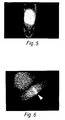
- the inventors observed in suspension cultures of Nicotiana plumbaginifolia that the continued selection for faster dividing cells that unavoidably occurs each time the culture is diluted results in increased levels of p34 cdc2 and loss of pre prophase bands (detailed in Figure 7).
- the meristem tissue that readily continues cell division is unsuitable as a source for transformation because it yields protoplasts that do not regenerate a cell wall and so are unable to resume cell division after introduction of genetic material.
- Mature cells can regenerate a cell wall but a major restraint of division in mature cells, if they have not been subject to prolonged suspension culture, is their retention of low levels of p34 cdc2 protein.
Landscapes
- Life Sciences & Earth Sciences (AREA)
- Health & Medical Sciences (AREA)
- Genetics & Genomics (AREA)
- Chemical & Material Sciences (AREA)
- Engineering & Computer Science (AREA)
- Organic Chemistry (AREA)
- Biotechnology (AREA)
- Bioinformatics & Cheminformatics (AREA)
- Biomedical Technology (AREA)
- Wood Science & Technology (AREA)
- Zoology (AREA)
- Botany (AREA)
- General Engineering & Computer Science (AREA)
- Cell Biology (AREA)
- Biochemistry (AREA)
- General Health & Medical Sciences (AREA)
- Molecular Biology (AREA)
- Biophysics (AREA)
- Developmental Biology & Embryology (AREA)
- Microbiology (AREA)
- Medicinal Chemistry (AREA)
- Physics & Mathematics (AREA)
- Environmental Sciences (AREA)
- Gastroenterology & Hepatology (AREA)
- Plant Pathology (AREA)
- Proteomics, Peptides & Aminoacids (AREA)
- Breeding Of Plants And Reproduction By Means Of Culturing (AREA)
- Micro-Organisms Or Cultivation Processes Thereof (AREA)
- Hydroponics (AREA)
- Peptides Or Proteins (AREA)
- Enzymes And Modification Thereof (AREA)
- Agricultural Chemicals And Associated Chemicals (AREA)
Abstract
Description
- The present invention relates generally to a method for controlling plant cell growth comprising modulating the level and/or catalytic activity of a cell cycle control protein in a plant cell, wherein the cell cycle control protein is selected from the group consisting of p34cdc2 or a homologue or derivative thereof, p13suc1, cyclins, cdc25 and products of nim-1, wee-1 and mik-1 genes, alone or in combination, whereby said derivative differs from p34cdc2 by at least one substitution, deletion and/or addition of an amino acid, carbohydrate or lipid moiety and is capable of controlling the cell cycle.
- More particularly, the present invention is directed to controlling plant cell proliferation and differentiation by modulating the levels of the cell cycle control protein or modulating its activity by altering the levels of enzymes that act upon it.
- The formation of a plant involves the generation of new cells by the division cycle and development in these of specialised structure and metabolism. Specialisation is accompanied by a decreasing capacity for division which declines with particular rapidity in cells of monococyledonous plants, such as cereals.
- In yeast, cell cycle progression is controlled on several levels. For example, RAS activates a signalling pathway via MAP kinases resulting in the activation of transcription factors that drive, cell growth. Although RAS is riot considered as a cell cycle gene, simultaneous inactivation of RAS1, RAS2 and RAS Related in yeast cells blocks them in late mitosis. overexpression of yeast RAS2 in plants was lethal, but the described effects were apparently not dependent on a gene product, since transformation with RAS2 and an inactive version thereof resulted in the same effect (Hilson et al., 1990; Plant Mol. Biol. 14, 669-685).
- On the other hand cdc2 gene function is necessary for progress through the two major control points at which the yeast cell cycle can be delayed until the requirements of cell size and nutrition are met (1; 2).
- The possible contribution of changing the p34cdc2 level to control cell division during development has been little studied, in any organism. In plants, the existence of a p34 homologue was demonstrated for various species (John et al, 1989; Plant Cell 1, 1185-1193; ref. 6). The protein levels of p34cdc2 vary during the various stages of the plant cell cycle and differ between dividing cells and differentiated cells (John et al., 1989; John et al., 1990, J. Cell Sci. 97, 627-630). The control of the two major control points of the cell cycle is effected by the interaction of the cdc2 gene product, p34cdc2, with stimulatory and inhibitory elements (3;4). Plant p34cdc2 is able to interact with yeast p13suc1, a protein that modulates p34cdc2 activity in yeast and that is necessary for the completion of mitosis. The presence of plant homologues of p13suc1 in different species suggests that the association between p34cdc2 and p13suc1 has similar functional implications in plants as in yeast (John et al., 1991; Protoplasma 161, 70-74).
- Accordingly, one aspect of the present invention contemplates a method for controlling plant cell growth comprising modulating the level and/or catalytic activity of a cell cycle control protein in said plant for a time ,and under conditions sufficient to modify or control cell division,
wherein the cell cycle control protein is selected from the group consisting of p34cdc2 or a homologue or derivative thereof, p13suc1, cyclins, cdc25 and products of nim-1, wee-1 and mik-1 genes, alone or in combination, whereby said derivative differs from p34cdc2 by at least one substitution, deletion and/or addition of an amino acid, carbohydrate or lipid moiety and is capable of controlling the cell cycle. - "In a further aspect, the present invention, relates to a method for maintaining, enhancing or resuming plant cell division comprising modulating the level and/or catalytic activity of a cell cycle control protein as defined above in a plant cell.
- In another aspect, the present invention relates to a method for modifying plant growth behavior in the presence of one or more environmental conditions comprising modulating the level and/or catalytic activity of a cell cycle control protein as defined above in a plant cell.
- In a further aspect, the present invention contemplates a method for increasing grain size comprising modulating the level and/or catalytic activity of a cell cycle control protein as defined above in a plant cell.
- In still a further aspect, the present invention refers to a method for inducing root nodules in plants comprising modulating the level and/or catalytic activity of a cell cycle control protein as defined above in a plant cell.
- Furthermore, the present invention relates to a method for restraining plant cell proliferation comprising modulating the level and/or catalytic activity of a cell cycle control protein -as defined above in a plant cell.
- Also, the present invention relates to a method to control the cell number or size of a plant organ comprising modulating the level and/or catalytic activity of a cell cycle control protein as defined above in a plant cell.
- Moreover, the present invention relates to a method for stimulating canopy growth of a plant comprising modulating the level and/or catalytic activity of a cell cycle control protein as defined above in a plant cell.
- In another embodiment, the present invention relates to a method to promote plant root and shoot growth comprising modulating the level and/or catalytic activity of a cell cycle control protein as defined above in a plant cell.
- A further embodiment of the present invention relates to a method for influencing cell division behavior at stages of development when cell number influences the final yield of a plant, said method comprising modulating the level and/or catalytic activity of a cell cycle control protein as defined above in a plant cell.
- Moreover, the present invention also refers to transgenic plants or plant cells being stably transformed with a agent capable of inhibiting expression of a gene encoding a cell cycle control protein.
- A further embodiment of the present invention relates to the use of a cell cycle control protein as defined above, a gene encoding such a protein, an inhibitor, antagonist or agonist of such a protein or p34cdc2 in combination with auxin for maintaining, enhancing or resuming plant cell division, for inducing root nodules into cereals, or for conferring to a plant improvements in increased temperature range for growth, disease resistance, water utilisation, grain size, growth under environmental conditions, for controlling plant cell growth, modifying plant growth behaviour, restraining plant proliferation, controlling cell number or size of plant organ, stimulating canopy growth, promoting plant root or shoot growth, or influencing cell division behaviour.
- In accordance with the aspect of the present invention fo controlling plant cell growth, "plant cell" means any cell existing in culture as a single celt or a group of ceils or as a callus. The, cells may also be in a developing plant in culture or may be in a plant growing in nature. The plant celt may be naturally occurring or isolated from a plant or may be a recombinant, mutant or otherwise derivatized plant cell or group of cells. The plant may be either dicotyledonous or monocotyledonous and in the latter case, the cell cycle genes may be additionnally used in an initial phase that aids regeneration from protoplast cells. This additional technique to aid resumption of division will be particularly valuable when applied to wheat, barley, oats, maize, rice and other like crops.
- For the monocotyledonous plants the present invention has a double advantage: (1) making regeneration from protoplasts easier after the introduction of any beneficial gene; and (2) the addition of cell cycle genes to the plant's genotype. For dicotyledonous plants, advantage (2) particularly applies, since they are already easily regenerable.
- Preferably, the cell cycle control protein is p34at2 including its derivatives as defined above and homologues This protein may be homologous to the plant cell being controlled, i.e. is naturally occurring in said cell or may be heterologous to the cell i.e. the protein or its genetic sequences may be introduced into the cell from a source not originating from the same plant. For example, the control protein may be from another plant or may be from another eukaryotic cell, such as a yeast cell. The p34at2 protein of homologue or derivative thereof may also be a hybrid of molecules and/or be encoded by a hybrid genetic sequence. Use herein of the term "p34cdc2 or like molecule" encompasses all such homologous or heterologous derivatives as defined above and homologues.
- The present invention extends to other cell cycle control proteins, so termed since they function similarly to p34cdc2 or control p34cdc2 activity. Such proteins include p13suc1, cyclin, cdc25, and the products, of nim-1, wee-1 and mik-1 or combinations thereof, separately or together with p34cdc2.
- By "derivatives" of p34cdc2 is meant any protein molecule having an amino acid sequence which differs by at least one acid substitution, deletion and/or addition compared to the sequence in the naturally occurring molecule before derivatisation and is capable of controlling the cell cycle. Additionally, the term refers to recombinant or synthetic molecules carrying single or multiple amino acid substitutions, detections and/or additions or any substitution, detection and/or addition of an associated molecule such as a carbohydrate or lipid moiety when compared to p34cdc2 and are capable of controlling the cell cycle.
- Conveniently, the level of p34cdc2 may be controlled, at the genetic level by manipulating the edc2. gene promoter (or its equivalent). For example, a different promoter may be inserted which can be developmentally regulated or regulated by some other means. Use of a different promoter may provide an opportunity for enhanced expression and/or greater control of expression. Alternatively, multiple copies of a homologous or heterologous cdc2 gene under suitable control may be inserted to increase the level of expression. It would also be possible to manipulate control genes or genetic sites which assist in or regulate expression of the cdc2 gene. One skilled in the art will immediately recognise the variety of means to control expression of a homologous and/or heterologous ak:2. gene in vivo such as the use of antisense or ribozyme agents to reduce expression of inhibitory genes and all such means are encompassed within the scope of the present invention. For example, the cell cycle protein, such as p34cdc2 may be controlled at the level of activity of enzymes which act upon the cell cycle protein.
- The p34cdc2 levels may also be controlled at the protein level. Such a control is more applicable to growth of cells in vitro but the present invention is not necessarily so limited. In accordance with this aspect of the present invention, the cell cycle control protein, for example, is added to a culture and permeated into the cells by various procedures such as electroporation. Purification of the protein into a suitable form has been described (12). An amount is used for a time and under conditions sufficient to modulate cell growth.
- In relation to the method for controlling plant growth this may involve the stable integration of cell cycle genes encoding one of the above-mentioned cell cycle control proteins into the plant genome under the control of promoters that can be expressed at appropriate location and times, such as in early seed development and at meristems. This may be done in dicotyledonous crop plants by conventional methods of transformation, such as with Agrobacterium. It may also be done in monocotyledonous plants using published procedures such as biolistic microprojectile bombardment to introduce genes into cells derived from embryogenic callus followed by regeneration.
- Another aspect of the invention is to use the cell cycle genes to increase the number of monocotyledonous plants that can be transformed and the ease with which any monocotyledonous plant can be transformed, by making it unnecessary to carry out prolonged suspension culture.
- Depending on the plant cells involved, the cell membrane may have to be treated and/or the protein itself may have to be derivatised in order to facilitate entry into the target cell. Alternatively, inhibitors, antagonists or agbnists of the activity of the cycle control protein may be used. Furthermore, a combination of such procedures may also be employed. In one particular embodiment, p34cdc2 is used in combination with an auxin.
- In accordance with the present invention, therefore, it has been discovered that the amount of p34cdc2 is limiting for cell division in plant tissue. When cessation of division for development of specialised functions is required, this is determined by the decline to low levels of this key cell cycle control protein. In tissues that are able to resume cell division, this protein is induced prior to division (12). Furthermore, the present inventors have discovered that plant p34cdc2 interacts with a regulatory subunit p13suc1 from fission yeast which plays a part in controlling the activity of yeast p34cdc2. A plant homologue of p13suc1 has now been found. The function of p13suc1 is necessary for completion of mitosis in fission yeast. The fact that the plant p34cdc2 protein associates with one regulatory subunit implies that the other regulatory interactions identified genetically in yeasts may operate in plants and that the regulatory genes, taken initially from yeasts, could be used to control plant cell division. Accordingly, the present invention extends not only to the direct control of p34cdc2 levels but also to the control of regulatory elements such as p13suc1, wee-1, mik-1, nim-1 and cdc25 which indirectly result in modulation of p34cdc2 activity.
- The present invention will be particularly useful in the regeneration of plants. The mature cells of wheat leaf, for example, yield robust protoplasts that are most suitable for the introduction of DNA but they are notoriously difficult to regenerate into plants. It has now been discovered that these cells have low levels of p34cdc2 and are not capable of increasing these levels. This appears to be a fundamental difference in organisation between monocotyledonous plants and dicotyledonous plants. In the latter group, growth is apical and wounding results in the generation of new meristem cells capable of restoring new tissue. In the monocotyledonous plants, however, there are no terminal meristems and growth is by the continued division of basal meristems. Wounding does not result in the establishment of localised meristems. Accordingly, by elevating levels of p34cdc2 regeneration into plants of single or groups of cells can be facilitated.
- A particular application is the influence of division activity in transformed monocotyledonous protoplasts to enhance their division when the cells have not previously undergone prolonged propagation in suspension culture. For this purpose the influence on division need only be transient and nonintegrative genetic transformation, or introduction of the protein would be suitable. This use would make it easier to introduce any beneficial gene into monocotyledonous plants.
- The use of the cell cycle control proteins or genetic sequences encoding same to facilitate resumption of division after protoplasting of cells will allow the introduction into monocotyledonous plants of genes that are to be stably integrated into the genome. The introduced genes include those conferring improvements in increased temperature range for growth, disease resistance, water utilisation, grain size and growth under adverse conditions.
- With reference to the latter, the present invention also contemplates a method for modifying plant growth behaviour in the presence of one or more environmental conditions, said method comprising modulating the level of a cell cycle control protein as defined above in one or more plant cells capable of division in said plant for a time and under conditions sufficient for said plant to modify its growth.
- Preferably, the plant is a monocotyledonous plant such as wheat, barley, oats, maize, rice or other like crop and the cell cycle protein is p34cdc2 or like molecule. The term "environmental condition" is used in its broadest sense to include such conditions as growth under increased or decreased temperatures, exposure to disease and excess or insufficiency of water or other nutrient.
- In connection with grain size and growth, the cell cycle control genes may be introduced for stable integration. In this case the genes promoting division would be used in two ways during the overall process:
- 1. during the phase of resumption of division after protoplasting transient expression of the genes, or introduction of the proteins that they encode, would be used to reinitiate division;
- 2. additionally the cell cycle control genes introduced in DNA also containing a transposable element such as Ac and a selectable marker, such as neo, would be stably integrated and used to modify division activity in the plant after regeneration. Thestably integrated cell division genes would confer improved cell division properties in selected tissues or environmental conditions.
- Furthermore, there is the possibility that one part of the difficulty of inducing root nodules into cereals is the inability to induce the necessary localised cell division. In accordance with the present invention, additional copies of p34cdc2 gene can, for example, be introduced into cereal crops from yeast and/or from plants. The introduced gene may be under the control of a constitutive promoter since higher levels of p34cdc2 are not inhibitory to cell division where this has been tested in yeast. Inducible promoters may also be employed and induced only during the regeneration of transformed cells if there are unexpected difficulties from raising the basal level of p34cdc2.It is envisaged that plants with raised basal levels of p34cdc2 or with levels raised at the time of infection with rhizobium would be more capable of forming nodules for fixation of nitrogen.
- However, it may also be necessary to restrain plant cell proliferation. For example, it is sometimes the case that a finite amount of water is available following winter rain and it is advantageous to restrain plant growth so that water resources are not exhausted before the valuable portion of the crop has developed. Wheat sown after winter rain must set grain before soil water is exhausted. Vegetative plant growth and especially transpiration of water must be restrained. Chemical agents that reduce transpiration have been found to have persisting adverse side effects on subsequent growth. The present invention proposes that reduced expression or activity of p34cdc2 could achieve reduced growth without toxic side effects. Reduced expression or activity of p34cdc2 may be accomplished in a number of ways, as discussed above. In one such method, a dominant-acting dose-dependent gene that restrains the activity of p34cdc2 may be used. These are the wee-1 and mik-1 genes of fission yeast.
- It is contemplated that their controlled expression will be used to modulate crop growth to take account of water resources. This would necessitate introduction of wee-1 and/or mik-1 either constitutively to create dwarfing varieties or inducibly so that dwarfing could be induced by application of inducer if there was a threat of water becoming limiting.
- The present invention is also useful in other areas of control of: plant growth. For example, it is frequently the case that the final size of a plant organ is determined by cell number at a critical stage of development. This applies to many important crops such as cereals, beans and apples. The present invention can be employed to stimulate cell division at this stage to increase yield.
- Additionally, stimulation of canopy growth to form a cover can reduce water loss by evaporation from soil wile plants remain dormant, so that more water is available when growth resumes in spring. This applies particularly to wheat sown in autumn.
- Furthermore, it is desirable to promote root penetration of soil so that plants may take advantage of water that the farmer knows to be available below the suiface. It is also desirable that shoot growth should not slow when water is limiting if the farmer is proposing future watering. The controls in plants produce a conservative restraint of growth at the first detection of water stress and in an agricultural situation this may limit yield. The present invention can be used to introduce copies of dominant-acting dose-dependent genes that stimulate division activity and act by influencing p34cdc2. Two candidate genes are nim-1 and
cdc 25. The other strategy is to introduce copies of mutant forms of cdc2 that do not respond to restraining modulation of activity. The two mutant forms are cdc2-1w and cdc2-3w For all three genes, expression would be most effective if it is induced at an appropriate stage of development. One possibility would be to use the nitrate reductase promoter and to induce its expression by application of dilute nitrate-containing nutrient. - This nutrient would also beneficially support the additional growth induced. Other inducers could be exploited and all are encompassed by the present invention.
- Cell cycle control genes can be employed to improve growth and development in the economically valuable portions of crop plants, including both dicotyledonous plants and monocotyledonous plants. In this second taxonomic group the additional transient use of cell cycle control genes or proteins to improve their regeneratibility, would be advantageous, but the biolistic transformation of embryogenic callus would also be a possible route for introduction of the genes.
- The cell cycle control genes are employable to influence cell division behaviour at stages of development when cell number influences the final yield of economically valuable tissue. A specific example is the number of rounds of nuclear division at the multinucleate stage of endosperm development in cereal grains.
- The present invention is also directed to a transgenic plant or plant cell carrying an artificially controlled cell cycle protein as defined above, such as p34ab or like molecule in monocotyledonous plants, which plants include wheat, barley, oats, maize, rice or other like crop. Such an artificial control includes introduction of high constitutive or inducible promoters, multiple gene repeats and other similar procedures and techniques.
- With regard to the regeneration of monocotyledonous plants, monocotyledonous protoplasts may be stably transformed with any beneficial gene for expression in the regenerated plant (e.g. genes for resistance to fungi or insect pests or resistance to freezing, and genes modifying division behaviour) by, for example, electroporation, with two preparations of DNA. One would carry at least a gene encoding a p34cdc2-like molecule and perhaps additionally if necessary a cyclin-encoding gene, both under the control of constitively expressed promoters such as 35S or its composite pEMU and lacking both a transposon element that would encourage integration and also tacking a selectable marker that would enforce the persistance of this species of DNA. This DNA would persist long enough to promote a few rounds of division and lead to microcalli in which division will continue (as it does in tissues of dividing cells from monocots although it does not in single cells of monocots, as arise after protoplasting). The other DNA to be introduced simultaneously would contain a selectable marker and an Ac element adjacent to the gene(s) that will confer new desirable properties that are to be stably introduced and expressed in the regenerated plant. The genes for stable transformation would include those for disease and pest resistance but could also include genes for improved division behaviour as hereinbefore described. In the case of monocoryledonous plants, they would be expressed under the control of endosperm or leaf meristem specific promoters.
- Microcalli are obtained alive by plating transformed cells onto solid medium that contains auxin hormones (2,4-D). Microcalli are then transferred to selective medium (e.g. containing antibiotic of the kanamycin type) to kill non transformed clones. Surviving dones are transferred to medium containing auxin type hormones (2,4-D NAA) and cytokinin type hormones (kinetin, BAP) and ABA for shoot and root regeneration, then hardened off and planted out for breeding. This procedure has two advantages over the alternative procedure that works with some strains of maize and perhaps rice. The alternative procedure bombards clumps of cells. (derived from embryogenic callus) in suspension culture and then attempts to kill cells that have not received new genetic information because they lack resistance to kanamycin or related antibiotic, that resistance being co-introduced with the DNA carrying the genes to be stably integrated. It is difficult to kill all the cells in each clump that do not have the new DNA, therefore chimaeric plants result. In the procedure outlined above, however, cells are fully dispersed as individual protoplasts thus avoiding chimaeras. The second advantage is that protoplasts give a higher incidence of true stable integration into the nuclear genome, rather than into satellite DNA, and therefore facilitates development of true breeding crops capable of transmitting the new characters to each generation.
- The present invention is further described by reference to the following nonlimiting Figures and Examples.
- Figure 1 is a photographic representation showing the detection of p34cdc2 homologue in a Western blot of proteins from the cell division region of wheat leaf by probing with EGV antibody. Antibody solution was divided and preincubated, (O) without addition, (V) with 20 nM EGV peptide EGVPSTAIREISLLKE, or (T) with 200 nM of altered peptide EGTPSTAIREISLMKE with substitutions at the third and fourteenth positions. The locations and sizes of markers are indicated on the right.
- Figure 2 is a graphical representation showing the distribution of (A) leaf segments taken for analysis and (B) incidence of cells in the mitotic phase of division, in 90 mm long seedling leaves of wheat taken after 8 days of germination under conditions previously described.
Segments 4 mm long were taken contiguously between 0 and 20 mm from the leaf base and above this at 10mm intervals. Placing of sample numbers in the diagram indicates the centre of each segment. Mitotic index was determined in samples fixed in 4:1 ethanol:acetic acid and stained in acetocarmine. A high incidence of division in the meristem region is indicated by detection of cells in this brief phase of the division cycle. - Figure 3 is a photographic representation depicting the changes during cell differentiation, in (A) stainable proteins and (B) level of p34cdc2 homologue, detected in leaf segments cut as shown in figure 2A. Samples containing 50 µg of protein were separated by PAGE, transferred to nitrocellulose and stained with Ponceau S, then p34cdc2 was probed with affinity-purified EGV antibody and detected using 125I-labelled anti-rabbit IgG F(ab')2.
- Figure 4 is a graphical representation of the changes in amount of p34cdc2 homologue and total protein during leaf cell development. (A) Level of p34cdc2 protein in 50 µg samples of protein, (B) concentration of total protein in cells (total protein per gram tissue fresh mass), (C) average total protein content per cell, (D) amount of p34cdc2 homologue per cell. Total protein in extracts made as in Figure 1 was estimated by dye-binding, after eightyfold dilution, using ovalbumin standard. Protein per cell was calculated by multiplying the protein concentration shown in B by the average cell fresh mass, which was derived from earlier measurements of cell number and fresh mass made in this laboratory under identical conditions (5) and was confirmed by measurement of cell dimensions in these samples. Quantification of p34cdc2 homologue on Western blots was done by probing with EGV antibody and iodinated second antibody: Complete sets of samples were processed on single panels of nitrocellulose and are, therefore, directly comparable.
- Figure 5 is a photographic representation showing localisation of p13suc1 protein to the mitotic nucleus in live Tradescantia stamen hair cells.
The p13suc1 protein was detected directly by excitation of a covalently linked fluorescent group (FLUOS). The protein was introduced by microinjection of a volume equal to 1% of cell volume containing 0.5 mg/ml protein in 100 mM KCl. The protein was authentic p13suc1 encoded by the fission yeast suc 1 gene, over expressed in E. coli and purified to homogeneity before fluorescent labelling.
The p13suc1 protein, which is required for control of the mitotic activity of p34cdc2 in fission yeast, was seen to be concentrated in the nucleus as it enters prophase of mitosis. The bright nucleus is seen occupying a third of the upper part of the cell and dark chromosomes are seen against a background of p13suc1 fluorescence. - Figure 6 is a photographic representation showing the localisation of p34cdc2-like protein in Zinnia root tip cell.
The protein was detected using affinity purified polyclonal antibody raised against the peptide EGVPSTAIREISLLKE that has been perfectly conserved in all cell cycle control proteins related to p34cdc2. Affinity purification employed authentic p34cdc2 overexpressed in E. coli.
A concentration of p34cdc2-like protein in the preprophase band (PPB) was detected (arrowed). - Figure 7 is a graphical representation showing levels of p34cdc2-like protein (PSTAIR protein) during synchronous cell division in suspension cultures of regenerable and non-regenerable Nicotiana plumbaginifolia cells. The regenerable cell line was capable of regenerating intact plants on transfer to solid media and the non-regenerable cells lost this ability during prolonged propagation in suspension culture. The two cell lines were grown in parallel and the protein samples from each were co-electrophoresed and levels of p34cdc2-like protein estimated on the same Western blots.
In the pairs of samples taken at each time, that on the left derives from the non-regenerable cell line.
Each culture was sampled at intervals after release from an aphidicolin block that aligned cells at S phase and resulted in synchronous cell division on transfer to inhibitor-free medium. The non-regenerable cell line had constitutive levels of p34cdc2-like protein that were five times those of the regenerable cell line.
Measurements of preprophase band frequency during the period 15 h to 23 h, when synchronous division was occurring in both cultures, showed that of 400 cells in the regenerable cell line 59 had phragmoplasts and 63 had preprophase bands (PPB) determining the location of the phragmoplast and future cross wall. In contrast, a much larger sample of 2000 cells from the non-regenerable cell line showed an absence of PPBs although detection of 292 phragmoplasts indicated that dividing cells were being sampled. Lack of PPBs indicates that degenerative changes during suspension culture have removed the mechanism for determining the plane of division and therefore the orientation in which new cells are formed. Such orientation is necessary for growth into a plant rather than a callus and its absence explains the non regenerability of this culture. A key feature of this invention is that it diagnoses an advantage in the controlled transient elevation of p34cdc2 activity in transformed cells. This will avoid the need for prolonged prior propogation of cells in suspension culture to obtain a capacity for resumption of division after protoplasting. The random elevation of p34cdc2 during suspension culture is unpredictable and usually leads to uncontrolled division and loss of capacity to regenerate plants. - Figure 8 is a graphical representation showing levels of p34cdc2-like protein in segments of seedling wheat leaf, measured after their transfer to solid medium containing 2,4-D for 14 days prior to assay.
Leaves from axenically grown seedlings were segmented and the proteins were fractionated by SDS-PAGE and p34cdc2-like protein was estimated by affinity purified antibody as previously described (11).
Cells in tissue taken from the base of the leaf, which comprised the meristem cell division region, were stimulated by 2,4-D to continue synthesis of p34cdc2-like protein and to continue division. Cells from elsewhere in the leaf had differentiated and were unresponsive to 2,4-D, did not synthesise p34cdc2-like protein and did not divide. These mature cells survive protoplasting and can regenerate a cell wall. They would be suitable for transformation if they could be stimulated to resume cell division by introduction of cell cycle genes for transient expression. - Figure 9 is a graphical representation showing a detection of p34cdc2-like protein in a Western blot of proteins extracted from carrot cotyledon explants after various days of 2,4-D-free (-) and 2,4-D-containing (+) media. (LS = Rubisco large sub-unit). Relative amounts of p34cdc2-like protein in explants on 2,4-D-containing (■-■) and 2,4-D-free (•-•) media after increasing amounts of time. Relative units are given in
Reference 12. - Plants were grown exactly as described in an earlier study in this laboratory (10).
- Protein was extracted by grinding in liquid nitrogen and vigorous mixing at 0°C with RIPA buffer containing the
detergent Tween 20 and inhibitors of protease and phosphatase (6). Samples containing 50 µg of protein were separated by SDS-PAGE on a 10-15% gradient gel. The proteins were transferred to nitrocellulose and probed with anti-EG VPSTAIREISLLKE antibody (EGV antibody) that has been previously described (6; 7) after affinity purification of the antibody against mouse p34cdc2 fusion protein (8). Control purifications without p34cdc2 gave no reacting antibody. Bound antibody was detected with alkaline phosphatase as previously described (6) or with 125I-labelled anti-rabbit IgG F(ab')2 at 0.5 mCi l-1 (Amersham, IM1340) employing 24h autoradiographic exposure. - p34cdc2 homologue was quantified on Western blots by probing with EGV antibody and iodinated second antibody. Complete sets of samples were processed on single panels of nitrocellulose and are therefore directly comparable. Autoradiography was used to locate the p34 bands, which were then cut out for radioactive counting and corrected for the low backgroup (seen in Figure 3B) that was measured in each track.
- Figure 1 shows that a homologue of p34cdc2 was detected in extracts from the cell division region of wheat leaves using antibody raised against the EGVPSTAIREISLLKE sequence (EGV peptide), which has been perfectly conserved in p34cdc2 between yeasts and humans but not in other protein kinases. After affinity purification by binding to mammalian p34cdc2, the antibody recognised a wheat protein also of Mr 34 x 103. Recognition was specific for the conserved EGV peptide region since it was eliminated by competition with 20 nM EGV peptide (Figure 1). An analogous peptide encoded by the PH085 gene, which has similarities with cdc2 but no effect on cell division (9), failed to compete, indicating that the EGV antibody recognised a configuration within the largest perfectly conserved region that is specific for cell cycle function.
- Segments were taken from base to tip of the seedling leaf (Figure 2A) and cell division was detected only in the lower 12mm (Figure 2B), which coincides with the region of thymidine incorporation into nuclear DNA. The changes in abundance of proteins during differentiation (Figure 3A) are illustrated by the appearance of the M,55 x 103 subunit of RUBISCO beyond 28 mm from the base, which correlates with the increase in chloroplast number and initiation of photosynthesis. The electrophoretic mobility of p34cdc2 homologue did not coincide with that of any of the abundant proteins and its level relative to that of other proteins declined sharply outside the region of active cell division (Figure 3B). This decline in relative level, quantified in figure 4A, is due to accumulation of other proteins as differentiating cells increase in size, in protein concentration (Figure 4B) and, therefore, in total protein content (Figure 4C). The amount of p34cdc2 homologue per cell (Figure 4D) was derived by using protein content per cell to indicate how many cells yielded the protein that was probed in Figures 3B and 4A. No significant net breakdown of p34cdc2 occurred during differentiation and the 94% relative decline is accounted for by cessation of its accumulation while extensive synthesis of other proteins occurs during differentiation.
- Plant proteins considered as being like the cell cycle control protein of p34cdc2 are functionally very similar to the yeast p34cdc2 protein. The significance of this is that there is conclusive genetical evidence in yeasts for the cell division control functions of p34cdc2 and the similarity of the plant proteins therefore supports the probability that similar division control functions reside in them.
- Such evidence includes:
- a) Plant p34cdc2-like protein, that has the same size of 34kDa and contains the amino acid sequence EGVPSTAIREISLLKE (PSTAIR) recognised by antibody, also binds to the yeast p13suc1 subunit that binds to authentic yeast p34cdc2. The bound plant protein has protein kinase activity directed against HI histone that does not require calcium or cyclic AMP and in these respects is identical with authentic yeast p34cdc2.
- b) Plants contain a homologue of the p13suc1 that is the same size as the protein from fission yeast and is recognised by antibody against yeast p13suc1. Points (a) and (b) together indicate that the plant p34cdc2 retains the same capacity for interaction with a regulatory protein as does the yeast enzyme.p13suc1 is necessary in yeast for growth and for completion of anaphase in mitosis. The implication of the presence of a plant protein with homology to p13suc1 and of the binding of plant p34cdc2-like protein to authentic p13suc1 is that plant p34cdc2 is regulated by interaction with other proteins of the network that was first characterised in yeasts as we proposed in our patent.
- These results are disclosed in John et al (11).
- This example is directed to the study of whether (i) the intracellular locations of proteins that interact with p34cdc2 and (ii) the intracellular location of p34cdc2 relative to potential target proteins, is consistent with function of p34cdc2 in the plant cell cycle.
- a) The 13kDa protein p13suc1 of the fission yeast has been over expressed in E. coli, purified to homogeneity, labelled covalently with the fluorescent dye 5(6)-carboxyfluorescein-N-hydroxysuccinimidester and microinjected at 0.5mg/ml into live Tradescantia stamen hair cells that were actively dividing. The protein becomes concentrated in the nucleus at prophase of mitosis (Figure 5), which is consistent with the proposal that p34cdc2 functions at mitosis in plants and is regulated by association with regulatory subunits such as p13suc1.
- b) The location of p34cdc2-like protein has been determined by antibody binding and immunofluorescence microscopy in dividing plant cells. The protein is located in the cytoplasm and nucleus but at early mitoses becomes localised at a major determinant of the orientation of division, which is a cytoskeletal structure called the pre-prophase band (PPB) of microtubules (see Figure 6). The PPB marks the site of the orientation of the cross wall that separates the new (daughter) cells and hence determines the direction in which growth occurs. Regulatable p34cdc2 levels and capacity to form PPBs are both key elements in the capacity to regenerate plants from cultured cells. Such regeneration is necessary if introduced genetic information is to be exploited in crop improvement. The dual requirement for p34cdc2 levels and capacity to form PPBs are both key elements in the capacity to regenerate plants from cultured cells. Such regeneration is necessary if introduced genetic information is to be exploited in crop improvement. The dual requirement for p34cdc2 regulation and PPB formation is emphasised by the co-location of the two elements.
- A related line of investigation has sought to establish whether other proteins that are necessary for p34cdc2 function in other kingdoms are present in plants. Polymerase chain reaction (PCR) techniques were used to amplify regions of plant genes that are homologous with cell cycle control genes. In wheat, genetic information was detected that can encode a p34cdc2 like protein and also a protein like the G class of cyclins that complex with p34cdc2 in G1 phase and have been suggested to activate its functions in the G1 phase of the cell cycle. The presence of this portion of a G1 cyclin gene and the potential for using it to clone monocotyledonous cyclins using the PCR amplified fragment as a probe is significant since monocotyledonous cells commonly arrest division in G1 phase of the cell cycle and a suitable cyclin will assist in stimulating division.
- Another approach has been to directly investigate the molecular basis of the loss of regenerability that occurs in suspension cultures of plant cells.
- Prolonged culture of plant cells in suspension involves repeated dilution with fresh medium and the gradual predominance of cells that divide more rapidly under those unnatural conditions. The inventors observed in suspension cultures of Nicotiana plumbaginifolia that the continued selection for faster dividing cells that unavoidably occurs each time the culture is diluted results in increased levels of p34cdc2 and loss of pre prophase bands (detailed in Figure 7).
- The restraint of cell division was investigated in mature cereal leaf cells it is due to failure to induce the key cell division protein p34cdc2. Although tissue was taken from the actively dividing (meristem) region, when cultured axenically on medium containing 2,4-D, cells retain p34cdc2-like protein at levels capable of supporting division (see Figure 9), whereas tissue taken from elsewhere in the leaf containing mature cells with low levels of p34cdc2-like protein was unable to raise the levels of p34cdc2 (see Figure 8) and was unable to initiate cell division. The meristem tissue that readily continues cell division is unsuitable as a source for transformation because it yields protoplasts that do not regenerate a cell wall and so are unable to resume cell division after introduction of genetic material. Mature cells can regenerate a cell wall but a major restraint of division in mature cells, if they have not been subject to prolonged suspension culture, is their retention of low levels of p34cdc2 protein.
-
- 1. Nurse, P. and Bisset, Y. Nature 292: 558-560, 1981.
- 2. Nurse, P. and Fantes, P. The Cell Cycle pp85-98, 1981.
- 3. Russell, P. and Nurse, P. Cell 49: 569-576, 1987.
- 4. Moreno, S., Nurse, P. and Russell, P. Nature 344: 549-552, 1990.
- 5. Wernicke, W and Milkovits, L. Physiologia P1. 69 23-28, 1987b.
- 6. John, P.C.L., Sek, F.J. and Lee, G.M. Plant Cell 1: 1185-1193, 1989.
- 7. Lee, M.G. and Nurse, P. Nature 327: 31-35, 1987.
- 8. Snyder, M., Elledge, S., Sweetser, D., Young, R.A. and Davis, R.W. Meth. Enzym. 154: 107-128, 1987.
- 9. Toh-E,A., Tanaka, K., Uesono, Y. and Wickner, R.B. Saccharomyces Cerevisiae, Malec Gen. Genet. 214: 162-164, 1988.
- 10. Wernicke, W. and Milkovits, L. Physiologia PI. 69: 16-22, 1987.
- 11. John, P.C.L., Sek, F.J. and Hayles, J. Protoplasma 161: 70-74, 1991.
- 12. Gorst, J.R., Sek, F.J. and John, P.C.L. Planta 185: 304-310, 1991.
Claims (18)
- A method for controlling plant cell growth comprising modulating the level and/or catalytic activity of a cell cycle control protein in a plant cell, wherein the cell cycle control protein is selected from the group consisting of p34cdc2 or a homologue or derivate thereof, p13suc1, cyclins, cdc25 and products of nim-1, wee-1 and mik-1 genes, alone or in combination, whereby said derivative differs from p34cdc2 by at least one substitution, deletion and/or addition of an amino acid, carbohydrate or lipid moiety and is capable of controlling the cell cycle.
- A method for maintaining, enhancing or resuming plant cell division comprising modulating the level and/or catalytic activity of a cell cycle control protein in a plant cell, wherein the cell cycle control protein is selected from the group consisting of p34cdc2 or a homologue or derivate thereof, p13suc1, cyclins, cdc25 and products of nim-1, wee-1 and mik-1 genes, alone or in combination, whereby said derivative differs from p34cdc2 by at least one substitution, deletion and/or addition of an amino acid, carbohydrate or lipid moiety and is capable of controlling the cell cycle.
- A method for modifying plant growth behavior in the presence of one or more environmental conditions comprising modulating the level and/or catalytic activity of a cell cycle control protein in a plant cell, wherein the cell cycle control protein is selected from the group consisting of p34cdc2 or a homologue or derivate thereof, p13suc1, cyclins, cdc25 and products of nim-1, wee-1 and mik-1 genes, alone or in combination, whereby said derivative differs from p34cdc2 by at least one substitution, deletion and/or addition of an amino acid, carbohydrate or lipid moiety and is capable of controlling the cell cycle.
- The method of claim 3, wherein said environmental condition comprises one or more of increased or decreased temperature, exposure to disease or excess or deficiency of water or other nutrient.
- A method for increasing grain size comprising modulating the level and/or catalytic activity of a cell cycle control protein in a plant cell, wherein the cell cycle control protein is selected from the group consisting of p34cdc2 or a homologue or derivate thereof, p13suc1, cyclins, cdc25 and products of nim-1, wee-1 and mik-1 genes, alone or in combination, whereby said derivative differs from p34cdc2 by at least one substitution, deletion and/or addition of an amino acid, carbohydrate or lipid moiety and is capable of controlling the cell cycle.
- A method for inducing root nodules in plants comprising modulating the level and/or catalytic activity of a cell cycle control protein in a plant cell, wherein the cell cycle control protein is selected from the group consisting of p34cdc2 or a homologue or derivate thereof, p13suc1, cyclins, cdc25 and products of nim-1, wee-1 and mik-1 genes, alone or in combination, whereby said derivative differs from p34 cdc2 by at least one substitution, deletion and/or addition of an amino acid, carbohydrate or lipid moiety and is capable of controlling the cell cycle.
- The method of claim 6, wherein the basal level of p34cdc2 is raised.
- A method for restraining plant cell proliferation comprising modulating the level and/or catalytic activity of a cell cycle control protein in a plant cell, wherein the cell cycle control protein is selected from the group consisting of p34cdc2 or a homologue or derivate thereof, p13suc1, cyclins, cdc25 and products of nim-1, wee-1 and mik-1 genes, alone or in combination, whereby said derivative differs from p34cdc2 by at least one substitution, deletion and/or addition of an amino acid, carbohydrate or lipid moiety and is capable of controlling the cell cycle.
- The method of claim 8, wherein the activity or the expression of p34cdc2 is reduced.
- The method of claim 9, wherein a dominant-acting-dose-dependent gene such as wee-1 or mik-1 is constitutively or inducibly expressed.
- A method to control the cell number or size of plant organ comprising modulating the level and/or catalytic activity of a cell cycle control protein in a plant cell, wherein the cell cycle control protein is selected from the group consisting of p34cdc2 or a homologue or derivate thereof, p13suc1, cyclins, cdc25 and products of nim-1, wee-1 and mik-1 genes, alone or in combination, whereby said derivative differs from p34cdc2 by at least one substitution, deletion and/or addition of an amino acid, carbohydrate or lipid moiety and is capable of controlling the cell cycle.
- A method for stimulating canopy growth of a plant comprising modulating the level and/or catalytic activity of a cell cycle control protein in a plant cell, wherein the cell cycle control protein is selected from the group consisting of p34cdc2 or a homologue or derivate thereof, p13suc1, cyclins, cdc25 and products of nim-1, wee-1 and mik-1 genes, alone or in combination, whereby said derivative differs from p34cdc2 by at least one substitution, deletion and/or addition of an amino acid, carbohydrate or lipid moiety and is capable of controlling the cell cycle.
- A method to promote plant root and shoot growth comprising modulating the level and/or catalytic activity of a cell cycle control protein in a plant cell, wherein the cell cycle control protein is selected from the group consisting of p34cdc2 or a homologue or derivate thereof, p13suc1, cyclins, cdc25 and products of nim-1, wee-1 and mik-1 genes, alone or in combination, whereby said derivative differs from p34cdc2 by at least one substitution, deletion and/or addition of an amino acid, carbohydrate or lipid moiety and is capable of controlling the cell cycle.
- A method for influencing cell division behavior at stages of development when cell number influences the final yield of a plant, said method comprising modulating the level and/or catalytic activity of a cell cycle control protein in a plant cell, wherein the cell cycle control protein is selected from the group consisting of p34cdc2 or a homologue or derivate thereof, p13suc1, cyclins, cdc25 and products of nim-1, wee-1 and mik-1 genes, alone or in combination, whereby said derivative differs from p34cdc2 by at least one substitution, deletion and/or addition of an amino acid, carbohydrate or lipid moiety and is capable of controlling the cell cycle.
- The method of any one of claims 1 to 14, wherein the level and/or catalytic activity of the cell cycle control protein is modulated by introducing and optionally expression of a genetic sequence in a plant cell.
- The method of claim 1, wherein the modification or control of cell division is transient.
- A transgenic plant or plant cell being stably transformed with a gene encoding a cell cycle control protein or with a gene encoding an antisense or ribozyme agent capable of inhibiting expression of a gene encoding a cell cycle control protein, wherein said cell cycle control protein is selected from the group consisting of p34cdc2 or a homologue or derivate thereof p13suc1, cyclins, cdc25 and products of nim-1, wee-1 and mik-1 genes; whereby said derivative differs from p34cdc2 by at least one substitution, deletion and/or addition of an amino acid, carbohydrate or lipid moiety and is capable of controlling the cell cycle.
- Use of a cell cycle control protein selected from the group consisting of p34cdc2 or a homologue or derivate thereof, p13suc1, cyclins, cdc25 and products of nim-1, wee-1 and mik-1 genes, alone or in combination, a gene encoding such a protein, an inhibitor, antagonist or agonist of such a protein or p 34 cdc2 in combination with auxin for maintaining, enhancing or resuming plant cell division, for inducing root nodules into cereals, or for conferring to a plant improvements in increased temperature range for growth, disease resistance, water utilisation, grain size, growth under environmental conditions, for controlling plant cell growth, modifying plant growth behaviour, restraining plant proliferation, controlling cell number or size of plant organ, stimulating canopy growth, promoting plant root or shoot growth, or influencing cell division behaviour, whereby said derivative differs from p34cdc2 by at least one substitution, deletion and/or addition of an amino acid, carbohydrate or lipid moiety and is capable of controlling the cell cycle.
Applications Claiming Priority (3)
| Application Number | Priority Date | Filing Date | Title |
|---|---|---|---|
| AU3584/90 | 1990-11-29 | ||
| AUPK358490 | 1990-11-29 | ||
| PCT/AU1991/000556 WO1992009685A1 (en) | 1990-11-29 | 1991-11-29 | Control of plant cell proliferation and growth |
Publications (3)
| Publication Number | Publication Date |
|---|---|
| EP0559729A1 EP0559729A1 (en) | 1993-09-15 |
| EP0559729A4 EP0559729A4 (en) | 1993-12-29 |
| EP0559729B1 true EP0559729B1 (en) | 2006-06-28 |
Family
ID=3775109
Family Applications (1)
| Application Number | Title | Priority Date | Filing Date |
|---|---|---|---|
| EP92900290A Expired - Lifetime EP0559729B1 (en) | 1990-11-29 | 1991-11-29 | Control of plant cell proliferation and growth |
Country Status (7)
| Country | Link |
|---|---|
| US (2) | US5750862A (en) |
| EP (1) | EP0559729B1 (en) |
| JP (4) | JPH06504430A (en) |
| AT (1) | ATE331797T1 (en) |
| DE (1) | DE69133537T2 (en) |
| ES (1) | ES2267093T3 (en) |
| WO (1) | WO1992009685A1 (en) |
Families Citing this family (42)
| Publication number | Priority date | Publication date | Assignee | Title |
|---|---|---|---|---|
| GB9126818D0 (en) * | 1991-12-18 | 1992-02-19 | Ici Plc | Alteration of plant and plant cell morphology |
| US5583210A (en) * | 1993-03-18 | 1996-12-10 | Pioneer Hi-Bred International, Inc. | Methods and compositions for controlling plant development |
| US6252139B1 (en) | 1996-07-18 | 2001-06-26 | The Salk Institute For Biological Studies | Method of increasing growth and yield in plants |
| US6166293A (en) * | 1996-07-18 | 2000-12-26 | The Salk Institute For Biological Studies | Method of increasing growth and yield in plants |
| WO1998041642A1 (en) * | 1997-03-14 | 1998-09-24 | Cropdesign N.V. | Method and means for modulating plant cell cycle proteins and their use in plant cell growth control |
| CN1170940C (en) | 1997-03-26 | 2004-10-13 | 剑桥大学技术服务有限公司 | Growing modified plants and methods of obtaining such plants |
| DE69833545T2 (en) | 1997-03-26 | 2006-12-14 | Imperial College Innovations Ltd. | ANTICOAGULANT FUSION PROTEIN ANCHORED IN THE CELL MEMBRANE |
| AU754804B2 (en) * | 1997-09-05 | 2002-11-28 | Cropdesign N.V. | Method and means for modulating plant cell cycle proteins and their use in controlling plant cell growth |
| US7265267B1 (en) | 1997-09-16 | 2007-09-04 | Cropdesign N.V. | Cyclin-dependent kinase inhibitors and uses thereof |
| JP2001516582A (en) * | 1997-09-16 | 2001-10-02 | クロップデザイン エヌ.ブイ. | Cyclin-dependent kinase inhibitors and uses thereof |
| US6710227B1 (en) | 1998-09-16 | 2004-03-23 | Cropdesign N.V. | Cyclin-dependent kinase inhibitors and uses thereof |
| WO1999022002A1 (en) * | 1997-10-24 | 1999-05-06 | Cropdesign N.V. | A novel mitogenic cyclin and uses thereof |
| AU3103599A (en) * | 1998-03-23 | 1999-10-18 | E.I. Du Pont De Nemours And Company | Plant cell cyclin genes |
| EP1071803A1 (en) * | 1998-04-21 | 2001-01-31 | CropDesign N.V. | Stress tolerant plants |
| CA2256121A1 (en) * | 1998-06-08 | 1999-12-08 | Hong Wang | Cyclin-dependent kinase inhibitors as plant growth regulators |
| EP1088091A2 (en) * | 1998-06-15 | 2001-04-04 | CropDesign N.V. | Plant pathogen inducible control sequences operably linked to cell cycle genes and the uses thereof |
| US6518487B1 (en) * | 1998-09-23 | 2003-02-11 | Pioneer Hi-Bred International, Inc. | Cyclin D polynucleotides, polypeptides and uses thereof |
| WO2000037645A2 (en) * | 1998-12-23 | 2000-06-29 | Pioneer Hi-Bred International, Inc. | Cell cycle nucleic acids, polypeptides and uses thereof |
| CA2263067A1 (en) * | 1999-02-26 | 2000-08-26 | The Australian National University | Method of modifying plant morphology, biochemistry and physiology |
| US20030172404A1 (en) * | 1999-02-26 | 2003-09-11 | John Peter Crook Lloyd | Method of modifying plant characters by the targeted expression of a cell cycle control protein |
| CA2367476A1 (en) * | 1999-03-19 | 2000-09-28 | Cropdesign N.V. | Method for enhancing and/or improving plant growth and/or yield or modifying plant architecture |
| AU4459100A (en) * | 1999-04-22 | 2000-11-10 | Pioneer Hi-Bred International, Inc. | Cell cycle genes and methods of use |
| HK1049845B (en) * | 1999-05-14 | 2009-05-08 | 弗雷德哈钦森癌症研究中心 | Methods for increasing plant cell proliferation by functionally inhibiting a plant cyclin inhibitor gene |
| US6800791B1 (en) * | 1999-05-19 | 2004-10-05 | Pioneer Hi-Bred International, Inc. | Method for delivery of proteins to plant cells |
| AU780301B2 (en) * | 1999-09-27 | 2005-03-17 | Pioneer Hi-Bred International, Inc. | Enhanced stress tolerance in maize via manipulation of cell cycle regulatory genes |
| GB9925634D0 (en) * | 1999-10-29 | 1999-12-29 | Cropdesign Nv | Modification of plants |
| US7534933B2 (en) * | 2000-08-18 | 2009-05-19 | University Of Connecticut | Transgenic plants overexpressing a plant vacuolar H + -ATPase |
| US20020178464A1 (en) * | 1999-11-10 | 2002-11-28 | Whitehead Institute For Biomedical Research | Proton transporters and uses in plants |
| US8697950B2 (en) * | 1999-11-10 | 2014-04-15 | University Of Connecticut | Vacuolar pyrophosphatases and uses in plants |
| EP1311680B1 (en) * | 2000-05-12 | 2011-02-09 | CropDesign N.V. | Nucleic acid molecules encoding plant cell cycle proteins and uses therefor |
| AU2007201513C1 (en) * | 2000-05-12 | 2014-01-16 | Cropdesign N.V. | Nucleic acid molecules encoding plant cell cycle proteins and uses therefor |
| ATE497507T1 (en) * | 2000-07-14 | 2011-02-15 | Cropdesign Nv | INHIBITORS FOR PLANT CYCLIN-DEPENDENT KINASE |
| GB0018305D0 (en) * | 2000-07-27 | 2000-09-13 | Univ Cambridge Tech | Synchronised arabidopsis cell suspension and uses thereof |
| DE60239398D1 (en) | 2001-04-19 | 2011-04-21 | Adhesives Res Inc | HYDROPHILIC DIAGNOSIS DEVICES FOR USE IN THE TESTING OF BIOLOGICAL LIQUIDS |
| GB0117600D0 (en) * | 2001-07-19 | 2001-09-12 | Trikon Holdings Ltd | Semiconductor structure |
| EP1537217A1 (en) * | 2002-09-05 | 2005-06-08 | CropDesign N.V. | Plants transformed with cdc27a, having changed development |
| CN101018864A (en) | 2002-12-26 | 2007-08-15 | 先正达合作有限公司 | Cell proliferation related polypeptide and its application |
| AU2005268943B2 (en) * | 2004-07-31 | 2011-04-14 | Metanomics Gmbh | Preparation of organisms with faster growth and/or higher yield |
| KR20080052570A (en) * | 2005-07-29 | 2008-06-11 | 타게티드 그로스 인코퍼레이티드 | Dominant Negative Mutation of RPRP Protein Protection of Active Cyclin-CDV Complex Inhibition by Wild-type RPP |
| KR101316597B1 (en) | 2010-12-20 | 2013-10-16 | 대한민국 | Method for controlling plant growth with gene derived from Oryza sativa |
| US9062323B2 (en) | 2011-04-11 | 2015-06-23 | The Regents Of The University Of California | Identification and use of KRP mutants in wheat |
| WO2012142106A1 (en) | 2011-04-11 | 2012-10-18 | Targeted Growth, Inc. | Identification and the use of krp mutants in plants |
Family Cites Families (7)
| Publication number | Priority date | Publication date | Assignee | Title |
|---|---|---|---|---|
| IL81737A (en) * | 1986-03-28 | 1992-11-15 | Calgene Inc | Regulation of gene expression in plant cells |
| US5187073A (en) * | 1986-06-30 | 1993-02-16 | The University Of Toledo | Process for transforming gramineae and the products thereof |
| US5015580A (en) * | 1987-07-29 | 1991-05-14 | Agracetus | Particle-mediated transformation of soybean plants and lines |
| SE461359B (en) * | 1987-06-30 | 1990-02-05 | Global Security Ab | SET AND DEVICE FOR INSERT LABELING OF BOOKLETS OR VALUES |
| DE3810286A1 (en) * | 1988-03-25 | 1989-10-12 | Max Planck Gesellschaft | TRANSGENIC PLANT WITH MODIFIED PHYSIOLOGY, MORPHOLOGY AND MODIFIED HORMONE METABOLISM, TISSUE CULTURES OF THIS PLANT AND METHOD FOR THE PRODUCTION THEREOF |
| WO1990002172A1 (en) * | 1988-08-18 | 1990-03-08 | Calgene, Inc. | Plant elongation factor, promoters, coding sequences and uses |
| US5225341A (en) * | 1990-07-19 | 1993-07-06 | The Regents Of The University Of California | Biologically safe plant transformation system using a ds transposon |
-
1991
- 1991-11-29 WO PCT/AU1991/000556 patent/WO1992009685A1/en not_active Ceased
- 1991-11-29 AT AT92900290T patent/ATE331797T1/en not_active IP Right Cessation
- 1991-11-29 EP EP92900290A patent/EP0559729B1/en not_active Expired - Lifetime
- 1991-11-29 ES ES92900290T patent/ES2267093T3/en not_active Expired - Lifetime
- 1991-11-29 JP JP4500206A patent/JPH06504430A/en not_active Withdrawn
- 1991-11-29 US US08/066,092 patent/US5750862A/en not_active Expired - Lifetime
- 1991-11-29 DE DE69133537T patent/DE69133537T2/en not_active Expired - Lifetime
-
1997
- 1997-04-29 US US08/840,380 patent/US6087175A/en not_active Expired - Lifetime
-
2002
- 2002-01-31 JP JP2002023767A patent/JP2002300820A/en not_active Withdrawn
- 2002-10-02 JP JP2002290000A patent/JP2003204786A/en active Pending
-
2007
- 2007-02-27 JP JP2007046790A patent/JP2007222171A/en active Pending
Non-Patent Citations (6)
| Title |
|---|
| Plant Molecular Biology, Vol 17 (1991), H.S. FEILER and T.W. JACOBS: "Cloning of the pea cdc 2 homologue by efficient immunological screening of PCR products", see pages 321-333. * |
| PLANT MOLECULAR BIOLOGY. vol. 14, no. 5, May 1990, DORDRECHT, THE NETHERLANDS. pages 669 - 685 HILSON, P., ET AL. 'Yeast RAS2 affects cell viability, mitotic division and transient gene expression in Nicotiana species' * |
| Plant Physiol, Vol 96, (1991) A. SCHMIDT et al: "Peptidyl proline hydoxylation and the growth of a soybean culture", see pages 656-659. * |
| Proc. Natl. Acad Sci. USA; Vol 187, (1990), H.S. FEILER and T.W. JACOBS: "Cell division in higher plants: A cdc 2 gene, its 34 kDA product and histone H1 Kinase activity in pea", see pages 5397-5401. * |
| THE PLANT CELL. vol. 1, no. 12, December 1989, ROCKVILLE, MD, USA. pages 1185 - 1193 JOHN, P.C.L., ET AL. 'A homolog of the cell cycle control protein p34cdc2 participates in the division cycle of Chlamydomonas, and a similar protein is detectable in higher plants and remote taxa' * |
| THE PLANT CELL. vol. 1, no. 4, April 1989, ROCKVILLE, MD, USA. pages 403 - 413 MEDFORD, J.I., ET AL. 'Alterations of endogenous cytokinins in transgenic plants using chimeric isopentenyl transferase gene' * |
Also Published As
| Publication number | Publication date |
|---|---|
| JP2002300820A (en) | 2002-10-15 |
| WO1992009685A1 (en) | 1992-06-11 |
| ATE331797T1 (en) | 2006-07-15 |
| JPH06504430A (en) | 1994-05-26 |
| EP0559729A4 (en) | 1993-12-29 |
| US6087175A (en) | 2000-07-11 |
| ES2267093T3 (en) | 2007-03-01 |
| DE69133537D1 (en) | 2006-08-10 |
| DE69133537T2 (en) | 2007-05-31 |
| EP0559729A1 (en) | 1993-09-15 |
| JP2007222171A (en) | 2007-09-06 |
| JP2003204786A (en) | 2003-07-22 |
| US5750862A (en) | 1998-05-12 |
Similar Documents
| Publication | Publication Date | Title |
|---|---|---|
| US5750862A (en) | Control of plant cell proliferation and growth | |
| US20040123347A1 (en) | Water-deficit-inducible plant promoters | |
| US20080229447A1 (en) | Transformation of immature soybean seeds through organogenesis | |
| EP0257472A2 (en) | Transgenic monocotyledonous plants, seeds thereof and process for the preparation of the plants | |
| NL8801444A (en) | Genetic transformation of eukaryotic cells - esp. plant cells, by treating dried cells with DNA soln. | |
| Yancheva et al. | Efficient Agrobacterium-mediated transformation and recovery of transgenic fig (Ficus carica L.) plants | |
| CN113801886A (en) | Application of BZR1 gene in regulation and control of insect pest stress resistance of plants | |
| WO2000032760A1 (en) | Method of increasing growth and yield in plants | |
| JP2018504133A (en) | Plastid transformation method | |
| CN115261404B (en) | Application of phosphorus starvation response factor PHR2 in plant-arbuscular mycorrhizal symbiosis and improving phosphorus nutrition | |
| CN119082123A (en) | Application of a tree peony PsPYL4 gene in regulating root development | |
| CN119432883A (en) | A zeaxanthin adenine dinucleotide synthetase gene ZmFADS1 and its encoded protein and application | |
| AU657722B2 (en) | Control of plant cell proliferation and growth | |
| CA2097286C (en) | Control of plant cell proliferation and growth | |
| JP3234534B2 (en) | Transformed homonomies | |
| CN101831429B (en) | Identification of promoters and expression patterns of endosperm-specific genes in rice | |
| US11917966B2 (en) | Soy plants comprising the transgenic event CIGBDT-DEF1 or CIGBIS-DEF5 | |
| CN120842348B (en) | Low-temperature response transcription factor and application thereof in regulating and controlling starch degradation of sweetsop fruits | |
| Ncanana et al. | Development of plant regeneration and transformation protocols for the desiccation-sensitive weeping lovegrass Eragrostis curvula | |
| CN106831966A (en) | Strengthen gene and its application of plant salt tolerance alkaline stress ability | |
| Limami et al. | Nitrate signaling pathway via the transporter MtNPF 6.8 involves abscisic acid for the regulation of primary root elongation in Medicago truncatula | |
| CN119799724B (en) | TaJDR1 gene and its application in improving plant resistance to Fusarium head blight and drought. | |
| CN121362789B (en) | SlERF098 protein and application of encoding gene thereof in regulating and controlling content of steroid alkaloid to influence resistance of tomato gray mold | |
| Sasaki et al. | Effect of chloramphenicol and lincomycin on chloroplast DNA amplification in greening pea leaves | |
| KR20070025995A (en) | Genes that induce the elongation of roots and root hairs and transgenic plants by the genes |
Legal Events
| Date | Code | Title | Description |
|---|---|---|---|
| PUAI | Public reference made under article 153(3) epc to a published international application that has entered the european phase |
Free format text: ORIGINAL CODE: 0009012 |
|
| 17P | Request for examination filed |
Effective date: 19930611 |
|
| AK | Designated contracting states |
Kind code of ref document: A1 Designated state(s): AT BE CH DE DK ES FR GB GR IT LI LU NL SE |
|
| RHK1 | Main classification (correction) |
Ipc: C12N 15/82 |
|
| A4 | Supplementary search report drawn up and despatched |
Effective date: 19931108 |
|
| AK | Designated contracting states |
Kind code of ref document: A4 Designated state(s): AT BE CH DE DK ES FR GB GR IT LI LU NL SE |
|
| 17Q | First examination report despatched |
Effective date: 19981204 |
|
| RAP1 | Party data changed (applicant data changed or rights of an application transferred) |
Owner name: CROPDESIGN N.V. |
|
| GRAP | Despatch of communication of intention to grant a patent |
Free format text: ORIGINAL CODE: EPIDOSNIGR1 |
|
| GRAS | Grant fee paid |
Free format text: ORIGINAL CODE: EPIDOSNIGR3 |
|
| GRAA | (expected) grant |
Free format text: ORIGINAL CODE: 0009210 |
|
| AK | Designated contracting states |
Kind code of ref document: B1 Designated state(s): AT BE CH DE DK ES FR GB GR IT LI LU NL SE |
|
| PG25 | Lapsed in a contracting state [announced via postgrant information from national office to epo] |
Ref country code: IT Free format text: LAPSE BECAUSE OF FAILURE TO SUBMIT A TRANSLATION OF THE DESCRIPTION OR TO PAY THE FEE WITHIN THE PRESCRIBED TIME-LIMIT;WARNING: LAPSES OF ITALIAN PATENTS WITH EFFECTIVE DATE BEFORE 2007 MAY HAVE OCCURRED AT ANY TIME BEFORE 2007. THE CORRECT EFFECTIVE DATE MAY BE DIFFERENT FROM THE ONE RECORDED. Effective date: 20060628 Ref country code: AT Free format text: LAPSE BECAUSE OF FAILURE TO SUBMIT A TRANSLATION OF THE DESCRIPTION OR TO PAY THE FEE WITHIN THE PRESCRIBED TIME-LIMIT Effective date: 20060628 |
|
| REG | Reference to a national code |
Ref country code: GB Ref legal event code: FG4D |
|
| REG | Reference to a national code |
Ref country code: CH Ref legal event code: EP |
|
| REF | Corresponds to: |
Ref document number: 69133537 Country of ref document: DE Date of ref document: 20060810 Kind code of ref document: P |
|
| PG25 | Lapsed in a contracting state [announced via postgrant information from national office to epo] |
Ref country code: SE Free format text: LAPSE BECAUSE OF FAILURE TO SUBMIT A TRANSLATION OF THE DESCRIPTION OR TO PAY THE FEE WITHIN THE PRESCRIBED TIME-LIMIT Effective date: 20060928 Ref country code: DK Free format text: LAPSE BECAUSE OF FAILURE TO SUBMIT A TRANSLATION OF THE DESCRIPTION OR TO PAY THE FEE WITHIN THE PRESCRIBED TIME-LIMIT Effective date: 20060928 |
|
| REG | Reference to a national code |
Ref country code: CH Ref legal event code: NV Representative=s name: E. BLUM & CO. PATENTANWAELTE |
|
| ET | Fr: translation filed | ||
| REG | Reference to a national code |
Ref country code: ES Ref legal event code: FG2A Ref document number: 2267093 Country of ref document: ES Kind code of ref document: T3 |
|
| PLBE | No opposition filed within time limit |
Free format text: ORIGINAL CODE: 0009261 |
|
| STAA | Information on the status of an ep patent application or granted ep patent |
Free format text: STATUS: NO OPPOSITION FILED WITHIN TIME LIMIT |
|
| 26N | No opposition filed |
Effective date: 20070329 |
|
| REG | Reference to a national code |
Ref country code: CH Ref legal event code: PFA Owner name: CROPDESIGN N.V. Free format text: CROPDESIGN N.V.#TECHNOLOGIEPARK 3#9052 ZWIJNAARDE-GENT (BE) -TRANSFER TO- CROPDESIGN N.V.#TECHNOLOGIEPARK 3#9052 ZWIJNAARDE-GENT (BE) |
|
| PG25 | Lapsed in a contracting state [announced via postgrant information from national office to epo] |
Ref country code: GR Free format text: LAPSE BECAUSE OF FAILURE TO SUBMIT A TRANSLATION OF THE DESCRIPTION OR TO PAY THE FEE WITHIN THE PRESCRIBED TIME-LIMIT Effective date: 20060929 |
|
| PG25 | Lapsed in a contracting state [announced via postgrant information from national office to epo] |
Ref country code: LU Free format text: LAPSE BECAUSE OF NON-PAYMENT OF DUE FEES Effective date: 20061129 |
|
| PGFP | Annual fee paid to national office [announced via postgrant information from national office to epo] |
Ref country code: NL Payment date: 20101124 Year of fee payment: 20 Ref country code: FR Payment date: 20101214 Year of fee payment: 20 |
|
| PGFP | Annual fee paid to national office [announced via postgrant information from national office to epo] |
Ref country code: CH Payment date: 20101130 Year of fee payment: 20 |
|
| PGFP | Annual fee paid to national office [announced via postgrant information from national office to epo] |
Ref country code: GB Payment date: 20101130 Year of fee payment: 20 |
|
| PGFP | Annual fee paid to national office [announced via postgrant information from national office to epo] |
Ref country code: DE Payment date: 20110131 Year of fee payment: 20 |
|
| PGFP | Annual fee paid to national office [announced via postgrant information from national office to epo] |
Ref country code: ES Payment date: 20101228 Year of fee payment: 20 Ref country code: BE Payment date: 20110117 Year of fee payment: 20 |
|
| REG | Reference to a national code |
Ref country code: DE Ref legal event code: R071 Ref document number: 69133537 Country of ref document: DE |
|
| BE20 | Be: patent expired |
Owner name: *CROPDESIGN N.V. Effective date: 20111129 |
|
| REG | Reference to a national code |
Ref country code: DE Ref legal event code: R071 Ref document number: 69133537 Country of ref document: DE |
|
| REG | Reference to a national code |
Ref country code: NL Ref legal event code: V4 Effective date: 20111129 |
|
| REG | Reference to a national code |
Ref country code: CH Ref legal event code: PL |
|
| REG | Reference to a national code |
Ref country code: GB Ref legal event code: PE20 Expiry date: 20111128 |
|
| PG25 | Lapsed in a contracting state [announced via postgrant information from national office to epo] |
Ref country code: NL Free format text: LAPSE BECAUSE OF EXPIRATION OF PROTECTION Effective date: 20111129 |
|
| PG25 | Lapsed in a contracting state [announced via postgrant information from national office to epo] |
Ref country code: GB Free format text: LAPSE BECAUSE OF EXPIRATION OF PROTECTION Effective date: 20111128 |
|
| PG25 | Lapsed in a contracting state [announced via postgrant information from national office to epo] |
Ref country code: DE Free format text: LAPSE BECAUSE OF EXPIRATION OF PROTECTION Effective date: 20111130 |
|
| REG | Reference to a national code |
Ref country code: ES Ref legal event code: FD2A Effective date: 20140827 |
|
| PG25 | Lapsed in a contracting state [announced via postgrant information from national office to epo] |
Ref country code: ES Free format text: LAPSE BECAUSE OF EXPIRATION OF PROTECTION Effective date: 20111130 |