EP0551501B1 - Use of endothelial-leukocyte adhesion molecule-1 and antibodies thereto in the treatment of asthma - Google Patents
Use of endothelial-leukocyte adhesion molecule-1 and antibodies thereto in the treatment of asthma Download PDFInfo
- Publication number
- EP0551501B1 EP0551501B1 EP92917640A EP92917640A EP0551501B1 EP 0551501 B1 EP0551501 B1 EP 0551501B1 EP 92917640 A EP92917640 A EP 92917640A EP 92917640 A EP92917640 A EP 92917640A EP 0551501 B1 EP0551501 B1 EP 0551501B1
- Authority
- EP
- European Patent Office
- Prior art keywords
- elam
- receptor
- antibody
- asthma
- binding
- Prior art date
- Legal status (The legal status is an assumption and is not a legal conclusion. Google has not performed a legal analysis and makes no representation as to the accuracy of the status listed.)
- Expired - Lifetime
Links
Images



Classifications
-
- A—HUMAN NECESSITIES
- A61—MEDICAL OR VETERINARY SCIENCE; HYGIENE
- A61K—PREPARATIONS FOR MEDICAL, DENTAL OR TOILETRY PURPOSES
- A61K39/00—Medicinal preparations containing antigens or antibodies
-
- A—HUMAN NECESSITIES
- A61—MEDICAL OR VETERINARY SCIENCE; HYGIENE
- A61K—PREPARATIONS FOR MEDICAL, DENTAL OR TOILETRY PURPOSES
- A61K31/00—Medicinal preparations containing organic active ingredients
- A61K31/70—Carbohydrates; Sugars; Derivatives thereof
-
- A—HUMAN NECESSITIES
- A61—MEDICAL OR VETERINARY SCIENCE; HYGIENE
- A61P—SPECIFIC THERAPEUTIC ACTIVITY OF CHEMICAL COMPOUNDS OR MEDICINAL PREPARATIONS
- A61P11/00—Drugs for disorders of the respiratory system
-
- A—HUMAN NECESSITIES
- A61—MEDICAL OR VETERINARY SCIENCE; HYGIENE
- A61P—SPECIFIC THERAPEUTIC ACTIVITY OF CHEMICAL COMPOUNDS OR MEDICINAL PREPARATIONS
- A61P11/00—Drugs for disorders of the respiratory system
- A61P11/06—Antiasthmatics
-
- C—CHEMISTRY; METALLURGY
- C07—ORGANIC CHEMISTRY
- C07K—PEPTIDES
- C07K14/00—Peptides having more than 20 amino acids; Gastrins; Somatostatins; Melanotropins; Derivatives thereof
- C07K14/435—Peptides having more than 20 amino acids; Gastrins; Somatostatins; Melanotropins; Derivatives thereof from animals; from humans
- C07K14/705—Receptors; Cell surface antigens; Cell surface determinants
- C07K14/7056—Lectin superfamily, e.g. CD23, CD72
- C07K14/70564—Selectins, e.g. CD62
-
- C—CHEMISTRY; METALLURGY
- C07—ORGANIC CHEMISTRY
- C07K—PEPTIDES
- C07K16/00—Immunoglobulins [IG], e.g. monoclonal or polyclonal antibodies
- C07K16/18—Immunoglobulins [IG], e.g. monoclonal or polyclonal antibodies against material from animals or humans
- C07K16/28—Immunoglobulins [IG], e.g. monoclonal or polyclonal antibodies against material from animals or humans against receptors, cell surface antigens or cell surface determinants
-
- C—CHEMISTRY; METALLURGY
- C07—ORGANIC CHEMISTRY
- C07K—PEPTIDES
- C07K16/00—Immunoglobulins [IG], e.g. monoclonal or polyclonal antibodies
- C07K16/18—Immunoglobulins [IG], e.g. monoclonal or polyclonal antibodies against material from animals or humans
- C07K16/28—Immunoglobulins [IG], e.g. monoclonal or polyclonal antibodies against material from animals or humans against receptors, cell surface antigens or cell surface determinants
- C07K16/2851—Immunoglobulins [IG], e.g. monoclonal or polyclonal antibodies against material from animals or humans against receptors, cell surface antigens or cell surface determinants against the lectin superfamily, e.g. CD23, CD72
- C07K16/2854—Immunoglobulins [IG], e.g. monoclonal or polyclonal antibodies against material from animals or humans against receptors, cell surface antigens or cell surface determinants against the lectin superfamily, e.g. CD23, CD72 against selectins, e.g. CD62
-
- C—CHEMISTRY; METALLURGY
- C12—BIOCHEMISTRY; BEER; SPIRITS; WINE; VINEGAR; MICROBIOLOGY; ENZYMOLOGY; MUTATION OR GENETIC ENGINEERING
- C12P—FERMENTATION OR ENZYME-USING PROCESSES TO SYNTHESISE A DESIRED CHEMICAL COMPOUND OR COMPOSITION OR TO SEPARATE OPTICAL ISOMERS FROM A RACEMIC MIXTURE
- C12P19/00—Preparation of compounds containing saccharide radicals
- C12P19/44—Preparation of O-glycosides, e.g. glucosides
-
- C—CHEMISTRY; METALLURGY
- C12—BIOCHEMISTRY; BEER; SPIRITS; WINE; VINEGAR; MICROBIOLOGY; ENZYMOLOGY; MUTATION OR GENETIC ENGINEERING
- C12P—FERMENTATION OR ENZYME-USING PROCESSES TO SYNTHESISE A DESIRED CHEMICAL COMPOUND OR COMPOSITION OR TO SEPARATE OPTICAL ISOMERS FROM A RACEMIC MIXTURE
- C12P21/00—Preparation of peptides or proteins
- C12P21/06—Preparation of peptides or proteins produced by the hydrolysis of a peptide bond, e.g. hydrolysate products
-
- A—HUMAN NECESSITIES
- A61—MEDICAL OR VETERINARY SCIENCE; HYGIENE
- A61K—PREPARATIONS FOR MEDICAL, DENTAL OR TOILETRY PURPOSES
- A61K38/00—Medicinal preparations containing peptides
Definitions
- the present invention relates to the use of endothelial-leukocyte adhesion molecule-1 (ELAM-1), ligands thereto, and antibodies, in the treatment of asthma.
- ELAM-1 endothelial-leukocyte adhesion molecule-1
- ligands thereto ligands thereto
- antibodies antibodies
- ELAM-1 is an inducible endothelial cell surface glycoprotein.
- ELAM-1 is synthesized by endothelial cells in response to inflammatory agents and promotes adhesion of neutrophils, monocytes and a subpopulation of lymphocytes.
- the primary amino acid sequence of ELAM-1 suggests a complex domain structure containing a lectin-like amino terminus, an EGF-like domain and six consensus repeats similar to those found in complement regulatory proteins. Its expression is relatively restricted to activated vascular endothelium in vitro and in vivo.
- ELAM-1 is a member of a family of adhesion-receptor glycoproteins critical to interactions of circulating cells within the vasculature.
- selectins This family has been designated the selectins or LEC-CAMS.
- the other selectins are LecCAM-1 AND CD62. Springer et al, Nature 349 (17): 196 (1991) and Bevilacqua et al, "Identification and Characterization of Endothelial-Leukocyte Adhesion Molecule-1", Chapter 16, Leukocyte Adhesion Molecules (T.A. Springer, D.C. Anderson, A.S. Rosenthal and R. Rothlein, Eds.) (Springer-Verlag New York Inc. 1990).
- Asthma is a heterogenous family of diseases. It is characterized by a hyperresponsiveness of the tracheobronchi to stimuli (McFadden, E.R. et al., In: Harrison's Principles of Internal Medicine, 10th Ed., Petersdorf, R.G. et al., Eds., McGraw-Hill, NY (1983), pages 1512-1519), Kay, A.B., Allergy and Inflammation, Academic Press, NY (1987); which references are incorporated herein by reference). Clinically, asthma is manifested by the extensive narrowing of the tracheobronchi, by thick tenacious secretions, by paroxysms of dyspnea, cough, and wheezing.
- Allergic asthma is usually associated with a heritable allergic disease, such as rhinitis, urticaria, eczema, etc.
- the condition is characterized by positive wheal-and-flare reactions to intradermal injections of airborne antigens (such as pollen, environmental or occupational pollutants, etc.), and increased serum levels of IgE.
- airborne antigens such as pollen, environmental or occupational pollutants, etc.
- IgE airborne antigens
- Allergic asthma is believed to be dependent upon an IgE response controlled by T and B lymphocytes and activated by the interaction of airborne antigen with mast cell-bound pre-formed IgE molecules.
- the antigenic encounter must have occurred at concentrations sufficient to lead to IgE production for a prolonged period of time in order to sensitize an individual. Once sensitized, an asthma patient may exhibit symptoms in response to extremely low levels of antigen.
- Asthma symptoms may be exacerbated by the presence and level of the triggering antigen, environmental factors, occupational factors, physical exertion, and emotional stress.
- This invention relates to a method for treating asthma in a patient, which comprises administering to the patient a therapeutically effective amount of an agent selected from the group consisting of:
- Figure 1 shows airway cellular composition before and at several time points after antigen inhalation challenge. There was a large number of eosinophils recovered prior to antigen challenge. After challenge the number of eosinophils decreased but returned to prechallenge levels by day 1 and remained elevated at day 7 and 14. There was a striking influx of neutrophils associated with the late-phase bronchoconstriction response.
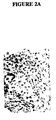
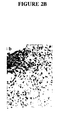
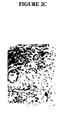
- Figure 2 shows immunohistochemical staining with: (a) normal mouse serum; (b) antibody to ICAM-1; and (c) antibody to ELAM-1, on lung tissue obtained by biopsy 6 hours post challenge.
- ICAM-1 staining was found on both airway epithelium and vascular endothelium.
- staining for ELAM-1 was evident only on airway vascular endothelium.
- Figure 3 shows the recovery of total leukocytes (A) and neutrophils (B) in control (vehicle treatment) animals and anti-ELAM-1 (CL2) treated animals.
- CL2 (2mg/kg, i.v.) significantly attenuated the total number of leukocytes as well as the number of neutrophils infiltrating into the lungs 6 hours after antigen inhalation.
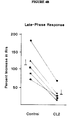
- FIG 4 shows the effects of anti-ELAM-1 (CL2) treatment on the immediate and late-phase response.
- CL2 significantly reduced the late-phase response but had no apparent effect on the immediate airway obstruction after antigen challenge.
- This invention relates to a method for treating asthma in a patient, which comprises administering to the patient a therapeutically effective amount of an agent selected from the group consisting of:
- asthma refers to either allergic or idiosyncratic asthma.
- An agent is said to have a therapeutic potential in the treatment of asthma if it may lessen (i.e., attentuate) the severity, extent or duration of the asthma symptoms.
- an agent is said to be able to treat asthma if, when administered to a patient, the agent is capable of attentuating either the severity, extent or duration of the asthma symptoms.
- One aspect of the present invention derives from the discovery that ELAM-1 contributes substantially to the development of antigen-induced airway inflammation.
- ELAM-1 is a molecule expressed on the surface of endothelial cells that mediates adhesion of leukocytes to endothelial cells (Bevilacqua et al, Science 243: 1160 (1989), herein incorporated by reference).
- ELAM-1 receptor is a molecule expressed on the surface of leukocytes that binds to ELAM-1 and is involved in ELAM-1-mediated binding to endothelial cells. This includes carbohydrate ligands of ELAM-1.
- Another aspect of the present invention is the discovery that agents which prevent or inhibit neutrophil influx and binding to ELAM-1 on vascular endothelium may be employed in the treatment of asthma.
- agents which may be used in accordance with the present invention are ELAM-1 and functional derivatives of ELAM-1. Since ELAM-1 mediates adhesion of neutrophils to vascular endothelium by binding to a receptor molecule on the neutrophil cell surface, functional derivatives of ELAM-1 which can bind to the ELAM-1 receptor present on the neutrophils will compete with the ELAM-1 on lung endothelial cells, thus attentuating adhesion of the neutrophils, and providing a treatment for asthma.
- a “functional derivative” of ELAM-1 is a compound which possesses a biological activity (either functional or structural) that is substantially similar to a biological activity of ELAM-1.
- the term “functional derivative” is intended to include the “fragments”, “variants”, or “chemical derivatives” of a molecule.
- a “fragment” of a molecule such as ELAM-1 is meant to refer to any polypeptide or carbohydrate subset of the molecule. Fragments of ELAM-1 which have ELAM-1 activity and which are soluble (i.e., not membrane bound) are especially preferred.
- a “variant" of a molecule such as ELAM-1 is meant to refer to a molecule substantially similar in structure and function to either the entire molecule, or to a fragment thereof.
- a molecule is said to be “substantially similar” to another molecule if both molecules have substantially similar structures or if both molecules possess a similar biological activity.
- a molecule is said to be a "chemical derivative" of another molecule when it contains additional chemical moieties not normally a part of the molecule. Such moieties may improve the molecule's solubility, absorption, biological half-life, etc.
- ELAM-1 receptors An additional example of agents which may be used in accordance with the present invention to treat asthma are ELAM-1 receptors, or functional derivatives thereof. Such molecules and their functional derivatives can provide a treatment for asthma by virtue of their capacity to bind to the ELAM-1 of endothelial cells, and thus impair the ability of such cells to mediate binding and adhesion of leukocytes.
- functional derivatives of ELAM-1 receptors which are soluble molecules.
- ELAM-1 receptors are the carbohydrate ligands of ELAM-1 on neutrophils such as sialylated lactosylceramides [see, e.g., Tiemeyer et al, Proc. Natl. Acad. Sci. USA 88: 1138 (1991)], or glycolipids or glycoproteins bearing the sialyl Lewis X antigen [see, e.g., Lowe et al, Cell 63: 475 (1990)].
- ELAM-1 and ELAM-1 receptors are immunogenic molecules. Thus, it is possible to obtain antibodies capable of binding to ELAM-1 or an ELAM-1 receptor. Such antibodies may be used in accordance with the methods of the present invention in the treatment of asthma.
- Such antibodies may be obtained by introducing either the purified molecules (or cells which naturally express these molecules) into an appropriate animal, as by intraperitoneal injection, etc. If desired, the serum of such an animal many be removed and used as a source of polyclonal antibodies capable of binding these molecules. It is, however, preferable to remove splenocytes from such animals, to fuse such spleen cells with a myeloma cell line and to permit such fusion cells to form a hybridoma cell which secretes monoclonal antibodies capable of binding ELAM-1.
- hybridoma cells obtained in the manner described above may be screened as described above to identify desired hybridoma cells that secrete antibody capable of binding to ELAM-1 or to the ELAM-1 receptor.
- Such antibodies have the capacity to bind to ELAM-1 or to an ELAM-1 receptor, they (and their fragments having antigen binding ability, such as Fab, F(ab) 2 , etc.) may be used to attenuate neutrophil adhesion, and thus provide an additional example of an agent which may be used in accordance with the present invention to treat asthma.
- both polyclonal and monoclonal antibodies may be employed in accordance with the present invention.
- antibodies to ELAM-1 which are produced in humans, or are "humanized” (i.e. non-immunogenic in a human) by recombinant or other technology.
- Humanized antibodies may be produced, for example by replacing an immunogenic portion of an antibody with a corresponding, but non-immunogenic portion (i.e. chimeric antibodies) (Robinson et al, International Patent Application 184,187; Taniguchi, M., European Patent Application 171,496; Morrison, S.L.
- Suitable "humanized” antibodies can be alternatively produced by CDR or CEA substitution (Jones et al, Nature 321: 552 (1986); Verhoeyan et al, Science 239: 1534 (1988); Beidler et al, J. Immunol. 141: 4053 (1988)).
- the anti-asthma agents of the present invention may be obtained by natural processes (such as, for example, by inducing an animal, plant, fungi, bacteria, etc., to produce a non-immunoglobulin antagonists of ELAM-1, or by inducing an animal to produce polyclonal antibodies capable of binding to ELAM-1; by synthetic methods (such as, for example, by using the Merrifield method for synthesizing polypeptides to synthesize ELAM-1, functional derivatives of ELAM-1, or protein antagonists of ELAM-1 (either immunoglobulin or non-immunoglobulin)); by hybridoma technology (such as, for example, to produce monoclonal antibodies capable of binding to ELAM-1); or by recombinant technology (such as, for example, to produce the anti-asthma agents of the present invention in diverse hosts (i.e., yeast, bacteria, fungi, cultured mammalian cells, etc.) or from recombinant
- Functional derivatives of ELAM-1 having up to about 100 residues may be conveniently prepared by in vitro synthesis. If desired, such fragments may be modified by reacting targeted amino acid residues of the purified or crude protein with an organic derivatizing agent that is capable of reacting with selected side chains or terminal residues. The resulting covalent derivatives may be used to identify residues important for biological activity.
- the therapeutic effects of the anti-asthma agents of the present invention may be obtained by providing such agents to a patient by any suitable means (i.e. intravenously, intramuscularly, subcutaneously, enterally, or parenterally). It is preferred to administer the agents of the present invention intranasally as by nasal spray, swab, etc. It is especially preferred to administer such agents by oral inhalation, or via an oral spray or oral aerosol. When administering agents by injection, the administration may be by continuous infusion, or by single or multiple boluses.
- any of the above discussed agents can be augmented through the use of functional derivatives possessing additional amino acid residues added to enhance coupling to carrier or to enhance the activity of the agent.
- the scope of the present invention is further intended to include functional derivatives of ELAM-1 which lack certain amino acid residues or which contain altered amino acid residues, so long as such derivatives exhibit the capacity to affect cellular adhesion.
- the antibodies of the present invention are said to be "substantially free of natural contaminants" if preparations which contain them are substantially free of materials with which these products are normally and naturally found.
- the present invention extends to the use of antibodies, and biologically active fragments thereof, (whether polyclonal or monoclonal) which are capable of binding to ELAM-1 or to an ELAM-1 receptor, in the treatment of asthma.
- the dosage of administered agent will vary depending upon such factors as the patient's age, weight, height, sex, general medical condition, previous medical history, etc. In general, it is desirable to provide the recipient with a dosage of agent which is in the range of from about 1 pg/kg to 10 mg/kg (body weight of patient), although a lower or higher dosage may be administered.
- the therapeutically effective dose can be lowered by using combinations of the above described agents.
- one compound is said to be additionally administered with a second compound when the administration of the two compounds is in such proximity of time that both compounds can be detected at the same time in the patient's serum.
- the anti-asthma agents of the present invention are intended to be provided to recipient subjects in an amount sufficient to lessen or attenuate the severity, extent or duration of the asthma symptoms.
- the antibody agents of the invention, or their fragments may be administered either alone or in combination with one or more additional anti-asthma agents (such as methylxanthines (such as theophylline), beta-adrenergic agonists (such as catecholamines, resorcinols, saligenins, and ephedrine), glucocorticoids (such as hydrocortisone), chromones (such as cromolyn sodium) and anticholinergics (such as atropine), in order to decrease the amount of such agents needed to treat the asthma symptoms.
- additional anti-asthma agents such as methylxanthines (such as theophylline), beta-adrenergic agonists (such as catecholamines, resorcinols, saligenins, and ephedrine), glucocorticoids (such as hydrocortisone), chromones (such as cromolyn sodium) and anticholinergics (such as
- the administration of the agents of the invention may be for either a "prophylactic" or "therapeutic" purpose.
- the agents are provided in advance of any asthma symptom.
- the prophylactic administration of the agents serves to prevent or attenuate any subsequent asthmatic response.
- the agents are provided at (or shortly after) the onset of a symptom of asthma.
- the therapeutic administration of the agents serves to attenuate any actual asthmatic episode.
- the agents of the present invention may, thus, be provided either prior to the onset of an anticipated asthmatic episode (so as to attenuate the anticipated severity, duration or extent of the episode) of after the initiation of the episode.
- a composition is said to be "pharmacologically acceptable” if its administration can be tolerated by a recipient patient.
- Such an agent is said to be administered in a "therapeutically effective amount” if the amount administered is physiologically significant.
- An agent is physiologically significant if its presence results in a detectable change in the physiology of a recipient patient.
- the agents of the present invention can be formulated according to known methods to prepare pharmaceutically useful compositions, whereby these materials, or their functional derivatives, are combined in admixture with a pharmaceutically acceptable carrier vehicle.
- a pharmaceutically acceptable carrier vehicle e.g., a pharmaceutically acceptable carrier vehicle.
- suitable vehicles and their formulation, inclusive of other human proteins, e.g., human serum albumin, are described, for example, in Remington's Pharmaceutical Sciences (16th ed., Osol, A., Ed., Mack, Easton PA (1980)).
- compositions will contain an effective amount of anti-ELAM-1 antibody or ELAM-1 molecule, or their functional derivatives, together with a suitable amount of carrier vehicle.
- Control release preparations may be achieved through the use of polymer to complex or absorb anti-ELAM-1 antibody or ELAM-1, or their functional derivatives.
- the controlled delivery may be exercised by selecting appropriate macromolecules (for example polyester, polyamino acids, polyvinyl, pyrrolidone, ethylenevinylacetate, methylcellulose, carboxymethylcellulose, or protamine, sulfate) and the concentration of macromolecules as well as the methods of incorporation in order to control release.
- Another possible method to control the duration of action by controlled release preparations is to incorporate anti-ELAM-1 antibody or ELAM-1 molecules, or their functional derivatives, into particles of a polymeric material such as polyesters, polyamino acids, hydrogels, poly(lactic acid) or ethylene vinylacetate copolymers.
- a polymeric material such as polyesters, polyamino acids, hydrogels, poly(lactic acid) or ethylene vinylacetate copolymers.
- microcapsules prepared, for example, by coacervation techniques or by interfacial polymerization, for example, hydroxymethylcellulose or gelatine-microcapsules and poly(methylmethacylate) microcapsules, respectively, or in colloidal drug delivery systems, for example, liposomes, albumin microspheres, microemulsions, nanoparticles, and nanocapsules or in macroemulsions.
- colloidal drug delivery systems for example, liposomes, albumin microspheres, microemulsions, nanoparticles, and nanocapsules or in macroemulsions.
- mice The animals used in this study were wild-caught adult male cynomolgus monkeys (Macaca fascicularis) weighing approximately 4 to 8 kg (Charles River Breeding Laboratories, Inc., Primate Imports, Port Washington, N.Y.). Each animal was housed individually in a specially designed open mesh cage and provided with food twice a day and water ad libitum.
- Airway cellular composition was then evaluated by performing bronchoalveolar lavage (BAL) with a pediatric fiberoptic bronchoscope after which the animals were seated in the upright position in a specially designed support chair.
- BAL bronchoalveolar lavage
- Baseline respiratory system resistance (Rrs) was monitored for approximately 15 minutes followed by an inhaled antigen challenge (1 hr. post i.v. treatment). Rrs was monitored continuously for 1 hour after which the animals were allowed to recover from anesthesia and returned to their cages. At 4, 6, 8 and 10 hours after antigen inhalation and Rrs was monitored over a 15 minute time period to record the late-phase response.
- Cellular influx into the lungs during the peak late-phase response was assessed by performing BAL (opposite lung lavaged prior to antigen challenge).
- the study was designed such that bracketing control experiments (vehicle treatment) were performed on each animal such that each animal served as its own control. Each study was separated by 14 days.
- CL2 Antibody against ELAM-1 (CL2) was generated as described in Picker et al, Nature 349: 796 (1991). Stock CL2 solutions were diluted with saline (final concentration 2 mg/ml) immediately before intravenous injection into a peripheral leg vein. CL2 treatment was administered 1 hour before antigen inhalation challenge.
- Rrs Measurements Respiratory system impedance (Rrs) was measured by discrete frequency (4-40 Hz in 11 equal logarithmic steps) sinusoidal forced oscillations superimposed on tidal breathing as described in Wegner et al, Respir. Physiol. 55: 47 (1984). The mean of the real or inphase component of Zrs over the entire frequency range was then computed to provide a single value representation of Rrs.
- Bronchoalveolar lavage BAL was performed by guiding a fiberoptic bronchoscope (Olympus Optical, model 3C-10, Lake Success, N.Y.) past the carina and wedged into a 5 th to 7 th generation bronchus. A 15 ml aliquot of bicarbonate buffered saline (pH 7.4, 23°C) was infused and gently aspirated through a channel in the bronchoscope. Collected samples were centrifuged at 2000 RPM for 10 minutes and the resulting cell pellets were resuspended in Ca ++ and Mg ++ free Hank's balanced salt solution. We have found previously that the BAL procedure will elicit a mild inflammatory response.
- BAL was performed alternating the right and left lungs before and after antigen challenge.
- the return volume of infused buffer was very constant throughout the study and the procedure was well tolerated by the animals.
- Total white cell counts were obtained using a Coulter counter (Coulter Electronics, model #10, Hialeah, FL).
- Antigen inhalation challenges were administered by intermittent positive pressure breathing with a Bird Mard 7A respirator and micronebulizer (Bird Corporation, model #8158). Each challenge consisted of 15 breaths per minute (maximum inspiratory pressure of 20 cmH 2 O) for 2 minutes. Ascaris summ extract (Greer Laboratories, Lenoir, NC) was diluted with phosphate buffered saline (PBS, pH 7.4) to the appropriate concentration for each animal (dose required to cause a 200-500% increase in Rrs during the immediate response). Antigen challenges were separated by 14 days for each animal. Each animal was fasted for 18 hours prior to the day of study.
- PBS phosphate buffered saline
- BAL cells were evaluated using cytocentrifuge preparations stained with Diff-Quick stain (Fisher Scientific, St. Louis, MO). Differential cell counts were determined by counting 200 cells and the percentage of each cell type was recorded.
- Immunohistochemical staining of lung tissue revealed positive staining for ICAM-1 on both pulmonary vascular endothelium and airway epithelium before antigen inhalation and at 6 hours after inhalation challenge (Fig. 2).
- staining for ELAM-1 was not evident before antigen challenge but was dramatically increased on pulmonary vascular endothelium 6 hours post challenge.
- No staining for ELAM-1 was found on airway epithelium before or 6 hours post antigen challenge.
Landscapes
- Health & Medical Sciences (AREA)
- Chemical & Material Sciences (AREA)
- Life Sciences & Earth Sciences (AREA)
- Organic Chemistry (AREA)
- General Health & Medical Sciences (AREA)
- Medicinal Chemistry (AREA)
- Immunology (AREA)
- Biochemistry (AREA)
- Zoology (AREA)
- Genetics & Genomics (AREA)
- Molecular Biology (AREA)
- Engineering & Computer Science (AREA)
- Wood Science & Technology (AREA)
- Pharmacology & Pharmacy (AREA)
- Public Health (AREA)
- Veterinary Medicine (AREA)
- Animal Behavior & Ethology (AREA)
- Proteomics, Peptides & Aminoacids (AREA)
- General Chemical & Material Sciences (AREA)
- Chemical Kinetics & Catalysis (AREA)
- Bioinformatics & Cheminformatics (AREA)
- Biophysics (AREA)
- Microbiology (AREA)
- Epidemiology (AREA)
- Biotechnology (AREA)
- General Engineering & Computer Science (AREA)
- Pulmonology (AREA)
- Toxicology (AREA)
- Cell Biology (AREA)
- Nuclear Medicine, Radiotherapy & Molecular Imaging (AREA)
- Gastroenterology & Hepatology (AREA)
- Mycology (AREA)
- Medicines Containing Antibodies Or Antigens For Use As Internal Diagnostic Agents (AREA)
- Peptides Or Proteins (AREA)
- Medicines Containing Material From Animals Or Micro-Organisms (AREA)
- Organic Low-Molecular-Weight Compounds And Preparation Thereof (AREA)
- Preparation Of Compounds By Using Micro-Organisms (AREA)
- Micro-Organisms Or Cultivation Processes Thereof (AREA)
- Medicines That Contain Protein Lipid Enzymes And Other Medicines (AREA)
- Materials For Medical Uses (AREA)
Abstract
Description
Claims (19)
- The use of an agent selected from the group consisting of:(a) an antibody capable of binding to ELAM-1;(b) a fragment of the antibody (a), the fragment being capable of binding to ELAM-1;(c) ELAM-1, being substantially free of natural contaminants;(d) a functional derivative of ELAM-1;(e) an antibody capable of binding to an ELAM-1 receptor;(f) a fragment of the antibody (e), the fragment being capable of binding to an ELAM-1 receptor;(g) an ELAM-1 receptor, being substantially free of natural contaminants; and(h) a functional derivative of an ELAM-1 receptor for the manufacture of a medicament for treating asthma.
- The use of claim 1 wherein the agent is the antibody (a) capable of binding to ELAM-1, or a fragment of the antibody (a), the fragment being capable of binding to ELAM-1.
- The use of claim 2 wherein the antibody (a) is a monoclonal antibody.
- The use of claim 1 wherein the agent is ELAM-1, being substantially free of natural contaminants.
- The use of claim 1 wherein the agent is a functional derivative of ELAM-1.
- The use of claim 5 wherein the functional derivative of ELAM-1 is a fragment of ELAM-1.
- The use of claim 5 wherein the functional derivative of ELAM-1 is a soluble derivative of ELAM-1.
- The use of claim 1 wherein the agent is the antibody (e) capable of binding to an ELAM-1 receptor, or a fragment of the antibody (e), the fragment being capable of binding to an ELAM-1 receptor.
- The use of claim 8 wherein the ELAM-1 receptor is a carbohydrate ligand of ELAM-1.
- The use of claim 9 wherein the carbohydrate ligand of ELAM-1 is a sialylated lactosylceramide.
- The use of claim 8 wherein the ELAM-1 receptor is a glycolipid or glycoprotein comprising a sialyl Lewis X antigen.
- The use of claim 1 wherein the agent is an ELAM-1 receptor, substantially free of natural contaminants.
- The use of claim 12 wherein the ELAM-1 receptor is a carbohydrate ligand of ELAM-1.
- The use of claim 13 wherein the carbohydrate ligand of ELAM-1 is a sialylated lactosylceramide.
- The use of claim 12 wherein the ELAM-1 receptor is a glycolipid or glycoprotein comprising a sialyl Lewis X antigen.
- The use of claim 1 wherein the agent is a functional derivative of an ELAM-1 receptor.
- The use of claim 16 wherein the ELAM-1 receptor is a carbohydrate ligand of ELAM-1.
- The use of claim 17 wherein the carbohydrate ligand of ELAM-1 is a sialylated lactosylceramide.
- The use of claim 16 wherein the ELAM-1 receptor is a glycolipid or glycoprotein comprising a sialyl Lewis X antigen.
Applications Claiming Priority (3)
| Application Number | Priority Date | Filing Date | Title |
|---|---|---|---|
| US738633 | 1985-05-29 | ||
| US73863391A | 1991-07-31 | 1991-07-31 | |
| PCT/US1992/006523 WO1993002702A1 (en) | 1991-07-31 | 1992-07-31 | Use of endothelial-leukocyte adhesion molecule-1 and antibodies thereto in the treatment of asthma |
Publications (3)
| Publication Number | Publication Date |
|---|---|
| EP0551501A1 EP0551501A1 (en) | 1993-07-21 |
| EP0551501A4 EP0551501A4 (en) | 1993-09-22 |
| EP0551501B1 true EP0551501B1 (en) | 1998-11-18 |
Family
ID=24968819
Family Applications (1)
| Application Number | Title | Priority Date | Filing Date |
|---|---|---|---|
| EP92917640A Expired - Lifetime EP0551501B1 (en) | 1991-07-31 | 1992-07-31 | Use of endothelial-leukocyte adhesion molecule-1 and antibodies thereto in the treatment of asthma |
Country Status (12)
| Country | Link |
|---|---|
| US (1) | US5843441A (en) |
| EP (1) | EP0551501B1 (en) |
| JP (1) | JPH06502195A (en) |
| KR (1) | KR100252621B1 (en) |
| AT (1) | ATE173503T1 (en) |
| AU (1) | AU663332B2 (en) |
| CA (1) | CA2083273A1 (en) |
| DE (1) | DE69227618T2 (en) |
| DK (1) | DK0551501T3 (en) |
| ES (1) | ES2123570T3 (en) |
| HU (1) | HU215549B (en) |
| WO (1) | WO1993002702A1 (en) |
Families Citing this family (5)
| Publication number | Priority date | Publication date | Assignee | Title |
|---|---|---|---|---|
| AU5911196A (en) * | 1995-06-13 | 1997-01-09 | Nisshin Oil Mills, Ltd., The | Antiasthmatic agent |
| AU6485496A (en) * | 1995-07-14 | 1997-02-18 | Glycotech Corp. | Compounds and methods for treatment of egf receptor associated cancers and purification of the egf receptor |
| US7247302B1 (en) * | 1996-08-02 | 2007-07-24 | Bristol-Myers Squibb Company | Method for inhibiting immunoglobulin-induced toxicity resulting from the use of immunoglobulins in therapy and in vivo diagnosis |
| DE60228073D1 (en) * | 2001-05-08 | 2008-09-18 | Brni Neurosciences Inst | ADENOSINE A1 RECEPTOR ANTAGONISTS FOR THE TREATMENT OF HYPOXINE LEARNING AND MEMORY DISORDERS |
| EP4093508A1 (en) * | 2020-01-24 | 2022-11-30 | Pfizer Inc. | Anti-e-selectin antibodies, compositions and methods of use |
Family Cites Families (3)
| Publication number | Priority date | Publication date | Assignee | Title |
|---|---|---|---|---|
| WO1990005539A1 (en) * | 1988-11-14 | 1990-05-31 | Brigham And Women's Hospital | Antibodies specific for elam-1 and the use thereof |
| DK0387701T3 (en) * | 1989-03-09 | 1992-12-07 | Boehringer Ingelheim Pharma | Use of intercellular adhesion molecules as well as their binding ligands in the treatment of asthma |
| US5143712A (en) * | 1990-07-30 | 1992-09-01 | Glycomed Incorporated | Method of determining a site of inflammation utilizing elam-1 ligands |
-
1992
- 1992-07-31 HU HU9300928A patent/HU215549B/en not_active IP Right Cessation
- 1992-07-31 CA CA002083273A patent/CA2083273A1/en not_active Abandoned
- 1992-07-31 KR KR1019930700797A patent/KR100252621B1/en not_active Expired - Fee Related
- 1992-07-31 WO PCT/US1992/006523 patent/WO1993002702A1/en not_active Ceased
- 1992-07-31 DE DE69227618T patent/DE69227618T2/en not_active Expired - Fee Related
- 1992-07-31 ES ES92917640T patent/ES2123570T3/en not_active Expired - Lifetime
- 1992-07-31 DK DK92917640T patent/DK0551501T3/en active
- 1992-07-31 AU AU24410/92A patent/AU663332B2/en not_active Ceased
- 1992-07-31 EP EP92917640A patent/EP0551501B1/en not_active Expired - Lifetime
- 1992-07-31 JP JP5503829A patent/JPH06502195A/en active Pending
- 1992-07-31 AT AT92917640T patent/ATE173503T1/en not_active IP Right Cessation
-
1995
- 1995-07-19 US US08/504,257 patent/US5843441A/en not_active Expired - Lifetime
Also Published As
| Publication number | Publication date |
|---|---|
| KR100252621B1 (en) | 2000-09-01 |
| HUT69623A (en) | 1995-09-28 |
| HU9300928D0 (en) | 1993-06-28 |
| DK0551501T3 (en) | 1999-08-02 |
| HU215549B (en) | 1999-01-28 |
| ATE173503T1 (en) | 1998-12-15 |
| CA2083273A1 (en) | 1993-02-01 |
| AU2441092A (en) | 1993-03-02 |
| KR930702025A (en) | 1993-09-08 |
| ES2123570T3 (en) | 1999-01-16 |
| EP0551501A4 (en) | 1993-09-22 |
| DE69227618T2 (en) | 1999-05-06 |
| DE69227618D1 (en) | 1998-12-24 |
| US5843441A (en) | 1998-12-01 |
| WO1993002702A1 (en) | 1993-02-18 |
| EP0551501A1 (en) | 1993-07-21 |
| AU663332B2 (en) | 1995-10-05 |
| JPH06502195A (en) | 1994-03-10 |
Similar Documents
| Publication | Publication Date | Title |
|---|---|---|
| DE69129743T2 (en) | HUMANIZED CHIMERAL ANTI- "ICAM-1" ANTIBODIES, PRODUCTION METHOD AND USE | |
| DE3852374T2 (en) | Use of ICAM-1 or its functional derivatives for the treatment of non-specific inflammation. | |
| EP0642577B1 (en) | Antibodies with specificity for multiple adhesion molecules | |
| DE69000248T2 (en) | USE OF INTERCELLULAR ADHAESION MOLECULES AND THEIR BINDING LIGANDS IN THE TREATMENT OF ASTHMA. | |
| SK77393A3 (en) | Pharmaceutical mixture for treatment of illnesses by inhibition of intercellular adhesion by elam-1 | |
| Mason et al. | Intraportal lipopolysaccharide suppresses pulmonary antibacterial defense mechanisms | |
| US5843441A (en) | Use of endothelial-leukocyte adhesion molecule-1 specific antibodies in the treatment of asthma | |
| EP0868197B1 (en) | Anti-l-selectin antibodies for prevention of multiple organ failure and acute organ damage | |
| Hoffmann et al. | In vivo effects of C3a on neutrophils and its contribution to inflammatory lung processes in a guinea-pig model | |
| Vincent et al. | Intratracheal E. coli lipopolysaccharide induces platelet-dependent bronchial hyperreactivity | |
| WO1995027736A1 (en) | Use of agents which block intercellular adhesion molecule/receptor interaction in the treatment of respiratory viral infection | |
| Grigg et al. | Induction of intercellular adhesion molecule-1 by lipopolysaccharide in canine alveolar macrophages. | |
| JP3228548B2 (en) | Pharmaceutical preparations for alveolar oxygen toxicity inhibition | |
| AU746888B2 (en) | Anti-selectin antibodies for prevention of multiple organ failure and acute organ damage | |
| TW520289B (en) | Anti-selectin antibodies for prevention of multiple organ failure after polytrauma and for prevention of acute organ damage after extracorporeal blood circulation | |
| HK1057765A (en) | Antibodies with specificity for multiple adhesion molecules | |
| US20020098183A1 (en) | Anti-selectin antibodies for prevention of multiple organ failure after polytrauma and for prevention of acute organ damage after extracorporeal blood circulation | |
| WO2001028581A1 (en) | Medicinal compositions for inhibiting gvhd | |
| MXPA98009301A (en) | Tnfr-ig for the treatment of a |
Legal Events
| Date | Code | Title | Description |
|---|---|---|---|
| PUAI | Public reference made under article 153(3) epc to a published international application that has entered the european phase |
Free format text: ORIGINAL CODE: 0009012 |
|
| 17P | Request for examination filed |
Effective date: 19921208 |
|
| AK | Designated contracting states |
Kind code of ref document: A1 Designated state(s): AT BE CH DE DK ES FR GB GR IT LI LU MC NL SE |
|
| RHK1 | Main classification (correction) |
Ipc: C12N 15/00 |
|
| A4 | Supplementary search report drawn up and despatched |
Effective date: 19930809 |
|
| AK | Designated contracting states |
Kind code of ref document: A4 Designated state(s): AT BE CH DE DK ES FR GB GR IT LI LU MC NL SE |
|
| 17Q | First examination report despatched |
Effective date: 19970324 |
|
| GRAG | Despatch of communication of intention to grant |
Free format text: ORIGINAL CODE: EPIDOS AGRA |
|
| GRAG | Despatch of communication of intention to grant |
Free format text: ORIGINAL CODE: EPIDOS AGRA |
|
| GRAH | Despatch of communication of intention to grant a patent |
Free format text: ORIGINAL CODE: EPIDOS IGRA |
|
| GRAH | Despatch of communication of intention to grant a patent |
Free format text: ORIGINAL CODE: EPIDOS IGRA |
|
| GRAA | (expected) grant |
Free format text: ORIGINAL CODE: 0009210 |
|
| AK | Designated contracting states |
Kind code of ref document: B1 Designated state(s): AT BE CH DE DK ES FR GB GR IT LI LU MC NL SE |
|
| REF | Corresponds to: |
Ref document number: 173503 Country of ref document: AT Date of ref document: 19981215 Kind code of ref document: T |
|
| REG | Reference to a national code |
Ref country code: CH Ref legal event code: NV Representative=s name: SCHMAUDER & PARTNER AG PATENTANWALTSBUERO Ref country code: CH Ref legal event code: EP |
|
| REF | Corresponds to: |
Ref document number: 69227618 Country of ref document: DE Date of ref document: 19981224 |
|
| REG | Reference to a national code |
Ref country code: ES Ref legal event code: FG2A Ref document number: 2123570 Country of ref document: ES Kind code of ref document: T3 |
|
| ITF | It: translation for a ep patent filed | ||
| ET | Fr: translation filed | ||
| REG | Reference to a national code |
Ref country code: DK Ref legal event code: T3 |
|
| PLBE | No opposition filed within time limit |
Free format text: ORIGINAL CODE: 0009261 |
|
| 26N | No opposition filed | ||
| PGFP | Annual fee paid to national office [announced via postgrant information from national office to epo] |
Ref country code: GB Payment date: 20010614 Year of fee payment: 10 |
|
| PGFP | Annual fee paid to national office [announced via postgrant information from national office to epo] |
Ref country code: MC Payment date: 20010615 Year of fee payment: 10 |
|
| PGFP | Annual fee paid to national office [announced via postgrant information from national office to epo] |
Ref country code: CH Payment date: 20010618 Year of fee payment: 10 |
|
| PGFP | Annual fee paid to national office [announced via postgrant information from national office to epo] |
Ref country code: GR Payment date: 20010627 Year of fee payment: 10 |
|
| PGFP | Annual fee paid to national office [announced via postgrant information from national office to epo] |
Ref country code: SE Payment date: 20010702 Year of fee payment: 10 Ref country code: DK Payment date: 20010702 Year of fee payment: 10 |
|
| PGFP | Annual fee paid to national office [announced via postgrant information from national office to epo] |
Ref country code: LU Payment date: 20010703 Year of fee payment: 10 |
|
| PGFP | Annual fee paid to national office [announced via postgrant information from national office to epo] |
Ref country code: AT Payment date: 20010704 Year of fee payment: 10 |
|
| PGFP | Annual fee paid to national office [announced via postgrant information from national office to epo] |
Ref country code: FR Payment date: 20010709 Year of fee payment: 10 |
|
| PGFP | Annual fee paid to national office [announced via postgrant information from national office to epo] |
Ref country code: BE Payment date: 20010713 Year of fee payment: 10 Ref country code: DE Payment date: 20010713 Year of fee payment: 10 |
|
| PGFP | Annual fee paid to national office [announced via postgrant information from national office to epo] |
Ref country code: ES Payment date: 20010716 Year of fee payment: 10 |
|
| PGFP | Annual fee paid to national office [announced via postgrant information from national office to epo] |
Ref country code: NL Payment date: 20010717 Year of fee payment: 10 |
|
| REG | Reference to a national code |
Ref country code: GB Ref legal event code: IF02 |
|
| PG25 | Lapsed in a contracting state [announced via postgrant information from national office to epo] |
Ref country code: LU Free format text: LAPSE BECAUSE OF NON-PAYMENT OF DUE FEES Effective date: 20020731 Ref country code: LI Free format text: LAPSE BECAUSE OF NON-PAYMENT OF DUE FEES Effective date: 20020731 Ref country code: GB Free format text: LAPSE BECAUSE OF NON-PAYMENT OF DUE FEES Effective date: 20020731 Ref country code: DK Free format text: LAPSE BECAUSE OF NON-PAYMENT OF DUE FEES Effective date: 20020731 Ref country code: CH Free format text: LAPSE BECAUSE OF NON-PAYMENT OF DUE FEES Effective date: 20020731 Ref country code: BE Free format text: LAPSE BECAUSE OF NON-PAYMENT OF DUE FEES Effective date: 20020731 Ref country code: AT Free format text: LAPSE BECAUSE OF NON-PAYMENT OF DUE FEES Effective date: 20020731 |
|
| PG25 | Lapsed in a contracting state [announced via postgrant information from national office to epo] |
Ref country code: SE Free format text: LAPSE BECAUSE OF NON-PAYMENT OF DUE FEES Effective date: 20020801 Ref country code: ES Free format text: LAPSE BECAUSE OF NON-PAYMENT OF DUE FEES Effective date: 20020801 |
|
| BERE | Be: lapsed |
Owner name: *BAYLOR COLLEGE OF MEDICINE Effective date: 20020731 Owner name: *BOEHRINGER INGELHEIM PHARMACEUTICALS INC. Effective date: 20020731 |
|
| PG25 | Lapsed in a contracting state [announced via postgrant information from national office to epo] |
Ref country code: NL Free format text: LAPSE BECAUSE OF NON-PAYMENT OF DUE FEES Effective date: 20030201 Ref country code: MC Free format text: LAPSE BECAUSE OF NON-PAYMENT OF DUE FEES Effective date: 20030201 Ref country code: DE Free format text: LAPSE BECAUSE OF NON-PAYMENT OF DUE FEES Effective date: 20030201 |
|
| PG25 | Lapsed in a contracting state [announced via postgrant information from national office to epo] |
Ref country code: GR Free format text: LAPSE BECAUSE OF NON-PAYMENT OF DUE FEES Effective date: 20030206 |
|
| REG | Reference to a national code |
Ref country code: DK Ref legal event code: EBP |
|
| REG | Reference to a national code |
Ref country code: CH Ref legal event code: PL |
|
| GBPC | Gb: european patent ceased through non-payment of renewal fee |
Effective date: 20020731 |
|
| PG25 | Lapsed in a contracting state [announced via postgrant information from national office to epo] |
Ref country code: FR Free format text: LAPSE BECAUSE OF NON-PAYMENT OF DUE FEES Effective date: 20030331 |
|
| EUG | Se: european patent has lapsed | ||
| NLV4 | Nl: lapsed or anulled due to non-payment of the annual fee |
Effective date: 20030201 |
|
| REG | Reference to a national code |
Ref country code: FR Ref legal event code: ST |
|
| REG | Reference to a national code |
Ref country code: ES Ref legal event code: FD2A Effective date: 20030811 |
|
| PG25 | Lapsed in a contracting state [announced via postgrant information from national office to epo] |
Ref country code: IT Free format text: LAPSE BECAUSE OF NON-PAYMENT OF DUE FEES;WARNING: LAPSES OF ITALIAN PATENTS WITH EFFECTIVE DATE BEFORE 2007 MAY HAVE OCCURRED AT ANY TIME BEFORE 2007. THE CORRECT EFFECTIVE DATE MAY BE DIFFERENT FROM THE ONE RECORDED. Effective date: 20050731 |