EP0538810B1 - The use of IL-6 for the manufacture of a pharmaceutical composition for the treatment of lymphocytic leukemia and B-cell lymphomas. - Google Patents
The use of IL-6 for the manufacture of a pharmaceutical composition for the treatment of lymphocytic leukemia and B-cell lymphomas. Download PDFInfo
- Publication number
- EP0538810B1 EP0538810B1 EP92117953A EP92117953A EP0538810B1 EP 0538810 B1 EP0538810 B1 EP 0538810B1 EP 92117953 A EP92117953 A EP 92117953A EP 92117953 A EP92117953 A EP 92117953A EP 0538810 B1 EP0538810 B1 EP 0538810B1
- Authority
- EP
- European Patent Office
- Prior art keywords
- cells
- tnf
- cll
- cell
- lymphocytic leukemia
- Prior art date
- Legal status (The legal status is an assumption and is not a legal conclusion. Google has not performed a legal analysis and makes no representation as to the accuracy of the status listed.)
- Expired - Lifetime
Links
- 208000003950 B-cell lymphoma Diseases 0.000 title claims abstract description 7
- 108090001005 Interleukin-6 Proteins 0.000 title claims abstract description 7
- 239000008194 pharmaceutical composition Substances 0.000 title claims description 10
- 238000004519 manufacturing process Methods 0.000 title claims description 5
- 208000028018 Lymphocytic leukaemia Diseases 0.000 title 1
- 208000003747 lymphoid leukemia Diseases 0.000 title 1
- 208000010839 B-cell chronic lymphocytic leukemia Diseases 0.000 claims abstract description 58
- 208000032852 chronic lymphocytic leukemia Diseases 0.000 claims description 26
- 208000031422 Lymphocytic Chronic B-Cell Leukemia Diseases 0.000 claims description 25
- 150000003839 salts Chemical class 0.000 claims description 14
- 102000010781 Interleukin-6 Receptors Human genes 0.000 claims description 7
- 108010038501 Interleukin-6 Receptors Proteins 0.000 claims description 7
- 239000000203 mixture Substances 0.000 claims description 7
- 102000004889 Interleukin-6 Human genes 0.000 claims description 5
- 229940100601 interleukin-6 Drugs 0.000 claims description 5
- 108060008682 Tumor Necrosis Factor Proteins 0.000 description 50
- 210000004027 cell Anatomy 0.000 description 49
- 102000003390 tumor necrosis factor Human genes 0.000 description 48
- 210000003719 b-lymphocyte Anatomy 0.000 description 23
- 230000012010 growth Effects 0.000 description 18
- 210000004698 lymphocyte Anatomy 0.000 description 16
- 238000010600 3H thymidine incorporation assay Methods 0.000 description 12
- 230000000694 effects Effects 0.000 description 12
- 210000001744 T-lymphocyte Anatomy 0.000 description 11
- 230000004936 stimulating effect Effects 0.000 description 11
- 108090000542 Lymphotoxin-alpha Proteins 0.000 description 10
- 102000004083 Lymphotoxin-alpha Human genes 0.000 description 10
- 230000035755 proliferation Effects 0.000 description 10
- 210000001616 monocyte Anatomy 0.000 description 9
- 102000005962 receptors Human genes 0.000 description 9
- 108020003175 receptors Proteins 0.000 description 9
- 230000008485 antagonism Effects 0.000 description 7
- 208000037265 diseases, disorders, signs and symptoms Diseases 0.000 description 7
- 230000005764 inhibitory process Effects 0.000 description 7
- 102000004127 Cytokines Human genes 0.000 description 6
- 108090000695 Cytokines Proteins 0.000 description 6
- 230000002401 inhibitory effect Effects 0.000 description 6
- 108090000623 proteins and genes Proteins 0.000 description 6
- 230000004044 response Effects 0.000 description 6
- 230000003305 autocrine Effects 0.000 description 5
- 208000035475 disorder Diseases 0.000 description 5
- 102000004169 proteins and genes Human genes 0.000 description 5
- 125000003178 carboxy group Chemical class [H]OC(*)=O 0.000 description 4
- QTBSBXVTEAMEQO-UHFFFAOYSA-N Acetic acid Chemical compound CC(O)=O QTBSBXVTEAMEQO-UHFFFAOYSA-N 0.000 description 3
- 241000701044 Human gammaherpesvirus 4 Species 0.000 description 3
- 208000015914 Non-Hodgkin lymphomas Diseases 0.000 description 3
- MUBZPKHOEPUJKR-UHFFFAOYSA-N Oxalic acid Chemical compound OC(=O)C(O)=O MUBZPKHOEPUJKR-UHFFFAOYSA-N 0.000 description 3
- IQFYYKKMVGJFEH-XLPZGREQSA-N Thymidine Chemical compound O=C1NC(=O)C(C)=CN1[C@@H]1O[C@H](CO)[C@@H](O)C1 IQFYYKKMVGJFEH-XLPZGREQSA-N 0.000 description 3
- 239000002253 acid Substances 0.000 description 3
- 239000004480 active ingredient Substances 0.000 description 3
- 125000002252 acyl group Chemical group 0.000 description 3
- 150000001413 amino acids Chemical class 0.000 description 3
- -1 and the like Chemical class 0.000 description 3
- 230000003416 augmentation Effects 0.000 description 3
- 230000003190 augmentative effect Effects 0.000 description 3
- 230000004071 biological effect Effects 0.000 description 3
- 210000003743 erythrocyte Anatomy 0.000 description 3
- 230000001965 increasing effect Effects 0.000 description 3
- 230000017306 interleukin-6 production Effects 0.000 description 3
- 210000000265 leukocyte Anatomy 0.000 description 3
- 239000004033 plastic Substances 0.000 description 3
- 230000002829 reductive effect Effects 0.000 description 3
- 230000000638 stimulation Effects 0.000 description 3
- 230000004083 survival effect Effects 0.000 description 3
- MZOFCQQQCNRIBI-VMXHOPILSA-N (3s)-4-[[(2s)-1-[[(2s)-1-[[(1s)-1-carboxy-2-hydroxyethyl]amino]-4-methyl-1-oxopentan-2-yl]amino]-5-(diaminomethylideneamino)-1-oxopentan-2-yl]amino]-3-[[2-[[(2s)-2,6-diaminohexanoyl]amino]acetyl]amino]-4-oxobutanoic acid Chemical compound OC[C@@H](C(O)=O)NC(=O)[C@H](CC(C)C)NC(=O)[C@H](CCCN=C(N)N)NC(=O)[C@H](CC(O)=O)NC(=O)CNC(=O)[C@@H](N)CCCCN MZOFCQQQCNRIBI-VMXHOPILSA-N 0.000 description 2
- QGZKDVFQNNGYKY-UHFFFAOYSA-N Ammonia Chemical compound N QGZKDVFQNNGYKY-UHFFFAOYSA-N 0.000 description 2
- 208000012526 B-cell neoplasm Diseases 0.000 description 2
- 241000588724 Escherichia coli Species 0.000 description 2
- VEXZGXHMUGYJMC-UHFFFAOYSA-N Hydrochloric acid Chemical compound Cl VEXZGXHMUGYJMC-UHFFFAOYSA-N 0.000 description 2
- 206010025323 Lymphomas Diseases 0.000 description 2
- 241001494479 Pecora Species 0.000 description 2
- NQRYJNQNLNOLGT-UHFFFAOYSA-N Piperidine Chemical compound C1CCNCC1 NQRYJNQNLNOLGT-UHFFFAOYSA-N 0.000 description 2
- QAOWNCQODCNURD-UHFFFAOYSA-N Sulfuric acid Chemical compound OS(O)(=O)=O QAOWNCQODCNURD-UHFFFAOYSA-N 0.000 description 2
- 102000009618 Transforming Growth Factors Human genes 0.000 description 2
- 108010009583 Transforming Growth Factors Proteins 0.000 description 2
- 102000000852 Tumor Necrosis Factor-alpha Human genes 0.000 description 2
- 125000003277 amino group Chemical class 0.000 description 2
- 201000010099 disease Diseases 0.000 description 2
- 238000010348 incorporation Methods 0.000 description 2
- 238000011534 incubation Methods 0.000 description 2
- 238000006386 neutralization reaction Methods 0.000 description 2
- 239000000546 pharmaceutical excipient Substances 0.000 description 2
- 238000002360 preparation method Methods 0.000 description 2
- 230000002062 proliferating effect Effects 0.000 description 2
- 230000002269 spontaneous effect Effects 0.000 description 2
- 230000002588 toxic effect Effects 0.000 description 2
- QGZKDVFQNNGYKY-UHFFFAOYSA-O Ammonium Chemical compound [NH4+] QGZKDVFQNNGYKY-UHFFFAOYSA-O 0.000 description 1
- 239000004475 Arginine Substances 0.000 description 1
- DWRXFEITVBNRMK-UHFFFAOYSA-N Beta-D-1-Arabinofuranosylthymine Natural products O=C1NC(=O)C(C)=CN1C1C(O)C(O)C(CO)O1 DWRXFEITVBNRMK-UHFFFAOYSA-N 0.000 description 1
- 208000018240 Bone Marrow Failure disease Diseases 0.000 description 1
- 206010065553 Bone marrow failure Diseases 0.000 description 1
- 108091003079 Bovine Serum Albumin Proteins 0.000 description 1
- OYPRJOBELJOOCE-UHFFFAOYSA-N Calcium Chemical compound [Ca] OYPRJOBELJOOCE-UHFFFAOYSA-N 0.000 description 1
- 108010001857 Cell Surface Receptors Proteins 0.000 description 1
- 208000031404 Chromosome Aberrations Diseases 0.000 description 1
- DGAQECJNVWCQMB-PUAWFVPOSA-M Ilexoside XXIX Chemical compound C[C@@H]1CC[C@@]2(CC[C@@]3(C(=CC[C@H]4[C@]3(CC[C@@H]5[C@@]4(CC[C@@H](C5(C)C)OS(=O)(=O)[O-])C)C)[C@@H]2[C@]1(C)O)C)C(=O)O[C@H]6[C@@H]([C@H]([C@@H]([C@H](O6)CO)O)O)O.[Na+] DGAQECJNVWCQMB-PUAWFVPOSA-M 0.000 description 1
- 108060003951 Immunoglobulin Proteins 0.000 description 1
- 102000006992 Interferon-alpha Human genes 0.000 description 1
- 108010047761 Interferon-alpha Proteins 0.000 description 1
- 102000000589 Interleukin-1 Human genes 0.000 description 1
- 108010002352 Interleukin-1 Proteins 0.000 description 1
- ODKSFYDXXFIFQN-BYPYZUCNSA-P L-argininium(2+) Chemical compound NC(=[NH2+])NCCC[C@H]([NH3+])C(O)=O ODKSFYDXXFIFQN-BYPYZUCNSA-P 0.000 description 1
- KDXKERNSBIXSRK-YFKPBYRVSA-N L-lysine Chemical compound NCCCC[C@H](N)C(O)=O KDXKERNSBIXSRK-YFKPBYRVSA-N 0.000 description 1
- KDXKERNSBIXSRK-UHFFFAOYSA-N Lysine Natural products NCCCCC(N)C(O)=O KDXKERNSBIXSRK-UHFFFAOYSA-N 0.000 description 1
- 239000004472 Lysine Substances 0.000 description 1
- 241000699666 Mus <mouse, genus> Species 0.000 description 1
- 206010028980 Neoplasm Diseases 0.000 description 1
- 206010035226 Plasma cell myeloma Diseases 0.000 description 1
- 208000007452 Plasmacytoma Diseases 0.000 description 1
- 239000012980 RPMI-1640 medium Substances 0.000 description 1
- GSEJCLTVZPLZKY-UHFFFAOYSA-N Triethanolamine Chemical compound OCCN(CCO)CCO GSEJCLTVZPLZKY-UHFFFAOYSA-N 0.000 description 1
- 230000002159 abnormal effect Effects 0.000 description 1
- 238000009825 accumulation Methods 0.000 description 1
- 150000007513 acids Chemical class 0.000 description 1
- 230000009471 action Effects 0.000 description 1
- 239000002671 adjuvant Substances 0.000 description 1
- 125000001931 aliphatic group Chemical group 0.000 description 1
- 150000001408 amides Chemical class 0.000 description 1
- 150000001412 amines Chemical class 0.000 description 1
- 125000000539 amino acid group Chemical group 0.000 description 1
- 229910021529 ammonia Inorganic materials 0.000 description 1
- 238000004458 analytical method Methods 0.000 description 1
- 208000007502 anemia Diseases 0.000 description 1
- 230000003466 anti-cipated effect Effects 0.000 description 1
- ODKSFYDXXFIFQN-UHFFFAOYSA-N arginine Natural products OC(=O)C(N)CCCNC(N)=N ODKSFYDXXFIFQN-UHFFFAOYSA-N 0.000 description 1
- 125000003435 aroyl group Chemical group 0.000 description 1
- 238000003556 assay Methods 0.000 description 1
- 230000009286 beneficial effect Effects 0.000 description 1
- IQFYYKKMVGJFEH-UHFFFAOYSA-N beta-L-thymidine Natural products O=C1NC(=O)C(C)=CN1C1OC(CO)C(O)C1 IQFYYKKMVGJFEH-UHFFFAOYSA-N 0.000 description 1
- 210000001772 blood platelet Anatomy 0.000 description 1
- 230000037396 body weight Effects 0.000 description 1
- 210000001185 bone marrow Anatomy 0.000 description 1
- 239000011575 calcium Substances 0.000 description 1
- 229910052791 calcium Inorganic materials 0.000 description 1
- 125000002837 carbocyclic group Chemical group 0.000 description 1
- 239000000969 carrier Substances 0.000 description 1
- 230000010261 cell growth Effects 0.000 description 1
- 238000005119 centrifugation Methods 0.000 description 1
- 238000006243 chemical reaction Methods 0.000 description 1
- 239000003795 chemical substances by application Substances 0.000 description 1
- 230000002759 chromosomal effect Effects 0.000 description 1
- 239000000356 contaminant Substances 0.000 description 1
- 231100000433 cytotoxic Toxicity 0.000 description 1
- 230000001472 cytotoxic effect Effects 0.000 description 1
- 230000001419 dependent effect Effects 0.000 description 1
- 239000012153 distilled water Substances 0.000 description 1
- 239000002552 dosage form Substances 0.000 description 1
- 239000003937 drug carrier Substances 0.000 description 1
- 238000005516 engineering process Methods 0.000 description 1
- 239000012894 fetal calf serum Substances 0.000 description 1
- 238000009472 formulation Methods 0.000 description 1
- 239000012634 fragment Substances 0.000 description 1
- 238000004108 freeze drying Methods 0.000 description 1
- 125000000524 functional group Chemical group 0.000 description 1
- 208000035474 group of disease Diseases 0.000 description 1
- 239000003102 growth factor Substances 0.000 description 1
- 238000003306 harvesting Methods 0.000 description 1
- 206010019847 hepatosplenomegaly Diseases 0.000 description 1
- 230000002962 histologic effect Effects 0.000 description 1
- 210000004408 hybridoma Anatomy 0.000 description 1
- 125000002887 hydroxy group Chemical group [H]O* 0.000 description 1
- 210000003297 immature b lymphocyte Anatomy 0.000 description 1
- 102000018358 immunoglobulin Human genes 0.000 description 1
- 230000016784 immunoglobulin production Effects 0.000 description 1
- 229940072221 immunoglobulins Drugs 0.000 description 1
- 230000001771 impaired effect Effects 0.000 description 1
- 239000012535 impurity Substances 0.000 description 1
- 230000001939 inductive effect Effects 0.000 description 1
- 230000008595 infiltration Effects 0.000 description 1
- 238000001764 infiltration Methods 0.000 description 1
- 238000001802 infusion Methods 0.000 description 1
- 229910052500 inorganic mineral Inorganic materials 0.000 description 1
- 238000007918 intramuscular administration Methods 0.000 description 1
- 238000001990 intravenous administration Methods 0.000 description 1
- 208000032839 leukemia Diseases 0.000 description 1
- 230000000670 limiting effect Effects 0.000 description 1
- 238000005567 liquid scintillation counting Methods 0.000 description 1
- 210000001165 lymph node Anatomy 0.000 description 1
- 230000000527 lymphocytic effect Effects 0.000 description 1
- 239000003550 marker Substances 0.000 description 1
- 230000035800 maturation Effects 0.000 description 1
- 102000006240 membrane receptors Human genes 0.000 description 1
- 108020004999 messenger RNA Proteins 0.000 description 1
- 239000011707 mineral Substances 0.000 description 1
- 238000002156 mixing Methods 0.000 description 1
- 230000007193 modulation by symbiont of host erythrocyte aggregation Effects 0.000 description 1
- 210000002433 mononuclear leukocyte Anatomy 0.000 description 1
- 210000002864 mononuclear phagocyte Anatomy 0.000 description 1
- 201000000050 myeloid neoplasm Diseases 0.000 description 1
- 210000000056 organ Anatomy 0.000 description 1
- 150000007524 organic acids Chemical class 0.000 description 1
- 235000005985 organic acids Nutrition 0.000 description 1
- 150000007530 organic bases Chemical class 0.000 description 1
- 235000006408 oxalic acid Nutrition 0.000 description 1
- 230000001575 pathological effect Effects 0.000 description 1
- 210000005259 peripheral blood Anatomy 0.000 description 1
- 239000011886 peripheral blood Substances 0.000 description 1
- 125000002467 phosphate group Chemical group [H]OP(=O)(O[H])O[*] 0.000 description 1
- 229920001184 polypeptide Polymers 0.000 description 1
- 239000002243 precursor Substances 0.000 description 1
- 230000002265 prevention Effects 0.000 description 1
- 150000003141 primary amines Chemical class 0.000 description 1
- MFDFERRIHVXMIY-UHFFFAOYSA-N procaine Chemical compound CCN(CC)CCOC(=O)C1=CC=C(N)C=C1 MFDFERRIHVXMIY-UHFFFAOYSA-N 0.000 description 1
- 229960004919 procaine Drugs 0.000 description 1
- 102000004196 processed proteins & peptides Human genes 0.000 description 1
- 108090000765 processed proteins & peptides Proteins 0.000 description 1
- 230000009467 reduction Effects 0.000 description 1
- 150000003335 secondary amines Chemical class 0.000 description 1
- 125000003607 serino group Chemical group [H]N([H])[C@]([H])(C(=O)[*])C(O[H])([H])[H] 0.000 description 1
- 239000011734 sodium Substances 0.000 description 1
- 229910052708 sodium Inorganic materials 0.000 description 1
- 239000003381 stabilizer Substances 0.000 description 1
- 238000007920 subcutaneous administration Methods 0.000 description 1
- 230000001225 therapeutic effect Effects 0.000 description 1
- 125000000341 threoninyl group Chemical group [H]OC([H])(C([H])([H])[H])C([H])(N([H])[H])C(*)=O 0.000 description 1
- 206010043554 thrombocytopenia Diseases 0.000 description 1
- 229940104230 thymidine Drugs 0.000 description 1
- 231100000331 toxic Toxicity 0.000 description 1
- 231100000563 toxic property Toxicity 0.000 description 1
- 230000026683 transduction Effects 0.000 description 1
- 238000010361 transduction Methods 0.000 description 1
- 230000006433 tumor necrosis factor production Effects 0.000 description 1
- 238000005406 washing Methods 0.000 description 1
- XLYOFNOQVPJJNP-UHFFFAOYSA-N water Chemical compound O XLYOFNOQVPJJNP-UHFFFAOYSA-N 0.000 description 1
- 150000003751 zinc Chemical class 0.000 description 1
Images




Classifications
-
- A—HUMAN NECESSITIES
- A61—MEDICAL OR VETERINARY SCIENCE; HYGIENE
- A61K—PREPARATIONS FOR MEDICAL, DENTAL OR TOILETRY PURPOSES
- A61K38/00—Medicinal preparations containing peptides
- A61K38/16—Peptides having more than 20 amino acids; Gastrins; Somatostatins; Melanotropins; Derivatives thereof
- A61K38/17—Peptides having more than 20 amino acids; Gastrins; Somatostatins; Melanotropins; Derivatives thereof from animals; from humans
- A61K38/177—Receptors; Cell surface antigens; Cell surface determinants
- A61K38/1793—Receptors; Cell surface antigens; Cell surface determinants for cytokines; for lymphokines; for interferons
-
- A—HUMAN NECESSITIES
- A61—MEDICAL OR VETERINARY SCIENCE; HYGIENE
- A61K—PREPARATIONS FOR MEDICAL, DENTAL OR TOILETRY PURPOSES
- A61K38/00—Medicinal preparations containing peptides
- A61K38/16—Peptides having more than 20 amino acids; Gastrins; Somatostatins; Melanotropins; Derivatives thereof
- A61K38/17—Peptides having more than 20 amino acids; Gastrins; Somatostatins; Melanotropins; Derivatives thereof from animals; from humans
- A61K38/19—Cytokines; Lymphokines; Interferons
- A61K38/20—Interleukins [IL]
- A61K38/204—IL-6
-
- A—HUMAN NECESSITIES
- A61—MEDICAL OR VETERINARY SCIENCE; HYGIENE
- A61P—SPECIFIC THERAPEUTIC ACTIVITY OF CHEMICAL COMPOUNDS OR MEDICINAL PREPARATIONS
- A61P35/00—Antineoplastic agents
-
- A—HUMAN NECESSITIES
- A61—MEDICAL OR VETERINARY SCIENCE; HYGIENE
- A61P—SPECIFIC THERAPEUTIC ACTIVITY OF CHEMICAL COMPOUNDS OR MEDICINAL PREPARATIONS
- A61P35/00—Antineoplastic agents
- A61P35/02—Antineoplastic agents specific for leukemia
Definitions
- the present invention relates to the use of interleukin-6 and/or salts, functional derivatives, muteins or active fractions thereof, for the manufacture of a pharmaceutical composition for the treatment of chronic lymphocytic leukemia and B-cell lymphomas.
- the invention further relates to such use together with the soluble interleukin-6 receptor and to pharmaceutical compositions.
- B-cell neoplasms are a heterogeneous group of diseases characterized by different maturation states of the B-cell, which are related to the aggressiveness of the disorder. Accordingly, the lymphomas are classified into three groups: low grade, intermediate grade and high grade lymphomas. The "low grade" nodular lymphocytic, well-differentiated lymphoma is occasionally confused with chronic lymphocytic leukemia because of the identical histologic picture.
- CLL Chronic lymphocytic leukemia
- B-lymphocytes that appear morphologically mature but are biologically immature.
- CLL typically occurs in persons over 50 years of age. This disorder accounts for 30% of leukemias in Western countries, with 10,000 new cases being diagnosed annually in the United States alone (1) .
- the disorder is characterized by proliferation of biologically immature lymphocytes, unable to produce immunoglobulins, which upon organ infiltration cause lymph-node enlargement and hepato-splenomegaly.
- lymphocytes unable to produce immunoglobulins, which upon organ infiltration cause lymph-node enlargement and hepato-splenomegaly.
- lymphocytes In the advanced stages of the disease, bone marrow occupation by the abnormal lymphocytes results in bone marrow failure, resulting in anemia and thrombocytopenia.
- the B-cells in CLL have receptors for mouse erythrocytes, a marker of immature B-cells.
- An increased number of T-cells has been reported in this disorder with an increase in the number of T-suppressor cells (2-5) .
- Some data support the possibility that B-CLL cells secrete an inhibitory factor that suppresses T-cell function (6) .
- chromosome abnormalities were detected and recent evidence suggests that chromosomal analysis provides prognostic information about overall survival, in addition to that supplied by clinical data in patients with B-cell CLL (7) .
- cytokines were reported to stimulate the growth of B-cells in general, such as interleukin-1 (8) and interleukin-6 (9-11) (hereinafter IL-6), while tumor necrosis factor (TNF) was shown to serve as an autocrine tumor growth factor for the pathological B-cells in CLL (12,13) .
- IL-6 interleukin-1 (8) and interleukin-6 (9-11)
- TNF tumor necrosis factor
- IL-6 was found to serve also as a growth stimulatory factor for certain B-cell neoplasms such as plasmacytoma, myeloma cells and derived hybridomas (9-11) or for Epstein-Barr virus (EBV)-transformed B lymphocytes (17) .
- B-cell CLL constitutive expression of the IL-6 gene was found, but the biological significance of IL-6 expression in B-CLL was not fully elucidated (14) .
- TNF was shown to serve as an autocrine tumor growth factor for B-cell CLL (12,13) , prolonging the survival of B-cell CLL cells and inducing them to proliferate (15) .
- mRNA for IL-6 is induced by TNF in B-CLL cells; this cytokine could then be the agent responsible for the proliferative events of the leukemic cells. If B-cell CLL is dependent on autocrine growth factors for survival, interruption of the autocrine loop would be of therapeutic value (15) . Such interruption of the autocrine growth-stimulating loops was obtained with interferon- ⁇ (16) , yet administration of this cytokine to CLL-patients was not beneficial.
- IL-6 does not promote the growth of normal B-lymphocytes. Since the growth effect of IL-6 is seen in EBV transformed cells or in B-cell tumors, it was anticipated that the growth of leukemic B-cells from CLL patients will be also stimulated by this cytokine.
- the present invention shows that the TNF induced proliferation of the leukemic lymphocytes from CLL patients (as measured by 3 H-thymidine incorporation) is inhibited by IL-6.
- IL-6 inhibits TNF- ⁇ and TNF- ⁇ (hereinafter both will be designated "TNF") induced proliferation of leukemic lymphocytes from CLL patients.
- the present invention thus relates to the use of IL-6 and/or salts, functional derivatives, muteins or active fractions thereof, in the manufacture of a pharmaceutical composition for the treatment of CLL or B-cell lymphomas.
- the invention relates to the use of IL-6 and/or salts, functional derivatives, muteins or active fractions thereof, together with the soluble IL-6 receptor, in the manufacture of a pharmaceutical composition for the treatment of CLL or B-cell lymphomas.
- the invention relates to pharmaceutical compositions for the treatment of CLL or B-cell lymphomas, comprising IL-6 and/or salts, functional derivatives, muteins or active fractions thereof, as active ingredient, optionally together with pharmaceutically acceptable carriers and/or excipients and/or adjuvants and comprising the soluble IL-6 receptor as a further active ingredient.
- IL-6 TNF-induced proliferation of leukemic lymphocytes from CLL patients (as determined by 3 H-thymidine incorporation) is inhibited by IL-6.
- This IL-6 inhibition of TNF effects is even more pronounced in the presence of its soluble receptor (sIL-6 R), known to assist IL-6 in its biological activity (18) .
- IL-6 The inhibition of leukemic lymphocytes by IL-6 was demonstrated in a sub-group of CLL patients whose lymphocytes proliferate in the presence of TNF.
- the IL-6 induced inhibition of B-CLL lymphocytes is observed with autologous TNF as well as with its exogenous addition to cultures.
- the invention shows that the autologous IL-6 production by the cells is important to overcome the proliferative signals of TNF, but is probably insufficient to completely abolish these effects.
- the IL-6 inhibition of the TNF growth stimulatory effects is further supported by two additional observations: (a) Neutralization of IL-6 by anti-IL-6 Ab, resulted in augmentation of the B-cell CLL lymphocyte proliferation in response to TNF; and (b) Prevention of IL-6 action by neutralization of its cell-associated receptor with anti-IL-6 Receptor Ab, resulted in a sharp increase in the proliferation of the leukemic lymphocytes as determined by 3 H-thymidine incorporation.
- IL-6 can also increase the number of thrombocytes in this disease and augment immunoglobulin production, which are impaired in this disorder.
- salts of a carboxyl group may be formed by means known in the art and include inorganic salts, for example, sodium, calcium, ammonium, ferric or zinc salts, and the like, and salts with organic bases as those formed, for example, with amines, such as triethanolamine, arginine or lysine, piperidine, procaine and the like.
- Acid addition salts include, for example, salts with mineral acids such as, for example, hydrochloric acid or sulfuric acid, and salts with organic acids such as, for example, acetic acid or oxalic acid.
- “Functional derivatives” as used herein covers derivatives which may be prepared from the functional groups which occur as side chains on the residues or the N- or C- terminal groups, by means known in the art, and are included in the invention as long as they remain pharmaceutically acceptable, i.e. they do not destroy the activity of the protein and do not confer toxic properties on compositions containing it.
- These derivatives may, for example, include aliphatic esters of the carboxyl groups, amides of the carboxyl groups by reaction with ammonia or with primary or secondary amines, N-acyl derivatives of free amino groups of the amino acid residues formed with acyl moieties (e.g. alkanoyl or carbocyclic aroyl groups) or O-acyl derivatives of free hydroxyl group (for example that of seryl or threonyl residues) formed with acyl moieties.
- acyl moieties e.g. alkanoyl or carbocyclic aroyl groups
- O-acyl derivatives of free hydroxyl group for example that of seryl or threonyl residues
- active fractions of the IL-6 covers any fragment or precursors of the polypeptide chain of the protein molecule alone or together with associated molecules or residues linked thereto, e.g. sugar or phosphate residues, or aggregates of the protein molecule or the sugar residues by themselves, provided said fraction has the same biological activity as IL-6 and remains pharmaceutically acceptable.
- Meats are those proteins in which one or more amino acids of the IL-6 amino acid sequence are replaced with another amino acid or are deleted altogether, provided that the resulting mutein exhibits the same biological activity as IL-6 and is pharmaceutically acceptable.
- compositions according to the invention are administered via the accepted ways of administration.
- Preferred ways of administration are intravenous, intramuscular or subcutaneous.
- the pharmaceutical compositions may also be administered continuously, i.e. by way of infusion.
- the formulation and dose will depend on the condition to be treated, the route of administration and the condition and the body weight of the patient to be treated. The exact dose will be determined by the attending physician.
- compositions according to the invention are prepared in the usual manner, for example by mixing the active ingredient with pharmaceutically and physiologically acceptable carriers and/or stabilizers and/or excipients, as the case may be, and are prepared in dosage form, e.g. by lyophilization in dosage vials.
- EXAMPLE 1 IL-6 inhibits TNF induced proliferation of leukemic B-CLL cells
- B-CLL B-chronic lymphocytic leukemia
- B-CLL cells were cultured in 96-well microtiter plates at densities of 2.5 X 10 5 cells/0.2 ml/well and 5 X 10 3 cells/0.2 ml/well respectively.
- the rate of cell growth following the indicated culture time was assessed by measuring the incorporation of 3 H-thymidine into the DNA of the cells.
- Labelled thymidine 25Ci/mmole. Amersham, UK
- the cells were lysed by washing with distilled water and the label bound to the filter was measured by liquid scintillation counting.
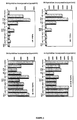
- TNF (20 ng/ml) enhanced significantly the 3 H-thymidine incorporation of B-cells (lane 2) compared to control (lane 1).
- IL-6 inhibits the TNF stimulatory effect on B-CLL cells. This effect was seen in additional 5 consecutive patients examined. IL-6 alone, without exogenous addition of TNF would reduce the 3 H-thymidine incorporation into B-CLL cells by 12-65%, only in those patients whose leukemic lymphocytes were TNF responsive (Fig. 2).
- B-CLL leukemic lymphocytes were separated from one donor (# 200), as described in example 1. The cells were incubated in the presence of different recombinant IL-6 batches.
- each preparation Using identical concentrations of each IL-6 preparation (about 60 u/ml), significant antagonism to the growth stimulatory effect of TNF was obtained with each preparation (Fig. 3): 70% with the recombinant CHO 1/4 batch, 58% with the recombinant CHO 1/17 batch and 67% with the recombinant E. coli batch. This suggested that the inhibitory capacity was not restricted to a specific IL-6 batch or related to a non-specific toxic effect related to some contaminant impurities.
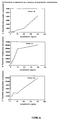
- B-CLL cells were separated as described in example 1, and then grown in 96-well plates for 7 days in the presence of lymphotoxin (TNF- ⁇ ) in increasing concentrations (Fig. 4a).
- TNF- ⁇ lymphotoxin
- Fig. 4a lymphotoxin
- IL-6 combines with its soluble receptor and the complex binds to an additional cell surface receptor designated gp 130 ( 18 ). This results in transduction of the IL-6 signal into the cell, with augmentation of its effect.
- IL-6 alone (12.5 ng/ml) reduced the TNF growth stimulatory effects (lane 4) by 34% (donor # 96) and 37% (donor # 97).
- the addition of the soluble IL-6 receptor (80 ng/ml) to IL-6 (lane 6) further reduced TNF effects by 65% and 61% respectively.
- EXAMPLE 5 IL-6 inhibits the multiplication of B-CLL cells in response to TNF
- B-CLL cells were separated as described in example 1 and grown in the presence of TNF, IL-6, soluble IL-6 receptor and their different combinations (Fig. 6).
- IL-6 inhibited significantly the number of cells when grown in the presence of TNF.
- sIL-6-R aided IL-6 to further antagonize the TNF growth stimulatory effects.
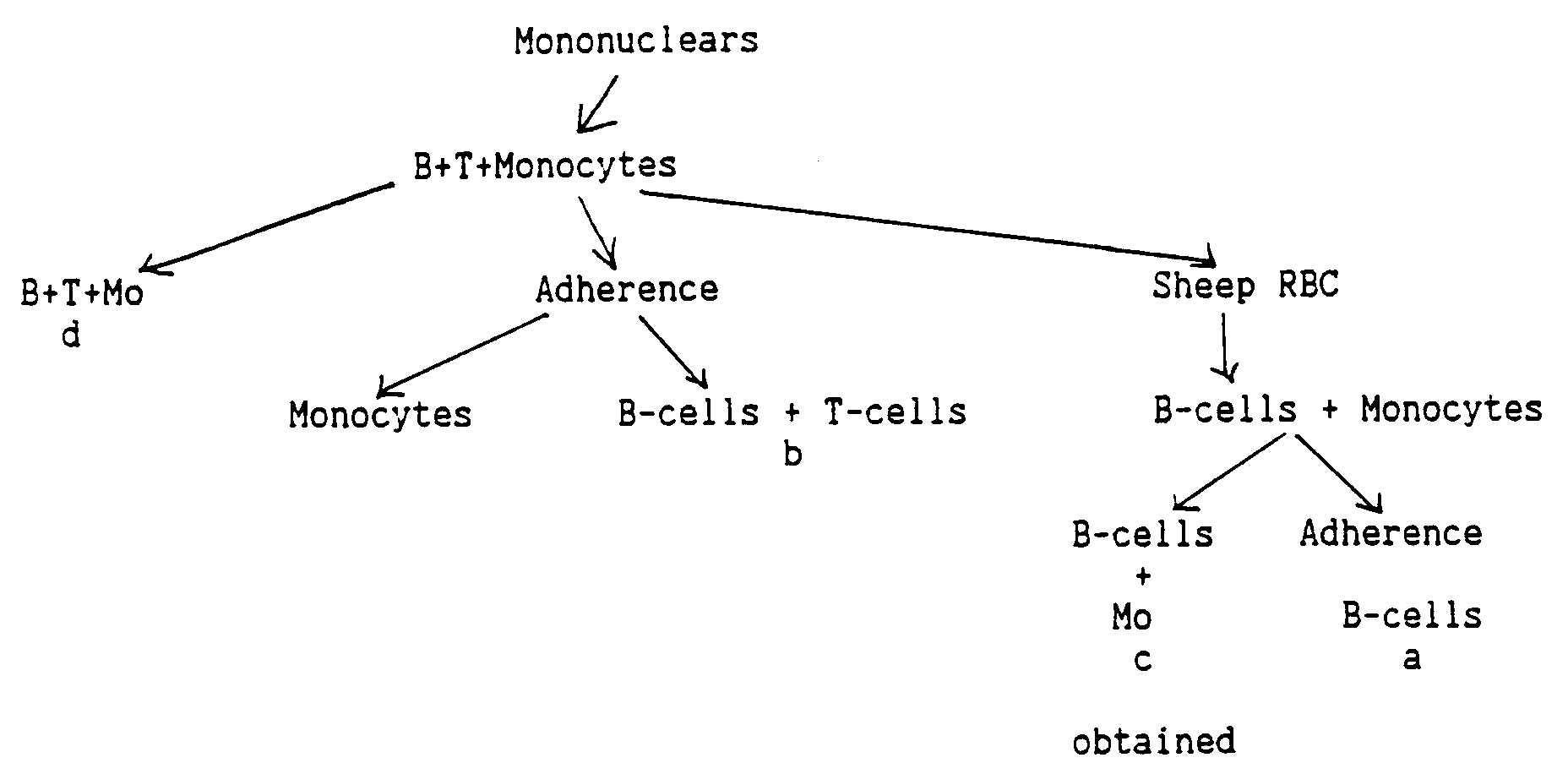
- Mononuclears were separated by Ficoll-Hypaque as described in example 1. Those mononuclears contained B-cells (leukemic), T-cells and monocytes. Part of this cell mixture was subjected to plastic adherence to eliminate monocytes and obtain a mixture of B- and T-cells, and part was incubated with sheep RBC to eliminate T-cells and thus to obtain a mixture of B-cells and monocytes. A part of this mixture was further subjected to plastic adherence in order to eliminate monocytes and obtain pure B-cells (see scheme).
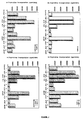
- the 4 different populations obtained were further incubated in 96-well plates at a cell concentration of 300 000 cells/well, and the respective combinations of cytokines, soluble receptors or antibodies were added (see fig. 7).
- anti-IL-6 antibodies (lane 8) or anti-IL-6 receptor antibodies (lane 10)
- antagonism of autologous IL-6 (Table 1) was prevented by antibodies to the cytokine or its receptor, the cells proliferated in response to TNF produced spontaneously by these cultures (Table 2). This was determined by a cytotoxic assay as previously reported ( 23 ).
Landscapes
- Health & Medical Sciences (AREA)
- Life Sciences & Earth Sciences (AREA)
- Pharmacology & Pharmacy (AREA)
- Veterinary Medicine (AREA)
- Chemical & Material Sciences (AREA)
- Public Health (AREA)
- General Health & Medical Sciences (AREA)
- Medicinal Chemistry (AREA)
- Animal Behavior & Ethology (AREA)
- Proteomics, Peptides & Aminoacids (AREA)
- Epidemiology (AREA)
- Immunology (AREA)
- Bioinformatics & Cheminformatics (AREA)
- Engineering & Computer Science (AREA)
- Gastroenterology & Hepatology (AREA)
- Zoology (AREA)
- Cell Biology (AREA)
- Chemical Kinetics & Catalysis (AREA)
- General Chemical & Material Sciences (AREA)
- Nuclear Medicine, Radiotherapy & Molecular Imaging (AREA)
- Organic Chemistry (AREA)
- Oncology (AREA)
- Hematology (AREA)
- Medicines That Contain Protein Lipid Enzymes And Other Medicines (AREA)
- Medicines Containing Material From Animals Or Micro-Organisms (AREA)
- Medicines Containing Antibodies Or Antigens For Use As Internal Diagnostic Agents (AREA)
- Micro-Organisms Or Cultivation Processes Thereof (AREA)
- Peptides Or Proteins (AREA)
Abstract
Description
- Fig. 1
- shows the 3H-thymidine incorporation by CLL lymphocytes of 4 different patients in response to TNF, TNF and IL-6, TNF and anti-IL-6 antibodies, and the respective controls.
- Fig. 2
- shows reduction in 3H-thymidine incorporation in B-CLL cells treated with IL-6, compared to control cells (without exogenous TNF).
- Fig. 3
- shows that the effects of IL-6 from different sources exert similar influences on B-cell CLL cells.
- Fig. 4a
- shows the 3H-thymidine incorporation into B-CLL lymphocytes of 3 different patients as a function of lymphotoxin (TNF-β) concentration.
- Fig. 4b
- shows the inhibitory effect of IL-6 on both TNF and lymphotoxin-induced growth of the leukemic B-cells.
- Fig. 5
- shows the 3H-thymidine incorporation by CLL lymphocytes of two different patients and the influence of the sIL-6-R on the IL-6 induced inhibition of the proliferation of the leukemic cells in response to TNF. These responses are compared to those of healthy controls.
- Fig. 6
- shows photographs of the leukemic cells grown in the presence of IL-6, TNF, IL-6-R, anti IL-6 antibodies, and their different combinations.
- Fig. 7
- shows the effects of TNF, IL-6, anti-IL-6 Ab, IL-6-R and their different combinations on 4 different cell populations: B-cells, B-cells + T-cels, B-cells + monocytes, and a combination of all three.
| Spontaneous IL-6 release by mononuclears (ng/ml) at 48°h | |||||
| Cell combinations | BTM | BT | BM | B | |
| Healthy donor | |||||
| 1 | 15.1 | 4.32 | - | 3.75 | 15.5 |
| | 11.1 | 3.14 | 26.1 | 3.19 | 12.3 |
| Patient 202 (CLL) | 3.12 | 0 | 3.4 | 0 | 3.81 |
| Patient 203 (CLL) | 1.0 | 0 | 0 | 0 | 2.8 |
| Patient 204 (CLL) | 2.95 | 0.54 | 4.2 | 0 | 3.33 |
| B = B-cells T = T-cells M = Monocytes |
| Spontaneous TNF release by mononuclears (pcg/ml) at 48°h | |||||
| Cell combinations | BTM | BT | BM | B | |
| Healthy donor | |||||
| 1 | 70 | 195 | 402 | 116 | 100 |
| | 80 | 45 | 230 | 70 | 28 |
| Patient 202 (CLL) | 25 | 20 | 35 | 15 | 35 |
| Patient 203 (CLL) | 0 | 10 | 28 | 4 | 45 |
| Patient 204 (CLL) | 35 | 46 | 65 | 0 | 132 |
| B = B-cells T = T-cells M = Monocytes |
Claims (4)
- The use of interleukin-6 (IL-6), a salt, a functional derivative, a mutein or an active fraction thereof, or combinations of the foregoing, for the manufacture of a pharmaceutical composition for the treatment of chronic lymphocytic leukemia (CLL) and B-cell lymphomas.
- Use according to claim 1, for treatment of CLL.
- Use according to claim 1 or 2, wherein the composition also comprises the soluble IL-6 receptor.
- The use according to any one of claims 1 to 3, wherein recombinant IL-6 is employed.
Applications Claiming Priority (2)
| Application Number | Priority Date | Filing Date | Title |
|---|---|---|---|
| IL9980391A IL99803A (en) | 1991-10-20 | 1991-10-20 | Pharmaceutical compositions comprising interleukin-6 for the treatment of chronic lymphocytic leukemia and B-cell lymphomas |
| IL99803 | 1991-10-20 |
Publications (3)
| Publication Number | Publication Date |
|---|---|
| EP0538810A2 EP0538810A2 (en) | 1993-04-28 |
| EP0538810A3 EP0538810A3 (en) | 1993-08-04 |
| EP0538810B1 true EP0538810B1 (en) | 1998-03-18 |
Family
ID=11062985
Family Applications (1)
| Application Number | Title | Priority Date | Filing Date |
|---|---|---|---|
| EP92117953A Expired - Lifetime EP0538810B1 (en) | 1991-10-20 | 1992-10-20 | The use of IL-6 for the manufacture of a pharmaceutical composition for the treatment of lymphocytic leukemia and B-cell lymphomas. |
Country Status (12)
| Country | Link |
|---|---|
| US (1) | US5462731A (en) |
| EP (1) | EP0538810B1 (en) |
| JP (1) | JP2823453B2 (en) |
| AT (1) | ATE164077T1 (en) |
| AU (1) | AU660493B2 (en) |
| CA (1) | CA2080504C (en) |
| DE (1) | DE69224786T2 (en) |
| DK (1) | DK0538810T3 (en) |
| ES (1) | ES2114903T3 (en) |
| GR (1) | GR3026423T3 (en) |
| IL (1) | IL99803A (en) |
| ZA (1) | ZA927965B (en) |
Families Citing this family (6)
| Publication number | Priority date | Publication date | Assignee | Title |
|---|---|---|---|---|
| WO1994021282A1 (en) * | 1993-03-19 | 1994-09-29 | Immunex Corporation | Pharmaceutical compositions comprising a ligand complexed with a soluble receptor |
| US5641657A (en) * | 1994-05-19 | 1997-06-24 | Human Genome Sciences, Inc. | DNA encoding an interleukin-6 splice variant |
| US6028050A (en) * | 1996-11-27 | 2000-02-22 | Tosoh Corporation | Method for increasing platelets by administering soluble interleukin-6 receptor |
| IL122818A0 (en) | 1997-07-10 | 1998-08-16 | Yeda Res & Dev | Chimeric interleukin-6 soluble receptor/ligand protein analogs thereof and uses thereof |
| IL154777A0 (en) * | 2000-09-14 | 2003-10-31 | Applied Research Systems | Il-6 receptor/il-6 chimera in huntington's disease |
| DE10107737A1 (en) * | 2001-02-16 | 2002-09-05 | S Rose John Christian Albrecht | Use of a conjugate of IL-6 and an IL-6 receptor for tumor therapy |
Family Cites Families (5)
| Publication number | Priority date | Publication date | Assignee | Title |
|---|---|---|---|---|
| WO1990001943A2 (en) * | 1988-08-26 | 1990-03-08 | Schering Corporation | Treatment of myeloid leukemias by inducing terminal differentiation with interleukin-6 |
| EP0446283A4 (en) * | 1988-12-01 | 1992-01-08 | Univ North Carolina | Synthetic interleukin-6 |
| JP2805224B2 (en) * | 1989-01-13 | 1998-09-30 | 味の素株式会社 | Antithrombotic agent |
| US5087448A (en) * | 1989-02-02 | 1992-02-11 | The Board Of Regents Of The University Of Oklahoma | Enhancing growth of megakaryocytes in mammals using interleuking 6 |
| US5216128A (en) * | 1989-06-01 | 1993-06-01 | Yeda Research And Development Co., Ltd. | IFN-β2/IL-6 receptor its preparation and pharmaceutical compositions containing it |
-
1991
- 1991-10-20 IL IL9980391A patent/IL99803A/en not_active IP Right Cessation
-
1992
- 1992-10-12 AU AU26365/92A patent/AU660493B2/en not_active Ceased
- 1992-10-14 CA CA002080504A patent/CA2080504C/en not_active Expired - Fee Related
- 1992-10-15 ZA ZA927965A patent/ZA927965B/en unknown
- 1992-10-20 EP EP92117953A patent/EP0538810B1/en not_active Expired - Lifetime
- 1992-10-20 ES ES92117953T patent/ES2114903T3/en not_active Expired - Lifetime
- 1992-10-20 DK DK92117953T patent/DK0538810T3/en active
- 1992-10-20 US US07/963,313 patent/US5462731A/en not_active Expired - Lifetime
- 1992-10-20 AT AT92117953T patent/ATE164077T1/en not_active IP Right Cessation
- 1992-10-20 JP JP4323558A patent/JP2823453B2/en not_active Expired - Fee Related
- 1992-10-20 DE DE69224786T patent/DE69224786T2/en not_active Expired - Fee Related
-
1998
- 1998-03-20 GR GR980400613T patent/GR3026423T3/en unknown
Also Published As
| Publication number | Publication date |
|---|---|
| AU660493B2 (en) | 1995-06-29 |
| JPH0725785A (en) | 1995-01-27 |
| ZA927965B (en) | 1993-05-04 |
| AU2636592A (en) | 1993-04-22 |
| IL99803A (en) | 1997-02-18 |
| ATE164077T1 (en) | 1998-04-15 |
| EP0538810A2 (en) | 1993-04-28 |
| JP2823453B2 (en) | 1998-11-11 |
| DK0538810T3 (en) | 1998-12-21 |
| DE69224786D1 (en) | 1998-04-23 |
| GR3026423T3 (en) | 1998-06-30 |
| DE69224786T2 (en) | 1998-07-09 |
| ES2114903T3 (en) | 1998-06-16 |
| CA2080504A1 (en) | 1993-04-21 |
| CA2080504C (en) | 2006-10-03 |
| EP0538810A3 (en) | 1993-08-04 |
| IL99803A0 (en) | 1992-08-18 |
| US5462731A (en) | 1995-10-31 |
Similar Documents
| Publication | Publication Date | Title |
|---|---|---|
| Bellone et al. | Regulation of NK cell functions by TGF-β 1 | |
| Maciejewski et al. | Fas antigen expression on CD34+ human marrow cells is induced by interferon gamma and tumor necrosis factor alpha and potentiates cytokine-mediated hematopoietic suppression in vitro | |
| Foa et al. | Production of tumor necrosis factor-alpha by B-cell chronic lymphocytic leukemia cells: a possible regulatory role of TNF in the progression of the disease | |
| Seko et al. | Expression of cytokine mRNAs in murine hearts with acute myocarditis caused by coxsackievirus b3 | |
| Barral-Netto et al. | Transforming growth factor-β in leishmanial infection: a parasite escape mechanism | |
| Owen-Schaub et al. | Synergy of tumor necrosis factor and interleukin 2 in the activation of human cytotoxic lymphocytes: effect of tumor necrosis factor α and interleukin 2 in the generation of human lymphokine-activated killer cell cytotoxicity | |
| Banks et al. | Interleukin 12: a new clinical player in cytokine therapy | |
| US7741276B2 (en) | Use of interleukin-18 inhibitors to inhibit tumor metastasis | |
| EP0552243B1 (en) | Use of il-4 to treat solid tumors | |
| CN1845757B (en) | Use of cytokine mixture in preparation of medicine due to presensitization of cancer and pharmaceutical composition for treating cancer | |
| Scheid et al. | Immune function of patients receiving recombinant human interleukin-6 (IL-6) in a phase I clinical study: induction of C-reactive protein and IgE and inhibition of natural killer and lymphokine-activated killer cell activity | |
| Frendl | Interleukin 3: from colony-stimulating factor to pluripotent immunoregulatory cytokine | |
| JPH09508116A (en) | Use of IL-10 to stimulate peripheral blood mononuclear cytolytic activity | |
| Heilig et al. | Two types of TNF receptors are expressed on human normal and malignant B lymphocytes | |
| RU2114633C1 (en) | Composition for effect on tumor cells | |
| AU660493B2 (en) | Method for treatment of chronic lymphocytic leukemia using interleukin -6 | |
| Richards et al. | Natural cytotoxic cell-specific cytotoxic factor produced by IL-3-dependent basophilic/mast cells. Relationship to TNF. | |
| Jayaraman et al. | Enhancement of in vivo cell-mediated immune responses by three distinct cytokines. | |
| Van Oers et al. | Interleukin-6, a new target for therapy in multiple myeloma? | |
| Muro et al. | Mechanism of the Combined Antitumor Effect of Natural Human Tumor Necrosis Factor‐α and Natural Human Interferon‐α on Cell Cycle Progression | |
| US5871725A (en) | Use of IL-10 to stimulate peripheral blood mononuclear cell cytolytic activity | |
| JP5122279B2 (en) | Method for presensitizing cancer prior to treatment with radiation and / or chemotherapy and novel cytokine mixtures | |
| Nakano et al. | Augmentation of the generation of cytotoxic T lymphocytes against syngeneic tumor cells by recombinant human tumor necrosis factor | |
| Smalley et al. | Interferons: current status and future directions of this prototypic biological | |
| EP0447353B1 (en) | A pharmaceutical preparation for the maturation of prothymocytes |
Legal Events
| Date | Code | Title | Description |
|---|---|---|---|
| PUAI | Public reference made under article 153(3) epc to a published international application that has entered the european phase |
Free format text: ORIGINAL CODE: 0009012 |
|
| AK | Designated contracting states |
Kind code of ref document: A2 Designated state(s): AT BE CH DE DK ES FR GB GR IE IT LI LU MC NL PT SE |
|
| PUAL | Search report despatched |
Free format text: ORIGINAL CODE: 0009013 |
|
| AK | Designated contracting states |
Kind code of ref document: A3 Designated state(s): AT BE CH DE DK ES FR GB GR IE IT LI LU MC NL PT SE |
|
| 17P | Request for examination filed |
Effective date: 19931015 |
|
| 17Q | First examination report despatched |
Effective date: 19951218 |
|
| GRAG | Despatch of communication of intention to grant |
Free format text: ORIGINAL CODE: EPIDOS AGRA |
|
| GRAH | Despatch of communication of intention to grant a patent |
Free format text: ORIGINAL CODE: EPIDOS IGRA |
|
| GRAH | Despatch of communication of intention to grant a patent |
Free format text: ORIGINAL CODE: EPIDOS IGRA |
|
| GRAA | (expected) grant |
Free format text: ORIGINAL CODE: 0009210 |
|
| AK | Designated contracting states |
Kind code of ref document: B1 Designated state(s): AT BE CH DE DK ES FR GB GR IE IT LI LU MC NL PT SE |
|
| REF | Corresponds to: |
Ref document number: 164077 Country of ref document: AT Date of ref document: 19980415 Kind code of ref document: T |
|
| REG | Reference to a national code |
Ref country code: CH Ref legal event code: NV Representative=s name: ISLER & PEDRAZZINI AG Ref country code: CH Ref legal event code: EP |
|
| REF | Corresponds to: |
Ref document number: 69224786 Country of ref document: DE Date of ref document: 19980423 |
|
| ITF | It: translation for a ep patent filed | ||
| ET | Fr: translation filed | ||
| REG | Reference to a national code |
Ref country code: ES Ref legal event code: FG2A Ref document number: 2114903 Country of ref document: ES Kind code of ref document: T3 |
|
| REG | Reference to a national code |
Ref country code: IE Ref legal event code: FG4D Free format text: 79348 |
|
| REG | Reference to a national code |
Ref country code: PT Ref legal event code: SC4A Free format text: AVAILABILITY OF NATIONAL TRANSLATION Effective date: 19980508 |
|
| REG | Reference to a national code |
Ref country code: DK Ref legal event code: T3 |
|
| PLBE | No opposition filed within time limit |
Free format text: ORIGINAL CODE: 0009261 |
|
| STAA | Information on the status of an ep patent application or granted ep patent |
Free format text: STATUS: NO OPPOSITION FILED WITHIN TIME LIMIT |
|
| 26N | No opposition filed | ||
| REG | Reference to a national code |
Ref country code: GB Ref legal event code: IF02 |
|
| REG | Reference to a national code |
Ref country code: CH Ref legal event code: PCAR Free format text: ISLER & PEDRAZZINI AG;POSTFACH 1772;8027 ZUERICH (CH) |
|
| PGFP | Annual fee paid to national office [announced via postgrant information from national office to epo] |
Ref country code: LU Payment date: 20081031 Year of fee payment: 17 Ref country code: IE Payment date: 20081015 Year of fee payment: 17 Ref country code: DK Payment date: 20081013 Year of fee payment: 17 Ref country code: DE Payment date: 20081016 Year of fee payment: 17 Ref country code: CH Payment date: 20081031 Year of fee payment: 17 |
|
| PGFP | Annual fee paid to national office [announced via postgrant information from national office to epo] |
Ref country code: ES Payment date: 20081121 Year of fee payment: 17 Ref country code: AT Payment date: 20081013 Year of fee payment: 17 |
|
| PGFP | Annual fee paid to national office [announced via postgrant information from national office to epo] |
Ref country code: IT Payment date: 20081028 Year of fee payment: 17 Ref country code: BE Payment date: 20081009 Year of fee payment: 17 |
|
| PGFP | Annual fee paid to national office [announced via postgrant information from national office to epo] |
Ref country code: FR Payment date: 20081014 Year of fee payment: 17 |
|
| PGFP | Annual fee paid to national office [announced via postgrant information from national office to epo] |
Ref country code: GB Payment date: 20081015 Year of fee payment: 17 |
|
| PGFP | Annual fee paid to national office [announced via postgrant information from national office to epo] |
Ref country code: MC Payment date: 20090929 Year of fee payment: 18 |
|
| PGFP | Annual fee paid to national office [announced via postgrant information from national office to epo] |
Ref country code: SE Payment date: 20091007 Year of fee payment: 18 |
|
| PGFP | Annual fee paid to national office [announced via postgrant information from national office to epo] |
Ref country code: NL Payment date: 20091004 Year of fee payment: 18 |
|
| PGFP | Annual fee paid to national office [announced via postgrant information from national office to epo] |
Ref country code: PT Payment date: 20091020 Year of fee payment: 18 |
|
| BERE | Be: lapsed |
Owner name: *YEDA RESEARCH AND DEVELOPMENT CO. LTD Effective date: 20091031 |
|
| PGFP | Annual fee paid to national office [announced via postgrant information from national office to epo] |
Ref country code: GR Payment date: 20090915 Year of fee payment: 18 |
|
| REG | Reference to a national code |
Ref country code: CH Ref legal event code: PL |
|
| REG | Reference to a national code |
Ref country code: DK Ref legal event code: EBP |
|
| REG | Reference to a national code |
Ref country code: IE Ref legal event code: MM4A |
|
| REG | Reference to a national code |
Ref country code: FR Ref legal event code: ST Effective date: 20100630 |
|
| PG25 | Lapsed in a contracting state [announced via postgrant information from national office to epo] |
Ref country code: FR Free format text: LAPSE BECAUSE OF NON-PAYMENT OF DUE FEES Effective date: 20091102 Ref country code: DE Free format text: LAPSE BECAUSE OF NON-PAYMENT OF DUE FEES Effective date: 20100501 |
|
| PG25 | Lapsed in a contracting state [announced via postgrant information from national office to epo] |
Ref country code: AT Free format text: LAPSE BECAUSE OF NON-PAYMENT OF DUE FEES Effective date: 20091020 |
|
| PG25 | Lapsed in a contracting state [announced via postgrant information from national office to epo] |
Ref country code: LI Free format text: LAPSE BECAUSE OF NON-PAYMENT OF DUE FEES Effective date: 20091031 Ref country code: BE Free format text: LAPSE BECAUSE OF NON-PAYMENT OF DUE FEES Effective date: 20091031 Ref country code: CH Free format text: LAPSE BECAUSE OF NON-PAYMENT OF DUE FEES Effective date: 20091031 Ref country code: IE Free format text: LAPSE BECAUSE OF NON-PAYMENT OF DUE FEES Effective date: 20091020 |
|
| PG25 | Lapsed in a contracting state [announced via postgrant information from national office to epo] |
Ref country code: GB Free format text: LAPSE BECAUSE OF NON-PAYMENT OF DUE FEES Effective date: 20091020 |
|
| PG25 | Lapsed in a contracting state [announced via postgrant information from national office to epo] |
Ref country code: DK Free format text: LAPSE BECAUSE OF NON-PAYMENT OF DUE FEES Effective date: 20091031 |
|
| REG | Reference to a national code |
Ref country code: ES Ref legal event code: FD2A Effective date: 20110309 |
|
| PG25 | Lapsed in a contracting state [announced via postgrant information from national office to epo] |
Ref country code: IT Free format text: LAPSE BECAUSE OF NON-PAYMENT OF DUE FEES Effective date: 20091020 |
|
| PG25 | Lapsed in a contracting state [announced via postgrant information from national office to epo] |
Ref country code: LU Free format text: LAPSE BECAUSE OF NON-PAYMENT OF DUE FEES Effective date: 20091020 |
|
| REG | Reference to a national code |
Ref country code: PT Ref legal event code: MM4A Free format text: LAPSE DUE TO NON-PAYMENT OF FEES Effective date: 20110420 |
|
| REG | Reference to a national code |
Ref country code: NL Ref legal event code: V1 Effective date: 20110501 |
|
| PG25 | Lapsed in a contracting state [announced via postgrant information from national office to epo] |
Ref country code: MC Free format text: LAPSE BECAUSE OF NON-PAYMENT OF DUE FEES Effective date: 20101031 |
|
| PG25 | Lapsed in a contracting state [announced via postgrant information from national office to epo] |
Ref country code: GR Free format text: LAPSE BECAUSE OF NON-PAYMENT OF DUE FEES Effective date: 20110503 Ref country code: PT Free format text: LAPSE BECAUSE OF NON-PAYMENT OF DUE FEES Effective date: 20110420 Ref country code: ES Free format text: LAPSE BECAUSE OF NON-PAYMENT OF DUE FEES Effective date: 20110308 |
|
| PG25 | Lapsed in a contracting state [announced via postgrant information from national office to epo] |
Ref country code: NL Free format text: LAPSE BECAUSE OF NON-PAYMENT OF DUE FEES Effective date: 20110501 |
|
| PG25 | Lapsed in a contracting state [announced via postgrant information from national office to epo] |
Ref country code: ES Free format text: LAPSE BECAUSE OF NON-PAYMENT OF DUE FEES Effective date: 20091021 Ref country code: SE Free format text: LAPSE BECAUSE OF NON-PAYMENT OF DUE FEES Effective date: 20101021 |