EP0526876B1 - Detection for staphylococcus spp. - Google Patents
Detection for staphylococcus spp. Download PDFInfo
- Publication number
- EP0526876B1 EP0526876B1 EP92113278A EP92113278A EP0526876B1 EP 0526876 B1 EP0526876 B1 EP 0526876B1 EP 92113278 A EP92113278 A EP 92113278A EP 92113278 A EP92113278 A EP 92113278A EP 0526876 B1 EP0526876 B1 EP 0526876B1
- Authority
- EP
- European Patent Office
- Prior art keywords
- primer
- sequence
- resistant
- primers
- methicillin
- Prior art date
- Legal status (The legal status is an assumption and is not a legal conclusion. Google has not performed a legal analysis and makes no representation as to the accuracy of the status listed.)
- Expired - Lifetime
Links
- 241000191940 Staphylococcus Species 0.000 title claims abstract description 35
- 238000001514 detection method Methods 0.000 title claims abstract description 26
- RJQXTJLFIWVMTO-TYNCELHUSA-N Methicillin Chemical compound COC1=CC=CC(OC)=C1C(=O)N[C@@H]1C(=O)N2[C@@H](C(O)=O)C(C)(C)S[C@@H]21 RJQXTJLFIWVMTO-TYNCELHUSA-N 0.000 claims abstract description 44
- 229960003085 meticillin Drugs 0.000 claims abstract description 44
- 238000000034 method Methods 0.000 claims abstract description 36
- 239000002773 nucleotide Substances 0.000 claims abstract description 28
- 125000003729 nucleotide group Chemical group 0.000 claims abstract description 27
- 101710101607 Toxic shock syndrome toxin-1 Proteins 0.000 claims abstract description 16
- 239000012634 fragment Substances 0.000 claims abstract description 12
- 108090000623 proteins and genes Proteins 0.000 claims description 42
- 239000007787 solid Substances 0.000 claims description 42
- 238000003752 polymerase chain reaction Methods 0.000 claims description 26
- 239000003153 chemical reaction reagent Substances 0.000 claims description 20
- 230000035772 mutation Effects 0.000 claims description 13
- 239000003053 toxin Substances 0.000 claims description 8
- 231100000765 toxin Toxicity 0.000 claims description 8
- 230000002934 lysing effect Effects 0.000 claims description 7
- 230000003100 immobilizing effect Effects 0.000 claims description 3
- 241000894006 Bacteria Species 0.000 abstract description 20
- 208000015181 infectious disease Diseases 0.000 abstract description 7
- 238000006243 chemical reaction Methods 0.000 description 23
- 229940088598 enzyme Drugs 0.000 description 22
- 108020004414 DNA Proteins 0.000 description 20
- 102000004190 Enzymes Human genes 0.000 description 20
- 108090000790 Enzymes Proteins 0.000 description 20
- 101000794214 Staphylococcus aureus Toxic shock syndrome toxin-1 Proteins 0.000 description 20
- YBJHBAHKTGYVGT-ZKWXMUAHSA-N (+)-Biotin Chemical compound N1C(=O)N[C@@H]2[C@H](CCCCC(=O)O)SC[C@@H]21 YBJHBAHKTGYVGT-ZKWXMUAHSA-N 0.000 description 18
- 239000000243 solution Substances 0.000 description 18
- 229940079593 drug Drugs 0.000 description 12
- 239000003814 drug Substances 0.000 description 12
- 108091034117 Oligonucleotide Proteins 0.000 description 11
- 239000000126 substance Substances 0.000 description 11
- 239000000047 product Substances 0.000 description 10
- 239000000523 sample Substances 0.000 description 10
- 241000191967 Staphylococcus aureus Species 0.000 description 9
- 229960002685 biotin Drugs 0.000 description 9
- 235000020958 biotin Nutrition 0.000 description 9
- 239000011616 biotin Substances 0.000 description 9
- 101150008979 mecA gene Proteins 0.000 description 9
- 241000588724 Escherichia coli Species 0.000 description 8
- 102000004169 proteins and genes Human genes 0.000 description 8
- 108700012359 toxins Proteins 0.000 description 8
- 150000003952 β-lactams Chemical class 0.000 description 8
- 230000003321 amplification Effects 0.000 description 7
- 210000004027 cell Anatomy 0.000 description 7
- 238000003199 nucleic acid amplification method Methods 0.000 description 7
- 239000000758 substrate Substances 0.000 description 7
- WEVYAHXRMPXWCK-UHFFFAOYSA-N Acetonitrile Chemical compound CC#N WEVYAHXRMPXWCK-UHFFFAOYSA-N 0.000 description 6
- LFQSCWFLJHTTHZ-UHFFFAOYSA-N Ethanol Chemical compound CCO LFQSCWFLJHTTHZ-UHFFFAOYSA-N 0.000 description 6
- 206010041925 Staphylococcal infections Diseases 0.000 description 6
- 208000015688 methicillin-resistant staphylococcus aureus infectious disease Diseases 0.000 description 6
- 239000000203 mixture Substances 0.000 description 6
- 238000011282 treatment Methods 0.000 description 6
- 108010014303 DNA-directed DNA polymerase Proteins 0.000 description 5
- 102000016928 DNA-directed DNA polymerase Human genes 0.000 description 5
- 101710205263 Peptidoglycan D,D-transpeptidase MrdA Proteins 0.000 description 5
- 101710120756 Pheromone-binding protein 2 Proteins 0.000 description 5
- 101710181937 Phosphate-binding protein PstS 2 Proteins 0.000 description 5
- 101710116427 Probable peptidoglycan D,D-transpeptidase PenA Proteins 0.000 description 5
- 108010090804 Streptavidin Proteins 0.000 description 5
- 239000003795 chemical substances by application Substances 0.000 description 5
- 238000002523 gelfiltration Methods 0.000 description 5
- XLYOFNOQVPJJNP-UHFFFAOYSA-N water Substances O XLYOFNOQVPJJNP-UHFFFAOYSA-N 0.000 description 5
- 235000014469 Bacillus subtilis Nutrition 0.000 description 4
- UIIMBOGNXHQVGW-UHFFFAOYSA-M Sodium bicarbonate Chemical compound [Na+].OC([O-])=O UIIMBOGNXHQVGW-UHFFFAOYSA-M 0.000 description 4
- 125000003277 amino group Chemical group 0.000 description 4
- 238000012258 culturing Methods 0.000 description 4
- -1 digoxygenin Chemical compound 0.000 description 4
- GNBHRKFJIUUOQI-UHFFFAOYSA-N fluorescein Chemical compound O1C(=O)C2=CC=CC=C2C21C1=CC=C(O)C=C1OC1=CC(O)=CC=C21 GNBHRKFJIUUOQI-UHFFFAOYSA-N 0.000 description 4
- 239000003921 oil Substances 0.000 description 4
- 239000007858 starting material Substances 0.000 description 4
- 108091028043 Nucleic acid sequence Proteins 0.000 description 3
- 238000013459 approach Methods 0.000 description 3
- 239000000872 buffer Substances 0.000 description 3
- LOKCTEFSRHRXRJ-UHFFFAOYSA-I dipotassium trisodium dihydrogen phosphate hydrogen phosphate dichloride Chemical compound P(=O)(O)(O)[O-].[K+].P(=O)(O)([O-])[O-].[Na+].[Na+].[Cl-].[K+].[Cl-].[Na+] LOKCTEFSRHRXRJ-UHFFFAOYSA-I 0.000 description 3
- 238000009396 hybridization Methods 0.000 description 3
- 239000002953 phosphate buffered saline Substances 0.000 description 3
- 239000000941 radioactive substance Substances 0.000 description 3
- 238000012360 testing method Methods 0.000 description 3
- 231100000331 toxic Toxicity 0.000 description 3
- 230000002588 toxic effect Effects 0.000 description 3
- UFBJCMHMOXMLKC-UHFFFAOYSA-N 2,4-dinitrophenol Chemical compound OC1=CC=C([N+]([O-])=O)C=C1[N+]([O-])=O UFBJCMHMOXMLKC-UHFFFAOYSA-N 0.000 description 2
- 102000002260 Alkaline Phosphatase Human genes 0.000 description 2
- 108020004774 Alkaline Phosphatase Proteins 0.000 description 2
- QGZKDVFQNNGYKY-UHFFFAOYSA-N Ammonia Chemical compound N QGZKDVFQNNGYKY-UHFFFAOYSA-N 0.000 description 2
- 108090001008 Avidin Proteins 0.000 description 2
- 102000053602 DNA Human genes 0.000 description 2
- 108010017826 DNA Polymerase I Proteins 0.000 description 2
- 102000004594 DNA Polymerase I Human genes 0.000 description 2
- 230000004544 DNA amplification Effects 0.000 description 2
- TWRXJAOTZQYOKJ-UHFFFAOYSA-L Magnesium chloride Chemical compound [Mg+2].[Cl-].[Cl-] TWRXJAOTZQYOKJ-UHFFFAOYSA-L 0.000 description 2
- 241000283973 Oryctolagus cuniculus Species 0.000 description 2
- 108700020474 Penicillin-Binding Proteins Proteins 0.000 description 2
- 240000004808 Saccharomyces cerevisiae Species 0.000 description 2
- 235000014680 Saccharomyces cerevisiae Nutrition 0.000 description 2
- 229920005654 Sephadex Polymers 0.000 description 2
- 239000012507 Sephadex™ Substances 0.000 description 2
- CDBYLPFSWZWCQE-UHFFFAOYSA-L Sodium Carbonate Chemical compound [Na+].[Na+].[O-]C([O-])=O CDBYLPFSWZWCQE-UHFFFAOYSA-L 0.000 description 2
- PXIPVTKHYLBLMZ-UHFFFAOYSA-N Sodium azide Chemical compound [Na+].[N-]=[N+]=[N-] PXIPVTKHYLBLMZ-UHFFFAOYSA-N 0.000 description 2
- RZCIEJXAILMSQK-JXOAFFINSA-N TTP Chemical compound O=C1NC(=O)C(C)=CN1[C@H]1[C@H](O)[C@H](O)[C@@H](COP(O)(=O)OP(O)(=O)OP(O)(O)=O)O1 RZCIEJXAILMSQK-JXOAFFINSA-N 0.000 description 2
- 108010006785 Taq Polymerase Proteins 0.000 description 2
- 239000002253 acid Substances 0.000 description 2
- DZBUGLKDJFMEHC-UHFFFAOYSA-N acridine Chemical compound C1=CC=CC2=CC3=CC=CC=C3N=C21 DZBUGLKDJFMEHC-UHFFFAOYSA-N 0.000 description 2
- 230000001580 bacterial effect Effects 0.000 description 2
- 239000011324 bead Substances 0.000 description 2
- 210000002421 cell wall Anatomy 0.000 description 2
- 150000001875 compounds Chemical class 0.000 description 2
- SUYVUBYJARFZHO-RRKCRQDMSA-N dATP Chemical compound C1=NC=2C(N)=NC=NC=2N1[C@H]1C[C@H](O)[C@@H](COP(O)(=O)OP(O)(=O)OP(O)(O)=O)O1 SUYVUBYJARFZHO-RRKCRQDMSA-N 0.000 description 2
- RGWHQCVHVJXOKC-SHYZEUOFSA-N dCTP Chemical compound O=C1N=C(N)C=CN1[C@@H]1O[C@H](CO[P@](O)(=O)O[P@](O)(=O)OP(O)(O)=O)[C@@H](O)C1 RGWHQCVHVJXOKC-SHYZEUOFSA-N 0.000 description 2
- HAAZLUGHYHWQIW-KVQBGUIXSA-N dGTP Chemical compound C1=NC=2C(=O)NC(N)=NC=2N1[C@H]1C[C@H](O)[C@@H](COP(O)(=O)OP(O)(=O)OP(O)(O)=O)O1 HAAZLUGHYHWQIW-KVQBGUIXSA-N 0.000 description 2
- 238000010586 diagram Methods 0.000 description 2
- 239000003480 eluent Substances 0.000 description 2
- MHMNJMPURVTYEJ-UHFFFAOYSA-N fluorescein-5-isothiocyanate Chemical compound O1C(=O)C2=CC(N=C=S)=CC=C2C21C1=CC=C(O)C=C1OC1=CC(O)=CC=C21 MHMNJMPURVTYEJ-UHFFFAOYSA-N 0.000 description 2
- 238000007429 general method Methods 0.000 description 2
- 230000003301 hydrolyzing effect Effects 0.000 description 2
- 239000012535 impurity Substances 0.000 description 2
- 238000002372 labelling Methods 0.000 description 2
- 239000007788 liquid Substances 0.000 description 2
- 238000005259 measurement Methods 0.000 description 2
- 108020004707 nucleic acids Proteins 0.000 description 2
- 102000039446 nucleic acids Human genes 0.000 description 2
- 150000007523 nucleic acids Chemical class 0.000 description 2
- NMHMNPHRMNGLLB-UHFFFAOYSA-N phloretic acid Chemical compound OC(=O)CCC1=CC=C(O)C=C1 NMHMNPHRMNGLLB-UHFFFAOYSA-N 0.000 description 2
- 238000002360 preparation method Methods 0.000 description 2
- 238000011160 research Methods 0.000 description 2
- 238000004007 reversed phase HPLC Methods 0.000 description 2
- 230000035945 sensitivity Effects 0.000 description 2
- 229910000030 sodium bicarbonate Inorganic materials 0.000 description 2
- 239000002904 solvent Substances 0.000 description 2
- 238000010186 staining Methods 0.000 description 2
- KZNICNPSHKQLFF-UHFFFAOYSA-N succinimide Chemical compound O=C1CCC(=O)N1 KZNICNPSHKQLFF-UHFFFAOYSA-N 0.000 description 2
- 239000004094 surface-active agent Substances 0.000 description 2
- 230000002194 synthesizing effect Effects 0.000 description 2
- 238000002560 therapeutic procedure Methods 0.000 description 2
- AVBGNFCMKJOFIN-UHFFFAOYSA-N triethylammonium acetate Chemical compound CC(O)=O.CCN(CC)CC AVBGNFCMKJOFIN-UHFFFAOYSA-N 0.000 description 2
- 235000011178 triphosphate Nutrition 0.000 description 2
- 239000001226 triphosphate Substances 0.000 description 2
- YMXHPSHLTSZXKH-RVBZMBCESA-N (2,5-dioxopyrrolidin-1-yl) 5-[(3as,4s,6ar)-2-oxo-1,3,3a,4,6,6a-hexahydrothieno[3,4-d]imidazol-4-yl]pentanoate Chemical compound C([C@H]1[C@H]2NC(=O)N[C@H]2CS1)CCCC(=O)ON1C(=O)CCC1=O YMXHPSHLTSZXKH-RVBZMBCESA-N 0.000 description 1
- VLARLSIGSPVYHX-UHFFFAOYSA-N (2,5-dioxopyrrolidin-1-yl) 6-(2,5-dioxopyrrol-1-yl)hexanoate Chemical compound O=C1CCC(=O)N1OC(=O)CCCCCN1C(=O)C=CC1=O VLARLSIGSPVYHX-UHFFFAOYSA-N 0.000 description 1
- BCHIXGBGRHLSBE-UHFFFAOYSA-N (4-methyl-2-oxochromen-7-yl) dihydrogen phosphate Chemical compound C1=C(OP(O)(O)=O)C=CC2=C1OC(=O)C=C2C BCHIXGBGRHLSBE-UHFFFAOYSA-N 0.000 description 1
- GEYOCULIXLDCMW-UHFFFAOYSA-N 1,2-phenylenediamine Chemical compound NC1=CC=CC=C1N GEYOCULIXLDCMW-UHFFFAOYSA-N 0.000 description 1
- LOTKRQAVGJMPNV-UHFFFAOYSA-N 1-fluoro-2,4-dinitrobenzene Chemical compound [O-][N+](=O)C1=CC=C(F)C([N+]([O-])=O)=C1 LOTKRQAVGJMPNV-UHFFFAOYSA-N 0.000 description 1
- OBYNJKLOYWCXEP-UHFFFAOYSA-N 2-[3-(dimethylamino)-6-dimethylazaniumylidenexanthen-9-yl]-4-isothiocyanatobenzoate Chemical compound C=12C=CC(=[N+](C)C)C=C2OC2=CC(N(C)C)=CC=C2C=1C1=CC(N=C=S)=CC=C1C([O-])=O OBYNJKLOYWCXEP-UHFFFAOYSA-N 0.000 description 1
- QKNYBSVHEMOAJP-UHFFFAOYSA-N 2-amino-2-(hydroxymethyl)propane-1,3-diol;hydron;chloride Chemical compound Cl.OCC(N)(CO)CO QKNYBSVHEMOAJP-UHFFFAOYSA-N 0.000 description 1
- KUWPCJHYPSUOFW-YBXAARCKSA-N 2-nitrophenyl beta-D-galactoside Chemical compound O[C@@H]1[C@@H](O)[C@@H](O)[C@@H](CO)O[C@H]1OC1=CC=CC=C1[N+]([O-])=O KUWPCJHYPSUOFW-YBXAARCKSA-N 0.000 description 1
- UAIUNKRWKOVEES-UHFFFAOYSA-N 3,3',5,5'-tetramethylbenzidine Chemical compound CC1=C(N)C(C)=CC(C=2C=C(C)C(N)=C(C)C=2)=C1 UAIUNKRWKOVEES-UHFFFAOYSA-N 0.000 description 1
- XZKIHKMTEMTJQX-UHFFFAOYSA-N 4-Nitrophenyl Phosphate Chemical compound OP(O)(=O)OC1=CC=C([N+]([O-])=O)C=C1 XZKIHKMTEMTJQX-UHFFFAOYSA-N 0.000 description 1
- YUDPTGPSBJVHCN-DZQJYWQESA-N 4-methylumbelliferyl beta-D-galactoside Chemical compound C1=CC=2C(C)=CC(=O)OC=2C=C1O[C@@H]1O[C@H](CO)[C@H](O)[C@H](O)[C@H]1O YUDPTGPSBJVHCN-DZQJYWQESA-N 0.000 description 1
- 102100031126 6-phosphogluconolactonase Human genes 0.000 description 1
- 108010029731 6-phosphogluconolactonase Proteins 0.000 description 1
- 229920000936 Agarose Polymers 0.000 description 1
- 102000007698 Alcohol dehydrogenase Human genes 0.000 description 1
- 108010021809 Alcohol dehydrogenase Proteins 0.000 description 1
- 244000063299 Bacillus subtilis Species 0.000 description 1
- 229920001342 Bakelite® Polymers 0.000 description 1
- 241000222122 Candida albicans Species 0.000 description 1
- BVKZGUZCCUSVTD-UHFFFAOYSA-L Carbonate Chemical compound [O-]C([O-])=O BVKZGUZCCUSVTD-UHFFFAOYSA-L 0.000 description 1
- 239000003298 DNA probe Substances 0.000 description 1
- 108010067770 Endopeptidase K Proteins 0.000 description 1
- 241000305071 Enterobacterales Species 0.000 description 1
- 101710104662 Enterotoxin type C-3 Proteins 0.000 description 1
- QTANTQQOYSUMLC-UHFFFAOYSA-O Ethidium cation Chemical compound C12=CC(N)=CC=C2C2=CC=C(N)C=C2[N+](CC)=C1C1=CC=CC=C1 QTANTQQOYSUMLC-UHFFFAOYSA-O 0.000 description 1
- 102100030844 Exocyst complex component 1 Human genes 0.000 description 1
- 102100040837 Galactoside alpha-(1,2)-fucosyltransferase 2 Human genes 0.000 description 1
- 108010010803 Gelatin Proteins 0.000 description 1
- WQZGKKKJIJFFOK-GASJEMHNSA-N Glucose Natural products OC[C@H]1OC(O)[C@H](O)[C@@H](O)[C@@H]1O WQZGKKKJIJFFOK-GASJEMHNSA-N 0.000 description 1
- 108010018962 Glucosephosphate Dehydrogenase Proteins 0.000 description 1
- SXRSQZLOMIGNAQ-UHFFFAOYSA-N Glutaraldehyde Chemical compound O=CCCCC=O SXRSQZLOMIGNAQ-UHFFFAOYSA-N 0.000 description 1
- 101000893710 Homo sapiens Galactoside alpha-(1,2)-fucosyltransferase 2 Proteins 0.000 description 1
- 108090000988 Lysostaphin Proteins 0.000 description 1
- 206010029719 Nonspecific reaction Diseases 0.000 description 1
- 208000001388 Opportunistic Infections Diseases 0.000 description 1
- 241000237988 Patellidae Species 0.000 description 1
- 108010087702 Penicillinase Proteins 0.000 description 1
- 102000057297 Pepsin A Human genes 0.000 description 1
- 108090000284 Pepsin A Proteins 0.000 description 1
- 229920001213 Polysorbate 20 Polymers 0.000 description 1
- 239000004793 Polystyrene Substances 0.000 description 1
- 206010067268 Post procedural infection Diseases 0.000 description 1
- 206010036790 Productive cough Diseases 0.000 description 1
- 241000589516 Pseudomonas Species 0.000 description 1
- 101710194492 SET-binding protein Proteins 0.000 description 1
- 101000882406 Staphylococcus aureus Enterotoxin type C-1 Proteins 0.000 description 1
- 101000882403 Staphylococcus aureus Enterotoxin type C-2 Proteins 0.000 description 1
- 101001057112 Staphylococcus aureus Enterotoxin type D Proteins 0.000 description 1
- 241001147693 Staphylococcus sp. Species 0.000 description 1
- 101000865057 Thermococcus litoralis DNA polymerase Proteins 0.000 description 1
- 102000004142 Trypsin Human genes 0.000 description 1
- 108090000631 Trypsin Proteins 0.000 description 1
- JLCPHMBAVCMARE-UHFFFAOYSA-N [3-[[3-[[3-[[3-[[3-[[3-[[3-[[3-[[3-[[3-[[3-[[5-(2-amino-6-oxo-1H-purin-9-yl)-3-[[3-[[3-[[3-[[3-[[3-[[5-(2-amino-6-oxo-1H-purin-9-yl)-3-[[5-(2-amino-6-oxo-1H-purin-9-yl)-3-hydroxyoxolan-2-yl]methoxy-hydroxyphosphoryl]oxyoxolan-2-yl]methoxy-hydroxyphosphoryl]oxy-5-(5-methyl-2,4-dioxopyrimidin-1-yl)oxolan-2-yl]methoxy-hydroxyphosphoryl]oxy-5-(6-aminopurin-9-yl)oxolan-2-yl]methoxy-hydroxyphosphoryl]oxy-5-(6-aminopurin-9-yl)oxolan-2-yl]methoxy-hydroxyphosphoryl]oxy-5-(6-aminopurin-9-yl)oxolan-2-yl]methoxy-hydroxyphosphoryl]oxy-5-(6-aminopurin-9-yl)oxolan-2-yl]methoxy-hydroxyphosphoryl]oxyoxolan-2-yl]methoxy-hydroxyphosphoryl]oxy-5-(5-methyl-2,4-dioxopyrimidin-1-yl)oxolan-2-yl]methoxy-hydroxyphosphoryl]oxy-5-(4-amino-2-oxopyrimidin-1-yl)oxolan-2-yl]methoxy-hydroxyphosphoryl]oxy-5-(5-methyl-2,4-dioxopyrimidin-1-yl)oxolan-2-yl]methoxy-hydroxyphosphoryl]oxy-5-(5-methyl-2,4-dioxopyrimidin-1-yl)oxolan-2-yl]methoxy-hydroxyphosphoryl]oxy-5-(6-aminopurin-9-yl)oxolan-2-yl]methoxy-hydroxyphosphoryl]oxy-5-(6-aminopurin-9-yl)oxolan-2-yl]methoxy-hydroxyphosphoryl]oxy-5-(4-amino-2-oxopyrimidin-1-yl)oxolan-2-yl]methoxy-hydroxyphosphoryl]oxy-5-(4-amino-2-oxopyrimidin-1-yl)oxolan-2-yl]methoxy-hydroxyphosphoryl]oxy-5-(4-amino-2-oxopyrimidin-1-yl)oxolan-2-yl]methoxy-hydroxyphosphoryl]oxy-5-(6-aminopurin-9-yl)oxolan-2-yl]methoxy-hydroxyphosphoryl]oxy-5-(4-amino-2-oxopyrimidin-1-yl)oxolan-2-yl]methyl [5-(6-aminopurin-9-yl)-2-(hydroxymethyl)oxolan-3-yl] hydrogen phosphate Polymers Cc1cn(C2CC(OP(O)(=O)OCC3OC(CC3OP(O)(=O)OCC3OC(CC3O)n3cnc4c3nc(N)[nH]c4=O)n3cnc4c3nc(N)[nH]c4=O)C(COP(O)(=O)OC3CC(OC3COP(O)(=O)OC3CC(OC3COP(O)(=O)OC3CC(OC3COP(O)(=O)OC3CC(OC3COP(O)(=O)OC3CC(OC3COP(O)(=O)OC3CC(OC3COP(O)(=O)OC3CC(OC3COP(O)(=O)OC3CC(OC3COP(O)(=O)OC3CC(OC3COP(O)(=O)OC3CC(OC3COP(O)(=O)OC3CC(OC3COP(O)(=O)OC3CC(OC3COP(O)(=O)OC3CC(OC3COP(O)(=O)OC3CC(OC3COP(O)(=O)OC3CC(OC3COP(O)(=O)OC3CC(OC3COP(O)(=O)OC3CC(OC3CO)n3cnc4c(N)ncnc34)n3ccc(N)nc3=O)n3cnc4c(N)ncnc34)n3ccc(N)nc3=O)n3ccc(N)nc3=O)n3ccc(N)nc3=O)n3cnc4c(N)ncnc34)n3cnc4c(N)ncnc34)n3cc(C)c(=O)[nH]c3=O)n3cc(C)c(=O)[nH]c3=O)n3ccc(N)nc3=O)n3cc(C)c(=O)[nH]c3=O)n3cnc4c3nc(N)[nH]c4=O)n3cnc4c(N)ncnc34)n3cnc4c(N)ncnc34)n3cnc4c(N)ncnc34)n3cnc4c(N)ncnc34)O2)c(=O)[nH]c1=O JLCPHMBAVCMARE-UHFFFAOYSA-N 0.000 description 1
- XJLXINKUBYWONI-DQQFMEOOSA-N [[(2r,3r,4r,5r)-5-(6-aminopurin-9-yl)-3-hydroxy-4-phosphonooxyoxolan-2-yl]methoxy-hydroxyphosphoryl] [(2s,3r,4s,5s)-5-(3-carbamoylpyridin-1-ium-1-yl)-3,4-dihydroxyoxolan-2-yl]methyl phosphate Chemical compound NC(=O)C1=CC=C[N+]([C@@H]2[C@H]([C@@H](O)[C@H](COP([O-])(=O)OP(O)(=O)OC[C@@H]3[C@H]([C@@H](OP(O)(O)=O)[C@@H](O3)N3C4=NC=NC(N)=C4N=C3)O)O2)O)=C1 XJLXINKUBYWONI-DQQFMEOOSA-N 0.000 description 1
- 239000003463 adsorbent Substances 0.000 description 1
- 230000002411 adverse Effects 0.000 description 1
- 238000001042 affinity chromatography Methods 0.000 description 1
- 238000000246 agarose gel electrophoresis Methods 0.000 description 1
- 229910021529 ammonia Inorganic materials 0.000 description 1
- BFNBIHQBYMNNAN-UHFFFAOYSA-N ammonium sulfate Chemical compound N.N.OS(O)(=O)=O BFNBIHQBYMNNAN-UHFFFAOYSA-N 0.000 description 1
- 229910052921 ammonium sulfate Inorganic materials 0.000 description 1
- 235000011130 ammonium sulphate Nutrition 0.000 description 1
- 238000004458 analytical method Methods 0.000 description 1
- 230000000844 anti-bacterial effect Effects 0.000 description 1
- 244000052616 bacterial pathogen Species 0.000 description 1
- 102000005936 beta-Galactosidase Human genes 0.000 description 1
- 108010005774 beta-Galactosidase Proteins 0.000 description 1
- 230000006287 biotinylation Effects 0.000 description 1
- 238000007413 biotinylation Methods 0.000 description 1
- 239000008280 blood Substances 0.000 description 1
- 210000004369 blood Anatomy 0.000 description 1
- 229940095731 candida albicans Drugs 0.000 description 1
- 238000005119 centrifugation Methods 0.000 description 1
- 230000000295 complement effect Effects 0.000 description 1
- 239000000470 constituent Substances 0.000 description 1
- 239000003431 cross linking reagent Substances 0.000 description 1
- 230000009260 cross reactivity Effects 0.000 description 1
- SUYVUBYJARFZHO-UHFFFAOYSA-N dATP Natural products C1=NC=2C(N)=NC=NC=2N1C1CC(O)C(COP(O)(=O)OP(O)(=O)OP(O)(O)=O)O1 SUYVUBYJARFZHO-UHFFFAOYSA-N 0.000 description 1
- 230000003111 delayed effect Effects 0.000 description 1
- 238000010511 deprotection reaction Methods 0.000 description 1
- 238000001962 electrophoresis Methods 0.000 description 1
- 238000005516 engineering process Methods 0.000 description 1
- 230000007613 environmental effect Effects 0.000 description 1
- ZMMJGEGLRURXTF-UHFFFAOYSA-N ethidium bromide Chemical compound [Br-].C12=CC(N)=CC=C2C2=CC=C(N)C=C2[N+](CC)=C1C1=CC=CC=C1 ZMMJGEGLRURXTF-UHFFFAOYSA-N 0.000 description 1
- 229960005542 ethidium bromide Drugs 0.000 description 1
- 238000001704 evaporation Methods 0.000 description 1
- 230000008020 evaporation Effects 0.000 description 1
- 239000008273 gelatin Substances 0.000 description 1
- 229920000159 gelatin Polymers 0.000 description 1
- 235000019322 gelatine Nutrition 0.000 description 1
- 235000011852 gelatine desserts Nutrition 0.000 description 1
- 230000002068 genetic effect Effects 0.000 description 1
- 239000008103 glucose Substances 0.000 description 1
- 230000005484 gravity Effects 0.000 description 1
- 108060003552 hemocyanin Proteins 0.000 description 1
- 238000004128 high performance liquid chromatography Methods 0.000 description 1
- AFQIYTIJXGTIEY-UHFFFAOYSA-N hydrogen carbonate;triethylazanium Chemical compound OC(O)=O.CCN(CC)CC AFQIYTIJXGTIEY-UHFFFAOYSA-N 0.000 description 1
- 230000001900 immune effect Effects 0.000 description 1
- 230000002458 infectious effect Effects 0.000 description 1
- 230000005764 inhibitory process Effects 0.000 description 1
- 229910001629 magnesium chloride Inorganic materials 0.000 description 1
- 238000004519 manufacturing process Methods 0.000 description 1
- 230000000813 microbial effect Effects 0.000 description 1
- 239000002480 mineral oil Substances 0.000 description 1
- 235000010446 mineral oil Nutrition 0.000 description 1
- 238000012986 modification Methods 0.000 description 1
- 230000004048 modification Effects 0.000 description 1
- 239000002777 nucleoside Substances 0.000 description 1
- 229920002113 octoxynol Polymers 0.000 description 1
- 230000007918 pathogenicity Effects 0.000 description 1
- 229940111202 pepsin Drugs 0.000 description 1
- 239000000256 polyoxyethylene sorbitan monolaurate Substances 0.000 description 1
- 235000010486 polyoxyethylene sorbitan monolaurate Nutrition 0.000 description 1
- 229920002223 polystyrene Polymers 0.000 description 1
- 239000002244 precipitate Substances 0.000 description 1
- 125000002924 primary amino group Chemical group [H]N([H])* 0.000 description 1
- 125000006239 protecting group Chemical group 0.000 description 1
- 230000001681 protective effect Effects 0.000 description 1
- 210000004915 pus Anatomy 0.000 description 1
- 230000002285 radioactive effect Effects 0.000 description 1
- 239000011541 reaction mixture Substances 0.000 description 1
- 230000002441 reversible effect Effects 0.000 description 1
- PYWVYCXTNDRMGF-UHFFFAOYSA-N rhodamine B Chemical compound [Cl-].C=12C=CC(=[N+](CC)CC)C=C2OC2=CC(N(CC)CC)=CC=C2C=1C1=CC=CC=C1C(O)=O PYWVYCXTNDRMGF-UHFFFAOYSA-N 0.000 description 1
- 238000005185 salting out Methods 0.000 description 1
- 150000003839 salts Chemical class 0.000 description 1
- 238000011896 sensitive detection Methods 0.000 description 1
- 229920002545 silicone oil Polymers 0.000 description 1
- 229910000029 sodium carbonate Inorganic materials 0.000 description 1
- 238000001228 spectrum Methods 0.000 description 1
- 210000003802 sputum Anatomy 0.000 description 1
- 208000024794 sputum Diseases 0.000 description 1
- 238000010561 standard procedure Methods 0.000 description 1
- 229960002317 succinimide Drugs 0.000 description 1
- 238000003786 synthesis reaction Methods 0.000 description 1
- HWCKGOZZJDHMNC-UHFFFAOYSA-M tetraethylammonium bromide Chemical compound [Br-].CC[N+](CC)(CC)CC HWCKGOZZJDHMNC-UHFFFAOYSA-M 0.000 description 1
- MPLHNVLQVRSVEE-UHFFFAOYSA-N texas red Chemical compound [O-]S(=O)(=O)C1=CC(S(Cl)(=O)=O)=CC=C1C(C1=CC=2CCCN3CCCC(C=23)=C1O1)=C2C1=C(CCC1)C3=[N+]1CCCC3=C2 MPLHNVLQVRSVEE-UHFFFAOYSA-N 0.000 description 1
- WCTAGTRAWPDFQO-UHFFFAOYSA-K trisodium;hydrogen carbonate;carbonate Chemical compound [Na+].[Na+].[Na+].OC([O-])=O.[O-]C([O-])=O WCTAGTRAWPDFQO-UHFFFAOYSA-K 0.000 description 1
- 239000012588 trypsin Substances 0.000 description 1
- 238000002525 ultrasonication Methods 0.000 description 1
- 210000002700 urine Anatomy 0.000 description 1
Images
Classifications
-
- C—CHEMISTRY; METALLURGY
- C12—BIOCHEMISTRY; BEER; SPIRITS; WINE; VINEGAR; MICROBIOLOGY; ENZYMOLOGY; MUTATION OR GENETIC ENGINEERING
- C12Q—MEASURING OR TESTING PROCESSES INVOLVING ENZYMES, NUCLEIC ACIDS OR MICROORGANISMS; COMPOSITIONS OR TEST PAPERS THEREFOR; PROCESSES OF PREPARING SUCH COMPOSITIONS; CONDITION-RESPONSIVE CONTROL IN MICROBIOLOGICAL OR ENZYMOLOGICAL PROCESSES
- C12Q1/00—Measuring or testing processes involving enzymes, nucleic acids or microorganisms; Compositions therefor; Processes of preparing such compositions
- C12Q1/68—Measuring or testing processes involving enzymes, nucleic acids or microorganisms; Compositions therefor; Processes of preparing such compositions involving nucleic acids
- C12Q1/6876—Nucleic acid products used in the analysis of nucleic acids, e.g. primers or probes
- C12Q1/6888—Nucleic acid products used in the analysis of nucleic acids, e.g. primers or probes for detection or identification of organisms
- C12Q1/689—Nucleic acid products used in the analysis of nucleic acids, e.g. primers or probes for detection or identification of organisms for bacteria
-
- C—CHEMISTRY; METALLURGY
- C12—BIOCHEMISTRY; BEER; SPIRITS; WINE; VINEGAR; MICROBIOLOGY; ENZYMOLOGY; MUTATION OR GENETIC ENGINEERING
- C12Q—MEASURING OR TESTING PROCESSES INVOLVING ENZYMES, NUCLEIC ACIDS OR MICROORGANISMS; COMPOSITIONS OR TEST PAPERS THEREFOR; PROCESSES OF PREPARING SUCH COMPOSITIONS; CONDITION-RESPONSIVE CONTROL IN MICROBIOLOGICAL OR ENZYMOLOGICAL PROCESSES
- C12Q2600/00—Oligonucleotides characterized by their use
- C12Q2600/156—Polymorphic or mutational markers
Definitions
- the present invention relates to a primer for detecting methicillin-resistant methicillin-resistant and toxic shock syndrome toxin 1 producing Staphylococcus spp., a method for detecting these bacteria using the primer, and a kit for detecting them.
- Staphylococcus spp. including Staphylococcus aureus as a typical bacterium, which have strong pathogenicity, are well known as causative bacteria to various infections. Since these Staphylococcus spp. are generally sensitive to ⁇ -lactam series drugs, the infections can be prevented and treated with these drugs. However, a methicillin-resistant Staphylococcus sp. (abbreviated as MRS hereinafter) is so extensively resistant to the ⁇ -lactam series drugs that it is difficult to treat infections caused by these methicillin-resistant bacteria. This provides serious problems that the methicillin-resistant bacteria cause opportunistic infections, postoperative infections and the like in the clinical practice.
- MRS methicillin-resistant Staphylococcus sp.
- ⁇ -lactam series drugs Since the ⁇ -lactam series drugs have high safety and wide antibacterial spectra, some of the ⁇ -lactam series drugs are widely used as primary choices of drugs against various infections. The mechanism of these drugs is that binding of the ⁇ -lactam series drugs to cell wall-synthesizing enzymes (penicillin-binding proteins: PBPs) which are essential for growth of bacteria results in inhibition of the growth of the bacteria.
- PBP-2' penicillin-binding proteins
- Lett., 10 , 119-122(1981)] which is active at ⁇ -lactam concentrations that saturate normal complement of PBPs, so that these bacteria are resistant to ⁇ -lactam series drugs.
- TPS toxic shock syndrome toxin-1
- TSST-1 gene was isolated [Schliever et al., J. Biol. Chem., 261: 15783-15786 (1986)]. Although the detection of Staphylococcus aureus producing TSST-1 is tried by detecting its gene, this detection method is not practical because of the same reasons as those of the above-mentioned method for detecting MRS.
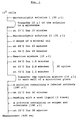
- Figure 1 is a diagram of the procedure for detecting MRSA in Example 7.
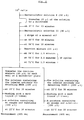
- Figure 2 is a diagram of the procedure for detecting MRSA-producing and TSST-1-producing bacteria at the same time in Example 9.
- the mecA gene a structural gene for PBP-2', was isolated from a methicillin-resistant Staphylococcus aureus [Matsuhashi et al., FEBS Letters 221:167-171 (1987)], and similar genes were isolated from other Staphylococcus spp. which were resistant to ⁇ -lactam series drugs [Antimicrob Agent Chemother., 32:1494-1499 (1988)]. This suggests that the methicillin-resistant Staphylococcus spp. can be found by detecting the mecA gene.
- mecA gene seems to be amplified, if primers are designed so as to think much of possibly important regions of the mecA gene sequence. Since PBP-2' coded by the mecA gene, however, has homology to proteins of other pathogenic bacteria and enterobacteria, it is difficult to detect their mecA genes specifically.
- mecA gene comprised a highly homologous region to a part of penicillinase gene and that to a part of the gene for penicillin binding proteins of Escherichia coli [Matsuhashi M. et al. FEBS LETTERS, 221 , 167-171 (1987)].
- an effective primer set which represent the following base sequences (1) and (2) or their mutation sequences, and which do not react with DNAs of other bacteria (e.g., Pseudomonas aerugiuosa , Bacillus subtillis and Escherichia coli ), yeasts (e.g., Candida albicans , Saccharomyces cerevisiae) and human, but specifically react with DNA of MRS.
- bacteria e.g., Pseudomonas aerugiuosa , Bacillus subtillis and Escherichia coli
- yeasts e.g., Candida albicans , Saccharomyces cerevisiae
- human but specifically react with DNA of MRS.
- MRS or TPS can be detected by the polymerase chain reaction using these primers, their labeled sequences or solid support binding-site labeled sequences easily, rapidly and with a high sensitivity.
- the present invention relates to a primer for detecting MRS which comprises the nucleotide fragment of the above-mentioned base sequence (1) or base sequence (2) or its mutation sequence, its labeled sequence or its solid support binding site labeled sequence abbreviated as primer (1) and primer (2), respectively, hereinafter]; a primer for detecting TPS which comprises the nucleotide fragments of the above-mentioned base sequence (3) or base sequence (4) or its mutation sequence, its labeled sequence or its solid support binding site labeled sequence [abbreviated as primer (3) and primer (4), respectively, hereinafter]; and a method and kit for detecting methicillin-resistant or methicillin-resistant and toxic shock syndrome toxin 1 producing Staphylococcus spp. using these primers.
- the primers (1) to (4) of the present invention can be prepared by synthesizing chemically, for example, using a DNA synthesizer, or by excising, for example, the gene of MRS or TPS with some enzymes.
- MRS used here include Staphylococcus aureus (ATCC No. 33591) and the like.
- TPS include the bacteria described by Schlievert et al. [J. Biol. Chem. 261:15783-15786 (1986)] and the like.
- any functional primers for detecting the above-mentioned Staphylococcus spp. may be used as primers according to the present invention.
- these primers include ones in which part of nucleotides are deleted from the nucleotide sequences of the original primers having the above-mentioned nucleotide sequences (1) to (4), ones which are replaced or added by other nucleotides, and more particularly nucleotide sequences which are the corresponding regions of the genes of the mutated strains of the above-mentioned Staphylococcus spp. and the like.
- the mutation sequences of primers according to the present invention are not particularly limited so long as the gene amplification is not adversely affected, and it is preferred that the variation of the constituent nucleotides is within 20%.
- the labeled sequences of the primers according to the present invention are ones in which the above-mentioned primers are combined with detectable labels.
- non-radioactive or radioactive substances are available as these labels, non-radioactive substances being preferably used.
- the non-radioactive substances include fluorescent substances [e.g., fluorescein and its derivatives (fluorescein isothiocyanate and the like), rhodamine and its derivatives (tetramethylrhodamine isothiocyanate, texasred and the like)], chemiluminescent substances (e.g., acridine and the like), delayed fluorescence-emitting substances (DTTA, by Pharmacia) which can be measured directly.
- fluorescent substances e.g., fluorescein and its derivatives (fluorescein isothiocyanate and the like), rhodamine and its derivatives (tetramethylrhodamine isothiocyanate, texasred and the like
- the solid support binding site of the primers according to the present invention include the primers to which the sites capable of binding to solid support are introduced.
- the above-mentioned nonradioactive labels also can be used as sites capable of binding to the solid support.
- the preferred examples include biotin, fluorescent substances such as fluorescein; haptens such as a compound having 2'4-dinitrophenol or digoxygenin. These sites can be introduced into primers according to the present invention in advance singly or, if necessary, in various combination with one another. In order to selectively bind the site to the solid support, the substance for the site should be different from that for the label.
- the solid support should be inactive against solvents and any reagents to be used, can be separated from the reagents by certain methods, and is able to selectively bind the above-mentioned sites.
- solid supports in which streptavidin, antibodies and the like capable of trapping the above-mentioned sites are introduced to solid support such as a microtiter plate, a polystyrene ball, an agarose bead and, a polyacryl bead.
- the microtiter plate which is excellent in handling and mechanical access is preferably used.
- a solid support having streptavidin can be used in order to trap products caused by the polymerase chain reaction with a primer in which biotin is introduced.
- solid support having the corresponding antibodies can be used.
- the method for detecting methicillin-resistant or methicillin-resistant and toxic shock syndrome toxin 1 producing Staphylococcus spp. comprises (a) adding detection primers comprising a combination of primer (1) with primer (2) or a combination of primer (1) with primer (2) and a combination of primer (3) with primer (4) to a sample containing Staphylococcus spp. so as to cause a polymerase chain reaction: then (b) detecting products caused by the polymerase chain reaction with the detection primers and methicillin-resistant genes and/or toxin-producing genes of Staphylococcus spp. in the sample.
- the detection method according to the present invention utilizes the polymerase chain reaction with a set or sets of primers, i.e., a combination of primer (1) with primer (2) or a combination of primer (1) with primer (2) and a combination of primer (3) with primer (4).
- set of primers include the following (A) to (D):
- the combination of (D) is particularly preferred in view of easiness and rapidness in the detection procedure.
- the label of primer (1) or primer (2) and that of primer (3) or primer (4) should not be the same, provided that the solid support binding site of primer (1) or primer (2) and that of primer (3) or primer (4) is the same.
- the label derived from MRS and the label derived from TPS should be distinguished. Therefore, when the methicillin-resistant gene and toxin-producing gene are detected at the same time using the combination of (D), the following embodiments, (i) to (iii), of the primers are preferred.
- the present invention makes direct and rapid detection of methicillin-resistant or methicillin-resistant and toxic shock syndrome toxin 1 producing Staphylococcus spp. from samples possible, and enabled the patients with infections caused by these bacteria to carry out suitable treatment at an earlier stage.
- samples to be detected for the presence of the desired methicillin-resistant or methicillin-resistant and toxic shock syndrome toxin 1 producing Staphylococcus spp. examples include cultured medium, bacterial colony, and sputum, urine, pus, blood or various tissue slices obtained from patients.
- these samples may be subjected to treatments of lysing cells such as treatments with enzymes, heat surfactants, ultrasonication or combination thereof.
- the treatment of lysing cells is performed in order to obtain a sufficient amount of DNA derived from Staphylococcus spp. Its practical procedure may be referred to general literatures, for example, "PCR PROTOCOLS" [Academic Press Inc., p. 14 and p. 352 (1989)].
- a polymerase chain reaction according to the elongation reaction of primers may be carried out by adding the primers of the present invention to the samples.
- the elongation reaction of a primer can be carried out by introducing four kinds of nucleoside triphosphates (deoxyadenosine triphosphate, deoxyguanosine triphosphate, deoxycytidine triphosphate and thymidine triphosphate: a mixture thereof may be referred to as dNTP) as substrates to the primer.
- nucleoside triphosphates deoxyadenosine triphosphate, deoxyguanosine triphosphate, deoxycytidine triphosphate and thymidine triphosphate: a mixture thereof may be referred to as dNTP
- E . coli 's DNA polymerase I Klenow fragments excised by E . coli 's DNA polymerase I, T4 DNA polymerase and the like are used. If heat-resistant enzymes such as Taq polymerase which cause the elongation reaction at a higher temperature are particularly used, specificity of primers' recognition of a target sequence can be enhanced (referred to US 4889818).
- the desired genes of Staphylococcus spp. can be effectively amplified by repeating the elongation reaction using each of two kinds of the primers of the present invention [a combination of primer (1) with primer (2) or a combination of primer (3) with primer (4)].
- Detection of a combined substance of the desired gene produced by a primer elongation reaction with a detection primer leads to detection of methicillin-resistant or methicillin-resistant and toxic shock syndrome toxin 1 producing Staphylococcus spp.
- the preferred detection method depends on kinds or forms of the above-mentioned primer elongation product, i.e., the synthesized nucleotide chain.
- the product caused by the polymerase chain reaction forms a double stranded DNA, therefore, the synthesized nucleotide chain can be detected by electrophoresis following ethidium bromide staining [Saiki, R.K. et al., Science, 230:1350-1354 (1985)], dot hybridization with labeled probes [Saiki, R.K. et al., Nature, 324:163-166 (1986)] or the like.
- the nucleotides can also be detected by the reverse dot hybridization [Saiki, R.K. et al., Proc. Natl. Acad. Sci. USA, 86, 6230-6234 (1989)] in which the labeled and synthesized nucleotide chain is hybridized with the probe immobilized to the solid support, a column method with solid adsorbent (refer to WO89/06285) or the like.
- Nucleic acids can be very easily detected by the method described in WO89/06285. That is, there is a method in which products caused by the polymerase chain reaction are contacted with solid supports using the above-mentioned combination of primers (D), and then impurities are washed with an appropriate solvent to remove. Also by this method the desired products with labels which are caused by the polymerase chain reaction are immobilized to the solid support to detect specifically, since the synthesized nucleotide which is elongated by the primer having the solid support binding site forms a double stranded DNA with another synthesized nucleotide which is elongated by the primer having the label.
- the detection of labels may be performed by general methods depending on the labels to be used. For example, in cases where radioisotopes are used as labels, the radioisotopes themselves may be measured. In cases where biotin or a hapten is used as a label, biotin or a hapten can be detected using an avidin (or streptavidin)enzyme conjugate or an antibody-enzyme conjugate, respectively. The enzyme of the resultant complex (for example, between incorporated biotin and streptavidin-enzyme conjugate) can thus serve as signal reporting moiety. Furthermore, in cases where fluorescent substances are used as labels, emitted fluorescence itself may be measured using a fluorometer.
- the detection procedure of the labels should be performed independently.
- the kit for detecting methicillin-resistant or methicillin-resistant and toxic shock syndrome toxin 1 producing Staphylococcus spp. comprises (A) reagents for lysing cells; (B) reagents for causing the polymerase chain reaction which contain the primers consisting of a combination of primer (1) with primer (2) or a combination of primer (1) with primer (2) and a combination of primer (3) with primer (4); and (C) a solid support for immobilizing products caused by the polymerase chain reaction with the primers for methicillin-resistant genes and/or toxin-producing genes of Staphylococcus spp. Further, the kit of the present invention comprises, if necessary, (D) reagents for indirectly detecting labels, wash liquids and oils. These components will be illustrated below.
- These reagents contain enzymes for lysing cell walls of Staphylococcus spp., enzymes for hydrolyzing proteins of the bacteria. Any enzymes for lysing cell walls are available which can hydrolyze peptidoglycans of Staphylococcus spp., and so, for example, lysostaphin, acromopeptidase and the like can be used. On the other hand, any enzymes for hydrolyzing proteins are available which can cleave peptide bonds of proteins, and so, for example, trypsin, pepsin or proteinase K and the like can be used. If necessary, surfactants such as Triton X 100, Nonidet P-40, Tween 20 and SDS are optionally added to these enzymes.
- Triton X 100, Nonidet P-40, Tween 20 and SDS are optionally added to these enzymes.
- reagents contain the above-mentioned primers for the specified polymerase chain reaction, four different nucleotide triphosphates for synthesizing (amplifying) nucleotide acid chains and an enzyme for nucleic elongation.
- Optional DNA polymerases can be used as an enzyme for nucleotide acid elongation, and so the use of a heat-stable DNA polymerase can preferably cause a rapid and specific polymerase chain reaction. Examples of these polymerases include Taq DNA polymerase, Tth DNA polymerase and Vent DNA polymerase and the like.
- these solid supports can specifically bind to the solid support binding sites which are introduced to the primers of the present invention.
- Microtiter well which is treated so as to bind specifically to the site, is preferably used.
- wash liquids are not particularly limited if these remove unreacted primers, reagents and the like, as well as do not affect the detection reaction.
- buffers can be used.
- oils an oil which prevents evaporation of water in the reaction solution and can separate water, and has smaller specific gravity than water.
- examples of the oils include silicone oil, mineral oil and the like.
- reagents for detecting labels are those containing reagents indirectly detecting these labels.
- these reagents are (a) those of enzyme conjugated-antibodies specific to the hapten, (b) the substrates of the enzymes and the like.
- Examples of these reagents include: 2-nitrophenyl- ⁇ -D-galactopyranoside, 4-methylumbelliferyl- ⁇ -D-galactopyranoside and the like as substrates in case where the enzyme is ⁇ -D-galactosidase; 3-(4-hydroxyphenyl) propionic acid, 3,3',5,5'-tetramethylbenzidine, 1,2-phenylenediamine and the like as substrates in case where the enzyme is peroxydase; 4-methylumbelliferyl phosphate, NADP, 4-nitrophenyl phosphate and the like as substrates in case where the enzyme is alkaline phosphatase; glucose, NAD and the like as substrates in case where the enzyme is glucose-6-phosphate dehydrogenase; ethanol, NAD and the like as substrates in case where the enzyme is alcohol dehydrogenase.
- the primers to which labels or solid support binding sites were introduced, or primers to which labels or solid support binding sites were not introduced were chemically synthesized by the following method.
- these primers were chemically synthesized by the phosphoamidite method of Caruthers et al. [Tetrahedron Lett. 22:1859 (1981)] using an Applied Biosystems Model 381A DNA synthesizer® in an amount scale of 0.2 ⁇ mole.
- an oligonucleotide (5'GAAATGACTGAACGTCCGAT) whose 5'-ends had an amino group introduced was synthesized using an Applied Biosystems Model 381A DNA synthesizer®.
- Protective mononucleotide phosphoamidites were subsequently added to 0.2 ⁇ mole of a solid support and AMINOLINK II® (Applied Byosystems) was added in the final step. Then these substances were liberated from the solid support by treatment with concentrated ammonia and protective groups were removed.
- oligonucleotide (5'GCGATCAATGTTACCGTAGT) whose 5'-ends had a dinitrophenyl group (DNP) introduced was derived from that whose 5'-ends had an amino group introduced, and used as a starting material as in case of the biotinylated oligonucleotide.
- DNP dinitrophenyl group
- a 1 M NaHCO 3 solution (20 ⁇ l) was added to a solution of an aminated oligonucleotide solution (2 O.D.: 180 ⁇ 1), to which an ethanol solution of dinitrofluorobenzene (5% (v/v), 100 ul) was added, and then the solution was heated for 2 hours at 37°C. After completion of the reaction, the solution was applied to gel filtration to remove reagents and purified (yield: 1.2 O.D.).
- oligonucleotide (5'CACTTTGATATGTGGATCCG) whose 5'-ends had a fluorescein group introduced was derived from that whose 5'-ends had an amino group introduced, and used as a starting material as in case of the biotinated oligonucleotide.
- Anti-DNP antibody and Anti-FITC antibody were prepared by standard method. In brief, each hapten was conjugated with keyhole limpet's hemocyanin (KLH), and then rabbits were immunized with these conjugates. These antisera obtained from these rabbits were purified by salting out with ammonium sulfate and by affinity chromatography. The purified antibodies were digested to Fab's, which were labeled with N-( ⁇ -maleimide caproic acid) succinimide (EMCS) as a crosslinking agent by alkaline phosphatase.
- KLH keyhole limpet's hemocyanin
- EMCS N-( ⁇ -maleimide caproic acid) succinimide
- Phosphate buffered saline (PBS) supplemented with glutaraldehyde up to 2% was added to aminated wells of a microtiter plate (Sepaplate 8F®Amino type, Sumitomo Bakelite Co., Ltd.) (100 ⁇ l/well), which was reacted at 37°C for 4 hours. After completion of the reaction, the wells were washed with water 2 times, to which streptavidin solution in carbonate buffer (10 ug/ml, 10 mM NaHCO 3 -Na 2 CO 3 , pH 9.5) was added (100 ul/well), and then the plate was reacted at 37°C for 4 hours.
- PBS Phosphate buffered saline
- the DNA sample (100ng, but 1 ug for human DNA) was added to 100 ul of a reaction mixture containing 2 kinds of primers (biotin-GAAATGACTGAACGTCCGAT and DNP-GCGATCAATGTTACCGTAGT, 100 ng each), dATP, dGTP, dCTP and TTP (200 ⁇ M each), 100 mM Tris-HCl (pH 8.3), 50 mM KCl, 1.5 mM MgCl 2 , and 0.01% gelatin. Heated at 94°C for 5 min., the mixture was kept at 50°C for 5 min.
- TSST-1 gene-specific primers biotin-AGTATGGGCCAAAGTTCGAT and DNP-CACTTTGATATGTGGATCCG
- DNAs obtained from P . aeruginosa , B . subtilis , E . coli, TSST-1-producing S . aureus and human were used as samples.
- TSST-1-producing S . aureus a band corresponding to the expected amplified nucleotide chain of 159 base pairs was able to be identified.
- bands corresponding to the expected amplified nucleotide chains were not able to be identified.
- the mecA gene-specific primers (biotin-GAAATGACTGAACGTCCGAT and DNP-GCGATCAATGTTACCGTAGT) and TSST-1 gene-specific primers (biotin-AGTATGGGCCAAAGTTCGAT and DNP-CACTTTGATATGTGGATCCG) were used at each amount of 100 ng, and these primers were subjected to the polymerase chain reaction as under the conditions in Example 4.
- DNA samples were prepared from P . aeruginosa , B . subtilis , E . coli , S . aureus , methicillin-resistant S . aureus , TSST-1-producing S . aureus and human.
- Example 7 Detection of MRSA in clinically isolated strains using the kit for detecting MRS
- Example 8 Analysis of clinically isolated strains using the kit for detecting methicillin-resistant and TSST-1-producing Staphylococcus aureus at the same time
- Example 7 The same four strains which had been clinically isolated as in Example 7 were tested for methicillin-resistance or TSST-1-production using the kit of the present invention. 10 5 cells of each strain were subjected to the detection procedure according to the method shown in Fig. 1. The results are shown in Table 2.
- Table 2 MRSA TSST-1 Measurements MRSA TSST-1 Clinically isolated strain 1 - + 0.00 0.36 Clinically isolated strain 2 - - 0.00 0.00 Clinically isolated strain 3 + + 0.30 0.33 Clinically isolated strain 4 + - 0.74 0.00
Landscapes
- Chemical & Material Sciences (AREA)
- Life Sciences & Earth Sciences (AREA)
- Analytical Chemistry (AREA)
- Proteomics, Peptides & Aminoacids (AREA)
- Organic Chemistry (AREA)
- Zoology (AREA)
- Wood Science & Technology (AREA)
- Health & Medical Sciences (AREA)
- Engineering & Computer Science (AREA)
- Microbiology (AREA)
- Bioinformatics & Cheminformatics (AREA)
- Molecular Biology (AREA)
- Biotechnology (AREA)
- Biophysics (AREA)
- Physics & Mathematics (AREA)
- Biochemistry (AREA)
- Immunology (AREA)
- General Engineering & Computer Science (AREA)
- General Health & Medical Sciences (AREA)
- Genetics & Genomics (AREA)
- Measuring Or Testing Involving Enzymes Or Micro-Organisms (AREA)
- Preparation Of Compounds By Using Micro-Organisms (AREA)
- Polysaccharides And Polysaccharide Derivatives (AREA)
Abstract
Description
- The present invention relates to a primer for detecting methicillin-resistant methicillin-resistant and toxic shock syndrome toxin 1 producing Staphylococcus spp., a method for detecting these bacteria using the primer, and a kit for detecting them.
- Staphylococcus spp. including Staphylococcus aureus as a typical bacterium, which have strong pathogenicity, are well known as causative bacteria to various infections. Since these Staphylococcus spp. are generally sensitive to β-lactam series drugs, the infections can be prevented and treated with these drugs. However, a methicillin-resistant Staphylococcus sp. (abbreviated as MRS hereinafter) is so extensively resistant to the β-lactam series drugs that it is difficult to treat infections caused by these methicillin-resistant bacteria. This provides serious problems that the methicillin-resistant bacteria cause opportunistic infections, postoperative infections and the like in the clinical practice.
- Since the β-lactam series drugs have high safety and wide antibacterial spectra, some of the β-lactam series drugs are widely used as primary choices of drugs against various infections. The mechanism of these drugs is that binding of the β-lactam series drugs to cell wall-synthesizing enzymes (penicillin-binding proteins: PBPs) which are essential for growth of bacteria results in inhibition of the growth of the bacteria. However, the methicillin-resistant bacteria have changed to produce an additional low-affinity penicillin-bringing protein, PBP-2'[Hayes, M. at al., FEMS Microbial. Lett., 10, 119-122(1981)], which is active at β-lactam concentrations that saturate normal complement of PBPs, so that these bacteria are resistant to β-lactam series drugs.
- It is very important to determine whether infectious bacteria are resistant to methicillin in order to set up a therapeutic procedure against the bacteria, and recently susceptibility tests by culturing bacteria have been widely used as methods for detecting MRS. The culturing method, however, requires 2 days to determine the susceptibility. Since some drugs are needed to be administered to patients prior to the determination, incorrect therapy may lead patients to die because effective drugs for MRS are limited. Thus, methods for rapidly detecting MRS should be developed without delay. Moreover, Expression of methicillin resistance in susceptibility tests is subjected to environmental conditions such as temperature [Canawati, H.N. et al. Antimicrob. Agents Chemother. 21, 173-175(1982)], PH [Sabth, L.D. et al. Antimicrob. Agents Chemother, 2, 350-355)] and salt concentration [Chambers, H.F. et al. Antimicrob. Agents Chemother. 31, 1982-1988(1987)]. Conditional expression of PBP-2' may cause ambiguities in susceptibility tests [Barry, A.L. et al. J Clin. Microbiol. 25, 1897-1901(1987)].
- Under the present circumstances, researchers have tried to detect MRS by genetic techniques. One of them is an approach that detects the gene for PBP-2' (mecA gene) characterizing MRS [Tomasz et al., Antimicrob. Agents Chemother., 35; 632-639 (1991)]. However, it is difficult to apply the method, which uses the dot hybridization with isotope-labeled DNA probes, in clinical institutes such as hospitals in view of handling. On the other hand, there is another approach [Higashiyama et al., 65th Nippon Kansenshogakkai Kouen Shouroku, p. 13 (1991)] using a polymerase chain reaction [PCR; Mullis et al., Science, 230: 1350-1354 (1985)], which is a highly sensitive and relative rapid method for detecting various genes, though complicated handling and difficult treatment of multiple samples makes the approach unpractical.
- Among MRS, strains producing toxic shock syndrome toxin-1 (abbreviated as TSST-1 hereinafter) have been isolated at high frequencies, TSST-1 producing Staphylococcus spp. is abbreviated as TPS hereinafter, and it is said that the mortality of the patients carrying these strains is high. There is a general method for detecting the toxin-producing Staphylococcus spp., which directly detects the toxic protein by the immunological method [See et al., J. Clin. Microbiol. 27: 2050-2053 (1989)], and whose sensitivity depends on the amount of toxic proteins produced, being insufficiently used at clinical institutes. The method, which is based on culturing, is also insufficient in view of rapidness. Subsequently, TSST-1 gene was isolated [Schliever et al., J. Biol. Chem., 261: 15783-15786 (1986)]. Although the detection of Staphylococcus aureus producing TSST-1 is tried by detecting its gene, this detection method is not practical because of the same reasons as those of the above-mentioned method for detecting MRS.
- An example for the detection of toxic shock syndrome toxin 1 in S. aureus strains isolated from clinical specimens by PCR is given in Johnson et al. [J. Clin. Microbiol. 1991, 29(3), 426-430]. The primers used there were targeted to internal regions of the toxin genes.
- Accordingly, it is an object of the present invention to provide a primer for detecting methicillin-resistant or methicillin-resistant and toxic shock syndrome toxin 1 producing Staphylococcus spp.
- It is another object of the present invention to provide a method for detecting methicillin-resistant or methicillin-resistant and toxic shock syndrome toxin 1 producing Staphylococcus spp.
- It is a further object of the present invention to provide a kit for detecting these bacteria.
- The above and other objects, features and advantages of the present invention will become apparent from the following description.
- Figure 1 is a diagram of the procedure for detecting MRSA in Example 7.
- Figure 2 is a diagram of the procedure for detecting MRSA-producing and TSST-1-producing bacteria at the same time in Example 9.
- The present inventors have studies to overcome the above-mentioned various problems. As a result, the mecA gene, a structural gene for PBP-2', was isolated from a methicillin-resistant Staphylococcus aureus [Matsuhashi et al., FEBS Letters 221:167-171 (1987)], and similar genes were isolated from other Staphylococcus spp. which were resistant to β-lactam series drugs [Antimicrob Agent Chemother., 32:1494-1499 (1988)]. This suggests that the methicillin-resistant Staphylococcus spp. can be found by detecting the mecA gene. There are various methods for detecting the gene, and the combinational use of the polymerase chain reaction with them preferably makes highly sensitive detection of the gene successful. In order to achieve these objects, mecA gene seems to be amplified, if primers are designed so as to think much of possibly important regions of the mecA gene sequence. Since PBP-2' coded by the mecA gene, however, has homology to proteins of other pathogenic bacteria and enterobacteria, it is difficult to detect their mecA genes specifically.
- The present inventors presumed that the mecA gene comprised a highly homologous region to a part of penicillinase gene and that to a part of the gene for penicillin binding proteins of Escherichia coli [Matsuhashi M. et al. FEBS LETTERS, 221, 167-171 (1987)]. As a result of intensive researches to examine various primer sets for gene amplification in view of the boundary region of the mecA gene, the present inventors have found an effective primer set which represent the following base sequences (1) and (2) or their mutation sequences, and which do not react with DNAs of other bacteria (e.g., Pseudomonas aerugiuosa, Bacillus subtillis and Escherichia coli), yeasts (e.g., Candida albicans, Saccharomyces cerevisiae) and human, but specifically react with DNA of MRS.


- In addition to the above mentioned sequences, a base sequence of the gene coding for the toxic protein of TSST-1 has already been reported [Schlievert et al., J. Biol. Chem., 261:15783-15786 (1986)]. As a result of intensive research to examine different nucleotide fragments which specifically amplify the TSST-1 gene by comparing the base sequence with base sequences of genes of other toxins (SEA, SEB, SEC1, SEC2, SEC3, SED and SEE) which are produced by Staphylococcus aureus, the present inventors have found nucleotide fragments which represent the following base sequence (3) and (4) or their mutation sequences.


- Further, the present inventors have found that MRS or TPS can be detected by the polymerase chain reaction using these primers, their labeled sequences or solid support binding-site labeled sequences easily, rapidly and with a high sensitivity.
- It is known that more than two genes can be simultaneously amplified (multiple amplification) by the polymerase chain reaction [Chamberlain et al., Nucleic Acids Res. 16:11141-11156 (1988)], though frequencies of nonspecific reactions such as amplification reactions of unexpected gene and amplification reactions of primers one another are very high. The present inventors have found that the use of the primer sets of the present invention does not cause gene products owing to the nonspecific amplification reaction, but can amplify the genes for MRS and TPS simultaneously and specifically, as well as can detect these genes at the same time.
- Accomplished on the basis of these findings, the present invention relates to a primer for detecting MRS which comprises the nucleotide fragment of the above-mentioned base sequence (1) or base sequence (2) or its mutation sequence, its labeled sequence or its solid support binding site labeled sequence abbreviated as primer (1) and primer (2), respectively, hereinafter]; a primer for detecting TPS which comprises the nucleotide fragments of the above-mentioned base sequence (3) or base sequence (4) or its mutation sequence, its labeled sequence or its solid support binding site labeled sequence [abbreviated as primer (3) and primer (4), respectively, hereinafter]; and a method and kit for detecting methicillin-resistant or methicillin-resistant and toxic shock syndrome toxin 1 producing Staphylococcus spp. using these primers.
- The primers (1) to (4) of the present invention can be prepared by synthesizing chemically, for example, using a DNA synthesizer, or by excising, for example, the gene of MRS or TPS with some enzymes. Examples of MRS used here include Staphylococcus aureus (ATCC No. 33591) and the like. Examples of TPS include the bacteria described by Schlievert et al. [J. Biol. Chem. 261:15783-15786 (1986)] and the like.
- Any functional primers for detecting the above-mentioned Staphylococcus spp. may be used as primers according to the present invention. Examples of these primers include ones in which part of nucleotides are deleted from the nucleotide sequences of the original primers having the above-mentioned nucleotide sequences (1) to (4), ones which are replaced or added by other nucleotides, and more particularly nucleotide sequences which are the corresponding regions of the genes of the mutated strains of the above-mentioned Staphylococcus spp. and the like. It is preferred that there are no mutations, if any, little in the vicinity of the 3'-ends of the primers which seem to greatly affect efficacies of the elongation reaction of the primers, whereas it is allowed that there are mutations in the vicinity of the 5'ends of the primers.
- The mutation sequences of primers according to the present invention are not particularly limited so long as the gene amplification is not adversely affected, and it is preferred that the variation of the constituent nucleotides is within 20%.
- The labeled sequences of the primers according to the present invention are ones in which the above-mentioned primers are combined with detectable labels. In the present labeling, either non-radioactive or radioactive substances are available as these labels, non-radioactive substances being preferably used. Examples of the non-radioactive substances include fluorescent substances [e.g., fluorescein and its derivatives (fluorescein isothiocyanate and the like), rhodamine and its derivatives (tetramethylrhodamine isothiocyanate, texasred and the like)], chemiluminescent substances (e.g., acridine and the like), delayed fluorescence-emitting substances (DTTA, by Pharmacia) which can be measured directly.
- When substances which bind the above-mentioned labels specifically are utilized for detecting these labels, these labels are detected indirectly. Biotin or some haptens are available as these labels. In cases where biotin is used, avidin or streptavidin which specifically binds to biotin can utilized. In cases where haptens are used, antibodies which specifically bind these haptens can be utilized. A compound having a 2,4-dinitrophenol, digoxygenin, biotin and fluorescent substances can be used as haptens. Any of these labels can be introduced into primers singly or, if necessary, in various combination with one another according to the publicly known methods (refer to US 4789737).
- Moreover, the solid support binding site of the primers according to the present invention include the primers to which the sites capable of binding to solid support are introduced. For example, the above-mentioned nonradioactive labels also can be used as sites capable of binding to the solid support. The preferred examples include biotin, fluorescent substances such as fluorescein; haptens such as a compound having 2'4-dinitrophenol or digoxygenin. These sites can be introduced into primers according to the present invention in advance singly or, if necessary, in various combination with one another. In order to selectively bind the site to the solid support, the substance for the site should be different from that for the label. The solid support should be inactive against solvents and any reagents to be used, can be separated from the reagents by certain methods, and is able to selectively bind the above-mentioned sites. There are solid supports in which streptavidin, antibodies and the like capable of trapping the above-mentioned sites are introduced to solid support such as a microtiter plate, a polystyrene ball, an agarose bead and, a polyacryl bead. The microtiter plate which is excellent in handling and mechanical access is preferably used.
- For example, a solid support having streptavidin can be used in order to trap products caused by the polymerase chain reaction with a primer in which biotin is introduced. Moreover, in order to trap products caused by the polymerase chain reaction with a primer in which fluorescein or a 2,4-dinitrophenol is introduced, solid support having the corresponding antibodies can be used.
- The method for detecting methicillin-resistant or methicillin-resistant and toxic shock syndrome toxin 1 producing Staphylococcus spp. according to the present invention comprises (a) adding detection primers comprising a combination of primer (1) with primer (2) or a combination of primer (1) with primer (2) and a combination of primer (3) with primer (4) to a sample containing Staphylococcus spp. so as to cause a polymerase chain reaction: then (b) detecting products caused by the polymerase chain reaction with the detection primers and methicillin-resistant genes and/or toxin-producing genes of Staphylococcus spp. in the sample.
- The detection method according to the present invention utilizes the polymerase chain reaction with a set or sets of primers, i.e., a combination of primer (1) with primer (2) or a combination of primer (1) with primer (2) and a combination of primer (3) with primer (4). Examples of such set of primers include the following (A) to (D):
- (A) A set of primers having no modifications;
- (B) At least one primer of a set of primers being a labeled sequence;
- (C) At least one primer of a set of primers having a solid support binding site; and
- (D) One of a set of primers having a solid support binding site and the other being a labeled sequence.
- Among them, the combination of (D) is particularly preferred in view of easiness and rapidness in the detection procedure. When the methicillin-resistant gene and toxin-producing gene are detected at the same time using the combination of (D), the label of primer (1) or primer (2) and that of primer (3) or primer (4) should not be the same, provided that the solid support binding site of primer (1) or primer (2) and that of primer (3) or primer (4) is the same. In other words, the label derived from MRS and the label derived from TPS should be distinguished. Therefore, when the methicillin-resistant gene and toxin-producing gene are detected at the same time using the combination of (D), the following embodiments, (i) to (iii), of the primers are preferred.
- (i) The solid support-binding site of primer (1) or primer (2) is identical to that of primer (3) or primer (4), and the label of primer (1) or primer (2) is different from that of primer (3) or primer (4).
- (ii) The solid support binding site of primer (1) or primer (2) is different from that of primer (3) or primer (4), and the label of primer (1) or primer (2) is identical to that of primer (3) or primer (4).
- (iii) The solid support binding site of primer (1) or primer (2) is different from that of primer (3) or primer (4), and the label of primer (1) or primer (2) is different from that of primer (3) or primer (4).
- The present invention makes direct and rapid detection of methicillin-resistant or methicillin-resistant and toxic shock syndrome toxin 1 producing Staphylococcus spp. from samples possible, and enabled the patients with infections caused by these bacteria to carry out suitable treatment at an earlier stage.
- The detection method according to the present invention will now be described in further detail.
- There are first provided samples to be detected for the presence of the desired methicillin-resistant or methicillin-resistant and toxic shock syndrome toxin 1 producing Staphylococcus spp.. Examples of the samples include cultured medium, bacterial colony, and sputum, urine, pus, blood or various tissue slices obtained from patients.
- After a part of a sample is directly collected in case of the colony, or other samples are condensed as precipitates, if necessary, by centrifugation and the like, these samples may be subjected to treatments of lysing cells such as treatments with enzymes, heat surfactants, ultrasonication or combination thereof. The treatment of lysing cells is performed in order to obtain a sufficient amount of DNA derived from Staphylococcus spp. Its practical procedure may be referred to general literatures, for example, "PCR PROTOCOLS" [Academic Press Inc., p. 14 and p. 352 (1989)].
- If Staphylococcus spp. are present in the above-mentioned samples, a polymerase chain reaction according to the elongation reaction of primers may be carried out by adding the primers of the present invention to the samples.
- The elongation reaction of a primer can be carried out by introducing four kinds of nucleoside triphosphates (deoxyadenosine triphosphate, deoxyguanosine triphosphate, deoxycytidine triphosphate and thymidine triphosphate: a mixture thereof may be referred to as dNTP) as substrates to the primer.
- In the elongation reaction, E. coli's DNA polymerase I, Klenow fragments excised by E. coli's DNA polymerase I, T4 DNA polymerase and the like are used. If heat-resistant enzymes such as Taq polymerase which cause the elongation reaction at a higher temperature are particularly used, specificity of primers' recognition of a target sequence can be enhanced (referred to US 4889818).
- The desired genes of Staphylococcus spp. can be effectively amplified by repeating the elongation reaction using each of two kinds of the primers of the present invention [a combination of primer (1) with primer (2) or a combination of primer (3) with primer (4)].
- Further detailed procedure of the polymerase chain reaction should be referred to PCR Technology, Stockton press (1989).
- Detection of a combined substance of the desired gene produced by a primer elongation reaction with a detection primer leads to detection of methicillin-resistant or methicillin-resistant and toxic shock syndrome toxin 1 producing Staphylococcus spp. The preferred detection method depends on kinds or forms of the above-mentioned primer elongation product, i.e., the synthesized nucleotide chain.
- Generally, the product caused by the polymerase chain reaction forms a double stranded DNA, therefore, the synthesized nucleotide chain can be detected by electrophoresis following ethidium bromide staining [Saiki, R.K. et al., Science, 230:1350-1354 (1985)], dot hybridization with labeled probes [Saiki, R.K. et al., Nature, 324:163-166 (1986)] or the like.
- When a label substance is introduced to a synthesized nucleotide chain, the nucleotides can also be detected by the reverse dot hybridization [Saiki, R.K. et al., Proc. Natl. Acad. Sci. USA, 86, 6230-6234 (1989)] in which the labeled and synthesized nucleotide chain is hybridized with the probe immobilized to the solid support, a column method with solid adsorbent (refer to WO89/06285) or the like.
- Nucleic acids can be very easily detected by the method described in WO89/06285. That is, there is a method in which products caused by the polymerase chain reaction are contacted with solid supports using the above-mentioned combination of primers (D), and then impurities are washed with an appropriate solvent to remove. Also by this method the desired products with labels which are caused by the polymerase chain reaction are immobilized to the solid support to detect specifically, since the synthesized nucleotide which is elongated by the primer having the solid support binding site forms a double stranded DNA with another synthesized nucleotide which is elongated by the primer having the label.
- In fact, the detection of labels may be performed by general methods depending on the labels to be used. For example, in cases where radioisotopes are used as labels, the radioisotopes themselves may be measured. In cases where biotin or a hapten is used as a label, biotin or a hapten can be detected using an avidin (or streptavidin)enzyme conjugate or an antibody-enzyme conjugate, respectively. The enzyme of the resultant complex (for example, between incorporated biotin and streptavidin-enzyme conjugate) can thus serve as signal reporting moiety. Furthermore, in cases where fluorescent substances are used as labels, emitted fluorescence itself may be measured using a fluorometer.
- Moreover, in cases where a label of primer (1) or primer (2) and a label of primer (3) or primer (4) are different from each other for detecting the methicillinresistant gene and the toxin-producing gene at the same time, the detection procedure of the labels should be performed independently.
- The kit for detecting methicillin-resistant or methicillin-resistant and toxic shock syndrome toxin 1 producing Staphylococcus spp. according to the present invention comprises (A) reagents for lysing cells; (B) reagents for causing the polymerase chain reaction which contain the primers consisting of a combination of primer (1) with primer (2) or a combination of primer (1) with primer (2) and a combination of primer (3) with primer (4); and (C) a solid support for immobilizing products caused by the polymerase chain reaction with the primers for methicillin-resistant genes and/or toxin-producing genes of Staphylococcus spp. Further, the kit of the present invention comprises, if necessary, (D) reagents for indirectly detecting labels, wash liquids and oils. These components will be illustrated below.
- These reagents contain enzymes for lysing cell walls of Staphylococcus spp., enzymes for hydrolyzing proteins of the bacteria. Any enzymes for lysing cell walls are available which can hydrolyze peptidoglycans of Staphylococcus spp., and so, for example, lysostaphin, acromopeptidase and the like can be used. On the other hand, any enzymes for hydrolyzing proteins are available which can cleave peptide bonds of proteins, and so, for example, trypsin, pepsin or proteinase K and the like can be used. If necessary, surfactants such as Triton X 100, Nonidet P-40, Tween 20 and SDS are optionally added to these enzymes.
- These reagents contain the above-mentioned primers for the specified polymerase chain reaction, four different nucleotide triphosphates for synthesizing (amplifying) nucleotide acid chains and an enzyme for nucleic elongation. Optional DNA polymerases can be used as an enzyme for nucleotide acid elongation, and so the use of a heat-stable DNA polymerase can preferably cause a rapid and specific polymerase chain reaction. Examples of these polymerases include Taq DNA polymerase, Tth DNA polymerase and Vent DNA polymerase and the like.
- As described above in detail, these solid supports can specifically bind to the solid support binding sites which are introduced to the primers of the present invention. Microtiter well which is treated so as to bind specifically to the site, is preferably used.
- Any wash liquids are not particularly limited if these remove unreacted primers, reagents and the like, as well as do not affect the detection reaction. In general, buffers can be used.
- Among oils, an oil can be used which prevents evaporation of water in the reaction solution and can separate water, and has smaller specific gravity than water. Examples of the oils include silicone oil, mineral oil and the like.
- In cases where labels not capable of directly detecting are introduced to primers, reagents for detecting labels are those containing reagents indirectly detecting these labels. For example, in cases where a label is a hapten, these reagents are (a) those of enzyme conjugated-antibodies specific to the hapten, (b) the substrates of the enzymes and the like. Examples of these reagents include: 2-nitrophenyl-β-D-galactopyranoside, 4-methylumbelliferyl-β-D-galactopyranoside and the like as substrates in case where the enzyme is β-D-galactosidase; 3-(4-hydroxyphenyl) propionic acid, 3,3',5,5'-tetramethylbenzidine, 1,2-phenylenediamine and the like as substrates in case where the enzyme is peroxydase; 4-methylumbelliferyl phosphate, NADP, 4-nitrophenyl phosphate and the like as substrates in case where the enzyme is alkaline phosphatase; glucose, NAD and the like as substrates in case where the enzyme is glucose-6-phosphate dehydrogenase; ethanol, NAD and the like as substrates in case where the enzyme is alcohol dehydrogenase.
- In accordance with the present invention, the primers to which labels or solid support binding sites were introduced, or primers to which labels or solid support binding sites were not introduced were chemically synthesized by the following method.
- First, in cases where the primers to which labels or solid support binding sites were not introduced, these primers were chemically synthesized by the phosphoamidite method of Caruthers et al. [Tetrahedron Lett. 22:1859 (1981)] using an Applied Biosystems Model 381A DNA synthesizer® in an amount scale of 0.2 µmole.
- On the other hand, in cases where the primers to which labels or solid support binding sites were introduced, oligonucleotides whose 5'-ends had amino groups introduced were synthesized, and then labels or solid support binding sites were introduced to them with appropriate reagents. The following examples explain these syntheses in detail.
- First, an oligonucleotide (5'GAAATGACTGAACGTCCGAT) whose 5'-ends had an amino group introduced was synthesized using an Applied Biosystems Model 381A DNA synthesizer®. Protective mononucleotide phosphoamidites were subsequently added to 0.2 µmole of a solid support and AMINOLINK II® (Applied Byosystems) was added in the final step. Then these substances were liberated from the solid support by treatment with concentrated ammonia and protective groups were removed.
- After deprotection, the liberated mixture was applied to gel filtration with Sephadex G-50®, and then fractions of the peak eluted first were collected to condense. The sample was then purified by reverse-phase HPLC (column: µ-Bondapak C18®; eluent: 5-20% acetonitrile/50 mM triethylammonium acetic acid, pH 7.0).
- Then a 1 M NaHCO3 solution (10 µl), H2O (30 µl) and a solution of biotin-N-hydroxysuccinimide ester (BRL Co., Ltd) in DMF (20 µg/µl, 50 µl) were added to a solution of aminated oligonucleotide (1 O.D.: 10 µl, which were mixed and allowed to stand at room temperature. After 4 hours, the mixture was applied to gel filtration column (Sephadex G-50®), was eluted with 50 mM TEAB buffer (a solution of triethylammonium bicarbonate, pH 7.5), and then fractions of the peak eluted first were collected to dry into solid (yield: 0.6 O.D.).
- If aminated oligonucleotide as a starting material was crude, or biotinylation reaction did not proceed quantitatively, samples obtained after gel filtration were purified further by reverse-phase HPLC (column: µ-Bondapak C18®; eluent: 5-20% acetonitrile/50 mM triethylammonium acetic acid, pH 7.0). In this case, since the desired biotinylated oligonucleotide elutes later than starting material and the other impurities, it can be easily purified.
- An oligonucleotide (5'GCGATCAATGTTACCGTAGT) whose 5'-ends had a dinitrophenyl group (DNP) introduced was derived from that whose 5'-ends had an amino group introduced, and used as a starting material as in case of the biotinylated oligonucleotide.
- A 1 M NaHCO3 solution (20 µl) was added to a solution of an aminated oligonucleotide solution (2 O.D.: 180 µ1), to which an ethanol solution of dinitrofluorobenzene (5% (v/v), 100 ul) was added, and then the solution was heated for 2 hours at 37°C. After completion of the reaction, the solution was applied to gel filtration to remove reagents and purified (yield: 1.2 O.D.).
- An oligonucleotide (5'CACTTTGATATGTGGATCCG) whose 5'-ends had a fluorescein group introduced was derived from that whose 5'-ends had an amino group introduced, and used as a starting material as in case of the biotinated oligonucleotide.
- A 1 M Na2CO3 solution (108 µl) and water (120 µl) was added to a solution of an aminated oligonucleotide solution (2 O.D.: 40 µl), to which a solution of fluorescein isothiocyanate (4mg/12ul) in DMF was added, and then the solution was mixed to react at room temperature over night. After completion of the reaction, the solution was applied to gel filtration to remove reagents and purified by HPLC (yield: 0.85 O.D.).
- Anti-DNP antibody and Anti-FITC antibody were prepared by standard method. In brief, each hapten was conjugated with keyhole limpet's hemocyanin (KLH), and then rabbits were immunized with these conjugates. These antisera obtained from these rabbits were purified by salting out with ammonium sulfate and by affinity chromatography. The purified antibodies were digested to Fab's, which were labeled with N-(ε-maleimide caproic acid) succinimide (EMCS) as a crosslinking agent by alkaline phosphatase.
- Phosphate buffered saline (PBS) supplemented with glutaraldehyde up to 2% was added to aminated wells of a microtiter plate (Sepaplate 8F®Amino type, Sumitomo Bakelite Co., Ltd.) (100 µl/well), which was reacted at 37°C for 4 hours. After completion of the reaction, the wells were washed with
water 2 times, to which streptavidin solution in carbonate buffer (10 ug/ml, 10 mM NaHCO3-Na2CO3, pH 9.5) was added (100 ul/well), and then the plate was reacted at 37°C for 4 hours. - After completion of the reaction, the wells were washed with PBS, to which 1% BSA, 0.05% NaN3 and PBS-, and then the plate was kept at 4°C.
- When DNAs from P. aeruginosa, B. subtilis, E. coli, S. aureus, methicillin-resistant S. aureus and human, which were prepared according to a conventional manner were provided as samples, and their genes were amplified by the PCR method. The DNA sample (100ng, but 1 ug for human DNA) was added to 100 ul of a reaction mixture containing 2 kinds of primers (biotin-GAAATGACTGAACGTCCGAT and DNP-GCGATCAATGTTACCGTAGT, 100 ng each), dATP, dGTP, dCTP and TTP (200 µM each), 100 mM Tris-HCl (pH 8.3), 50 mM KCl, 1.5 mM MgCl2, and 0.01% gelatin. Heated at 94°C for 5 min., the mixture was kept at 50°C for 5 min. Then 2.5 units of heat-resistant DNA polymerase (Cettus Co., Ltd.) were added to the mixture, which was reacted at 72°C for 60 sec., at 94°C for 30 sec. and at 50°C for 30 sec. as 1 cycle for 30 cycles.
- After completion of the reaction, 5µl of the resulting mixture was subjected to agarose gel electrophoresis, and then amplified nucleotide chains were detected by ethidium bromide-staining. As a result, when the DNA of methicillin-resistant Staphylococcus aureus was used as a sample, a band corresponding to the expected amplified nucleotide chain of 150 base pairs was able to be identified. On the other hand, when DNAs obtained from P. aeruginosa, B. subtilis, E. coli, S. aureus and human were used as samples, bands corresponding to the expected amplified nucleotide chains were not able to be identified.
- The cross-reactivities of the TSST-1 gene-specific primers (biotin-AGTATGGGCCAAAGTTCGAT and DNP-CACTTTGATATGTGGATCCG) with other bacterial strains were tested as in Example 4. DNAs obtained from P. aeruginosa, B. subtilis, E. coli, TSST-1-producing S. aureus and human were used as samples. When the TSST-1-producing S. aureus was used, a band corresponding to the expected amplified nucleotide chain of 159 base pairs was able to be identified. When the other DNAs were used, bands corresponding to the expected amplified nucleotide chains were not able to be identified.
- The mecA gene-specific primers (biotin-GAAATGACTGAACGTCCGAT and DNP-GCGATCAATGTTACCGTAGT) and TSST-1 gene-specific primers (biotin-AGTATGGGCCAAAGTTCGAT and DNP-CACTTTGATATGTGGATCCG) were used at each amount of 100 ng, and these primers were subjected to the polymerase chain reaction as under the conditions in Example 4. DNA samples were prepared from P. aeruginosa, B. subtilis, E. coli, S. aureus, methicillin-resistant S. aureus, TSST-1-producing S. aureus and human. As a result of the reaction, when the DNA of methicillin-resistant Staphylococcus aureus was used as a sample, only a band corresonding to 150 base pairs was able to be identified and when the DNA of TSST-1 producing S. aureus was used as a sample, only a band corresponding to 159 base pairs was able to be identified. On the other hand, when the DNA of methicillin-resistant and TSST-1-producing Staphylococcus aureus were used, only two bands corresponding to 150 base pairs and 159 base pairs were able to be identified. No bands were identified when DNAs except the above-mentioned ones were used.
- The four strains whose characters had been elucidated by the culturing method were tested for methicillin-resistance using the kit of the present invention. Each clinically isolated strain was prepared so as to reach a density of 105 cells per reaction, and subjected to the detection procedure according to the method shown in Fig. 1. The results are shown in Table 1.
Table 1 MRSA TSST-1 Measurements Clinically isolated strain 1 - + 0.02 Clinically isolated strain 2 - - 0.02 Clinically isolated strain 3+ + 0.34 Clinically isolated strain 4 + - 0.70 - Example 8: Analysis of clinically isolated strains using the kit for detecting methicillin-resistant and TSST-1-producing Staphylococcus aureus at the same time
- The same four strains which had been clinically isolated as in Example 7 were tested for methicillin-resistance or TSST-1-production using the kit of the present invention. 105 cells of each strain were subjected to the detection procedure according to the method shown in Fig. 1. The results are shown in Table 2.
Table 2 MRSA TSST-1 Measurements MRSA TSST-1 Clinically isolated strain 1 - + 0.00 0.36 Clinically isolated strain 2 - - 0.00 0.00 Clinically isolated strain 3+ + 0.30 0.33 Clinically isolated strain 4 + - 0.74 0.00
Claims (5)
- A primer for detecting methicillin-resistant Staphylococcus spp. comprising a nucleotide fragment of sequence (1):or a mutation sequence thereof, a labeled sequence thereof or a solid support binding-site labeled sequence thereof.

- A primer for detecting methicillin-resistant Staphylococcus spp. comprising a nucleotide fragment of sequence (2) :or a mutation sequence thereof, a labeled sequence thereof or a solid support binding-site labeled sequence thereof.

- A method for detecting methicillin-resistant or methicillin-resistant and toxic shock syndrome toxin-1 producing Staphylococcus spp. comprising (a) adding detection primers comprising a combination of the primer as claimed in claim 1 with the primer as claimed in claim 2 or a combination of the primer as claimed in claim 1 with the primer as claimed in claim 2 and a combination of two primers for detecting toxic shock syndrome toxin-1 producing Staphylococcus spp., with one primer comprising a nucleotide fragment of the sequence (3)or a mutation sequence thereof, a labeled sequence thereof or a solid support binding-site labeled sequence thereof and the second primer comprising a nucleoitide fragment of the sequence (4)
 or a mutation sequence thereof, a labeled sequence thereof or a solid support binding-site labeled sequence thereof to a sample containing Staphylococcus spp. to cause the polymerase chain reaction; then (b) detecting products caused by the polymerase chain reaction with the detection primers and methicillin-resistant genes and/or toxin-producing genes of Staphylococcus spp. in the sample.
- The detection method as claimed in claim 3 wherein cells in the sample are lysed in advance.
- A kit for detecting methicillin-resistant or methicillin-resistant and toxic shock syndrome toxin-1 producing Staphylococcus spp. which comprises (A) a reagent for lysing cells; (B) a reagent for causing a polymerase chain reaction which contains detection primers containing a combination of the primer as claimed in claim 1 with the primer as claimed in claim 2 or a combination of the primer as claimed in claim 1 and the primer as claimed in claim 2 and a combination of two primers for detecting toxic shock syndrome toxin-1 producing Staphylococcus spp., with one primer comprising a nucleotide fragment of the sequence (3)or a mutation sequence thereof, a labeled sequence thereof or a solid support binding-site labeled sequence thereof and the second primer comprising a nucleotide fragment of the sequence (4)
 or a mutation sequence thereof, a labeled sequence thereof or a solid support binding-site labeled sequence thereof; and (C) a solid support for immobilizing products caused by a polymerase chain reaction with the primers.
Applications Claiming Priority (2)
| Application Number | Priority Date | Filing Date | Title |
|---|---|---|---|
| JP195398/91 | 1991-08-05 | ||
| JP3195398A JPH0549477A (en) | 1991-08-05 | 1991-08-05 | Detection of bacteria of the genus staphylococcus |
Publications (2)
| Publication Number | Publication Date |
|---|---|
| EP0526876A1 EP0526876A1 (en) | 1993-02-10 |
| EP0526876B1 true EP0526876B1 (en) | 1997-06-18 |
Family
ID=16340471
Family Applications (1)
| Application Number | Title | Priority Date | Filing Date |
|---|---|---|---|
| EP92113278A Expired - Lifetime EP0526876B1 (en) | 1991-08-05 | 1992-08-04 | Detection for staphylococcus spp. |
Country Status (5)
| Country | Link |
|---|---|
| US (1) | US5437978A (en) |
| EP (1) | EP0526876B1 (en) |
| JP (1) | JPH0549477A (en) |
| AT (1) | ATE154645T1 (en) |
| DE (1) | DE69220431T2 (en) |
Families Citing this family (32)
| Publication number | Priority date | Publication date | Assignee | Title |
|---|---|---|---|---|
| EP0630973A3 (en) * | 1993-05-14 | 1995-04-26 | Eastman Kodak Co | Diagnostic compositions, elements, methods & test kits for amplification & detection of two or more DNA's using primers having matched melting temperatures. |
| DE4338119A1 (en) * | 1993-11-08 | 1995-05-11 | Bayer Ag | Specific gene probes and methods for the quantitative detection of methicillin-resistant staphylococci |
| DE69433201T2 (en) * | 1994-02-28 | 2004-07-29 | Shimadzu Corp. | Oligonucleotides and methods for the detection of bacteria |
| US5976794A (en) * | 1994-04-15 | 1999-11-02 | The Trustees Of Columbia University In The City Of New York | Method for molecular staging of prostate cancer |
| US6001564A (en) * | 1994-09-12 | 1999-12-14 | Infectio Diagnostic, Inc. | Species specific and universal DNA probes and amplification primers to rapidly detect and identify common bacterial pathogens and associated antibiotic resistance genes from clinical specimens for routine diagnosis in microbiology laboratories |
| US20020055101A1 (en) * | 1995-09-11 | 2002-05-09 | Michel G. Bergeron | Specific and universal probes and amplification primers to rapidly detect and identify common bacterial pathogens and antibiotic resistance genes from clinical specimens for routine diagnosis in microbiology laboratories |
| US5702895A (en) * | 1995-01-19 | 1997-12-30 | Wakunaga Seiyaku Kabushiki Kaisha | Method and kit for detecting methicillin-resistant Staphylococcus aureus |
| US5683875A (en) * | 1995-05-04 | 1997-11-04 | Hewlett-Packard Company | Method for detecting a target nucleic acid analyte in a sample |
| US5994066A (en) | 1995-09-11 | 1999-11-30 | Infectio Diagnostic, Inc. | Species-specific and universal DNA probes and amplification primers to rapidly detect and identify common bacterial pathogens and associated antibiotic resistance genes from clinical specimens for routine diagnosis in microbiology laboratories |
| US5994067A (en) * | 1995-11-14 | 1999-11-30 | The United States Of America As Represented By The Secretary Of The Army | Method and kit for rapid detection of toxins and bacteria |
| US20100267012A1 (en) | 1997-11-04 | 2010-10-21 | Bergeron Michel G | Highly conserved genes and their use to generate probes and primers for detection of microorganisms |
| US20030049636A1 (en) * | 1999-05-03 | 2003-03-13 | Bergeron Michel G. | Species-specific, genus-specific and universal DNA probes and amplification primers to rapidly detect and identify common bacterial and fungal pathogens and associated antibiotic resistance genes from clinical specimens for diagnosis in microbiology laboratories |
| US6075119A (en) | 1997-04-07 | 2000-06-13 | The Rockefeller University | Peptides useful for reducing symptoms of toxic shock syndrome |
| EP1246935B1 (en) | 1999-09-28 | 2013-08-14 | Geneohm Sciences Canada Inc. | Highly conserved genes and their use to generate probes and primers for detection of microorganisms |
| EP1360324A2 (en) | 2000-08-31 | 2003-11-12 | Mayo Foundation For Medical Education And Research | Detection of varicella-zoster virus |
| ATE465272T1 (en) | 2001-01-31 | 2010-05-15 | Mayo Foundation | DETECTION OF HERPEX SIMPLEX VIRUS |
| US7691571B2 (en) | 2001-01-31 | 2010-04-06 | Mayo Foundation For Medical Education And Research | Detection of bordetella |
| CA2348042A1 (en) | 2001-06-04 | 2002-12-04 | Ann Huletsky | Sequences for detection and identification of methicillin-resistant staphylococcus aureus |
| US6696254B2 (en) * | 2001-11-21 | 2004-02-24 | Kimberly-Clark Worldwide, Inc. | Detection and identification of enteric bacteria |
| US7074598B2 (en) | 2002-09-25 | 2006-07-11 | Mayo Foundation For Medical Education And Research | Detection of vancomycin-resistant enterococcus spp. |
| US7365176B2 (en) | 2002-09-26 | 2008-04-29 | Mayo Foundation For Medical Education And Research | Detection of Epstein-Barr virus |
| US7074599B2 (en) * | 2002-09-27 | 2006-07-11 | Mayo Foundation For Medical Education And Research | Detection of mecA-containing Staphylococcus spp. |
| EP1627082B1 (en) | 2003-05-13 | 2009-07-15 | Gen-Probe Incorporated | Method and kit for identifying antibiotic-resistant microorganisms |
| US7427475B2 (en) | 2003-11-18 | 2008-09-23 | Mayo Foundation For Medical Education And Research | Detection of group B streptococcus |
| US7838221B2 (en) * | 2005-10-11 | 2010-11-23 | Geneohm Sciences, Inc. | Sequences for detection and identification of methicillin-resistant Staphylococcus aureus (MRSA) |
| US11834720B2 (en) | 2005-10-11 | 2023-12-05 | Geneohm Sciences, Inc. | Sequences for detection and identification of methicillin-resistant Staphylococcus aureus (MRSA) of MREJ types xi to xx |
| DK2118311T3 (en) | 2006-12-19 | 2013-07-15 | Geneohm Sciences Inc | DETECTION OF STAPHYLOCOCCUS AUREUS AND IDENTIFICATION OF METHICILLIN RESISTANT STAPHYLOCOCCUS AUREUS |
| US20110256541A1 (en) * | 2007-03-23 | 2011-10-20 | Ecker David J | Compositions for use in identification of bacteria |
| AU2008242250B2 (en) | 2007-04-19 | 2014-03-27 | Molecular Detection Inc. | Methods, compositions and kits for detection and analysis of antibiotic-resistant bacteria |
| EP2183391A4 (en) * | 2007-07-31 | 2010-10-27 | Quest Diagnostics Invest Inc | Detection of methicillin-resistant and methicillin-sensitive staphylococcus aureus in biological samples |
| US10167520B2 (en) | 2011-12-06 | 2019-01-01 | Scot E. Dowd | Universal or broad range assays and multi-tag sample specific diagnostic process using non-optical sequencing |
| US10267792B2 (en) | 2016-09-09 | 2019-04-23 | International Business Machines Corporation | Device for detecting toxic shock syndrome toxins and method of making the same |
Family Cites Families (1)
| Publication number | Priority date | Publication date | Assignee | Title |
|---|---|---|---|---|
| US4965188A (en) * | 1986-08-22 | 1990-10-23 | Cetus Corporation | Process for amplifying, detecting, and/or cloning nucleic acid sequences using a thermostable enzyme |
-
1991
- 1991-08-05 JP JP3195398A patent/JPH0549477A/en active Pending
-
1992
- 1992-08-04 EP EP92113278A patent/EP0526876B1/en not_active Expired - Lifetime
- 1992-08-04 AT AT92113278T patent/ATE154645T1/en not_active IP Right Cessation
- 1992-08-04 US US07/924,458 patent/US5437978A/en not_active Expired - Fee Related
- 1992-08-04 DE DE69220431T patent/DE69220431T2/en not_active Expired - Fee Related
Also Published As
| Publication number | Publication date |
|---|---|
| ATE154645T1 (en) | 1997-07-15 |
| US5437978A (en) | 1995-08-01 |
| DE69220431D1 (en) | 1997-07-24 |
| EP0526876A1 (en) | 1993-02-10 |
| JPH0549477A (en) | 1993-03-02 |
| DE69220431T2 (en) | 1997-10-16 |
Similar Documents
| Publication | Publication Date | Title |
|---|---|---|
| US5437978A (en) | Detection for Staphylococcus spp. | |
| US6015666A (en) | Rapid DNA test for detecting quinolone-resistant Staphylococcus aureus pathogens in clinical material | |
| US8288524B2 (en) | Molecular diagnosis of bacteremia | |
| US8628926B2 (en) | Probe and primer for tubercle bacillus detection, and method of detecting human tubercle bacillus therewith | |
| US20100255474A1 (en) | Method for Detecting Bacteria and Fungi | |
| JP3070529B2 (en) | Species-specific detection of Mycobacterium kansasii | |
| JPH10504973A (en) | Specific and universal probes and amplification primers for rapid detection and identification of common bacterial pathogens and antibiotic resistance genes from clinical specimens for routine diagnostics in microbiological laboratories | |
| JPH11503921A (en) | Universal target for species identification | |
| US7381811B2 (en) | Compositions and methods for detecting Trichomonas vaginalis in a sample | |
| JP2686428B2 (en) | Species-specific detection of Mycobacterium kansasii | |
| JP2547517B2 (en) | Probes for Mycobacterium avium, Mycobacterium intracellulare and Mycobacterium paratuberculosis | |
| US6355435B1 (en) | Methods for detecting and enumerating Campylobacter jejuni in environmental samples and for identifying antibiotic-resistant strains | |
| US6218125B1 (en) | Assay for Chlamydia trachomatis by amplification and detection of Chlamydia trachomatis cryptic plasmid | |
| US6013435A (en) | Drug resistance screening method using multiplex amplification | |
| JP3048340B2 (en) | Materials and methods for species-specific detection of M. kansasii nucleic acids | |
| EP0919633A2 (en) | Detection of Neisseria Gonorrhoeae by amplification and detection of its nucleic acid | |
| JP3200134B2 (en) | Malaria parasite detection | |
| US5814490A (en) | Amplification and detection of chlamydia trachomatis nucleic acids | |
| US20050058985A1 (en) | Method and kit for identifying vancomycin-resistant enterococcus | |
| US20110189665A1 (en) | Methods for detecting drug-resistant microbes | |
| JPH08214887A (en) | Amplification and detection of mycobacterial nucleic acid | |
| RU2839472C1 (en) | Set of oligodeoxyribonucleotide primers and fluorescent-labelled probes for indicating cereulide and diarrheal enterotoxins bacillus cereus complex using real-time pcr | |
| JPH0588A (en) | New nucleic acid fragment and detection of mycoplasma using the same | |
| JP3652387B2 (en) | Penicillin-resistant pneumococcal gene fragment and its use | |
| JP2004201636A (en) | Method for detecting pathogenic fungus gene and oligonucleotide for identification of strain of fungus |
Legal Events
| Date | Code | Title | Description |
|---|---|---|---|
| PUAI | Public reference made under article 153(3) epc to a published international application that has entered the european phase |
Free format text: ORIGINAL CODE: 0009012 |
|
| AK | Designated contracting states |
Kind code of ref document: A1 Designated state(s): AT BE CH DE DK ES FR GB GR IT LI LU NL SE |
|
| RIN1 | Information on inventor provided before grant (corrected) |
Inventor name: YAMANE, AKIO Inventor name: UBUKATA, KIMIKO Inventor name: NAKAGAMI, SATORU |
|
| 17P | Request for examination filed |
Effective date: 19930810 |
|
| 17Q | First examination report despatched |
Effective date: 19951012 |
|
| GRAG | Despatch of communication of intention to grant |
Free format text: ORIGINAL CODE: EPIDOS AGRA |
|
| GRAH | Despatch of communication of intention to grant a patent |
Free format text: ORIGINAL CODE: EPIDOS IGRA |
|
| RAP1 | Party data changed (applicant data changed or rights of an application transferred) |
Owner name: WAKUNAGA SEIYAKU KABUSHIKI KAISHA |
|
| GRAH | Despatch of communication of intention to grant a patent |
Free format text: ORIGINAL CODE: EPIDOS IGRA |
|
| GRAA | (expected) grant |
Free format text: ORIGINAL CODE: 0009210 |
|
| AK | Designated contracting states |
Kind code of ref document: B1 Designated state(s): AT BE CH DE DK ES FR GB GR IT LI LU NL SE |
|
| PG25 | Lapsed in a contracting state [announced via postgrant information from national office to epo] |
Ref country code: IT Free format text: LAPSE BECAUSE OF FAILURE TO SUBMIT A TRANSLATION OF THE DESCRIPTION OR TO PAY THE FEE WITHIN THE PRE;WARNING: LAPSES OF ITALIAN PATENTS WITH EFFECTIVE DATE BEFORE 2007 MAY HAVE OCCURRED AT ANY TIME BEFORE 2007. THE CORRECT EFFECTIVE DATE MAY BE DIFFERENT FROM THE ONE RECORDED.SCRIBED TIME-LIMIT Effective date: 19970618 Ref country code: AT Effective date: 19970618 Ref country code: BE Effective date: 19970618 Ref country code: DK Effective date: 19970618 Ref country code: GR Free format text: LAPSE BECAUSE OF FAILURE TO SUBMIT A TRANSLATION OF THE DESCRIPTION OR TO PAY THE FEE WITHIN THE PRESCRIBED TIME-LIMIT Effective date: 19970618 Ref country code: NL Free format text: LAPSE BECAUSE OF FAILURE TO SUBMIT A TRANSLATION OF THE DESCRIPTION OR TO PAY THE FEE WITHIN THE PRESCRIBED TIME-LIMIT Effective date: 19970618 Ref country code: ES Free format text: THE PATENT HAS BEEN ANNULLED BY A DECISION OF A NATIONAL AUTHORITY Effective date: 19970618 |
|
| REF | Corresponds to: |
Ref document number: 154645 Country of ref document: AT Date of ref document: 19970715 Kind code of ref document: T |
|
| REG | Reference to a national code |
Ref country code: CH Ref legal event code: EP Ref country code: CH Ref legal event code: NV Representative=s name: BUECHEL & PARTNER AG PATENTBUERO |
|
| ET | Fr: translation filed | ||
| REF | Corresponds to: |
Ref document number: 69220431 Country of ref document: DE Date of ref document: 19970724 |
|
| PG25 | Lapsed in a contracting state [announced via postgrant information from national office to epo] |
Ref country code: LU Free format text: LAPSE BECAUSE OF NON-PAYMENT OF DUE FEES Effective date: 19970831 |
|
| PG25 | Lapsed in a contracting state [announced via postgrant information from national office to epo] |
Ref country code: SE Effective date: 19970918 |
|
| NLV1 | Nl: lapsed or annulled due to failure to fulfill the requirements of art. 29p and 29m of the patents act | ||
| PLBE | No opposition filed within time limit |
Free format text: ORIGINAL CODE: 0009261 |
|
| STAA | Information on the status of an ep patent application or granted ep patent |
Free format text: STATUS: NO OPPOSITION FILED WITHIN TIME LIMIT |
|
| 26N | No opposition filed | ||
| PGFP | Annual fee paid to national office [announced via postgrant information from national office to epo] |
Ref country code: GB Payment date: 19990804 Year of fee payment: 8 |
|
| PGFP | Annual fee paid to national office [announced via postgrant information from national office to epo] |
Ref country code: DE Payment date: 19990809 Year of fee payment: 8 |
|
| PGFP | Annual fee paid to national office [announced via postgrant information from national office to epo] |
Ref country code: FR Payment date: 19990810 Year of fee payment: 8 |
|
| PGFP | Annual fee paid to national office [announced via postgrant information from national office to epo] |
Ref country code: CH Payment date: 19990811 Year of fee payment: 8 |
|
| PG25 | Lapsed in a contracting state [announced via postgrant information from national office to epo] |
Ref country code: GB Free format text: LAPSE BECAUSE OF NON-PAYMENT OF DUE FEES Effective date: 20000804 |
|
| PG25 | Lapsed in a contracting state [announced via postgrant information from national office to epo] |
Ref country code: CH Free format text: LAPSE BECAUSE OF NON-PAYMENT OF DUE FEES Effective date: 20000831 Ref country code: LI Free format text: LAPSE BECAUSE OF NON-PAYMENT OF DUE FEES Effective date: 20000831 |
|
| GBPC | Gb: european patent ceased through non-payment of renewal fee |
Effective date: 20000804 |
|
| REG | Reference to a national code |
Ref country code: CH Ref legal event code: PL |
|
| PG25 | Lapsed in a contracting state [announced via postgrant information from national office to epo] |
Ref country code: FR Free format text: LAPSE BECAUSE OF NON-PAYMENT OF DUE FEES Effective date: 20010430 |
|
| PG25 | Lapsed in a contracting state [announced via postgrant information from national office to epo] |
Ref country code: DE Free format text: LAPSE BECAUSE OF NON-PAYMENT OF DUE FEES Effective date: 20010501 |
|
| REG | Reference to a national code |
Ref country code: FR Ref legal event code: ST |