EP0502995B1 - Dna, constructs, cells and plants derived therefrom - Google Patents
Dna, constructs, cells and plants derived therefrom Download PDFInfo
- Publication number
- EP0502995B1 EP0502995B1 EP91901444A EP91901444A EP0502995B1 EP 0502995 B1 EP0502995 B1 EP 0502995B1 EP 91901444 A EP91901444 A EP 91901444A EP 91901444 A EP91901444 A EP 91901444A EP 0502995 B1 EP0502995 B1 EP 0502995B1
- Authority
- EP
- European Patent Office
- Prior art keywords
- fragment
- dna
- hindiii
- cut
- standard conditions
- Prior art date
- Legal status (The legal status is an assumption and is not a legal conclusion. Google has not performed a legal analysis and makes no representation as to the accuracy of the status listed.)
- Expired - Lifetime
Links
Images

Classifications
-
- C—CHEMISTRY; METALLURGY
- C12—BIOCHEMISTRY; BEER; SPIRITS; WINE; VINEGAR; MICROBIOLOGY; ENZYMOLOGY; MUTATION OR GENETIC ENGINEERING
- C12Y—ENZYMES
- C12Y302/00—Hydrolases acting on glycosyl compounds, i.e. glycosylases (3.2)
- C12Y302/01—Glycosidases, i.e. enzymes hydrolysing O- and S-glycosyl compounds (3.2.1)
- C12Y302/01015—Polygalacturonase (3.2.1.15)
-
- C—CHEMISTRY; METALLURGY
- C12—BIOCHEMISTRY; BEER; SPIRITS; WINE; VINEGAR; MICROBIOLOGY; ENZYMOLOGY; MUTATION OR GENETIC ENGINEERING
- C12N—MICROORGANISMS OR ENZYMES; COMPOSITIONS THEREOF; PROPAGATING, PRESERVING, OR MAINTAINING MICROORGANISMS; MUTATION OR GENETIC ENGINEERING; CULTURE MEDIA
- C12N15/00—Mutation or genetic engineering; DNA or RNA concerning genetic engineering, vectors, e.g. plasmids, or their isolation, preparation or purification; Use of hosts therefor
- C12N15/09—Recombinant DNA-technology
- C12N15/63—Introduction of foreign genetic material using vectors; Vectors; Use of hosts therefor; Regulation of expression
- C12N15/79—Vectors or expression systems specially adapted for eukaryotic hosts
-
- C—CHEMISTRY; METALLURGY
- C12—BIOCHEMISTRY; BEER; SPIRITS; WINE; VINEGAR; MICROBIOLOGY; ENZYMOLOGY; MUTATION OR GENETIC ENGINEERING
- C12N—MICROORGANISMS OR ENZYMES; COMPOSITIONS THEREOF; PROPAGATING, PRESERVING, OR MAINTAINING MICROORGANISMS; MUTATION OR GENETIC ENGINEERING; CULTURE MEDIA
- C12N15/00—Mutation or genetic engineering; DNA or RNA concerning genetic engineering, vectors, e.g. plasmids, or their isolation, preparation or purification; Use of hosts therefor
- C12N15/09—Recombinant DNA-technology
- C12N15/63—Introduction of foreign genetic material using vectors; Vectors; Use of hosts therefor; Regulation of expression
- C12N15/79—Vectors or expression systems specially adapted for eukaryotic hosts
- C12N15/82—Vectors or expression systems specially adapted for eukaryotic hosts for plant cells, e.g. plant artificial chromosomes (PACs)
- C12N15/8216—Methods for controlling, regulating or enhancing expression of transgenes in plant cells
- C12N15/8218—Antisense, co-suppression, viral induced gene silencing [VIGS], post-transcriptional induced gene silencing [PTGS]
-
- C—CHEMISTRY; METALLURGY
- C12—BIOCHEMISTRY; BEER; SPIRITS; WINE; VINEGAR; MICROBIOLOGY; ENZYMOLOGY; MUTATION OR GENETIC ENGINEERING
- C12N—MICROORGANISMS OR ENZYMES; COMPOSITIONS THEREOF; PROPAGATING, PRESERVING, OR MAINTAINING MICROORGANISMS; MUTATION OR GENETIC ENGINEERING; CULTURE MEDIA
- C12N9/00—Enzymes; Proenzymes; Compositions thereof; Processes for preparing, activating, inhibiting, separating or purifying enzymes
- C12N9/14—Hydrolases (3)
- C12N9/16—Hydrolases (3) acting on ester bonds (3.1)
- C12N9/18—Carboxylic ester hydrolases (3.1.1)
-
- C—CHEMISTRY; METALLURGY
- C12—BIOCHEMISTRY; BEER; SPIRITS; WINE; VINEGAR; MICROBIOLOGY; ENZYMOLOGY; MUTATION OR GENETIC ENGINEERING
- C12N—MICROORGANISMS OR ENZYMES; COMPOSITIONS THEREOF; PROPAGATING, PRESERVING, OR MAINTAINING MICROORGANISMS; MUTATION OR GENETIC ENGINEERING; CULTURE MEDIA
- C12N9/00—Enzymes; Proenzymes; Compositions thereof; Processes for preparing, activating, inhibiting, separating or purifying enzymes
- C12N9/14—Hydrolases (3)
- C12N9/24—Hydrolases (3) acting on glycosyl compounds (3.2)
- C12N9/2402—Hydrolases (3) acting on glycosyl compounds (3.2) hydrolysing O- and S- glycosyl compounds (3.2.1)
Definitions
- This invention relates to novel DNA constructs, plant cells containing them and plants derived therefrom.
- it involves the use of recombinant DNA technology to control, and more specifically to reduce or inhibit, gene expression in plants.
- Plant development is a complex physiological and biochemical process requiring the co-ordinated expression of many genes. It produces plants whose products, such as roots, foliage, fruit and seeds, are used in agriculture and food production. It has long been the aim of scientists to develop methods which allow the manipulation of these genes for the purposes of producing improved plant varieties. Such varieties may be resistant to insects or herbicides, have improved agronomic performance or be of better quality. For this purpose, many methods have been developed for the isolation of plant genes, and their characterisation both in vitro and in vivo . The in vivo work has been supplemented by the development of transformation techniques. These permit the design of novel plant varieties, having altered and improved phenotypes desired in the agricultural industry.
- Antisense RNA is a technique which will now find wide application in the modification of crop plants. Its mechanism is not clearly understood.
- One theory is that antisense RNA produced in the nucleus of transformed plants will form RNA-RNA hybrid molecules which will lead to the inhibition of the expression of the specific gene to which antisense RNA has been expressed.
- An alternative plausible hypothesis is that the effects is due to hybrids of RNA with DNA. In experiments carried out so far, enzyme inhibition of greater than 95% has been observed in the primary transformed plants. This level of inhibition has been increased further by genetic experiments, in which the copy number of the antisense gene has been doubled. Thus inhibition of nearly 100% of PG gene expression has been achieved.
- a process for the inhibition of the production of a target gene product in a plant cell which comprises generating in the cell while the target gene is being expressed mRNA from recombinant DNA coding for part only of the gene product, in which the target gene product is a fruit-ripening enzyme.
- novel constructs for use in the process of the invention which comprise recombinant DNA coding for part only of a target gene naturally expressed in a cell which DNA is expressed under the control of a promoter sequence operative in plant cells.
- the invention further comprises novel cells and plants in which the process is realised or which (or ancestors of which) have been transformed with the constructs of the invention.
- Inhibition of gene products according to the invention may be partial or almost complete. It is not as yet clear why the invention works. The almost complete inhibition of gene expression that can be obtained under certain circumstances is particularly surprising.
- DNA constructs according to the invention preferably comprise a DNA coding base sequence at least 50 bases in length.
- the upper limit to the base sequence depends on the size of the gene whose product is to be inhibited. The theoretical upper limit will generally have to be established by trial and error in each case. However for most practical purposes it is unnecessary to establish this upper limit, as for convenience it will generally be found suitable to use sequences between 100 and 1000 bases in length. The preparation of such constructs is described in more detail below. Many constructs suitable for use in the process of the present invention are described in European Patent Specification 271988 (the entire disclosure of which specification is incorporated herein by reference). In that specification they are referred to as "sense" constructs and generally given the suffix "S".
- constitutive promoters such as cauliflower mosaic virus 35S RNA
- inducible or developmentally regulated promoters such as the ripe-fruit-specific polygalacturonase promoter
- Use of a constitutive promoter will tend to affect functions in all parts of the plant in which the target gene is expressed: while by using an inducible or tissue-specific promoter, functions may be controlled more selectively in individual organs, tissues or cells, or at particular stages of the life cycle.
- Plant gene products fruit-ripening enzymes
- Plant gene products that may be inhibited by the invention are of very diverse kinds. We believe that the mechanism of inhibition is independent of the nature of the gene or gene product. Thus in principle the production of any kind of gene product may be inhibited.
- the plants to which the present invention can be applied include commercially important fruit-bearing plants, for example melons, peaches, bananas, apples, strawberries, kiwi fruit, and in particular the tomato.
- plants can be generated which may have one or more of the following characteristics:
- PG polygalacturonase
- PG is a major cell wall hydrolase expressed specifically during the ripening of fruits.
- the specific embodiment of the invention that we have so far studied most thoroughly is that of PG expressed during the ripening of tomato fruit.
- plants will be useful in the production of tomatoes of improved quality, which may have a longer storage life, better transportability, better field holding (ie, fruit lasts longer in good condition on the plant prior to harvest) or be easier to process, and may produce improved products such as whole peeled tomatoes, puree, ketchup or sauces.
- the invention can be used not only for the inhibition of PG, but also for the inhibition of other cell wall hydrolases such as pectin esterase, galactosidase, glucanase, xylanase and cellulase. It can also be used for the inhibition of other fruit-ripening enzymes important for plant development and function.
- Example 1 illustrates the preparation of vectors according to the invention, vectors useful for making such vectors, and vectors useful for carrying out the process of the invention. These Examples are taken from our European Patent Specification 271988 (the entire disclosure of which specification is incorporated herein by reference).
- Example 27 shows the effectiveness of the invention in inhibiting the production of polygalacturonase. All cloning procedures are performed under standard conditions as described by Maniatis et al (1982) "Molecular Cloning", Cold Spring Harbor Laboratory. Vectors for which an NCIB Accession number are given have been deposited at the National Collections of Industrial and Marine Bacteria, Aberdeen, Scotland.
- 5 ⁇ g pTOM6 (NCIB Accession No 12351) was treated with Hinf1 for 2 hours at 39°C under standard conditions.
- the 730 bp Hinfl fragment was isolated after separation on agarose GELs. The cohesive ends of this fragment were filled in with DNA polymerase Klenov fragment A. The DNA was phenol extracted and ethanol precipitated.
- the isolated HinfI fragment from pTOM6 (A) and linearised vector (B) were ligated overnight under standard conditions.
- the ligation mix was used to transform competent TG2 cells.
- the transformation mix was plated onto ampicillin-containing plates. Clones were selected, DNA isolated and analysed by digestion with BamHI and HindIII restriction enzymes. Plasmids were identified, and were named pDHC1 and pDHC4.
- pDHC1 contains the HinfI fragment in the antisense orientation
- pDHC4 contains the HinfI fragment in the sense orientation.
- Genomic clones were isolated from a partial Sau3A library of Ailsa Craig tomato DNA cloned into EMBL3 (Bird et al, in preparation). PG clones were isolated from the genomic library by screening with both the complete pTOM6 cDNA insert, and the isolated 5' Pst1/HindIII fragment from pTOM6 (Grierson et al, NAR 1986). Several overlapping clones were isolated and the transcription start site of the PG gene located by S1 mapping experiments (Bird et al in preparation 1987). The PG promoter can be located on a 1.6 Kb HindIII fragment which also contains part of the PG coding information.
- a Spel site was introduced by site directed mutagenesis using standard protocols.
- the HindIII fragment was isolated from genomic clone gTOM23 (NCIB Accession No 12373) and cloned into the HindIII site of (commercially available vector) M13 mp19. After annealing with a suitable mismatch primer and extension using DNA polymerase, the mixture was transformed into competent TG2 cells. Phages were plated and duplicated filters were prepared for hybridisation to the labelled mismatch primer. Putative clones were identified by hybridisation under increasingly stringent conditions, isolated and the generation of the Spel site was determined by direct DNA sequence analysis.
- the promoter fragment was isolated from one isolate by restriction with Spel and HindIII. This fragment was then cloned into pUC19 (commercially available plasmid) cut with HindIII and XbaI. The promoter fragment was then transferred into Binl9 (Bevan, Nucleic Acid Research, 1984, 12 , 8711-8721) cut with BamH1 and HindIII. The resulting plasmid was called pCB1.
- pJR1 5 ⁇ g of pJR1 (constructed in Example 6) was cut with NcoI for 2 hours at 37°C under standard conditions.
- the DNA was purified by extraction with phenol and chloroform. The cohesive ends were filled in using DNA polymerase I Klenov fragment A for 15 minutes at room temperature. The volume was increased and BamHI added. The mixture was incubated for 2 hours at 37°C. The mixture was then fractionated on agarose gels, and the large fragment of approximately 3kb isolated by electroelution.
- pJR1 prepared as in (B) above was ligated with the PG promoter fragment prepared in (A) under standard conditions for 24 hours at 16°C. An aliquot of the ligation mixture was used to transform competent TG2 cells. Aliquots of the transformation mixture were plated onto L plates containing ampicillin and Xgal. Colonies were picked and examined for the presence of the PG promoter DNA by electrophoresis on agarose gels in order to detect an increase in the size of the vector and by direct DNA sequence determination. Plasmids containing the PG promoter were called pJR2.
- a series of antisense and sense vectors containing different portions of the PG cDNA and PG gene were constructed for use in regenerating transgenic plants.
- the vectors produced are summarised in Table 1.
- the vectors constructed are based on pJR1 and pJR2.
- DNA fragments have been inserted into these vectors both into the antisense (A) and sense (B) orientations.
- Expression cassettes contained in these vectors were then transferred to Bin19 (Bevan (1984) Nucleic Acid Research, 12 , 8711-8721) for transformation of tomato plants.
- 1 ⁇ g pJR1 (from Example 1) was cut with KpnI and PstI at 37°C for 2 hours. The reaction was stopped by extraction with phenol and chloroform. The DNA was precipitated with ethanol, washed and dried. The vector was resuspended in 20 ⁇ g 1TE.
- 5 ⁇ g pDHC4 was cut with KpnI and PstI at 37°C for 2 hours under standard conditions.
- the 740 bp fragment produced was isolated after agarose gel electrophoresis by electroelution. The fragment was extracted with phenol and chloroform and precipitated with ethanol. The fragment was then suspended in 10 ⁇ g 1TE.
- the products of (B) were ligated at 16°C for 24 hours under standard conditions.
- the ligation mix was used to transform competent TG2 cells and the mixture was plated onto ampicillin containing plates. Single colonies were grown up to prepare plasmid DNA.
- the DNA was analysed for the presence of a 900 bp HindIII fragment. A suitable clone was identified and called pJR16S.
- pJR16S was cut with EcoRI at 37°C for 2 hours under standard conditions. An aliquot of the reaction mixture was separated by agarose gel electrophoresis to check that the reaction had gone to completion. It was then heated to 65°C for 15 minutes in order to inactivate the enzyme. The DNA was then cut partially with a small amount of HindIII in order to give all the possible EcoRI/HindIII partial digestion fragments.
- the EcoRI - HindIII fragment of approximately 1600 bp consisting of the 35S CaMV promoter, the PG insert sequences and Nos 3' end (expression cassette) was isolated after agarose gel electrophoresis by electroelution. The fragment was extracted with phenol and chloroform, and precipitated with ethanol. The fragment was washed, dried and resuspended in 10 ⁇ g TE.
- Bin19 DNA was cut with EcoRI and HindIII at 37° for 2 hours under standard conditions. The reaction was stopped by phenol and chloroform extraction, and DNA was precipitated with ethanol. The vector prepared in this fashion was resuspended in 20 ⁇ g 1.
- 5 ⁇ g pDHC4 were cut with KpnI at 37°C for 2 hours under standard conditions. The cohesive ends of the DNA were filled in with T4 DNA polymerase. The reaction was stopped by heating to 65°C for 15 minutes. The DNA was then also cut with PstI. The resulting 740 bp fragment was isolated after agarose gel electrophoresis by electroelution. The fragment was extracted with phenol and chloroform and precipitated with ethanol. It was then resuspended in 10 ⁇ g 1TE.
- 5 ⁇ g pDHC4 (Example 2) was cut with KpnI and BamHI at 37°C for 2 hours under standard conditions.
- the 500 bp fragment was isolated after agarose gel electrophoresis by electroelution, extracted with phenol, chloroform and resuspended in 20 ⁇ g 1TE.
- the KpnI - BamHI fragment was then cut with HindIII. The cohesive ends of the fragment were filled with T4 DNA polymerase.
- 1 ⁇ g pJR1 (from Example 1) was cut with SmaI at 37°C for 2 hours under standard conditions. The reaction was stopped by extraction with phenol and chloroform, and precipitated with ethanol. The vector was then resuspended in 20 ⁇ g 1TE.
- Fragment (a) from (A) above was ligated to SmaI cut pJR1 (from (B) above) at 16°C for 24 hours under standard conditions.
- the ligation mixture was used to transform competent TG2 cells which were then plated onto ampicillin-containing plates. Transformed colonies were grown up and used for plasmid DNA preparation.
- EcoRI/PstI double digests identified those clones containing fragment (a) inserts.
- the EcoRI - PstI inserts of these clones were isolated and subcloned into M13 mp8 which had been cut with EcoRI and Pst I. DNA sequence analysis was carried out in order to ascertain the orientation of the insert (a). Clones obtained from this experiment were called pJR36A and pJR36S, according to the orientation of the insert.
- Fragment (b) from (A) above was ligated to SmaI cut pJR1, from (B) above, at 16°C for 24 hours under standard conditions.
- the ligation mixture was used to transform competent TG2 cells which were then plated onto ampicillin containing plates. Transformed colonies were grown up and used for plasmid DNA preparation.
- EcoRI/PstI double digest identified those clones containing fragment (b) inserts.
- the EcoRI - PstI inserts of these clones were isolated and subcloned into M13 mp8 which had been cut with EcoRI and PstI. DNA sequence analysis was carried out in order to ascertain the orientation of insert (b). Clones obtained from this experiment were called pJR56A and pJR56S, according to the orientation of the insert.
- Binl9 was cut with EcoRI and HindIII for 2 hours at 37°C under standard conditions. The reaction was stopped by addition of phenol and chloroform. After extraction the DNA was precipitated with ethanol, and resuspended in 20 ⁇ g 1TE.
- the two EcoRI - HindIII fragments isolated in A were set up for separate ligation reactions using Binl9 prepared as described in B under standard conditions.
- the ligation mixtures were used to transform competent TG2 cells which were plated onto L agar containing kanamycin and Xgal. After incubation overnight, recombinant colonies were identified by their white colour. A number of the clones were picked from each separate ligation and were used to prepare DNA. The DNA's were analysed for the presence of a EcoRI - HindIII fragment of the appropriate size for the insertion of the expression cassettes to Bin19.
- Fragment (a) from Example 9(A) above was ligated to HincII cut pJR2 from (A) above at 16°C for 24 hours under standard conditions. The ligation mixture was used to transform competent TG2 cells which were then plated onto ampicillin containing plates. Transformants were picked, grown up and used to prepare plasmid DNA. Plasmid DNA was cut with both EcoRI and PstI. DNA from clones which contained inserts were restricted with EcoRI and Pst I. The EcoRI - PstI inserts were isolated after agarose gel electrophoresis by electroelution and subcloned into M13mp8 which had been cut with EcoRI and PstI. DNA sequence analysis was used to ascertain the orientation of the inserts (a). Clones were obtained from this experiment were called pJR46A and pJR46S, according to the orientation of the insert.
- Fragment (b) from Example 9(A) was ligated to HincII cut, from A above, separately at 16°C for 24 hours under standard conditions. The ligation mixture was used to transform competent TG2 cells which were then plated onto ampicillin containing plates. Transformants were picked, grown up and used to prepare plasmid DNA. Plasmid DNA was cut with both EcoRI and PstI. DNA from clones which contained inserts were restricted with EcoRI and PstI. The EcoRI - PstI inserts were isolated after agarose gel electrophoresis by electroelution and subcloned into M13 mp8 which had been cut with EcoRI and PstI. DNA sequence analysis was used to ascertain the orientation of the inserts (b). Clones were obtained from this experiment were called pJR66A and pJR66S, according to the orientation of the insert.
- 10 ⁇ g gTOM 23 (a genomic clone containing the PG gene, NCIB No 12373) was cut with HindIII and BamH1. The 1.98 Kb fragment was isolated after agarose gel electrophoresis by electroelution. The cohesive ends of the fragment were filled in with T4 DNA polymerase.
- Example 9(B) ie. pJR1 cut with SmaI
- pJR1 cut with SmaI The products from (A) above and Example 9(B) were ligated at 16°C for 24 hours under standard conditions and the mixture used to transform competent TG2 cells which were then plated onto plates containing ampicillin. Transformed colonies were grown up and used to prepare plasmid DNA. The DNA was cut with EcoRI and the orientation of the insert determined from the pattern of fragments obtained. The clones were called pJR76A and pJR76S according to the orientation of the insert.
- the fragment from pJR76S prepared in (A) was ligated to Bin19 (prepared as described in Example 6B).
- the ligation mixture was used to transform competent TG2 cells.
- the transformation mix was plated onto L plates containing kanamycin and Xgal. Recombinant plasmids were identified by their white colour. DNA was prepared from a number of these and analysed for the presence of the required EcoRI - HindIII fragments.
- Example 13 (A) fragment c) and Example 11 (A) (ie pJR2 cut with HincII) were ligated at 16°C for 24 hours under standard conditions and the mixture used to transform competent TG2 cells which were then plated on plates containing ampicillin. Transformed colonies were grown up and used to prepare plasmid DNA. The orientation of the insert was deduced using the EcoRI restriction pattern. These clones were called pJR86A and pJR86S, according to the orientation of the insert.
- Example 14 This Example was carried out essentially as described in Example 14, ie. the vectors was cut with HindIII under conditions of partial restriction, which was then followed by restriction with EcoRI. The resulting 3.63 Kb fragment was isolated and cloned into Bin19.
- Bin19 All constructs in Bin19 were intended for use in separate triparental mating experiments to allow transfer to Agrobacterium , and from there to tomato plants.
- pectin esterase has been implicated in softening of the tomato fruit.
- a ripe tomato fruit cDNA library was screened with mixed oligonucleotide probes designed from the published amino acid sequence of PE.
- One clone, pPEl, (NCIB Accession No 12568) has been isolated and characterised. The complete sequence of this cDNA clone is shown in Figure 3 of European Patent Specification 271988.
- Plasmid pPE1 was cut with PstI at 37°C for 2 hours under standard conditions.
- the 420 bp PstI fragment was isolated after agarose gel electrophoresis by electroelution, extracted with phenol and chloroform and precipitated with ethanol.
- the DNA was then resuspended in 10 ⁇ g TE.
- pJR1 (Example 1) was cut with PstI at 37°C for 2 hours under standard conditions. The reaction was stopped by the addition of phenol, precipitated with ethanol and resuspended in 20 ⁇ g iTE.
- steps (A) and (B) above were ligated under standard conditions and the ligation mixture was used to transform competent TG2 cells. The transformation mix was subsequently plated onto ampicillin containing plates and incubated at 37°C overnight. Transformed colonies were grown up and used to prepare plasmid DNA. Clones were identified which gave 420bp fragment on digestion with PstI. The 650 bp BamHI - HindIII fragments from these clones were isolated after agarose gel electrophoresis by electroelution and cloned into M13mp8. The orientation of the PstI insert was determined by sequence analysis. Clones identified were named pJR101A and pJR101S according to the orientation of the insert.
- Plasmid pJR101S was cut with EcoRI and HindIII at 37°C for 2 hours under standard conditions. The resulting 1.2 Kb fragment was isolated after gel electrophoresis from agarose gel by electroelution. The DNA was then extracted with phenol and chloroform, precipitated with ethanol, and resuspended in 20 ⁇ TE.
- Binl9 was cut with EcoRI and HindIII for 2 hours at 37°C under standard conditions. The enzymes were removed by phenol extraction and the vector precipitated with ethanol. The DNA was then resuspended in water.
- Plasmid pPE1 was cut with BbvI at 37°C for 2 hours under standard conditions and the cohesive ends filled using T4 polymerase.
- the 351 bp fragment was isolated after agarose gel electrophoresis by electroelution, extracted with phenol and chloroform and precipitated with ethanol. It was then resuspended in 10 ⁇ g TE.
- the products of (A) and (B) were ligated at 16°C for 24 hours under standard conditions.
- the ligation mix was used to transform competent E.coli TG2 cells.
- the transformation mix was plated onto ampicillin-containing plates. Single colonies were grown up and analysed for the presence of a 900bp EcoR1 - PstI fragment. This fragment was isolated by electroelution after agarose gel electrophoresis and cloned into M13 mp8 (commercially available vector). The orientation of the fragment was determined by DNA sequence analysis.
- Plasmid pJR111S was cut with EcoR1 and HindIII at 37°C for 2 hours under standard conditions. The 1.1 Kb fragment was isolated after agarose gel electrophoresis by electroelution. It was extracted with phenol and chloroform, precipitated with ethanol and resuspended in 20 ⁇ 1 TE.
- the recombinant vectors prepared in Example 6 were mobilised from E.coli (TG-2) to Agrobacterium tumefaciens (LBA4404) (Hoekma A, Hirsch PR, Hooykaas PJJ and Schilperoort RA, 1983, Nature 303 ppl 79-180) in a triparental mating on L-plates with E.coli (HB101) harbouring pRK2013 (Ditta G. et al, 1980 PNAS,USA, Vol 77, pp7347-7351) Transconjugants were selected on minimal medium containing kanamycin (50 ⁇ /cm 3 ) and streptomycin (500 ⁇ /cm 3 ).
- L-Broth (5cm 3 ) containing kanamycin at 50 ⁇ /cm 3 was inoculated with a single bacterial colony. The culture was grown overnight at 30°C with shaking at 150 r.p.m. This culture (500 ⁇ ) was inoculated into L-Broth containing kanamycin (50 ⁇ /cm 3 ) and grown as before. Immediately before use the Agrobacteria were pelleted by spinning at 3000 r.p.m. for 5 minutes and resuspended in an equal volume of liquid Murashige and Skoog (MS) medium.
- MS Murashige and Skoog
- Feeder plates were prepared in 9cm diameter petri dishes as follows. Solid MS medium supplemented with 5 ⁇ M zeatin riboside and 3 ⁇ M IAA aspartic acid was overlaid with Nicotiana tabacum var Samsun suspension culture (1cm 3 ). One 9cm and one 7cm filter paper discs were placed on the surface. Hypocotyls from 4 week old tomato seedlings grown on MS medium were excised and placed on feeder plates. The plates were sealed with Nescofilm and incubated overnight in the plant growth room (26°C under bright fluorescent light).
- hypocotyls from feeder plates were placed in the Agrobacteria suspension in 12cm diameter petri dishes and cut into approximately 1cm lengths, removing all leaf and cotyledon axes. After 20 minutes the hypocotyl segments were returned to the feeder plates which were sealed and replaced in the growth room. After 48 hours incubation in the growth room the plant material was transferred to MS medium supplemented with 5 ⁇ M zeatin riboside, 3 ⁇ M IAA aspartic acid, 500 ⁇ g/cm 3 carbenicillin and 50 ⁇ g/cm 3 kanamycin in petri dishes. The petri dishes were sealed and returned to the growth room.
- Leaf material from plants which had been transformed using the vector pJR16S was analysed to detect the expression vector by Southern hybridisation or polymerase chain reaction (PCR). Leaf material was used to determine the expression of RNA encoding the PG fragment.
- Transformed tomato plants identified in Example 26 as expressing RNA encoding the PG fragment from pJR16S were grown to maturity. The fruit from each plant were analysed using standard techniques for the presence of PG enzyme. Results for 13 such plants are shown in Table 3. Data shown here identify clearly plants in which PG activity has been reduced to 5% or less of the corresponding activity in untransformed control tomatoes. "Breaker” in the Table denotes the time at which the tomatoes begin to change colour from green to orange.
- the plants in this Example are believed to be heterozygous for the pJR16S construct: by selection and crossing plants that are homozygous for this construct can readily be obtained. These are likely to show even further reduction in PG activity.
- Table 3 Levels of PG found in plants transformed with expression vector pJR16S Transformed Plant PG activity at breaker + 10 days (% of normal) GR174 51 GR242 65 GR241 77 GR240 25 GR248 13 GR249 4 GR250 74 GR254 16 GR255 75 GR263 9 GR285 10 GR267 25 GR270 61
- the specification refers to four microorganisms that have been deposited. These are shown below. All four were deposited at the National Collections of Industrial and Marine Bacteria Limited (NCIMB) of Aberdeen, Scotland (current address 23 St Machar Drive, Aberdeen AB2 1RY). Strain designation Date of Deposit NCIMB Accession No. E.coli C600 (pTOM6) 7 Nov 1986 12351 E.coli DH5 ⁇ (pWRECK2-CAMV-CAT-1) 7 Nov 1986 12352 E.coli K803 (gTOM23) 5 Dec 1986 12373 E.coli TG2 (pPE1) 20 Oct 1987 12568
Landscapes
- Health & Medical Sciences (AREA)
- Life Sciences & Earth Sciences (AREA)
- Genetics & Genomics (AREA)
- Chemical & Material Sciences (AREA)
- Engineering & Computer Science (AREA)
- Organic Chemistry (AREA)
- Wood Science & Technology (AREA)
- Bioinformatics & Cheminformatics (AREA)
- Zoology (AREA)
- General Engineering & Computer Science (AREA)
- Biomedical Technology (AREA)
- Biotechnology (AREA)
- Biochemistry (AREA)
- Molecular Biology (AREA)
- General Health & Medical Sciences (AREA)
- Microbiology (AREA)
- Physics & Mathematics (AREA)
- Medicinal Chemistry (AREA)
- Biophysics (AREA)
- Plant Pathology (AREA)
- Virology (AREA)
- Cell Biology (AREA)
- Breeding Of Plants And Reproduction By Means Of Culturing (AREA)
- Micro-Organisms Or Cultivation Processes Thereof (AREA)
- Enzymes And Modification Thereof (AREA)
- Medicines Containing Antibodies Or Antigens For Use As Internal Diagnostic Agents (AREA)
- Peptides Or Proteins (AREA)
- Compounds Of Unknown Constitution (AREA)
- Agricultural Chemicals And Associated Chemicals (AREA)
Abstract
Description
- This invention relates to novel DNA constructs, plant cells containing them and plants derived therefrom. In particular it involves the use of recombinant DNA technology to control, and more specifically to reduce or inhibit, gene expression in plants.
- Plant development is a complex physiological and biochemical process requiring the co-ordinated expression of many genes. It produces plants whose products, such as roots, foliage, fruit and seeds, are used in agriculture and food production. It has long been the aim of scientists to develop methods which allow the manipulation of these genes for the purposes of producing improved plant varieties. Such varieties may be resistant to insects or herbicides, have improved agronomic performance or be of better quality. For this purpose, many methods have been developed for the isolation of plant genes, and their characterisation both in vitro and in vivo. The in vivo work has been supplemented by the development of transformation techniques. These permit the design of novel plant varieties, having altered and improved phenotypes desired in the agricultural industry.
- One objective which has been desirable for many years, but which has only recently been achieved is the inhibition of specific genes which may have deleterious effects on plant growth or performance or the quality of plant products. This has been done by the expression of antisense RNA to the gene which is to be inhibited. A number of examples are now found in the literature which demonstrate that this method can be made to work very effectively in plants. A typical example is disclosed in our published European patent specification EP European Patent Specification 271988. This shows the inhibition by antisense RNA of enzymes, in particular polygalacturonase and pectin methylesterase, involved in cell wall modification during tomato fruit ripening.
- Antisense RNA is a technique which will now find wide application in the modification of crop plants. Its mechanism is not clearly understood. One theory is that antisense RNA produced in the nucleus of transformed plants will form RNA-RNA hybrid molecules which will lead to the inhibition of the expression of the specific gene to which antisense RNA has been expressed. An alternative plausible hypothesis is that the effects is due to hybrids of RNA with DNA. In experiments carried out so far, enzyme inhibition of greater than 95% has been observed in the primary transformed plants. This level of inhibition has been increased further by genetic experiments, in which the copy number of the antisense gene has been doubled. Thus inhibition of nearly 100% of PG gene expression has been achieved.
- Although this method works well, there is the need for the development of other methods which lead to the inhibition of gene expression through alternative molecular pathways in order to widen the repertoire of technical possibilities which will permit the fine-tuning of gene expression in transgenic plants. The present invention provides such an alternative method.
- International Patent Application Publication Number WO 90/11682 describes a general process for inhibiting the production of a target gene product in a plant cell by introduction of a DNA segment homologous to said target gene.
- According to the present invention we provide a process for the inhibition of the production of a target gene product in a plant cell which comprises generating in the cell while the target gene is being expressed mRNA from recombinant DNA coding for part only of the gene product, in which the target gene product is a fruit-ripening enzyme.
- We further provide novel constructs for use in the process of the invention which comprise recombinant DNA coding for part only of a target gene naturally expressed in a cell which DNA is expressed under the control of a promoter sequence operative in plant cells. The invention further comprises novel cells and plants in which the process is realised or which (or ancestors of which) have been transformed with the constructs of the invention.
- Inhibition of gene products according to the invention may be partial or almost complete. It is not as yet clear why the invention works. The almost complete inhibition of gene expression that can be obtained under certain circumstances is particularly surprising.
- DNA constructs according to the invention preferably comprise a DNA coding base sequence at least 50 bases in length. The upper limit to the base sequence depends on the size of the gene whose product is to be inhibited. The theoretical upper limit will generally have to be established by trial and error in each case. However for most practical purposes it is unnecessary to establish this upper limit, as for convenience it will generally be found suitable to use sequences between 100 and 1000 bases in length. The preparation of such constructs is described in more detail below. Many constructs suitable for use in the process of the present invention are described in European Patent Specification 271988 (the entire disclosure of which specification is incorporated herein by reference). In that specification they are referred to as "sense" constructs and generally given the suffix "S".
- According to the invention we propose to use both constitutive promoters (such as cauliflower mosaic virus 35S RNA) and inducible or developmentally regulated promoters (such as the ripe-fruit-specific polygalacturonase promoter) as circumstances require. Use of a constitutive promoter will tend to affect functions in all parts of the plant in which the target gene is expressed: while by using an inducible or tissue-specific promoter, functions may be controlled more selectively in individual organs, tissues or cells, or at particular stages of the life cycle.
- The present invention will find wide potential use in modifying plants in useful ways. Plant gene products (fruit-ripening enzymes) that may be inhibited by the invention are of very diverse kinds. We believe that the mechanism of inhibition is independent of the nature of the gene or gene product. Thus in principle the production of any kind of gene product may be inhibited.
- Thus we propose to apply the process of the invention to the inhibition of fruit-ripening enzymes in all types of economically useful plants. We will describe the invention further with particular reference to possible uses in controlling fruit ripening processes.
- The plants to which the present invention can be applied include commercially important fruit-bearing plants, for example melons, peaches, bananas, apples, strawberries, kiwi fruit, and in particular the tomato.
- In this way, plants can be generated which may have one or more of the following characteristics:
- Novel flavour and aroma due to changes in the concentrations and ratios of the many aromatic compounds that contribute to fruit flavour;
- Sweeter fruit (e.g. tomatoes) due to decrease in the accumulation of acids (e.g. citric or malic acid) thereby allowing the flavour of the sugars to dominate;
- Modified colour due to inhibition of the pathways of pigment biosynthesis (e.g. in the case of tomatoes, lycopene, β-carotene);
- Longer shelf life and better storage characteristics due to reduced activity of degradative pathways (e.g. cell wall hydrolysis);
- Improved processing characteristics due to changed activity of enzymes contributing to factors such as: viscosity, solids, pH, elasticity;
- Modified fruit shape, thus improving packing and storage characteristics.
- Among the gene products that can be inhibited by the process of the invention is the enzyme polygalacturonase (PG). PG is a major cell wall hydrolase expressed specifically during the ripening of fruits. The specific embodiment of the invention that we have so far studied most thoroughly is that of PG expressed during the ripening of tomato fruit.
- It has previously been demonstrated, that one gene encodes three PG isoenzymes which are produced by posttranslational modification of the primary translation product. The exact nature of the modification of the different isoenzymes is not known. It is also controversial, which of the isoenzymes (found in the middle lamellar fraction of the tomato cell wall) is the functional enzyme. The structure of the PG mRNA has been determined, and it has been demonstrated (by comparing the sequence of the protein predicted from the mRNA with that of the PG 2a isoenzyme found in the cell wall of the tomato fruit) that the protein encoded by the mRNA contains both N- as well as C-terminal extension which have been postulated to be involved in transport of the protein to its site of action. No in vivo or in vitro experiments using tomato fruit cell walls have been carried out which describe the transport of the PG protein to the cell wall. The experiments described below do not elucidate the mechanism by which the invention achieves the inhibition of production of the target gene product. Various mechanisms may be envisaged, for example interference with the cell's transcription mechanism by DNA-RNA basepairing, or with RNA processing. It may prove that the mechanism is basically related to that by which antisense RNA inhibits a target gene product. Whatever the mechanism, the examples given below clearly show that the method of the invention, using the expression of part of the PG cDNA, results in substantial inhibition of PG. Tomato fruit and their seeds and progeny of these plants will find use in the production of new tomato varieties containing reduced PG. These plants will be useful in the production of tomatoes of improved quality, which may have a longer storage life, better transportability, better field holding (ie, fruit lasts longer in good condition on the plant prior to harvest) or be easier to process, and may produce improved products such as whole peeled tomatoes, puree, ketchup or sauces.
- Clearly the invention can be used not only for the inhibition of PG, but also for the inhibition of other cell wall hydrolases such as pectin esterase, galactosidase, glucanase, xylanase and cellulase. It can also be used for the inhibition of other fruit-ripening enzymes important for plant development and function.
- The invention will now be described further with reference to the Examples and to the accompanying drawings, in which:
- Figure 1 shows the construction of an expression vector according to the invention;
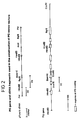
- Figure 2 shows schematically the fragments of pTOM6 and of the tomato polygalacturonase gene clone gTOM23 used in certain of the Examples.
- The following Examples 1 - 25 illustrate the preparation of vectors according to the invention, vectors useful for making such vectors, and vectors useful for carrying out the process of the invention. These Examples are taken from our European Patent Specification 271988 (the entire disclosure of which specification is incorporated herein by reference). Example 27 shows the effectiveness of the invention in inhibiting the production of polygalacturonase. All cloning procedures are performed under standard conditions as described by Maniatis et al (1982) "Molecular Cloning", Cold Spring Harbor Laboratory. Vectors for which an NCIB Accession number are given have been deposited at the National Collections of Industrial and Marine Bacteria, Aberdeen, Scotland.
- 10 µg of pWRECK2-CAMV-CAT-1 (NCIB Accession No.12352) was digested with PvuI in order to linearise the DNA, under conditions recommended by the manufacturer. The completeness of digestion was analysed by running an aliquot of the reaction of 0.8% agarose gels. The reaction was stopped by extraction with phenol/chloroform. DNA was precipitated with ethanol and dried under vacuum. The cohesive ends were removed by incubation of the linearised DNA with T4 polymerase at 37°C for 30 minutes. The enzyme was inactivated by incubation at 65°C for 15 minutes. The reaction volume was increased by the addition of HindIII buffer and HindIII enzyme was added. The reaction was carried out for 2 hours at 37°C. The 250 bp PvuI/HindIII fragment was isolated from agarose gels by electroelution. DNA was phenol/chloroform extracted, precipitated with ethanol and resuspended in water.
- 2µg of pDH51 (Pietrzak et al, (1986) Nucleic Acids Research 14, 5857-5868) was digested with SphI at 37°C for 2 hours under standard conditions. The reaction was stopped by extraction with phenol/chloroform. DNA was precipitated with ethanol and resuspended in water. Cohesive ends were removed by treatment with T4 polymerase for 30 minutes at 37°C. The buffer volume was increased and HindIII was added. The mixture was incubated for 2 hours at 37°C. The resulting 3.2 Kb fragment was isolated after gel electrophoresis on agarose gels by electroelution. The DNA was extracted with phenol and chloroform, precipitated with ethanol and resuspended in water.
- 1µg of pDH51 prepared under (B) was ligated with 100 ng of nos 3' end prepared under (A) in a total of 15µg in the presence of T4 ligase. Incubation was carried our for 24 hours in 16°C. An aliquot of the ligation was transformed into competent TG2 cells. An aliquot of the transformation mix was plated onto ampicillin and Xgal containing L-plates. White colonies were picked, and the DNA examined by restriction analysis. Molecules containing the nos 3' end were characterised by the presence of a 260 base pair HindIII - BamH1 fragment. These plasmids were called pJR1
- 5µg pTOM6 (NCIB Accession No 12351) was treated with Hinf1 for 2 hours at 39°C under standard conditions. The 730 bp Hinfl fragment was isolated after separation on agarose GELs. The cohesive ends of this fragment were filled in with DNA polymerase Klenov fragment A. The DNA was phenol extracted and ethanol precipitated.
- 1µg pDH51 was treated with SmaI for 2 hours at 37° under standard conditions. The reaction was stopped by phenol extraction. The linearised vector was then precipitated with ethanol, washed and resuspended in water.
- The isolated HinfI fragment from pTOM6 (A) and linearised vector (B) were ligated overnight under standard conditions. The ligation mix was used to transform competent TG2 cells. The transformation mix was plated onto ampicillin-containing plates. Clones were selected, DNA isolated and analysed by digestion with BamHI and HindIII restriction enzymes. Plasmids were identified, and were named pDHC1 and pDHC4. pDHC1 contains the HinfI fragment in the antisense orientation; pDHC4 contains the HinfI fragment in the sense orientation.
- Genomic clones were isolated from a partial Sau3A library of Ailsa Craig tomato DNA cloned into EMBL3 (Bird et al, in preparation). PG clones were isolated from the genomic library by screening with both the complete pTOM6 cDNA insert, and the isolated 5' Pst1/HindIII fragment from pTOM6 (Grierson et al, NAR 1986). Several overlapping clones were isolated and the transcription start site of the PG gene located by S1 mapping experiments (Bird et al in preparation 1987). The PG promoter can be located on a 1.6 Kb HindIII fragment which also contains part of the PG coding information.
- In order to be able to manipulate the PG promoter sequence conveniently (ie. the DNA 5' to the transcription start) a Spel site was introduced by site directed mutagenesis using standard protocols. The HindIII fragment was isolated from genomic clone gTOM23 (NCIB Accession No 12373) and cloned into the HindIII site of (commercially available vector) M13 mp19. After annealing with a suitable mismatch primer and extension using DNA polymerase, the mixture was transformed into competent TG2 cells. Phages were plated and duplicated filters were prepared for hybridisation to the labelled mismatch primer. Putative clones were identified by hybridisation under increasingly stringent conditions, isolated and the generation of the Spel site was determined by direct DNA sequence analysis. The promoter fragment was isolated from one isolate by restriction with Spel and HindIII. This fragment was then cloned into pUC19 (commercially available plasmid) cut with HindIII and XbaI. The promoter fragment was then transferred into Binl9 (Bevan, Nucleic Acid Research, 1984, 12, 8711-8721) cut with BamH1 and HindIII. The resulting plasmid was called pCB1.
- 5µg of pCB1 (prepared as in Example 2) was cut with HindIII for 2 hours at 37°C. The mixture was phenol/chloroform extracted and DNA precipitated with ethanol. After re-suspension in water the cohesive ends were filled in using DNA polymerase under standard conditions at room temperature for 15 minutes. The polymerase was inactivated by heating to 65°C for 15 minutes. The DNA was then treated with BamH1 for 2 hours at 37°C. The PG promoter fragment was then by electroelution isolated by agarose gel electrophoresis as a HindIII/BamH1 1.45 Kb fragment.
- 5µg of pJR1 (constructed in Example 6) was cut with NcoI for 2 hours at 37°C under standard conditions. The DNA was purified by extraction with phenol and chloroform. The cohesive ends were filled in using DNA polymerase I Klenov fragment A for 15 minutes at room temperature. The volume was increased and BamHI added. The mixture was incubated for 2 hours at 37°C. The mixture was then fractionated on agarose gels, and the large fragment of approximately 3kb isolated by electroelution.
- pJR1 prepared as in (B) above was ligated with the PG promoter fragment prepared in (A) under standard conditions for 24 hours at 16°C. An aliquot of the ligation mixture was used to transform competent TG2 cells. Aliquots of the transformation mixture were plated onto L plates containing ampicillin and Xgal. Colonies were picked and examined for the presence of the PG promoter DNA by electrophoresis on agarose gels in order to detect an increase in the size of the vector and by direct DNA sequence determination. Plasmids containing the PG promoter were called pJR2.
- A series of antisense and sense vectors containing different portions of the PG cDNA and PG gene were constructed for use in regenerating transgenic plants. The vectors produced are summarised in Table 1. The vectors constructed are based on pJR1 and pJR2. DNA fragments have been inserted into these vectors both into the antisense (A) and sense (B) orientations. Expression cassettes contained in these vectors were then transferred to Bin19 (Bevan (1984) Nucleic Acid Research, 12, 8711-8721) for transformation of tomato plants.
TABLE 1 Vectors based on Name of antisense vector Name of sense vector PG fragment (see Figure 2) pJR1 pJR16A pJR16S 740 bp HinfI pJR36A pJR36S fragment a pJR56A pJR56S fragment b pJR76A pJR76S fragment c pJR2 pJR26A pJR26S 740 bp HinfI pJR46A pJR46S fragment a pJR66A pJR66S fragment b pJR86A pJR86S fragment c - 1µg pJR1 (from Example 1) was cut with KpnI and PstI at 37°C for 2 hours. The reaction was stopped by extraction with phenol and chloroform. The DNA was precipitated with ethanol, washed and dried. The vector was resuspended in 20µg 1TE.
- 5µg pDHC4 was cut with KpnI and PstI at 37°C for 2 hours under standard conditions. The 740 bp fragment produced was isolated after agarose gel electrophoresis by electroelution. The fragment was extracted with phenol and chloroform and precipitated with ethanol. The fragment was then suspended in 10µg 1TE.
- The products of (B) were ligated at 16°C for 24 hours under standard conditions. The ligation mix was used to transform competent TG2 cells and the mixture was plated onto ampicillin containing plates. Single colonies were grown up to prepare plasmid DNA. The DNA was analysed for the presence of a 900 bp HindIII fragment. A suitable clone was identified and called pJR16S.
- pJR16S was cut with EcoRI at 37°C for 2 hours under standard conditions. An aliquot of the reaction mixture was separated by agarose gel electrophoresis to check that the reaction had gone to completion. It was then heated to 65°C for 15 minutes in order to inactivate the enzyme. The DNA was then cut partially with a small amount of HindIII in order to give all the possible EcoRI/HindIII partial digestion fragments. The EcoRI - HindIII fragment of approximately 1600 bp consisting of the 35S CaMV promoter, the PG insert sequences and Nos 3' end (expression cassette) was isolated after agarose gel electrophoresis by electroelution. The fragment was extracted with phenol and chloroform, and precipitated with ethanol. The fragment was washed, dried and resuspended in 10µg TE.
- 5µg Bin19 DNA was cut with EcoRI and HindIII at 37° for 2 hours under standard conditions. The reaction was stopped by phenol and chloroform extraction, and DNA was precipitated with ethanol. The vector prepared in this fashion was resuspended in 20µg 1.
- The products of (A) and (B) were set up for ligation. Aliquots of the PG sense cassette were ligated to Bin19 at 16°C for 24 hours under standard conditions. The ligation mixes were used to transform competent TG2 cells which were plated on L agar containing Kanamycin and Xgal. Recombinant colonies were identified by their white colour. A number of these were picked from each ligation reaction and used to prepare plasmid DNA. The DNA was analysed for the relevant restriction pattern by cutting with EcoRI and HindIII.
- 1µg pJR2 (from Example 4) was cut with HindIII and PstI at 37°C for 2 hours under standard conditions. The reaction was terminated by extraction with phenol and chloroform and precipitated with ethanol. The purified vector was resuspended in 20µg TE.
- 5µg pDHC4 were cut with KpnI at 37°C for 2 hours under standard conditions. The cohesive ends of the DNA were filled in with T4 DNA polymerase. The reaction was stopped by heating to 65°C for 15 minutes. The DNA was then also cut with PstI. The resulting 740 bp fragment was isolated after agarose gel electrophoresis by electroelution. The fragment was extracted with phenol and chloroform and precipitated with ethanol. It was then resuspended in 10µg 1TE.
- The products of (A) and (B) above were ligated at 16°C for 24 hours under standard conditions. The ligation mix was used to transform competent TG2 cells, plated onto ampicillin containing plates and incubated at 37°C overnight. Transformed single colonies were grown up and plasmid DNA was prepared. The DNA was analysed for the presence of a 1.6 Kb EcoRI - HindIII fragment. A clone was identified and called pJR26S.
- A procedure essentially the same as described above in Example 6 was used to subclone the 2.6 Kb EcoRI - HindIII partial fragment from pJR26S into Bin19 cut with EcoR1 and HindIII. Recombinants were identified by their white colour reaction after plating onto L-agar plates containing kanamycin and Xgal. Recombinants were characterised by restriction digestion with EcoR1 and HindIII.
- 5µg pDHC4 (Example 2) was cut with KpnI and BamHI at 37°C for 2 hours under standard conditions. The 500 bp fragment was isolated after agarose gel electrophoresis by electroelution, extracted with phenol, chloroform and resuspended in 20µg 1TE. The KpnI - BamHI fragment was then cut with HindIII. The cohesive ends of the fragment were filled with T4 DNA polymerase. The resulting fragments: a) 199 bp HindIII - KpnI (blunt ended) and b) 275 bp HindIII - BamNI (blunt ended) were isolated after agarose gel electrophoresis by electroelution, extraction with phenol and chloroform, and resuspended in 10µg 1TE.
- 1µg pJR1 (from Example 1) was cut with SmaI at 37°C for 2 hours under standard conditions. The reaction was stopped by extraction with phenol and chloroform, and precipitated with ethanol. The vector was then resuspended in 20µg 1TE.
- Fragment (a) from (A) above was ligated to SmaI cut pJR1 (from (B) above) at 16°C for 24 hours under standard conditions. The ligation mixture was used to transform competent TG2 cells which were then plated onto ampicillin-containing plates. Transformed colonies were grown up and used for plasmid DNA preparation. EcoRI/PstI double digests identified those clones containing fragment (a) inserts. The EcoRI - PstI inserts of these clones were isolated and subcloned into M13 mp8 which had been cut with EcoRI and Pst I. DNA sequence analysis was carried out in order to ascertain the orientation of the insert (a). Clones obtained from this experiment were called pJR36A and pJR36S, according to the orientation of the insert.
- Fragment (b) from (A) above was ligated to SmaI cut pJR1, from (B) above, at 16°C for 24 hours under standard conditions. The ligation mixture was used to transform competent TG2 cells which were then plated onto ampicillin containing plates. Transformed colonies were grown up and used for plasmid DNA preparation. EcoRI/PstI double digest identified those clones containing fragment (b) inserts. The EcoRI - PstI inserts of these clones were isolated and subcloned into M13 mp8 which had been cut with EcoRI and PstI. DNA sequence analysis was carried out in order to ascertain the orientation of insert (b). Clones obtained from this experiment were called pJR56A and pJR56S, according to the orientation of the insert.
- 5µg each of pJR36S and pJR56S were cut separately with EcoRI and HindIII at 37°C for 2 hours under standard conditions. The resulting two fragments containing (a) 930 bp and (b) 1000 bp were isolated separately after electrophoresis on agarose gels by electroelution. The fragments were extracted with phenol and chloroform, and precipitated with ethanol. The two fragments were then resuspended in 10µg 1TE.
- Binl9 was cut with EcoRI and HindIII for 2 hours at 37°C under standard conditions. The reaction was stopped by addition of phenol and chloroform. After extraction the DNA was precipitated with ethanol, and resuspended in 20µg 1TE.
- The two EcoRI - HindIII fragments isolated in A were set up for separate ligation reactions using Binl9 prepared as described in B under standard conditions. The ligation mixtures were used to transform competent TG2 cells which were plated onto L agar containing kanamycin and Xgal. After incubation overnight, recombinant colonies were identified by their white colour. A number of the clones were picked from each separate ligation and were used to prepare DNA. The DNA's were analysed for the presence of a EcoRI - HindIII fragment of the appropriate size for the insertion of the expression cassettes to Bin19.
- 1µg pJR2 (from Example 3) was cut with HincII at 37°C for 2 hours under standard conditions. The reaction was terminated by extraction with phenol and chloroform. The vector was precipitated with ethanol, washed and resuspended in 20µ1 TE.
- Fragment (a) from Example 9(A) above was ligated to HincII cut pJR2 from (A) above at 16°C for 24 hours under standard conditions. The ligation mixture was used to transform competent TG2 cells which were then plated onto ampicillin containing plates. Transformants were picked, grown up and used to prepare plasmid DNA. Plasmid DNA was cut with both EcoRI and PstI. DNA from clones which contained inserts were restricted with EcoRI and Pst I. The EcoRI - PstI inserts were isolated after agarose gel electrophoresis by electroelution and subcloned into M13mp8 which had been cut with EcoRI and PstI. DNA sequence analysis was used to ascertain the orientation of the inserts (a). Clones were obtained from this experiment were called pJR46A and pJR46S, according to the orientation of the insert.
- Fragment (b) from Example 9(A) was ligated to HincII cut, from A above, separately at 16°C for 24 hours under standard conditions. The ligation mixture was used to transform competent TG2 cells which were then plated onto ampicillin containing plates. Transformants were picked, grown up and used to prepare plasmid DNA. Plasmid DNA was cut with both EcoRI and PstI. DNA from clones which contained inserts were restricted with EcoRI and PstI. The EcoRI - PstI inserts were isolated after agarose gel electrophoresis by electroelution and subcloned into M13 mp8 which had been cut with EcoRI and PstI. DNA sequence analysis was used to ascertain the orientation of the inserts (b). Clones were obtained from this experiment were called pJR66A and pJR66S, according to the orientation of the insert.
- 5µg of each of pJR46S and pJR66S were cut separately with EcoRI and HindIII at 37°C for 2 hours under standard conditions. The resulting two fragments of approximately 2.5 kb were isolated separately after gel electrophoresis by electroelution. The fragments were extracted with phenol and chloroform, and precipitated with ethanol. The two fragments were then resuspended in 10µg 1TE.
- Aliquots containing the two fragments from (A) were ligated to Bin19 DNA prepared as described in Example 15 (B) in separate ligation reactions under standard conditions. The ligation mixtures were used to transform competent TG2 cells. The transformation mixture was plated onto L-agar plates containing kanamycin and Xgal. After overnight incubation recombinant colonies were identified by their white colour. A number of clones for the separate experiments were picked and DNA was prepared. The DNAs were analysed for the presence of the appropriate EcorRI - HindIII fragments.
- 10µg gTOM 23 (a genomic clone containing the PG gene, NCIB No 12373) was cut with HindIII and BamH1. The 1.98 Kb fragment was isolated after agarose gel electrophoresis by electroelution. The cohesive ends of the fragment were filled in with T4 DNA polymerase.
- The products from (A) above and Example 9(B) (ie. pJR1 cut with SmaI) were ligated at 16°C for 24 hours under standard conditions and the mixture used to transform competent TG2 cells which were then plated onto plates containing ampicillin. Transformed colonies were grown up and used to prepare plasmid DNA. The DNA was cut with EcoRI and the orientation of the insert determined from the pattern of fragments obtained. The clones were called pJR76A and pJR76S according to the orientation of the insert.
- 5µg of the clone was cut with HindIII at 37°C for 2 hours under standard conditions. The enzyme was inactivated by heating the reaction mixture to 70°C for 15 minutes. EcoRI was then added in concentration necessary to give partial restriction. The reaction was stopped by the addition of phenol and chloroform. The required 2.71 Kb EcoRI - HindIII fragments was isolated after agarose gel electrophoresis by electroelution. The fragment was extracted with phenol and chloroform and precipitated with ethanol, and then resuspended in 10µg TE.
- The fragment from pJR76S prepared in (A) was ligated to Bin19 (prepared as described in Example 6B). The ligation mixture was used to transform competent TG2 cells. The transformation mix was plated onto L plates containing kanamycin and Xgal. Recombinant plasmids were identified by their white colour. DNA was prepared from a number of these and analysed for the presence of the required EcoRI - HindIII fragments.
- The products of Example 13 (A) (fragment c) and Example 11 (A) (ie pJR2 cut with HincII) were ligated at 16°C for 24 hours under standard conditions and the mixture used to transform competent TG2 cells which were then plated on plates containing ampicillin. Transformed colonies were grown up and used to prepare plasmid DNA. The orientation of the insert was deduced using the EcoRI restriction pattern. These clones were called pJR86A and pJR86S, according to the orientation of the insert.
- This Example was carried out essentially as described in Example 14, ie. the vectors was cut with HindIII under conditions of partial restriction, which was then followed by restriction with EcoRI. The resulting 3.63 Kb fragment was isolated and cloned into Bin19.
- All constructs in Bin19 were intended for use in separate triparental mating experiments to allow transfer to Agrobacterium, and from there to tomato plants.
- In addition to polygalacturonase, pectin esterase (PE) has been implicated in softening of the tomato fruit. A ripe tomato fruit cDNA library was screened with mixed oligonucleotide probes designed from the published amino acid sequence of PE. One clone, pPEl, (NCIB Accession No 12568) has been isolated and characterised. The complete sequence of this cDNA clone is shown in Figure 3 of European Patent Specification 271988.
- We have used fragments of the cDNA to construct antisense and sense vectors. These are summarised in Table 2.
TABLE 2 Vectors based on Name of anti-sense vector Name of sense vector Fragment pJR1 pJR101A pJR101S 420 bp PstI pJR111A pJR111S 351 bp BbvI pJR2 pJR102A pJR102S 420 bp PstI pJR112A pJR112S 351 bp BbvI - Plasmid pPE1 was cut with PstI at 37°C for 2 hours under standard conditions. The 420 bp PstI fragment was isolated after agarose gel electrophoresis by electroelution, extracted with phenol and chloroform and precipitated with ethanol. The DNA was then resuspended in 10µg TE.
- pJR1 (Example 1) was cut with PstI at 37°C for 2 hours under standard conditions. The reaction was stopped by the addition of phenol, precipitated with ethanol and resuspended in 20µg iTE.
- The products of steps (A) and (B) above were ligated under standard conditions and the ligation mixture was used to transform competent TG2 cells. The transformation mix was subsequently plated onto ampicillin containing plates and incubated at 37°C overnight. Transformed colonies were grown up and used to prepare plasmid DNA. Clones were identified which gave 420bp fragment on digestion with PstI. The 650 bp BamHI - HindIII fragments from these clones were isolated after agarose gel electrophoresis by electroelution and cloned into M13mp8. The orientation of the PstI insert was determined by sequence analysis. Clones identified were named pJR101A and pJR101S according to the orientation of the insert.
- Plasmid pJR101S was cut with EcoRI and HindIII at 37°C for 2 hours under standard conditions. The resulting 1.2 Kb fragment was isolated after gel electrophoresis from agarose gel by electroelution. The DNA was then extracted with phenol and chloroform, precipitated with ethanol, and resuspended in 20µTE.
- Binl9 was cut with EcoRI and HindIII for 2 hours at 37°C under standard conditions. The enzymes were removed by phenol extraction and the vector precipitated with ethanol. The DNA was then resuspended in water.
- Aliquots of the products of reactions A and B were ligated for 16 hours at 16°C under standard conditions. The ligation mix was used to transform competent TG2 cells. The transformation mix was plated onto plates containing kanamycin. DNA was picked from individual clones and analysed for the presence of the 1.2 Kb EcoR1 - HindIII fragment.
- The construction of this vector followed the construction of pJR101S (Example 17) except that the 420bp Pst1 fragment was inserted into pJR2 (from Example 3).
- Transfer of the PE expression cassette to Binl9 was carried out as described in Example 18 for the transfer of pJR102S into Bin19.
- Plasmid pPE1 was cut with BbvI at 37°C for 2 hours under standard conditions and the cohesive ends filled using T4 polymerase. The 351 bp fragment was isolated after agarose gel electrophoresis by electroelution, extracted with phenol and chloroform and precipitated with ethanol. It was then resuspended in 10µg TE.
- 1µg pJR1 (from Example 1) was cut with SmaI for 2 hours at 37°C under standard conditions. The reaction was terminated by the addition of phenol and chloroform. After extraction the DNA was precipitated with ethanol, and resuspended in 10µg TE.
- The products of (A) and (B) were ligated at 16°C for 24 hours under standard conditions. The ligation mix was used to transform competent E.coli TG2 cells. The transformation mix was plated onto ampicillin-containing plates. Single colonies were grown up and analysed for the presence of a 900bp EcoR1 - PstI fragment. This fragment was isolated by electroelution after agarose gel electrophoresis and cloned into M13 mp8 (commercially available vector). The orientation of the fragment was determined by DNA sequence analysis.
- Plasmid pJR111S was cut with EcoR1 and HindIII at 37°C for 2 hours under standard conditions. The 1.1 Kb fragment was isolated after agarose gel electrophoresis by electroelution. It was extracted with phenol and chloroform, precipitated with ethanol and resuspended in 20µ1 TE.
- Aliquots of the products of (A) and Example 18 (B) were ligated at 16°C for 24 hours. The ligation mixtures were used to transform competent E.coli TG2 cells. The transformation mix was plated onto plates containing kanamycin. Single colonies were used for DNA extraction and clones identified by the presence of the 1.1 Kb EcoR1-HindIII fragment.
- Construction of this vector followed the procedure in Example 34 for the construction of pJRlllS except that the 351 bp BbvI fragment was inserted into pJR2 from Example 4, rather than pJR1.
- Transfer of the PE expression cassette from pJR112S into Binl9 followed the protocol described in Example 22.
- The recombinant vectors prepared in Example 6 were mobilised from E.coli (TG-2) to Agrobacterium tumefaciens (LBA4404) (Hoekma A, Hirsch PR, Hooykaas PJJ and Schilperoort RA, 1983, Nature 303 ppl 79-180) in a triparental mating on L-plates with E.coli (HB101) harbouring pRK2013 (Ditta G. et al, 1980 PNAS,USA, Vol 77, pp7347-7351) Transconjugants were selected on minimal medium containing kanamycin (50µ/cm3) and streptomycin (500µ/cm3).
- L-Broth (5cm3) containing kanamycin at 50µ/cm3 was inoculated with a single bacterial colony. The culture was grown overnight at 30°C with shaking at 150 r.p.m. This culture (500µ) was inoculated into L-Broth containing kanamycin (50µ/cm3) and grown as before. Immediately before use the Agrobacteria were pelleted by spinning at 3000 r.p.m. for 5 minutes and resuspended in an equal volume of liquid Murashige and Skoog (MS) medium.
- Feeder plates were prepared in 9cm diameter petri dishes as follows. Solid MS medium supplemented with 5 µM zeatin riboside and 3 µM IAA aspartic acid was overlaid with Nicotiana tabacum var Samsun suspension culture (1cm3 ). One 9cm and one 7cm filter paper discs were placed on the surface. Hypocotyls from 4 week old tomato seedlings grown on MS medium were excised and placed on feeder plates. The plates were sealed with Nescofilm and incubated overnight in the plant growth room (26°C under bright fluorescent light).
- Hypocotyls from feeder plates were placed in the Agrobacteria suspension in 12cm diameter petri dishes and cut into approximately 1cm lengths, removing all leaf and cotyledon axes. After 20 minutes the hypocotyl segments were returned to the feeder plates which were sealed and replaced in the growth room. After 48 hours incubation in the growth room the plant material was transferred to MS medium supplemented with 5 µM zeatin riboside, 3 µM IAA aspartic acid, 500µg/cm3 carbenicillin and 50µg/cm3 kanamycin in petri dishes. The petri dishes were sealed and returned to the growth room.
- From six weeks after inoculation with Agrobacterium, shoots were removed from the explants and placed on MS medium supplemented with carbenicillin (200µ/cm3) for rooting. Transformed plants rooted 1-2 weeks after transfer.
- These plants were then grown in tissue culture for a number of weeks before being transferred to pots. These plants were then grown in growth rooms or greenhouses as appropriate.
- Leaf material from plants which had been transformed using the vector pJR16S (see Example 5) was analysed to detect the expression vector by Southern hybridisation or polymerase chain reaction (PCR). Leaf material was used to determine the expression of RNA encoding the PG fragment.
- Analysis of PG levels in fruit from plants transformed with pJR16S.
- Transformed tomato plants identified in Example 26 as expressing RNA encoding the PG fragment from pJR16S were grown to maturity. The fruit from each plant were analysed using standard techniques for the presence of PG enzyme. Results for 13 such plants are shown in Table 3. Data shown here identify clearly plants in which PG activity has been reduced to 5% or less of the corresponding activity in untransformed control tomatoes. "Breaker" in the Table denotes the time at which the tomatoes begin to change colour from green to orange.
- The plants in this Example are believed to be heterozygous for the pJR16S construct: by selection and crossing plants that are homozygous for this construct can readily be obtained. These are likely to show even further reduction in PG activity.
Table 3 Levels of PG found in plants transformed with expression vector pJR16S Transformed Plant PG activity at breaker + 10 days (% of normal) GR174 51 GR242 65 GR241 77 GR240 25 GR248 13 GR249 4 GR250 74 GR254 16 GR255 75 GR263 9 GR285 10 GR267 25 GR270 61 - The specification refers to four microorganisms that have been deposited. These are shown below. All four were deposited at the National Collections of Industrial and Marine Bacteria Limited (NCIMB) of Aberdeen, Scotland (current address 23 St Machar Drive, Aberdeen AB2 1RY).
Strain designation Date of Deposit NCIMB Accession No. E.coli C600 (pTOM6) 7 Nov 1986 12351 E.coli DH5α (pWRECK2-CAMV-CAT-1) 7 Nov 1986 12352 E.coli K803 (gTOM23) 5 Dec 1986 12373 E.coli TG2 (pPE1) 20 Oct 1987 12568
Claims (3)
- Process for the inhibition of the production of a target gene product in a plant cell which comprises generating in the cell while the target gene is being expressed mRNA from recombinant DNA coding for part only of the target gene product, in which the target gene product is a fruit-ripening enzyme.
- Process as claimed in claim 1 in which the fruit-ripening enzyme is pectinesterase, galactosidase, glucanase, xylanase or cellulase.
- Process as claimed in claim 1 in which the fruit-ripening enzyme is polygalacturonase.
Applications Claiming Priority (3)
| Application Number | Priority Date | Filing Date | Title |
|---|---|---|---|
| GB8927048 | 1989-11-30 | ||
| GB898927048A GB8927048D0 (en) | 1989-11-30 | 1989-11-30 | Dna,constructs,cells and plants derived therefrom |
| PCT/GB1990/001827 WO1991008299A2 (en) | 1989-11-30 | 1990-11-26 | Dna, constructs, cells and plants derived therefrom |
Publications (2)
| Publication Number | Publication Date |
|---|---|
| EP0502995A1 EP0502995A1 (en) | 1992-09-16 |
| EP0502995B1 true EP0502995B1 (en) | 1996-07-31 |
Family
ID=10667164
Family Applications (1)
| Application Number | Title | Priority Date | Filing Date |
|---|---|---|---|
| EP91901444A Expired - Lifetime EP0502995B1 (en) | 1989-11-30 | 1990-11-26 | Dna, constructs, cells and plants derived therefrom |
Country Status (11)
| Country | Link |
|---|---|
| EP (1) | EP0502995B1 (en) |
| JP (1) | JP3074018B2 (en) |
| AT (1) | ATE140977T1 (en) |
| AU (1) | AU646422B2 (en) |
| BR (1) | BR9007881A (en) |
| CA (1) | CA2069437C (en) |
| DE (1) | DE69027996T2 (en) |
| ES (1) | ES2090304T3 (en) |
| GB (1) | GB8927048D0 (en) |
| WO (1) | WO1991008299A2 (en) |
| ZA (1) | ZA909614B (en) |
Cited By (1)
| Publication number | Priority date | Publication date | Assignee | Title |
|---|---|---|---|---|
| DE102014102027A1 (en) | 2014-02-18 | 2015-08-20 | Amazonen-Werke H. Dreyer Gmbh & Co. Kg | System and method for controlling the travel speed of an agricultural utility machine |
Families Citing this family (14)
| Publication number | Priority date | Publication date | Assignee | Title |
|---|---|---|---|---|
| US5231020A (en) * | 1989-03-30 | 1993-07-27 | Dna Plant Technology Corporation | Genetic engineering of novel plant phenotypes |
| US5034323A (en) * | 1989-03-30 | 1991-07-23 | Dna Plant Technology Corporation | Genetic engineering of novel plant phenotypes |
| DE4004800C2 (en) * | 1990-02-13 | 2000-12-21 | Aventis Cropscience Gmbh | Transgenic plants changed in habit and yield |
| CA2098837A1 (en) * | 1990-12-21 | 1992-06-22 | Colin Brady | Dna sequences encoding at least part of the tomato enzyme endopolygalacturonase pg1 .beta.-subunit |
| GB9127098D0 (en) * | 1991-12-20 | 1992-02-19 | Ici Plc | Dna,dna constructs,cells and plants derived therefrom |
| GB9210273D0 (en) * | 1992-05-13 | 1992-07-01 | Ici Plc | Dna |
| GB9320930D0 (en) * | 1993-10-12 | 1993-12-01 | Zeneca Ltd | Modified fruit |
| GB9525459D0 (en) * | 1995-12-13 | 1996-02-14 | Zeneca Ltd | Genetic control of fruit ripening |
| GB9606062D0 (en) | 1996-03-22 | 1996-05-22 | Zeneca Ltd | Promoters |
| US5886164A (en) * | 1996-04-15 | 1999-03-23 | Zeneca Limited | DNA encoding enzymes related to ethylene biosynthesis and ripening from banana |
| AU773779B2 (en) * | 1996-09-12 | 2004-06-03 | Syngenta Participations Ag | Transgenic plants expressing cellulolytic enzymes |
| EP1301607A1 (en) * | 2000-02-10 | 2003-04-16 | Biologic A/S | Method for remodelling cell wall polysaccharide structures in plants |
| CA2726282A1 (en) * | 2008-07-09 | 2010-01-14 | Asis Datta | Polynucleotide sequence of fruit softening associated a-mannosidase and its uses for enhancing fruit shelf life |
| WO2013022757A2 (en) * | 2011-08-05 | 2013-02-14 | The United States Of America, As Represented By The Secretary Of Agriculture | Banana mads-box genes for banana ripening control |
Family Cites Families (5)
| Publication number | Priority date | Publication date | Assignee | Title |
|---|---|---|---|---|
| GB8626879D0 (en) * | 1986-11-11 | 1986-12-10 | Ici Plc | Dna |
| GB8811115D0 (en) * | 1988-05-11 | 1988-06-15 | Ici Plc | Tomatoes |
| US5034323A (en) * | 1989-03-30 | 1991-07-23 | Dna Plant Technology Corporation | Genetic engineering of novel plant phenotypes |
| GB8916213D0 (en) * | 1989-07-14 | 1989-08-31 | Ici Plc | Dna constructs,cells and plants derived therefrom |
| GB9018612D0 (en) * | 1990-08-24 | 1990-10-10 | Ici Plc | Dna,constructs,cells and plants derived therefrom |
-
1989
- 1989-11-30 GB GB898927048A patent/GB8927048D0/en active Pending
-
1990
- 1990-11-26 AU AU69745/91A patent/AU646422B2/en not_active Ceased
- 1990-11-26 BR BR909007881A patent/BR9007881A/en not_active IP Right Cessation
- 1990-11-26 WO PCT/GB1990/001827 patent/WO1991008299A2/en not_active Ceased
- 1990-11-26 DE DE69027996T patent/DE69027996T2/en not_active Expired - Fee Related
- 1990-11-26 EP EP91901444A patent/EP0502995B1/en not_active Expired - Lifetime
- 1990-11-26 AT AT91901444T patent/ATE140977T1/en active
- 1990-11-26 ES ES91901444T patent/ES2090304T3/en not_active Expired - Lifetime
- 1990-11-26 CA CA002069437A patent/CA2069437C/en not_active Expired - Fee Related
- 1990-11-26 JP JP03501854A patent/JP3074018B2/en not_active Expired - Fee Related
- 1990-11-29 ZA ZA909614A patent/ZA909614B/en unknown
Non-Patent Citations (2)
| Title |
|---|
| PhD. Thesis, A.R. VAN DER KROL, Vrije Universiteit Amsterdam (NL), 14 September 1989; chapter V, pp. 87-101 * |
| PLANT MOLECULAR BIOLOGY, vol. 13, September 1989, Kluwer Academic Publishers, BE; J.N.M. MOL et al., pp. 287-294 * |
Cited By (2)
| Publication number | Priority date | Publication date | Assignee | Title |
|---|---|---|---|---|
| DE102014102027A1 (en) | 2014-02-18 | 2015-08-20 | Amazonen-Werke H. Dreyer Gmbh & Co. Kg | System and method for controlling the travel speed of an agricultural utility machine |
| EP2915418A1 (en) | 2014-02-18 | 2015-09-09 | Amazonen-Werke H. Dreyer GmbH & Co. KG | System and method for controlling the speed of an agricultural machine |
Also Published As
| Publication number | Publication date |
|---|---|
| ATE140977T1 (en) | 1996-08-15 |
| AU6974591A (en) | 1991-06-26 |
| DE69027996D1 (en) | 1996-09-05 |
| DE69027996T2 (en) | 1997-01-09 |
| JPH05504056A (en) | 1993-07-01 |
| WO1991008299A2 (en) | 1991-06-13 |
| ES2090304T3 (en) | 1996-10-16 |
| CA2069437A1 (en) | 1991-05-31 |
| JP3074018B2 (en) | 2000-08-07 |
| BR9007881A (en) | 1992-09-29 |
| AU646422B2 (en) | 1994-02-24 |
| ZA909614B (en) | 1991-10-30 |
| CA2069437C (en) | 2002-11-05 |
| WO1991008299A3 (en) | 1991-07-11 |
| GB8927048D0 (en) | 1990-01-31 |
| EP0502995A1 (en) | 1992-09-16 |
Similar Documents
| Publication | Publication Date | Title |
|---|---|---|
| AU663811B2 (en) | Polygalacturonase sense constructs | |
| AU652366B2 (en) | Endo-1,4-beta -glucanase genes and their use in plants | |
| CA1331837C (en) | Tomatoes | |
| US4943674A (en) | Fruit specific transcriptional factors | |
| EP0502995B1 (en) | Dna, constructs, cells and plants derived therefrom | |
| AU652362B2 (en) | DNA, DNA constructs, cells and plants derived therefrom | |
| EP0644942A1 (en) | Co-ordinated inhibition of plant gene expression | |
| CA2226088A1 (en) | Delayed ripening tomato plants | |
| WO1988009334A1 (en) | Fruit-specific transcriptional factors | |
| US5296376A (en) | DNA, constructs, cells and plants derived therefrom | |
| EP0270248B1 (en) | DNA useful for the transport of foreign proteins to the plant cell wall | |
| US5554743A (en) | Endo-1,4-β-glucanase genes and their use in plants | |
| US6271033B1 (en) | Method for modifying production of fruit ripening enzyme |
Legal Events
| Date | Code | Title | Description |
|---|---|---|---|
| PUAI | Public reference made under article 153(3) epc to a published international application that has entered the european phase |
Free format text: ORIGINAL CODE: 0009012 |
|
| 17P | Request for examination filed |
Effective date: 19920423 |
|
| AK | Designated contracting states |
Kind code of ref document: A1 Designated state(s): AT BE CH DE DK ES FR GB GR IT LI LU NL SE |
|
| RAP1 | Party data changed (applicant data changed or rights of an application transferred) |
Owner name: ZENECA LIMITED |
|
| 17Q | First examination report despatched |
Effective date: 19940502 |
|
| GRAH | Despatch of communication of intention to grant a patent |
Free format text: ORIGINAL CODE: EPIDOS IGRA |
|
| GRAA | (expected) grant |
Free format text: ORIGINAL CODE: 0009210 |
|
| AK | Designated contracting states |
Kind code of ref document: B1 Designated state(s): AT BE CH DE DK ES FR GB GR IT LI LU NL SE |
|
| PG25 | Lapsed in a contracting state [announced via postgrant information from national office to epo] |
Ref country code: DK Effective date: 19960731 Ref country code: AT Effective date: 19960731 Ref country code: GR Free format text: LAPSE BECAUSE OF FAILURE TO SUBMIT A TRANSLATION OF THE DESCRIPTION OR TO PAY THE FEE WITHIN THE PRESCRIBED TIME-LIMIT Effective date: 19960731 |
|
| REF | Corresponds to: |
Ref document number: 140977 Country of ref document: AT Date of ref document: 19960815 Kind code of ref document: T |
|
| REG | Reference to a national code |
Ref country code: CH Ref legal event code: NV Representative=s name: BOVARD AG PATENTANWAELTE |
|
| GRAH | Despatch of communication of intention to grant a patent |
Free format text: ORIGINAL CODE: EPIDOS IGRA |
|
| REF | Corresponds to: |
Ref document number: 69027996 Country of ref document: DE Date of ref document: 19960905 |
|
| ET | Fr: translation filed | ||
| ITF | It: translation for a ep patent filed | ||
| REG | Reference to a national code |
Ref country code: ES Ref legal event code: FG2A Ref document number: 2090304 Country of ref document: ES Kind code of ref document: T3 |
|
| PG25 | Lapsed in a contracting state [announced via postgrant information from national office to epo] |
Ref country code: SE Effective date: 19961031 |
|
| REG | Reference to a national code |
Ref country code: ES Ref legal event code: FG2A Ref document number: 2090304 Country of ref document: ES Kind code of ref document: T3 |
|
| PG25 | Lapsed in a contracting state [announced via postgrant information from national office to epo] |
Ref country code: LU Free format text: LAPSE BECAUSE OF NON-PAYMENT OF DUE FEES Effective date: 19961130 |
|
| PLBE | No opposition filed within time limit |
Free format text: ORIGINAL CODE: 0009261 |
|
| STAA | Information on the status of an ep patent application or granted ep patent |
Free format text: STATUS: NO OPPOSITION FILED WITHIN TIME LIMIT |
|
| 26N | No opposition filed | ||
| REG | Reference to a national code |
Ref country code: GB Ref legal event code: IF02 |
|
| REG | Reference to a national code |
Ref country code: CH Ref legal event code: PFA Owner name: SYNGENTA LIMITED SYNGENTA EUROPEAN REGIONAL CENTR Free format text: ZENECA LIMITED#15, STANHOPE GATE#LONDON W1Y 6LN (GB) -TRANSFER TO- SYNGENTA LIMITED SYNGENTA EUROPEAN REGIONAL CENTRE#PRIESTLEY ROAD, SURREY RESEARCH PARK,#GUILDFORD, SURREY GU2 7YH (GB) |
|
| REG | Reference to a national code |
Ref country code: FR Ref legal event code: CD Ref country code: FR Ref legal event code: CA |
|
| NLT1 | Nl: modifications of names registered in virtue of documents presented to the patent office pursuant to art. 16 a, paragraph 1 |
Owner name: SYNGENTA LIMITED |
|
| PGFP | Annual fee paid to national office [announced via postgrant information from national office to epo] |
Ref country code: NL Payment date: 20051106 Year of fee payment: 16 |
|
| PGFP | Annual fee paid to national office [announced via postgrant information from national office to epo] |
Ref country code: FR Payment date: 20051108 Year of fee payment: 16 |
|
| PGFP | Annual fee paid to national office [announced via postgrant information from national office to epo] |
Ref country code: GB Payment date: 20051123 Year of fee payment: 16 |
|
| PGFP | Annual fee paid to national office [announced via postgrant information from national office to epo] |
Ref country code: DE Payment date: 20051124 Year of fee payment: 16 |
|
| PGFP | Annual fee paid to national office [announced via postgrant information from national office to epo] |
Ref country code: CH Payment date: 20051129 Year of fee payment: 16 |
|
| PGFP | Annual fee paid to national office [announced via postgrant information from national office to epo] |
Ref country code: ES Payment date: 20051219 Year of fee payment: 16 |
|
| PG25 | Lapsed in a contracting state [announced via postgrant information from national office to epo] |
Ref country code: CH Free format text: LAPSE BECAUSE OF NON-PAYMENT OF DUE FEES Effective date: 20061130 Ref country code: LI Free format text: LAPSE BECAUSE OF NON-PAYMENT OF DUE FEES Effective date: 20061130 |
|
| PGFP | Annual fee paid to national office [announced via postgrant information from national office to epo] |
Ref country code: IT Payment date: 20061130 Year of fee payment: 17 |
|
| PGFP | Annual fee paid to national office [announced via postgrant information from national office to epo] |
Ref country code: BE Payment date: 20070118 Year of fee payment: 17 |
|
| PG25 | Lapsed in a contracting state [announced via postgrant information from national office to epo] |
Ref country code: NL Free format text: LAPSE BECAUSE OF NON-PAYMENT OF DUE FEES Effective date: 20070601 Ref country code: DE Free format text: LAPSE BECAUSE OF NON-PAYMENT OF DUE FEES Effective date: 20070601 |
|
| REG | Reference to a national code |
Ref country code: CH Ref legal event code: PL |
|
| GBPC | Gb: european patent ceased through non-payment of renewal fee |
Effective date: 20061126 |
|
| NLV4 | Nl: lapsed or anulled due to non-payment of the annual fee |
Effective date: 20070601 |
|
| REG | Reference to a national code |
Ref country code: FR Ref legal event code: ST Effective date: 20070731 |
|
| PG25 | Lapsed in a contracting state [announced via postgrant information from national office to epo] |
Ref country code: GB Free format text: LAPSE BECAUSE OF NON-PAYMENT OF DUE FEES Effective date: 20061126 |
|
| REG | Reference to a national code |
Ref country code: ES Ref legal event code: FD2A Effective date: 20061127 |
|
| PG25 | Lapsed in a contracting state [announced via postgrant information from national office to epo] |
Ref country code: FR Free format text: LAPSE BECAUSE OF NON-PAYMENT OF DUE FEES Effective date: 20061130 Ref country code: ES Free format text: LAPSE BECAUSE OF NON-PAYMENT OF DUE FEES Effective date: 20061127 |
|
| BERE | Be: lapsed |
Owner name: SYNGENTA LTD Effective date: 20071130 |
|
| PG25 | Lapsed in a contracting state [announced via postgrant information from national office to epo] |
Ref country code: BE Free format text: LAPSE BECAUSE OF NON-PAYMENT OF DUE FEES Effective date: 20071130 |
|
| PG25 | Lapsed in a contracting state [announced via postgrant information from national office to epo] |
Ref country code: IT Free format text: LAPSE BECAUSE OF NON-PAYMENT OF DUE FEES Effective date: 20071126 |