EP0496993B1 - Enzymatic process for preparing 7-aminocephalosporanic acid and derivatives - Google Patents
Enzymatic process for preparing 7-aminocephalosporanic acid and derivatives Download PDFInfo
- Publication number
- EP0496993B1 EP0496993B1 EP91121677A EP91121677A EP0496993B1 EP 0496993 B1 EP0496993 B1 EP 0496993B1 EP 91121677 A EP91121677 A EP 91121677A EP 91121677 A EP91121677 A EP 91121677A EP 0496993 B1 EP0496993 B1 EP 0496993B1
- Authority
- EP
- European Patent Office
- Prior art keywords
- enzyme
- aca
- glutaryl
- immobilized
- aca acylase
- Prior art date
- Legal status (The legal status is an assumption and is not a legal conclusion. Google has not performed a legal analysis and makes no representation as to the accuracy of the status listed.)
- Expired - Lifetime
Links
- 230000002255 enzymatic effect Effects 0.000 title claims abstract description 34
- HSHGZXNAXBPPDL-HZGVNTEJSA-N 7beta-aminocephalosporanic acid Chemical compound S1CC(COC(=O)C)=C(C([O-])=O)N2C(=O)[C@@H]([NH3+])[C@@H]12 HSHGZXNAXBPPDL-HZGVNTEJSA-N 0.000 title claims abstract description 29
- 238000004519 manufacturing process Methods 0.000 title description 17
- 102000004190 Enzymes Human genes 0.000 claims abstract description 56
- 108090000790 Enzymes Proteins 0.000 claims abstract description 56
- 238000000034 method Methods 0.000 claims abstract description 56
- HOKIDJSKDBPKTQ-GLXFQSAKSA-N Cephalosporin C Natural products S1CC(COC(=O)C)=C(C(O)=O)N2C(=O)[C@@H](NC(=O)CCC[C@@H](N)C(O)=O)[C@@H]12 HOKIDJSKDBPKTQ-GLXFQSAKSA-N 0.000 claims abstract description 52
- 230000009466 transformation Effects 0.000 claims abstract description 20
- 239000007787 solid Substances 0.000 claims abstract description 15
- 150000003839 salts Chemical class 0.000 claims abstract description 7
- 239000011159 matrix material Substances 0.000 claims abstract description 6
- 108010034416 glutarylamidocephalosporanic acid acylase Proteins 0.000 claims description 70
- 108010003989 D-amino-acid oxidase Proteins 0.000 claims description 69
- 239000000243 solution Substances 0.000 claims description 52
- IXUSDMGLUJZNFO-BXUZGUMPSA-N (7R)-7-(4-carboxybutanamido)cephalosporanic acid Chemical compound S1CC(COC(=O)C)=C(C(O)=O)N2C(=O)[C@@H](NC(=O)CCCC(O)=O)[C@@H]12 IXUSDMGLUJZNFO-BXUZGUMPSA-N 0.000 claims description 41
- 238000006243 chemical reaction Methods 0.000 claims description 36
- 108090000623 proteins and genes Proteins 0.000 claims description 31
- -1 glutaryl Chemical class 0.000 claims description 26
- 241000588724 Escherichia coli Species 0.000 claims description 24
- 108010093096 Immobilized Enzymes Proteins 0.000 claims description 24
- 229920005989 resin Polymers 0.000 claims description 22
- 239000011347 resin Substances 0.000 claims description 22
- 244000005700 microbiome Species 0.000 claims description 21
- 241000221523 Rhodotorula toruloides Species 0.000 claims description 19
- MHAJPDPJQMAIIY-UHFFFAOYSA-N Hydrogen peroxide Chemical compound OO MHAJPDPJQMAIIY-UHFFFAOYSA-N 0.000 claims description 18
- 102000004169 proteins and genes Human genes 0.000 claims description 17
- 241000589291 Acinetobacter Species 0.000 claims description 13
- 108090000204 Dipeptidase 1 Proteins 0.000 claims description 13
- 102000006635 beta-lactamase Human genes 0.000 claims description 13
- 150000001875 compounds Chemical class 0.000 claims description 11
- 239000000758 substrate Substances 0.000 claims description 11
- SXRSQZLOMIGNAQ-UHFFFAOYSA-N Glutaraldehyde Chemical compound O=CCCCC=O SXRSQZLOMIGNAQ-UHFFFAOYSA-N 0.000 claims description 10
- 239000007864 aqueous solution Substances 0.000 claims description 10
- 238000002360 preparation method Methods 0.000 claims description 10
- QVGXLLKOCUKJST-UHFFFAOYSA-N atomic oxygen Chemical compound [O] QVGXLLKOCUKJST-UHFFFAOYSA-N 0.000 claims description 9
- 239000001301 oxygen Substances 0.000 claims description 9
- 229910052760 oxygen Inorganic materials 0.000 claims description 9
- 239000002253 acid Substances 0.000 claims description 8
- 230000003100 immobilizing effect Effects 0.000 claims description 7
- 150000007513 acids Chemical class 0.000 claims description 5
- 230000001588 bifunctional effect Effects 0.000 claims description 5
- 239000003795 chemical substances by application Substances 0.000 claims description 5
- 230000009089 cytolysis Effects 0.000 claims description 5
- 230000002452 interceptive effect Effects 0.000 claims description 5
- 239000003456 ion exchange resin Substances 0.000 claims description 5
- 229920003303 ion-exchange polymer Polymers 0.000 claims description 5
- LCTONWCANYUPML-UHFFFAOYSA-N Pyruvic acid Chemical compound CC(=O)C(O)=O LCTONWCANYUPML-UHFFFAOYSA-N 0.000 claims description 4
- 239000012736 aqueous medium Substances 0.000 claims description 4
- 238000007833 oxidative deamination reaction Methods 0.000 claims description 4
- NWUYHJFMYQTDRP-UHFFFAOYSA-N 1,2-bis(ethenyl)benzene;1-ethenyl-2-ethylbenzene;styrene Chemical compound C=CC1=CC=CC=C1.CCC1=CC=CC=C1C=C.C=CC1=CC=CC=C1C=C NWUYHJFMYQTDRP-UHFFFAOYSA-N 0.000 claims description 3
- 241000901842 Escherichia coli W Species 0.000 claims description 3
- 230000020176 deacylation Effects 0.000 claims description 3
- 238000005947 deacylation reaction Methods 0.000 claims description 3
- 150000002118 epoxides Chemical class 0.000 claims description 3
- 125000000524 functional group Chemical group 0.000 claims description 3
- 239000004925 Acrylic resin Substances 0.000 claims description 2
- LSNNMFCWUKXFEE-UHFFFAOYSA-N Sulfurous acid Chemical class OS(O)=O LSNNMFCWUKXFEE-UHFFFAOYSA-N 0.000 claims description 2
- 150000001412 amines Chemical class 0.000 claims description 2
- 239000003638 chemical reducing agent Substances 0.000 claims description 2
- 229940107700 pyruvic acid Drugs 0.000 claims description 2
- 102000004674 D-amino-acid oxidase Human genes 0.000 claims 6
- 238000004587 chromatography analysis Methods 0.000 claims 3
- 239000006185 dispersion Substances 0.000 claims 3
- BFSVOASYOCHEOV-UHFFFAOYSA-N 2-diethylaminoethanol Chemical compound CCN(CC)CCO BFSVOASYOCHEOV-UHFFFAOYSA-N 0.000 claims 1
- 206010011878 Deafness Diseases 0.000 claims 1
- 239000003431 cross linking reagent Substances 0.000 claims 1
- 229920000768 polyamine Polymers 0.000 claims 1
- 239000011541 reaction mixture Substances 0.000 claims 1
- HOKIDJSKDBPKTQ-GLXFQSAKSA-M cephalosporin C(1-) Chemical compound S1CC(COC(=O)C)=C(C([O-])=O)N2C(=O)[C@@H](NC(=O)CCC[C@@H]([NH3+])C([O-])=O)[C@@H]12 HOKIDJSKDBPKTQ-GLXFQSAKSA-M 0.000 abstract 1
- 102100026908 D-amino-acid oxidase Human genes 0.000 description 55
- 230000000694 effects Effects 0.000 description 31
- FAPWRFPIFSIZLT-UHFFFAOYSA-M Sodium chloride Chemical compound [Na+].[Cl-] FAPWRFPIFSIZLT-UHFFFAOYSA-M 0.000 description 26
- 210000004027 cell Anatomy 0.000 description 24
- 239000013612 plasmid Substances 0.000 description 21
- 235000002639 sodium chloride Nutrition 0.000 description 18
- 238000003756 stirring Methods 0.000 description 18
- 108020004414 DNA Proteins 0.000 description 17
- 238000000855 fermentation Methods 0.000 description 17
- 230000004151 fermentation Effects 0.000 description 17
- 239000008057 potassium phosphate buffer Substances 0.000 description 17
- 235000010633 broth Nutrition 0.000 description 16
- 239000000203 mixture Substances 0.000 description 16
- 229920002125 Sokalan® Polymers 0.000 description 15
- 239000002609 medium Substances 0.000 description 14
- 239000000047 product Substances 0.000 description 13
- 239000011780 sodium chloride Substances 0.000 description 13
- 238000001914 filtration Methods 0.000 description 12
- 239000008363 phosphate buffer Substances 0.000 description 11
- WQZGKKKJIJFFOK-GASJEMHNSA-N Glucose Natural products OC[C@H]1OC(O)[C@H](O)[C@@H](O)[C@@H]1O WQZGKKKJIJFFOK-GASJEMHNSA-N 0.000 description 10
- 238000007792 addition Methods 0.000 description 10
- 239000008103 glucose Substances 0.000 description 10
- LFQSCWFLJHTTHZ-UHFFFAOYSA-N Ethanol Chemical compound CCO LFQSCWFLJHTTHZ-UHFFFAOYSA-N 0.000 description 9
- HEMHJVSKTPXQMS-UHFFFAOYSA-M Sodium hydroxide Chemical compound [OH-].[Na+] HEMHJVSKTPXQMS-UHFFFAOYSA-M 0.000 description 9
- 229960005091 chloramphenicol Drugs 0.000 description 9
- WIIZWVCIJKGZOK-RKDXNWHRSA-N chloramphenicol Chemical compound ClC(Cl)C(=O)N[C@H](CO)[C@H](O)C1=CC=C([N+]([O-])=O)C=C1 WIIZWVCIJKGZOK-RKDXNWHRSA-N 0.000 description 9
- 238000000746 purification Methods 0.000 description 9
- 108700023418 Amidases Proteins 0.000 description 8
- 108090000371 Esterases Proteins 0.000 description 8
- 102000005922 amidase Human genes 0.000 description 8
- 239000012634 fragment Substances 0.000 description 7
- 239000012138 yeast extract Substances 0.000 description 7
- QGZKDVFQNNGYKY-UHFFFAOYSA-N Ammonia Chemical compound N QGZKDVFQNNGYKY-UHFFFAOYSA-N 0.000 description 6
- QNAYBMKLOCPYGJ-UHFFFAOYSA-N D-alpha-Ala Natural products CC([NH3+])C([O-])=O QNAYBMKLOCPYGJ-UHFFFAOYSA-N 0.000 description 6
- 240000008042 Zea mays Species 0.000 description 6
- 235000005824 Zea mays ssp. parviglumis Nutrition 0.000 description 6
- 235000002017 Zea mays subsp mays Nutrition 0.000 description 6
- MZVQCMJNVPIDEA-UHFFFAOYSA-N [CH2]CN(CC)CC Chemical group [CH2]CN(CC)CC MZVQCMJNVPIDEA-UHFFFAOYSA-N 0.000 description 6
- 235000005822 corn Nutrition 0.000 description 6
- 238000000605 extraction Methods 0.000 description 6
- 239000012467 final product Substances 0.000 description 6
- 239000012429 reaction media Substances 0.000 description 6
- 239000006228 supernatant Substances 0.000 description 6
- 238000000108 ultra-filtration Methods 0.000 description 6
- 239000007836 KH2PO4 Substances 0.000 description 5
- ATTZFSUZZUNHBP-UHFFFAOYSA-N Piperonyl sulfoxide Chemical compound CCCCCCCCS(=O)C(C)CC1=CC=C2OCOC2=C1 ATTZFSUZZUNHBP-UHFFFAOYSA-N 0.000 description 5
- 229940041514 candida albicans extract Drugs 0.000 description 5
- ZPWVASYFFYYZEW-UHFFFAOYSA-L dipotassium hydrogen phosphate Chemical compound [K+].[K+].OP([O-])([O-])=O ZPWVASYFFYYZEW-UHFFFAOYSA-L 0.000 description 5
- 235000019797 dipotassium phosphate Nutrition 0.000 description 5
- 229910000396 dipotassium phosphate Inorganic materials 0.000 description 5
- 238000010369 molecular cloning Methods 0.000 description 5
- 229910000402 monopotassium phosphate Inorganic materials 0.000 description 5
- 235000019796 monopotassium phosphate Nutrition 0.000 description 5
- GNSKLFRGEWLPPA-UHFFFAOYSA-M potassium dihydrogen phosphate Chemical compound [K+].OP(O)([O-])=O GNSKLFRGEWLPPA-UHFFFAOYSA-M 0.000 description 5
- HRZFUMHJMZEROT-UHFFFAOYSA-L sodium disulfite Chemical compound [Na+].[Na+].[O-]S(=O)S([O-])(=O)=O HRZFUMHJMZEROT-UHFFFAOYSA-L 0.000 description 5
- 239000004296 sodium metabisulphite Substances 0.000 description 5
- 235000010262 sodium metabisulphite Nutrition 0.000 description 5
- 239000000725 suspension Substances 0.000 description 5
- 239000013598 vector Substances 0.000 description 5
- IJGRMHOSHXDMSA-UHFFFAOYSA-N Atomic nitrogen Chemical compound N#N IJGRMHOSHXDMSA-UHFFFAOYSA-N 0.000 description 4
- 0 BIC(C1C2C(O*)=C(C)CC1)C2=O Chemical compound BIC(C1C2C(O*)=C(C)CC1)C2=O 0.000 description 4
- QNAYBMKLOCPYGJ-UWTATZPHSA-N D-alanine Chemical compound C[C@@H](N)C(O)=O QNAYBMKLOCPYGJ-UWTATZPHSA-N 0.000 description 4
- VEXZGXHMUGYJMC-UHFFFAOYSA-N Hydrochloric acid Chemical compound Cl VEXZGXHMUGYJMC-UHFFFAOYSA-N 0.000 description 4
- CSNNHWWHGAXBCP-UHFFFAOYSA-L Magnesium sulfate Chemical compound [Mg+2].[O-][S+2]([O-])([O-])[O-] CSNNHWWHGAXBCP-UHFFFAOYSA-L 0.000 description 4
- NBIIXXVUZAFLBC-UHFFFAOYSA-N Phosphoric acid Chemical compound OP(O)(O)=O NBIIXXVUZAFLBC-UHFFFAOYSA-N 0.000 description 4
- 229920002684 Sepharose Polymers 0.000 description 4
- 239000000872 buffer Substances 0.000 description 4
- 238000011534 incubation Methods 0.000 description 4
- 239000007788 liquid Substances 0.000 description 4
- 238000011084 recovery Methods 0.000 description 4
- DAEPDZWVDSPTHF-UHFFFAOYSA-M sodium pyruvate Chemical compound [Na+].CC(=O)C([O-])=O DAEPDZWVDSPTHF-UHFFFAOYSA-M 0.000 description 4
- 150000003952 β-lactams Chemical class 0.000 description 4
- UXVMQQNJUSDDNG-UHFFFAOYSA-L Calcium chloride Chemical compound [Cl-].[Cl-].[Ca+2] UXVMQQNJUSDDNG-UHFFFAOYSA-L 0.000 description 3
- 102000016938 Catalase Human genes 0.000 description 3
- 108010053835 Catalase Proteins 0.000 description 3
- 102000008186 Collagen Human genes 0.000 description 3
- 108010035532 Collagen Proteins 0.000 description 3
- 239000004793 Polystyrene Substances 0.000 description 3
- 241000589516 Pseudomonas Species 0.000 description 3
- ZMANZCXQSJIPKH-UHFFFAOYSA-N Triethylamine Chemical compound CCN(CC)CC ZMANZCXQSJIPKH-UHFFFAOYSA-N 0.000 description 3
- 238000005273 aeration Methods 0.000 description 3
- PNEYBMLMFCGWSK-UHFFFAOYSA-N aluminium oxide Inorganic materials [O-2].[O-2].[O-2].[Al+3].[Al+3] PNEYBMLMFCGWSK-UHFFFAOYSA-N 0.000 description 3
- 229910021529 ammonia Inorganic materials 0.000 description 3
- 238000007664 blowing Methods 0.000 description 3
- 239000001110 calcium chloride Substances 0.000 description 3
- 235000011148 calcium chloride Nutrition 0.000 description 3
- 229910001628 calcium chloride Inorganic materials 0.000 description 3
- 125000002091 cationic group Chemical group 0.000 description 3
- 229920001429 chelating resin Polymers 0.000 description 3
- 229920001436 collagen Polymers 0.000 description 3
- 239000012141 concentrate Substances 0.000 description 3
- 239000013078 crystal Substances 0.000 description 3
- 238000002425 crystallisation Methods 0.000 description 3
- 230000008025 crystallization Effects 0.000 description 3
- 230000029087 digestion Effects 0.000 description 3
- PXEDJBXQKAGXNJ-QTNFYWBSSA-L disodium L-glutamate Chemical compound [Na+].[Na+].[O-]C(=O)[C@@H](N)CCC([O-])=O PXEDJBXQKAGXNJ-QTNFYWBSSA-L 0.000 description 3
- 238000006460 hydrolysis reaction Methods 0.000 description 3
- 238000005259 measurement Methods 0.000 description 3
- 239000012528 membrane Substances 0.000 description 3
- 235000013923 monosodium glutamate Nutrition 0.000 description 3
- 235000011007 phosphoric acid Nutrition 0.000 description 3
- 229920000867 polyelectrolyte Polymers 0.000 description 3
- 229920002223 polystyrene Polymers 0.000 description 3
- 108091008146 restriction endonucleases Proteins 0.000 description 3
- 229920006395 saturated elastomer Polymers 0.000 description 3
- 229940073490 sodium glutamate Drugs 0.000 description 3
- 239000002904 solvent Substances 0.000 description 3
- 239000000126 substance Substances 0.000 description 3
- 239000012137 tryptone Substances 0.000 description 3
- NWONKYPBYAMBJT-UHFFFAOYSA-L zinc sulfate Chemical compound [Zn+2].[O-]S([O-])(=O)=O NWONKYPBYAMBJT-UHFFFAOYSA-L 0.000 description 3
- 239000011686 zinc sulphate Substances 0.000 description 3
- 235000009529 zinc sulphate Nutrition 0.000 description 3
- MYRTYDVEIRVNKP-UHFFFAOYSA-N 1,2-Divinylbenzene Chemical compound C=CC1=CC=CC=C1C=C MYRTYDVEIRVNKP-UHFFFAOYSA-N 0.000 description 2
- OWEGMIWEEQEYGQ-UHFFFAOYSA-N 100676-05-9 Natural products OC1C(O)C(O)C(CO)OC1OCC1C(O)C(O)C(O)C(OC2C(OC(O)C(O)C2O)CO)O1 OWEGMIWEEQEYGQ-UHFFFAOYSA-N 0.000 description 2
- RLFWWDJHLFCNIJ-UHFFFAOYSA-N 4-aminoantipyrine Chemical compound CN1C(C)=C(N)C(=O)N1C1=CC=CC=C1 RLFWWDJHLFCNIJ-UHFFFAOYSA-N 0.000 description 2
- OKTJSMMVPCPJKN-UHFFFAOYSA-N Carbon Chemical compound [C] OKTJSMMVPCPJKN-UHFFFAOYSA-N 0.000 description 2
- 229930186147 Cephalosporin Natural products 0.000 description 2
- 102100021587 Embryonic testis differentiation protein homolog A Human genes 0.000 description 2
- 101000898120 Homo sapiens Embryonic testis differentiation protein homolog A Proteins 0.000 description 2
- 229910021578 Iron(III) chloride Inorganic materials 0.000 description 2
- GUBGYTABKSRVRQ-PICCSMPSSA-N Maltose Natural products O[C@@H]1[C@@H](O)[C@H](O)[C@@H](CO)O[C@@H]1O[C@@H]1[C@@H](CO)OC(O)[C@H](O)[C@H]1O GUBGYTABKSRVRQ-PICCSMPSSA-N 0.000 description 2
- 229910019142 PO4 Inorganic materials 0.000 description 2
- ISWSIDIOOBJBQZ-UHFFFAOYSA-N Phenol Natural products OC1=CC=CC=C1 ISWSIDIOOBJBQZ-UHFFFAOYSA-N 0.000 description 2
- 229920002873 Polyethylenimine Polymers 0.000 description 2
- 108020004511 Recombinant DNA Proteins 0.000 description 2
- 229930006000 Sucrose Natural products 0.000 description 2
- CZMRCDWAGMRECN-UGDNZRGBSA-N Sucrose Chemical compound O[C@H]1[C@H](O)[C@@H](CO)O[C@@]1(CO)O[C@@H]1[C@H](O)[C@@H](O)[C@H](O)[C@@H](CO)O1 CZMRCDWAGMRECN-UGDNZRGBSA-N 0.000 description 2
- QAOWNCQODCNURD-UHFFFAOYSA-N Sulfuric acid Chemical compound OS(O)(=O)=O QAOWNCQODCNURD-UHFFFAOYSA-N 0.000 description 2
- 241001480015 Trigonopsis variabilis Species 0.000 description 2
- 238000010564 aerobic fermentation Methods 0.000 description 2
- 125000001931 aliphatic group Chemical group 0.000 description 2
- 229940024606 amino acid Drugs 0.000 description 2
- 150000001413 amino acids Chemical class 0.000 description 2
- BFNBIHQBYMNNAN-UHFFFAOYSA-N ammonium sulfate Chemical compound N.N.OS(O)(=O)=O BFNBIHQBYMNNAN-UHFFFAOYSA-N 0.000 description 2
- 229910052921 ammonium sulfate Inorganic materials 0.000 description 2
- 239000001166 ammonium sulphate Substances 0.000 description 2
- 235000011130 ammonium sulphate Nutrition 0.000 description 2
- 239000008346 aqueous phase Substances 0.000 description 2
- WQZGKKKJIJFFOK-VFUOTHLCSA-N beta-D-glucose Chemical compound OC[C@H]1O[C@@H](O)[C@H](O)[C@@H](O)[C@@H]1O WQZGKKKJIJFFOK-VFUOTHLCSA-N 0.000 description 2
- 239000007853 buffer solution Substances 0.000 description 2
- AIYUHDOJVYHVIT-UHFFFAOYSA-M caesium chloride Chemical compound [Cl-].[Cs+] AIYUHDOJVYHVIT-UHFFFAOYSA-M 0.000 description 2
- 229910052799 carbon Inorganic materials 0.000 description 2
- 230000003197 catalytic effect Effects 0.000 description 2
- 239000013592 cell lysate Substances 0.000 description 2
- 229940124587 cephalosporin Drugs 0.000 description 2
- 150000001780 cephalosporins Chemical class 0.000 description 2
- 229960001927 cetylpyridinium chloride Drugs 0.000 description 2
- YMKDRGPMQRFJGP-UHFFFAOYSA-M cetylpyridinium chloride Chemical compound [Cl-].CCCCCCCCCCCCCCCC[N+]1=CC=CC=C1 YMKDRGPMQRFJGP-UHFFFAOYSA-M 0.000 description 2
- 239000003153 chemical reaction reagent Substances 0.000 description 2
- 238000001816 cooling Methods 0.000 description 2
- 238000010586 diagram Methods 0.000 description 2
- 235000013681 dietary sucrose Nutrition 0.000 description 2
- 239000000706 filtrate Substances 0.000 description 2
- 238000005194 fractionation Methods 0.000 description 2
- 239000007789 gas Substances 0.000 description 2
- 230000002068 genetic effect Effects 0.000 description 2
- 239000001963 growth medium Substances 0.000 description 2
- 238000010438 heat treatment Methods 0.000 description 2
- 230000007062 hydrolysis Effects 0.000 description 2
- 239000012535 impurity Substances 0.000 description 2
- 229910052500 inorganic mineral Inorganic materials 0.000 description 2
- RBTARNINKXHZNM-UHFFFAOYSA-K iron trichloride Chemical compound Cl[Fe](Cl)Cl RBTARNINKXHZNM-UHFFFAOYSA-K 0.000 description 2
- 229910052943 magnesium sulfate Inorganic materials 0.000 description 2
- 235000019341 magnesium sulphate Nutrition 0.000 description 2
- 235000010755 mineral Nutrition 0.000 description 2
- 239000011707 mineral Substances 0.000 description 2
- 229910052757 nitrogen Inorganic materials 0.000 description 2
- 239000002245 particle Substances 0.000 description 2
- 239000012071 phase Substances 0.000 description 2
- 235000021317 phosphate Nutrition 0.000 description 2
- LWIHDJKSTIGBAC-UHFFFAOYSA-K potassium phosphate Substances [K+].[K+].[K+].[O-]P([O-])([O-])=O LWIHDJKSTIGBAC-UHFFFAOYSA-K 0.000 description 2
- 239000002244 precipitate Substances 0.000 description 2
- 125000002924 primary amino group Chemical group [H]N([H])* 0.000 description 2
- 239000000376 reactant Substances 0.000 description 2
- 238000004064 recycling Methods 0.000 description 2
- 230000000717 retained effect Effects 0.000 description 2
- 125000000467 secondary amino group Chemical class [H]N([*:1])[*:2] 0.000 description 2
- 229940054269 sodium pyruvate Drugs 0.000 description 2
- HZWLVUKHUSRPCG-OOARYINLSA-M sodium;(6r,7r)-3-(acetyloxymethyl)-7-[[(5r)-5-azaniumyl-5-carboxylatopentanoyl]amino]-8-oxo-5-thia-1-azabicyclo[4.2.0]oct-2-ene-2-carboxylate Chemical compound [Na+].S1CC(COC(=O)C)=C(C([O-])=O)N2C(=O)[C@@H](NC(=O)CCC[C@@H]([NH3+])C([O-])=O)[C@@H]12 HZWLVUKHUSRPCG-OOARYINLSA-M 0.000 description 2
- 238000000527 sonication Methods 0.000 description 2
- 241000894007 species Species 0.000 description 2
- 230000001954 sterilising effect Effects 0.000 description 2
- 229960004793 sucrose Drugs 0.000 description 2
- 235000011149 sulphuric acid Nutrition 0.000 description 2
- 239000004094 surface-active agent Substances 0.000 description 2
- 238000012360 testing method Methods 0.000 description 2
- XLYOFNOQVPJJNP-UHFFFAOYSA-N water Substances O XLYOFNOQVPJJNP-UHFFFAOYSA-N 0.000 description 2
- 229910000368 zinc sulfate Inorganic materials 0.000 description 2
- DGVVWUTYPXICAM-UHFFFAOYSA-N β‐Mercaptoethanol Chemical compound OCCS DGVVWUTYPXICAM-UHFFFAOYSA-N 0.000 description 2
- JYLHYOYRPZDJHM-QMMMGPOBSA-N (2s)-2-(4-carboxybutanoylamino)-4-methylpentanoic acid Chemical compound CC(C)C[C@@H](C(O)=O)NC(=O)CCCC(O)=O JYLHYOYRPZDJHM-QMMMGPOBSA-N 0.000 description 1
- WIIZWVCIJKGZOK-IUCAKERBSA-N 2,2-dichloro-n-[(1s,2s)-1,3-dihydroxy-1-(4-nitrophenyl)propan-2-yl]acetamide Chemical compound ClC(Cl)C(=O)N[C@@H](CO)[C@@H](O)C1=CC=C([N+]([O-])=O)C=C1 WIIZWVCIJKGZOK-IUCAKERBSA-N 0.000 description 1
- QKNYBSVHEMOAJP-UHFFFAOYSA-N 2-amino-2-(hydroxymethyl)propane-1,3-diol;hydron;chloride Chemical compound Cl.OCC(N)(CO)CO QKNYBSVHEMOAJP-UHFFFAOYSA-N 0.000 description 1
- BGNGWHSBYQYVRX-UHFFFAOYSA-N 4-(dimethylamino)benzaldehyde Chemical compound CN(C)C1=CC=C(C=O)C=C1 BGNGWHSBYQYVRX-UHFFFAOYSA-N 0.000 description 1
- 241000588625 Acinetobacter sp. Species 0.000 description 1
- 229920000178 Acrylic resin Polymers 0.000 description 1
- 229920001817 Agar Polymers 0.000 description 1
- VHUUQVKOLVNVRT-UHFFFAOYSA-N Ammonium hydroxide Chemical compound [NH4+].[OH-] VHUUQVKOLVNVRT-UHFFFAOYSA-N 0.000 description 1
- 241000186063 Arthrobacter Species 0.000 description 1
- 241000228212 Aspergillus Species 0.000 description 1
- 235000016068 Berberis vulgaris Nutrition 0.000 description 1
- 241000335053 Beta vulgaris Species 0.000 description 1
- LSNNMFCWUKXFEE-UHFFFAOYSA-M Bisulfite Chemical compound OS([O-])=O LSNNMFCWUKXFEE-UHFFFAOYSA-M 0.000 description 1
- 108091003079 Bovine Serum Albumin Proteins 0.000 description 1
- 238000009010 Bradford assay Methods 0.000 description 1
- 241001619326 Cephalosporium Species 0.000 description 1
- 239000005046 Chlorosilane Substances 0.000 description 1
- 241000589519 Comamonas Species 0.000 description 1
- 150000008574 D-amino acids Chemical class 0.000 description 1
- 102000012410 DNA Ligases Human genes 0.000 description 1
- 108010061982 DNA Ligases Proteins 0.000 description 1
- 108010005054 Deoxyribonuclease BamHI Proteins 0.000 description 1
- ZNZYKNKBJPZETN-WELNAUFTSA-N Dialdehyde 11678 Chemical compound N1C2=CC=CC=C2C2=C1[C@H](C[C@H](/C(=C/O)C(=O)OC)[C@@H](C=C)C=O)NCC2 ZNZYKNKBJPZETN-WELNAUFTSA-N 0.000 description 1
- 108010067770 Endopeptidase K Proteins 0.000 description 1
- 108091029865 Exogenous DNA Proteins 0.000 description 1
- 108010057573 Flavoproteins Proteins 0.000 description 1
- 102000003983 Flavoproteins Human genes 0.000 description 1
- 108010013216 GATATC-specific type II deoxyribonucleases Proteins 0.000 description 1
- DGAQECJNVWCQMB-PUAWFVPOSA-M Ilexoside XXIX Chemical compound C[C@@H]1CC[C@@]2(CC[C@@]3(C(=CC[C@H]4[C@]3(CC[C@@H]5[C@@]4(CC[C@@H](C5(C)C)OS(=O)(=O)[O-])C)C)[C@@H]2[C@]1(C)O)C)C(=O)O[C@H]6[C@@H]([C@H]([C@@H]([C@H](O6)CO)O)O)O.[Na+] DGAQECJNVWCQMB-PUAWFVPOSA-M 0.000 description 1
- ONIBWKKTOPOVIA-BYPYZUCNSA-N L-Proline Chemical compound OC(=O)[C@@H]1CCCN1 ONIBWKKTOPOVIA-BYPYZUCNSA-N 0.000 description 1
- WSMYVTOQOOLQHP-UHFFFAOYSA-N Malondialdehyde Chemical compound O=CCC=O WSMYVTOQOOLQHP-UHFFFAOYSA-N 0.000 description 1
- JLTDJTHDQAWBAV-UHFFFAOYSA-N N,N-dimethylaniline Chemical compound CN(C)C1=CC=CC=C1 JLTDJTHDQAWBAV-UHFFFAOYSA-N 0.000 description 1
- 241000221960 Neurospora Species 0.000 description 1
- 241000228143 Penicillium Species 0.000 description 1
- 239000001888 Peptone Substances 0.000 description 1
- 108010080698 Peptones Proteins 0.000 description 1
- 102000003992 Peroxidases Human genes 0.000 description 1
- 240000004808 Saccharomyces cerevisiae Species 0.000 description 1
- 240000000111 Saccharum officinarum Species 0.000 description 1
- 235000007201 Saccharum officinarum Nutrition 0.000 description 1
- 235000019764 Soybean Meal Nutrition 0.000 description 1
- 229920002472 Starch Polymers 0.000 description 1
- 239000004098 Tetracycline Substances 0.000 description 1
- YVNQAIFQFWTPLQ-UHFFFAOYSA-O [4-[[4-(4-ethoxyanilino)phenyl]-[4-[ethyl-[(3-sulfophenyl)methyl]amino]-2-methylphenyl]methylidene]-3-methylcyclohexa-2,5-dien-1-ylidene]-ethyl-[(3-sulfophenyl)methyl]azanium Chemical compound C1=CC(OCC)=CC=C1NC1=CC=C(C(=C2C(=CC(C=C2)=[N+](CC)CC=2C=C(C=CC=2)S(O)(=O)=O)C)C=2C(=CC(=CC=2)N(CC)CC=2C=C(C=CC=2)S(O)(=O)=O)C)C=C1 YVNQAIFQFWTPLQ-UHFFFAOYSA-O 0.000 description 1
- 239000008272 agar Substances 0.000 description 1
- 239000011543 agarose gel Substances 0.000 description 1
- 229910000147 aluminium phosphate Inorganic materials 0.000 description 1
- 239000000908 ammonium hydroxide Substances 0.000 description 1
- 239000003242 anti bacterial agent Substances 0.000 description 1
- 229940088710 antibiotic agent Drugs 0.000 description 1
- 230000001580 bacterial effect Effects 0.000 description 1
- 125000003460 beta-lactamyl group Chemical group 0.000 description 1
- GUBGYTABKSRVRQ-QUYVBRFLSA-N beta-maltose Chemical compound OC[C@H]1O[C@H](O[C@H]2[C@H](O)[C@@H](O)[C@H](O)O[C@@H]2CO)[C@H](O)[C@@H](O)[C@@H]1O GUBGYTABKSRVRQ-QUYVBRFLSA-N 0.000 description 1
- 230000015572 biosynthetic process Effects 0.000 description 1
- 239000003093 cationic surfactant Substances 0.000 description 1
- 210000000170 cell membrane Anatomy 0.000 description 1
- 239000006285 cell suspension Substances 0.000 description 1
- 230000007073 chemical hydrolysis Effects 0.000 description 1
- 238000001311 chemical methods and process Methods 0.000 description 1
- BKHZIBWEHPHYAI-UHFFFAOYSA-N chloroform;3-methylbutan-1-ol Chemical compound ClC(Cl)Cl.CC(C)CCO BKHZIBWEHPHYAI-UHFFFAOYSA-N 0.000 description 1
- KOPOQZFJUQMUML-UHFFFAOYSA-N chlorosilane Chemical class Cl[SiH3] KOPOQZFJUQMUML-UHFFFAOYSA-N 0.000 description 1
- 238000010367 cloning Methods 0.000 description 1
- 238000004440 column chromatography Methods 0.000 description 1
- 238000010276 construction Methods 0.000 description 1
- 238000010924 continuous production Methods 0.000 description 1
- 230000006378 damage Effects 0.000 description 1
- 238000010908 decantation Methods 0.000 description 1
- 238000006114 decarboxylation reaction Methods 0.000 description 1
- 230000001419 dependent effect Effects 0.000 description 1
- AIUDWMLXCFRVDR-UHFFFAOYSA-N dimethyl 2-(3-ethyl-3-methylpentyl)propanedioate Chemical class CCC(C)(CC)CCC(C(=O)OC)C(=O)OC AIUDWMLXCFRVDR-UHFFFAOYSA-N 0.000 description 1
- 238000010494 dissociation reaction Methods 0.000 description 1
- 230000005593 dissociations Effects 0.000 description 1
- 229950010030 dl-alanine Drugs 0.000 description 1
- 238000001962 electrophoresis Methods 0.000 description 1
- 230000008030 elimination Effects 0.000 description 1
- 238000003379 elimination reaction Methods 0.000 description 1
- 108010013908 endodeoxyribonuclease HpaI Proteins 0.000 description 1
- 239000003344 environmental pollutant Substances 0.000 description 1
- 230000007071 enzymatic hydrolysis Effects 0.000 description 1
- 238000006047 enzymatic hydrolysis reaction Methods 0.000 description 1
- 238000006911 enzymatic reaction Methods 0.000 description 1
- ZMMJGEGLRURXTF-UHFFFAOYSA-N ethidium bromide Chemical compound [Br-].C12=CC(N)=CC=C2C2=CC=C(N)C=C2[N+](CC)=C1C1=CC=CC=C1 ZMMJGEGLRURXTF-UHFFFAOYSA-N 0.000 description 1
- 229960005542 ethidium bromide Drugs 0.000 description 1
- 238000002474 experimental method Methods 0.000 description 1
- 239000013604 expression vector Substances 0.000 description 1
- 230000002349 favourable effect Effects 0.000 description 1
- SLGWESQGEUXWJQ-UHFFFAOYSA-N formaldehyde;phenol Chemical group O=C.OC1=CC=CC=C1 SLGWESQGEUXWJQ-UHFFFAOYSA-N 0.000 description 1
- 235000001727 glucose Nutrition 0.000 description 1
- 150000004679 hydroxides Chemical class 0.000 description 1
- 239000003112 inhibitor Substances 0.000 description 1
- 230000000977 initiatory effect Effects 0.000 description 1
- 238000002347 injection Methods 0.000 description 1
- 239000007924 injection Substances 0.000 description 1
- 239000002054 inoculum Substances 0.000 description 1
- 150000007529 inorganic bases Chemical class 0.000 description 1
- 229910010272 inorganic material Inorganic materials 0.000 description 1
- 239000011147 inorganic material Substances 0.000 description 1
- 238000003780 insertion Methods 0.000 description 1
- 230000037431 insertion Effects 0.000 description 1
- 150000002500 ions Chemical class 0.000 description 1
- 238000011068 loading method Methods 0.000 description 1
- 239000006166 lysate Substances 0.000 description 1
- 239000011777 magnesium Substances 0.000 description 1
- WRUGWIBCXHJTDG-UHFFFAOYSA-L magnesium sulfate heptahydrate Chemical compound O.O.O.O.O.O.O.[Mg+2].[O-]S([O-])(=O)=O WRUGWIBCXHJTDG-UHFFFAOYSA-L 0.000 description 1
- 239000003550 marker Substances 0.000 description 1
- 238000010907 mechanical stirring Methods 0.000 description 1
- 150000007522 mineralic acids Chemical class 0.000 description 1
- 238000002156 mixing Methods 0.000 description 1
- 235000013379 molasses Nutrition 0.000 description 1
- QYSGYZVSCZSLHT-UHFFFAOYSA-N octafluoropropane Chemical compound FC(F)(F)C(F)(F)C(F)(F)F QYSGYZVSCZSLHT-UHFFFAOYSA-N 0.000 description 1
- 238000005457 optimization Methods 0.000 description 1
- 150000007530 organic bases Chemical class 0.000 description 1
- 235000019319 peptone Nutrition 0.000 description 1
- 229940066779 peptones Drugs 0.000 description 1
- 238000005325 percolation Methods 0.000 description 1
- 108040007629 peroxidase activity proteins Proteins 0.000 description 1
- 229920001568 phenolic resin Polymers 0.000 description 1
- NBIIXXVUZAFLBC-UHFFFAOYSA-K phosphate Chemical compound [O-]P([O-])([O-])=O NBIIXXVUZAFLBC-UHFFFAOYSA-K 0.000 description 1
- 239000010452 phosphate Substances 0.000 description 1
- 150000003013 phosphoric acid derivatives Chemical class 0.000 description 1
- 239000013600 plasmid vector Substances 0.000 description 1
- 231100000719 pollutant Toxicity 0.000 description 1
- 229920000642 polymer Polymers 0.000 description 1
- XAEFZNCEHLXOMS-UHFFFAOYSA-M potassium benzoate Chemical compound [K+].[O-]C(=O)C1=CC=CC=C1 XAEFZNCEHLXOMS-UHFFFAOYSA-M 0.000 description 1
- 235000011009 potassium phosphates Nutrition 0.000 description 1
- 238000011112 process operation Methods 0.000 description 1
- 229960002429 proline Drugs 0.000 description 1
- 239000003531 protein hydrolysate Substances 0.000 description 1
- 230000035484 reaction time Effects 0.000 description 1
- 230000008929 regeneration Effects 0.000 description 1
- 238000011069 regeneration method Methods 0.000 description 1
- 238000009938 salting Methods 0.000 description 1
- 238000004062 sedimentation Methods 0.000 description 1
- 238000000926 separation method Methods 0.000 description 1
- 230000035939 shock Effects 0.000 description 1
- 239000011734 sodium Substances 0.000 description 1
- 229910052708 sodium Inorganic materials 0.000 description 1
- WZWGGYFEOBVNLA-UHFFFAOYSA-N sodium;dihydrate Chemical compound O.O.[Na] WZWGGYFEOBVNLA-UHFFFAOYSA-N 0.000 description 1
- 239000004455 soybean meal Substances 0.000 description 1
- 235000019698 starch Nutrition 0.000 description 1
- 239000008107 starch Substances 0.000 description 1
- 239000001117 sulphuric acid Substances 0.000 description 1
- 150000003512 tertiary amines Chemical group 0.000 description 1
- 125000001302 tertiary amino group Chemical group 0.000 description 1
- 229960002180 tetracycline Drugs 0.000 description 1
- 229930101283 tetracycline Natural products 0.000 description 1
- 235000019364 tetracycline Nutrition 0.000 description 1
- 150000003522 tetracyclines Chemical class 0.000 description 1
- KYMBYSLLVAOCFI-UHFFFAOYSA-N thiamine Chemical compound CC1=C(CCO)SCN1CC1=CN=C(C)N=C1N KYMBYSLLVAOCFI-UHFFFAOYSA-N 0.000 description 1
- 229960003495 thiamine Drugs 0.000 description 1
- 235000019190 thiamine hydrochloride Nutrition 0.000 description 1
- 239000011747 thiamine hydrochloride Substances 0.000 description 1
- 230000001131 transforming effect Effects 0.000 description 1
- 231100000925 very toxic Toxicity 0.000 description 1
- 239000003799 water insoluble solvent Substances 0.000 description 1
Images


Classifications
-
- C—CHEMISTRY; METALLURGY
- C12—BIOCHEMISTRY; BEER; SPIRITS; WINE; VINEGAR; MICROBIOLOGY; ENZYMOLOGY; MUTATION OR GENETIC ENGINEERING
- C12P—FERMENTATION OR ENZYME-USING PROCESSES TO SYNTHESISE A DESIRED CHEMICAL COMPOUND OR COMPOSITION OR TO SEPARATE OPTICAL ISOMERS FROM A RACEMIC MIXTURE
- C12P35/00—Preparation of compounds having a 5-thia-1-azabicyclo [4.2.0] octane ring system, e.g. cephalosporin
- C12P35/06—Cephalosporin C; Derivatives thereof
-
- C—CHEMISTRY; METALLURGY
- C12—BIOCHEMISTRY; BEER; SPIRITS; WINE; VINEGAR; MICROBIOLOGY; ENZYMOLOGY; MUTATION OR GENETIC ENGINEERING
- C12N—MICROORGANISMS OR ENZYMES; COMPOSITIONS THEREOF; PROPAGATING, PRESERVING, OR MAINTAINING MICROORGANISMS; MUTATION OR GENETIC ENGINEERING; CULTURE MEDIA
- C12N9/00—Enzymes; Proenzymes; Compositions thereof; Processes for preparing, activating, inhibiting, separating or purifying enzymes
- C12N9/0004—Oxidoreductases (1.)
- C12N9/0012—Oxidoreductases (1.) acting on nitrogen containing compounds as donors (1.4, 1.5, 1.6, 1.7)
- C12N9/0014—Oxidoreductases (1.) acting on nitrogen containing compounds as donors (1.4, 1.5, 1.6, 1.7) acting on the CH-NH2 group of donors (1.4)
- C12N9/0022—Oxidoreductases (1.) acting on nitrogen containing compounds as donors (1.4, 1.5, 1.6, 1.7) acting on the CH-NH2 group of donors (1.4) with oxygen as acceptor (1.4.3)
- C12N9/0024—D-Amino acid oxidase (1.4.3.3)
-
- C—CHEMISTRY; METALLURGY
- C07—ORGANIC CHEMISTRY
- C07D—HETEROCYCLIC COMPOUNDS
- C07D501/00—Heterocyclic compounds containing 5-thia-1-azabicyclo [4.2.0] octane ring systems, i.e. compounds containing a ring system of the formula:, e.g. cephalosporins; Such ring systems being further condensed, e.g. 2,3-condensed with an oxygen-, nitrogen- or sulfur-containing hetero ring
-
- C—CHEMISTRY; METALLURGY
- C12—BIOCHEMISTRY; BEER; SPIRITS; WINE; VINEGAR; MICROBIOLOGY; ENZYMOLOGY; MUTATION OR GENETIC ENGINEERING
- C12P—FERMENTATION OR ENZYME-USING PROCESSES TO SYNTHESISE A DESIRED CHEMICAL COMPOUND OR COMPOSITION OR TO SEPARATE OPTICAL ISOMERS FROM A RACEMIC MIXTURE
- C12P35/00—Preparation of compounds having a 5-thia-1-azabicyclo [4.2.0] octane ring system, e.g. cephalosporin
- C12P35/02—Preparation of compounds having a 5-thia-1-azabicyclo [4.2.0] octane ring system, e.g. cephalosporin by desacylation of the substituent in the 7 position
Definitions
- This invention relates to a process for the enzymatic production of 7-aminocephalosporanic acids or derivatives from Cephalosporin C or its derivatives. More particularly, the process relates to the transformation of Cephalosporin C or its derivatives and salts into 7-aminocephalosporanic acid or its derivatives by a two stage enzymatic process with enzymes immobilized on a solid matrix.
- 7-aminocephalosporanic acid (7-ACA) is a known important intermediate in the production of antibiotics of the Cephalosporin family.
- Cephalosporin C The conversion of Cephalosporin C into 7-ACA has been known for some time and can be effected either by a chemical hydrolysis process (see Belgian patent 615955) or by an enzymatic process.
- the chemical process involves the use of very toxic and pollutant reactants (chlorinated solvents, chlorosilanes, dimethylaniline) and severe operating conditions (very low temperatures such as -50°C).
- enzymatic processes can be divided into two groups, namely those in which the operation is conducted in a single stage using an enzyme in the form of an acylase active on Cephalosporin C, obtained for example from a Pseudomonas culture (EP 275901), and those conducted in two stages.
- the first stage involves the enzymatic conversion of Cephalosporin C into glutaryl-7-aminocephalosporanic acid using D-amino acid oxidase (DAO; EC-1.4.3.3) obtained from cultures of various microorganisms such as Trigonopsis variabilis , Aspergillus , Penicillium , Neurospora , Pseudomonas , Cephalosporium . as described in the patents BE 736934, DT 2219454, FR 2133927, JP 52.125696 and JP 52.128295.
- DAO D-amino acid oxidase
- the aforesaid glutaryl derivative is hydrolyzed to 7-ACA using a specific acylase obtained from Comamonas , Pseudomonas (G.B. 1.490.634) or Arthrobacter (JP 52.128293) bacterial cultures.
- the process according to the present invention represents innovative technical progress over known two-stage processes by virtue of the considerable yields obtained.
- This advantage is obtained by adopting particular expedients and operating conditions and by the use of highly selective enzymes purified and immobilized on solid matrices insoluble in the reaction medium.
- the process can be represented as follows:
- R is -OCOCH3, -H, -OH, -OCONH2.
- these immobilized enzymes Because of their insolubility in the reaction medium, these immobilized enzymes have the advantage of being easily recoverable from the reaction medium and usable a large number of times, this being a necessary and indispensable condition for an industrial process.
- a further important industrial advantage of the present invention is the fact that the ease of recovery of the enzyme from the reaction mass not only simplifies the recovery of the final product but also enables the reaction solution obtained in the first stage to be used directly in the second stage. These advantages therefore enable the process to be conducted continuously with a single liquid stream from one enzymatic stage to the other.
- the first process stage in the conversion of the cephalosporanic compound (I) according to the present invention is based on the use of a particularly specific D-amino acid oxidase (DAO) for the oxidative deamination reaction on the D-aminoadipic chain.
- DAO D-amino acid oxidase
- the enzyme used in the process of the invention is obtained from Rhodotorula gracilis ATCC 26217 cultures.
- the enzyme is isolated from the culture obtained by fermentation, purified of interfering enzymes and subjected to an immobilization process to obtain a form insoluble in an aqueous medium and to increase its stability.
- the enzymatic conversion of the compound (I) into the glutaryl derivative (II) is conducted in aqueous solution maintaining a suitable pH value by adding basic reagents.
- the pH can vary from 7 to 8.5. However because of the instability of cephalosporanic compounds in an alkaline environment it is preferable to operate at pH 7.5.
- the reaction temperature can vary from 20 to 30°C, and is normally 25°C.
- the enzymatic conversion must be effected in the presence of air or oxygen by blowing these gases into the aqueous solution.
- the gas flow can vary from 0.5 to 1 volume/volume of solution/minute.
- the concentration of the initial substrate (I) can vary from 20 to 100 g/l.
- Cephalosporin C its crystallized sodium or potassium salt can be used, or alternatively direct use can be made of their purified solutions as obtained from the recovery of the fermentation broths before the final crystallization step.
- the immobilized enzyme according to the present invention is used in fine granular form and is maintained in suspension by mechanical stirring or with the aid of the air or oxygen flow.
- the conversion can be effected by a continuous process by loading the immobilized enzyme into a percolation column and passing through it the substrate solution kept saturated with oxygen at a constant pH of 7.5.
- the time required for complete transformation is of the order of 0.5-3 hours depending on the operating conditions.
- the conversion yield to the glutaryl derivative is high, and normally around 90%.
- the product still contains some 5-ketoadipyl-7-aminocephalosporanic acid (IV): which has not converted into the desired glutaryl derivative (II), where R is -OCOCH3, -H, -OH, -OCONH2.
- this ketoadipyl derivative (IV) can be further converted into glutaryl derivative (II) by adding to the aqueous reaction solution, after separating the immobilized DAO enzyme, a quantity of H2O2 stoichiometric with respect to the compound to be transformed, and allowing them to react at a temperature of 20-25°C for a time of between 10 and 15 minutes. An excess of H2O2 can be used in order to reduce the reaction time.
- the excess H2O2 is then eliminated before passing to the next stage by means of a suitable reducing agent such as pyruvic acid or its salts or alkaline sulphites.
- a suitable reducing agent such as pyruvic acid or its salts or alkaline sulphites.
- an aspect of the invention is the use of a DAO enzyme produced from Rhodotorula gracilis ATCC 26217.
- This is an FAD dependent enzyme (flavoprotein) of endocellular nature, as is that obtainable from Trigonopsis variabilis , the source most cited in the technical literature.
- DAO produced from Rhodotorula gracilis is however characterised by a more stable bond with the FAD, as is apparent from the low dissociation constant, ie 2.2 x 10 ⁇ 8 M.
- DAO produced from Rhodotorula gracilis differs considerably not only in the physico-chemical properties of the enzymatic protein but also in the set of inhibitors and the specificity on D-amino acids taken as substrate [Pilone Simonetta M. et al., Eur. J. Biochem. 180 , 199 (1989); Kubicek-Pranz E.M. et al., J. of Appl. Biochem. 7 , 104 (1985)].
- DAO from Rhodotorula gracilis has excellent specificity for Cephalosporin C with Km and Vmax values very similar to those encountered for D-alanine, which is the specific substrate for this enzyme.
- the present invention enables the D-amino acid oxidase enzyme to be obtained from Rhodotorula gracilis cultures by a simple column fractionation method in purified form and practically free of catalase, esterase and ⁇ -lactamase, ie the enzymes normally present in crude DAO solutions and which interfere in the enzymatic transformation of Cephalosporin C into glutaryl-7-aminocephalosporanic acids in that:
- the DAO solutions obtained in this manner are therefore valid in terms of purity and catalytic functionality, but as in the case of all DAOs in solution are not very stable, and in this form have little industrial interest.
- the immobilized forms obtained according to the invention have however very high stability and are industrially valid for the production of glutaryl-7-aminocephalosporanic acids.
- the immobilized DAO according to the invention maintains high activity under the operating conditions of the process of oxidative deamination of Cephalosporin C or its derivatives for a very long period and therefore for a large number of operations.
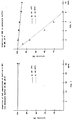
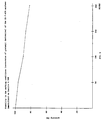
- Figure 3 shows the activity (in percentage of initial activity) against the hours of use in the enzymatic process at 25°C and pH 7.5.
- the use of the DAO enzyme obtained from Rhodotorula gracilis in purified form according to the present invention is therefore fundamental in obtaining glutaryl-7-aminocephalosporanic acid solutions particularly suitable for use as such without further purification, in the subsequent enzymatic process in the presence of acylase.
- the preparation of the immobilized enzyme required for the first stage of the present invention is essentially based on the following operating steps:
- the Rhodotorula gracilis is cultivated by aerobic fermentation.
- the culture broth components are those generally used for yeast production using nitrogen sources such as D and DL amino acids, peptones, yeast extracts, corn steep liquor etc; carbon sources such as glucose, saccharose, maltose and beet and sugar cane molasses; and mineral salts such as sodium chloride, calcium chloride, zinc sulphate, magnesium sulphate etc.
- a particularly suitable culture broth for the production of Rhodotorula gracilis cells of high DAO enzyme content has the following composition limits: NaCl 0.5 - 1 g/l K2HPO4 1 - 2 g/l MgSO4 0.5 - 1 g/l CaCl2 0.2 - 0.3 g/l ZnSO4 0.001 - 0.002 g/l FeCl3 0.002 - 0.003 g/l Corn steep liquor 0.5 - 1 g/l Glucose (or maltose) 20 - 30 g/l D-alanine (or DL-alanine) 4 - 8 g/l
- Fermentation is effected after sterilizing the broth at 120°C and cooling to 30°C, after which the inoculum in the form of a vegetative culture of Rhodotorula gracilis is introduced.
- the culture is kept stirring at 24-32°C, and aerated by balanced blowing of air at a rate of 0.5-1 volumes/volume of broth/minute.
- the pH of the medium is maintained between 4 and 6.5, preferably 5, by adding non-nitrogenated bases.
- the duration of fermentation can vary from 24 to 48 hours depending on the operating conditions such as composition of the culture medium, stirring, temperature.
- D-amino acid oxidase obtained from Rhodotorula gracilis is an endocellular enzyme.
- the cell paste is resuspended in water, raised to pH 6-9 (preferably 8) by adding NaOH and subjected to lysis using physical means (sonication) or to chemical treatment (addition of surfactants and water-immiscible solvents).
- a preferred method is to resuspend the cell paste in a medium buffered at pH 8 (preferably phosphate buffer with the addition of small quantities of alkaline bisulphite and a cationic surfactant such as cetylpyridinium chloride) and subjecting the suspension to multiple passage through a press at 550 bars or through a ball mill.
- a medium buffered at pH 8 preferably phosphate buffer with the addition of small quantities of alkaline bisulphite and a cationic surfactant such as cetylpyridinium chloride
- the cell lysate is then flocculated, clarified by centrifuging, concentrated by ultrafiltration and salted by adding ammonium sulphate.
- the salted precipitate which contains D-amino acid oxidase, is separated by filtration and resuspended in buffer solution at pH 8.
- a preferred method for purifying the enzyme obtained in this manner is chromatographic fractionation in a column with ion exchange resin having the diethylaminoethyl (DEAE) group as its ionizable function, such as Sepharose R (Pharmacia), Trisacryl R (IBF), Toyopearl R (Toso Haas), with 25 mM phosphate buffer of pH 8.
- ion exchange resin having the diethylaminoethyl (DEAE) group as its ionizable function, such as Sepharose R (Pharmacia), Trisacryl R (IBF), Toyopearl R (Toso Haas), with 25 mM phosphate buffer of pH 8.
- the interfering enzymes in particular the esterase, are retained by the column resin while the thus purified DAO passes directly into the percolate.
- the thus purified DAO is stable for 6 days at 4°C and for at least 6 months at -20°C, and can be used directly in the immobilization process.
- the method according to the present invention consists of immobilizing the D-amino acid oxidase on solid supports, generally commercial ion exchange resins.
- said types of resin are buffered at pH 6-9, preferably pH 8, with 0.1 M phosphate buffer.
- a solution of a bifunctional agent able to form cross-linkages between the enzymatic protein and the functionalized matrix is added to the buffered resin.
- Suitable bifunctional agents are aliphatic dialdehydes such as glutaraldehyde and malonaldehyde. Normally a solution of glutaraldehyde in phosphate buffer of pH 7-9, generally 8, is used at a concentration of 1-4%, generally 2%.
- the supernatant is separated by decantation and the DAO enzyme solution at a pH of 6-9, preferably 8, in 25 mM phosphate buffer is added to the wet resin.
- the resin with the immobilized enzyme is separated by filtration.
- the present invention also relates to the immobilization of DAO on:
- Table 1 shows the characteristics of the matrices used according to the present invention, the bonding capacity and the activity of the immobilized DAO.
- immobilized DAO is its stability, which allows it to be used for more than 200 hours in converting cephalosporanic compounds of type (I) into glutaryl derivatives (II) in the enzymatic process at 25°C, pH 7.5 (see Figure 3).
- the activity of the D-amino acid oxidase enzyme is evaluated by measuring the H2O2 quantity evolved on reacting the enzyme on a substrate of D-alanine in 100 mM phosphate buffer at pH 7.5 saturated with oxygen at 37°C.
- the H2O2 is determined kinetically using a peroxidase-based reactant, 4-aminophenazone and 2,4-dichlorophenolsulphonate by the modified Trinder reaction (J. Clin. Path. 22 , 246, 1969).
- the red colour which forms (quinonimine) is proportional to the hydrogen peroxide evolved in the test and is measured spectrophotometrically at 510 nm.
- One unit of D-amino acid oxidase is that quantity of enzyme (free or immobilized) which under the conditions used in the method produces one ⁇ mole of H2O2 per minute.
- the protein content of the enzymatic solutions is measured spectrophotometrically by the Bradford method (Anal. Biochem. 72 , 248, 1976) using Coomassie Brilliant Blue G250 against the standard bovine albumin curve.
- the second stage in the process of converting Cephalosporin C or its derivatives and salts into 7-aminocephalosporanic acid or derivatives is based on the use of a specific immobilized acylase to catalyze the deacylation of the glutaryl derivative (II).
- Gl-7-ACA acylase This enzyme, known hereinafter as Gl-7-ACA acylase (glutaryl-7-ACA acylase) is produced from cultures of genetically engineered microorganisms obtained from non- ⁇ -lactamase producing Escherichia coli collection strains in which the gene of Gl-7-ACA acylase isolated from any microorganism of the Acinetobacter species, the producer of this enzyme, has been cloned.
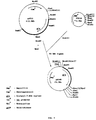
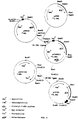
- Microorganisms which are particularly suitable for the production of Gl-7-ACA acylase are: E. Coli ATCC 9637 (p JC 200) and E. Coli P-3 (p JC 200) reg No. NCIMB 40433, descendants respectively of the E. Coli ATCC 9637 and E. Coli P-3 reg. NCIMB No. 40432, in which the Gl-7-ACA acylase gene obtained for example from the microorganism Acinetobacter ATCC 53891, the producer of this enzyme, has been cloned.
- the Gl-7-ACA acylase is purified of the esterase by column chromatography, the purified enzyme being immobilized on solid matrices.
- the enzymatic reaction can be schematically represented as follows: where R is -OCOCH3, -H, -OH, -OCONH2.
- the aqueous solution of glutaryl derivative (II) obtained in the first stage is used directly as substrate in this second stage as it does not require any preliminary purification given the high selectivity in the first conversion stage.
- the concentration of glutaryl derivative (II) in the solution can vary from 10 to 30 g/l.
- the enzymatic conversion is conducted by bringing the solution of glutaryl derivative (II) into contact with the Gl-7-ACA acylase enzyme immobilized on the solid support, operating at a temperature between 20 and 35°C.
- the pH of the glutaryl derivative solution is maintained between 7 and 9, preferably around 8, by adding inorganic or organic bases such as ammonium hydroxide, alkaline hydroxides, aliphatic amines such as triethylamine or buffer solutions of alkaline phosphate type.
- the conversion duration can vary from 30 to 120 minutes depending on the operating conditions.
- the enzymatic conversion can be conducted discontinuously by maintaining the immobilized enzyme dispersed in the solution of glutaryl derivative (II).
- a preferred method is to load the supported enzyme into a column (or several columns operating in series) and pass the substrate solution continuously through them.
- the 7-aminocephalosporanic acid or its derivatives is separated from the reaction solution obtained by crystallization, after acidifying to pH 3-3.5, depending on the isoelectric point of the final product, with inorganic acids such as hydrochloric, sulphuric or phosphoric acid.
- this immobilized enzyme Because of its insolubility in the reaction medium, this immobilized enzyme has the advantage of being easily recoverable from the reaction medium and usable a large number of times, this being a necessary and indispensable condition for an industrial process.
- a further important industrial advantage of the present invention is the fact that the ease of separation of the enzyme from the reaction mass also simplifies the recovery of the final product. Further important advantages obtained using the immobilized Gl-7-ACA acylase according to the present invention are the following:
- the preparation of the Gl-7-ACA acylase in accordance with the invention using cultures of microorganisms obtained by the recombinant DNA technique, comprises the following operational steps.
- the cloned E. coli is cultivated by aerobic fermentation.
- the medium is prepared using carbon sources such as glucose, saccharose, starch etc.; nitrogen sources such as amino acids, protein hydrolyzates, yeast extracts, corn steep liquor, soya meal; and mineral salts such as sodium chloride, potassium phosphates etc.
- Fermentation is effected after sterilizing the broth at 120°C and cooling to 21-28°C, after which chloramphenicol is sterilely introduced at 30 mg/l.
- the vegetative microorganism culture is added to the sterile broth containing the chloramphenicol.
- the culture which is kept stirring at a temperature of 21-28°C, is aerated by blowing air at a rate of 0.5-1 volume/volume of broth/minute.
- a typical broth composition within the experimental range is as follows: Sodium glutamate 3 - 8 g/l KH2PO4 0.5 - 1.5 g/l K2HPO4 3.1 - 8.4 g/l Collagen hydrolyzate 15 - 25 g/l Corn steep liquor 1 - 5 g/l Glucose 10 - 25 g/l Yeast extract 1 - 3 g/l Chloramphenicol 20 - 40 mg/l
- the fermentation time is 24-72 hours depending on the operating conditions, to obtain about 3000 U/I of Gl-7-ACA acylase.
- Gl-7-ACA acylase is an endocellular enzyme. After fermentation the culture broth is centrifuged and the cells subjected to chemical treatment (addition of water-insoluble solvents and surfactants) or physical treatment (press or ball mill) for lysis of the cell membrane.
- a preferred method is to resuspend the cell mass in an aqueous solution buffered at pH 8 by adding alkaline phosphates and then subject it to lysis in a Manton-Gaulin press at 500-600 bar.
- the cell lysate is flocculated by adding cationic polyelectrolytes and recentrifuged.
- the clarified liquid containing the crude enzyme is purified by ultrafiltration, salting and extraction with solvents insoluble in the aqueous phase.
- a preferred technique is to directly purify the clarified liquid after centrifuging, through a column containing ion exchange resin with the diethylaminoethyl group as the ionizable function (DEAE type).
- a chromatographic resin which has proved very effective is Sepharose ® DEAE fast flow (Pharmacia).
- Sepharose ® DEAE fast flow Pulacia
- the Gl-7-ACA acylase can be obtained in a particularly pure form free of esterase.
- the purified Gl-7-ACA acylase obtained in this manner is very stable. It shows no loss of activity after 10 days at 25°C or after 1 month at 4°C (see Figure 4).
- the method consists of immobilizing this enzyme on solid supports such as artificial polymers and inorganic materials which are insoluble in the aqueous environment used in the enzymatic conversion of the glutaryl derivative (II) to 7-aminocephalosporanic acid (III).
- Suitable resins for immobilizing the acylase are those of macroreticular strongly basic polystyrene structure type such as Amberlite ® 900 and Amberlite ® 904, or phenolformaldehyde resins with secondary or tertiary amino functional groups such as Duolite A 7 and Duolite ® A 568.
- the enzyme is brought into contact with the resin, immobilized on it and stabilized by a bifunctional agent of the aliphatic dialdehyde type such as glutaraldehyde, by means of cross-linkage bonds between the enzymatic protein and the matrix.
- a bifunctional agent of the aliphatic dialdehyde type such as glutaraldehyde
- resins suitable for immobilizing the acylase are those of polyacrylic structure crosslinked with divinylbenzene and functionalized with primary amino groups such as Duolite ® A 365.
- Gl-7-ACA acylase has also been immobilized on acrylic resins with epoxide functional groups such as Eupergit ® C (Röhm Pharma) or on inorganic supports such as alumina, and in particular alumina impregnated with a polyethyleneimine/glutaraldehyde complex such as UOP IFS-200 ® (UOP-USA).
- Table 2 shows the main characteristics of the matrices used and the corresponding immobilization data.
- Gl-7-ACA acylase Normally 20 U of Gl-7-ACA acylase are bound per gram of support to obtain the most favourable immobilization ratio and an activity after bonding sufficient to ensure good process operation in the transformation of the glutaryl derivatives into 7-aminocephalosporanic acids.
- the immobilized Gl-7-ACA acylase is very stable at 4° and 25°C. It can be used for more than 200 process hours in the conversion of cephalosporanic compounds of type (II) (glutaryl derivatives) into those of type (III) (7-ACA or derivatives), as is clear from the graph of Figure 6.
- the activity of the Gl-7-ACA acylase enzyme is evaluated by measuring the rate of hydrolysis of the glutaryl-7-ACA to 7-ACA in 0.1 M pH 7.8 phosphate buffer at 37°C.
- the 7-ACA is determined spectrophotometrically against a standard curve, by measuring at 410 nm the yellow colour (Schiff's base) which forms with the reagent p-dimethylaminobenzaldehyde using the modified Bulasingham method (Biochem. Biophys. Acta 276 , 250, 1972).
- One unit of acylase is defined as that quantity of enzyme (in solution or immobilized) which under the conditions of the method produces one ⁇ mole of 7-ACA in one minute.
- a 100 l fermenter is charged with 70 l of broth having the following composition: NaCl 0.5 g/l K2HPO4 1.5 g/l MgSO4.7H2O 1 g/l CaCl2 0.25 g/l ZnSO4 0.002 g/l FeCl3 0.003 g/l Glucose 2 5 g/l D-alanine 7 g/l
- the medium is adjusted to pH 5.6 with 2N H2SO4, sterilized at 120°C for 20 minutes and cooled to 30°C. It is inoculated with a vegetative culture of Rhodotorula gracilis ATCC 26217 and fermented for 28 hours at 30°C under stirring at 200 rpm and aeration at 0.5 1/l/min. During fermentation the pH is allowed to fall spontaneously to 5, at which it is maintained constant by automatic additions of 10% NaOH.
- the broth is centrifuged at 5000 g in a Westfalia chamber centrifuge.
- the suspension is cooled to 4°C and passed through a Manton-Gaulin press at 550 bars.
- the homogenized product (4.3 1) is flocculated by adding 20 ml of cationic polyelectrolyte (Nymco ® 2045C).
- the flocculate is clarified by filtering through Hyflo ® .
- the clarified product (4.9 1) is concentrated by ultrafiltration at 4°C through a polysulphonic membrane of MW 30,000.
- the precipitate is separated from the supernatant by centrifuge and redissolved in 300 ml of 25 mM pH 8 phosphate buffer containing 0.5 g/l of sodium metabisulphite.
- the solution (320 ml) is diafiltered by ultrafiltration through a membrane of MW 30,000.
- the diafiltrate (340 ml) contains the crude DAO in a concentration of 224 U/ml.
- the D-amino acid oxidase is purified by feeding the solution of crude enzyme through a Sepharose ® DEAE fast flow column (bed volume 800 ml, ⁇ 5 cm, h 40 cm) and eluting with the same 25 mM pH 8 phosphate buffer.
- the DAO is not retained by the resin but is only slowed down in its travel, and passes into the percolate.
- the interfering enzymes in particular the esterase, are not eluted with the 25 mM pH 8 buffer and are displaced only during the regeneration of the column with 0.5 M NaCl.
- the purified D-amino acid oxidase is collected in a volume of 1230 ml with an activity of 52 U/ml and a specific activity of 19 U/mg proteins.
- the total purification yield is 62%, corresponding to a total of 63920 U.
- the purified D-amino acid oxidase is stable for at least 6 days at 4°C and for at least 6 months at -20°C.
- 35 g of Duolite ® A 365 resin with a particle size of 100-200 ⁇ m are treated with 0.5 l of 100 mM pH 8 potassium phosphate buffer. After 15 minutes of stirring the pH is adjusted by sequential additions of 10% H3PO4 (6 ml). When the pH is constant at 8 the supernatant is removed by filtration. 400 ml of 2% glutaraldehyde in 25 mM pH 8 potassium phosphate buffer are added to the wet resin. It is left stirring for 30 minutes at a temperature of 20-25°C, after which the supernatant is separated by filtration to obtain a wet solid mass.
- the product is filtered and the wet mass washed with 0.5 M NaCl in 25mM pH 8 potassium phosphate buffer and then with 25mM pH 7.5 potassium phosphate buffer.
- Example 2 80 ml of a D-amino acid oxidase solution (45 U/ml; 17 U/mg proteins) purified as in Example 2 are diluted with 80 ml of 1 M pH 7.5 potassium phosphate buffer.
- Cephalosporin C sodium salt dihydrate (purity 90.9%) are dissolved in 2 l of pH 8 potassium phosphate buffer at a concentration of 25 mM containing 0.5 g of sodium metabisulphite.
- the Cephalosporin C solution is fed into a 3 litre reactor with 150 g of wet D-amino acid oxidase immobilized on Duolite A 365 as in Example 3.
- Incubation is conducted at 25°C under slight stirring and with an oxygen flow through a bottom diffuser of 1 vol/vol/min.
- ketoadipyl-7-ACA To transform the residual ketoadipyl-7-ACA to glutaryl-7-ACA, the solution obtained after incubation is separated from the immobilized enzyme mass by filtration. 10 ml of 3.5% hydrogen peroxide are added under stirring, for each litre of filtrate. The mixture is left for 15 minutes at 25°C after which 0.5 g of sodium pyruvate are added.
- the percentage composition on termination of treatment is: Glutaryl-7-ACA 95.5% Ketoadipyl-7-ACA 0.1% Glutaryl-7-ACA desacetyl 1.1% Glutaryl-7-ACA desacetoxy 0.9% Glutaryl-7-ACA sulphoxide 1.5% Other ⁇ -lactams 0.9%
- the enzymatic load was tested for 100 cycles over periods of 75-120 minutes.
- the entire system which operates continuously with the columns connected in series, is temperature-controlled at 25°C and maintained at 3 bar with oxygen injection after each column.
- the Cephalosporin C residue is about 1%, the conversion to glutaryl-7-ACA being 92% of the stoichiometric (11.2 g/l).
- the solution is separated from the immobilized enzyme by filtration.
- the final composition of the transformation product is: Glutaryl-7-ACA 96.1% Glutaryl-7-ACA desacetyl 0.9% Glutaryl-7-ACA desacetoxy 0.7% Glutaryl-7-ACA sulphoxide 0.8% Other ⁇ -lactams 1.5%
- the enzymatic load was tested for 100 cycles. Total production was 4700 g of glutaryl-7-ACA equivalent to 31 g/g of immobilized enzyme.
- This cephalosporin solution is pumped through a column temperature-controlled at 25°C and containing 20 g of D-amino acid oxidase immobilized on UOP IPS-200 ® ( ⁇ 3 cm; h 4 cm; bed volume 28 ml). The flow rate is maintained at 50 ml/min.
- the solution leaving the column is collected in a vessel and oxygenated via an oxygen diffuser, corrected to pH 7.5 and recycled for two hours.
- the solution (100 ml) is treated with 1 ml of 3.5% H2O2 and after 15 minutes with 50 mg of sodium pyruvate.
- the percentage composition of the transformation product is: Glutaryl-7-ACA 93.4% Glutaryl-7-ACA desacetyl 1.8% Glutaryl-7-ACA desacetoxy 0.6% Glutaryl-7-ACA sulphoxide 1.4% Other ⁇ -lactams 2.8%
- the experiment was conducted for 60 cycles with a total glutaryl-7-ACA production of 280 g, equivalent to 14 g/g of immobilized enzyme.
- Example 9 1 kg of cell paste (92766 U of Gl-7-ACA acylase) obtained as described in Example 9 are dispersed in 2 litres of 25 mM pH 8 potassium phosphate buffer. The suspension is cooled to 4°C and passed twice through a Manton-Gaulin press at 550 bar. The lysate is made up to 6 litres with 25 mM pH 8 potassium phosphate buffer and flocculated by adding 6 ml of Nymco ® 2045 C cationic polyelectrolyte. The flocculate is clarified by centrifuging at 6000 g.
- the clarified product is concentrated by ultrafiltration through a polysulphonic membrane of MW 50000.
- the Gl-7-ACA acylase is eluted in a volume of 2170 ml with the same buffer to which 0.15 M of NaCl has been added.
- the purified enzyme has an activity of 20.3 U/ml and a specific activity of 2.6 U/mg proteins.
- E.coli P-3 having registration number NCIMB 40432 (non- ⁇ -lactamase producing microorganism) has been cloned with the gene of Gl-7-ACA acylase isolated from the Acinetobacter species having registration number ATCC 53891.
- the E. coli P-3 (pJC200) registration No. NCIMB 40433 thus obtained is fermented in medium TB (see Maniatis et al. mentioned in example 9) during 48 hours at 21°C. After sedimentation of the cells the enzyme Gl-7-ACA acylase is separated from cell paste through sonication.
- the activity of the Gl-7-ACA acylase thus obtained results to be 2U/mg proteins.
- the product is then filtered and the wet mass washed with 500 ml of 0.5 M NaCl in 25 mM pH 8 potassium phosphate buffer, and then with the same buffer but without the sodium chloride.
- the immobilized enzyme is stored under 25 mM pH 8 potassium phosphate buffer and is stable for at least one month at 25°C and 6 months at 4°C.
- the wet immobilized enzyme mass (22 g) has an activity of 14 U/g, equivalent to 75% of the initial enzyme fed to the reaction.
- the solution has the following composition: 7-ACA 85.80% Glutaryl-7-ACA 9.04% 7-ACA desacetyl 1.70% 7-ACA desacetoxy 0.80% 7-ACA sulphoxide 1.70% Cephalosporin C 0.12% Ketoadipyl-7-ACA 0.14%
- the 7-ACA production after 200 hours is 5480 g.
- the total transformation yield is 83.5%.
- the 7-ACA crystal is recovered as follows: 10 l of solution leaving the fifth column are adjusted to pH 6 with 2M HCl and concentrated by osmosis at 4°C to a volume of 4.5 l, The pH of the concentrate is adjusted to 3.5 and the crystal recovered by filtration.
- the system is incubated under stirring at 25°C maintaining the pH at 8 by automatic addition of 5% ammonia.
- the pH is maintained constant at 7.8 by automatic addition of 5% ammonia. After 60 minutes 93% of the glutaryl-7-ACA has been transformed into 7-ACA.
Landscapes
- Chemical & Material Sciences (AREA)
- Organic Chemistry (AREA)
- Life Sciences & Earth Sciences (AREA)
- Wood Science & Technology (AREA)
- Zoology (AREA)
- Engineering & Computer Science (AREA)
- Health & Medical Sciences (AREA)
- Genetics & Genomics (AREA)
- Bioinformatics & Cheminformatics (AREA)
- Biochemistry (AREA)
- General Engineering & Computer Science (AREA)
- Microbiology (AREA)
- Biotechnology (AREA)
- General Health & Medical Sciences (AREA)
- General Chemical & Material Sciences (AREA)
- Chemical Kinetics & Catalysis (AREA)
- Medicinal Chemistry (AREA)
- Molecular Biology (AREA)
- Proteomics, Peptides & Aminoacids (AREA)
- Biomedical Technology (AREA)
- Preparation Of Compounds By Using Micro-Organisms (AREA)
- Immobilizing And Processing Of Enzymes And Microorganisms (AREA)
- Enzymes And Modification Thereof (AREA)
- Cephalosporin Compounds (AREA)
Abstract
Description
- This invention relates to a process for the enzymatic production of 7-aminocephalosporanic acids or derivatives from Cephalosporin C or its derivatives. More particularly, the process relates to the transformation of Cephalosporin C or its derivatives and salts into 7-aminocephalosporanic acid or its derivatives by a two stage enzymatic process with enzymes immobilized on a solid matrix. 7-aminocephalosporanic acid (7-ACA) is a known important intermediate in the production of antibiotics of the Cephalosporin family.
- The conversion of Cephalosporin C into 7-ACA has been known for some time and can be effected either by a chemical hydrolysis process (see Belgian patent 615955) or by an enzymatic process.
- The chemical process involves the use of very toxic and pollutant reactants (chlorinated solvents, chlorosilanes, dimethylaniline) and severe operating conditions (very low temperatures such as -50°C).
- Known enzymatic processes can be divided into two groups, namely those in which the operation is conducted in a single stage using an enzyme in the form of an acylase active on Cephalosporin C, obtained for example from a Pseudomonas culture (EP 275901), and those conducted in two stages.
- In this latter method the first stage involves the enzymatic conversion of Cephalosporin C into glutaryl-7-aminocephalosporanic acid using D-amino acid oxidase (DAO; EC-1.4.3.3) obtained from cultures of various microorganisms such as Trigonopsis variabilis, Aspergillus, Penicillium, Neurospora, Pseudomonas, Cephalosporium. as described in the patents BE 736934, DT 2219454, FR 2133927, JP 52.125696 and JP 52.128295.
- In the second stage, the aforesaid glutaryl derivative is hydrolyzed to 7-ACA using a specific acylase obtained from Comamonas, Pseudomonas (G.B. 1.490.634) or Arthrobacter (JP 52.128293) bacterial cultures.
- The process according to the present invention represents innovative technical progress over known two-stage processes by virtue of the considerable yields obtained. This advantage is obtained by adopting particular expedients and operating conditions and by the use of highly selective enzymes purified and immobilized on solid matrices insoluble in the reaction medium.
- The process can be represented as follows:
-

-

- According to the present invention the enzymatic conversion does not use enzymes in the form of a cell mass or aqueous solution, but instead said enzymes are transformed into an immobilized solid form insoluble in an aqueous medium, which is particularly suitable for the industrial conversion of Cephalosporin C into 7-aminocephalosporanic acid (R = -OCOCH₃).
- Because of their insolubility in the reaction medium, these immobilized enzymes have the advantage of being easily recoverable from the reaction medium and usable a large number of times, this being a necessary and indispensable condition for an industrial process.
- A further important industrial advantage of the present invention is the fact that the ease of recovery of the enzyme from the reaction mass not only simplifies the recovery of the final product but also enables the reaction solution obtained in the first stage to be used directly in the second stage. These advantages therefore enable the process to be conducted continuously with a single liquid stream from one enzymatic stage to the other.
- The first process stage in the conversion of the cephalosporanic compound (I) according to the present invention is based on the use of a particularly specific D-amino acid oxidase (DAO) for the oxidative deamination reaction on the D-aminoadipic chain.
- The enzyme used in the process of the invention is obtained from Rhodotorula gracilis ATCC 26217 cultures.
- The enzyme is isolated from the culture obtained by fermentation, purified of interfering enzymes and subjected to an immobilization process to obtain a form insoluble in an aqueous medium and to increase its stability.
- The enzymatic conversion of the compound (I) into the glutaryl derivative (II) is conducted in aqueous solution maintaining a suitable pH value by adding basic reagents.
- The pH can vary from 7 to 8.5. However because of the instability of cephalosporanic compounds in an alkaline environment it is preferable to operate at pH 7.5. The reaction temperature can vary from 20 to 30°C, and is normally 25°C.
- The enzymatic conversion must be effected in the presence of air or oxygen by blowing these gases into the aqueous solution. The gas flow can vary from 0.5 to 1 volume/volume of solution/minute. The concentration of the initial substrate (I) can vary from 20 to 100 g/l. In the particular case of Cephalosporin C its crystallized sodium or potassium salt can be used, or alternatively direct use can be made of their purified solutions as obtained from the recovery of the fermentation broths before the final crystallization step.
- The immobilized enzyme according to the present invention is used in fine granular form and is maintained in suspension by mechanical stirring or with the aid of the air or oxygen flow. Alternatively the conversion can be effected by a continuous process by loading the immobilized enzyme into a percolation column and passing through it the substrate solution kept saturated with oxygen at a constant pH of 7.5.
- The time required for complete transformation is of the order of 0.5-3 hours depending on the operating conditions. The conversion yield to the glutaryl derivative is high, and normally around 90%. At the end of the reaction the product still contains some 5-ketoadipyl-7-aminocephalosporanic acid (IV):

- According to the present invention, this ketoadipyl derivative (IV) can be further converted into glutaryl derivative (II) by adding to the aqueous reaction solution, after separating the immobilized DAO enzyme, a quantity of H₂O₂ stoichiometric with respect to the compound to be transformed, and allowing them to react at a temperature of 20-25°C for a time of between 10 and 15 minutes. An excess of H₂O₂ can be used in order to reduce the reaction time.
- The excess H₂O₂ is then eliminated before passing to the next stage by means of a suitable reducing agent such as pyruvic acid or its salts or alkaline sulphites.
- This practically complete elimination of the said compound (IV) not only results in a final glutaryl derivative yield of around 95% but represents a great advantage for the subsequent enzymatic hydrolysis step. In this respect, hydrolysis with Gl-7-ACA acylase is specific for the glutaryl derivatives and does not recognise the ketoadipyl derivatives (IV), which then remain as undesirable impurities in the final product.
- As already stated, an aspect of the invention is the use of a DAO enzyme produced from Rhodotorula gracilis ATCC 26217. This is an FAD dependent enzyme (flavoprotein) of endocellular nature, as is that obtainable from Trigonopsis variabilis, the source most cited in the technical literature. DAO produced from Rhodotorula gracilis is however characterised by a more stable bond with the FAD, as is apparent from the low dissociation constant, ie 2.2 x 10⁻⁸ M.
- DAO produced from Rhodotorula gracilis differs considerably not only in the physico-chemical properties of the enzymatic protein but also in the set of inhibitors and the specificity on D-amino acids taken as substrate [Pilone Simonetta M. et al., Eur. J. Biochem. 180, 199 (1989); Kubicek-Pranz E.M. et al., J. of Appl. Biochem. 7, 104 (1985)].
- In particular, DAO from Rhodotorula gracilis has excellent specificity for Cephalosporin C with Km and Vmax values very similar to those encountered for D-alanine, which is the specific substrate for this enzyme.
- The present invention enables the D-amino acid oxidase enzyme to be obtained from Rhodotorula gracilis cultures by a simple column fractionation method in purified form and practically free of catalase, esterase and β-lactamase, ie the enzymes normally present in crude DAO solutions and which interfere in the enzymatic transformation of Cephalosporin C into glutaryl-7-aminocephalosporanic acids in that:
- catalase destroys the H₂O₂, with consequent blockage of decarboxylation and stoppage of the reaction to ketoadipyl derivatives;
- esterase, in compounds of type (I) in which R = OCOCH₃, leads to the formation of undesirable desacetyl derivatives;
- β-lactamase hydrolyzes the β-lactam ring with destruction of the cephalosporanic structure.
- The DAO solutions obtained in this manner are therefore valid in terms of purity and catalytic functionality, but as in the case of all DAOs in solution are not very stable, and in this form have little industrial interest. The immobilized forms obtained according to the invention have however very high stability and are industrially valid for the production of glutaryl-7-aminocephalosporanic acids.
- In this respect reference should be made to the stability diagram for immobilized DAO in Figure 1 compared with that of Figure 2 for the enzyme in aqueous solution.
- In addition, the immobilized DAO according to the invention maintains high activity under the operating conditions of the process of oxidative deamination of Cephalosporin C or its derivatives for a very long period and therefore for a large number of operations. In this respect reference should be made to the diagram of Figure 3 which shows the activity (in percentage of initial activity) against the hours of use in the enzymatic process at 25°C and pH 7.5.
- The use of the DAO enzyme obtained from Rhodotorula gracilis in purified form according to the present invention is therefore fundamental in obtaining glutaryl-7-aminocephalosporanic acid solutions particularly suitable for use as such without further purification, in the subsequent enzymatic process in the presence of acylase.
- The preparation of the immobilized enzyme required for the first stage of the present invention is essentially based on the following operating steps:
- 1 - fermentation to produce Rhodotorula gracilis ATCC 26217 cells;
- 2 - extraction and purification of the D-amino acid oxidase enzyme from the Rhodotorula gracilis cells;
- 3 - immobilization of the D-amino acid oxidase on water-insoluble solid matrices;
- The Rhodotorula gracilis is cultivated by aerobic fermentation. The culture broth components are those generally used for yeast production using nitrogen sources such as D and DL amino acids, peptones, yeast extracts, corn steep liquor etc; carbon sources such as glucose, saccharose, maltose and beet and sugar cane molasses; and mineral salts such as sodium chloride, calcium chloride, zinc sulphate, magnesium sulphate etc. A particularly suitable culture broth for the production of Rhodotorula gracilis cells of high DAO enzyme content has the following composition limits:
NaCl 0.5 - 1 g/l K₂HPO₄ 1 - 2 g/l MgSO₄ 0.5 - 1 g/l CaCl₂ 0.2 - 0.3 g/l ZnSO₄ 0.001 - 0.002 g/l FeCl₃ 0.002 - 0.003 g/l Corn steep liquor 0.5 - 1 g/l Glucose (or maltose) 20 - 30 g/l D-alanine (or DL-alanine) 4 - 8 g/l - Fermentation is effected after sterilizing the broth at 120°C and cooling to 30°C, after which the inoculum in the form of a vegetative culture of Rhodotorula gracilis is introduced. The culture is kept stirring at 24-32°C, and aerated by balanced blowing of air at a rate of 0.5-1 volumes/volume of broth/minute. The pH of the medium is maintained between 4 and 6.5, preferably 5, by adding non-nitrogenated bases. The duration of fermentation can vary from 24 to 48 hours depending on the operating conditions such as composition of the culture medium, stirring, temperature.
- D-amino acid oxidase obtained from Rhodotorula gracilis is an endocellular enzyme.
- On termination of fermentation the culture broth is therefore centrifuged to separate and recover the corpusculate.
- The cell paste is resuspended in water, raised to pH 6-9 (preferably 8) by adding NaOH and subjected to lysis using physical means (sonication) or to chemical treatment (addition of surfactants and water-immiscible solvents).
- A preferred method is to resuspend the cell paste in a medium buffered at pH 8 (preferably phosphate buffer with the addition of small quantities of alkaline bisulphite and a cationic surfactant such as cetylpyridinium chloride) and subjecting the suspension to multiple passage through a press at 550 bars or through a ball mill.
- The cell lysate is then flocculated, clarified by centrifuging, concentrated by ultrafiltration and salted by adding ammonium sulphate. The salted precipitate, which contains D-amino acid oxidase, is separated by filtration and resuspended in buffer solution at
pH 8. - In this manner a solution is obtained consisting of crude enzyme accompanied by small quantities of the interfering enzymes, ie catalase, esterase and β-lactamase. The crude enzyme is then purified by known methods.
- A preferred method for purifying the enzyme obtained in this manner is chromatographic fractionation in a column with ion exchange resin having the diethylaminoethyl (DEAE) group as its ionizable function, such as SepharoseR (Pharmacia), TrisacrylR (IBF), ToyopearlR (Toso Haas), with 25 mM phosphate buffer of
pH 8. - The interfering enzymes, in particular the esterase, are retained by the column resin while the thus purified DAO passes directly into the percolate.
- In this manner an enzyme is obtained with a specific activity of 15-20 U/mg of protein and free of undesired catalytic activity.
- The thus purified DAO is stable for 6 days at 4°C and for at least 6 months at -20°C, and can be used directly in the immobilization process.
- The method according to the present invention consists of immobilizing the D-amino acid oxidase on solid supports, generally commercial ion exchange resins.
- The immobilization of enzymes on ion exchange resins has been long known but has never been described or studied for DAO produced from Rhodotorula gracilis.
- The following are used as matrices in the present invention:
- strongly basic resins of macroreticular polystyrene structure with a quaternary amine function, such as Amberlite® IRA 900 (Röhm and Haas);
- weakly basic resins of macroreticular polystyrene structure with a primary amino function such as Duolite® A 365 (Röhm and Haas);
- medium basicity resins of polycondensed phenolformaldehyde structure with secondary and tertiary amine functional groups such as Duolite® A 568 or Duolite® A 7 (Röhm and Haas).
- According to the present invention said types of resin are buffered at pH 6-9, preferably
pH 8, with 0.1 M phosphate buffer. A solution of a bifunctional agent able to form cross-linkages between the enzymatic protein and the functionalized matrix is added to the buffered resin. Suitable bifunctional agents are aliphatic dialdehydes such as glutaraldehyde and malonaldehyde. Normally a solution of glutaraldehyde in phosphate buffer of pH 7-9, generally 8, is used at a concentration of 1-4%, generally 2%. After 15-60 minutes at a temperature of between 4°C and 30°C, preferably 30 minutes at 20°C, the supernatant is separated by decantation and the DAO enzyme solution at a pH of 6-9, preferably 8, in 25 mM phosphate buffer is added to the wet resin. After contact for 2-24 hours at a temperature of 4-20°C, normally 12 hours at 4°C, the resin with the immobilized enzyme is separated by filtration. - The present invention also relates to the immobilization of DAO on:
- matrices of polyacrylic structure and in particular with epoxide terminal groups such as Eupergit CR (Röhm-Pharma);
- inorganic matrices such as porous alumina impregnated with a complex of polyethylenimine and glutaraldehyde such as UOP IPS-200R (UOP-USA).
- Table 1 shows the characteristics of the matrices used according to the present invention, the bonding capacity and the activity of the immobilized DAO.
- For each matrix three immobilization tests are shown, conducted with increasing quantities of enzyme to attain complete saturation of the support. With the support saturated the best activity after binding is of the order of 50-75 U/g wet.
- Normally 200 U are bound per gram of wet support so that attachment is complete, the activity after binding being around 40-50 U/g wet and the functionality, in terms of activity of the immobilized enzyme as a percentage of the activity of the corresponding free enzyme, being 20-30%.
- The great advantage of immobilized DAO is its stability, which allows it to be used for more than 200 hours in converting cephalosporanic compounds of type (I) into glutaryl derivatives (II) in the enzymatic process at 25°C, pH 7.5 (see Figure 3).
- The activity of the D-amino acid oxidase enzyme is evaluated by measuring the H₂O₂ quantity evolved on reacting the enzyme on a substrate of D-alanine in 100 mM phosphate buffer at pH 7.5 saturated with oxygen at 37°C.
- The H₂O₂ is determined kinetically using a peroxidase-based reactant, 4-aminophenazone and 2,4-dichlorophenolsulphonate by the modified Trinder reaction (J. Clin. Path. 22, 246, 1969). The red colour which forms (quinonimine) is proportional to the hydrogen peroxide evolved in the test and is measured spectrophotometrically at 510 nm.
- One unit of D-amino acid oxidase is that quantity of enzyme (free or immobilized) which under the conditions used in the method produces one µmole of H₂O₂ per minute.
- The protein content of the enzymatic solutions is measured spectrophotometrically by the Bradford method (Anal. Biochem. 72, 248, 1976) using Coomassie Brilliant Blue G250 against the standard bovine albumin curve.
- The second stage in the process of converting Cephalosporin C or its derivatives and salts into 7-aminocephalosporanic acid or derivatives is based on the use of a specific immobilized acylase to catalyze the deacylation of the glutaryl derivative (II).
- This enzyme, known hereinafter as Gl-7-ACA acylase (glutaryl-7-ACA acylase) is produced from cultures of genetically engineered microorganisms obtained from non-β-lactamase producing Escherichia coli collection strains in which the gene of Gl-7-ACA acylase isolated from any microorganism of the Acinetobacter species, the producer of this enzyme, has been cloned.
- The preparation of these microorganisms by the recombinant DNA technique is the subject of Spanish patent application No. 9002109 of 3 August 1990 in the name of Antibioticos S.A., an associate of the applicant of the present patent application, Antibioticos S.p.A. Microorganisms which are particularly suitable for the production of Gl-7-ACA acylase are: E. Coli ATCC 9637 (p JC 200) and E. Coli P-3 (p JC 200) reg No. NCIMB 40433, descendants respectively of the E. Coli ATCC 9637 and E. Coli P-3 reg. NCIMB No. 40432, in which the Gl-7-ACA acylase gene obtained for example from the microorganism Acinetobacter ATCC 53891, the producer of this enzyme, has been cloned.
- Optimization of the fermentation conditions with this microorganism has enabled high productivity of Gl-7-ACA acylase without β-lactamase and only small quantities of esterase to be obtained.
- With the present invention the Gl-7-ACA acylase is purified of the esterase by column chromatography, the purified enzyme being immobilized on solid matrices.
- The enzymatic reaction can be schematically represented as follows:

- In this second stage the aqueous solution of glutaryl derivative (II) obtained in the first stage is used directly as substrate in this second stage as it does not require any preliminary purification given the high selectivity in the first conversion stage.
- The concentration of glutaryl derivative (II) in the solution can vary from 10 to 30 g/l.
- The enzymatic conversion is conducted by bringing the solution of glutaryl derivative (II) into contact with the Gl-7-ACA acylase enzyme immobilized on the solid support, operating at a temperature between 20 and 35°C. During the operation the pH of the glutaryl derivative solution is maintained between 7 and 9, preferably around 8, by adding inorganic or organic bases such as ammonium hydroxide, alkaline hydroxides, aliphatic amines such as triethylamine or buffer solutions of alkaline phosphate type.
- The conversion duration can vary from 30 to 120 minutes depending on the operating conditions.
- The enzymatic conversion can be conducted discontinuously by maintaining the immobilized enzyme dispersed in the solution of glutaryl derivative (II).
- A preferred method is to load the supported enzyme into a column (or several columns operating in series) and pass the substrate solution continuously through them.
- The 7-aminocephalosporanic acid or its derivatives is separated from the reaction solution obtained by crystallization, after acidifying to pH 3-3.5, depending on the isoelectric point of the final product, with inorganic acids such as hydrochloric, sulphuric or phosphoric acid.
- An important innovation over the known art is that said enzyme, besides being obtained in very pure form, is not used in the form of a cell mass or aqueous solution, but is transformed into an immobilized solid form insoluble in an aqueous environment which is particularly suitable for the industrial conversion of glutaryl-7-aminocephalosporanic acid into 7-ACA.
- Because of its insolubility in the reaction medium, this immobilized enzyme has the advantage of being easily recoverable from the reaction medium and usable a large number of times, this being a necessary and indispensable condition for an industrial process.
- All these advantages make it possible to conduct the process either operating batchwise in a stirred reactor with the enzyme maintained in suspension, or operating with fixed bed columns through which the glutaryl-7-aminocephalosporanic acid obtained directly in the first stage is passed continuously.
- A further important industrial advantage of the present invention is the fact that the ease of separation of the enzyme from the reaction mass also simplifies the recovery of the final product. Further important advantages obtained using the immobilized Gl-7-ACA acylase according to the present invention are the following:
- the high selectivity of the immobilized enzyme leads to high conversions and yields, generally of the order of 80-90%, resulting in a final product of high purity and thus not requiring laborious purification procedures;
- in contrast to enzymes in the form of a cell paste or aqueous solution, the immobilized enzyme because of its insolubility does not release impurities into the reaction medium which could result in coloration or a lowering in purity of the final product.
- The preparation of the Gl-7-ACA acylase in accordance with the invention, using cultures of microorganisms obtained by the recombinant DNA technique, comprises the following operational steps.
-
- a) preparing plasmids;
- b) preparing the DNA donor containing the genetic information relative to the production of Gl-7-ACA acylase;
- c) inserting the DNA donor fragments into the plasmids of point a);
- d) selecting the carrier plasmids for the Gl-7-ACA acylase gene;
- e) constructing the final vector;
- f) transforming the non-β-lactamase producing E. coli strains with the vector of point e).
- The cloned E. coli is cultivated by aerobic fermentation. The medium is prepared using carbon sources such as glucose, saccharose, starch etc.; nitrogen sources such as amino acids, protein hydrolyzates, yeast extracts, corn steep liquor, soya meal; and mineral salts such as sodium chloride, potassium phosphates etc.
- Fermentation is effected after sterilizing the broth at 120°C and cooling to 21-28°C, after which chloramphenicol is sterilely introduced at 30 mg/l.
- The vegetative microorganism culture is added to the sterile broth containing the chloramphenicol.
- The culture, which is kept stirring at a temperature of 21-28°C, is aerated by blowing air at a rate of 0.5-1 volume/volume of broth/minute.
- By way of example, a typical broth composition within the experimental range is as follows:
Sodium glutamate 3 - 8 g/l KH₂PO₄ 0.5 - 1.5 g/l K₂HPO₄ 3.1 - 8.4 g/l Collagen hydrolyzate 15 - 25 g/l Corn steep liquor 1 - 5 g/l Glucose 10 - 25 g/l Yeast extract 1 - 3 g/l Chloramphenicol 20 - 40 mg/l - The fermentation time is 24-72 hours depending on the operating conditions, to obtain about 3000 U/I of Gl-7-ACA acylase.
- Gl-7-ACA acylase is an endocellular enzyme. After fermentation the culture broth is centrifuged and the cells subjected to chemical treatment (addition of water-insoluble solvents and surfactants) or physical treatment (press or ball mill) for lysis of the cell membrane.
- A preferred method is to resuspend the cell mass in an aqueous solution buffered at
pH 8 by adding alkaline phosphates and then subject it to lysis in a Manton-Gaulin press at 500-600 bar. The cell lysate is flocculated by adding cationic polyelectrolytes and recentrifuged. - The clarified liquid containing the crude enzyme is purified by ultrafiltration, salting and extraction with solvents insoluble in the aqueous phase.
- A preferred technique is to directly purify the clarified liquid after centrifuging, through a column containing ion exchange resin with the diethylaminoethyl group as the ionizable function (DEAE type).
- A chromatographic resin which has proved very effective is Sepharose® DEAE fast flow (Pharmacia). By eluting with scalar quantities of sodium chloride the Gl-7-ACA acylase can be obtained in a particularly pure form free of esterase.
- The purified Gl-7-ACA acylase obtained in this manner is very stable. It shows no loss of activity after 10 days at 25°C or after 1 month at 4°C (see Figure 4).
- The method consists of immobilizing this enzyme on solid supports such as artificial polymers and inorganic materials which are insoluble in the aqueous environment used in the enzymatic conversion of the glutaryl derivative (II) to 7-aminocephalosporanic acid (III).
- Suitable resins for immobilizing the acylase are those of macroreticular strongly basic polystyrene structure type such as Amberlite® 900 and Amberlite® 904, or phenolformaldehyde resins with secondary or tertiary amino functional groups such as
Duolite A 7 and Duolite® A 568. - According to the present invention the enzyme is brought into contact with the resin, immobilized on it and stabilized by a bifunctional agent of the aliphatic dialdehyde type such as glutaraldehyde, by means of cross-linkage bonds between the enzymatic protein and the matrix.
- Other resins suitable for immobilizing the acylase are those of polyacrylic structure crosslinked with divinylbenzene and functionalized with primary amino groups such as Duolite® A 365. Gl-7-ACA acylase has also been immobilized on acrylic resins with epoxide functional groups such as Eupergit® C (Röhm Pharma) or on inorganic supports such as alumina, and in particular alumina impregnated with a polyethyleneimine/glutaraldehyde complex such as UOP IFS-200® (UOP-USA).
- Table 2 shows the main characteristics of the matrices used and the corresponding immobilization data.
- In the chosen range of 10-20 U of enzyme per g of wet support the attachment is practically complete, and the functionality of the immobilized enzyme is 70-80% expressed as percentage activity of the free enzyme.
- Normally 20 U of Gl-7-ACA acylase are bound per gram of support to obtain the most favourable immobilization ratio and an activity after bonding sufficient to ensure good process operation in the transformation of the glutaryl derivatives into 7-aminocephalosporanic acids.
- As the graph of Figure 5 shows, the immobilized Gl-7-ACA acylase is very stable at 4° and 25°C. It can be used for more than 200 process hours in the conversion of cephalosporanic compounds of type (II) (glutaryl derivatives) into those of type (III) (7-ACA or derivatives), as is clear from the graph of Figure 6.
- The activity of the Gl-7-ACA acylase enzyme is evaluated by measuring the rate of hydrolysis of the glutaryl-7-ACA to 7-ACA in 0.1 M pH 7.8 phosphate buffer at 37°C. The 7-ACA is determined spectrophotometrically against a standard curve, by measuring at 410 nm the yellow colour (Schiff's base) which forms with the reagent p-dimethylaminobenzaldehyde using the modified Bulasingham method (Biochem. Biophys. Acta 276, 250, 1972).
- One unit of acylase is defined as that quantity of enzyme (in solution or immobilized) which under the conditions of the method produces one µ mole of 7-ACA in one minute.
- The following examples and preparations are given to illustrate the implementation of both the first and second stages of the enzymatic process of the invention.
- A 100 l fermenter is charged with 70 l of broth having the following composition:
NaCl 0.5 g/l K₂HPO₄ 1.5 g/l MgSO₄.7H₂O 1 g/l CaCl₂ 0.25 g/l ZnSO₄ 0.002 g/l FeCl₃ 0.003 g/ l Glucose 2 5 g/l D-alanine 7 g/l - The medium is adjusted to pH 5.6 with 2N H₂SO₄, sterilized at 120°C for 20 minutes and cooled to 30°C. It is inoculated with a vegetative culture of Rhodotorula gracilis ATCC 26217 and fermented for 28 hours at 30°C under stirring at 200 rpm and aeration at 0.5 1/l/min. During fermentation the pH is allowed to fall spontaneously to 5, at which it is maintained constant by automatic additions of 10% NaOH.
- At the end of fermentation 72 l of culture broth are obtained with OD₆₆₀ = 39 and a D-amino acid oxidase activity of 4600 U/l.
- The broth is centrifuged at 5000 g in a Westfalia chamber centrifuge.
- 3.1 kg of cell paste are obtained (moisture about 80%) corresponding to 320,000 U of D-amino acid oxidase.
- 1 kg of cell paste (103,000 U of DAO) obtained as described in Example 1 is dispersed in 3 litres of 25
mM pH 8 phosphate buffer containing 0.5 g/l of sodium metabisulphite and 0.5 g/l of cetylpyridinium chloride. - The suspension is cooled to 4°C and passed through a Manton-Gaulin press at 550 bars.
- The homogenized product (4.3 1) is flocculated by adding 20 ml of cationic polyelectrolyte (Nymco® 2045C). The flocculate is clarified by filtering through Hyflo®. The clarified product (4.9 1) is concentrated by ultrafiltration at 4°C through a polysulphonic membrane of MW 30,000.
- 262 g of ammonium sulphate are added to the concentrate obtained by ultrafiltration (0.750 l).
- The precipitate is separated from the supernatant by centrifuge and redissolved in 300 ml of 25
mM pH 8 phosphate buffer containing 0.5 g/l of sodium metabisulphite. - The solution (320 ml) is diafiltered by ultrafiltration through a membrane of MW 30,000.
- The diafiltrate (340 ml) contains the crude DAO in a concentration of 224 U/ml.
- The D-amino acid oxidase is purified by feeding the solution of crude enzyme through a Sepharose® DEAE fast flow column (bed volume 800 ml, φ 5 cm,
h 40 cm) and eluting with the same 25mM pH 8 phosphate buffer. The DAO is not retained by the resin but is only slowed down in its travel, and passes into the percolate. - The interfering enzymes, in particular the esterase, are not eluted with the 25
mM pH 8 buffer and are displaced only during the regeneration of the column with 0.5 M NaCl. - The purified D-amino acid oxidase is collected in a volume of 1230 ml with an activity of 52 U/ml and a specific activity of 19 U/mg proteins.
- The total purification yield is 62%, corresponding to a total of 63920 U.
- The purified D-amino acid oxidase is stable for at least 6 days at 4°C and for at least 6 months at -20°C.
- 35 g of Duolite® A 365 resin with a particle size of 100-200 µm are treated with 0.5 l of 100
mM pH 8 potassium phosphate buffer. After 15 minutes of stirring the pH is adjusted by sequential additions of 10% H₃PO₄ (6 ml). When the pH is constant at 8 the supernatant is removed by filtration. 400 ml of 2% glutaraldehyde in 25mM pH 8 potassium phosphate buffer are added to the wet resin. It is left stirring for 30 minutes at a temperature of 20-25°C, after which the supernatant is separated by filtration to obtain a wet solid mass. - 386 ml of a D-amino acid oxidase solution (52 U/ml; 19 U/mg proteins) purified as in Example 2 are added to the wet activated resin mass. The system is kept under mild stirring for 12 hours at 4°C. The immobilization yield, calculated on the concentration of the spent supernatant, is 100%.
- The product is filtered and the wet mass washed with 0.5 M NaCl in
25mM pH 8 potassium phosphate buffer and then with 25mM pH 7.5 potassium phosphate buffer. - 103 g of immobilized D-amino acid oxidase are obtained with an activity of 48 U/g of wet product.
- 4.5 g of Eupergit® C (150 µm) are added under stirring to 120 ml of 1 M
pH 8 potassium phosphate buffer cooled to 4°C, followed by 55 ml of a D-amino acid oxidase solution (58 U/ml; 17 U/mg proteins) obtained as in Example 2. The system is left under mild stirring for 2 hours at 4°C and the product recovered by filtration. 15.7 g of wet D-amino acid oxidase immobilized on Eupergit® C are finally obtained with an activity of 58 U/g of wet product. - 80 ml of a D-amino acid oxidase solution (45 U/ml; 17 U/mg proteins) purified as in Example 2 are diluted with 80 ml of 1 M pH 7.5 potassium phosphate buffer.
- The solution at 4°C is recycled at 600 ml/hour through a column (
φ 2 cm;h 8 cm) containing 20 g of UOP IPS-200® for 4 hours. After this time 91% of the D-amino acid oxidase activity is immobilized. 19 g of a filtered wet mass are obtained with an activity of 21 U/g. - 66 g of Cephalosporin C sodium salt dihydrate (purity 90.9%) are dissolved in 2 l of
pH 8 potassium phosphate buffer at a concentration of 25 mM containing 0.5 g of sodium metabisulphite. The Cephalosporin C solution is fed into a 3 litre reactor with 150 g of wet D-amino acid oxidase immobilized onDuolite A 365 as in Example 3. - Incubation is conducted at 25°C under slight stirring and with an oxygen flow through a bottom diffuser of 1 vol/vol/min.
- The pH is maintained at 7.5 by automatic additions of 5% ammonia. In 75 minutes the Cephalosporin C is completely transformed. The percentage composition of the cephalosporinic transformation products is:
Glutaryl-7-ACA 90.1% Ketoadipyl-7-ACA 6.2% Glutaryl-7-ACA desacetyl 1.1% Glutaryl-7-ACA desacetoxy 0.9% Glutaryl-7-ACA sulphoxide 0.8% Other β-lactams 0.9% - To transform the residual ketoadipyl-7-ACA to glutaryl-7-ACA, the solution obtained after incubation is separated from the immobilized enzyme mass by filtration. 10 ml of 3.5% hydrogen peroxide are added under stirring, for each litre of filtrate. The mixture is left for 15 minutes at 25°C after which 0.5 g of sodium pyruvate are added.
- The percentage composition on termination of treatment is:
Glutaryl-7-ACA 95.5% Ketoadipyl-7-ACA 0.1% Glutaryl-7-ACA desacetyl 1.1% Glutaryl-7-ACA desacetoxy 0.9% Glutaryl-7-ACA sulphoxide 1.5% Other β-lactams 0.9% - The enzymatic load was tested for 100 cycles over periods of 75-120 minutes.
- Total production was 4760 g of glutaryl-7-ACA equivalent to 31.7 g of glutaryl-7-ACA per g of immobilized enzyme.
- A 15 g/l solution of Cephalosporin C in the form of the sodium salt dihydrate in 0.1
M pH 8 phosphate buffer was passed at a rate of 1 litre/hour through five columns (⌀ 40 mm) each containing 100 g (150 ml apparent volume) of DAO immobilized on Duolite® A 365 (see Example 3). - The entire system, which operates continuously with the columns connected in series, is temperature-controlled at 25°C and maintained at 3 bar with oxygen injection after each column.
- At the exit of the fifth column the Cephalosporin C residue is about 1%, the conversion to glutaryl-7-ACA being 92% of the stoichiometric (11.2 g/l).
- 2 l of the Cephalosporin C solution prepared as in Example 6 are incubated with 150 g of D-amino acid oxidase immobilized on Eupergit C (as in Example 4). The incubation is conducted at 25°C in an oxygen stream.
- After 60 minutes at pH 7.5 the Cephalosporin C is completely transformed, with a glutaryl-7-ACA yield of 91% and a ketoadipyl-7-ACA yield of 5.8%.
- The solution is separated from the immobilized enzyme by filtration.
- 1 litre of filtrate is treated with 10 ml of 3.5% hydrogen peroxide and after 15 minutes with 0.25 g of sodium metabisulphite.
- The final composition of the transformation product is:
Glutaryl-7-ACA 96.1% Glutaryl-7-ACA desacetyl 0.9% Glutaryl-7-ACA desacetoxy 0.7% Glutaryl-7-ACA sulphoxide 0.8% Other β-lactams 1.5% - The enzymatic load was tested for 100 cycles. Total production was 4700 g of glutaryl-7-ACA equivalent to 31 g/g of immobilized enzyme.
- 6.57 g of Cephalosporin C sodium salt dihydrate (purity 91.3%) are dissolved in 200 ml of water. 0.68 g of KH₂PO₄ and 0.1 g of sodium metabisulphite are added to the solution and the pH corrected to 7.5 with 5% NaOH.
- This cephalosporin solution is pumped through a column temperature-controlled at 25°C and containing 20 g of D-amino acid oxidase immobilized on UOP IPS-200® (⌀ 3 cm; h 4 cm; bed volume 28 ml). The flow rate is maintained at 50 ml/min. The solution leaving the column is collected in a vessel and oxygenated via an oxygen diffuser, corrected to pH 7.5 and recycled for two hours.
- After two hours of recycling the Cephalosporin C conversion is complete.
- The solution (100 ml) is treated with 1 ml of 3.5% H₂O₂ and after 15 minutes with 50 mg of sodium pyruvate.
- The percentage composition of the transformation product is:
Glutaryl-7-ACA 93.4% Glutaryl-7-ACA desacetyl 1.8% Glutaryl-7-ACA desacetoxy 0.6% Glutaryl-7-ACA sulphoxide 1.4% Other β-lactams 2.8% - The experiment was conducted for 60 cycles with a total glutaryl-7-ACA production of 280 g, equivalent to 14 g/g of immobilized enzyme.
-
- a) Preparation of the plasmid pACYC 184.
The strain E.coli ATCC 37033 containing the plasmid vector pACYC 184 (Tetr, Camr) is incubated for 16 hours at 37°C in 0.5 l of LB culture medium containing 10 g/l of Bacto Tryptone Difco, 5 g/l of Bacto yeast extract Difco and 10 g/l of NaCl.
The cells obtained are sedimented, washed, lysed and the plasmid isolated by the alkaline method (T. Maniatis et al., Molecular Cloning: A Laboratory Manual, Cold Spring Harbor Laboratory, 1982). The plasmid DNA obtained is then purified by centrifuging in a CsCl gradient. - b) Preparation of the DNA donor containing the genetic information relative to glutaryl-7-ACA acylase production.
The strain of the Acinetobacter ATCC 53891 species which produces Gl-7-ACA acylase is cultivated in a medium containing 5 g/l acid sodium glutamate, 1.5 g/l KH₂PO₄, 5 g/l NaCl, 25 g/l collagen hydrolyzate, 5 g/l corn steep liquor and 2 g/l glucose. The system is incubated for 48 hours at a temperature of 25°C.
The cells obtained are then sedimented, washed ad lysed with SDS 1%, ETDA 20 mM and proteinase-K 0.1 mg/ml.
The lysed mixture is heated to 55°C for 3 hours, then extracted a number of times with phenol and chloroform-isoamyl alcohol. The DNA is precipitated in the aqueous phase by ethanol.
The precipitated DNA is washed with 100% ethanol and 70% ethanol, and dissolved in a 10 mM pH 7.5 Tris-HCl buffer containing 1 mM ETDA. - c) Insertion of the DNA donor fragments into the vector.
Various samples containing 1 µg of the DNA obtained from the Acinetobacter sp. ATCC 53891 strain are digested with the BamHI restriction endonuclease at 37°C and the reaction blocked at different times by heating the sample to 65°C for 10 minutes. In this manner different partial DNA digestions are obtained, these being displayed by coloration with ethidium bromide after electrophoresis on agarose gel.
Various samples containing 2 µg of plasmid pACYC 184 DNA are digested with the BamHI restriction endonuclease at 37°C for 1 hour, then heating to 65°C for 10 minutes to block the reaction. Each sample of the partial BamHI digestions of the Acinetobacter DNA is bound to a sample of the BamHI digestion of the pACYC 184 plasmid by T4 DNA ligase in the presence of ATP, Mg⁺ ions and 2-mercaptoethanol for 16 hours at 14°C.
Various collections of recombinant vectors containing DNA fragments of the Acinetobacter ATCC 53891 species inserted into the plasmid pACYC 184 are obtained by this procedure. - d) Selection of the carrier plasmid for the coding gene for the Gl-7-ACA acylase enzymatic activity.
E.coli HB101 is transformed by the gene library of the Gl-7-ACA acylase producer strain of the species Acinetobacter, selecting the Gl-7-ACA acylase gene carrier transformers for their capacity to grow at 37°C in the basic medium M9 to which 0.2 g/dl glucose, 0.1 mg/dl thiamine-HCl, 10 mg/dl proline, 5 mg/dl glutaryl-leucine and 5 mg/dl chloramphenicol have been added (T. Maniatis et al., Molecular Cloning: A Laboratory Manual, Cold Spring Harbor Laboratory, 1982). In this manner the strain E.coli HB101 (pJC11) is obtained.
The plasmid pJC11 is characterised by possessing the chloramphenicol resistance gene and the Gl-7-ACA acylase gene (localized in a DNA fragment of about 8.5 kb partially digested with BamHI) expressed under the control of the gene promoter for tetracycline resistance [Bolivar et al., (1977) Gene 2:95).
After digesting 5 µg of pJC11 DNA with EcoRV and HpaI endonuclease and purifying a 3 kb Gl-7-ACA acylase gene carrier fragment, this is bound to the plasmid pUC18 previously digested with HimcII and dephosphorylated. The resultant plasmid is named pJC40 (see Figure 7).
5 µg of the plasmid pDR540 [de Boer et al., (1983) Proc. Natl. Acad. Sci. USA 80:21) are digested with BamHI endonuclease and are then dephosphorylated under the conditions described by T. Maniatis et al., Molecular Cloning: A Laboratory Manual, Cold Spring Harbor Laboratory, 1982.
Starting from pJC40 a 3 kb partial BamHI Gl-7-ACA acylase gene carrier fragment is purified and bound to the BamHI site of the plasmid pDR540.
The resultant vector is named pJC54011 (see Figure 8). - e) Construction of the
plasmid pJC 200.
5 µg of the plasmid pACYC-184 are digested with XbaI and HindIII restriction endonuclease under the conditions described in Biochemicals Catalogue, Boehringer Mannheim GmbH (1987) and are then bound to a fragment of DNA XbaI-HindIII Gl-7-ACA acylase gene carrier deriving from pJC54011. The resultant plasmid is named pJC 200 (see Figure 8). All the techniques used in handling these DNAs are described by T. Maniatis et al., Molecular Cloning: A Laboratory Manual, Cold Spring Harbor Laboratory, 1982.
Theplasmid pJC 200 is characterised by possessing the chloramphenicol resistance gene as selection marker in E.coli and the coding gene for Gl-7-ACA acylase activity of the species Acinetobacter ATCC 53891 expressed under the control of the tac promoter. - f) Transformation of E.coli ATCC 9637 with the high
expression vector pJC 200.
The introduction of theplasmid pJC 200 into non-β-lactamase producing E.coli ATCC 9637 is achieved by the method described by Hanahan, J. Mol. Biol., 166, 557-580 (1983).
The E.coli ATCC 9637 cells are firstly grown in SOB medium at 37°C and 250 rpm until OD₆₀₀ = 0.45. The culture is then centrifuged at 3000 g at 4°C for 10 minutes and the cells resuspended in 1/3 of the initial volume of RF1. After incubation in ice for 15 minutes and centrifuging under the same conditions the cells are resuspended in 1/12.5 of the initial volume of RF2. The mixture is again incubated in ice for 15 minutes.
The cells thus obtained, known as "competent", are characterised by their capacity to accept exogenous DNA with great efficiency. This DNA is introduced by mixing 10 ng of theplasmid pJC 200 with 100 µl of competent cells, the mixture then being incubated in ice for 30 minutes.
After thermal shock at 42°C for 60 seconds, 800 µl of SOB medium are added and the system incubated at 37°C and 200 rpm for 60 minutes.
Selection of transformers is concluded in the LB medium with 30 µg/ml of chloramphenicol added.
The microorganism obtained, which has high Gl-7-ACA acylase productive capacity, is named E.coli ATCC 9637 (pJC 200). The LB, SOB, RF1 and RF2 compositions are described by Maniatis et al., Molecular Cloning: A Laboratory Manual, Cold Spring Harbor Laboratory, 1982. -
- a) Vegetative phase
E.coli ATCC 9637 (pJC 200) cells are grown at 28°C for 24 hours on a 180 x 10 mm slant with solid medium comprising tryptone (10 g/l), yeast extract (5 g/l), NaCl (5 g/l), chloramphenicol (30 mg/l) and agar (15 g/l) at pH 7.5 and are taken up in 5 ml of sterile physiological solution.
0.5 ml of this cell suspension are transferred to 500 ml flasks containing 100 ml of vegetative medium of the following composition: tryptone (12 g/l), yeast extract (24 g/l), glucose (5 g/l), KH₂PO₄ (1.1 g/l), K₂HPO₄ (6.2 g/l) and chloramphenicol (30 mg/l).
The culture is grown at 28°C and 250 rpm for 24 hours until OD₆₀₀ = 15-18. - b) Productive phase
A 100 l fermenter containing 58 l of broth of the following composition: acid sodium glutamate (6 g/l), yeast extract (3 g/l), collagen hydrolyzate (20 g/l), corn steep liquor (3 g/l), KH₂PO₄ (1.1 g/l) and K₂HPO₄ (6.2 g/l) is sterilized at 120°C for 20 minutes and cooled to 23°C, after which separately sterilized glucose (6 g/l) and chloramphenicol (30 mg/l) are added.
The medium is inoculated with 2% of the vegetative culture obtained as in the preceding point. The fermentation is conducted for 72 hours at 23°C with aeration of 0.5 v/v/min aeration, stirring at 200 rpm, and the addition of 3 g/l of glucose every 12 hours.
At the end of fermentation 63 l of culture broth are obtained having a pH of 8, an OD₆₀₀ of 28 and a Gl-7-ACA acylase activity of 2790 U/l.
On centrifuging at 6000 g 1.8 kg of cell paste (moisture 80%) are recovered corresponding to a total of 166980 U of Gl-7-ACA acylase. - 1 kg of cell paste (92766 U of Gl-7-ACA acylase) obtained as described in Example 9 are dispersed in 2 litres of 25
mM pH 8 potassium phosphate buffer. The suspension is cooled to 4°C and passed twice through a Manton-Gaulin press at 550 bar. The lysate is made up to 6 litres with 25mM pH 8 potassium phosphate buffer and flocculated by adding 6 ml of Nymco® 2045 C cationic polyelectrolyte. The flocculate is clarified by centrifuging at 6000 g. - 5.5 l of clarified product are obtained with a Gl-7-ACA acylase activity of 13915 U/l, equivalent to a total of 76532 U.
- The clarified product is concentrated by ultrafiltration through a polysulphonic membrane of MW 50000.
- The crude concentrate of 1580 ml (Gl-7-ACA acylase = 48 U/ml; protein = 45 mg/ml) is fed through a column containing 1 litre of Sepharose® DEAE balanced with 25
mM pH 8 potassium phosphate buffer. The Gl-7-ACA acylase is eluted in a volume of 2170 ml with the same buffer to which 0.15 M of NaCl has been added. - The purified enzyme has an activity of 20.3 U/ml and a specific activity of 2.6 U/mg proteins.
- E.coli P-3 having registration number NCIMB 40432 (non-β-lactamase producing microorganism) has been cloned with the gene of Gl-7-ACA acylase isolated from the Acinetobacter species having registration number ATCC 53891. The E. coli P-3 (pJC200) registration No. NCIMB 40433 thus obtained is fermented in medium TB (see Maniatis et al. mentioned in example 9) during 48 hours at 21°C. After sedimentation of the cells the enzyme Gl-7-ACA acylase is separated from cell paste through sonication.
- The activity of the Gl-7-ACA acylase thus obtained results to be 2U/mg proteins.
- 40 g of
Duolite A 568 resin with a particle size of 100-300 µm are treated with 0.6 l of 100mM pH 8 potassium phosphate buffer. After 15 minutes of stirring the pH is adjusted by sequential additions of 10% H₃PO₄ (12 ml). When the pH is constant at 8 the supernatant is removed by filtration. 500 ml of 2% glutaraldehyde are added to the wet resin. The system is left stirring for 15 minutes at ambient temperature, after which the liquid is separated by filtration to obtain a wet solid mass. - 200 ml of Gl-7-ACA acylase solution (10.8 U/ml; 2.4 U/mg proteins) purified as in Example 10 are added to the wet activated mass. The system is kept under mild stirring for 12 hours at 4°C. 5 ml of 25% glutaraldehyde are then added and stirring continued for more than 6 hours at 4°C.
- The product is then filtered and the wet mass washed with 500 ml of 0.5 M NaCl in 25
mM pH 8 potassium phosphate buffer, and then with the same buffer but without the sodium chloride. - 108 g (wet mass) of immobilized Gl-7-ACA acylase are obtained with an activity of 19 U/g and an attachment yield of 100%.
- The immobilized enzyme is stored under 25
mM pH 8 potassium phosphate buffer and is stable for at least one month at 25°C and 6 months at 4°C. - 10 g of Eupergit® C (150 µm) are added to 250 ml of 1 M
pH 8 potassium phosphate buffer at 20°C, followed by 120 ml of a Gl-7-ACA acylase solution (10.8 U/ml; 2.4 U/mg proteins) obtained as in Example 10. The system is left under mild stirring for 6 hours at 20°C and the resin recovered by filtration. The wet mass is washed with 25mM pH 8 potassium phosphate buffer. 34 g of wet immobilized Gl-7-ACA acylase are finally obtained with an activity of 31 U/g, equivalent to 81% of the enzymatic activity for immobilization. - 25 ml of Gl-7-ACA acylase solution (16.4 U/ml; 2.2 U/mg proteins) purified as in Example 10 are diluted with 75 ml of 1 M pH 7.5 potassium phosphate buffer. The enzyme solution at 4°C is recycled at 1 l/hour through a column (⌀ 2 cm;
h 8 cm) containing 20 g of UOP IPS-200®. - After 4 hours of recycling the column is washed with 25
mM pH 8 potassium phosphate buffer. - The wet immobilized enzyme mass (22 g) has an activity of 14 U/g, equivalent to 75% of the initial enzyme fed to the reaction.
- 500 g of Gl-7-ACA acylase immobilized on Duolite® A 568 (Example 11) are loaded into five columns (⌀ 22 mm). The enzymatic load is distributed in the following proportions: 1st column 50 g; 2nd column 75 g; 3rd column 100 g; 4th column 125 g; 5th column 150 g. A glutaryl-7-ACA solution (22.8 g/l;
pH 8; 25°C) obtained by enzymatic transformation of Cephalosporin C with immobilized D-amino acid oxidase is pumped through the first column of the series at a rate of 2 l/h. The percolate from the first column is recorrected in line topH 8 and pumped through the second. - The operation is repeated for all columns of the series to obtain continuous flow conversion.
- At its exit from the fifth column the solution has the following composition:
7-ACA 85.80% Glutaryl-7-ACA 9.04% 7-ACA desacetyl 1.70% 7-ACA desacetoxy 0.80% 7-ACA sulphoxide 1.70% Cephalosporin C 0.12% Ketoadipyl-7-ACA 0.14% - The 7-ACA production after 200 hours is 5480 g. The total transformation yield is 83.5%.
- The 7-ACA crystal is recovered as follows: 10 l of solution leaving the fifth column are adjusted to
pH 6 with 2M HCl and concentrated by osmosis at 4°C to a volume of 4.5 l, The pH of the concentrate is adjusted to 3.5 and the crystal recovered by filtration. - Crystallization yield: 94.5%. Purity of 7-ACA crystal: 97%.
- 12 g of Gl-7-ACA acylase immobilized on Eupergit® in accordance with Example 12 are added to 150 ml of glutaryl-7-ACA solution (20.3 g/l) obtained by enzymatic transformation of Cephalosporin C with immobilized D-amino acid oxidase.
- The system is incubated under stirring at 25°C maintaining the pH at 8 by automatic addition of 5% ammonia.
- Maximum transformation is obtained after 50 minutes with a 7-ACA conversion yield of 86%.
- 50 g (wet weight) of enzyme acylase immobilized on UOP IPS-200® as in Example 13 are loaded into a column (Ø 4 cm; h 5 cm).
- 500 ml of a 1% glutaryl-7-ACA solution are recycled through the column at a rate of 50 ml/min.
- The pH is maintained constant at 7.8 by automatic addition of 5% ammonia. After 60 minutes 93% of the glutaryl-7-ACA has been transformed into 7-ACA.
- The solution, separated from the enzymatic mass, is adjusted to pH 3.5 by adding 2N HCl and left overnight at 4°C. 3.7 g of 7-ACA are recovered. Purity 98%.


Claims (12)
- An enzymatic process for producing 7-aminocephalosporanic acid or its derivatives from Cephalosporin C or its derivatives in accordance with the following reaction scheme:
 1a) preparing the enzyme D-amino acid oxidase (DAO) from a Rhodotorula gracilis ATCC 26217 culture at 26+30°C and pH 4.8-5.5, subjecting the cell paste to lysis, separating the enzyme from the aqueous dispersion, purifying by chromatography and immobilizing the purified enzyme on an inert solid support which is insoluble in an aqueous medium and contains functional groups suitable for forming cross-linkages with the enzymatic protein, possibly by means of suitable bifunctional agents;1b) oxidative deamination of the Cephalosporin C or its derivatives (I) by bringing the immobilized enzyme obtained in 1a) into contact with an aqueous solution of said compounds at a concentration of 20-60 g/l, at pH 7-8, and at a temperature of 20-30°C in the presence of oxygen or air;1c) separating the supported enzyme from the aqueous reaction mixture and adding hydrogen peroxide to this latter in amount equal or in excess of the stoichiometric quantity required to convert the ketoadipylcephalosporanic acid into glutaryl-7-aminocephalosporanic acid;1d) eliminating the excess hydrogen peroxide by adding suitable reducing agents such as pyruvic acid or its salts or alkaline sulphites to the solution;1e) preparing the enzyme Gl-7-ACA acylase from cultures of genetically engineered microorganisms obtained from non-β-lactamase producing Escherichia coli collection strains in which the gene of Gl-7-ACA acylase isolated from any microorganism of the Acinetobacter species, the producer of this enzyme, has been cloned, the preparation consisting of: fermenting under aerobic conditions at a temperature of 21-28°C, subjecting the cell mass to lysis, purifying by chromatography over DEAF resin and immobilizing the purified enzyme on an inert solid support which is insoluble in an aqueous medium and contains functional groups suitable for forming cross-linkages with the enzymatic protein, possibly by means of suitable bifunctional agents;1f) deacylation of the glutaryl-7-aminocephalosporanic acid or its derivatives (II) by bringing the immobilized enzyme obtained in 1e) into contact with an aqueous solution of said compound at a concentration of 10-30 g/l, at a temperature of 20-30°C and a pH of 7-9.
 - Process according to claim 1, wherein the preparation of the enzyme Gl-7-ACA acylase (step 1e) is carried out by using the microorganism Escherichia coli P-3 (pJC200) having registration number NCIMB 40433, coming from strains of non-β-lactamase producing Escherichia coli P-3 having registration number NCIMB 40432, in which the gene of Gl-7-ACA acylase isolated from any microorganism of the Acinetobacter species, the producer of this enzyme, has been cloned.
- Process according to claim 2, wherein the gene of Gl-7-ACA acylase used in step 1e is isolated from a microorganism of Acinetobacter species having registration number ATCC 53891.
- A process as claimed in claim 1, wherein step 1e) is characterised by the use of E.coli ATCC 9637 (pJC 200), a descendant of the non-β-lactamase producing E. coli ATCC 9637 in which the gene of Gl-7-ACA acylase from any microorganism of the Acinetobacter species, the producer of this enzyme, has been cloned.
- A process as claimed in claim 4, wherein the microorganism of the Acinetobacter species is ATCC 53891.
- A process as claimed in claim 1, wherein steps 1a) and 1e) are characterised by purifying the enzymes DAO and Gl-7-ACA acylase by chromatography over DEAE resin.
- A process as claimed in the preceding claims, wherein the steps 1a) and 1e) involving the immobilization of the enzymes DAO and Gl-7-ACA acylase are carried out on the following types of support:a) macroreticular ion exchange resin of amine type;b) polyacrylic resin with epoxide linking function;c) resin with inorganic matrix impregnated with polyamine glutaraldehyde.
- A process as claimed in claim 1, wherein steps 1a) and 1e) are characterised by the use of glutaraldehyde as cross-linking agent for immobilizing the enzymes.
- A process as claimed in the preceding claims, wherein step 1b) is conducted maintaining the immobilized enzyme in dispersion in the aqueous substrate solution.
- A process as claimed in the preceding claims, wherein step 1b) is conducted by passing the aqueous substrate solution over the immobilized enzyme arranged in a column.
- A process as claimed in the preceding claims, wherein step 1f) is conducted maintaining the immobilized enzyme in dispersion in the aqueous substrate solution.
- A process as claimed in the preceding claims, wherein step 1f) is conducted by passing the aqueous substrate solution over the immobilized enzyme arranged in a column.
Applications Claiming Priority (2)
| Application Number | Priority Date | Filing Date | Title |
|---|---|---|---|
| IT2251490 | 1990-12-21 | ||
| IT02251490A IT1252308B (en) | 1990-12-21 | 1990-12-21 | ENZYMATIC PROCEDURE FOR THE PRODUCTION OF 7- AMINOCEPHALOSPORANIC ACID AND DERIVATIVES |
Publications (2)
| Publication Number | Publication Date |
|---|---|
| EP0496993A1 EP0496993A1 (en) | 1992-08-05 |
| EP0496993B1 true EP0496993B1 (en) | 1996-05-01 |
Family
ID=11197293
Family Applications (1)
| Application Number | Title | Priority Date | Filing Date |
|---|---|---|---|
| EP91121677A Expired - Lifetime EP0496993B1 (en) | 1990-12-21 | 1991-12-18 | Enzymatic process for preparing 7-aminocephalosporanic acid and derivatives |
Country Status (10)
| Country | Link |
|---|---|
| US (1) | US5424196A (en) |
| EP (1) | EP0496993B1 (en) |
| JP (1) | JP2851021B2 (en) |
| KR (1) | KR0180934B1 (en) |
| AT (1) | ATE137535T1 (en) |
| CA (1) | CA2058216C (en) |
| DE (1) | DE69119216T2 (en) |
| ES (1) | ES2086470T3 (en) |
| IE (1) | IE75201B1 (en) |
| IT (1) | IT1252308B (en) |
Cited By (2)
| Publication number | Priority date | Publication date | Assignee | Title |
|---|---|---|---|---|
| US6730497B2 (en) | 2001-04-19 | 2004-05-04 | Bioferma Murcia S.A. | Process for preparing cephalosporanic acid derivatives using β-ketoacid derivatives |
| CN102505035A (en) * | 2011-10-25 | 2012-06-20 | 石药集团河北中润制药有限公司 | Preparation process of 3-deacetylated-7-amino-cephalosporanic acid |
Families Citing this family (25)
| Publication number | Priority date | Publication date | Assignee | Title |
|---|---|---|---|---|
| KR0171897B1 (en) * | 1989-12-27 | 1999-02-01 | 후지사와 도모끼찌로 | Process for producing 7-aminocephem compound or salts thereof |
| TW198064B (en) * | 1990-12-24 | 1993-01-11 | Hoechst Ag | |
| IT1250698B (en) * | 1991-07-24 | 1995-04-21 | Mini Ricerca Scient Tecnolog | PROCESS FOR ENZYMATIC PREPARATION OF 7-AMINO-CEPHALOSPORANIC ACIDS. |
| GB2275925B (en) * | 1993-03-08 | 1996-08-14 | Asahi Chemical Ind | A process for converting cephalosporin C to glutaryl-7-aminocephalosporanic acid |
| DE4342770A1 (en) * | 1993-12-15 | 1995-07-06 | Boehringer Mannheim Gmbh | Carrier-fixed enzymes |
| KR100345994B1 (en) * | 1994-06-22 | 2002-12-16 | 제일제당주식회사 | Process for enzymatically preparing 7-aminocephalosporanic acid |
| CN1130908A (en) * | 1994-07-22 | 1996-09-11 | 安蒂比奥蒂科斯公司 | Glutaryl 7-aminocephalosporanic acid derivative and preparation method thereof |
| KR100345847B1 (en) * | 1994-08-13 | 2002-12-16 | 제일제당주식회사 | Method for producing cefazoline by immobilized enzyme |
| CN1065278C (en) * | 1994-08-27 | 2001-05-02 | 中国科学院上海植物生理研究所 | Method for preparation of 7-amino cephaloalkyl acid by one step and two enzyme method |
| ES2093555B1 (en) * | 1995-02-24 | 1997-07-01 | Antibioticos Sa | PROCEDURE FOR THE PREPARATION OF DERIVATIVES OF D-AMINO ACID OXIDASES AND GLUTARIL ACILASAS HIGHLY STABILIZED FOR USE AS CATALYSTS FOR THE PRODUCTION OF 7-AMINO CEPHALOSPORANIC ACID (7-ACA) FROM CEPHALOSPORIN C. |
| IT1275909B1 (en) * | 1995-03-07 | 1997-10-24 | Mirella Pilone | FRAGMENT OF DNA CODING D-AMINO ACID OXIDASE |
| KR0174117B1 (en) * | 1995-12-28 | 1999-02-01 | 윤원영 | New cephalosporin derivatives and preparation method thereof |
| ES2109194B1 (en) | 1996-04-22 | 1998-07-16 | Antibioticos Sa | A PROCEDURE FOR PRODUCING THE D-AMINO ACID OXIDASE ENZYME OF RHODOTORULA GRACILIS IN HOSPEDANT CELLS. |
| WO1998004565A1 (en) * | 1996-07-29 | 1998-02-05 | Bristol-Myers Squibb Company | Solvent extraction of 3-hydroxymethylcephalosporins |
| US5877013A (en) * | 1997-07-31 | 1999-03-02 | Food Industry Research And Development Institute | Rhodosporidium D-amino acid oxidase |
| GB9718740D0 (en) | 1997-09-05 | 1997-11-12 | Advanced Phytonics Ltd | Improvements in or relating to the preparation of a compound |
| EP0991752A2 (en) * | 1997-09-09 | 2000-04-12 | Biochemie Gesellschaft M.B.H. | Esterase free enzymes |
| FR2780416B1 (en) * | 1998-06-10 | 2002-12-20 | Rhone Poulenc Nutrition Animal | INDUSTRIAL PROCESS FOR PRODUCING HETEROLOGOUS PROTEINS IN E. COLI AND STRAINS USEFUL FOR THE PROCESS |
| IT1312567B1 (en) * | 1999-05-21 | 2002-04-22 | Antibioticos Spa | PROCESS FOR THE SYNTHESIS OF BETA-LACTAMIC DERIVATIVES. |
| US20030050464A1 (en) * | 2000-07-28 | 2003-03-13 | Yi Hu | Novel human proteases and polynucleotides encoding the same |
| DK1322751T3 (en) * | 2000-09-22 | 2006-02-20 | Bristol Myers Squibb Co | Glutarylcephalosporinamidase from Pseudomonas diminuta BS-203 |
| US7985574B2 (en) * | 2004-02-17 | 2011-07-26 | American Air Liquide, Inc. | Oxygen-assisted fermentation process |
| JP4046708B2 (en) * | 2004-06-04 | 2008-02-13 | 明治製菓株式会社 | Method for producing 3-alkenylcephem compound |
| WO2013105030A1 (en) | 2012-01-10 | 2013-07-18 | Orchid Chemicals And Pharmaceuticals Limited | Mutated cephalosporin hydroxylase and its application in deacetylcephalosporanic acid synthesis |
| CN105543332A (en) * | 2016-01-06 | 2016-05-04 | 南阳师范学院 | DAB color development-based high-throughput screening method for CPC histone deacetylases |
Family Cites Families (21)
| Publication number | Priority date | Publication date | Assignee | Title |
|---|---|---|---|---|
| GB1272769A (en) * | 1968-08-02 | 1972-05-03 | Glaxo Lab Ltd | Improvements in or relating to cephalosporin derivatives |
| GB1385685A (en) * | 1971-04-21 | 1975-02-26 | Glaxo Lab Ltd | Cephalosporin derivatives |
| JPS5417032B2 (en) * | 1974-01-23 | 1979-06-27 | ||
| DK158316C (en) * | 1974-01-23 | 1990-10-08 | Toyo Jozo Kk | METHOD FOR PREPARING 3-SUBSTITUTED 7-AMINO-3-CEPHEM-4-CARBOXYLIC ACID DERIVATIVES |
| US4195129A (en) * | 1975-11-26 | 1980-03-25 | Kansai Paint Co., Ltd. | Method for immobilizing enzymes and microbial cells |
| JPS5296791A (en) * | 1976-02-09 | 1977-08-13 | Japan Atom Energy Res Inst | Preparation of composition including enzymes or microorganisms |
| GB1576103A (en) * | 1976-02-19 | 1980-10-01 | Glaxo Lab Ltd | Transcarbamoylase enzyme and its use in producing 3-carbamoyloxymethyl cephalosporin antibiotics |
| JPS5467091A (en) * | 1977-11-05 | 1979-05-30 | Sumitomo Chem Co Ltd | Carrier for immobilized enzyme and its preparation |
| JPS5548392A (en) * | 1978-02-17 | 1980-04-07 | Toyo Jozo Co Ltd | Novel immobilizing material combined with biologically active substance, its preparation, device comprising it, method, and preparation of support |
| JPS54154592A (en) * | 1978-05-23 | 1979-12-05 | Yamanouchi Pharmaceut Co Ltd | Production of enzyme-fixed mold cells |
| SE8005266L (en) * | 1979-07-19 | 1981-01-20 | Glaxo Group Ltd | PREPARATION OF A CEPHALOSPORIN THROUGH YEAR |
| US4414328A (en) * | 1980-07-21 | 1983-11-08 | Fujisawa Pharmaceutical Co., Ltd. | Process for the preparation of deacetylcephalosporin C |
| US4693977A (en) * | 1982-08-23 | 1987-09-15 | Queen's University At Kingston | Enzyme immobilization for producing cephalosporin antibiotics |
| EP0160260A3 (en) * | 1984-05-02 | 1986-10-08 | Bayer Ag | Process for the immobilisation of biological material |
| US4912038A (en) * | 1984-12-11 | 1990-03-27 | California Biotechnology Inc. | Recombinant DNA sequence encoding alveolar surfactant protein |
| DE3447023A1 (en) * | 1984-12-22 | 1986-06-26 | Hoechst Ag, 6230 Frankfurt | NEW D-AMINO ACID TRANSAMINASE AND THEIR USE |
| JPH0829114B2 (en) * | 1986-09-18 | 1996-03-27 | 旭化成工業株式会社 | Process for producing 7-aminocephalosporanic acid and its derivatives |
| DE3881531D1 (en) * | 1987-01-17 | 1993-07-15 | Hoechst Ag | USE OF GAMMA GLUTAMYL TRANSPEPTIDASE. |
| EP0322032A3 (en) * | 1987-12-21 | 1991-01-30 | Merck & Co. Inc. | One-step enzymatic conversion of cephalosporin c and derivatives to 7-aminocephalosporanic acid and derivatives |
| EP0465600B1 (en) * | 1989-04-04 | 1995-06-07 | Biopure Corporation | Enzymatic production of 7-amino cephalosporanic acid |
| US5104800A (en) * | 1989-06-27 | 1992-04-14 | Merck & Co., Inc. | One-step cephalosporin c amidase enzyme |
-
1990
- 1990-12-21 IT IT02251490A patent/IT1252308B/en active IP Right Grant
-
1991
- 1991-12-18 EP EP91121677A patent/EP0496993B1/en not_active Expired - Lifetime
- 1991-12-18 AT AT91121677T patent/ATE137535T1/en not_active IP Right Cessation
- 1991-12-18 DE DE69119216T patent/DE69119216T2/en not_active Expired - Fee Related
- 1991-12-18 ES ES91121677T patent/ES2086470T3/en not_active Expired - Lifetime
- 1991-12-19 IE IE446291A patent/IE75201B1/en not_active IP Right Cessation
- 1991-12-20 CA CA002058216A patent/CA2058216C/en not_active Expired - Fee Related
- 1991-12-20 JP JP3354448A patent/JP2851021B2/en not_active Expired - Fee Related
- 1991-12-21 KR KR1019910023834A patent/KR0180934B1/en not_active Expired - Fee Related
-
1994
- 1994-01-03 US US08/176,520 patent/US5424196A/en not_active Expired - Fee Related
Cited By (3)
| Publication number | Priority date | Publication date | Assignee | Title |
|---|---|---|---|---|
| US6730497B2 (en) | 2001-04-19 | 2004-05-04 | Bioferma Murcia S.A. | Process for preparing cephalosporanic acid derivatives using β-ketoacid derivatives |
| CN102505035A (en) * | 2011-10-25 | 2012-06-20 | 石药集团河北中润制药有限公司 | Preparation process of 3-deacetylated-7-amino-cephalosporanic acid |
| CN102505035B (en) * | 2011-10-25 | 2014-07-09 | 石药集团中诺药业(石家庄)有限公司 | Preparation process of 3-deacetylated-7-amino-cephalosporanic acid |
Also Published As
| Publication number | Publication date |
|---|---|
| IT1252308B (en) | 1995-06-08 |
| IE75201B1 (en) | 1997-08-27 |
| CA2058216C (en) | 1999-12-14 |
| JP2851021B2 (en) | 1999-01-27 |
| KR0180934B1 (en) | 1999-04-01 |
| EP0496993A1 (en) | 1992-08-05 |
| US5424196A (en) | 1995-06-13 |
| IT9022514A0 (en) | 1990-12-21 |
| IT9022514A1 (en) | 1992-06-21 |
| ES2086470T3 (en) | 1996-07-01 |
| DE69119216T2 (en) | 1996-09-05 |
| KR920012454A (en) | 1992-07-27 |
| CA2058216A1 (en) | 1992-06-22 |
| IE914462A1 (en) | 1992-07-01 |
| JPH05211890A (en) | 1993-08-24 |
| ATE137535T1 (en) | 1996-05-15 |
| DE69119216D1 (en) | 1996-06-05 |
Similar Documents
| Publication | Publication Date | Title |
|---|---|---|
| US5424196A (en) | Enzymatic process for preparing 7-aminocephalosporanic acid and derivatives | |
| KR100247853B1 (en) | Process for producing d-alpha-amino acid | |
| SK280569B6 (en) | Bioprocesses for preparing 7-amino-cephalosporanic acid and 7-aminodeacetylcephalosporanic acid, recombinant dna expression vectors, recombinant production strains of penicillium chrysogenum usable in the process, and the use of recombinant production strains | |
| EP0711348B1 (en) | Process for the efficient production of 7-adca via 3-(carboxyethylthio)propionyl-7-adca | |
| EP0465600B1 (en) | Enzymatic production of 7-amino cephalosporanic acid | |
| US4774179A (en) | Process for preparing a 7-aminocephalosporanic acid compound | |
| EP0366354B1 (en) | Purified deacetoxycephalosporin C synthase | |
| EP1188838A1 (en) | Method for producing 7-aminodesacetoxycephalosporanic acid (7-adca) | |
| EP0283218B1 (en) | One-step enzymatic conversion of cephalosporin c and derivatives to 7-aminocephalosporanic acid and derivatives | |
| DE69535653T2 (en) | Process for the preparation of a D-N-carbamoyl-alpha-amino acid | |
| EP0469919B1 (en) | A process for the enzymatic preparation of 7-aminocephalosporanic acid | |
| EP0071486B1 (en) | Novel microorganisms of the genus eschericia, hybrid dna for use in their production and the use of the microorganisms in the preparation of glutathione | |
| US5104800A (en) | One-step cephalosporin c amidase enzyme | |
| EP0925361B1 (en) | Microorganism, lactamase enzyme obtained therefrom, and their use | |
| US4861717A (en) | Microorganisms and plasmids for the constitutive formation of creatinamidinohydrolase and processes for the production thereof | |
| EP0775748B1 (en) | Preparation of D-alpha-amino acids, using bacteria transformed with the carbamoylase-hydantoinase operon | |
| EP0385415B1 (en) | Process for producing NADH oxidase | |
| EP0420562B1 (en) | Deacetoxycephalosporin C hydroxylase | |
| US6635458B2 (en) | Enzymatic process for the preparation of cephalosporanic 7$B(G)-(4-Carboxybutanamide) acid by means of the modified enzyme D-aminoacid oxidase of trigonopsis variabilis produced in escherichia coli | |
| Nikolov et al. | Enzymatic transformation of cephalosporin C to 7-amino-cephalosporanic acid. Part I: Cultivation of Pseudomonas syringae and partial purification and immobilization of 7-β-(4-carboxybutanamido) cephalosporanic acid acylase | |
| IE60307B1 (en) | Stable creatine amidinohydrolase mutants | |
| EP0263716A2 (en) | A process for the preparation of 5'-guanylic acid and expression vectors for use therein | |
| EP0716698B1 (en) | Process for the efficient production of 7-ADCA via 2-(carboxyethylthio)acetyl-7-ADCA and 3-(carboxymethylthio)propionyl-7-ADCA | |
| JPH09154574A (en) | Novel creatinine amidohydrolase | |
| MXPA99004513A (en) | ENZYMATIC PROCESS FOR THE PREPARATION OF CEPHALOSPORANIC 7$b(g)-(4-CARBOXYBUTANAMIDE) ACID BY MEANS OF THE MODIFIED ENZYME D-AMINOACID OXIDASE OF TRIGONOPSIS VARIABILIS |
Legal Events
| Date | Code | Title | Description |
|---|---|---|---|
| PUAI | Public reference made under article 153(3) epc to a published international application that has entered the european phase |
Free format text: ORIGINAL CODE: 0009012 |
|
| AK | Designated contracting states |
Kind code of ref document: A1 Designated state(s): AT BE CH DE DK ES FR GB GR IT LI LU NL SE |
|
| 17P | Request for examination filed |
Effective date: 19930130 |
|
| 17Q | First examination report despatched |
Effective date: 19950217 |
|
| GRAA | (expected) grant |
Free format text: ORIGINAL CODE: 0009210 |
|
| AK | Designated contracting states |
Kind code of ref document: B1 Designated state(s): AT BE CH DE DK ES FR GB GR IT LI LU NL SE |
|
| PG25 | Lapsed in a contracting state [announced via postgrant information from national office to epo] |
Ref country code: GR Free format text: LAPSE BECAUSE OF FAILURE TO SUBMIT A TRANSLATION OF THE DESCRIPTION OR TO PAY THE FEE WITHIN THE PRESCRIBED TIME-LIMIT Effective date: 19960501 Ref country code: DK Effective date: 19960501 |
|
| REF | Corresponds to: |
Ref document number: 137535 Country of ref document: AT Date of ref document: 19960515 Kind code of ref document: T |
|
| REG | Reference to a national code |
Ref country code: CH Ref legal event code: NV Representative=s name: BOVARD AG PATENTANWAELTE |
|
| REF | Corresponds to: |
Ref document number: 69119216 Country of ref document: DE Date of ref document: 19960605 |
|
| ET | Fr: translation filed | ||
| REG | Reference to a national code |
Ref country code: ES Ref legal event code: FG2A Ref document number: 2086470 Country of ref document: ES Kind code of ref document: T3 |
|
| ITF | It: translation for a ep patent filed | ||
| PG25 | Lapsed in a contracting state [announced via postgrant information from national office to epo] |
Ref country code: SE Effective date: 19960801 |
|
| PG25 | Lapsed in a contracting state [announced via postgrant information from national office to epo] |
Ref country code: LU Free format text: LAPSE BECAUSE OF NON-PAYMENT OF DUE FEES Effective date: 19961231 |
|
| PLBE | No opposition filed within time limit |
Free format text: ORIGINAL CODE: 0009261 |
|
| STAA | Information on the status of an ep patent application or granted ep patent |
Free format text: STATUS: NO OPPOSITION FILED WITHIN TIME LIMIT |
|
| 26N | No opposition filed | ||
| PGFP | Annual fee paid to national office [announced via postgrant information from national office to epo] |
Ref country code: BE Payment date: 19991220 Year of fee payment: 9 |
|
| PGFP | Annual fee paid to national office [announced via postgrant information from national office to epo] |
Ref country code: NL Payment date: 19991228 Year of fee payment: 9 |
|
| PGFP | Annual fee paid to national office [announced via postgrant information from national office to epo] |
Ref country code: FR Payment date: 19991229 Year of fee payment: 9 |
|
| PGFP | Annual fee paid to national office [announced via postgrant information from national office to epo] |
Ref country code: CH Payment date: 20001129 Year of fee payment: 10 |
|
| PG25 | Lapsed in a contracting state [announced via postgrant information from national office to epo] |
Ref country code: BE Free format text: LAPSE BECAUSE OF NON-PAYMENT OF DUE FEES Effective date: 20001231 |
|
| BERE | Be: lapsed |
Owner name: ANTIBIOTICOS S.P.A. Effective date: 20001231 |
|
| PG25 | Lapsed in a contracting state [announced via postgrant information from national office to epo] |
Ref country code: NL Free format text: LAPSE BECAUSE OF NON-PAYMENT OF DUE FEES Effective date: 20010701 |
|
| PG25 | Lapsed in a contracting state [announced via postgrant information from national office to epo] |
Ref country code: FR Free format text: LAPSE BECAUSE OF NON-PAYMENT OF DUE FEES Effective date: 20010831 |
|
| NLV4 | Nl: lapsed or anulled due to non-payment of the annual fee |
Effective date: 20010701 |
|
| REG | Reference to a national code |
Ref country code: FR Ref legal event code: ST |
|
| PG25 | Lapsed in a contracting state [announced via postgrant information from national office to epo] |
Ref country code: LI Free format text: LAPSE BECAUSE OF NON-PAYMENT OF DUE FEES Effective date: 20011231 Ref country code: CH Free format text: LAPSE BECAUSE OF NON-PAYMENT OF DUE FEES Effective date: 20011231 |
|
| REG | Reference to a national code |
Ref country code: GB Ref legal event code: IF02 |
|
| REG | Reference to a national code |
Ref country code: CH Ref legal event code: PL |
|
| PGFP | Annual fee paid to national office [announced via postgrant information from national office to epo] |
Ref country code: GB Payment date: 20041207 Year of fee payment: 14 |
|
| PGFP | Annual fee paid to national office [announced via postgrant information from national office to epo] |
Ref country code: AT Payment date: 20041221 Year of fee payment: 14 |
|
| PGFP | Annual fee paid to national office [announced via postgrant information from national office to epo] |
Ref country code: DE Payment date: 20050224 Year of fee payment: 14 |
|
| PG25 | Lapsed in a contracting state [announced via postgrant information from national office to epo] |
Ref country code: IT Free format text: LAPSE BECAUSE OF NON-PAYMENT OF DUE FEES;WARNING: LAPSES OF ITALIAN PATENTS WITH EFFECTIVE DATE BEFORE 2007 MAY HAVE OCCURRED AT ANY TIME BEFORE 2007. THE CORRECT EFFECTIVE DATE MAY BE DIFFERENT FROM THE ONE RECORDED. Effective date: 20051218 Ref country code: GB Free format text: LAPSE BECAUSE OF NON-PAYMENT OF DUE FEES Effective date: 20051218 Ref country code: AT Free format text: LAPSE BECAUSE OF NON-PAYMENT OF DUE FEES Effective date: 20051218 |
|
| PGFP | Annual fee paid to national office [announced via postgrant information from national office to epo] |
Ref country code: ES Payment date: 20051228 Year of fee payment: 15 |
|
| PG25 | Lapsed in a contracting state [announced via postgrant information from national office to epo] |
Ref country code: DE Free format text: LAPSE BECAUSE OF NON-PAYMENT OF DUE FEES Effective date: 20060701 |
|
| GBPC | Gb: european patent ceased through non-payment of renewal fee |
Effective date: 20051218 |
|
| REG | Reference to a national code |
Ref country code: ES Ref legal event code: FD2A Effective date: 20061219 |
|
| PG25 | Lapsed in a contracting state [announced via postgrant information from national office to epo] |
Ref country code: ES Free format text: LAPSE BECAUSE OF NON-PAYMENT OF DUE FEES Effective date: 20061219 |