EP0451203B1 - Modulierung der reaktion von adenylatcyclase - Google Patents
Modulierung der reaktion von adenylatcyclase Download PDFInfo
- Publication number
- EP0451203B1 EP0451203B1 EP90901474A EP90901474A EP0451203B1 EP 0451203 B1 EP0451203 B1 EP 0451203B1 EP 90901474 A EP90901474 A EP 90901474A EP 90901474 A EP90901474 A EP 90901474A EP 0451203 B1 EP0451203 B1 EP 0451203B1
- Authority
- EP
- European Patent Office
- Prior art keywords
- silicic acid
- adenylate cyclase
- activity
- cyclase
- bone
- Prior art date
- Legal status (The legal status is an assumption and is not a legal conclusion. Google has not performed a legal analysis and makes no representation as to the accuracy of the status listed.)
- Expired - Lifetime
Links
- 102000030621 adenylate cyclase Human genes 0.000 title claims description 67
- 108060000200 adenylate cyclase Proteins 0.000 title claims description 67
- 230000004044 response Effects 0.000 title claims description 6
- RMAQACBXLXPBSY-UHFFFAOYSA-N silicic acid Chemical compound O[Si](O)(O)O RMAQACBXLXPBSY-UHFFFAOYSA-N 0.000 claims abstract description 112
- 235000012239 silicon dioxide Nutrition 0.000 claims abstract description 103
- 230000000694 effects Effects 0.000 claims abstract description 98
- 229940088597 hormone Drugs 0.000 claims abstract description 17
- 239000005556 hormone Substances 0.000 claims abstract description 17
- 239000003814 drug Substances 0.000 claims abstract description 8
- 210000000988 bone and bone Anatomy 0.000 claims description 16
- 230000001965 increasing effect Effects 0.000 claims description 12
- 210000004185 liver Anatomy 0.000 claims description 9
- 230000002401 inhibitory effect Effects 0.000 claims description 8
- 210000003734 kidney Anatomy 0.000 claims description 8
- 210000001685 thyroid gland Anatomy 0.000 claims description 8
- 101710095468 Cyclase Proteins 0.000 claims description 7
- 239000002253 acid Substances 0.000 claims description 4
- 230000002708 enhancing effect Effects 0.000 claims description 3
- 239000002858 neurotransmitter agent Substances 0.000 claims description 3
- 102000008072 Lymphokines Human genes 0.000 claims description 2
- 108010074338 Lymphokines Proteins 0.000 claims description 2
- 239000003102 growth factor Substances 0.000 claims description 2
- 210000001519 tissue Anatomy 0.000 abstract description 11
- OYPRJOBELJOOCE-UHFFFAOYSA-N Calcium Chemical compound [Ca] OYPRJOBELJOOCE-UHFFFAOYSA-N 0.000 abstract description 8
- 239000011575 calcium Substances 0.000 abstract description 8
- 229910052791 calcium Inorganic materials 0.000 abstract description 8
- 241000282414 Homo sapiens Species 0.000 abstract description 4
- 241000251539 Vertebrata <Metazoa> Species 0.000 abstract description 3
- UDMBCSSLTHHNCD-KQYNXXCUSA-N adenosine 5'-monophosphate Chemical compound C1=NC=2C(N)=NC=NC=2N1[C@@H]1O[C@H](COP(O)(O)=O)[C@@H](O)[C@H]1O UDMBCSSLTHHNCD-KQYNXXCUSA-N 0.000 abstract description 3
- 230000037118 bone strength Effects 0.000 abstract description 3
- 208000020084 Bone disease Diseases 0.000 abstract description 2
- 230000000944 neurotransmitter response Effects 0.000 abstract 1
- 102000003982 Parathyroid hormone Human genes 0.000 description 23
- 108090000445 Parathyroid hormone Proteins 0.000 description 23
- 239000000199 parathyroid hormone Substances 0.000 description 23
- 229960001319 parathyroid hormone Drugs 0.000 description 22
- IVOMOUWHDPKRLL-KQYNXXCUSA-N Cyclic adenosine monophosphate Chemical compound C([C@H]1O2)OP(O)(=O)O[C@H]1[C@@H](O)[C@@H]2N1C(N=CN=C2N)=C2N=C1 IVOMOUWHDPKRLL-KQYNXXCUSA-N 0.000 description 21
- XUIMIQQOPSSXEZ-UHFFFAOYSA-N Silicon Chemical compound [Si] XUIMIQQOPSSXEZ-UHFFFAOYSA-N 0.000 description 21
- 229940095074 cyclic amp Drugs 0.000 description 21
- 229910052710 silicon Inorganic materials 0.000 description 21
- 239000010703 silicon Substances 0.000 description 21
- IVOMOUWHDPKRLL-UHFFFAOYSA-N UNPD107823 Natural products O1C2COP(O)(=O)OC2C(O)C1N1C(N=CN=C2N)=C2N=C1 IVOMOUWHDPKRLL-UHFFFAOYSA-N 0.000 description 19
- 102000051325 Glucagon Human genes 0.000 description 15
- 108060003199 Glucagon Proteins 0.000 description 15
- MASNOZXLGMXCHN-ZLPAWPGGSA-N glucagon Chemical compound C([C@@H](C(=O)N[C@H](C(=O)N[C@@H](CCC(N)=O)C(=O)N[C@@H](CC=1C2=CC=CC=C2NC=1)C(=O)N[C@@H](CC(C)C)C(=O)N[C@@H](CCSC)C(=O)N[C@@H](CC(N)=O)C(=O)N[C@@H]([C@@H](C)O)C(O)=O)C(C)C)NC(=O)[C@H](CC(O)=O)NC(=O)[C@H](CCC(N)=O)NC(=O)[C@H](C)NC(=O)[C@H](CCCNC(N)=N)NC(=O)[C@H](CCCNC(N)=N)NC(=O)[C@H](CO)NC(=O)[C@H](CC(O)=O)NC(=O)[C@H](CC(C)C)NC(=O)[C@H](CC=1C=CC(O)=CC=1)NC(=O)[C@H](CCCCN)NC(=O)[C@H](CO)NC(=O)[C@H](CC=1C=CC(O)=CC=1)NC(=O)[C@H](CC(O)=O)NC(=O)[C@H](CO)NC(=O)[C@@H](NC(=O)[C@H](CC=1C=CC=CC=1)NC(=O)[C@@H](NC(=O)CNC(=O)[C@H](CCC(N)=O)NC(=O)[C@H](CO)NC(=O)[C@@H](N)CC=1NC=NC=1)[C@@H](C)O)[C@@H](C)O)C1=CC=CC=C1 MASNOZXLGMXCHN-ZLPAWPGGSA-N 0.000 description 15
- 229960004666 glucagon Drugs 0.000 description 15
- 230000004913 activation Effects 0.000 description 14
- 230000005764 inhibitory process Effects 0.000 description 14
- 239000000872 buffer Substances 0.000 description 13
- 230000007246 mechanism Effects 0.000 description 13
- 208000001132 Osteoporosis Diseases 0.000 description 9
- 102000011923 Thyrotropin Human genes 0.000 description 9
- 108010061174 Thyrotropin Proteins 0.000 description 9
- ZKHQWZAMYRWXGA-KQYNXXCUSA-J ATP(4-) Chemical compound C1=NC=2C(N)=NC=NC=2N1[C@@H]1O[C@H](COP([O-])(=O)OP([O-])(=O)OP([O-])([O-])=O)[C@@H](O)[C@H]1O ZKHQWZAMYRWXGA-KQYNXXCUSA-J 0.000 description 8
- ZKHQWZAMYRWXGA-UHFFFAOYSA-N Adenosine triphosphate Natural products C1=NC=2C(N)=NC=NC=2N1C1OC(COP(O)(=O)OP(O)(=O)OP(O)(O)=O)C(O)C1O ZKHQWZAMYRWXGA-UHFFFAOYSA-N 0.000 description 8
- 102000004190 Enzymes Human genes 0.000 description 8
- 108090000790 Enzymes Proteins 0.000 description 8
- 239000012528 membrane Substances 0.000 description 8
- 239000008188 pellet Substances 0.000 description 8
- 241001465754 Metazoa Species 0.000 description 7
- 238000003556 assay Methods 0.000 description 7
- 210000004027 cell Anatomy 0.000 description 7
- 239000011777 magnesium Substances 0.000 description 7
- QKNYBSVHEMOAJP-UHFFFAOYSA-N 2-amino-2-(hydroxymethyl)propane-1,3-diol;hydron;chloride Chemical compound Cl.OCC(N)(CO)CO QKNYBSVHEMOAJP-UHFFFAOYSA-N 0.000 description 6
- TWRXJAOTZQYOKJ-UHFFFAOYSA-L Magnesium chloride Chemical compound [Mg+2].[Cl-].[Cl-] TWRXJAOTZQYOKJ-UHFFFAOYSA-L 0.000 description 6
- UIIMBOGNXHQVGW-UHFFFAOYSA-M Sodium bicarbonate Chemical compound [Na+].OC([O-])=O UIIMBOGNXHQVGW-UHFFFAOYSA-M 0.000 description 6
- 150000001768 cations Chemical class 0.000 description 6
- VHJLVAABSRFDPM-QWWZWVQMSA-N dithiothreitol Chemical compound SC[C@@H](O)[C@H](O)CS VHJLVAABSRFDPM-QWWZWVQMSA-N 0.000 description 6
- FYYHWMGAXLPEAU-UHFFFAOYSA-N Magnesium Chemical compound [Mg] FYYHWMGAXLPEAU-UHFFFAOYSA-N 0.000 description 5
- 229930006000 Sucrose Natural products 0.000 description 5
- CZMRCDWAGMRECN-UGDNZRGBSA-N Sucrose Chemical compound O[C@H]1[C@H](O)[C@@H](CO)O[C@@]1(CO)O[C@@H]1[C@H](O)[C@@H](O)[C@H](O)[C@@H](CO)O1 CZMRCDWAGMRECN-UGDNZRGBSA-N 0.000 description 5
- 238000002474 experimental method Methods 0.000 description 5
- 229910052749 magnesium Inorganic materials 0.000 description 5
- 230000001404 mediated effect Effects 0.000 description 5
- 239000005720 sucrose Substances 0.000 description 5
- 101710141454 Nucleoprotein Proteins 0.000 description 4
- VYPSYNLAJGMNEJ-UHFFFAOYSA-N Silicium dioxide Chemical group O=[Si]=O VYPSYNLAJGMNEJ-UHFFFAOYSA-N 0.000 description 4
- 230000018678 bone mineralization Effects 0.000 description 4
- 238000001952 enzyme assay Methods 0.000 description 4
- UYTPUPDQBNUYGX-UHFFFAOYSA-N guanine Chemical class O=C1NC(N)=NC2=C1N=CN2 UYTPUPDQBNUYGX-UHFFFAOYSA-N 0.000 description 4
- 238000002360 preparation method Methods 0.000 description 4
- 108020003175 receptors Proteins 0.000 description 4
- 238000002560 therapeutic procedure Methods 0.000 description 4
- 108091003079 Bovine Serum Albumin Proteins 0.000 description 3
- 102000055006 Calcitonin Human genes 0.000 description 3
- 108060001064 Calcitonin Proteins 0.000 description 3
- KCXVZYZYPLLWCC-UHFFFAOYSA-N EDTA Chemical compound OC(=O)CN(CC(O)=O)CCN(CC(O)=O)CC(O)=O KCXVZYZYPLLWCC-UHFFFAOYSA-N 0.000 description 3
- LYCAIKOWRPUZTN-UHFFFAOYSA-N Ethylene glycol Chemical compound OCCO LYCAIKOWRPUZTN-UHFFFAOYSA-N 0.000 description 3
- 102000030782 GTP binding Human genes 0.000 description 3
- 108091000058 GTP-Binding Proteins 0.000 description 3
- 208000029725 Metabolic bone disease Diseases 0.000 description 3
- 238000003321 atomic absorption spectrophotometry Methods 0.000 description 3
- 229940098773 bovine serum albumin Drugs 0.000 description 3
- 229960004015 calcitonin Drugs 0.000 description 3
- BBBFJLBPOGFECG-VJVYQDLKSA-N calcitonin Chemical compound N([C@H](C(=O)N[C@@H](CC(C)C)C(=O)NCC(=O)N[C@@H](CCCCN)C(=O)N[C@@H](CC(C)C)C(=O)N[C@@H](CO)C(=O)N[C@@H](CCC(N)=O)C(=O)N[C@@H](CCC(O)=O)C(=O)N[C@@H](CC(C)C)C(=O)N[C@@H](CC=1NC=NC=1)C(=O)N[C@@H](CCCCN)C(=O)N[C@@H](CC(C)C)C(=O)N[C@@H](CCC(N)=O)C(=O)N[C@@H]([C@@H](C)O)C(=O)N[C@@H](CC=1C=CC(O)=CC=1)C(=O)N1[C@@H](CCC1)C(=O)N[C@@H](CCCNC(N)=N)C(=O)N[C@@H]([C@@H](C)O)C(=O)N[C@@H](CC(N)=O)C(=O)N[C@@H]([C@@H](C)O)C(=O)NCC(=O)N[C@@H](CO)C(=O)NCC(=O)N[C@@H]([C@@H](C)O)C(=O)N1[C@@H](CCC1)C(N)=O)C(C)C)C(=O)[C@@H]1CSSC[C@H](N)C(=O)N[C@@H](CO)C(=O)N[C@@H](CC(N)=O)C(=O)N[C@@H](CC(C)C)C(=O)N[C@@H](CO)C(=O)N[C@@H]([C@@H](C)O)C(=O)N1 BBBFJLBPOGFECG-VJVYQDLKSA-N 0.000 description 3
- 230000003197 catalytic effect Effects 0.000 description 3
- 210000000170 cell membrane Anatomy 0.000 description 3
- 210000002808 connective tissue Anatomy 0.000 description 3
- IJKVHSBPTUYDLN-UHFFFAOYSA-N dihydroxy(oxo)silane Chemical compound O[Si](O)=O IJKVHSBPTUYDLN-UHFFFAOYSA-N 0.000 description 3
- 229960001484 edetic acid Drugs 0.000 description 3
- 239000011521 glass Substances 0.000 description 3
- 238000001727 in vivo Methods 0.000 description 3
- 210000005229 liver cell Anatomy 0.000 description 3
- 229910001629 magnesium chloride Inorganic materials 0.000 description 3
- 238000001556 precipitation Methods 0.000 description 3
- 235000017557 sodium bicarbonate Nutrition 0.000 description 3
- 229910000030 sodium bicarbonate Inorganic materials 0.000 description 3
- 239000000243 solution Substances 0.000 description 3
- 241000894007 species Species 0.000 description 3
- 239000006228 supernatant Substances 0.000 description 3
- 125000000022 2-aminoethyl group Chemical group [H]C([*])([H])C([H])([H])N([H])[H] 0.000 description 2
- 241000700199 Cavia porcellus Species 0.000 description 2
- 206010049088 Osteopenia Diseases 0.000 description 2
- 229930003316 Vitamin D Natural products 0.000 description 2
- QYSXJUFSXHHAJI-XFEUOLMDSA-N Vitamin D3 Natural products C1(/[C@@H]2CC[C@@H]([C@]2(CCC1)C)[C@H](C)CCCC(C)C)=C/C=C1\C[C@@H](O)CCC1=C QYSXJUFSXHHAJI-XFEUOLMDSA-N 0.000 description 2
- OIRDTQYFTABQOQ-KQYNXXCUSA-N adenosine Chemical compound C1=NC=2C(N)=NC=NC=2N1[C@@H]1O[C@H](CO)[C@@H](O)[C@H]1O OIRDTQYFTABQOQ-KQYNXXCUSA-N 0.000 description 2
- 239000012131 assay buffer Substances 0.000 description 2
- 230000003416 augmentation Effects 0.000 description 2
- 230000033228 biological regulation Effects 0.000 description 2
- 230000008468 bone growth Effects 0.000 description 2
- 239000007853 buffer solution Substances 0.000 description 2
- 238000005119 centrifugation Methods 0.000 description 2
- 238000012512 characterization method Methods 0.000 description 2
- 230000006957 competitive inhibition Effects 0.000 description 2
- 150000001875 compounds Chemical class 0.000 description 2
- 230000003247 decreasing effect Effects 0.000 description 2
- 230000007812 deficiency Effects 0.000 description 2
- 230000002440 hepatic effect Effects 0.000 description 2
- 230000003054 hormonal effect Effects 0.000 description 2
- XLYOFNOQVPJJNP-UHFFFAOYSA-M hydroxide Chemical compound [OH-] XLYOFNOQVPJJNP-UHFFFAOYSA-M 0.000 description 2
- 230000003834 intracellular effect Effects 0.000 description 2
- 229910001425 magnesium ion Inorganic materials 0.000 description 2
- 239000000463 material Substances 0.000 description 2
- 229910021645 metal ion Inorganic materials 0.000 description 2
- 238000000034 method Methods 0.000 description 2
- 210000000963 osteoblast Anatomy 0.000 description 2
- 239000002245 particle Substances 0.000 description 2
- WEXRUCMBJFQVBZ-UHFFFAOYSA-N pentobarbital Chemical compound CCCC(C)C1(CC)C(=O)NC(=O)NC1=O WEXRUCMBJFQVBZ-UHFFFAOYSA-N 0.000 description 2
- 230000002035 prolonged effect Effects 0.000 description 2
- 102000004169 proteins and genes Human genes 0.000 description 2
- 108090000623 proteins and genes Proteins 0.000 description 2
- 239000011541 reaction mixture Substances 0.000 description 2
- 230000009467 reduction Effects 0.000 description 2
- 230000004043 responsiveness Effects 0.000 description 2
- 150000003377 silicon compounds Chemical class 0.000 description 2
- 239000000377 silicon dioxide Substances 0.000 description 2
- 230000012488 skeletal system development Effects 0.000 description 2
- 230000004936 stimulating effect Effects 0.000 description 2
- 230000000638 stimulation Effects 0.000 description 2
- 239000000126 substance Substances 0.000 description 2
- 235000019166 vitamin D Nutrition 0.000 description 2
- 239000011710 vitamin D Substances 0.000 description 2
- 150000003710 vitamin D derivatives Chemical class 0.000 description 2
- 229940046008 vitamin d Drugs 0.000 description 2
- XLYOFNOQVPJJNP-UHFFFAOYSA-N water Chemical compound O XLYOFNOQVPJJNP-UHFFFAOYSA-N 0.000 description 2
- BDDLHHRCDSJVKV-UHFFFAOYSA-N 7028-40-2 Chemical compound CC(O)=O.CC(O)=O.CC(O)=O.CC(O)=O BDDLHHRCDSJVKV-UHFFFAOYSA-N 0.000 description 1
- 208000006386 Bone Resorption Diseases 0.000 description 1
- 241000283690 Bos taurus Species 0.000 description 1
- 239000002126 C01EB10 - Adenosine Substances 0.000 description 1
- UXVMQQNJUSDDNG-UHFFFAOYSA-L Calcium chloride Chemical compound [Cl-].[Cl-].[Ca+2] UXVMQQNJUSDDNG-UHFFFAOYSA-L 0.000 description 1
- 241000282465 Canis Species 0.000 description 1
- CURLTUGMZLYLDI-UHFFFAOYSA-N Carbon dioxide Chemical compound O=C=O CURLTUGMZLYLDI-UHFFFAOYSA-N 0.000 description 1
- 241000700198 Cavia Species 0.000 description 1
- 241000819038 Chichester Species 0.000 description 1
- 241000557626 Corvus corax Species 0.000 description 1
- VGGSQFUCUMXWEO-UHFFFAOYSA-N Ethene Chemical compound C=C VGGSQFUCUMXWEO-UHFFFAOYSA-N 0.000 description 1
- 239000005977 Ethylene Substances 0.000 description 1
- 241000282324 Felis Species 0.000 description 1
- KRHYYFGTRYWZRS-UHFFFAOYSA-M Fluoride anion Chemical compound [F-] KRHYYFGTRYWZRS-UHFFFAOYSA-M 0.000 description 1
- 102000020897 Formins Human genes 0.000 description 1
- 108091022623 Formins Proteins 0.000 description 1
- 241000282412 Homo Species 0.000 description 1
- 206010020772 Hypertension Diseases 0.000 description 1
- 208000013038 Hypocalcemia Diseases 0.000 description 1
- 208000013016 Hypoglycemia Diseases 0.000 description 1
- 208000001953 Hypotension Diseases 0.000 description 1
- DGAQECJNVWCQMB-PUAWFVPOSA-M Ilexoside XXIX Chemical compound C[C@@H]1CC[C@@]2(CC[C@@]3(C(=CC[C@H]4[C@]3(CC[C@@H]5[C@@]4(CC[C@@H](C5(C)C)OS(=O)(=O)[O-])C)C)[C@@H]2[C@]1(C)O)C)C(=O)O[C@H]6[C@@H]([C@H]([C@@H]([C@H](O6)CO)O)O)O.[Na+] DGAQECJNVWCQMB-PUAWFVPOSA-M 0.000 description 1
- 208000030136 Marchiafava-Bignami Disease Diseases 0.000 description 1
- 206010030247 Oestrogen deficiency Diseases 0.000 description 1
- 208000006735 Periostitis Diseases 0.000 description 1
- 102000013009 Pyruvate Kinase Human genes 0.000 description 1
- 108020005115 Pyruvate Kinase Proteins 0.000 description 1
- 241000282898 Sus scrofa Species 0.000 description 1
- VSYMNDBTCKIDLT-UHFFFAOYSA-N [2-(carbamoyloxymethyl)-2-ethylbutyl] carbamate Chemical compound NC(=O)OCC(CC)(CC)COC(N)=O VSYMNDBTCKIDLT-UHFFFAOYSA-N 0.000 description 1
- 238000010521 absorption reaction Methods 0.000 description 1
- 230000009471 action Effects 0.000 description 1
- 239000013543 active substance Substances 0.000 description 1
- 230000002730 additional effect Effects 0.000 description 1
- 229960005305 adenosine Drugs 0.000 description 1
- 230000001464 adherent effect Effects 0.000 description 1
- 239000000808 adrenergic beta-agonist Substances 0.000 description 1
- 235000019728 animal nutrition Nutrition 0.000 description 1
- 238000013459 approach Methods 0.000 description 1
- 230000009286 beneficial effect Effects 0.000 description 1
- 239000002876 beta blocker Substances 0.000 description 1
- 230000008512 biological response Effects 0.000 description 1
- 210000004369 blood Anatomy 0.000 description 1
- 239000008280 blood Substances 0.000 description 1
- 210000002449 bone cell Anatomy 0.000 description 1
- 230000024279 bone resorption Effects 0.000 description 1
- 230000001593 cAMP accumulation Effects 0.000 description 1
- 239000001110 calcium chloride Substances 0.000 description 1
- 229910001628 calcium chloride Inorganic materials 0.000 description 1
- 235000011148 calcium chloride Nutrition 0.000 description 1
- 239000002775 capsule Substances 0.000 description 1
- 235000011089 carbon dioxide Nutrition 0.000 description 1
- 230000008859 change Effects 0.000 description 1
- 238000006243 chemical reaction Methods 0.000 description 1
- 239000003153 chemical reaction reagent Substances 0.000 description 1
- 230000001054 cortical effect Effects 0.000 description 1
- 125000004122 cyclic group Chemical group 0.000 description 1
- 239000008367 deionised water Substances 0.000 description 1
- 229910021641 deionized water Inorganic materials 0.000 description 1
- 230000008021 deposition Effects 0.000 description 1
- 230000009699 differential effect Effects 0.000 description 1
- 238000010790 dilution Methods 0.000 description 1
- 239000012895 dilution Substances 0.000 description 1
- XPPKVPWEQAFLFU-UHFFFAOYSA-J diphosphate(4-) Chemical compound [O-]P([O-])(=O)OP([O-])([O-])=O XPPKVPWEQAFLFU-UHFFFAOYSA-J 0.000 description 1
- 235000011180 diphosphates Nutrition 0.000 description 1
- 201000010099 disease Diseases 0.000 description 1
- 208000037265 diseases, disorders, signs and symptoms Diseases 0.000 description 1
- 238000004090 dissolution Methods 0.000 description 1
- 231100000673 dose–response relationship Toxicity 0.000 description 1
- 230000004821 effect on bone Effects 0.000 description 1
- 239000012530 fluid Substances 0.000 description 1
- 238000005194 fractionation Methods 0.000 description 1
- 230000002496 gastric effect Effects 0.000 description 1
- 210000001035 gastrointestinal tract Anatomy 0.000 description 1
- 238000000265 homogenisation Methods 0.000 description 1
- 108091008039 hormone receptors Proteins 0.000 description 1
- 230000000705 hypocalcaemia Effects 0.000 description 1
- 230000002218 hypoglycaemic effect Effects 0.000 description 1
- 230000036543 hypotension Effects 0.000 description 1
- 238000000338 in vitro Methods 0.000 description 1
- 229910052500 inorganic mineral Inorganic materials 0.000 description 1
- 230000003993 interaction Effects 0.000 description 1
- 238000011835 investigation Methods 0.000 description 1
- 210000000231 kidney cortex Anatomy 0.000 description 1
- 239000007788 liquid Substances 0.000 description 1
- 210000003141 lower extremity Anatomy 0.000 description 1
- 230000009245 menopause Effects 0.000 description 1
- 239000011707 mineral Substances 0.000 description 1
- 235000010755 mineral Nutrition 0.000 description 1
- 210000004877 mucosa Anatomy 0.000 description 1
- 210000003205 muscle Anatomy 0.000 description 1
- 230000003387 muscular Effects 0.000 description 1
- 230000011164 ossification Effects 0.000 description 1
- 210000002997 osteoclast Anatomy 0.000 description 1
- 230000008506 pathogenesis Effects 0.000 description 1
- 229960001412 pentobarbital Drugs 0.000 description 1
- 210000003460 periosteum Anatomy 0.000 description 1
- 229930029653 phosphoenolpyruvate Natural products 0.000 description 1
- DTBNBXWJWCWCIK-UHFFFAOYSA-N phosphoenolpyruvic acid Chemical compound OC(=O)C(=C)OP(O)(O)=O DTBNBXWJWCWCIK-UHFFFAOYSA-N 0.000 description 1
- 230000035790 physiological processes and functions Effects 0.000 description 1
- 210000002381 plasma Anatomy 0.000 description 1
- 229920000642 polymer Polymers 0.000 description 1
- 238000006116 polymerization reaction Methods 0.000 description 1
- 239000013641 positive control Substances 0.000 description 1
- 208000001685 postmenopausal osteoporosis Diseases 0.000 description 1
- 159000000001 potassium salts Chemical class 0.000 description 1
- 230000008569 process Effects 0.000 description 1
- 230000000750 progressive effect Effects 0.000 description 1
- 230000009822 protein phosphorylation Effects 0.000 description 1
- 230000001172 regenerating effect Effects 0.000 description 1
- 230000001105 regulatory effect Effects 0.000 description 1
- 238000011160 research Methods 0.000 description 1
- 150000003839 salts Chemical class 0.000 description 1
- 239000012047 saturated solution Substances 0.000 description 1
- 229960004029 silicic acid Drugs 0.000 description 1
- 230000009645 skeletal growth Effects 0.000 description 1
- 239000011734 sodium Substances 0.000 description 1
- 229910052708 sodium Inorganic materials 0.000 description 1
- 210000004872 soft tissue Anatomy 0.000 description 1
- 150000003431 steroids Chemical class 0.000 description 1
- 230000001300 stimulation of adenylate cyclase Effects 0.000 description 1
- 230000000153 supplemental effect Effects 0.000 description 1
- 239000000725 suspension Substances 0.000 description 1
- 229940124597 therapeutic agent Drugs 0.000 description 1
- 210000000115 thoracic cavity Anatomy 0.000 description 1
- 239000003053 toxin Substances 0.000 description 1
- 231100000765 toxin Toxicity 0.000 description 1
- 235000013619 trace mineral Nutrition 0.000 description 1
- 239000011573 trace mineral Substances 0.000 description 1
- 210000001364 upper extremity Anatomy 0.000 description 1
Images



Classifications
-
- C—CHEMISTRY; METALLURGY
- C12—BIOCHEMISTRY; BEER; SPIRITS; WINE; VINEGAR; MICROBIOLOGY; ENZYMOLOGY; MUTATION OR GENETIC ENGINEERING
- C12N—MICROORGANISMS OR ENZYMES; COMPOSITIONS THEREOF; PROPAGATING, PRESERVING, OR MAINTAINING MICROORGANISMS; MUTATION OR GENETIC ENGINEERING; CULTURE MEDIA
- C12N9/00—Enzymes; Proenzymes; Compositions thereof; Processes for preparing, activating, inhibiting, separating or purifying enzymes
- C12N9/88—Lyases (4.)
-
- A—HUMAN NECESSITIES
- A61—MEDICAL OR VETERINARY SCIENCE; HYGIENE
- A61K—PREPARATIONS FOR MEDICAL, DENTAL OR TOILETRY PURPOSES
- A61K33/00—Medicinal preparations containing inorganic active ingredients
-
- A—HUMAN NECESSITIES
- A61—MEDICAL OR VETERINARY SCIENCE; HYGIENE
- A61P—SPECIFIC THERAPEUTIC ACTIVITY OF CHEMICAL COMPOUNDS OR MEDICINAL PREPARATIONS
- A61P3/00—Drugs for disorders of the metabolism
- A61P3/08—Drugs for disorders of the metabolism for glucose homeostasis
-
- A—HUMAN NECESSITIES
- A61—MEDICAL OR VETERINARY SCIENCE; HYGIENE
- A61P—SPECIFIC THERAPEUTIC ACTIVITY OF CHEMICAL COMPOUNDS OR MEDICINAL PREPARATIONS
- A61P43/00—Drugs for specific purposes, not provided for in groups A61P1/00-A61P41/00
Definitions
- This invention relates to the use of silicic acid i.e. monosilicic acid or a closely-related molecular species for preparing a medicament for enhancing or inhibiting adenylate cyclase systems It has been discovered that silicic acid modulates both basal and hormone-stimulated adenylate cyclase activity.
- Cyclic AMP has been identified as a mediator of action of PTH as well as other hormones such as calcitonin on bone; Chase, L. R. and Aurbach, G. D.: The Effect of Parathyroid Hormone on The Concentrations of Adenosine 3',5'-Monophosphate In Skeletal Tissue in vitro , J. Biol. Chem. 245:1520-1526, 1970; Luben, R. A., Wong, G. L. and Cohn, D. V.: Biochemical Characterization with Parathormone and Calcitonin of Isolated Bone Cells: Provisional Identification Of Osteoclasts And Osteoblasts, Endocrinology 99:526-534, 1976; Peck, W.
- the enzyme responsible for the generation of cyclic AMP, adenylate cyclase is a protein complex consisting of three components: the hormone-specific receptor, the guanine nucleotide regulatory proteins (Ns and Ni), and the catalytic unit; Ross, E. M. and Gilman, A. G.: Biochemical Properties Of Hormone Sensitive Adenylate Cyclase, Annu. Rev. Biochem. 49:533-564, 1980.
- Stimulation of adenylate cyclase activity resulting from hormone binding to a specific receptor is brought about via activation of the stimulatory guanine nucleotide regulatory protein Ns; inhibition of adenylate cyclase activity resulting from activation of the inhibitory guanine nucleotide regulatory protein, Ni; Smigel, M., Katada, T., Northup, J. K., Bokoch, G. M., Ui, M. and Gilman, A.G.: Mechanism of Guanine Nucleotide-Mediated Regulation Of Adenylate Cyclase Activity, in: Advances in Cyclic Nucleotide and Protein Phosphorylation Research ; Greengard, P.
- the activation of the adenylate cyclase-cyclic AMP system involves the coordinated interaction of the structural components of the enzyme complex in the presence of guanine nucleotides and Mg++; Iyengar, R. and Birnbaumer, L.: Hysteric Activation Of Adenylyl Cyclases: I. Effect of Mg Ion On The Rate Of Activation By Guanine Nucleotides And Fluoride, J. Biol. Chem. 256:11036-11041. Most hormones have been shown to increase the magnesium affinity of adenylate cyclase; Iyengar, R.
- Silicon has been demonstrated to be an essential trace element; Carlisle, E. M.: Silicon as an Essential Element, Fed. Proc. 33:1758-1766, 1974; Carlisle, E. M.: Silicon As An Essential Trace In Animal Nutrition, in: Silicon Biochemistry , Wiley, Chichester (Ciba Foundation Symposium 121), pp. 123-139, 1986. In biological tissues the highest levels of silicon are found in connective tissues. Silicon deficiency in the chick has been shown to impair normal skeletal development; Carlisle, E. M.: Silicon: An Essential Element For The Chick, Science , 178:619-621, 1972. Silicon appears to be necessary in areas of active bone growth and/or mineralization; Carlisle, E.
- Silicic acid will modify basal and hormone- stimulated adenylate cyclase activity. This effect appears to be a general one in as much as this augmentation has occurred in all tissues studied.
- Silicic acid could also bind Mg++ and cause a reduction in adenylate cyclase activity. This could explain the finding with kidney and/or liver adenylate cyclase systems (set forth below) where Ca++ was low (0.2 micromole) and silicic acid caused inhibition of activity. However, monosilicic acid is a very weak acid, it is thought to only interact with metal ions at pH levels just below the level at which hydroxide precipitation occurs which would tend to exclude Ca++ and Mg++ at a physiological pH.
- Monosilicic may either influence Mg++ activation or Ca++ inhibition of N protein(s) or the affinity of these divalent cations for the N protein. Additionally, silicic acid could directly cause activation of Ns or inhibition of Ni activity. Other potential mechanisms include a decrease in K-activation by hormone or direct enhancement of catalytic subunit activity.
- This invention pertains to the use of an effective amount of monosilicic acid for preparing a medicament for modulating an adenylate cyclase comprising contacting said cyclase with the silicic acid,
- this invention relates to the use of silicic acid for preparing a medicament for modulating hormone-stimulated adenylate cyclase systems.
- This invention comprises the finding that many adenylate cyclase systems can be modulated with silicic acid.
- adenylate cyclase systems can be modulated in liver, kidney, thyroid, and bone tissue.
- modulate means to enhance or inhibit.
- this invention relates to the use of silicic acid to modulate an adenylate cyclase system, particularly such a system in a warm-blooded, vertebrate animal.
- the silicic acid may be administered per se to the animal being treated.
- the silicic acid may be produced in vivo by the animal subject from a therapeutic agent which is administered to the animal.
- the silicic acid may be produced in the gastrointestinal tract, or in the gastrointestinal mucosa, or at any other site of the animal being treated.
- the silicic acid may be monosilicic acid, or other soluble or suspendable hydrated silicic acid or derivative thereof obtained by polymerization of silicic acid in an aqueous system, e.g. a physiological media such as blood plasma. Salts of such materials, e.g. sodium and potassium salts, are useful as sources of silicic acid.
- the concentration of silicic acid species employed in this invention is a small amount, generally up to about the level of saturation of the silicic acid.
- the concentration can be from about 0.05 to about 2.0 millimoles. Concentrations somewhat outside this range can be used, if desired. For example as indicated above, the concentration can exceed the saturation level; there may be a saturated solution of silicic acid admixed with suspended, small particles (0.1 - 5.0 microns, for example) of silicic acid suspended in the physiological fluid. Lower concentrations may be suitable at certain sites and levels of enzyme activity to achieve selective, differential effects.
- the amount of active agent administered to the animal is selected (to give a concentration within the parameters discussed above) as needed to achieve the desired response.
- Bone Membranes - Harley guinea pigs (550 - 600 g) were anesthetized with pentobarbital and sacrificed by opening the thoracic cavity; Rude, R. K., Endocrinology 113:1348-1355 (1983).
- the long bones of the upper and lower extremities were rapidly dissected free of adherent muscle and placed in a buffer containing 0.25 mM sucrose, 25 mM tris (hydroxymethyl) aminomethane hydrochloride (Tris HCl), and 7.0 mM (EGTA), pH 7.4 (buffer A) at 4°C.
- Tris HCl tris (hydroxymethyl) aminomethane hydrochloride
- EGTA 7.0 mM
- pH 7.4 buffer A
- the bone was then split longitudinally and the marrow scraped out.
- the bone was then crushed into small pieces, washed in buffer A, frozen on dry ice, and then pulverized for 3 minutes in liquid N2 in a Spex freezer/mill (Spex Industries, Inc., Metuchen, New Jersey). Further homogenation was carried out for 10 - 15 seconds in ice cold buffer A with a polytron homogenizer.
- the homogenate was centrifuged in a Sorvall RC2-B refrigerated centrifuge at 2200 x g for 10 minutes.
- the resultant pellet was resuspended in buffer A and recentrifuged at 480 x g on-off to eliminate heavier particles.
- the supernatant was then further centrifuged at 2200 x g for 10 minutes, and the pellet again washed in buffer A and recentrifuged. This final pellet was reconstituted in buffer A, aliquoted into glass tubes and stored at -70°C. until enzyme assay. Immediately prior to assay the membranes were washed in 20 volumes of buffer A and centrifuged at 2200 x g 4 - 6 times until the Ca++ concentration in the supernatant was less than 4 micromoles as determined by atomic absorption spectrophotometry (Perkin-Elmer 560, Norwal, Connecticut).
- the resultant pellet was then washed twice in 20 volumes of adenylate cyclase assay buffer consisting of 25 mM Tris HCl, 30 mM KCl, 1 mM dithiothreitol (DTT), 0.013 percent (wt/vol) bovine serum albumin (BSA), pH 8.0 at 4°C. before dilution to the desired concentration for use in the assay.
- adenylate cyclase assay buffer consisting of 25 mM Tris HCl, 30 mM KCl, 1 mM dithiothreitol (DTT), 0.013 percent (wt/vol) bovine serum albumin (BSA), pH 8.0 at 4°C.
- sucrose density fractionation step was added to the membrane preparation. Immediately following the 450 x g centrifugation, the supernatant was layered over a 15 ml volume of bone buffer containing 60 percent sucrose and centrifuged at 192 x g for 20 minutes. The membrane fraction which localized at the top of the sucrose layer was collected. It was then washed until free of calcium as described above. This procedure has increased the specific activity of the membrane preparation approximately 2-fold.
- kidneys were rapidly removed and replaced in a buffer on 0.25 M sucrose, 25 mM Tris-HCl (pH 7.5 at 30C), 1 mM ethylene diamine tetraacetic acid (EDTA), and 1 mM DTT at 4°C. (14).
- the kidneys were split sagittally and the cortex dissected from the modulla.
- the renal cortex was then finely minced with a scalpel and homogenized with six strokes of a chilled glass Dounce homogenizer. The homogenate was centrifuged in a Sorvall RC2-B centrifuge at 480 x g for 10 minutes.
- the resultant pellet was resuspended in a buffer containing 25 mM Tris HCl (pH 7.5 at 30C), 1 mM DTT, 30 mM KCl, and 0.013 percent (wt/vol) BSA at 4°C. and served as a partially purified plasma membrane preparation. Aliquots were placed in glass tubes and stored at -70°C. until enzyme assay. Plasma membranes were also obtained from guinea pig thyroid and liver. The thyroid gland was removed, dissected free from fat tissue, and plasma membranes prepared as described for kidney cortex.
- the liver was removed and minced well in a chilled Petri dish.
- the tissue was homogenized in 0.001 M NaHCO3 (4°C.) in a large Dounce homogenizer (six strokes). Pooled homogenate was washed in 500 ml 0.001 M NaHCO3 at 4°C. for 3 minutes. After centrifugation at 1500 x g for 19 minutes, the pellet was again homogenized in 0.001 M NaHCO3, 1 mM EDTA, and 1 mM DTT. The homogenate was then centrifuged at 2200 x g for 10 minutes. The resultant pellet was washed in reconstitution buffer, centrifuged again at 2200 x g for min, and aliquots of this pellet were stored at -70°C. until enzyme assay.
- the amounts of ATP and MgCl2 required to establish the desired concentrations of Mg++, and Mg-ATP was determined by computer assisted solution of simultaneous equations describing the relevant multiple equilibria between Mg and ATP.
- CaCl2 and EGTA have been added to recent experiments.
- the use of the 0.5 mM EGTA in the reaction mixture serves two purposes: (1) to establish a low medium Ca++ concentration, and (2) to generate a calcium and magnesium buffer system in the reaction mixture.
- the amounts of ATP, MgCl2 required to establish the desired concentrations of Mg++, Ca++ and Mg-ATP was determined by computer assisted solution of simultaneous equations describing the relevant multiple equilibria between these cations and ATP and EGTA.
- Silicic Acid, n-Hydrate, Power, "Baker Analyzed” Reagent was purchased from VWR Scientific and used for addition to the adenylate cyclase assay.
- the silicic acid was brought up in deionized water to 10 X assay concentration and then to final concentration in assay buffer.
- the invention comprises the effect of monosilicic acid on basal and hormone-stimulated adenylate cyclase activity in the presence of 4.0 mM Mg and 1 mM Mg-ATP.
- Monosilicic acid was added at concentrations of 0.5 mM, 1.0 mM, and 2.0 mM. Higher concentrations result in precipitation of silicic acid polymers; Iler, R. K.: The Occurrence Dissolution, and Deposition of Silica, in: The Chemistry of Silica, John Wiley and Sons, New York, page 10. NaF was also included in each assay as a positive control.
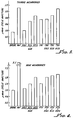
- Figure 1 shows liver adenylate cyclase in pMole cyclic AMP generated per assay tube. Basal activity was 12.5 pMole cyclic AMP and NaF was 45 pMole cyclic AMP. As noted, 0.5 mM silicic acid had little effect on basal activity however, 2.0 mM silicic acid nearly doubled the activity. Glucagon (Glu) increased basal activity to 17 pMole/tube. The presence of silicic acid at all concentrations markedly enhanced the Glu effect so that Glu + 2.0 mM silicic acid resulted in a greater activity than NaF (52 pMole/cyclic AMP/tube). Table I gives the results obtained.
- silicic acid at all concentrations increased basal adenylate cyclase activity (1.0 to 1.8 pMole cyclic AMP/tube at 2.0 mM silicic acid). Additionally, all doses of silicic acid enhanced the effect of PTH on adenylate cyclase activity (1.4 pMole, PTH without silicic acid; 2.0 pMole cyclic AMP, PTH + 2.0 mM silicic acid).
- silicic acid concentration in the buffer used was determined by atomic absorption spectrophotometry.
- a dose dependent response to silicic acid was assessed in liver cell membranes as shown in Figure 8. As seen, there was a progressive inhibition of adenylate cyclase activity from basal activity to silicic acid concentrations of 2.0 mM in the presence of 0.5 mM EGTA and 0.2 micromoles Ca++.
- Monosilicic acid may either influence Mg++ activation or Ca++ inhibition of N protein(s) or the affinity of these divalent cations for the N protein. Additionally, silicic acid could directly cause activation of Ns or inhibition of Ni activity. Other potential mechanisms include a decrease in K-activation by hormone or direct enhancement of catalytic subunit activity.
- the results suggest many uses of silicic acid in human and veterinary medicine. More specifically, the results indicate that silicic acid can be used to modulate hormone response. For example, the results with glucagon suggest that silicic acid sources can be used to regulate blood sugar levels in patients wherein the effect of glucagon is lower than desired.
- osteopenia Among the states which may be modified by treatment with silicic acid, or a compound supplying silicic acid, are osteopenia, hypoglycemia, hypocalcemia, and the like, all responses being mediated by a particular hormone/adenylate cyclase/tissue system.
- an embodiment of this invention of particular interest is the treatment of osteoporosis with silicic acid, or a compound which supplies the acid.
- Other conditions such as hypertension/hypotension, which are affected by neurotransmitters of the ⁇ -adrenergic blocker/ ⁇ -adrenergic agonist classes, are targets for therapy by silicate supplying materials, since these conditions are also controlled by particular adenylate cyclase systems.
- any process mediated by cyclic AMP is a target for silicate treatment.
- silicic acid affects adenylate cyclase activity, and in this manner exerts an effect on skeletal growth and/or bone mineralization
- silicic acid can be used to prevent, treat, or delay the onset of calcium-related bone disease, or to increase the strength of bone in a human or animal subject having a bone strength less than desired.
- the results reported above indicate that silicic acid can be used to treat osteopenia in vertebrate animals such as man, and domestic animals of commercial importance including canine, feline, bovine, and ovine species, and swine.
- silicic acid can be used to treat (a) post-menopausal osteoporosis, (b) osteoporosis produced by steroid therapy, and (c) bone mineralization loss due to prolonged bed-ridden therapy, or prolonged space travel.
Landscapes
- Health & Medical Sciences (AREA)
- Chemical & Material Sciences (AREA)
- Life Sciences & Earth Sciences (AREA)
- Organic Chemistry (AREA)
- Engineering & Computer Science (AREA)
- Bioinformatics & Cheminformatics (AREA)
- Medicinal Chemistry (AREA)
- General Health & Medical Sciences (AREA)
- Genetics & Genomics (AREA)
- Wood Science & Technology (AREA)
- Zoology (AREA)
- Public Health (AREA)
- Veterinary Medicine (AREA)
- Animal Behavior & Ethology (AREA)
- Pharmacology & Pharmacy (AREA)
- Biochemistry (AREA)
- Molecular Biology (AREA)
- Biomedical Technology (AREA)
- Biotechnology (AREA)
- Microbiology (AREA)
- General Engineering & Computer Science (AREA)
- Diabetes (AREA)
- General Chemical & Material Sciences (AREA)
- Chemical Kinetics & Catalysis (AREA)
- Epidemiology (AREA)
- Inorganic Chemistry (AREA)
- Nuclear Medicine, Radiotherapy & Molecular Imaging (AREA)
- Emergency Medicine (AREA)
- Endocrinology (AREA)
- Hematology (AREA)
- Obesity (AREA)
- Pharmaceuticals Containing Other Organic And Inorganic Compounds (AREA)
- Medicines That Contain Protein Lipid Enzymes And Other Medicines (AREA)
- Enzymes And Modification Thereof (AREA)
- Preparation Of Compounds By Using Micro-Organisms (AREA)
- Stabilization Of Oscillater, Synchronisation, Frequency Synthesizers (AREA)
- Steroid Compounds (AREA)
Claims (8)
- Verwendung einer effektiven Menge an Kieselsäure zur Herstellung eines Arzneimittels zur Erhöhung oder Hemmung der Adenylatcyclaseaktivität, wobei die Verwendung die Kontaktierung der Cyclase mit Kieselsäure mit einschließt.
- Verwendung nach Anspruch 1, bei der die wirksame Menge eine Konzentration von etwa 0,05 bis etwa 2,0 Millimol ausmacht.
- Verwendung nach Anspruch 1, bei der die Kieselsäure durch Monokieselsäure gebildet wird.
- Verwendung nach Anspruch 1, bei der die Cyclase eine Leberadenylatcyclase darstellt.
- Verwendung nach Anspruch 1, bei der die Cyclase eine Nierenadenylatcyclase darstellt.
- Verwendung nach Anspruch 1, bei der die Cyclase eine thyroidale Adenylatcyclase darstellt.
- Verwendung nach Anspruch 1, bei der die Cyclase eine Knochen-Adenylatcyclase darstellt.
- Verwendung von Kieselsäure im Konzentrationsbereich von etwa 0,05 bis etwa 2,0 Millimol zur Herstellung eines Arzneimittels für die Modifizierung der Antwort auf biochemische Botensubstanzen, wie z.B. Hormonen, Lymphokinen, Wachstumsfaktoren, Neurotransmittern durch die Förderung oder Hemmung eines Adenylatcyclasesystems, wobei die Verwendung die Kontaktierung des Cyclasesystems mit der Kieselsäure mit einschließt.
Applications Claiming Priority (3)
| Application Number | Priority Date | Filing Date | Title |
|---|---|---|---|
| US290307 | 1988-12-27 | ||
| US07/290,307 US4954448A (en) | 1988-12-27 | 1988-12-27 | Modulation of adenylate cyclase response |
| PCT/US1989/005799 WO1990007574A1 (en) | 1988-12-27 | 1989-12-22 | Modulation of adenylate cyclase response |
Publications (3)
| Publication Number | Publication Date |
|---|---|
| EP0451203A1 EP0451203A1 (de) | 1991-10-16 |
| EP0451203A4 EP0451203A4 (en) | 1991-12-11 |
| EP0451203B1 true EP0451203B1 (de) | 1996-06-12 |
Family
ID=23115404
Family Applications (1)
| Application Number | Title | Priority Date | Filing Date |
|---|---|---|---|
| EP90901474A Expired - Lifetime EP0451203B1 (de) | 1988-12-27 | 1989-12-22 | Modulierung der reaktion von adenylatcyclase |
Country Status (10)
| Country | Link |
|---|---|
| US (1) | US4954448A (de) |
| EP (1) | EP0451203B1 (de) |
| JP (1) | JP2960962B2 (de) |
| KR (1) | KR0133729B1 (de) |
| AT (1) | ATE139119T1 (de) |
| AU (1) | AU630143B2 (de) |
| CA (1) | CA1336066C (de) |
| DE (1) | DE68926682T2 (de) |
| ES (1) | ES2090121T3 (de) |
| WO (1) | WO1990007574A1 (de) |
Families Citing this family (6)
| Publication number | Priority date | Publication date | Assignee | Title |
|---|---|---|---|---|
| US5183061A (en) * | 1988-07-22 | 1993-02-02 | Ethyl Corporation | Silicon compounds in bone treatment |
| US5122603A (en) * | 1989-03-08 | 1992-06-16 | The University Of Virginia Alumni Patents Foundation | Purified insulin mediators and purification process for same |
| EP0799259B1 (de) * | 1994-12-21 | 1999-07-07 | Zeneca Limited | Verfahren zum pfropfen |
| GB0504657D0 (en) * | 2005-03-05 | 2005-04-13 | Psimedica Ltd | Compositions and methods of treatment |
| EP2070541A4 (de) * | 2006-09-21 | 2011-04-13 | Toshiki Oguro | Mittel zur förderung der regeneration von hartem gewebe |
| US11490601B2 (en) * | 2020-12-23 | 2022-11-08 | X Development Llc | Self-calibrating ultrasonic removal of ectoparasites from fish |
-
1988
- 1988-12-27 US US07/290,307 patent/US4954448A/en not_active Expired - Lifetime
-
1989
- 1989-09-29 CA CA000615052A patent/CA1336066C/en not_active Expired - Lifetime
- 1989-12-22 WO PCT/US1989/005799 patent/WO1990007574A1/en not_active Ceased
- 1989-12-22 AU AU48373/90A patent/AU630143B2/en not_active Ceased
- 1989-12-22 AT AT90901474T patent/ATE139119T1/de not_active IP Right Cessation
- 1989-12-22 JP JP2501915A patent/JP2960962B2/ja not_active Expired - Fee Related
- 1989-12-22 DE DE68926682T patent/DE68926682T2/de not_active Expired - Fee Related
- 1989-12-22 ES ES90901474T patent/ES2090121T3/es not_active Expired - Lifetime
- 1989-12-22 KR KR1019900701888A patent/KR0133729B1/ko not_active Expired - Fee Related
- 1989-12-22 EP EP90901474A patent/EP0451203B1/de not_active Expired - Lifetime
Non-Patent Citations (4)
| Title |
|---|
| CALCIF. TISSUE INT., vol. 33, 1981; CARLISLE, pp. 27-34 * |
| CALCIF. TISSUE INT., vol. 37, 1985; RUDE, pp. 318-323 * |
| ENDOCRINOLOGY, vol. 113, 1983; RUDE, pp. 1348-1355 * |
| MOLECULAR & CELLULAR BIOCHEMISTRY, vol. 33, 1980; CECH et al., pp. 67-92 * |
Also Published As
| Publication number | Publication date |
|---|---|
| WO1990007574A1 (en) | 1990-07-12 |
| US4954448A (en) | 1990-09-04 |
| ES2090121T3 (es) | 1996-10-16 |
| EP0451203A1 (de) | 1991-10-16 |
| KR0133729B1 (ko) | 1998-04-21 |
| JPH04504653A (ja) | 1992-08-20 |
| JP2960962B2 (ja) | 1999-10-12 |
| AU630143B2 (en) | 1992-10-22 |
| ATE139119T1 (de) | 1996-06-15 |
| EP0451203A4 (en) | 1991-12-11 |
| DE68926682D1 (de) | 1996-07-18 |
| AU4837390A (en) | 1990-08-01 |
| KR910700337A (ko) | 1991-03-14 |
| CA1336066C (en) | 1995-06-27 |
| DE68926682T2 (de) | 1996-11-28 |
Similar Documents
| Publication | Publication Date | Title |
|---|---|---|
| Best et al. | Prostacyclin increases cyclic AMP levels and adenylate cyclase activity in platelets | |
| Yamaguchi | Role of zinc in bone formation and bone resorption | |
| Tian et al. | Lead inhibits nitric oxide production in vitro by murine splenic macrophages | |
| EP0451203B1 (de) | Modulierung der reaktion von adenylatcyclase | |
| Laychock | Evidence for guanosine 3’, 5’-monophosphate as a putative mediator of insulin secretion from isolated rat islets | |
| Salomon et al. | Modulation of adenylate cyclase activity by sulfated glycosaminoglycans I. Inhibition by heparin of gonadotropin-stimulated ovarian adenylate cyclase | |
| Yamaguchi et al. | Stimulatory effect of zinc on bone growth in weanling rats | |
| Rojas et al. | Regulation of cyclic adenosine monophosphate synthesis in human ejaculated spermatozoa. II. The role of calcium and bicarbonate ions on the activation of adenylyl cyclase | |
| NIKODIJEVIC et al. | Adenosine stimulates adenosine 3′, 5′-monophosphate and guanosine 3′, 5′-monophosphate accumulation in rat pinealocytes: evidence for a role for adenosine in pineal neurotransmission | |
| Yamaguchi et al. | Enhancement of vitamin D3 effect on bone metabolism in weanling rats orally administered zinc sulphate | |
| Desbuquois et al. | Glucagon-receptor interactions in fat cell membranes | |
| Aktories et al. | Adenosine receptor-mediated stimulation of GTP hydrolysis in adipocyte membranes | |
| EP0320207A2 (de) | Methoden und Zusammensetzungen zur Aktivierung der menschlichen Insulinrezeptorkinase | |
| Drummond et al. | Adenylate cyclase in cardiac microsomal fractions | |
| DRANITZKI‐ELHALEL et al. | The effect of 24, 25 dihydroxyvitamin D3 on calcium efflux: The role of protein kinase C | |
| YAMAGUCHI et al. | Stimulation of bone resorption by comparatively high dose of zinc in rats | |
| Schettini et al. | Dopaminergic inhibition of anterior pituitary adenylate cyclase activity and prolactin release: the effects of perturbing calcium on catalytic adenylate cyclase activity | |
| Jablonski et al. | Vitamin D3 analogs and salmon calcitonin partially reverse the development of renal osteodystrophy in rats | |
| Nishi et al. | Effect of zinc ion on human chorionic gonadotropin-stimulated in vitro production of cyclic AMP and testosterone by rat testis | |
| Schettini et al. | Adenosine and its analogue (−)-N6-R-phenyl-isopropyladenosine modulate anterior pituitary adenylate cyclase activity and prolactin secretion in the rat | |
| Price | The Effect of 1, 25-Dihydroxyvitamin D3 on the Synthesis of the Vitamin K-Dependent Protein of Bone | |
| Becker et al. | Antagonistic effects of hypertrehalosemic neuropeptide on the activities of 6-phosphofructo-1-kinase and fructose-1, 6-bisphosphatase in cockroach fat body | |
| Lerner et al. | Caffeine has the capacity to stimulate calcium release in organ culture of neonatal mouse calvaria | |
| Yamaguchi et al. | Effect of zinc-chelating dipeptide on bone metabolism in weanling rats: Comparison with β-alanyl-l-histidinato zinc-related compounds | |
| Breslau | Southwestern internal medicine conference: Update on secondary forms of hyperparathyroidism |
Legal Events
| Date | Code | Title | Description |
|---|---|---|---|
| PUAI | Public reference made under article 153(3) epc to a published international application that has entered the european phase |
Free format text: ORIGINAL CODE: 0009012 |
|
| 17P | Request for examination filed |
Effective date: 19910615 |
|
| AK | Designated contracting states |
Kind code of ref document: A1 Designated state(s): AT BE CH DE ES FR GB IT LI LU NL SE |
|
| A4 | Supplementary search report drawn up and despatched |
Effective date: 19911018 |
|
| AK | Designated contracting states |
Kind code of ref document: A4 Designated state(s): AT BE CH DE ES FR GB IT LI LU NL SE |
|
| 17Q | First examination report despatched |
Effective date: 19931203 |
|
| GRAH | Despatch of communication of intention to grant a patent |
Free format text: ORIGINAL CODE: EPIDOS IGRA |
|
| GRAA | (expected) grant |
Free format text: ORIGINAL CODE: 0009210 |
|
| AK | Designated contracting states |
Kind code of ref document: B1 Designated state(s): AT BE CH DE ES FR GB IT LI LU NL SE |
|
| REF | Corresponds to: |
Ref document number: 139119 Country of ref document: AT Date of ref document: 19960615 Kind code of ref document: T |
|
| ITF | It: translation for a ep patent filed | ||
| REF | Corresponds to: |
Ref document number: 68926682 Country of ref document: DE Date of ref document: 19960718 |
|
| REG | Reference to a national code |
Ref country code: CH Ref legal event code: NV Representative=s name: TROESCH SCHEIDEGGER WERNER AG |
|
| ET | Fr: translation filed | ||
| REG | Reference to a national code |
Ref country code: ES Ref legal event code: FG2A Ref document number: 2090121 Country of ref document: ES Kind code of ref document: T3 |
|
| REG | Reference to a national code |
Ref country code: ES Ref legal event code: FG2A Ref document number: 2090121 Country of ref document: ES Kind code of ref document: T3 |
|
| PLBE | No opposition filed within time limit |
Free format text: ORIGINAL CODE: 0009261 |
|
| STAA | Information on the status of an ep patent application or granted ep patent |
Free format text: STATUS: NO OPPOSITION FILED WITHIN TIME LIMIT |
|
| 26N | No opposition filed | ||
| REG | Reference to a national code |
Ref country code: GB Ref legal event code: IF02 |
|
| PGFP | Annual fee paid to national office [announced via postgrant information from national office to epo] |
Ref country code: NL Payment date: 20031203 Year of fee payment: 15 Ref country code: AT Payment date: 20031203 Year of fee payment: 15 |
|
| PGFP | Annual fee paid to national office [announced via postgrant information from national office to epo] |
Ref country code: GB Payment date: 20031217 Year of fee payment: 15 |
|
| PGFP | Annual fee paid to national office [announced via postgrant information from national office to epo] |
Ref country code: FR Payment date: 20031218 Year of fee payment: 15 |
|
| PGFP | Annual fee paid to national office [announced via postgrant information from national office to epo] |
Ref country code: SE Payment date: 20031219 Year of fee payment: 15 |
|
| PGFP | Annual fee paid to national office [announced via postgrant information from national office to epo] |
Ref country code: CH Payment date: 20031223 Year of fee payment: 15 |
|
| PGFP | Annual fee paid to national office [announced via postgrant information from national office to epo] |
Ref country code: LU Payment date: 20031231 Year of fee payment: 15 |
|
| PGFP | Annual fee paid to national office [announced via postgrant information from national office to epo] |
Ref country code: ES Payment date: 20040108 Year of fee payment: 15 |
|
| PGFP | Annual fee paid to national office [announced via postgrant information from national office to epo] |
Ref country code: BE Payment date: 20040128 Year of fee payment: 15 |
|
| PGFP | Annual fee paid to national office [announced via postgrant information from national office to epo] |
Ref country code: DE Payment date: 20040202 Year of fee payment: 15 |
|
| PG25 | Lapsed in a contracting state [announced via postgrant information from national office to epo] |
Ref country code: LU Free format text: LAPSE BECAUSE OF NON-PAYMENT OF DUE FEES Effective date: 20041222 Ref country code: GB Free format text: LAPSE BECAUSE OF NON-PAYMENT OF DUE FEES Effective date: 20041222 Ref country code: AT Free format text: LAPSE BECAUSE OF NON-PAYMENT OF DUE FEES Effective date: 20041222 |
|
| PG25 | Lapsed in a contracting state [announced via postgrant information from national office to epo] |
Ref country code: SE Free format text: LAPSE BECAUSE OF NON-PAYMENT OF DUE FEES Effective date: 20041223 Ref country code: ES Free format text: LAPSE BECAUSE OF NON-PAYMENT OF DUE FEES Effective date: 20041223 |
|
| PG25 | Lapsed in a contracting state [announced via postgrant information from national office to epo] |
Ref country code: LI Free format text: LAPSE BECAUSE OF NON-PAYMENT OF DUE FEES Effective date: 20041231 Ref country code: CH Free format text: LAPSE BECAUSE OF NON-PAYMENT OF DUE FEES Effective date: 20041231 Ref country code: BE Free format text: LAPSE BECAUSE OF NON-PAYMENT OF DUE FEES Effective date: 20041231 |
|
| BERE | Be: lapsed |
Owner name: *ETHYL CORP. Effective date: 20041231 |
|
| PG25 | Lapsed in a contracting state [announced via postgrant information from national office to epo] |
Ref country code: NL Free format text: LAPSE BECAUSE OF NON-PAYMENT OF DUE FEES Effective date: 20050701 Ref country code: DE Free format text: LAPSE BECAUSE OF NON-PAYMENT OF DUE FEES Effective date: 20050701 |
|
| EUG | Se: european patent has lapsed | ||
| GBPC | Gb: european patent ceased through non-payment of renewal fee |
Effective date: 20041222 |
|
| REG | Reference to a national code |
Ref country code: CH Ref legal event code: PL |
|
| PG25 | Lapsed in a contracting state [announced via postgrant information from national office to epo] |
Ref country code: FR Free format text: LAPSE BECAUSE OF NON-PAYMENT OF DUE FEES Effective date: 20050831 |
|
| NLV4 | Nl: lapsed or anulled due to non-payment of the annual fee |
Effective date: 20050701 |
|
| REG | Reference to a national code |
Ref country code: FR Ref legal event code: ST |
|
| PG25 | Lapsed in a contracting state [announced via postgrant information from national office to epo] |
Ref country code: IT Free format text: LAPSE BECAUSE OF NON-PAYMENT OF DUE FEES Effective date: 20051222 |
|
| REG | Reference to a national code |
Ref country code: ES Ref legal event code: FD2A Effective date: 20041223 |
|
| BERE | Be: lapsed |
Owner name: *ETHYL CORP. Effective date: 20041231 |