EP0428362A1 - Photosensitive resin and element made therefrom - Google Patents
Photosensitive resin and element made therefrom Download PDFInfo
- Publication number
- EP0428362A1 EP0428362A1 EP90312332A EP90312332A EP0428362A1 EP 0428362 A1 EP0428362 A1 EP 0428362A1 EP 90312332 A EP90312332 A EP 90312332A EP 90312332 A EP90312332 A EP 90312332A EP 0428362 A1 EP0428362 A1 EP 0428362A1
- Authority
- EP
- European Patent Office
- Prior art keywords
- diazonium
- phenyl
- ketal
- acid
- condensate
- Prior art date
- Legal status (The legal status is an assumption and is not a legal conclusion. Google has not performed a legal analysis and makes no representation as to the accuracy of the status listed.)
- Granted
Links
- 229920005989 resin Polymers 0.000 title claims description 13
- 239000011347 resin Substances 0.000 title claims description 13
- -1 methoxy, ethoxy, butoxy Chemical group 0.000 claims abstract description 24
- 125000001997 phenyl group Chemical group [H]C1=C([H])C([H])=C(*)C([H])=C1[H] 0.000 claims abstract description 16
- 125000000217 alkyl group Chemical group 0.000 claims abstract description 14
- 229920000642 polymer Polymers 0.000 claims abstract description 7
- 239000012954 diazonium Substances 0.000 claims description 41
- 239000000203 mixture Substances 0.000 claims description 26
- 238000000034 method Methods 0.000 claims description 17
- 239000000758 substrate Substances 0.000 claims description 17
- 239000002253 acid Substances 0.000 claims description 14
- 229910052782 aluminium Inorganic materials 0.000 claims description 13
- XAGFODPZIPBFFR-UHFFFAOYSA-N aluminium Chemical compound [Al] XAGFODPZIPBFFR-UHFFFAOYSA-N 0.000 claims description 13
- 150000003839 salts Chemical class 0.000 claims description 11
- 229920001577 copolymer Polymers 0.000 claims description 10
- 229920002451 polyvinyl alcohol Polymers 0.000 claims description 10
- 239000002904 solvent Substances 0.000 claims description 10
- 150000001875 compounds Chemical class 0.000 claims description 9
- 150000001989 diazonium salts Chemical class 0.000 claims description 9
- 239000000463 material Substances 0.000 claims description 8
- 239000000178 monomer Substances 0.000 claims description 8
- NBIIXXVUZAFLBC-UHFFFAOYSA-N Phosphoric acid Chemical compound OP(O)(O)=O NBIIXXVUZAFLBC-UHFFFAOYSA-N 0.000 claims description 7
- QAOWNCQODCNURD-UHFFFAOYSA-N Sulfuric acid Chemical compound OS(O)(=O)=O QAOWNCQODCNURD-UHFFFAOYSA-N 0.000 claims description 7
- 150000001450 anions Chemical class 0.000 claims description 6
- ABLZXFCXXLZCGV-UHFFFAOYSA-N Phosphorous acid Chemical compound OP(O)=O ABLZXFCXXLZCGV-UHFFFAOYSA-N 0.000 claims description 5
- 239000003086 colorant Substances 0.000 claims description 5
- 235000011007 phosphoric acid Nutrition 0.000 claims description 5
- 239000003381 stabilizer Substances 0.000 claims description 5
- VEXZGXHMUGYJMC-UHFFFAOYSA-N Hydrochloric acid Chemical compound Cl VEXZGXHMUGYJMC-UHFFFAOYSA-N 0.000 claims description 4
- 125000003118 aryl group Chemical group 0.000 claims description 4
- 239000002585 base Substances 0.000 claims description 4
- 238000005342 ion exchange Methods 0.000 claims description 4
- 235000011149 sulphuric acid Nutrition 0.000 claims description 4
- XTXRWKRVRITETP-UHFFFAOYSA-N Vinyl acetate Chemical compound CC(=O)OC=C XTXRWKRVRITETP-UHFFFAOYSA-N 0.000 claims description 3
- 150000001299 aldehydes Chemical class 0.000 claims description 3
- 238000007743 anodising Methods 0.000 claims description 3
- 230000000694 effects Effects 0.000 claims description 3
- 230000007062 hydrolysis Effects 0.000 claims description 3
- 238000006460 hydrolysis reaction Methods 0.000 claims description 3
- 229910052751 metal Inorganic materials 0.000 claims description 3
- 239000002184 metal Substances 0.000 claims description 3
- 150000002739 metals Chemical class 0.000 claims description 3
- 229910052710 silicon Inorganic materials 0.000 claims description 3
- 239000010703 silicon Substances 0.000 claims description 3
- 229910004039 HBF4 Inorganic materials 0.000 claims description 2
- 229910004713 HPF6 Inorganic materials 0.000 claims description 2
- CPELXLSAUQHCOX-UHFFFAOYSA-N Hydrogen bromide Chemical compound Br CPELXLSAUQHCOX-UHFFFAOYSA-N 0.000 claims description 2
- 150000008044 alkali metal hydroxides Chemical class 0.000 claims description 2
- 239000004014 plasticizer Substances 0.000 claims description 2
- 239000000376 reactant Substances 0.000 claims description 2
- 229920000139 polyethylene terephthalate Polymers 0.000 claims 1
- 239000005020 polyethylene terephthalate Substances 0.000 claims 1
- 239000004065 semiconductor Substances 0.000 claims 1
- VEXZGXHMUGYJMC-UHFFFAOYSA-M Chloride anion Chemical compound [Cl-] VEXZGXHMUGYJMC-UHFFFAOYSA-M 0.000 description 18
- XLYOFNOQVPJJNP-UHFFFAOYSA-N water Substances O XLYOFNOQVPJJNP-UHFFFAOYSA-N 0.000 description 13
- 239000000243 solution Substances 0.000 description 12
- 238000007639 printing Methods 0.000 description 10
- QAOWNCQODCNURD-UHFFFAOYSA-L Sulfate Chemical compound [O-]S([O-])(=O)=O QAOWNCQODCNURD-UHFFFAOYSA-L 0.000 description 9
- IMROMDMJAWUWLK-UHFFFAOYSA-N Ethenol Chemical compound OC=C IMROMDMJAWUWLK-UHFFFAOYSA-N 0.000 description 8
- 239000007787 solid Substances 0.000 description 8
- 239000003795 chemical substances by application Substances 0.000 description 7
- DGAQECJNVWCQMB-PUAWFVPOSA-M Ilexoside XXIX Chemical compound C[C@@H]1CC[C@@]2(CC[C@@]3(C(=CC[C@H]4[C@]3(CC[C@@H]5[C@@]4(CC[C@@H](C5(C)C)OS(=O)(=O)[O-])C)C)[C@@H]2[C@]1(C)O)C)C(=O)O[C@H]6[C@@H]([C@H]([C@@H]([C@H](O6)CO)O)O)O.[Na+] DGAQECJNVWCQMB-PUAWFVPOSA-M 0.000 description 6
- HUMNYLRZRPPJDN-UHFFFAOYSA-N benzaldehyde Chemical compound O=CC1=CC=CC=C1 HUMNYLRZRPPJDN-UHFFFAOYSA-N 0.000 description 6
- 239000011248 coating agent Substances 0.000 description 6
- 238000000576 coating method Methods 0.000 description 6
- 125000000664 diazo group Chemical group [N-]=[N+]=[*] 0.000 description 6
- 239000011734 sodium Substances 0.000 description 6
- 229910052708 sodium Inorganic materials 0.000 description 6
- 238000004519 manufacturing process Methods 0.000 description 5
- YEJRWHAVMIAJKC-UHFFFAOYSA-N 4-Butyrolactone Chemical compound O=C1CCCO1 YEJRWHAVMIAJKC-UHFFFAOYSA-N 0.000 description 4
- CSCPPACGZOOCGX-UHFFFAOYSA-N Acetone Chemical compound CC(C)=O CSCPPACGZOOCGX-UHFFFAOYSA-N 0.000 description 4
- CPELXLSAUQHCOX-UHFFFAOYSA-M Bromide Chemical compound [Br-] CPELXLSAUQHCOX-UHFFFAOYSA-M 0.000 description 4
- ZLMJMSJWJFRBEC-UHFFFAOYSA-N Potassium Chemical compound [K] ZLMJMSJWJFRBEC-UHFFFAOYSA-N 0.000 description 4
- WYURNTSHIVDZCO-UHFFFAOYSA-N Tetrahydrofuran Chemical compound C1CCOC1 WYURNTSHIVDZCO-UHFFFAOYSA-N 0.000 description 4
- 238000006243 chemical reaction Methods 0.000 description 4
- 239000008199 coating composition Substances 0.000 description 4
- 229910052700 potassium Inorganic materials 0.000 description 4
- 239000011591 potassium Substances 0.000 description 4
- ZWEHNKRNPOVVGH-UHFFFAOYSA-N 2-Butanone Chemical compound CCC(C)=O ZWEHNKRNPOVVGH-UHFFFAOYSA-N 0.000 description 3
- WHXSMMKQMYFTQS-UHFFFAOYSA-N Lithium Chemical compound [Li] WHXSMMKQMYFTQS-UHFFFAOYSA-N 0.000 description 3
- 229910019142 PO4 Inorganic materials 0.000 description 3
- HEMHJVSKTPXQMS-UHFFFAOYSA-M Sodium hydroxide Chemical compound [OH-].[Na+] HEMHJVSKTPXQMS-UHFFFAOYSA-M 0.000 description 3
- WPYMKLBDIGXBTP-UHFFFAOYSA-N benzoic acid group Chemical group C(C1=CC=CC=C1)(=O)O WPYMKLBDIGXBTP-UHFFFAOYSA-N 0.000 description 3
- 239000011230 binding agent Substances 0.000 description 3
- 239000000975 dye Substances 0.000 description 3
- 229910052744 lithium Inorganic materials 0.000 description 3
- QNGNSVIICDLXHT-UHFFFAOYSA-N para-ethylbenzaldehyde Natural products CCC1=CC=C(C=O)C=C1 QNGNSVIICDLXHT-UHFFFAOYSA-N 0.000 description 3
- 239000000049 pigment Substances 0.000 description 3
- 229920002689 polyvinyl acetate Polymers 0.000 description 3
- 239000011541 reaction mixture Substances 0.000 description 3
- 229920002554 vinyl polymer Polymers 0.000 description 3
- ARXJGSRGQADJSQ-UHFFFAOYSA-N 1-methoxypropan-2-ol Chemical compound COCC(C)O ARXJGSRGQADJSQ-UHFFFAOYSA-N 0.000 description 2
- IJGRMHOSHXDMSA-UHFFFAOYSA-N Atomic nitrogen Chemical compound N#N IJGRMHOSHXDMSA-UHFFFAOYSA-N 0.000 description 2
- LFQSCWFLJHTTHZ-UHFFFAOYSA-N Ethanol Chemical compound CCO LFQSCWFLJHTTHZ-UHFFFAOYSA-N 0.000 description 2
- DMBHHRLKUKUOEG-UHFFFAOYSA-N N-phenyl aniline Natural products C=1C=CC=CC=1NC1=CC=CC=C1 DMBHHRLKUKUOEG-UHFFFAOYSA-N 0.000 description 2
- 239000004372 Polyvinyl alcohol Substances 0.000 description 2
- 239000004115 Sodium Silicate Substances 0.000 description 2
- FAPWRFPIFSIZLT-UHFFFAOYSA-M Sodium chloride Chemical compound [Na+].[Cl-] FAPWRFPIFSIZLT-UHFFFAOYSA-M 0.000 description 2
- 150000007513 acids Chemical class 0.000 description 2
- 230000001070 adhesive effect Effects 0.000 description 2
- 239000000956 alloy Substances 0.000 description 2
- 229910045601 alloy Inorganic materials 0.000 description 2
- 229910000147 aluminium phosphate Inorganic materials 0.000 description 2
- 150000003934 aromatic aldehydes Chemical class 0.000 description 2
- 230000004888 barrier function Effects 0.000 description 2
- 229930188620 butyrolactone Natural products 0.000 description 2
- 239000007795 chemical reaction product Substances 0.000 description 2
- 230000000052 comparative effect Effects 0.000 description 2
- 125000004122 cyclic group Chemical group 0.000 description 2
- 150000008049 diazo compounds Chemical class 0.000 description 2
- IJGRMHOSHXDMSA-UHFFFAOYSA-O diazynium Chemical compound [NH+]#N IJGRMHOSHXDMSA-UHFFFAOYSA-O 0.000 description 2
- 238000005530 etching Methods 0.000 description 2
- 239000011888 foil Substances 0.000 description 2
- VXLFYNFOITWQPM-UHFFFAOYSA-N n-phenyl-4-phenyldiazenylaniline Chemical compound C=1C=C(N=NC=2C=CC=CC=2)C=CC=1NC1=CC=CC=C1 VXLFYNFOITWQPM-UHFFFAOYSA-N 0.000 description 2
- 239000003960 organic solvent Substances 0.000 description 2
- 235000021317 phosphate Nutrition 0.000 description 2
- 229920002120 photoresistant polymer Polymers 0.000 description 2
- 229920000728 polyester Polymers 0.000 description 2
- 239000011118 polyvinyl acetate Substances 0.000 description 2
- BDERNNFJNOPAEC-UHFFFAOYSA-N propan-1-ol Chemical compound CCCO BDERNNFJNOPAEC-UHFFFAOYSA-N 0.000 description 2
- NTHWMYGWWRZVTN-UHFFFAOYSA-N sodium silicate Chemical compound [Na+].[Na+].[O-][Si]([O-])=O NTHWMYGWWRZVTN-UHFFFAOYSA-N 0.000 description 2
- 229910052911 sodium silicate Inorganic materials 0.000 description 2
- 239000007858 starting material Substances 0.000 description 2
- 239000000126 substance Substances 0.000 description 2
- 125000001424 substituent group Chemical group 0.000 description 2
- YLQBMQCUIZJEEH-UHFFFAOYSA-N tetrahydrofuran Natural products C=1C=COC=1 YLQBMQCUIZJEEH-UHFFFAOYSA-N 0.000 description 2
- JOXIMZWYDAKGHI-UHFFFAOYSA-N toluene-4-sulfonic acid Chemical compound CC1=CC=C(S(O)(=O)=O)C=C1 JOXIMZWYDAKGHI-UHFFFAOYSA-N 0.000 description 2
- ORZMSMCZBZARKY-UHFFFAOYSA-N 1,3,2$l^{6}-benzodioxathiole 2,2-dioxide Chemical compound C1=CC=C2OS(=O)(=O)OC2=C1 ORZMSMCZBZARKY-UHFFFAOYSA-N 0.000 description 1
- YCKYFOUYQRDOFS-UHFFFAOYSA-M 2,5-diethoxy-4-(4-methoxyphenyl)sulfanylbenzenediazonium;chloride Chemical compound [Cl-].CCOC1=CC([N+]#N)=C(OCC)C=C1SC1=CC=C(OC)C=C1 YCKYFOUYQRDOFS-UHFFFAOYSA-M 0.000 description 1
- JAHNSTQSQJOJLO-UHFFFAOYSA-N 2-(3-fluorophenyl)-1h-imidazole Chemical compound FC1=CC=CC(C=2NC=CN=2)=C1 JAHNSTQSQJOJLO-UHFFFAOYSA-N 0.000 description 1
- XNWFRZJHXBZDAG-UHFFFAOYSA-N 2-METHOXYETHANOL Chemical compound COCCO XNWFRZJHXBZDAG-UHFFFAOYSA-N 0.000 description 1
- KXGFMDJXCMQABM-UHFFFAOYSA-N 2-methoxy-6-methylphenol Chemical compound [CH]OC1=CC=CC([CH])=C1O KXGFMDJXCMQABM-UHFFFAOYSA-N 0.000 description 1
- PYSRRFNXTXNWCD-UHFFFAOYSA-N 3-(2-phenylethenyl)furan-2,5-dione Chemical compound O=C1OC(=O)C(C=CC=2C=CC=CC=2)=C1 PYSRRFNXTXNWCD-UHFFFAOYSA-N 0.000 description 1
- AXDJCCTWPBKUKL-UHFFFAOYSA-N 4-[(4-aminophenyl)-(4-imino-3-methylcyclohexa-2,5-dien-1-ylidene)methyl]aniline;hydron;chloride Chemical compound Cl.C1=CC(=N)C(C)=CC1=C(C=1C=CC(N)=CC=1)C1=CC=C(N)C=C1 AXDJCCTWPBKUKL-UHFFFAOYSA-N 0.000 description 1
- QGZKDVFQNNGYKY-UHFFFAOYSA-O Ammonium Chemical compound [NH4+] QGZKDVFQNNGYKY-UHFFFAOYSA-O 0.000 description 1
- UHOVQNZJYSORNB-UHFFFAOYSA-N Benzene Chemical compound C1=CC=CC=C1 UHOVQNZJYSORNB-UHFFFAOYSA-N 0.000 description 1
- 239000005711 Benzoic acid Substances 0.000 description 1
- 239000004375 Dextrin Substances 0.000 description 1
- 229920001353 Dextrin Polymers 0.000 description 1
- OFOBLEOULBTSOW-UHFFFAOYSA-N Malonic acid Chemical compound OC(=O)CC(O)=O OFOBLEOULBTSOW-UHFFFAOYSA-N 0.000 description 1
- RFEYINTYAQFJGH-UHFFFAOYSA-N N-benzyl-4-diazo-N-ethylcyclohexa-1,5-dien-1-amine hydrobromide Chemical compound Br.C=1CC(=[N+]=[N-])C=CC=1N(CC)CC1=CC=CC=C1 RFEYINTYAQFJGH-UHFFFAOYSA-N 0.000 description 1
- UGDTUEGSXXCSQJ-UHFFFAOYSA-N N-benzyl-4-diazo-N-ethylcyclohexa-1,5-dien-1-amine hydrochloride Chemical compound Cl.C=1CC(=[N+]=[N-])C=CC=1N(CC)CC1=CC=CC=C1 UGDTUEGSXXCSQJ-UHFFFAOYSA-N 0.000 description 1
- 229920001800 Shellac Polymers 0.000 description 1
- 229920000147 Styrene maleic anhydride Polymers 0.000 description 1
- FEWJPZIEWOKRBE-UHFFFAOYSA-N Tartaric Acid Chemical compound [H+].[H+].[O-]C(=O)C(O)C(O)C([O-])=O FEWJPZIEWOKRBE-UHFFFAOYSA-N 0.000 description 1
- 150000001298 alcohols Chemical class 0.000 description 1
- 125000003172 aldehyde group Chemical group 0.000 description 1
- 125000001931 aliphatic group Chemical group 0.000 description 1
- 239000003513 alkali Substances 0.000 description 1
- 239000012670 alkaline solution Substances 0.000 description 1
- 150000003863 ammonium salts Chemical class 0.000 description 1
- 238000000137 annealing Methods 0.000 description 1
- PYKYMHQGRFAEBM-UHFFFAOYSA-N anthraquinone Natural products CCC(=O)c1c(O)c2C(=O)C3C(C=CC=C3O)C(=O)c2cc1CC(=O)OC PYKYMHQGRFAEBM-UHFFFAOYSA-N 0.000 description 1
- 150000004056 anthraquinones Chemical class 0.000 description 1
- 239000011260 aqueous acid Substances 0.000 description 1
- 239000008346 aqueous phase Substances 0.000 description 1
- 239000007864 aqueous solution Substances 0.000 description 1
- QVGXLLKOCUKJST-UHFFFAOYSA-N atomic oxygen Chemical compound [O] QVGXLLKOCUKJST-UHFFFAOYSA-N 0.000 description 1
- NTBYNMBEYCCFPS-UHFFFAOYSA-N azane boric acid Chemical compound N.N.N.OB(O)O NTBYNMBEYCCFPS-UHFFFAOYSA-N 0.000 description 1
- DMLAVOWQYNRWNQ-UHFFFAOYSA-N azobenzene Chemical compound C1=CC=CC=C1N=NC1=CC=CC=C1 DMLAVOWQYNRWNQ-UHFFFAOYSA-N 0.000 description 1
- SRSXLGNVWSONIS-UHFFFAOYSA-N benzenesulfonic acid Chemical compound OS(=O)(=O)C1=CC=CC=C1 SRSXLGNVWSONIS-UHFFFAOYSA-N 0.000 description 1
- 229940092714 benzenesulfonic acid Drugs 0.000 description 1
- 235000010233 benzoic acid Nutrition 0.000 description 1
- 239000001045 blue dye Substances 0.000 description 1
- 150000001649 bromium compounds Chemical class 0.000 description 1
- 125000004432 carbon atom Chemical group C* 0.000 description 1
- 150000001805 chlorine compounds Chemical class 0.000 description 1
- MVPPADPHJFYWMZ-UHFFFAOYSA-N chlorobenzene Chemical compound ClC1=CC=CC=C1 MVPPADPHJFYWMZ-UHFFFAOYSA-N 0.000 description 1
- 238000009833 condensation Methods 0.000 description 1
- 230000005494 condensation Effects 0.000 description 1
- 239000007859 condensation product Substances 0.000 description 1
- 238000006482 condensation reaction Methods 0.000 description 1
- 239000013078 crystal Substances 0.000 description 1
- ZXJXZNDDNMQXFV-UHFFFAOYSA-M crystal violet Chemical compound [Cl-].C1=CC(N(C)C)=CC=C1[C+](C=1C=CC(=CC=1)N(C)C)C1=CC=C(N(C)C)C=C1 ZXJXZNDDNMQXFV-UHFFFAOYSA-M 0.000 description 1
- 125000002704 decyl group Chemical group [H]C([H])([H])C([H])([H])C([H])([H])C([H])([H])C([H])([H])C([H])([H])C([H])([H])C([H])([H])C([H])([H])C([H])([H])* 0.000 description 1
- 235000019425 dextrin Nutrition 0.000 description 1
- 239000006185 dispersion Substances 0.000 description 1
- MOTZDAYCYVMXPC-UHFFFAOYSA-N dodecyl hydrogen sulfate Chemical compound CCCCCCCCCCCCOS(O)(=O)=O MOTZDAYCYVMXPC-UHFFFAOYSA-N 0.000 description 1
- 239000008151 electrolyte solution Substances 0.000 description 1
- YQGOJNYOYNNSMM-UHFFFAOYSA-N eosin Chemical compound [Na+].OC(=O)C1=CC=CC=C1C1=C2C=C(Br)C(=O)C(Br)=C2OC2=C(Br)C(O)=C(Br)C=C21 YQGOJNYOYNNSMM-UHFFFAOYSA-N 0.000 description 1
- LYCAIKOWRPUZTN-UHFFFAOYSA-N ethylene glycol Natural products OCCO LYCAIKOWRPUZTN-UHFFFAOYSA-N 0.000 description 1
- 150000004673 fluoride salts Chemical class 0.000 description 1
- 238000010438 heat treatment Methods 0.000 description 1
- 239000003906 humectant Substances 0.000 description 1
- 229920001477 hydrophilic polymer Polymers 0.000 description 1
- 230000002209 hydrophobic effect Effects 0.000 description 1
- 125000002887 hydroxy group Chemical group [H]O* 0.000 description 1
- WGCNASOHLSPBMP-UHFFFAOYSA-N hydroxyacetaldehyde Natural products OCC=O WGCNASOHLSPBMP-UHFFFAOYSA-N 0.000 description 1
- 229910017053 inorganic salt Inorganic materials 0.000 description 1
- 150000002576 ketones Chemical class 0.000 description 1
- 150000002605 large molecules Chemical class 0.000 description 1
- 229910003002 lithium salt Inorganic materials 0.000 description 1
- 159000000002 lithium salts Chemical class 0.000 description 1
- 125000002496 methyl group Chemical group [H]C([H])([H])* 0.000 description 1
- CXKWCBBOMKCUKX-UHFFFAOYSA-M methylene blue Chemical compound [Cl-].C1=CC(N(C)C)=CC2=[S+]C3=CC(N(C)C)=CC=C3N=C21 CXKWCBBOMKCUKX-UHFFFAOYSA-M 0.000 description 1
- 229960000907 methylthioninium chloride Drugs 0.000 description 1
- PWBPTLOSNWXYNS-UHFFFAOYSA-N n-benzyl-4-diazo-n-ethylcyclohexa-1,5-dien-1-amine;sulfuric acid Chemical compound OS(O)(=O)=O.C=1CC(=[N+]=[N-])C=CC=1N(CC)CC1=CC=CC=C1 PWBPTLOSNWXYNS-UHFFFAOYSA-N 0.000 description 1
- 150000002823 nitrates Chemical class 0.000 description 1
- 229910052757 nitrogen Inorganic materials 0.000 description 1
- 239000002736 nonionic surfactant Substances 0.000 description 1
- 125000002347 octyl group Chemical group [H]C([*])([H])C([H])([H])C([H])([H])C([H])([H])C([H])([H])C([H])([H])C([H])([H])C([H])([H])[H] 0.000 description 1
- 239000001301 oxygen Substances 0.000 description 1
- 229910052760 oxygen Inorganic materials 0.000 description 1
- 125000001037 p-tolyl group Chemical group [H]C1=C([H])C(=C([H])C([H])=C1*)C([H])([H])[H] 0.000 description 1
- 229920001568 phenolic resin Polymers 0.000 description 1
- NBIIXXVUZAFLBC-UHFFFAOYSA-K phosphate Chemical compound [O-]P([O-])([O-])=O NBIIXXVUZAFLBC-UHFFFAOYSA-K 0.000 description 1
- 239000010452 phosphate Substances 0.000 description 1
- 150000003013 phosphoric acid derivatives Chemical class 0.000 description 1
- IEQIEDJGQAUEQZ-UHFFFAOYSA-N phthalocyanine Chemical compound N1C(N=C2C3=CC=CC=C3C(N=C3C4=CC=CC=C4C(=N4)N3)=N2)=C(C=CC=C2)C2=C1N=C1C2=CC=CC=C2C4=N1 IEQIEDJGQAUEQZ-UHFFFAOYSA-N 0.000 description 1
- 239000001267 polyvinylpyrrolidone Substances 0.000 description 1
- 229920000036 polyvinylpyrrolidone Polymers 0.000 description 1
- 235000013855 polyvinylpyrrolidone Nutrition 0.000 description 1
- XAEFZNCEHLXOMS-UHFFFAOYSA-M potassium benzoate Chemical class [K+].[O-]C(=O)C1=CC=CC=C1 XAEFZNCEHLXOMS-UHFFFAOYSA-M 0.000 description 1
- 235000010235 potassium benzoate Nutrition 0.000 description 1
- LWIHDJKSTIGBAC-UHFFFAOYSA-K potassium phosphate Substances [K+].[K+].[K+].[O-]P([O-])([O-])=O LWIHDJKSTIGBAC-UHFFFAOYSA-K 0.000 description 1
- 229910000160 potassium phosphate Inorganic materials 0.000 description 1
- 239000002244 precipitate Substances 0.000 description 1
- 238000002360 preparation method Methods 0.000 description 1
- 239000000047 product Substances 0.000 description 1
- 238000010791 quenching Methods 0.000 description 1
- 230000005855 radiation Effects 0.000 description 1
- 230000002940 repellent Effects 0.000 description 1
- 239000005871 repellent Substances 0.000 description 1
- 230000001850 reproductive effect Effects 0.000 description 1
- PYWVYCXTNDRMGF-UHFFFAOYSA-N rhodamine B Chemical compound [Cl-].C=12C=CC(=[N+](CC)CC)C=C2OC2=CC(N(CC)CC)=CC=C2C=1C1=CC=CC=C1C(O)=O PYWVYCXTNDRMGF-UHFFFAOYSA-N 0.000 description 1
- 238000007650 screen-printing Methods 0.000 description 1
- 230000001235 sensitizing effect Effects 0.000 description 1
- ZLGIYFNHBLSMPS-ATJNOEHPSA-N shellac Chemical compound OCCCCCC(O)C(O)CCCCCCCC(O)=O.C1C23[C@H](C(O)=O)CCC2[C@](C)(CO)[C@@H]1C(C(O)=O)=C[C@@H]3O ZLGIYFNHBLSMPS-ATJNOEHPSA-N 0.000 description 1
- 239000004208 shellac Substances 0.000 description 1
- 229940113147 shellac Drugs 0.000 description 1
- 235000013874 shellac Nutrition 0.000 description 1
- 239000002002 slurry Substances 0.000 description 1
- 150000003384 small molecules Chemical class 0.000 description 1
- 239000011780 sodium chloride Substances 0.000 description 1
- 238000003756 stirring Methods 0.000 description 1
- BDHFUVZGWQCTTF-UHFFFAOYSA-M sulfonate Chemical compound [O-]S(=O)=O BDHFUVZGWQCTTF-UHFFFAOYSA-M 0.000 description 1
- 125000000542 sulfonic acid group Chemical group 0.000 description 1
- 150000003467 sulfuric acid derivatives Chemical class 0.000 description 1
- 239000011975 tartaric acid Substances 0.000 description 1
- SOBHUZYZLFQYFK-UHFFFAOYSA-K trisodium;hydroxy-[[phosphonatomethyl(phosphonomethyl)amino]methyl]phosphinate Chemical compound [Na+].[Na+].[Na+].OP(O)(=O)CN(CP(O)([O-])=O)CP([O-])([O-])=O SOBHUZYZLFQYFK-UHFFFAOYSA-K 0.000 description 1
- 230000003313 weakening effect Effects 0.000 description 1
- 239000000080 wetting agent Substances 0.000 description 1
Classifications
-
- G—PHYSICS
- G03—PHOTOGRAPHY; CINEMATOGRAPHY; ANALOGOUS TECHNIQUES USING WAVES OTHER THAN OPTICAL WAVES; ELECTROGRAPHY; HOLOGRAPHY
- G03F—PHOTOMECHANICAL PRODUCTION OF TEXTURED OR PATTERNED SURFACES, e.g. FOR PRINTING, FOR PROCESSING OF SEMICONDUCTOR DEVICES; MATERIALS THEREFOR; ORIGINALS THEREFOR; APPARATUS SPECIALLY ADAPTED THEREFOR
- G03F7/00—Photomechanical, e.g. photolithographic, production of textured or patterned surfaces, e.g. printing surfaces; Materials therefor, e.g. comprising photoresists; Apparatus specially adapted therefor
- G03F7/004—Photosensitive materials
- G03F7/027—Non-macromolecular photopolymerisable compounds having carbon-to-carbon double bonds, e.g. ethylenic compounds
-
- C—CHEMISTRY; METALLURGY
- C08—ORGANIC MACROMOLECULAR COMPOUNDS; THEIR PREPARATION OR CHEMICAL WORKING-UP; COMPOSITIONS BASED THEREON
- C08F—MACROMOLECULAR COMPOUNDS OBTAINED BY REACTIONS ONLY INVOLVING CARBON-TO-CARBON UNSATURATED BONDS
- C08F8/00—Chemical modification by after-treatment
- C08F8/44—Preparation of metal salts or ammonium salts
Definitions
- This invention relates to novel light-sensitive condensation products of aromatic diazonium salts, processes for preparation thereof, and to light-sensitive reproduction materials, which comprise a support having a reproduction layer thereon containing at least one of the novel light-sensitive products.
- Diazonium compounds conventionally known as light-sensitive agents for making light-sensitive lithographic printing plates can be divided into two kinds depending on their specific properties. That is, one kind is a diazonium compound capable of being decomposed by exposure into an oleophilic material and the other kind is a diazo compound capable of being converted by exposure into an alkali-soluble substance.
- a composition containing the former kind of compound is applied on a hydrophilic support and the support is exposed to light through a transparent or translucent negative original, only the exposed portions are rendered hydrophobic and organophilic, that is, water repellent and ink receptive, and the unexposed portions can easily be removed with water or a phosphate solution whereby a negative image can be obtained.
- the compounds described in the above-mentioned U.S. Patent specifications are low-molecular weight compounds and hence if such a compound is used individually it is deposited in crystalline form which results in lowering the mechanical strength of the image obtained and making long press runs difficult to attain. Accordingly, a resin such as a phenol-formaldehyde resin, shellac or styrene-maleic anhydride resin is used as a carrier for the compound to prevent the light-sensitive layer from crystallizing and to compensate for any weakening of the mechanical strength.
- a resin such as a phenol-formaldehyde resin, shellac or styrene-maleic anhydride resin is used as a carrier for the compound to prevent the light-sensitive layer from crystallizing and to compensate for any weakening of the mechanical strength.
- materials other than a light-sensitive agent are incorporated into the light-sensitive layer there is a tendency to reduce the sharpness of the light-sensitive layer to development.
- an object of the present invention is to provide a light-sensitive lithographic printing plate containing an improved light-sensitive agent unaccompanied by the abovementioned drawbacks.
- Other objects of this invention are to form a coating having sufficient film strength without the necessity of adding other film-forming agents as well as to increase the adhesive property between an aluminum plate and the coating thereon.
- a further object is to provide a sensitizer capable of being converted to a high molecular state and at the same time having a good film-forming capability.
- the thereby produced photosensitive resin effectively serves as both the photosensitive component and the binder resin simultaneously without requiring the use of additional binding resins.
- the invention provides a polymeric compound having the formula wherein R is selected from the group consisting of phenyl and C1 to C4 alkyl substituted phenyl; K is selected from the group consisting of - -, -S-, -O-, and -CH2-, or is absent; P and P1 are selected from the group consisting of C1 to C4 alkyl, methoxy, ethoxy, butoxy, and H; P1 may be the same as P or different; and X ⁇ is a sulfonate anion; and n ranges from about 50 to 1500.
- the invention also provides a photographic element which comprises a substrate, and a photosensitive composition coated on said substrate, wherein said composition comprises the above compound.
- the invention still further provides a method for preparing a polymeric compound having the formula wherein R is selected from the group consisting of phenyl and C1 to C4 alkyl substituted phenyl; K is selected from the group consisting of - -, -S-, -O-, and -CH2-, or is absent; P and P1 are selected from the group consisting of C1 to C4 alkyl, methoxy, ethoxy, butoxy, and H; P1 may be the same as P or different; and X ⁇ is a sulfonate anion; and n ranges from about 50 to 1500.
- which method comprises providing a poly(vinyl alcohol/vinyl acetate) copolymer having a molecular weight of from about 5,000 to about 100,000 and from about 75% to about 90% hydrolysis by weight, and reacting said copolymer with a sufficient amount of an aromatic aldehyde salt in the presence of an acid to provide an aromatic ketal acid condensate of the reactants; then treating said ketal condensate with a sufficient amount of a base to produce a ketal condensate salt; and then reacting said ketal condensate salt with a sufficient amount of light-sensitive diazonium salt monomer to effect an ion exchange between said salts whereby a diazonium compound radical is substituted onto the aromatic ring of said ketal condensate.
- poly(vinyl alcohol/vinyl acetate) copolymer In the production of the light-sensitive resins of this invention, one begins with a poly(vinyl alcohol/vinyl acetate) copolymer.
- the polyvinyl alcohol/polyvinyl acetate copolymers useful as a starting material for the production of the binder resin useful in this invention are those having from about 75% to about 90% hydrolysis by weight, and, preferably, an average molecular weight (AMW) of from about 5,000 to about 100,000.
- AMW average molecular weight
- hydrolization is on a weight basis and not a mole basis.
- Such copolymers are easily synthesized by methods known to those skilled in the art, or are commercially available.
- Suitable copolymers include Vinol 523 (AMW ⁇ 70,000) and Vinol 205 (AMW ⁇ 26,000) available from Air Products Co. of Allentown, Pennsylvania; Elvanol 52-22 (AMW ⁇ 72,000) available from DuPont of Wilmington, Delaware; Gelvatol 20-30 (AMW ⁇ 10,000), Gelvatol 20-60 (AMW ⁇ 10,000) and Gelvatol 20-90 (AMW ⁇ 90,000) available from Monsanto Co. of St. Louis, Missouri.
- the copolymer has an average molecular weight in the range of about 10,000 to about 95,000.
- the process steps for preparing the foregoing resin include first dissolving a polyvinyl alcohol/polyvinyl acetate copolymer in a mixture of water and an aqueous acid to form a reaction solution.
- an aromatic aldehyde salt to thereby produce a cyclic ketal condensate.
- This is then rebasified with an alkali to quench the reaction mixture and form a cyclic ketal condensate salt.
- This is then reacted with a diazonium salt to effect an ion exchange whereby the resin acquires the light-sensitive diazo function.
- Suitable acids include H3PO4, H2SO4, HCl, HBr, HPF6,, H3PO3, HBF4 at concentrations of 70-100%.
- Preferred acids are H3PO4 and H2SO4.
- H2SO4 96% w/w is preferred concentration when this acid is used.
- Preferred aromatic aldehydes non-exclusively include the ortho-sulfonic acid of benzaldehyde, the para-sulfonic acid of benzaldehyde and mixed o- and p-sulfonic acids of benzaldehyde.
- approximately equimolar amounts of poly(vinyl alcohol/acetate) and aldehyde are used, that is, one aldehyde group per repeating monomer group of the copolymer although such equimolar amounts are not required.
- poly(vinyl alcohol/acetate) and aldehyde are used, that is, one aldehyde group per repeating monomer group of the copolymer although such equimolar amounts are not required.
- the aldehyde reacts in a spaced fashion along the copolymer chain.
- the thusly produced intermediate is found to have the salt of the aromatic aldehyde replaced by a pendant sulfonic acid group.
- a suitable base such as an alkali metal hydroxide.
- This latter component is then condensed with a diazonium salt by ion exchange at the salt site.
- Non-exclusive examples of suitable diazonium salts may be represented by the formula wherein R is selected from the group consisting of phenyl and C1 to C4 alkyl substituted phenyl.
- -K- is selected from the group consisting of - -, -S-,-O-, and -CH2-, or is absent;
- P and P1 are selected from the group consisting of C1 to C4 alkyl, methoxy, ethoxy, butoxy, and H; P1 may the same as P or different; and Y ⁇ is an anion.
- R1 is a substituted phenyl in the above formula, the substituent group is preferably located in the para position and its preferred substituent group is methyl, i.e., p-tolyl.
- Preferred anions are selected from the group consisting of SO4 ⁇ , SO3 ⁇ , PO4, Cl ⁇ , Br ⁇ , F ⁇ , and NO3 ⁇ .
- diazo monomers include but are not restricted to the following: Diphenylamine-4-diazonium chloride, Diphenylamine-4-diazonium bromide, Diphenylamine-4-diazonium sulfate, 3-methoxy-diphenylamine-4-diazonium sulfate, 3-methoxy-diphenylamine-4-diazonium chloride 3-methoxy-diphenylamine-4-diazonium bromide, 3-ethoxy-diphenylamine-4-diazonium chloride, 3-ethoxy-diphenylamine-4-diazonium bromide, 3-ethoxy-diphenylamine-4-diazonium sulfate, 2-methoxy-diphenylamine-4-diazonium chloride, 2-methoxy-diphenylamine-4-diazonium sulfate, 4-methoxy-diphenylamine-4-diazonium sulf
- diazo monomers such as phosphates, chlorides, bromides, sulfates, nitrates, or fluorides.
- one photosensitive resin may be prepared by the following procedure. Analogous but different starting materials would produce analogous results and the specific reaction details would be clear to those skilled in the art. where n ranges from about 50 to 1500.
- the light sensitive diazonium polymer prepared according to the invention may be used in reproduction layers in the conventional way. They may be dissolved in water or solvents and coated on supports to form printing plates, color proofing foils, resists for printed circuitry and the like.
- the diazonium containing resin is preferably present in a coating composition of the subject invention at a percent solids level of from about 1% to about 20% by weight and most preferably the diazonium salt is present at a percent solids level of from about 1% to about 5%.
- compositions of this invention include acid stabilizers, binders, exposure indicators, plasticizers, photoactivators, wetting agents and colorants.
- Suitable acid stabilizers useful within the context of this invention include phosphoric, citric, benzoic, m-nitro benzoic, p( p -anilino phenylazo)benzene sulfonic acid, 4,4′-dinitro-2,2′-stilbene disulfonic, itaconic, tartaric and p-toluene sulfonic acid and mixtures thereof.
- the acid stabilizer is phosphoric acid.
- the acid stabilizer is present in the radiation-polymerizable composition it is preferably present in the amount of from about 0.02% to about 2.0% by weight of the composition, and most preferably from about 0.05% to about 1.0%, although the skilled artisan may use more or less as desired.
- Exposure indicators which may be useful in conjunction with the present invention include 4-phenylazodiphenylamine, eosin, azobenzene, Calcozine Fuchsin dyes and Crystal Violet and Methylene Blue dyes.
- the exposure indicator is 4-phenylazodiphenylamine.
- the exposure indicator when one is used, is preferably present in the composition in an amount of from about 0.01% to about 0.35% by weight. A more preferred range is from about 0.02% to about 0.30% and, most preferably, the exposure indicator is present in an amount of from about 0.02% to about 0.20%, although the skilled artisan may use more or less as desired.
- Colorants useful herein include dyes such as Rhodamine, Calcozine, Victoria Blue and methyl violet, and such pigments as the anthraquinone and phthalocyanine types.
- the colorant is present in the form of a pigment dispersion which may comprise a mixture of one or more pigments and/or one or more dyes dispersed in a suitable solvent or mixture of solvents.
- a colorant is preferably present in the composition of this invention in an amount of from about 2.0% to about 35.0% by weight, more preferably from about 5.0% to about 30.0% and most preferably from about 5.0% to about 25.0% although the skilled artisan may use more or less as desired.
- the composition of this invention may be dissolved in admixture in a solvent or mixture of solvents to facilitate application of the composition to the substrate.
- suitable solvents for this purpose include water, tetrahydrofuran, butyrolactone, glycol ethers such as propylene glycol monomethyl ether and methyl Cellosolve, alcohols such as ethanol and n-propanol, and ketones such as methyl ethyl ketone, or mixtures thereof.
- the solvent comprises a mixture of tetrahydrofuran, propylene glycol monomethyl ether and butyrolactone.
- the solvent system is evaporated from the coating composition once it is applied to an appropriate substrate, however, some insignificant amount of solvent may remain as residue.
- Substrates useful for coating with the composition of this invention to form a photographic element such as a color proofing film, photoresist or lithographic printing plate include sheets of transparent films such as polyester, aluminum and its alloys and other metals, silicon and similar materials which are well known in the art.
- the substrate comprises aluminum.
- the substrate may first be pretreated by standard graining and/or etching and/or anodizing techniques as are well known in the art, and also may or may not have been treated with a composition such as polyvinyl phosphonic acid, sodium silicate or the like suitable for use as a hydrophilizing agent.
- an aluminum substrate is first preferably grained by art recognized methods such as by means of a wire brush, a slurry of particulates or by chemical or electrochemical means, for example in an electrolytic solution comprising hydrochloric acid.
- the grained plate is preferably then anodized for example in sulfuric or phosphoric acid in a manner well known in the art.
- the grained and optionally anodized surface is preferably then rendered hydrophilic by treatment with polyvinyl phosphonic acid by means which are also known to the skilled artisan.
- the thusly prepared plate is then coated with the composition of the present invention preferably at a coating weight of from about 0.5g/m2 to about 2.5 g/m2, more preferably from about 0.8 g/m2 to about 2.0 g/m2 and most preferably about 1.0 g/m2 from a photographic element such as a color proofing film, photoresist or lithographic printing plate includes sheets of transparent film such as polyester, aluminum and its alloys and other metals, silicon and similar materials which are well known in the art.
- the substrate comprises aluminum.
- the substrate may first be pretreated by standard graining and/or etching and/or anodizing techniques as are well known in the art, and also may or may not have been treated with a composition such as polyvinyl phosphonic acid, sodium silicate or the like suitable for use as a hydrophilizing agent.
- a composition such as polyvinyl phosphonic acid, sodium silicate or the like suitable for use as a hydrophilizing agent.
- the thus prepared photographic element is exposed to actinic radiation through a negative test flat so as to yield a solid 6 on a 21 step Stouffer exposure wedge after development.
- the exposed plate is then developed with a suitable organic solvent free aqueous developer composition such as a developer which comprises an aqueous solution containing one or more of the following groups:
- the developed plate is finished with a subtractive finisher such as a hydrophilic polymer.
- a subtractive finisher such as a hydrophilic polymer.
- examples include cold water soluble dextrin and/or polyvinyl pyrrolidone, a nonionic surfactant, a humectant, an inorganic salt and water, as taught by U.S. 4,213,887.
- a 10% solution of para-diazo diphenylamine chloride salt in water is also prepared.
- the two solutions are added while stirring and a tan solid is obtained.
- Excess water is poured off and the reaction product dissolved to make a 2-3% solids solution.
- a hazy solution is noticed.
- the solution is coated and dried on a sheet of unetched, anodized aluminum using a whirler coater to thereby produce a lithographic printing plate.
- the plate is exposed for 20 BAU and developed with water. Development is completed in about one minute with mild rubbing to produce an image which is ink receptive.
Landscapes
- Chemical & Material Sciences (AREA)
- Physics & Mathematics (AREA)
- General Chemical & Material Sciences (AREA)
- Health & Medical Sciences (AREA)
- Chemical Kinetics & Catalysis (AREA)
- Medicinal Chemistry (AREA)
- Polymers & Plastics (AREA)
- Organic Chemistry (AREA)
- Spectroscopy & Molecular Physics (AREA)
- General Physics & Mathematics (AREA)
- Printing Plates And Materials Therefor (AREA)
- Photosensitive Polymer And Photoresist Processing (AREA)
Abstract

R is selected from the group consisting of phenyl and C₁ to C₄ alkyl substituted phenyl;
K is selected from the group consisting of
-

-S-, -O-, and -CH₂-, or is absent;
P and P₁ are selected from the group consisting of C₁ to C₄ alkyl, methoxy, ethoxy, butoxy, and H;
P₁ may be the same as P or different; and
X⁻ is a sulfonate anion; and
n ranges from about 50 to 1500.
Description
- This invention relates to novel light-sensitive condensation products of aromatic diazonium salts, processes for preparation thereof, and to light-sensitive reproduction materials, which comprise a support having a reproduction layer thereon containing at least one of the novel light-sensitive products.
- It is known to use light-sensitive aromatic diazonium compounds for sensitizing reproduction materials which are useful for the production of single copies, printing plates, screen printing, color proofing foils and other applications in the reproduction arts.
- U.S. Pat. Nos. 3,867,147; 3,679,419 and 3,849,392 relating to mixed diazo condensates, the contents of which are hereby incorporated by reference, describe an advance overcoming disadvantages of prior art diazo compounds and reproductive layers made therefrom.
- Diazonium compounds conventionally known as light-sensitive agents for making light-sensitive lithographic printing plates can be divided into two kinds depending on their specific properties. That is, one kind is a diazonium compound capable of being decomposed by exposure into an oleophilic material and the other kind is a diazo compound capable of being converted by exposure into an alkali-soluble substance. When a composition containing the former kind of compound is applied on a hydrophilic support and the support is exposed to light through a transparent or translucent negative original, only the exposed portions are rendered hydrophobic and organophilic, that is, water repellent and ink receptive, and the unexposed portions can easily be removed with water or a phosphate solution whereby a negative image can be obtained. Such a system is described in detail in U.S. Pat. No. 2,714,066. On the other hand, when a composition containing the latter kind of compound is dissolved in an organic solvent, applied to a hydrophilic support and after exposure is developed by an alkaline solution, the exposed portions are dissolved out to provide a positive image. Such a such a system is described in detail in U.S. Pat. Nos. 3,046,122 and 3,046,123.
- The compounds described in the above-mentioned U.S. Patent specifications are low-molecular weight compounds and hence if such a compound is used individually it is deposited in crystalline form which results in lowering the mechanical strength of the image obtained and making long press runs difficult to attain. Accordingly, a resin such as a phenol-formaldehyde resin, shellac or styrene-maleic anhydride resin is used as a carrier for the compound to prevent the light-sensitive layer from crystallizing and to compensate for any weakening of the mechanical strength. However, if materials other than a light-sensitive agent are incorporated into the light-sensitive layer there is a tendency to reduce the sharpness of the light-sensitive layer to development. In order to overcome such a difficulty, it is disclosed in U.S. Pat. No. 3,046,120 that the light-sensitive agent itself is converted into a high molecular weight compound. However, if an aluminum plate is used as a support, the adhesive property of the compound described in the specification of the above U.S. patent with the aluminum is low, which results in reducing the mechanical strength of the image, and hence the practical value of such a plate is low.
- Therefore, an object of the present invention is to provide a light-sensitive lithographic printing plate containing an improved light-sensitive agent unaccompanied by the abovementioned drawbacks. Other objects of this invention are to form a coating having sufficient film strength without the necessity of adding other film-forming agents as well as to increase the adhesive property between an aluminum plate and the coating thereon. A further object is to provide a sensitizer capable of being converted to a high molecular state and at the same time having a good film-forming capability.
- The thereby produced photosensitive resin effectively serves as both the photosensitive component and the binder resin simultaneously without requiring the use of additional binding resins.
- The invention provides a polymeric compound having the formula

R is selected from the group consisting of phenyl and C₁ to C₄ alkyl substituted phenyl;
K is selected from the group consisting of
--,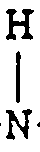
-S-, -O-, and -CH₂-, or is absent;
P and P₁ are selected from the group consisting of C₁ to C₄ alkyl, methoxy, ethoxy, butoxy, and H;
P₁ may be the same as P or different; and
X⁻ is a sulfonate anion; and
n ranges from about 50 to 1500. - The invention also provides a photographic element which comprises a substrate, and a photosensitive composition coated on said substrate, wherein said composition comprises the above compound.
- The invention still further provides a method for preparing a polymeric compound having the formula

R is selected from the group consisting of phenyl and C₁ to C₄ alkyl substituted phenyl;
K is selected from the group consisting of
--,
-S-, -O-, and -CH₂-, or is absent;
P and P₁ are selected from the group consisting of C₁ to C₄ alkyl, methoxy, ethoxy, butoxy, and H;
P₁ may be the same as P or different; and
X⁻ is a sulfonate anion; and
n ranges from about 50 to 1500.
which method comprises providing a poly(vinyl alcohol/vinyl acetate) copolymer having a molecular weight of from about 5,000 to about 100,000 and from about 75% to about 90% hydrolysis by weight, and reacting said copolymer with a sufficient amount of an aromatic aldehyde salt in the presence of an acid to provide an aromatic ketal acid condensate of the reactants; then treating said ketal condensate with a sufficient amount of a base to produce a ketal condensate salt; and then reacting said ketal condensate salt with a sufficient amount of light-sensitive diazonium salt monomer to effect an ion exchange between said salts whereby a diazonium compound radical is substituted onto the aromatic ring of said ketal condensate. - In the production of the light-sensitive resins of this invention, one begins with a poly(vinyl alcohol/vinyl acetate) copolymer.
The polyvinyl alcohol/polyvinyl acetate copolymers useful as a starting material for the production of the binder resin useful in this invention are those having from about 75% to about 90% hydrolysis by weight, and, preferably, an average molecular weight (AMW) of from about 5,000 to about 100,000. As used in this application hydrolization is on a weight basis and not a mole basis. Such copolymers are easily synthesized by methods known to those skilled in the art, or are commercially available. Suitable copolymers include Vinol 523 (AMW~70,000) and Vinol 205 (AMW~26,000) available from Air Products Co. of Allentown, Pennsylvania; Elvanol 52-22 (AMW~72,000) available from DuPont of Wilmington, Delaware; Gelvatol 20-30 (AMW~10,000), Gelvatol 20-60 (AMW~10,000) and Gelvatol 20-90 (AMW~90,000) available from Monsanto Co. of St. Louis, Missouri. Preferably, the copolymer has an average molecular weight in the range of about 10,000 to about 95,000. - The process steps for preparing the foregoing resin include first dissolving a polyvinyl alcohol/polyvinyl acetate copolymer in a mixture of water and an aqueous acid to form a reaction solution.
- Added to the acidified mixture is an aromatic aldehyde salt to thereby produce a cyclic ketal condensate. This is then rebasified with an alkali to quench the reaction mixture and form a cyclic ketal condensate salt. This is then reacted with a diazonium salt to effect an ion exchange whereby the resin acquires the light-sensitive diazo function.
- Condensations are normally conducted in strong acid media. Suitable acids include H₃PO₄, H₂SO₄, HCl, HBr, HPF₆,, H₃PO₃, HBF₄ at concentrations of 70-100%. Preferred acids are H₃PO₄ and H₂SO₄. For H₂SO₄, 96% w/w is preferred concentration when this acid is used.
- Preferred aromatic aldehydes non-exclusively include the ortho-sulfonic acid of benzaldehyde, the para-sulfonic acid of benzaldehyde and mixed o- and p-sulfonic acids of benzaldehyde.
- In the preferred embodiment, approximately equimolar amounts of poly(vinyl alcohol/acetate) and aldehyde are used, that is, one aldehyde group per repeating monomer group of the copolymer although such equimolar amounts are not required. For example, in certain circumstances it may be desired to provide an alternating polymer wherein the aldehyde reacts in a spaced fashion along the copolymer chain. The thusly produced intermediate is found to have the salt of the aromatic aldehyde replaced by a pendant sulfonic acid group. One returns to the salt by reaction with a suitable base such as an alkali metal hydroxide. This latter component is then condensed with a diazonium salt by ion exchange at the salt site. Non-exclusive examples of suitable diazonium salts may be represented by the formula

R is selected from the group consisting of phenyl and C₁ to C₄ alkyl substituted phenyl.
-K- is selected from the group consisting of
--,
-S-,-O-, and -CH₂-, or is absent;
P and P₁ are selected from the group consisting of C₁ to C₄ alkyl, methoxy, ethoxy, butoxy, and H;
P₁ may the same as P or different; and Y⁻ is an anion.
Where R₁ is a substituted phenyl in the above formula, the substituent group is preferably located in the para position and its preferred substituent group is methyl, i.e., p-tolyl. - Preferred anions are selected from the group consisting of SO₄⁻, SO₃⁻, PO₄, Cl⁻, Br⁻, F⁻, and NO₃⁻.
- Individual suitable diazo monomers include but are not restricted to the following:
Diphenylamine-4-diazonium chloride,
Diphenylamine-4-diazonium bromide,
Diphenylamine-4-diazonium sulfate,
3-methoxy-diphenylamine-4-diazonium sulfate,
3-methoxy-diphenylamine-4-diazonium chloride
3-methoxy-diphenylamine-4-diazonium bromide,
3-ethoxy-diphenylamine-4-diazonium chloride,
3-ethoxy-diphenylamine-4-diazonium bromide,
3-ethoxy-diphenylamine-4-diazonium sulfate,
2-methoxy-diphenylamine-4-diazonium chloride,
2-methoxy-diphenylamine-4-diazonium sulfate,
4-methoxy-diphenylamine-4-diazonium sulfate,
4-methoxy-diphenylamine-4-diazonium chloride,
4-methyl-diphenylamine-4-diazonium chloride,
4-methyl-diphenylamine-4-diazonium sulfate,
3-methyl-diphenylamine-4-diazonium chloride,
3-methyl-diphenylamine-4-diazonium sulfate,
3-ethyl-diphenylamine-4-diazonium chloride,
3,3′-bis-methyl-diphenylamine-4-diazonium chloride,
3-methyl-6-methoxy-diphenylamine-4-diazonium chloride,
2-methyl-5-chloro-diphenylamine-4-diazonium sulfate,
3-chloro-diphenylamine-4-diazonium sulfate,
Diphenylamine-4-diazonium chloride-2-carboxylic acid,
3-isopropyloxy-diphenylamine-4-diazonium chloride,
4-n-butyloxy-diphenylamine-4-diazonium chloride,
2,5-diethoxy-diphenylamine-4-diazonium chloride,
4-methoxy-2-ethoxy-diphenylamine-4-diazonium chloride,
3-isoamyloxy-diphenylamine-4-diazonium chloride,
3,4-dimethoxy-diphenylamine-4-diazonium chloride,
2-n-propyloxy-diphenylamine-4-diazonium chloride,
2-n-butyloxy-diphenylamine-4-diazonium chloride,
4-(4-methoxy-phenylmercapto)-2,5-diethoxy-benzenediazonium chloride
Additional suitable diazo monomers include:
4-diazo-2,5-diethoxy-1-(4-tolymercapto)benzene chloride,
4-diazo-2,5-diethoxy-1-(4-tolymercapto)benzene sulfate,
4-diazo-2,5-diethoxy-1-(4-tolymercapto)benzine bromide,
p-diazo-N-ethyl-N-benzylaniline chloride,
p-diazo-N-ethyl-N-benzylaniline sulfate,
p-diazo-N-ethyl-N-benzylaniline bromide. - It is to be understood that the anions shown with their specifications above, may in most cases be interchanged and selected from the anions given with the general formula for diazo monomers shown supra.
- In conducting the condensation reaction diazo monomers are used such as phosphates, chlorides, bromides, sulfates, nitrates, or fluorides.
- As an exemplary reaction scheme, one photosensitive resin may be prepared by the following procedure. Analogous but different starting materials would produce analogous results and the specific reaction details would be clear to those skilled in the art.

- The light sensitive diazonium polymer prepared according to the invention may be used in reproduction layers in the conventional way. They may be dissolved in water or solvents and coated on supports to form printing plates, color proofing foils, resists for printed circuitry and the like.
- The diazonium containing resin is preferably present in a coating composition of the subject invention at a percent solids level of from about 1% to about 20% by weight and most preferably the diazonium salt is present at a percent solids level of from about 1% to about 5%.
- Other components which may be optionally included in the coating composition of this invention include acid stabilizers, binders, exposure indicators, plasticizers, photoactivators, wetting agents and colorants.
- Such are described in U.S. Patent 3,679,419 which is incorporated by reference.
- Suitable acid stabilizers useful within the context of this invention include phosphoric, citric, benzoic, m-nitro benzoic, p(p-anilino phenylazo)benzene sulfonic acid, 4,4′-dinitro-2,2′-stilbene disulfonic, itaconic, tartaric and p-toluene sulfonic acid and mixtures thereof. Preferably, the acid stabilizer is phosphoric acid. When used, the acid stabilizer is present in the radiation-polymerizable composition it is preferably present in the amount of from about 0.02% to about 2.0% by weight of the composition, and most preferably from about 0.05% to about 1.0%, although the skilled artisan may use more or less as desired. Exposure indicators (or photoimagers) which may be useful in conjunction with the present invention include 4-phenylazodiphenylamine, eosin, azobenzene, Calcozine Fuchsin dyes and Crystal Violet and Methylene Blue dyes. Preferably, the exposure indicator is 4-phenylazodiphenylamine. The exposure indicator, when one is used, is preferably present in the composition in an amount of from about 0.01% to about 0.35% by weight. A more preferred range is from about 0.02% to about 0.30% and, most preferably, the exposure indicator is present in an amount of from about 0.02% to about 0.20%, although the skilled artisan may use more or less as desired.
- Colorants useful herein include dyes such as Rhodamine, Calcozine, Victoria Blue and methyl violet, and such pigments as the anthraquinone and phthalocyanine types. Generally, the colorant is present in the form of a pigment dispersion which may comprise a mixture of one or more pigments and/or one or more dyes dispersed in a suitable solvent or mixture of solvents. When a colorant is used, it is preferably present in the composition of this invention in an amount of from about 2.0% to about 35.0% by weight, more preferably from about 5.0% to about 30.0% and most preferably from about 5.0% to about 25.0% although the skilled artisan may use more or less as desired.
- In order to form a coating composition for the production of photographic elements, the composition of this invention may be dissolved in admixture in a solvent or mixture of solvents to facilitate application of the composition to the substrate. Suitable solvents for this purpose include water, tetrahydrofuran, butyrolactone, glycol ethers such as propylene glycol monomethyl ether and methyl Cellosolve, alcohols such as ethanol and n-propanol, and ketones such as methyl ethyl ketone, or mixtures thereof. Preferably, the solvent comprises a mixture of tetrahydrofuran, propylene glycol monomethyl ether and butyrolactone. In general, the solvent system is evaporated from the coating composition once it is applied to an appropriate substrate, however, some insignificant amount of solvent may remain as residue.
- Substrates useful for coating with the composition of this invention to form a photographic element such as a color proofing film, photoresist or lithographic printing plate include sheets of transparent films such as polyester, aluminum and its alloys and other metals, silicon and similar materials which are well known in the art. Preferably, the substrate comprises aluminum. The substrate may first be pretreated by standard graining and/or etching and/or anodizing techniques as are well known in the art, and also may or may not have been treated with a composition such as polyvinyl phosphonic acid, sodium silicate or the like suitable for use as a hydrophilizing agent.
- In the production of photographic elements such as lithographic printing plates, an aluminum substrate is first preferably grained by art recognized methods such as by means of a wire brush, a slurry of particulates or by chemical or electrochemical means, for example in an electrolytic solution comprising hydrochloric acid. The grained plate is preferably then anodized for example in sulfuric or phosphoric acid in a manner well known in the art. The grained and optionally anodized surface is preferably then rendered hydrophilic by treatment with polyvinyl phosphonic acid by means which are also known to the skilled artisan. The thusly prepared plate is then coated with the composition of the present invention preferably at a coating weight of from about 0.5g/m² to about 2.5 g/m², more preferably from about 0.8 g/m² to about 2.0 g/m² and most preferably about 1.0 g/m² from a photographic element such as a color proofing film, photoresist or lithographic printing plate includes sheets of transparent film such as polyester, aluminum and its alloys and other metals, silicon and similar materials which are well known in the art. Preferably, the substrate comprises aluminum. The substrate may first be pretreated by standard graining and/or etching and/or anodizing techniques as are well known in the art, and also may or may not have been treated with a composition such as polyvinyl phosphonic acid, sodium silicate or the like suitable for use as a hydrophilizing agent.
- Preferably the thus prepared photographic element is exposed to actinic radiation through a negative test flat so as to yield a solid 6 on a 21 step Stouffer exposure wedge after development. The exposed plate is then developed with a suitable organic solvent free aqueous developer composition such as a developer which comprises an aqueous solution containing one or more of the following groups:
- (a) a sodium. potassium or lithium salt of octyl, decyl or dodecyl monosulfate;
- (b) a sodium, lithium, potassium or ammonium metasilicate salt; and
- c) a lithium, potassium, sodium or ammonium borate salt; and
- d) an aliphatic dicarboxylic acid, or sodium, potassium or ammonium salt thereof having from 2 to 6 carbon atoms; and
- e) mono-, di-, or tri-sodium or -potassium phosphate.
- Other suitable developers include water, benzoic acid or sodium, lithium and potassium benzoates and the hydroxy substituted analogs thereof as well as those developers described in U.S. Patent 4,436,807.
- In conventional use, the developed plate is finished with a subtractive finisher such as a hydrophilic polymer. Examples include cold water soluble dextrin and/or polyvinyl pyrrolidone, a nonionic surfactant, a humectant, an inorganic salt and water, as taught by U.S. 4,213,887.
- For the purpose of improving the press performance of a plate prepared as described above, it is known that baking of the exposed and developed plate can result in an increase in the number of quality impressions over that otherwise obtainable. To properly bake the plate, it is first treated with a solution designed to prevent loss of hydrophilicity of the background during baking. An example of an effective solution is disclosed in U.S. 4,355,096, the disclosure of which is hereby incorporated herein by reference. The thusly prepared plate is then heat treated by baking at a temperature of from about 180oC up to the annealing temperature of the substrate, most preferably about 240oC. The effective baking time is inversely proportional to the temperature and averages in the range of from about 2 to about 15 minutes. At 240oC, the time is about 7 minutes.
- The following examples are illustrative of the invention but it is understood that the invention is not limited thereto. None of the plates prepared in the examples have an oxygen barrier layer thereon nor were they processed in a nitrogen barrier environment.
- 14.8g (0.2mol) of Gelvatol 20/30 and 10.4g (0.05mol) or ortho-benzaldehyde sodium sulfonate are dissolved in approximately 250 ml of water while heating. Five ml of concentrated sulfuric acid are added to the reaction mixture and it is heated to 90-95oC for four hours. The reaction mixture is cooled to room temperature. Gummy white solids are precipitated with acetone (salted out of aqueous phase with sodium chloride). The solids are redissolved in water and neutralized with sodium hydroxide (slightly basic ~7.2 pH). White solids precipitate out with acetone. A 10% nominal solution of this reaction product is prepared. A 10% solution of para-diazo diphenylamine chloride salt in water is also prepared. The two solutions are added while stirring and a tan solid is obtained. Excess water is poured off and the reaction product dissolved to make a 2-3% solids solution. A hazy solution is noticed. The solution is coated and dried on a sheet of unetched, anodized aluminum using a whirler coater to thereby produce a lithographic printing plate. The plate is exposed for 20 BAU and developed with water. Development is completed in about one minute with mild rubbing to produce an image which is ink receptive.
- The foregoing example is repeated except the pure, unreacted, para-diazo diphenylamine solution is coated onto the aluminum sheet. When development is attempted after exposure, the entire coating is removed, including both exposed and unexposed areas. An effective lithographic printing plate cannot be produced.
- The foregoing example is repeated except the pure, unreacted, para-diazo diphenylamine solution in admixture with Gelvatol 20/30 is coated onto the aluminum sheet. When development is attempted after exposure, the entire coating is removed, including both exposed and unexposed areas. An effective lithographic printing plate cannot be produced.
Claims (14)

R is selected from phenyl and C₁ to C₄ alkyl substituted phenyl;
K is selected from
-

-S-, -O-, and -CH₂-, or is absent;
P and P₁ are selected from C₁ to C₄ alkyl, methoxy, ethoxy, butoxy, and H;
P₁ may the same as P or different; and
X⁻ is a sulfonate anion; and
n ranges from 50 to 1500.

R is selected from phenyl and C₁ to C₄ alkyl substituted phenyl;
K is selected from
-
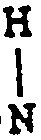
-S-, -O- and -CH₂-, or is absent;
P and P₁ are selected from C₁ to C₄ alkyl, methoxy, ethoxy, butoxy, and H;
P₁ may be the same as P or different; and
X⁻ is a sulfonate anion; and
n ranges from 50 to 1500.
which method comprises providing a poly(vinyl alcohol/vinyl acetate) copolymer having a molecular weight of from 5,000 to 100,000 and from 75% to 90% hydrolysis by weight, and reacting said copolymer with a sufficient amount of an aromatic aldehyde salt in the presence of an acid to produce an aromatic ketal acid condensate of the reactants; then treating said ketal condensate with a sufficient amount of a base to produce a ketal condensate salt; and then reacting said ketal condensate salt with a sufficient amount of light-sensitive diazonium salt monomer to effect an ion exchange between said salts whereby a diazonium compound radical is substituted onto the aromatic ring of said ketal condensate.

R is selected from phenyl and C₁ to C₄ alkyl substituted phenyl.
-K- is selected from
-S-, -O-, and -CH₂-, or is absent;
P and P₁ are selected from C₁ to C₄ alkyl, methoxy, ethoxy, butoxy, and H;
P₁ may be the same as P or different; and
Y⁻ is an anion.
Applications Claiming Priority (2)
| Application Number | Priority Date | Filing Date | Title |
|---|---|---|---|
| US43437489A | 1989-11-13 | 1989-11-13 | |
| US434374 | 1989-11-13 |
Publications (2)
| Publication Number | Publication Date |
|---|---|
| EP0428362A1 true EP0428362A1 (en) | 1991-05-22 |
| EP0428362B1 EP0428362B1 (en) | 1995-04-19 |
Family
ID=23723962
Family Applications (1)
| Application Number | Title | Priority Date | Filing Date |
|---|---|---|---|
| EP90312332A Expired - Lifetime EP0428362B1 (en) | 1989-11-13 | 1990-11-12 | Photosensitive resin and element made therefrom |
Country Status (5)
| Country | Link |
|---|---|
| EP (1) | EP0428362B1 (en) |
| JP (1) | JPH0616173B2 (en) |
| BR (1) | BR9005753A (en) |
| CA (1) | CA2026018A1 (en) |
| DE (1) | DE69018775T2 (en) |
Families Citing this family (1)
| Publication number | Priority date | Publication date | Assignee | Title |
|---|---|---|---|---|
| JP2627011B2 (en) * | 1990-02-14 | 1997-07-02 | 富士写真フイルム株式会社 | Photosensitive lithographic printing plate |
Citations (4)
| Publication number | Priority date | Publication date | Assignee | Title |
|---|---|---|---|---|
| US3304297A (en) * | 1959-02-12 | 1967-02-14 | Ciba Ltd | Dyestuffs consisting of organic dyestuffs bound to polyhydroxylated organic polymers |
| US3720653A (en) * | 1965-05-13 | 1973-03-13 | Oreal | Colored interpolymers of an epoxy compound,vinylpyrrolidone and vinyl acetate |
| GB2030575A (en) * | 1978-08-09 | 1980-04-10 | Agency Ind Science Techn | Photosensitive resin and method for manufacture thereof |
| GB2076826A (en) * | 1980-04-17 | 1981-12-09 | Oji Paper Co | Photosensitive resinous materials |
-
1990
- 1990-10-30 CA CA002026018A patent/CA2026018A1/en not_active Abandoned
- 1990-11-12 EP EP90312332A patent/EP0428362B1/en not_active Expired - Lifetime
- 1990-11-12 DE DE69018775T patent/DE69018775T2/en not_active Expired - Fee Related
- 1990-11-13 JP JP2306964A patent/JPH0616173B2/en not_active Expired - Lifetime
- 1990-11-13 BR BR909005753A patent/BR9005753A/en unknown
Patent Citations (4)
| Publication number | Priority date | Publication date | Assignee | Title |
|---|---|---|---|---|
| US3304297A (en) * | 1959-02-12 | 1967-02-14 | Ciba Ltd | Dyestuffs consisting of organic dyestuffs bound to polyhydroxylated organic polymers |
| US3720653A (en) * | 1965-05-13 | 1973-03-13 | Oreal | Colored interpolymers of an epoxy compound,vinylpyrrolidone and vinyl acetate |
| GB2030575A (en) * | 1978-08-09 | 1980-04-10 | Agency Ind Science Techn | Photosensitive resin and method for manufacture thereof |
| GB2076826A (en) * | 1980-04-17 | 1981-12-09 | Oji Paper Co | Photosensitive resinous materials |
Also Published As
| Publication number | Publication date |
|---|---|
| JPH0616173B2 (en) | 1994-03-02 |
| EP0428362B1 (en) | 1995-04-19 |
| BR9005753A (en) | 1991-09-24 |
| DE69018775T2 (en) | 1995-12-07 |
| DE69018775D1 (en) | 1995-05-24 |
| JPH03171051A (en) | 1991-07-24 |
| CA2026018A1 (en) | 1991-05-14 |
Similar Documents
| Publication | Publication Date | Title |
|---|---|---|
| US4284705A (en) | Photosensitive diazo salt compositions and lithographic plate comprising same | |
| US4708925A (en) | Photosolubilizable compositions containing novolac phenolic resin | |
| JP3346866B2 (en) | Water developable diazo-based lithographic printing plate | |
| US4511640A (en) | Aqueous developable diazo lithographic printing plates with admixture of polyvinyl acetate and styrene maleic acid ester copolymer | |
| EP0507008B1 (en) | Lithographic printing plate based on a resin comprising aryldiazosulfonates | |
| JPH09118718A (en) | New acetal polymer useful for photosensitive composition | |
| US5200291A (en) | Photosensitive diazonium resin, element made therefrom, method of preparing the resin and method for producing negative lithographic image utilizing the resin | |
| US20030194635A1 (en) | Isocyanate crosslinked imageable compositions | |
| EP0313220B1 (en) | Photopolymers | |
| US3595656A (en) | Reprographic materials containing a water-insoluble azidochalcone | |
| US4618562A (en) | Aqueous developable lithographic printing plates containing an admixture of diazonium salts and polymers and composition therefor | |
| CA1276048C (en) | Polyvinyl acetal resin and photosensitive composition containing same | |
| EP0631189B1 (en) | Improvement of the storage stability of a diazo-based imaging element for making a printing plate | |
| US4511646A (en) | Ethylenically-unsaturated dextrin composition for preparing a durable hydrophilic photopolymer | |
| NO115071B (en) | ||
| JPH0431104B2 (en) | ||
| EP0502562B1 (en) | Method for producing images | |
| EP0428362B1 (en) | Photosensitive resin and element made therefrom | |
| EP0522616B1 (en) | Method for producing images using a photopolymerizable composition | |
| EP0326714B1 (en) | Three dimensional light-sensitive diazonium condensates | |
| US4299907A (en) | Storage stable photosensitive diazo lithographic printing plates | |
| US4326018A (en) | Lithographic printing plate | |
| US3933499A (en) | Printing plate comprising diazo-borofluoride and diazo resin layers | |
| GB2029592A (en) | Storage stable lithographic printing plates | |
| US4871644A (en) | Photoresist compositions with a bis-benzotriazole |
Legal Events
| Date | Code | Title | Description |
|---|---|---|---|
| PUAI | Public reference made under article 153(3) epc to a published international application that has entered the european phase |
Free format text: ORIGINAL CODE: 0009012 |
|
| AK | Designated contracting states |
Kind code of ref document: A1 Designated state(s): DE FR GB IT |
|
| 17P | Request for examination filed |
Effective date: 19911028 |
|
| 17Q | First examination report despatched |
Effective date: 19931125 |
|
| GRAA | (expected) grant |
Free format text: ORIGINAL CODE: 0009210 |
|
| RBV | Designated contracting states (corrected) |
Designated state(s): DE GB |
|
| AK | Designated contracting states |
Kind code of ref document: B1 Designated state(s): DE GB |
|
| REF | Corresponds to: |
Ref document number: 69018775 Country of ref document: DE Date of ref document: 19950524 |
|
| PLBE | No opposition filed within time limit |
Free format text: ORIGINAL CODE: 0009261 |
|
| STAA | Information on the status of an ep patent application or granted ep patent |
Free format text: STATUS: NO OPPOSITION FILED WITHIN TIME LIMIT |
|
| 26N | No opposition filed | ||
| PGFP | Annual fee paid to national office [announced via postgrant information from national office to epo] |
Ref country code: DE Payment date: 19990123 Year of fee payment: 9 |
|
| PGFP | Annual fee paid to national office [announced via postgrant information from national office to epo] |
Ref country code: GB Payment date: 19990211 Year of fee payment: 9 |
|
| PG25 | Lapsed in a contracting state [announced via postgrant information from national office to epo] |
Ref country code: GB Free format text: LAPSE BECAUSE OF NON-PAYMENT OF DUE FEES Effective date: 19991112 |
|
| GBPC | Gb: european patent ceased through non-payment of renewal fee |
Effective date: 19991112 |
|
| PG25 | Lapsed in a contracting state [announced via postgrant information from national office to epo] |
Ref country code: DE Free format text: LAPSE BECAUSE OF NON-PAYMENT OF DUE FEES Effective date: 20000901 |