EP0414007B1 - A novel arginine deiminase, its manufacturing method and an anti-cancer agent containing this enzyme as an effective ingredient - Google Patents
A novel arginine deiminase, its manufacturing method and an anti-cancer agent containing this enzyme as an effective ingredient Download PDFInfo
- Publication number
- EP0414007B1 EP0414007B1 EP90114846A EP90114846A EP0414007B1 EP 0414007 B1 EP0414007 B1 EP 0414007B1 EP 90114846 A EP90114846 A EP 90114846A EP 90114846 A EP90114846 A EP 90114846A EP 0414007 B1 EP0414007 B1 EP 0414007B1
- Authority
- EP
- European Patent Office
- Prior art keywords
- arginine deiminase
- arginine
- polypeptide
- mycoplasma
- approximately
- Prior art date
- Legal status (The legal status is an assumption and is not a legal conclusion. Google has not performed a legal analysis and makes no representation as to the accuracy of the status listed.)
- Expired - Lifetime
Links
Images




Classifications
-
- C—CHEMISTRY; METALLURGY
- C12—BIOCHEMISTRY; BEER; SPIRITS; WINE; VINEGAR; MICROBIOLOGY; ENZYMOLOGY; MUTATION OR GENETIC ENGINEERING
- C12N—MICROORGANISMS OR ENZYMES; COMPOSITIONS THEREOF; PROPAGATING, PRESERVING, OR MAINTAINING MICROORGANISMS; MUTATION OR GENETIC ENGINEERING; CULTURE MEDIA
- C12N9/00—Enzymes; Proenzymes; Compositions thereof; Processes for preparing, activating, inhibiting, separating or purifying enzymes
- C12N9/14—Hydrolases (3)
- C12N9/78—Hydrolases (3) acting on carbon to nitrogen bonds other than peptide bonds (3.5)
-
- A—HUMAN NECESSITIES
- A61—MEDICAL OR VETERINARY SCIENCE; HYGIENE
- A61P—SPECIFIC THERAPEUTIC ACTIVITY OF CHEMICAL COMPOUNDS OR MEDICINAL PREPARATIONS
- A61P35/00—Antineoplastic agents
-
- A—HUMAN NECESSITIES
- A61—MEDICAL OR VETERINARY SCIENCE; HYGIENE
- A61K—PREPARATIONS FOR MEDICAL, DENTAL OR TOILETRY PURPOSES
- A61K38/00—Medicinal preparations containing peptides
Definitions
- the present invention relates to a novel arginine deiminase and the manufacturing method thereof. Further, the present invention relates to an anti-cancer agent containing this arginine deiminase as an effective ingredient.
- L-asparaginase is effective only to a few types of cancer such as leukemia and malignant lymphoma because there are a small number of cancers dependent on L-asparagine, while arginase fails to show anti-cancer activities in vivo although it shows inhibiting activities against the growth of a variety of cancer cells in vitro [Br. J. Cancer, 30 , 50(1974)].
- the present inventors researched into many new types of arginine deiminase derivable from Pseudomonas, Streptococcus, mycoplasma and other microorganisms.
- the present invention was accomplished when it was found that a cell extract of mycoplasma contains arginine deiminase, which has its optimum pH in the physiological range, shows a high stability, and consequently provides strong inhibiting activities against the growth of cancer cells.
- Arginine deiminase (EC 3.5.3.6.) is an enzyme that hydrolyzes amidino group of L-arginine into L-citrulline and ammonia, and is called by a general name of arginine dihydrolase, arginine desiminase, or guanidinodesiminase.
- the resultant L-citrulline is decomposed into ornithine and carbamoyl phosphate, and this carbamoyl phosphate is further decomposed into ammonia and water.
- ATP is produced in this process.
- arginine deiminase is an enzyme involved in the first step of the pathway leading to the production of ATP in connection with the metabolism of the amidino groups of arginine in bacteria and yeasts.
- the arginine deiminase of the present invention is derived from mycoplasma and has the following physicochemical properties:
- the arginine deiminase of the present invention is prepared from mycoplasma by the following method:
- mycoplasma having an ability to produce the arginine deiminase of the present invention can be used.
- mycoplasma include M.arginini, M. hominis, M. salivarium, M. gallinarum and M. orale.
- the most suitable strain is the M. arginini [IFO Catalog No. 14476, ATCC Catalog No. 23838 or NCTC Catalog No. 10129) available from the Institute of Fermentation, Osaka, ATCC or NCTC.
- the above mycoplasma is cultured in a liquid medium added with arginine, at a temperature of about 37°C for one to several days in a standing condition.
- This mycoplasma is a facultative anaerobic bacterium and can be grown under an anaerobic condition or in the presence of oxygen.
- a PPLO meat broth or the like is used, and arginine is added to the medium at a ratio of 1-10g to 1 liter of medium.
- the cells After culturing, the cells are collected, then are suspended in a buffer solution, for example, such as a phosphate buffer solution, and are disrupted by such means as sonication; finally, the precipitates are removed through centrifugal separation or a similar method.
- the supernatant solution is thus obtained as a cell extraction, which undergoes a process of purification by chromatography such as gel filtration chromatography, ion-exchange chromatography, affinity chromatography and the like.
- chromatography such as gel filtration chromatography, ion-exchange chromatography, affinity chromatography and the like.
- arginine deiminase of the present invention is clearly different from the known types of arginine deiminase reported in various literature, as shown in Table 1.
- the homology search was done between the N-amino acid sequence of the arginine deiminase of the present invention and registered proteins in the computer database, but it was found that no protein has an amino acid sequence similar to that obtained by the present invention. For these reasons, it has been concluded that the arginine deiminase of the present invention is a novel arginine deiminase.
- arginine deiminase of M.arginini was found to contain the 409 amino acids and have a molecular weight of 46375, nearly identical with the molecular weight of proteins obtained by the SDS-polyacrylamide gel electrophoresis.
- the arginine deiminase of the present invention shows a superb effect of prolonging the lives of mice carrying such cancer cells as leukemia cells, fibrosarcoma cells and colon carcinoma cells and the like. For this reason, it is evident that the arginine deiminase of the present invention is effective in the treatment of a variety of tumors, specially malignant tumors, in humans.
- arginine deiminase The activity of arginine deiminase can be determined by causing it to produce citrulline using the method reported by Fenske et. al. [J. Bacteriol. 126 , 501-510 (1976)], and by measuring the amount of the yields using the method given by Archibald [J. Biol. Chem. 156 , 121-142 (1944)].
- arginine deiminase of the present invention can be administered by injection (hypodermic injection, intravenous injection or arterial injection, etc.) in a variety of pharmaceutical preparation and formulations. It may be used by combinding with any other pharmaceutical active ingredient, carriers and/of adjuvants.
- agent of the present invention can be prepared by any known means of pharmaceutical preparation.
- the dosage of arginine deiminase of the present invention varies according to the individual variation, diesease conditions and the like, the arginine deiminase may be administered in an amount of 0.1-100mg/1Kg of human body weight per day.
- Fig. 1 shows a gel filtration chromatogram of the M.arginini cell extract of the present invention
- Fig. 2 an ion-exchange chromatogram of the fractions 42-52 thereof
- Fig. 3 affinity chromatogram of the fractions 50-53 thereof.
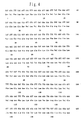
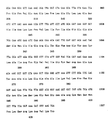
- Fig. 4 shows the complete amino acid sequence of the arginine deiminase, and the nucleotide sequence which codes for the enzyme.
- Fig. 5 through Fig. 8 show the nucleotaide sequence and amino acid sequence thereto of the oligonucleotide used as probes.
- a strain of M.arginini obtained from the Institute of Fermentation, Osaka was inoculated into a liquid medium [composed of 21g of PPLO broth w/o CV (Difco), 10g of L-arginine, 200ml of horse serum, 100ml of 25% freshly prepared yeast extract, 5ml of 0.4% phenol red solution and 700ml of distilled water, and adjusted pH to 7.0], and then cultured in a 5% CO2 incubator at 37°C for 2 days in a standing condition.
- a liquid medium composed of 21g of PPLO broth w/o CV (Difco), 10g of L-arginine, 200ml of horse serum, 100ml of 25% freshly prepared yeast extract, 5ml of 0.4% phenol red solution and 700ml of distilled water, and adjusted pH to 7.0
- M.arginini cells were separated by centrifuging 2 liters of the liquid medium obtained according to the above (1) step, at a 7,000 rpm for 20 minutes. These M.arginini cells were suspended in 30ml of 10mM phosphate buffer of pH 7.0. The cells contained in this suspension were then disrupted by sonication, and the insoluble matter is removed by centrifugal separation. Finally, the resultant supernatant was obtained as a M.arginini cell extract.
- Arginine deiminase MS purified from the M. arginini cell extract obtained in the above (A) step, by applying the following three different types of chromatography.
- i) Gel filtration chromatography The above M.arginini cell extract was applied to gel filtration chromatography under the following condition, using a Cellulofine GCL-2000m [Chisso Corporation]: Column size: 2.6 x 90cm Volume of gel : 480ml Flow rate: 24ml/hr Volume of fraction: 6 ml each Eluent: 10mM potassium phosphate buffer (pH 7.0), + 0.5M sodium chloride The absorbance at 280 nm and arginine deiminase activity of each fraction thus obtained were measured by the aforementioned methods, and the results were as shown in Fig.
- the inner dialyzed solution was applied to ion-exchange chromatography under the following condition, using a DEAE-Toyopearl [Toso Co.]: Column size: 2.6 x 30cm Volume of gel : 320ml Flow rate: 60ml/hr Volume of fraction: 10 ml each Eluent: 10mM phosphate buffer (pH 7.0) (linear gradient of sodium chloride from 0 to 0.5M)
- the dialyzed fractions containing the arginine deiminase were added into a DEAE-Toyopearl column equilibrated with the same buffer as that used in the dialysis in order to absorb arginine deiminase, and 10 ml of each fraction was collected by elution under the condition of a linear gradient of the sodium chloride concentration from 0M to 0.5M in the buffer at a flow rate of 60ml/hr.
- the dialyzed solution was applied to affinity chromatography under the following condition, using a Arginine-Sepharose 4B [Pharmacia Co.]: Column size: 2.2 x 10cm Volume of gel : 38ml Flow rate: 50ml/hr Volume of fraction: 8ml each Eluent: 10mM phosphate buffer (pH 7.0) (linear, gradient of sodium chloride from 0 to 1.0M)
- the dialyzed fractions containing the arginine deiminase were added into a Arginine-Sepharose column equilibrated with the same buffer as that used in dialysis in order to absorb arginine delminase, and 8ml of each fraction was collected by elution under the condition of a linear gradient from 0M to 1.0M of the sodium chloride concentration In the buffer at a flow rate of 50ml/hr.
- M.arginini [IFO Catalog No. 14476] was lysed by SDS, and then was treated first by protinase K and then by RNase A. Then, the solution was extracted with phenol and then with chloroform; finally, genome DNA was prepared by dialyzing the resultant aqueous layer against 10mM tris-hydrochloric acid (pH 8.0) in 1mM EDTA.
- the mycoplasma genome DNA prepared in the above (1) step was digested by appropriate restriction enzymes, then was inserted to a plasmidvector pUC19 [Toyobo Co.]; finally, this vector was introduced into E. coli HB101 [purchased as competent cells from Takara Shuzo Co.], to provide a mycoplasma genes library.
- the oligonucleotide synthesized in the above (3) step was labeled by 32p, and was used as a probe for screening the mycoplasma gene library produced in the (2) step. Thus, positive clones were isolated.
- Plasmid DNA was prepared from the clones obtained in the above (4) step, and the DNA fragment to be hybridized with the probe was integrated into M13mp19 [Toyobo Co.]. Using the dideoxy method, the nucleotide sequence was determined for both strands of the cloned gene. The results are shown in Fig. 4.
- a 1230 bp open reading frame including a nucleotide sequence coding for the N-terminal, 30 amino acids sequence of the arginine deiminase was found in the cloned gene, and the 1227 bp genes, following the initiation codon ATG, were identified as the arginine deiminase gene of M.arginini (see Fig. 4). Since it is known that the TGA codon is recognized as a tryptophan codon in mycoplasma [Proc. Natl. Acad.
- the molecular weight derived from the total 409 amino acids was 46375, which is nearly identical with the molecular weight obtained by the protein SDS-polyacrylamide gel electrophoresis.
- the fractions 71-81 obtained in the Example 1 (2) iii) step were dialyzed for 24 hours against a phosphate buffered saline (PBS) (pH 7.4), and the dialyzed product was diluted by PBS in a 0.2-2.0mg/ml solution. Then, the solution was sterilized by filtration with a 0.2 »m filter, to prepare an aqueous solution-type arginine deiminase preparation.
- PBS phosphate buffered saline
- Plasmid pAD 12 was prepared by inserting, into the Sac I-Hind III site of plasmid pVC 19, genes containing the structural genes and regulatory genes 240 bq upstream therefrom of the mutant arginine deiminase genes obtained in the above (1) step.
- the resultant plasmid pAD 12 was found to have a promoter sequence of mycoplasma arginini arginine deiminase, and an analysis of the base sequence of the pAD 12 indicated the presence of a consensus sequence (SD, - 10, -35 sequence) of the procaryotic cell promoter.
- SD, - 10, -35 sequence consensus sequence of the procaryotic cell promoter.
- the pAD 12 prepared in the above (2) step was introduced to E. coli HB 101 (Takara Shuzo Co.), and the resultant transformant was cultured overnight at 37°C in a 5 ml LB medium [1.0% Bacto Tryptone (DIFCO Co.), 0.5% Bacto Yeast Extract (DIFCO Co.), 0.2% glucose, 1.0% NaCl, pH 7.5]. Then, 1 ml of the culture medium was added to 250 ml of LB medium to be cultured overnight at 37°C. The cell collected from the culture by centrifugation was washed twice with physiological saline, and were suspended in 2 ml of 0.1M potassium phosphate buffer (pH 7.0).
- the HB 101 cell extract retaining pAD 12 and the HB 101 cell extract retaining pUC 19 (control) both obtained in the (3) step were diluted 10 times by a 0.1 M potassium phosphate buffer (pH 7.0), and 10 »l of each resultant solution was incubated at 37°C for 5 hours. Then, the amount of citrulline yield was measured by the aforementioned method.
- the amount of arginine deiminase expression in the HB 101 retaining pAD 12 was calculated from the difference between the amount of the citrulline yield in the HB 101 retaining pAD 12 and that in the HB 101 retaining pUC 19. The result indicated 1.2 unit of arginine deiminase activity for every 250 ml of LB medium.
- 1 x 10⁴ cells of each type of human cancer cells were inoculated in a 24-well microplate containing 1.0ml of DME medium with a 10% serum of bovine fetal serum, and the arginine deiminase preparation obtained in the above step was added to this medium, in such an amount that the concentration of this preparation in the medium was 5ng/ml or 10ng/ml. Then, after culturlng in a 5% CO2 incubator at 37°C for 3 days, the number of cancer cells were counted using an automated cell counter (Coultor counter) [Coultor Co.]. As the control, the same amount of PBS was added to the medium instead of the arginine deiminase preparation.
- the inhibiting activity against cancer cell growth was indicated in terms of the number of cancer cells in samples, relative to the corresponding number for the control which was set as 100.
- the results are as shown in Table 2.
- Table 2 Type of cell No. of cells (% of control) 5ng/ml 10ng/ml Human liver cancer cell (HLE) 16.7 6.7 Human malignant fibro-sarcoma cell (B32) 20.1 10.3 Human squamous carcinoma cancer cell (Caski) 31.6 22.9 Human squamous carcinoma cancer cell (HSC-4) 57.4 41.8 Human malignant melanoma cells (VMRC) 41.7 23.4 Human nasopharyngeal carcinoma cell (KB) 57.1 46.9 Human lung carcinoma cells (A549) 42.3 45.8
- mice A total of 21 male CDF1 mice (BALB/c ⁇ x DBA/B ⁇ ), 7 weeks old, were used, as subjects, and 1 x 10⁵ cells of leukemia cells L1210 were transplanted i.p. to each mouse. Then, 9 mice were randomly selected as a control group, and the other were equally devided into 2 test groups. The aforementioned arginine deiminase preparations were chronically injected i.p. to the test groups daily for 8 days. The control group animals were administered with PBS.
- mice A total of 27 male CDF1 mice (BALB/c ⁇ x DBA/2 ⁇ ), 7 weeks old, were used as subjects, and 1 x 10⁶ cells of fibro-sarcoma cells Meth A were transplanted i.p. to each mouse. Then, 9 mice were randomly selected as a control group, and the others were equally devided into 2 test groups. The arginine deiminase preparations were chronically injected i.p. to the test groups daily for 10 days. The control group animals were administered with PBS.
- mice A total of 25 male CDF1 mice (BALB/c ⁇ DBA/2 ⁇ ), 7 weeks old, were used as subjects, and 1 x 10⁶ cells of colon carcinoma cells Colon 26 were transplanted i.p. to each mouse. Then, 9 mice were randomly selected as a control group, and the others were equally devided into 2 test groups .
- the arginine deiminase preparations were chronically injected i.p. to the test groups daily for 14 days.
- the control group animals were administered with PBS.
- mice A total of 24 male ICR mice, 7 weeks old, were used as subjects, and 1 x 10⁶ cells of Sarcoma 180 cells were transplanted i.p. to each mouse. Then, 8 mice were randomly selected as a control group, and the others were equally devided into 2 test groups. The arginine deiminase preparations were chronically injected i.p. daily for 14 days to the test groups. The control group animals were administered with PBS.
- mice A total of 26 male C3H/HeN mice, 7 weeks old, were used as subjects, and 1 x 10⁶ cells of Ascites Hepatoma MH 134 were transplanted i.p. to each mouse. Then, 10 mice were randomly selected as a control group, and the others were equally devided into 2 groups. The arginine deiminase preparations were chronically injected i.p. daily for 14 days to the test groups. The control group animals were administered with PBS.
Landscapes
- Health & Medical Sciences (AREA)
- Life Sciences & Earth Sciences (AREA)
- Chemical & Material Sciences (AREA)
- Organic Chemistry (AREA)
- Zoology (AREA)
- Wood Science & Technology (AREA)
- Bioinformatics & Cheminformatics (AREA)
- Genetics & Genomics (AREA)
- Engineering & Computer Science (AREA)
- Medicinal Chemistry (AREA)
- General Health & Medical Sciences (AREA)
- Microbiology (AREA)
- Molecular Biology (AREA)
- Biochemistry (AREA)
- General Engineering & Computer Science (AREA)
- Biotechnology (AREA)
- Biomedical Technology (AREA)
- General Chemical & Material Sciences (AREA)
- Chemical Kinetics & Catalysis (AREA)
- Nuclear Medicine, Radiotherapy & Molecular Imaging (AREA)
- Pharmacology & Pharmacy (AREA)
- Animal Behavior & Ethology (AREA)
- Public Health (AREA)
- Veterinary Medicine (AREA)
- Enzymes And Modification Thereof (AREA)
- Medicines That Contain Protein Lipid Enzymes And Other Medicines (AREA)
Abstract
Description
- The present invention relates to a novel arginine deiminase and the manufacturing method thereof. Further, the present invention relates to an anti-cancer agent containing this arginine deiminase as an effective ingredient.
- Recently, increasing attention is focused on the fresh attempt to cure cancer by using enzymes on the basis of the requirement of nourishment by cancer cells. In other words, this treatment attempts to inhibit the growth of, or necrotize, the cancer cells by decomposing the nourishment required by the cancer cells and thus by shutting out the source of nourishment from the reach of the cancer cells. Among these anti-tumor enzymes, L-asparaginase (EC 3.5.1.1) [see Nature, 299, 168(1971)] and arginase (EC 3.5.3.1) [Br. J. Cancer, 19, 379(1965)] are known. However, L-asparaginase is effective only to a few types of cancer such as leukemia and malignant lymphoma because there are a small number of cancers dependent on L-asparagine, while arginase fails to show anti-cancer activities in vivo although it shows inhibiting activities against the growth of a variety of cancer cells in vitro [Br. J. Cancer, 30, 50(1974)].
- Moreover, although there have been reports that arginine deiminase is obtainable from mycoplasma and other microorganisms [J.Biol.chem., 241, 2228-2236 (1966), ibid. , 252, 2615-2620 (1987) , ibid., 250, 4580-4583 (1975), Arch.Biochem.Biophys. 69, 186-197 (1957), etc.], no reports have mentioned the anti-cancer activity of this enzyme.
- It is an object of the present invention to provide a novel arginine deiminase. Another object is to provide a method of manufacturing this novel arginine deiminase from mycoplasma. Further, the other object of the present invention is to provide an anti-cancer agent containing arginine deiminase as an effective ingredient.
- The present inventors researched into many new types of arginine deiminase derivable from Pseudomonas, Streptococcus, mycoplasma and other microorganisms. As a result, the present invention was accomplished when it was found that a cell extract of mycoplasma contains arginine deiminase, which has its optimum pH in the physiological range, shows a high stability, and consequently provides strong inhibiting activities against the growth of cancer cells.
- Arginine deiminase (EC 3.5.3.6.) is an enzyme that hydrolyzes amidino group of L-arginine into L-citrulline and ammonia, and is called by a general name of arginine dihydrolase, arginine desiminase, or guanidinodesiminase. The resultant L-citrulline is decomposed into ornithine and carbamoyl phosphate, and this carbamoyl phosphate is further decomposed into ammonia and water. ATP is produced in this process. In other words, arginine deiminase is an enzyme involved in the first step of the pathway leading to the production of ATP in connection with the metabolism of the amidino groups of arginine in bacteria and yeasts.
- The arginine deiminase of the present invention is derived from mycoplasma and has the following physicochemical properties:
- (a) Function
Hydrolyzes the amidino groups of L-arginine into L-citrulline and ammonia. - (b) Optimum pH: 6.0 - 7.5
- (c) Stable pH: 4.5 - 9.0
- (d) Optimum temperature: Approx. 50°C
- (e) Km value: Approx. 0.2 mM
- (f) Isoelectric point (PI): Approx. 4.7
- (g) Molecular weight: Approx. 45,000 (by SDS-polyacrylamide gel electrophoresis method)
Approx. 90,000 (by gel filtration HPLC method) - (h) Amino acid sequence from N-terminal Ser-Val-Phe-Asp-Ser-Lys-Phe-Lys-Gly-Ile -His-Val-Tyr-Ser-Glu-
- The arginine deiminase of the present invention is prepared from mycoplasma by the following method:
- Any mycoplasma having an ability to produce the arginine deiminase of the present invention can be used. These types of mycoplasma include M.arginini, M. hominis, M. salivarium, M. gallinarum and M. orale. The most suitable strain is the M. arginini [IFO Catalog No. 14476, ATCC Catalog No. 23838 or NCTC Catalog No. 10129) available from the Institute of Fermentation, Osaka, ATCC or NCTC.
- In the present invention, the above mycoplasma is cultured in a liquid medium added with arginine, at a temperature of about 37°C for one to several days in a standing condition. This mycoplasma is a facultative anaerobic bacterium and can be grown under an anaerobic condition or in the presence of oxygen. A PPLO meat broth or the like is used, and arginine is added to the medium at a ratio of 1-10g to 1 liter of medium.
- After culturing, the cells are collected, then are suspended in a buffer solution, for example, such as a phosphate buffer solution, and are disrupted by such means as sonication; finally, the precipitates are removed through centrifugal separation or a similar method. The supernatant solution is thus obtained as a cell extraction, which undergoes a process of purification by chromatography such as gel filtration chromatography, ion-exchange chromatography, affinity chromatography and the like. As a result, an arginine deiminase having the above-mentioned physicochemical properties is obtained.
- The arginine deiminase of the present invention is clearly different from the known types of arginine deiminase reported in various literature, as shown in Table 1.
Table 1 Reference (Present invention) J.B.C. 252,2615-2620 (1987) J.B.C. 241,2228-2236 (1966) J.B.C. 250,4580-4583 (1975) Archives of Biochemistry and Biophysics 69, 186-197 (1957) Source M. arginini M.arthritidis M.hominis Pseudomonas putida Streptococcus faecalis Molecular weight 45,000 (SDS-PAGE) 9,000 (Gel filtration HPLC) 49,000 (SDS-PAGE) 78,300 54,000 (SDS-PAGE) not known Isoelectric point 4.7 7.0 not known 6.13 not known km 0.2 mM 4 »M 0.1-0.4 mM 0.2mM 0.15mM Vmax 50u/mg 18u/mg 53u/mg 58.8u/mg 41u/mg Optimum pH 6.7-7.5 not known 6.5-6.7 6.0 6.8 Amino acid at N-terminal Ser Ala not known not known not known - Further, the homology search was done between the N-amino acid sequence of the arginine deiminase of the present invention and registered proteins in the computer database, but it was found that no protein has an amino acid sequence similar to that obtained by the present invention. For these reasons, it has been concluded that the arginine deiminase of the present invention is a novel arginine deiminase.
- In addition, an attempt was made in the present invention to clone the gene of arginine deiminase of M.arginini from the genome DNA of M.arginini. By DNA sequence analysis of the cloned gene, a nucleotide sequence coding for the arginine deiminase was determined, as illustrated in Fig. 4. Accordingly, the arginine deiminase of the present invention was found to contain the 409 amino acids and have a molecular weight of 46375, nearly identical with the molecular weight of proteins obtained by the SDS-polyacrylamide gel electrophoresis.
- As indicated by
Experiments 1 through 6, the arginine deiminase of the present invention shows a superb effect of prolonging the lives of mice carrying such cancer cells as leukemia cells, fibrosarcoma cells and colon carcinoma cells and the like. For this reason, it is evident that the arginine deiminase of the present invention is effective in the treatment of a variety of tumors, specially malignant tumors, in humans. - The activity of arginine deiminase can be determined by causing it to produce citrulline using the method reported by Fenske et. al. [J. Bacteriol. 126, 501-510 (1976)], and by measuring the amount of the yields using the method given by Archibald [J. Biol. Chem. 156, 121-142 (1944)].
- Specifically, 20 »l of arginine deiminase solution is added to 1.0ml of 10mM arginine [dissolved in 0.1M phosphate buffer of pH 7.0], then an enzyme reaction is allowed to take place at 37°C for 10 minutes, and the reaction is terminated by adding 1ml of mixed acid solution (H₂SO₄ : H₃PO₄ = 1 : 3). Then, the resultant reactive solution is added with 25 »l of 3% aqueous diacetylmonooxim solution, heated at 100°C for 20 minutes under a light-shielded condition, left to cool under a room temperature for 30 minutes, and then the amount of the citrulline yield is measured quantitatively by measuring the absorbence at 490nm. The activity of arginine deiminase producing 1 »mol of citrulline in one minute is defined as 1 unit.
- With regard to an acute toxicity of arginine deiminase, there was no case of mouse dead due to the administration of not more than 1 mg/mouse of arginine deiminase orally or intravenously in the tail. Further, the dissection of the administered animals showed no irregularities in their organs, thus affirming the high safety of arginine deiminase.
- The arginine deiminase of the present invention can be administered by injection (hypodermic injection, intravenous injection or arterial injection, etc.) in a variety of pharmaceutical preparation and formulations. It may be used by combinding with any other pharmaceutical active ingredient, carriers and/of adjuvants.
- A variety of preparation forms are permissible, such as suspension, fluid, emulsion, ampule and any other injection forms. The agent of the present invention can be prepared by any known means of pharmaceutical preparation.
- As the dosage of arginine deiminase of the present invention varies according to the individual variation, diesease conditions and the like, the arginine deiminase may be administered in an amount of 0.1-100mg/1Kg of human body weight per day.
- Fig. 1 shows a gel filtration chromatogram of the M.arginini cell extract of the present invention, Fig. 2 an ion-exchange chromatogram of the fractions 42-52 thereof, and Fig. 3 affinity chromatogram of the fractions 50-53 thereof. Fig. 4 shows the complete amino acid sequence of the arginine deiminase, and the nucleotide sequence which codes for the enzyme. Fig. 5 through Fig. 8 show the nucleotaide sequence and amino acid sequence thereto of the oligonucleotide used as probes.
- Examples of the present invention are shown below.
- A strain of M.arginini (IFO Catalog No. 14476) obtained from the Institute of Fermentation, Osaka was inoculated into a liquid medium [composed of 21g of PPLO broth w/o CV (Difco), 10g of L-arginine, 200ml of horse serum, 100ml of 25% freshly prepared yeast extract, 5ml of 0.4% phenol red solution and 700ml of distilled water, and adjusted pH to 7.0], and then cultured in a 5% CO₂ incubator at 37°C for 2 days in a standing condition.
- 2g of M.arginini cells were separated by centrifuging 2 liters of the liquid medium obtained according to the above (1) step, at a 7,000 rpm for 20 minutes. These M.arginini cells were suspended in 30ml of 10mM phosphate buffer of pH 7.0. The cells contained in this suspension were then disrupted by sonication, and the insoluble matter is removed by centrifugal separation. Finally, the resultant supernatant was obtained as a M.arginini cell extract.
- Arginine deiminase MS purified from the M. arginini cell extract obtained in the above (A) step, by applying the following three different types of chromatography.
i) Gel filtration chromatography
The above M.arginini cell extract was applied to gel filtration chromatography under the following condition, using a Cellulofine GCL-2000m [Chisso Corporation]:Column size: 2.6 x 90cm Volume of gel : 480ml Flow rate: 24ml/hr Volume of fraction: 6 ml each Eluent: 10mM potassium phosphate buffer (pH 7.0), + 0.5M sodium chloride
The absorbance at 280 nm and arginine deiminase activity of each fraction thus obtained were measured by the aforementioned methods, and the results were as shown in Fig. 1. It was found that the arginine deiminase was contained in the fractions 42- 52.
ii) Ion-exchange chromatography
The fractions 42-52 obtained in the above i) step were dialyzed for 24 hours against a 10mM phosphate buffer. Then, the inner dialyzed solution was applied to ion-exchange chromatography under the following condition, using a DEAE-Toyopearl [Toso Co.]:Column size: 2.6 x 30cm Volume of gel : 320ml Flow rate: 60ml/hr Volume of fraction: 10 ml each Eluent: 10mM phosphate buffer (pH 7.0) (linear gradient of sodium chloride from 0 to 0.5M)
In other words, the dialyzed fractions containing the arginine deiminase were added into a DEAE-Toyopearl column equilibrated with the same buffer as that used in the dialysis in order to absorb arginine deiminase, and 10 ml of each fraction was collected by elution under the condition of a linear gradient of the sodium chloride concentration from 0M to 0.5M in the buffer at a flow rate of 60ml/hr.
As in the above i) step, the absorbance at 280nm and arginine deiminase activity of each fraction were measured, and the results were as shown in Fig. 2. It was found that the arginine deiminase was contained in the fractions 50-53.
iii) Affinity chromatography
The fractions 50-53 obtained in the above ii) step were dialyzed for 24 hours against a 10mM potassium phosphate buffer . Then, the dialyzed solution was applied to affinity chromatography under the following condition, using a Arginine-Sepharose 4B [Pharmacia Co.]:Column size: 2.2 x 10cm Volume of gel : 38ml Flow rate: 50ml/hr Volume of fraction: 8ml each Eluent: 10mM phosphate buffer (pH 7.0) (linear, gradient of sodium chloride from 0 to 1.0M)
In other words, the dialyzed fractions containing the arginine deiminase were added into a Arginine-Sepharose column equilibrated with the same buffer as that used in dialysis in order to absorb arginine delminase, and 8ml of each fraction was collected by elution under the condition of a linear gradient from 0M to 1.0M of the sodium chloride concentration In the buffer at a flow rate of 50ml/hr.
As in the above ii) step, the absorbance at 280nm and arginine deiminase activity of each fraction were measured, and the results were as shown in Fig. 3. It was found that the arginine deiminase was contained in the fractions 71-81.
iv) SDS-polyacrylamide gel electrophoresis
The fractions 71-81 obtained in the above iii) step were analyzed by SDS-polyacrylamide gel electrophoresis according to the method reported by Laemmli et. al. [Nature, 727, 680-685 (1970)]. The purification of arginine deiminase was confirmed, as a single band was observed at a molecular weight of 45,000. - The following measurements were made with the enzyme solution obtained in the above (B) iii) step:
- i) Optimum pH, optimum temperature, stable pH and stable temperature
The optimum pH range is 6.0-7.5, and the stable pH range when treated at 4°C for 24 hours is 4.5-9.0. The highest activity is obtained in the 45-55°C temperature range, and as for stability against temperature, the activity is completely lost for treatment at 95°C for 5 minutes or at 60°C for 30 minutes. - ii) Substrate specificity
The arginine deiminase hydrolyzes L-arginine to produce L-citrulline and ammonia. - iii) Molecular weight
Measurement by the SDS-polyacrylamide gel electrophoresis indicated a molecular weight of approximately 45,000.
Measurement by the gel filtration HPLC method using a TSK G3000SWXL [Toso Co.] indicated a molecular weight of approximately 90,000. - iv) Isoelectric point
Measurement of the isoelectric point by the electrofocusing method indicated an isoelectric point of approximately 4.7. - v) Km value and Vmax value
By the Lineweaver-Burk plot analysis Km and Vmax were determined as 0.2mM and 50U/mg, respectively. - vi) The amino acid sequence from the N-terminal was determined by a peptide sequencer [Applied Biosystem Co.] as follows:
Ser-Val-Phe-Asp-Ser-Lys-Phe-Lys-Gly-Ile -His-Val-Tyr-Ser-Glu- - vii) Biological Activity
The arginine deiminase showed an inhibiting activity against the growth of cancer cells in vitro, and indicated a superb effect of prolonging the lives of cancer-carrying mice in vivo. - M.arginini [IFO Catalog No. 14476] was lysed by SDS, and then was treated first by protinase K and then by RNase A. Then, the solution was extracted with phenol and then with chloroform; finally, genome DNA was prepared by dialyzing the resultant aqueous layer against 10mM tris-hydrochloric acid (pH 8.0) in 1mM EDTA.
- The mycoplasma genome DNA prepared in the above (1) step was digested by appropriate restriction enzymes, then was inserted to a plasmidvector pUC19 [Toyobo Co.]; finally, this vector was introduced into E. coli HB101 [purchased as competent cells from Takara Shuzo Co.], to provide a mycoplasma genes library.
- It was previously reported that the DNA of mycoplasma contains only a small amount of GC [Proc. Natl. Acad. Sci., 84, 166-169 (1987)]. In view of this finding, an oligonucleotide having 24 bases (a mixture of 4 types, and see Fig. 5 through 8 for their sequences) was designed from the N-terminal amino acid sequence of the arginine deimlnase, and was synthesized by a DNA synthesizer [ABI model 308 B].
- The oligonucleotide synthesized in the above (3) step was labeled by 32p, and was used as a probe for screening the mycoplasma gene library produced in the (2) step. Thus, positive clones were isolated.
- Plasmid DNA was prepared from the clones obtained in the above (4) step, and the DNA fragment to be hybridized with the probe was integrated into M13mp19 [Toyobo Co.]. Using the dideoxy method, the nucleotide sequence was determined for both strands of the cloned gene. The results are shown in Fig. 4.
- A 1230 bp open reading frame including a nucleotide sequence coding for the N-terminal, 30 amino acids sequence of the arginine deiminase was found in the cloned gene, and the 1227 bp genes, following the initiation codon ATG, were identified as the arginine deiminase gene of M.arginini (see Fig. 4). Since it is known that the TGA codon is recognized as a tryptophan codon in mycoplasma [Proc. Natl. Acad. Sci., 82, 2306-2309 (1985)], the TGA codons existing at 5 different positions in the arginine deiminase genes were considered as tryptophan codons, and the analysis was performed on the assumption that there were only 2 termination codons, TAA and TAG.
- The molecular weight derived from the total 409 amino acids was 46375, which is nearly identical with the molecular weight obtained by the protein SDS-polyacrylamide gel electrophoresis.
- The fractions 71-81 obtained in the Example 1 (2) iii) step were dialyzed for 24 hours against a phosphate buffered saline (PBS) (pH 7.4), and the dialyzed product was diluted by PBS in a 0.2-2.0mg/ml solution. Then, the solution was sterilized by filtration with a 0.2 »m filter, to prepare an aqueous solution-type arginine deiminase preparation.
- In accordance with the Kunkel method [Proc. Natl. Acad. Sci. USA,82, 488 (1985)], point mutation was carried out to replace all of the 5 TGA codons of the arginine deiminase gene (shown in Fig. 4) by TGG codons which are the tryptophan codons of E. coli, using 5 different types of oligonucleotide as primers. Then, clones in which all of the 5 TGA codons have been replaced by TGG codons were selected by the plaque hybridization method using the above oligonucleotide as a probe. The selected clones were sequenced to make sure that all of the 5 TGA codons had been replaced by TGG codons.
-
Plasmid pAD 12 was prepared by inserting, into the Sac I-Hind III site of plasmid pVC 19, genes containing the structural genes andregulatory genes 240 bq upstream therefrom of the mutant arginine deiminase genes obtained in the above (1) step. Theresultant plasmid pAD 12 was found to have a promoter sequence of mycoplasma arginini arginine deiminase, and an analysis of the base sequence of thepAD 12 indicated the presence of a consensus sequence (SD, - 10, -35 sequence) of the procaryotic cell promoter. Thus, it was considered possible that theplasmid pAD 12 serve as a vector expressing arginine deiminase of E. coli. - The
pAD 12 prepared in the above (2) step was introduced to E. coli HB 101 (Takara Shuzo Co.), and the resultant transformant was cultured overnight at 37°C in a 5 ml LB medium [1.0% Bacto Tryptone (DIFCO Co.), 0.5% Bacto Yeast Extract (DIFCO Co.), 0.2% glucose, 1.0% NaCl, pH 7.5]. Then, 1 ml of the culture medium was added to 250 ml of LB medium to be cultured overnight at 37°C. The cell collected from the culture by centrifugation was washed twice with physiological saline, and were suspended in 2 ml of 0.1M potassium phosphate buffer (pH 7.0). Then, the cells were disruped by sonication, and the supernatant after the removal of insolubles by centrifugation was obtained as the cell extract. The same process was repeated to prepare a cell extract of E. coli HB 101 retaining the pUC 19 which did not contain arginine deiminase genes. This extract was used as the control. - The HB 101 cell
extract retaining pAD 12 and the HB 101 cell extract retaining pUC 19 (control) both obtained in the (3) step were diluted 10 times by a 0.1 M potassium phosphate buffer (pH 7.0), and 10 »l of each resultant solution was incubated at 37°C for 5 hours. Then, the amount of citrulline yield was measured by the aforementioned method. The amount of arginine deiminase expression in the HB 101 retainingpAD 12 was calculated from the difference between the amount of the citrulline yield in the HB 101 retainingpAD 12 and that in the HB 101 retaining pUC 19. The result indicated 1.2 unit of arginine deiminase activity for every 250 ml of LB medium. - In addition, test results concerning the anti-cancer effects of the arginine deiminase of the present invention are presented in the experiments below.
- First, 1 x 10⁴ cells of each type of human cancer cells were inoculated in a 24-well microplate containing 1.0ml of DME medium with a 10% serum of bovine fetal serum, and the arginine deiminase preparation obtained in the above step was added to this medium, in such an amount that the concentration of this preparation in the medium was 5ng/ml or 10ng/ml. Then, after culturlng in a 5% CO₂ incubator at 37°C for 3 days, the number of cancer cells were counted using an automated cell counter (Coultor counter) [Coultor Co.]. As the control, the same amount of PBS was added to the medium instead of the arginine deiminase preparation. The inhibiting activity against cancer cell growth was indicated in terms of the number of cancer cells in samples, relative to the corresponding number for the control which was set as 100. The results are as shown in Table 2.
Table 2 Type of cell No. of cells (% of control) 5ng/ml 10ng/ml Human liver cancer cell (HLE) 16.7 6.7 Human malignant fibro-sarcoma cell (B32) 20.1 10.3 Human squamous carcinoma cancer cell (Caski) 31.6 22.9 Human squamous carcinoma cancer cell (HSC-4) 57.4 41.8 Human malignant melanoma cells (VMRC) 41.7 23.4 Human nasopharyngeal carcinoma cell (KB) 57.1 46.9 Human lung carcinoma cells (A549) 42.3 45.8 -
- A total of 21 male CDF₁ mice (BALB/c♀ x DBA/B♂), 7 weeks old, were used, as subjects, and 1 x 10⁵ cells of leukemia cells L1210 were transplanted i.p. to each mouse. Then, 9 mice were randomly selected as a control group, and the other were equally devided into 2 test groups. The aforementioned arginine deiminase preparations were chronically injected i.p. to the test groups daily for 8 days. The control group animals were administered with PBS.
- A total of 27 male CDF₁ mice (BALB/c♀ x DBA/2♂), 7 weeks old, were used as subjects, and 1 x 10⁶ cells of fibro-sarcoma cells Meth A were transplanted i.p. to each mouse. Then, 9 mice were randomly selected as a control group, and the others were equally devided into 2 test groups. The arginine deiminase preparations were chronically injected i.p. to the test groups daily for 10 days. The control group animals were administered with PBS.
- A total of 25 male CDF₁ mice (BALB/c♀ DBA/2♂), 7 weeks old, were used as subjects, and 1 x 10⁶ cells of colon carcinoma cells Colon 26 were transplanted i.p. to each mouse. Then, 9 mice were randomly selected as a control group, and the others were equally devided into 2 test groups . The arginine deiminase preparations were chronically injected i.p. to the test groups daily for 14 days. The control group animals were administered with PBS.
- A total of 24 male ICR mice, 7 weeks old, were used as subjects, and 1 x 10⁶ cells of
Sarcoma 180 cells were transplanted i.p. to each mouse. Then, 8 mice were randomly selected as a control group, and the others were equally devided into 2 test groups. The arginine deiminase preparations were chronically injected i.p. daily for 14 days to the test groups. The control group animals were administered with PBS. - A total of 26 male C3H/HeN mice, 7 weeks old, were used as subjects, and 1 x 10⁶ cells of Ascites Hepatoma MH 134 were transplanted i.p. to each mouse. Then, 10 mice were randomly selected as a control group, and the others were equally devided into 2 groups. The arginine deiminase preparations were chronically injected i.p. daily for 14 days to the test groups. The control group animals were administered with PBS.
- The anti-cancer effect was indicated in terms of the percentage (T/C %) of the average number of days lived by the test groups in comparison with that by the control group. The results obtained from the
above Experiments 2 through 6 are shown in Tables 3 through 7, respectively.Table 3 (L1210) Group Ave. No. of days lived T/C(%) Control (N=9) 8.4±0.7 (100) 0.25mg/mouse (N=6) 9.3±0.5 111 0.5 mg/mouse (N=6) 10.3±1.4 126 Table 4 (Meth A) Group Ave. No. of days lived T/C(%) Control (N=9) 10.6±1.6 (100) 0.1 mg/mouse (N=9) 10.7±0.7 101 0.5 mg/mouse (N=9) 12.6±1.7 118 Table 5 (Colon 26) Group Ave. No. of days lived T/C(%) Control (N=9) 11.1±1.3 (100) 0.1 mg/mouse (N=8) 11.9±1.4 107 0.5 mg/mouse (N=8) 21.8±4.6 196 Table 6 (Sarcoma 180) Group Ave. No. of days lived T/C(%) Control (N=8) 21.3 ± 9.9 (100) 0.04 mg/mouse (N=8) 35.3 ± 13.3 166 0.2 mg/mouse (N=8) 48.4 ± 9.0 228 Table 7 ( MH 134 ) Group Ave. No. of days lived T/C(%) Control (N=10) 25.0 ± 6.7 100 0.04 mg/mouse (N=8) > 75 > 300 0.2 mg/mouse (N=8) > 75 > 300
Claims (8)
- A polypeptide derived from mycoplasma and characterized by an arginine deiminase activity and the following physicochemical properties:(a) Function and substrate specifity: Hydrolizes the amidino groups of L-arginine to L-citrulline and ammonia(b) Optimum pH: 6.0 to 7.5(c) Stable pH: 4.5 to 9.0(d) Optimum temperature: Approximately 50 °C(e) Km value: Approximately 0.2 mM(f) Isoelectric point (pI): Approximately 4.7 (g) Molecular weight: Approximately 45,000 by SDS-polyacrylamidegel electrophoresis; and approximately 90,000 by gel filtration HPLC(h) Amino acid sequence from N-terminal: Ser-Val-Phe-Asp-Ser-Lys-Phe-Lys-Gly-Ile-His-Val-Tyr-Ser-Glu-.
- A polypeptide derived from mycoplasma and characterized by the amino acid sequences shown in figure 4.
- A method of preparing a polypeptide according to claim 1 or 2 and characterized in that mycoplasma capable of decomposing arginine is cultured and that the cultured product is treated by a process of extraction, separation and purification to obtain the polypeptide.
- A method according to claim 3 of preparing a polypeptide as described in claim 2 wherein the mycoplasma capable of decomposing arginine is an M. arginini strain.
- A method according to claim 3 or 4, characterized in that oligonucleotides shown in figures 5 to 8 are used as probes for screening.
- A DNA comprising a nucleotide sequence which codes for the polypeptide according to claim 1 or 2.
- A method of preparing a polypeptide as described in claim 2 and characterized in that microorganisms transformed by a plasmid including a DNA described in claim 6 are cultured and that the cultured product is separated and purified to obtain the polypeptide.
- An anti-cancer agent containing as an effective ingredient a polypeptide according to claim 1 or 2.
Applications Claiming Priority (2)
| Application Number | Priority Date | Filing Date | Title |
|---|---|---|---|
| JP200902/89 | 1989-08-02 | ||
| JP20090289 | 1989-08-02 |
Publications (3)
| Publication Number | Publication Date |
|---|---|
| EP0414007A2 EP0414007A2 (en) | 1991-02-27 |
| EP0414007A3 EP0414007A3 (en) | 1991-03-20 |
| EP0414007B1 true EP0414007B1 (en) | 1995-07-19 |
Family
ID=16432163
Family Applications (1)
| Application Number | Title | Priority Date | Filing Date |
|---|---|---|---|
| EP90114846A Expired - Lifetime EP0414007B1 (en) | 1989-08-02 | 1990-08-02 | A novel arginine deiminase, its manufacturing method and an anti-cancer agent containing this enzyme as an effective ingredient |
Country Status (12)
| Country | Link |
|---|---|
| US (1) | US5474928A (en) |
| EP (1) | EP0414007B1 (en) |
| JP (1) | JP2900279B2 (en) |
| AT (1) | ATE125295T1 (en) |
| CA (1) | CA2022177C (en) |
| DE (1) | DE69020979T2 (en) |
| DK (1) | DK0414007T3 (en) |
| ES (1) | ES2078277T3 (en) |
| FI (1) | FI903826A7 (en) |
| IE (1) | IE62120B1 (en) |
| NO (1) | NO178734C (en) |
| PT (1) | PT94882B (en) |
Cited By (2)
| Publication number | Priority date | Publication date | Assignee | Title |
|---|---|---|---|---|
| US10780151B2 (en) | 2007-08-08 | 2020-09-22 | Erytech Pharma | Composition and therapeutic anti-tumour vaccine |
| US12201652B2 (en) | 2016-05-03 | 2025-01-21 | Stemcell Technologies Canada Inc. | Intracellular delivery of biomolecules to induce tolerance |
Families Citing this family (19)
| Publication number | Priority date | Publication date | Assignee | Title |
|---|---|---|---|---|
| WO1998024473A1 (en) * | 1996-12-03 | 1998-06-11 | Kyowa Hakko Kogyo Co., Ltd. | Tissue fibrosis inhibitor |
| US5804183A (en) * | 1997-01-31 | 1998-09-08 | Enzon, Inc. | Arginine deminase derived from mycoplasma arthritidis and polymer conjugates containing the same |
| US6183738B1 (en) | 1997-05-12 | 2001-02-06 | Phoenix Pharamacologics, Inc. | Modified arginine deiminase |
| US6635462B1 (en) | 1997-05-12 | 2003-10-21 | Phoenix Pharmacologies, Inc. | Mutated form of arginine deiminase |
| US6180387B1 (en) | 1997-08-11 | 2001-01-30 | Smithkline Beecham Corporation | Arginine deiminase |
| IT1298918B1 (en) * | 1998-02-20 | 2000-02-07 | Mendes Srl | USE OF ARGININE DEIMINASE BACTERIA TO INDUCE APOPTOSIS AND / OR REDUCE AN INFLAMMATORY REACTION AND PHARMACEUTICAL COMPOSITIONS |
| AU2001275810A1 (en) * | 2000-07-27 | 2002-02-13 | Angiolab, Inc. | The pharmaceutical composition comprising arginine deiminase for inhibiting angiogenesis |
| US7204980B2 (en) | 2002-11-18 | 2007-04-17 | Phoenix Pharmacologics, Inc. | Methods for inhibiting viral replication in vivo |
| FR2884717B1 (en) | 2005-04-25 | 2009-07-03 | Erytech Pharma Soc Par Actions | ERYTHROCYTES CONTAINING ARGININE DEIMINASE |
| CN101002945B (en) | 2006-01-20 | 2012-09-05 | 清华大学 | Novel complex used for treating tumor |
| EP2295560A1 (en) | 2009-09-14 | 2011-03-16 | RWTH Aachen University | Directed evolution of arginine deiminase for increased activity at physiological pH |
| US9255262B2 (en) | 2013-03-06 | 2016-02-09 | Vision Global Holdings Ltd. | Albumin-binding arginine deminase and the use thereof |
| USRE48805E1 (en) | 2013-03-06 | 2021-11-02 | Vision Global Holdings Ltd. | Method for cancer targeting treatment and detection of arginine using albumin-binding arginine deiminase fusion protein |
| AU2014236653B2 (en) | 2013-03-15 | 2019-04-18 | Polaris Group | Arginine deiminase with reduced cross-reactivity toward ADI - PEG 20 antibodies for cancer treatment |
| KR102523031B1 (en) | 2014-03-18 | 2023-04-19 | 티디더블유 그룹 | Engineered chimeric pegylated adi and methods of use |
| WO2017041051A1 (en) | 2015-09-04 | 2017-03-09 | Sqz Biotechnologies Company | Intracellular delivery of biomolecules to cells comprising a cell wall |
| WO2018085551A2 (en) | 2016-11-02 | 2018-05-11 | Polaris Group | Formulations of pegylated arginine deiminase |
| WO2019042628A1 (en) | 2017-08-31 | 2019-03-07 | Erytech Pharma | Arginine deiminase encapsulated inside erythrocytes and their use in treating cancer and arginase-1 deficiency |
| EP3449935A1 (en) | 2017-08-31 | 2019-03-06 | Erytech Pharma | Arginine deiminase encapsulated inside erythrocytes and their use in treating cancer and arginase-1 deficiency |
-
1990
- 1990-07-25 JP JP2197068A patent/JP2900279B2/en not_active Expired - Fee Related
- 1990-07-27 CA CA002022177A patent/CA2022177C/en not_active Expired - Fee Related
- 1990-07-31 IE IE277190A patent/IE62120B1/en not_active IP Right Cessation
- 1990-08-01 NO NO903398A patent/NO178734C/en unknown
- 1990-08-01 PT PT94882A patent/PT94882B/en not_active IP Right Cessation
- 1990-08-01 FI FI903826A patent/FI903826A7/en not_active Application Discontinuation
- 1990-08-02 DE DE69020979T patent/DE69020979T2/en not_active Expired - Lifetime
- 1990-08-02 EP EP90114846A patent/EP0414007B1/en not_active Expired - Lifetime
- 1990-08-02 AT AT90114846T patent/ATE125295T1/en not_active IP Right Cessation
- 1990-08-02 ES ES90114846T patent/ES2078277T3/en not_active Expired - Lifetime
- 1990-08-02 DK DK90114846.0T patent/DK0414007T3/en active
-
1994
- 1994-02-25 US US08/201,724 patent/US5474928A/en not_active Expired - Fee Related
Cited By (2)
| Publication number | Priority date | Publication date | Assignee | Title |
|---|---|---|---|---|
| US10780151B2 (en) | 2007-08-08 | 2020-09-22 | Erytech Pharma | Composition and therapeutic anti-tumour vaccine |
| US12201652B2 (en) | 2016-05-03 | 2025-01-21 | Stemcell Technologies Canada Inc. | Intracellular delivery of biomolecules to induce tolerance |
Also Published As
| Publication number | Publication date |
|---|---|
| DK0414007T3 (en) | 1995-09-04 |
| PT94882B (en) | 1997-07-31 |
| FI903826A7 (en) | 1991-02-03 |
| CA2022177C (en) | 2001-02-27 |
| EP0414007A3 (en) | 1991-03-20 |
| NO903398L (en) | 1991-02-04 |
| DE69020979T2 (en) | 1996-01-04 |
| CA2022177A1 (en) | 1991-02-03 |
| NO903398D0 (en) | 1990-08-01 |
| ES2078277T3 (en) | 1995-12-16 |
| EP0414007A2 (en) | 1991-02-27 |
| ATE125295T1 (en) | 1995-08-15 |
| PT94882A (en) | 1991-05-22 |
| DE69020979D1 (en) | 1995-08-24 |
| IE902771A1 (en) | 1991-02-27 |
| FI903826A0 (en) | 1990-08-01 |
| NO178734C (en) | 1996-05-22 |
| US5474928A (en) | 1995-12-12 |
| JPH03164173A (en) | 1991-07-16 |
| IE62120B1 (en) | 1994-12-14 |
| JP2900279B2 (en) | 1999-06-02 |
| NO178734B (en) | 1996-02-12 |
Similar Documents
| Publication | Publication Date | Title |
|---|---|---|
| EP0414007A2 (en) | A novel arginine deiminase, its manufacturing method and an anti-cancer agent containing this enzyme as an effective ingredient | |
| EP0839055B1 (en) | Modified methioninase, its use, recombinant host cells producing high levels of methioninase and method for purifying methioninase | |
| US8663967B2 (en) | Arginine deiminase mutant and preparation and application thereof | |
| CN101812438B (en) | Arginine deiminase mutant and preparation and application thereof | |
| US20090123450A1 (en) | Pharmaceutical preparation and method of treatment of human malignancies with arginine deprivation | |
| EP0172577B1 (en) | A superoxide dismutase, its production and pharmaceutical compositions containing it | |
| EP1278868A2 (en) | Novel mutated form of arginine deiminase | |
| FI90353B (en) | Plasmid for expression of human manganese superoxide dismutase in bacteria and method for producing and recovering enzymatically active human manganese superoxide dismutase | |
| CA1182061A (en) | Superoxide dismutase, its production and use | |
| EP1908478B1 (en) | Pharmaceutical preparation and method of treatment of human malignancies with arginine deprivation | |
| US5246847A (en) | Polypeptide analogs of human manganese superoxide dismutase and compositions and complexes thereof | |
| CN103923898A (en) | PEG (polyethylene glycol) modified recombinant arginine deiminase (ADI) as well as preparation method and application thereof | |
| CA1186255A (en) | Immobilized superoxide dismutase and its production | |
| JP2012092019A (en) | Therapeutic agent for malignant tumor | |
| KR20050024361A (en) | Pharmaceutical preparation and method of treatment of human malignancies with arginine deprivation | |
| EP0217621A2 (en) | Macromolecular tumor cell growth-inhibiting antibiotic | |
| CN102552933A (en) | A chemically modified methioninase and use of the same in antimethionine and anti-homocysteine chemotherapy | |
| HK1109876B (en) | Pharmaceutical preparation and method of treatment of human malignancies with arginine deprivation | |
| HK1071687B (en) | Pharmaceutical preparation and method of treatment of human malignancies with arginine deprivation | |
| JPH084510B2 (en) | DNA encoding the BanI restriction endonuclease |
Legal Events
| Date | Code | Title | Description |
|---|---|---|---|
| PUAI | Public reference made under article 153(3) epc to a published international application that has entered the european phase |
Free format text: ORIGINAL CODE: 0009012 |
|
| PUAL | Search report despatched |
Free format text: ORIGINAL CODE: 0009013 |
|
| 17P | Request for examination filed |
Effective date: 19901224 |
|
| AK | Designated contracting states |
Kind code of ref document: A2 Designated state(s): AT BE CH DE DK ES FR GB GR IT LI LU NL SE |
|
| AK | Designated contracting states |
Kind code of ref document: A3 Designated state(s): AT BE CH DE DK ES FR GB GR IT LI LU NL SE |
|
| 17Q | First examination report despatched |
Effective date: 19930604 |
|
| RAP1 | Party data changed (applicant data changed or rights of an application transferred) |
Owner name: JAPAN ENERGY CORPORATION |
|
| GRAA | (expected) grant |
Free format text: ORIGINAL CODE: 0009210 |
|
| AK | Designated contracting states |
Kind code of ref document: B1 Designated state(s): AT BE CH DE DK ES FR GB GR IT LI LU NL SE |
|
| REF | Corresponds to: |
Ref document number: 125295 Country of ref document: AT Date of ref document: 19950815 Kind code of ref document: T |
|
| REF | Corresponds to: |
Ref document number: 69020979 Country of ref document: DE Date of ref document: 19950824 |
|
| REG | Reference to a national code |
Ref country code: DK Ref legal event code: T3 |
|
| ET | Fr: translation filed | ||
| REG | Reference to a national code |
Ref country code: GR Ref legal event code: FG4A Free format text: 3016915 |
|
| ITF | It: translation for a ep patent filed | ||
| REG | Reference to a national code |
Ref country code: ES Ref legal event code: FG2A Ref document number: 2078277 Country of ref document: ES Kind code of ref document: T3 |
|
| PLBE | No opposition filed within time limit |
Free format text: ORIGINAL CODE: 0009261 |
|
| STAA | Information on the status of an ep patent application or granted ep patent |
Free format text: STATUS: NO OPPOSITION FILED WITHIN TIME LIMIT |
|
| 26N | No opposition filed | ||
| REG | Reference to a national code |
Ref country code: GB Ref legal event code: IF02 |
|
| PGFP | Annual fee paid to national office [announced via postgrant information from national office to epo] |
Ref country code: GB Payment date: 20020731 Year of fee payment: 13 |
|
| PGFP | Annual fee paid to national office [announced via postgrant information from national office to epo] |
Ref country code: SE Payment date: 20020806 Year of fee payment: 13 |
|
| PGFP | Annual fee paid to national office [announced via postgrant information from national office to epo] |
Ref country code: DE Payment date: 20020807 Year of fee payment: 13 |
|
| PGFP | Annual fee paid to national office [announced via postgrant information from national office to epo] |
Ref country code: FR Payment date: 20020808 Year of fee payment: 13 |
|
| PGFP | Annual fee paid to national office [announced via postgrant information from national office to epo] |
Ref country code: AT Payment date: 20020813 Year of fee payment: 13 |
|
| PGFP | Annual fee paid to national office [announced via postgrant information from national office to epo] |
Ref country code: LU Payment date: 20020814 Year of fee payment: 13 Ref country code: DK Payment date: 20020814 Year of fee payment: 13 |
|
| PGFP | Annual fee paid to national office [announced via postgrant information from national office to epo] |
Ref country code: CH Payment date: 20020815 Year of fee payment: 13 |
|
| PGFP | Annual fee paid to national office [announced via postgrant information from national office to epo] |
Ref country code: GR Payment date: 20020822 Year of fee payment: 13 |
|
| PGFP | Annual fee paid to national office [announced via postgrant information from national office to epo] |
Ref country code: ES Payment date: 20020826 Year of fee payment: 13 |
|
| PGFP | Annual fee paid to national office [announced via postgrant information from national office to epo] |
Ref country code: NL Payment date: 20020829 Year of fee payment: 13 |
|
| PGFP | Annual fee paid to national office [announced via postgrant information from national office to epo] |
Ref country code: BE Payment date: 20021017 Year of fee payment: 13 |
|
| PG25 | Lapsed in a contracting state [announced via postgrant information from national office to epo] |
Ref country code: DE Free format text: LAPSE BECAUSE OF THE APPLICANT RENOUNCES Effective date: 20030612 |
|
| PG25 | Lapsed in a contracting state [announced via postgrant information from national office to epo] |
Ref country code: LU Free format text: LAPSE BECAUSE OF NON-PAYMENT OF DUE FEES Effective date: 20030802 Ref country code: GB Free format text: LAPSE BECAUSE OF NON-PAYMENT OF DUE FEES Effective date: 20030802 Ref country code: AT Free format text: LAPSE BECAUSE OF NON-PAYMENT OF DUE FEES Effective date: 20030802 |
|
| PG25 | Lapsed in a contracting state [announced via postgrant information from national office to epo] |
Ref country code: SE Free format text: LAPSE BECAUSE OF NON-PAYMENT OF DUE FEES Effective date: 20030803 |
|
| PG25 | Lapsed in a contracting state [announced via postgrant information from national office to epo] |
Ref country code: ES Free format text: LAPSE BECAUSE OF NON-PAYMENT OF DUE FEES Effective date: 20030804 |
|
| PG25 | Lapsed in a contracting state [announced via postgrant information from national office to epo] |
Ref country code: LI Free format text: LAPSE BECAUSE OF NON-PAYMENT OF DUE FEES Effective date: 20030831 Ref country code: CH Free format text: LAPSE BECAUSE OF NON-PAYMENT OF DUE FEES Effective date: 20030831 Ref country code: BE Free format text: LAPSE BECAUSE OF NON-PAYMENT OF DUE FEES Effective date: 20030831 |
|
| PG25 | Lapsed in a contracting state [announced via postgrant information from national office to epo] |
Ref country code: DK Free format text: LAPSE BECAUSE OF NON-PAYMENT OF DUE FEES Effective date: 20030901 |
|
| BERE | Be: lapsed |
Owner name: *JAPAN ENERGY CORP. Effective date: 20030831 |
|
| PG25 | Lapsed in a contracting state [announced via postgrant information from national office to epo] |
Ref country code: NL Free format text: LAPSE BECAUSE OF NON-PAYMENT OF DUE FEES Effective date: 20040301 |
|
| PG25 | Lapsed in a contracting state [announced via postgrant information from national office to epo] |
Ref country code: GR Free format text: LAPSE BECAUSE OF NON-PAYMENT OF DUE FEES Effective date: 20040303 |
|
| GBPC | Gb: european patent ceased through non-payment of renewal fee |
Effective date: 20030802 |
|
| REG | Reference to a national code |
Ref country code: DK Ref legal event code: EBP |
|
| EUG | Se: european patent has lapsed | ||
| REG | Reference to a national code |
Ref country code: CH Ref legal event code: PL |
|
| PG25 | Lapsed in a contracting state [announced via postgrant information from national office to epo] |
Ref country code: FR Free format text: LAPSE BECAUSE OF NON-PAYMENT OF DUE FEES Effective date: 20040430 |
|
| NLV4 | Nl: lapsed or anulled due to non-payment of the annual fee |
Effective date: 20040301 |
|
| REG | Reference to a national code |
Ref country code: FR Ref legal event code: ST |
|
| REG | Reference to a national code |
Ref country code: ES Ref legal event code: FD2A Effective date: 20030804 |
|
| PG25 | Lapsed in a contracting state [announced via postgrant information from national office to epo] |
Ref country code: IT Free format text: LAPSE BECAUSE OF NON-PAYMENT OF DUE FEES;WARNING: LAPSES OF ITALIAN PATENTS WITH EFFECTIVE DATE BEFORE 2007 MAY HAVE OCCURRED AT ANY TIME BEFORE 2007. THE CORRECT EFFECTIVE DATE MAY BE DIFFERENT FROM THE ONE RECORDED. Effective date: 20050802 |