EP0398753B1 - Metalloproteinase inhibitor - Google Patents
Metalloproteinase inhibitor Download PDFInfo
- Publication number
- EP0398753B1 EP0398753B1 EP90305433A EP90305433A EP0398753B1 EP 0398753 B1 EP0398753 B1 EP 0398753B1 EP 90305433 A EP90305433 A EP 90305433A EP 90305433 A EP90305433 A EP 90305433A EP 0398753 B1 EP0398753 B1 EP 0398753B1
- Authority
- EP
- European Patent Office
- Prior art keywords
- metalloproteinase inhibitor
- cells
- human
- dna sequence
- polypeptide
- Prior art date
- Legal status (The legal status is an assumption and is not a legal conclusion. Google has not performed a legal analysis and makes no representation as to the accuracy of the status listed.)
- Expired - Lifetime
Links
Images







Classifications
-
- C—CHEMISTRY; METALLURGY
- C12—BIOCHEMISTRY; BEER; SPIRITS; WINE; VINEGAR; MICROBIOLOGY; ENZYMOLOGY; MUTATION OR GENETIC ENGINEERING
- C12N—MICROORGANISMS OR ENZYMES; COMPOSITIONS THEREOF; PROPAGATING, PRESERVING, OR MAINTAINING MICROORGANISMS; MUTATION OR GENETIC ENGINEERING; CULTURE MEDIA
- C12N15/00—Mutation or genetic engineering; DNA or RNA concerning genetic engineering, vectors, e.g. plasmids, or their isolation, preparation or purification; Use of hosts therefor
- C12N15/09—Recombinant DNA-technology
- C12N15/63—Introduction of foreign genetic material using vectors; Vectors; Use of hosts therefor; Regulation of expression
- C12N15/79—Vectors or expression systems specially adapted for eukaryotic hosts
- C12N15/80—Vectors or expression systems specially adapted for eukaryotic hosts for fungi
- C12N15/81—Vectors or expression systems specially adapted for eukaryotic hosts for fungi for yeasts
-
- A—HUMAN NECESSITIES
- A61—MEDICAL OR VETERINARY SCIENCE; HYGIENE
- A61P—SPECIFIC THERAPEUTIC ACTIVITY OF CHEMICAL COMPOUNDS OR MEDICINAL PREPARATIONS
- A61P29/00—Non-central analgesic, antipyretic or antiinflammatory agents, e.g. antirheumatic agents; Non-steroidal antiinflammatory drugs [NSAID]
-
- A—HUMAN NECESSITIES
- A61—MEDICAL OR VETERINARY SCIENCE; HYGIENE
- A61P—SPECIFIC THERAPEUTIC ACTIVITY OF CHEMICAL COMPOUNDS OR MEDICINAL PREPARATIONS
- A61P35/00—Antineoplastic agents
-
- A—HUMAN NECESSITIES
- A61—MEDICAL OR VETERINARY SCIENCE; HYGIENE
- A61P—SPECIFIC THERAPEUTIC ACTIVITY OF CHEMICAL COMPOUNDS OR MEDICINAL PREPARATIONS
- A61P43/00—Drugs for specific purposes, not provided for in groups A61P1/00-A61P41/00
-
- C—CHEMISTRY; METALLURGY
- C07—ORGANIC CHEMISTRY
- C07K—PEPTIDES
- C07K14/00—Peptides having more than 20 amino acids; Gastrins; Somatostatins; Melanotropins; Derivatives thereof
- C07K14/81—Protease inhibitors
- C07K14/8107—Endopeptidase (E.C. 3.4.21-99) inhibitors
- C07K14/8146—Metalloprotease (E.C. 3.4.24) inhibitors, e.g. tissue inhibitor of metallo proteinase, TIMP
-
- C—CHEMISTRY; METALLURGY
- C07—ORGANIC CHEMISTRY
- C07K—PEPTIDES
- C07K16/00—Immunoglobulins [IG], e.g. monoclonal or polyclonal antibodies
- C07K16/38—Immunoglobulins [IG], e.g. monoclonal or polyclonal antibodies against protease inhibitors of peptide structure
-
- C—CHEMISTRY; METALLURGY
- C12—BIOCHEMISTRY; BEER; SPIRITS; WINE; VINEGAR; MICROBIOLOGY; ENZYMOLOGY; MUTATION OR GENETIC ENGINEERING
- C12N—MICROORGANISMS OR ENZYMES; COMPOSITIONS THEREOF; PROPAGATING, PRESERVING, OR MAINTAINING MICROORGANISMS; MUTATION OR GENETIC ENGINEERING; CULTURE MEDIA
- C12N15/00—Mutation or genetic engineering; DNA or RNA concerning genetic engineering, vectors, e.g. plasmids, or their isolation, preparation or purification; Use of hosts therefor
- C12N15/09—Recombinant DNA-technology
- C12N15/63—Introduction of foreign genetic material using vectors; Vectors; Use of hosts therefor; Regulation of expression
- C12N15/70—Vectors or expression systems specially adapted for E. coli
-
- C—CHEMISTRY; METALLURGY
- C12—BIOCHEMISTRY; BEER; SPIRITS; WINE; VINEGAR; MICROBIOLOGY; ENZYMOLOGY; MUTATION OR GENETIC ENGINEERING
- C12N—MICROORGANISMS OR ENZYMES; COMPOSITIONS THEREOF; PROPAGATING, PRESERVING, OR MAINTAINING MICROORGANISMS; MUTATION OR GENETIC ENGINEERING; CULTURE MEDIA
- C12N15/00—Mutation or genetic engineering; DNA or RNA concerning genetic engineering, vectors, e.g. plasmids, or their isolation, preparation or purification; Use of hosts therefor
- C12N15/09—Recombinant DNA-technology
- C12N15/63—Introduction of foreign genetic material using vectors; Vectors; Use of hosts therefor; Regulation of expression
- C12N15/79—Vectors or expression systems specially adapted for eukaryotic hosts
- C12N15/85—Vectors or expression systems specially adapted for eukaryotic hosts for animal cells
-
- A—HUMAN NECESSITIES
- A61—MEDICAL OR VETERINARY SCIENCE; HYGIENE
- A61K—PREPARATIONS FOR MEDICAL, DENTAL OR TOILETRY PURPOSES
- A61K38/00—Medicinal preparations containing peptides
-
- C—CHEMISTRY; METALLURGY
- C07—ORGANIC CHEMISTRY
- C07K—PEPTIDES
- C07K2319/00—Fusion polypeptide
- C07K2319/01—Fusion polypeptide containing a localisation/targetting motif
- C07K2319/02—Fusion polypeptide containing a localisation/targetting motif containing a signal sequence
-
- C—CHEMISTRY; METALLURGY
- C12—BIOCHEMISTRY; BEER; SPIRITS; WINE; VINEGAR; MICROBIOLOGY; ENZYMOLOGY; MUTATION OR GENETIC ENGINEERING
- C12N—MICROORGANISMS OR ENZYMES; COMPOSITIONS THEREOF; PROPAGATING, PRESERVING, OR MAINTAINING MICROORGANISMS; MUTATION OR GENETIC ENGINEERING; CULTURE MEDIA
- C12N2800/00—Nucleic acids vectors
- C12N2800/10—Plasmid DNA
- C12N2800/108—Plasmid DNA episomal vectors
-
- C—CHEMISTRY; METALLURGY
- C12—BIOCHEMISTRY; BEER; SPIRITS; WINE; VINEGAR; MICROBIOLOGY; ENZYMOLOGY; MUTATION OR GENETIC ENGINEERING
- C12N—MICROORGANISMS OR ENZYMES; COMPOSITIONS THEREOF; PROPAGATING, PRESERVING, OR MAINTAINING MICROORGANISMS; MUTATION OR GENETIC ENGINEERING; CULTURE MEDIA
- C12N2840/00—Vectors comprising a special translation-regulating system
- C12N2840/44—Vectors comprising a special translation-regulating system being a specific part of the splice mechanism, e.g. donor, acceptor
Definitions
- the present invention relates in general to metalloproteinase inhibitors and to polynucleotides encoding such factors.
- the invention relates to a novel mammalian metalloproteinase inhibitor (MI), to fragments and polypeptide analogs thereof and to polynucleotides encoding the same.
- MI mammalian metalloproteinase inhibitor
- Connective tissues are maintained in dynamic equilibrium by the opposing effects of cellular connective tissue synthesis and extracellular degradation.
- the extracellular connective tissue matrix consists predominantly of collagens, with proteoglycans, fibronectin, laminin and other minor components making up the remainder.
- the proteinases include the mammalian tissue collagenases, gelatinases, and proteoglycanases; leukocyte collagenase and gelatinase [Murphy et al. Biochem. J. 283 , 289-221 (1982); Hibbs et al., J. Biol. Chem. 260 , 2493-2500 (1985)]; macrophage collagenase and elastase [Werb et al. J. Exp. Med.
- collagen types There are over five different collagen types (I, II, III, IV, V, etc.) which are differently distributed among tissues. There is considerable homology and structural similarity among the various collagen types. Particular collagenases are specific for particular collagen types. With regard to inhibition of collagenases and other matrix-degrading metalloproteinases, it is possible that, depending on the actual enzymes, substrates, and inhibitory mechanisms, an inhibitor could act on just one, on several, or on all collagenases and metalloproteinases.
- degradative diseases of connective tissue points to the matrix-specific metalloproteinases as having a fundamental role in the aetiology of these diseases.
- diseases include dystrophic epidermolysis bullosa; rheumatoid arthritis; corneal, epidermal or gastric ulceration; peridontal disease; emphysema; bone disease; and tumor metastasis or invasion, and are discussed in more detail under the section Detailed Description of the Invention.
- TIMP tissue inhibitor of metalloproteinases
- TIMP In an in vitro cell culture model of- tumor cell migration through a natural basement membrane, TIMP was able to arrest migration of a collagenase-secreting tumor cell line [Thorgeirsson et al., J. Natl. Canc. Inst. 69 , 1049-1054 (1982)]. In vivo mouse lung colonization by murine B16-F10 melanoma cells was inhibited by injections of TIMP [Schultz et al., Cancer Research 48 , 5539-5545 (1988)]. European patent application 189784 also relates to TIMP.
- McCartney et al. [Eur. J. Biochem. 130 , 79-83 (1983)] reported the purification of a metalloproteinase inhibitor from human leukocytes.
- bovine cartilage-derived inhibitor had greater than 65% homology to human TIMP over the first 23 residues and that the amino-terminal sequences were "quite similar.”
- no additional molecules related to or homologous to TIMP had ever been isolated from the same species from which a TIMP had been isolated.
- two metalloproteinase inhibitors have been isolated and purified, and extensively characterized, from the same species (bovine) and indeed from the same cell conditioned medium. It is therefore clear that although they are related, as indicated, they cannot both be the bovine homolog of TIMP. One of them (peak II-derived), also as indicated, is probably bovine TIMP.
- metalloproteinase inhibitors such as those described herein may prove to be therapeutically significant and hence need to be available in commercial scale quantities, isolation from cultures of naturally-occurring cells is unlikely to provide an adequate source of materials.
- MI novel metalloproteinase inhibitor
- DNA sequences coding for all or part of MI are provided.
- vectors containing such DNA sequences are provided.
- host cells transformed or transfected with such vectors.
- methods of producing recombinant MI are provided.
- pharmaceutical compositions including MI and antibodies specifically binding MI are provided.
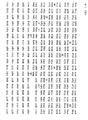
- Figure 1 shows the cDNA sequence and amino acid sequence of bovine metalloproteinase inhibitor.
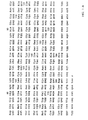
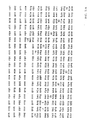
- Figure 2 shows the cDNA sequence and amino acid sequence of human metalloproteinase inhibitor.
- Figure 3 shows anion exchange chromatography used in purification of bovine peak I-derived metalloproteinase inhibitor (MI).
- Figure 4 shows chromatofocusing used in purification of bovine peak I-derived metalloproteinase inhibitor (MI).
- Figure 5 shows SDS-PAGE of bovine peak I-derived metalloproteinase inhibitor (MI) and peak II-derived metalloproteinase inhibitor.
- MI metalloproteinase inhibitor
- A is SDS-PAGE with silver-staining
- B is SDS-gelatin PAGE
- C is SDS-PAGE with immunoblotting.
- Figure 6 shows effect of EDTA and of bovine peak I-derived metalloproteinase inhibitor (MI) on gelatinolytic proteinases run on SDS-gelatin PAGE.
- MI I-derived metalloproteinase inhibitor
- Figure 7 shows autoradiography illustrating effect of bovine peak I-derived metalloproteinase inhibitor (MI) on specific collagen cleavage.
- MI I-derived metalloproteinase inhibitor
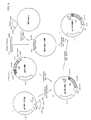
- Figure 8 shows a diagram of plasmid constructions made for expression of recombinant human metalloproteinase inhibitor in Escherichia coli .
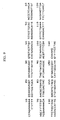
- Figure 9 shows a synthetic DNA fragment constructed for use in the expression of recombinant human metalloproteinase inhibitor in E. coli , containing a ribosome binding site, an initiation methionine codon, and codons for the first 42 amino acids of the mature protein.
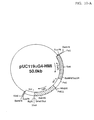
- Figure 10 shows vectors used for expression of recombinant human metalloproteinase inhibitor in yeast.
- Figure 11 shows vectors used for isolation of yeast secretion mutants.
- Figure 12 shows the structure of mammalian cell expression vector pDSR ⁇ 2-MI.
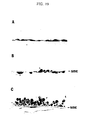
- Figure 13 shows SDS-gelatin PAGE for bovine metalloproteinase inhibitors and for recombinant human metalloproteinase inhibitor (MI) produced in E. coli .
- Figure 14 shows effect of EDTA and of E. coli -produced recombinant human metalloproteinase inhibitor (MI) on gelatinolytic proteinase run on SDS-gelatin PAGE.
- MI human metalloproteinase inhibitor
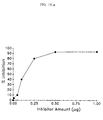
- Figure 15 shows that recombinant human metalloproteinase inhibitor from Chinese hamster ovary (CHO) cells inhibits the degradation of type I collagen and type IV collagen by metalloproteinases secreted by metastatic cells.
- Figure 16 shows the effect of recombinant human metalloproteinase inhibitor from E . coli on the degradation of connective tissue matrices deposited by smooth muscle cells which occurs in the presence of tumor cells.
- Figure 17 shows the effect of recombinant human metalloproteinase inhibitor from Chinese hamster ovary (CHO) cells on the degradation of connective tissue matrices deposited by smooth muscle cells which occurs in the presence of tumor cells.
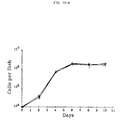
- Figure 18 shows the effects of recombinant human metalloproteinase inhibitor on tumor cell growth and attachment.
- Figure 19 shows the effect of recombinant human metalloproteinase inhibitor on the invasion by tumor cells of a smooth muscle cell layer.
- a purified and isolated polypeptide having the biological properties of naturally-occurring metalloproteinase inhibitor and possessing at least amino acids 1-42 of the primary structural conformation of human metalloproteinase inhibitor as set forth in Figure 2 or any naturally occurring allelic variant thereof.
- a purified and isolated DNA sequence coding for procaryotic or eucaryotic host expression of a polypeptide having the primary structural conformation and biological properties of metalloproteinase inhibitor of the first aspect of the invention is provided.
- a biologically functional plasmid or viral DNA vector including a DNA sequence of the second aspect of the invention, as well as a procaryotic or eucaryotic host cell stably transformed or transfected with such a DNA vector.
- a polypeptide product of the expression in a procaryotic or eucaryotic host cell of a DNA sequence of the second aspect of the present invention is provided.
- a process for the production of a polypeptide having part or all of the primary structural conformation and one or more of the biological properties of naturally occurring metalloproteinase inhibitor comprising:
- a purified and isolated human metalloproteinase inhibitor of the first aspect of the present invention and/or produced by the method of the fifth aspect of the present invention free of association with any human protein in glycosylated or nonglycosylated form as well as a pharmaceutical composition comprising an effective amount of a polypeptide of the first aspect of the present invention and/or produced by the method of the fifth aspect of the present invention and a pharmaceutically acceptable diluent, adjuvant or carrier and a medicament for inhibiting tumor cell dissemination in a mammal having as an active ingredient an effective amount of a polypeptide of the first aspect of the present invention and a medicament for treating rheumatoid arthritis in a mammal having as an active ingredient an effective amount of a polypeptide of the first aspect of the present invention.
- a DNA sequence coding for an analog of the human metalloproteinase inhibitor of the first aspect selected from the group consisting of:
- an antibody specifically binding metalloproteinase inhibitor of the first aspect of the present invention is provided.
- MI protein metalloproteinase inhibitor
- DNA sequences coding for all or part of such MI are provided.
- sequences include: the incorporation of codons "preferred" for expression by selected nonmammalian hosts; the provision of sites for cleavage by restriction endonuclease enzymes; and the provision of additional initial, terminal or intermediate DNA sequences which facilitate construction of readily expressed vectors.
- the present invention also provides DNA sequences coding for polypeptide analogs or derivatives of MI which differ from naturally-occurring forms in terms of the identity or location of one or more amino acid residues (i.e., deletion analogs containing less than all of the residues specified for MI; substitution analogs, wherein one or more residues specified are replaced by other residues; and addition analogs wherein one or more amino acid residues is added to a terminal or medial portion of the polypeptide) and which share some or all the properties of naturally-occurring forms.
- Novel DNA sequences of the invention include sequences useful in securing expression in procaryotic or eucaryotic host cells of polypeptide products having at least a part of the primary structural conformation and one or more of the biological properties of naturally-occurring MI.
- DNA sequences of the invention specifically comprise: (a) the DNA sequence set forth in Figure 1 or Figure 2 or their complementary strands. Specifically comprehended are genomic DNA sequences encoding allelic variant forms of MI and/or encoding MI from other mammalian species, and manufactured DNA sequences encoding MI, fragments of MI, and analogs of MI which DNA sequences may incorporate codons facilitating transcription and translation of messenger RNA in microbial hosts. Such manufactured sequences may readily be constructed according to the methods of Alton et al., PCT published application WO 83/04053.
- DNA sequences described herein which encode MI polypeptides are valuable for the information which they provide concerning the amino acid sequence of the mammalian protein which have heretofore been unavailable.
- the DNA sequences are also valuable as products useful in effecting the large scale synthesis of MI by a variety of recombinant techniques.
- DNA sequences provided by the invention are useful in generating new and useful viral and circular plasmid DNA vectors, new and useful transformed and transfected procaryotic and eucaryotic host cells (including bacterial and yeast cells and mammalian cells grown in culture), and new and useful methods for cultured growth of such host cells capable of expression of MI and its related products.
- DNA sequences of the invention are also suitable materials for use as labeled probes in isolating human genomic DNA encoding MI and related proteins as well as cDNA and genomic DNA sequences of other mammalian species.
- DNA sequences may also be useful in various alternative methods of protein synthesis (e.g., in insect cells) or in genetic therapy in humans and other mammals.
- DNA sequences of the invention are expected to be useful in developing transgenic mammalian species which may serve as eucaryotic "hosts" for production of MI and MI products in quantity. See, generally, Palmiter et al., Science 222 , 809-814 (1983).
- the present invention provides purified and isolated polypeptide products having at least amino acids 1-42 of the primary structural conformation (i.e., continuous sequence of amino acid residues) and the biological properties (e.g., immunological properties and in vitro biological activity) and physical properties (e.g., molecular weight) of naturally-occurring MI including allelic variants thereof.
- the term "purified and isolated” as used herein means substantially homogeneous or purified to apparent homogeneity (e.g., one band by SDS-PAGE).
- polypeptides are also characterized by being the natural purified product, or the product of chemical synthetic procedures or of procaryotic or eucaryotic host expression (e.g., by bacterial, yeast, higher plant, insect and mammalian cells in culture) of exogenous DNA sequences obtained by genomic or cDNA cloning or by gene synthesis.
- procaryotic or eucaryotic host expression e.g., by bacterial, yeast, higher plant, insect and mammalian cells in culture
- the products of expression in typical yeast e.g., Saccharomyces cerevisiae
- procaryote e.g., E. coli
- the products of expression in vertebrate (e.g., non-human mammalian (e.g. COS or CHO) and avian) cells are free of association with any human proteins.
- polypeptides of the invention may be glycosylated with mammalian or other eucaryotic carbohydrates or may be non-glycosylated. Polypeptides of the invention may also include an initial methionine amino acid residue (at position -1).
- the present invention also embraces other MI products such as polypeptide analogs of MI and fragments of MI, with at least amino acids 1-42 as set out in Figure 2 or any naturally occurring allelic variant of amino acids 1-42.
- polypeptide analogs of MI and fragments of MI with at least amino acids 1-42 as set out in Figure 2 or any naturally occurring allelic variant of amino acids 1-42.
- modifications of cDNA and genomic genes may be readily accomplished by well-known site-directed mutagenesis techniques and employed to generate analogs and derivatives of MI. Such products would share at least one of the biological properties of MI but may differ in others.
- projected products of the invention include those which are foreshortened by e.g., deletions; or those which are more stable to hydrolysis (and, therefore, may have more pronounced or longer lasting effects than naturally-occurring); or which have been altered to delete one or more potential sites for O-glycosylation (which may result in higher activities for yeast-produced products); or which have one or more cysteine residues deleted or replaced by, e.g., alanine or serine residues and are potentially more easily isolated in active form from microbial systems; or which have one or more tyrosine residues replaced by phenylalanine and bind more or less readily to target proteins or to receptors on target cells.
- polypeptide fragments duplicating only a part of the continuous amino acid sequence or secondary conformations within MI which fragments may possess one activity of MI (e.g., receptor binding) and not others (e.g., metalloproteinase inhibiting activity). It is noteworthy that activity is not necessary for any one or more of the products of the invention to have therapeutic utility [see, Weiland et al., Blut 44, 173-175 (1982)] or utility in other contexts, such as in assays of MI antagonism.
- Competitive antagonists may be quite useful in, for example, cases of overproduction of MI.
- MI fragments and polypeptide analogs of the invention are reports of the immunological activity of synthetic peptides which substantially duplicate the amino acid sequence extant in naturally-occurring proteins, glycoproteins and nucleoproteins. More specifically, relatively low molecular weight polypeptides have been shown to participate in immune reactions which are similar in duration and extent to the immune reactions of physiologically significant proteins such as viral antigens, polypeptide hormones, and the like. Included among the immune reactions of such polypeptides is the provocation of the formation of specific antibodies in immunologically active animals.
- the present invention also includes that class of polypeptides coded for by portions of the DNA complementary to the protein-coding strand of the human cDNA or genomic DNA sequences of MI i.e., "complementary inverted proteins" as described by Tramontano et al. [Nucleic Acid Res. 12 , 5049-5059 (1984)].
- compositions comprising effective amounts of polypeptide products of the invention together with suitable diluents, preservatives, solubilizers, emulsifiers, adjuvants and/or carriers useful in MI therapy.
- compositions include diluents of various buffer content (e.g., Tris-HCl, acetate, phosphate), pH and ionic strength; additives such as detergents and solubilizing agents (e.g., Tween 80, Polysorbate 80), anti-oxidants (e.g., ascorbic acid, sodium metabisulfite), preservatives (e.g., Thimersol, benzyl alcohol) and bulking substances (e.g., lactose, mannitol); covalent attachment of polymers such as polyethylene glycol to the protein (see for example U.S.
- buffer content e.g., Tris-HCl, acetate, phosphate
- additives e.g., Tween 80, Polysorbate 80
- anti-oxidants e.g., ascorbic acid, sodium metabisulfite
- preservatives e.g., Thimersol, benzyl alcohol
- bulking substances e.g., lactos
- the invention also comprises compositions including an additional metalloproteinase inhibitor such as TIMP or low molecular weight chemical inhibitors. It also comprises compositions including additional agents influencing progression of a disease state, e.g., laminin- and/or fibronectin-derived peptides which like MI can impede cancer metastasis.
- an additional metalloproteinase inhibitor such as TIMP or low molecular weight chemical inhibitors.
- additional agents influencing progression of a disease state e.g., laminin- and/or fibronectin-derived peptides which like MI can impede cancer metastasis.
- Polypeptide products of the invention may be "labeled" by association with a detectable marker substance (e.g., radiolabeled with 125 I) to provide reagents useful in detection and quantification of MI in solid tissue and fluid samples such as blood or urine.
- Nucleic acid products of the invention may also be labeled with detectable markers (such as radiolabels and non-isotopic labels such as biotin) and employed in hybridization processes to locate the human MI gene position and/or the position of any related gene family in a chromosomal map. They may also be used for identifying human MI gene disorders at the DNA level and used as gene markers for identifying neighboring genes and their disorders.
- MI when used in pharmacological formulation modifies the pathogenesis and provides a beneficial therapy for diseases of connective tissues characterized by matrix degradation.
- metalloproteinase inhibitor is useful in the treatment of any disorder where excessive matrix loss is caused by metalloproteinase activity, and in the promotion of wound healing following surgery or other wound situations.
- Polypeptide products of the present invention are useful, alone or in combination with other drugs, in the treatment of various disorders such as dystrophic epidermolysis bullosa where the disease is linked to the overproduction of collagenase [Bauer et al., J. Exp. Med. 148 , 1378-1387 (1978)].
- the products of the present invention are also useful in the treatment of rheumatoid arthritis. Evanson et al. [J. Clin. Invest. 47 , 2639-2651 (1968)] noted that large amounts of collagenase are produced, in culture, by excised rheumatoid synovial tissue; this led to immunolocalization studies, by Woolley et al.
- Collagenases have been implicated in ulceration including corneal, epidermal, or gastric ulceration [Brown et al., American J. of Ophthalmology 72 , 1139-1142 (1971)] and, indeed, metalloproteinase inhibitors are used in the treatment of corneal ulceration [Slansky et al., Annals of Ophthalmology 2 , 488-491 (1970)].
- a limiting factor in the use of bone marrow transplantation for many advanced cancers with bone marrow involvement is the absence of adequate purging techniques.
- metastatic interstitial pneumonitis following infusion of improperly purged bone marrow cells has been noted [Glorieux et al., Cancer 58 , 2136-2139 (1986); Graeve et al., Cancer 62 , 2125-2127 (1988)].
- MI administered during infusion of unpurged bone marrow cells will alleviate the need for developing expensive purging techniques.
- Tumors may also become more or less encapsulated or fibrotic due to increased collagen deposition (or inhibition of breakdown) by both cancer cells and/or surrounding normal cells. Increased encapsulation promoted by MI aids in clean tumor excision.
- MI pathological conditions in which excessive collagen degradation may play a role and thus where MI can be applied, include emphysema, Paget's disease of bone, osteoporosis, scleroderma, pressure atrophy of bone or tissues as in bedsores, cholesteatoma, and abnormal wound healing. MI can additionally be applied as an adjunct to other wound healing promoters, e.g., to modulate the turnover of collagen during the healing process.
- MI also plays a role in the hematopoietic processes based on its erythroid potentiating activity (i.e., stimulation of differentiation of early erythroid progenitors), and thus MI is useful in the treatment of various anemias.
- MI has application in the treatment of immunological disorders such as autoimmune diseases (e.g., rheumatoid arthritis, multiple sclerosis) based upon its ability to suppress B-cell differentiation as determined by the method of Pisko et al. [J. Immunol. 136 , 2141-2150 (1986)].
- autoimmune diseases e.g., rheumatoid arthritis, multiple sclerosis
- MI and/or TIMP Based on its ability to inhibit connective tissue degradation and to inhibit proliferation of capillary endothelial cells, MI and/or TIMP has application in cases where inhibition of angiogenesis is useful, e.g., in preventing or retarding tumor development.
- the subject invention also relates to antibodies specifically binding metalloproteinase inhibitor.
- Example 6 describes the production of polyclonal antibodies.
- a further embodiment of the invention is monoclonal antibodies specifically binding MI.
- monoclonal antibodies are useful to improve the selectivity and specificity of diagnostic and analytical assay methods using antigen-antibody binding.
- a second advantage of monoclonal antibodies is that they are synthesized by the hybridoma culture, uncontaminated by other immunoglobulins.
- Monoclonal antibodies may be prepared from supernatants of cultured hybridoma cells or from ascites induced by intra-peritoneal inoculation of hybridoma cells into mice.
- the hybridoma technique described originally by Köhler and Milstein [Eur. J. Immunol. 6 , 511-519 (1976)] has been widely applied to produce hybrid cell lines that secrete high levels of monoclonal antibodies against many specific antigens.
- Bovine aortic endothelial cells (cell line NCACl 2 ; De Clerck et al., Cancer Research, supra) were cultured in Eagle's Minimum Essential Medium (MEM) containing fetal bovine serum (2%, v/v) supplemented with MITO+ serum extender (2%, v/v; Collaborative Research, Inc., Bedford, MA), penicillin (100 U/ml) and streptomycin (100 ⁇ g/ml). Cells between passage 10 and 20 were grown in 800 cm 2 roller bottles (Costar). For conditioning, cultures at 80-90% confluence were washed 3 times with serum-free medium over 4 to 5 h and then incubated in the presence of fresh serum-free medium for 48 h.
- MEM Eagle's Minimum Essential Medium
- MITO+ serum extender 2%, v/v
- Collaborative Research, Inc., Bedford, MA penicillin
- streptomycin 100 ⁇ g/ml
- the medium was collected, centrifuged at 5,000 x g for 10 min at 4°C and kept at 4°C after addition of sodium azide (0.02%, w/v). After the conditioning, cells were trypsinized, diluted 1:4 with medium, and grown to 80% confluence for reconditioning.
- the substrate used was 14 C-acetylated rat skin collagen (about 300 cpm/ ⁇ g) which was plated in a 96-well microtiter plate at 20 ⁇ l per well (about 6,000 cpm/well).
- the collagenase source was serum-free conditioned medium from 12-0-tetradecanoylphorbol-13-acetate (TPA)-treated rabbit synovial fibroblasts with a collagenase activity of approximately 8 units/ml (1 unit is the amount of enzyme that degrades 1 ⁇ g of collagen per min at 37°C).
- Proenzyme was activated with trypsin (10 ⁇ g/ml) for 30 min at 22°C and this was followed by inactivation of trypsin with a five-fold weight excess of soybean trypsin inhibitor.
- Various amounts of samples to be tested were incubated with the activated enzyme (40 mU) in a final volume of 200 ⁇ l also including Tris-HCl (50 mM) and CaCl 2 (10 mM) with pH of 7.5. These mixtures were then added to individual wells containing [ 14 C]collagen. After incubation at 37°C for 3 h, supernatants were removed and counted in a beta scintillation counter.
- Percent inhibition was calculated by comparing the radioactivity released for cases containing samples tested with the radioactivity released for the case containing collagenase alone. Background cpm values (buffer alone cases) were substracted from all cpm values. In the absence of inhibitor, 60 to 70% of the total radiolabeled substrate was degraded. One unit of inhibitor is defined as the amount that inhibits two units of collagenase by 50%, as determined from dose-inhibition curves.
- 14 C-labeled collagen was heat-denatured at 60°C for 20 min and assay was performed in test tubes [Murphy et al., Biochem. J. 192 , 517-525 (1980)].
- Anti type IV collagenase activity was determined as described (De Clerck et al., Cancer Res., supra; and De Clerck, Arch. Biochem. Biophys., supra) using [ 14 C]proline-labeled type IV collagen extracted from the mouse Englebreth-Holm-Swarm tumor.
- Peak I-derived inhibitor (4.8 ml; Table 1, step 2.1.3) was concentrated and introduced into 50 mM ammonium bicarbonate, pH 7.8 using an Amicon Centricon 10 ultrafiltration unit. The sample was spotted onto a glass fiber disc on a sequencer cartridge, which had been pre-cycled with polybrene. The glass fiber disc containing sample was dried under a stream of N 2 . Amino-terminal amino acid sequence analysis was performed according to published methods [Hewick et al., J. Biol. Chem. 256 , 7990-7997 (1981)] with Applied Biosystems Model 477 protein sequencer using a standard program provided by Applied Biosystems (Foster City, CA).
- the released phenylthiohydantoin (PTH)-amino acids were analyzed by a Model 120 on-line PTH-amino acid analyzer using a Brownlee reverse phase C-18 column.
- the chromatograms obtained were analyzed by a Model 900 data module.
- An initial yield of approximately 158 pmol was obtained with an average repetitive yield of 94%.
- Amino acid assignments at 42 positions were made. In a repeat sequencing run, the assignments were completely identical to those of the first sequencing run except that three more amino acids (positions 43-45) were assigned. Table 4 shows the assigned amino-terminal amino acid sequence.
- Residues 1, 3 and 13 were assigned as cysteines since no other assignments could be made for these cycles and cysteine is undetectable by the sequencing methods used.
- the initial yield was approximately 280 pmol and the average repetitive yield was 92%.
- Residues 1, 3 and 13 were assigned as cysteines for the reasons described above.
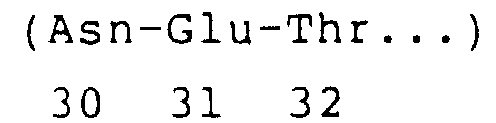
- Residue 30 was also not recovered and was assigned as asparagine since the subsequent sequence would be consistent with an Asn-linked glycosylation site.
- the assignments at positions 43 and 48 (in brackets) were made with less than full confidence.
- the peak II-derived material is almost certainly bovine TIMP.
- Human TIMP is very well characterized and has been cloned (Docherty et al., Nature, supra; Carmichael et al., Proc. Natl. Acad. Sci. USA, supra). Comparing the amino-terminal sequences of human TIMP and the peak II-derived material, the homology over the first 29 residues is 93% and the homology over the first 49 residues is 80% (see Table 6).
- the isolated bovine peak II-derived material shares many of the biochemical properties of TIMP, i.e., behavior in various purification steps, mobility on SDS-PAGE, and recognition by antibody to bovine smooth muscle TIMP in SDS-PAGE with immunoblotting (Example 1).
- the peak I-derived material is clearly distinct from TIMP (Table 6) in amino acid sequence, but does have homology to TIMP. Homology over the first 29 residues is 65%, and homology over the first 45 residues is 47%. The molecules have different chromatographic behaviors, different mobilities on SDS-PAGE, and antibody to bovine smooth muscle TIMP does not visualize the peak I-derived material in immunoblots after SDS-PAGE (Example 1).
- This novel peak I-derived inhibitor is designated metalloproteinase inhibitor (MI).
- the peak I-derived and peak II-derived bovine inhibitors have 51% homology to each other.
- the amino acid composition of the bovine peak I-derived inhibitor (MI) is shown in Table 7.
- a sample of peak I-derived inhibitor (1.2 ml; Table 1, step 2.1.3) was concentrated and introduced into 50 mM ammonium bicarbonate, pH 7.8 using an Amicon Centricon 10 ultrafiltration unit.
- the sample was then dried and subjected to amino acid composition analysis by the method described by Lu et al. [J. Chromatog. 368 , 215-231 (1986)]. This involved chromatographic analysis of phenylthiocarbamyl-amino acids generated after acid hydrolysis (24 h) of the samples. Data from three separate chromatographic analyses were used to estimate average residues per molecule values.
- the amino-terminal amino acid sequence for the bovine metalloproteinase inhibitor was determined as described above and 3 probes were designed and manufactured on DNA synthesizers (Applied Biosystems models 380A and 380B) for hybridization to the sense strand of DNA (or to the mRNA).
- the first probe was designed as a long nondegenerate probe by the method of Lathe [J. Mol. Biol. 183 , 1-12 (1985)] to recognize the region corresponding to amino acids 4 to 19 and is as follows:
- the second and third probes were designed as degenerate probes incorporating inosine bases at positions of 4-fold degeneracy.
- the second probe recognizes the region corresponding to amino acids 21 to 30 and is as follows:
- the parentheses indicate the incorporation of two bases, leading to multiple oligonucleotides in the probe preparation.
- the third probe recognizes the region corresponding to amino acids 32 to 41 and is as follows:
- a ⁇ gtll cDNA library made with mRNA isolated from bovine aorta endothelial cells, was purchased from CLONTECH Laboratories, Inc. (Palo Alto, CA). Approximately 10 6 phage were plated onto eight 23 x 23 cm square plates with the host bacterial strain, Y1090. Two lifts from each plate were made onto GeneScreen Plus (Dupont) hybridization transfer membranes.
- Mini ⁇ phage preps were made for each of the three clones using the LambdaSorb Phage Adsorbent from Promega. Restriction endonuclease digests of the three clones using several restriction enzymes indicated that all three clones were identical and were obtained due to amplification of the cDNA library by the supplier. By Southern blotting analysis, the same restriction fragments were found to hybridize not only to probes 2 and 3, but to probe 1 as well.
- the gene codes for a mature protein of 194 amino acids with a leader sequence of 26 amino acids.
- the first 45 amino acids of the mature protein exactly match the amino-terminal sequence determined for the purified protein (Example 2).
- the amino acid composition as determined from the gene-encoded sequence of the mature bovine MI polypeptide is in agreement with that obtained experimentally for the bovine peak I-derived inhibitor (see Example 2, Table 7), providing further evidence that the cloned gene corresponds to the purified MI polypeptide of Example 1.
- the molecular weight of the mature bovine MI polypeptide chain, based on the gene-encoded sequence in Figure 1, is 21,693.
- a ⁇ gtll cDNA library made with mRNA isolated from human heart tissue was purchased from CLONTECH Laboratories, Inc. Approximately 10 6 phage were plated onto eight 23 x 23 cm square plates with the host bacterial strain, Y1090. Two lifts from each plate were made onto GeneScreen Plus hybridization transfer membranes. One set of membranes was hybridized with a mixture of 32 P-phosphorylated probes 1 and 2, and the second set of membranes was hybridized with a mixture of 32 P-phosphorylated probes 3 and 4, using the hybridization and wash conditions described above. Three clones hybridized to both sets of probes and these clones were rescreened until isolated plaques were obtained.
- Mini ⁇ phage DNA preps were made as described above and restriction endonuclease digests were performed on the DNAs.
- the three clones were of similar but different lengths so one of the clones was subcloned from ⁇ gtll into M13 mp9 from Eco RI to Eco RI in both orientations. This Eco RI fragment was subsequently cloned from M13 mp9 into pUC 19 to generate pUC HMI.
- the original clones in M13 mp9 and additional overlapping restriction fragments cloned from pUC HMI into M13 mp vectors in both orientations were sequenced using the dideoxy method of Sanger (Proc. Natl. Acad. Sci. USA, supra).
- the sequence of the human metalloproteinase inhibitor gene is shown in Figure 2. It, like the bovine metalloproteinase inhibitor gene, codes for a protein of 194 amino acids with a leader sequence of an additional 26 amino acids. The two genes code for different amino acids at 11 of the 194 residues corresponding to the mature protein.
- the molecular weight of the mature human MI polypeptide is 21,730.
- the mature human metalloproteinase inhibitor protein was expressed in E. coli by utilizing an Nco I site at amino acid 1 of the leader sequence, a Bam HI site at amino acid 42 of the mature protein, and a Stu I site 3 nucleotides downstream from the termination codon.
- the fragment from Nco I to Stu I was first cloned into an expression vector, pCFM 1156 pL, from Nco I to Sst II (which had been blunted at the Sst II site using the Klenow fragment of DNA polymerase I) to generate p1156 HMI1 ( Figure 8).
- the plasmid pCFM 1156 pL can be derived from plasmid pCFM 836 (see U.S. Patent No.
- the pL promoter DNA sequence inserted is as follows: A synthetic DNA fragment was constructed which contained a ribosome binding site, an initiation methionine codon, and codons for the first 42 amino acids of the mature human MI ( Figure 9). This fragment was first cloned into M13 mp11 from Xba I to Bam HI to confirm the sequence by the dideoxy method of Sanger (Proc. Natl. Acad. Sci. USA, supra). This Xba I to Bam HI fragment was then cloned from M13 mp11 into p1156 HMI1 to generate p1156 HMI2 ( Figure 8).
- This plasmid was transformed into E. coli strain FM5 (ATCC deposit no. 53911) which contains a temperature-sensitive ⁇ CI repressor on the chromosome.
- the plasmid contains the ⁇ pL promoter/operator region and has a temperature sensitive replicon.
- E. coli strain FM5 harboring p1156 HMI2 is cultured at 28°C, the plasmid copy number is maintained at 10-20 copies/cell, and transcription from the ⁇ pL promoter is regulated by a temperature-sensitive repressor. Growth at 42°C results in an increased copy number and a release of repression at the ⁇ pL promoter.
- Recombinant human metalloproteinase inhibitor begins to accumulate at elevated temperatures as a result of promoter activation and plasmid amplification.
- the ⁇ pL promoter lies just upstream from the ribosome binding site and the methionine initiation codon of human metalloproteinase inhibitor.
- the transcription terminator, t-oop lies just downstream from the two translational stop codons near the 3' end of the gene.
- Strain FM5 harboring the plasmid p1156 HMI2 was grown using the dual-feed media described by Tsai et al. [J. Indust. Microbiol. 2 , 181-187 (1987)].
- Induction was accomplished by a temperature shift to 42°C when the optical density at 600 nm (OD 600 ) had reached about 30. The final OD 600 reached approximately 60.
- Recombinant human MI was expressed up to a level of 15 mg/OD-liter. The human MI was evident after SDS-PAGE with Coomassie blue staining (load equivalent to 0.4 mg wet weight of cells; reduced) as a prominent band with M r 24,000-28,000 which co-migrated with the band for purified bovine MI (Example 1).
- Other E. coli host cells can be used for expression as will be apparent to those skilled in the art.
- the human MI is expressed in E. coli in insoluble, inactive form (so-called inclusion bodies). Isolation of active MI requires procedures for solubilization, purification, folding, and oxidation (disulfide formation) of the inclusion body MI. An example of such procedures is given below.
- the pH was adjusted to 11.5 (using 1 N NaOH), and the mixture was left on ice for 15 min, and then centrifuged for 30 min at 11,300 x g at 4°C.
- the supernatent was diluted four-fold with 20 mM Tris-HCl, pH 9.5.
- the pH was adjusted to 10-10.5 (with 1 N NaOH) and the mixture was stirred overnight at room temperature.
- the pH of the mixture was lowered to 8.5 (using 1 N HCl) and the mixture was then loaded onto a DEAE-Sepharose Fast Flow (Pharmacia) ion exchange column (150 ml column volume) equilibrated in 20 mM Tris-HCl, pH 8.5. Bound material was eluted with a 2 liter gradient from 0 to 0.3 M NaCl in the Tris-HCl buffer. Fractions of 12 ml were collected at a flow rate of 8 ml/min. Aliquots (25 ⁇ l) of collected fractions were subjected to SDS-PAGE (15%, w/v, acrylamide; unreduced) with Coomassie blue staining.
- Fractions 38-54 which contained a fairly sharp band (M r about 22,000-23,000) corresponding to the MI polypeptide, were pooled (202 ml). Material thought to also represent the MI polypeptide, but having a slightly lower mobility and banding less sharply on SDS-PAGE, eluted later in the gradient and was not included in the pool.
- the pooled material from DEAE-Sepharose Fast Flow was concentrated to 30 ml using an Amicon stirred cell (with YM5 membrane). The pH was adjusted to 5.4 (using 50% acetic acid) and the mixture was dialysed against 20 mH sodium acetate, pH 5.4. The material was then diluted with H 2 O to a final volume of 45 ml and applied to a CM-Sepharose Fast Flow (Pharmacia) ion exchange column (1 ml column volume) equilibrated in 20 mM sodium acetate, pH 5.4. Bound material was eluted using a 20 ml gradient from 0 to 0.4 M NaCl in the sodium acetate buffer.
- Fractions of 1 ml were collected at a flow rate of 0.1 ml/min. Aliquots (10 ⁇ l) of the fractions were analyzed by SDS-PAGE as above and those containing MI [fractions 11-18 (8 ml)] were pooled and then loaded directly onto a Sephacryl S-200 HR gel filtration column (300 ml column volume) equilibrated in phosphate-buffered saline (PBS). Fractions of 4 ml were collected at a flow rate of 20 ml/h. Aliquots (20 ⁇ l) of the fractions were again analyzed by SDS-PAGE as above. Fractions 54-60 contained MI; to maximize purity, only fractions 56-59 were pooled (16 ml).
- Example 3 A sample of the human MI preparation described (about 6.5 ⁇ g) was subjected to amino-terminal amino acid sequencing through 18 cycles, using the methods described in Example 2. The initial yield was 135 pmol and the repetitive yield was 94%. The major sequence obtained exactly matched that predicted from the nucleotide sequence for the mature human MI gene (Example 3; Figure 2).
- the material is purified to apparent homogeneity using methods such as that described in Example 1 for bovine MI or other methods evident to those skilled in the art.
- the first (used for injections on days 1, 7 and 21) was prepared as follows. About 14 g (wet weight) of cell paste from E. coli strain FM5 harboring plasmid p1156 HMI2 (Example 3) was suspended in 50 ml H 2 O and passed twice through a French Press device.
- the pellet fraction obtained by centrifugation was resuspended in a final volume of 10 ml containing sodium sarkosyl (2%, w/v), Tris-HCl (50 mM), dithiothreitol (50 mM) with pH of 8.5, and incubated at 50°C for 10-15 min and room temperature for 2 h, for solubilization of MI.
- Fractions 65-75 (31 ml) containing MI [as judged by SDS-PAGE with silver-staining; aliquots (0.5 ⁇ l; reduced) of fractions were run on gels containing 12.5% (w/v) acrylamide], were pooled, dialyzed thoroughly against 20 mM Tris-HCl, pH 8, concentrated to 6.5 ml using an Amicon stirred cell (with YM10 membrane), and filtered through a 0.45 ⁇ filter.
- the MI concentration in this preparation was about 1 mg/ml.
- the second type of preparation (used for injections on days 35 and 56) was that of Example 4, with MI at a concentration of 0.4-0.5 mg/ml.
- the MI preparations were injected into 3 New Zealand white rabbits (5-8 lb. initial weight). Each rabbit was immunized on day 1 with 0.2 mg MI emulsified in an equal volume of Freund's complete adjuvant. A total volume of not more than 2 ml (1:1, MI:adjuvant) per rabbit was injected subcutaneously in at least 6 sites along the hindquarters. Further boosts (days 7, 21, 35 and 56) were performed by the same procedure, with the substitution of Freund's incomplete adjuvant.
- Rabbits were bled by ear vein puncture on the day before the first injection (preimmune serum) and on days 28 and 63. Blood was collected into vacuum tubes and allowed to clot for 16 hours at room temperature. The clot was removed and the serum spun for 10 minutes at 2200 rpm to remove any remaining red blood cells. Serum, with sodium azide added to a final concentration of 0.01% (w/v), was stored at -20°C.
- Serum was titered using a solid-phase radioimmunoassay; see Tsu et al., "Solid Phase Radioimmunoassays", pp. 373-397 in Selected Methods in Cellular Immunology , B.B. Mishel and S.M. Shiigi, eds., Freeman, San Francisco (1980), and Hybridoma Technology in the Biosciences and Medicine , Timothy A. Springer, ed., Plenum Press (1985), pp. 29-36.
- Metalloproteinase inhibitor was diluted to 0.5 ⁇ g/50 ⁇ l in carbonate-bicarbonate buffer, pH 9.2 and incubated for 2 h at room temperature in polystyrene wells (50 ul/well). Antigen solution was decanted; wells were then filled with 5% (w/v) BSA for 30 minutes at room temperature to block remaining binding sites on plastic. Dilutions of rabbit serum in PBS containing 1% (w/v) BSA were added to wells (50 ul/well) after the 5% (w/v) BSA was decanted.
- antisera were also used for SDS-PAGE with immunoblotting. As indicated in Examples 8 and 9, the antibody recognized a protein band of the expected M r in preparations of bovine MI, E. coli -expressed recombinant human MI, and CHO cell-expressed recombinant human MI.
- the human MI gene was from pUC HMI (Example 3).
- the MI gene was isolated from pUC HMI as a 586 base pair (bp) Pst I to Stu I DNA fragment.
- a synthetic DNA linker with Hind III and Pst I sticky ends was used to fuse the MI gene to the yeast MF ⁇ l in the vector pUC119 ⁇ G4 ( Figure 10A).
- the synthetic DNA linker was:
- the vector pUC119 ⁇ G4 contains a yeast glyceraldehyde-3-phosphate dehydrogenase promoter (GPD-P) followed by the pre-pro sequence ( ⁇ F-s) and the transcription termination sequence ( ⁇ F-t) of yeast mating factor ⁇ .
- GPD-P yeast glyceraldehyde-3-phosphate dehydrogenase promoter
- ⁇ F-s pre-pro sequence
- ⁇ F-t transcription termination sequence
- the vector pUC119 ⁇ G4 in detail, consists of the following (see Figure 10A):
- the ⁇ -factor-MI gene fusion was accomplished by digesting pUC119 ⁇ G4 with Hind III and Sma I followed by ligation with the synthetic DNA linker and the MI DNA fragment.
- the resultant plasmid pUC119 ⁇ G4-HMI depicted in Figure 10A contains a yeast glyceraldehyde phosphate dehydrogenase promoter (GPD-P) followed successively by the ⁇ -factor pre-pro leader from the yeast MF ⁇ l gene, the synthetic DNA linker above, the human metalloproteinase inhibitor gene DNA segment and ⁇ -factor transcription terminator.
- GPD-P yeast glyceraldehyde phosphate dehydrogenase promoter
- the 1800 bp Bam HI DNA fragment containing the elements above was isolated from pUC119 ⁇ G4 by a partial digest with Bam HI and inserted into the Bam HI site of the yeast- E. coli shuttle vector pYE3 resulting in the plasmid pYE3 ⁇ G4-HMI ( Figure 10C).
- the plasmid pYe3 is shown in Figure 10B and consists of the following:
- the plasmid pYE3 ⁇ G4-HMI was grown in E. coli strain DH5 ⁇ , the plasmid DNA was isolated and the DNA was transformed into the S. cerevisiae yeast strain EG45°.
- Other yeast host cells can also be used as will be apparent to those skilled in the art.
- the strain EG45° was a mutant of the yeast strain SE7-6.
- the strain SE7-6 (Mat ⁇ , trpl deletion, pep4 -3, GAL, cup1 ) was constructed using standard yeast genetic techniques. It was derived from crosses of several yeast strains including: (1) YSDP4 (ATCC 20734) which contains a mutation in the PEP4 gene; (2) a strain with an ability to grow on galactose [BWG1-7A obtained from L. Guarente, see Guarente et al., Proc. Natl. Acad. Sci.
- the strain SE7-6 was transformed with the plasmid pCOM(G)P/P.
- the plasmid pCOM(G)P/P contains an amplifiable copy number system ( Figure 11). It can be transformed into yeast trp1 cells by selection for tryptophan prototrophy via the TRP1 ARS1 yeast DNA segment (see Bitter et al., Methods Enzymol., supra). Under normal conditions the plasmid is stable at a copy number of one per cell. Growth on copper-containing medium induces transcription from the CUP promoter (CUP-P) which inhibits centromere (CEN3) function. CUP-T is the CUP terminator region. Therefore copy number increases and plasmid stability decreases.
- CUP-P CUP promoter
- CEN3 centromere
- Transformation of EG45° was done by electroporation of plasmid DNA into yeast cells at 900 volts for 5 milliseconds at 25 microfarads in a Bio-Rad gene pulser. Electroporated cells were plated on SD-CAA agar which contains 6.7 g/L yeast nitrogen base without amino acids (Difco), 2% (w/v) glucose, 0.5% (w/v) casamino acids (Difco) and 2% (w/v) agar, and transformed cells were obtained by growth at 30°C.
- the transformed cells were grown in a 15 L fermentor using fed-batch fermentation.
- the medium composition is shown below: Chemicals Batch medium Feed medium Casamino acids 25 g/L 125 g/L Yeast extract 5 g/L 10 g/L (NH 4 ) 2 PO 4 3.8 g/L 5 g/L KH 2 PO 4 13.5 g/L 2.8 g/L Glucose 2 g/L 533 g/L Inositol 0.02 g/L 0.03 g/L MgSO 4 ⁇ 7H 2 O (1 M) 4 ml/L 15 ml/L Trace metal solution 3 ml/L 6.6 ml/L Vitamin solution 3 ml/L 6.6 ml/L Streptomycin sulfate 0.23 g/L Thiamine (10 g/100 ml) 0.6 ml/L 1.6 ml/L The pH of the medium was maintained at 6.0 and the temperature at 25°C. Dissolved oxygen was
- Culture medium containing yeast-expressed recombinant human MI was harvested by centrifugation to remove the cell paste.
- the supernatant fraction was subjected to SDS-PAGE (reducing conditions) with silver-staining.
- a band migrating with M r of about 26,000 (24,000-28,000) was observed for supernatants produced by yeast (strain EG45°) transformants containing pYE3 ⁇ G4-HMI.
- the polypeptide represented by this band was present at about 25 to 50 mg per liter of supernatant.
- the M r 26,000 band was not observed in control fermentor supernatants.
- the M r 26,000 band had the same mobility on SDS-PAGE as MI purified from bovine endothelial cell conditioned medium (Example 1).
- the M r 18,000 (reduced) band is presumed to be a proteolytic breakdown fragment of MI.]
- the antibody also reacted in immunoblots with MI purified from bovine enthothelial cell conditioned medium (350 mU) and with E. coli -produced human MI (0.3 ⁇ g) which indicates that the bands observed in yeast supernatants did in fact represent human MI.
- the Nco I to Eco RI fragment of pUC HMI (Example 3) containing the intact coding sequence of human MI [including the sequence coding for the 26-amino acid leader Figure 2)] was first subcloned into pCFM 1156, from the Nco I to the Eco RI restriction site to give plasmid p1156 HMINR.
- the plasmid pCFM 1156 was derived from plasmid pCFM 836 (see U.S. Patent No.
- Plasmid pDSR ⁇ 2 has the following important features (following the map in Figure 12 in a clockwise direction):
- DHFR-deficient (DHFR - ) Chinese hamster ovary (CHO) cells [Chasin & Urlaub, Proc. Natl. Acad. Sci. USA 77 , 4216-4280 (1980)] were maintained routinely in Dulbecco Modified Eagle's Medium supplemented with 5% (v/v) fetal bovine serum (FBS), L-glutamine (292 ⁇ g/ml), non-essential amino acids (100 ⁇ M), hypoxanthine (13.6 ⁇ g/ml), thymidine (7.6 ⁇ g/ml), penicillin (100 U/ml) and streptomycin sulfate (100 ⁇ g/ml).
- FBS fetal bovine serum
- L-glutamine L-glutamine
- non-essential amino acids 100 ⁇ M
- hypoxanthine (13.6 ⁇ g/ml
- penicillin 100 U/ml
- cytoplasmic RNA from transfected CHO cells was prepared as described in Resendez et al. [J. Cell Biol. 103 , 2145-2152 (1986)].
- Cellular RNA (7.5 ⁇ g) was separated by 1% formaldehyde-formamide denaturing agarose gel electrophoresis and transferred onto a GeneScreen Plus membrane.
- Radiolabeled Hind III to Pvu I fragment of pDSR ⁇ 2-MI11 was used to identify the human MI transcript using the hybridization conditions described by Lin et al. [Gene 44 , 201-209 (1986)].
- a single RNA band was observed in four of the seven individual stable clones analyzed. The size of the message was 1.5 kb as expected from the construct.
- Recombinant human MI was identified and quantitated by SDS-PAGE with immuno-blotting with antibody against human MI as described in Example 8.
- Conditioned media from stable transfected clones serum-free; 10-50 ⁇ l aliquots) were analyzed.
- Results indicated that transfected CHO cells secrete a M r 26,000 (24,000-28,000) (reduced) protein which can be recognized by the antibody. This protein co-migrates with the E. coli -produced recombinant human MI.
- the transfectant with highest MI expression produced about 1 mg/liter/day on a confluent 100 mm tissue culture dish without amplification.
- MI expression by transfected CHO cell clones was amplified by the use of methotrexate [Kaufman and Sharp, J. Mol. Biol. 159 , 601-621 (1982)] in stages of increased concentration (stages of 10 nM, 30 nM, 100 nM, and 300 nM methotrexate).
- Stages of 10 nM, 30 nM, 100 nM, and 300 nM methotrexate Stages of 10 nM, 30 nM, 100 nM, and 300 nM methotrexate.
- Transfected clones subjected to the 10 nM methotrexate amplification stage when grown in roller bottles as described in Example 10 led to conditioned medium containing MI at levels as high as 20-30 mg/liter at the time of the 6-7 day harvesting.
- After the 300 nM amplification stage, MI levels as high as 50-60 mg/liter could be obtained upon culturing in the roller bottles.
- CHO cells transfected with the expression vector carrying the human MI gene as described in Example 9 and subjected to the 10 nM methotrexate amplification stage (Example 9), were grown in roller bottles in serum-free medium, as follows. Initially, the cells were grown in spinner flasks in medium containing Dulbecco's modified MEM supplemented with dialyzed fetal calf serum (5%, v/v), glutamine, and non-essential amino acids, plus F12 nutrient medium; the MEM and F12 medium were present at 50:50 (v:v). Cells were then transferred to 850 cm 2 roller bottles (2 x 10 7 cells/bottle) containing the same medium.
- the cell monolayers were washed with PBS and fresh medium (150-200 ml/bottle; as above, but lacking serum) was added.
- Fresh medium 150-200 ml/bottle; as above, but lacking serum
- Conditioned medium was harvested 6-7 days later, and replaced with fresh medium again.
- Six to 7 days later, the additional conditioned medium was harvested.
- the MI which was bound to the column, was then eluted with a linear gradient (20 liters total volume) from the starting buffer to mM imidazole, 1 M NaCl, pH 7.5. Fractions of 420-600 ml were collected and aliquots (0.00033% of fraction volume) were subjected to SDS-PAGE (12.5%, w/v, acrylamide; reduced) with silver-staining. A fraction of 600 ml, representing elution volume 1810-2410 ml in the gradient, contained most of the MI polypeptide (visualized as a band of Mr about 26,000).
- This fraction was concentrated to about 100 ml using an Amicon stirred cell with an Amicon YM10 membrane, dialyzed against 20 mM Tris-HCl, 1 mM CaCl 2 , pH 8.5, and applied to a Q-Sepharose Fast Flow (Pharmacia) ion exchange column (40 ml column volume) equilibrated in the same buffer. Flow rate was 120 ml/h. After sample application, the column was washed with about 100 ml of the starting Tris-HCl buffer. The MI, which was bound to the column, was then eluted with a linear gradient of 0 to 0.5 M NaCl in the starting Tris-HCl buffer (total gradient volume 1200 ml).
- Purity of the MI in the pool was greater than 95%.
- the purification scheme is summarized in Table 8.
- Purification of human recombinant MI from CHO-cell conditioned medium Step Volume (ml) Total protein (mg) Total activity (units) Specific activity (units/mg) Conditioned medium 20,000 2870 520,000 180 Chelating Sepharose 600 380 334,000 880 Q-Sepharose 100 310 630,000 2030 Sephacryl S-200 HR 180 260 264,000 1015
- Inhibitory activity of the purified material was demonstrated by the type I collagenase inhibition assay (Table 8), and by several other in vitro (Example 11) and in vivo (Example 12) methods.
- Additional methods that are of utility in the purification of the human MI from CHO cell conditioned medium include cation exchange chromatography [e.g. using CM-Sepharose Fast Flow (Pharmacia) at pH 4.5], hydrophobic interaction chromatography [e.g. using phenyl-Sepharose CL-4B (Pharmacia)], and other methods evident to those skilled in the art.
- Example 10 The data described in this Example were obtained using E. coli -derived recombinant human MI [prepared as in Example 5, where so indicated; otherwise, the E. coli -derived material used was prepared essentially as in Example 5 except that dithioerythritol (5 mM) was present during the pH 11.5 treatment described in Example 5, and the material was held at pH 11 overnight and then made 2 mM in CaCl 2 and clarified by centrifugation prior to the DEAE-Sepharose chromatography; this latter material had inhibitory activity of about 369 U/ml (specific activity about 355 U/mg) measured by the type 1 collagenase inhibition assay described in Example 1, section 2] or CHO-derived recombinant human MI prepared as in Example 10.
- Type I collagenase inhibition SDS-gelatin PAGE; SDS-gelatin PAGE with proteinases as samples; inhibition of specific collagen cleavage.
- E. coli -derived human MI was also analyzed by SDS-gelatin PAGE (Figure 13; method as described in Example 1, section 4b).
- the legend to Figure 13 is as follows (all samples were unreduced):
- the samples electrophoresed prior to the overnight incubations were: lanes 1, human plasmin, 50 ⁇ g; lanes 2, bovine trypsin, 0.3 ⁇ g; lanes 3, 5 ⁇ l of 100-fold concentrated and APMA-activated conditioned medium from metastatic tumor cells [c-Ha-ras-transfected rat embryo fibroblasts, as source of type IV collagenase; conditioned medium prepared according to Garbisa et al., Canc. Res. 47 , 1523-1528 (1987)]; lanes 4, APMA-activated conditioned medium from TPA-treated rabbit synovial fibroblasts (4 mU of collagenase I activity loaded; see Example 1, section 2). It is apparent that the recombinant MI inhibits the type I and type IV collagenases, but does not inhibit plasmin and trypsin (which are not metalloproteinases). EDTA also inhibits the collagenases, as expected.
- the recombinant human MI from E. coli also inhibited the specific collagen cleavage characteristic of mammalian collagenases (see Example 1 and Figure 7). Experiments showing this were done essentially as described for Figure 7 in Example 1, using the recombinant human MI (Example 5) at about 2 ⁇ g/ml in the incubations. Results were equivalent to those shown in Figure 7 for the bovine MI from endothelial cells.
- Human MI from CHO cells had inhibitory activity of about 1537 U/ml (specific activity about 1067 U/mg measured by the type I collagenase inhibition assay described in Example 1, section 2). It is noted that this specific activity, and specific activity in other assays described below, is higher for the recombinant human MI from CHO cells than for that from E. coli . It is expected that this difference is due to the fact that some portion of the polypeptide chains in the E. coli -derived preparation are not in the native conformation and may also have incorrect disulfide bonds; and that one skilled in the art can arrive at procedures for solubilization, folding, oxidation (disulfide bond formation), and purification of E. coli derived human MI such that E. coli -derived human MI would have specific activities comparable to those of CHO cell-derived human MI.
- Recombinant human MI from CHO cells also had inhibitory activity as judged by SDS-gelatin PAGE, and by inhibition of the specific collagen cleavage characteristic of mammalian collagenases. In each case the results obtained were similar to those described in the preceding paragraphs for recombinant human MI from E. coli .
- the experiments in Figure 15 show that recombinant human MI from CHO cells completely inhibits the degradation of type I and type IV collagen by metalloproteinases secreted by 4R cells.
- the legend to Figure 15 is as follows. The 4R cells were grown in MEM with penicillin (100 U/ml) and streptomycin (100 ⁇ g/ml).
- the medium was harvested after 24 h of incubation, concentrated 100-fold using an Amicon stirred cell with YM10 membrane, and treated with APMA (1 mM, 37°C, 30 min) to activate metalloproteinases. Aliquots of the activated medium were then added to microtiter wells coated with 14 C-labeled rat skin type I collagen [6,000 cpm/well (specific radioactivity 300 cpm/ ⁇ g); 50 ⁇ l of medium added per well; Figure 15A] or 14 C-labeled type IV collagen [2,100 cpm/well (specific radioactivity 30,000 cpm/ ⁇ g); 100 ⁇ l of medium added per well; Figure 15B] in the presence of increasing amounts of the recombinant human MI.
- Incubations were done at 37°C for 3 h (type I collagen) or 16 h (type IV collagen) in a total volume of 200 ⁇ l including 50 mM Tris-HCl, 200 mM NaCl, 10 mM CaCl 2 , pH 7.5 and 10 mM N-ethylmaleimide plus 2 mM PMSF. Radioactivity released to the supernatants was determined, and results are expressed as percentages of the radioactivity released in the absence of inhibitor (% inhibition).
- E. coli - derived recombinant human MI (Table 9) and CHO cell-derived recombinant human MI (Table 10) both inhibited the degradation of type I collagen which occurs in the presence of tumor cells.
- the tumor cells used were c-Ha-ras transfected rat embryo fibroblasts (4R cells), since they secrete large amounts of metalloproteinases and actively degrade collagen and connective tissue (Alvarez et al., J. National Cancer Inst., in press, 1990). Effect of E.
- E. coli -derived recombinant human MI (Table 11; Figure 16) and CHO cell-derived recombinant human MI (Table 12; Figure 17) both inhibited the degradation of connective tissue matrices deposited by rat smooth muscle cells which occurs in the presence of tumor cells. The 4R cells were again used.
- the matrices contain glycoprotein and types I and III collagens in a highly cross-linked and native form [Jones and De Clerck, Cancer Res. 40, 3220-3227 (1980)]. Effect of E. coli-derived recombinant human MI on the degradation of connective tissue matrices by 4R cells Matrix degradation Inhibitor concentration ( ⁇ g/ml) cpm/dish % of total matrix Inhibition (%) 0 57,590 35.9 0 0.1 56,540 33.2 1.8 1.0 42,550 25.5 26.2 10.0 25,320 14.1 56.1 25.0 19,740 11.2 65.8 [ 3 H]Proline-labeled matrices produced by rat smooth muscle cells in culture were prepared as described (Jones and De Clerck, Cancer Res., supra).
- Figure 16 shows the cumulative degradation on a daily basis for the experiment described in Table 11.
- the symbols correspond to MI concentrations used, as follows: o, 0 ⁇ g/ml; o, 0.1 ⁇ g/ml; 1 ⁇ g/ml; , 10 ⁇ /ml; , 25 ⁇ g/ml.
- Figure 17 shows the cumulative degradation on a daily basis for the experiment described in Table 12.
- the symbols correspond to MI concentrations used, as follows: o, 0 ⁇ g/ml; o, 0.05 ⁇ g/ml; , 0.5 ⁇ g/ml; , 5 ⁇ g/ml; , 5 ⁇ g/ml (but added only on days 4 and 5).
- CHO cell-derived human recombinant MI does not inhibit the attachment of 4R cells to a reconstituted basement membrane preparation [MatrigelTM (Collaborative Research, Bedford, MA)].
- Microtiter wells were coated with 50 ⁇ g Matrigel and 50,000 cells per well were added in 200 ⁇ l MEM supplemented with 0.1% (w/v) BSA, penicillin (100 U/ml), and streptomycin (100 ⁇ g/ml).
- Figure 18B non-adherent cells were removed by gentle pipetting/washing using PBS and counted. The remaining adherent cells were removed by trypsinization and counted.
- Rat smooth muscle cells (R22 clone F) were plated at 2 x 10 5 cells per 35 mm dish (2 ml medium) and grown for two weeks with daily additions of ascorbic acid (50 ⁇ g/ml). 4R cells were then added (2 x 10 5 cells per dish) and cocultured with the smooth muscle cells in the presence of MEM supplemented with 10% (w/v) FBS (acid-treated). After 21 days of coculture, the cultures were washed with 0.15 M NaCl and fixed in situ with 2% (w/v) glutaraldehyde in 0.1 M phosphate buffer, pH 7.3.
- B16 mouse melanoma tumor cells A mouse model involving metastasis to the lung after injection of B16 mouse melanoma tumor cells [Fidler, Nature 242 , 148-149 (1973)] was used.
- the B16 cells (clone F10) were obtained from Dr. J. Fidler (Houston, Texas) and were first grown subcutaneously in C57BL6 mice and cultured in vitro from the primary tumor nodules. Cells after a second in vitro passage were stored as frozen stocks.
- Cells from frozen stock were cultured for two days in MEM supplemented with sodium pyruvate (1 mM), non-essential amino acids (0.1 mM), L-glutamine (1 mM), penicillin (200 U/ml), streptomycin (200 ⁇ g/ml), MEM vitamin solution (1%, v/v), and 10% (v/v) FBS.
- Subconfluent cultures were briefly trypsinized (1-2 min), collected in serum-containing medium, and suspended in PBS at a final concentration of 5 x 10 5 cells/ml. Cell viability was 97% as determined by trypan blue exclusion.
- mice C57BL6 J mice, obtained from Jackson Laboratories (Maine), and observed for 1 week in the animal facility prior to the start of experiments.
- Control animals were injected with 0.25 ml sterile PBS. The injections were done 13 h and 1 h prior to injection of tumor cells (7 animals) or at the time of tumor cell injection (2 animals).
- mice All animals then received additional injections of MI (treated animals) or vehicle (control animals) at 12 h intervals for a total of 5.5 days after injection of tumor cells.
- the B16 melanoma cells were injected into the lateral tail vein of each mouse (1.25 x 10 5 cells in 0.25 ml). All injections were alternated between MI-treated and control animals.
- Two weeks after injection of tumor cells animals were sacrificed by CO 2 euthanasia and lungs were examined for the presence of surface tumor colonies after intratracheal injection of Bouin's solution. Each lung was dissected into 5 separate lobes and colonies on each lobe were counted under a dissecting microscope. Results are given in Table 13.
- Erythroid potentiating activity of recombinant human MI was demonstrated using a one-stage in vitro assay for BFU-E (burst forming units-erythroid) [Dukes et al., Experimental Hematology 13 , 59-66 (1985)].
- Peripheral blood was obtained from a normal volunteer donor and heparinized. Mononuclear cells were removed by centrifugation on Ficoll-Hypaque (Pharmacia) at 400 x g for 30 min.
- Cells were cultured at 4.1 x 10 5 cells per 35 mm dish in Iscove's modification of Dulbecco's medium, containing 0.8% (w/v) methyl cellulose, 30% (v/v) fetal calf serum, and 1.27 U/ml erythropoietin (AM-EPO, PC grade recombinant; Amgen Inc.).
- the recombinant human MI (derived from CHO cells; prepared as described in Example 10) was added at the indicated concentrations (Table 14) prior to plating the cells.
- BFU-E potentiating activity of CHO cell-derived recombinant human MI MI concentration (nM) Number of BFU-E colonies Mean number of colonies ( ⁇ standard error)
- Experiment 1 0 10,6,5,6,5 6.4 ⁇ 0.94 0.001 7,4,4,9,5 5.8 ⁇ 0.98 0.01 10,8,8,4,9 7.8 ⁇ 1.03 0.1 4,8,5,5,5 5.4 ⁇ 0.68 1.0 14,11,11,8,9 10.6 ⁇ 1.04 10.0 5,12,12,17,11 11.4 ⁇ 1.94
- Experiment 2 0 4,3,2,4,3 3.2 ⁇ 0.38 0.01 4,3,3,3,3 3.2 ⁇ 0.2 0.1 3,3,2,4,4 3.2 ⁇ 0.38 1.0 9,11,7,5,6 7.6 ⁇ 1.09 10.0 7,10,12,8,5 8.4 ⁇ 1.23 100.0 7,6,6,7,8 6.8 ⁇ 0.83
- the activity is evident for MI concentrations ⁇ 1 nM in the assay.
Landscapes
- Health & Medical Sciences (AREA)
- Life Sciences & Earth Sciences (AREA)
- Genetics & Genomics (AREA)
- Chemical & Material Sciences (AREA)
- Organic Chemistry (AREA)
- Engineering & Computer Science (AREA)
- Bioinformatics & Cheminformatics (AREA)
- General Health & Medical Sciences (AREA)
- Wood Science & Technology (AREA)
- Biomedical Technology (AREA)
- Zoology (AREA)
- General Engineering & Computer Science (AREA)
- Biotechnology (AREA)
- Biophysics (AREA)
- Biochemistry (AREA)
- Molecular Biology (AREA)
- Medicinal Chemistry (AREA)
- Physics & Mathematics (AREA)
- Microbiology (AREA)
- Plant Pathology (AREA)
- Mycology (AREA)
- Proteomics, Peptides & Aminoacids (AREA)
- Pharmacology & Pharmacy (AREA)
- Animal Behavior & Ethology (AREA)
- Nuclear Medicine, Radiotherapy & Molecular Imaging (AREA)
- Chemical Kinetics & Catalysis (AREA)
- Veterinary Medicine (AREA)
- Public Health (AREA)
- General Chemical & Material Sciences (AREA)
- Gastroenterology & Hepatology (AREA)
- Immunology (AREA)
- Rheumatology (AREA)
- Pain & Pain Management (AREA)
- Medicines That Contain Protein Lipid Enzymes And Other Medicines (AREA)
- Peptides Or Proteins (AREA)
- Pharmaceuticals Containing Other Organic And Inorganic Compounds (AREA)
- Medicines Containing Material From Animals Or Micro-Organisms (AREA)
- Lubricants (AREA)
- Micro-Organisms Or Cultivation Processes Thereof (AREA)
- Medicines Containing Antibodies Or Antigens For Use As Internal Diagnostic Agents (AREA)
Abstract
Description
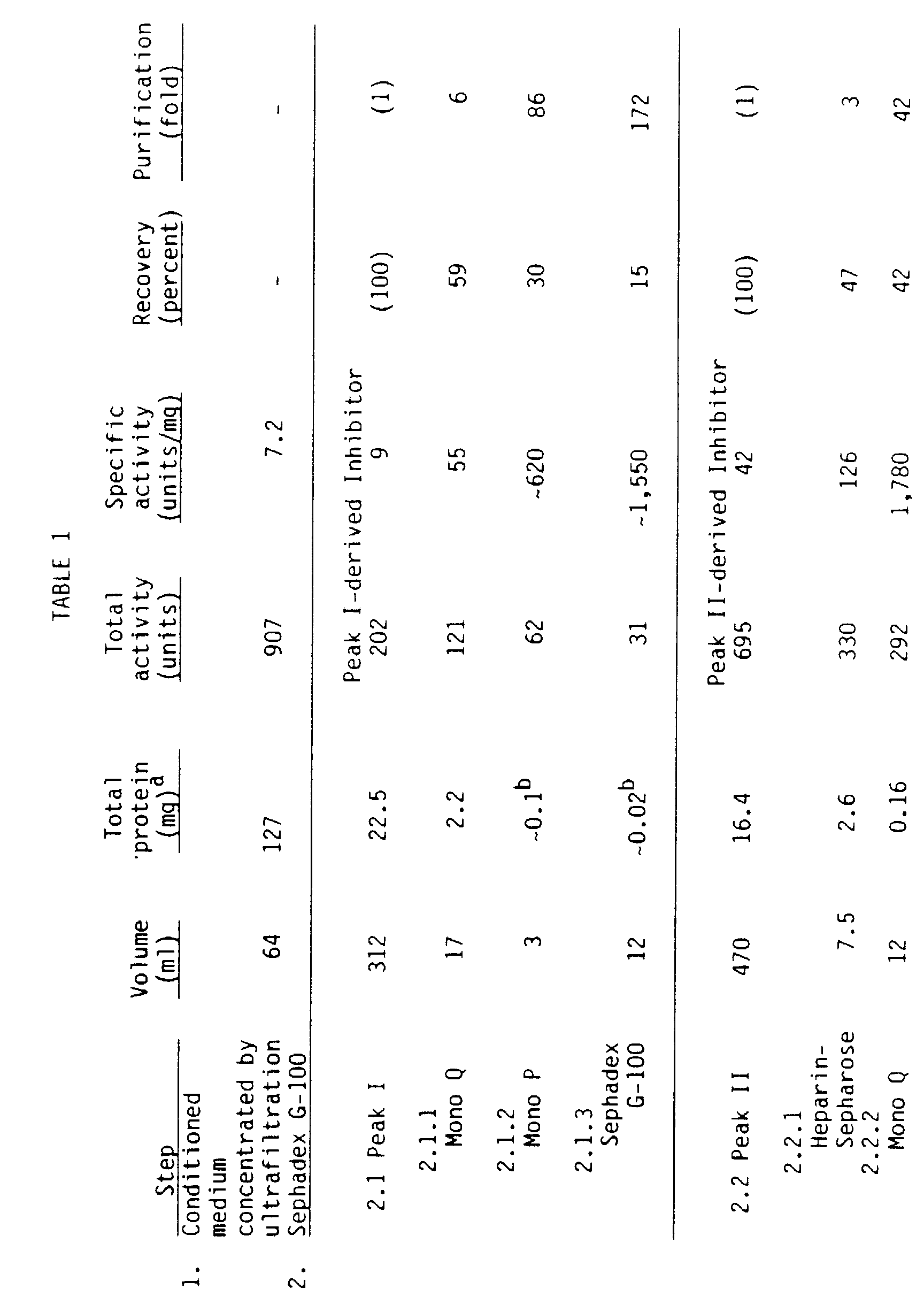
Table I. (See following page.) Purification of two metalloproteinase inhibitors from bovine aortic endothelial cells. After

| Effect of peak I-derived inhibitor on various collagenases | |||
| Enzyme | Substrate | Peak I-derived inhibitor amount (mU) | Inhibition (%) |
| Type I collagenase | 14C-labeled type I | 50 | 100 |
| Gelatinase | 14C-labeled type I collagen, heat denatured | 50 | 90 |
| Bacterial collagenase | 14C-labeled type I collagend | 200 | 0 |
| Type IV collagenase | 14C-labeled type IV collagen | 200 | 66 |
| Stability of peak I-derived and peak II-derived inhibitors. Inhibitor samples (2 U/ml) were treated as indicated prior to being tested for residual anticollagenase activity determined from dose-inhibition curves. | |||
| Treatment | Conditions | Loss of inhibitory activity (%) | |
| Peak I-derived inhibitor | Peak II-derived inhibitor | ||
| (A) Heat | 37° | 0 | 11 |
| 50° | 0 | 11 | |
| 80° | 9 | 30 | |
| 100°C | 59 | 44 | |
| (B) Trypsin | |||
| 1:1 | 10 | 0 | |
| 10:1 | 28 | 21 | |
| 50:1 | 100 | 100 | |
| (C) Acid | pH 4.5, 22°C, 1 | 0 | 0 |
| (D) Reduction- | 100 | 100 |



| Amino acid composition analysis of bovine peak I-derived inhibitor (MI) | |||
| Residues per molecule | |||
| Amino acid | Average value | Integral value | "Actual" value |
| Lys | 15.5 | 16 | 17 |
| His | 3.6 | 4 | 4 |
| Arg + Thr | 15.9 | 16 | 6+6=12 |
| Asx1 | 22.9 | 23 | 22 |
| Ser | 10.9 | 11 | 10 |
| Glx1 | 19.4 | 19 | 19 |
| Pro | 8.1 | 8 | 12 |
| Gly | 14.2 | 14 | 13 |
| | 15 | 15 | 16 |
| | 9 | 9 | 8 |
| 1 / 2-Cys | nd | (12) | |
| Met | 3.1 | 3 | 5 |
| Ile | 14.6 | 15 | 19 |
| Leu | 10.8 | 11 | 7 |
| Tyr | 7.1 | 7 | 7 |
| Phe | 7.7 | 8 | 7 |
| Trp | nd | (4) | |
| 178 | 179 | 178+12+4=194 |







The synthetic DNA linker was:




| Chemicals | Batch medium | Feed medium |
| Casamino acids | 25 g/L | 125 g/L |
| Yeast extract | 5 g/L | 10 g/L |
| (NH4)2PO4 | 3.8 g/L | 5 g/L |
| KH2PO4 | 13.5 g/L | 2.8 g/L |
| Glucose | 2 g/L | 533 g/L |
| Inositol | 0.02 g/L | 0.03 g/L |
| MgSO4·7H2O (1 M) | 4 ml/ | 15 ml/L |
| | 3 ml/L | 6.6 ml/ |
| Vitamin solution | ||
| 3 ml/L | 6.6 ml/L | |
| Streptomycin sulfate | 0.23 g/L | |
| Thiamine (10 g/100 ml) | 0.6 ml/L | 1.6 ml/L |

| Purification of human recombinant MI from CHO-cell conditioned medium | ||||
| Step | Volume (ml) | Total protein (mg) | Total activity (units) | Specific activity (units/mg) |
| Conditioned medium | 20,000 | 2870 | 520,000 | 180 |
| Chelating Sepharose | 600 | 380 | 334,000 | 880 |
| Q- | 100 | 310 | 630,000 | 2030 |
| Sephacryl S-200 | 180 | 260 | 264,000 | 1015 |
| Effect of E. coli-derived recombinant human MI on the degradation of type I collagen by 4R cells | ||
| Inhibitor concentration (µg/ml) | 14C-labeled type I collagen degraded (µg/24 h) | Inhibition (%) |
| 0 | 26.4 ± 0.8 | 0 |
| 0.5 | 27.9 ± 1.9 | 0 |
| 5.0 | 21.5 ± 2.8 | 19 |
| 25.0 | 12.3 ± 3.1 | 53 |
| 50.0 | 12.5 ± 5.2 | 53 |
| Effect of CHO cell-derived recombinant human MI on the degradation of type I collagen by 4R cells | ||
| Inhibitor concentration (µg/ml) | 14C-labeled type I collagen degraded (µg/24 h) | Inhibition (%) |
| 0 | 26.4 ± 0.8 | 0 |
| 5 0.5 | 28.5 ± 1.8 | 15 |
| 5.0 | 12.9 ± 1.1 | 51 |
| 25.0 | 4.3 ± 1.6 | 84 |
| 50.0 | 1.9 ± 1.7 | 93 |
| Effect of E. coli-derived recombinant human MI on the degradation of connective tissue matrices by 4R cells | |||
| Matrix degradation | |||
| Inhibitor concentration (µg/ml) | cpm/dish | % of total matrix | Inhibition (%) |
| 0 | 57,590 | 35.9 | 0 |
| 0.1 | 56,540 | 33.2 | 1.8 |
| 1.0 | 42,550 | 25.5 | 26.2 |
| 10.0 | 25,320 | 14.1 | 56.1 |
| 25.0 | 19,740 | 11.2 | 65.8 |
| Effect of CHO cell-derived recombinant human MI on the degradation of connective tissue matrices by 4R cells | ||||
| Inhibitor concentration (µg/ml) | Matrix degradation | Inhibition (%) | Cell Number at day 6 (x10-6/dish) | |
| cpm/dish | % of | |||
| 0 | 69,330 | 62 | 0 | 4.12 ± 0.18 |
| 0.05 | 64,220 | 57 | 8 | 4.50 ± 0.07 |
| 0.5 | 39,154 | 35 | 44 | 4.36 ± 0.21 |
| 5.0 | 20,314 | 18 | 71 | 4.56 ± 0.07 |
| 5.0 added only on | 47,920 | 43 | 31 | 4.57 ± 0.07 |
| Formation of lung nodules after injection of B16 tumor cells into MI-treated vs. control mice | |||
| Group | Number of animals | Number of lung nodules in each animal | Mean number of lung nodules (± standard error) |
| MI-treated | 9 | 1,3,5,6,6,8,107,10,80 | 25.9 ± 4.1 |
| | 9 | 7,37,45,67,82,111,127,132,264 | 96.9 ± 7.9 |
| BFU-E potentiating activity of CHO cell-derived recombinant human MI | |||
| MI concentration (nM) | Number of BFU-E colonies | Mean number of colonies (± standard error) | |
| | 0 | 10,6,5,6,5 | 6.4 ± 0.94 |
| 0.001 | 7,4,4,9,5 | 5.8 ± 0.98 | |
| 0.01 | 10,8,8,4,9 | 7.8 ± 1.03 | |
| 0.1 | 4,8,5,5,5 | 5.4 ± 0.68 | |
| 1.0 | 14,11,11,8,9 | 10.6 ± 1.04 | |
| 10.0 | 5,12,12,17,11 | 11.4 ± 1.94 | |
| | 0 | 4,3,2,4,3 | 3.2 ± 0.38 |
| 0.01 | 4,3,3,3,3 | 3.2 ± 0.2 | |
| 0.1 | 3,3,2,4,4 | 3.2 ± 0.38 | |
| 1.0 | 9,11,7,5,6 | 7.6 ± 1.09 | |
| 10.0 | 7,10,12,8,5 | 8.4 ± 1.23 | |
| 100.0 | 7,6,6,7,8 | 6.8 ± 0.83 |
Claims (33)
- A purified and isolated DNA sequence coding for procaryotic or eucaryotic host expression of a polypeptide having the primary structural conformation and biological properties of metalloproteinase inhibitor and possessing at least amino acids 1-42 of the primary structural conformation of human metalloproteinase inhibitor as set forth in Figure 2 or any naturally-occurring allelic variant thereof.
- A cDNA sequence according to Claim 1.
- A genomic DNA sequence according to Claim 1.
- A DNA sequence according to Claim 1, 2 or 3, wherein said DNA sequence codes for human metalloproteinase inhibitor.
- A DNA sequence according to Claim 4 and including one or more codons preferred for expression in E. coli cells.
- A DNA sequence according to Claim 1 having the sequence set out in Figure 2.
- A DNA sequence according to Claim 1 and including one or more codons preferred for expression in yeast cells.
- A DNA sequence according to any one of Claims 1 to 7 covalently associated with a detectable label substance.
- A DNA sequence according to Claim 1 coding for methionyl metalloproteinase inhibitor.
- A biologically functional plasmid or viral DNA vector including a DNA sequence according to any one of Claims 1 to 9.
- A procaryotic or eucaryotic host cell stably transformed or transfected with a DNA vector according to Claim 10.
- A polypeptide product of the expression in a procaryotic or eucaryotic host cell of a DNA sequence according to any one of Claims 1 to 9.
- A process for the production of a polypeptide having part or all of the primary structural conformation and one or more of the biological properties of naturally occurring metalloproteinase inhibitor, said process comprising: growing, under suitable nutrient conditions, procaryotic or eucaryotic host cells transformed or transfected with a DNA vector according to Claim 10, and isolating desired polypeptide products of the expression of DNA sequences in said vector.
- A method according to Claim 13 wherein said polypeptide is the product of procaryotic or eucaryotic expression of an exogenous DNA sequence.
- A method according to Claim 13 wherein the polypeptide is characterized by being free of association with any mammalian protein.
- A method according to Claim 13, wherein the polypeptide has the immunological properties of naturally-occurring metalloproteinase inhibitor.
- A method according to Claim 13, wherein the polypeptide has the in vitro biological activity of naturally-occurring metalloproteinase inhibitor.
- A method according to Claim 13, wherein the polypeptide is human metalloproteinase inhibitor free of association with any human protein in glycosylated or nonglycosylated form.
- A method according to Claim 13, wherein the metalloproteinase inhibitor is greater than 95% pure and comprises less than 0.5 mg of pyrogen per 0.5 mg of metalloproteinase inhibitor.
- A DNA sequence coding for an analog of the human metalloproteinase inhibitor having the biological properties of naturally-occurring metalloproteinase inhibitor and possessing at least amino acids 1-42 of the primary structural confonnation of human metalloproteinase inhibitor as set forth in Figure 2 or any naturally-occurring allelic variant thereof, selected from the group consisting of:a) [Met-1] metalloproteinase inhibitor; andb) metalloproteinase inhibitor wherein one or more cysteines are replaced by alanine or serine.
- A method of producing a polypeptide product, by expressing in a procaryotic or eucaryotic host cell a DNA sequence according to Claim 19.
- An antibody specifically binding metalloproteinase inhibitor having the biological properties of naturally-occurring metalloproteinase inhibitor and possessing at least amino acids 1-42 of the primary structural conformation of human metalloproteinase inhibitor as set forth in Figure 2 or any naturally-occurring allelic variant thereof.
- An antibody according to Claim 22, wherein said antibody is a monoclonal antibody.
- Use of a metalloproteinase inhibitor produced by the method of any one of Claims 13 to 19 and 21 for the manufacture of a medicament for inhibiting tumor cell dissemination.
- Use of a metalloproteinase inhibitor produced by the method of any one of Claims 13 to 19 and 21 for the manufacture of a medicament for treating rheumatoid arthritis.
Priority Applications (1)
| Application Number | Priority Date | Filing Date | Title |
|---|---|---|---|
| EP94109856A EP0623676A1 (en) | 1989-05-19 | 1990-05-18 | Metalloproteinase inhibitor |
Applications Claiming Priority (4)
| Application Number | Priority Date | Filing Date | Title |
|---|---|---|---|
| US355027 | 1989-05-19 | ||
| US07/355,027 US7994136B1 (en) | 1989-05-19 | 1989-05-19 | Metalloproteinase inhibitor |
| US50190490A | 1990-03-29 | 1990-03-29 | |
| US501904 | 1990-03-29 |
Related Child Applications (2)
| Application Number | Title | Priority Date | Filing Date |
|---|---|---|---|
| EP94109856.8 Division-Into | 1990-05-18 | ||
| EP94109856A Division EP0623676A1 (en) | 1989-05-19 | 1990-05-18 | Metalloproteinase inhibitor |
Publications (3)
| Publication Number | Publication Date |
|---|---|
| EP0398753A2 EP0398753A2 (en) | 1990-11-22 |
| EP0398753A3 EP0398753A3 (en) | 1991-10-16 |
| EP0398753B1 true EP0398753B1 (en) | 1998-09-02 |
Family
ID=26998675
Family Applications (2)
| Application Number | Title | Priority Date | Filing Date |
|---|---|---|---|
| EP90305433A Expired - Lifetime EP0398753B1 (en) | 1989-05-19 | 1990-05-18 | Metalloproteinase inhibitor |
| EP94109856A Withdrawn EP0623676A1 (en) | 1989-05-19 | 1990-05-18 | Metalloproteinase inhibitor |
Family Applications After (1)
| Application Number | Title | Priority Date | Filing Date |
|---|---|---|---|
| EP94109856A Withdrawn EP0623676A1 (en) | 1989-05-19 | 1990-05-18 | Metalloproteinase inhibitor |
Country Status (11)
| Country | Link |
|---|---|
| US (1) | US6946264B1 (en) |
| EP (2) | EP0398753B1 (en) |
| JP (1) | JP2877509B2 (en) |
| AT (1) | ATE170560T1 (en) |
| AU (1) | AU648505B2 (en) |
| CA (1) | CA2017166C (en) |
| DE (1) | DE69032609T2 (en) |
| DK (1) | DK0398753T3 (en) |
| ES (1) | ES2123495T3 (en) |
| SG (2) | SG43824A1 (en) |
| WO (1) | WO1990014363A1 (en) |
Families Citing this family (89)
| Publication number | Priority date | Publication date | Assignee | Title |
|---|---|---|---|---|
| US5714465A (en) | 1989-05-19 | 1998-02-03 | Amgen Inc. | Method of inhibiting tumor cell dissemination with a metalloproteinase inhibitor |
| US5180820A (en) * | 1989-08-30 | 1993-01-19 | Barde Yves Alain | Brain-derived neurotrophic factor |
| US7217689B1 (en) | 1989-10-13 | 2007-05-15 | Amgen Inc. | Glycosylation analogs of erythropoietin |
| US5389529A (en) * | 1991-06-12 | 1995-02-14 | Regeneron Pharmaceuticals, Inc. | Modified lamβ signal sequence and processes for producing recombinant neurotrophins |
| JP3017591B2 (en) | 1992-01-17 | 2000-03-13 | 富士薬品工業株式会社 | Production method of anti-human TIMP-2 monoclonal antibody and use thereof |
| CA2164498C (en) * | 1993-07-09 | 2007-09-11 | Paul A. Price | Assay for ykl-40 as a marker for degradation of mammalian connective tissue matrices |
| CN1502331A (en) * | 1993-07-19 | 2004-06-09 | Ѫ�ܼ���ҩ�﹫˾ | Antiangiogenic compositions and methods of use |
| US6562596B1 (en) | 1993-10-06 | 2003-05-13 | Amgen Inc. | Tissue inhibitor of metalloproteinase type three (TIMP-3) composition and methods |
| US5840698A (en) * | 1994-10-27 | 1998-11-24 | Affymax Technologies N.V. | Inhibitors of collagenase-1 and stormelysin-I metalloproteases, pharmaceutical compositions comprising same and methods of their use |
| US5831004A (en) | 1994-10-27 | 1998-11-03 | Affymax Technologies N.V. | Inhibitors of metalloproteases, pharmaceutical compositions comprising same and methods of their use |
| AU708829B2 (en) | 1994-12-13 | 1999-08-12 | Human Genome Sciences, Inc. | Human tissue inhibitor of metalloproteinase-4 |
| US6544761B2 (en) | 1994-12-13 | 2003-04-08 | Human Genome Sciences, Inc. | Human tissue inhibitor of metalloproteinase-4 |
| US6057124A (en) * | 1995-01-27 | 2000-05-02 | Amgen Inc. | Nucleic acids encoding ligands for HEK4 receptors |
| IL117175A (en) | 1995-02-20 | 2005-11-20 | Sankyo Co | Osteoclastogenesis inhibitory factor protein |
| US6184200B1 (en) | 1995-09-28 | 2001-02-06 | Amgen Inc. | Truncated glial cell line-derived neurotrophic factor |
| US6369027B1 (en) | 1995-12-22 | 2002-04-09 | Amgen Inc. | Osteoprotegerin |
| US7632922B1 (en) | 1995-12-22 | 2009-12-15 | Amgen, Inc. | Osteoprotegerin |
| US7138251B1 (en) | 1996-04-22 | 2006-11-21 | Amgen Inc. | Polynucleotides encoding a neurotrophic factor receptor |
| US6455277B1 (en) | 1996-04-22 | 2002-09-24 | Amgen Inc. | Polynucleotides encoding human glial cell line-derived neurotrophic factor receptor polypeptides |
| NZ335864A (en) | 1996-11-06 | 2001-09-28 | Univ California | Isolated tumor necrosis factor receptor releasing enzyme (TRRE), compositions comprising the enzyme and methods of the use in modulation of TNF levels |
| PT951551E (en) | 1996-12-23 | 2008-10-28 | Immunex Corp | Ligand for receptor activator of nf-kappa b, ligand is member of tnf superfamily |
| WO1998046644A1 (en) | 1997-04-15 | 1998-10-22 | Snow Brand Milk Products Co., Ltd. | Novel protein and process for producing the same |
| US5843678A (en) * | 1997-04-16 | 1998-12-01 | Amgen Inc. | Osteoprotegerin binding proteins |
| US6316408B1 (en) | 1997-04-16 | 2001-11-13 | Amgen Inc. | Methods of use for osetoprotegerin binding protein receptors |
| AU7553698A (en) * | 1997-05-12 | 1998-12-08 | Nederlandse Organisatie Voor Toegepast- Natuurwetenschappelijk Onderzoek Tno | Method and construct for inhibition of cell migration |
| US6790823B1 (en) | 1998-04-23 | 2004-09-14 | Amgen Inc. | Compositions and methods for the prevention and treatment of cardiovascular diseases |
| US7304150B1 (en) | 1998-10-23 | 2007-12-04 | Amgen Inc. | Methods and compositions for the prevention and treatment of anemia |
| JP4342027B2 (en) | 1999-04-01 | 2009-10-14 | オリエンタル酵母工業株式会社 | TIMP modification |
| US7459540B1 (en) | 1999-09-07 | 2008-12-02 | Amgen Inc. | Fibroblast growth factor-like polypeptides |
| US20030103978A1 (en) | 2000-02-23 | 2003-06-05 | Amgen Inc. | Selective binding agents of osteoprotegerin binding protein |
| EP1259819A2 (en) * | 2000-02-24 | 2002-11-27 | Oxford GlycoSciences (UK) Limited | Diagnosis of bipolar affective disorder (bad) and unipolar depression |
| US7514239B2 (en) | 2000-03-28 | 2009-04-07 | Amgen Inc. | Nucleic acid molecules encoding beta-like glycoprotein hormone polypeptides and heterodimers thereof |
| CA2404696C (en) * | 2000-04-05 | 2010-06-15 | Ipf Pharmaceuticals Gmbh | Medicament containing tissue inhibitor of metalloproteinases-2 (timp-2) as an osteoanabolically active substance |
| WO2002000724A2 (en) | 2000-06-28 | 2002-01-03 | Amgen, Inc. | Thymic stromal lymphopoietin receptor molecules and uses thereof |
| EP1174129A1 (en) * | 2000-07-17 | 2002-01-23 | Zenner, Hans Peter, Prof. Dr. med. | Use of a matrix-metalloprotease inhibitor for the treatment of cancer |
| CA2451955C (en) | 2001-06-26 | 2015-09-29 | Abgenix, Inc. | Antibodies to opgl |
| EP2314316A1 (en) | 2002-04-05 | 2011-04-27 | Amgen, Inc | Human anti-OPGL neutralizing antibodies as selective OPGL pathway inhibitors |
| ATE369895T1 (en) | 2002-04-09 | 2007-09-15 | Sanofi Pasteur Ltd | MODIFIED CEA NUCLIC ACID AND EXPRESSION VECTORS |
| AUPS282002A0 (en) * | 2002-06-06 | 2002-06-27 | Gropep Limited | Metalloproteinase inhibitors |
| CN104178491B (en) | 2002-09-06 | 2018-07-03 | 安姆根有限公司 | Therapeutic human anti-IL-1R1 monoclonal antibody |
| WO2004034988A2 (en) | 2002-10-16 | 2004-04-29 | Amgen Inc. | Human anti-ifn-ϝ neutralizing antibodies as selective ifn-ϝ pathway inhibitors |
| NZ544797A (en) | 2003-07-18 | 2011-04-29 | Amgen Fremont Inc | Specific antibodies that bind HGF and neutralise binding of HGF to met |
| ME00226B (en) | 2004-07-15 | 2011-02-10 | Medarex Llc | Human anti-ngf neutralizing antibodies as selective ngf pathway inhibitors |
| MY146381A (en) | 2004-12-22 | 2012-08-15 | Amgen Inc | Compositions and methods relating relating to anti-igf-1 receptor antibodies |
| PA8660701A1 (en) | 2005-02-04 | 2006-09-22 | Pfizer Prod Inc | SMALL AGONISTS AND THEIR USES |
| US7629315B2 (en) | 2005-03-09 | 2009-12-08 | University Of Pittsburgh Of The Commonwealth System Of Higher Education | Compositions for blocking the inhibitory effect of human CRP on human leptin |
| ES2569917T3 (en) | 2005-06-21 | 2016-05-13 | Xoma (Us) Llc | Antibodies and fragments thereof that bind to IL-1beta |
| DK1915398T3 (en) | 2005-07-18 | 2016-07-04 | Amgen Inc | Humane anti-B7RP1 neutraliserende antistoffer |
| AR056806A1 (en) | 2005-11-14 | 2007-10-24 | Amgen Inc | RANKL- PTH / PTHRP ANTIBODY CHEMICAL MOLECULES |
| KR101193722B1 (en) | 2006-07-24 | 2013-01-11 | 바이오렉시스 파마슈티칼 코포레이션 | Exendin fusion proteins |
| US7947646B2 (en) | 2007-03-06 | 2011-05-24 | Amgen Inc. | Variant activin receptor polypeptides |
| NZ627111A (en) | 2008-11-26 | 2015-10-30 | Amgen Inc | Variants of activin iib receptor polypeptides and uses thereof |
| CN102712680B (en) | 2008-12-24 | 2016-06-22 | 荷兰王国卫生福利和运动部国家公共卫生和环境研究所 | modified pneumolysin (PLY) polypeptides |
| US20140093556A1 (en) | 2011-01-28 | 2014-04-03 | Sanofi Pasteur Sa | Immunological Compositions Against HIV |
| AU2012212075A1 (en) | 2011-02-02 | 2013-07-18 | Amgen Inc. | Methods and compositons relating to inhibition of IGF-1R |
| EP2750694B8 (en) | 2011-08-08 | 2018-11-14 | Curelab Oncology, Inc. | Methods and compositions relating to p62 for the treatment and prophylaxis of cancer |
| EP2895501B1 (en) | 2012-09-17 | 2017-01-18 | Novartis Tiergesundheit AG | Salmonid alphavirus and uses thereof |
| US9809863B2 (en) | 2012-11-02 | 2017-11-07 | Elanco Tiergesundheit Ag | Flavivirus associated with Theiler's disease |
| SG11201505960VA (en) | 2013-02-01 | 2015-08-28 | Santa Maria Biotherapeutics Inc | Administration of an anti-activin-a compound to a subject |
| PH12022550138A1 (en) | 2013-03-13 | 2023-03-06 | Amgen Inc | Proteins specific for baff and b7rp1 and uses thereof |
| US9458246B2 (en) | 2013-03-13 | 2016-10-04 | Amgen Inc. | Proteins specific for BAFF and B7RP1 |
| WO2014140938A2 (en) | 2013-03-14 | 2014-09-18 | Centre Hospitalier Universitaire Vaudois | Immunological methods |
| CN106061501A (en) | 2013-12-29 | 2016-10-26 | Cl昂科莱吉有限公司 | Methods and compositions relating to p62/sqstm1 for the treatment and prevention of inflammation-associated diseases |
| US10571468B2 (en) | 2014-05-09 | 2020-02-25 | One Lambda, Inc. | Modified Fc gamma receptor type III (FCγIII, HNA-1) polypeptides and the uses thereof |
| PE20170471A1 (en) | 2014-06-13 | 2017-05-14 | Santa Maria Biotherapeutics Inc | FORMULATED RECEPTOR POLYPEPTIDES AND RELATED METHODS |
| CA2957258C (en) | 2014-08-05 | 2023-11-07 | MabQuest SA | Immunological reagents |
| SI3286206T1 (en) | 2015-04-22 | 2021-07-30 | Biogen Ma Inc. | Novel hybrid actriib ligand trap proteins for treating muscle wasting diseases |
| US20170082619A1 (en) | 2015-09-23 | 2017-03-23 | One Lambda, Inc. | Methods of Detecting Alloantibodies Using HLA and Non-HLA Antigens |
| CN108779168A (en) | 2015-12-05 | 2018-11-09 | 沃迪奥斯大学医院中心 | HIV bonding agents |
| ES3034233T3 (en) | 2016-01-22 | 2025-08-14 | MabQuest SA | Non-blocking pd1 specific antibodies |
| JOP20190085A1 (en) | 2016-10-20 | 2019-04-17 | Biogen Ma Inc | Methods for treating muscle wasting and bone disease using novel hybrid actriib ligand trap proteins |
| GB201710973D0 (en) | 2017-07-07 | 2017-08-23 | Avacta Life Sciences Ltd | Scaffold proteins |
| AU2019288496B2 (en) | 2018-06-22 | 2024-11-21 | Cugene Inc. | Interleukin-2 variants and methods of uses thereof |
| WO2020012435A1 (en) | 2018-07-13 | 2020-01-16 | Lausanne University Hospital | Hiv binding agents |
| US20200072831A1 (en) | 2018-08-23 | 2020-03-05 | Emory University | Methods of detecting alloantibodies to hla class ii antigens |
| EP3996815A2 (en) | 2019-07-15 | 2022-05-18 | Lausanne University Hospital | Hiv binding agents |
| TW202128775A (en) | 2019-10-16 | 2021-08-01 | 英商阿法克塔生命科學有限公司 | Pd-l1 inhibitor - tgfβ inhibitor bispecific drug moieties |
| GB202101299D0 (en) | 2020-06-09 | 2021-03-17 | Avacta Life Sciences Ltd | Diagnostic polypetides and methods |
| TWI884296B (en) | 2020-08-11 | 2025-05-21 | 美商碩騰服務公司 | Anti-coronavirus vaccines |
| CN114315985A (en) | 2020-09-29 | 2022-04-12 | 硕腾服务有限责任公司 | Attenuated porcine epidemic diarrhea virus |
| WO2022234003A1 (en) | 2021-05-07 | 2022-11-10 | Avacta Life Sciences Limited | Cd33 binding polypeptides with stefin a protein |
| CA3230802A1 (en) | 2021-08-31 | 2023-03-09 | Zoetis Services Llc | Attenuated alphavirus |
| EP4412711A1 (en) | 2021-10-07 | 2024-08-14 | Avacta Life Sciences Limited | Serum half-life extended pd-l1 binding polypeptides |
| TW202334196A (en) | 2021-10-07 | 2023-09-01 | 英商阿法克塔生命科學有限公司 | Pd-l1 binding polypeptides |
| WO2023108137A1 (en) | 2021-12-10 | 2023-06-15 | Biogen Ma Inc. | Modified actriib proteins and methods of use thereof |
| WO2023153876A1 (en) | 2022-02-10 | 2023-08-17 | 주식회사 아피셀테라퓨틱스 | Stefin a protein variants specifically binding to cd40l, and uses thereof |
| WO2023218243A1 (en) | 2022-05-12 | 2023-11-16 | Avacta Life Sciences Limited | Lag-3/pd-l1 binding fusion proteins |
| FR3147278A1 (en) | 2023-03-31 | 2024-10-04 | Avacta Life Sciences Limited | TNFR2-BINDING POLYPEPTIDES AND METHODS OF USE |
| EP4688825A1 (en) | 2023-03-31 | 2026-02-11 | AffyXell Therapeutics Co., Ltd. | Tnfr2 binding polypeptides and methods of use |
Family Cites Families (8)
| Publication number | Priority date | Publication date | Assignee | Title |
|---|---|---|---|---|
| US6936694B1 (en) | 1982-05-06 | 2005-08-30 | Intermune, Inc. | Manufacture and expression of large structural genes |
| US4710473A (en) | 1983-08-10 | 1987-12-01 | Amgen, Inc. | DNA plasmids |
| DK4286A (en) * | 1985-01-07 | 1986-07-08 | Celltech Ltd | METHOD OF PREPARING A METALOPROTEINASE INHIBITOR |
| EP0189784B1 (en) * | 1985-01-18 | 1989-11-08 | G.D. Searle & Co. | Human natural inhibitor of collagenases |
| ATE89005T1 (en) * | 1985-02-05 | 1993-05-15 | Synergen Biolog Inc | RECOMBINANT VECTOR SYSTEM FOR METALLOPROTEINASE INHIBITOR SEQUENCE AND ITS USE AND PRODUCTION BY THE RECOMBINANT DNA METHOD. |
| JP2609858B2 (en) * | 1987-02-27 | 1997-05-14 | 富士薬品工業 株式会社 | Enzyme immunoassay for collagenase inhibitors |
| ATE219776T1 (en) * | 1989-03-21 | 2002-07-15 | Us Secretary United States Dep | MATRIC METALLOPROTEINASE INHIBITOR PEPTIDES |
| DE69011433T2 (en) * | 1989-05-26 | 1995-04-06 | Univ Washington | Tissue inhibitor for metalloproteases (TIMP-2). |
-
1990
- 1990-05-10 JP JP2507615A patent/JP2877509B2/en not_active Expired - Lifetime
- 1990-05-10 WO PCT/US1990/002655 patent/WO1990014363A1/en not_active Ceased
- 1990-05-10 AU AU56388/90A patent/AU648505B2/en not_active Expired
- 1990-05-18 CA CA002017166A patent/CA2017166C/en not_active Expired - Lifetime
- 1990-05-18 SG SG1996001526A patent/SG43824A1/en unknown
- 1990-05-18 EP EP90305433A patent/EP0398753B1/en not_active Expired - Lifetime
- 1990-05-18 DK DK90305433T patent/DK0398753T3/en active
- 1990-05-18 AT AT90305433T patent/ATE170560T1/en not_active IP Right Cessation
- 1990-05-18 ES ES90305433T patent/ES2123495T3/en not_active Expired - Lifetime
- 1990-05-18 EP EP94109856A patent/EP0623676A1/en not_active Withdrawn
- 1990-05-18 DE DE69032609T patent/DE69032609T2/en not_active Expired - Lifetime
- 1990-06-18 SG SG1996001440A patent/SG48766A1/en unknown
-
1995
- 1995-03-02 US US08/397,320 patent/US6946264B1/en not_active Expired - Fee Related
Also Published As
| Publication number | Publication date |
|---|---|
| DE69032609T2 (en) | 1999-05-06 |
| EP0398753A3 (en) | 1991-10-16 |
| JP2877509B2 (en) | 1999-03-31 |
| ES2123495T3 (en) | 1999-01-16 |
| CA2017166A1 (en) | 1990-11-19 |
| SG43824A1 (en) | 1997-11-14 |
| DK0398753T3 (en) | 1999-02-01 |
| US6946264B1 (en) | 2005-09-20 |
| CA2017166C (en) | 2003-10-21 |
| JPH04500683A (en) | 1992-02-06 |
| AU648505B2 (en) | 1994-04-28 |
| WO1990014363A1 (en) | 1990-11-29 |
| HK1008342A1 (en) | 1999-05-07 |
| AU5638890A (en) | 1990-12-18 |
| EP0398753A2 (en) | 1990-11-22 |
| SG48766A1 (en) | 1998-05-18 |
| EP0623676A1 (en) | 1994-11-09 |
| ATE170560T1 (en) | 1998-09-15 |
| DE69032609D1 (en) | 1998-10-08 |
Similar Documents
| Publication | Publication Date | Title |
|---|---|---|
| US6946264B1 (en) | Metalloproteinase inhibitor | |
| US6849450B2 (en) | Antibodies to the metalloproteinase inhibitor | |
| US7435719B2 (en) | Tissue inhibitor of metalloproteinase type three (TIMP-3) composition and methods | |
| US5525488A (en) | Nucleic acid encoding the mature α chain of inhibin and method for synthesizing polypeptides using such nucleic acid | |
| EP0338841A1 (en) | Recombinant DNA methods, vectors and host cells | |
| SK279041B6 (en) | DNA CONSTRUCT, TRANSFORMED CELL AND PRODUCTION METHOD | |
| DE69123106T2 (en) | Polypeptide capable of interacting with thrombin | |
| EP0402068A1 (en) | Polypeptides and polypeptide analogues with inhibitory activity against human elastase | |
| EP0357067A2 (en) | Recombinant natural killer cell activator | |
| EP0222591A2 (en) | Method and nucleic acid for the preparation of lecithin: cholesterol acyltransferase | |
| US5180668A (en) | Hirudin derivative | |
| US7994136B1 (en) | Metalloproteinase inhibitor | |
| HK1008342B (en) | Metalloproteinase inhibitor | |
| CA2434741A1 (en) | Metalloproteinase inhibitor | |
| EP0380443A2 (en) | Monoclonal antibodies specific for thrombin hirudin | |
| GB2169295A (en) | Process for the production of a metalloproteinase inhibitor | |
| HK1009287B (en) | Tissue inhibitor of metalloproteinase type three (timp-3) | |
| HK1055977B (en) | Chemically modified tissue inhibitor of metalloproteinase type three (timp-3) composition and methods | |
| HK1127625A (en) | Tissue inhibitor of metalloproteinase type three (timp-3) composition and methods |
Legal Events
| Date | Code | Title | Description |
|---|---|---|---|
| PUAI | Public reference made under article 153(3) epc to a published international application that has entered the european phase |
Free format text: ORIGINAL CODE: 0009012 |
|
| AK | Designated contracting states |
Kind code of ref document: A2 Designated state(s): AT BE CH DE DK ES FR GB GR IT LI LU NL SE |
|
| PUAL | Search report despatched |
Free format text: ORIGINAL CODE: 0009013 |
|
| AK | Designated contracting states |
Kind code of ref document: A3 Designated state(s): AT BE CH DE DK ES FR GB GR IT LI LU NL SE |
|
| 17P | Request for examination filed |
Effective date: 19920323 |
|
| 17Q | First examination report despatched |
Effective date: 19931209 |
|
| GRAG | Despatch of communication of intention to grant |
Free format text: ORIGINAL CODE: EPIDOS AGRA |
|
| GRAG | Despatch of communication of intention to grant |
Free format text: ORIGINAL CODE: EPIDOS AGRA |
|
| GRAG | Despatch of communication of intention to grant |
Free format text: ORIGINAL CODE: EPIDOS AGRA |
|
| GRAH | Despatch of communication of intention to grant a patent |
Free format text: ORIGINAL CODE: EPIDOS IGRA |
|
| RHK1 | Main classification (correction) |
Ipc: C12N 15/15 |
|
| GRAH | Despatch of communication of intention to grant a patent |
Free format text: ORIGINAL CODE: EPIDOS IGRA |
|
| GRAA | (expected) grant |
Free format text: ORIGINAL CODE: 0009210 |
|
| AK | Designated contracting states |
Kind code of ref document: B1 Designated state(s): AT BE CH DE DK ES FR GB GR IT LI LU NL SE |
|
| DX | Miscellaneous (deleted) | ||
| REF | Corresponds to: |
Ref document number: 170560 Country of ref document: AT Date of ref document: 19980915 Kind code of ref document: T |
|
| REG | Reference to a national code |
Ref country code: CH Ref legal event code: EP |
|
| REF | Corresponds to: |
Ref document number: 69032609 Country of ref document: DE Date of ref document: 19981008 |
|
| ITF | It: translation for a ep patent filed | ||
| ET | Fr: translation filed | ||
| REG | Reference to a national code |
Ref country code: CH Ref legal event code: NV Representative=s name: A. BRAUN, BRAUN, HERITIER, ESCHMANN AG PATENTANWAE |
|
| REG | Reference to a national code |
Ref country code: ES Ref legal event code: FG2A Ref document number: 2123495 Country of ref document: ES Kind code of ref document: T3 |
|
| REG | Reference to a national code |
Ref country code: DK Ref legal event code: T3 |
|
| PLBE | No opposition filed within time limit |
Free format text: ORIGINAL CODE: 0009261 |
|
| STAA | Information on the status of an ep patent application or granted ep patent |
Free format text: STATUS: NO OPPOSITION FILED WITHIN TIME LIMIT |
|
| 26N | No opposition filed | ||
| REG | Reference to a national code |
Ref country code: GB Ref legal event code: IF02 |
|
| REG | Reference to a national code |
Ref country code: CH Ref legal event code: PFA Owner name: AMGEN INC. Free format text: AMGEN INC.#1840 DEHAVILLAND DRIVE#THOUSAND OAKS CALIFORNIA 91320 -1789 (US) $ CHILDREN'S HOSPITAL OF LOS ANGELES#4650 SUNSET BOULEVARD#LOS ANGELES, CALIFORNIA 90027 (US) -TRANSFER TO- AMGEN INC.#1840 DEHAVILLAND DRIVE#THOUSAND OAKS CALIFORNIA 91320 -1789 (US) $ CHILDREN'S HOSPITAL OF LOS ANGELES#4650 SUNSET BOULEVARD#LOS ANGELES, CALIFORNIA 90027 (US) |
|
| PGFP | Annual fee paid to national office [announced via postgrant information from national office to epo] |
Ref country code: DK Payment date: 20090514 Year of fee payment: 20 Ref country code: NL Payment date: 20090504 Year of fee payment: 20 Ref country code: ES Payment date: 20090605 Year of fee payment: 20 |
|
| PGFP | Annual fee paid to national office [announced via postgrant information from national office to epo] |
Ref country code: DE Payment date: 20090514 Year of fee payment: 20 Ref country code: LU Payment date: 20090616 Year of fee payment: 20 Ref country code: IT Payment date: 20090519 Year of fee payment: 20 Ref country code: FR Payment date: 20090515 Year of fee payment: 20 Ref country code: AT Payment date: 20090514 Year of fee payment: 20 Ref country code: SE Payment date: 20090512 Year of fee payment: 20 |
|
| PGFP | Annual fee paid to national office [announced via postgrant information from national office to epo] |
Ref country code: BE Payment date: 20090525 Year of fee payment: 20 |
|
| PGFP | Annual fee paid to national office [announced via postgrant information from national office to epo] |
Ref country code: CH Payment date: 20090513 Year of fee payment: 20 |
|
| PGFP | Annual fee paid to national office [announced via postgrant information from national office to epo] |
Ref country code: GR Payment date: 20090421 Year of fee payment: 20 Ref country code: GB Payment date: 20090513 Year of fee payment: 20 |
|
| REG | Reference to a national code |
Ref country code: NL Ref legal event code: V4 Effective date: 20100518 |
|
| BE20 | Be: patent expired |
Owner name: *CHILDREN'S HOSPITAL OF LOS ANGELES Effective date: 20100518 Owner name: *AMGEN INC. Effective date: 20100518 |
|
| REG | Reference to a national code |
Ref country code: CH Ref legal event code: PL |
|
| REG | Reference to a national code |
Ref country code: DK Ref legal event code: EUP |
|
| EUG | Se: european patent has lapsed | ||
| REG | Reference to a national code |
Ref country code: ES Ref legal event code: FD2A Effective date: 20100519 |
|
| PG25 | Lapsed in a contracting state [announced via postgrant information from national office to epo] |
Ref country code: NL Free format text: LAPSE BECAUSE OF EXPIRATION OF PROTECTION Effective date: 20100518 |
|
| PG25 | Lapsed in a contracting state [announced via postgrant information from national office to epo] |
Ref country code: ES Free format text: LAPSE BECAUSE OF EXPIRATION OF PROTECTION Effective date: 20100519 |
|
| PG25 | Lapsed in a contracting state [announced via postgrant information from national office to epo] |
Ref country code: GB Free format text: LAPSE BECAUSE OF EXPIRATION OF PROTECTION Effective date: 20100517 |
|
| PG25 | Lapsed in a contracting state [announced via postgrant information from national office to epo] |
Ref country code: DE Free format text: LAPSE BECAUSE OF EXPIRATION OF PROTECTION Effective date: 20100518 |