EP0356409A2 - A method for the production and isolation of a fusion protein in eukaryotic cells - Google Patents
A method for the production and isolation of a fusion protein in eukaryotic cells Download PDFInfo
- Publication number
- EP0356409A2 EP0356409A2 EP89850249A EP89850249A EP0356409A2 EP 0356409 A2 EP0356409 A2 EP 0356409A2 EP 89850249 A EP89850249 A EP 89850249A EP 89850249 A EP89850249 A EP 89850249A EP 0356409 A2 EP0356409 A2 EP 0356409A2
- Authority
- EP
- European Patent Office
- Prior art keywords
- fusion protein
- dna sequence
- protein
- amino acid
- acid sequence
- Prior art date
- Legal status (The legal status is an assumption and is not a legal conclusion. Google has not performed a legal analysis and makes no representation as to the accuracy of the status listed.)
- Withdrawn
Links
Images


Classifications
-
- C—CHEMISTRY; METALLURGY
- C12—BIOCHEMISTRY; BEER; SPIRITS; WINE; VINEGAR; MICROBIOLOGY; ENZYMOLOGY; MUTATION OR GENETIC ENGINEERING
- C12N—MICROORGANISMS OR ENZYMES; COMPOSITIONS THEREOF; PROPAGATING, PRESERVING, OR MAINTAINING MICROORGANISMS; MUTATION OR GENETIC ENGINEERING; CULTURE MEDIA
- C12N15/00—Mutation or genetic engineering; DNA or RNA concerning genetic engineering, vectors, e.g. plasmids, or their isolation, preparation or purification; Use of hosts therefor
- C12N15/09—Recombinant DNA-technology
- C12N15/63—Introduction of foreign genetic material using vectors; Vectors; Use of hosts therefor; Regulation of expression
- C12N15/79—Vectors or expression systems specially adapted for eukaryotic hosts
- C12N15/85—Vectors or expression systems specially adapted for eukaryotic hosts for animal cells
- C12N15/86—Viral vectors
-
- C—CHEMISTRY; METALLURGY
- C07—ORGANIC CHEMISTRY
- C07K—PEPTIDES
- C07K14/00—Peptides having more than 20 amino acids; Gastrins; Somatostatins; Melanotropins; Derivatives thereof
- C07K14/435—Peptides having more than 20 amino acids; Gastrins; Somatostatins; Melanotropins; Derivatives thereof from animals; from humans
- C07K14/43504—Peptides having more than 20 amino acids; Gastrins; Somatostatins; Melanotropins; Derivatives thereof from animals; from humans from invertebrates
- C07K14/43563—Peptides having more than 20 amino acids; Gastrins; Somatostatins; Melanotropins; Derivatives thereof from animals; from humans from invertebrates from insects
-
- C—CHEMISTRY; METALLURGY
- C07—ORGANIC CHEMISTRY
- C07K—PEPTIDES
- C07K16/00—Immunoglobulins [IG], e.g. monoclonal or polyclonal antibodies
- C07K16/12—Immunoglobulins [IG], e.g. monoclonal or polyclonal antibodies against material from bacteria
- C07K16/1203—Gram-negative bacteria
- C07K16/1228—Enterobacterales (O), e.g. Citrobacter (G), Serratia (G), Proteus (G), Providencia (G), Morganella (G) or Yersinia (G)
- C07K16/1232—Escherichia (G)
-
- C—CHEMISTRY; METALLURGY
- C12—BIOCHEMISTRY; BEER; SPIRITS; WINE; VINEGAR; MICROBIOLOGY; ENZYMOLOGY; MUTATION OR GENETIC ENGINEERING
- C12N—MICROORGANISMS OR ENZYMES; COMPOSITIONS THEREOF; PROPAGATING, PRESERVING, OR MAINTAINING MICROORGANISMS; MUTATION OR GENETIC ENGINEERING; CULTURE MEDIA
- C12N15/00—Mutation or genetic engineering; DNA or RNA concerning genetic engineering, vectors, e.g. plasmids, or their isolation, preparation or purification; Use of hosts therefor
- C12N15/09—Recombinant DNA-technology
- C12N15/11—DNA or RNA fragments; Modified forms thereof; Non-coding nucleic acids having a biological activity
- C12N15/62—DNA sequences coding for fusion proteins
- C12N15/625—DNA sequences coding for fusion proteins containing a sequence coding for a signal sequence
-
- C—CHEMISTRY; METALLURGY
- C12—BIOCHEMISTRY; BEER; SPIRITS; WINE; VINEGAR; MICROBIOLOGY; ENZYMOLOGY; MUTATION OR GENETIC ENGINEERING
- C12N—MICROORGANISMS OR ENZYMES; COMPOSITIONS THEREOF; PROPAGATING, PRESERVING, OR MAINTAINING MICROORGANISMS; MUTATION OR GENETIC ENGINEERING; CULTURE MEDIA
- C12N9/00—Enzymes; Proenzymes; Compositions thereof; Processes for preparing, activating, inhibiting, separating or purifying enzymes
- C12N9/14—Hydrolases (3)
- C12N9/48—Hydrolases (3) acting on peptide bonds (3.4)
- C12N9/50—Proteinases, e.g. Endopeptidases (3.4.21-3.4.25)
- C12N9/64—Proteinases, e.g. Endopeptidases (3.4.21-3.4.25) derived from animal tissue
- C12N9/6421—Proteinases, e.g. Endopeptidases (3.4.21-3.4.25) derived from animal tissue from mammals
- C12N9/6424—Serine endopeptidases (3.4.21)
- C12N9/6456—Plasminogen activators
- C12N9/6459—Plasminogen activators t-plasminogen activator (3.4.21.68), i.e. tPA
-
- C—CHEMISTRY; METALLURGY
- C12—BIOCHEMISTRY; BEER; SPIRITS; WINE; VINEGAR; MICROBIOLOGY; ENZYMOLOGY; MUTATION OR GENETIC ENGINEERING
- C12Y—ENZYMES
- C12Y304/00—Hydrolases acting on peptide bonds, i.e. peptidases (3.4)
- C12Y304/21—Serine endopeptidases (3.4.21)
- C12Y304/21069—Protein C activated (3.4.21.69)
-
- A—HUMAN NECESSITIES
- A61—MEDICAL OR VETERINARY SCIENCE; HYGIENE
- A61K—PREPARATIONS FOR MEDICAL, DENTAL OR TOILETRY PURPOSES
- A61K39/00—Medicinal preparations containing antigens or antibodies
-
- C—CHEMISTRY; METALLURGY
- C07—ORGANIC CHEMISTRY
- C07K—PEPTIDES
- C07K2319/00—Fusion polypeptide
- C07K2319/01—Fusion polypeptide containing a localisation/targetting motif
- C07K2319/02—Fusion polypeptide containing a localisation/targetting motif containing a signal sequence
-
- C—CHEMISTRY; METALLURGY
- C07—ORGANIC CHEMISTRY
- C07K—PEPTIDES
- C07K2319/00—Fusion polypeptide
- C07K2319/01—Fusion polypeptide containing a localisation/targetting motif
- C07K2319/036—Fusion polypeptide containing a localisation/targetting motif targeting to the medium outside of the cell, e.g. type III secretion
-
- C—CHEMISTRY; METALLURGY
- C07—ORGANIC CHEMISTRY
- C07K—PEPTIDES
- C07K2319/00—Fusion polypeptide
- C07K2319/70—Fusion polypeptide containing domain for protein-protein interaction
- C07K2319/705—Fusion polypeptide containing domain for protein-protein interaction containing a protein-A fusion
-
- C—CHEMISTRY; METALLURGY
- C12—BIOCHEMISTRY; BEER; SPIRITS; WINE; VINEGAR; MICROBIOLOGY; ENZYMOLOGY; MUTATION OR GENETIC ENGINEERING
- C12N—MICROORGANISMS OR ENZYMES; COMPOSITIONS THEREOF; PROPAGATING, PRESERVING, OR MAINTAINING MICROORGANISMS; MUTATION OR GENETIC ENGINEERING; CULTURE MEDIA
- C12N2710/00—MICROORGANISMS OR ENZYMES; COMPOSITIONS THEREOF; PROPAGATING, PRESERVING, OR MAINTAINING MICROORGANISMS; MUTATION OR GENETIC ENGINEERING; CULTURE MEDIA dsDNA viruses
- C12N2710/00011—Details
- C12N2710/14011—Baculoviridae
- C12N2710/14111—Nucleopolyhedrovirus, e.g. autographa californica nucleopolyhedrovirus
- C12N2710/14141—Use of virus, viral particle or viral elements as a vector
- C12N2710/14143—Use of virus, viral particle or viral elements as a vector viral genome or elements thereof as genetic vector
Definitions
- the present invention relates to methods for expressing an exogenous gene in a selected eukaryotic cell and products thereof. More particularly, this invention relates to a method for production of a desired protein fused to another peptide sequence which facilitates isolation and purification of the desired product in combination with appropriate signals for secretion to extracellular medium.
- the invention also includes a recombinant nucleotide sequence for use in the method, a recombinant vector containing such recombinant nucleotide sequence, a eukaryotic cell harbouring such nucleotide sequence or vector, and the use of the fusion protein prepared by the method as a vaccine or for the manufacture of monoclonal antibodies.
- Another aspect of this invention relates to the expression of peptides in eukaryotic systems which allow correct folding and posttranslational modification in combination with a fusion partner which facilitates purification and appropriate signals for extracellular distribution as well as selected cleavage of the fusion protein and isolation of the desired product.
- a DNA fragment encoding a desired amino acid sequence is isolated, synthesized or otherwise obtained.
- the so obtained DNA fragment is inserted into an appropriate expression vector in such a way that it becomes joined in phase to a DNA part encoding the signal sequence, the carrier protein as well as other regulatory sequences needed for high level expression in a host cell.
- the recombinant DNA technology has provided methods for production of different macromolecules by using different strategies.
- the principal object of the present invention is to eliminate or at least greatly reduce the deficiencies associated with the conventional art.
- Other objects and aspects of the invention will be clear from the following disclosure.
- the present invention provides a method for the production and isolation of a fusion protein.
- the present method comprises the following steps:
- said amino acid sequence capable of selective binding is of an immunogenic character.
- Using such amino acid sequence in the fusion protein of the present invention results in an improved antibody generation when the fusion protein is used for immunization.
- amino acid sequence one that is selected from sequences capable of binding to the constant regions of immunoglobulins such as the IgG-binding region of protein A.
- the host used in the method of this invention is suitably selected from insect and mammalian cells.
- the invention also provides for a recombinant nucleotide sequence comprising a DNA sequence coding for a desired peptide or protein and operatively linked to a second DNA sequence coding for an amino acid sequence capable of selective binding to a carrier material, said first or second DNA sequence being proceeded by and being operatively linked to a third DNA sequence coding for a eucaryotic signal peptide.
- said second DNA sequence preferably codes for an immunogenic amino acid sequence. Capability of binding to the constant regions of immunoglobulins, such as the IgG-binding region of protein A, is preferred.
- the invention also provides for a recombinant vector comprising a first DNA sequence coding for a desired peptide or protein and operatively linked to a second DNA sequence coding for an amino acid sequence capable of selective binding to a carrier material, said first or second DNA sequence being proceeded by and being operatively linked to a third DNA sequence coding for a eucaryotic signal peptide.
- the invention provides for a process for preparing polyclonal antibodies, such process comprising immunizing an animal using the fused protein as defined above, then bleeding the animal and recovering the generated antibodies from the animal serum.
- the animal can be selected from mammals, such as rabbits or mice.
- the fusion protein may also be used for the manufacture of monoclonal antibodies or as a vaccine.
- the present invention thus sets out to provide a process whereby fusion proteins can be produced and secreted in extracellular medium by eukaryotic cells thereby providing a system for correct posttranslational modification as well as folding etc. More specifically the invention deals with the production of peptides whose activity is dependent of eukaryotic processing functions, production of antibodies against a desired amino acid sequence be it a protein, a peptide or a short stretch of acids.
- the gene fusion system described in the present invention provides a DNA segment encoding an appropriate eukaryotic signal peptide, followed by a sequence encoding an amino acid sequence characterized by specific binding properties, combined with a sequence encoding any desired peptide or protein.
- the preferred amino acid sequence with specific binding properties can be structures with affinity for: a) the constant regions of immunoglobulin such as Staphylococcus aureus Protein A or derivatives thereof; b) carbohydrates such as lectins or enzymes as RNase; c) fibrin structures such as the kringle structures derived from tissue plasminogen activator or plasminogen; d) biotin such as avidin; e) cation exchangers such as polylysine; f) gelatin such as fibronectin structures; g) DNA such as fibronectin structures or chromatin proteins; h) antibodies such as antigens.
- immunoglobulin such as Staphylococcus aureus Protein A or derivatives thereof
- carbohydrates such as lectins or enzymes as RNase
- fibrin structures such as the kringle structures derived from tissue plasminogen activator or plasminogen
- biotin such as avidin
- e) cation exchangers such as polylysine
- the desired peptide or protein encoding sequence fused in phase to the described amino acid encoding sequence for expression in eukaryotic hosts can preferentially encode for peptides or proteins which require post-translational modifications such as glycosylation, carboxylation, amidation etc and/or require adequate folding.
- peptides or proteins are: a) peptide hormones e.g. gastrointestinal peptides as secretin, vasoactive peptide etc or neuropeptides as nerve growth factor (NGF), brain insulin like growth factor (brain-IGF) etc or other growth factors such as IGFI, IGFII, TGF, FGF, EGF, PDGF, IL-2 and others; b) antibacterial peptides e.g. cecropins, magainins etc; c) subunit vaccins e.g. HIV-gp 120 etc; d) toxins e.g. melittin; or any other peptides or proteins of interest.
- a carrier protein gene construct in combination with a DNA segment encoding a peptide sequence in a suitable eukaryotic host cell system, naturally occuring posttranslational modifications in that peptide sequence can be obtained.
- a peptide sequence comprising a neutralization site of a pathogen (e.g. virus, bacteria etc) dependent partially or fully on structures obtained by posttranslational modifications can thus be produced.
- a pathogen e.g. virus, bacteria etc
- Antibodies may be generated by immunizing appropriate animals with the fusion protein, containing the correct modified structure.
- the fusion partner, the carrier protein, provides facilitated recognition of the desired peptide by the immune system of the inoculated organisms.
- Using a carrier molecule with polyclonal B-cell stimulatory effect may further enhance the immune response in the immunized hosts.
- a further aspect of the invention relates to the use of gen-fusion peptides expressed in eukaryotic cells for obtaining specific immune responses. More specifically one aspect relates to the production of recombinant DNA derived vaccines.
- Selected positions of a pathogen's genome those coding for structural antigenic sites involved in the induction of a protective immune response against the pathogen, may be expressed in bacterial or eukaryotic cells, and used to produce neutralizing antibodies in immunized animals. This was first shown for the virus of foot and mouth disease (Kleid et al. 1981).
- Important antigenic sites in a protein may consist of linear or conformational peptide structures as well as structures obtained by posttranslational modifications (e.g. glycosylation, amidation, carboxylation etc.) or combinations thereof.
- protein epitopes comprising structures obtained by prosttranslational modifications may be vital for raising neutralizing antibodies or for inducing cell mediated immunity.
- Such structures are e.g. T-cell helper inducing determinants, T cytolytic inducing determinants, B cell inducing determinants and T suppressor inducing determinants.
- Plasmid DNA designated pKGE-132, has been deposited in the collection of: "Deutsche Sammlung von Mikroorganismen und Zellkulturen GmbH, Mascheroder Weg 16, D-3300 Braunschweig, Federal Republic of Germany” on August 10, 1988 and has been identified there by accession number DSM 4758.
- Enzymes were bought from Amersham, NEN, or Boehringer Mannheim.
- This example describes the isolation, synthesis, characterisation as well as the assembly of DNA fragments in order to obtain an expression vector.
- Bowes melanoma cells a transformed human cell line which constitutively produce high levels of t-PA, were cultured in glass roller bottles at +37 o C in Eagles minimal essential medium (EMEM) supplemented with 1% non essential amino acids (Flow), glutamine (2mM), penicillin (50 IU/ml), streptomycin (50 ⁇ g/ml), Hepes (20 mM, pH 7.2) and 10% foetal calf serum.
- EMEM Eagles minimal essential medium
- Sucrose fractions corresponding to 23 S were shown to be enriched in t-PA mRNA by dot blot hybridization. 5 ⁇ g mRNA from this enriched fraction was used to construct a cDNA library essentially as described by Okayama & Berg (1983) with the modification detailed in Hedén et al. (1986). The cDNA containing plasmid pT4 prepared by the disclosed method was used to transform E.coli 5K. The gene bank obtained consisted of approximately 5x10⁴ independent clones.
- the isolated partial t-PA cDNA clone (Edlund et al. 1983) was used to screen the gene library for t-PA sequence containing clones.
- a 476 bp RI fragment of the cDNA clone was nicktranslated with 32P-dCTP to a specific activity of about 5x10⁷CPM/ ⁇ g using a commercial nicktranslation kit (NEN).
- Bacterial colonies were transferred to PALL filters by the method suggested by the manufacturer and were hybridized to the nicktranslated DNA probe in 50% formamide, 5xSSC, 250 ⁇ g/ml yeast RNA at 37 o over night. After washing in 3 changes of 2xSSC at ambient temperature, the filters were dried and exposed on X-ray film.
- pKG12 One clone, designated pKG12, was identified after autoradiography. Digestion with the restriction enzymes Kpn I and Pst showed that pKG12 contained an insert of about 2.5 kb. The insert was subcloned into M13 mp10 and pm11 (Messing 1983) and DNA sequence analysis was performed using the dideoxy chain termination method (Sanger et al., 1977). Clone pKG12 was shown to comprise the whole coding region for human t-PA as well as 102 bp 5′ flanking, 760 bp 3′ flanking DNA and a poly A tract.
- the 2350 bp band was excised and melted at 68 o C, followed by phenol extraction and ethanol precipitation.
- the purified fragment was made blunt ended by a fill-in reaction using the Klenow fragment of DNA polymerase in the presence of dNTP:s.
- Bam HI linkers (5′-CGCGGATCCGCG-3′) were added to the fragment using T4 DNA ligase. After subsequent cleavage with Bam HI and removal of excess Bam HI linker-fragments by 0.7% LGTagarose electrophoresis, the t-PA fragment was ligated to Bam HI cleaved pUC8.
- pKGE22 contains most of the t-PA cDNA within a Hind III/Bam HI fragment.
- the sequence downstream of the Xmn I site, harboring the putative polyadenylation signal AATAAA has been removed.
- the ligation mixture was used to transform competent E.coli JM83 cells. White colonies were selected on agar plates containing 50 ⁇ g/ml ampicillin and 25 ⁇ l/plate of 2% Xgal in dimethylformamide.
- the desired DNA sequence was analysed by a computer program and divided into 10 oligonucleotides varying in length from 41 to 45 nucleotides and with an overlap of 6 bp.
- Synthesis was effected on a fully automated machine and the deprotected oligomers were purified by polyacrylamide electrophoresis (20% polyacrylamide, 7 M Urea, 50 mM Trisborate pH 8.3) followed by extraction into water and lyophilization.
- oligonucleotides A1-A5 and B1-B5 were phosphorylated separately in 20 ⁇ l Kinase buffer (50 mM Tris-HCl pH 7.6, 10 mM MgCl2, 1 mM ATP. 10 mM DTT) 5 units of polynucleotide kinase was added and the mixtures were incubated for 45 minutes at 37 o C.
- the agarose containing digested M13mp18 was melted at 65 o C and 5 ⁇ l (0.5 ⁇ l, 0.1 pmole) was mixed with 0.5 pmole each of the phosphorylated oligomers A1-A5 and B1-B5 in 50 ⁇ l ligation buffer (66 mM Tris-HCl pH 7.6 50 mM MgCl2, 50 mM DTT, 1 mM ATP) heated to 90 o C and slowly cooled to room temperature during one hour. 10 units of T4 DNA ligase was added and the mixture was incubated overnight at 15 o C.
- 50 ⁇ l ligation buffer 66 mM Tris-HCl pH 7.6 50 mM MgCl2, 50 mM DTT, 1 mM ATP
- E.coli JM 103 was transfected with the DNA thus obtained and grown overnight on 2xYT plates containing x-gal and IPTG. 78 white plaques were transferred to a new 2xYT plate and grown as colonies. Colony hybridization with 32P labelled oligonucleotide B5 as probe gave one positive colony which was picked and grown in 15 ml 2xYT with E.coli JM 103. The cells were spun down and the phages were recovered from the supernatant. The single stranded phage DNA was extracted and purified and was used as template for sequencing reaction according to the dideoxy method. The M13mp18 containing the Z-fragment was designated M13-Z.
- the single stranded DNA from M13-Z was annealed to sequencing primer followed by treatment with Klenow and dNTPs. In this way double stranded DNA was obtained.
- the reaction mixture was digested with Hind III and Eco RI and the Z fragment was isolated using a Low Gel Temperature Agarose gel electrophoresis.
- the plasmid pUC 8 was digested with Eco RI and Hind III and the large fragment was isolated using Low Gel Temperature Agarose gel electrophoresis. The two isolated gel fragm ents were heated to 65 o C and 2 ⁇ l of each melted fragment were ligated in 50 ⁇ l ligation buffer and 2.5 units DNA ligase at 15 o C overnight. The DNA thus obtained was used to transform E.coli strain JM83 as above, and plasmid DNA from two transformants was isolated and proved to contain the Z fragment.
- the pUC 8-Z was digested with restriction enzyme Acc I. After religation of the digestion mixture a new transformation of JM83 was made, followed by plasmid isolation from 12 transformants. Digestion with Hind III and Eco RI and analysis on agarose gel confirmed that 2 transformants carried the pUC 8 with an insert of two Z fragments (pUC 8-ZZ).
- pUC18-ZZ was digested with FspI.
- a phosphorylated BamHl linker was ligated to the Fspl sites.
- the BamHl linker had the following sequence 5′-CGGGATCCCG).
- the mixture was cleaved with BamHl and EcoRI and the fragment containing the ZZ region was isolated on LGT agarose. This fragment was then subcloned into pUC18 opened at the EcoRI and BamHI sites.
- the plasmid was designated pKP181 and it has the pUC18 cassette from BamHI to HindIII upstream the ZZ region. See fig 2.
- the Cecropin A coding sequence was synthesized by using the phosphoamidite method (Elmblad et al. 1982) Figure 3.
- pKGE-22 was cleaved at the unique HindIII site and a SacI linker was added by standard procedures. After ligation, transformation and preparation of the modified pKGE-22 the tPA encoding fragment was isolated by partial SacI and BamHl digestion and low temperature melting agarose electrophoresis.
- the baculovirus transfer vector pAc-610 described in Luckow and Summers (1988), was digested with SacI and BamHl.
- the fragment containing the polyhedrin regulatory signals was isolated by low temperature melting agarose electrophoresis, and the fragment were mixed and ligated with the tPA encoding fragment.
- the resulting transfer vector pKGE-91 contains 2350 bp tPA cDNA downstream of the polyhedrin promoter. mRNA processing signals were provided in the transfer vector. Fig. 1.
- the plasmid pKGE-91 was digested with BglII and XbaI, and the fragment containing pUC, polyhydrin and tPA signal peptide sequences was isolated by LGT agarose electrophoresis.
- the isolated ZZ fragment with BamHl and EcoRI ends, the cecropin A encoding sequence on a EcoRI and XbaI fragment and the tPA signal peptide sequence containing pAc610 were ligated and E.coli strain JM83 was transformed.
- the resulting plasmid was designated pKGE-132.
- S.frugiperda cells were co-transfected with the transfer plasmid pKGE-132 (2 ⁇ g) and virus DNA, prepared as total DNA (10 ⁇ g) from infected cells using the calcium phosphate method. After 6 days the virus containing medium was tested with a plaque assay.
- Cell supernatant (350 ml) was passed through a IgG-Sepharose affinity column (3x1cm) that had been equilibrated with buffer (2.5 mM Tris, 7.5 mM NaCl and 0.0025% Tween 20). After washing with ammonium acetate (10mM) the column was eluted with acetic acid (0.2 M). Following removal of the acetic acid by freeze drying the sample was subjected to SDS polyacrylamide gel electrophoresis (Laemmli 1970). The sample shows only a few bands upon staining for protein (Fig. 5).
- Fig. 5 is shown that in the cleaved sample the ZZ-containing band has an apparent molecular weight that is 4kD lower than the ZZ-containing band in the untreated material; a difference indicating the loss of the cecropin A part of the fusion protein.
- Synthetic preprocecropin A with a glycyl C-terminal extension and natural cecropin A were used as reference proteins.
- the baculovirus produced protein migrates as natural cecropin A and it is concluded that the recombinant protein is identical to natural cecropin A and thus C-terminally amidated ( Figure 7).
Landscapes
- Health & Medical Sciences (AREA)
- Life Sciences & Earth Sciences (AREA)
- Chemical & Material Sciences (AREA)
- Genetics & Genomics (AREA)
- Organic Chemistry (AREA)
- Engineering & Computer Science (AREA)
- Zoology (AREA)
- Biomedical Technology (AREA)
- Bioinformatics & Cheminformatics (AREA)
- Wood Science & Technology (AREA)
- General Engineering & Computer Science (AREA)
- Molecular Biology (AREA)
- Biochemistry (AREA)
- General Health & Medical Sciences (AREA)
- Biotechnology (AREA)
- Biophysics (AREA)
- Medicinal Chemistry (AREA)
- Microbiology (AREA)
- Plant Pathology (AREA)
- Physics & Mathematics (AREA)
- Proteomics, Peptides & Aminoacids (AREA)
- Virology (AREA)
- Toxicology (AREA)
- Gastroenterology & Hepatology (AREA)
- Tropical Medicine & Parasitology (AREA)
- Insects & Arthropods (AREA)
- Immunology (AREA)
- Preparation Of Compounds By Using Micro-Organisms (AREA)
- Peptides Or Proteins (AREA)
- Medicines Containing Antibodies Or Antigens For Use As Internal Diagnostic Agents (AREA)
Abstract
A method for the production and isolation of a fusion protein, comprising the steps:
- a) constructing a recombinant vector comprising a first DNA sequence coding for a desired peptide or protein and operatively linked to a second DNA sequence coding for an amino acid sequence capable of selective binding to a carrier material, said first or second DNA sequence being preceded by and being operatively linked to a third DNA sequence coding for a eucaryotic signal peptide;
- b) transforming a compatible eucaryotic host with the recombinant vector resulting from step a) such that the combined DNA sequences coding for said fusion protein can be expressed and secreted by said host;
- c) culturing said host to produce said fusion protein;
- d) isolating the fusion protein resulting from step c) by adsorption to a carrier material; and
- e) desorbing said fusion protein from said carrier or removing by cleavage said peptide or protein from said amino acid sequence adsorbed on said carrier; and
- f) recovering said fusion protein or said peptide or protein;
recombinant nucleotide sequence;
recombinant vector containing such nucleotide sequence;
a process for preparing polyclonal antibodies using a fusion protein; and
the use of the fusion protein as a vaccine or for the manufacture of monoclonal antibodies.
Description
- The present invention relates to methods for expressing an exogenous gene in a selected eukaryotic cell and products thereof. More particularly, this invention relates to a method for production of a desired protein fused to another peptide sequence which facilitates isolation and purification of the desired product in combination with appropriate signals for secretion to extracellular medium. The invention also includes a recombinant nucleotide sequence for use in the method, a recombinant vector containing such recombinant nucleotide sequence, a eukaryotic cell harbouring such nucleotide sequence or vector, and the use of the fusion protein prepared by the method as a vaccine or for the manufacture of monoclonal antibodies.
- Another aspect of this invention relates to the expression of peptides in eukaryotic systems which allow correct folding and posttranslational modification in combination with a fusion partner which facilitates purification and appropriate signals for extracellular distribution as well as selected cleavage of the fusion protein and isolation of the desired product. In accordance with the present invention a DNA fragment encoding a desired amino acid sequence is isolated, synthesized or otherwise obtained. The so obtained DNA fragment is inserted into an appropriate expression vector in such a way that it becomes joined in phase to a DNA part encoding the signal sequence, the carrier protein as well as other regulatory sequences needed for high level expression in a host cell.
- The recombinant DNA technology has provided methods for production of different macromolecules by using different strategies.
- For several reasons e.g. purification, production, vaccine production, generation of peptide specific antibodies, the synthesis of fusion proteins are of great interest. Some strategies have been reported for such production in prokaryotic organisms (Löwenadler et al. 1987). The gene fusion techniques have been used to monitor the expression from a gene, to allow secretion or to facilitate the downstream processing. This method also provides a system for isolation of a cleavage product, a part of the fusion protein, by either chemical or enzymatic cleavage.
- The lack of enzymatic activity providing posttranslational functions such as glycosylation etc. in prokaryotic expression systems seriously limits the use of such systems for production of gene fusion proteins with native structure.
- The principal object of the present invention is to eliminate or at least greatly reduce the deficiencies associated with the conventional art. Other objects and aspects of the invention will be clear from the following disclosure.
- Accordingly, the present invention provides a method for the production and isolation of a fusion protein. The present method comprises the following steps:
- a) constructing a recombinant vector comprising a first DNA sequence coding for a desired peptide or protein and operatively linked to a second DNA sequence coding for an amino acid sequence capable of selective binding to a carrier material, said first or second DNA sequence being preceded by and being operatively linked to a third DNA sequence coding for a eucaryotic signal peptide;
- b) transforming a compatible eucaryotic host with the recombinant vector resulting from step a) such that the combined DNA sequences coding for said fusion protein can be expressed and secreted by said host;
- c) culturing said host to produce said fusion protein;
- d) isolating the fusion protein resulting from step c) by adsorption to a carrier material; and
- e) desorbing said fusion protein from said carrier or removing by cleavage said peptide or protein from said amino acid sequence adsorbed on said carrier; and
- f) recovering said fusion protein or said peptide or protein.
- It is preferred in such method that said amino acid sequence capable of selective binding is of an immunogenic character. Using such amino acid sequence in the fusion protein of the present invention results in an improved antibody generation when the fusion protein is used for immunization.
- It is particularly preferred to use as an amino acid sequence one that is selected from sequences capable of binding to the constant regions of immunoglobulins such as the IgG-binding region of protein A. The host used in the method of this invention is suitably selected from insect and mammalian cells.
- The invention also provides for a recombinant nucleotide sequence comprising a DNA sequence coding for a desired peptide or protein and operatively linked to a second DNA sequence coding for an amino acid sequence capable of selective binding to a carrier material, said first or second DNA sequence being proceeded by and being operatively linked to a third DNA sequence coding for a eucaryotic signal peptide. In such nucleotide sequence said second DNA sequence preferably codes for an immunogenic amino acid sequence. Capability of binding to the constant regions of immunoglobulins, such as the IgG-binding region of protein A, is preferred.
- The invention also provides for a recombinant vector comprising a first DNA sequence coding for a desired peptide or protein and operatively linked to a second DNA sequence coding for an amino acid sequence capable of selective binding to a carrier material, said first or second DNA sequence being proceeded by and being operatively linked to a third DNA sequence coding for a eucaryotic signal peptide.
- Within the scope of the invention there are also eukaryotic cells harbouring the recombinant nucleotide sequence or the recombinant vector as outlined above.
- Furthermore, the invention provides for a process for preparing polyclonal antibodies, such process comprising immunizing an animal using the fused protein as defined above, then bleeding the animal and recovering the generated antibodies from the animal serum. The animal can be selected from mammals, such as rabbits or mice. The fusion protein may also be used for the manufacture of monoclonal antibodies or as a vaccine.
- The present invention thus sets out to provide a process whereby fusion proteins can be produced and secreted in extracellular medium by eukaryotic cells thereby providing a system for correct posttranslational modification as well as folding etc. More specifically the invention deals with the production of peptides whose activity is dependent of eukaryotic processing functions, production of antibodies against a desired amino acid sequence be it a protein, a peptide or a short stretch of acids.
- The gene fusion system described in the present invention provides a DNA segment encoding an appropriate eukaryotic signal peptide, followed by a sequence encoding an amino acid sequence characterized by specific binding properties, combined with a sequence encoding any desired peptide or protein. The preferred amino acid sequence with specific binding properties can be structures with affinity for: a) the constant regions of immunoglobulin such as Staphylococcus aureus Protein A or derivatives thereof; b) carbohydrates such as lectins or enzymes as RNase; c) fibrin structures such as the kringle structures derived from tissue plasminogen activator or plasminogen; d) biotin such as avidin; e) cation exchangers such as polylysine; f) gelatin such as fibronectin structures; g) DNA such as fibronectin structures or chromatin proteins; h) antibodies such as antigens. The desired peptide or protein encoding sequence fused in phase to the described amino acid encoding sequence for expression in eukaryotic hosts can preferentially encode for peptides or proteins which require post-translational modifications such as glycosylation, carboxylation, amidation etc and/or require adequate folding. Examples of such peptides or proteins are: a) peptide hormones e.g. gastrointestinal peptides as secretin, vasoactive peptide etc or neuropeptides as nerve growth factor (NGF), brain insulin like growth factor (brain-IGF) etc or other growth factors such as IGFI, IGFII, TGF, FGF, EGF, PDGF, IL-2 and others; b) antibacterial peptides e.g. cecropins, magainins etc; c) subunit vaccins e.g. HIV-gp 120 etc; d) toxins e.g. melittin; or any other peptides or proteins of interest.
- By expression of a carrier protein gene construct in combination with a DNA segment encoding a peptide sequence in a suitable eukaryotic host cell system, naturally occuring posttranslational modifications in that peptide sequence can be obtained. A peptide sequence comprising a neutralization site of a pathogen (e.g. virus, bacteria etc) dependent partially or fully on structures obtained by posttranslational modifications can thus be produced.
- Antibodies may be generated by immunizing appropriate animals with the fusion protein, containing the correct modified structure. The fusion partner, the carrier protein, provides facilitated recognition of the desired peptide by the immune system of the inoculated organisms. Using a carrier molecule with polyclonal B-cell stimulatory effect may further enhance the immune response in the immunized hosts.
- A further aspect of the invention relates to the use of gen-fusion peptides expressed in eukaryotic cells for obtaining specific immune responses. More specifically one aspect relates to the production of recombinant DNA derived vaccines.
- Selected positions of a pathogen's genome, those coding for structural antigenic sites involved in the induction of a protective immune response against the pathogen, may be expressed in bacterial or eukaryotic cells, and used to produce neutralizing antibodies in immunized animals. This was first shown for the virus of foot and mouth disease (Kleid et al. 1981).
- Important antigenic sites in a protein may consist of linear or conformational peptide structures as well as structures obtained by posttranslational modifications (e.g. glycosylation, amidation, carboxylation etc.) or combinations thereof.
- For many pathogens protein epitopes comprising structures obtained by prosttranslational modifications may be vital for raising neutralizing antibodies or for inducing cell mediated immunity.
- In development of a vaccin against an infectious agent several structures may be of importance for the complex immunological reactions leading to protective immunity.
- Such structures are e.g. T-cell helper inducing determinants, T cytolytic inducing determinants, B cell inducing determinants and T suppressor inducing determinants. By dissecting regions of a pathogens genome encoding such determinants and co-expressing them, using a single gene construct, a fusion protein harboring several immunologically important regions can be produced.
- Plasmid DNA, designated pKGE-132, has been deposited in the collection of: "Deutsche Sammlung von Mikroorganismen und Zellkulturen GmbH, Mascheroder Weg 16, D-3300 Braunschweig, Federal Republic of Germany" on August 10, 1988 and has been identified there by accession number DSM 4758.
- In the folowing the present invention will be further illustrated by non-limiting examples. This exemplification will be made with reference to the annexed figures.
-
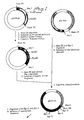
- Fig. 1 This figure describes the construction of the vector pKGE-91. The vector pKGE-91, is a baculovirus transfer vector based on pAC-610 and with human t-PA cDNA included.
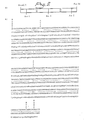
- Fig. 2 This figure is a schematic representation of the ZZ fragment and also the ZZ sequence is listed.
- Fig. 3 The sequence of the synthetic cecropin A encoding fragment.
- Fig. 4 This figure illustrates the ligation of the three fragments; polyhedrin-tPA signal peptide, encoding fragment, the ZZ encoding fragment and the cecropin A encoding fragment. The resulting transfer vector is also schematically represented as well as the construction of recombinant baculovirus, by introduction of sequences by homologous recombination into baculovirus genome.
- Fig. 5 shows SDS-PAGE and Western blot of IgG affinity purified ZZ-cecropin A and cleavage with CNBr.
- Fig. 6 shows antibacterial activity of recombinant cecropin A on an inhibition zone agarose plate with E.coli D21.
- Fig. 7 shows the mobility of recombinant cecropin A and natural cecropin A on acidic gel electrophoresis with antibacterial detection.
- The routine methods used in accordance with the cloning procedures set forth in the examples are described in T. Maniatis, E.F. Fritsch and J. Sambrook, Molecular Cloning: A Laboratory Manual, Cold Spring Harbor Laboratory, 1982. This reference includes procedures with E.coli plasmids, transformation of E.coli cells, plasmid DNA purification, phenolextraction of DNA, ethanol precipitation of DNA, agarose gel electrophoresis, isolation of DNA fragments from agarose gels, and restriction endonuclease and other DNA-modifying enzyme reactions.
- Enzymes were bought from Amersham, NEN, or Boehringer Mannheim.
- The procedures described in: Summers M.D. and Smith G.E.: A manual of methods for baculovirus vectors and insect cell culture procedures. Tex.Agric.Exp.Stn.Bull. (1987) No 1555, were followed for all baculovirus vector and insect cell work.
- This example describes the isolation, synthesis, characterisation as well as the assembly of DNA fragments in order to obtain an expression vector.
- Bowes melanoma cells, a transformed human cell line which constitutively produce high levels of t-PA, were cultured in glass roller bottles at +37oC in Eagles minimal essential medium (EMEM) supplemented with 1% non essential amino acids (Flow), glutamine (2mM), penicillin (50 IU/ml), streptomycin (50 µg/ml), Hepes (20 mM, pH 7.2) and 10% foetal calf serum.
- Confluent cultures of melanoma cells were harvested by trypsination. After washing in ice cold phosphate buffered saline pH 7.2, the cells were recovered by centrifugation. Cell pellets were lysed in 4M GuSCN, and total RNA was then selectively precipitated from a GuHCl solution by ethanol. Messenger RNA was purified from the total RNA preparation by chromatography on oligo-dT cellulose. The poly-A⁺ mRNA obtained was size fractioned on a sucrose gradient, consisting of 10-30% sucrose in 50 mM LiCl, 20 mM Tris-HCl, 1mM EDTA-Li, 1% LiDS and with a pH of 7.8.
- Sucrose fractions corresponding to 23 S were shown to be enriched in t-PA mRNA by dot blot hybridization. 5µg mRNA from this enriched fraction was used to construct a cDNA library essentially as described by Okayama & Berg (1983) with the modification detailed in Hedén et al. (1986). The cDNA containing plasmid pT4 prepared by the disclosed method was used to transform E.coli5K. The gene bank obtained consisted of approximately 5x10⁴ independent clones.
- The isolated partial t-PA cDNA clone (Edlund et al. 1983) was used to screen the gene library for t-PA sequence containing clones. A 476 bp RI fragment of the cDNA clone was nicktranslated with ³²P-dCTP to a specific activity of about 5x10⁷CPM/µg using a commercial nicktranslation kit (NEN). Bacterial colonies were transferred to PALL filters by the method suggested by the manufacturer and were hybridized to the nicktranslated DNA probe in 50% formamide, 5xSSC, 250 µg/ml yeast RNA at 37o over night. After washing in 3 changes of 2xSSC at ambient temperature, the filters were dried and exposed on X-ray film.
- One clone, designated pKG12, was identified after autoradiography. Digestion with the restriction enzymes Kpn I and Pst showed that pKG12 contained an insert of about 2.5 kb. The insert was subcloned into M13 mp10 and pm11 (Messing 1983) and DNA sequence analysis was performed using the dideoxy chain termination method (Sanger et al., 1977). Clone pKG12 was shown to comprise the whole coding region for human t-PA as well as 102 bp 5′ flanking, 760
bp 3′ flanking DNA and a poly A tract. - To obtain the fragment encoding tPA and all of the 5′noncoding region and 559bp of the 3′ 19 noncoding region, 25 µg pKG12 was cleaved to completion with 30 units Xmn I overnight at 37oC. Ava I (9 units) was added and the cleavage continued for another 1h and 20 min at 37oC. The various cleavage products obtained were separated in a 0.6% low gelling temperature agarose gel (LGT-agarose, BioRad).
- The 2350 bp band was excised and melted at 68oC, followed by phenol extraction and ethanol precipitation. The purified fragment was made blunt ended by a fill-in reaction using the Klenow fragment of DNA polymerase in the presence of dNTP:s. Bam HI linkers (5′-CGCGGATCCGCG-3′) were added to the fragment using T4 DNA ligase. After subsequent cleavage with Bam HI and removal of excess Bam HI linker-fragments by 0.7% LGTagarose electrophoresis, the t-PA fragment was ligated to Bam HI cleaved pUC8.
- The resulting plasmid, denoted pKGE22 contains most of the t-PA cDNA within a Hind III/Bam HI fragment. The sequence downstream of the Xmn I site, harboring the putative polyadenylation signal AATAAA has been removed.
- The ligation mixture was used to transform competent E.coli JM83 cells. White colonies were selected on agar plates containing 50µg/ml ampicillin and 25µl/plate of 2% Xgal in dimethylformamide.
- The desired DNA sequence was analysed by a computer program and divided into 10 oligonucleotides varying in length from 41 to 45 nucleotides and with an overlap of 6 bp.
- Synthesis was effected on a fully automated machine and the deprotected oligomers were purified by polyacrylamide electrophoresis (20% polyacrylamide, 7 M Urea, 50 mM Trisborate pH 8.3) followed by extraction into water and lyophilization.
- 100 pmoles of oligonucleotides A1-A5 and B1-B5 were phosphorylated separately in 20 µl Kinase buffer (50 mM Tris-HCl pH 7.6, 10 mM MgCl₂, 1 mM ATP. 10 mM DTT) 5 units of polynucleotide kinase was added and the mixtures were incubated for 45 minutes at 37oC.
- 5µg of the vector M13mp18, replicative form, was digested with the restriction enzymes EcoRI and HindIII. The large fragment from the digestion was isolated from a low temperature agarose gel.
- The agarose containing digested M13mp18 was melted at 65oC and 5µl (0.5µl, 0.1 pmole) was mixed with 0.5 pmole each of the phosphorylated oligomers A1-A5 and B1-B5 in 50µl ligation buffer (66 mM Tris-HCl pH 7.6 50 mM MgCl₂, 50 mM DTT, 1 mM ATP) heated to 90oC and slowly cooled to room temperature during one hour. 10 units of T4 DNA ligase was added and the mixture was incubated overnight at 15oC.
- E.coli JM 103 was transfected with the DNA thus obtained and grown overnight on 2xYT plates containing x-gal and IPTG. 78 white plaques were transferred to a new 2xYT plate and grown as colonies. Colony hybridization with ³²P labelled oligonucleotide B5 as probe gave one positive colony which was picked and grown in 15 ml 2xYT with E.coli JM 103. The cells were spun down and the phages were recovered from the supernatant. The single stranded phage DNA was extracted and purified and was used as template for sequencing reaction according to the dideoxy method. The M13mp18 containing the Z-fragment was designated M13-Z.
- The construction was confirmed by DNA sequencing.
- The single stranded DNA from M13-Z was annealed to sequencing primer followed by treatment with Klenow and dNTPs. In this way double stranded DNA was obtained. The reaction mixture was digested with HindIII and EcoRI and the Z fragment was isolated using a Low Gel Temperature Agarose gel electrophoresis.
- Separately the plasmid pUC 8 was digested with EcoRI and HindIII and the large fragment was isolated using Low Gel Temperature Agarose gel electrophoresis. The two isolated gel fragm ents were heated to 65oC and 2µl of each melted fragment were ligated in 50µl ligation buffer and 2.5 units DNA ligase at 15oC overnight. The DNA thus obtained was used to transform E.coli strain JM83 as above, and plasmid DNA from two transformants was isolated and proved to contain the Z fragment. The pUC 8-Z was digested with restriction enzyme AccI. After religation of the digestion mixture a new transformation of JM83 was made, followed by plasmid isolation from 12 transformants. Digestion with HindIII and EcoRI and analysis on agarose gel confirmed that 2 transformants carried the pUC 8 with an insert of two Z fragments (pUC 8-ZZ).
- pUC18-ZZ was digested with FspI. A phosphorylated BamHl linker was ligated to the Fspl sites. (The BamHl linker had the following sequence 5′-CGGGATCCCG). After ligation the mixture was cleaved with BamHl and EcoRI and the fragment containing the ZZ region was isolated on LGT agarose. This fragment was then subcloned into pUC18 opened at the EcoRI and BamHI sites. The plasmid was designated pKP181 and it has the pUC18 cassette from BamHI to HindIII upstream the ZZ region. See fig 2.
- The Cecropin A coding sequence was synthesized by using the phosphoamidite method (Elmblad et al. 1982) Figure 3.
- pKGE-22 was cleaved at the unique HindIII site and a SacI linker was added by standard procedures. After ligation, transformation and preparation of the modified pKGE-22 the tPA encoding fragment was isolated by partial SacI and BamHl digestion and low temperature melting agarose electrophoresis. The baculovirus transfer vector pAc-610, described in Luckow and Summers (1988), was digested with SacI and BamHl.
- The fragment containing the polyhedrin regulatory signals was isolated by low temperature melting agarose electrophoresis, and the fragment were mixed and ligated with the tPA encoding fragment. The resulting transfer vector pKGE-91 contains 2350 bp tPA cDNA downstream of the polyhedrin promoter. mRNA processing signals were provided in the transfer vector. Fig. 1.
- The plasmid pKGE-91 was digested with BglII and XbaI, and the fragment containing pUC, polyhydrin and tPA signal peptide sequences was isolated by LGT agarose electrophoresis.
- The isolated ZZ fragment with BamHl and EcoRI ends, the cecropin A encoding sequence on a EcoRI and XbaI fragment and the tPA signal peptide sequence containing pAc610 were ligated and E.coli strain JM83 was transformed. The resulting plasmid was designated pKGE-132.
- The methods of Smith and Summers (1987) were followed for selection of recombinant virus. S.frugiperda cells were co-transfected with the transfer plasmid pKGE-132 (2µg) and virus DNA, prepared as total DNA (10µg) from infected cells using the calcium phosphate method. After 6 days the virus containing medium was tested with a plaque assay.
- Recombinant virus was detected by hybridization. In brief, the plates were dried for 1 h at 37oC. Colony/Plaque Screen filters (NEN) were lifted from the side of the agar overlay that had been in contact with the cells. Filters were processed according to the manufacturer's protocol and probed with an appropriate fragment labelled by the multiprime reaction according to the suppliers instruction (Amersham).
- Spodoptera frugiperda Sf9-cells were grown in Hinks medium (Hink 1970), supplemented with 10% FCS either in monolayer culture or in spinner bottles at a cell density of 2x10⁶ per ml (Summers, M.D. and Smith, G.E.: A manual of methods for baculovirus vectors and insect cell culture procedures. Tex.Agric.Exp.Stn.Bull. (1987) No. 1555). Recombinant virus (10 pfu per cell) obtained as described in Example 1 was used to infect the cells. Three days post infection the supernatant was collected by centrifugation. If the ZZ fusion protein was to be affinity purified according to Example 3, the medium was replaced by Hink's medium without FCS.
- Cell supernatant (350 ml) was passed through a IgG-Sepharose affinity column (3x1cm) that had been equilibrated with buffer (2.5 mM Tris, 7.5 mM NaCl and 0.0025% Tween 20). After washing with ammonium acetate (10mM) the column was eluted with acetic acid (0.2 M). Following removal of the acetic acid by freeze drying the sample was subjected to SDS polyacrylamide gel electrophoresis (Laemmli 1970). The sample shows only a few bands upon staining for protein (Fig. 5). After blotting to nitrocellulose filters, staining with rabbit peroxidase antiperoxidase antibodies and diaminobenzidine, the major protein band could be visualized, showing the presence of the ZZ-part of protein A in this band.
-
- Affinity purified ZZ-cecropin A was incubated over night with cyanogen bromide (10 mg per mg of protein) in 70% formic acid. The CNBr was removed by freeze drying, and the residue dissolved in distilled water. In Fig. 5 is shown that in the cleaved sample the ZZ-containing band has an apparent molecular weight that is 4kD lower than the ZZ-containing band in the untreated material; a difference indicating the loss of the cecropin A part of the fusion protein.
- A sample (2µl) was applied to holes in an agarose plate seeded with E.coli, D21, bacteria. After overnight incubation areas without bacterial growth could be seen around the holes, indicating the presence of biologically active cecropin A, (Figure 6).
- In order to establish the authentic structure of the baculovirus produced cecropin A it was tested with acidic gel electrophoresis. By overlaying the gel with E.coli D21 bacteria a highly specific assay with high resolving power regarding charge differences is obtained (Hultmark et al. 1982).
- Synthetic preprocecropin A with a glycyl C-terminal extension and natural cecropin A were used as reference proteins. The baculovirus produced protein migrates as natural cecropin A and it is concluded that the recombinant protein is identical to natural cecropin A and thus C-terminally amidated (Figure 7).
- Edlund et al.: Proc Natl Acad Sci USA 80 (1983) 349-352
Elmblad et al.: Nucl Acid Res 10 (1982) 3291-3301
Hedén et al.: FEBS Lett 194 (1986) 327-332
Hink: Nature 226 (1970) 466-467
Hultmark et al.: 112 Eur.J.Biochem (1982) 207-217
Kleid et al. : Science 214 (1981) 1125-1129
Laemmli: Nature 227 (1970) 680-685
Luckow and Summers: Biotechnology 6 (1988) 47-55
Löwenadler et al.: GENE 58 (1987) 87-97
Maniatis T., Fritsh E.F. and Sambrook J.: Molecular cloning: A laboratory manual. Cold Spring Harbor Laboratory (1982)
Messing J.: Methods Enzymology 101 (1983) 20-78
Okayama H. and Berg P.: Mol Cell Biol 2 (1982) 161-170
Sanger et al.: Proc Natl Acad Sci USA 74 (1977) 5463-5467
Summers M.D. and Smith G.E.: Tex.Agric.Exp Stn.Bull. (1987) No 1555.
Claims (18)
1. A method for the production and isolation of a fusion protein, comprising the steps:
a) constructing a recombinant vector comprising a first DNA sequence coding for a desired peptide or protein and operatively linked to a second DNA sequence coding for an amino acid sequence capable of selective binding to a carrier material, said first or second DNA sequence being preceded by and being operatively linked to a third DNA sequence coding for a eucaryotic signal peptide;
b) transforming a compatible eucaryotic host with the recombinant vector resulting from step a) such that the combined DNA sequences coding for said fusion protein can be expressed and secreted by said host;
c) culturing said host to produce said fusion protein;
d) isolating the fusion protein resulting from step c) by adsorption to a carrier material; and
e) desorbing said fusion protein from said carrier or removing by cleavage said peptide or protein from said amino acid sequence adsorbed on said carrier; and
f) recovering said fusion protein or said peptide or protein.
2. A method according to claim 1, wherein said amino acid sequence is immunogenic.
3. A method according to claim 1 or 2, wherein said amino acid sequence is selected from sequences capable of binding to the constant regions of immunoglobulins.
4. A method according to any preceding claim, wherein said host is selected from insect and mammalian cells.
5. A fusion protein prepared by the method of any preceding claim.
6. A recombinant nucleotide sequence comprising a DNA sequence coding for a desired peptide or protein and operatively linked to a second DNA sequence coding for an amino acid sequence capable of selective binding to a carrier mate rial, said first or second DNA sequence being proceeded by and being operatively linked to a third DNA sequence coding for a eucaryotic signal peptide.
7. A recombinant nucleotide sequence according to claim 6, wherein said second DNA sequence codes for an immunogenic amino acid sequence.
8. A recombinant nucleotide sequence according to claim 6 or 7, wherein said amino acid sequence is selected from sequences capable of binding to the constant regions of immunoglobulins.
9. A recombinant vector, comprising a first DNA sequence coding for a desired peptide or protein and operatively linked to a second DNA sequence coding for an amino acid sequence capable of selective binding to a carrier material, said first or second DNA sequence being proceeded by and being operatively linked to a third DNA sequence coding for a eucaryotic signal peptide.
10. A recombinant vector according to claim 9, wherein said second DNA sequence codes for an immunogenic amino acid sequence.
11. A recombinant vector according to claim 9 or 10, wherein said amino acid sequence is selected from sequences capable of binding to the constant regions of immunoglobulins.
12. A eucaryotic cell harbouring the recombinant nucleotide sequence according to any of claims 6 to 8.
13. A eucaryotic cell harbouring the recombinant vector according to any of claims 9 to 11.
14. A eucaryotic cell according to claim 12 or 13 which is selected from insect and mammalian cells.
15. A process for preparing polyclonal antibodies, comprising immunizing an animal using the fused protein of claim 5, bleeding the animal and recovering the generated antibodies from the animal serum.
16. A process according to claim 15, wherein said animal is a mammal, such as a rabbit or mouse.
17. The use of the fusion protein of claim 5 as a vaccine.
18. The use of the fusion protein of claim 5 for the manufacture of monoclonal antibodies.
Applications Claiming Priority (2)
| Application Number | Priority Date | Filing Date | Title |
|---|---|---|---|
| SE8802939A SE8802939D0 (en) | 1988-08-19 | 1988-08-19 | A METHOD FOR THE PRODUCTION AND ISOLATION OF A FUSION PROTEIN IN EUKARYOTIC CELLS |
| SE8802939 | 1988-08-19 |
Publications (2)
| Publication Number | Publication Date |
|---|---|
| EP0356409A2 true EP0356409A2 (en) | 1990-02-28 |
| EP0356409A3 EP0356409A3 (en) | 1991-08-28 |
Family
ID=20373102
Family Applications (1)
| Application Number | Title | Priority Date | Filing Date |
|---|---|---|---|
| EP19890850249 Withdrawn EP0356409A3 (en) | 1988-08-19 | 1989-08-08 | A method for the production and isolation of a fusion protein in eukaryotic cells |
Country Status (3)
| Country | Link |
|---|---|
| EP (1) | EP0356409A3 (en) |
| JP (1) | JPH02135094A (en) |
| SE (1) | SE8802939D0 (en) |
Cited By (6)
| Publication number | Priority date | Publication date | Assignee | Title |
|---|---|---|---|---|
| WO1994005780A1 (en) * | 1992-08-28 | 1994-03-17 | The Public Health Research Institute Of The City Of New York, Inc. | Fusion glycoproteins |
| WO1994004688A3 (en) * | 1992-08-21 | 1994-09-15 | Univ British Columbia | Cationic peptides and method for production |
| US5733548A (en) * | 1993-03-17 | 1998-03-31 | The Government Of The United States Of America, As Represented By The Secretary Of The Department Of Health And Human Services | Immunogenic chimeras comprising nucleic acid sequences encoding endoplasmic reticulum signal sequence peptides and at least one other peptide, and their uses in vaccines and disease treatments |
| WO1999053059A1 (en) * | 1998-04-16 | 1999-10-21 | Genentech, Inc. | Secretion of glycosylated proteins using a tissue plasminogen activator pro-sequence |
| US6191254B1 (en) | 1995-08-23 | 2001-02-20 | University Of British Columbia | Antimicrobial cationic peptides |
| EP0788508A4 (en) * | 1995-08-24 | 2002-04-03 | Invitrogen Corp | Novel system for isolating and identifying eukaryotic cells transfected with genes and vectors |
Family Cites Families (6)
| Publication number | Priority date | Publication date | Assignee | Title |
|---|---|---|---|---|
| US4532207A (en) * | 1982-03-19 | 1985-07-30 | G. D. Searle & Co. | Process for the preparation of polypeptides utilizing a charged amino acid polymer and exopeptidase |
| DK518384A (en) * | 1984-01-31 | 1985-07-01 | Idaho Res Found | VECTOR FOR THE MANUFACTURE OF A GENE PRODUCT IN INSECT CELLS, PROCEDURE FOR ITS MANUFACTURING AND ITS USE |
| US4952512A (en) * | 1984-06-22 | 1990-08-28 | Loskutoff David J | Gene encoding an inhibitor of tissue-type and urokinase-type plasminogen activators |
| DE3523701A1 (en) * | 1985-07-03 | 1987-01-08 | Bayer Ag | PROCESS FOR PRODUCING PROTEINS AND POLYPEPTIDES |
| US4859609A (en) * | 1986-04-30 | 1989-08-22 | Genentech, Inc. | Novel receptors for efficient determination of ligands and their antagonists or agonists |
| FR2615528B1 (en) * | 1987-05-18 | 1991-05-24 | Pasteur Institut | PROCESS FOR PRODUCING A POLYPEPTIDE HAVING DETERMINED SELECTED PROPERTIES, IN A HOST ORGANISM TRANSFORMED BY RECOMBINANT DNA CONTAINING NUCLEIC SEQUENCES ENCODING THE POLYPEPTIDE AND A BONE AFFIN PROTEIN |
-
1988
- 1988-08-19 SE SE8802939A patent/SE8802939D0/en unknown
-
1989
- 1989-08-08 EP EP19890850249 patent/EP0356409A3/en not_active Withdrawn
- 1989-08-18 JP JP1212859A patent/JPH02135094A/en active Pending
Cited By (12)
| Publication number | Priority date | Publication date | Assignee | Title |
|---|---|---|---|---|
| WO1994004688A3 (en) * | 1992-08-21 | 1994-09-15 | Univ British Columbia | Cationic peptides and method for production |
| WO1994005780A1 (en) * | 1992-08-28 | 1994-03-17 | The Public Health Research Institute Of The City Of New York, Inc. | Fusion glycoproteins |
| US5643756A (en) * | 1992-08-28 | 1997-07-01 | The Public Health Research Institute Of The City Of New York, Inc. | Fusion glycoproteins |
| US5952474A (en) * | 1992-08-28 | 1999-09-14 | The Public Health Research Institute Of The City Of New York, Inc. | Fusion glycoproteins |
| US5733548A (en) * | 1993-03-17 | 1998-03-31 | The Government Of The United States Of America, As Represented By The Secretary Of The Department Of Health And Human Services | Immunogenic chimeras comprising nucleic acid sequences encoding endoplasmic reticulum signal sequence peptides and at least one other peptide, and their uses in vaccines and disease treatments |
| US5846540A (en) * | 1993-03-17 | 1998-12-08 | The United States Of America As Represented By The Department Of Health And Human Services | Immunogenic chimeras comprising nucleic acid sequences encoding endoplasmic reticulum signal sequence peptides and at least one other peptide, and their uses in vaccines and disease treatments |
| US5856187A (en) * | 1993-03-17 | 1999-01-05 | The United States Of America As Represented By The Department Of Health And Human Services | Immunogenic chimeras comprising nucleic acid sequences encoding endoplasmic reticulum signal sequence peptides and at least one other peptide, and their uses in vaccines and disease treatments |
| US6191254B1 (en) | 1995-08-23 | 2001-02-20 | University Of British Columbia | Antimicrobial cationic peptides |
| US7390873B2 (en) * | 1995-08-23 | 2008-06-24 | University Of British Columbia | Antimicrobial cationic peptides |
| EP0788508A4 (en) * | 1995-08-24 | 2002-04-03 | Invitrogen Corp | Novel system for isolating and identifying eukaryotic cells transfected with genes and vectors |
| WO1999053059A1 (en) * | 1998-04-16 | 1999-10-21 | Genentech, Inc. | Secretion of glycosylated proteins using a tissue plasminogen activator pro-sequence |
| US6693181B2 (en) | 1998-04-16 | 2004-02-17 | Genentech, Inc. | Protein secretion |
Also Published As
| Publication number | Publication date |
|---|---|
| EP0356409A3 (en) | 1991-08-28 |
| SE8802939D0 (en) | 1988-08-19 |
| JPH02135094A (en) | 1990-05-23 |
Similar Documents
| Publication | Publication Date | Title |
|---|---|---|
| AU722138B2 (en) | Recombinant vector containing a sequence of a lipoprotein gene for the expression of nucleotide sequences | |
| CA1311430C (en) | Construction of an igg binding protein to facilitate downstream processing using protein engineering | |
| AU647190B2 (en) | Expression system | |
| JP2981286B2 (en) | Expression of tetanus toxin fragment C | |
| EP0255771A1 (en) | Recombinant dna encoding mature human protein s. | |
| Banerjea et al. | High-level synthesis of biologically active reovirus protein σ1 in a mammalian expression vector system | |
| JP2577280B2 (en) | Recombinant poxvirus and streptococcal M protein vaccine | |
| JP2000135092A (en) | Large polypeptides with oligopeptide repeat units | |
| EP0209281A1 (en) | Cloned antigen | |
| PH25993A (en) | Cloning of DNA for protozoal antigens | |
| Shuttleworth et al. | Nucleotide sequence analysis of the gene for protein A from Staphylococcus aureus Cowan 1 (NCTC8530) and its enhanced expression in Escherichia coli | |
| US5661006A (en) | DNA encoding the Canine coronavirus spike protein | |
| EP0538299A1 (en) | Equine herpesvirus-4 tk?- vaccine | |
| EP0500736B1 (en) | Recombinant vaccine for porcine pleuropneumonia | |
| JPH0365191A (en) | Spheroidine isolated dna and recombinant insect pox virus expression vector | |
| JPH05509226A (en) | EHV-4 glycoprotein vaccine | |
| Flack et al. | The sequencing of the 80-kDa D 15 protective surface antigen of Haemophilus influenzae | |
| US5411732A (en) | Preparation of fused proteins, antibodies and processes therefore | |
| JPS62296891A (en) | Principal glycoprotein of human site megarovirus and its production and use | |
| CN113502294B (en) | Preparation method of novel coronavirus RBD protein and novel coronavirus vaccine | |
| Barklis et al. | Structure of the Dictyostelium discoideum prestalk D11 gene and protein | |
| EP0114759A2 (en) | Amino acid sequences and polypeptides including these sequences and having the specificity of foot and mouth disease and other viral antigens | |
| EP0353809B1 (en) | Pseudorabies virus vaccine | |
| JPH02135094A (en) | Method for producing and separating a fused protein with an eucaryotic cell | |
| CN110066827B (en) | Recombinant baculovirus transfer vector containing porcine pseudorabies virus gB protein gene, recombinant baculovirus and preparation method and application |
Legal Events
| Date | Code | Title | Description |
|---|---|---|---|
| PUAI | Public reference made under article 153(3) epc to a published international application that has entered the european phase |
Free format text: ORIGINAL CODE: 0009012 |
|
| AK | Designated contracting states |
Kind code of ref document: A2 Designated state(s): BE CH DE FR GB IT LI NL SE |
|
| PUAL | Search report despatched |
Free format text: ORIGINAL CODE: 0009013 |
|
| AK | Designated contracting states |
Kind code of ref document: A3 Designated state(s): BE CH DE FR GB IT LI NL SE |
|
| STAA | Information on the status of an ep patent application or granted ep patent |
Free format text: STATUS: THE APPLICATION IS DEEMED TO BE WITHDRAWN |
|
| 18D | Application deemed to be withdrawn |
Effective date: 19920229 |