EP0349480A1 - Supression of cell proliferation by decorin - Google Patents
Supression of cell proliferation by decorin Download PDFInfo
- Publication number
- EP0349480A1 EP0349480A1 EP89730152A EP89730152A EP0349480A1 EP 0349480 A1 EP0349480 A1 EP 0349480A1 EP 89730152 A EP89730152 A EP 89730152A EP 89730152 A EP89730152 A EP 89730152A EP 0349480 A1 EP0349480 A1 EP 0349480A1
- Authority
- EP
- European Patent Office
- Prior art keywords
- decorin
- cells
- cell proliferation
- transfected
- expressing
- Prior art date
- Legal status (The legal status is an assumption and is not a legal conclusion. Google has not performed a legal analysis and makes no representation as to the accuracy of the status listed.)
- Granted
Links
Images


Classifications
-
- C—CHEMISTRY; METALLURGY
- C07—ORGANIC CHEMISTRY
- C07K—PEPTIDES
- C07K14/00—Peptides having more than 20 amino acids; Gastrins; Somatostatins; Melanotropins; Derivatives thereof
- C07K14/435—Peptides having more than 20 amino acids; Gastrins; Somatostatins; Melanotropins; Derivatives thereof from animals; from humans
- C07K14/46—Peptides having more than 20 amino acids; Gastrins; Somatostatins; Melanotropins; Derivatives thereof from animals; from humans from vertebrates
- C07K14/47—Peptides having more than 20 amino acids; Gastrins; Somatostatins; Melanotropins; Derivatives thereof from animals; from humans from vertebrates from mammals
- C07K14/4701—Peptides having more than 20 amino acids; Gastrins; Somatostatins; Melanotropins; Derivatives thereof from animals; from humans from vertebrates from mammals not used
- C07K14/4725—Proteoglycans, e.g. aggreccan
-
- A—HUMAN NECESSITIES
- A61—MEDICAL OR VETERINARY SCIENCE; HYGIENE
- A61P—SPECIFIC THERAPEUTIC ACTIVITY OF CHEMICAL COMPOUNDS OR MEDICINAL PREPARATIONS
- A61P13/00—Drugs for disorders of the urinary system
- A61P13/02—Drugs for disorders of the urinary system of urine or of the urinary tract, e.g. urine acidifiers
-
- A—HUMAN NECESSITIES
- A61—MEDICAL OR VETERINARY SCIENCE; HYGIENE
- A61P—SPECIFIC THERAPEUTIC ACTIVITY OF CHEMICAL COMPOUNDS OR MEDICINAL PREPARATIONS
- A61P13/00—Drugs for disorders of the urinary system
- A61P13/12—Drugs for disorders of the urinary system of the kidneys
-
- A—HUMAN NECESSITIES
- A61—MEDICAL OR VETERINARY SCIENCE; HYGIENE
- A61P—SPECIFIC THERAPEUTIC ACTIVITY OF CHEMICAL COMPOUNDS OR MEDICINAL PREPARATIONS
- A61P15/00—Drugs for genital or sexual disorders; Contraceptives
-
- A—HUMAN NECESSITIES
- A61—MEDICAL OR VETERINARY SCIENCE; HYGIENE
- A61P—SPECIFIC THERAPEUTIC ACTIVITY OF CHEMICAL COMPOUNDS OR MEDICINAL PREPARATIONS
- A61P19/00—Drugs for skeletal disorders
- A61P19/02—Drugs for skeletal disorders for joint disorders, e.g. arthritis, arthrosis
-
- A—HUMAN NECESSITIES
- A61—MEDICAL OR VETERINARY SCIENCE; HYGIENE
- A61P—SPECIFIC THERAPEUTIC ACTIVITY OF CHEMICAL COMPOUNDS OR MEDICINAL PREPARATIONS
- A61P29/00—Non-central analgesic, antipyretic or antiinflammatory agents, e.g. antirheumatic agents; Non-steroidal antiinflammatory drugs [NSAID]
-
- A—HUMAN NECESSITIES
- A61—MEDICAL OR VETERINARY SCIENCE; HYGIENE
- A61P—SPECIFIC THERAPEUTIC ACTIVITY OF CHEMICAL COMPOUNDS OR MEDICINAL PREPARATIONS
- A61P35/00—Antineoplastic agents
-
- A—HUMAN NECESSITIES
- A61—MEDICAL OR VETERINARY SCIENCE; HYGIENE
- A61P—SPECIFIC THERAPEUTIC ACTIVITY OF CHEMICAL COMPOUNDS OR MEDICINAL PREPARATIONS
- A61P43/00—Drugs for specific purposes, not provided for in groups A61P1/00-A61P41/00
-
- A—HUMAN NECESSITIES
- A61—MEDICAL OR VETERINARY SCIENCE; HYGIENE
- A61P—SPECIFIC THERAPEUTIC ACTIVITY OF CHEMICAL COMPOUNDS OR MEDICINAL PREPARATIONS
- A61P9/00—Drugs for disorders of the cardiovascular system
- A61P9/10—Drugs for disorders of the cardiovascular system for treating ischaemic or atherosclerotic diseases, e.g. antianginal drugs, coronary vasodilators, drugs for myocardial infarction, retinopathy, cerebrovascula insufficiency, renal arteriosclerosis
-
- A—HUMAN NECESSITIES
- A61—MEDICAL OR VETERINARY SCIENCE; HYGIENE
- A61K—PREPARATIONS FOR MEDICAL, DENTAL OR TOILETRY PURPOSES
- A61K38/00—Medicinal preparations containing peptides
-
- C—CHEMISTRY; METALLURGY
- C07—ORGANIC CHEMISTRY
- C07K—PEPTIDES
- C07K2319/00—Fusion polypeptide
Definitions
- This invention relates to cell biology and more specifically to the control of cell proliferation.
- Cell proliferation is a tightly controlled process; rapid proliferation is needed during embryonal development and tissue regeneration, whereas the proliferation must be halted in the completed tissue.
- Cell proliferation appears to be controlled primarily by growth factors. Most of the known growth factors are stimulatory, and include epidermal growth factor, platelet-derived growth factor, various interleukins and colony-stimulating factors. A few negative regulators of cell proliferation are also known.
- Transforming growth factor beta is a multifunctional factor that inhibits the growth of some cell types, but can also stimulate proliferation.
- Other growth inhibitors include various interferons and a growth inhibitory role has also been ascribed to heparin, heparan sulfate and their fragments.
- a less well understood mechanism of growth control relates to the close apposition of cells. Normal cells stop growing when they make contact with one another. This phenomenon, commonly known as contact inhibition of growth, is of obvious importance for the formation of orderly tissue structure.
- a number of important pathological conditions result from abnormal cell proliferation.
- the foremost of such conditions is, of course, cancer.
- Other diseases with a proliferative component include rheumatoid arthritis with its overgrowth of the synovial tissue, glomerulonephritis, in which the mesangial cells proliferate, and artherosclerosis, in which the abnormally proliferating cells are smooth muscle cells.
- the present invention relates to the proteoglycan Decorin (also known as PG-II or PG-40).
- the invention provides cells transfected with and expressing the gene coding for Decorin, and recombinant Decorin produced thereby.
- Spent culture media from such transfected cell cultures can be used to suppress the proliferation of either normal or abnormal cells.
- purified Decorin can be used to suppress cell proliferation.
- proteoglycans are proteins that carry one or more glycosaminoglycan chains.
- the known proteoglycans carry out a variety of functions and are found in a variety of cellular locations. Many of them, however, are components of extracellular matrix, where they participate in the assembly of cells to the matrix and affect the attachment of cells to the matrix.
- Decorin also known as PG-II or PG-40, is a small proteoglycan produced by fibroblasts. Its core protein has a molecular weight of about 40,000 daltons. The core has been sequenced (Krusius and Ruoslahti, Proc. Natl. Acad. Sci. USA 83:7683 (1986); Day et al. Biochem. J. 248:801 (1987), both of which are incorporated herein by reference) and it is known to carry a single glycosaminoglycan chain of a chondroitin sulfate/dermatan sulfate type (Pearson, et al., J. Biol. Chem.
- Decorin cDNA is transfected into cells, such as Chinese hamster ovary (CHO) cells, preferably those which are dihydrofolate reductase (dhfr)-negative, although other cells such as 3T3 and COS cells can also be used. Such transfection is accomplished by methods well-known in the art. The transfected cells are then grown in culture.
- CHO Chinese hamster ovary
- dhfr dihydrofolate reductase
- 3T3 and COS cells can also be used.
- the transfected cells are then grown in culture.
- Decorin referes to a proteoglycan having the structural characteristics attributed to it in Krusius and Ruoslahti, supra , and which suppresses cell proliferation as determined by the method of Example III.
- Human fibroblast Decorin has substantially the amino acid sequence presented in Krusius and Ruoslahti supra , figure 2, which is incorporated herein by reference.
- “Decorin” refers both to the native composition and to modifications thereof which retain the functional characteristics.
- substantially purified Decorin refers to the level of purity obtained by the experimental procedure described in Example IV.
- the recombinant Decorin of the invention has a structure corresponding substantially to that of the native proteoglycan. It is understood however that limited modifications may be made however without destroying the Decorin activity.
- the mammalian expression vectors pSV2-Decorin and pSV2-Decorin/CP were constructed by ligating the Decorin cDNA or the mutagenized Decorin cDNA into 3.4 kb Hin dIII - Bam HI fragment of pSV2 (Mulligan and Berg, Science 209:1423 (1980) which is incorporated herein by reference), respectively.
- Dihydrofolate reductase (dhfr)-negative CHO cells (CHO-DG44) were cotransfected with pSV2-Decorin or pSV2-Decorin/CP and pSV2dhfr by the calcium phosphate precipitation method (Graham, F.
- transfected cells were cultured in nucleoside-minus alpha-modified minimal essential medium ( ⁇ -MEM, GIBCO, Long Island) supplemented with 9% dialyzed fetal calf serum, 2 mM glutamine, 100 units/ml penicillin and 100 ⁇ g/ml streptomycin. Colonies arising from transfected cells were picked using cloning cylinders, expanded and checked for the expression of Decorin by immunoprecipitation from 35SO4labeled culture supernatants.
- ⁇ -MEM nucleoside-minus alpha-modified minimal essential medium
- Table I Also shown in Table I are the saturation densities of the Decorin-expressing and control cells.
- cells 1.2x10⁵
- MTX-minus culture medium After 6 hours, cells were fixed with 3% paraformaldehyde and stained with toluidine blue.
- Quantitative evaluation of spreading was performed by measuring the surface area of the cells with a surface integration program of an image analyzer (Olympus). Nonspread cells were excluded from the measurement. The mean and standard deviation of values from 50 cells are shown. performed as described Brennan et al., J. Biol. Chem 259:13742 (1984), which in incorporated herein by reference.
- Figure 1 shows the expression of Decorin in unamplified and amplified transfectants, by using fluorography of SDS-7%-polyacrylamide gel electrophoresis under reducing conditions.
- A 35SO4-labeled culture supernatants immunoprecipitated with rabbit antipeptide antiserum prepared against the NH2-terminus of human Decorin (Krusius and Ruoslahti, supra .).
- B Total 35SO4-labeled products secreted into culture medium.
- C Total 3H-leucine labeled products secreted into culture medium.
- Lane 1 control transfectant A, an unamplified clone transfected with pSV2dhfr; lane 2: control transfectant C, a clone amplified to 0.64 ⁇ M MTX resistance from control transfectant A; lane 3: clone 1, an unamplified primary transfectant expressing 0.2 pg/cell/day of Decorin; lane 4: clone 31, a clone amplified to 0.32 ⁇ M MTX resistance and expressing 4 pg/cell/day of Decorin; lane 5: clone 61, a clone amplified to 0.64 ⁇ M MTX resistance and expressing 25 pg/cell/day of Decorin.
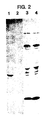
- Figure 2 shows expression of Decorin core protein in CHO cells.
- Lanes 1 and 2 3H-leucine-labeled culture supernatants were immunoprecipitated as described in Figure 1.
- Lanes 3 and 4 Total 3H-leucine-labeled products secreted into culture medium.
- Lanes 1 and 3 CHO cells transfected with pSV2-Decorin/CP.
- Lanes 2 and 4 Control CHO cells transfected with pSV2dhfr.
- Example I The cell lines of Example I were plated in 24 well plates in MTX-minus culture medium at a density of 3x10⁵ cells per well. After 24 hours, medium was replaced (0.3 ml TABLE I PRODUCTION OF DECORIN AND SPREADING OF TRANSFECTANTS Clone Transfection MTX Resistance ( ⁇ M) Decorin Prod.
- the effect of spent culture media on the morphology of CHO cells and Harvey ras gene-transformed NIH 3T3 cells was determined by plating CHO cells in 35 mm dishes at a density of 2x10⁵ cells/dish in two-day spent media from clone 61 containing approximately 20 ⁇ g/ml of Decorin and in similar media from control cell line C containing no Decorin and cultured, the cell lines being those described in Example I.
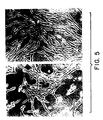
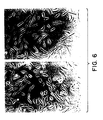
- FIG. 5 shows the morphology of the CHO cells after this treatment and Figure 6 shows the morphology of the treated oncogene-transformed 3T3 cells.
- the spent culture medium from the Decorin-expressing cell line, clone 31, induced a morphology similar to that observed in the Decorin-expressing cells themselves.
- the oncogene-transformed 3T3 cells treated in this manner assume a morphology closely similar to that of normal cells. This morphology is often referred to as "contact inhibited morphology" and it is considered to be indicative of normal growth control. In accordance with this phenomenon, fewer cells were seen in these cultures compared to the control-media treated cultures.
- Clone 61 cells were grown to 90% confluence in 8-175 cm2 culture flasks in nucleoside minus ⁇ -MEM supplemented with 9% dialyzed fetal calf serum, 2 mM glutamine, 100 units/ml penicillin and 100 ⁇ g/ml streptomycin.
- At 90% confluence culture media was changed to 25 ml per flask of nucleoside-free ⁇ -MEM supplemented with 6% dialyzed fetal calf serum which had been passed through a DEAE Sepharose Fast Flow column (Pharmacia) equilibrated with 0.25 M NaCl in 0.05 M phosphate buffer, pH 7.4.
- Cells were cultured for 3 days, spent media was collected and immediately made to 0.5 mM phenylmethylsulfonyl fluoride, 1 ⁇ g/ml pepstatin, 0.04 mg/ml aprotinin and 5 mM EDTA.
- Figure 7 shows the elution pattern in DEAE-Sepharose Fast Flow.
- Decorin separates from the bulk of the protein present in the media and can be recovered in substantially pure form from the fractions showing the highest immune reactivity.
Landscapes
- Health & Medical Sciences (AREA)
- Chemical & Material Sciences (AREA)
- Life Sciences & Earth Sciences (AREA)
- Organic Chemistry (AREA)
- Medicinal Chemistry (AREA)
- General Health & Medical Sciences (AREA)
- Nuclear Medicine, Radiotherapy & Molecular Imaging (AREA)
- General Chemical & Material Sciences (AREA)
- Pharmacology & Pharmacy (AREA)
- Chemical Kinetics & Catalysis (AREA)
- Animal Behavior & Ethology (AREA)
- Public Health (AREA)
- Veterinary Medicine (AREA)
- Engineering & Computer Science (AREA)
- Bioinformatics & Cheminformatics (AREA)
- Urology & Nephrology (AREA)
- Molecular Biology (AREA)
- Biophysics (AREA)
- Proteomics, Peptides & Aminoacids (AREA)
- Genetics & Genomics (AREA)
- Rheumatology (AREA)
- Toxicology (AREA)
- Zoology (AREA)
- Gastroenterology & Hepatology (AREA)
- Biochemistry (AREA)
- Vascular Medicine (AREA)
- Orthopedic Medicine & Surgery (AREA)
- Cardiology (AREA)
- Heart & Thoracic Surgery (AREA)
- Endocrinology (AREA)
- Reproductive Health (AREA)
- Immunology (AREA)
- Pain & Pain Management (AREA)
- Physical Education & Sports Medicine (AREA)
- Micro-Organisms Or Cultivation Processes Thereof (AREA)
- Preparation Of Compounds By Using Micro-Organisms (AREA)
- Peptides Or Proteins (AREA)
- Medicines That Contain Protein Lipid Enzymes And Other Medicines (AREA)
- Indole Compounds (AREA)
Abstract
Description
- This invention relates to cell biology and more specifically to the control of cell proliferation.
- Under normal circumstances, cell proliferation is a tightly controlled process; rapid proliferation is needed during embryonal development and tissue regeneration, whereas the proliferation must be halted in the completed tissue. Cell proliferation appears to be controlled primarily by growth factors. Most of the known growth factors are stimulatory, and include epidermal growth factor, platelet-derived growth factor, various interleukins and colony-stimulating factors. A few negative regulators of cell proliferation are also known. Transforming growth factor beta is a multifunctional factor that inhibits the growth of some cell types, but can also stimulate proliferation. Other growth inhibitors include various interferons and a growth inhibitory role has also been ascribed to heparin, heparan sulfate and their fragments.
- A less well understood mechanism of growth control relates to the close apposition of cells. Normal cells stop growing when they make contact with one another. This phenomenon, commonly known as contact inhibition of growth, is of obvious importance for the formation of orderly tissue structure.
- A number of important pathological conditions result from abnormal cell proliferation. The foremost of such conditions is, of course, cancer. Other diseases with a proliferative component include rheumatoid arthritis with its overgrowth of the synovial tissue, glomerulonephritis, in which the mesangial cells proliferate, and artherosclerosis, in which the abnormally proliferating cells are smooth muscle cells.
- It is obvious from these examples that there is a great need to develop new methods for controlling cell proliferation. The present invention addresses this need and provides other related advantages as well.
- The present invention relates to the proteoglycan Decorin (also known as PG-II or PG-40). The invention provides cells transfected with and expressing the gene coding for Decorin, and recombinant Decorin produced thereby. Spent culture media from such transfected cell cultures can be used to suppress the proliferation of either normal or abnormal cells. Moreover, purified Decorin can be used to suppress cell proliferation.
-
- FIGURE 1 shows the expression of Decorin in unamplified and amplified transfectants.
- FIGURE 2 is a radiogram showing the expression of Decorin core protein in CHO cells.
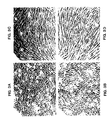
- FIGURE 3 shows morphological changes caused by expression of Decorin in CHO cells.
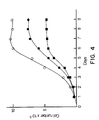
- FIGURE 4 is a graph showing the growth of Decorin-expressing and control CHO cells in culture.
- FIGURE 5 is a photomicrograph showing the effect of spent culture media on the morphology of CHO cells.
- FIGURE 6 is a photomicrograph showing the effect of spent culture media on the morphology of Harvey ras gene-transformed NIH 3T3 cells.
- FIGURE 7 shows the elution pattern from DEAE-Sepharose of spent culture media from Decorin-expressing cell line, clone 61.
- Proteoglycans are proteins that carry one or more glycosaminoglycan chains. The known proteoglycans carry out a variety of functions and are found in a variety of cellular locations. Many of them, however, are components of extracellular matrix, where they participate in the assembly of cells to the matrix and affect the attachment of cells to the matrix.
- Decorin, also known as PG-II or PG-40, is a small proteoglycan produced by fibroblasts. Its core protein has a molecular weight of about 40,000 daltons. The core has been sequenced (Krusius and Ruoslahti, Proc. Natl. Acad. Sci. USA 83:7683 (1986); Day et al. Biochem. J. 248:801 (1987), both of which are incorporated herein by reference) and it is known to carry a single glycosaminoglycan chain of a chondroitin sulfate/dermatan sulfate type (Pearson, et al., J. Biol. Chem. 258:15101 (1983), which is incorporated herein by reference). The only previously known function for Decorin is its binding to type I and type II collagen and the effect it has on the fibril formation by this collagen (Vogel, et al., Biochem. J. 223:587 (1984)).
- A molecular biological study of Decorin has now led to unexpected observations on its role in the control of cell proliferation, and these observations form the basis of this invention.
- Decorin cDNA is transfected into cells, such as Chinese hamster ovary (CHO) cells, preferably those which are dihydrofolate reductase (dhfr)-negative, although other cells such as 3T3 and COS cells can also be used. Such transfection is accomplished by methods well-known in the art. The transfected cells are then grown in culture.
- Chinese hamster ovary (CHO) cells into which human Decorin cDNA was transfected and which express the proteoglycan from this cDNA appear more adhesive to the substratum than the original cells. Moreover, the growth of the cells that expressed Decorin from the cDNA was suppressed and they grew to a lower saturation density than the various control cells. These controls included cells transfected with a construct expressing the core protein of Decorin and amplified to the same degree as the Decorin expressing cells. These cells were similar to the original CHO cells. The magnitude of the growth and adhesion changes was proportional to the amount of Decorin produced.
- Moreover, changes in the adhesion and the saturation density could be reproduced with the spent culture media of the cells expressing the recombinant Decorin and with the Decorin isolated and purified from such culture media. These findings indicate that Decorin plays a previously unsuspected role in the control of cell proliferation, and that it can be used to modulate cell proliferation. The effect seen with oncogene-transformed 3T3 cells suggests that this invention may be useful in the treatment of proliferative diseases.
- As used herein "Decorin" referes to a proteoglycan having the structural characteristics attributed to it in Krusius and Ruoslahti, supra, and which suppresses cell proliferation as determined by the method of Example III. Human fibroblast Decorin has substantially the amino acid sequence presented in Krusius and Ruoslahti supra, figure 2, which is incorporated herein by reference. "Decorin" refers both to the native composition and to modifications thereof which retain the functional characteristics.
- As used herein, the term "substantially purified Decorin" refers to the level of purity obtained by the experimental procedure described in Example IV.
- The recombinant Decorin of the invention has a structure corresponding substantially to that of the native proteoglycan. It is understood however that limited modifications may be made however without destroying the Decorin activity.
- The 1.8 kb full-length Decorin cDNA described in Krusius and Ruoslahti, Proc. Natl. Acad. Sci. USA 83:7683 (1986), which is incorporated herein by reference, was used for the construction of Decorin expression vectors. For the expression of Decorin core protein, a mutagenized cDNA in which the fourth codon, TCT coding for serine, was changed to ACT coding for threonine was engineered by site-directed mutagenesis according to the method of Kunkel, Proc. Natl. Acad. Sci USA 82:488 (1985), which is incorporated herein by reference. The mammalian expression vectors pSV2-Decorin and pSV2-Decorin/CP (core protein) were constructed by ligating the Decorin cDNA or the mutagenized Decorin cDNA into 3.4 kb HindIII - Bam HI fragment of pSV2 (Mulligan and Berg, Science 209:1423 (1980) which is incorporated herein by reference), respectively. Dihydrofolate reductase (dhfr)-negative CHO cells (CHO-DG44) were cotransfected with pSV2-Decorin or pSV2-Decorin/CP and pSV2dhfr by the calcium phosphate precipitation method (Graham, F. and Van der Eb, Virology 52:456 (1973) which is incorporated herein by reference). The transfected cells were cultured in nucleoside-minus alpha-modified minimal essential medium (α-MEM, GIBCO, Long Island) supplemented with 9% dialyzed fetal calf serum, 2 mM glutamine, 100 units/ml penicillin and 100 µg/ml streptomycin. Colonies arising from transfected cells were picked using cloning cylinders, expanded and checked for the expression of Decorin by immunoprecipitation from ³⁵SO₄labeled culture supernatants. Clones expressing a substantial amount of Decorin were then subjected to gene amplification by stepwise increasing concentration of methotrexate (MTX, Kaufman and Sharp, J. Mol. Biol. 159:601 (1982) which is incorporated herein by reference) up to 0.64 µM. All the amplified cell lines were cloned either by limiting dilution or by picking single MTX resistant colonies. Stock cultures of these established cell lines were kept in MTX-containing medium. Before use in experiments, cells were subcultured in MTX-minus medium from stock cultures and passed at least once in this medium to eliminate the possible MTX effects. Controls were transfected only with pSV2dhfr and treated exactly as experimental cells thereafter. Metabolic labeling of the cells with ³⁵SO₄ or ³H-leucine and immunoprecipitation was per well) and cells were incubated another 24 hours. Concentration of Decorin in these culture supernatants was determined by competitive ELISA (Engvall, Meth. Enzymol. 70:419 (1980) which is incorporated herein by reference). Briefly, a mixture of culture supernatant and rabbit antipeptide antibody against Decorin was incubated in the wells of microtiter plates coated with Decorin purified from human fetal membranes (Brennan et al., supra.). The amount of antibody bound to the wells was determined by alkaline-phosphatase-conjugated goat anti-rabbit IgG as a second antibody. Various concentrations of purified Decorin were used to generate a standard curve. The cells were counted by hemocytometer at the end of the 24 hour incubation.
- As shown in Table I, cells transfected with the Decorin gene exhibited a larger area of spreading than did control cells. Where Decorin expression was amplified, area of spreading increased with increasing expression.
- Also shown in Table I are the saturation densities of the Decorin-expressing and control cells. In order to determine the saturation densities, cells (1.2x10⁵) were plated in a 60 mm culture dish in MTX-minus culture medium. After 6 hours, cells were fixed with 3% paraformaldehyde and stained with toluidine blue. Quantitative evaluation of spreading was performed by measuring the surface area of the cells with a surface integration program of an image analyzer (Olympus). Nonspread cells were excluded from the measurement. The mean and standard deviation of values from 50 cells are shown. performed as described Brennan et al., J. Biol. Chem 259:13742 (1984), which in incorporated herein by reference.
- Figure 1 shows the expression of Decorin in unamplified and amplified transfectants, by using fluorography of SDS-7%-polyacrylamide gel electrophoresis under reducing conditions. (A) ³⁵SO₄-labeled culture supernatants immunoprecipitated with rabbit antipeptide antiserum prepared against the NH₂-terminus of human Decorin (Krusius and Ruoslahti, supra.). (B) Total ³⁵SO₄-labeled products secreted into culture medium. (C) Total ³H-leucine labeled products secreted into culture medium. Lane 1: control transfectant A, an unamplified clone transfected with pSV2dhfr; lane 2: control transfectant C, a clone amplified to 0.64 µM MTX resistance from control transfectant A; lane 3:
clone 1, an unamplified primary transfectant expressing 0.2 pg/cell/day of Decorin; lane 4: clone 31, a clone amplified to 0.32 µM MTX resistance and expressing 4 pg/cell/day of Decorin; lane 5: clone 61, a clone amplified to 0.64 µM MTX resistance and expressing 25 pg/cell/day of Decorin. - Figure 2 shows expression of Decorin core protein in CHO cells.
Lanes 1 and 2: ³H-leucine-labeled culture supernatants were immunoprecipitated as described in Figure 1.Lanes 3 and 4: Total ³H-leucine-labeled products secreted into culture medium.Lanes 1 and 3: CHO cells transfected with pSV2-Decorin/CP.Lanes 2 and 4: Control CHO cells transfected with pSV2dhfr. - The cell lines of Example I were plated in 24 well plates in MTX-minus culture medium at a density of 3x10⁵ cells per well. After 24 hours, medium was replaced (0.3 ml
TABLE I PRODUCTION OF DECORIN AND SPREADING OF TRANSFECTANTS Clone Transfection MTX Resistance (µM) Decorin Prod. (µg per 10⁶ cells/day) Spread Area (µM²/cell) Saturation Density (x 10⁻⁵) control line A pSV2dhfr 0 0 2725 ± 627 10.8 ± 1.2 control line B pSV2dhfr 0.32 0 2585 ± 693 10.4 ± 2.5 control line C pSV2dhfr 0.64 0 2659 ± 586 10.6 ± 1.8 clone 1pSV2-decorin + pSV2dhfr 0 0.2 3368 ± 842 9.9 ± 1.6 clone 31 pSV2-decorin + pSV2dhfr 0.32 4 4759 ± 898 7.3 ± 0.2 clone 33 pSV2-decorin + pSV2dhfr 0.32 11 5554 ± 1002 5.2 ± 0.2 clone 66pSV2-decorin + pSV2dhfr 0.64 14 5482 ± 1382 4.9 ± 0.3 clone 61 pSV2-decorin + pSV2dhfr 0.64 25 6472 ± 1147 4.4 ± 0.4 - The effect of spent culture media on the morphology of CHO cells and Harvey ras gene-transformed NIH 3T3 cells was determined by plating CHO cells in 35 mm dishes at a density of 2x10⁵ cells/dish in two-day spent media from clone 61 containing approximately 20 µg/ml of Decorin and in similar media from control cell line C containing no Decorin and cultured, the cell lines being those described in Example I.
- Figure 5 shows the morphology of the CHO cells after this treatment and Figure 6 shows the morphology of the treated oncogene-transformed 3T3 cells. As can be seen, the spent culture medium from the Decorin-expressing cell line, clone 31, induced a morphology similar to that observed in the Decorin-expressing cells themselves. The oncogene-transformed 3T3 cells treated in this manner assume a morphology closely similar to that of normal cells. This morphology is often referred to as "contact inhibited morphology" and it is considered to be indicative of normal growth control. In accordance with this phenomenon, fewer cells were seen in these cultures compared to the control-media treated cultures. These results indicate that the culture media from the cell lines expressing Decorin reproduces the morphological and growth inhibiting effects seen in the recombinant Decorin-expressing cells themselves.
- Clone 61 cells were grown to 90% confluence in 8-175 cm² culture flasks in nucleoside minus α-MEM supplemented with 9% dialyzed fetal calf serum, 2 mM glutamine, 100 units/ml penicillin and 100 µg/ml streptomycin. At 90% confluence culture media was changed to 25 ml per flask of nucleoside-free α-MEM supplemented with 6% dialyzed fetal calf serum which had been passed through a DEAE Sepharose Fast Flow column (Pharmacia) equilibrated with 0.25 M NaCl in 0.05 M phosphate buffer, pH 7.4. Cells were cultured for 3 days, spent media was collected and immediately made to 0.5 mM phenylmethylsulfonyl fluoride, 1 µg/ml pepstatin, 0.04 mg/ml aprotinin and 5 mM EDTA.
- Four hundred milliliters of the spent media were first passed through gelatin-Sepharose to remove fibronectin and materials which would bind to Sepharose. The flow-through fraction was then mixed with DEAE-Sepharose preequilibriated in 50 mM Tris/HCl, pH 7.4, plus 0.2 M NaCl and batch absorbed overnight at 4° C with gentle mixing. The slurry was poured into a 1.6 cm x 24 cm column, washed extensively with 50 mM Tris/HCl, pH 7.4, containing 0.2 M NaCl and eluted with 0.2 M - 0.8 M linear gradient of NaCl in 50 mM Tris/HCl, pH 7.4. Decorin concentration was determined by competitive ELISA as described above.
- Figure 7 shows the elution pattern in DEAE-Sepharose Fast Flow. As can be seen, Decorin separates from the bulk of the protein present in the media and can be recovered in substantially pure form from the fractions showing the highest immune reactivity.
- Although the invention has been described with reference to the presently-preferred embodiment, it should be understood that various modifications can be made without departing from the spirit of the invention. Accordingly, the invention is limited only by the following claims.
Claims (8)
Applications Claiming Priority (2)
| Application Number | Priority Date | Filing Date | Title |
|---|---|---|---|
| US21270288A | 1988-06-28 | 1988-06-28 | |
| US212702 | 1988-06-28 |
Publications (2)
| Publication Number | Publication Date |
|---|---|
| EP0349480A1 true EP0349480A1 (en) | 1990-01-03 |
| EP0349480B1 EP0349480B1 (en) | 1995-03-22 |
Family
ID=22792114
Family Applications (1)
| Application Number | Title | Priority Date | Filing Date |
|---|---|---|---|
| EP89730152A Expired - Lifetime EP0349480B1 (en) | 1988-06-28 | 1989-06-24 | Supression of cell proliferation by decorin |
Country Status (11)
| Country | Link |
|---|---|
| US (2) | US5726149A (en) |
| EP (1) | EP0349480B1 (en) |
| JP (3) | JP2887325B2 (en) |
| AT (1) | ATE120235T1 (en) |
| AU (1) | AU633011B2 (en) |
| CA (1) | CA1340112C (en) |
| DE (1) | DE68921803T2 (en) |
| DK (1) | DK306890A (en) |
| ES (1) | ES2070926T3 (en) |
| FI (1) | FI906411A7 (en) |
| WO (1) | WO1990000194A1 (en) |
Cited By (4)
| Publication number | Priority date | Publication date | Assignee | Title |
|---|---|---|---|---|
| WO1993009800A1 (en) * | 1991-11-14 | 1993-05-27 | La Jolla Cancer Research Foundation | Inhibitors of cell regulatory factors and methods for preventing or reducing scarring |
| EP0688225A4 (en) * | 1993-03-01 | 1997-06-11 | Uab Research Foundation | METHODS AND COMPOSITIONS FOR INHIBITING SUPPLEMENT ACTIVATION |
| US5654270A (en) * | 1988-06-28 | 1997-08-05 | La Jolla Cancer Research Foundation | Use of fibromodulin to prevent or reduce dermal scarring |
| RU2204601C2 (en) * | 1993-09-03 | 2003-05-20 | Рисерч Дивелопмент Фаундейшн | Synthetic mutant gene rb (variants), synthetic mutant gene p53, plasmid (variants), method of inhibition of cell proliferation (variants) |
Families Citing this family (31)
| Publication number | Priority date | Publication date | Assignee | Title |
|---|---|---|---|---|
| US6509314B1 (en) * | 1988-06-28 | 2003-01-21 | The Burnham Institute | Methods of preventing or reducing scarring with decorin or biglycan |
| US5583103A (en) * | 1988-06-28 | 1996-12-10 | La Jolla Cancer Research Foundation | Inhibition of transforming growth factor beta activity |
| US5830847A (en) * | 1992-10-30 | 1998-11-03 | Hsc Research & Development Limited Partnership | Soluble TGF-β-binding endoglin polypeptides and homodimers |
| US5453492A (en) * | 1993-07-28 | 1995-09-26 | La Jolla Cancer Research Foundation | 60 kDa transforming growth factor-β-binding protein and its use to detect or purify TGF-β |
| US5567807A (en) * | 1994-07-08 | 1996-10-22 | La Jolla Cancer Research Foundation | Processes for the purification of human recombinant decorin and the detection of guanidinium ions |
| JP2001520877A (en) | 1997-10-28 | 2001-11-06 | プレジデント・アンド・フェロウズ・オブ・ハーバード・カレッジ | In vitro differentiation of vascular smooth muscle cells, methods and reagents related thereto |
| WO2001085192A1 (en) * | 2000-05-05 | 2001-11-15 | Gtc Biotherapeutics, Inc. | Transgenically produced decorin |
| BR0212985A (en) | 2001-09-24 | 2005-08-30 | Imp College Innovations Ltd | Use of pyy or an agonist in the preparation of medicaments for treating disorders associated with overweight |
| CA2472882A1 (en) | 2002-01-10 | 2003-07-17 | Imperial College Innovations Ltd | Use of pyy and glp-1, or an agonist thereof, for the modification of feeding behaviour |
| BRPI0307070A2 (en) * | 2002-01-22 | 2019-03-26 | Genzyme Corporation | use of tgf-beta antagonists to treat or prevent chronic transplant rejection |
| RU2386638C2 (en) | 2004-03-31 | 2010-04-20 | Дженентек, Инк. | Humanised anti-tgf-beta-antibody |
| JP5481028B2 (en) * | 2004-10-13 | 2014-04-23 | ザ オハイオ ステート ユニバーシティー リサーチ ファウンデーション | Methods for treating or preventing virus-related lymphoproliferative disorders |
| KR100747646B1 (en) * | 2005-02-25 | 2007-08-08 | 연세대학교 산학협력단 | Gene delivery system comprising decorin gene and pharmaceutical anti-tumor composition comprising same |
| JP2006295872A (en) * | 2005-03-18 | 2006-10-26 | Matsushita Electric Ind Co Ltd | Device unique key generation method, confidential information LSI having a confidential information processing function using the same, host device having the same, recording medium with an authentication function used therefor, and portable terminal with a recording medium having an authentication function |
| US8293900B2 (en) | 2005-09-29 | 2012-10-23 | Merck Sharp & Dohme Corp | Acylated spiropiperidine derivatives as melanocortin-4 receptor modulators |
| WO2007050793A2 (en) | 2005-10-25 | 2007-05-03 | The Johns Hopkins University | Methods and compositions for the treatment of marfan syndrome and associated disorders |
| EP1998810A4 (en) | 2006-03-13 | 2009-09-02 | Univ Johns Hopkins | INCREASE IN ENDOTHELIAL THROMBORISISTANCE |
| EP2698157B1 (en) | 2006-09-22 | 2015-05-20 | Merck Sharp & Dohme Corp. | Method of treatment using fatty acid synthesis inhibitors |
| PL2918288T3 (en) | 2006-10-03 | 2018-02-28 | Genzyme Corporation | Use of TGF beta antagonists to treat infants at risk of developing bronchopulmonary dysplasia |
| US9053063B2 (en) | 2007-02-21 | 2015-06-09 | At&T Intellectual Property I, Lp | Method and apparatus for authenticating a communication device |
| US8106086B2 (en) | 2007-04-02 | 2012-01-31 | Msd K.K. | Indoledione derivative |
| US8911736B2 (en) | 2010-03-12 | 2014-12-16 | Genzyme Corporation | Combination therapy for treating breast cancer |
| KR20130131414A (en) | 2010-12-27 | 2013-12-03 | 엘에스아이피 환도 운에이고우도우가이샤 | Ips cells and method for generating same |
| US20120238727A1 (en) * | 2011-03-14 | 2012-09-20 | Catalent Pharma Solutions Llc | Decorin compositions and use thereof |
| WO2013014262A1 (en) | 2011-07-27 | 2013-01-31 | INSERM (Institut National de la Santé et de la Recherche Médicale) | Methods for diagnosing and treating myhre syndrome |
| CA2853484C (en) | 2011-10-26 | 2018-08-21 | Seattle Children's Research Institute | Cysteamine in the treatment of fibrotic disease |
| ES2917222T3 (en) | 2011-12-28 | 2022-07-07 | Kyoto Prefectural Public Univ Corp | Normalization of corneal endothelial cell culture |
| CA2907944C (en) | 2013-04-22 | 2020-11-03 | Catalent Pharma Solutions, Llc | Veterinary decorin compositions and use thereof |
| CA2927898C (en) | 2013-10-31 | 2021-11-16 | Kyoto Prefectural Public University Corporation | Therapeutic drug for diseases related to endoplasmic reticulum cell death in corneal endothelium |
| WO2016187312A1 (en) | 2015-05-18 | 2016-11-24 | The Arizona Board Of Regents On Behalf Of The University Of Arizona | Methods and compositions for treating an alphavirus infection |
| JP7736572B2 (en) * | 2019-06-06 | 2025-09-09 | アロア・バイオサージェリー・リミテッド | Bioactive Agents and Related Methods |
Family Cites Families (2)
| Publication number | Priority date | Publication date | Assignee | Title |
|---|---|---|---|---|
| FI945466A0 (en) * | 1987-03-23 | 1994-11-21 | Amgen Inc | Platelet-derived growth factor-producing cell lines |
| US5583103A (en) * | 1988-06-28 | 1996-12-10 | La Jolla Cancer Research Foundation | Inhibition of transforming growth factor beta activity |
-
1989
- 1989-06-23 FI FI906411A patent/FI906411A7/en not_active Application Discontinuation
- 1989-06-23 WO PCT/US1989/002770 patent/WO1990000194A1/en not_active Ceased
- 1989-06-23 AU AU38653/89A patent/AU633011B2/en not_active Ceased
- 1989-06-23 JP JP1507543A patent/JP2887325B2/en not_active Expired - Fee Related
- 1989-06-24 EP EP89730152A patent/EP0349480B1/en not_active Expired - Lifetime
- 1989-06-24 ES ES89730152T patent/ES2070926T3/en not_active Expired - Lifetime
- 1989-06-24 DE DE68921803T patent/DE68921803T2/en not_active Expired - Fee Related
- 1989-06-24 AT AT89730152T patent/ATE120235T1/en not_active IP Right Cessation
- 1989-06-27 CA CA000604090A patent/CA1340112C/en not_active Expired - Fee Related
-
1990
- 1990-12-28 DK DK306890A patent/DK306890A/en not_active Application Discontinuation
-
1991
- 1991-01-22 US US07/645,339 patent/US5726149A/en not_active Expired - Lifetime
-
1995
- 1995-06-02 US US08/458,830 patent/US6046162A/en not_active Expired - Fee Related
-
1996
- 1996-03-18 JP JP8061486A patent/JPH09117278A/en active Pending
-
2002
- 2002-05-30 JP JP2002158174A patent/JP2003034651A/en active Pending
Non-Patent Citations (3)
| Title |
|---|
| JOURNAL OF CELLULAR BIOCHEMISTRY, vol. 39, 1989, pages 355-378, Alan R. Liss, Inc., New York, NY, US; R.V. IOZZO et al.: "Neoplastic modulation of extracellular matrix: Stimulation of chondroitin sulfate proteoglycan and hyaluronic acid synthesis in co-cultures of human colon carcinoma and smooth muscle cells" * |
| NATURE, vol. 336, 17th November 1988, pages 244-246, London, GB; Y. YAMAGUCHI et al.: "Expression of human proteoglycan in Chinese hamster ovary cells inhibits cell proliferation" * |
| PROCEEDINGS OF THE NATIONAL ACADEMY OF SCIENCE, USA, vol. 83, October 1986, pages 7683-7687, Washington, DC, US; T. KRUSIUS et al.: "Primary structure of an extracellular matrix proteoglycan core protein deduced from cloned cDNA" * |
Cited By (7)
| Publication number | Priority date | Publication date | Assignee | Title |
|---|---|---|---|---|
| US5654270A (en) * | 1988-06-28 | 1997-08-05 | La Jolla Cancer Research Foundation | Use of fibromodulin to prevent or reduce dermal scarring |
| US6277812B1 (en) | 1988-06-28 | 2001-08-21 | The Burnham Institute | Methods for inhibiting TGF-β activity |
| WO1993009800A1 (en) * | 1991-11-14 | 1993-05-27 | La Jolla Cancer Research Foundation | Inhibitors of cell regulatory factors and methods for preventing or reducing scarring |
| AU673506B2 (en) * | 1991-11-14 | 1996-11-14 | La Jolla Cancer Research Foundation | Inhibitors of cell regulatory factors and methods for preventing or reducing scarring |
| EP1230929A1 (en) * | 1991-11-14 | 2002-08-14 | La Jolla Cancer Research Foundation | Inhibitors of cell regulatory factors and methods for preventing or reducing scarring |
| EP0688225A4 (en) * | 1993-03-01 | 1997-06-11 | Uab Research Foundation | METHODS AND COMPOSITIONS FOR INHIBITING SUPPLEMENT ACTIVATION |
| RU2204601C2 (en) * | 1993-09-03 | 2003-05-20 | Рисерч Дивелопмент Фаундейшн | Synthetic mutant gene rb (variants), synthetic mutant gene p53, plasmid (variants), method of inhibition of cell proliferation (variants) |
Also Published As
| Publication number | Publication date |
|---|---|
| US5726149A (en) | 1998-03-10 |
| FI906411A0 (en) | 1990-12-27 |
| AU3865389A (en) | 1990-01-23 |
| DE68921803D1 (en) | 1995-04-27 |
| FI906411A7 (en) | 1990-12-27 |
| WO1990000194A1 (en) | 1990-01-11 |
| JP2887325B2 (en) | 1999-04-26 |
| ATE120235T1 (en) | 1995-04-15 |
| JP2003034651A (en) | 2003-02-07 |
| DK306890D0 (en) | 1990-12-28 |
| DK306890A (en) | 1990-12-28 |
| EP0349480B1 (en) | 1995-03-22 |
| JPH09117278A (en) | 1997-05-06 |
| ES2070926T3 (en) | 1995-06-16 |
| AU633011B2 (en) | 1993-01-21 |
| CA1340112C (en) | 1998-11-03 |
| DE68921803T2 (en) | 1995-07-13 |
| JPH03503846A (en) | 1991-08-29 |
| US6046162A (en) | 2000-04-04 |
Similar Documents
| Publication | Publication Date | Title |
|---|---|---|
| EP0349480B1 (en) | Supression of cell proliferation by decorin | |
| Yamaguchi et al. | Expression of human proteoglycan in Chinese hamster ovary cells inhibits cell proliferation | |
| Schönherr et al. | Platelet-derived growth factor and transforming growth factor-beta 1 differentially affect the synthesis of biglycan and decorin by monkey arterial smooth muscle cells. | |
| Bitterman et al. | Role of fibronectin as a growth factor for fibroblasts. | |
| US6011005A (en) | Prevention of pregnancy miscarriages | |
| AU666866B2 (en) | Hybrid cytokines | |
| Kleinman et al. | Interaction of fibronectin with collagen fibrils | |
| Moenner et al. | The widespread expression of angiogenin in different human cells suggests a biological function not only related to angiogenesis | |
| AU685619B2 (en) | Use of fibroblast growth factors to stimulate bone growth | |
| Ii et al. | A myotrophic protein from chick embryo extract: its purification, identity to transferrin, and indispensability for avian myogenesis | |
| AU590543B2 (en) | Purification of native colony stimulating factor-1 | |
| Sato et al. | The biological roles of the third component of complement in osteoclast formation | |
| US5583103A (en) | Inhibition of transforming growth factor beta activity | |
| JPH0395199A (en) | Purification and characteristics of growth stimulator derived from glyoma | |
| US5792450A (en) | Purified human CSF-1 | |
| US5408041A (en) | Process of purifying antler-derived bone growth factors | |
| EP0363083A2 (en) | Pharmaceutical preparation for treatment of thrombocytopenic or platelet function-deficient disease | |
| DE69424747T2 (en) | Pharmaceutical composition for the prevention or treatment of broken bones | |
| Shalhoub et al. | Abnormalities of phosphoprotein gene expression in three osteopetrotic rat mutations: Elevated mRNA transcripts, protein synthesis, and accumulation in bone of mutant animals | |
| Dziadek et al. | Collagen synthesis by cell lines derived from Mov-13 mouse embryos which have a lethal mutation in the collagen α 1 (I) gene | |
| Suzu et al. | Direct interaction of proteoglycan macrophage colony-stimulating factor and basic fibroblast growth factor | |
| Yamada et al. | Role of monocyte colony-stimulating factor in foam cell generation | |
| Morita et al. | Characterization of Cell-Adhesive Proteins Secreted by Cell Lines Growing in Protein-and Lipid-Free Synthetic Medium: Mouse L? P3 Cells Secrete a Procollagen Molecule with Potent Cell-Attachment Activity | |
| Friedman et al. | Changes in Adhesion, Nuclear Anchorage, and Cytoskeleton During Giant Cell Formation |
Legal Events
| Date | Code | Title | Description |
|---|---|---|---|
| PUAI | Public reference made under article 153(3) epc to a published international application that has entered the european phase |
Free format text: ORIGINAL CODE: 0009012 |
|
| AK | Designated contracting states |
Kind code of ref document: A1 Designated state(s): AT BE CH DE ES FR GB GR IT LI LU NL SE |
|
| 17P | Request for examination filed |
Effective date: 19900407 |
|
| 17Q | First examination report despatched |
Effective date: 19930722 |
|
| RAP1 | Party data changed (applicant data changed or rights of an application transferred) |
Owner name: LA JOLLA CANCER RESEARCH FOUNDATION |
|
| GRAA | (expected) grant |
Free format text: ORIGINAL CODE: 0009210 |
|
| AK | Designated contracting states |
Kind code of ref document: B1 Designated state(s): AT BE CH DE ES FR GB GR IT LI LU NL SE |
|
| REF | Corresponds to: |
Ref document number: 120235 Country of ref document: AT Date of ref document: 19950415 Kind code of ref document: T |
|
| ITF | It: translation for a ep patent filed | ||
| REF | Corresponds to: |
Ref document number: 68921803 Country of ref document: DE Date of ref document: 19950427 |
|
| ET | Fr: translation filed | ||
| REG | Reference to a national code |
Ref country code: ES Ref legal event code: FG2A Ref document number: 2070926 Country of ref document: ES Kind code of ref document: T3 |
|
| REG | Reference to a national code |
Ref country code: GR Ref legal event code: FG4A Free format text: 3016491 |
|
| PLBE | No opposition filed within time limit |
Free format text: ORIGINAL CODE: 0009261 |
|
| STAA | Information on the status of an ep patent application or granted ep patent |
Free format text: STATUS: NO OPPOSITION FILED WITHIN TIME LIMIT |
|
| 26N | No opposition filed | ||
| PGFP | Annual fee paid to national office [announced via postgrant information from national office to epo] |
Ref country code: AT Payment date: 19960612 Year of fee payment: 8 |
|
| PGFP | Annual fee paid to national office [announced via postgrant information from national office to epo] |
Ref country code: GR Payment date: 19960624 Year of fee payment: 8 |
|
| PGFP | Annual fee paid to national office [announced via postgrant information from national office to epo] |
Ref country code: ES Payment date: 19960627 Year of fee payment: 8 |
|
| PGFP | Annual fee paid to national office [announced via postgrant information from national office to epo] |
Ref country code: LU Payment date: 19960701 Year of fee payment: 8 |
|
| PG25 | Lapsed in a contracting state [announced via postgrant information from national office to epo] |
Ref country code: LU Free format text: LAPSE BECAUSE OF NON-PAYMENT OF DUE FEES Effective date: 19970624 Ref country code: AT Effective date: 19970624 |
|
| PG25 | Lapsed in a contracting state [announced via postgrant information from national office to epo] |
Ref country code: ES Free format text: LAPSE BECAUSE OF EXPIRATION OF PROTECTION Effective date: 19970625 |
|
| PG25 | Lapsed in a contracting state [announced via postgrant information from national office to epo] |
Ref country code: GR Free format text: LAPSE BECAUSE OF NON-PAYMENT OF DUE FEES Effective date: 19970630 |
|
| REG | Reference to a national code |
Ref country code: ES Ref legal event code: FD2A Effective date: 20000201 |
|
| PGFP | Annual fee paid to national office [announced via postgrant information from national office to epo] |
Ref country code: SE Payment date: 20010628 Year of fee payment: 13 Ref country code: NL Payment date: 20010628 Year of fee payment: 13 |
|
| PGFP | Annual fee paid to national office [announced via postgrant information from national office to epo] |
Ref country code: BE Payment date: 20010817 Year of fee payment: 13 |
|
| REG | Reference to a national code |
Ref country code: GB Ref legal event code: IF02 |
|
| PG25 | Lapsed in a contracting state [announced via postgrant information from national office to epo] |
Ref country code: SE Free format text: LAPSE BECAUSE OF NON-PAYMENT OF DUE FEES Effective date: 20020625 |
|
| PG25 | Lapsed in a contracting state [announced via postgrant information from national office to epo] |
Ref country code: BE Free format text: LAPSE BECAUSE OF NON-PAYMENT OF DUE FEES Effective date: 20020630 |
|
| BERE | Be: lapsed |
Owner name: *LA JOLLA CANCER RESEARCH FOUNDATION Effective date: 20020630 |
|
| PG25 | Lapsed in a contracting state [announced via postgrant information from national office to epo] |
Ref country code: NL Free format text: LAPSE BECAUSE OF NON-PAYMENT OF DUE FEES Effective date: 20030101 |
|
| EUG | Se: european patent has lapsed | ||
| NLV4 | Nl: lapsed or anulled due to non-payment of the annual fee |
Effective date: 20030101 |
|
| PG25 | Lapsed in a contracting state [announced via postgrant information from national office to epo] |
Ref country code: IT Free format text: LAPSE BECAUSE OF NON-PAYMENT OF DUE FEES;WARNING: LAPSES OF ITALIAN PATENTS WITH EFFECTIVE DATE BEFORE 2007 MAY HAVE OCCURRED AT ANY TIME BEFORE 2007. THE CORRECT EFFECTIVE DATE MAY BE DIFFERENT FROM THE ONE RECORDED. Effective date: 20050624 |
|
| PGFP | Annual fee paid to national office [announced via postgrant information from national office to epo] |
Ref country code: FR Payment date: 20060608 Year of fee payment: 18 |
|
| PGFP | Annual fee paid to national office [announced via postgrant information from national office to epo] |
Ref country code: GB Payment date: 20060621 Year of fee payment: 18 |
|
| PGFP | Annual fee paid to national office [announced via postgrant information from national office to epo] |
Ref country code: DE Payment date: 20060622 Year of fee payment: 18 |
|
| PGFP | Annual fee paid to national office [announced via postgrant information from national office to epo] |
Ref country code: CH Payment date: 20060628 Year of fee payment: 18 |
|
| REG | Reference to a national code |
Ref country code: CH Ref legal event code: PFA Owner name: LA JOLLA CANCER RESEARCH FOUNDATION Free format text: LA JOLLA CANCER RESEARCH FOUNDATION#10901 NORTH TORREY PINES ROAD#LA JOLLA/CA (US) -TRANSFER TO- LA JOLLA CANCER RESEARCH FOUNDATION#10901 NORTH TORREY PINES ROAD#LA JOLLA/CA (US) |
|
| REG | Reference to a national code |
Ref country code: CH Ref legal event code: PL |
|
| GBPC | Gb: european patent ceased through non-payment of renewal fee |
Effective date: 20070624 |
|
| REG | Reference to a national code |
Ref country code: FR Ref legal event code: ST Effective date: 20080229 |
|
| PG25 | Lapsed in a contracting state [announced via postgrant information from national office to epo] |
Ref country code: LI Free format text: LAPSE BECAUSE OF NON-PAYMENT OF DUE FEES Effective date: 20070630 Ref country code: DE Free format text: LAPSE BECAUSE OF NON-PAYMENT OF DUE FEES Effective date: 20080101 Ref country code: CH Free format text: LAPSE BECAUSE OF NON-PAYMENT OF DUE FEES Effective date: 20070630 |
|
| PG25 | Lapsed in a contracting state [announced via postgrant information from national office to epo] |
Ref country code: GB Free format text: LAPSE BECAUSE OF NON-PAYMENT OF DUE FEES Effective date: 20070624 |
|
| PG25 | Lapsed in a contracting state [announced via postgrant information from national office to epo] |
Ref country code: FR Free format text: LAPSE BECAUSE OF NON-PAYMENT OF DUE FEES Effective date: 20070702 |