EP0333071A2 - Polypeptides, methods for their preparation, pharmaceutical compositions comprising them and use - Google Patents
Polypeptides, methods for their preparation, pharmaceutical compositions comprising them and use Download PDFInfo
- Publication number
- EP0333071A2 EP0333071A2 EP89104302A EP89104302A EP0333071A2 EP 0333071 A2 EP0333071 A2 EP 0333071A2 EP 89104302 A EP89104302 A EP 89104302A EP 89104302 A EP89104302 A EP 89104302A EP 0333071 A2 EP0333071 A2 EP 0333071A2
- Authority
- EP
- European Patent Office
- Prior art keywords
- pro
- leu
- arg
- trp
- group
- Prior art date
- Legal status (The legal status is an assumption and is not a legal conclusion. Google has not performed a legal analysis and makes no representation as to the accuracy of the status listed.)
- Withdrawn
Links
- UBZZEFBQFXYZDT-UHFFFAOYSA-N COC1(C2C1)C=CC=C2N Chemical compound COC1(C2C1)C=CC=C2N UBZZEFBQFXYZDT-UHFFFAOYSA-N 0.000 description 1
Classifications
-
- C—CHEMISTRY; METALLURGY
- C07—ORGANIC CHEMISTRY
- C07K—PEPTIDES
- C07K7/00—Peptides having 5 to 20 amino acids in a fully defined sequence; Derivatives thereof
- C07K7/04—Linear peptides containing only normal peptide links
- C07K7/06—Linear peptides containing only normal peptide links having 5 to 11 amino acids
-
- C—CHEMISTRY; METALLURGY
- C07—ORGANIC CHEMISTRY
- C07K—PEPTIDES
- C07K7/00—Peptides having 5 to 20 amino acids in a fully defined sequence; Derivatives thereof
- C07K7/04—Linear peptides containing only normal peptide links
- C07K7/08—Linear peptides containing only normal peptide links having 12 to 20 amino acids
- C07K7/083—Neurotensin
-
- A—HUMAN NECESSITIES
- A61—MEDICAL OR VETERINARY SCIENCE; HYGIENE
- A61K—PREPARATIONS FOR MEDICAL, DENTAL OR TOILETRY PURPOSES
- A61K38/00—Medicinal preparations containing peptides
Definitions
- the present invention relates to a novel polypeptide having an excellent effect as a drug.
- Major tranquillizers which are a blocker against a receptor for dopamine which is one of neurotransmitters have been used as a remedy for schizopherenia for a long time and are now used in the treatment of sequela of cerebrovascular diseases, derangement due to injury of head or senile dementia or senile insanity.
- neurotensin which is an intrinsic neuropeptide represented by the following structural formula and exhibiting a central nervous system depressant action similar to that of the major tranquillizers has been found (see J. Biol. Chem., 24, 6824 to 6861 (1973)).
- this neurotensin exhibits a central nervous system depressant action similar to that of the major tranquillizers, for example, a depressant action against the enhancement in the spontaneous motion of a rat due to the administration of methamphethamine which is an indirect activator for dopamine nervous system, i.e., methamphethamine antagonism, it does not act as a blocker against dopamine nervous system and has only a weak effect upon nigrostriatal dopamine nurvous system which has a close relation to extrapyramidal diseases. Therefore, it is expected that neurotensin will be effectively used as an antipsychotic drug accompanied with a lowered extrapyramidal adverse reaction (see Trends in Pharmacological Science, 201 (1985)).
- neurotensin has a high analgetic effect and this effect is not hindered by naloxone. Therefore, it is also suggested that it will be effectively used as a non-narcotic analgetic.
- neurotensin is significantly problematic in that it is unstable in vivo, so that it dose not exhibit effects as described above by general administration such as intravenous, intramuscular or subcutaneous injection or oral administration.
- the inventors of the present invention have made various studies over a long period of time mainly upon the chemical modification of the C-terminal fragment of neurotensin which is a minimum active fragment thereof.
- an object of the present invention is to provide a novel polypeptide useful as a drug, a process for the preparation thereof and a drug containing it as an active ingredient.
- the objective compound of the present invention is a polypeptide represented by the general formula (I) and a pharmacologically acceptable salt thereof: wherein A stands for a group (G stands for a basic amino acid of L- or D-form, and R 2 and R 3 , which may be the same or different, each stands for a hydrogen atom, a lower alkyl group or an acyl group), a group
- G stands for a basic amino acid of L- or D-form
- J stands for an amino acid of L- or D form
- R 4 stands for a hydrogen atom or a lower alkyl group
- an ⁇ -aminoalkanoyl group in which R 5 and R 6 , which may be the same or different, each stand for a hydrogen atom or a lower alkyl - group, and m is an integer of from 1 to 10
- an w-guanidinoalkanoyl group in which n is an integer of from 1 to 10
- B is a basic amino acid of L-form or an a-N-alkyl derivative thereof
- C stands for L-Pro or a derivative thereof
- D stands for a natural or non-natural aromatic amino acid of L-form
- E stands for an amino acid of L-form or an a-N-alkyl derivative or a-C
- the invention provides a pharmaceutical composition which comprises a therapeutically effective amount of the polypeptide as defined above or a pharmacologically acceptable salt thereof and a pharmacologically acceptable carrier.
- the composition is useful for the methamphetamine antagonistic activity, an antipsychotic agent, the improvement and for treatment of a mental symptom associated with organic disorder in the brain, the improvement and for treatment of a mental symptom associated with a cerebrovascular desease, the improvement and for treatment of a mental symptom associated with a penile dementia and an analogesic agent.
- composition is useful for improving and/or treating a patient afflicted with an organic disorder in the brain, whereby to said patient a therapeutically effective amount of the composition as defined above is administered.
- a cerebrovascular disease and a senile dementia can be treated.
- the invention further provides the use of the polypeptide as defined above for the manufacture of a medicament for the treatment of a mental symptom by an organic disorder in the brain. It extends also to a medicament as an antipsycholotic agent and a medicament as an analgesic agent.
- the invention provides a process for producing the polypetide or pharmacologically acceptable salt thereof as defined above, which comprises eliminating a protected group of the polypeptide and, if neccessary, conducting an acid addition reaction.
- amino acid which is a constituent of peptide is generally present in D- or L-form
- amino acid used in this specification refers to the one of L-form, unless stated as D-form.
- N ⁇ -alkyl amino acid is represented by the abbreviation corresponding to the amino acid residue with "(alkyl)" prefixed thereto.
- the lower alkyl group defined above with respect to R 2 , R 3 , R 4 , R 5 , R 6 , R 7 , R 8 and R" in the formula (1) is a straight-chain, branched or cyclic alkyl group having 1 to 6 carbon atoms and examples thereof include methyl, ethyl, propyl, isopropyl, butyl, isobutyl, sec-butyl, tert-butyl, pentyl, (amyl), isopentyl, neopentyl, tert-pentyl, 1-methylbutyl, 2-methylbutyl, 1,2-dimethylpropyl, hexyl, isohexyl, 1-methylpentyl, 2-methylpentyl, 3-methylpentyl, 1,1-dimethylbutyl, 1,2-dimethylbutyl, 2,2-dimethylbutyl, 1,3-dimethylbutyl, 2,3-dimethylbutyl, 3,
- the alkenyl group defined with respect to R 9 and R 10 is any of the above-described alkyl groups which has a double bond in its carbon chain.
- the alkyl group defined with respect to R 9 and R 10 includes not only those as defined above with respect to the lower alkyl group but also straight-chain, branched, cyclic and cyclic structure-containing long-chain alkyl groups.
- Particular examples of the long-chain alkyl group include n-heptyl, n-octyl, n-dodecanyl and n-octadecanyl groups.
- the acyl group defined with respect to R 2 , R 3 and R 10 includes acetyl, hydroxyacetyl, n-propanoyl, n-butyroyl, isobutyroyl, benzoyl, ring-substituted benzoyl, nicotinoyl, isonicotinoyl, methyloxalyl, 1-naphthoyl and 2-naphthoyl groups.
- alkyl in the "a-N-alkyl derivative" defined with respect to the amino acids has the same meaning as that of the "lower alkyl” defined above.
- the m-aminoalkanoyl or ⁇ -guanidinoalkanoyl group defined with respect to A may be any one wherein m and n are each 1 to 10.
- Particularly preferred examples of the former include ⁇ -aminopentanoyl, ⁇ -aminohexanoyl, ⁇ -aminoheptanoyl and ⁇ -aminooctanoyl groups which are corresponding to the cases wherein m is 4, 5, 6, 7 and 8, respectively, while preferred examples of the latter include ⁇ -guanidinobutyroyl and ⁇ -guanidinopentanoyl groups which are corresponding to the cases wherein n is 3 and 4, respectively.
- A is the group having the formula: in which R11 is hydrogen or a lower alkyl and p is zero or an integer of from 1 to 10, it is preferred that R11 is hydrogen and p is zero or 1, that is to say, A is isonicopenoyl (Inp) or 4-piperidinylmethylcarbonyl (Paa).
- L-Lys may be any one, preferred examples thereof include L-Lys, D-Lys, L-Arg, D-Arg, L-Orn, D-Orn, L-homoArg and D-homoArg.
- basic amino acid of L-form defined with respect to B may be any one, preferred examples thereof include L-Lys, L-Arg, L-homoArg and L-Orn.
- the L-proline derivative defined with respect to G may be any one and preferred examples thereof include L-Pro, L-Pro(4-OH), L-Pro(s), L-1,3-thiazoline-2-carboxylic acid, L-3,4-dehydroproline and L-indoline-2-carboxylic acid.
- aromatic amino acid of L-form defined with respect to D may be any one, preferred examples thereof include L-Tyr, L-Trp, L-Phe, L-Pgl, L-Bal, L-Nal, 3-(2-benzo[bjthienyl)-L-alanine and 3-(2-naphthyl)-L-alanine.
- acyl group examples include acetyl, n-propanoyl, n-butyroyl, isobutyroyl, valeroyl, benzoyl, p-toluoyl, m-toluoyl, o-toluoyl, phenylacetyl, m-methylphenylacetyl and o-methoxyphenylacetyl, while those of the alkyl group include methyl, ethyl, n-propyl, isopropyl, n-butyl, isobutyl and 1-methylpropyl groups.
- substituents include nitro, halogens such as chlorine, bromine, iodine and fluorine; trifluoromethyl, lower alkyl groups and lower alkoxy groups.
- amino acid of L-form defined with respect to E include L-Val, L-Leu, L-Ite, L-Nle, L-Nva, L-Phe, L-Tle, L-a-Me-Leu, L-Pgl and L-Pgl(p-OH).
- amino acid of L- or D-form defined with respect to F or J may be any one, preferred examples thereof include those represented by the following abbreviations: Gly, Ala, Val, Leu, Ile, Ser, Thr, Cys, Met, Asn, Gin, Pro, Nle, Nva, Tie, Phe
- A is a group as defined above; B is L-Lys, L-Arg, L-Orn or L-homoArg; C is L-Pro or a derivative thereof, D is an amino acid selected from the group consisting of L-Trp, L-Nal, L-Tyr and L-Bal; E is L-Tle or L-Pgl; F is L-Leu and R 1 is a hydroxy or alkoxy group.
- a pharmacologically acceptable salt to use for the peptide of the present invention includes inorganic acid addition salts such as hydrochride, sulfate hydrobromide, perchlorate and hydroiodide and then organic acid addition salts such as acetate, oxalate, maleate, fumarate, succinate and methanesulfonate.
- the significant problem of neurotensin and derivatives thereof that they cannot exhibit any central nervous system depressant action by general administration such as intravenous, intramuscular or subcutaneous injection or oral administration owing to their low stability in vivo can be solved by exerting ingenuity in the constitution of amino acids. Therefore, the compound of the present invention is highly stable in vivo and is a highly valuable one which can be put to practical use as an antipsychotic drug, a mental symptom associated and an organic disorder in the brain and then an analgetic.
- the peptide of the present invention can be prepared by any suitable method.
- the synthesis of a protected peptide can be carried out by a conventional liquid-phase or solid-phase method. It is generally preferred to protect the pendant functional groups of the amino acids to be used and to eliminate all of the protective groups in the final step.
- the protective group to be used for protecting the pendant functional group of the amino acid may be any one which has already been reported and representative examples thereof include tosyl(Tos), nitro(N0 2 ), benzyl(Bzl), tert-butyl(Bu l ), benzyloxycarbonyl(Z), tert-butoxycarbonyl-(Boc) and 4-methoxy-2,3,6-trimethylbenzenesulfonyl(Mtr) groups.
- the protective group to be used for protecting the a-amino group of the amino acid may be any one which has already been reported, it is preferable to combine a protective group for a-amino group with one for a pendant functional group so as to permit the selective elimination of the former without exerting any influence upon the latter.
- a tert-butoxycarbonyl group when used as the a-amino-protective group, it is preferred to use a benzyl or benzyloxycarbonyl group as the protective group for a pendant functional group, while when a benzyloxycarbonyl group is used as the a-amino-protective group, it is preferred to use a tert-butyl or tert-butoxycarbonyl group as the protective group for a pendant functional group.
- the amino group of an N-terminal amino acid is dialkylated, the amino group need not be protected.
- the synthesis of a protected peptide should be carried out by the stepwise method of binding all amino acids one by one successively from the C-terminal or by the method of fragment condensation at a position of Pro, though the latter method may be carried out in other arbitrary positions.
- the peptide of the present invention can be prepared, even according to either the solid-phase or the liquid-phase method, by repeating the reaction represented by the following general reaction formula to obtain a protected peptide, eliminating the protective groups of the protected peptide and purifying the resulting peptide and the steps of the synthesis of the peptide will be each described below by taking the case of the liquid-phase method: wherein X 1 and X 2 each stand for H or an alkyl group; Y 1 and Y 2 each stand for a pendant group of an amino acid and R and R" each stand for a protective group or a peptide residue.
- peptide linkage may be carried out by any condensation method which has already been reported. Generally, the formation thereof is carried out by activating the carbonyl group of an acid component represented by the general formula: according to an ordinary method which includes the azide method, the dicyclohexylcarbodiimide (DCC) method, the mixed anhydride method or the active ester method and reacting the activated acid component with an amine component represented by the general formula:
- reaction conditions such as reaction solvent or reaction temperature
- the mixed anhydride method which is one of representative condensation methods will now be described as an example.
- an acid component represented by the general formula: is dissolved in an aprotic solvent such as dimethylformamide, tetrahydrofuran or ethyl acetate, followed by cooling to about -20 °C.
- N-Methylmorpholine and ethyl chlorocarbonate are added each in an equimolar amount successively.
- the elimination may be carried out by an ordinary method which includes the catalytic reduction method, a method using an acid, a method using a base and a method using hydrazine. From among these methods, a suitable method is selected depending upon the kind of the a-amino-protective group to be eliminated. Representative examples of the elimination include that of a benzyloxycarbonyl group by catalytic reduction and that of a tert-butoxycarbonyl group by the use of trifluoroacetic acid. The elimination of a tert-butoxycarbonyl group by the use of trifluoroacetic acid will now be described as an example.
- the obtained mixture is stirred for 60 minutes and treated with ether to obtain a salt of a peptide represented by the general formula: with trifluoroacetic acid.
- This salt is dissolved in a solvent, neutralized with an amine such as triethylamine and used in the following step.
- the peptide chain is lengthened by repeating the above condensation and elimination of the a-amino-protective groups, followed by the elimination of all the protective groups.
- an objective peptide is obtained as a crude product.
- the elimination of all the protective groups may be carried out by an ordinary method which includes the catalytic reduction method, a method using liquid ammonia and alkali metal, a method using an acid, a method using base and a method using hydrazine. From among these methods, a suitable method is selected depending upon the kind of the protective group to be eliminated.
- the elimination method using hydrogen fluoride (HF) will now be described as an example of the methods which are ordinarily employed.
- a protected peptide 1 g is dissolved in about 30 ml of HF in a hermetically closed HF reactor in the presence of 0.5 ml of anisole at a temperature of -15 to 0 C, followed by stirring for 60 minutes.
- the HF is distilled off and the obtained residue is washed with ether, dissolved in water, treated with Amberlite IRA-93 (acetic acid form) and freeze-dried to obtain a crude peptide free from any protective group.
- the purification of the crude peptide may be carried out by an ordinary method which includes ion-exchange chromatography, gel filtration, partition chromatography, countercurrent partition and high-performance liquid chromatography.
- the purification by high-performance liquid chromatography will now be described as an example.
- 100 mg of a crude peptide is fed into a column (20 0 x 250 mm) packed with Nucleosil 5C18 and eluted with 0.015% HCI (H 2 0-CH 3 CN).
- HCI H 2 0-CH 3 CN
- the intended product can be obtained in the form of its acid addition salt, such as acetate and hydrochloride, depending on a purification method and a chemical structure of the peptide.
- its acid addition salt such as acetate and hydrochloride
- the compounds of the present invention and physiological saline as a control were each orally or subcutaneously administered to Wister male rat (120 to 200 g, purchased from Charles River Japan Inc.) or ddY male mice (18 to 25 g, purchased from Shizuoka-ken Jikken-Dobutsu Nogyo Kyodo-Kumiai). After 30 minutes or 2 hours, methamphethamine hydrochloride (Philopon; a product of Dainippon Pharmaceutical Co., Ltd.) was administered intraperitoneally. Over a period of one hour just after this administration, the quantity of spontaneous motion was measured with MK-ANIMEX (manufactured by Muromachi Kikai).
- the activity of the compound of the present invention is shown by the inhibition ratio based on the quantity of spontaneous motion of the rat or mouse to which physiological saline was administered (Table 1
- the compound of the present invention can exhibit high methamphethamine antagonism even by general administration such as intravenous or subcutaneous injection or oral administration.
- general administration such as intravenous or subcutaneous injection or oral administration.
- the compound is highly valuable as compared with neurotensin or derivatives thereof which hardly exhibit methamphethamine antagonism by general administration because of their instability in vivo.
- the peptide of the present invention did not cause catalepsy which is a model symptom of an animal test on extrapyramidal diseases which are adverse reactions caused by the clinical administration of a conventional antipsychotic drug, i.e., a blocker against dopamine nervous system, even when administered in a dose which is 200 times the effective dose for methamphethamine antagonism. This fact means that the peptide has also a high clinical value.
- the peptide of the present invention exhibits very high methamphethamine antagonism and analgetic effect, so that it is useful as a drug for improving and/or treating an mental symptom associated with an organic disorder in the brain, schizopherenia, senile insanity or as an analgesic.
- the organic disorder in the brain includes senile dementia, sequela of cerebrovascular diseases, derangement due to injury of head and so forth, from which a highly aged man suffers.
- the compound of the present invention when used as a drug, it may be administered orally or parenterally.
- a drug containing the compound of the present invention as an active ingredient is prepared by converting the compound alone or together with a conventional carrier into a suitable dosage form.
- the carrier is selected depending upon the dosage form and examples thereof include fillers, bulk fillers, binders, moistening agent, disintegrator, surfactant and diluent such as lubricant.
- the dosage form of the drug for schizopherenia according to the present invention may be selected from various forms depending upon the object of treatment and representative examples of the form include tablet, pill, powder, solution, suspension, emulsion, granule, capsule, suppository, injection (solution and suspension), ointment and inhalation, among which suppository, injection and inhalation are preferred.
- examples of the carrier to be used include fillers such as lactose, sucrose, sodium chloride, glucose solution, urea, starch, calcium carbonate, kaolin, crystalline cellulose and silicic acid; binders such as water, ethanol, propanol, simple syrup, glucose, starch solution, gelatin solution, carboxymethylcellulose, shellac, methylcellulose, potassium phosphate and polyvinylpyrrolidone; disintegrators such as dry starch, sodium alginate, agar powder, laminaria powder, sodium hydrogencarbonate, calcium carbonate, Tween, sodium lauryl sulfate, stearic acid monoglyceride, starch and lactose; disintegration inhibitors such as sucrose, stearin, cacao butter and hydrogenated oils; absorption accelerators such as quaternary ammonium bases, sodium lauryl sulfate, citric acid, maleic acid, fumaric acid and malic acid; hum
- the carrier to be used examples include fillers such as glucose, lactose, starch, cacao butter, hardened vegetable oils, kaolin and talc; binders such as powdered acacia, tragacanth powder, gelatin and ethanol and disintegrators such as laminaria and agar.
- the above tablet may be coated with an ordinary material. That is, the tablet according to the present invention includes sugar coated tablets gelatin coated tablet, enteric coated tablet, film coated tablet, double-layer and multilayer tablets.
- the carrier to be used examples include polyethylene glycol, cacao butter, higher alcohols, higher alcohol esters, gelatin and semisynthetic glyceride.
- the compound of the present invention may be administered by injection in the form of solution, emulsion or suspension. It is preferred that the solution, emulsion or suspension be sterilized and be isotonic to blood.
- a diluent which has been conventionally used in this field may be used and examples of the diluent include water, ethyl alcohol, propylene glycol, ethoxylated isostearyl alcohol, polyhydroxylated isostearyl alcohol, polyoxyethylene sorbitol and sorbitan esters.
- the drug of the present invention may contain common salt, glucose or glycerin in an amount enough to make it isotonic. Alternatively, it may contain solubilizing agent, buffer, defatting agent or preservative and, if necessary, coloring agent, preservative, correctives, sweetener and other drug.
- the above drug is not particularly limited in the administration method, but may be administered by a suitable method depending upon its dosage form.
- the drug when it is in the form of tablet, pill, solution, suspension, emulsion, granule or capsule, it is administered orally, while when it is in the form of injection, it is intravenously administered as a mixture with an ordinary auxiliary liquid (such as a solution of glucose or amino acid) or is alone administered intramuscularly, intracutaneously, subcutaneously or intraperitoneally.
- an ordinary auxiliary liquid such as a solution of glucose or amino acid
- the drug is in the form of suppository, it is administered intrarectally, while when it is in the form of inhalation, it is administered intranasally.
- the dose thereof is not particularly limited, but varies depending upon the degree of symptoms, the age, sex, weight and sensitivity of a patient, the method, timing and interval of administration, the properties, preparation method and kind of a drug and the kind of an active ingredient.
- the compound may be generally administered by intravenous, intramuscular or subcutaneous injection in a dose of 2.5 to 1000 L Lg per day per adult.
- the dose thereof varies over a relatively wide range and 5 to 200 mg thereof is administered per day in several portions.
- This crude peptide was purified with carboxymethylcellulose ion-exchanger (1.3 0 x 10 mm, eluted with H 2 0-0.4 M ammonium acetate according to the gradient method) and freeze-dried to obtain 230 mg of Gb-Arg-Pro-Trp-Pgl-Leu-OEt as its acetic acid salt.
- Boc-Ah-Arg(Tos)-Pro-OH prepared by the catalytic reduction of Boc-Ah-Arg(Tos)-Pro-OBzl in the presence of a 10% Pd-C catalyst was dissolved in 10 ml of a THF-DMF (10 : 1) mixture, followed by cooling to 5°C. 115 mg of N-hydroxysuccinimide and 172 mg of dicyclohexylcarbodiimide were added thereto successively. The obtained mixture was stirred at 5°C overnight, followed by the addition of a solution of 400 mg of H-Trp-Pgl-Leu-OEt in 4 ml of THF. The obtained mixture was further stirred at 5°C overnight and filtered to remove precipitates.
- This crude peptide was purified with carboxymethylcellulose ion-exchanger (1.5 0 x 15 cm, H 2 0-0.4 M ammonium acetate, the gradient method) and freeze-dried to obtain 304 mg of Ah-Arg-Pro-Trp-Pgl-Leu-OEt as its acetic acid salt.
- HCI-H-D-Arg(Tos)-Lys(Z)-Pro-Trp-Tle-Leu-OEt prepared by treating Boc-D-Arg(Tos)-Lys(Z)-Pro-Trp-Tle-Leu-OEt with CF 3 COOH in the presence of anisole and converting the obtained compound with 10% HCI/ethyl acetate into its hydrochloride was dissolved in 20 ml of THF, followed by successive addition thereto of 0.25 ml of N-methylmorpholine and 0.174 g of benzoyl chloride. The obtained mixture was stirred at a room temperature for 5 hours and concentrated. The obtained residue was dissolved in ethyl acetate to obtain a solution.
- the crude peptide was purified with an ion-exchanger (CM-Toyopearl, 2.5 ⁇ x 24.5 cm, H 2 0-0.4 M ammonium acetate, the gradient method) to obtain 760 mg of H-D-Lys-Arg-Pro-Trp-Tle-Leu-OH as its acetic acid salt.
- CM-Toyopearl 2.5 ⁇ x 24.5 cm, H 2 0-0.4 M ammonium acetate, the gradient method
- the compounds shown in Table 2 were each prepared by an ordinary liquid-phase method in a similar manner to the one described in Examples 1 to 7. More precisely, the compounds were each prepared by synthesizing a peptide by a process which comprised stepwise condensation of amino acids by the use of an ester of C-terminal amino acid as a starting material according to the mixed anhydride method or the DCC-HOBt or DCC-HOSu method, or a process which comprised stepwise synthesis of a derivative comprising the 8-th to 10-th residues (Arg-Arg-Pro) of neurotensin and a derivative comprising the 11-th to 13-th residues (Tyr-Ile-Leu) thereof each from its C-terminal and binding both the derivatives by fragment condensation such as the mixed anhydride method or the DCC-HOBt or DCC-HOSu method, eliminating all the protective groups of the peptide by treatment with hydrogen fluoride (HF) or CF 3 COOH and purifying the resulting peptide by ion-exchange
Landscapes
- Chemical & Material Sciences (AREA)
- Organic Chemistry (AREA)
- Genetics & Genomics (AREA)
- Biochemistry (AREA)
- Biophysics (AREA)
- General Health & Medical Sciences (AREA)
- Health & Medical Sciences (AREA)
- Medicinal Chemistry (AREA)
- Molecular Biology (AREA)
- Proteomics, Peptides & Aminoacids (AREA)
- Life Sciences & Earth Sciences (AREA)
- Medicines That Contain Protein Lipid Enzymes And Other Medicines (AREA)
- Peptides Or Proteins (AREA)
- Medicines Containing Material From Animals Or Micro-Organisms (AREA)
Abstract

Description
- The present invention relates to a novel polypeptide having an excellent effect as a drug.
- Major tranquillizers which are a blocker against a receptor for dopamine which is one of neurotransmitters have been used as a remedy for schizopherenia for a long time and are now used in the treatment of sequela of cerebrovascular diseases, derangement due to injury of head or senile dementia or senile insanity.
- However, the major tranquillizers according to the prior art are clinically problematic in that they cause an extrapyramidal disease as an adverse reaction.
- In 1973, neurotensin which is an intrinsic neuropeptide represented by the following structural formula and exhibiting a central nervous system depressant action similar to that of the major tranquillizers has been found (see J. Biol. Chem., 24, 6824 to 6861 (1973)).

- Although this neurotensin exhibits a central nervous system depressant action similar to that of the major tranquillizers, for example, a depressant action against the enhancement in the spontaneous motion of a rat due to the administration of methamphethamine which is an indirect activator for dopamine nervous system, i.e., methamphethamine antagonism, it does not act as a blocker against dopamine nervous system and has only a weak effect upon nigrostriatal dopamine nurvous system which has a close relation to extrapyramidal diseases. Therefore, it is expected that neurotensin will be effectively used as an antipsychotic drug accompanied with a lowered extrapyramidal adverse reaction (see Trends in Pharmacological Science, 201 (1985)).
- Further, neurotensin has a high analgetic effect and this effect is not hindered by naloxone. Therefore, it is also suggested that it will be effectively used as a non-narcotic analgetic.
- However, neurotensin is significantly problematic in that it is unstable in vivo, so that it dose not exhibit effects as described above by general administration such as intravenous, intramuscular or subcutaneous injection or oral administration.
- For the purpose of finding a derivative which can exhibit a central nervous system depressant action even by intravenous, intramuscular or subcutaneous injection or oral administration, the inventors of the present invention have made various studies over a long period of time mainly upon the chemical modification of the C-terminal fragment of neurotensin which is a minimum active fragment thereof.
- As a result, they have found that a novel peptide which will be described hereinbelow can attain the above purpose. The present invention has been accomplished on the basis of this finding.
- Thus, an object of the present invention is to provide a novel polypeptide useful as a drug, a process for the preparation thereof and a drug containing it as an active ingredient.
- The objective compound of the present invention is a polypeptide represented by the general formula (I) and a pharmacologically acceptable salt thereof:


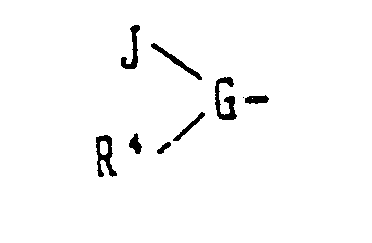
- (in which G stands for a basic amino acid of L- or D-form, J stands for an amino acid of L- or D form, and R4 stands for a hydrogen atom or a lower alkyl group), an ω-aminoalkanoyl group


- The invention provides a pharmaceutical composition which comprises a therapeutically effective amount of the polypeptide as defined above or a pharmacologically acceptable salt thereof and a pharmacologically acceptable carrier. The composition is useful for the methamphetamine antagonistic activity, an antipsychotic agent, the improvement and for treatment of a mental symptom associated with organic disorder in the brain, the improvement and for treatment of a mental symptom associated with a cerebrovascular desease, the improvement and for treatment of a mental symptom associated with a penile dementia and an analogesic agent.
- The above composition is useful for improving and/or treating a patient afflicted with an organic disorder in the brain, whereby to said patient a therapeutically effective amount of the composition as defined above is administered. A cerebrovascular disease and a senile dementia can be treated.
- The invention further provides the use of the polypeptide as defined above for the manufacture of a medicament for the treatment of a mental symptom by an organic disorder in the brain. It extends also to a medicament as an antipsycholotic agent and a medicament as an analgesic agent.
- The invention provides a process for producing the polypetide or pharmacologically acceptable salt thereof as defined above, which comprises eliminating a protected group of the polypeptide and, if neccessary, conducting an acid addition reaction.
- Although an amino acid which is a constituent of peptide is generally present in D- or L-form, the term "amino acid" used in this specification refers to the one of L-form, unless stated as D-form.
- Further, abbreviations which are ordinarily used in the field of peptide chemistry or synthetic organic chemistry are used in this specification. Such abbreviations will now be listed together with other abbreviations which are often used.
- An Nα-alkyl amino acid is represented by the abbreviation corresponding to the amino acid residue with "(alkyl)" prefixed thereto.
Example: Nα-methylarginine ; (Me)Arg Nα-methylisoleucine ; (Me) Iℓe - Tyr ; tyrosine
- Tyr(Et) ; O-ethyltyrosine
- Tyr(Me) ; 0-methyltyrosine
- Phe ; phenylalanine
- Arg ; arginine
- Lau ; leucine
- Iℓe ; isoleucine
- Nle : norleucine
- Ser : serine
- Val : valine
- Nva : norvaline
- homoArg ; homoarginine
- Orn ; ornithine
- Pro(s) ; 4-thioproline
- Trp ; tryptophan
- Pro(4-OH) ; 4-hydroxyproline
- A 3Pro ; 3,4-dehydroproline
- Ala ; alanine
- cHgl ; 2-cyclohexylglycine
- Pro ; proline
- Phe(p-CI) ; p-chlorophenylalanine
- Phe(p-N02) ; p-nitrophenylalanine
- Tle ; tert-leucine
- Leu(γ-Me) ; y-methylleucine
- Leu(α-Me) ; a-methylleucine
- Trp(a-Me) ; a-methyltryptophan
- A 2Tyr ; 2,3-dehydrotyrosine
- Tyr(a-Me) ; a-methyltyrosine
- Bai; 3-(3-benzo[b]thienyl)alanine
- Nai 3-(1-naphthyl)alanine
- Pgl: phenylglycine
- Aib 2-aminoisobutanoic acid
- Gb ω-guanidinobutanoic acid
- Gp ; ω-guanidinopentanoic acid Gh ; ω-guanidinohexanoic acid
- Pgl(p-OH) ; p-hydroxyphenylglycine
- cLeu ; cycloleucine
- Ge ; ω-guanidinoheptanoic acid
- GABA ; y-aminobutanoic acid
- Ap ; ω-aminopentanoic acid
- Ah ; ω-aminohexanoic acid
- Ae ; w-aminoheptanoic acid
- Ao ; ω-aminooctanoic acid
- Inp ; isonipecotic acid
- Paa ; 4-piperidineacetic acid
- Ac acetyl
- Bz ; benzoyl
- The lower alkyl group defined above with respect to R2, R3, R4, R5, R6, R7, R8 and R" in the formula (1) is a straight-chain, branched or cyclic alkyl group having 1 to 6 carbon atoms and examples thereof include methyl, ethyl, propyl, isopropyl, butyl, isobutyl, sec-butyl, tert-butyl, pentyl, (amyl), isopentyl, neopentyl, tert-pentyl, 1-methylbutyl, 2-methylbutyl, 1,2-dimethylpropyl, hexyl, isohexyl, 1-methylpentyl, 2-methylpentyl, 3-methylpentyl, 1,1-dimethylbutyl, 1,2-dimethylbutyl, 2,2-dimethylbutyl, 1,3-dimethylbutyl, 2,3-dimethylbutyl, 3,3-dimethylbutyl, 1-ethylbutyl, 2-ethylbutyl, 1,1,2-trimethylpropyl, 1,2,2-trimethylpropyl, 1-ethyl-1-methylpropyl, 1-ethyl-2-methylpropyl, cyclohexyl, cyclopentyl, cyclopentylmethyl and cyclohexylmethyl groups.
- The alkenyl group defined with respect to R9 and R10 is any of the above-described alkyl groups which has a double bond in its carbon chain.
- The alkyl group defined with respect to R9 and R10 includes not only those as defined above with respect to the lower alkyl group but also straight-chain, branched, cyclic and cyclic structure-containing long-chain alkyl groups. Particular examples of the long-chain alkyl group include n-heptyl, n-octyl, n-dodecanyl and n-octadecanyl groups.
- The acyl group defined with respect to R2, R3 and R10 includes acetyl, hydroxyacetyl, n-propanoyl, n-butyroyl, isobutyroyl, benzoyl, ring-substituted benzoyl, nicotinoyl, isonicotinoyl, methyloxalyl, 1-naphthoyl and 2-naphthoyl groups.
- Further, the term "alkyl" in the "a-N-alkyl derivative" defined with respect to the amino acids has the same meaning as that of the "lower alkyl" defined above.
- In the compound (I) of the present invention, the m-aminoalkanoyl or ω-guanidinoalkanoyl group defined with respect to A may be any one wherein m and n are each 1 to 10. Particularly preferred examples of the former include ω-aminopentanoyl, ω-aminohexanoyl, ω-aminoheptanoyl and ω-aminooctanoyl groups which are corresponding to the cases wherein m is 4, 5, 6, 7 and 8, respectively, while preferred examples of the latter include ω-guanidinobutyroyl and ω-guanidinopentanoyl groups which are corresponding to the cases wherein n is 3 and 4, respectively.
- When A is the group having the formula:

- Although the basic amino acid of L- or D-form defined with respect to G may be any one, preferred examples thereof include L-Lys, D-Lys, L-Arg, D-Arg, L-Orn, D-Orn, L-homoArg and D-homoArg.
- Although the basic amino acid of L-form defined with respect to B may be any one, preferred examples thereof include L-Lys, L-Arg, L-homoArg and L-Orn.
- The L-proline derivative defined with respect to G may be any one and preferred examples thereof include L-Pro, L-Pro(4-OH), L-Pro(s), L-1,3-thiazoline-2-carboxylic acid, L-3,4-dehydroproline and L-indoline-2-carboxylic acid.
- Although the aromatic amino acid of L-form defined with respect to D may be any one, preferred examples thereof include L-Tyr, L-Trp, L-Phe, L-Pgl, L-Bal, L-Nal, 3-(2-benzo[bjthienyl)-L-alanine and 3-(2-naphthyl)-L-alanine.
- With respect to the "O-acyl or 0-alkyl derivative of Tyr" in the definition of D, preferred examples of the acyl group include acetyl, n-propanoyl, n-butyroyl, isobutyroyl, valeroyl, benzoyl, p-toluoyl, m-toluoyl, o-toluoyl, phenylacetyl, m-methylphenylacetyl and o-methoxyphenylacetyl, while those of the alkyl group include methyl, ethyl, n-propyl, isopropyl, n-butyl, isobutyl and 1-methylpropyl groups.
- With respect to the "ring-substituted L-Phe", preferred examples of the substituent include nitro, halogens such as chlorine, bromine, iodine and fluorine; trifluoromethyl, lower alkyl groups and lower alkoxy groups.
- Preferred examples of the amino acid of L-form defined with respect to E include L-Val, L-Leu, L-Ite, L-Nle, L-Nva, L-Phe, L-Tle, L-a-Me-Leu, L-Pgl and L-Pgl(p-OH).
- Although the amino acid of L- or D-form defined with respect to F or J may be any one, preferred examples thereof include those represented by the following abbreviations: Gly, Ala, Val, Leu, Ile, Ser, Thr, Cys, Met, Asn, Gin, Pro, Nle, Nva, Tie, Phe
- Although the foregoing description has been given to the definition of A, B, C, D, E, F and R1, preferred examples of the combination thereof will now be described.
- That is, preferred results are obtained, when A is a group as defined above; B is L-Lys, L-Arg, L-Orn or L-homoArg; C is L-Pro or a derivative thereof, D is an amino acid selected from the group consisting of L-Trp, L-Nal, L-Tyr and L-Bal; E is L-Tle or L-Pgl; F is L-Leu and R1 is a hydroxy or alkoxy group.
- A pharmacologically acceptable salt to use for the peptide of the present invention includes inorganic acid addition salts such as hydrochride, sulfate hydrobromide, perchlorate and hydroiodide and then organic acid addition salts such as acetate, oxalate, maleate, fumarate, succinate and methanesulfonate.
- Typical examples of the compounds of the invention are listed in the form free of salts.
- H-(Tos)Arg-Arg-Pro-Tyr-Ile-Leu-OH
- H-D-(Tos)Arg-Arg-Pro-Tyr-Ile-Leu-OH
- H-D-Arg-Arg-Pro-Tyr-Ile-Leu-NH2
- H-D-Arg-Arg-Pro-Tyr-Ile-Leu-OEt
- Ac-D-Arg-Arg-Pro-Tyr-Ile-Leu-NH2
- Ac-D-Arg-Arg-Pro-Tyr-Ile-Leu-OEt
- H-D-Lys-Arg-Pro-Tyr-Ile-Leu-OH
- Gb-Arg-Pro-Tyr-Ile-Leu-OH
- Arg-Arg-D-Pro-Tyr-Ile-Leu-OH
- Arg-Lys-Pro-Tyr-lie-Leu-OH
- H-D-Arg-Arg-Pro-Tyr-Ile-D-Leu-OH
- H-D-Arg-Arg-Pro-Phe-Ile-Leu-OH
- H-D-Arg-Arg-Pro-Tyr-Leu-Leu-OH
- Gb-Arg-Pro-Tyr-Ile-Leu-OEt
- H-D-Arg-Arg-Pro-Trp-Ile-Leu-OEt
- Gb-Arg-Pro-Tyr-Ile-(Me)Leu-OH
- Gb-Arg-Pro-Tyr-Ile-Ile-Leu-OEt
- Gb-Arg-Pro-Pgl (p-OH)-Ile-Leu-OEt
- Gb-Arg-Pro-Pgl-lle-Leu-OEt
- Ah-Arg-Pro-Trp-(Me)Leu-Leu-OEt
- Gb-Arg-Pro-Trp-Nle-Leu-OEt
- Gb-Arg-Pro-Trp-Ile-Leu-OEt
- Gb-Arg-Pro-Trp-Pgl-Leu-OEt
- Ah-Arg-Pro-Trp-Pgl-Leu-OEt
- Ah-Arg-Pro-Trp-(Me)Phe-Leu-OEt
- Ah-Arg-Pro-Trp-Pgl-Phe-OEt
- Ah-Arg-Pro-Trp-Ser-Leu-OEt
- Gb-homoArg-Pro-Trp-Pgl-Leu-OEt
- Gb-Arg-D-Pro-Trp-Pgl-Leu-OEt
- Ah-Arg-Pro-Trp-Nva-Leu-OEt
- Ah-Arg-Pro-(Me)Tyr-Ile-Leu-OEt
- Ah-Arg-Pro(S)-Trp-Pgl-Leu-OEt
- Ah-D-Arg-Pro-Trp-Pgl-Leu-OEt
- Ah-Arg-Pro(OH)-Trp-Pgl-Leu-OEt
- GABA-Arg-Pro-Trp-Pgl-Leu-OEt
- Ao-Arg-Pro-Trp-Pgl-Leu-OEt
- Ah-(Me)Arg-Pro-Trp-Pgl-Leu-OEt
- Ah-Arg-Pro-Trp-Pgl-Leu-OMe
- Ah-Arg-Pro-Trp-PgI-Leu-NHEt
- Ah-Arg-Pro-Trp-cLeu-Leu-OEt
- Gh-Arg-Pro-Trp-Pgl-Leu-OMe
- Ah-Orn-Pro-Trp-Pgl-Leu-OEt
- Ac-Ah-Arg-Pro-Trp-Pgl-Leu-OEt
- Gp-Arg-Pro-Trp-Pgl-Leu-OEt
- H-D-Arg-Arg-Pro-Trp-Pgl-Leu-OMe
- Ah-Arg-Pro-Trp-Tle-Leu-OMe
- H-(Me)Arg-Arg-Pro-Trp-Pgl-Leu-OEt
- Ah-Arg-Pro-Tyr-Pgl-Leu-OEt
- H-D-Lys-Arg-Pro-Trp-Pgl-Leu-OEt
- Ah-Arg-Pro-Trp-Pgl-Leu-NH2
- H-D-Arg-Lys-Pro-Trp-Pgl-Leu-OMe
- H-D-Lys-Arg-Pro-Trp-Tle-Leu-OMe
- H-D-Lys-Arg-Pro-Trp-Tle-Leu-NH2
- H-D-Lys-Arg-Pro-Trp-Tle-Leu-OH
- H-D-Lys-Arg-Pro-Trp-Tle-Leu-N(Me)2
- H-D-Lys-Arg-Pro-Trp-Tle-Leu-OEt
- H-D-Lys-Lys-Pro-Trp-Tle-Leu-OMe
- H-D-Pro-D-Lys-Pro-Trp-Tle-Leu-OMe
- H-(Me)Arg-Arg-Pro-Trp-Tle-Leu-OMe
- Ac-D-Lys-Arg-Pro-Trp-Tle-Leu-OMe
- H-D-Lys-Arg-Pro-Trp-Tle-Leu-OnHe
- H-D-Lys-(Me)Arg-Pro-Trp-Tle-Leu-OMe
- H-D-Lys-Arg-Pro-Trp-Aib-Leu-OEt
- H-D-Lys-Arg-Pro-Tyr-Phe(p-N02)-Leu-OEt
- H-D-Lys-Arg-Pro-Tyr-Tle-Leu-OEt
- H-D-Lys-Arg-Pro-Nal-Tle-Leu-OEt
- H-D-Lys-Arg-Pro-Trp-Leu(a-Me)-Leu-OEt
- H-D-Lys-Arg-Pro-L-(Me)Trp-Tle-Leu-OEt
- H-D-Lys-Arg-Pro-Trp-Tle-Leu-O(CH2)1 CH3
- H-D-Lys-Arg-Pro-Bal-Tle-Leu-OH
- H-D-Lys-Arg-Pro-A2Tyr-Tle-Leu-OH
- H-D-Arg-Arg-Pro-Tyr-Tie-Leu-OH
- H-D-Lys-Arg-Pro-Tyr-Tle-Leu-OH
- H-(Me)Arg-Arg-Pro-Trp-(Me)lle-Leu-OH
- H-D-Lys-Arg-Pro-Trp-(Me)Ile-Leu-OH
- Ah-Arg-Pro-Trp-(Me)Ile-Leu-OH

- H-D-Lys-Arg-Pro-Trp-(Me)lle-Tle-OH


- H-(Me)Arg-Lys-Pro-Tyr-Tle-Leu-OH
- (Me)2Arg-Lys-Pro-Tyr-Tle-Leu-OH


- (Me)2Arg-Lys-Pro-Trp-Tle-Leu-OH
- H-(Me)Arg-Lys-Pro-Trp-Tle-Leu-OEt
- H-(Me)Arg-Lys-Pro-Trp-Tle-Leu-OcHe
- H-(Me)Arg-Lys-Pro-Trp-Tie-Leu-OisoPr


- H-(Me)Arg-Lys-Pro-Tyr(-CO-CH(CH3)2)-Tle-Leu-OEt
- H-(Me)Arg-Lys-Pro-Trp-Tle-Ile-OEt
- H-(Me)Arg-Lys-Pro-Trp-Tle-Leu-O(CH2), 2CH3
- H-D-Arg-Lys-Pro-Trp-Tle-Leu-OEt
- H-(Me)Arg-Lys-Pro-Trp-Tle-Phe-OEt
- H-(Me)Arg-Lys-Pro-Trp-Tle-Val-OEt
- H-(Me)Arg-Lys-Pro-Trp-Tle-Leu-OMe
- H-(Me)Arg-Lys-Pro-Trp-Tle-Leu-OisoBu
- H-(Me)Arg-Lys-Pro-Trp-Tle-Leu-OnPr
- H-(Me)Arg-Lys-Pro-Trp-Tle-Leu-O(CH2)17CH3
- H-(Me)Arg-Lys-Pro-Tyr-(-Et)-Tle-Leu-OEt
- H-(Me)Lys-Arg-Pro-Tyr(-Et)-Tle-Leu-OEt
- H-(Me)Arg-Lys-Pro-Trp-Tle-Tle-OEt
- H-(Me)Arg-Lys-Pro-Trp-Tle-Leu-O(CH2)2OH
- Ac-D-Arg-Lys-Pro-Trp-Tle-Leu-OEt
- Bz-D-Arg-Lys-Pro-Trp-Tle-Leu-OEt
- Ac(ME)Arg-Lys-Pro-Trp-Tle-Leu-OEt
- H-(Me)Arg-Lys-Pro-Trp-Tle-Leu-OBn
- H-(Me)Arg-Lys-Pro-Trp-Pro-Leu-OEt
- H-(Me)Arg-Lys-Pro-Trp-Tle-D-Leu-OEt
- H-(Me)Arg-Lys-Pro-Trp-Tle-Aib-OEt
- H-(Me)Arg-Lys-Pro-Trp-Tle-Pro-OEt
- H-(Me)Arg-Lys-Pro-Trp-Tle-Leu-O(CH2)2 OAc
- H-D-Lys-Arg-Pro-Trp-Tle-Leu-O(CH2)2OH
- CH3OCOCO-(Me)Arg-Lys-Pro-Trp-Tle-Leu-OEt
- H-Inp-Arg-Pro-Trp-Tle-Leu-OEt
- Bz-(Me)Arg-Lys-Pro-Trp-Tle-Leu-OEt
- H-D-Lys-Arg-Pro-Trp-Tle-Leu-OCH2 OCOC(CH3)3
- H-D-Orn-Arg-Pro-Trp-Tie-Leu-OEt
- H-(Me)Arg-Orn-Pro-Trp-Tle-Leu-OEt
- H-D-Lys-homoArg-Pro-Trp-Tle-Leu-OEt
- H-(Me)Arg-Lys-Pro-Trp-(Me)Tle-Leu-OEt
- H-Paa-Arg-Pro-Trp-Tle-Leu-OEt
- Ac-(Me)Arg-Lys-Pro-Trp-Tle-Leu-OH
- Bz-(Me)Arg-Lys-Pro-Trp-Tle-Leu-OH
- H-(Me)Arg-Lys-Pro-Trp-Tle-D-Leu-OH
- H-D-Orn-Arg-Pro-Trp-Tle-Leu-OH
- H-(Me)Arg-Orn-Pro-Trp-Tle-Leu-OH
- H-(Me)Arg-Lys-Pro-Trp-Tie-Tle-OH
- Arg-Lys-Pro-Trp-Tle-Tle-OH
- Bz-D-Arg-Lys-Pro-Trp-Tle-Leu-OH
- Ac-D-Arg-Lys-Pro-Trp-Tle-Leu-OH
- Ac-D-Lys-Arg--Pro-Trp-Tle-Leu-OH
- Gb-Arg-Pro-Trp-Pgl-Leu-OH
- Ah-Arg-Pro-Trp-Pgl-Leu-OH
- H-D-Lys-Arg-Pro-Nal-Tle-Leu-OH
- H(Me)Orn-Arg-Pro-Trp-Tle-Leu-OH
- H-D-Lys-homoArg-Pro-Trp-Tle-Leu-OH
- H-Inp-Arg-Pro-Trp-Tle-Leu-OH
- H-(Me)Arg-Lys-Δ3Pro-Trp-Tle-Leu-OH
- H-(Me)Arg-Lys-Δ3Pro-Trp-Tle-Leu-OEt
- H-D-Arg-Lys-Pro-Trp-Tle-Leu-OH






- H-Inp-Lys-Pro-Trp-Tie-Leu-OEt
- H-D-Orn-Lys-Pro-Trp-Tie-Leu-OEt H-D-Inp-Orn-Pro-Trp-Tie-Leu-OEt
- H-D-Orn-Orn-Pro-Trp-Tle-Leu-OEt
- H-Paa-Lys-Pro-Trp-Tie-Leu-OEt
- H-Paa-Orn-Pro-Trp-Tle-Leu-OEt
- H-D-Lys-Orn-Pro-Trp-Tle-Leu-OH
- H-Inp-Lys-Pro-Trp-Tle-Leu-OH
- H-D-Orn-Lys-Pro-Trp-Tle-Leu-OH
- H-Inp-Orn-Pro-Trp-Tle-Leu-OH
- H-D-Orn-Orn-Pro-Trp-Tle-Leu-OH
- H-Paa-Lys-Pro-Trp-Tle-Leu-OH
- H-Paa-Orn-Pro-Trp-Tie-Leu-OH
- According to the present invention, the significant problem of neurotensin and derivatives thereof that they cannot exhibit any central nervous system depressant action by general administration such as intravenous, intramuscular or subcutaneous injection or oral administration owing to their low stability in vivo can be solved by exerting ingenuity in the constitution of amino acids. Therefore, the compound of the present invention is highly stable in vivo and is a highly valuable one which can be put to practical use as an antipsychotic drug, a mental symptom associated and an organic disorder in the brain and then an analgetic.
- The peptide of the present invention can be prepared by any suitable method. The synthesis of a protected peptide can be carried out by a conventional liquid-phase or solid-phase method. It is generally preferred to protect the pendant functional groups of the amino acids to be used and to eliminate all of the protective groups in the final step. The protective group to be used for protecting the pendant functional group of the amino acid may be any one which has already been reported and representative examples thereof include tosyl(Tos), nitro(N02), benzyl(Bzl), tert-butyl(Bul), benzyloxycarbonyl(Z), tert-butoxycarbonyl-(Boc) and 4-methoxy-2,3,6-trimethylbenzenesulfonyl(Mtr) groups.
- Although the protective group to be used for protecting the a-amino group of the amino acid may be any one which has already been reported, it is preferable to combine a protective group for a-amino group with one for a pendant functional group so as to permit the selective elimination of the former without exerting any influence upon the latter. For example, when a tert-butoxycarbonyl group is used as the a-amino-protective group, it is preferred to use a benzyl or benzyloxycarbonyl group as the protective group for a pendant functional group, while when a benzyloxycarbonyl group is used as the a-amino-protective group, it is preferred to use a tert-butyl or tert-butoxycarbonyl group as the protective group for a pendant functional group. When the amino group of an N-terminal amino acid is dialkylated, the amino group need not be protected. It is preferred from the standpoint of inhibiting racemization during the synthesis that the synthesis of a protected peptide should be carried out by the stepwise method of binding all amino acids one by one successively from the C-terminal or by the method of fragment condensation at a position of Pro, though the latter method may be carried out in other arbitrary positions.
- The peptide of the present invention can be prepared, even according to either the solid-phase or the liquid-phase method, by repeating the reaction represented by the following general reaction formula to obtain a protected peptide, eliminating the protective groups of the protected peptide and purifying the resulting peptide and the steps of the synthesis of the peptide will be each described below by taking the case of the liquid-phase method:


- The formation of peptide linkage may be carried out by any condensation method which has already been reported. Generally, the formation thereof is carried out by activating the carbonyl group of an acid component represented by the general formula:


- The reaction conditions (such as reaction solvent or reaction temperature) varies depending upon the method used for activating the carboxyl group. The mixed anhydride method which is one of representative condensation methods will now be described as an example. First, an acid component represented by the general formula:


- is added in an equimolar amount. The obtained mixture is stirred at -15 to 0° C for 2 to 5 hours and treated according to an ordinary method to obtain a protected peptide represented by the general formula:

- The elimination may be carried out by an ordinary method which includes the catalytic reduction method, a method using an acid, a method using a base and a method using hydrazine. From among these methods, a suitable method is selected depending upon the kind of the a-amino-protective group to be eliminated. Representative examples of the elimination include that of a benzyloxycarbonyl group by catalytic reduction and that of a tert-butoxycarbonyl group by the use of trifluoroacetic acid. The elimination of a tert-butoxycarbonyl group by the use of trifluoroacetic acid will now be described as an example.
- 0.5 ml of anisole and 5 ml of trifluoroacetic acid are added to 1 g of a-N-butoxycarbonylpeptide represented by the general formula under cooling with ice:

- The obtained mixture is stirred for 60 minutes and treated with ether to obtain a salt of a peptide represented by the general formula:
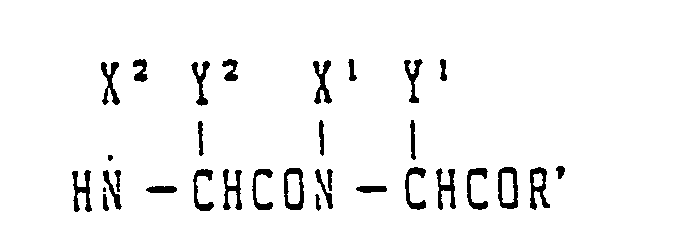
- The peptide chain is lengthened by repeating the above condensation and elimination of the a-amino-protective groups, followed by the elimination of all the protective groups. Thus, an objective peptide is obtained as a crude product. The elimination of all the protective groups may be carried out by an ordinary method which includes the catalytic reduction method, a method using liquid ammonia and alkali metal, a method using an acid, a method using base and a method using hydrazine. From among these methods, a suitable method is selected depending upon the kind of the protective group to be eliminated. The elimination method using hydrogen fluoride (HF) will now be described as an example of the methods which are ordinarily employed.
- 1 g of a protected peptide is dissolved in about 30 ml of HF in a hermetically closed HF reactor in the presence of 0.5 ml of anisole at a temperature of -15 to 0 C, followed by stirring for 60 minutes. The HF is distilled off and the obtained residue is washed with ether, dissolved in water, treated with Amberlite IRA-93 (acetic acid form) and freeze-dried to obtain a crude peptide free from any protective group.
- The purification of the crude peptide may be carried out by an ordinary method which includes ion-exchange chromatography, gel filtration, partition chromatography, countercurrent partition and high-performance liquid chromatography. The purification by high-performance liquid chromatography will now be described as an example. 100 mg of a crude peptide is fed into a column (20 0 x 250 mm) packed with Nucleosil 5C18 and eluted with 0.015% HCI (H20-CH3CN). Fractions of objective peaks are collected by detection with UV of 210 nm and freeze-dried to obtain an objective peptide having a high purity.
- The intended product can be obtained in the form of its acid addition salt, such as acetate and hydrochloride, depending on a purification method and a chemical structure of the peptide.
- In order to illustrate the effect of the compound of the present invention as a drug, the results of the bioassay thereof will now be described.
- This experiment was made to determine the antagonism of the compound according to the present invention against the enhancement in the quantity of spontaneous motion induced by methamphethamine.
- The compounds of the present invention and physiological saline as a control were each orally or subcutaneously administered to Wister male rat (120 to 200 g, purchased from Charles River Japan Inc.) or ddY male mice (18 to 25 g, purchased from Shizuoka-ken Jikken-Dobutsu Nogyo Kyodo-Kumiai). After 30 minutes or 2 hours, methamphethamine hydrochloride (Philopon; a product of Dainippon Pharmaceutical Co., Ltd.) was administered intraperitoneally. Over a period of one hour just after this administration, the quantity of spontaneous motion was measured with MK-ANIMEX (manufactured by Muromachi Kikai).
- The activity of the compound of the present invention is shown by the inhibition ratio based on the quantity of spontaneous motion of the rat or mouse to which physiological saline was administered (Table 1

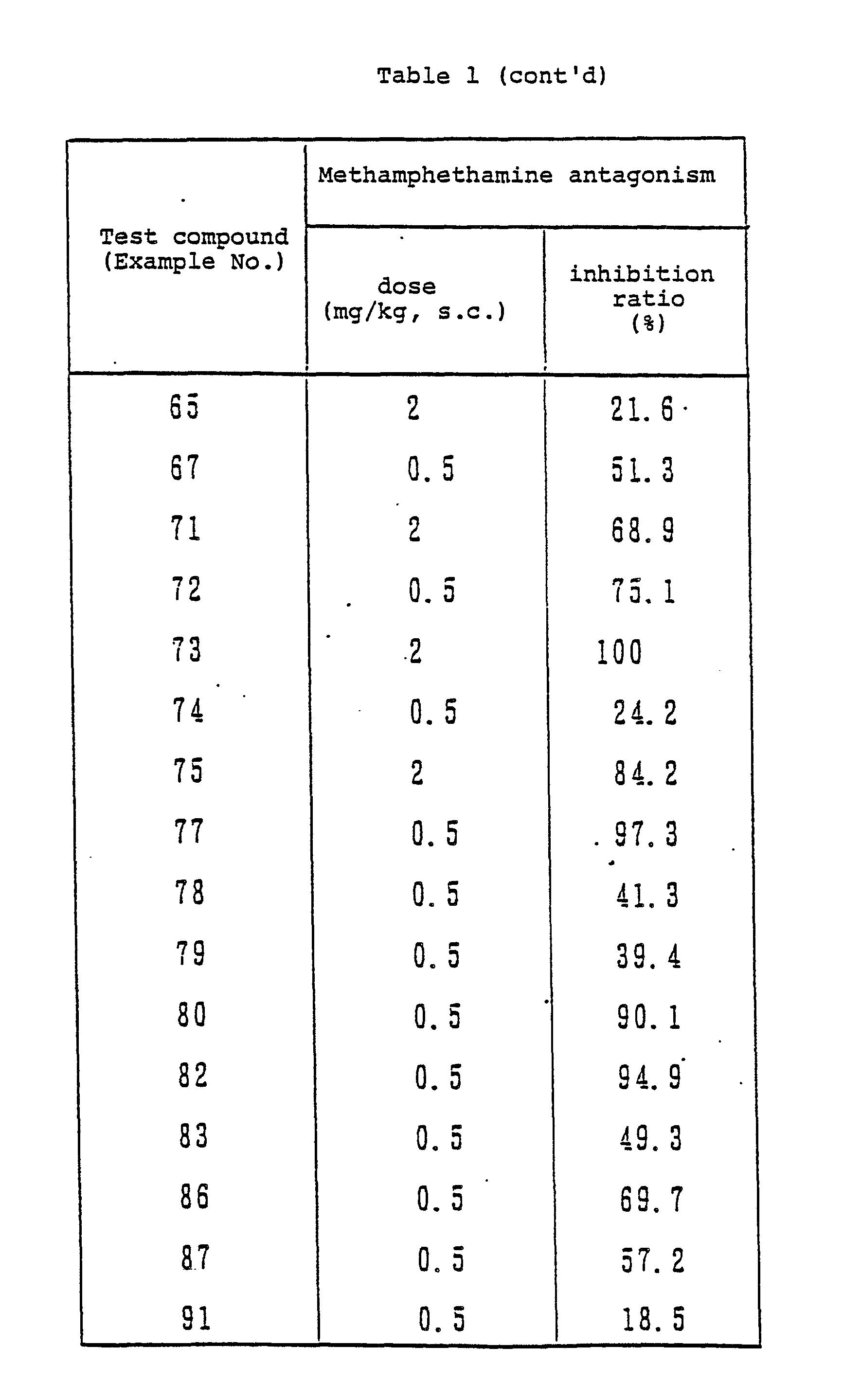


- It can be understood from the results of the pharmacological test that the activity exhibited by the general administration of the compound according to the present invention is equivalent to the one exhibited by the intraventricular administration of neurotensin, i.e., the activity of the present invention is very high.
- The compound of the present invention can exhibit high methamphethamine antagonism even by general administration such as intravenous or subcutaneous injection or oral administration. Thus, the compound is highly valuable as compared with neurotensin or derivatives thereof which hardly exhibit methamphethamine antagonism by general administration because of their instability in vivo.
- Further, the peptide of the present invention did not cause catalepsy which is a model symptom of an animal test on extrapyramidal diseases which are adverse reactions caused by the clinical administration of a conventional antipsychotic drug, i.e., a blocker against dopamine nervous system, even when administered in a dose which is 200 times the effective dose for methamphethamine antagonism. This fact means that the peptide has also a high clinical value.
- The peptide of the present invention exhibits very high methamphethamine antagonism and analgetic effect, so that it is useful as a drug for improving and/or treating an mental symptom associated with an organic disorder in the brain, schizopherenia, senile insanity or as an analgesic. The organic disorder in the brain includes senile dementia, sequela of cerebrovascular diseases, derangement due to injury of head and so forth, from which a highly aged man suffers.
- When the compound of the present invention is used as a drug, it may be administered orally or parenterally.
- A drug containing the compound of the present invention as an active ingredient is prepared by converting the compound alone or together with a conventional carrier into a suitable dosage form. The carrier is selected depending upon the dosage form and examples thereof include fillers, bulk fillers, binders, moistening agent, disintegrator, surfactant and diluent such as lubricant.
- The dosage form of the drug for schizopherenia according to the present invention may be selected from various forms depending upon the object of treatment and representative examples of the form include tablet, pill, powder, solution, suspension, emulsion, granule, capsule, suppository, injection (solution and suspension), ointment and inhalation, among which suppository, injection and inhalation are preferred. When the compound of the present invention is shaped into a tablet, examples of the carrier to be used include fillers such as lactose, sucrose, sodium chloride, glucose solution, urea, starch, calcium carbonate, kaolin, crystalline cellulose and silicic acid; binders such as water, ethanol, propanol, simple syrup, glucose, starch solution, gelatin solution, carboxymethylcellulose, shellac, methylcellulose, potassium phosphate and polyvinylpyrrolidone; disintegrators such as dry starch, sodium alginate, agar powder, laminaria powder, sodium hydrogencarbonate, calcium carbonate, Tween, sodium lauryl sulfate, stearic acid monoglyceride, starch and lactose; disintegration inhibitors such as sucrose, stearin, cacao butter and hydrogenated oils; absorption accelerators such as quaternary ammonium bases, sodium lauryl sulfate, citric acid, maleic acid, fumaric acid and malic acid; humectants such as glycerin and starch; adsorbents such as starch, lactose, kaolin, bentonite and colloidal silicic acid and lubricants such as purified talc, stearates, boric acid powder, macrogol and solid polyethylene glycol. When the compound is shaped into a pill, examples of the carrier to be used include fillers such as glucose, lactose, starch, cacao butter, hardened vegetable oils, kaolin and talc; binders such as powdered acacia, tragacanth powder, gelatin and ethanol and disintegrators such as laminaria and agar. Further, if necessary, the above tablet may be coated with an ordinary material. That is, the tablet according to the present invention includes sugar coated tablets gelatin coated tablet, enteric coated tablet, film coated tablet, double-layer and multilayer tablets. When the compound is shaped into a suppository, examples of the carrier to be used include polyethylene glycol, cacao butter, higher alcohols, higher alcohol esters, gelatin and semisynthetic glyceride. The compound of the present invention may be administered by injection in the form of solution, emulsion or suspension. It is preferred that the solution, emulsion or suspension be sterilized and be isotonic to blood. In the preparation of the solution, emulsion or suspension, a diluent which has been conventionally used in this field may be used and examples of the diluent include water, ethyl alcohol, propylene glycol, ethoxylated isostearyl alcohol, polyhydroxylated isostearyl alcohol, polyoxyethylene sorbitol and sorbitan esters. Further, the drug of the present invention may contain common salt, glucose or glycerin in an amount enough to make it isotonic. Alternatively, it may contain solubilizing agent, buffer, defatting agent or preservative and, if necessary, coloring agent, preservative, correctives, sweetener and other drug.
- The above drug is not particularly limited in the administration method, but may be administered by a suitable method depending upon its dosage form. For example, when the drug is in the form of tablet, pill, solution, suspension, emulsion, granule or capsule, it is administered orally, while when it is in the form of injection, it is intravenously administered as a mixture with an ordinary auxiliary liquid (such as a solution of glucose or amino acid) or is alone administered intramuscularly, intracutaneously, subcutaneously or intraperitoneally. When the drug is in the form of suppository, it is administered intrarectally, while when it is in the form of inhalation, it is administered intranasally.
- When the compound of the present invention is used as an analgetic or a remedy for schizopherenia, sequela of cerebrovascular diseases, derangement due to injury of head or senile dementia or senile insanity, the dose thereof is not particularly limited, but varies depending upon the degree of symptoms, the age, sex, weight and sensitivity of a patient, the method, timing and interval of administration, the properties, preparation method and kind of a drug and the kind of an active ingredient. The compound may be generally administered by intravenous, intramuscular or subcutaneous injection in a dose of 2.5 to 1000 LLg per day per adult. When the compound is orally administered, the dose thereof varies over a relatively wide range and 5 to 200 mg thereof is administered per day in several portions.
- Examples with respect to the representative compounds of the present invention will now be described, though it is a matter of course that the present invention is not limited to them.
- 8.6 g of Boc-Pgl-OH was dissolved in 100 ml of THF, followed by cooling to -20 C. 3.75 ml of N-methylmorpholine and 3.25 ml of ethyl chlorocarbonate were added to the obtained solution. After 5 minutes, a solution of 6.67 g of HCI-H-Leu-OEt and 3.75 ml of N-methylmorpholine in 50 ml of DMF was added to the obtained mixture. The resulting mixture was stirred at -50. C for 2 hours and filtered to remove precipitates. The filtrate was concentrated and the residue was dissolved in ethyl acetate to obtain a solution. This solution was washed with an aqueous solution of NaHC03 and water successively and evaporated to dryness to obtain 9.7 g of Boc-Pgl-Leu-OEt as a crystal. ° TLC ; Rf value = 0.41 (methanol : chloroform = 1 : 30) Angle of rotation ; [a]D = +62.2° (C = 0.55, dichloromethane) Elemental analysis ; C21H32N2O3

- 1.15 g of Z-Trp-OH was dissolved in 10 ml of THF, followed by cooling to -20 °C. 0.37 ml of N-methylmorpholine and 0.32 ml of ethyl chlorocarbonate were added to the obtained solution to obtain a mixture. After 5 minutes, a solution of 1.32 g of CF3COOH-H-Pgl-Leu-OEt prepared by treating Boc-Pgl-Leu-OEt with CF3COOH in the presence of anisole and 0.37 ml of N-methylmorpholine in 5 ml of THF was added to the mixture. The obtained mixture was stirred at -5°C for 2 hours and filtered to remove precipitates. The filtrate was concentrated and the residue was dissolved in ethyl acetate to obtain a solution. This solution was washed with an aqueous solution of NaHCO3 and water successively and evaporated to dryness to obtain 1.80 g of Z-Try-Pgl-Leu-OEt as a glassy substance.
TLC ; Rf value = 0.61
(methanol : chloroform = 1 : 8)
o Angle of rotation ; [α]D = +24.4°
(C = 0.75, dichloromethane)
o Elemental analysis ; C35H40N4O6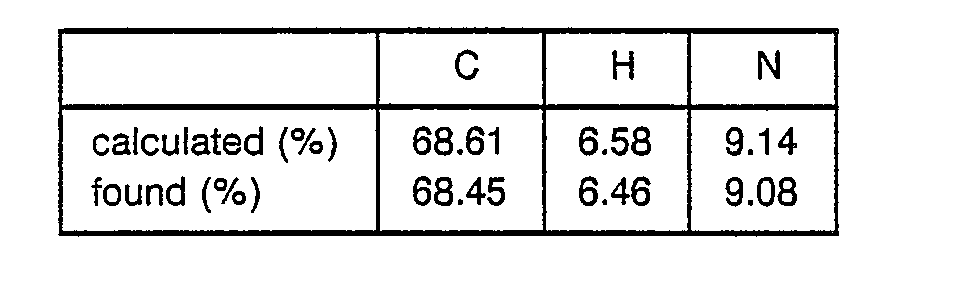
- 4.28 g of Boc-Arg(Tos)-OH was dissolved in 50 ml of THF followed by cooling to -20° C. 1.1 ml of N-methylmorpholine and 0.95 ml of ethyl chlorocarbonate were added to the solution to obtain a mixture. After 5 minutes, a solution of 2.42 g of HCI-H-Pro-OBzl and 1.1 ml of N-methylmorpholine in 10 ml of DMF was added to the mixture. The obtained mixture was stirred at -5°C for 2 hours and filtered to remove precipitates. The filtrate was concentrated and the residue was dissolved in ethyl acetate to obtain a solution. This solution was washed with an aqueous solution of NaHCO3 and water successively and evaporated to dryness. The residue was solidified with AcOEt-Et20 to obtain 3.75 g of Boc-Arg(Tos)- Pro-OBzl as a powder.
o TLC ; Rf value = 0.38
(methanol : chloroform = 1 : 12)
o Angle of rotation ; [α]D = -28.7°
(C = 1.2, dichloromethane)
o Elemental analysis; C30H41N5O7S·0.5H2O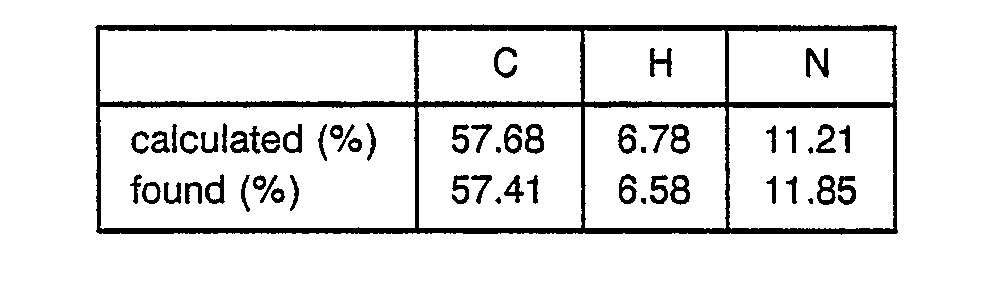
- 3.07 g of Ng-Tos-γ-guanidinobutanoic acid was dissolved in 500 ml of THF, followed by cooling to -20 °C. 1.13 ml of N-methylmorpholine and 0.98 ml of ethyl chlorocarbonate were added to the obtained solution to obtain a mixture. After 5 minutes, a solution of CF3COOH-H-Arg(Tos)-Pro-OBzl prepared by treating Boc-Arg(Tos)-Pro-OBzl with CF3COOH in the presence of anisole and 1.13 ml of N-methylmorpholine in 20 ml of THF was added to the mixture. The obtained mixture was stirred at -5°C for 2 hours and filtered to remove precipitates. The filtrate was concentrated and the residue was dissolved in ethyl acetate to obtain a solution. This solution was washed with an aqueous solution of NaHCOa and water successively and evaporated to dryness. The obtained residue was purified by silica gel chromatography to obtain 5.2 g of Tos-Gb-Arg(Tos)-Pro-OBzl.
o TLC ; Rf value = 0.56
(methanoi : chloroform = 1 : 3)
o Angle of rotation ; [α]D = -31.6°
(C = 1.15, methanol : dichloromethane = 1 : 1)
o Elemental analysis; C37H48N8O8S2·CH3OH·H2O
- 400 mg of Tos-Gb-Arg(Tos)-Pro-OH prepared by the catalytic reduction of Tos-Gb-Arg(Tos)-Pro-OBzl with H2 gas in the presence of a 10% Pd-C catalyst and 271 mg of H-Trp-Pgl-Leu-OEt prepared by the catalytic reduction of Z-Trp-Pgl-Leu-OEt with H2 gas in the presence of a 10% Pd-C catalyst were dissolved in 10 ml of a THF-DMF (10 : 1) mixture, followed by cooling to 5° C. 97.8 mg of N-hydroxysuccinimide and 117 mg of dicyclohexylcarbodiimide were added to the obtained solution successively. The obtained mixture was stirred at 5°C for 3 hours and filtered to remove precipitates. The obtained filtrate was evaporated to dryness and the residue was purified by silica gel column chromatography to obtain 380 mg of Tos-Gb-Arg(Tos)-Pro-Trp-Pgl-Leu-OEt.
o TLC ; Rf value = 0.46
(methanol : chloroform =1:6)
o Angle of rotation ; [a]D = -43.9°
(C = 0.40, dichloromethane)
° Elemental analysis ; C57H74N12O11S2·2H2O
- 370 mg of Tos-Gb-Arg(Tos)-Pro-Trp-Pgl-Leu-OEt was dissolved in 10 ml of HF in a hermetically closed HF reactor in the presence of 1 ml of anisole at -10° C. The obtained solution was stirred for one hour and distilled to remove the HF. The residue was washed with ether and dissolved in water to obtain a solution. This solution was treated with Amberlite IRA-93 (acetic acid form) and freeze-dried to obtain a crude peptide. This crude peptide was purified with carboxymethylcellulose ion-exchanger (1.3 0 x 10 mm, eluted with H20-0.4 M ammonium acetate according to the gradient method) and freeze-dried to obtain 230 mg of Gb-Arg-Pro-Trp-Pgl-Leu-OEt as its acetic acid salt.
o TLC ; Rf value = 0.37
(butanol : acetic acid : water = 4 : 1 : 5)
o Angle of rotation; [α]D = -47.8°
(C = 0.8, 1 % acetic acid, v/v)
o Mass spectrometric analysis (FAB) ; 859 [(M + H)+] o Amino acid analysis ; Pro 1.01(1), Leu 1.01(1), Trp 0.85(1) Arg 1.13(1) - 1.16 g of N-Boc-ω-aminocaproic acid was dissolved in 20 ml of THF, followed by cooling to -20° C. 0.55 ml of N-methylmorpholine and 0.48 ml of ethyl chlorocarbonate were added to the obtained solution to obtain a mixture. A solution of 3.12 g of CF3COOH-H-Arg(Tos)-Pro-OBzl and 0.55 ml of N-methylmorpholine in 10 ml of THF was added to the mixture. The obtained mixture was stirred at -5° C for 2 hours and filtered to remove precipitates. The filtrate was evaporated to dryness and the residue was dissolved in ethyl acetate to obtain a solution. This solution was washed with an aqueous solution of NaHCO3 and water successively and evaporated to dryness to obtain 3.6 g of Boc-Ah-Arg(Tos)-Pro-OBzl as a glassy substance.
o TLC ; Rf value = 0.49
(methanol : chloroform = 1 : 8)
° Angle of rotation ; [α]D = -44.1
(C = 0.77, dichloromethane)
Elemental analysis ; C36H52N6O8S·0.3H2O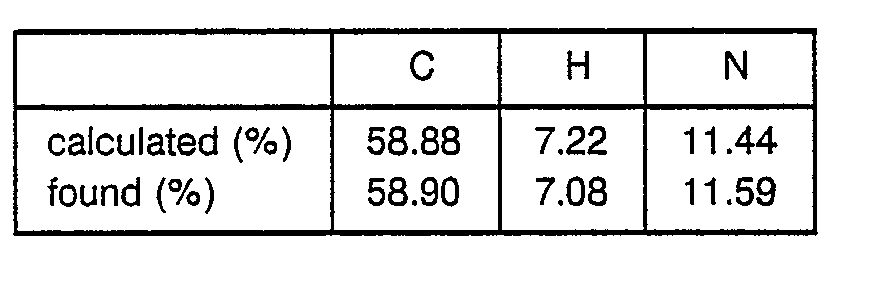
- 534 mg of Boc-Ah-Arg(Tos)-Pro-OH prepared by the catalytic reduction of Boc-Ah-Arg(Tos)-Pro-OBzl in the presence of a 10% Pd-C catalyst was dissolved in 10 ml of a THF-DMF (10 : 1) mixture, followed by cooling to 5°C. 115 mg of N-hydroxysuccinimide and 172 mg of dicyclohexylcarbodiimide were added thereto successively. The obtained mixture was stirred at 5°C overnight, followed by the addition of a solution of 400 mg of H-Trp-Pgl-Leu-OEt in 4 ml of THF. The obtained mixture was further stirred at 5°C overnight and filtered to remove precipitates. The filtrate was concentrated and the residue was dissolved in ethyl acetate to obtain a solution. This solution was washed with an aqueous solution of NaHC03 and water and evaporated to dryness. The residue was purified by silica gel column chromatography to obtain 520 mg of Boc-Ah-Arg(Tos)-Pro-Trp-Pgl-Leu-OEt.
° TLC ; Rf value = 0.45
(methanol : chloroform = 1 : 6)
o Angle of rotation ; [α]D = -37.3°
(C = 0.22, dichloromethane)
o Elemental analysis ; C56H78N10O11S·1.5H2O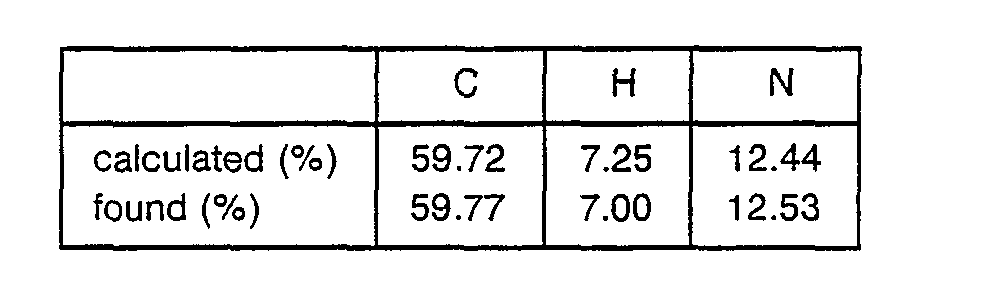
- 500 mg of Boc-Ah-Arg(Tos)-Pro-Trp-Pgl-Leu-OEt was dissolved in 10 ml of HF in a hermetically closed HF reactor in the presence of 1 ml of anisole at -10° C to obtain a solution. This solution was stirred for one hour and distilled to remove the HF. The residue was washed with ether and dissolved in water to obtain a solution. This solution was treated with Amberlite IRA-93 (acetic acid form) and freeze-dried to obtain a crude peptide. This crude peptide was purified with carboxymethylcellulose ion-exchanger (1.5 0 x 15 cm, H20-0.4 M ammonium acetate, the gradient method) and freeze-dried to obtain 304 mg of Ah-Arg-Pro-Trp-Pgl-Leu-OEt as its acetic acid salt.
o TLC ; Rf value = 0.55
(butanol : acetic acid : water = 4 : 1 : 1)
o Angle of rotation ; [α]D = -45.3°
(C = 0.8, 1 % acetic acid)
° Mass spectrometric analysis (FAB) ; 845 [(M + H)+]
° Amino acid analysis ; Pro 0.96(1) Leu 1.10(1), Trp 0.88(1), Arg 1.06(1) - 10.8 g of Z-Tle-OH was dissolved in 120 ml of THF, followed by cooling to -20 C. 4.46 ml of N-methylmorpholine and 3.86 ml of ethyl chlorocarbonate were added thereto successively. After 10 minutes, a solution of 7.93 g of HCI-H-Leu-OEt in 500 ml of DMF was added thereto and the obtained mixture was stirred at -5°C for 2 hours and filtered to remove precipitates. The filtrate was concentrated and the obtained residue was dissolved in ethyl acetate to obtain a solution. This solution was washed with an aqueous solution of Na2CO3 and water successively and evaporated to dryness to obtain 14.0 g of Z-Tle-Leu-OEt as an oil.
o TLC ; Rf value = 0.68
(methanol : dichloromethane = 1 : 100)
° Angle of rotation ; [α]D = -8.2°
(C = 1.8, dichloromethane)
o Elemental analysis; C22H34N2O5·0.3H2O
- 13.9 g of Z-Trp-OH was dissolved in 200 ml of THF, followed by cooling to -20 °C. 4.5 ml of N-methylmorpholine and 3.91 ml of ethyl chlorocarbonate were added thereto. After 5 minutes, a solution of 12.6 g of HCI-H-Tle-Leu-OEt prepared by the catalytic reduction of Z-Tle-Leu-OEt in the presence of Pd-C and 4.5 ml of N-methylmorpholine in 50 ml of THF was added thereto and the obtained mixture was stirred at -5°C for 2 hours and filtered to remove precipitates. The filtrate was concentrated and the obtained residue was dissolved in ethyl acetate to obtain a solution. This solution was washed with an aqueous solution of Na2C03 and water and evaporated to dryness. The obtained residue was purified by silica gel column chromatography to obtain 21.3 g of Z-Trp-Tle-Leu-OEt as an amorphous substance.
° TLC ; Rf value = 0.44
(methanol : dichloromethane = 1 : 40)
° Angle of rotation ; [a]o = -23.6° (C = 1, DMF)
o Elemental analysis ; C33H44N4O6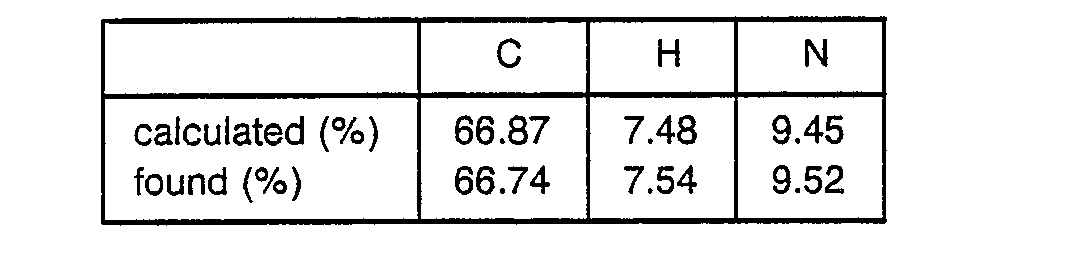
- 3.0 g of Boc-Lys(Z)-OH was dissolved in 30 ml of THF, followed by cooling to -20 C. 0.87 ml of N-methylmorpholine and 0.75 ml of ethyl chlorocarbonate were added thereto. After 5 minutes, a solution of 1.3 g of HCI-H-Pro-OMe and 0.87 ml of N-methylmorpholine in 15 ml of a THF-DMF (1 : 1) mixture was added thereto and the obtained mixture was stirred at -5° C for 2 hours and filtered to remove precipitates. The filtrate was concentrated and the residue was dissolved in ethyl acetate to obtain a solution. This solution was washed with an aqueous solution of Na2C03 and water successively and evaporated to dryness. The obtained residue was purified by silica gel column chromatography to obtain 35 g of Boc-Lys-(Z)-Pro-Ome.
o TLC ; Rf value = 0.39
(methanol : dichloromethane = 1 : 40)
o Angle of rotation ; [α]D = -38.7°
(C = 1.7, dichloromethane)
o Elemental analysis ; C25H37N3O7·0.3H2O
- 4.24 g of Boc-D-Arg(Tos)-OH was dissolved in 50 ml of THF, followed by cooling to -20° C. 1.09 ml of N-methylmorpholine and 0.94 ml of ethyl chlorocarbonate were added thereto. After 5 minutes, a solution of 510 g of CF3COOH-H-Lys(Z)-Pro-OMe prepared by treating Boc-Lys(Z)-Pro-OMe with CF3COOH in the presence of anisole in 30 ml of THF was added thereto. The obtained mixture was stirred at -5°C for 2 hours and filtered to remove precipitates. The filtrate was concentrated and the residue was dissolved in ethyl acetate to obtain a solution. This solution was washed with an aqueous solution of Na2CO3 and water and evaporated to dryness. The residue was purified by silica gel column chromatography to obtain 5.95 g of Boc-D-Arg(Tos)-Lys(Z)-Pro-OMe.
• TLC ; Rf value = 0.17
(methanol : dichloromethane = 1 : 40)
° Angle of rotation ; [α]D = -24.2°
(C = 1.3, dichloromethane)
o Elemental analysis ; C38H55N7O10S·1H2O
- 5.95 g of Boc-D-Arg(Tos)-Lys(Z)-Pro-OMe was dissolved in 90 ml of methanol, followed by the addition thereto of 30 ml of N-NaOH. The obtained mixture was stirred at a room temperature for 2 hours and cooled to 5° C, followed by the addition thereto of 30 ml of N-HCI. The obtained mixture was distilled to remove the methanol. The obtained residue was acidified with N-HCI, followed by the addition thereto of ethyl acetate. The ethyl acetate layer was washed with water and evaporated to dryness to obtain 5.34 g of Boc-D-Arg-(Tos)-Lys(Z)-Pro-OH.
o TLC ; Rf value = 0.36
(methanol : dichloromethane = 1 : 10)
o Elemental analysis ; C37H53N7O10S·1.5H2O
- 2.76 g of Boc-D-Arg(Tos)-Lys(Z)-Pro-OH and 1.60 g of H-Trp-Tle-Leu-OEt prepared by the catalytic reduction of Z-Trp-Tle-Leu-OEt in the presence of Pd-C were dissolved in 20 ml of DMF, followed by cooling to 5°C. 0.57 g of N-hydroxybenzotriazole and 0.76 g of dicyclohexylcarbodiimide were added thereto. The obtained mixture was stirred at 5° C for 3 hours and filtered to remove precipitates. The filtrate was concentrated and the residue was dissolved in ethyl acetate to obtain a solution. This solution was washed with an aqueous solution of Na2C03 and water and evaporated to dryness to obtain 4.1 g of Boc-D-Arg(Tos)-Lys(Z)-Pro-Trp-Tle-Leu-OEt.
o TLC ; Rf Value = 0.61
(methanol : dichloromethane = 1 : 15)
° Angle of rotation ; [α]D = -45.2°
(C = 0.45, dichloromethane)
Elemental analysis ; C62H89N11O13S·1.5H2O
- 1.2 g of HCI-H-D-Arg(Tos)-Lys(Z)-Pro-Trp-Tle-Leu-OEt prepared by treating Boc-D-Arg(Tos)-Lys(Z)-Pro-Trp-Tle-Leu-OEt with CF3COOH in the presence of anisole and converting the obtained compound with 10% HCI/ethyl acetate into its hydrochloride was dissolved in 20 ml of THF, followed by successive addition thereto of 0.25 ml of N-methylmorpholine and 0.174 g of benzoyl chloride. The obtained mixture was stirred at a room temperature for 5 hours and concentrated. The obtained residue was dissolved in ethyl acetate to obtain a solution. This solution was washed with an aqueous solution of Na2CO3 and water. The residue was purified by silica gel column chromatography to obtain 0.90 g of Bz-D-Arg(Tos)-Lys(Z)-Pro-Trp-Tle-Leu-OEt.
o TLC ; Rf value = 0.49
(methanol : dichloromethane = 1 : 15)
o Angle of rotation ; [α]D = -39.9°
(C = 0.19, dichloromethane)
° Elemental analysis ; C64H85N11O12S·4.5H2O
- 0.90 g of Bz-D-Arg(Tos)-Lys(Z)-Pro-Trp-Tle-Leu-OEt was dissolved in 30 ml of HF in a hermetically closed HF reactor in the presence of 0.5 ml of anisole at -10°C to obtain a solution. This solution was stirred for one hour and distilled to remove the HF. The residue was washed with ether and dissolved in water to obtain a solution. This solution was treated with Amberlite IRA-93C (acetic acid form) and freeze-dried to obtain a crude peptide. This crude peptide was purified by high-performance liquid chromatography [Nucleosil-5C18, 2.25 φ x 25 cm, eluted with 0.015% HCI (H20-CH3CN = 76 : 24)] and freeze-dried to obtain 91 mg of Bz-D-Arg-Lys-Pro-Trp-Tle-Leu-OEt as its hydrochloride.
° TLC ; Rf value = 0.42
(butanol : acetic acid : water = 4 : 1 : 5)
° Angle of rotation ; [α]D = -83.2°
(C = 0.75, 1 % acetic acid)
° Mass spectrometric analysis (FAB) ; 944 [(M + H) ]
° Amino acid analysis ; Pro 0.90(1) Leu 0.94(1), Lys 1.08(1), Trp 0.93(1), Arg 1.16(1) - 30 mg of Bz-D-Arg-Lys-Pro-Trp-Tle-Leu-OEt was dissolved in 1 ml of H20, followed by the addition thereto of 0.24 ml of N-NaOH. The obtained mixture was stirred at a room temperature for 2 hours and neutralized with 0.24 ml of N-HCI. The resulting mixture was purified by high-performance liquid chromatography [Chemcosorb 5-ODS-H, 2.0 φ x 25 cm, eluted with 0.015% HCI (H2O-CH3CN = 70 : 30)] and freeze-dried to obtain 12 mg of Bn-D-Arg-Lys-Pro-Trp-Tle-Leu-OH as its hydrochloride in the form of powder.
° TLC ; Rf value = 0.36
(n-butanol : acetic acid : water = 4 : 1 : 5)
° Angle of rotation ; [α]D = -76.8°
(C = 0.6, 1 % acetic acid)
° Mass spectrometric analysis (FAB) ; 916 [(M + H) ]
° Amino acid analysis ; Pro 1.03(1), Leu 0.89(1), Lys 1.05(1), Trp 0.93(1), Arg 1.10(1) - 3.25 g of Z-Tle-OH was dissolved in 30 ml of THF, followed by cooling to -20 C. 1.34 ml of N-methylmorpholine and 1.16 ml of ethyl chlorocarbonate were added thereto successively. After 5 minutes, a solution of 2.28 g of H-Leu-OBut in 10 ml THF was added thereto. The obtained mixture was stirred at -5° C for 2 hours and filtered to remove precipitates. The filtrate was concentrated and the residue was dissolved in ethyl acetate to obtain a solution. This solution was washed with an aqueous solution of NaHCO3 and water and evaporated to dryness to obtain 5.3 g of Z-Tle-Leu-OBut.
° TLC ; Rf value = 0.54
(methanol : chloroform = 1 : 20)
° Angle of roration ; [a]o = -11.6°
(C = 2.9, dichloromethane)
° Elemental analysis ; C24H38N2O5·0.3H2O
- 2.78 g of Z-Trp-OH was dissolved in 30 ml of THF, followed by cooling to -20 °C. 0.91 ml of N-methylmorpholine and 0.785 ml of ethyl chlorocarbonate were successively added thereto. After 5 minutes, a solution of 2.48 g of H-Tle-Leu-OBut prepared by the catalytic reduction of Z-Tle-Leu-OBut in the presence of 10% Pd-C in 10 ml of THF was added thereto. The obtained mixture was stirred at -5° C for 2 hours and filtered to remove precipitates. The obtained filtrate was concentrated and the residue was dissolved in ethyl acetate to obtain a solution. This solution was washed with an aqueous solution of NaHCO3 and water and evaporated to dryness to obtain 4.45 g of Z-Trp-Tle-Leu-OBut.
° TLC ; Rf value = 0.30
(methanol : chloroform = 1 : 10)
° Angle of rotation ; [α]D = -42.0°
(C = 0.76, methanol)
° Elemental analysis ; C35H48N4O6·0.5H2O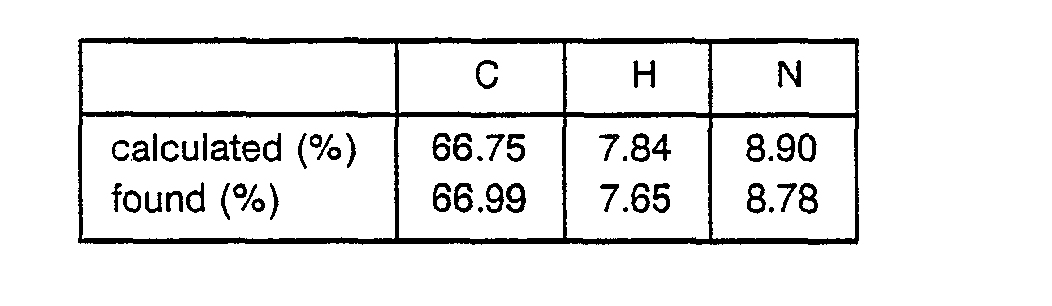
- 418 mg of Z-Pro-OH was dissolved in 10 ml of THF, followed by cooling to -20 °C. 0.184 ml of N-methylmorpholine and 0.160 ml of ethyl chlorocarbonate were added thereto. After 5 minutes, a solution of 770 mg of H-Trp-Tle-Leu-OBut prepared by the catalytic reduction of Z-Trp-Tle-Leu-OBul in the presence of Pd-C in 5 ml of THF was added thereto. The obtained mixture was stirred at -5 C for 2 hours and filtered to remove precipitates. The filtrate was concentrated and the residue was dissolved in ethyl acetate to obtain a solution. This solution was washed with an aqueous solution of NaHCO3 and water successively and evaporated to dryness to obtain 1.1 g of Z-Pro-Trp-Tle-Leu-OBul as a powder.
° TLC ; Rf value = 0.69
(methanol : chloroform = 1 : 6)
° Angle of rotation; [a]D = -88.7°
(C = 0.63, dichloromethane)
° Elemental analysis ; C40H55N5O7·0.3H2O
- 3.6 g of H-Pro-Trp-Tle-Leu-OBut prepared by the catalytic reduction of Z-Pro-Trp-Tle-Leu-OBut in the presence of Pd-C and 2.85 g of Z-Arg(Tos)-OH were dissolved in 50 ml of THF, followed by cooling to 5° C. 1.25 g of N-hydroxybenzotriazole and 1.4 g of dicyclohexylcarbodiimide were added thereto successively. The obtained mixture was stirred at 5°C overnight and filtered to remove precipitates. The obtained filtrate was concentrated and the residue was dissolved in ethyl acetate to obtain a solution. This solution was washed with an aqueous solution of Na2C03 and water and evaporated to dryness. The obtained residue was purified by silica gel column chromatography to obtain 3.46 g of Z-Arg(Tos)-Pro-Trp-Tle-Leu-OBut.
° TLC ; Rf value = 0.25
(methanol : chloroform = 1 : 8)
° Angle of rotation; [α]D = -41.9°
(C = 0.67, dichloromethane)
o Elemental analysis ; C53H73N9O10S·1.5H2O
- 1.63 g of Boc-D-Lys(CI-Z)-OH-TBA was dissolved in water and ethyl acetate in the presence of 3.4 ml of N-H2SO4 and the ethyl acetate layer was washed with water and evaporated to dryness to obtain an oil. This oil was dissolved in 30 ml of THF to obtain a solution. This solution was cooled to -20° C, followed by the addition thereto of 0.368 ml of N-methylmorpholine and 0.319 ml of ethyl chlorocarbonate. After 5 minutes, a solution of 2.99 g of H-Arg(Tos)-Pro-Trp-Tle-Leu-OBut prepared by the catalytic reduction of Z-Arg(Tos)-Pro-Trp-Tle-Leu-OBut in the presence of Pd-C in 10 ml of THF was added thereto. The obtained mixture was stirred at -5°C for 2 hours and filtered to remove precipitates. The filtrate was evaporated to dryness to obtain 3.7 g of Boc-D-Lys(CI-Z)-Arg(Tos)-Pro-Trp-Tle-Leu-OBut.
a TLC ; Rf value = 0.61
(methanol : chloroform = 1 : 8)
o Angle of rotation ; [α]D = 51.4°
(C = 0.18, dichloromethane)
o Elemental analysis ; C64H92N11O13SCl·1H2O
- 3.0 g of Boc-D-Lys(Cl-Z)-Arg(Tos)-Pro-Trp-Tle-Leu-OBut. was dissolved in 100 ml of HF in a hermetically, closed HF reactor in the presence of 1.5 ml of anisole at -10° C, followed by stirring for one hour. The HF was distilled off. The obtained residue was washed with ether and dissolved in water to obtain a solution. This solution was treated with Amberlite IRA-93 acetic acid form) and freeze-dried to obtain a crude peptide. The crude peptide was purified with an ion-exchanger (CM-Toyopearl, 2.5 φ x 24.5 cm, H20-0.4 M ammonium acetate, the gradient method) to obtain 760 mg of H-D-Lys-Arg-Pro-Trp-Tle-Leu-OH as its acetic acid salt.
° TLC ; Rf value = 0.43
(butanol : acetic acid : water = 4 : 1 : 1 )
° Angle of rotation ; [α]D = -79.2°
(C = 1,1% acetic acid)
° Mass spectrometric analysis (FAB) ; 840 [(M + H)+]
° Amino acid analysis ; Pro 1.05(1), Leu 0.95(1), Lys 1.02(1), Trp 0.93(1), Arg 1.05(1) - 1.11 g of Z-Pro-OH was dissolved in 15 ml of THF to obtain a solution. This solution was cooled to -20 °C, followed by the addition thereto of 0.49 ml of N-methylmorpholine and 0.43 ml of ethyl chlorocarbonate. After 5 minutes, a solution of 0.21 g of H-Trp-Tle-Leu-OEt prepared by the catalytic reduction of Z-Trp-Tle-Leu-OEt in the presence of Pd-C in 10 ml of THF was added thereto. The obtained mixture was stirred at -5°C for 2 hours and filtered to remove precipitates. The filtrate was concentrated and the obtained residue was dissolved in ethyl acetate to obtain a solution. This solution was washed with an aqueous solution of Na2C03 and water and evaporated to dryness. The obtained residue was purified by silica gel column chromatography to obtain 30.9 g of Z-Pro-Trp-Tle-Leu-OEt as an amorphous substance. ° TLC ; Rf value = 0.36
(methanol : chloroform = 1 : 20)
o Angle of rotation ; [α]D = 41.1 (C = 1, DMF)
° Elemental analysis ; C38 H51 Ns 07
- 1.66 g of Z-Lys(Boc)-OH was dissolved in 30 ml of THF, followed by cooling to -20 °C. 0.48 ml of N-methylmorpholine and 0.42 ml of ethyl chlorocarbonate were added. After 5 minutes, a solution of 2.42 g of H-Pro-Trp-Tle-Leu-OEt prepared by the catalytic reduction of Z-Pro-Trp-Tle-Leu-OEt in the presence of Pd-C in 20 ml of THF was added. The obtained mixture was stirred at -5° C for 2 hours and filtered to remove precipitate. The residue'was dissolved in ethyl acetate to obtain a solution. This solution was washed with an aqueous solution of Na2CO3 and water successively and evaporated to dryness. The obtained residue was purified by silica gel column chromatography to obtain 3.03 g of Z-Lys(Boc)-Pro-Trp-Tle-Leu-OEt as an amorphous substance.
° TLC ; Rf value = 0.50
(methanol: dichloromethane = 1 : 10)
° Angle of rotation ; [α]D = -39.3° (C = 1, DMF)
° Elemental analysis ; C49 H72 N7O10 ·0.3H2O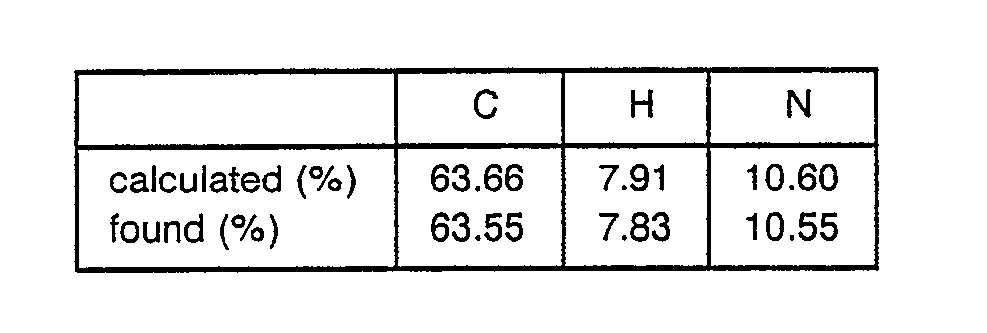
- 1.79 g of Boc-(Me)Arg(Mtr)-OH prepared from H-Arg(Mtr)-OH according to the method of P. Quitt et al. [Helvetica Chemica Acta, 32, 327 (1963)] was dissolved in 300 ml of THF to obtain a solution. This solution was cooled to -20 C, followed by the addition thereto of 0.39 ml of N-methylmorpholine and 0.34 ml of ethyl chlorocarbonate. After 5 minutes, a solution of 2.54 g of H-Lys(Boc)-Pro-Trp-Tle-Leu-OEt prepared by the catalytic reduction of Z-Lys(Boc)-Pro-Trp-Tle-Leu-OEt in the presence of Pd-C in 20 ml of THF was added thereto. The obtained mixture was stirred at -5° C for 2 hours and filtered to remove precipitates. The filtrate was concentrated and the residue was dissolved in ethyl acetate to obtain a solution. This solution was washed with an aqueous solution of Na2C03 and water and evaporated to dryness. The obtained residue was purified by silica gel column chromatography to obtain 2.33 g of Boc-(Me)Arg(Mtr)-Lys(Boc)-Pro-Trp-Tle-Leu-OEt.
° TLC ; Rf value = 0.34
° Angle of rotation ; [a]D = -33.6° (C = 1, DMF)
° Elemental analysis ; C63H102N11O14S·0.3H2O
- 1.2 g of Boc-(Me)Arg(Mtr)-Lys(Boc)-Pro-Trp-Tle-Leu-OEt and 1.2 ml of anisole were dissolved in 24 ml of CF3COOH to obtain a solution. The solution was stirred at 30° C for 4 hours and distilled to remove the CFaCOOH. The obtained residue was washed with ether and filtered to obtain a crude peptide. This crude peptide was purified by high-performance liquid chromatography [Nucleosil-5C18, 2.0 φ x 25 cm, eluted with 0.015% HCI (H2O-CH3CN = 84 : 16)] and freeze-dried to obtain 350 mg of H(Me)Arg-Lys-Pro-Trp-Tle-Leu-OEt as its hydrochloride in the form of powder.
o TLC ; Rf value = 0.71
(butanol : acetic acid : water = 2 : 1 : 1)
o Angle of rotation ; [α]D = -71.3
(C = 0.8, 1% acetic acid)
· Mass spectrometric analysis (FAB) ; 854 [(M + H)+]
· Amino acid analysis ; Pro 1.07(1), Leu 0.9(1), Trp 0.96(1) - 2.97 g of H(Me)Arg-Lys-Pro-Trp-Tle-Leu-OEt was dissolved in a mixture comprising 20 ml of H20 and ml of MeOH, followed by the addition thereto of 9.25 ml of 2N-NaOH. The obtained mixture was stirred for 2 hours, neutralized with N-HCI and concentrated. The residue was purified by high-performance liquid chromatography [Chemcosorb 5-ODS-H, 2.0 0 x 25 cm, eluted with 0.015% HCI (H2O-CH3CN = 90 : 10)] to obtain 2.4 g of H(Me)Arg-Lys-Pro-Trp-Tle-Leu-OH as its hydrochloride in the form of powder.
TLC ; Rf value = 0.39
(butanol : acetic acid : water = 4 : 1 : 1)
· Angle of rotation ; [a]p = -74.5°
(C = 0.9, 1 % acetic acid)
o Mass spectrometric analysis (FAB) ; 826 [(M + H)
· Amino acid analysis ; Pro 1.13(1), Leu 0.96(1), Trp 0.91(1) - The compounds shown in Table 2 were each prepared by an ordinary liquid-phase method in a similar manner to the one described in Examples 1 to 7. More precisely, the compounds were each prepared by synthesizing a peptide by a process which comprised stepwise condensation of amino acids by the use of an ester of C-terminal amino acid as a starting material according to the mixed anhydride method or the DCC-HOBt or DCC-HOSu method, or a process which comprised stepwise synthesis of a derivative comprising the 8-th to 10-th residues (Arg-Arg-Pro) of neurotensin and a derivative comprising the 11-th to 13-th residues (Tyr-Ile-Leu) thereof each from its C-terminal and binding both the derivatives by fragment condensation such as the mixed anhydride method or the DCC-HOBt or DCC-HOSu method, eliminating all the protective groups of the peptide by treatment with hydrogen fluoride (HF) or CF3COOH and purifying the resulting peptide by ion-exchange chromatography or preparative high-performance liquid chromatography.
- The compounds listed in Table 2 were obtained as its acid addition salt such as acetic acid salt and hydrochloride. Addition of the salts depends on a purification method when it is needed. In Table 2, each compound is shown in its salt-free form.
- The angle of rotation [α]D, Rf value of TLC and results of amino acid analysis with respect to the obtained peptides are shown in Table 3.
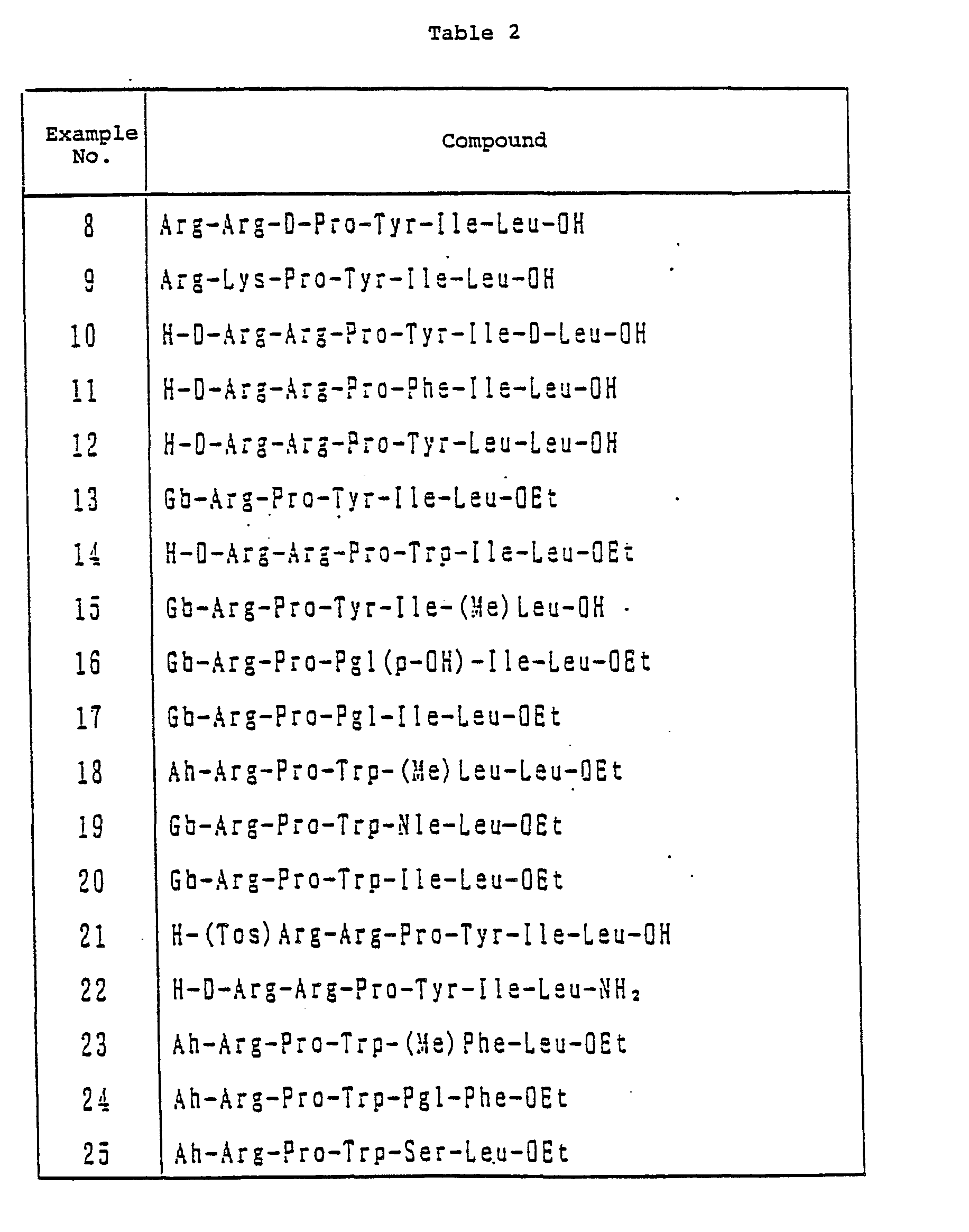

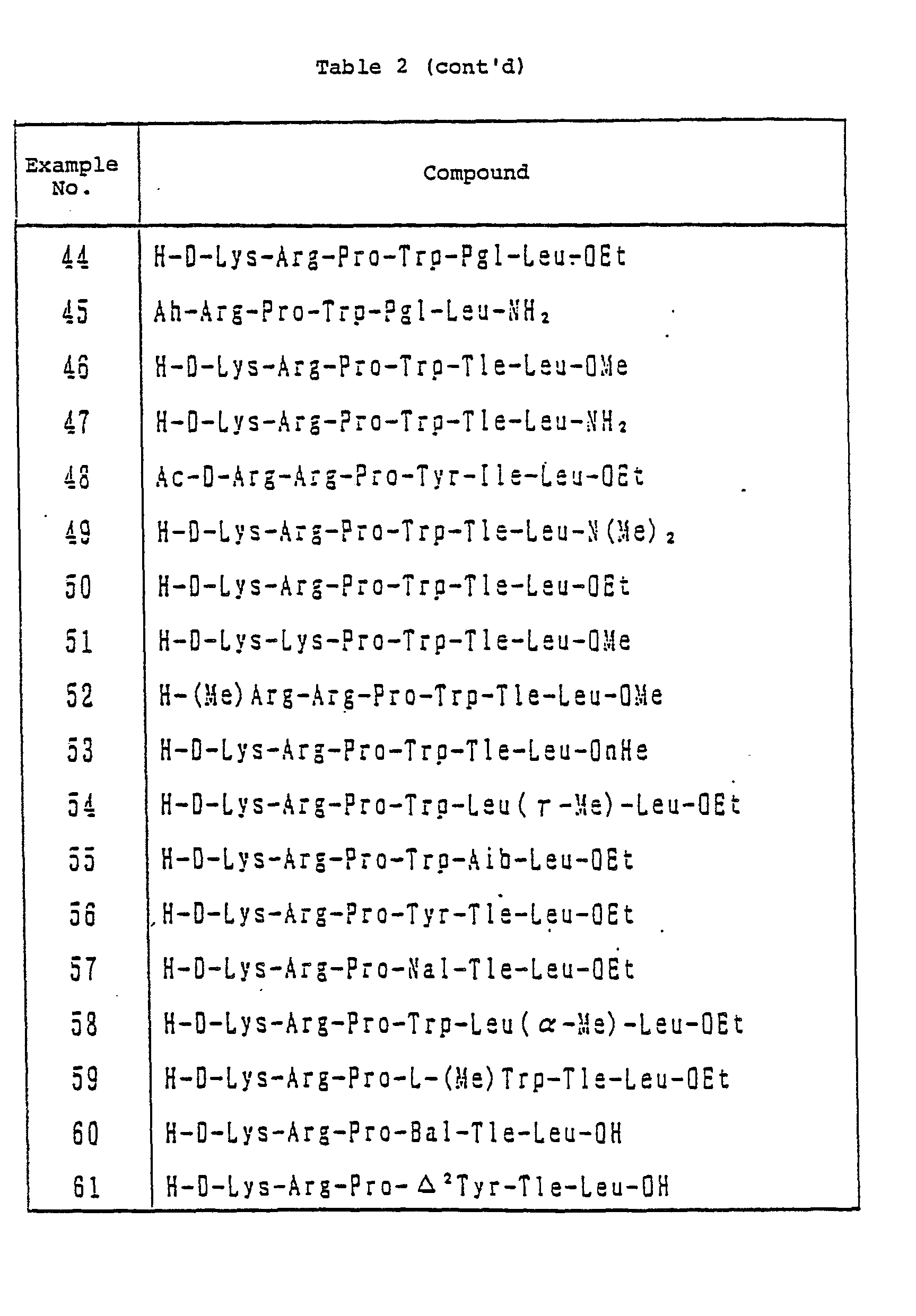


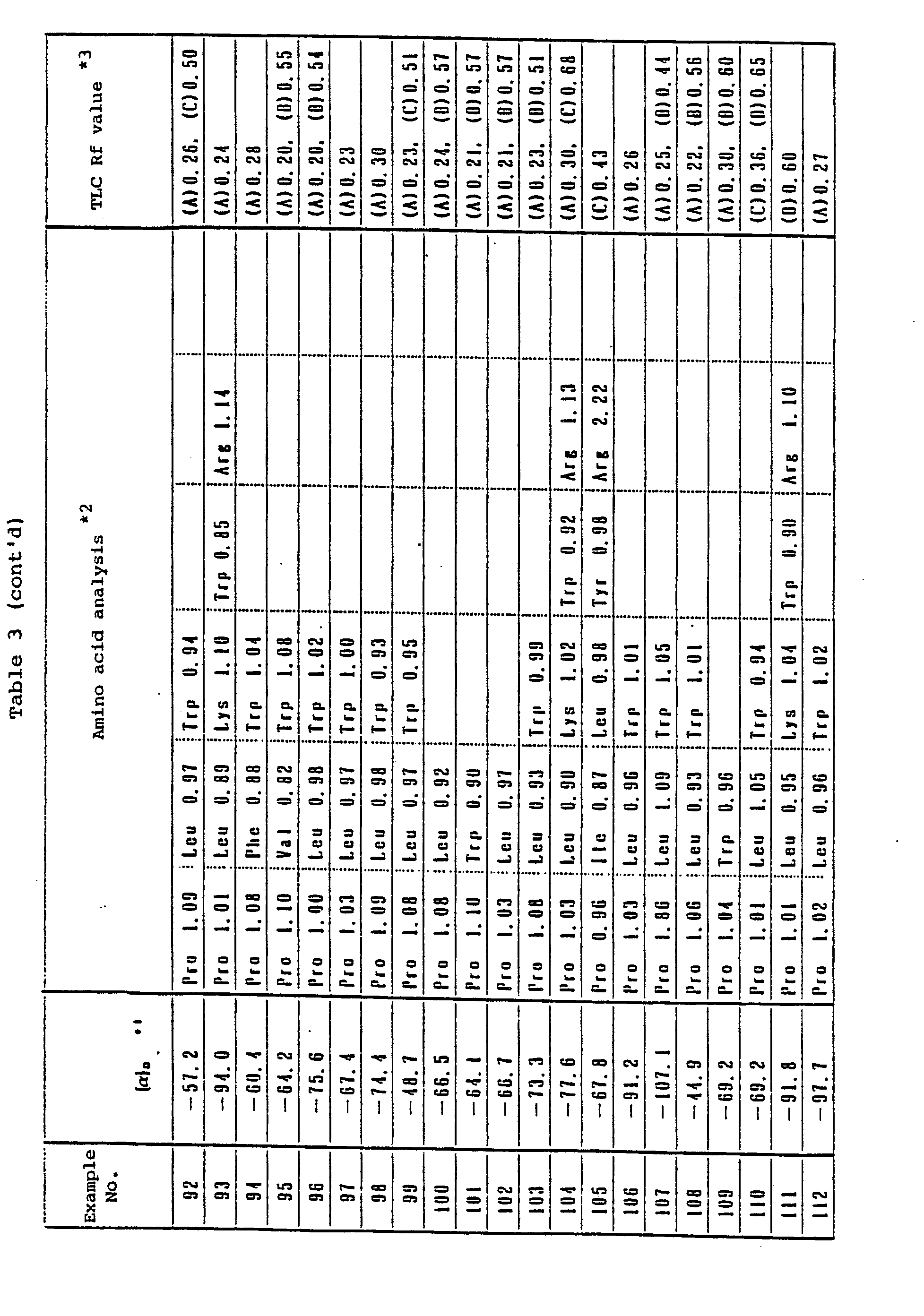


Claims (35)
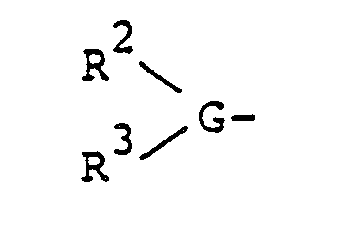


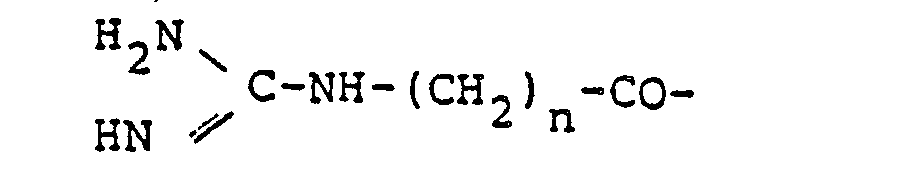


Applications Claiming Priority (2)
| Application Number | Priority Date | Filing Date | Title |
|---|---|---|---|
| JP5798588 | 1988-03-11 | ||
| JP57985/88 | 1988-03-11 |
Publications (2)
| Publication Number | Publication Date |
|---|---|
| EP0333071A2 true EP0333071A2 (en) | 1989-09-20 |
| EP0333071A3 EP0333071A3 (en) | 1990-09-26 |
Family
ID=13071304
Family Applications (1)
| Application Number | Title | Priority Date | Filing Date |
|---|---|---|---|
| EP19890104302 Withdrawn EP0333071A3 (en) | 1988-03-11 | 1989-03-10 | Polypeptides, methods for their preparation, pharmaceutical compositions comprising them and use |
Country Status (7)
| Country | Link |
|---|---|
| EP (1) | EP0333071A3 (en) |
| KR (1) | KR890014579A (en) |
| AU (1) | AU3108389A (en) |
| DK (1) | DK116989A (en) |
| FI (1) | FI890918A7 (en) |
| HU (1) | HU199879B (en) |
| NO (1) | NO891006L (en) |
Cited By (14)
| Publication number | Priority date | Publication date | Assignee | Title |
|---|---|---|---|---|
| WO1993000359A1 (en) * | 1991-06-27 | 1993-01-07 | The Du Pont Merck Pharmaceutical Company | Modified peptides transportable into the central nervous system |
| EP0526192A3 (en) * | 1991-07-30 | 1993-12-08 | Tsumura & Co | Hexapeptide |
| US5407916A (en) * | 1993-02-16 | 1995-04-18 | Warner-Lambert Company | Neurotensin mimetics as central nervous system agents |
| EP0606804A3 (en) * | 1992-12-30 | 1995-05-24 | Univ Mcgill | Marker for neurotensin receptor. |
| US5846940A (en) * | 1994-08-05 | 1998-12-08 | Sinseiro Okamoto | Corneal therapeutic agent |
| US6054557A (en) * | 1995-04-04 | 2000-04-25 | Advanced Bioconcept (1994) Ltd. | Fluorescent peptides |
| US6214790B1 (en) | 1998-04-10 | 2001-04-10 | Mayo Foundation For Medical Education And Research | Neo-tryptophan |
| US6251944B1 (en) * | 1996-03-29 | 2001-06-26 | G. D. Searle & Company | Para-substituted phenylene derivatives |
| US6680367B1 (en) | 1995-07-20 | 2004-01-20 | Advanced Bioconcept Company | Fluorescent CRF receptor-binding peptides |
| US7087575B2 (en) | 2002-07-18 | 2006-08-08 | Mayo Foundation For Medical Education And Research | Treating the effect of nicotine |
| FR2883873A1 (en) * | 2005-03-31 | 2006-10-06 | Pharmamens Sarl | AGE INHIBITORS |
| US7671025B2 (en) | 2006-02-24 | 2010-03-02 | Sarentis Therapeutics, Inc. | Neurotensin receptor agonists and opioid receptor agonists |
| RU2411248C2 (en) * | 2008-11-13 | 2011-02-10 | Учреждение Российской академии наук Институт молекулярной генетики РАН (ИМГ РАН) | Agent exhibiting antipsychotic activity |
| US20130217632A1 (en) * | 2004-06-17 | 2013-08-22 | Musc Foundation For Research Development | Non-Natural Amino Acids |
Family Cites Families (1)
| Publication number | Priority date | Publication date | Assignee | Title |
|---|---|---|---|---|
| US4425269A (en) * | 1982-06-07 | 1984-01-10 | Merck & Co., Inc. | Metabolically protected analogs of neurotensin |
-
1989
- 1989-02-27 FI FI890918A patent/FI890918A7/en not_active Application Discontinuation
- 1989-03-07 AU AU31083/89A patent/AU3108389A/en not_active Abandoned
- 1989-03-09 NO NO89891006A patent/NO891006L/en unknown
- 1989-03-10 EP EP19890104302 patent/EP0333071A3/en not_active Withdrawn
- 1989-03-10 DK DK116989A patent/DK116989A/en not_active Application Discontinuation
- 1989-03-10 HU HU891180A patent/HU199879B/en not_active IP Right Cessation
- 1989-03-11 KR KR1019890002988A patent/KR890014579A/en not_active Ceased
Cited By (25)
| Publication number | Priority date | Publication date | Assignee | Title |
|---|---|---|---|---|
| WO1993000359A1 (en) * | 1991-06-27 | 1993-01-07 | The Du Pont Merck Pharmaceutical Company | Modified peptides transportable into the central nervous system |
| EP0526192A3 (en) * | 1991-07-30 | 1993-12-08 | Tsumura & Co | Hexapeptide |
| US5393740A (en) * | 1991-07-30 | 1995-02-28 | Tsumura & Co. | Neurotensin Hexapeptides |
| EP0606804A3 (en) * | 1992-12-30 | 1995-05-24 | Univ Mcgill | Marker for neurotensin receptor. |
| US5407916A (en) * | 1993-02-16 | 1995-04-18 | Warner-Lambert Company | Neurotensin mimetics as central nervous system agents |
| US5846940A (en) * | 1994-08-05 | 1998-12-08 | Sinseiro Okamoto | Corneal therapeutic agent |
| US6054557A (en) * | 1995-04-04 | 2000-04-25 | Advanced Bioconcept (1994) Ltd. | Fluorescent peptides |
| US6821952B1 (en) | 1995-07-20 | 2004-11-23 | Perkinelmer Las, Inc. | Fluorescent vasoactive intestinal peptide (VIP) |
| US7041642B1 (en) | 1995-07-20 | 2006-05-09 | Perkinelmer Las, Inc. | Fluorescent bombesin-like peptides |
| US6680367B1 (en) | 1995-07-20 | 2004-01-20 | Advanced Bioconcept Company | Fluorescent CRF receptor-binding peptides |
| US6815423B1 (en) | 1995-07-20 | 2004-11-09 | Perkinelmer Las, Inc. | Fluorescent substance P |
| US6251944B1 (en) * | 1996-03-29 | 2001-06-26 | G. D. Searle & Company | Para-substituted phenylene derivatives |
| US7098307B2 (en) | 1998-04-10 | 2006-08-29 | Mayo Foundation For Medical Education And Research | Neo-tryptophan |
| US6921805B2 (en) | 1998-04-10 | 2005-07-26 | Mayo Foundation For Medical Education And Research | Neo-tryptophan |
| US6214790B1 (en) | 1998-04-10 | 2001-04-10 | Mayo Foundation For Medical Education And Research | Neo-tryptophan |
| US6765099B2 (en) | 1998-04-10 | 2004-07-20 | Mayo Foundation For Medical Education And Research | Neo-tryptophan |
| US7642231B2 (en) | 1998-04-10 | 2010-01-05 | Mayo Foundation For Medical Education And Research | Neo-tryptophan |
| US7087575B2 (en) | 2002-07-18 | 2006-08-08 | Mayo Foundation For Medical Education And Research | Treating the effect of nicotine |
| US20130217632A1 (en) * | 2004-06-17 | 2013-08-22 | Musc Foundation For Research Development | Non-Natural Amino Acids |
| US9359291B2 (en) * | 2004-06-17 | 2016-06-07 | Musc Foundation For Research Development | Non-natural amino acids |
| FR2883873A1 (en) * | 2005-03-31 | 2006-10-06 | Pharmamens Sarl | AGE INHIBITORS |
| US9512176B2 (en) | 2005-03-31 | 2016-12-06 | Centre National De La Recherche Scientifique | Age inhibitors |
| US7671025B2 (en) | 2006-02-24 | 2010-03-02 | Sarentis Therapeutics, Inc. | Neurotensin receptor agonists and opioid receptor agonists |
| US8058230B2 (en) | 2006-02-24 | 2011-11-15 | Sarentis Therapeutics, Inc. | Neurotensin receptor agonists and opioid receptor agonists |
| RU2411248C2 (en) * | 2008-11-13 | 2011-02-10 | Учреждение Российской академии наук Институт молекулярной генетики РАН (ИМГ РАН) | Agent exhibiting antipsychotic activity |
Also Published As
| Publication number | Publication date |
|---|---|
| HU199879B (en) | 1990-03-28 |
| DK116989D0 (en) | 1989-03-10 |
| NO891006D0 (en) | 1989-03-09 |
| DK116989A (en) | 1989-09-12 |
| FI890918A0 (en) | 1989-02-27 |
| EP0333071A3 (en) | 1990-09-26 |
| HUT49370A (en) | 1989-09-28 |
| AU3108389A (en) | 1989-09-14 |
| KR890014579A (en) | 1989-10-24 |
| NO891006L (en) | 1989-09-12 |
| FI890918A7 (en) | 1989-09-12 |
Similar Documents
| Publication | Publication Date | Title |
|---|---|---|
| US4024248A (en) | Peptides having LH-RH/FSH-RH activity | |
| BE1003752A4 (en) | Novel peptide, preparation and their use as drugs. | |
| EP0181001B1 (en) | Polypeptide, a process for preparing the same, a pharmaceutical composition containing said polypeptide as well as the use thereof | |
| US4619916A (en) | Tripeptide compounds containing pyroglutamic acid and tryptophan, process for their production and therapeutic applications | |
| HU211634A9 (en) | Tripeptide antithrombotic agents | |
| EP0109418A1 (en) | Gonadoliberin derivatives, process for the preparation and pharmaceutical and veterinary compositions thereof | |
| JPS6340199B2 (en) | ||
| JPH0364514B2 (en) | ||
| EP0333071A2 (en) | Polypeptides, methods for their preparation, pharmaceutical compositions comprising them and use | |
| US4301065A (en) | Novel polypeptides having thymic activity or an antagonistic activity and processes for their synthesis | |
| EP1309613B1 (en) | Pharmaceutical composition comprising an analgesic peptide | |
| JPH04500666A (en) | peptide compounds | |
| JPH09507213A (en) | Antithrombotic azacycloalkylalkanoyl and pseudopeptides | |
| EP0516851B1 (en) | Physiologically active substance well capable of permeating biomembrane | |
| EP0101929B1 (en) | Polypeptide-diesters, their production and use | |
| JPS6220200B2 (en) | ||
| US3371080A (en) | Phenylalanine2-ornithine-vasopressin | |
| US3801561A (en) | Derivatives of salmon thyrocalcitonin | |
| HUT75538A (en) | Oligopeptides derived from c-reactive protein fragments | |
| JPH0631314B2 (en) | Novel gonadobereline derivative | |
| JPH0262559B2 (en) | ||
| JP2714425B2 (en) | Polypeptide | |
| AU1807597A (en) | Peptide inhibitors of hematopoietic cell proliferation | |
| US4247543A (en) | Organic compounds | |
| EP2051991B1 (en) | Cardioprotective compounds |
Legal Events
| Date | Code | Title | Description |
|---|---|---|---|
| PUAI | Public reference made under article 153(3) epc to a published international application that has entered the european phase |
Free format text: ORIGINAL CODE: 0009012 |
|
| AK | Designated contracting states |
Kind code of ref document: A2 Designated state(s): AT BE CH DE ES FR GB IT LI LU NL SE |
|
| PUAL | Search report despatched |
Free format text: ORIGINAL CODE: 0009013 |
|
| AK | Designated contracting states |
Kind code of ref document: A3 Designated state(s): AT BE CH DE ES FR GB IT LI LU NL SE |
|
| 17P | Request for examination filed |
Effective date: 19901012 |
|
| STAA | Information on the status of an ep patent application or granted ep patent |
Free format text: STATUS: THE APPLICATION HAS BEEN WITHDRAWN |
|
| 18W | Application withdrawn |
Withdrawal date: 19910607 |
|
| R18W | Application withdrawn (corrected) |
Effective date: 19910607 |